Stops along the way
Stops between İstanbul and İzmir
521 km, roughly 5 hours of driving. The stops below are ordered as you pass them — the same road in both directions.
In short
The drive between İstanbul and İzmir is 521 km and takes roughly 5 hours. There are 696 described places within 20 km of this route; it crosses 7 provinces, and the densest stretch is in Bursa (248 places).
There are 696 places within 20 km of this corridor; the 44 below are spread evenly along the drive.
1
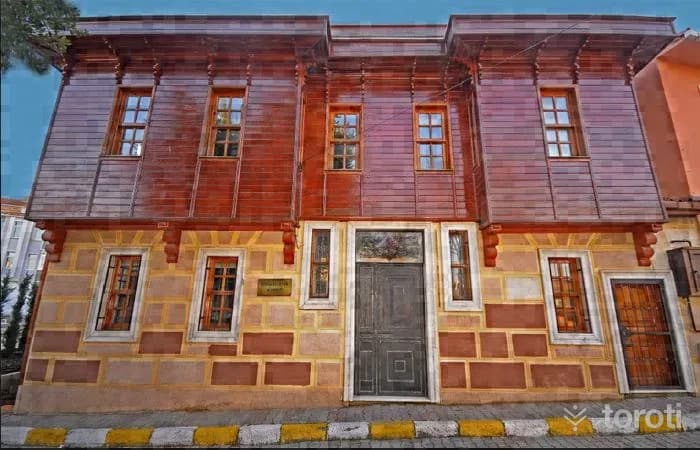
Avrupa Kültür Başkenti Mübadele Müzesi
Çatalca, İstanbul
The European Capital of Culture Exchange Museum is Turkey's first migration-themed museum, providing an important space for those nostalgic about the past.
- No image
2
Arnavutköy Yeniköy Halk Plajı
Arnavutköy, İstanbul
Arnavutköy Yeniköy Public Beach is a public beach candidate included in the official 2025 Blue Flag list.
3
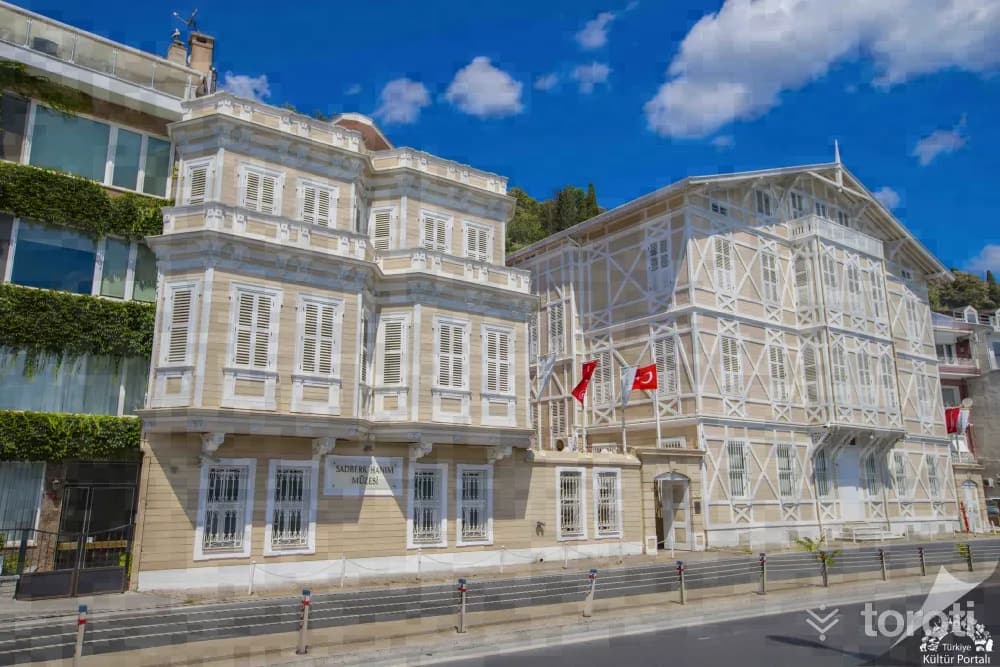
Sadberk Hanim Müzesi
Sarıyer, İstanbul
Sadberk Hanım Museum is located in a 19th-century building and hosts a rich collection of artifacts.
- No image
4
Rumeli Feneri
Sarıyer, İstanbul
Rumeli Feneri is a historic lighthouse located at the point where the Bosphorus meets the Black Sea.
5
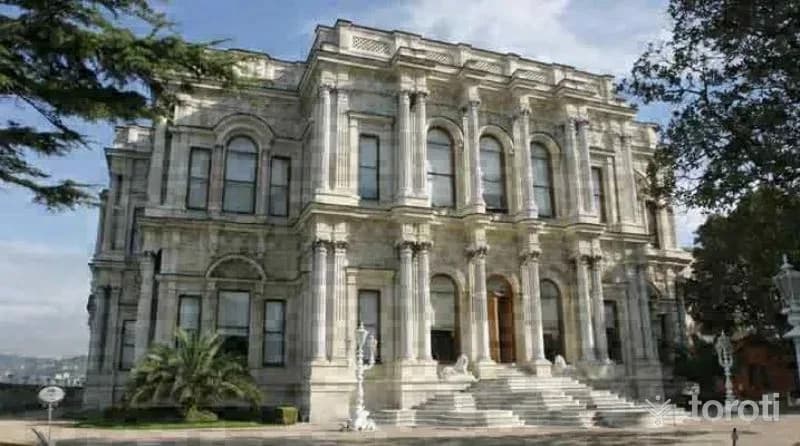
Beylerbeyi Sarayı
Üsküdar, İstanbul
Beylerbeyi Palace was built as a summer residence for Ottoman sultans and served to host foreign heads of state.
6
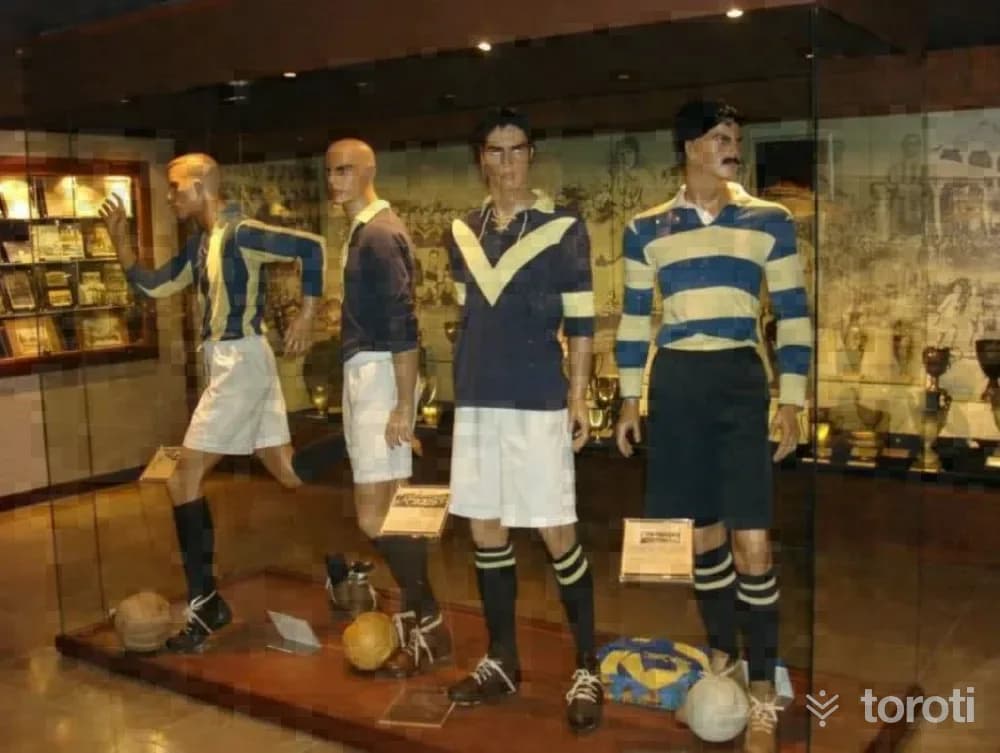
Fenerbahçe Spor Kulübü Müzesi
Kadıköy, İstanbul
The Fenerbahçe Sports Club Museum showcases the 100 years of achievements and awards of Fenerbahçe, an essential part of Turkish sports.
- No image
7
Polonezköy
Beykoz, İstanbul
Polonezköy is a village located 30 km away from Istanbul, immersed in nature. It is a peaceful getaway with walking paths and cycling trails.
8
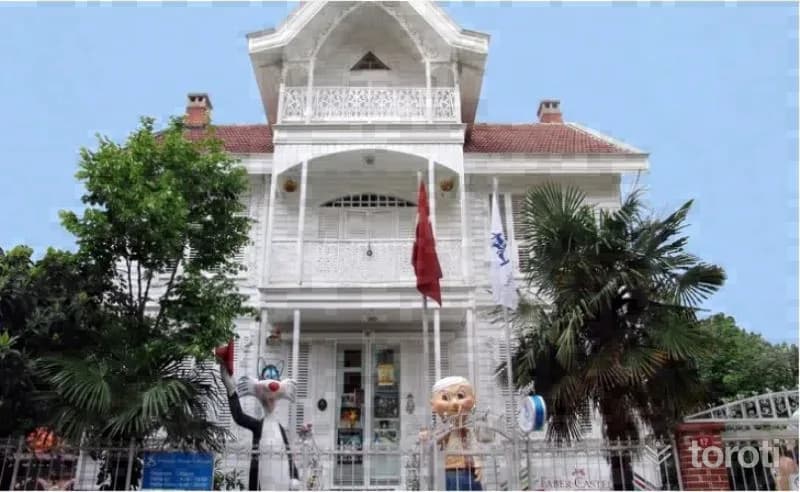
İstanbul Oyuncak Müzesi
Kadıköy, İstanbul
The Istanbul Toy Museum, founded by poet-writer Sunay Akın, opened its doors in 2005. The museum showcases over 4,000 toys acquired from various parts of the world.
9
Adalar Müzesi
Adalar, İstanbul
The Adalar Museum, Istanbul's first contemporary city museum, opened in 2010. It offers visitors an interactive experience showcasing the nature, history, and cultural richness of the Islands.
10
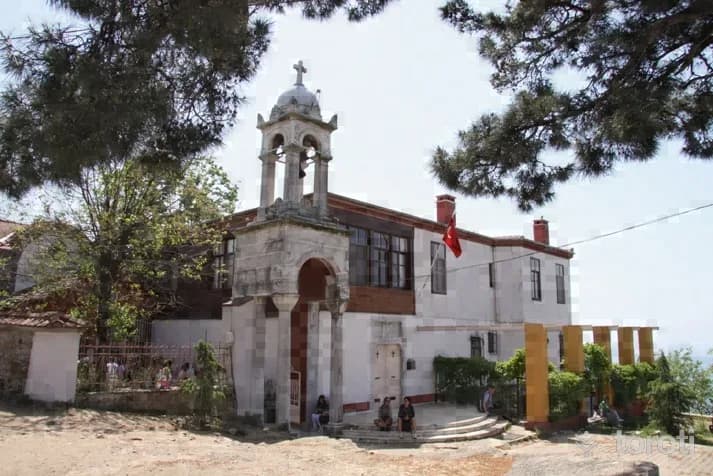
Aya Yorgi Rum Manastiri / Yücetepe
Adalar, İstanbul
The Aya Yorgi Greek Orthodox Monastery is a historic site located at the highest point of Büyükada. Built in 963 AD, it is dedicated to Saint Georgios.
11
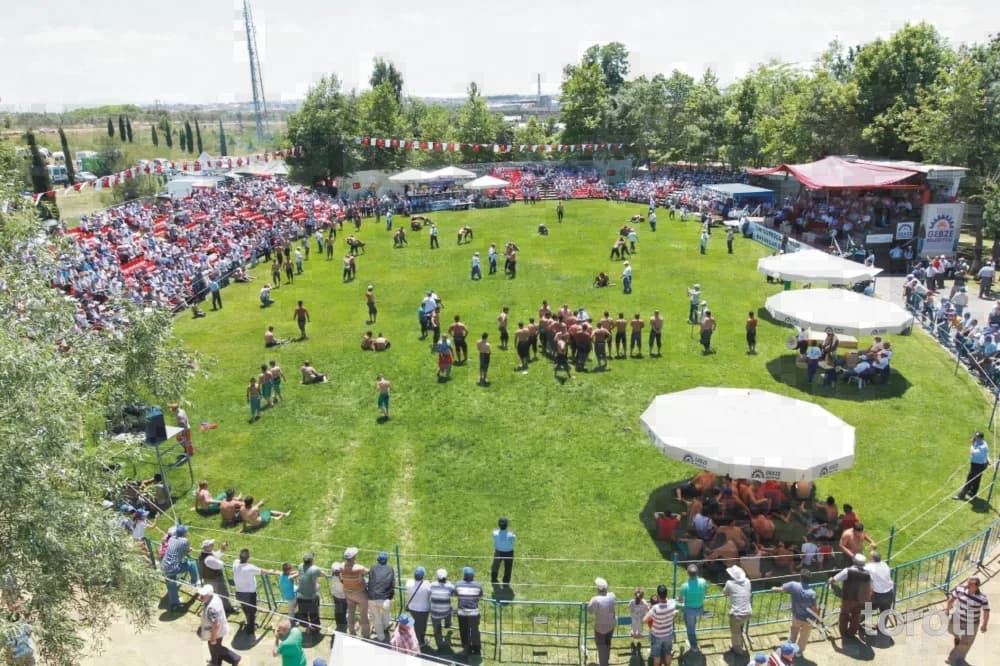
HünkÂr Çeşmesi Ve Çayiri
Gebze, Kocaeli
Hünkâr Çeşmesi and Çayırı is a historical site dedicated to Fatih Sultan Mehmet, featuring a fountain and hosting traditional wrestling festivals annually.
12
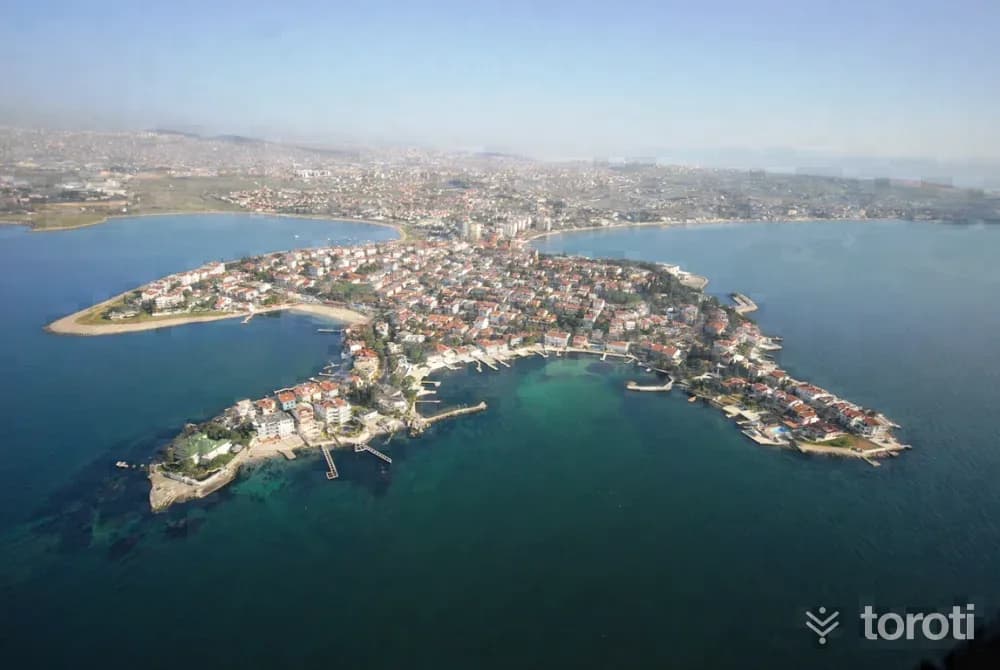
Bayramoğlu Adası
Darıca, Kocaeli
Bayramoğlu Island is a peninsula known for its historical background and natural beauty. It is an ideal place for walking during the summer months.
13
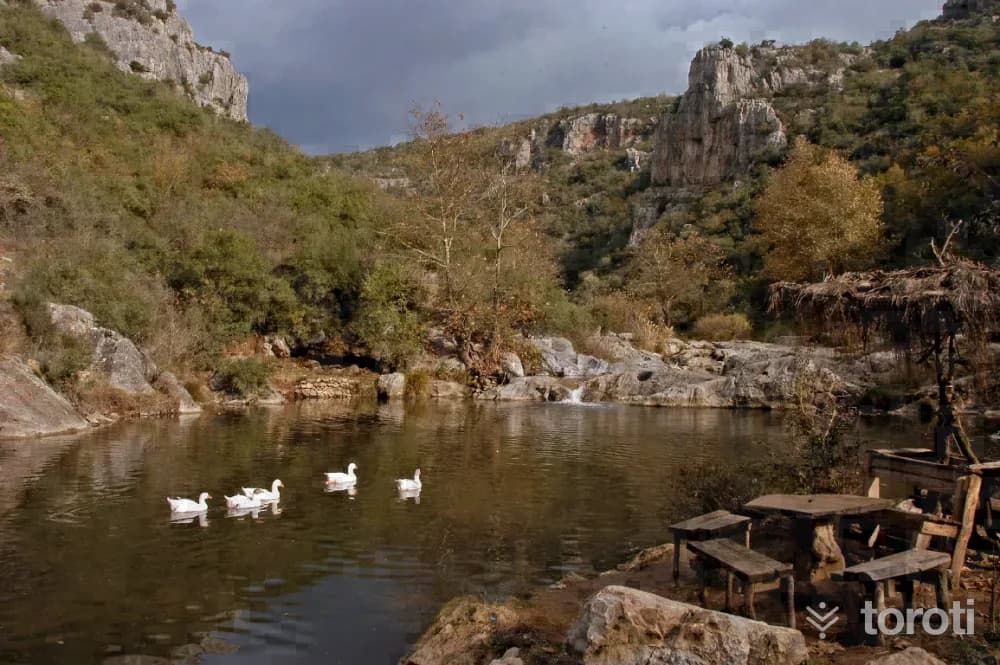
Ballikayalar Vadisi - Gebze
Gebze, Kocaeli
Ballıkayalar Valley, located in Tavşanlı Village of Gebze, is a natural park ideal for climbers.
- No image
14
Ballikayalar
Gebze, Kocaeli
Ballıkayalar is a nature park located in Gebze, offering an ideal area for mountaineering.
- No image
15
Çerkeşli Kayalitepe
Dilovası, Kocaeli
This route, which goes from Çerkeşli village to the summit of Kayalıtepe, is the longest of Kocaeli'nin natural hiking routes. In addition to the length of the distance, the steep ascent and descent should be taken into consideration. Çerkeşli Village forms the starting point of this route.
- No image
16
Safiye Başdeğirmen
Karamürsel, Kocaeli
This route, which involves no difficulty, can be walked without any problems in all four seasons. A part of the route consists of a trail, and a very small part consists of a dirt vehicle road. The route, which starts right inside Safiye Köyü, continues on paths parallel to Suludere.
- No image
17
Fulacik Valideköprü
Karamürsel, Kocaeli
From Fulacık to Valide Köprü or vice versa, whichever way you walk, it is a route without difficulty in all four seasons. This route, which goes from Fulacık Köyü toward Valide Köprü Mahallesi, is of a kind that everyone can easily complete.
- No image
18
Yeşil İmareti
Yıldırım, Bursa
It was built in the 15th century, during the reign of Çelebi Sultan Mehmet, under the supervision of Hacı İvaz. Today, a large part of it is still standing. The imaret and dining hall walls have also survived to the present day. Its roof has completely collapsed. The two-domed kitchen section is quite sound. The main walls were built with stone and brick, and the storage section is also in a collapsed state. On Fridays, Çelebi Sultan Mehmet used to distribute food to the poor from this imaret.
- No image
19
Emir Sultan Külliyesi
Yıldırım, Bursa
Emir Sultan, who lived in Bursa in the first quarter of the 15th century and died in 1429, was born in Bukhara. Because he was descended from Hz. Muhammed, he was called "Emir," and because he won hearts, he was called "Sultan," and he became renowned by the name "Emir Sultan." His real name is Muhammed. He was shown great respect in Bursa. He married Hundi Hatun, the daughter of the Ottoman sultans Yıldırım Beyazıd.
- No image
20
Balabancık ve Gazi Aktimur Hisarı
Yıldırım, Bursa
Gazi Osman Bey planned to turn toward Bursa after Bilecik, İnegöl, Sakarya and Yenişehir. Since the Bursa castle, surrounded by steep rocks, could not be taken easily, Osman Gazi built two observation points that we call havale towers, one on the hill to the east of the city and the other near the hot springs to the west of the city, and blockaded the city by controlling the entrances and exits.
- No image
21
Hünkar Köşkü
Yıldırım, Bursa
Hünkar Köşkü Museum was built in Temenyeri on the slopes of Uludağ during the reign of Abdülmecit to serve as a hunting lodge. The mansion was built in 1859. Abdülaziz and V.
- No image
22
Aladdin Paşa Cami
Osmangazi, Bursa
According to sources describing the early Ottoman period, it was commissioned in 1326 by Alaaddin Bey, one of Osman Gazi’s sons and Orhan Bey’s brother. It is known as the first mosque built in Bursa. In the repair carried out in 1861-62 of the mosque, which was heavily damaged in the 1855 earthquake, some parts were altered, its portico was rebuilt, and a triangular pediment, unsuitable for a Turkish minaret, was made on its facade.
23
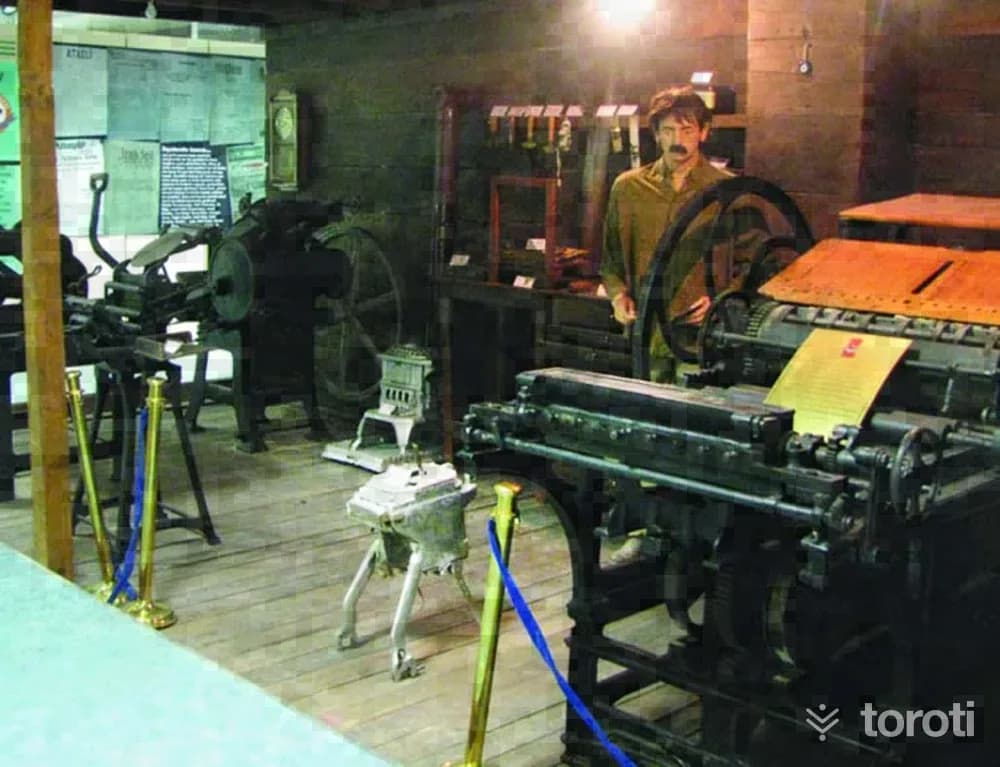
Basin Müzesi
Nilüfer, Bursa
The Press Museum, where the development of the Bursa press throughout the historical process is presented, was opened to visitors in May 2007. It is located in the Press Culture Palace built by the Bursa Journalists Association in Ataevler Mahallesi. In the museum, the deep-rooted history of the printed press and the change in the stages it went through until the present day within the historical process are displayed.
24
Misi Köyü
Nilüfer, Bursa
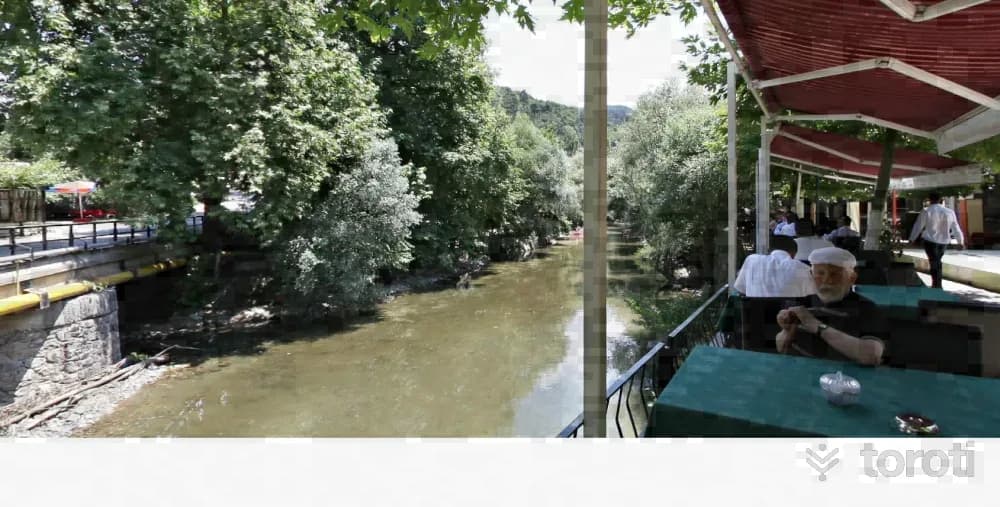
Misi Village has a 2000-year historical past. It is known that Misi Village, which today is connected to Nilüfer District under the name Gümüştepe Neighborhood, is a very old settlement. It is thought that the first name of Misi Village was Mysia. Historical records state that in 183 AD, a monk named Alex, together with his entourage of eighty-five people, settled in İnkaya and Misi villages as pioneers of Christianity, and that the “Consul” gathered and held a discussion of the Bible.
25
Panagia Pontobasilissa Kilisesi
Mudanya, Bursa
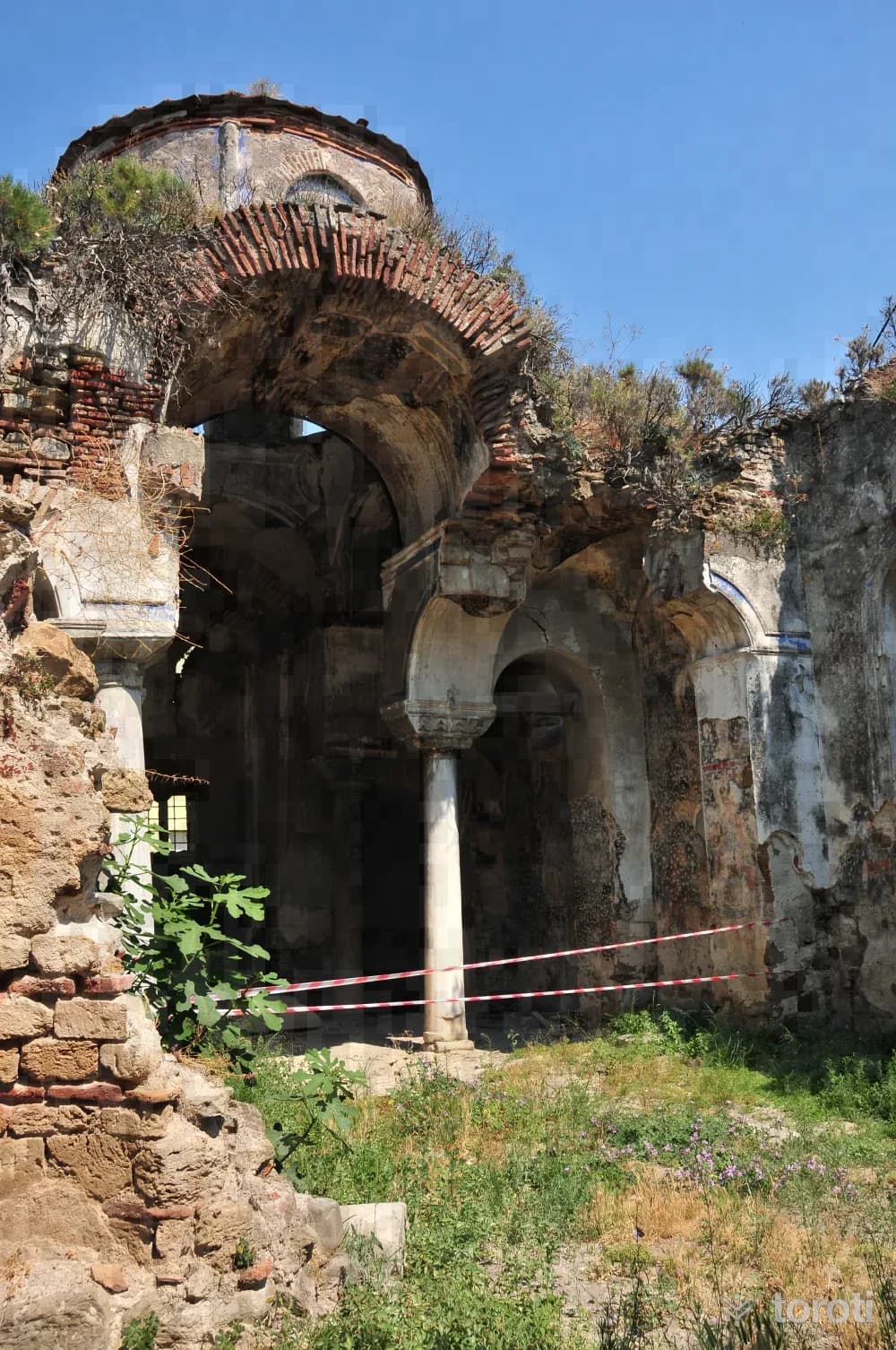
The Panagia Pontobasilissa Church, built in the late 13th century, holds great significance for the Christian community. Known as the Arched Church among locals, it features layered frescoes on its walls.
- No image
26
Arkeopark
Nilüfer, Bursa
Europe’s largest prehistoric park. Reconstructions from the period up to 8500 years ago are featured. Arkeopark, where finds discovered in excavations carried out in the region are also exhibited, is an exemplary historical and touristic venue of the park that will carry Bursa’s 8 thousand 500-year history into the future.
27
Uluabat Gölü
Karacabey, Bursa
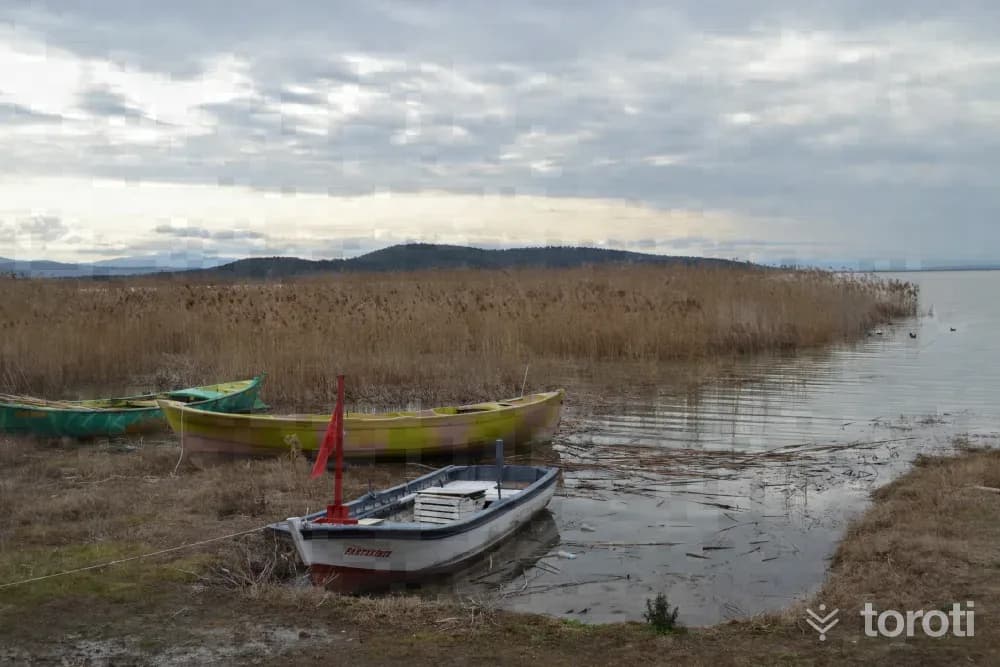
Eskikaraağaç village, also known as the Stork Village, is a charming village in Karacabey District, famous for its storks. The stork village, located approximately 50 km from the center of Bursa, was declared a European Stork Village by the European Natural Heritage Foundation. When you come to Eskikaraağaç village, inside the park at the entrance of the village, there is a bird observation tower, and inside the observation house there is a meeting hall and a small museum.
28
Issiz Han
Karacabey, Bursa
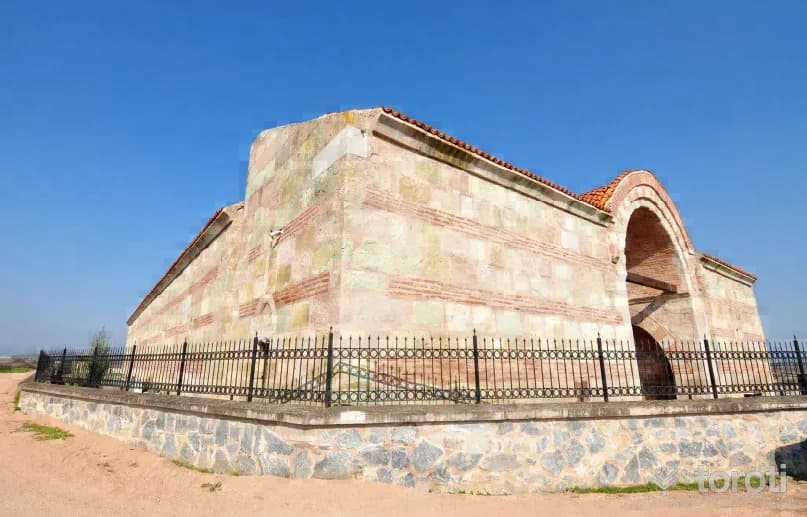
It dates from the period of the Ottoman Sultan Yıldırım Bayezid. The inscription above the door of the restored work states that it was built in 1396 "for good deeds and for the sake of Allah." Located on the İstanbul-Susurluk Irmağı-Uluabat Gölü route, Issız Han, which served citizens free of charge as one of the resting and accommodation bases of river transportation in history, is a fine example of an Ottoman Period caravanserai.
29
Kocaçay Deltası
Karacabey, Bursa
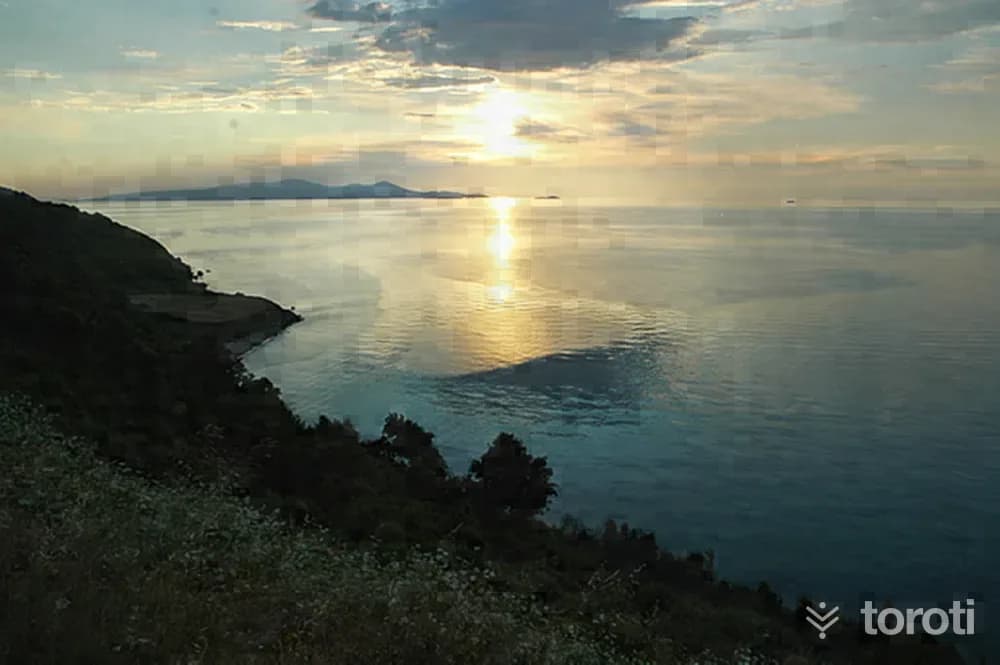
The Susurluk River, formed by the confluence of a large part of the rivers of Southern Marmara, meets the Marmara Sea near Yeniköy in Bursa’s Karacabey district. The Kocaçay Delta, formed by the Susurluk River, consists of a lake, marsh, dune and longoz forest. Located on the southern coast of the Marmara Sea, the delta consists of lake, marsh, dune and floodplain forest ecosystems.
30
Kösehoroz Şelalesi
Mustafakemalpaşa, Bursa
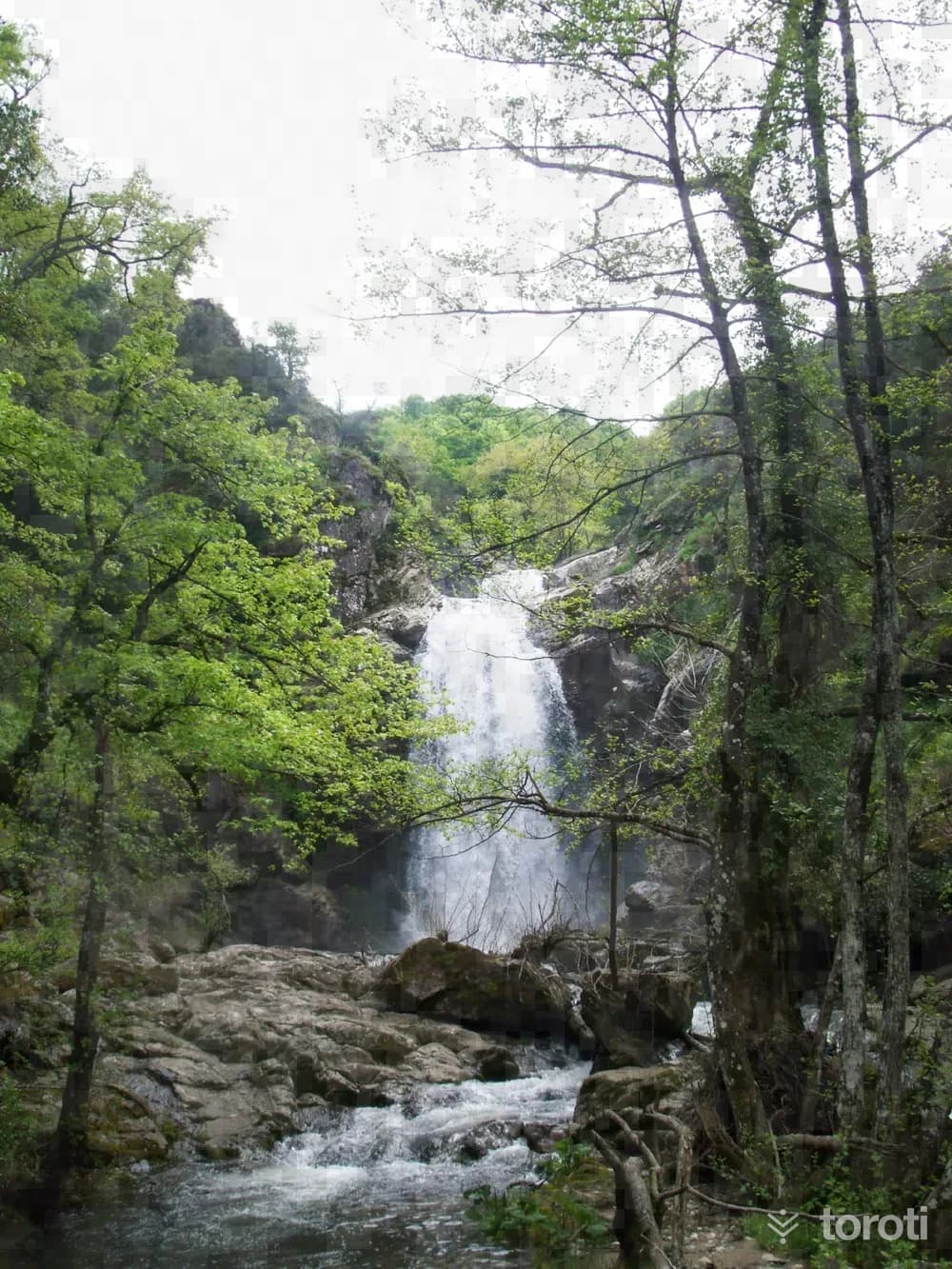
It is on Değirmendere near Mustafakemalpaşa Kösehoroz Village. Its height is approximately 18 meters, and where the water falls it has formed a natural rock pool. Değirmendere then flows into Alev (Kocaçay) Stream, one of the branches of Mustafakemalpaşa Stream. The source of the stream’s name is also the water mill near Devecikonak.
31
Tümbüldek
Mustafakemalpaşa, Bursa
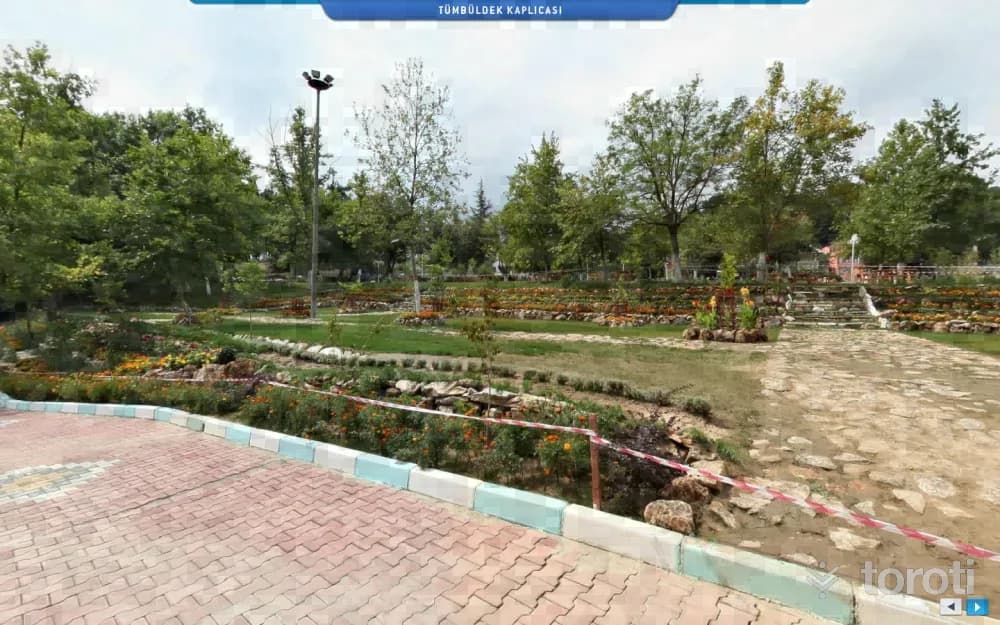
It is in Akarca village, 19 km from Mustafakemalpaşa. There are a hotel and baths operated by the municipality. As a bath, it has properties for painful syndromes, regulating peripheral circulation, acting as an astringent on the skin due to the iron it contains, and removing wrinkles on the skin; as a drinking cure, it also has properties that relieve liver, stomach, intestinal, pancreas and gallbladder disorders.
32
Daskyleion Antik Kenti
Bandırma, Balıkesir
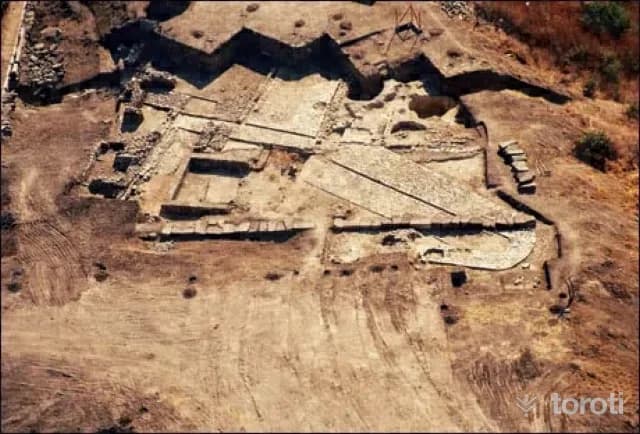
The Ancient City of Daskyleion is located near Kuş Cenneti, one of Balıkesir’s natural beauties. In the excavation works carried out in the city, which takes its name from the famous Lydian King Daskylos, who settled here in the 7th century BC, archaeological remains from different periods have been uncovered.
33
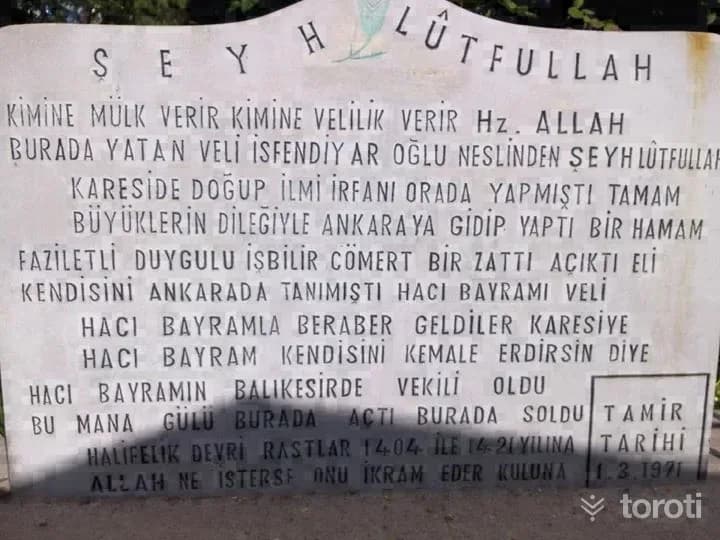
Şeyh Lütfullah Camisi
Karesi, Balıkesir
Şeyh Lütfullah Mosque was built in 1429. It is thought to have been commissioned by Şeyh Lütfullah, one of Hacı Bayram Veli’s friends. The mosque, which could not survive to the present day in its original location, was renovated in 1907. It is a rectangular cut-stone structure. The narthex is reached by a three-step staircase. Its facade has a two-storey appearance because of the women’s gallery, which corresponds to the upper part of the narthex.
34
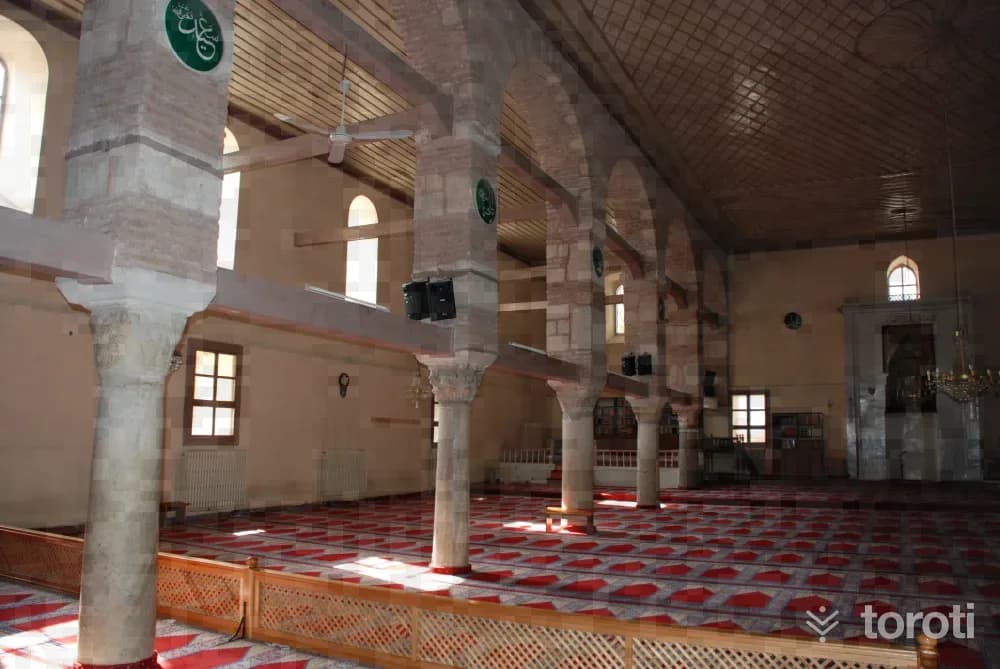
Yıldirim Camii Ve Külliyesi
Karesi, Balıkesir
The mosque, located in Yıldırım Mahallesi, is Balıkesir’s oldest Ottoman structure. There is no construction inscription. However, it is understood from various sources and its endowment deed that it was commissioned by Yıldırım Beyazıt in 1388. Within a rather large courtyard, it forms a külliye together with a madrasa and imaret. It underwent repairs in 1818 and after the 1897 earthquake. The interior of the mosque has a rectangular plan and is divided into three naves by two rows of five columns each.
35
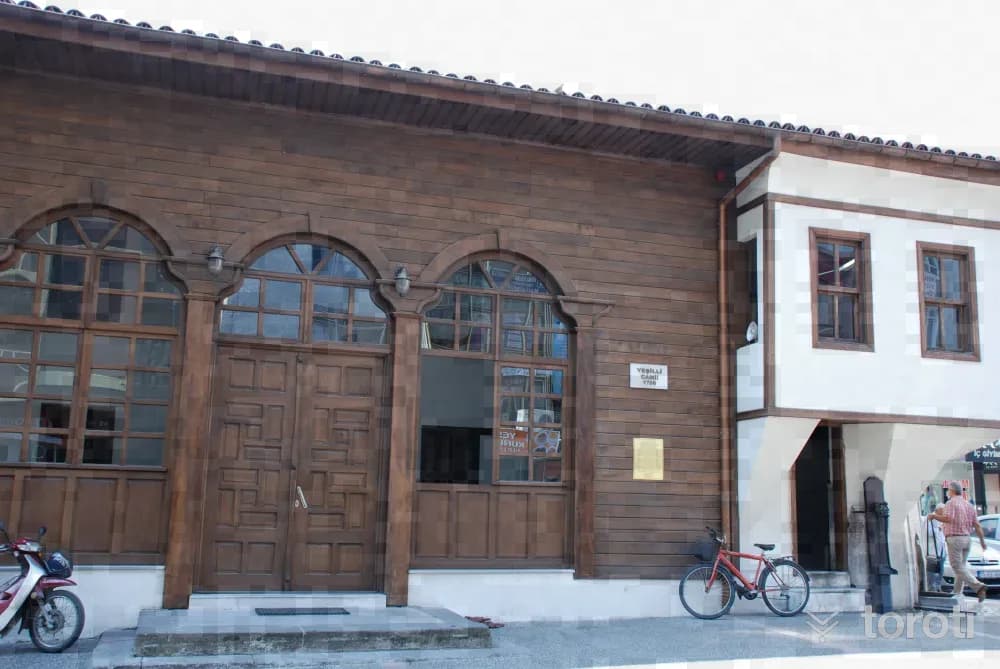
Yeşilli Cami / Hisariçi Camisi
Karesi, Balıkesir
The founder of Hisariçi Camisi is unknown. It is understood only from the inscription on the mosque that it was repaired in 1786 by Külahçızade Hacı Mustafa Efendi. The mosque is a small rectangular-plan structure with a wooden roof. Since it was painted green, it is also known among the public by the name Yeşilli Cami. The mosque, which is slightly elevated from the ground, has a two-winged last congregation area. From a staircase here, one goes up to the women’s gallery on the upper floor.
36
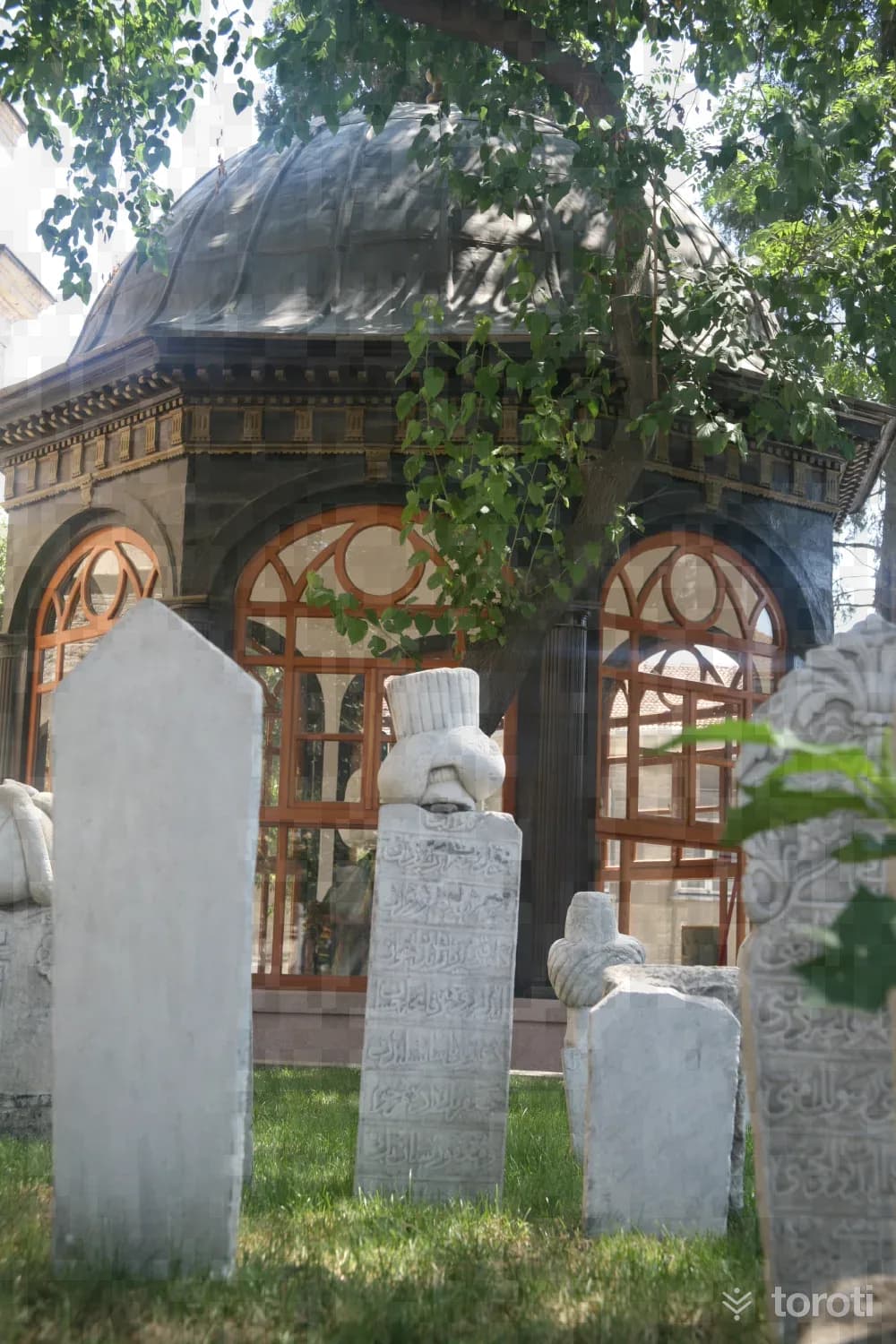
Zağnos Paşa Camisi Ve Külliyesi
Karesi, Balıkesir
Zağnos Paşa Mosque is located in the city center of Balıkesir. It was commissioned in 1461 by Zağnos (Zağanos) Paşa, one of the viziers of Fatih Sultan Mehmet. Of the külliye consisting of a mosque, tomb and bath, only the bath has survived to the present day in its original state. The mosque and tomb, which were destroyed in 1897, were rebuilt in 1908 by Balıkesir Mutasarrıfı Ömer Ali Bey. The square-planned mosque was built of smoothly dressed and cut stone.
- No image
37
Zağnos Paşa Camii
Karesi, Balıkesir
It is located in the city center, in Mustafa Fakıh Mahallesi, within the bazaar. It is a külliye consisting of a mosque, tomb and rabbi. It was commissioned in 1461 by Zağnos Mehmed Paşa, one of the viziers of Fatih Sultan Mehmet. Of the külliye, only the bath has survived to the present day in its original state. The mosque and tomb, which were demolished in 1897, were rebuilt in 1908 by Balıkesir mutasarrıfı Ömer Ali Bey.
38
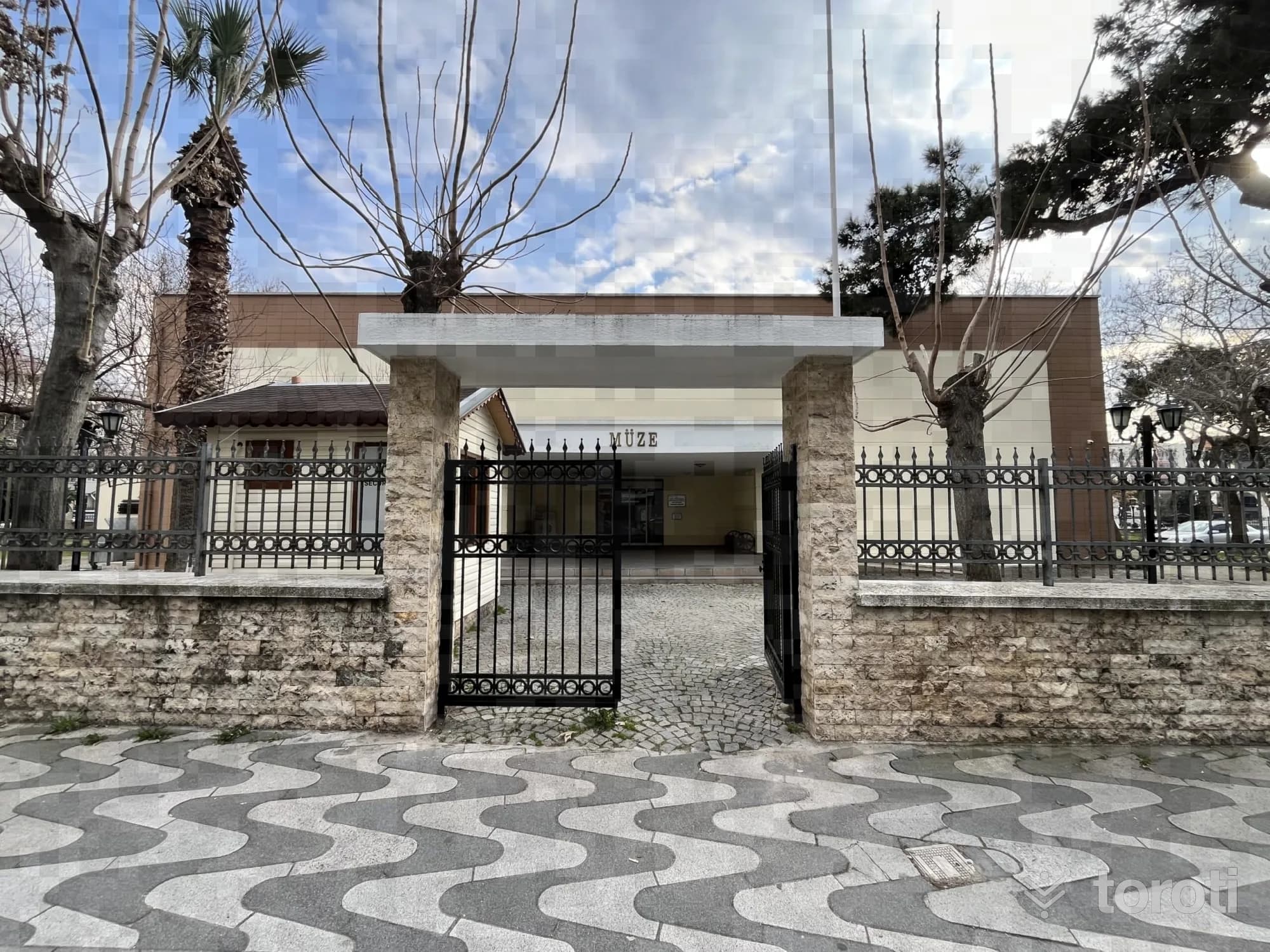
Akhisar Müzesi
Akhisar, Manisa
Akhisar Museum is a museum showcasing archaeological and ethnographic artifacts.
39
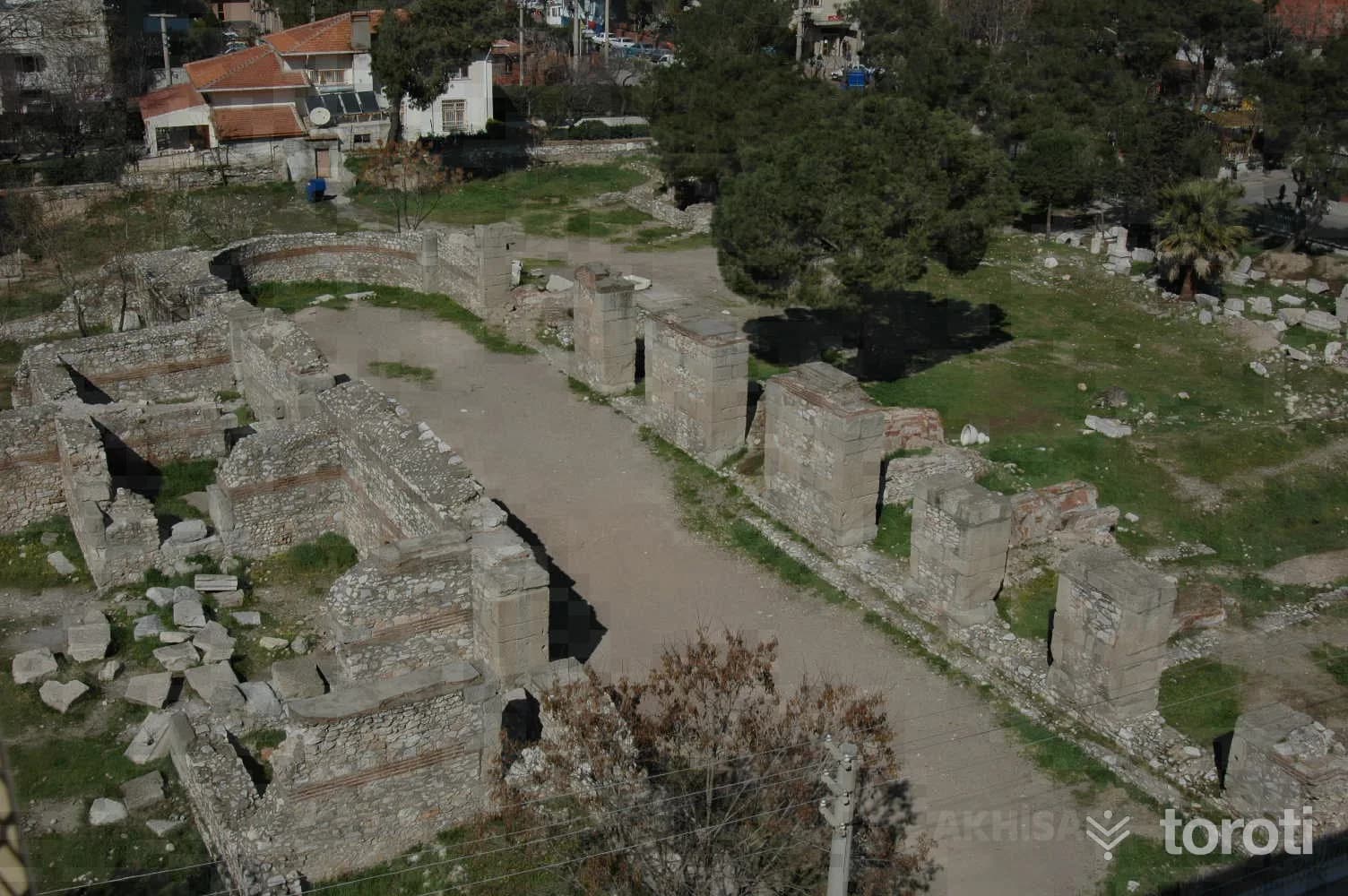
Thyateira Antik Kenti
Akhisar, Manisa
Thyateira Ancient City, the ancient name of Akhisar, was one of the significant settlements of Lydia and the Kingdom of Pergamon.
- No image
40
Çeşnigir Camii
Şehzadeler, Manisa
Çeşnigir Mosque, built in 1474 by Çeşnigir Sinan Bey, who was freed by II. Mehmed, is one of the oldest mosques in the city.
- No image
41
Muradiye Camii ve Külliyesi
Şehzadeler, Manisa
The Muradiye Mosque and Complex was built between 1583-1592 on behalf of Sultan Murad III and is based on a design by Mimar Sinan.
42
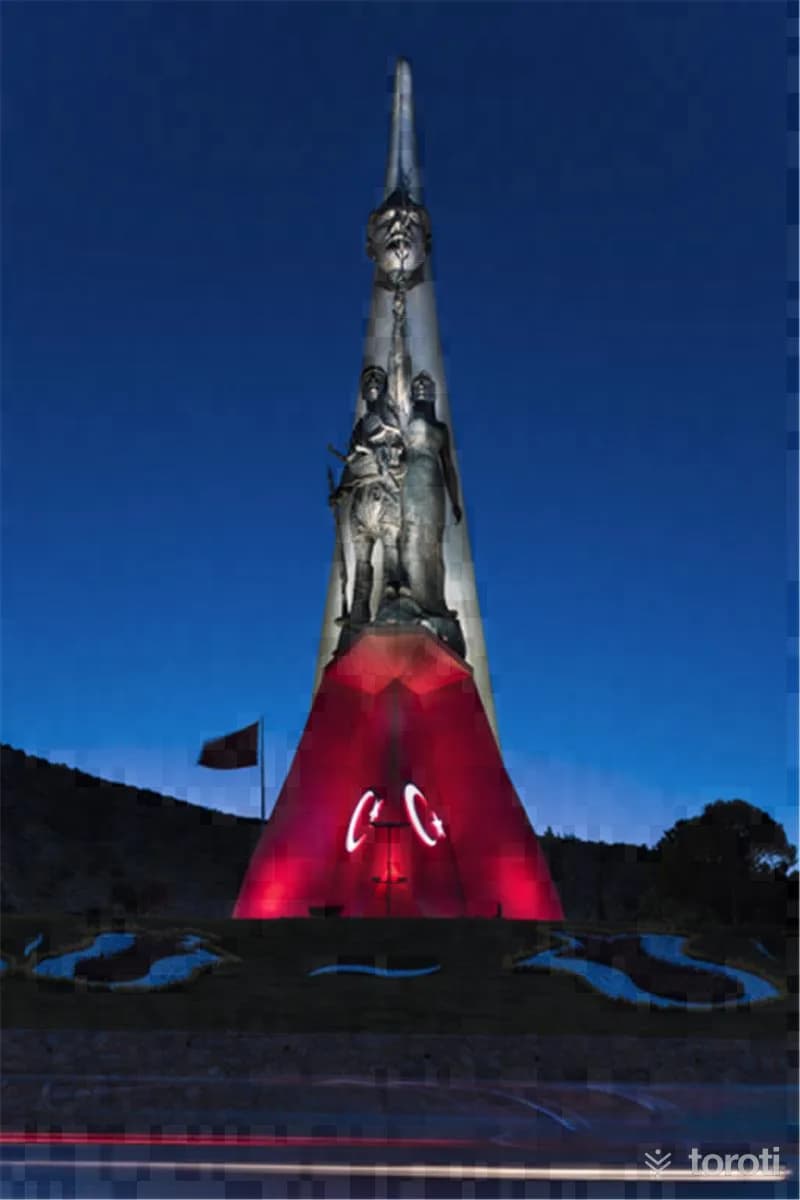
Kuvayı Milliye Anıtı
Yunusemre, Manisa
The Kuvayı Milliye Monument is a composition that elevates Atatürk's revolutions and progressive thoughts alongside the people.
- No image
43
Hisar Camii
Konak, İzmir
Hisar Mosque is the largest and most impressive mosque in Izmir, built in 1592. It features typical characteristics of classical Ottoman architecture.
- No image
44
Nif Dağı Antik Kazı Alanı
Kemalpaşa, İzmir
The Nif Mountain Archaeological Site, known as Olympos in ancient times, hosts remnants of various cultures.
Move the stops into your own plan, split them across days, and add places to sleep and eat.
Frequently asked
- How far is it between İstanbul and İzmir, and how long does it take?
- Driving between İstanbul and İzmir is roughly 521 kilometres and takes about 5 hours without stops.
- Where is it worth stopping between İstanbul and İzmir?
- There are 696 described places within 20 km of the road between İstanbul and İzmir. toroti lists 44 of them spread evenly along the drive, in the order you pass them; Avrupa Kültür Başkenti Mübadele Müzesi comes early on, and Nif Dağı Antik Kazı Alanı sits near the end.
- Which provinces does the İstanbul to İzmir route cross?
- The route between İstanbul and İzmir crosses İstanbul → Kocaeli → Yalova → Bursa → Balıkesir → Manisa → İzmir. The stretch richest in places to visit is in Bursa.
- Should I take the toll highway or traditional route between İstanbul and İzmir?
- Toll motorways save driving time between İstanbul and İzmir, whereas traditional state roads pass directly through historic town centers, local culinary stops, and scenic nature viewpoints.
- How should breaks be scheduled between İstanbul and İzmir?
- For a drive of around 5 hours, taking a break every 2 to 2.5 hours is recommended. The catalogued attractions in Bursa and neighboring provinces offer memorable stopovers compared to generic highway rest areas.