Stops along the way
Stops between İstanbul and Çanakkale
314 km, roughly 4 hours of driving. The stops below are ordered as you pass them — the same road in both directions.
In short
The drive between İstanbul and Çanakkale is 314 km and takes roughly 4 hours. There are 267 described places within 20 km of this route; it crosses 3 provinces, and the densest stretch is in Tekirdağ (88 places).
There are 267 places within 20 km of this corridor; the 38 below are spread evenly along the drive.
1
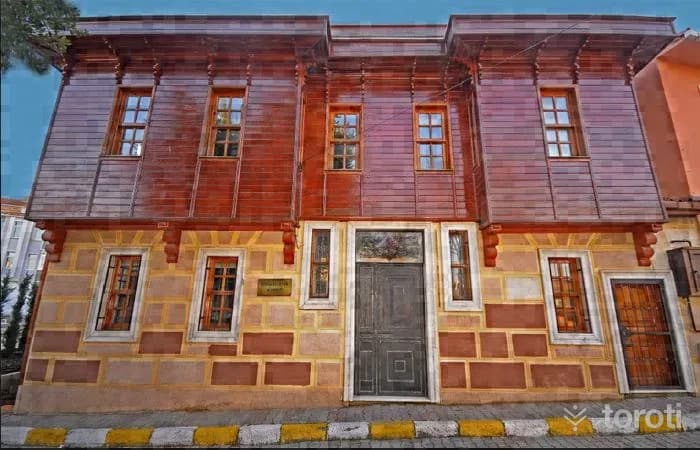
Avrupa Kültür Başkenti Mübadele Müzesi
Çatalca, İstanbul
The European Capital of Culture Exchange Museum is Turkey's first migration-themed museum, providing an important space for those nostalgic about the past.
2
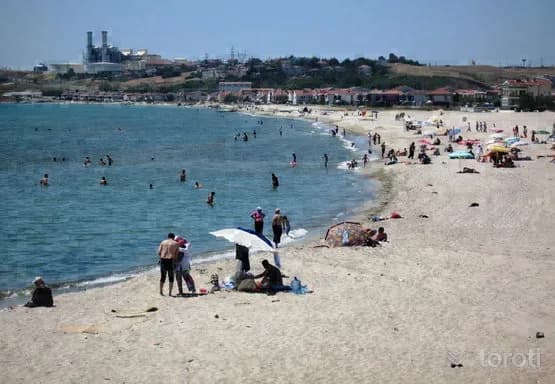
Sultanköy
Marmaraereğlisi, Tekirdağ
Sultanköy, a charming town in the Marmara Ereğlisi district of Tekirdağ, is located approximately 100 km from Istanbul. With its vast beach, the cool waters of the Marmara, and golden sands, Sultanköy is a frequent destination especially for those looking for a place close to Istanbul.
3
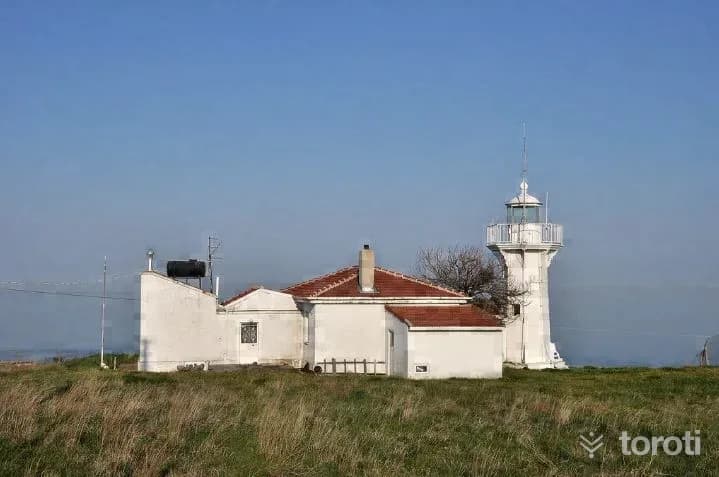
Marmaraereğlisi Feneri
Marmaraereğlisi, Tekirdağ
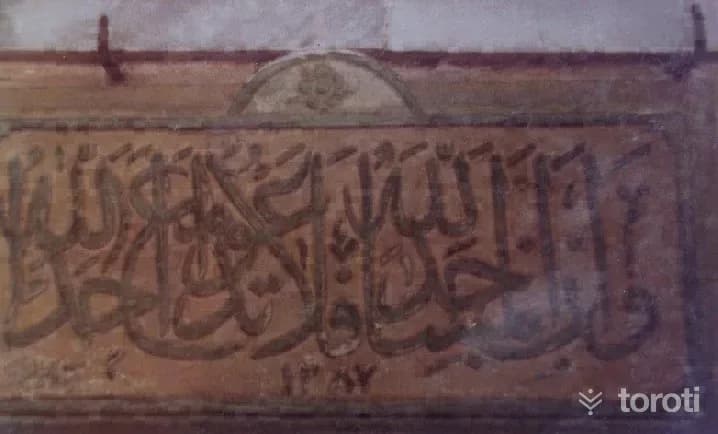
The lighthouse, built on the cape at the southern end of Ereğli bay in 01.01.1861, operates at a height of 52 meters above sea level, with a tower height of 26 meters. The light of the lighthouse, rising on a metal tower, has the power to be seen from a distance of 16 miles. The rotating lighthouse system is electric - battery-powered, and the bulb type is 50 W.
4
Cedid Ali Paşa Camii
Marmaraereğlisi, Tekirdağ
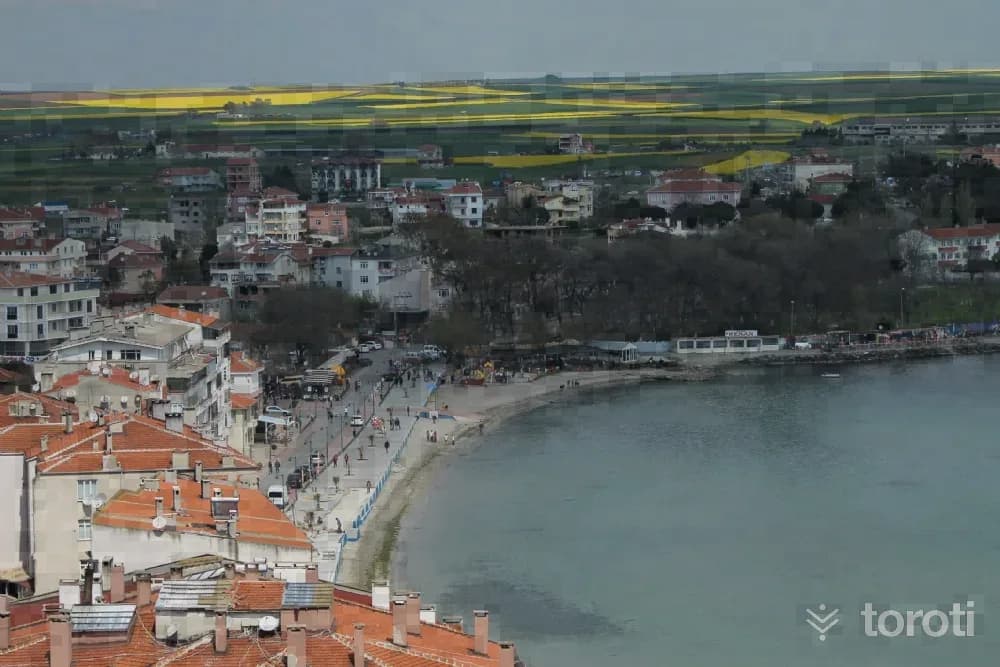
It is the only work built in Marmara Ereğlisi during the Ottoman Period. It was commissioned by Cedit (Semiz) Ali Paşa, one of Kanuni Sultan Süleyman’s grand viziers, to Mimar Sinan in 1565. Since it has undergone various repairs and alterations, it has largely lost its originality. The mosque has an interesting story.
5
Marmaraereğlisi
Marmaraereğlisi, Tekirdağ
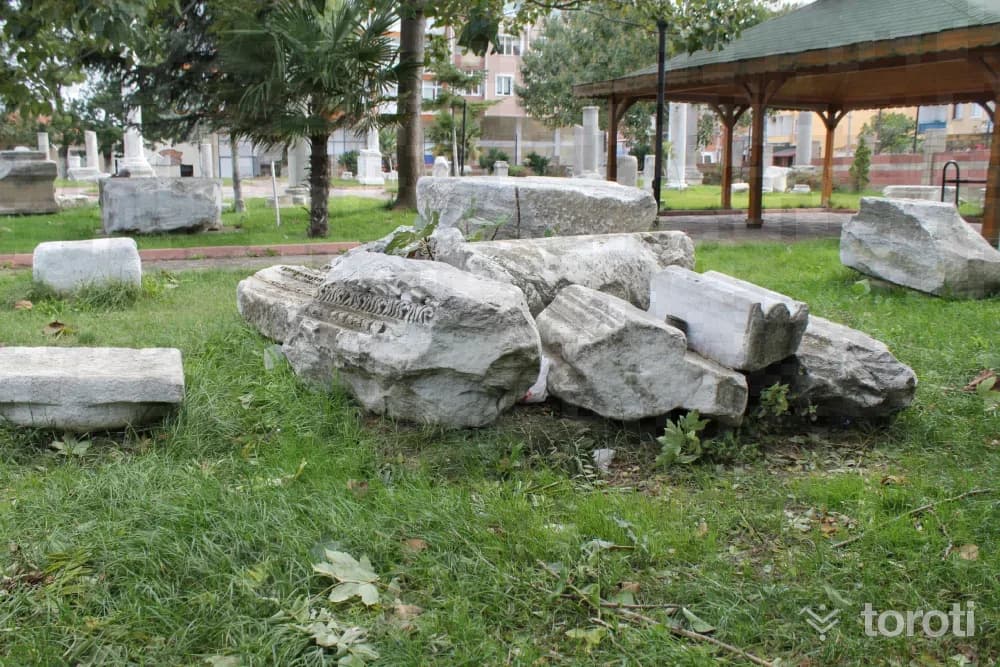
Located on the İstanbul - İpsala road, Marmarareğlisi has great touristic value with its historical monuments, its bay suitable for sea sports, its beaches, its fish, its proximity to İstanbul, its location on a very beautiful tourist route, and its striking and pleasing high peninsula. Marmaraereğlisi is full of Greek, Roman and Byzantine works.
6
Perinthos Antik Kenti
Marmaraereğlisi, Tekirdağ
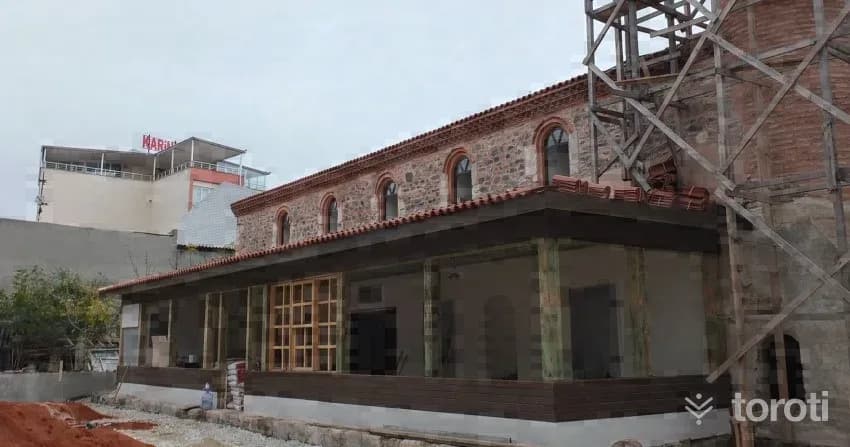
Perinthos Antik Kenti MÖ. 6'ncı yüzyılda Samos Adasından gelen topluluklar tarafından kurulmuştur. I. ve III. Derece Arkeolojik Sit Alanı statüsündedir. Antik yazarlardan Diodoros MÖ. 4'üncü yüzyıl ortalarında II. Philip´in Perinthos´u kuşatmasını anlatırken akropolis eteklerindeki evlerin uzaktan bakıldığında bir tiyatronun oturma sıralarında oturan insanlar gibi göründüğünü yazmaktadır.
7
Fatih Camii
Çorlu, Tekirdağ
Fatih Mosque, located in Cemaliye Neighborhood of Çorlu District, is owned by the Fatih Sultan Mehmet Foundation. It was commissioned in 1453 (H.857) by Daye Hatun, the wet nurse of Fatih Sultan Mehmet. Located in the district center, within the residential area, the mosque has a rectangular plan and was built with rubble stone material. The mosque, whose last congregation area is today enclosed with glass, has a small courtyard. The shaft of its minaret is thick, while the upper section is slender.
8
Tarihi Çorlu Evi
Çorlu, Tekirdağ
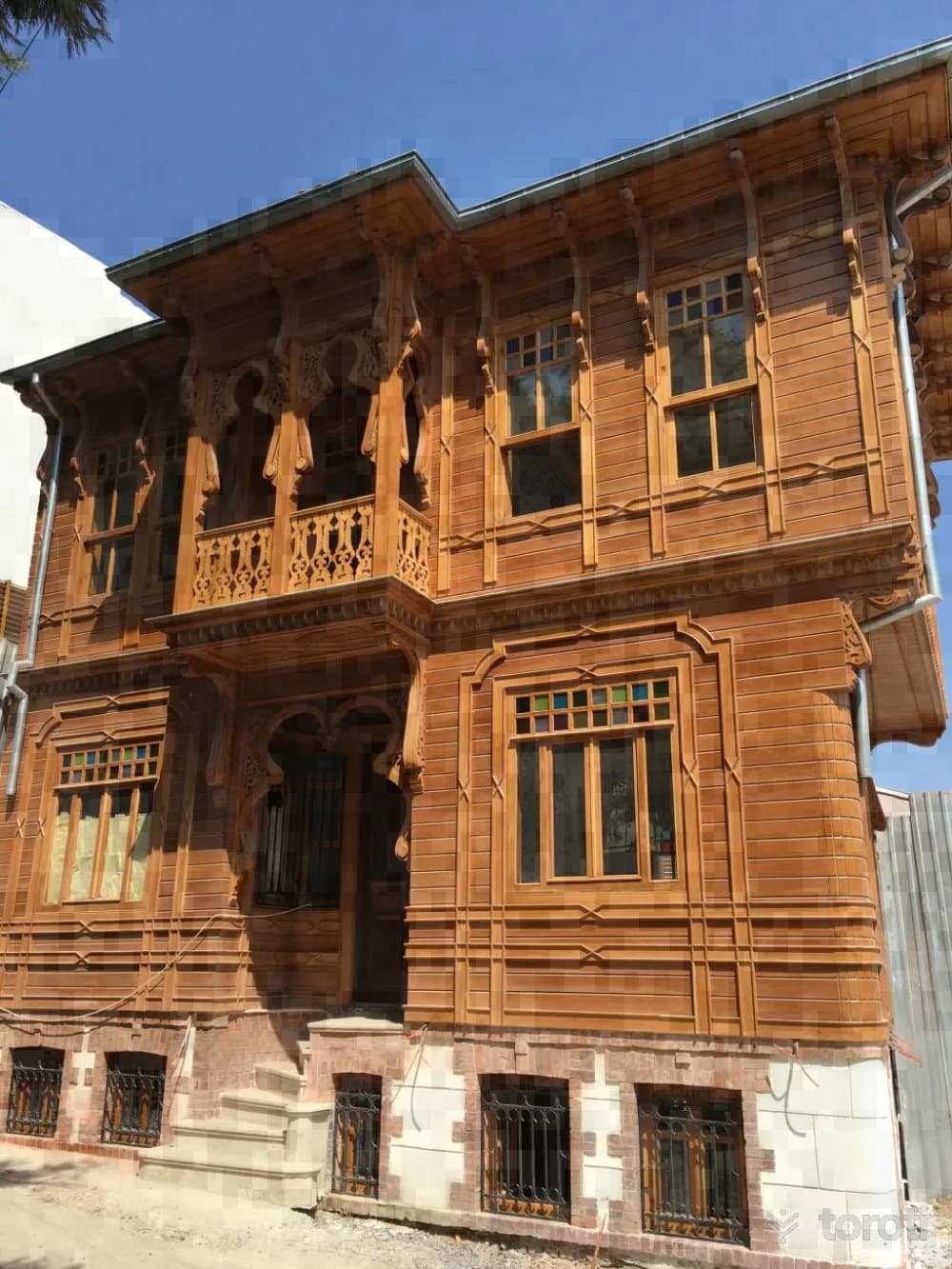
Located in Hastane Çeşme Sokak in Cemaliye Mahallesi of the Çorlu district, Tarihi Çorlu Evi, which belonged to a Greek doctor and is estimated to have a 150-year history, was opened to visitors on 26 February 2019 under the name Muhacir Evi Müzesi and today continues to welcome its visitors under the name Tarihi Çorlu Evi.
9
Yeni Cami (sinagog)
Çorlu, Tekirdağ
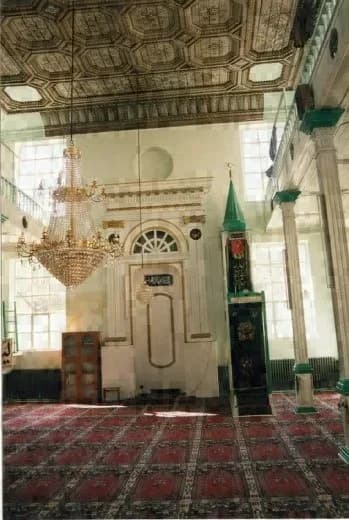
It is a two-storey masonry building located at the corner where Sinan Dede Caddesi and Zafer Sokak intersect, in Cemaliye Mahallesi, Çorlu İlçesi, Tekirdağ İli. Built in 1905, the structure was used as a synagogue until the middle of the 20th century and was converted into a mosque in 1970. The pediments rising in a stepped manner on its north and south facades give the building a monumental character. There are octagonal colonettes attached to the building at the corners of the facades.
10
Çorlu Yılmaz Büyükerşen Balmumu Heykeller Müzesi
Çorlu, Tekirdağ
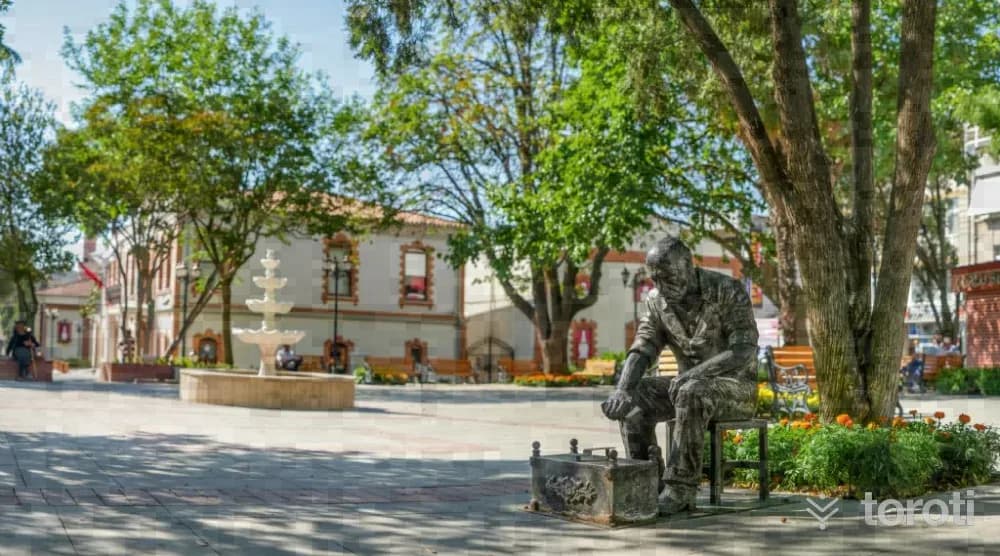
The Historic Municipal Building, which was built in 1903 as the Çorlu Municipality building and restored and opened for service in 2015, hosted many cultural and artistic activities until 2020. In 2020, the building began operating as the Çorlu Yılmaz Büyükerşen Wax Sculptures Museum, where wax sculptures of famous people are exhibited.
11
Heraion Teikhos Antik Kenti
Süleymanpaşa, Tekirdağ
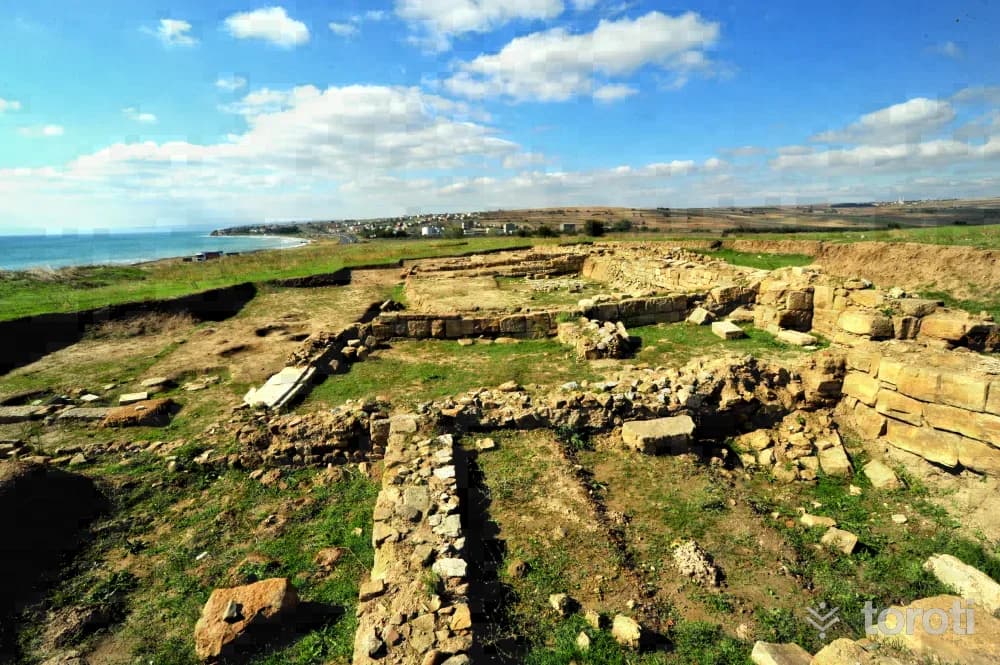
Heraion Teikhos, located on the İstanbul - Tekirdağ highway, 10 kilometers from Tekirdağ, is an ancient Thracian settlement. Surface surveys and excavation works have shown that the city was inhabited continuously from 2000 BC until the end of the 13th century AD. Stone hand axes, handmade terracotta vessels, etc. found in the Heraion Teikhos excavations are finds from the Bronze and Iron Ages.
12
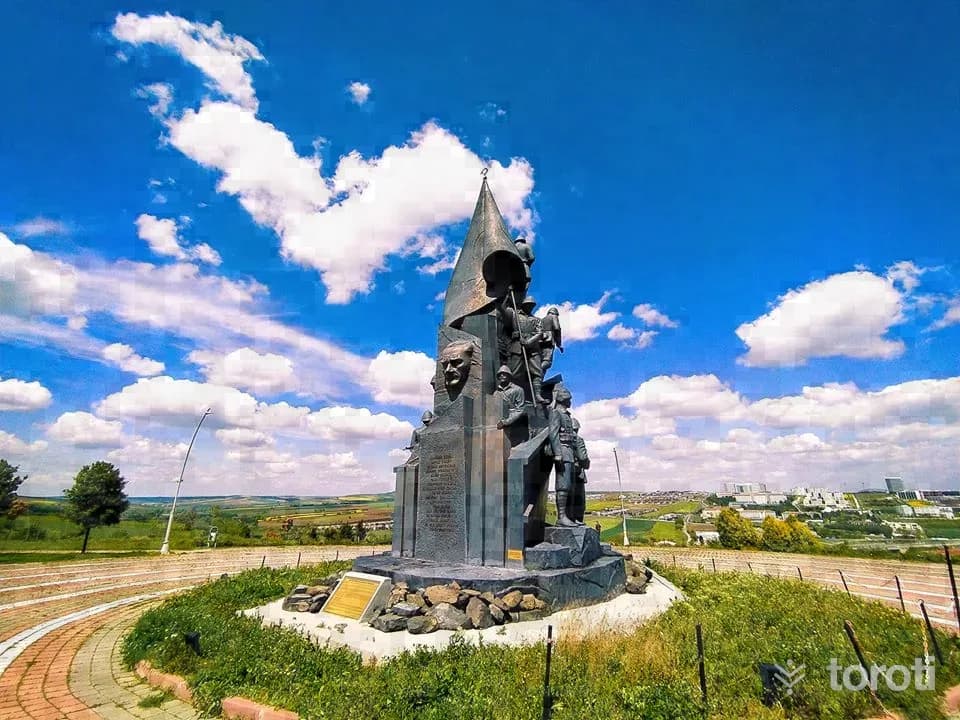
On Dokuzuncu Firka Anıti
Süleymanpaşa, Tekirdağ
The 19th Division Memorial was built in 2013 in memory of the heroism shown by the 19th Division and its commander Mustafa Kemal Atatürk in the Çanakkale Battles. Lieutenant Colonel Mustafa Kemal arrived in Tekirdağ on 2 February 1915, together with his aide-de-camp and the squad of Çerkeşli Hasan Çavuş, who had been assigned to his command. Mustafa Kemal and his aide spent their first night in Tekirdağ at the house of Bahriyeli Salih Bey on Yunus Bey Street in Ortacami Neighborhood.
13
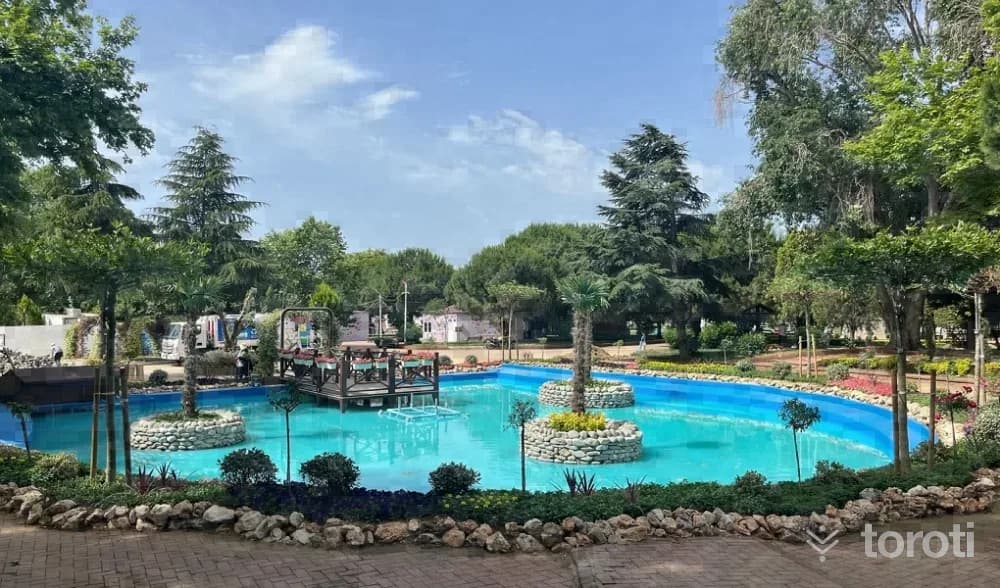
Tekirdağ Macar Parkı
Süleymanpaşa, Tekirdağ
Barış ve Özgürlük Park, located in the Coastal Fill Area of Süleymanpaşa District, was redesigned due to the 2024 Turkish-Hungarian Cultural Year and opened under the name Türk-Macar Dostluk Parkı. Teams from the Tekirdağ Metropolitan Municipality Department of Parks and Gardens gave the park a new look with various landscaping arrangements. SYMBOLS OF TURKISH-HUNGARIAN FRIENDSHIP IN THE PARK II.
14
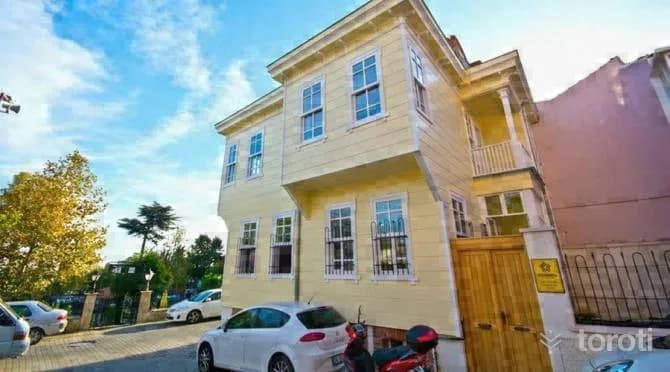
Eski Tekirdağ Fotoğraflari Müzesi
Süleymanpaşa, Tekirdağ
In 1923, due to the Lausanne Population Exchange, the Eşkinat Family, who came from Thessaloniki, settled in the house left behind by the Mavridis Family, who migrated from Tekirdağ to Greece. Dimitrios Mavridis and Ekrem Eşkinat, the children of the house once lived in by the families who changed places as exchangees, are in fact the children of the same house. Mavridis's childhood years were spent in Athens.
15
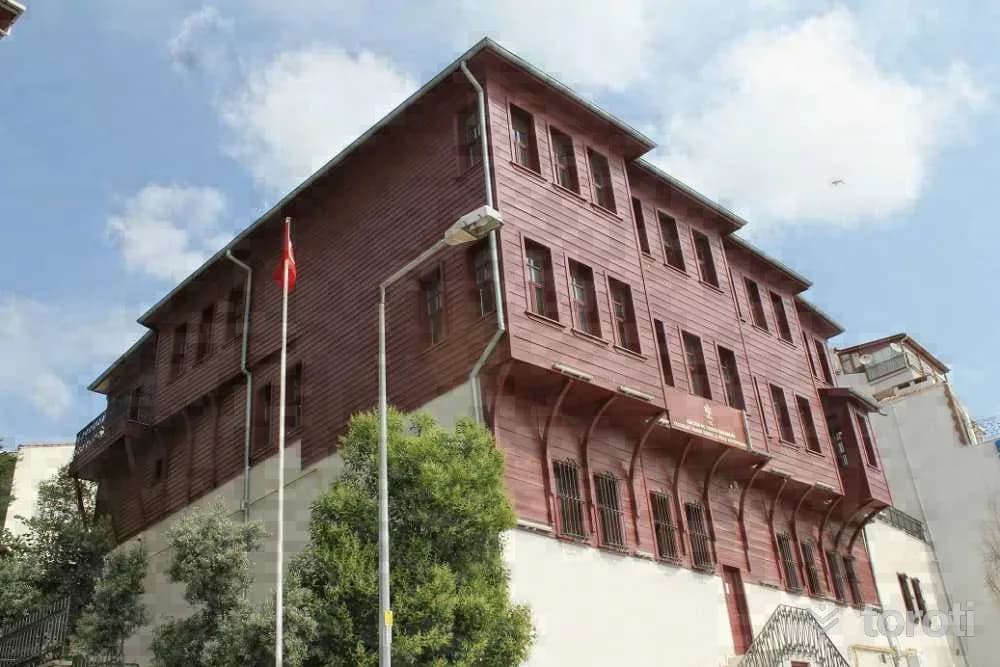
İtalyan Konağı
Süleymanpaşa, Tekirdağ
The reason the building is referred to as the "Italian Mansion" is that the building once belonged to an Italian family, the Dussi family. The Dussi Family left Genova in 1662 for diplomatic reasons as officials of the Grand Duchy of Toscana, and over a period of three hundred years settled first in Austria, then in Bulgaria, and finally in Turkey.
16
Kumbağ
Süleymanpaşa, Tekirdağ
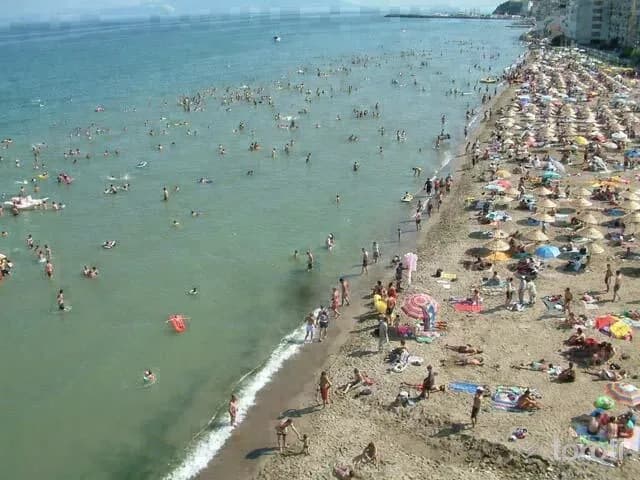
Kumbağ, one of the first places that comes to mind when sea tourism in Tekirdağ is mentioned, has become a frequent destination for visitors coming from the surrounding area, especially İstanbul, particularly in the summer months. Kumbağ, which is 14 kilometers from Tekirdağ, is among the leading holiday resorts of the Marmara coast. The forest recreation facilities on the slopes of Kumbağ host many holidaymakers, especially on weekends.
17
Ganos Dağlari
Süleymanpaşa, Tekirdağ
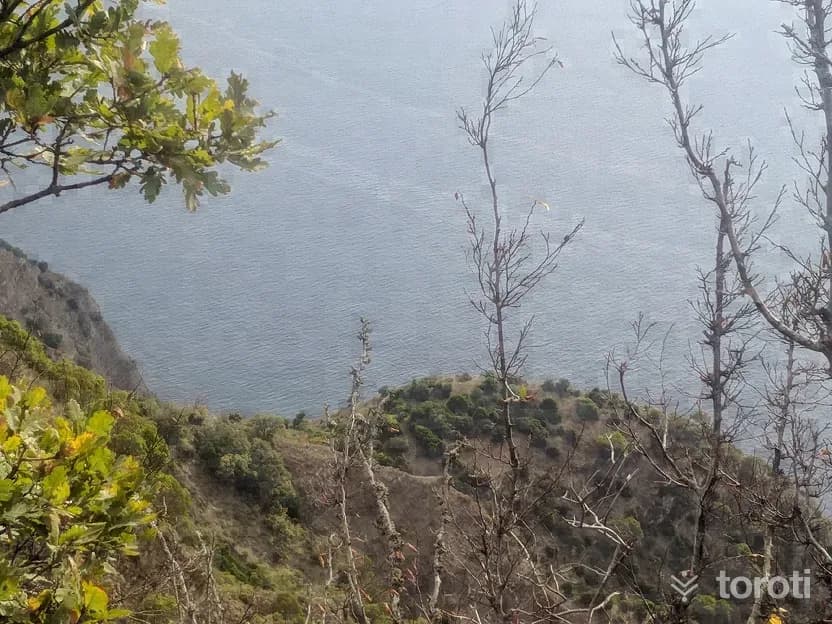
The Ganos Mountains, which are a natural treasure of Tekirdağ, are also among the most interesting corners of Tekirdağ with their rich culture and famous flavors. Located on the line stretching from Mürefte and Şarköy to Uçmakdere and Kumbağ, the Ganos Mountains bear the traces of the many civilizations they have hosted.
18
Kartaltepe Tabiat Parkı
Süleymanpaşa, Tekirdağ
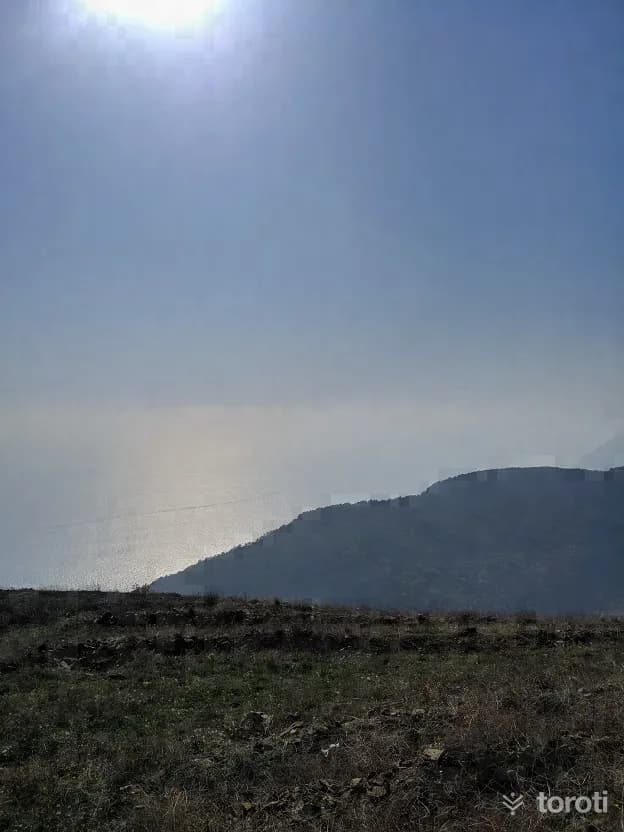
Kartaltepe Nature Park covers an area of 254 hectares and, since it is located at a high altitude in the Ganos Mountain range overlooking the Marmara Sea, it has a view where the forest, the sea and Marmara Island can be seen together. Due to its proximity to the city center and especially because paragliding activities are carried out in this area, it attracts great interest from the local people and those in the surrounding provinces.
19
Tarihi İnecik Erenler Hamamı
Süleymanpaşa, Tekirdağ
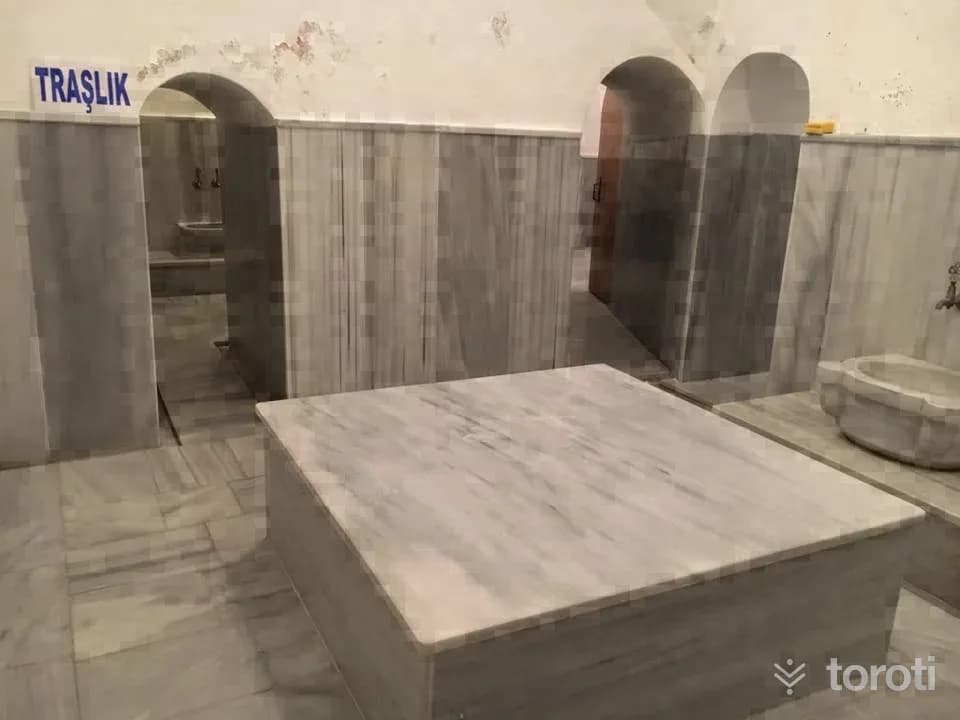
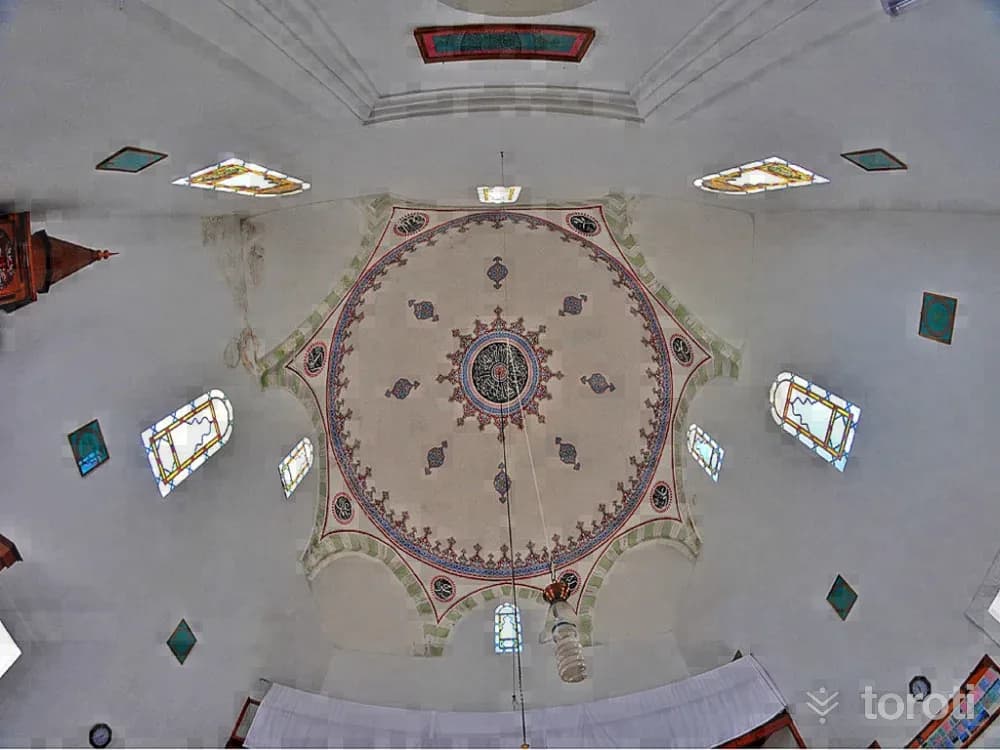
Tarihi İnecik Erenler Hamamı’na 1. Murat ve Yıldırım Beyazıt devri vezirlerinden Saruca Paşa’nın oğlu Uğur Bey Vakfı kayıtlarında rastlanmakta olup, 16. yüzyılın ilk yarısında inşa edilmiştir. İnecik Erenler Hamamı, günümüzdeki şekliyle orijinal plan özelliklerini kısmen kaybetmiştir. Yapı, bulunduğu parsel üzerinde tek katlı, 130 metrekarelik bir alan üzerinde inşa edilmiştir.
20
Mirliva Hüseyin Paşa Cami
Süleymanpaşa, Tekirdağ
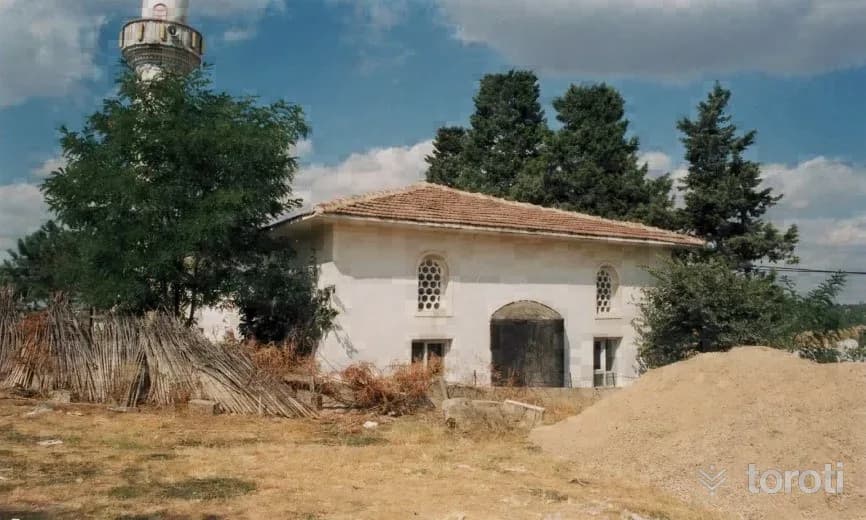
It is located in İnecik Neighborhood of Süleymanpaşa District. İnecik, established on the route used by caravans, was an important center during the Ottoman Period. Evliya Çelebi mentioned İnecik in his Seyahatname with its shops and number of households. Mirliva Hüseyin Paşa Cami was built in 1498 and is one of the oldest mosques in Tekirdağ. "Mirliva" is the name of a military rank in the Ottoman State. It belongs to the group of zaviye mosques with an inverted "T" plan seen in Ottoman architecture.
21
Emiryakup Köyü Camii
Hayrabolu, Tekirdağ
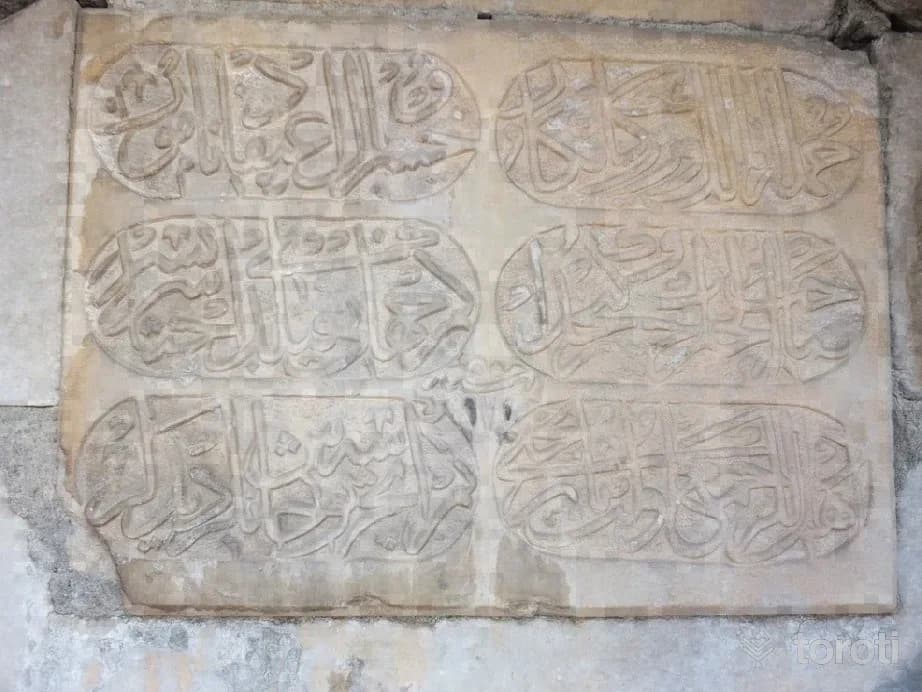
The masonry mosque, located in the center of Emiryakup Köyü in Hayrabolu District, has a rectangular plan and is covered with a hipped roof. There are three windows on the long wall of the mosque and two windows each on the short wall. The ceiling and floor of the mosque are wooden, and to the right of the entrance door, stairs lead up to the women's gallery. The last congregation area and the minaret were added to the structure later.
22
Hüsrev Kethüda Çeşmesi
Malkara, Tekirdağ
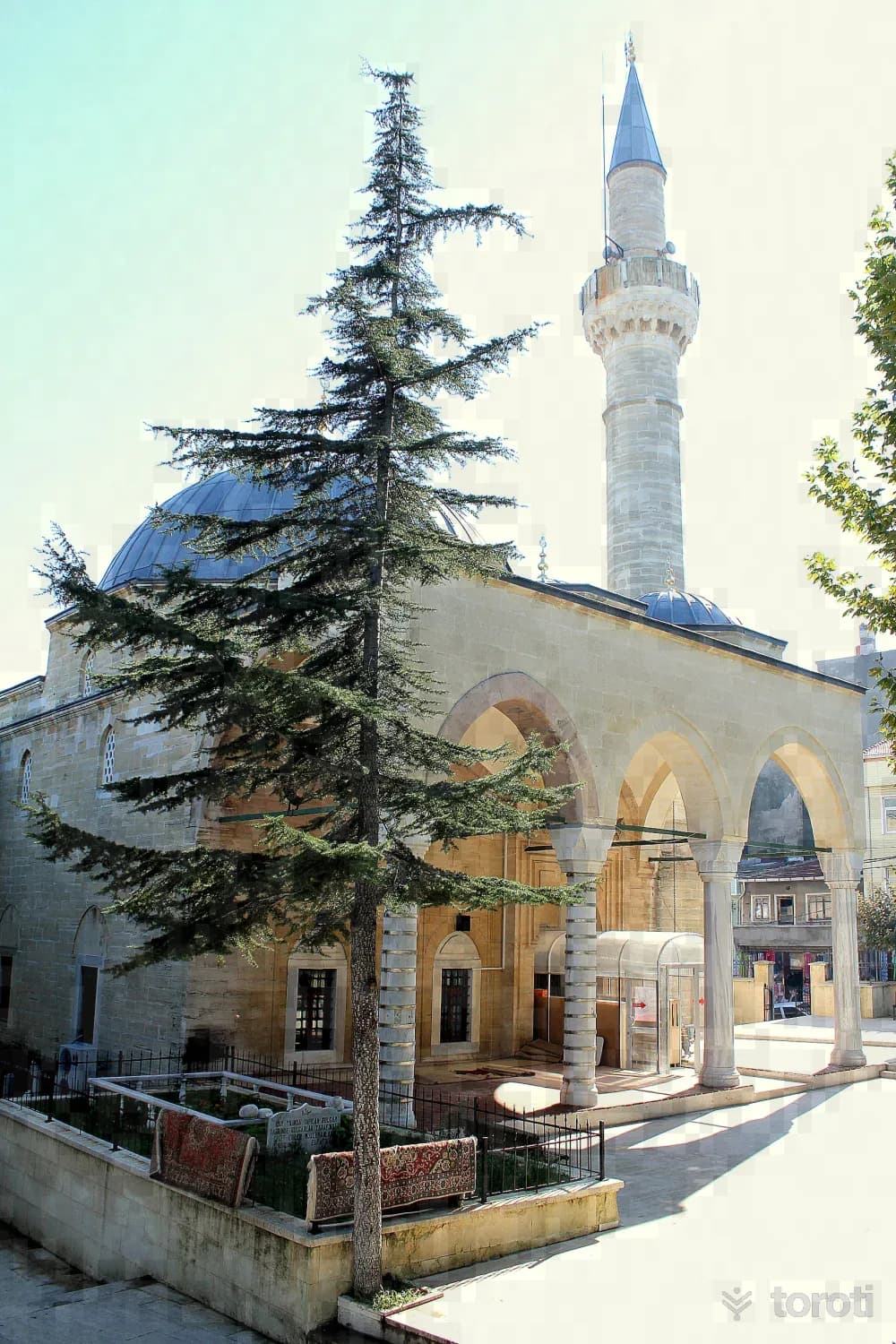
Hüsrev Kethüda Fountain, also called Eski Cami Fountain, was built by Hüsrev Kethüda in 1564. The fountain has a pointed arch, and the pointed arch was formed in stages. Around the pointed arch, the facade of the fountain was enlivened with molding. The fountain panel is marble.
23
Gazi Ömer Bey Camii Ve Türbesi
Malkara, Tekirdağ
The structure, located in the bazaar in the center of Malkara district of Tekirdağ, was built in 893 (1488). The mosque is one of the oldest examples of the mosques built by the Ottoman State in Rumelia. The square-plan mosque was built of cut stone and has a single dome. Gazi Ömer Bey Camii and Tomb, which is still owned by the General Directorate of Foundations, is registered and is an immovable cultural property that must be protected.
24
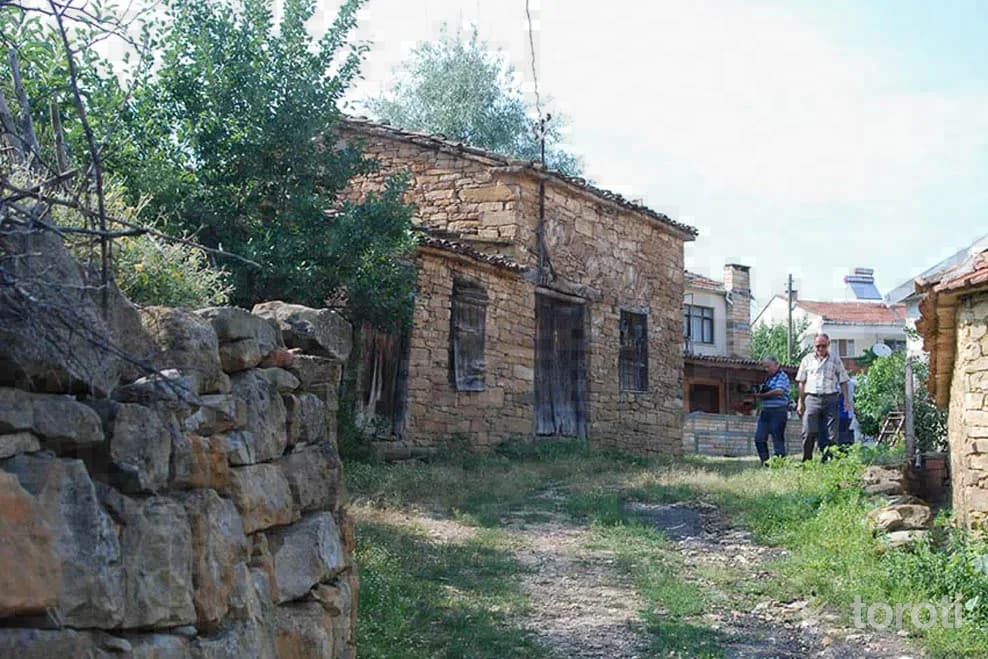
Elmali Köyü
Malkara, Tekirdağ
Elmalı Neighborhood is 70 km from Tekirdağ province, 25 km after the Malkara-Şarköy junction, and 18 km from Malkara district. Three separate streams, namely Ezberli, Kaynarca, and Hamamkaya, pass through the neighborhood and flow into the Saroz Gulf. There used to be a castle on a hill near the village’s current settlement area. When the Turks first crossed into Rumelia, Greeks were living here.
25
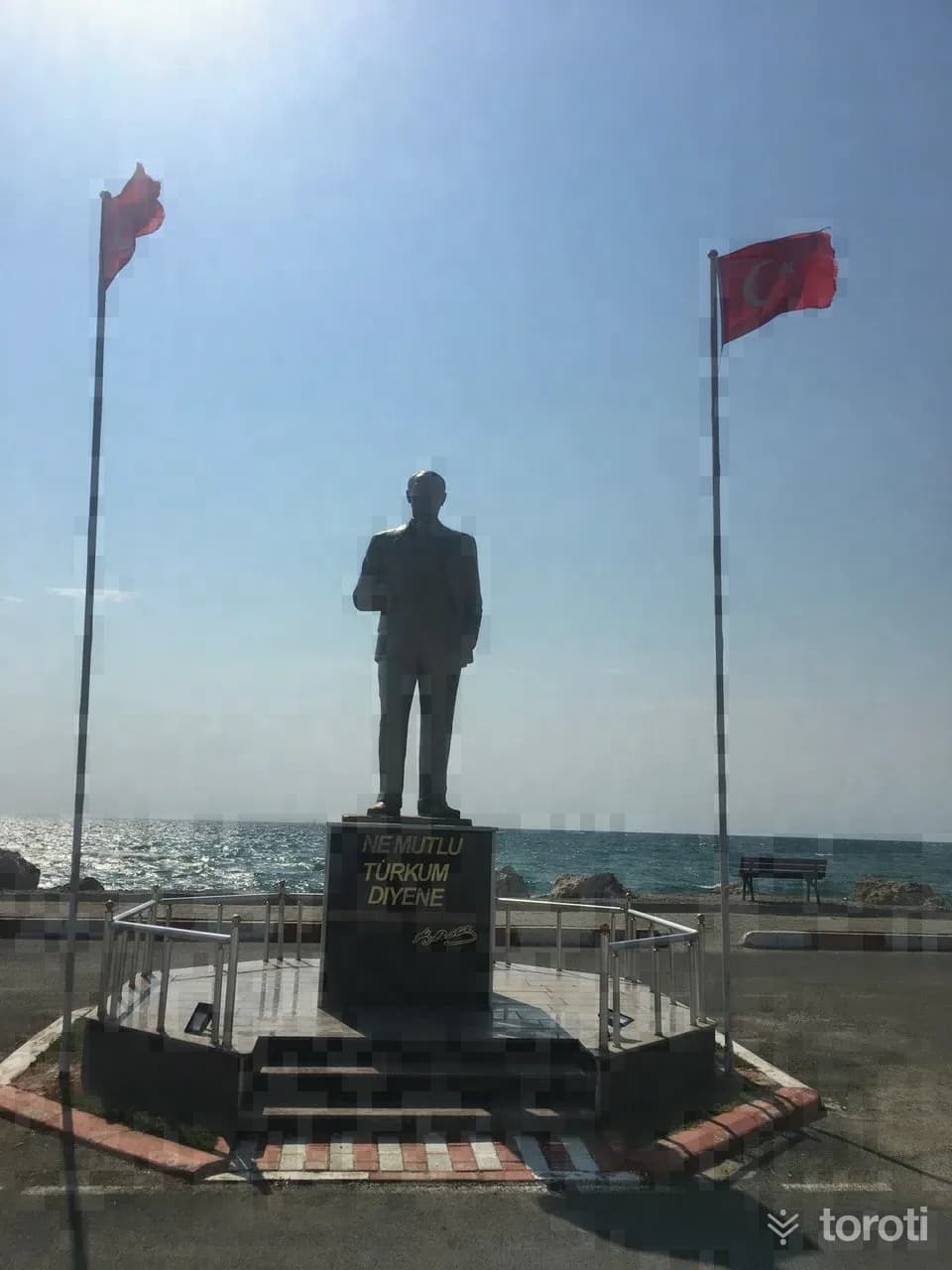
Eriklice
Şarköy, Tekirdağ
Eriklice, located 6-7 km from the Şarköy district of Tekirdağ, is a village with a history dating back a very long time. Eriklice, where many of the local people are immigrants from Selanik, lies within the area influenced by the Marmara climate. The village's economy is based 70% on olives and 30% on grapes. Eriklice, a small but equally warm village, is a very quiet place worth seeing and living in.
26
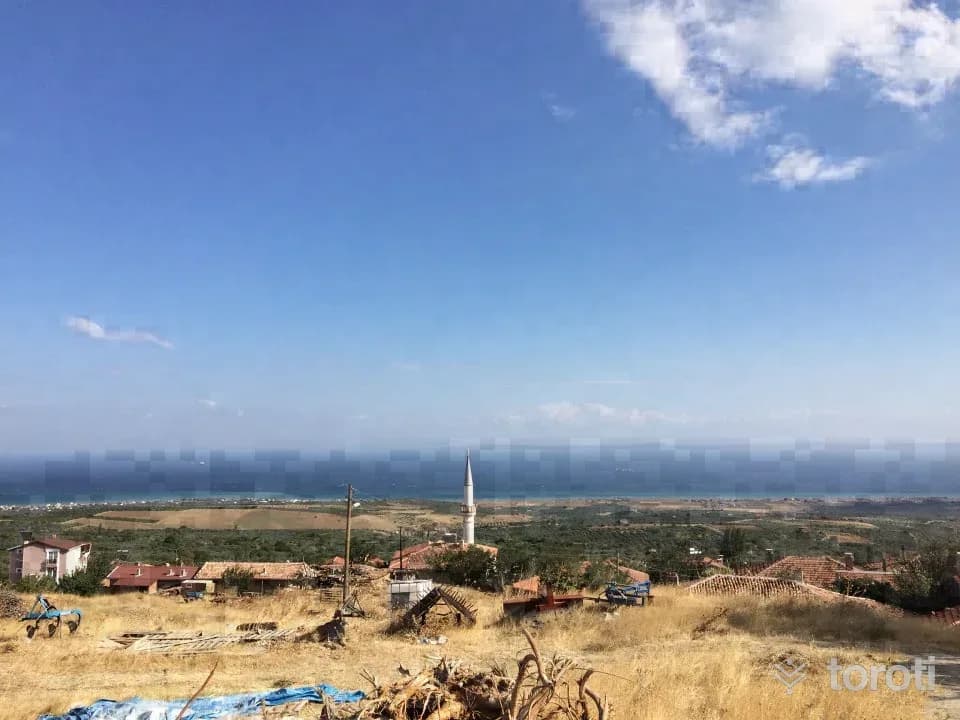
İğdebağlari Köyü
Şarköy, Tekirdağ
İğdebağları is a beautiful Thrace village connected to the Şarköy district of Tekirdağ. Located above Şarköy, 2 km inland from the coast, İğdebağları is a rare village adorned with olive trees and vineyards, laying the exquisite view of the Marmara Sea at your feet. İğdebağları, where Arabs, Greeks and later Turks lived for a period, takes its name from having the best oleaster trees and vineyards in the region.
27
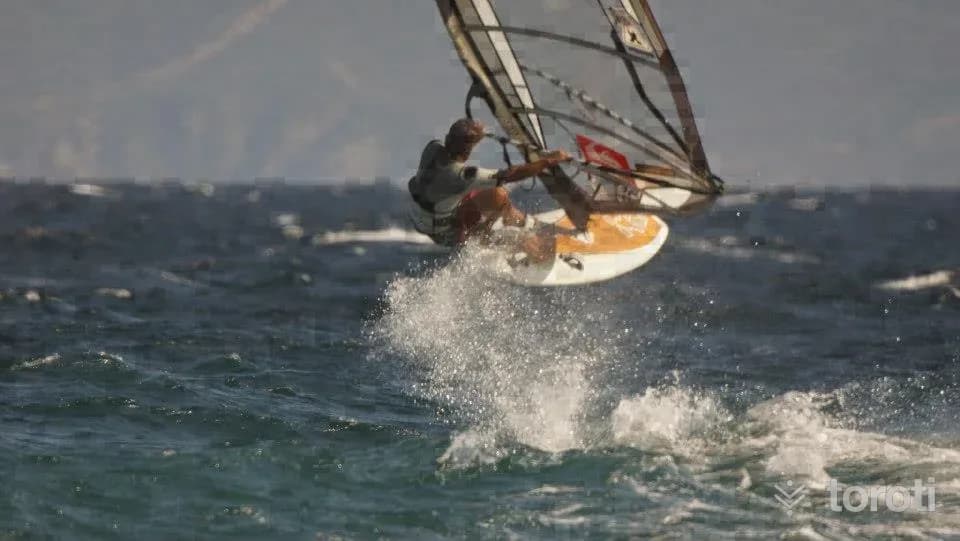
Rüzgar Sörfü
Şarköy, Tekirdağ
Şarköy Surf School, which began operating in 2007, has shown great development in a short time. The main factors in this are Şarköy's poyraz wind, which blows parallel to the shore throughout the season, and its blue-flag beach. Şarköy is an extremely close and attractive alternative for adrenaline and surf enthusiasts coming from Istanbul and the Thrace region. In Turkey, after Alaçatı, Şarköy is the most preferred surf center together with Datça.
28
Şarköy Etnografya Müzesi
Şarköy, Tekirdağ
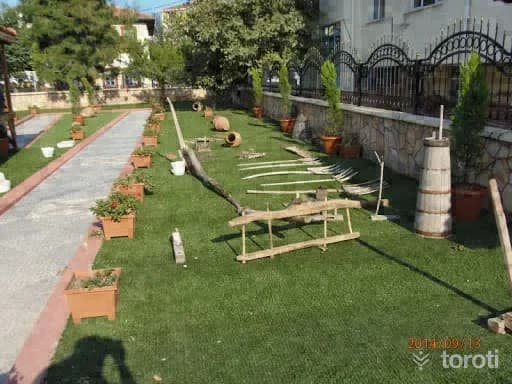
Şarköy's history, geography, struggle for liberation, tourism riches, natural beauties, folkloric values, unique documents, reenactments, visual presentations and models are presented.
29
Şarköy
Şarköy, Tekirdağ
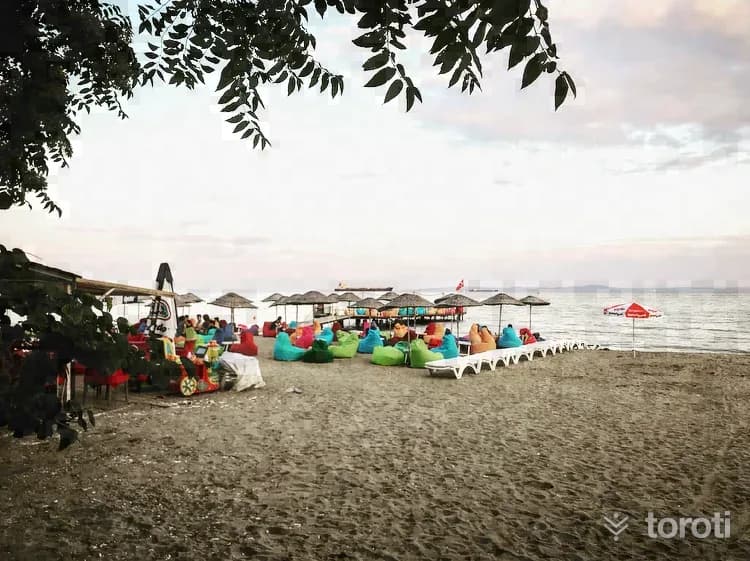
Şarköy: Şarköy, conquered by Gazi Süleyman Paşa in 1354, was formerly called Şehirköy. With its rich natural beauties, olive groves and green vineyards, it is one of the loveliest districts of our province. It is famous for its grapes and olive oil. The district is a tourism center with many accommodation facilities and 8 blue-flag beaches. Eriklice, Hoşköy, Gaziköy, Mürefte and Uçmakdere, which are connected to the district, also have unique natural beauties.
- No image
30
Çimpe Kalesi
Gelibolu, Çanakkale
Çimpe Kalesi is a castle located on the Gallipoli Peninsula in the southeastern part of the Balkan lands, conquered by the Ottoman Army in the mid-14th century. It was conquered by the Ottomans in 1352. 14.
31
Gelibolu Mevlevihanesi
Gelibolu, Çanakkale
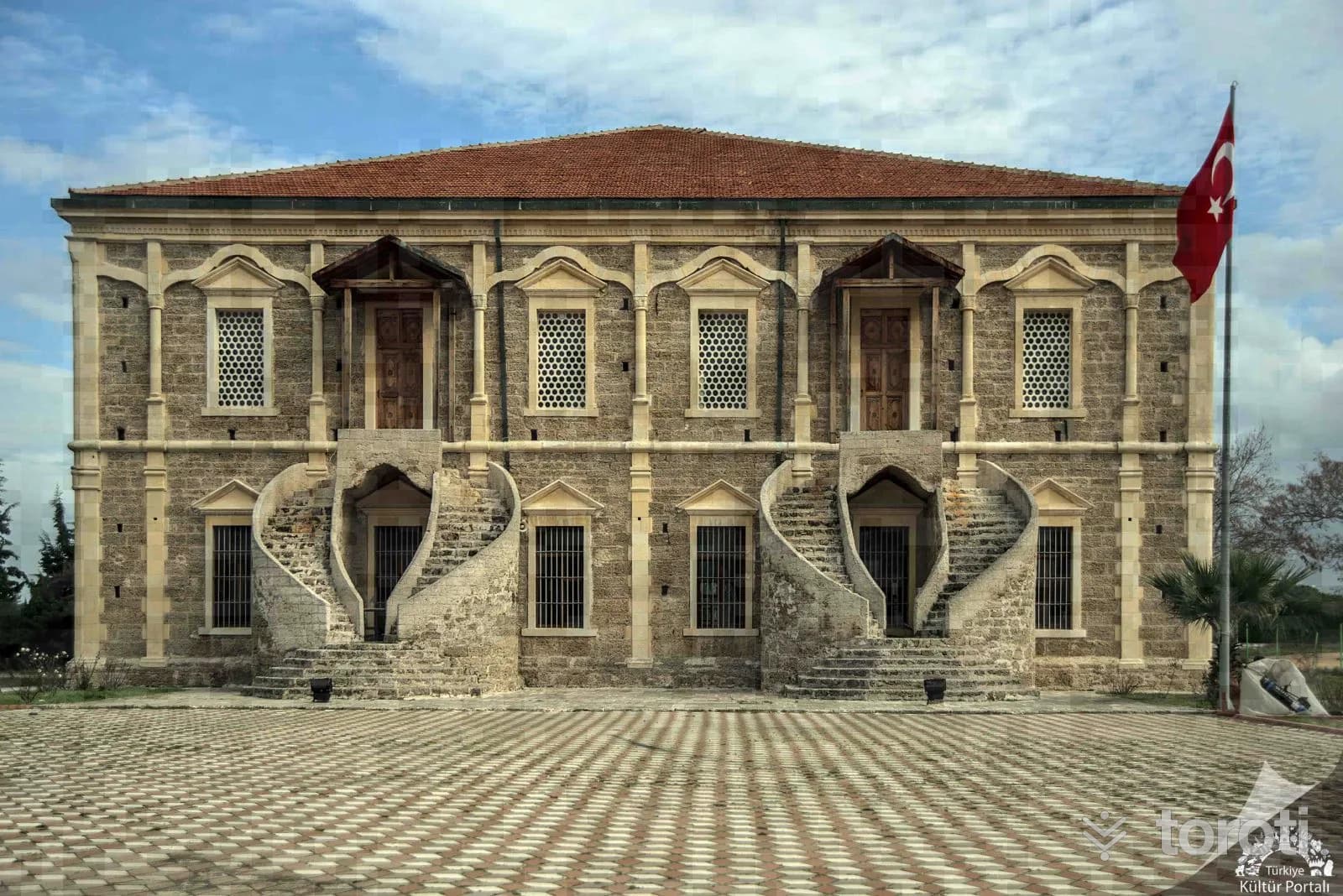
The mevlevihane, founded in the VII century, underwent repairs in various periods and was rebuilt in 1900. In 1920, during the Greek occupation, it was used as an arsenal and was damaged. In its latest appearance, it reflects an eclectic style. The doors on the north and south sides provide access to the ground floor. The oval double staircase on the west facade leads up to the mahfel floor. The interior is decorated with hand-drawn vegetal motifs and calligraphic works. Its restoration was started and completed in 1994.
32
Gelibolu Kalesi
Gelibolu, Çanakkale
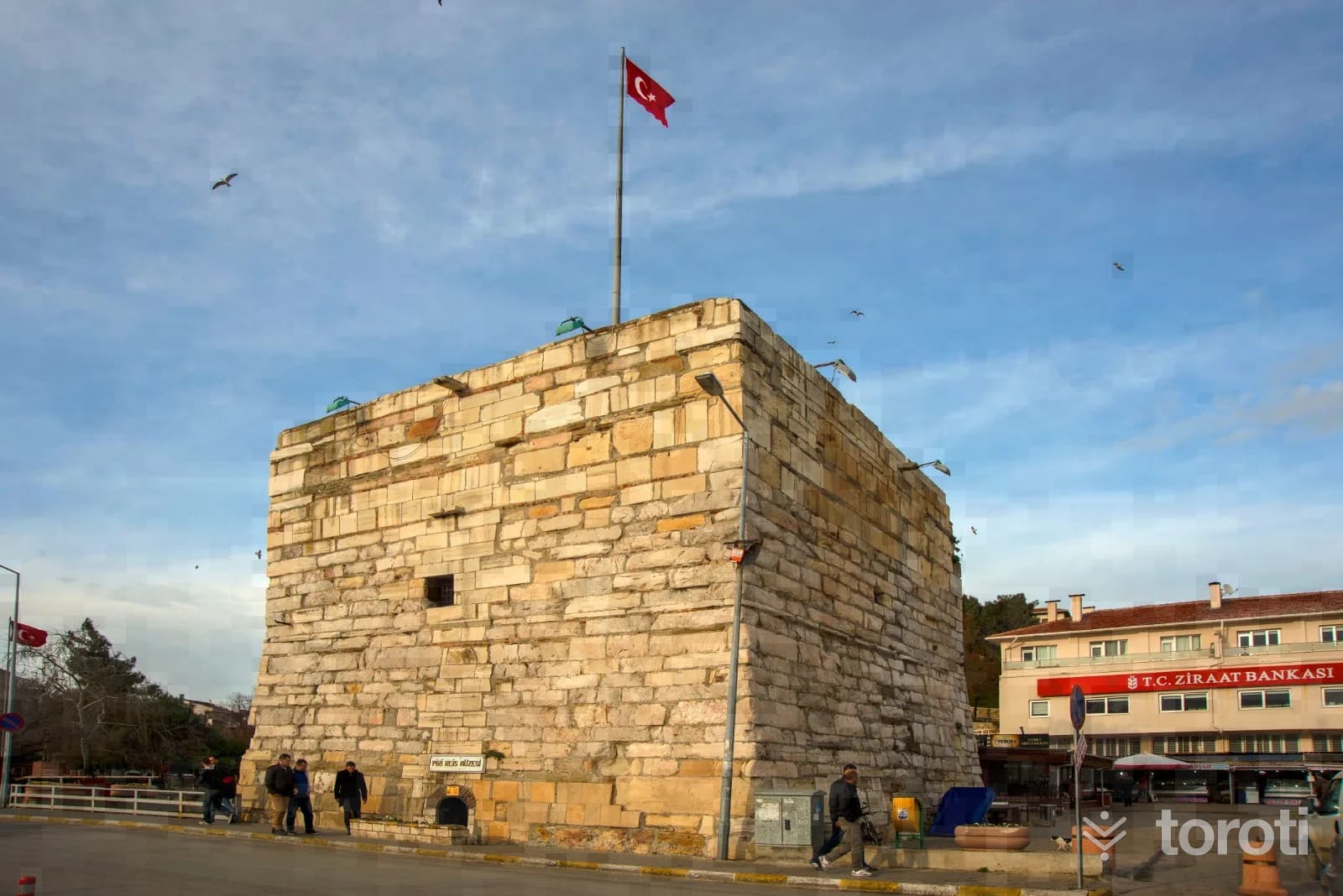
The castle, whose origins date back to ancient times, was repaired by the Byzantines. While mentioning the castle, Evliya Çelebi says it is hexagonal in shape and has 70 towers. It suffered great damage in World War I. Only an observation tower and the adjacent inner harbor remain. Two floors of the three-story bastion are extant. There is a spiral stone staircase between the floors. This bastion now houses the Piri Reisi Museum.
33
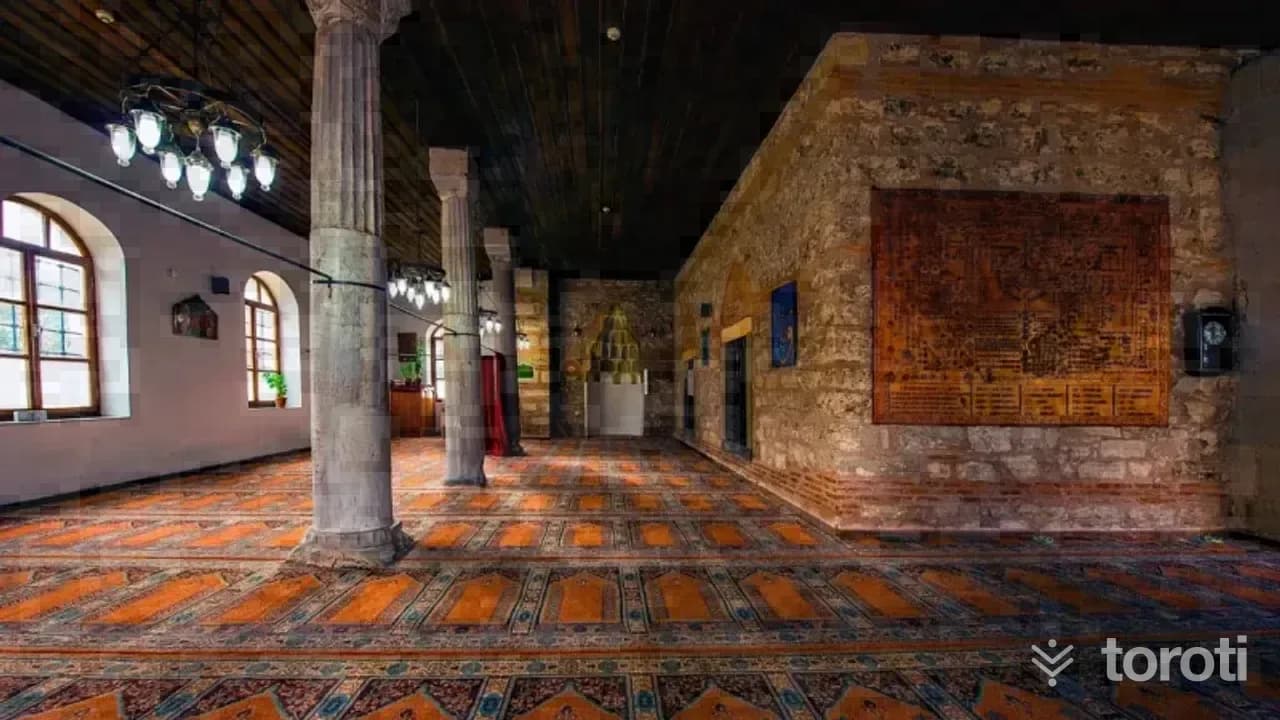
Yakup Bey Külliyesi
Lapseki, Çanakkale
Yakup Bey, who was the sanjak-bey of Gelibolu in 1462, had a külliye built in Çardak. Of this külliye, the mosque, inn and bath have survived to the present day. The inscription on the monumental portal gives the construction date of the külliye as 1462-64. One of the three inscriptions here has been damaged.
34
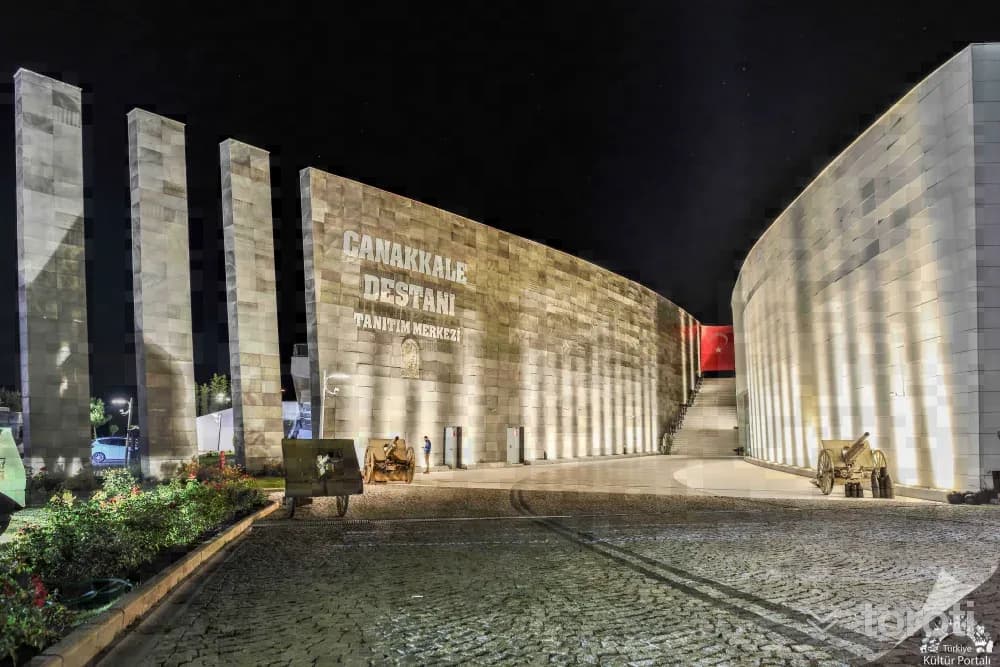
Çanakkale Destanı Tanitim Merkezi
Eceabat, Çanakkale
Çanakkale Destanı Tanıtım Merkezi is located in the Kabatape area of Eceabat district, Çanakkale province. It was designed with the aim of ensuring that the Çanakkale Wars are remembered forever and of contributing to the development of this spirit by conveying the spirit of Çanakkale to new generations. The center was opened to visitors on 7 June 2012.
35
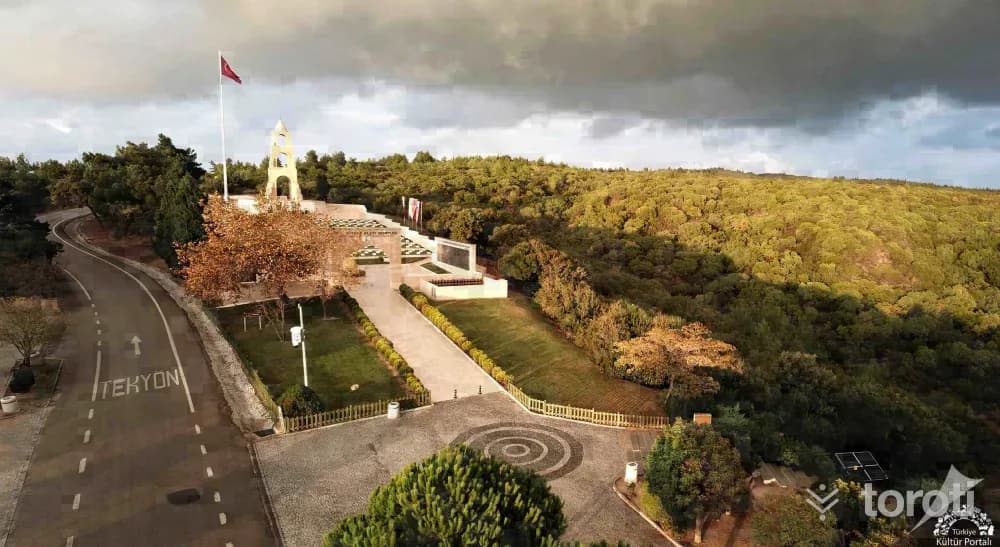
57. Piyade Alayi Şehitliği
Eceabat, Çanakkale
The 57th Infantry Regiment Martyrs’ Cemetery and Memorial, designed by Mimar Nejat Dinçel, was built on 12 Aralık 1992 by the Ministry of Culture and Tourism by the side of the Kabatepe-Conkbayırı road, at the southern end of Kılıçbayır. Photo: Çanakkale Savaşları Gelibolu Tarihi Alan Başkanlığı During the war, foreign soldiers gave this place the name “Chessboard.” This newly built martyrs’ cemetery is symbolic.
- No image
36
Anzak Mezarları
Eceabat, Çanakkale
Today, on the Gallipoli Peninsula, there are 31 war cemeteries, 21 of which are in the Anzac area. There are several memorials for those who were lost, the largest of which are the Helles Memorial and the Kanlısırt Memorial. There is also the New Zealand National Memorial at Conk Bayırı. This is a war memorial for New Zealand soldiers who served at Gallipoli.
- No image
37
Mehmetçik'e Saygı Anıtı
Eceabat, Çanakkale
The Mehmetçiğe Saygı Monument is at the southern end of Albayrak Sırtı, on the Kabatepe-Conkbayırı road. This monument represents the high morality of the Turkish soldier, who, even during the war, did not forget that the one facing him was human, and when the time came, extended wings of compassion even to the one who pointed a weapon at him.
38
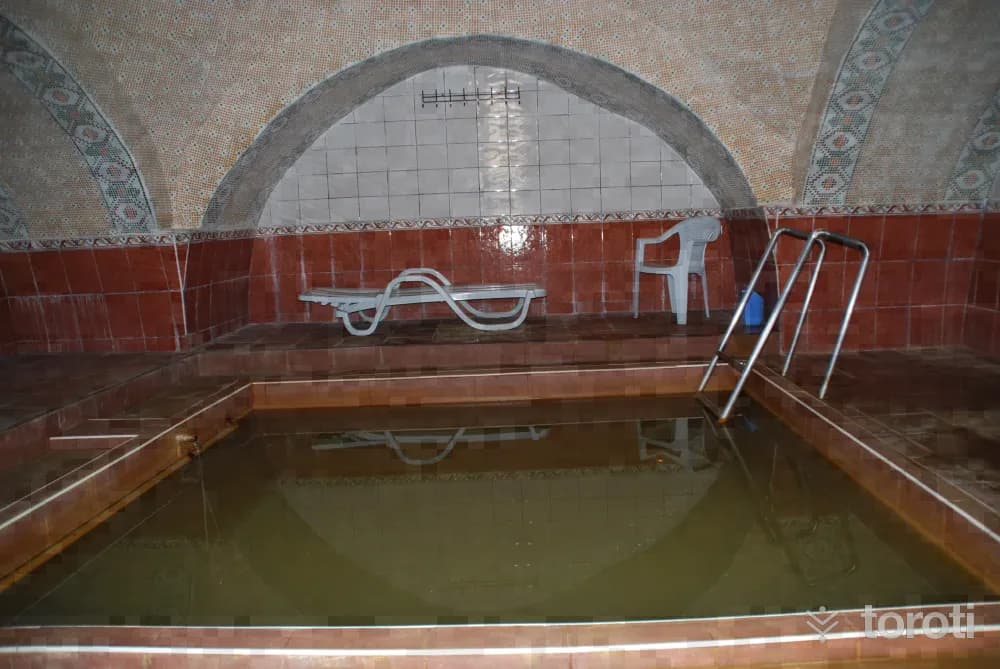
Çanakkale Kaplıcaları
Çanakkale merkez, Çanakkale
Kestanbol Hot Spring: It has a supply capacity of 3 thousand 600 people/day/bath and thermal beds. There is a need for new drilling. Physical-Chemical Properties and Diseases It Is Effective Against: The water temperature is 67CC, the pH value is 5,9 and the Radon value is 2650 picocuri/liter. The naturally emerging water has a chlorinated, sodium, iron, fluorine and radioactive composition. It is suitable for bathing and drinking cures.
Move the stops into your own plan, split them across days, and add places to sleep and eat.
Frequently asked
- How far is it between İstanbul and Çanakkale, and how long does it take?
- Driving between İstanbul and Çanakkale is roughly 314 kilometres and takes about 4 hours without stops.
- Where is it worth stopping between İstanbul and Çanakkale?
- There are 267 described places within 20 km of the road between İstanbul and Çanakkale. toroti lists 38 of them spread evenly along the drive, in the order you pass them; Avrupa Kültür Başkenti Mübadele Müzesi comes early on, and Çanakkale Kaplıcaları sits near the end.
- Which provinces does the İstanbul to Çanakkale route cross?
- The route between İstanbul and Çanakkale crosses İstanbul → Tekirdağ → Çanakkale. The stretch richest in places to visit is in Tekirdağ.
- Should I take the toll highway or traditional route between İstanbul and Çanakkale?
- Toll motorways save driving time between İstanbul and Çanakkale, whereas traditional state roads pass directly through historic town centers, local culinary stops, and scenic nature viewpoints.
- How should breaks be scheduled between İstanbul and Çanakkale?
- For a drive of around 4 hours, taking a break every 2 to 2.5 hours is recommended. The catalogued attractions in Tekirdağ and neighboring provinces offer memorable stopovers compared to generic highway rest areas.