Stops along the way
Stops between İstanbul and Antalya
773 km, roughly 9 hours of driving. The stops below are ordered as you pass them — the same road in both directions.
In short
The drive between İstanbul and Antalya is 773 km and takes roughly 9 hours. There are 1093 described places within 20 km of this route; it crosses 12 provinces, and the densest stretch is in Bursa (243 places).
There are 1093 places within 20 km of this corridor; the 60 below are spread evenly along the drive.
- No image
1
Arnavutköy Yeniköy Halk Plajı
Arnavutköy, İstanbul
Arnavutköy Yeniköy Public Beach is a public beach candidate included in the official 2025 Blue Flag list.
2
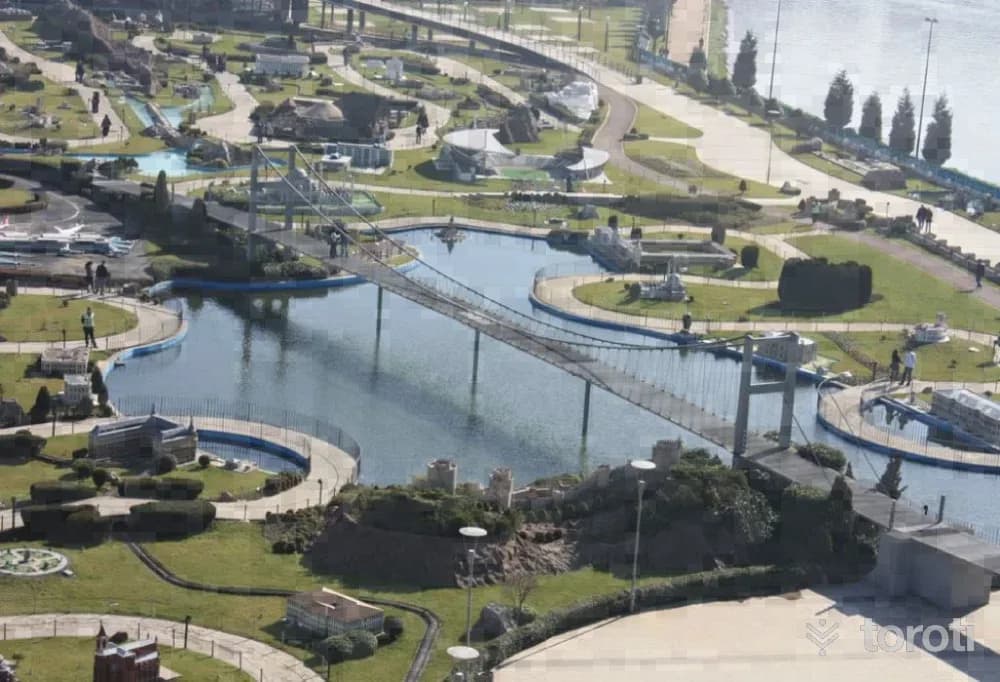
Miniatürk
Beyoğlu, İstanbul
Miniatürk is Turkey's first miniature park, showcasing 120 fixed models of significant cultural artifacts. The park aims to promote cultural heritage with representations from Istanbul and Anatolia.
3
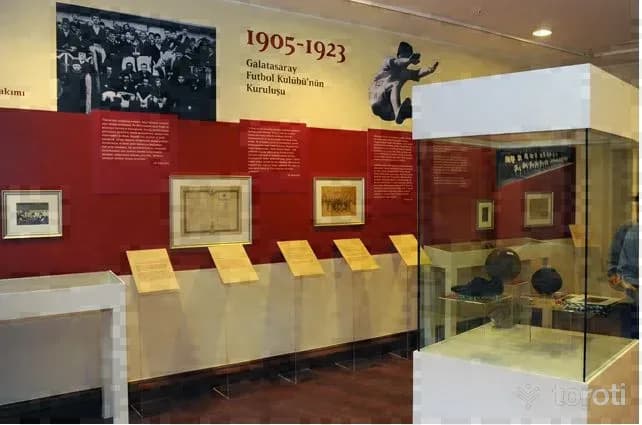
Galatasaray Müzesi
Sarıyer, İstanbul
Galatasaray Museum, established in 1915 by Ali Sami Yen, is Turkey's first sports museum. It showcases the history and achievements of Galatasaray Sports Club.
4
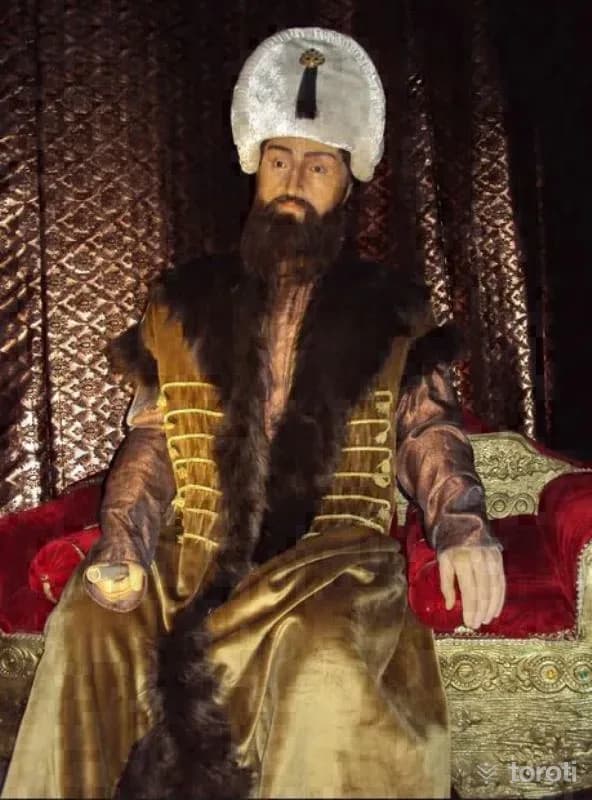
Jale Kuşhan Balmumu Heykel Müzesi
Kağıthane, İstanbul
The Jale Kuşhan Wax Sculpture Museum is established to promote wax sculpture art in Turkey. The museum showcases wax figures of significant figures from Turkish and world history.
5
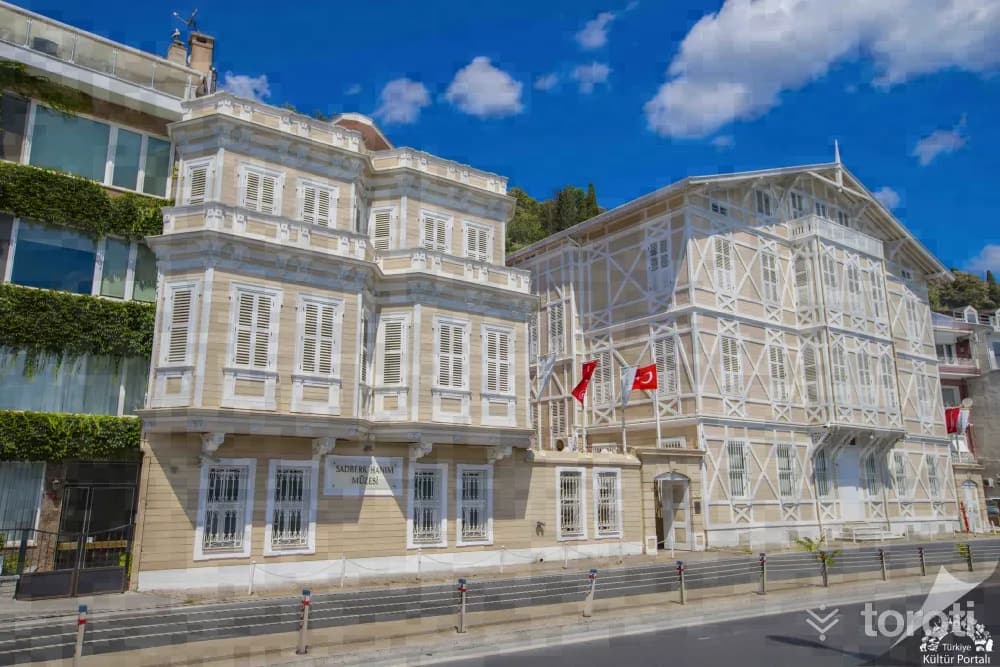
Sadberk Hanim Müzesi
Sarıyer, İstanbul
Sadberk Hanım Museum is located in a 19th-century building and hosts a rich collection of artifacts.
- No image
6
Rumeli Feneri
Sarıyer, İstanbul
Rumeli Feneri is a historic lighthouse located at the point where the Bosphorus meets the Black Sea.
7
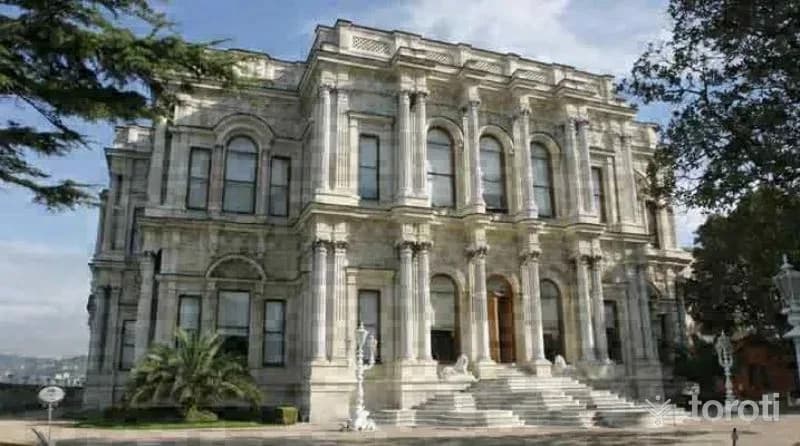
Beylerbeyi Sarayı
Üsküdar, İstanbul
Beylerbeyi Palace was built as a summer residence for Ottoman sultans and served to host foreign heads of state.
8
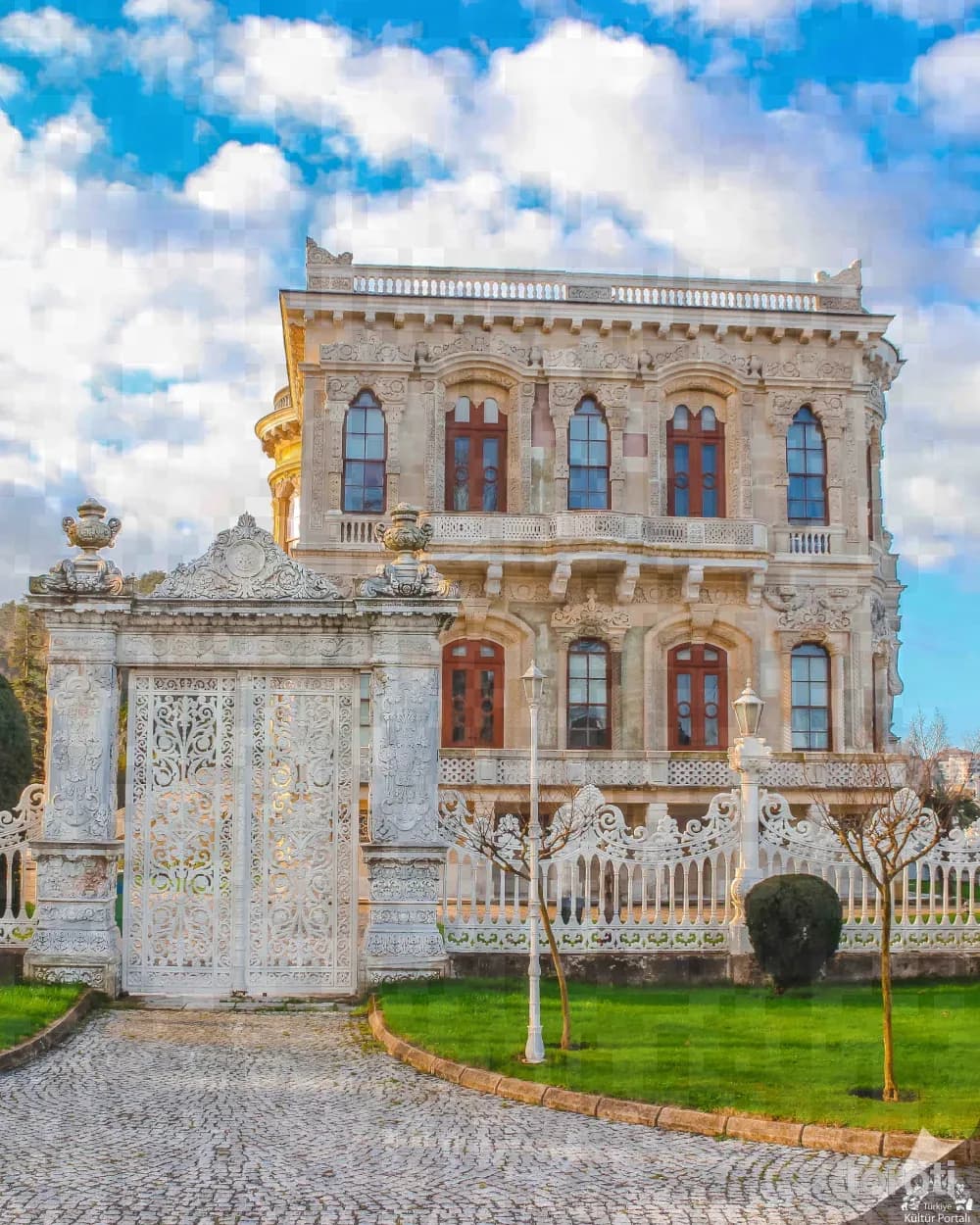
Küçüksu Kasri
Beykoz, İstanbul
Küçüksu Pavilion is a historical structure located in the Bosphorus, used as one of the sultans' private gardens during the Ottoman period.
9
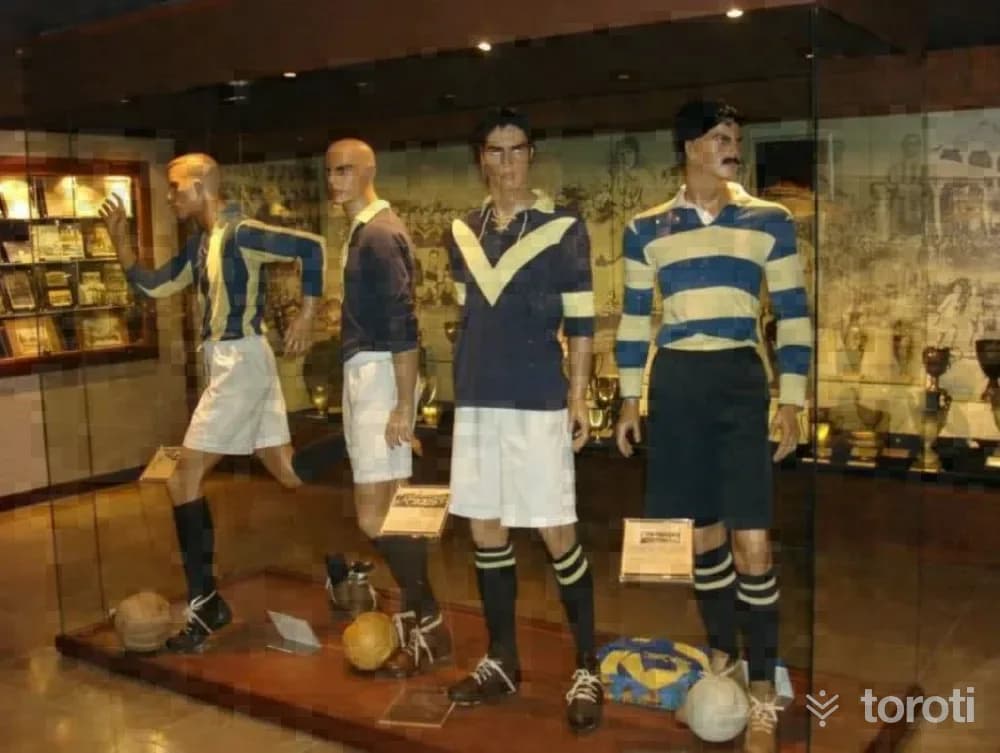
Fenerbahçe Spor Kulübü Müzesi
Kadıköy, İstanbul
The Fenerbahçe Sports Club Museum showcases the 100 years of achievements and awards of Fenerbahçe, an essential part of Turkish sports.
- No image
10
Polonezköy
Beykoz, İstanbul
Polonezköy is a village located 30 km away from Istanbul, immersed in nature. It is a peaceful getaway with walking paths and cycling trails.
- No image
11
Ballikayalar
Gebze, Kocaeli
Ballıkayalar is a nature park located in Gebze, offering an ideal area for mountaineering.
- No image
12
Çerkeşli Kayalitepe
Dilovası, Kocaeli
This route, which goes from Çerkeşli village to the summit of Kayalıtepe, is the longest of Kocaeli'nin natural hiking routes. In addition to the length of the distance, the steep ascent and descent should be taken into consideration. Çerkeşli Village forms the starting point of this route.
- No image
13
Safiye Başdeğirmen
Karamürsel, Kocaeli
This route, which involves no difficulty, can be walked without any problems in all four seasons. A part of the route consists of a trail, and a very small part consists of a dirt vehicle road. The route, which starts right inside Safiye Köyü, continues on paths parallel to Suludere.
- No image
14
Fulacik Valideköprü
Karamürsel, Kocaeli
From Fulacık to Valide Köprü or vice versa, whichever way you walk, it is a route without difficulty in all four seasons. This route, which goes from Fulacık Köyü toward Valide Köprü Mahallesi, is of a kind that everyone can easily complete.
15
Termal Kaplıcaları
Termal, Yalova
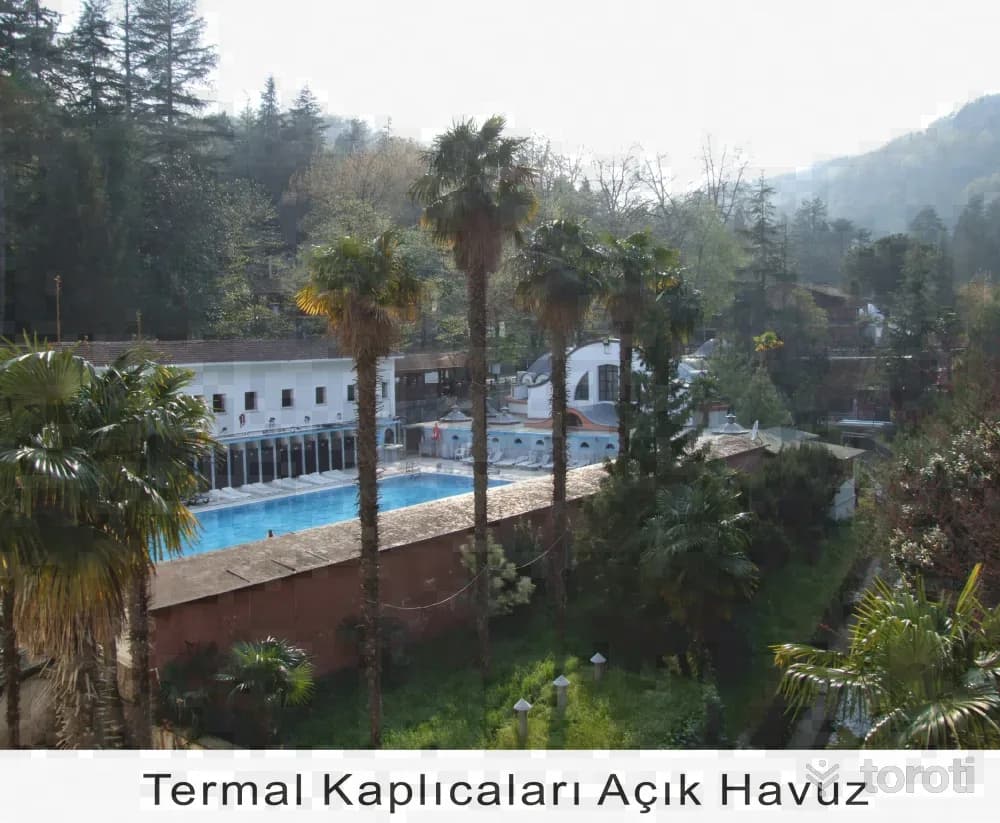
The Thermal Springs in Yalova are among Turkey's most important spa areas, renowned for their healing waters.
- No image
16
Aladdin Paşa Cami
Osmangazi, Bursa
According to sources describing the early Ottoman period, it was commissioned in 1326 by Alaaddin Bey, one of Osman Gazi’s sons and Orhan Bey’s brother. It is known as the first mosque built in Bursa. In the repair carried out in 1861-62 of the mosque, which was heavily damaged in the 1855 earthquake, some parts were altered, its portico was rebuilt, and a triangular pediment, unsuitable for a Turkish minaret, was made on its facade.
- No image
17
Emir Sultan Külliyesi
Yıldırım, Bursa
Emir Sultan, who lived in Bursa in the first quarter of the 15th century and died in 1429, was born in Bukhara. Because he was descended from Hz. Muhammed, he was called "Emir," and because he won hearts, he was called "Sultan," and he became renowned by the name "Emir Sultan." His real name is Muhammed. He was shown great respect in Bursa. He married Hundi Hatun, the daughter of the Ottoman sultans Yıldırım Beyazıd.
- No image
18
Hünkar Köşkü
Yıldırım, Bursa
Hünkar Köşkü Museum was built in Temenyeri on the slopes of Uludağ during the reign of Abdülmecit to serve as a hunting lodge. The mansion was built in 1859. Abdülaziz and V.
- No image
19
Balabancık ve Gazi Aktimur Hisarı
Yıldırım, Bursa
Gazi Osman Bey planned to turn toward Bursa after Bilecik, İnegöl, Sakarya and Yenişehir. Since the Bursa castle, surrounded by steep rocks, could not be taken easily, Osman Gazi built two observation points that we call havale towers, one on the hill to the east of the city and the other near the hot springs to the west of the city, and blockaded the city by controlling the entrances and exits.
- No image
20
Yeşil İmareti
Yıldırım, Bursa
It was built in the 15th century, during the reign of Çelebi Sultan Mehmet, under the supervision of Hacı İvaz. Today, a large part of it is still standing. The imaret and dining hall walls have also survived to the present day. Its roof has completely collapsed. The two-domed kitchen section is quite sound. The main walls were built with stone and brick, and the storage section is also in a collapsed state. On Fridays, Çelebi Sultan Mehmet used to distribute food to the poor from this imaret.
21
Yıldirim Cami
İnegöl, Bursa
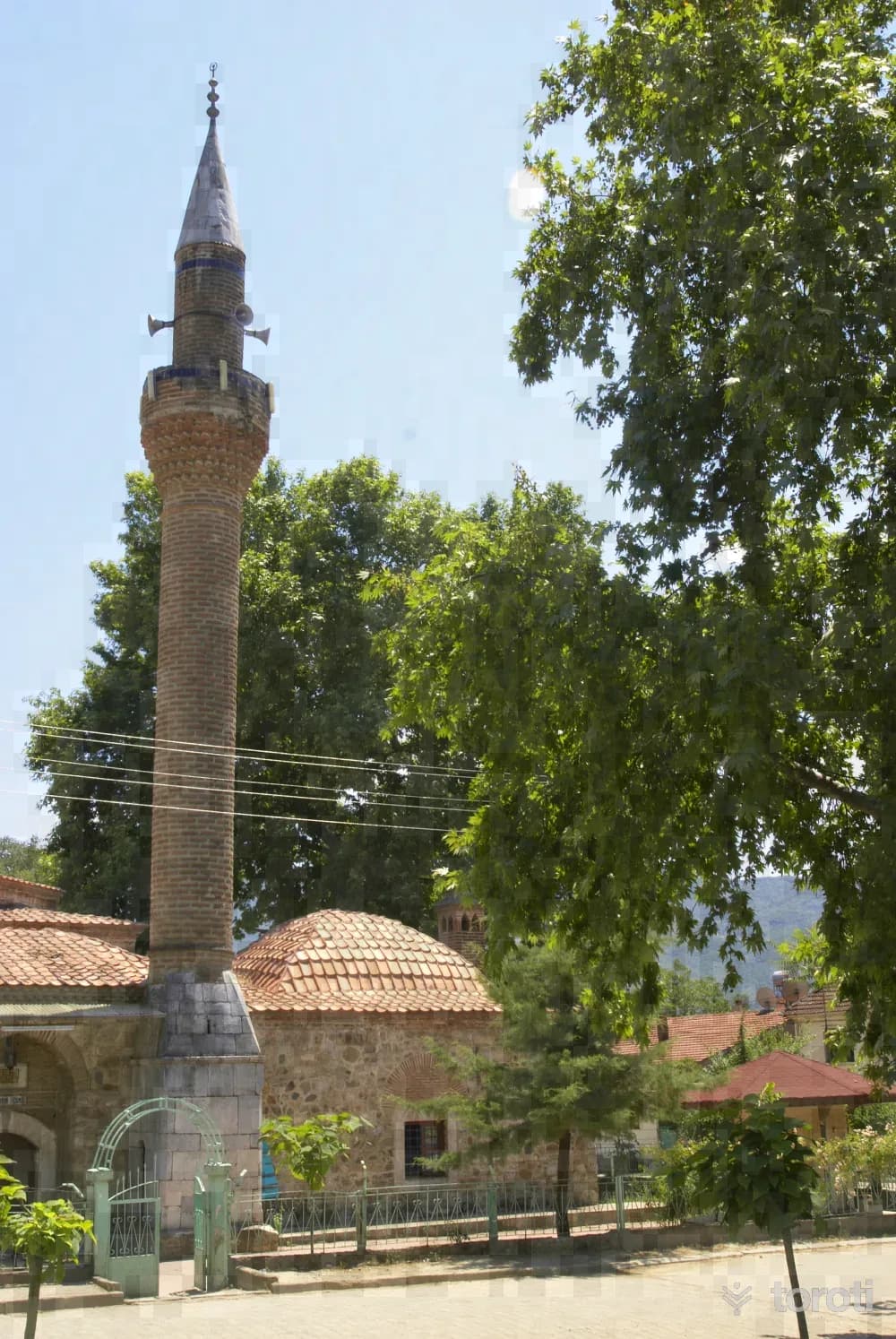
Although it is recorded under this name in the records of the General Directorate of Foundations, it has also been identified among the local people by the names İmaret Cami, Yukarı Cami or Yıldırım Cami. The mosque is listed in the 939 H. (1533) endowment deed of Hanzade Hançerli Fatma Sultan. The mosque extends in the north-south direction and consists of the entrance and main prayer spaces, and side spaces adjoining the entrance section on the east and west. The prayer space has a square plan and is covered with a dome transitioned by pendentives.
22
İshak Paşa Cami Ve Külliyesi
İnegöl, Bursa
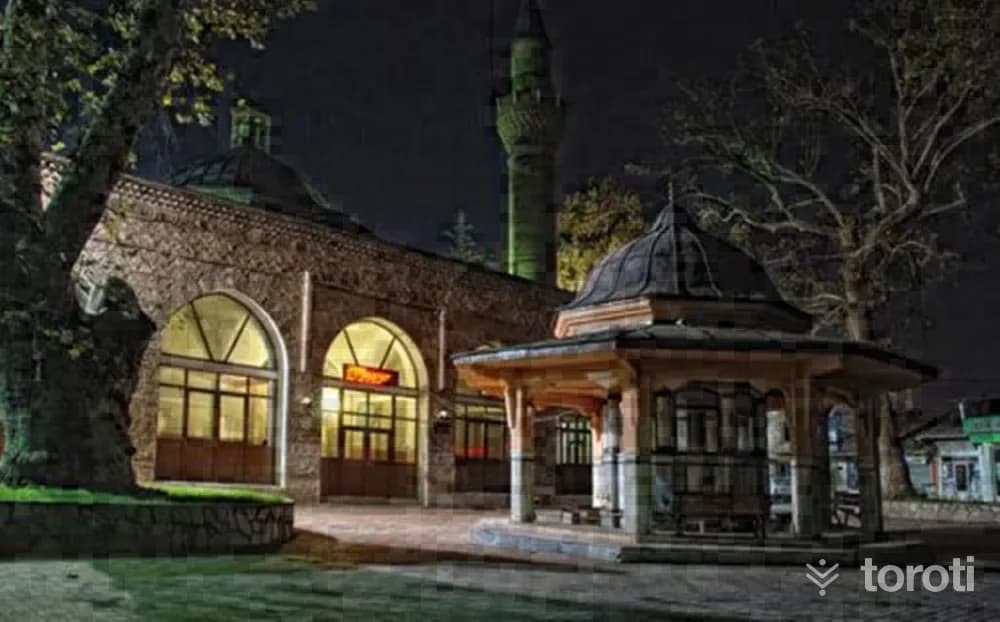
The mosque in the area in İnegöl known as belediye önü was commissioned by İshak Paşa, who commanded a part of the Ottoman forces during the siege of Istanbul and held various high offices during the reigns of Murat II, Fatih Sultan Mehmet and Bayezid II (grand vizier twice during the Fatih period and once during the Bayezid II period). According to waqf records, it is understood that the construction date was before 873 H. (1468-69).
23
İnegöl Kent Müzesi
İnegöl, Bursa
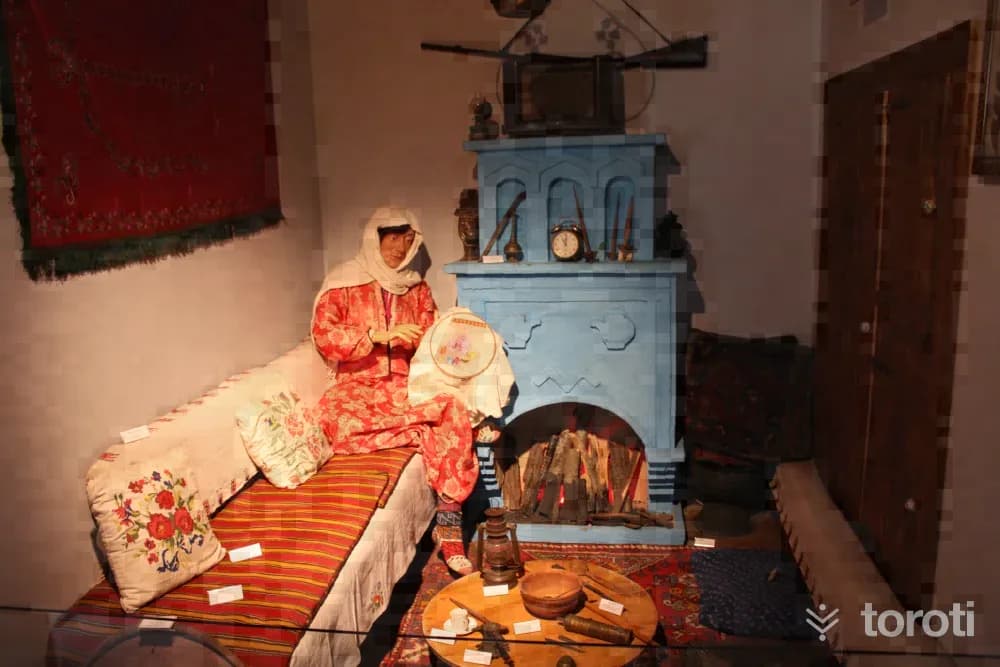
For the City Museum, the old municipal building, estimated to be approximately 150 years old, was restored in accordance with its original form and completely renovated as 1054 square meters. By conducting one-on-one interviews with 3000-3500 people, more than 2 thousand household items, objects and materials, and nearly 15 thousand documents and photographs were added to the museum archive, and it was opened in 2009.
24
Oylat Mağarası
İnegöl, Bursa
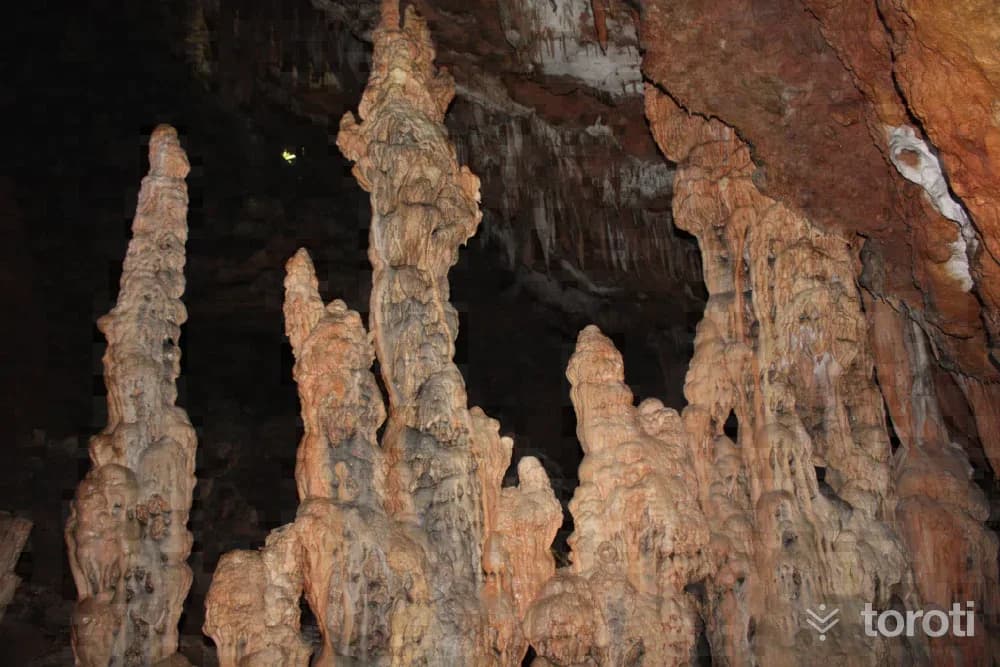
Mağara Bursa-Ankara kara yolundan Oylat Kaplıcasına ayrılan yoldan yaklaşık 17 km. içeride Hilmiye köyünün bir km. güneyinde yer almaktadır. Özellikleri: Toplam uzunluğu 665 m. olan mağara iki ana bölümden oluşur. Dar galerilerden oluşan birinci bölüm girişten çöküntü sonuna kadar olan kısımdır. İçeride dev kazanları ve damlataş havuzları bulunur. İkinci bölüm büyük bir çöküntü salonudur. İri blok ve dev damlataş şekillerinden (sarkıt, dikit ve sütun) oluşmaktadır.
25
Mizik Çami
Domaniç, Kütahya
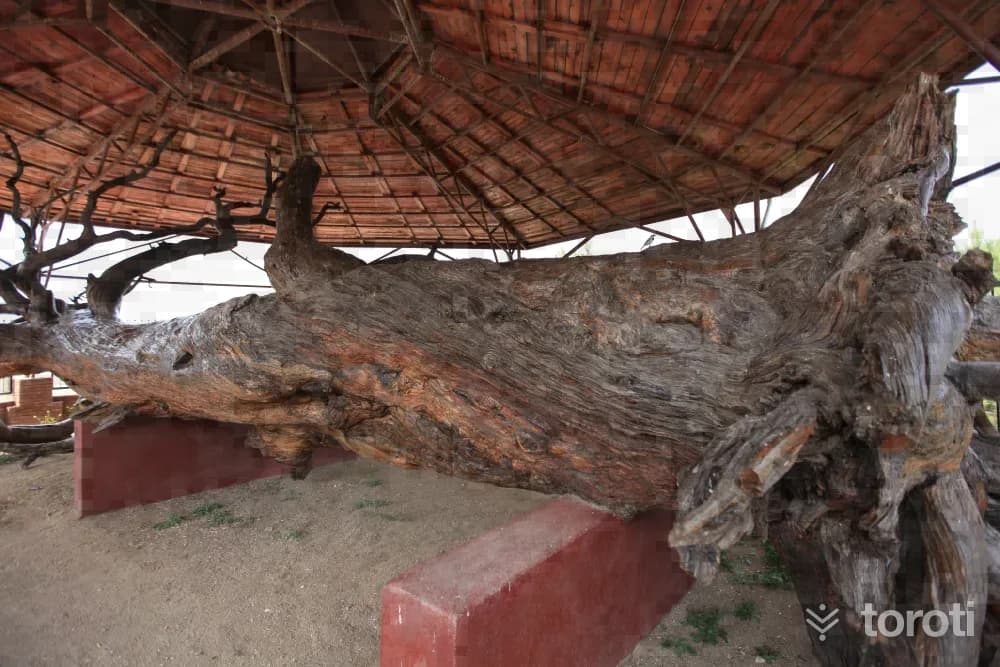
This black pine, the species of pine in which the cradle of Osman Gazi, the founder of the Ottoman State, was set up in his infancy, fell in 1980 as a result of natural causes. It was determined that the pine was 11 meters tall, had a circumference of 4.70 meters, and was approximately 740 years old, and it was registered as a monumental tree by the Council for the Protection of Cultural and Natural Assets on 15.07.1988.
26
Çelebi Mehmet Camii
Söğüt, Bilecik
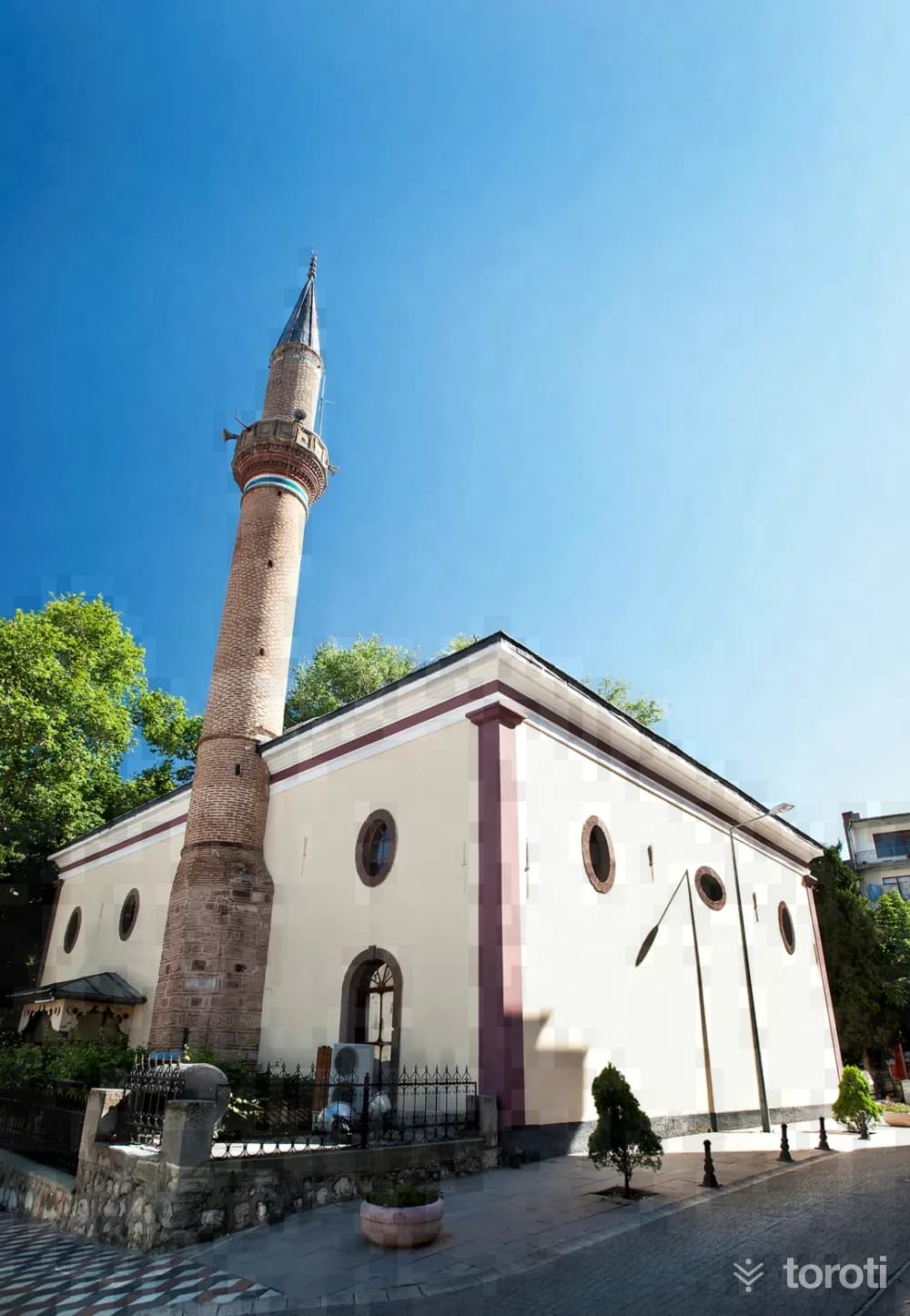
It was commissioned by Sultan Mehmed I Çelebi between 1414—1420 and is among the first examples of Ottoman architectural art in the type of domed structures. The Mosque, which has a rectangular appearance and 12 domes, was repaired by Sultan Abdülhamit II and underwent some changes as it was enlarged during the restoration.
- No image
27
Ertuğrul Gazi Mescidi (Kuyulu Mescid)
Söğüt, Bilecik
The masjid located on the bank of Söğüt Çayı is said to be the place where Ertuğrul Gazi first pitched a tent when he arrived with his tribe. The structure, which contains a well inside and is also called "Kuyulu Mescit," was commissioned by Ertuğrul Gazi before 1276, built by II. Abdülhamit on the same foundations in 1902, and underwent restoration in later years.
- No image
28
Metris Tepe Zafer Anıtı
Bozüyük, Bilecik
Located 12 km off the road at the end of the Bozüyük-Eskişehir highway, the monument was built on Metris Tepe, where the İnönü Battles were won and which the great leader Atatürk referred to in the congratulatory telegram he sent to İsmet İnönü, saying, "There you defeated not only the enemy, but also the nation's ill fate," in order to keep alive the noble memories of our martyrs.
- No image
29
Hamidiye Camii
Söğüt, Bilecik
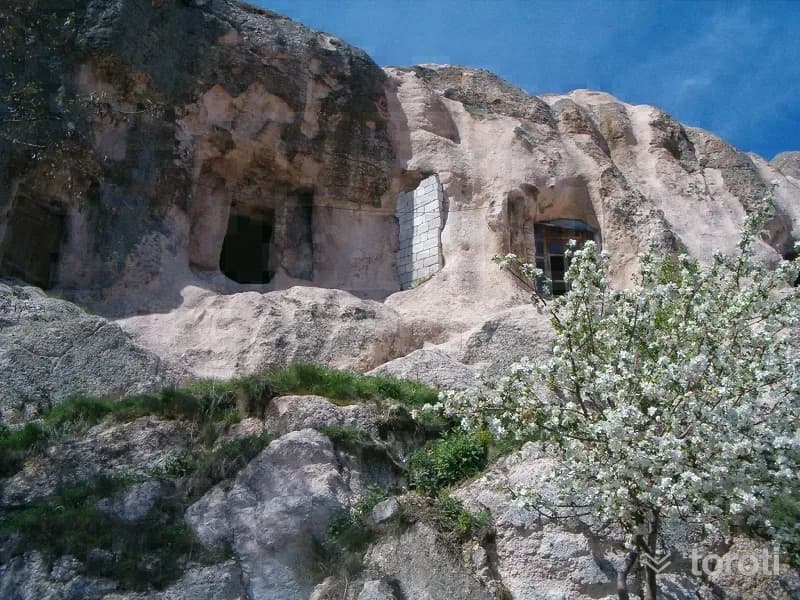
In Söğüt District, it is a fine example of the neo-classical architectural style of the late Ottoman period. It was commissioned by Abdülhamit II in 1903-1905. It has a square plan, and its walls are of red cut stone. The structure is covered with a single lead-clad dome. Since it has two minarets, it is also known among the local people as the "Çifte Minareli Camii".
30
Frigya Vadileri
Kütahya merkez, Kütahya
In the Kütahya, Afyonkarahisar, Eskişehir triangle, the region defined as the mountainous settlement of ‘‘phrygia Epiktetus’ ’(Little Phrygia) is today referred to as the ‘‘Phrygian Valley’’.
31
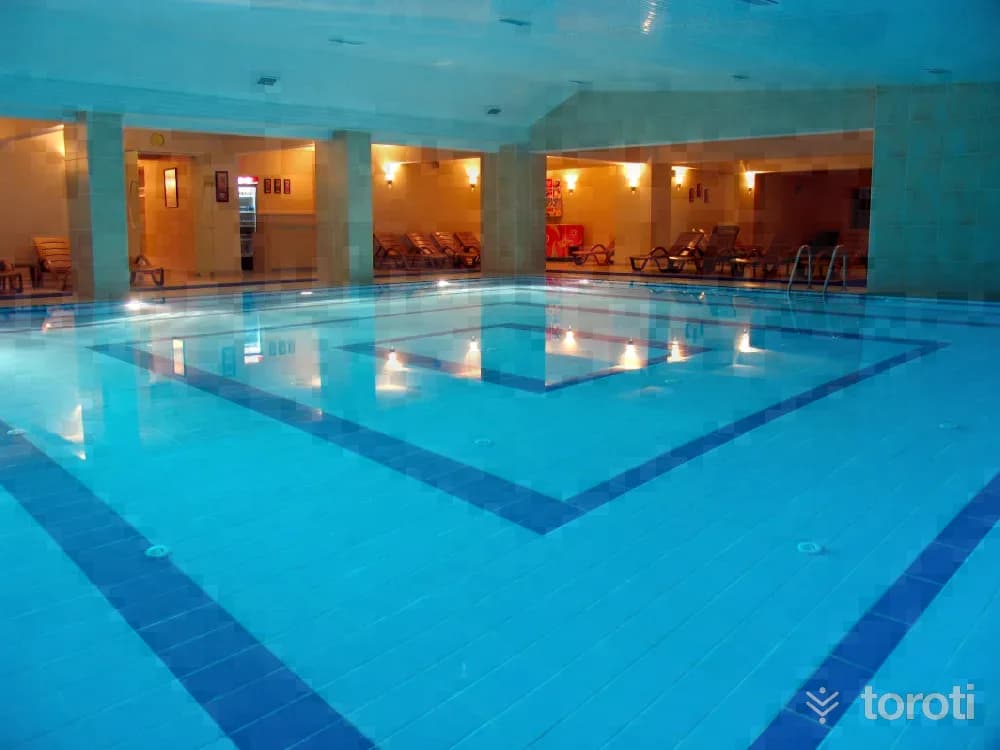
Ilica Termal Turizm Merkezi
Kütahya merkez, Kütahya
Location: Ilıca Harlek Thermal, located in the north of Kütahya, is 4 km inland from the 23rd km of the Kütahya-Eskişehir highway, among pine forests. Temperature: It is 25 -43 C°. Diseases It Is Effective For: It is used as a complementary treatment element for rheumatic diseases, chronic low back pain, joint diseases, soft tissue diseases, orthopedic diseases, after brain and neurosurgery, general stress disorder and sports injuries.
32
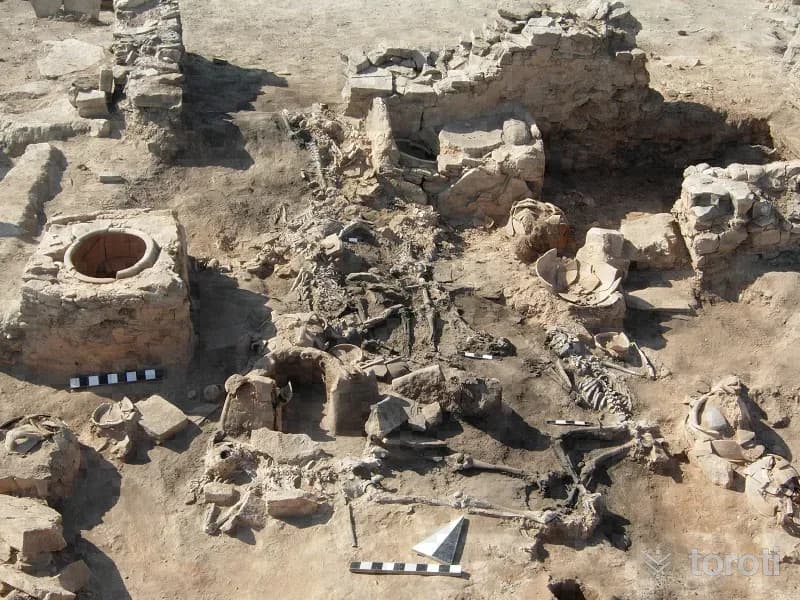
Seyitömer Höyüğü
Kütahya merkez, Kütahya
It is an ancient settlement with an oval shape, measuring 150x140 meters and 24 meters high. The top of the mound is a flat area of approximately 2000 square meters. The north of the mound is quite steep, while the south is gently sloping.
- No image
33
Küçük Bedesten
Kütahya merkez, Kütahya
It is a covered bazaar located between a gate opening from Kavaflar Çarşısı to the north and a second gate opening to Sarraflar Çarşısı, known as Mısır Çarşısı, to the south.
34
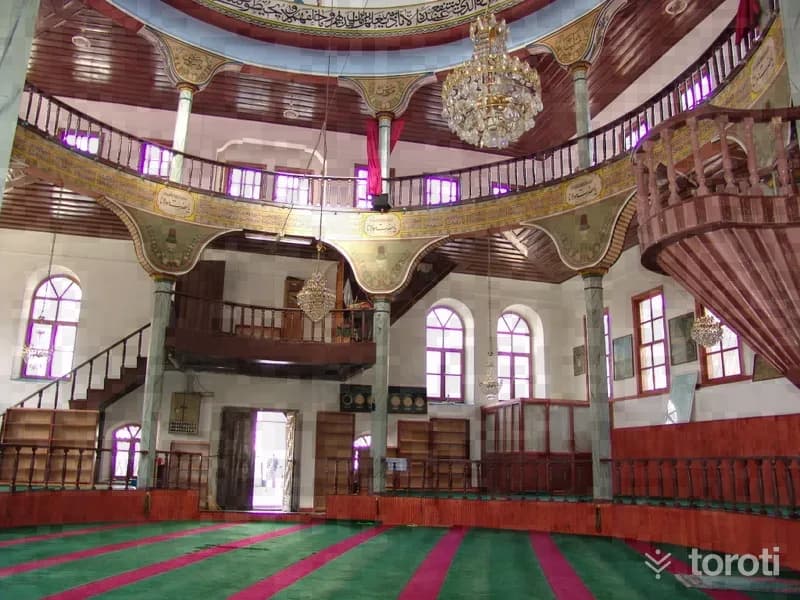
Mevlevihane - Dönenler Camii
Kütahya merkez, Kütahya
It is located in the city center, near Ulu Camii. It was built in the 14th century as the semahane of the Mevlevihane. This first Mevlevihane of Kütahya, one of the original examples of early Anatolian Turkish architecture, underwent restoration twice, and the semahane and dervish cells have survived to the present day. The structure, which is used as a mosque today, has a nearly square rectangular plan and an octagonal drum.
- No image
35
Dönenler Tekkesi
Kütahya merkez, Kütahya
Located to the southwest of Dönenler Meydanı, the mevlevîhane is the third important dervish lodge after the Konya and Afyonkarahisar mevlevîhanes. It is referred to by the names Erguniyye Dergahı, ErgunÇelebi Zaviyesi and Zaviye-i Erguniyye, after the name of Celaleddin Ergun Çelebi, who is recorded in the genealogies as the founder and first postnişîn of the building.
36
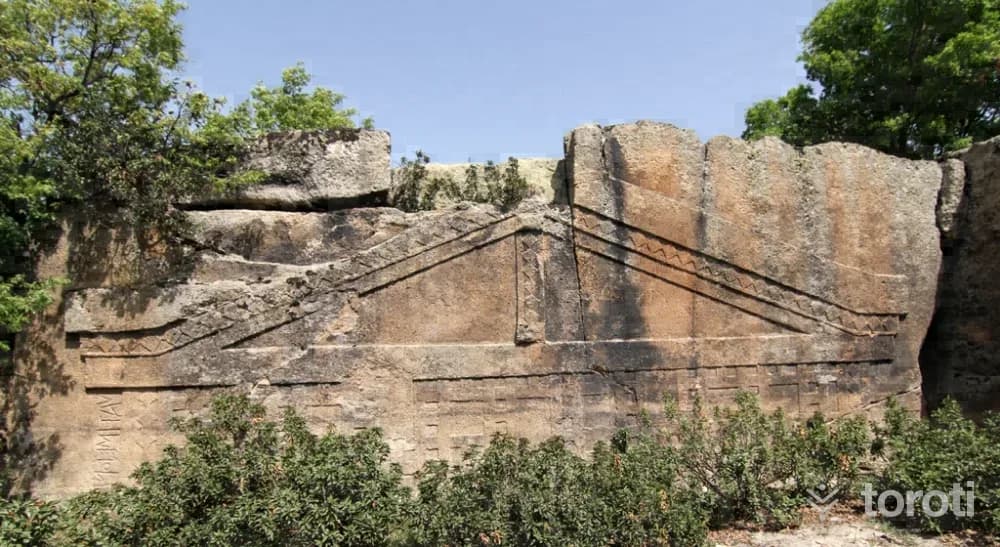
Maltaş Frig Anıti
İhsaniye, Afyonkarahisar
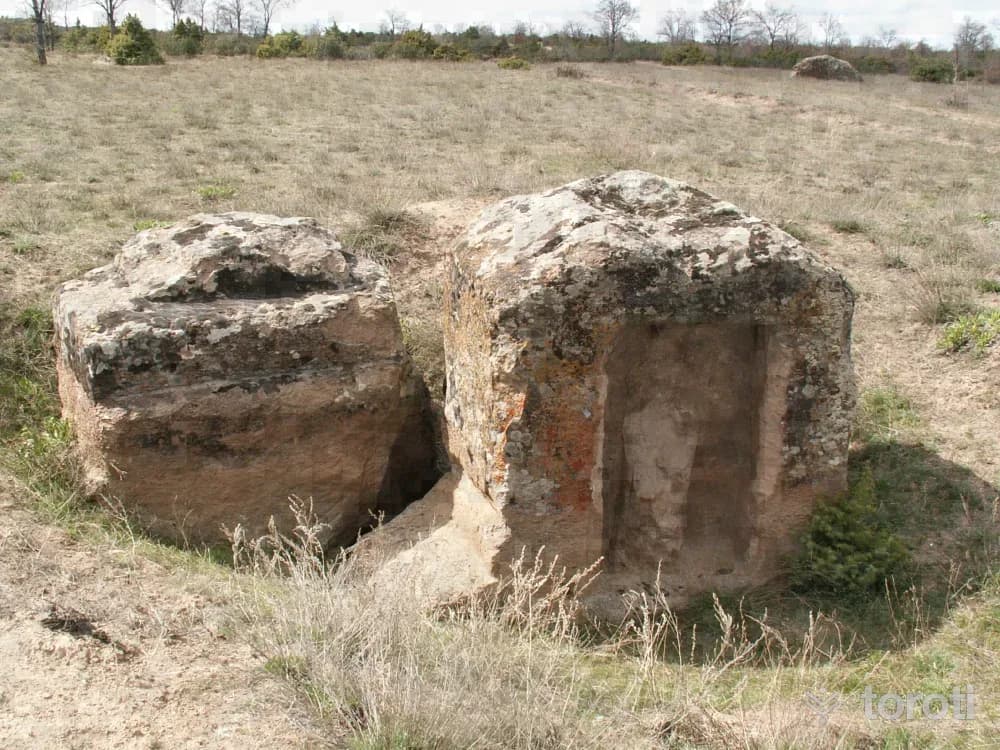
It is an open-air worship area located within the borders of Kayıhan Town in İhsaniye District, at the southwestern corner of the Göynüş (Köynüş) Valley, on the Akkuş Yuvası Rocks that bound the valley from the west. Since it is believed that treasure is hidden inside, it is called “Maltaş” or “Malkaya” by the local people. Together with the other Phrygian rock monuments in the region, it is dated to between the 8th and 6th centuries BC. The first study related to the monument was carried out in 1881 by W. M.
37
Frigya - Göynüş Vadisi
İhsaniye, Afyonkarahisar
It is reached after a 2-kilometre journey by turning northwest (left) from the 36th kilometre of the Afyonkarahisar-Eskişehir state highway. It is in Kayıhan Town of İhsaniye District. In the Phrygian Valley, where there is a settlement belonging to the Phrygian Period, there are steep rocks approximately 10 metres high. On the faces of these rocks are small square-looking door openings. When entering through these doors, rooms are encountered. These rooms are rock tomb chambers belonging to the Phrygian Period.
38
Millet Hamamı
Afyonkarahisar (Merkez İlçe), Afyonkarahisar
It is located in Tac-ı Ahmet Mahallesi, on Hamam Aralığı Sokağı. In the northern section of the structure, which was built on sloping land descending from south to north, is the men's section, while in the southern section is the women's section. The women's changing room on the east facade of the structure is attached to the southern wing of the facade. The furnace on this facade is adjacent to the north wall of the changing room. In the northern section of the facade, there are three window openings.
39
Afyonkarahisar Müzesi
Afyonkarahisar (Merkez İlçe), Afyonkarahisar
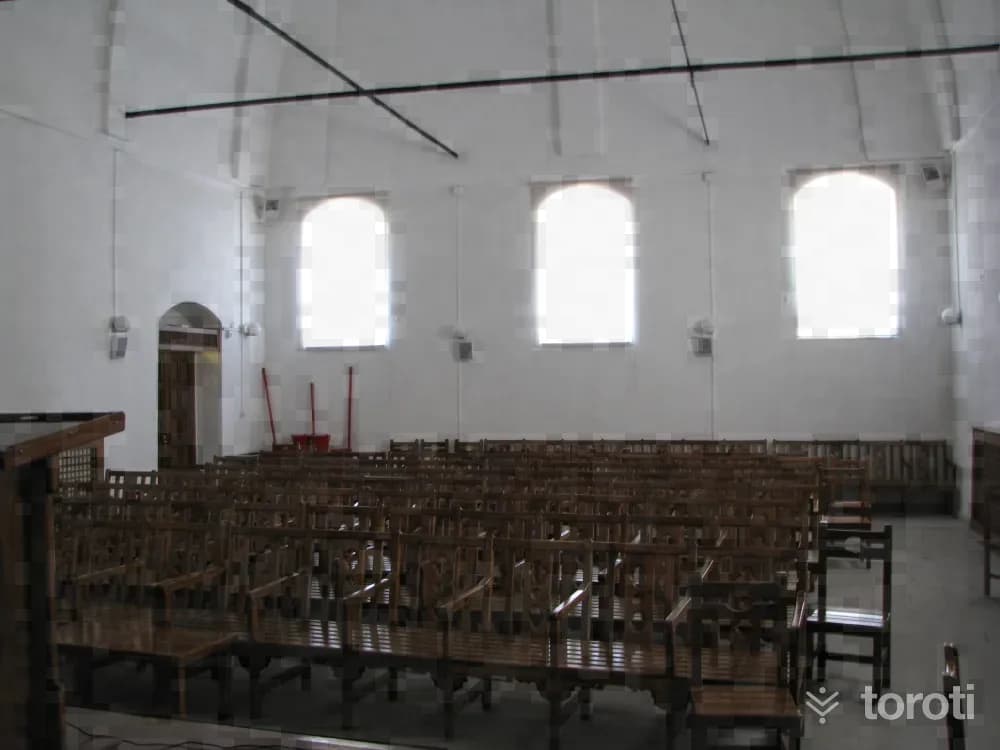
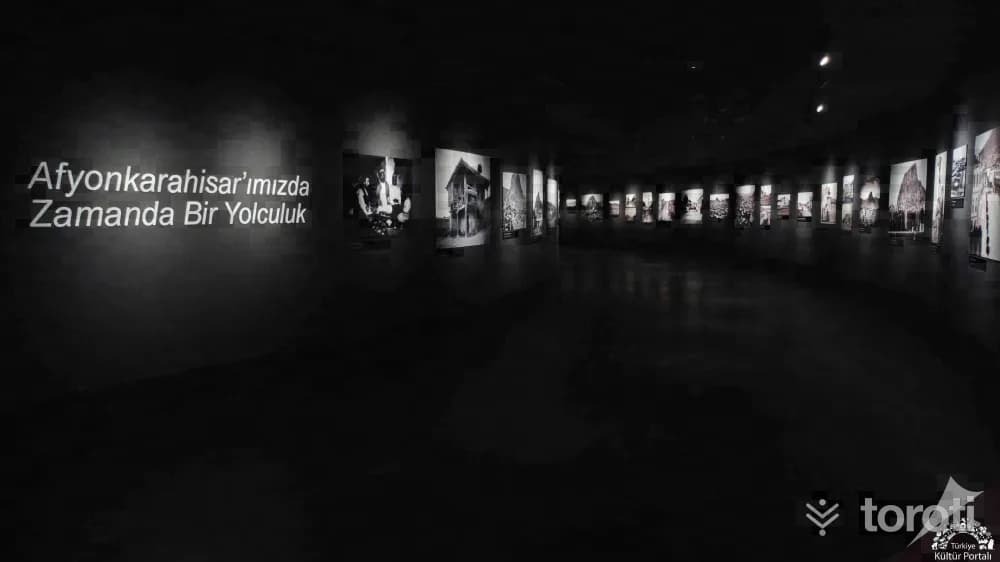
With the efforts of the Asar-ı Atika Muhipleri Cemiyeti, established in Afyonkarahisar in the early years of the Republic, antiquities began to be collected in Taş Medrese; in 1931 it became an official museum depot, and in 1933 it became the Museum Directorate. Serving as a mixed museum (Archaeology and Ethnography) in Taş Medrese from 1933 to 1970, the institution moved to its second service building in 1971. In 2023, the current museum building was opened for service.
40
Çeşmeli Konak (afyon Kültür Ve Çevre Evi)
Afyonkarahisar (Merkez İlçe), Afyonkarahisar
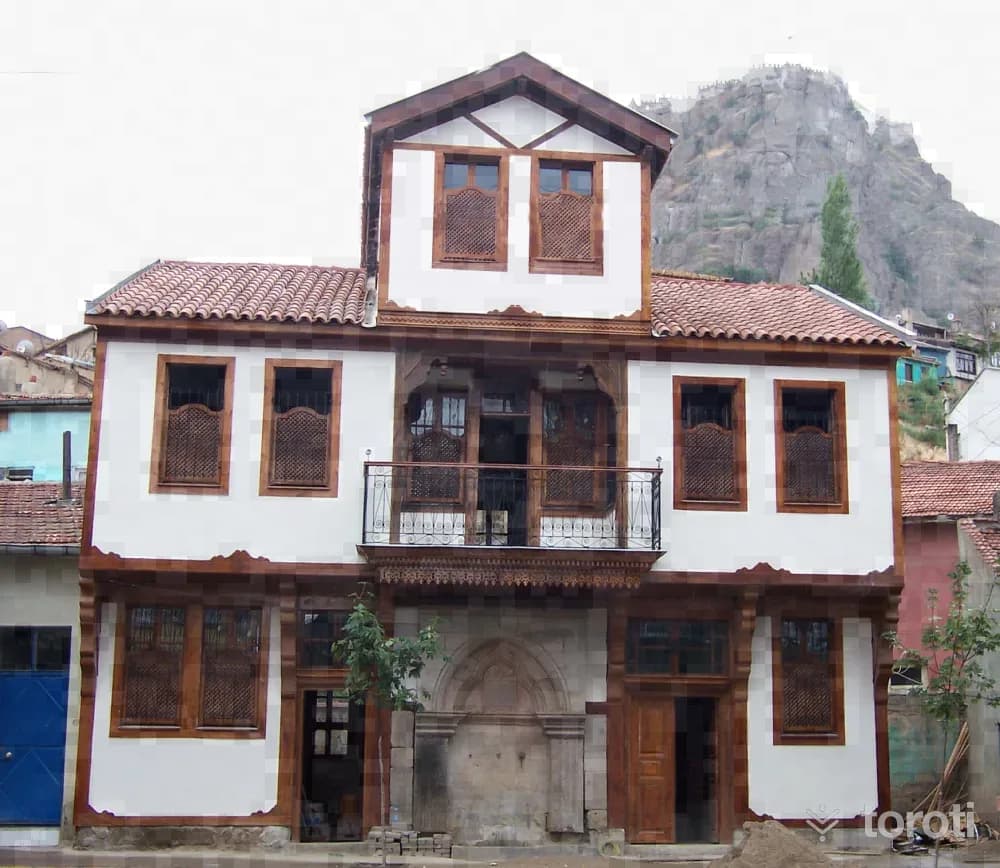
Çeşmeli Konak, located at Afyonkarahisar Province, Merkez Nurcu Mahallesi, Milli Birlik Caddesi No: 59-61, is registered in the land registry with sheet 36, block 534 and parcel numbers 16-17. It is a Late Ottoman work and forms an integral whole with the monumental fountain on its façade. The fountain was first commissioned for charitable purposes by Kahvecioğlu İsmail Efendi, who was engaged in the silk and fabric trade, and later the mansion needed by his own family was built.
41
Bininler Kaya Evleri
Şuhut, Afyonkarahisar
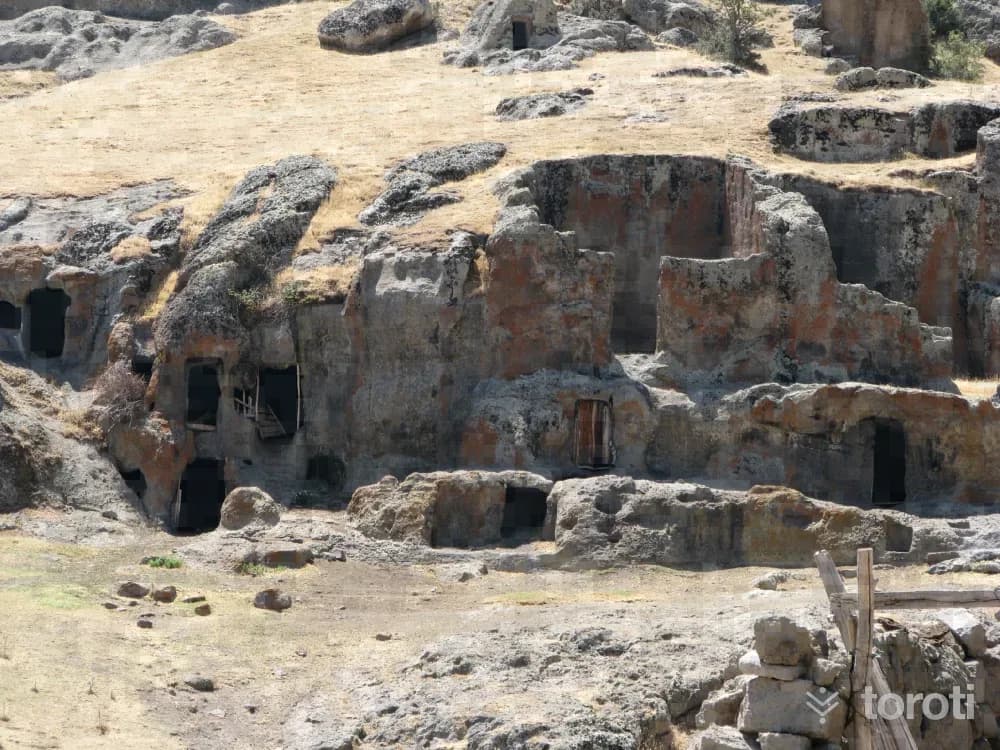
Bininler Rock Houses are located in difficult-to-access mountainous terrain in Şuhut district, in Senir village, about 4 km west of the village. On the north bank of Senir stream, along the streambed with andesite characteristics, they were carved side by side and one above the other in three sections separated by small rivulets in the rocky terrain approximately 150-200 meters long. The lower floors of the houses were made as shelters for animals, and the upper floors as living spaces for people.
42
Yunus Emre Türbeleri
Sandıklı, Afyonkarahisar
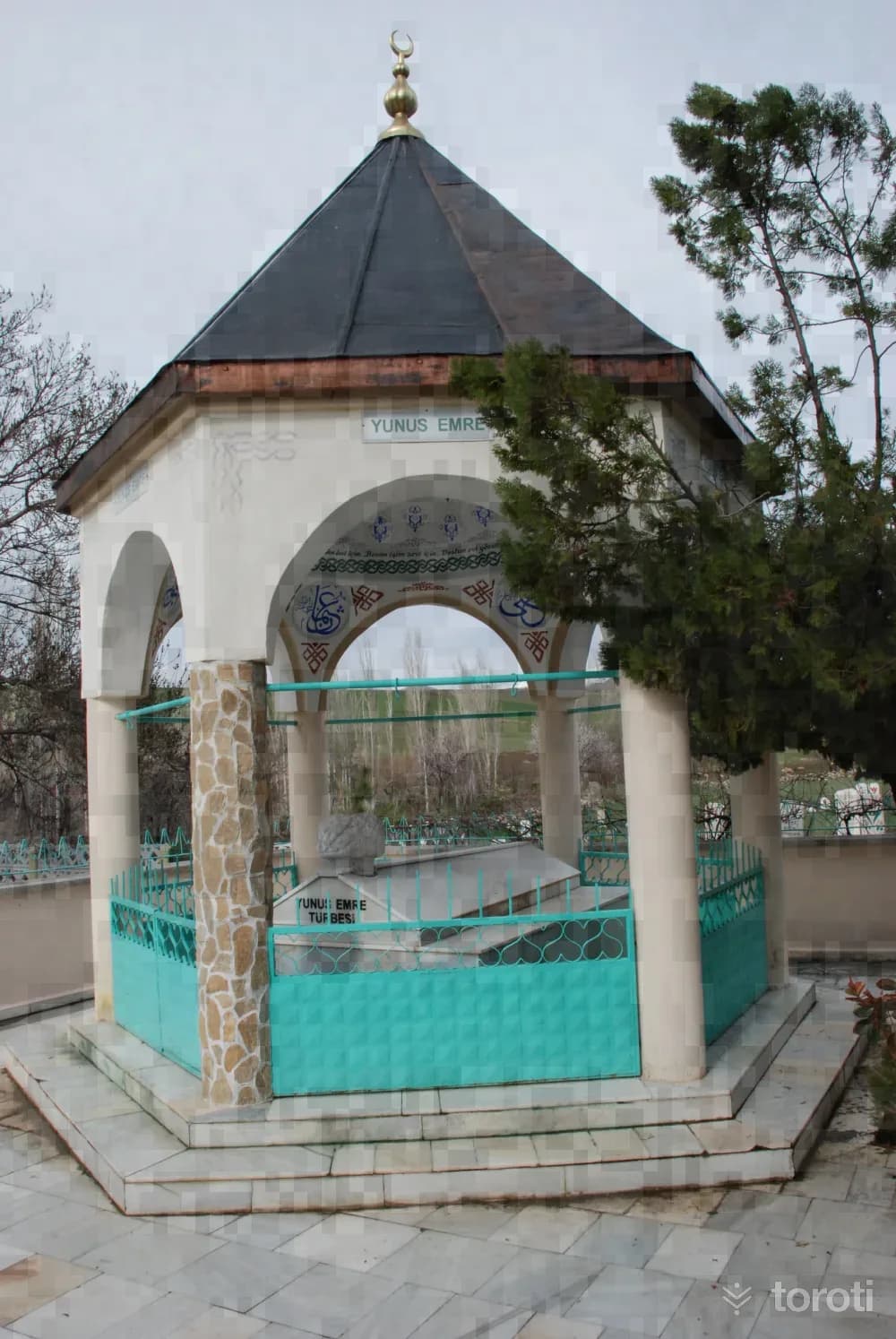
Sandıklı İlçe Merkezi’nde ve İhsaniye ilçesi Döğer Kasabası'nda Yunus Emre adına yapılmış iki türbe bulunmaktadır. Sandıklı’da ayrıca Tabduk Türbesi vardır. Sandıklı’daki mezar belediye tarafından yeniden yapılmıştır. Döğer’deki türbe ise tonoz örtülü kesme taşlı, batıdan girişli dikdörtgen planlı kargir XVII. yüzyıl yapısıdır.
43
Yaban Hayati (fauna) Gözlemciliği - Akdağ Tabiat Parkı
Sandıklı, Afyonkarahisar
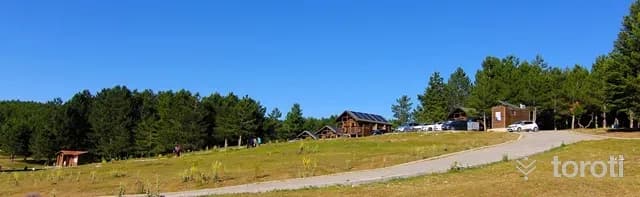
Akdağ, at an altitude of 2 thousand 500 meters, is an ideal setting to feel the crystal-clear mountain air in your lungs. Heading south from Sorkun Town of Sandıklı District, following the winding stabilized forest road surrounded by oak forests, where black pine trees become denser as the altitude increases, at the end of the road, Kocayayla and the valley are reached.
44
Doğa Yürüyüşü - Tokali Kanyonu
Çivril, Denizli
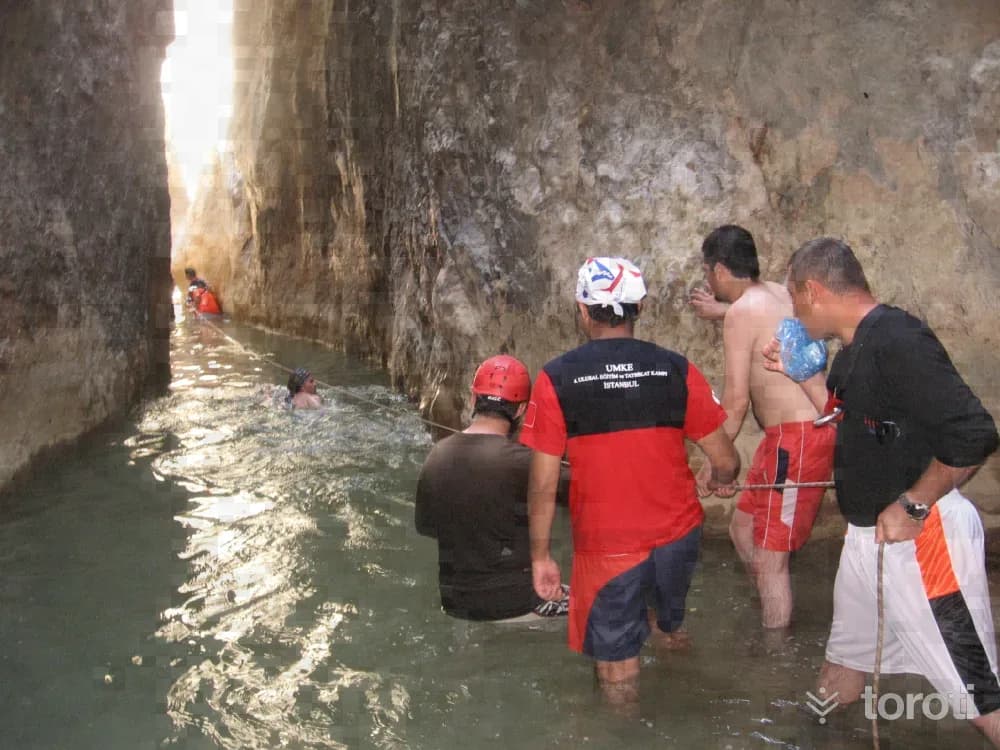
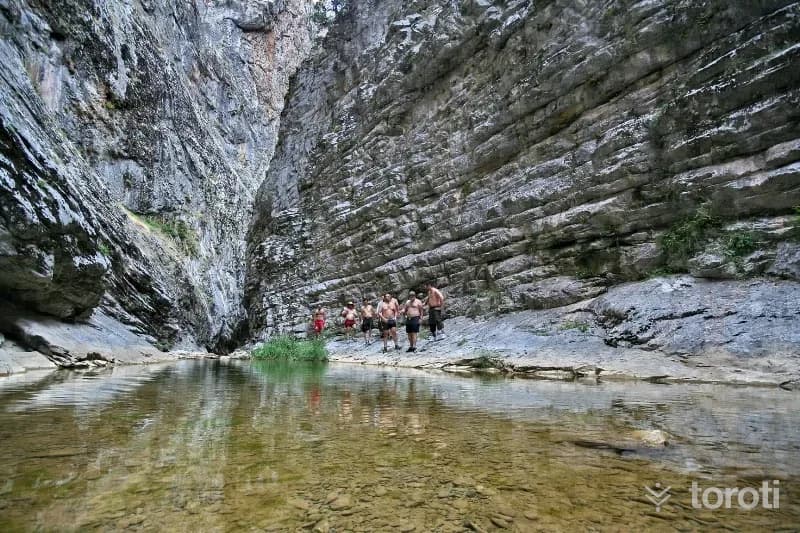
Nature Walk - Tokali Canyon Tokalı Canyon, located in Akdağ Nature Park in Sandıklı District, is a canyon with high recognition throughout the country. The canyon, estimated to be 20 kilometers long, and Akçay, which flows from the canyon into Çivril Lake, are worth seeing. Along the canyon, there are caves untouched by humans and routes that will attract the interest of those who do trekking. The narrowest part of the canyon is 1,5 meters and the widest part is 4 meters. Passing through the canyon takes 7-8 hours.
45
Çivril Tokali Kanyonu
Çivril, Denizli
Çivril Tokalı Canyon extends over an area of 20 kilometers. The canyon, at an altitude of 1600 meters, ends at the 900-meter-altitude settlement of Çivril's Gümüşsu (Homa) Town. The 1200-meter-long section of the canyon consists of rock masses, as if cut with a knife, whose height reaches 200 meters in places. Akdağ Canyon, formed by the stream flowing between these rocks, which are 4 meters apart at their widest point and 1,5 meters at their narrowest, can only be crossed in 7-8 hours.
46
Kuş Gözlemciliği - Karakuyu Göleti
Dinar, Afyonkarahisar
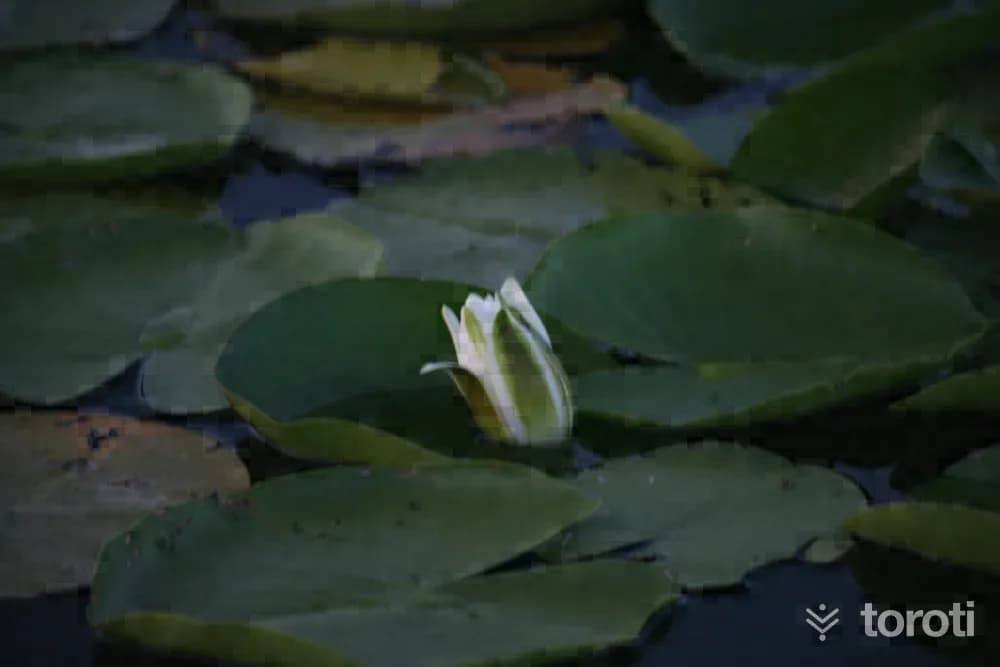
Because Afyonkarahisar province is located in the Lakes Region, it has many lakes and ponds that may attract the interest of tourism. In addition to natural lakes such as Akşehir, Eber, Karamık, and Acıgöl, there are also many irrigation ponds such as Karakuyu, Pınarbaşı, Bayat, Selevir, Örenler, Kırka, Emre, and Taşoluk. Among these, the most remarkable in terms of natural and touristic aspects is Karakuyu.
47
Bülbül Camii / Alemdar Camii
Uluborlu, Isparta
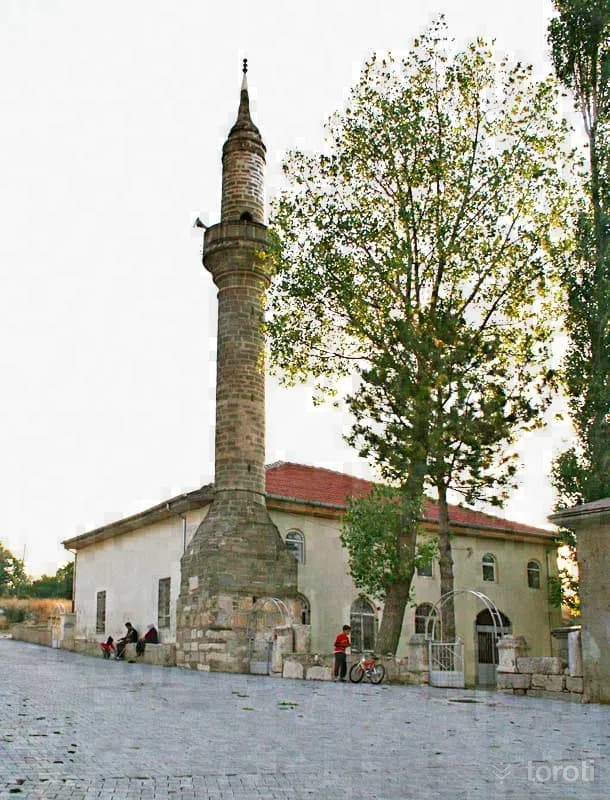
16. yüzyılda yapıldığı tahmin edilen cami, dikdörtgen planlı, beşik çatılı, minarelidir. Dış duvarlarında köşeler devşirme antik taşlarla, yan duvarlar moloz taşlarla örülmüştür. Aralarda ahşap hatıllar vardır. Caminin batı duvarında altta üç büyük, üst katta beş küçük pencere vardır. Minare güney doğu köşededir. H. 1331 - M. 1915 tarihinde tamir edilmiş ve minare 1. Dünya Savaşı sırasında Askerlik Şubesi Başkanı Mustafa Mashar Bey tarafından yaptırılmıştır.
48
Conana Harabesi
Gönen, Isparta
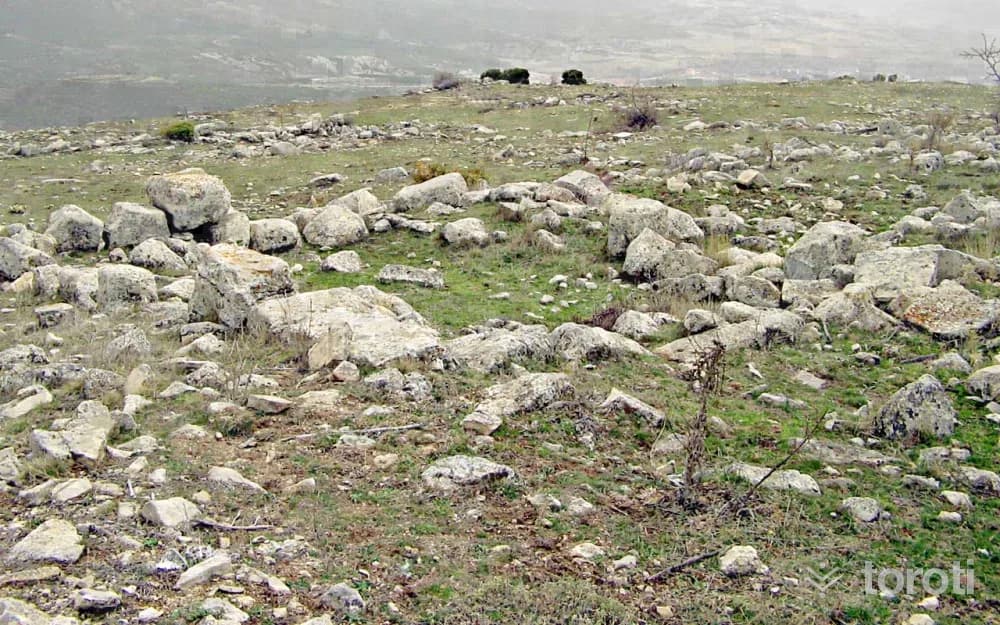
On the slope of Kaletepe, in the area shown as “Mancarlı Sırtı,” starting from an elevation of 1.483 meters, there are tumulus tombs with approximate diameters varying between 5 meters and 9 meters, surrounded circularly by neatly cut stones, with their upper parts shaved off and sometimes their centers excavated and hollowed out as a result of illegal digs.
- No image
49
Atabey Çeşmesi
Atabey, Isparta
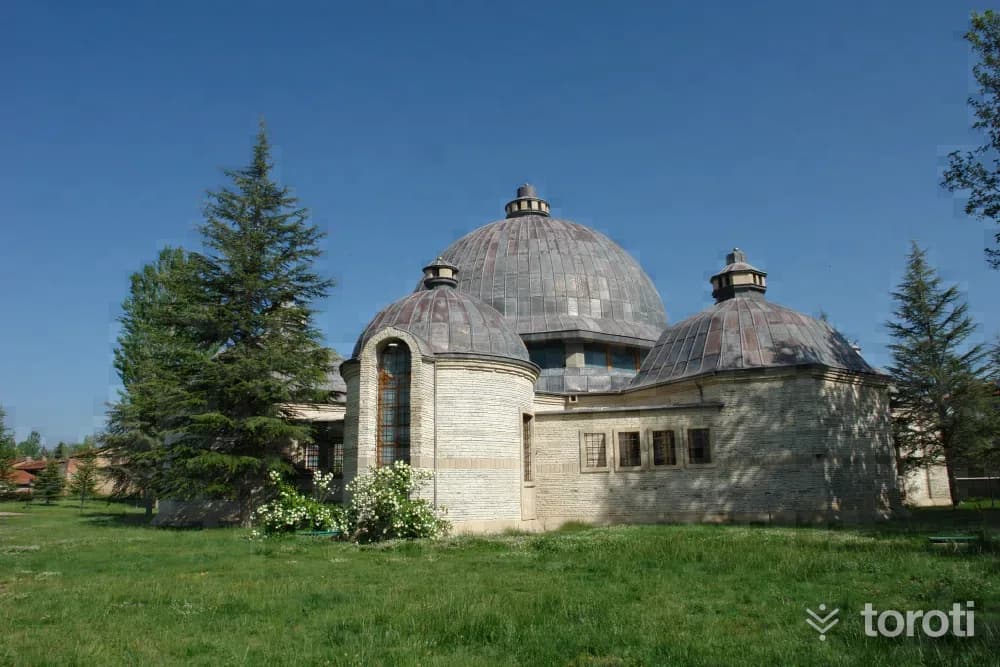
Atabey Fountain is a historical fountain built in 1722.
50
Süleyman Demirel Demokrası Ve Kalkinma Müzesi
Atabey, Isparta
The Süleyman Demirel Democracy and Development Museum, located in Isparta's İslamköy, showcases significant artifacts related to Turkey's 50-year civilization struggle.
- No image
51
Firdevs Bey Bedesteni
Isparta merkez, Isparta
Firdevs Bey Bedesteni, built in 1561 by the Governor of Isparta, Firdevs Bey, showcases the architectural style of Mimar Sinan and serves as a historical shopping center.
- No image
52
İplikçi (Halil Hamit Paşa) Camii
Isparta merkez, Isparta
The İplikçi Mosque, started in 1562 and completed in 1569, is located where the İplik Bazaar was established, holding historical and cultural significance.
- No image
53
Kapıkaya Mağarası
Isparta merkez, Isparta
Kapıkaya Cave is a natural formation notable for its large volume, which is believed to have been used in historical periods.
54
Kovada Gölü Milli Parkı
Eğirdir, Isparta
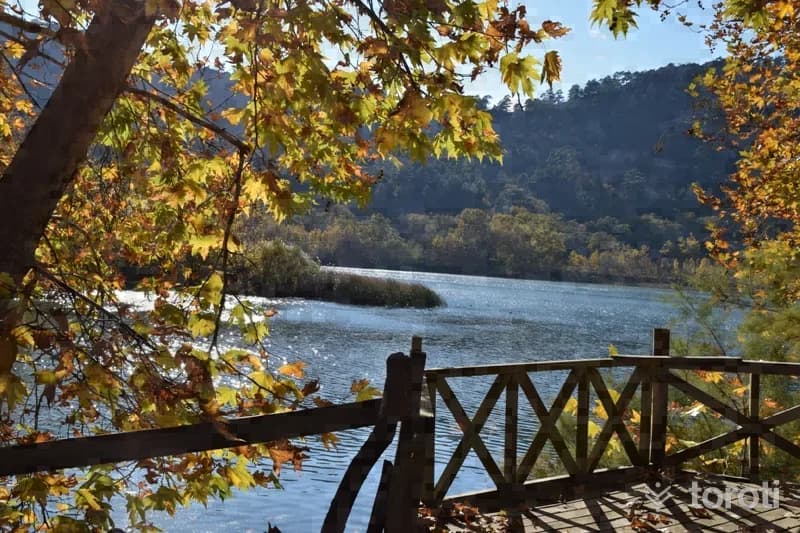
Kovada Lake National Park is an ideal place for nature lovers with its rich flora and wildlife. It offers activities such as camping, hiking, and birdwatching.
55
Yazili Kanyon Tabiat Parkı
Sütçüler, Isparta
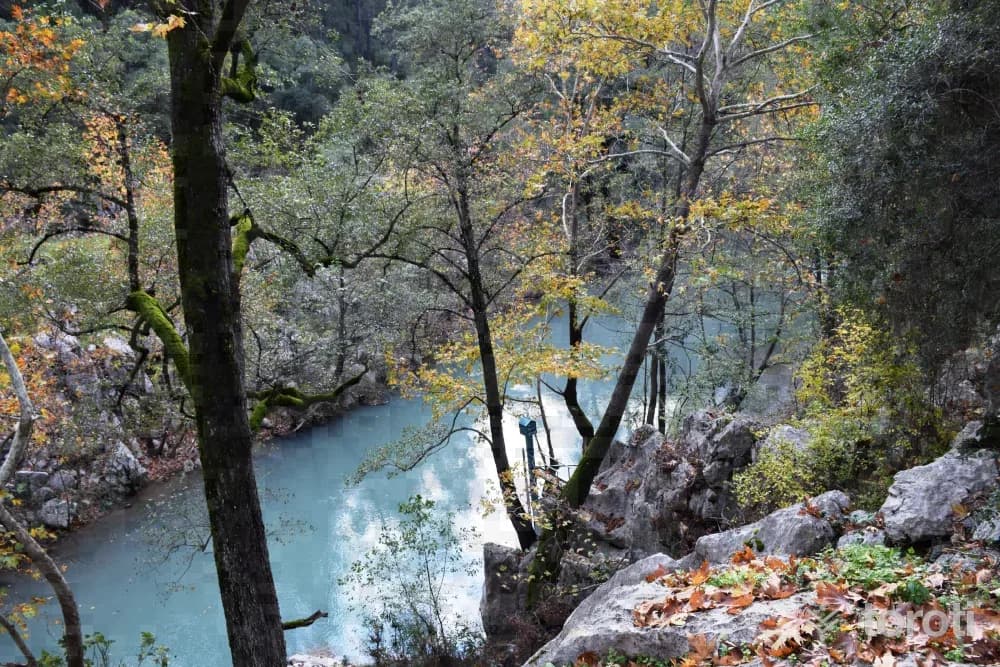
Yazılı Canyon Nature Park is a natural beauty notable for its rich vegetation and historical remnants. The canyon is an ideal visit point for both nature lovers and history enthusiasts.
- No image
56
Milias Antik Kenti
Bucak, Burdur
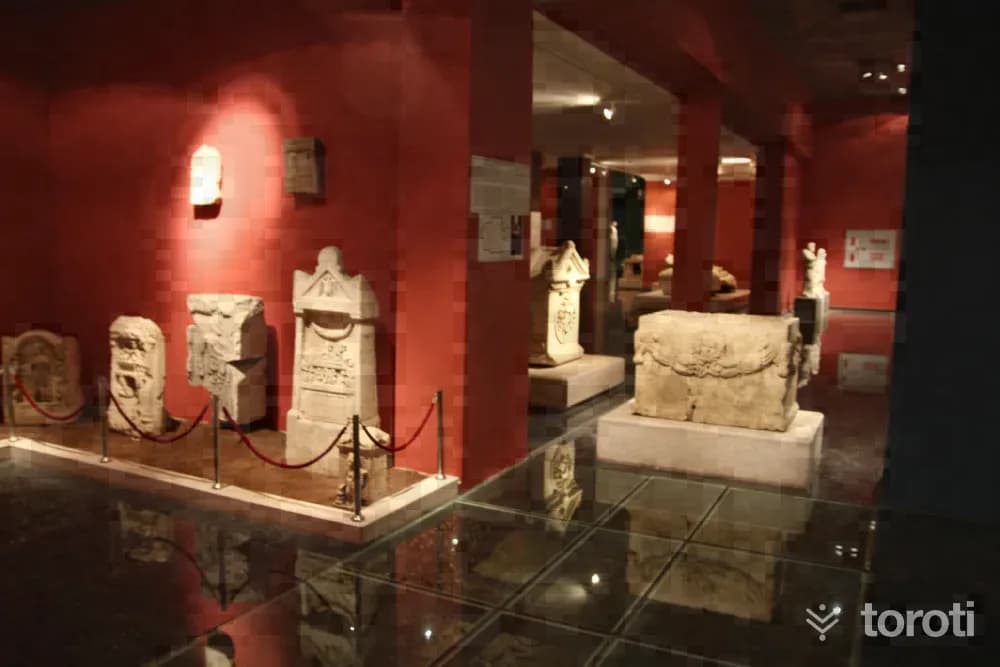
Milias Ancient City is a historical site that was inhabited during the Hellenistic and Roman periods.
57
Antalya Müzesi Salonlari
Muratpaşa, Antalya
Antalya Museum hosts a wide collection ranging from children's toys to ancient artifacts. Visitors can explore significant findings related to the history of Anatolia.
- No image
58
Konakaltı Mağarası
Muratpaşa, Antalya
Konakaltı Cave is a natural formation located on the coast of Atatürk Park. It offers visitors different natural beauties with its eastern and western halls.
- No image
59
Antalya Büyükşehir Belediyesi Lara Halk Plajı Lazlo Beach
Muratpaşa, Antalya
Antalya Metropolitan Municipality Lara Public Beach Lazlo Beach is a public beach candidate included in the 2025 Blue Flag official list.
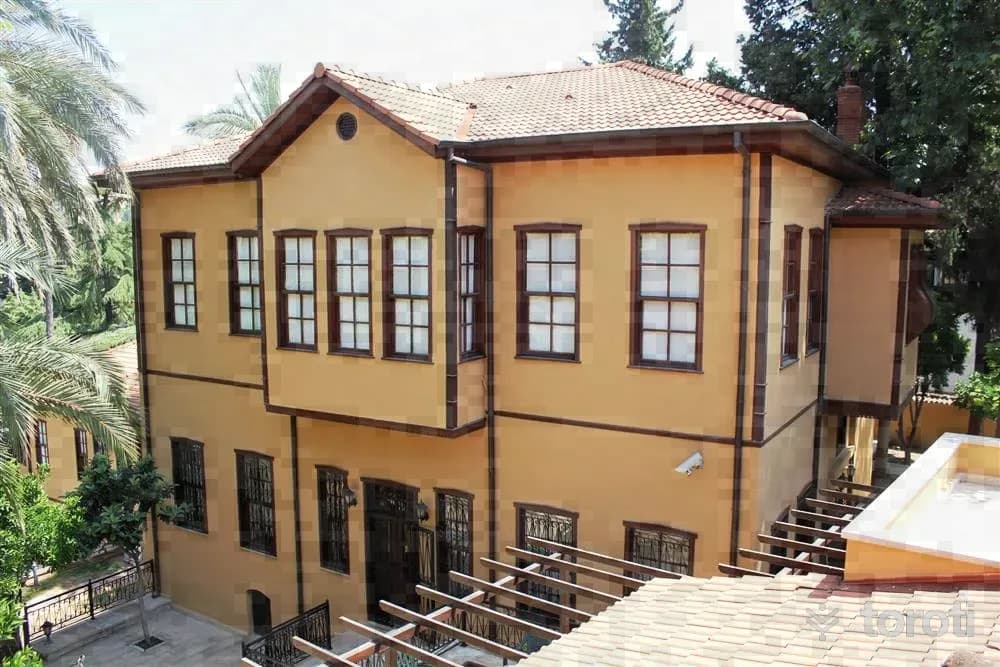
60
Etnografya Müzesi
Muratpaşa, Antalya
The Antalya Ethnography Museum consists of two mansions showcasing Ottoman architecture and Turkish-Islamic artifacts. It is an important site reflecting Antalya's cultural heritage.
Move the stops into your own plan, split them across days, and add places to sleep and eat.
Frequently asked
- How far is it between İstanbul and Antalya, and how long does it take?
- Driving between İstanbul and Antalya is roughly 773 kilometres and takes about 9 hours without stops.
- Where is it worth stopping between İstanbul and Antalya?
- There are 1093 described places within 20 km of the road between İstanbul and Antalya. toroti lists 60 of them spread evenly along the drive, in the order you pass them; Arnavutköy Yeniköy Halk Plajı comes early on, and Etnografya Müzesi sits near the end.
- Which provinces does the İstanbul to Antalya route cross?
- The route between İstanbul and Antalya crosses İstanbul → Kocaeli → Yalova → Bursa → Kütahya → Bilecik → Eskişehir → Afyonkarahisar → Denizli → Isparta → Burdur → Antalya. The stretch richest in places to visit is in Bursa.
- Should I take the toll highway or traditional route between İstanbul and Antalya?
- Toll motorways save driving time between İstanbul and Antalya, whereas traditional state roads pass directly through historic town centers, local culinary stops, and scenic nature viewpoints.
- How should breaks be scheduled between İstanbul and Antalya?
- For a drive of around 9 hours, taking a break every 2 to 2.5 hours is recommended. The catalogued attractions in Bursa and neighboring provinces offer memorable stopovers compared to generic highway rest areas.