
Places to visit
Things to do in Konya
57 destinations, each with a description, how long it takes and where it sits on the map.
In short
toroti’s catalogue holds 57 described destinations within Konya. The themes that come up most: History, Museum, Culture, Nature, Local culture, Faith heritage.
Districts of Konya
Beyşehir Atlıkaya Mezar Odası
It is located in Fasıllar village of Beyşehir district. It is a rearing horse relief, 1.85 m. in height, carved onto a steep rock about 8 m. high from the slope. It is understood that the monument was made in the name of someone who died young. The monuments and ruins of Fasıllar are like a historical open-air museum. The village stands on the site of the Hittite-period city of Mistia. Göçükebir, one of the six districts of the Beyşehir Sanjak, was also established here.
30 minutes
Kilistra, Lystra Antik Kenti
Kilistra, which witnessed dense settlement during the Hellenistic and Roman periods and grew rapidly during the Early Christian period (6-13th centuries), gradually acquired an architectural fabric similar to Cappadocia. The ancient city of Kilistra is located on the historic King's Road (Via Sebaste). Lystra, which had strategic importance, was one of the five centers on the southern frontiers of the Roman Empire that were made into military colonies by Emperor Augustus.
45 minutes
Seydişehir Vasada Antik Kenti
In the Vasada Ancient Theatre, which was identified in 1969 during the construction of a water reservoir in the upper part of the town of Bostandere, connected to Seydişehir, and a small part of which was brought to light through excavation works carried out for 2 years afterwards, the seating rows, orchestra and stage section of the theatre belonging to the Roman period and with a capacity of approximately 3 thousand people were uncovered.
45 minutes
Karatay Medresesi Çini Eserler Müzesi
It was commissioned by Emir Celâleddin Karatay in 1251 during the reign of II. İzzeddin Keykavus. Its architect is unknown. The madrasa, which was also used during the Ottoman period, was abandoned at the end of the 19th century. Karatay Medresesi, which holds an important place in Seljuk-period tile workmanship, was opened to visitors in 1955 as the “Çini Eserler Müzesi”.
45 minutes
Kizilören Han
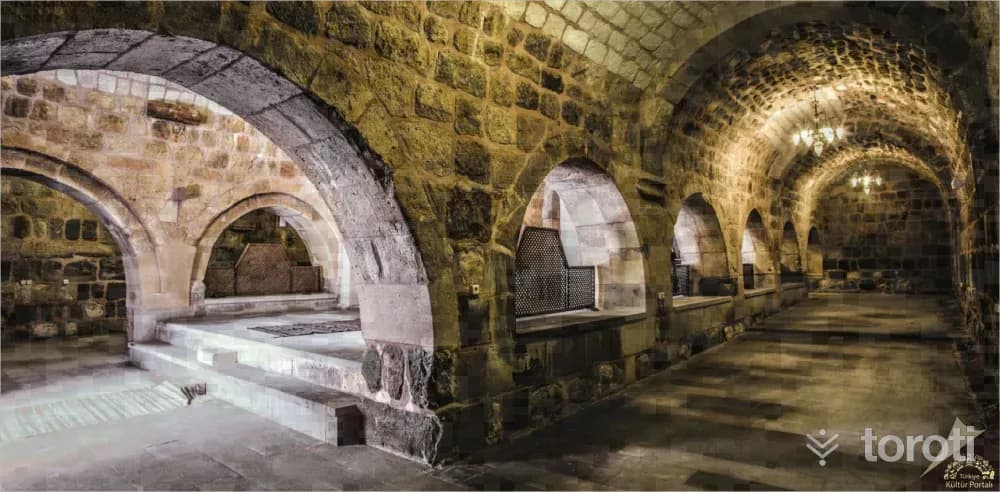
Kızılören Han is on the Konya-Beyşehir route and is also known as “Yazıönü Han”. It was built as two structural masses containing a courtyard and a covered/shelter section on a rectangular planned footprint extending in the northwest-southeast direction.
45 minutes
Hadim Yerköprü Şelalesi
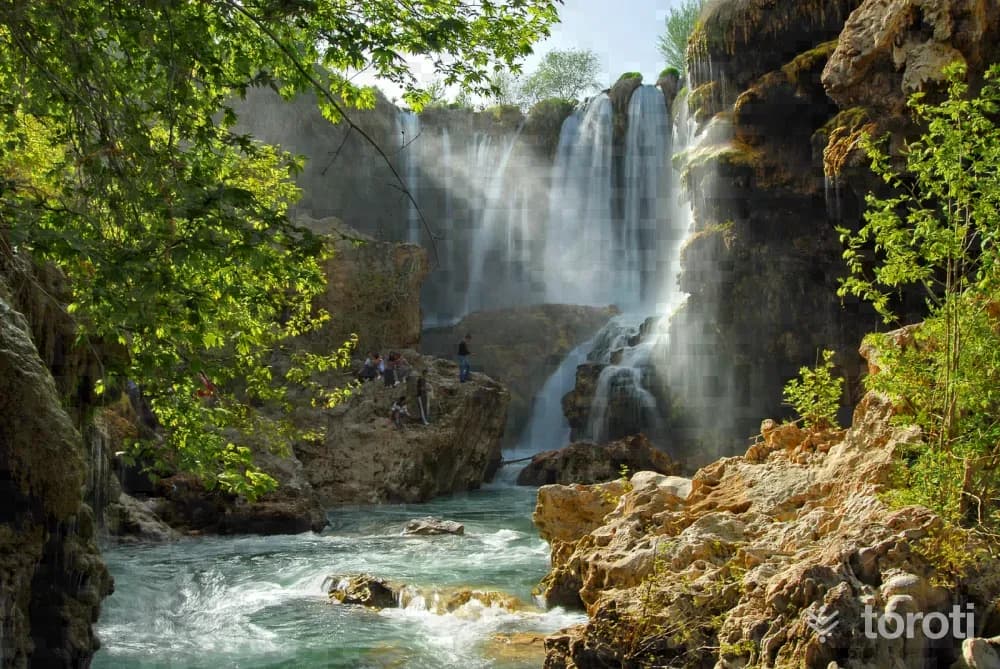
Yerköprü Waterfall is a famous waterfall located on the Göksu River in Hadim District of Konya, 110 kilometers from central Konya. Yer köprü Waterfall has a magnificent beauty that can enchant absolutely everyone with its unique natural beauty. June in particular is the ideal month to visit this waterfall. In this month, when the magnificent riot of colors of the oleanders is joined by the flowers of many trees, the waterfall becomes a complete natural wonder.
45 minutes
Konya Etnografya Müzesi
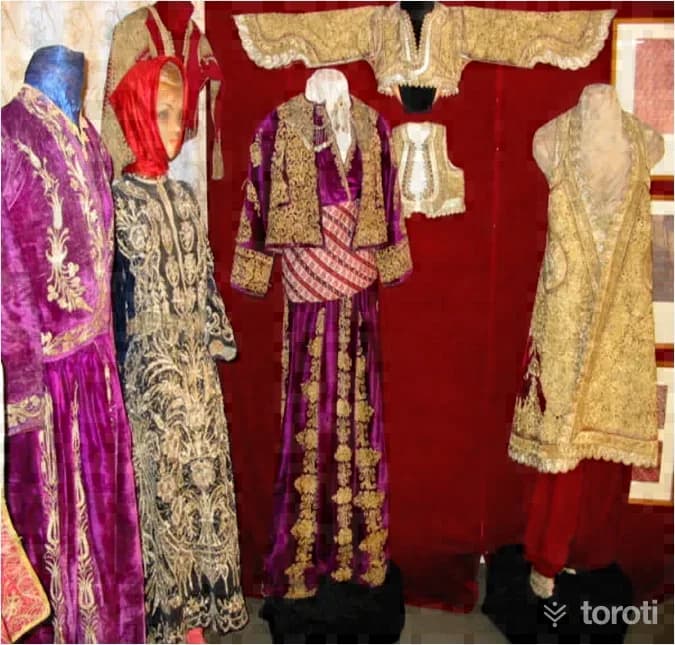
From women’s clothing, bindallı, dresses, şalvar-işlik-cepken, vests and caftans made with sim sırma, cord couching and various hoop embroidery techniques on fabrics such as velvet, satin and atlas; from women’s ornaments, belt buckles, suspenders, bracelets and earrings, headpieces made of silver and bafun material; knitted and fabric purses for money, watches and seals, wool socks and gloves, Turkish work, sim sırma, hesap işi, çin among hoop embroidery techniques on fabrics such as velvet, linen, atlas and satin.
45 minutes
Karapinar Sultan Selim CÂmii Ve Külliyesi
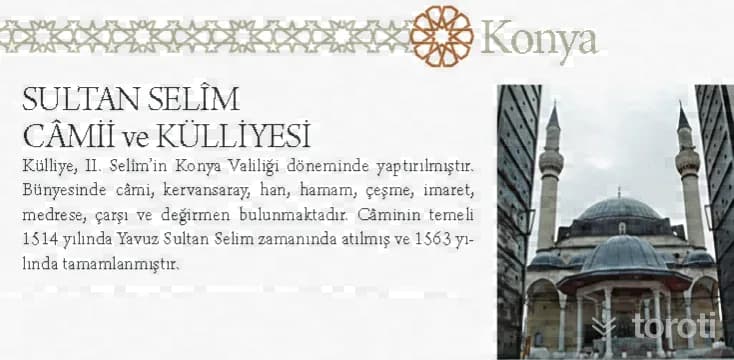
It is the mosque and imaret commissioned in Konya by Kanûnî Sultan Süleyman and Selim II. From the mid-XVIth century onward, it is a complex of buildings consisting of the mosque and imaret built at different dates between the Mevlânâ Dergâhı and the tomb bath, which is not standing today, together with two madrasas, a library and a muvakkithâne.
45 minutes
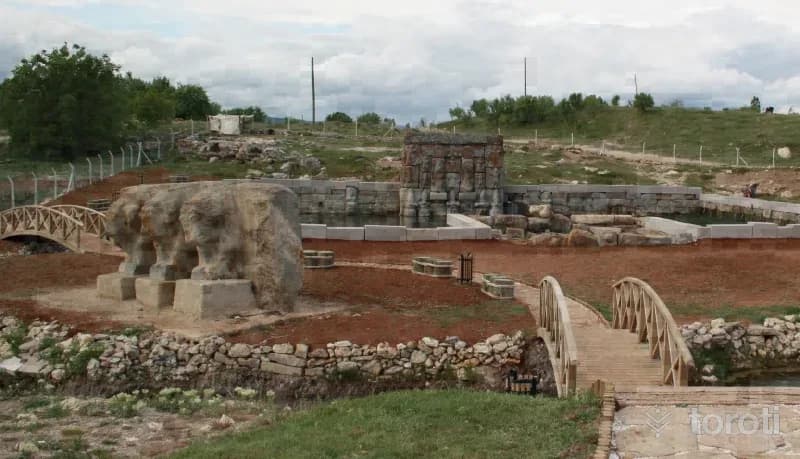
Eflatunpinar Hitit Su Anıti
Eflatunpınar Hittite Water Monument is located within the borders of Sadıkhacı Town, Beyşehir District, Konya Province. During their approximately thousand-year period of dominance in the history of world civilization, the Hittites left various tangible cultural assets reflecting the state structure and social, economic, and religious life. Among the most important factors in the shaping of these cultural assets are needs and beliefs.
45 minutes
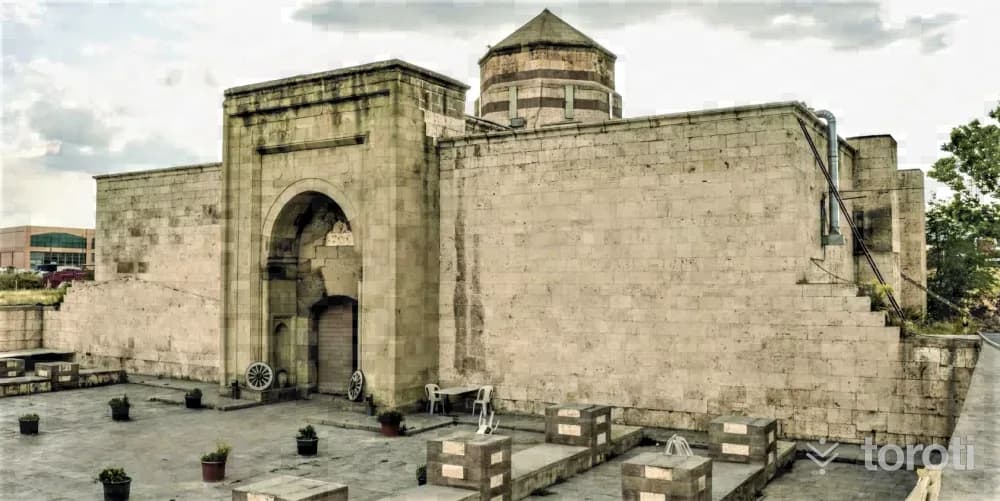
Ruzbe Hanı
Ruzbe Hanı is within the borders of Selçuklu district and is on the Konya-Ankara highway; it is currently used as a tourist facility.
45 minutes
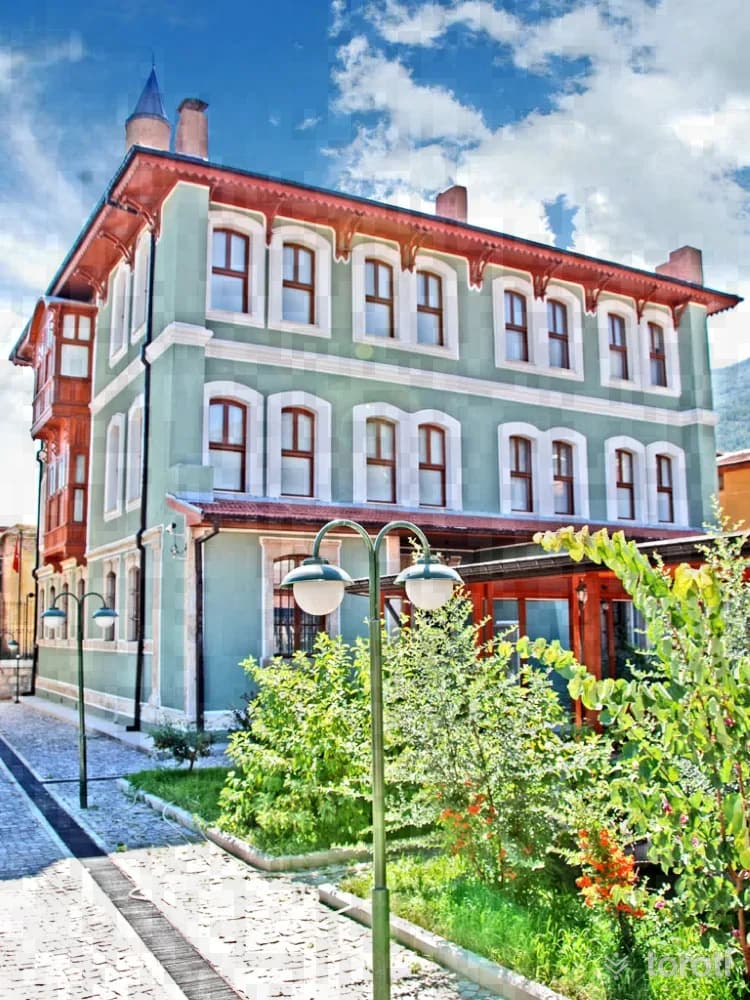
Akşehir Nasreddin Hoca Arkeoloji Ve Etnografya Müzesi
Rüştü Bey, who had the mansion built, was the examining magistrate of Akşehir (the investigating judge of that period). There are two structures in the district known by his name. One of these is Rüştü Bey Hanı, built in 1904, and the other is Rüştü Bey Konağı, whose construction began at the beginning of World War I. After Rüştü Bey had the house belonging to his father Mustafa Ağa, located on the same parcel, demolished, the mansion, whose construction was begun by Armenian masters, was completed by Turkish masters.
45 minutes
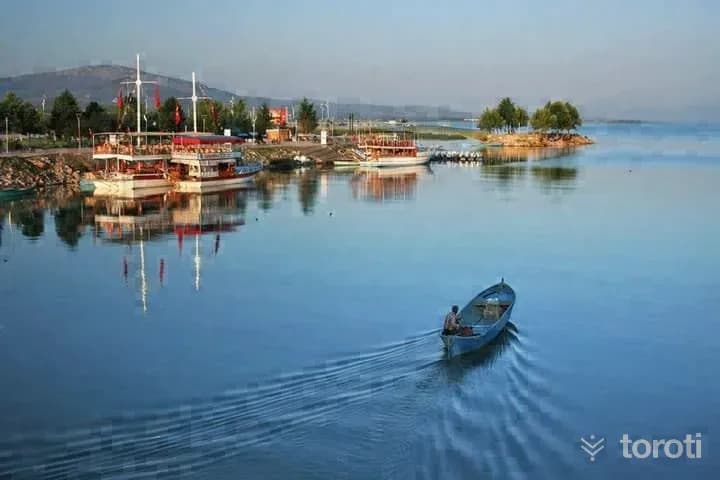
Beyşehir Gölü Yaban Hayati
As of 20.02.1993, the area around the lake was granted National Park Status, and the national park area is 88 thousand 750 hectares. It is 100-140 kilometers from Antalya Gulf. It stores the lake waters between elevations 115 and 1125. At maximum elevations, the lake surface reaches 800 km2 and the water it stores reaches 6 million m3. The lake’s elevation above sea level is 1.116 meters. Its width is 10-25 kilometers, and it has dimensions of 42 kilometers in the northwest-southeast direction. Its water is fresh and it has the characteristics of a natural lake.
45 minutes
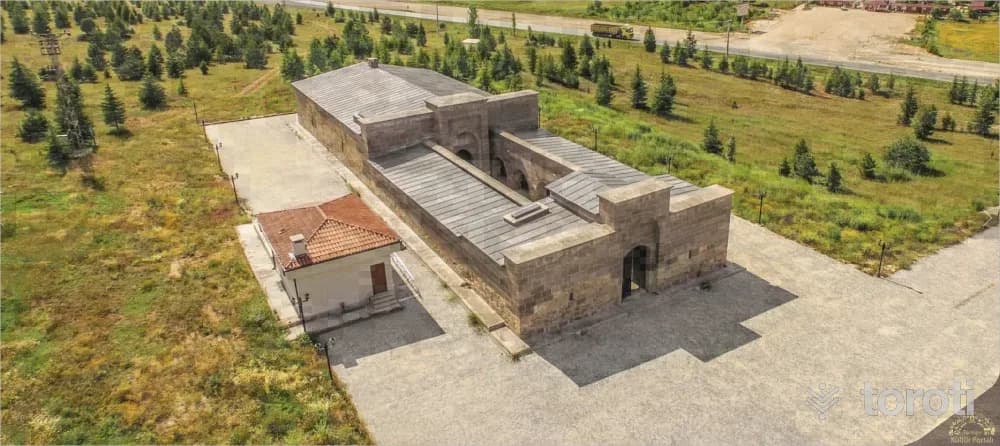
Kuruçeşme Hanı
Kuruçeşme Hanı is on the Konya-Beyşehir route and is also known as Hanönü Hanı. The inn, extending in the east-west direction, has a rectangular plan consisting of a courtyard and a covered/shelter section.
45 minutes
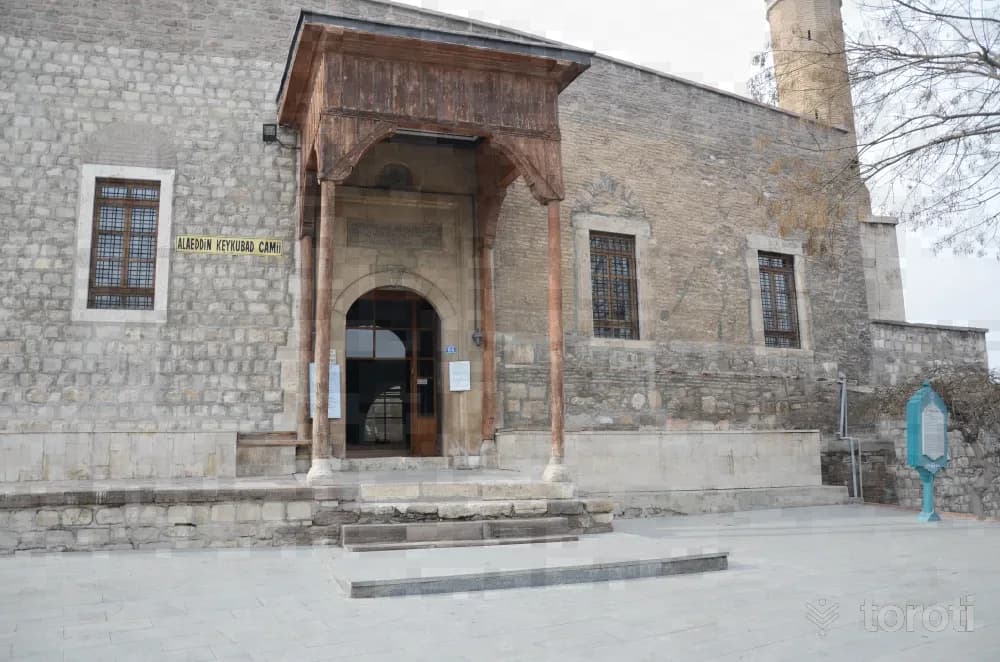
AlÂeddin Camisi
Where is Alâeddin Camisi? Alâeddin Camisi, one of the largest and most important grand mosques of the Anatolian Seljuk State, was built on Alâeddin Tepesi located in the center of Konya. Construction of the mosque, which was begun during the time of Seljuk Sultan I. Rükneddin Mesud (1116-1156), was completed during the time of I. Alâeddin Keykubad (1221). The mosque was built in the style of Islamic architecture, and its top was covered with wood and earth.
45 minutes
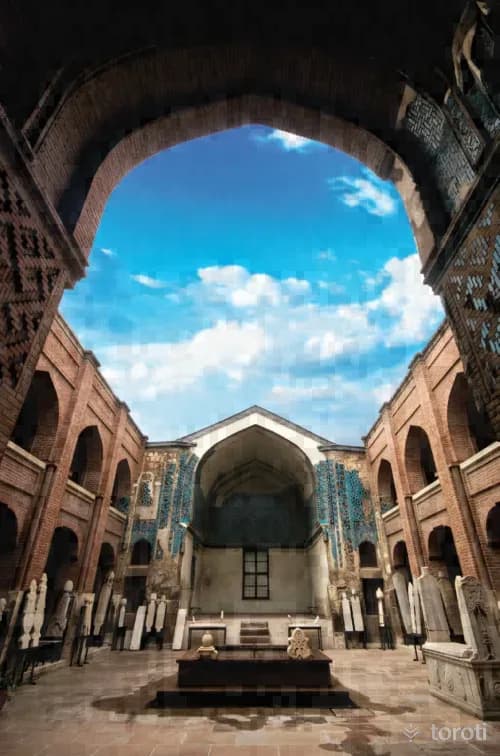
Sirçali Medrese
Sırçalı Medrese was commissioned in 1242 by Bedreddin Muslih for the teaching of fiqh. Built in the “Open Courtyard Madrasa” type, the structure has one domed room to the right and one to the left of the main iwan. These are the classical winter classrooms. The main iwan, the most ornate and impressive part of the structure, is today in quite sound condition. However, the hexagonal tiles below the iwan arch down to the ground and the tiles in the upper part of the iwan have largely fallen off and deteriorated.
45 minutes
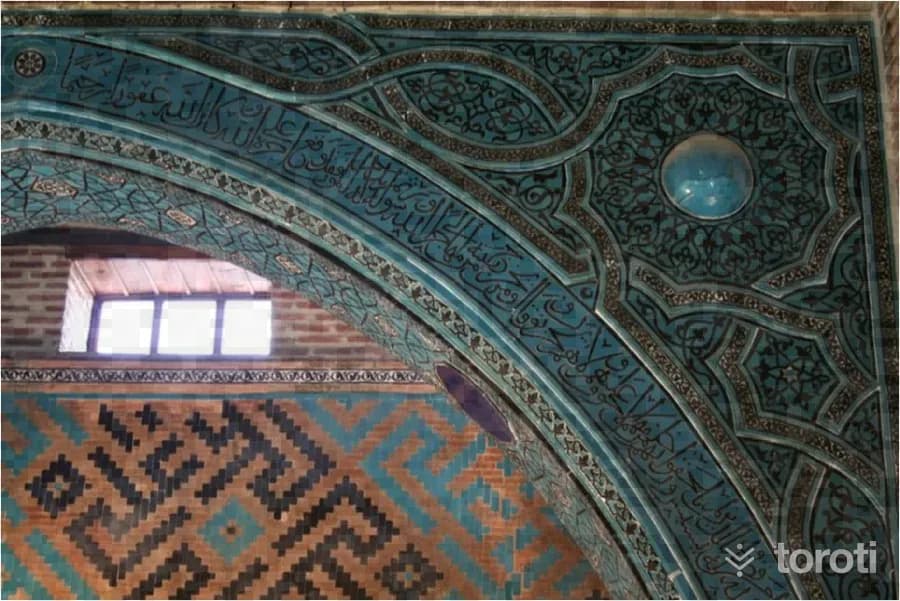
Sahip Ata Vakif Müzesi
The architect of the complex, commissioned in 1277 by Sâhib Atâ Fahreddin Ali, one of the viziers of the Anatolian Seljuk State, is Keluk b. Abdullah. In terms of the complex layout, there is the mosque to the north, the tomb built adjoining the mihrab wall of the mosque and containing the graves of Fahreddin Ali, his wife and children, the hânkâh adjoining the south wall of the tomb, and the double bath immediately across the road. The mosque has a portal entrance from the north.
45 minutes
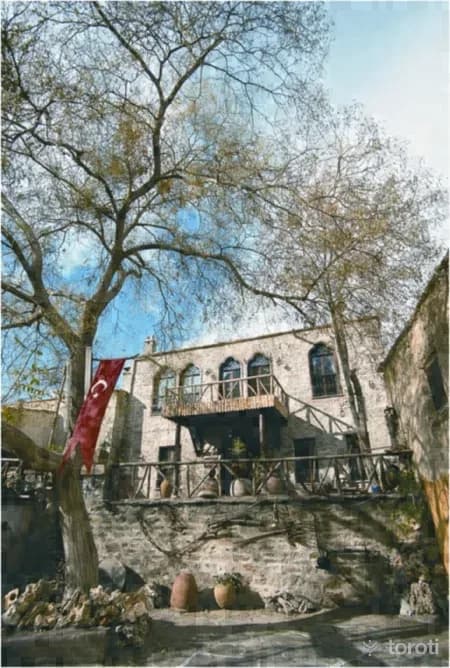
Sille
Sille is a special place that holds a very important position among the civilizations of Anatolia, where cultures have lived together. With its natural silhouette and the historical traces integrated with this silhouette, its civil architecture and settlement texture, its customs, traditions and practices, and its vineyards and gardens, Sille is a settlement with a distinctive way of life.
45 minutes
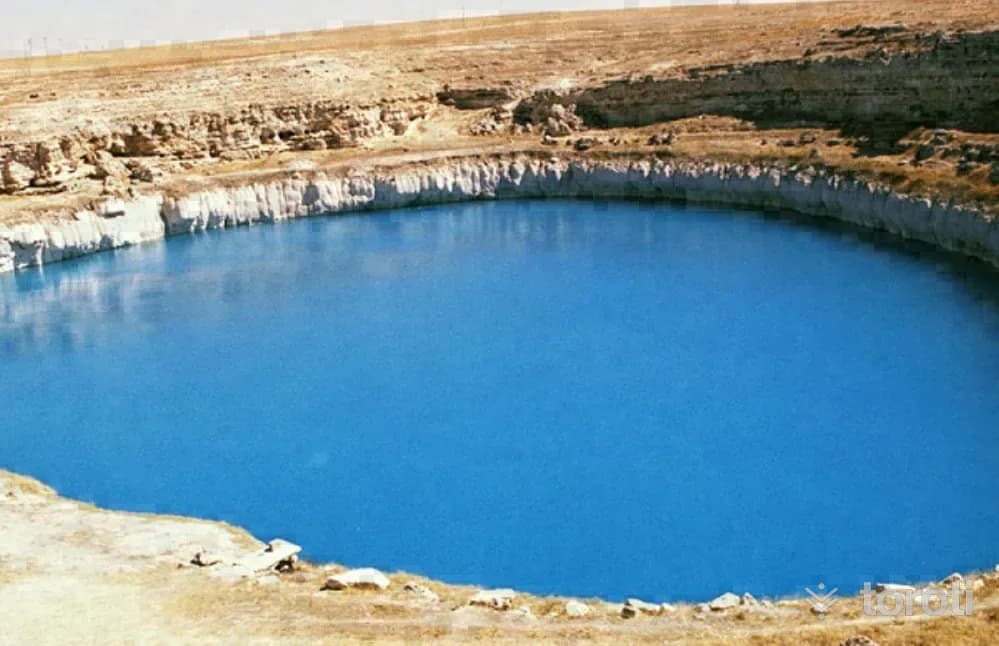
Karapinar Obruklari
Sinkholes are formed as a result of karstic dissolution, as well as by the collapse of the roofs of karst depressions. The depths of sinkholes can range from a few meters to several hundred meters. Some are cylindrical in shape and their bottoms are visible, while in others the unseen bottom opens into a cave and descends to great depths. At the bottom of some sinkholes there is water, while in others there are carbon dioxide and sulfurous gases.
45 minutes
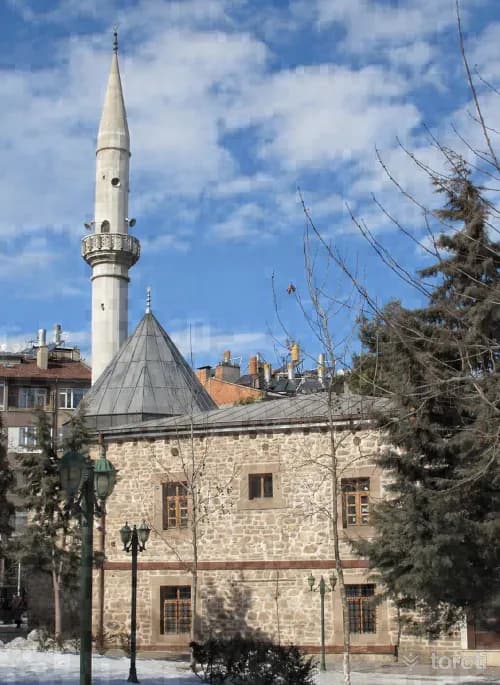
Şems-i Tebrizi CÂmi Ve Türbesi
The most important change in the life of Mevlana Celaleddin Rumi begins with his encounter with Şems-i Tebrizi. Şems enabled new horizons to open in Mevlana's life and became his companion on his journey to becoming a mature lover of the people. Located to the east of Konya Alâeddin Hill, within a large park, the Şems-i Tebrizi Tomb and Masjid are adjacent to each other. The tomb is of the classical Seljuk kümbet type.
45 minutes
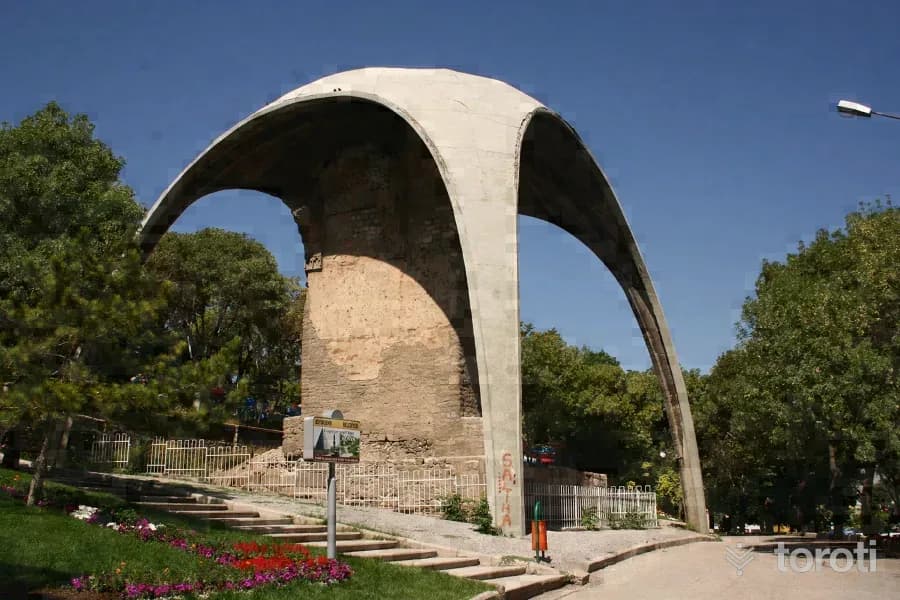
Selçuklu Köşkü
Built during the reign of Sultan Kılıçarslan III (1156-1192), it was repaired and expanded by Sultan Alâeddin Keykubad. Another name for it is Alâeddin Köşkü. The walls of the pavilion, which was built as a two-storey structure, are decorated with tiles and inscription borders. In recent years, restoration project works have been continuing in light of the finds uncovered as a result of excavation works carried out by the Konya Museum Directorate.
45 minutes
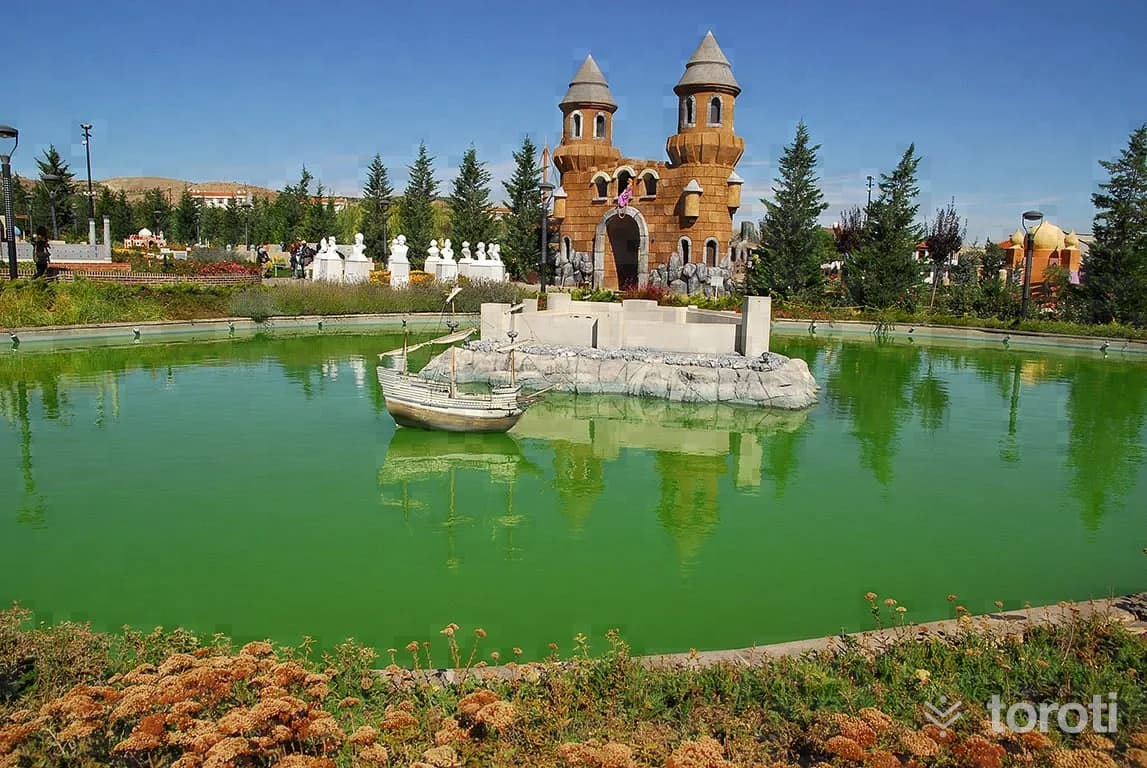
80 Binde Devr-i Alem Parkı
There are 3 separate sections within 80 Binde Devr-i Alem Parkı. In the section called Trex Parkı, there are moving models of giant dinosaurs that lived in prehistoric times. There are 50 dinosaur models in Trex Parkı. The miniature section of the park is called Cihan-ı Türk Abideler Şehri and contains 120 miniature works. The section that attracts the most interest from children is Pamuk Şekeri Masal Dünyası Parkı.
60 minutes
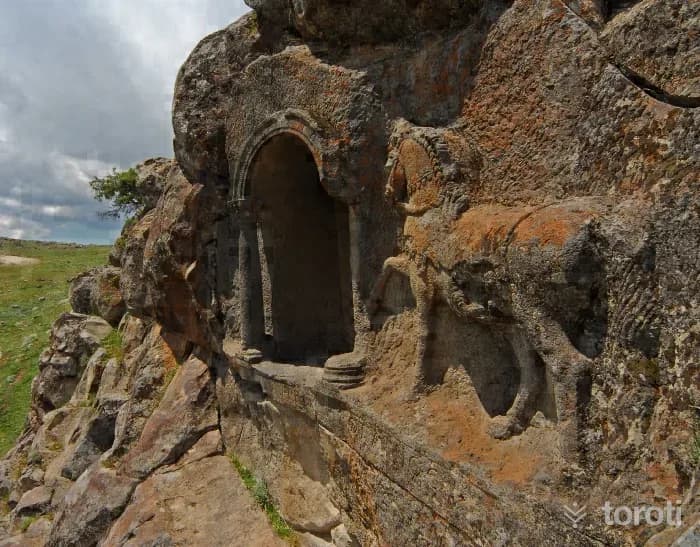
Lukyanus KitÂbesi Ve Atli Kaya Kabartması
It is 100 metres east of the Fasıllar Hittite Rock Monument. It consists of a 1.85-metre-high horse relief carved onto a steep rock about 10 metres above the ground and a niche. On the right, about five metres above the ground, there is a ten-line inscription measuring 0.85 x 0.95 metres. This inscription mentions horse races to be held for a cavalryman who died at a young age and the rules of these races.
45 minutes
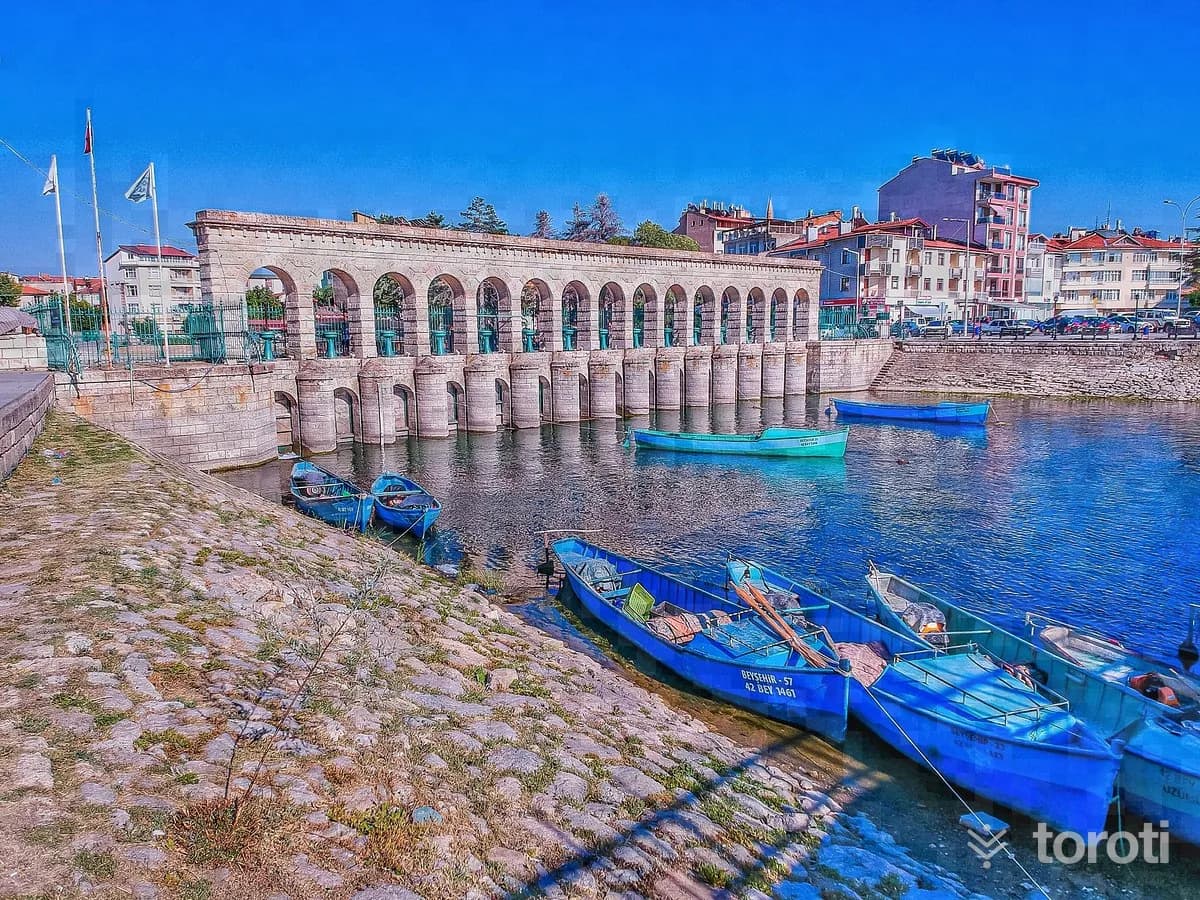
Tarihi Taş Köprü
It was built for the irrigation of the Konya Plain. The first known project related to this issue was put forward during the reign of Kanuni. Grand Vizier Avlonyalı Ferit Paşa brought this matter to the agenda in 1898. On behalf of the Anatolia-Baghdad railway construction company, based on Holzman's studies, it was tendered to the Anatolia-Ottoman Railway Partnership in 1907. Its construction was also completed between 1908-1914 and cost 850000 gold. It is the first irrigation project established by the Ottoman State.
20 minutes
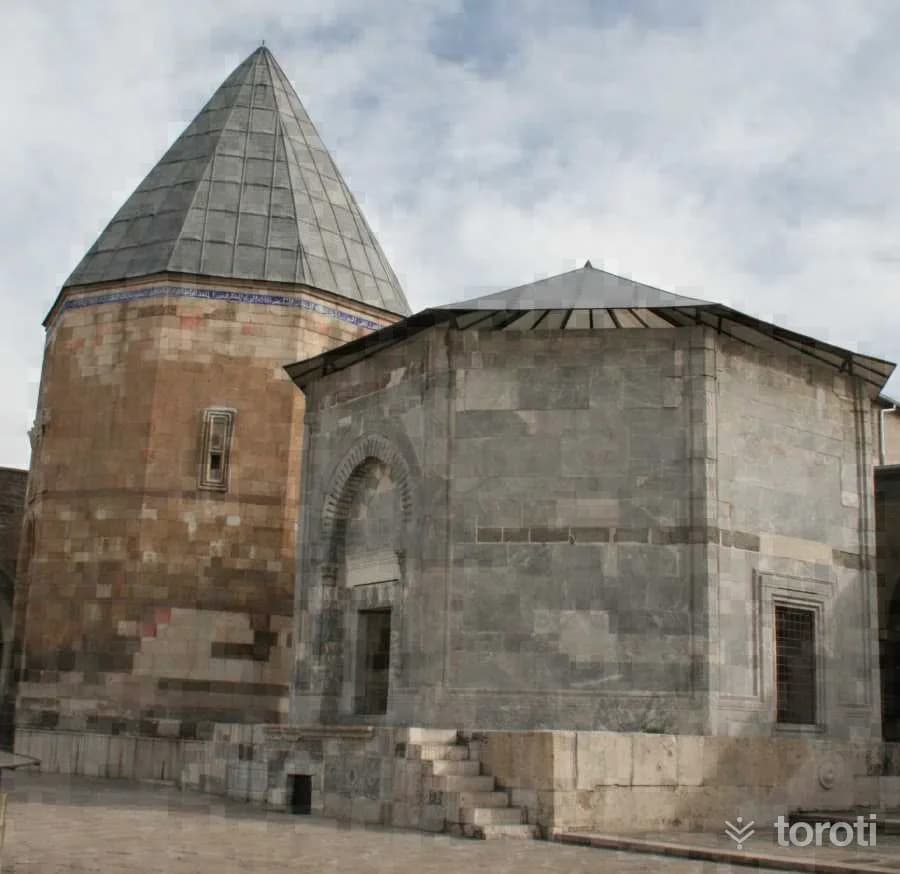
Alaaddin Kümbeti
It was built for the Anatolian Seljuk Sultans, and inside are the graves and sarcophagi of eight sultans. Its location on Alâaddin Hill has also increased its magnificence and elegance. It is understood from the remaining traces that its upper part was once completely covered with tiles.
20 minutes
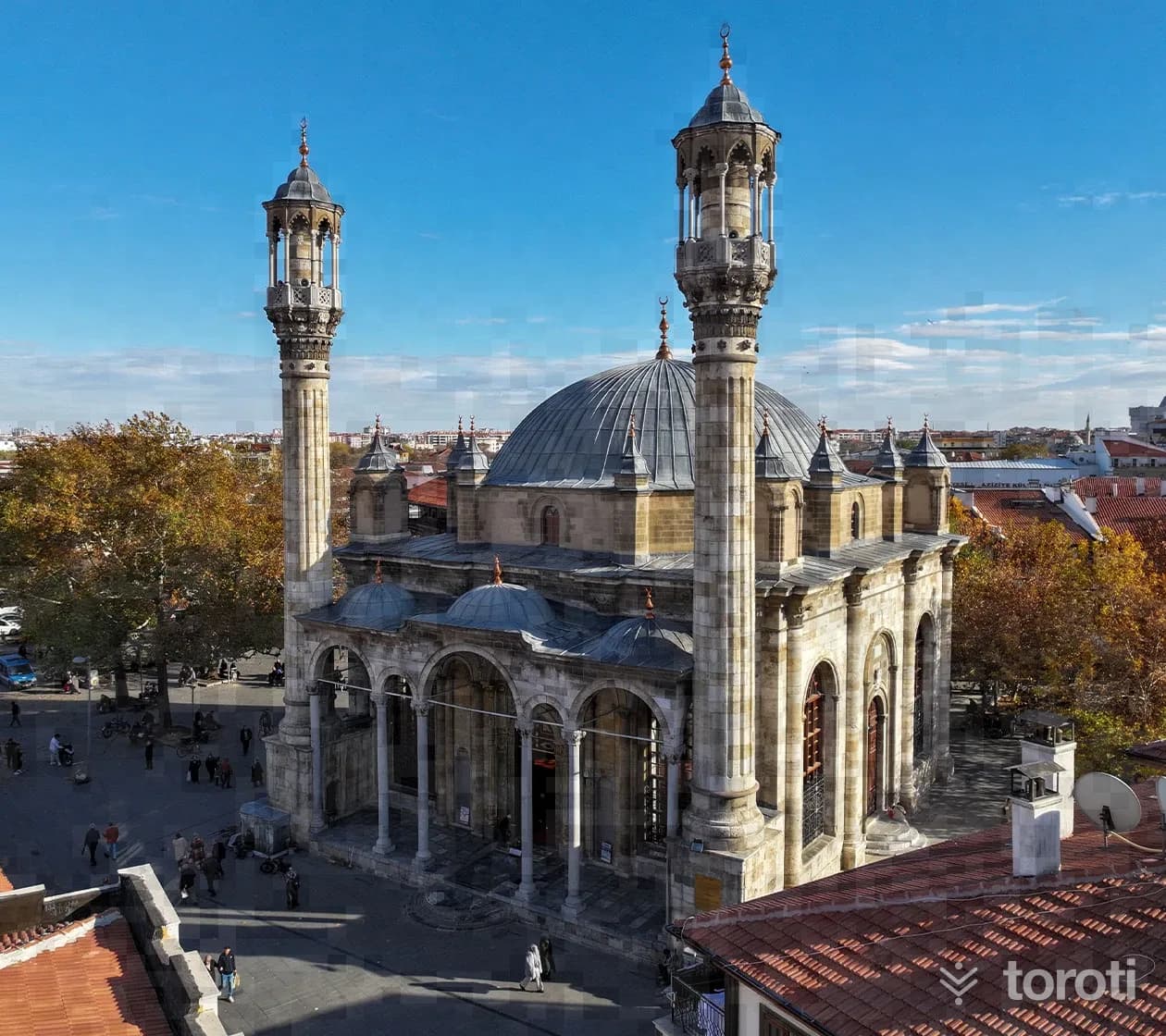
Azîziye Cami
This mosque, located in the bazaar on Türbe Street, is an important work produced in the baroque style of late Ottoman architecture. The mosque was first built in 1671-1676 by Damat Mustafa Paşa, the accountant of the Ottoman Sultan IV. Sultan Mehmed Han.
20 minutes
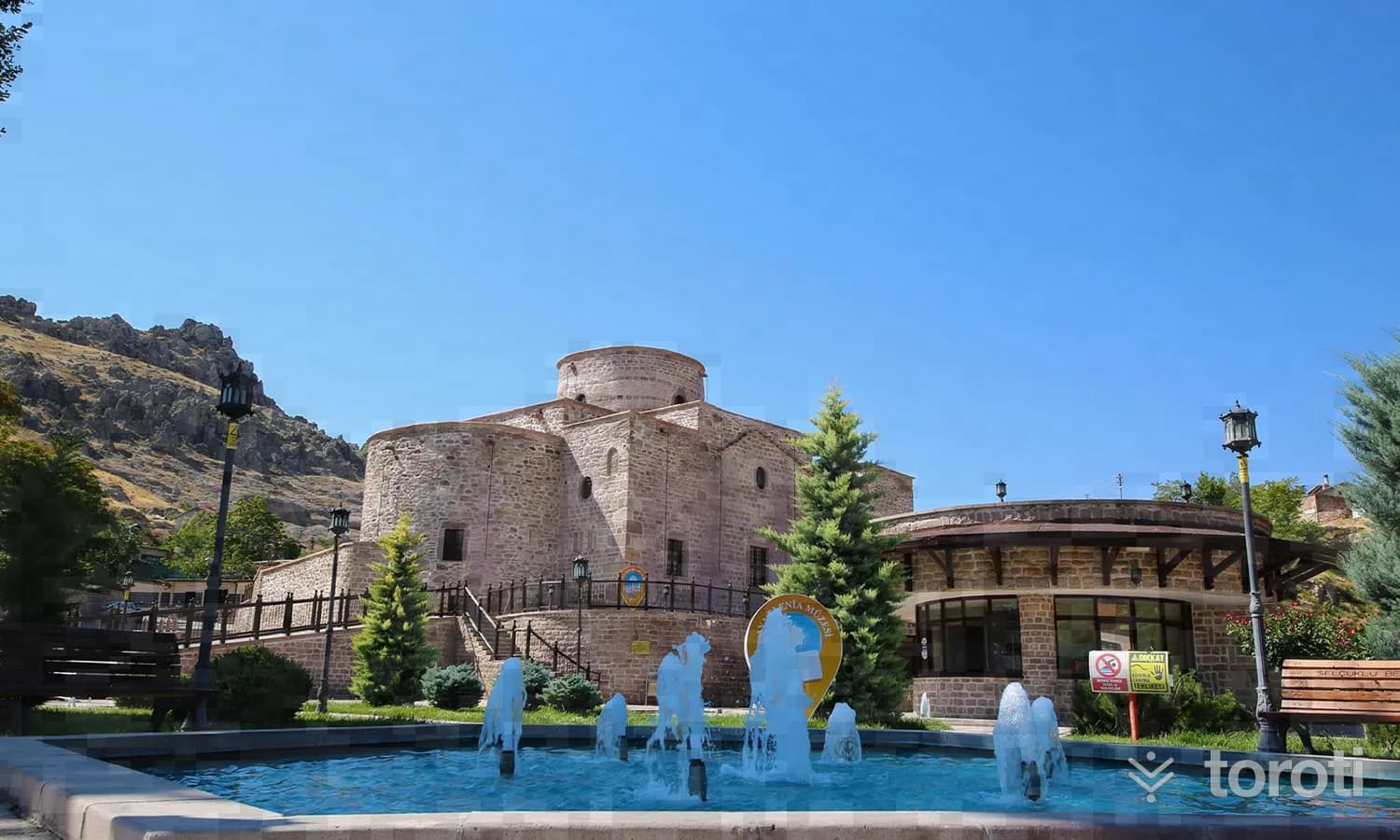
Aya Elena Kilisesi
It was built in 327. It is known to have been commissioned by Helena, the mother of the Byzantine Emperor Constantine. While passing through Konya on her pilgrimage to Jerusalem, Helena saw the temples belonging to the early Christian periods here and, wanting to have a temple built here herself, ensured that the foundations of Aya Elena Church were laid. The most important reason why the church has survived to the present day in such a solid condition is that it underwent continuous repairs during certain periods.
30 minutes
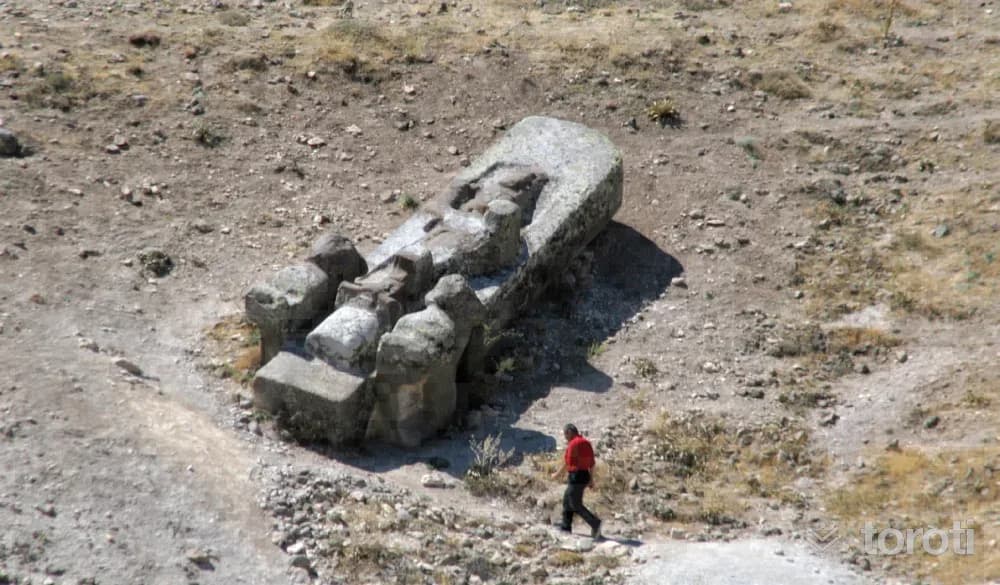
Fasillar Hitit Kaya Anıti
The Fasıllar Monument is one of the largest rock monuments in the world. It lies on the western slope of a hill to the south of Fasıllar Village, which is part of the Beyşehir district. It consists of two superimposed Gods carved onto a 20 square meter face of a giant rock measuring 2.25 x 2.75 x 8.30 meters and weighing 72 tons, along with a pair of lion reliefs on either side of the lower God.
45 minutes
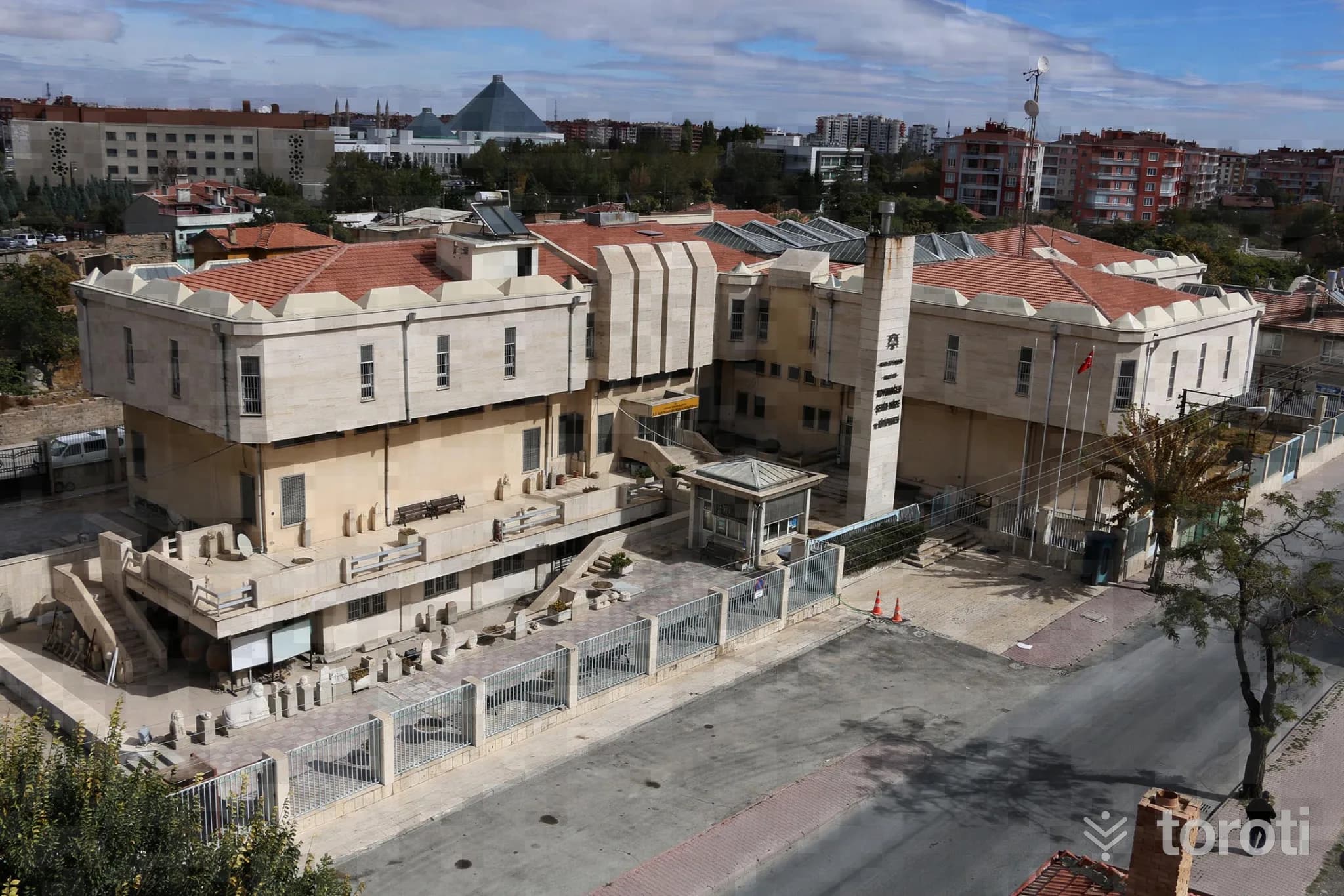
Koyunoğlu Şehir Müzesi ve Kütüphanesi
It was founded by Ahmet Rasih İzzet Koyunoğlu, one of Konya’s well-established families. A. R. İzzet Koyunoğlu began collecting works in an old and typical Konya house from 1913 onwards. In addition to archaeological works compiled from Konya and its surroundings, books, ethnographic works and natural history objects are among the museum’s main works.
45 minutes
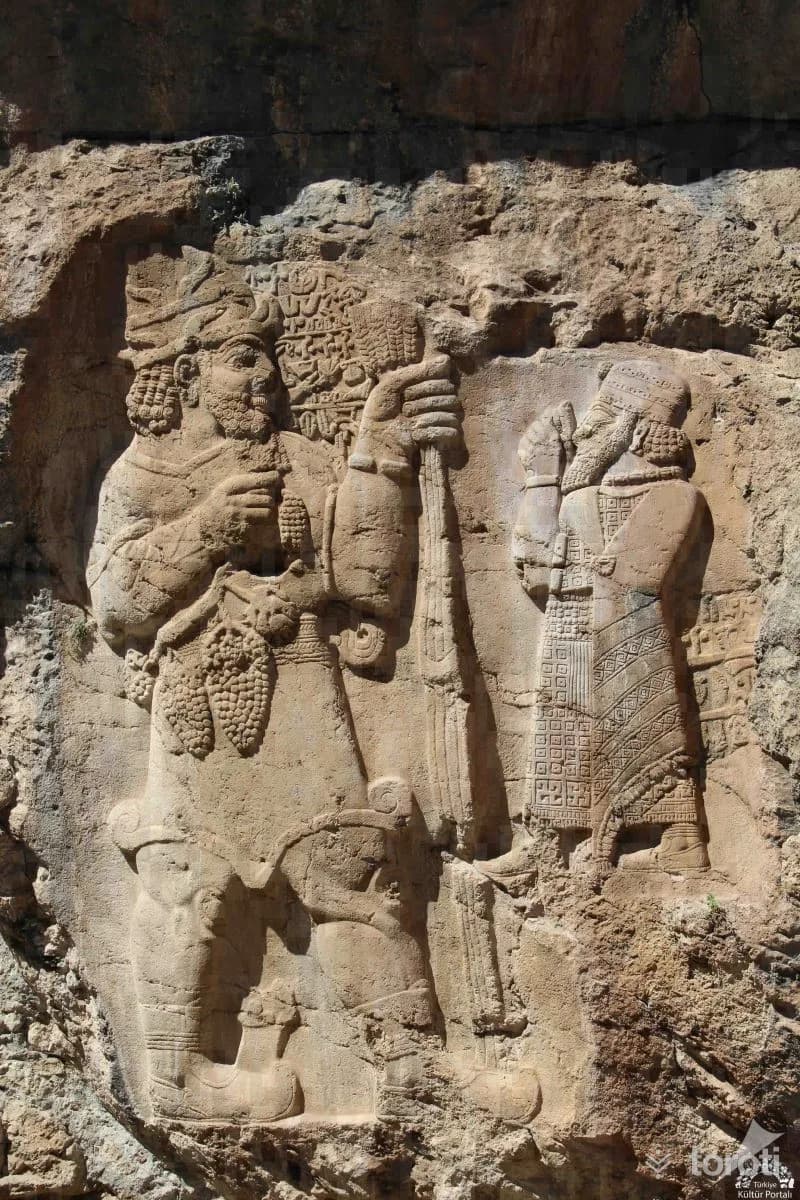
İvriz Kaya Anıtı
It is a work from the Late Hittite period. Warpalavas’s gratitude to the fertility god Santaj is depicted. It has the distinction of being the world’s first inscribed agricultural monument and the first inscribed rock relief monument in world history. It is one of the most important works of art from the Late Hittite period. BC.
30 minutes
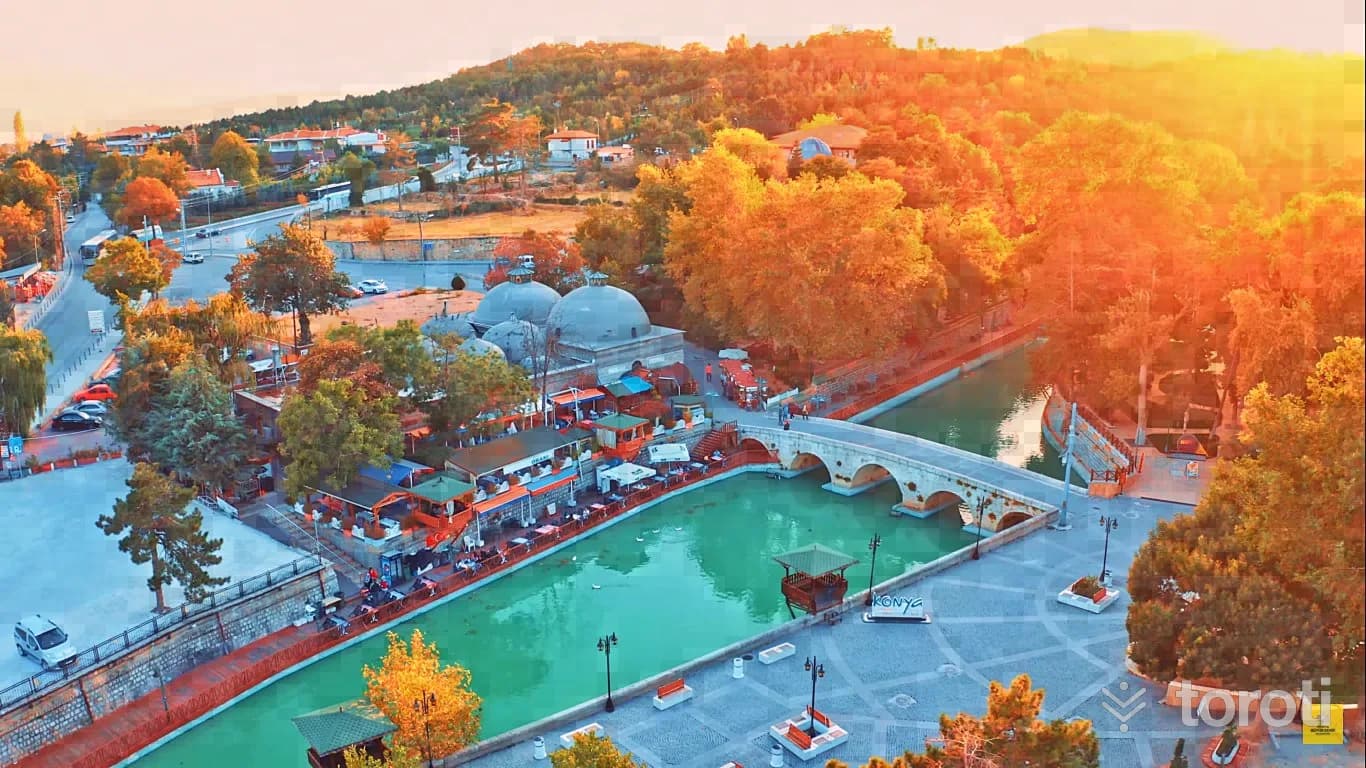
Meram Bağları
Evliya Çelebi, in his travel book, while mentioning the vineyards, gardens and orchards among the places he visited and saw, uses the expression "Bağ-ı Meram" every time for these vine- and garden-filled places. He even states that these places are like Meram of Konya. The Church of Saint Paul, the last church of Konya, is located here.
60 minutes
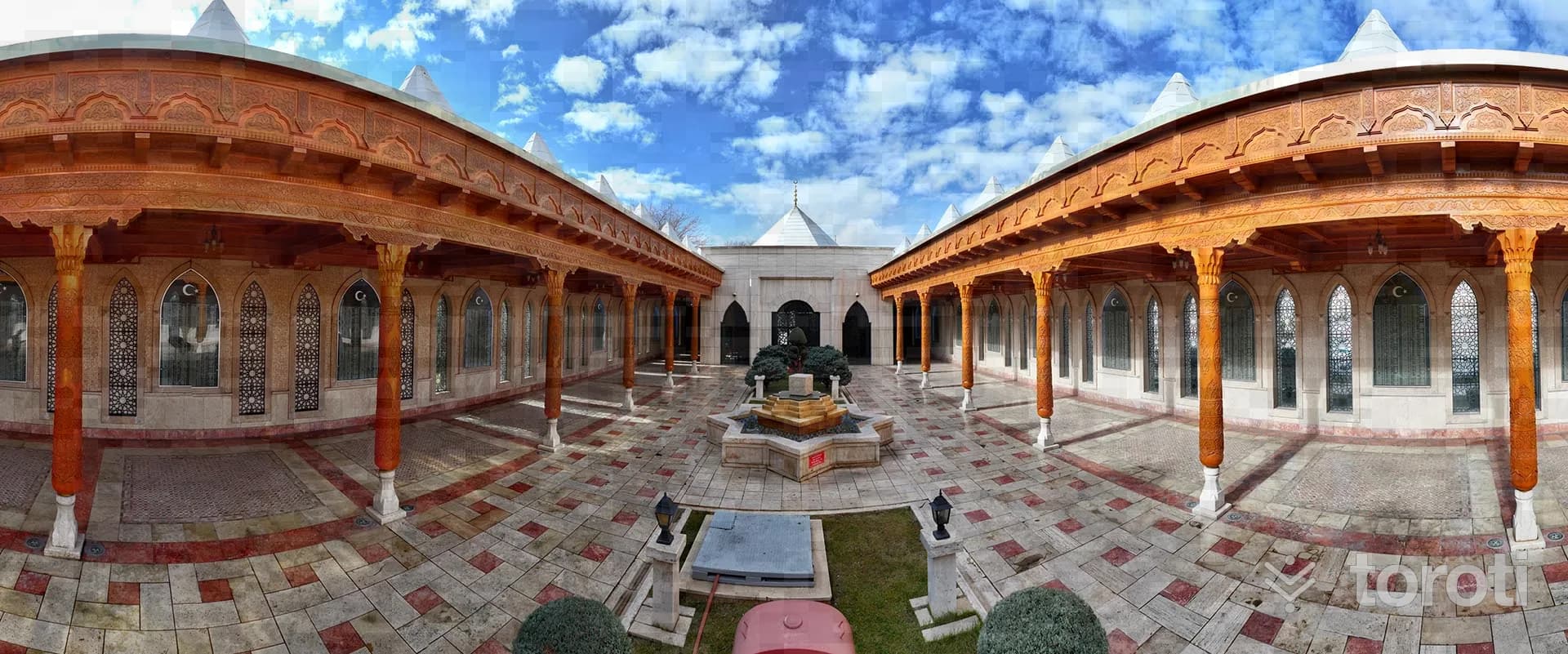
İstiklal Harbi Şehitliği
The İstiklâl Harbi Şehitliği, arranged with a composition describing the Çanakkale Harbi Front, the situation of Konya after the year 1915, the preparation for the İstiklâl Harbi, and Konya and village life after the war and the winning of the battle, was built adjacent to Üçler Mezarlığı between the Mevlâna Museum and the Mevlâna Cultural Center.
30 minutes
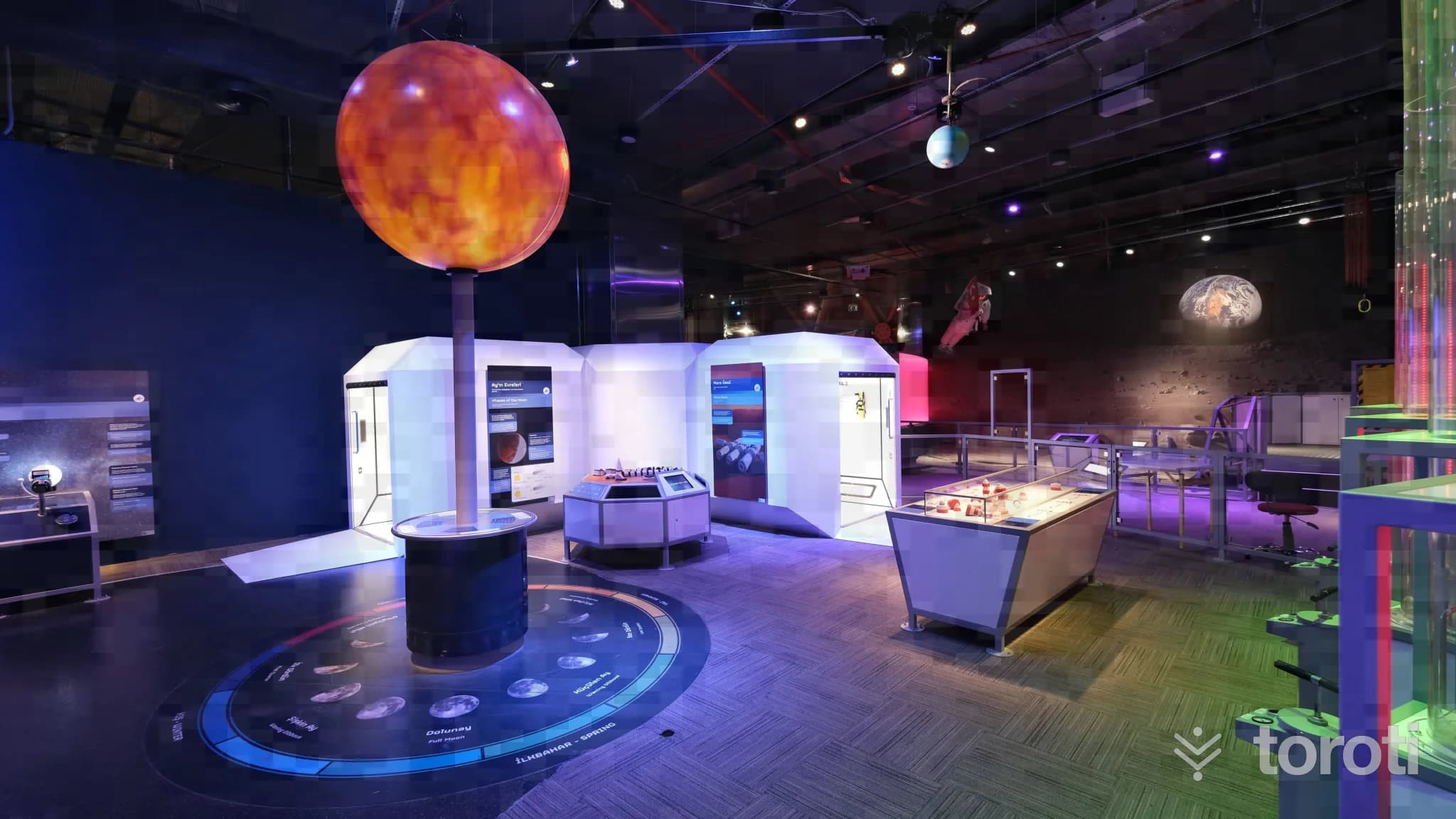
Konya Bilim Merkezi
The main exhibition themes have been determined as Basic Sciences, New Technologies, Space and Astronomy, the Human Body, Our World, Preschool and Konya. In addition to the exhibition areas at Konya Bilim Merkezi, there are also workshop and laboratory areas where educational programs will be carried out, as well as a planetarium and observation tower.
45 minutes
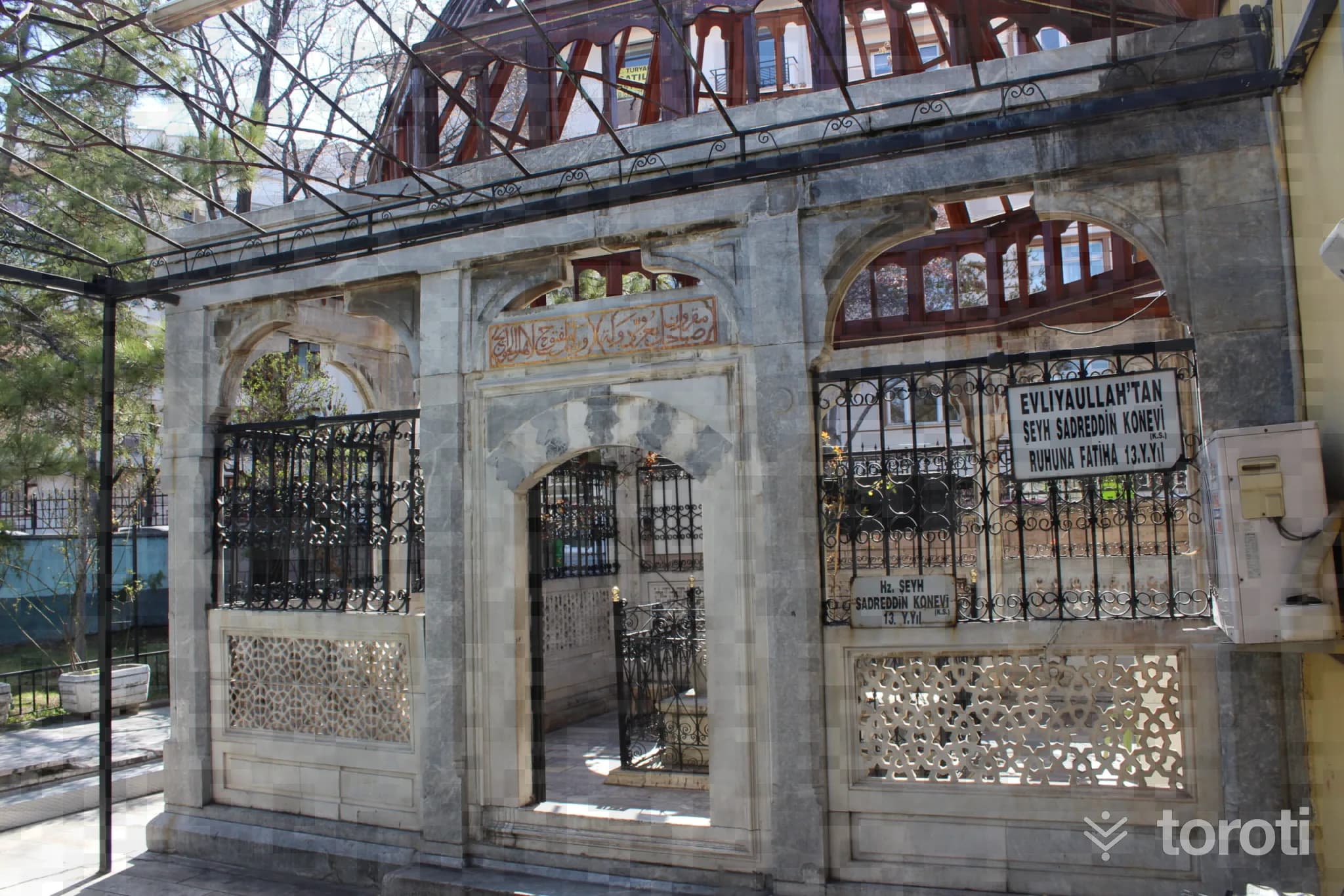
Şeyh Sadrettin Konevi Hazreti Türbesi
It was built in 1274. Sadrettin Konevi, whose name is mentioned in the inscription on the entrance gate, was originally from Malatya, settled in Konya, and was one of the well-known scholars of the time. He received education and training from Muhiddin Ibn-i Arabi, and the sciences of hadith were taught in his hanikâh in Konya. He was deeply devoted to Mevlâna with great love.
20 minutes
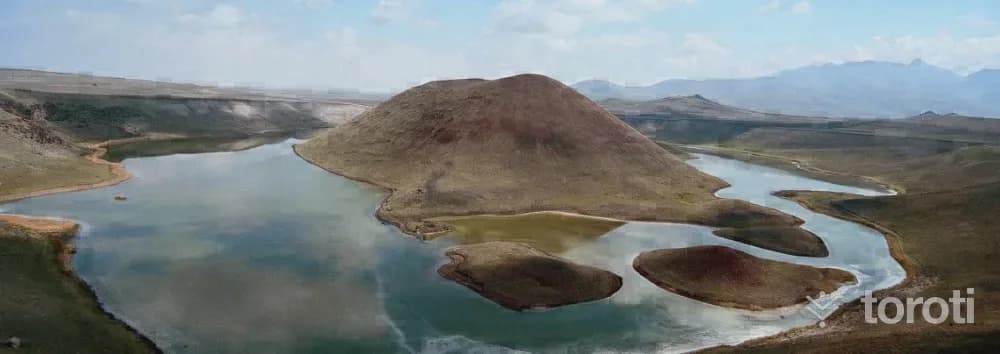
Karapinar Meke Krater Gölü
Karapınar Meke Crater Lake is 8 kilometers southeast of Karapınar. It is a crater lake formed by a double eruption on ground unlike any other in the world. It is a natural wonder with its panoramic view, geological structure, and the birds living in the region.
45 minutes
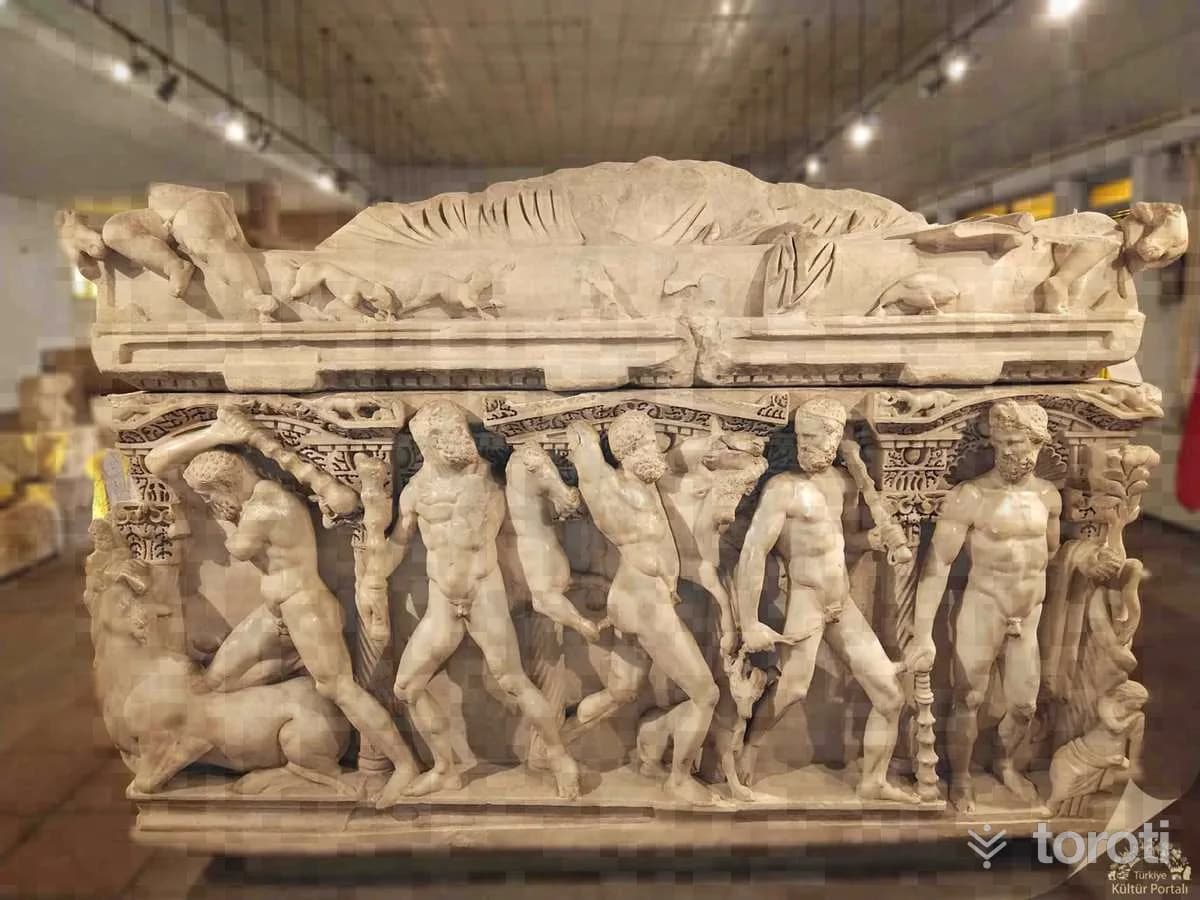
Arkeoloji Müzesi
The museum was first opened in 1901 in a small building at the southwest corner of Karma Secondary School. The works, which had been exhibited in Mevlâna Museum from 1927 and moved to İplikçi Câmii in 1952, have been displayed in the present Archaeology Museum since 1962.
45 minutes
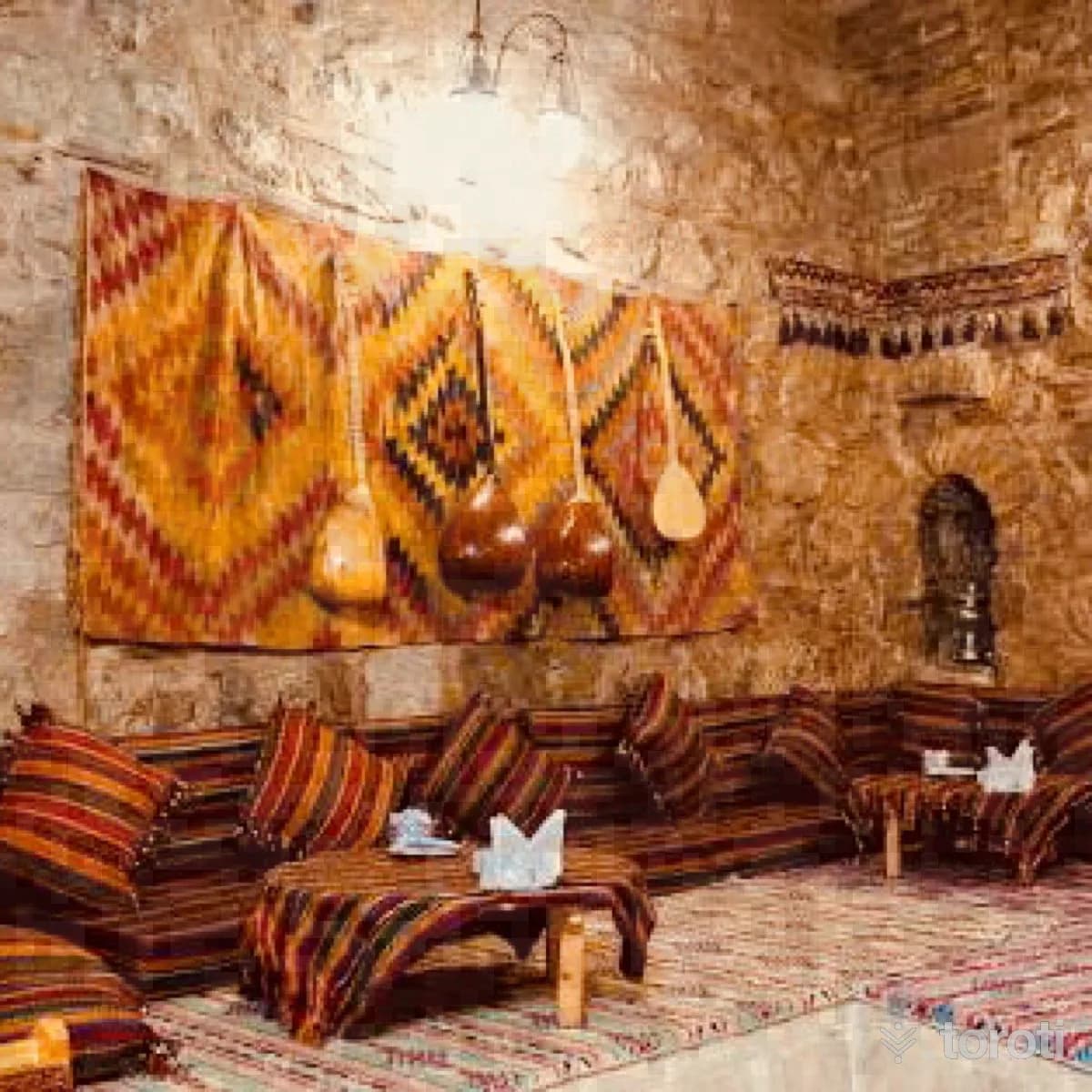
Sedirli Han
The historical venue located within the Ilgin Lala Mustafa Pasa Külliyesi, commissioned by Lala Mustafa Pasa in 1576, was opened for service in 2010. If you want to taste local flavors in this historical venue, you should stop by. The work was built by Mimar Sinan.
30 minutes
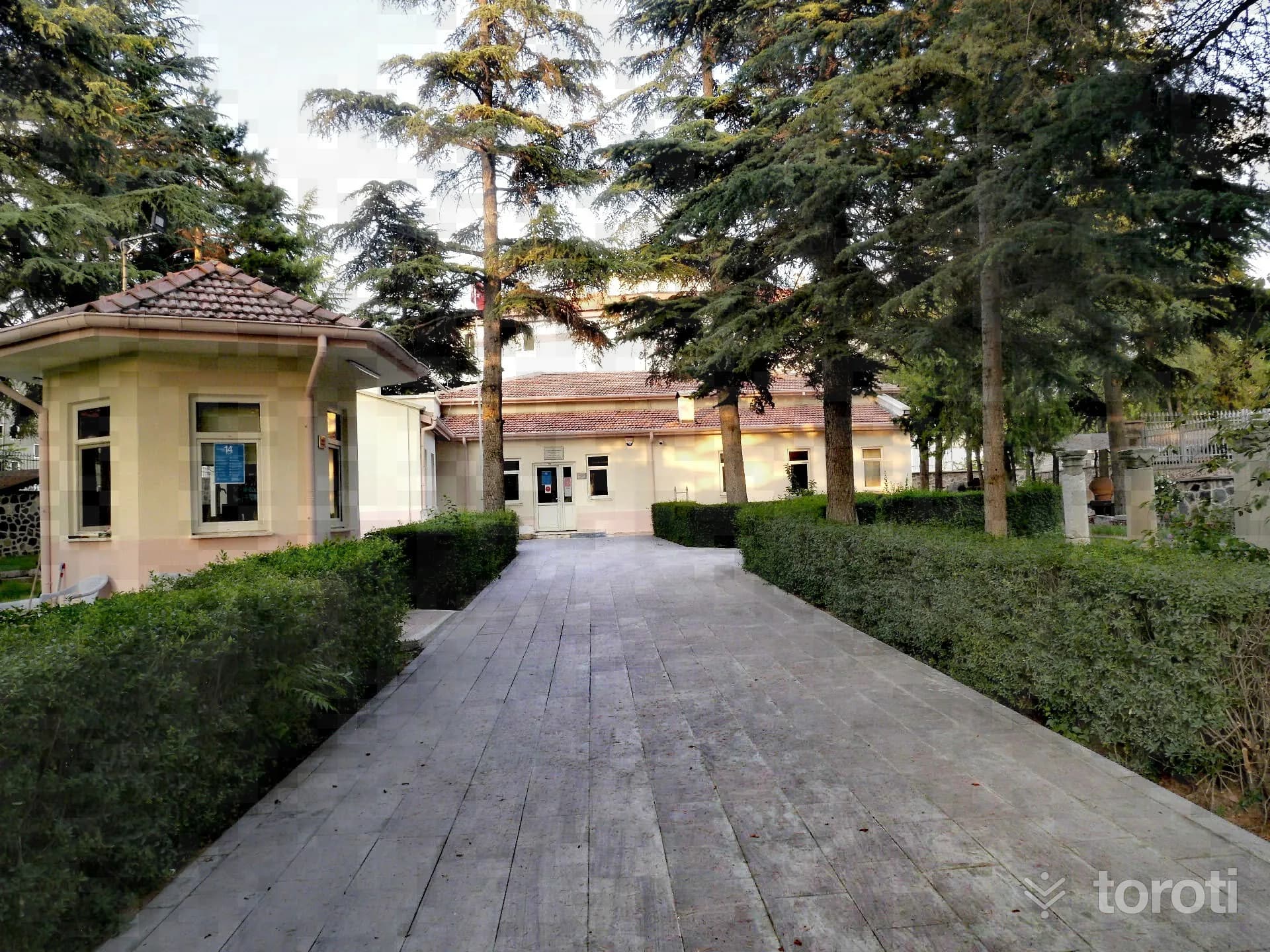
Ereğli Müzesi
Considering the history and richness of artifacts of Ereğli and its surroundings, the construction of the museum building was started in 1967, and the museum was opened to service in 1968. In the single-storey museum building, there are two separate exhibition halls, namely Archaeology and Ethnography.
45 minutes
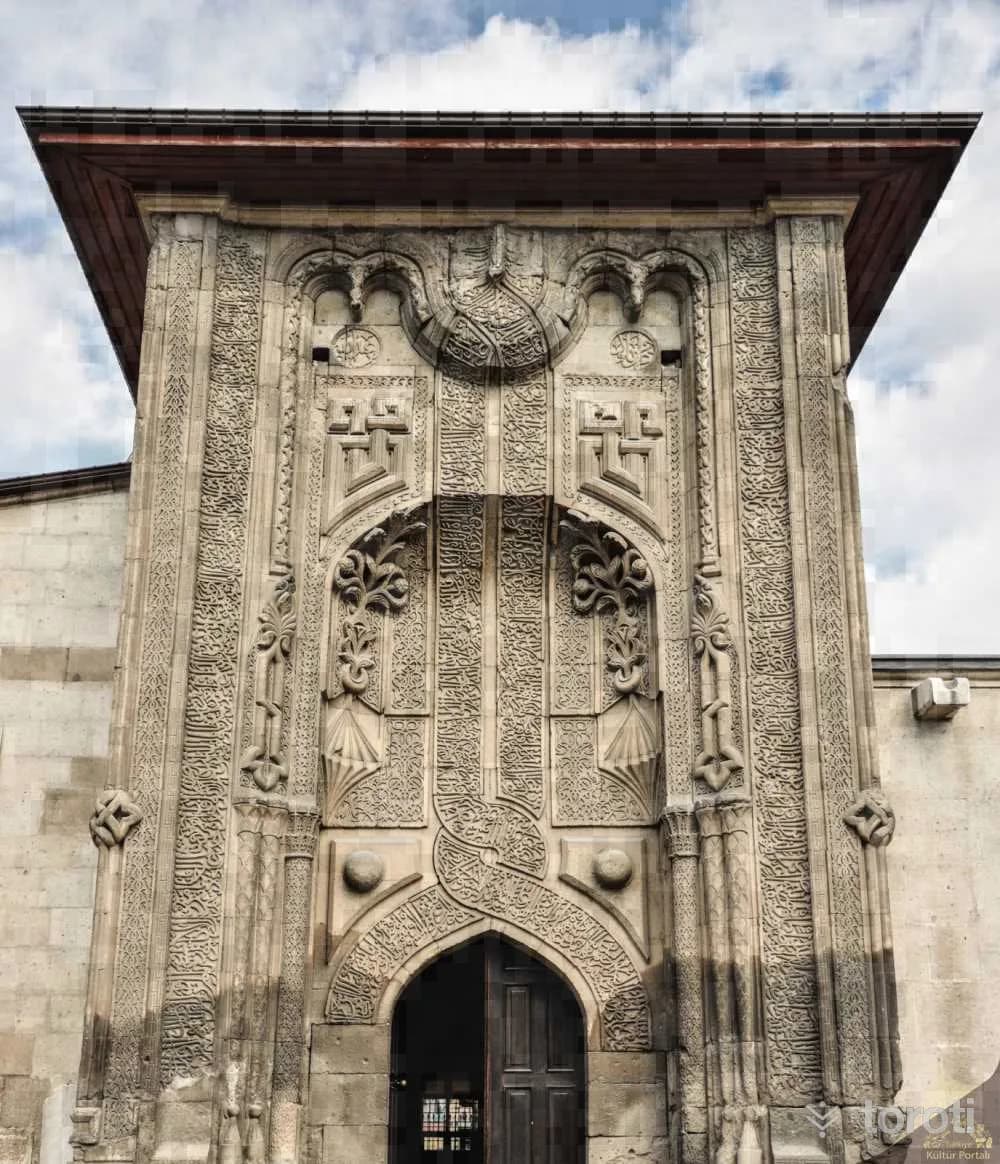
İnceminare Taş ve Ahşap Eserleri Müzesi
In the museum, stone and marble building and repair inscriptions, gravestones and sarcophagi, high-relief carvings belonging to Konya Castle, a wooden ceiling centerpiece, and door and window shutters from the Seljuk, Karamanoğlu, and Ottoman periods are exhibited.
45 minutes
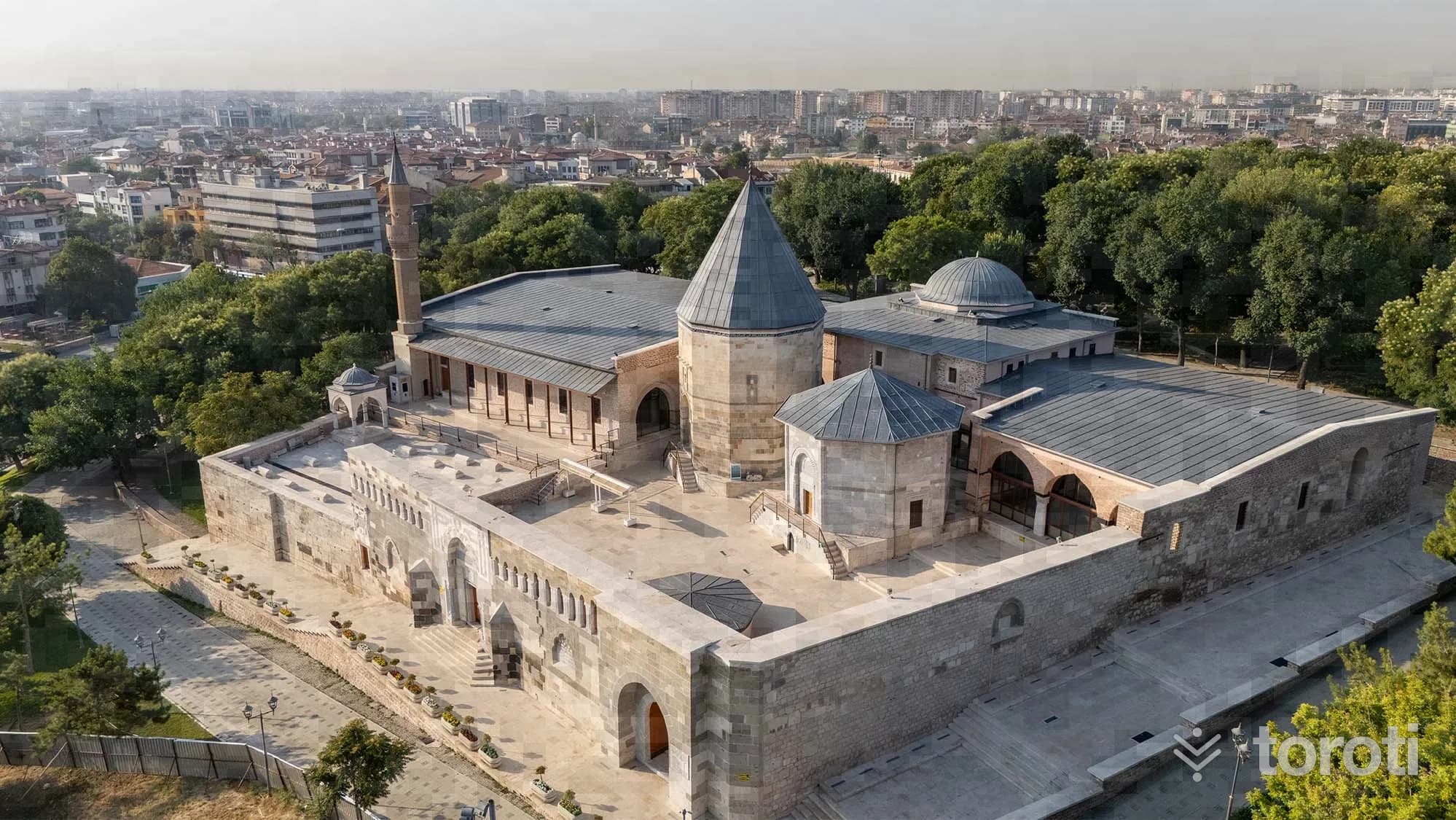
Alaaddin Cami
The mosque is one of the oldest Seljuk works, and this group of structures, known as the Alâaddin complex and containing magnificent tombs, is located to the northeast of Alâaddin Hill, in a position overlooking the city.
20 minutes
Seydişehir Susuz Güvercinlik Mağarası
Seydişehir Susuz Güvercinlik Cave is a tourist spot known for its water activities and natural formations.
Beyşehir Balat İni Mağarası
Beyşehir Balat İni Cave is located in the Beyşehir district of Konya, between the villages of Çamlık and Derebucak. The cave attracts visitors with its rich natural formations and sculpture room.
120 minutes
Yerköprü Mağarası
Yerköprü Cave is located in the Göksu Valley, near the border of Hadim District in Konya Province. The cave is reached via the Konya-Karaman road, through Kayaağzı-Habiller Villages, with a journey of 116 km. In addition, the Göksu Valley where the cave is located can also be reached via Mersin-Silifke. The village roads are stabilized. The cave is located entirely within a travertine tuff. It is one of Turkey's most beautiful natural caves.
45 minutes
Beyşehir Suluin Mağarası
Beyşehir Suluin Cave is a large and high cave located in Beyşehir district of Konya. The cave offers visitors an impressive experience with its natural beauty and large lake.
120 minutes
Şerafeddin Cami
It takes its name from a person named Sheikh Şerâfeddin, one of the first patrons in the 12th century and one of the Seljuk scholars. Since it has no inscription, the exact date when it was built is not known for certain. The mosque was first repaired by II. Karamanoğlu İbrahim Bey in 1244, and later renovated into its present form in 1636 by Mehmed Çavuşoğlu Memi Bey.
20 minutes
Beyşehir Pinarbaşi Mağarası
Beyşehir Pınarbaşı Cave is located south of Lake Beyşehir and features rich stalactite formations.
120 minutes
Kubad Âbâd Sarayı
Kubad Âbâd Palace was built in 1236 by Sultan Alâeddin Keykubat and holds historical significance.
45 minutes
Beyşehir Eşrefoğlu Câmii ve Türbesi
Eşrefoğlu Camii, a unique example in our country of the wooden-columned mosques found in old Turkistan cities in Central Asia such as Samarkand and Bukhara, is the largest and most original of the wooden-columned mosques in Anatolia and was built between 1296-1299.
30 minutes
Beyşehir Gölü
The surroundings of Beyşehir Gölü were granted National Park Status as of 20.02.1993, and there are many islands in the lake. Some of these are Hacı Akif, İğdeli, Kızkulesi, Akburun, Mada, Yılanlı, and Külbent islands.
60 minutes
Seydişehir Sakaltutan Mağarası
Seydişehir Sakaltutan Cave is a vertical cave located near Seydişehir in Konya. It has a total depth of 303 meters.
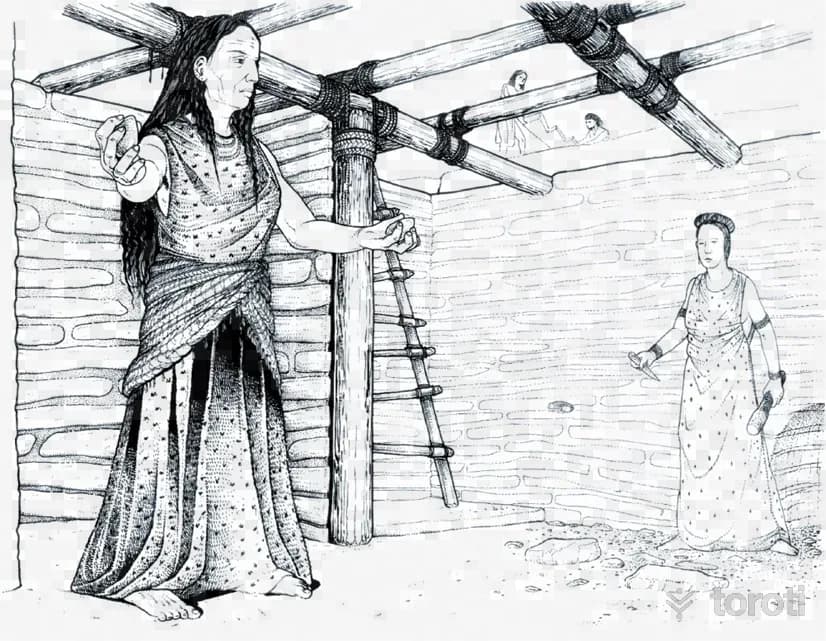
Çatalhöyük Neolitik Kenti
Çatalhöyük Neolithic City is an important evidence of the transition to settled life and the beginning of agriculture. It was added to the UNESCO World Heritage List in 2012.
120 minutes
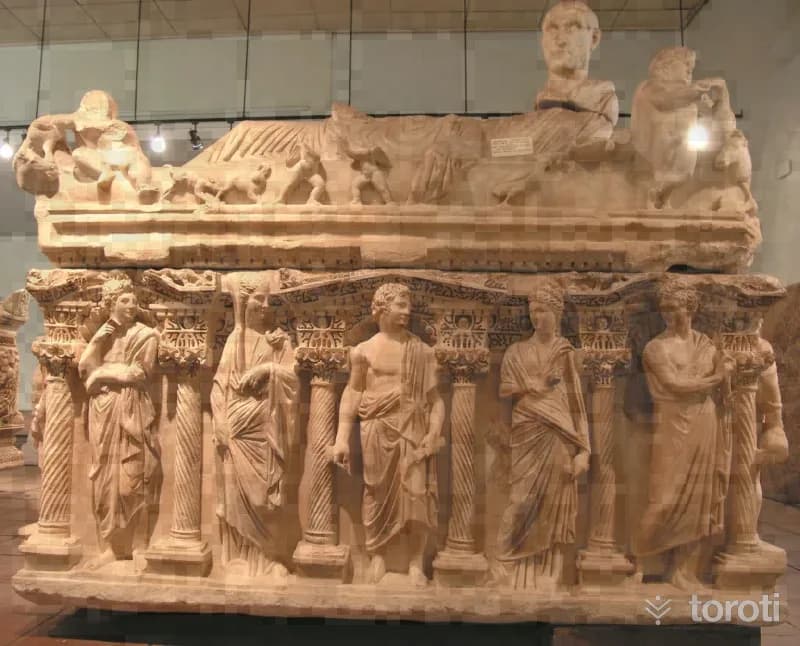
Konya Arkeoloji Müzesi
Konya Archaeology Museum was opened in 1901. The museum moved to its current service building in 1962, located in Meram, one of the central districts of Konya. Works belonging to the Neolithic, Early Bronze, Middle Bronze (Assyrian trade colonies), Iron (Phrygian, Urartian), Classical, Hellenistic, Roman and Byzantine periods are exhibited in the museum.
45 minutes
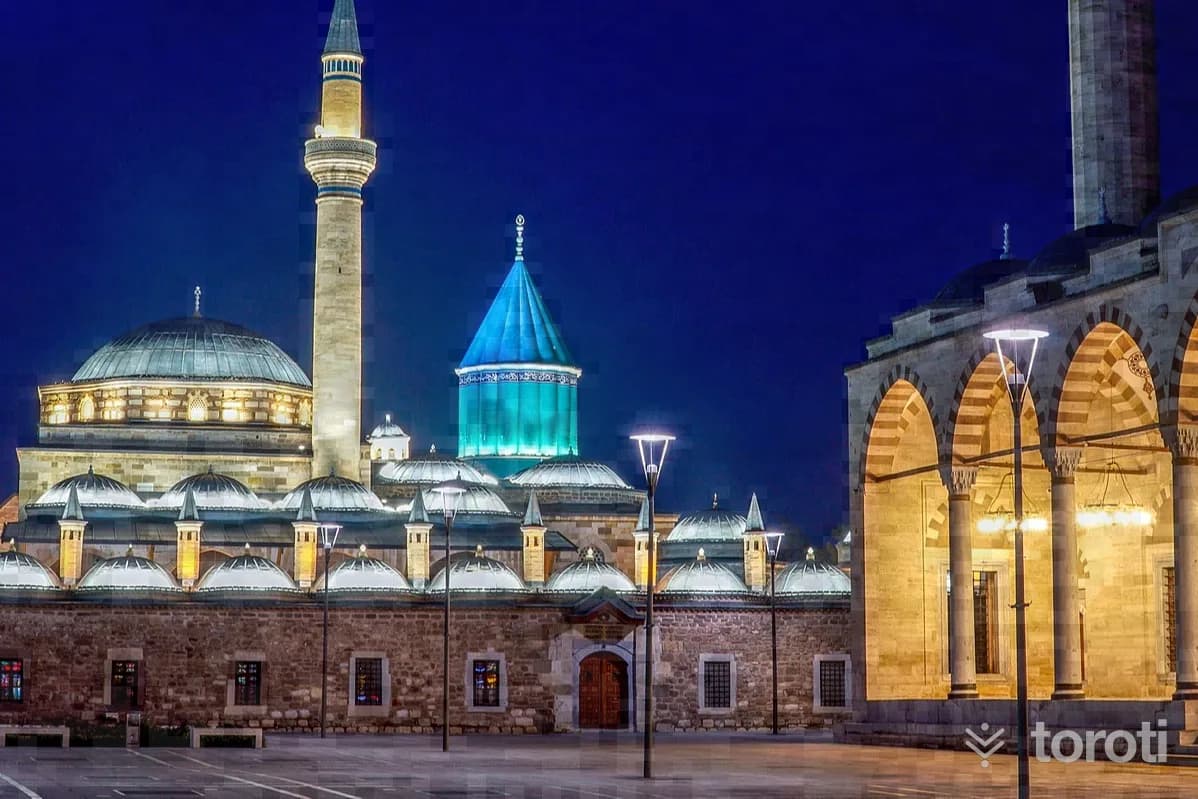
Mevlana Müzesi
The Mevlâna Museum is a historical site from the Seljuk period, housing the tomb of Mevlâna.
45 minutes
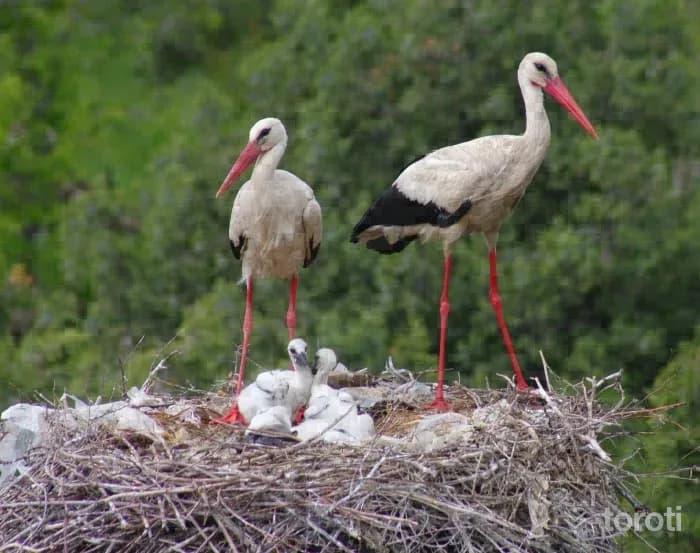
Beyşehir Leylekler Vadisi
Beyşehir Stork Valley is a peaceful area where storks nest in spring. It is an ideal visit point for nature and photography enthusiasts.
120 minutes
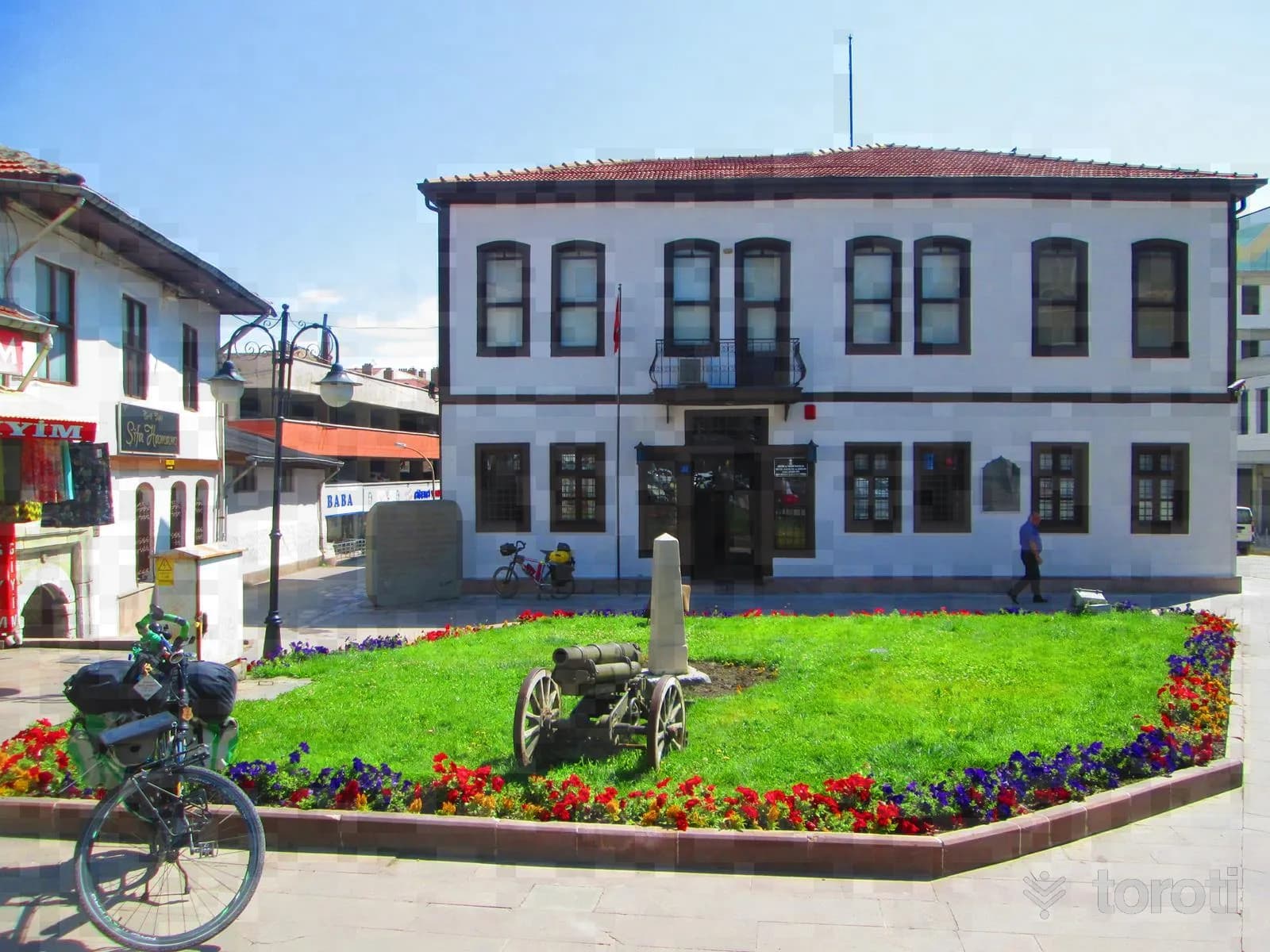
Batı Cephesi Karargahı Müzesi
The Western Front Headquarters Museum was built between 1904-1905 and opened as a museum in 1966. It showcases important documents from the War of Independence.
45 minutes
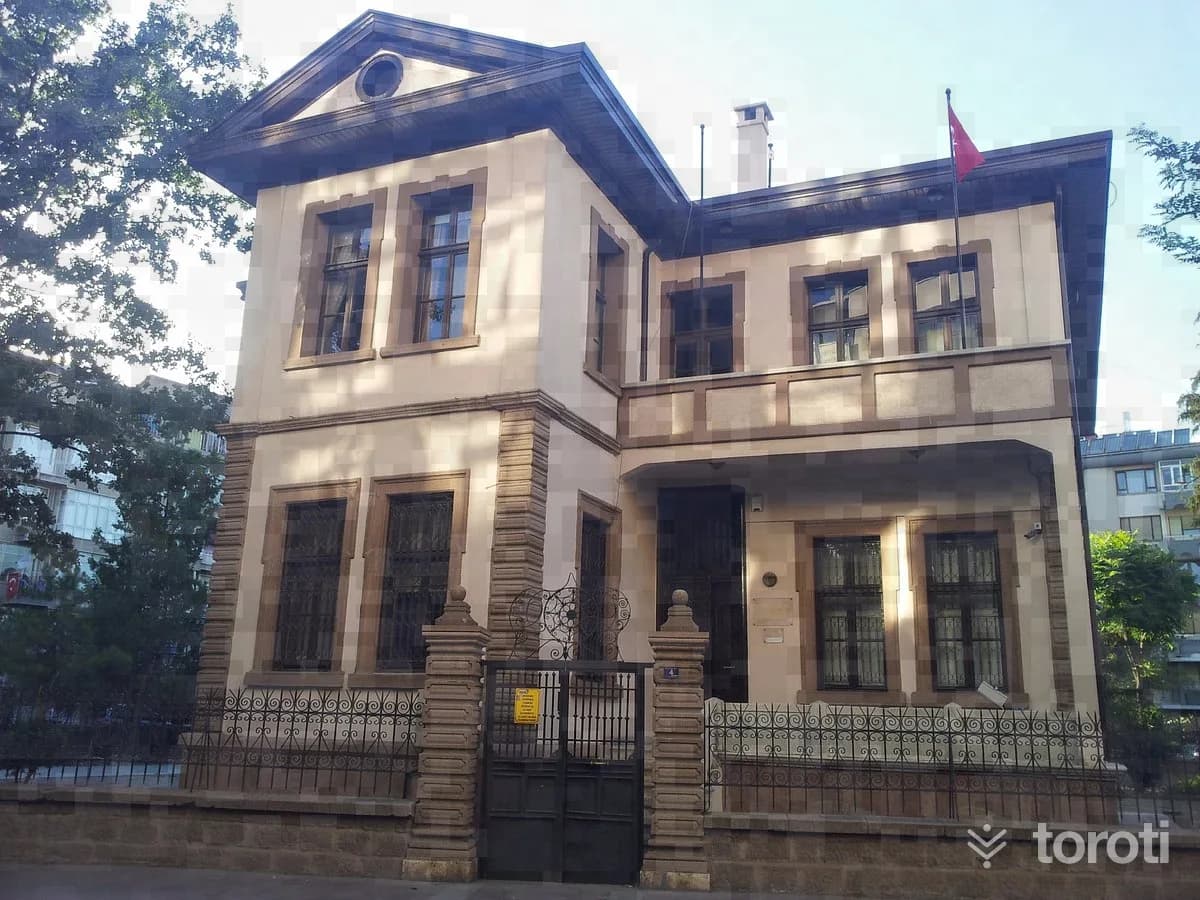
Atatürk Müzesi
The two-storey historic building, built in 1912 on Atatürk Caddesi, was registered in Atatürk’s name on 19 July 1928 as an expression of the gratitude of the people of Konya to Atatürk, and the note “It is the gift of the people of Konya to President Gazi Mustafa Kemal Paşa.” was entered in its title deed. In the arrangement of the museum, the building’s characteristic of being used as a house was taken into consideration.
60 minutes
Seydişehir Tinaztepe Mağarası
Seydişehir Tınaztepe Cave is a tourist attraction known for its natural beauty and geological structure. It is recognized as a natural treatment environment for asthma.
120 minutes
Selimiye Câmii (Sultan Selim Câmii)
Selimiye Mosque was commissioned by Ottoman Sultan Suleiman the Magnificent and completed in 1587.
20 minutes