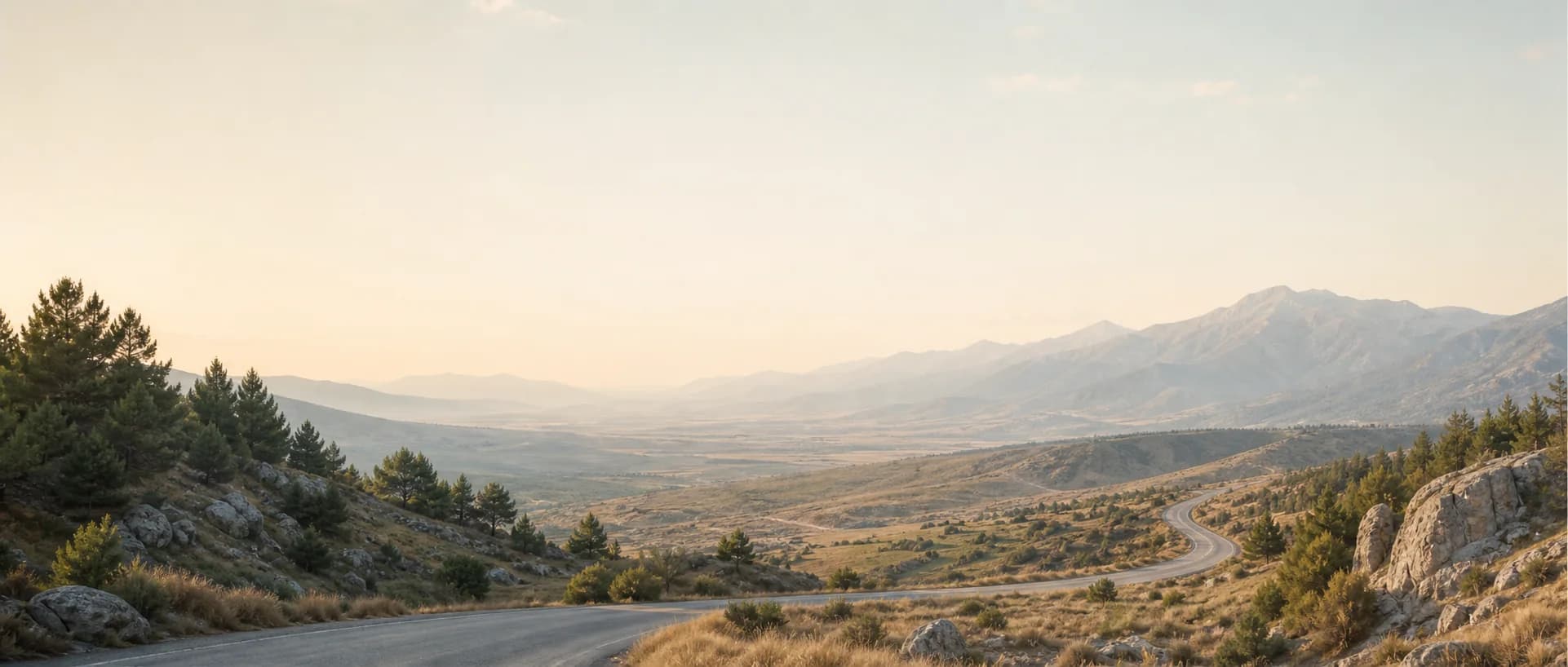
Stops along the way
Stops between Antalya and Nevşehir
502 km, roughly 7 hours of driving. The stops below are ordered as you pass them — the same road in both directions.
In short
The drive between Antalya and Nevşehir is 502 km and takes roughly 7 hours. There are 436 described places within 20 km of this route; it crosses 5 provinces, and the densest stretch is in Antalya (188 places).
There are 436 places within 20 km of this corridor; the 45 below are spread evenly along the drive.
- No image
1
Antalya Büyükşehir Belediyesi Lara Halk Plajı Lazlo Beach
Muratpaşa, Antalya
Antalya Metropolitan Municipality Lara Public Beach Lazlo Beach is a public beach candidate included in the 2025 Blue Flag official list.
2
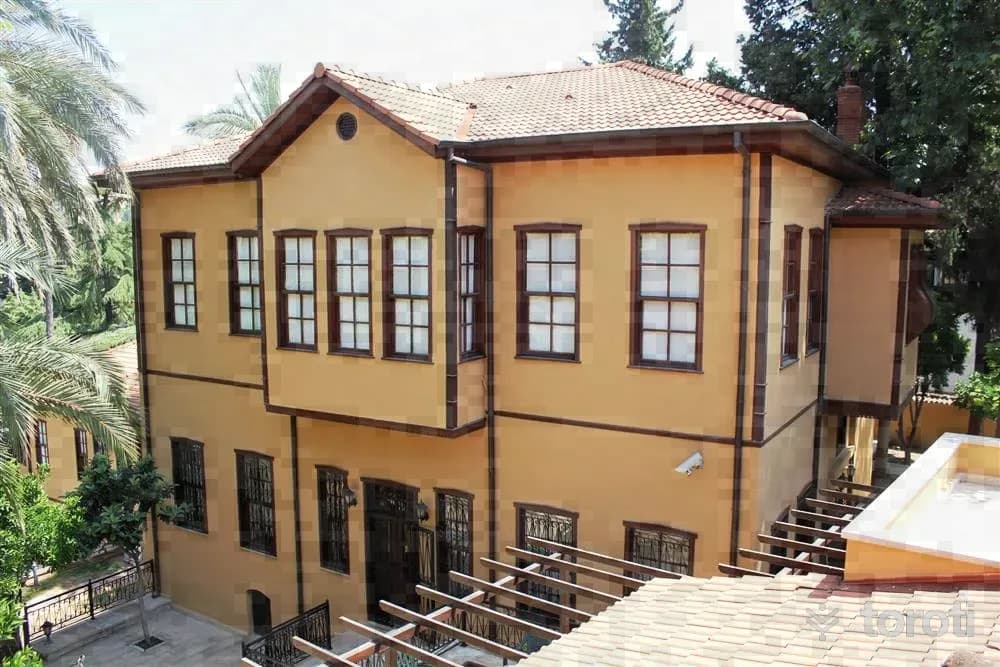
Etnografya Müzesi
Muratpaşa, Antalya
The Antalya Ethnography Museum consists of two mansions showcasing Ottoman architecture and Turkish-Islamic artifacts. It is an important site reflecting Antalya's cultural heritage.
3
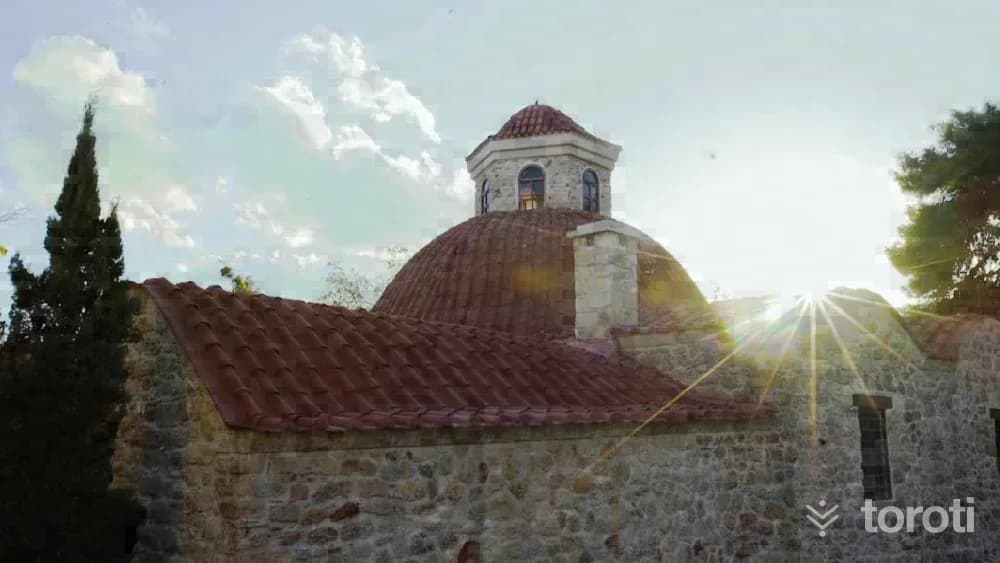
Mevlevihane Müzesi
Muratpaşa, Antalya
The Antalya Mevlevihane Museum is a historical complex that includes a Mevlevihane, a bathhouse, and tombs.
4
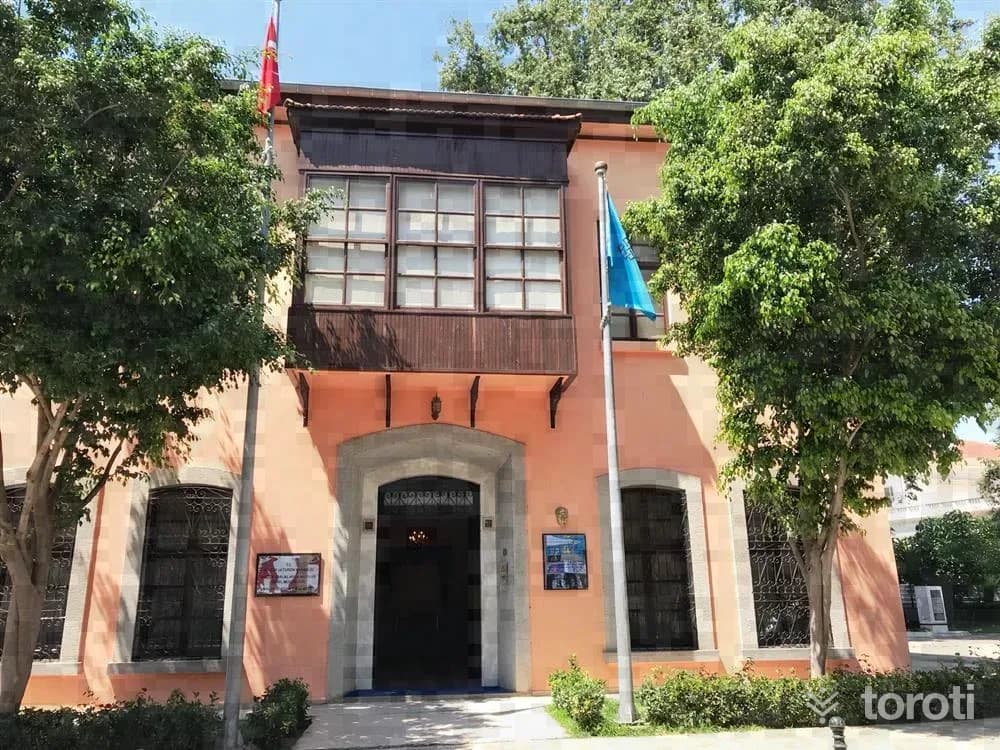
Antalya Atatürk Evi Müzesi
Muratpaşa, Antalya
The Antalya Atatürk House Museum is a museum dedicated to Atatürk's visits to Antalya. Visitors can see Atatürk's personal belongings and documents related to Antalya.
5
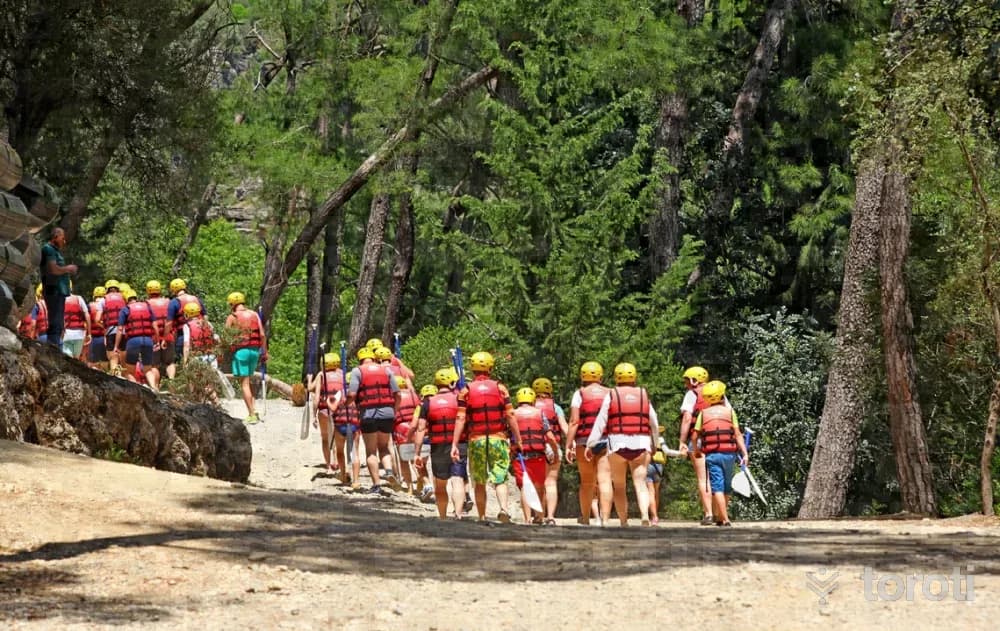
Köprülü Kanyon Milli Parkı
Manavgat, Antalya
Köprülü Canyon National Park offers visitors a variety of activities with its natural beauty and historical richness.
- No image
6
Manavgat Belediyesi Evrenseki Halk Plajı
Manavgat, Antalya
Manavgat Belediyesi Evrenseki Public Beach is a public beach candidate included in the official 2025 Blue Flag list.
7
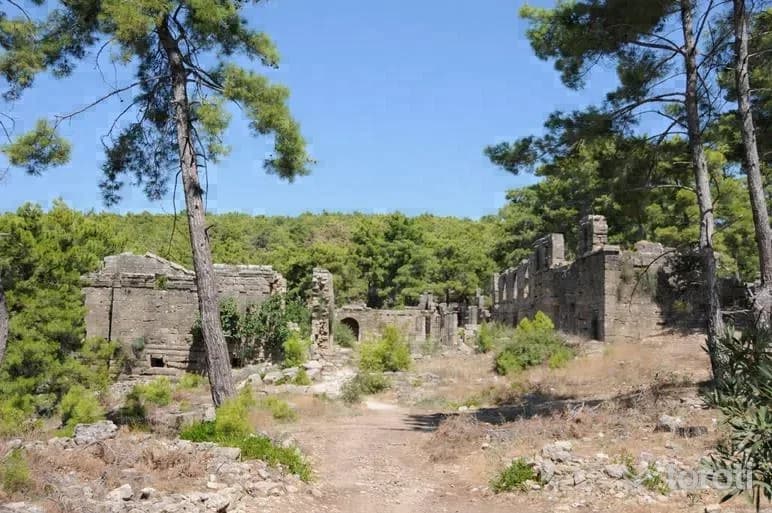
Lyrbe Antik Kenti
Manavgat, Antalya
Lyrbe Ancient City is a historical settlement located in Manavgat, Antalya. It features well-preserved walls and remains dating back to the Hellenistic Period.
8
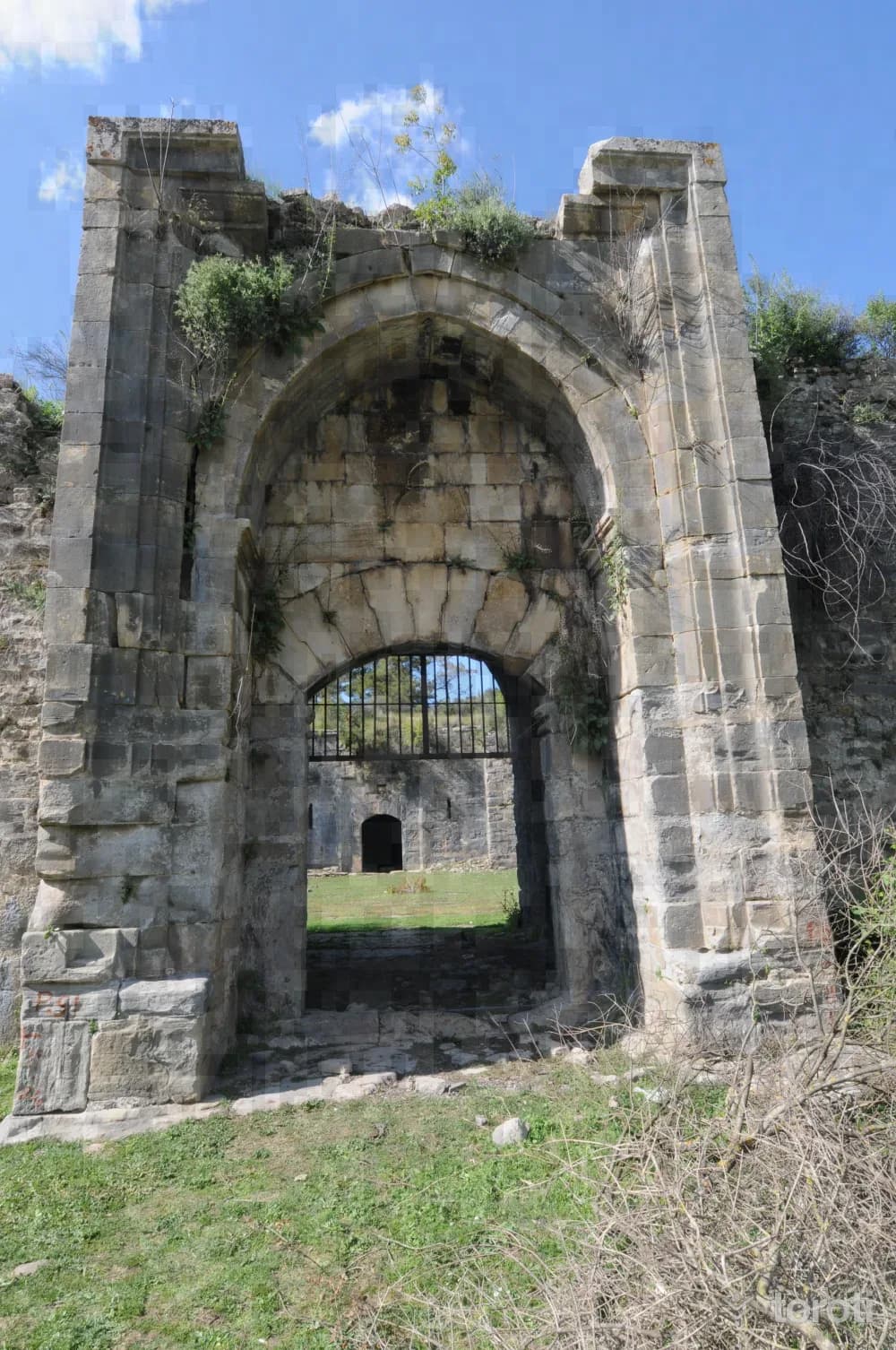
Kargihan
Manavgat, Antalya
Kargihan is a historical caravanserai located in Manavgat, Antalya, dating back to the Anatolian Seljuk period.
9
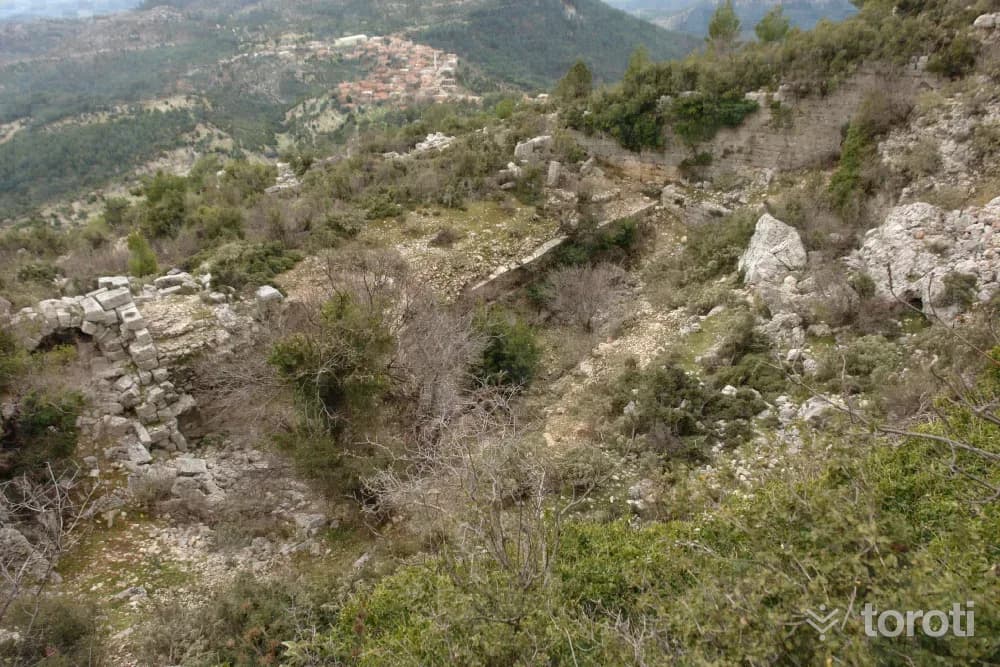
Etenna
Manavgat, Antalya
Etenna Ancient City is a historical site located in Manavgat, Antalya. It offers a suitable area for nature walks.
10
Altinbeşik - Düdensuyu Mağarası
Akseki, Antalya
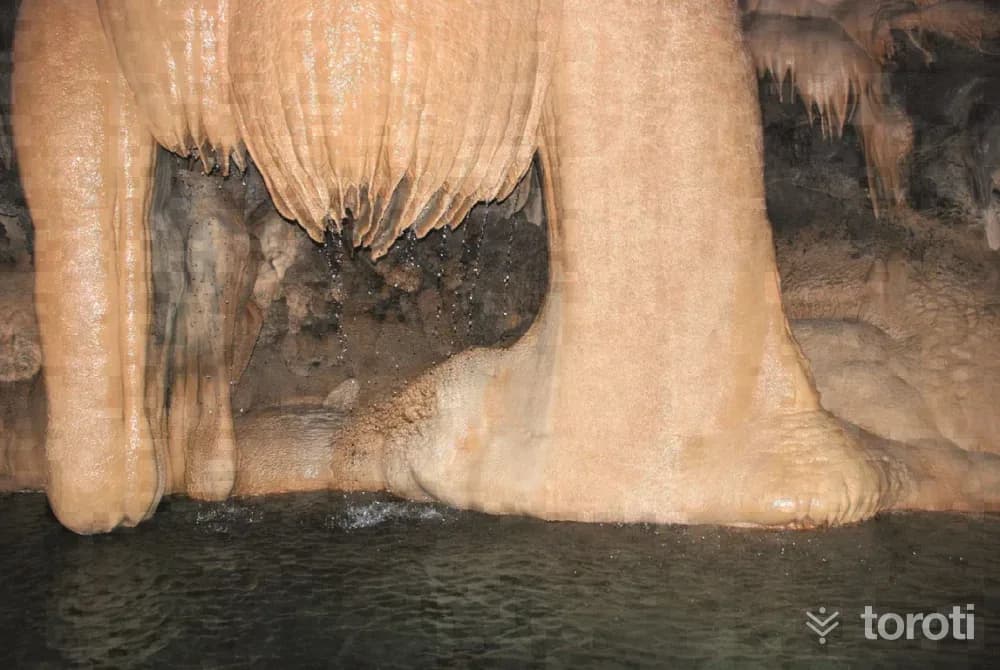
Altınbeşik Cave is a natural formation located in İbradı, Antalya, known as one of the most beautiful caves in Turkey.
- No image
11
Beyşehir Büyük Düden Mağarası
İbradi, Antalya
Beyşehir Büyük Düden Cave is a natural formation of speleological significance, notable for its challenging structure and the lakes within.
- No image
12
Beyşehir Pinarbaşi Mağarası
Derebucak, Konya
Beyşehir Pınarbaşı Cave is located south of Lake Beyşehir and features rich stalactite formations.
- No image
13
Beyşehir Balat İni Mağarası
Derebucak, Konya
Beyşehir Balat İni Cave is located in the Beyşehir district of Konya, between the villages of Çamlık and Derebucak. The cave attracts visitors with its rich natural formations and sculpture room.
- No image
14
Beyşehir Suluin Mağarası
Derebucak, Konya
Beyşehir Suluin Cave is a large and high cave located in Beyşehir district of Konya. The cave offers visitors an impressive experience with its natural beauty and large lake.
15
Beyşehir KubadÂbÂd Sarayı
Yenişarbademli, Isparta
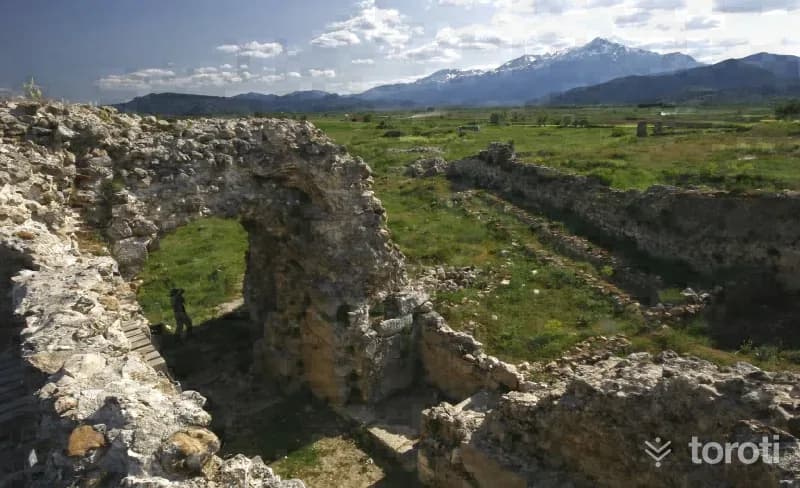
Beyşehir Kubadâbâd Palace was commissioned by Seljuk Sultan Alâeddin Keykubat in 1236 and is the only surviving Seljuk palace.
16
Tarihi Taş Köprü
Beyşehir, Konya
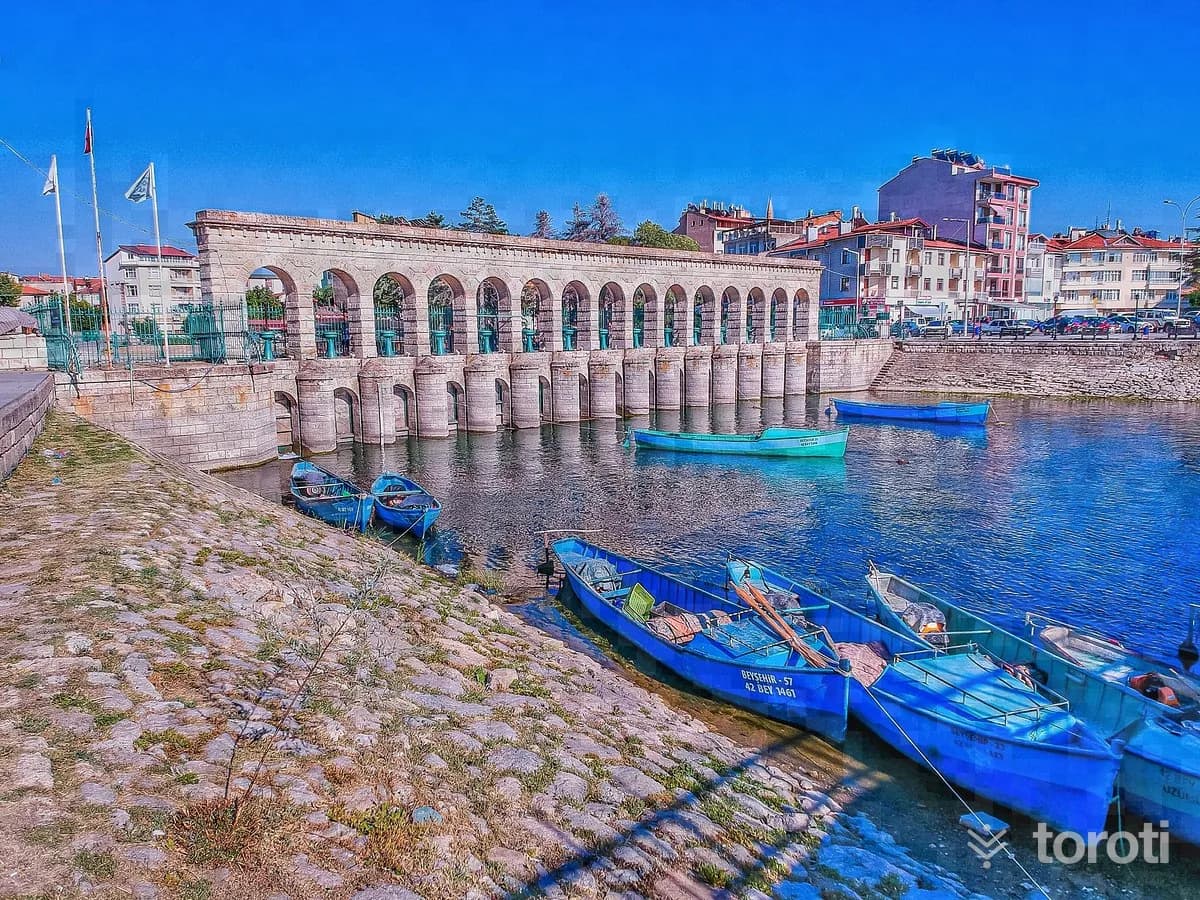
It was built for the irrigation of the Konya Plain. The first known project related to this issue was put forward during the reign of Kanuni. Grand Vizier Avlonyalı Ferit Paşa brought this matter to the agenda in 1898. On behalf of the Anatolia-Baghdad railway construction company, based on Holzman's studies, it was tendered to the Anatolia-Ottoman Railway Partnership in 1907. Its construction was also completed between 1908-1914 and cost 850000 gold. It is the first irrigation project established by the Ottoman State.
17
Beyşehir Gölü Yaban Hayati
Beyşehir, Konya
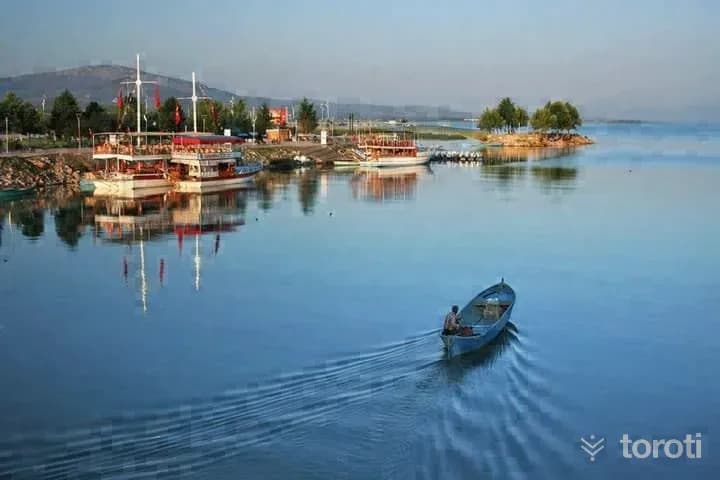
As of 20.02.1993, the area around the lake was granted National Park Status, and the national park area is 88 thousand 750 hectares. It is 100-140 kilometers from Antalya Gulf. It stores the lake waters between elevations 115 and 1125. At maximum elevations, the lake surface reaches 800 km2 and the water it stores reaches 6 million m3. The lake’s elevation above sea level is 1.116 meters. Its width is 10-25 kilometers, and it has dimensions of 42 kilometers in the northwest-southeast direction. Its water is fresh and it has the characteristics of a natural lake.
18
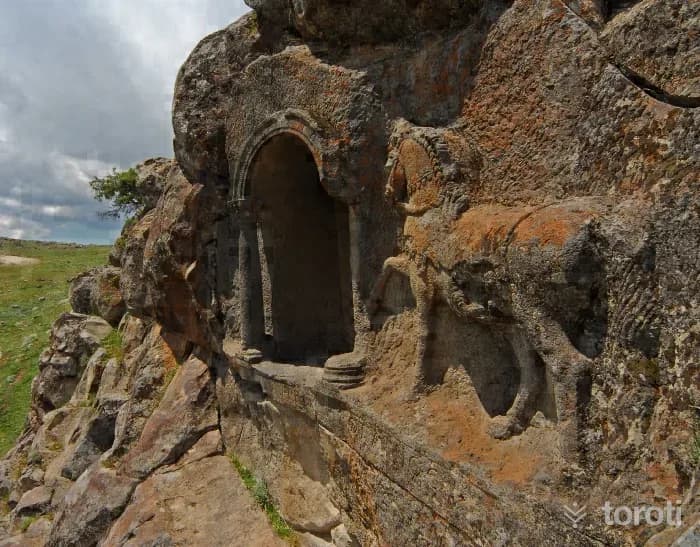
Lukyanus KitÂbesi Ve Atli Kaya Kabartması
Beyşehir, Konya
It is 100 metres east of the Fasıllar Hittite Rock Monument. It consists of a 1.85-metre-high horse relief carved onto a steep rock about 10 metres above the ground and a niche. On the right, about five metres above the ground, there is a ten-line inscription measuring 0.85 x 0.95 metres. This inscription mentions horse races to be held for a cavalryman who died at a young age and the rules of these races.
- No image
19
Beyşehir Atlıkaya Mezar Odası
Beyşehir, Konya
It is located in Fasıllar village of Beyşehir district. It is a rearing horse relief, 1.85 m. in height, carved onto a steep rock about 8 m. high from the slope. It is understood that the monument was made in the name of someone who died young. The monuments and ruins of Fasıllar are like a historical open-air museum. The village stands on the site of the Hittite-period city of Mistia. Göçükebir, one of the six districts of the Beyşehir Sanjak, was also established here.
20
Eflatunpinar Hitit Su Anıti
Beyşehir, Konya
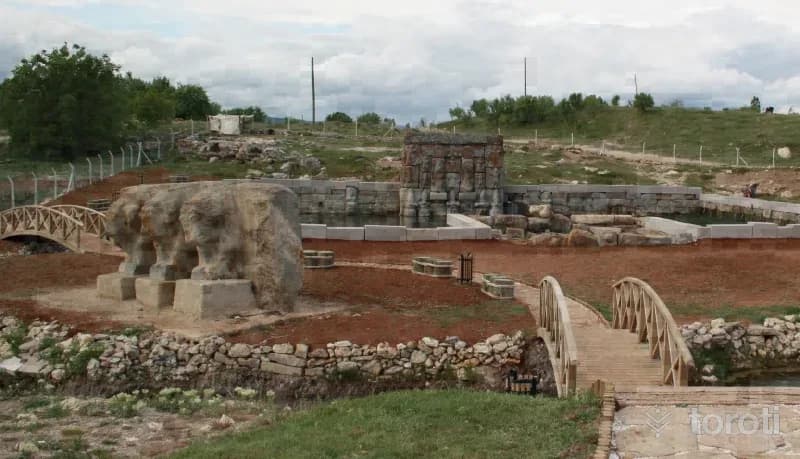
Eflatunpınar Hittite Water Monument is located within the borders of Sadıkhacı Town, Beyşehir District, Konya Province. During their approximately thousand-year period of dominance in the history of world civilization, the Hittites left various tangible cultural assets reflecting the state structure and social, economic, and religious life. Among the most important factors in the shaping of these cultural assets are needs and beliefs.
21
Kizilören Han
Meram, Konya
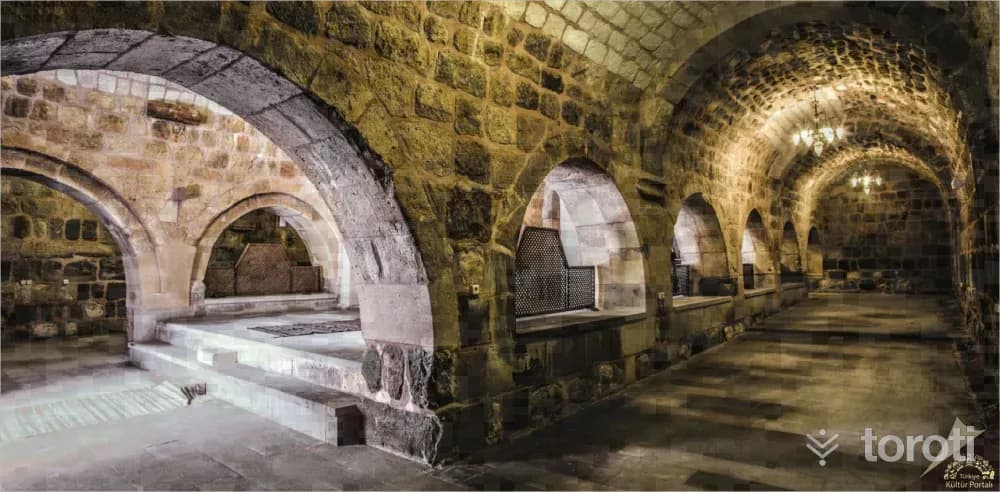
Kızılören Han is on the Konya-Beyşehir route and is also known as “Yazıönü Han”. It was built as two structural masses containing a courtyard and a covered/shelter section on a rectangular planned footprint extending in the northwest-southeast direction.
22
Kuruçeşme Hanı
Meram, Konya
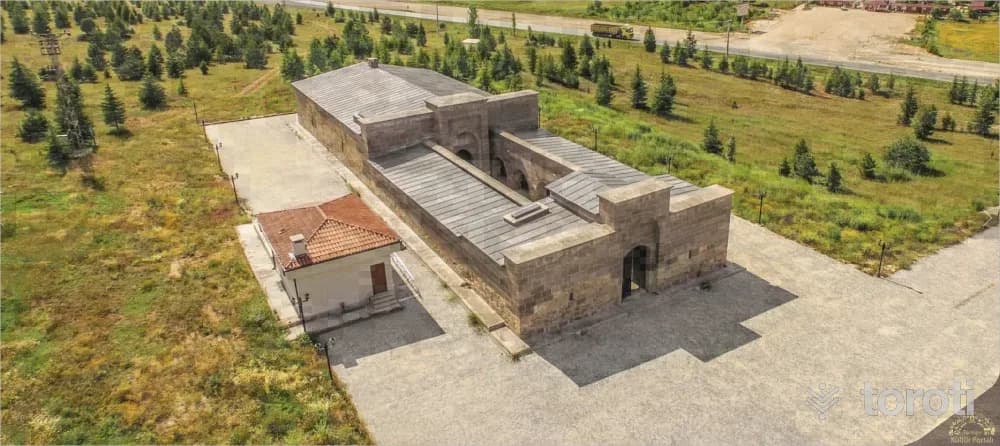
Kuruçeşme Hanı is on the Konya-Beyşehir route and is also known as Hanönü Hanı. The inn, extending in the east-west direction, has a rectangular plan consisting of a courtyard and a covered/shelter section.
23
Konya Etnografya Müzesi
Meram, Konya
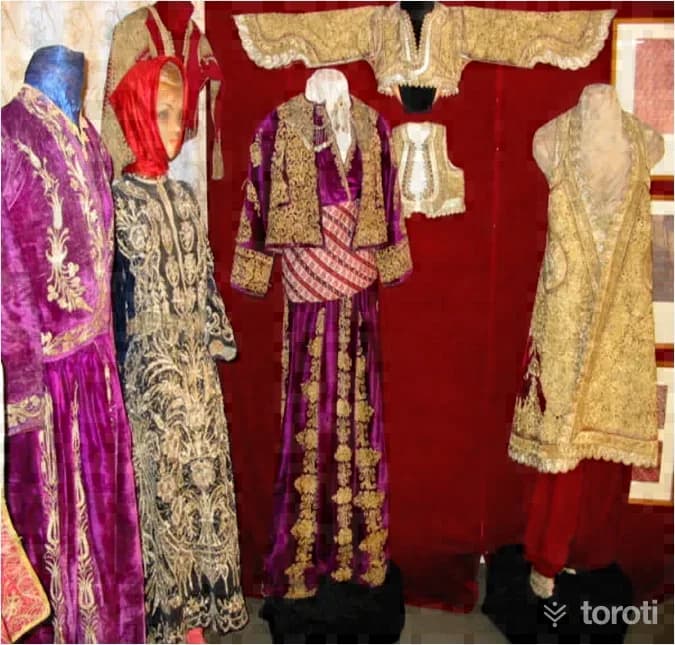
From women’s clothing, bindallı, dresses, şalvar-işlik-cepken, vests and caftans made with sim sırma, cord couching and various hoop embroidery techniques on fabrics such as velvet, satin and atlas; from women’s ornaments, belt buckles, suspenders, bracelets and earrings, headpieces made of silver and bafun material; knitted and fabric purses for money, watches and seals, wool socks and gloves, Turkish work, sim sırma, hesap işi, çin among hoop embroidery techniques on fabrics such as velvet, linen, atlas and satin.
- No image
24
Karatay Medresesi Çini Eserler Müzesi
Selçuklu, Konya
It was commissioned by Emir Celâleddin Karatay in 1251 during the reign of II. İzzeddin Keykavus. Its architect is unknown. The madrasa, which was also used during the Ottoman period, was abandoned at the end of the 19th century. Karatay Medresesi, which holds an important place in Seljuk-period tile workmanship, was opened to visitors in 1955 as the “Çini Eserler Müzesi”.
25
AlÂeddin Camisi
Selçuklu, Konya
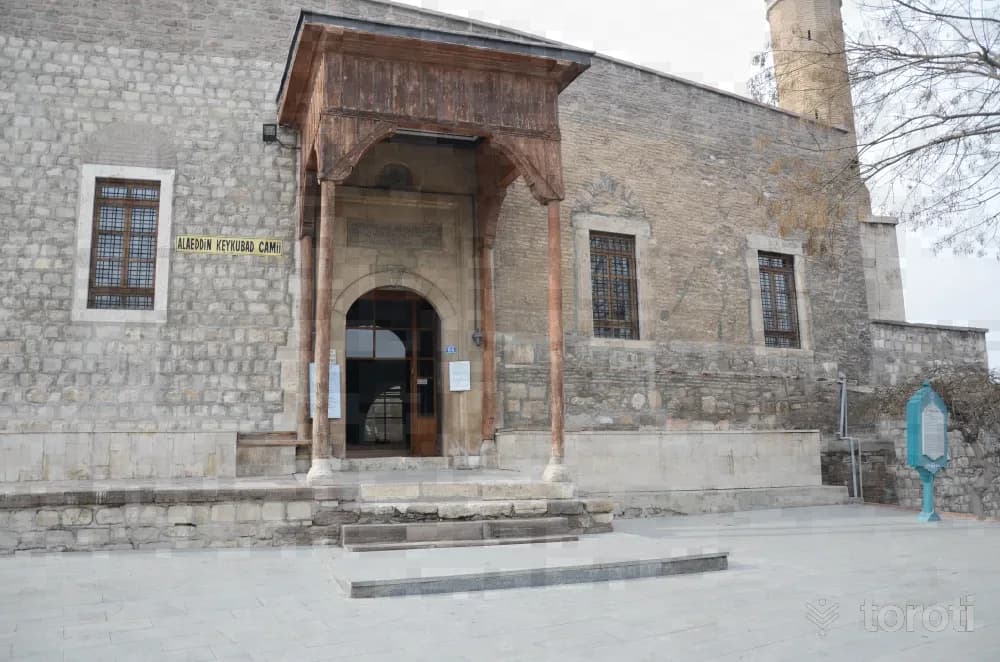
Where is Alâeddin Camisi? Alâeddin Camisi, one of the largest and most important grand mosques of the Anatolian Seljuk State, was built on Alâeddin Tepesi located in the center of Konya. Construction of the mosque, which was begun during the time of Seljuk Sultan I. Rükneddin Mesud (1116-1156), was completed during the time of I. Alâeddin Keykubad (1221). The mosque was built in the style of Islamic architecture, and its top was covered with wood and earth.
26
Sirçali Medrese
Meram, Konya
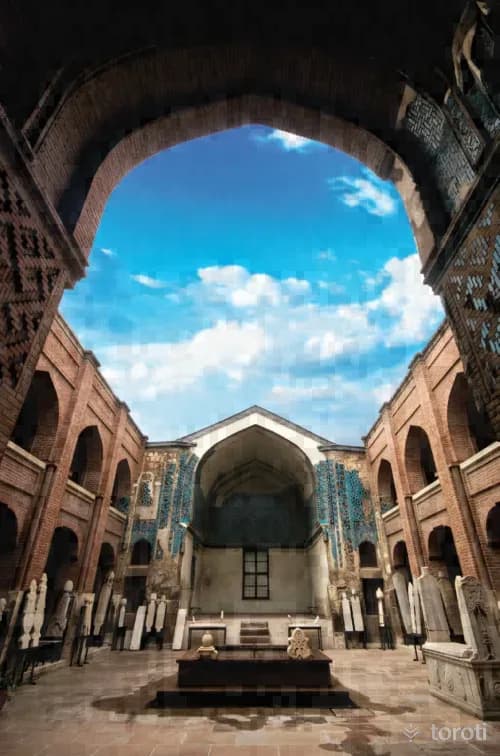
Sırçalı Medrese was commissioned in 1242 by Bedreddin Muslih for the teaching of fiqh. Built in the “Open Courtyard Madrasa” type, the structure has one domed room to the right and one to the left of the main iwan. These are the classical winter classrooms. The main iwan, the most ornate and impressive part of the structure, is today in quite sound condition. However, the hexagonal tiles below the iwan arch down to the ground and the tiles in the upper part of the iwan have largely fallen off and deteriorated.
27
Ruzbe Hanı
Selçuklu, Konya
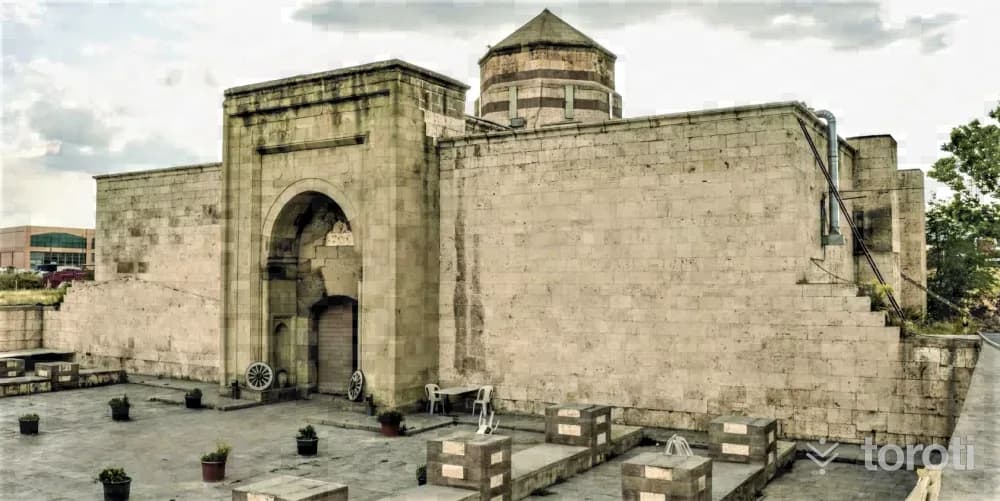
Ruzbe Hanı is within the borders of Selçuklu district and is on the Konya-Ankara highway; it is currently used as a tourist facility.
28
Konya Bilim Merkezi
Selçuklu, Konya
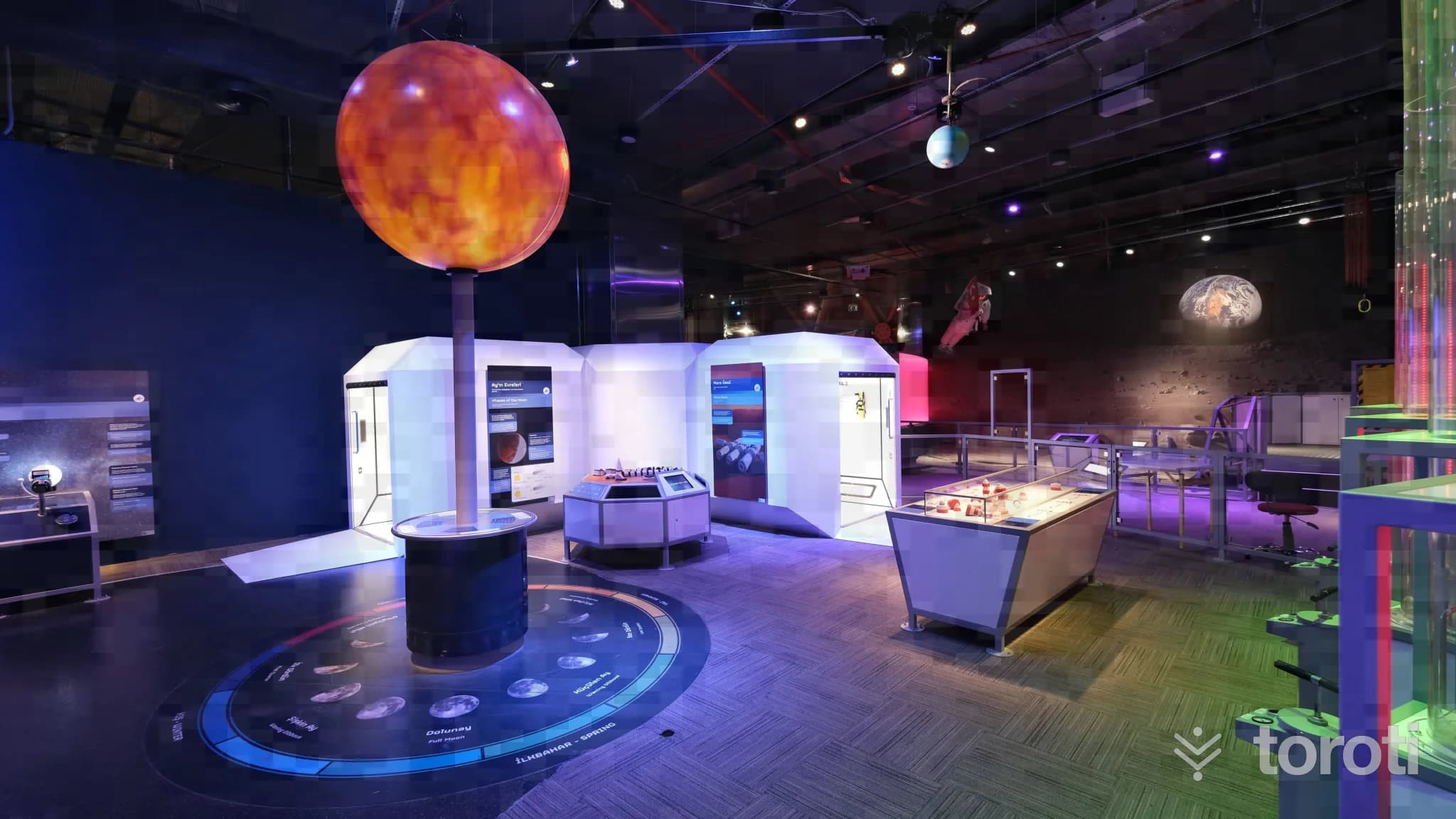
The main exhibition themes have been determined as Basic Sciences, New Technologies, Space and Astronomy, the Human Body, Our World, Preschool and Konya. In addition to the exhibition areas at Konya Bilim Merkezi, there are also workshop and laboratory areas where educational programs will be carried out, as well as a planetarium and observation tower.
29
Sultanhanı Kervansarayı
Sultanhanı, Aksaray
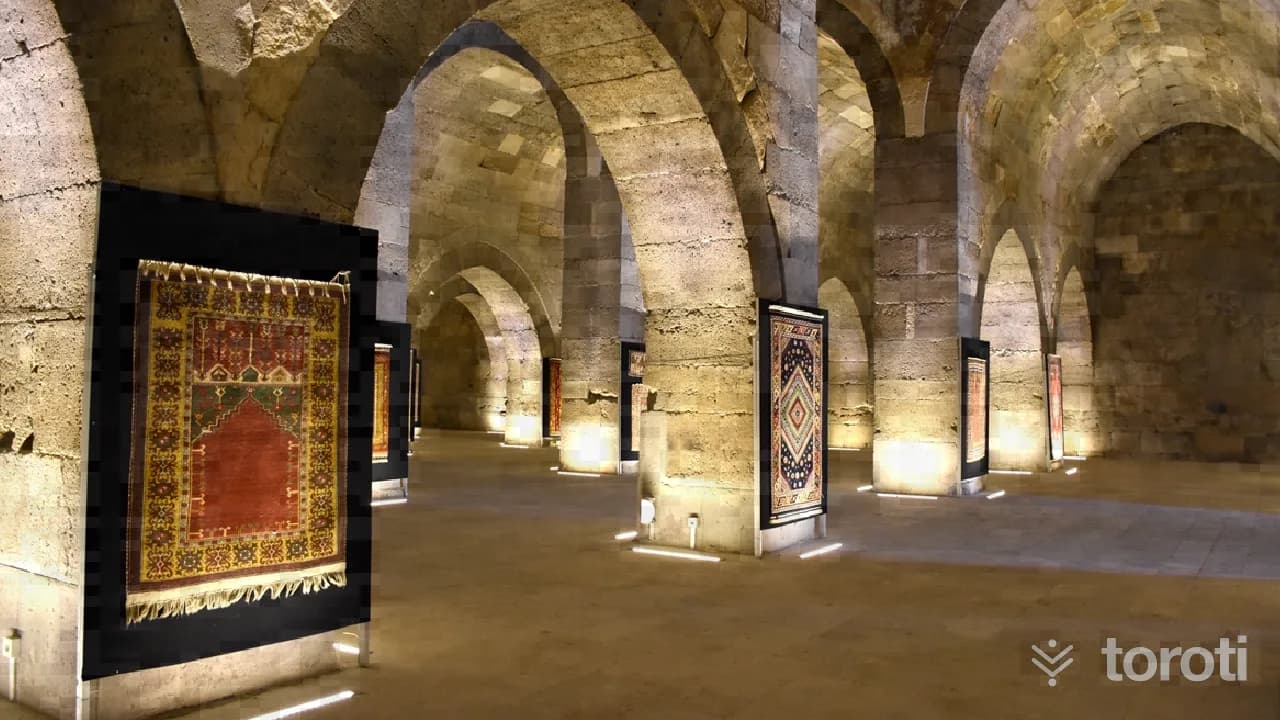
Sultan Han is in the town of Sultanhanı in Aksaray, which is named after it. The work, commissioned by the Anatolian Seljuk Sultan Alaeddin Keykubad I, was completed in 1229. Its architect is Şamlı Muhammed bin Havlan. With an area spread over 4800 m², it is the largest Seljuk caravanserai in Anatolia. It is one of the examples of the classical Seljuk caravanserai scheme.
30
Sultanhan
Sultanhanı, Aksaray
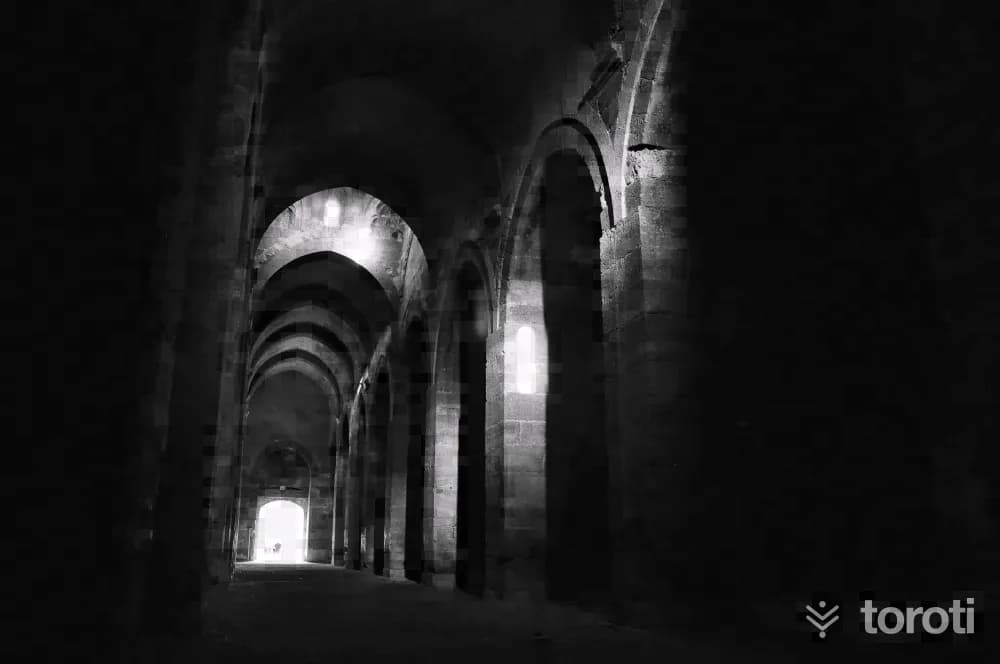
Sultanhan is in Sultanhanı Town of Aksaray. The han was built in 1229 by the Anatolian Seljuk Sultan Alaeddin Keykubad I. It was enlarged in 1278 by the Anatolian Seljuk Sultan Gıyaseddin Keyhüsrev II. Its summer section has a magnificent portal decorated with geometric shapes. The entire structure inside the han resembles Gök Medrese in Sivas in terms of its features.
31
Acemhöyük
Aksaray merkez, Aksaray
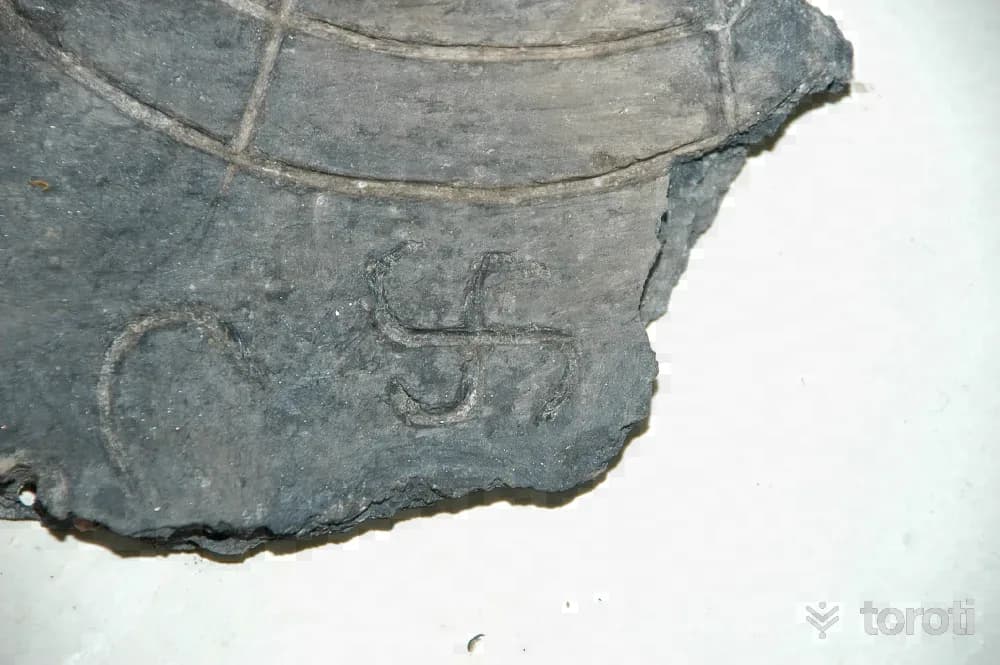
Acemhöyük is known as Anatolia's most prominent metal production center 4 thousand years ago. The famous Assyrian city of Puruşhattum mentioned in Akkadian and Hittite inscriptions… Acemhöyük by its present-day name. One of the largest mounds in Anatolia, Acemhöyük consists of a mound with a volume of 700x600x20 cubic meters and the Lower City surrounding it. Acemhöyük in Yeşilova Town is the first archaeological site in Aksaray where excavation work was carried out. In 1962, Prof. Dr.
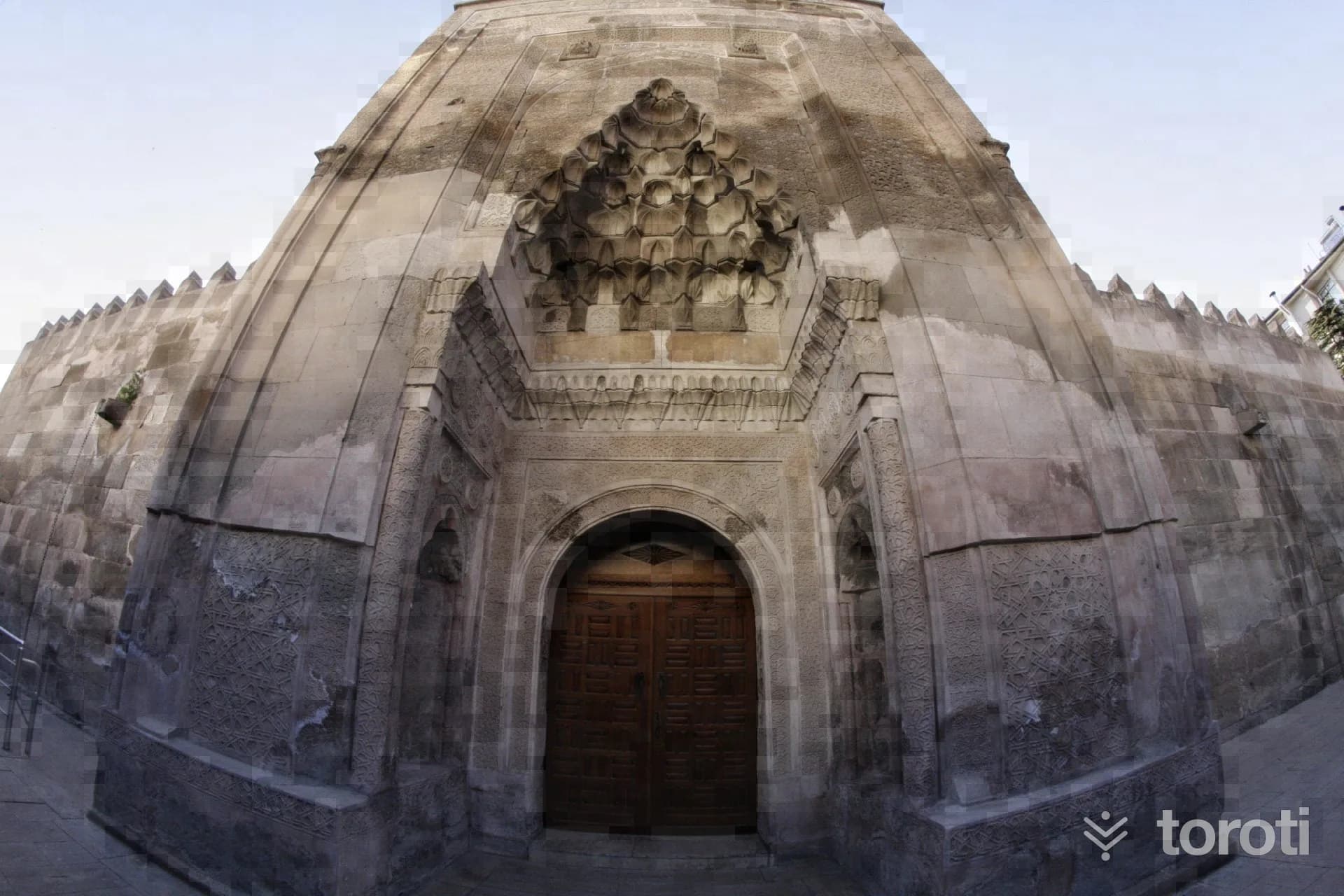
32
Zinciriye Medresesi
Aksaray merkez, Aksaray
Zinciriye Medresesi was built in the 14th century by the Karamanids and currently serves as a museum.
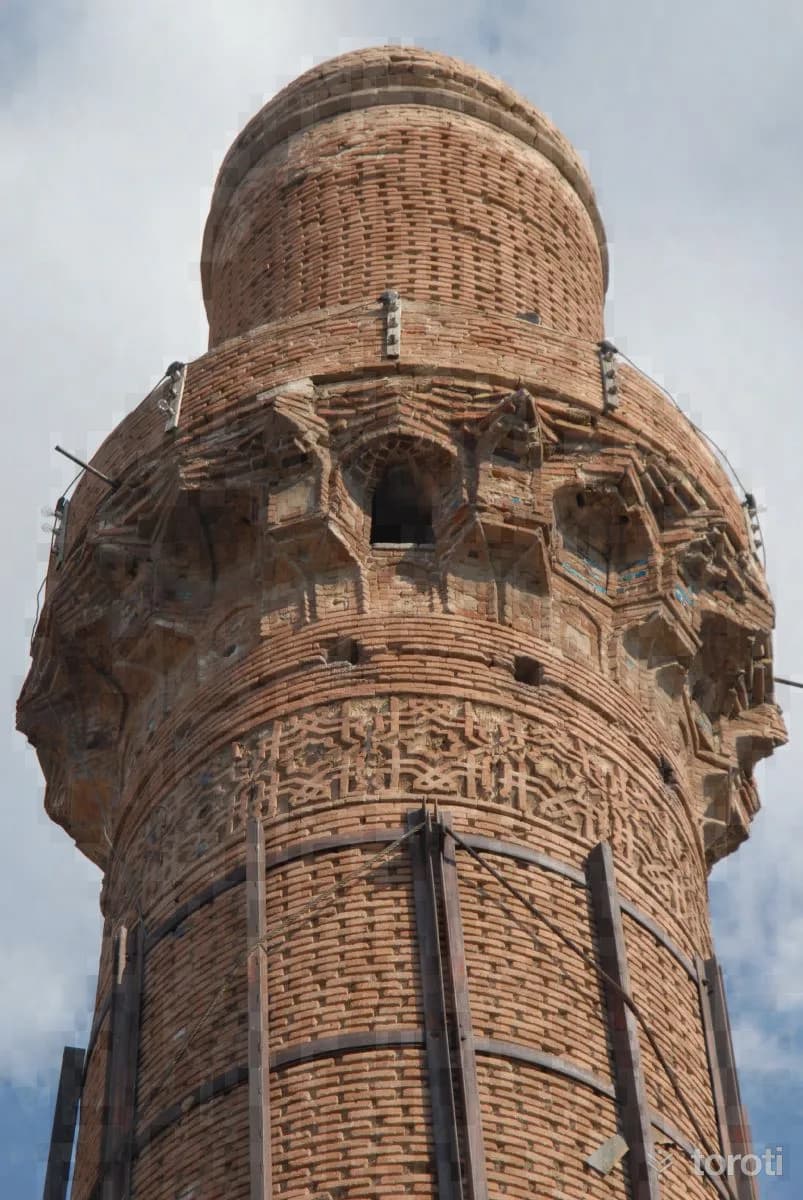
33
Eğri Minare (Kızıl Minare)
Aksaray merkez, Aksaray
The Eğri Minare, also known as the Red Minaret, is a historical structure from the Seljuk period.
- No image
34
Somuncu Baba Türbesi
Aksaray merkez, Aksaray
The Somuncu Baba Tomb is dedicated to Sheikh Hamid-i Veli, an important Sufi figure from the Ottoman period, making it a significant site for faith tourism.
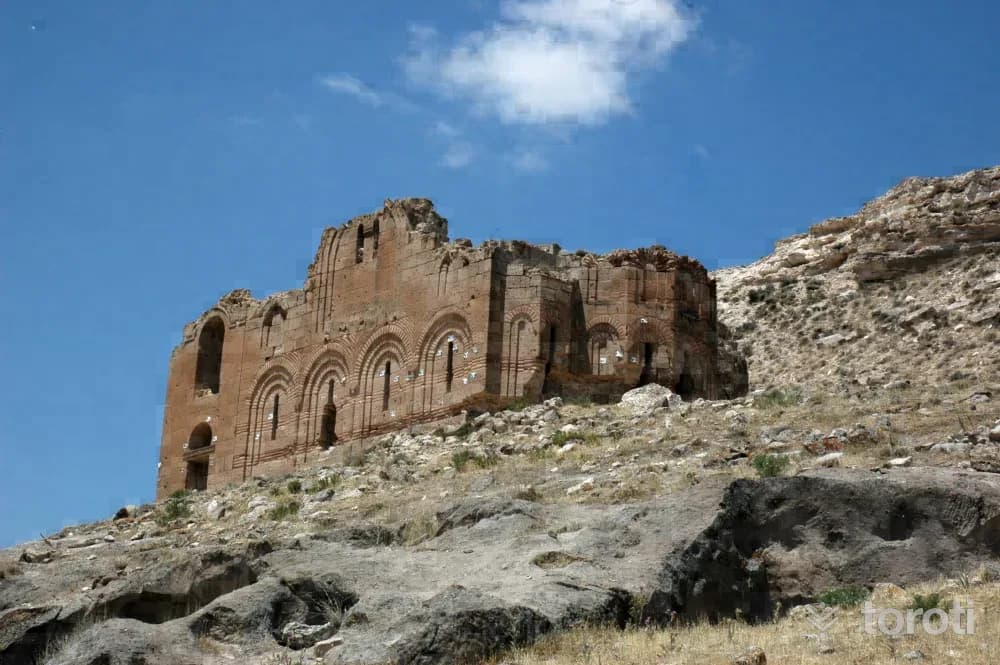
35
Çanlı Kilise
Aksaray merkez, Aksaray
Çanlı Kilise is an important religious center located 17 kilometers from Aksaray. Notable for its mummies and frescoes, this site awaits exploration with its historical houses and scenic views.
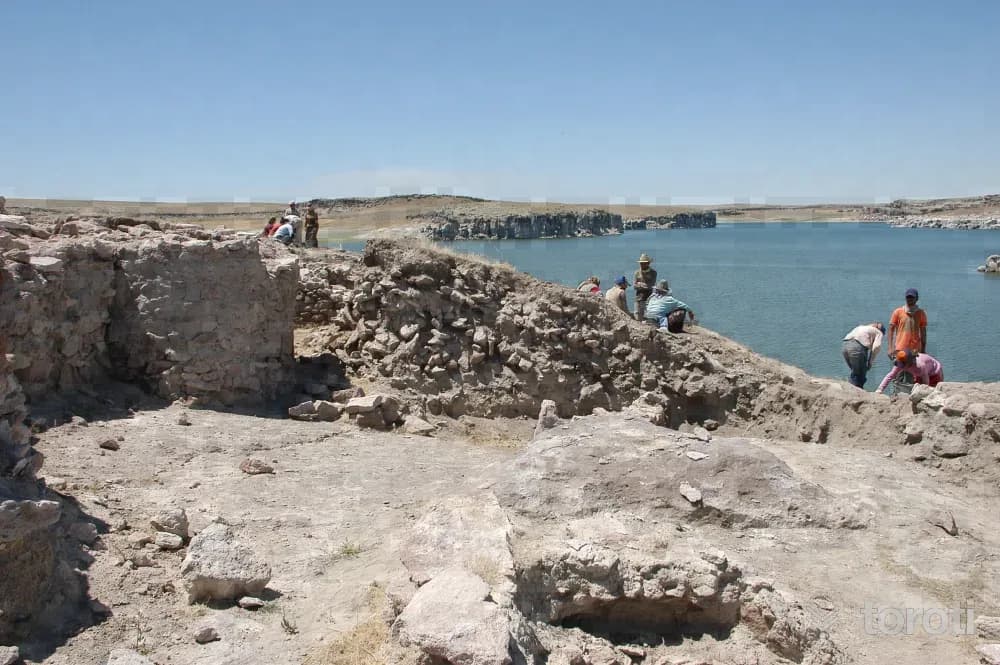
36
Güvercinkayası
Gülağaç, Aksaray
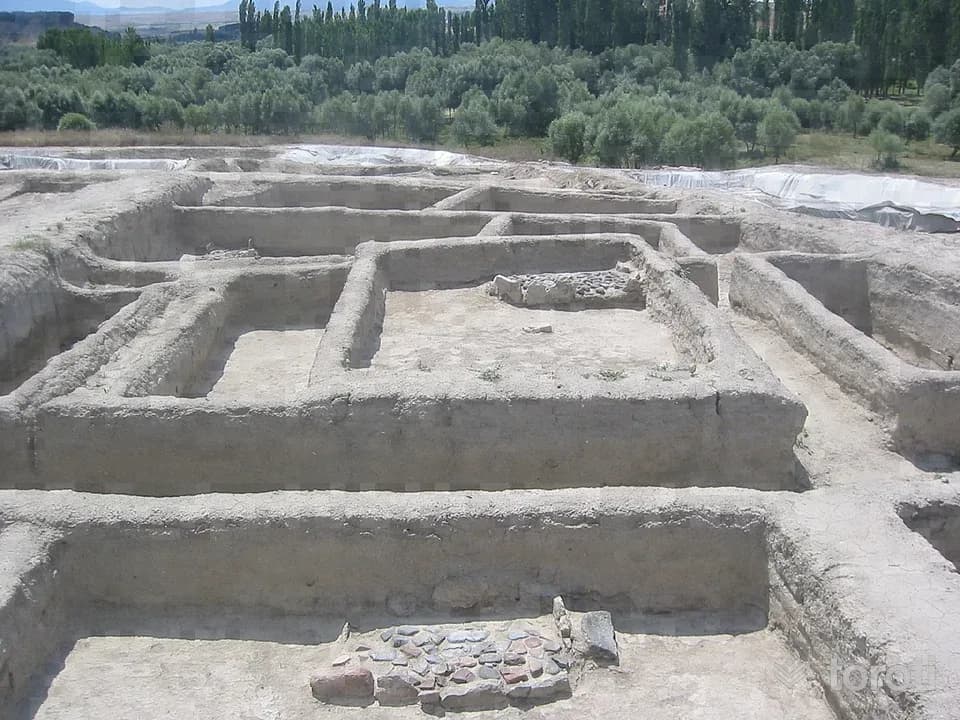
Güvercinkayası is a pioneer of the castle city model in Anatolia, holding historical significance with its 7,000-year history.
37
Musular Höyük
Gülağaç, Aksaray
Musular Höyük is a historical settlement located south of Kızılkaya Village, containing remains from the Neolithic period.
- No image
38
Selime Sultan Türbesi
Güzelyurt, Aksaray
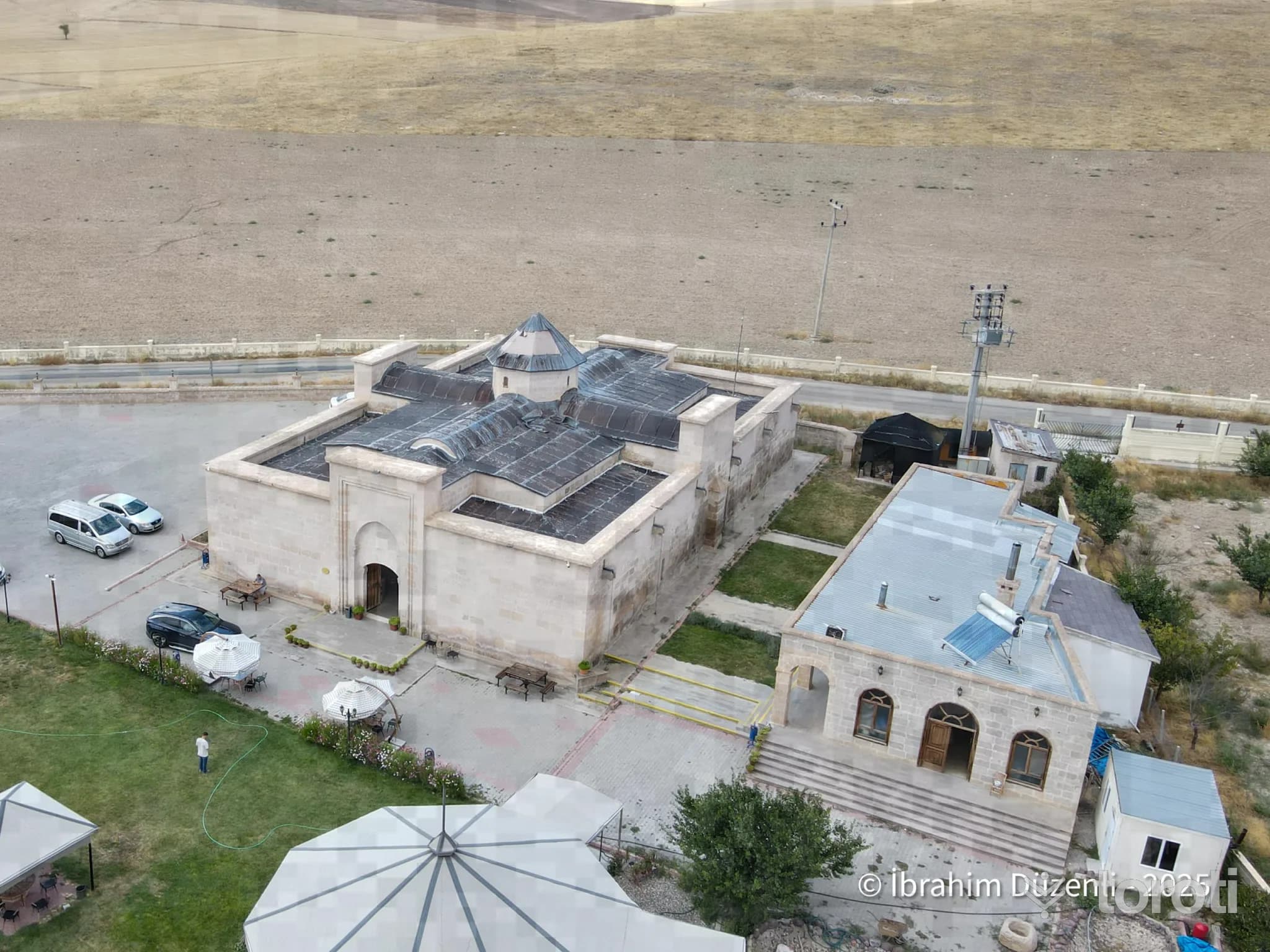
The Selime Sultan Tomb, located in Selime village, showcases architectural and decorative features dating back to the early 13th century.
39
Öresin(Tepesidelik) Han
Aksaray merkez, Aksaray
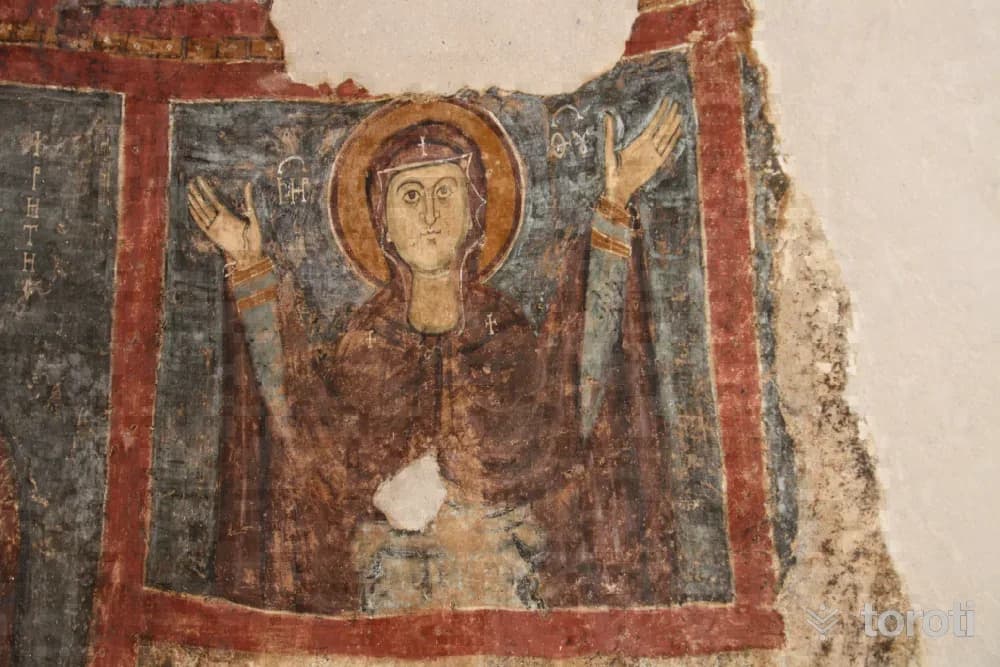
Öresin Han is a historical structure with a ruined facade and entrance. It is believed to be similar to Çay Han.
40
Tatlarin Yer Altı Şehri
Acıgöl, Nevşehir
Tatlarin Underground City is a historical underground settlement located in Acıgöl district of Nevşehir. It was first discovered in 1975 and opened to visitors in 1991.
- No image
41
Aios Vasilios Kilisesi
Ürgüp, Nevşehir
Aios Vasilios Church is the only rock church in Cappadocia known to have been depicted until the early 20th century.
- No image
42
Aya Nikola Manastırı
Ürgüp, Nevşehir
Aya Nikola Monastery was built in the second quarter of the 19th century. It attracts visitors with its historical and religious significance.
- No image
43
Paşabağarı
Avanos, Nevşehir
Pasabaglari is one of the places with the highest concentration of fairy chimneys and is notable for its historical richness.
- No image
44
Zelve Açıkhava Müzesi
Avanos, Nevşehir
Zelve Open-Air Museum is one of the regions with the densest fairy chimneys and hosts significant historical Christian settlements.
- No image
45
Aziz Dimitros Rum Kilisesi
Gülşehir, Nevşehir
The Church of St. Dimitrios was built in 1902 by the Greeks living in Gülşehir and is an impressive structure made of cut stone blocks.
Move the stops into your own plan, split them across days, and add places to sleep and eat.
Frequently asked
- How far is it between Antalya and Nevşehir, and how long does it take?
- Driving between Antalya and Nevşehir is roughly 502 kilometres and takes about 7 hours without stops.
- Where is it worth stopping between Antalya and Nevşehir?
- There are 436 described places within 20 km of the road between Antalya and Nevşehir. toroti lists 45 of them spread evenly along the drive, in the order you pass them; Antalya Büyükşehir Belediyesi Lara Halk Plajı Lazlo Beach comes early on, and Aziz Dimitros Rum Kilisesi sits near the end.
- Which provinces does the Antalya to Nevşehir route cross?
- The route between Antalya and Nevşehir crosses Antalya → Konya → Isparta → Aksaray → Nevşehir. The stretch richest in places to visit is in Antalya.
- Should I take the toll highway or traditional route between Antalya and Nevşehir?
- Toll motorways save driving time between Antalya and Nevşehir, whereas traditional state roads pass directly through historic town centers, local culinary stops, and scenic nature viewpoints.
- How should breaks be scheduled between Antalya and Nevşehir?
- For a drive of around 7 hours, taking a break every 2 to 2.5 hours is recommended. The catalogued attractions in Antalya and neighboring provinces offer memorable stopovers compared to generic highway rest areas.