Stops along the way
Stops between Antalya and Denizli
254 km, roughly 4 hours of driving. The stops below are ordered as you pass them — the same road in both directions.
In short
The drive between Antalya and Denizli is 254 km and takes roughly 4 hours. There are 311 described places within 20 km of this route; it crosses 3 provinces, and the densest stretch is in Antalya (173 places).
There are 311 places within 20 km of this corridor; the 28 below are spread evenly along the drive.
- No image
1
Güzeloba Plajı
Muratpaşa, Antalya
Güzeloba Plajı is a public Blue Flag beach on the coast at Muratpaşa.
- No image
2
Boğazkent Plajı
Serik, Antalya
Boğazkent Plajı is a public Blue Flag beach on the coast at Serik.
- No image
3
Kadriye Plajı (Serik)
Serik, Antalya
Kadriye Plajı (Serik) is a public Blue Flag beach on the coast at Serik.
- No image
4
Sillyon Antik Kenti
Serik, Antalya
Sillyon Ancient City is a historical settlement located in the Serik district of Antalya. This city, which has hosted many civilizations from ancient times to the present, stands out with its magnificent structures.
5
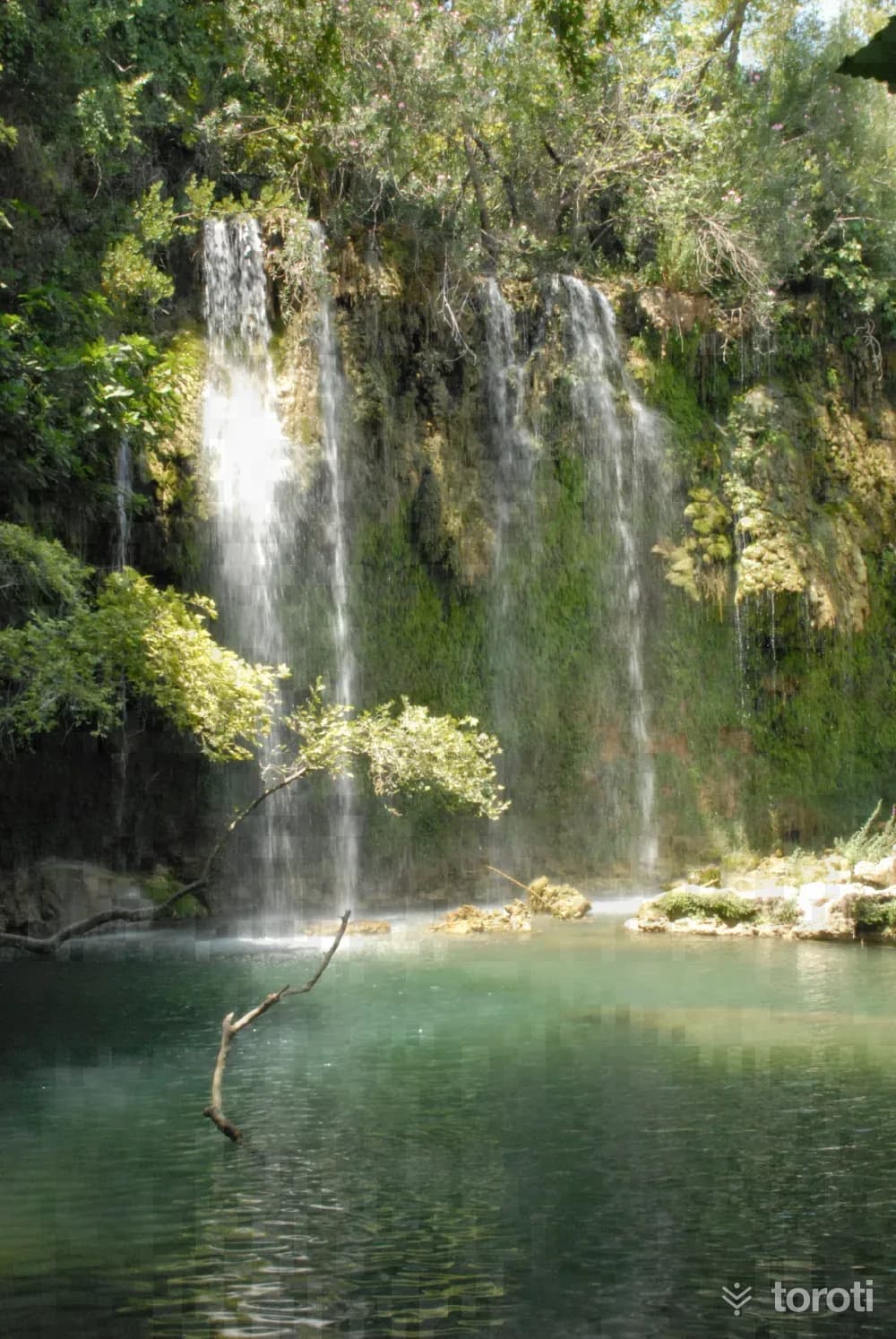
Kurşunlu Şelalesi
Aksu, Antalya
Kurşunlu Waterfall is an ideal place for nature walks and picnics, featuring rich flora and stunning natural beauty.
- No image
6
Antalya Büyükşehir Belediyesi Lara Halk Plajı Lazlo Beach
Muratpaşa, Antalya
Antalya Metropolitan Municipality Lara Public Beach Lazlo Beach is a public beach candidate included in the 2025 Blue Flag official list.
7
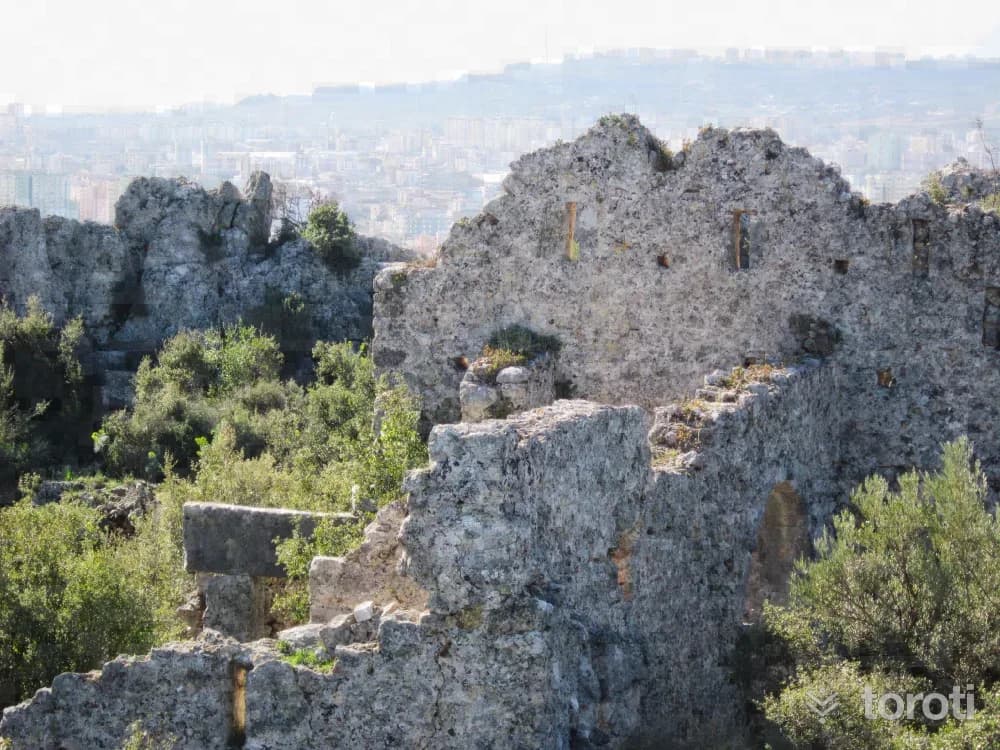
Lyrboton Kome Antik Kenti
Kepez, Antalya
Lyrboton Kome is an ancient settlement located northeast of Antalya, known for its olive oil production. The area is rich in remnants from the Roman and Byzantine periods.
8
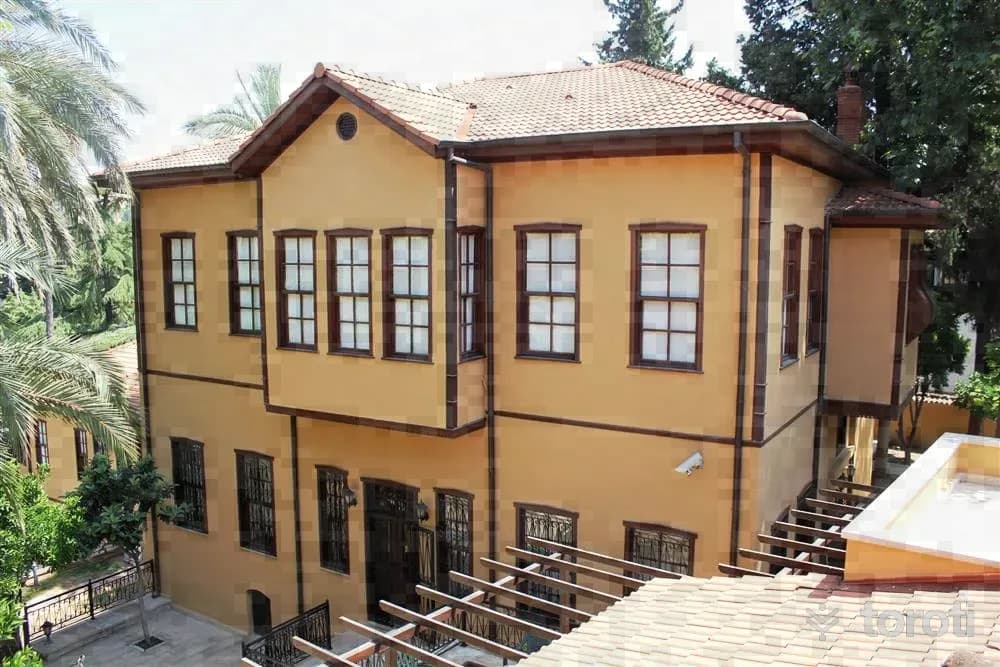
Etnografya Müzesi
Muratpaşa, Antalya
The Antalya Ethnography Museum consists of two mansions showcasing Ottoman architecture and Turkish-Islamic artifacts. It is an important site reflecting Antalya's cultural heritage.
- No image
9
Konakaltı Mağarası
Muratpaşa, Antalya
Konakaltı Cave is a natural formation located on the coast of Atatürk Park. It offers visitors different natural beauties with its eastern and western halls.
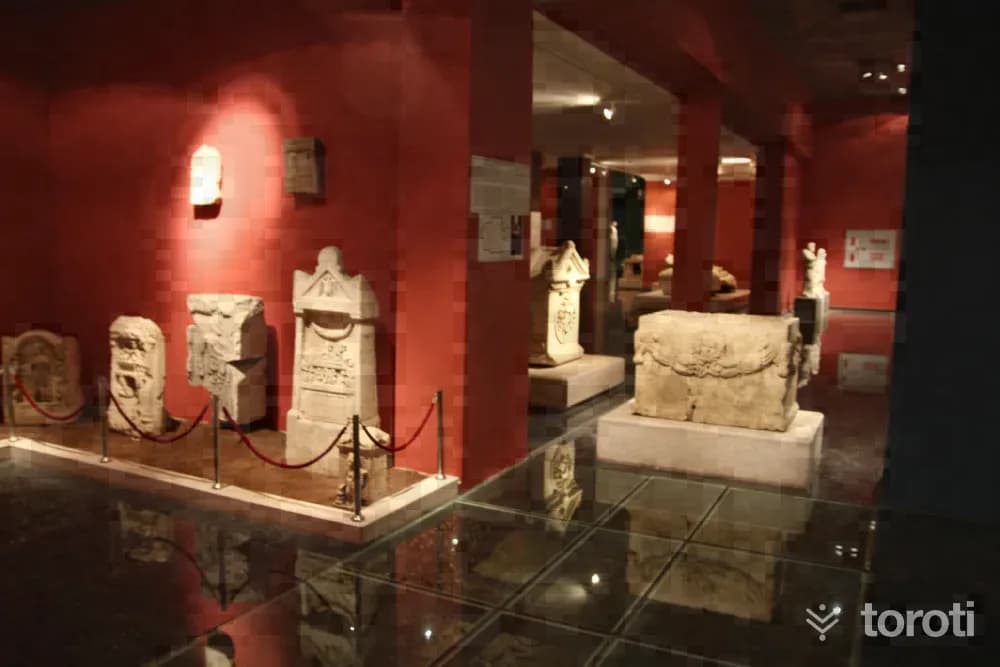
10
Antalya Müzesi Salonlari
Muratpaşa, Antalya
Antalya Museum hosts a wide collection ranging from children's toys to ancient artifacts. Visitors can explore significant findings related to the history of Anatolia.
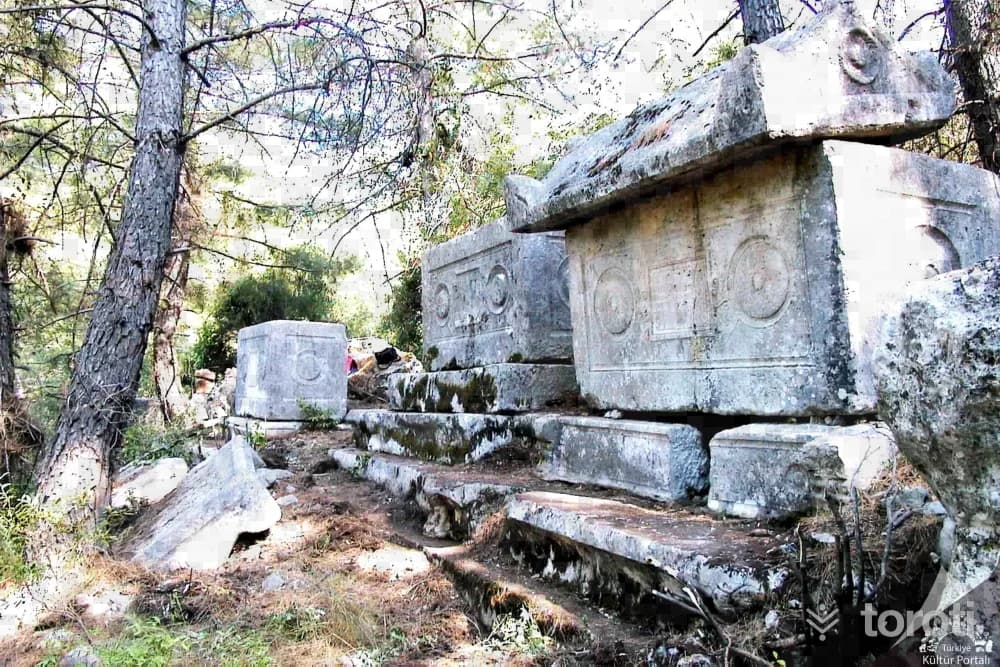
11
Trebenna Antik Kenti
Konyaaltı, Antalya
Trebenna Ancient City is a historical settlement located west of Antalya. It offers visitors a journey through history with its remnants from the Hellenistic and Roman periods.
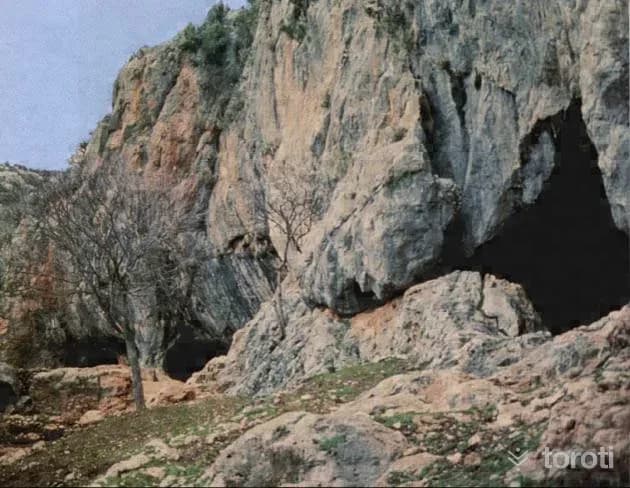
12
Karain Mağarası
Döşemealtı, Antalya
Karain Cave is one of the largest natural caves in Antalya, notable for its historical significance.
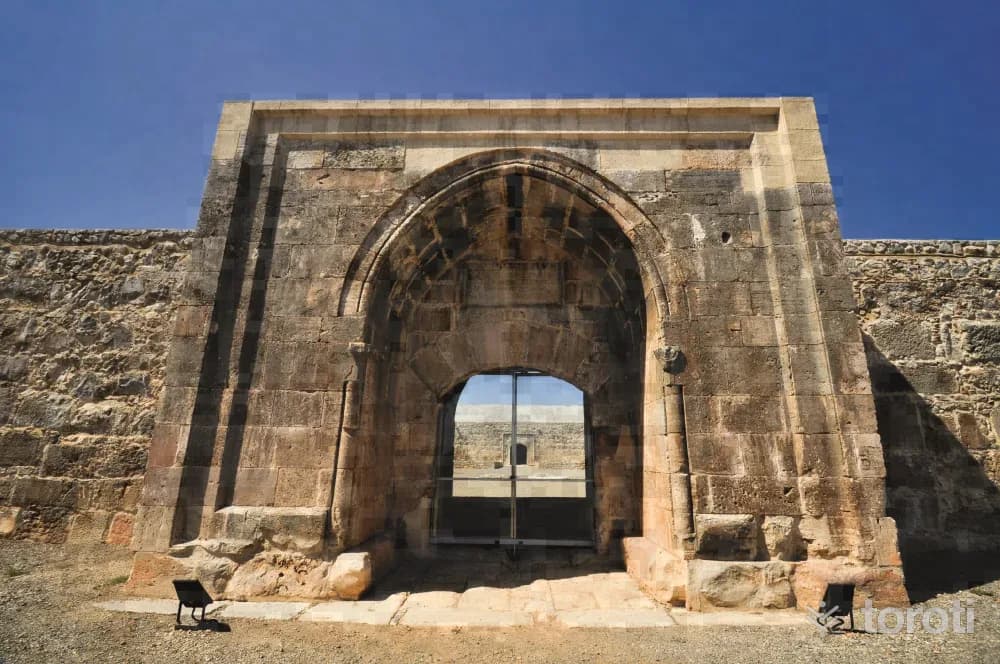
13
Kırkgöz Han
Döşemealtı, Antalya
Kırkgöz Han is a historical caravanserai located on the Antalya-Burdur route, restored in 2009 and currently used as a tourist facility.
14
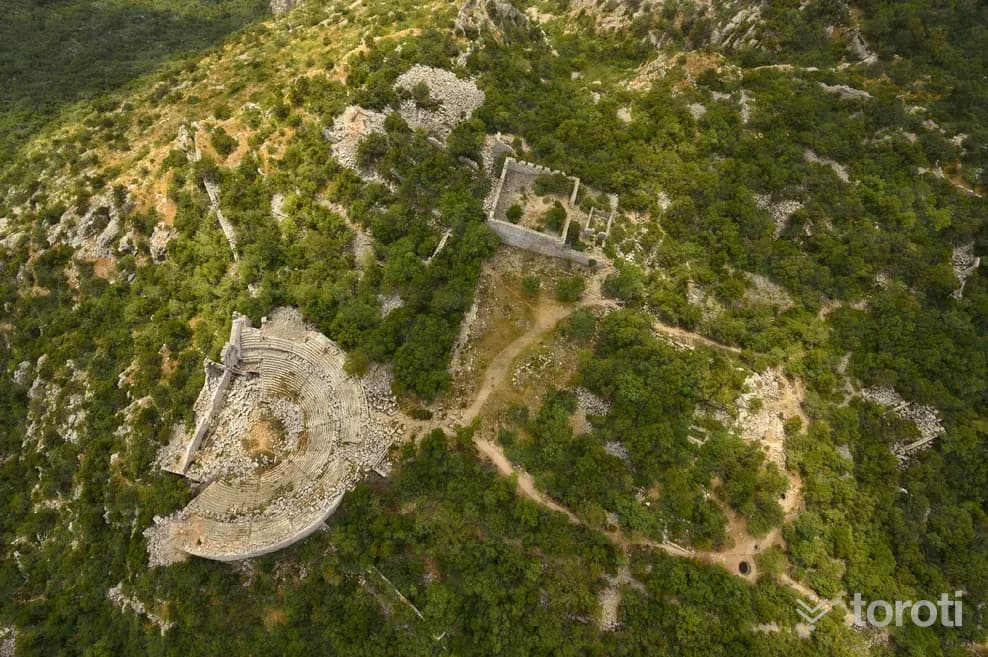
Termessos
Döşemealtı, Antalya
Termessos Ancient City is an important ancient city founded by the Solym' people, descendants of one of the oldest peoples in Anatolia. This archaeological site, located in a forest, attracts attention with its historical ruins and natural beauty.
- No image
15
Geyikbayırı (Tırmanış Cenneti) Mağarası
Konyaaltı, Antalya
Geyikbayırı is a world-renowned climbing paradise, attracting attention with its stunning nature and thousands of climbing routes.
16
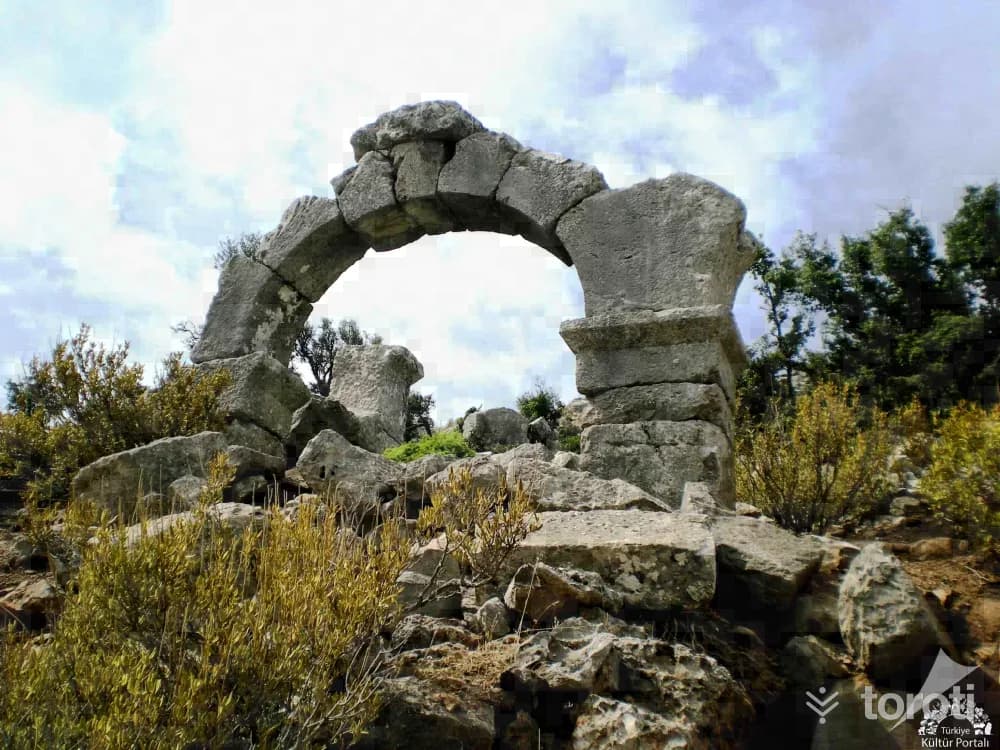
Ariassos Antik Kenti
Döşemealtı, Antalya
Ariassos Ancient City is a historical settlement located north of Antalya. It offers visitors a journey through history with its Roman-era ruins and necropolis areas.
- No image
17
Balboura Antik Kenti
Altınyayla, Burdur
Balboura Ancient City is one of the Lycian cities built on high ground, notable for its historical ruins.
18
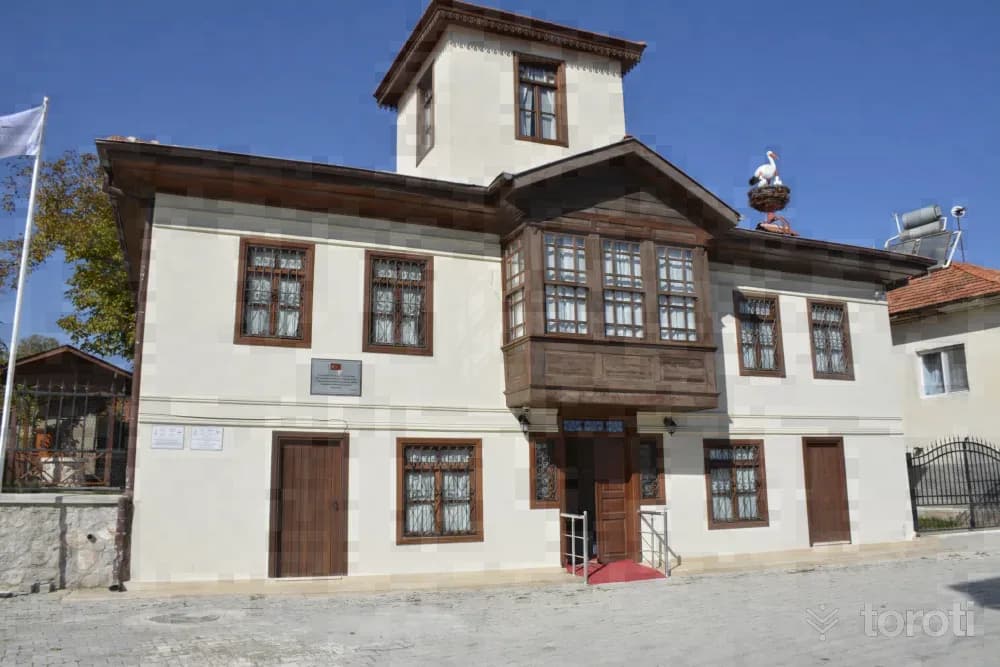
Muallim Mustafa Sirri Özkan Kültür Evi
Gölhisar, Burdur
The Muallim Mustafa Sırrı Özkan Cultural House reflects the traditional architecture of Gölhisar and preserves the valuable heritage of the past.
19
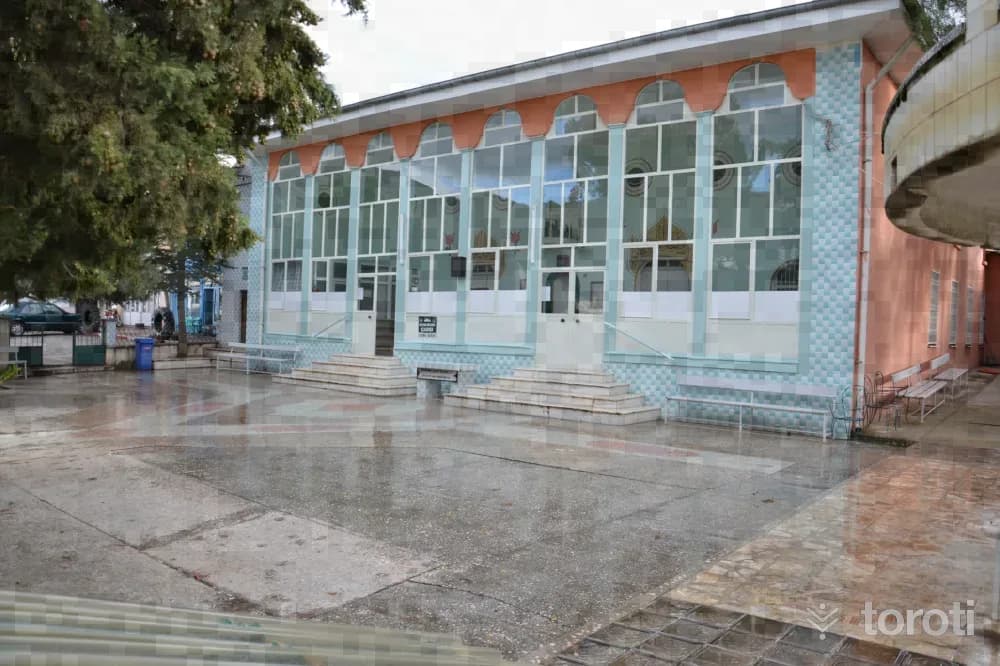
Nikfer Hasan Feyzi Efendi Camii
Tavas, Denizli
The load-bearing elements and eaves of the square-planned structure were built in masonry. The tomb and the mosque are under the same roof. The outer edge decorations of the windows on the exterior facades, the interior doors of the mosque and the tomb, and the arched passages seen on the lower and upper floors in the last congregation area are parts belonging to the original structure. Its current covering is in the form of a saddle roof, covered with Marseille-type tiles. The ceiling was made as a flat wooden ceiling.
20
Sebastapolis Antik Kenti
Tavas, Denizli
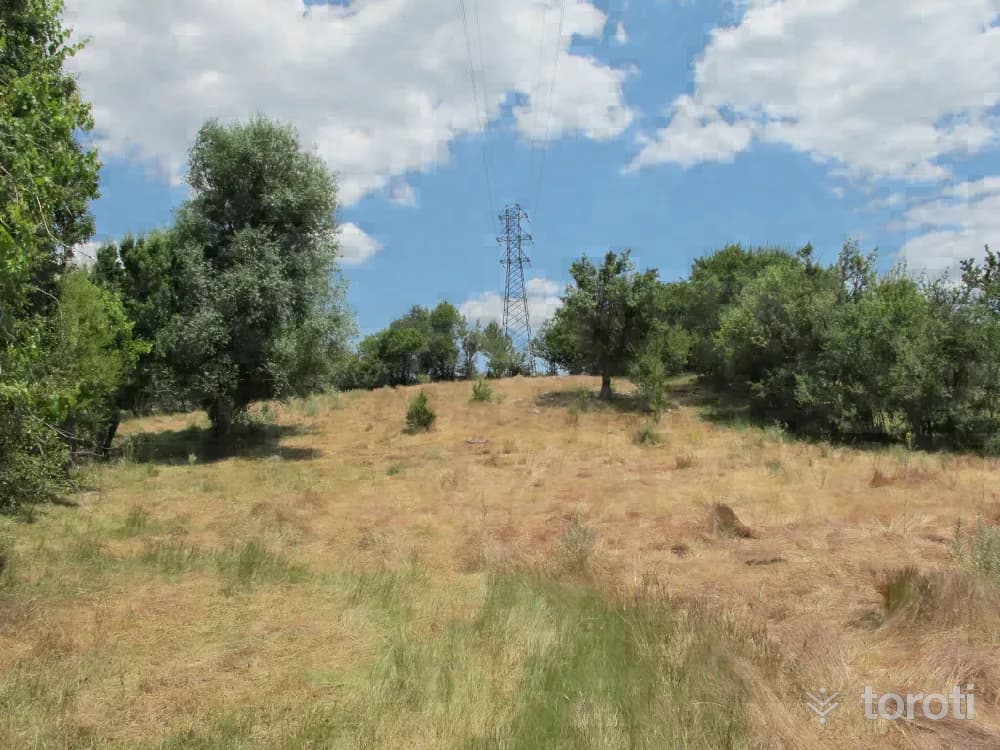
Despite the extensive settlement traces of Sebastopolis Antik Kenti, it is not possible to identify structural fabric on the surface. Only some parts of the structures can be traced and seen on the surface. A large part of the city has remained under the soil due to erosion. However, some traces can be encountered during the ploughing of the land on privately owned properties used as agricultural land.
21
Aydoğdu Mahallesi Camii
Tavas, Denizli
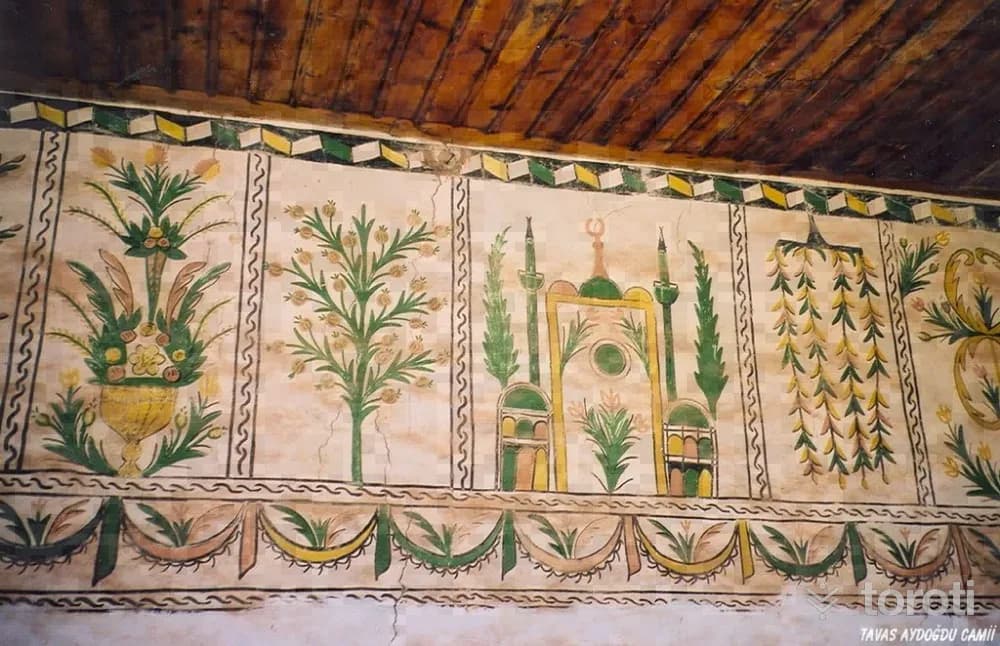
The mosque was built with timber lacing and rubble stone walls. It has a square plan and a last congregation area opening outward with six wooden posts. Inside, the mosque is also divided into naves by six wooden posts. The interior walls of the mosque and the walls of the last congregation area are decorated with stylized plant, mosque, curtain motifs and old inscriptions within medallions. The door of the mosque was made using the false kündekari technique and has survived to the present day in quite sound condition.
22
Yatağan Kefe Yaylası
Serinhisar, Denizli
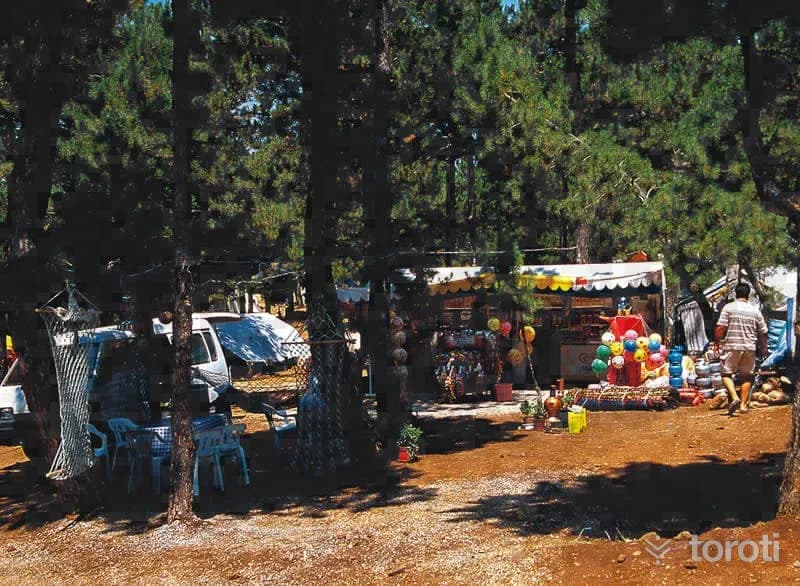
Where is Yatağan Kefe Plateau? Kefe Plateau is located on the asphalt road connecting Denizli Yatağan and some villages of Honaz District. On the plateau, at an altitude of 1100 meters, there are black pine, red pine and juniper trees. Its infrastructure and superstructure, such as electricity, water, tents, picnic areas, toilets, showers, a restaurant, a market, a butcher and various sports areas, were completed by the municipality, and it has been serving domestic tourism since 2000.
23
Herakleia Hieronu
Tavas, Denizli
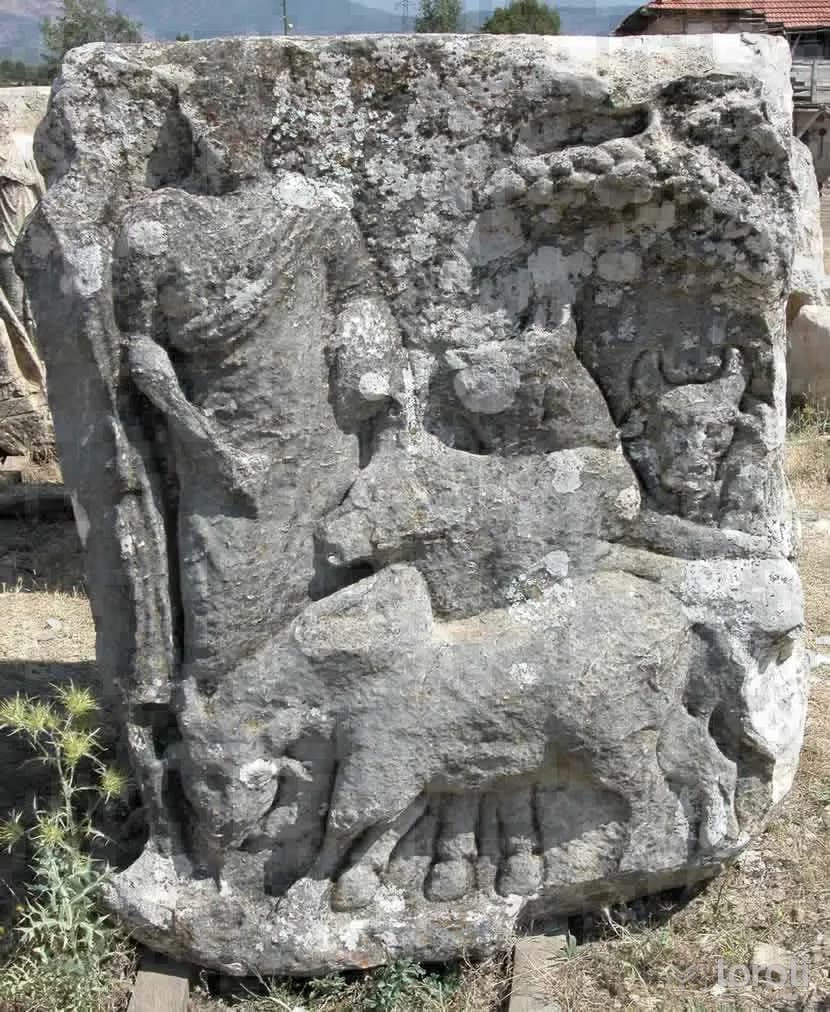
It is located in the place called Ören Sırtı and Kocapınar locality. Hieron, located on the ridge of Salbacos (Babadağ) mountain, is rectangular in shape. Reliefs consisting of plaques surround its four sides. Mythological scenes related to Armetis, Apollon, Pan, Dionysos and Herakles are depicted in the reliefs. It belongs to the 1st century AD Roman Period. Symbols representing the 12 zodiac signs are found on the triangular pediments. It was made by masters from Aphrodisias.
- No image
24
Hatipoğlu Cami
Pamukkale, Denizli
The structure, which was built right at the beginning of the 20th century, is a building that needs to be preserved due to its location, dimensions, use of local materials, and facade arrangement.
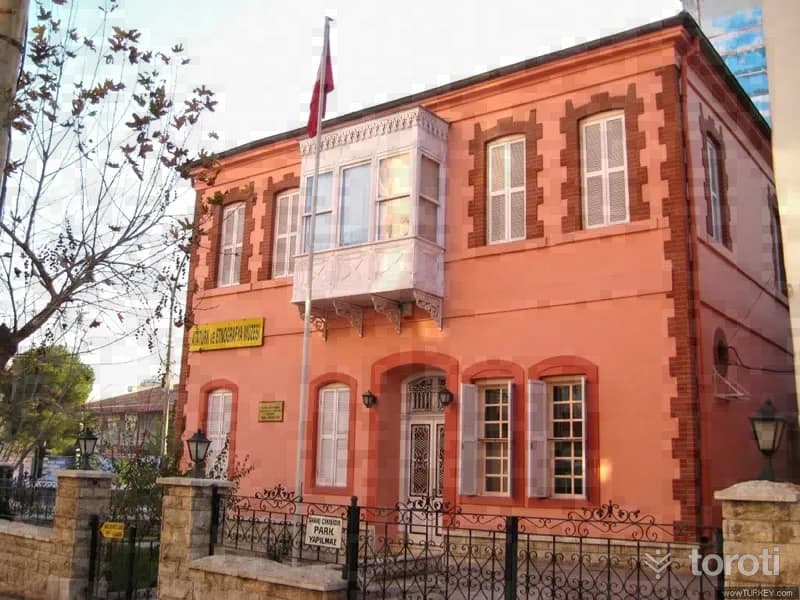
25
Atatürk Evi Etnografya Müzesi
Merkezefendi, Denizli
Although there is no definitive document regarding the construction date of the building, according to information obtained from the local people, it is understood to have been built in the late 19th century. The building is defined as the Sakız type due to its exterior structure, plan, the form of its windows, and decorative features. Constructed as a two-storey structure, the building consists, in terms of plan, of a central hall and rooms opening onto this hall.
- No image
26
Ahi Sinan Türbesi
Merkezefendi, Denizli
Ahi Sinan organized the tradesmen of Denizli and brought them together under one roof. He made very great contributions to the Ahi culture in Denizli and took his place in history. In the 13th century, he was serving in the lodge bearing his own name to the west of the present-day Kaleiçi Çarşısı. It is known from written sources that after his death, his tomb was also built within this lodge and that it remained in service until 1876.
- No image
27
Hierapolis Antik Kenti
Pamukkale, Denizli
Denizli ilinin 18 km. kuzeyinde yer alan Hierapolis antik kentinin Arkeoloji literatüründe “Holy City” yani Kutsal Kent olarak adlandırılması, kentte bilinen bir çok tapınak ve diğer dinsel yapının varlığından kaynaklanmaktadır. Kentin kuruluşu hakkında bilgilerin kısıtlı olmasına karşın; Bergama Krallarından II. Eumenes tarafından MÖ. II.
- No image
28
Laodikya Antik Kenti
Merkezefendi, Denizli
Laodikeia Ancient City was established at a very favorable geographical point and to the south of the Lykos River. The name of the city appears in ancient sources mostly as “Laodikeia on the banks of the Lykos.” According to other ancient sources, the city was founded by Antiochos II between 261-263 BC, and the city was given the name of Antiochos's wife, Laodike.
Move the stops into your own plan, split them across days, and add places to sleep and eat.
Frequently asked
- How far is it between Antalya and Denizli, and how long does it take?
- Driving between Antalya and Denizli is roughly 254 kilometres and takes about 4 hours without stops.
- Where is it worth stopping between Antalya and Denizli?
- There are 311 described places within 20 km of the road between Antalya and Denizli. toroti lists 28 of them spread evenly along the drive, in the order you pass them; Güzeloba Plajı comes early on, and Laodikya Antik Kenti sits near the end.
- Which provinces does the Antalya to Denizli route cross?
- The route between Antalya and Denizli crosses Antalya → Burdur → Denizli. The stretch richest in places to visit is in Antalya.
- Should I take the toll highway or traditional route between Antalya and Denizli?
- Toll motorways save driving time between Antalya and Denizli, whereas traditional state roads pass directly through historic town centers, local culinary stops, and scenic nature viewpoints.
- How should breaks be scheduled between Antalya and Denizli?
- For a drive of around 4 hours, taking a break every 2 to 2.5 hours is recommended. The catalogued attractions in Antalya and neighboring provinces offer memorable stopovers compared to generic highway rest areas.