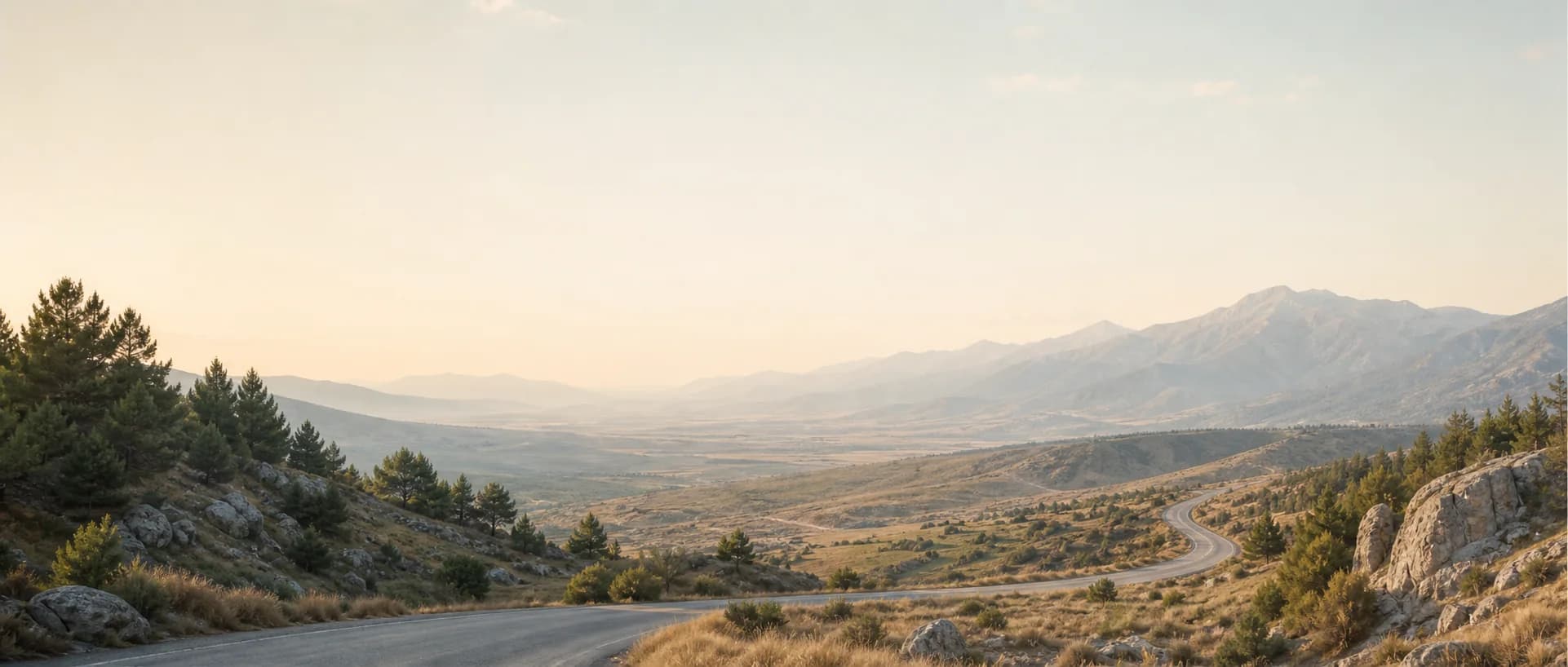
Stops along the way
Stops between Antalya and Konya
274 km, roughly 4 hours of driving. The stops below are ordered as you pass them — the same road in both directions.
In short
The drive between Antalya and Konya is 274 km and takes roughly 4 hours. There are 283 described places within 20 km of this route; it crosses 3 provinces, and the densest stretch is in Antalya (188 places).
There are 283 places within 20 km of this corridor; the 40 below are spread evenly along the drive.
1
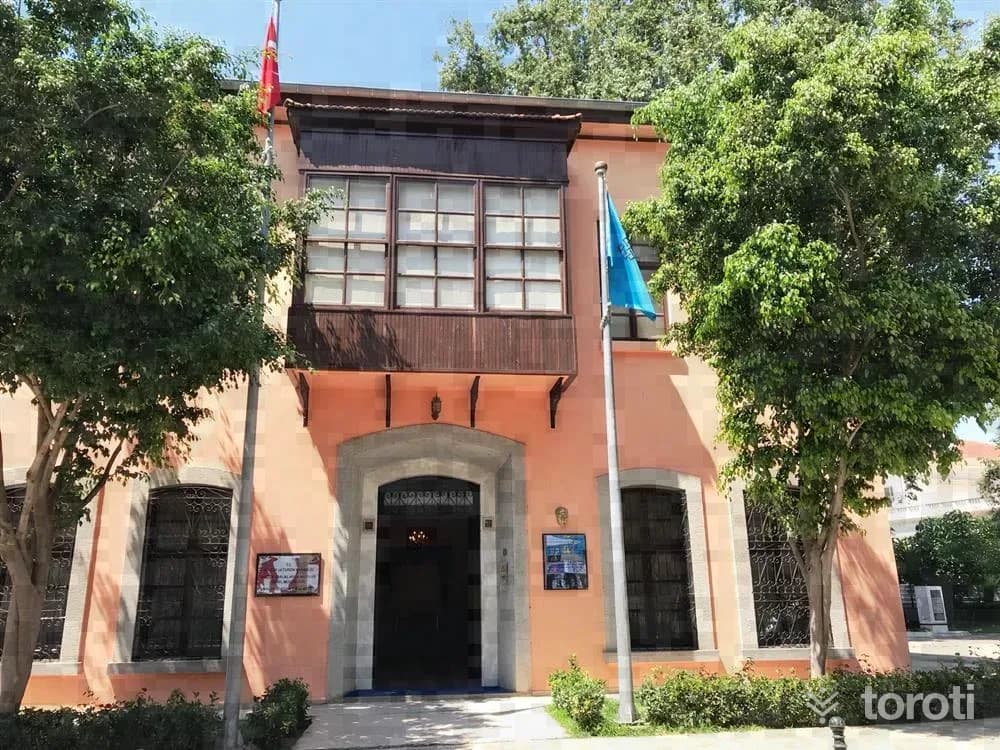
Antalya Atatürk Evi Müzesi
Muratpaşa, Antalya
The Antalya Atatürk House Museum is a museum dedicated to Atatürk's visits to Antalya. Visitors can see Atatürk's personal belongings and documents related to Antalya.
2
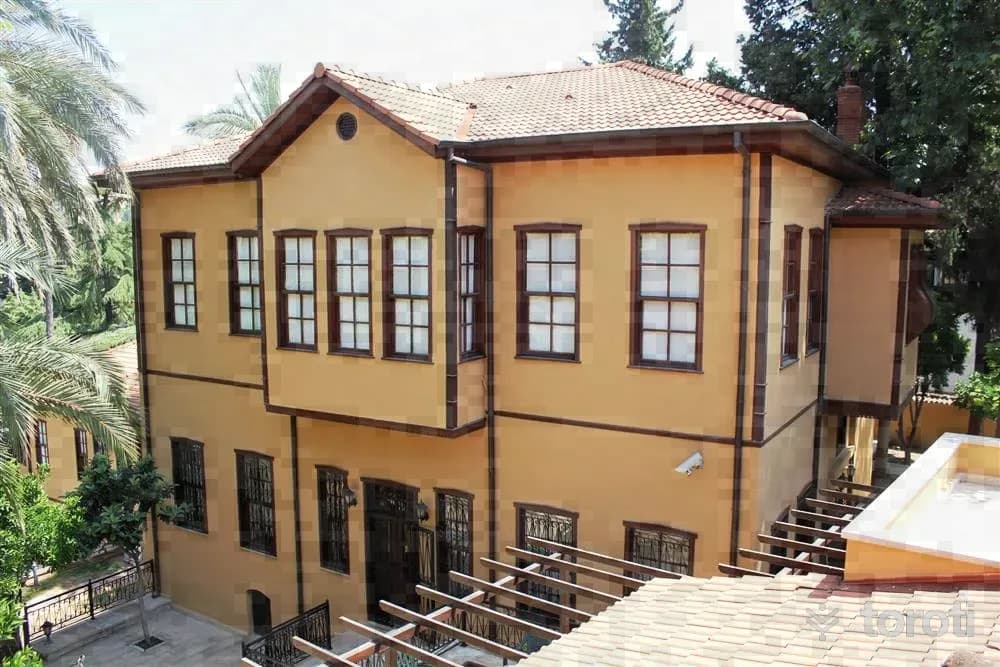
Etnografya Müzesi
Muratpaşa, Antalya
The Antalya Ethnography Museum consists of two mansions showcasing Ottoman architecture and Turkish-Islamic artifacts. It is an important site reflecting Antalya's cultural heritage.
3
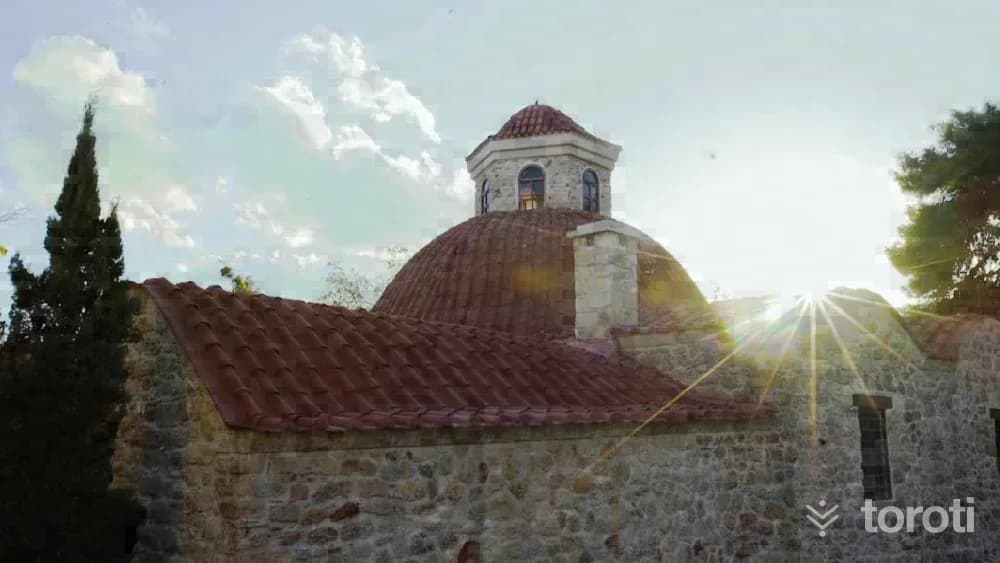
Mevlevihane Müzesi
Muratpaşa, Antalya
The Antalya Mevlevihane Museum is a historical complex that includes a Mevlevihane, a bathhouse, and tombs.
- No image
4
Antalya Büyükşehir Belediyesi Lara Halk Plajı Lazlo Beach
Muratpaşa, Antalya
Antalya Metropolitan Municipality Lara Public Beach Lazlo Beach is a public beach candidate included in the 2025 Blue Flag official list.
5
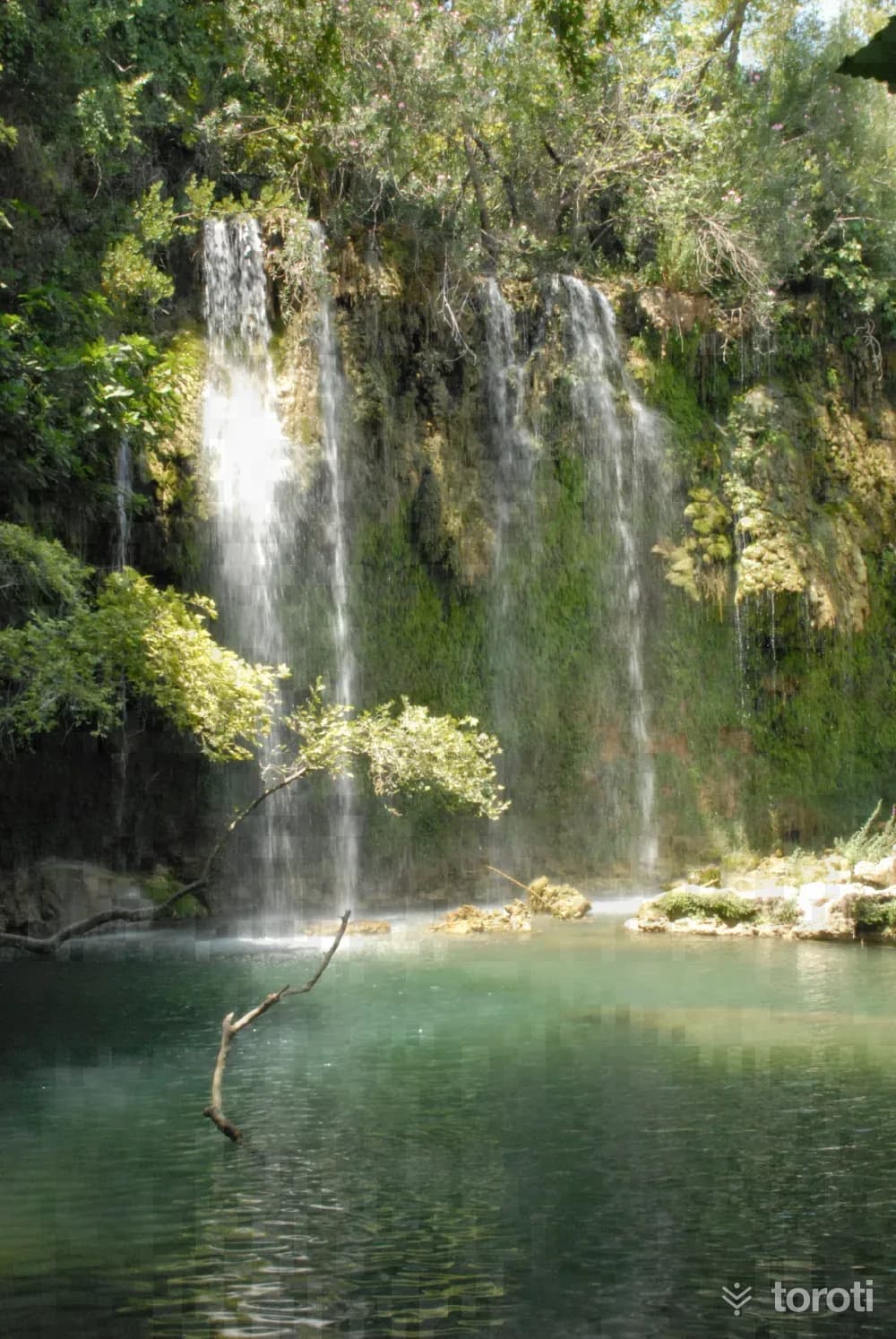
Kurşunlu Şelalesi
Aksu, Antalya
Kurşunlu Waterfall is an ideal place for nature walks and picnics, featuring rich flora and stunning natural beauty.
6
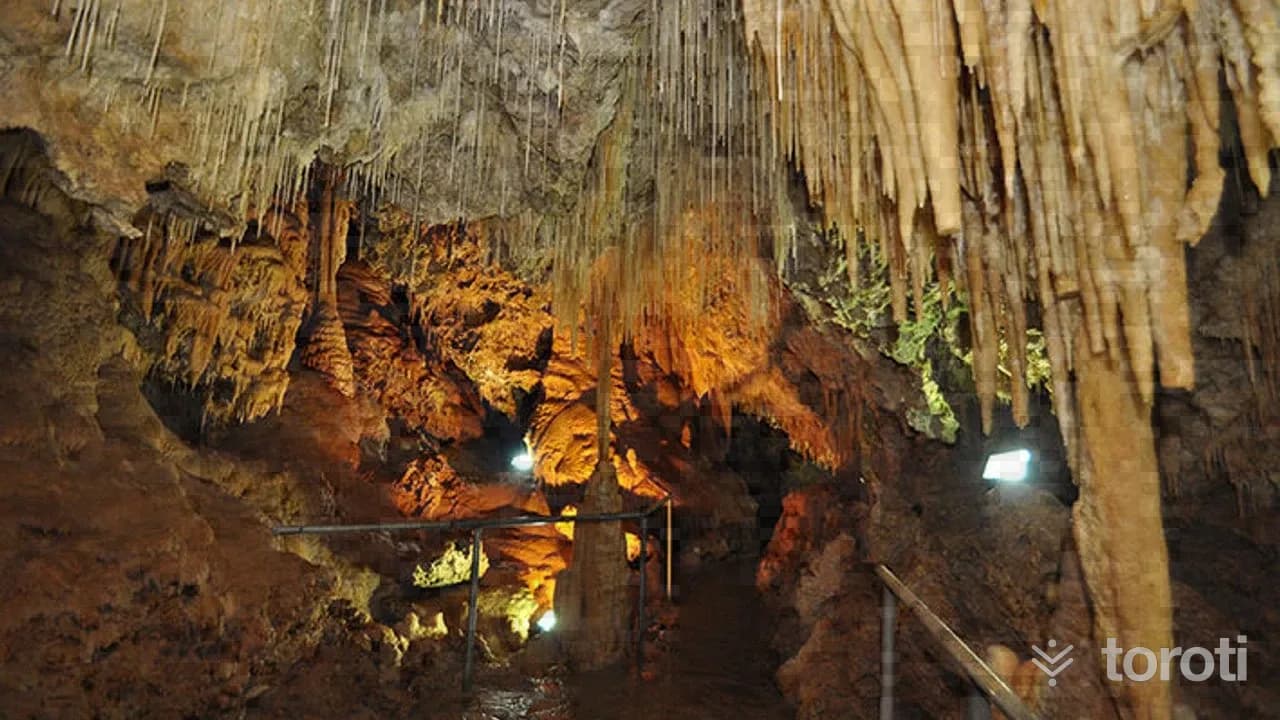
Zeytintaşı Mağarası
Serik, Antalya
Zeytintaşı Cave is a small yet interesting natural wonder filled with rich stalactites.
- No image
7
Boğazkent Plajı
Serik, Antalya
Boğazkent Plajı is a public Blue Flag beach on the coast at Serik.
8
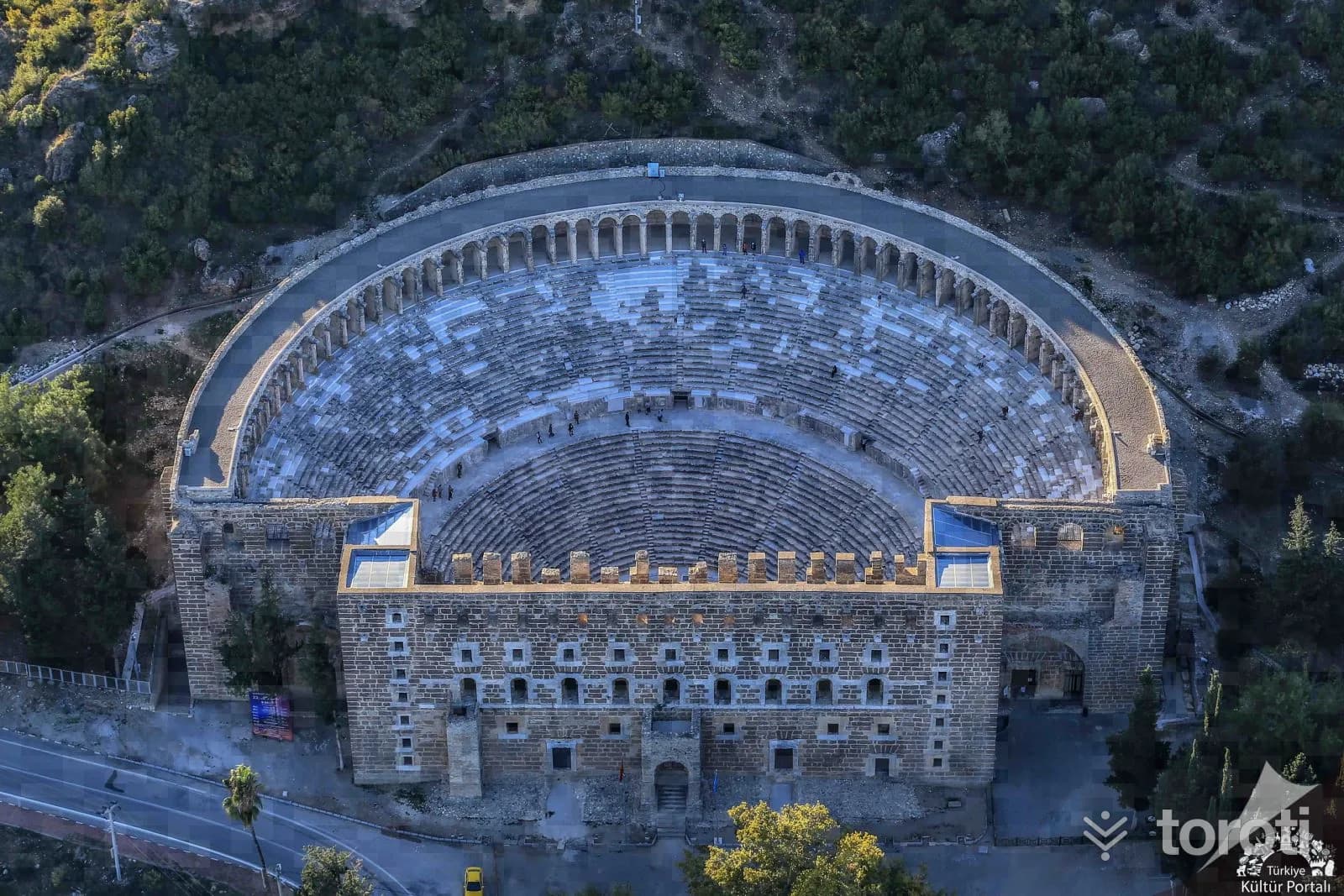
Aspendos Antik Tiyatrosu
Serik, Antalya
Aspendos Ancient Theatre is one of the best-preserved open-air theaters and an important structure from the Roman period.
- No image
9
Çolaklı Plajı
Manavgat, Antalya
Çolaklı Plajı is a public Blue Flag beach on the coast at Manavgat.
10
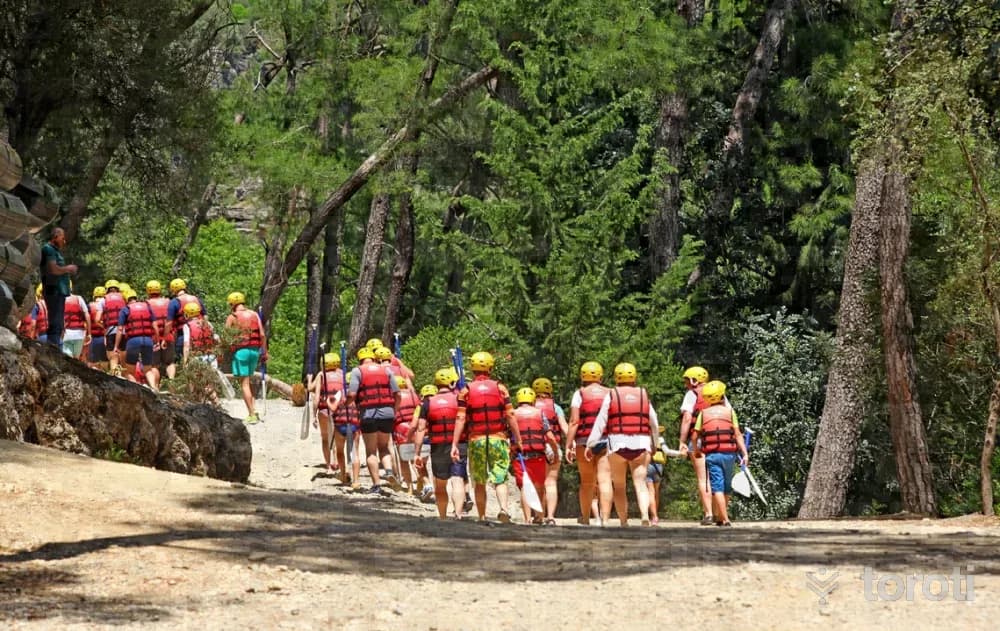
Köprülü Kanyon Milli Parkı
Manavgat, Antalya
Köprülü Canyon National Park offers visitors a variety of activities with its natural beauty and historical richness.
- No image
11
Manavgat Belediyesi Evrenseki Halk Plajı
Manavgat, Antalya
Manavgat Belediyesi Evrenseki Public Beach is a public beach candidate included in the official 2025 Blue Flag list.
12
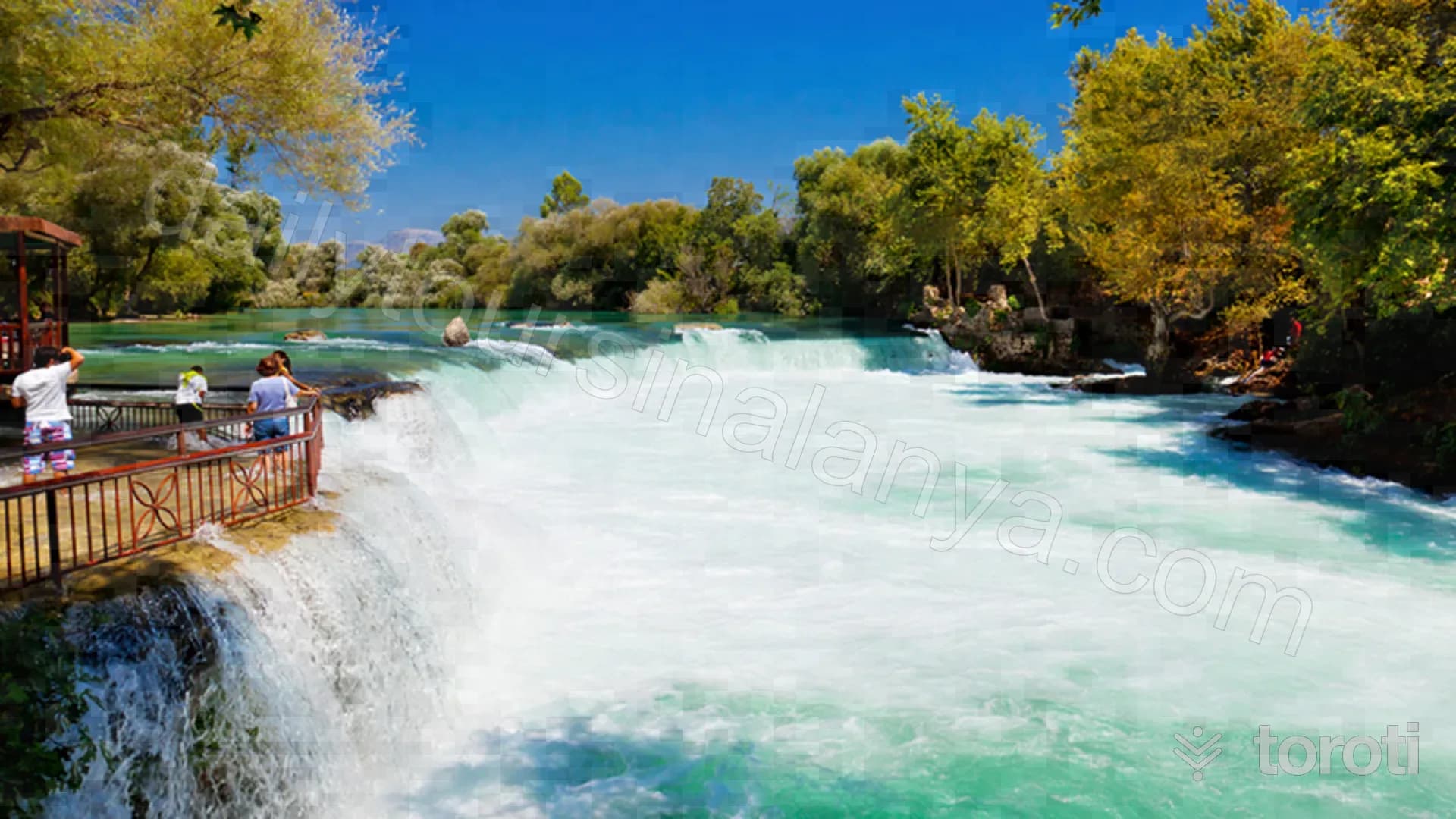
Manavgat Şelalesi
Manavgat, Antalya
Manavgat Waterfall, located north of the Manavgat district, is a natural wonder that flows with high volume over a wide area.
13
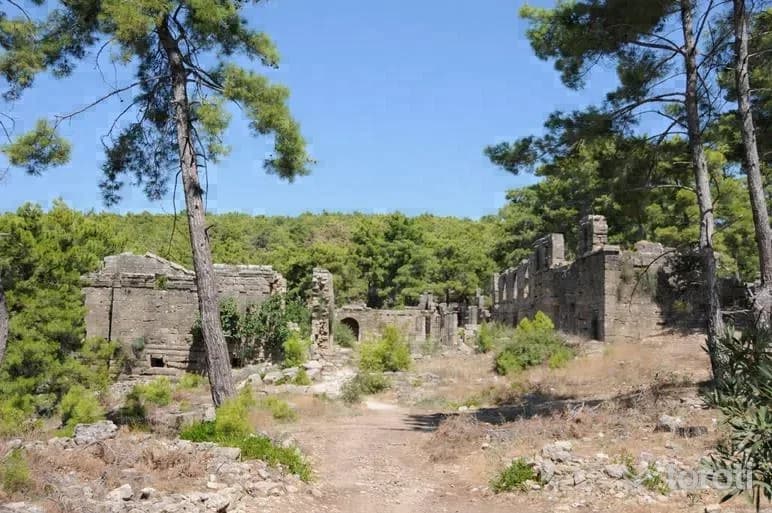
Lyrbe Antik Kenti
Manavgat, Antalya
Lyrbe Ancient City is a historical settlement located in Manavgat, Antalya. It features well-preserved walls and remains dating back to the Hellenistic Period.
14
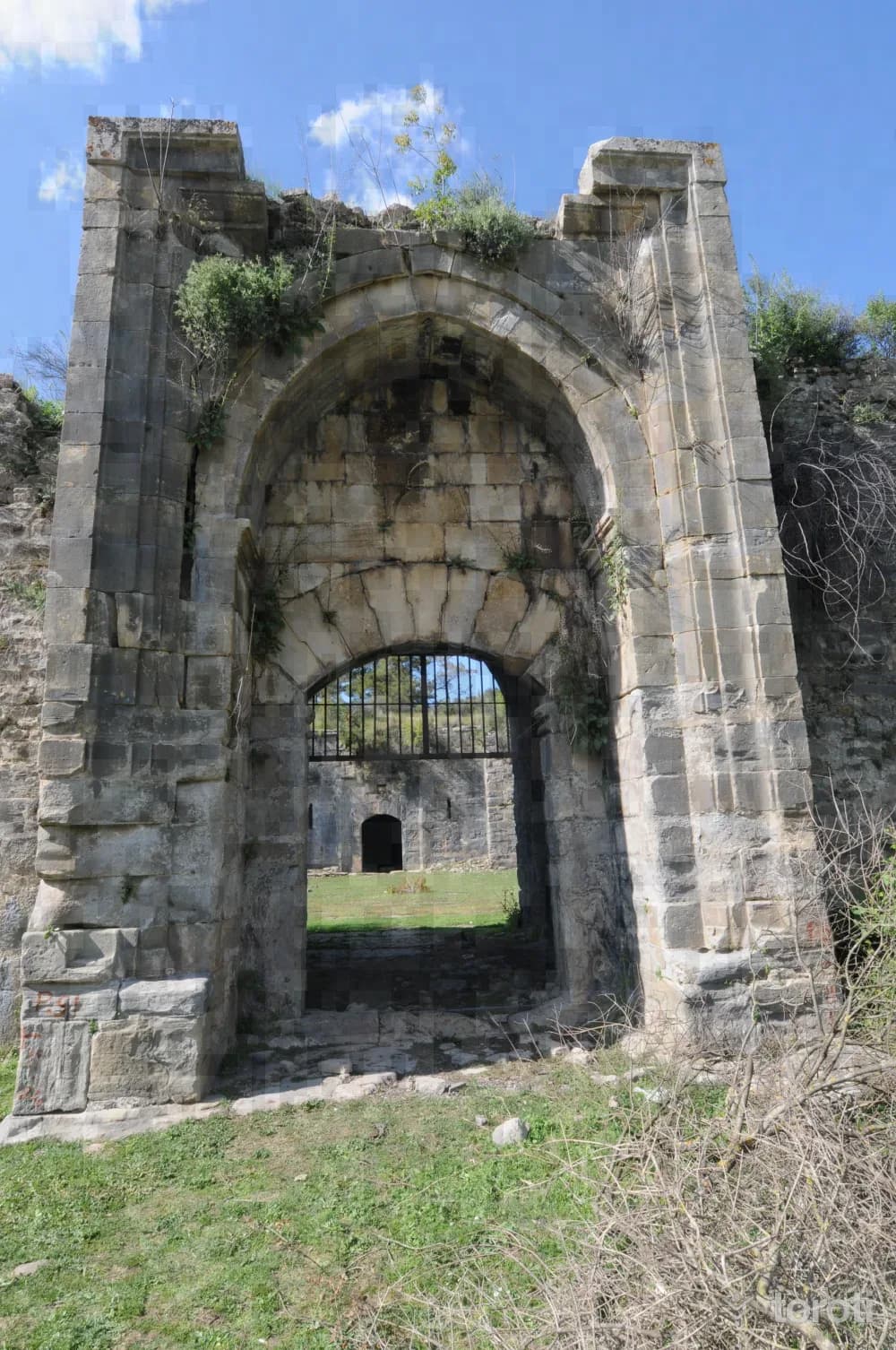
Kargihan
Manavgat, Antalya
Kargihan is a historical caravanserai located in Manavgat, Antalya, dating back to the Anatolian Seljuk period.
15
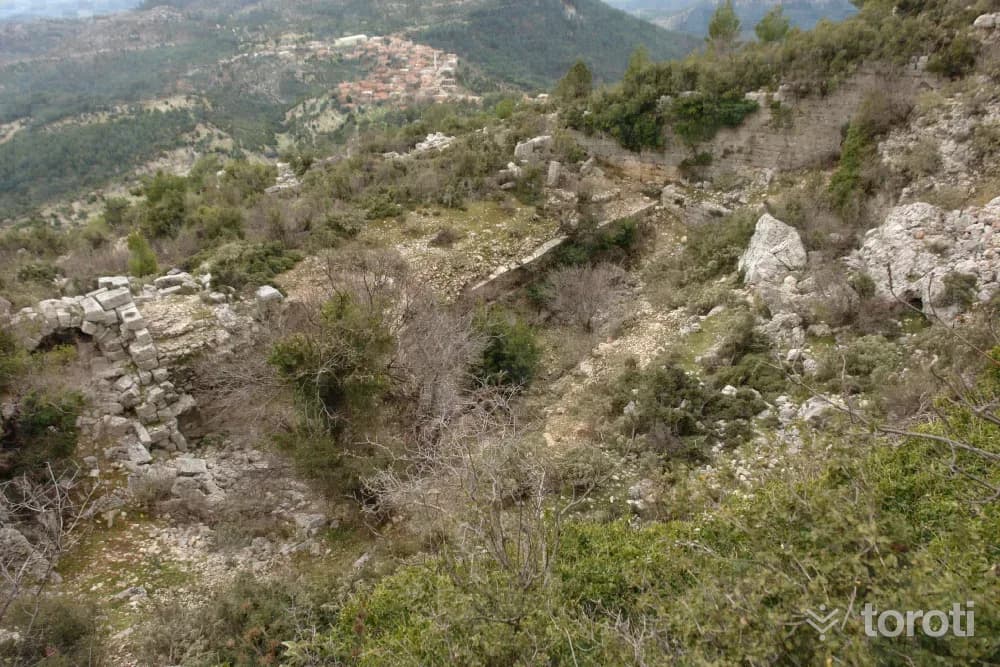
Etenna
Manavgat, Antalya
Etenna Ancient City is a historical site located in Manavgat, Antalya. It offers a suitable area for nature walks.
16
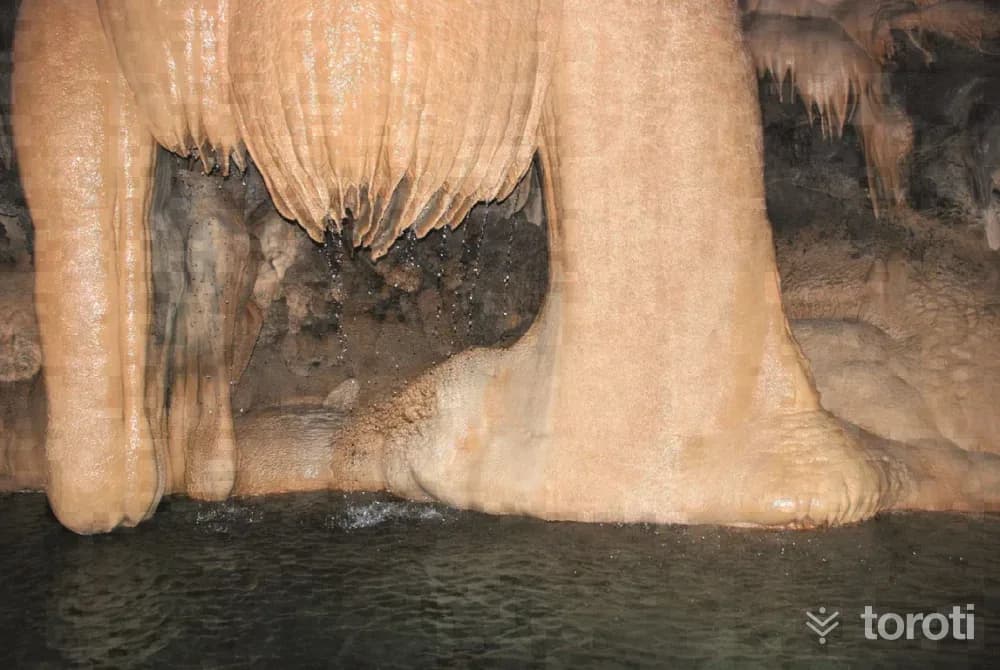
Altinbeşik - Düdensuyu Mağarası
Akseki, Antalya
Altınbeşik Cave is a natural formation located in İbradı, Antalya, known as one of the most beautiful caves in Turkey.
- No image
17
Beyşehir Büyük Düden Mağarası
İbradi, Antalya
Beyşehir Büyük Düden Cave is a natural formation of speleological significance, notable for its challenging structure and the lakes within.
- No image
18
Beyşehir Pinarbaşi Mağarası
Derebucak, Konya
Beyşehir Pınarbaşı Cave is located south of Lake Beyşehir and features rich stalactite formations.
- No image
19
Beyşehir Balat İni Mağarası
Derebucak, Konya
Beyşehir Balat İni Cave is located in the Beyşehir district of Konya, between the villages of Çamlık and Derebucak. The cave attracts visitors with its rich natural formations and sculpture room.
- No image
20
Beyşehir Suluin Mağarası
Derebucak, Konya
Beyşehir Suluin Cave is a large and high cave located in Beyşehir district of Konya. The cave offers visitors an impressive experience with its natural beauty and large lake.
21
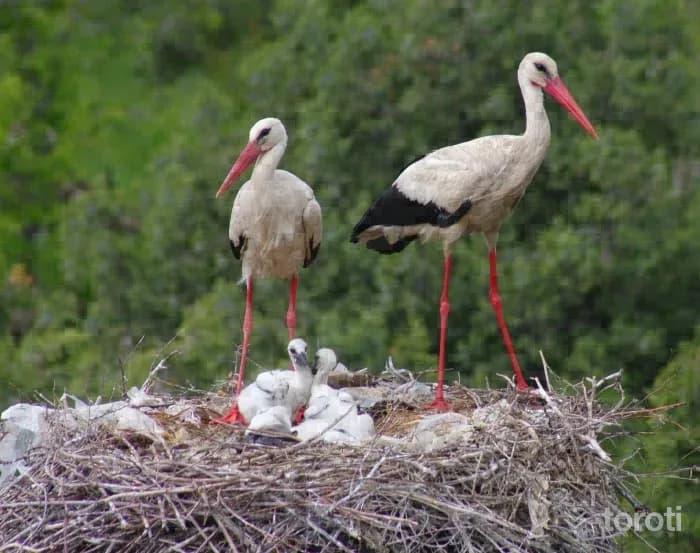
Beyşehir Leylekler Vadisi
Beyşehir, Konya
Beyşehir Stork Valley is a peaceful area where storks nest in spring. It is an ideal visit point for nature and photography enthusiasts.
22
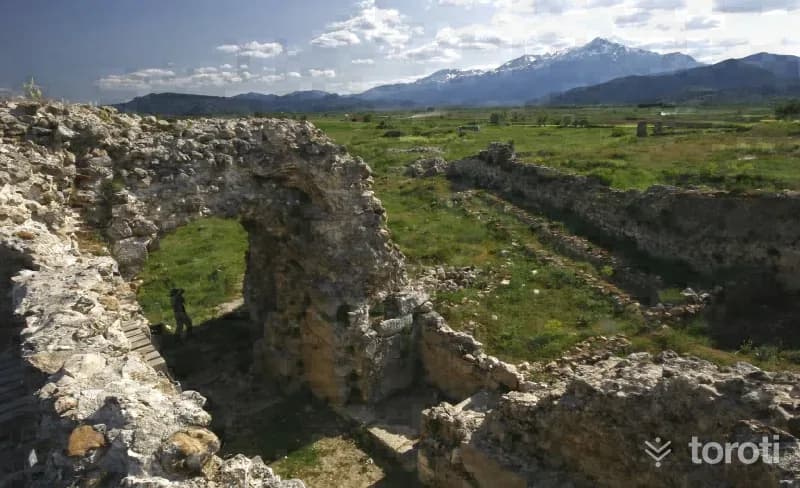
Beyşehir KubadÂbÂd Sarayı
Yenişarbademli, Isparta
Beyşehir Kubadâbâd Palace was commissioned by Seljuk Sultan Alâeddin Keykubat in 1236 and is the only surviving Seljuk palace.
- No image
23
Kubad Âbâd Sarayı
Beyşehir, Konya
Kubad Âbâd Palace was built in 1236 by Sultan Alâeddin Keykubat and holds historical significance.
- No image
24
Beyşehir Gölü
Beyşehir, Konya
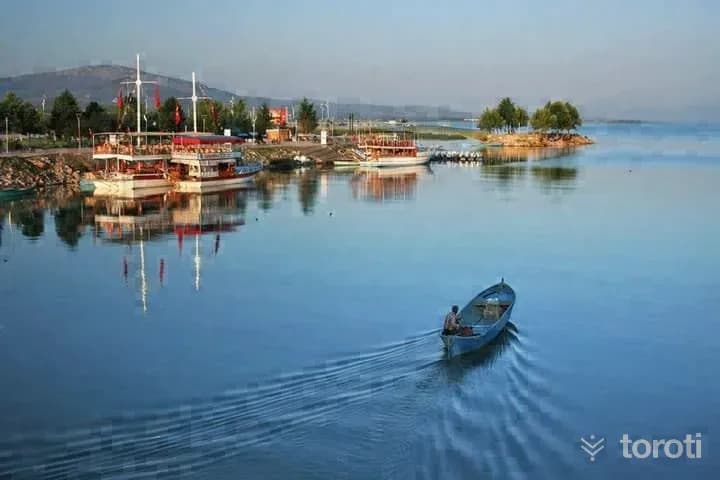
The surroundings of Beyşehir Gölü were granted National Park Status as of 20.02.1993, and there are many islands in the lake. Some of these are Hacı Akif, İğdeli, Kızkulesi, Akburun, Mada, Yılanlı, and Külbent islands.
25
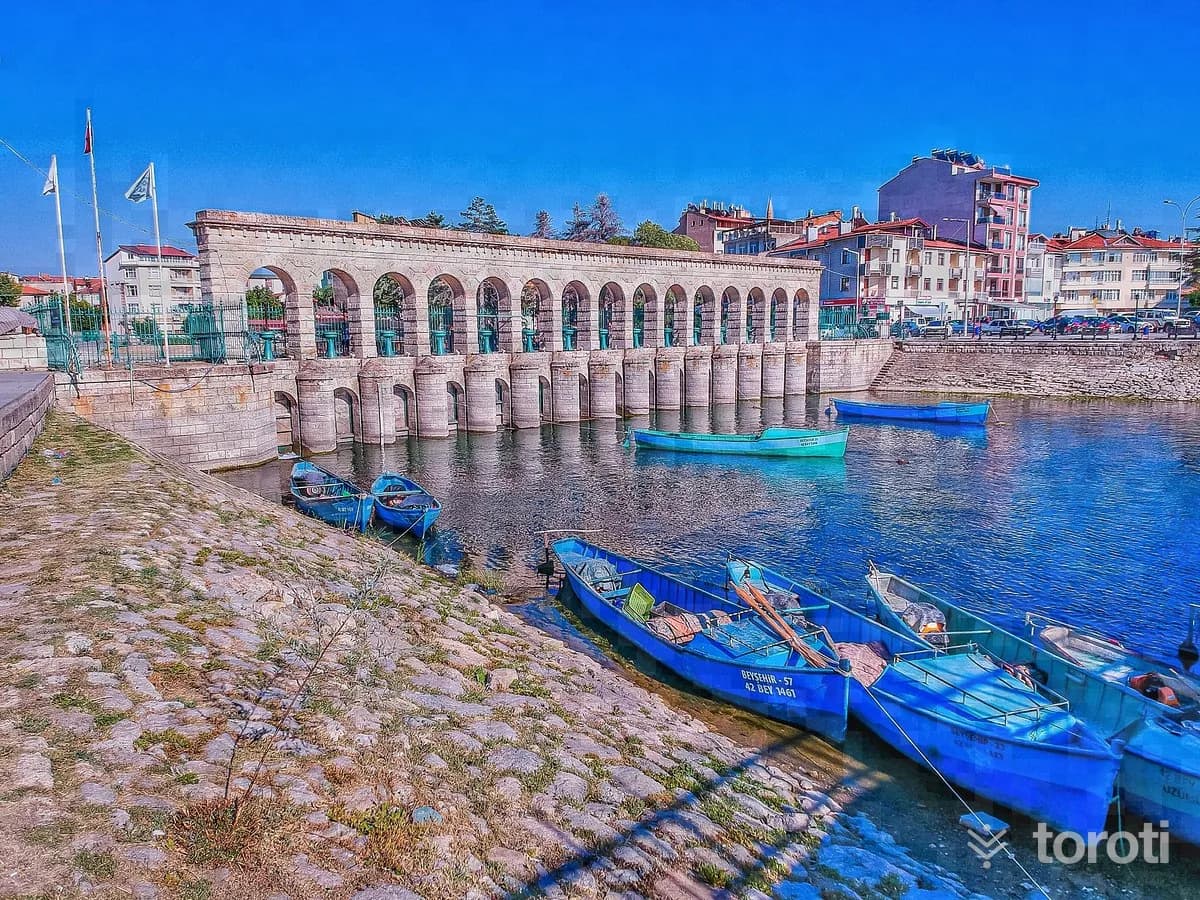
Tarihi Taş Köprü
Beyşehir, Konya
It was built for the irrigation of the Konya Plain. The first known project related to this issue was put forward during the reign of Kanuni. Grand Vizier Avlonyalı Ferit Paşa brought this matter to the agenda in 1898. On behalf of the Anatolia-Baghdad railway construction company, based on Holzman's studies, it was tendered to the Anatolia-Ottoman Railway Partnership in 1907. Its construction was also completed between 1908-1914 and cost 850000 gold. It is the first irrigation project established by the Ottoman State.
- No image
26
Beyşehir Eşrefoğlu Câmii ve Türbesi
Beyşehir, Konya
Eşrefoğlu Camii, a unique example in our country of the wooden-columned mosques found in old Turkistan cities in Central Asia such as Samarkand and Bukhara, is the largest and most original of the wooden-columned mosques in Anatolia and was built between 1296-1299.
27
Beyşehir Gölü Yaban Hayati
Beyşehir, Konya
As of 20.02.1993, the area around the lake was granted National Park Status, and the national park area is 88 thousand 750 hectares. It is 100-140 kilometers from Antalya Gulf. It stores the lake waters between elevations 115 and 1125. At maximum elevations, the lake surface reaches 800 km2 and the water it stores reaches 6 million m3. The lake’s elevation above sea level is 1.116 meters. Its width is 10-25 kilometers, and it has dimensions of 42 kilometers in the northwest-southeast direction. Its water is fresh and it has the characteristics of a natural lake.
- No image
28
Beyşehir Atlıkaya Mezar Odası
Beyşehir, Konya
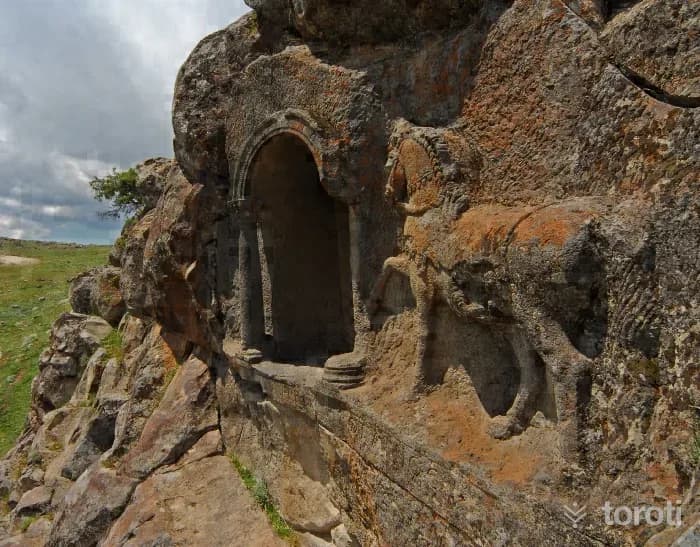
It is located in Fasıllar village of Beyşehir district. It is a rearing horse relief, 1.85 m. in height, carved onto a steep rock about 8 m. high from the slope. It is understood that the monument was made in the name of someone who died young. The monuments and ruins of Fasıllar are like a historical open-air museum. The village stands on the site of the Hittite-period city of Mistia. Göçükebir, one of the six districts of the Beyşehir Sanjak, was also established here.
29
Lukyanus KitÂbesi Ve Atli Kaya Kabartması
Beyşehir, Konya
It is 100 metres east of the Fasıllar Hittite Rock Monument. It consists of a 1.85-metre-high horse relief carved onto a steep rock about 10 metres above the ground and a niche. On the right, about five metres above the ground, there is a ten-line inscription measuring 0.85 x 0.95 metres. This inscription mentions horse races to be held for a cavalryman who died at a young age and the rules of these races.
30
Fasillar Hitit Kaya Anıti
Beyşehir, Konya
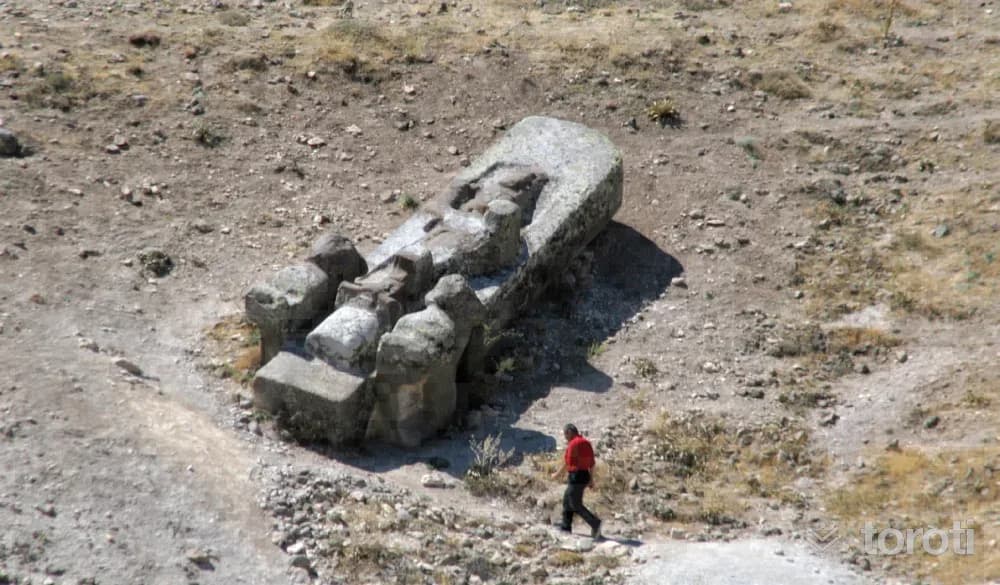
The Fasıllar Monument is one of the largest rock monuments in the world. It lies on the western slope of a hill to the south of Fasıllar Village, which is part of the Beyşehir district. It consists of two superimposed Gods carved onto a 20 square meter face of a giant rock measuring 2.25 x 2.75 x 8.30 meters and weighing 72 tons, along with a pair of lion reliefs on either side of the lower God.
31
Eflatunpinar Hitit Su Anıti
Beyşehir, Konya
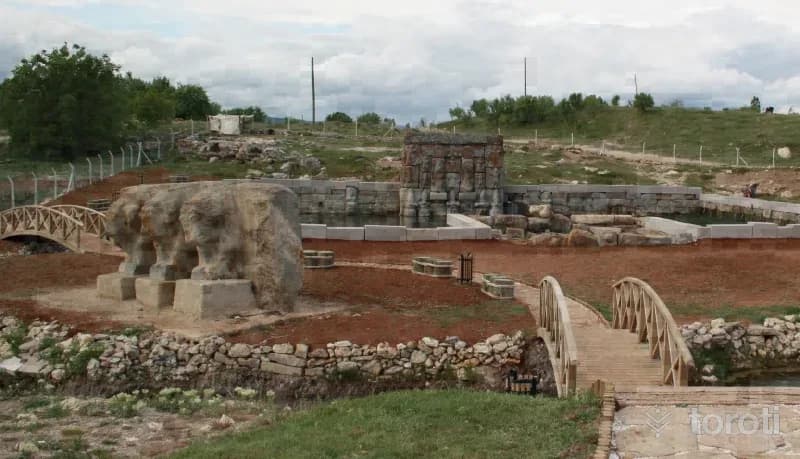
Eflatunpınar Hittite Water Monument is located within the borders of Sadıkhacı Town, Beyşehir District, Konya Province. During their approximately thousand-year period of dominance in the history of world civilization, the Hittites left various tangible cultural assets reflecting the state structure and social, economic, and religious life. Among the most important factors in the shaping of these cultural assets are needs and beliefs.
32
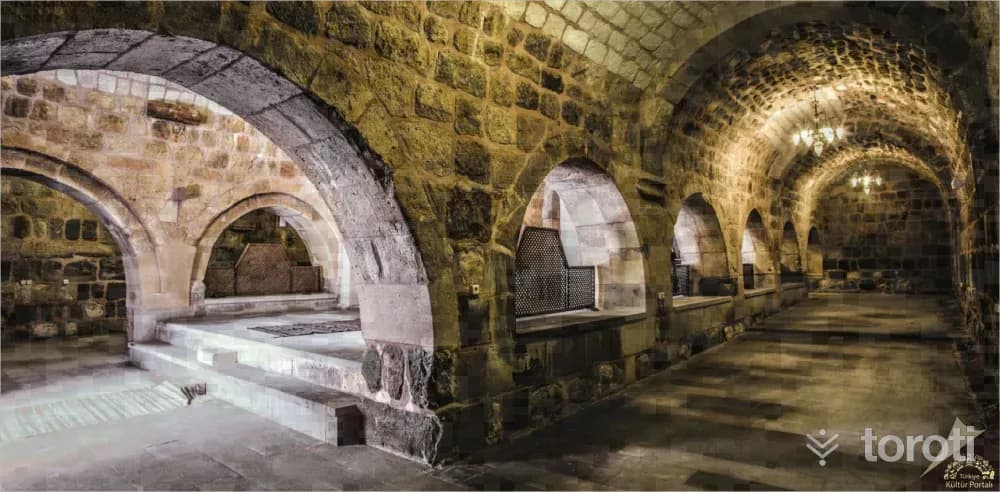
Kizilören Han
Meram, Konya
Kızılören Han is on the Konya-Beyşehir route and is also known as “Yazıönü Han”. It was built as two structural masses containing a courtyard and a covered/shelter section on a rectangular planned footprint extending in the northwest-southeast direction.
33
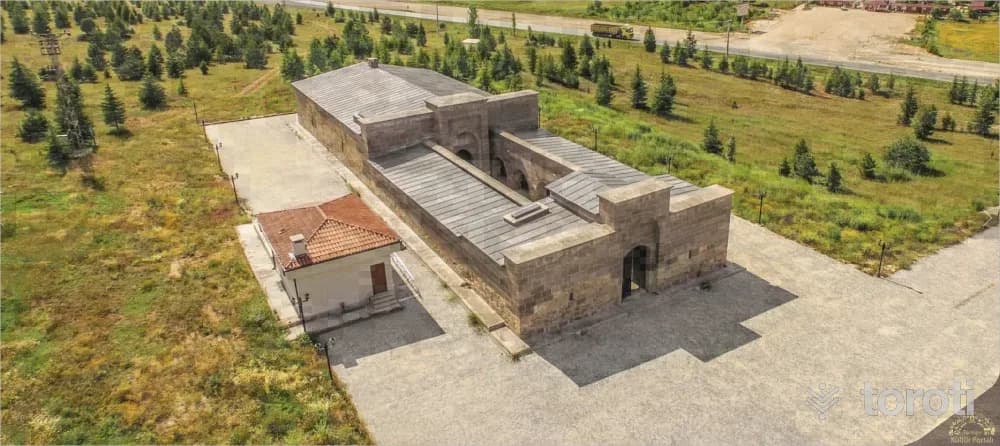
Kuruçeşme Hanı
Meram, Konya
Kuruçeşme Hanı is on the Konya-Beyşehir route and is also known as Hanönü Hanı. The inn, extending in the east-west direction, has a rectangular plan consisting of a courtyard and a covered/shelter section.
34
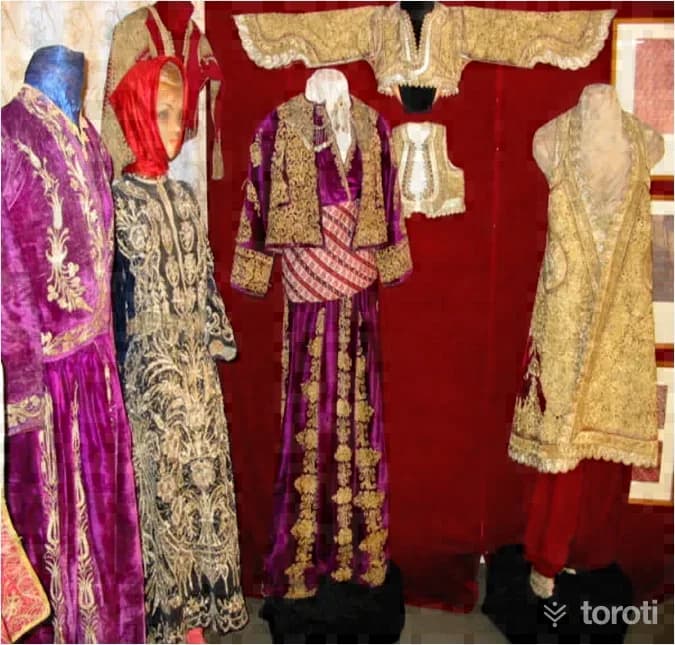
Konya Etnografya Müzesi
Meram, Konya
From women’s clothing, bindallı, dresses, şalvar-işlik-cepken, vests and caftans made with sim sırma, cord couching and various hoop embroidery techniques on fabrics such as velvet, satin and atlas; from women’s ornaments, belt buckles, suspenders, bracelets and earrings, headpieces made of silver and bafun material; knitted and fabric purses for money, watches and seals, wool socks and gloves, Turkish work, sim sırma, hesap işi, çin among hoop embroidery techniques on fabrics such as velvet, linen, atlas and satin.
35
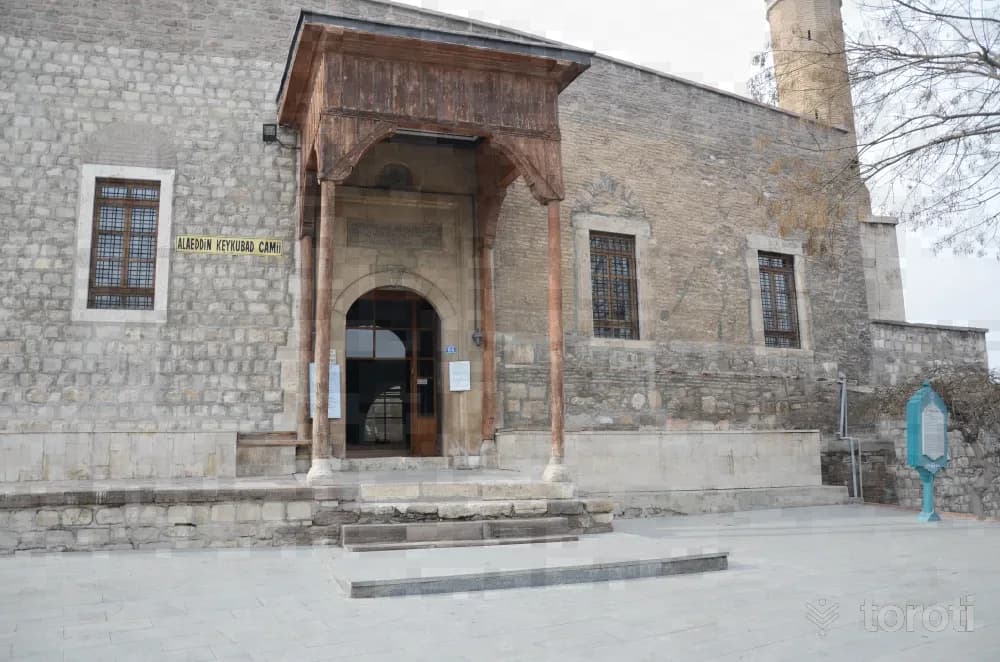
AlÂeddin Camisi
Selçuklu, Konya
Where is Alâeddin Camisi? Alâeddin Camisi, one of the largest and most important grand mosques of the Anatolian Seljuk State, was built on Alâeddin Tepesi located in the center of Konya. Construction of the mosque, which was begun during the time of Seljuk Sultan I. Rükneddin Mesud (1116-1156), was completed during the time of I. Alâeddin Keykubad (1221). The mosque was built in the style of Islamic architecture, and its top was covered with wood and earth.
36
Sahip Ata Vakif Müzesi
Meram, Konya
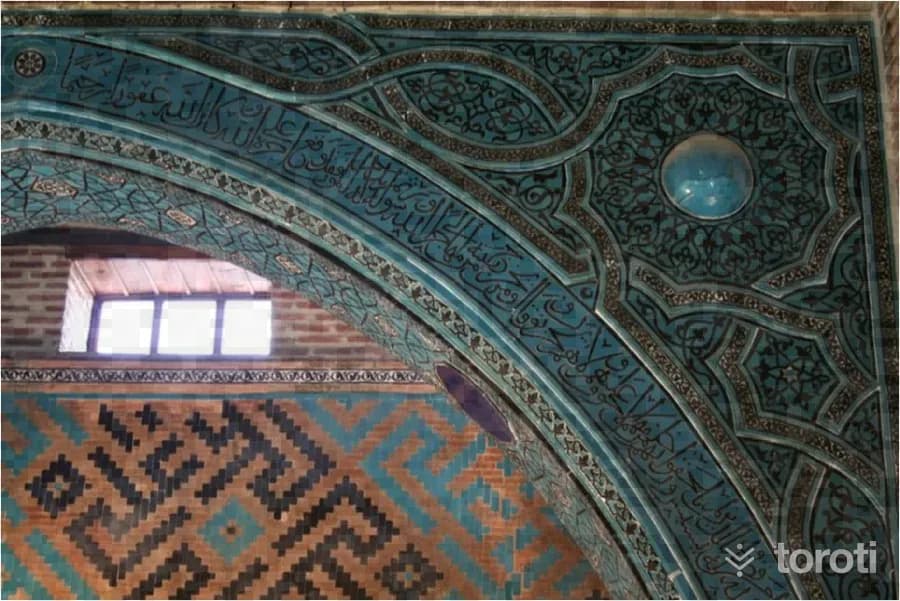
The architect of the complex, commissioned in 1277 by Sâhib Atâ Fahreddin Ali, one of the viziers of the Anatolian Seljuk State, is Keluk b. Abdullah. In terms of the complex layout, there is the mosque to the north, the tomb built adjoining the mihrab wall of the mosque and containing the graves of Fahreddin Ali, his wife and children, the hânkâh adjoining the south wall of the tomb, and the double bath immediately across the road. The mosque has a portal entrance from the north.
37
Sirçali Medrese
Meram, Konya
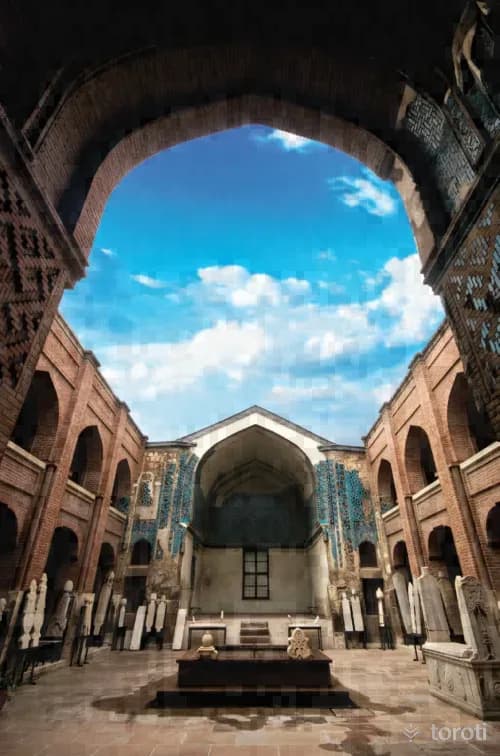
Sırçalı Medrese was commissioned in 1242 by Bedreddin Muslih for the teaching of fiqh. Built in the “Open Courtyard Madrasa” type, the structure has one domed room to the right and one to the left of the main iwan. These are the classical winter classrooms. The main iwan, the most ornate and impressive part of the structure, is today in quite sound condition. However, the hexagonal tiles below the iwan arch down to the ground and the tiles in the upper part of the iwan have largely fallen off and deteriorated.
- No image
38
Karatay Medresesi Çini Eserler Müzesi
Selçuklu, Konya
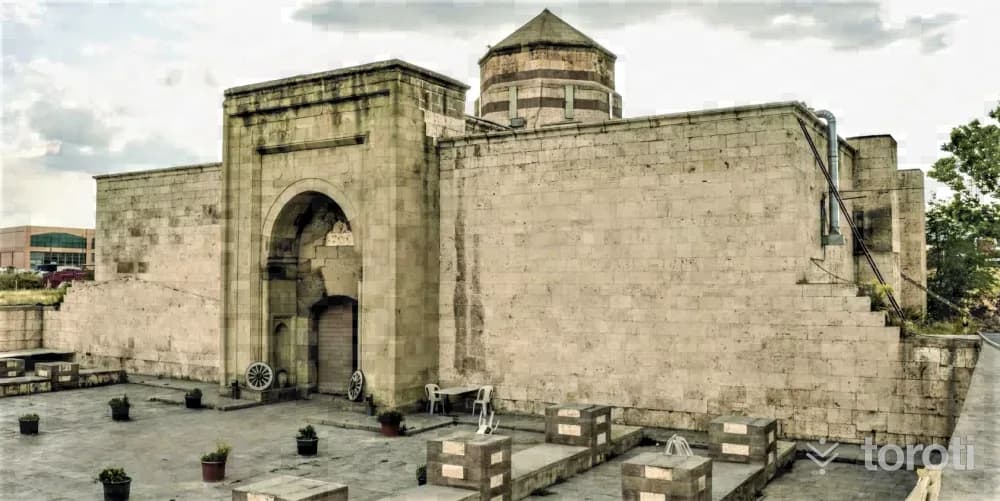
It was commissioned by Emir Celâleddin Karatay in 1251 during the reign of II. İzzeddin Keykavus. Its architect is unknown. The madrasa, which was also used during the Ottoman period, was abandoned at the end of the 19th century. Karatay Medresesi, which holds an important place in Seljuk-period tile workmanship, was opened to visitors in 1955 as the “Çini Eserler Müzesi”.
39
Ruzbe Hanı
Selçuklu, Konya
Ruzbe Hanı is within the borders of Selçuklu district and is on the Konya-Ankara highway; it is currently used as a tourist facility.
40
Konya Bilim Merkezi
Selçuklu, Konya
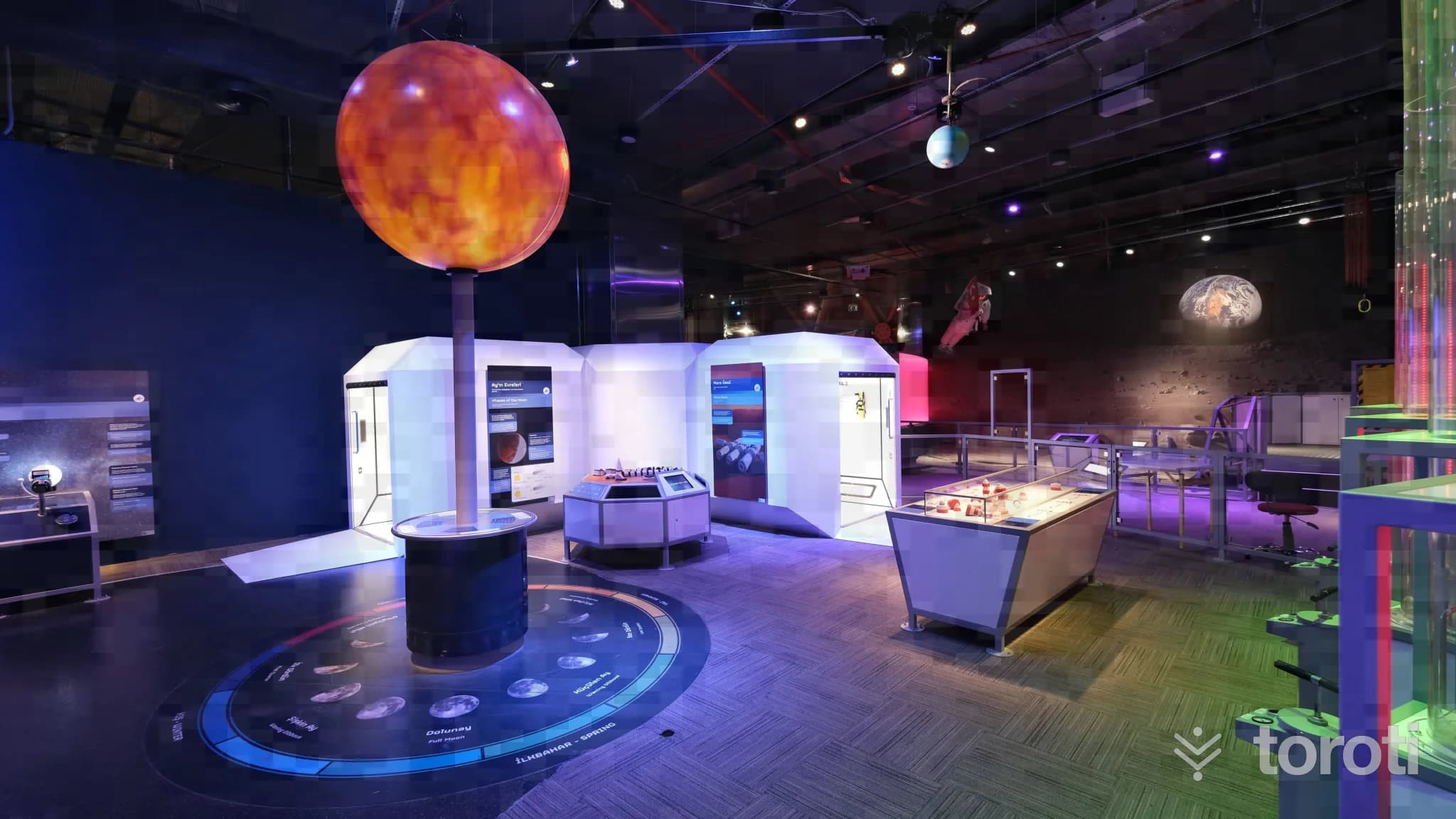
The main exhibition themes have been determined as Basic Sciences, New Technologies, Space and Astronomy, the Human Body, Our World, Preschool and Konya. In addition to the exhibition areas at Konya Bilim Merkezi, there are also workshop and laboratory areas where educational programs will be carried out, as well as a planetarium and observation tower.
Move the stops into your own plan, split them across days, and add places to sleep and eat.
Frequently asked
- How far is it between Antalya and Konya, and how long does it take?
- Driving between Antalya and Konya is roughly 274 kilometres and takes about 4 hours without stops.
- Where is it worth stopping between Antalya and Konya?
- There are 283 described places within 20 km of the road between Antalya and Konya. toroti lists 40 of them spread evenly along the drive, in the order you pass them; Antalya Atatürk Evi Müzesi comes early on, and Konya Bilim Merkezi sits near the end.
- Which provinces does the Antalya to Konya route cross?
- The route between Antalya and Konya crosses Antalya → Konya → Isparta. The stretch richest in places to visit is in Antalya.
- Should I take the toll highway or traditional route between Antalya and Konya?
- Toll motorways save driving time between Antalya and Konya, whereas traditional state roads pass directly through historic town centers, local culinary stops, and scenic nature viewpoints.
- How should breaks be scheduled between Antalya and Konya?
- For a drive of around 4 hours, taking a break every 2 to 2.5 hours is recommended. The catalogued attractions in Antalya and neighboring provinces offer memorable stopovers compared to generic highway rest areas.