Stops along the way
Stops between Ankara and Antalya
487 km, roughly 6 hours of driving. The stops below are ordered as you pass them — the same road in both directions.
In short
The drive between Ankara and Antalya is 487 km and takes roughly 6 hours. There are 324 described places within 20 km of this route; it crosses 4 provinces, and the densest stretch is in Antalya (188 places).
There are 324 places within 20 km of this corridor; the 42 below are spread evenly along the drive.

1
Türkiye Eğitim Derneği Ankara Koleji Okul Müzesi
Gölbaşı, Ankara
TED Ankara College School Museum, which conveys the historical accumulation of TED Ankara College Foundation Schools from its founding year of 1931 to the present day to future generations, is located on the ground floor of the administrative building on the İncek campus. The museum, which opened on 21 May 2008, has been granted the status of “Private Museum” by the Ministry of Culture and Tourism.
2
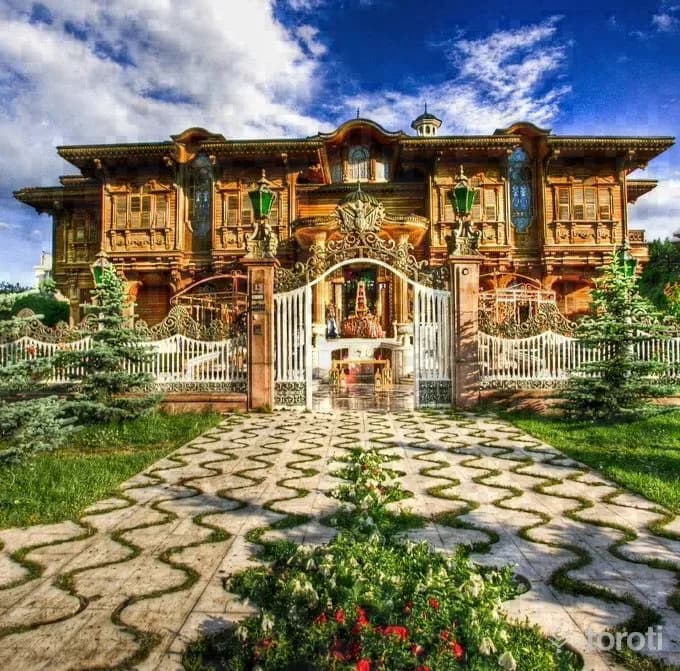
Anadolu Mimarlik Ve Mobilya Kültürel Miras Müzesi Ve Araştirma Merkezi
Çankaya, Ankara
Anadolu Architecture and Furniture Cultural Heritage Museum and Research Center, the first architecture and furniture museum in our country, was opened on 25 December 2008. It is in Merik Mansion on Lodumlu Doğramacı Caddesi. It is Bilkent’s famous Merik Mansion or, as it is popularly known, the “Golden Mansion”.
3
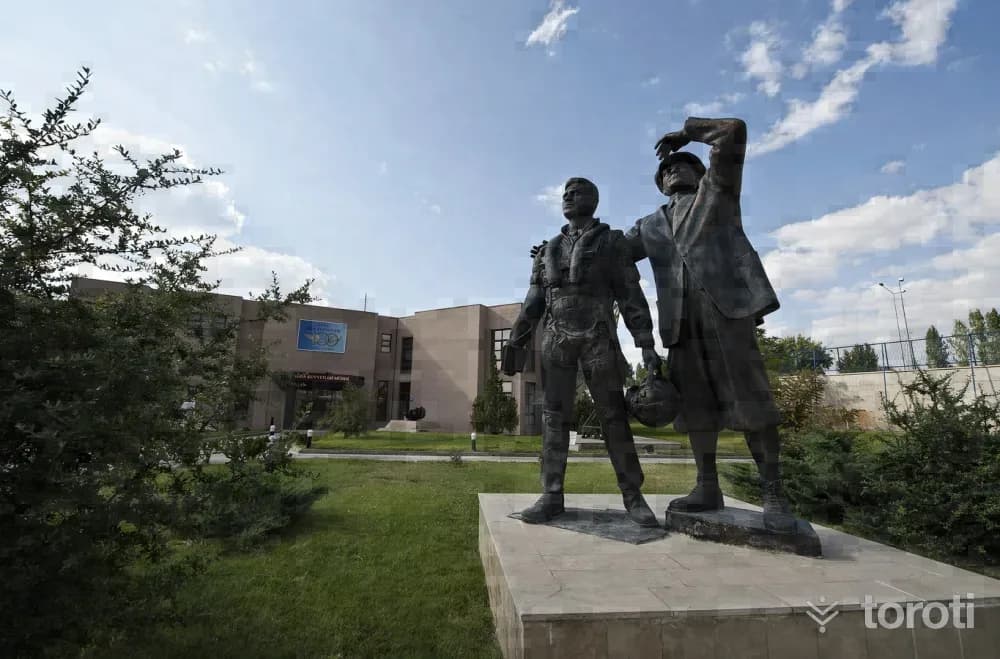
Hava Kuvvetleri Müzesi
Etimesgut, Ankara
The Air Force Museum is located in Şaşmaz Mevkii, established at the 12th kilometre of İstanbul Yolu. The museum, which entered service on 18 September 1998, was officially opened by Mustafa Kemal Atatürk’s adopted daughter, our country’s first female pilot, Sabiha Gökçen.
4
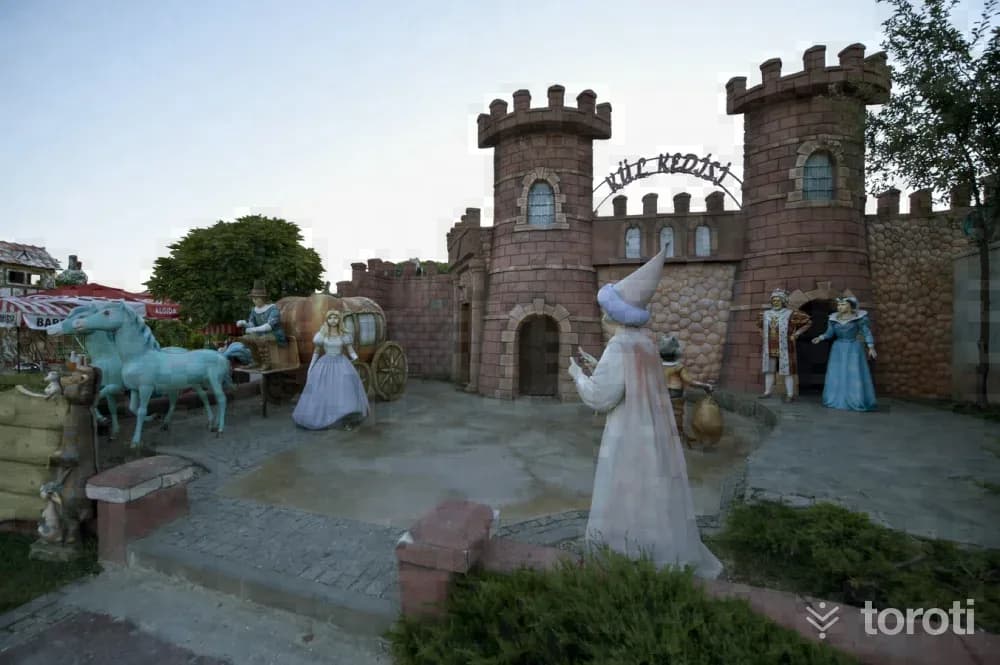
Harikalar Diyari
Sincan, Ankara
Within Harikalar Diyarı, which is planned with approximately 771 thousand square meters of green area, 330 thousand square meters of roads and squares, 40 thousand square meters of parking area, 67 thousand square meters of building area, and 92 thousand square meters of water areas, there is also a Fairy Tale Island established in an area of 25 thousand square meters for children.
5
Tcdd Maliköy Tren İstasyonu Müzesi
Sincan, Ankara
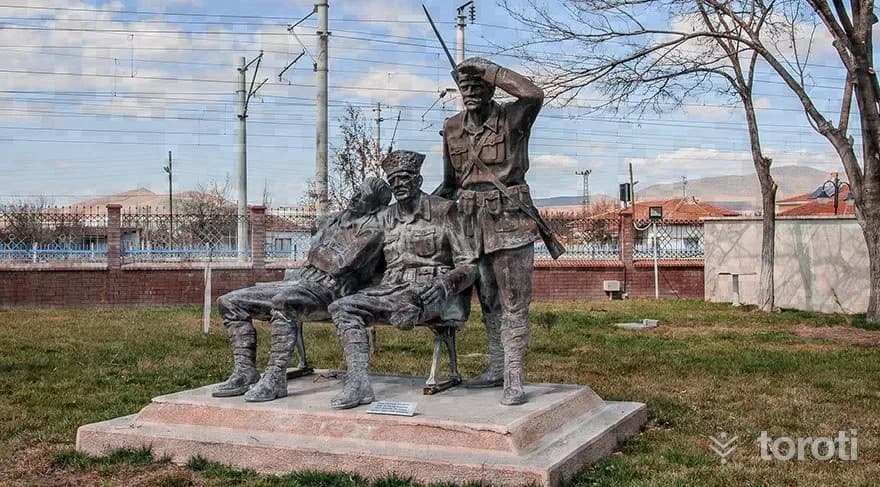
Malıköy, located on the Ankara-Eskişehir railway line, is a settlement center connected to the Polatlı district. The Malıköy station located here is a very important station that affected the fate of the nation in this region where the Battle of Sakarya took place.
6
Topçu Ve Füze Okulu Sinif Müzesi
Polatlı, Ankara
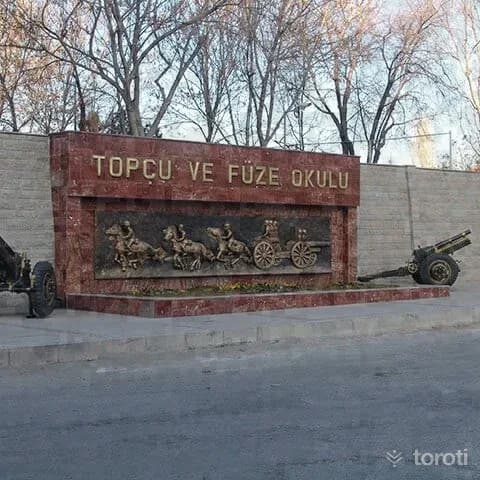
The Topçu ve Füze Okulu Sınıf Müzesi, established with the aim of reflecting the social, cultural and technical development of the artillery class according to periods, conducting scientific research on military cultural assets that will shed light on our military history, and passing on our history and culture to future generations, was completed and opened to service in April 1973. The museum consists of three main sections: the museum garden, the museum section and the Şeref Salonu.
7
Gordion Müzesi
Polatlı, Ankara
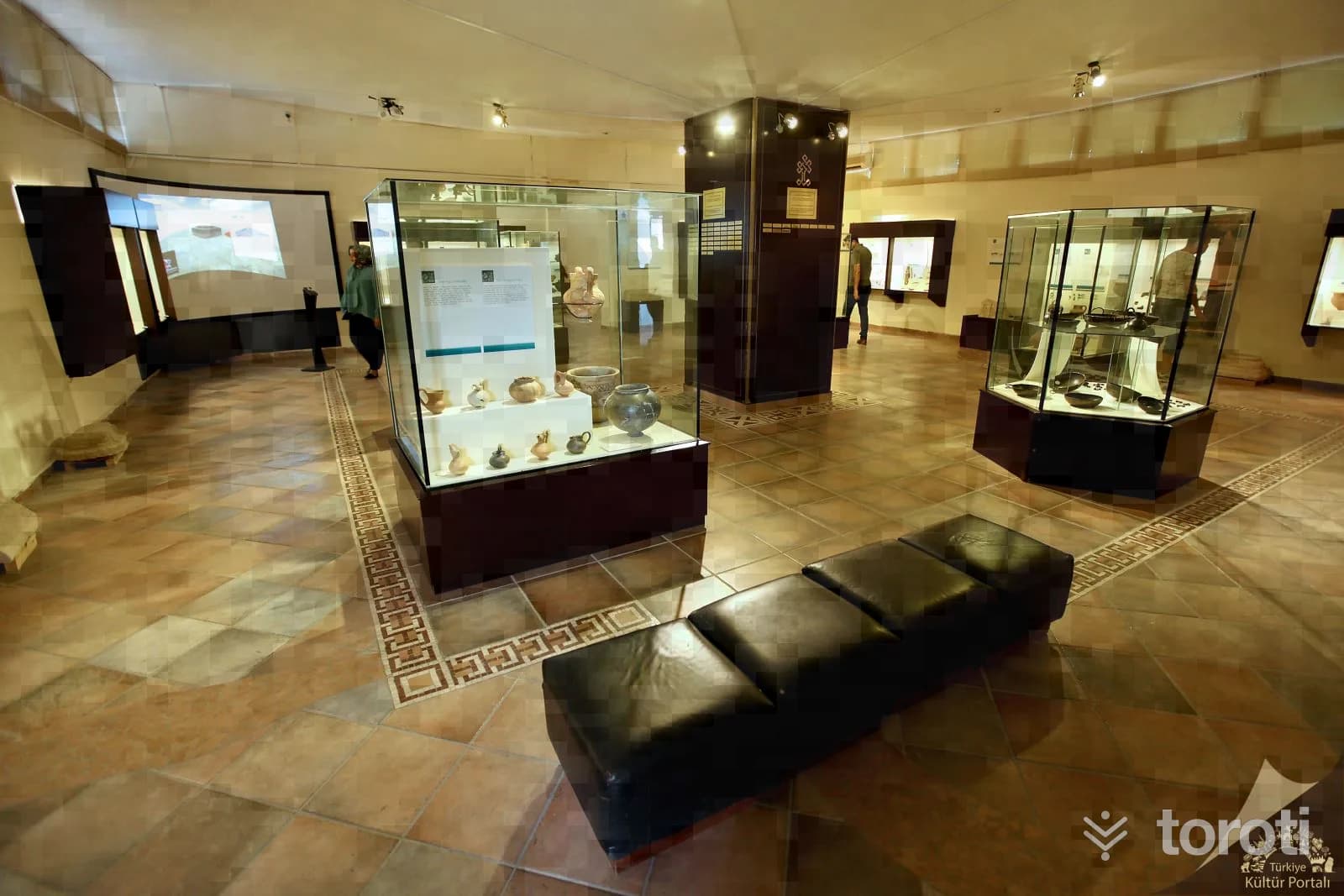
It was established in 1963 next to a small village with a population of 500, known as Yassıhöyük, in the Polatlı district of Ankara. Today, a chronological exhibition is presented at Gordion Müzesi, and each period is represented by characteristic examples.
8
Gordion Antik Kenti
Polatlı, Ankara
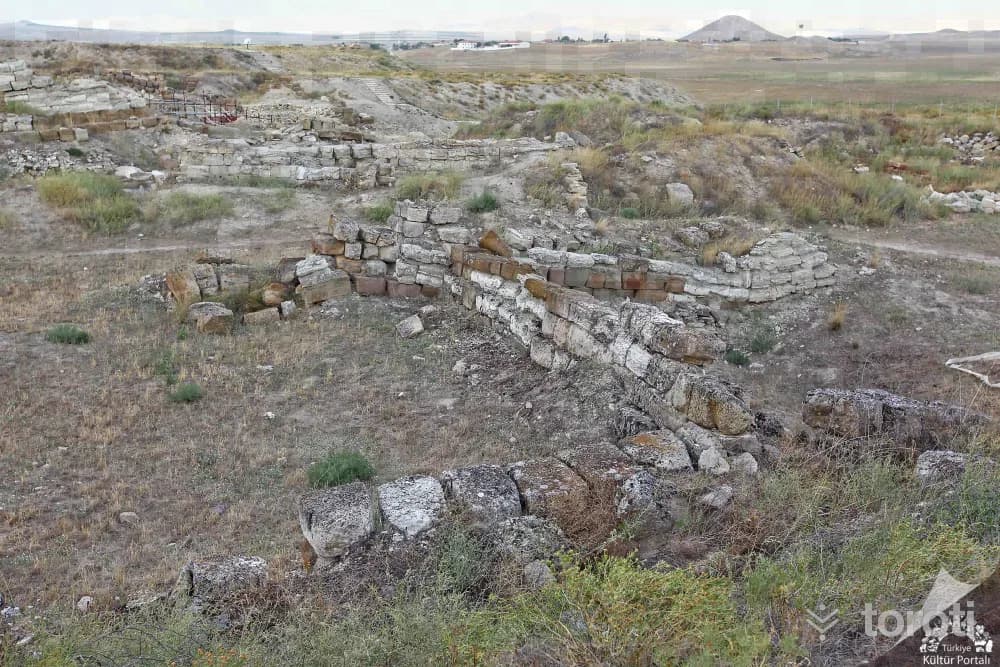
Gordion Ancient City, one of the most important archaeological sites of Anatolia, was inscribed on the World Heritage List by UNESCO in 2023. Servet Uygun Gordion Ancient City is located in the Central Anatolia Region, approximately 90 kilometers southwest of Ankara city center and approximately 18 kilometers northwest of Polatlı district, in the Yassıhöyük neighborhood. Over a long period of 4500 years, settlement in and around Gordion was interrupted very little.
9
Duatepe Anıti
Polatlı, Ankara
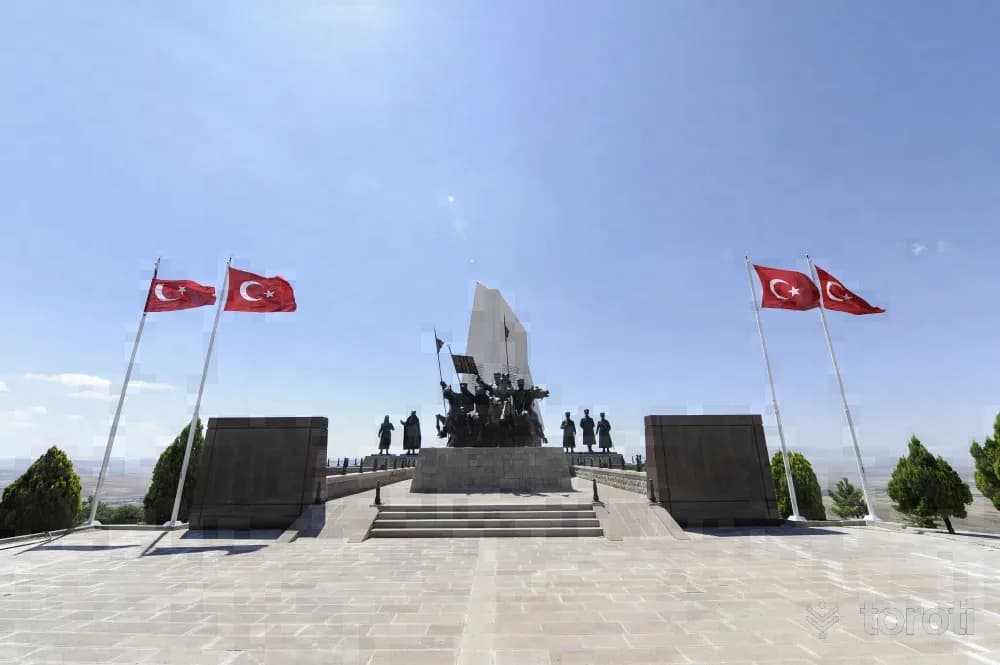
Duatepe Monument was created by afforesting Gazi Tepe, Türbe Tepe and Mangal Dağı on the last defense line where the Battle of Sakarya, considered the turning point of the War of Independence, was fought. Work began at Duatepe in October 1999, 20 thousand trees were planted, and the monument was completed and opened on 12 September 2000. Polatlı, Duatepe Monument consists of five parts: parking lot, access road, walking path, ceremony area and monument.
10
Mehmetçik Anıti
Polatlı, Ankara
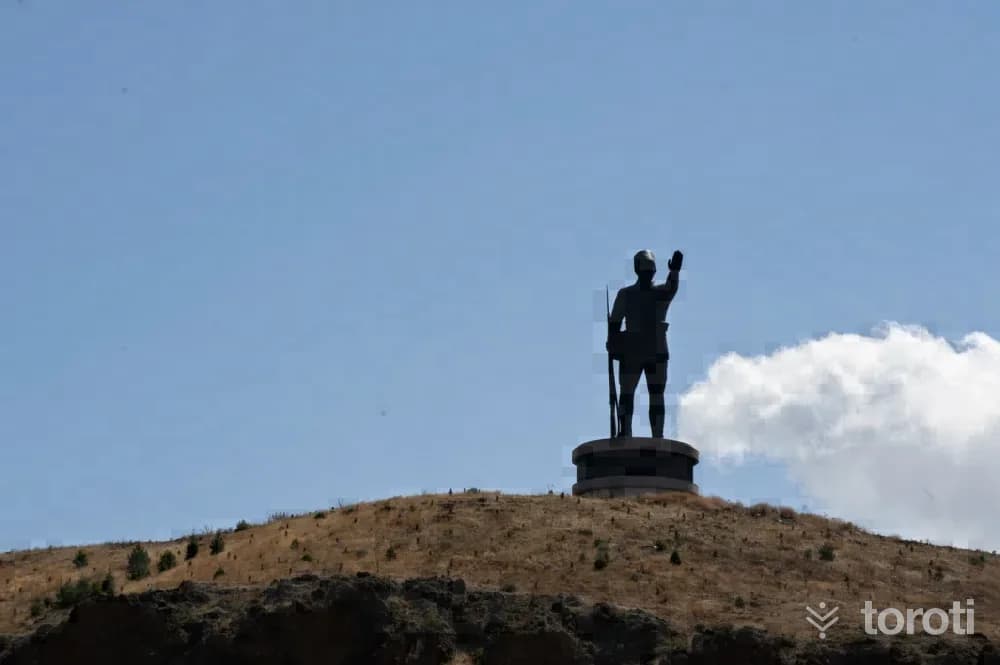
The Sakarya Victory Mehmetçik Monument, Kartal Tepe Mehmetçik monument, rises by the E–90 highway 6 kilometers west of Polatlı District. Although it fell into enemy hands from 31 August 1921 to 12 September 1921, this was an area where the enemy's advance was prevented by bayonet charges. The Mehmetçik monument was made by sculptor Associate Professor Dr. Sait Rüstem. Including its pedestal, it has a total height of 32 meters, and the monument itself is 22 meters.
11
Batı Cephesi Karargahı Müzesi
Akşehir, Konya
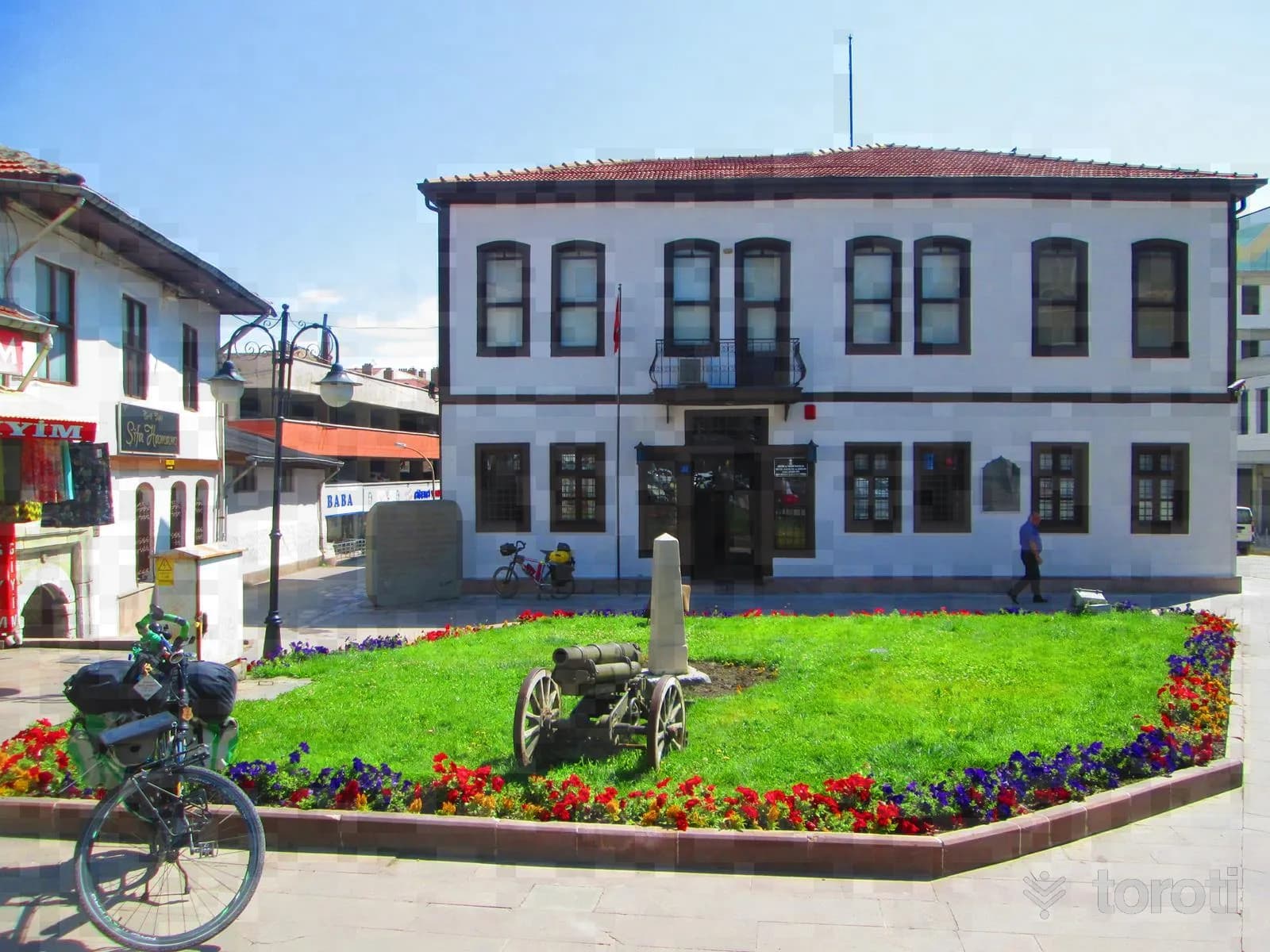
The Western Front Headquarters Museum was built between 1904-1905 and opened as a museum in 1966. It showcases important documents from the War of Independence.
12
Akşehir Nasreddin Hoca Arkeoloji Ve Etnografya Müzesi
Akşehir, Konya
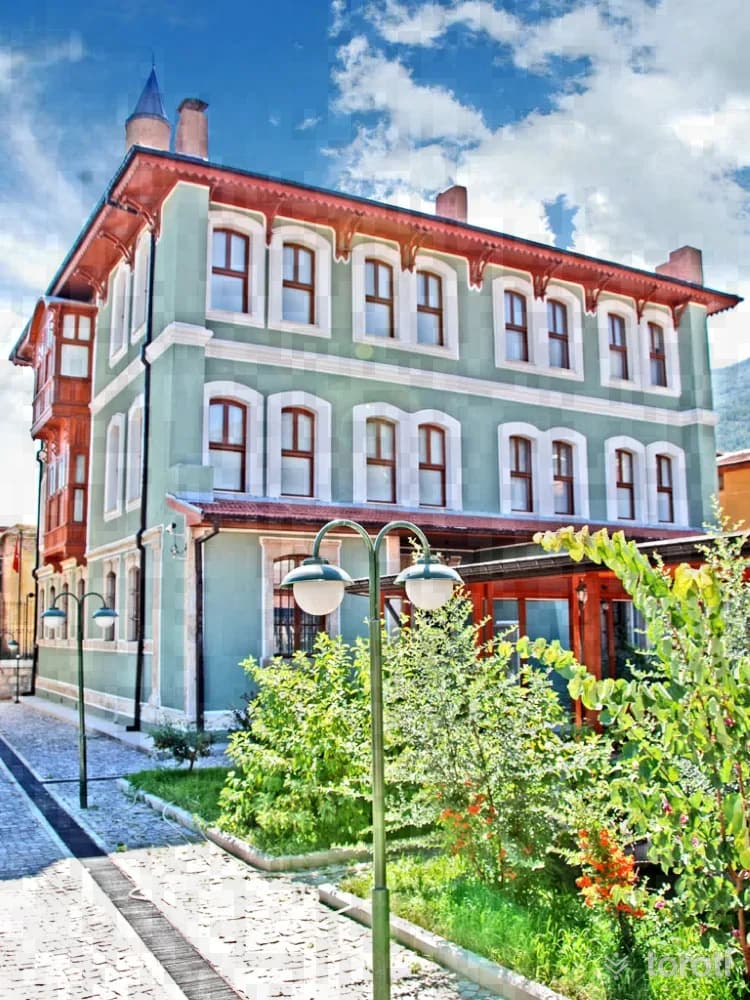
Rüştü Bey, who had the mansion built, was the examining magistrate of Akşehir (the investigating judge of that period). There are two structures in the district known by his name. One of these is Rüştü Bey Hanı, built in 1904, and the other is Rüştü Bey Konağı, whose construction began at the beginning of World War I. After Rüştü Bey had the house belonging to his father Mustafa Ağa, located on the same parcel, demolished, the mansion, whose construction was begun by Armenian masters, was completed by Turkish masters.
- No image
13
Antiocheia Antik Su Kemerleri
Yalvaç, Isparta
Yalvaç ilçesinde yer alan Pisidia Antiokheia kentinin Anıtsal Çeşmesi kuzey-güney caddesinin kuzey ucunda yer almaktadır. Muhtemelen MS I. yüzyıl sonlarında yapılan çeşme binası bugün temel seviyesindedir. Roma Döneminde gelişen şehrin su ihtiyacını karşılamak için “Su Çıktı” kaynağından kente uzanan yaklaşık l0 km uzunluğunda kesme taşlardan su kemeri inşa edilmiştir.
- No image
14
Roma Hamamı
Yalvaç, Isparta
As a result of the excavations, an important part of the stone-built structure, measuring 70x55 m, made of large and regular blocks, of which 7 spaces have been uncovered, remains underground and its plan has not been fully understood. The palaestra (physical training area), established in the area immediately to its east and connected with the bath, measures approximately 38x29 metres and is surrounded by a colonnaded gallery. The bath, water system and fountain, like, AD 1.
- No image
15
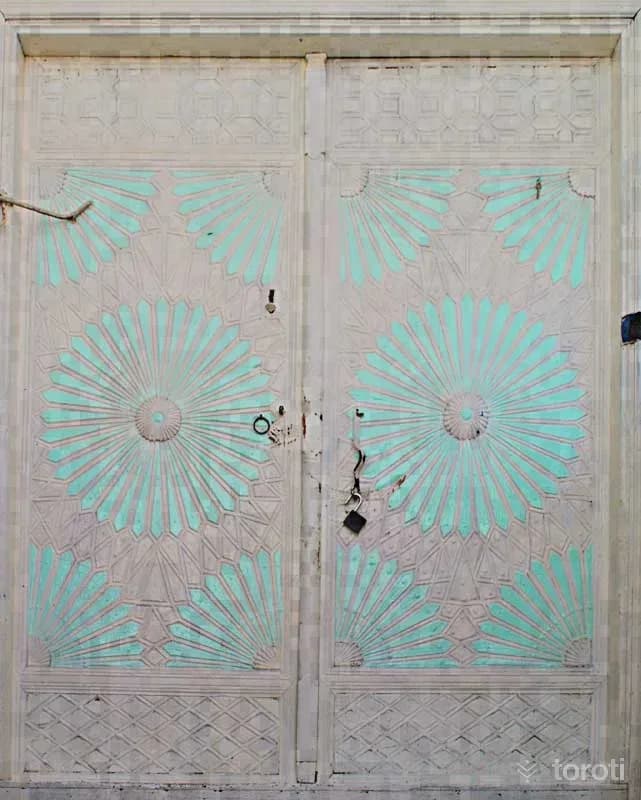
Antiocheia Antik Kenti
Yalvaç, Isparta
It is an ancient city located in the Lakes Region, on the border of Pisidia and Phrygia. It covers an area of 1 km on the northern strip of Yalvaç. The city has the appearance of a valley with its highest point of 1236 meters to the north. The city was founded during the Seleucid period in 275 B.C. by Seleucus I Nicator or his son Antiochus I Soter as an advanced outpost against the Galatians in Phrygia.
16
Isparta Alaca Mescit
Şarkîkaraağaç, Isparta
Isparta Alaca Mescit was built in 1876. There are shops on the ground floor of the rectangular-planned, gable-roofed mosque. The minaret is of brick masonry, and its base is made of spolia material and is rectangular in shape. The balcony creates tooth-shaped decorations with bricks projecting one above another. Wooden laths were used in the ceiling decorations of the structure, which was built in the classical style.
- No image
17
Zengibar Kalesi
Şarkîkaraağaç, Isparta
The inscription of Zengibar Castle, located on the top of the mountain to the east of Zengibar (Muratbağı) Village in the Şarkikaraağaç district of Isparta, has not survived to the present day. No information has been found in the sources either. For this reason, it is not known when the castle was built. Zengibar Castle has been destroyed, and only the foundation stones of the rampart walls extending toward the summit of the mountain have survived to the present day. These stones are fairly large cut stones.
18
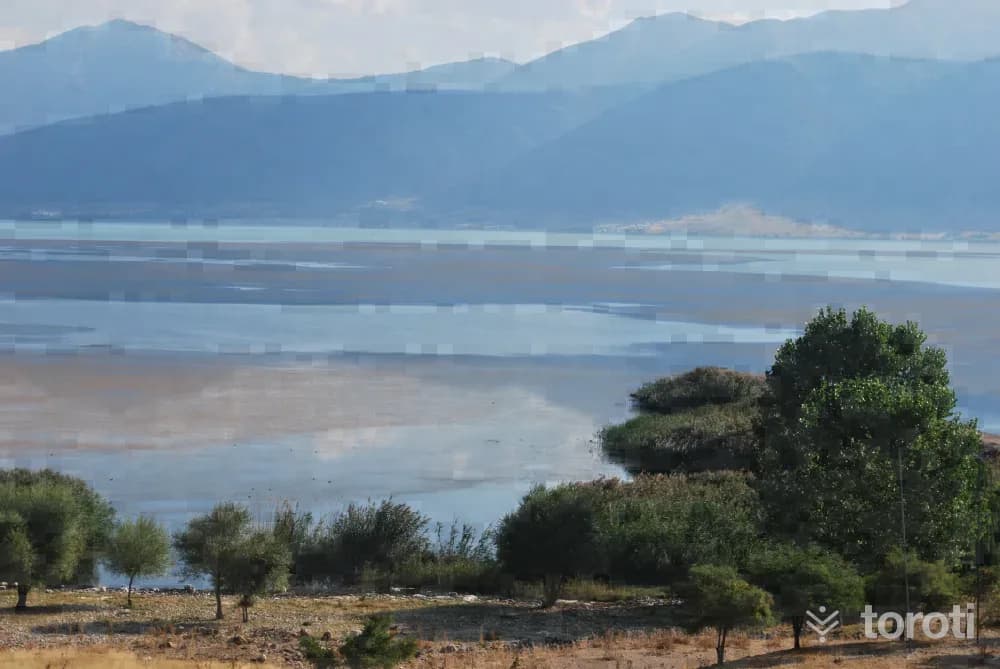
Beyşehir Gölü Ve Çevresi
Şarkîkaraağaç, Isparta
There are a total of 33 islands, large and small, in Beyşehir Gölü, Turkey's third largest lake. In addition to their natural beauties, these islands, where historical ruins are located, add a distinct beauty to Beyşehir Gölü. A part of Beyşehir Gölü lies within the district borders of Isparta's Yenişarbademli and Şarkikaraağaç. There are facilities on the lakeshore for resting.
19
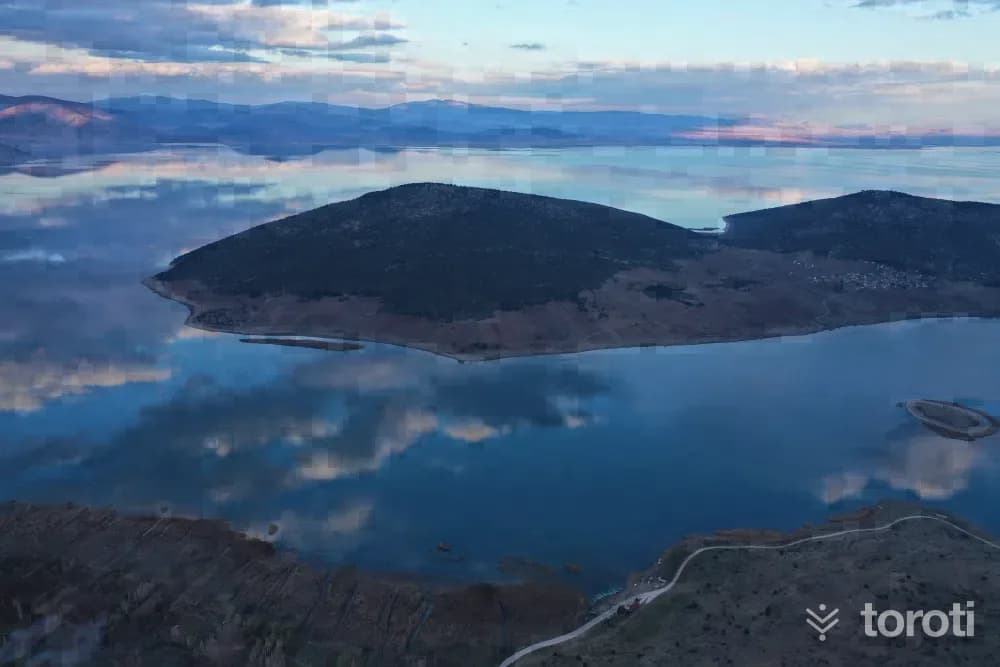
Mada-kazak-kumluca Adası
Şarkîkaraağaç, Isparta
This island, located within the borders of Şarkikaraağaç District, is the largest of the Beyşehir Lake islands with an area of 8220 hectares and is at the far end of the lake’s northwest. The island’s highest hill is 1350 m. The island, which is 35 km from Şarkikaraağaç, is 800 m from the shore. To the north of the island is Küçükkilise Island, and opposite it is Gedikli Village, connected to Şarkikaraağaç. Among the Beyşehir Lake islands, apart from Mada Island, no permanent settlement has been seen on the other islands.
- No image
20
Kubad Âbâd Sarayı
Beyşehir, Konya
Kubad Âbâd Palace was built in 1236 by Sultan Alâeddin Keykubat and holds historical significance.
21
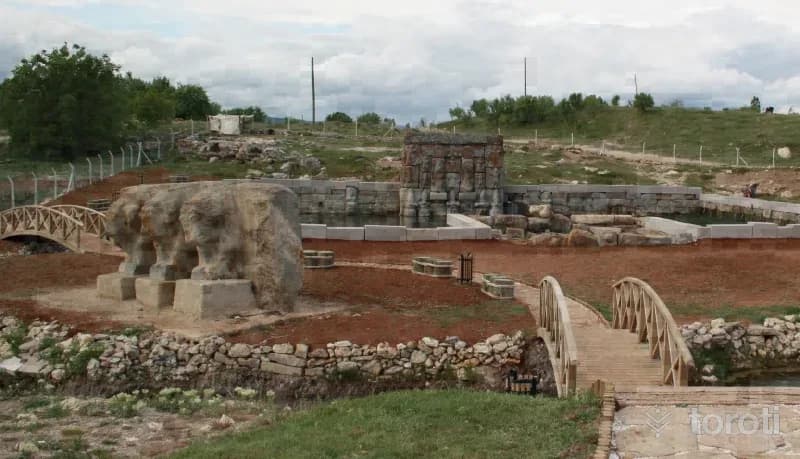
Eflatunpinar Hitit Su Anıti
Beyşehir, Konya
Eflatunpınar Hittite Water Monument is located within the borders of Sadıkhacı Town, Beyşehir District, Konya Province. During their approximately thousand-year period of dominance in the history of world civilization, the Hittites left various tangible cultural assets reflecting the state structure and social, economic, and religious life. Among the most important factors in the shaping of these cultural assets are needs and beliefs.
22
Beyşehir Gölü Yaban Hayati
Beyşehir, Konya
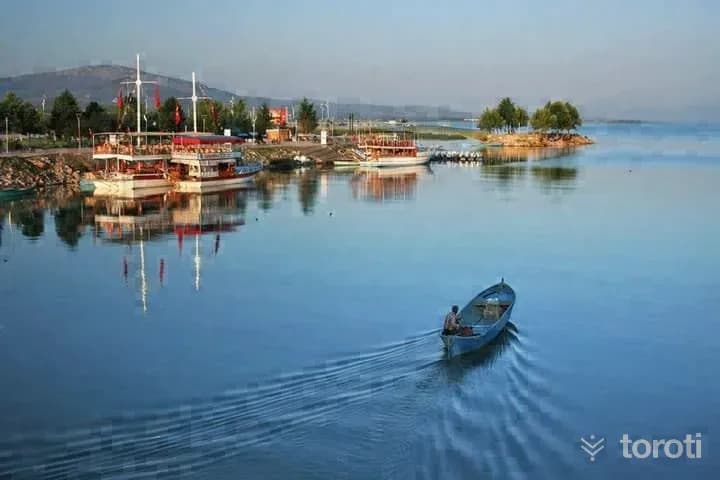
As of 20.02.1993, the area around the lake was granted National Park Status, and the national park area is 88 thousand 750 hectares. It is 100-140 kilometers from Antalya Gulf. It stores the lake waters between elevations 115 and 1125. At maximum elevations, the lake surface reaches 800 km2 and the water it stores reaches 6 million m3. The lake’s elevation above sea level is 1.116 meters. Its width is 10-25 kilometers, and it has dimensions of 42 kilometers in the northwest-southeast direction. Its water is fresh and it has the characteristics of a natural lake.
23
Tarihi Taş Köprü
Beyşehir, Konya
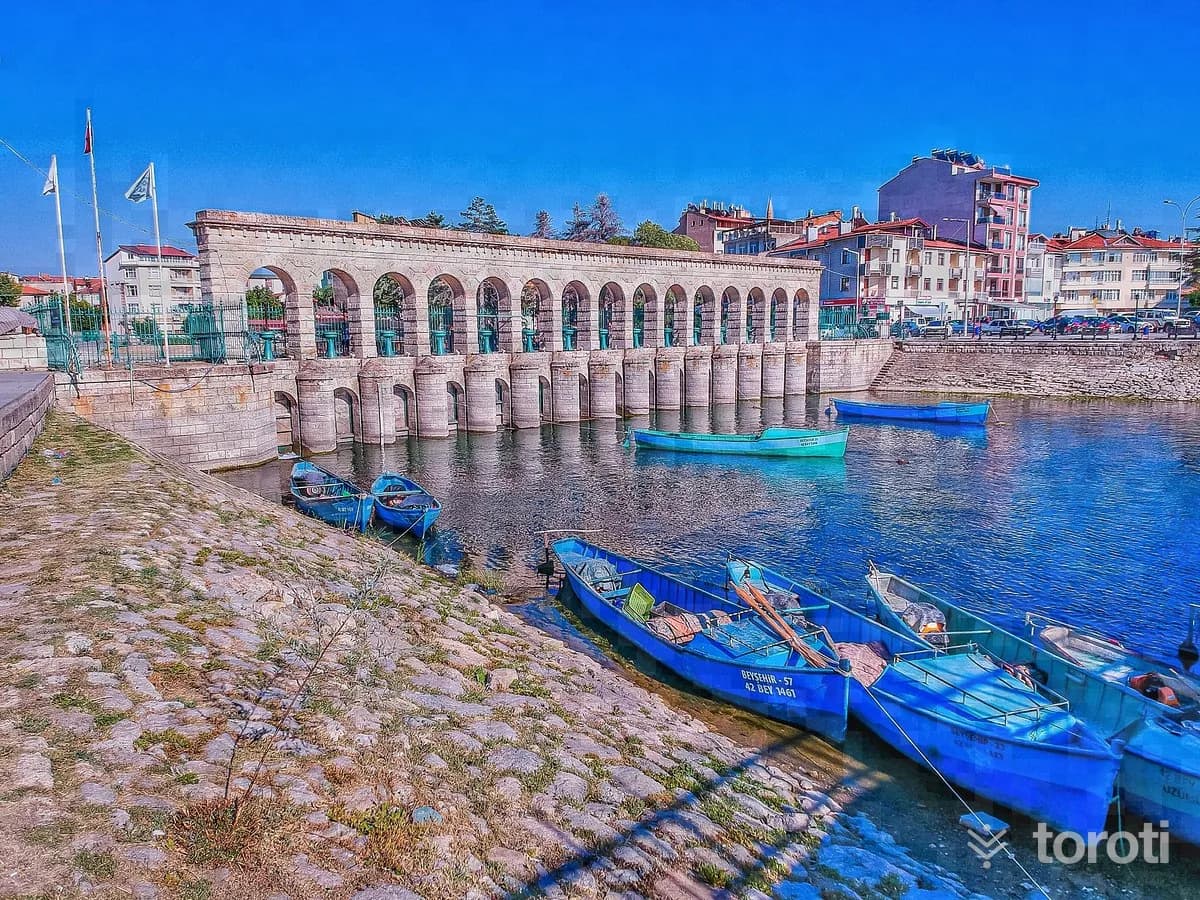
It was built for the irrigation of the Konya Plain. The first known project related to this issue was put forward during the reign of Kanuni. Grand Vizier Avlonyalı Ferit Paşa brought this matter to the agenda in 1898. On behalf of the Anatolia-Baghdad railway construction company, based on Holzman's studies, it was tendered to the Anatolia-Ottoman Railway Partnership in 1907. Its construction was also completed between 1908-1914 and cost 850000 gold. It is the first irrigation project established by the Ottoman State.
24
Fasillar Hitit Kaya Anıti
Beyşehir, Konya
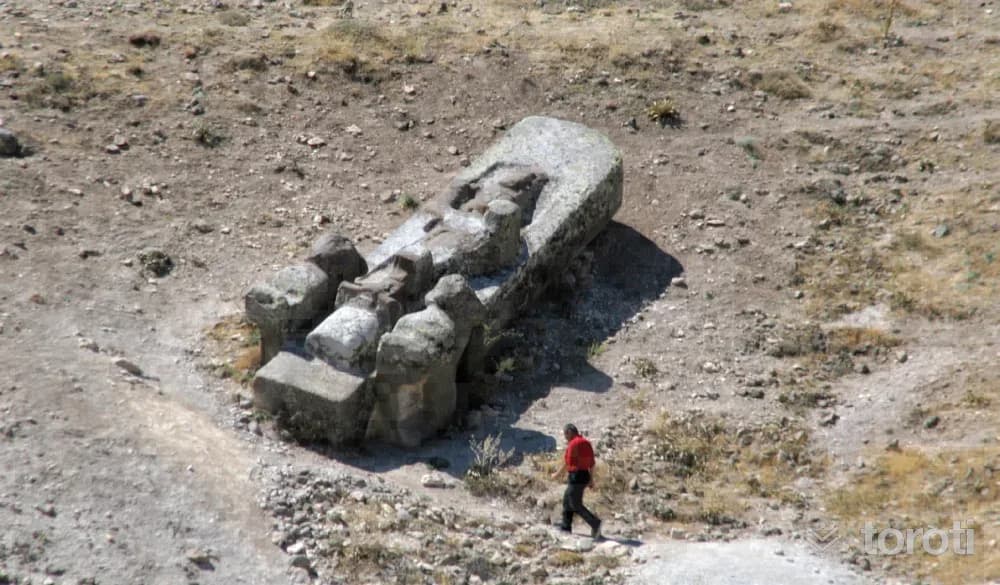
The Fasıllar Monument is one of the largest rock monuments in the world. It lies on the western slope of a hill to the south of Fasıllar Village, which is part of the Beyşehir district. It consists of two superimposed Gods carved onto a 20 square meter face of a giant rock measuring 2.25 x 2.75 x 8.30 meters and weighing 72 tons, along with a pair of lion reliefs on either side of the lower God.
- No image
25
Beyşehir Atlıkaya Mezar Odası
Beyşehir, Konya
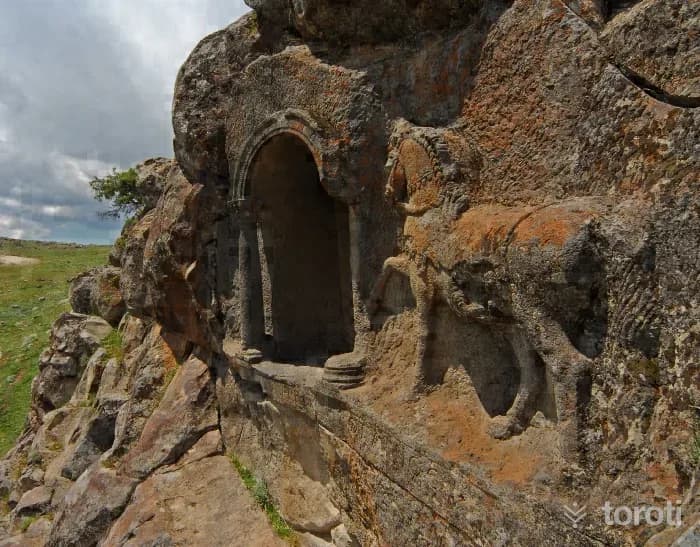
It is located in Fasıllar village of Beyşehir district. It is a rearing horse relief, 1.85 m. in height, carved onto a steep rock about 8 m. high from the slope. It is understood that the monument was made in the name of someone who died young. The monuments and ruins of Fasıllar are like a historical open-air museum. The village stands on the site of the Hittite-period city of Mistia. Göçükebir, one of the six districts of the Beyşehir Sanjak, was also established here.
26
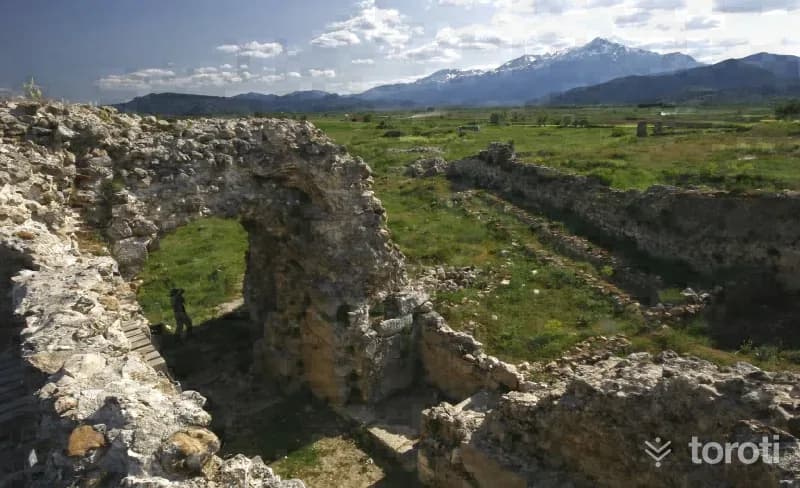
Lukyanus KitÂbesi Ve Atli Kaya Kabartması
Beyşehir, Konya
It is 100 metres east of the Fasıllar Hittite Rock Monument. It consists of a 1.85-metre-high horse relief carved onto a steep rock about 10 metres above the ground and a niche. On the right, about five metres above the ground, there is a ten-line inscription measuring 0.85 x 0.95 metres. This inscription mentions horse races to be held for a cavalryman who died at a young age and the rules of these races.
27
Beyşehir KubadÂbÂd Sarayı
Yenişarbademli, Isparta
Beyşehir Kubadâbâd Palace was commissioned by Seljuk Sultan Alâeddin Keykubat in 1236 and is the only surviving Seljuk palace.
- No image
28
Beyşehir Balat İni Mağarası
Derebucak, Konya
Beyşehir Balat İni Cave is located in the Beyşehir district of Konya, between the villages of Çamlık and Derebucak. The cave attracts visitors with its rich natural formations and sculpture room.
- No image
29
Beyşehir Suluin Mağarası
Derebucak, Konya
Beyşehir Suluin Cave is a large and high cave located in Beyşehir district of Konya. The cave offers visitors an impressive experience with its natural beauty and large lake.
- No image
30
Beyşehir Pinarbaşi Mağarası
Derebucak, Konya
Beyşehir Pınarbaşı Cave is located south of Lake Beyşehir and features rich stalactite formations.
- No image
31
Beyşehir Büyük Düden Mağarası
İbradi, Antalya
Beyşehir Büyük Düden Cave is a natural formation of speleological significance, notable for its challenging structure and the lakes within.
32
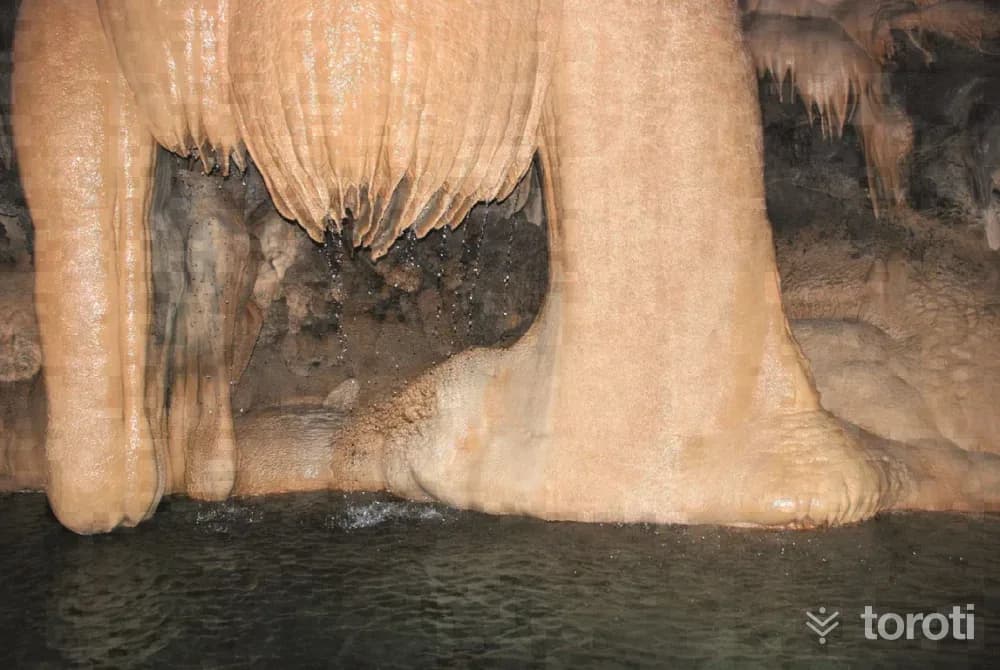
Altinbeşik - Düdensuyu Mağarası
Akseki, Antalya
Altınbeşik Cave is a natural formation located in İbradı, Antalya, known as one of the most beautiful caves in Turkey.
33
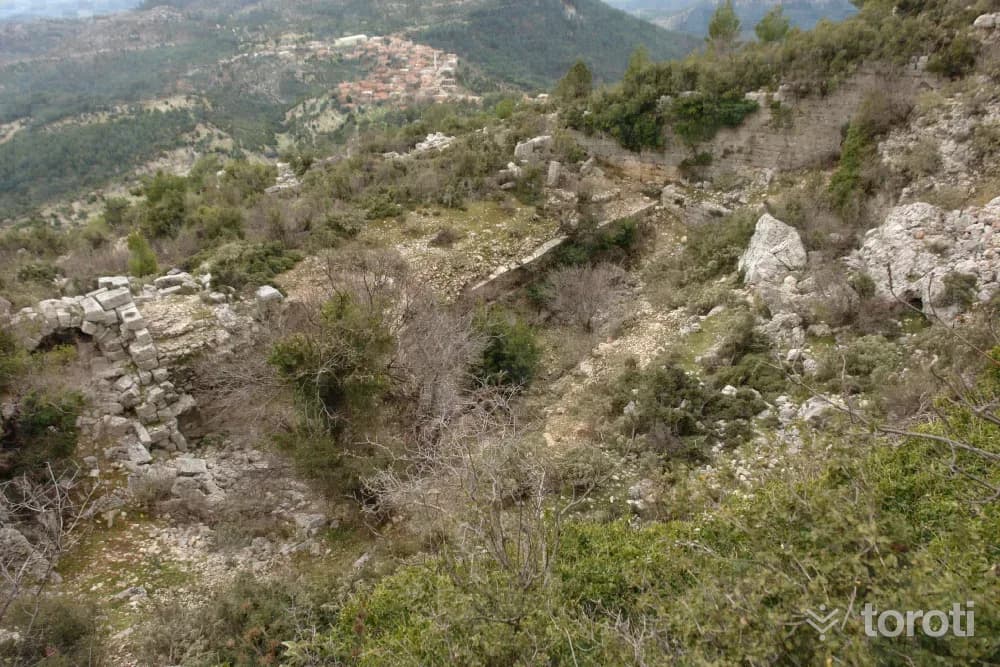
Etenna
Manavgat, Antalya
Etenna Ancient City is a historical site located in Manavgat, Antalya. It offers a suitable area for nature walks.
34
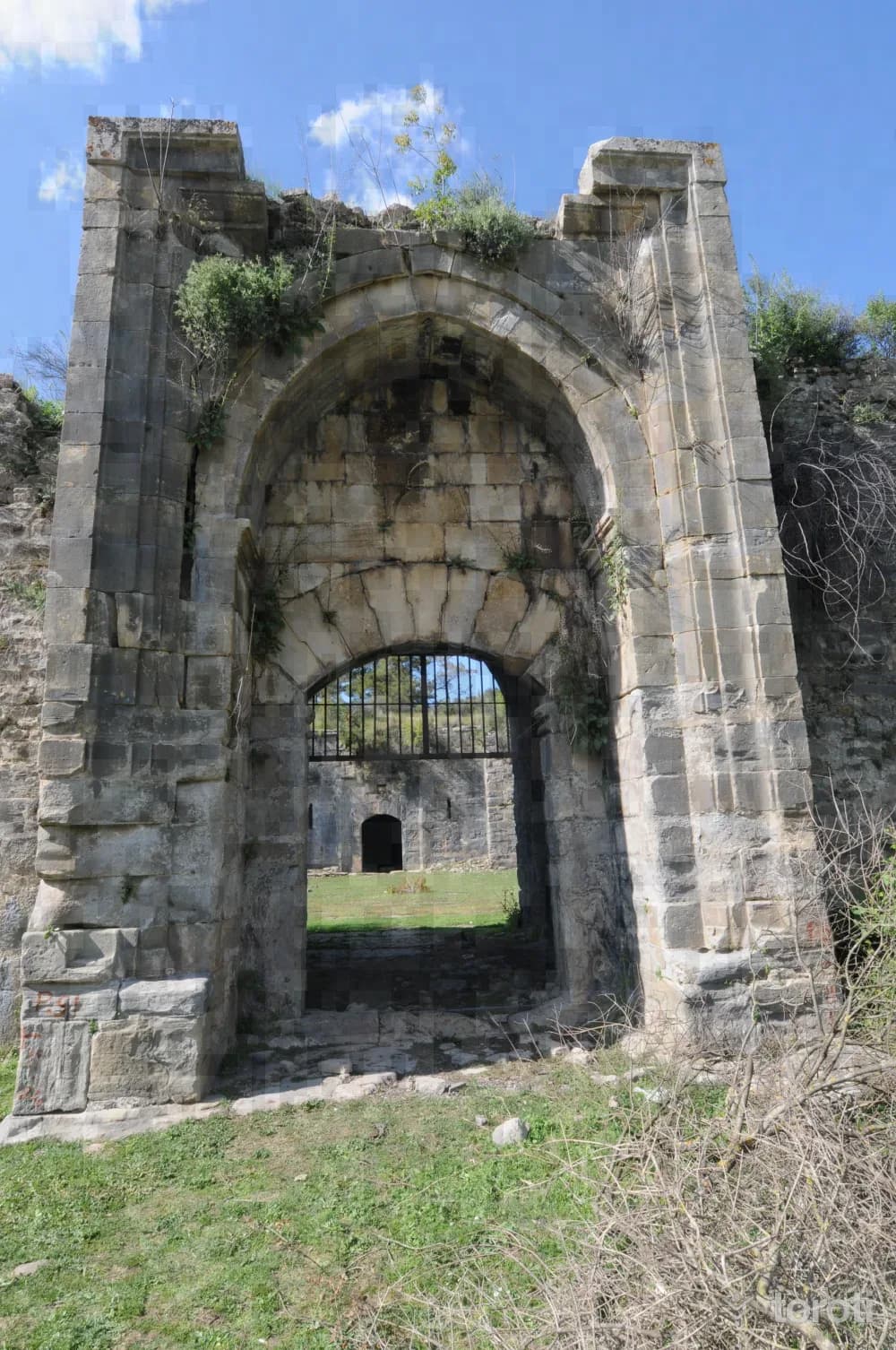
Kargihan
Manavgat, Antalya
Kargihan is a historical caravanserai located in Manavgat, Antalya, dating back to the Anatolian Seljuk period.
35
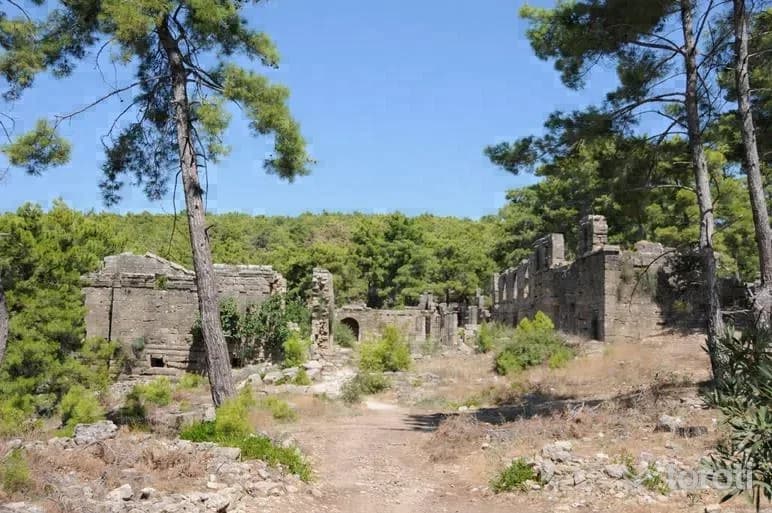
Lyrbe Antik Kenti
Manavgat, Antalya
Lyrbe Ancient City is a historical settlement located in Manavgat, Antalya. It features well-preserved walls and remains dating back to the Hellenistic Period.
- No image
36
Manavgat Belediyesi Evrenseki Halk Plajı
Manavgat, Antalya
Manavgat Belediyesi Evrenseki Public Beach is a public beach candidate included in the official 2025 Blue Flag list.
37
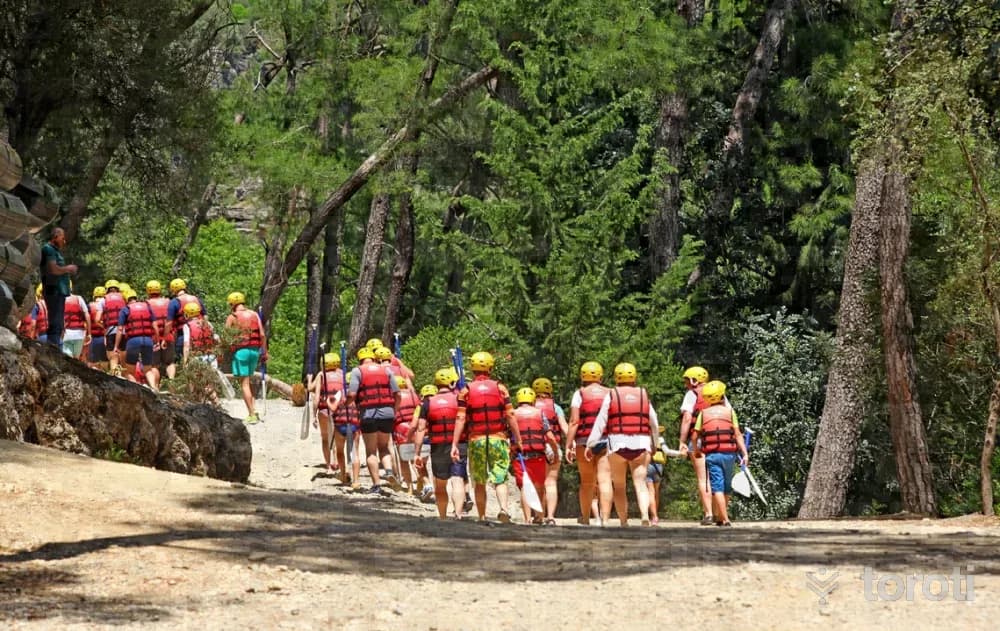
Köprülü Kanyon Milli Parkı
Manavgat, Antalya
Köprülü Canyon National Park offers visitors a variety of activities with its natural beauty and historical richness.
38
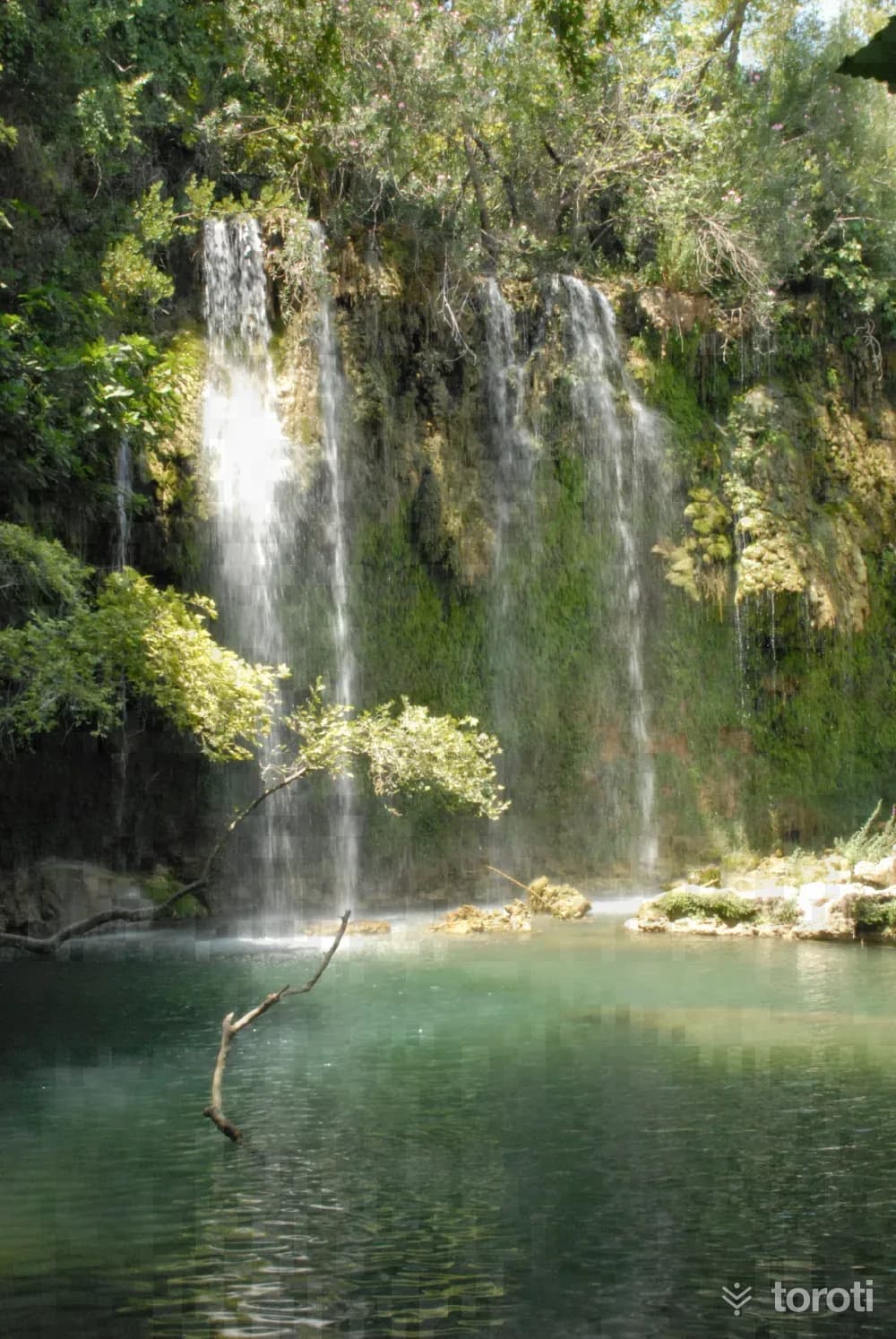
Kurşunlu Şelalesi
Aksu, Antalya
Kurşunlu Waterfall is an ideal place for nature walks and picnics, featuring rich flora and stunning natural beauty.
39
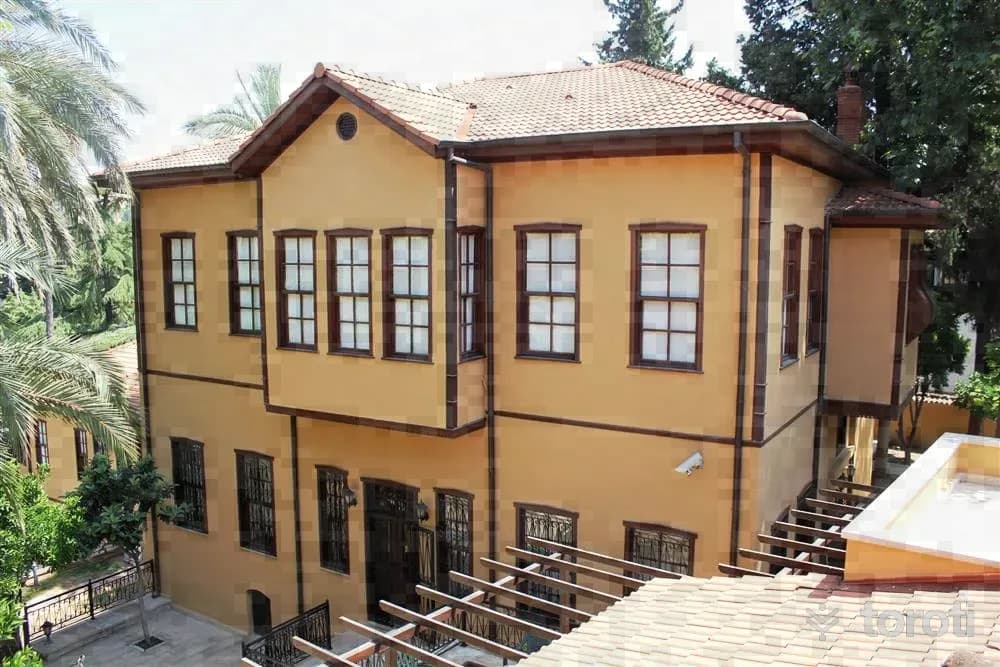
Etnografya Müzesi
Muratpaşa, Antalya
The Antalya Ethnography Museum consists of two mansions showcasing Ottoman architecture and Turkish-Islamic artifacts. It is an important site reflecting Antalya's cultural heritage.
40
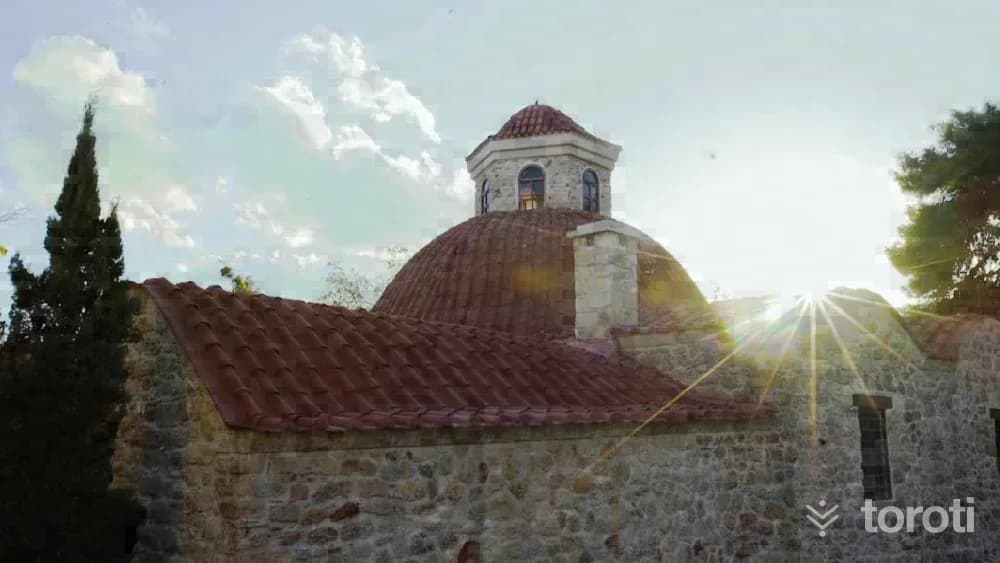
Mevlevihane Müzesi
Muratpaşa, Antalya
The Antalya Mevlevihane Museum is a historical complex that includes a Mevlevihane, a bathhouse, and tombs.
41
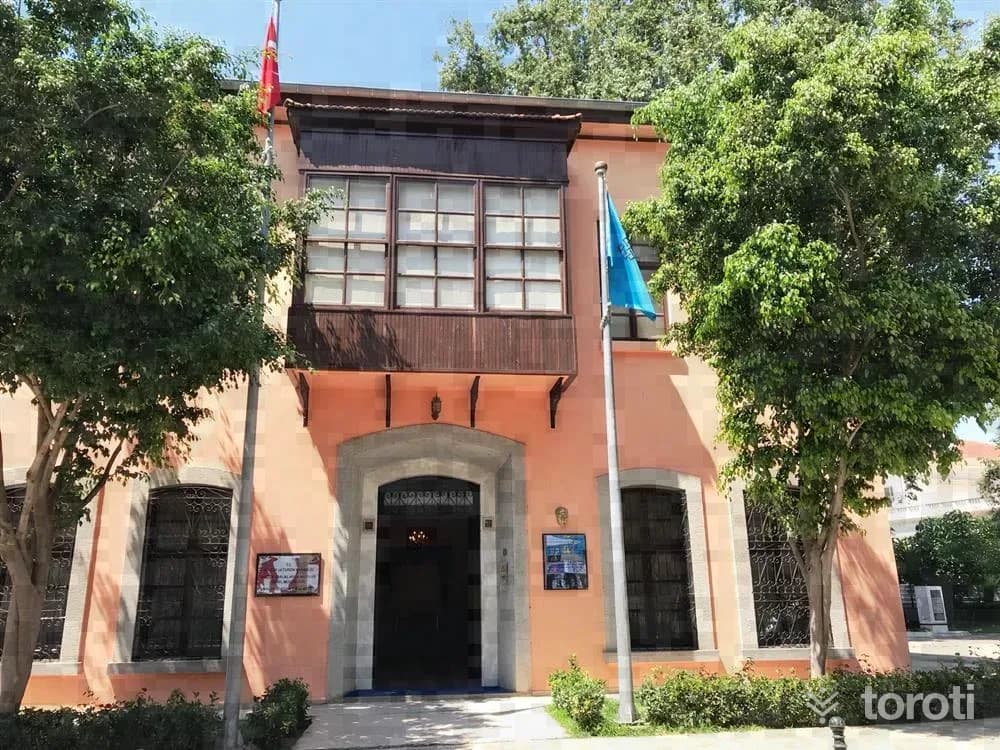
Antalya Atatürk Evi Müzesi
Muratpaşa, Antalya
The Antalya Atatürk House Museum is a museum dedicated to Atatürk's visits to Antalya. Visitors can see Atatürk's personal belongings and documents related to Antalya.
- No image
42
Antalya Büyükşehir Belediyesi Lara Halk Plajı Lazlo Beach
Muratpaşa, Antalya
Antalya Metropolitan Municipality Lara Public Beach Lazlo Beach is a public beach candidate included in the 2025 Blue Flag official list.
Move the stops into your own plan, split them across days, and add places to sleep and eat.
Frequently asked
- How far is it between Ankara and Antalya, and how long does it take?
- Driving between Ankara and Antalya is roughly 487 kilometres and takes about 6 hours without stops.
- Where is it worth stopping between Ankara and Antalya?
- There are 324 described places within 20 km of the road between Ankara and Antalya. toroti lists 42 of them spread evenly along the drive, in the order you pass them; Türkiye Eğitim Derneği Ankara Koleji Okul Müzesi comes early on, and Antalya Büyükşehir Belediyesi Lara Halk Plajı Lazlo Beach sits near the end.
- Which provinces does the Ankara to Antalya route cross?
- The route between Ankara and Antalya crosses Ankara → Konya → Isparta → Antalya. The stretch richest in places to visit is in Antalya.
- Should I take the toll highway or traditional route between Ankara and Antalya?
- Toll motorways save driving time between Ankara and Antalya, whereas traditional state roads pass directly through historic town centers, local culinary stops, and scenic nature viewpoints.
- How should breaks be scheduled between Ankara and Antalya?
- For a drive of around 6 hours, taking a break every 2 to 2.5 hours is recommended. The catalogued attractions in Antalya and neighboring provinces offer memorable stopovers compared to generic highway rest areas.