Stops along the way
Stops between Ankara and Trabzon
864 km, roughly 12 hours of driving. The stops below are ordered as you pass them — the same road in both directions.
In short
The drive between Ankara and Trabzon is 864 km and takes roughly 12 hours. There are 797 described places within 20 km of this route; it crosses 9 provinces, and the densest stretch is in Ankara (152 places).
There are 797 places within 20 km of this corridor; the 56 below are spread evenly along the drive.
- No image
1
Seğmenler Parkı
Çankaya, Ankara
The park, opened in 1983 in the Kavaklıdere district, has a large amphitheater. The park, located in the valley between Atatürk Bulvarı and İran Caddesi, has a 40 thousand square meter lawn area and a 250 square meter children's playground area, and totals 57 thousand 250 square meters. It contains pools, a children's garden, واسعة walking areas, and the Seymenler Monument, which is the symbol of Ankara folklore.
- No image
2
Türk Hava Kurumu Müzesi
Altındağ, Ankara
This museum was planned with the aim of showing the stages of progress of Turkish Aviation and passing this on to future generations. In the Türk Hava Kurumu Müzesi, built next to the historic parachute tower, in addition to the history section where the firsts of Turkish Aviation are explained, extensive information about THK is also included. This information is supported by historical documents, photographs and various models.
- No image
3
Prof. Dr. Ülker Muncuk Müzesi
Yenimahalle, Ankara
It was established in 1974 within the aforementioned school under the leadership of a group of idealist teachers of the Girls' Technical Higher Teachers' School and Ülker Muncuk. The museum began operating on 02.07.1982 as a private museum under the supervision of the Directorate of the Ethnography Museum.
4
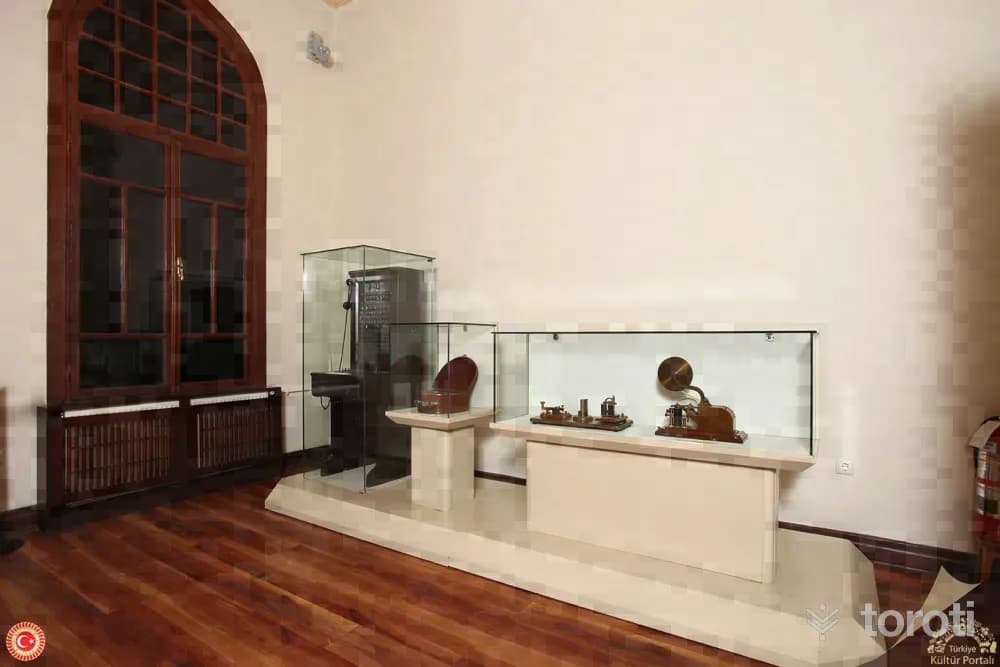
Kurtuluş Savaşı Müzesi
Altındağ, Ankara
War of Independence Museum (First TBMM Building) History of the First Grand National Assembly of Turkey Building The building used as the First Grand National Assembly of Turkey building was constructed in its time as a party building. In 1916, it was decided to build it as the Committee of Union and Progress building. By order of Minister of War Enver Pasha, the building was designed by Architect Salim Bey, and the construction work of the project was assigned to Military Architect Hasip Bey.
5
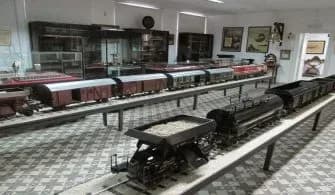
Atatürk Konutu Ve Demiryollari Müzesi
Altındağ, Ankara
One of the few state buildings in Ankara during the War of Independence, the “Direksiyon Binası” continues to be a living witness to the national struggle. When you visit this building, where important historical decisions were made, you will take a journey through time to the years of struggle and witness the spirit of the years when the Republic was founded.
6
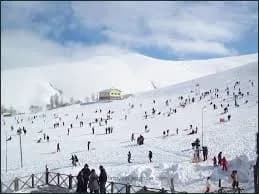
Elmadağ Kayak Merkezi
Elmadağ, Ankara
Elmadağ Ski Center is located in Yakup Abdal village, connected to Elmadağ district, 26 kilometers from Ankara. Elmadağ district, where the ski facilities and mountain lodge are located, is a ski and mountaineering center favored by local and foreign tourists in the winter months. In winter, the snow thickness at Elmadağ ski center reaches 30–40 centimeters. The average duration of snow remaining on the ground is 105 days. The center has a 650-meter ski track and 2 ski lifts of 300 and 650 meters.
7
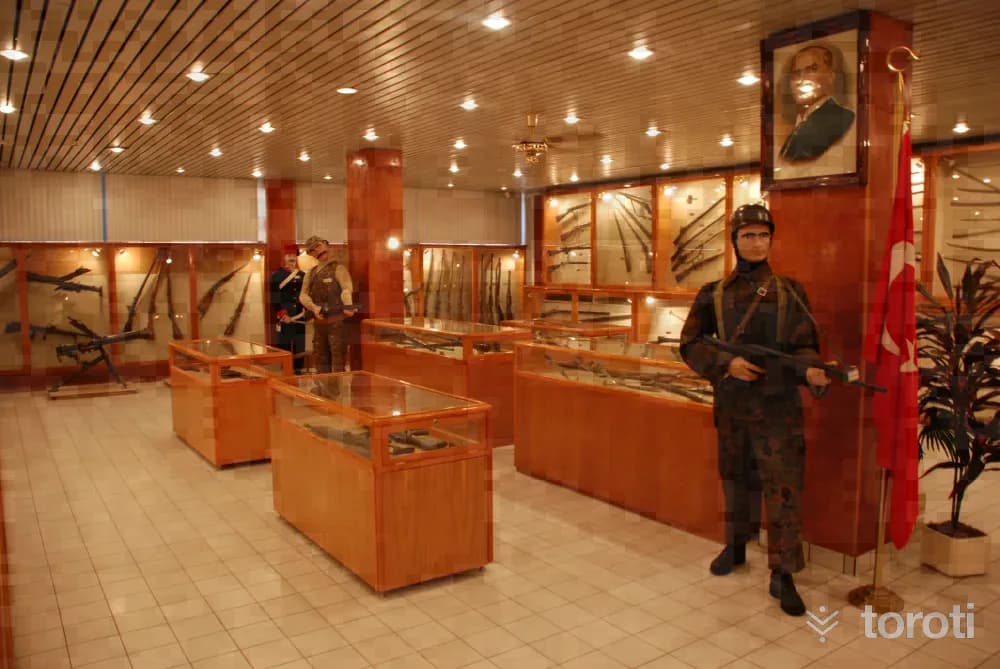
Silah Müzesi
Yahşihan, Kırıkkale
Weapons Industry Museum: It is a museum operating under the General Directorate of MKE Silahsan Hafif Sanayi ve Ticaret A.Ş. The museum, which began operating on 15 July 1990, was reorganized in a larger space and reopened to visitors on 2 November 1993. A large part of the works in the museum was collected by the state from the people of the Black Sea Region during the years of World War II.
- No image
8
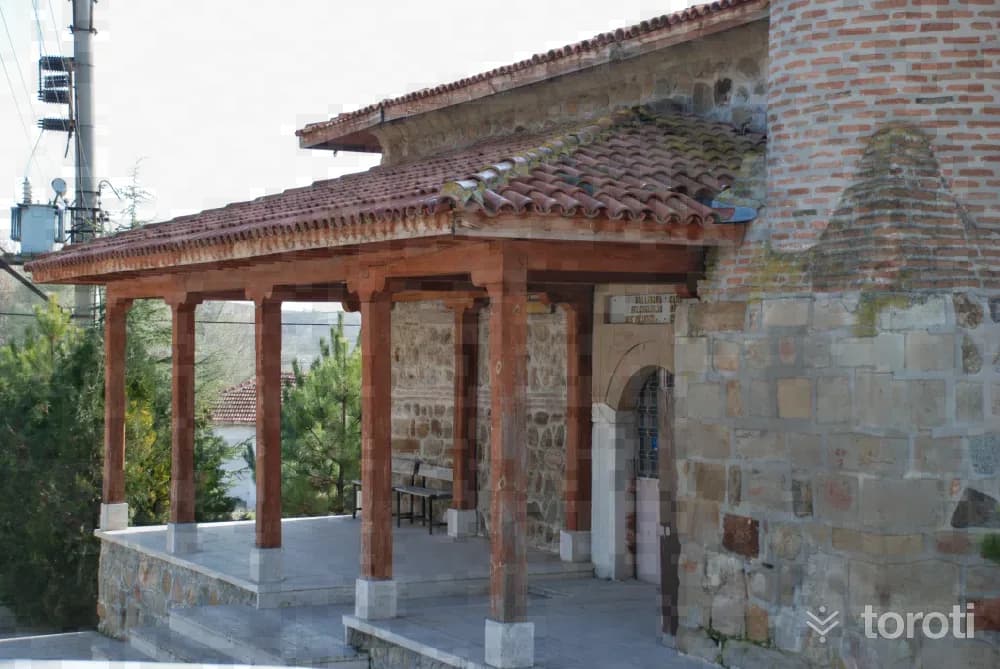
Hasandede Camii ve Türbesi
Kırıkkale (merkez), Kırıkkale
It is in the town of Hasandede. The mosque and the tomb are side by side. The first tomb on the side of the mosque’s minaret belongs to Hasandede (Doğanbeğ), and the second tomb is the joint tomb of his sons Şeyh Halil İbrahim, Şeyh Mustafa, and his daughter Ümmühan Ana.
9
Balli Camii Ve Türbesi
Balışeyh, Kırıkkale
It is located in the district center of Balışeyh, 21 kilometers from Kırıkkale city center. It is estimated that the structure was built in the 12th century, in 1121, and it is not known by whom it was commissioned. The woodwork on the ceiling covering of the mosque is noteworthy.
10
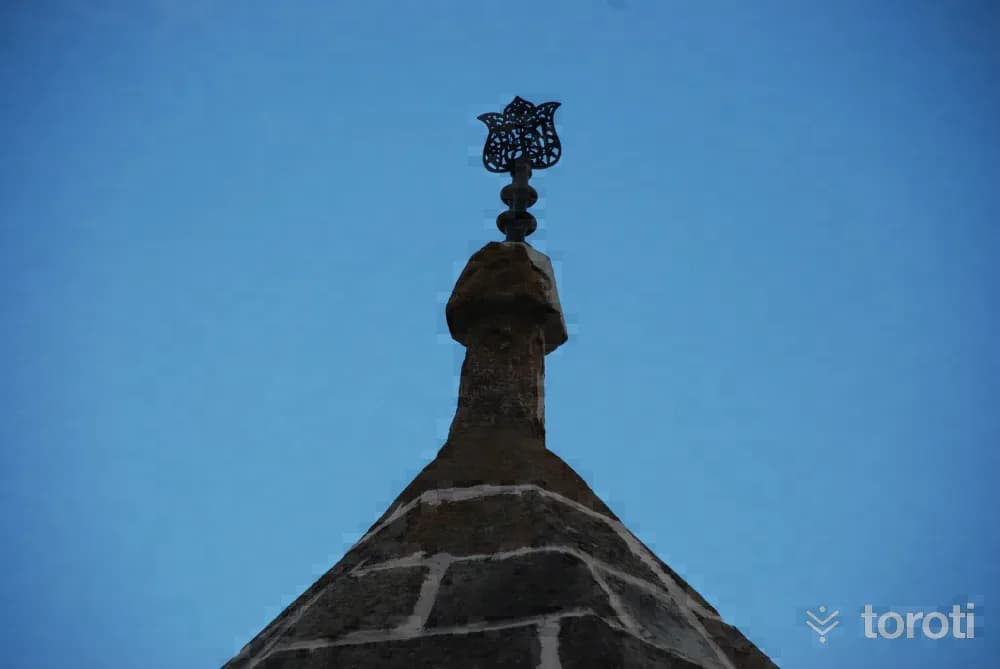
Koçubaba Camii Ve Türbesi
Balışeyh, Kırıkkale
It is located in Koçubaba Village, affiliated with Balışeyh District of Kırıkkale. The mosque and tomb are 15th-century structures. However, the mosque was rebuilt. The tomb, on the other hand, has largely lost its originality through the repairs carried out. In the tomb, which has an octagonal plan and is covered with a pointed cone, there is the sarcophagus of the Alevi Sheikh Koçumbaba.
11
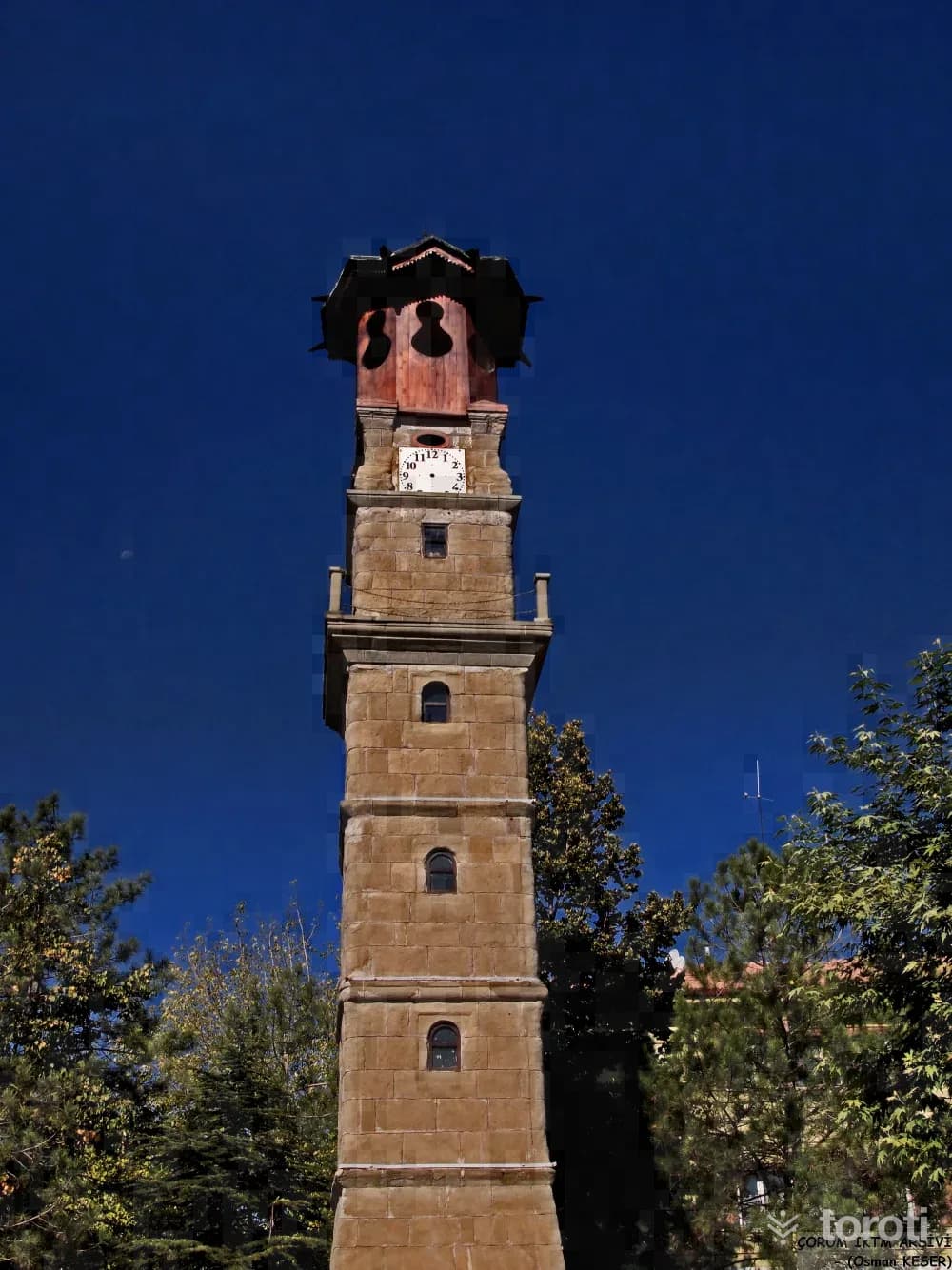
Sungurlu Saat Kulesi
Sungurlu, Çorum
The tower was commissioned by District Governor Edip Bey in 1891. It has a square prism body. There are small windows with round arches on every floor except the second floor. On the top floor of the tower, which was built of cut stone, there is a wooden kiosk with wavy eaves, beneath it round clock dials on four sides, and below that a balcony with iron railings.
- No image
12
Demir Şeyh Türbesi
Sungurlu, Çorum
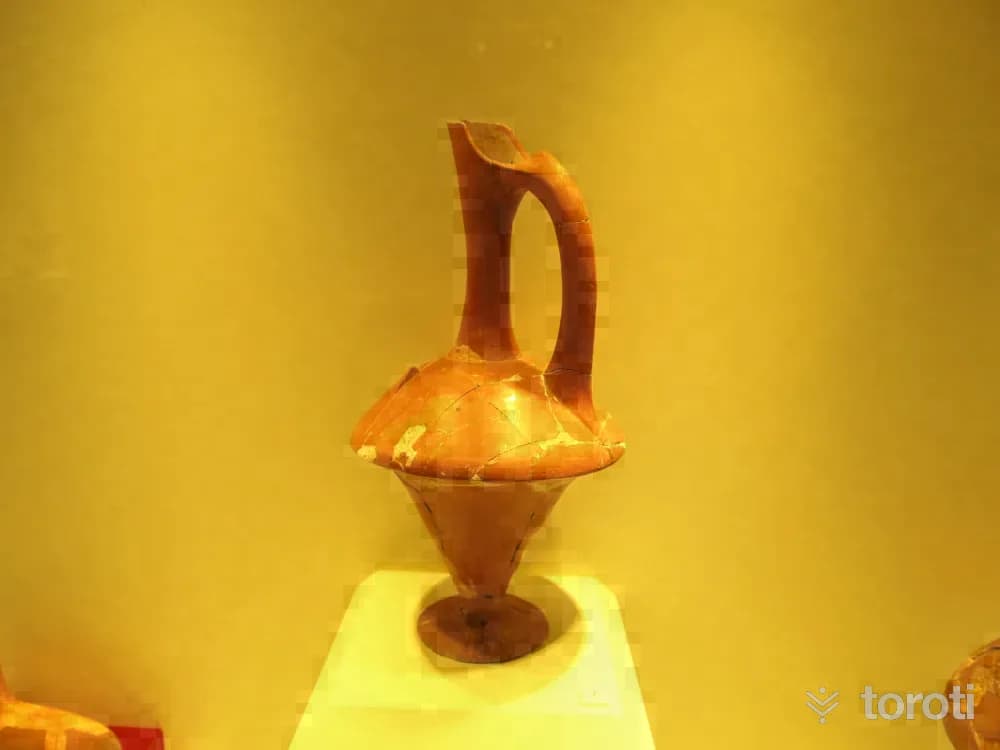
The inscription of this tomb, which was built in a large area in the Sungurlu district, has not survived to the present day. In this respect, there is no information about when it was built. According to a widespread belief among the local people, this tomb was built after the Battle of Manzikert. However, the architecture of this structure that has survived to the present day resembles Ottoman tomb architecture rather than Seljuk architecture.
13
Alacahöyük Müze Ve Ören Yeri
Alaca, Çorum
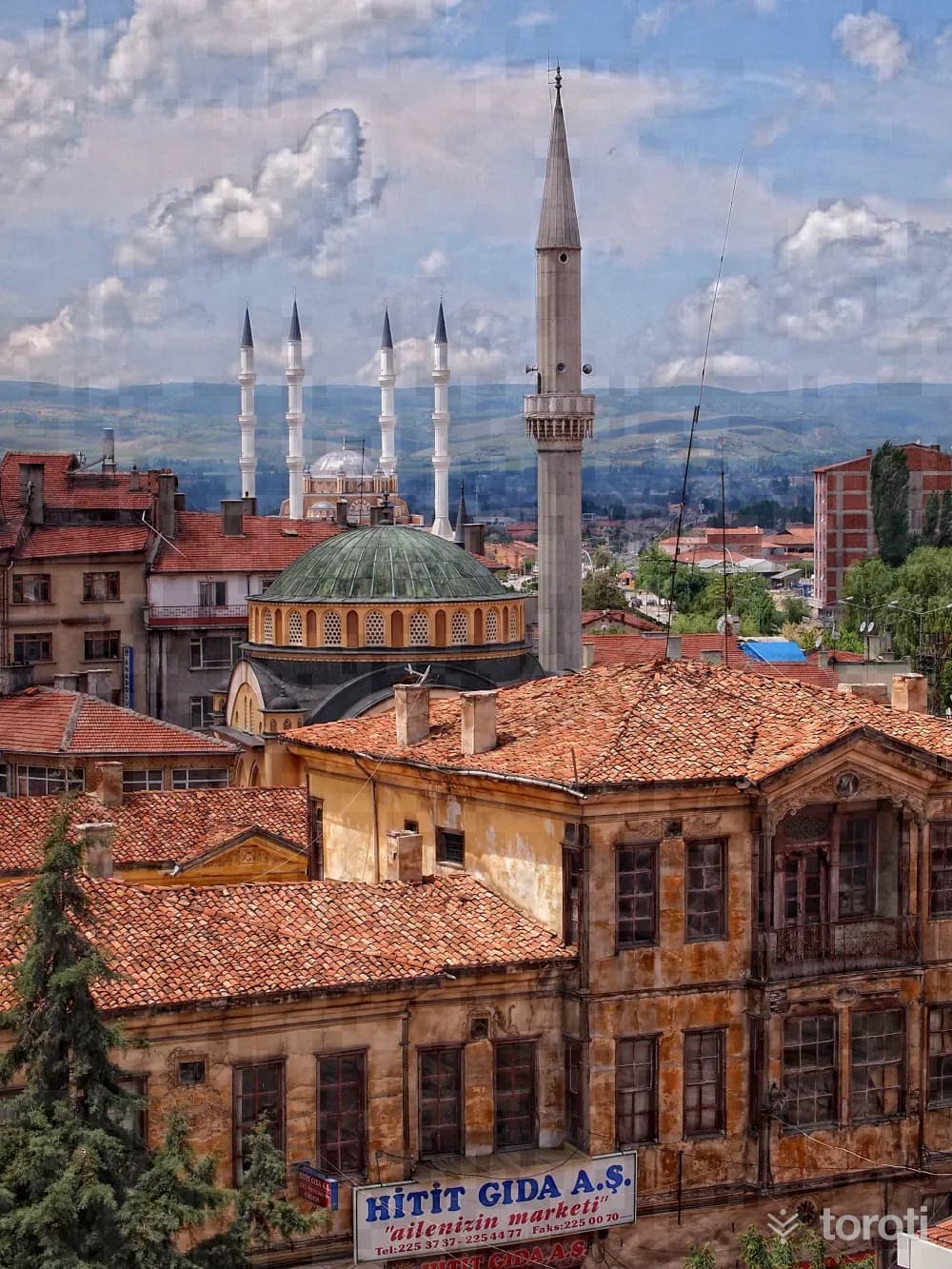
Alacahöyük Ruins are located in Alacahöyük Town of Alaca District of Çorum. An important cultural and artistic center of the Hittites, 4 civilizations were uncovered in the excavations that began in 1935. Alacahöyük 1st civilization layer is represented by the Hellenistic, Roman, Byzantine, Seljuk-Ottoman periods. In the 1st cultural layer, the entire mound was inhabited in the Late Phrygian age. Settlements consisting of small houses were found in this layer.
14
Veli Paşa Hanı
Çorum merkez, Çorum
Veli Paşa Hanı, located in Çepni Mahallesi, was commissioned by Veli Paşa, one of the Yozgat Beys. In the title deeds dated 2 Muharrem 1283 (1867) and 23 Muharrem 1303 (1887) in the archives of the General Directorate of Foundations, the location and surroundings of the inn were described and the vakıf boundaries were specified.
- No image
15
Tarihi Ali Paşa Hamamı
Çorum merkez, Çorum
This bath, located within the bazaar in Kunduzhan Mahallesi, was commissioned by Erzurum Beylerbeyi Ali Paşa in l573. One of the largest baths in Çorum, this bath is also known as Yeni Hamam. This bath, which has the double bath plan layout of Ottoman architecture, consists of women’s and men’s sections. The cooling, hot, and halvet sections that make up the parts of the bath are covered with domes resting on drums.
- No image
16
Siklik Tabiat Parkı
Çorum merkez, Çorum
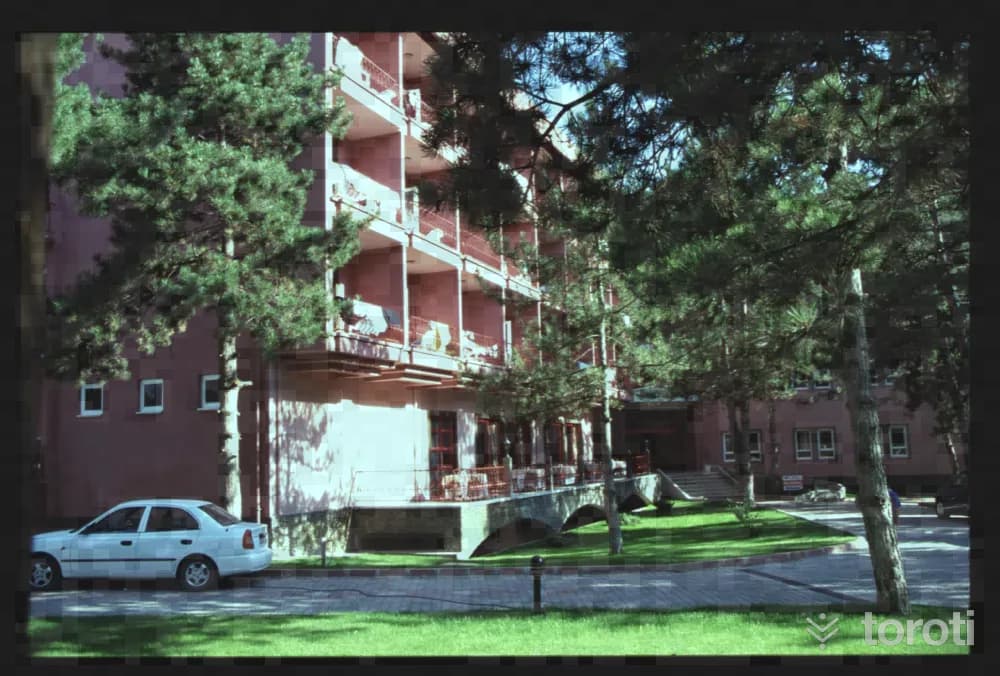
Sıklık Boğazı, located on the Çorum-Samsun road, was declared a Nature Park in 2009. The natural area, where a botanical and zoological garden, an artificial pond, observation towers, a countryside restaurant and walking trails will be built in the coming years, currently serves as a picnic area. You can have a pleasant time in the forested area stretching for 7 kilometres. It is 7 km from Çorum. Its area is 63.Ha and it is located on the Çorum-Samsun highway.
17
Hamamözü Arkutbey Kaplıcaları
Laçin, Çorum
Although the exact history of Hamamözü Arkutbey Kaplıcaları is not known, there is a small bath and pool that have been used since Antiquity. It takes its current name from Seljuk Arkut Bey.
- No image
18
Elvan Çelebi Camii
Mecitözü, Çorum
This mosque, located in Elvançelebi Village of Mecitözü district, is thought to have been built as a zaviye. Elvan Çelebi, who gave his name to this village, was the son of Aşık Paşa. His great-grandfather was Baba İlyas, the teacher of Baba İshak. The Seljuk Sultan II.Gıyaseddin Keyhüsrev, who suppressed the Baba İshak rebellion, also killed Baba İlyas in the meantime. After this, this family fled to Egypt and later settled in Çorum.
- No image
19
Elvan Çelebi Türbesi
Mecitözü, Çorum
In the middle of the 13th century, he came and settled in Central Anatolia, fleeing the Mongol invasion. After studying various sciences from the scholars of the time, he turned to Sufism. He advanced in Sufism by attending the sohbet of sheikh al-Islam Fahreddin Efendi, one of his father's caliphs. In 1326 (H. 727), when his father went to Egypt, he came to Mecitözü and settled in Elvan village. He had a mosque, zaviye, tomb and bath built.
- No image
20
Örencik Şelalesi
Çorum merkez, Çorum
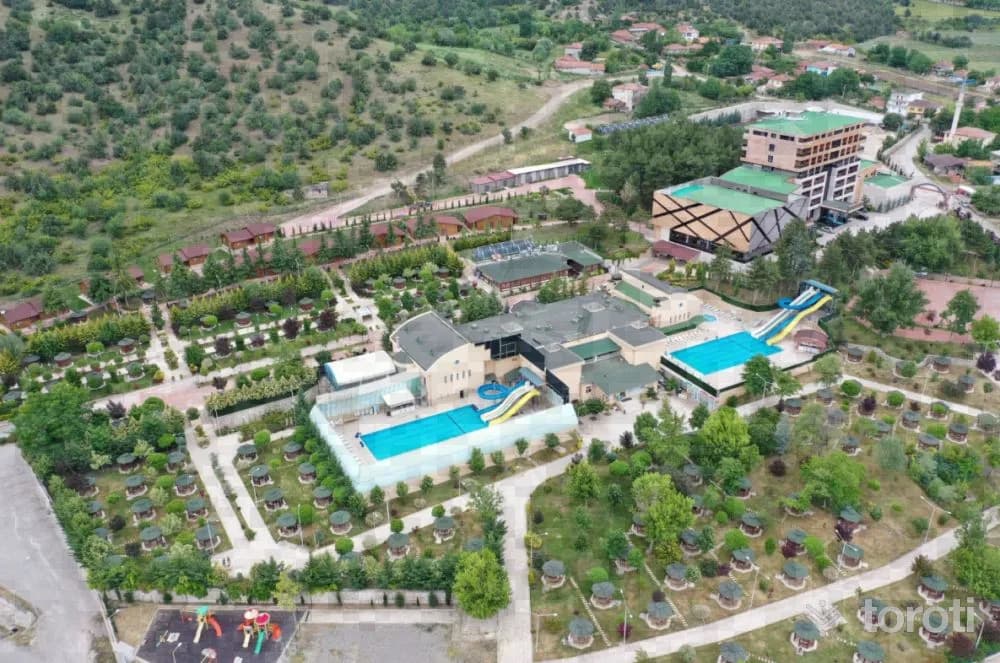
27 kilometers from the center of Çorum, the waterfall in Örencik Village is near Suludere Canyon. Coming from the mountains with a wild current and pouring down from meters high with great magnificence, the waterfall is located only 500 meters from the main road.
21
Gözlek Kaplıcaları
Amasya merkez, Amasya
Amasya Gözlek Hot Springs is a thermal center that stands out with its healing thermal water at a temperature of 38,5°C, its benefits for rheumatism and skin disorders, and its location close to the city center.
- No image
22
Çağlayan Köprüsü
Amasya merkez, Amasya
The construction date of the bridge and the person who commissioned it are not known for certain. However, the general opinion is that the bridge was commissioned by İltekin Gazi, one of the Danişmendli emirs, in 1075.
23
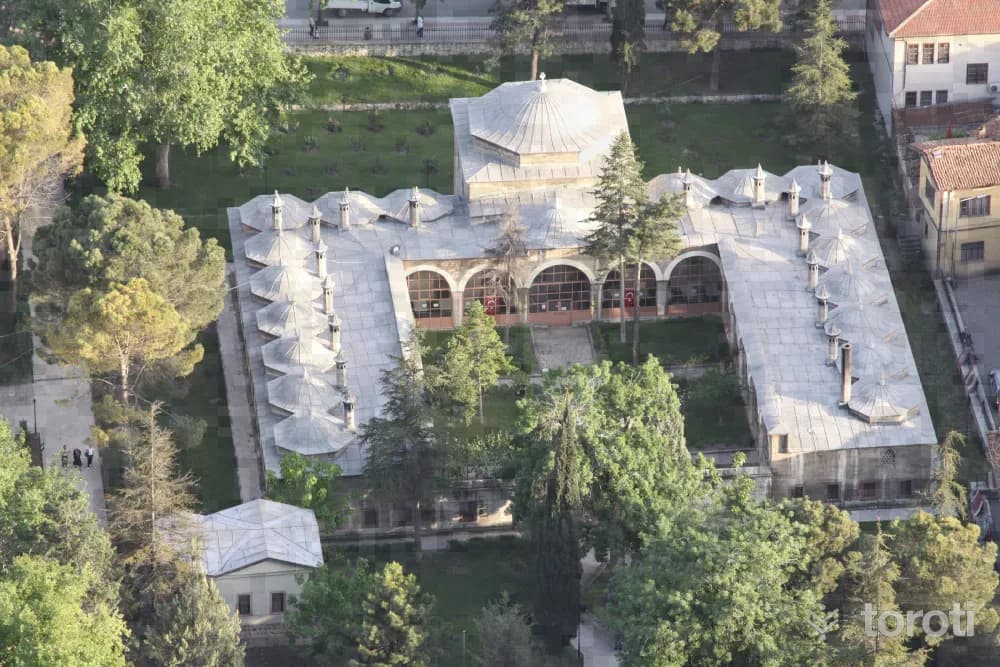
İkinci Bayezid Külliyesi
Amasya merkez, Amasya
İkinci Bayezid Külliyesi was commissioned by Amasya Sanjak Bey Şehzade Ahmed on the instructions of Ottoman Sultan II. Bâyezid between 1485-1486. As stated in the endowment deed dated 1496, the components of the külliye consist of a mosque, madrasa, imaret, school and bridge. The bridge mentioned as one of the components of the külliye is located over the Kızılırmak in Osmancık District of Çorum.
24
Amasya Arkeoloji Müzesi
Amasya merkez, Amasya
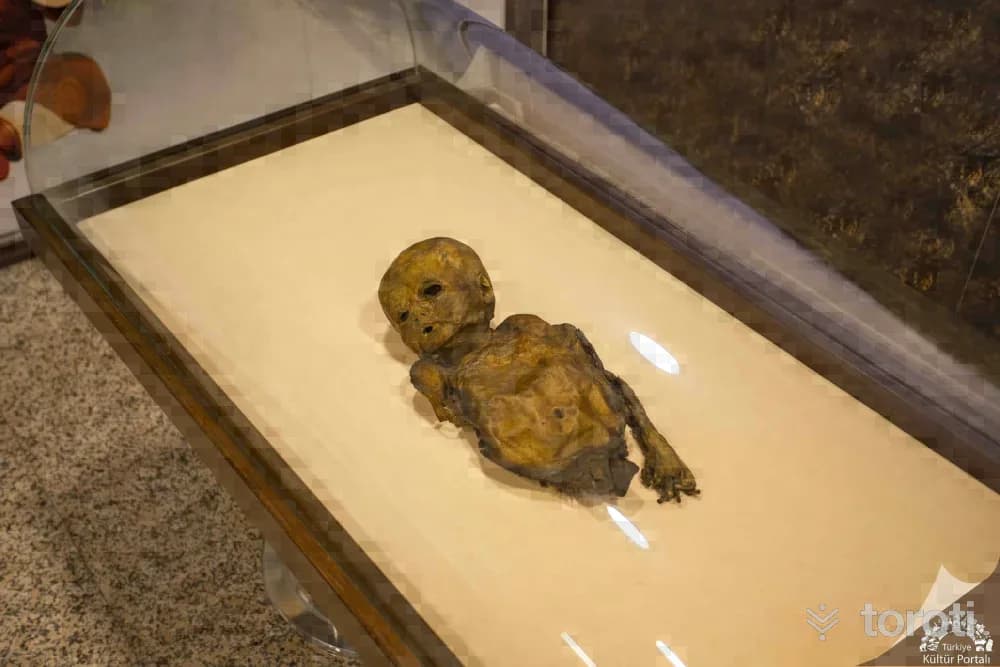
The history of Amasya Archaeology Museum, located in the central district of Amasya, dates back to the museum depot established in 1925. The museum depot was formed by bringing together a small number of archaeological artifacts and mummies from the Islamic period in two rooms of the madrasa building of II. Beyazıt Külliyesi. The artifacts in the depot were moved to Gökmedrese Camii in 1962. After being administered by an honorary office until 1958, the depot became a museum directorate in June 1958.
25
Merzifonlu Kara Mustafa Paşa Camii
Merzifon, Amasya
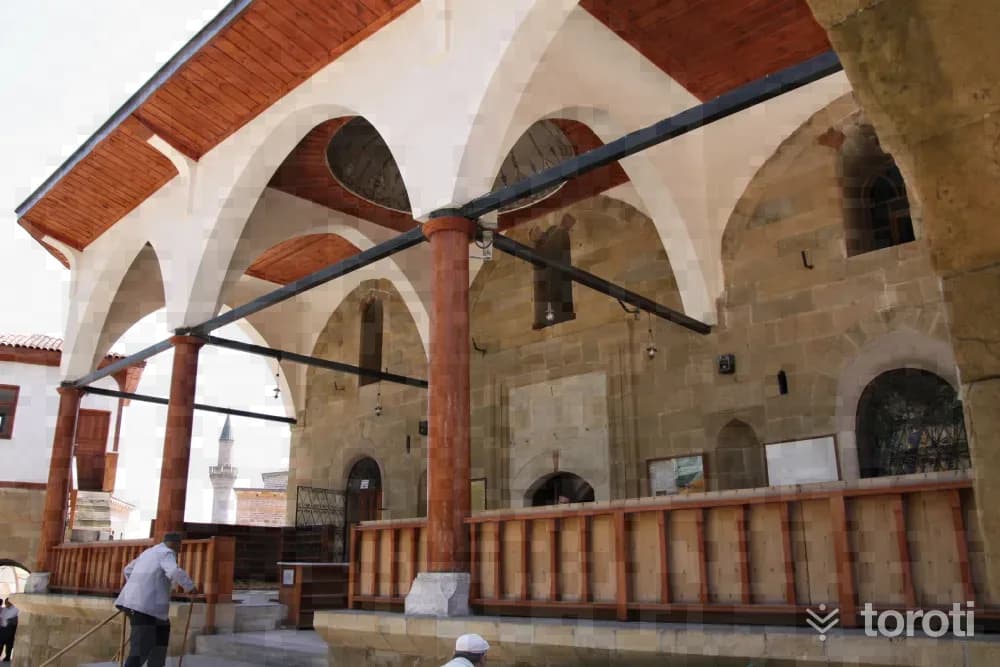
It was commissioned in 1666 by Kara Mustafa Paşa, one of the Ottoman grand viziers. The exterior walls of the rectangular-plan mosque were built entirely of smoothly cut stone. There is a three-bay last congregation area formed by four columns connected with pointed arches, with a wooden-covered ceiling. The prayer hall is covered with a rather large dome.
- No image
26
Sivrikese Cami
Havza, Samsun
In Havza’s Sivrikese Village, this mosque, known by the name of the village, was commissioned by Ali Osman Ağa to Todor Usta in 1903.
27
Yaşar Doğu Müze Evi
Kavak, Samsun
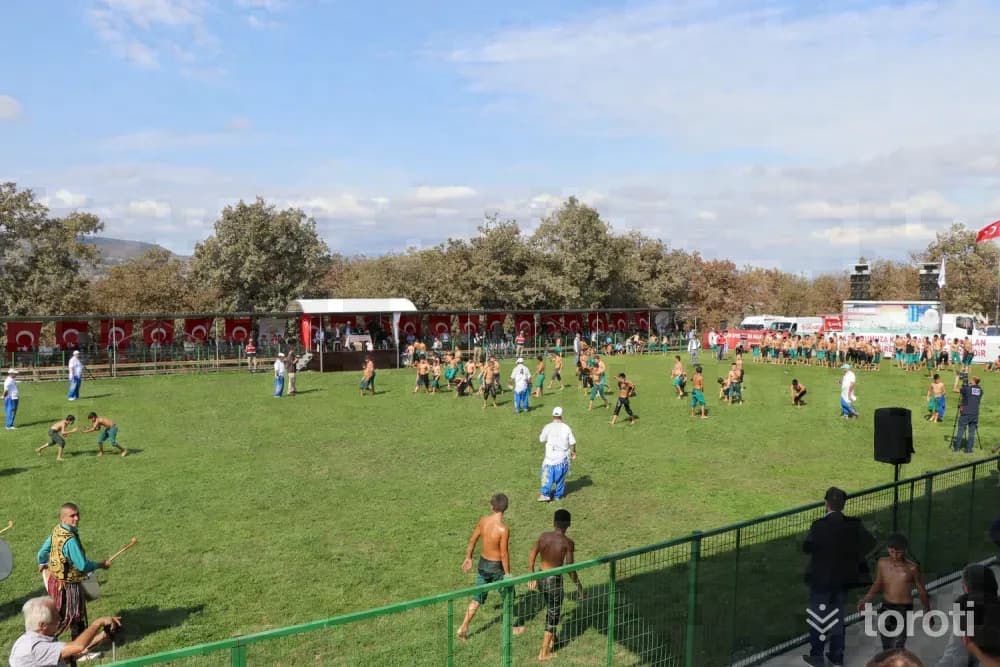
The house where national wrestler Yaşar Doğu lived in Emirli Mahallesi has been brought into tourism as a museum following restoration works. The museum, where personal belongings of world and Olympic champion Yaşar Doğu can be seen, was designed with the aim of honoring Yaşar Doğu's memory and inspiring new generations. Next to the museum, a wrestling field has also been built in Emirli Mahallesi, and traditional wrestling tournaments are held there every year.
28
Samsun Büyükşehir Belediyesi Binicilik Tesisleri
Atakum, Samsun
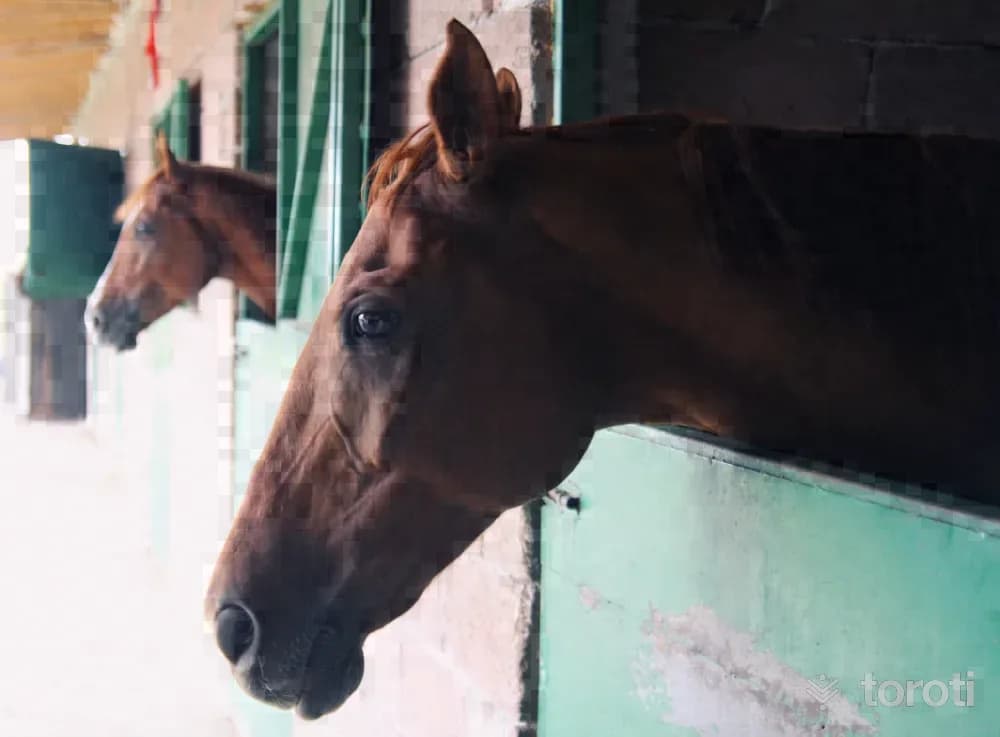
Love and passion for horses are hidden in the genetic codes of the Turkish people. In order to experience this passion, to get away from the troubles of the day even a little, and to spend time pleasantly, Equestrian Sports Facilities with all kinds of equipment have been established within the boundaries of Büyükoyumca Mahallesi in Samsun's Atakum district. It is a fully equipped equestrian facility where all equestrian sports can be practiced and which is also used in the rehabilitation of disabled people.
29
Sadi Tekkesi Kuvayi Milliye Müzesi
İlkadım, Samsun
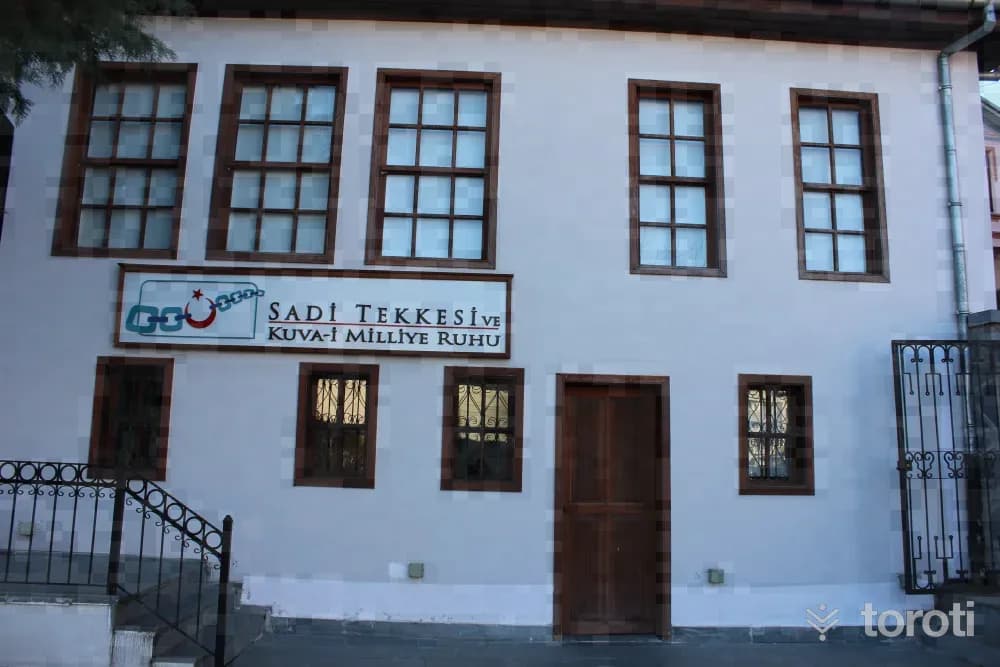
Sadi Tekkesi Kuvâyi Milliye Museum reflects to the present day the spirit of the liberation struggle that began on 19 Mayıs 1919. Şeyh Sadi Tekkesi, which has an important place in the history of the National Struggle, was restored by Samsun Metropolitan Municipality in 2013 and turned into the Kuvâyi Milliye Museum.
30
Dündar Tepe / Öksürük Tepe
İlkadım, Samsun
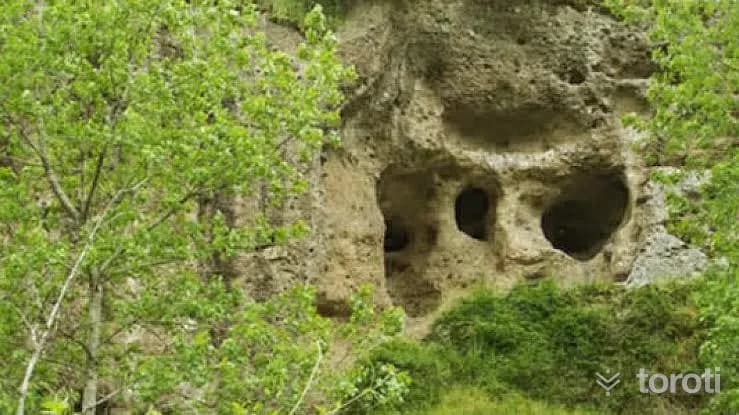
On the 15-meter-high mound located 3 kilometers southeast of Samsun İlkadım District, there are three cultural layers belonging to the Chalcolithic, Early Bronze, and Hittite ages. The latest settlement on the top of the mound belongs to the Early Bronze Age. A Hittite settlement was found on the slopes of the mound. In the first cultural layer, structural remains dated to the Chalcolithic period, handmade ceramic fragments, baked clay weights, flint knives, etc. were found.
31
Onur Anıti
İlkadım, Samsun
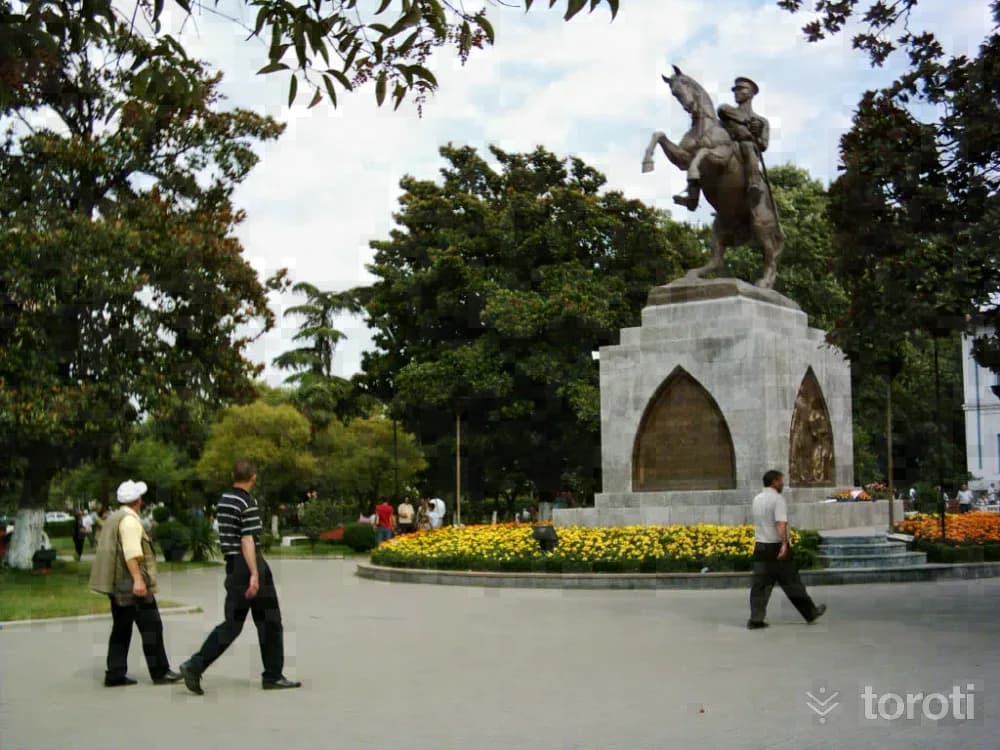
The bronze Atatürk statue, considered the symbol of Samsun, was commissioned by the people of Samsun from the Austrian sculptor H. Kriphel. The statue was brought to Samsun on 15 November 1931 by a German steamer. Along with the statue unloaded from the steamer, H. Kriphel and a Viennese engineer named Mayer also came to Samsun. The opening ceremony of the Gazi Statue took place on Friday, 15 January 1932, with the participation of a large crowd.
32
Göğceli Camii
Çarşamba, Samsun
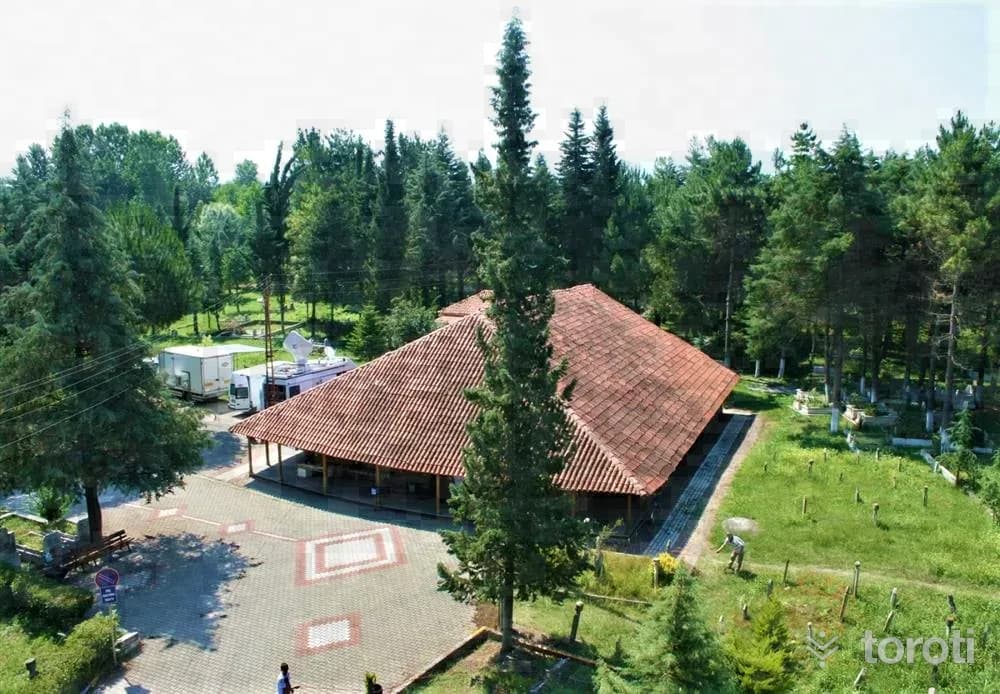
Göğceli Camii, one of the finest examples of the Anatolian building tradition, is one of the oldest wooden mosques still standing within the borders of Türkiye. As a result of tests carried out on wooden samples taken from the mosque, which has no construction inscription, it was understood that it was built in 1206 and that the portico in front of it was added or repaired in 1335. The building underwent a comprehensive restoration in 2007.
33
Laleli Cami
İkizce, Ordu
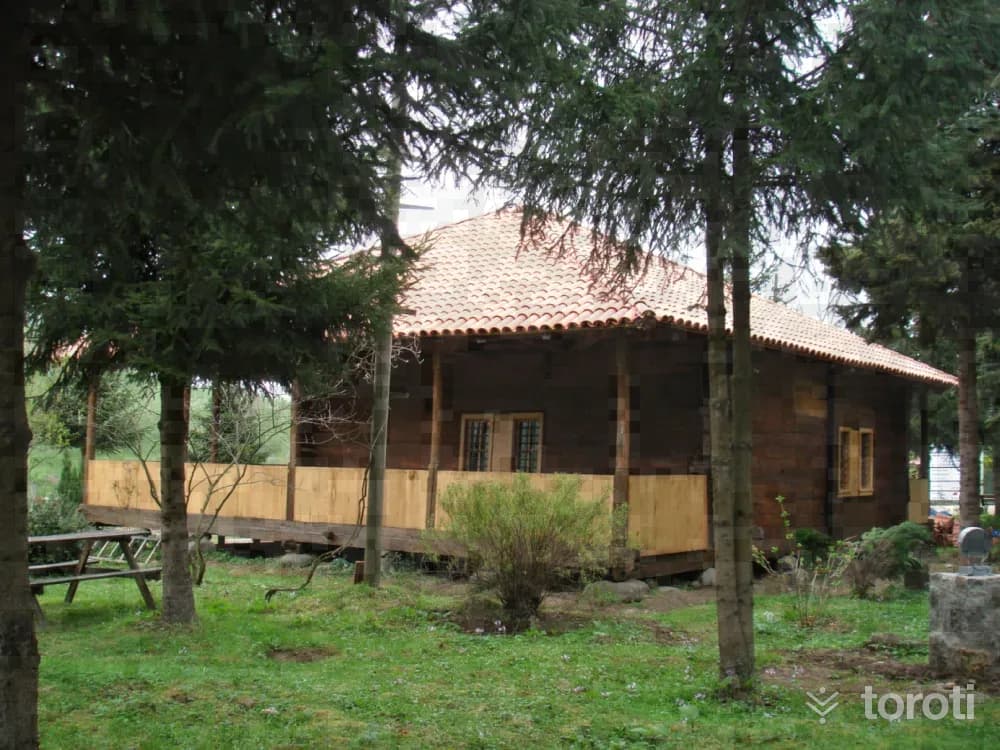
Laleli Cami is also known as Çivisiz Camii. The mosque, which is entirely wooden, was made from durable oak. It is known to have been built between 1560-1600. The mosque, on which no restoration work was carried out for many years, had its restoration project approved in 2011 by the decision of the Ministry of Culture and Tourism's Samsun KTVKBK, and its restoration was completed in 2012 under the supervision of the Regional Directorate of Foundations and it was opened for worship.
34
Çayir Camii / Çaybaşi
Çaybaşı, Ordu
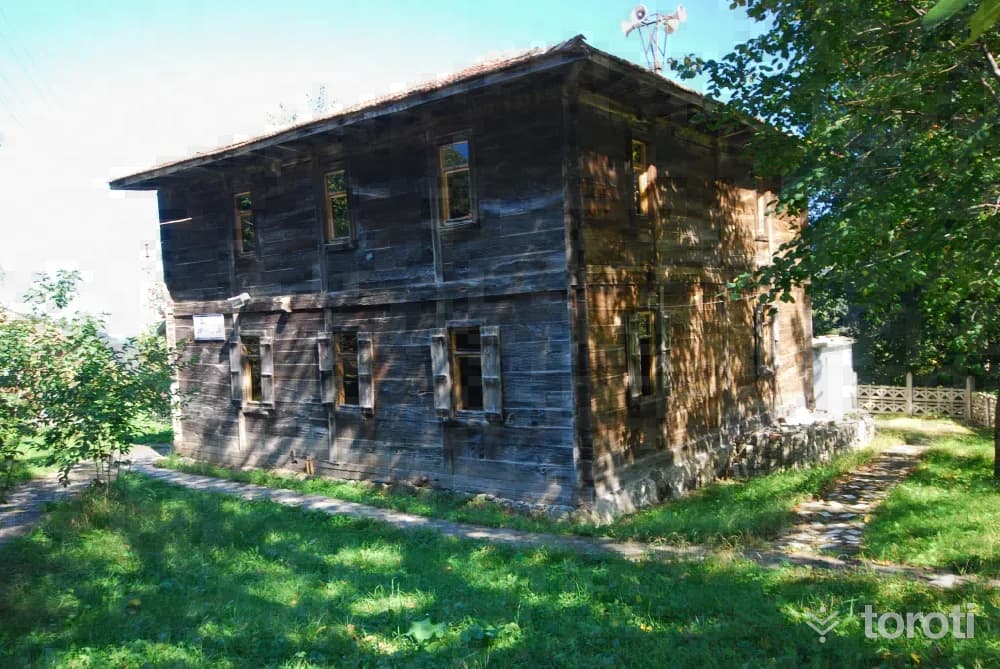
Çayır Camii, located within the borders of Çaybaşı district, bears an exact resemblance to Kargalı Ahşap Camisi, located to the south of the same district. It is also not known when and by whom this mosque was built. The dates H. 1281 and 1288 are inscribed on the fountain in the courtyard. These dates, corresponding to the years 1864-65 and 1871 in the Gregorian calendar, may be the dates when the mosque and the şadırvan were built.
35
Tekke Camii / Kargili Camii
Çaybaşı, Ordu
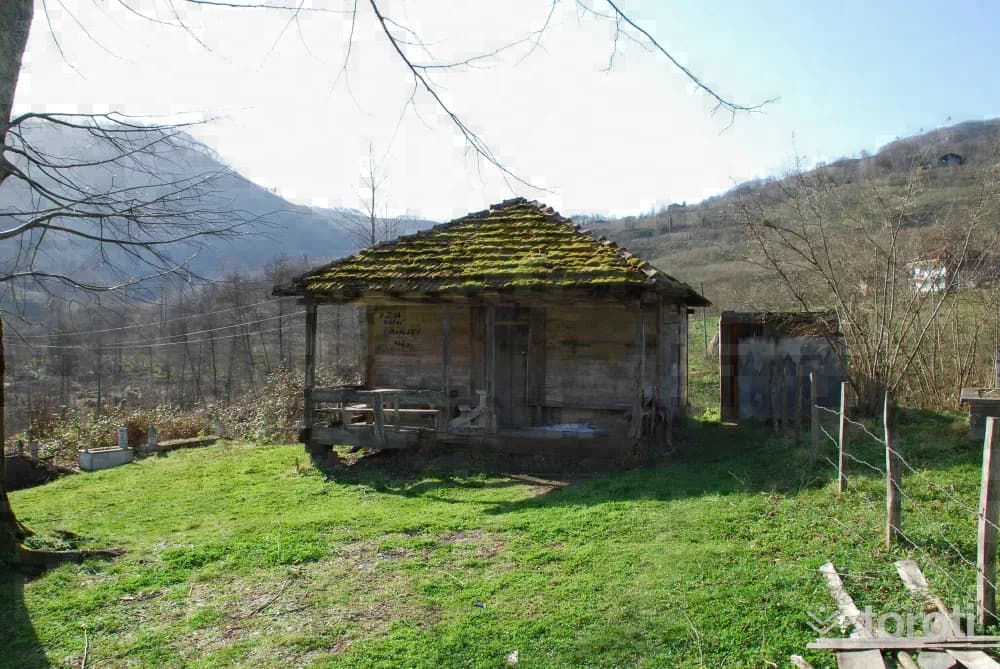
This mosque and school, located in Kargalı Neighborhood of Çaybaşı District, resemble the Çaybaşı Çayır Mosque in terms of their construction dates and building style. It is not known for certain when and by whom both mosques and schools were commissioned. The dates H. 1281 and H. 1288 / M. 1864–65 and M. 1871 on the fountain of Çayır Camii suggest that both mosques may have been built on these dates.
- No image
36
Çınarsuyu Mesire Yeri
Ünye, Ordu
The recreation area, located 7 km from Ünye District, is established on an area of 11 hectares.
- No image
37
Saray Hamamı
Ünye, Ordu
It is located in the Kaledere neighborhood in the district center of Ünye. It is rectangular in shape from the outside. It consists of cold, warm and hot sections. It was built of cut stone and rubble stone. The exterior facade surface, domes and window jambs have been repaired, and it is still in use. The structure, originally a church, was later converted into a bath.
- No image
38
Sayacabaşı Mesire Yeri
Ulubey, Ordu
It is a recreation area located on the Ordu-Sivas highway, 27 km from Ordu city center and 7 km from Ulubey district center, in Sayaca Village, covering a total area of 6,4 hectares. Food-beverage and resting facilities are available.
- No image
39
Kültür Merkezi (Taşbaşı Kilisesi)
Altınordu, Ordu
An old Greek Orthodox church located in the Taşbaşı neighborhood. The church, built in 1853, was also used as a prison between 1937 and 1977, and was restored by the Ministry of Culture and Tourism in 1983. It was converted into a cultural center in 2000.
40
Paşaoğlu Konağı Etnografya Müzesi
Altınordu, Ordu
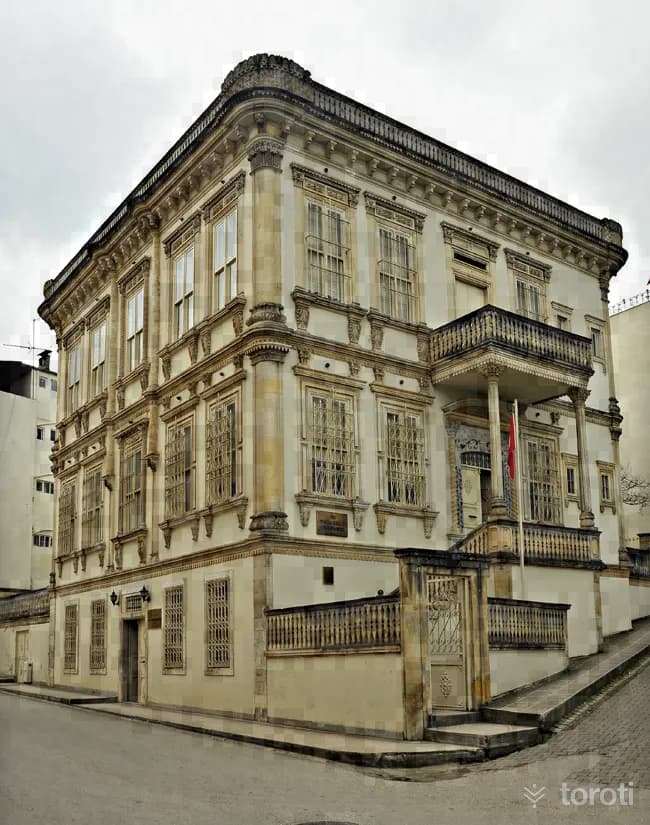
Paşaoğlu Mansion, rising on the corner where Taşocak Avenue and Erkoçak Street intersect in Selimiye Neighborhood in Ordu city center, was built in 1896 by Paşaoğlu Hüseyin Efendi. Built on an area of 625 square meters together with its garden, the stones of the mansion were brought from Ünye, its wooden material from Romania, and its construction was carried out by a master from Istanbul.
- No image
41
Eskipazar Hamamı
Altınordu, Ordu
Large Bath: It consists of three sections as cold, warm and hot. The exterior of the bath was built of rubble stone, while the interior was built of smoothly cut stone. Domes and vaults were used in the covering. It is a 16th-century work. Small Bath: It consists of a single square space and a water reservoir. It is estimated to have been built in the 18th century.
- No image
42
Tirilizade Beyler Konağı
Piraziz, Giresun
Tiralizade Hasan Bey Mansion is considered the oldest historical work in the town. This work, which was built between 1906-1908 during the final period of the Ottoman Empire, is a rare example of civil architecture in the Black Sea Region in terms of reflecting mansion life and its architectural features.
- No image
43
Şeyh Keramettin Camii
Giresun, Giresun
The masonry mosque located in the neighborhood bearing the same name was built on the site of the wooden mosque that had previously been commissioned by a person named Şeyh Keramettin, who endowed the land for it. However, since the mosque collapsed over time, it was rebuilt in 1900 as a charitable work by the heirs of Sarı Alemdarzade İzzet Kaptan.
- No image
44
Kufa Kuyusu Suyu
Giresun, Giresun
Kufa Well, which is said to have been used as a place of visitation in the Pontus period, is at the foot of the north-facing side of Giresun Castle. It is thought to date from the Byzantine period. The mouth of the well is 2 m. long and was built of cut stones 80 cm. wide. According to rumor, this water was sent to kings in jugs and would remedy their various troubles.
45
Topal Osman Ağa Anıt Mezarı
Giresun, Giresun
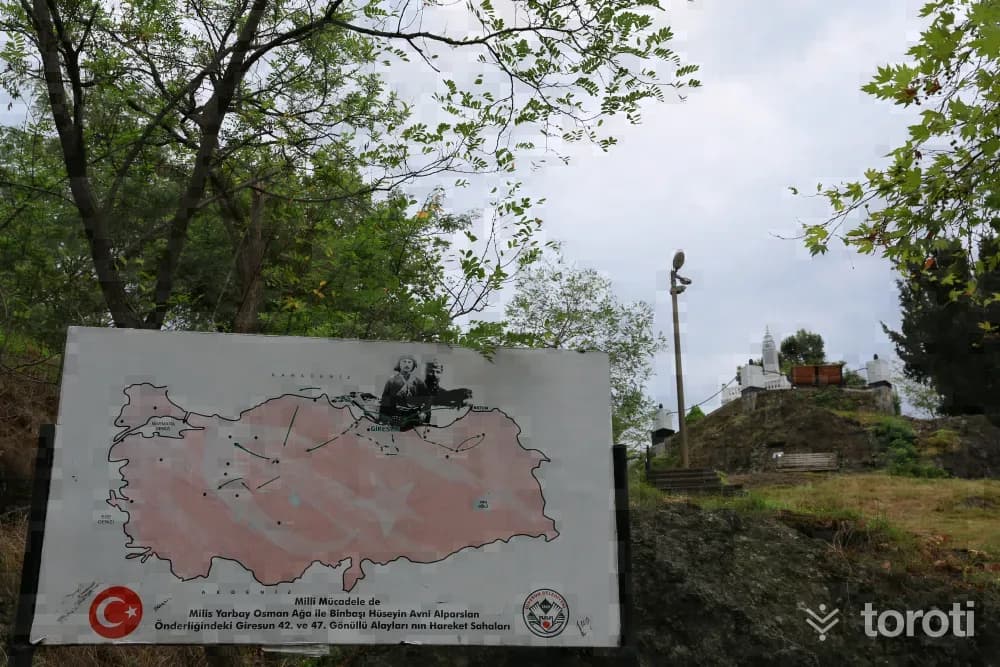
Osman Ağa was born in 1883 in Giresun’s Hacı Hüseyin Mahallesi. In his youth, as he was “intelligent, determined, enterprising,” he began to be known by the لقب “ağa.” Although his family had paid the military exemption fee, when the Balkan War broke out on 8 October 1912, he voluntarily joined the Balkan War.
46
Yağlidere Tekkeköy Cami
Yağlıdere, Giresun
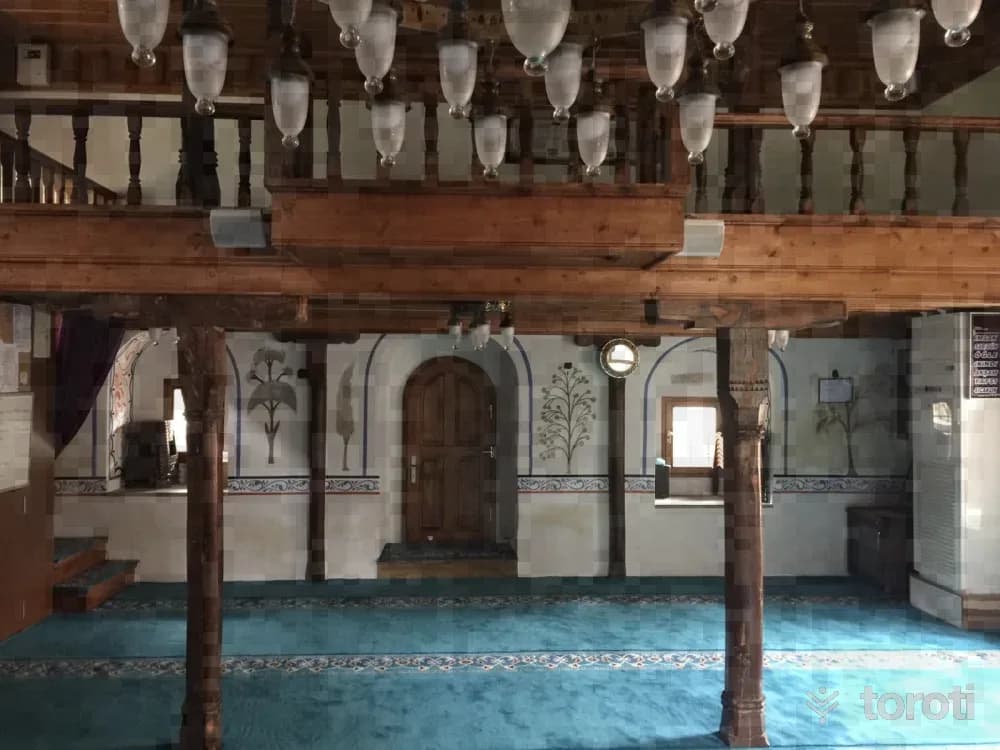
There are publications stating that the Hacı Abdullah Külliyesi was founded by Gülbahar Hatun, the mother of Yavuz Sultan Selim, during his governorship of Trabzon (1489-1512), and that its administration was left to Hacı Abdullah Halife. Of the külliye, the mosque, zaviye-hearth, guesthouse, mill, and the tomb of the founding sheikh in Tuğlacık Köyü have survived to the present day. The bakery has been removed, and an imam's house has been built in place of the zaviye guesthouse right next to the mosque.
- No image
47
Andoz Kalesi
Espiye, Giresun
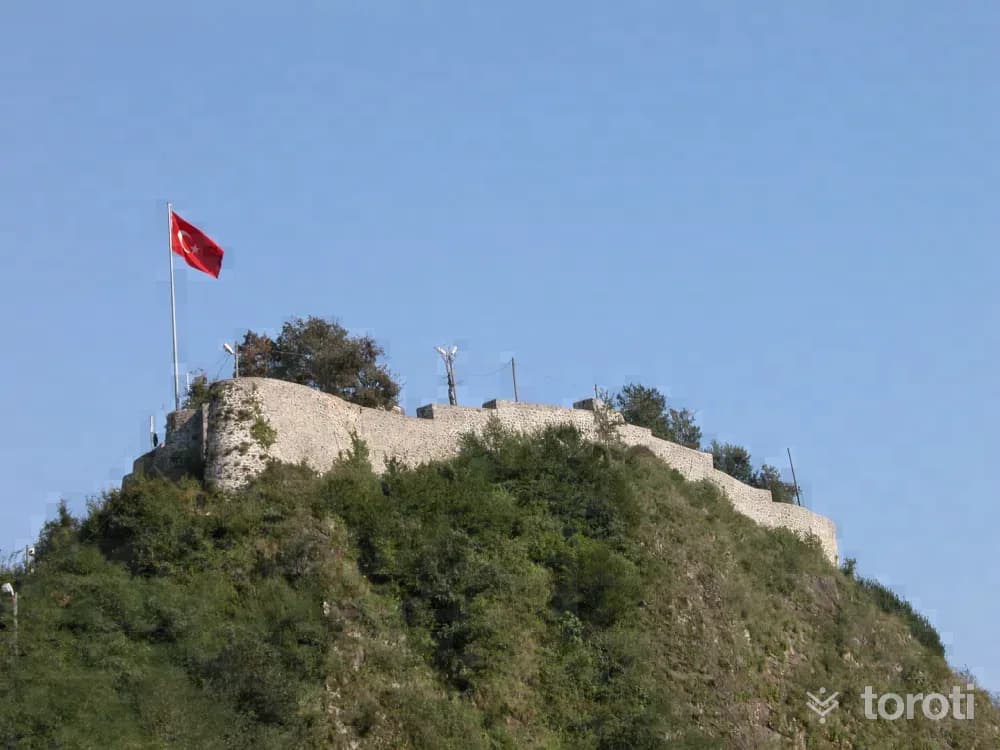
It is located on a natural pointed hill overlooking the sea and the valley, on the bank of Yağlıdere Stream at the entrance of Espiye District. It is estimated to have been built in the 1300s B.C. It is surrounded by walls. The walls have collapsed in places. There are towers in some parts.
48
Espiye Andoz Kalesi
Espiye, Giresun
It is a small castle located at the entrance of Espiye District, on the bank of Yağlıdere Stream, on a natural pointed hill overlooking the sea and the valley. It was placed under protection by the decision of the Trabzon Cultural and Natural Heritage Preservation Board dated 30.11.1990 and numbered 908. It is estimated to have been built in the 1300s B.C. Access to the castle is provided by the road on its north. It is surrounded by walls. In some parts, there are towers.
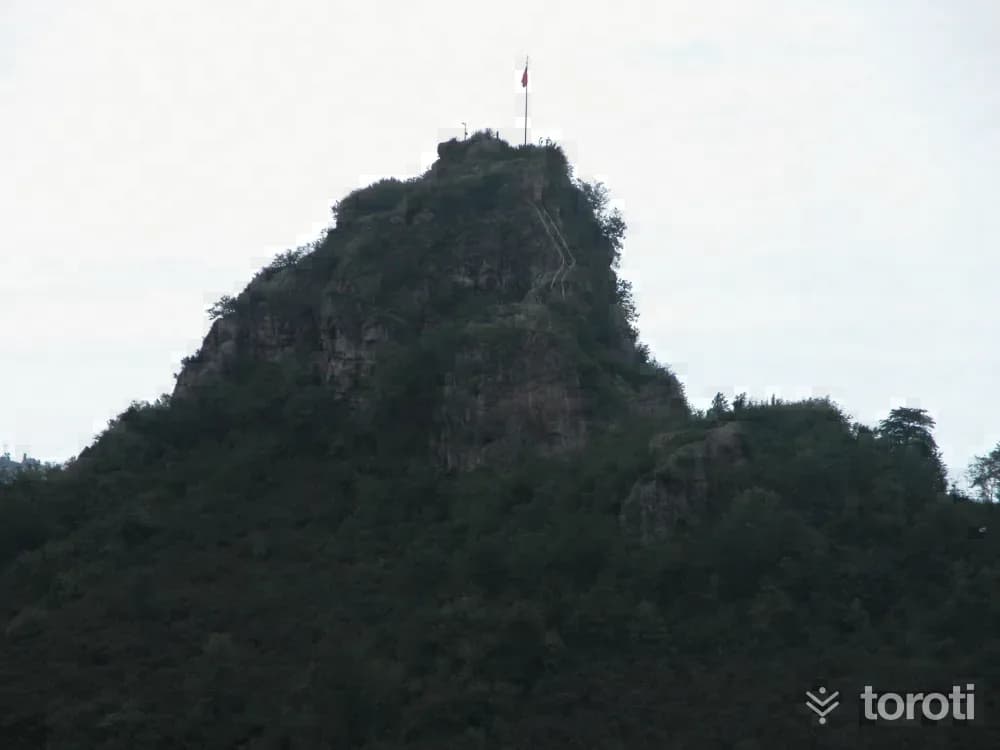
49
Tirebolu Bedrama Kalesi
Tirebolu, Giresun
The castle, located in Örenkaya Village approximately 8 kilometers inland from Tirebolu District, was built on a natural, pointed and quite high rock overlooking the seashore. Bedrama Kalesi was placed under protection by the Trabzon Cultural and Natural Heritage Preservation Board with Decision No. 1534 dated 18.12.1992. Although the construction date of the castle is unknown, the view that it is a medieval structure is widespread. Extending in a north-south direction, the castle displays a plan close to a rectangle.
- No image
50
Görele Paşaca Şelalesi
Şalpazarı, Trabzon
It is located between the villages of Yeşildere and Beşirli in Görele District of Giresun. The area where the waterfall is located has been declared a Nature Park. The waterfall is not only a waterfall on its own, but after completing its drop, it continues on its way by forming small cascades for hundreds of meters.
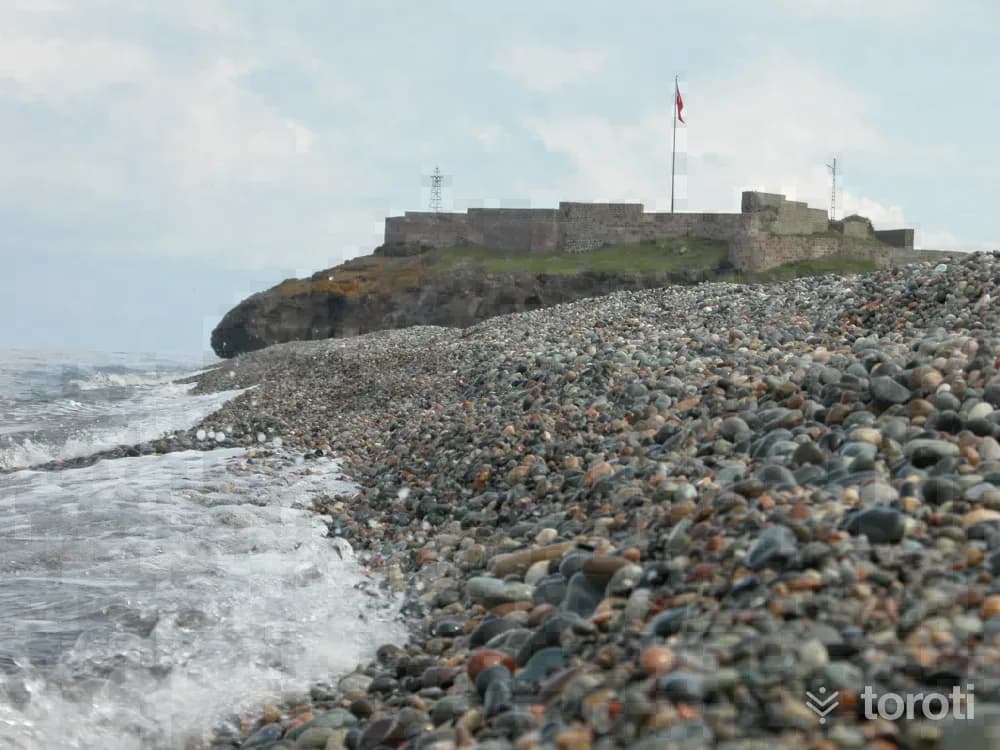
51
Eynesil Kalesi
Beşikdüzü, Trabzon
The castle was placed under protection by the decision of the Trabzon Cultural and Natural Heritage Preservation Board dated 23.12.1994 and numbered 2124. There is no academic source providing information about the construction date of Eynesil Kalesi, located on a rocky peninsula 2 kilometres east of Eynesil District, or about who had it built. Current sources state that Eynesil Kalesi, meeting the blue of the sea, dates back to the Romans.
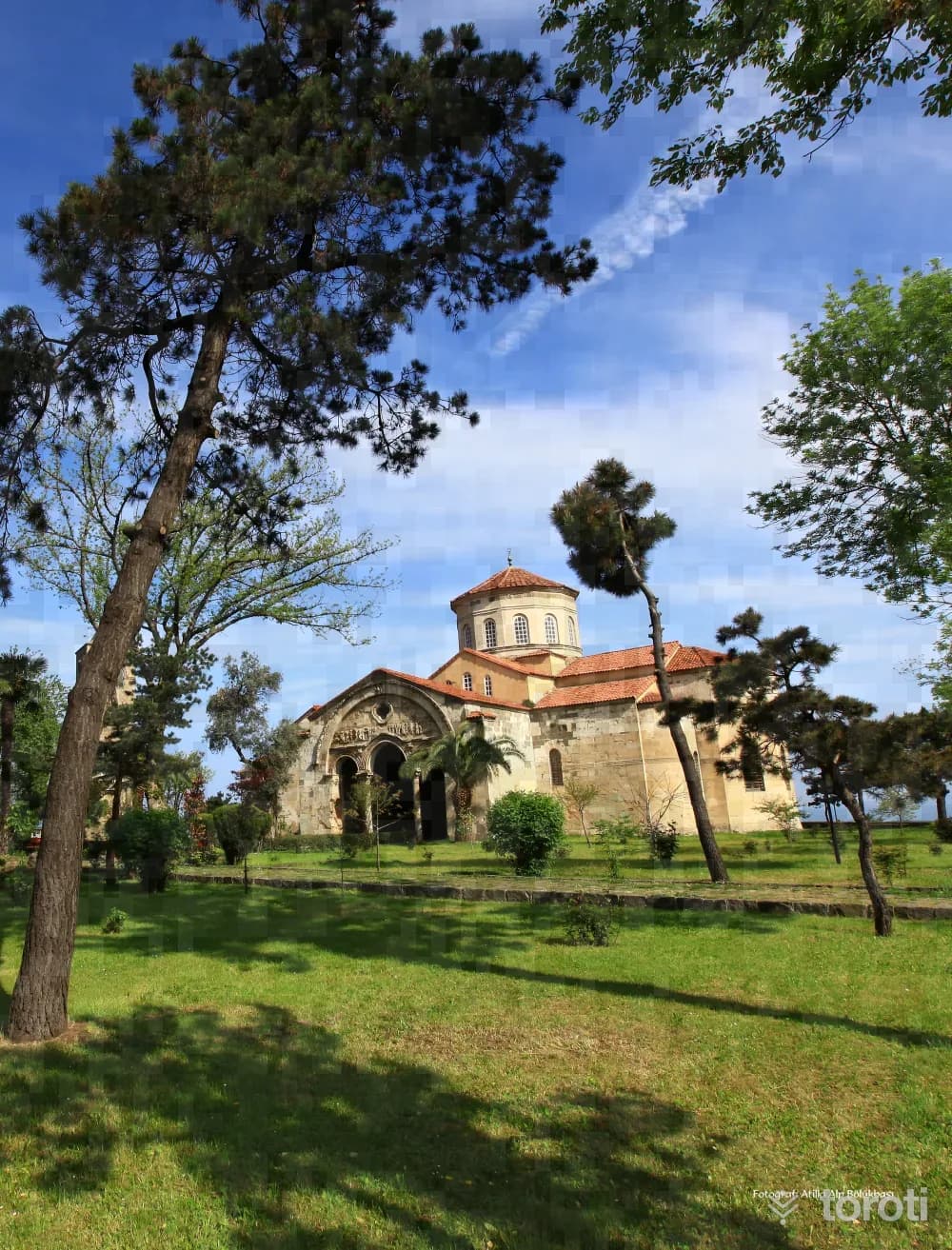
52
Ayasofya Cami
Ortahisar, Trabzon
Ayasofya Cami was reopened for Muslim worship after 52 years, with the performance of the daily prayer on Friday, 28 June 2013. Trabzon Ayasofya Museum, which is a mosque today, was built during the reign of 1. Manuel Komnenos, one of the kings of the Trabzon Empire (1238-1263). The bell tower, dated to 1427, is located to the west of the church. The remains of the three-apsed chapel to the north of the church belong to an earlier period.
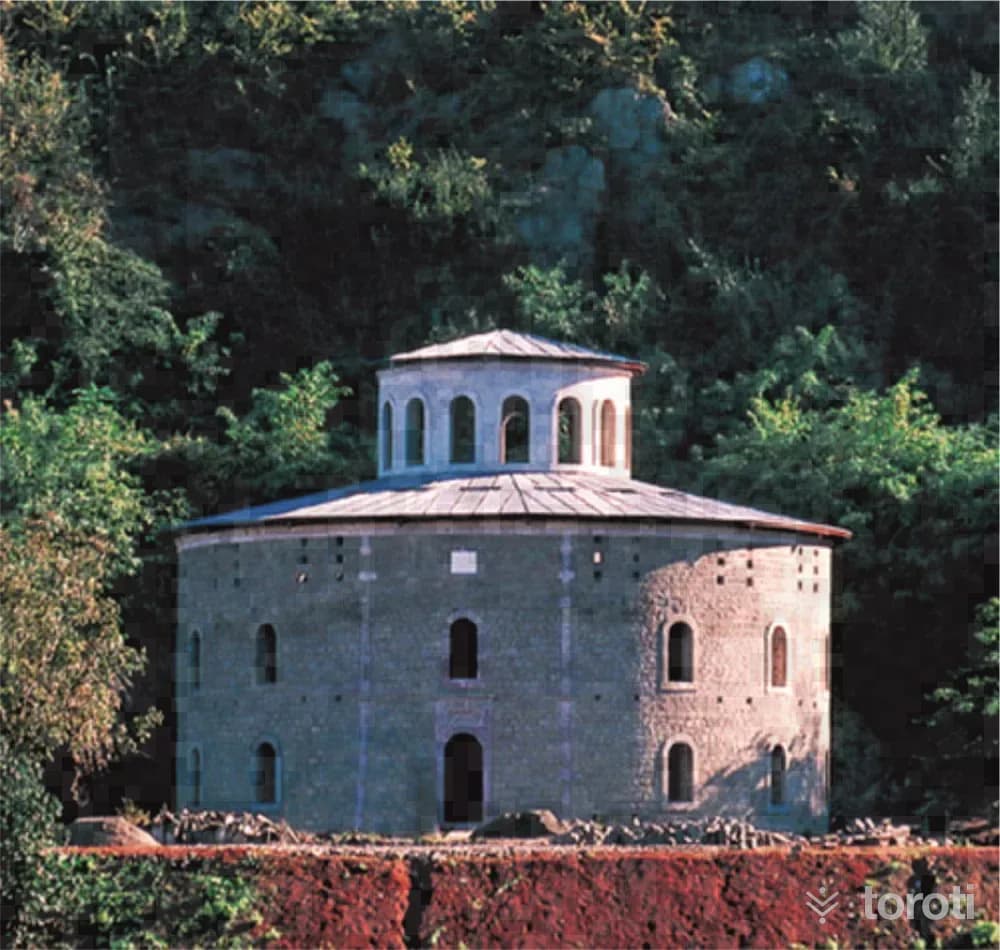
53
Cephanelik
Ortahisar, Trabzon
Cephanelik is one of the most striking and debated structures among the buildings of Trabzon. Under the photograph of the structure in the Yıldız Sarayı albums, it is written that it was commissioned in the year H.1305. The tughra of Abdülhamit II above its door and the inscription also confirm this. It is clearly understood that Cephanelik was commissioned in 1887. It consists of two concentric circular sections with an approximate diameter of 25-40 meters. The inner section has four storeys, while the outer section has three storeys.
- No image
54
Kuş Gözlem
Ortahisar, Trabzon
Bird Watching Trabzon plateaus and especially Altındere Valley National Park offer favorable opportunities for bird watchers. The National Park is within the borders of Maçka district. It is quite rich in terms of biodiversity and bird diversity.
- No image
55
Ahi Evren Dede Camii
Ortahisar, Trabzon
It is adjacent to Ahi Evren Dede Camii located in Boztepe. The square-planned tomb is covered with a dome. This tomb, restored by Hacı Hakkı Baba in 1887-1888, took its present form. Next to the grave of Ahi Evren Dede are also the graves of Hacı Hakkı Baba and his sons.
56
Santa Harabeleri
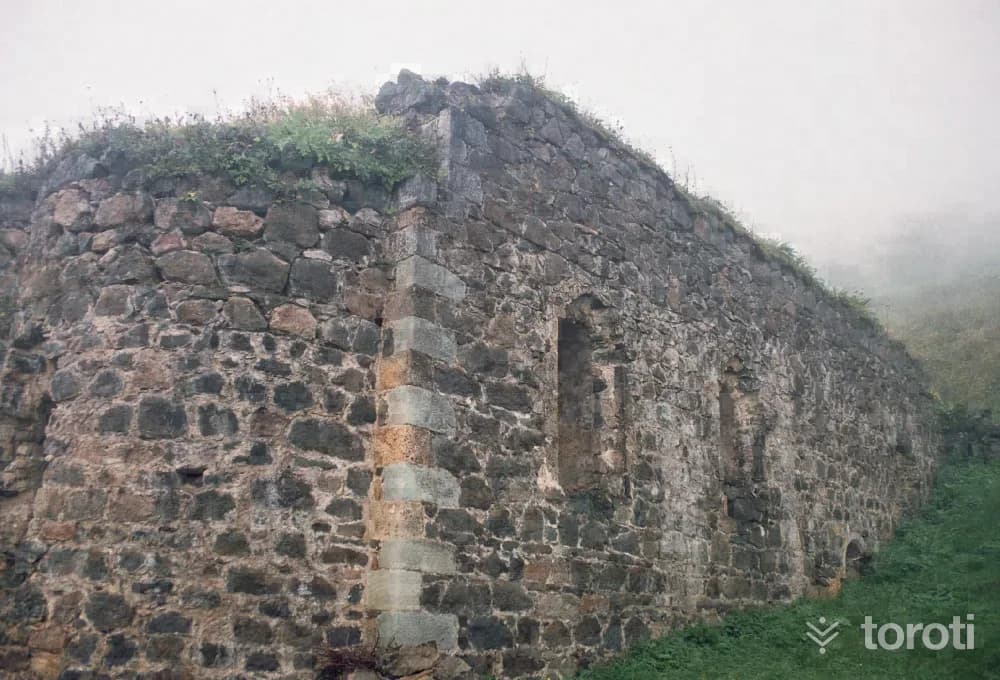
Gümüşhane merkez, Gümüşhane
Santa Ruins is located approximately 82 kilometers from the city center of Gümüşhane, within the borders of Dumanlı Village of Yağmurdere Township. Santa was established on three separate slopes divided from each other by the valleys where the Santa Yanbolu Stream originates. The Santa Region was conquered during the period of Fatih Sultan Mehmet - between 1461-1476 - together with the whole of Trabzon and the Eastern Black Sea region, and was incorporated into the lands of the Ottoman Empire.
Move the stops into your own plan, split them across days, and add places to sleep and eat.
Frequently asked
- How far is it between Ankara and Trabzon, and how long does it take?
- Driving between Ankara and Trabzon is roughly 864 kilometres and takes about 12 hours without stops.
- Where is it worth stopping between Ankara and Trabzon?
- There are 797 described places within 20 km of the road between Ankara and Trabzon. toroti lists 56 of them spread evenly along the drive, in the order you pass them; Seğmenler Parkı comes early on, and Santa Harabeleri sits near the end.
- Which provinces does the Ankara to Trabzon route cross?
- The route between Ankara and Trabzon crosses Ankara → Kırıkkale → Çorum → Amasya → Samsun → Ordu → Giresun → Trabzon → Gümüşhane. The stretch richest in places to visit is in Ankara.
- Should I take the toll highway or traditional route between Ankara and Trabzon?
- Toll motorways save driving time between Ankara and Trabzon, whereas traditional state roads pass directly through historic town centers, local culinary stops, and scenic nature viewpoints.
- How should breaks be scheduled between Ankara and Trabzon?
- For a drive of around 12 hours, taking a break every 2 to 2.5 hours is recommended. The catalogued attractions in Ankara and neighboring provinces offer memorable stopovers compared to generic highway rest areas.