Stops along the way
Stops between Ankara and Samsun
494 km, roughly 6 hours of driving. The stops below are ordered as you pass them — the same road in both directions.
In short
The drive between Ankara and Samsun is 494 km and takes roughly 6 hours. There are 334 described places within 20 km of this route; it crosses 6 provinces, and the densest stretch is in Ankara (153 places).
There are 334 places within 20 km of this corridor; the 46 below are spread evenly along the drive.
1
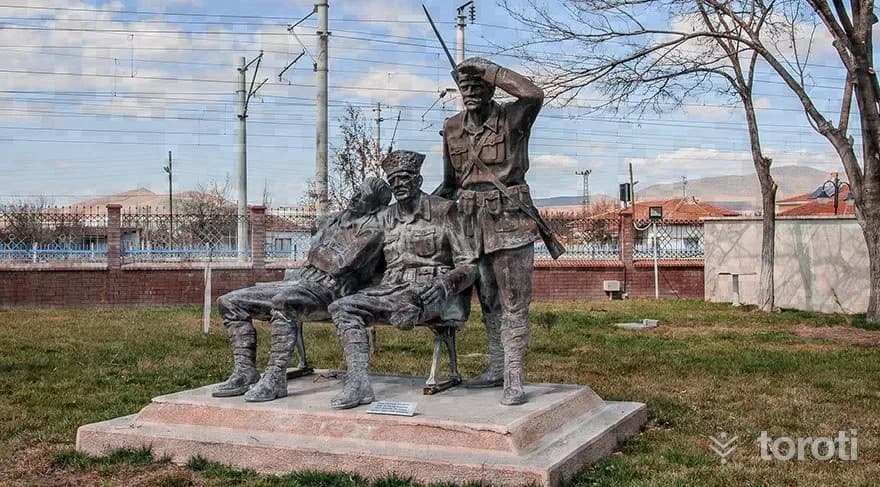
Tcdd Maliköy Tren İstasyonu Müzesi
Sincan, Ankara
Malıköy, located on the Ankara-Eskişehir railway line, is a settlement center connected to the Polatlı district. The Malıköy station located here is a very important station that affected the fate of the nation in this region where the Battle of Sakarya took place.

2
Türkiye Eğitim Derneği Ankara Koleji Okul Müzesi
Gölbaşı, Ankara
TED Ankara College School Museum, which conveys the historical accumulation of TED Ankara College Foundation Schools from its founding year of 1931 to the present day to future generations, is located on the ground floor of the administrative building on the İncek campus. The museum, which opened on 21 May 2008, has been granted the status of “Private Museum” by the Ministry of Culture and Tourism.
3
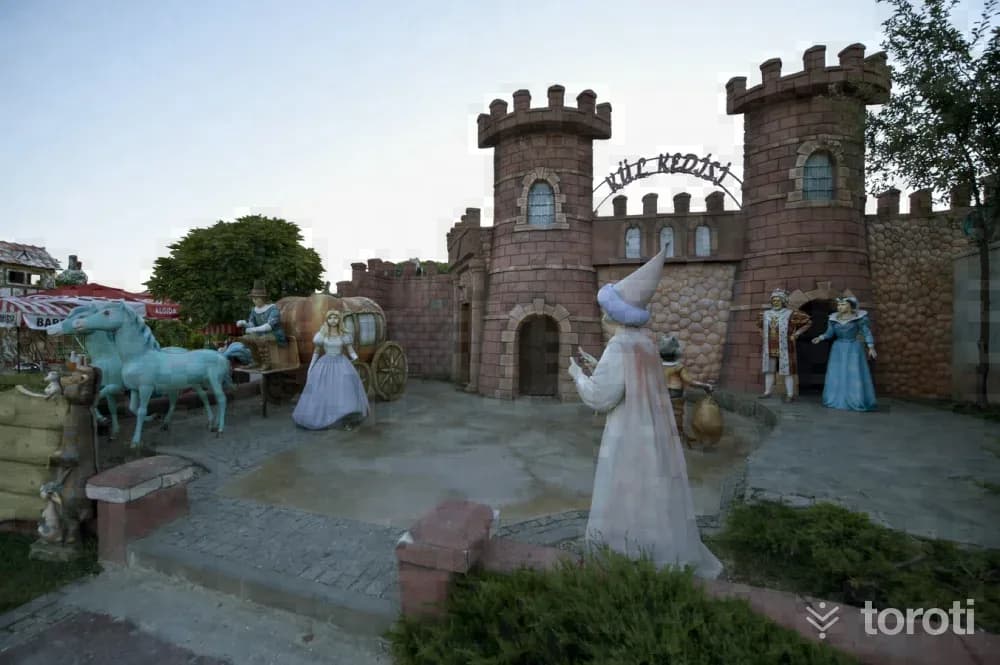
Harikalar Diyari
Sincan, Ankara
Within Harikalar Diyarı, which is planned with approximately 771 thousand square meters of green area, 330 thousand square meters of roads and squares, 40 thousand square meters of parking area, 67 thousand square meters of building area, and 92 thousand square meters of water areas, there is also a Fairy Tale Island established in an area of 25 thousand square meters for children.
4
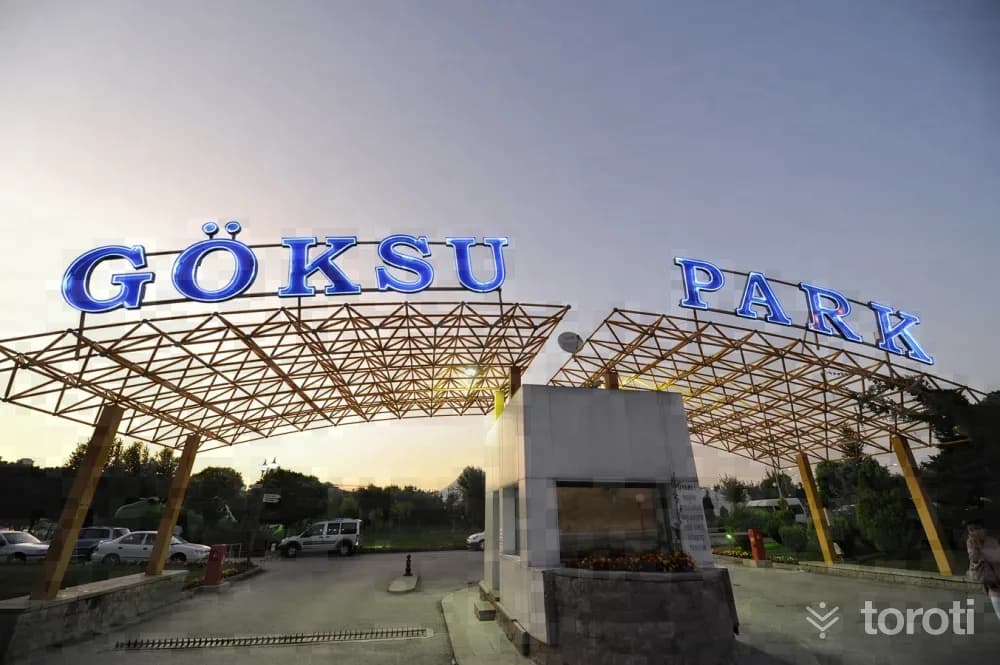
Göksu Parkı
Etimesgut, Ankara
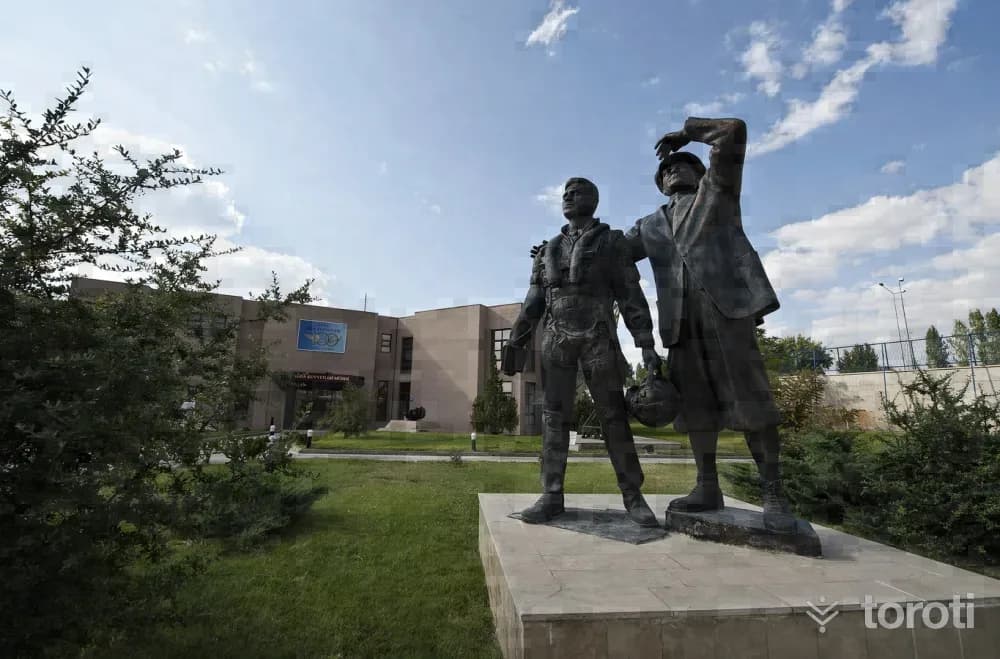
It is one of Ankara’s most important recreation and entertainment centers, opened for service in as short a time as 100 days. The total usage area is 508 thousand square meters. Of this area, 141 thousand square meters consists of the pond area. In the pond, besides the Mississippi Ship and boats used for sightseeing, and the islands and reeds that create the lake’s natural beauty, there are also 9 floating piers belonging to businesses.
5
Hava Kuvvetleri Müzesi
Etimesgut, Ankara
The Air Force Museum is located in Şaşmaz Mevkii, established at the 12th kilometre of İstanbul Yolu. The museum, which entered service on 18 September 1998, was officially opened by Mustafa Kemal Atatürk’s adopted daughter, our country’s first female pilot, Sabiha Gökçen.
- No image
6
Prof. Dr. Ülker Muncuk Müzesi
Yenimahalle, Ankara
It was established in 1974 within the aforementioned school under the leadership of a group of idealist teachers of the Girls' Technical Higher Teachers' School and Ülker Muncuk. The museum began operating on 02.07.1982 as a private museum under the supervision of the Directorate of the Ethnography Museum.
- No image
7
Türk Hava Kurumu Müzesi
Altındağ, Ankara
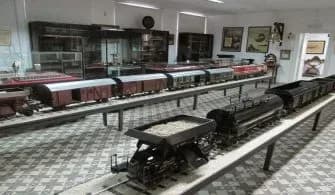
This museum was planned with the aim of showing the stages of progress of Turkish Aviation and passing this on to future generations. In the Türk Hava Kurumu Müzesi, built next to the historic parachute tower, in addition to the history section where the firsts of Turkish Aviation are explained, extensive information about THK is also included. This information is supported by historical documents, photographs and various models.
8
Atatürk Konutu Ve Demiryollari Müzesi
Altındağ, Ankara
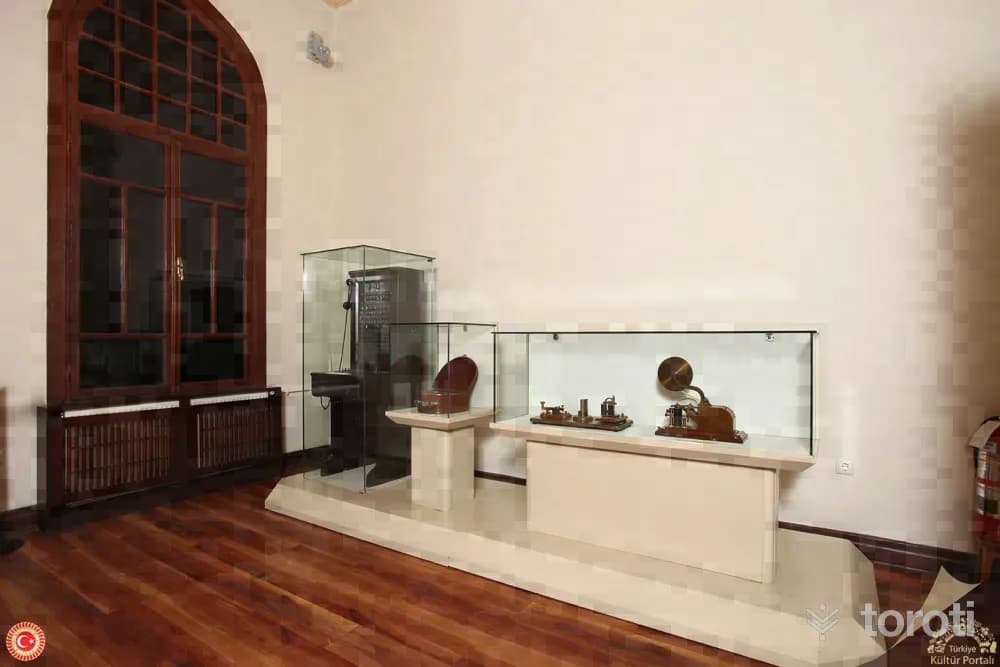
One of the few state buildings in Ankara during the War of Independence, the “Direksiyon Binası” continues to be a living witness to the national struggle. When you visit this building, where important historical decisions were made, you will take a journey through time to the years of struggle and witness the spirit of the years when the Republic was founded.
9
Kurtuluş Savaşı Müzesi
Altındağ, Ankara
War of Independence Museum (First TBMM Building) History of the First Grand National Assembly of Turkey Building The building used as the First Grand National Assembly of Turkey building was constructed in its time as a party building. In 1916, it was decided to build it as the Committee of Union and Progress building. By order of Minister of War Enver Pasha, the building was designed by Architect Salim Bey, and the construction work of the project was assigned to Military Architect Hasip Bey.
- No image
10
Seğmenler Parkı
Çankaya, Ankara
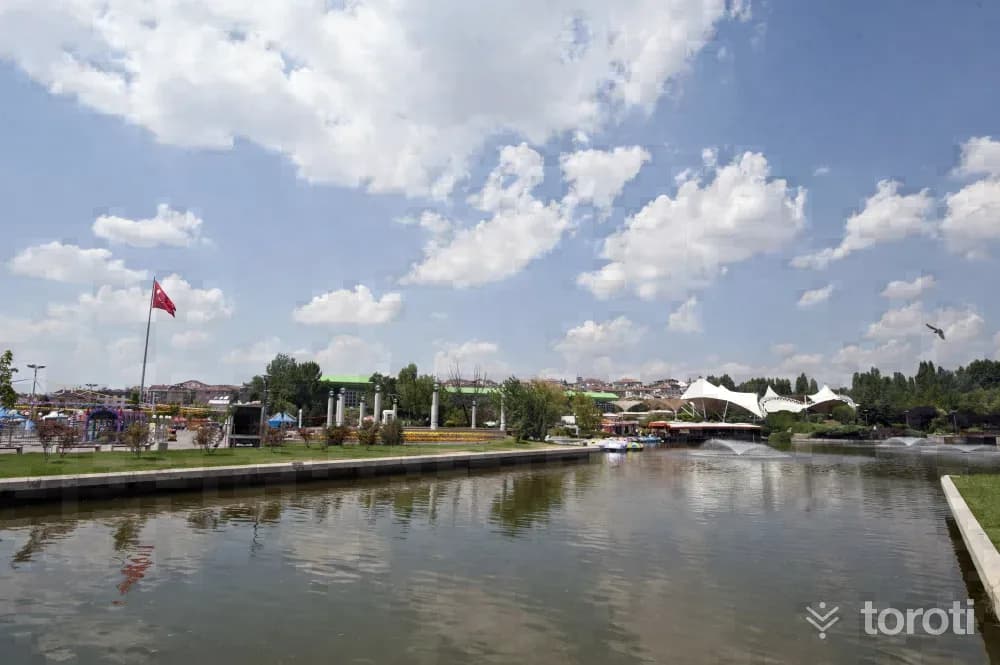
The park, opened in 1983 in the Kavaklıdere district, has a large amphitheater. The park, located in the valley between Atatürk Bulvarı and İran Caddesi, has a 40 thousand square meter lawn area and a 250 square meter children's playground area, and totals 57 thousand 250 square meters. It contains pools, a children's garden, واسعة walking areas, and the Seymenler Monument, which is the symbol of Ankara folklore.
11
Altinpark
Akyurt, Ankara
It serves on an area of 640 thousand square meters on İrfan Baştuğ Caddesi. In the park area, there is a fair center where international fair events are held. Feza Gürsoy Science Center is an ideal place where young visitors can tour, have fun, and get acquainted with the world of science by doing experiments.
12
Tuz Mağarası
Çankırı merkez, Çankırı
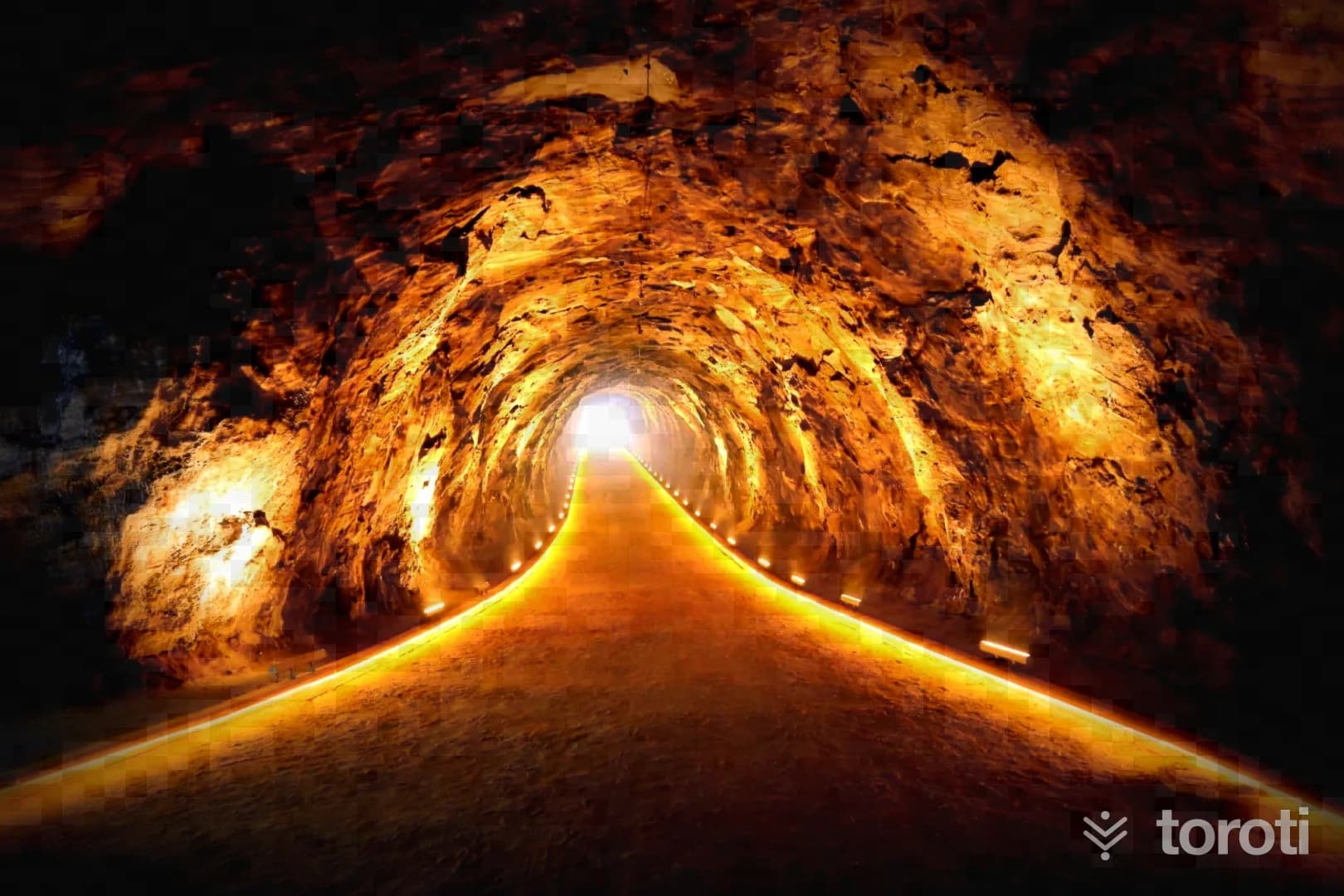
Salt Cave; it is located in the area where our country's largest rock salt reserves, estimated to have been utilized for approximately 5000 years, are found. Tuz Mağarası, located approximately 20 km. east of Merkez İlçe, was opened for the purpose of operating the rock salt deposits and today is a very large cave consisting of dozens of galleries resembling modern road tunnels beyond its relatively narrow entrance.
- No image
13
Bülbül Pınarı Mesire Yeri
Eldivan, Çankırı
In the picnic area spread over a large area, there are table-bench type seating areas, hearths, fountains, rain shelter, viewing terrace and tower, parking lot, children's playground and a bungalow-type rest house.
14
Buğday Pazarı Medresesi
Çankırı merkez, Çankırı
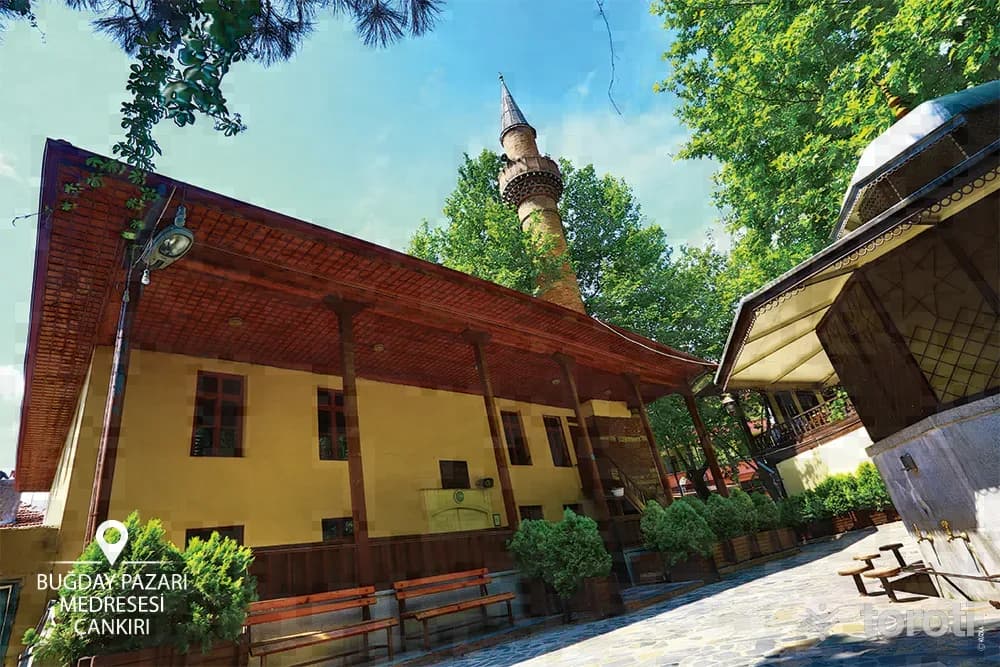
Buğday Pazarı Medresesi, located in the courtyard of Buğdaypazarı Camii in the city center, was built in the 18th century. Constructed as a two-storey wooden building on a stone base, the structure consists of a single row of cells arranged in the north-south direction. In the work, which has been arranged as a Handicrafts Center, clothing, attire, kitchenware and materials related to handicrafts belonging to the Çankırı region are exhibited.
15
Taş Mektep
Çankırı merkez, Çankırı
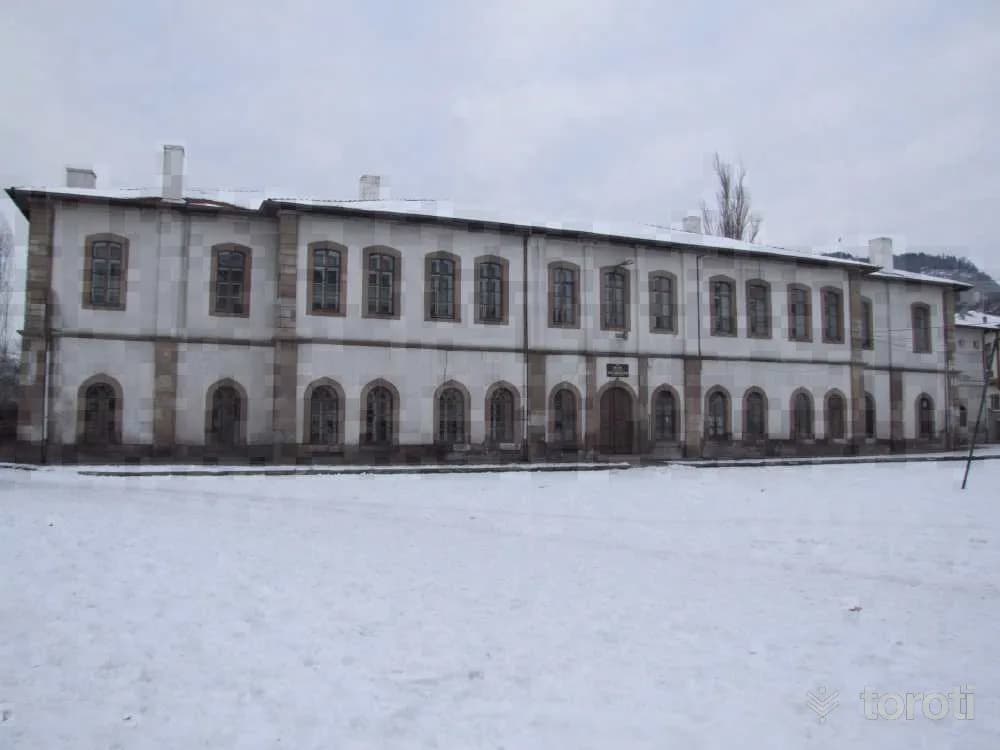
Construction of the school, which opened in 1893 under the name İdadi Mektep, began in 1886. The building, located in the central district, is two storeys and built of cut stone. Another feature of the building, which is still used as a Fine Arts High School, is that Atatürk was hosted in a classroom in this building during his nationwide tour undertaken because of the Hat Revolution.
16
Ferit Akalin Radyo Ve İletişim Müzesi
Çankırı merkez, Çankırı
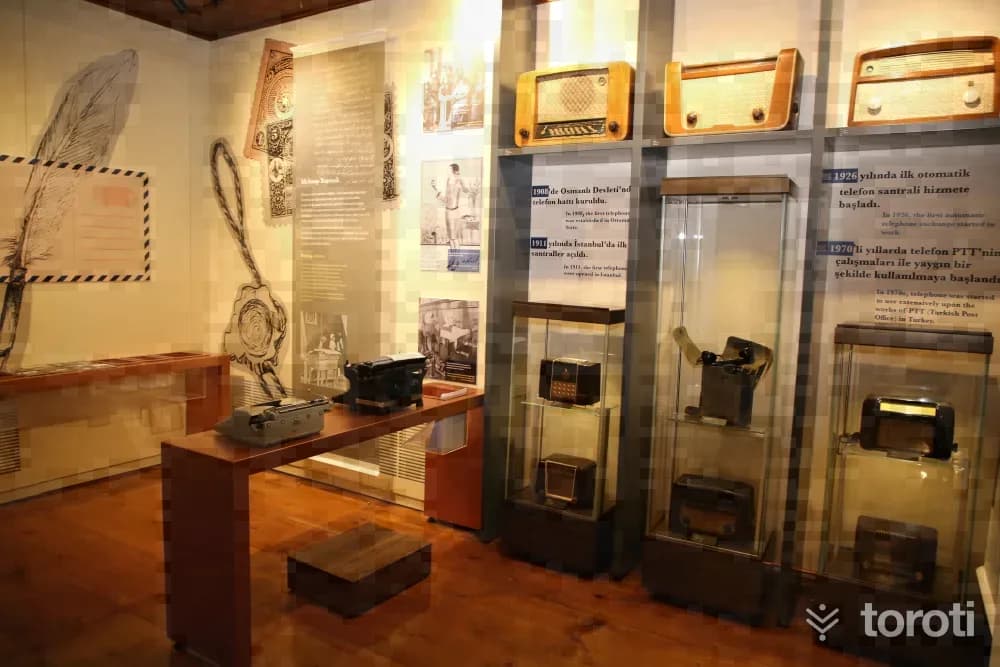
Ferit Akalın Radio and Communication Museum is located in Sarıkadı Mansion, a historic Çankırı house in the Karataş neighborhood of Çankırı. The content of the museum of the Çankırı Provincial Directorate of Culture and Tourism consists of the radio collection donated by Ferit Akalın, an inventor from Çankırı, and oral and printed sources such as oral history records compiled over the years, documentary footage, and national archive scans.
17
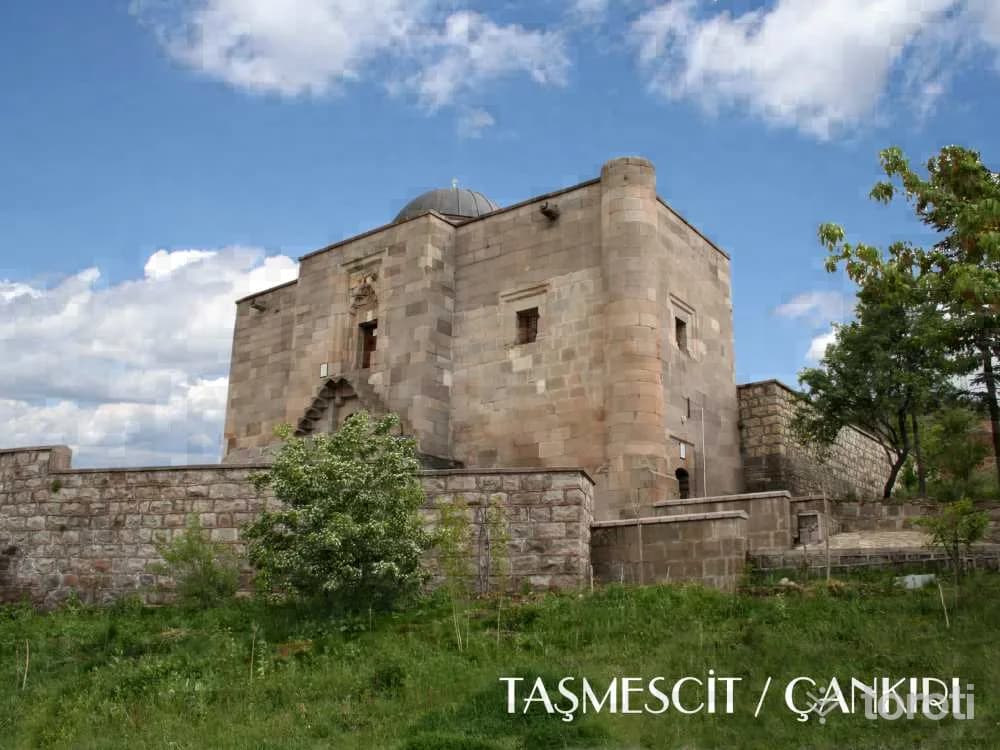
Taş Mescit (Cemalddin Ferruh Dar-ül Hadis)
Çankırı merkez, Çankırı
It is the most important structure remaining from the Seljuk Period in Çankırı. The hospital section, which was completely destroyed because it was built of rubble stone, was commissioned in 1235 by Çankırı Atabeyi (Governor) Cemalettin Ferruh during the reign of the Anatolian Seljuk ruler I. Alâeddin Keykubat. In addition to the hospital, Cemalettin Ferruh had a dâr-ûl hâdis built in 1242. In popular language, this structure is called Taş Mescit.
18
Alpsari Göleti Rekreasyon Alanı
Korgun, Çankırı
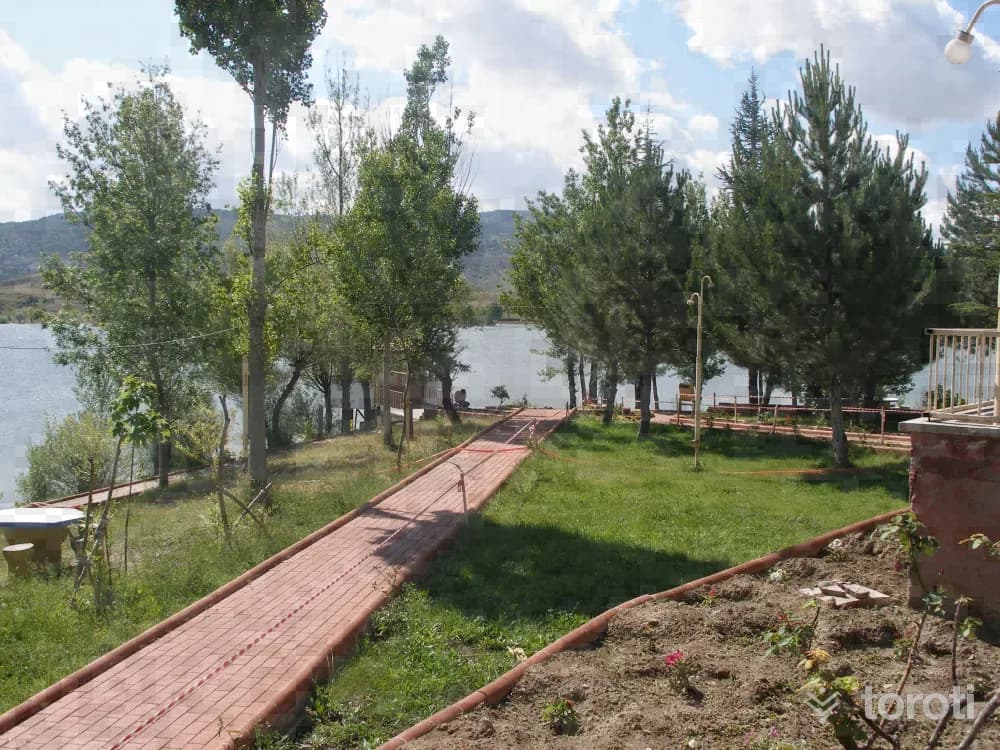
Alpsarı Pond Recreation Area is located 22 kilometers from Çankırı city center and 10 kilometers from Korgun district center. Due to the area's topographical structure and the beauty of the vegetation integrated with this structure, it is an important picnic area that attracts public interest.
19
İndağı Kaya Mezarları
Ilgaz, Çankırı
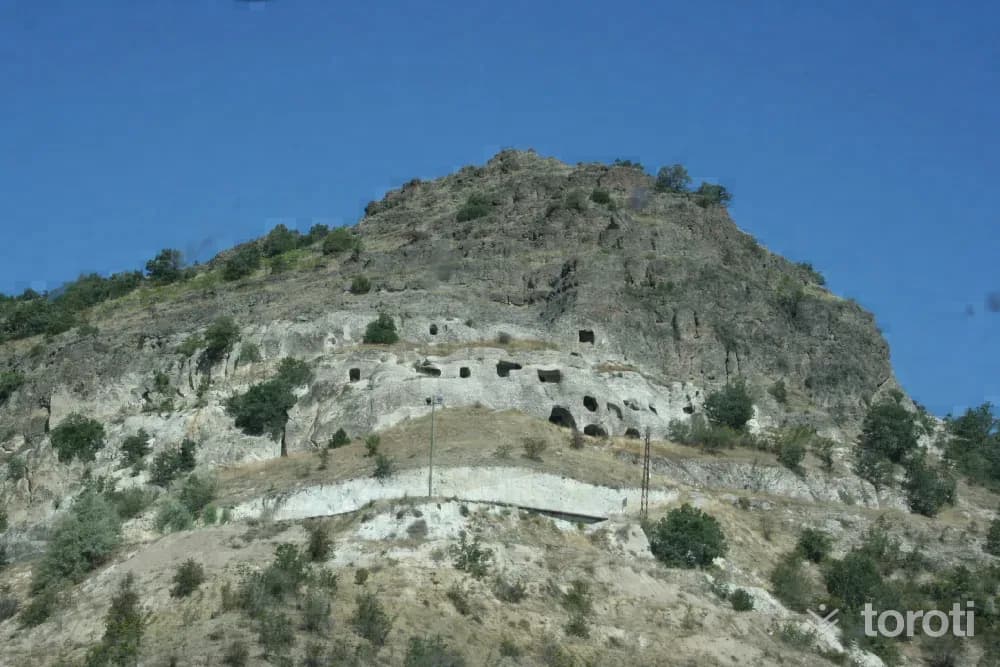
The monumental structures in the region are on the south of Devrez Stream and on the east-facing slopes of a rocky, somewhat high hill on the left side of the Çankırı-Kastamonu road. Here there are numerous man-made caves, rock tombs, a temple thought to possibly be a rock church, and cavities whose purpose is not exactly known. It is estimated that the tombs were places where religious ceremonies were held and were probably among the places considered sacred and connected with the mound.
20
Koca Meşe
Yapraklı, Çankırı
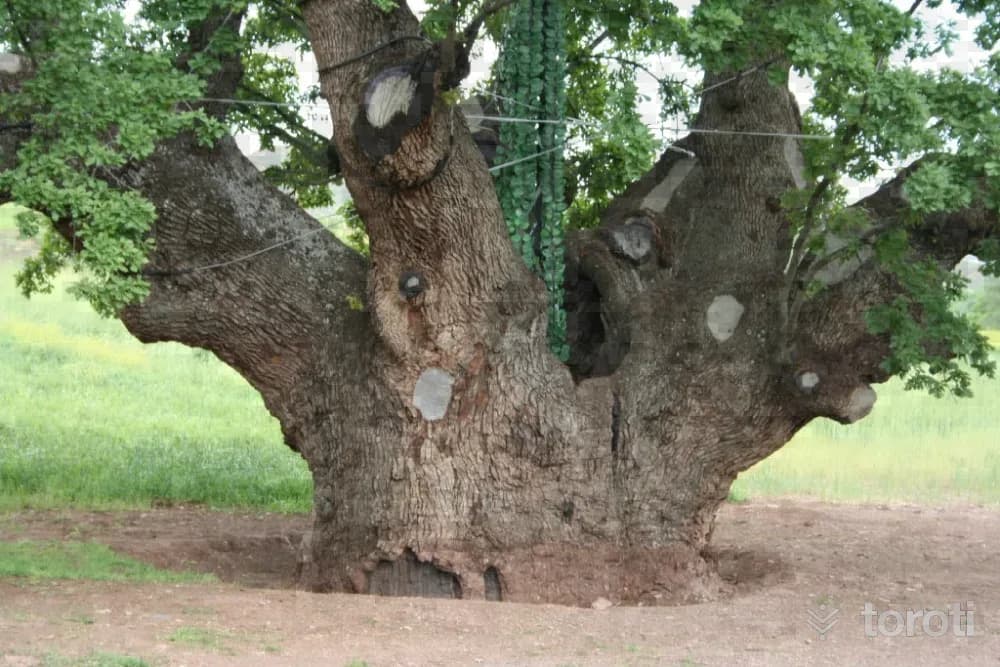
It is known that the protected oak tree, located in Karacaözü Village of Yapraklı District, 27 kilometers from the city center, is 550 years old and is considered among the oldest oaks in the world.
- No image
21
Ilgaz Doruk Mevkii
Ilgaz, Çankırı
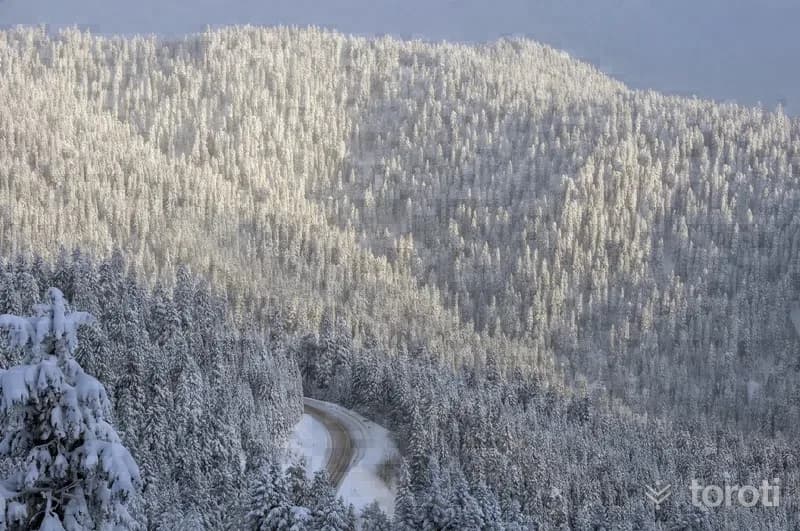
Doruk Mevkii attracts many visitors, especially in the winter season, with its natural beauty and rich wildlife as well as its winter sports facilities. There are slopes and mechanical facilities for skiers. On the northern slopes belonging to Kastamonu, mechanical facilities and slopes as well as accommodation facilities are also available, and visitors can make use of both slopes.
22
Ilgaz Kiş Sporları Turizm Merkezi
Kastamonu merkez, Kastamonu
Since the province is surrounded by the Küre (İsfendiyar) Mountains to the north and Ilgaz Mountain to the south, it receives abundant snowfall in winter. Both because of its terrain features and because it receives heavy snowfall, it is highly popular for winter tourism. While a large part of it lies within the borders of Kastamonu Province, it also extends into the borders of Çankırı Province. It is on the Kastamonu – Ankara highway route. The facilities section is 1.5 km from the main road. It is located on Ilgaz Mountain.
- No image
23
Oğuz Köyü Cami
Kargı, Çorum
It is not known by whom this mosque, located in Oğuz Village of Kargı district, was commissioned. However, it is thought to have been built in the 16.yüzyılda based on its architectural style.It belongs to the group of single-domed mosques in Ottoman architecture and has a narthex in front of it. The prayer hall is covered with a central dome supported by a semi-dome with three vaults.
- No image
24
Kizilcaoluk Şelalesi
Taşköprü, Kastamonu
Kızılcaoluk Waterfall, located near Başköy in Kargı district, hosts views resembling a riot of colors in autumn, while at times it takes on a mysterious atmosphere beneath a cloud of mist. The waterfall near Kargı Tatil Köyü is a place for those seeking tranquility.
- No image
25
Hacıhamza Kalesi
Kargı, Çorum
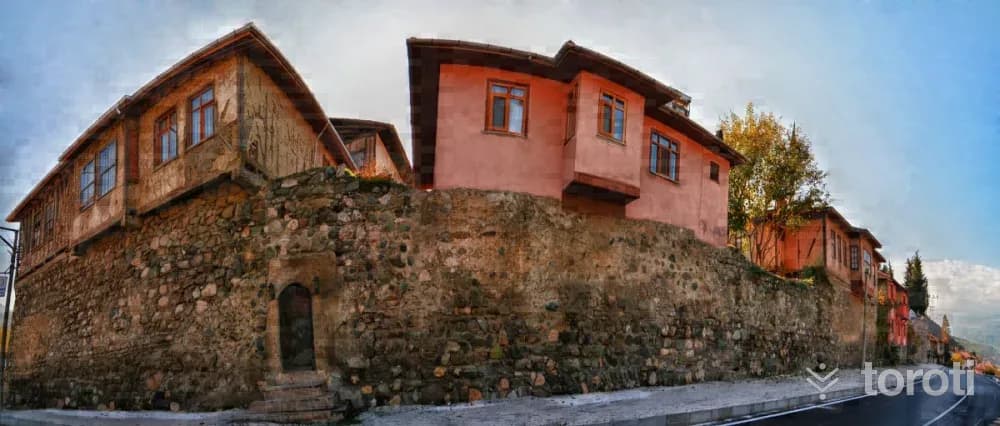
The castle, located to the north of İncesu Stream in Hacıhamza Town, has an irregular plan. It is understood from the Şeriye Sicil records that the castle was built by III. Ahmet in 1723, and it housed the townspeople until the 1940s.
26
Hacı Hamza Kalesi
Kargı, Çorum
It is understood from the sharia court register records that the castle, located to the north of İncesu Deresi in Hacı Hamza Beldesi, was built by III. Ahmet in 1723. The castle housed the townspeople until the 1940s.
- No image
27
Abdullah Yaylası
Kargı, Çorum
It is located in Kargı district of our province and on Köse Dağı (2050), the highest mountain of our province. Its distance to Çorum is 114 km, and to the district center 26 km. It is 12 km from the highway connecting İstanbul to Samsun and passing through our Osmancık district. Depending on the place of departure, two different routes can be followed. The first of these is to reach the area via the Osmancık road by following the İstanbul–Samsun Highway, and the second is to reach the area again via the Osmancık road by following the Ankara-Çorum Highway.
- No image
28
Kargi Yaylası
Kargı, Çorum
It is located in the high mountainous area to the north of Kargı district of our province. It is 140 km from Çorum and 26 Km from Kargı. In this region, there are the interconnected plateaus of Eğinönü, Aksu, Karandu, Göl, Örencik, Karaboya, and Gökçedoğan. On these plateaus, the tradition of plateau houses in keeping with the local plateau architecture still continues.
29
Koyunbaba Türbesi
Osmancık, Çorum
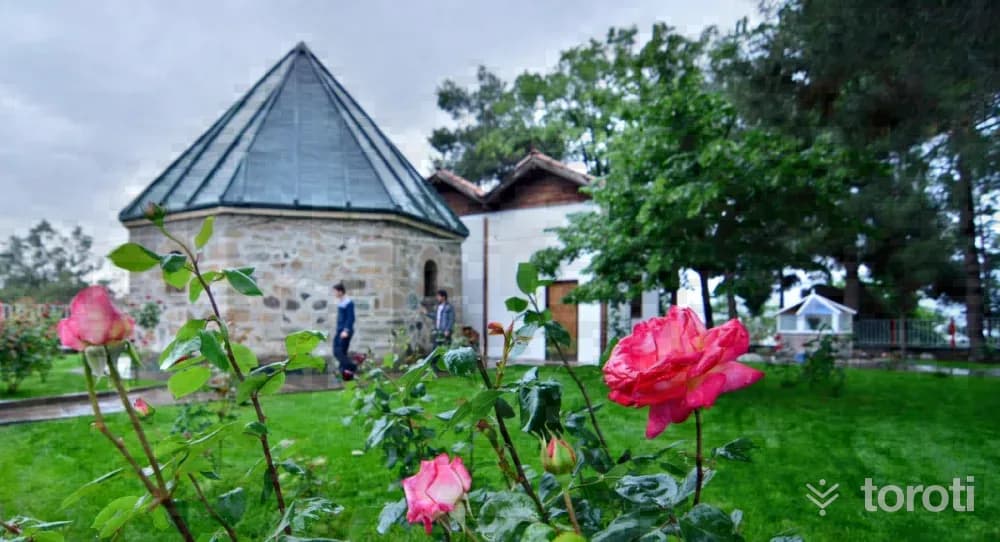
Koyunbaba Tomb, located in the district center of Osmancık and commissioned in 1469 during the reign of the Ottoman sultan Sultan II. Beyazıt, was built on a high hill. According to Evliya Çelebi, a mosque, dining hall, banquet room, guest houses, and a lead-covered tomb were built in the tomb complex. However, of the structures other than the tomb, only their foundations remain today. The tomb’s double-winged wooden door, crafted with the deep carving technique, is today preserved in Çorum Museum.
30
Koyunbaba Köprüsü
Osmancık, Çorum
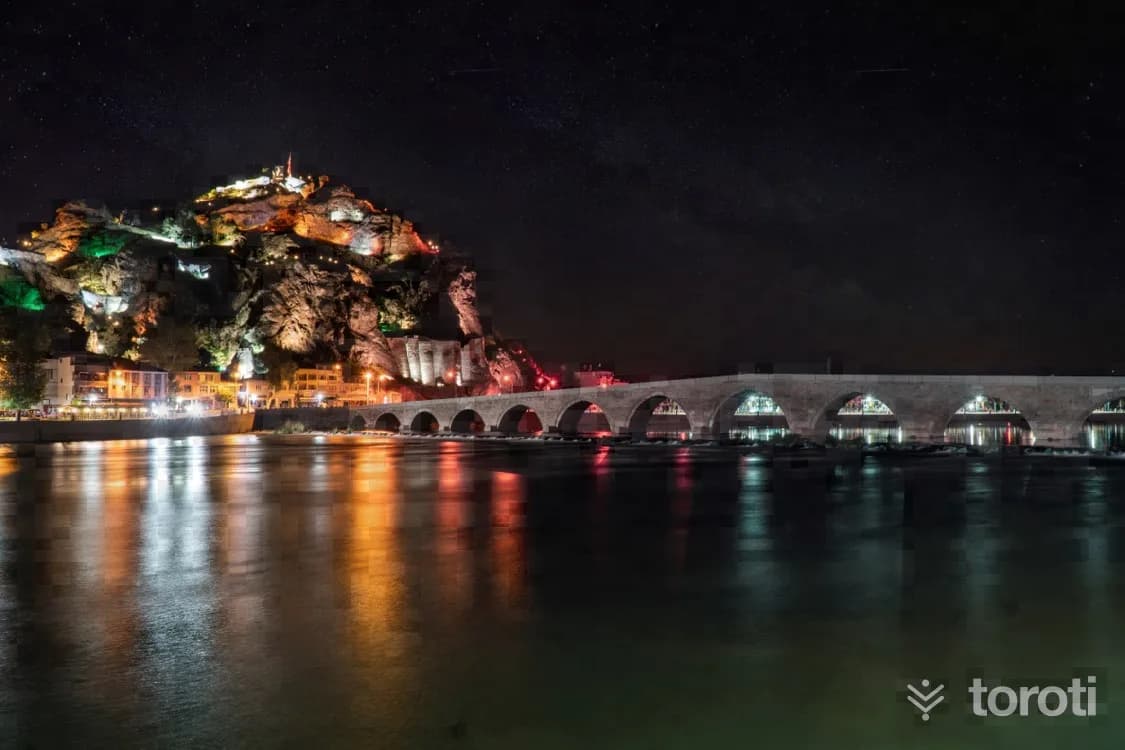
The length of the İkinci Bayezid Bridge, built over the Kızılırmak, is 250 meters and its width is 7,5 meters. The span of the widest arch of the 15-arched bridge is 16,35 meters, while the span of the narrowest arch is 9,20 meters. There are stone railings 60 centimeters high on both sides of the bridge. The bridge has a 5-line Arabic inscription.
31
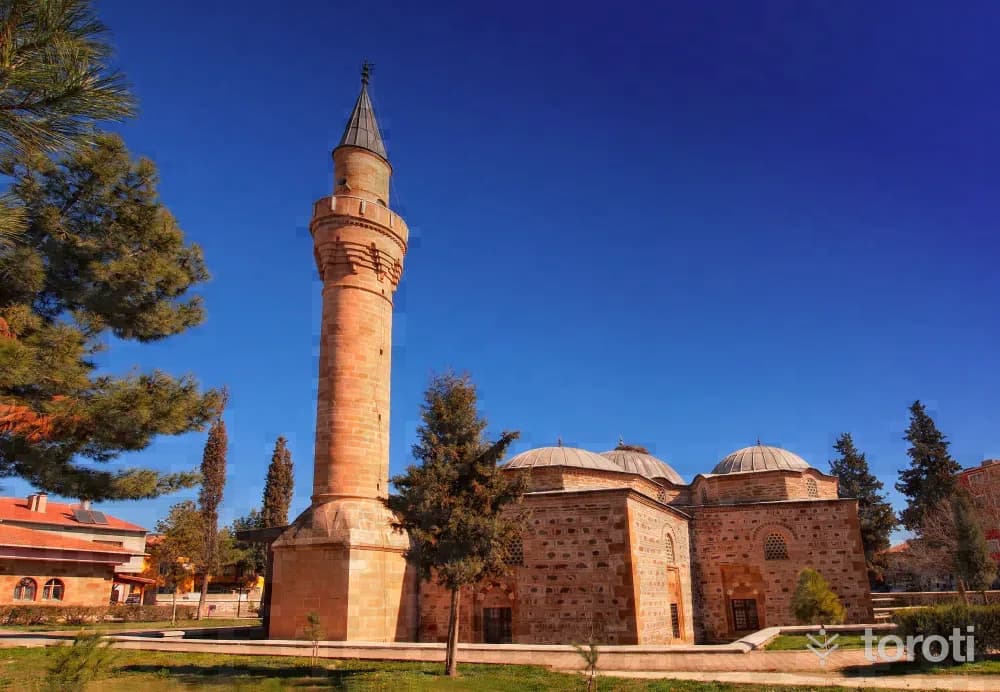
Osmancik İmaret Cami
Osmancık, Çorum
Osmancık İmaret Cami was built as an imaret in 1431 by Koca Mehmet Paşa, one of the grand viziers of Murat II. It reflects the plan of zaviye mosques, one of the characteristic structures of the Early Ottoman Period.
32
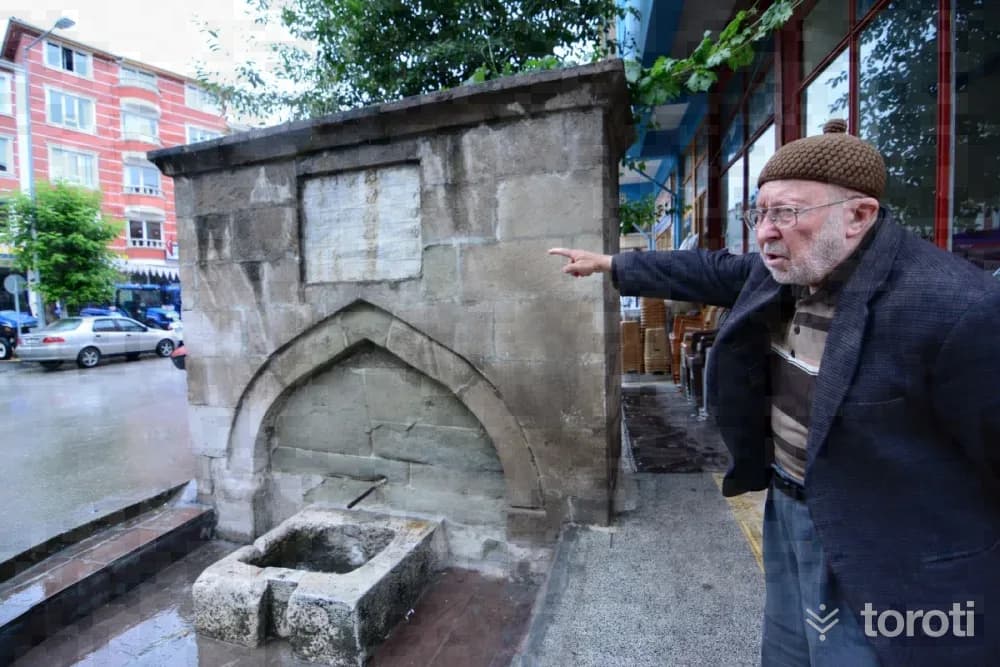
Baltaci Mehmet Paşa Çeşmesi
Osmancık, Çorum
Baltacı Mehmet Paşa Fountain in Osmancık is one of the four fountains commissioned by Baltacı Mehmet Paşa in 1705 during his grand vizierate. On its west-facing front facade, there is an 18-line inscription in white marble on three columns.
33
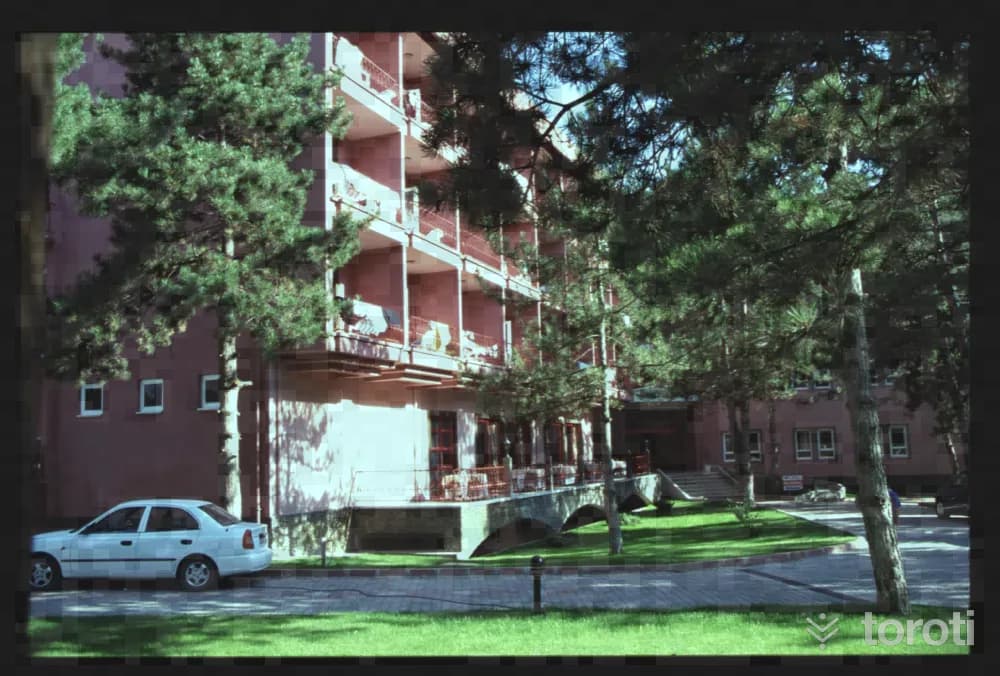
Hamamözü Arkutbey Kaplıcaları
Laçin, Çorum
Although the exact history of Hamamözü Arkutbey Kaplıcaları is not known, there is a small bath and pool that have been used since Antiquity. It takes its current name from Seljuk Arkut Bey.
34
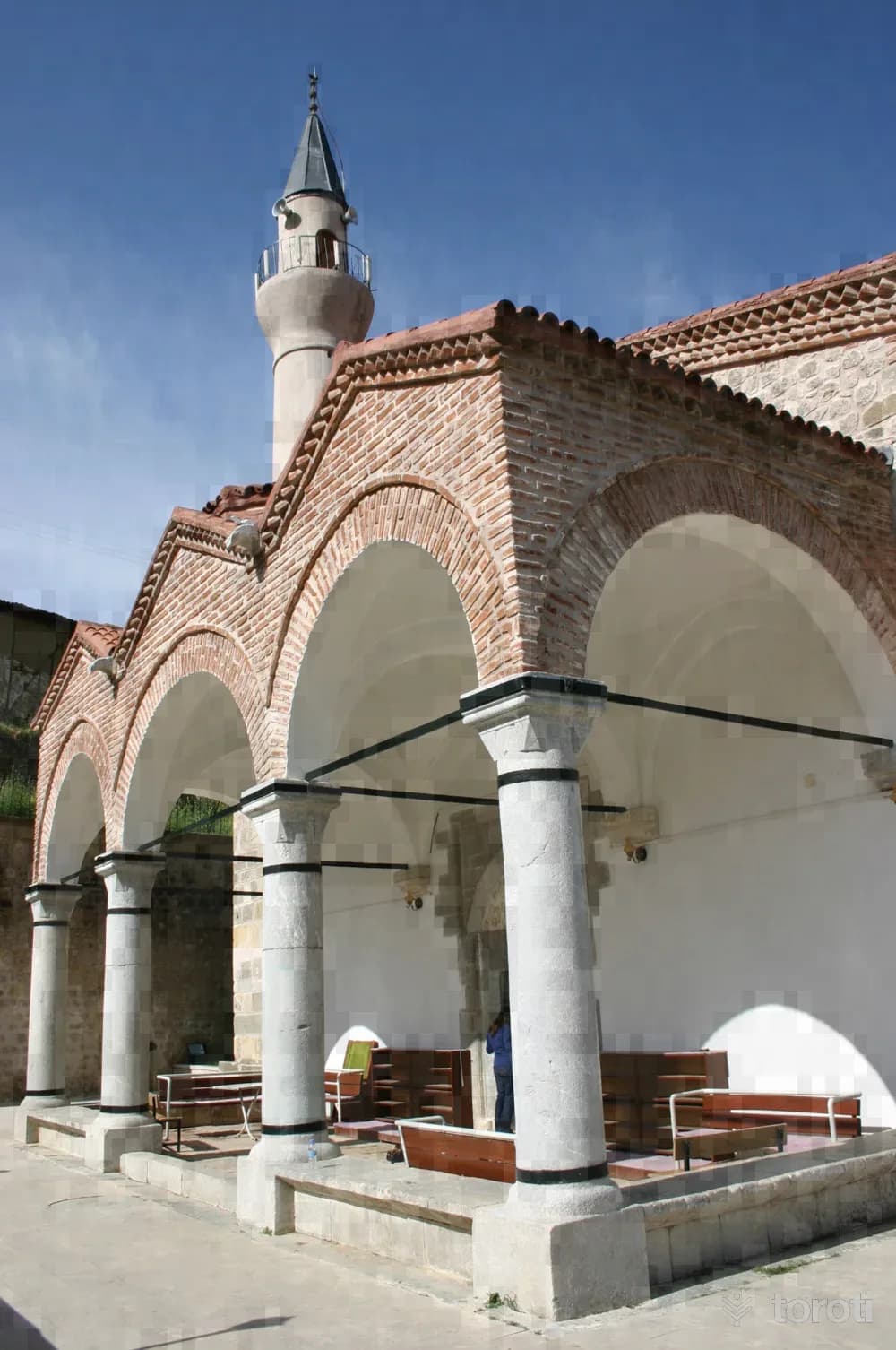
Maden Camii
Gümüşhacıköy, Amasya
The original form of the mosque, located in the Maden Neighborhood of Gümüş Town in Gümüşhacıköy district, is a church built here in the mid-19th century. In 1928, it was converted into a mosque by those who migrated here from Western Thrace, with its original structure preserved. The corners of the facade walls of the rectangular-planned mosque are of dressed stone, and the main walls are of regular stone masonry. The interior consists of three naves extending from west to east and covered with vaults above.
35
Gümüşhaciköy Bedesteni Ve Saat Kulesi
Gümüşhacıköy, Amasya
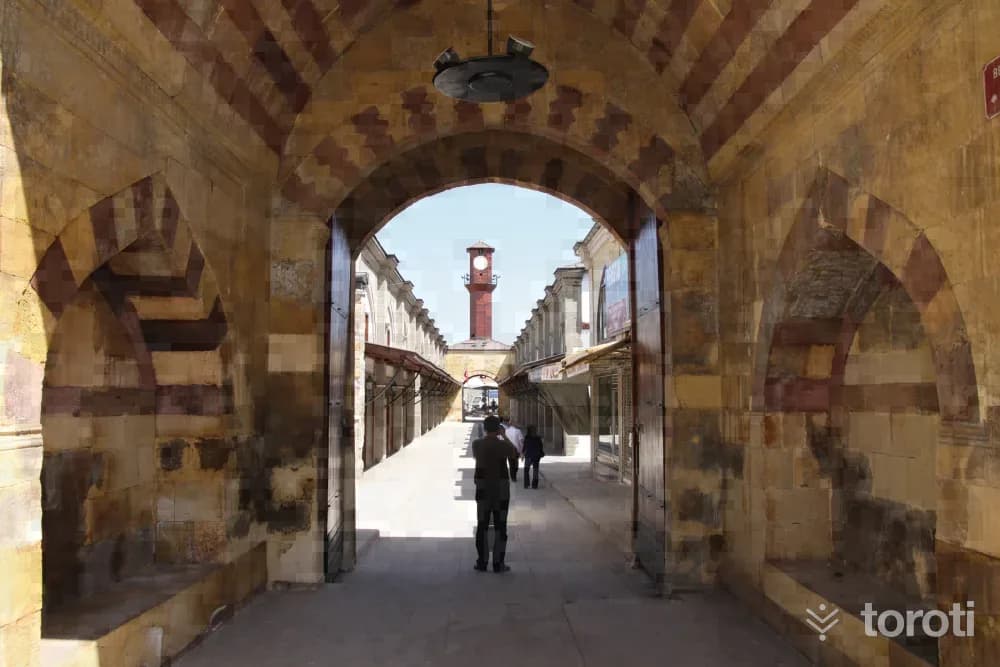
The bedesten, located in Hacıyahya Neighborhood in the city center of Amasya, was built by Köprülü Mehmet Paşa, who wanted a külliye to be built next to the mosque that had been built in his own name in 1660. At the time it was built, the caravanserai part of this külliye, which consisted of a caravanserai and a bedesten, was destroyed over time, while the bedesten part has survived to the present day after undergoing significant repairs. The bedesten, in the shape of a long rectangle, has four doors.
36
Çelebi Mehmet Medresesi
Merzifon, Amasya
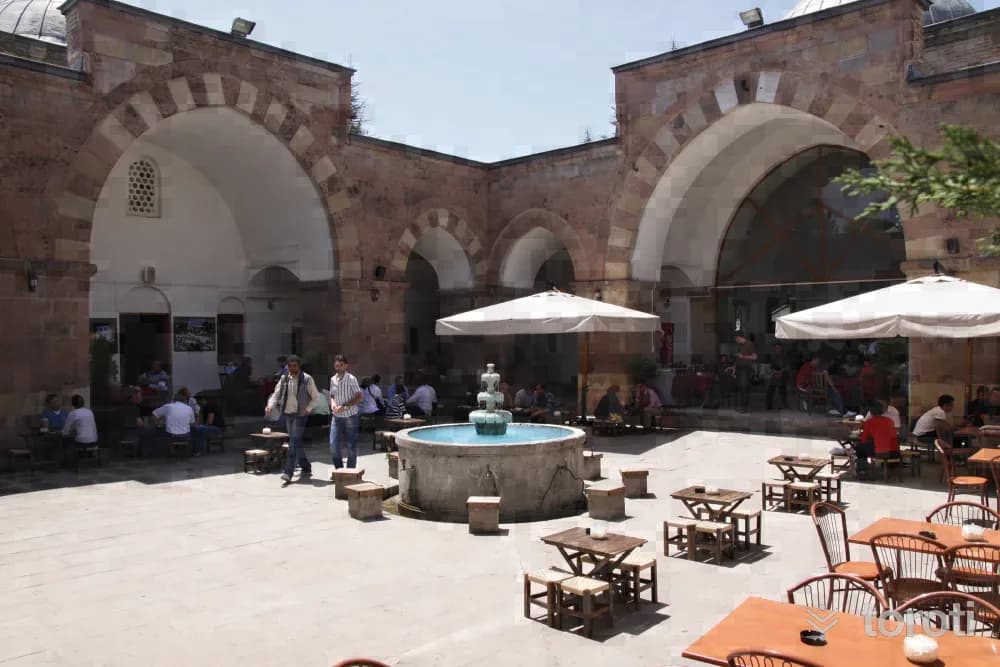
Çelebi Mehmet Medresesi was commissioned by Çelebi Mehmet in 1414 for Ebubekir Mehmet Bin Hamza. It follows the plan of Seljuk madrasas. The square-planned, four-iwan, open-courtyard madrasa is entered through the monumental gate on its east side. The entrance, above which is an inscription consisting of a single line and three sections, is decorated using colored cut stone and marble. The iwan-shaped monumental portal, adorned with rows of red and white cut stone, is one of the most striking parts of the structure.
37
Merzifonlu Kara Mustafa Paşa Camii
Merzifon, Amasya
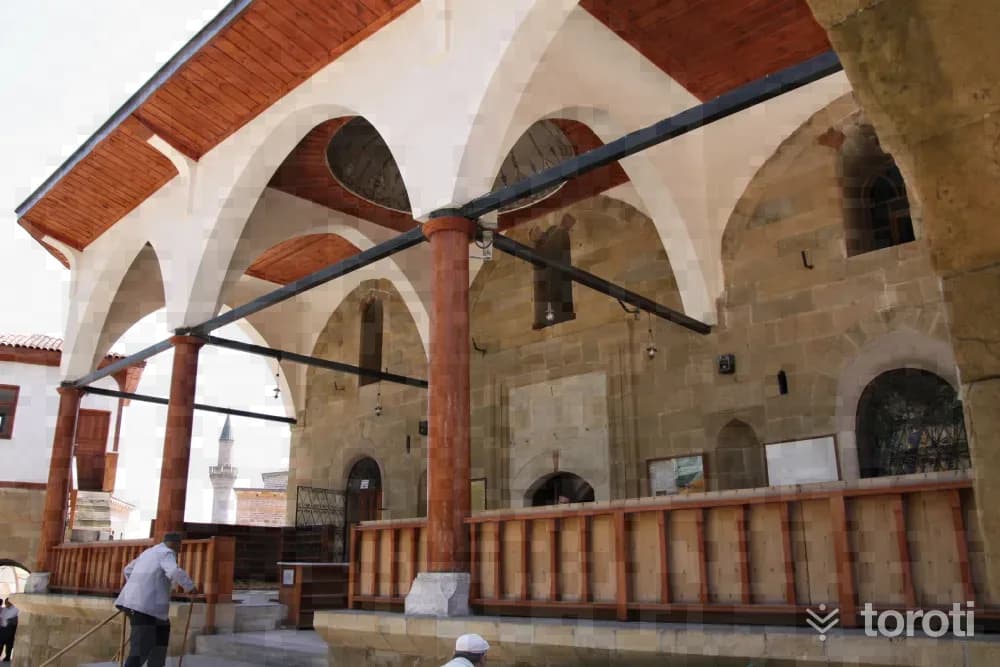
It was commissioned in 1666 by Kara Mustafa Paşa, one of the Ottoman grand viziers. The exterior walls of the rectangular-plan mosque were built entirely of smoothly cut stone. There is a three-bay last congregation area formed by four columns connected with pointed arches, with a wooden-covered ceiling. The prayer hall is covered with a rather large dome.
38
Yedikir Baraj Gölü
Suluova, Amasya
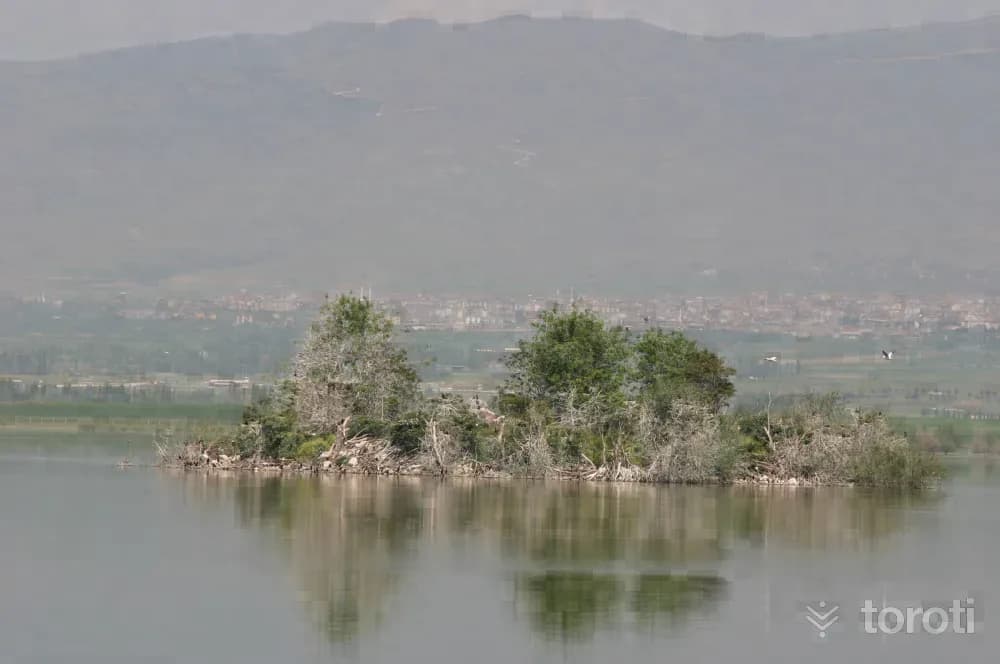
Yedikır Dam Lake, or by its other name Yedikuğular Bird Paradise, is located within the borders of Suluova district, 35 kilometres from Amasya city centre, 8 kmilometres from Suluova and 12 kilometres from Merzifon. Yedikır Dam Wildlife Protection Area covers an area of approximately 900 hectares. About 600 hectares of the area is formed by the lake. The remaining part is a reed bed and afforestation area containing social facilities and picnic areas.
39
Atatürk Evi
Havza, Samsun
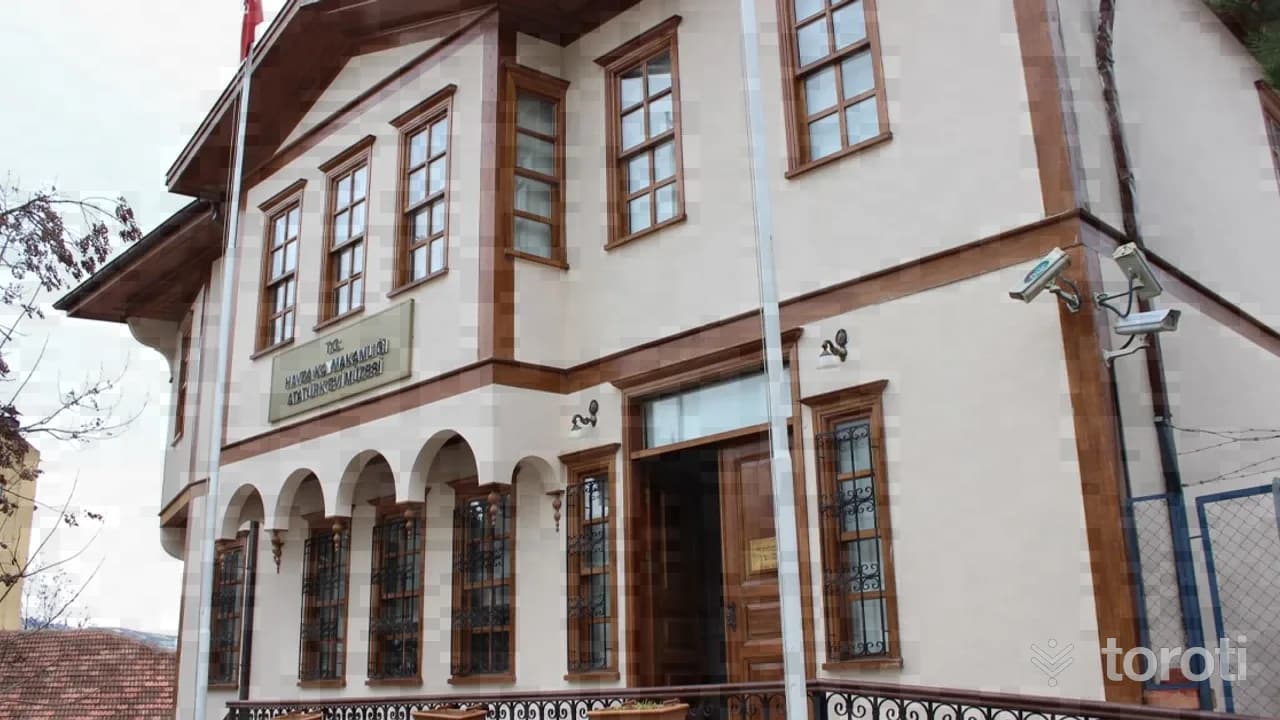
It is a historical building located in Havza district and used as a museum. Its historical importance comes from the fact that Mustafa Kemal Paşa used the building as army headquarters during his 9th Army Inspectorate between 25 May - 13 June 1919. It is considered the first headquarters of the National Struggle.
- No image
40
Sivrikese Cami
Havza, Samsun
In Havza’s Sivrikese Village, this mosque, known by the name of the village, was commissioned by Ali Osman Ağa to Todor Usta in 1903.
41
Akpinar Eğitim Müzesi
Ladik, Samsun
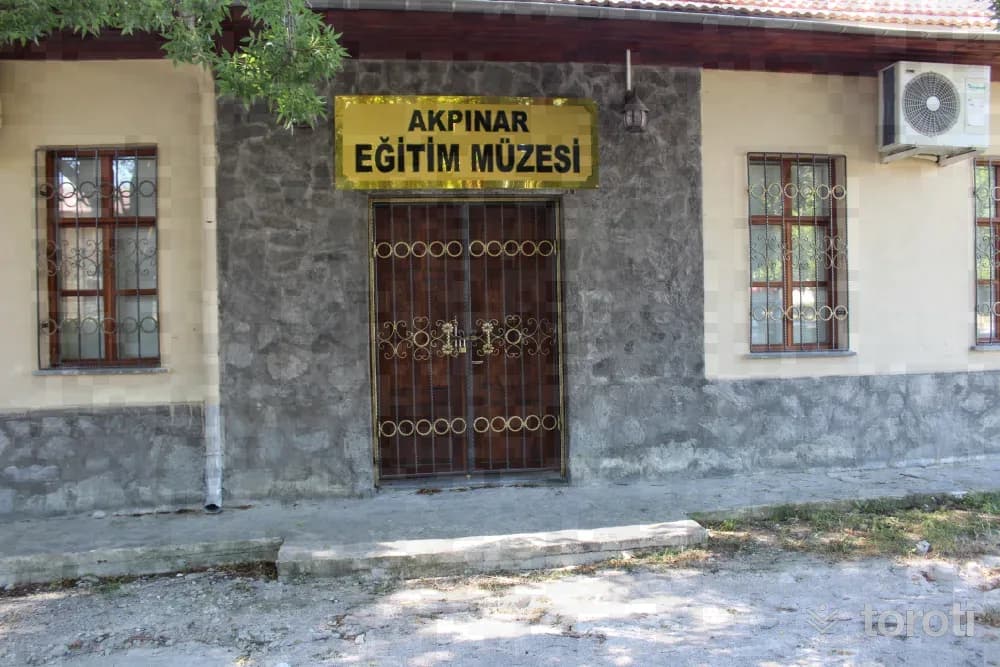
The education museum, which was opened at Ladik Akpınar Science High School, a well-established school stemming from the tradition of village institutes, enables us to see again the village institutes in particular and the country's educational tradition. The museum exhibits musical instruments, paintings, books, and tools used in workshops belonging to students who studied at Akpınar Teacher Training School, which has been operating for 74 years.
42
Akdağ Kayak Merkezi
Ladik, Samsun
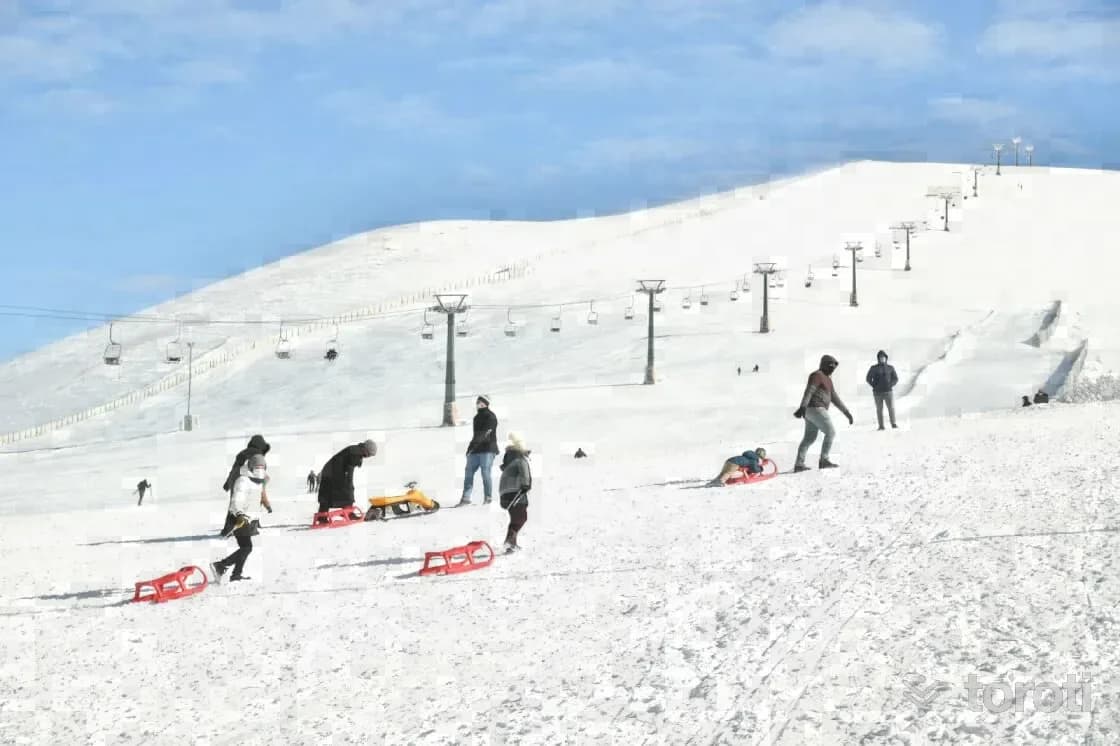
Samsun, one of the prominent cities in the Black Sea region with both summer tourism and winter tourism, offers a fine skiing alternative in the winter season with Akdağ Kayak Merkezi. Akdağ Kayak Merkezi, located in Samsun's Ladik district, is one of Turkey's important ski centers.
43
Yaşar Doğu Müze Evi
Kavak, Samsun
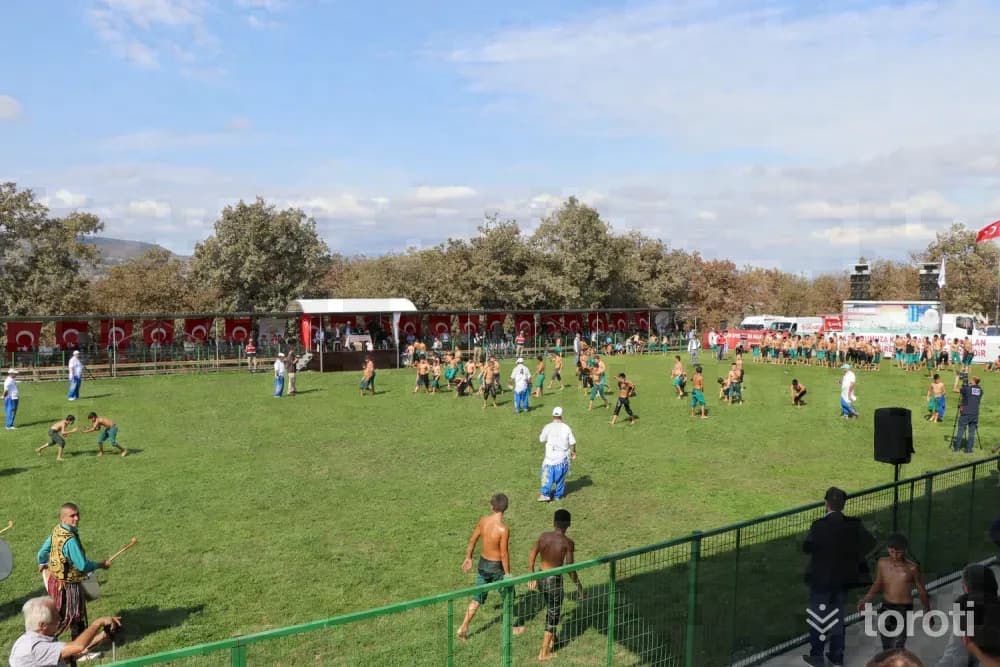
The house where national wrestler Yaşar Doğu lived in Emirli Mahallesi has been brought into tourism as a museum following restoration works. The museum, where personal belongings of world and Olympic champion Yaşar Doğu can be seen, was designed with the aim of honoring Yaşar Doğu's memory and inspiring new generations. Next to the museum, a wrestling field has also been built in Emirli Mahallesi, and traditional wrestling tournaments are held there every year.
- No image
44
Kaledoruğu Höyüğü
Kavak, Samsun
It is a mound located in Yeni Camii Mahallesi of Kavak District. The hill measures approximately 350 x 250 meters and is 25 meters high. There are ruins of a castle on this steep-sloped hill.
45
Samsun Büyükşehir Belediyesi Binicilik Tesisleri
Atakum, Samsun
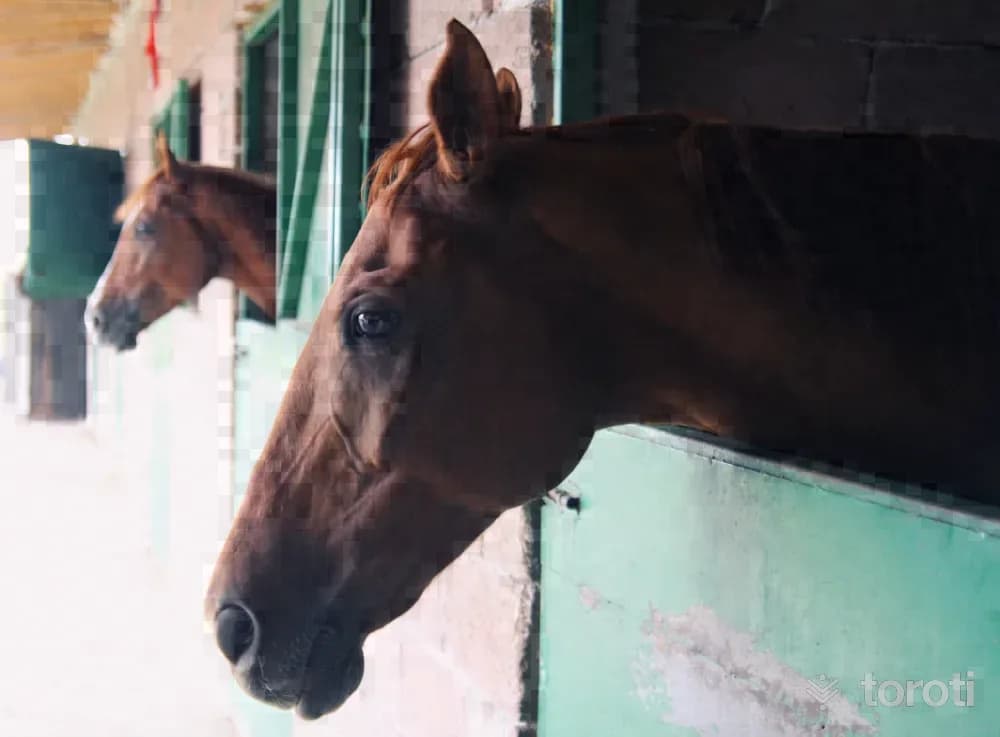
Love and passion for horses are hidden in the genetic codes of the Turkish people. In order to experience this passion, to get away from the troubles of the day even a little, and to spend time pleasantly, Equestrian Sports Facilities with all kinds of equipment have been established within the boundaries of Büyükoyumca Mahallesi in Samsun's Atakum district. It is a fully equipped equestrian facility where all equestrian sports can be practiced and which is also used in the rehabilitation of disabled people.
46
Nebiyan Yaylası
19 Mayıs, Samsun
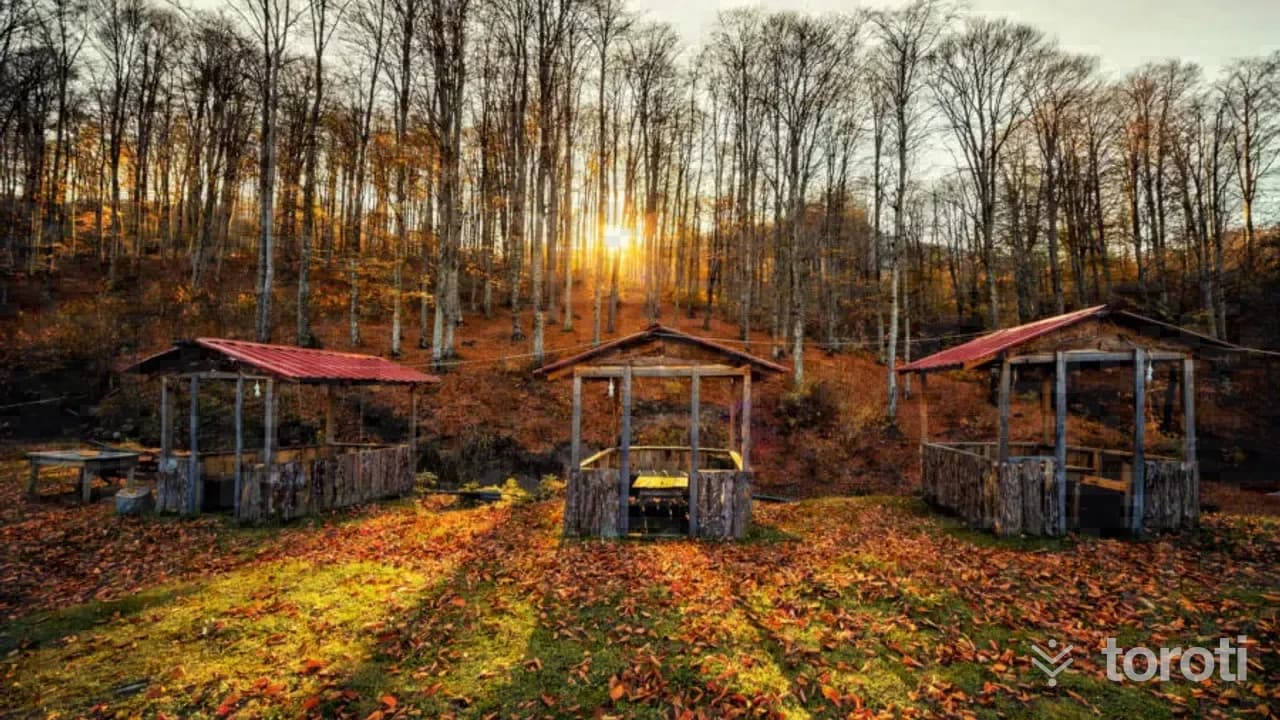
Located on the ridges of 19 Mayıs district, 20 km south of the district center, Nebiyan mountain has a geography worth seeing with its magnificent nature and landscapes in every season. Nebiyan plateau, located in its upper parts, has the typical characteristics of a Black Sea plateau.
Move the stops into your own plan, split them across days, and add places to sleep and eat.
Frequently asked
- How far is it between Ankara and Samsun, and how long does it take?
- Driving between Ankara and Samsun is roughly 494 kilometres and takes about 6 hours without stops.
- Where is it worth stopping between Ankara and Samsun?
- There are 334 described places within 20 km of the road between Ankara and Samsun. toroti lists 46 of them spread evenly along the drive, in the order you pass them; Tcdd Maliköy Tren İstasyonu Müzesi comes early on, and Nebiyan Yaylası sits near the end.
- Which provinces does the Ankara to Samsun route cross?
- The route between Ankara and Samsun crosses Ankara → Çankırı → Kastamonu → Çorum → Amasya → Samsun. The stretch richest in places to visit is in Ankara.
- Should I take the toll highway or traditional route between Ankara and Samsun?
- Toll motorways save driving time between Ankara and Samsun, whereas traditional state roads pass directly through historic town centers, local culinary stops, and scenic nature viewpoints.
- How should breaks be scheduled between Ankara and Samsun?
- For a drive of around 6 hours, taking a break every 2 to 2.5 hours is recommended. The catalogued attractions in Ankara and neighboring provinces offer memorable stopovers compared to generic highway rest areas.