
Places to visit
Things to do in Gaziantep
60 destinations, each with a description, how long it takes and where it sits on the map.
In short
toroti’s catalogue holds 60 described destinations within Gaziantep. The themes that come up most: History, Faith heritage, Museum, Culture, Local culture, Nature.
Districts of Gaziantep
Tilmen Höyük
Tilmen Höyük, one of the most magnificent Hittite Cities of Anatolia after the city of Hattuşa, has been turned into an Archaeopark as a result of excavations carried out since 2003. The finds belonging to the mound show the connection and mutual relationship between the ancient Mesopotamian and Syrian cultures and the ancient Anatolian cultures. As a result of the excavations, its history dates back to B.C.
20 minutes
Nuri Mehmet Paşa Camii
It was commissioned by Nuri Mehmet Paşa. There are also two more inscriptions in the mosque, dated 1785 on the minaret and 1834 on the mihrab. The mosque has lost its originality due to repairs carried out in different periods.
20 minutes
İhsan Bey Camii
In old records, the name of the mosque appears as "Esen bek," and there is no definite information as to when it was built. In order to meet the need for water, water was supplied beneath the mosque through underground channels. To the north of the mosque's courtyard gate, there is a large cistern reached by descending 25 steps of black stone and located underground.
20 minutes
Saklı Konak Bakır Eserleri Müzesi
The museum is Turkey’s first museum consisting of a private collection. The works in the museum consist of copper artifacts collected by collector Ali Atalar from all regions of Turkey, especially Gaziantep and its surroundings. Works of art belonging to copper masters who lived during the Ottoman period are exhibited.
45 minutes
Tekke Camii
The mosque is one of the two mosques in the world that are passed under its minaret. Adjacent to the Gaziantep Mevlevi lodge Foundation Museum, this mosque is one of Gaziantep's smallest and, at the same time, most beautiful mosques.
20 minutes
Ömeriye Camii
The mosque is the oldest mosque in Gaziantep. It is recorded that it underwent repairs in 1210. There are rumors that it was built during the time of Caliph Hz. Ömer, or that Hz. Ömer had it built by the Umayyad Caliph Ömer Bin Abdülaziz.
20 minutes
Şirvanı Camii
It was commissioned by Şirvani Mehmet Efendi. According to rumor, Şirvani Seyit Mehmet Efendi is descended from Hz. Hüseyin, the grandson of Hz. Muhammed.
20 minutes

Gaziantep Zooloji Ve Doğa Müzesi
Established on an area of 750 square meters, Gaziantep Zooloji ve Doğa Müzesi opens the doors of a fantastic world where time is frozen, offering visitors the opportunity to closely see and get to know hundreds of animal species and specimens, including extinct and endangered animals that lived millions of years ago, as well as those whose existence has endured from the past to the present, bearing witness to time and sharing nature with us.
45 minutes
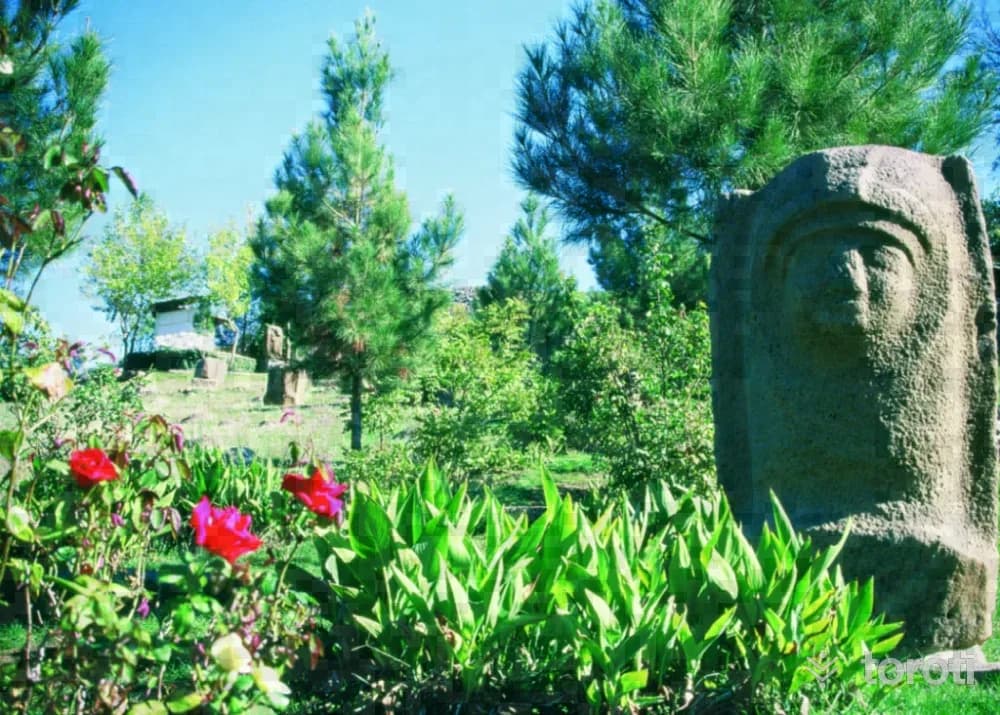
Yesemek Açik Hava Müzesi
Between the fourth quarter of the second millennium B.C. and the 8th century B.C., Yesemek was the largest quarry and sculpture processing workshop of the Near East. It is located on the Karatepe ridges of Yesemek Village, 22 kilometers southeast of İslahiye District. The workshop, where the native Hurrians worked, was put into operation during the reign of Emperor I. Şuppiluma, between 1375-1335 B.C., when the region came under Hittite rule.
45 minutes
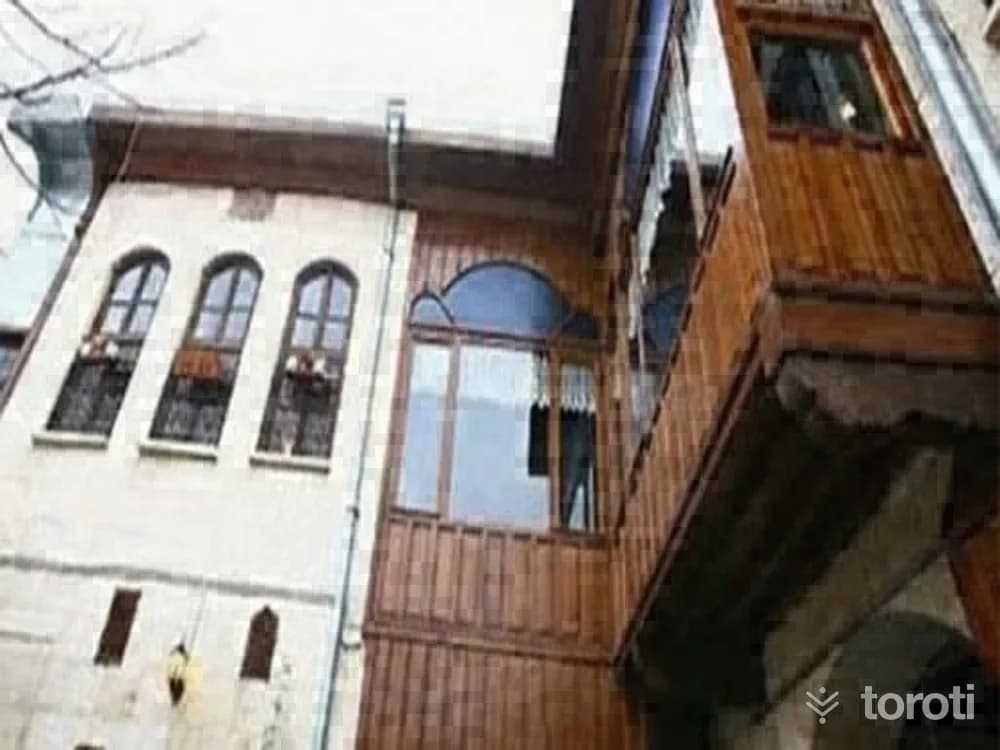
Tarihi Antep Evleri
Historic Antep Houses are courtyard-facing structures, behind high walls, isolated from outdoor spaces as much as possible. Antep houses are generally two-storey. Due to the widespread use of stone in the region, havara stone (soft limestone), topak stone, keymıh (hard limestone), minare rock, basalt (black stone), white marble, red marble and some types of coloured stones collected from nature were used in the construction of the houses.
45 minutes
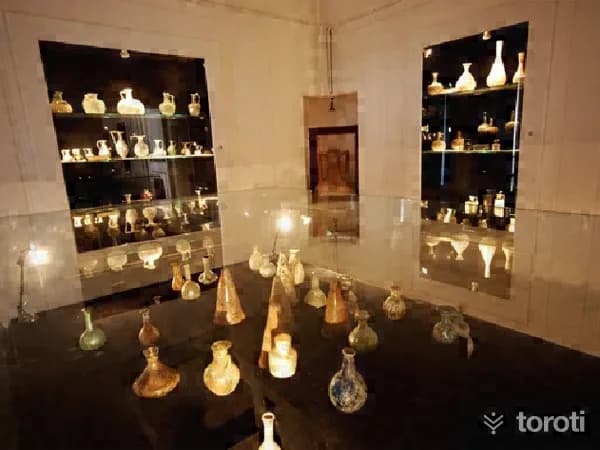
Gorgo Medusa Cam Eserler Müzesi
Gorgo Medusa Glass Works Museum is Turkey’s first private glass works museum. The museum, opened in service in an old Antep house near Gaziantep Castle, consists of six rooms. Five of the rooms have been used as exhibition halls, and one has been designated as a space where copies of the works are made and presented to the visitor.
45 minutes
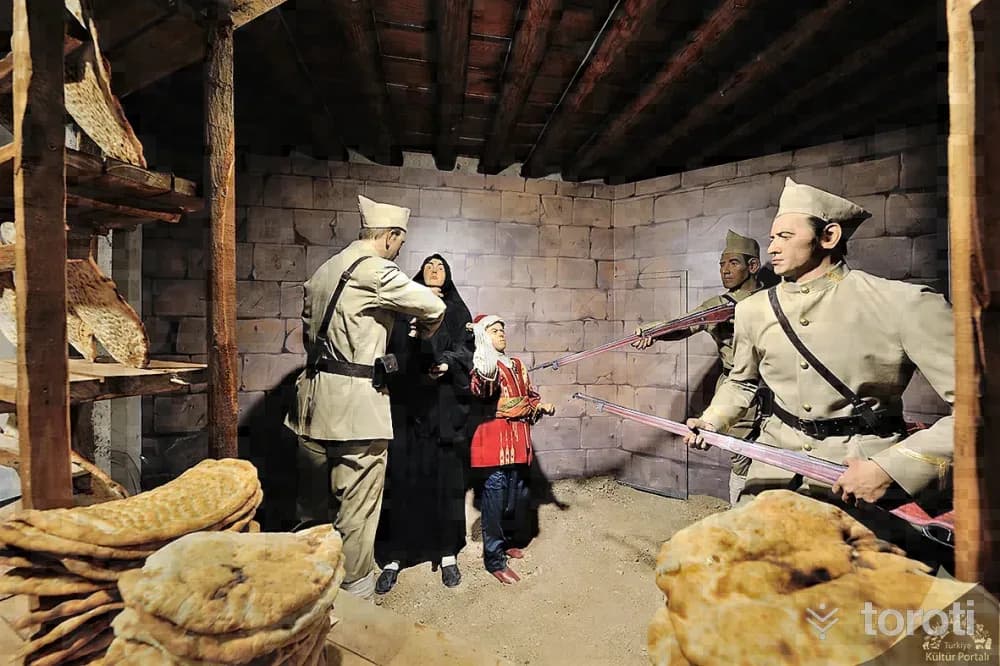
Şahinbey Milli Mücadele Müzesi
Şahinbey National Struggle Museum effectively presents all aspects of Gaziantep’s resistance during the War of Independence to its guests. The museum was established with a contemporary museology approach in the twelve-room historic building and the cave beneath it in order to better convey to present and future generations the importance and details of the defense heroically carried out by the people of Antep against the British and French occupation, through which it earned the title of “Gazi”.
45 minutes
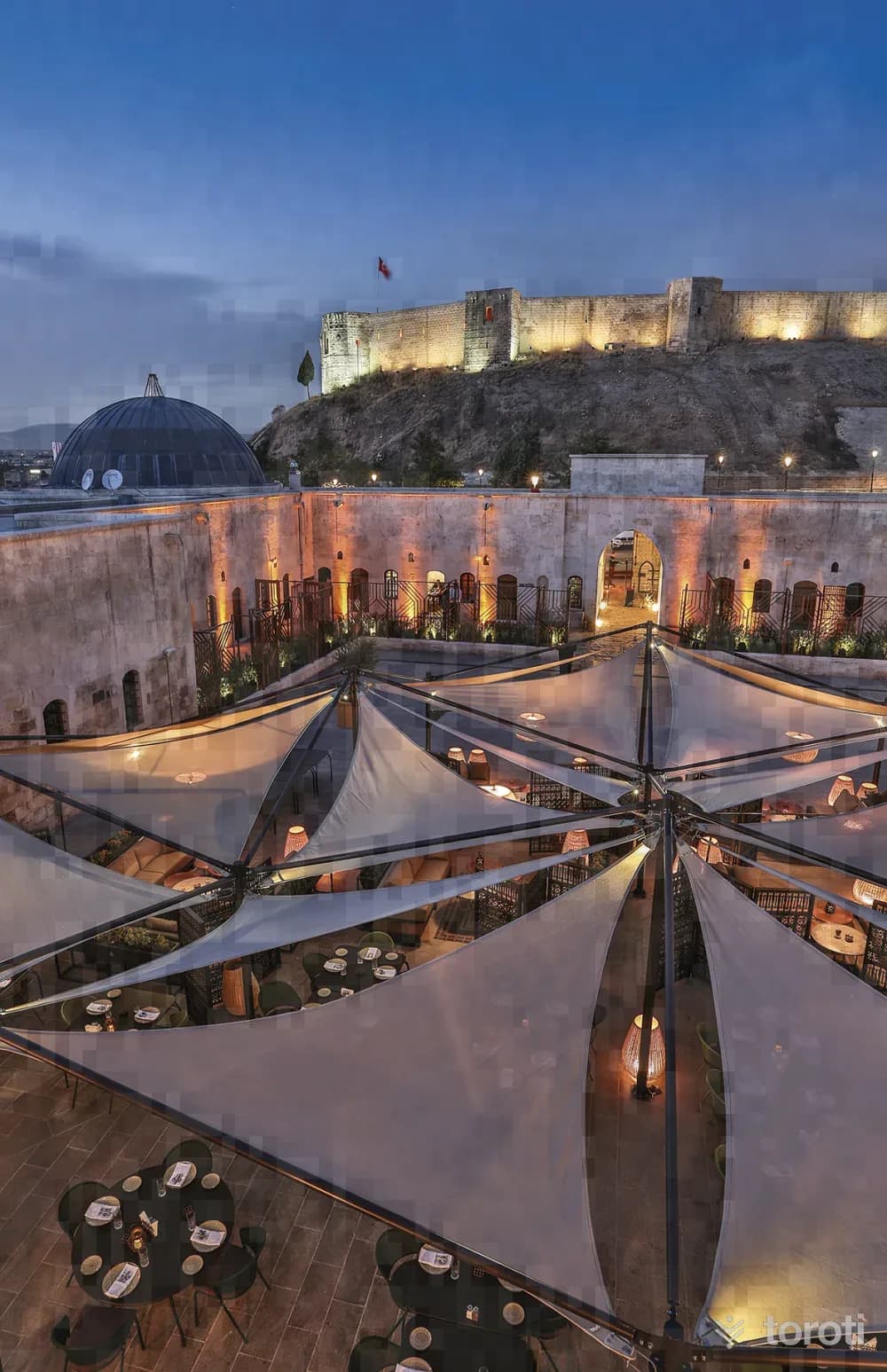
Hişva Han
There is no inscription indicating when Lala Mustafa Paşa Hanı, also known as Hışva (Cotton Cocoon) Han, was built. There are Vakfiyes and Şer'i Court records showing that it was commissioned by Lala Mustafa Paşa. The date of its Vakfiye is (Hijri 985) 1577, and it is understood that it was built between 1563-1577, during the years when Lala Mustafa Paşa served as Beylerbeyi of Aleppo and Damascus.
45 minutes
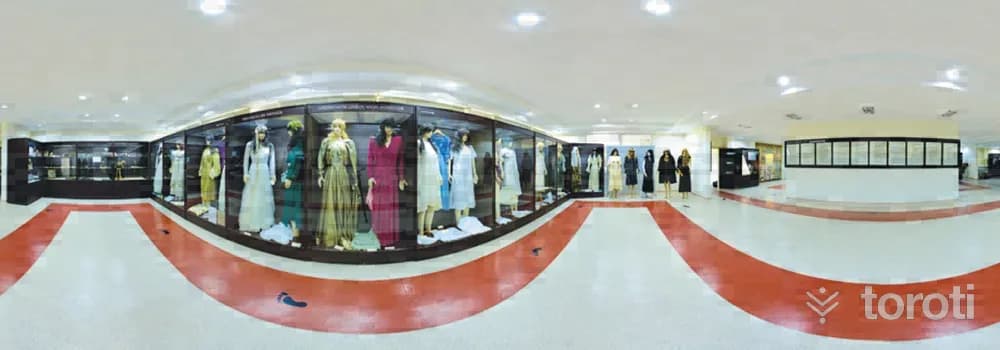
Gaziantep Kültür Tarihi Müzesi
Gaziantep Kültür Tarihi Müzesi, located on the ground floor of the Gaziantep Üniversitesi Kütüphane ve Dokümantasyon Daire Başkanlığı, was established with the aim of introducing, teaching and endearing the culture of the city in which they study to its students. In the museum, Gaziantep archaeology is presented through a chronological narrative, with examples offered through original cultural assets and documents.
45 minutes
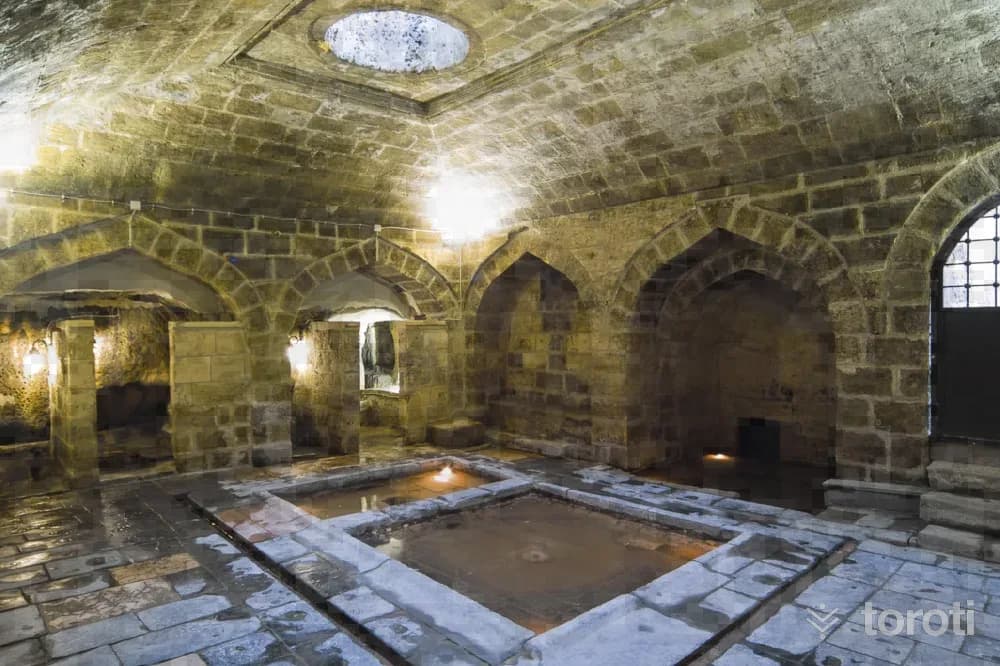
Kasteller
Gaziantep Kastels, which have no equal in the world and are unique examples of water architecture, were built as structures with many functions. These structures, found only in Gaziantep in Turkish Architecture, have not attracted much attention because they are partially or completely underground. For this reason, they have not taken their place in the terminology of art history.
45 minutes
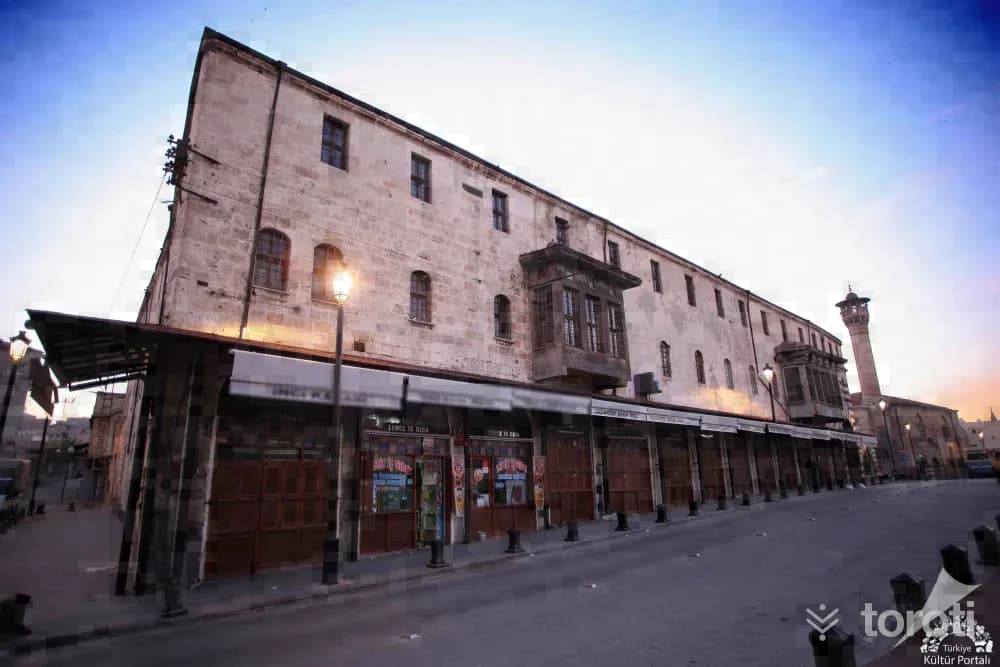
Büdeyri Han
Büdeyri Han is estimated to have been built in the same years as Kürkçü Hanı, dated 1890, due to the similarity in plan and decoration. For these reasons, Büdeyri Han is thought to have been built in the late 19th century. Gaziantep Metropolitan Municipality falls within the group of single-courtyard, two-storey inns in Ottoman inn architecture. The work, which incorporates many features of classical Ottoman inn architecture, was built in two sections, namely a soapworks and an inn.
45 minutes
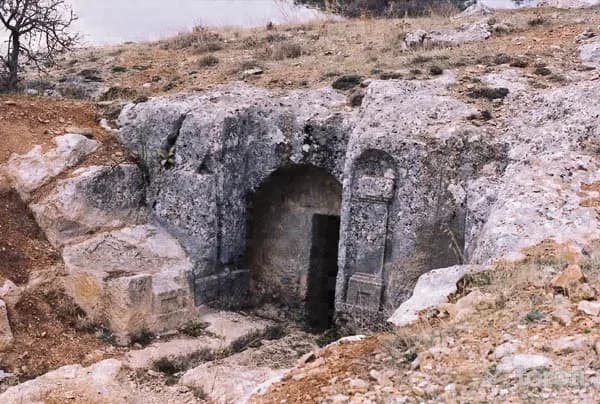
Dülük Antik Kenti
Dülük Ancient City is located 10 kilometers north of Gaziantep city center, and Dülük, whose earliest known settlement dates back 600 thousand years, is divided into two parts as the “Ancient City” and the “Sacred Area.” The ancient settlement lies underground on and around Keber Tepesi, immediately north of Dülük Köyü. The sacred area is located on Dülük Baba Tepesi, approximately 3 kilometers north of Dülük Köyü.
45 minutes
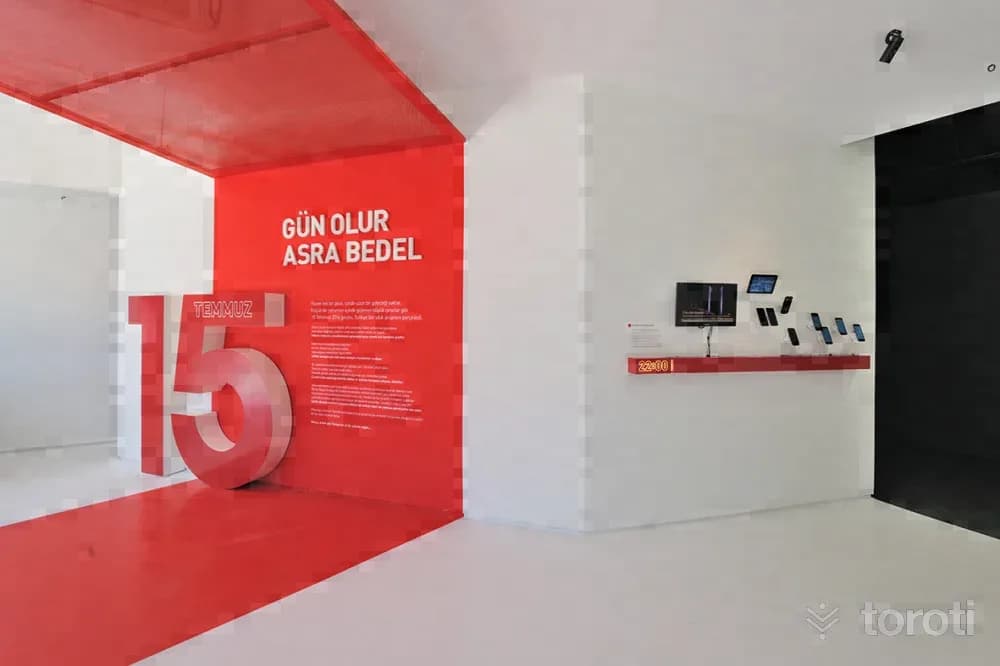
15 Temmuz Demokrası Müzesi
Turkey’s first “15 July Democracy Museum” was built by Gaziantep Metropolitan Municipality within İstasyon Park located in Gaziantep İstasyon Meydanı and opened to visitors on 12 July 2017. All the walls of the museum, which is a reflection of the coup attempt, were handled with an irregular and asymmetric perspective, and the atmosphere experienced “that day” was spatially reproduced.
45 minutes
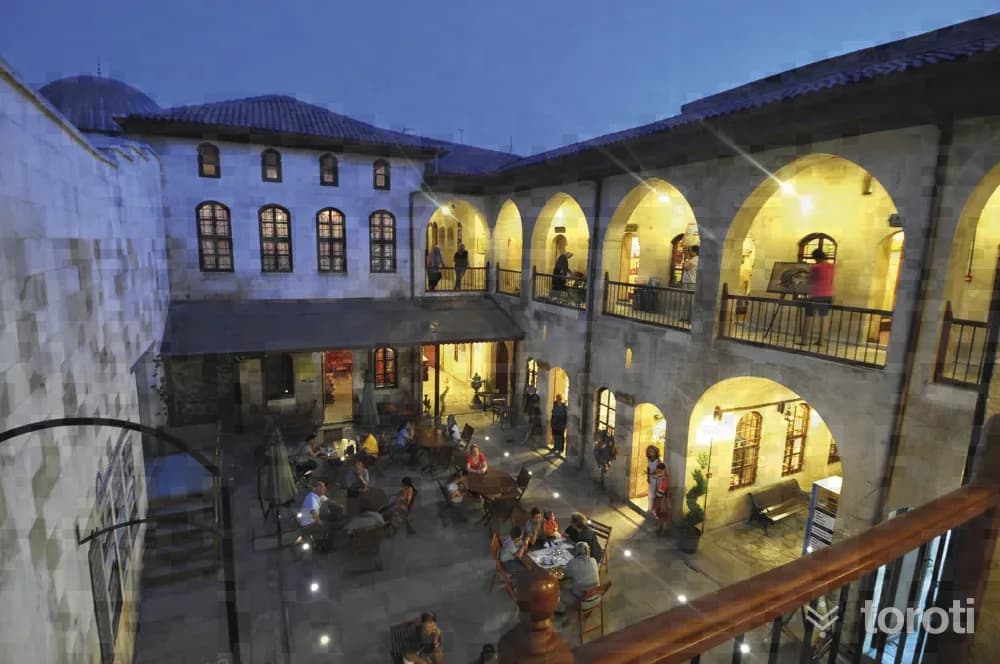
Gaziantep Tarihi Gümrük Han (yaşayan Müze)
Gümrük Han, one of the hans located around Gaziantep Castle, is situated on parcel no. 17 on Gümrük caddesi in Karagöz mahallesi. According to Vakıflar records, it is known to have been commissioned by Hacı Ömer Efendi between 1873-1878. The spaces on the ground floor of the han, which was built as a ‘travellers’ han’, were used as storage and stables, while the rooms on the upper floor were made for travellers to stay in. Until today, the han has been used as shops and storage.
45 minutes
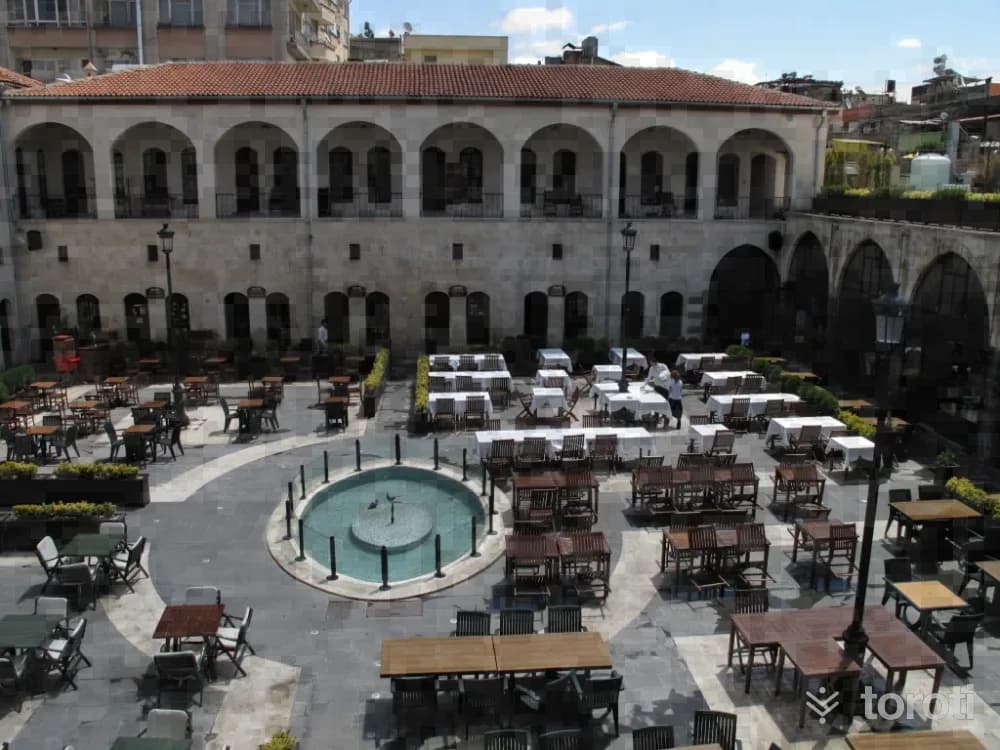
Bayazhan Gaziantep Kent Müzesi
Bayazhan was commissioned by Bayaz Ahmet Efendi in 1909. The building, which belongs to the group of two-storey, single-courtyard inns in accordance with Ottoman inn architecture, has a rectangular plan. Gaziantep Metropolitan Municipality The structure, which bears many features of classical Ottoman inn architecture, was built of smoothly cut stone and is covered with a hipped roof. The shops on the ground floor open onto the street with wide arches.
45 minutes
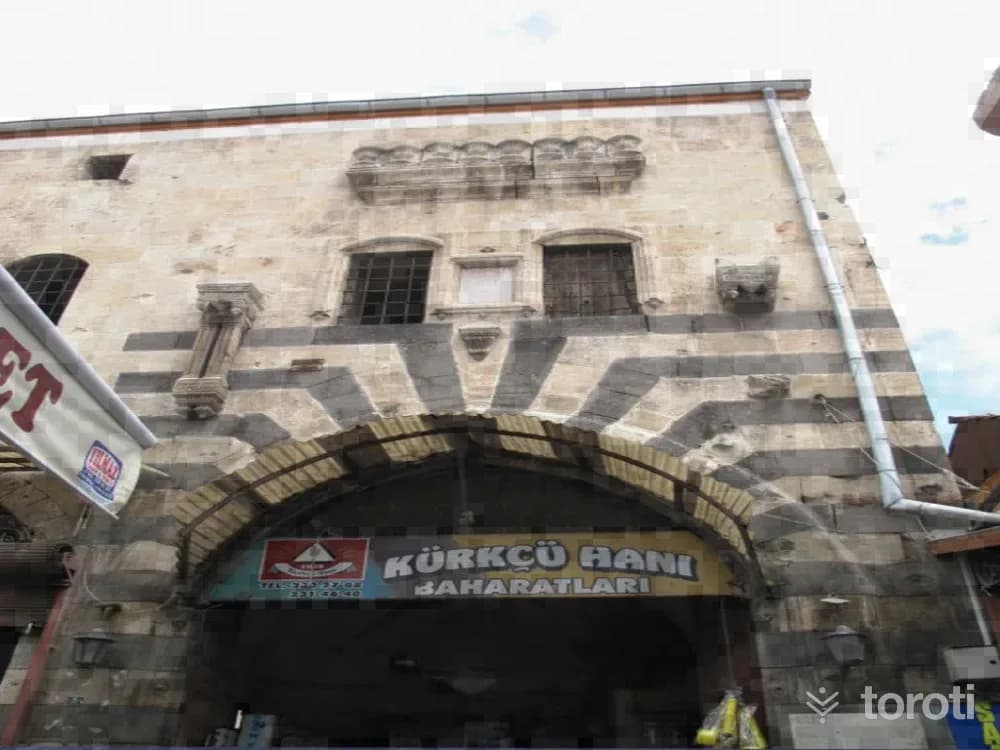
Gaziantep Hanlari
Inns, which have an important place in Seljuk and Ottoman civil architectural works, are important structures built in accordance with their designs for commercial caravans and travelers on the road to spend the night comfortably and safely, and which also served both as guesthouses and markets, and in times of war as depots for provisions and ammunition. Those inns built on trade routes at one-day intervals are also called Caravanserais.
45 minutes
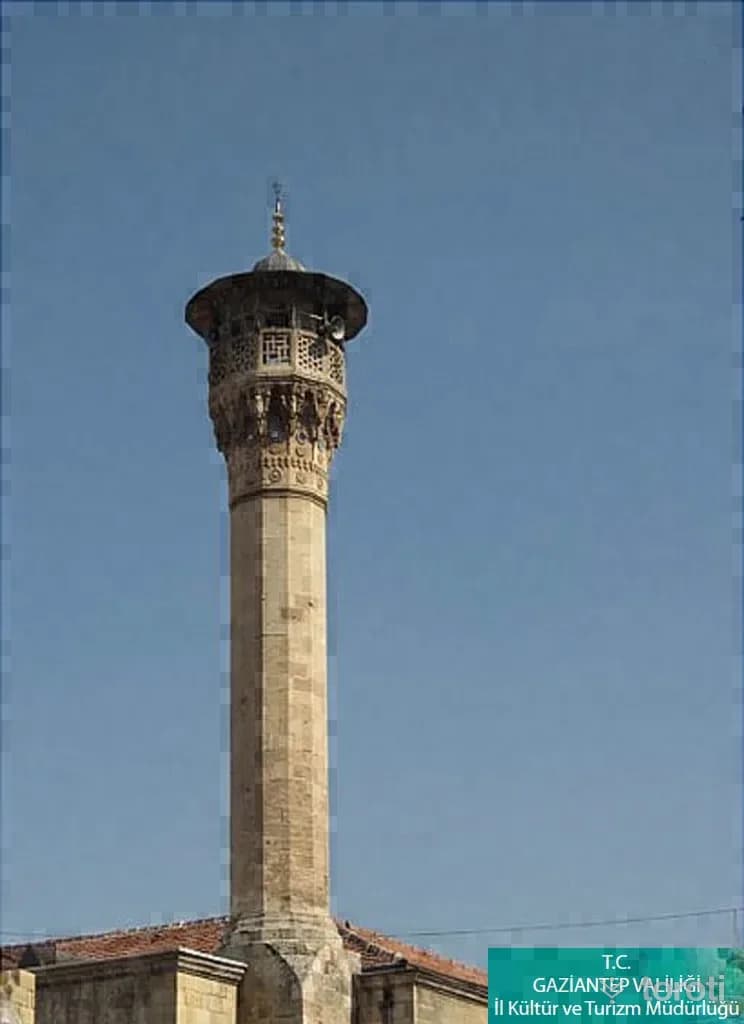
Kozluca Camii
Research has shown that the mosque was built in the 19th century. The mosque, which has a simple plan type, has a rectangular plan; its minaret is inside the mosque. The construction system of the mosque is cut stone. The entrance gate to the courtyard from the street facade has a round arch, and there are original iron railings in its upper part and two pointed-arch windows on the same facade. The mosque does not have a last congregation area.
45 minutes
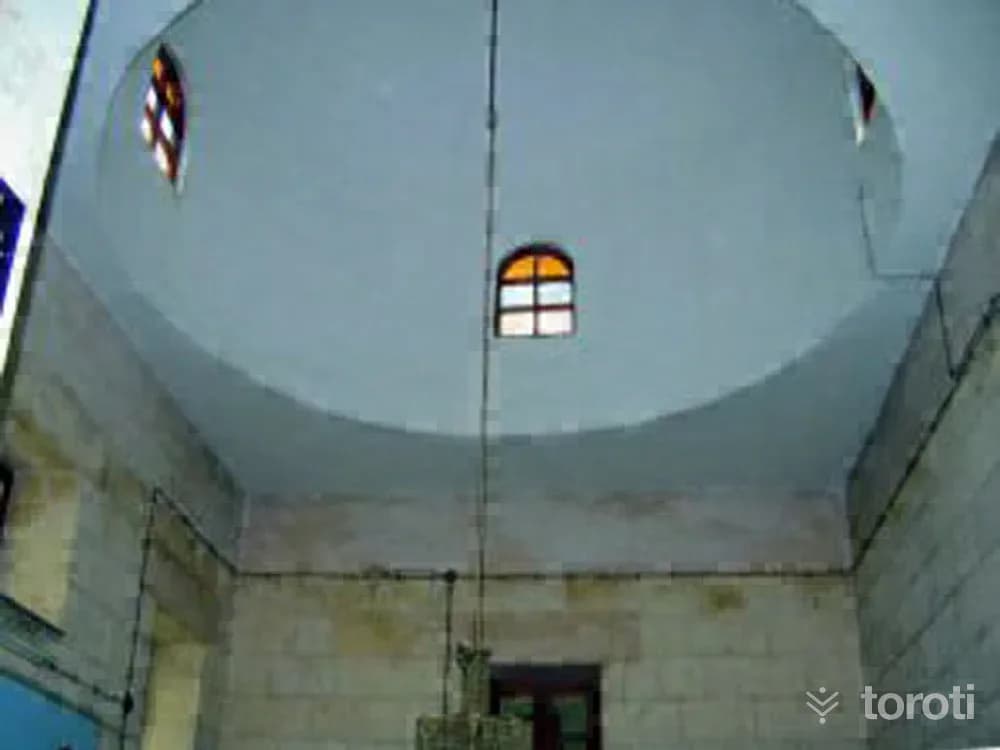
Pirsefa Hazretleri Ve Yuşa Peygamber Türbesi
Tomb of the Prophet Joshua: As is known, the Prophet Joshua (A.S.) was from the Children of Israel and was the nephew of Hz. Musa. He saved the Children of Israel from nomadism and settled them in Arz-ı Kenan. In Gaziantep, in Boyacı Mahallesi, on the street extending from Boyacı Camii toward Kavaflar Çarşısı, there is a single-storey building in the area called Pirsefa. In this building, there are two tombs in two rooms. According to tradition, one of these belongs to the Prophet Joshua, and the other belongs to Pirsefa Hazretleri.
45 minutes
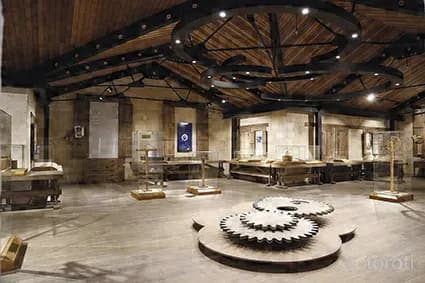
İslam Bilim Tarihi Müzesi
The İslam Bilim Tarihi Müzesi, built by Gaziantep Şahinbey Belediyesi, meets its visitors with a museology approach that includes scientific activities, inventions and discoveries in the geography of Islamic culture, as well as many firsts and innovations in its field. The museum features groundbreaking works in the history of science and technology carried out by Muslim scientists in the fields of astronomy, geography, seafaring, physics-mechanics, medicine and chemistry.
45 minutes
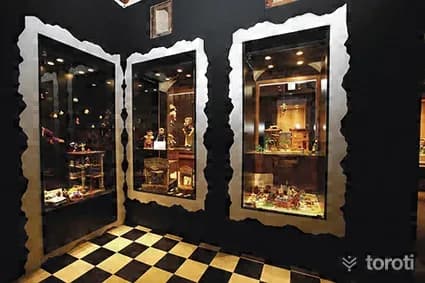
Gaziantep Oyun Ve Oyuncak Müzesi
Gaziantep Toy and Game Museum is located in a historic Antep house where the most distinguished examples of toy history from the 1700s to the present are exhibited, and in Bey Mahallesi, one of the oldest neighborhoods of Gaziantep. This fairy-tale house was expropriated by Gaziantep Metropolitan Municipality and opened its doors to toy enthusiasts as Turkey’s 4th Toy and Game Museum.
45 minutes
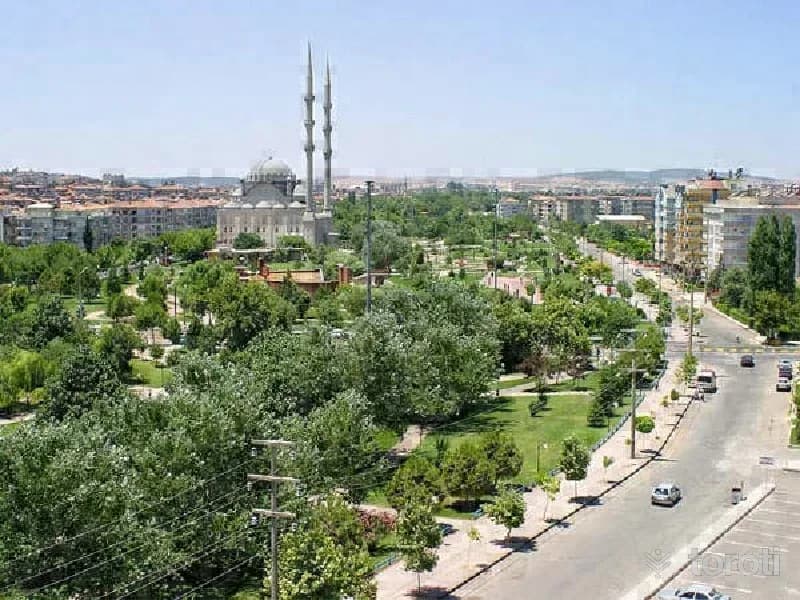
100. Yıl Atatürk Kültür Parkı
100. Yıl Atatürk Kültür Parkı is built on an area of 3 million 500 thousand square meters and serves as the lungs of Gaziantep. The park, created along Alleben Deresi, which separates the districts of Şehitkamil and Şahinbey from each other, also offers the opportunity to do sports within the city.
45 minutes
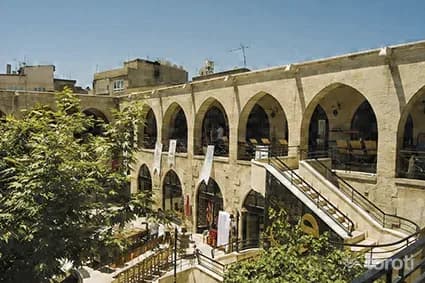
Millet Hanı
The structure belongs to the group of two-storey, single-courtyard inns within Ottoman inn architecture. It was built in 1575 as Keçeciler Bedesteni (other names Bedesten-i Atik, Karanlık Bedesten) during the time when Lala Mustafa Paşa, the Conqueror of Cyprus, was the governor of Antep, and later, with additions, it acquired the character of a caravanserai, with Pazar Hamamı to its east, Bıçakçı Çarşısı to its west, Salaba ağzı, Kazaz Çarşısı to its south, and the castle to its north.
45 minutes
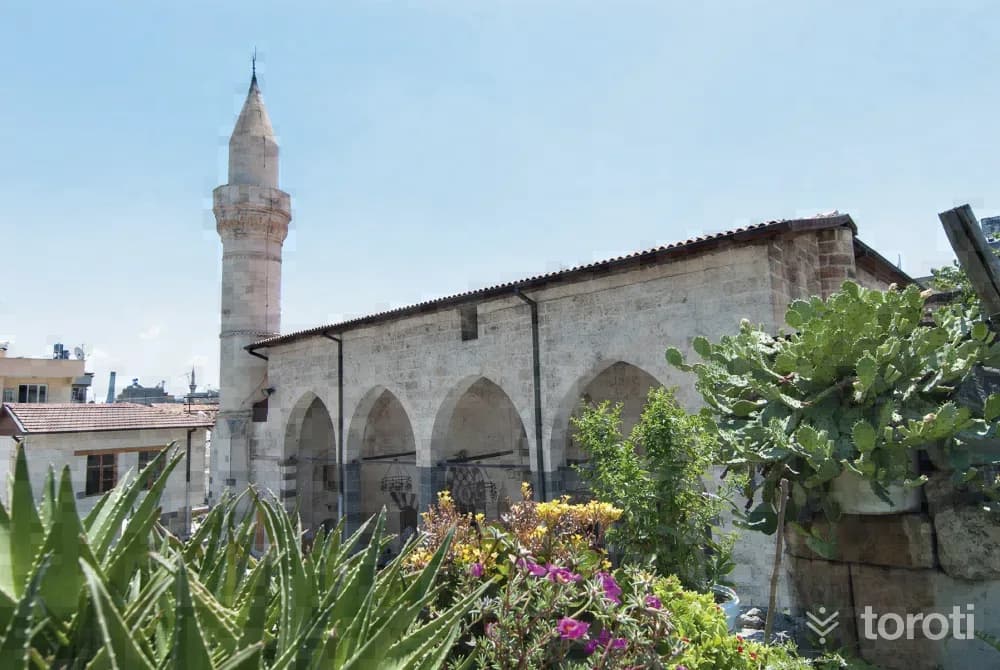
Şeyh Fethullah Türbesi
The tomb is located within the Şeyh Fethullah Külliyesi on Şeyh Fethullah Street in Kepenek Neighborhood. The Şeyh Fethullah Külliyesi consists of a mosque, dervish lodge, madrasa, bath and kastel. The tomb of Şeyh Fethullah is an open grave in the hazire on the south side of the mosque, at the corner where the east wall of the projection containing the mihrab section meets the south wall of the other section. The hazire where the tomb is located is called Şıh Ocağı. The külliye was built in 1563.
45 minutes
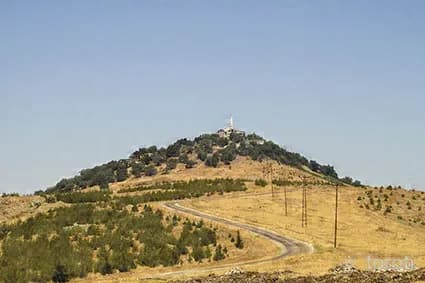
Ökkeşiye Hazretleri Türbesi
When traveling by road from Gaziantep toward Adana, after passing Sakçagözü and before reaching Nurdağı, a hill surrounded by greenery can be seen in the distance on the left side of the road. On this hill, at Ökkeşiye Hazretleri Türbesi, lies Ökkeş or Ökkeşiye Hazretleri, whose name has been given to thousands of people in the Kahramanmaraş and Gaziantep region. It is believed that Ökkeşiye Hazretleri was one of the companions and one of the five people who were martyred during the conquest of Gaziantep by Muslims.
45 minutes
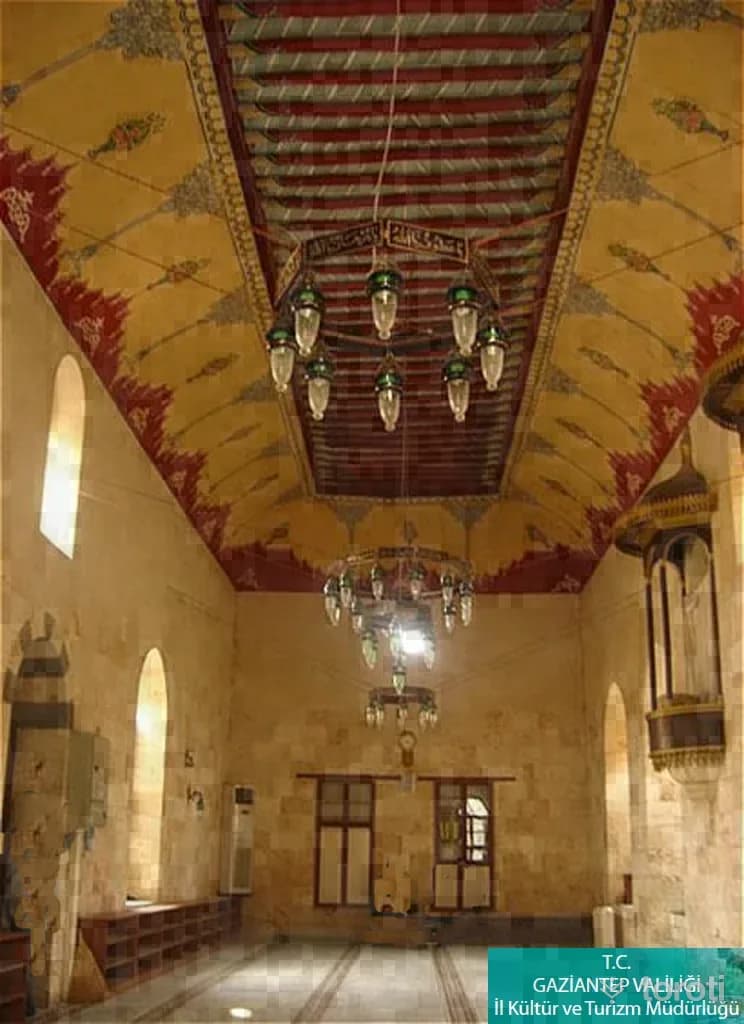
Kozanli Camii
In the Şer'i Court records dated 1647 and 1654, the name of Kozanlı Camii, located on Kozanlı Sokak in Kozanlı Mahallesi, is mentioned as a mescit, and it is stated that its patron was Ali Bey. The mosque, built of cut stone with a rectangular plan, has its prayer space divided into six sections by the two stone piers in the middle. These sections are covered with cross vaults. The last congregation area in front of the mosque is also in three sections formed by two piers connected to each other with pointed arches.
45 minutes
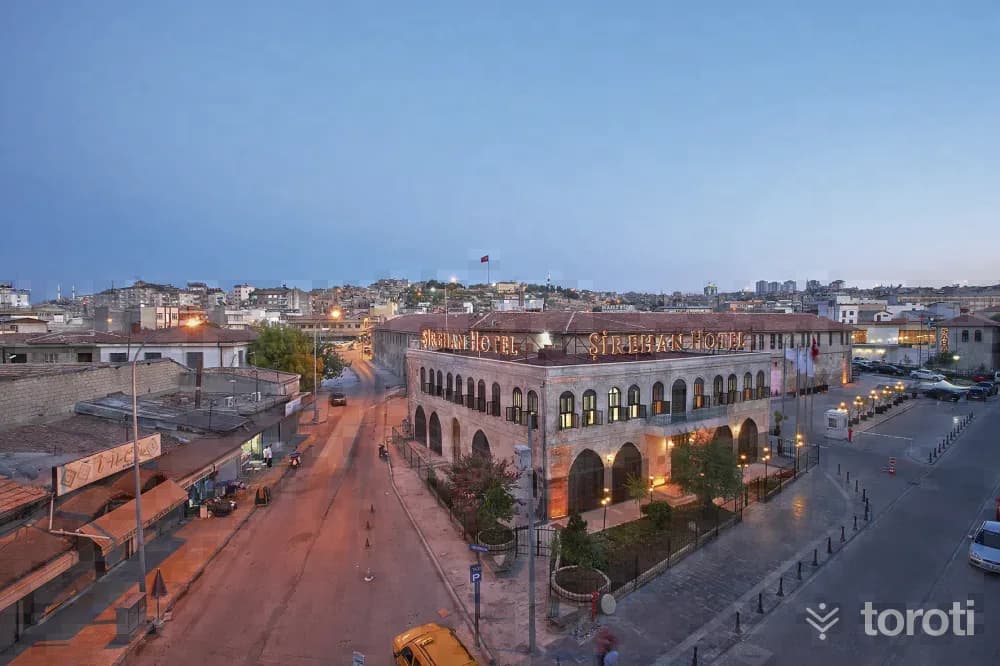
Şire Han
Şire Han (Belediye Hanı) is one of the largest caravanserais of both Gaziantep and the surrounding provinces with its area of 7500 square meters. Since products belonging to the Gaziantep region such as grapes, pestil, sucuk, molasses, honey, butter, and pistachios are sold inside the han, it is known by the name Şire Hanı. The han, which bears many features of classical Ottoman han architecture, has a rectangular plan. Its greatest distinguishing feature from other hans is the presence of monumental crown gates on three of its facades.
45 minutes
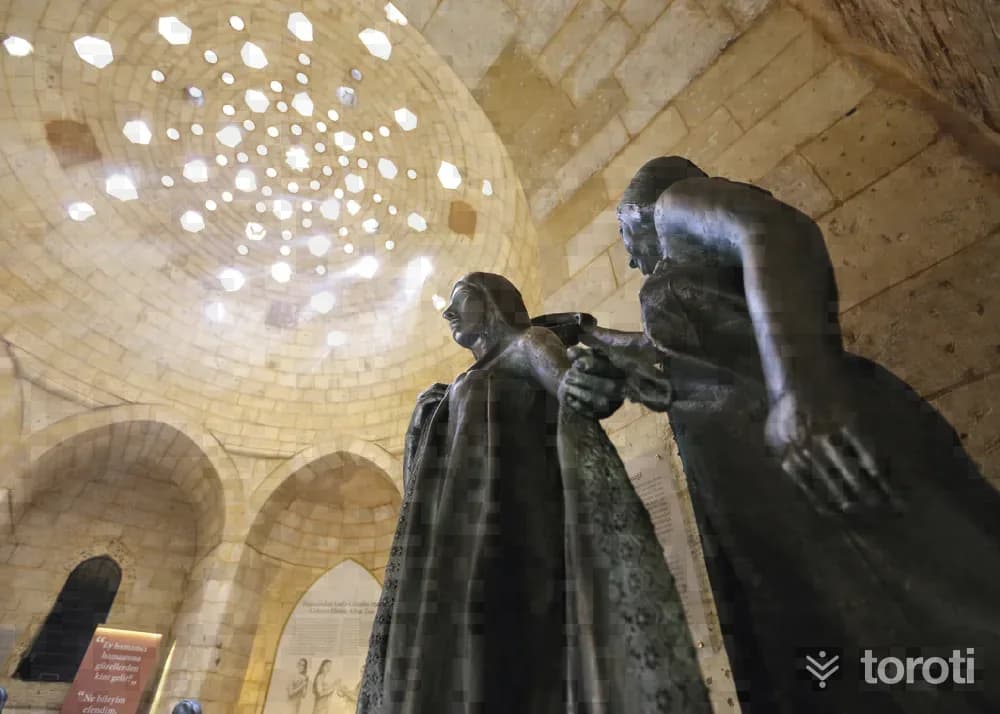
Gaziantep Hamam Müzesi
Gaziantep Bath Museum The building, which is one of the finest examples of Ottoman bath architecture and culture, served as the bath section of the külliye commissioned by Lala Mustafa Paşa. According to its vakfiye, it is understood to have been built in 1577. The building, which served for many years as Paşa Hamamı, was transformed into a museum where Gaziantep bath culture is kept alive after its restoration was completed by Gaziantep Metropolitan Municipality in 2015.
45 minutes
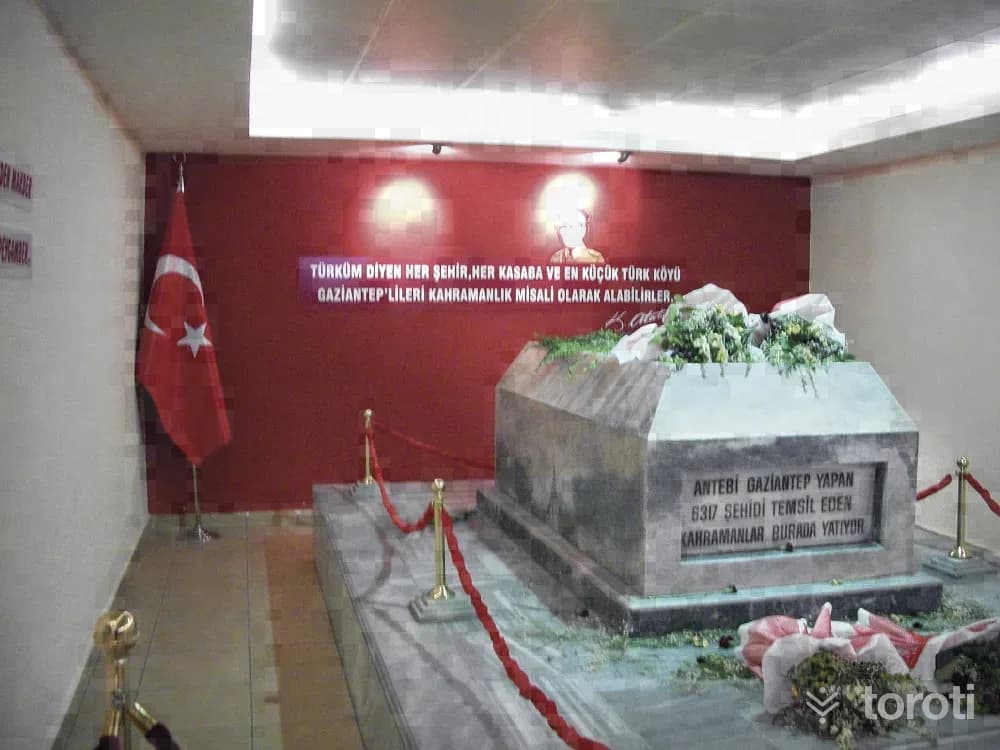
Şehitler Abidesi
There are cities, towns and villages all over the world that have become symbols for various reasons. Gaziantep, too, has become a symbol with its 6317 sons who, for the sake of driving from their lands those who attacked them in the War of Independence in an honorable and dignified manner and living free, made the dark earth their blanket and willingly went beneath the soil.
45 minutes
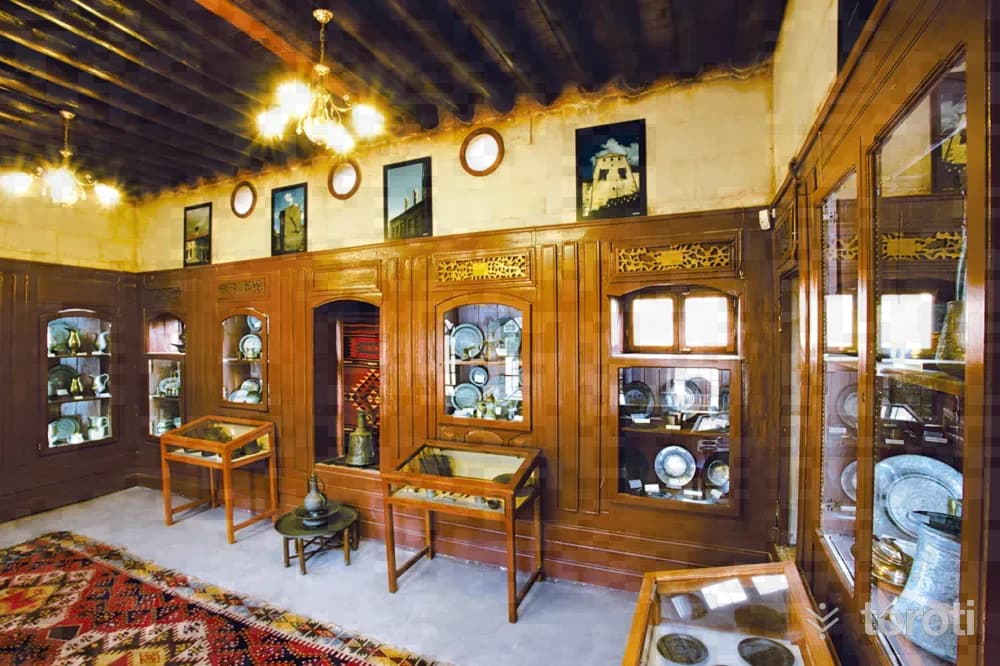
Sakli Konak Ali Atalar Koleksiyonu
Saklı Konak Ali Atalar Collection, which opened its doors in a historic mansion near Gaziantep Castle, is Turkey’s first exhibition consisting of a private collection. The works in the exhibition consist of copper pieces collected by Collector Ali Atalar from all regions of Turkey, especially Gaziantep and its surroundings. In the museum, which houses approximately 1060 pieces, artworks belonging to copper masters who lived during the Ottoman Period are exhibited.
45 minutes
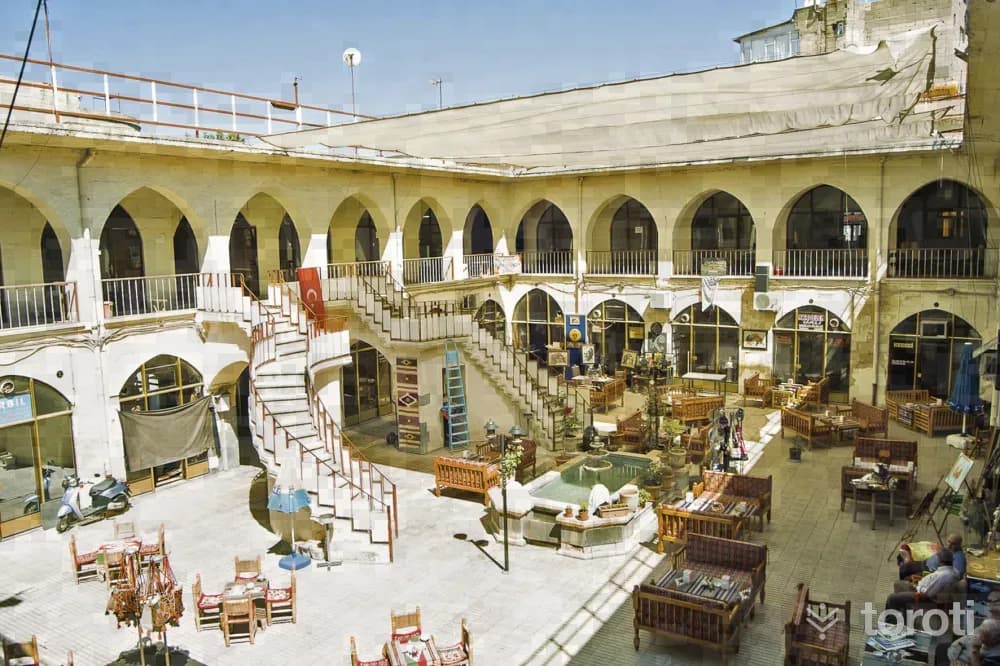
Yeni Han
It belongs to the group of single-courtyard, two-storey inns within Ottoman inn architecture. Based on the names in the first title deed records, it is thought to have been built between 1757-1785. The spaces on the ground floor were built as storage and stables, while the rooms on the upper floor were built for travelers to stay in. Black and yellowish küfeki cut stone was used in the construction of the inn.
45 minutes
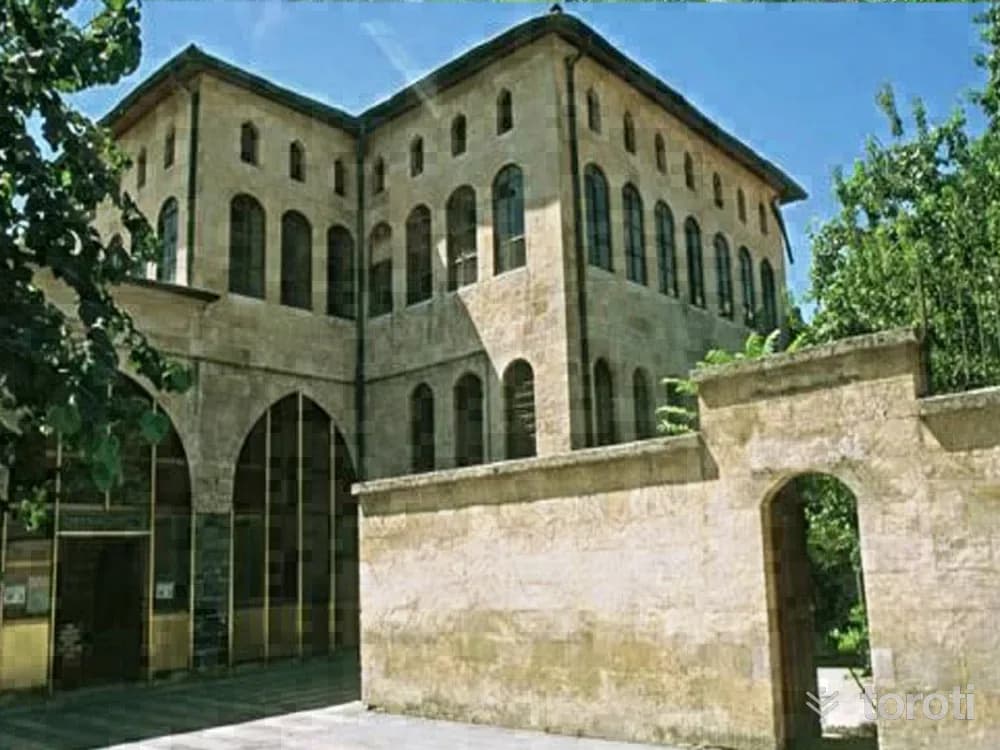
Gaziantep Mevlevihanesi Vakif Müzesi
Gaziantep Mevlevihanesi Vakıf Museum is located between Kozluca Mahalle'si, Buğday Arasa'sı, Kozluca and Şehitler avenues. The four-century-old historic building, constructed as a Mevlevihane, has been arranged as the Gaziantep Mevlevihanesi Vakıf Museum, where numerous foundation works are exhibited. The structure, built of cut stone and located in the Tekke Camii Külliyesi, consists of two sections.
45 minutes
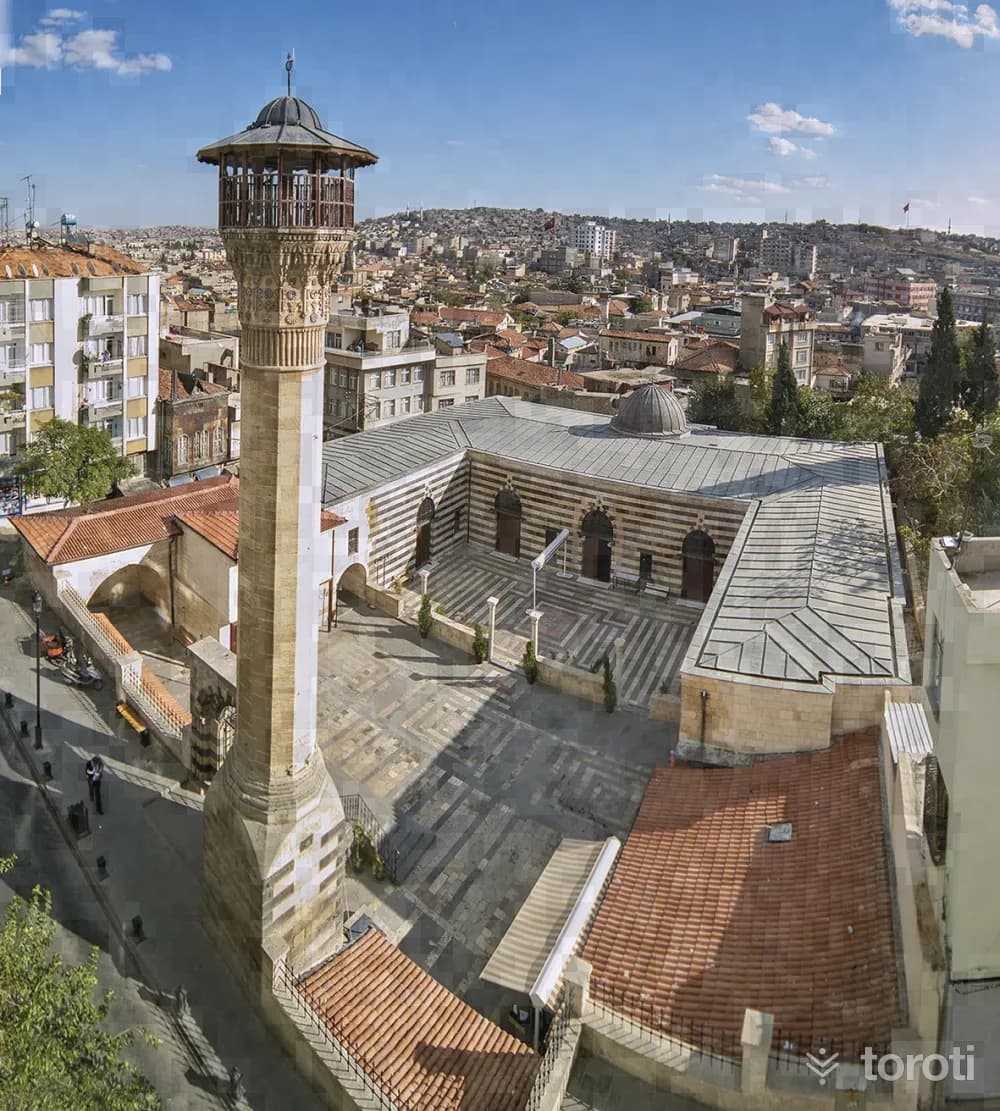
Boyaci Camii
Boyacı Camii Boyacı Camii, located on Hamdi Kutlar Caddesi, was commissioned, according to one account, by Kadı Kemaleddin and, according to another, by Boyacı Yusuf. There is an inscription stating that it was completed in 1357 during the Mamluk period. Another inscription indicates that it underwent restoration in 1575. One of the most important features of this mosque is that it has a minbar that is rarely matched in the world.
45 minutes
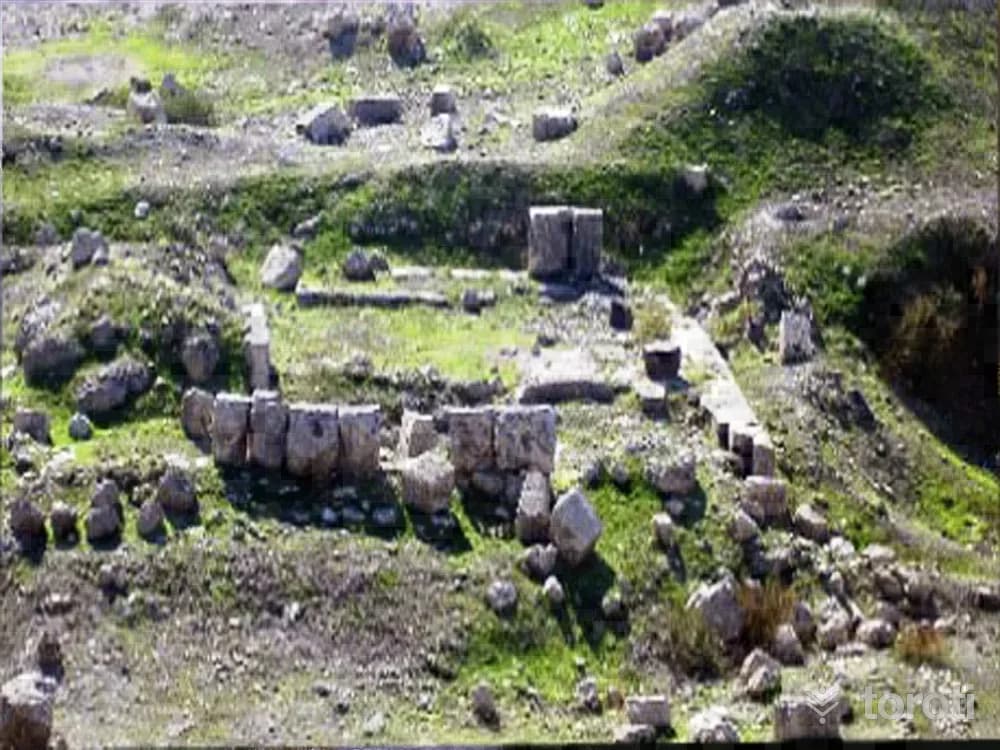
Karkamiş Antik Kenti
Near Karkamış District, on the western bank of the Euphrates, on the Turkey-Syria border line, lies the Ancient City of Karkamış, one of the most important settlements of Near Eastern Archaeology. The strongest of the Late Hittite Kingdoms, which were established within the 300 years following the collapse of the Hittite Empire towards the beginning of the 12th century B.C., is the Kingdom of Karkamış. The reliefs found as a result of the excavations, B.C.
45 minutes
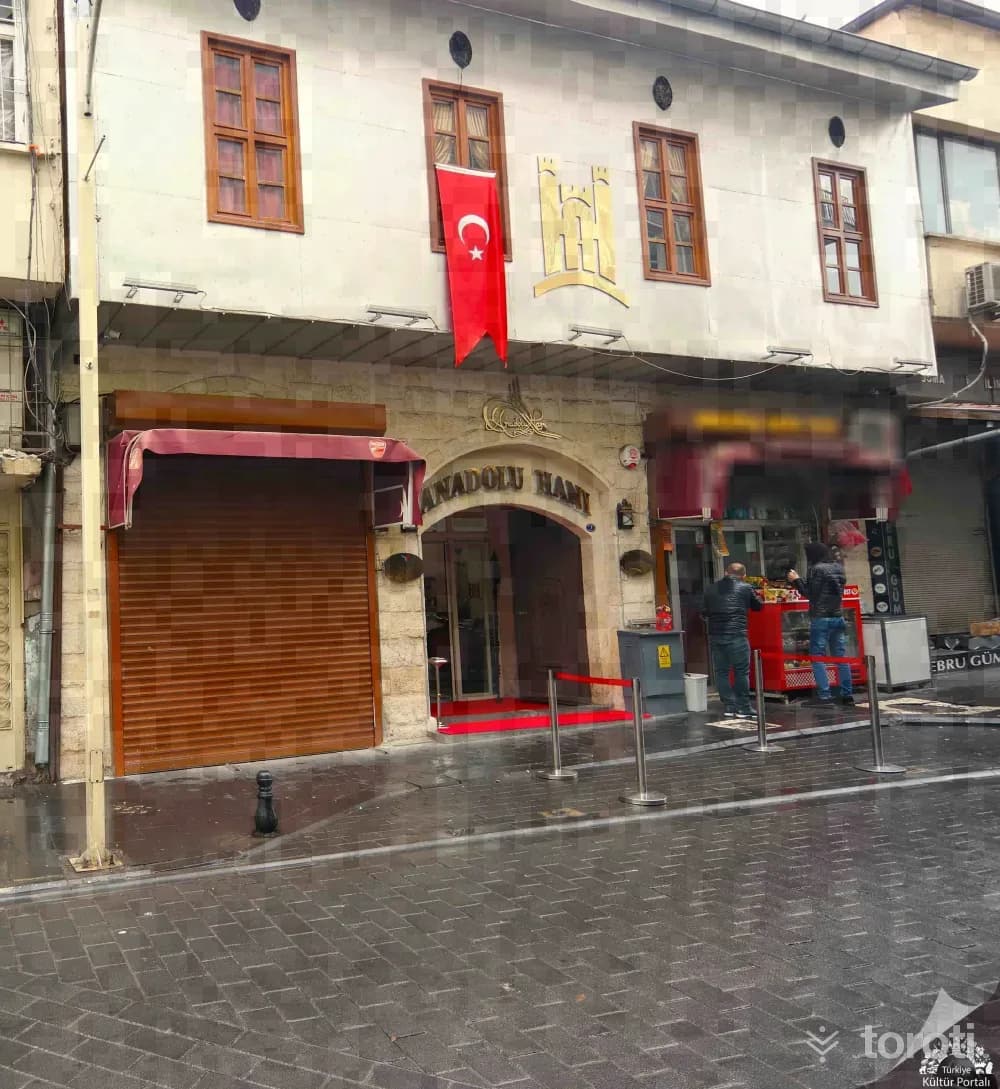
Anadolu Hanı
Although it is not known exactly when the han was built, it is estimated to have been constructed in the early 19th century. It belongs to the group of two-storey hans with two courtyards within Ottoman han architecture. The building was constructed as a “travellers’ han”; the spaces on the ground floor were made as storage and stables, while the rooms on the upper floors were built for the accommodation of travellers.
45 minutes
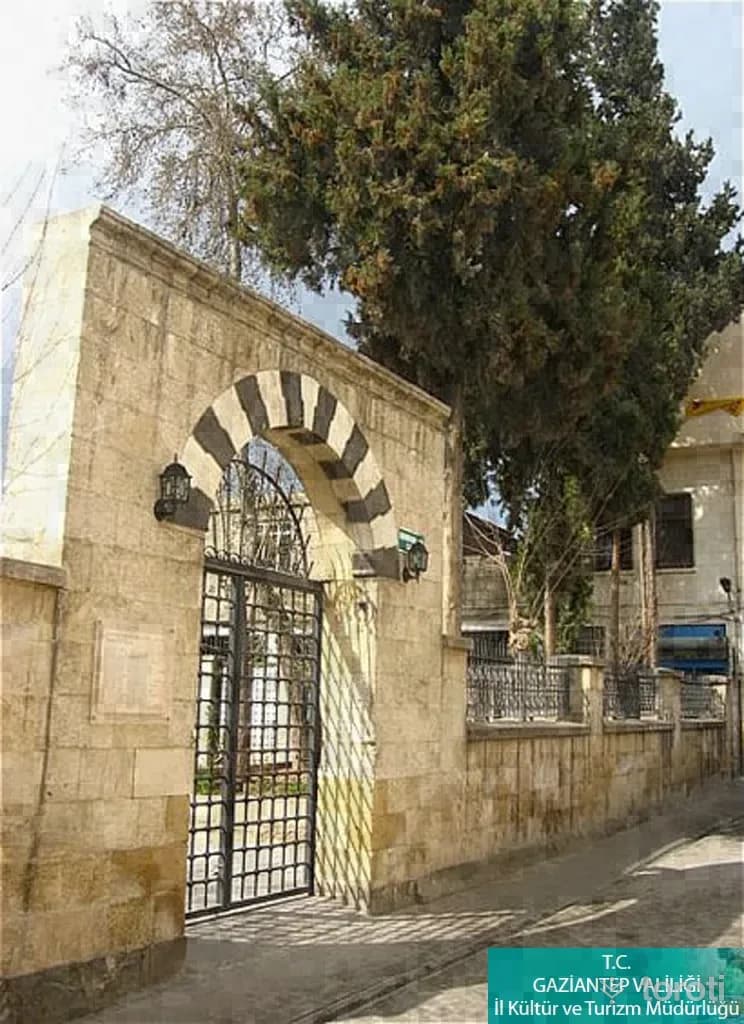
Handan Bey Camii
It is also called Handaniye Camii. In records from 1647, the name of the mosque appears as Handan Bey. It was commissioned by Handan Ağa, considered the poorest of the Erzincan beys who lived in Antep. The mosque, which also had a saddlery that generated income, was rebuilt in 1791. After that, the income obtained from the saddlery began to be used for the mosque’s repairs. During the defense of Antep, the mosque had become unusable for worship.
45 minutes
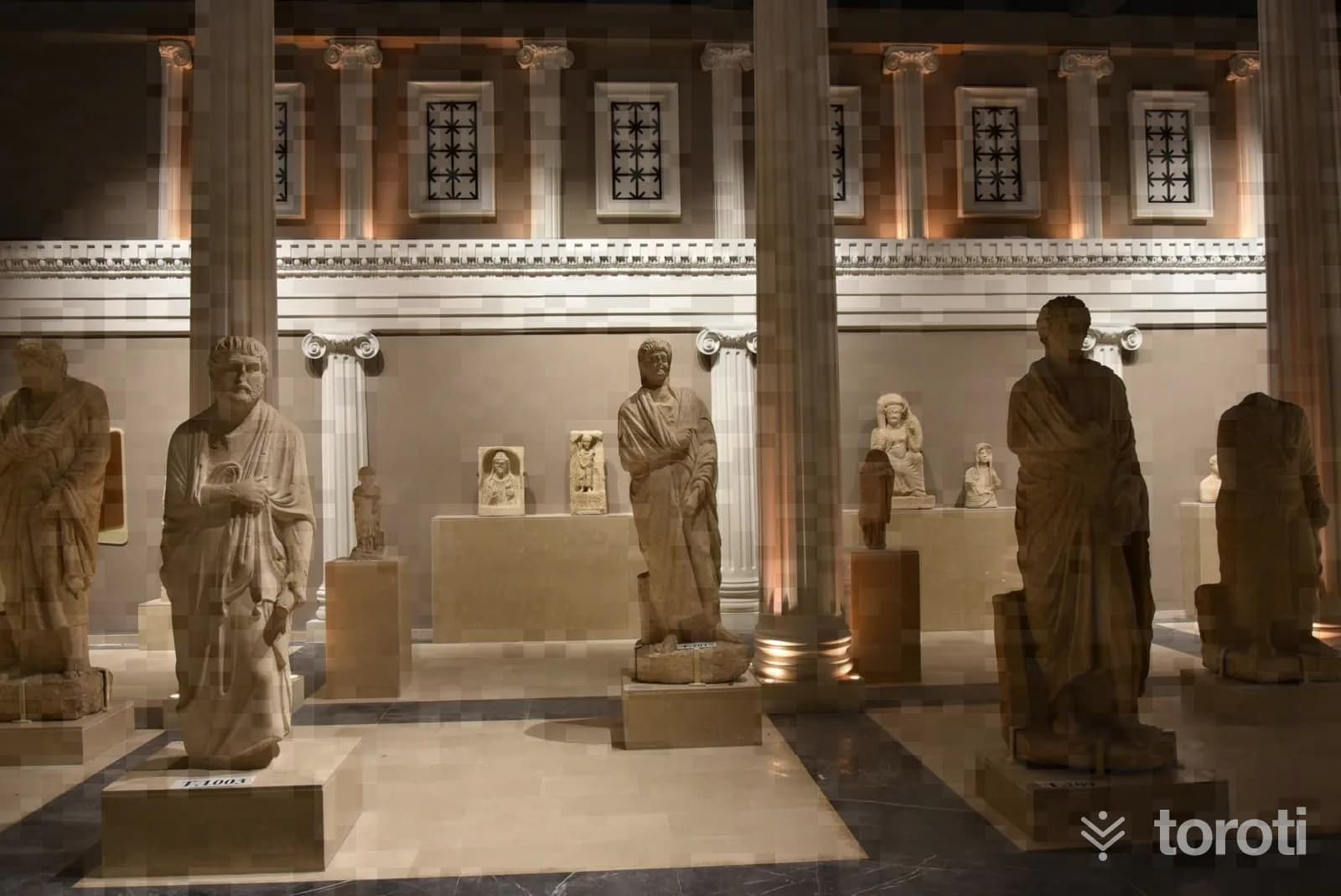
Gaziantep Arkeoloji Müzesi
In the museum; there are showcases exhibiting a natural history display, fossils of marine creatures, a mammoth skeleton, and Paleolithic stone tools dating back 600.000 years that reflect the earliest traces of humankind, especially collected from Dülük and the banks of the Fırat. In the Bronze Age hall, in addition to pikes, spears, swords, axes, statues, pottery and jewelry made of bronze, a Bronze Age grave has been originally reconstructed together with all of its finds.
45 minutes
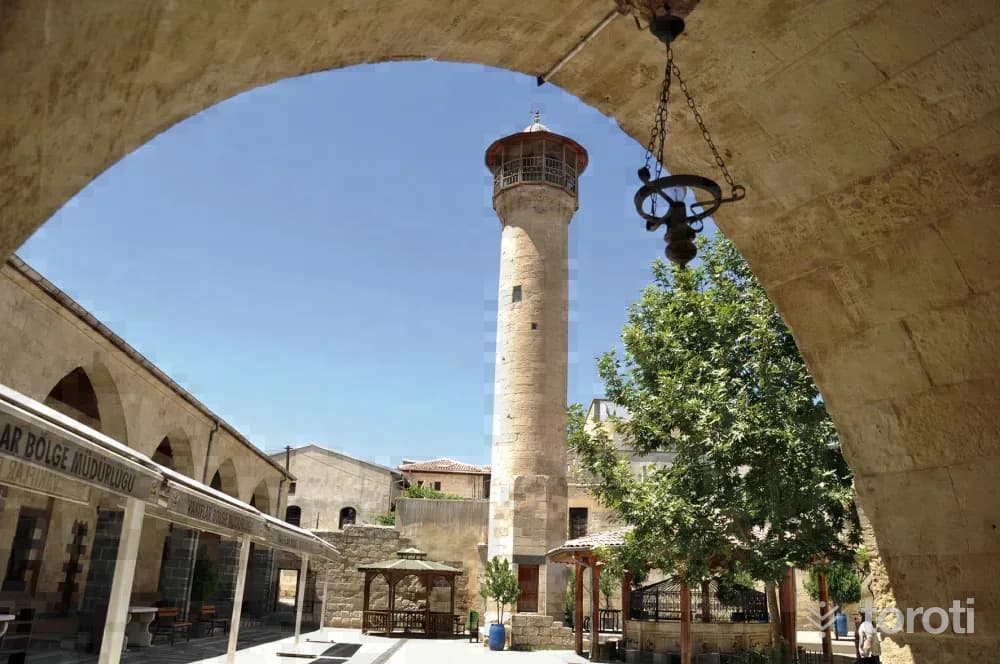
Ali Nacar Camii
Ali Nacar Camii is located in Yaprak Mahallesi, on the left side according to the flow of Alleben Deresi. It has been seen in the documents that it was commissioned by a carpenter named Ali. The date 1213 Hijri is written on the staircase leading to the muezzin's gallery. It is known that this Hijri date is the restoration date of the mosque. It is possible to understand from the bullet marks on it that the mosque and its minaret were affected by the defense of Antep.
45 minutes
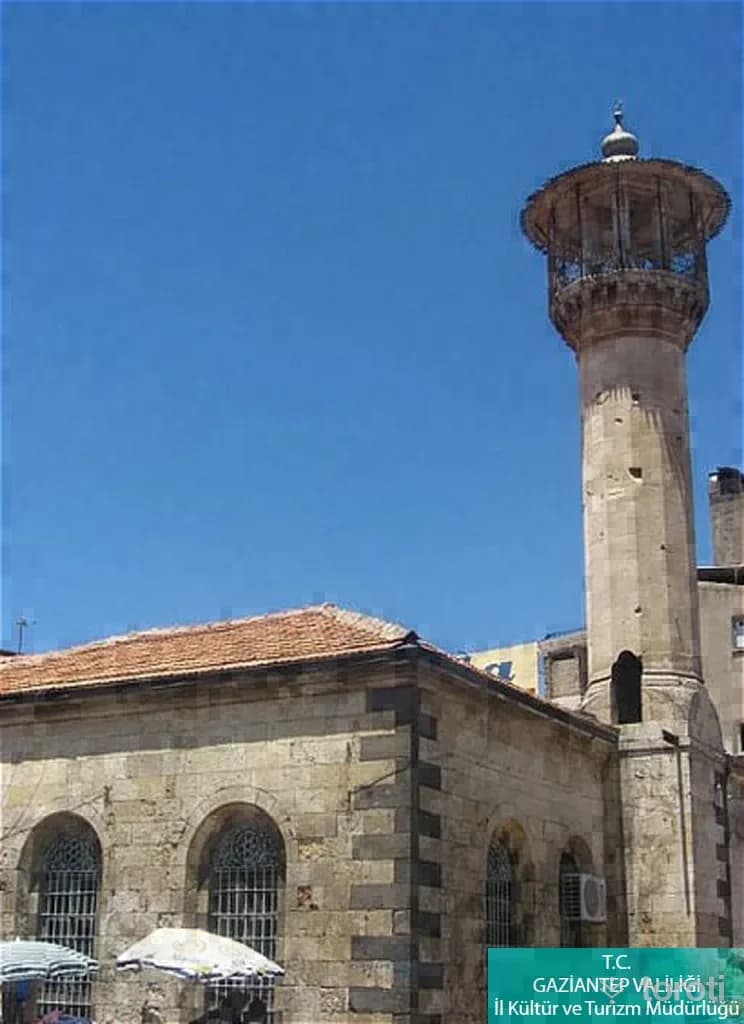
Hacı Veli Camii
Hacı Veli Mosque Hacı Veli Mosque was built in the early 20th century. It is not known by whom it was built. The mosque has a transverse rectangular plan and has a last congregation area in front with a transverse flat roof covering. The courtyard is entered from the east through two interlocking round doors with two-color transitions. The last congregation area has a flat wooden ceiling resting on seven wooden posts. The prayer hall has a transverse rectangular plan and its roof is wooden.
45 minutes
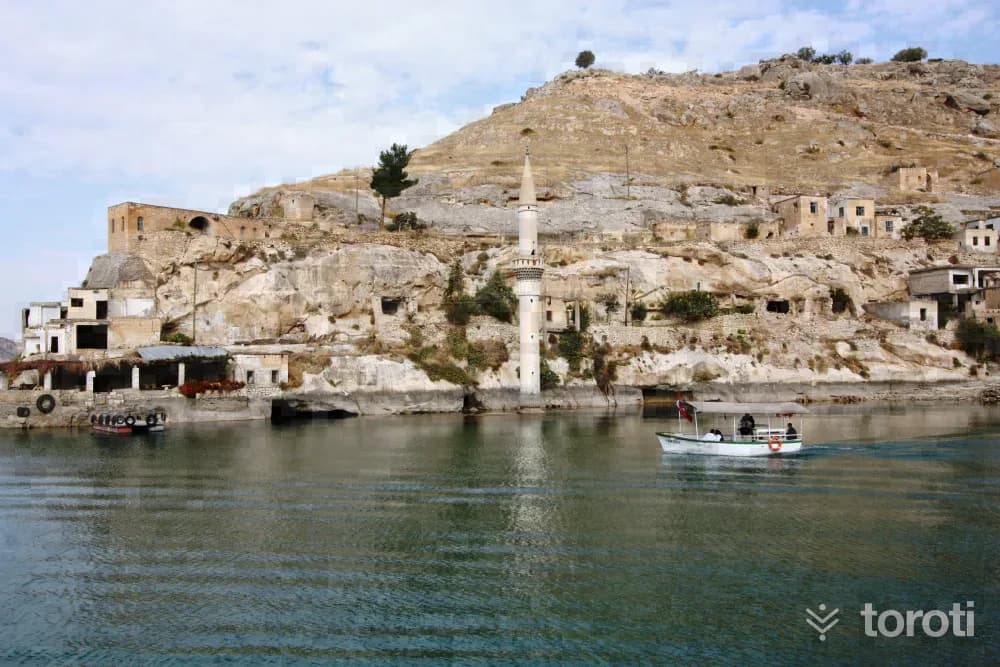
Halfeti Sualti Dalış
Halfeti is an ideal spot for diving sports, showcasing historical sites and beauty submerged underwater.
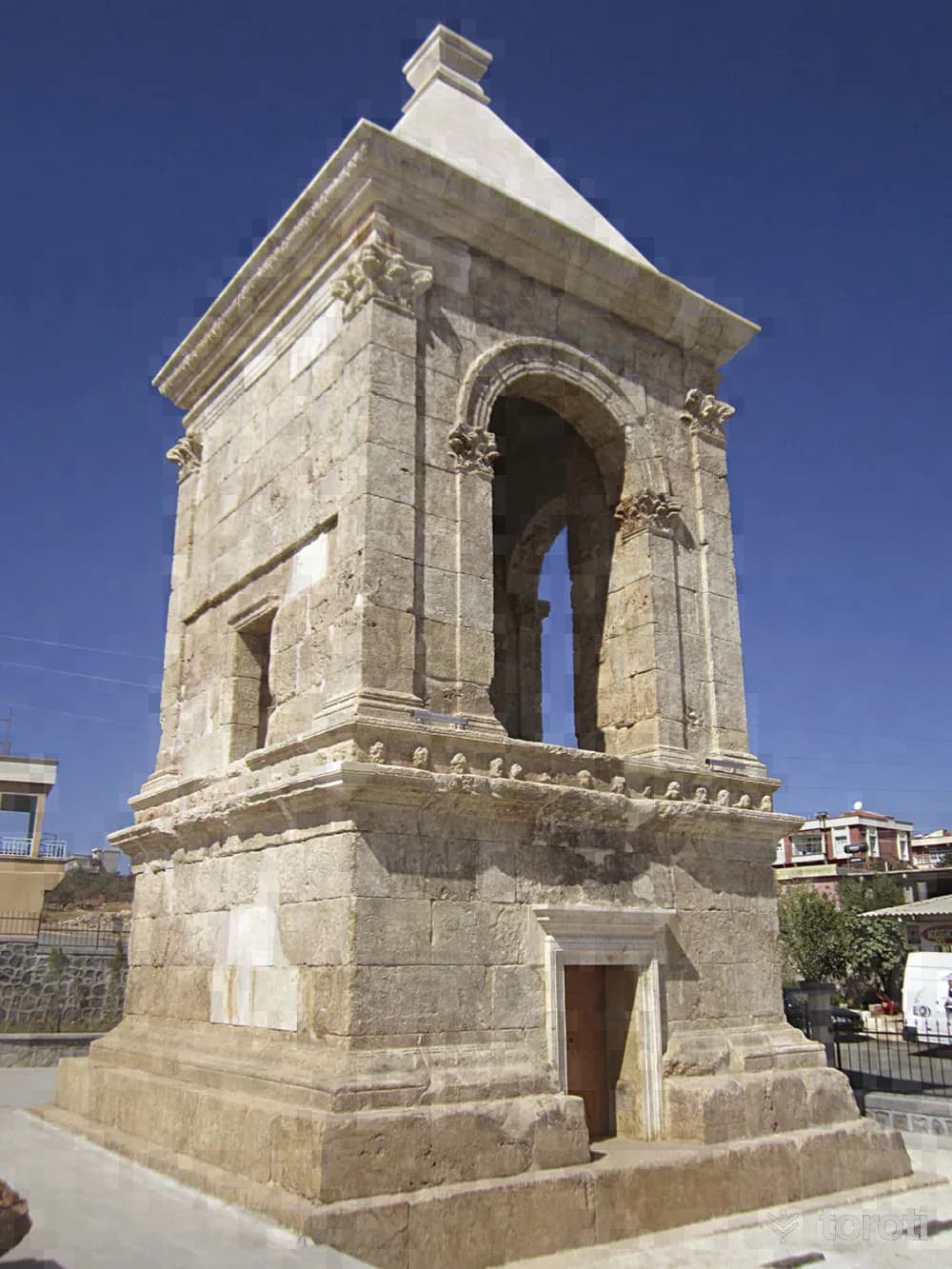
Elif Anıt Mezarı
Elif Monument Tomb The tomb structure, dated to the 2nd-3rd century A.D., was built of cut stone, and a cross-vaulted roof covers the body rising on a square podium and the top of the body. Two sides of its body are arched. Between the podium and the body are surrounded the heads of Medusa, the mythological creature that turns those who look at it into stone, encountered in Classical period tombs.
45 minutes
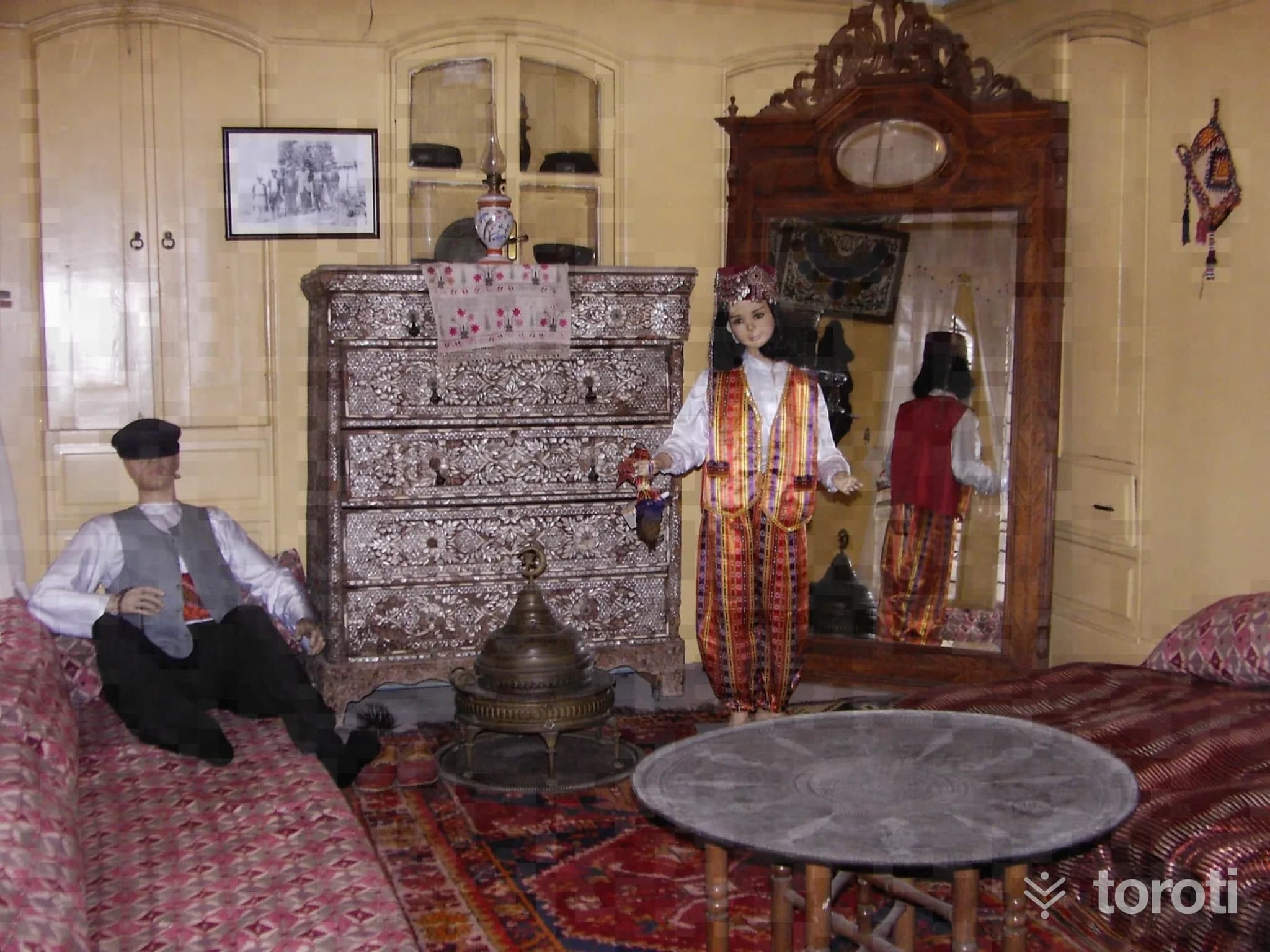
Hasan Süzer Etnografya Müzesi
The museum, housed in a historic mansion in Bey Mahallesi, brings Antep’s ethnographic structure to the present day through vivid presentations accompanied by mannequins. Built as 3 floors over a cellar carved into the main bedrock, the museum building is furnished with local items according to their functions in daily life. The museum building also reflects all the features of a typical Antep house where three generations lived together.
45 minutes
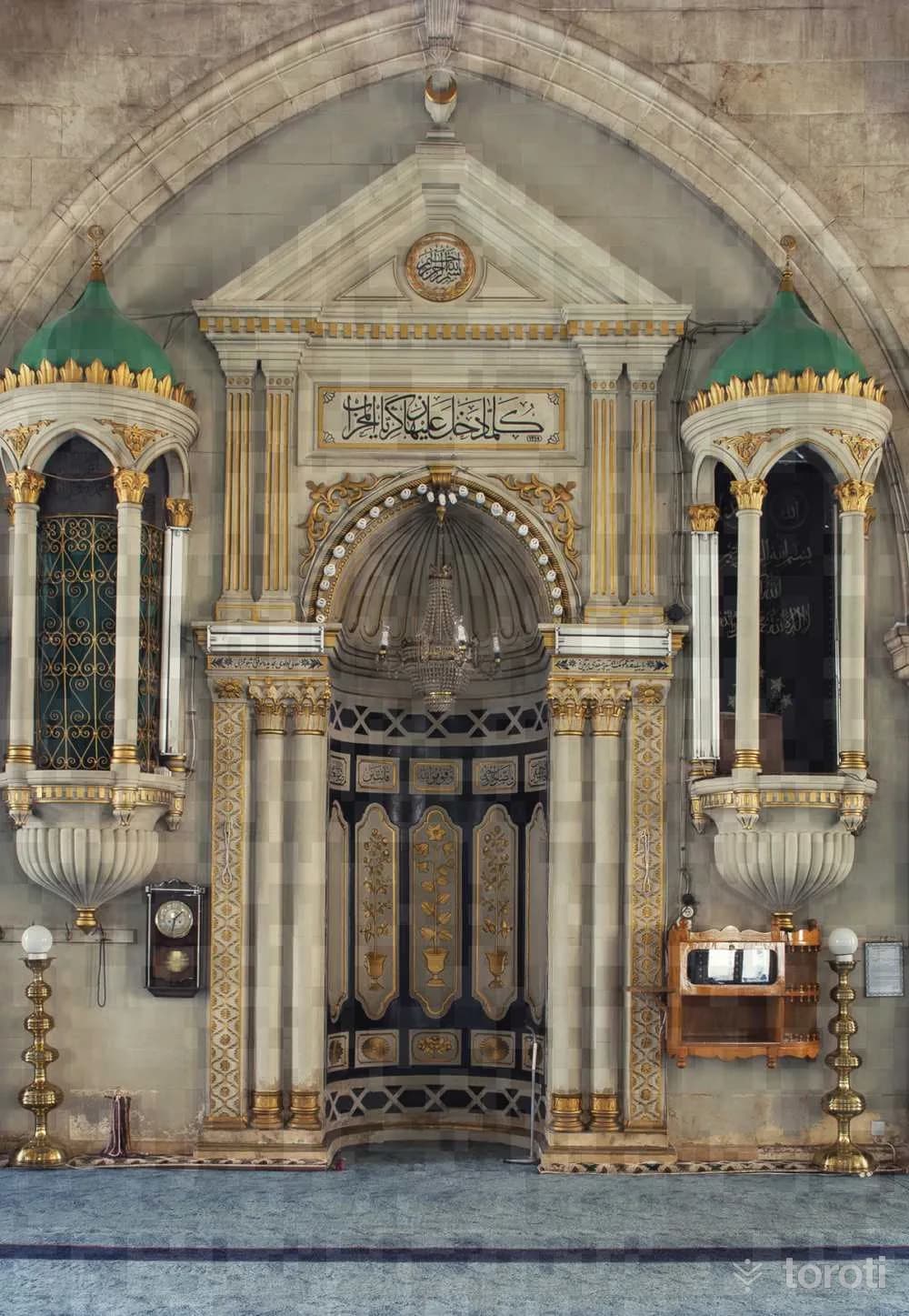
Alaüddevle Cami
Alaüddevle was the last bey of the Dulkadiroğlu Principality, which ruled in Maraş. Considering that Alaüddevle, who commissioned the mosque, is thought to have died in 1515, it becomes clear that it was built before this date. The architect of the mosque is Armenek, and its master builder is Kirkor. The system, seen in Christian art, consisting of a small columned window within an arch and a round window above it, is also applied here.
20 minutes
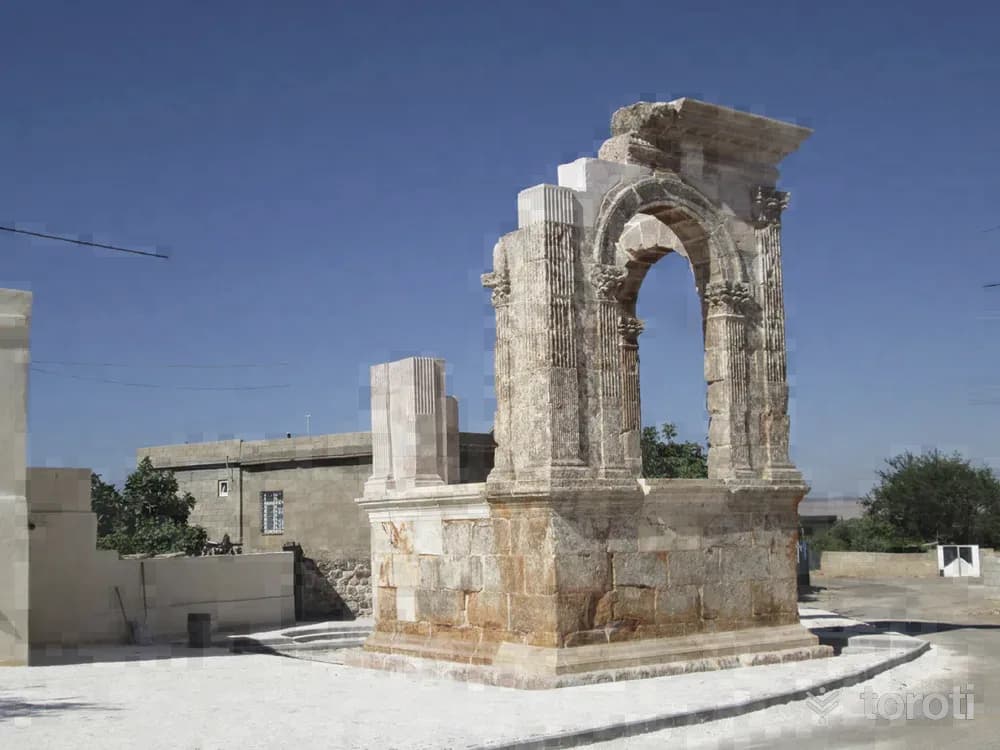
Hasanoğlu Anıt Mezarı
Hasanoğlu Monumental Tomb was built of cut stone on a square-planned base. From the beauty of the pier columns on its south and west facades and the delicate architecture of the arches resting on them, it is understood that the monument was carefully built in accordance with aesthetic principles. It is dated to the beginning of the 2nd century A.D.
45 minutes
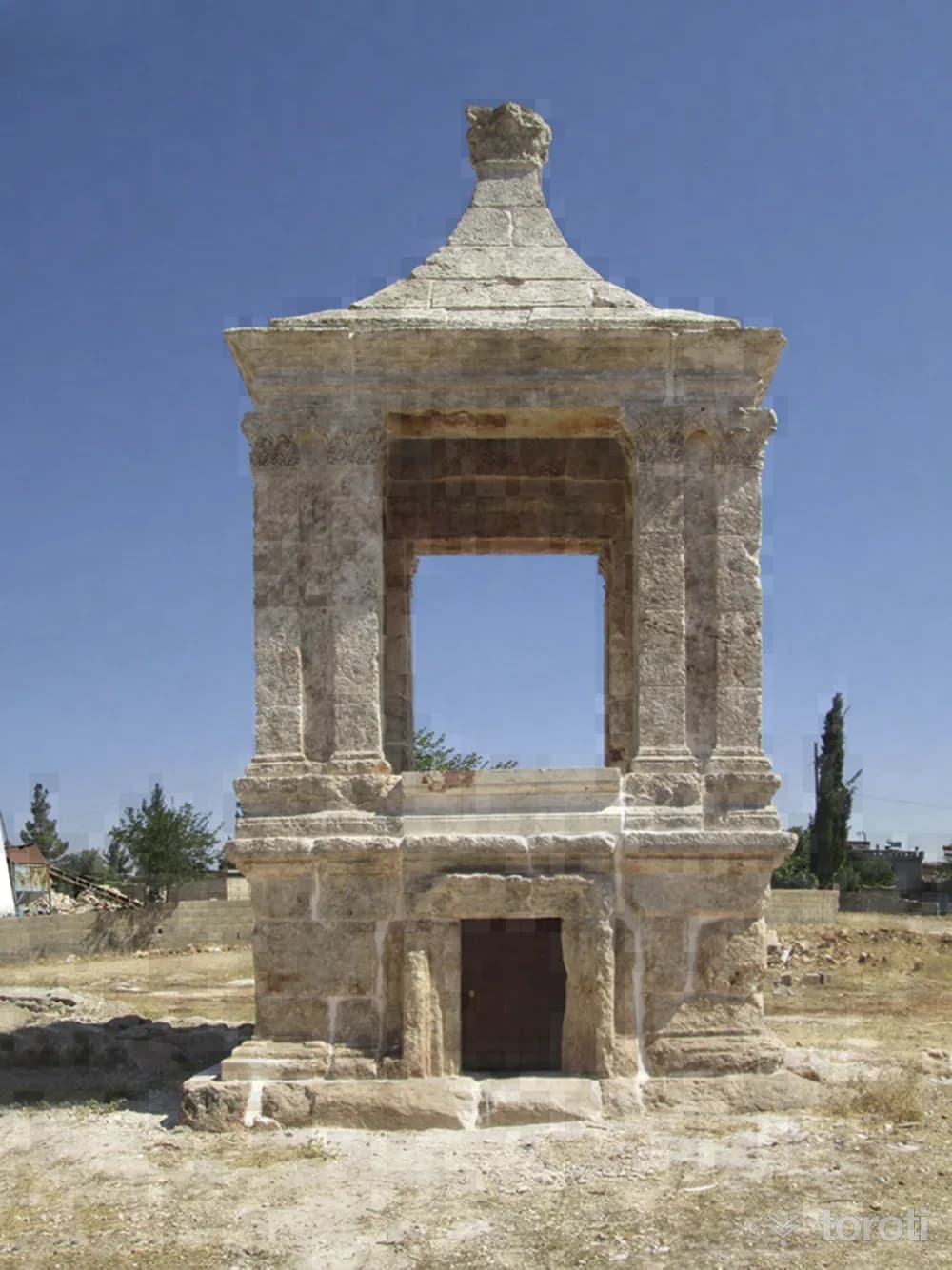
Hisar Anıt Mezarı
The 10-11 meter high monumental tomb indicates the 2nd-3rd centuries A.D. in terms of construction technique and form. The tomb, built of neatly cut stone blocks, consists of three sections: the burial chamber, the columned podium, and the roof.
45 minutes
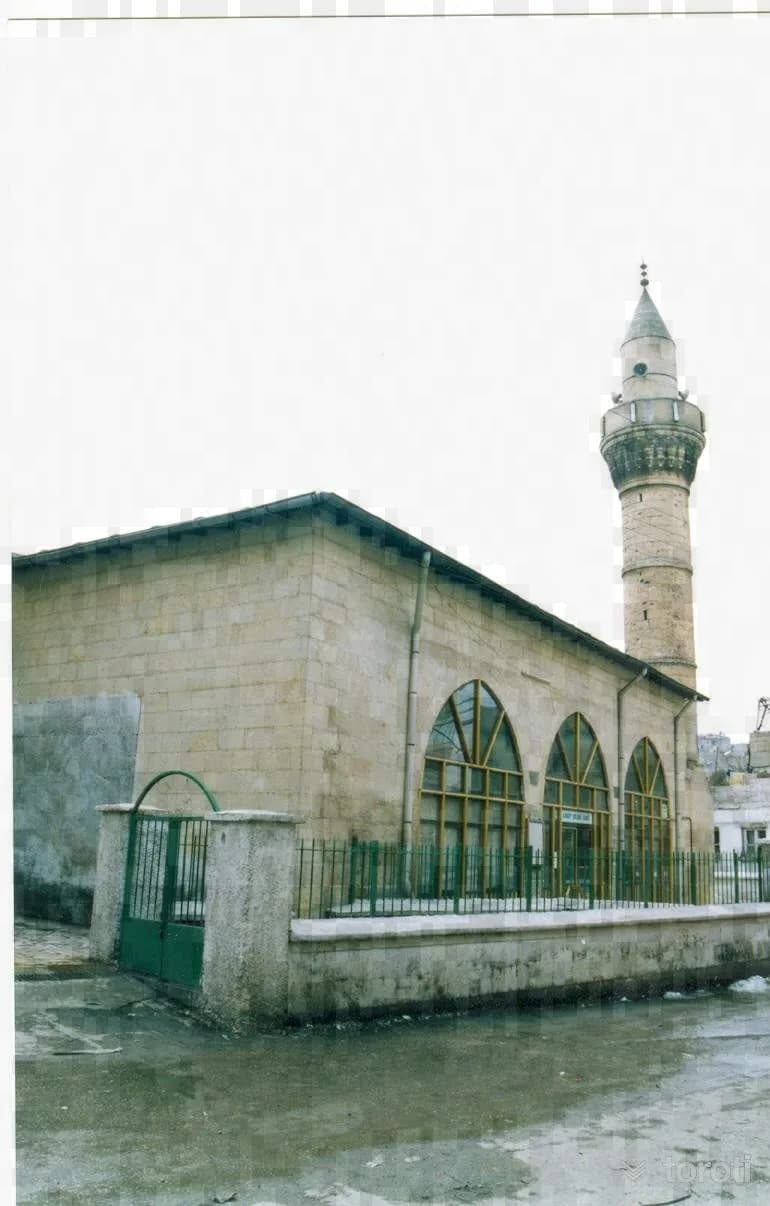
Ahmet Çelebi Cami
It is in Ulucanlar Mahallesi. The founder of the mosque is Şeyh Ramazan Efendi, son of Hacı Osman, who was of the Prophet's lineage. The mosque is known by the name of Ahmet Çelebi, who had the madrasa added later built. It is understood from the mosque's inscription that it was built in 1672.
20 minutes
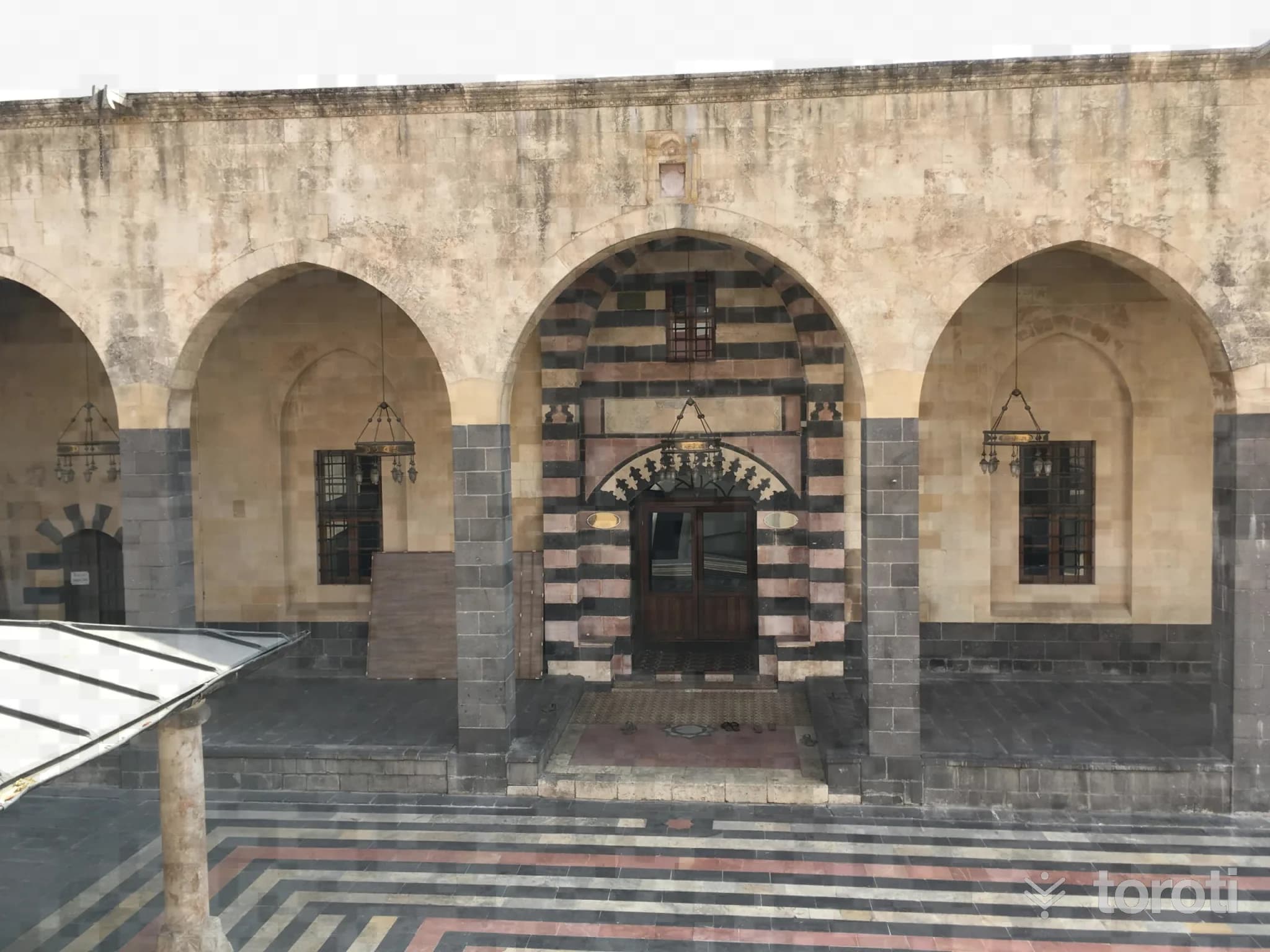
Tahtanı Cami
No definite information has been found about who had the mosque built or the date it was built. However, it is mentioned by name in a document dated 1557. It is understood that it was repaired in 1563 by Maraş Governor Osman Paşa.
20 minutes
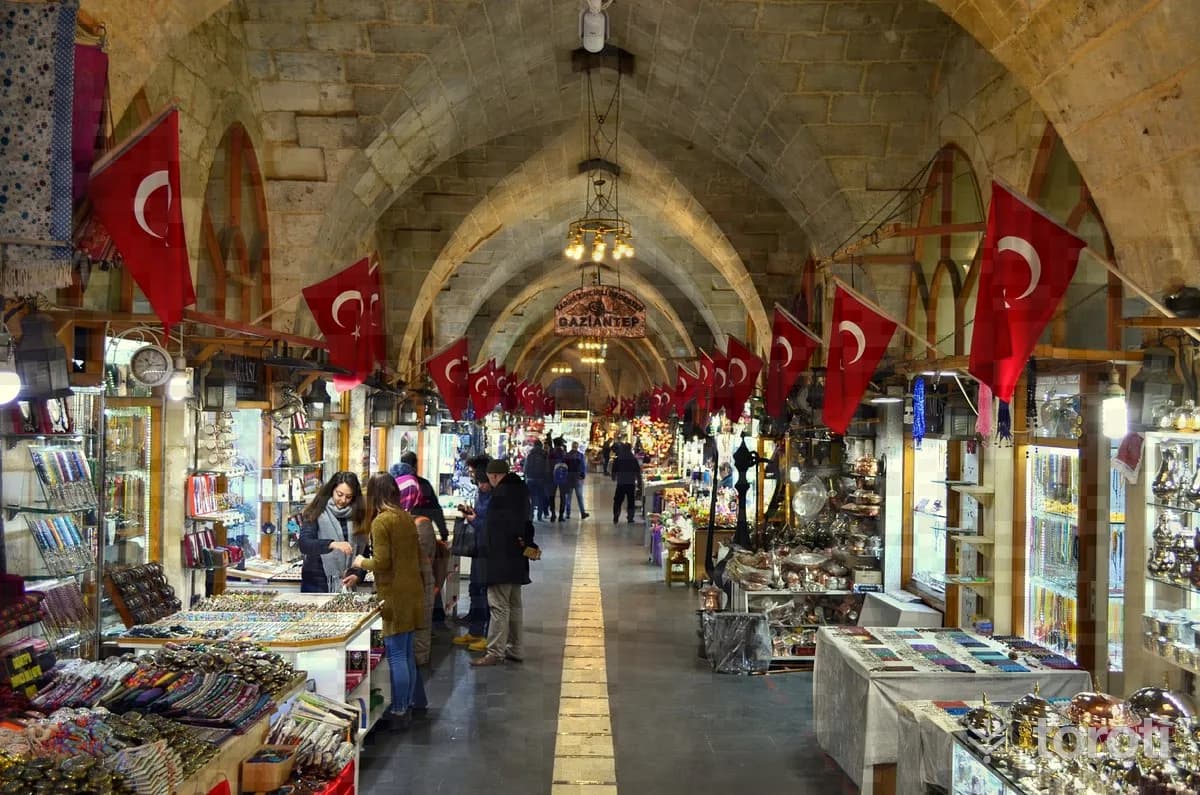
Bedesten Çarşısı
Built in the first quarter of the 18th century, the Bedesten is known as Kara Basamak Bedesteni. This historic bazaar, where souvenir sellers are concentrated, welcomes its guests in its authentic atmosphere.
45 minutes
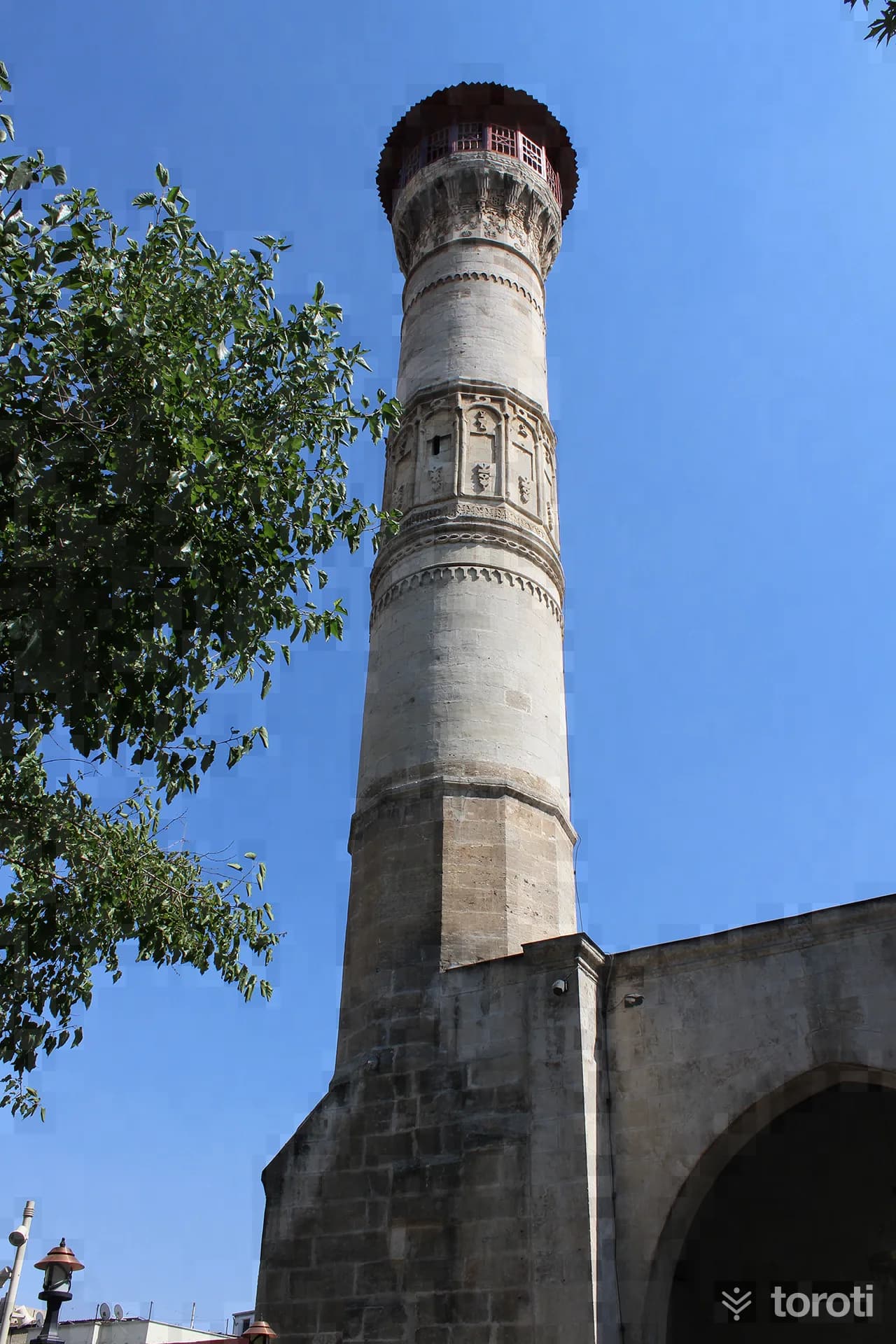
Eyüpoğlu Cami
There is not enough information about the date the mosque was built and by whom it was built or commissioned. From the Şer-i Mahkeme records dated 1586, it is estimated that it was built before this date.
20 minutes
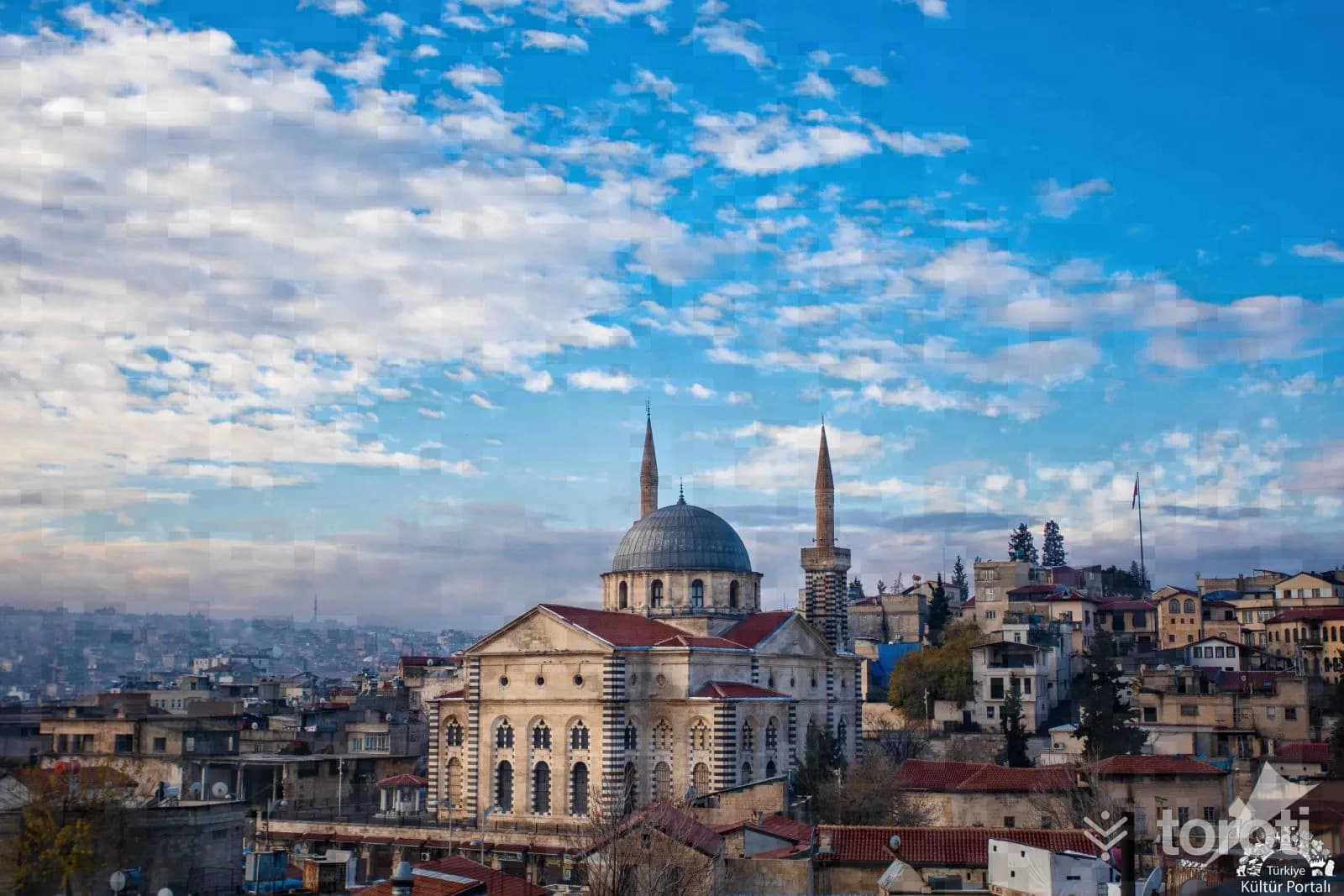
Kurtuluş Cami
It was built as a church in 1892. This structure, which was previously used as a church and prison, was later converted into a mosque. This historical treasure has lost nothing of its former splendor.
20 minutes
Tarihi Gümrük Hanı
Occupations that the local people have historically engaged in, such as silversmithing, coppersmithing, kilim weaving, yemeni making, mother-of-pearl craftsmanship, aba weaving, kutnu and alaca weaving, wood carving and woodworking, mosaic making, prayer bead making, and Antep İşi Hand Embroidery made by Gaziantep ladies, have either begun to disappear or have been confined to limited areas through the production of special touristic items.
60 minutes
Gaziantep Savaş Müzesi
The museum draws attention with its exhibition, “Sections from Events Experienced During the Antep War,” and with its panels reflecting the realities of the Antep War. The 12-room historical building, with the panels and works inside it, reveals the struggle that the people of Gaziantep put up in the War of Independence.
45 minutes
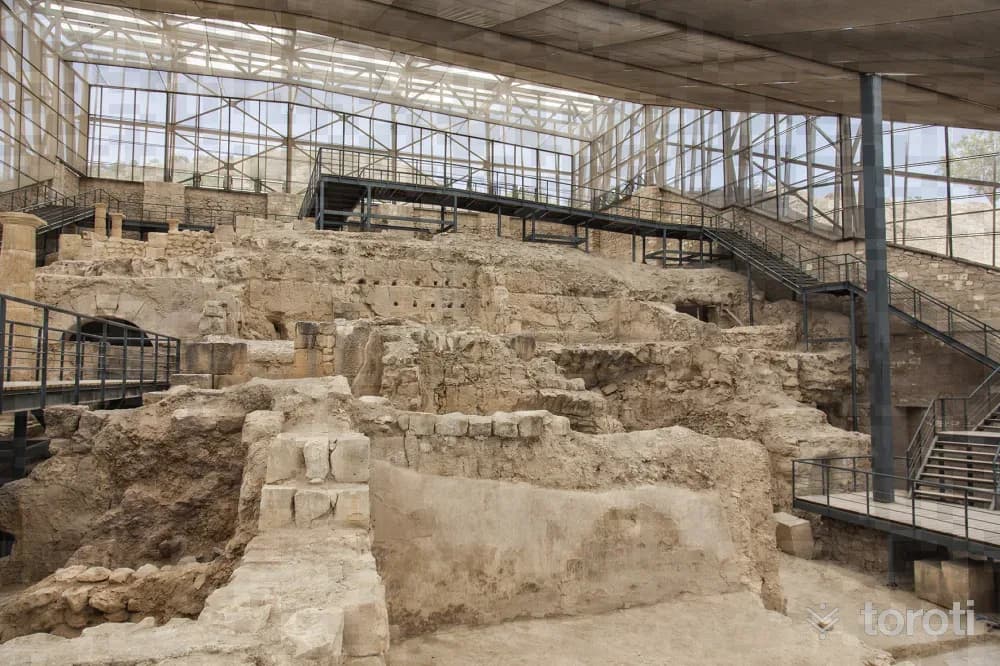
Zeugma Antik Kenti
Zeugma Ancient City is a historical settlement located in the Nizip district of Gaziantep. This city, which was a major center of art during the Roman period, is famous for its mosaics.
120 minutes
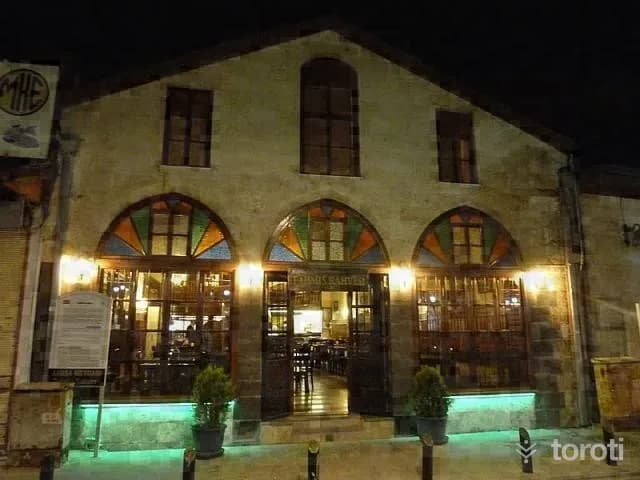
Tarihi Tahmis Kahvesi
Tahmis means “the place where coffee is pounded.” In earlier times, coffee used to be pounded in large mortars made of walnut, with tools made of black stone or from the same wood. The Historic Tahmis Coffeehouse was commissioned by Mustafa Ağa, who was the Türkmen Ağa and Sancak Beyi, in order to generate income for the Tekke (Mevlevihane). Built in 1638, Tahmis Coffeehouse is a two-storey structure full of memories.
45 minutes
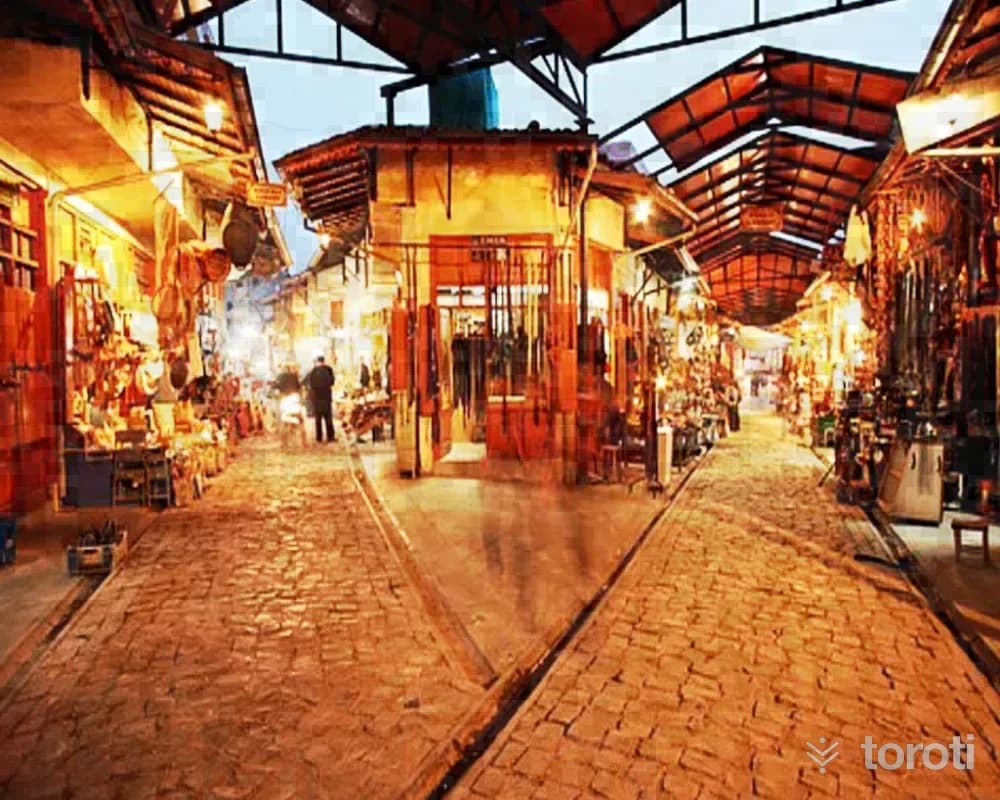
Gaziantep Bakircilar Çarşısı
Gaziantep Bakırcılar Çarşısı, generally referred to as Bakırcılar Çarşısı, but consisting of a complex of bazaars where many handicraft artisans produce, offers us scenes from another era with its wood-clad shops and stone-paved streets. Although the construction date of the shops in Bakırcılar Çarşısı is not known for certain, they are thought to have been built in the 19th century.
45 minutes
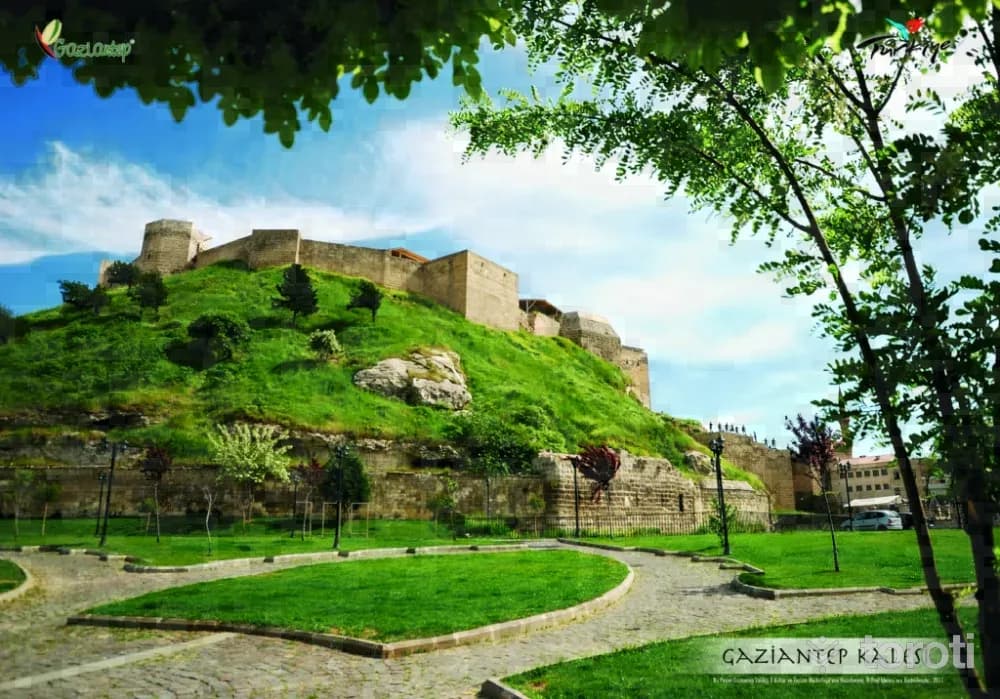
Gaziantep Kalesi
Where is Gaziantep Kalesi? Gaziantep Kalesi is one of the finest examples of castles that have remained standing in Türkiye. With its grandeur and the history it conceals like a secret, the castle is located in the city center, on a hill about 25-30 meters high on the southern bank of Alleben Deresi.
45 minutes