Stops along the way
Stops between İstanbul and Eskişehir
430 km, roughly 5 hours of driving. The stops below are ordered as you pass them — the same road in both directions.
In short
The drive between İstanbul and Eskişehir is 430 km and takes roughly 5 hours. There are 718 described places within 20 km of this route; it crosses 7 provinces, and the densest stretch is in Bursa (243 places).
There are 718 places within 20 km of this corridor; the 54 below are spread evenly along the drive.
1
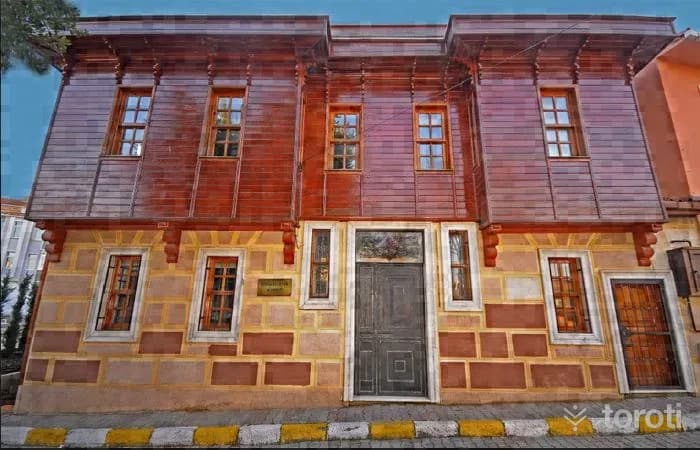
Avrupa Kültür Başkenti Mübadele Müzesi
Çatalca, İstanbul
The European Capital of Culture Exchange Museum is Turkey's first migration-themed museum, providing an important space for those nostalgic about the past.
- No image
2
Arnavutköy Yeniköy Halk Plajı
Arnavutköy, İstanbul
Arnavutköy Yeniköy Public Beach is a public beach candidate included in the official 2025 Blue Flag list.
3
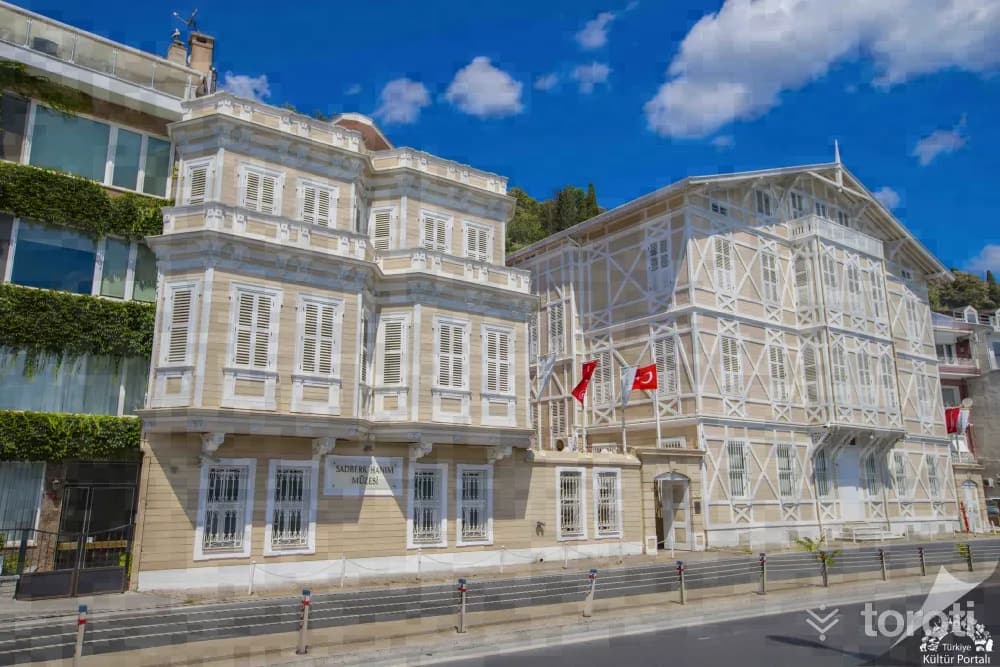
Sadberk Hanim Müzesi
Sarıyer, İstanbul
Sadberk Hanım Museum is located in a 19th-century building and hosts a rich collection of artifacts.
- No image
4
Rumeli Feneri
Sarıyer, İstanbul
Rumeli Feneri is a historic lighthouse located at the point where the Bosphorus meets the Black Sea.
5
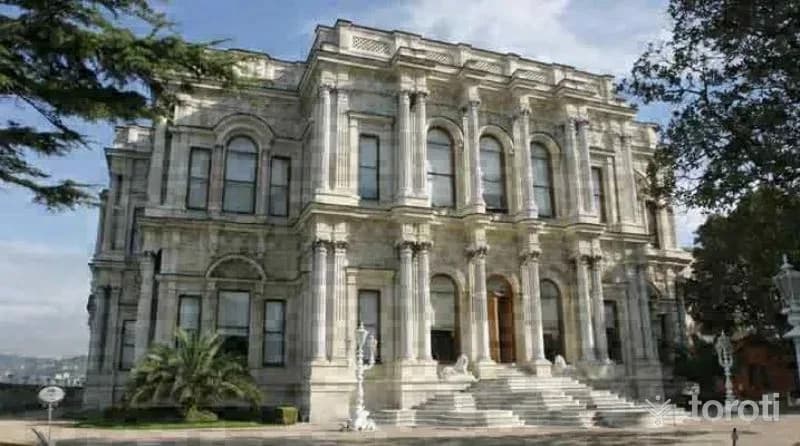
Beylerbeyi Sarayı
Üsküdar, İstanbul
Beylerbeyi Palace was built as a summer residence for Ottoman sultans and served to host foreign heads of state.
6
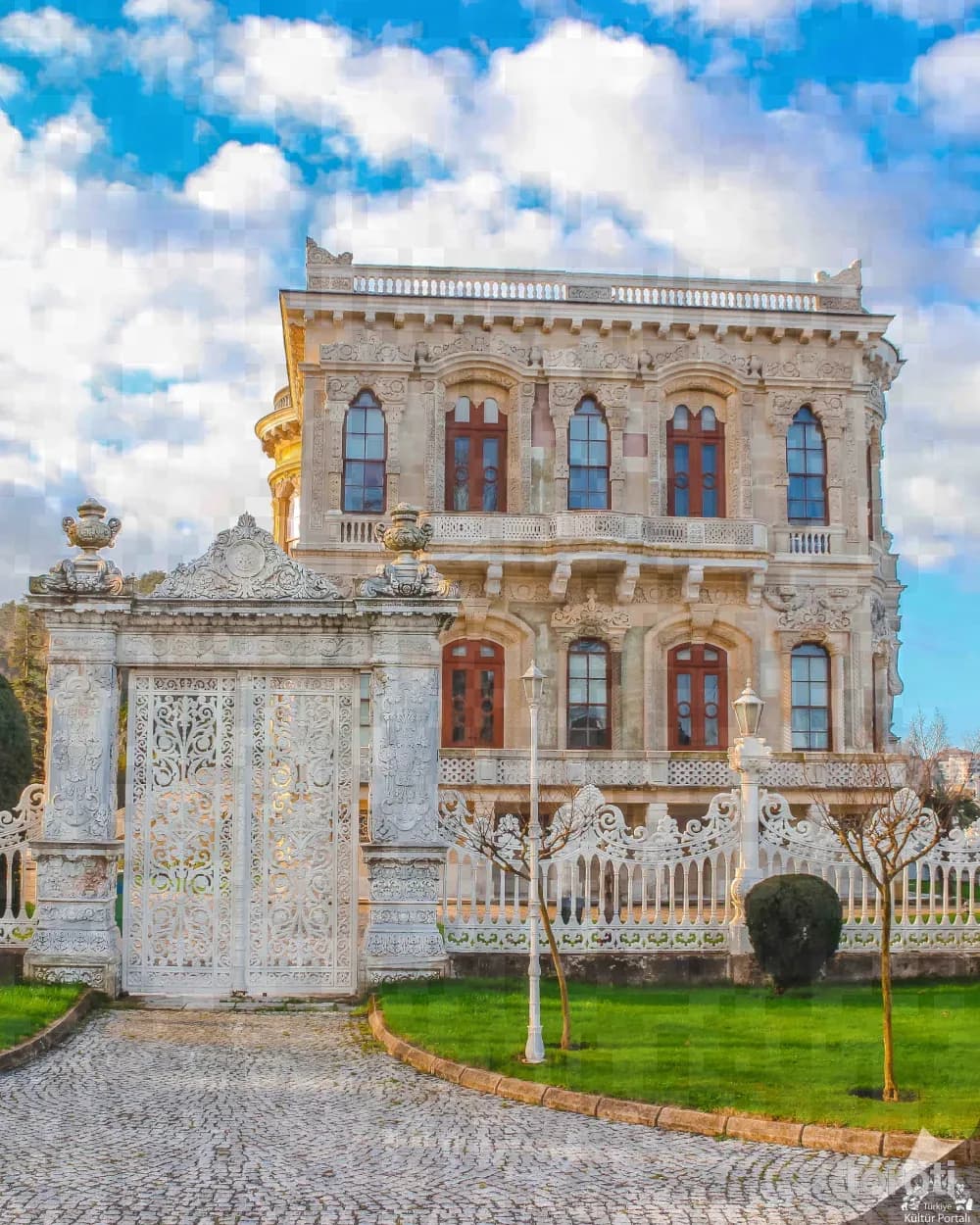
Küçüksu Kasri
Beykoz, İstanbul
Küçüksu Pavilion is a historical structure located in the Bosphorus, used as one of the sultans' private gardens during the Ottoman period.
7
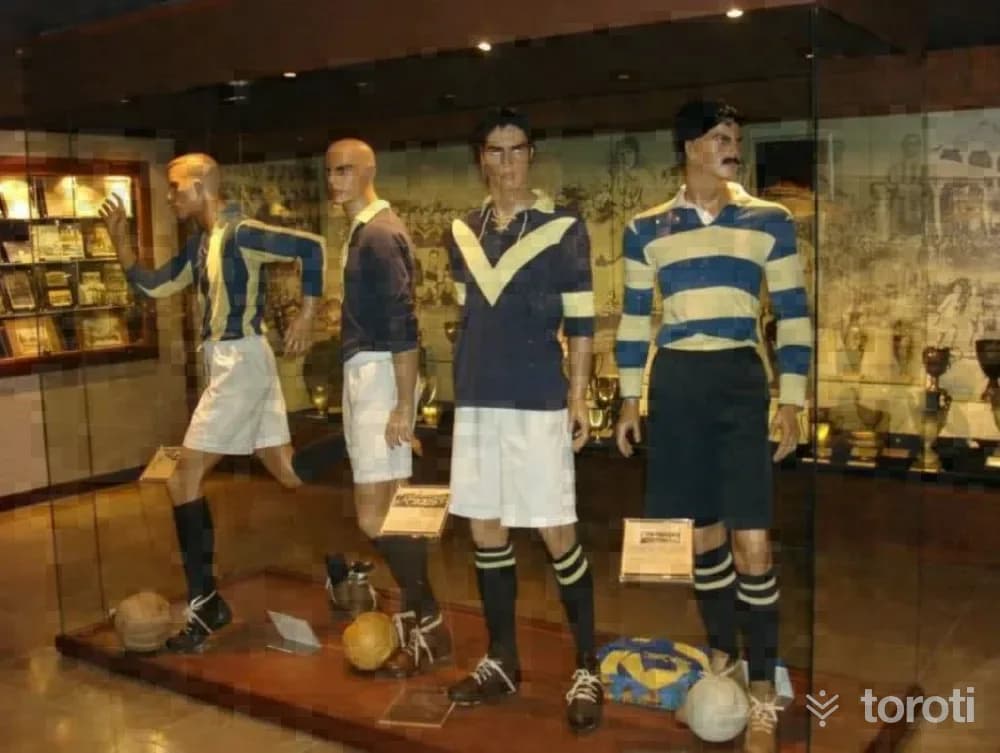
Fenerbahçe Spor Kulübü Müzesi
Kadıköy, İstanbul
The Fenerbahçe Sports Club Museum showcases the 100 years of achievements and awards of Fenerbahçe, an essential part of Turkish sports.
- No image
8
Polonezköy
Beykoz, İstanbul
Polonezköy is a village located 30 km away from Istanbul, immersed in nature. It is a peaceful getaway with walking paths and cycling trails.
9
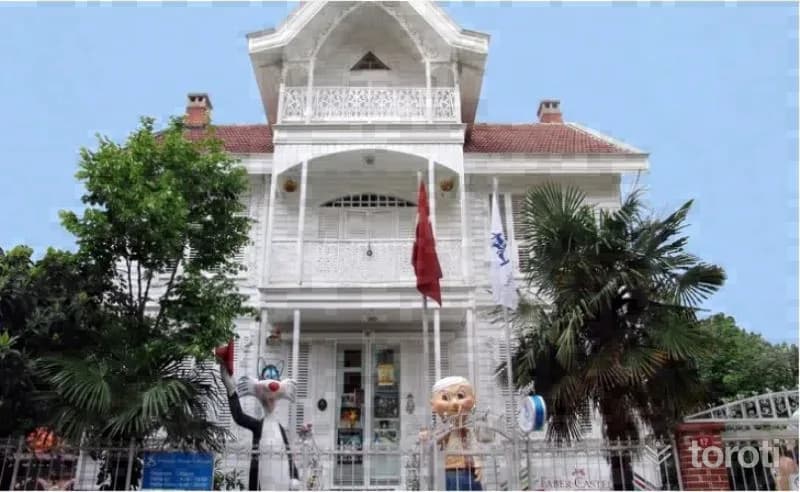
İstanbul Oyuncak Müzesi
Kadıköy, İstanbul
The Istanbul Toy Museum, founded by poet-writer Sunay Akın, opened its doors in 2005. The museum showcases over 4,000 toys acquired from various parts of the world.
10
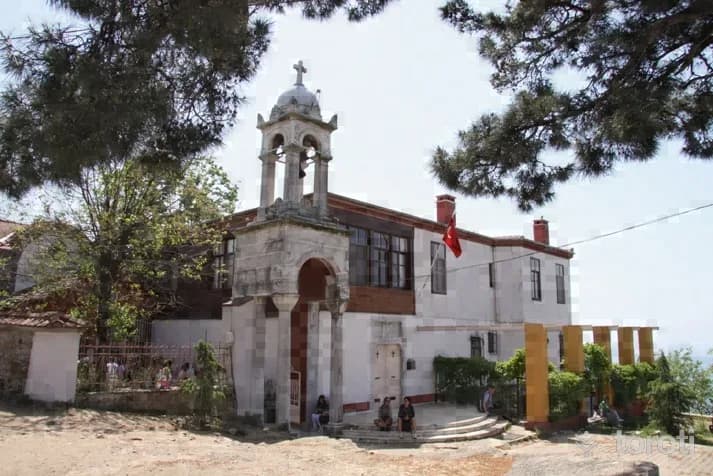
Aya Yorgi Rum Manastiri / Yücetepe
Adalar, İstanbul
The Aya Yorgi Greek Orthodox Monastery is a historic site located at the highest point of Büyükada. Built in 963 AD, it is dedicated to Saint Georgios.
11
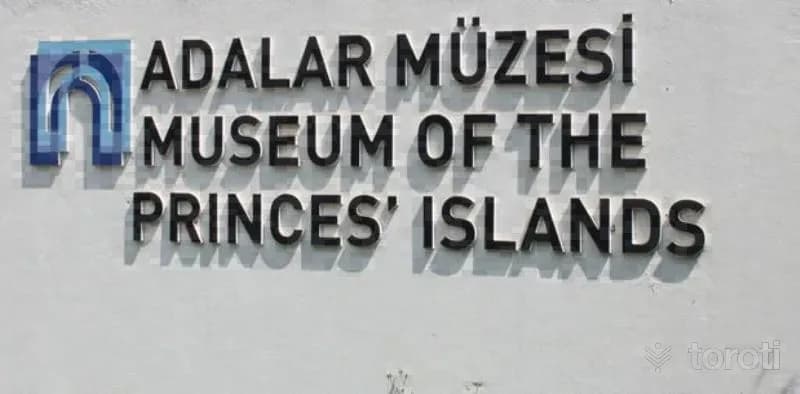
Adalar Müzesi
Adalar, İstanbul
The Adalar Museum, Istanbul's first contemporary city museum, opened in 2010. It offers visitors an interactive experience showcasing the nature, history, and cultural richness of the Islands.
12
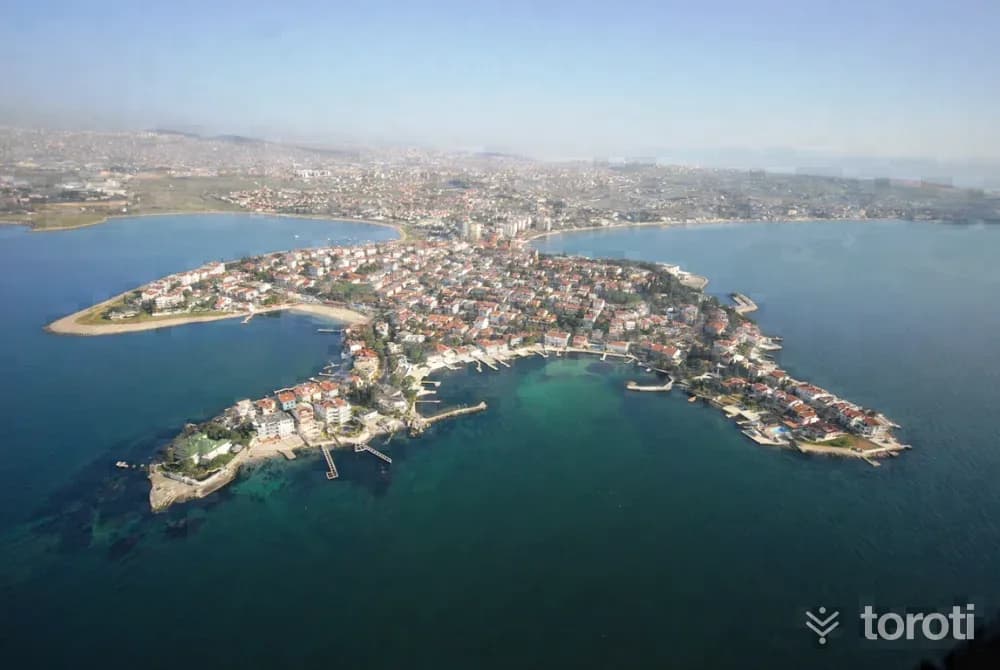
Bayramoğlu Adası
Darıca, Kocaeli
Bayramoğlu Island is a peninsula known for its historical background and natural beauty. It is an ideal place for walking during the summer months.
- No image
13
Ballikayalar
Gebze, Kocaeli
Ballıkayalar is a nature park located in Gebze, offering an ideal area for mountaineering.
- No image
14
Çerkeşli Kayalitepe
Dilovası, Kocaeli
This route, which goes from Çerkeşli village to the summit of Kayalıtepe, is the longest of Kocaeli'nin natural hiking routes. In addition to the length of the distance, the steep ascent and descent should be taken into consideration. Çerkeşli Village forms the starting point of this route.
- No image
15
Safiye Başdeğirmen
Karamürsel, Kocaeli
This route, which involves no difficulty, can be walked without any problems in all four seasons. A part of the route consists of a trail, and a very small part consists of a dirt vehicle road. The route, which starts right inside Safiye Köyü, continues on paths parallel to Suludere.
- No image
16
Fulacik Valideköprü
Karamürsel, Kocaeli
From Fulacık to Valide Köprü or vice versa, whichever way you walk, it is a route without difficulty in all four seasons. This route, which goes from Fulacık Köyü toward Valide Köprü Mahallesi, is of a kind that everyone can easily complete.
17
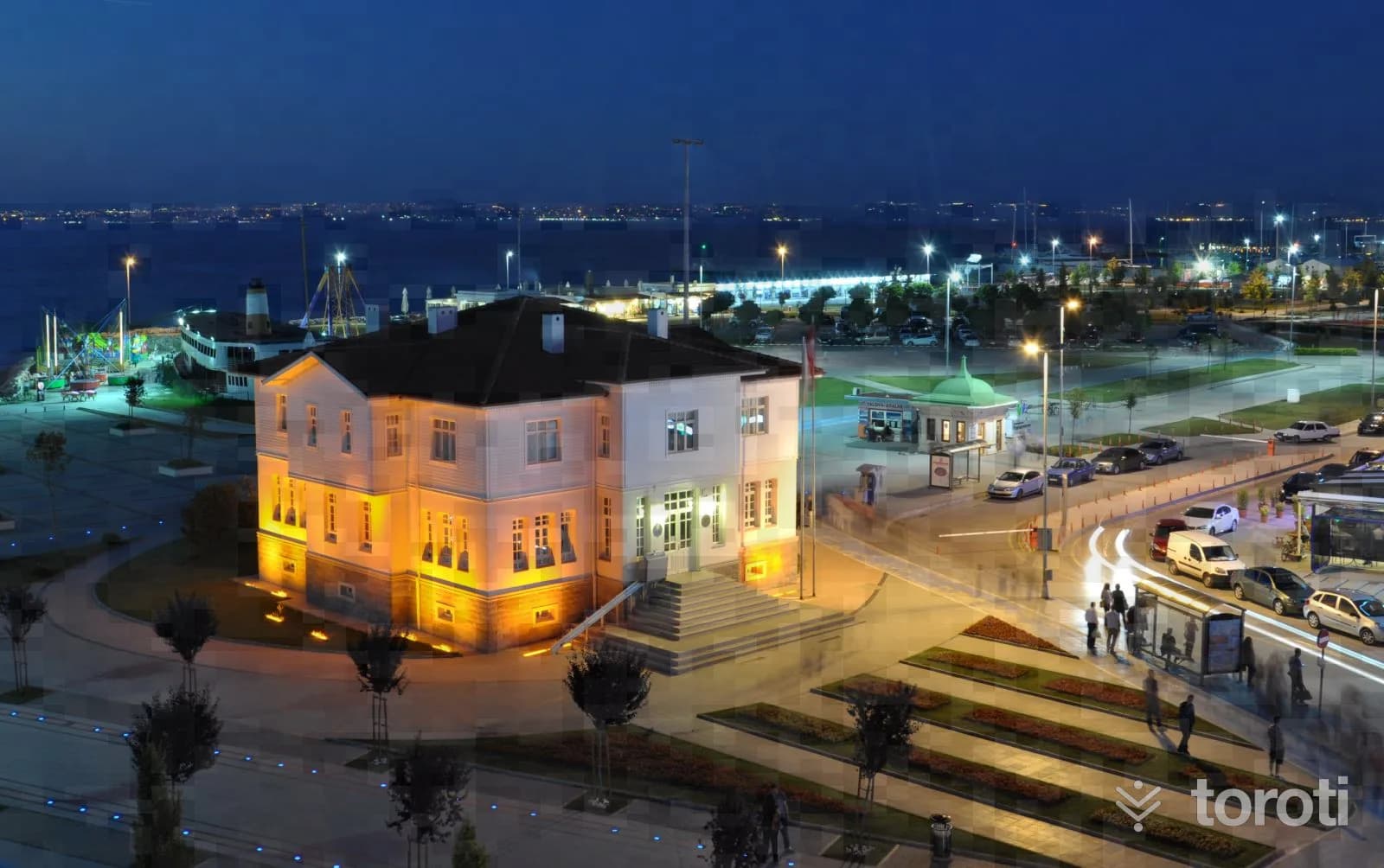
Yalova Kent Müzesi
Yalova merkez, Yalova
Yalova City Museum showcases the history and cultural heritage of Yalova.
- No image
18
Açik Hava Müzesi
Yalova merkez, Yalova
The Open Air Museum in Yalova is a venue showcasing historical artifacts with a history of 6000 years.
19
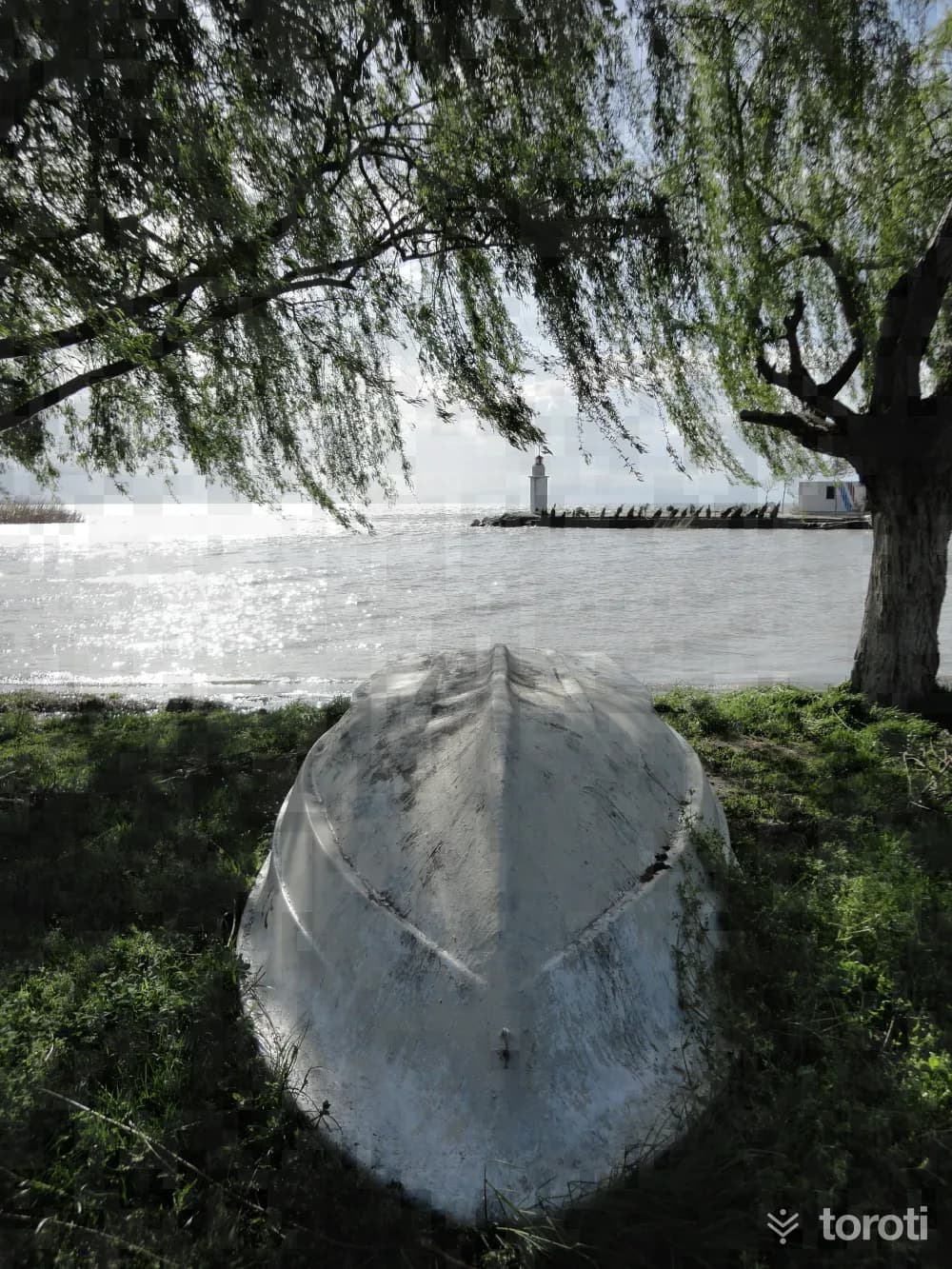
İznik Gölü
İznik, Bursa
Lake İznik, the largest natural lake in the Marmara Region and Turkey’s 5th largest, is a tectonic freshwater lake with a maximum depth of 80 m. The area has Important Bird Area (IBA) status due to the pygmy cormorant and black-crowned night heron, which establish mixed colonies among dense reed beds. Other breeding species include hundreds of pairs of great crested grebe, squacco heron, little egret and grey heron.
- No image
20
Kurşunlu Hamamı
Termal, Yalova
Kursunlu Hamamı was built in the 16th century during the Byzantine Empire and has been restored during the Ottoman period to reach the present day.
21
Termal Kaplıcaları
Termal, Yalova
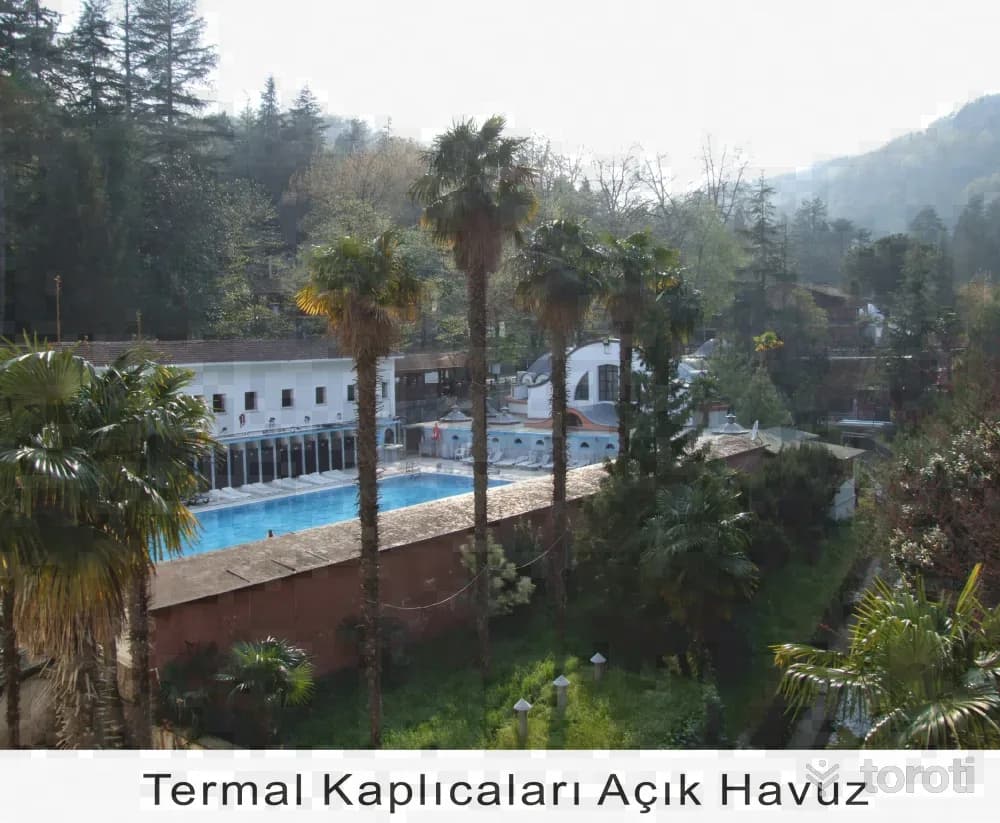
The Thermal Springs in Yalova are among Turkey's most important spa areas, renowned for their healing waters.
- No image
22
Hünkar Köşkü
Yıldırım, Bursa
Hünkar Köşkü Museum was built in Temenyeri on the slopes of Uludağ during the reign of Abdülmecit to serve as a hunting lodge. The mansion was built in 1859. Abdülaziz and V.
- No image
23
Aladdin Paşa Cami
Osmangazi, Bursa
According to sources describing the early Ottoman period, it was commissioned in 1326 by Alaaddin Bey, one of Osman Gazi’s sons and Orhan Bey’s brother. It is known as the first mosque built in Bursa. In the repair carried out in 1861-62 of the mosque, which was heavily damaged in the 1855 earthquake, some parts were altered, its portico was rebuilt, and a triangular pediment, unsuitable for a Turkish minaret, was made on its facade.
- No image
24
Yeşil İmareti
Yıldırım, Bursa
It was built in the 15th century, during the reign of Çelebi Sultan Mehmet, under the supervision of Hacı İvaz. Today, a large part of it is still standing. The imaret and dining hall walls have also survived to the present day. Its roof has completely collapsed. The two-domed kitchen section is quite sound. The main walls were built with stone and brick, and the storage section is also in a collapsed state. On Fridays, Çelebi Sultan Mehmet used to distribute food to the poor from this imaret.
- No image
25
Balabancık ve Gazi Aktimur Hisarı
Yıldırım, Bursa
Gazi Osman Bey planned to turn toward Bursa after Bilecik, İnegöl, Sakarya and Yenişehir. Since the Bursa castle, surrounded by steep rocks, could not be taken easily, Osman Gazi built two observation points that we call havale towers, one on the hill to the east of the city and the other near the hot springs to the west of the city, and blockaded the city by controlling the entrances and exits.
- No image
26
Emir Sultan Külliyesi
Yıldırım, Bursa
Emir Sultan, who lived in Bursa in the first quarter of the 15th century and died in 1429, was born in Bukhara. Because he was descended from Hz. Muhammed, he was called "Emir," and because he won hearts, he was called "Sultan," and he became renowned by the name "Emir Sultan." His real name is Muhammed. He was shown great respect in Bursa. He married Hundi Hatun, the daughter of the Ottoman sultans Yıldırım Beyazıd.
27
Cumalikizik Köyü
Yıldırım, Bursa
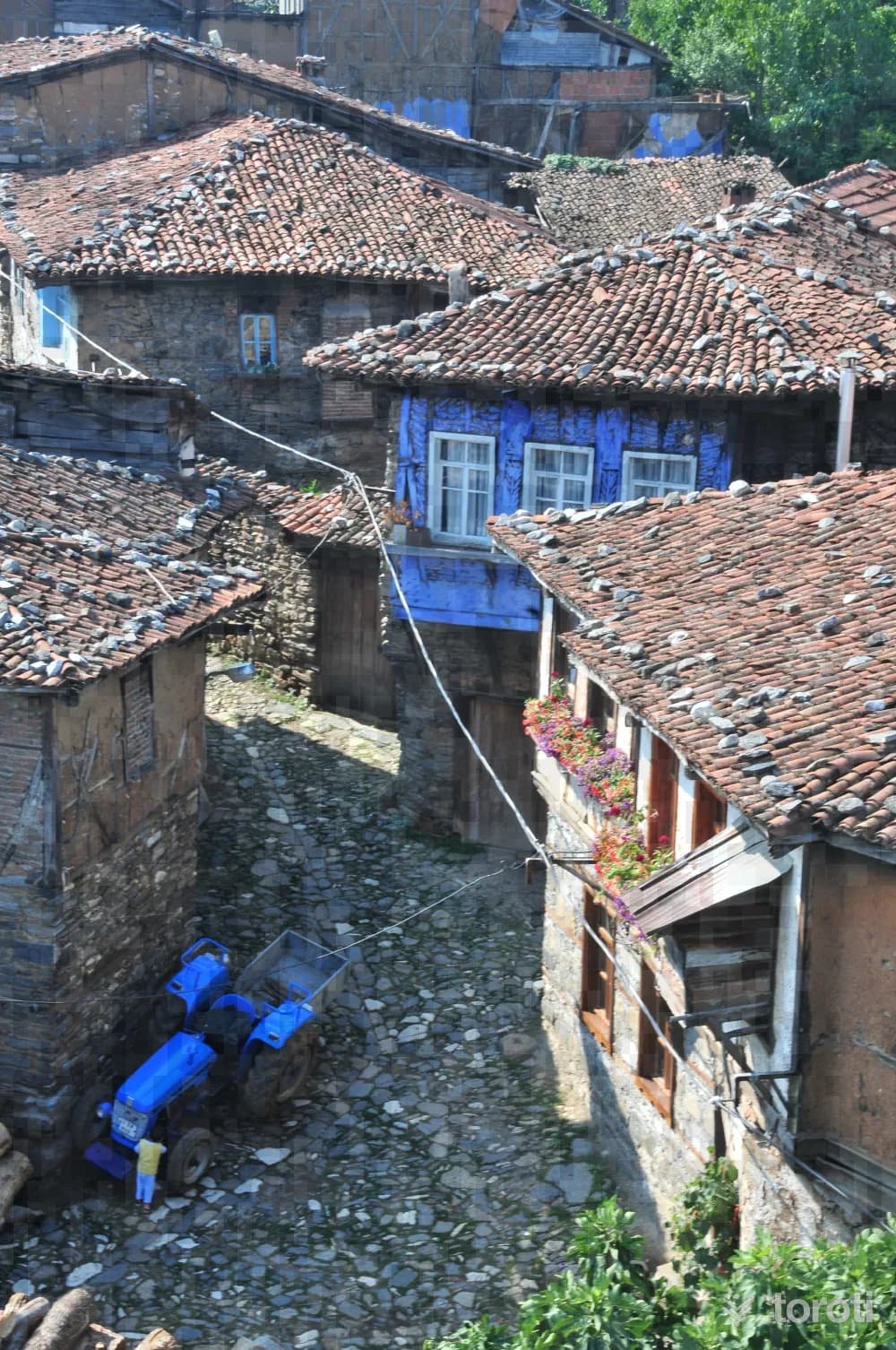
Cumalıkızık, one of the first areas where the Ottomans settled in Bursa, carries the residential fabric of the Ottoman Period to the present day with a total of 270 houses, 180 of which are still in use, while some are undergoing conservation and restoration work. In the Ihlamurcu locality on the slopes of Uludağ, to the southeast of the Cumalıkızık settlement, the remains of a church belonging to the Byzantine Period were identified in 1969.
28
Küreklidere Şelalesi
Kestel, Bursa
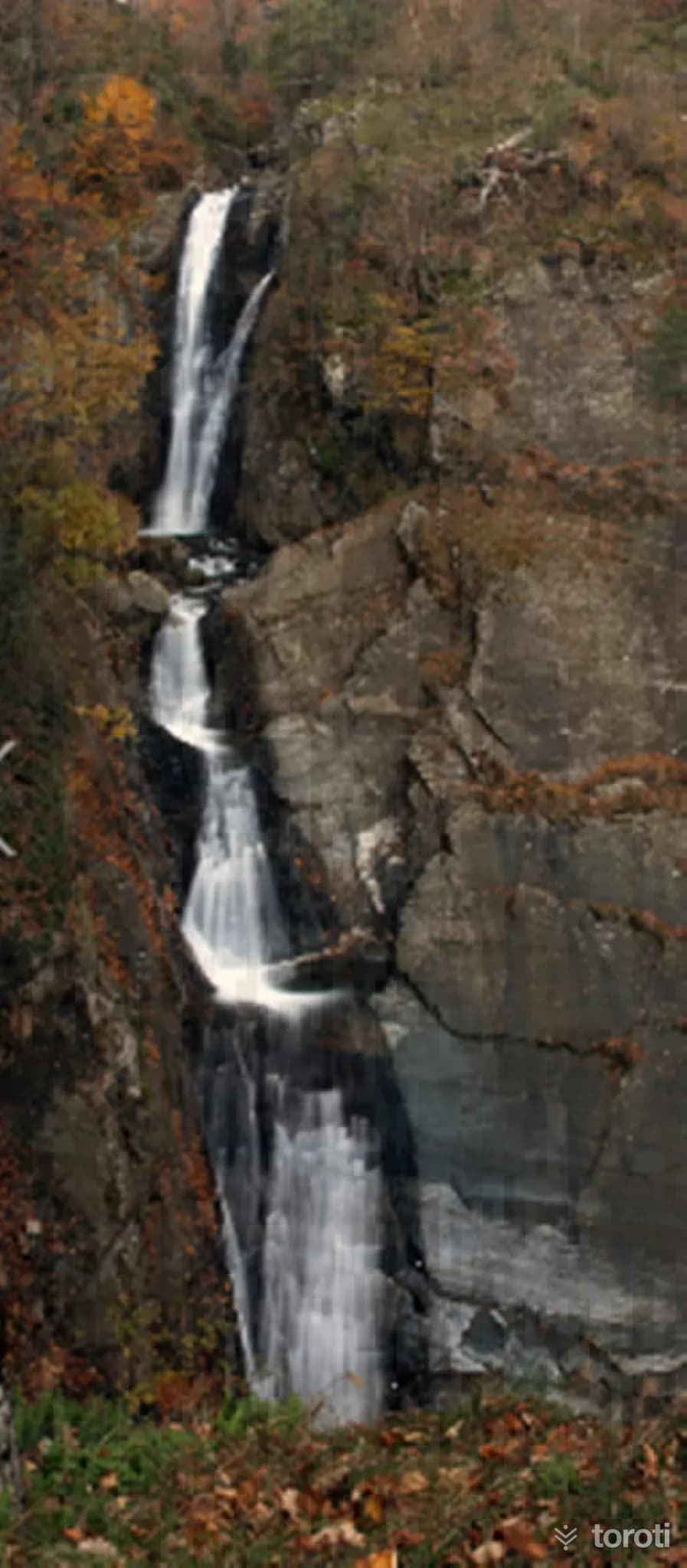
Küreklidere Waterfall, which can be reached by walking for about one hour approximately 2000 meters uphill from the city forest located in Hamamlıkızık Village of Yıldırım District, or after about half an hour by car via the Ören Mahallesi road while going over the Saitabat Village road of Kestel District, falls from a height of 82 meters. It is on Deliçay and has 4 tiers. There are picnic tables and a fountain near the waterfall.
29
Uludağ Milli Parkı
Yıldırım, Bursa
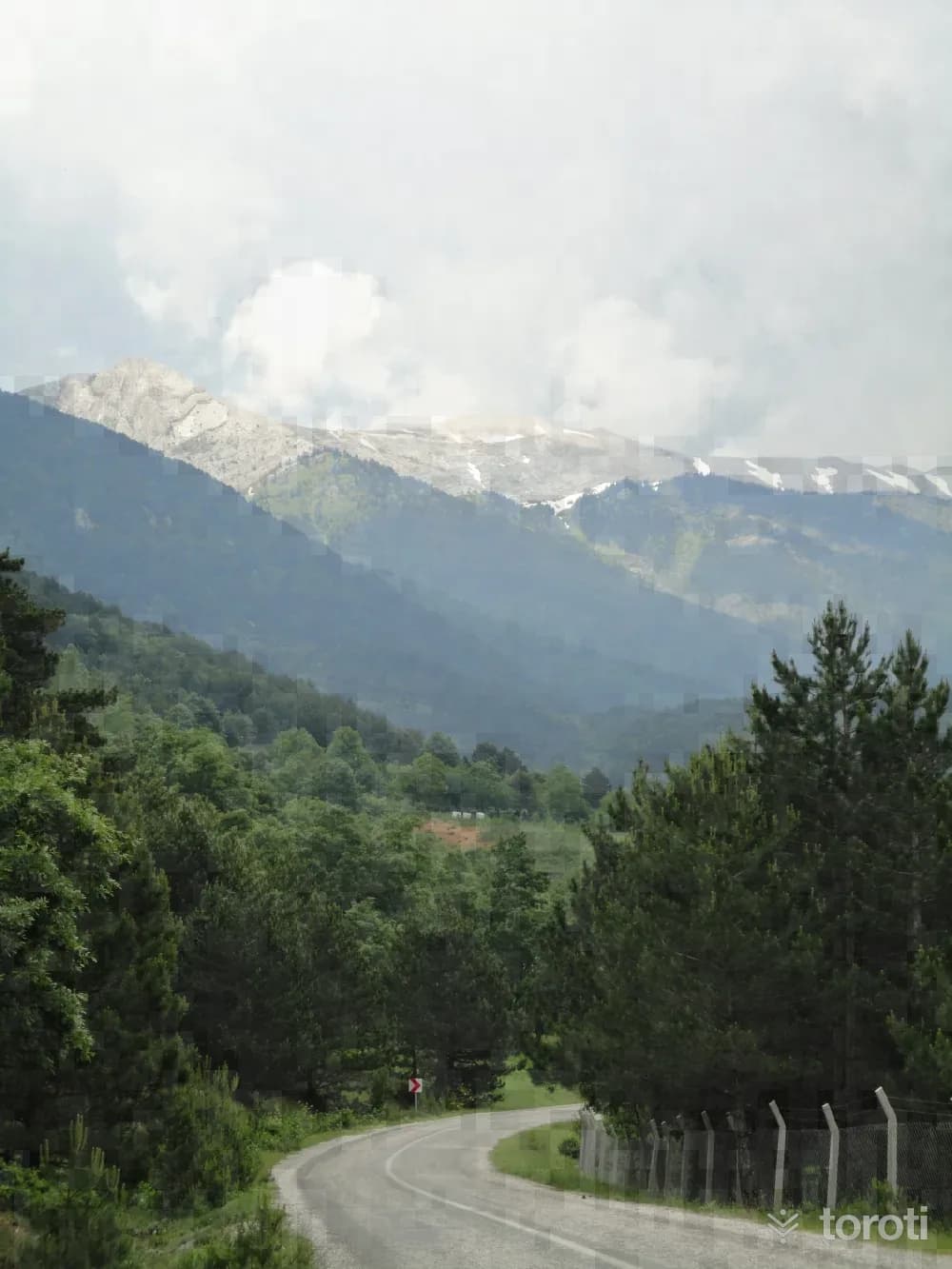
Uludağ National Park is a popular destination for winter sports and summer activities. It attracts visitors year-round with its rich flora and fauna.
- No image
30
Saitabat Şelalesi
Kestel, Bursa
Located 12 km from Bursa, Saitabat is an area surrounded by lush green grass and plane trees. The canyon through which the waterfall on the slopes of Uludağ flows is a meeting point for those engaged in nature sports. There are picnic areas around the waterfall, which is famous for its trout cooked over a wood fire, on a tile, with butter.
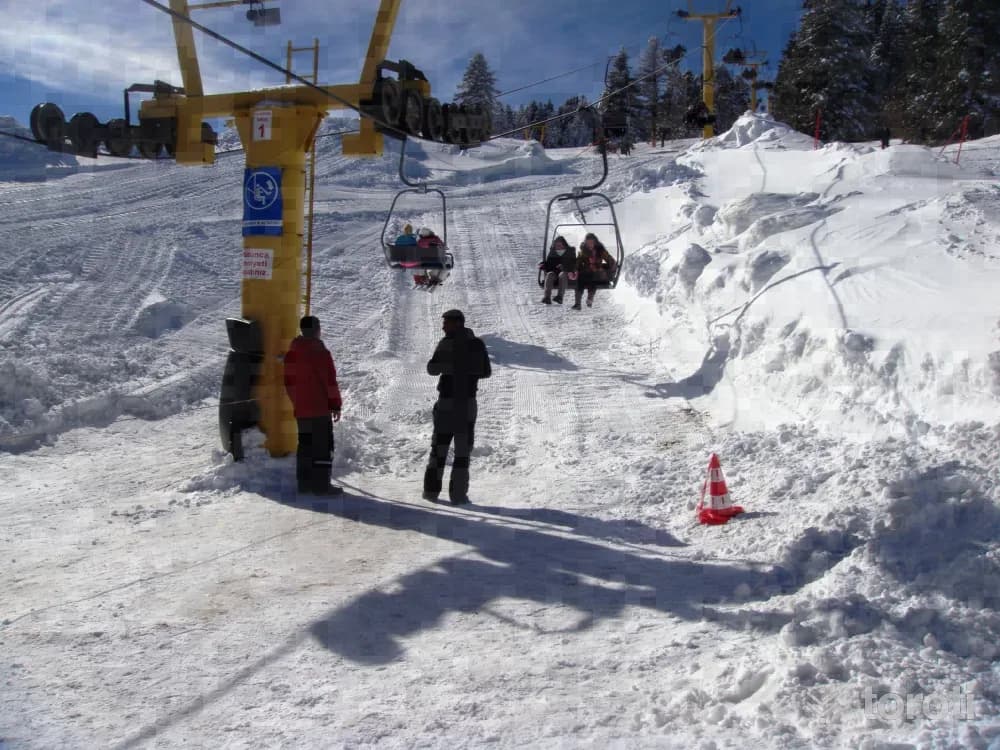
31
Uludağ (kiş Turizmi)
Osmangazi, Bursa
Uludağ, located south of Bursa, is one of the most popular centers for winter sports. It also offers opportunities for camping and trekking during the summer months.
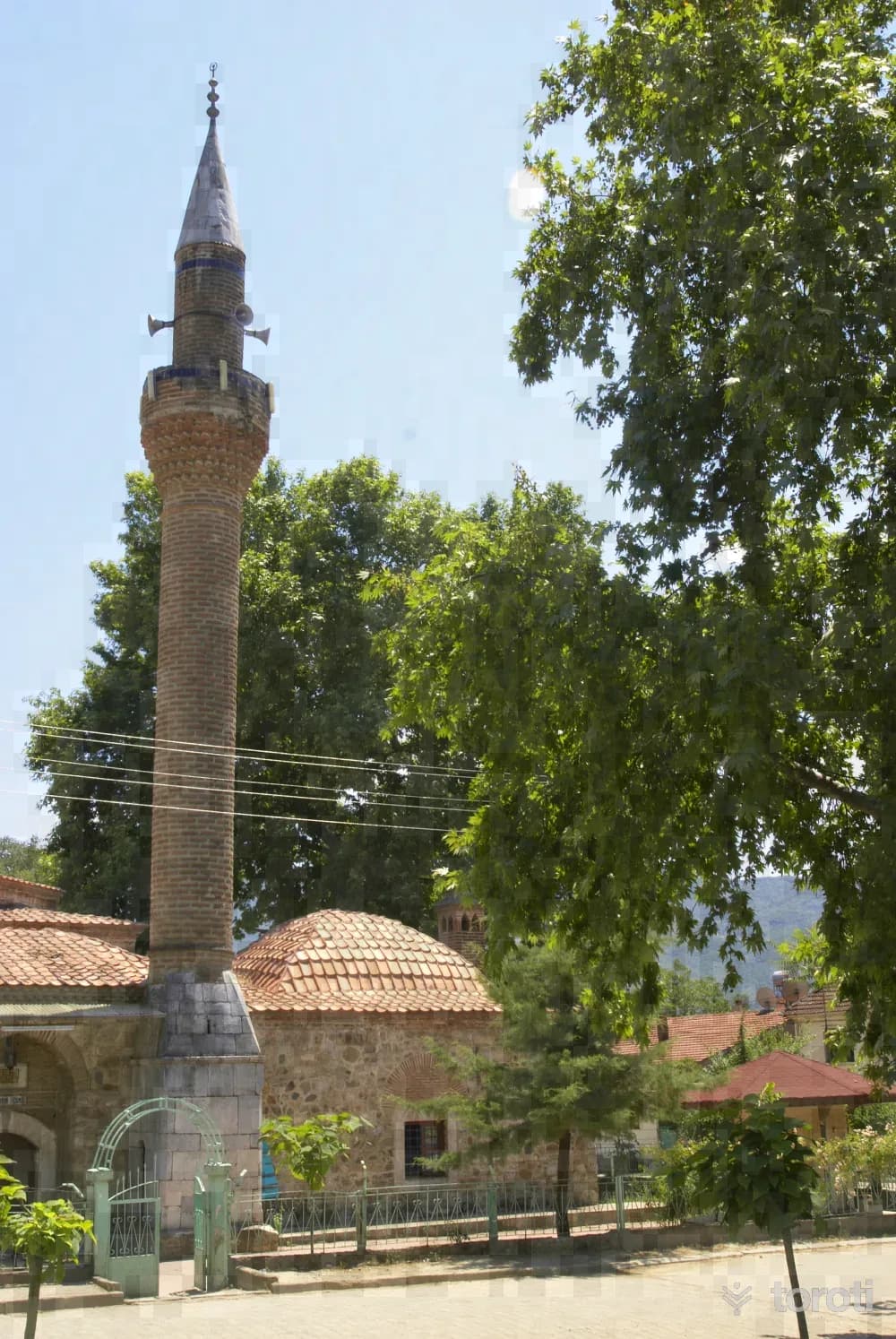
32
Yıldirim Cami
İnegöl, Bursa
Although it is recorded under this name in the records of the General Directorate of Foundations, it has also been identified among the local people by the names İmaret Cami, Yukarı Cami or Yıldırım Cami. The mosque is listed in the 939 H. (1533) endowment deed of Hanzade Hançerli Fatma Sultan. The mosque extends in the north-south direction and consists of the entrance and main prayer spaces, and side spaces adjoining the entrance section on the east and west. The prayer space has a square plan and is covered with a dome transitioned by pendentives.
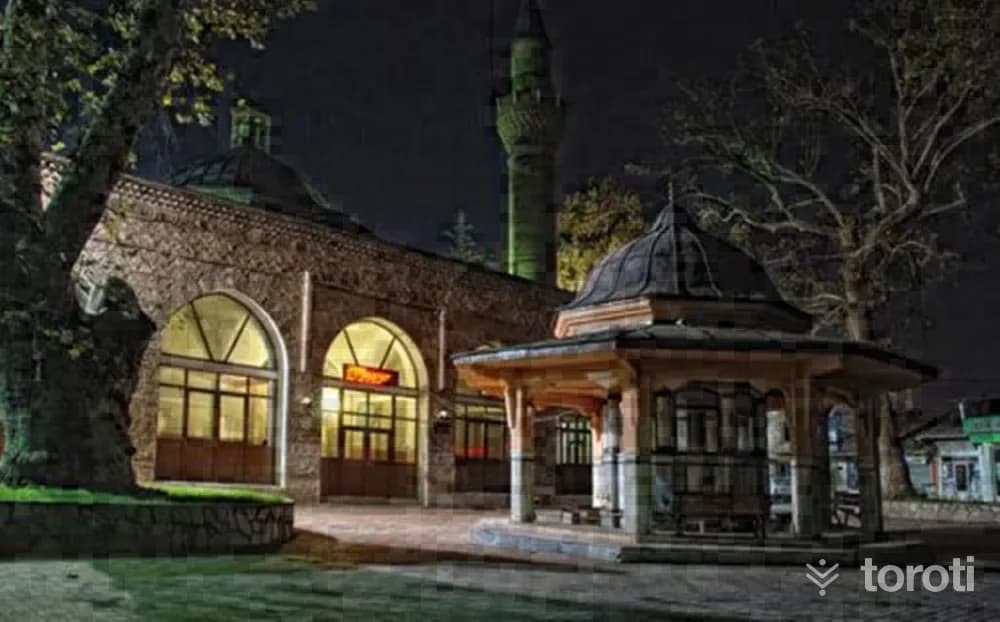
33
İshak Paşa Cami Ve Külliyesi
İnegöl, Bursa
The mosque in the area in İnegöl known as belediye önü was commissioned by İshak Paşa, who commanded a part of the Ottoman forces during the siege of Istanbul and held various high offices during the reigns of Murat II, Fatih Sultan Mehmet and Bayezid II (grand vizier twice during the Fatih period and once during the Bayezid II period). According to waqf records, it is understood that the construction date was before 873 H. (1468-69).
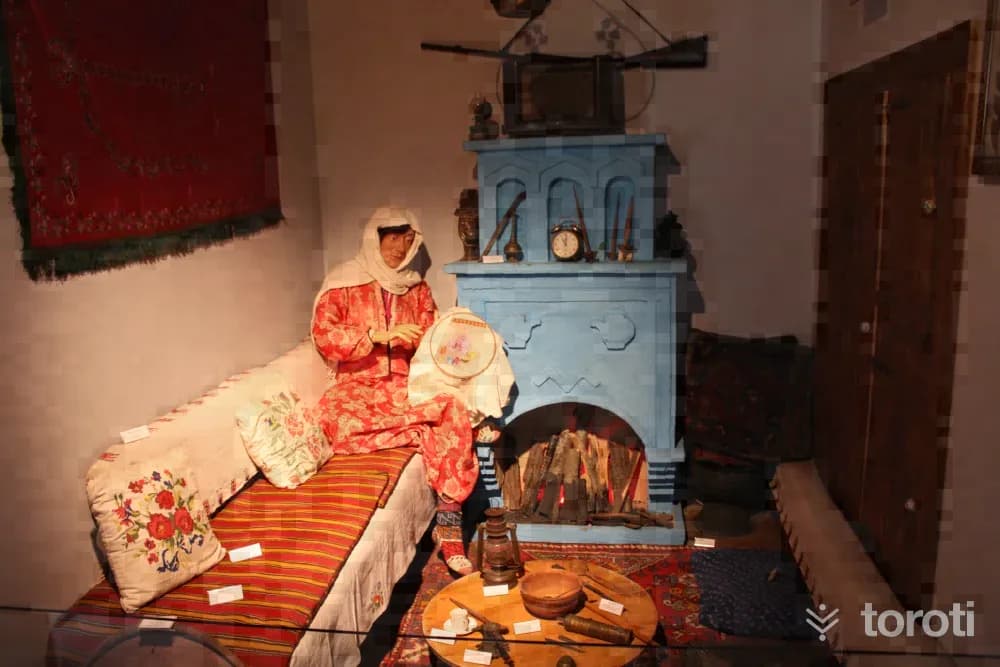
34
İnegöl Kent Müzesi
İnegöl, Bursa
For the City Museum, the old municipal building, estimated to be approximately 150 years old, was restored in accordance with its original form and completely renovated as 1054 square meters. By conducting one-on-one interviews with 3000-3500 people, more than 2 thousand household items, objects and materials, and nearly 15 thousand documents and photographs were added to the museum archive, and it was opened in 2009.
35
Oylat Mağarası
İnegöl, Bursa
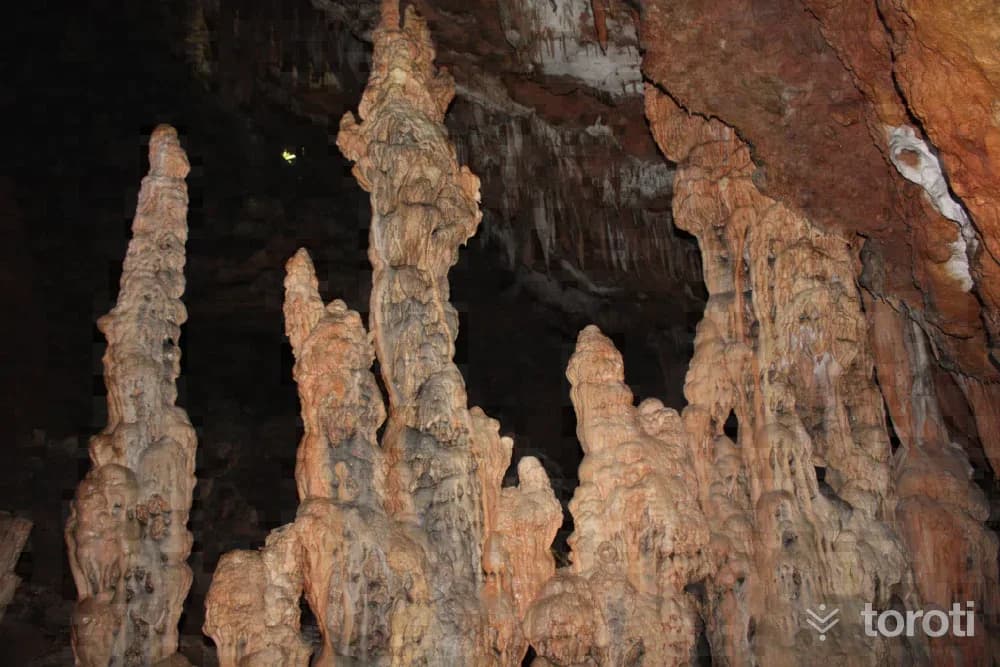
Mağara Bursa-Ankara kara yolundan Oylat Kaplıcasına ayrılan yoldan yaklaşık 17 km. içeride Hilmiye köyünün bir km. güneyinde yer almaktadır. Özellikleri: Toplam uzunluğu 665 m. olan mağara iki ana bölümden oluşur. Dar galerilerden oluşan birinci bölüm girişten çöküntü sonuna kadar olan kısımdır. İçeride dev kazanları ve damlataş havuzları bulunur. İkinci bölüm büyük bir çöküntü salonudur. İri blok ve dev damlataş şekillerinden (sarkıt, dikit ve sütun) oluşmaktadır.
36
Mizik Çami
Domaniç, Kütahya
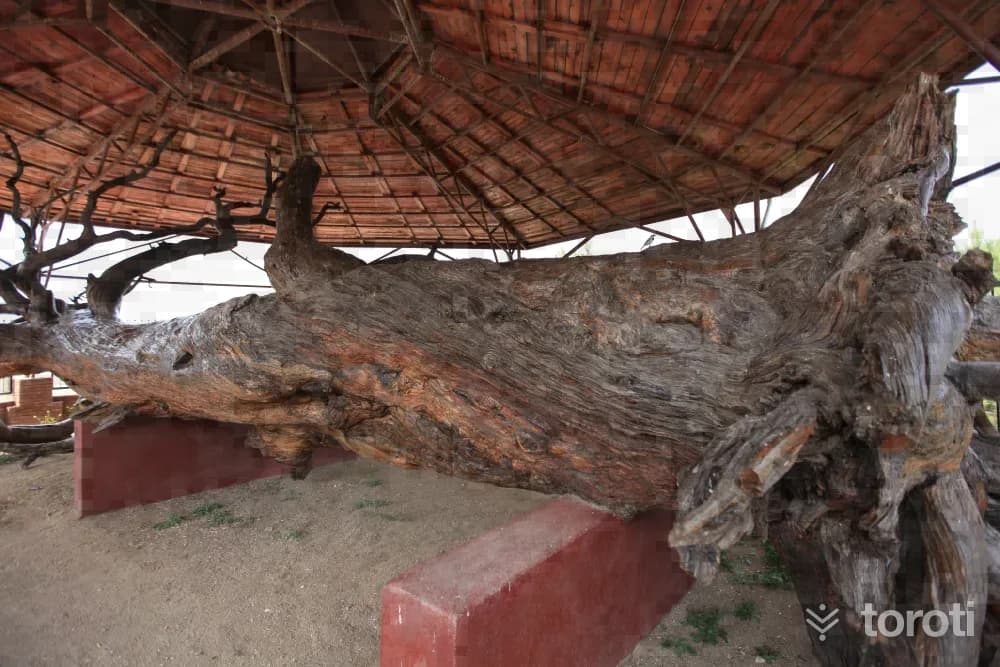
This black pine, the species of pine in which the cradle of Osman Gazi, the founder of the Ottoman State, was set up in his infancy, fell in 1980 as a result of natural causes. It was determined that the pine was 11 meters tall, had a circumference of 4.70 meters, and was approximately 740 years old, and it was registered as a monumental tree by the Council for the Protection of Cultural and Natural Assets on 15.07.1988.
37
Çiçekli Yayla
Bozüyük, Bilecik
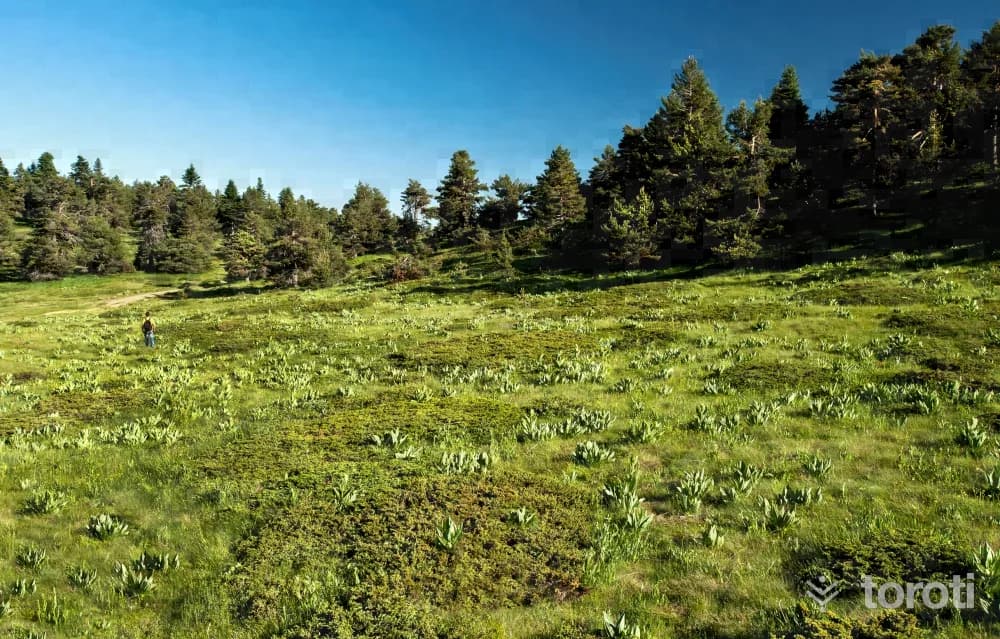
At an altitude of 1906 meters, Çiçekli Yayla, the highest plateau of Bozüyük District, is a natural wonder of extraordinary beauty with its crystal-clear air, clear waters, lush green grass, colorful flowers, forest texture, and the endemic plant “Çimtien,” while the scents of thyme cover the whole of nature, and it is located in the Üç Tepeler area.
38
Kömürsu Yaylası
Bozüyük, Bilecik
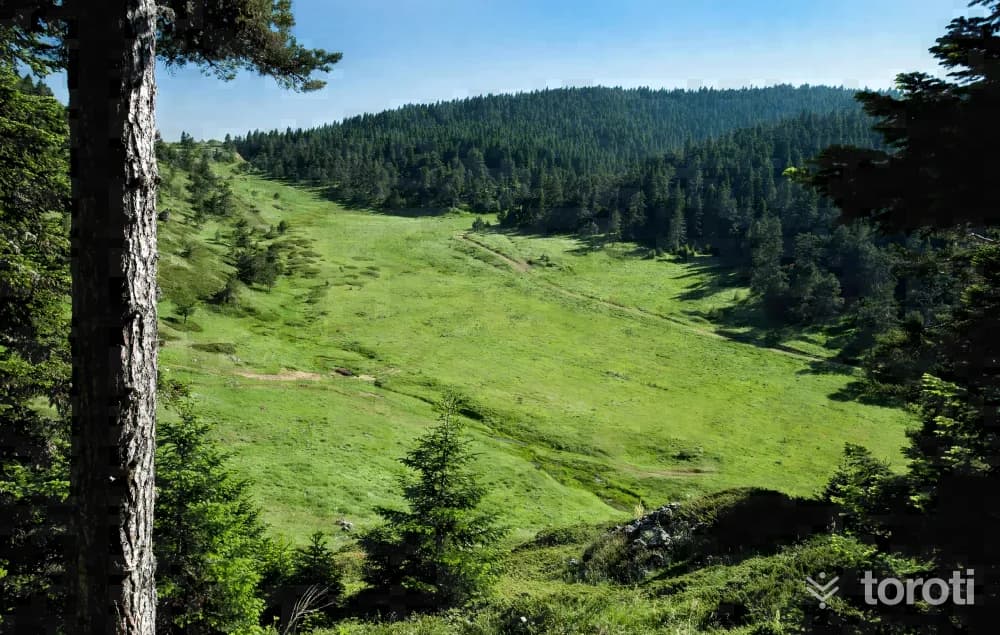
Located 28 kilometers from the center of Bozüyük district, the plateau is covered with fir, black pine, beech, juniper trees and all kinds of flowers, and has 4 spring waters. Its highest peak is around 1700 meters. It is planned that this natural paradise, which is currently used for plateau and trekking tourism, will be used as a winter tourism center with the arrangements to be made.
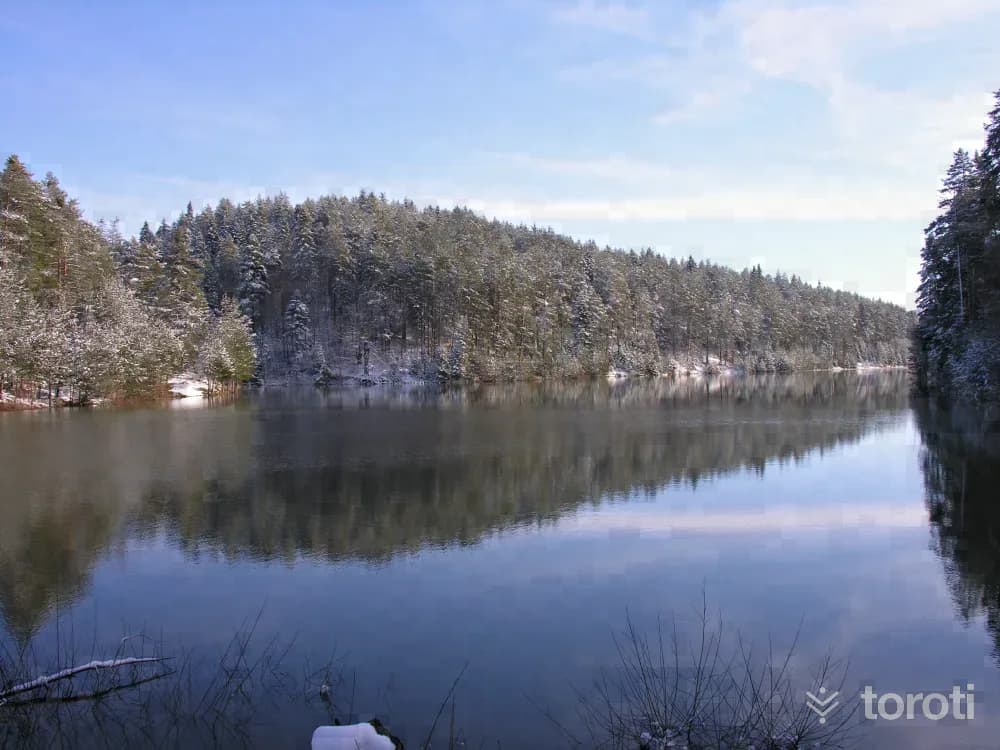
39
Bozcaarmut Göleti
Pazaryeri, Bilecik
Bozcaarmut Pond is a natural wonder that visitors cannot give up, with its untouched nature, suitability for angling, the meeting of the pine trees surrounding the lake with the waters, its air, silence, and extraordinary beauty. Where is Bozcaarmut Pond? It is near Bozcaarmut Village in the Pazaryeri district of Bilecik.
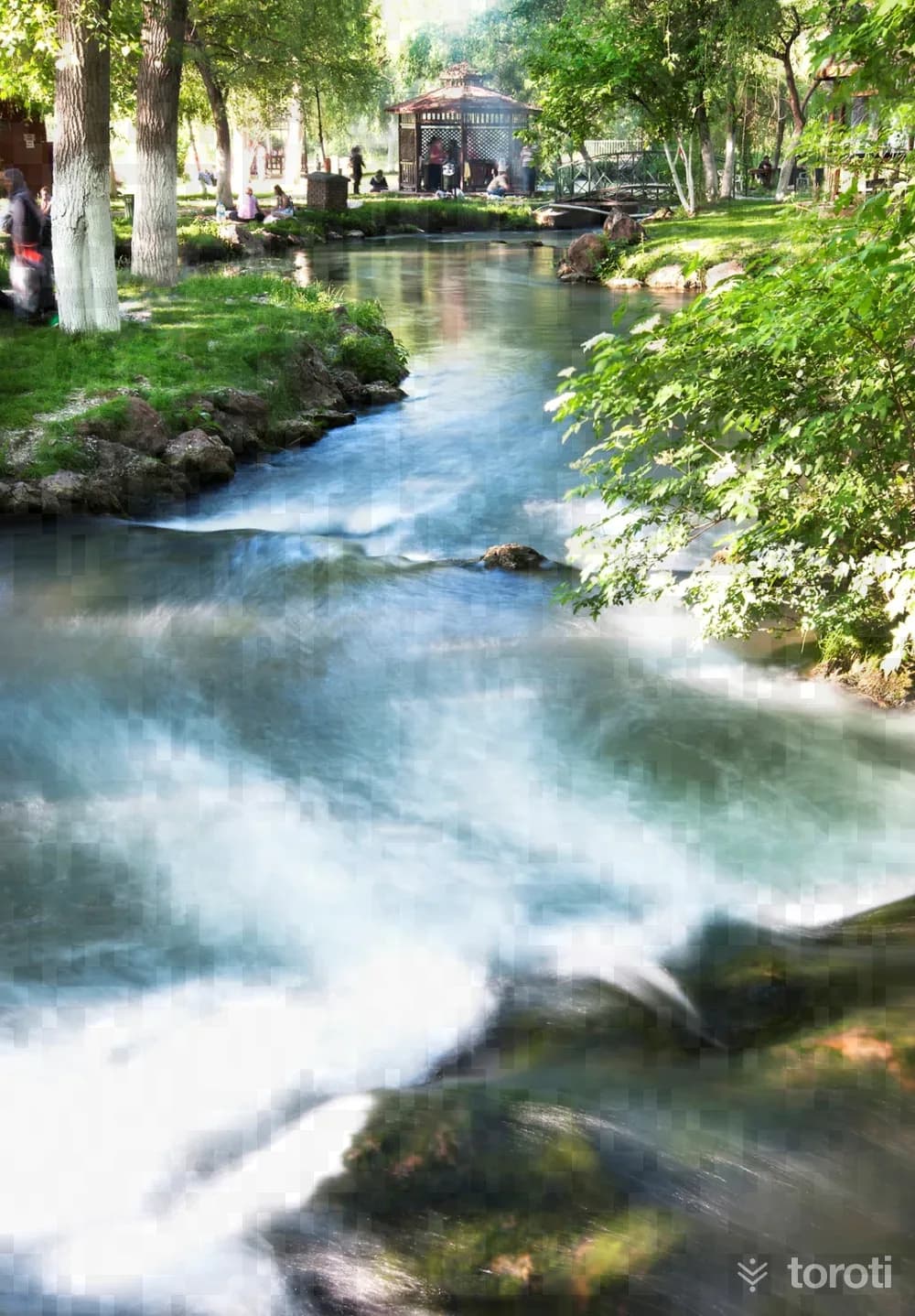
40
Türbin Mesire Yeri
Bozüyük, Bilecik
Türbin Mesire Yeri is a recreation and picnic area 7 kilometers from Bozüyük, rich in greenery, water and oxygen. Electricity is generated from the waterfall on the slope by means of a generator, and the area is known by this name from the turbine of the said generator. Due to the increase in demand for the recreation area, whose appearance has been beautified by the investments made by the municipality, the nearby empty area was also arranged and afforested and included in the recreation area.
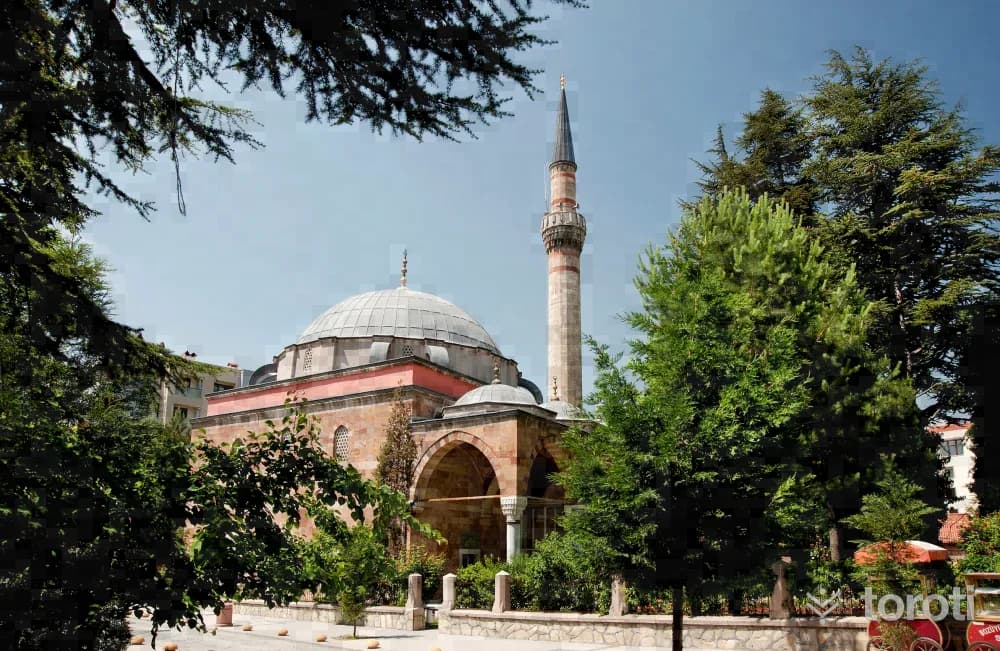
41
Kasim Paşa Camii
Bozüyük, Bilecik
It is one of the examples of classical Ottoman mosques and one of Mimar Sinan's apprentice works. It was commissioned by Kasım Paşa, one of the commanders who joined Kanuni Sultan Süleyman's Baghdad campaign, in the years 1525-1528. Its walls are of cut stone. The wooden shutters of the entrance door and the windows next to the mihrab, with their woodwork and ivory inlays, make the structure interesting. Its minbar is covered with tiles of various colors on white marble.
- No image
42
Metris Tepe Zafer Anıtı
Bozüyük, Bilecik
Located 12 km off the road at the end of the Bozüyük-Eskişehir highway, the monument was built on Metris Tepe, where the İnönü Battles were won and which the great leader Atatürk referred to in the congratulatory telegram he sent to İsmet İnönü, saying, "There you defeated not only the enemy, but also the nation's ill fate," in order to keep alive the noble memories of our martyrs.
- No image
43
Ertuğrul Gazi Mescidi (Kuyulu Mescid)
Söğüt, Bilecik
The masjid located on the bank of Söğüt Çayı is said to be the place where Ertuğrul Gazi first pitched a tent when he arrived with his tribe. The structure, which contains a well inside and is also called "Kuyulu Mescit," was commissioned by Ertuğrul Gazi before 1276, built by II. Abdülhamit on the same foundations in 1902, and underwent restoration in later years.
- No image
44
Hamidiye Camii
Söğüt, Bilecik
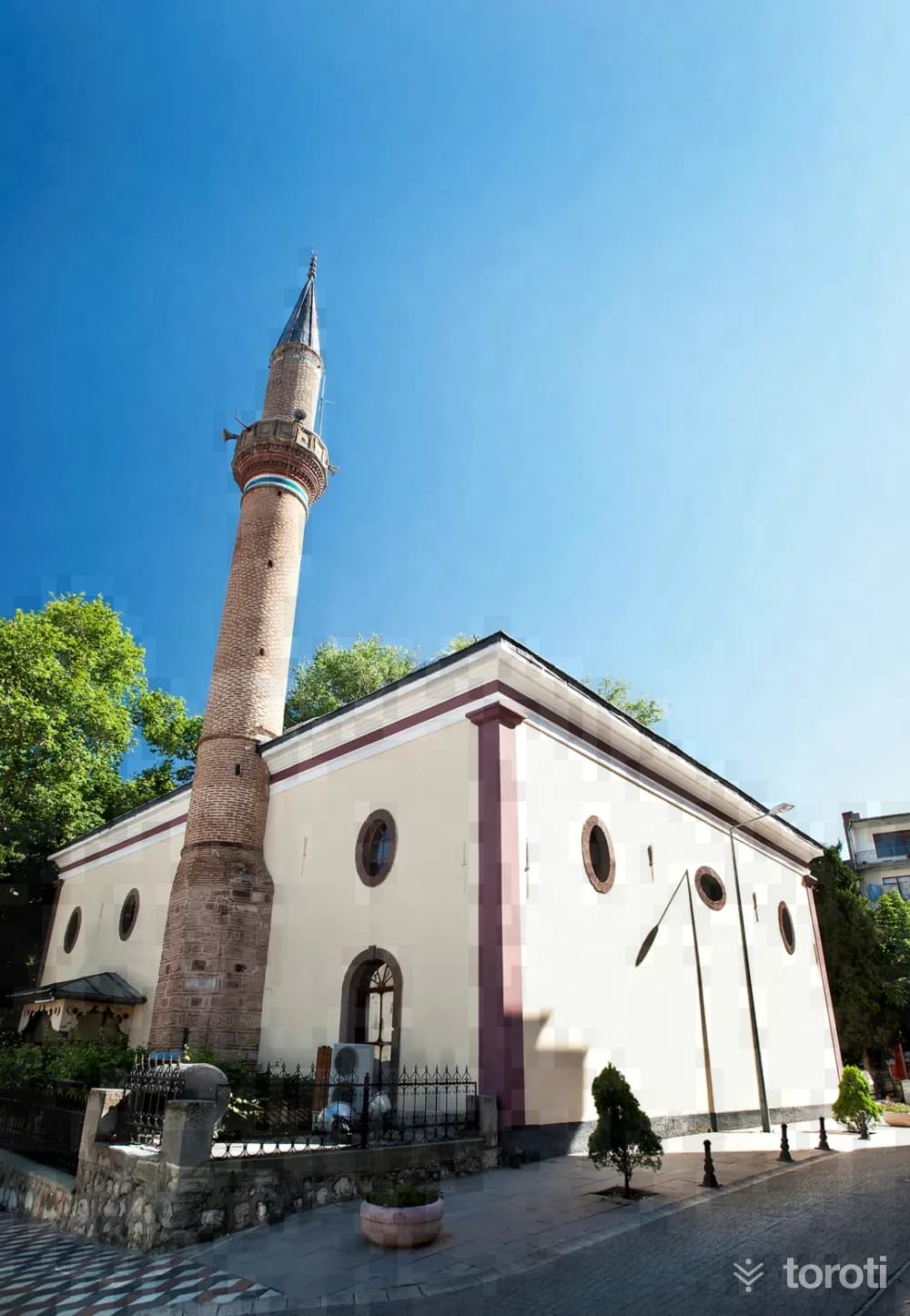
In Söğüt District, it is a fine example of the neo-classical architectural style of the late Ottoman period. It was commissioned by Abdülhamit II in 1903-1905. It has a square plan, and its walls are of red cut stone. The structure is covered with a single lead-clad dome. Since it has two minarets, it is also known among the local people as the "Çifte Minareli Camii".
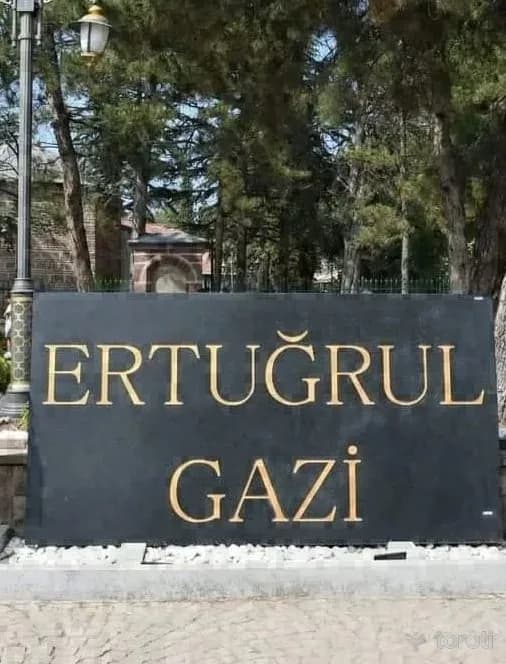
45
Ertuğrul Gazi Türbesi
Söğüt, Bilecik
Ertuğrul Gazi Tomb is the tomb of Seljuk frontier lord Ertuğrul Gazi, the father of Osman Gazi, the founder of the Ottoman Principality, located in the Söğüt district of Bilecik province. Hüseyin Zekai Paşa, Söğüt Ertuğrul Gazi Tomb The construction date of the structure, built at the end of the 13th century, is not known exactly. It was first built by Osman Gazi as an open grave, and later turned into a tomb by I. Mehmet Çelebi. In 1757, III.
46
Çelebi Mehmet Camii
Söğüt, Bilecik
It was commissioned by Sultan Mehmed I Çelebi between 1414—1420 and is among the first examples of Ottoman architectural art in the type of domed structures. The Mosque, which has a rectangular appearance and 12 domes, was repaired by Sultan Abdülhamit II and underwent some changes as it was enlarged during the restoration.
- No image
47
Kaya Tirmanişi
Odunpazarı, Eskişehir
The areas most commonly used for basic training to practice this sport, which brings together balance, aesthetics, flexibility and strength, in Eskişehir are Bozdağ in the Sündiken Mountains, Kızıltepe in the Sakarılıca Baths, and the Taştepe area of Mayıslar village. For rock climbing training, the cliffs of Kızılinler and Sivrihisar are used. Source: - Eskişehir Governorship.(2014). Eskişehir Guide(5.
- No image
48
Düdensuyu
Odunpazarı, Eskişehir
It is connected to Düdensuyu Stream near the village of Beyyayla, which is affiliated with Sarıcakaya. Düdensuyu Stream enters through the southeast-facing mouth of the cave and exits through the northwest-facing mouth. The gallery carved by Düdensuyu Stream within the rock mass is quite wide. The stream has formed small pools in places inside the cave. In seasons when the water level is high, it is necessary to use a boat to cross these pools. Bibliography: - Eskişehir Governorship.(2014).
- No image
49
Çalpinar Mağarası
Odunpazarı, Eskişehir
It is located to the northwest of Kale Tepe (1490 m), 2 km north of Dağcı village, which is 7 km west of Mihalıççık. The cave, situated on the right slope of Pazar Çayı, which joins Koca Çay, a major tributary of the Porsuk River, is reached by taking the road to Dağcı village that branches off at the 5th km of the Mihalıçcık-Eskişehir road. From the village, a 3 km stabilized road extends to the front of the cave. Bibliography: - Eskişehir Governorship.(2014).
- No image
50
Yarimkaya Mağarası
Odunpazarı, Eskişehir
It is located on the left slope of Değirmen Deresi near Kayı village, connected to Han. It can be reached via the Eskişehir-Çifteler-Han-Kayı village or Eskişehir-Seyitgazi- Bardakçı-Karağaç-Kayı village roads. There is a road up to the front of the cave, which is 1.5 km south of Kayı village. It is a horizontally developed cave in the form of a sinkhole. Its entrance is 20 m above the valley floor; it is in the form of a steep vertical shaft of -3 m. Source: - Eskişehir Governorship.(2014). Eskişehir Guide(5.
- No image
51
Eşekini Mağarası
Odunpazarı, Eskişehir
It is located on the right slope of Çayboğazı Stream, 2 km north of Sorkun village, which is 15 km northwest of Mihalıççık. This road, which goes along Çayboğazı Stream after the Sorkun village turnoff from the Mihalıçcık-Nallıhan highway, reaches just above the cave after 1.5 km. From here, the cave is reached with a 10-minute walk. It is a fossil cave that has completed its development. It has two entrances. Source: - Eskişehir Governorship.(2014).
52
Üryan Baba Türbesi
Seyitgazi, Eskişehir
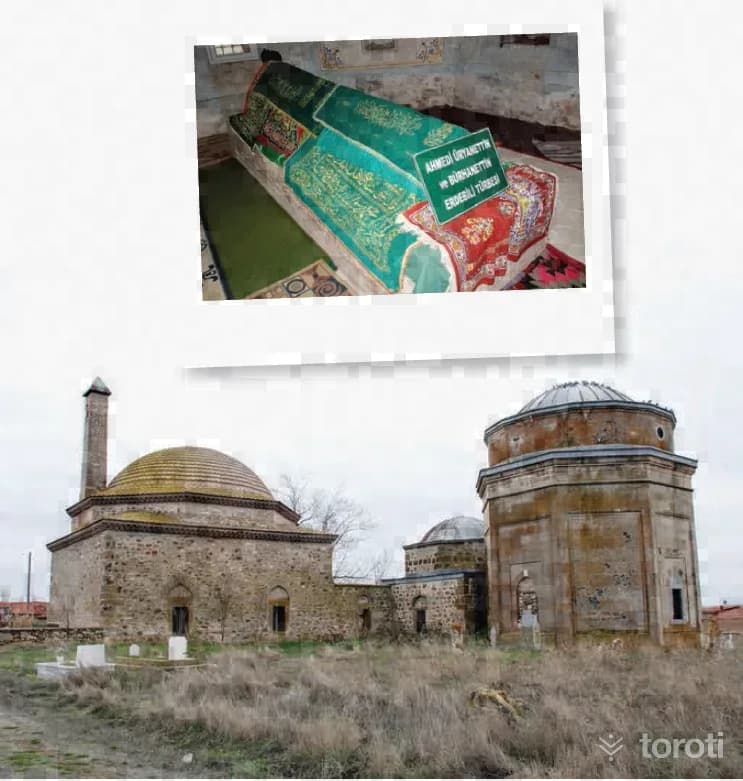
There is almost no information about Üryan Baba in the sources. However, it is known that this figure was a Kalenderi dervish. In addition, the fact that the idea of nudity, which exists in the religious foundations of both Melami, Haydari and Cavlaki, as well as Kalenderi, is evaluated in a more abstract way with such a name also suggests that this is connected with the verbal discourse gaining power and meaning on a much more real level.
53
Melik Gazi Türbesi
Seyitgazi, Eskişehir
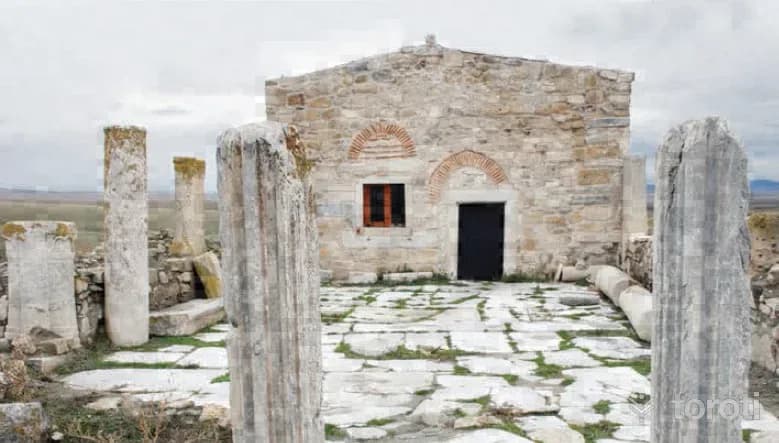
After Danişmend Gazi died in 1105, he was succeeded by his eldest son, Emir (Melîk) Gazi, who ruled for approximately thirty years. After the death of Danişmend Gazi, struggles for the throne arose among the members of the dynasty. Taking advantage of this, I. Kılıç Aslan captured Malatya. Emir (Melik) Gazi was initially subject to the Anatolian Seljuks.
54
Karakaya
Sivrihisar, Eskişehir
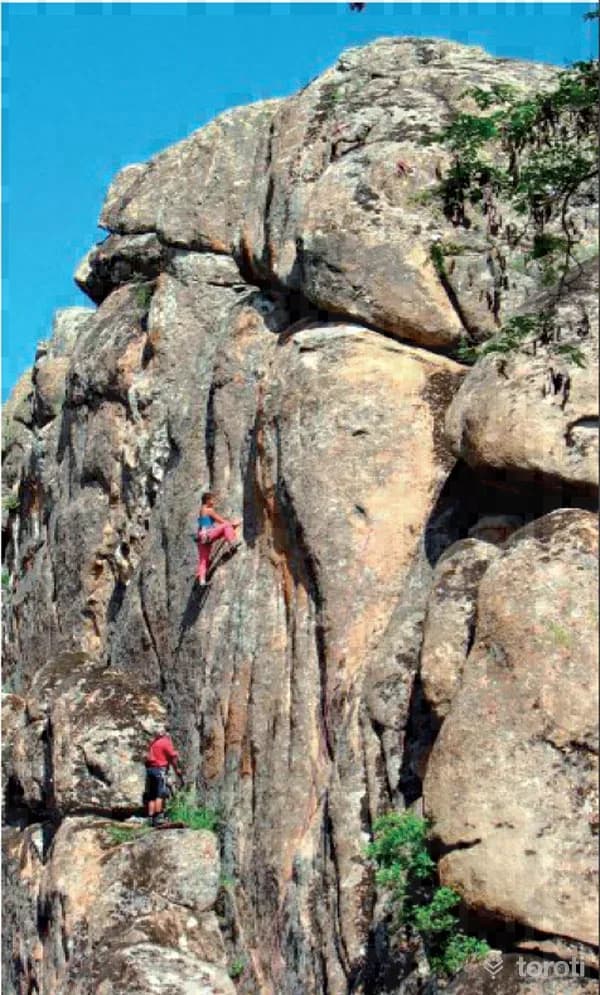
Karakaya, a beautiful village reached by a 4 km road to the left immediately after the town of Kaymaz at the 60th km of the Eskişehir-Ankara highway, attracts great interest with its granite rock formations that are very suitable for rock climbing. The most suitable seasons for climbing are spring, summer and autumn. Since most of the routes are on the north face of the rocks, they are shaded all day in summer except for the early hours. As winter is very cold, climbing is difficult even if the weather is dry.
Move the stops into your own plan, split them across days, and add places to sleep and eat.
Frequently asked
- How far is it between İstanbul and Eskişehir, and how long does it take?
- Driving between İstanbul and Eskişehir is roughly 430 kilometres and takes about 5 hours without stops.
- Where is it worth stopping between İstanbul and Eskişehir?
- There are 718 described places within 20 km of the road between İstanbul and Eskişehir. toroti lists 54 of them spread evenly along the drive, in the order you pass them; Avrupa Kültür Başkenti Mübadele Müzesi comes early on, and Karakaya sits near the end.
- Which provinces does the İstanbul to Eskişehir route cross?
- The route between İstanbul and Eskişehir crosses İstanbul → Kocaeli → Yalova → Bursa → Kütahya → Bilecik → Eskişehir. The stretch richest in places to visit is in Bursa.
- Should I take the toll highway or traditional route between İstanbul and Eskişehir?
- Toll motorways save driving time between İstanbul and Eskişehir, whereas traditional state roads pass directly through historic town centers, local culinary stops, and scenic nature viewpoints.
- How should breaks be scheduled between İstanbul and Eskişehir?
- For a drive of around 5 hours, taking a break every 2 to 2.5 hours is recommended. The catalogued attractions in Bursa and neighboring provinces offer memorable stopovers compared to generic highway rest areas.