
Stops along the way
Stops between Ankara and Erzurum
1031 km, roughly 14 hours of driving. The stops below are ordered as you pass them — the same road in both directions.
In short
The drive between Ankara and Erzurum is 1031 km and takes roughly 14 hours. There are 529 described places within 20 km of this route; it crosses 9 provinces, and the densest stretch is in Ankara (127 places).
There are 529 places within 20 km of this corridor; the 46 below are spread evenly along the drive.
- No image
1
Seğmenler Parkı
Çankaya, Ankara
The park, opened in 1983 in the Kavaklıdere district, has a large amphitheater. The park, located in the valley between Atatürk Bulvarı and İran Caddesi, has a 40 thousand square meter lawn area and a 250 square meter children's playground area, and totals 57 thousand 250 square meters. It contains pools, a children's garden, واسعة walking areas, and the Seymenler Monument, which is the symbol of Ankara folklore.
- No image
2
Türk Hava Kurumu Müzesi
Altındağ, Ankara
This museum was planned with the aim of showing the stages of progress of Turkish Aviation and passing this on to future generations. In the Türk Hava Kurumu Müzesi, built next to the historic parachute tower, in addition to the history section where the firsts of Turkish Aviation are explained, extensive information about THK is also included. This information is supported by historical documents, photographs and various models.
- No image
3
Prof. Dr. Ülker Muncuk Müzesi
Yenimahalle, Ankara
It was established in 1974 within the aforementioned school under the leadership of a group of idealist teachers of the Girls' Technical Higher Teachers' School and Ülker Muncuk. The museum began operating on 02.07.1982 as a private museum under the supervision of the Directorate of the Ethnography Museum.
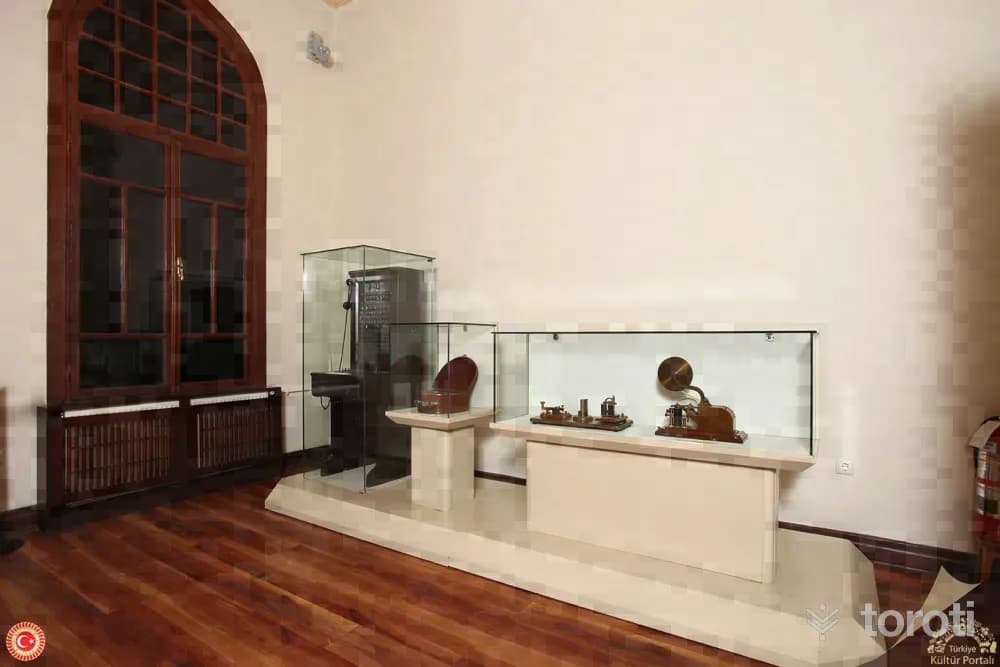
4
Kurtuluş Savaşı Müzesi
Altındağ, Ankara
War of Independence Museum (First TBMM Building) History of the First Grand National Assembly of Turkey Building The building used as the First Grand National Assembly of Turkey building was constructed in its time as a party building. In 1916, it was decided to build it as the Committee of Union and Progress building. By order of Minister of War Enver Pasha, the building was designed by Architect Salim Bey, and the construction work of the project was assigned to Military Architect Hasip Bey.
5
Atatürk Konutu Ve Demiryollari Müzesi
Altındağ, Ankara
One of the few state buildings in Ankara during the War of Independence, the “Direksiyon Binası” continues to be a living witness to the national struggle. When you visit this building, where important historical decisions were made, you will take a journey through time to the years of struggle and witness the spirit of the years when the Republic was founded.
- No image
6
Tuz Gölü
Şereflikoçhisar, Ankara
Tuz Gölü, Turkey's second largest lake by surface area, is located at the deepest point of a wide tectonic depression buried between the surrounding plateaus. Under less rainy climatic conditions, the lake's surface area has shrunk. The lake, which has become even smaller over time, has reached its present state. 40% of Turkey's salt requirement is supplied from this lake.
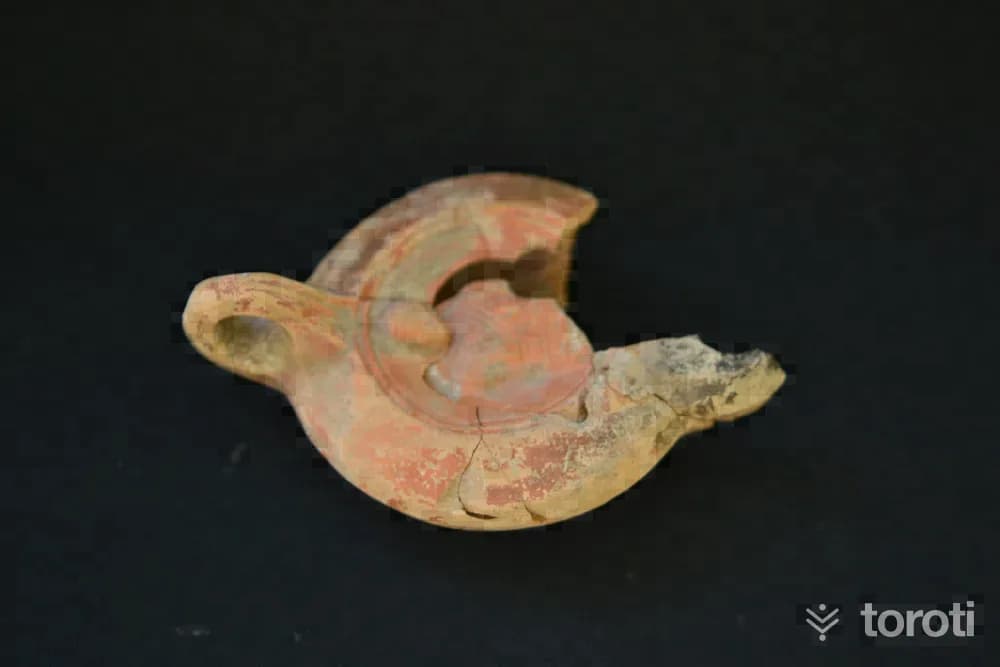
7
Merkez Kalehöyük
Kırşehir merkez, Kırşehir
Kalehöyük is a historical mound located in the center of Kırşehir. This site, which contains remnants of ancient settlements, is named a castle due to its height.
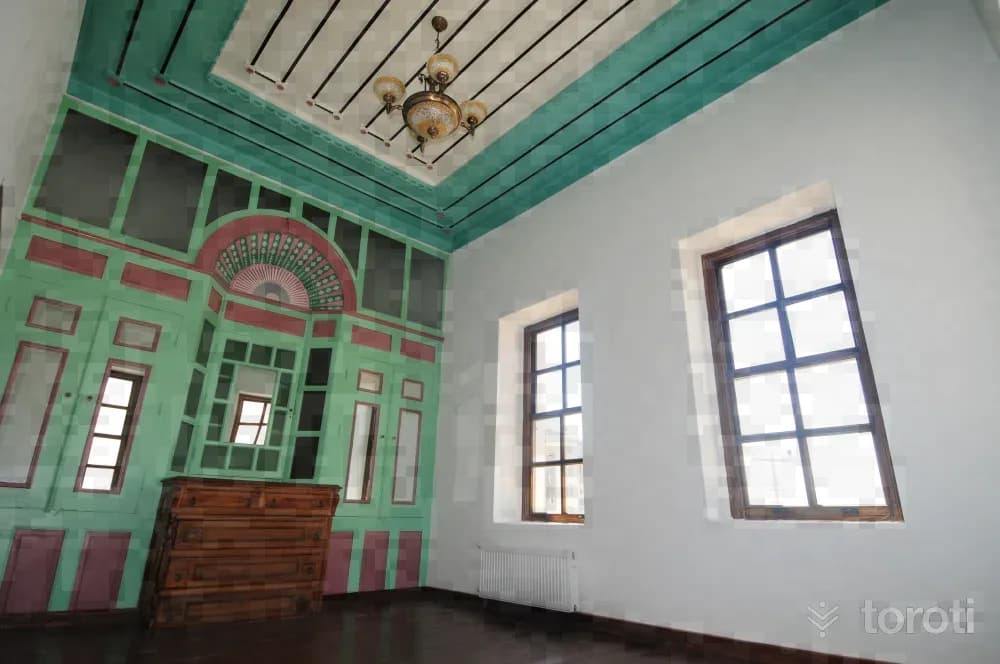
8
Hacibey Konağı
Kırşehir merkez, Kırşehir
Hacibey Mansion is one of the first examples of civil architecture from the Republican Era, located in Kırşehir.
9
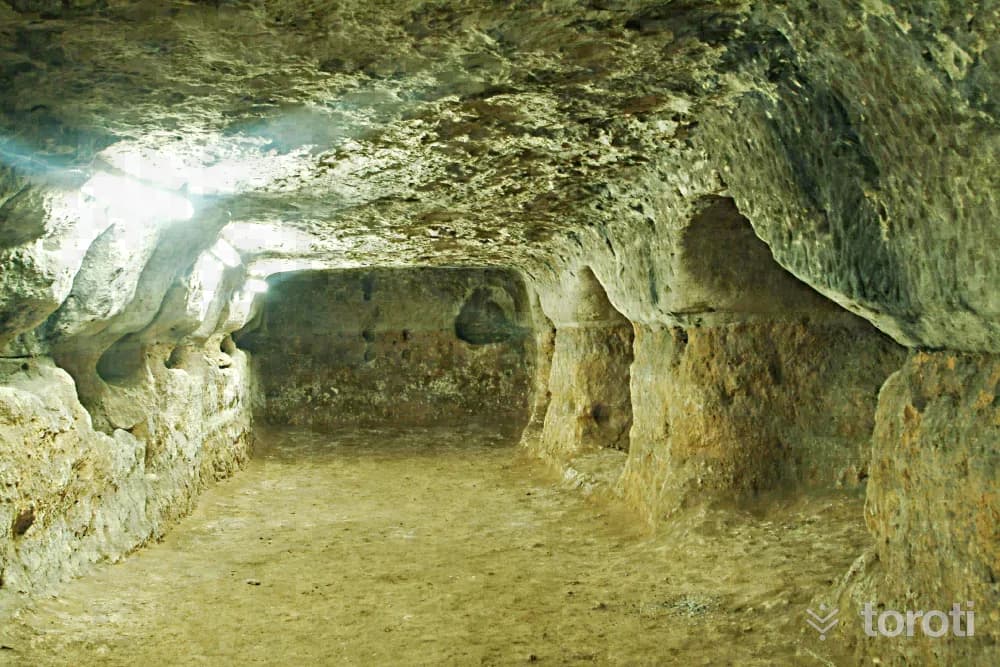
Kepez Yeraltı Şehri
Mucur, Kırşehir
Kepez Underground City is a historical tourist site located 14 kilometers away from Mucur district in Kırşehir. Opened to visitors in 2002, it consists of numerous galleries and rooms.
10
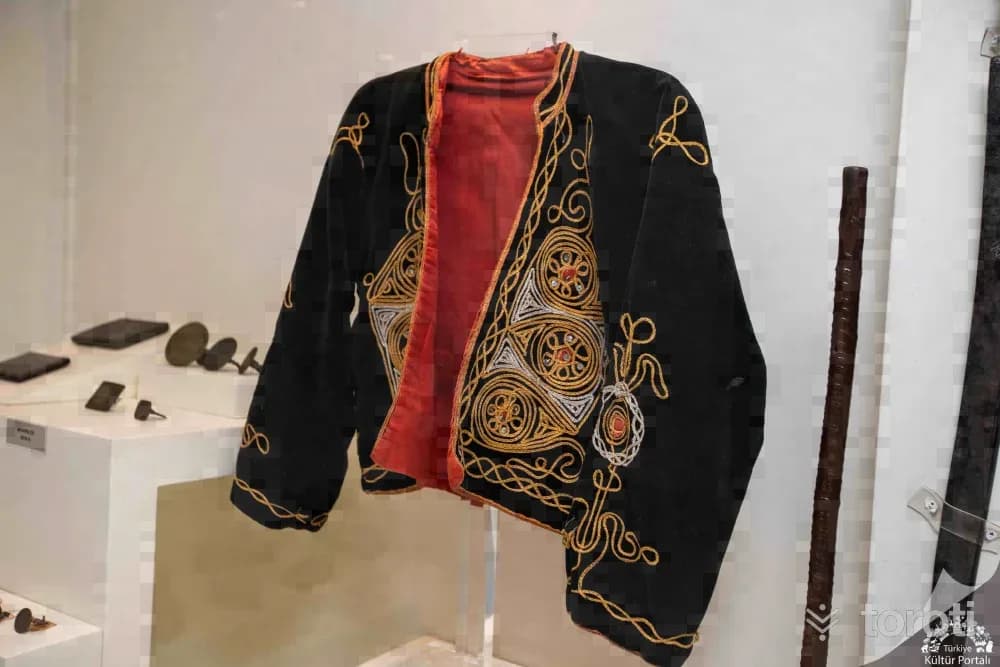
Hacibektaş Arkeoloji Ve Etnografya Müzesi
Hacıbektaş, Nevşehir
The Hacibektaş Archaeology and Ethnography Museum, opened in 1988, showcases archaeological and ethnographic artifacts from the region.
11
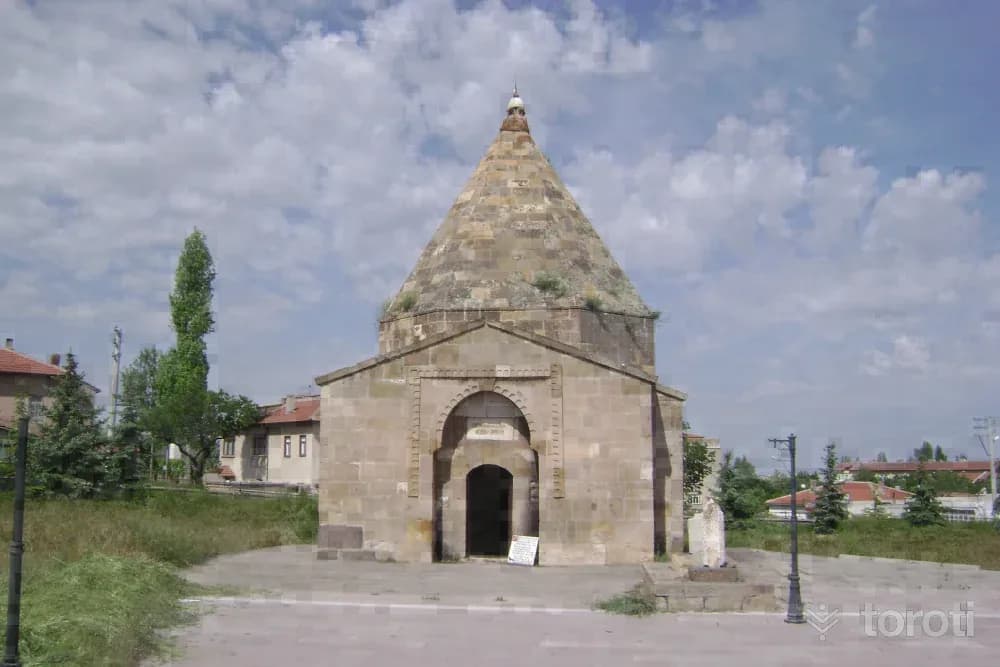
Bektaş Efendi Türbesi
Hacıbektaş, Nevşehir
The Bektaş Efendi Tomb is a historical structure from the Ottoman Period and is open to visitors.
12
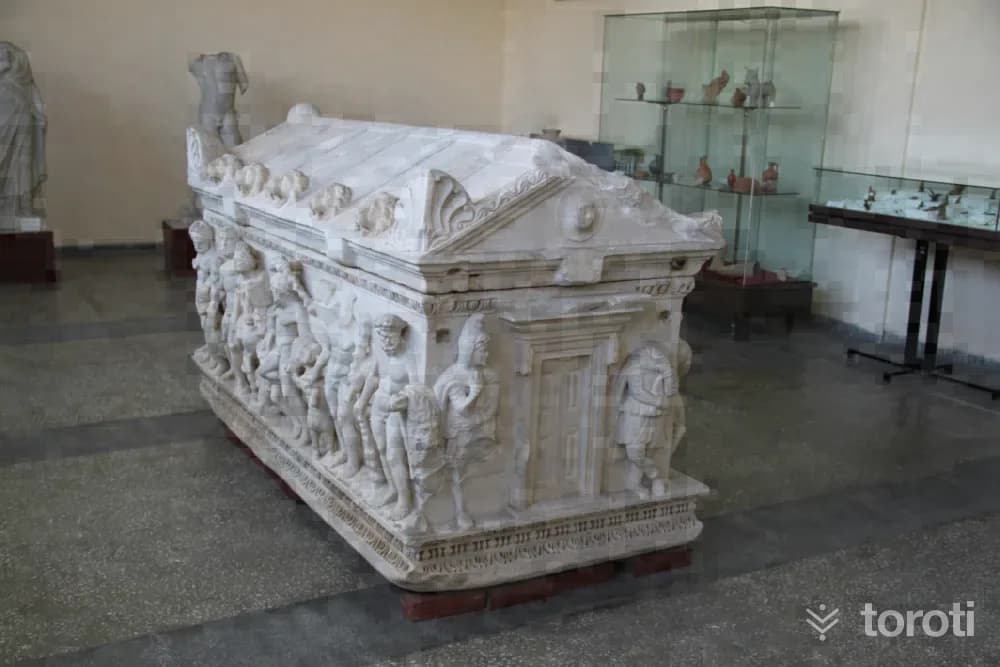
Kayseri Arkeoloji Müzesi
Melikgazi, Kayseri
Kayseri Archaeology Museum is located within Kayseri Castle and showcases historical artifacts from the region.
13
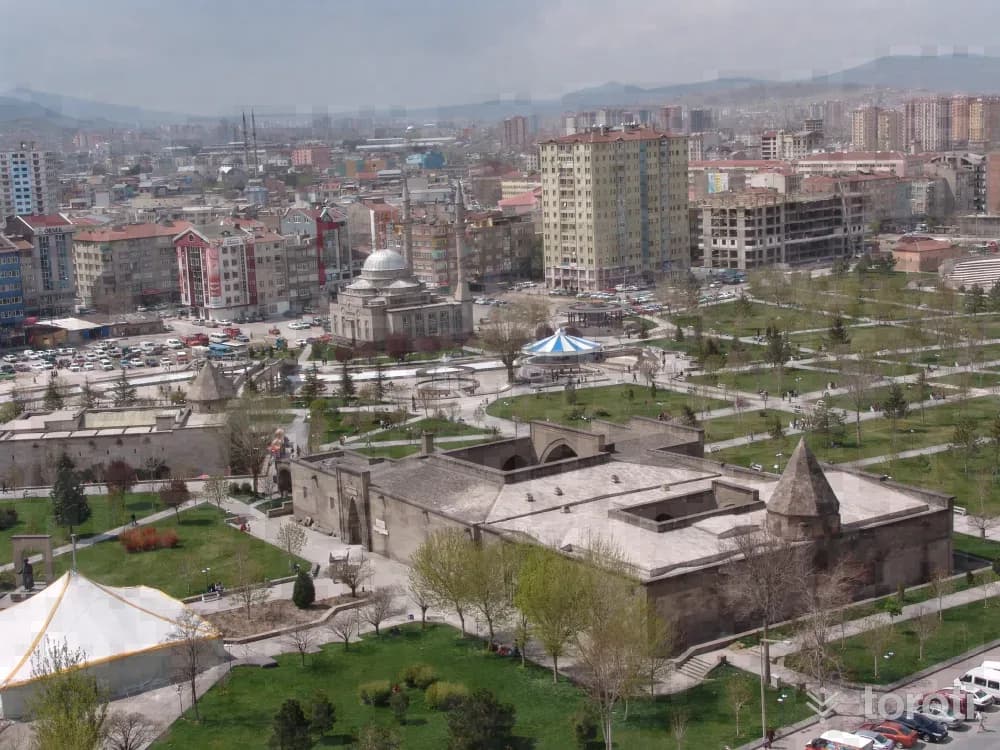
Şifahiye Ve Giyasiye Medresesi
Kocasinan, Kayseri
The Şifahiye and Giyasiye Medresesi is a historical structure built upon the will of Gevher Nesibe Sultan. It is notable for its high ceilings and beautiful stone craftsmanship.
14
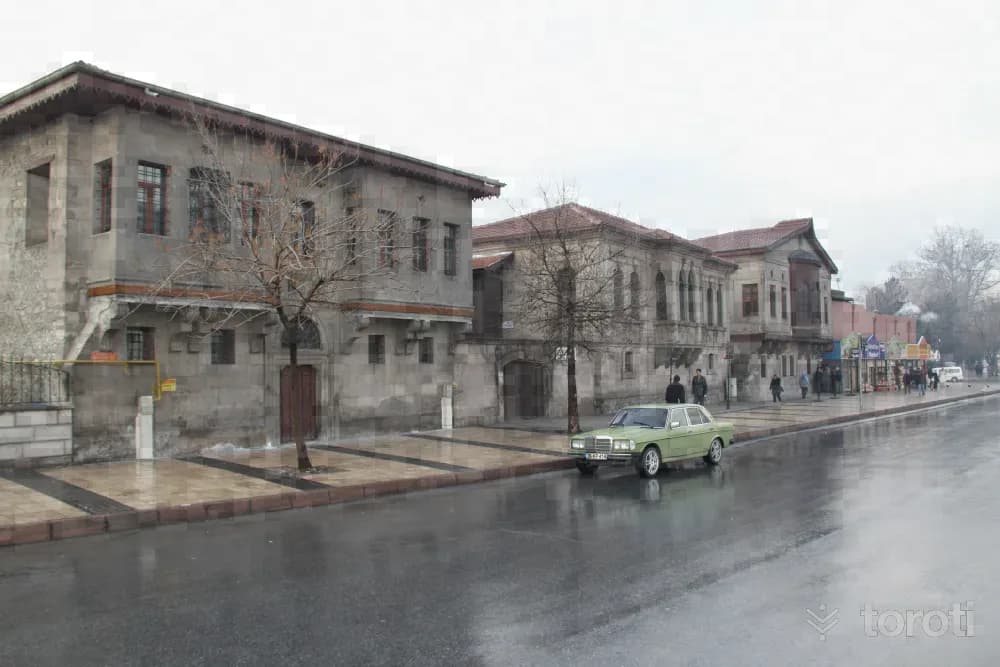
Kayseri Evleri
Melikgazi, Kayseri
Kayseri houses are an important cultural heritage that carries the beauty of the past to the present with their traditional architecture and elegant decorations.
15
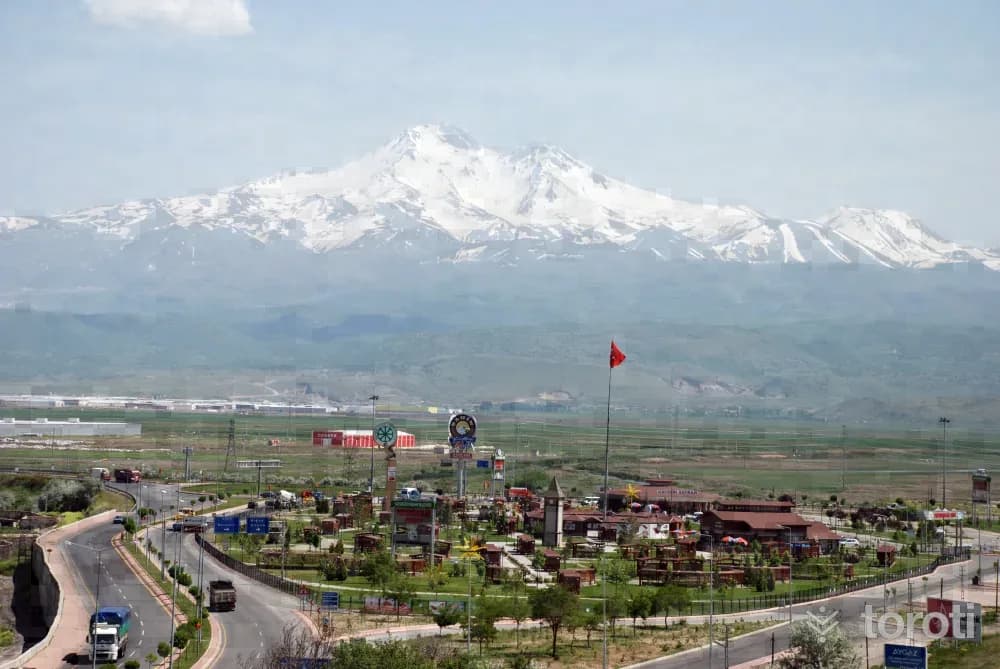
Kayseri Mesire Yerleri
Melikgazi, Kayseri
Kayseri Recreation Areas offer visitors indispensable picnic spots and walking trails with beautiful views.
- No image
16
Köşk Medresesi
Melikgazi, Kayseri
Köşk Medresesi was built by Aleaddin Eratna, the founder of the Eratna Beyliği, in honor of his wife and features an important tomb in its courtyard.
17
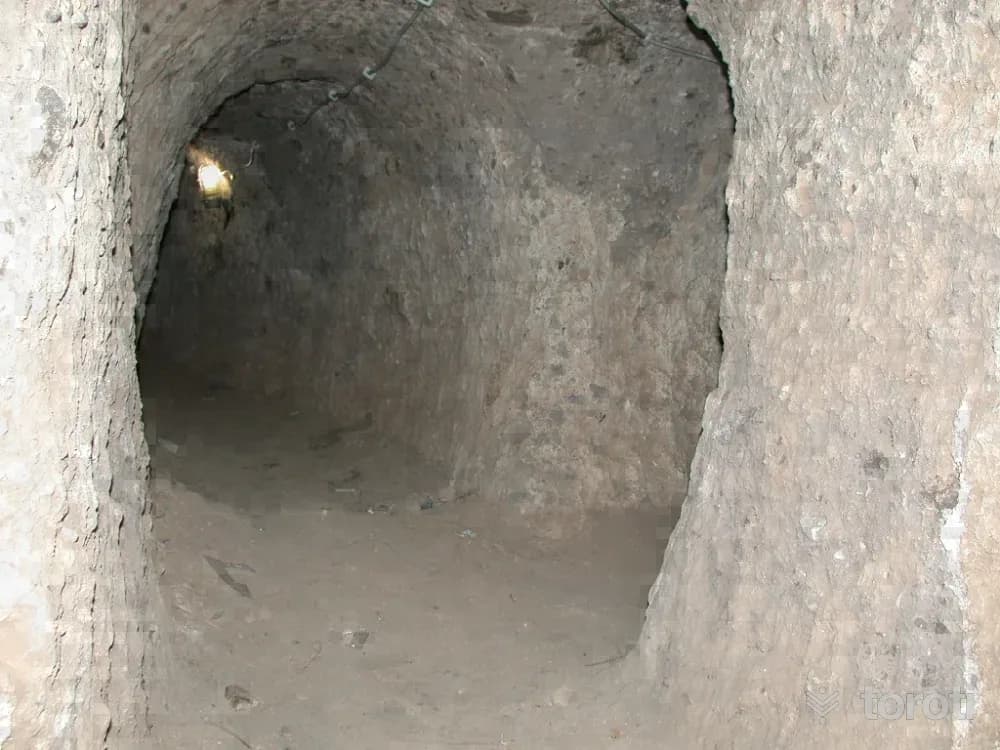
Ali Dağı Yer Altı Şehri
Talas, Kayseri
Ali Dağı Underground City is located in the Talas district and was opened to tourism in 2010. With a total gallery length of 528 meters, this underground structure does not fully qualify as an 'Underground City' compared to other underground cities.
- No image
18
Han Camii
Talas, Kayseri
The Han Mosque, built in the 13th century during the Seljuk period, is notable for its domeless structure and interior architecture featuring six windows.
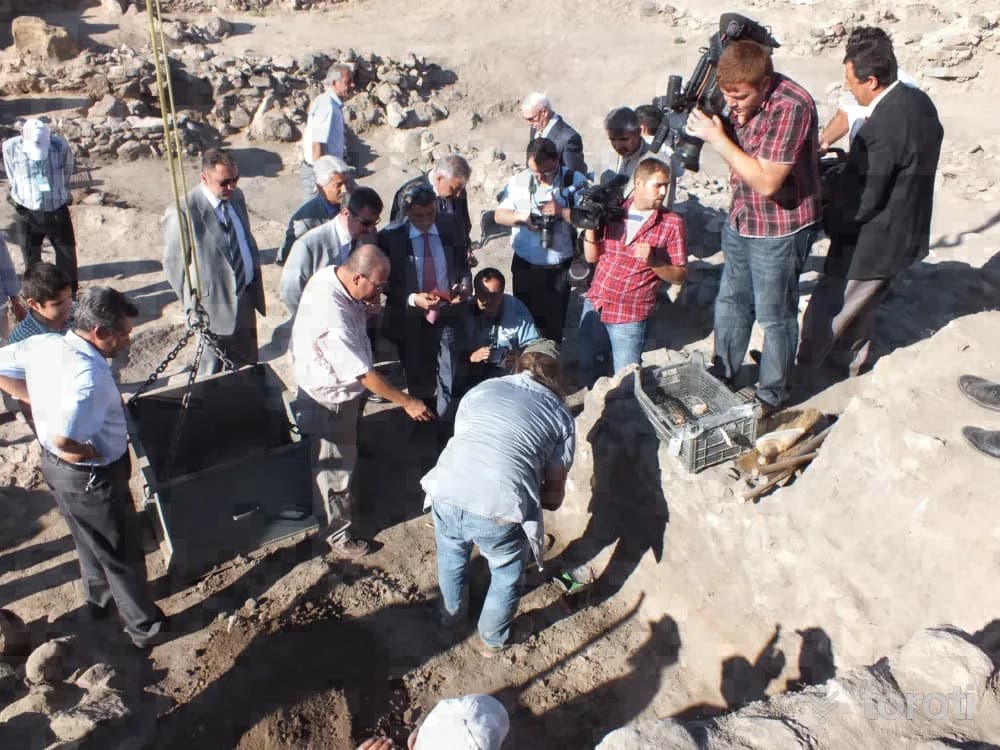
19
Kültepe Ören Yeri
Kocasinan, Kayseri
Kültepe Archaeological Site is known as the center of the ancient kingdom of Kaniş and is recognized as the world's first organized trade center. It holds significant historical importance with its written tablets dating back to the 2nd millennium BC.
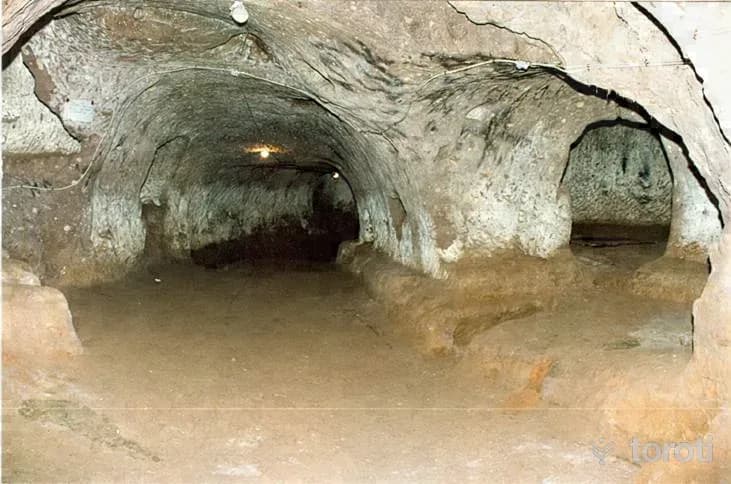
20
Ağırnas Yer Altı Şehri
Melikgazi, Kayseri
Ağırnas Underground City is a settlement center with historical remains dating back 3,000 years.
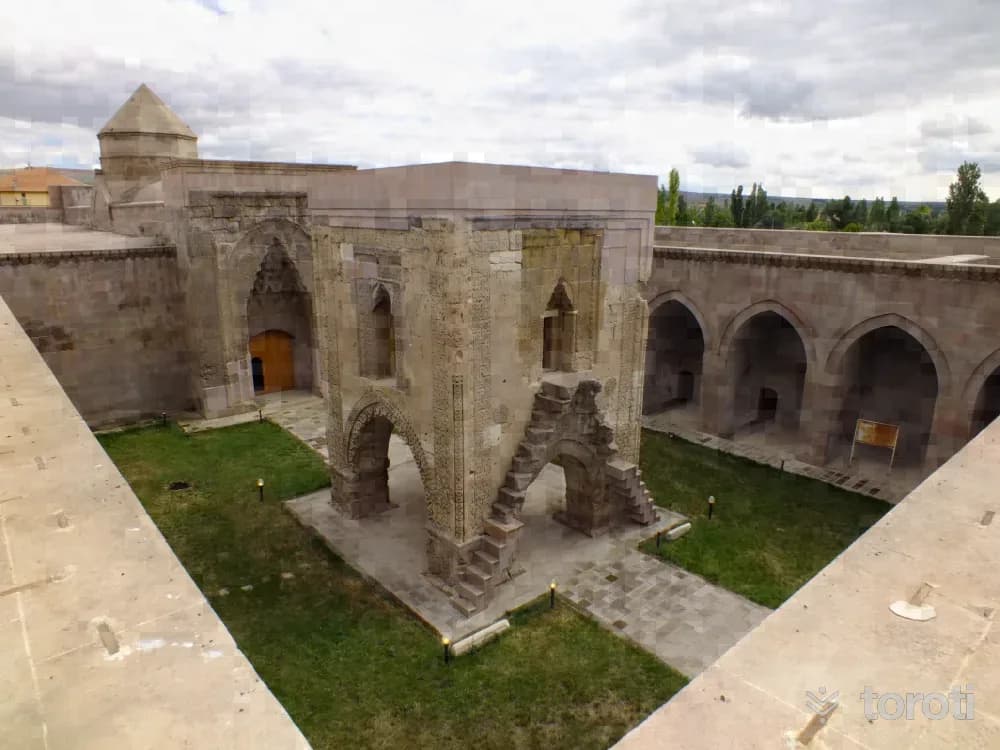
21
Sultanhanı Kervansarayı
Bünyan, Kayseri
Sultanhanı Caravanserai is on the Kayseri-Sivas highway and is 47 km from Kayseri. It is inside the village bearing the same name. It was built between 1232-1236 during the reign of the Seljuk Sultan Alaeddin Keykubat I. In some publications, it is also referred to as Tuzhisarı Sultan Hanı. Photo: General Directorate of Promotion Sultanhanı Caravanserai is one of the typical Seljuk caravanserais.
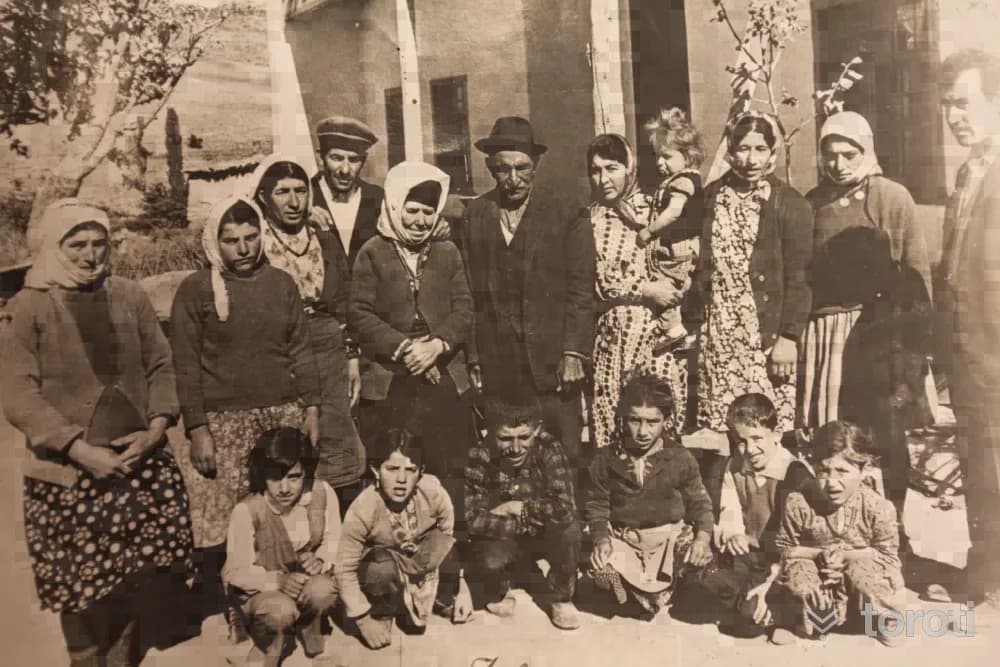
22
Aşik Veysel Müzesi
Şarkışla, Sivas
The house of Folk Poet Âşık Veysel Şatıroğlu, located in Sivrialan Village, was expropriated by the Ministry of Culture in 1979 and opened to visitors as a museum in 1982.
23
Yari Açik Cezaevi
Sivas merkez, Sivas
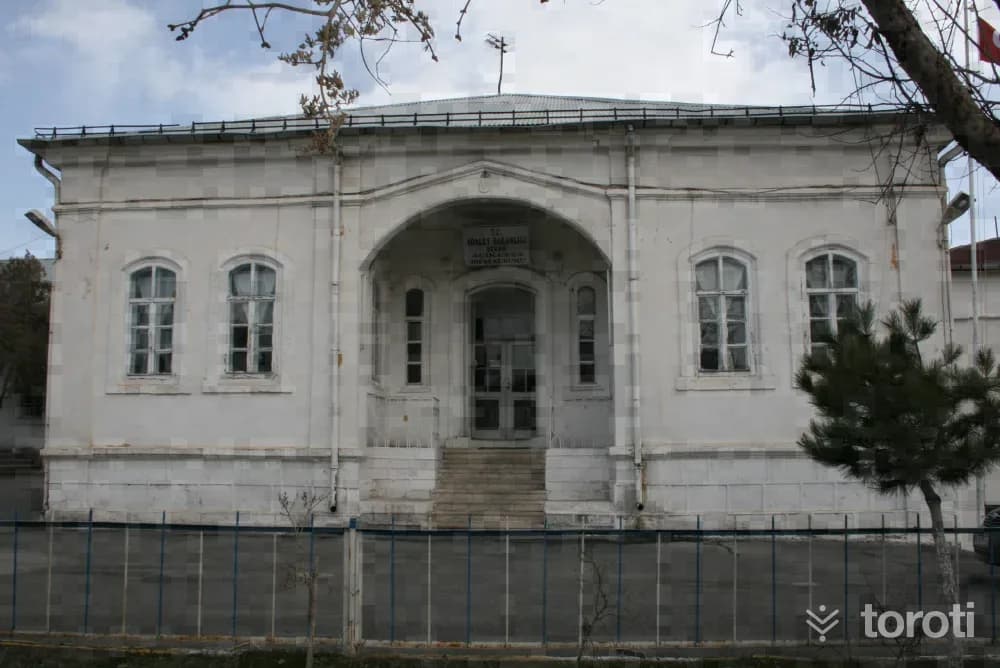
The place of the original inscription, located above the central entrance with stepped wooden columns on both sides of the “U”-planned Yarı Açık Cezaevi, can be seen. According to the five-line inscription written on marble, the building was constructed in 1902 by Sivas Governor Reşit Akif Paşa as the Sanayi Mektebi (Sanat Okulu). Yarı Açık Cezaevi was used as the Carpet Workshop of the Sanat Okulu and, in later years, was separated from the other buildings of the school because of the road passing in front of the structure.
24
Sivas Ulu Cami
Sivas merkez, Sivas
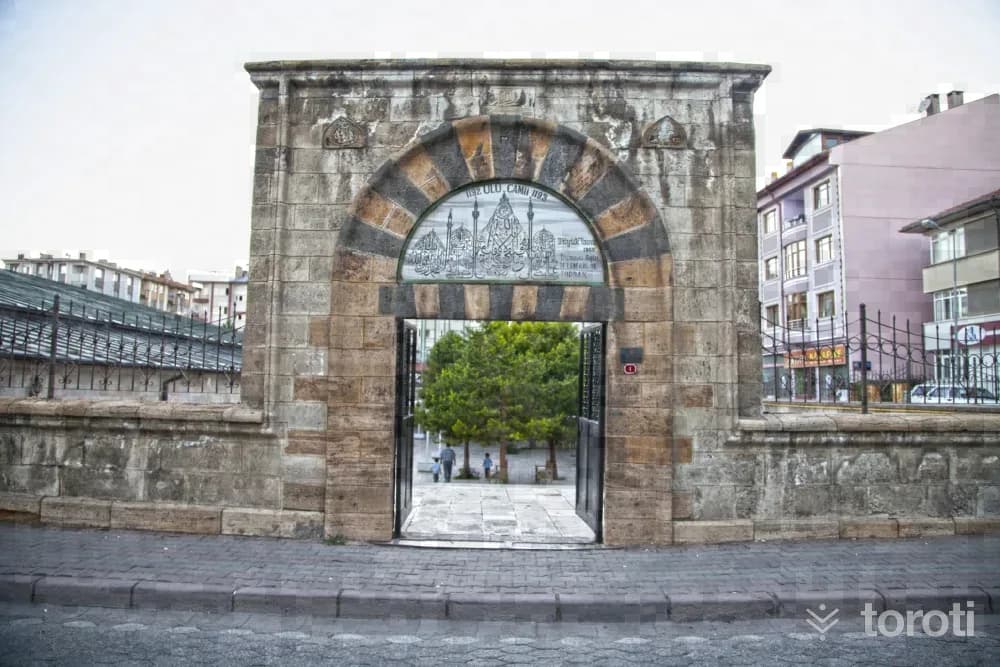
It is one of the oldest mosques in Anatolia. In the architectural history of Anatolia, it is an important structure in the development of the idea of the mosque interior. It is one of the rare examples belonging to the class of flat-roofed, rectangular-plan, kufe-type mosques, with entrances to its courtyard from three sides. It was built in a period when the idea of the dome had not yet developed. According to some scholars, it is also accepted as a work of the Danişmendi period. The Danişmendlis settled in Sivas, Kayseri and Malatya between 1085–1178.
25
Eski Göğüs Hastanesi / Çevre Kültür Sanat Evi
Sivas merkez, Sivas
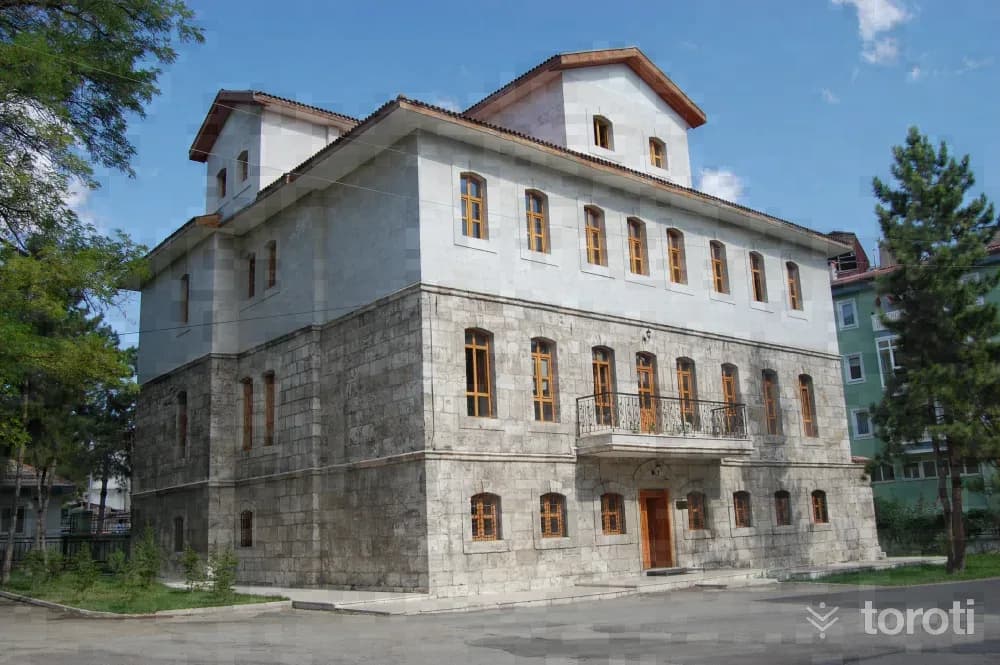
Çevre Kültür Sanat Evi aslında bir sağlık kurumudur. 1. Dünya Savaşı'ndan önce yapı Fransız Hastanesi olarak kullanılmıştır. 1920 yılında Memleket Hastanesi, 1925 yılında Öksüzler Yurdu'nun yatakhane binasıdır. Daha sonra Numune Hastanesi olarak görevini sürdürmüştür. Bugün Numune Hastanesi yapılınca Verem Hastanesi'ne dönüştürülmüştür. 1976 yılına kadar Göğüs Hastanesi olarak kullanılan yapı, bu tarihten sonra sağlık müdürlüğü olarak kullanılmıştır.
- No image
26
Kurşunlu Hamam
Sivas merkez, Sivas
As understood from its inscription, it was built as a double bath in 1576 by Belhram Paşa. It reflects the characteristics of classical baths of the Ottoman period in Sivas. It has a rectangular plan measuring 32.50 x40.50 m externally, the walls were built entirely of cut stone, and the domes were constructed of brick. The bath, which is still in well-maintained condition, is open for service with its men's and women's sections.
- No image
27
Eğri Köprü
Sivas merkez, Sivas
It was built by the Seljuks in the 12th century on the Kızılırmak, which slopes from east to west, to the south of Sivas. The bridge, which is slightly higher than the land in the direction of the entrance to Sivas, continues for meters with a very slight rise. When it reaches its highest point, it turns left at an angle of approximately 130 degrees. It levels off with the land at a steeper incline than the previous rise.
28
Dipsiz Göl
Zara, Sivas
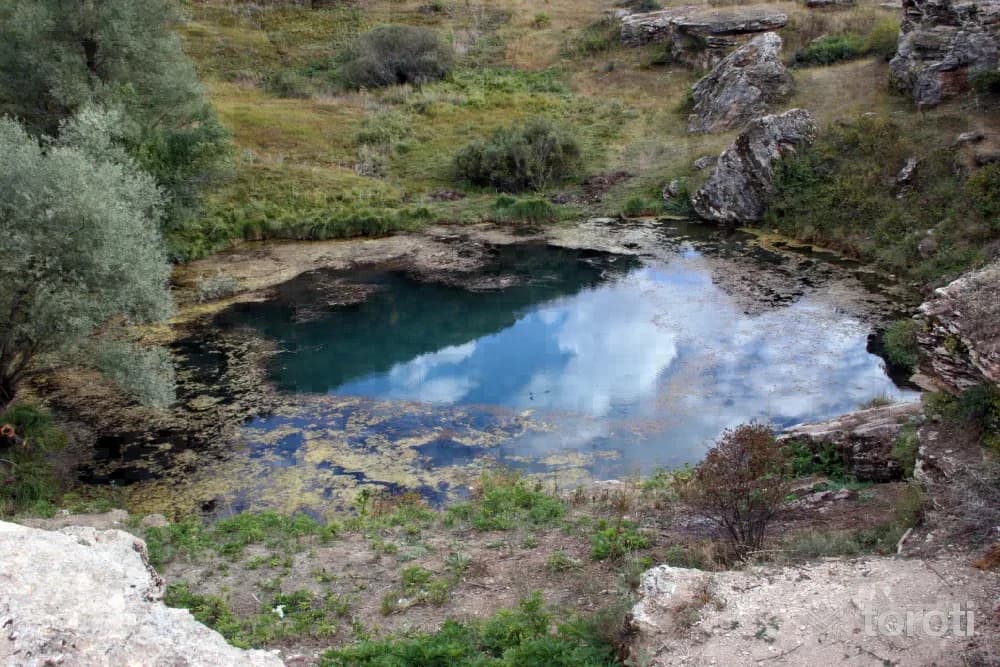
In Doğanşar District, where a mountainous land structure is dominant, plateaus cover a large area. Its vegetation is richer than that of Sivas and its surroundings. Beech, fir, and Scots pine forests constitute its most important feature in this respect. Although Dipsiz Göl has a small area, it is of a beauty worth visiting and seeing with the groves and countryside views around it.
- No image
29
Koyunkaya Mesire Yeri
İmranlı, Sivas
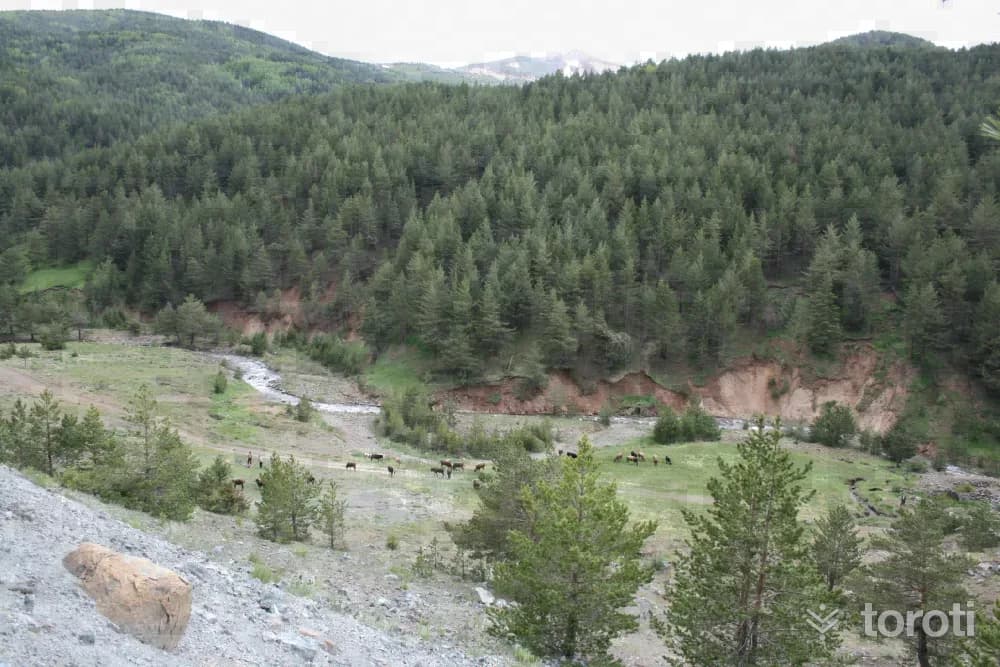
Although it is 12 kilometers from the İmranlı district, it has a difficult road. It reveals the natural beauties it hides only to those who can endure the road conditions. Koyunkaya Mesire Yeri will show you greenery full of daisies, streams, waterfalls, and waters emerging from the rocks all along the way.
30
İmranli Koyunkaya Mesiresi
İmranlı, Sivas
The beauty of the abundantly flowing water springs among the pine forests will be worth the effort you make to get here.
31
Gölova Önemli Doğa Alanı
Gölova, Sivas
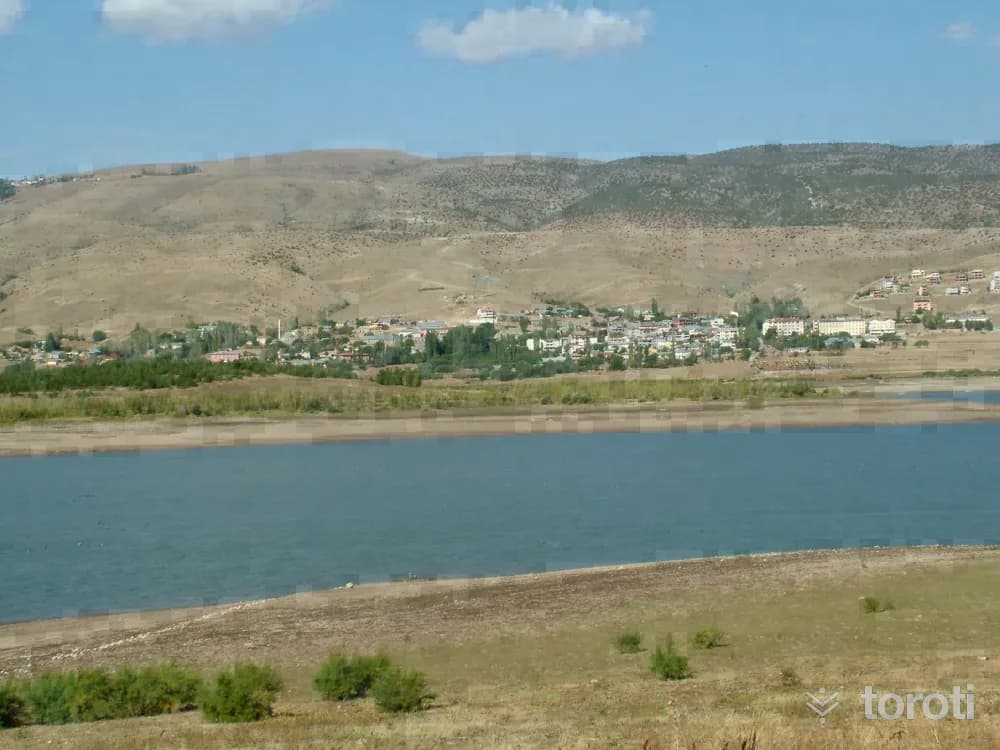
Gölova is one of the points in the province and the region that should be given importance in terms of wildlife. Among the features that make Gölova one of the International Important Nature Areas (ÖDA) are the following: Verbascum trichostylum (a species of mullein) is an endemic species found in the area. In addition, it gains its ÖDA status with white-headed ducks (Oxyura leucocephala) breeding in the reed beds. It is known that common cranes (Grus grus) also used to breed here.
32
Tirebolu Selimağa Çeşmesi
Refahiye, Erzincan
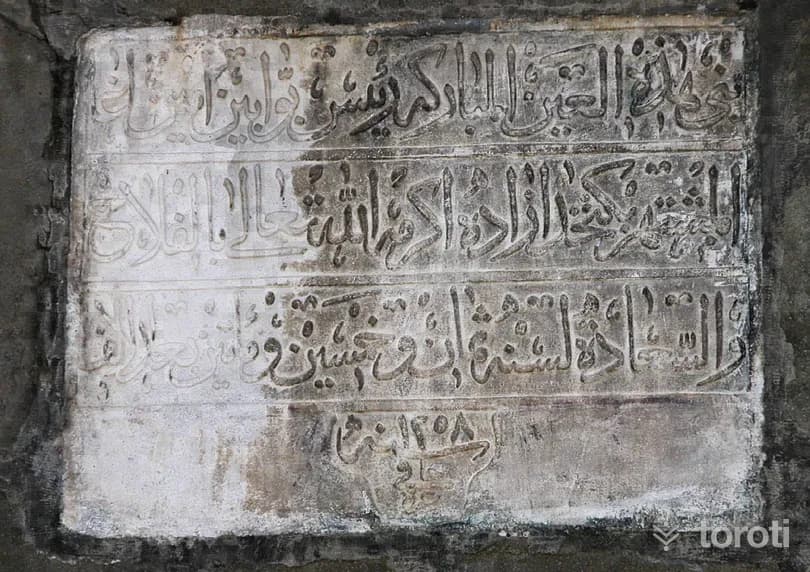
The fountain located in Çarşı Mahallesi of Tirebolu District, Giresun, was registered by the Trabzon Cultural Heritage Preservation Regional Board Directorate with decision no. 4068 dated 30.03.2001. It was built with cut stone material and has a square plan and two facades. According to its inscription, the fountain, whose niches have pointed arches, was commissioned by Kethüdazade Emin Ağa in 10 June 1842. However, today it is referred to as Selim Ağa Fountain.
- No image
33
Beytahtı Mesire Alanı
Erzincan merkez, Erzincan
It is located in the southwest of Erzincan, at the 6th km of the Kemah road, on the bank of the Karasu River. Beytahtı is a large recreation area with wooded areas, grassy areas, streams and cold water springs, with wooden gazebos around the stream and tables suitable for picnicking.
34
Terzibaba Türbesi
Erzincan merkez, Erzincan
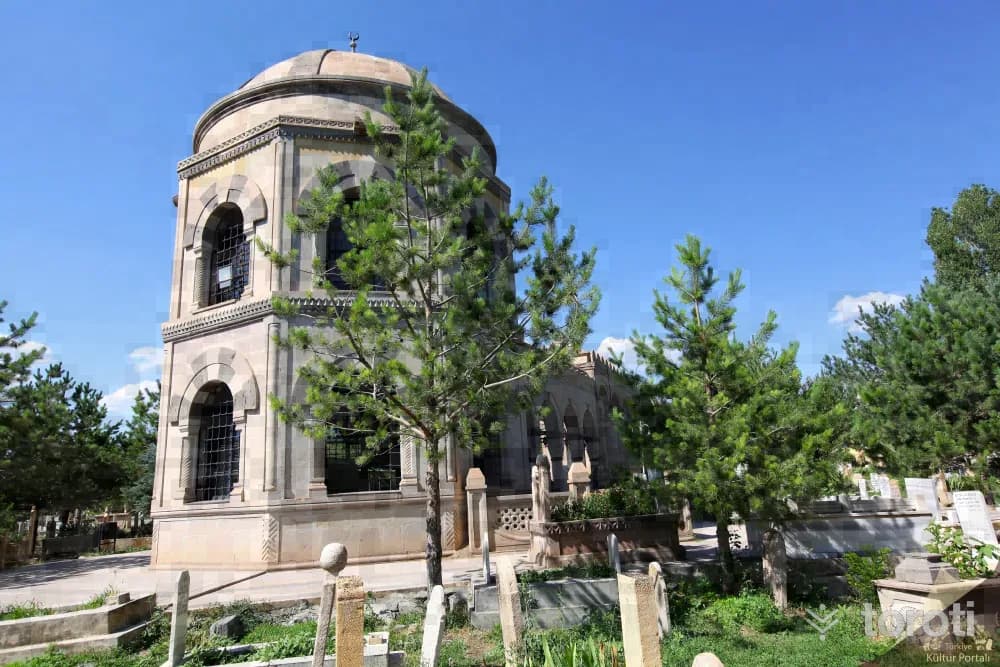
Terzibaba, a Sufi whose real name was Muhammed Vehbi, is known among the people by this name because his profession was tailoring. Terzibaba Cemetery was renamed from Kaledibi Cemetery, the largest cemetery in Erzincan, after the burial of Terzibaba, who died in 1848. Terzibaba Tomb is reached by a four-step staircase. In the entrance section of the structure, there is a two-column projection with a lead-covered top serving as a rain shelter.
35
Ciminli Baba Türbesi
Erzincan merkez, Erzincan
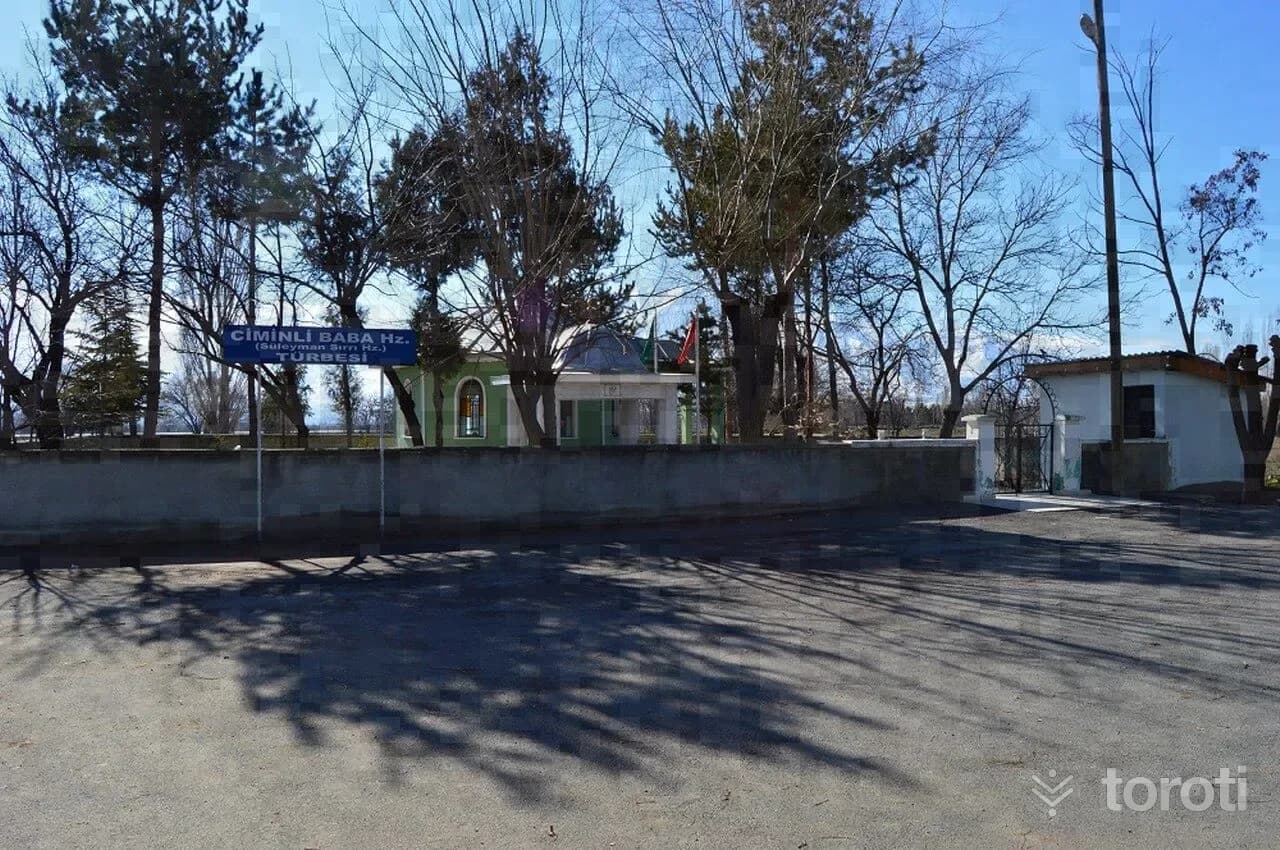
His real name is Süleyman. He belonged to the Melami order. He was a person whose miracles were evident. He was constantly looked down upon among the people. His clothes had countless patches. He had a lodge in Cimin. It is told that before the 1939 earthquake he warned the governor of Erzincan, that the governor wanted to have him poisoned in response to this attitude, but that Ciminli Baba, who drank the poisoned coffee, was not poisoned.
36
Terzibaba Cami ve Külliyesi
Erzincan merkez, Erzincan
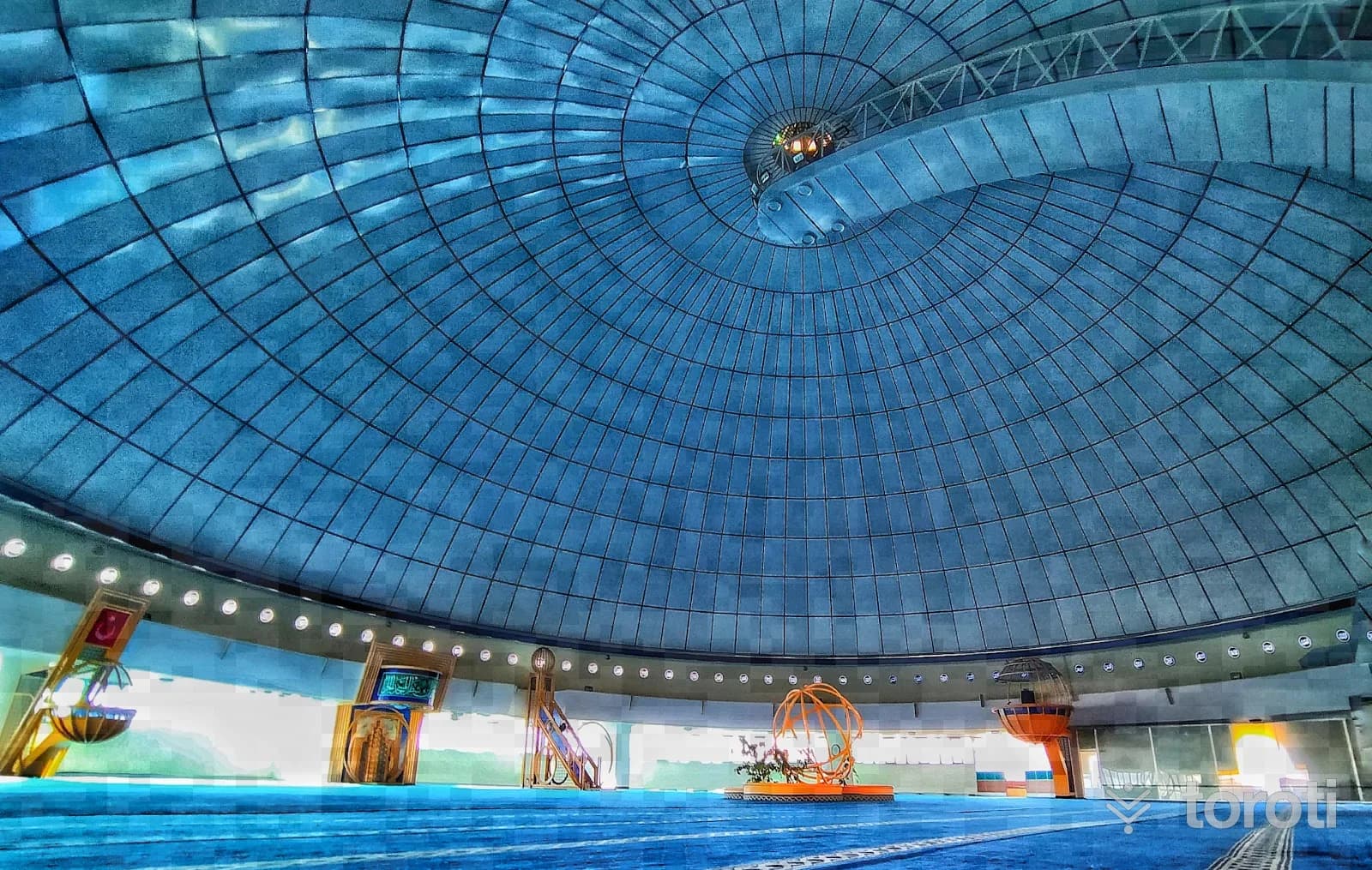
One of the great saints raised in Anatolia. His name is Muhammed Vehbî. He is مشهور as Hayyât Vehbî. He was born in 1780 (H.1195). In the works titled Osmanlı Müellifleri, Sefînet-ül-Evliyâ, and Esmâ-ül-Müellifîn, it is written that he was born in Erzurum, while in some other works, it is written that he was born in Erzincan. He died in Erzincan in 1847 (H.1264). He was buried in the place where his dervish lodge was located.
37
Ekşisu Mesire Alanı
Erzincan merkez, Erzincan
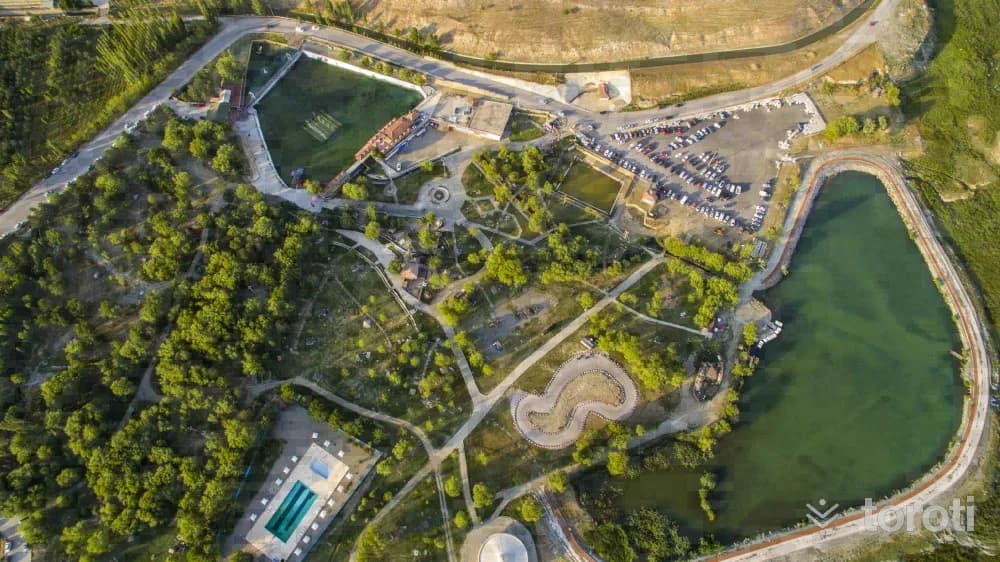
Ekşisu Recreation Area is located 11 kilometers from the city center, on the old Erzincan-Erzurum highway. Ekşisu is one of Erzincan's most popular recreation areas, where natural mineral water springs emerge, with large park areas, and most preferred by local and foreign tourists.
38
Abrenk Kilisesi
Tercan, Erzincan
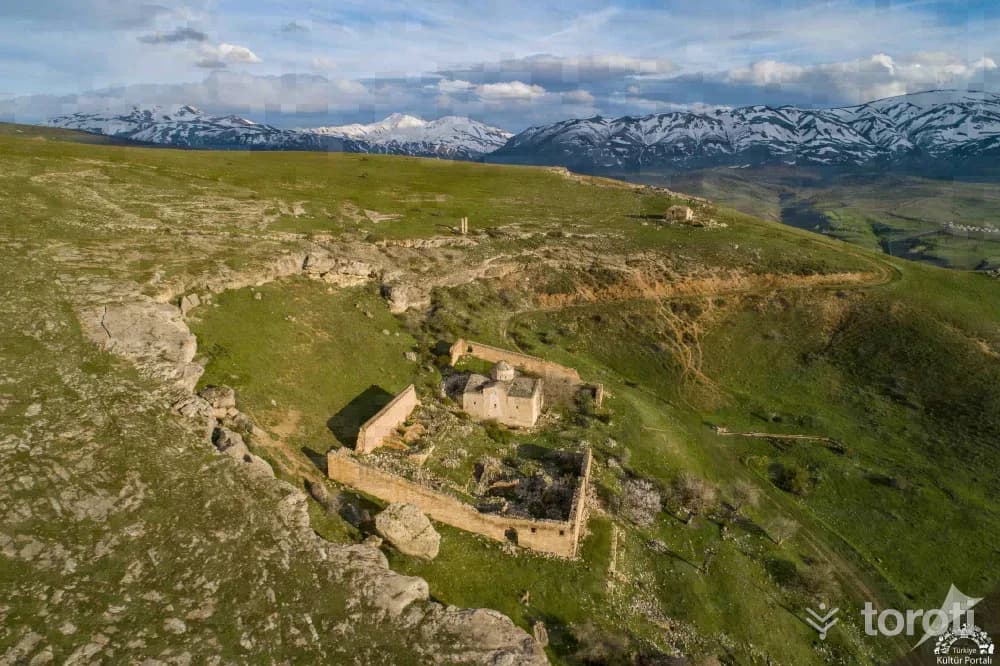
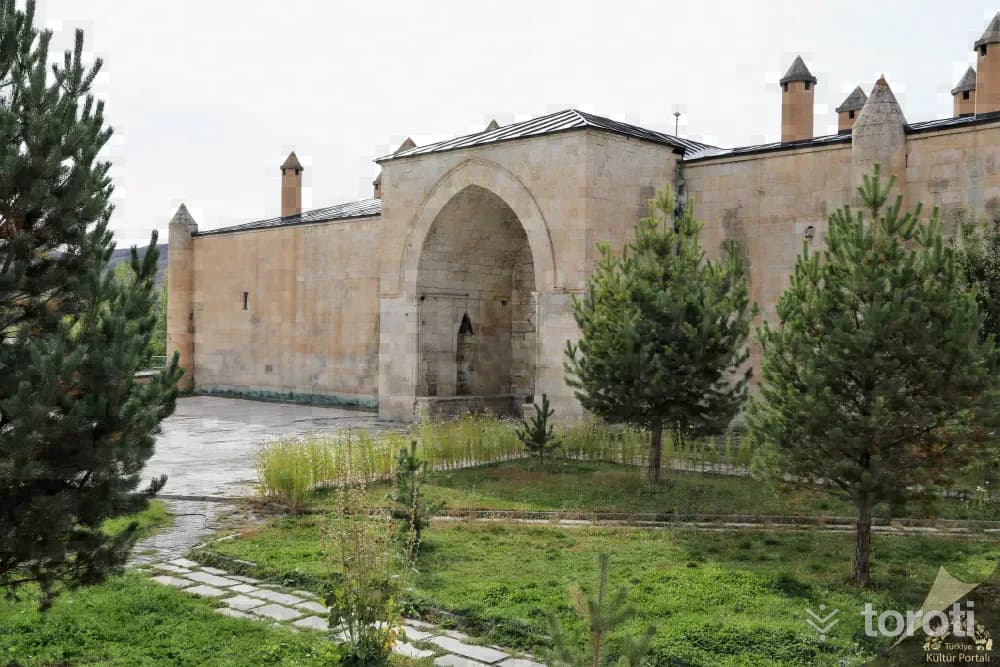
Also known by the names Vank and Üçpınar, Abrenk Church is located in Erzincan Üçpınar village, to the southeast of Vank Dağı, within a hollow area. The church was built in 1854. TGA The exterior of the rectangular-planned church is made of smoothly cut stone, while the interior consists of mortared stone masonry. The church is entered through a round-arched door. TGA The structure is divided by two rows of columns and consists of three naves, one central and two side naves.
39
Mama Hatun Külliyesi
Tercan, Erzincan
The Mama Hatun Complex, consisting of a tomb, caravanserai, bath and mosque, was commissioned in Tercan (formerly Mamahatun) on the Erzurum-Erzincan caravan route by Mama Hatun, daughter of II. İzzeddin Saltuk, who came to head the Saltuklu Beyliği, which ruled Erzurum and its surroundings, in 587 (1191). The Mama Hatun Tomb, with its fluted body and conical roof, together with the circular enclosing wall surrounding it, has a plan scheme and architectural characteristic unmatched elsewhere in Anatolia.
- No image
40
Kop Şehitliği
Aşkale, Erzurum
It was built between 15 May-15 August 1963 on the Bayburt-Erzurum road, at the Kop location of Merkez Maden Town, for our martyrs who died while resisting the Russian forces between 28 February-16 July 1916. This 13 m high monument consists of two sections built one on top of the other. The lower part was made in the shape of a tall cube from yellow, white and black stones.
- No image
41
Kandilli Kayak Merkezi
Aşkale, Erzurum
Kandilli Ski Center, where the biathlon and cross-country skiing competitions of the 25th World University Winter Games Erzurum 2011 were held, was established on an area of 160 hectares. The altitude of the tracks varies between 1.713- 1.767 m.
- No image
42
Serbest Stil Kayak
Yakutiye, Erzurum
Freestyle Skiing; It is a type of skiing practiced in the form of an acrobatic sport. It has two main types called "Mogul" and "Aerial". In the Mogul style; while skiing down from a high hill full of small bumps, it is necessary to jump over both ramps. In the "Acro" type, which is not accepted as an Olympic sport, gymnastics movements and dance are combined. It is practiced at Palandöken Kayak Merkezi.
- No image
43
Curling Arena
Yakutiye, Erzurum
Curling Arena; Curling is an Olympic team sport played on an ice rink measuring 42 x 43 meters. It was built in 2010 for the World University Winter Games. It has 5 curling competition areas and a seating capacity of one thousand people. In this sports venue, there is one room each for the referee, jury, chief referee, and technical delegate, and 4 halls for athletes.
- No image
44
Ebu İshak Kazerunı Hz. Türbesi
Yakutiye, Erzurum
It is not known exactly when the tomb belonging to one of the great Islamic thinkers, Ebu İshak Hazretleri, was built. One of the angular bastions on the city wall connecting İç Kale to Çifte Minareli Medrese was converted into a tomb by being covered with a dome on the inside. There is also a zaviye in front of it. It is stated that the person's actual grave is in Kazerun and that this place is a makam.
- No image
45
Sürat Pateni
Palandöken, Erzurum
Speed Skating is a sport in which female or male athletes display a rhythmic and powerful glide on an ice rink with curves and straight sections. Speed skating races are held in three different categories: long track, short track, and marathon. In long track races, aerobic endurance is of greater importance. Speed skating is practiced at the 2000-seat Ice Hall located in the city center.
- No image
46
Köprüköy (deliçermik) Kaplıcası
Köprüköy, Erzurum
Köprüköy Thermal Spring (Deliçermik) is located in Köprüköy district, 56 km from Erzurum city center. The thermal spring water, containing bicarbonate, sodium, calcium, carbon dioxide, iron and bromide, is used in the treatment of digestive system, kidney and urinary tract, circulatory system and heart diseases, metabolic disorders and rheumatic diseases.
Move the stops into your own plan, split them across days, and add places to sleep and eat.
Frequently asked
- How far is it between Ankara and Erzurum, and how long does it take?
- Driving between Ankara and Erzurum is roughly 1031 kilometres and takes about 14 hours without stops.
- Where is it worth stopping between Ankara and Erzurum?
- There are 529 described places within 20 km of the road between Ankara and Erzurum. toroti lists 46 of them spread evenly along the drive, in the order you pass them; Seğmenler Parkı comes early on, and Köprüköy (deliçermik) Kaplıcası sits near the end.
- Which provinces does the Ankara to Erzurum route cross?
- The route between Ankara and Erzurum crosses Ankara → Kırşehir → Nevşehir → Yozgat → Kayseri → Sivas → Erzincan → Tunceli → Erzurum. The stretch richest in places to visit is in Ankara.
- Should I take the toll highway or traditional route between Ankara and Erzurum?
- Toll motorways save driving time between Ankara and Erzurum, whereas traditional state roads pass directly through historic town centers, local culinary stops, and scenic nature viewpoints.
- How should breaks be scheduled between Ankara and Erzurum?
- For a drive of around 14 hours, taking a break every 2 to 2.5 hours is recommended. The catalogued attractions in Ankara and neighboring provinces offer memorable stopovers compared to generic highway rest areas.