Stops along the way
Stops between Ankara and Kayseri
390 km, roughly 4 hours of driving. The stops below are ordered as you pass them — the same road in both directions.
In short
The drive between Ankara and Kayseri is 390 km and takes roughly 4 hours. There are 321 described places within 20 km of this route; it crosses 5 provinces, and the densest stretch is in Ankara (127 places).
There are 321 places within 20 km of this corridor; the 34 below are spread evenly along the drive.
- No image
1
Seğmenler Parkı
Çankaya, Ankara
The park, opened in 1983 in the Kavaklıdere district, has a large amphitheater. The park, located in the valley between Atatürk Bulvarı and İran Caddesi, has a 40 thousand square meter lawn area and a 250 square meter children's playground area, and totals 57 thousand 250 square meters. It contains pools, a children's garden, واسعة walking areas, and the Seymenler Monument, which is the symbol of Ankara folklore.
- No image
2
Türk Hava Kurumu Müzesi
Altındağ, Ankara
This museum was planned with the aim of showing the stages of progress of Turkish Aviation and passing this on to future generations. In the Türk Hava Kurumu Müzesi, built next to the historic parachute tower, in addition to the history section where the firsts of Turkish Aviation are explained, extensive information about THK is also included. This information is supported by historical documents, photographs and various models.
- No image
3
Prof. Dr. Ülker Muncuk Müzesi
Yenimahalle, Ankara
It was established in 1974 within the aforementioned school under the leadership of a group of idealist teachers of the Girls' Technical Higher Teachers' School and Ülker Muncuk. The museum began operating on 02.07.1982 as a private museum under the supervision of the Directorate of the Ethnography Museum.
4
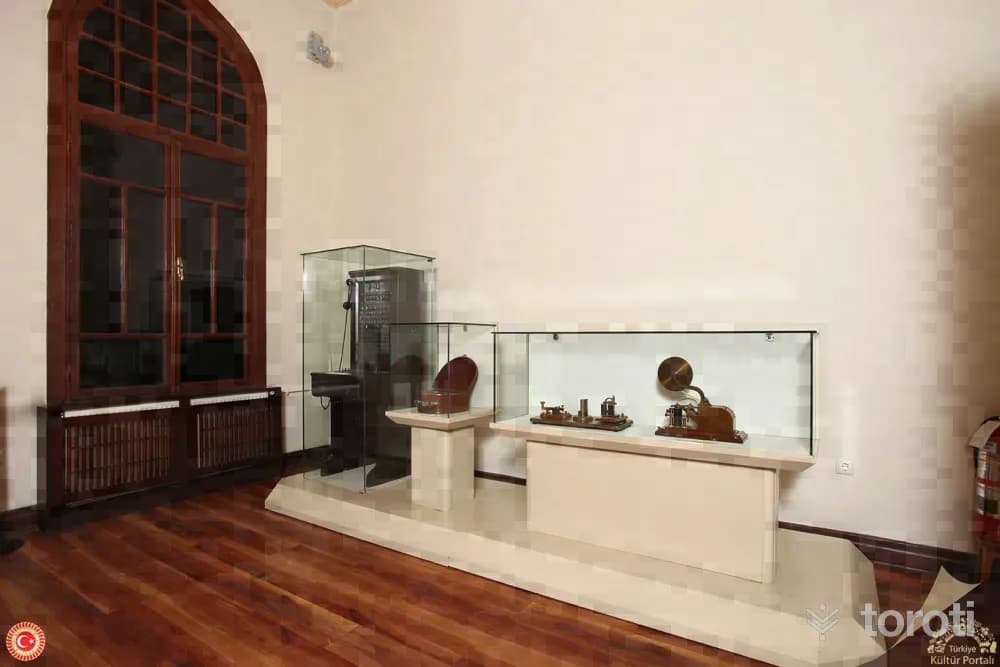
Kurtuluş Savaşı Müzesi
Altındağ, Ankara
War of Independence Museum (First TBMM Building) History of the First Grand National Assembly of Turkey Building The building used as the First Grand National Assembly of Turkey building was constructed in its time as a party building. In 1916, it was decided to build it as the Committee of Union and Progress building. By order of Minister of War Enver Pasha, the building was designed by Architect Salim Bey, and the construction work of the project was assigned to Military Architect Hasip Bey.
5
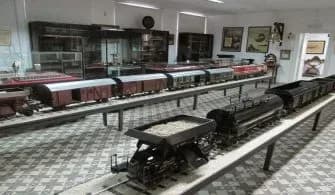
Atatürk Konutu Ve Demiryollari Müzesi
Altındağ, Ankara
One of the few state buildings in Ankara during the War of Independence, the “Direksiyon Binası” continues to be a living witness to the national struggle. When you visit this building, where important historical decisions were made, you will take a journey through time to the years of struggle and witness the spirit of the years when the Republic was founded.
- No image
6
Külhöyük
Gölbaşı, Ankara
Külhöyük, located within the borders of Oyaca Town in Haymana District of Ankara Province, is a medium-sized mound approximately 250 m. long, 150 m. wide and 22 m. high. In the mound, whose excavation is being carried out by specialists from the Museum of Anatolian Civilizations, Hittite Period and Early Bronze Age settlements have been uncovered so far.
7
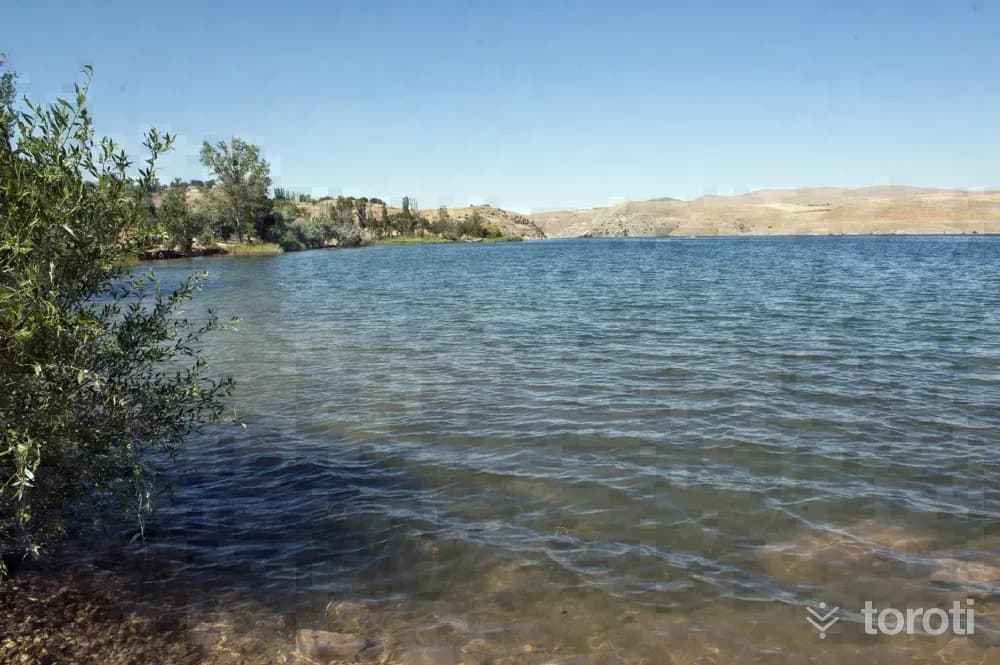
Kesikköprü Baraj Gölü
Bala, Ankara
In the reservoir lake, which has a depth of approximately 30 meters, it is possible to swim and do water sports such as surfing, skiing and diving. After passing Gölbaşı, turn toward Bala and follow the direction of the Beynam Ormanları sign to reach the lake. On the lakeshore, there are municipal facilities and a kiosk. It is located approximately 70 kilometers from Ankara.
- No image
8
Tuz Gölü
Şereflikoçhisar, Ankara
Tuz Gölü, Turkey's second largest lake by surface area, is located at the deepest point of a wide tectonic depression buried between the surrounding plateaus. Under less rainy climatic conditions, the lake's surface area has shrunk. The lake, which has become even smaller over time, has reached its present state. 40% of Turkey's salt requirement is supplied from this lake.
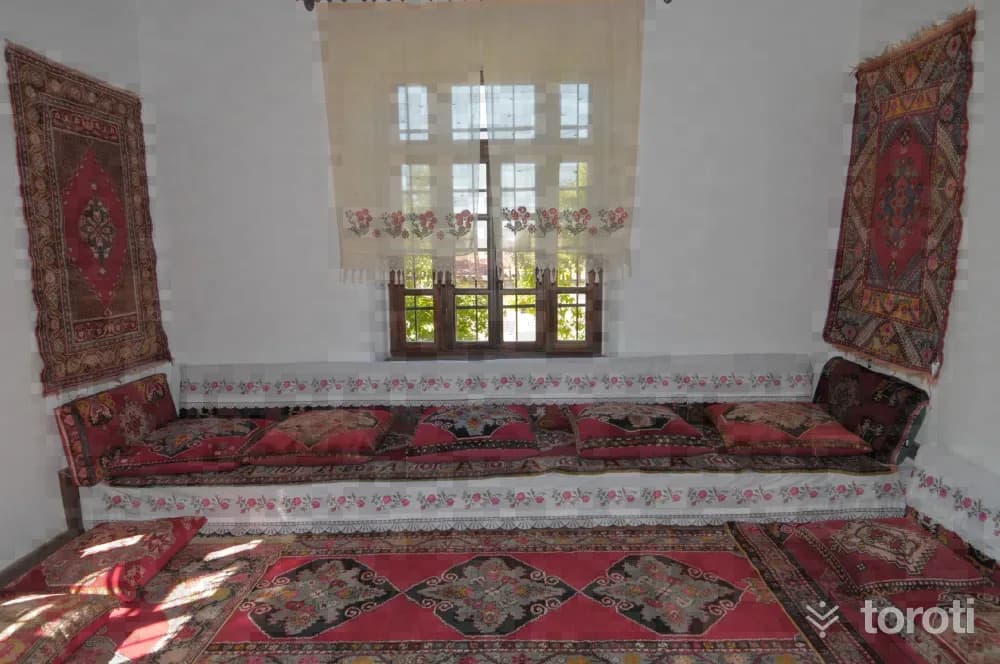
9
Ağalarin Konağı
Kırşehir merkez, Kırşehir
Ağalarin Konağı is an example of Republican Era architecture located in Kırşehir.
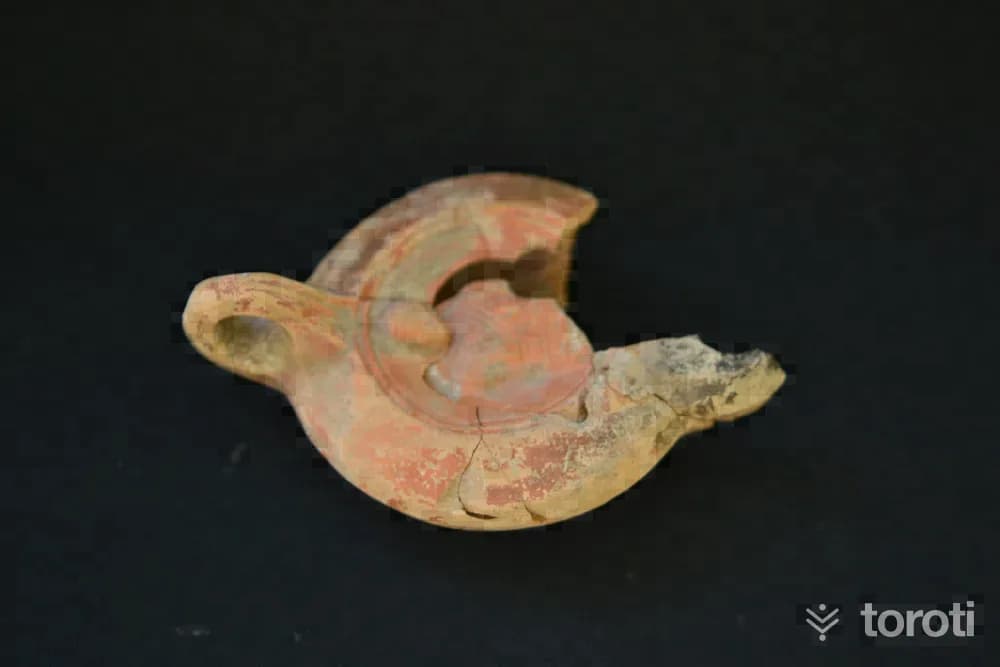
10
Merkez Kalehöyük
Kırşehir merkez, Kırşehir
Kalehöyük is a historical mound located in the center of Kırşehir. This site, which contains remnants of ancient settlements, is named a castle due to its height.
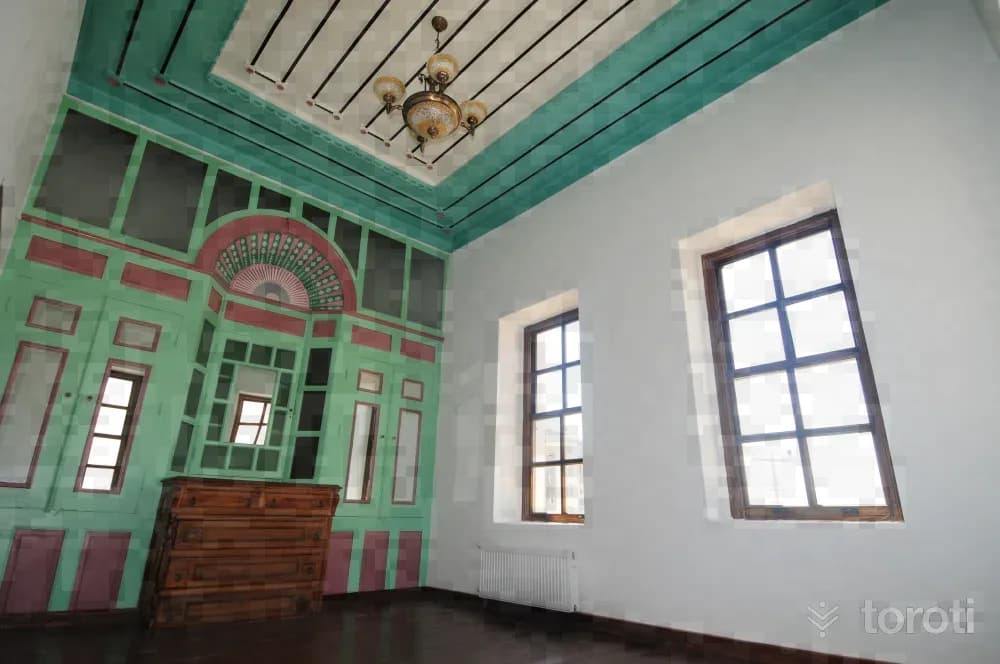
11
Hacibey Konağı
Kırşehir merkez, Kırşehir
Hacibey Mansion is one of the first examples of civil architecture from the Republican Era, located in Kırşehir.
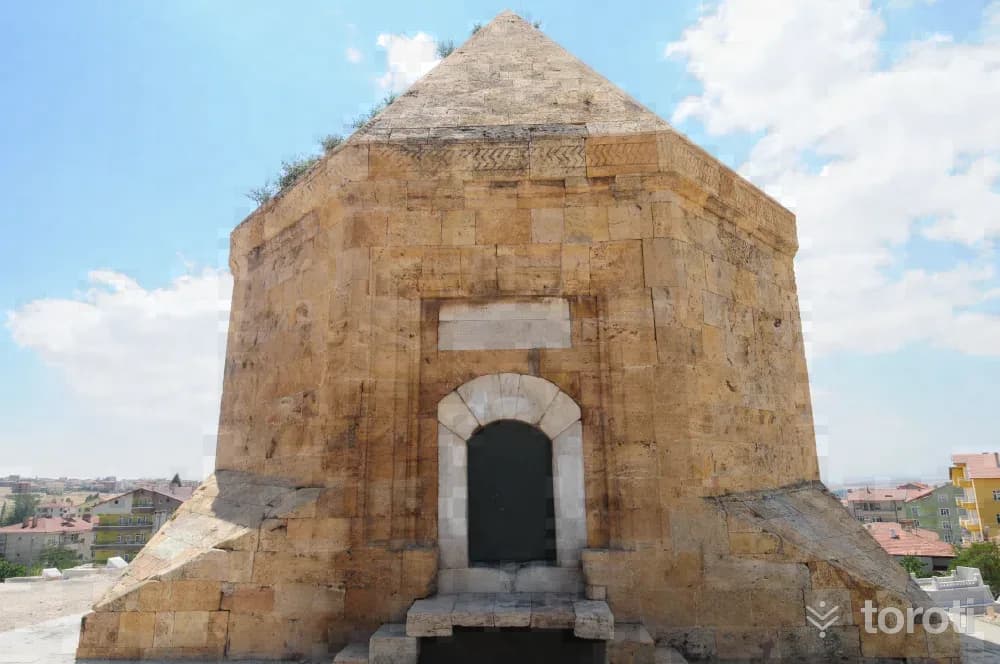
12
Fatma Hatun Kümbeti
Kırşehir merkez, Kırşehir
The Fatma Hatun Tomb is a historical structure built in 1266 by Hoca Aka Maatır.
13
Kalendar Baba Kümbeti
Kırşehir merkez, Kırşehir
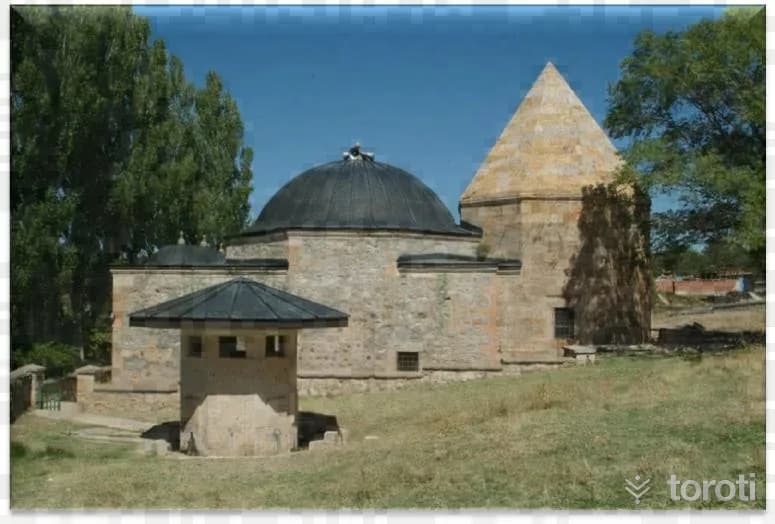
It is located within Karalar Village in Kırşehir Merkez. It was commissioned in 1135 by Kılıçaslan, one of the Anatolian Seljuk Sultans. The tomb, built of cut stone, bears the characteristics of Seljuk architecture.
14
Kepez Yeraltı Şehri
Mucur, Kırşehir
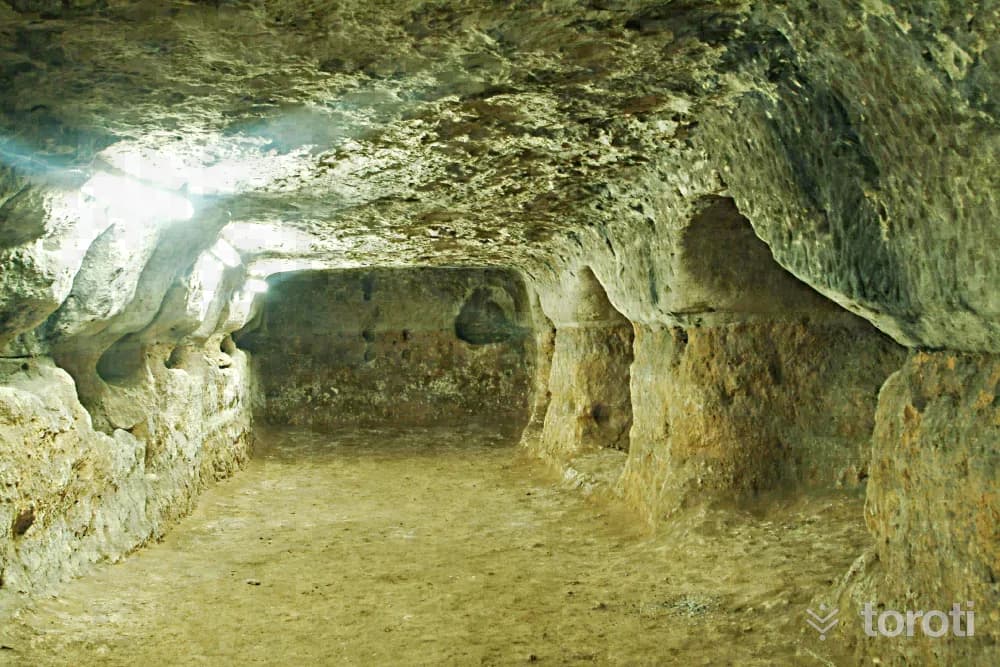
Kepez Underground City is a historical tourist site located 14 kilometers away from Mucur district in Kırşehir. Opened to visitors in 2002, it consists of numerous galleries and rooms.
15
Hacibektaş Arkeoloji Ve Etnografya Müzesi
Hacıbektaş, Nevşehir
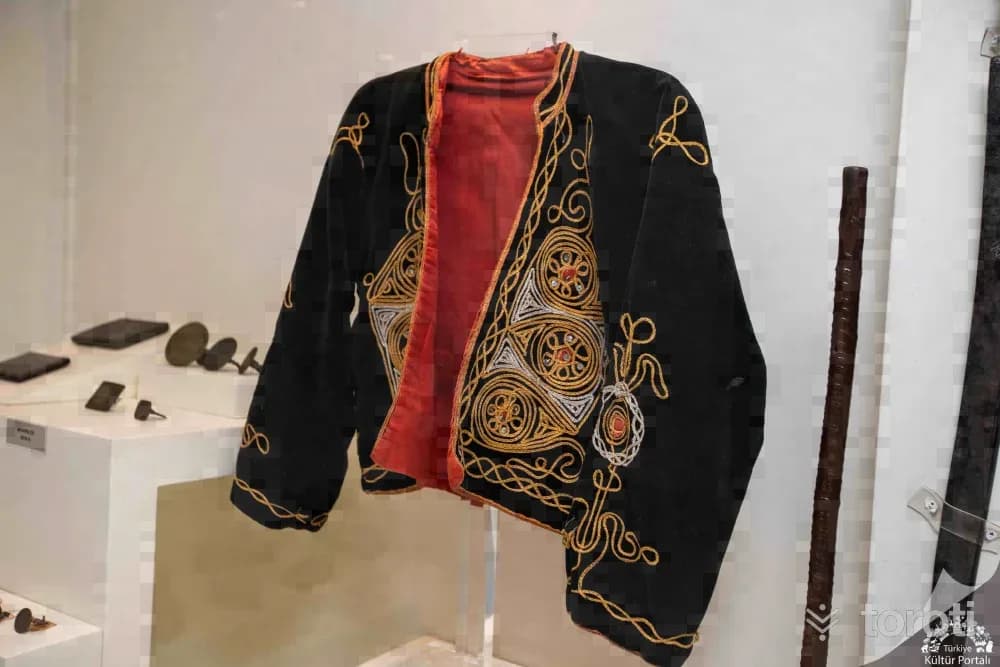
The Hacibektaş Archaeology and Ethnography Museum, opened in 1988, showcases archaeological and ethnographic artifacts from the region.
16
Kadıncık Ana Evi (Balımevi)
Hacıbektaş, Nevşehir
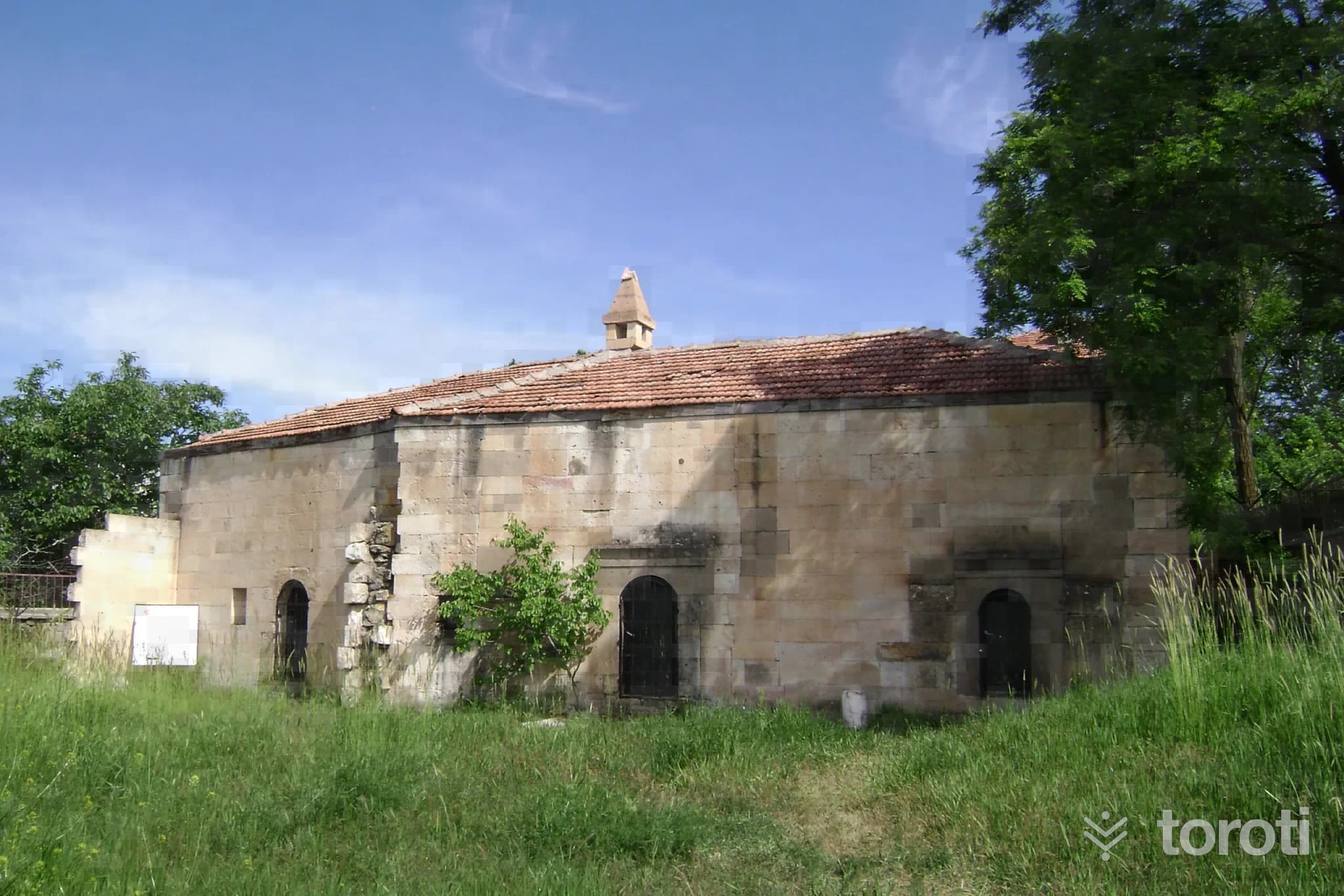
Kadıncık Ana House is a historical site located in Hacıbektaş and is managed by the Hacı Bektaş Museum.
17
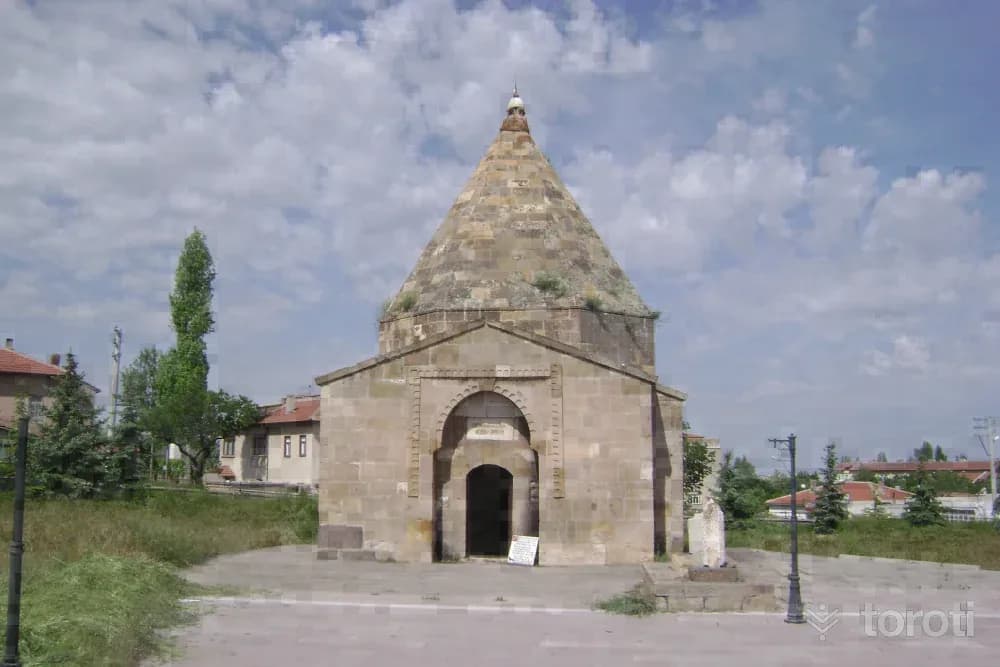
Bektaş Efendi Türbesi
Hacıbektaş, Nevşehir
The Bektaş Efendi Tomb is a historical structure from the Ottoman Period and is open to visitors.
18
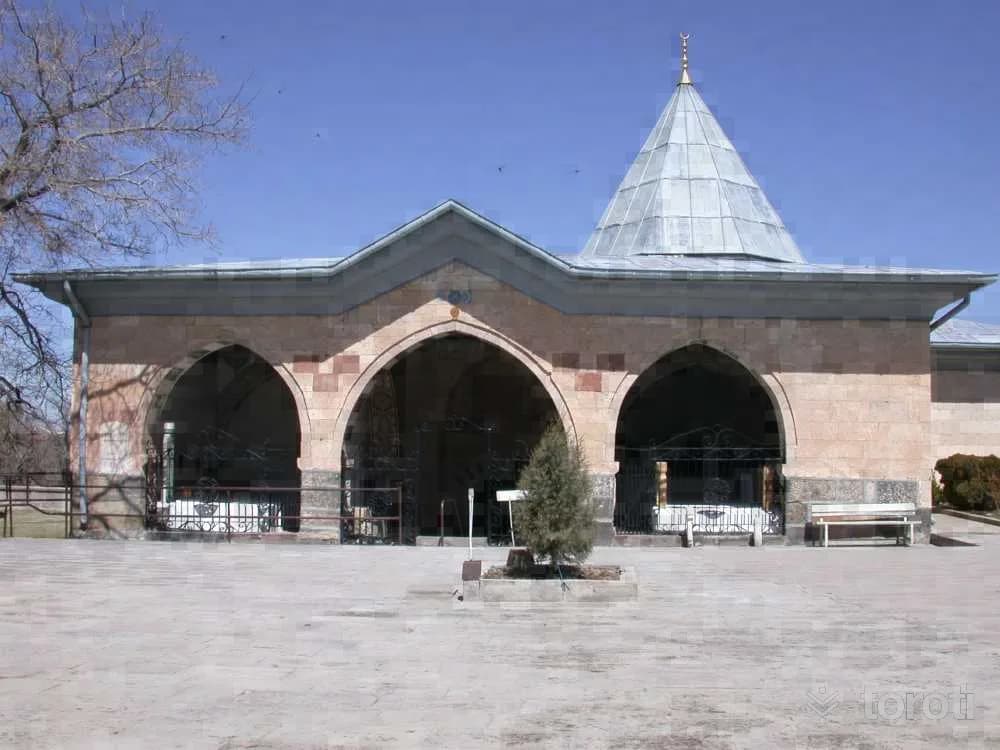
Hacı Bektaş Müzesi
Hacıbektaş, Nevşehir
The Hacı Bektaş Museum is located in the Hacı Bektaş Veli Complex established in the 13th century, holding historical and architectural significance.
19
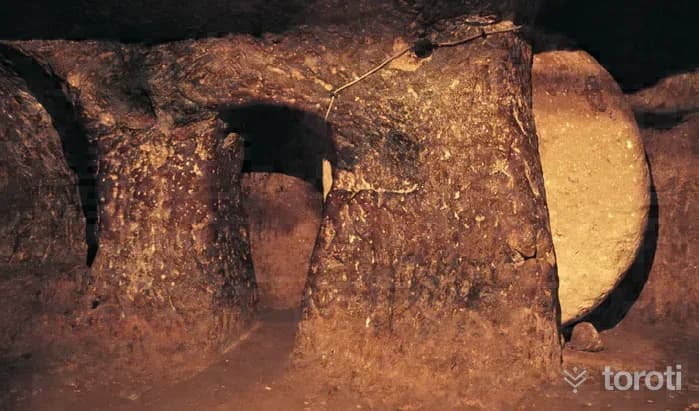
Özkonak Yeraltı Şehri
Avanos, Nevşehir
Özkonak Underground City is a historical site located 14 kilometers from Avanos, on the northern slopes of Mount İdiş.
20
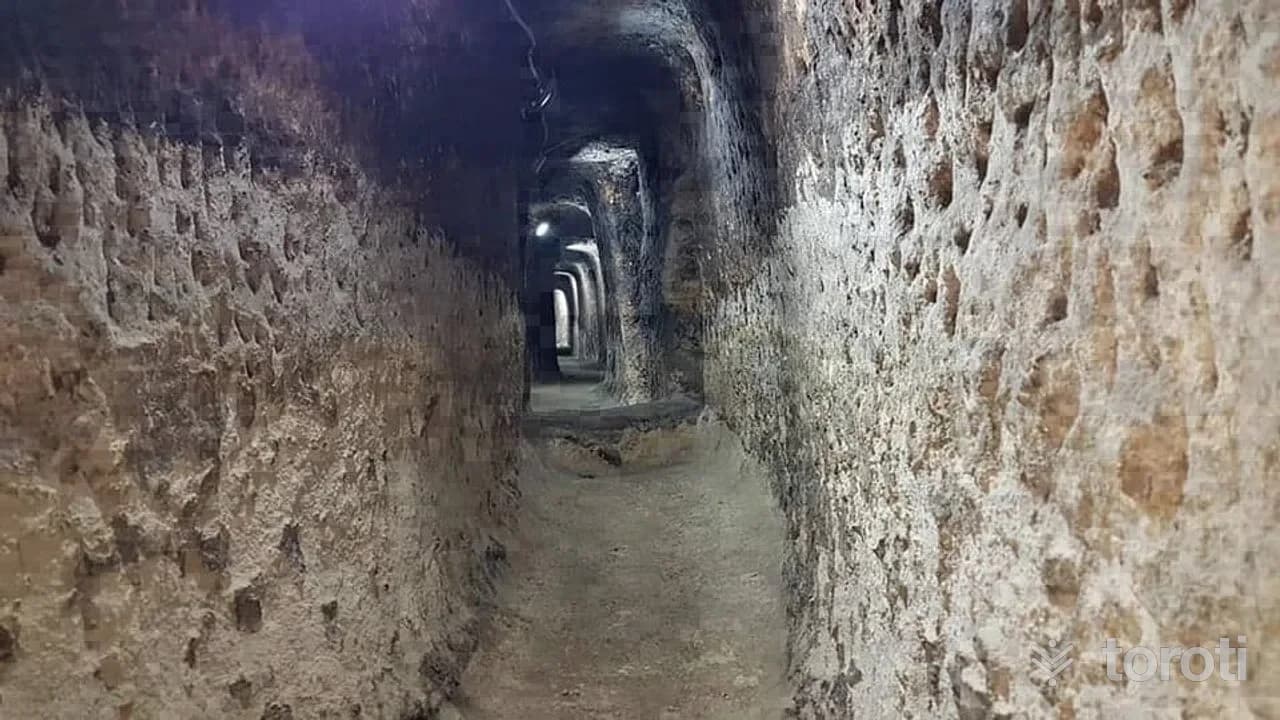
Özler Yeraltı Şehri
Boğazlıyan, Yozgat
Özler Underground City is a historical underground structure located in İrşad Neighborhood. Visitors can enter through the barn of a house and explore various rooms.
21
Bayram Hacı Kaplıcası
Avanos, Nevşehir
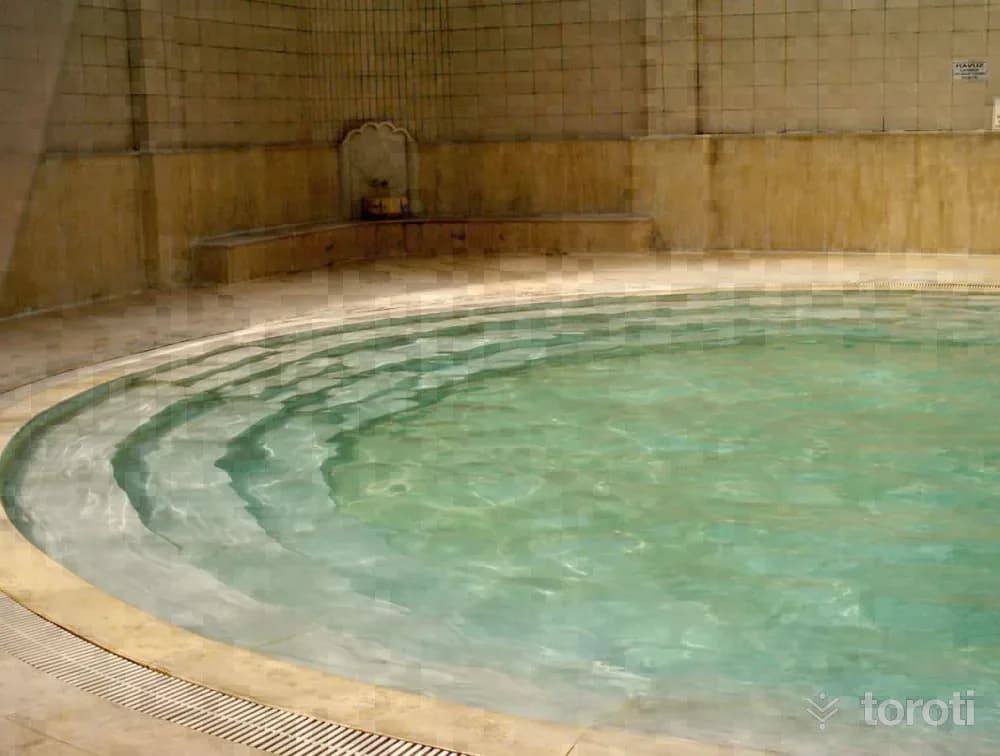
Bayram Hacı Thermal Springs, located 65 kilometers west of Kayseri, is an important thermal facility known for its hot springs beneficial for rheumatism, skin, and respiratory diseases.
- No image
22
Aşağıhasinli Yeraltı Şehri
Boğazlıyan, Yozgat
The Aşağıhasinli Underground City is a historical underground structure located in the Boğazlıyan District. It offers a rich history with galleries and caves accessible from the houses in the village divided into three neighborhoods.
23
Yamula Baraji
Kocasinan, Kayseri
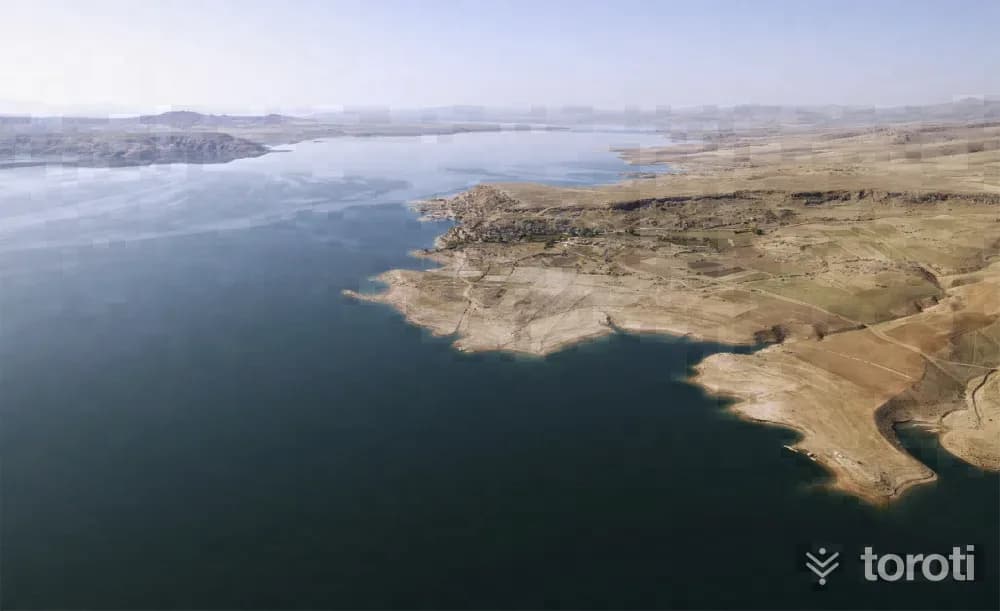
Yamula Dam is a large lake-like structure located 25 kilometers northwest of Kayseri. It hosts various water sports events every year.
24
Tekgöz Kaplıcası
Kocasinan, Kayseri
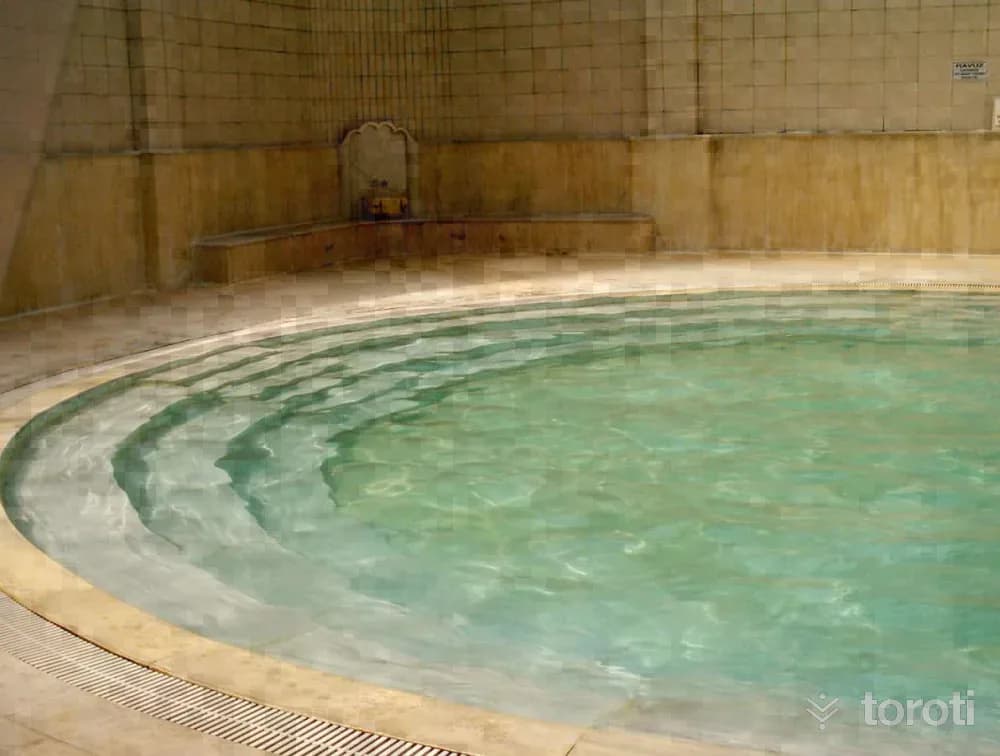
It is located in Yemliha Village. This hot spring, which has been used since very ancient times, is thought to be good for neuralgia, partial paralysis, fractures and dislocations, and women's diseases.
25
Kurşunlu Cami
Kocasinan, Kayseri
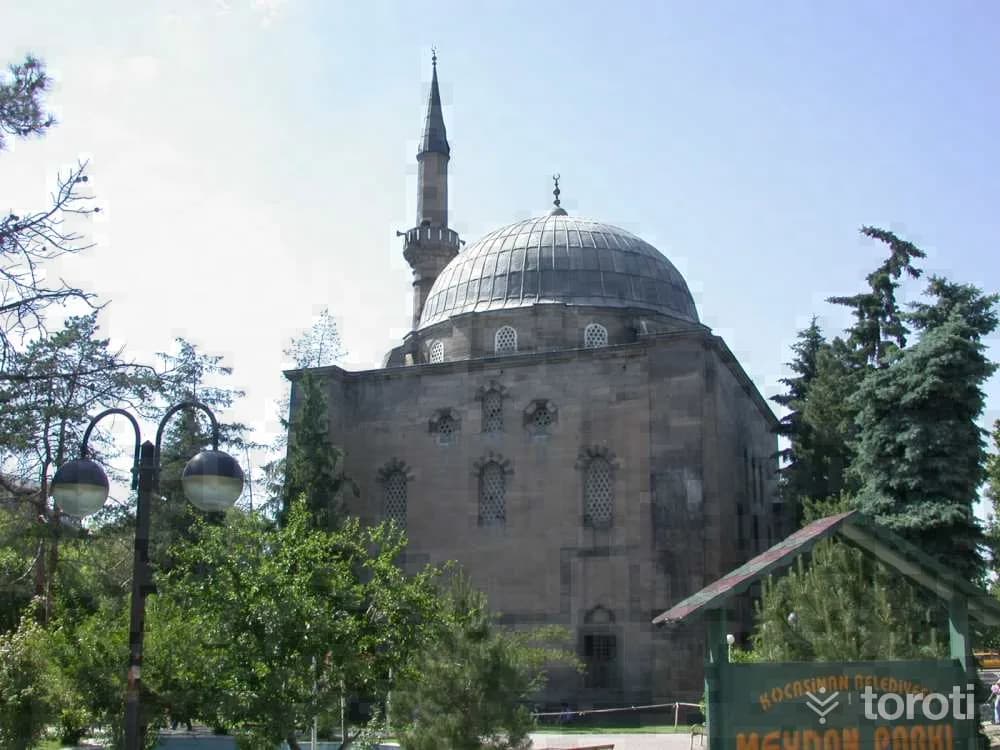
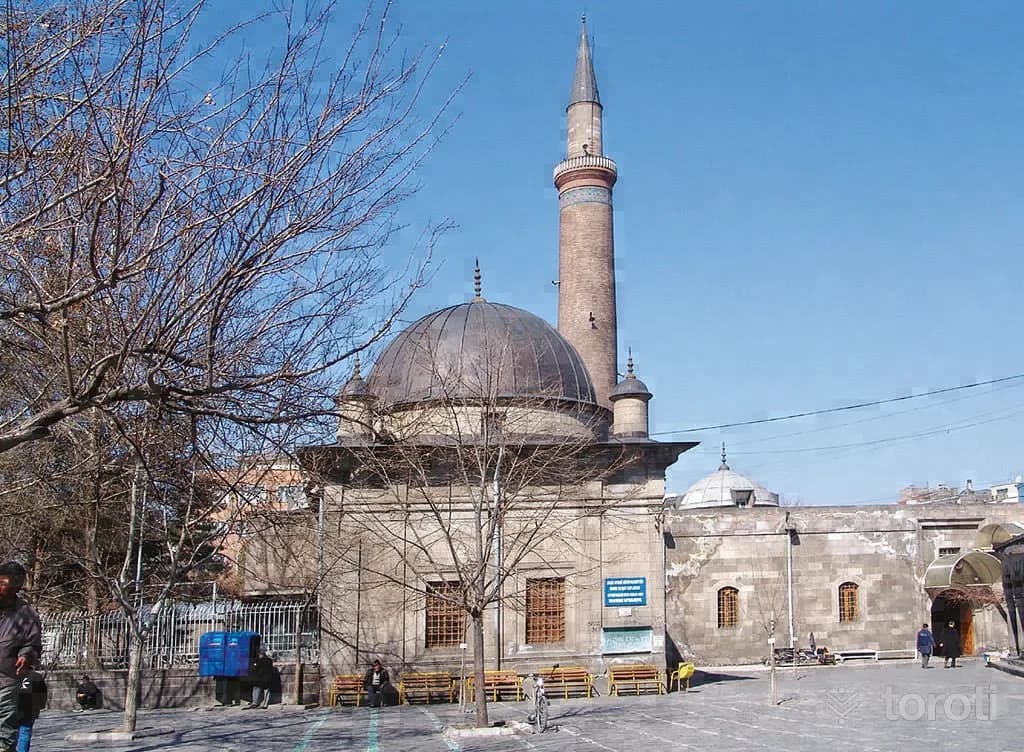
Kurşunlu Mosque is a unique example of 16th-century Ottoman architecture built by Mimar Sinan in Kayseri.
26
Şifahiye Ve Giyasiye Medresesi
Kocasinan, Kayseri
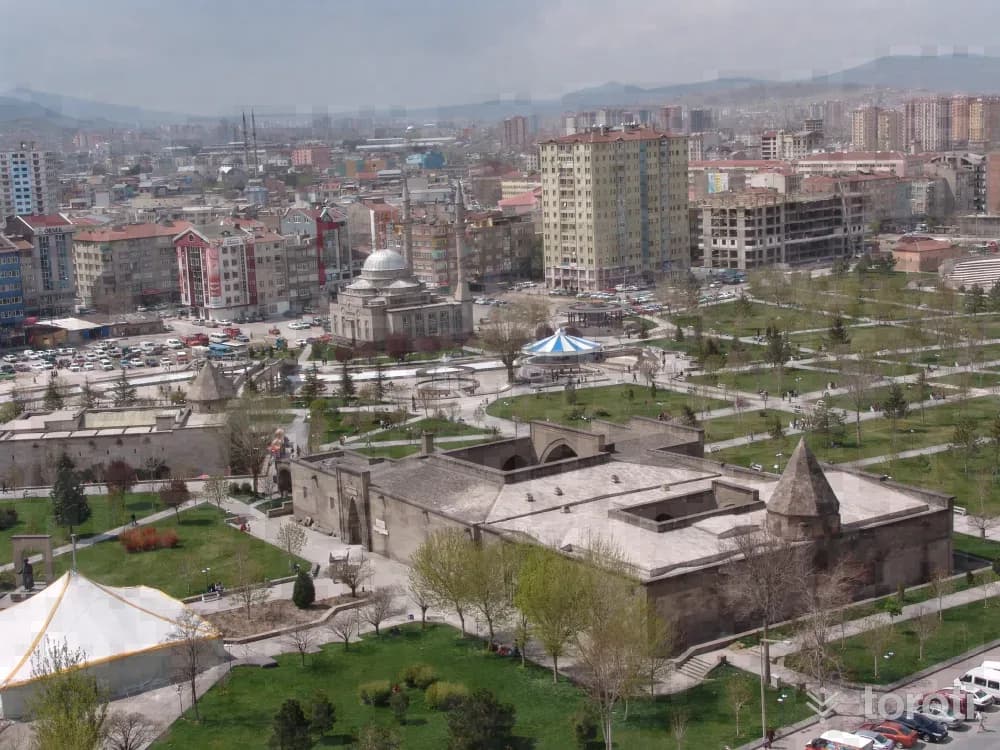
The Şifahiye and Giyasiye Medresesi is a historical structure built upon the will of Gevher Nesibe Sultan. It is notable for its high ceilings and beautiful stone craftsmanship.
27
Ulu Cami (Cami Kebir)
Melikgazi, Kayseri
Ulu Mosque, built in 1135 by the Danishmend ruler Melik Mehmet Gazi, holds significant historical importance.
28
Kayseri Saat Kulesi
Melikgazi, Kayseri
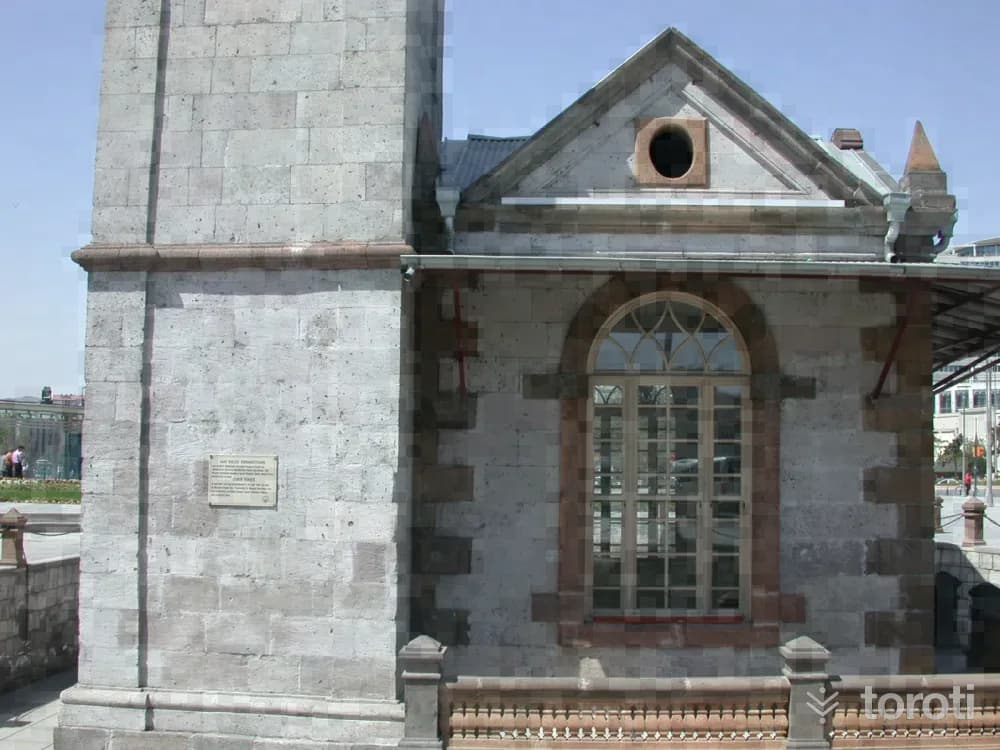
The Kayseri Clock Tower, located in Cumhuriyet Square, was built in 1906 during the reign of Sultan Abdulhamid II.
29
Kültepe Ören Yeri
Kocasinan, Kayseri
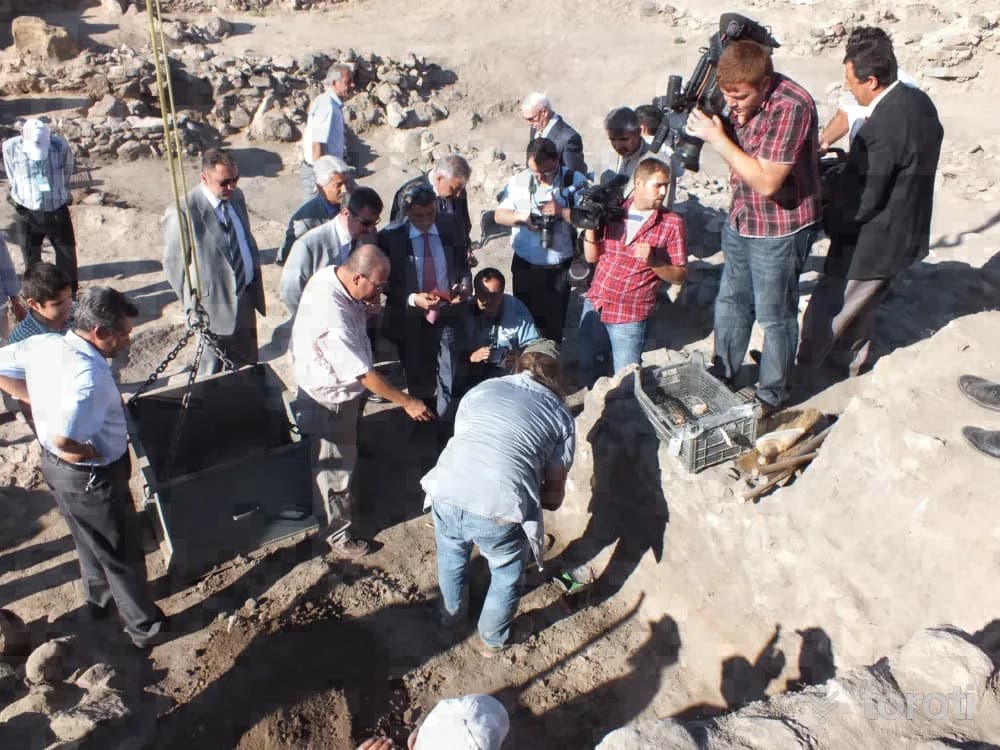
Kültepe Archaeological Site is known as the center of the ancient kingdom of Kaniş and is recognized as the world's first organized trade center. It holds significant historical importance with its written tablets dating back to the 2nd millennium BC.
- No image
30
Köşk Medresesi
Melikgazi, Kayseri
Köşk Medresesi was built by Aleaddin Eratna, the founder of the Eratna Beyliği, in honor of his wife and features an important tomb in its courtyard.
31
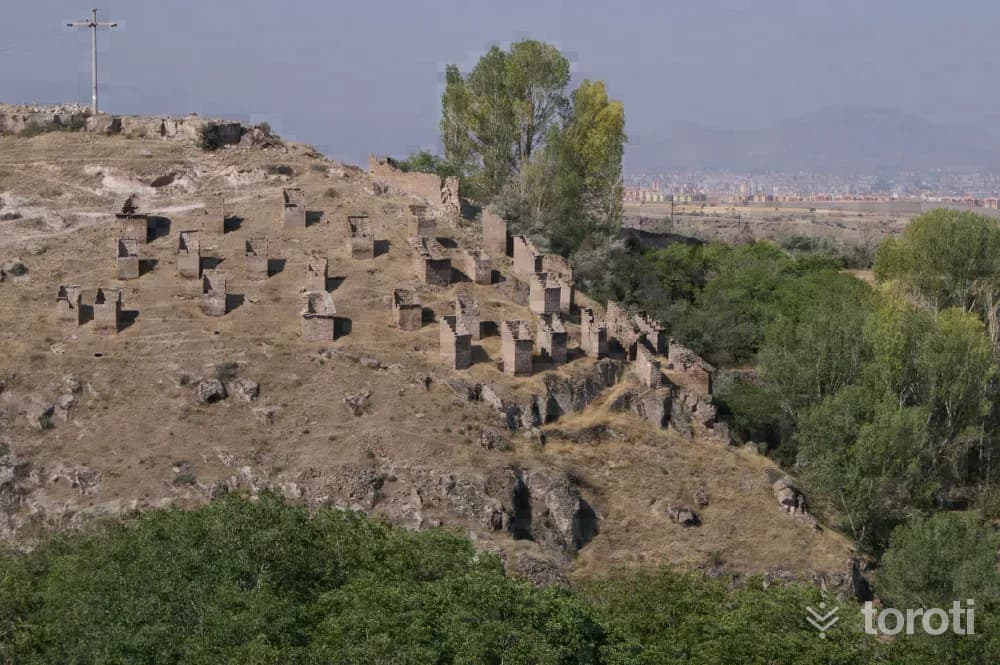
Gesi Bağlari Ve Güvercinlikler
Melikgazi, Kayseri
Gesi Bağları is a tourist spot known for its unique tower-type pigeon houses that are exclusive to Turkey.
32
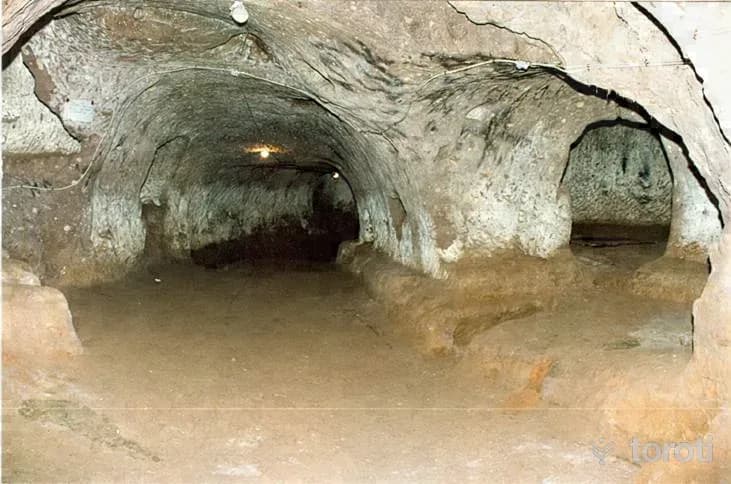
Ağırnas Yer Altı Şehri
Melikgazi, Kayseri
Ağırnas Underground City is a settlement center with historical remains dating back 3,000 years.
- No image
33
Han Camii
Talas, Kayseri
The Han Mosque, built in the 13th century during the Seljuk period, is notable for its domeless structure and interior architecture featuring six windows.
34
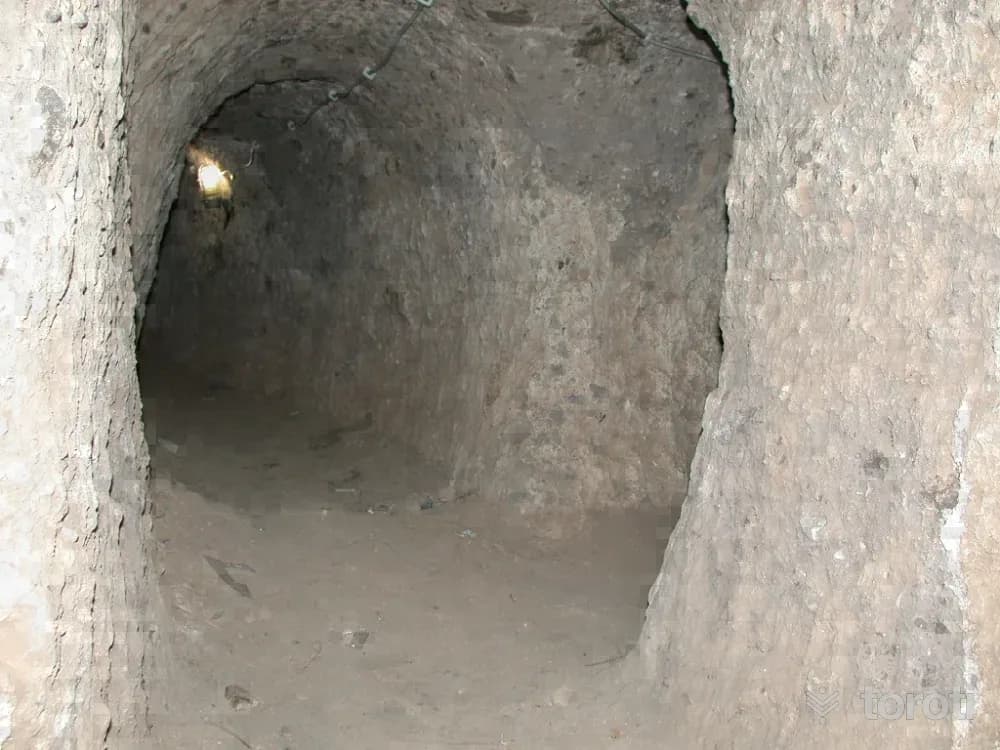
Ali Dağı Yer Altı Şehri
Talas, Kayseri
Ali Dağı Underground City is located in the Talas district and was opened to tourism in 2010. With a total gallery length of 528 meters, this underground structure does not fully qualify as an 'Underground City' compared to other underground cities.
Move the stops into your own plan, split them across days, and add places to sleep and eat.
Frequently asked
- How far is it between Ankara and Kayseri, and how long does it take?
- Driving between Ankara and Kayseri is roughly 390 kilometres and takes about 4 hours without stops.
- Where is it worth stopping between Ankara and Kayseri?
- There are 321 described places within 20 km of the road between Ankara and Kayseri. toroti lists 34 of them spread evenly along the drive, in the order you pass them; Seğmenler Parkı comes early on, and Ali Dağı Yer Altı Şehri sits near the end.
- Which provinces does the Ankara to Kayseri route cross?
- The route between Ankara and Kayseri crosses Ankara → Kırşehir → Nevşehir → Yozgat → Kayseri. The stretch richest in places to visit is in Ankara.
- Should I take the toll highway or traditional route between Ankara and Kayseri?
- Toll motorways save driving time between Ankara and Kayseri, whereas traditional state roads pass directly through historic town centers, local culinary stops, and scenic nature viewpoints.
- How should breaks be scheduled between Ankara and Kayseri?
- For a drive of around 4 hours, taking a break every 2 to 2.5 hours is recommended. The catalogued attractions in Ankara and neighboring provinces offer memorable stopovers compared to generic highway rest areas.