
Stops along the way
Stops between Ankara and Adana
562 km, roughly 6 hours of driving. The stops below are ordered as you pass them — the same road in both directions.
In short
The drive between Ankara and Adana is 562 km and takes roughly 6 hours. There are 397 described places within 20 km of this route; it crosses 7 provinces, and the densest stretch is in Ankara (127 places).
There are 397 places within 20 km of this corridor; the 43 below are spread evenly along the drive.
- No image
1
Seğmenler Parkı
Çankaya, Ankara
The park, opened in 1983 in the Kavaklıdere district, has a large amphitheater. The park, located in the valley between Atatürk Bulvarı and İran Caddesi, has a 40 thousand square meter lawn area and a 250 square meter children's playground area, and totals 57 thousand 250 square meters. It contains pools, a children's garden, واسعة walking areas, and the Seymenler Monument, which is the symbol of Ankara folklore.
- No image
2
Türk Hava Kurumu Müzesi
Altındağ, Ankara
This museum was planned with the aim of showing the stages of progress of Turkish Aviation and passing this on to future generations. In the Türk Hava Kurumu Müzesi, built next to the historic parachute tower, in addition to the history section where the firsts of Turkish Aviation are explained, extensive information about THK is also included. This information is supported by historical documents, photographs and various models.
- No image
3
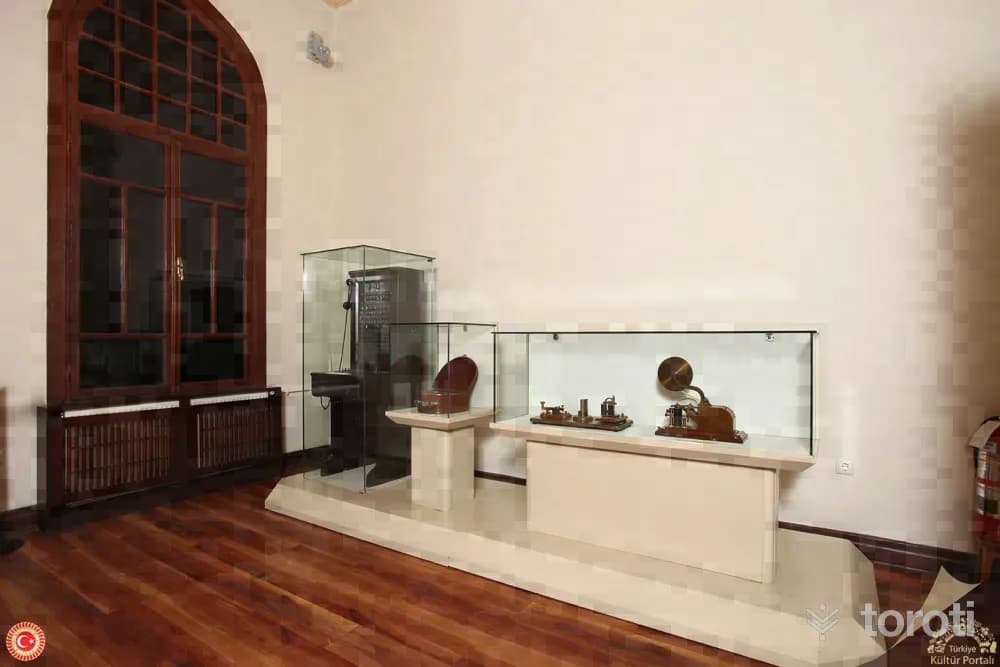
Prof. Dr. Ülker Muncuk Müzesi
Yenimahalle, Ankara
It was established in 1974 within the aforementioned school under the leadership of a group of idealist teachers of the Girls' Technical Higher Teachers' School and Ülker Muncuk. The museum began operating on 02.07.1982 as a private museum under the supervision of the Directorate of the Ethnography Museum.
4
Kurtuluş Savaşı Müzesi
Altındağ, Ankara
War of Independence Museum (First TBMM Building) History of the First Grand National Assembly of Turkey Building The building used as the First Grand National Assembly of Turkey building was constructed in its time as a party building. In 1916, it was decided to build it as the Committee of Union and Progress building. By order of Minister of War Enver Pasha, the building was designed by Architect Salim Bey, and the construction work of the project was assigned to Military Architect Hasip Bey.
5
Atatürk Konutu Ve Demiryollari Müzesi
Altındağ, Ankara
One of the few state buildings in Ankara during the War of Independence, the “Direksiyon Binası” continues to be a living witness to the national struggle. When you visit this building, where important historical decisions were made, you will take a journey through time to the years of struggle and witness the spirit of the years when the Republic was founded.
6
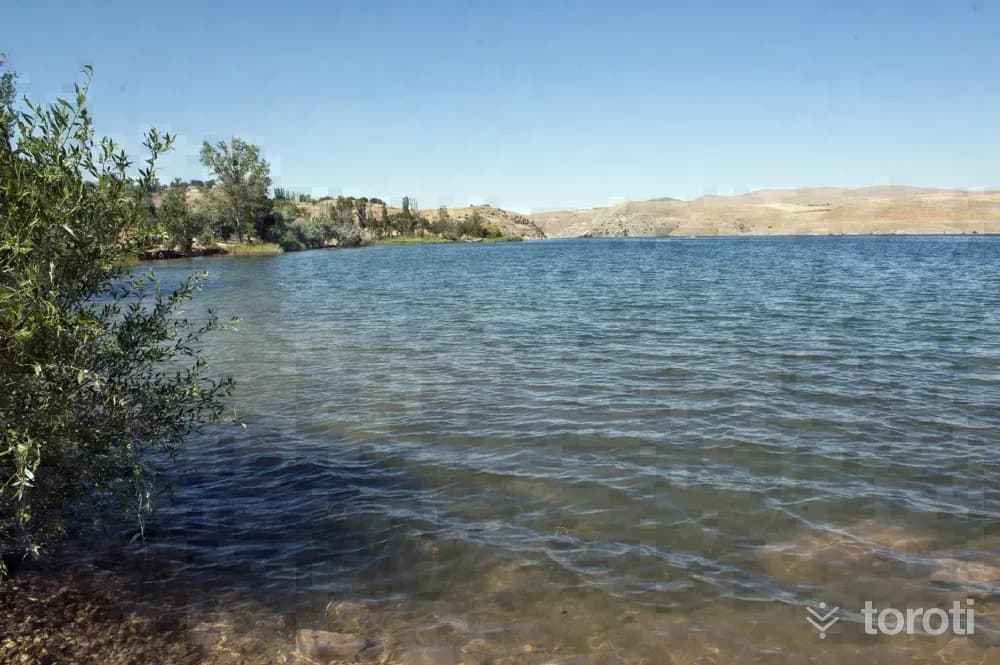
Kesikköprü Baraj Gölü
Bala, Ankara
In the reservoir lake, which has a depth of approximately 30 meters, it is possible to swim and do water sports such as surfing, skiing and diving. After passing Gölbaşı, turn toward Bala and follow the direction of the Beynam Ormanları sign to reach the lake. On the lakeshore, there are municipal facilities and a kiosk. It is located approximately 70 kilometers from Ankara.
- No image
7
Tuz Gölü
Şereflikoçhisar, Ankara
Tuz Gölü, Turkey's second largest lake by surface area, is located at the deepest point of a wide tectonic depression buried between the surrounding plateaus. Under less rainy climatic conditions, the lake's surface area has shrunk. The lake, which has become even smaller over time, has reached its present state. 40% of Turkey's salt requirement is supplied from this lake.
- No image
8
Kesikköprü
Kırşehir merkez, Kırşehir
Kesikköprü is a historic bridge built in 1248 by the Anatolian Seljuks. Located over the Kızılırmak River, it is an important architectural work.
- No image
9
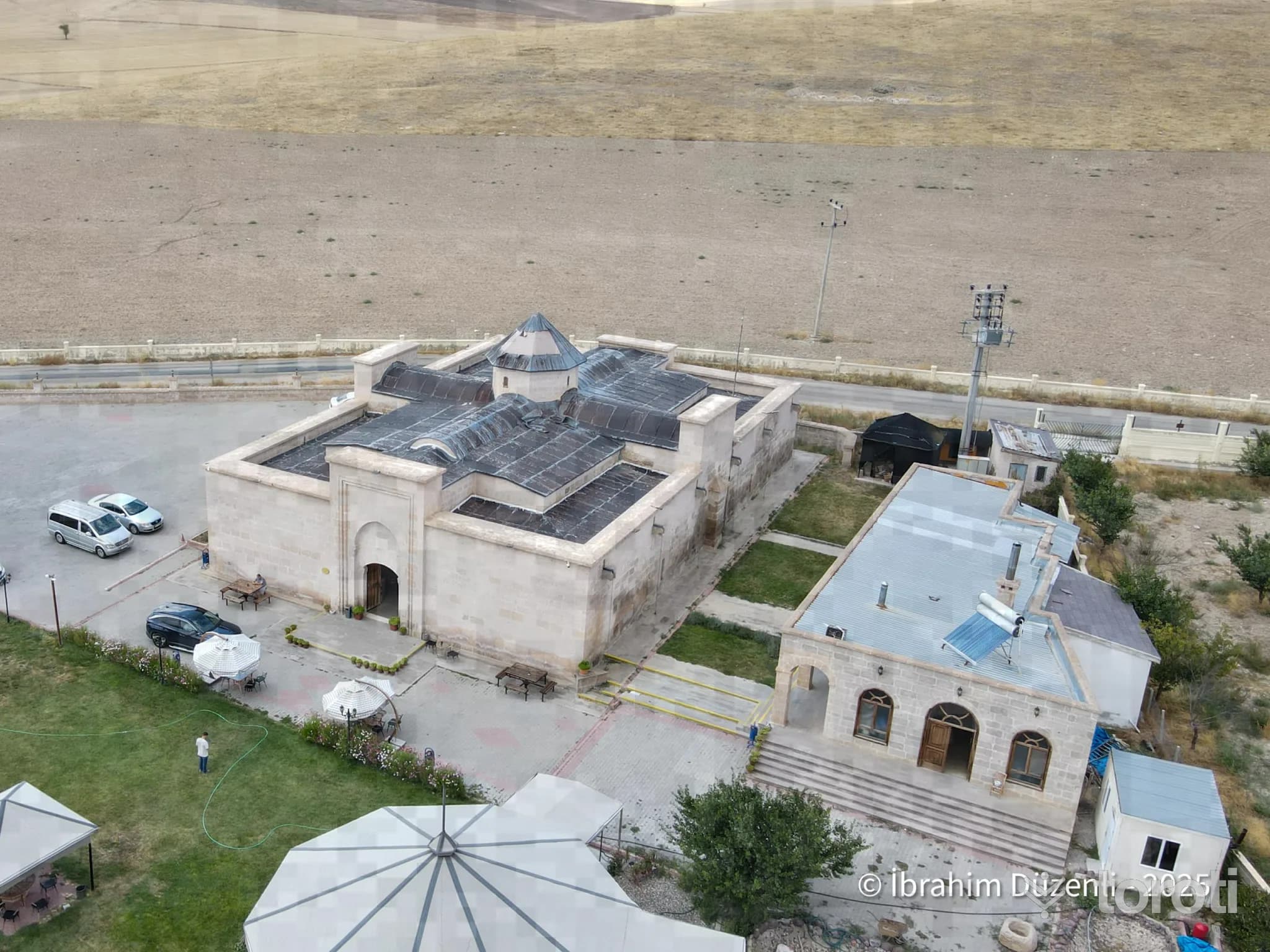
Yunus Emre Türbesi
Kırşehir merkez, Kırşehir
The Yunus Emre Tomb is a historical site located within the Yunus Emre National Park.
10
Öresin(Tepesidelik) Han
Aksaray merkez, Aksaray
Öresin Han is a historical structure with a ruined facade and entrance. It is believed to be similar to Çay Han.
11
Güvercinkayası
Gülağaç, Aksaray
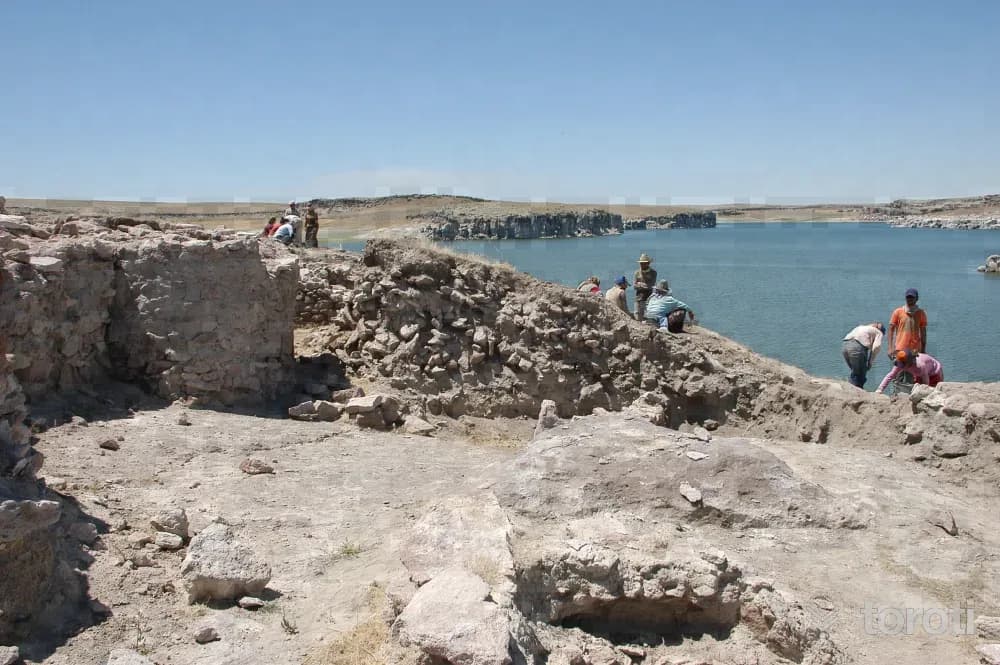
Güvercinkayası is a pioneer of the castle city model in Anatolia, holding historical significance with its 7,000-year history.
12
Musular Höyük
Gülağaç, Aksaray
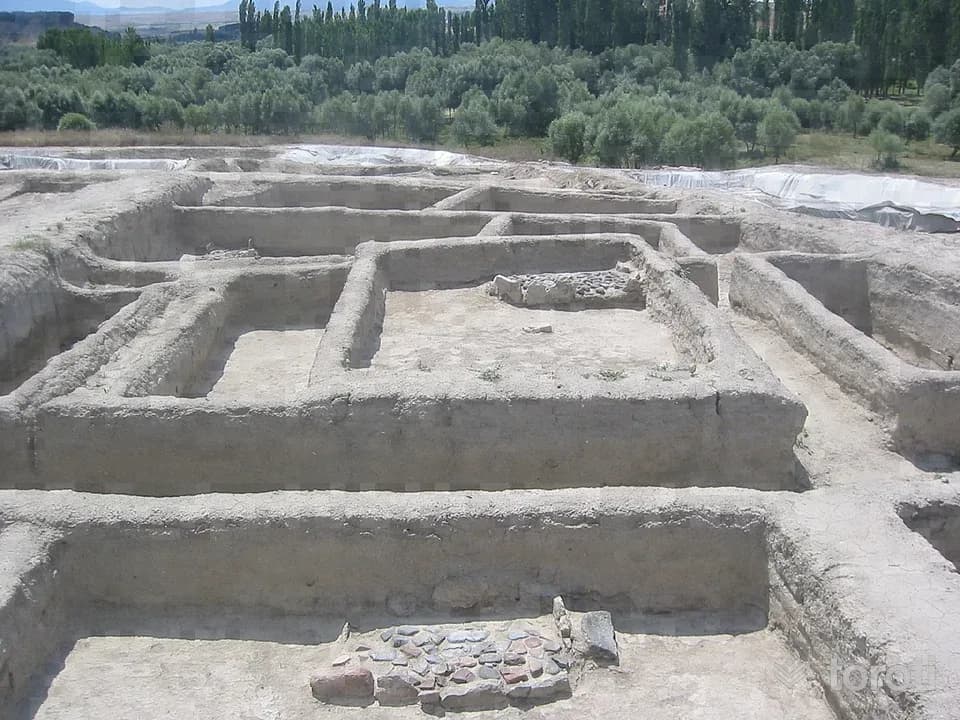
Musular Höyük is a historical settlement located south of Kızılkaya Village, containing remains from the Neolithic period.
13
Aksaray Manastir Vadisi
Güzelyurt, Aksaray
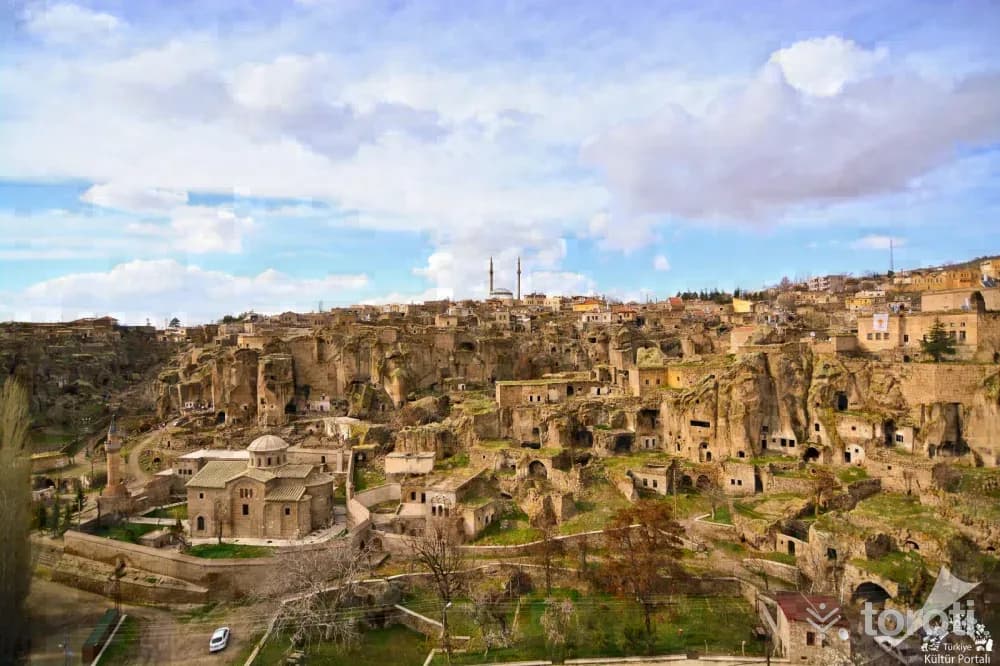
Monastery Valley is an important site featuring 28 churches and 2 underground cities, showcasing both historical and natural beauty.
14
Yüksek Kilise
Güzelyurt, Aksaray
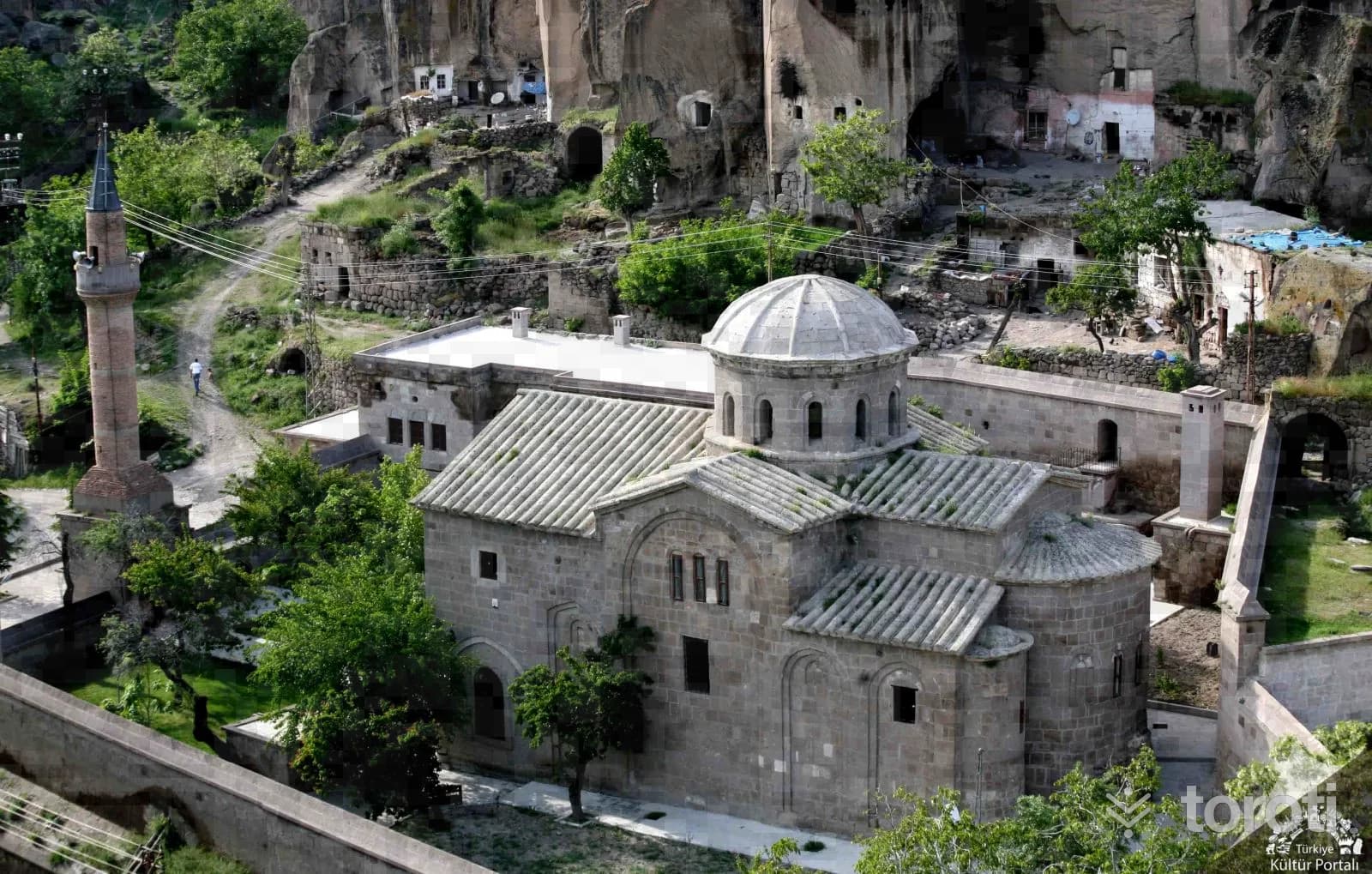
The High Church, located 3 km from Güzelyurt, is a historical structure built on steep rocks.
15
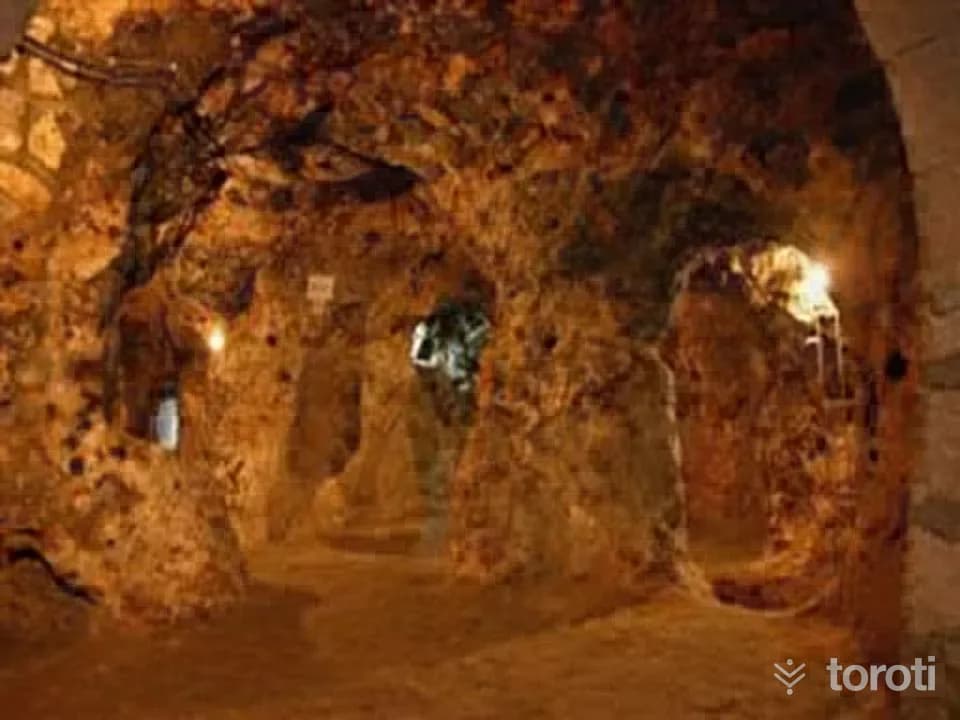
Özlüce Yeraltı Şehri
Derinkuyu, Nevşehir
Özlüce Underground City is a historical underground structure located in the Derinkuyu district of Nevşehir. Formerly known as Zile, this site awaits visitors with its intriguing architecture.
16
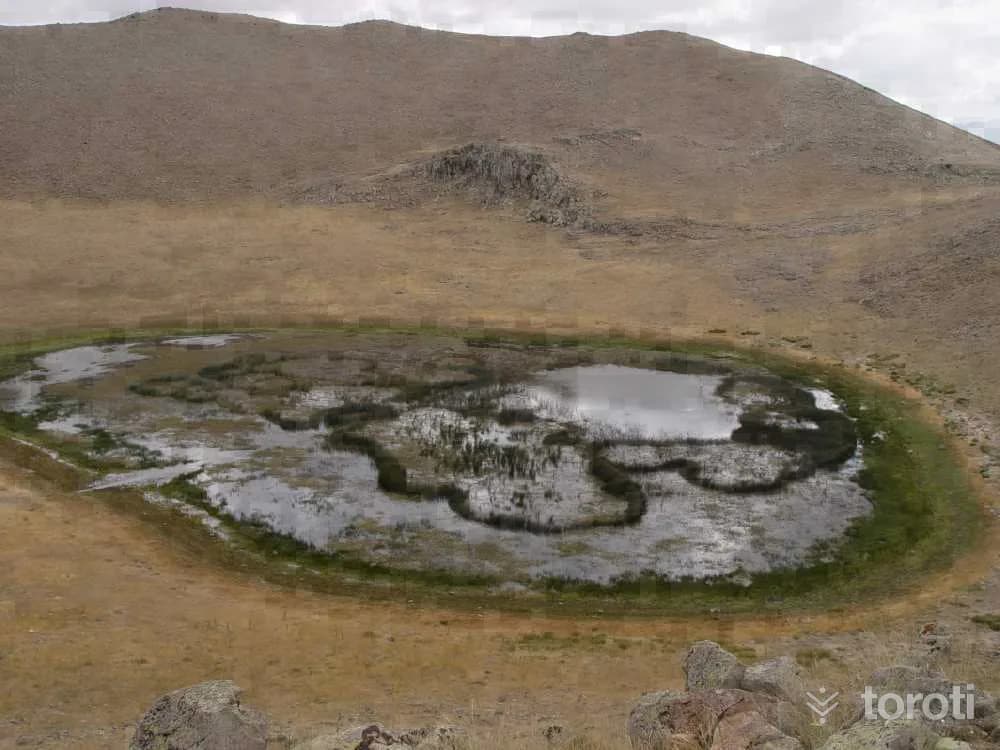
Göllüdağ Ören Yeri
Niğde (merkez), Niğde
Göllüdağ Archaeological Site is a fortified Late Hittite city dating back to the 8th-7th century BC.
17
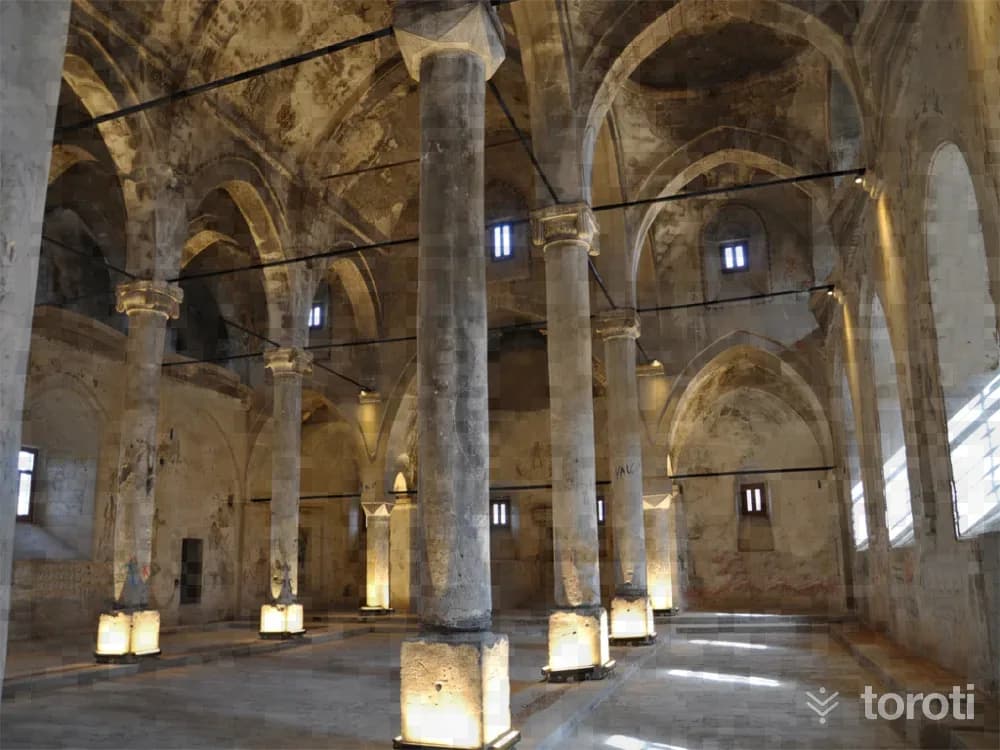
Konakli Rum Kilisesi
Niğde (merkez), Niğde
The Konaklı Greek Church is a basilica-plan historical structure made of basalt stone, featuring three naves and various decorative elements in its interior.
18
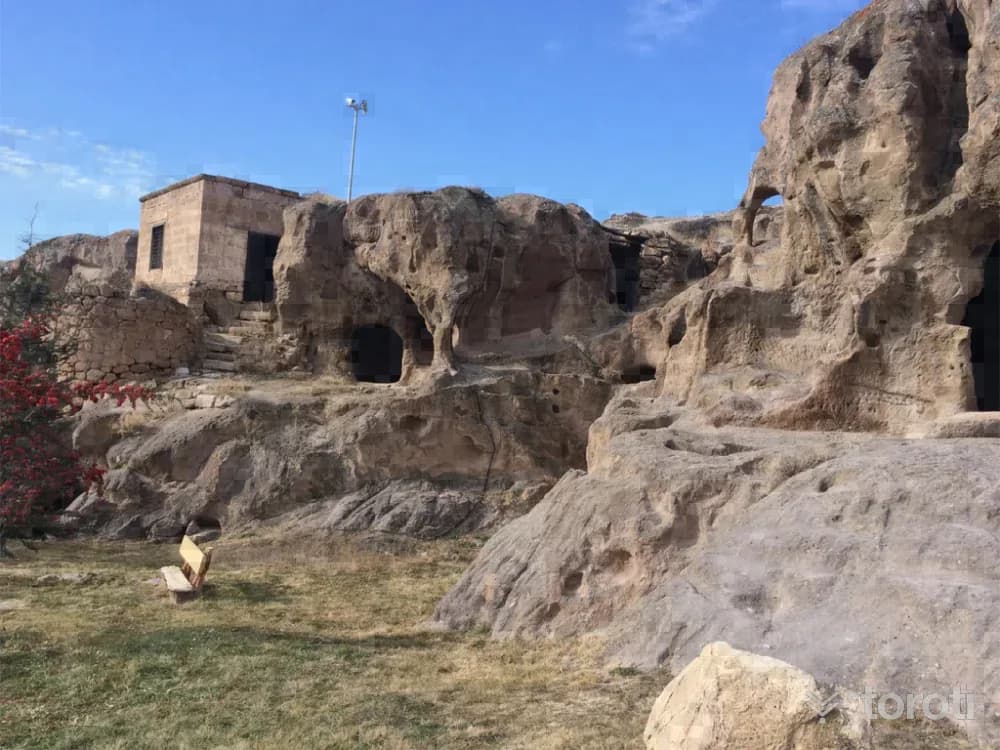
Gümüşler Manastiri
Niğde (merkez), Niğde
Gümüşler Monastery is one of the largest and best-preserved rock monasteries in the Cappadocia region.
19
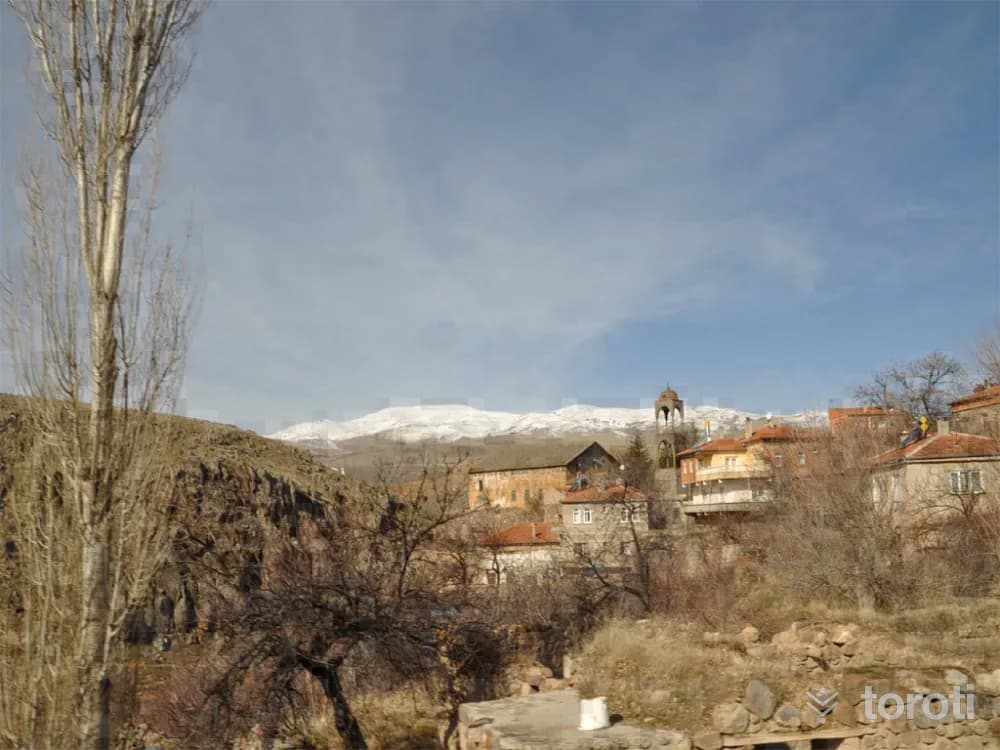
Yeşil Burç Kilise Cami
Niğde (merkez), Niğde
Yeşil Burç Kilise Cami is a historical structure built in a three-nave basilica plan. The frescoes and architectural details in the interior are noteworthy.
- No image
20
Dörtayak Camii ve Türbesi
Niğde (merkez), Niğde
Dörtayak Mosque and Tomb was built in 1312-13 and commissioned by Hüdavend Hatun, the daughter of the Seljuk Sultan Rukneddin Kılıç Aslan IV.
- No image
21
Sungurbey Cami
Niğde (merkez), Niğde
Sungurbey Mosque, believed to be built around 1335, was commissioned by Sungur Bey, the governor of Niğde during the Ilkhanate period.
- No image
22
Köşk Höyük
Bor, Niğde
It shows that the oldest community of the Bor plain engaged in agriculture and animal husbandry (6050–4911 B.C.) settled in this area. The first four layers of the five-layer settlement belong to the Late Neolithic, while the latest layer belongs to the Early Chalcolithic period. There is an architecture consisting of small multi-room spaces expanded according to need during the Neolithic period.
23
Tyana Ören Yeri Ve Su Kemerleri
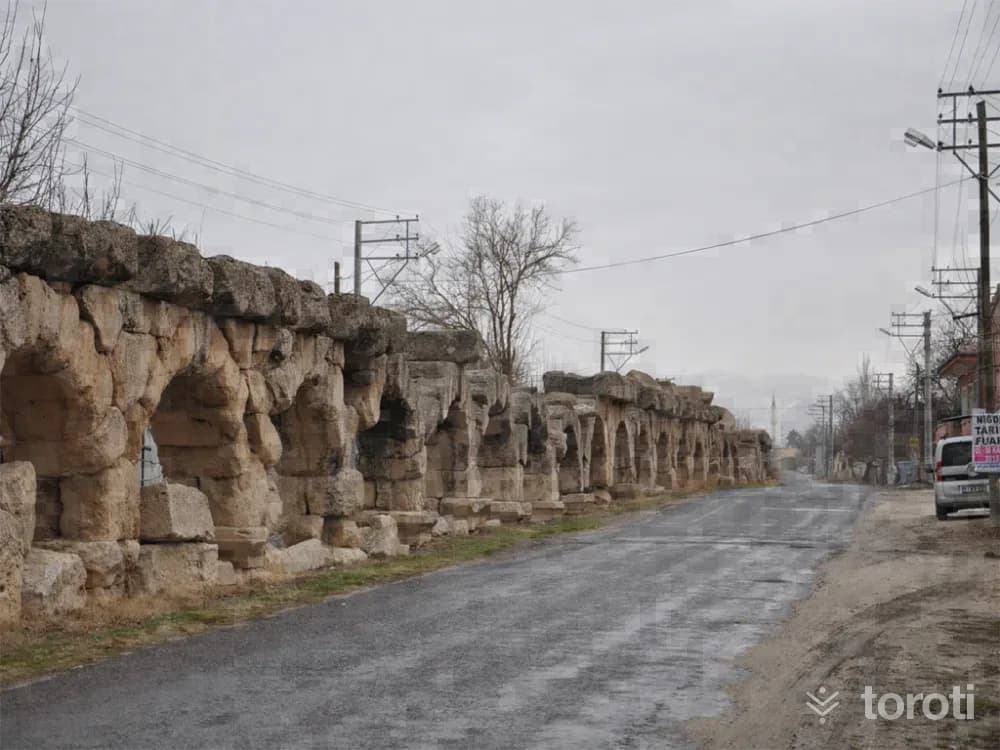
Bor, Niğde
Tyana Ruins and Aqueducts The ancient ruins of Tyana are in Kemerhisar Town of Bor district. The ruins remain under a large part of the town. Important sculptural works found in various conditions in different parts of the town, and the works and architectural pieces uncovered as a result of the scientific excavations carried out at the ruins, are exhibited in Niğde Museum.
24
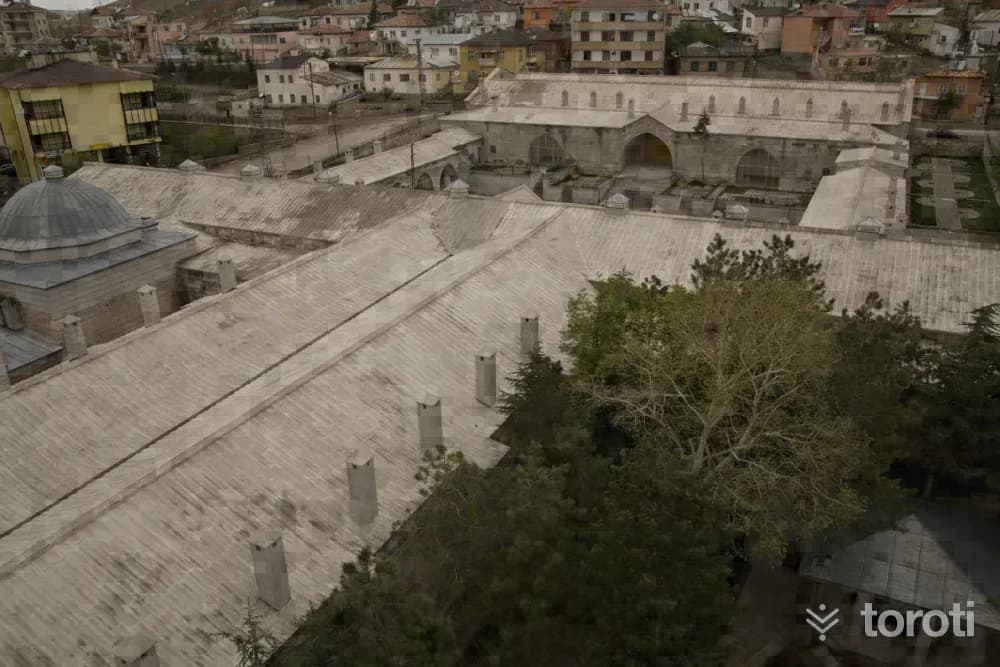
Ulukişla Mehmet Paşa Külliyesi
Ulukisla, Niğde
The Grand Vizier Mehmet Paşa Caravanserai, known as the largest caravanserai in our country, is in Ulukışla.
25
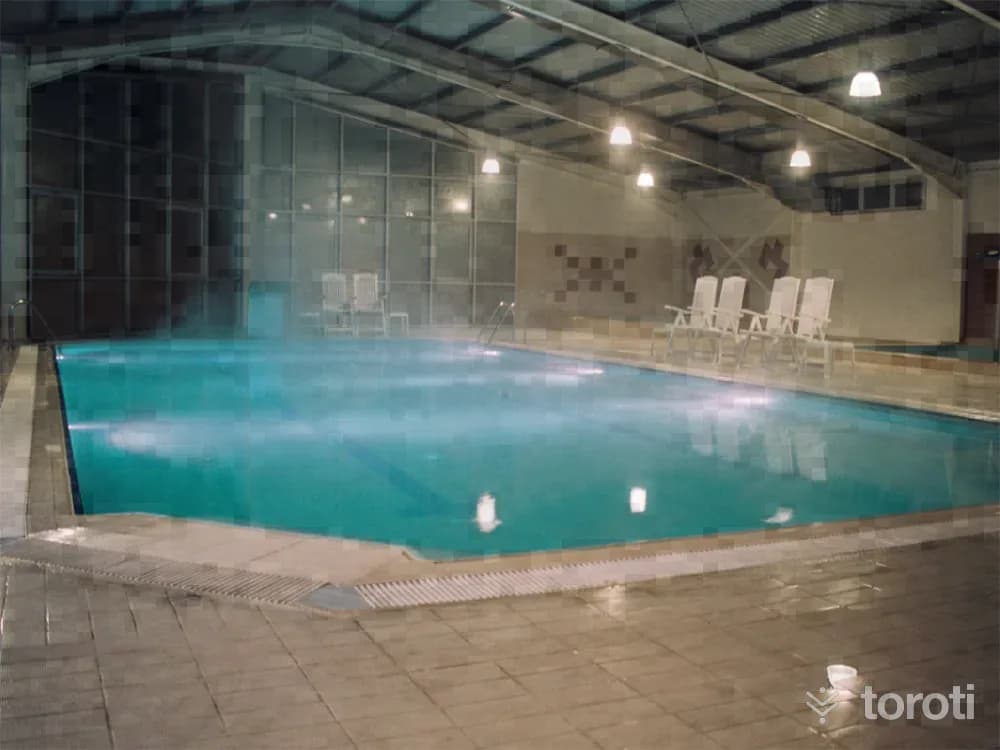
Çiftehan Kaplıcaları
Ulukisla, Niğde
ÇİFTEHAN THERMAL SPRINGS: It is located in the town of Çiftehan in the district of Ulukışla, 80 km from Niğde. The thermal spring waters, which are suitable for both bathing and drinking, have positive effects on ailments such as rheumatism, nervous disorders, skin diseases, women's diseases, and nutritional disorders. The facilities in the thermal spring center are modern and have a large capacity. The town's location on the Ankara-Adana Road makes transportation quite easy.
- No image
26
Pozanti-belemedik Yaylası
Pozantı, Adana
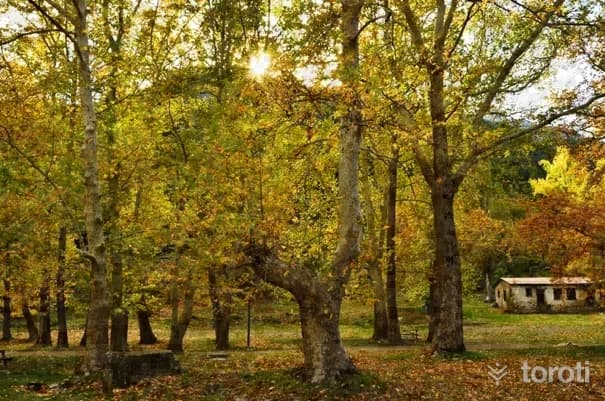
The plateau, located 10 kilometers from Pozantı, is reached by a stabilized road passing through Anbaş Village. It is established on the bank of the Çakıt Stream, and accommodation is provided in the region’s plateau houses made of stone and wood. On the plateau, which is rich in wildlife, wild goats, wild boars, and birds of prey can be observed.
27
Yaban Hayati Gözlemciliği - Belemedik Yaylası
Pozantı, Adana
Belemedik Plateau can be reached from Pozantı via a 10-kilometer stabilized road passing through Anbaş Village. On the plateau, established on the banks of the Çakıt Stream, there are plateau houses made of wood and stone. On the plateau, which is rich in wildlife, wild goats, wild boars and birds of prey can be observed. Belemedik Train Station and the buildings around it were built during the period when the Berlin‐Baghdad railway line was constructed.
28
İbrahim Paşa Tabyaları
Tarsus, Mersin
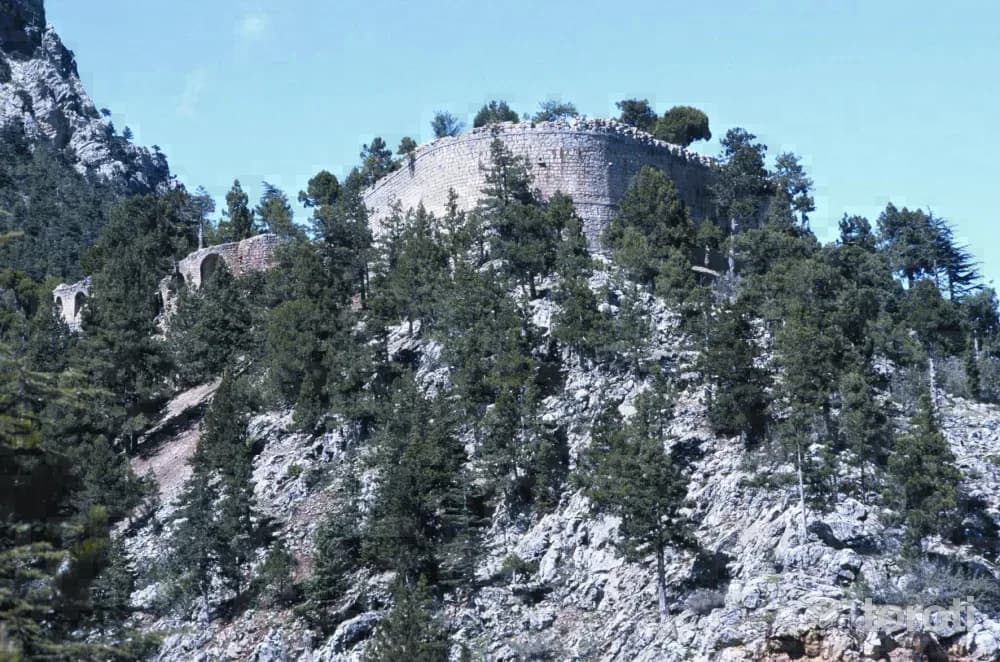
İbrahim Paşa Tabyaları is one of the quite solid structures from the Ottoman Period, of which there are very few in the region. It was commissioned by İbrahim Paşa around the 1830s to resist attacks coming from the east. While proceeding on the motorway in the direction of Tarsus Pozantı, before reaching the Tekir (Akçatekir) Yaylası area of Adana, a structure can be seen on the high hill to the left of the road. This structure is called Kızıl Tabya (Büyük or Fenerli Tabya).
29
Karboğazi Kuvayi Milliye Anıti
Tarsus, Mersin
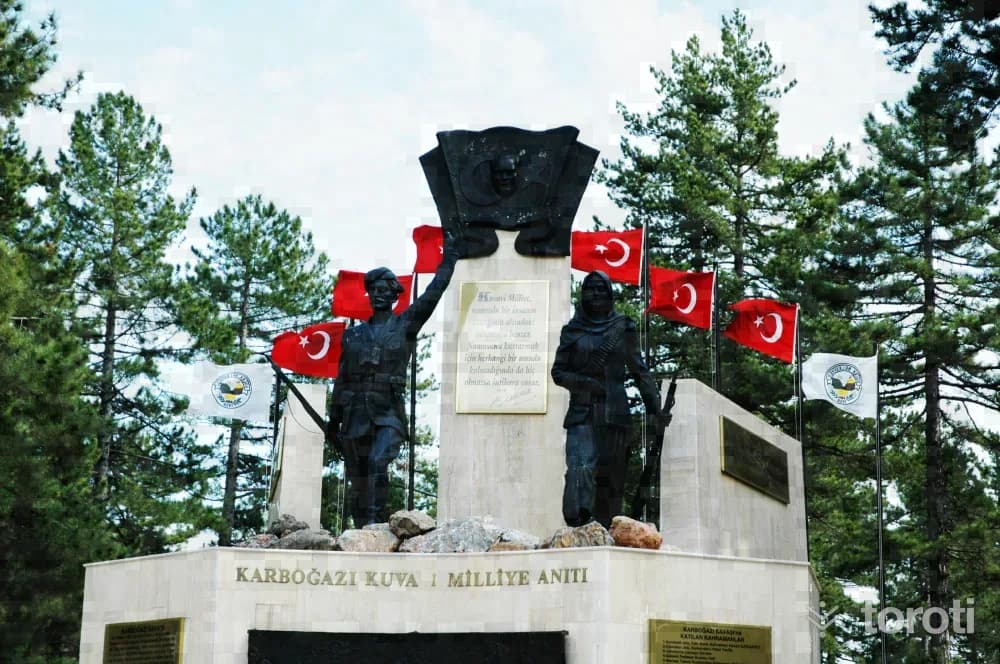
The French forces stranded in Pozantı were being harassed every day in Pozantı by the Kuvayi Milliye militias. For this reason, realizing that they would not be able to hold on in Pozantı, the French wanted to break out of the blockade in Pozantı and go to Mersin by passing through the Namrun and Gözne highlands.
- No image
30
Namrun Kalesi
Çamlıyayla, Mersin
Namrun, which dates to the Middle Ages and is one of the most famous castles in the region, is in the Çamlıyayla district center. It was known as “Illibru” during the Hittite and Assyrian Periods. The defensive castle, built on a high hill, is reached by a ruined staircase. Namrun’s strategic importance lies in its role in protecting the Cilician Gates above Gülek Kalesi. The Hetums ruled in Namrun for a long time.
- No image
31
Kadıncik Vadisi
Çamlıyayla, Mersin
It has an area of 8776 hectares. Access is by turning right at the junction when about 6 km from Çamlıyayla District and entering the valley. There is a natural trout production facility within the valley. The natural trout produced here are later released into the streams in order to enrich them. In the 2011 inventory, 491 wild goats were identified. Protection is carried out by the Olukkoyağı Village Legal Entity.
- No image
32
Sağlikli Köyü, Roma Yolu Ve Tarsus Parkuru
Tarsus, Mersin
Near Sağlıklı Köyü to the north of Tarsus, the broad and impressive road is entered from beneath a Roman Arch. The road crosses the Taurus Mountains south-north and descends to İvriz. It is thought that St. Paul went to Derbe by this road on his 2nd journey. The route is a route with 3 tented overnight stays.
- No image
33
Gözlükule Höyük
Tarsus, Mersin
The mound in the district center of Tarsus consists of two hills. The presence of a watchtower on the mound in the Middle Ages must have led to the name Gözlükule. Obsidian tools and fragments of baked clay vessels belonging to the Neolithic Period have been uncovered. Houses with mudbrick walls on simple stone foundations and narrow streets have been revealed.
34
Tarsus Eski Camii
Tarsus, Mersin
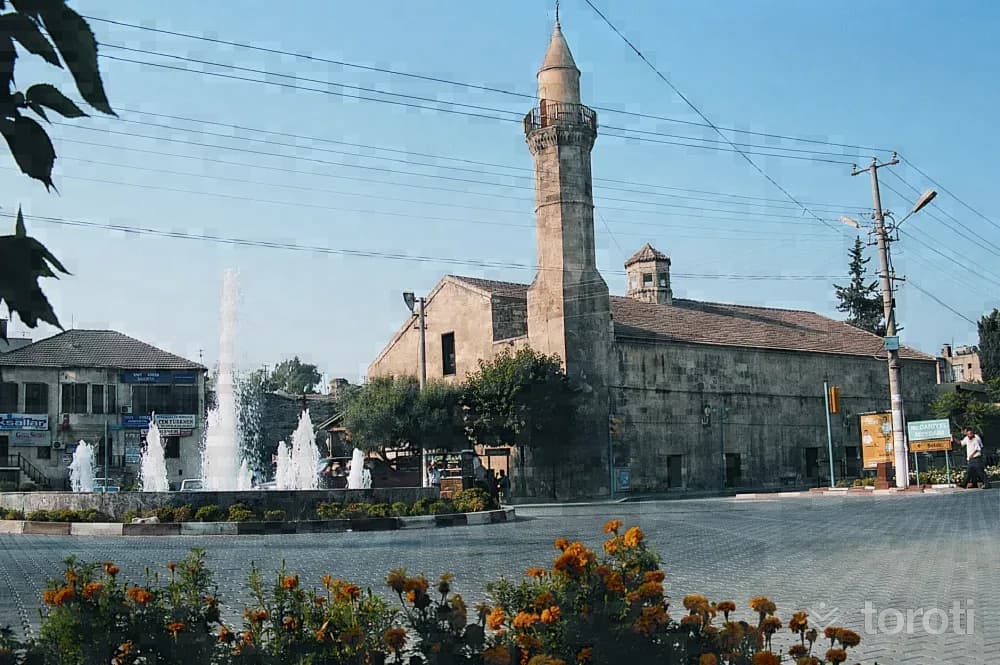
It is said that the church-based structure in Çarşıbaşı was built in 1102 as St. Paul Cathedral. It is noteworthy for its thick and high walls in the Roman style, its spacious interior, its narrow outward-facing side, its deep windows, and its thick columns.
35
Adana Müzesi
Seyhan, Adana
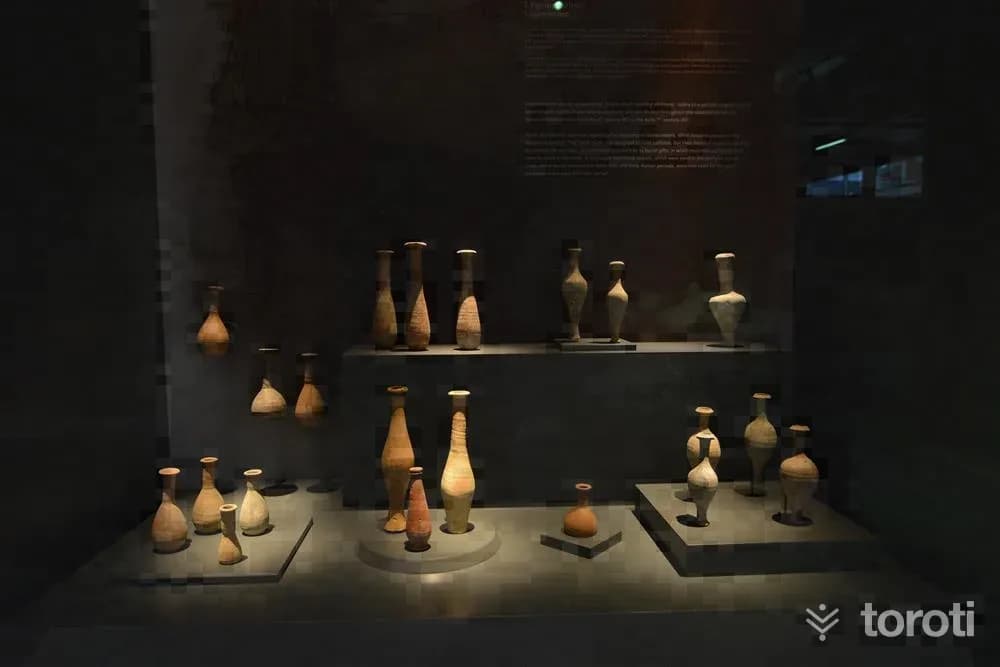
Adana Museum was established in 1924, immediately after the proclamation of the republic, and is one of the 10 oldest museums in Turkey. Official Turkish Museums The museum, which was first established by collecting column capitals and sarcophagi from the surrounding area in the police department, was opened to visitors in 1928 in the madrasa of Cafer Paşa Mosque, following the appointment of Halil Kamil Bey as director and his successful work.
36
Akça Mescit
Seyhan, Adana
Akça Mescit, one of the oldest structures in Adana, was commissioned by Ağcabey during the time of Ramazanoğlu Şahabeddin bey. The entrance door of the building is decorated with a relief featuring floral patterns, and its mihrab is made of stone and is quite impressive. Known as the oldest Turkish structure in Adana, Akça (Ağca) Mescit is located in Ulu Cami Mahallesi, 60 metres from Ulu Cami.
37
Kuruköprü Anıt Müzesi Ve Geleneksel Adana Evi
Seyhan, Adana
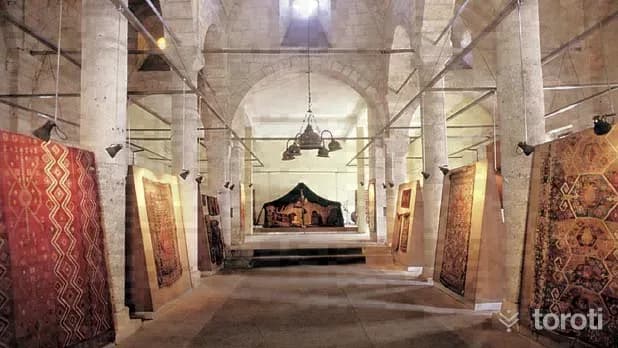
The Tanzimat Edict, proclaimed in 1839, provided non-Muslims with the opportunity to govern themselves and to build schools and places of worship. During this period, a remarkable number of churches were built in Anatolian cities. According to the nine-line Greek inscription on the marble plaque above the western door, the building was commissioned by the Greek community in 1845.
38
Hasan Ağa Camii
Seyhan, Adana
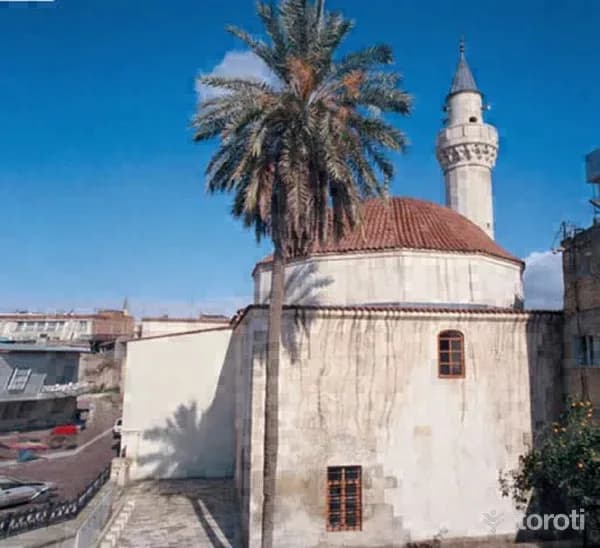
It is not known when the work, whose original name is Hasan Kethüdâ Camii, located in the Ali Ağa neighborhood about 150 meters south of Yağ Camisi, was built. According to a rumor circulating among the people, while Ramazanoğlu Pîrî Paşa was outside Adana as beylerbeyi, it was commissioned by his steward Hasan Ağa, son of Abdullah, who supervised the construction of Ulucami, using materials left over from this construction.
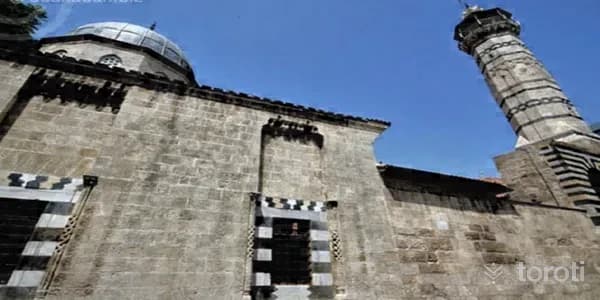
39
Adana Ulu Camii
Seyhan, Adana
Ulu Camii is considered among Adana's important works in terms of its size and historical significance. From the three separate inscriptions of this work, which brings together architectural characteristics belonging to the Seljuk, Mamluk and Ottoman Periods, it is understood that its construction was first begun in 1513 by Ramazan oğlu Halil Bey, and that it was completed in 1541 by Halil Beyin's son Piri Mehmet Paşa and opened for worship.
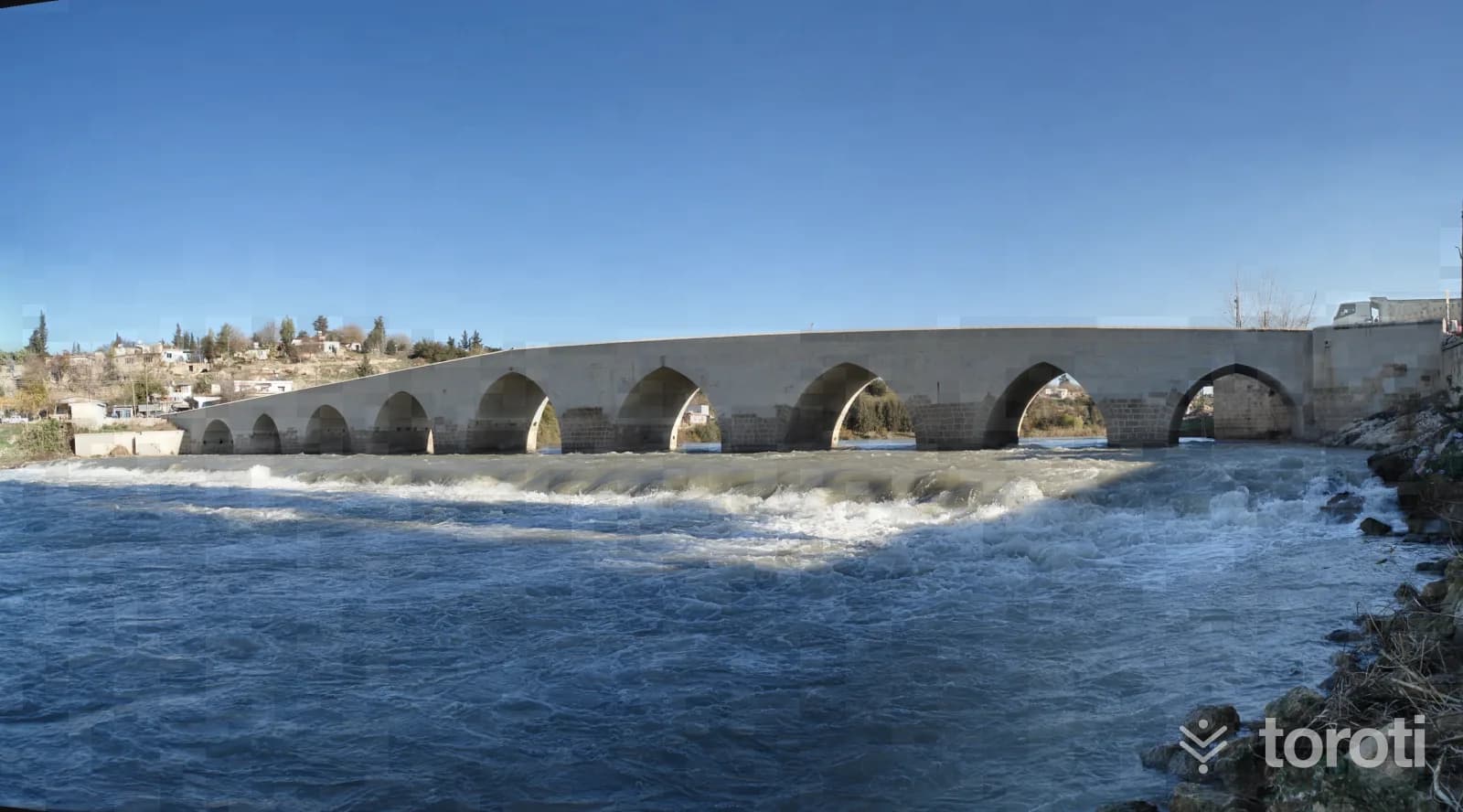
40
Misis Köprüsü
Yüreğir, Adana
The Misis Bridge is a historic bridge located over the Ceyhan River, built by Roman Emperor II. Flavius Julius Constantinus. Known as the first Roman bridge in Anatolia, it has witnessed many civilizations.
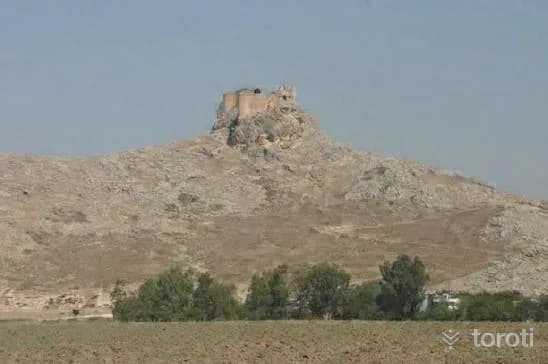
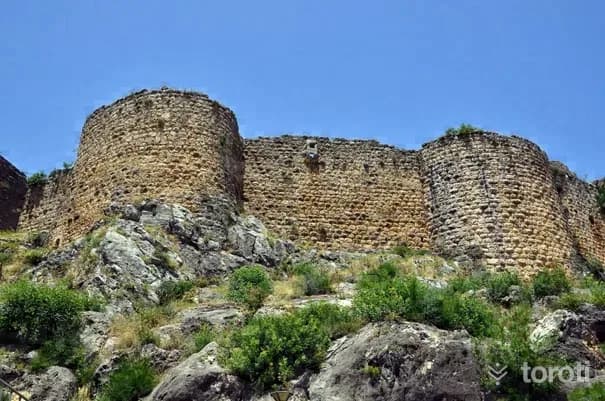
41
Dumlu (Tumlu) Kalesi
Ceyhan, Adana
Dumlu Castle is a historical structure located northwest of Ceyhan. Believed to have been built in the 12th century, the castle features eight towers and various architectural remains.
42
Kozan Kalesi
Kozan, Adana
Kozan Castle or Sis Castle, located in the center of Kozan district, stands in a position dominating the plain on a steep limestone hill. Kozan Castle, one of the oldest castles in the region, has 44 towers and bastions built in two groups. Because of the baptism oil extraction ceremonies held here every 3 years, it became an important center for the Christian world.
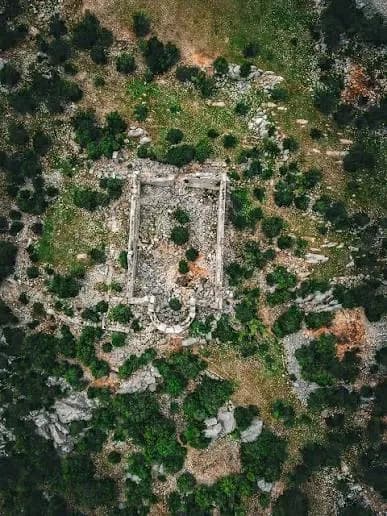
43
Akören Ören Yeri
Aladağ, Adana
Akören Archaeological Site holds historical significance with its remains from the Byzantine Period.
Move the stops into your own plan, split them across days, and add places to sleep and eat.
Frequently asked
- How far is it between Ankara and Adana, and how long does it take?
- Driving between Ankara and Adana is roughly 562 kilometres and takes about 6 hours without stops.
- Where is it worth stopping between Ankara and Adana?
- There are 397 described places within 20 km of the road between Ankara and Adana. toroti lists 43 of them spread evenly along the drive, in the order you pass them; Seğmenler Parkı comes early on, and Akören Ören Yeri sits near the end.
- Which provinces does the Ankara to Adana route cross?
- The route between Ankara and Adana crosses Ankara → Kırşehir → Aksaray → Nevşehir → Niğde → Adana → Mersin. The stretch richest in places to visit is in Ankara.
- Should I take the toll highway or traditional route between Ankara and Adana?
- Toll motorways save driving time between Ankara and Adana, whereas traditional state roads pass directly through historic town centers, local culinary stops, and scenic nature viewpoints.
- How should breaks be scheduled between Ankara and Adana?
- For a drive of around 6 hours, taking a break every 2 to 2.5 hours is recommended. The catalogued attractions in Ankara and neighboring provinces offer memorable stopovers compared to generic highway rest areas.