
Places to visit
Things to do in Van
56 destinations, each with a description, how long it takes and where it sits on the map.
In short
toroti’s catalogue holds 56 described destinations within Van. The themes that come up most: Local culture, Faith heritage, History, Nature, Museum, Culture.
Districts of Van
Hurkan Köprüsü
The bridge, extending in the northeast-southwest direction, belongs to the group of bridges whose single-span roadway is sloped. The bridge opening has a pointed arch. Brick was used on the edge, and rubble stone material bonded with mortar was used on the other sides. There is a room on the northeast side. It was repaired in 1998 by the General Directorate of Highways. It is located over Çatak water, at the Çatak - Narlı road junction.
45 minutes
Evliya Bey Medresesi
The madrasa rooms lined up on the east and west of the courtyard consist of the octagonal masjid to the south and the two rooms to its east. The three rooms on the west have a rectangular plan and are covered with barrel vaults. The upper coverings of the three rooms on the east have collapsed. Rubble stone material was used throughout, and no decoration was included.
45 minutes
Abdurrahman Baba Kümbeti
It is estimated that the tomb in the northwestern corner of the mosque was built in the first half of the XIXth century. It is single-storey, with an octagonal body and a pyramidal roof. Built of neatly cut stone, the structure has been renovated together with the mosque in recent years. In respect for his spiritual personage, it constitutes one of Van's important places of visitation.
45 minutes
Çatak Köprüsü
There are Armenian inscriptions on the bridge. Since the inscriptions could not be deciphered, it is not known on what date and by whom it was built. However, it may have been built during the Ottoman Period within the XVII-XVIII centuries.
45 minutes
Şeytan Köprüsü
The bridge has an impressive appearance. It is accepted that it was built in the late XIX century and early XX century. It has a single span with a low arch opening, a flat roadway, and generally smooth cut stone was used, with rubble stone material used in places as well. It is in sound condition.
45 minutes
Hüsrev Paşa Külliyesi
It is located in the Ortakapı Neighborhood of Old Van. It is situated within a külliye consisting of a mosque, madrasa, tomb and imaret. According to the inscription above the entrance gate of the mosque, it was commissioned in 1567 by Van Beylerbeyi Köse Hüsrev Paşa. It is counted among the works of Mimar Sinan.
30 minutes
Galip Paşa Kümbeti
The structure, estimated to have been built in the XIX century, was built in the name of Galip Paşa. It was kept smaller than the other one, and has a single-storey octagonal body and a pyramidal roof. It was built with neatly cut stone material and is plain.
45 minutes
Yedi Kilise
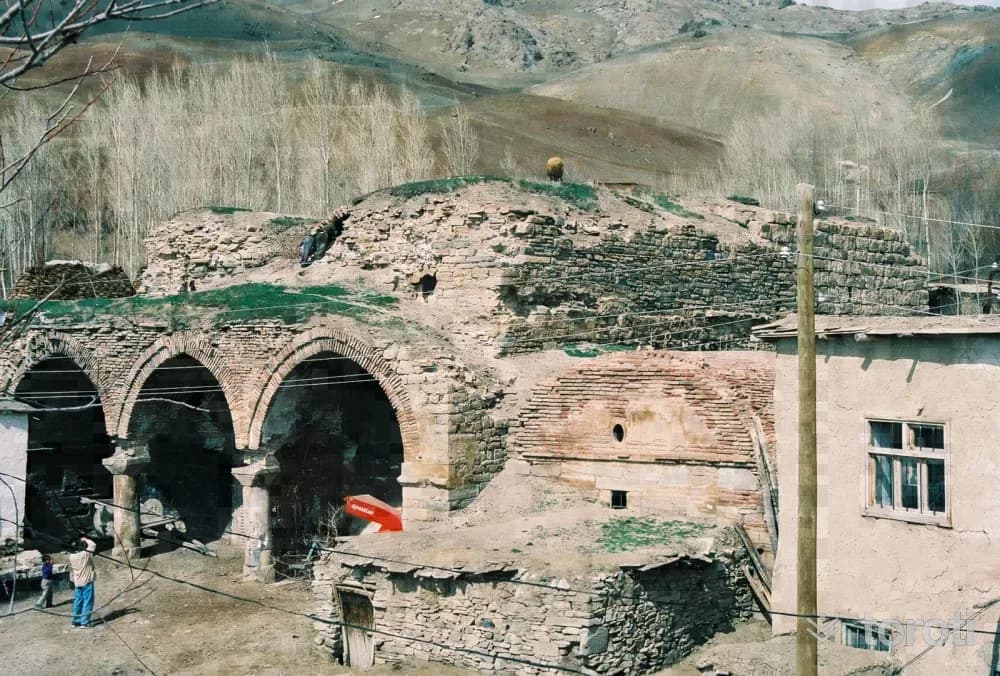
The structure, entirely called Warak Wank Monastery, is in fact not seven churches as it is referred to, but consists of five churches in two groups, a Jamatun added to the church, a library, and a bell tower. The oldest of the churches forming the monastery is St. Sophia Church. It was built in the 8th century and only its apse remains. The second is St. John Church, built adjoining its north wall and now in ruins.
45 minutes
Toprakkale
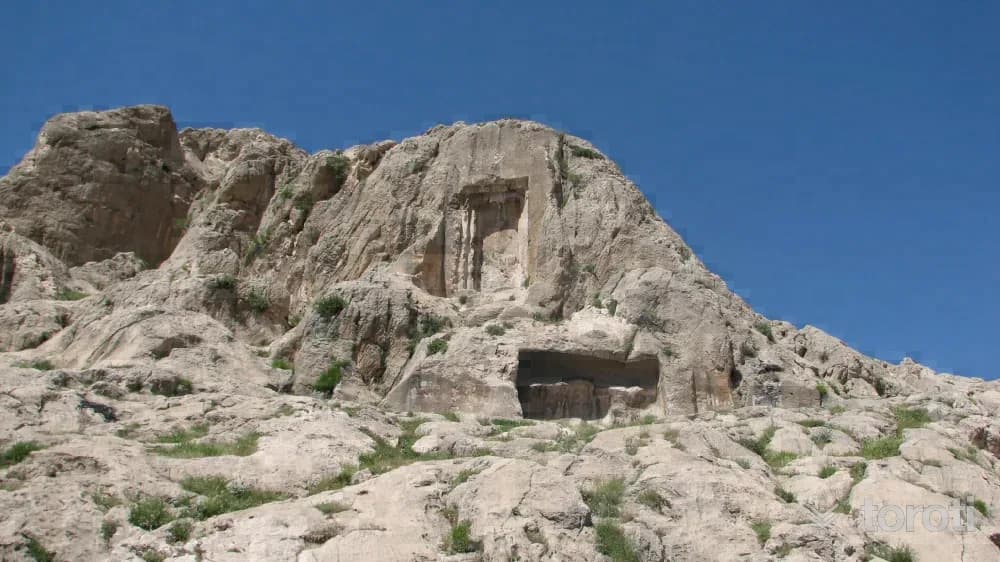
This settlement, located on the Van Plain in the northeast of Van, is today called Toprakkale. It was given the name Rusahinili because it was founded by the Urartian King Rusa II (685-645 B.C.). Toprakkale, the second capital of the Urartian Kingdom, is on the rocks of Zımzım Dağı in the northeast of the Van Plain. Since it was founded by Rusa, the castle was given the name Rusahinili (the city founded by Rusa).
45 minutes
Çavuştepe Kalesi
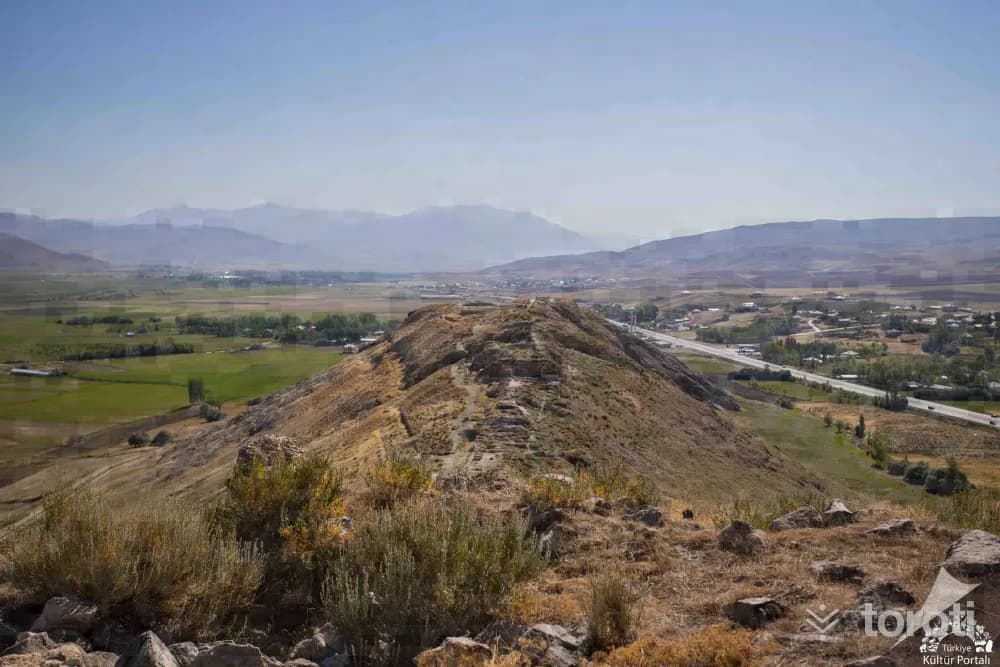
Çavuştepe Castle is located in Van’s Gürpınar district, at the western end of the Bol Mountains. It consists of two sections, the lower and upper castle. It was founded by the Urartian King Sarduri II between 764-734 BC. The castle was named Sardurihinili in the Urartian language, meaning the city founded by Sarduri. Official Turkish Museums The lower castle covers an area 800 meters long on the ridge of the hill.
45 minutes
Hoşap Kalesi
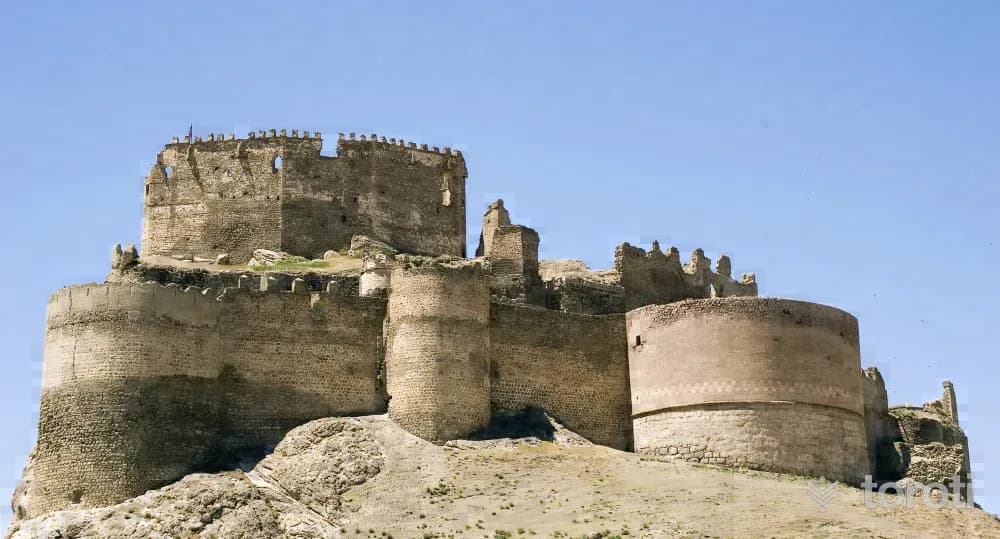
The castle, built on a steep and sheer rock mass to the northwest of Hoşap Stream, consists of the inner castle and the outer castle to its north. With a history extending back to the Urartian State, the castle has survived to the present day in the form built by the Mahmudi Beys, who were subject to the Ottoman State. According to the inscription above the entrance gate of the inner castle, it was built by Mahmudi Süleyman Bey in H. 1052 (1643).
45 minutes
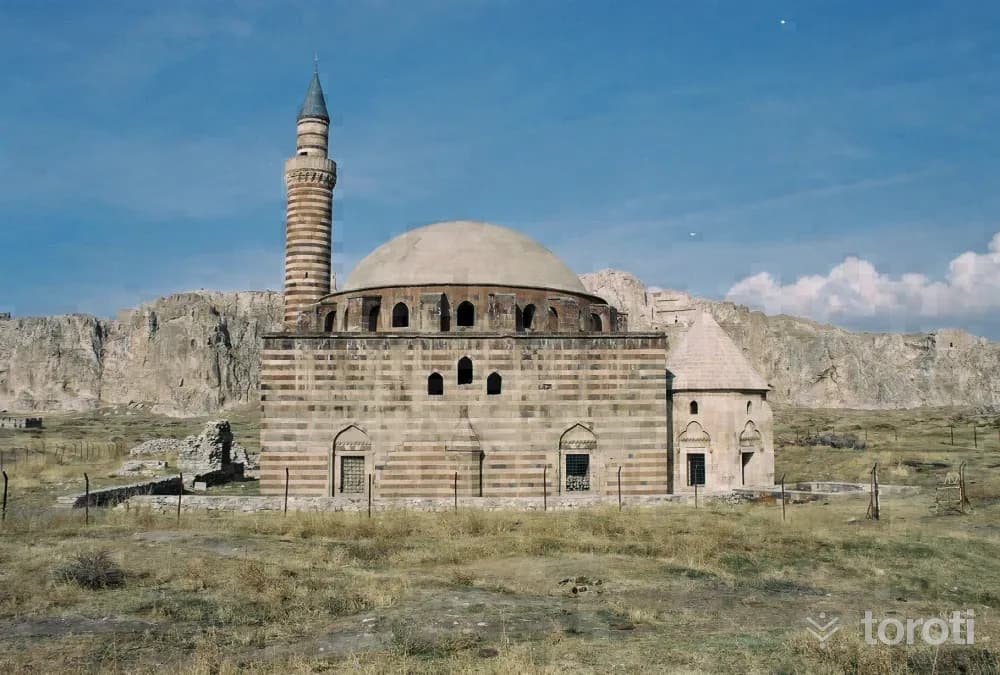
Hüsrev Paşa Camii Ve Külliyesi
According to the inscription above the entrance door of the mosque, it was commissioned in 1567 by Van Beylerbeyi Köse Hüsrev Paşa. It is counted among the works of Mimar Sinan. Prof. Dr. A. Uluçam carried out excavation and restoration works in and around the mosque. The five-bay last congregation area on the north side of the square-planned mosque, covered with a dome, has collapsed. The harim is covered with a dome resting on thick walls.
45 minutes
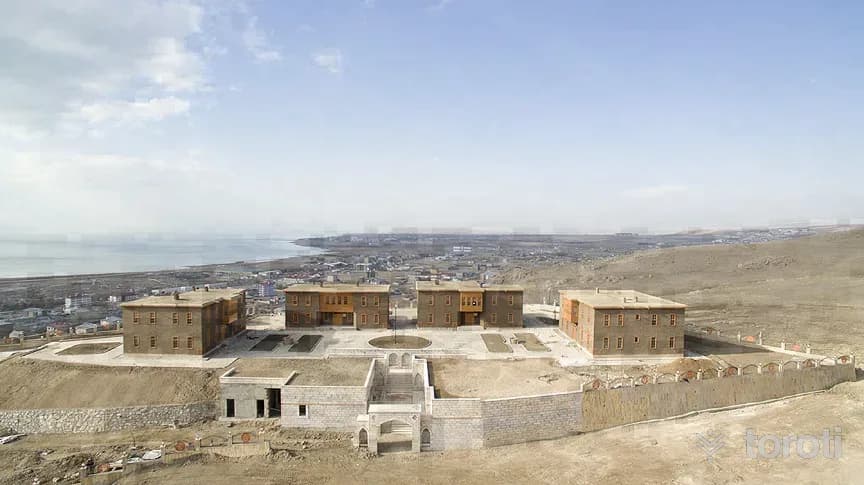
Tarihi Van Evleri Mahallesi
The construction dates of the surviving traditional Van houses, which embody the characteristics of the traditional Turkish house, mostly date to after the 1915 Armenian uprising and the Great Van Fire. Stone, adobe and wood materials were used in the construction of the traditional Van house, one of the important heirs of Van’s urban fabric. As a construction technique, adobe walls were built on a stone foundation.
45 minutes
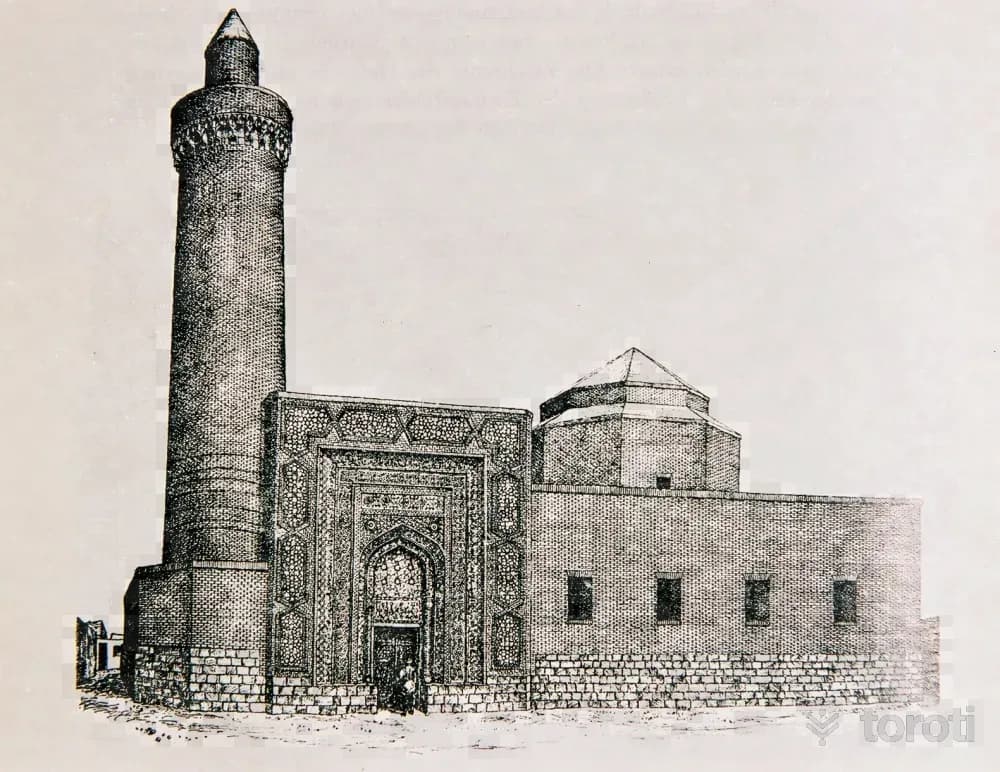
Ulu Cami
Although O. Aslanapa dates the Mosque to the beginning of the 14th century, when we look at the historical process and the structural characteristics, it is understood that it was built in the Seljuk Period. The statement in the 1571 dated Van province waqf cadastral register that Cami-i Kebir belonged to the waqfs of Şah-i Ermen confirms this. In light of these, Ulu Cami was by I. Sökmen (1100-1112) or II. of the Ahlatşahs, who established dominance around Lake Van.
45 minutes
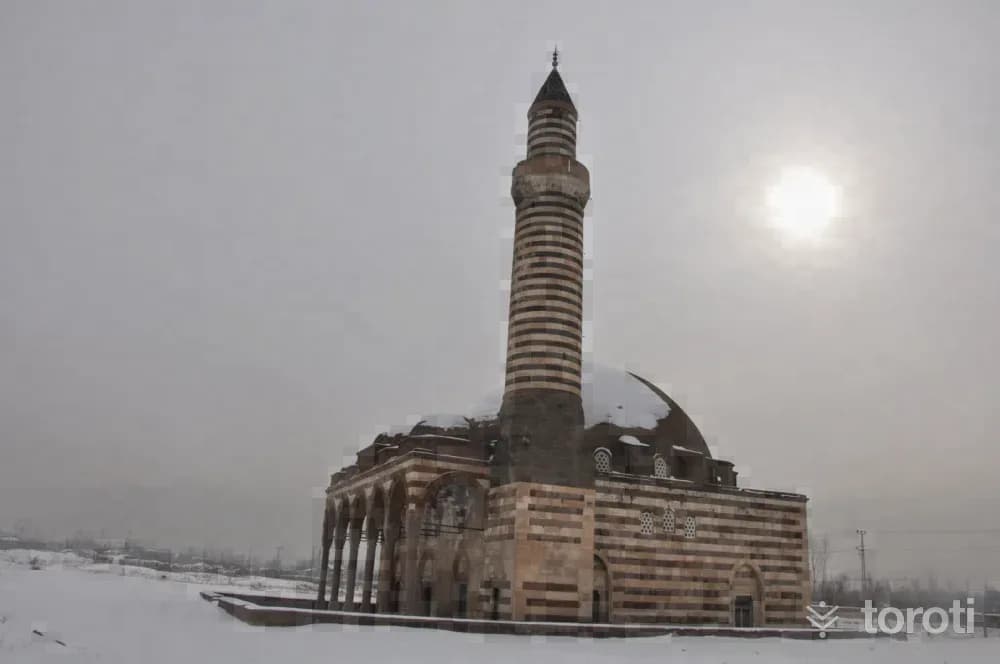
Kaya Celebi Camii
According to its endowment deed, its construction was started in 1660 by Kaya Çelebi Zade Koçi Bey, but upon Koçi Bey's execution, it was completed in 1663 by Cem Dedemoğlu Mehmet Bey. After the repairs carried out by the General Directorate of Foundations in 1993, it was opened for worship. The mosque consists of a square-planned and single-domed harim and the five-bay last congregation area to its north. Its minaret is located at the northwest corner.
45 minutes
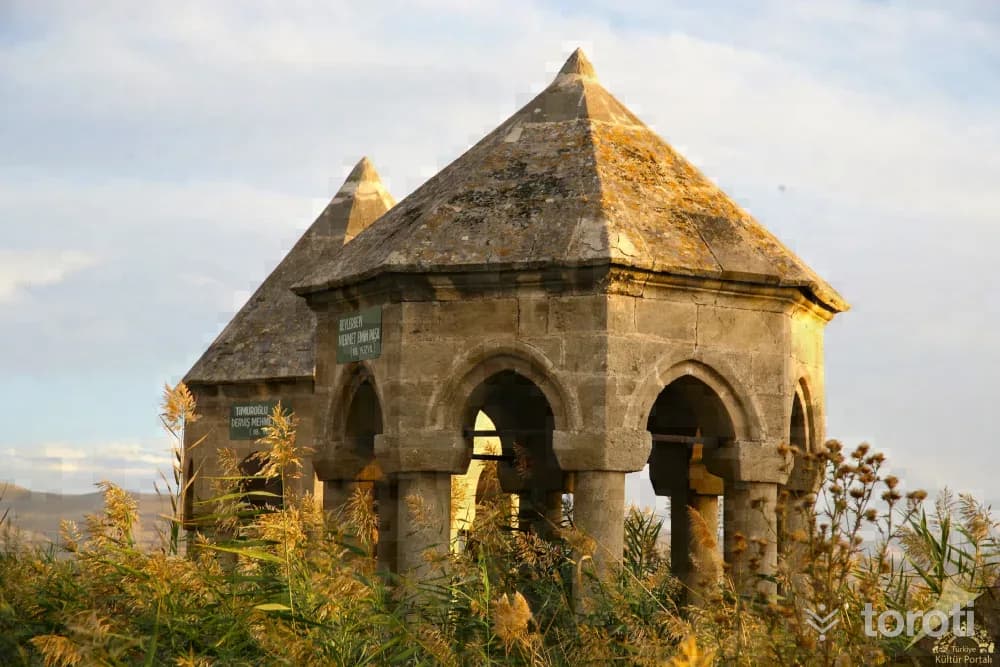
İkiz Kümbetler
İkiz Kümbetler is located outside the Old Van city walls, to the southwest of Kaya Çelebi Camisi, within Orta Kapı Cemetery. One of the tombs is thought to belong to Van Beylerbeyi Teymur Paşa, who died in 1789, and the other to his brother Ahmet Paşa, who died in 1796.
45 minutes
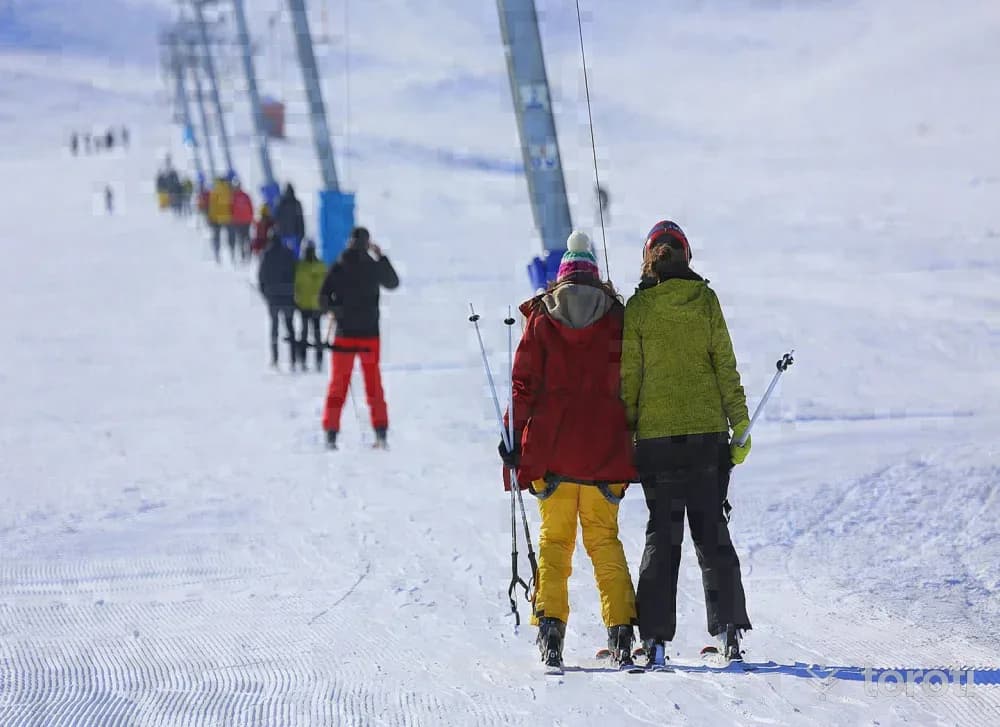
Gevaş Abali Kayak Merkezi
Enjoy skiing in Gevaş. The Abalı Ski Center, which has begun operating in Gevaş district of Van, where winters are very long and snowy, is one of the important addresses in Turkey not only for ski tourism but also for professional skiing. With its slope gradient, snow thickness, snow quality and slope length, Abalı Ski Center is a candidate to become one of the world's leading ski centers.
45 minutes
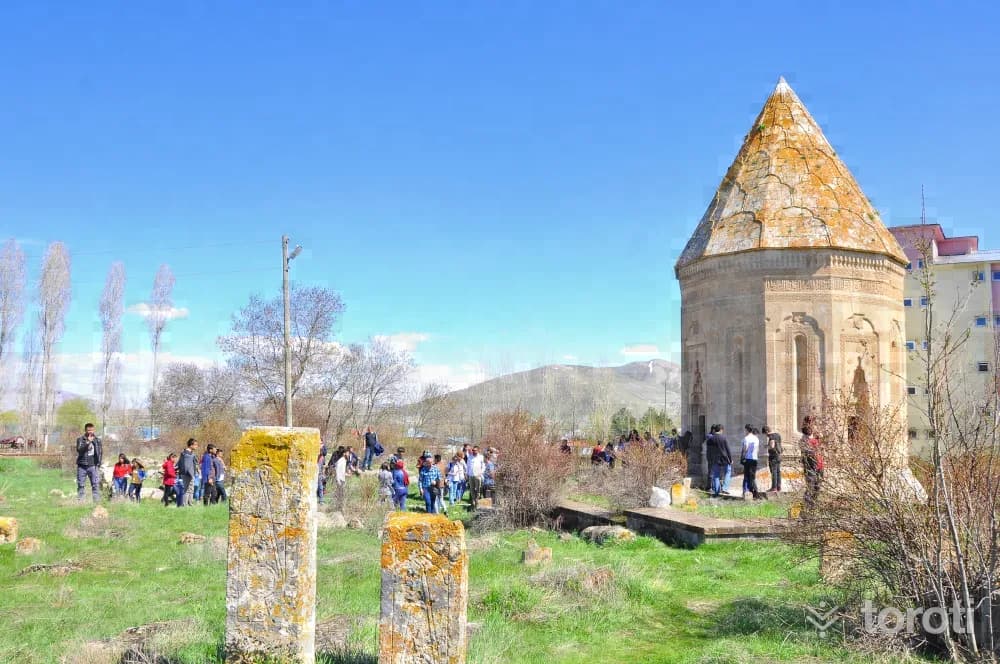
Gevaş Selçuklu Mezarliği
The Seljuk Cemetery is located in the Hişet area of Karşıyaka Neighborhood in Gevaş District. The cemetery is a 1st degree archaeological site. Halime Hatun Tomb is located on the eastern side of the Seljuk Cemetery. According to the inscription above the entrance gate, it was commissioned by Melik İzzeddin in 1335 for his daughter Halime Hatun. Its master is Esed, son of Pehlivan from Ahlat. The two-storey tomb was built with a square-planned burial chamber, which is reached by stairs descending to its eastern door.
45 minutes
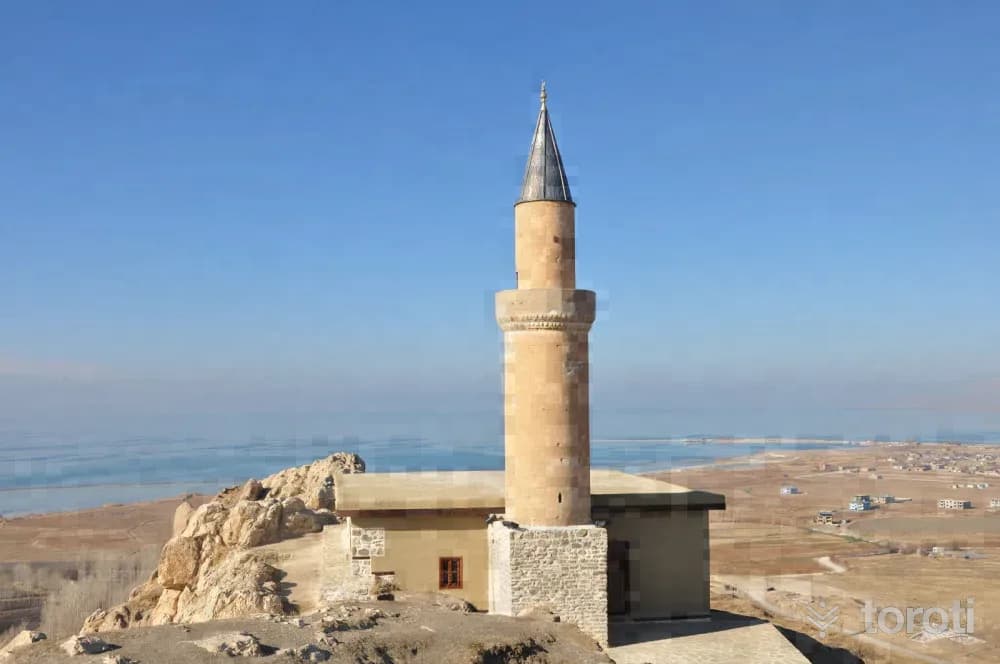
Kizil Minareli Cami
The minaret of the present mosque dates from the Seljuk Period, while the mosque section dates from the Ottoman Period. Since there is no inscription on it, the date on which it was built is not known. The minaret surviving from the Seljuk period rises with a cylindrical body on a square base. The base section is made of cut stone, and the body section is made of brick. A band with geometric interlace winds around the body. In the lower and upper parts of this band are tile plates called baçini.
45 minutes
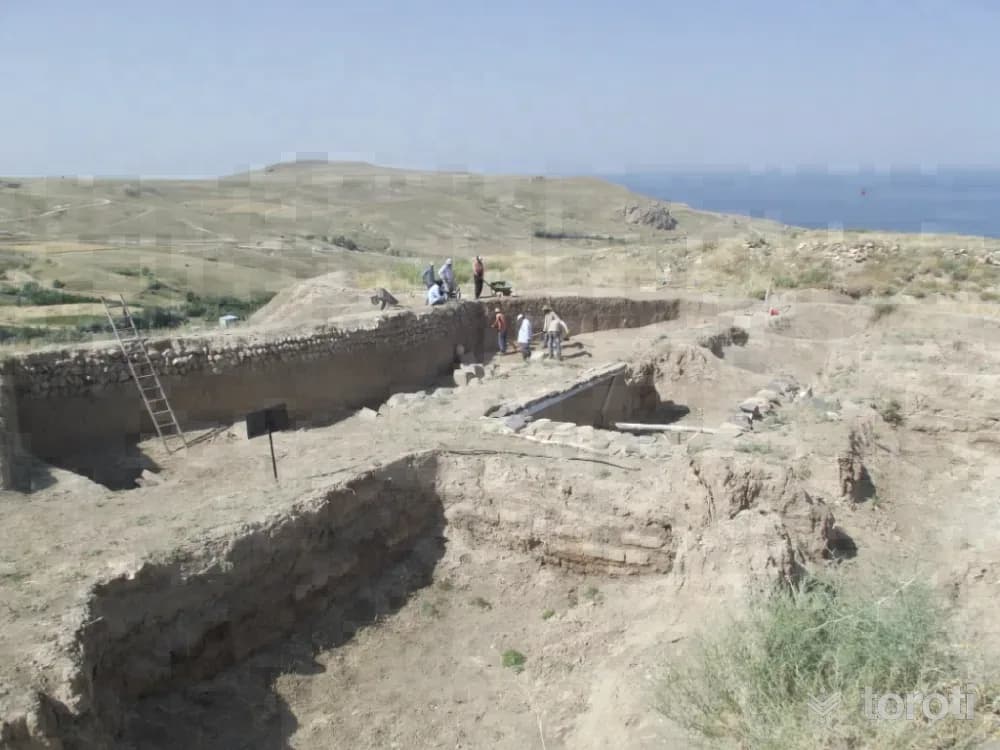
Ayanis Kalesi
Excavations have been carried out at the castle since 1989. Thanks to the architectural and other small finds obtained as a result of the excavations, it has been possible to identify the castle. According to the cuneiform inscription found, the castle was built by Rusa, the son of Argişti, between 645-643 B.C. The entrance gate is located on the south side of the castle, which is surrounded by two fortification walls. Here, the fortification walls were built with andesite stone, while the other parts were built with limestone.
45 minutes
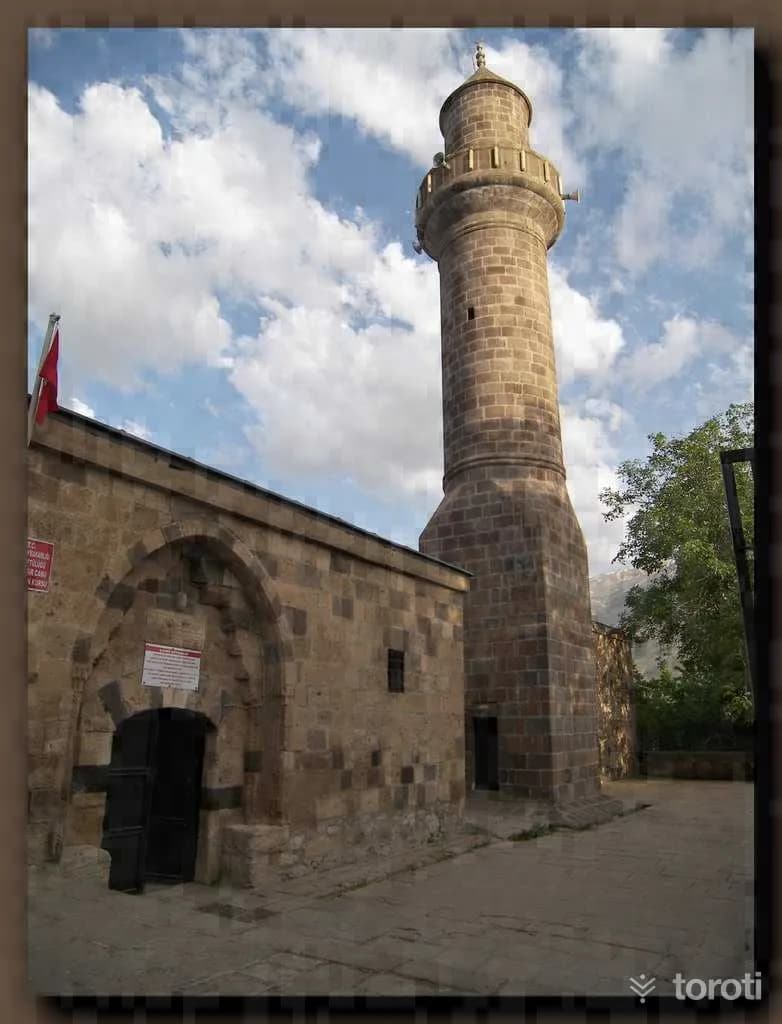
İzzettin Şir Cami
The mosque is located in Gevaş's Hişet Neighborhood. Although there is no inscription on it regarding its construction, it is accepted that it was commissioned by İzzettin Şir, the ruler of Van and Hakkari. It is generally dated to the XIV-XV centuries. The structure consists of a square-planned mosque and a madrasa adjoining its north wall. Through a monumental portal located in the northern part of the western façade of the structure, one enters the madrasa courtyard, and from there passes into the mosque through a second door.
20 minutes
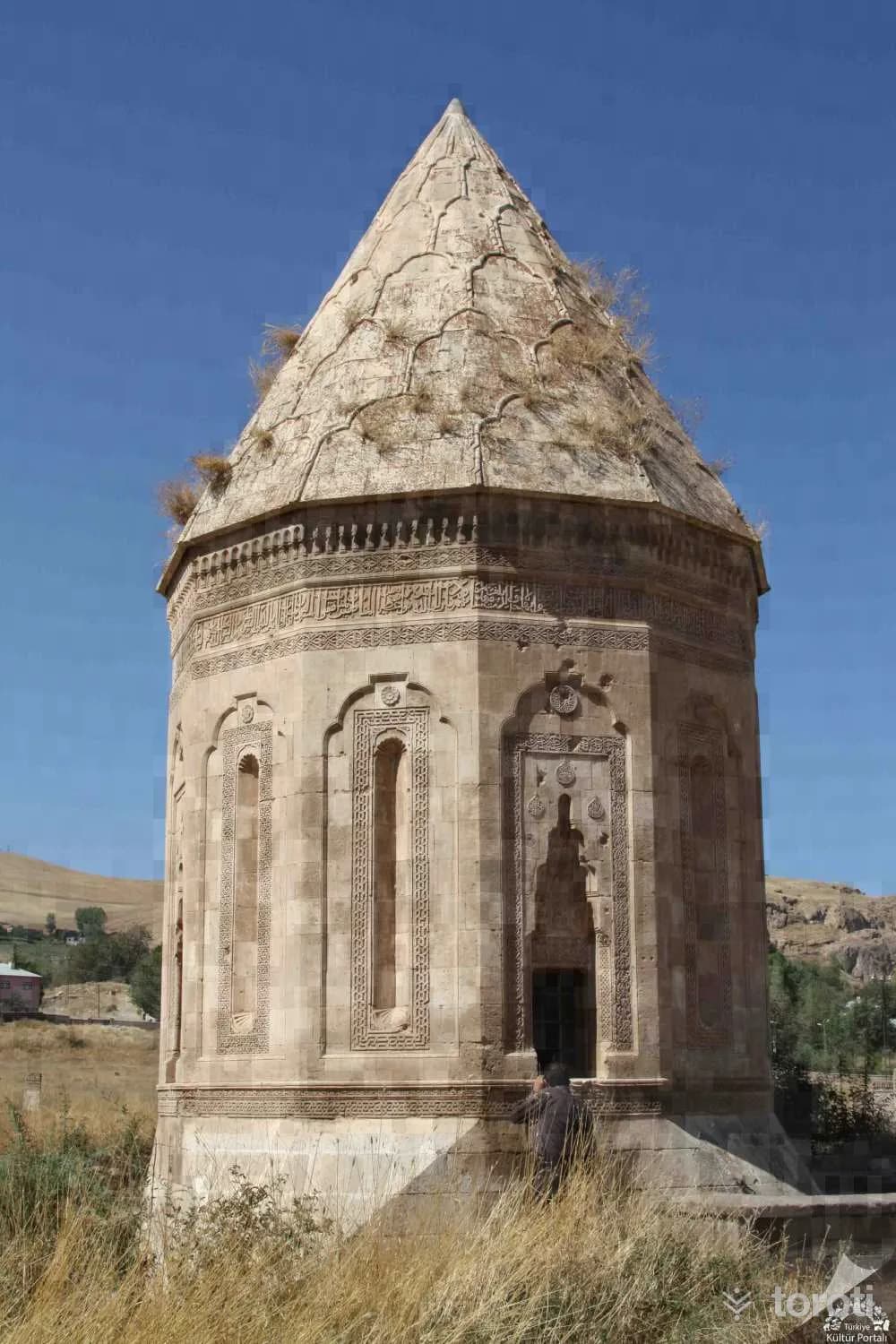
Halime Hatun Kümbeti
It is located on the eastern side of the Selçuklu Cemetery in Gevaş District. According to the inscription above the entrance gate, it was commissioned by Melik İzzeddin in 1335 for his daughter Halime Hatun. Its master is Esed, son of Pehlivan from Ahlat. The two-storey kümbet was built with a square-planned burial chamber, which is reached by stairs descending to its eastern door. It was built with a dodecagonal body on a square base with chamfered corners.
20 minutes
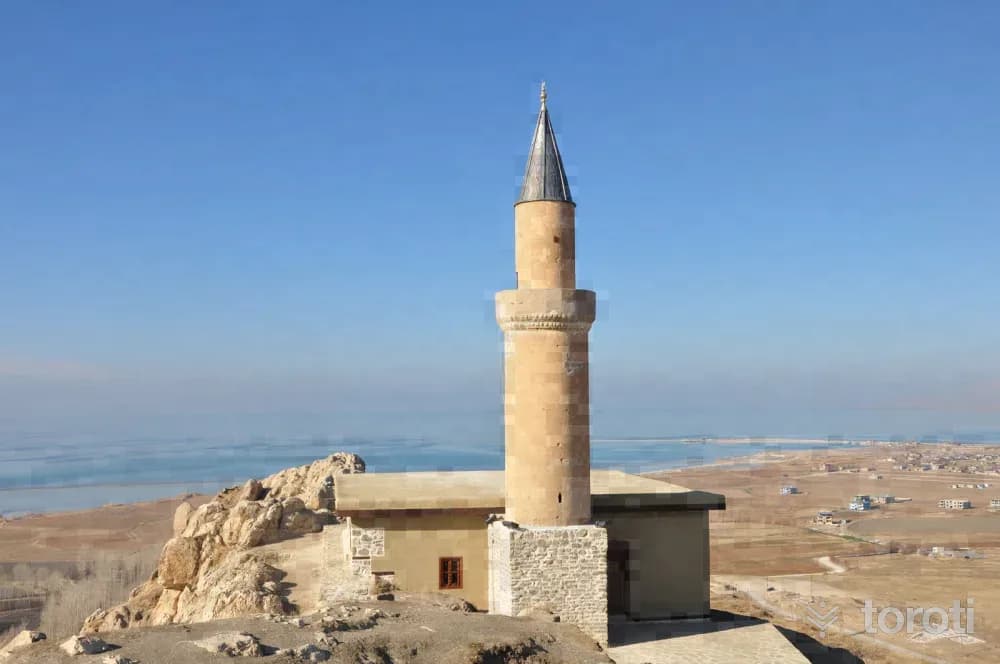
Süleyman Han Camii
Its minaret is a symbolic structure showing the Ottomans' dominance over the region. The mosque has a square plan and is covered with a flat earthen roof. According to Evliya Çelebi, it was repaired by Kanuni Sultan Süleyman in 1534. In the 1987-88 season, it was excavated by Prof. Dr. Taner Tarhan and its harim was revealed. A section of the qibla wall has survived to the present day. The minaret on the eastern facade of the mosque has a square prismatic base and a cylindrical body.
45 minutes
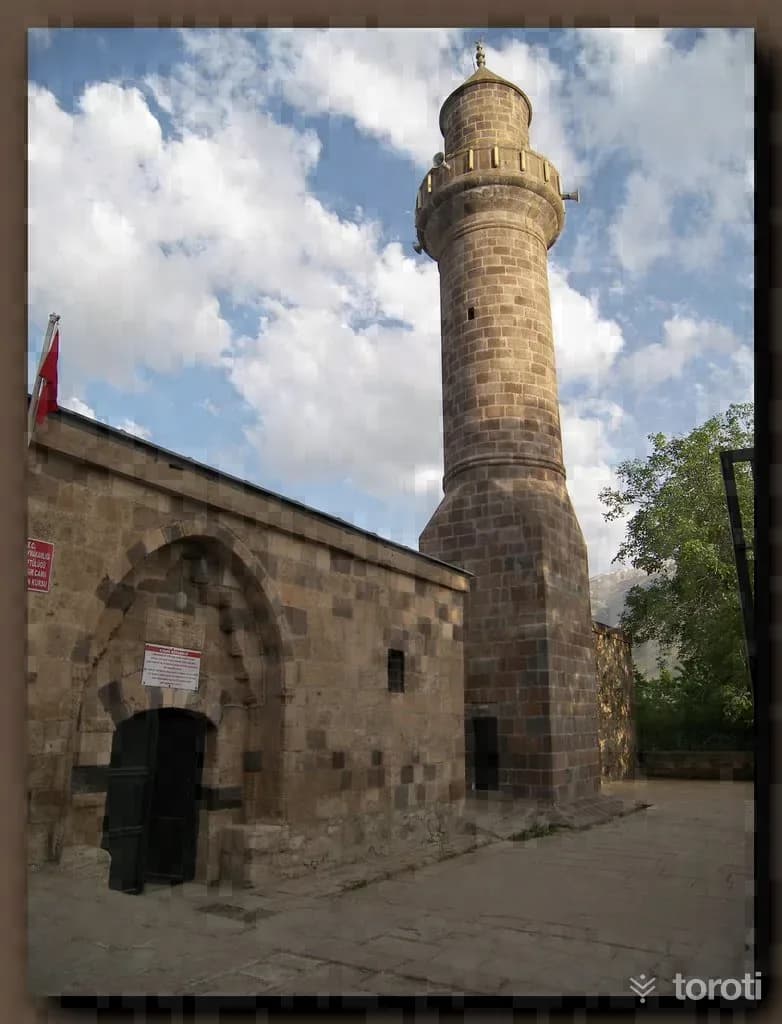
İzzeddin Şir Camii
It is generally dated to the XIV-XV centuries. The structure consists of a square-planned mosque and a madrasa adjoining its north wall. Through a portal located in the northern part of the western facade of the structure, one passes into the madrasa courtyard, and from there into the mosque through a second door. The mosque has a domed area in front of the mihrab and two aisles. The aisles to the north are covered with transverse barrel vaults. The sections on either side of the dome have been evaluated as spaces with longitudinal barrel vaults.
45 minutes
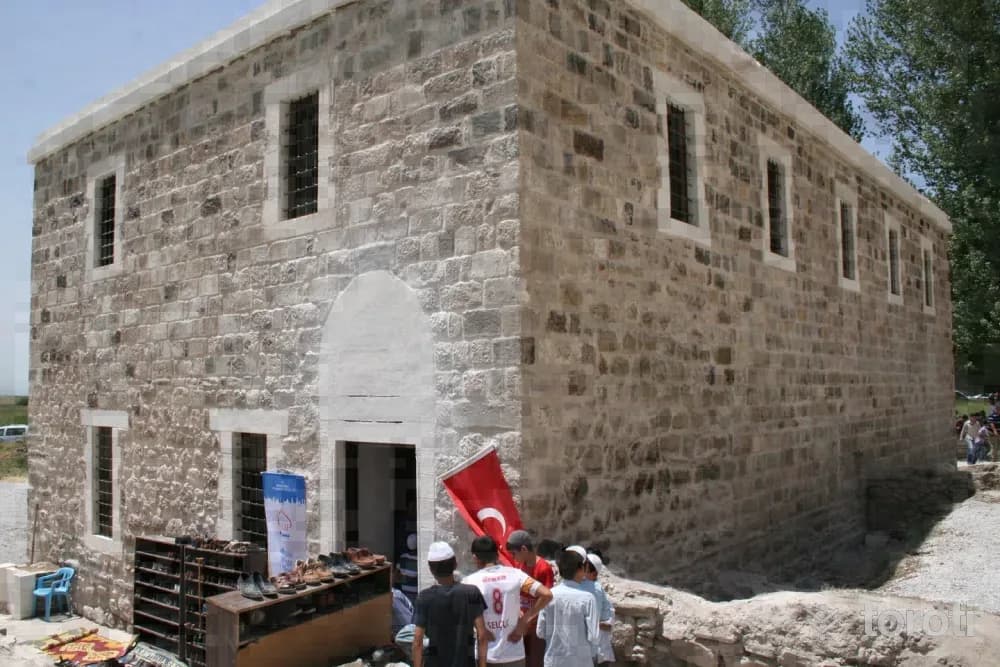
Horhor Camii
Since it has no inscription or endowment deed, it is not known on what date and by whom it was built. Judging by its architectural features, it is dated to the XVIIIth century. The mosque has a transverse rectangular plan, and its south and east walls have survived to the present day. The mosque’s stone mihrab, placed in the middle of the qibla wall, is important. The projecting mihrab is in the form of a five-sided niche, rectangular in appearance, ending with a shell-fluted semi-dome. It has a muqarnas finial.
45 minutes
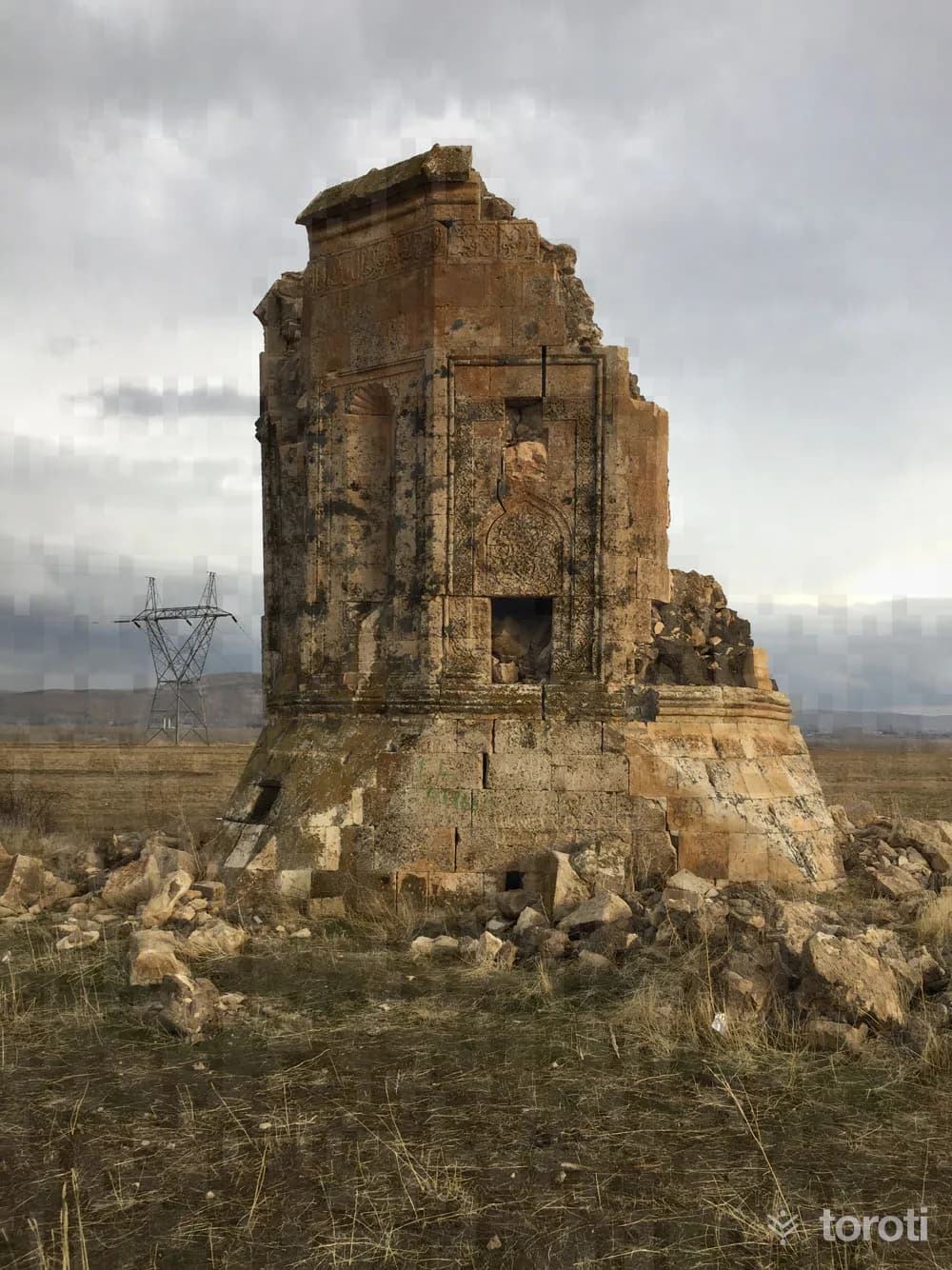
Zortul Kümbeti
The tomb, also known among the public as "Şehitlik" and Zortul Kümbeti, is located to the south of the Erciş-Patnos highway, 5 km from the center of Erciş. It is not known exactly by whom, when it was built, and for whom it was commissioned.
20 minutes
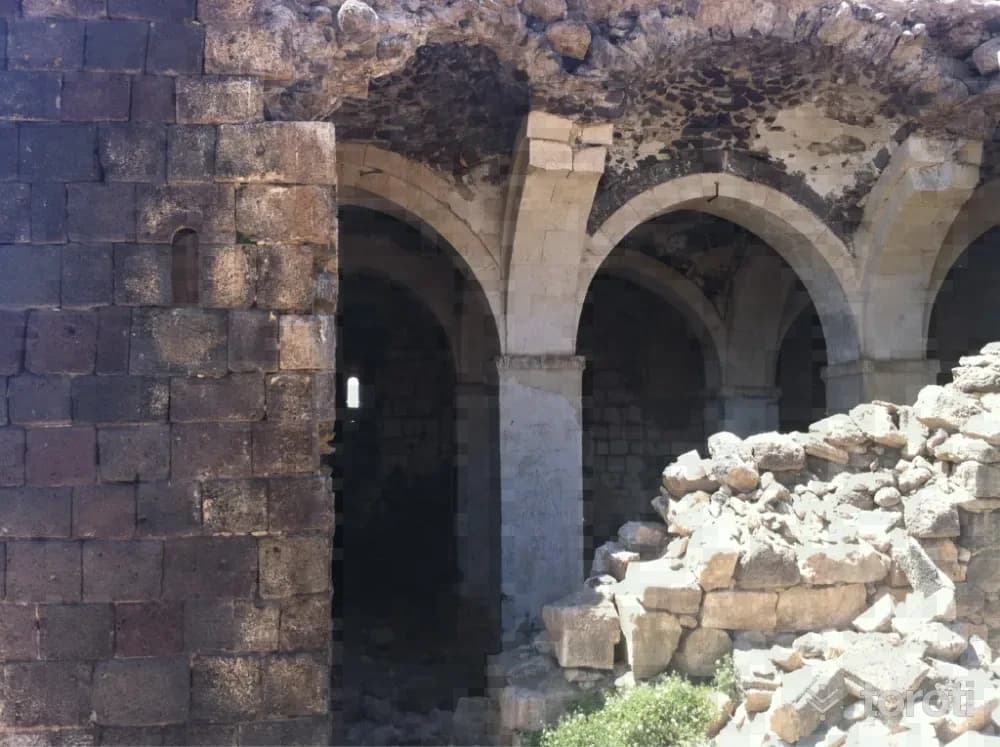
Adir Kilisesi
The monastery was built in 1305. Later, in 1621, the Saint Georges Church was added, and in 1766, the jamaton and chapel were added. It can be seen from old drawings that the church, which is now ruined, had a cross plan. The jamaton, which remains intact on the west side, has a square plan and is divided into nine sections. Each section is covered with domes. In this part and in the ruined church section, neatly cut stone material was used.
45 minutes
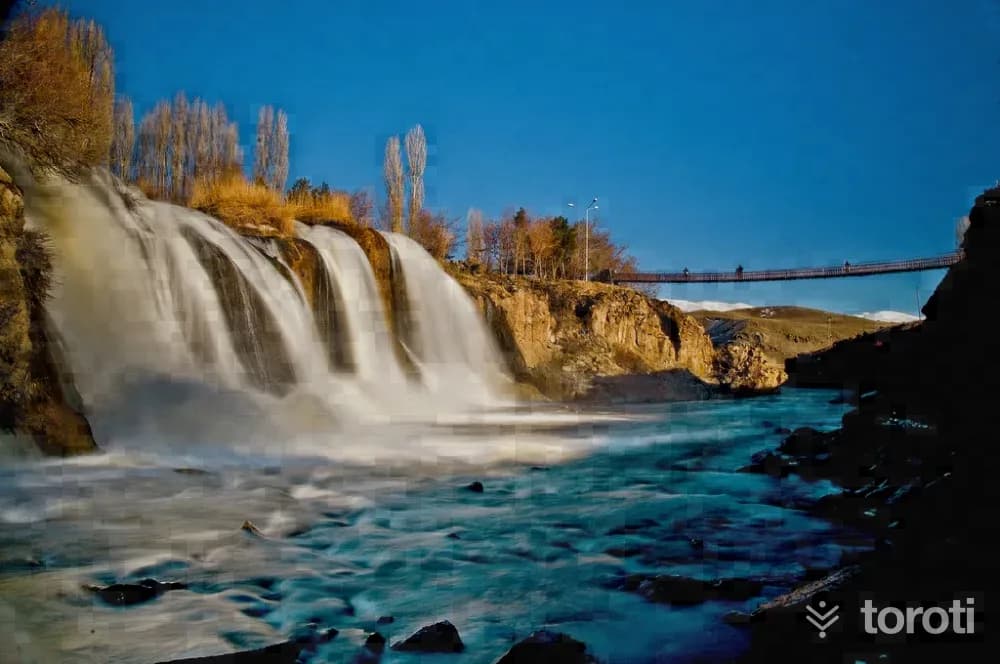
Muradiye Şelalesi
The magnificent Muradiye Waterfall on Bend-i Mahi Stream, fed by Tendürek Mountain, is located within the borders of Muradiye district. It is 80 kilometers from Van city center. The waterfall takes its name from the Ottoman Sultan IV. Murat, who set out on the Baghdad campaign. The height of Muradiye Waterfall is 18 meters. The area on the opposite side of the waterfall is used by the local people as a recreation area.
45 minutes
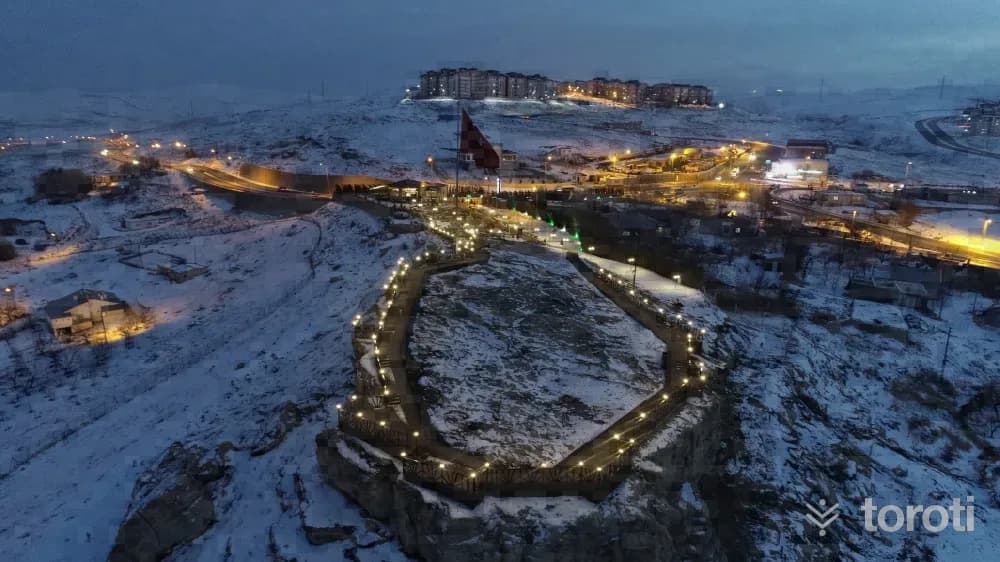
Edremit Kız Kalesi Seyir Terası
Edremit Kız Kalesi, which has a history of approximately 3 thousand years, was used by the Urartian civilization as a place of vows and offerings due to its location on a hill dominating the region, and was regarded as a sacred area where various ceremonies were held in which Urartian kings were crowned. Edremit Kız Kalesi awaits its local and foreign visitors as a panoramic viewing terrace from which the unique view of Van Gölü can be watched.
45 minutes
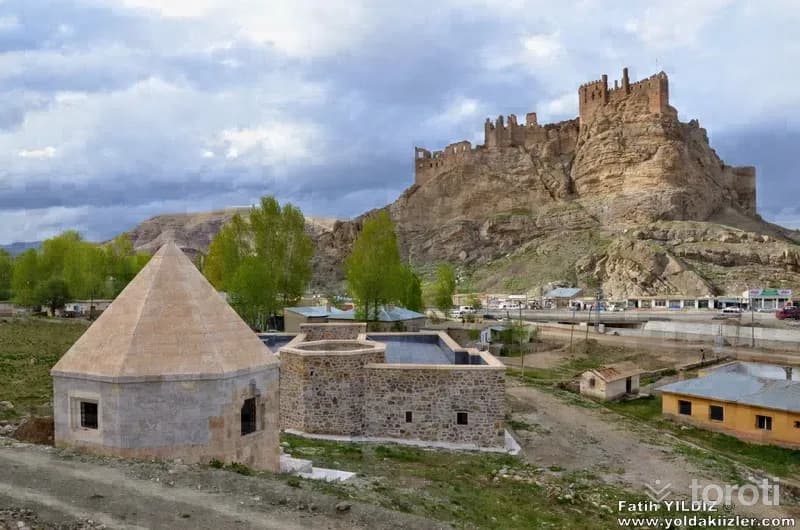
Hoşap Hasan Bey Türbesi
Among the structures located in the cemetery at the edge of the township entrance, right by the Van Hakkari highway in the center of Güzelsu Hoşap township, the medrese was built in 1563 by Hasan Bey, son of Haz Bey, according to the construction inscription, and the tomb was built after 1585 by Şir Bey, son of Hasan Bey.
45 minutes
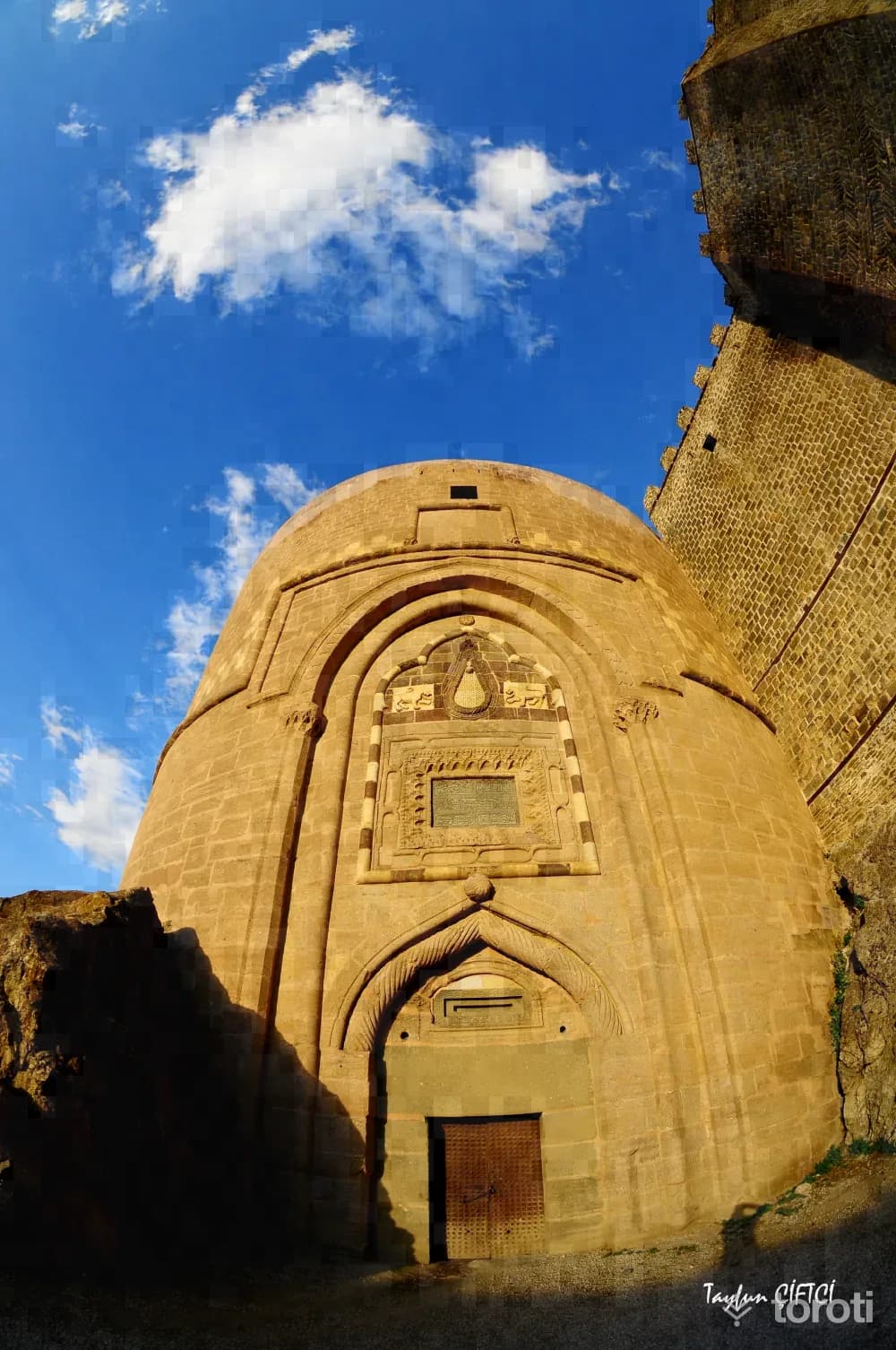
Hoşap İçkale Hamamı
The bath reserved for the Bey consists of a frigidarium, caldarium and furnace of simple and small dimensions. The frigidarium is covered with a cradle vault, while the caldarium section is covered with a dome. Today, the dome covering the caldarium is in a collapsed state. The bath, which was built together with the inner castle in 1643, is located in the viewing pavilion.
45 minutes
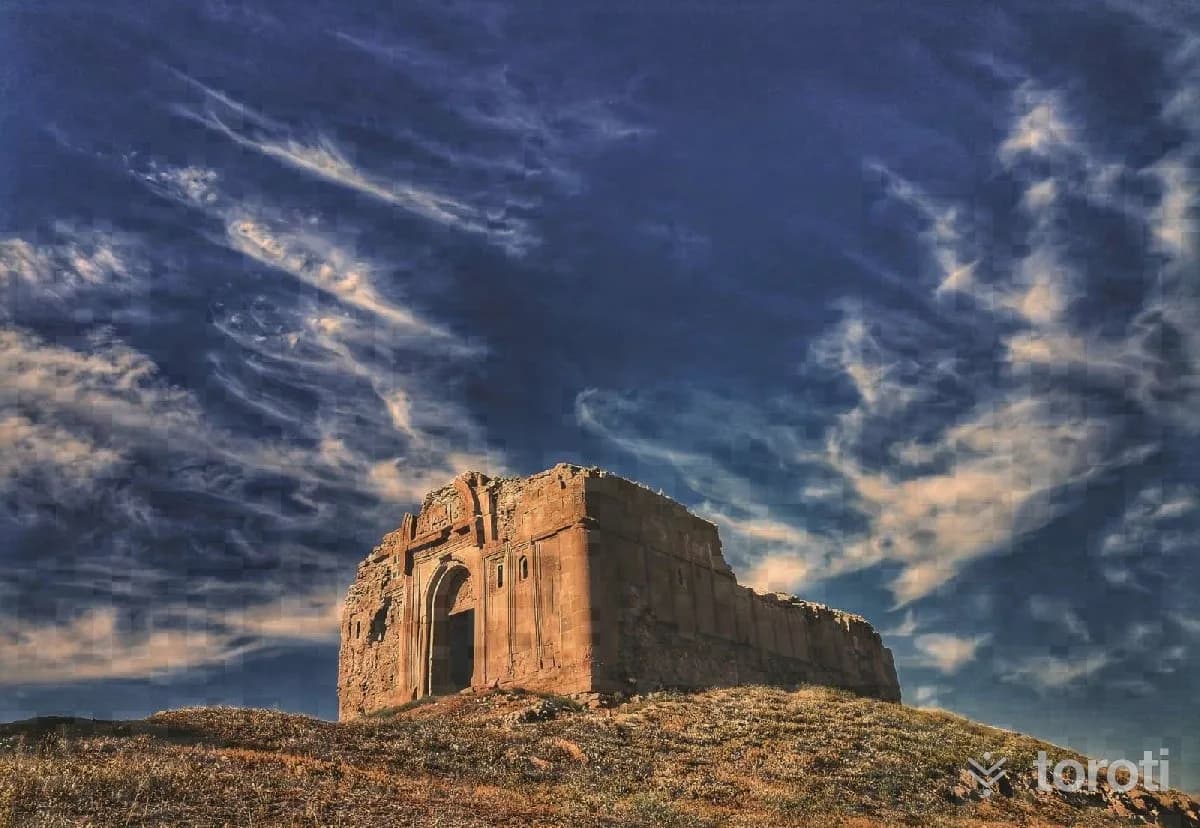
St. Bartholomeus Kilisesi
St Bartholomeus Church in Albayrak Village, located in the Başkale district, is one of the rare Christian religious structures in the region. Although the exact construction date of St. Bartholomeus Church is not known; there are views that it was built in the 3rd century. The decorations on the walls of the church have preserved their originality to the present day.
30 minutes
Başkale Pizan Hüsrevpaşa Medresesi / Örenkale
In Pizan Village, now called Örenkale, the madrasa, located on the sloping land to the east of the castle, was commissioned by Hüsrev Paşa in 1653, according to the inscription above the entrance gate.
45 minutes
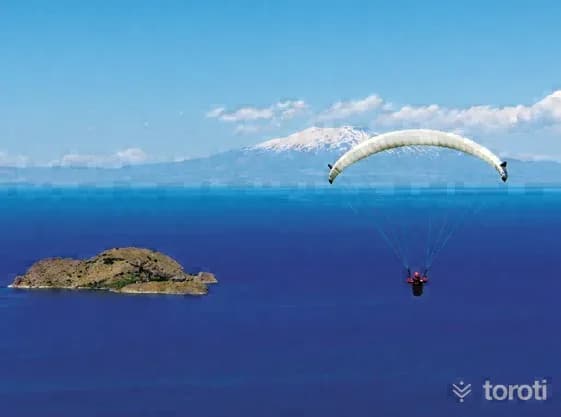
Vangölü Semalarinda Yamaç Paraşütü
Paragliding flights are carried out in our province on all slopes, hills and mountains that are higher than 150 meters and receive headwind, especially Artos Dağı in Gevaş District, Abalı locality, Erek Dağı, Dağönü village and Gören Dağı. This sport is practiced in summer and winter, and flights can be carried out as long as there is no precipitation or strong wind.
45 minutes
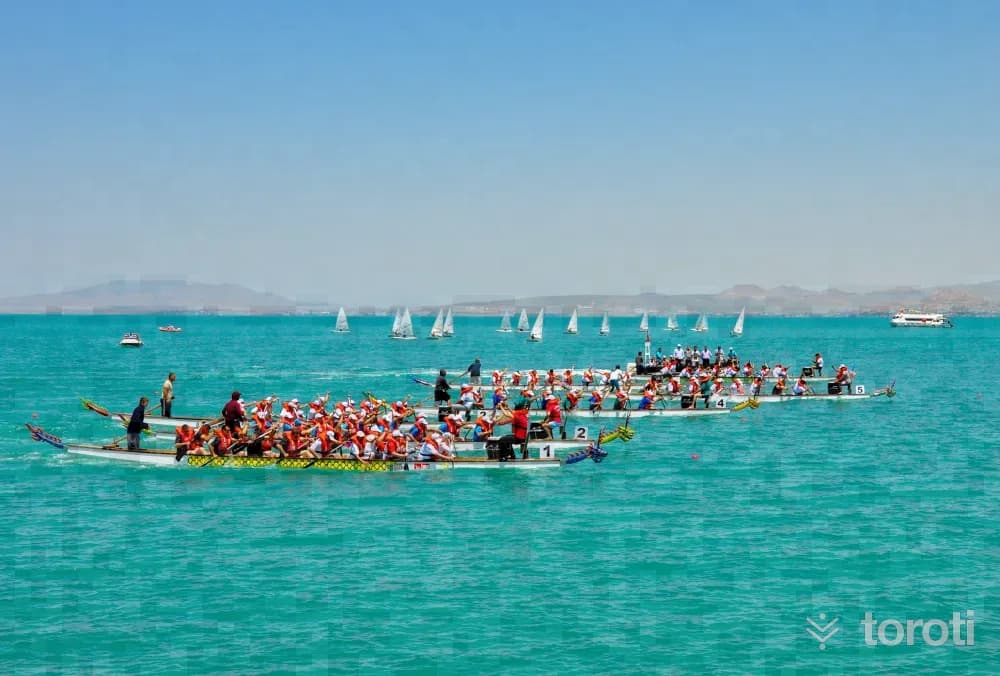
Edremit-gebze Su Sporları Merkezi
At the Edremit-Gebze Water Sports Center on the shore of Lake Van, many beautiful water sports activities can be enjoyed. At the Water Sports Center, beach football, beach volleyball, sailing, canoeing, rowing, dragon, swimming in the lake or pool, parasailing, banana, trampoline, water skiing and many more activities can be carried out.
45 minutes
Erçek Gölü Kuş Gözlemciliği
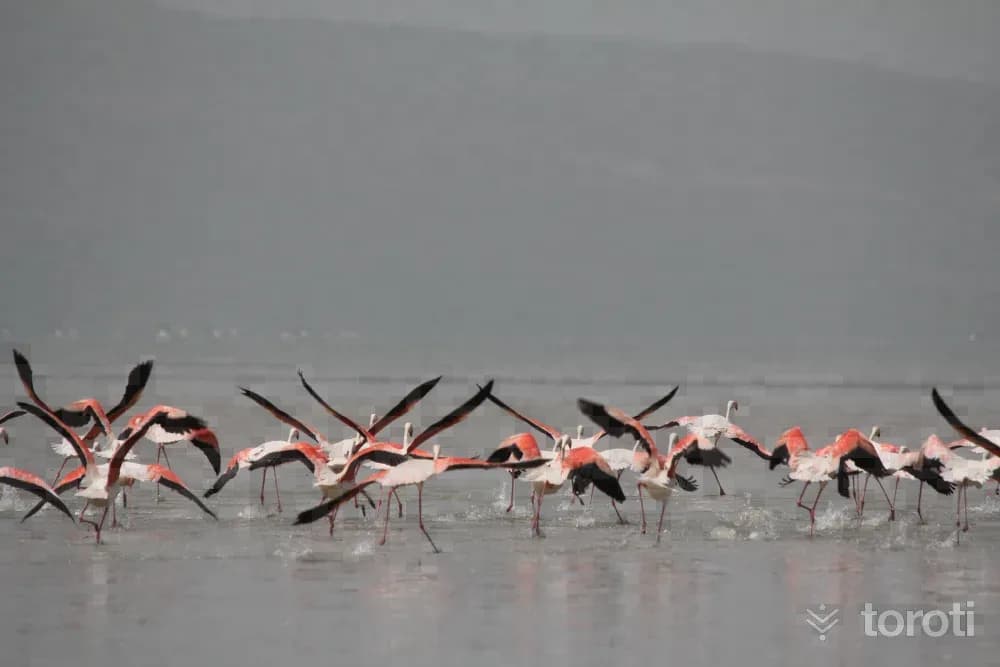
213 of the approximately 465 bird species living in our country live in the Van Lake basin. Erçek Gölü is located 30 km east of Van Gölü. It is easily accessible. The lake, which is a stopover for countless bird species on their long journeys, hosts flamingos and other migratory birds from the beginning of June until the end of September.
45 minutes
Çarpanak Kilisesi
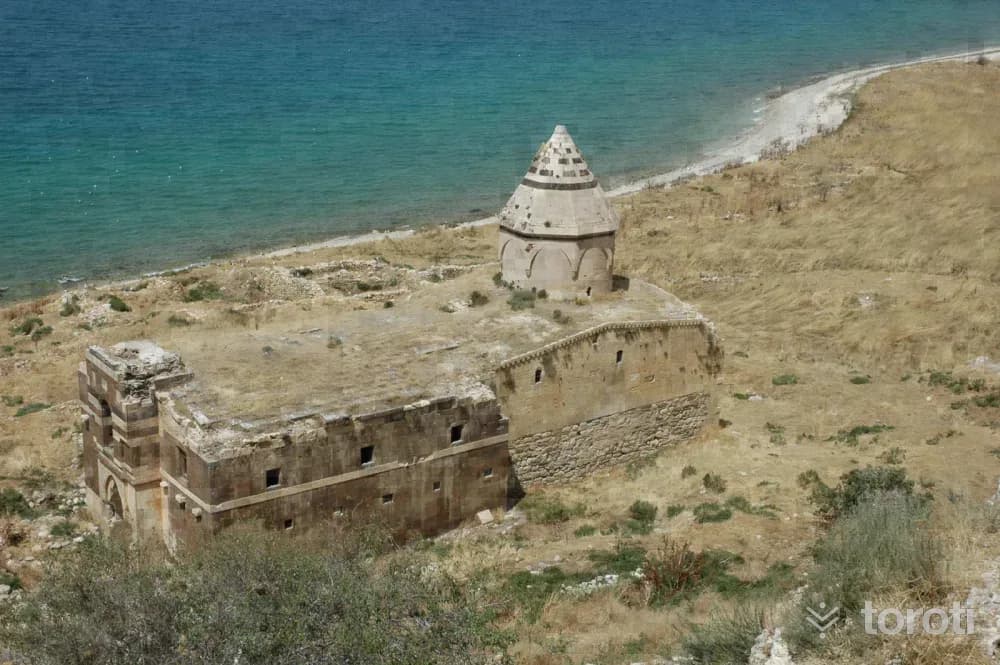
The Ctouts monastery complex, established on the northern side of the island, consists of a church dedicated to St. Jean, the jamaton to its west, and the chapel to its northeast.
45 minutes
Aşağı Ve Yukarı Anzaf Kaleleri
The rectangular-planned castle is surrounded by walls built with the cyclopean method. The walls were constructed with large stone blocks. The southern section was damaged during road construction. Access is provided from this section by stairs. There are no significant architectural remains inside. It consists of lower and upper castles. Excavations have been carried out on both castles by Prof. Dr. Oktay Belli since 1991.
45 minutes
Hüsrev Paşa Medresesi
It is located in Old Van, within the Hüsrev Paşa Complex, on the north side of the mosque. It is accepted that the madrasa was built on the same date as the mosque, namely in 1567. The madrasa, which was in a rather ruined condition, was uncovered as a result of some excavation and restoration works initiated in 1996 under the leadership of Prof. Dr. Abdusselam Uluçam. It consists of 16 madrasa rooms arranged in an inverted U shape around the courtyard.
45 minutes
Yanal (soradir) Kilisesi
It has a central dome and a four-leaf clover plan. In the church, whose eastern and western arms were made longer, the central space is covered with a ribbed dome formed by the intersection of two opposing pairs of arches. The dome is reflected on the exterior with a rather high drum in the form of a square with chamfered corners. The arms of the church are semicircular in plan on the inside, and the eastern apse roundel and the western arm were made longer. A pointed-arch door was opened in the middle of the western arm.
45 minutes
Bend-i Mahi Köprüsü
Although there is no inscription regarding its construction, it was built by the Ilkhanid Rulers in the late XIII century. Because the Ilkhanids chose Aladağ as their summer residence, this shows that they had the bridge built to use for travel to and from here from Tabriz. The bridge, which was built in the southwest-northeast direction, belongs to the group of two-span bridges with a flat roadway. The spans were arranged in the form of pointed-arched openings.
45 minutes
Pizan Hüsrev Bey Medresesi
The building, with a nearly square rectangular plan in the northeast-southwest direction, belongs to the group of madrasas with a courtyard, two storeys, and two wings. Behind the porticoed courtyard, there are four rooms on the southeast side and three on the northwest. The number of rooms is the same on the lower and upper floors. The relatively large space on the lower floor of the northwest wing was arranged as a mescid. A mihrab niche was placed diagonally on its south side.
45 minutes
Mir Hasan Veli Medresesi
The madrasa, located in the cemetery at the entrance of Bahçesaray, was commissioned by Mir Hasan Veli in the XVI century. There are two repair inscriptions, one dated 1737 and the other 1858. Only the ground-floor cells of the structure have survived to the present day; the other parts have been demolished down to foundation level. The madrasa, set on a rectangular area close to a square, is entered through a door opened in the middle of the south facade.
45 minutes
Erciş Anonim Kümbeti
It is located in the fields near Zortul Village of Erciş. Since it has no inscription, it is not known by whom and in whose name it was built. It is estimated to have been built at the beginning of the XV. century for an important person from the Karakoyunlular. The two-storey kümbet has a square base and, above this, a dodecagonal body. It is covered with a pyramidal cone. A door opens on the north side of the body, and windows on the other sides.
45 minutes
Süleyman Bey Kümbeti
It is located to the southeast of Gevirhan Cemetery in Hoşap. It is estimated to have been built in the mid-XVII century by Süleyman Bey, who had the castle constructed. The structure, built on sloping terrain, was raised from the north with a square base. The single-storey kümbet, octagonal on the outside and circular in plan on the inside, was built with neatly cut stone material. The entire outer cone forming the upper covering, and nearly half of the inner dome, have collapsed.
45 minutes
Hasan Bey Medresesi
The asymmetrically planned madrasa has three rooms on the west and five on the east. These rooms are covered with barrel vaults and are externally covered with a flat earthen roof. The rooms, entered from the courtyard through individual doors, have slit windows opening outward. Smooth cut stone is seen on the facades, while rubble stone material is seen in the interior parts. There are no decorative elements. According to the construction inscription, it was commissioned by Mahmudi Hasan Bey in 1563.
45 minutes
Evliya Bey Köprüsü
From the two inscriptions on the mansab side, it is understood that the bridge was built by Evliya Bey in 1082 (1671). It extends over the water in a north-south direction and belongs to the group of three-span bridges with a flat roadway. Of the spans arranged in the form of pointed-arched openings, the middle one is wider. Two-colored finely cut stone material was used throughout. The inscriptions constitute the only decorative element on the bridge.
45 minutes
İzzettin Şir Medresesi
The door on the western facade is located within a pointed-arched recess bordered at the corners by small columns. The area above the opening with a depressed arch is arranged in the form of a triangular niche narrowing from both sides with fan-shaped squinches. A two-line inscription has been placed at its center. The inscription has been heavily damaged and has become unreadable. The door is the most important part of the structure, bearing its decorative elements.
45 minutes
Zeril Köprüsü
It is estimated to have been built in the XVII-XVIII centuries. Built of neatly cut stone material from Ahlat stone, the bridge has a single span and a sloping roadway. Its rather steep roadway is covered with paving stones. The bridge opening was arranged with a pointed arch. It was repaired in 1998 by the General Directorate of Highways and connects the footpaths in the valley to one another. Today, it is a sound and usable bridge.
45 minutes
Hamurkesen Camii
According to the inscription above the entrance gate, it was commissioned by Seyyid Muhammed in 1122 (1710). It consists of a square-planned, single-domed prayer hall. Its collapsed dome was rebuilt in recent years by the General Directorate of Foundations. In the structure, where smoothly cut stone material was used, only the north facade was enlivened with the portal.
45 minutes
Abbas Ağa Camii
Since it has no inscription, it is not known for certain by whom and on what date it was commissioned. However, judging by its architectural condition, it is dated to the XVIII-XIX centuries. The walls of the mosque, which has a transverse rectangular plan, are intact, but its upper covering has collapsed. The walls were built of stone below and adobe above. The harim is entered through a door opened in the middle of the northern facade.
45 minutes
Van Müzesi
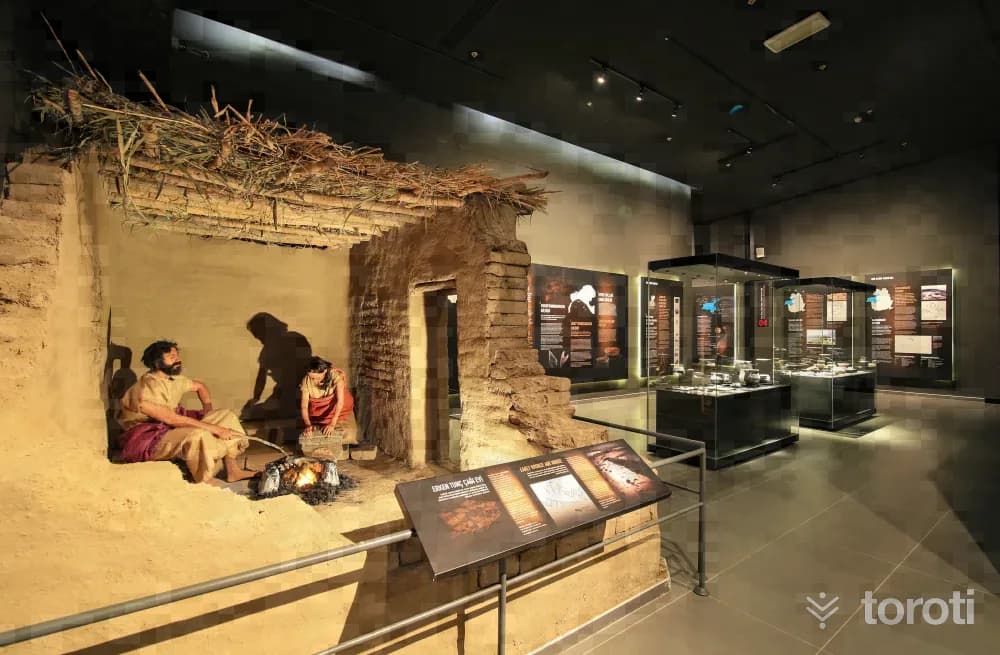
The first foundation of the Van museum was a storage building constructed in 1932. Photo: Official Turkish Museums The Urartian cuneiform victory steles, of which there are many in the region, and the ram- and sheep-shaped gravestones belonging to the Akkoyunlu and Karakoyunlu were collected from where they were found and transferred to the said storage building. Photo: Official Turkish Museums When the number of cultural assets in the storage increased, this time the Van Museum Office was established in 1945.
45 minutes
Akdamar Anıt Müzesi / Kilisesi
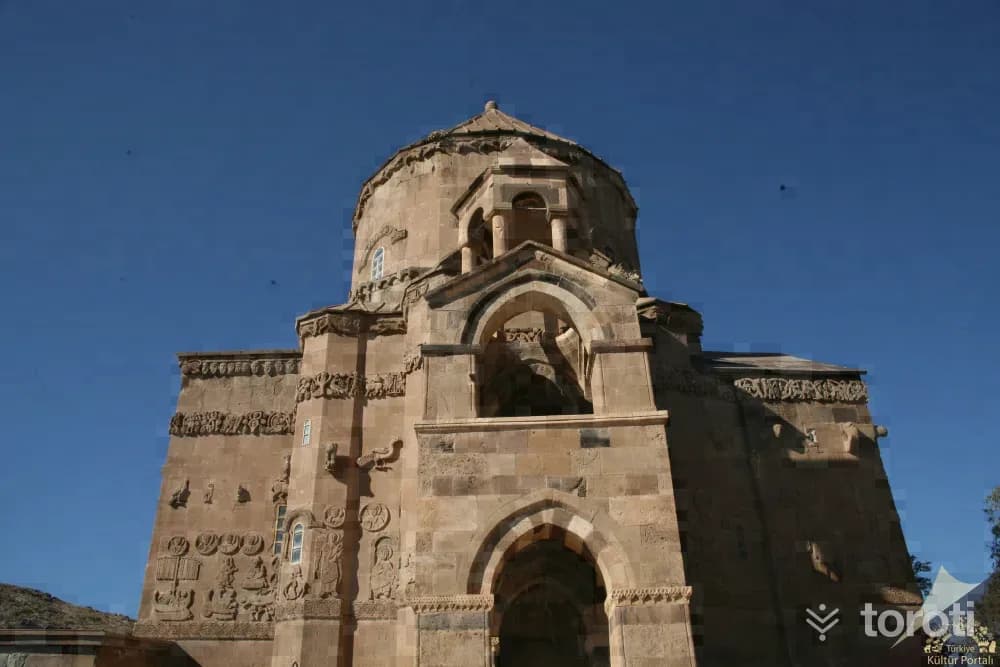
Akdamar Monument Museum is a historic church located on Akdamar Island in Lake Van. Opened as a monument museum in 2007, this structure is notable for its architecture and figurative stone craftsmanship.
120 minutes
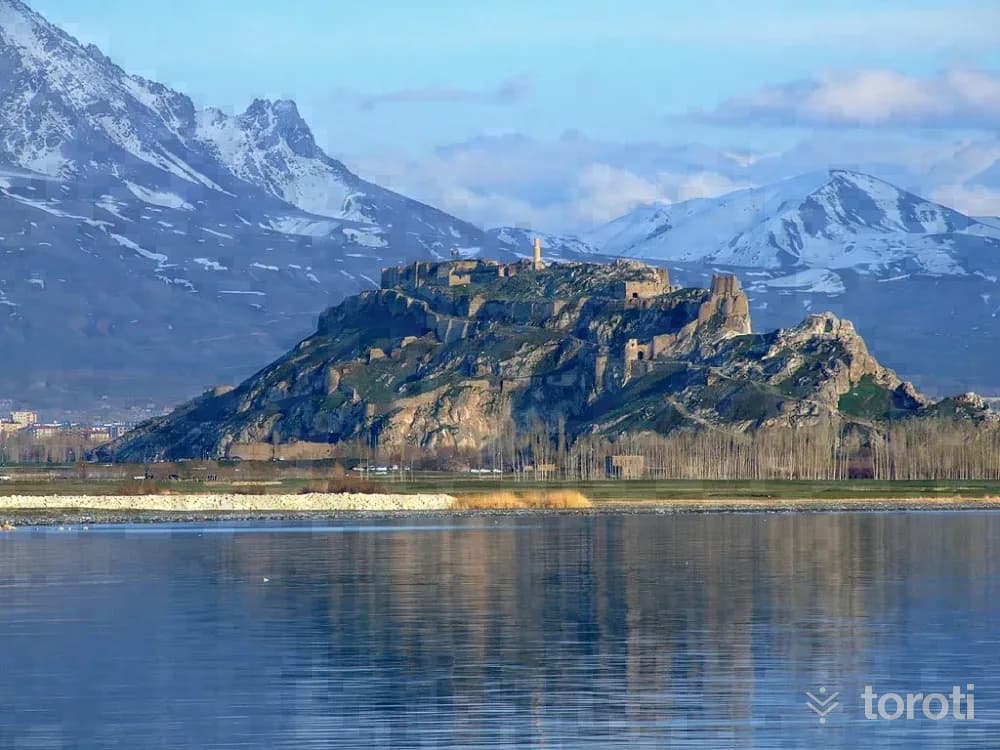
Van Kalesi
Van Castle was built on a rock mass extending in the east-west direction on the Van Plain. The castle of the city, which served for a long time as the capital of the Urartian State under the name Tuşba, was founded by the Urartian king Sarduri I between 840 - 825 BC. Van Provincial Directorate of Culture and Tourism In the Castle are the Madır (Sardur) Bastion from the Urartians, the Analı-Kız Open Air Temple; I. Argişti, Menua and II.
45 minutes
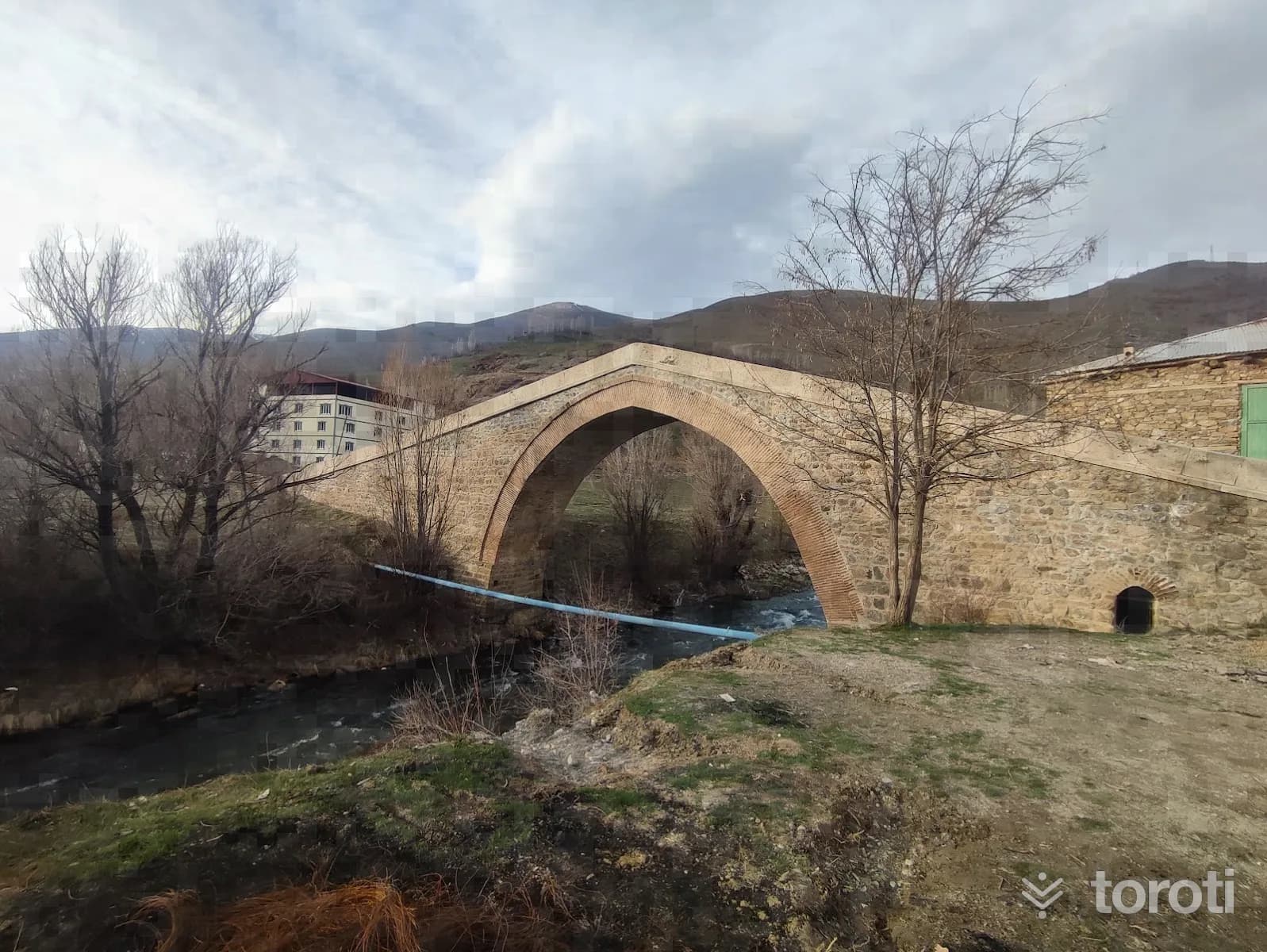
Tarihi Kırmızı Köprü
The Historical Red Bridge is located in the Van region and dates back to the Urartian period. It stands out with its elegant architecture and historical significance.
20 minutes
Hoşap Kalesi
Hoşap Castle, which took its final form in the Middle Ages, is located in a strategic position. The castle offers visitors traces of the past with its historical structures.
45 minutes