Destination
Ulu Cami
Although O. Aslanapa dates the Mosque to the beginning of the 14th century, when we look at the historical process and the structural characteristics, it is understood that it was built in the Seljuk Period. The statement in the 1571 dated Van province waqf cadastral register that Cami-i Kebir belonged to the waqfs of Şah-i Ermen confirms this. In light of these, Ulu Cami was by I. Sökmen (1100-1112) or II. of the Ahlatşahs, who established dominance around Lake Van.
Ulu Cami and 6 places around it
Free · no sign-up needed
Highlights
- Faith heritage
Good for
- Heritage walks
Suggested visit:45 minutes
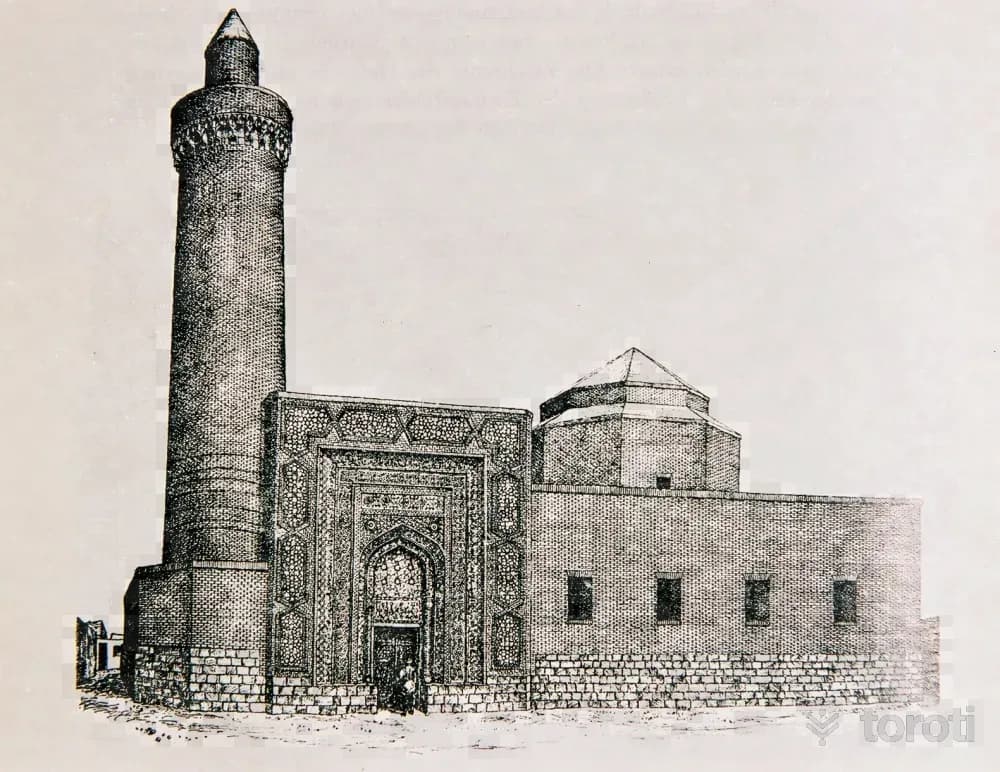
Although O. Aslanapa dates the Mosque to the beginning of the 14th century, when we look at the historical process and the structural characteristics, it is understood that it was built during the Seljuk Period. The fact that it is stated in the 1571 dated Van province waqf survey register that Cami-i Kebir belonged to the waqfs of Şah-i Ermen confirms this. In light of these, it is accepted that Ulu Cami was built during the time of I. Sökmen (1100-1112) or II. Sökmen (1128-1185) of the Ahlatşahs, who established dominance around Lake Van.
The mosque with a rectangular plan belongs to the group of mosques with a domed area in front of the mihrab and multiple supports. The mosque is entered through a monumental portal opened at the western corner of the north wall. A section was added to the north side during the Ottoman Period. The interior consists of a muqarnas dome covering the area in front of the mihrab and sections covered with cross vaults surrounding it on the sides. Its minaret, which has survived to the present day, rises at the northwest corner. It has a cylindrical brick body, and the part above the balcony has collapsed. Even though it has not survived to the present day, it is understood from old photographs that it originally had a highly distinctive interior in terms of decoration and architectural features. The decorations are concentrated on the interior walls, the mihrab, and the monumental portal on the exterior facade. The decorations made of brick and plaster consist of geometric, vegetal, and inscription examples.
Places to Visit in Van Address: Van
Last updated: 19 October 2026
Location and surroundings
Ulu Cami sits within İpekyolu, Van. The toroti catalogue holds 56 described stops across Van, 16 of them in İpekyolu.
The nearest stop is Hamurkesen Camii, 1.5 km to the northwest. Another 6 catalogued points lie within a 30 km radius.
The Van – Erzurum route passes 4.6 km away, so this works as a stop along the drive.
See Ulu Cami and its surroundings in one plan
- Order your stops on the map and spread them across days
- See driving and visiting time at a glance
- Get places around it suggested automatically
- Free — no sign-up needed to start
Other places nearby
Routes that pass close by
Frequently asked
- What is Ulu Cami?
- Although O. Aslanapa dates the Mosque to the beginning of the 14th century, when we look at the historical process and the structural characteristics, it is understood that it was built in the Seljuk Period. The statement in the 1571 dated Van province waqf cadastral register that Cami-i Kebir belonged to the waqfs of Şah-i Ermen confirms this. In light of these, Ulu Cami was by I. Sökmen (1100-1112) or II. of the Ahlatşahs, who established dominance around Lake Van.
- Where is Ulu Cami?
- Ulu Cami is in İpekyolu, Van.
- How long does it take to visit Ulu Cami?
- The suggested visit time for Ulu Cami is about 45 minutes.
- What else is there to see near Ulu Cami?
- toroti’s catalogue holds other destinations within 30 km of Ulu Cami; the closest are Hamurkesen Camii, Abbas Ağa Camii, Ayanis Kalesi.
- Is Ulu Cami on the way anywhere, and which route?
- Ulu Cami lies 4.6 km from the Van – Erzurum route, close enough to add to that drive with a short detour.