Places to visit
Things to do in İpekyolu
16 destinations, each with a description, how long it takes and where it sits on the map.
In short
toroti’s catalogue holds 16 described destinations within İpekyolu, Van. The themes that come up most: Local culture, Faith heritage, History, Museum, Culture.
Abdurrahman Baba Kümbeti
It is estimated that the tomb in the northwestern corner of the mosque was built in the first half of the XIXth century. It is single-storey, with an octagonal body and a pyramidal roof. Built of neatly cut stone, the structure has been renovated together with the mosque in recent years. In respect for his spiritual personage, it constitutes one of Van's important places of visitation.
45 minutes
Hüsrev Paşa Külliyesi
It is located in the Ortakapı Neighborhood of Old Van. It is situated within a külliye consisting of a mosque, madrasa, tomb and imaret. According to the inscription above the entrance gate of the mosque, it was commissioned in 1567 by Van Beylerbeyi Köse Hüsrev Paşa. It is counted among the works of Mimar Sinan.
30 minutes
Galip Paşa Kümbeti
The structure, estimated to have been built in the XIX century, was built in the name of Galip Paşa. It was kept smaller than the other one, and has a single-storey octagonal body and a pyramidal roof. It was built with neatly cut stone material and is plain.
45 minutes
Yedi Kilise
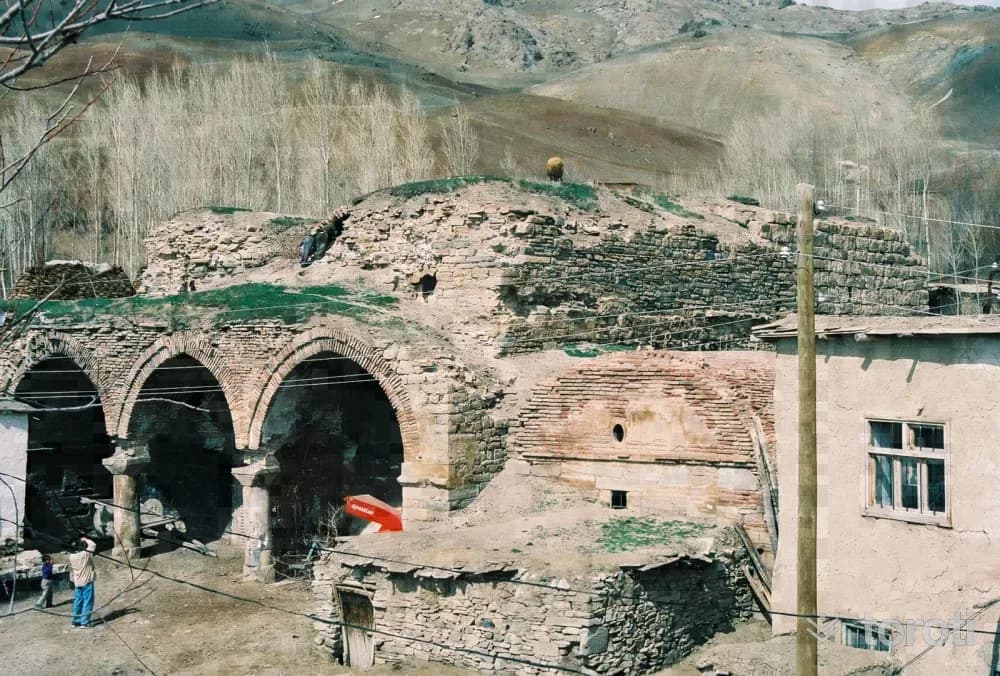
The structure, entirely called Warak Wank Monastery, is in fact not seven churches as it is referred to, but consists of five churches in two groups, a Jamatun added to the church, a library, and a bell tower. The oldest of the churches forming the monastery is St. Sophia Church. It was built in the 8th century and only its apse remains. The second is St. John Church, built adjoining its north wall and now in ruins.
45 minutes
Hoşap Kalesi
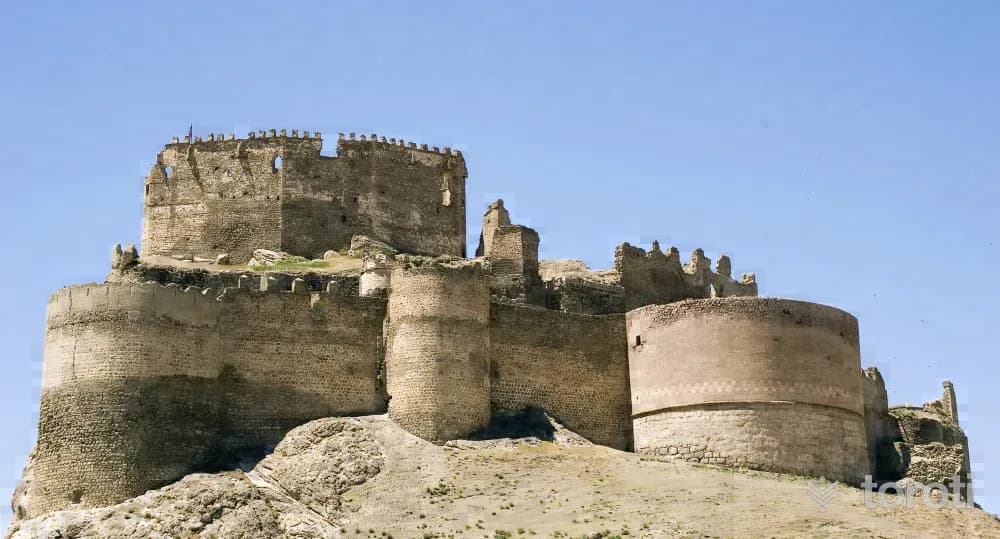
The castle, built on a steep and sheer rock mass to the northwest of Hoşap Stream, consists of the inner castle and the outer castle to its north. With a history extending back to the Urartian State, the castle has survived to the present day in the form built by the Mahmudi Beys, who were subject to the Ottoman State. According to the inscription above the entrance gate of the inner castle, it was built by Mahmudi Süleyman Bey in H. 1052 (1643).
45 minutes
Hüsrev Paşa Camii Ve Külliyesi
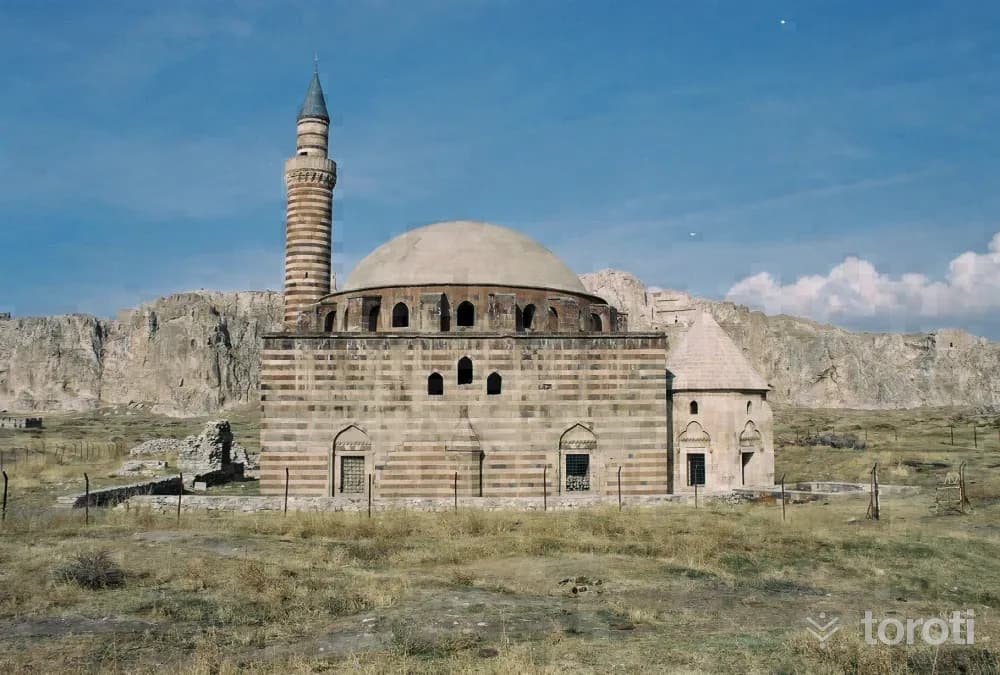
According to the inscription above the entrance door of the mosque, it was commissioned in 1567 by Van Beylerbeyi Köse Hüsrev Paşa. It is counted among the works of Mimar Sinan. Prof. Dr. A. Uluçam carried out excavation and restoration works in and around the mosque. The five-bay last congregation area on the north side of the square-planned mosque, covered with a dome, has collapsed. The harim is covered with a dome resting on thick walls.
45 minutes
Ulu Cami
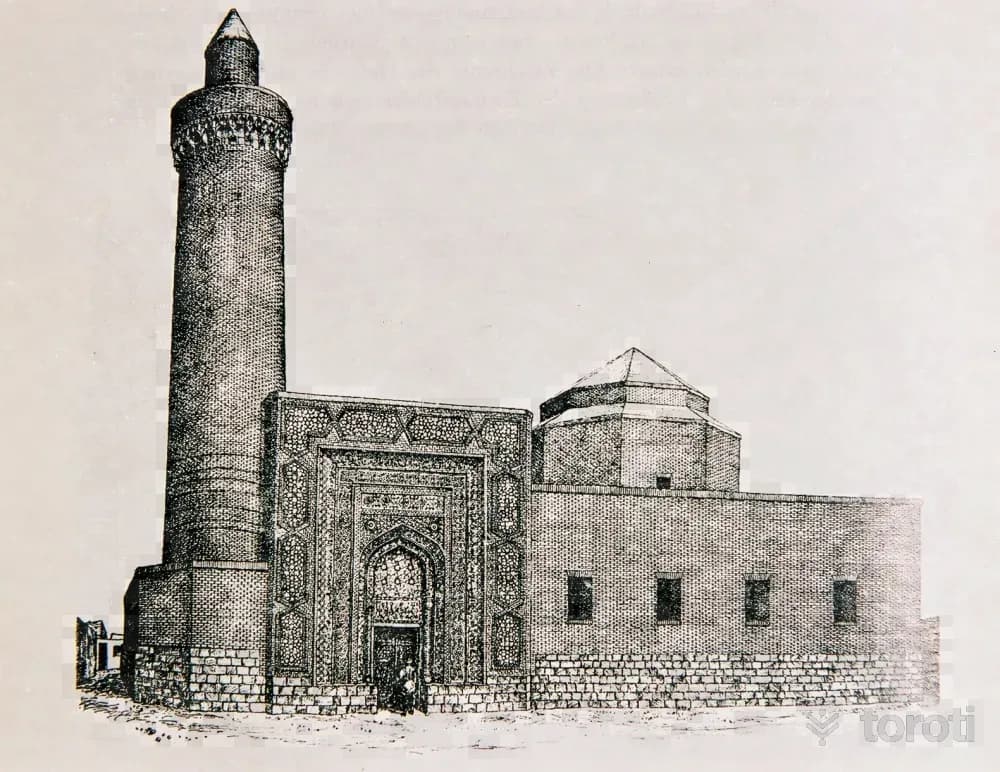
Although O. Aslanapa dates the Mosque to the beginning of the 14th century, when we look at the historical process and the structural characteristics, it is understood that it was built in the Seljuk Period. The statement in the 1571 dated Van province waqf cadastral register that Cami-i Kebir belonged to the waqfs of Şah-i Ermen confirms this. In light of these, Ulu Cami was by I. Sökmen (1100-1112) or II. of the Ahlatşahs, who established dominance around Lake Van.
45 minutes
İkiz Kümbetler
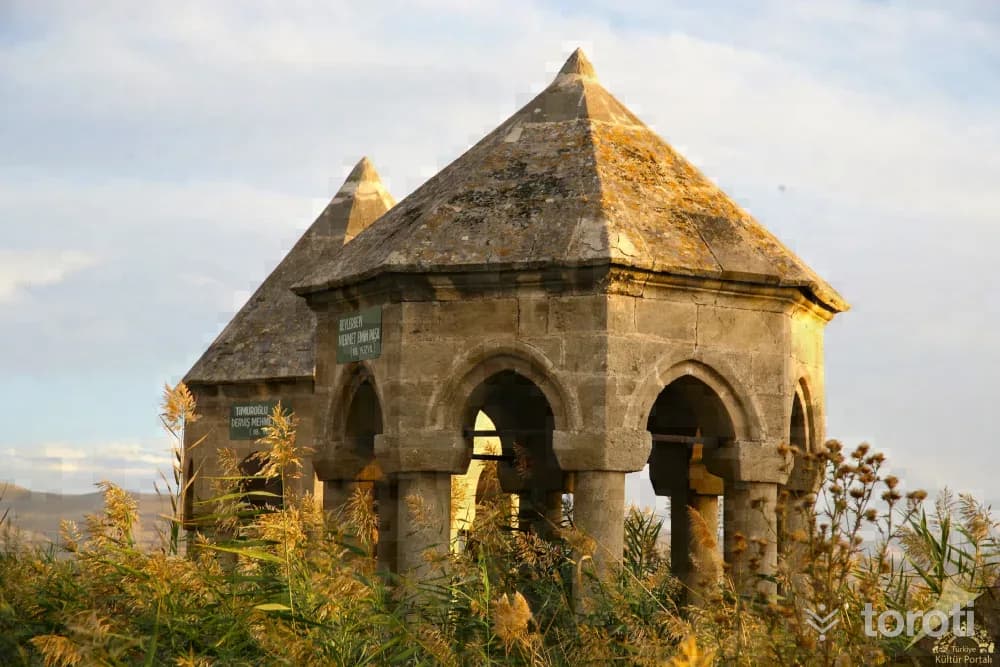
İkiz Kümbetler is located outside the Old Van city walls, to the southwest of Kaya Çelebi Camisi, within Orta Kapı Cemetery. One of the tombs is thought to belong to Van Beylerbeyi Teymur Paşa, who died in 1789, and the other to his brother Ahmet Paşa, who died in 1796.
45 minutes
Ayanis Kalesi
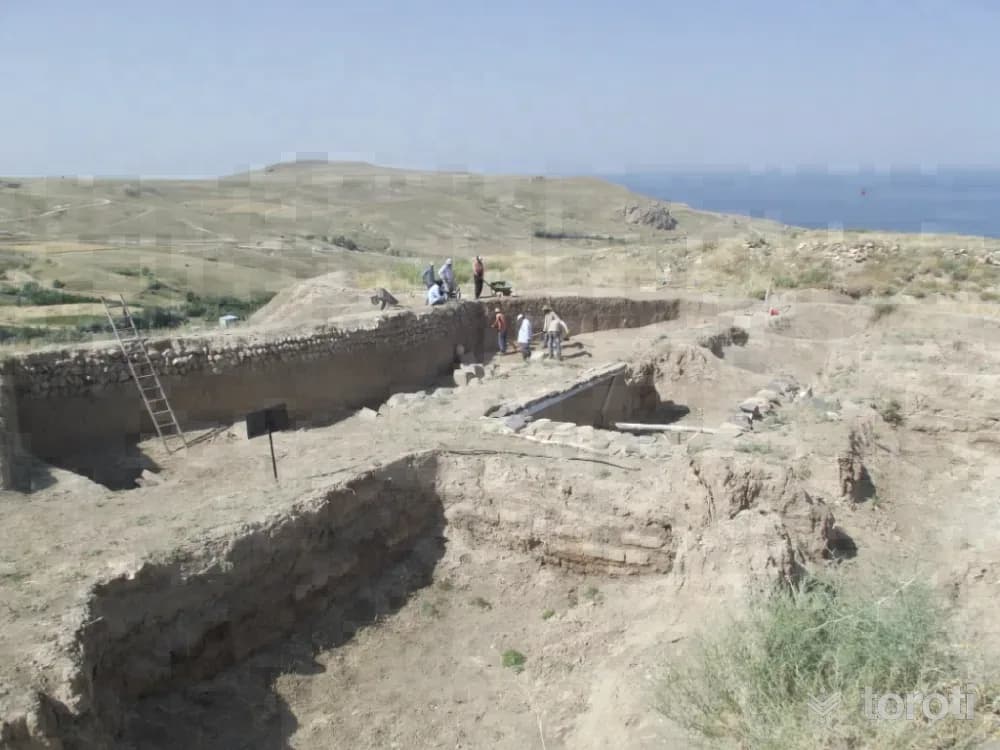
Excavations have been carried out at the castle since 1989. Thanks to the architectural and other small finds obtained as a result of the excavations, it has been possible to identify the castle. According to the cuneiform inscription found, the castle was built by Rusa, the son of Argişti, between 645-643 B.C. The entrance gate is located on the south side of the castle, which is surrounded by two fortification walls. Here, the fortification walls were built with andesite stone, while the other parts were built with limestone.
45 minutes
Süleyman Han Camii
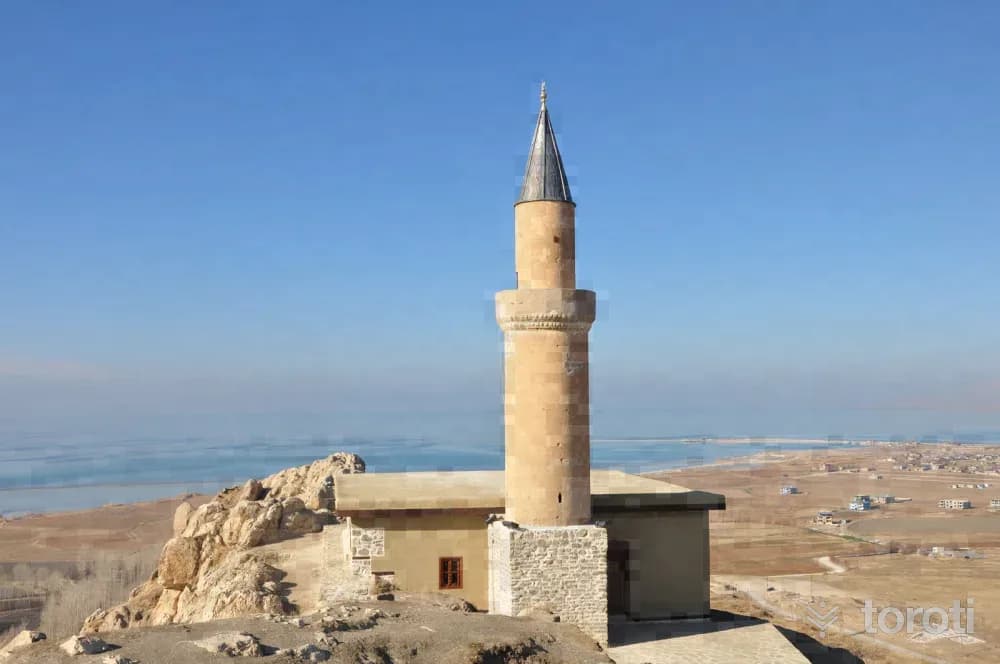
Its minaret is a symbolic structure showing the Ottomans' dominance over the region. The mosque has a square plan and is covered with a flat earthen roof. According to Evliya Çelebi, it was repaired by Kanuni Sultan Süleyman in 1534. In the 1987-88 season, it was excavated by Prof. Dr. Taner Tarhan and its harim was revealed. A section of the qibla wall has survived to the present day. The minaret on the eastern facade of the mosque has a square prismatic base and a cylindrical body.
45 minutes
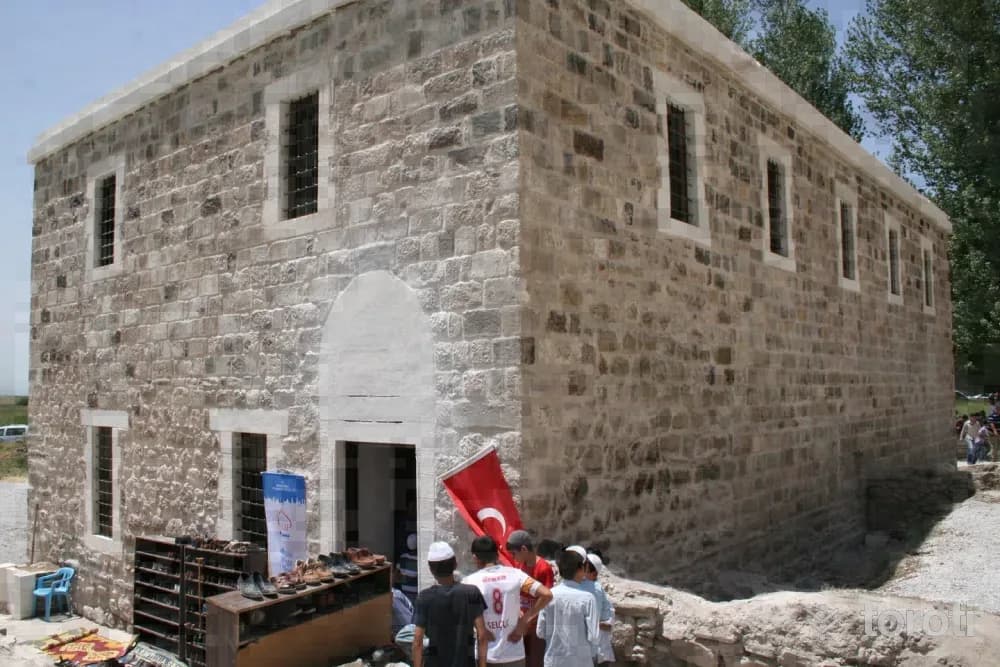
Horhor Camii
Since it has no inscription or endowment deed, it is not known on what date and by whom it was built. Judging by its architectural features, it is dated to the XVIIIth century. The mosque has a transverse rectangular plan, and its south and east walls have survived to the present day. The mosque’s stone mihrab, placed in the middle of the qibla wall, is important. The projecting mihrab is in the form of a five-sided niche, rectangular in appearance, ending with a shell-fluted semi-dome. It has a muqarnas finial.
45 minutes
Hüsrev Paşa Medresesi
It is located in Old Van, within the Hüsrev Paşa Complex, on the north side of the mosque. It is accepted that the madrasa was built on the same date as the mosque, namely in 1567. The madrasa, which was in a rather ruined condition, was uncovered as a result of some excavation and restoration works initiated in 1996 under the leadership of Prof. Dr. Abdusselam Uluçam. It consists of 16 madrasa rooms arranged in an inverted U shape around the courtyard.
45 minutes
Hamurkesen Camii
According to the inscription above the entrance gate, it was commissioned by Seyyid Muhammed in 1122 (1710). It consists of a square-planned, single-domed prayer hall. Its collapsed dome was rebuilt in recent years by the General Directorate of Foundations. In the structure, where smoothly cut stone material was used, only the north facade was enlivened with the portal.
45 minutes
Abbas Ağa Camii
Since it has no inscription, it is not known for certain by whom and on what date it was commissioned. However, judging by its architectural condition, it is dated to the XVIII-XIX centuries. The walls of the mosque, which has a transverse rectangular plan, are intact, but its upper covering has collapsed. The walls were built of stone below and adobe above. The harim is entered through a door opened in the middle of the northern facade.
45 minutes
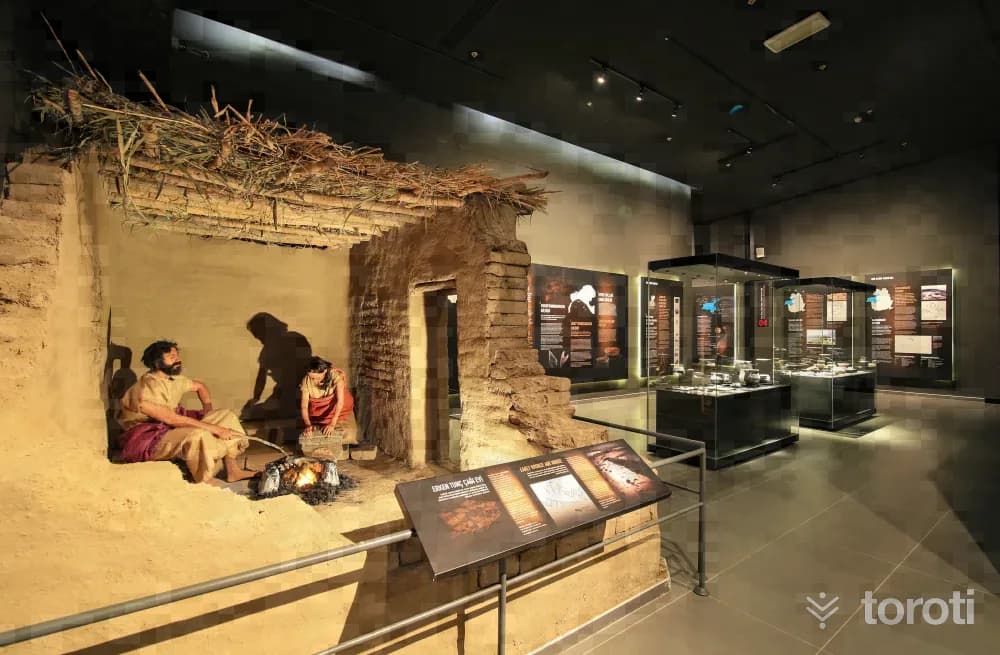
Van Müzesi
The first foundation of the Van museum was a storage building constructed in 1932. Photo: Official Turkish Museums The Urartian cuneiform victory steles, of which there are many in the region, and the ram- and sheep-shaped gravestones belonging to the Akkoyunlu and Karakoyunlu were collected from where they were found and transferred to the said storage building. Photo: Official Turkish Museums When the number of cultural assets in the storage increased, this time the Van Museum Office was established in 1945.
45 minutes
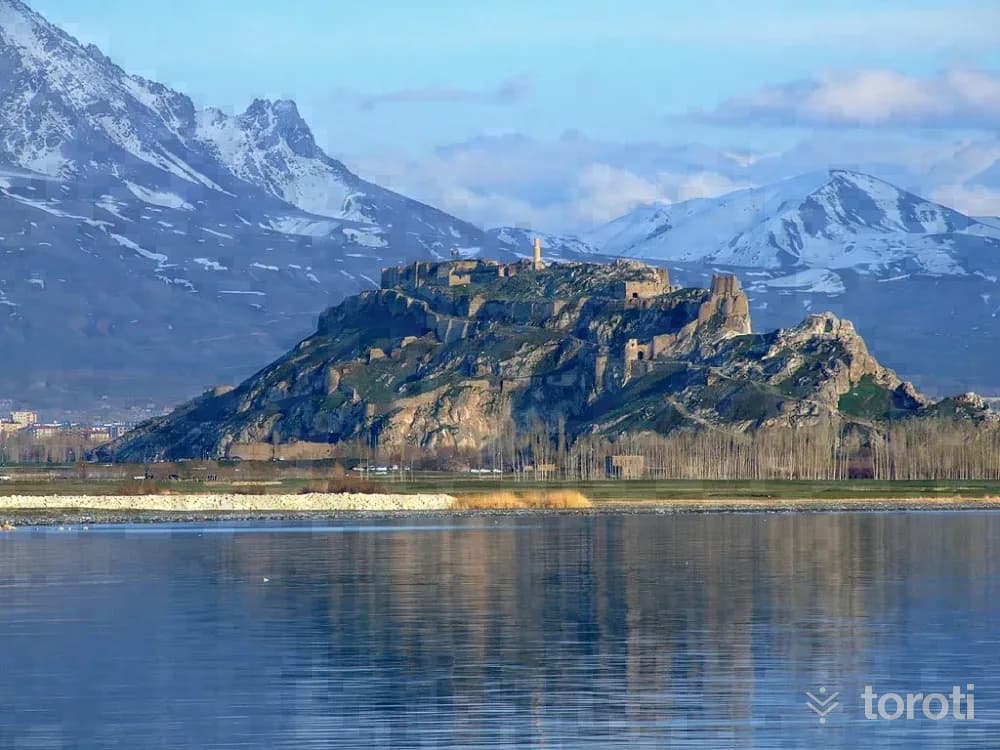
Van Kalesi
Van Castle was built on a rock mass extending in the east-west direction on the Van Plain. The castle of the city, which served for a long time as the capital of the Urartian State under the name Tuşba, was founded by the Urartian king Sarduri I between 840 - 825 BC. Van Provincial Directorate of Culture and Tourism In the Castle are the Madır (Sardur) Bastion from the Urartians, the Analı-Kız Open Air Temple; I. Argişti, Menua and II.
45 minutes