Places to visit
Things to do in Kars
52 destinations, each with a description, how long it takes and where it sits on the map.
In short
toroti’s catalogue holds 52 described destinations within Kars. The themes that come up most: History, Nature, Local culture, Faith heritage, Museum, Culture.
Districts of Kars
İç Kale
In the inner castle, built by the Karsaklılar in the late 4th century A.D. on a high hill located to the southwest of the Ani Ruins, there are circular walls surrounding the small hill on which it was established, as well as the ruins of a church and a palace within the walls. The other structural remains in the inner castle are completely buried underground.
45 minutes
Zivin Kalesi
The castle, built on steep rocks to the east of Zivin village, resembles a rough trapezoid. There are abundant Urartian ceramic fragments around the castle. It is thought that the castle was founded during the Urartian period, expanded during the Seljuk period, and also used during the Ottoman period.
30 minutes
Borluk Vadisi
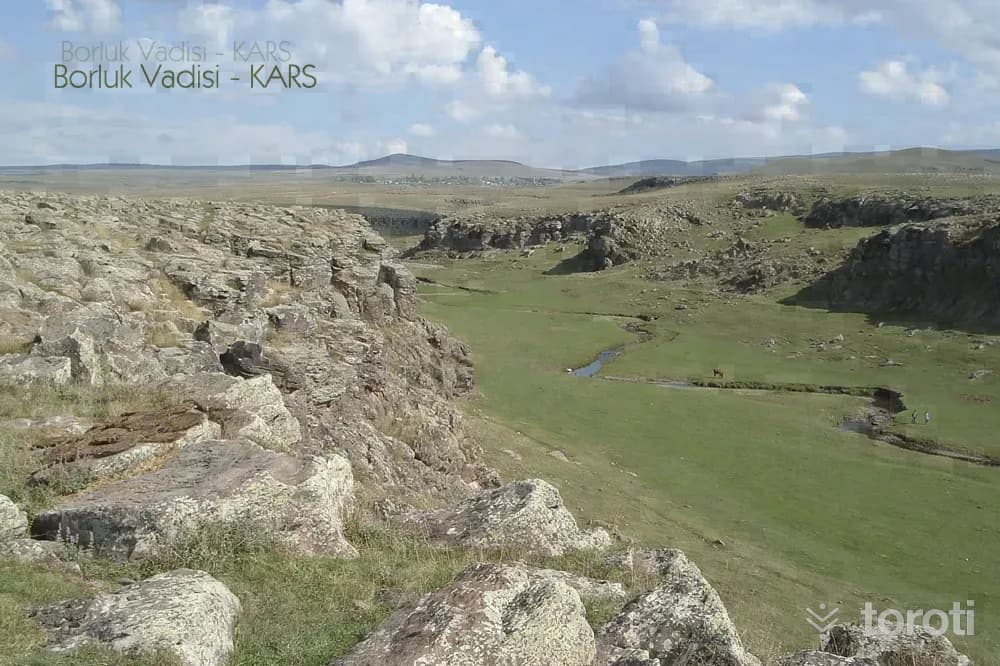
The find spots in the valley formed by Borluk Stream, which starts from Borluk Village approximately 17-18 kilometers southeast of Kars city center, passes by Mağaracık; Azatköyü; and Karacaören villages, and joins Kars Stream just southwest of Kars, are truly very interesting. These find spots have entered the archaeological literature as the Borluk; Mağaracık and Azatköy find spots.
45 minutes
Sarikamiş Kayak Merkezi
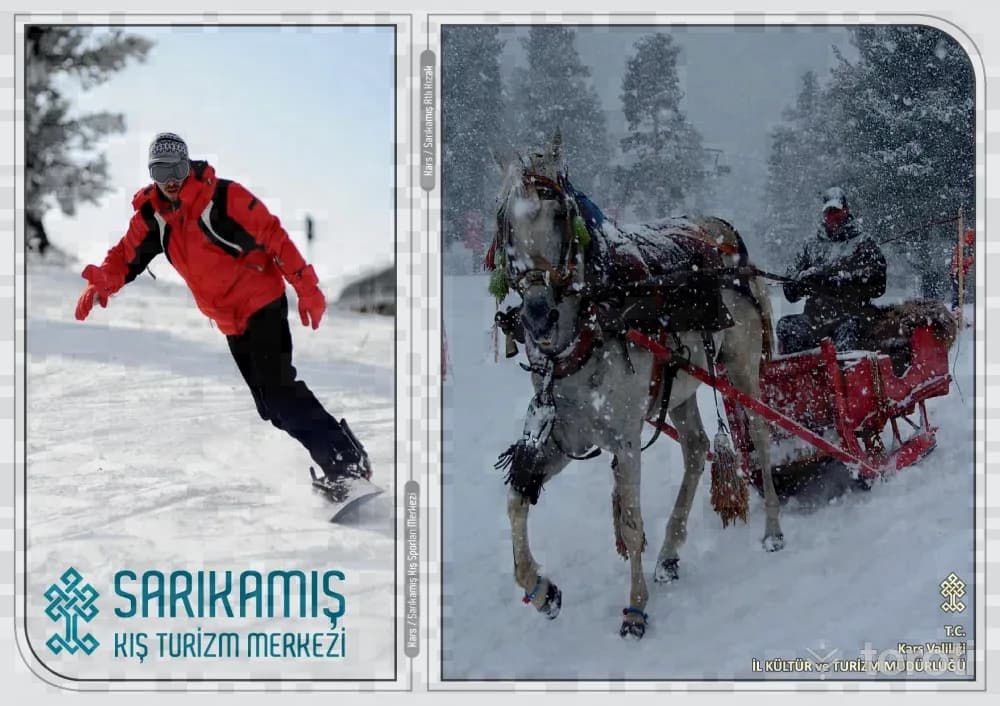
Kış sporları ve kış turizmi bakımından Türkiyenin 1. derece öncelikli 5 merkezinden biri olan Kars-Sarıkamış Kayak Merkezi çevresi ünlü sarıçam ormanları ile kaplı, 2200-2900 mt. yükseklik gösteren bir plato üzerinde yer alır. Kars’a 54 km. Erzurum’a 153 km. uzaklıktaki kayak merkezi Kars Havaalanına 40 dk. mesafededir.
45 minutes
Kayak
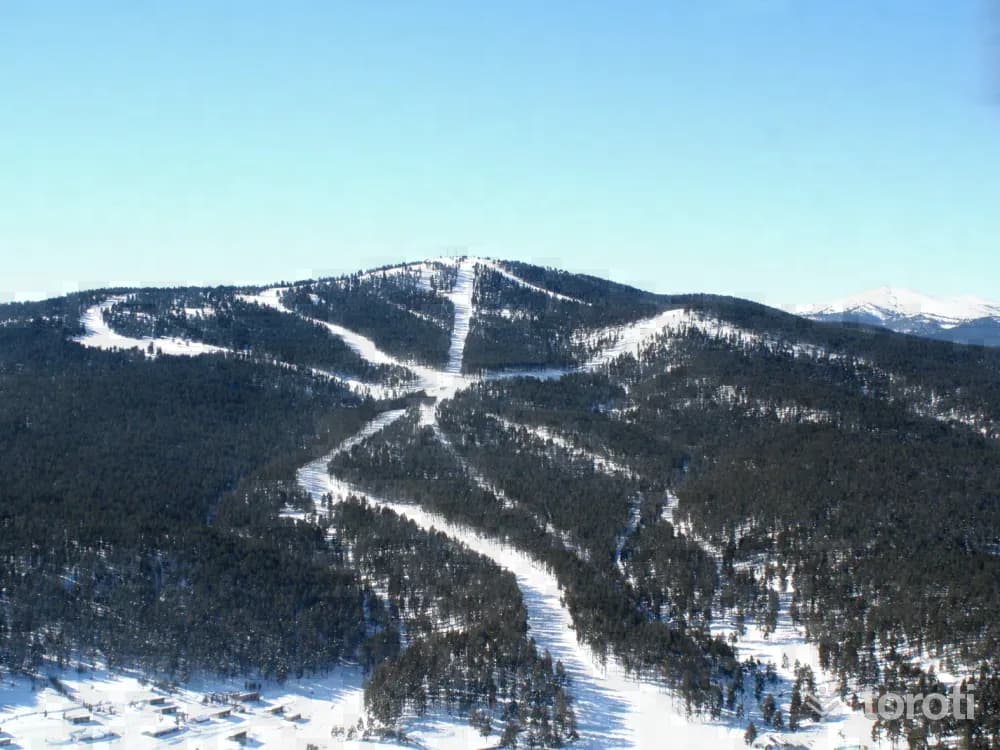
Kış sporları ve kış turizmi bakımından Türkiyenin 1. derece öncelikli 5 merkezinden biri olan Kars-Sarıkamış Cıbıltepe Kayak Merkezi çevresi ünlü sarıçam ormanları ile kaplı, 2200-2900 mt. yükseklik gösteren bir plato üzerinde yer alır. Kars’a 54 km. Erzurum’a 153 km. uzaklıktaki kayak merkezi Kars Havaalanına 40 dk. mesafededir.
45 minutes
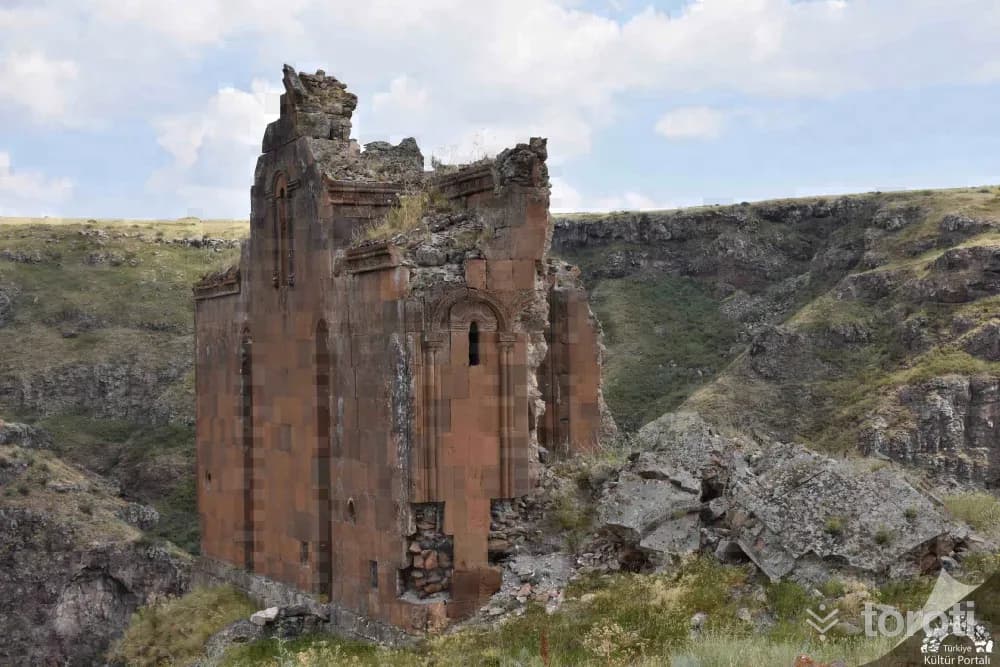
Rahibeler Manastiri/ Kızlar Manastiri
The Monastery of the Nuns is one of the structures registered as an “immovable cultural property that must be protected” in the Ani Archaeological Site. It is also known as Saint Hovhannes Church, Zak’aria Church and Kız Kalesi. The founder and construction date of the structure, which is located on a promontory surrounded by steep cliffs where the Arpaçay and Bostanlar Stream meet and was built at the starting point of the caravan route reaching Ani, are unknown.
45 minutes
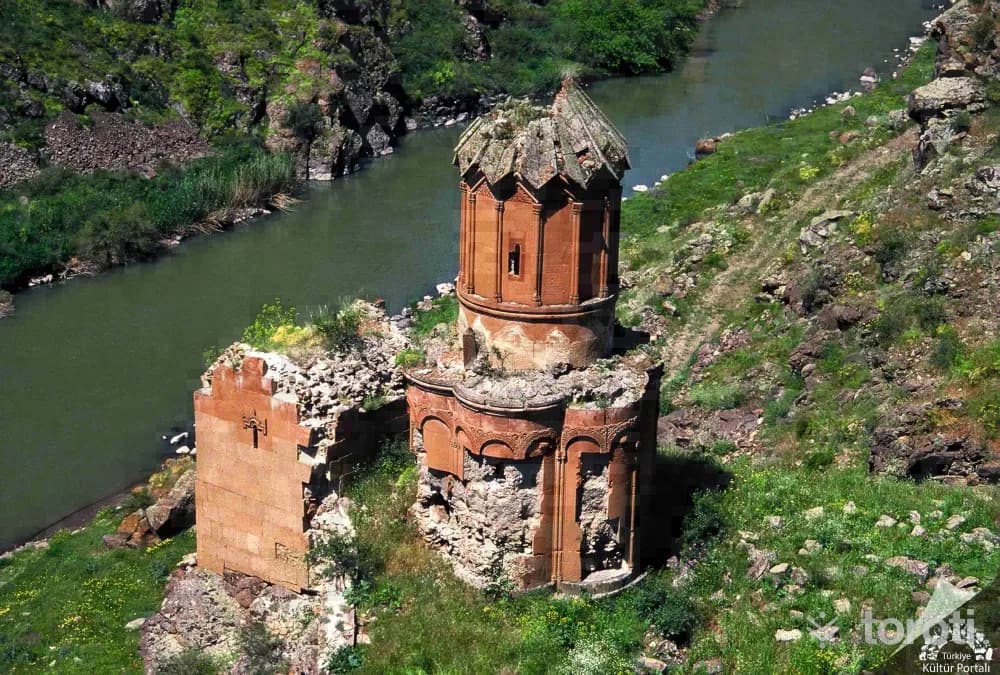
Genç Kızlar Kilisesi
The Church of the Young Girls is one of the structures registered as an “immovable cultural property that must be protected” in the Ani Archaeological Site. It is also known as the Monastery of the Virgins or Surp Hripsime Church. The construction date and patron of the monastery, which was built on steep rocks near the valley floor on the northern slope of the Arpaçay at the farthest point of the Turkey-Armenia border, are unknown.
45 minutes
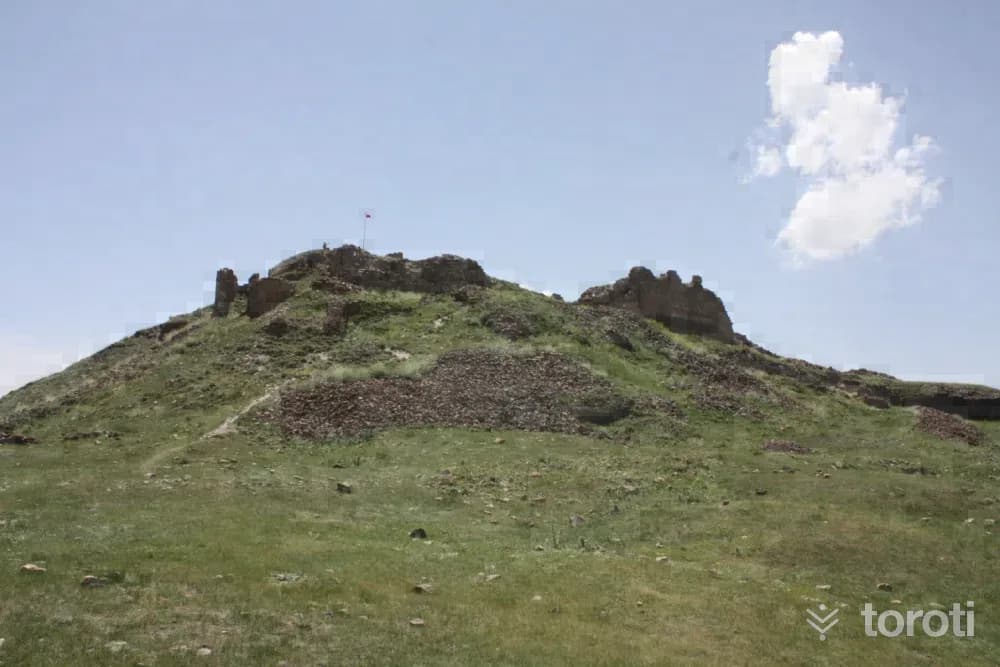
İÇ Kale
İç Kale is one of the structures registered as an “immovable cultural property that must be protected” in the Ani Ruins. İç Kale is reached by a path on the part of the road passing in front of Ebu’l Menûçehr Camisi that extends to the southwest. It is located on a fairly high hill. Since it was established on terrain suitable for defense, it is in a place that is difficult to reach. Assoc. Prof. Dr.
45 minutes
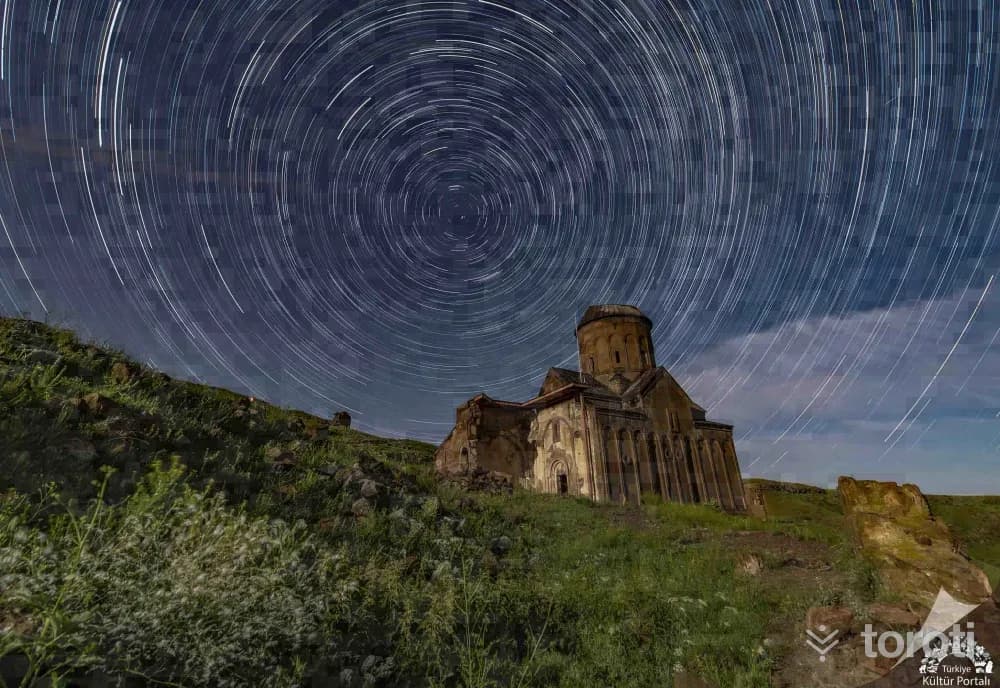
Tigran Honents Kilisesi
Tigran Honents Church is one of the structures registered as an “immovable cultural property that must be protected” in the Ani Archaeological Site. It is also known as the Painted Church or the Embroidered Church. Located on the upper plain of the Arpaçay River valley, according to the inscription on its eastern façade, the structure was commissioned by the merchant Tigran of the Honents family in 1215 and dedicated to Saint Krikor Lusavoriç.
45 minutes
Mağaralar
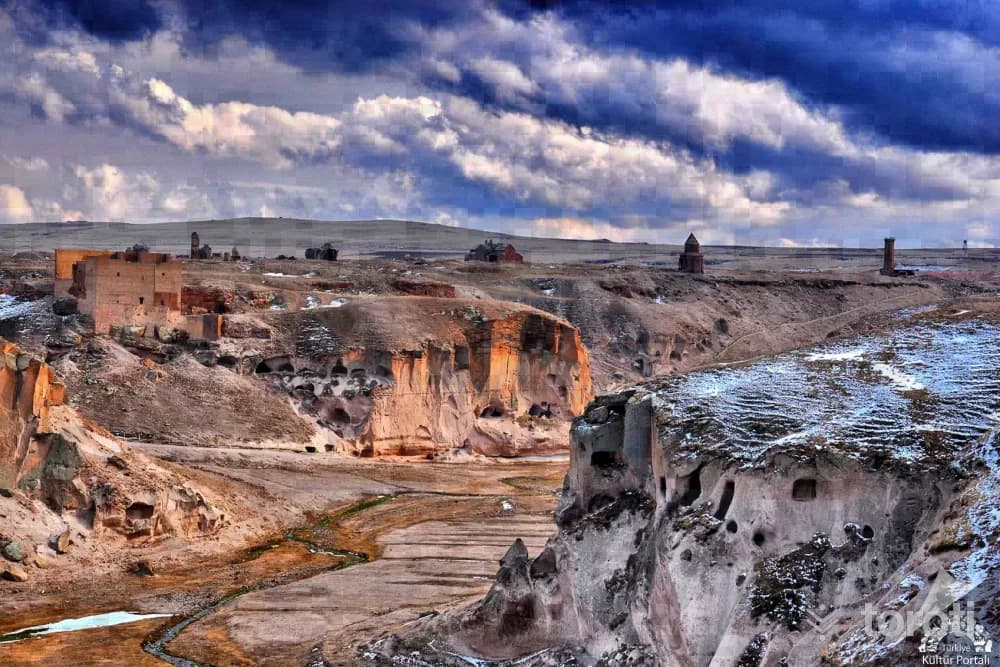
The Caves are rock-cut structures registered as an “immovable cultural property that must be protected” in the Ani Archaeological Site. According to the Kars Provincial Directorate of Culture and Tourism, the rocky cliffs around Ani consist of soft tuff below and hard basalt formations above. On the slopes of the valleys surrounding the city on three sides, there are numerous chapels, burial chambers, storage spaces, dwellings, birdhouses, and many other structures and caves carved into the tuff rock and used for similar functions.
45 minutes
Ebul Muammeran Camii
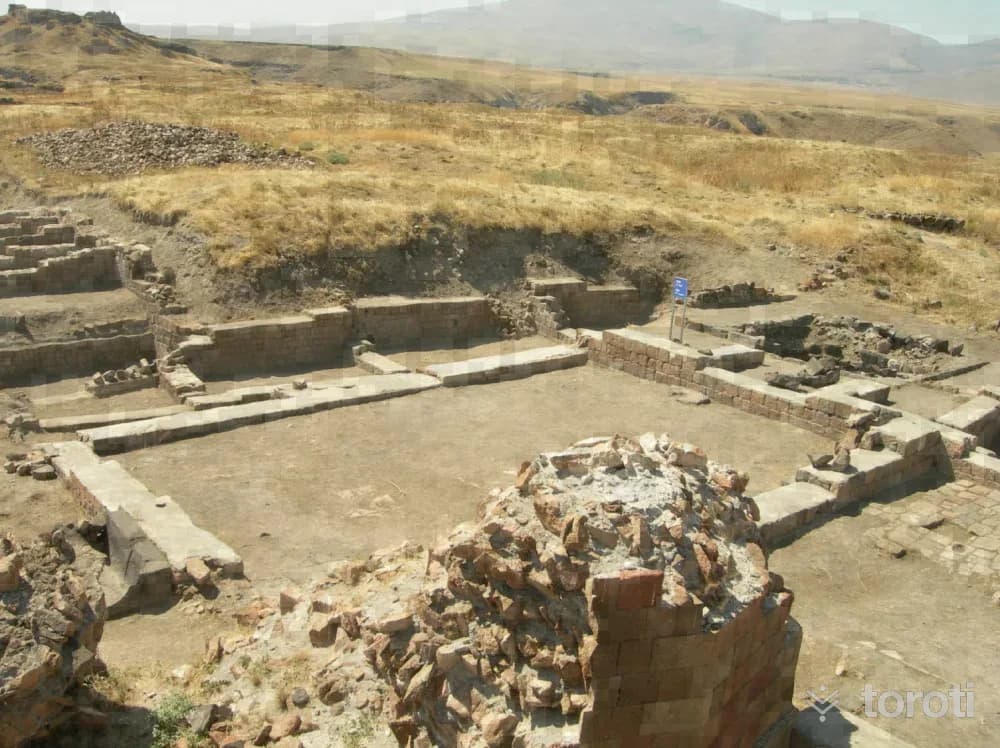
Ebu’l Muemmaran Mosque is one of the structures registered as an “immovable cultural property that must be protected” in the Ani Archaeological Site. It is also known as the Broken Minaret. Assoc. Prof. Dr. Muhammet ARSLAN, Head of the Ani Archaeological Site Excavation, states that after the Seljuk Sultan Alpaslan conquered Ani in 1064, the administration of the city was left to the Shaddadid Principality. The mosque was built between 1164-1200 by Ebu’l Muammeran, the son of Ebu’l Menuçehr, the first Bey of Ani in the Shaddadid family.
45 minutes
Büyük Hamam
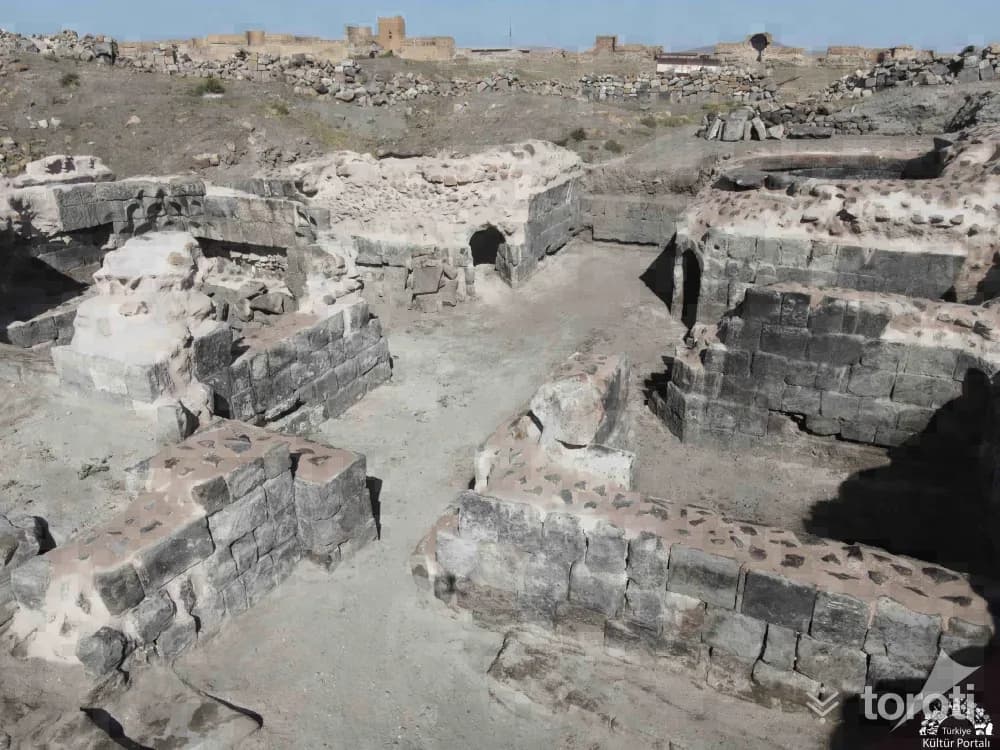
Büyük Hamam is one of the structures registered as an “immovable cultural property that must be protected” in the Ani Archaeological Site. Its patron and construction date are unknown. Based on its plan, architectural and ornamental features, Büyük Hamam, located 180 metres north of the Great Cathedral, is considered to have been built by the Great Seljuks in the late 11th century or during the 12th century. Assoc. Prof. Dr.
45 minutes
Küçük Hamam
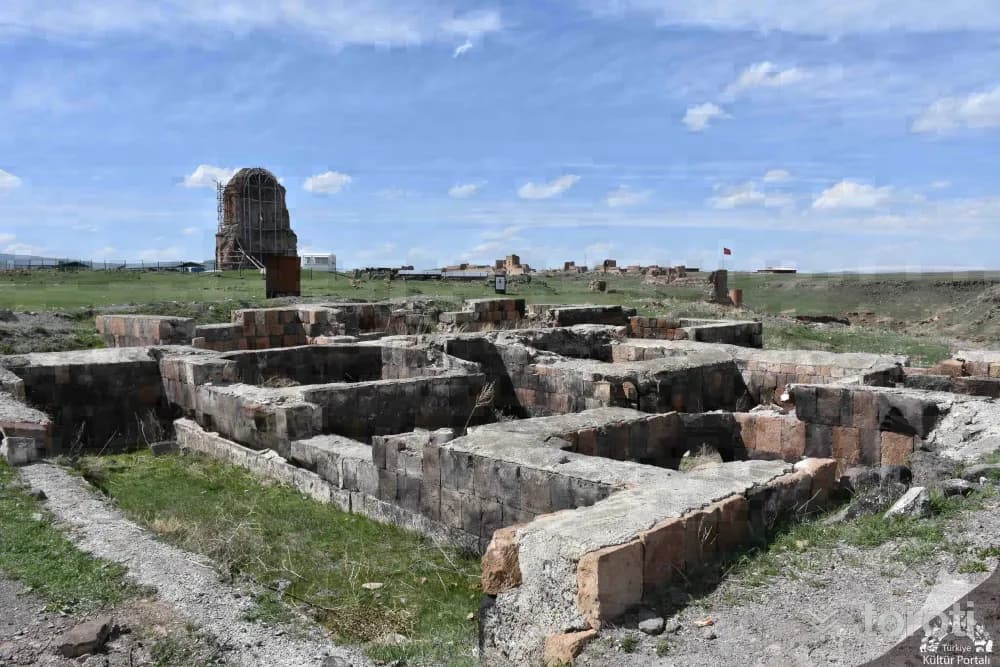
Küçük Hamam is one of the structures registered as an “immovable cultural property that must be protected” in the Ani Archaeological Site. Assoc. Prof. Dr. Muhammet ARSLAN, Head of the Ani Archaeological Site Excavations It is located in the southeast of the city, north of Tigran Honents Church. Its construction date is unknown. However, based on its plan, architectural and ornamental features, it is thought to have been built during the Seljuk period in the second half of the 11th century or within the 12th century.
45 minutes
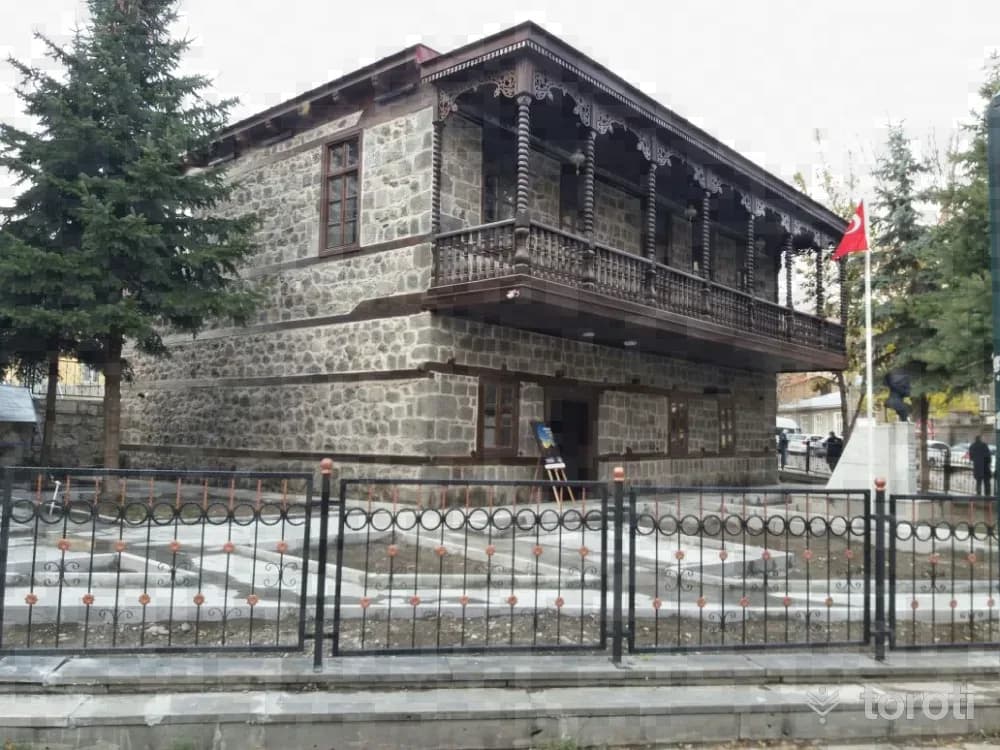
Gazi Ahmet Muhtar Paşa Konağı
Gazi Ahmet Muhtar Paşa Mansion is one of the examples of Ottoman Period civil architecture located in Kars. Although the exact construction date of the mansion, located in the Ortakapı neighborhood, is not known, it is estimated to have been built in the first quarter of the 19th century. The mansion takes its name from Ahmet Muhtar Paşa, who was the Commander of the 4th Army during the Ottoman-Russian War (1877-1878), known as the 93 Harbi.
45 minutes
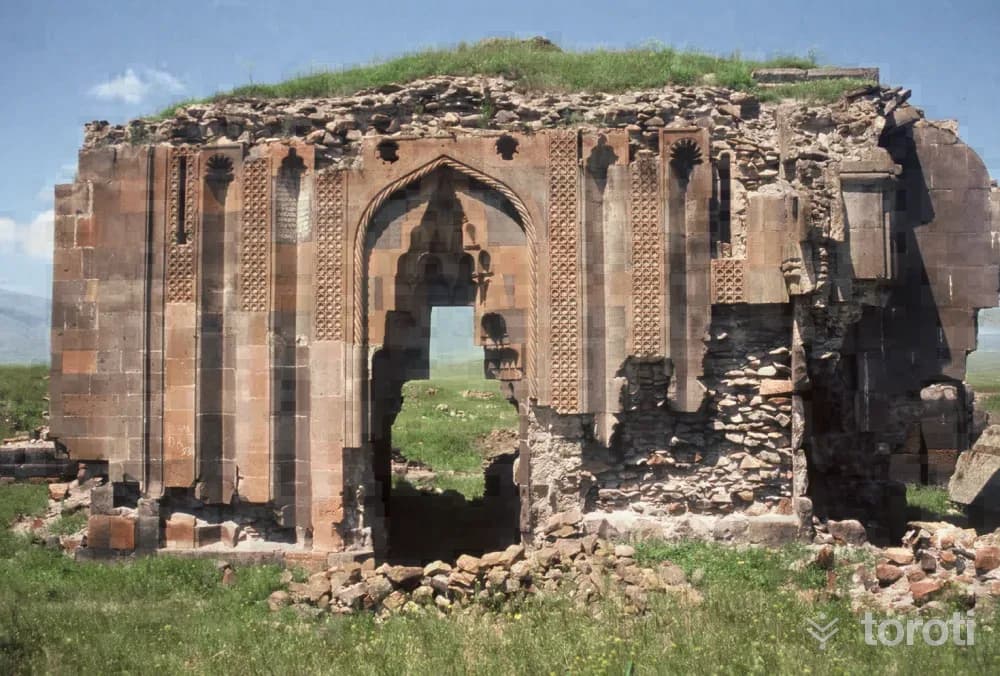
Selçuklu Kervansarayı
The caravanserai is one of the structures registered as an “immovable cultural property that must be protected” in the Ani Archaeological Site. It is also known as Surp Arak’elots Church. The construction date and patron of the structure, located in the western part of the city, southeast of the Georgian Church, are unknown. The oldest inscription on it is dated 1031.
45 minutes
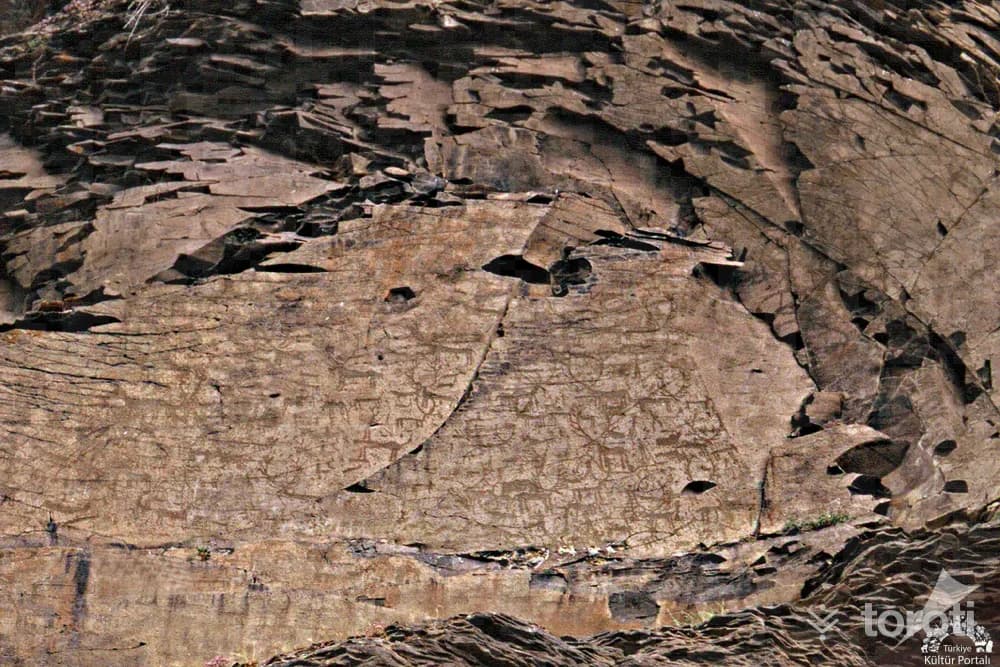
Camuşlu Kaya Resimleri
The rock paintings are located 50 kilometers from Kars and 5 kilometers from Camuşlu village, which is connected to the Kağızman district. The rock paintings on a basalt rock located on the eastern slopes of Aladağ consist of two sections, one large and the other small. The large panel is 4 meters above the ground, 14 meters long and approximately 4 meters wide. The small panel is located on the eastern extension of the same wall.
45 minutes
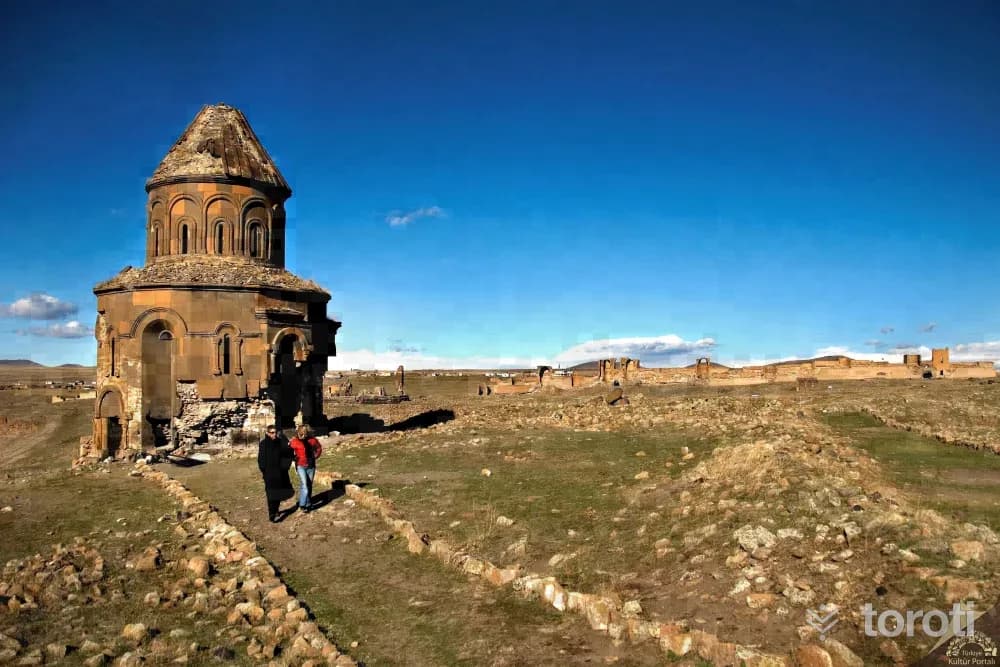
Abughamrents Kilisesi / Polatoğlu Kilisesi
Abughamrents Church is one of the structures registered as an “immovable cultural property that must be protected” in the Ani Archaeological Site. It is also known as Saint Gregory Church and Polatoğlu Church. The initial construction date and patron of the structure, located on the edge of the slope overlooking Bostanlar Stream in the west of the city, are unknown. TGA However, based on the information contained in one of the inscriptions on the church wall, it is thought to have most likely been built around the year 980.
45 minutes
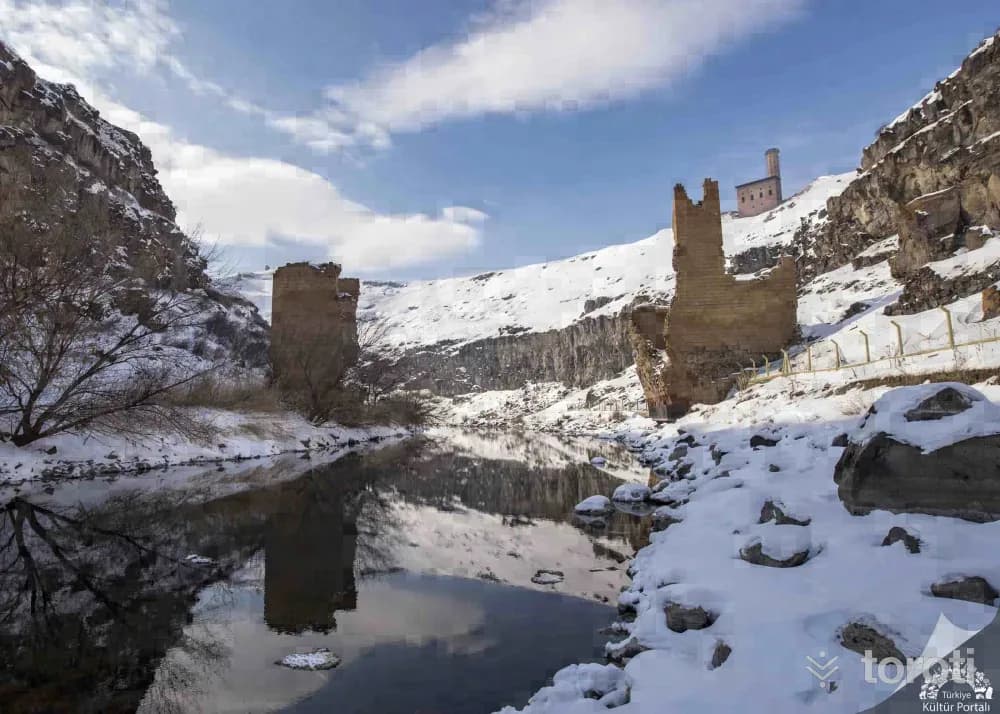
İpek Yolu Köprüsü
The bridge is one of the structures registered as an “immovable cultural property that must be protected” in the Ani Archaeological Site. It is known as the Silk Road Bridge. The bridge, whose construction date and patron are unknown but is estimated to date from the 10th century, was built over the Arpaçay River, which separates the Turkey-Armenia border. It is located at the first entry point of the historic Silk Road into Anatolia.
45 minutes
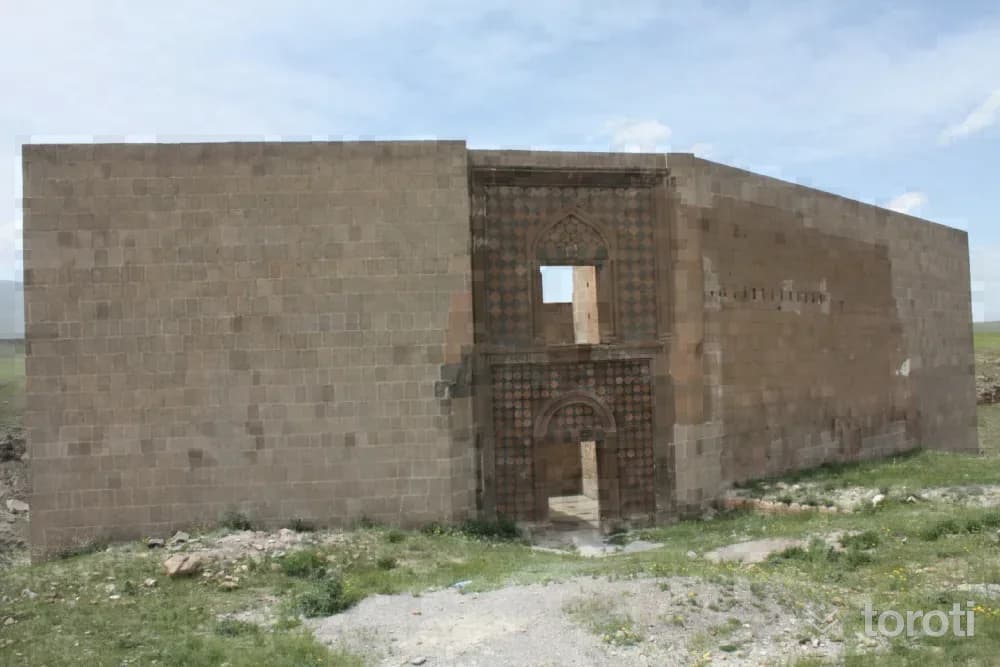
Selçuklu Sarayı
Selçuklu Sarayı is one of the structures registered as an “immovable cultural property that must be protected” in the Ani Archaeological Site. Although the construction date of the palace, built on a steep rocky outcrop on the slope overlooking Bostanlar Deresi in the northwestern direction of the archaeological site, is not known, it is thought to have been built in the 12th or 13th century according to its architectural features and portal arrangement. Vedat Akçayöz The structure, built of smoothly cut stone, was originally two storeys.
45 minutes
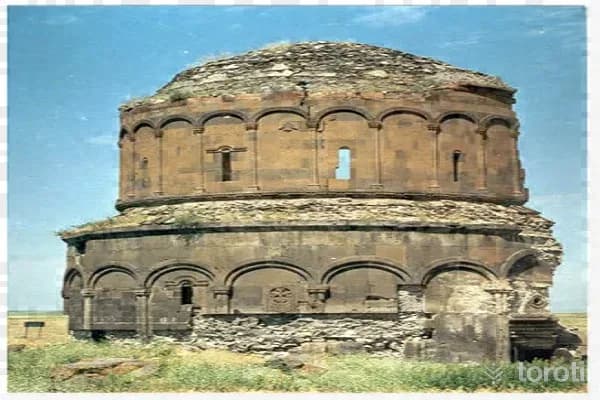
Aziz Prkich Kilisesi
Aziz Prkich Kilisesi is one of the structures registered as an “immovable cultural property that must be protected” in the Ani Archaeological Site. It is also known as Keçeli Kilise, Halaskar Kilisesi or Yıkık Kilise. According to the construction inscription on its facade, the church, built at a point close to the Great Cathedral in the east of the city, was commissioned by Marzban Ebu'l Garip in 1035. The church was restored by the Atabeks in 1291 and 1342.
45 minutes
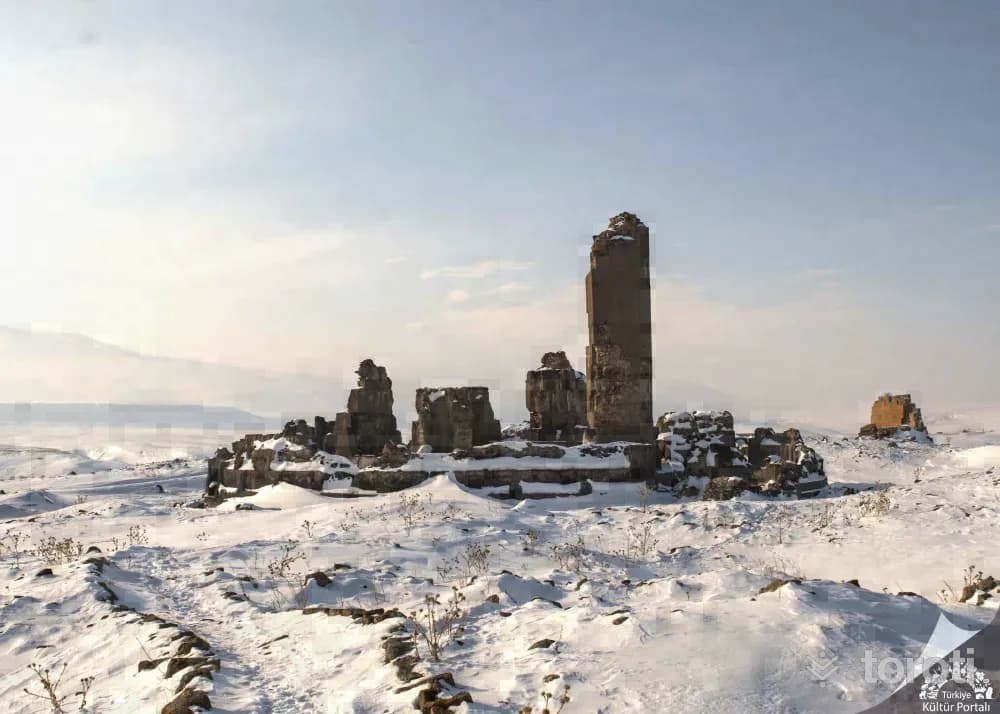
Gagik Kilisesi
Gagik Church is one of the structures registered as an “immovable cultural property that must be protected” in the Ani Archaeological Site. Located on the upper plain of the Bostanlar Stream valley, according to the inscriptions uncovered during excavations, the structure was commissioned by King Gagik I; construction of the building, which began in 995, was completed in 1001. Kars Provincial Directorate of Culture and Tourism The church is set on a three-stepped platform and has four entrances.
45 minutes
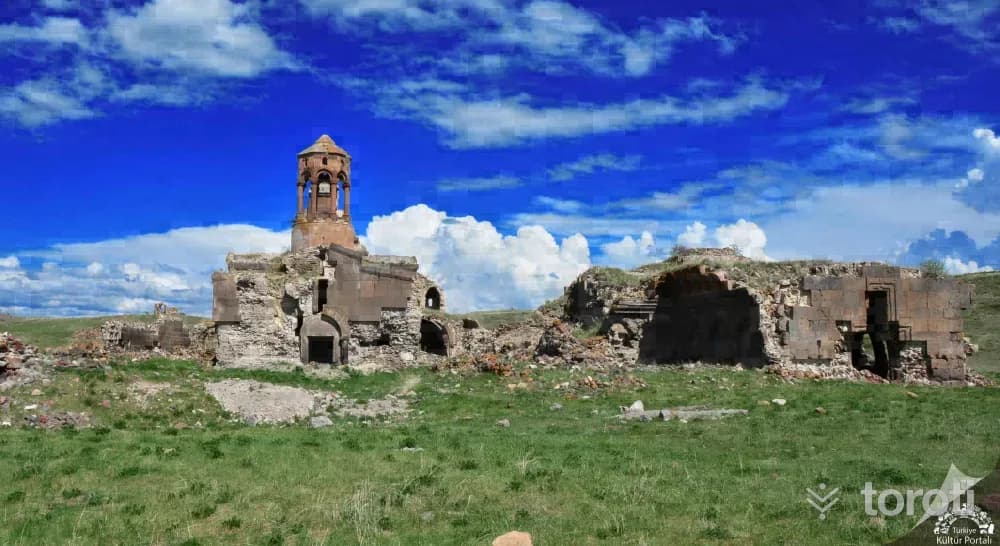
Horomos Manastiri
Horomos Monastery is located 7 kilometers northeast of the Ani Ruins, immediately west of the Arpaçay. Kars Provincial Directorate of Culture and Tourism states that Horomos Monastery, one of the most important religious and cultural centers of the Bagratid Kingdom, was commissioned during the reign of the Bagratid King Abas (943-953). Kars Provincial Directorate of Culture and Tourism states that the area where the monastery is located consists of two separate groups of structures.
45 minutes
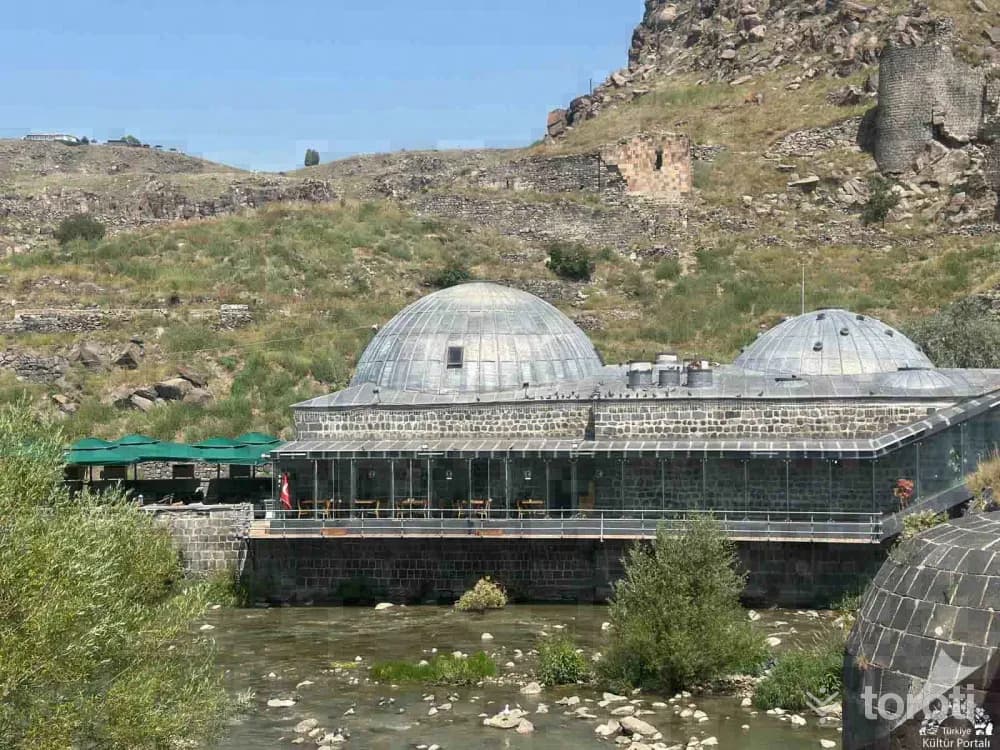
İlbeyoğlu Hamamı/ Muradiye Hamamı/ Balkonlu Hamam
İlbeyoğlu Hamamı is located at the foot of Kars Castle and to the northwest of Taş Köprü. It is known that the structure, which has no inscription, was built in 1774. Kars Provincial Directorate of Culture and Tourism The single-function bath, extending in an east-west direction, is a classical Ottoman bath with sections for the cold room, warm room, hot room and furnace. Cut stone material was used on the wall surfaces of the structure, and brick was used in the construction of the dome.
45 minutes
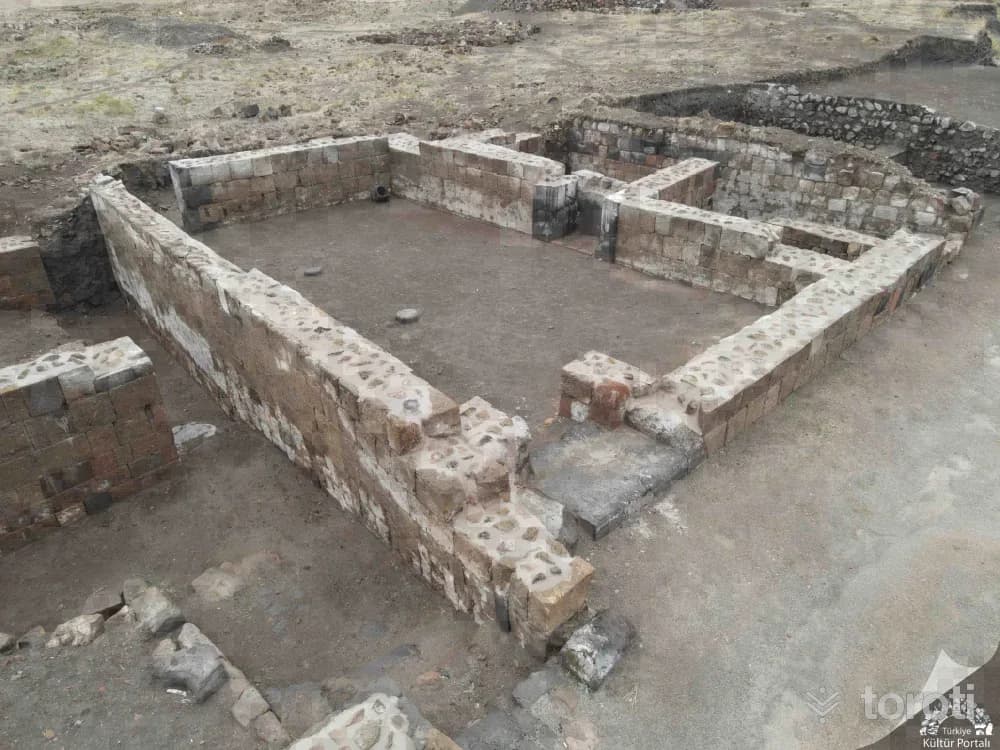
Selçuklu Çarşı Mescidi
Selçuklu Çarşı Mescidi is located to the east of the bazaar road leading from Ebu’l Muammeran Camii to Ebu’l Menuçehr Camii in the Ani Ruins. Since it does not have an inscription, its exact construction date is unknown. However, based on its plan features, it is accepted that it was built during a period when Ani was under Seljuk rule, sometime between the second half of the 11th century and the 12th century. Assoc. Prof. Dr.
45 minutes
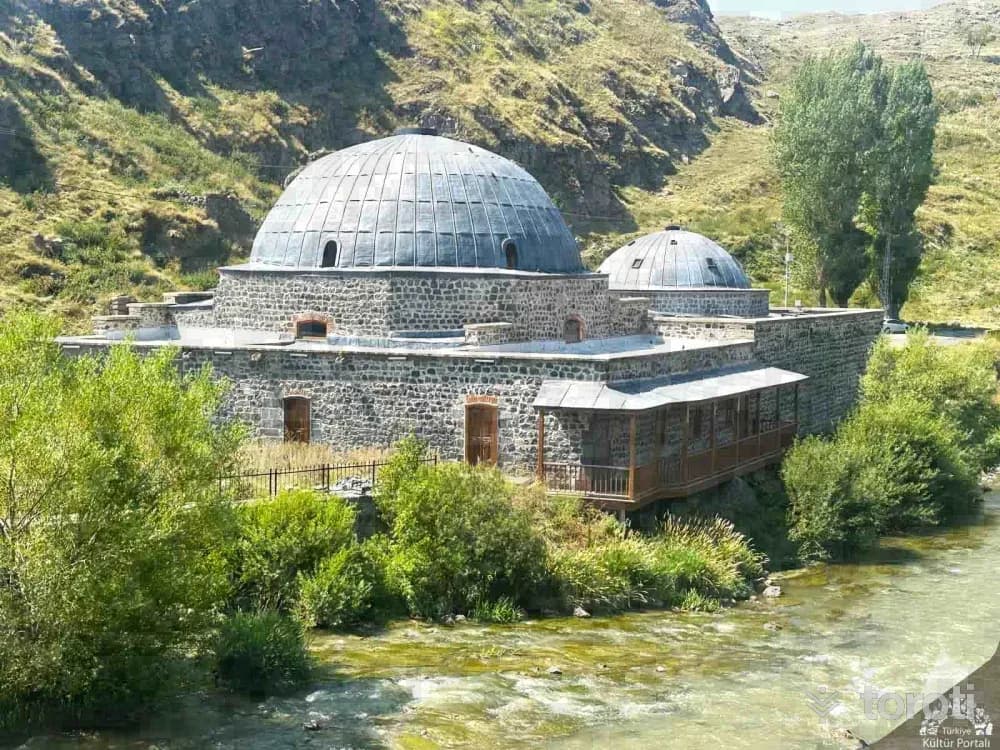
Cuma Hamamı/ Asri Hamam/ Abidin Hamamı
Cuma Hamamı is located in the center of Kars, to the southwest of Taş Köprü. The bath, known to have been commissioned in 1863, was named Cuma Hamamı because it served women on Fridays. Since it is a very large and modern bath, it is also known as Asri Hamam. Kars Provincial Directorate of Culture and Tourism The bath, extending in an east-west direction as a single-function structure, has a rectangular main plan scheme with sections for the cold room, warm room, hot room, and furnace.
45 minutes
Selçuklu Kümbeti Ve Selçuklu Mezarliği
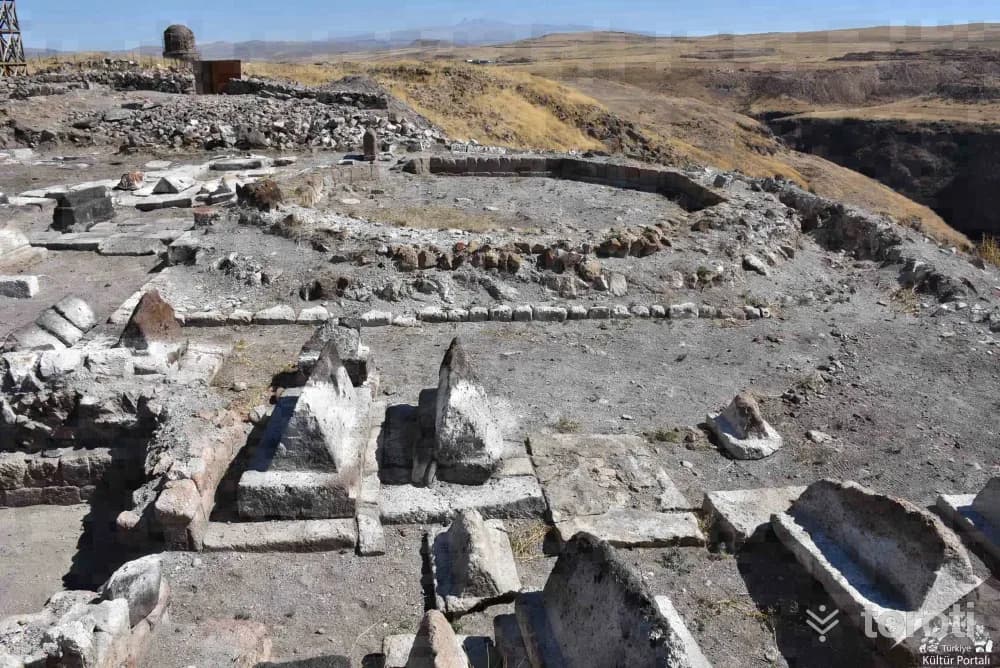
The Selçuklu Kümbeti and Cemetery is located in Ani Archaeological Site, 30 metres northwest of Fethiye Camisi (Cathedral), in a position overlooking Arpaçay. It is thought that the cemetery was first established with the Selçuklu conquest in 1064. Assoc. Prof. Dr. Muhammet ARSLAN, Head of the Ani Archaeological Site Excavations, The kümbet in the cemetery area was brought to light through excavations in 2021-2022. It has an octagonal body on a square base. There is an entrance door at the northeast corner.
45 minutes
Kars Müzesi
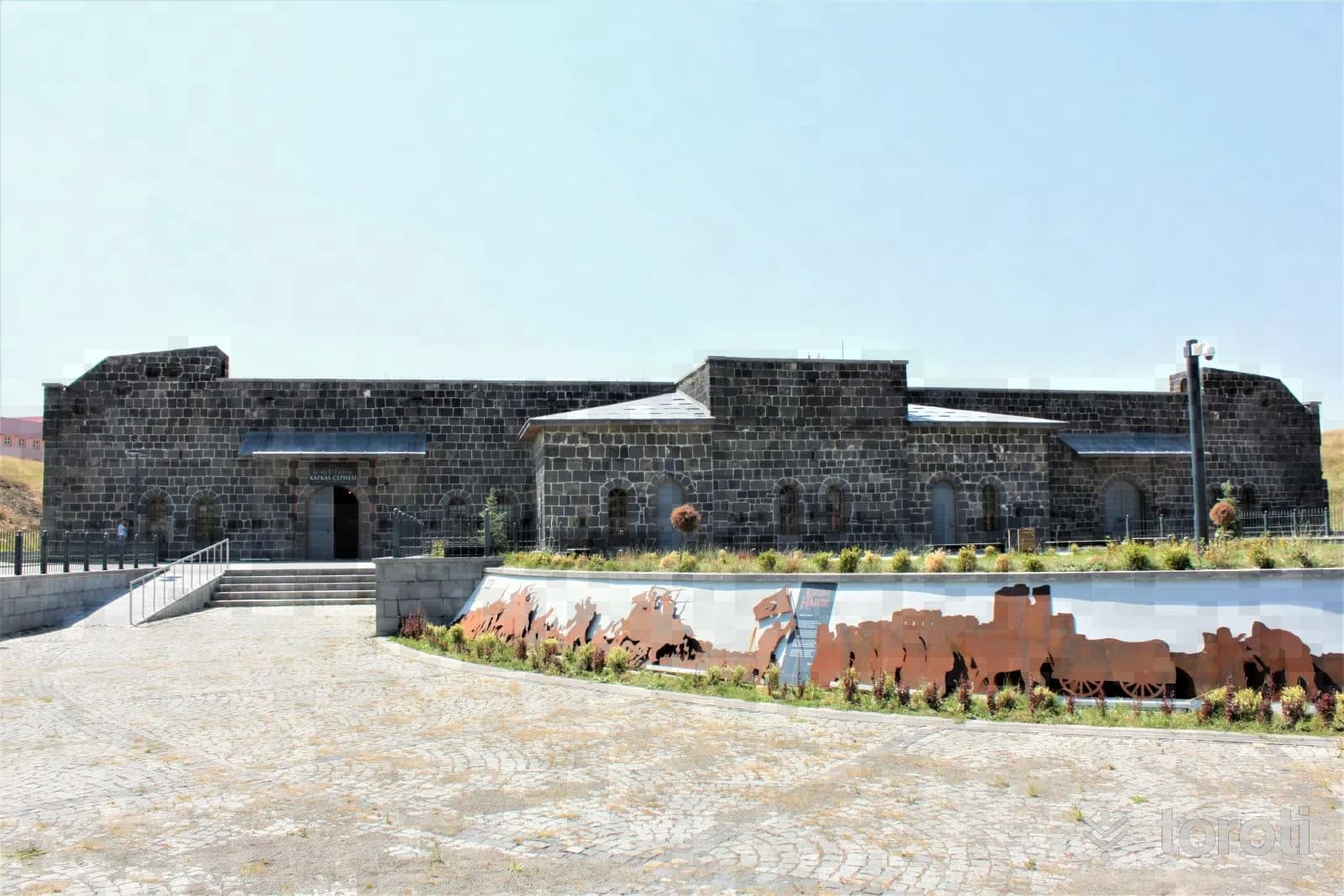
The City of Kars, which has the distinction of being the first settlement center at the entrance from the Caucasus to Anatolia, has the characteristics of an ancient settlement center that has been inhabited for thousands of years due to having witnessed the passage of many civilizations.
45 minutes
Ateş Tapinağı / Ateşgede
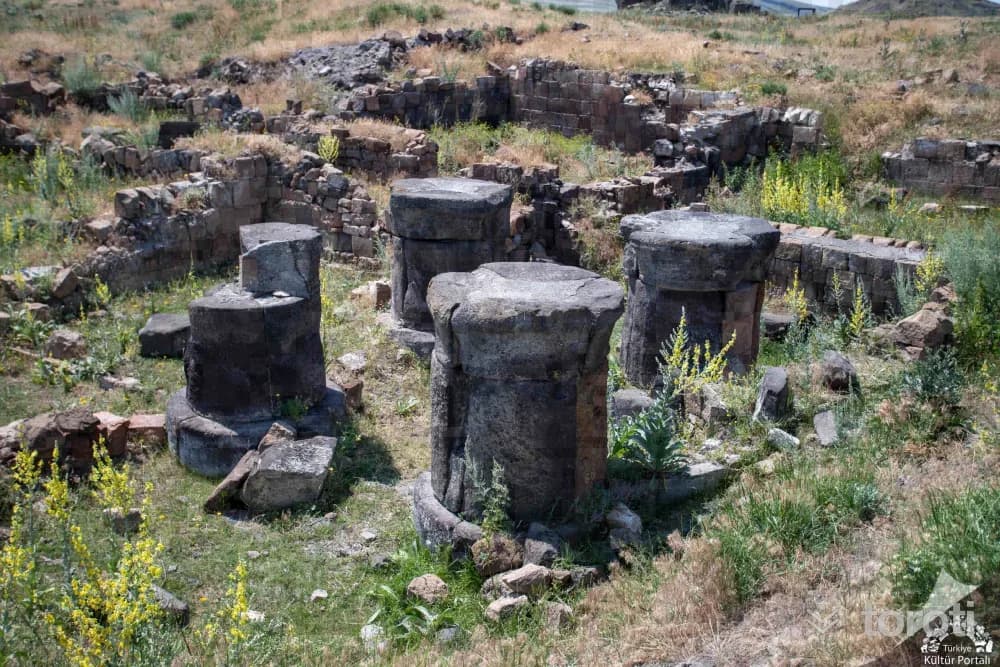
The structure located in Ani Ören Yeri and thought to be a Zoroastrian temple was probably built between the 1st and 4th centuries. If so, it has the distinction of being the oldest structure in Ani and the first Zoroastrian fire temple in Anatolia. In terms of its structural features, it has a square plan and a form ending with a roof supported by four columns rising from the corners, and it was built of basalt stone blocks. Around the structure are spaces whose functions cannot be fully determined.
45 minutes
Divin Kapisi Kaya Mescidi
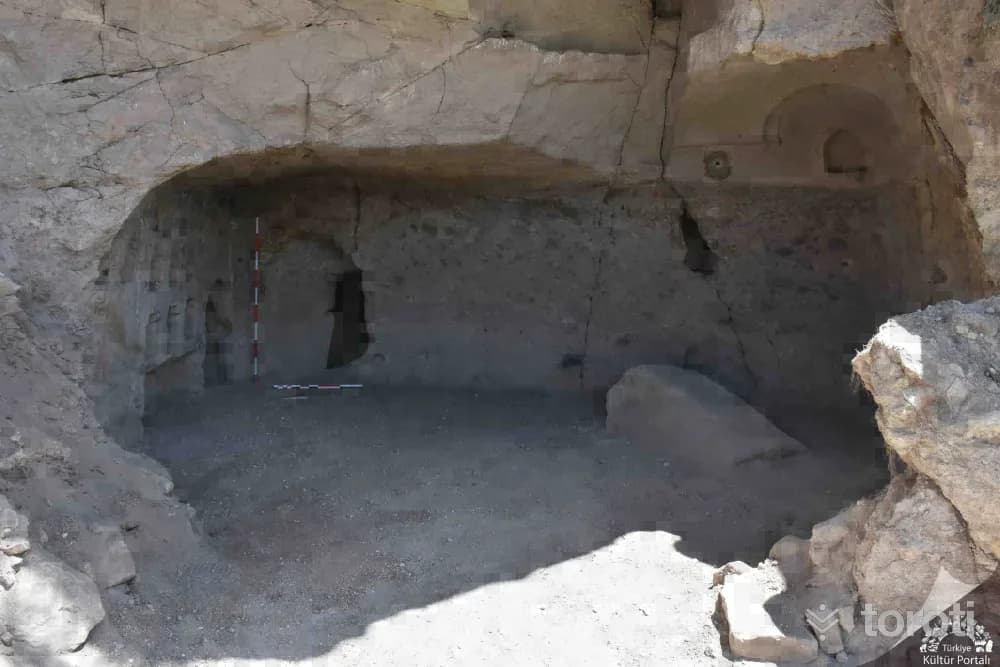
In the area uncovered during the 2024 excavation and conservation works at the Ani Archaeological Site and located on the slope south of the Cathedral, a masjid and residences around it were found. Assoc. Prof. Dr. Muhammet ARSLAN, Head of Excavations at the Ani Archaeological Site, stated that the masjid was named Divin Kapısı Kaya Mescidi due to its proximity to Divin Kapısı.
45 minutes
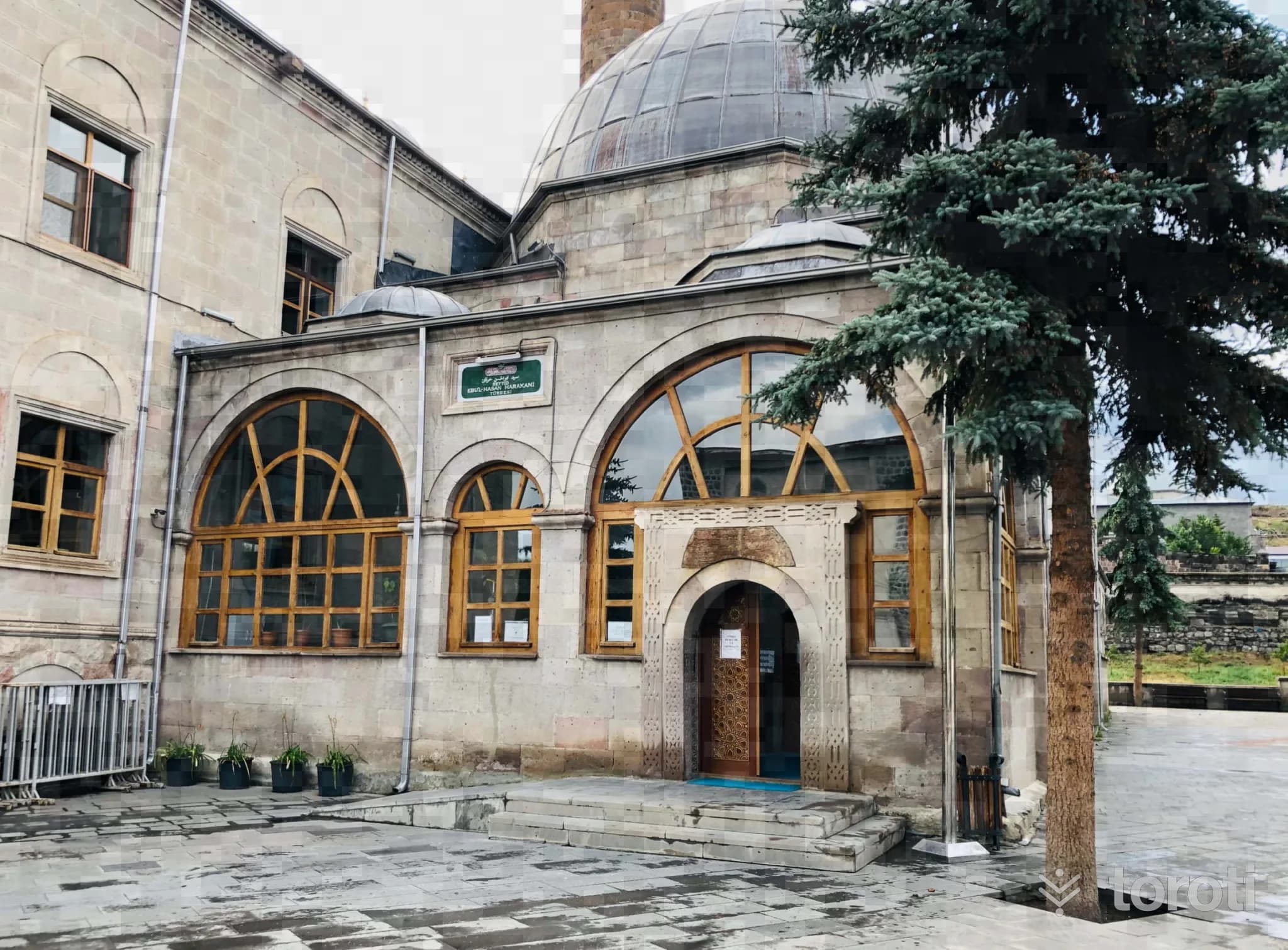
Ebû'l Hasan Harakâni Cami
The real name of the saint who lived between A.D. 963-1033 is Ali Bin Ahmed Cafer. He was born in the village of Harakan, connected to the town of Bistam in the Khorasan region of present-day IRAN. Born as the child of a poor family, Ebul Hasan worked as a shepherd in the village of Harakan at a young age and later engaged in farming.
20 minutes
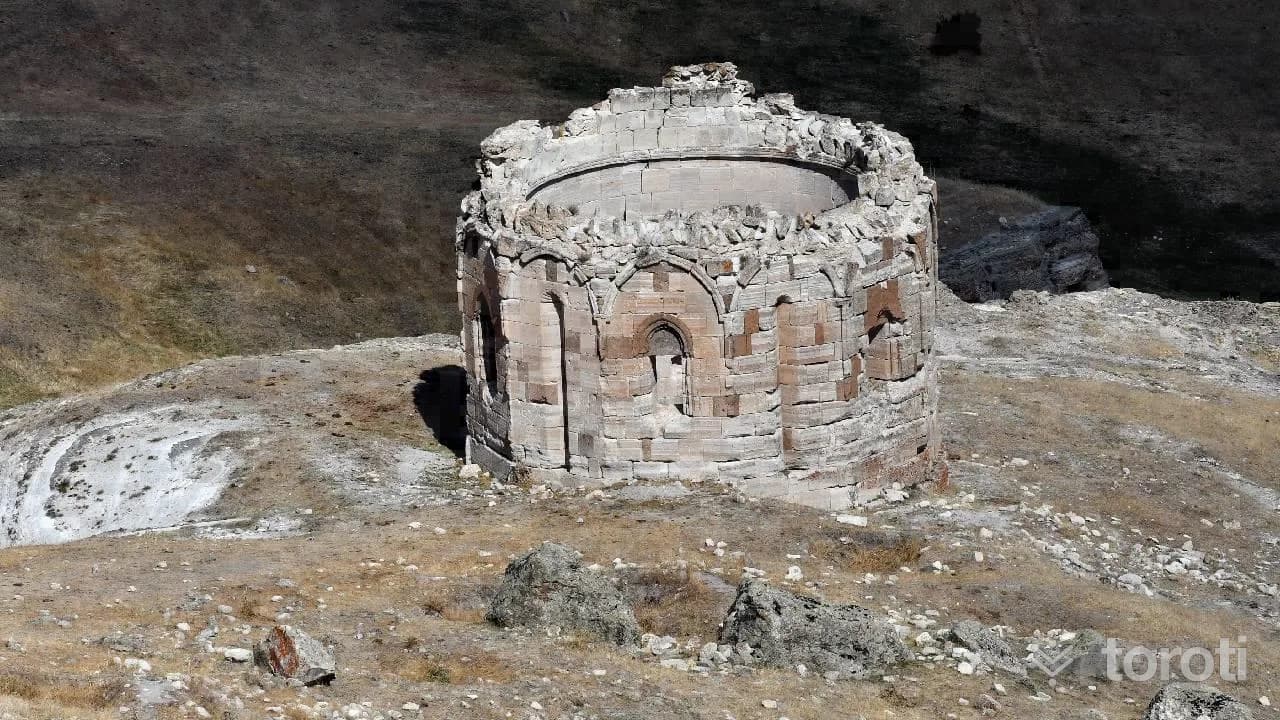
Micingirt Kalesi
It is located in İnkaya (Micingirt) Village in the Sarıkamış district. It was built in 1232 by Saltuklu Mansur Ergin. The presence of Urartian Rock Tombs and the Urartian Cistern around the area where the castle, built on a rocky hill, is located shows that this region had previously been settled by the Urartians. In later periods, this castle was used by the Romans, Byzantines, Seljuks, Saltuklus and Ottomans.
30 minutes
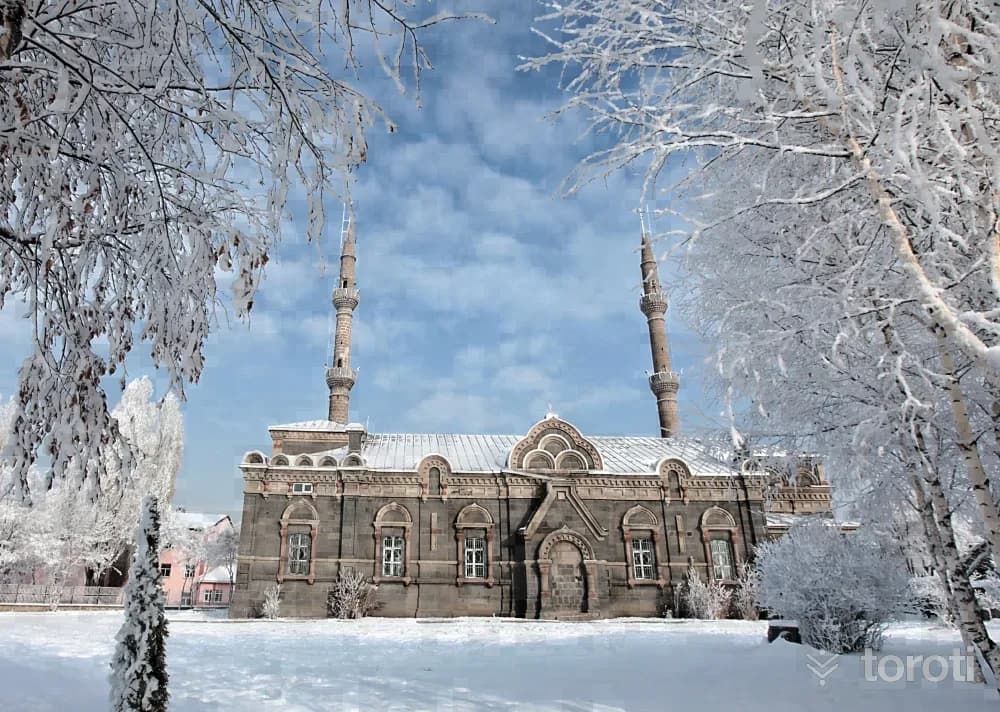
Fethiye Cami
Fethiye Mosque is located in the center of Kars. It was built as a church in the late 19th century, during the period when Kars was under Russian occupation. The building was used as an indoor sports hall between 1953 and 1970. In 1985, it was converted into a mosque by adding two minarets. Ali Murat Coruk, the structure in the Baltic architectural style has a rectangular plan extending in the east-west direction.
45 minutes
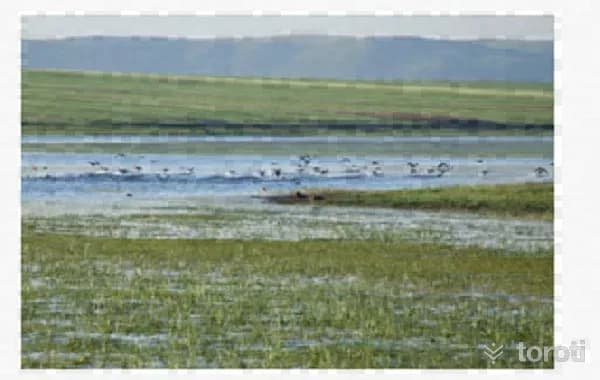
Kuyucuk Kuş Cenneti
Lake Kuyucuk is located in Kuyucuk village, in the Arpaçay district of Kars province. The lake has the status of a “wetland of international importance” under the Ramsar Convention. It is the 13th Ramsar Site in Türkiye. At the same time, the wetland, which has been placed under protection by being granted the status of a “wildlife development area,” is a migration, stopover, resting and breeding place for many bird species.
45 minutes
Arpaçay Kütük Ev
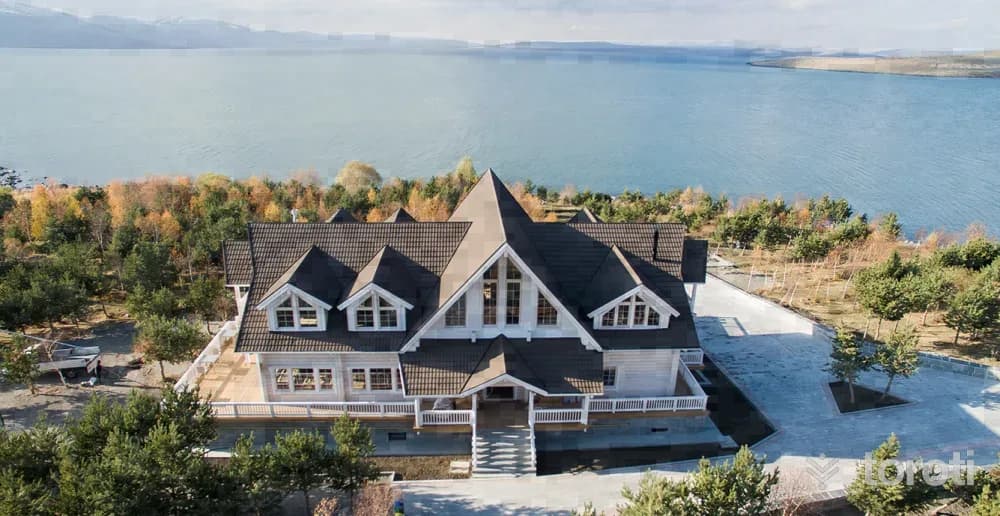
Arpaçay Kütük Ev was opened in 2017. The facility, built by the Kars Governorship Special Provincial Administration, is located in Çanaksu village of the Arpaçay district and on the shore of Çıldır Lake. With its unique lake view, activities such as boat tours on the lake in the summer months, and in the winter months walking on the frozen lake, rides with horse-drawn sleighs, and watching fishermen catch mirror carp can be done here.
45 minutes
Ebû'l Menuçehr Cami
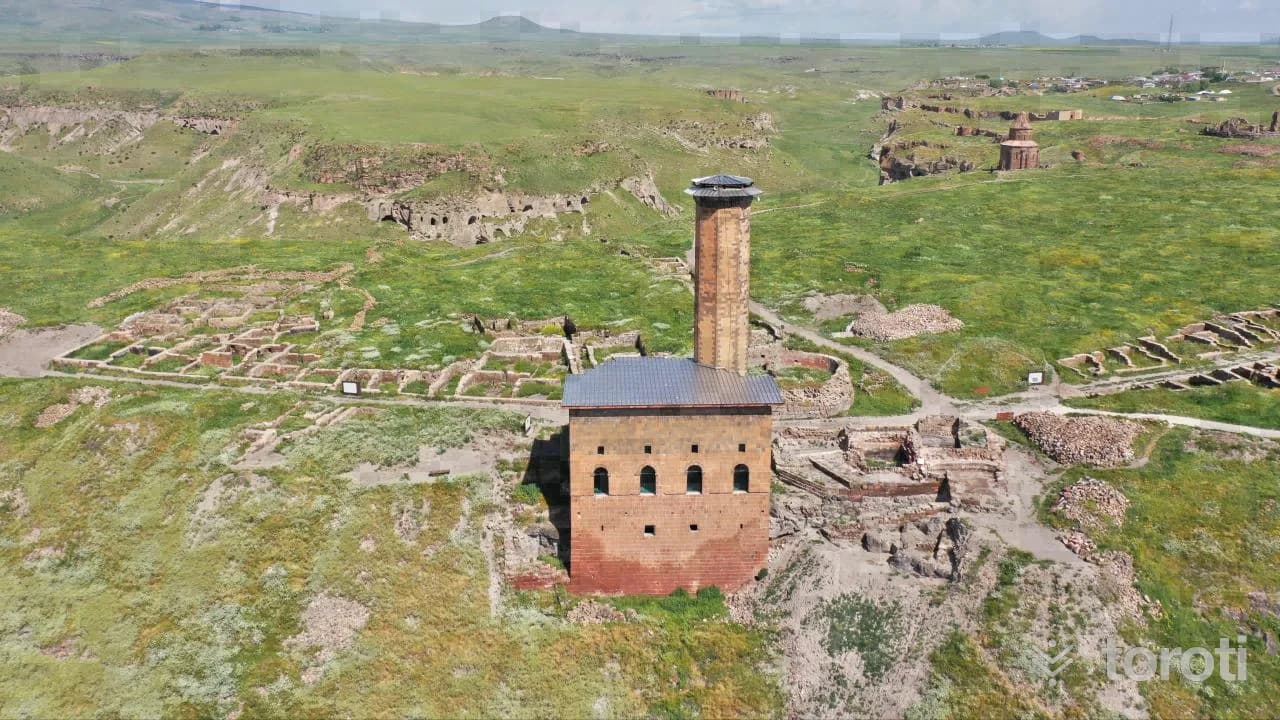
Ebû'l Menuçehr Mosque, built on the plateau to the south of the road leading up to the inner castle in the Ani Ruins, is the oldest known Seljuk work whose plan is known and which has survived intact to the present day. The mosque, commissioned by Ebû'l Menuçehr Bey in 1072 after the city of Ani was conquered by the Seljuks, also has the distinction of being the first Turkish mosque in Anatolia, as it was built earlier than Sivas Divriği Ulucamii.
20 minutes
Susuz Şelalesi
Susuz Waterfall, located on the Susuz-Ardahan highway, is the water source with the highest drop in the region. There are no facilities around the waterfall. If arrangements are made, opening it for day use in the summer months could contribute greatly to the region's tourism. Susuz's Double Waterfall is one of the frequent destinations of domestic and foreign tourists with a small investment. Access can be provided by off-road vehicles.
45 minutes
Sarikamiş Kütük Ev
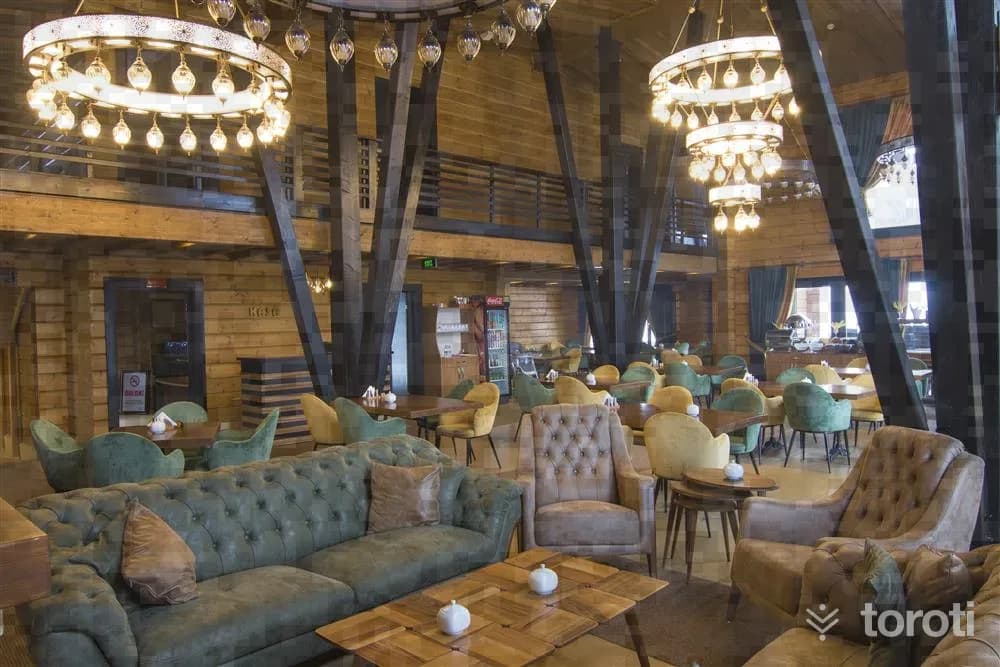
Sarıkamış Kütük Ev was opened in 2017. Built by the Kars Governorship Special Provincial Administration, the facility is located at the entrance of Sarıkamış Bayraktepe Ski Center. Here, with the uniquely clean air and view of the Scots pine forests, there is the opportunity to ski on the crystal powder snow of Sarıkamış, one of the important destinations of winter tourism.
45 minutes
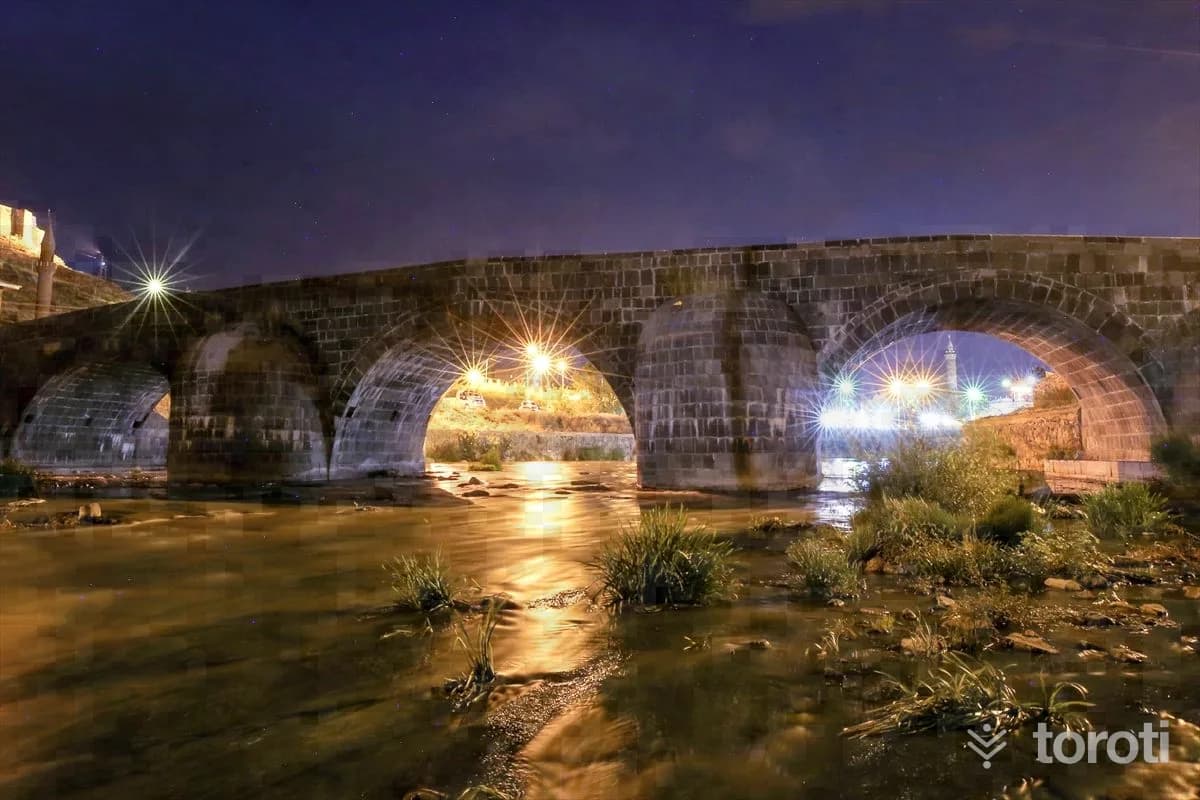
Taş Köprü
On the narrow strait separating Kale içi Mahallesi and Sukapı Mahallesi in the part where the Kars stream flows into Dere içi Mahallesi, the bridge, built with three vaulted arches by Lala Mustafa Paşa in A.D. 1579 on the order of the Ottoman Sultan III. Murat, was made entirely of smoothly cut basalt stone, and the bridge, part of which later collapsed, was rebuilt by Karahanoğlu Hacı Ebübekir in 1725.
20 minutes
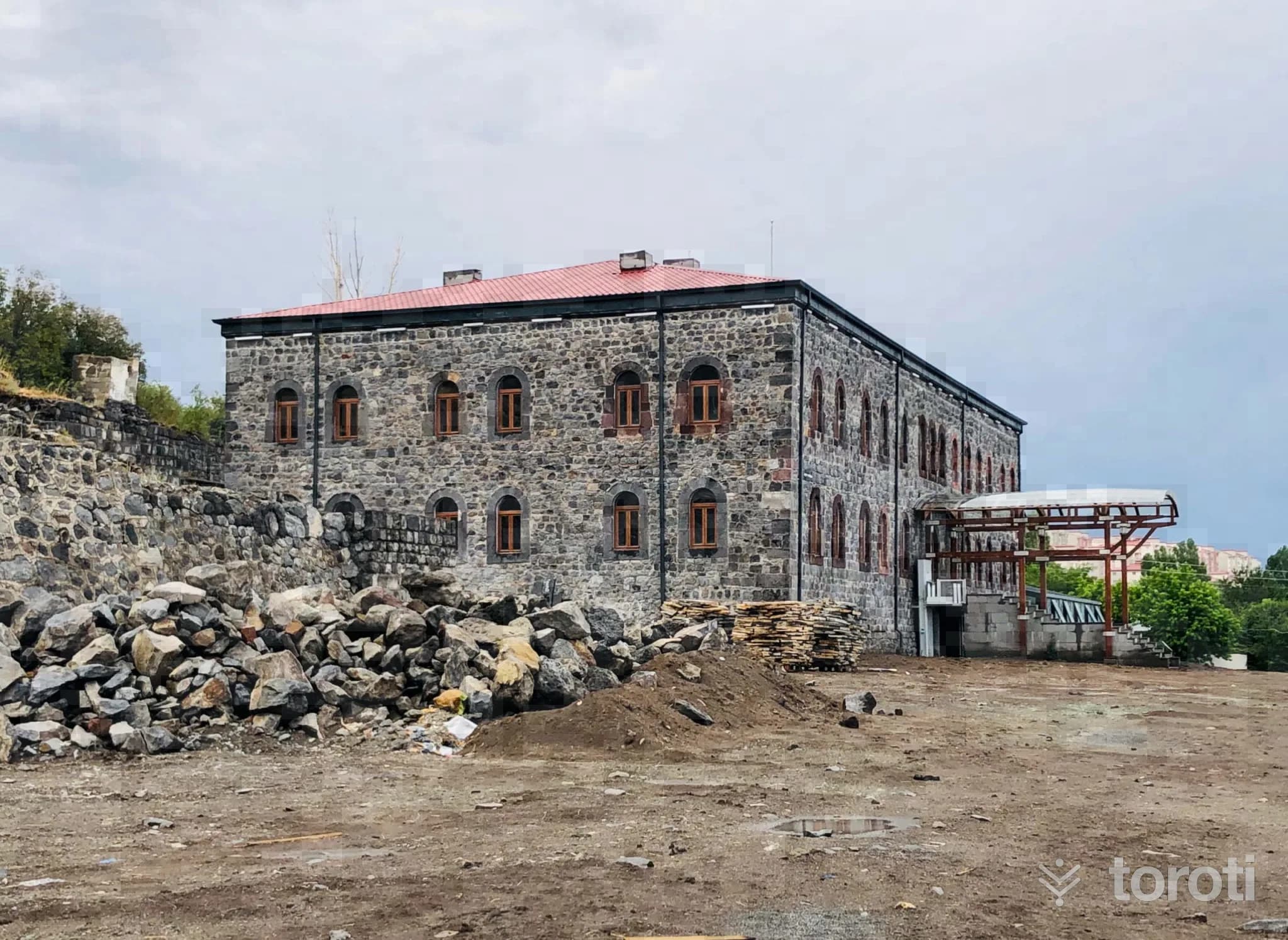
Beylerbeyi Sarayı
The Palace, commissioned by Lala Mustafa Paşa in 1579 at the foot of Kars Castle, is two-storeyed and was built entirely of smoothly cut basalt stone. The palace’s main entrance gate is on the west side, and the wooden ceiling separating the ground floor and the 1st floor has been completely destroyed.
45 minutes
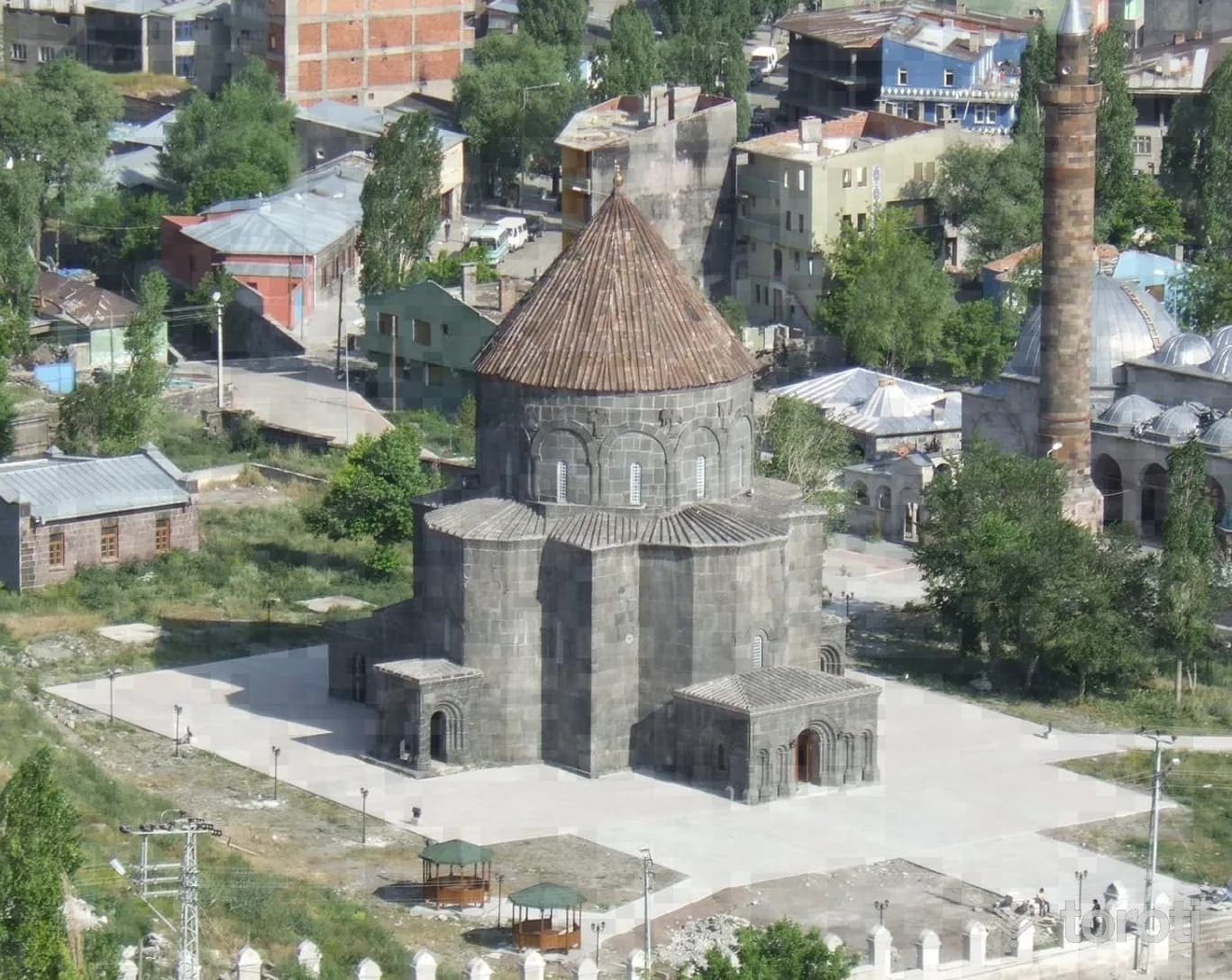
12 Havariler Kilisesi
The Church of the Apostles, located in the Kale İçi Neighborhood on the southern slope of Kars Castle, is one of the Armenian churches in the city and was built by King Abbas during the Bagratid Kingdom between A.D. 932-937.
30 minutes
Mazlumağa Hamamı/ Topçuoğlu Hamamı
Mazlumağa Hamamı, the largest of the baths within the borders of Kars, is located to the west of Kars Castle and on the left bank of the Kars Stream. It is known that the structure, which has no inscription, was built in 1742 by a person named Mazlum Ağa. Extending in an east-west direction, the bath is single-functional and is of the classical Ottoman bath typology with its cold room, warm room, hot room and furnace sections.
45 minutes
Mağaralar ve Kaya Resimleri
The Yazılıkaya paintings in Çamuşlu Village of Kötek Municipality, Kağızman District, are located on the eastern slopes of Aladağ around Çamuşlu Village. They date from the Upper Paleolithic ages. The stone tools, hearth sites and feast-type hand axes found in the tombul tepe and Kurbanağa caves in this area date from the Lower Paleolithic period corresponding to 10,000 B.C.
45 minutes
Büyük Katedral (Fethiye Camii)
According to inscriptions and historians, the foundations of the church were laid in 990 AD by Bagratlı King Sembat II, but after King Sembat died, the church was completed in 1001 by his wife, Queen KATRANİDE. The architect of the church is the master TİRİDAT, who carried out the repairs of the Hagia Sophia Church in Istanbul in the same century.
20 minutes
Katherina Av Köşkü
Built in the Baltic architectural style at the end of the 19th century, in the east-west direction, the building has a rectangular plan and consists of three sections. The Winter Hunting Lodge is one of the registered immovable properties located within the Sarıkamış forests that has survived to the present day while preserving its original architecture.
45 minutes
Sarıkamış Kayak Tesisleri
Kış sporları ve kış turizmi bakımından Türkiyenin 1. derece öncelikli 5 merkezinden biri olan Kars-Sarıkamış Cıbıltepe Kayak Merkezi çevresi ünlü sarıçam ormanları ile kaplı, 2200-2900 mt.
60 minutes
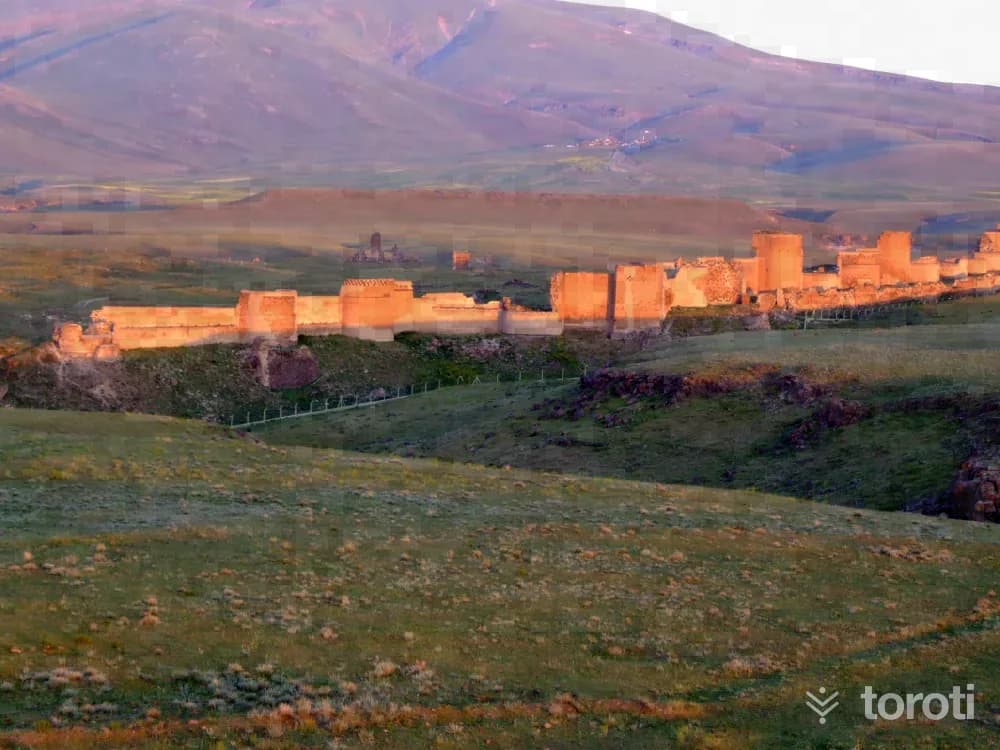
Anı Şehir Surlari
Ani City Walls is one of the structures registered as an “immovable cultural property that must be protected” in the Ani Archaeological Site. The walls surrounding the city of Ani from the north are 4,5 kilometers long and were built in a shape resembling a triangle in order to adapt to the terrain on which they were established. A significant part of today’s walls was built during the time of Bagratid King Ashot III (953-977). King II.
45 minutes
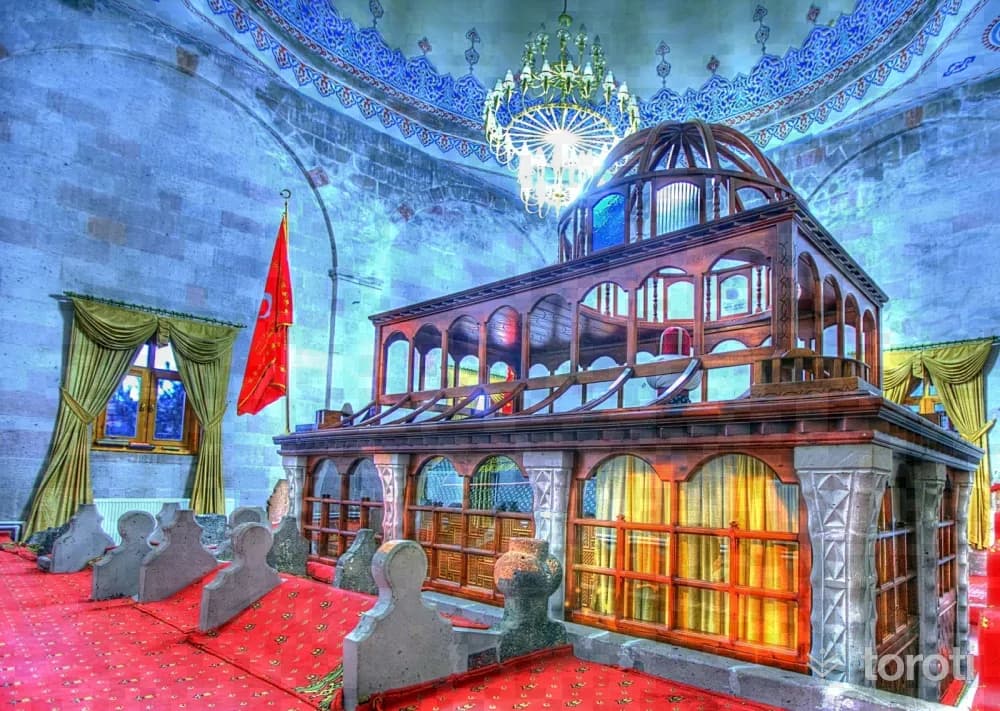
Ebu'l Hasan Harakani Türbesi
The Tomb of Ebu’l Hasan Harakani is located within the complex of Evliya Mosque in the Kaleiçi neighborhood of Kars. According to the Kars Provincial Directorate of Culture and Tourism, Ebu’l Hasan, who played a major role in the Turkification of Anatolia, lived between AD 963-1033 and was one of the most important spiritual figures of his age. He was martyred in a war fought against the Byzantine army. After Sultan Alpaslan conquered Kars in 1064, a tomb was built in his name.
45 minutes
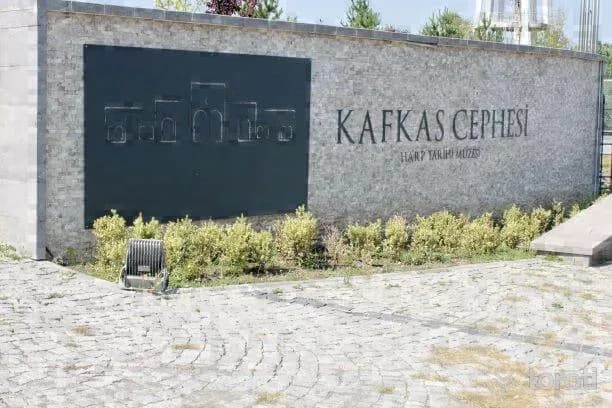
Kafkas Cephesi Harp Tarihi Müzesi
The Kafkas Cephesi Harp Tarihi Müzesi is an interactive museum featuring historical documents about the battles fought on the Caucasus Front and reenactments of scenes from the soldiers’ daily lives under the war conditions of that time. The building, which has survived to the present day while preserving its architectural features and is known as Kanlı Tabya, was opened to service as the Kafkas Cephesi Harp Tarihi Müzesi following restoration works.
45 minutes
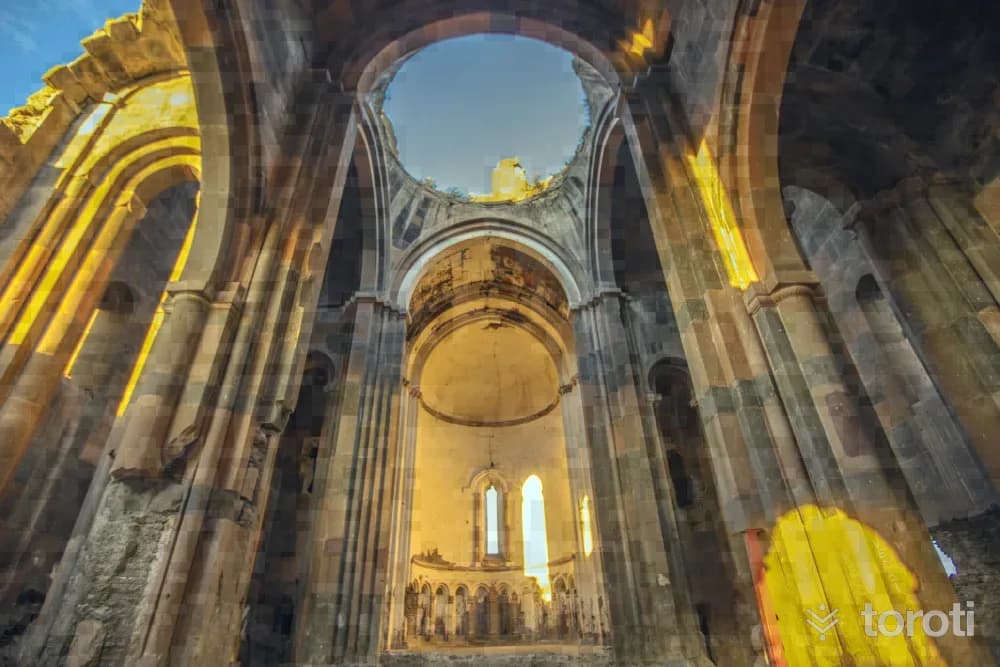
Katedral / Fethiye Camii
The Cathedral is one of the structures registered as an “immovable cultural property that must be protected” in the Ani Archaeological Site. It is located in the south of the city, on the upper plain of the Arpaçay valley. It was commissioned in 1001 by Katrenide, the wife of Bagratid King Gagik I. Its architect is Tridat, who also repaired the domes of İstanbul Ayasofya Camisi. The structure was converted into a mosque with the conquest of 1064 by Great Seljuk Sultan Alparslan, and the Sultan performed the first Friday prayer here.
45 minutes
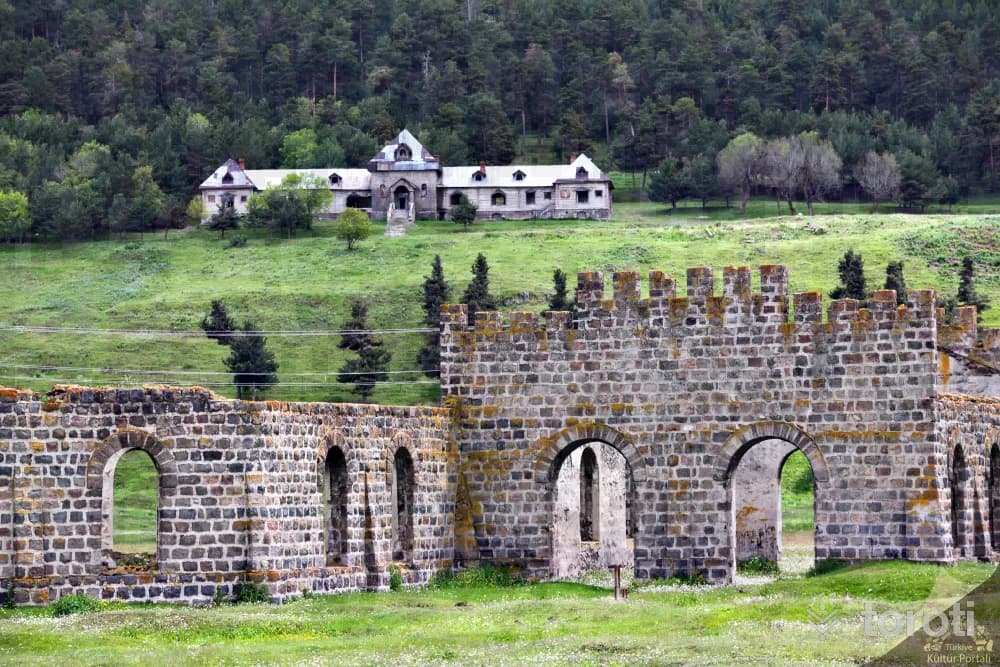
Sarikamiş Katerina Av Köşkü
Katerina Hunting Lodge was commissioned in 1896 by the Russian Tsar Nicholas II of the period. Located within the pine forest to the northwest of Sarıkamış, the lodge has survived to the present day while preserving its original architecture. Built in the Baltic architectural style, the building has a rectangular plan in the east-west direction and consists of three sections. The columned entrance door of the main building is located on the northern facade.
45 minutes
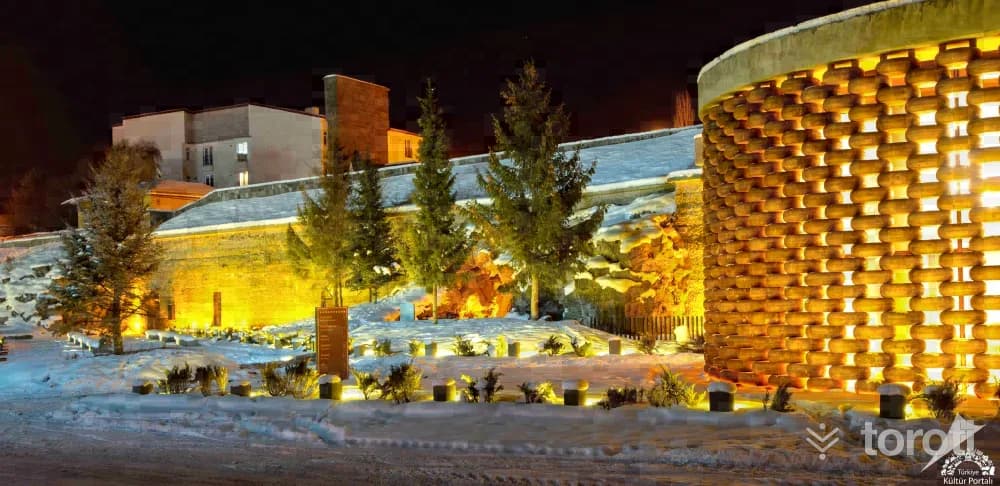
Kars Peynir Müzesi
Kars Cheese Museum was opened to visitors in 2022 as Türkiye’s first thematic cheese museum. The museum operates in the historic Süvari Tabya building, built in 1734 and located in central Kars. Kars Provincial Directorate of Culture and Tourism Kars Cheese Museum is one of the flavor stops on the “Kars Cheese Route,” which was registered as the “world’s 18th cheese route” and is Türkiye’s first cheese route.
45 minutes
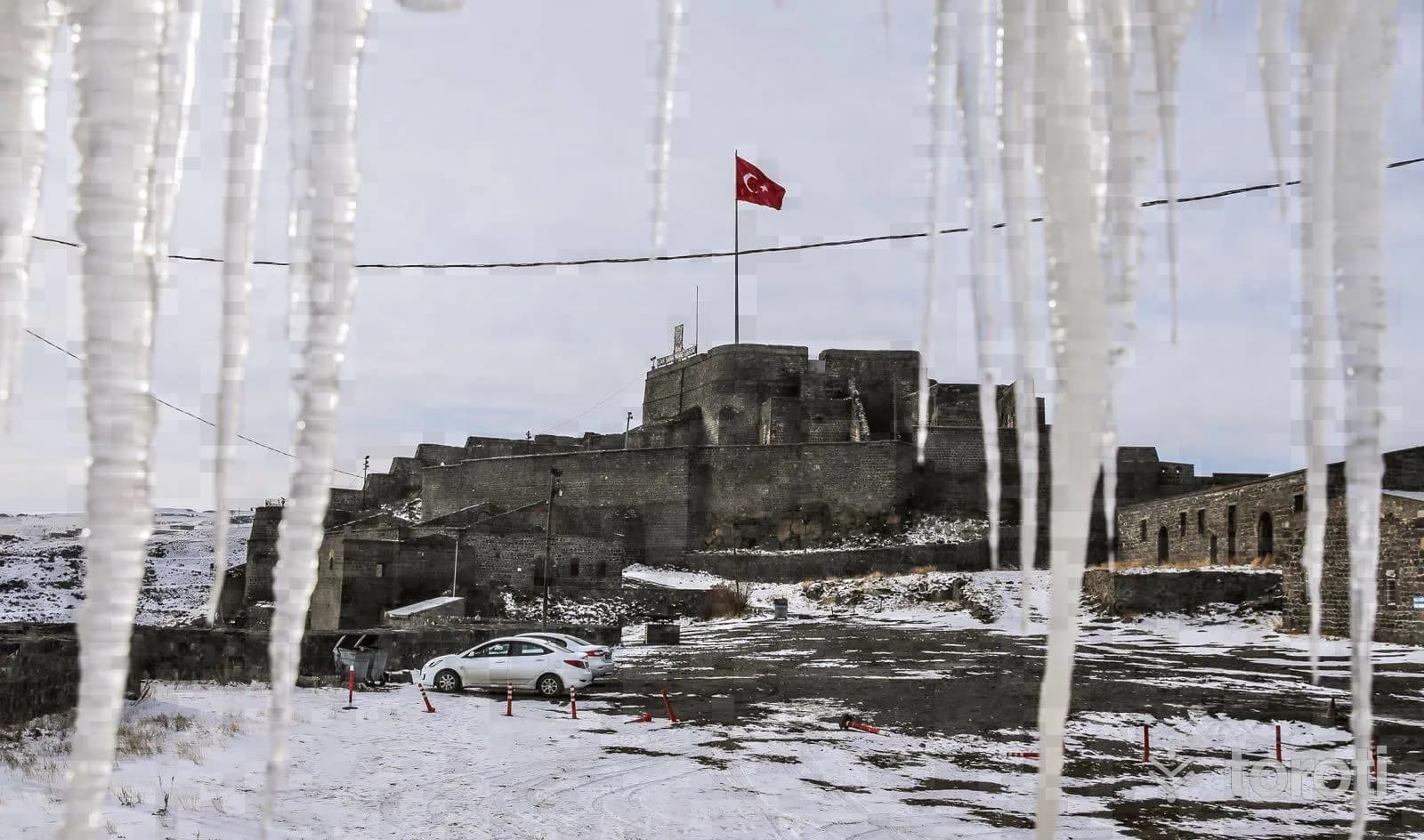
Kars Kalesi
It is referred to as Merkez Kale, İç Kale or stadel. Although some sources say it was built by the Saltuklular in the 12th century, it goes back to the 10th century. While it was being repaired by Lala Mustafa Paşa in 1579, a four-cornered marble inscription was found and placed on the gate of the outer walls. According to this inscription, it was commissioned in 1152 by the Vizier Firuz Akay on the order of Sultan Melik İzzetin. Timur also razed the castle to the ground in 1386, and again in 1579 III.
45 minutes