
Places to visit
Things to do in Bursa
60 destinations, each with a description, how long it takes and where it sits on the map.
In short
toroti’s catalogue holds 60 described destinations within Bursa. The themes that come up most: Local culture, Museum, Culture, History, Faith heritage, Nature.
Districts of Bursa
Emir Sultan Külliyesi
Emir Sultan, who lived in Bursa in the first quarter of the 15th century and died in 1429, was born in Bukhara. Because he was descended from Hz. Muhammed, he was called "Emir," and because he won hearts, he was called "Sultan," and he became renowned by the name "Emir Sultan." His real name is Muhammed. He was shown great respect in Bursa. He married Hundi Hatun, the daughter of the Ottoman sultans Yıldırım Beyazıd.
30 minutes
Hünkar Köşkü
Hünkar Köşkü Museum was built in Temenyeri on the slopes of Uludağ during the reign of Abdülmecit to serve as a hunting lodge. The mansion was built in 1859. Abdülaziz and V.
30 minutes
Şeyh Kubbettin Camii ve Türbesi
It is an uninscribed grave inside the tomb. It belongs to Mehmet Muhyiddin bin Kutbeddin-i İzniki. His father is the famous Şeyh Kutbeddin-i İzniki; we have no information about his place and date of birth. There is no clear and definite information about who commissioned the tomb and the mosque. It is suggested that the mosque was commissioned by İbrahim Paşa in 1496, and the tomb by Halil Paşa. The original mosque has been demolished.
30 minutes
Balabancık ve Gazi Aktimur Hisarı
Gazi Osman Bey planned to turn toward Bursa after Bilecik, İnegöl, Sakarya and Yenişehir. Since the Bursa castle, surrounded by steep rocks, could not be taken easily, Osman Gazi built two observation points that we call havale towers, one on the hill to the east of the city and the other near the hot springs to the west of the city, and blockaded the city by controlling the entrances and exits.
30 minutes
Aladdin Paşa Cami
According to sources describing the early Ottoman period, it was commissioned in 1326 by Alaaddin Bey, one of Osman Gazi’s sons and Orhan Bey’s brother. It is known as the first mosque built in Bursa. In the repair carried out in 1861-62 of the mosque, which was heavily damaged in the 1855 earthquake, some parts were altered, its portico was rebuilt, and a triangular pediment, unsuitable for a Turkish minaret, was made on its facade.
20 minutes
Yeşil İmareti
It was built in the 15th century, during the reign of Çelebi Sultan Mehmet, under the supervision of Hacı İvaz. Today, a large part of it is still standing. The imaret and dining hall walls have also survived to the present day. Its roof has completely collapsed. The two-domed kitchen section is quite sound. The main walls were built with stone and brick, and the storage section is also in a collapsed state. On Fridays, Çelebi Sultan Mehmet used to distribute food to the poor from this imaret.
20 minutes
Gökdere Medresesi
Gökdere Medresesi, thought to have been commissioned by Zeyerkzade Paşa Çelebi during the reign of II. Beyzaid, passed into private ownership in 1939 and was used for years for purposes unsuitable to its function. The historic structure, which also served as a women's prison, carpentry workshop, blacksmith's shop and warehouse, underwent restoration in 2005 and was brought back to the city to be used for cultural activities as well.
30 minutes
Yeşil Medresesi
The madrasa, located in the neighborhood bearing its own name within the Yeşil Complex, is also called Sultaniye Madrasa. It was commissioned by Çelebi Sultan Mehmet between 1414-1424. Since 1923, it has been used as the Museum of Turkish and Islamic Works. The madrasa began to be built as a two-story structure, but upon the death of Çelebi Sultan Mehmet, the upper floor remained unbuilt.
30 minutes
Hagios Tryphon Kilise Kalıntısı
Today, the church in İznik is in a very ruined condition, and its original name and history have not been definitively clarified. According to its plan type, material, and wall construction technique, it is dated to between the 11th and 13th centuries. According to Byzantine sources, Emperor Theodoros II of the Empire of Nicaea ordered the rebuilding of the previously existing church of Saint Martin Tryphonos in the city.
20 minutes
Molla Arap Cami
It was commissioned in the 16th century by Mevlana Mehmed, who was known by the title Molla Arap. The mosque, which has nine domes, serves as an example of the multi-domed mosques that came after bursa Ulu Cami. The mosque, which was recently restored in accordance with its original form, is open for worship. Near the mosque, there is a tomb known to belong to Molla Arap.
20 minutes
Koza Han
It was commissioned in 1492 by II. Beyazıt in order to provide income for his mosque and madrasa in İstanbul. It was established on a wide area between Orhan camii and Ulu cami. Koza Hanı, known by names such as Han-ı Cedid-i Evvel, Simkeş, Beylik, Kervansaray’ı, Cedid-i Amire, is now, as in the past, Bursa’s center of silk and trade.
30 minutes
Böcek Ayazma Kilisesi
A Greek inscription reading “Christian Emperor, exalted King Michael Kulesi” and, on its inner surface, a Hebrew inscription engraved with the meaning “He gives what is good to every flesh. For his grace is eternal.” taken from the Torah. The structure, which belongs to the Byzantine period of the 6th century, was initially built as a baptistery and was later used as an ayazma.
30 minutes
I. Murad Hüdavendigar Türbesi
The tomb, located to the northwest of Hüdavendigar mosque, was commissioned by I. Murat’s son Yıldırım Beyazıd. The tomb, which was completely destroyed in the 1854 earthquake, was rebuilt differently from its original form. It took its present form during the reign of II.Abdülhamit. In the center of the octagonal dome, within brass railings, is the sarcophagus of I. Murad.
20 minutes
Karabaş-i Veli Tekkesi
It was commissioned by Yakup Çelebi in the 16th century. The tekke and semahane are located within a large garden. It was restored between 2002-2005 to be used as a cultural center. Karabaş-i Tekkesi serves as a place where the Mevlevi culture, identified with the culture it represents, is fully experienced.
20 minutes
Mayor Sinagogu
It was built by Sephardic Jews who took refuge in the Ottoman Empire from Spain’s Island of Majorca in the 15th century. The synagogue was given the name Mayor in memory of the island they left behind. Mayor Synagogue, which remained open for worship until 1975, was restored in 2004 and began serving as a cultural center.
30 minutes
Saitabat Şelalesi
Located 12 km from Bursa, Saitabat is an area surrounded by lush green grass and plane trees. The canyon through which the waterfall on the slopes of Uludağ flows is a meeting point for those engaged in nature sports. There are picnic areas around the waterfall, which is famous for its trout cooked over a wood fire, on a tile, with butter.
30 minutes
Arkeopark
Europe’s largest prehistoric park. Reconstructions from the period up to 8500 years ago are featured. Arkeopark, where finds discovered in excavations carried out in the region are also exhibited, is an exemplary historical and touristic venue of the park that will carry Bursa’s 8 thousand 500-year history into the future.
45 minutes
I. Murad Hüdavendigar Camii
It is known that the mosque, built on a hill overlooking the plain in the Çekirge district, was constructed in 1365-66. On the upper floor of the two-storey building, there is a madrasa with 18 rooms. The fact that the mosque and the madrasa were built together gives the mosque a monumental character.
20 minutes
Veled-i Vezir (Üç Kurnalı) Cami
It is said to have been built by a vizier of Sultan II.Bayezıd. For this reason, it came to be known by this name. For a period, its ownership passed into the hands of private individuals and it was used as a commercial establishment. During this period, the structure underwent some changes.
20 minutes
İznik Roma Tiyatrosu
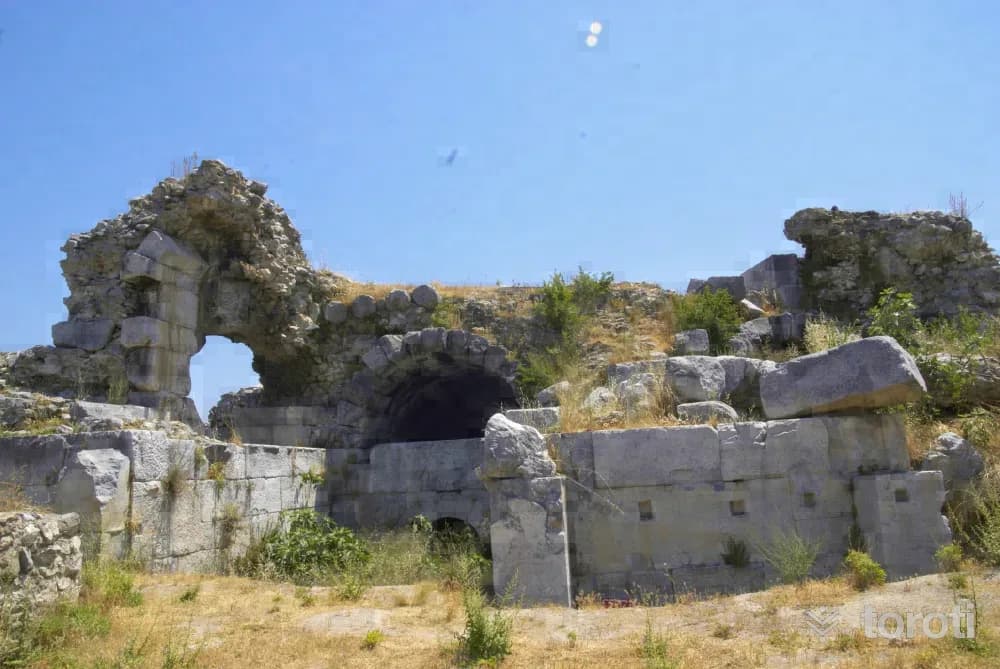
On the shore of Lake İznik, the 2nd-century Roman Theatre has a capacity of 15. 000 people. The section of the ancient theatre where the audience sat and the tunnel section through which animals were released into the arena are largely still standing. It is one of the most magnificent surviving archaeological structures that can be seen in Anatolia.
45 minutes
Süleyman Paşa Medresesi
The madrasa in the center of İznik was commissioned by Prince Süleyman, the eldest son of Orhan Gazi, who was known by the titles “Conqueror of Rumelia.” The exact construction date of the madrasa, which has no inscription stone, is not known; it is estimated to have been built between 1335-1359.
30 minutes
Abdal Mehmed Cami
The mosque was commissioned by Başçı İbrahim in the name of Abdal Mehmed, one of the well-known Sufis of the reign of Murad II. The rectangular-plan mosque has two oval domes above it.
20 minutes
Ağaçhisar Kaplıcası
It is in the village of Ağaçhisar, connected to Orhaneli. The spring waters, which have a slight sulfur smell, are beneficial as baths for painful illnesses, and in mud applications for scabies and skin diseases.
45 minutes
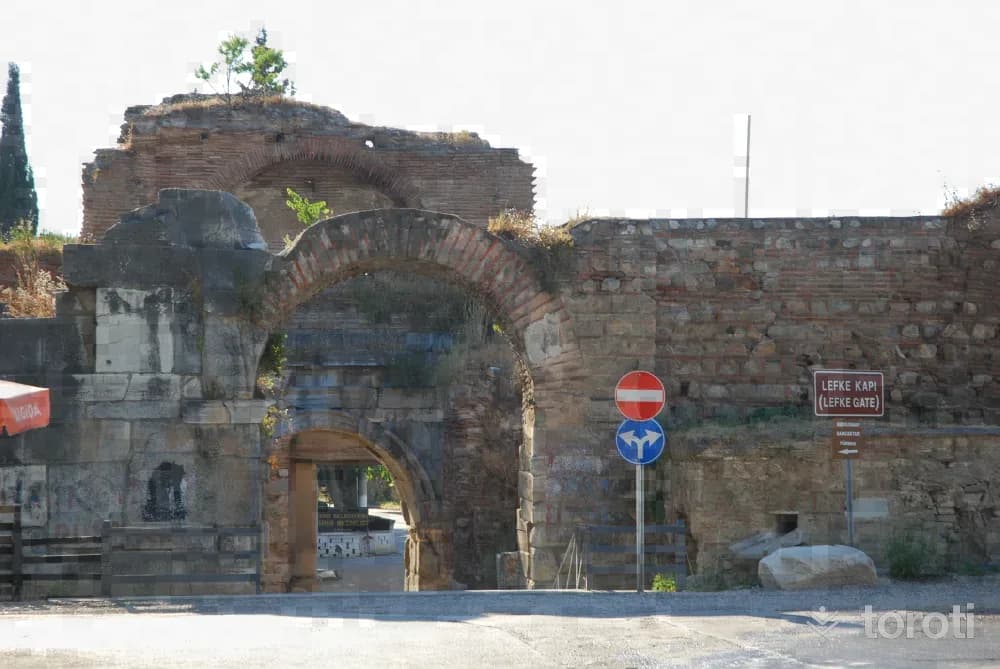
İznik Surlari
The walls, whose construction began in the Bithynia Period (4th century BC), took their present form with new additions in the Roman and Byzantine periods. The walls, which surround İznik in the form of a pentagonal polygon, are approximately 4 thousand 970 meters long. On the walls, whose height varies between 10-13 meters, there are 114 round and square bastions. When viewed from the point where İznik’s two main streets intersect, four main gates are visible.
45 minutes
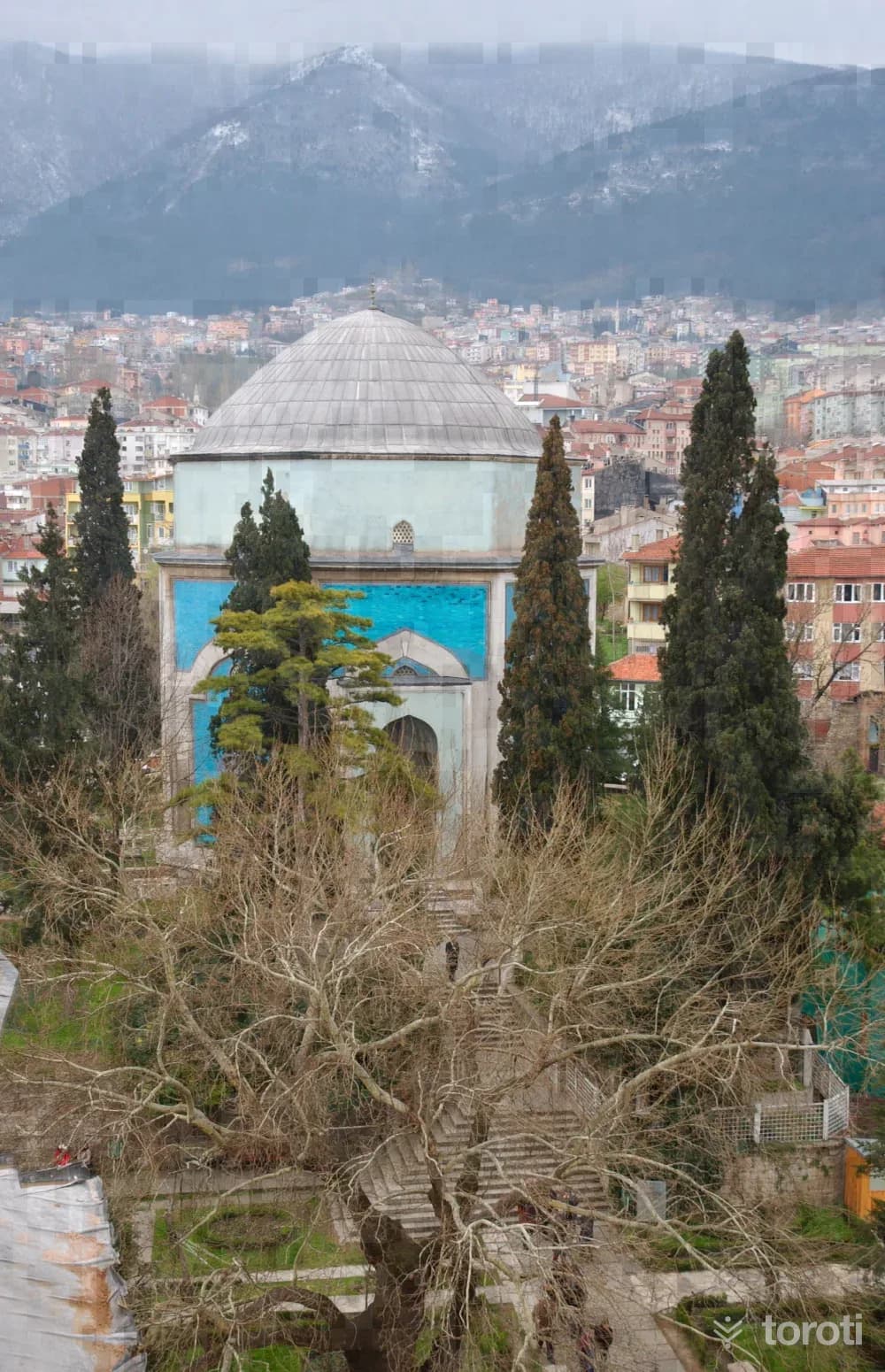
Yeşil (Çelebi Sultan Mehmet) Türbe-2
The undoubtedly best-known structure of the Yeşil Külliye is the Yeşil Türbe, built for Çelebi Mehmed and named after the color of the green, turquoise relief tiles decorating its facades. It was commissioned in 1421 by Çelebi Mehmed, son of Yıldırım Beyazid and the fifth of the Ottoman sultans. Çelebi Mehmed is regarded as the second founder of the Ottoman State. In his 34-year life full of struggles, he took part in war 24 times and was wounded in 40 different places.
45 minutes
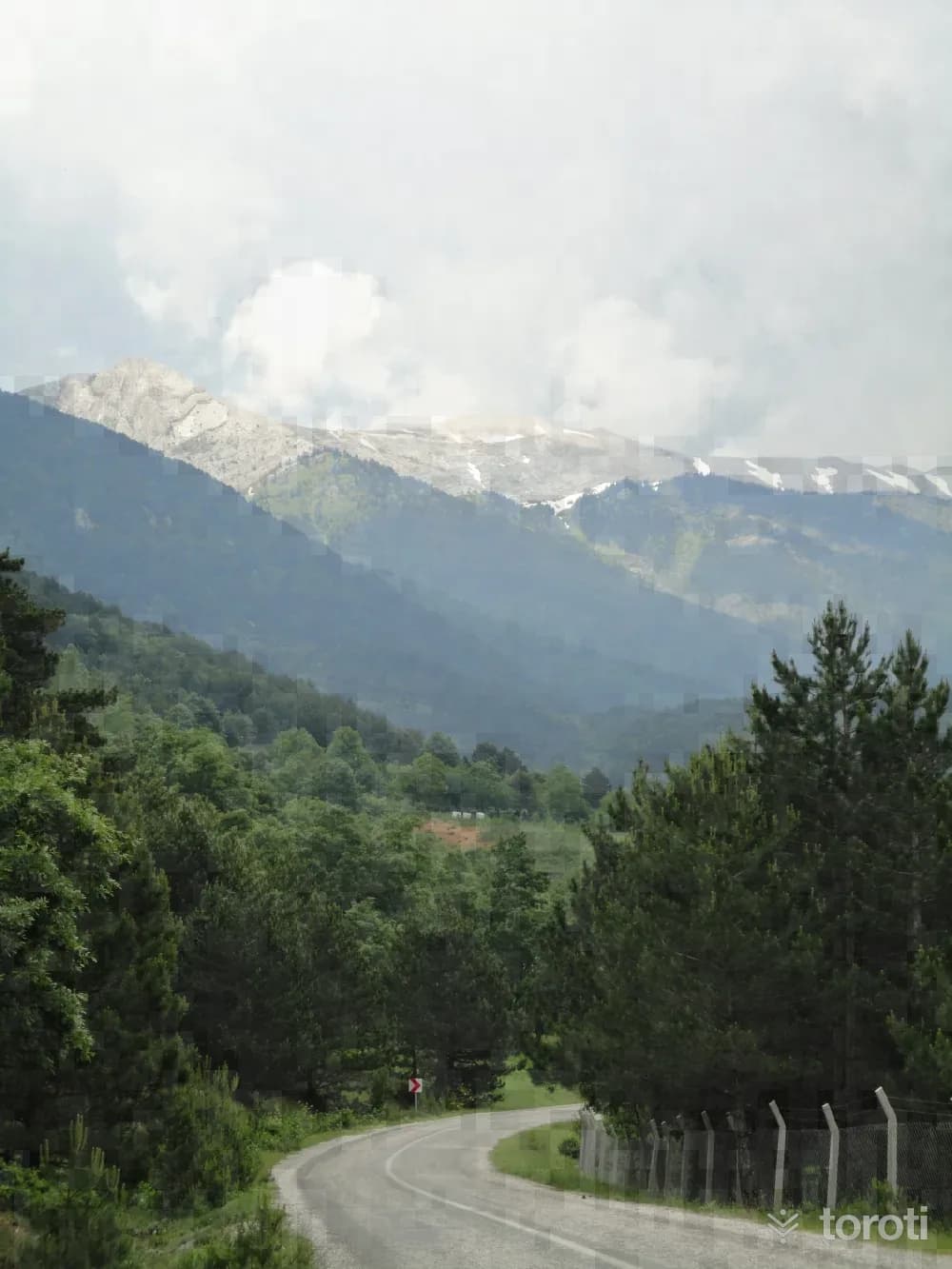
Uludağ Milli Parkı
Uludağ National Park is a popular destination for winter sports and summer activities. It attracts visitors year-round with its rich flora and fauna.
180 minutes
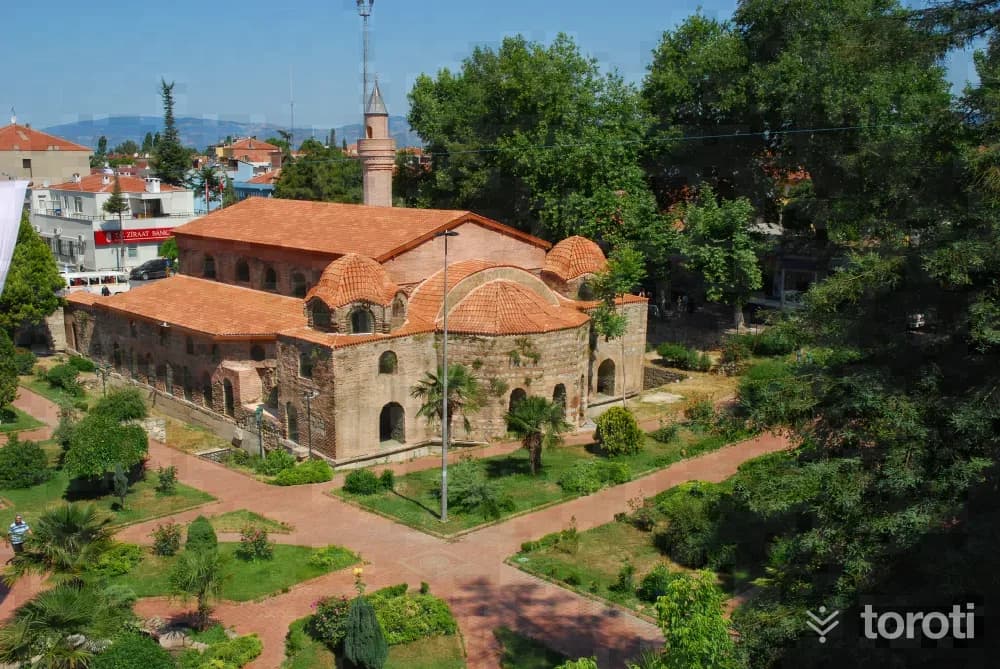
İznik Ayasofya Camii
The Ayasofya sanctuary, an important structure in terms of world history, was first built as a basilica in the Byzantine Period on the Gymnasium constructed by the Romans in the 7th century AD. It was renovated after the earthquake in the 11th century. It has three naves. The structure, which was converted into a mosque in 1331 by Orhan Gazi with the conquest of İznik, was renovated by Mimar Sinan during the reign of Kanuni Sultan Süleyman.
45 minutes
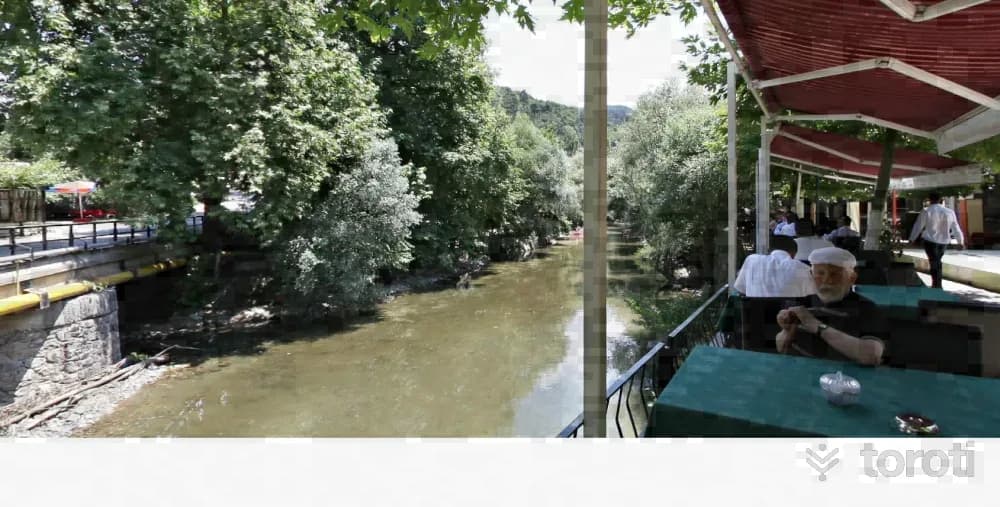
Misi Köyü
Misi Village has a 2000-year historical past. It is known that Misi Village, which today is connected to Nilüfer District under the name Gümüştepe Neighborhood, is a very old settlement. It is thought that the first name of Misi Village was Mysia. Historical records state that in 183 AD, a monk named Alex, together with his entourage of eighty-five people, settled in İnkaya and Misi villages as pioneers of Christianity, and that the “Consul” gathered and held a discussion of the Bible.
45 minutes
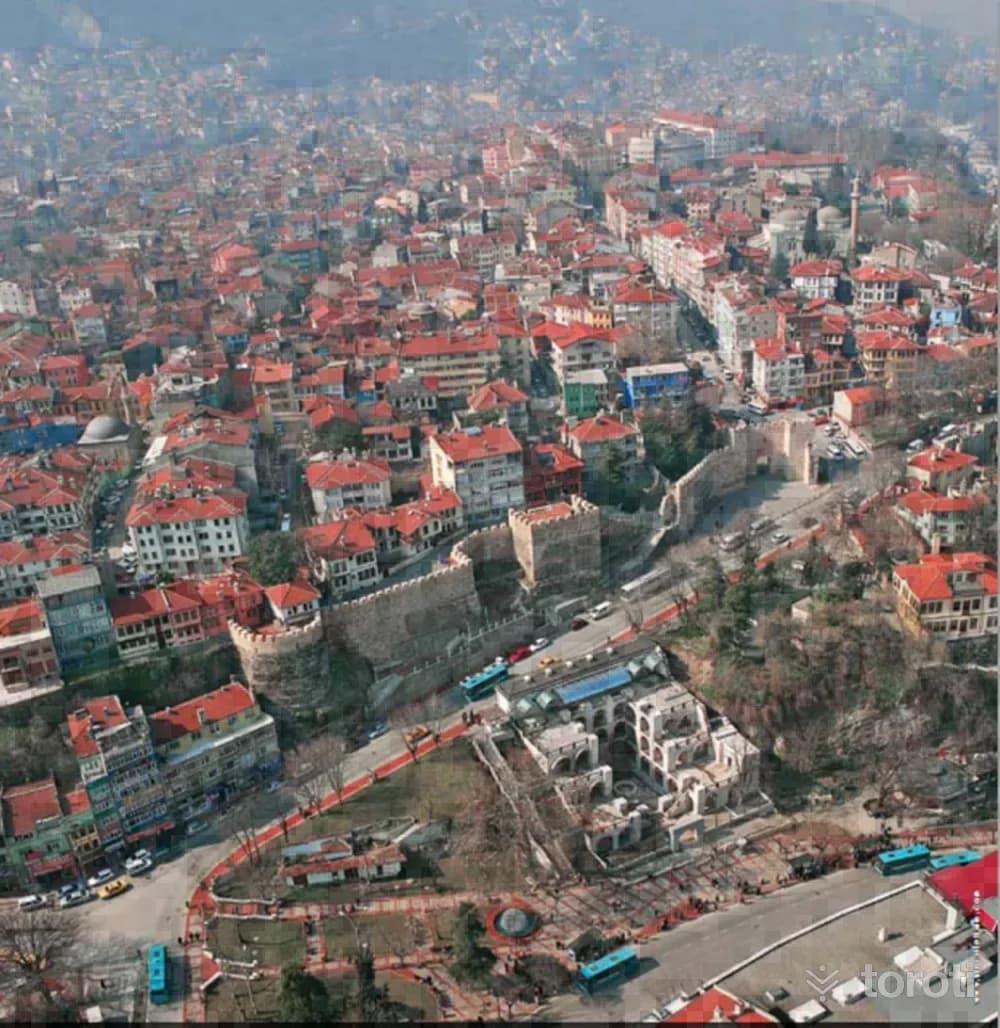
Bursa Surlari
The Bursa Walls were built on natural rocks by the Bithynians, the first founders of Bursa. During the Ottoman Period, especially after Timur's attacks and following the siege by Karamanoğlu Mehmet Bey, they were repaired and strengthened by Hacı İvaz Paşa. The total length of the walls is 3.38 kilometers.
45 minutes
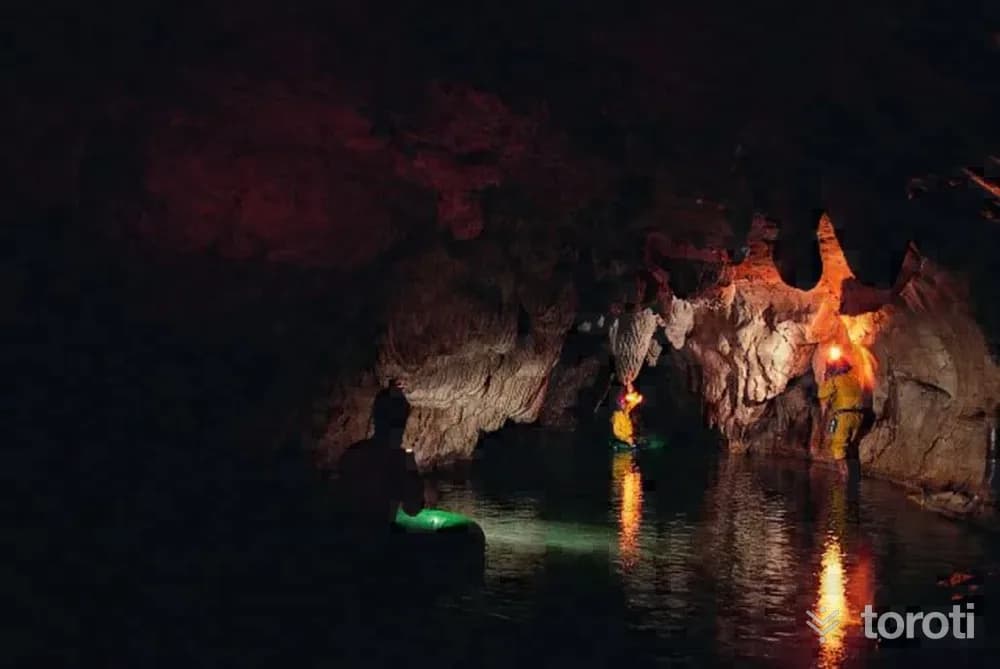
Ayvaini Mağarası
The cave, which begins near Doğanalan Village approximately 30 km. northwest of Mustafakemalpaşa District, ends after 5,5 km. around Ayvaköy, Bursa. Although the Cave, which has entrances from both directions, is closed to tourism due to the steepness of its entrances, it may be preferred by professional mountaineers and cavers. The Karadonlu stream passing through it has formed more than 60 large and small pools throughout the cave.
45 minutes
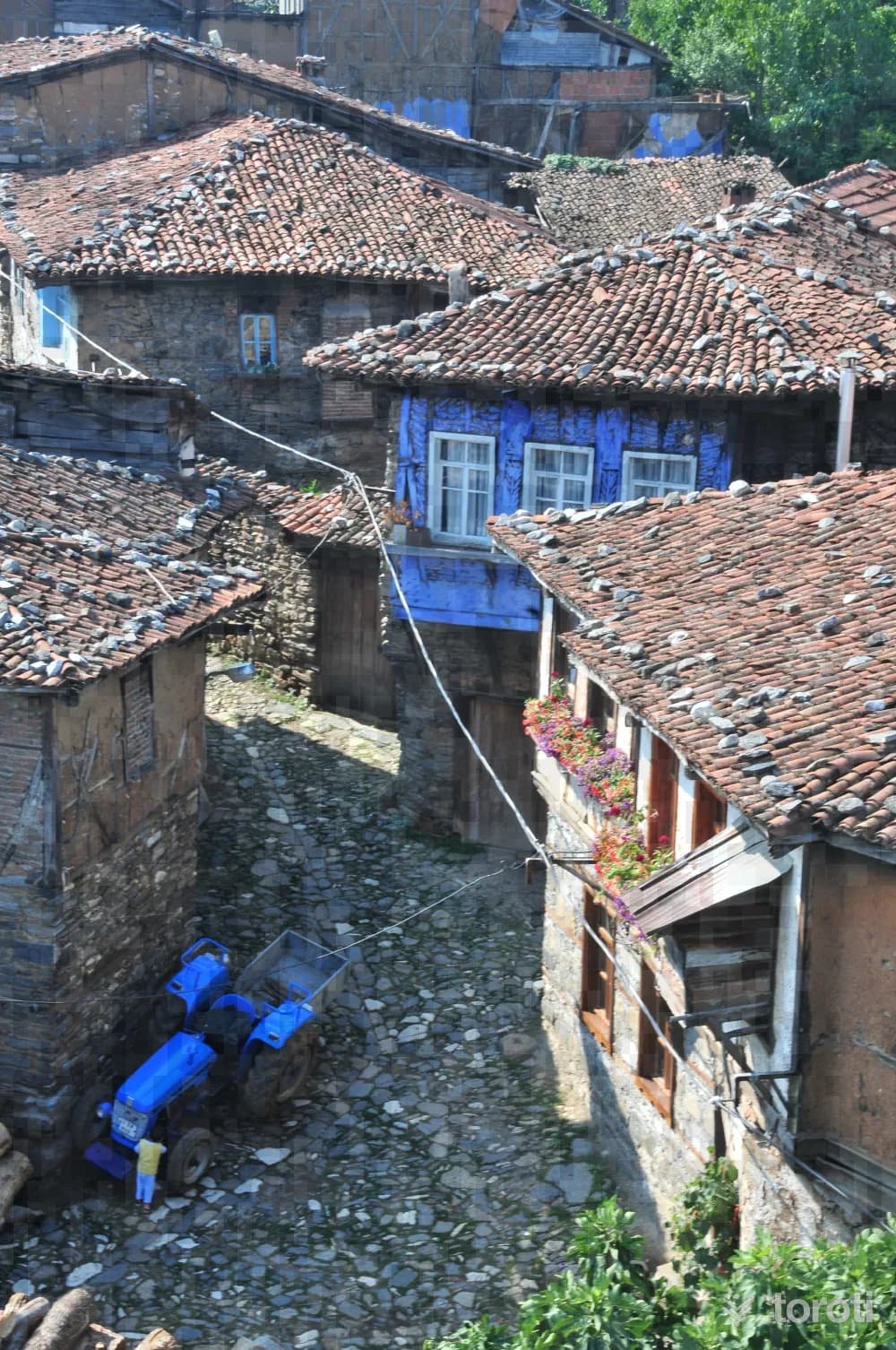
Cumalikizik Köyü
Cumalıkızık, one of the first areas where the Ottomans settled in Bursa, carries the residential fabric of the Ottoman Period to the present day with a total of 270 houses, 180 of which are still in use, while some are undergoing conservation and restoration work. In the Ihlamurcu locality on the slopes of Uludağ, to the southeast of the Cumalıkızık settlement, the remains of a church belonging to the Byzantine Period were identified in 1969.
45 minutes
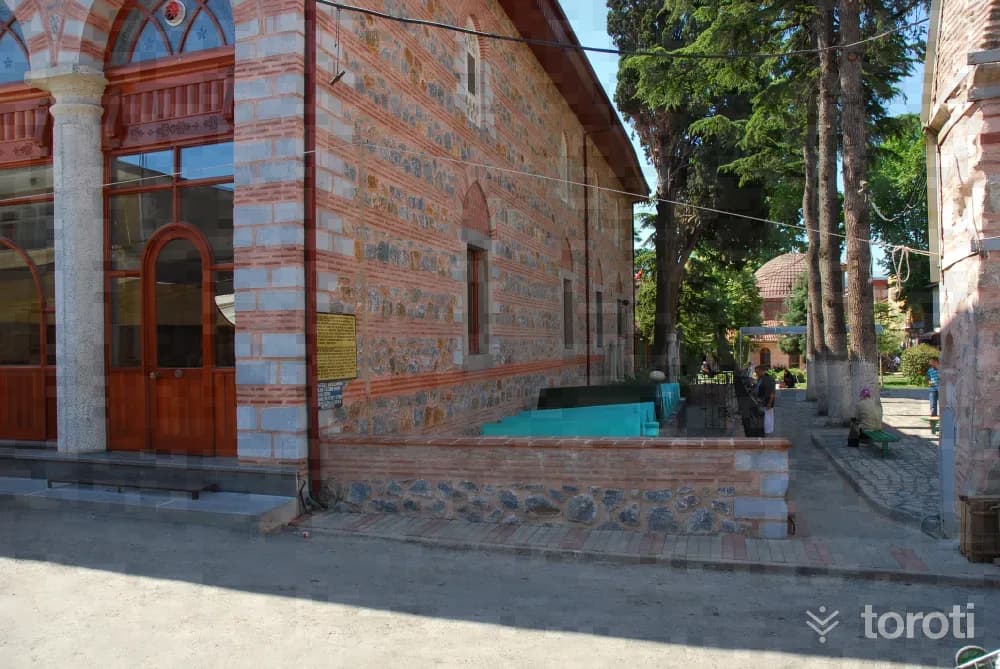
EşrefzÂde Cami Ve Türbesi - Eşrefi Rumi Camisi
The building complex bearing the name of Eşrefzade today consists of a mosque, on its west a hazire adjoining it and containing eleven adjacent eleven sarcophagi, the building of the religious officials’ aid association, and the minaret to the northwest separate from the mosque. The mosque, which was devastated by the Greeks during the War of Independence, was rebuilt in 1950 in dimensions similar to the original. The information regarding the construction date of the mosque is contradictory.
45 minutes
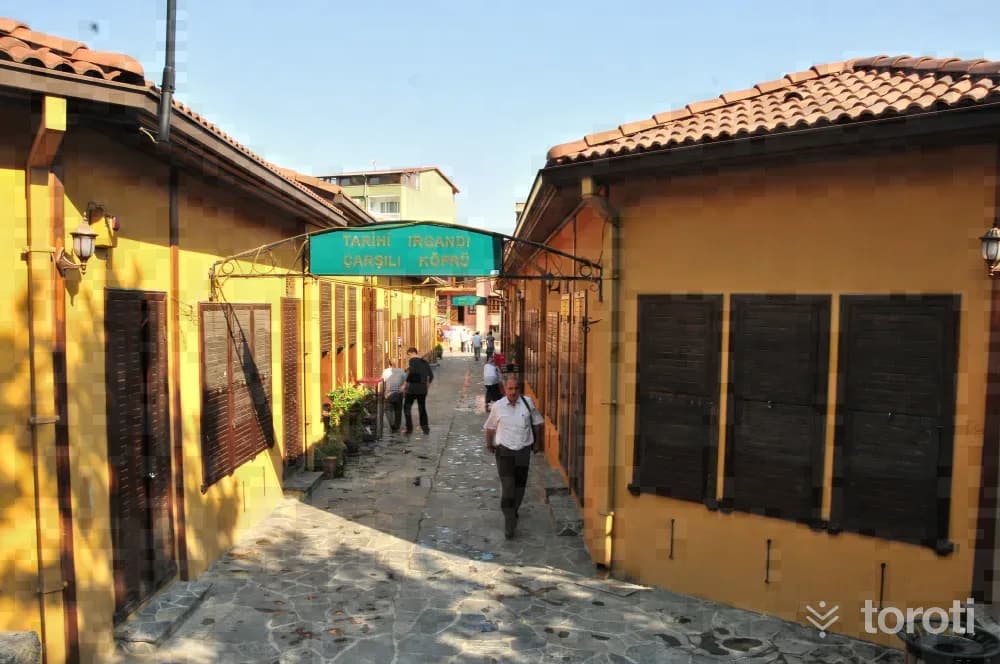
Irgandi Köprüsü
Irgandı Bridge is located to the south of Boyacı Kulluğu Bridge. It is thought that this stone bridge, the Ottomans’ only arasta bridge, was commissioned in 1442, during the reign of Murad II, by the merchant Hoca Muslihuddin, son of Irgandı Ali, to Timurtaş, son of Abdullah, whom Hacı İvaz Paşa named as a witness in his vakfiye.
45 minutes
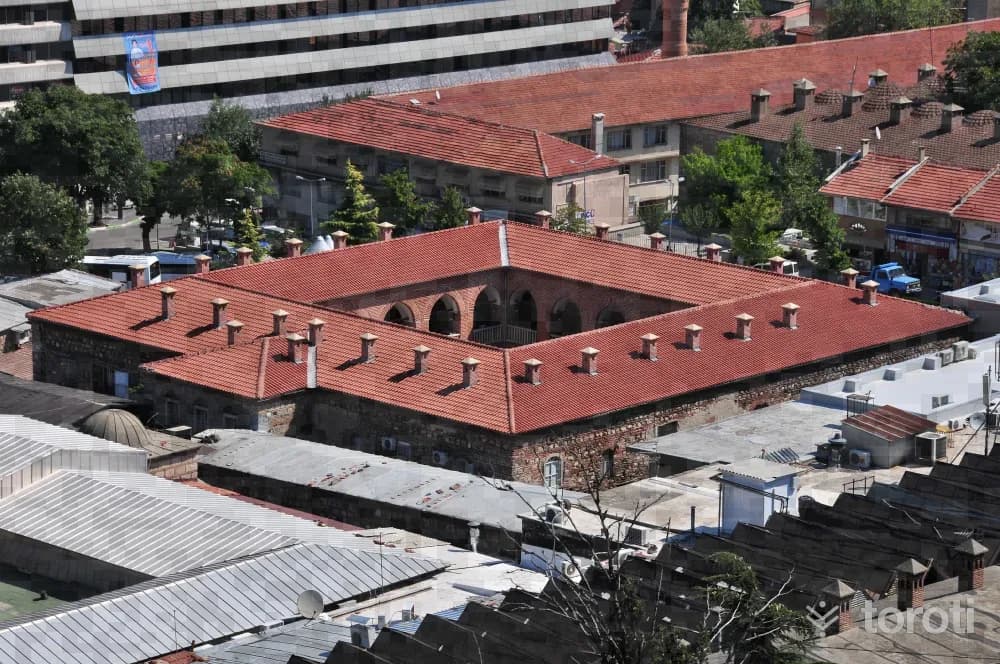
Hanlar Bölgesi
As is known, the buildings constructed on the trade routes of Anatolia for merchants engaged in trade to stay overnight and rest were called hans, and the larger ones were called caravanserais. For Bursa, which has been an important trade city throughout history, hans and bedestens represent the pulse of the economy. In Bursa, the first capital of the Ottoman Empire, the trade district that began to form in the 14th century completed its development in the 16th century with the formation of hans, bedestens and bazaars.
45 minutes
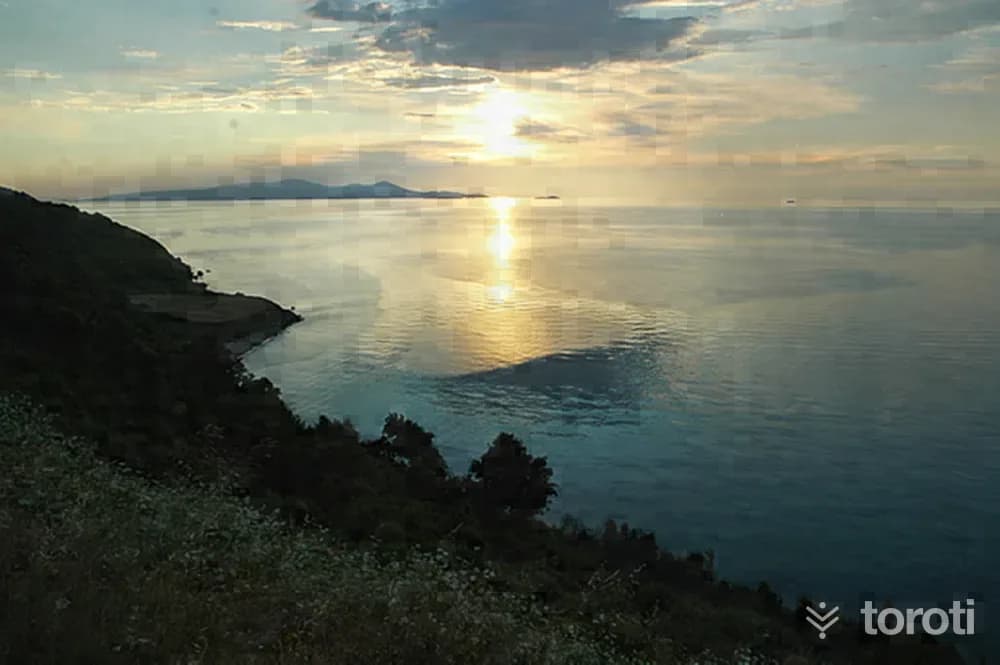
Kocaçay Deltası
The Susurluk River, formed by the confluence of a large part of the rivers of Southern Marmara, meets the Marmara Sea near Yeniköy in Bursa’s Karacabey district. The Kocaçay Delta, formed by the Susurluk River, consists of a lake, marsh, dune and longoz forest. Located on the southern coast of the Marmara Sea, the delta consists of lake, marsh, dune and floodplain forest ecosystems.
45 minutes
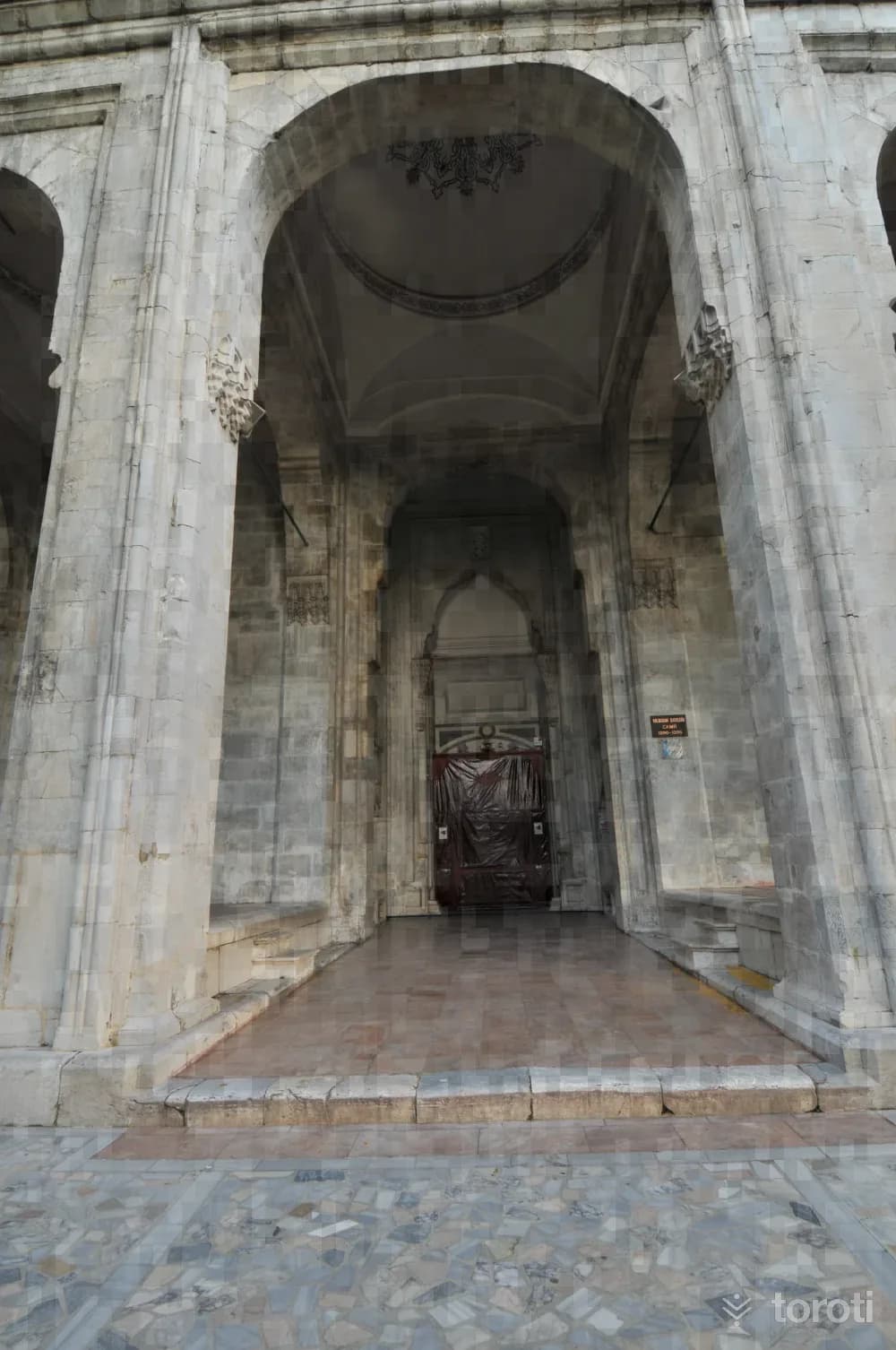
Yıldirim Bayezid Cami
Yıldırım Cami, located in the middle of the Yıldırım Külliyesi, was commissioned by Yıldırım Bayezid in the late 14th century and is one of the most striking structures in the city with its rich stone workmanship. In Yıldırım Cami, the most original of the "inverted T" plan mosques, it can be seen that Bursa-type arches were applied in a very magnificent way as ornamentation. In Yıldırım Cami, there are two rooms on the sides opposite the entrance eyvan, and these rooms are also entered from outside.
45 minutes
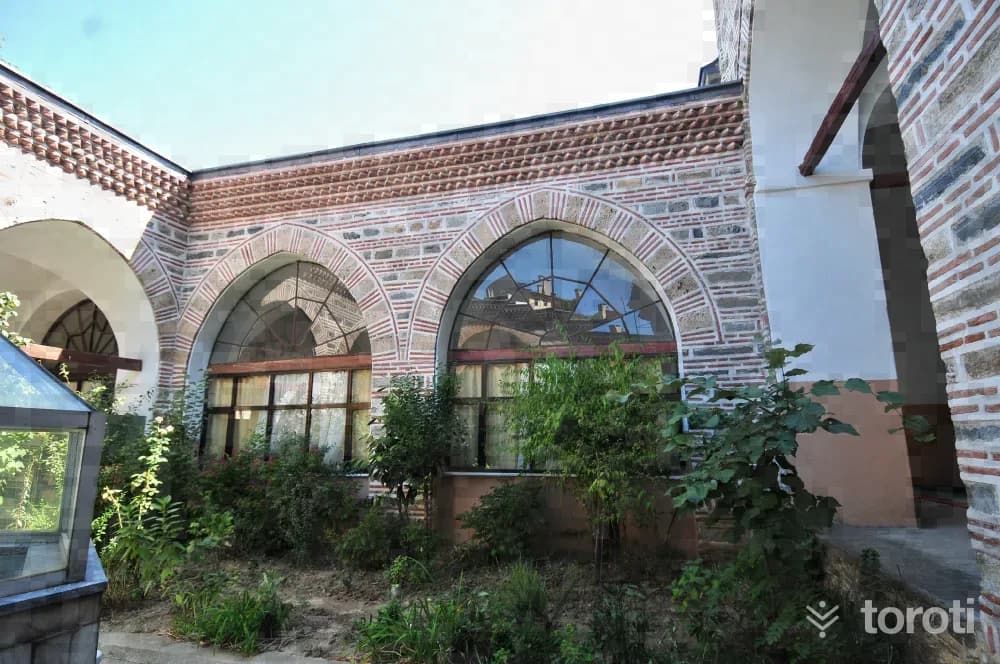
Başçi İbrahim Paşa Cami
The mosque, located in the Maskem district on Başçı İbrahim Street, is a work from the Fatih period. It was commissioned by Başçı İbrahim, and the original of its endowment deed is in the archive of Topkapı Palace. The mosque fell into ruin over time and was repaired after the 1854 earthquake and in 1891. The building, which was used as a warehouse for a time, was opened for worship in 1960 as a result of a joint restoration by the General Directorate of Foundations and the Bursa Society of Lovers of Antiquities.
45 minutes
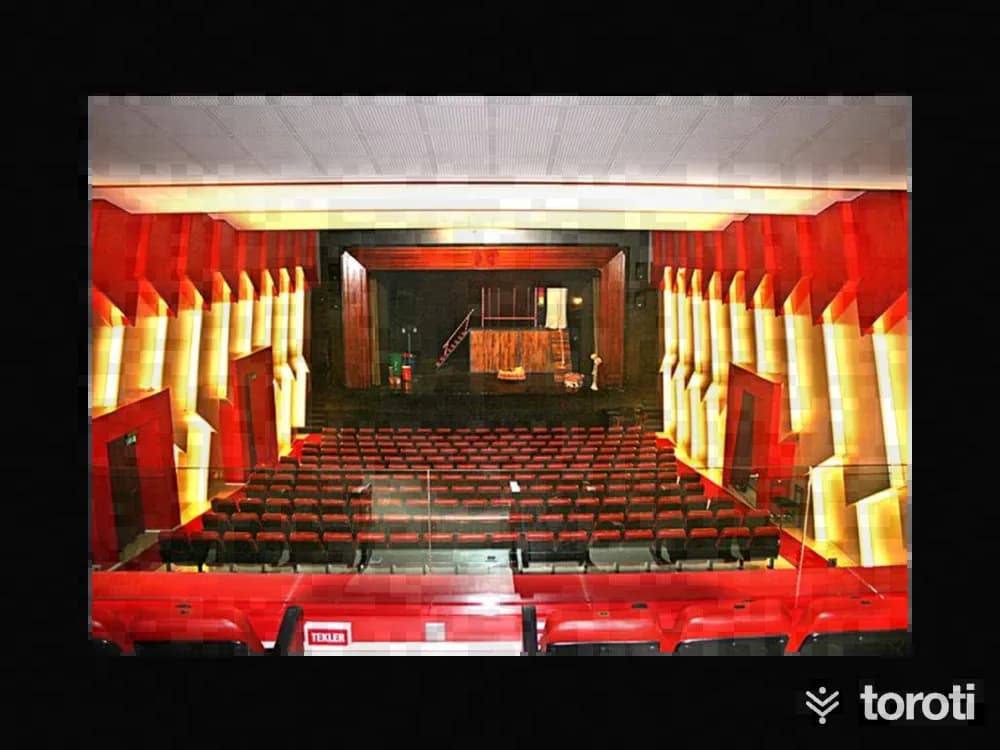
Ahmet Vefik Paşa Devlet Tiyatrosu
The building, which was built as a Community Center in 1938 and is today Ahmet Vefik Paşa State Theatre, hosted theatrical performances. After the Community Centers were closed in 1952, the State Theatre was used as a cinema for a while, and in 1957, during the term of the governor of the period, İhsan Sabri Çağlayangil, this two-storey venue was reopened as Ahmet Vefik Paşa State Theatre with permanent arrangements made by vacating the cinemas on the lower and upper floors (Marmara and Tan cinemas).
45 minutes
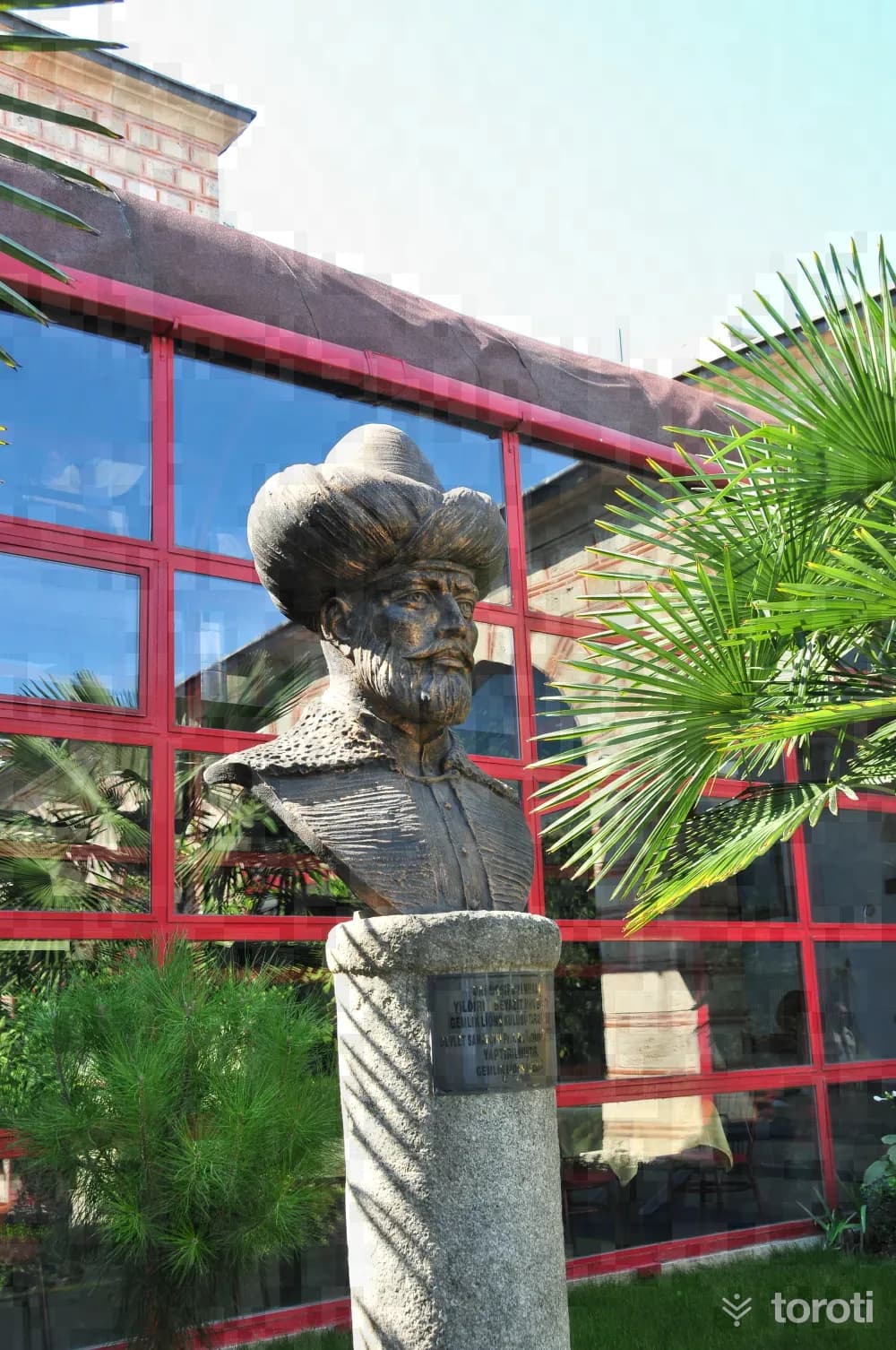
Yıldirim Medresesi
It was commissioned by Yıldırım Bayezıd in 1399 and was last restored in 1948. The madrasa reflects a plan scheme consisting of cells behind arcades surrounding a rectangular inner courtyard on three sides, together with the entrance space and a large domed classroom directly opposite it. In terms of plan, it is arranged on a rather long area compared to other madrasas. Built of stone, the entrance space covered with a dome has a rectangular plan.
45 minutes
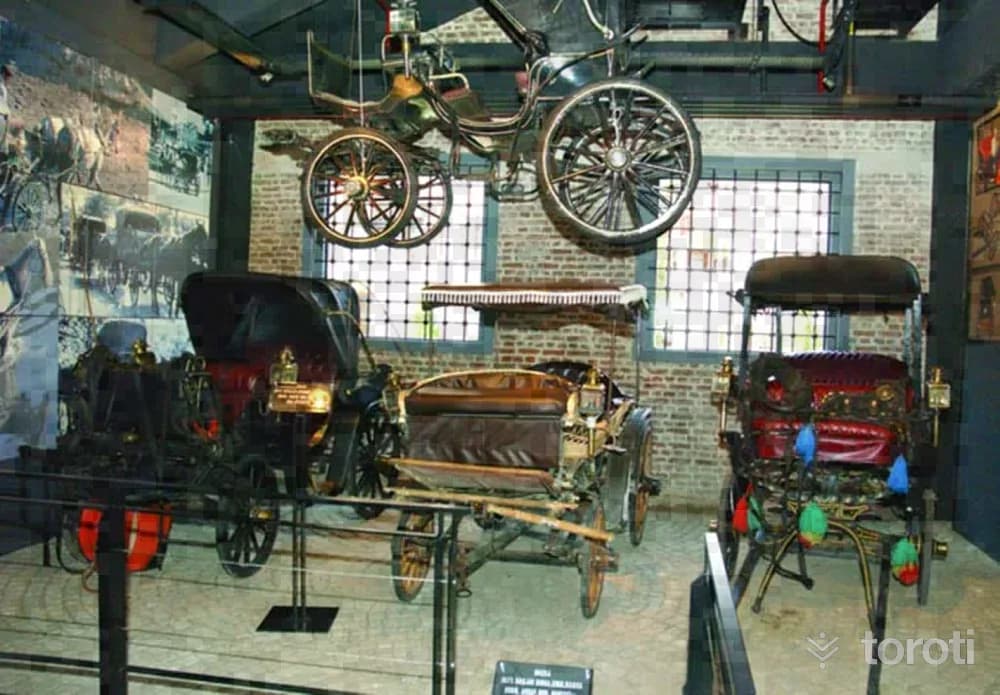
Tofaş Bursa Anadolu Arabaları Müzesi
Tofaş Bursa Anadolu Arabaları Müzesi is Turkey's first and only Anatolian Carriages Museum. The silk factory in Umurbey Mahallesi, belonging to the İpeker Family and established on a total area of 17 thousand 000 square meters, was restored by Tofaş and opened to visitors as a museum on 28 June 2002. The carriages in the museum are the vivid and influential cornerstones of the thousands-of-years-old carriage industry and culture in Anatolia, and valuable and meaningful products of Anatolian design history.
45 minutes
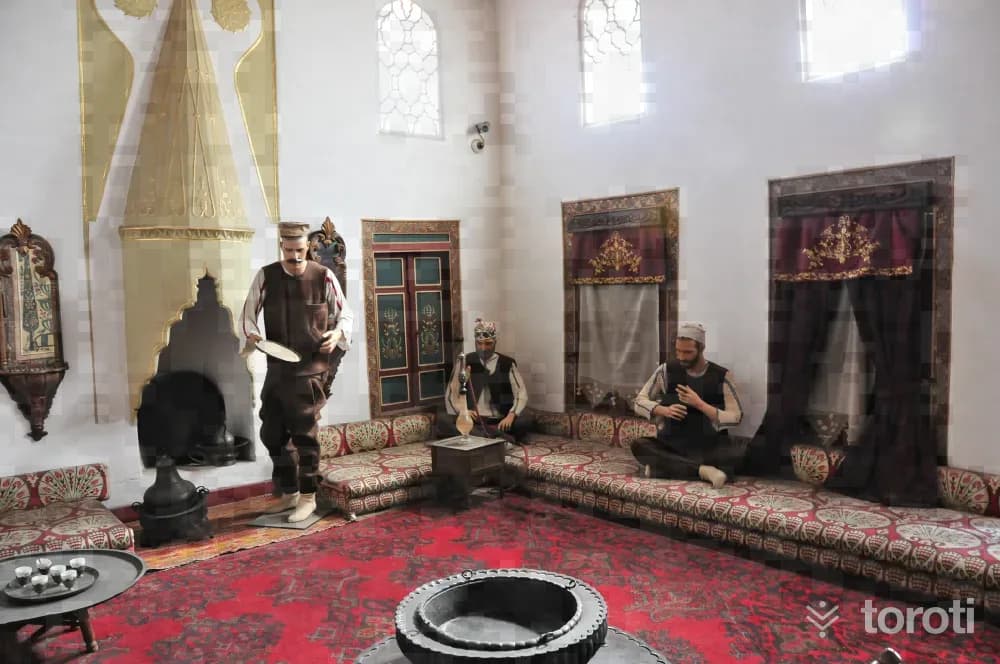
Osmanli Evi Müzesi
It is thought that on the site of the wooden house located opposite the II. Murad Külliyesi in the Muradiye Quarter, there had previously been a pavilion of Sultan II. Murad. Therefore, this house is also known as the house where Fatih Sultan Mehmet, who conquered Istanbul, was born. The two-storey house, which is used as a museum today, bears 17th-century characteristics in terms of its plan and decorations and is one of the oldest houses still standing in Bursa.
45 minutes
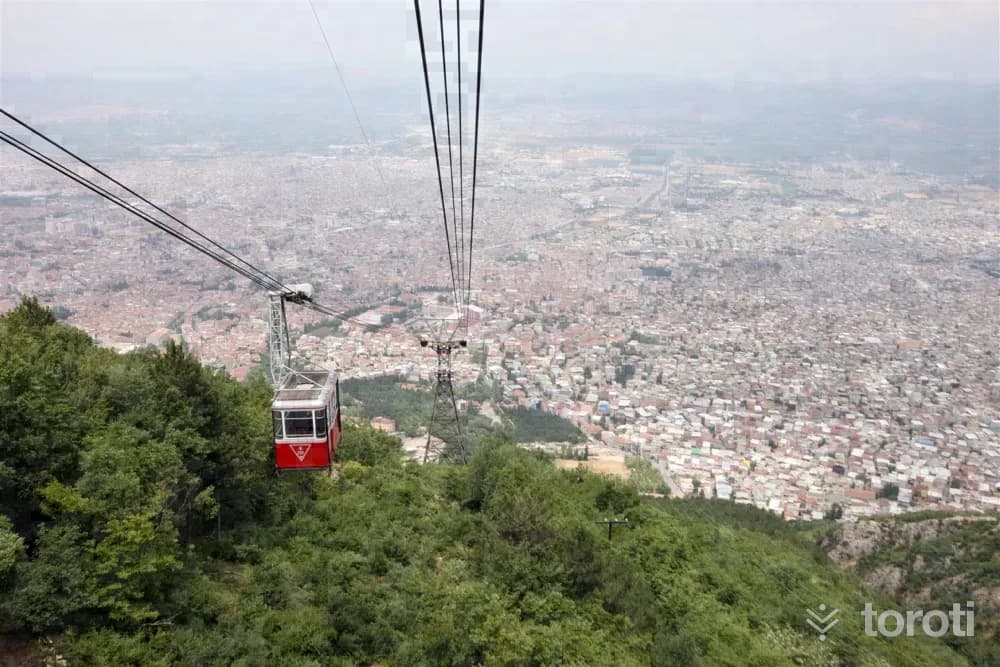
Bursa Teleferik
Bursa Teleferik, Turkey’s first cable car, operated with the same technology from the day it opened (29 October 1963) until 2012. On 7 June 2014, its technology, infrastructure and stations were completely renewed, setting out to offer a completely different journey. General Information The Tefferüç central station facility serves with its automation-guided system, spacious passenger reception hall, 240-vehicle car park, shops and cafes.
45 minutes
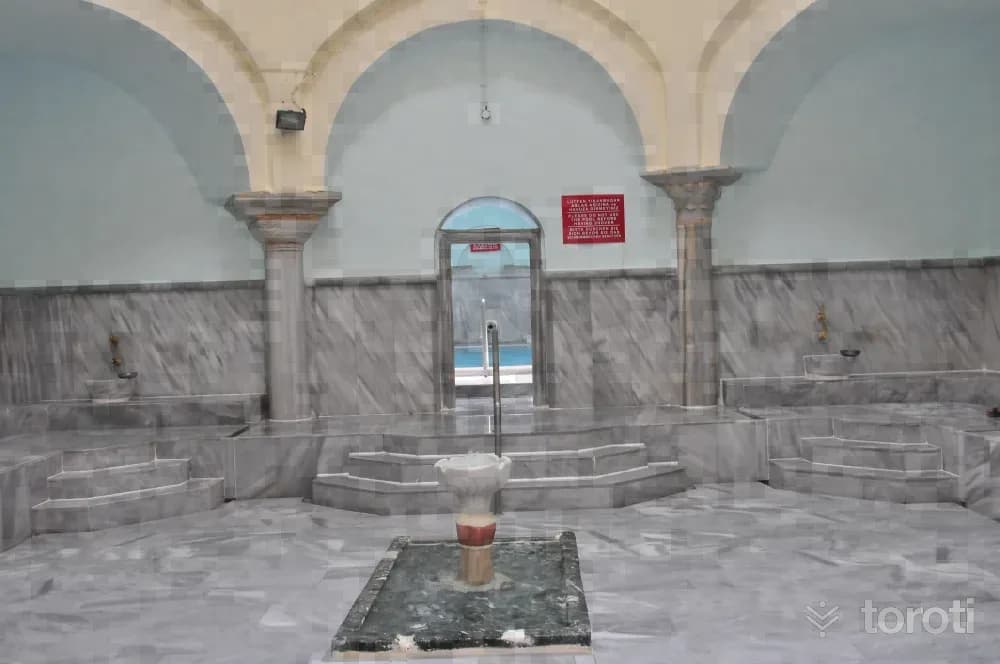
Bursa Eski Kaplıca
Various sources state that there used to be remains of a Byzantine bath at the site where Eski Kaplıca, one of Bursa’s largest thermal baths, was built (also known as Armutlu Hamamı). The building, commissioned by I. Murat as a double bath in 1394, had a cooling section added by II. Bayezıt in 1511. The walls of the building were built with stone and brick.
45 minutes
Bursa Arkeoloji Müzesi
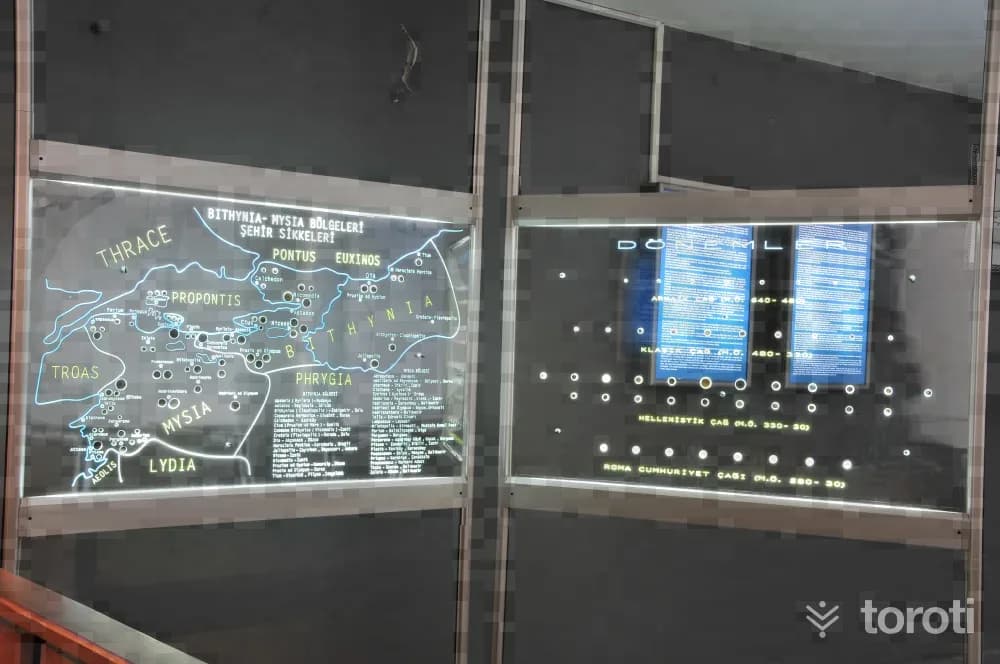
For the purpose of establishing a museum in Bursa, artifacts were first collected in Bursa Erkek Lisesi from 1904 to 1972. In 1972, they were moved to the newly built building within Reşat Oyal Kültür Parkı. In the museum, where artifacts found in the Bithynia and Mysia regions are exhibited, there are works dating from the 3rd millennium B.C. to the end of the Byzantine Period. There are 25 thousand artifacts in the museum, about 2 thousand of which are on display.
45 minutes
I. Murad Hamamı
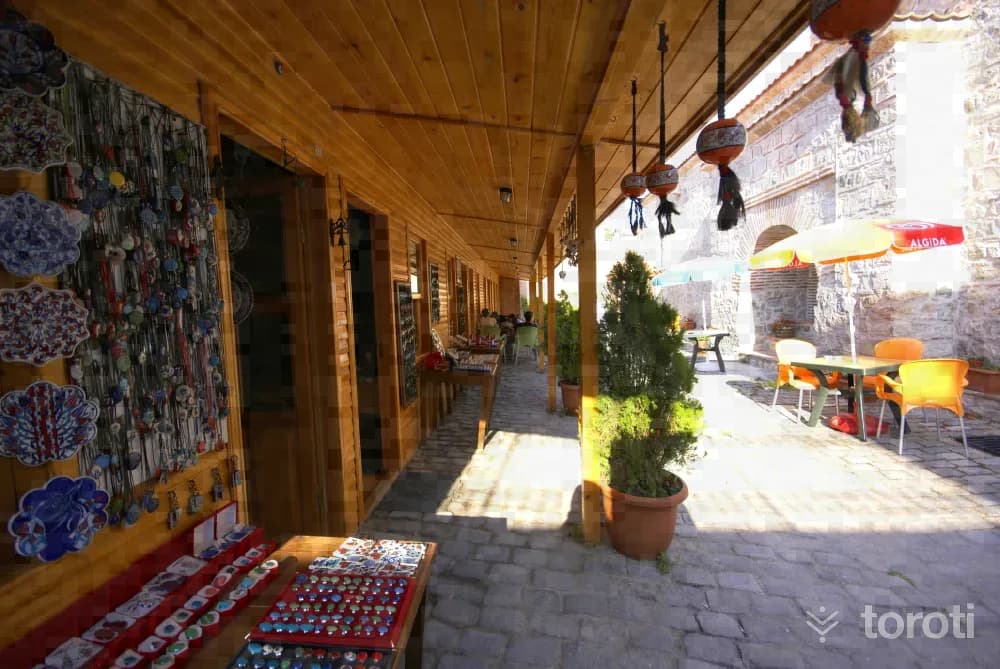
The men's section of the double bath is used as a municipal warehouse. Other structures are attached to the north facade of the bath, some of whose spaces cannot be entered, and to the northern part of its east facade. In the district center, on the İstanbul Kapısı road, the Double Bath is also known locally by the names Meydan Hamamı or Eski Hamam. Its inscription could not be found. In terms of its architectural and ornamental features, it is accepted to have been built between the second half of the 14th century and the first half of the 16th century.
45 minutes
Alaaddin-i Misri Türbesi
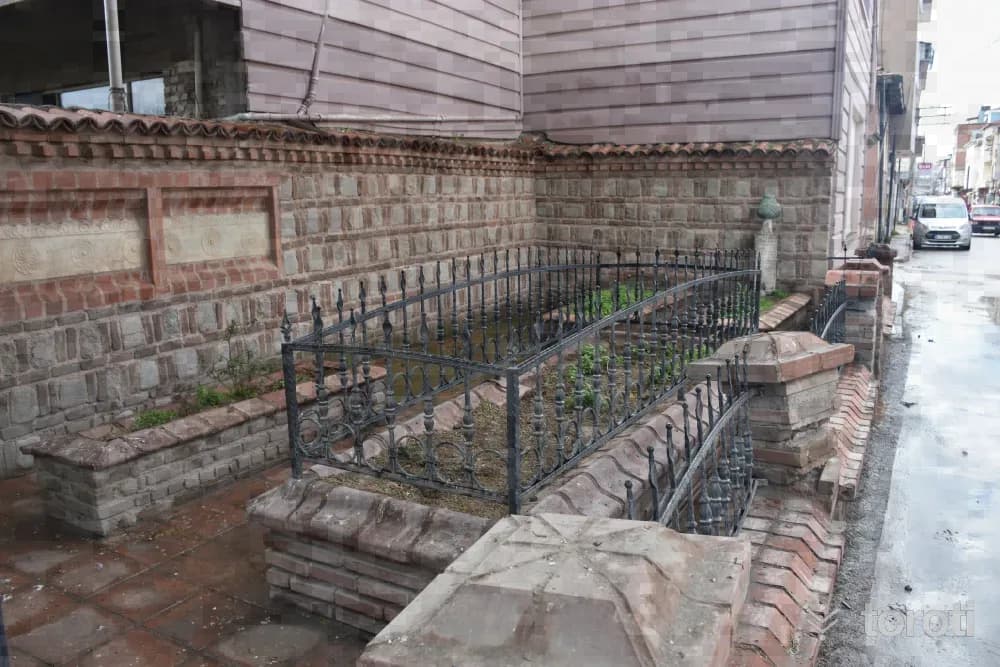
It is known that Orhan Gazi, who conquered İznik, attached importance to education in science and religion, had the Ottomans' first madrasa built here in the name of his son Süleyman Paşa, and that many scholars were trained here. Alaaddin-i Mısri taught at Süleyman Paşa Medresesi and contributed to the education of many young people.
45 minutes
Uludağ Kayak Merkezi
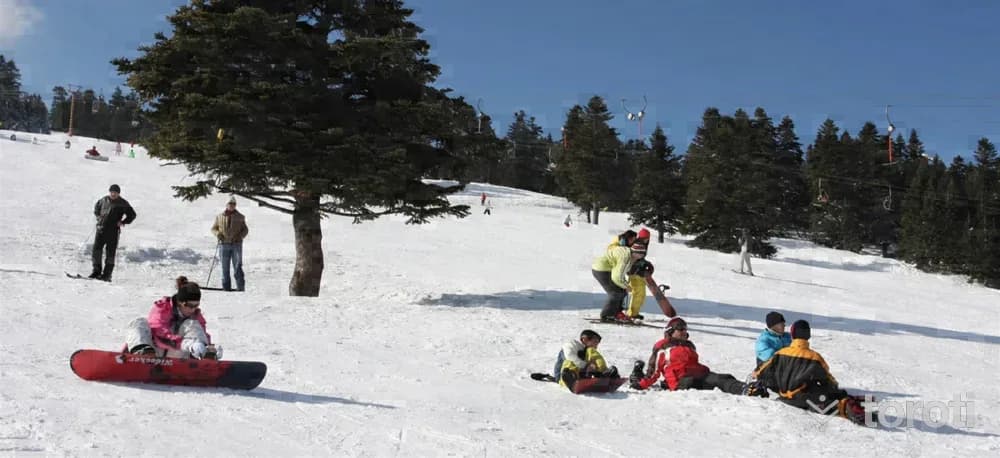
Uludağ Ski Center is a major winter tourism destination located within the borders of Bursa. It offers modern accommodation and facilities, along with skiing activities, equipment rental, and private lessons.
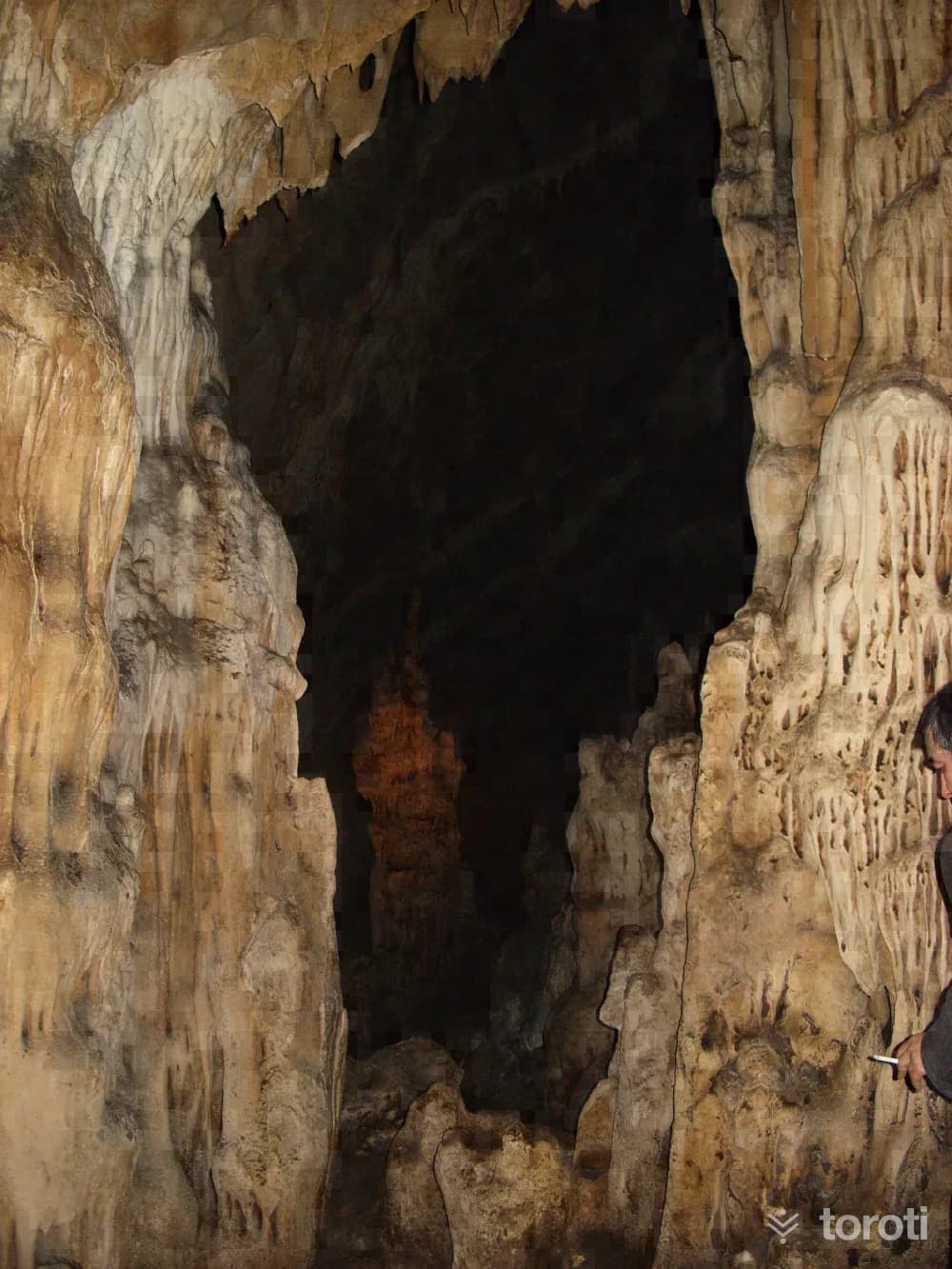
Gelemiç Köyü Mağarası
It is located within the borders of Gelemiç Village in Keles District. The rocky and very steep valley through which the Kocasu (Atranos) River flows within the borders of Keles District is called Kayalıdere Canyon. This place extends from below Kocakovacık Village to the land of Gelemiç Village. Although this place appears from the outside to be a very steep canyon that cannot be entered, it enchants visitors when entered. Both sides of this steep canyon consist of imposing rocks.
45 minutes
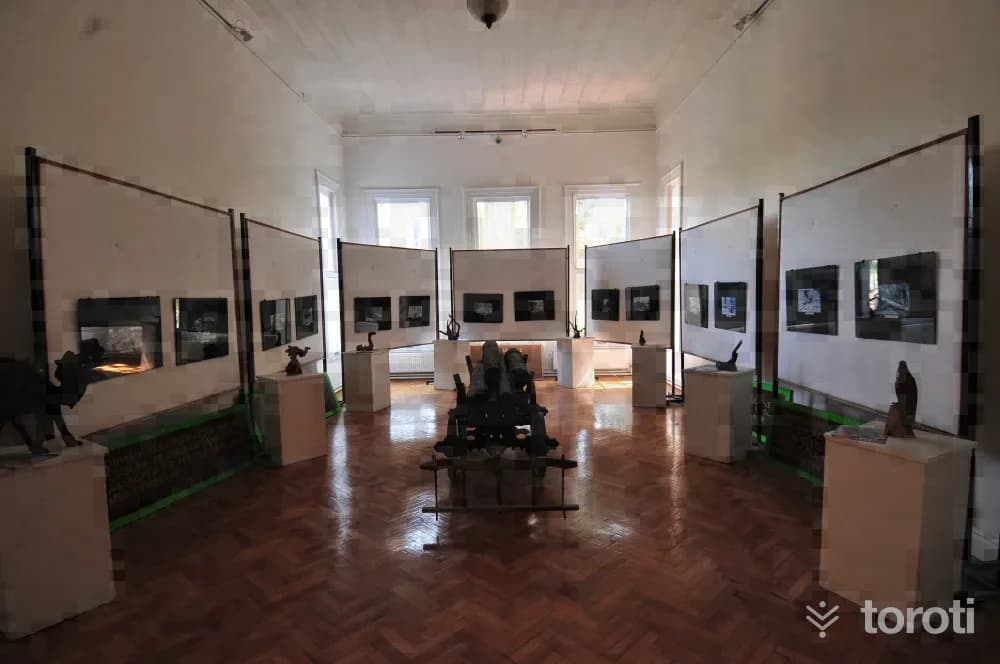
Bursa Ormancilik Müzesi
The museum, which is Turkey’s first and only Forestry museum, is located on Çekirge Caddesi in the mansion known as Saatçi Köşkü. Architecturally, the mansion is one of the finest examples of 19th century civil architecture. Its garden, with its fountain, gazebo and various trees, is of beauty worth seeing. Saatçi Köşkü was used as a residence for many years, became Bursa Forestry School in 1939-1949, and was also used as the Regional Forestry Directorate until 1983.
45 minutes
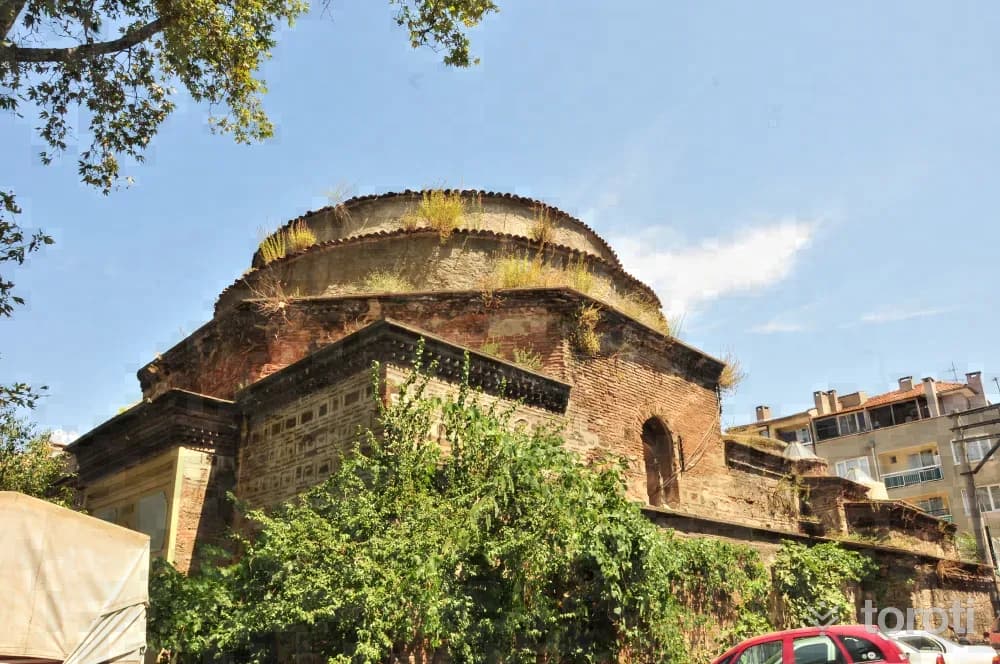
Mahkeme Hamamı / İbrahim Paşa Hamamı
In the 1421 endowment deed of the bath, it is stated that it was commissioned by İbrahim Paşa, the son of Çandarlı İbrahim Paşa. İbrahim Paşa endowed this bath and seven villages for his imaret in İznik. It belongs to the double bath class. In addition to domed spaces, a nested iwan arrangement was applied. There is no warm section, and one passes directly to the hot section. The structure was built of cut stone, with three rows of brick in between. The walls end with three rows of sawtooth brickwork.
45 minutes
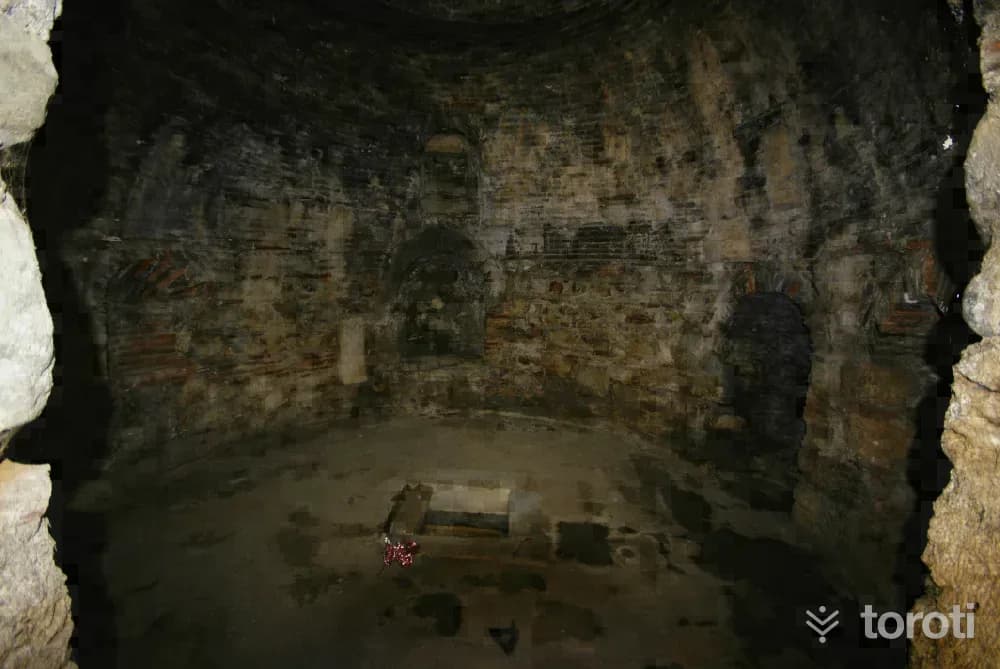
Böcek Ayazma Kilisesi
It is on Yakup Çelebi Sokağı, to the east of Koimesis Kilisesi. The Baptisterium in the garden, separated by a wall at street level, iron railings and a gate, is descended into from the west by an 11-step staircase. The entrance section is 2,55 metres high and is bounded above by an architrave. Above this is a pediment bounded by an arch built of brick.
45 minutes
Orhan Gazi Cami
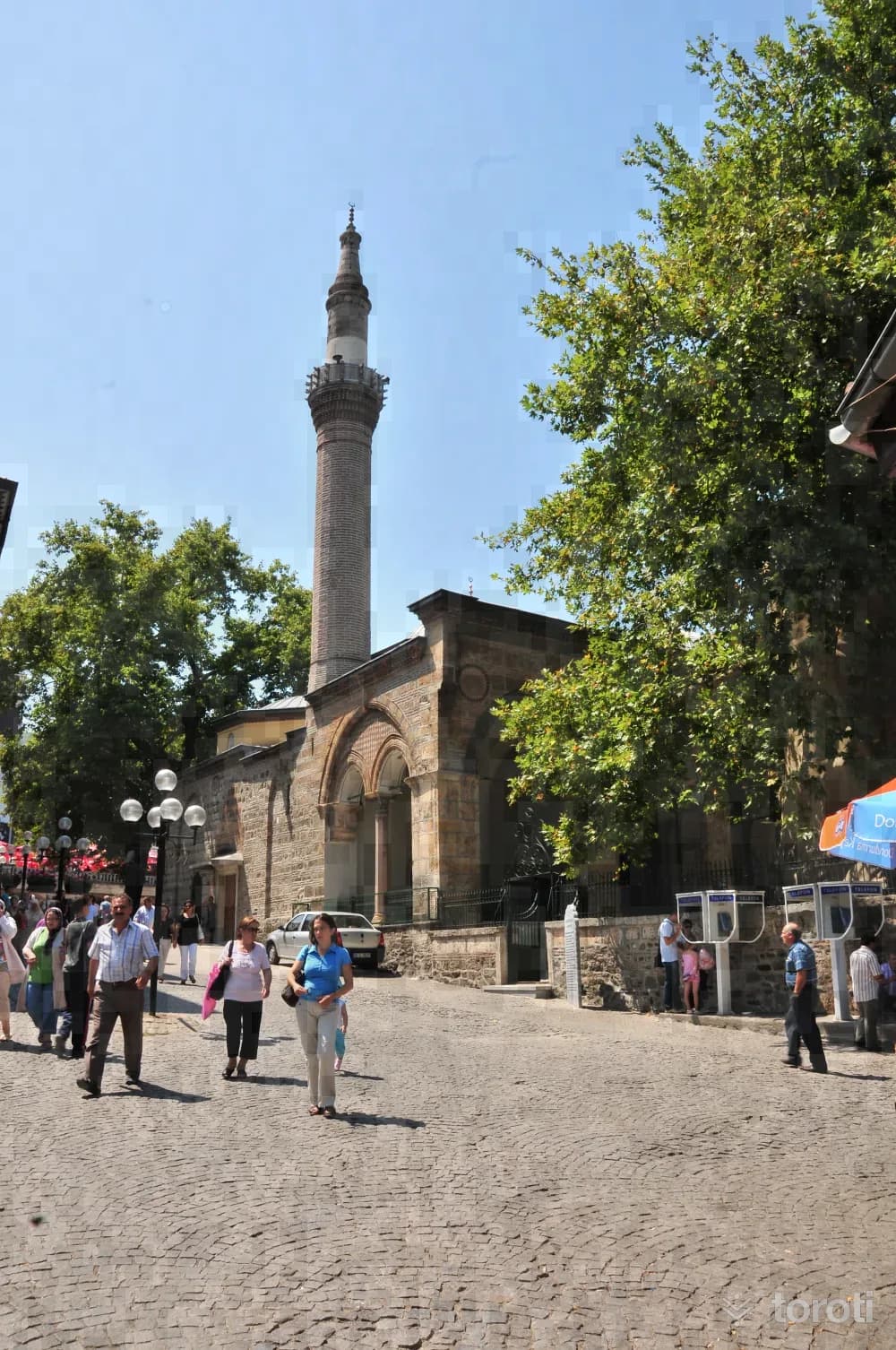
When Orhan Gazi took Bursa in 1326, the city consisted only of the settlement within the Fortress. A model of urbanization later adopted by subsequent Ottoman sultans was first implemented by Sultan Orhan in 1339, and outside the city walls, on the brushwood and marshy ground of the wide Gökdere bed stretching at that time from Çakır hamam to Set başı, he had a külliye built consisting of a mosque, madrasa, imaret, bath and inn (bedesten).
45 minutes
İznik Roma Tiyatrosu
Some bastions in the northern city walls were built with cut stones belonging to the theater. The theater was sacrificed for the defense of the city. Its seating steps, outer walls, arches and vaults, especially its stage, were damaged beyond repair. The remaining sections continued to be dismantled from their places for a while to be used in new gates.
45 minutes
Demirtaş Cami / Temurtaş Cami
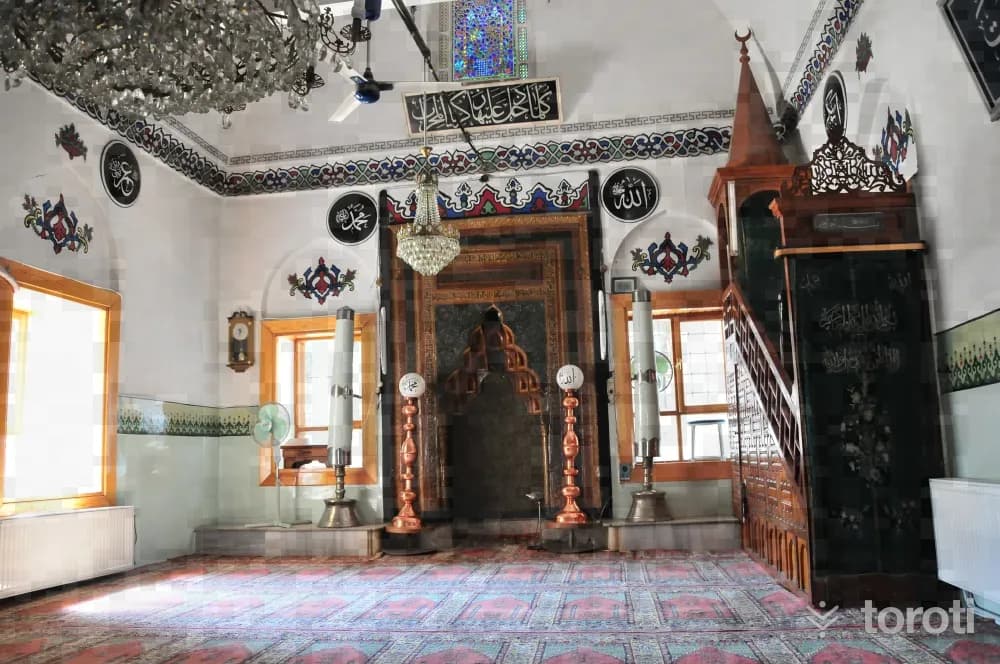
Some sources state that the mosque was commissioned by Ali Bey, the son of Timurtaş Pasha, in 792 H. (1389-1390), while others write that it was commissioned by Kara Timurtaş Pasha, the Emir of Yıldırım Bayezıd. Demirtaş Cami, which belongs to the group of winged or (inverted T) plan mosques that began with Orhan Cami in Bursa and underwent change in Hüdavendigar Camisi, was expanded with a central dome in the middle, east-west iwans on the sides covered with vaults, and a section on the south side also covered with a vault.
45 minutes
Hünkar Köşkü Müzesi
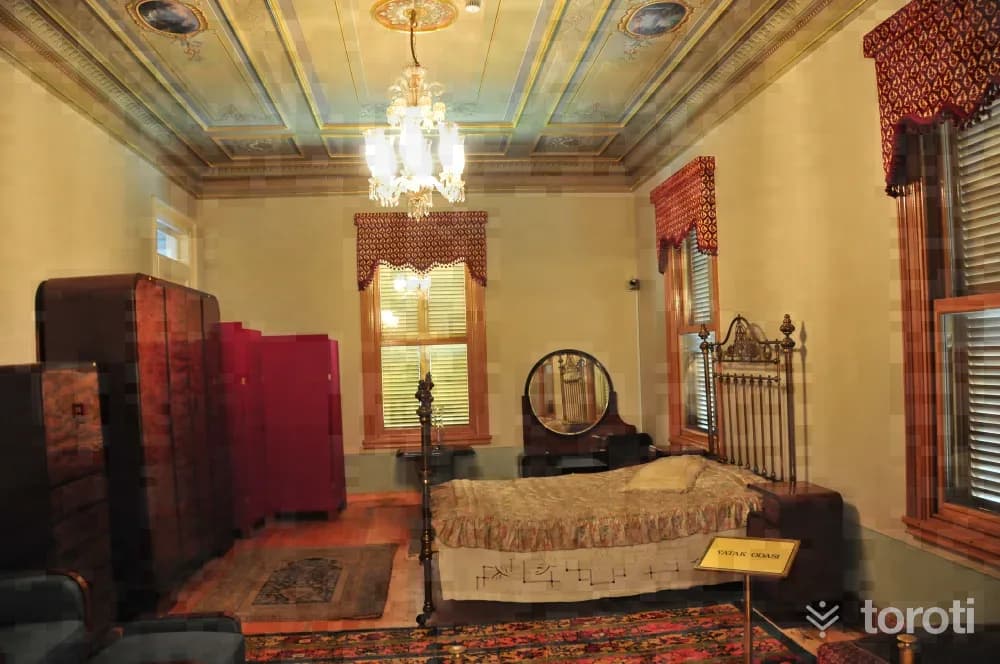
Hünkar Köşkü Müzesi was built on the foothills of Uludağ, in Temenyeri, during the reign of Abdülmecit as a hunting lodge. The pavilion was built in 1859. Abdülaziz and V. Mehmed (Sultan Reşad) also stayed in the pavilion. Mustafa Kemal Atatürk was also among those who came to the pavilion. Apart from his official visits, Atatürk stayed in the pavilion four times. The decorations inside the pavilion, whose architecture was built in the French Empire style, bear the characteristics of the 19th century.
45 minutes
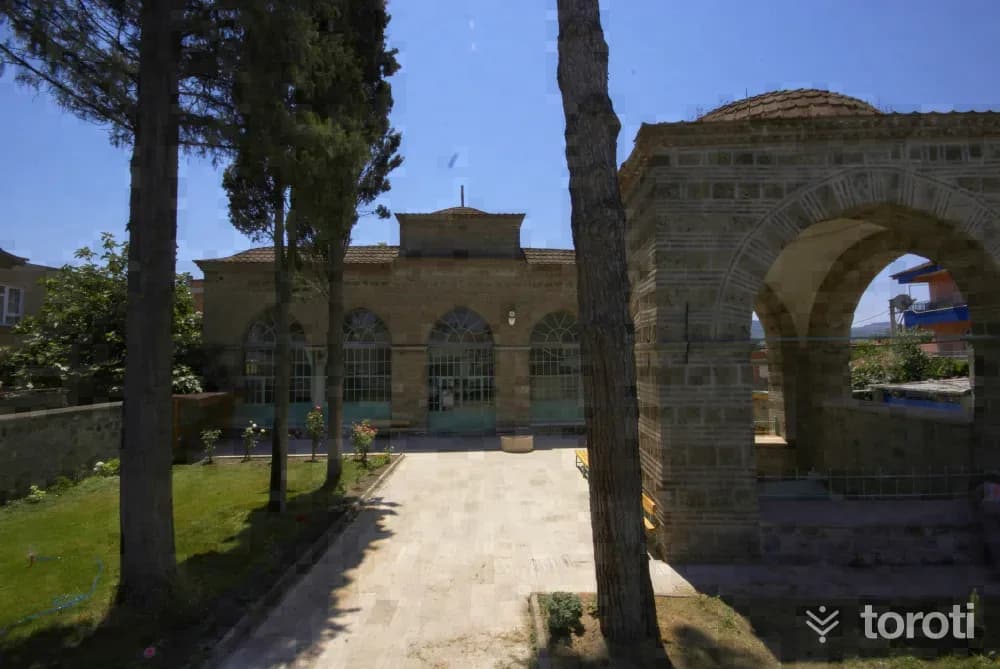
Yakup Çelebi Cami Ve Türbesi
It was commissioned by Yakup Çelebi, the son of Murat I, in the late 14th century and early 15th century. The structure consists of entrance and prayer spaces extending consecutively in the north-south direction, two side wings adjoining the entrance on the east and west, and the last congregation area to the north. Its annexes cover 500 square meters, and its interior area is 290 square meters. The mosque has a square plan and a domed roof with triangular transitions.
45 minutes
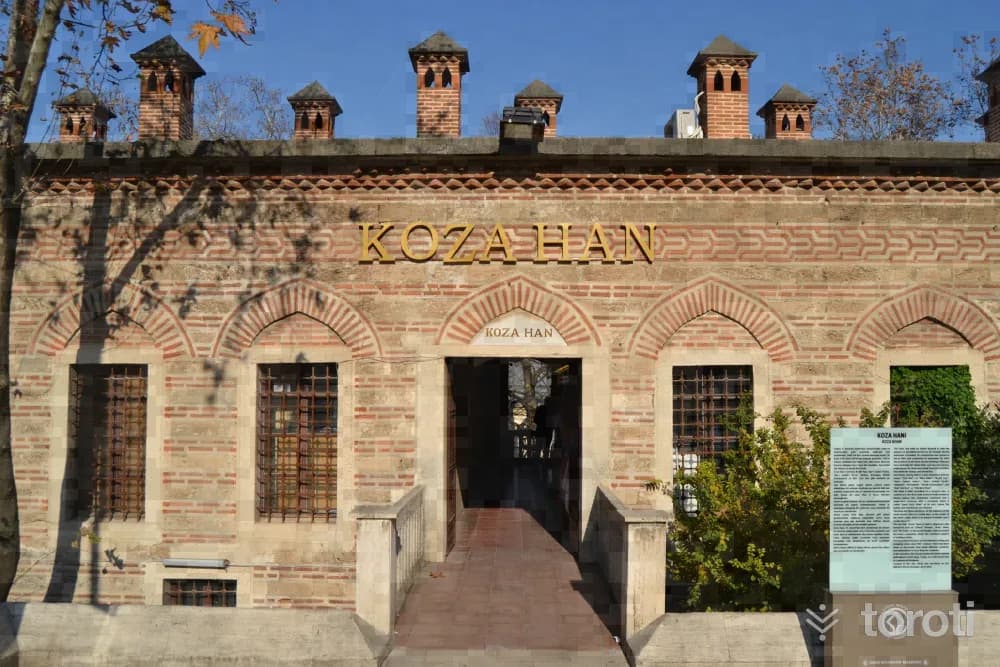
Kozahan
It was built in 1492 by II. Bayezıt in order to provide income for his mosque and madrasa in Istanbul. It was established on a wide area between Orhan camii and Ulu camii. The inn, built mostly of cut stone with brick also used in places, is two-storeyed and the front of its rooms has arcades. The arcade section consists of 40 concrete domes. There are a total of 95 rooms, 50 on the upper floor and 45 on the lower floor.
45 minutes
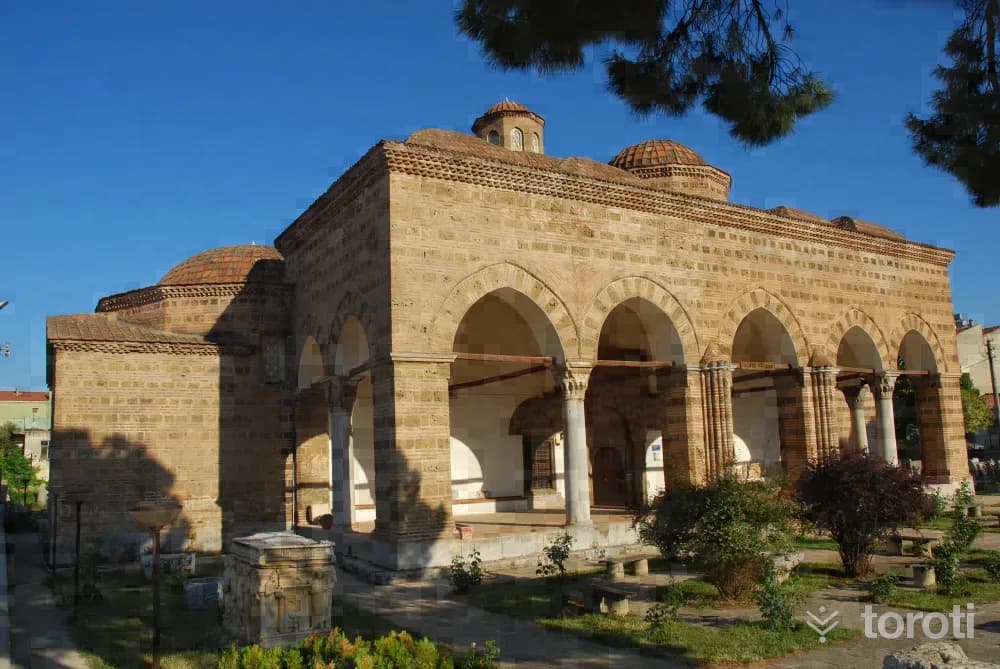
İznik Nilüfer Hatun İmareti Türk İslam Eserleri Müzesi
The imaret and zaviye in İznik, commissioned by her son Murat I (1362 - 1389) in memory of Nilüfer Hatun. Today, it functions as the Museum of Turkish and Islamic Works. There is a marble inscription measuring 0,48 x 1,51 meters above the door on its eastern facade. The structure consists of entrance and worship spaces following one another in the east-west direction, two side wings adjoining the entrance space to the north and south, and the last congregation area on the east.
45 minutes
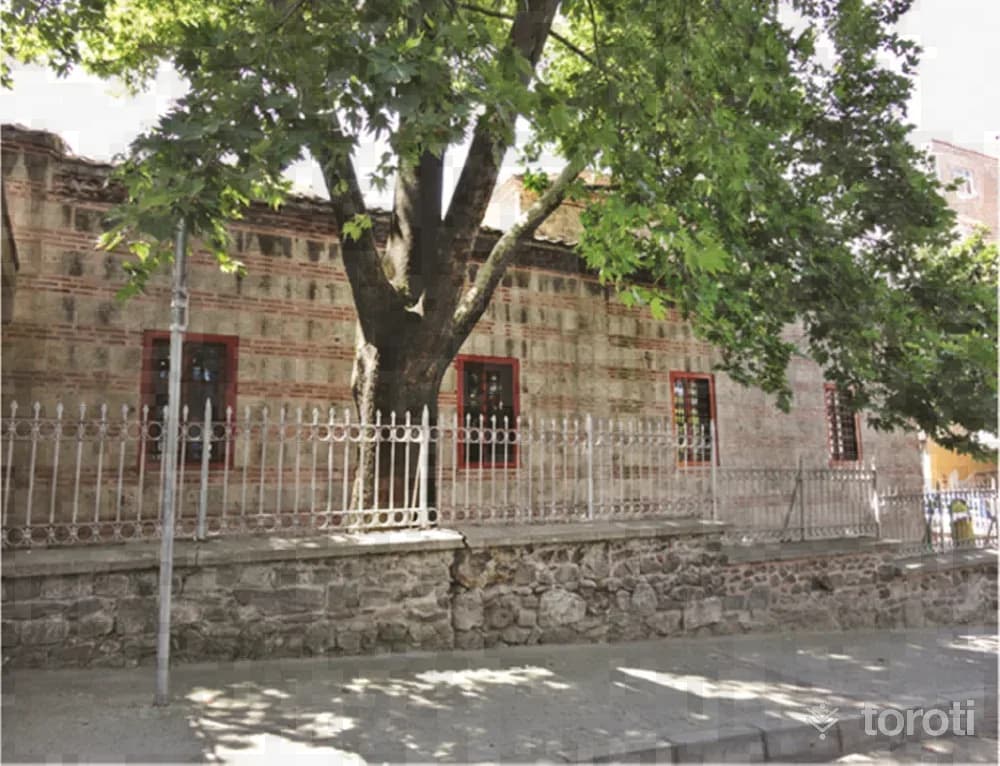
Lala Şahin Paşa Çocuk Kütüphanesi
The madrasa, located on Kavaklı Caddesi inside the Kale, was built in 1339 with war booty by Rumeli Beylerbeyi Lala Şahin Paşa, the commander of Orhan Gazi and Murad Hüdavendigar. The madrasa, in which Kefeki stone and brick materials were used together, has a composition consisting of a vault-covered iwan on the north-south axis and, on both sides of the square space covered with a dome in front of it, eight symmetrically arranged vault-covered cells.
45 minutes
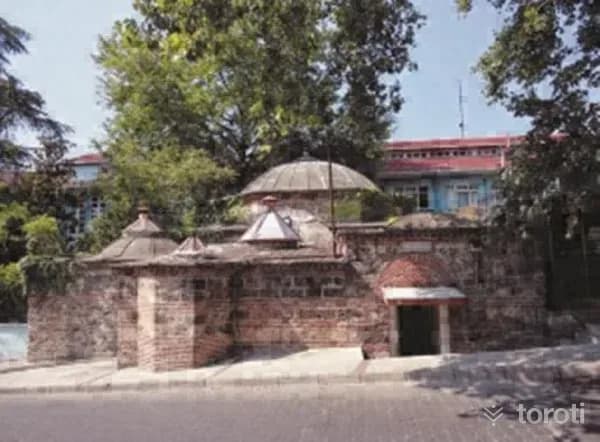
Çekirge Adak Hamamı - Kadın Hamamı
Located on I. Murad Caddesi in the Çekirge district, in front of the Military Hospital and below road level, the bath is also known as Çekirge Sultan Adak Hamamı - Kadın Hamamı. It was built in the XIVth century (1365-1370). The bath, known by women as healing and sacred, was built for bathing free of charge. Entry to the structure is provided after descending a few steps from the road. A sea wave motif has been worked in brick above the entrance door. Through a long corridor, one passes into the cooling section.
45 minutes