
Places to visit
Things to do in Yıldırım
30 destinations, each with a description, how long it takes and where it sits on the map.
In short
toroti’s catalogue holds 30 described destinations within Yıldırım, Bursa. The themes that come up most: Local culture, Museum, Culture, History, Faith heritage, Hiking.
Emir Sultan Külliyesi
Emir Sultan, who lived in Bursa in the first quarter of the 15th century and died in 1429, was born in Bukhara. Because he was descended from Hz. Muhammed, he was called "Emir," and because he won hearts, he was called "Sultan," and he became renowned by the name "Emir Sultan." His real name is Muhammed. He was shown great respect in Bursa. He married Hundi Hatun, the daughter of the Ottoman sultans Yıldırım Beyazıd.
30 minutes
Hünkar Köşkü
Hünkar Köşkü Museum was built in Temenyeri on the slopes of Uludağ during the reign of Abdülmecit to serve as a hunting lodge. The mansion was built in 1859. Abdülaziz and V.
30 minutes
Balabancık ve Gazi Aktimur Hisarı
Gazi Osman Bey planned to turn toward Bursa after Bilecik, İnegöl, Sakarya and Yenişehir. Since the Bursa castle, surrounded by steep rocks, could not be taken easily, Osman Gazi built two observation points that we call havale towers, one on the hill to the east of the city and the other near the hot springs to the west of the city, and blockaded the city by controlling the entrances and exits.
30 minutes
Yeşil İmareti
It was built in the 15th century, during the reign of Çelebi Sultan Mehmet, under the supervision of Hacı İvaz. Today, a large part of it is still standing. The imaret and dining hall walls have also survived to the present day. Its roof has completely collapsed. The two-domed kitchen section is quite sound. The main walls were built with stone and brick, and the storage section is also in a collapsed state. On Fridays, Çelebi Sultan Mehmet used to distribute food to the poor from this imaret.
20 minutes
Gökdere Medresesi
Gökdere Medresesi, thought to have been commissioned by Zeyerkzade Paşa Çelebi during the reign of II. Beyzaid, passed into private ownership in 1939 and was used for years for purposes unsuitable to its function. The historic structure, which also served as a women's prison, carpentry workshop, blacksmith's shop and warehouse, underwent restoration in 2005 and was brought back to the city to be used for cultural activities as well.
30 minutes
Yeşil Medresesi
The madrasa, located in the neighborhood bearing its own name within the Yeşil Complex, is also called Sultaniye Madrasa. It was commissioned by Çelebi Sultan Mehmet between 1414-1424. Since 1923, it has been used as the Museum of Turkish and Islamic Works. The madrasa began to be built as a two-story structure, but upon the death of Çelebi Sultan Mehmet, the upper floor remained unbuilt.
30 minutes
Molla Arap Cami
It was commissioned in the 16th century by Mevlana Mehmed, who was known by the title Molla Arap. The mosque, which has nine domes, serves as an example of the multi-domed mosques that came after bursa Ulu Cami. The mosque, which was recently restored in accordance with its original form, is open for worship. Near the mosque, there is a tomb known to belong to Molla Arap.
20 minutes
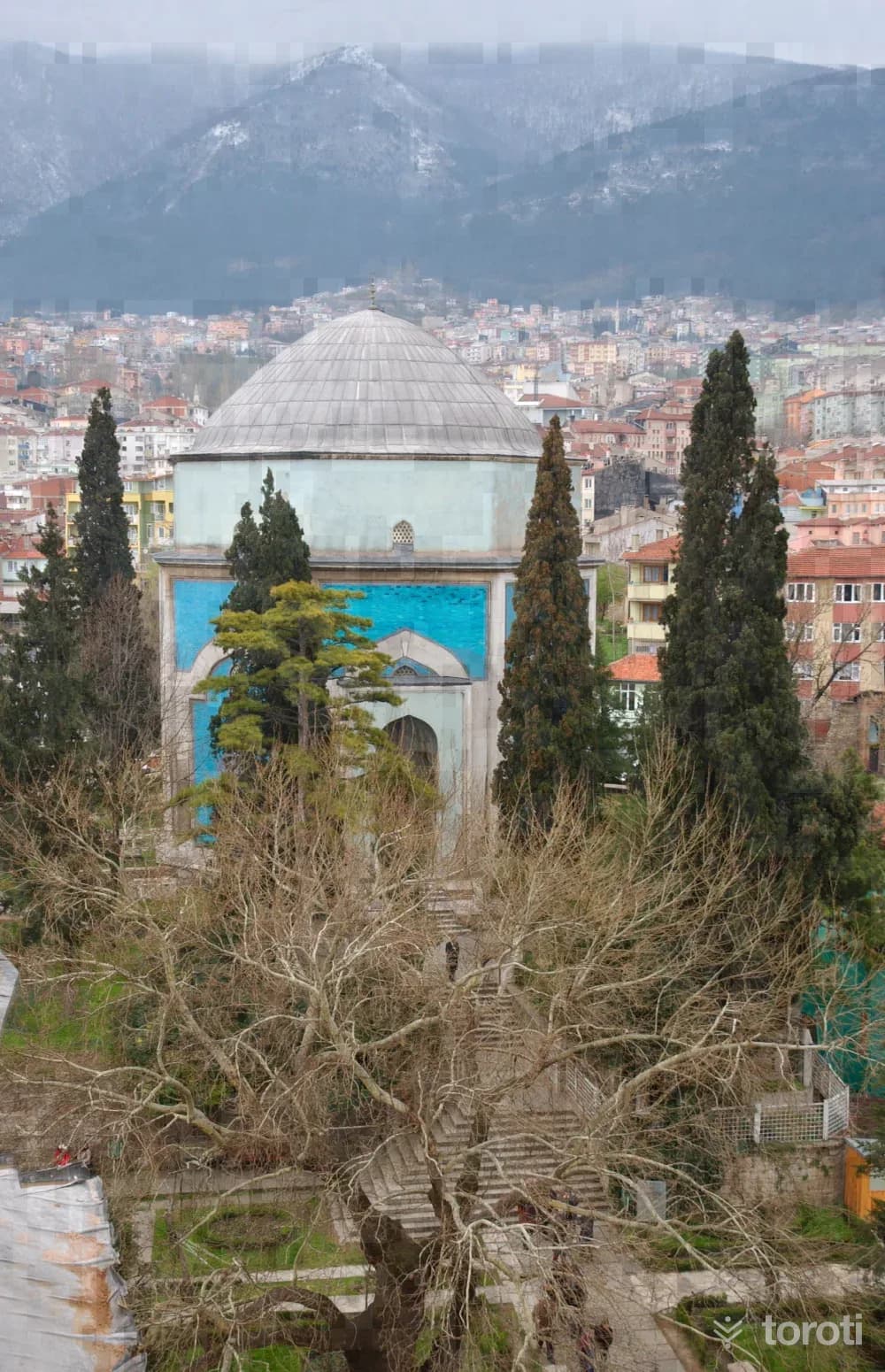
Yeşil (Çelebi Sultan Mehmet) Türbe-2
The undoubtedly best-known structure of the Yeşil Külliye is the Yeşil Türbe, built for Çelebi Mehmed and named after the color of the green, turquoise relief tiles decorating its facades. It was commissioned in 1421 by Çelebi Mehmed, son of Yıldırım Beyazid and the fifth of the Ottoman sultans. Çelebi Mehmed is regarded as the second founder of the Ottoman State. In his 34-year life full of struggles, he took part in war 24 times and was wounded in 40 different places.
45 minutes
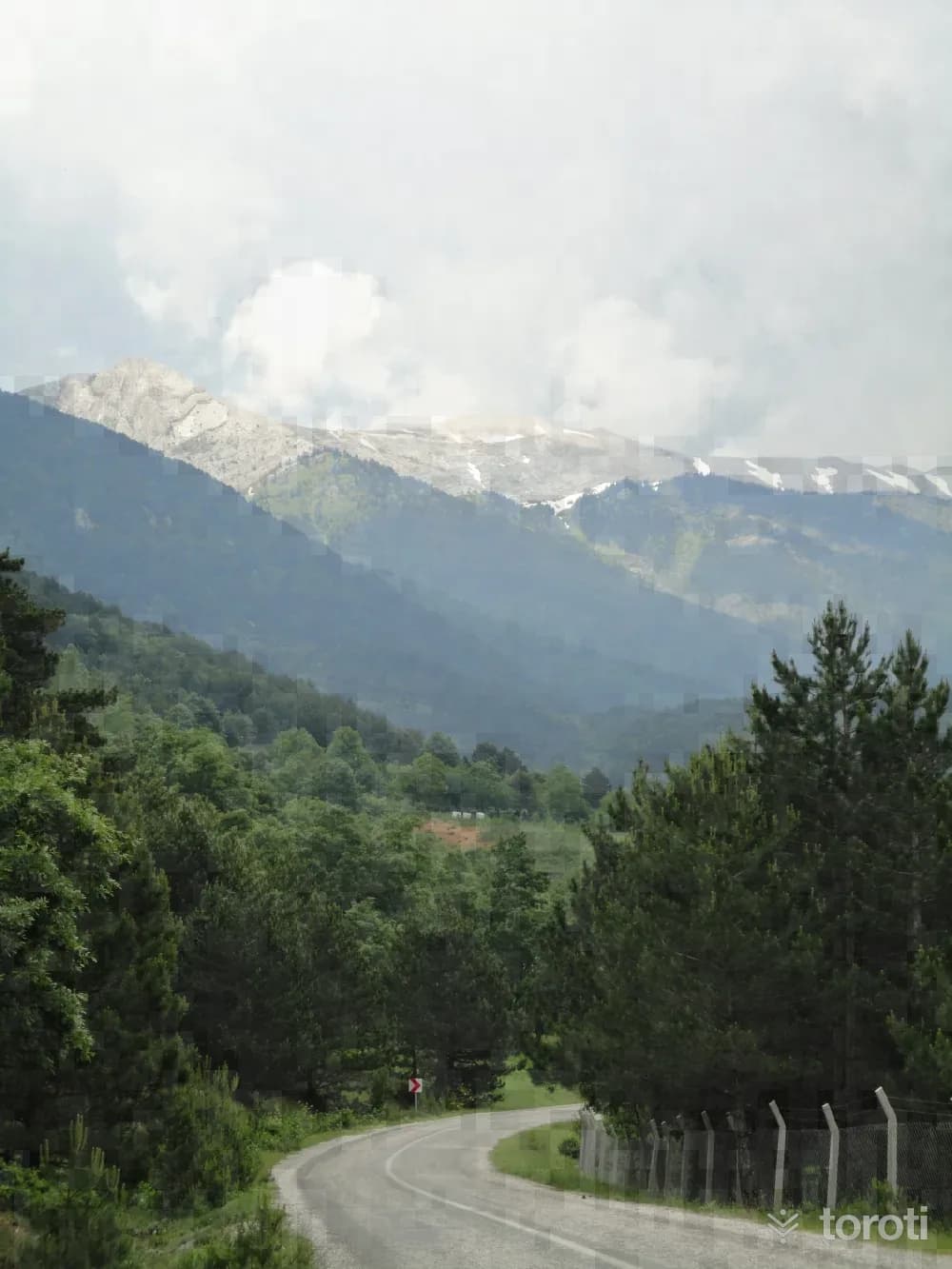
Uludağ Milli Parkı
Uludağ National Park is a popular destination for winter sports and summer activities. It attracts visitors year-round with its rich flora and fauna.
180 minutes
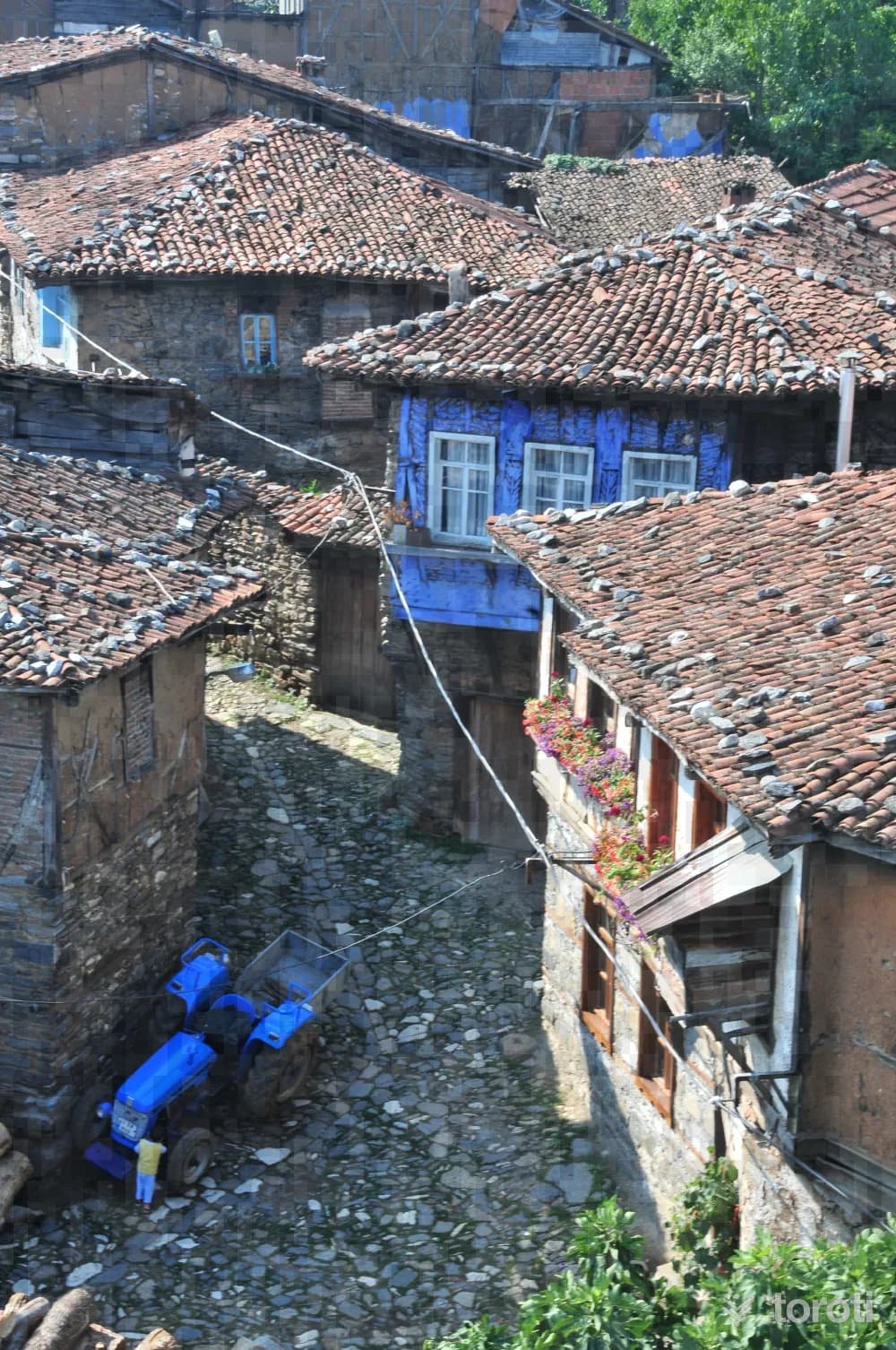
Cumalikizik Köyü
Cumalıkızık, one of the first areas where the Ottomans settled in Bursa, carries the residential fabric of the Ottoman Period to the present day with a total of 270 houses, 180 of which are still in use, while some are undergoing conservation and restoration work. In the Ihlamurcu locality on the slopes of Uludağ, to the southeast of the Cumalıkızık settlement, the remains of a church belonging to the Byzantine Period were identified in 1969.
45 minutes
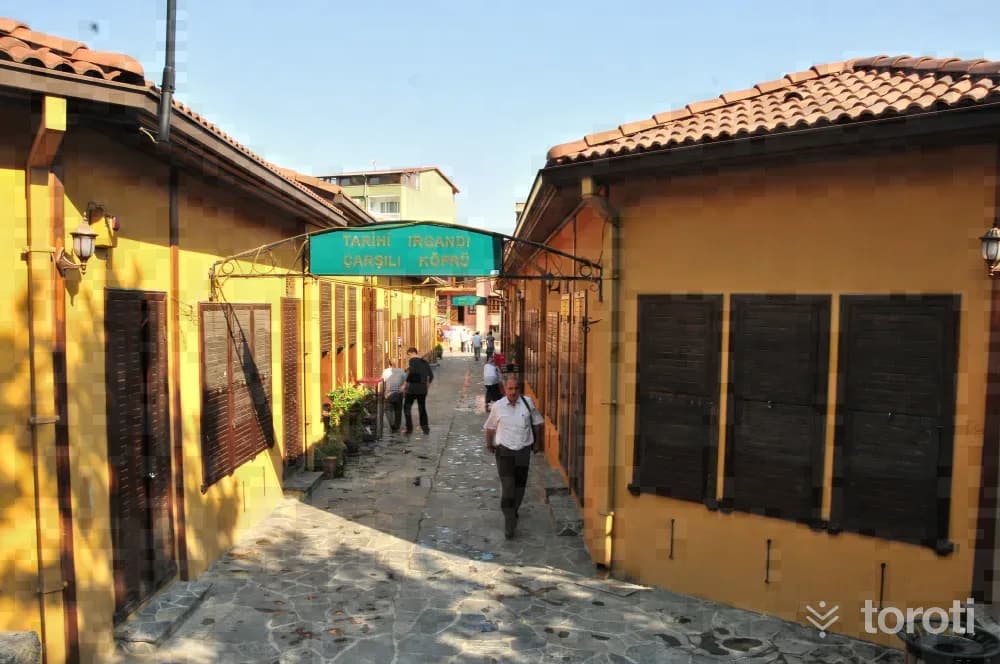
Irgandi Köprüsü
Irgandı Bridge is located to the south of Boyacı Kulluğu Bridge. It is thought that this stone bridge, the Ottomans’ only arasta bridge, was commissioned in 1442, during the reign of Murad II, by the merchant Hoca Muslihuddin, son of Irgandı Ali, to Timurtaş, son of Abdullah, whom Hacı İvaz Paşa named as a witness in his vakfiye.
45 minutes
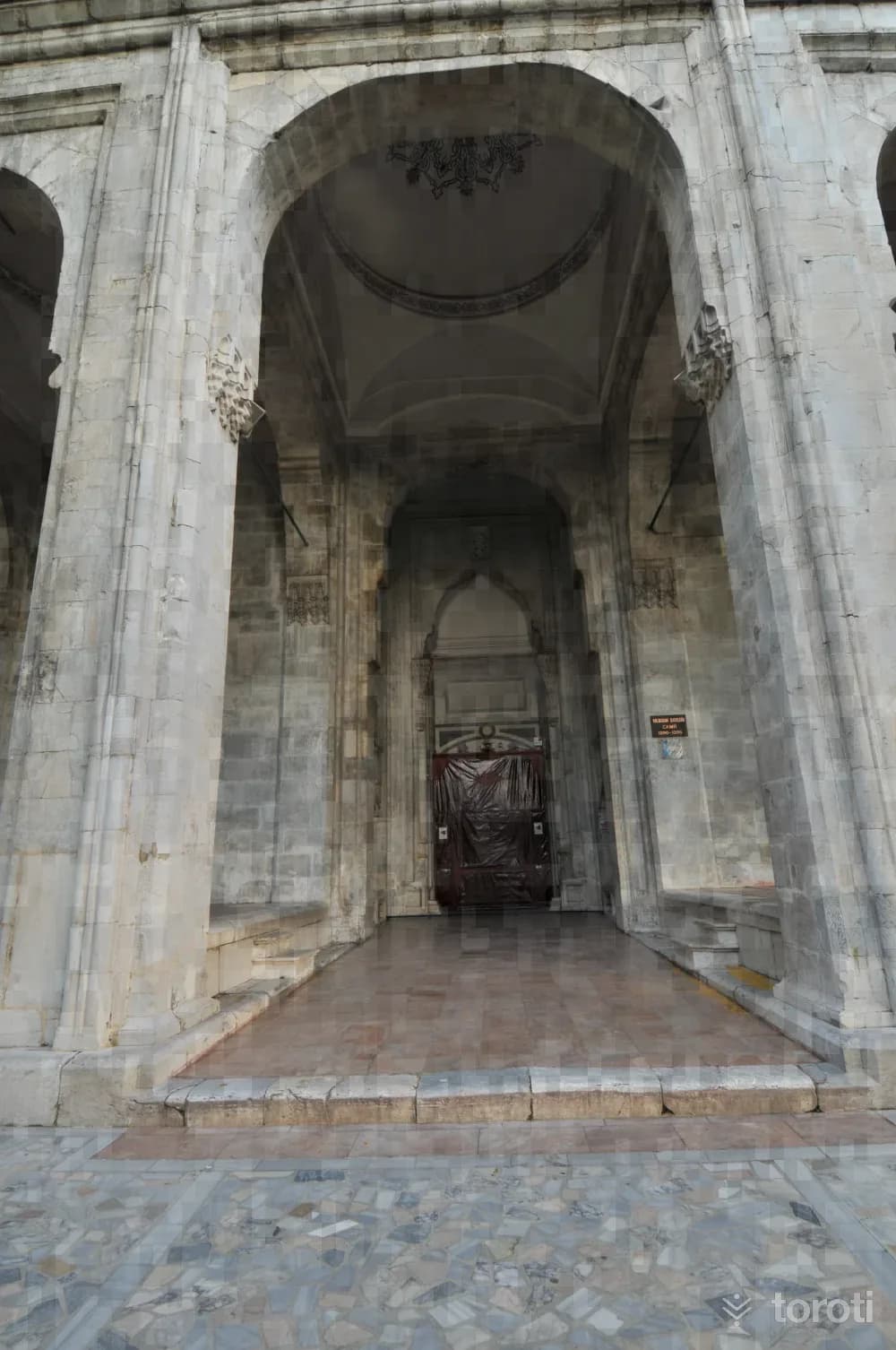
Yıldirim Bayezid Cami
Yıldırım Cami, located in the middle of the Yıldırım Külliyesi, was commissioned by Yıldırım Bayezid in the late 14th century and is one of the most striking structures in the city with its rich stone workmanship. In Yıldırım Cami, the most original of the "inverted T" plan mosques, it can be seen that Bursa-type arches were applied in a very magnificent way as ornamentation. In Yıldırım Cami, there are two rooms on the sides opposite the entrance eyvan, and these rooms are also entered from outside.
45 minutes
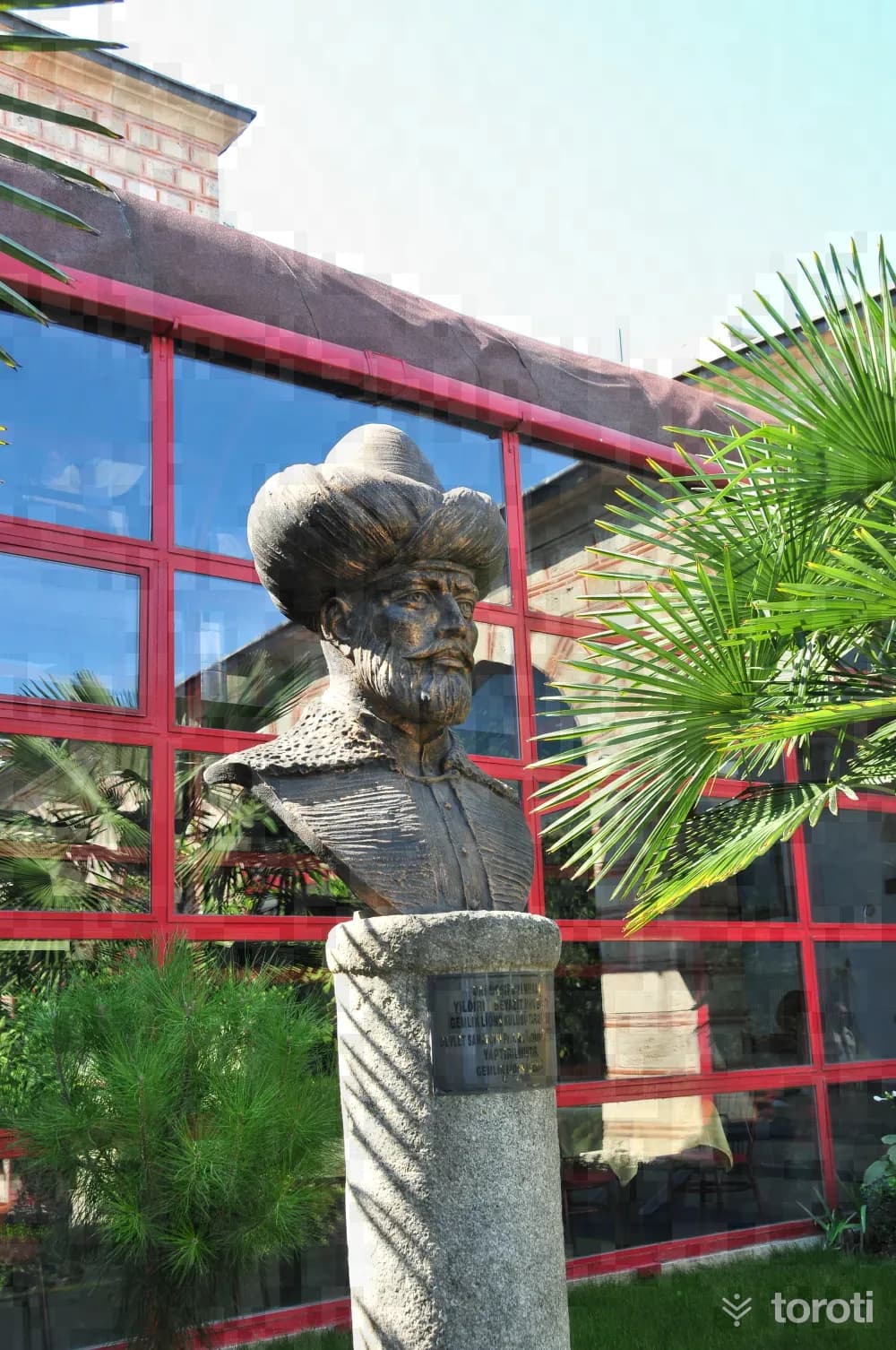
Yıldirim Medresesi
It was commissioned by Yıldırım Bayezıd in 1399 and was last restored in 1948. The madrasa reflects a plan scheme consisting of cells behind arcades surrounding a rectangular inner courtyard on three sides, together with the entrance space and a large domed classroom directly opposite it. In terms of plan, it is arranged on a rather long area compared to other madrasas. Built of stone, the entrance space covered with a dome has a rectangular plan.
45 minutes
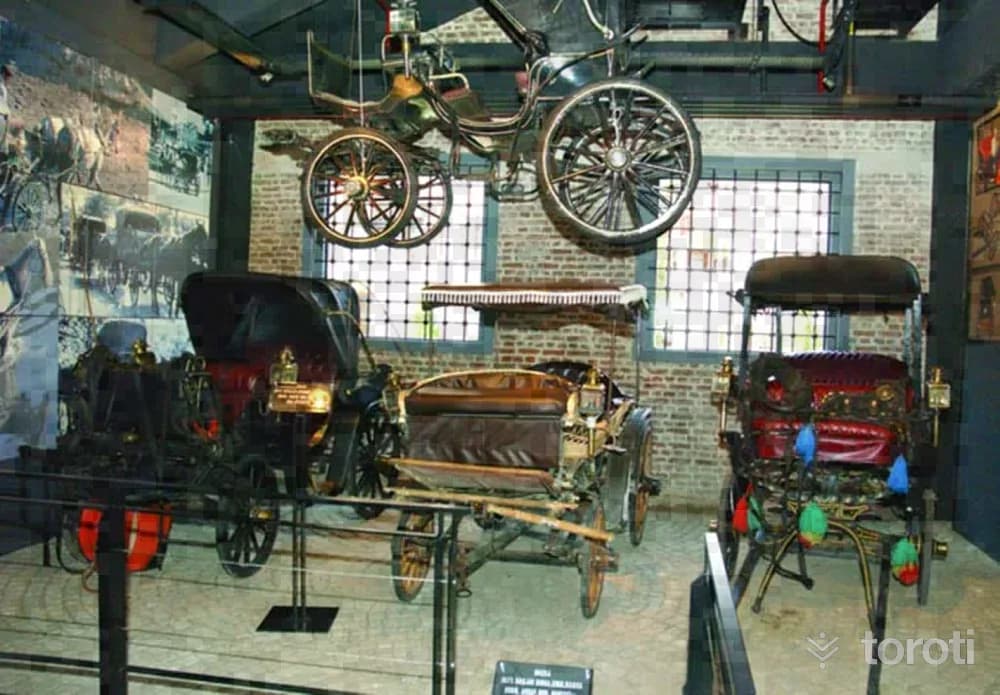
Tofaş Bursa Anadolu Arabaları Müzesi
Tofaş Bursa Anadolu Arabaları Müzesi is Turkey's first and only Anatolian Carriages Museum. The silk factory in Umurbey Mahallesi, belonging to the İpeker Family and established on a total area of 17 thousand 000 square meters, was restored by Tofaş and opened to visitors as a museum on 28 June 2002. The carriages in the museum are the vivid and influential cornerstones of the thousands-of-years-old carriage industry and culture in Anatolia, and valuable and meaningful products of Anatolian design history.
45 minutes
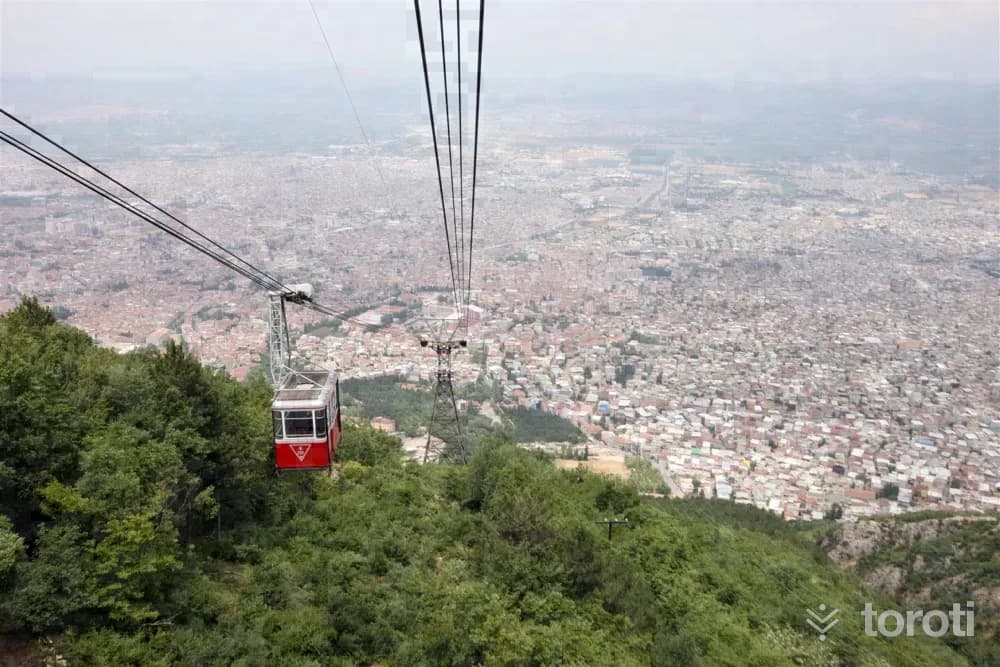
Bursa Teleferik
Bursa Teleferik, Turkey’s first cable car, operated with the same technology from the day it opened (29 October 1963) until 2012. On 7 June 2014, its technology, infrastructure and stations were completely renewed, setting out to offer a completely different journey. General Information The Tefferüç central station facility serves with its automation-guided system, spacious passenger reception hall, 240-vehicle car park, shops and cafes.
45 minutes
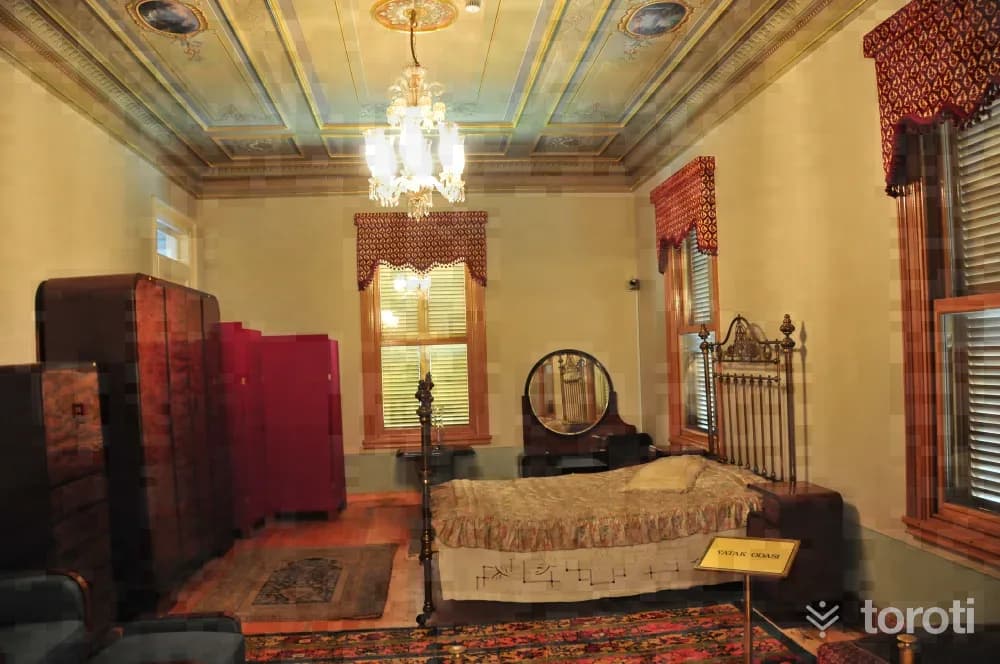
Hünkar Köşkü Müzesi
Hünkar Köşkü Müzesi was built on the foothills of Uludağ, in Temenyeri, during the reign of Abdülmecit as a hunting lodge. The pavilion was built in 1859. Abdülaziz and V. Mehmed (Sultan Reşad) also stayed in the pavilion. Mustafa Kemal Atatürk was also among those who came to the pavilion. Apart from his official visits, Atatürk stayed in the pavilion four times. The decorations inside the pavilion, whose architecture was built in the French Empire style, bear the characteristics of the 19th century.
45 minutes
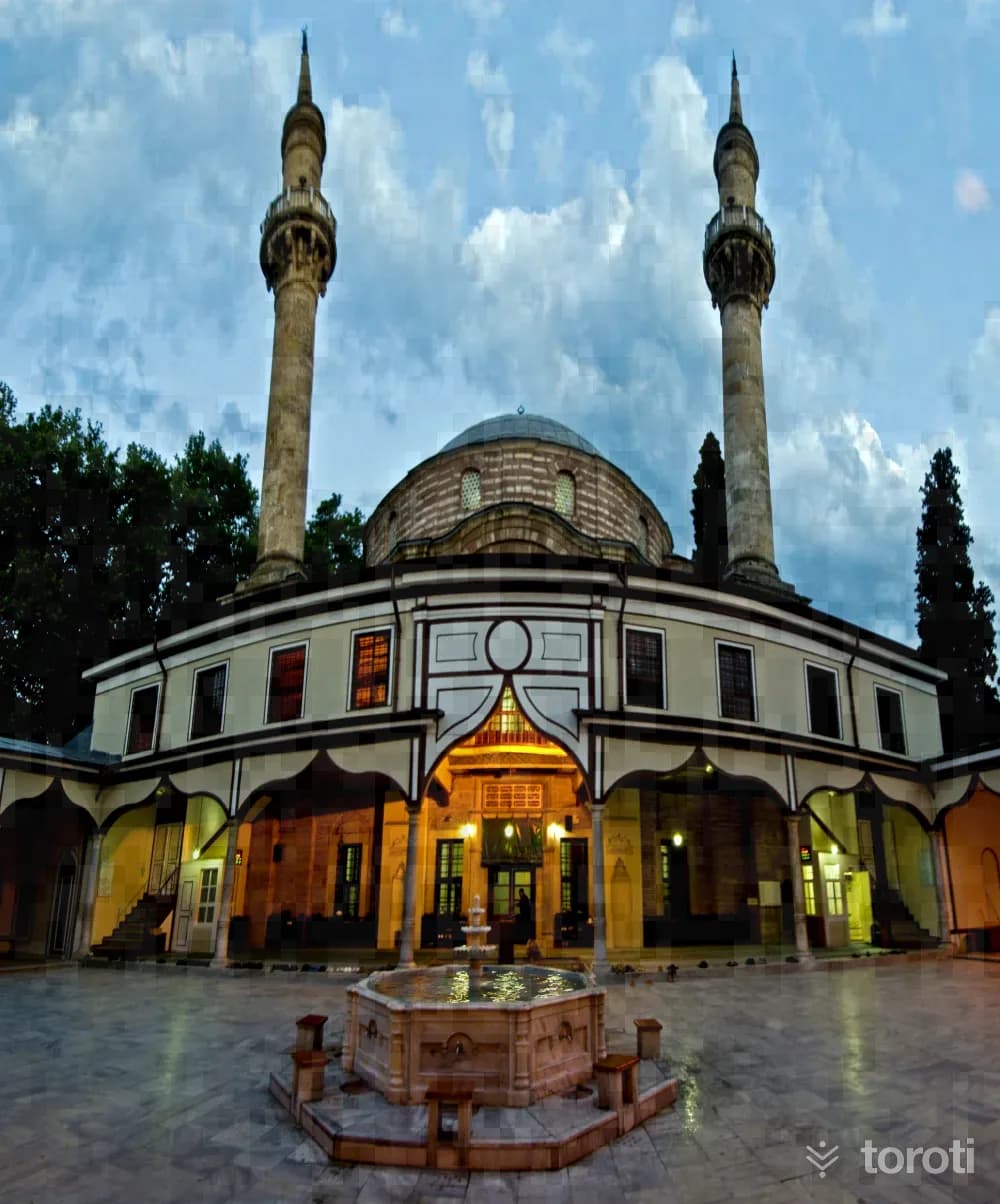
Emir Sultan Cami
Emir Sultan Mosque was commissioned by Hundi Hatun, the daughter of Yıldırım Bayezıt and the wife of Emir Sultan, upon the death of Emir Sultan, at the beginning of the 15th century, on a hill on the foothills of Uludağ to the east of Bursa. The Mosque, measuring 15.20 x 15.20 meters and built with walls of cut stone and brick, has two minarets of cut stone at its northeast and northwest corners. The mosque’s single dome rests on an octagonal drum.
45 minutes
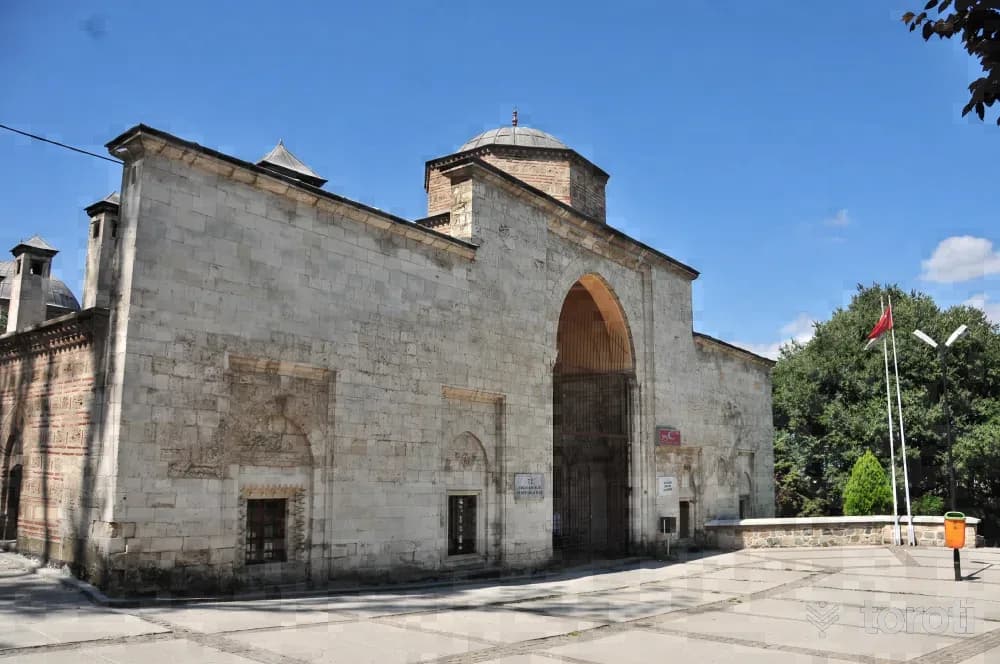
Yıldirim Darüşşifası
The building is the first Ottoman hospital. It is a part of the külliye commissioned by Yıldırım Beyazıt in 1390-1394. Its material is stone and brick. The building consists of a row of porticoes carried by arches resting on brick piers, and rooms and halls lined up behind it. The deep cells on both sides of the entrance gate are the waiting places for patients for their initial application. The room on both sides of the entrance was reserved for physicians and pharmacists.
45 minutes
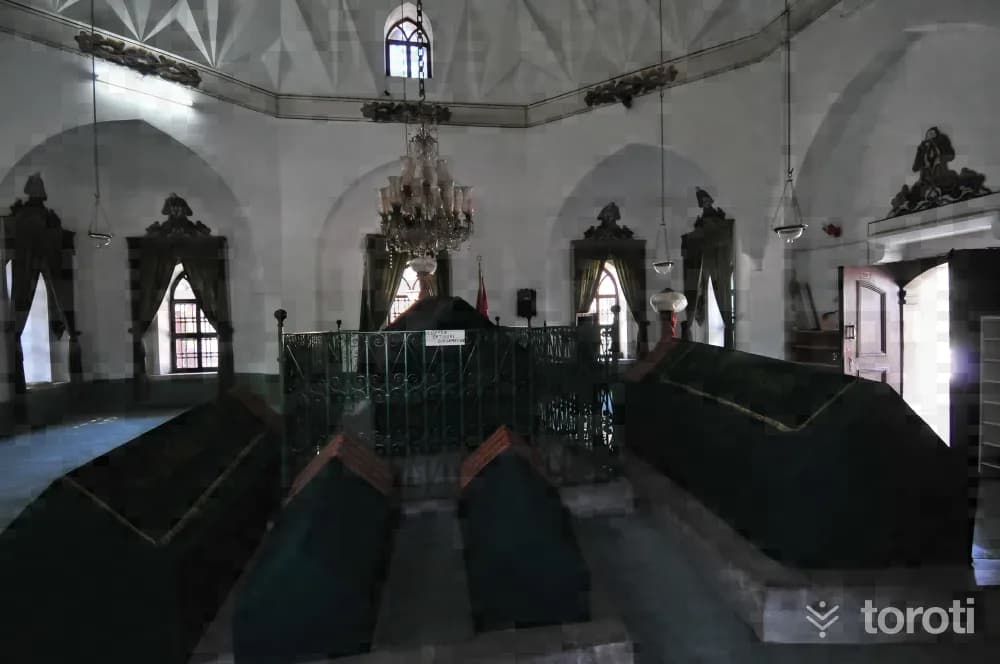
Yıldirim Bayezid Türbesi
Yıldırım Bayezid, who died in 1402, was first buried in the Şeyh Mahmut Hayrani Tomb in Akşehir, and later brought to Bursa and buried in this tomb. The structure, which generally has a rectangular plan scheme, consists of a main section with a square plan, vault transitions, and a dome with an octagonal drum on the exterior, and in front of it, a portico covered with three domes. It is the first porticoed tomb in Ottoman Architecture.
45 minutes
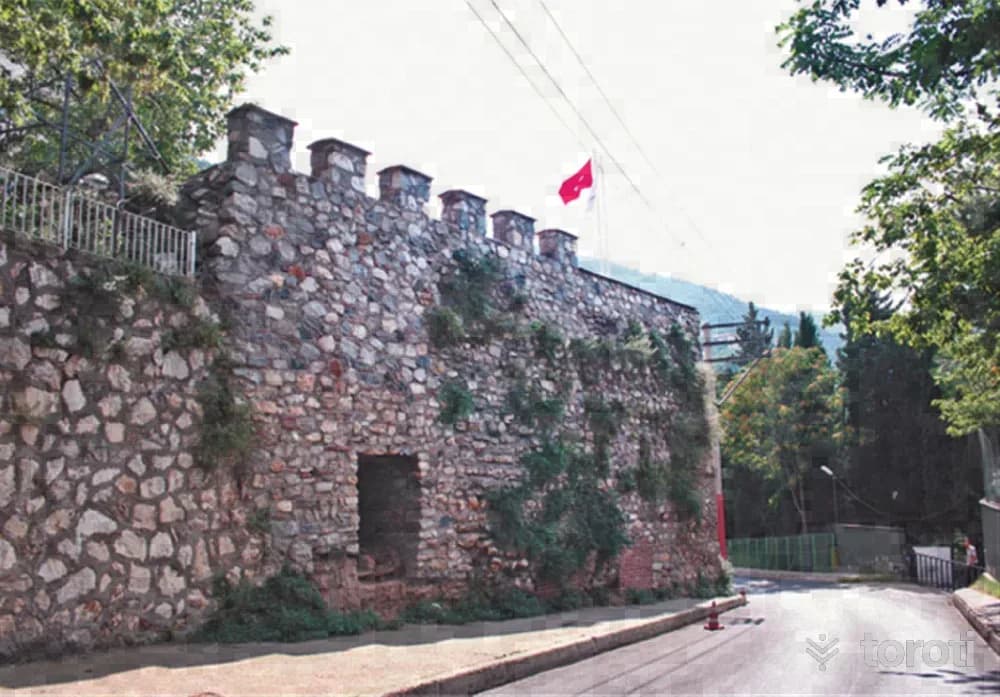
Balabancik Kalesi / Balabanbey Kalesi
Gazi Osman Bey planned to turn toward Bursa after Bilecik, İnegöl, Sakarya and Yenişehir. Since Bursa Kalesi, surrounded by steep rocks, could not be easily taken, Osman Gazi built two observation points, which we call havale towers, one on the hill to the east of the city and the other near the hot springs to the west of the city, and blockaded the city by controlling the entrances and exits.
45 minutes
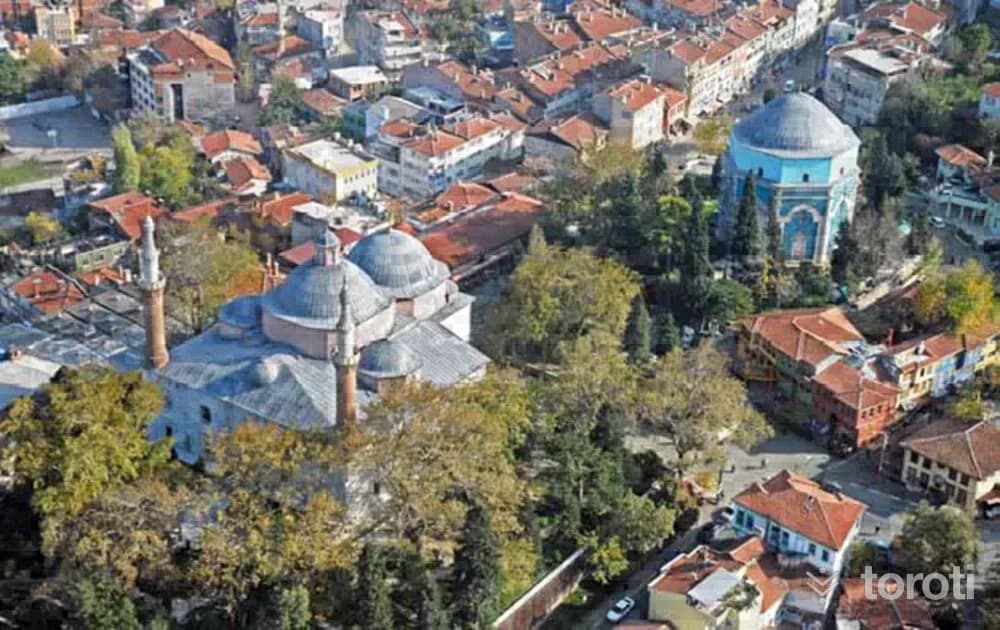
Yeşil Külliyesi
The complex of Mehmed Çelebi, who was buried in the Yeşil Türbe built in his own name in Bursa, gave new life to Bursa, which had been destroyed after Timur. It is called Yeşil Külliyesi because of the color of the turquoise İznik tiles of the tomb. The difference of Yeşil Külliyesi, which consists of a mosque, tomb, madrasa, bath and imaret, from the others is that these structures were placed freely.
45 minutes
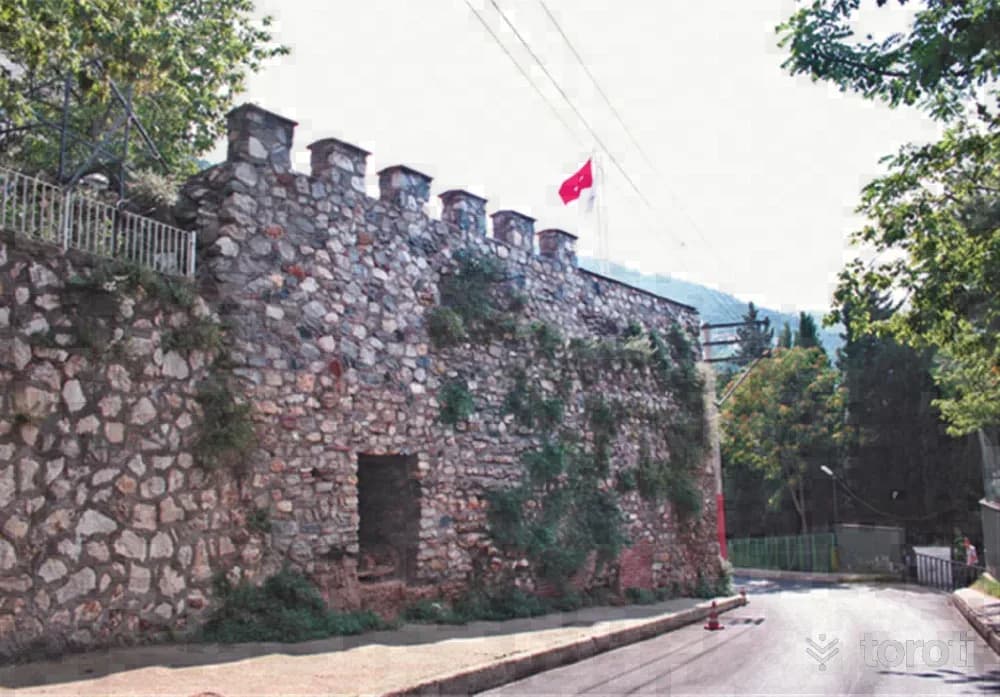
Balabancik Ve Gazi Aktimur Hisari
Gazi Osman Bey planned to turn toward Bursa after Bilecik, İnegöl, Sakarya and Yenişehir. Since the Bursa fortress, surrounded by steep rocks, could not be taken easily, Osman Gazi built two observation points, which we call havale towers, one on the hill to the east of the city and the other near the hot springs to the west of the city, and blockaded the city by controlling the entrances and exits.
45 minutes
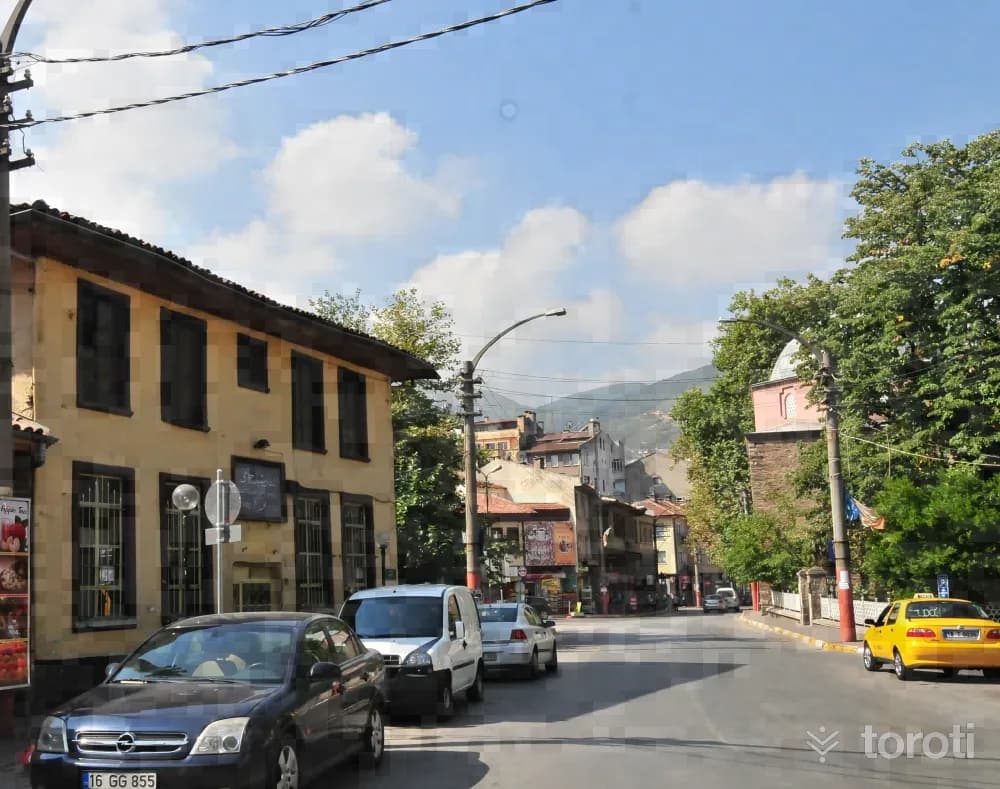
Yeşil Hamamı
The bath, located on Yeşil Caddesi, to the west of the tomb, was built to provide income for the Yeşil Medresesi, which has now been demolished. It was commissioned during the Fatih period by a person referred to by the names Sofu Bedreddin, Köse, and Türbedar Köse Ali Paşa. It belongs to the single-bath type, and the cold section is covered with a single dome. An octagonal marble pool is located in the middle. From here, there is a square space to the right of the warm section, and toilets to the left.
45 minutes
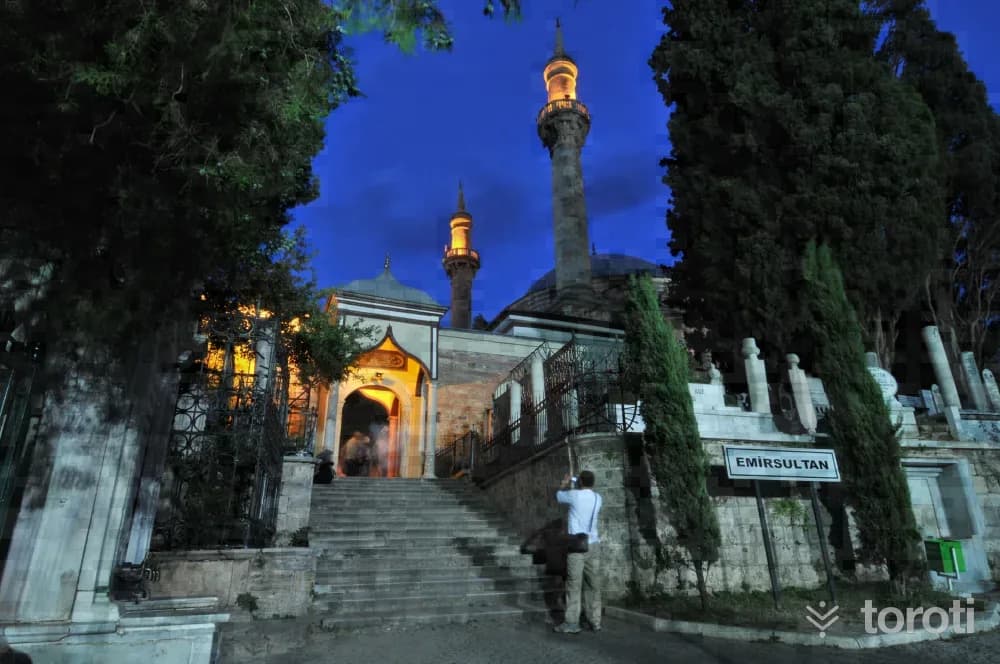
Emir Sultan Türbesi
The tomb, located in the courtyard of the Emir Sultan Mosque commissioned by Emir Sultan's wife Hundi Fatma Sultan, fell into ruin over time and was renovated in 1868 during the princely years of Sultan II. Abdülhamid. The tomb has an octagonal plan and is covered by a dome carried by a high drum. An inscription recording the repair, dated h.1285 (1868), draws attention above one of the windows facing the mosque.
45 minutes
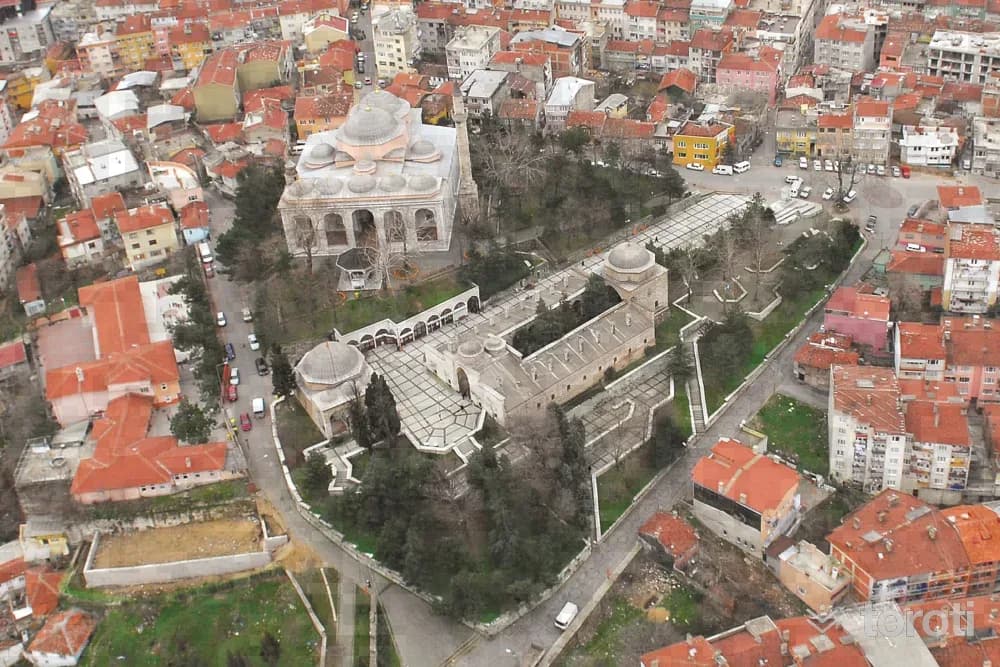
Yıldirim Külliyesi
Yıldırım Külliyesi is one of Bursa's most magnificent monuments, commissioned by Yıldırım Beyazid in the 1390s. Yıldırım Külliyesi is the first important place where the Ottoman State created, in terms of architecture and construction, a state culture and a unity of style of a quality that would go down in art history.
45 minutes
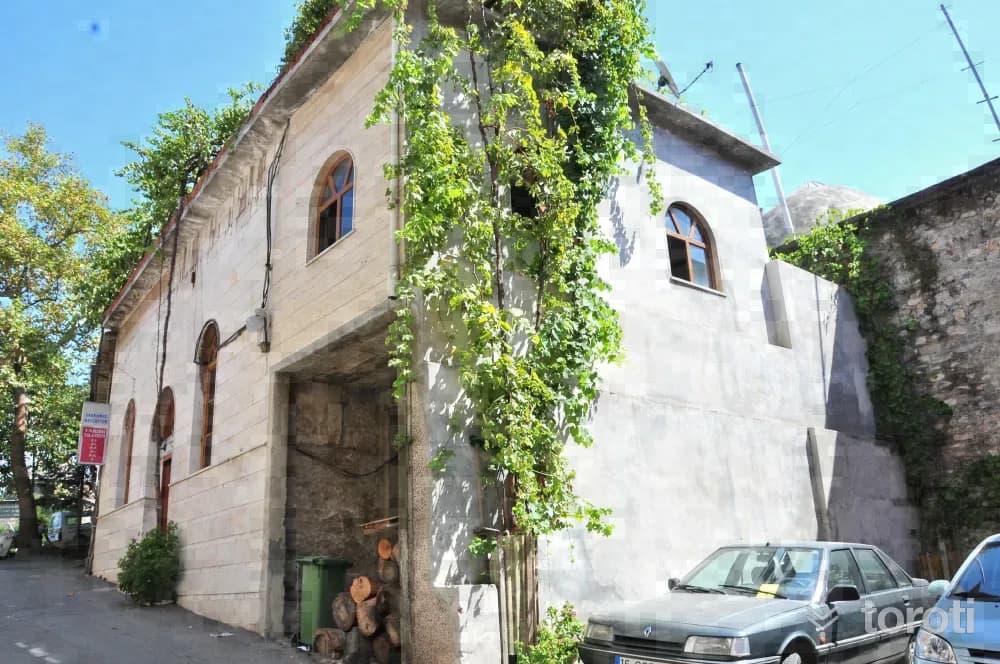
Yıldirim Hamamı
It was commissioned by Yıldırım Bayezid in the XIVth century together with its madrasa and imaret. The small, single-unit bath has a changing area covered with a dome 8.30 metres in diameter. Through one of the doors on the right, one passes into the warm section, and through the other, to the toilet. The square-planned warm section is covered with a dome approximately 4 metres in diameter.
45 minutes
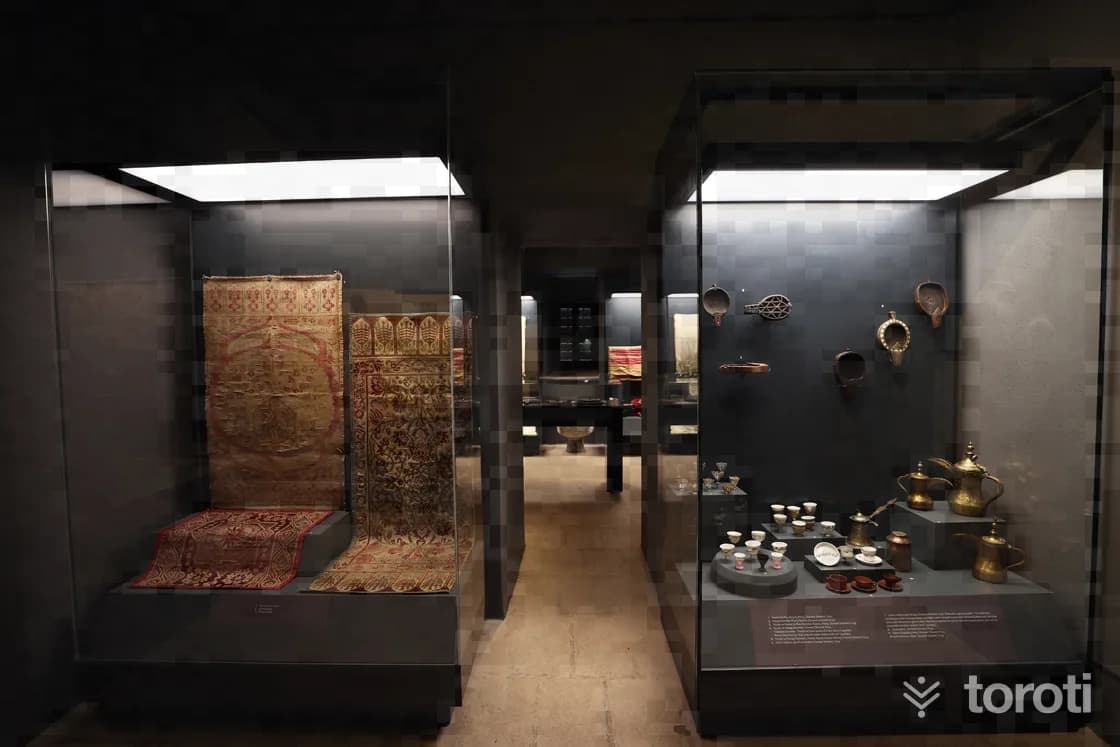
Türk İslam Eserleri Müzesi
Built in 1419 during the reign of Çelebi Mehmet as part of the Yeşil Külliyesi, Yeşil Medresesi was rearranged in 1972 and has served as the Turkish and Islamic Arts Museum since 1975. In the halls and rooms of the building, metal, ceramic, wood, embroidery, weapons, armor, handwritten books, Islamic coins, Islamic inscriptions and tombstones dating from the 12th century to the 20th century, as well as ethnographic materials from the Seljuk and Ottoman periods, are exhibited.
45 minutes
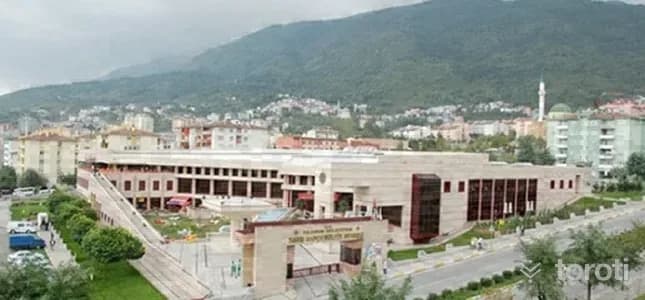
Bariş Manço Kültür Merkezi
Designed to hold cultural and artistic events in memory of one of Türkiye's unforgettable artists, Barış Manço, Barış Manço Kültür Merkezi includes a 750-seat theater, a 500-seat multi-purpose hall, cinema halls, a library, multi-purpose halls, exhibition areas, and a cafeteria.
45 minutes
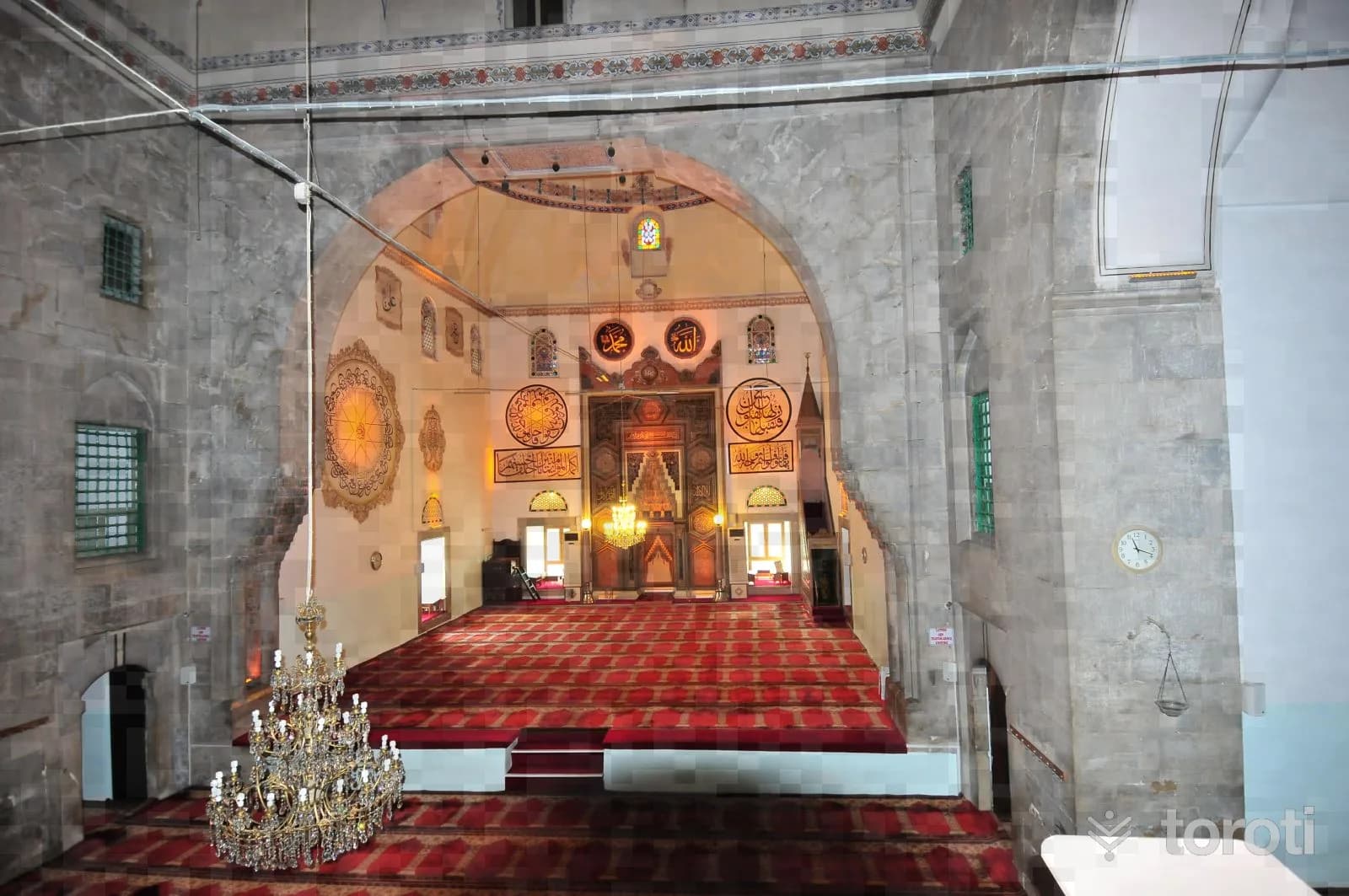
Yıldırım Beyazid Cami
Located in the middle of the Yıldırım Külliyesi, Yıldırım Cami was commissioned by Yıldırım Beyazid in the late 14th century and is one of the most striking structures in the city with its rich stone workmanship.
20 minutes
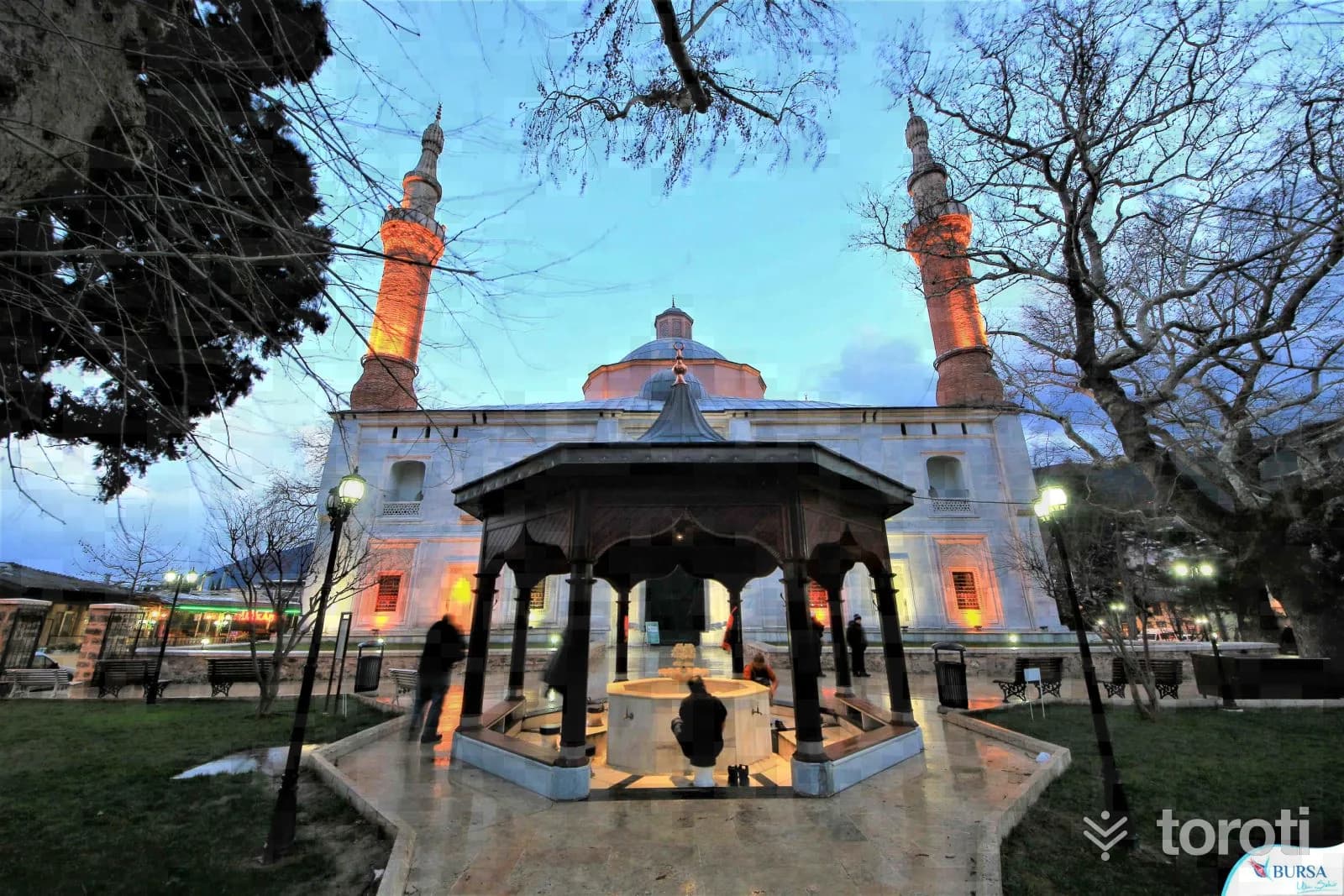
Yeşil Cami
The mosque, located in the Yeşil district, was commissioned in 1419 by Çelebi Sultan Mehmed. The architect of the mosque is Hacı İvaz Paşa. Some building materials dating from the Byzantine period were also used in the structure.
20 minutes