Places to visit
Things to do in İznik
26 destinations, each with a description, how long it takes and where it sits on the map.
In short
toroti’s catalogue holds 26 described destinations within İznik, Bursa. The themes that come up most: Faith heritage, History, Local culture, Museum, Culture, Nature.
Şeyh Kubbettin Camii ve Türbesi
It is an uninscribed grave inside the tomb. It belongs to Mehmet Muhyiddin bin Kutbeddin-i İzniki. His father is the famous Şeyh Kutbeddin-i İzniki; we have no information about his place and date of birth. There is no clear and definite information about who commissioned the tomb and the mosque. It is suggested that the mosque was commissioned by İbrahim Paşa in 1496, and the tomb by Halil Paşa. The original mosque has been demolished.
30 minutes
Hagios Tryphon Kilise Kalıntısı
Today, the church in İznik is in a very ruined condition, and its original name and history have not been definitively clarified. According to its plan type, material, and wall construction technique, it is dated to between the 11th and 13th centuries. According to Byzantine sources, Emperor Theodoros II of the Empire of Nicaea ordered the rebuilding of the previously existing church of Saint Martin Tryphonos in the city.
20 minutes
Böcek Ayazma Kilisesi
A Greek inscription reading “Christian Emperor, exalted King Michael Kulesi” and, on its inner surface, a Hebrew inscription engraved with the meaning “He gives what is good to every flesh. For his grace is eternal.” taken from the Torah. The structure, which belongs to the Byzantine period of the 6th century, was initially built as a baptistery and was later used as an ayazma.
30 minutes
İznik Roma Tiyatrosu
On the shore of Lake İznik, the 2nd-century Roman Theatre has a capacity of 15. 000 people. The section of the ancient theatre where the audience sat and the tunnel section through which animals were released into the arena are largely still standing. It is one of the most magnificent surviving archaeological structures that can be seen in Anatolia.
45 minutes
Süleyman Paşa Medresesi
The madrasa in the center of İznik was commissioned by Prince Süleyman, the eldest son of Orhan Gazi, who was known by the titles “Conqueror of Rumelia.” The exact construction date of the madrasa, which has no inscription stone, is not known; it is estimated to have been built between 1335-1359.
30 minutes
İznik Surlari
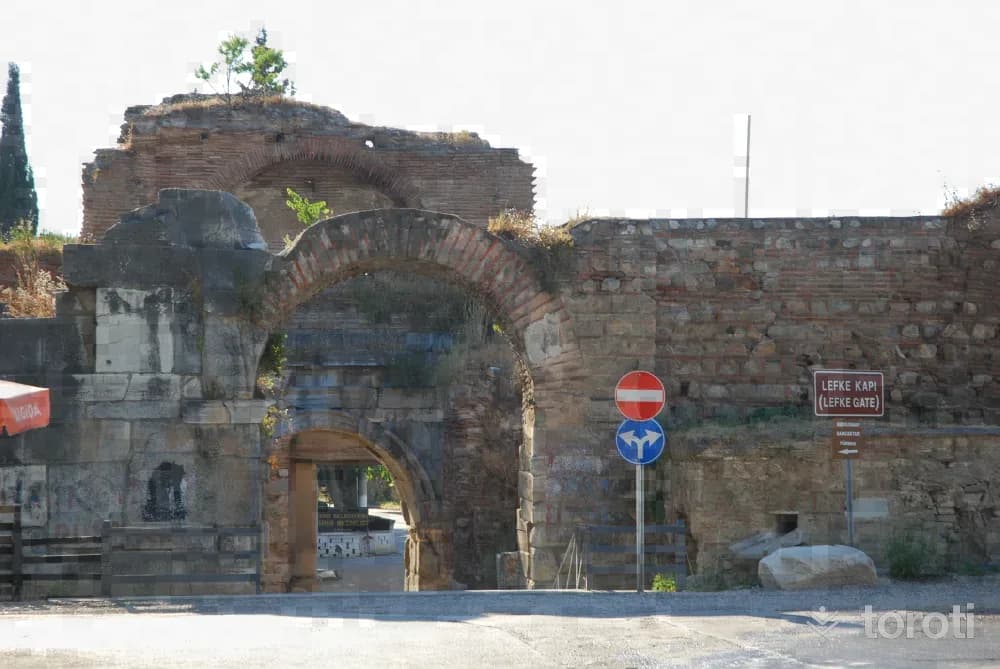
The walls, whose construction began in the Bithynia Period (4th century BC), took their present form with new additions in the Roman and Byzantine periods. The walls, which surround İznik in the form of a pentagonal polygon, are approximately 4 thousand 970 meters long. On the walls, whose height varies between 10-13 meters, there are 114 round and square bastions. When viewed from the point where İznik’s two main streets intersect, four main gates are visible.
45 minutes
İznik Ayasofya Camii
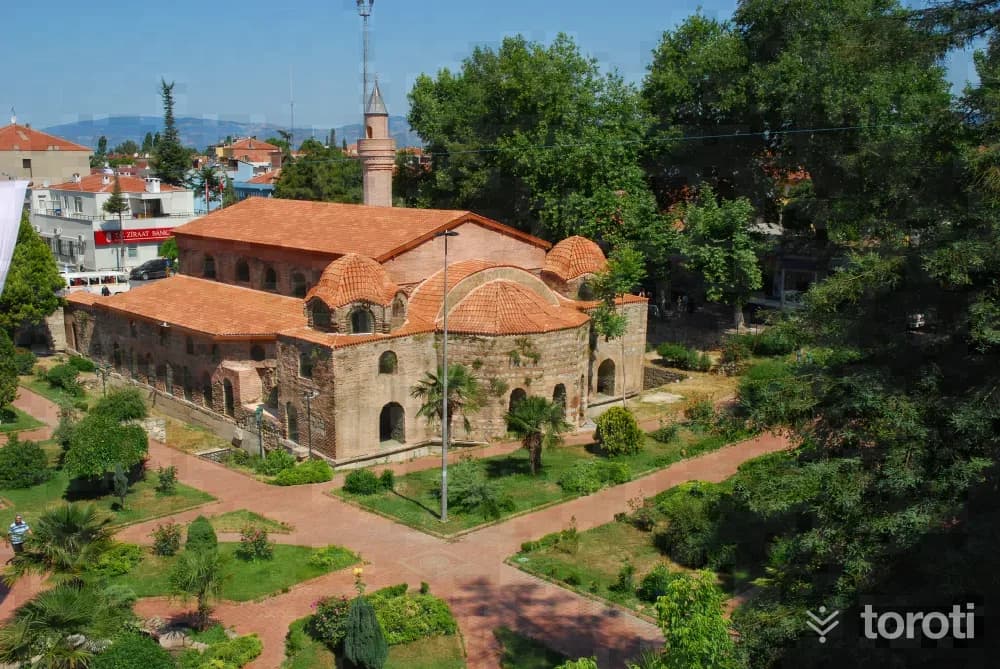
The Ayasofya sanctuary, an important structure in terms of world history, was first built as a basilica in the Byzantine Period on the Gymnasium constructed by the Romans in the 7th century AD. It was renovated after the earthquake in the 11th century. It has three naves. The structure, which was converted into a mosque in 1331 by Orhan Gazi with the conquest of İznik, was renovated by Mimar Sinan during the reign of Kanuni Sultan Süleyman.
45 minutes
EşrefzÂde Cami Ve Türbesi - Eşrefi Rumi Camisi
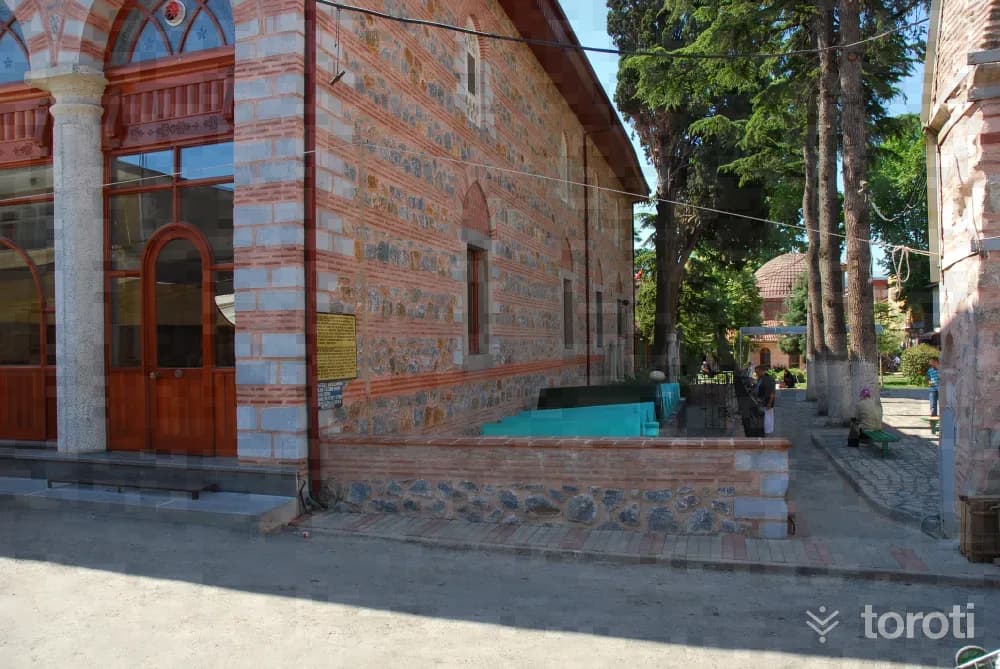
The building complex bearing the name of Eşrefzade today consists of a mosque, on its west a hazire adjoining it and containing eleven adjacent eleven sarcophagi, the building of the religious officials’ aid association, and the minaret to the northwest separate from the mosque. The mosque, which was devastated by the Greeks during the War of Independence, was rebuilt in 1950 in dimensions similar to the original. The information regarding the construction date of the mosque is contradictory.
45 minutes
I. Murad Hamamı
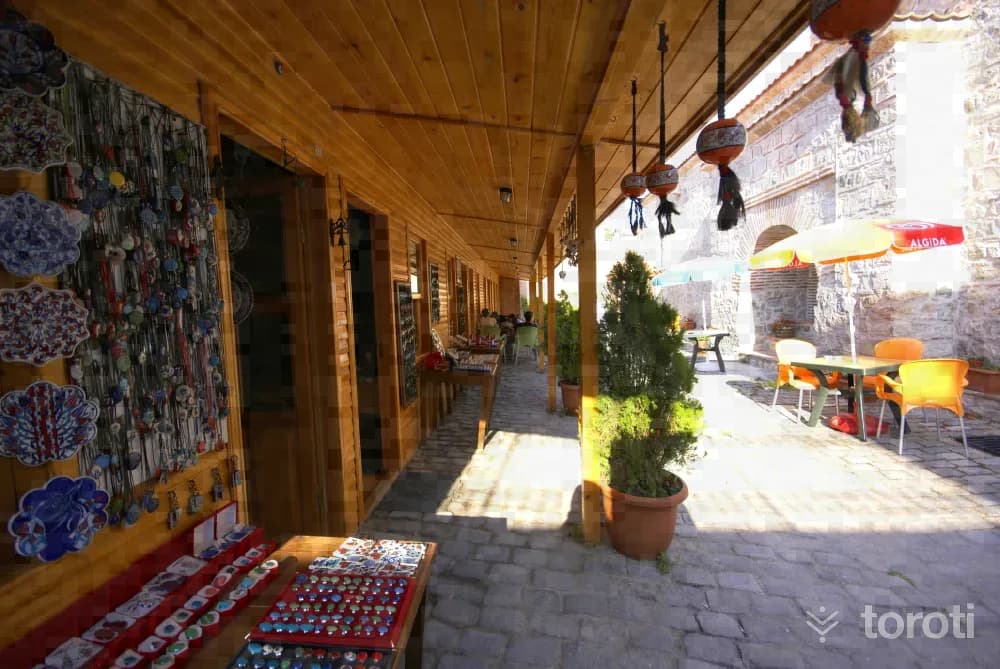
The men's section of the double bath is used as a municipal warehouse. Other structures are attached to the north facade of the bath, some of whose spaces cannot be entered, and to the northern part of its east facade. In the district center, on the İstanbul Kapısı road, the Double Bath is also known locally by the names Meydan Hamamı or Eski Hamam. Its inscription could not be found. In terms of its architectural and ornamental features, it is accepted to have been built between the second half of the 14th century and the first half of the 16th century.
45 minutes
Alaaddin-i Misri Türbesi
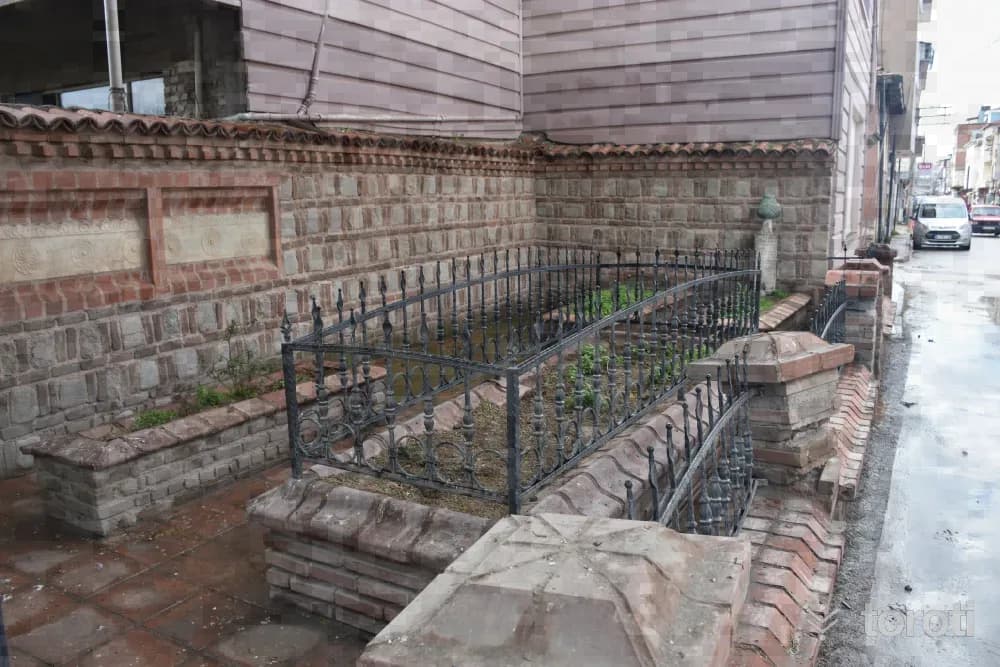
It is known that Orhan Gazi, who conquered İznik, attached importance to education in science and religion, had the Ottomans' first madrasa built here in the name of his son Süleyman Paşa, and that many scholars were trained here. Alaaddin-i Mısri taught at Süleyman Paşa Medresesi and contributed to the education of many young people.
45 minutes
Böcek Ayazma Kilisesi
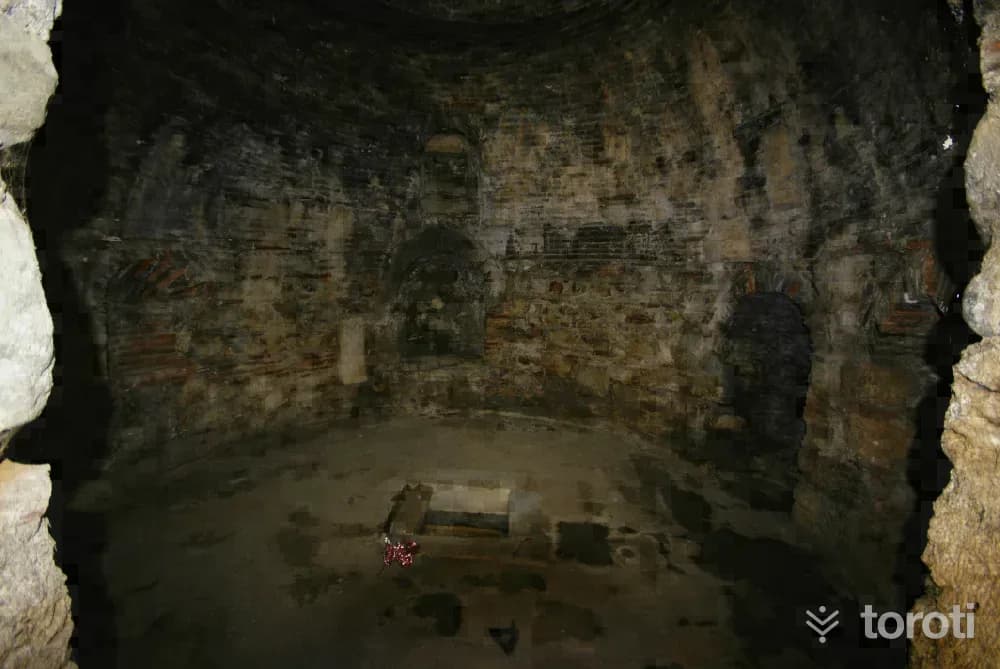
It is on Yakup Çelebi Sokağı, to the east of Koimesis Kilisesi. The Baptisterium in the garden, separated by a wall at street level, iron railings and a gate, is descended into from the west by an 11-step staircase. The entrance section is 2,55 metres high and is bounded above by an architrave. Above this is a pediment bounded by an arch built of brick.
45 minutes
İznik Roma Tiyatrosu
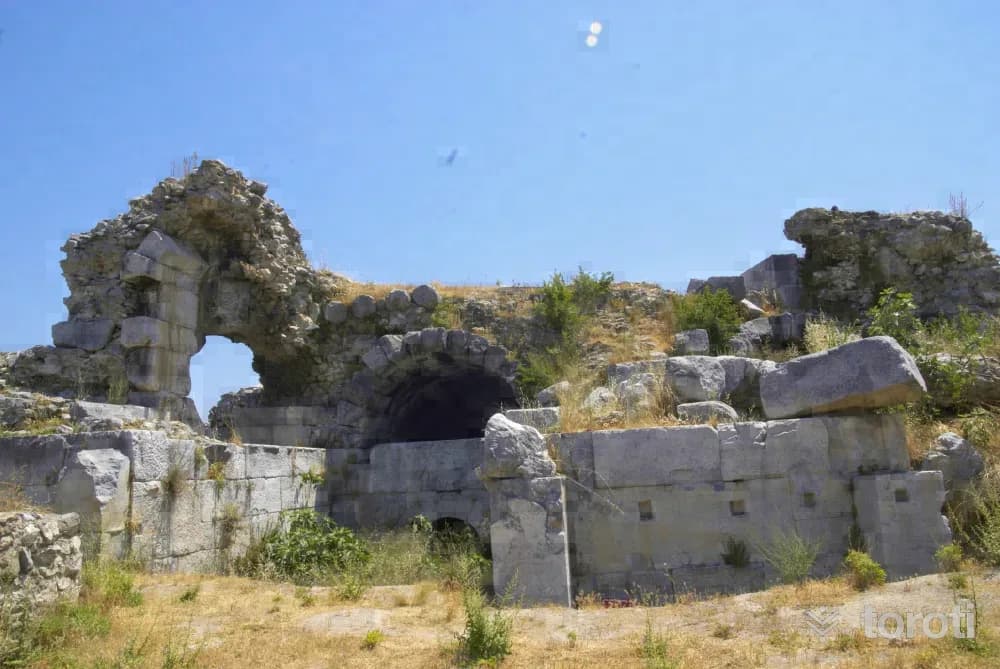
Some bastions in the northern city walls were built with cut stones belonging to the theater. The theater was sacrificed for the defense of the city. Its seating steps, outer walls, arches and vaults, especially its stage, were damaged beyond repair. The remaining sections continued to be dismantled from their places for a while to be used in new gates.
45 minutes
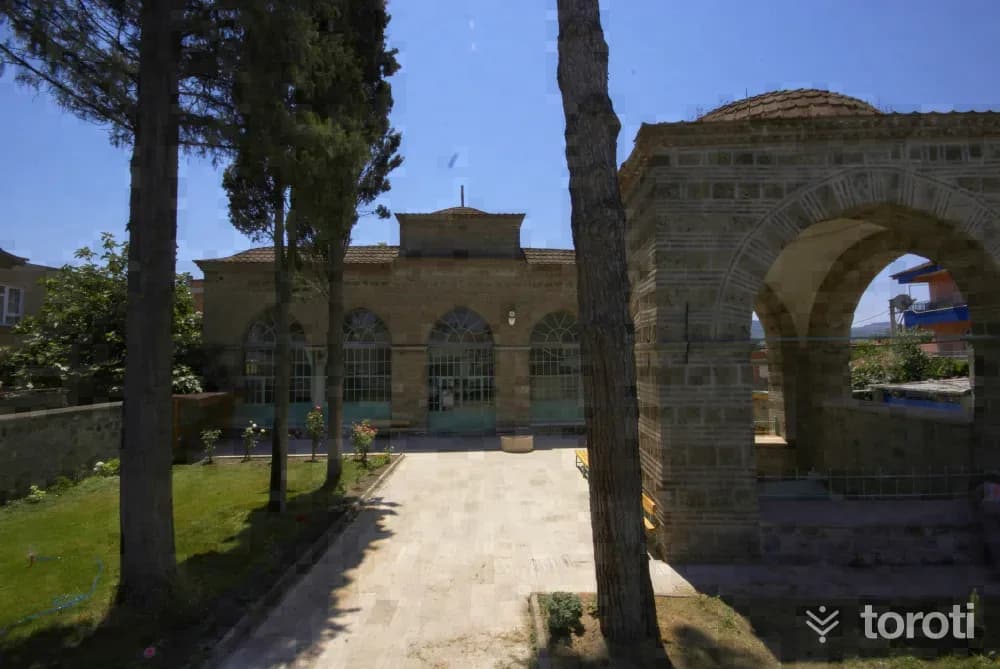
Yakup Çelebi Cami Ve Türbesi
It was commissioned by Yakup Çelebi, the son of Murat I, in the late 14th century and early 15th century. The structure consists of entrance and prayer spaces extending consecutively in the north-south direction, two side wings adjoining the entrance on the east and west, and the last congregation area to the north. Its annexes cover 500 square meters, and its interior area is 290 square meters. The mosque has a square plan and a domed roof with triangular transitions.
45 minutes
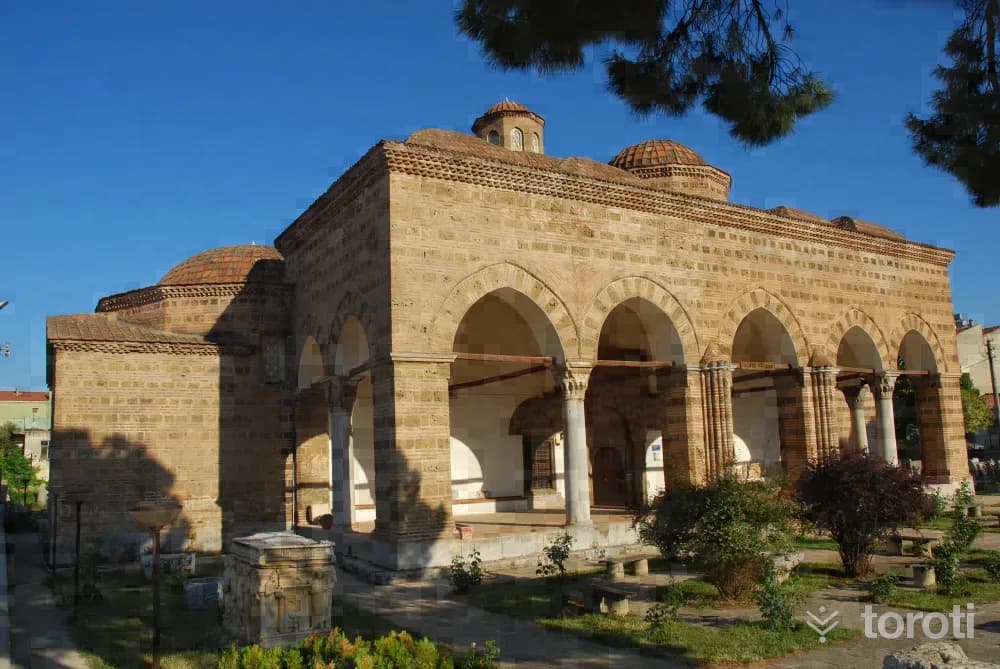
İznik Nilüfer Hatun İmareti Türk İslam Eserleri Müzesi
The imaret and zaviye in İznik, commissioned by her son Murat I (1362 - 1389) in memory of Nilüfer Hatun. Today, it functions as the Museum of Turkish and Islamic Works. There is a marble inscription measuring 0,48 x 1,51 meters above the door on its eastern facade. The structure consists of entrance and worship spaces following one another in the east-west direction, two side wings adjoining the entrance space to the north and south, and the last congregation area on the east.
45 minutes
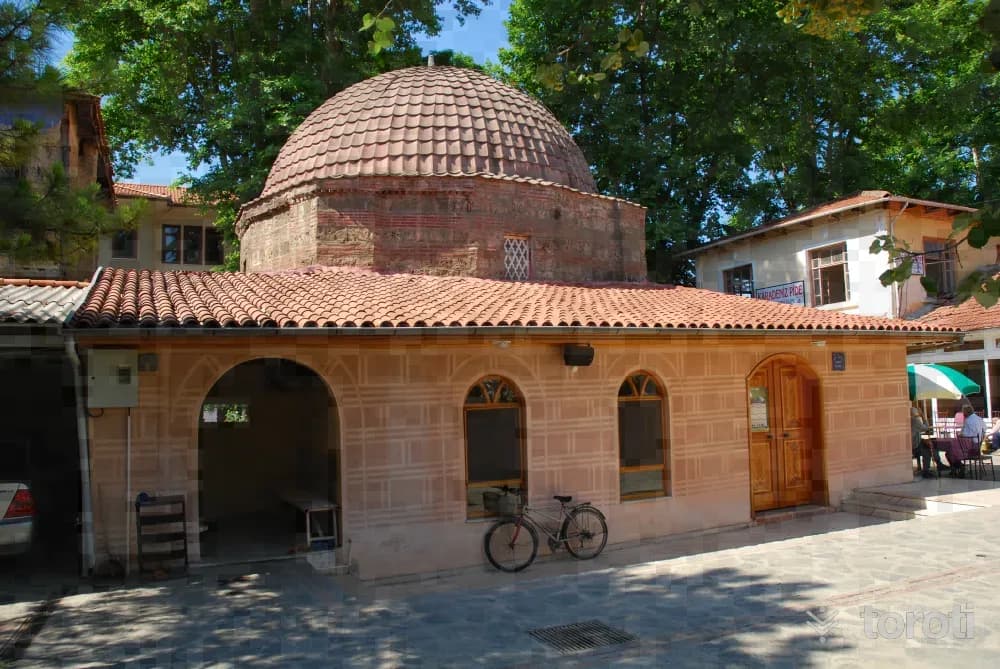
Hacı Özbek Cami
The masjid on Kılıç Arslan Caddesi in İznik is the oldest Ottoman masjid with an inscription stone and dome. It was commissioned by Hacı Özbek Bin Muhammed in 1333-1334. A new last congregation area was added to its north in 1940 to the last congregation area on its west. The main building has a rectangular plan in the east-west direction. The main prayer area, which has a square plan, is covered with a dome. On the south wall, on the axis, there is a rectangular mihrab niche projecting inward, with molded corners.
45 minutes
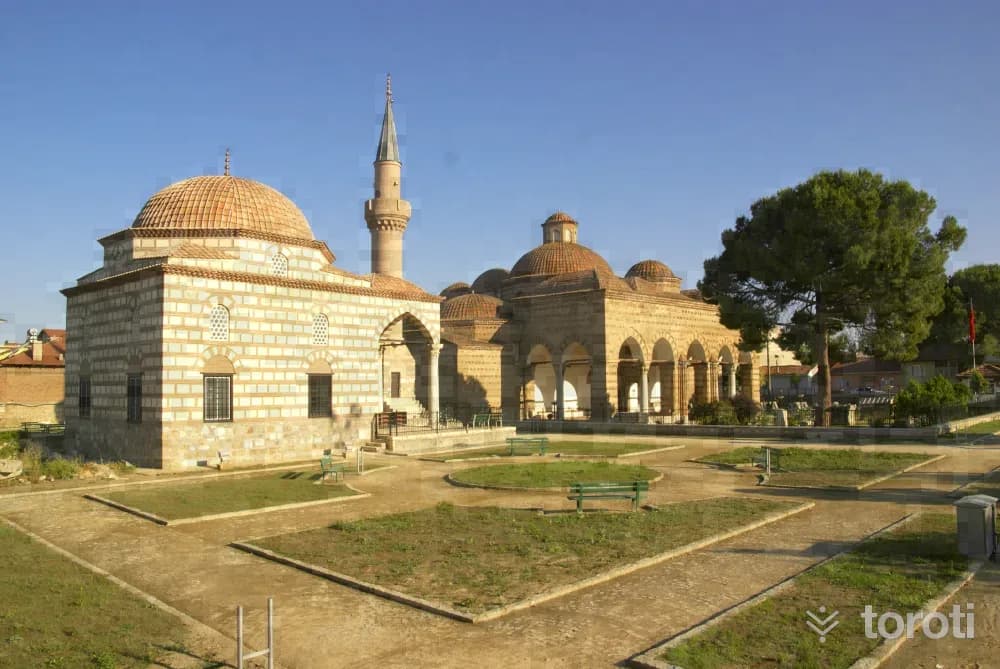
Şeyh Kutbuddin Camii Ve Türbesi
In the center of İznik district, opposite Nilüfer Hatun İmareti, there is a mosque and an adjoining tomb. In the tomb is the grave of Mehmet Muhittin. Mehmet Muhittin is the son of the famous Şeyh Kutbuddin-i İzniki; there is no information about his place and date of birth. The entrance of the square-planned tomb with a pendentive dome is on the east wall, to the south of the axis. There is one window on the axis in the north, south and west walls, and one window on the east wall to the south of the axis.
45 minutes
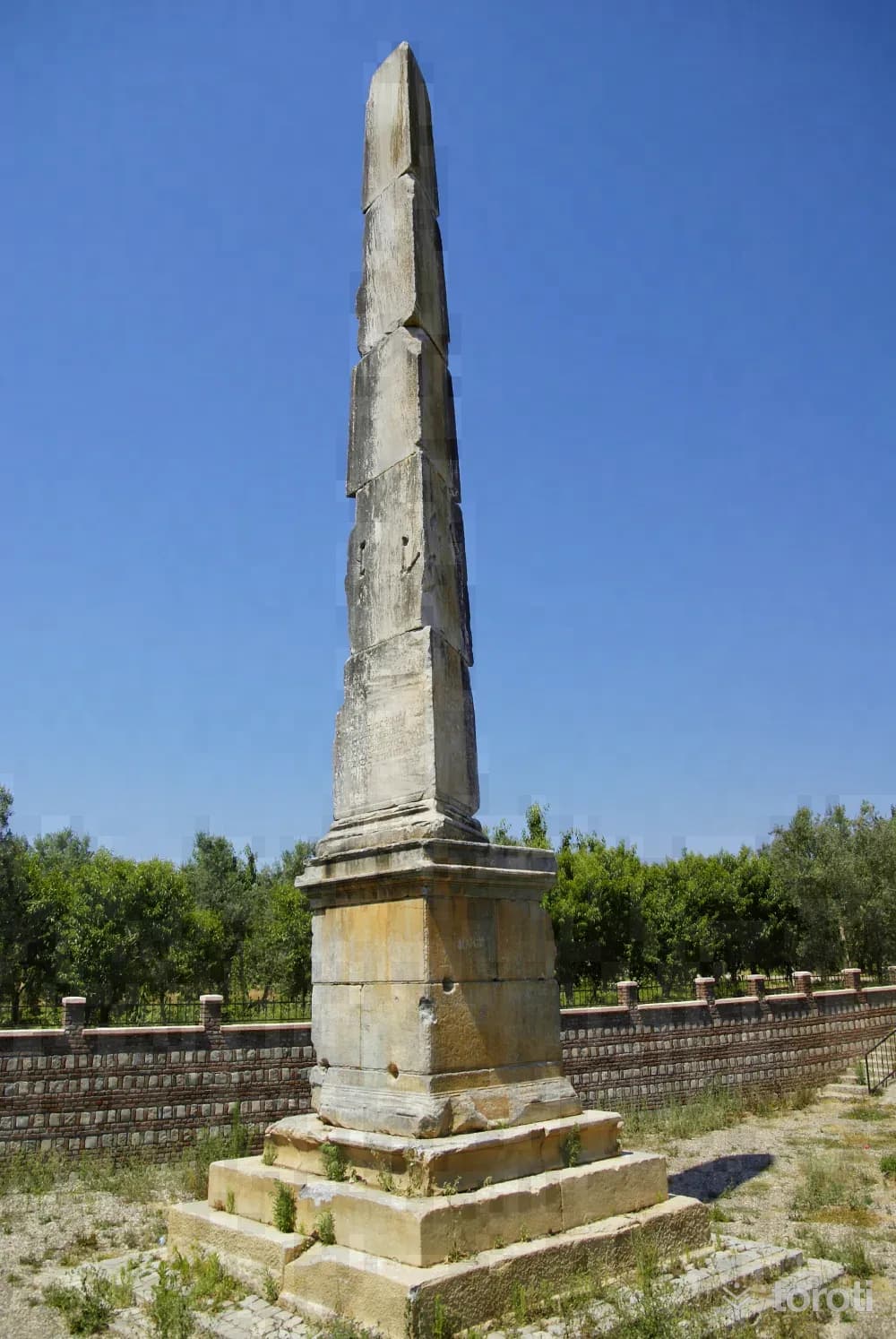
Dikili Taş / Obelisk
Asklepiodos’un oğlu L. Cassius Philiscus anısına II. yüzyılda dikilmiştir. Kare prizma bir kaide üzerinde, altta kalın ve üstte doğru düzenli bir biçimde incelerek yükselen, bu görünümüyle bir kama veya meç izlenimi uyandıran anıtın, başlangıçta 6 parça ve 15.5 metre yüksekliğinde olduğu ve ucunda bir “kuş’’ heykelciğinin bulunduğu öne sürülmektedir. Zamanla en üsteki kuş heykelciği bir nedenle yok olmuştur.
45 minutes
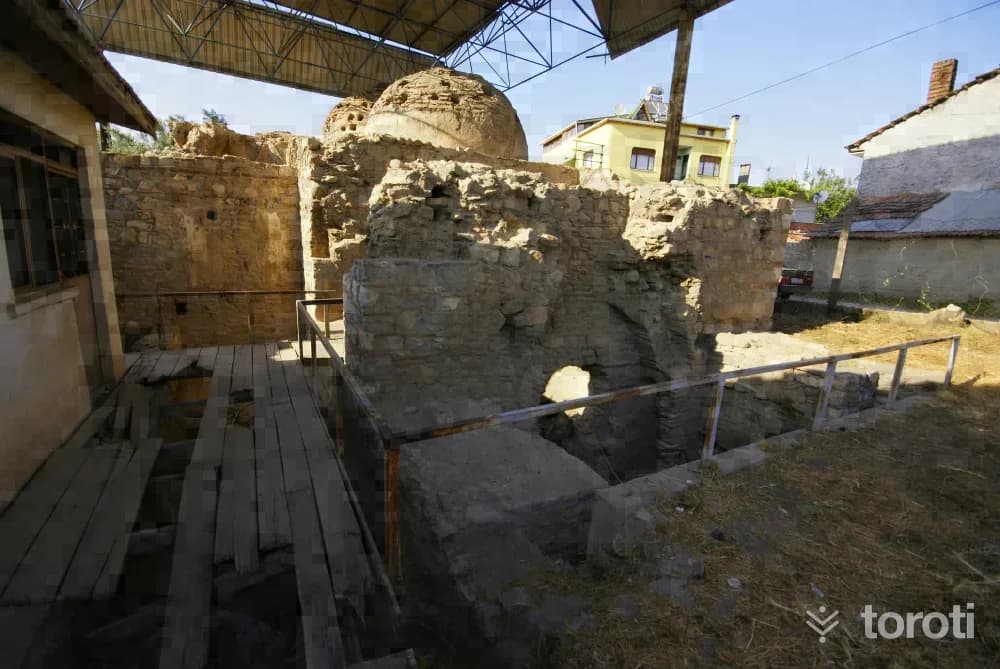
İsmail Bey Hamamı
The exact construction date of the double bath ruin and the person who commissioned it are not known for certain. Although there are those who argue that it is a structure from the Seljuk Period, it is more widely accepted that it is an Ottoman structure built in the 14th century. With the characteristics of its architectural structure, it has a distinguished place in the history of Turkish architectural art.
45 minutes
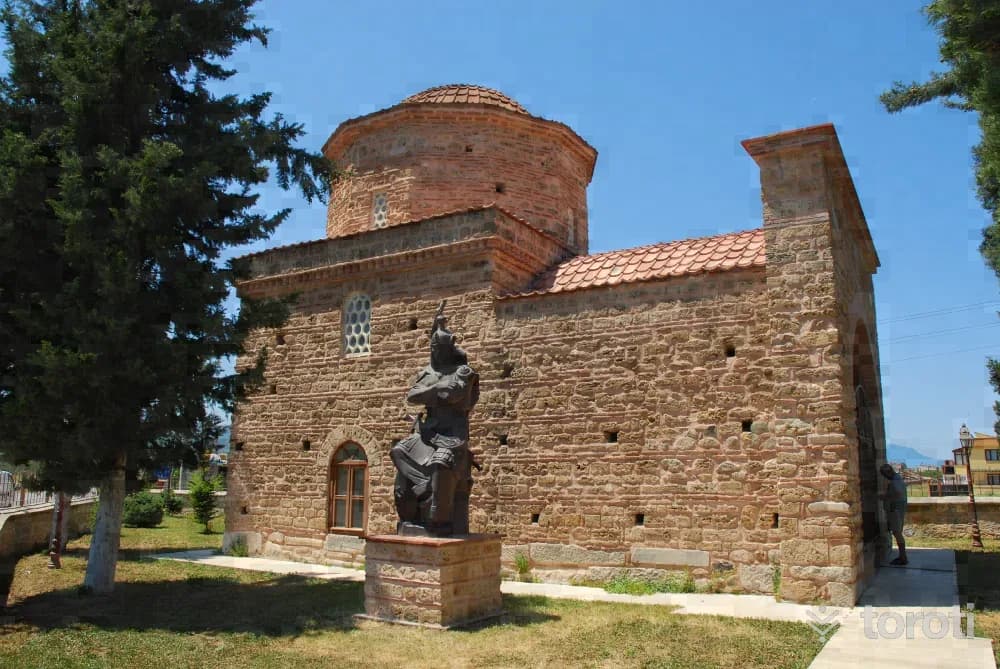
Kirgizlar Türbesi
It is not known for certain when the tomb was built or in whose name or names it was built. However, it is thought to be a structure dating from before the Ottoman conquest of İznik. Inside, there are seven large sarcophagi and one child's sarcophagus. The tomb consists of two nearly equal-sized, square-planned spaces aligned on the north-south axis. These two spaces are connected by a profiled door in the middle of the shared wall. The southern space is covered with a dome.
45 minutes
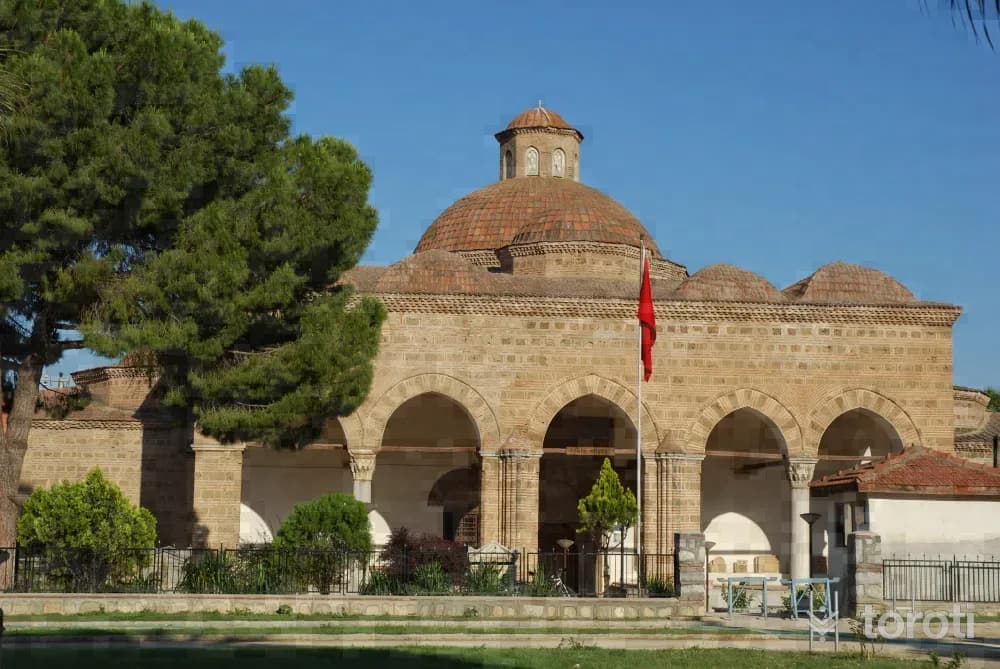
İznik Müzesi (nilüfer Hatun İmareti)
It was built in 1388 as an imaret in memory of Nilüfer Hatun, the mother of Sultan Murat I. The building, which was used as a depot for various needs during the Republican period, was restored and opened to visitors as a museum in 1960. It is one of the fine examples of 14th-century Ottoman architecture. The “T” plan in Ottoman architecture is seen for the first time in this structure. There is an inscription on the entrance gate of the structure, which begins with a portico covered by domes and vault arches.
45 minutes
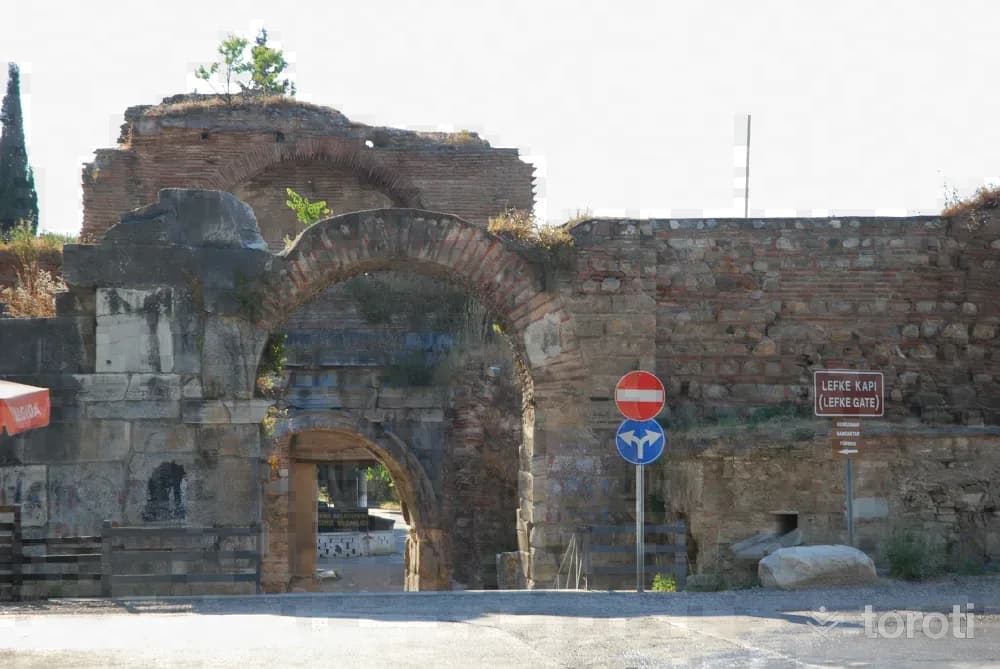
İznik Kalesi
The history of İznik Kalesi dates back to 258 B.C. At İznik Kalesi, there are, respectively, the İstanbul, Yenişehir, Lefke and Göl gates. It also has 12 secondary gates. Its length is 4970 meters. In order to strengthen the resistance of the walls, which are 10-13 meters high, 114 round-plan bastions were built. The older bastions are round, while the newer ones are four-cornered. In addition, there are 131 bastions on the defense line located in front of the walls.
45 minutes
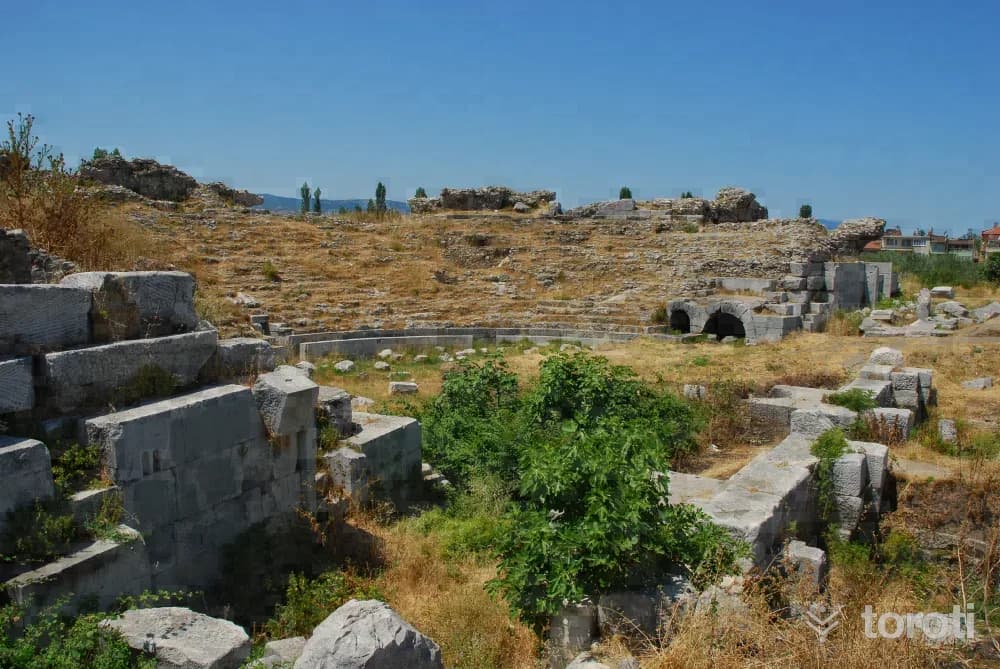
İznik Roma Tiyatrosu
It is located in the southwest of İznik city center. It is also called the old palace. It was built in the Roman period. Since İznik Ancient Theater was established on a wide and flat area, its seating areas have 19 vaulted galleries. The theater was built during the reign of Emperor Trajanus. Part of the audience area has survived to the present day. It has been understood that the stones of the theater were used especially in the repair of the walls.
45 minutes
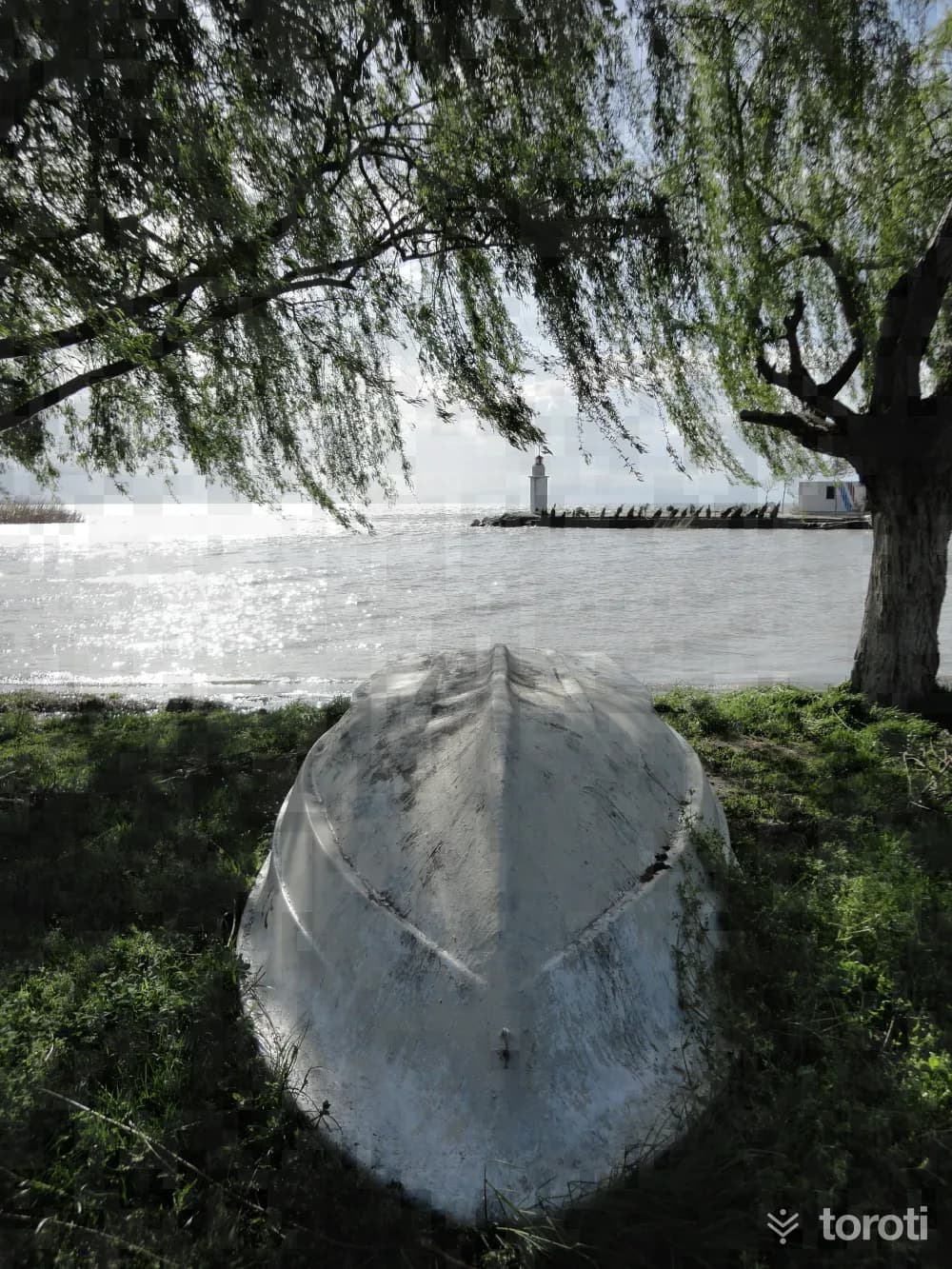
İznik Gölü
Lake İznik, the largest natural lake in the Marmara Region and Turkey’s 5th largest, is a tectonic freshwater lake with a maximum depth of 80 m. The area has Important Bird Area (IBA) status due to the pygmy cormorant and black-crowned night heron, which establish mixed colonies among dense reed beds. Other breeding species include hundreds of pairs of great crested grebe, squacco heron, little egret and grey heron.
45 minutes
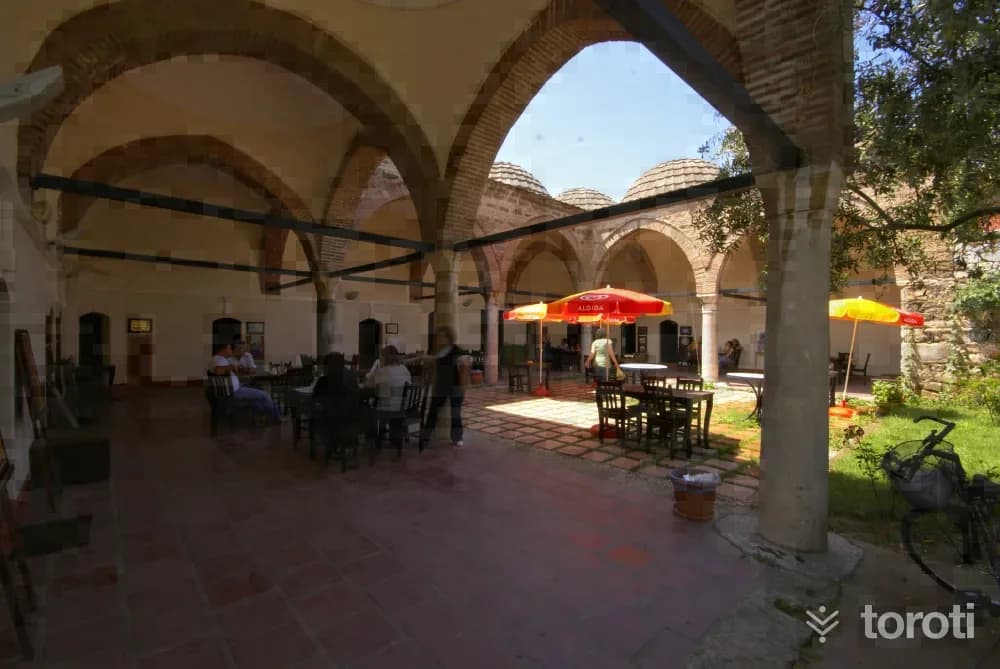
Süleymanpaşa Medresesi
Süleyman Paşa Medrese, built in 1332 by Süleyman Şah, the son of Orhan Gazi, was restored and rearranged in order to preserve the traditional art of tile-making and pass it on to future generations. In the medrese, which serves as the “Çiniciler Çarşısı,” there are nine art workshops producing ceramics, and in these workshops traditional İznik tiles are produced, the art of tile-making is taught, and they are sold.
45 minutes
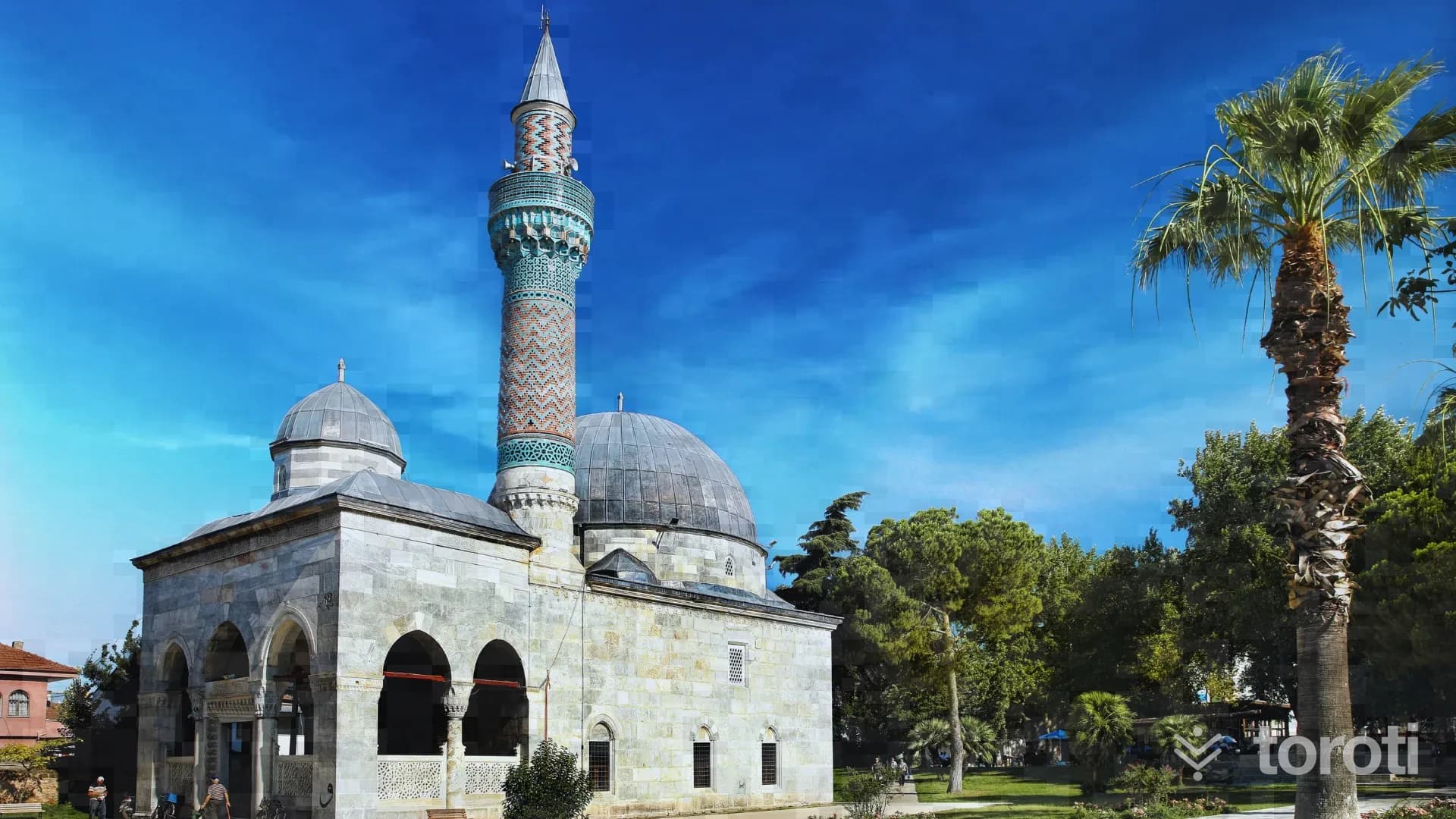
İznik Yeşil Cami
The mosque is located in the district center of İznik. Its construction was begun by Çandarlı Halil Hayrettin Paşa, one of the first viziers of the Ottoman period, and after his death it was completed by his son Ali Paşa. Two inscriptions in the mosque prove this situation.
20 minutes
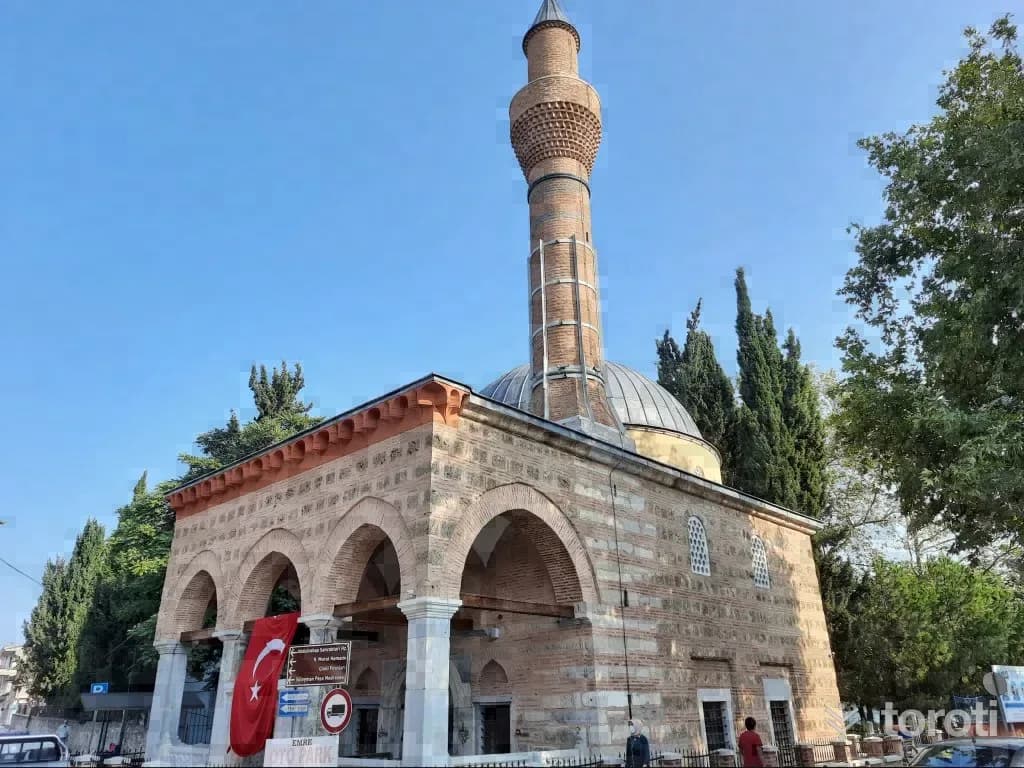
Mahmut Çelebi Cami
According to the inscription above the door arch on the northern facade of the mosque, it was commissioned by Mahmut Çelebi in 1422 - 23 during the reign of Murad II, 1421 - 1451. It is the last mosque of the Ottoman period in this city.
20 minutes