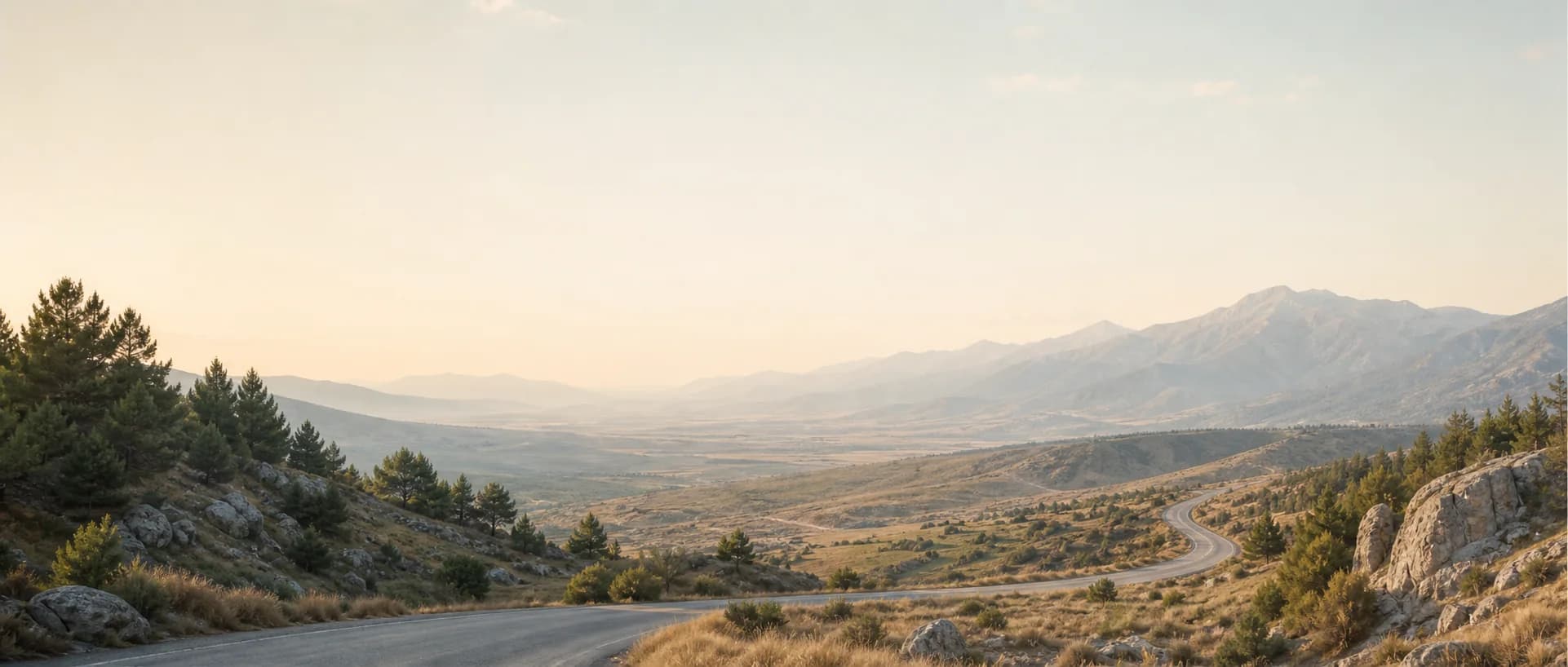
Stops along the way
Stops between İstanbul and Edirne
213 km, roughly 2 hours of driving. The stops below are ordered as you pass them — the same road in both directions.
In short
The drive between İstanbul and Edirne is 213 km and takes roughly 2 hours. There are 116 described places within 20 km of this route; it crosses 4 provinces, and the densest stretch is in Kırklareli (24 places).
There are 116 places within 20 km of this corridor; the 26 below are spread evenly along the drive.
1
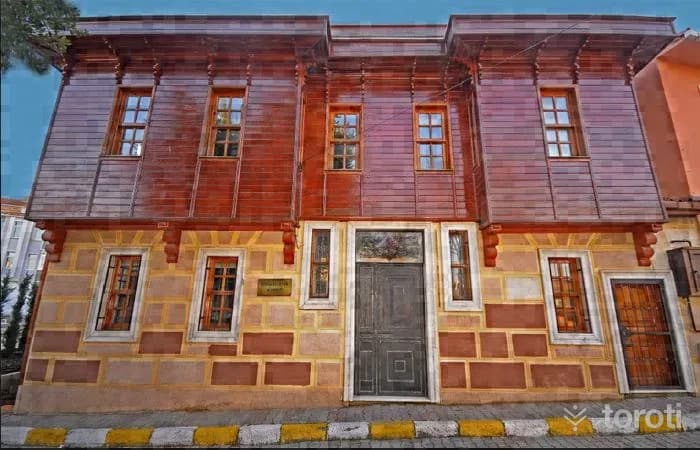
Avrupa Kültür Başkenti Mübadele Müzesi
Çatalca, İstanbul
The European Capital of Culture Exchange Museum is Turkey's first migration-themed museum, providing an important space for those nostalgic about the past.
2
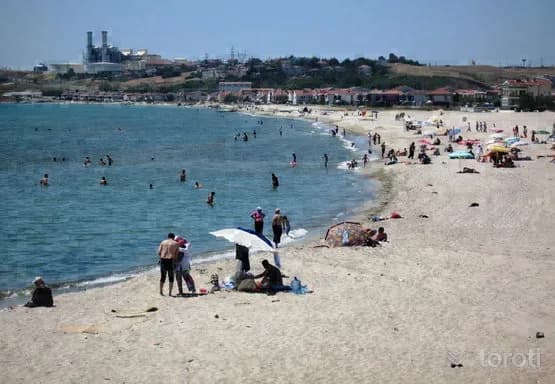
Sultanköy
Marmaraereğlisi, Tekirdağ
Sultanköy, a charming town in the Marmara Ereğlisi district of Tekirdağ, is located approximately 100 km from Istanbul. With its vast beach, the cool waters of the Marmara, and golden sands, Sultanköy is a frequent destination especially for those looking for a place close to Istanbul.
3
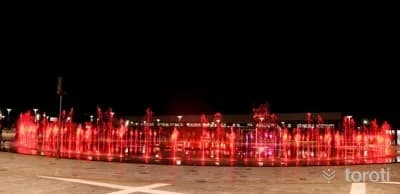
Çerkezköy Kent Parkı
Çerkezköy, Tekirdağ
Çerkezköy İlçesi'nde bulunan Kent Park'ın birinci etabı 15 bin metrekare alanda olup, ikinci etap ise 38 bin metrekare olmak üzere toplam 53 bin metrekareden oluşmaktadır. Alanda bin 254 metrekare kuru havuz, 18 bin metrekare sert zemin, 807 metrekare kapalı restaurant ve kafe bulunmaktadır.
4
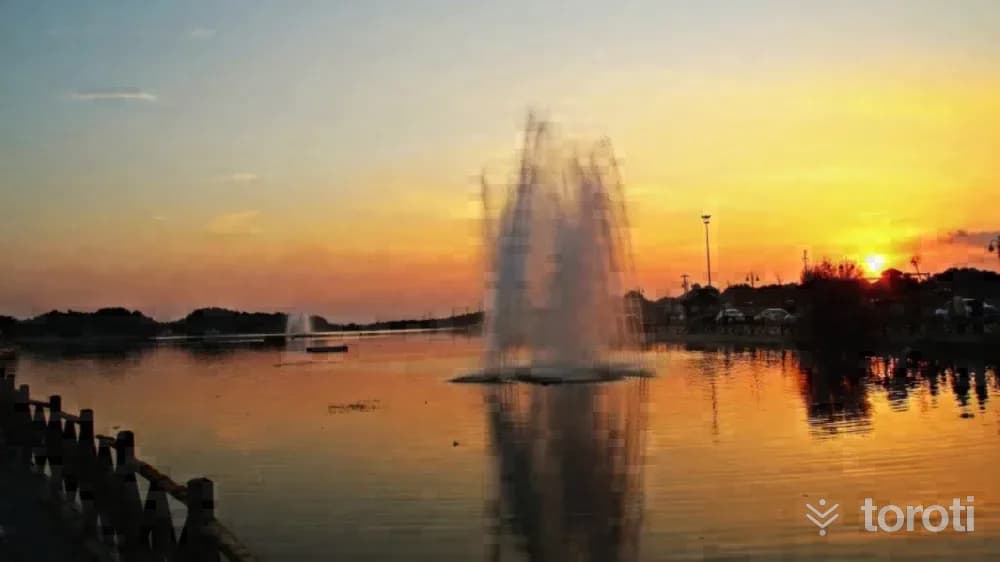
Kapakli Kazak Gölü
Kapaklı, Tekirdağ
Kapaklı Kazak Gölü Recreation Area, located in Kapaklı District of Tekirdağ province, is one of the most beautiful places in this region for relaxing and having a picnic. Our citizens who come here can enjoy the clean air while having a picnic at the same time. Visitors who come here can also witness the visual displays created by the fountains in the lake. There is an extremely large green area around Kazak Gölü for having a picnic.
5
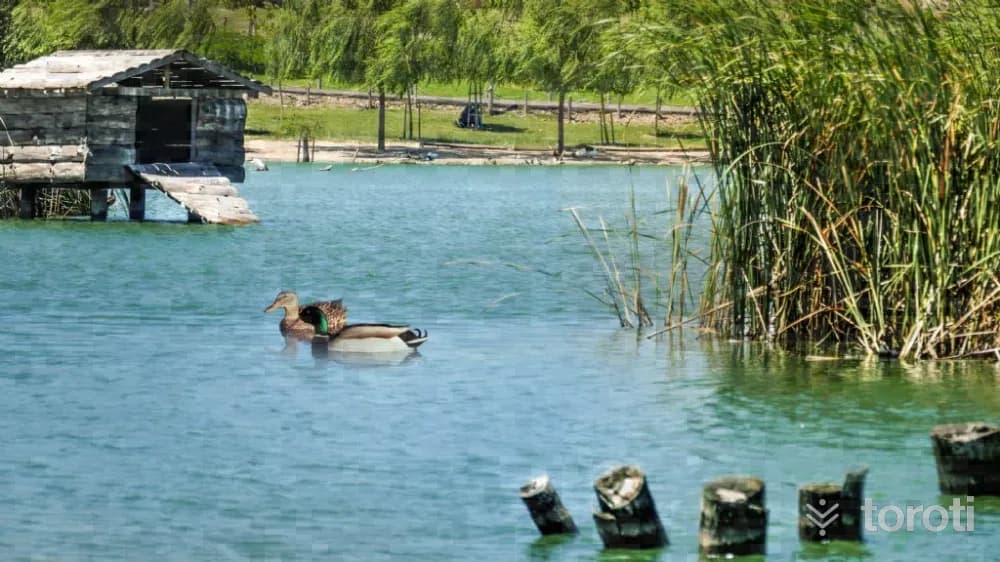
Gölbaşi Gençlik Parkı
Çorlu, Tekirdağ
One of Çorlu Municipality's most important green space projects, Gölbaşı Parkı, was put into service for our citizens on an area of 125.448 square meters by landscaping and planting trees around the 63.792 square meter natural pond and adding wooden piers, playgrounds, fitness equipment, a walking path and a picnic area.
6
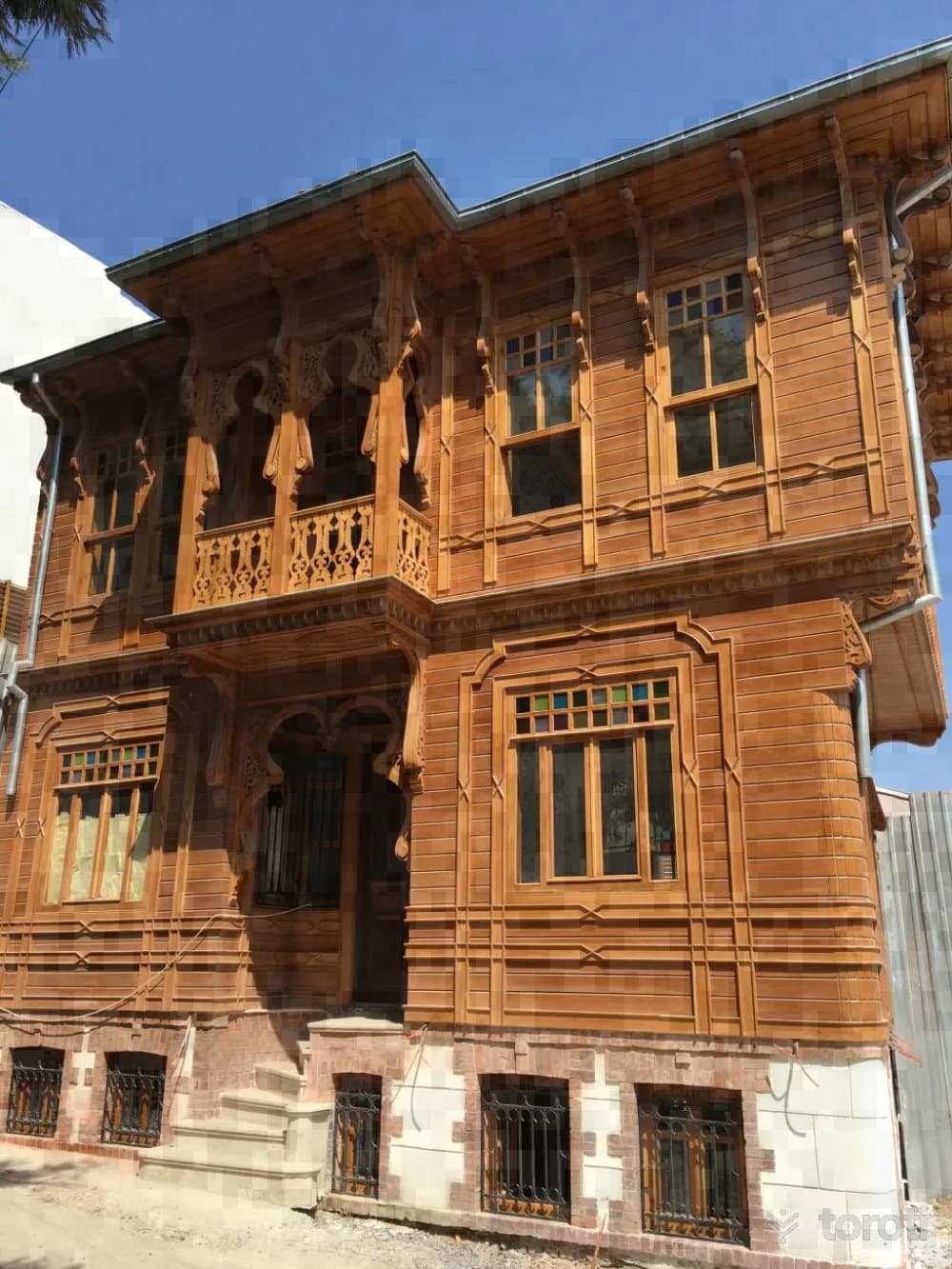
Tarihi Çorlu Evi
Çorlu, Tekirdağ
Located in Hastane Çeşme Sokak in Cemaliye Mahallesi of the Çorlu district, Tarihi Çorlu Evi, which belonged to a Greek doctor and is estimated to have a 150-year history, was opened to visitors on 26 February 2019 under the name Muhacir Evi Müzesi and today continues to welcome its visitors under the name Tarihi Çorlu Evi.
7
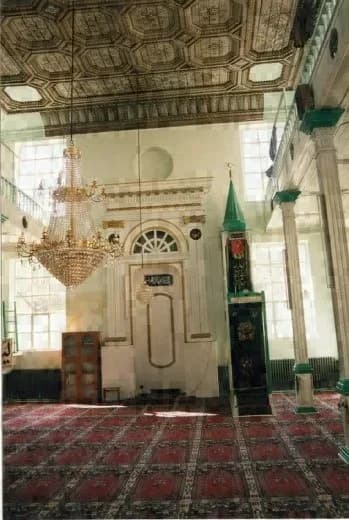
Yeni Cami (sinagog)
Çorlu, Tekirdağ
It is a two-storey masonry building located at the corner where Sinan Dede Caddesi and Zafer Sokak intersect, in Cemaliye Mahallesi, Çorlu İlçesi, Tekirdağ İli. Built in 1905, the structure was used as a synagogue until the middle of the 20th century and was converted into a mosque in 1970. The pediments rising in a stepped manner on its north and south facades give the building a monumental character. There are octagonal colonettes attached to the building at the corners of the facades.
8
Çorlu Yılmaz Büyükerşen Balmumu Heykeller Müzesi
Çorlu, Tekirdağ
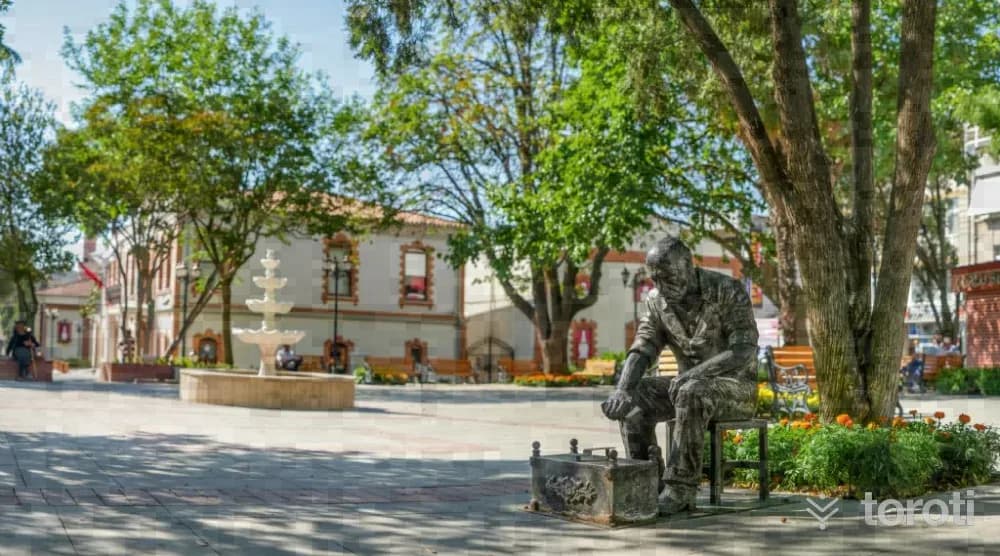
The Historic Municipal Building, which was built in 1903 as the Çorlu Municipality building and restored and opened for service in 2015, hosted many cultural and artistic activities until 2020. In 2020, the building began operating as the Çorlu Yılmaz Büyükerşen Wax Sculptures Museum, where wax sculptures of famous people are exhibited.
9
Fatih Camii
Çorlu, Tekirdağ
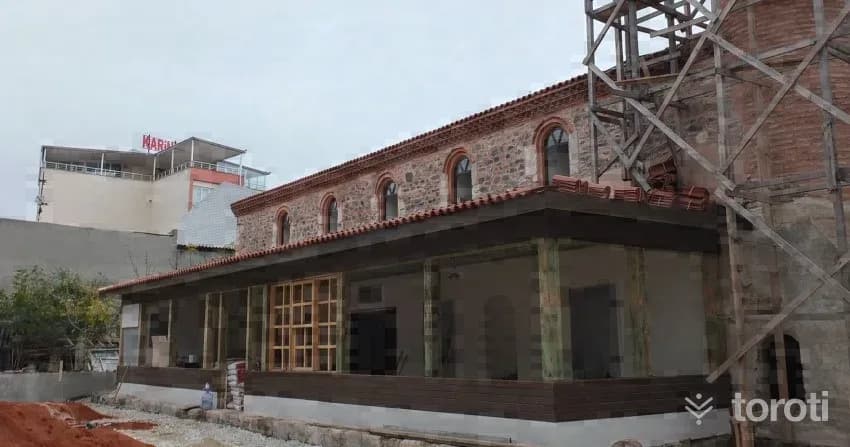
Fatih Mosque, located in Cemaliye Neighborhood of Çorlu District, is owned by the Fatih Sultan Mehmet Foundation. It was commissioned in 1453 (H.857) by Daye Hatun, the wet nurse of Fatih Sultan Mehmet. Located in the district center, within the residential area, the mosque has a rectangular plan and was built with rubble stone material. The mosque, whose last congregation area is today enclosed with glass, has a small courtyard. The shaft of its minaret is thick, while the upper section is slender.
10
Ulaş Köprüsü
Ergene, Tekirdağ
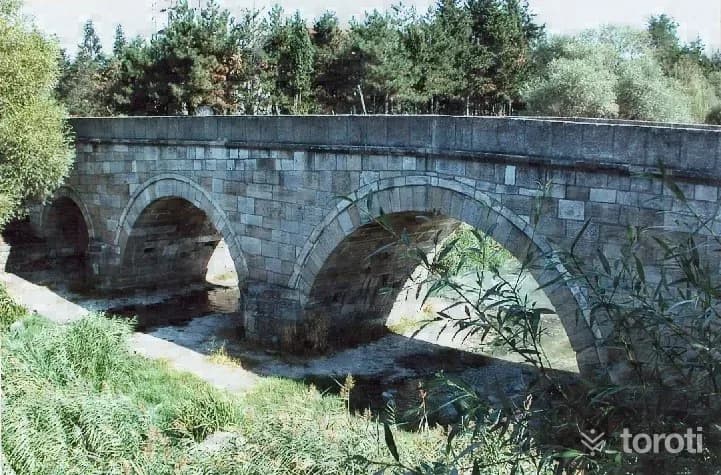
It is located on the Ergene River in Ulaş Mevkii, Ergene District, Tekirdağ Province. North of the Çorlu-Edirne road, 7 round arches of the bridge, built of cut stone, are still visible, and 2 arches, thought to be in the direction of Çorlu, are under the ground. The bridge is set on piers at the arch openings. It is the bridge that provided the crossing of the Ergene River at Ulaş Mevkii on the road used between Edirne and Istanbul during the Ottoman Period.
11
Misinli Kalesi
Ergene, Tekirdağ
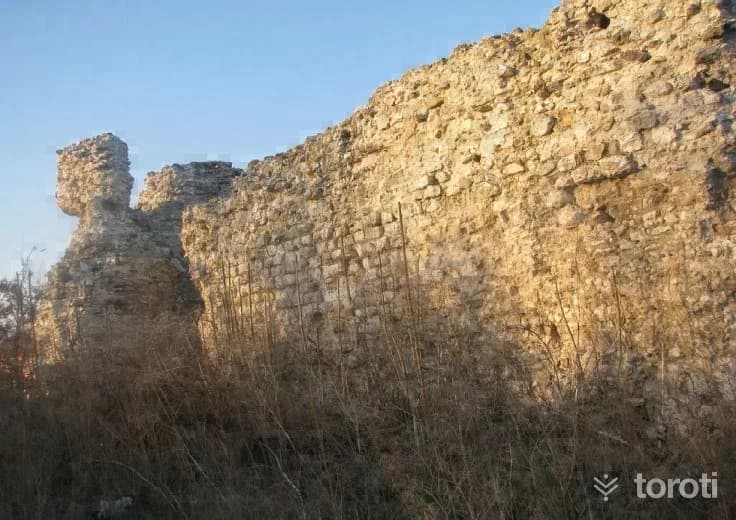
The castle located in Tekirdağ Province, Ergene District, within Misinli Village consists of a bastion and wall remains. Misinli Kalesi, called Mesene in antiquity, is an Early Byzantine Period structure and today remains within the settlement inside the village. Cut stone, rubble stone and brick were used together as materials. One of the round towers of the castle, measuring 200 x 250 meters, is still standing.
12
Lüleburgaz Zafer Çeşmesi
Lüleburgaz, Kırklareli
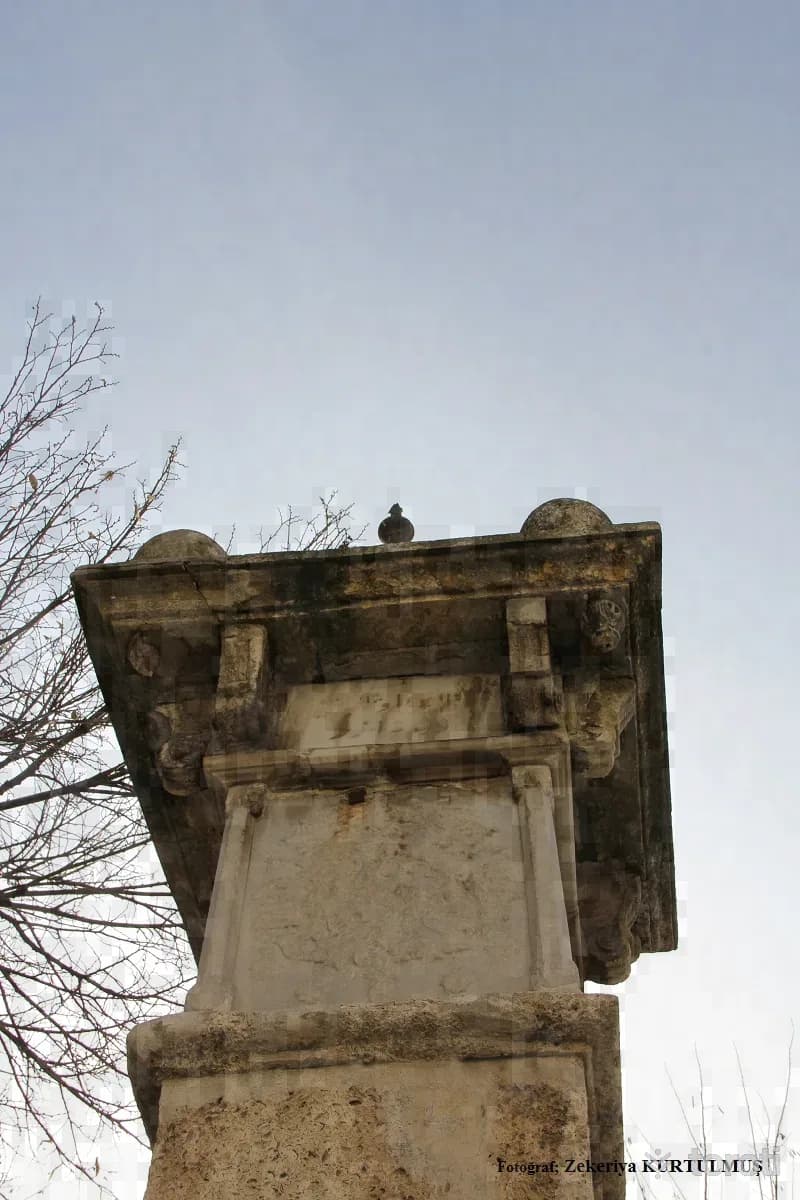
Lüleburgaz Zafer Çeşmesi was built in 1917 A.D. (1333 A.H.), during the years when World War I was continuing. It was damaged during the Greek occupation between 1920-22 and was restored in accordance with the original in 1962. However, in 1990 it was demolished as a result of a traffic accident when a truck hit it, and it was rebuilt. We learn from newspaper sources that this construction was commissioned by Edirne Governor Hacı Adil Bey.
13
Lüleburgaz Sokullu Mehmet Paşa Külliyesi
Lüleburgaz, Kırklareli
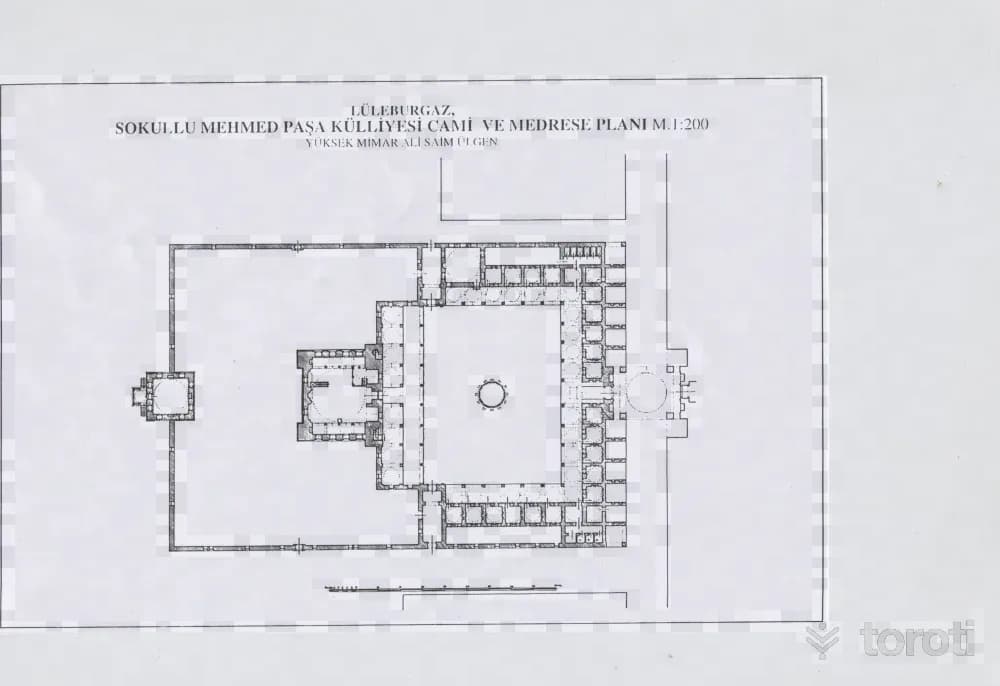
Lüleburgaz Sokullu Mehmet Paşa Külliyesi is spread over a very large area at the entrance to the Lüleburgaz district. Built in 1569-1570 (H.977) for worship, trade and education, the külliye displays the characteristics of a complex with its mosque, arched shops, inn, bath and madrasa. However, having been subjected to various damage, the külliye today appears almost as a group of structures independent from one another.
14
Lüleburgaz Sokullu Camii
Lüleburgaz, Kırklareli
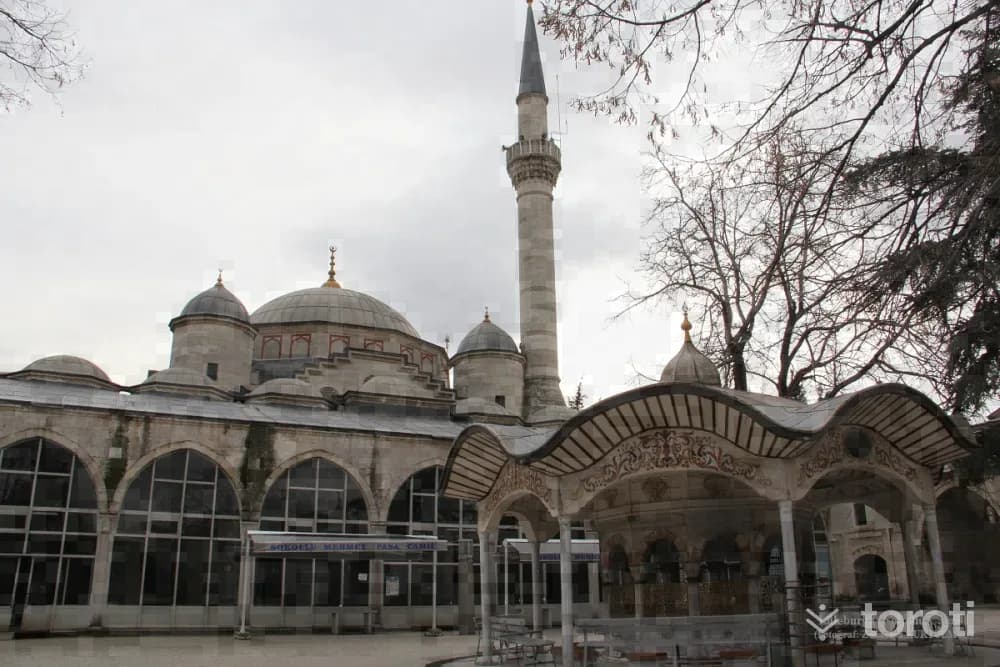
The mosque was positioned so as to correspond to the middle of the Sıbyan Mektebi to the south and the bazaar and madrasa to the north. The mosque has three entrances. The main entrance is the one under the central dome on the north side of the mosque. The other two entrances are through two opposite doors near the last congregation area on both sides of the courtyard and through a long corridor. The mosque courtyard is entered through these corridors. At the end of the corridors there is a vertical door with a shallow arch, and above them are two domed rooms.
15
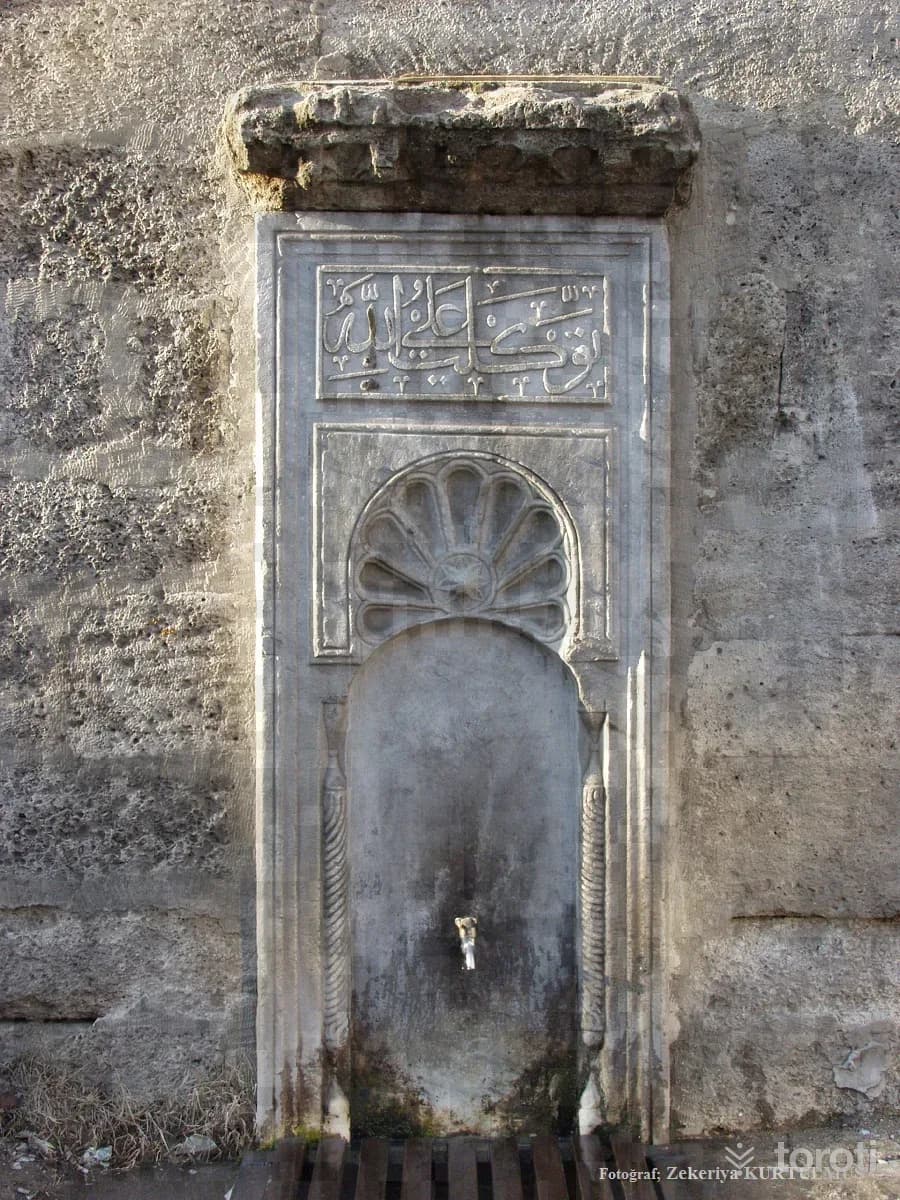
Lüleburgaz Sokullu Mehmet Paşa Kervansarayı
Lüleburgaz, Kırklareli
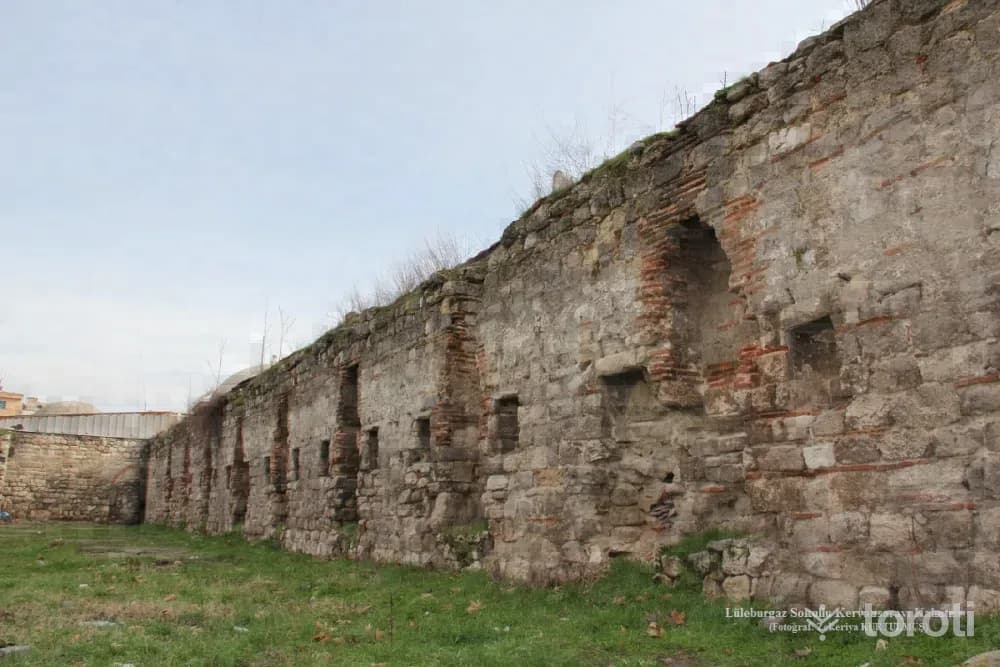
Lüleburgaz Sokullu Mehmet Paşa Caravanserai was built together with the tabhane and imaret to the north of the külliye when it was first constructed. It was demolished in 1935 in order to make way for a road. Today, on the wall adjoining the arasta wall, hearths and wall niches, the monumental gate, and a rectangular structure to the west of the entrance section whose exact function is not understood have survived. In Evliya Çelebi's Seyahatname, he writes the following about the caravanserai.
16
Lüleburgaz Çarşı Çeşmesi
Lüleburgaz, Kırklareli
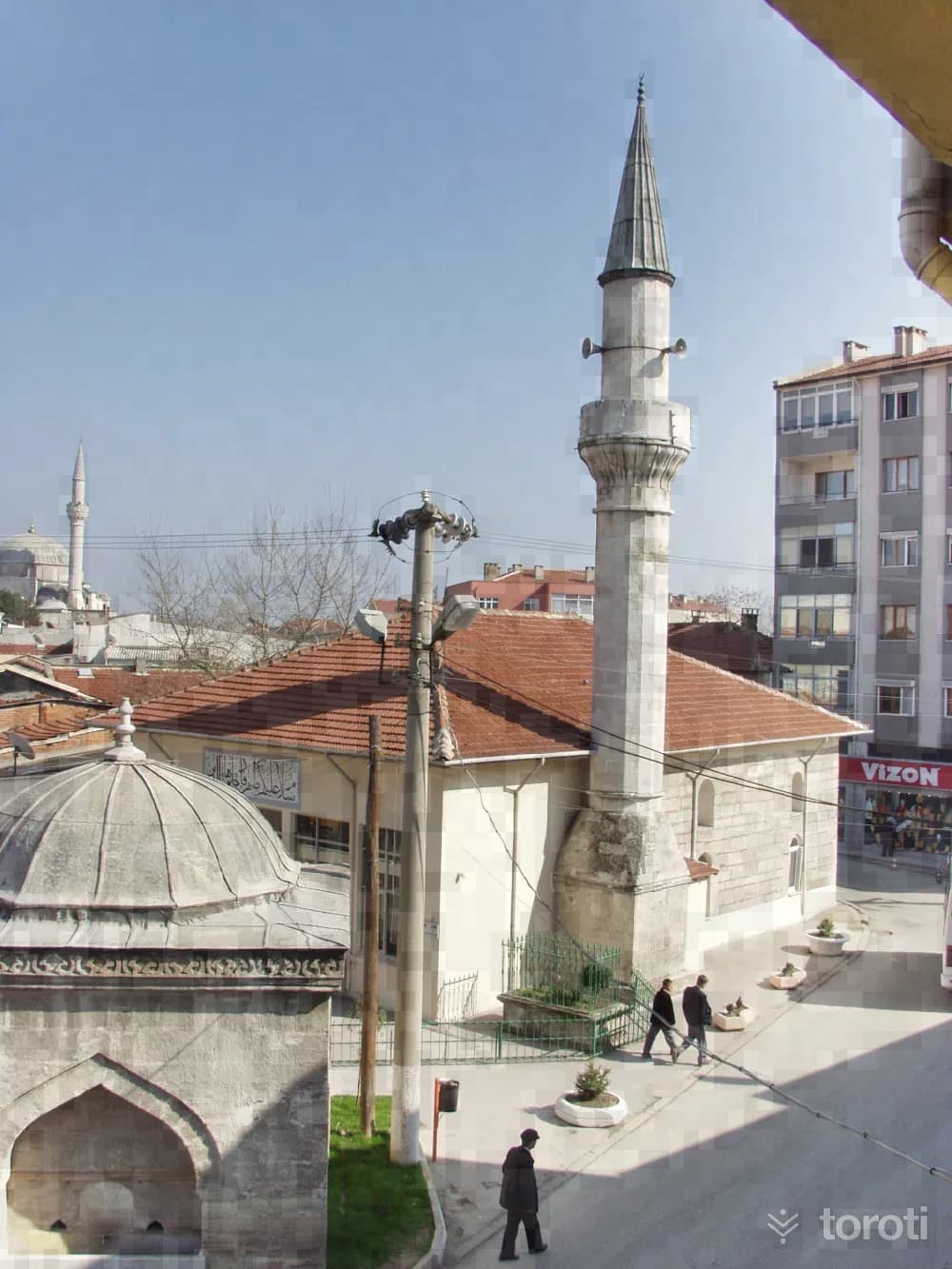
In the middle of the square located in the neighborhood formerly known as Cedidi Müslüm Bey Mahallesi, on present-day Turgut Bey Caddesi, it was built in 1667 (H.1078) as a square fountain by the Ottoman sultan IV. Mehmet, and for this reason it is also known as IV. Mehmet (Avcı) Çeşmesi and Orta Çeşme. It is still intact and functioning, and on the facade panel there is the original five-line construction inscription in talik script. It is four-cornered and four-faced, and is a square-shaped square fountain on each side.
17
Babaeski Fatih Camii / Eski Camii
Babaeski, Kırklareli
It is located in Babaeski District, next to the İstanbul-Edirne highway, behind the historic fountain. It was built in 1467 (H.871) and is still used for worship. This mosque, consisting of rubble stone and four walls, has a wooden last congregation section, covered with tiles. Its minaret was demolished, and later the part above the balcony was built in wood. There is a two-line construction inscription carved into stone above the inner door.
18
Alpullu Köprüsü / Sinanli Köprüsü
Babaeski, Kırklareli
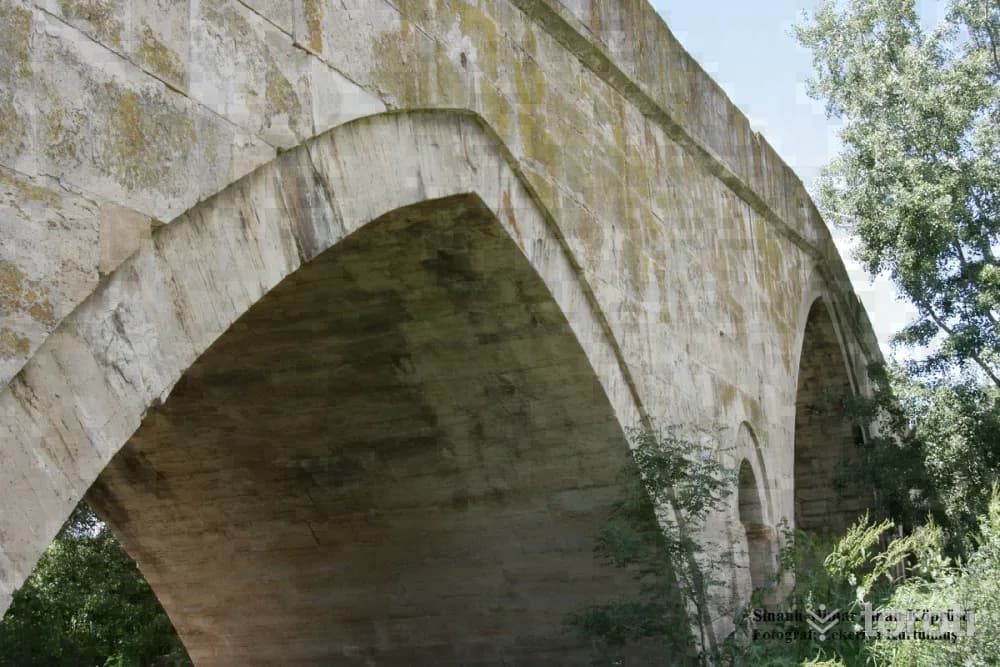
Located at the entrance to Alpullu from the Hayrabolu side, on the Tekirdağ-Edirne highway, it was built by Mimar Koca Sinan for Sokullu Mehmet Paşa in the mid-16th century. This road is also the trade route between Tekirdağ and Edirne. It is Mimar Koca Sinan’s most magnificent monumental bridge. It has pointed arches. Koca Sinan also used the 76 cm perimeter stones forming this large arch as single stones. Arch stones of this width are not found on any other bridge.
19
Babaeski Köprüsü
Babaeski, Kırklareli
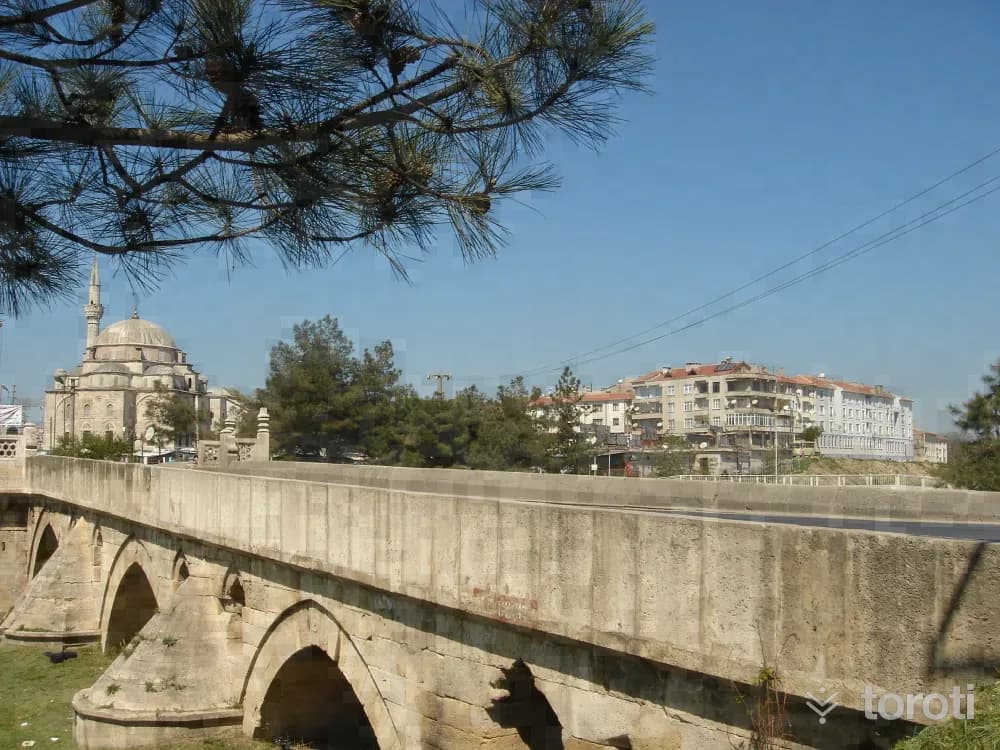
Babaeski Köprüsü, İstanbul-Edirne asfaltının Babaeski Deresi'nin (Şeytan Dere) geçtiği, Babaeski’nin Lüleburgaz çıkışında yer alır. 1633 (H.1043) yılında 4. Murat Devri'nde yapılmıştır. Anadolu'dan Balkanlar'a giden askeri ve ticaret yolu üzerinde bulunmaktadır. Muntazam kesme taş kaplı, kargir bir köprüdür. Nehir taştığı zaman zedelenmemesi için 6 kemerli köprünün kemer aralarında büyük delikler bulunmaktadır. Nöbet hücreleri birer dantel gibi taş işlemedir.
20
Babaeski Hamamı
Babaeski, Kırklareli
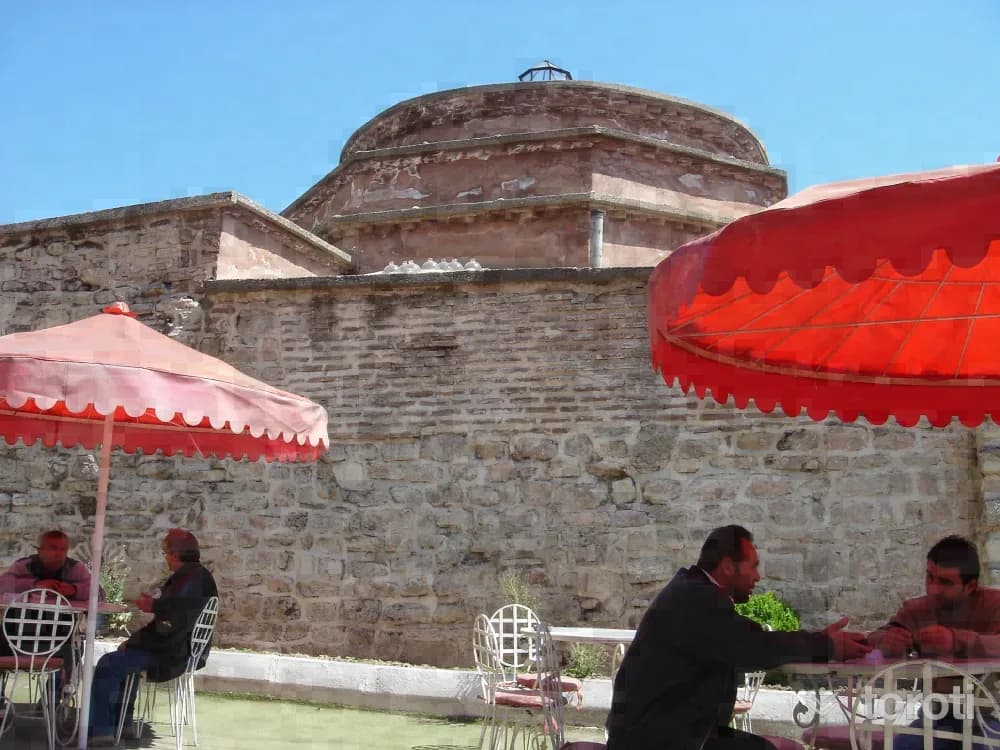
Babaeski Hamamı: It is on the asphalt road next to the government building. The structure, which is still in use, is of the single classical type, with a masonry dressing hall. Its top is roofed, the exterior is plastered with cement, and its architectural style is not clear. The basins and the flooring are of marble and are original.
21
Babaeski Cedid Ali Paşa Camii
Babaeski, Kırklareli
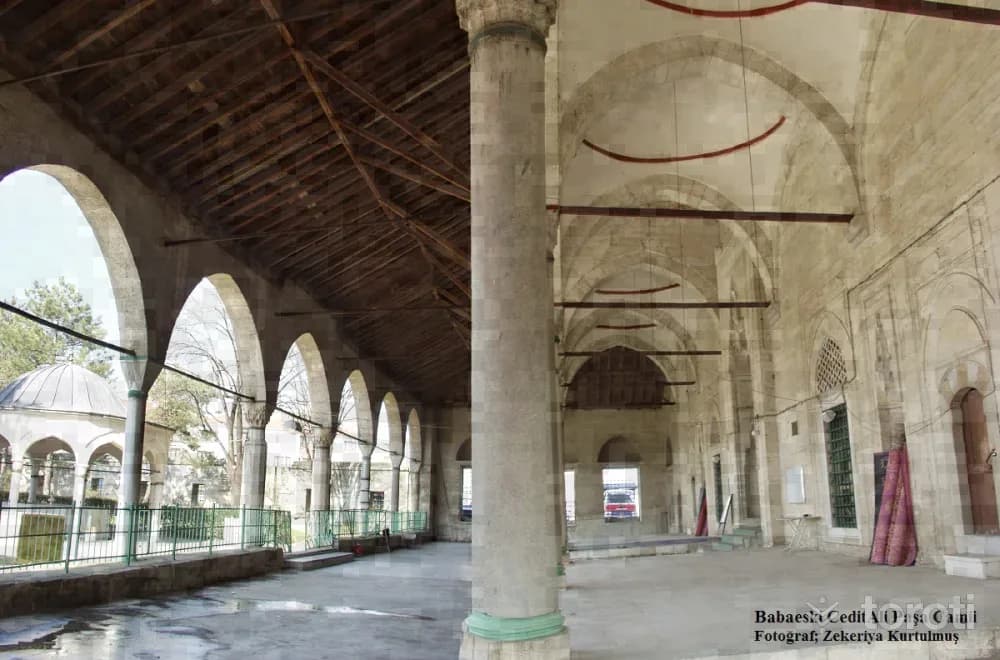
It is located in Babaeski District, next to the İstanbul-Edirne highway. It was commissioned by Cedid Ali Paşa to Koca Sinan in 1555 (H.962). This structure, which is still used as a mosque, underwent a major repair in 1832. It has a four-line Turkish construction inscription and a ten-line repair inscription. Built on a square plan using cut küfeki stone, it is covered with a large lead-clad dome.
22
Kuştepe Köyü Camii
Pehlivanköy, Kırklareli
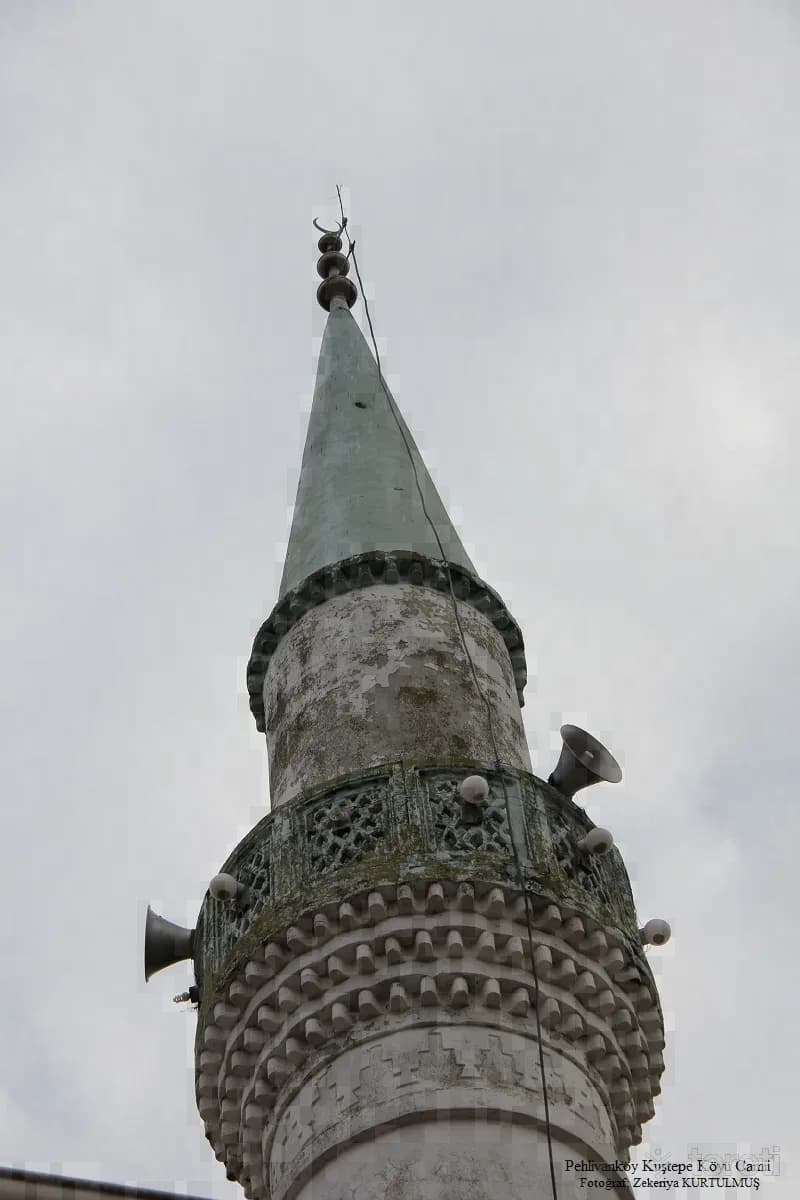
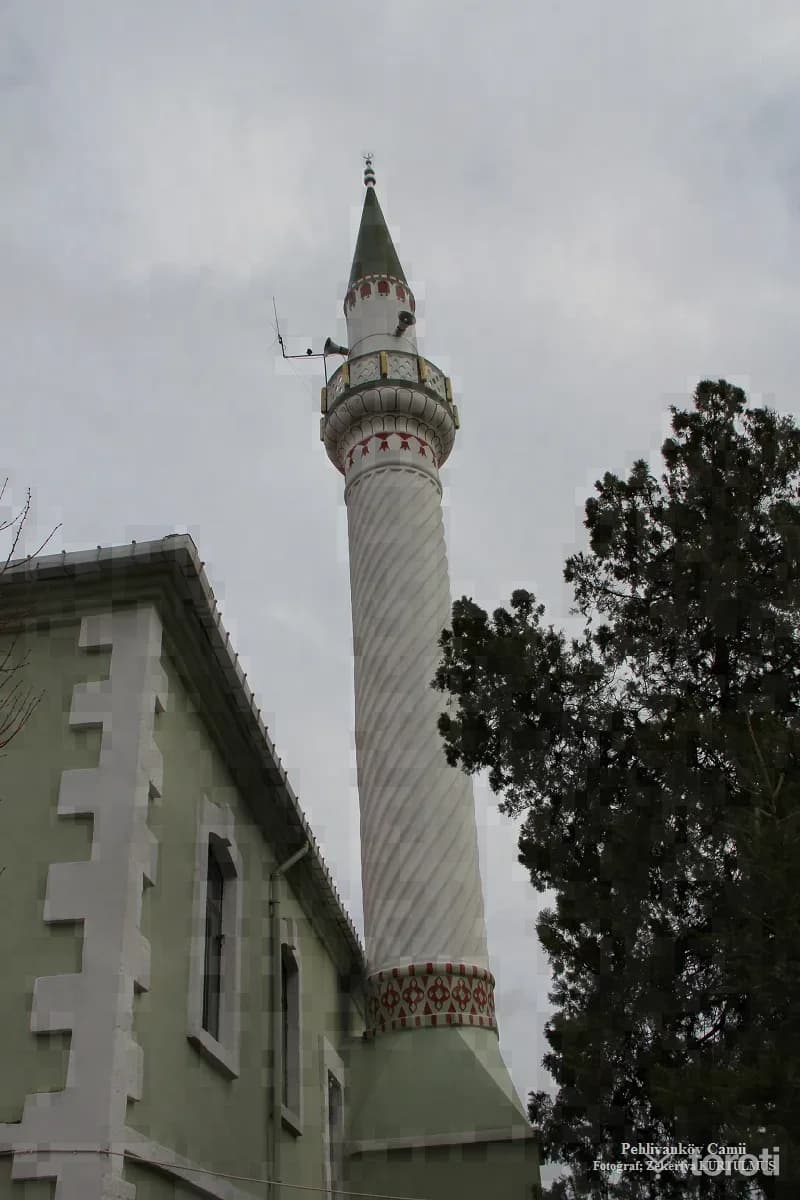
Kuştepe Köyü Camii: The mosque, dated Gregorian 1902, Hijri 1320, is located in Kuştepe Village, affiliated with Pehlivanköy District. It belongs to the village legal entity and is open for worship; it stands on a 758 m² plot, has a 150 m² interior space and a prayer capacity of 150 people. The structure, whose walls are of stone, has a flat ceiling and a tiled roof, and its minaret has a single balcony.
23
Pehlivanköy Camii
Pehlivanköy, Kırklareli
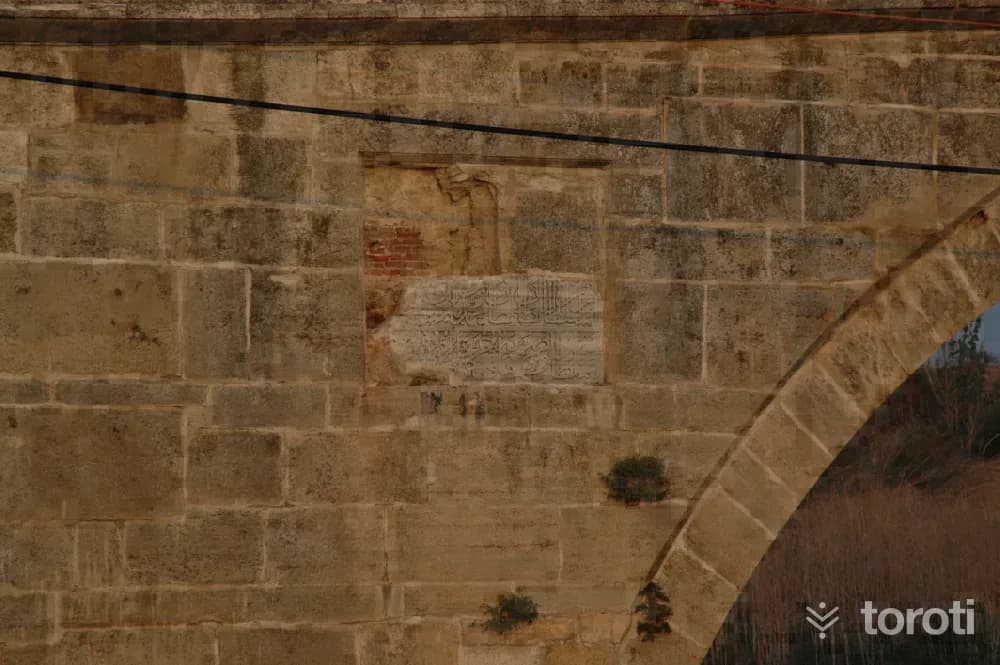
Pehlivanköy Camii: The mosque, dated 1901-1902 AD, 1319 AH, is located in Ergene Mahallesi at the entrance of Pehlivanköy District. It belongs to the ownership of the General Directorate of Foundations and is open for worship. It has an interior space of 170 square meters on a 1150 square meter plot and a prayer capacity of 200 people. The structure, whose walls are stone, has a flat ceiling and a tiled roof, and its minaret has a single balcony.
24
Pehlivanköy Akarca Köprüsü
Pehlivanköy, Kırklareli
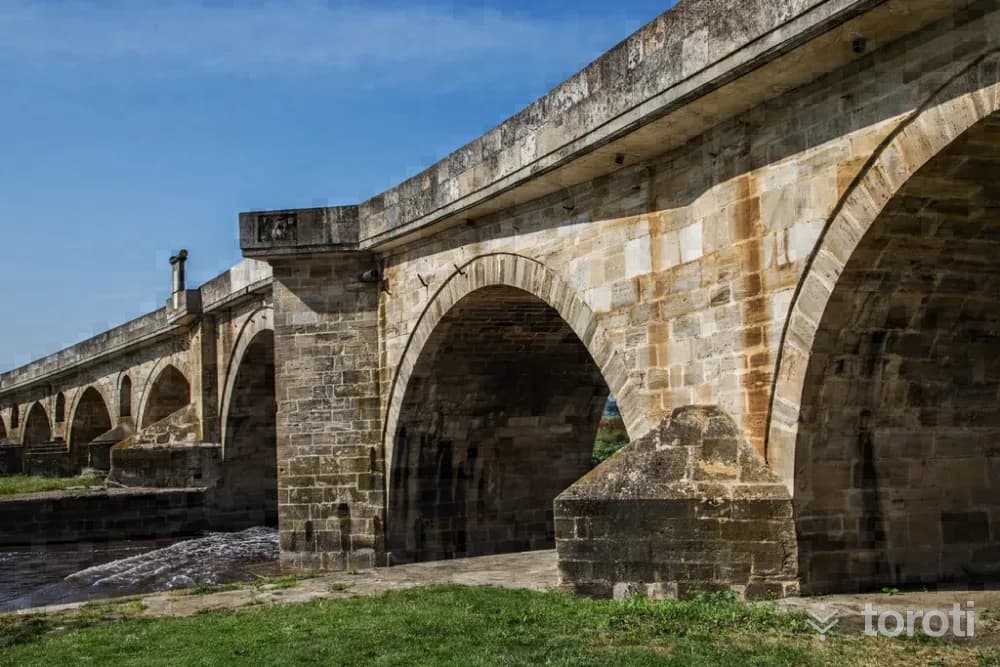
It is located on the Ergene River at the entrance to Pehlivanköy from the Uzunköprü side, on the Uzunköprü-Pehlivanköy-Edirne road route. It was built in order to cross the abundant waters of the Ergene River, which appeared as an obstacle during the expansion of the Ottoman State from Anatolia to the Balkans. The bridge, built with a total of 7 arches, with round-arched openings formed around the large central arched opening, is still in use today.
25
Uzun Köprü
Uzunköprü, Edirne
It was commissioned by ll. Murat to Mimar Müslihiddin between 1426 - 1448 on the Ergene River. It is 1392 metres long, 6,80-6.90 metres wide in places, and has 174 arches. The foundations of the stone bridge are of two types: pointed and rounded.
- No image
26
Uzunköpru
Uzunköprü, Edirne
It was built by Murat II on the Ergene River in 1426 - 1448 by the architect Müslihiddin. It is 1.392 m. long, 6,80-6.90 m. wide in places, and has 174 arches. The foundations of the stone bridge are of two types, pointed and rounded.
Move the stops into your own plan, split them across days, and add places to sleep and eat.
Frequently asked
- How far is it between İstanbul and Edirne, and how long does it take?
- Driving between İstanbul and Edirne is roughly 213 kilometres and takes about 2 hours without stops.
- Where is it worth stopping between İstanbul and Edirne?
- There are 116 described places within 20 km of the road between İstanbul and Edirne. toroti lists 26 of them spread evenly along the drive, in the order you pass them; Avrupa Kültür Başkenti Mübadele Müzesi comes early on, and Uzunköpru sits near the end.
- Which provinces does the İstanbul to Edirne route cross?
- The route between İstanbul and Edirne crosses İstanbul → Tekirdağ → Kırklareli → Edirne. The stretch richest in places to visit is in Kırklareli.
- Should I take the toll highway or traditional route between İstanbul and Edirne?
- Toll motorways save driving time between İstanbul and Edirne, whereas traditional state roads pass directly through historic town centers, local culinary stops, and scenic nature viewpoints.
- How should breaks be scheduled between İstanbul and Edirne?
- For a drive of around 2 hours, taking a break every 2 to 2.5 hours is recommended. The catalogued attractions in Kırklareli and neighboring provinces offer memorable stopovers compared to generic highway rest areas.