Places to visit
Things to do in Bilecik
38 destinations, each with a description, how long it takes and where it sits on the map.
In short
toroti’s catalogue holds 38 described destinations within Bilecik. The themes that come up most: Faith heritage, History, Nature, Local culture, Museum, Culture.
Districts of Bilecik
Çelebi Mehmet Camii
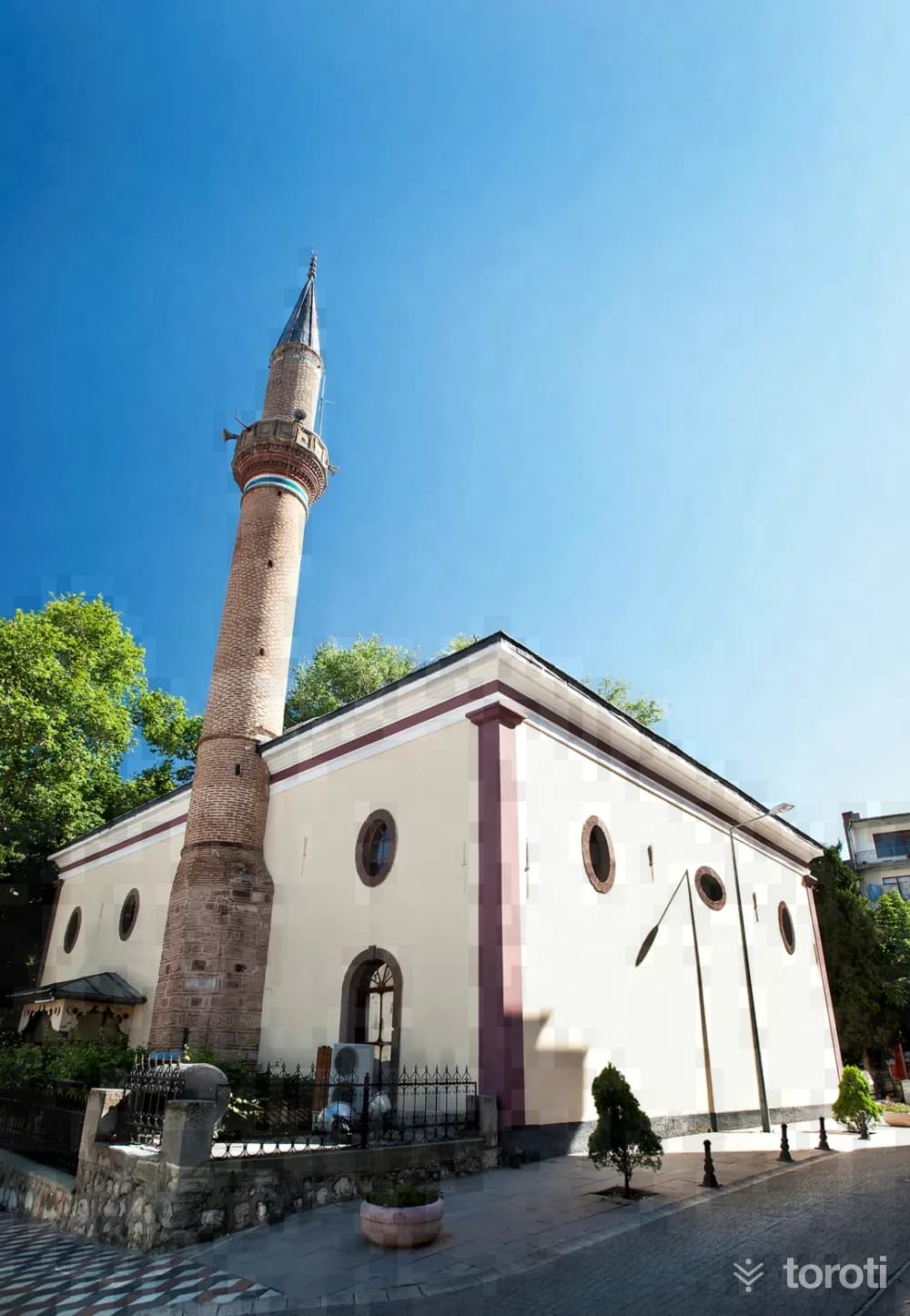
It was commissioned by Sultan Mehmed I Çelebi between 1414—1420 and is among the first examples of Ottoman architectural art in the type of domed structures. The Mosque, which has a rectangular appearance and 12 domes, was repaired by Sultan Abdülhamit II and underwent some changes as it was enlarged during the restoration.
45 minutes
Orhan Gazi Camii
Although the exact date of the first construction of Orhan Gazi Camii is not known, it is thought to have been built at the beginning of the 14th century together with Orhan Gazi's other works, and the place of worship, with a capacity of 365 worshippers, underwent repairs and was restored in 1973. It is 50 m. from Edebalı Türbesi, and its most interesting feature is that, whereas minarets are usually adjacent to the mosque, here its original minaret was built on a rock 30 m. away from the main building.
20 minutes
Rüstem Paşa Camii
It was commissioned in 1542 by Rüstem Paşa, the son-in-law and Vizier of Kanuni Sultan Süleyman. The mosque, whose construction had been started by Rüstem Paşa, was completed after his death while construction was continuing, with its roof and minaret built by his concubine Mihrimah Sultan. The architect of the mosque is Yüzgeç Mehmet Paşa, the apprentice of Mimar Sinan. It was also repaired in 1779 by KeskinzadeElcah Ali Ağa.
20 minutes
Pelitözü Göleti
The pond, surrounded by pine trees, is 7 km from the city center. Due to its easy accessibility and having a large area, it attracts great interest especially on weekends. Around the lake, there are a yörük tent, tea gardens, a gözleme house, and places where you can barbecue; you can rent a bicycle to tour around the lake and also ride pedal boats on the lake.
60 minutes
Ertuğrul Gazi Mescidi (Kuyulu Mescid)
The masjid located on the bank of Söğüt Çayı is said to be the place where Ertuğrul Gazi first pitched a tent when he arrived with his tribe. The structure, which contains a well inside and is also called "Kuyulu Mescit," was commissioned by Ertuğrul Gazi before 1276, built by II. Abdülhamit on the same foundations in 1902, and underwent restoration in later years.
20 minutes
Metris Tepe Zafer Anıtı
Located 12 km off the road at the end of the Bozüyük-Eskişehir highway, the monument was built on Metris Tepe, where the İnönü Battles were won and which the great leader Atatürk referred to in the congratulatory telegram he sent to İsmet İnönü, saying, "There you defeated not only the enemy, but also the nation's ill fate," in order to keep alive the noble memories of our martyrs.
20 minutes
Hamidiye Camii
In Söğüt District, it is a fine example of the neo-classical architectural style of the late Ottoman period. It was commissioned by Abdülhamit II in 1903-1905. It has a square plan, and its walls are of red cut stone. The structure is covered with a single lead-clad dome. Since it has two minarets, it is also known among the local people as the "Çifte Minareli Camii".
20 minutes
Ertuğrul Gazi Türbesi
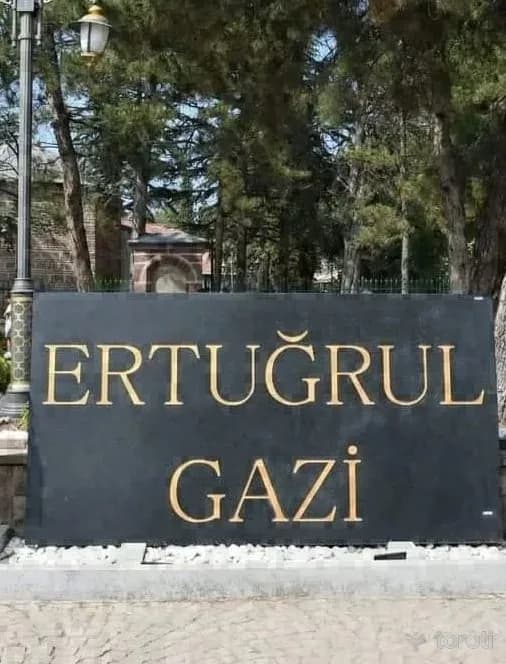
Ertuğrul Gazi Tomb is the tomb of Seljuk frontier lord Ertuğrul Gazi, the father of Osman Gazi, the founder of the Ottoman Principality, located in the Söğüt district of Bilecik province. Hüseyin Zekai Paşa, Söğüt Ertuğrul Gazi Tomb The construction date of the structure, built at the end of the 13th century, is not known exactly. It was first built by Osman Gazi as an open grave, and later turned into a tomb by I. Mehmet Çelebi. In 1757, III.
45 minutes
Mihalbey Hanı
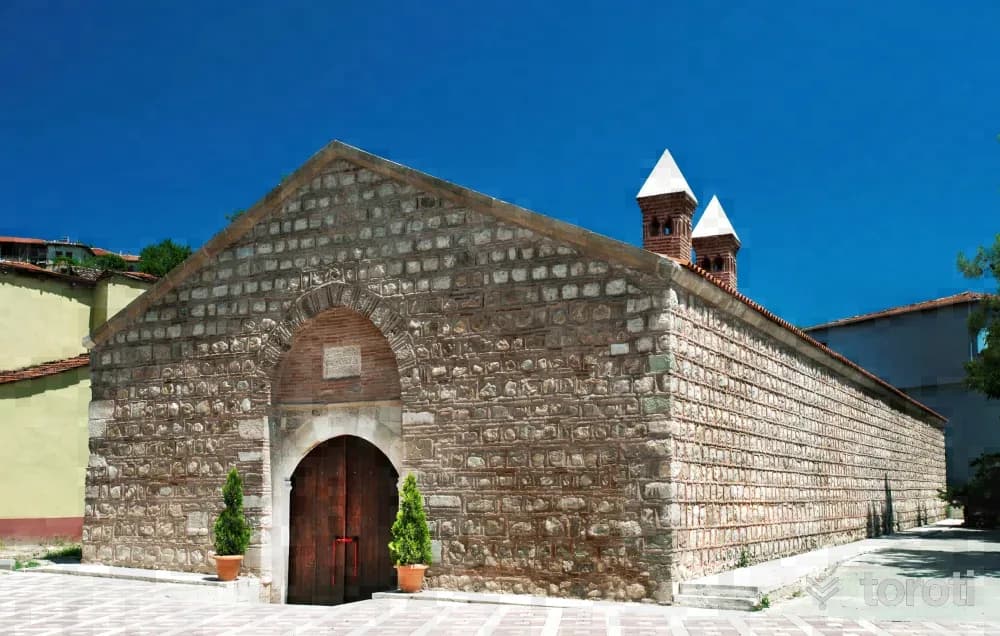
Mihal Bey Hanı, which was built in the past as a place where caravans stayed and rested, is located within the chain of inns and caravanserais in the Gölpazarı-Ankara direction such as Vezirhan, Mahan, Taşhan, Katırhan, Nallıhan, and Çayırhan. The inn is a rectangular structure built with large stone blocks, with thick walls and a semi-cylindrical (vaulted) roof covering. The structure, which has a rectangular plan in the east-west direction, consists of four sections in the same direction.
45 minutes
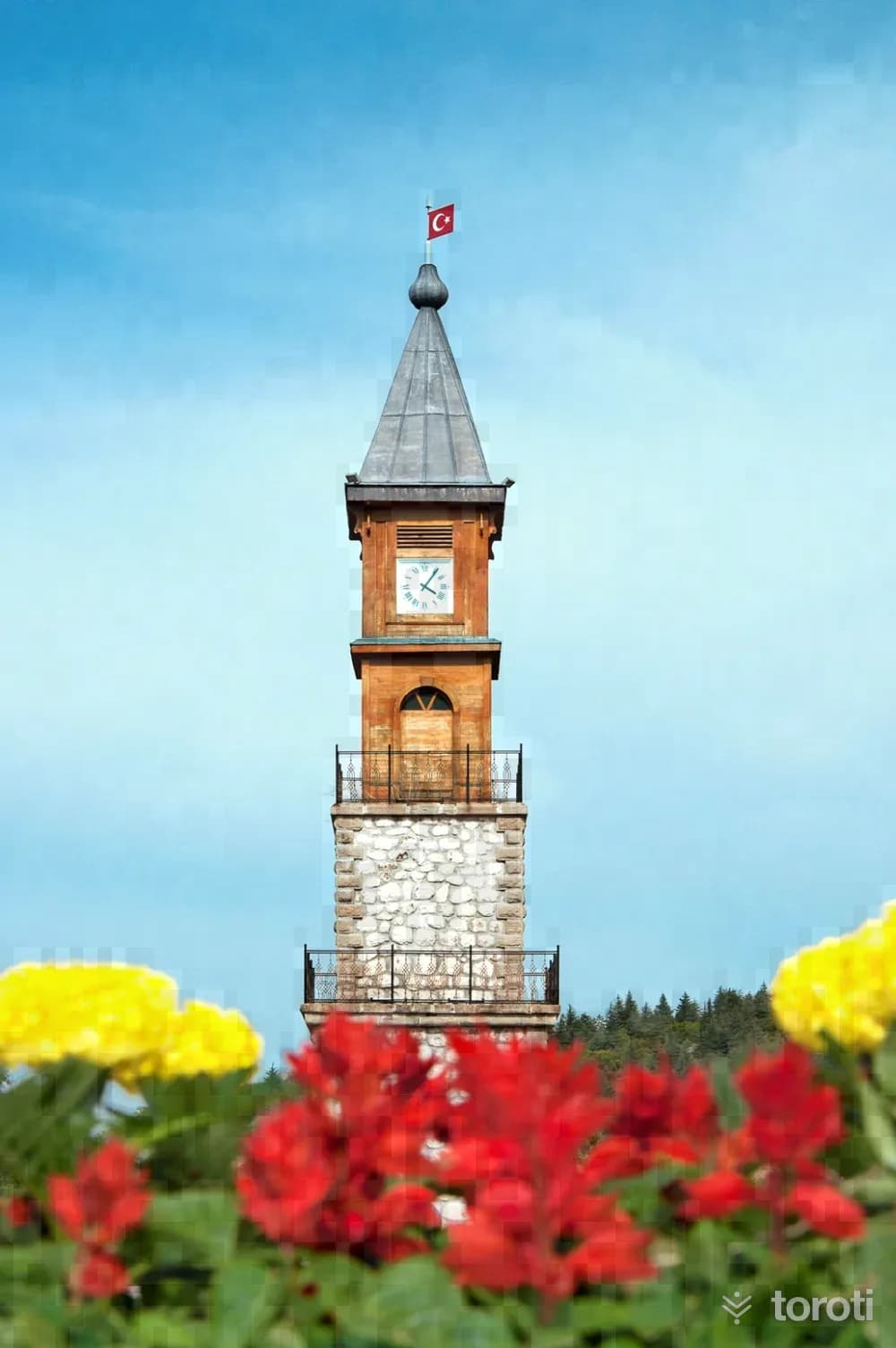
Bilecik Saat Kulesi
One of the first monuments that catches the eye when entering Bilecik from Eskişehir is the clock tower. In the Ottoman Empire, the tradition of building clock towers began to emerge in the late XVI century. In Ottoman cities, this tradition became widespread from west to east in the XVIII and XIX centuries. The most important reason for the spread of clock towers into the interior of Anatolia was the decree that II. Abdülhamid sent to governors regarding the construction of clock towers on the 25th anniversary of his accession to the throne (1901).
45 minutes
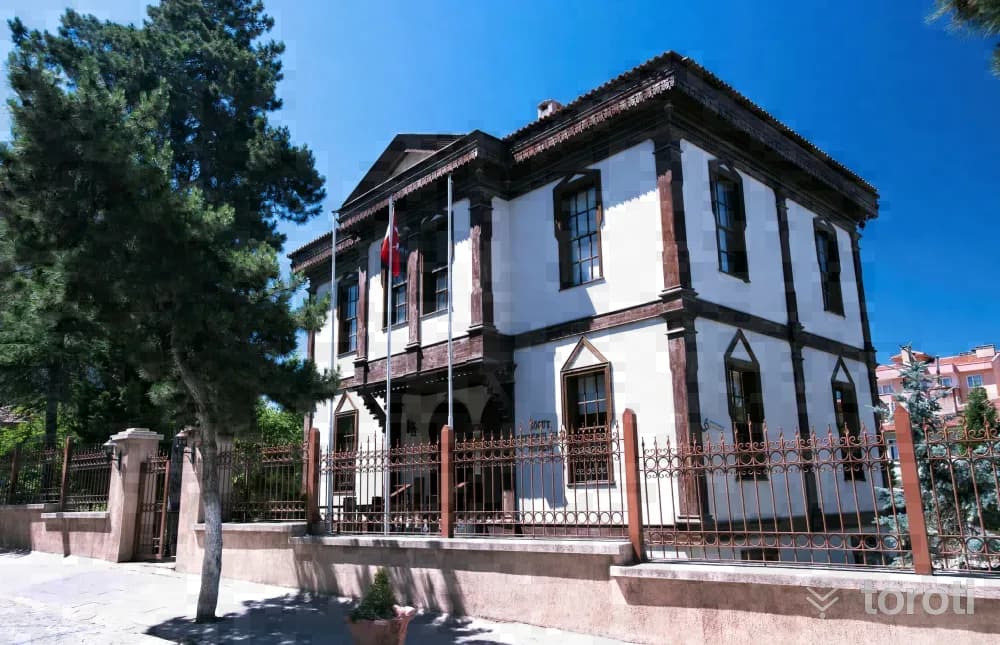
Söğüt Ertuğrul Gazi Müzesi
Although the exact construction date of Söğüt Ertuğrul Gazi Museum is not known, it is known that it was built as a “sargı evi” by mayor Memiş Ağa in the early 1900s. On the front facade of the building, which draws attention with its woodwork, there are two round-arched doors side by side, while on the two side walls there is one vertically rectangular window each with triangular pediments above them. It has a wooden hipped roof, and the roof is covered with traditional Turkish tiles.
45 minutes
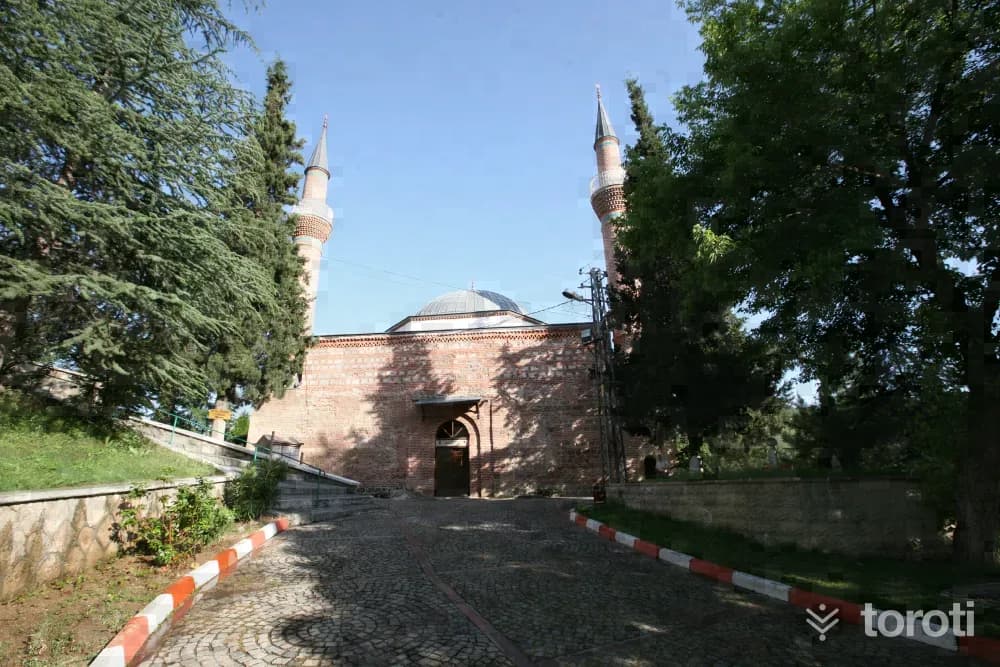
Orhangazi Camii
Although the exact date of the first construction of Orhan Gazi Camii is not known for certain, it is thought to have been built at the beginning of the 14th century together with Orhan Gazi's other works. The place of worship, with a capacity of 365 worshippers, underwent repairs and was restored in 1973. It is 50 metres from Şeyh Edebalı Türbesi, and its most interesting feature is that while minarets are usually adjacent to the mosque, here its main minaret was built on a rock 30 metres away from the main building. II.
45 minutes
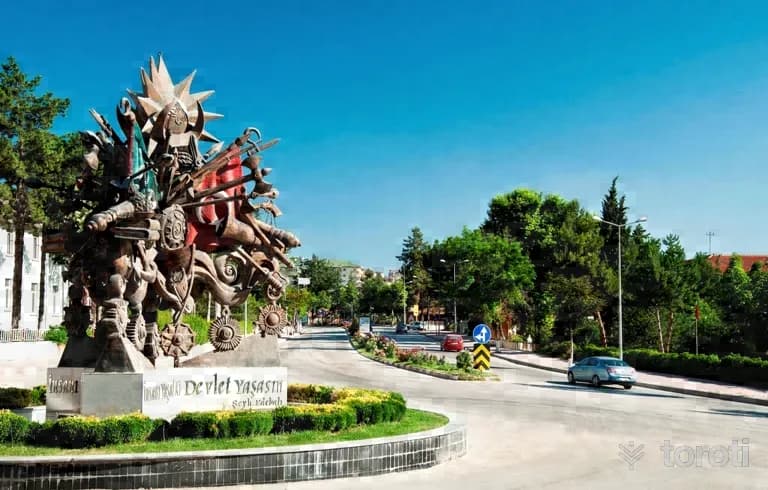
Osmanli Devlet Arması
THE MEANINGS OF THE SYMBOLS AND EMBLEMS FOUND IN THE OTTOMAN STATE COAT OF ARMS: The sun signifies the caliphate, the moon the sultanate, the weapons state power, the flowers love and affection, the scales justice, the book the law and devotion to God's laws, and the round shapes at the very bottom represent the state decorations given to successful individuals. The tuğra inside the round shape at the very top is the tuğra of the sultan of the period.
45 minutes
Osmaneli Trekking Turu
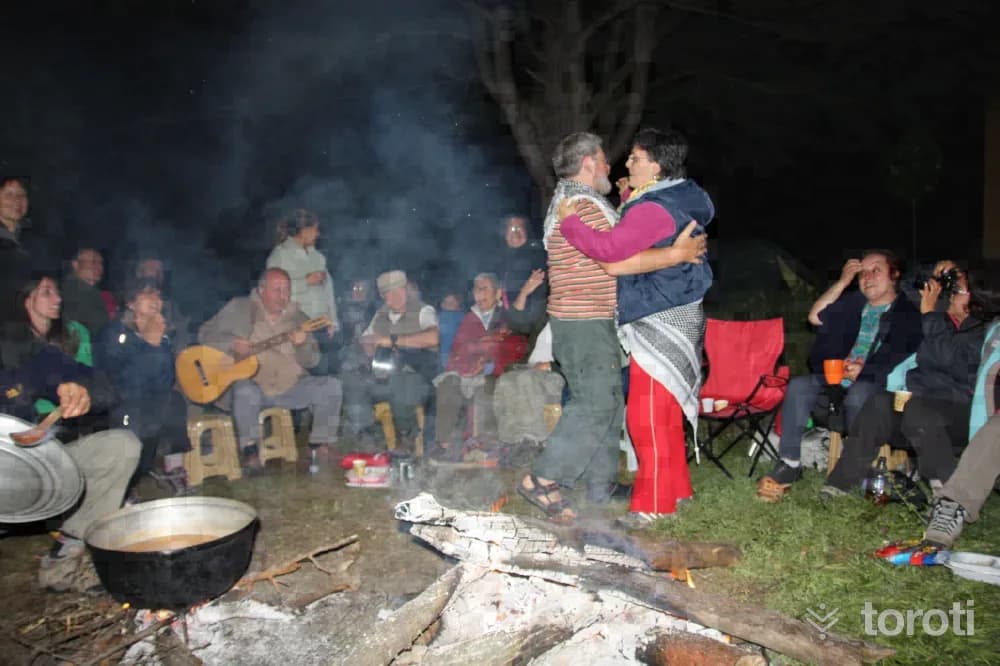
The Göksü Çayı area is within the borders of Osmaneli district, Bilecik province. It passes almost entirely along paths through the forest. The average walking time is four to five hours. The surroundings are generally covered with predominantly pine forests. . The hiking areas start at an average of 900 m and descend to around 300 meters. In the Göksu Çayı area, unlike most nature walking routes in the Marmara region, the hard rocky terrain structure is as prominent as the forested land.
45 minutes
Türbin Mesire Yeri
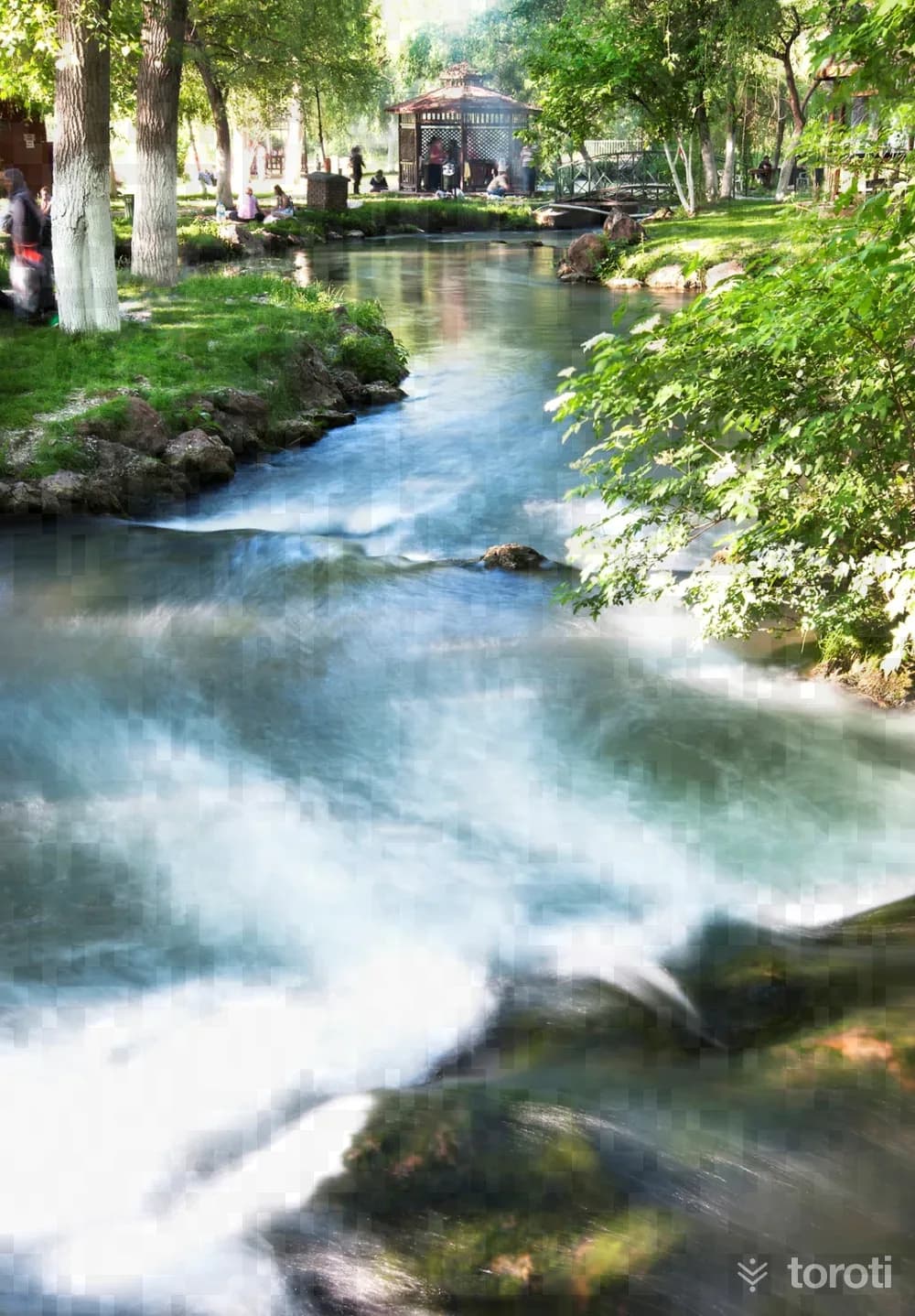
Türbin Mesire Yeri is a recreation and picnic area 7 kilometers from Bozüyük, rich in greenery, water and oxygen. Electricity is generated from the waterfall on the slope by means of a generator, and the area is known by this name from the turbine of the said generator. Due to the increase in demand for the recreation area, whose appearance has been beautified by the investments made by the municipality, the nearby empty area was also arranged and afforested and included in the recreation area.
45 minutes
Kasim Paşa Camii
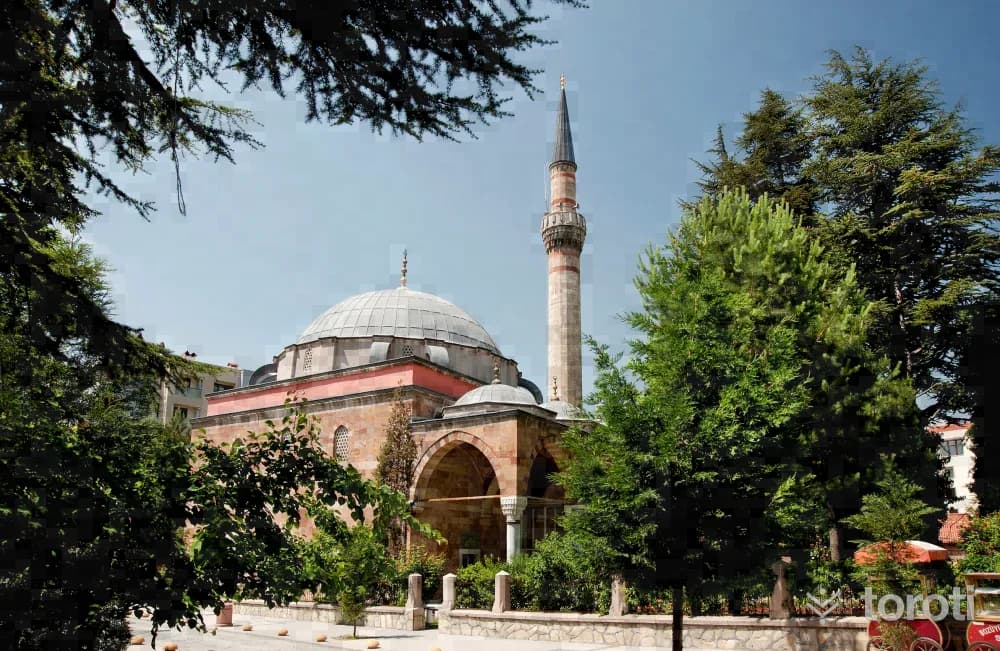
It is one of the examples of classical Ottoman mosques and one of Mimar Sinan's apprentice works. It was commissioned by Kasım Paşa, one of the commanders who joined Kanuni Sultan Süleyman's Baghdad campaign, in the years 1525-1528. Its walls are of cut stone. The wooden shutters of the entrance door and the windows next to the mihrab, with their woodwork and ivory inlays, make the structure interesting. Its minbar is covered with tiles of various colors on white marble.
45 minutes
Kömürsu Yaylası
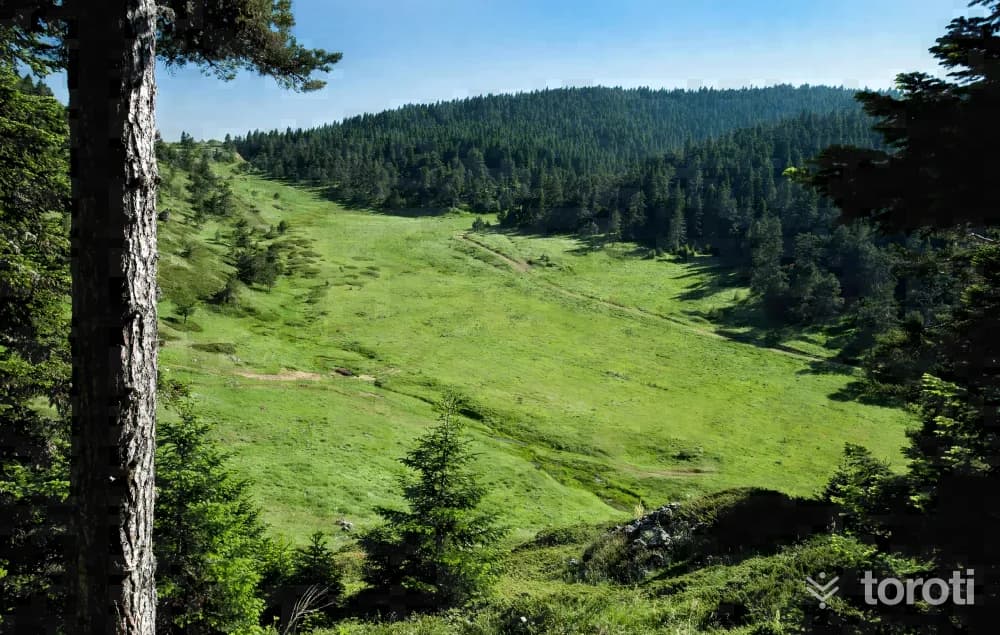
Located 28 kilometers from the center of Bozüyük district, the plateau is covered with fir, black pine, beech, juniper trees and all kinds of flowers, and has 4 spring waters. Its highest peak is around 1700 meters. It is planned that this natural paradise, which is currently used for plateau and trekking tourism, will be used as a winter tourism center with the arrangements to be made.
45 minutes
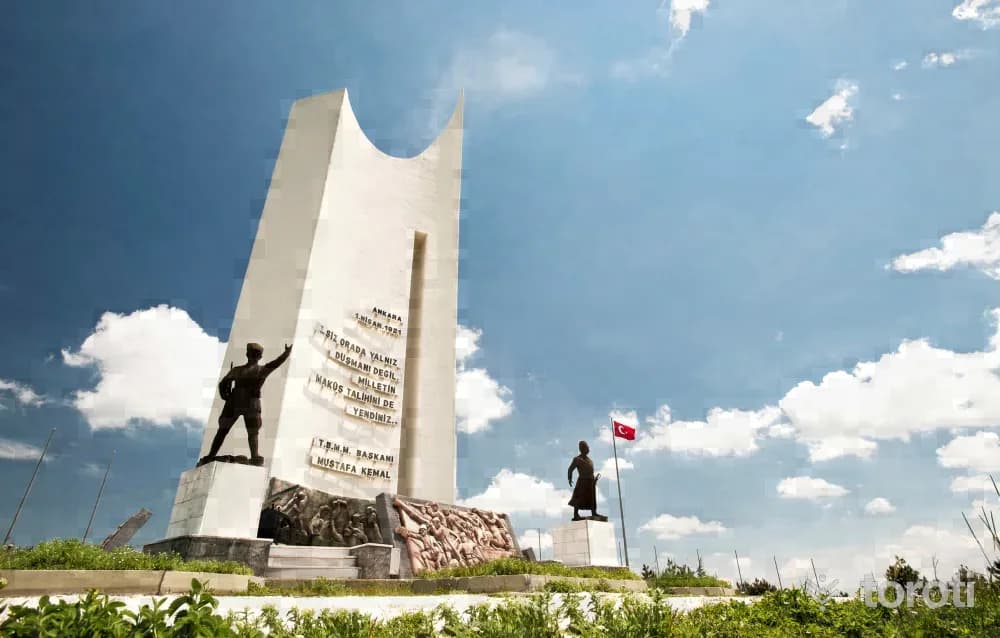
Metristepe Zafer Anıti
Located 12 kilometres off the road at the end of the Bozüyük-Eskişehir highway, the monument was built on Metris Tepe, where the İnönü Battles were won and which the great leader Atatürk referred to in the congratulatory telegram he sent to İsmet İnönü, saying, "There you defeated not only the enemy, but also the nation's ill fate," in order to keep alive the sublime memories of our martyrs. It symbolizes the invincibility of the Turk.
45 minutes
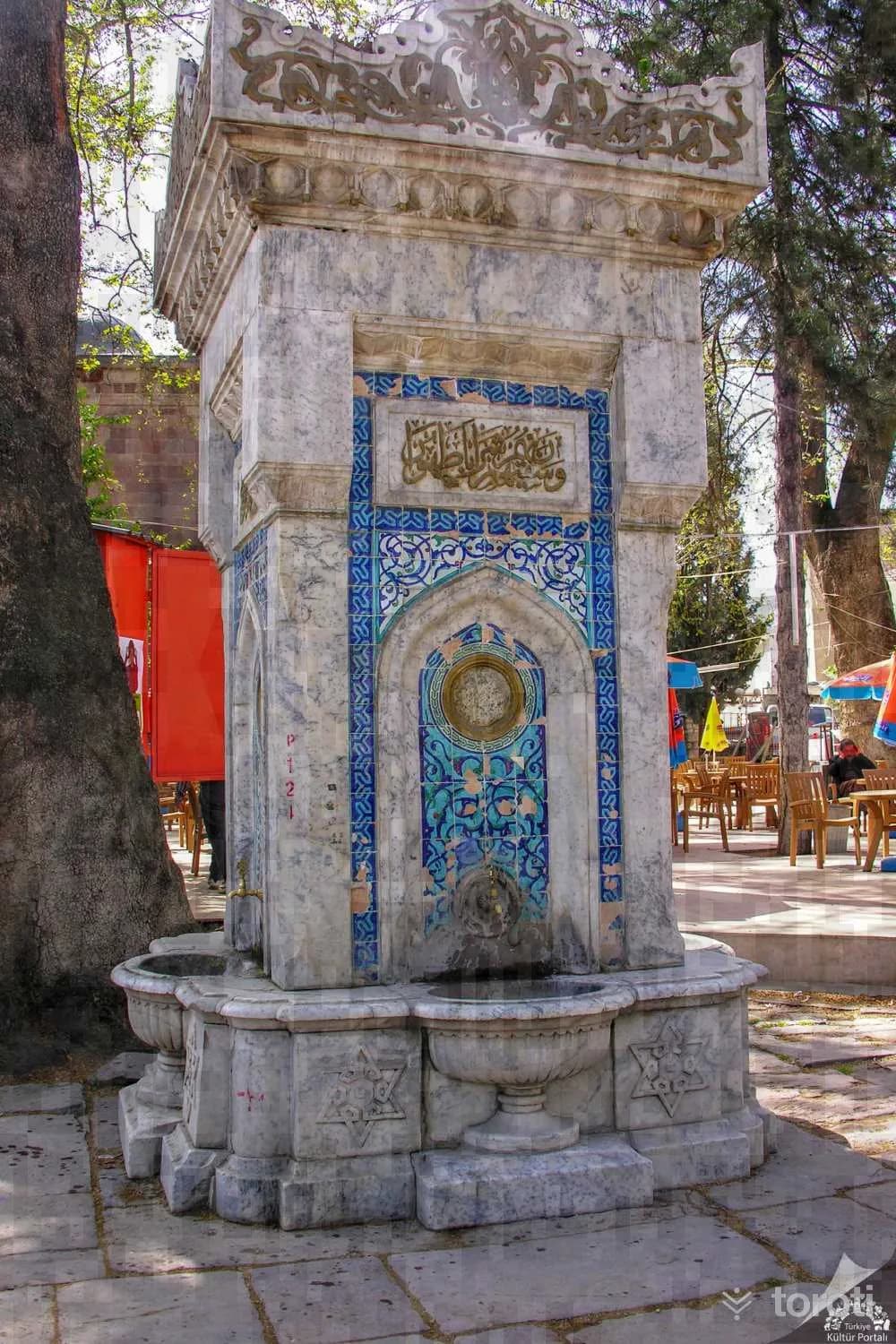
Kaymakam Sait Bey Çeşmesi
The fountain in neoclassical style located in front of Çelebi Mehmet Camisi was commissioned by Kaymakam Sait Bey in the late 19th century and is an important example of the late period of Ottoman Art. In the middle of the three sides of the fountain there are scalloped vase-shaped valaks, and on both sides there are embossed gilded motifs. The surfaces are in the form of pointed-arch niches, and the inside and upper part of the niche are covered with colored tiles.
20 minutes
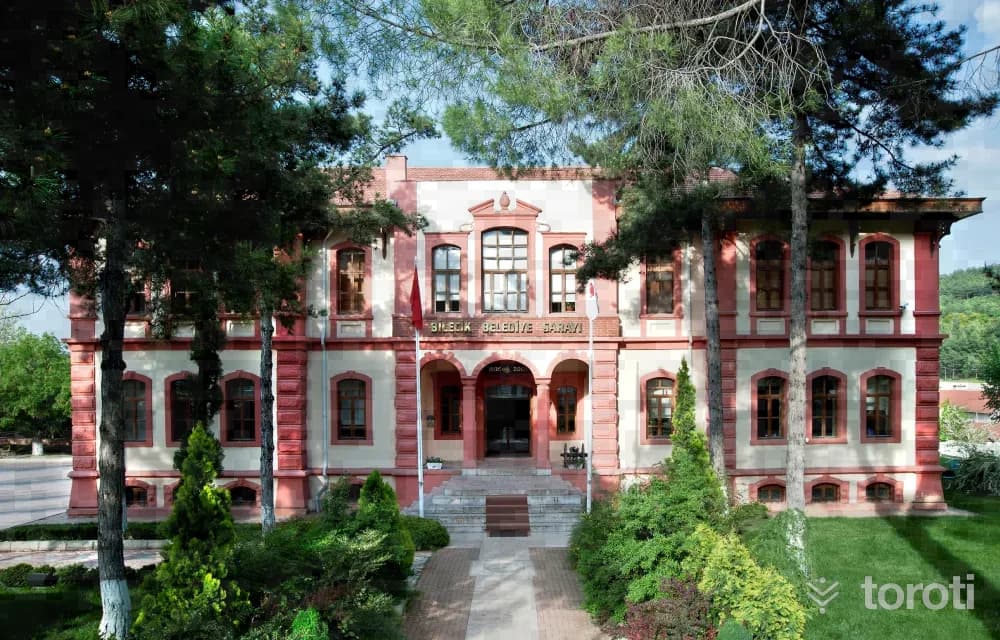
Rüştiye Mektebi / Belediye Hizmet Binası
The building, which is used today as the Bilecik Municipality service building, is an elegant work commissioned by Sultan 2.Abdülhamit in 1905 as a Rüştiye (Middle School). The building, which was used as a school for many years, was restored by Bilecik Municipality in 2005 with the contributions of the Ministry of Culture and Tourism and began to be used as a service building.
45 minutes
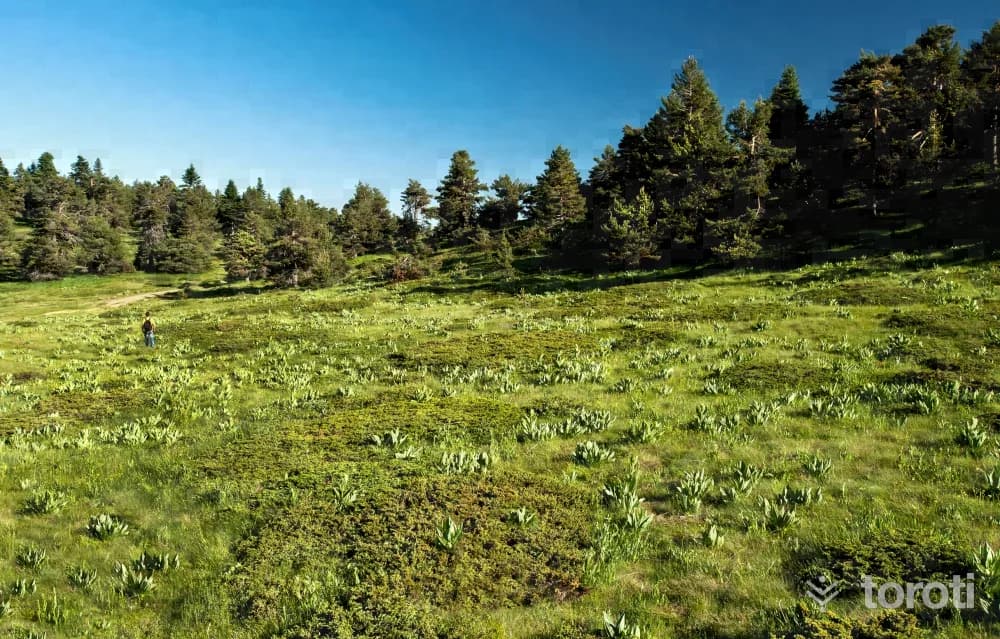
Çiçekli Yayla
At an altitude of 1906 meters, Çiçekli Yayla, the highest plateau of Bozüyük District, is a natural wonder of extraordinary beauty with its crystal-clear air, clear waters, lush green grass, colorful flowers, forest texture, and the endemic plant “Çimtien,” while the scents of thyme cover the whole of nature, and it is located in the Üç Tepeler area.
45 minutes
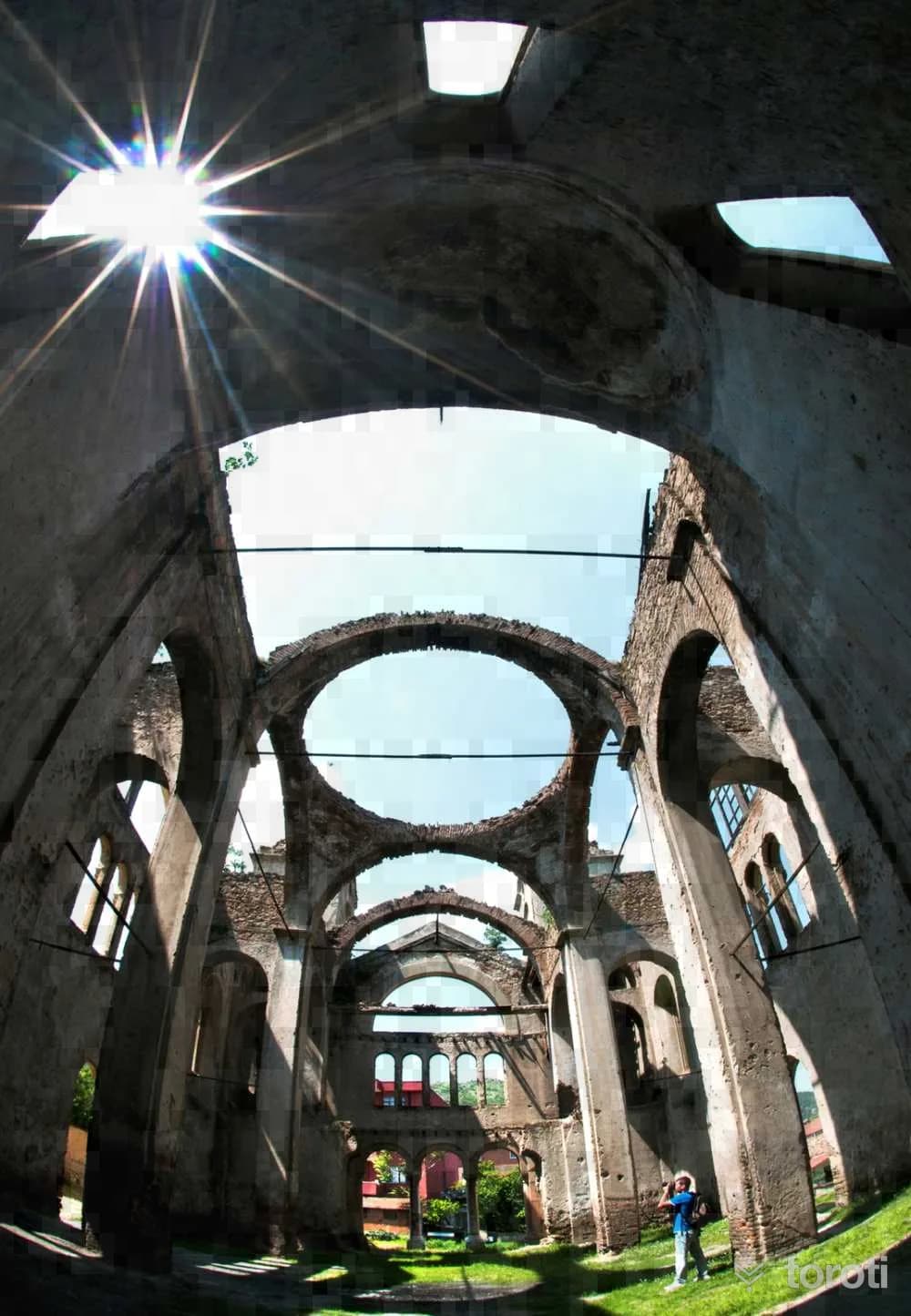
Hagios Georgios Rum-Ortodoks Kilisesi
The structure in the Osmaneli district center is a three-aisled, cross-planned domed basilica-style building in which Eastern and Western art are embodied. Its small central dome and roof covering have collapsed. It is understood that the roof covering outside the dome was covered with a vault. A bell tower rises at each of the two corners of the front facade. The building is an imitation of Medieval churches, built toward the end of the 19th century.
30 minutes
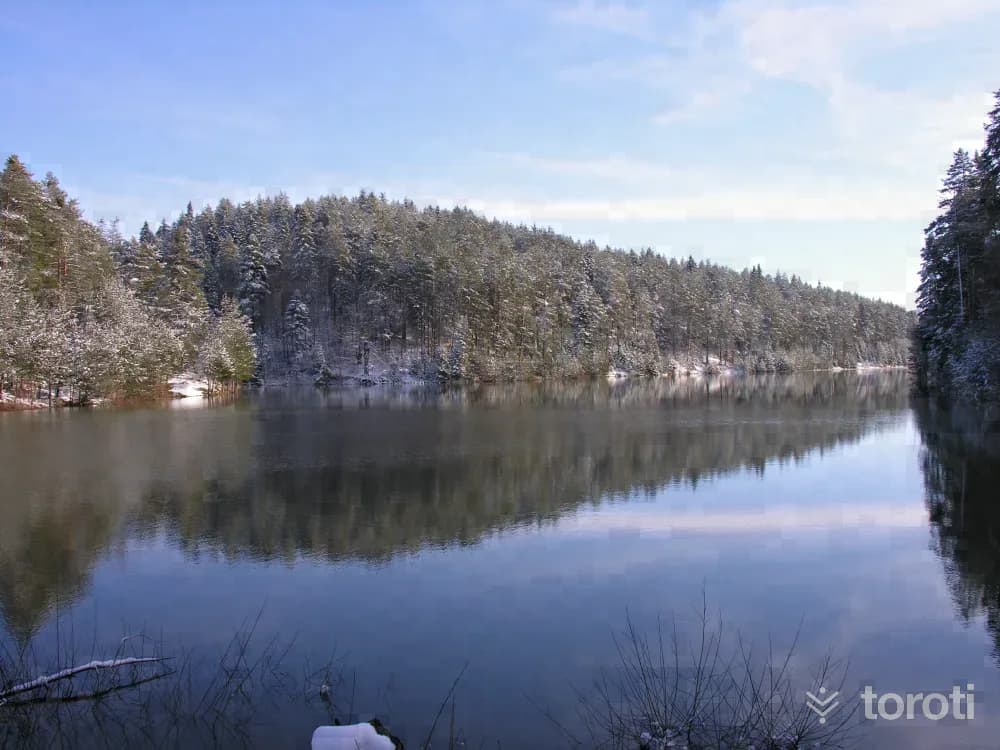
Bozcaarmut Göleti
Bozcaarmut Pond is a natural wonder that visitors cannot give up, with its untouched nature, suitability for angling, the meeting of the pine trees surrounding the lake with the waters, its air, silence, and extraordinary beauty. Where is Bozcaarmut Pond? It is near Bozcaarmut Village in the Pazaryeri district of Bilecik.
45 minutes
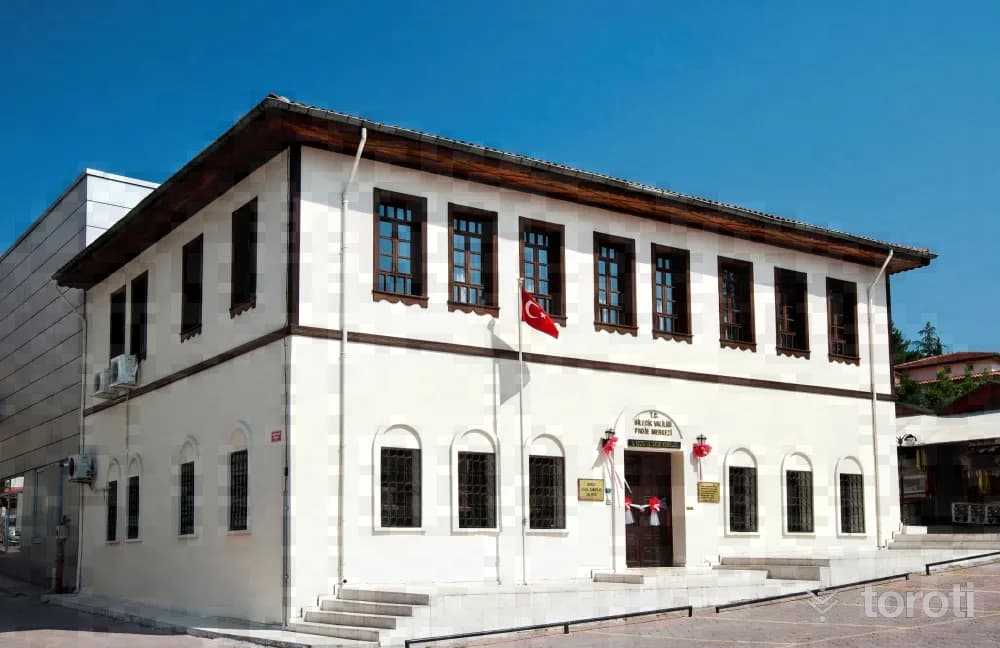
Aşevi / Kültür Ve Turizm Müdürlüğü Hizmet Binası
The building, which was commissioned in the late 18th century and served for a long time as a soup kitchen, military recruitment office and lodging, was restored in 2002 and opened for use, and is currently used as the service building of the Provincial Directorate of Culture and Tourism. The structure bears all the characteristics of Ottoman architectural aesthetics.
45 minutes
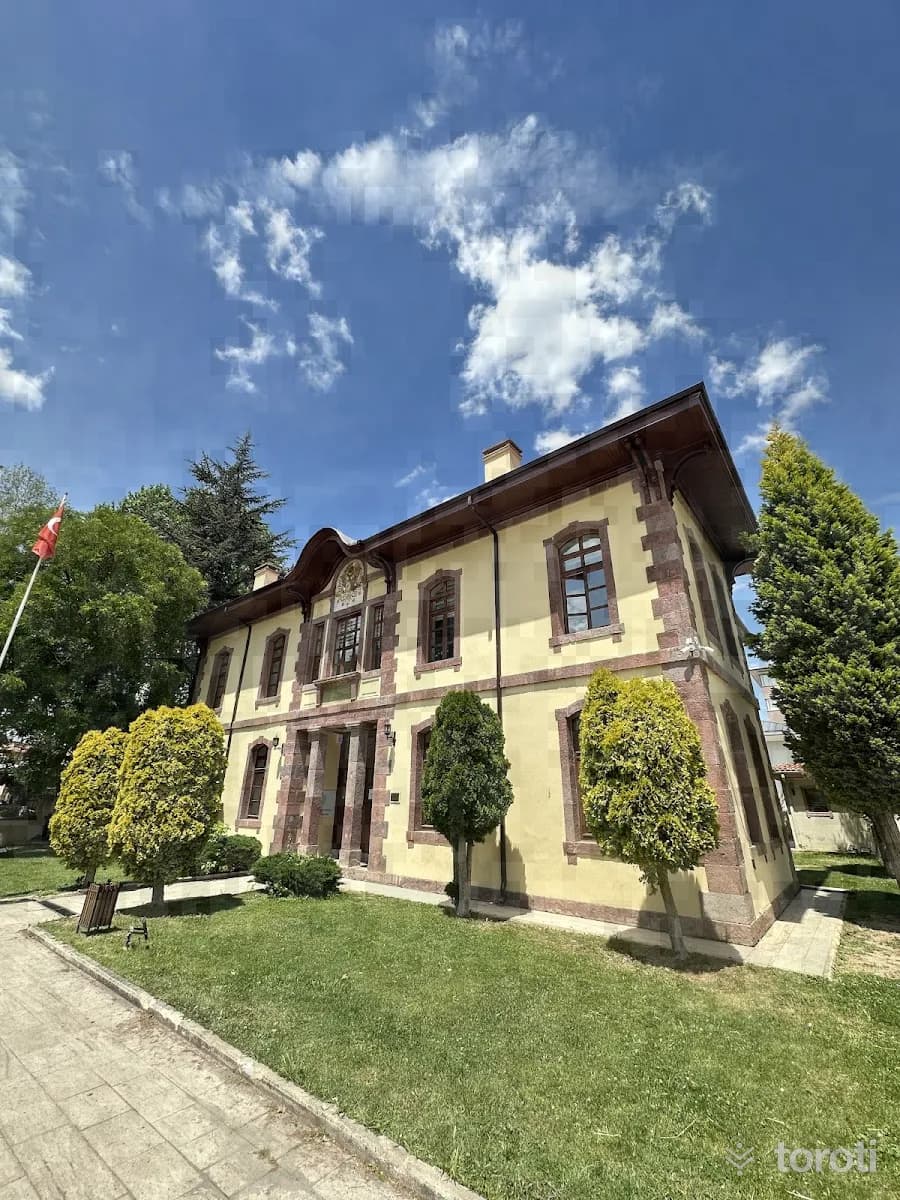
Hamidiye İdadisi
It was commissioned together with Hamidiye Camii by Sultan 2.Abdülhamit in 1905. The lower and upper floor plans of the two-storey structure, built of red cut stone, are of the same form. The building, which has an Ottoman coat of arms made of marble above the entrance door, was restored in 2008 and put into service as the District library.
30 minutes
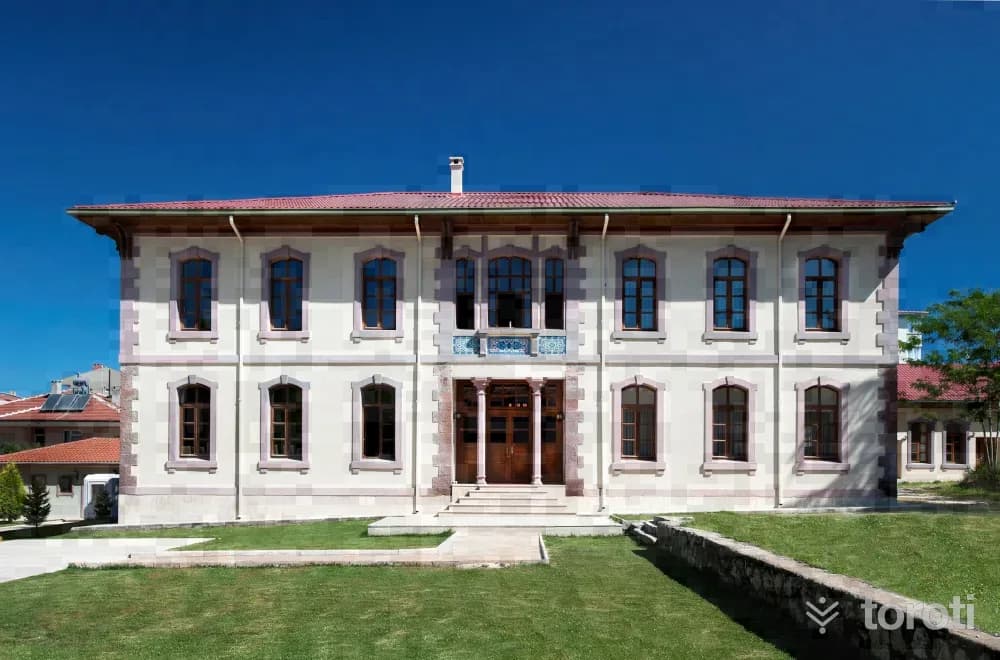
Dar’Ül - Eytam - Yetimler Yurdu
Together with Hamidiye Camii and Hamidiye İdadisi, it was commissioned in 1905 by Sultan 2.Abdülhamid for the education of children orphaned in the war. The ground and upper floor plans are similar. The building, allocated to the Ministry of National Education, was restored in 2008.
45 minutes
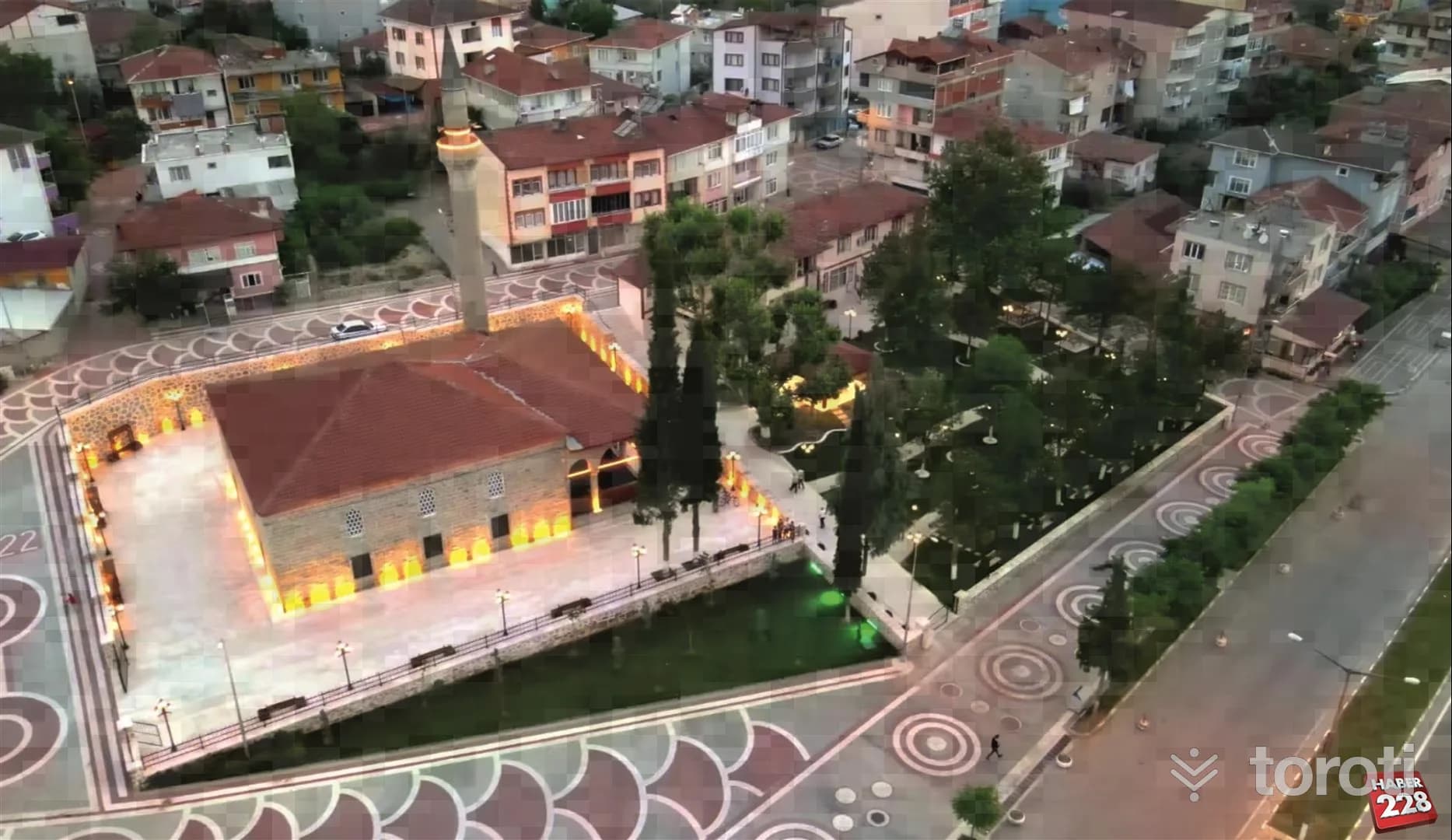
Köprülü Mehmet Paşa Camii
The mosque, commissioned by Köprülü Mehmet Paşa in 1665, is located in the town of Vezirhan on the Bilecik-Sakarya Highway, near the Köprülü Mehmet Paşa Caravanserai. It has a rectangular plan, and its walls are of cut stone. No document has been found to confirm the claim that the mosque is a work of Mimar Sinan.
20 minutes
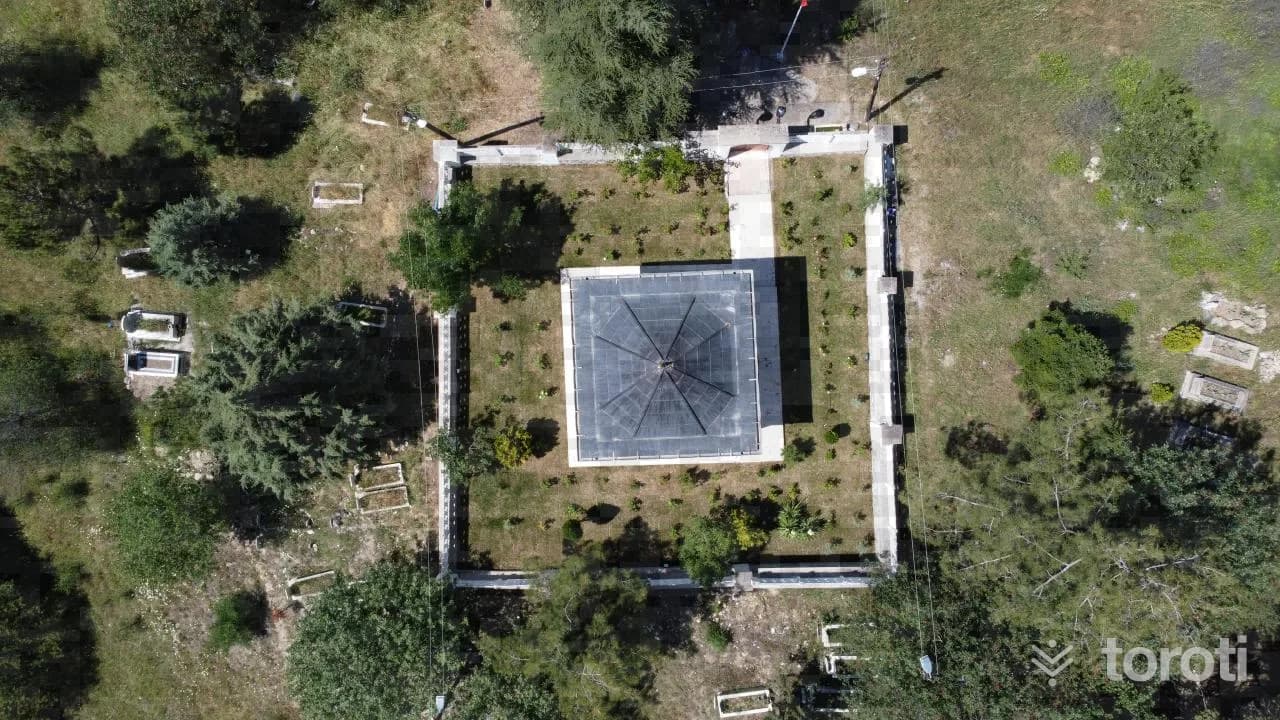
Mihal Gazi Türbesi
Known in the Byzantine period as Mihail (Kosses), the tekfur of Harmankaya, and referred to among the Turks as Köse Mihal, Mihal Gazi converted to Islam, took the name Abdullah, and joined the Ottomans with his lands and army. His tomb is located in Harman Köy, connected to İnhisar district.
20 minutes
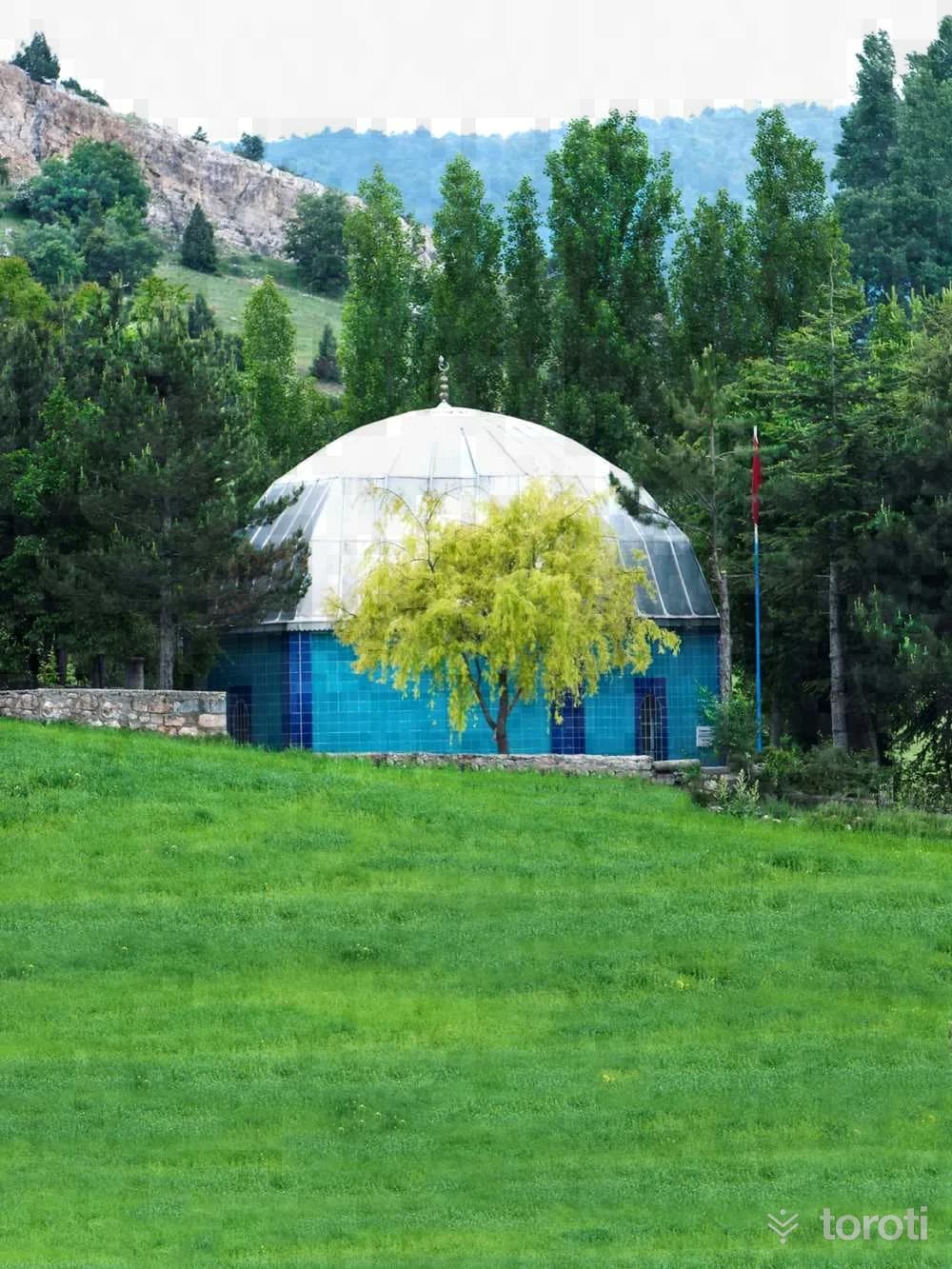
Kumral Abdal Türbesi
Kumral Abdal, one of the dervishes who held an important place in the foundation period of the Ottoman State, was Ertuğrul Gazi's standard-bearer and a disciple of Şeyh Edebalı. His tomb is located 2 km from Bozüyük, on the road to Kovalıca Village.
20 minutes
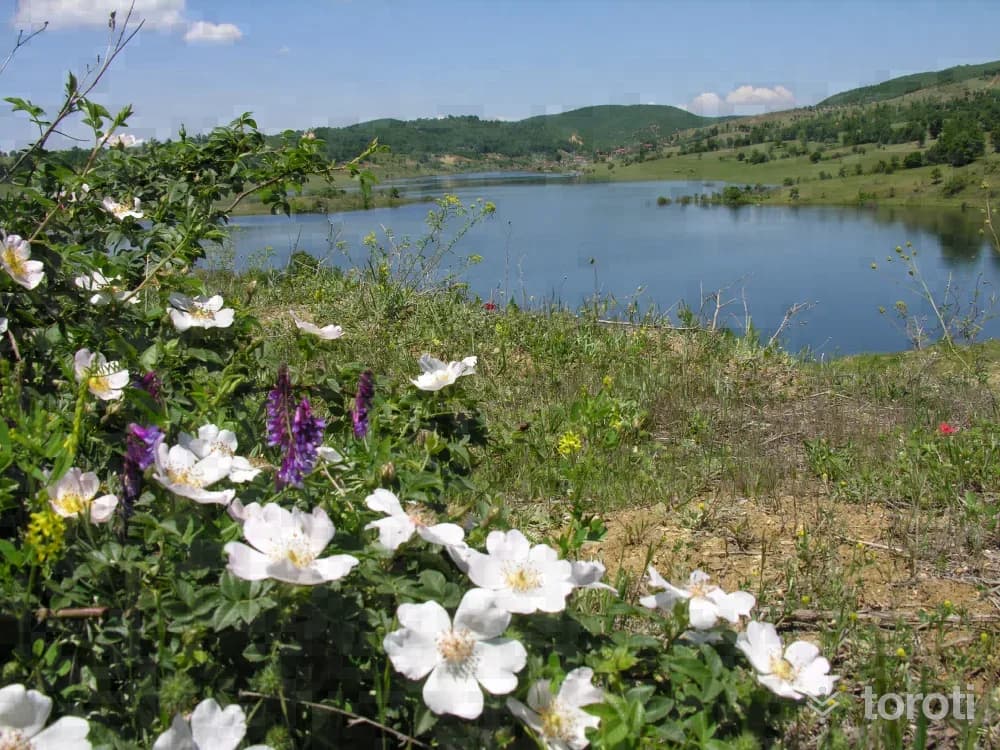
Günyurdu Göleti
The pond, built for irrigation purposes, has over time become one of Bilecik's most preferred recreation areas both for its natural beauty and for angling.
45 minutes
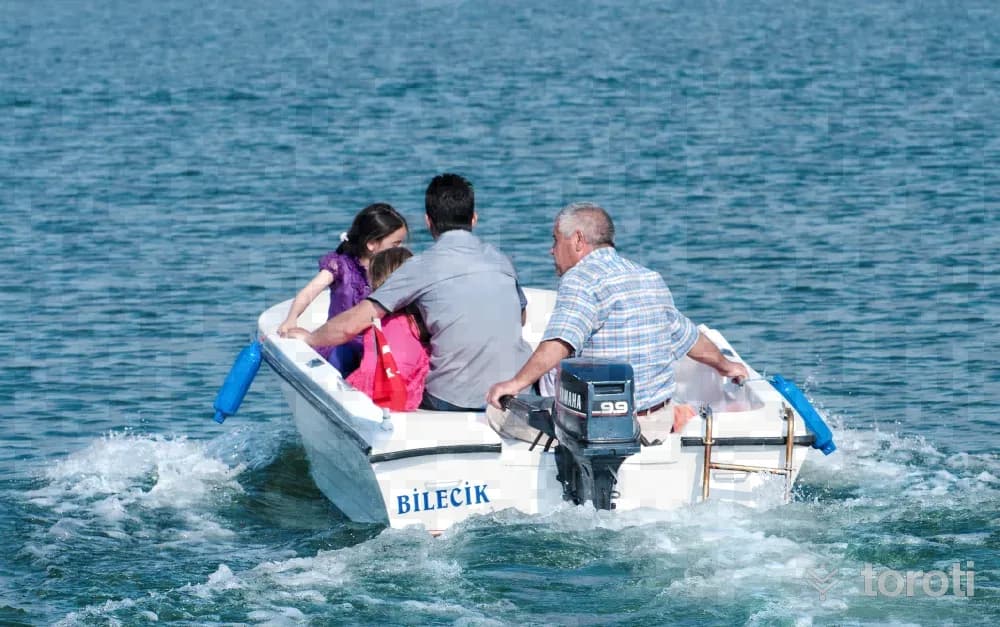
Pelitözü Su Sporları
The pond, surrounded by pine trees, is 7 km from the city center. The pond, which has an area of 213.50 hectares, attracts great interest especially on weekends due to its easy accessibility and having a large area.
45 minutes
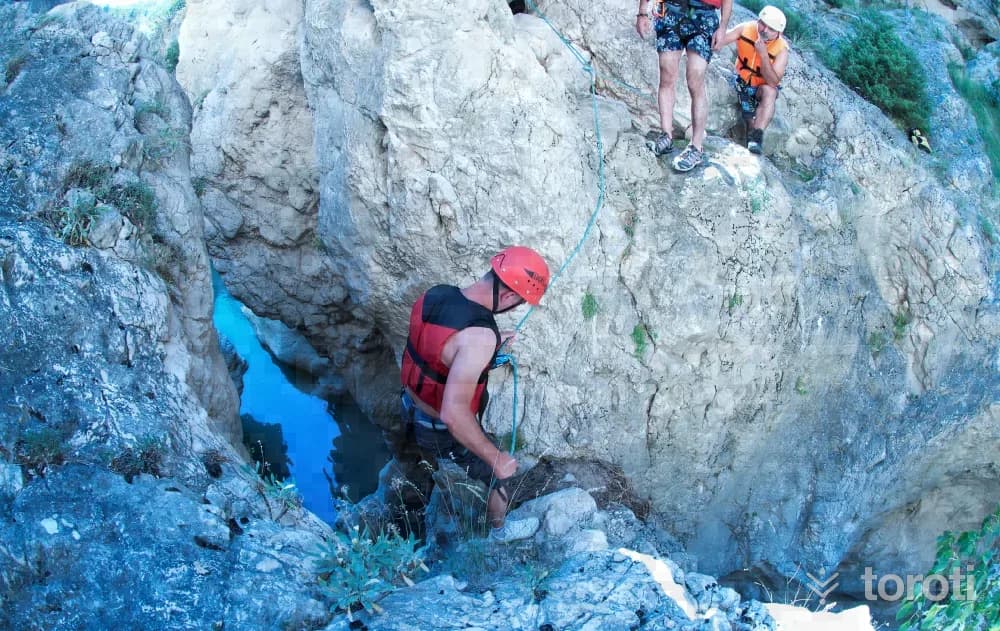
Bilecik Kanyoning
The 3100-meter-long canyon located between Yenipazar, Karahasanlar- İnhisar, and Harmanköy is suitable for canyoning. The canyon can be traversed in the spring and summer months.
45 minutes
Dursun Fakıh Türbesi
DursunFakıh, a Turkish scholar who witnessed the foundation of the Ottoman State, was born in Karaman and was a student of Şeyh Edebalı. He studied the sciences of tafsir, hadith and fiqh. By marrying Şeyh Edebalı's daughter, he became his son-in-law and also Osman Gazi's brother-in-law. After Karacahisar was conquered in September 1299, he delivered the Friday sermon in the name of Osman Gazi and led the Friday prayer.
20 minutes
Belekoma Kalesi
Bilecik was known by the name Belekoma during the period when it was an Eastern Roman (Byzantine) city. Belekoma Castle, whose ruined foundations can now be found and around which the old city of Bilecik was established and developed, had also been built on the steepest and most rugged rock of the Hamsu Valley in the Karasu Basin. Today, foundation fragments filling the empty spaces in the rocks can be seen on the eastern face of the castle, of whose walls no trace remains.
20 minutes
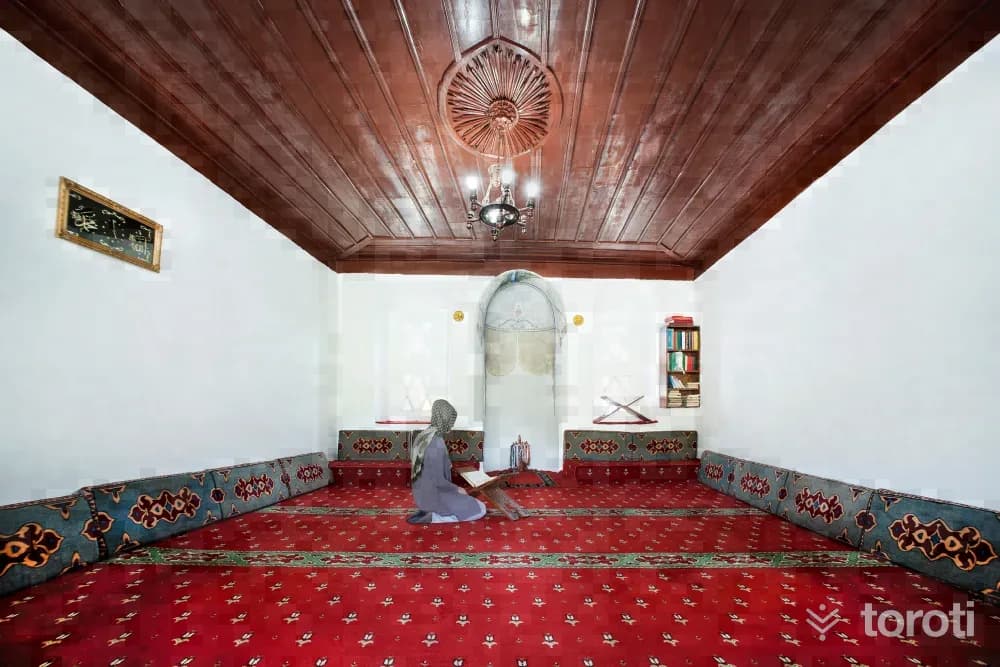
Şeyh Edebali Türbesi
Şeyh Edebali, regarded as the spiritual founder of the Ottoman State, was a contemporary of Mevlana Celaleddini Rumi. His full name is İmadüddin Mustafa b.İbrahim b.İnac el-Kırşehri. Edebalı received his early education in Karaman. He became a student of the Hanafi jurist Necmeddin ez-Zahidi. Later, he went to Dımaşk (Damascus) and studied religious sciences under the well-known scholars of the period such as Sadreddin Süleyman b.Ebül-iz and Cemalettin el-Hasiri. After returning to his homeland from Damascus, he turned to Sufism.
45 minutes
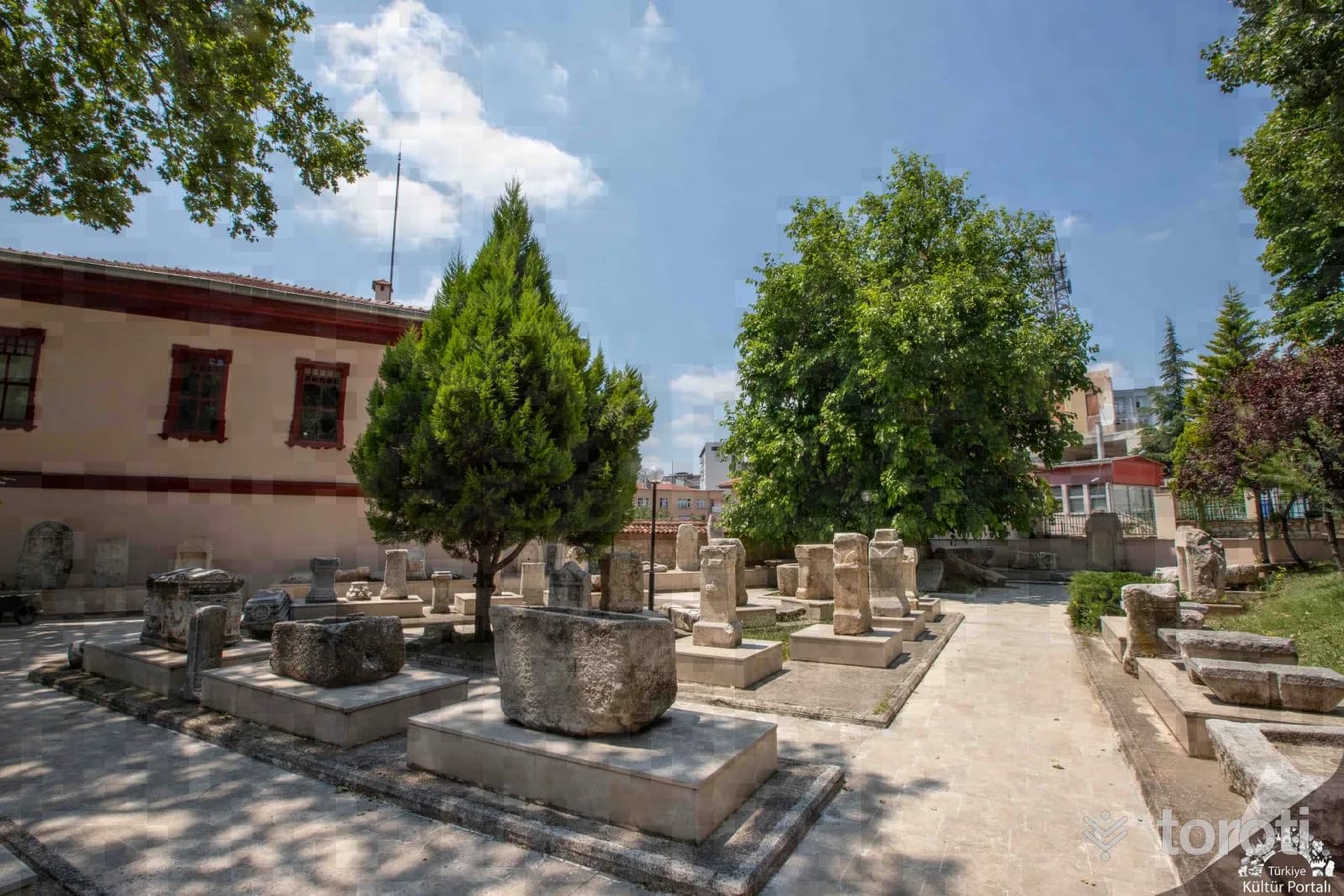
Bilecik Müzesi
Bilecik Museum is located in a historic gendarmerie building and showcases archaeological and ethnographic artifacts.
45 minutes
Ertuğrul Gazi Türbesi
It is the tomb of Ertuğrul Gazi, the father of Osman Gazi, the founder of the Ottoman Principality, and a Seljuk frontier lord, located in the district of Söğüt. The exact construction date of the structure, built in the late 13th century, is not known. It was first commissioned by Osman Gazi as an open grave, and later turned into a tomb by Mehmed I Çelebi. During the reign of Sultan مصطفى III, it was repaired in 1757 almost as if rebuilt, and its original form was changed. In 1886, II.
20 minutes
Atatürk Köşkü
ATATÜRK FOREST MANSION, located in the Gülalan area 7 km from Erikli village, was built by İbrahim Çolak, one of Atatürk’s close comrades-in-arms and one of the important figures identified with Bilecik through his deeds. During Atatürk’s visit to Bilecik in 1930, he was hosted in this mansion. The building bears the characteristics of Bulgarian Architecture.
30 minutes