Places to visit
Things to do in Bilecik (merkez)
12 destinations, each with a description, how long it takes and where it sits on the map.
In short
toroti’s catalogue holds 12 described destinations within Bilecik (merkez), Bilecik. The themes that come up most: History, Faith heritage, Nature, Local culture, Museum, Culture.
Orhan Gazi Camii
Although the exact date of the first construction of Orhan Gazi Camii is not known, it is thought to have been built at the beginning of the 14th century together with Orhan Gazi's other works, and the place of worship, with a capacity of 365 worshippers, underwent repairs and was restored in 1973. It is 50 m. from Edebalı Türbesi, and its most interesting feature is that, whereas minarets are usually adjacent to the mosque, here its original minaret was built on a rock 30 m. away from the main building.
20 minutes
Pelitözü Göleti
The pond, surrounded by pine trees, is 7 km from the city center. Due to its easy accessibility and having a large area, it attracts great interest especially on weekends. Around the lake, there are a yörük tent, tea gardens, a gözleme house, and places where you can barbecue; you can rent a bicycle to tour around the lake and also ride pedal boats on the lake.
60 minutes
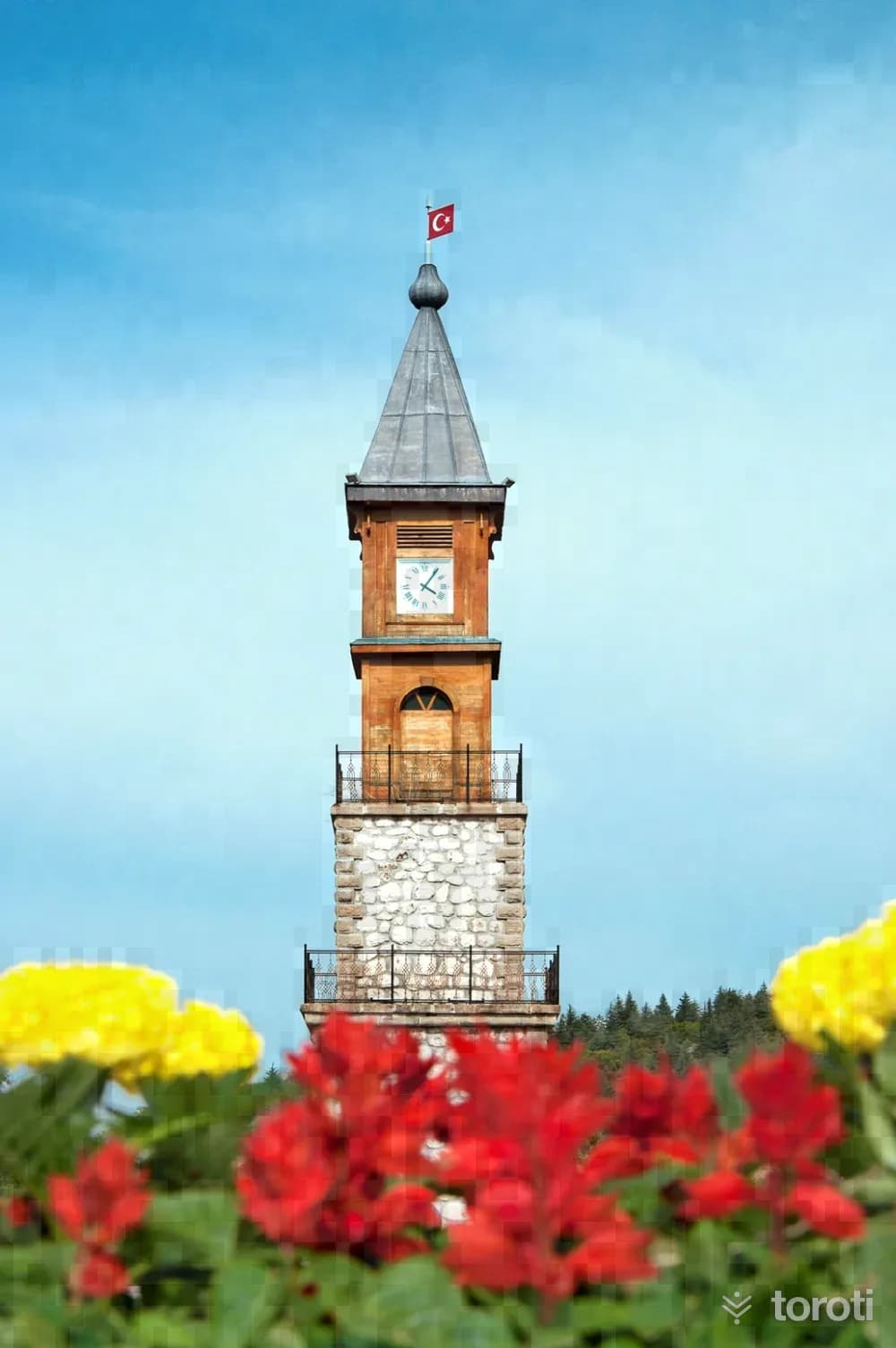
Bilecik Saat Kulesi
One of the first monuments that catches the eye when entering Bilecik from Eskişehir is the clock tower. In the Ottoman Empire, the tradition of building clock towers began to emerge in the late XVI century. In Ottoman cities, this tradition became widespread from west to east in the XVIII and XIX centuries. The most important reason for the spread of clock towers into the interior of Anatolia was the decree that II. Abdülhamid sent to governors regarding the construction of clock towers on the 25th anniversary of his accession to the throne (1901).
45 minutes
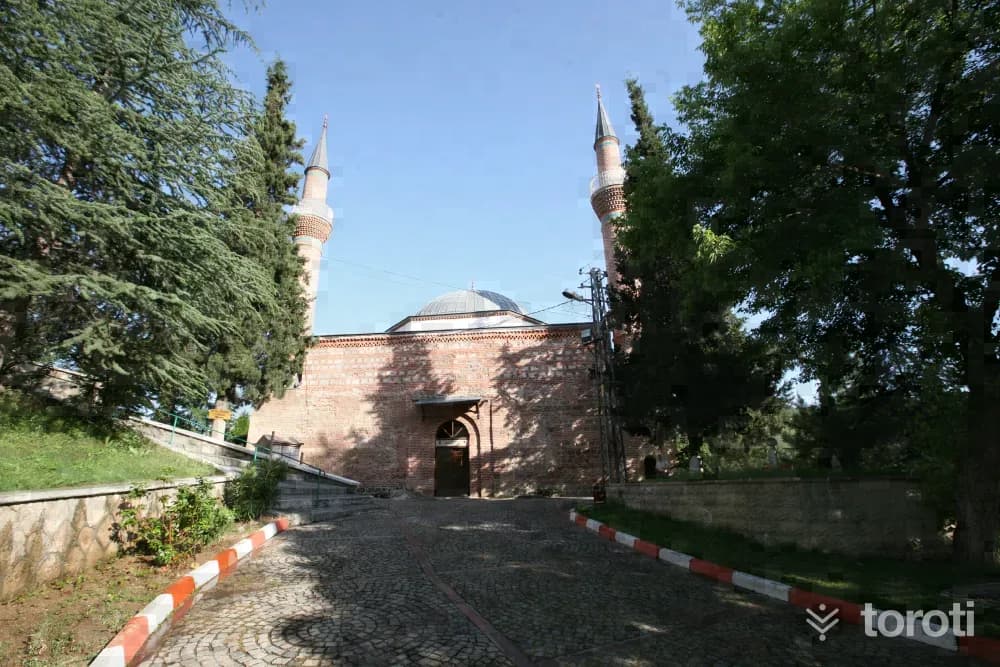
Orhangazi Camii
Although the exact date of the first construction of Orhan Gazi Camii is not known for certain, it is thought to have been built at the beginning of the 14th century together with Orhan Gazi's other works. The place of worship, with a capacity of 365 worshippers, underwent repairs and was restored in 1973. It is 50 metres from Şeyh Edebalı Türbesi, and its most interesting feature is that while minarets are usually adjacent to the mosque, here its main minaret was built on a rock 30 metres away from the main building. II.
45 minutes
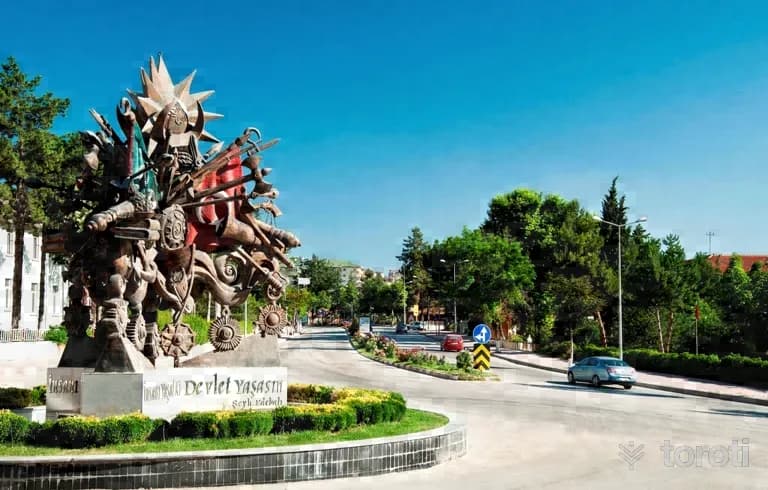
Osmanli Devlet Arması
THE MEANINGS OF THE SYMBOLS AND EMBLEMS FOUND IN THE OTTOMAN STATE COAT OF ARMS: The sun signifies the caliphate, the moon the sultanate, the weapons state power, the flowers love and affection, the scales justice, the book the law and devotion to God's laws, and the round shapes at the very bottom represent the state decorations given to successful individuals. The tuğra inside the round shape at the very top is the tuğra of the sultan of the period.
45 minutes
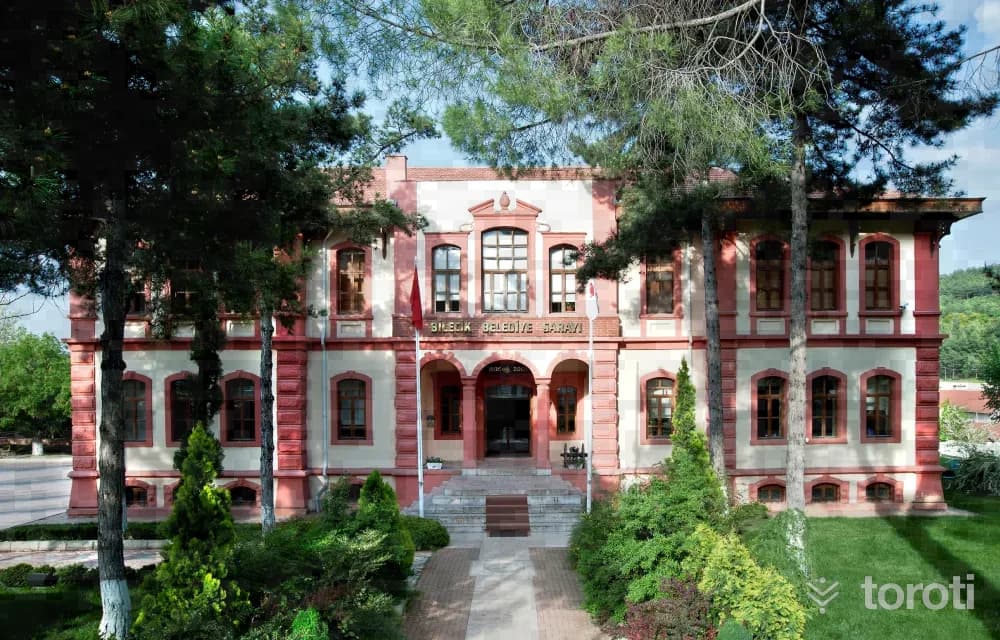
Rüştiye Mektebi / Belediye Hizmet Binası
The building, which is used today as the Bilecik Municipality service building, is an elegant work commissioned by Sultan 2.Abdülhamit in 1905 as a Rüştiye (Middle School). The building, which was used as a school for many years, was restored by Bilecik Municipality in 2005 with the contributions of the Ministry of Culture and Tourism and began to be used as a service building.
45 minutes
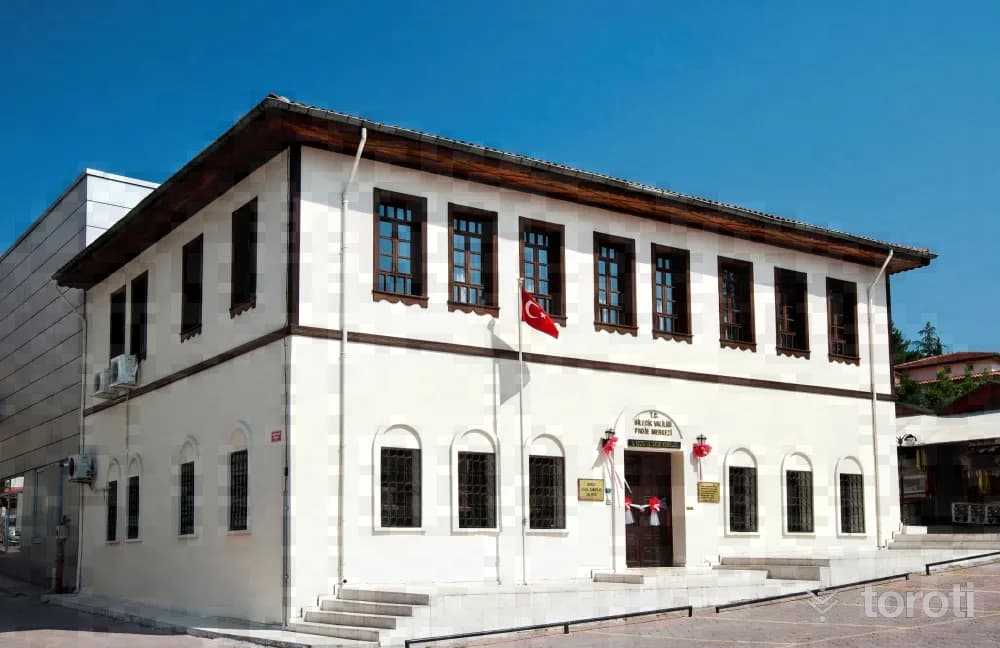
Aşevi / Kültür Ve Turizm Müdürlüğü Hizmet Binası
The building, which was commissioned in the late 18th century and served for a long time as a soup kitchen, military recruitment office and lodging, was restored in 2002 and opened for use, and is currently used as the service building of the Provincial Directorate of Culture and Tourism. The structure bears all the characteristics of Ottoman architectural aesthetics.
45 minutes
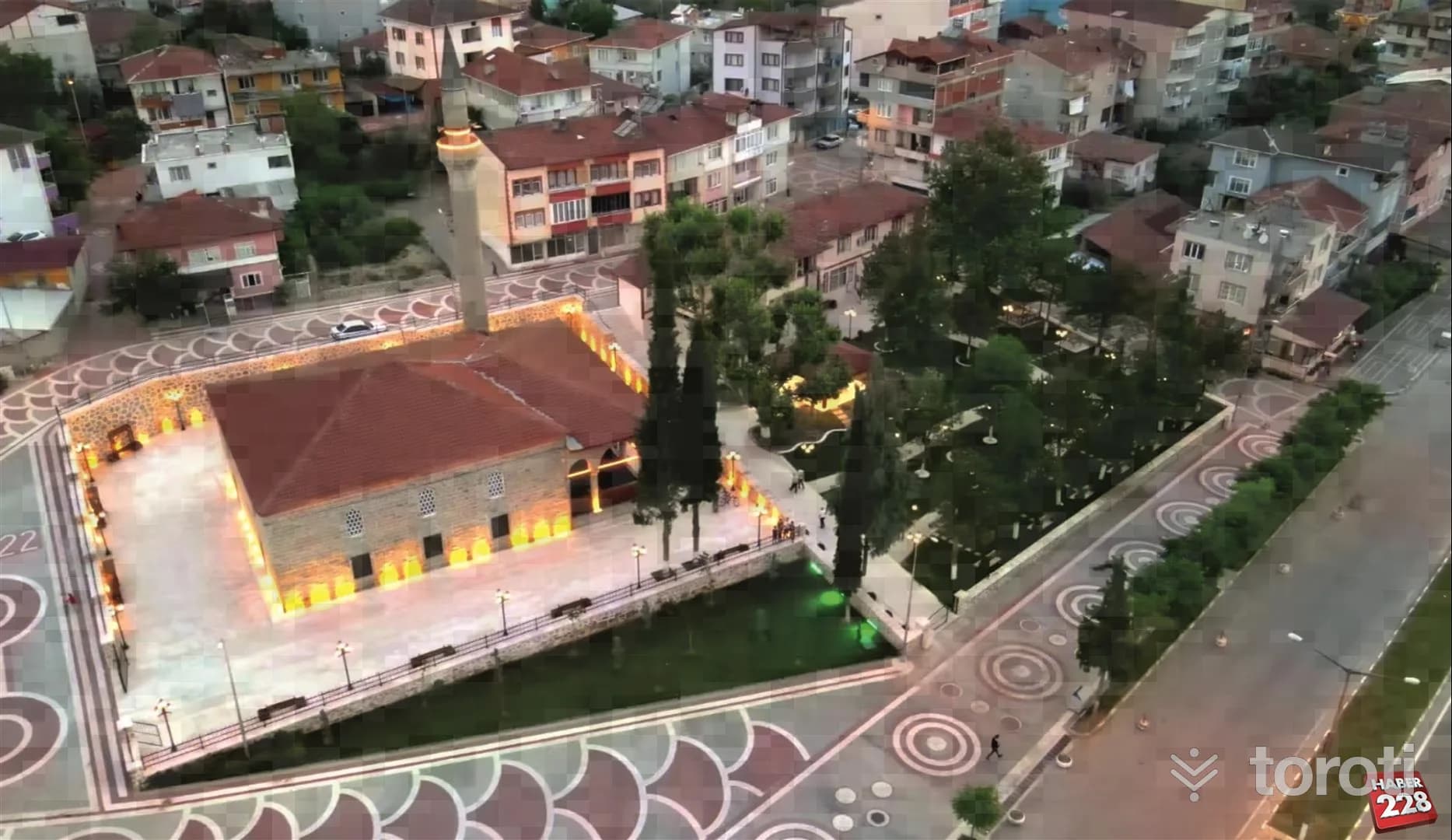
Köprülü Mehmet Paşa Camii
The mosque, commissioned by Köprülü Mehmet Paşa in 1665, is located in the town of Vezirhan on the Bilecik-Sakarya Highway, near the Köprülü Mehmet Paşa Caravanserai. It has a rectangular plan, and its walls are of cut stone. No document has been found to confirm the claim that the mosque is a work of Mimar Sinan.
20 minutes
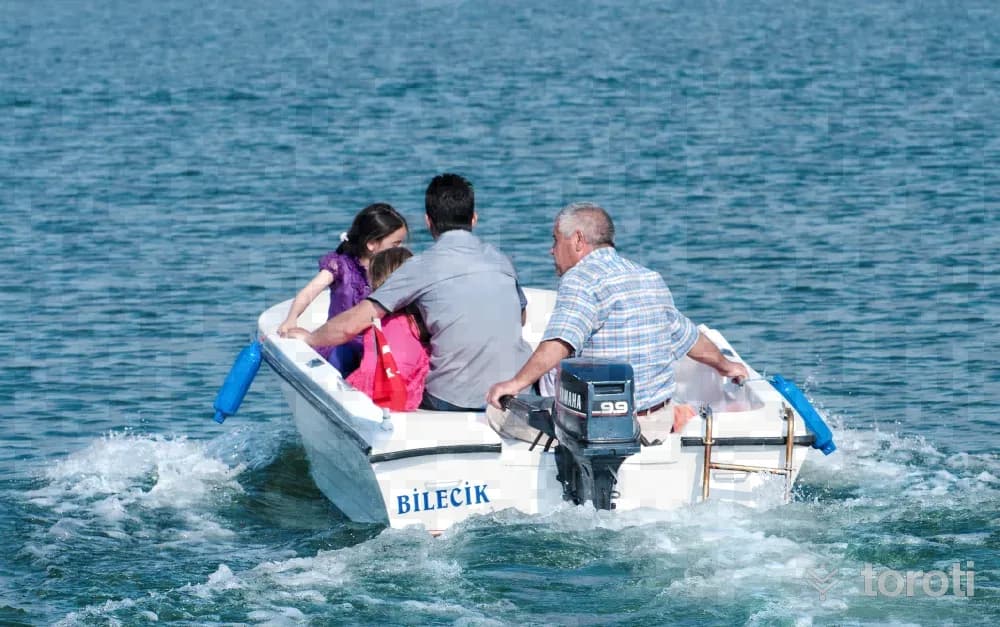
Pelitözü Su Sporları
The pond, surrounded by pine trees, is 7 km from the city center. The pond, which has an area of 213.50 hectares, attracts great interest especially on weekends due to its easy accessibility and having a large area.
45 minutes
Belekoma Kalesi
Bilecik was known by the name Belekoma during the period when it was an Eastern Roman (Byzantine) city. Belekoma Castle, whose ruined foundations can now be found and around which the old city of Bilecik was established and developed, had also been built on the steepest and most rugged rock of the Hamsu Valley in the Karasu Basin. Today, foundation fragments filling the empty spaces in the rocks can be seen on the eastern face of the castle, of whose walls no trace remains.
20 minutes
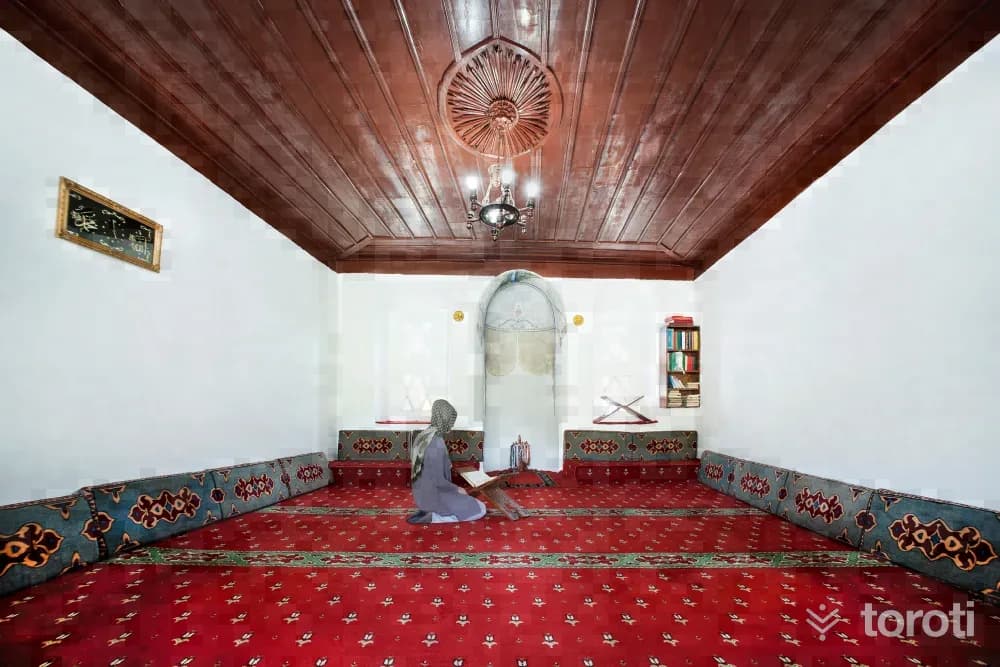
Şeyh Edebali Türbesi
Şeyh Edebali, regarded as the spiritual founder of the Ottoman State, was a contemporary of Mevlana Celaleddini Rumi. His full name is İmadüddin Mustafa b.İbrahim b.İnac el-Kırşehri. Edebalı received his early education in Karaman. He became a student of the Hanafi jurist Necmeddin ez-Zahidi. Later, he went to Dımaşk (Damascus) and studied religious sciences under the well-known scholars of the period such as Sadreddin Süleyman b.Ebül-iz and Cemalettin el-Hasiri. After returning to his homeland from Damascus, he turned to Sufism.
45 minutes
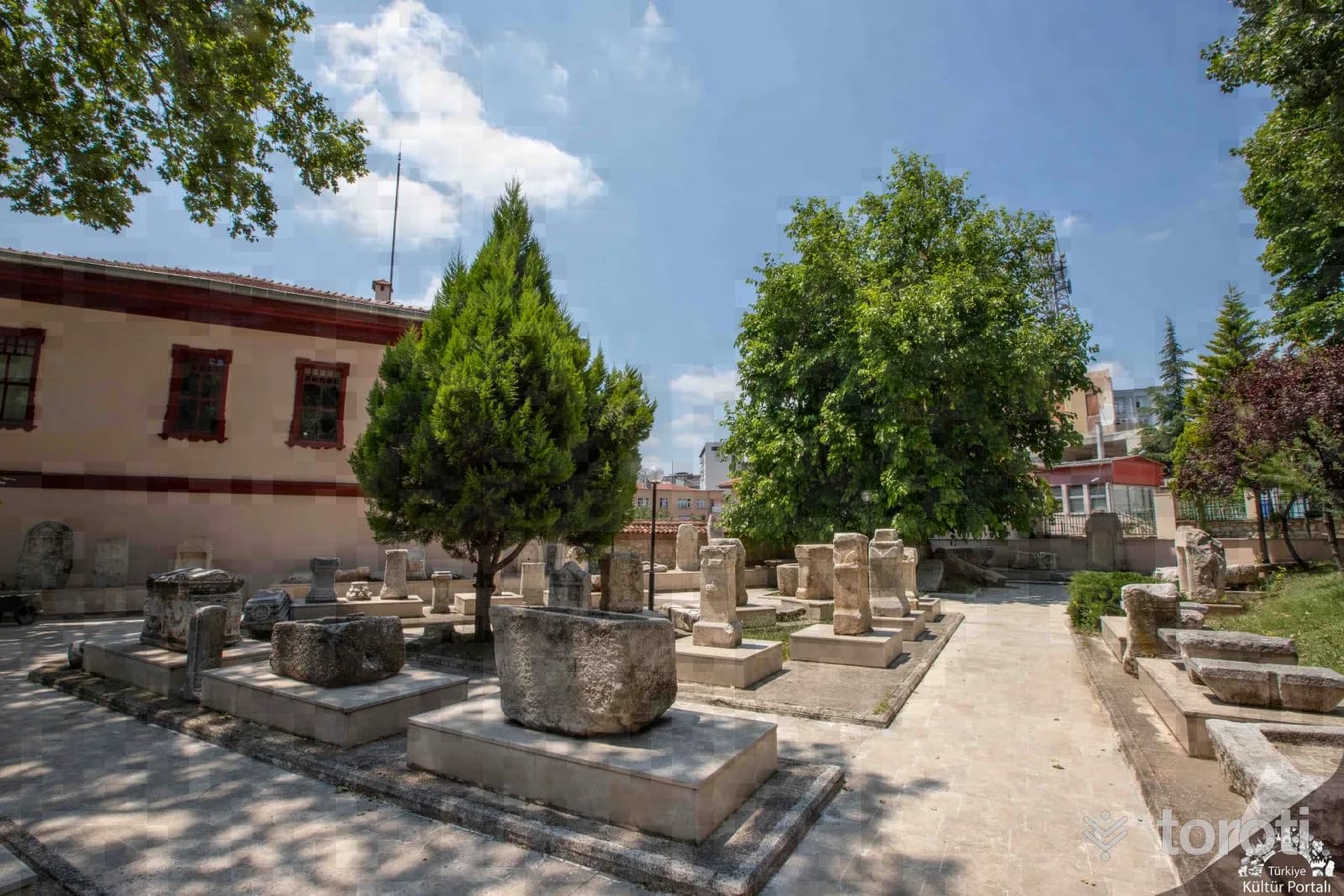
Bilecik Müzesi
Bilecik Museum is located in a historic gendarmerie building and showcases archaeological and ethnographic artifacts.
45 minutes