Stops along the way
Stops between İzmir and Antalya
505 km, roughly 6 hours of driving. The stops below are ordered as you pass them — the same road in both directions.
In short
The drive between İzmir and Antalya is 505 km and takes roughly 6 hours. There are 567 described places within 20 km of this route; it crosses 6 provinces, and the densest stretch is in Antalya (176 places).
There are 567 places within 20 km of this corridor; the 46 below are spread evenly along the drive.
- No image
1
Nif Dağı Antik Kazı Alanı
Kemalpaşa, İzmir
The Nif Mountain Archaeological Site, known as Olympos in ancient times, hosts remnants of various cultures.
- No image
2
Çeşnigir Camii
Şehzadeler, Manisa
Çeşnigir Mosque, built in 1474 by Çeşnigir Sinan Bey, who was freed by II. Mehmed, is one of the oldest mosques in the city.
- No image
3
Muradiye Camii ve Külliyesi
Şehzadeler, Manisa
The Muradiye Mosque and Complex was built between 1583-1592 on behalf of Sultan Murad III and is based on a design by Mimar Sinan.
4
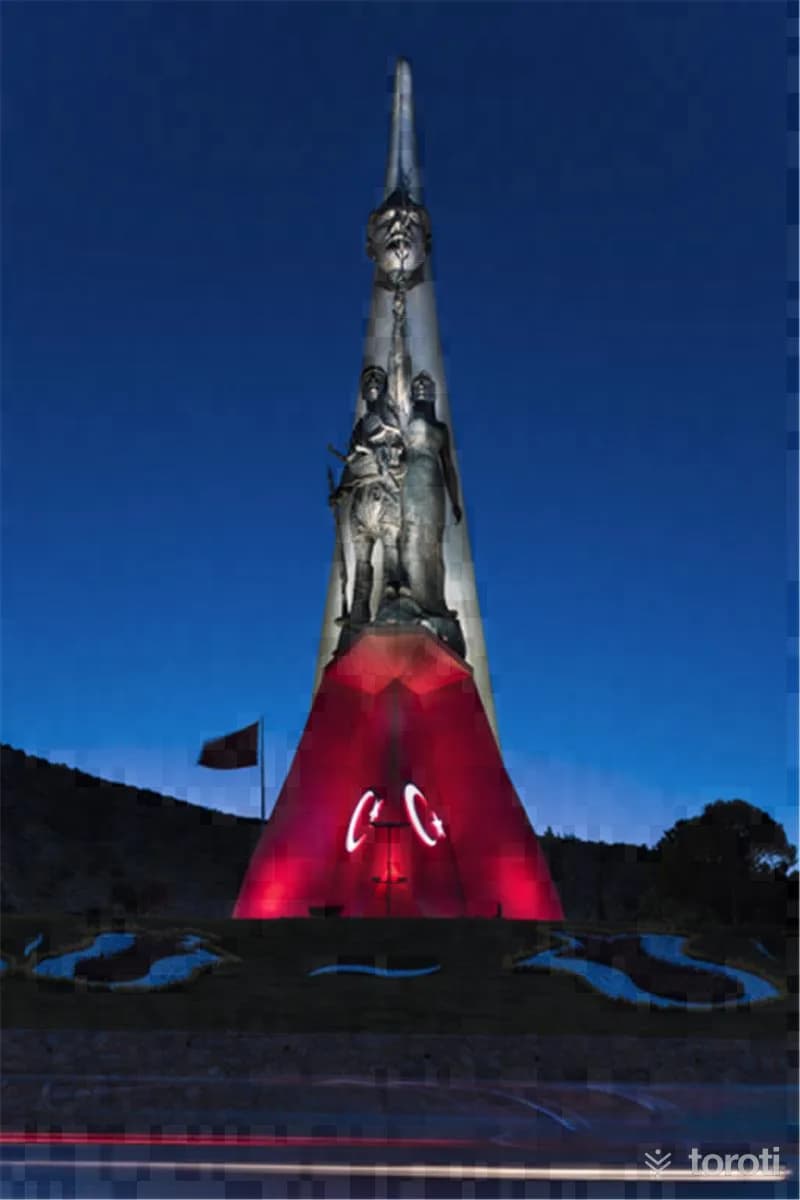
Kuvayı Milliye Anıtı
Yunusemre, Manisa
The Kuvayı Milliye Monument is a composition that elevates Atatürk's revolutions and progressive thoughts alongside the people.
- No image
5
Hisar Camii
Konak, İzmir
Hisar Mosque is the largest and most impressive mosque in Izmir, built in 1592. It features typical characteristics of classical Ottoman architecture.
6
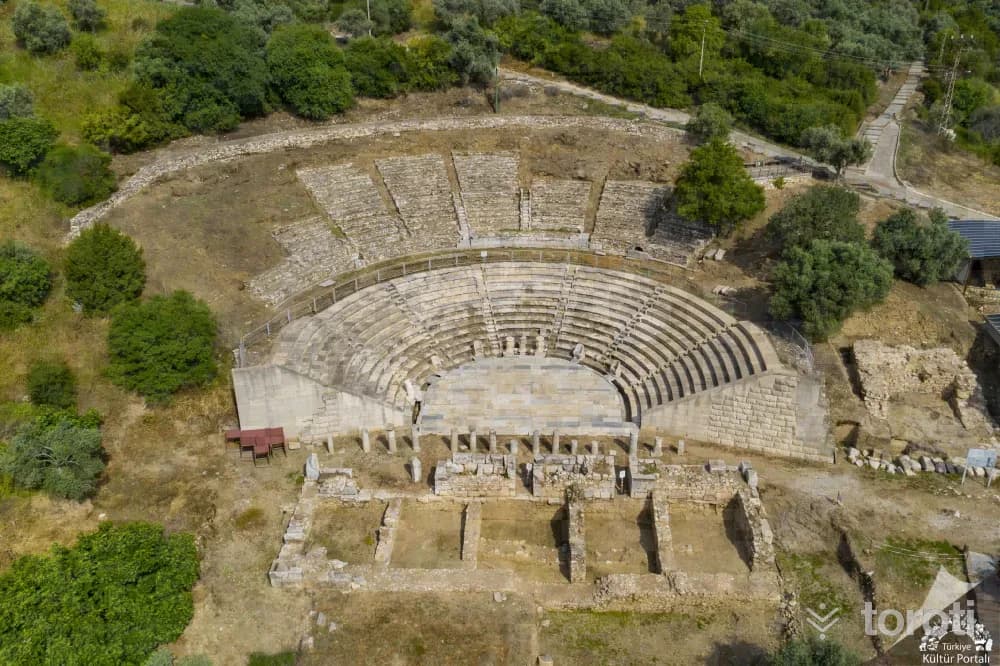
Metropolis Örenyeri
Torbalı, İzmir
Metropolis is an ancient settlement located 45 km east of Izmir, featuring remnants from the Hellenistic period and a theater that offers historical richness.
- No image
7
Jeep Ve Atv Safari
Selçuk, İzmir
Jeep and ATV safari services are offered in Selçuk and Menderes districts. It is possible to experience an unforgettable adventure amidst natural beauty.
8
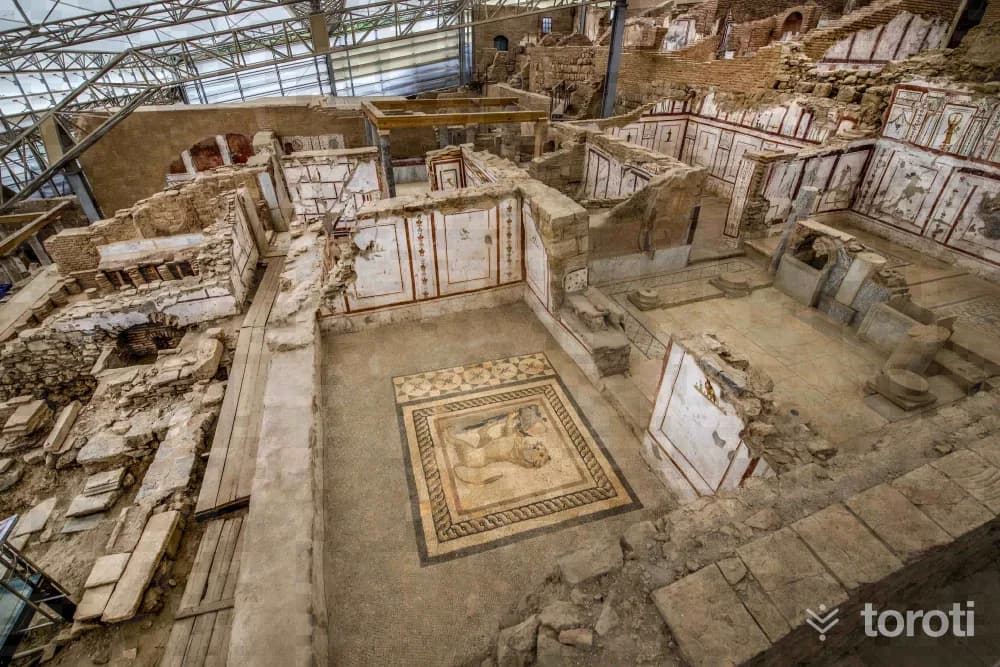
Efes Yamaç Evler
Selçuk, İzmir
The Terrace Houses of Ephesus are a well-preserved settlement of seven houses from the Roman period of the ancient city of Ephesus.
9
Yedi Uyuyanlar Mağarası
Selçuk, İzmir
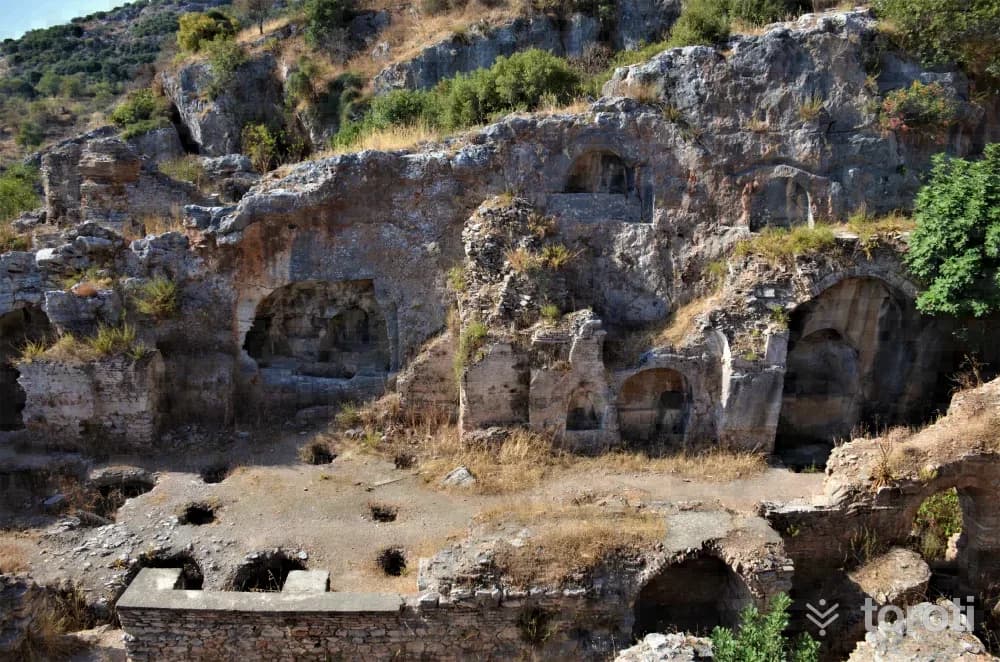
The Cave of the Seven Sleepers is a tourist site located near the ancient city of Ephesus, significant in both Islam and Christianity.
- No image
10
Trajan Çeşmesi
Selçuk, İzmir
The Trajan Fountain is a historical structure located in the Ancient City of Ephesus, built in the 2nd century AD.
11
Nasuhpaşa Küllliyesi
Efeler, Aydın
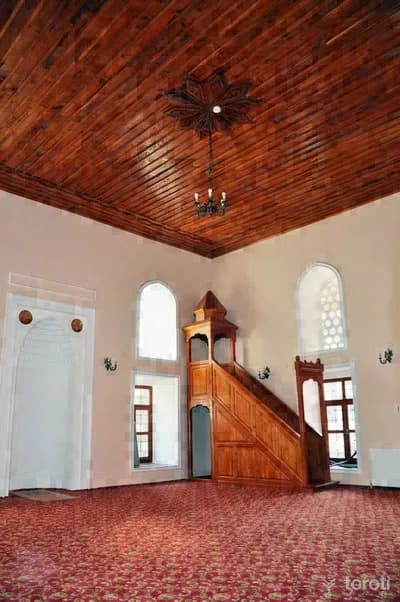
Nasuhpaşa Külliyesi is a historical madrasa located in Aydın. It was restored and opened to visitors in 2010.
- No image
12
Cemal Bey Hamamı
Efeler, Aydın
Cemal Bey Hamamı, also known as Bey Hamamı, is a historic structure located near the Nasuh Paşa Complex. It is currently in a dilapidated state, with traces indicating it was once decorated.
- No image
13
Eski Yeni (Hasan Çelebi) Cami
Efeler, Aydın
The Eski Yeni Mosque, built before 1585, is a historic place of worship. Its square plan and single dome are notable features.
- No image
14
Süleyman Bey Camii
Efeler, Aydın
Süleyman Bey Mosque is a historical mosque built in the classical Ottoman style.
- No image
15
Çavuş Köprüsü
Efeler, Aydın
Çavuş Bridge is a historical bridge built with cut stone material, located over the Tabakhane stream.
16
Nysa Antik Kenti
Sultanhisar, Aydın
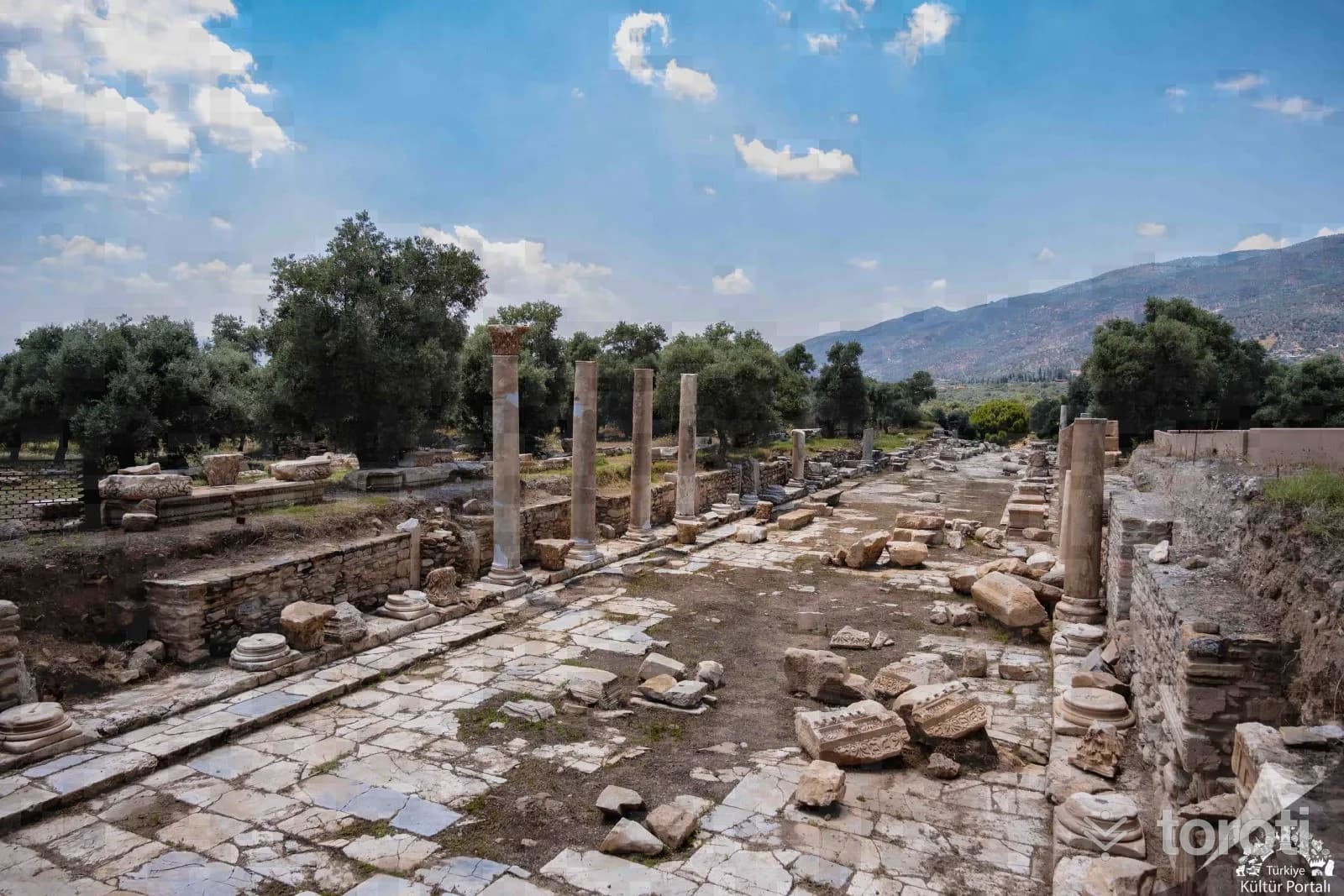
The source for the history of the ancient city of Nysxa (Nisa), established on slopes full of olive groves on the foothills of Malgaç Dagi to the north of the Sultanhisar district, is the geographer Strabo. The city, consisting of two parts due to the flood bed, was founded by Seleucid King Antiochus I on the site of an older settlement called Atymbra and was named after the king's wife.
17
Yörük Ali Efe Evi Müzesi
Yenipazar, Aydın
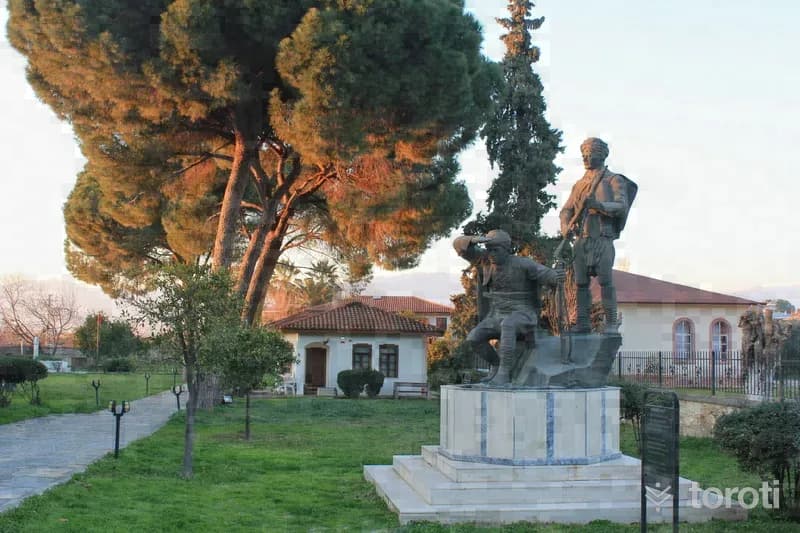
The house in the district center of Yenipazar where National Hero Yörük Ali Efe lived from his return from İzmir until his death was completely destroyed in a fire that broke out in the 1980s. In 1995, the proposal made by the Aydın Governorship to the Ministry of Culture was accepted, and Yörük Ali Efe’s heirs donated the house to the Ministry of Culture on the condition that it be turned into a museum. The allocation procedures were completed in 1999.
18
Donduran Kulesi
Yenipazar, Aydın
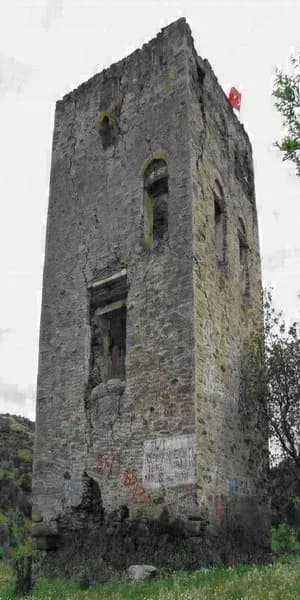
It is located to the south of Donduran Mahallesi. It was built of rubble stone, brick, and in places marble spolia material. The square space adjoining the west façade of the tower, which consists of two adjoining square spaces, is smaller in size. Donduran Kulesi, a cubic structure, consists of two floors and a terrace floor. The wooden floor structures are not extant because they burned. On the east wall of the second floor there is a fireplace with a triangular pediment. On the terrace floor there are loopholes in the walls.
- No image
19
Donduran Kalesi
Yenipazar, Aydın
It is located within the borders of Donduran Village in Yenipazar District. Strabo, one of the writers of Antiquity, mentions Orthosia as a Carian settlement. The city, which was attacked by the Cimmerians in the 7th century B.C., was freed from this domination as a result of the Lydian King Alyattes defeating the Cimmerians and, in the 6th century B.C., passed into the hands of the Lydians, then joined the Ionian league and, like many Anatolian cities, came under Persian rule.
20
Arpaz Kalesi
Nazilli, Aydın
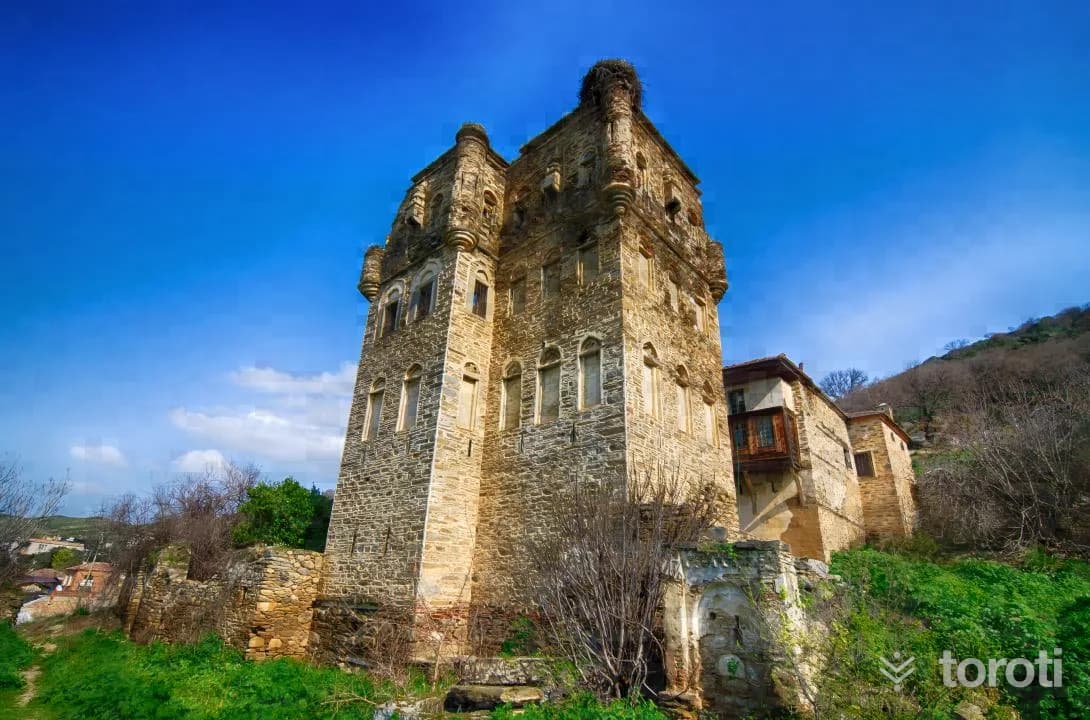
The group of structures located in Esenköy, connected to Nazilli, was established on the foothills of Harpasa Castle, a Carian city. In some sources, the name of this place is also mentioned as Arpaz Tower. It was commissioned by the Arpaz Beys in the early 19th century. However, Ottoman Period remains dating to the 17th and 18th centuries have also been encountered here. Based on this, it can also be thought that the castle was built in an earlier period and later renovated.
- No image
21
Mastaura Antik Kenti
Nazilli, Aydın
It is a small ancient settlement located 1 km. north of Bozyurt Village in the Nazilli district. Among the structural remains visible today, the stage building formed with a two-tiered arched terrace in the northwest of the city is partially preserved today, and the orchestra section is covered with olive trees. The graves, half exposed, in the necropolis area located in the southeast of the city display characteristics of the Roman Period.
- No image
22
Karacasu Etnografya Müzesi
Karacasu, Aydın
The museum, which opened to visitors in 2007, exhibits ethnographic works related to the district’s ceramics, hot iron, leather and other handicrafts from past to present.
23
Doğa Sporları - Karabağlar Kanyonu
Karacasu, Aydın
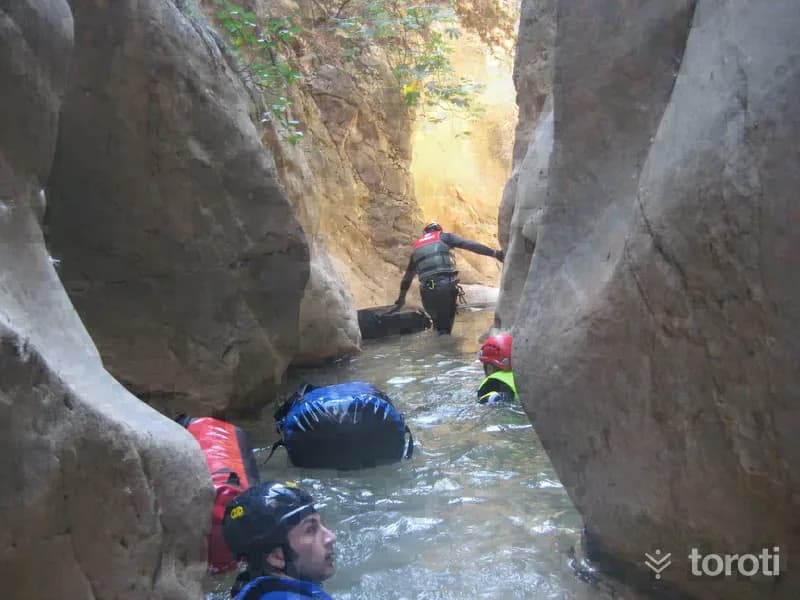
Karabağlar Canyon Karabağlar Canyon is a water-filled canyon and is 2,5 km long. It joins Görle Canyon in Aşağı Görle Village. The canyon entrance is located on the road between Karacasu Karabağlar village and Aşağı Görle Village, and its water flows into Kemer Dam Pond. In the canyon, whose depth is shallow at the beginning, the depth reaches 50 m. as you proceed. Its width narrows in some places to the point that only one person can pass through. There are 3 waterfalls in the canyon that require rope descent.
- No image
24
Hierapolis Hamam Bazilika
Pamukkale, Denizli
The bath, located next to the Frontinus gate and built in the 3rd century A.D., had the south-facing calidarium wall demolished after the 5th century and an apse added, thus transforming the bath into a three-aisled basilica. The barrel vault belonging to the previous structure was also replaced by 3 domes.
- No image
25
Hierapolis Antik Kenti
Pamukkale, Denizli
Denizli ilinin 18 km. kuzeyinde yer alan Hierapolis antik kentinin Arkeoloji literatüründe “Holy City” yani Kutsal Kent olarak adlandırılması, kentte bilinen bir çok tapınak ve diğer dinsel yapının varlığından kaynaklanmaktadır. Kentin kuruluşu hakkında bilgilerin kısıtlı olmasına karşın; Bergama Krallarından II. Eumenes tarafından MÖ. II.
- No image
26
Ahi Sinan Türbesi
Merkezefendi, Denizli
Ahi Sinan organized the tradesmen of Denizli and brought them together under one roof. He made very great contributions to the Ahi culture in Denizli and took his place in history. In the 13th century, he was serving in the lodge bearing his own name to the west of the present-day Kaleiçi Çarşısı. It is known from written sources that after his death, his tomb was also built within this lodge and that it remained in service until 1876.
- No image
27
Hatipoğlu Cami
Pamukkale, Denizli
The structure, which was built right at the beginning of the 20th century, is a building that needs to be preserved due to its location, dimensions, use of local materials, and facade arrangement.
- No image
28
Laodikya Antik Kenti
Merkezefendi, Denizli
Laodikeia Ancient City was established at a very favorable geographical point and to the south of the Lykos River. The name of the city appears in ancient sources mostly as “Laodikeia on the banks of the Lykos.” According to other ancient sources, the city was founded by Antiochos II between 261-263 BC, and the city was given the name of Antiochos's wife, Laodike.
29
Akhan Kervansarayı
Pamukkale, Denizli
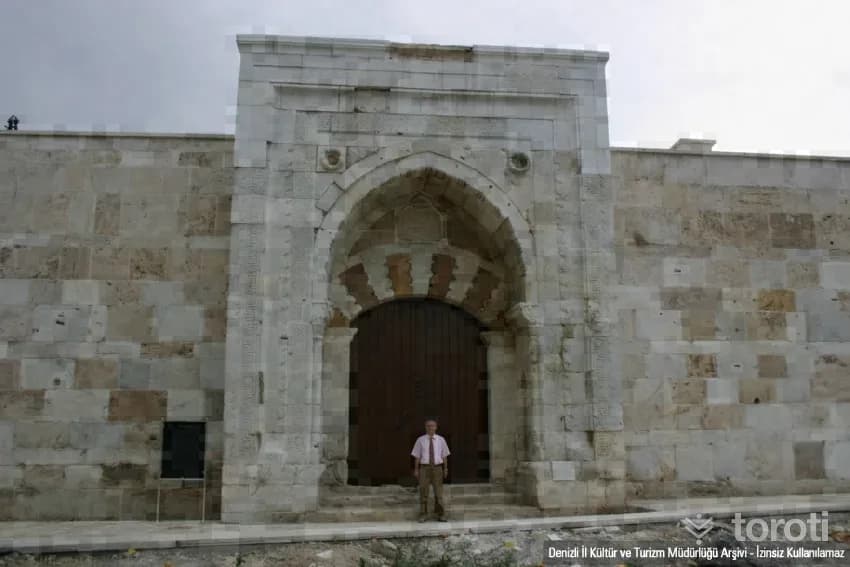
Akhan Caravanserai, one of the last caravanserais of the Anatolian Seljuks in the west and bearing two inscriptions, is a rather small inn although it conforms to the plan of the sultan hans. The inn has two inscriptions. Its enclosed section was completed in 1253 (H. 651), and the courtyard in 1254 (H. 652). It was commissioned by Governor Seyfettin Karasungur bin Abdullah. The inscription mentions the name of II. İzzettin Keykavus.
30
Denizli Bağbaşi Yaylası
Pamukkale, Denizli
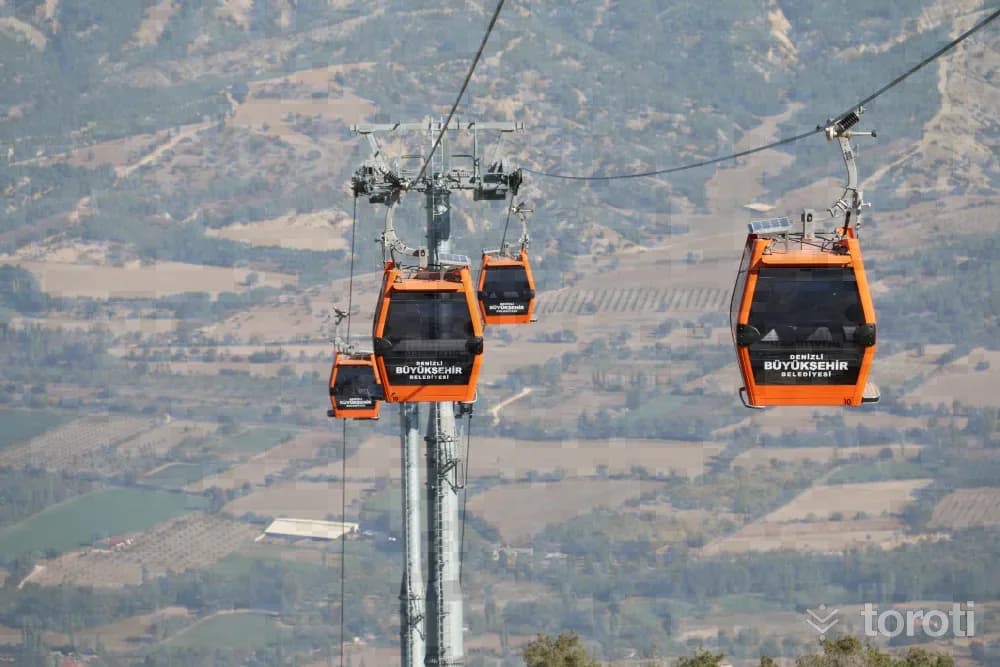
Denizli Bağbaşı Yaylası attracts great interest in all 4 seasons of the year. Visitors enjoy cooling off at an altitude of 1400 meters. Those who go up to Bağbaşı Yaylası not only spend time as they wish, but also find the opportunity to stay here in bungalow houses and tents and enjoy local flavors together with their loved ones. The area, which is one of the centers of plateau tourism, draws attention especially for being the preference of guests coming from outside the city.
31
Honaz Dağı
Honaz, Denizli
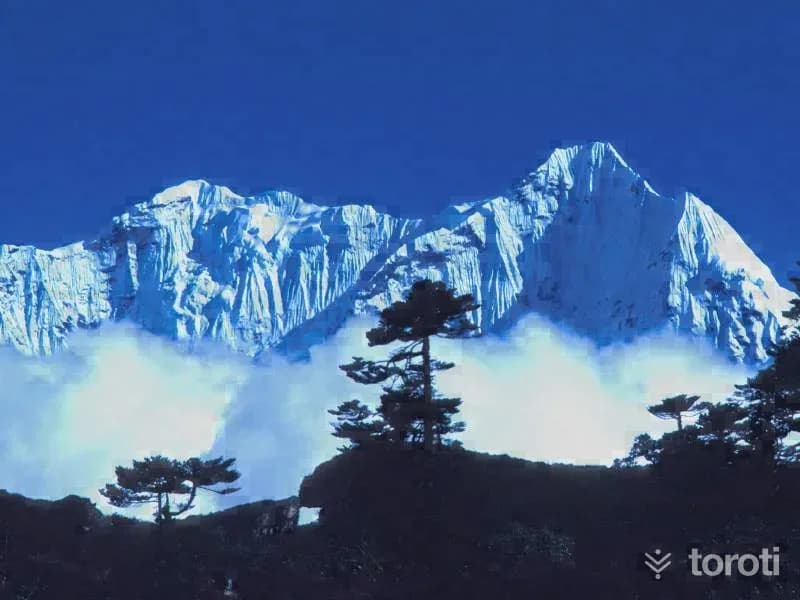
Although Denizli province is in the Aegean Region on Turkey’s geographical map, the climate of the Aegean Region is not seen completely in climatic terms. Since it is at the point of passage from the coastal areas to the inland regions, the continental climate of the inland regions is felt, albeit slightly. Slightly lower temperature differences than the climate of the Aegean Region can be seen. Since the mountains in Denizli province generally extend perpendicular to the sea, they are open to winds coming from the sea. Winters are mild and rainy.
32
Yatağan Kefe Yaylası
Serinhisar, Denizli
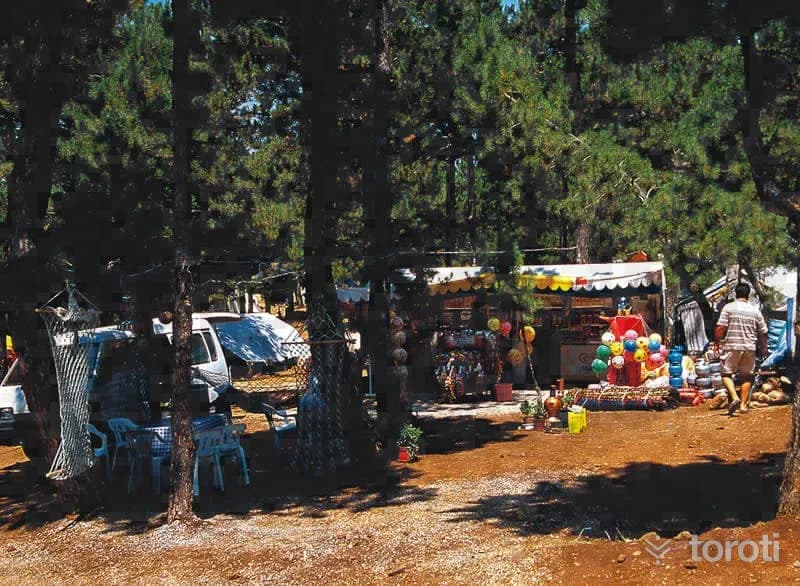
Where is Yatağan Kefe Plateau? Kefe Plateau is located on the asphalt road connecting Denizli Yatağan and some villages of Honaz District. On the plateau, at an altitude of 1100 meters, there are black pine, red pine and juniper trees. Its infrastructure and superstructure, such as electricity, water, tents, picnic areas, toilets, showers, a restaurant, a market, a butcher and various sports areas, were completed by the municipality, and it has been serving domestic tourism since 2000.
33
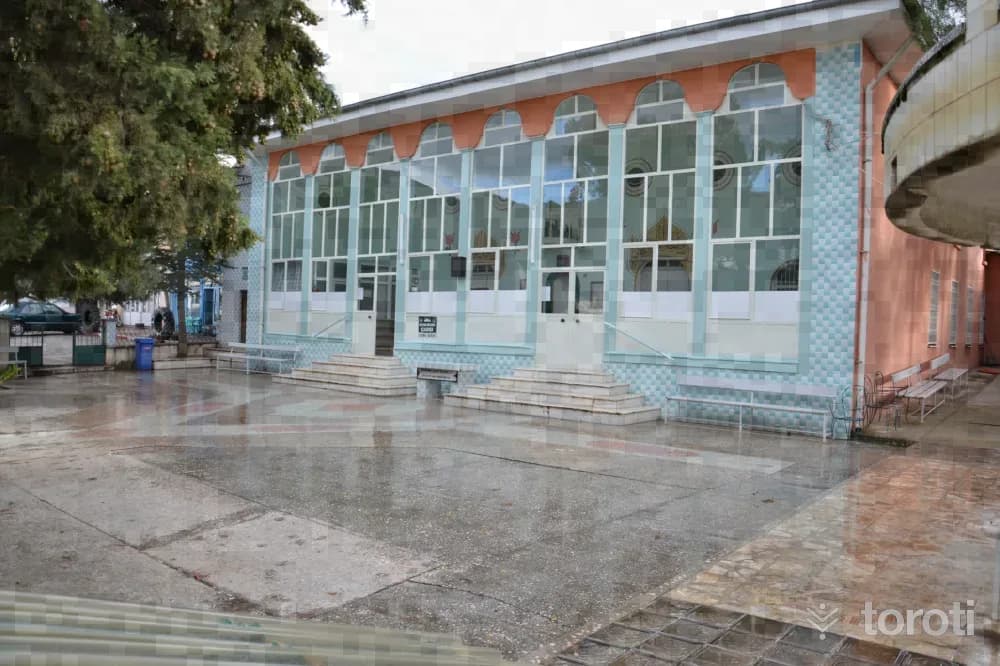
Sebastapolis Antik Kenti
Tavas, Denizli
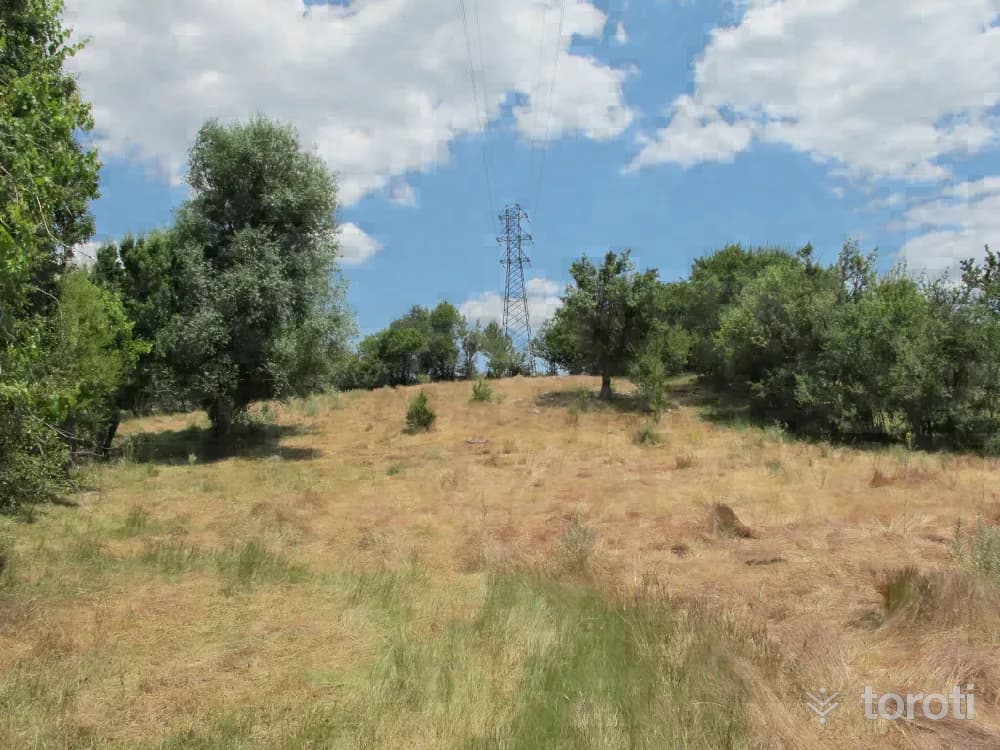
Despite the extensive settlement traces of Sebastopolis Antik Kenti, it is not possible to identify structural fabric on the surface. Only some parts of the structures can be traced and seen on the surface. A large part of the city has remained under the soil due to erosion. However, some traces can be encountered during the ploughing of the land on privately owned properties used as agricultural land.
34
Nikfer Hasan Feyzi Efendi Camii
Tavas, Denizli
The load-bearing elements and eaves of the square-planned structure were built in masonry. The tomb and the mosque are under the same roof. The outer edge decorations of the windows on the exterior facades, the interior doors of the mosque and the tomb, and the arched passages seen on the lower and upper floors in the last congregation area are parts belonging to the original structure. Its current covering is in the form of a saddle roof, covered with Marseille-type tiles. The ceiling was made as a flat wooden ceiling.
35
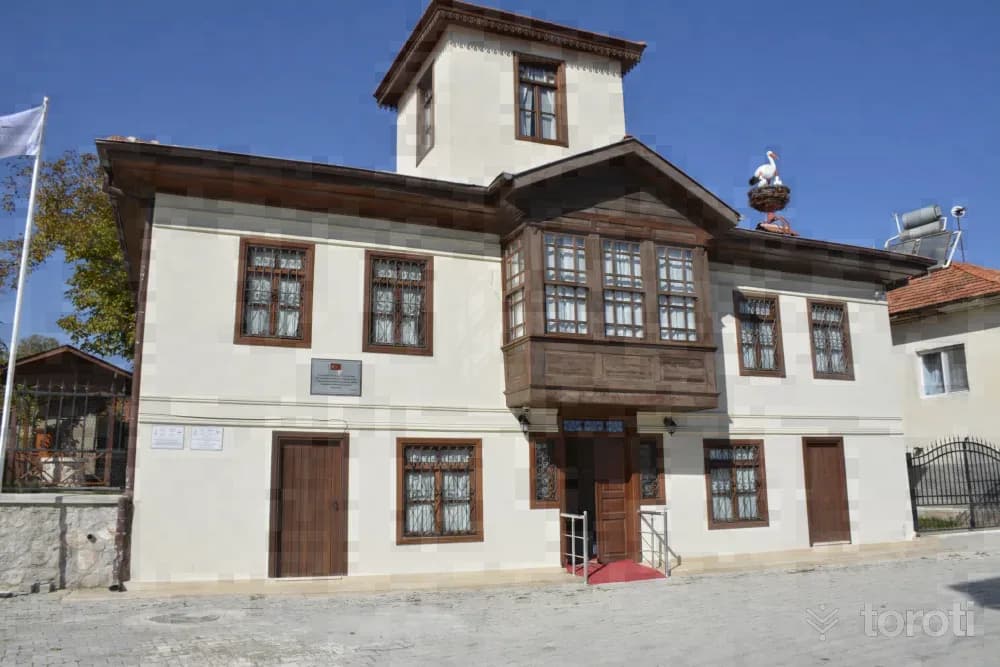
Muallim Mustafa Sirri Özkan Kültür Evi
Gölhisar, Burdur
The Muallim Mustafa Sırrı Özkan Cultural House reflects the traditional architecture of Gölhisar and preserves the valuable heritage of the past.
- No image
36
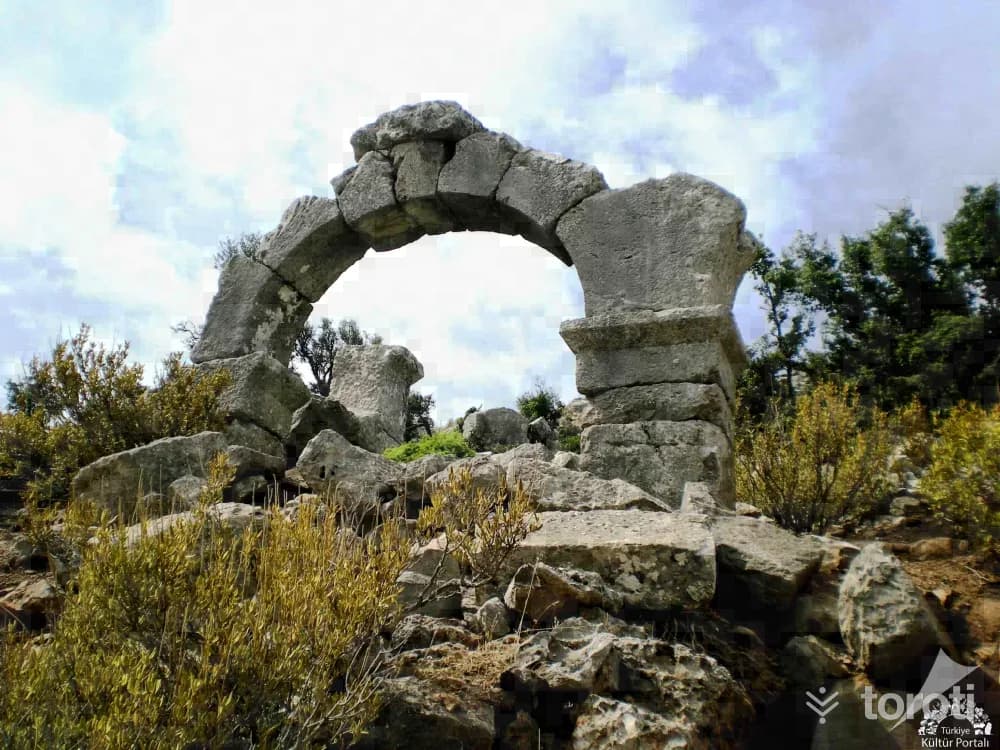
Balboura Antik Kenti
Altınyayla, Burdur
Balboura Ancient City is one of the Lycian cities built on high ground, notable for its historical ruins.
37
Ariassos Antik Kenti
Döşemealtı, Antalya
Ariassos Ancient City is a historical settlement located north of Antalya. It offers visitors a journey through history with its Roman-era ruins and necropolis areas.
- No image
38
Geyikbayırı (Tırmanış Cenneti) Mağarası
Konyaaltı, Antalya
Geyikbayırı is a world-renowned climbing paradise, attracting attention with its stunning nature and thousands of climbing routes.
39
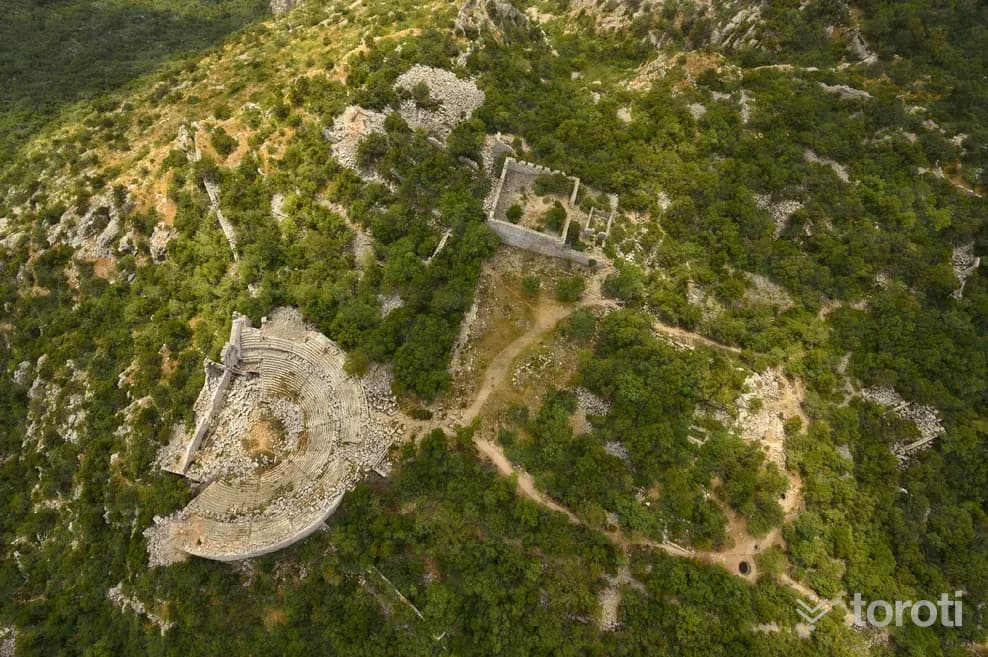
Termessos
Döşemealtı, Antalya
Termessos Ancient City is an important ancient city founded by the Solym' people, descendants of one of the oldest peoples in Anatolia. This archaeological site, located in a forest, attracts attention with its historical ruins and natural beauty.
40
Kırkgöz Han
Döşemealtı, Antalya
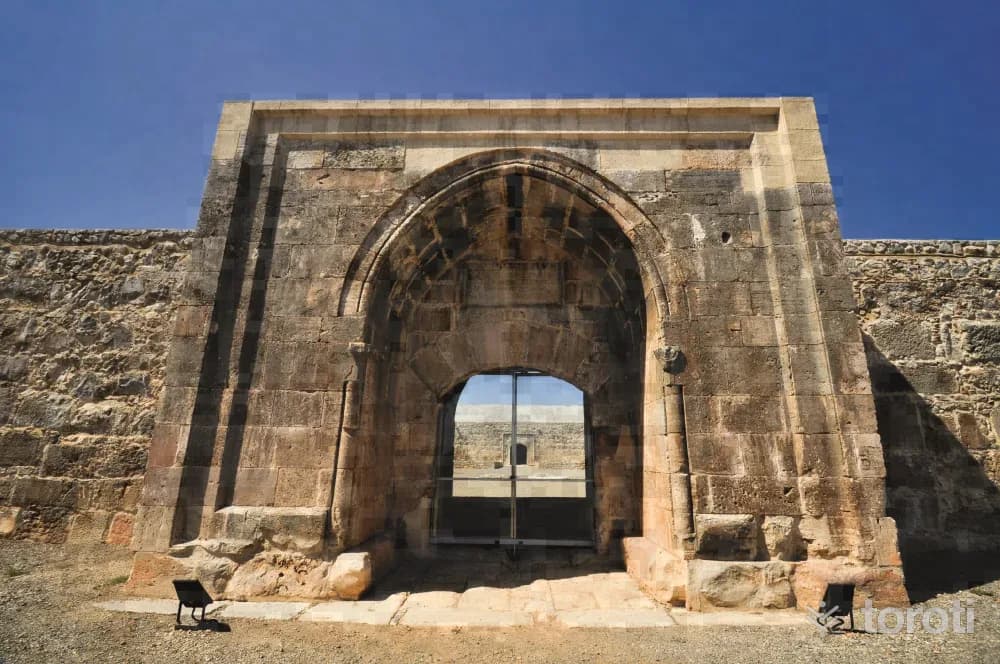
Kırkgöz Han is a historical caravanserai located on the Antalya-Burdur route, restored in 2009 and currently used as a tourist facility.
41
Trebenna Antik Kenti
Konyaaltı, Antalya
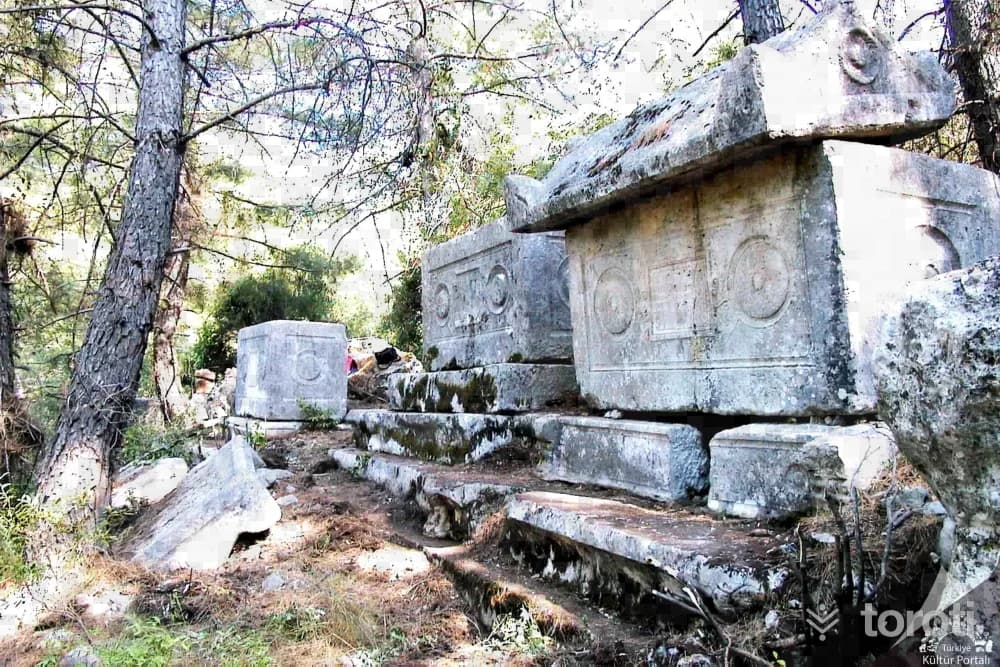
Trebenna Ancient City is a historical settlement located west of Antalya. It offers visitors a journey through history with its remnants from the Hellenistic and Roman periods.
42
Antalya Müzesi Salonlari
Muratpaşa, Antalya
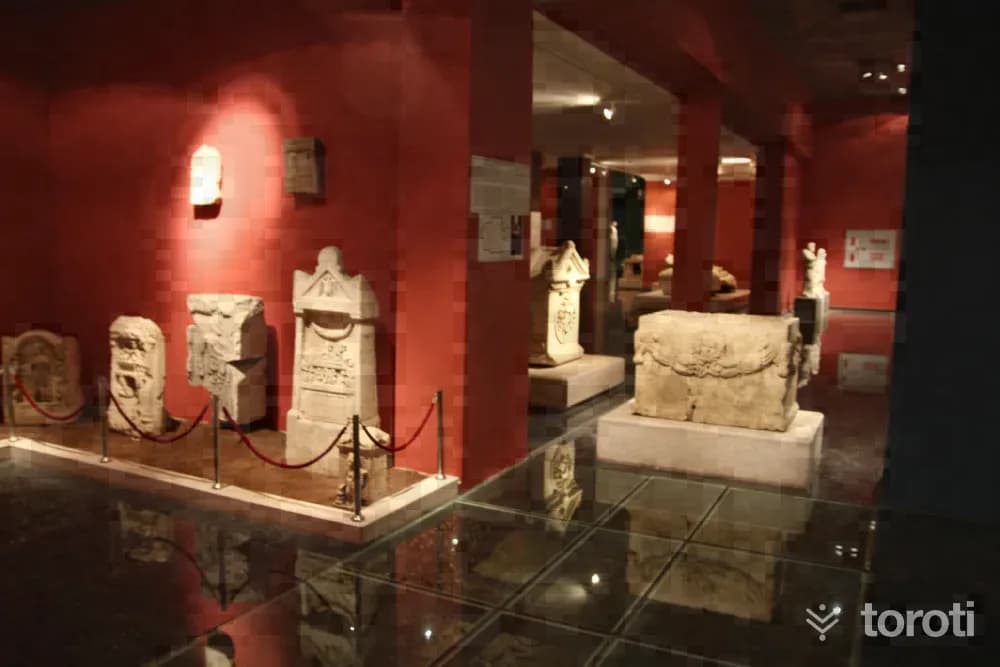
Antalya Museum hosts a wide collection ranging from children's toys to ancient artifacts. Visitors can explore significant findings related to the history of Anatolia.
- No image
43
Konakaltı Mağarası
Muratpaşa, Antalya
Konakaltı Cave is a natural formation located on the coast of Atatürk Park. It offers visitors different natural beauties with its eastern and western halls.
44
Etnografya Müzesi
Muratpaşa, Antalya
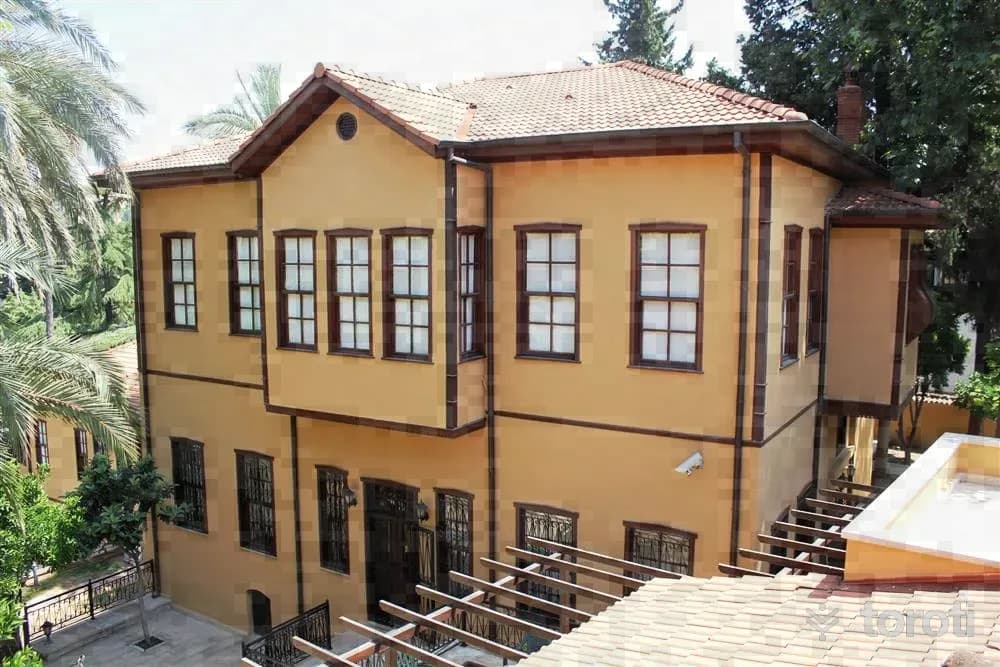
The Antalya Ethnography Museum consists of two mansions showcasing Ottoman architecture and Turkish-Islamic artifacts. It is an important site reflecting Antalya's cultural heritage.
45
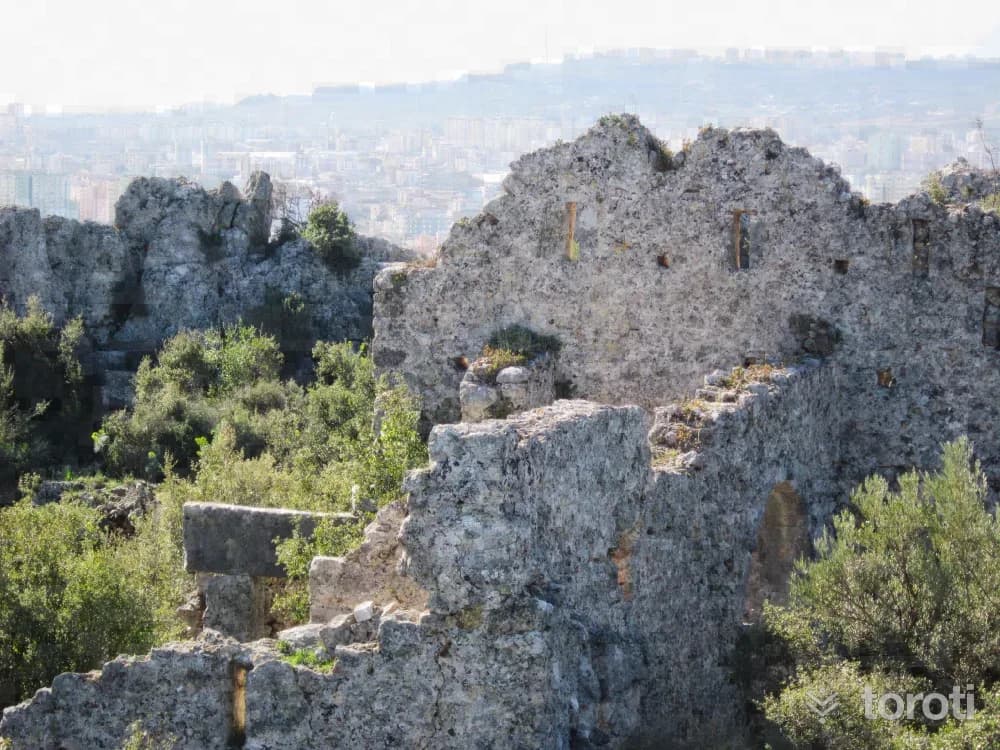
Lyrboton Kome Antik Kenti
Kepez, Antalya
Lyrboton Kome is an ancient settlement located northeast of Antalya, known for its olive oil production. The area is rich in remnants from the Roman and Byzantine periods.
- No image
46
Antalya Büyükşehir Belediyesi Lara Halk Plajı Lazlo Beach
Muratpaşa, Antalya
Antalya Metropolitan Municipality Lara Public Beach Lazlo Beach is a public beach candidate included in the 2025 Blue Flag official list.
Move the stops into your own plan, split them across days, and add places to sleep and eat.
Frequently asked
- How far is it between İzmir and Antalya, and how long does it take?
- Driving between İzmir and Antalya is roughly 505 kilometres and takes about 6 hours without stops.
- Where is it worth stopping between İzmir and Antalya?
- There are 567 described places within 20 km of the road between İzmir and Antalya. toroti lists 46 of them spread evenly along the drive, in the order you pass them; Nif Dağı Antik Kazı Alanı comes early on, and Antalya Büyükşehir Belediyesi Lara Halk Plajı Lazlo Beach sits near the end.
- Which provinces does the İzmir to Antalya route cross?
- The route between İzmir and Antalya crosses İzmir → Manisa → Aydın → Denizli → Burdur → Antalya. The stretch richest in places to visit is in Antalya.
- Should I take the toll highway or traditional route between İzmir and Antalya?
- Toll motorways save driving time between İzmir and Antalya, whereas traditional state roads pass directly through historic town centers, local culinary stops, and scenic nature viewpoints.
- How should breaks be scheduled between İzmir and Antalya?
- For a drive of around 6 hours, taking a break every 2 to 2.5 hours is recommended. The catalogued attractions in Antalya and neighboring provinces offer memorable stopovers compared to generic highway rest areas.