
Places to visit
Things to do in Çanakkale
60 destinations, each with a description, how long it takes and where it sits on the map.
In short
toroti’s catalogue holds 60 described destinations within Çanakkale. The themes that come up most: Coast, History, Nature, Museum, Culture, Faith heritage.
Districts of Çanakkale
Ertuğrul Koyu
The Seddülbahir Front, the Seddülbahir Landing, which was part of the Battle of Çanakkale, was carried out on 25 April 1915 at five different points in the Seddülbahir area. Attacks were carried out that resulted in heavy losses for both sides. As a result, by the end of June the Ottoman forces had stopped the advance and the landing had failed; later, limited and ineffective trench fighting continued in this area until the end of the war.
45 minutes
Çimpe Kalesi
Çimpe Kalesi is a castle located on the Gallipoli Peninsula in the southeastern part of the Balkan lands, conquered by the Ottoman Army in the mid-14th century. It was conquered by the Ottomans in 1352. 14.
30 minutes
Anzak Mezarları
Today, on the Gallipoli Peninsula, there are 31 war cemeteries, 21 of which are in the Anzac area. There are several memorials for those who were lost, the largest of which are the Helles Memorial and the Kanlısırt Memorial. There is also the New Zealand National Memorial at Conk Bayırı. This is a war memorial for New Zealand soldiers who served at Gallipoli.
45 minutes
Marmaros Şelalesi
Marmaros Waterfall is located in Gökçeada and has the richest freshwater resources in the world. Marmaros Waterfall attracts intense interest especially in terms of trekking. This waterfall, whose beauty rivals tropical islands, is a true natural wonder and knows how to captivate its visitors with its place in nature.
45 minutes
Halim Bey Konağı Kent Müzesi
The mansion commissioned by Halim Bey, who came from around Antalya and settled in Biga, was transferred to Biga Municipality in 2008 and its restoration was completed. In 2010, it was opened as a city museum.
45 minutes
Issız Cuma Cami
Yenice perhaps contains the most interesting religious site of Çanakkale. Issız Cuma Camii within the borders of Seyvan village is the earliest dated mosque of the region. It is rumored that the mosque was commissioned around 1335 by Gazi Osman Paşa, an Ottoman pasha. The mosque is made entirely of wood.
20 minutes
Mehmetçik'e Saygı Anıtı
The Mehmetçiğe Saygı Monument is at the southern end of Albayrak Sırtı, on the Kabatepe-Conkbayırı road. This monument represents the high morality of the Turkish soldier, who, even during the war, did not forget that the one facing him was human, and when the time came, extended wings of compassion even to the one who pointed a weapon at him.
20 minutes
Yenice Etnografya Müzesi
Agricultural tools with ethnographic characteristics that were used in the region, local clothing, kitchen utensils, earthenware and copper vessels, handwoven carpets and kilims belonging to the region, dowry chests, and ethnographic jewelry are exhibited.
45 minutes
Küçükkuyu Belediyesi Mıhlı Halk Plajı
Küçükkuyu Belediyesi Mıhlı Public Beach is a public beach candidate included in the 2025 Blue Flag official list.
90 minutes

Aleksandria Troas Antik Kenti
The Ancient City of Alexandria Troas is located within the borders of Dalyan village, in the Ezine district of Çanakkale. The city was founded in 310 BC in the name of Alexander the Great. Alexandria Troas means “Alexander’s Homeland in Troas.” Official Turkish Museums According to its drawn plan, the city covers an area of 390 hectares and is surrounded by fortification walls 8 kilometres long.
45 minutes
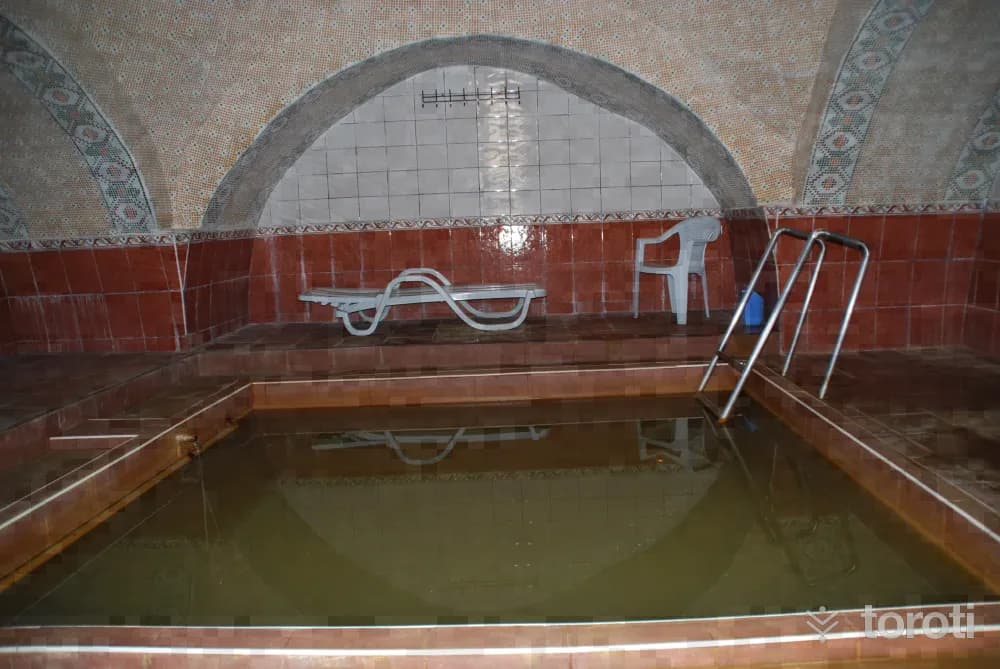
Çanakkale Kaplıcaları
Kestanbol Hot Spring: It has a supply capacity of 3 thousand 600 people/day/bath and thermal beds. There is a need for new drilling. Physical-Chemical Properties and Diseases It Is Effective Against: The water temperature is 67CC, the pH value is 5,9 and the Radon value is 2650 picocuri/liter. The naturally emerging water has a chlorinated, sodium, iron, fluorine and radioactive composition. It is suitable for bathing and drinking cures.
45 minutes
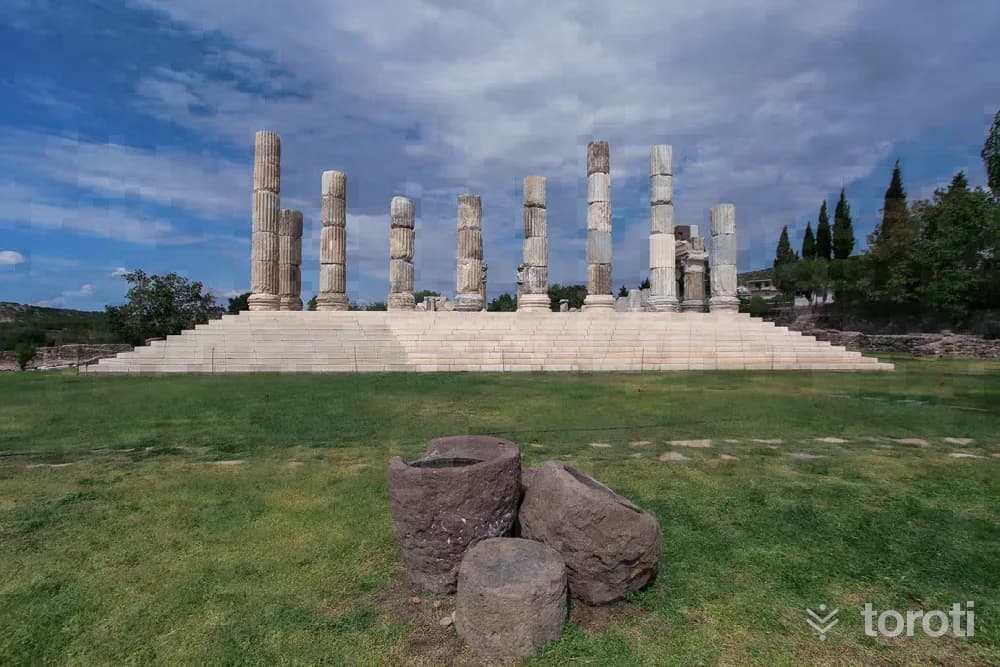
Apollon Smintheus Kutsal Alanı
The Sanctuary of Apollo Smintheus (Smintheion) is located in the town of Gülpınar, in the Ayvacık district of Çanakkale. Known for the Temple of Apollo Smintheus, the site is considered one of the most important sanctuaries of the Late Hellenistic Period in Anatolia. Official Turkish Museums The Temple of Apollo Smintheus, the most important structure of the sanctuary, was built around 150 BC. Among the Apollo cults in Anatolia, it is the only example known for the mouse symbol.
45 minutes
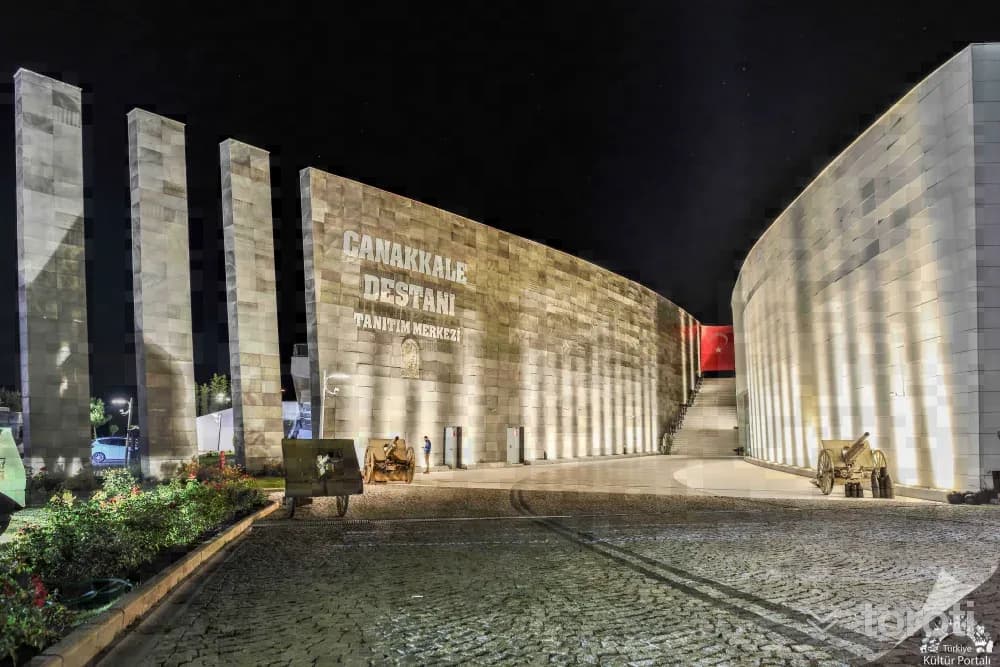
Çanakkale Destanı Tanitim Merkezi
Çanakkale Destanı Tanıtım Merkezi is located in the Kabatape area of Eceabat district, Çanakkale province. It was designed with the aim of ensuring that the Çanakkale Wars are remembered forever and of contributing to the development of this spirit by conveying the spirit of Çanakkale to new generations. The center was opened to visitors on 7 June 2012.
45 minutes
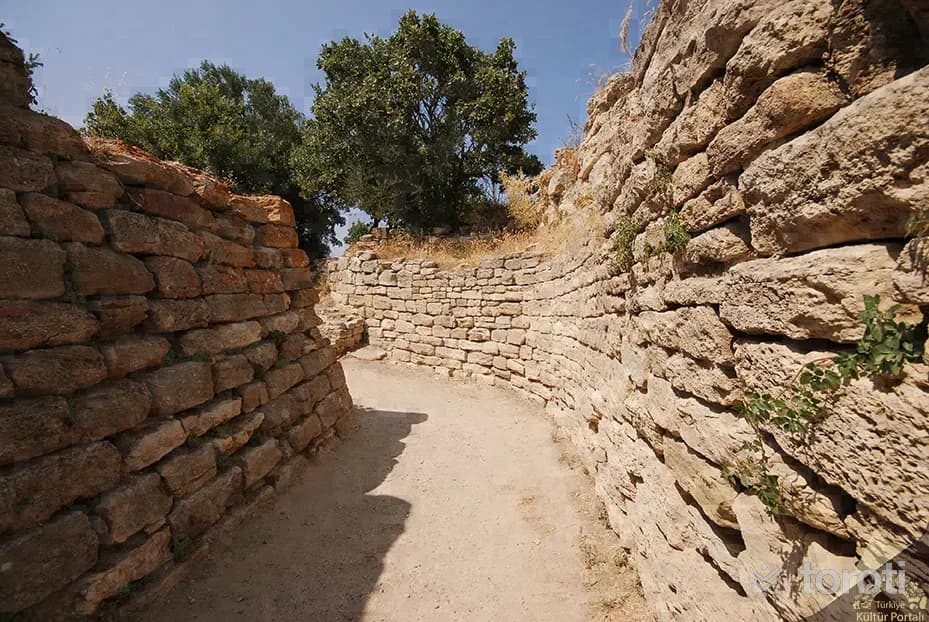
Troya Ören Yeri
Troy, within the borders of the village of Tevfikiye, 25 km from Çanakkale, is one of the most famous ancient cities in the world. The importance of Troy lies in its being the place mentioned in Homer's epics the Iliad and the Odyssey. These epics are the first written works of literature of the West. Excavations carried out in Troy have determined the existence of 9 cultural layers. Its early periods go back to 3000 BC. From those periods, nothing more than some foundations and ceramic remains has survived to the present day.
45 minutes
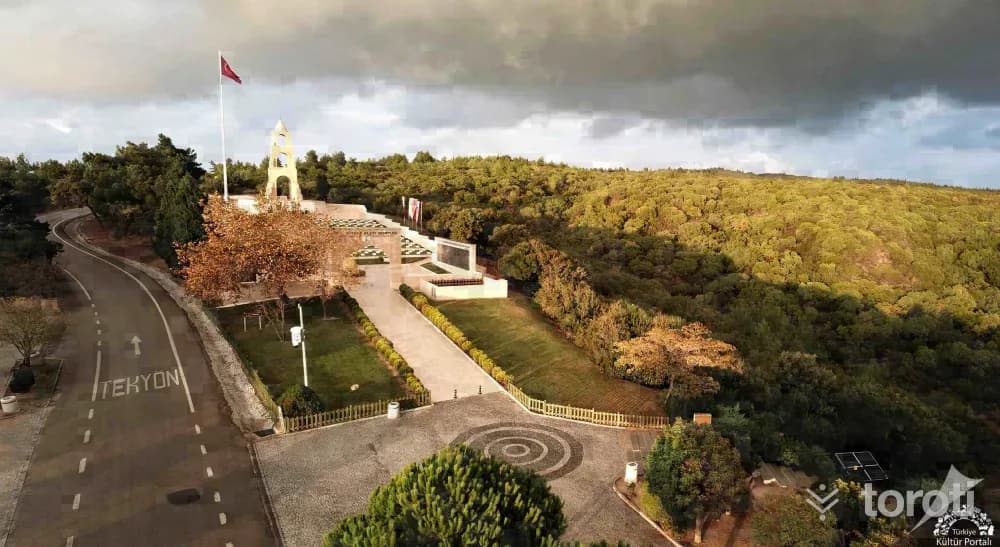
57. Piyade Alayi Şehitliği
The 57th Infantry Regiment Martyrs’ Cemetery and Memorial, designed by Mimar Nejat Dinçel, was built on 12 Aralık 1992 by the Ministry of Culture and Tourism by the side of the Kabatepe-Conkbayırı road, at the southern end of Kılıçbayır. Photo: Çanakkale Savaşları Gelibolu Tarihi Alan Başkanlığı During the war, foreign soldiers gave this place the name “Chessboard.” This newly built martyrs’ cemetery is symbolic.
45 minutes
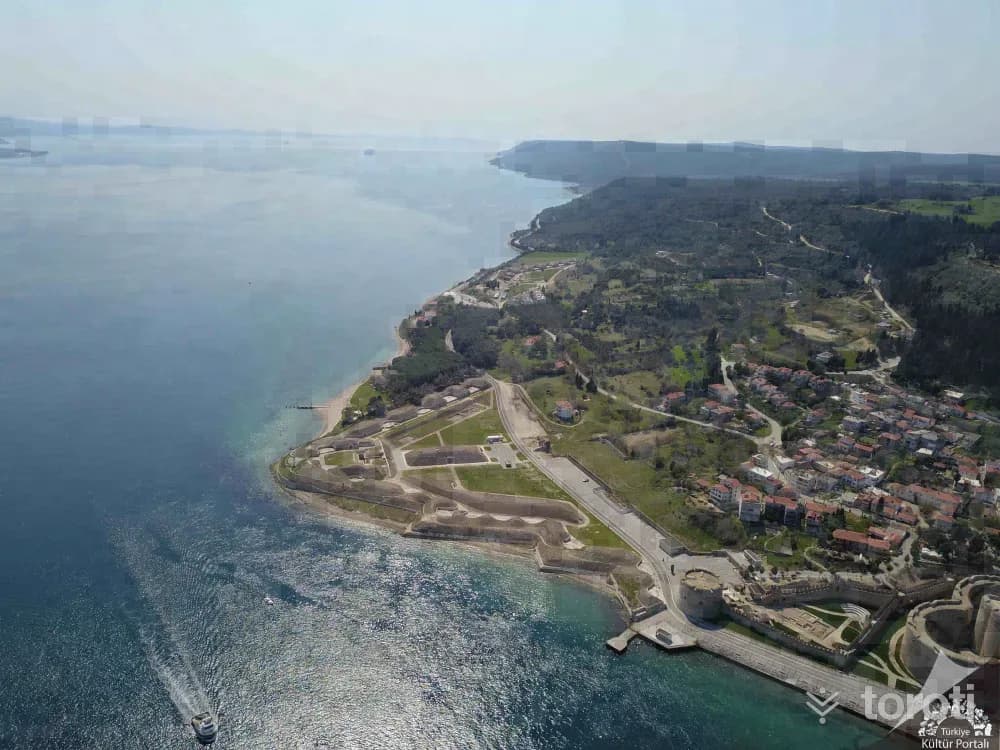
NamazgÂh Tabyası Müzesi
Namazgâh Tabyası is the first and largest bastion built at the narrowest point of the Çanakkale Strait. Construction of the bastion, located on the sea side of the road after passing Kilitbahir Kalesi and consisting of 26 bonets, was begun upon the recommendation of Baron De Tott, who came for the reform of the Ottoman army.
45 minutes
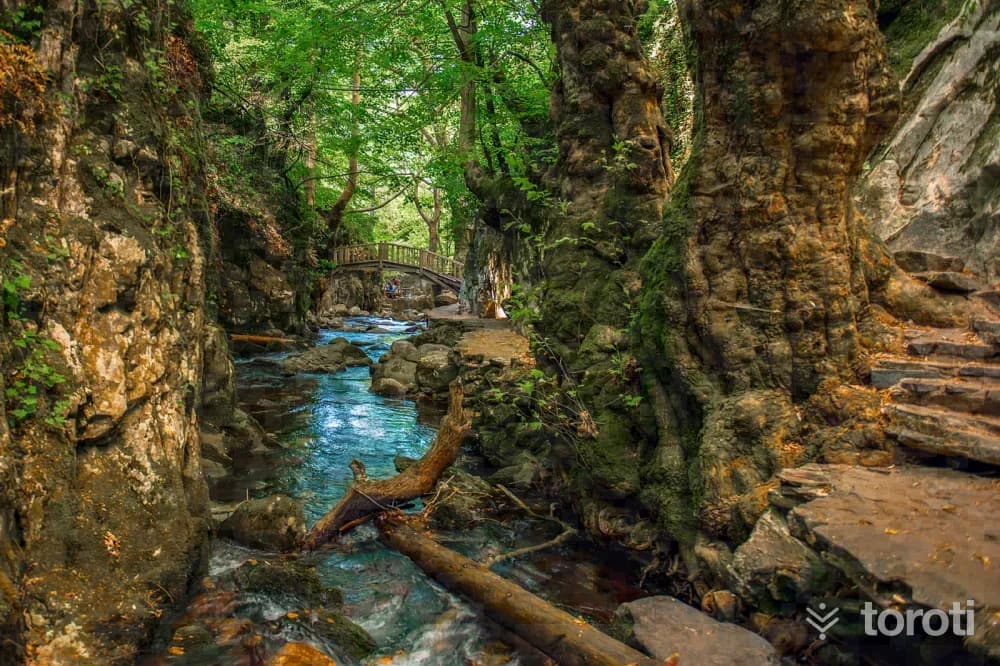
Kaz Dağı / İda Dağı
From past to present, in the Troas (Biga Peninsula) region, the formation of thousands of years of cultures within settlement, geographical location, climate, flora and fauna, mythology, ecosystem and history shows how important Kaz Dağı, or by its other name İda Dağı, is. The natural and cultural universal value of humanity is Kaz Dağı, the sacred mountain of legends.
45 minutes
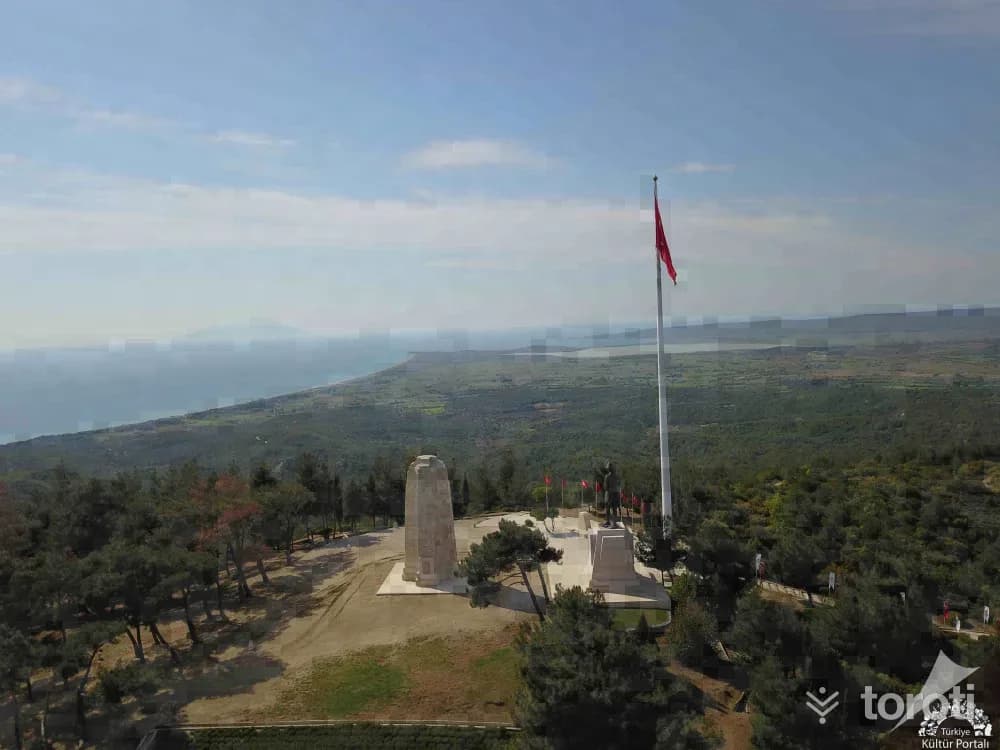
Conkbayiri Atatürk Zafer Anıti
Conkbayırı Atatürk Victory Monument is the name given to the slope that extends southwest from Conk Tepesi and ends at Kemal Dere to the north of Düztepe. Photo: Çanakkale Savaşları Gelibolu Tarihi Alan Başkanlığı The elevation located at the northern end of Conkbayırı and forming its highest point is called Conk Tepesi. Conkbayırı Atatürk Victory Monument is a statue made of bronze and has the distinction of being the newest monument built in Conkbayırı.
45 minutes
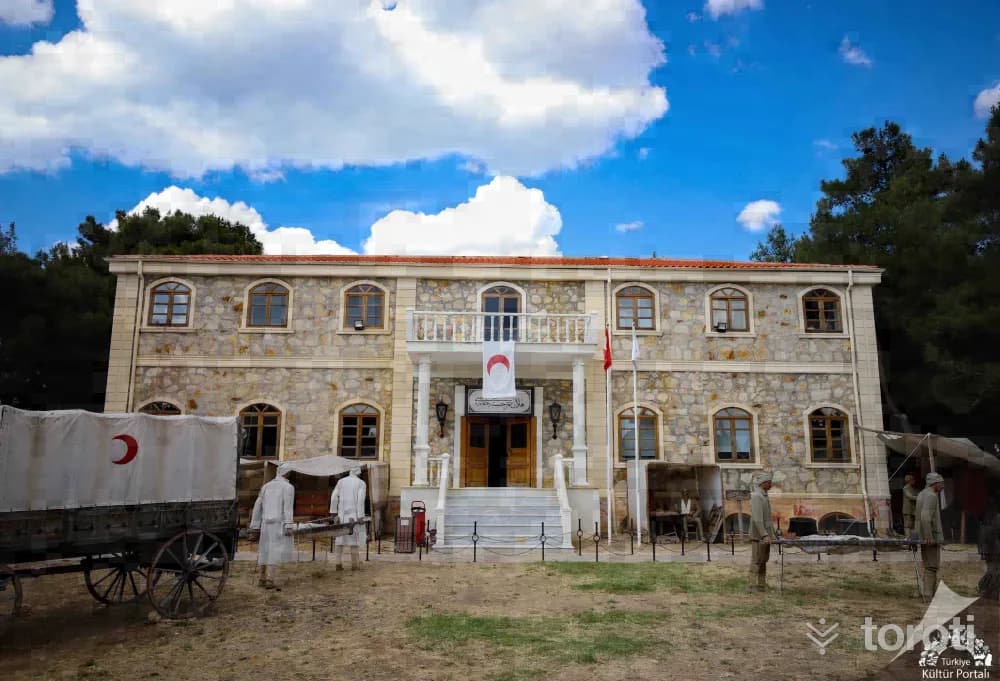
Çanakkale 1915 Hilali Ahmer Hastanesi Canlandirma Alanı
Photo: Official Turkish Museums During the Çanakkale Battles, in addition to the hospitals affiliated with the 5th Army Line of Communications Organization, the mobile hospitals established in the region by the Hilâl-i Ahmer (Kızılay) Society played an important role. Photo: Official Turkish Museums It is known that soldiers wounded at the front first began treating their wounds with the materials in the “War Package” sewn onto their bags.
45 minutes
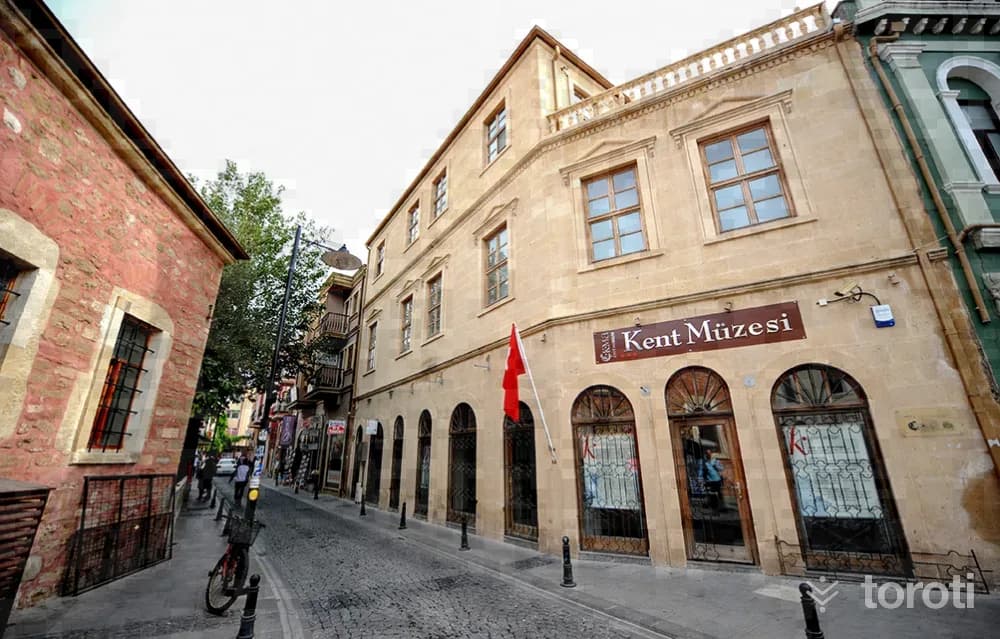
Çanakkale Kent Müzesi Ve Arşivi
It is located on the corner of Fetvane Sokağı turning onto Çarşı Caddesi, and also directly opposite Yalı Camii. It was opened to visitors on 6 March 2009. The ground floor of the two-storey building is reserved for temporary exhibitions on the theme of Çanakkale. These temporary exhibitions cover subjects related to Çanakkale. The exhibitions generally change every two months. The first floor consists of two interconnected sections. In the first section are the Ancient Periods of Çanakkale, the Ottoman Period and 1.
45 minutes
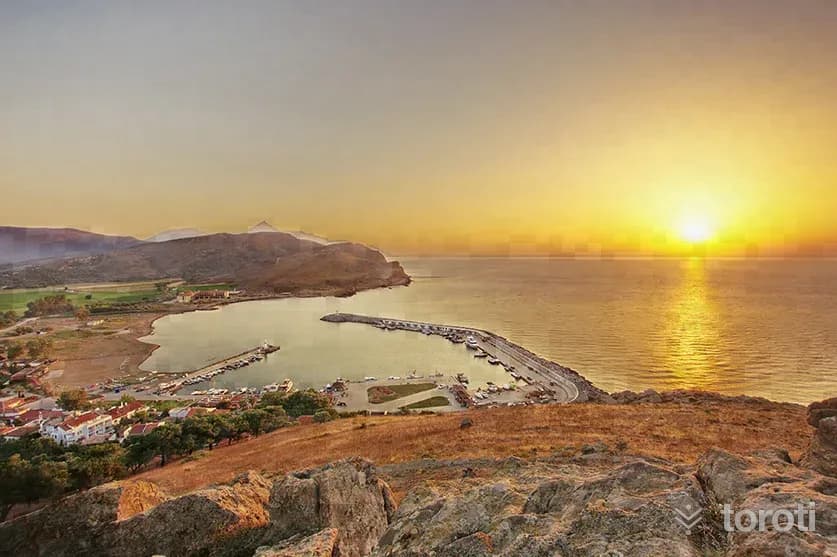
Gökçeada Rum Köyleri
Dereköy, Kale Köy, Tepeköy, Zeytinli, and Eski Bademli are the island’s Greek villages. The architectural fabric of these villages, which are urban protected areas, is under संरक्षण. It was established on an olive-covered slope 3 kilometers from the district center. The coffeehouses where the island’s famous dibek coffee is served are located here. The island’s oldest church, Agios Georgios Church, is also here. In Eskibademli, 4 kilometers away, the Meryemana Church, the laundry house, and the old school building are noteworthy.
45 minutes
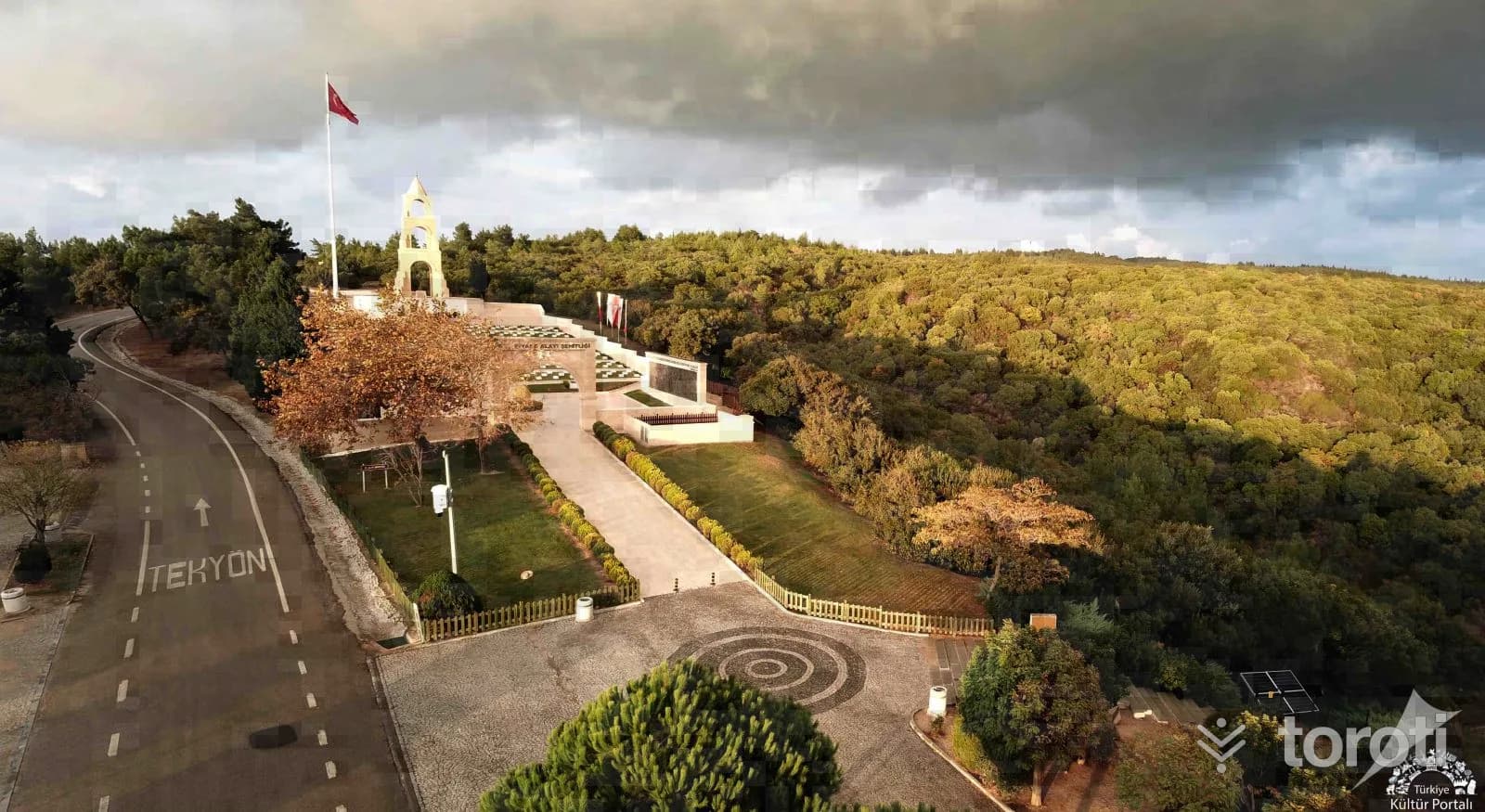
57. Alay Şehitliği
The 57th Regiment was the Ottoman regiment that moved into action on the morning of 25 April 1915 in order to stop the Anzac Landing, accepted as the beginning of the Battle of Çanakkale. As one of the three regiments of the 19th Division, namely the 72nd, 77th and 57th, the commander of the 57th Regiment, established in Tekirdağ Yarkışla on 1 February 1915, was Hüseyin Avni Bey (Arıburun). The Turkish Armed Forces, after the entire 57th had lost their lives and its standard had fallen to the ground.
45 minutes
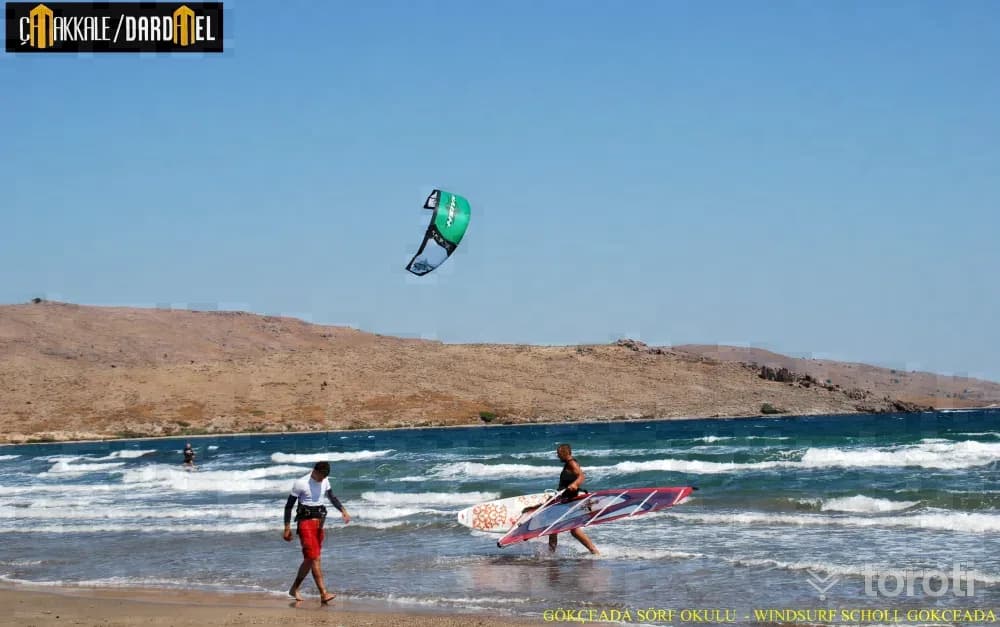
Çanakkale Sörf Turizmi
Windsurfing is a type of tourism practiced when very special conditions are present at the same time and in the same place. These special conditions can be listed as follows; Sea and Beach Wind blowing from a certain angle at a height of 10 meters above the sea surface and its continuity A windy but calm sea Shallow sea for amateurs A wavy and windy beach for professionals.
45 minutes
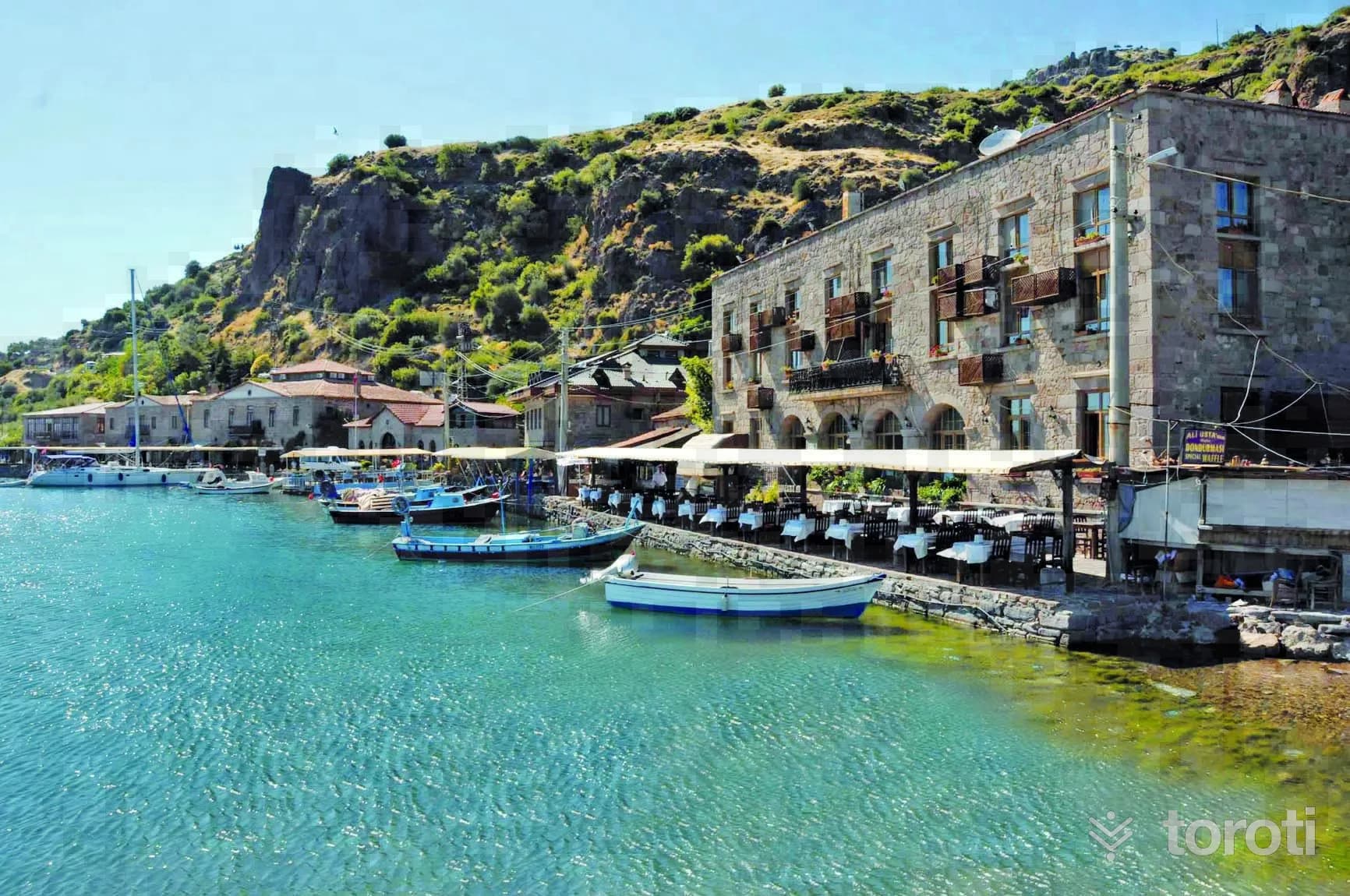
Assos
It was established on the summit and slopes of a volcanic hill at the southern end of the region called Troas in Antiquity, opposite the island of Lesbos. The region, which came under the rule of Lydia, Persia, Pergamon¸ and Rome throughout history, was abandoned in the Middle Ages; during the excavations carried out by the American Archaeological Institute in 1880-1883. When it was active, Assos had become rich thanks to passing ships because it had the only large harbor in the region where it was located.
180 minutes
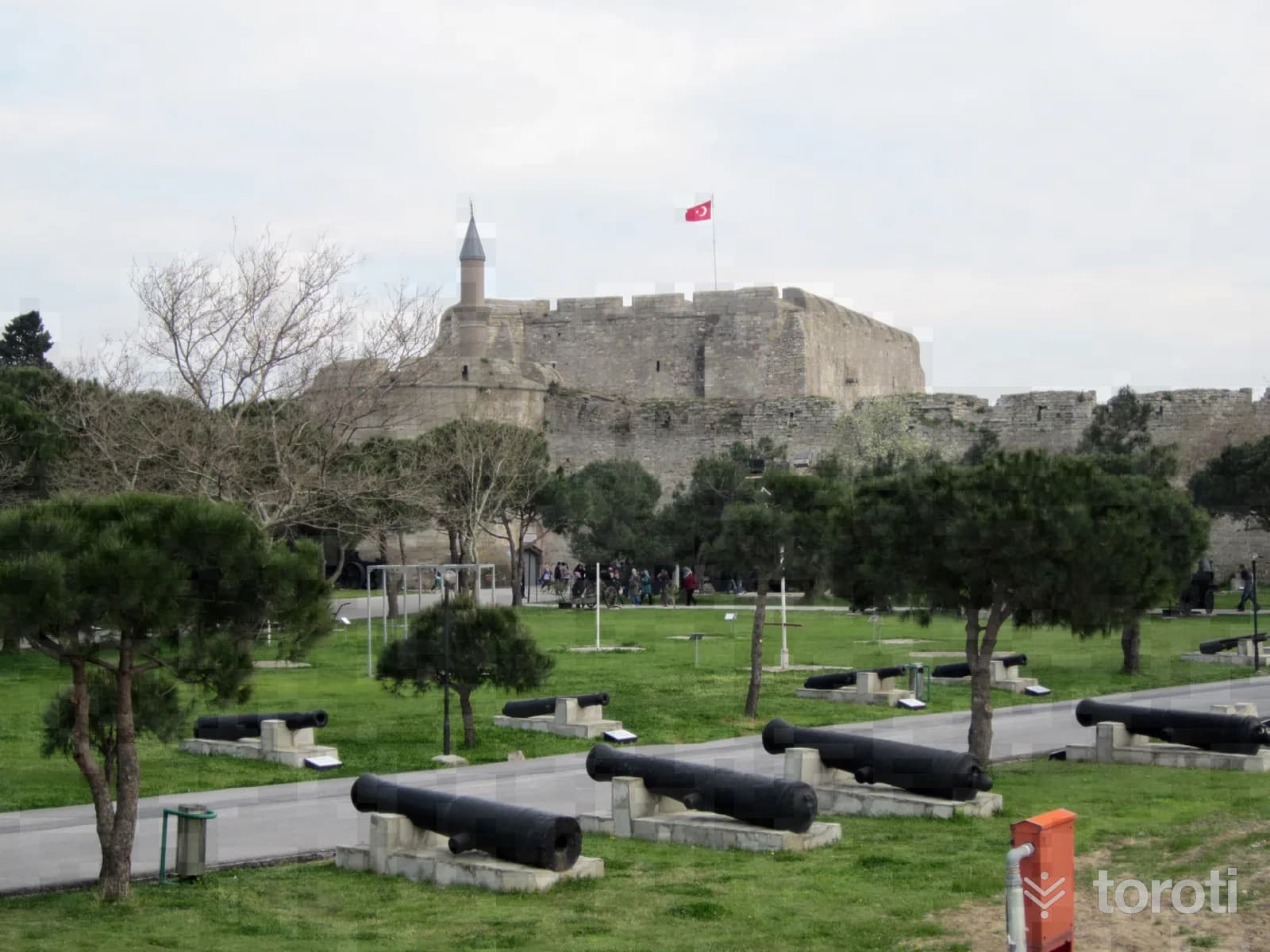
Çimenlik Kalesi
The reason for Çanakkale’s existence is Kala-i Sultaniye on the shore of the strait, known today as Çimenlik Kalesi. The castle was commissioned by Fatih Sultan Mehmet in 1462 after he conquered Istanbul. Piri Reis mentions in his Kitab-ı Bahriye that he completed his book here.The castle consists of a square-planned inner castle and an outer castle. It is said that Fatih Sultan Mehmet sat on the ancient marble seat placed at the entrance of the inner castle and addressed the soldiers.
45 minutes
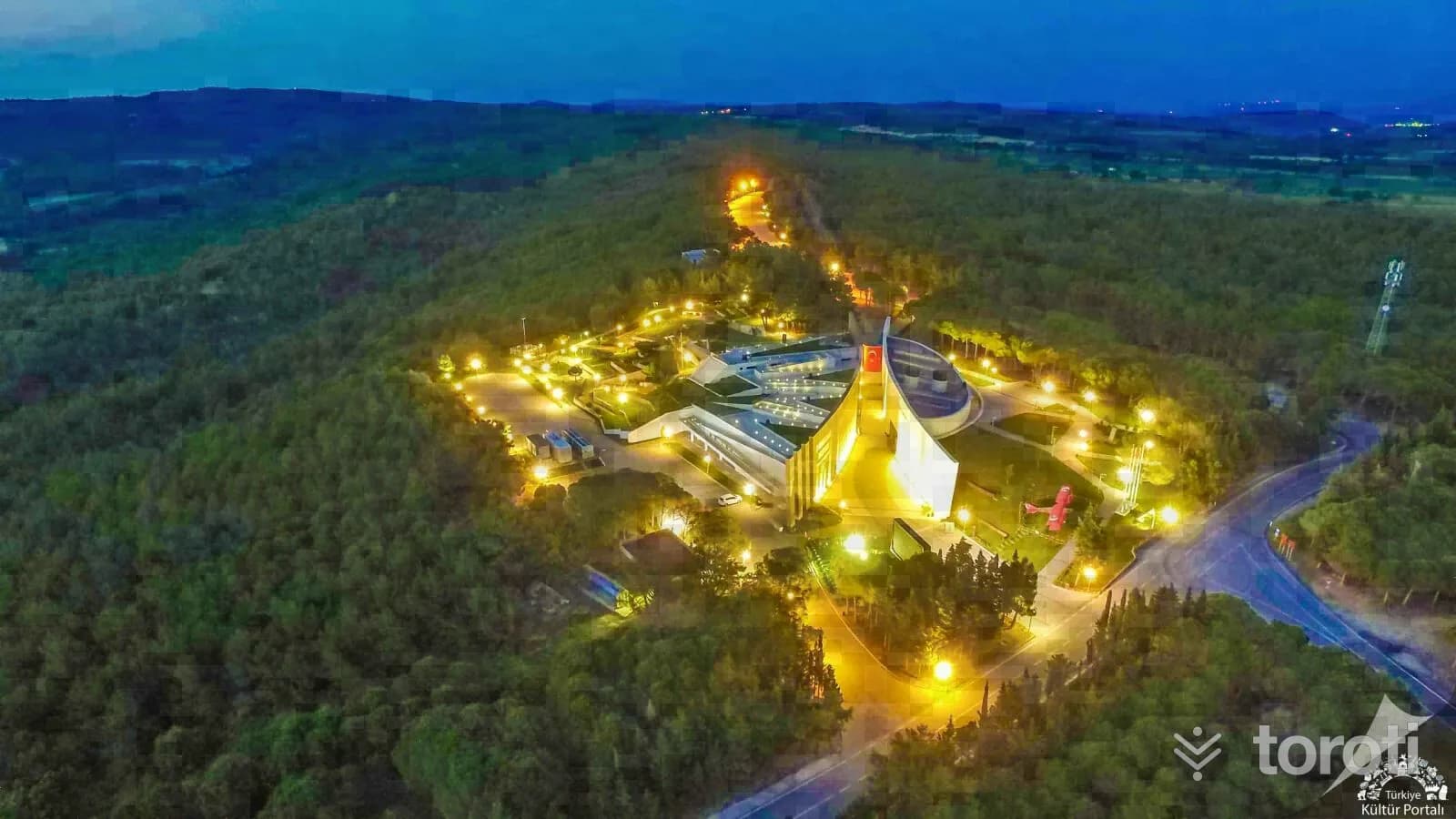
Kabatepe (Simülasyon Merkezi)
You can visit the Çanakkale Destanı Tanıtım Merkezi, officially opened on 7 June 2012, in sessions with groups of 50 people. Thanks to the innovations brought by technology, you can witness history as if reliving that moment. I have often witnessed visitors screaming and ducking, especially in one scene because of cannon fire.
180 minutes
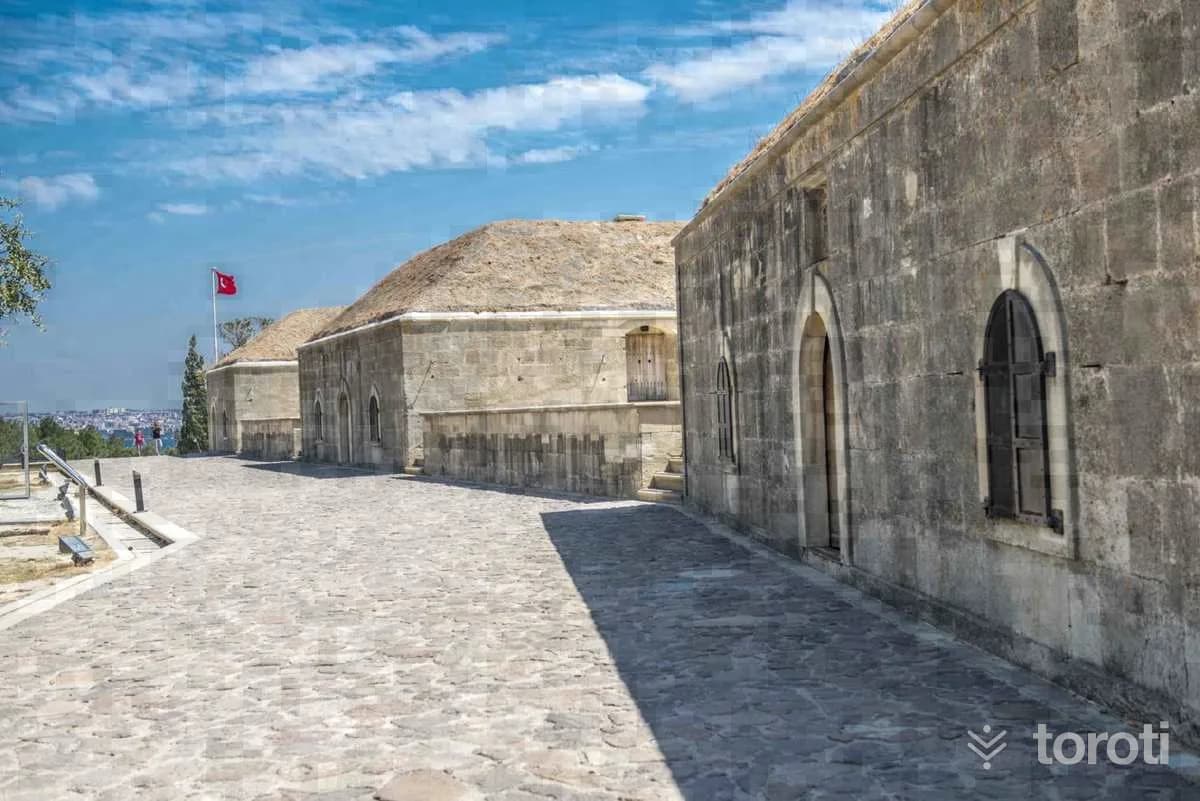
Mecidiye Tabyaları
Mecidiye Fort is located 300m. south of Kilitbahir Village, on the Kilitbahir-Behramlı road. Immediately north of the fort are the Mecidiye Martyrs' Cemetery and monument, and to its east, by the roadside, is the statue of Seyit Onbaşı. This fort was built by Asaf Paşa during the reign of Abdülhamit II. The fort has 8 bonets and 16 gun emplacements. The bonets were built with cut stone and covered with earth.
30 minutes
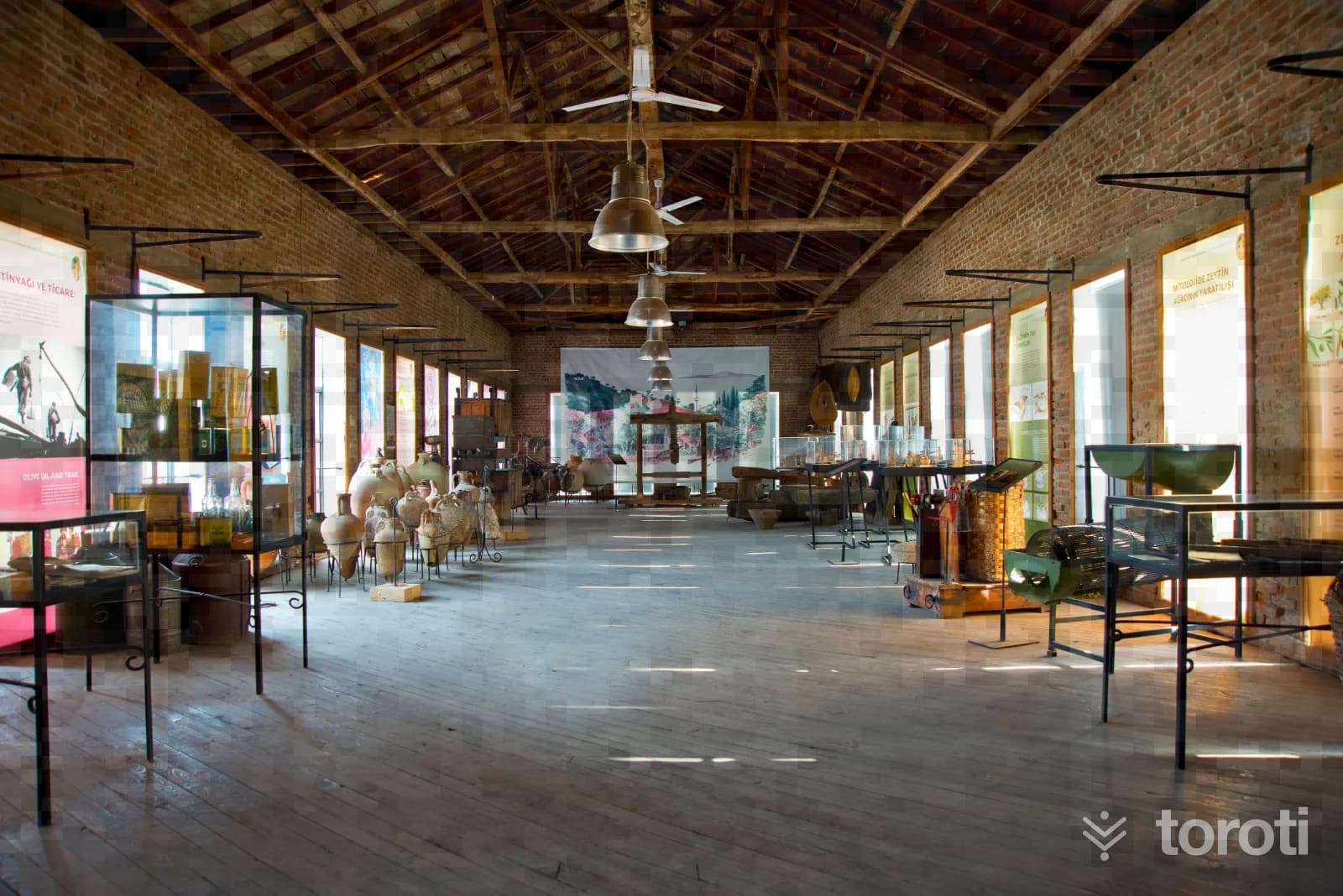
Adatepe Zeytinyağı Müzesi
As the first example of its kind in Turkey, the Olive Oil "Factory - Museum" has been welcoming tens of thousands of local and foreign visitors since 2001. In the museum, old olive oil presses, olive harvesting tools, transport and storage containers, and various folkloric objects can be seen.
45 minutes
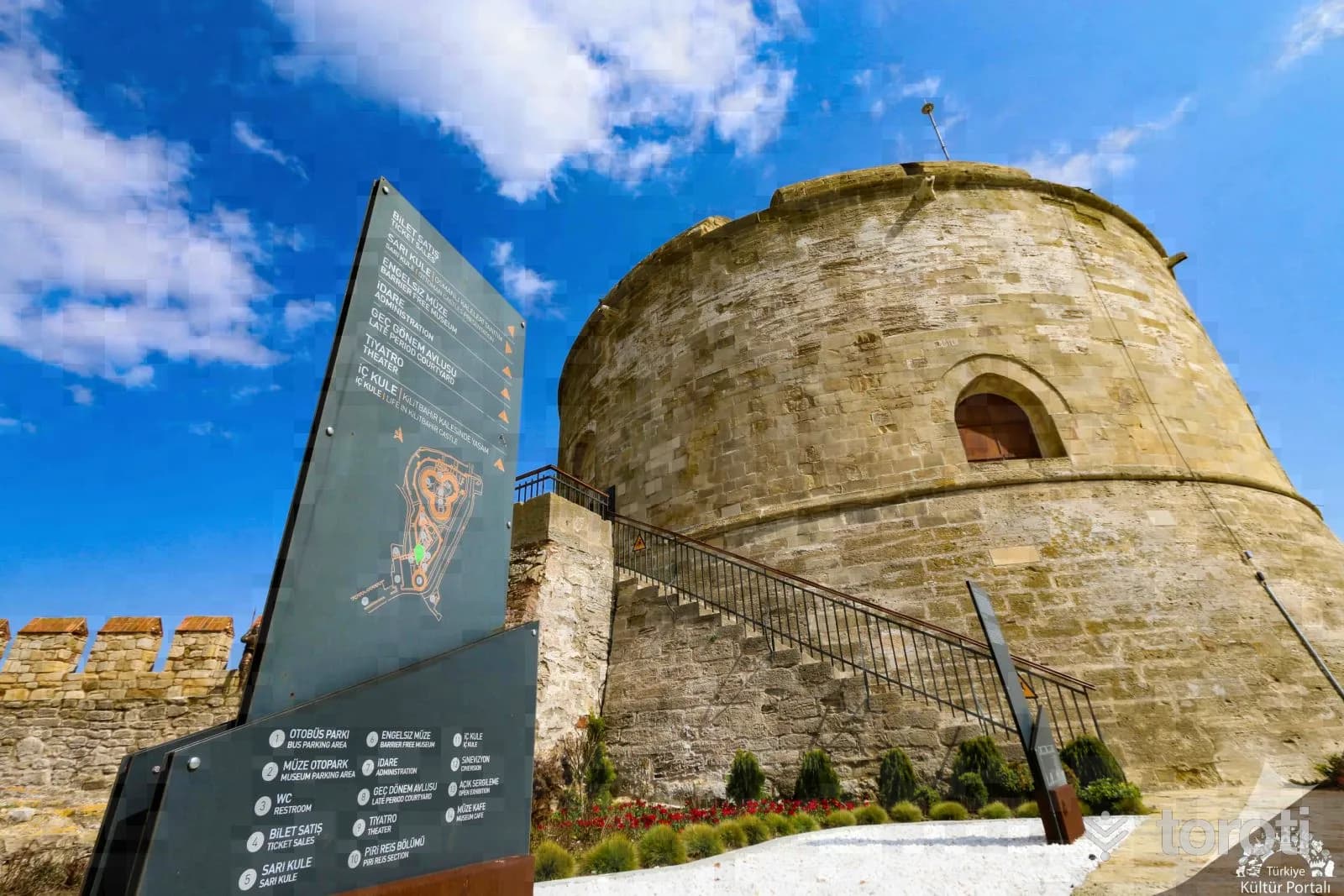
Kilitbahir Kalesi
Kilitbahir Castle was commissioned by Fatih Sultan Mehmet in 1462-63. It was established at the foot of a hill directly opposite Kale-i Sultaniye. The structure consists of three parts: the outer castle, the inner castle and the main tower. The inner castle consists of a 7-storey triangular tower. During the restoration commissioned by Kanuni Sultan Süleyman in 1541, a rampart wall surrounding the southern part and a tower (Sarıkule) at the outer end were built.
45 minutes
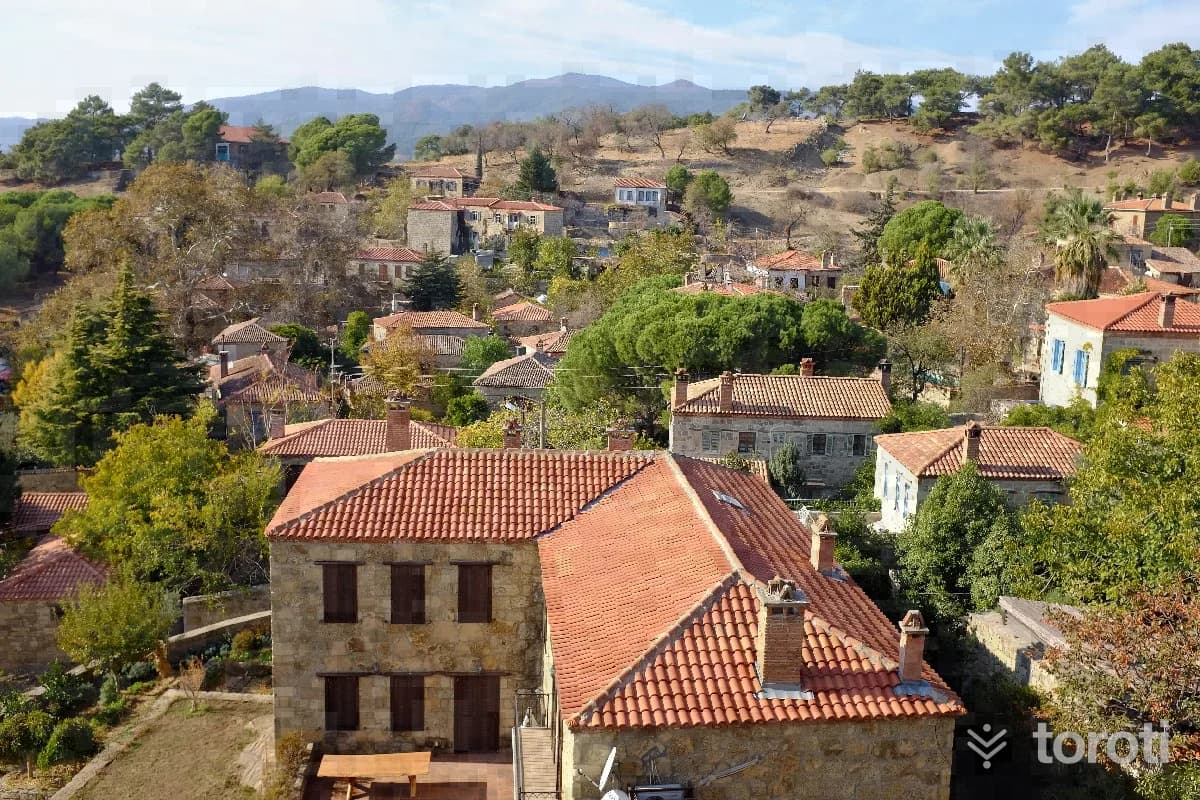
Adatepe Köyü
ADATEPE is located on the eastern coast of the Aegean Sea, on the western slopes of Mount Ida, at the northern end of the Edremit Gulf. Settlement began in ancient times; it is in the region mentioned as "Gargaros" in the Iliad epic, and settlement continues today. The area where the village is located has seen the rule of Troy, Leleg, Lesbos, Persia, Athens, Rome, Seljuk, and Ottoman, and bears their traces.
60 minutes
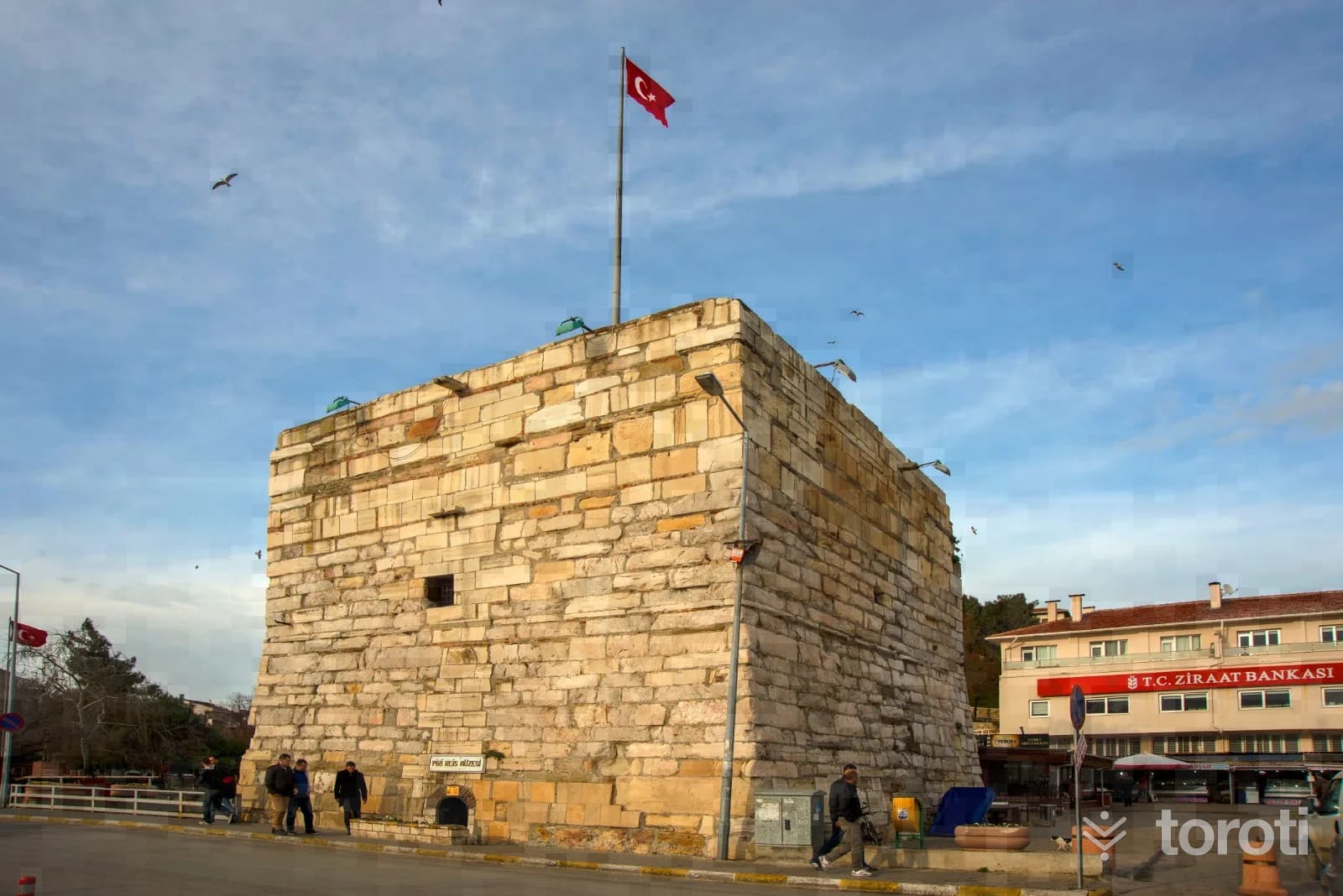
Gelibolu Kalesi
The castle, whose origins date back to ancient times, was repaired by the Byzantines. While mentioning the castle, Evliya Çelebi says it is hexagonal in shape and has 70 towers. It suffered great damage in World War I. Only an observation tower and the adjacent inner harbor remain. Two floors of the three-story bastion are extant. There is a spiral stone staircase between the floors. This bastion now houses the Piri Reisi Museum.
45 minutes
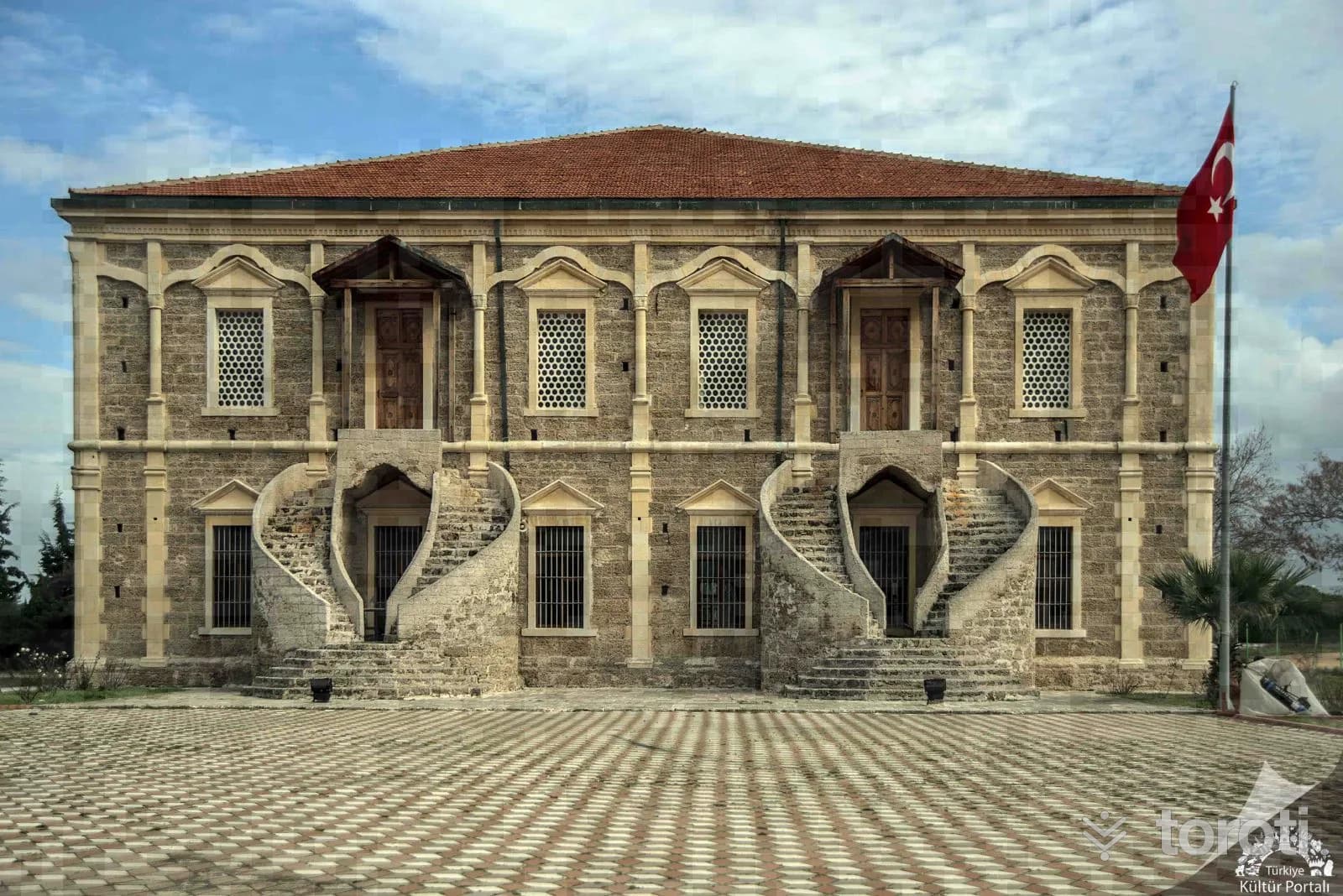
Gelibolu Mevlevihanesi
The mevlevihane, founded in the VII century, underwent repairs in various periods and was rebuilt in 1900. In 1920, during the Greek occupation, it was used as an arsenal and was damaged. In its latest appearance, it reflects an eclectic style. The doors on the north and south sides provide access to the ground floor. The oval double staircase on the west facade leads up to the mahfel floor. The interior is decorated with hand-drawn vegetal motifs and calligraphic works. Its restoration was started and completed in 1994.
20 minutes
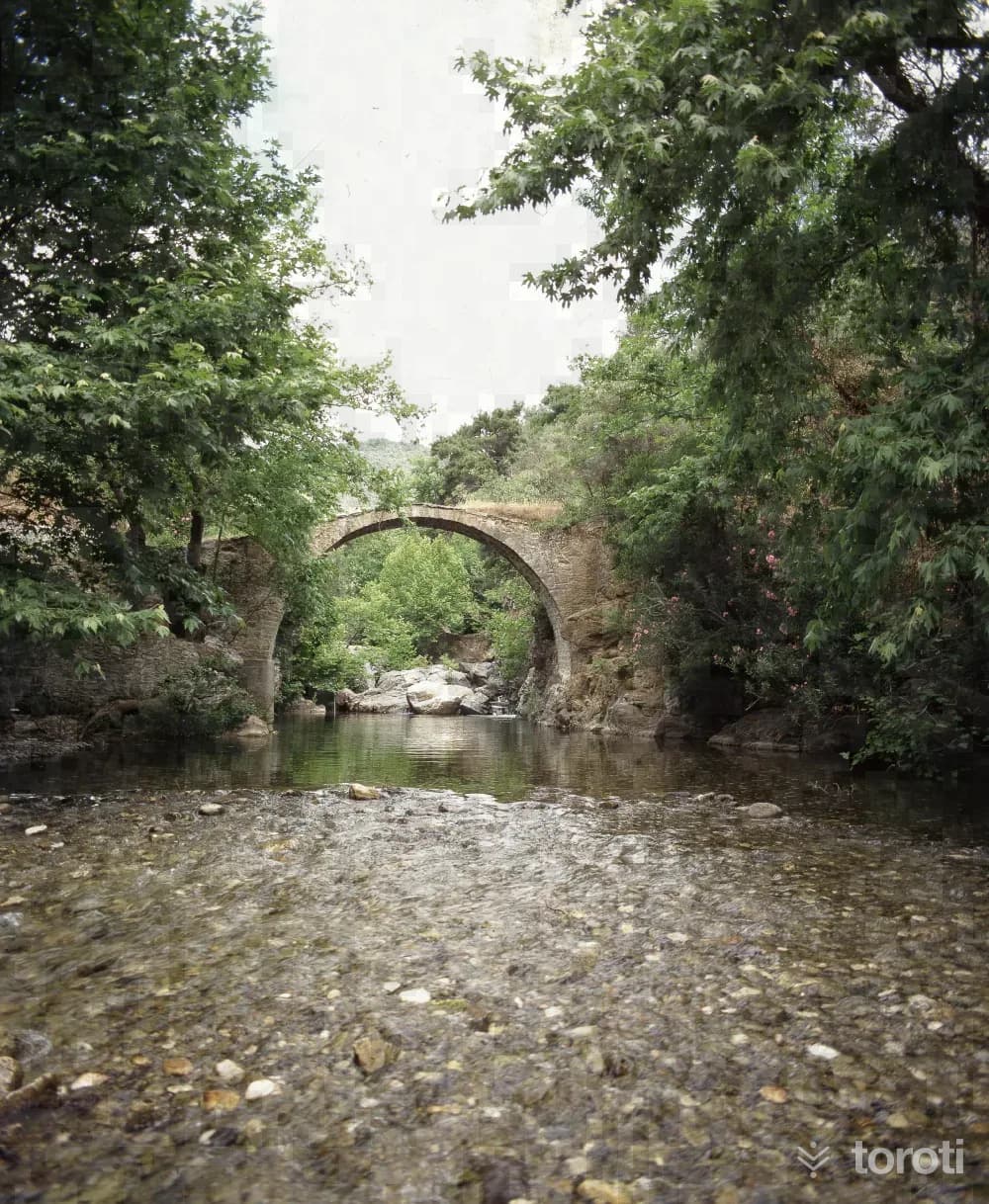
Mihli Çayi
It is on the Balıkesir-Çanakkale provincial border. In the Altınoluk-Küçükkuyu direction, it is 5 km ahead from Altınoluk. When going inland from Mıhlı Çayı, Baş Değirmen Mevkii is reached. Baş Değirmen Köprüsü was built with Roman architecture and was the only transportation route to Truva in ancient times. Today, it provides passage to the olive groves in the area and to those trekking. There are also small ponds and waterfalls in this area.
45 minutes
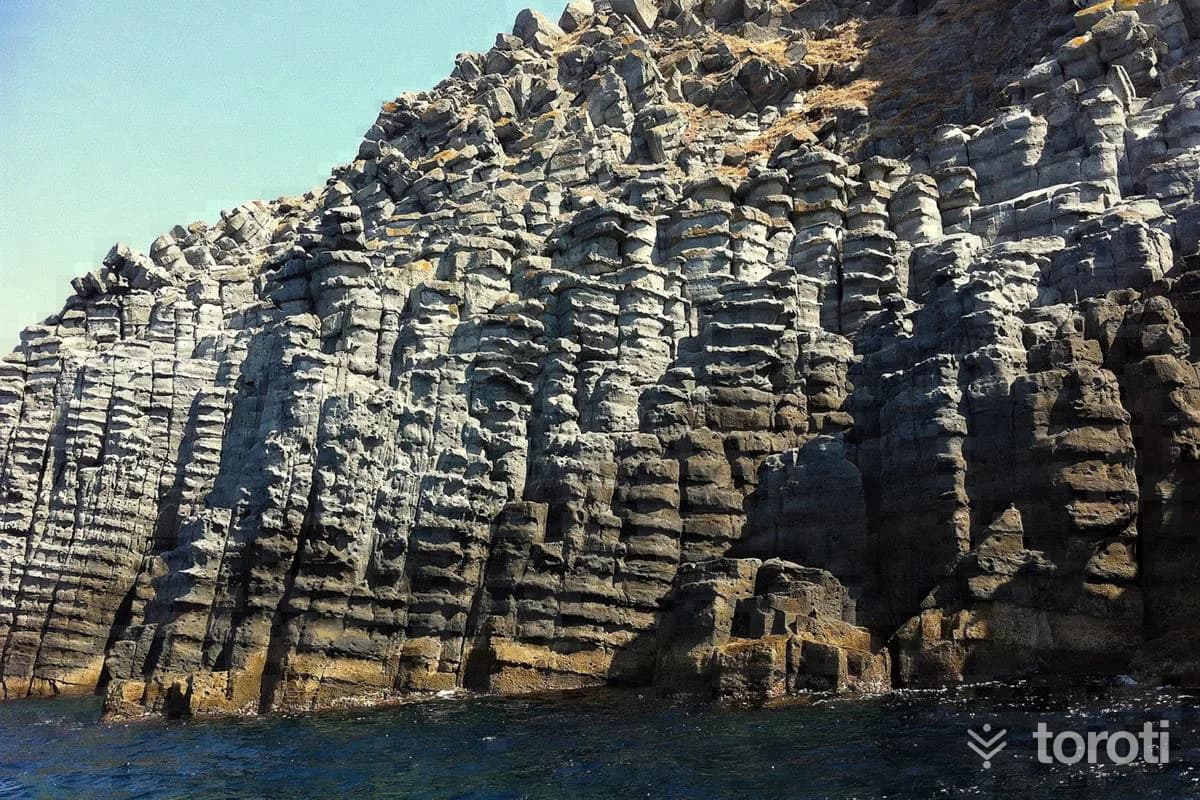
Peynir Kayalıkları
Kaşkaval Burnu, located immediately to the left of Kuzulimanı, has interesting sculptural rock formations called the cheese rocks. This name was given among the local people because they resemble cheese molds stacked on top of each other. You only have the chance to see this place from the sea by boat. You can seize this opportunity by making an arrangement with the fishing boats in Kuzulimanı or Kaleköy.
30 minutes
Ayazma Manastırı
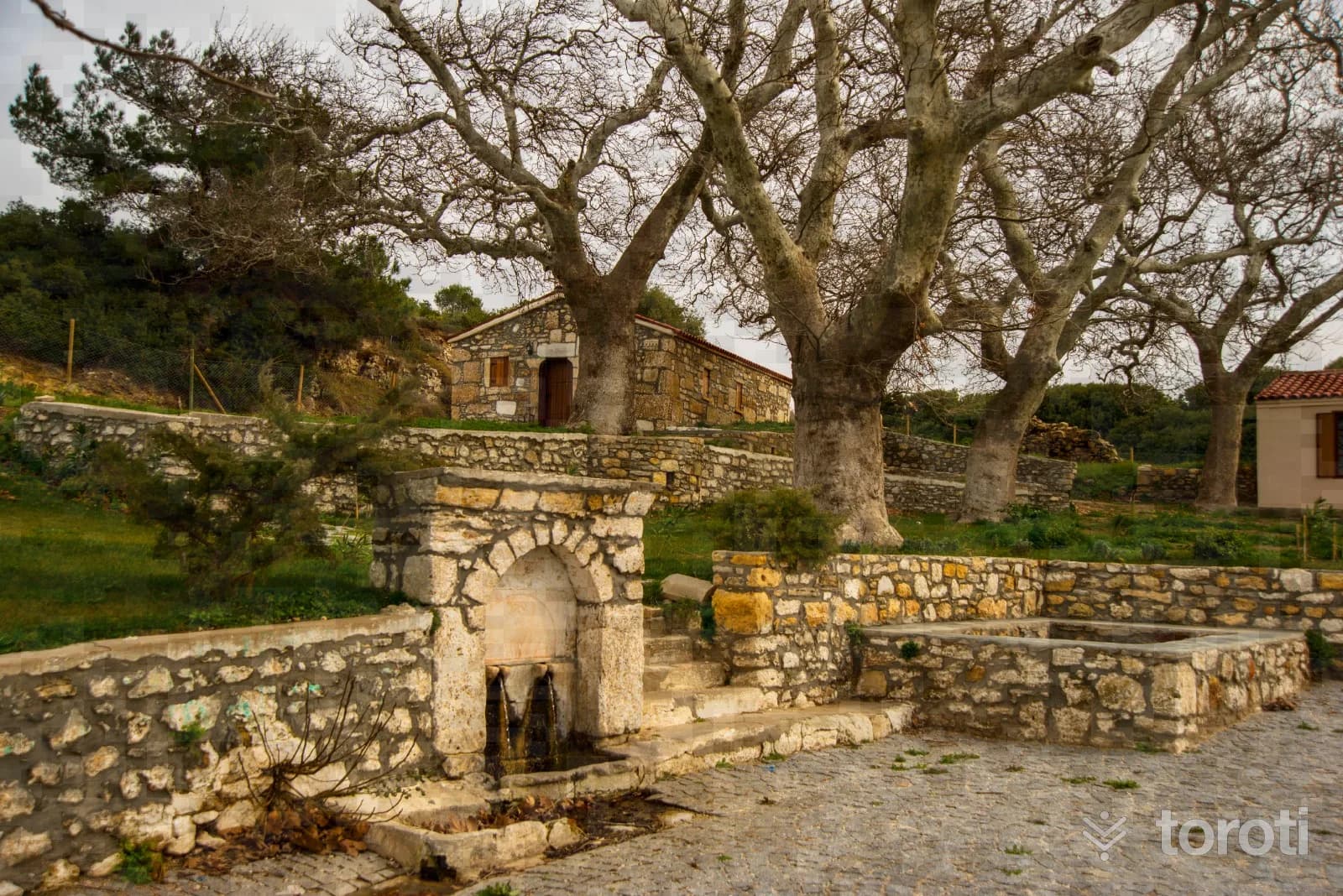
Ayazma, which comes from the Greek word "hagiasme," means holy water. Bozcaada Ayazma is located in the southern part of the island. Here there is a historic double-spouted fountain, 8 old plane trees, a small monastery, and 2 single-storey buildings. The monastery in Ayazma, belonging to the Greek Orthodox community, was built in the name of the Greek saint Aya Paraskevi and bears her name.
30 minutes
Çanakkale Scuba Diving (sualti Solunum Aygiti Kullanarak Dalış Yapma)
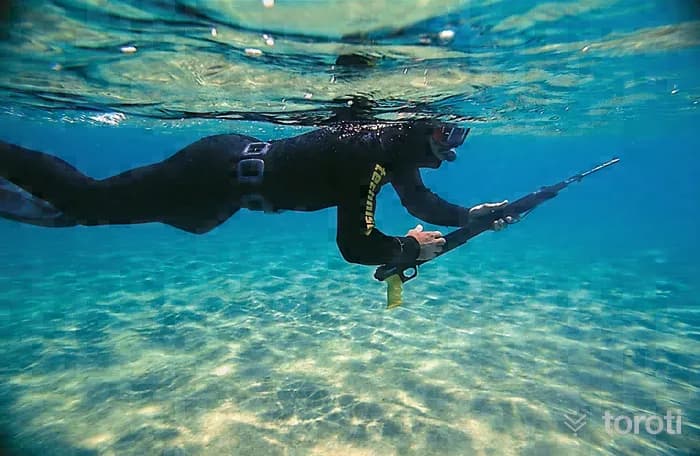
The term Scuba means equipment that is independent, portable underwater, and provides self-sufficient breathing. Exploring the underwater world with this equipment at an appropriate pressure is also called “Scuba Dwing.” It requires quick thinking, cooperation, and coordination. The coasts of Çanakkale Province are waiting to be explored with Scuba Dwing. Scuba dwing tourism activities have begun to be carried out on the Çanakkale coastline and in saros.
45 minutes
Yahya Çavuş Şehitliği
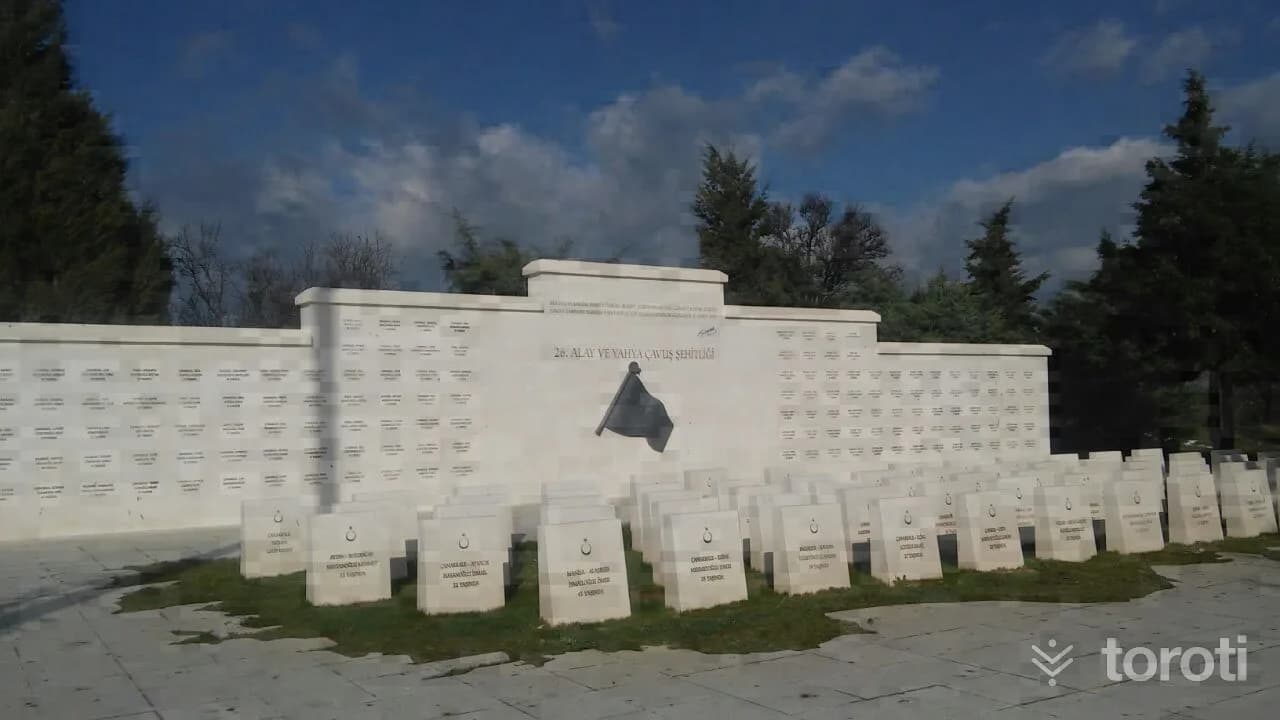
It was built on the Gallipoli Peninsula in order to keep alive the memory of Commander Ezineli Yahya Çavuş and his heroic soldiers, who, on 25 April 1915, stopped the British force of 3000 soldiers that landed at Ertuğrul Koyu on the Gallipoli Peninsula with ten hours of Mauser fire on the shore with the 67 soldiers under his command. British General Nepier had thought that there was a division facing them in the face of the intense fire of Yahya Çavuş and his soldiers.
20 minutes
Seddülbahir
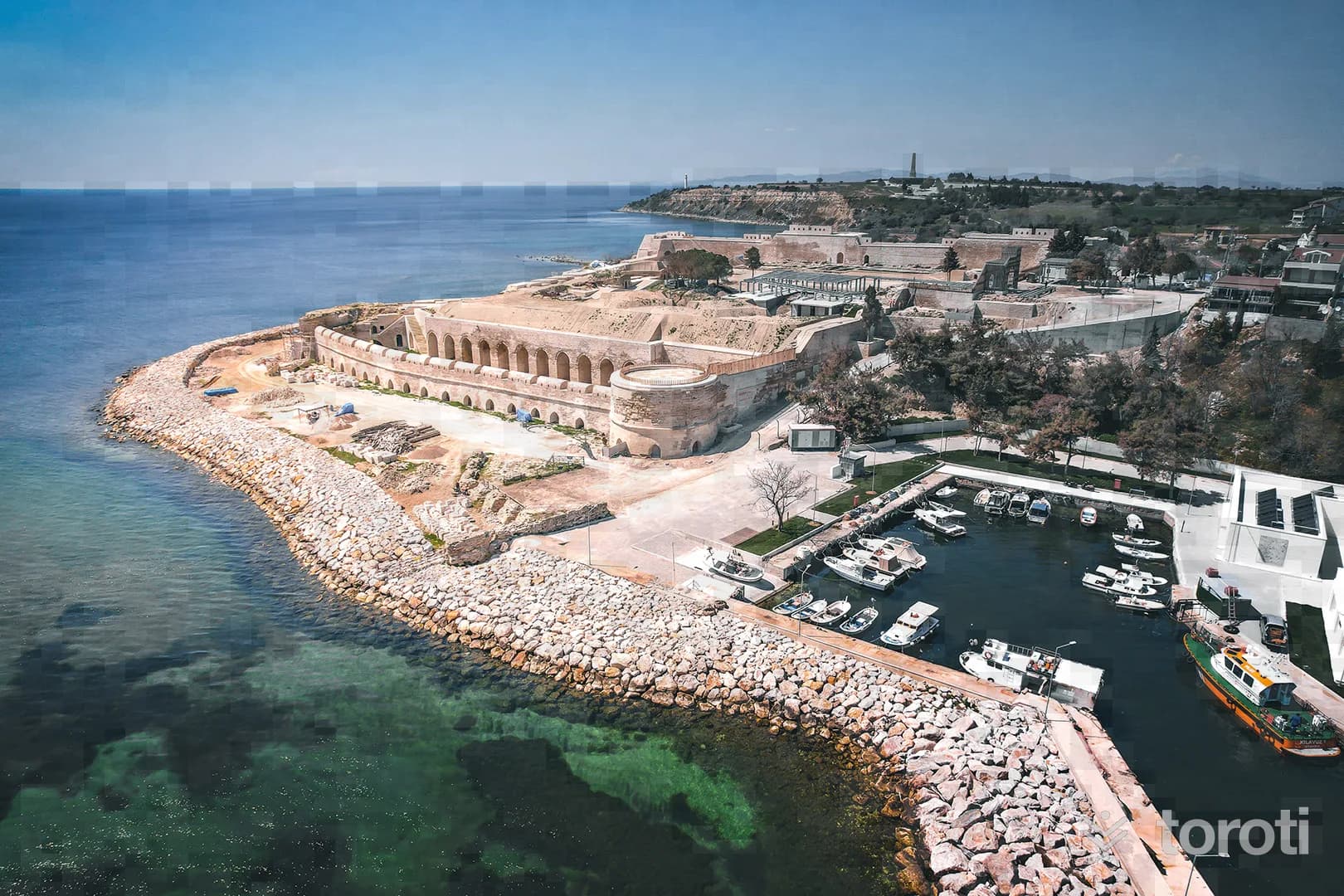
The Seddülbahir Landing, which was part of the Seddülbahir Front of the Battle of Çanakkale, was carried out on 25 April 1915 at five different points in the Seddülbahir area. Attacks were carried out that resulted in heavy losses for both sides. As a result, by the end of June the Ottoman forces had stopped the advance and the landing had failed; later, limited and ineffective trench fighting continued in this area until the end of the war.
45 minutes
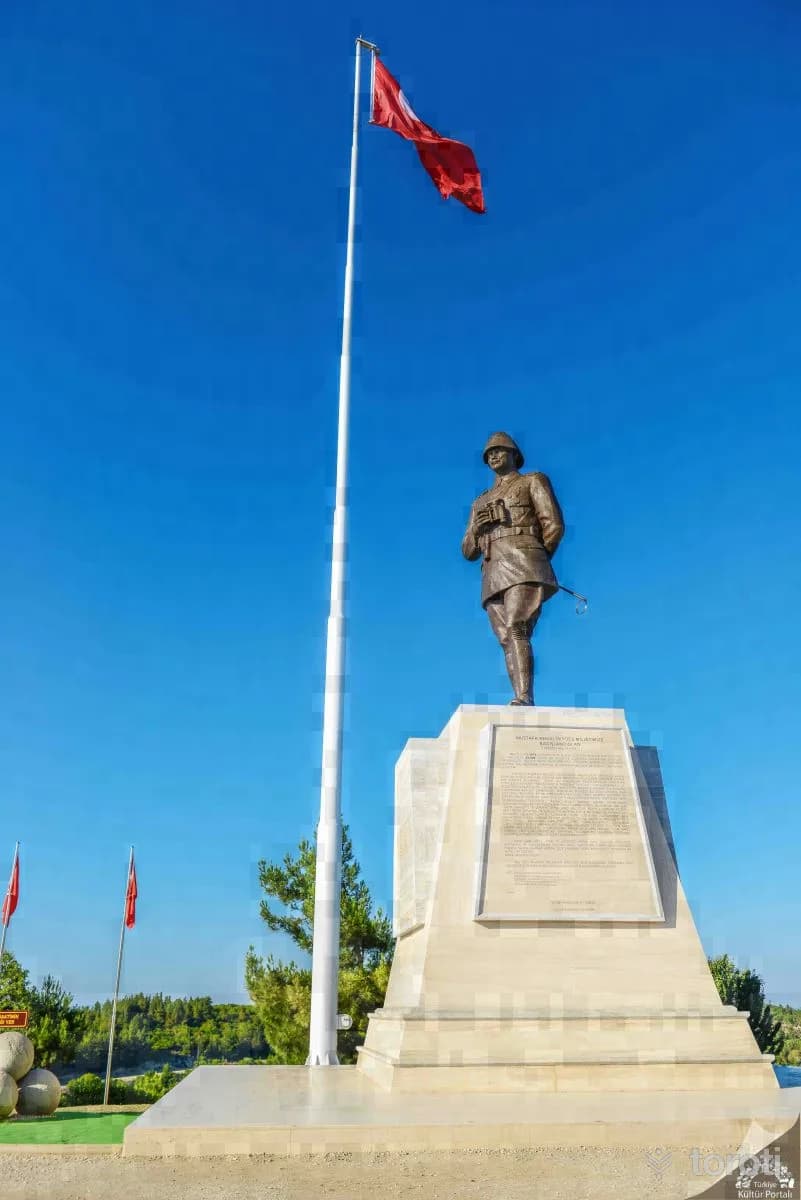
Conk Bayırı Atatürk Anıtı
During the Çanakkale battles, Lieutenant Colonel Mustafa Kemal, who was the commander of the 19th Division, stopped the enemy making the landing and changed the course of the war. In his memoirs, Mustafa Kemal Atatürk mentions that on 25 April 1915, at the moment when critical hours were being experienced in this region, he reached Conkbayırı with the 57th Regiment. On the morning of 10 August, Colonel Mustafa Kemal Atatürk made a historic speech to his soldiers. This monument was erected at the place where this speech was made.
30 minutes
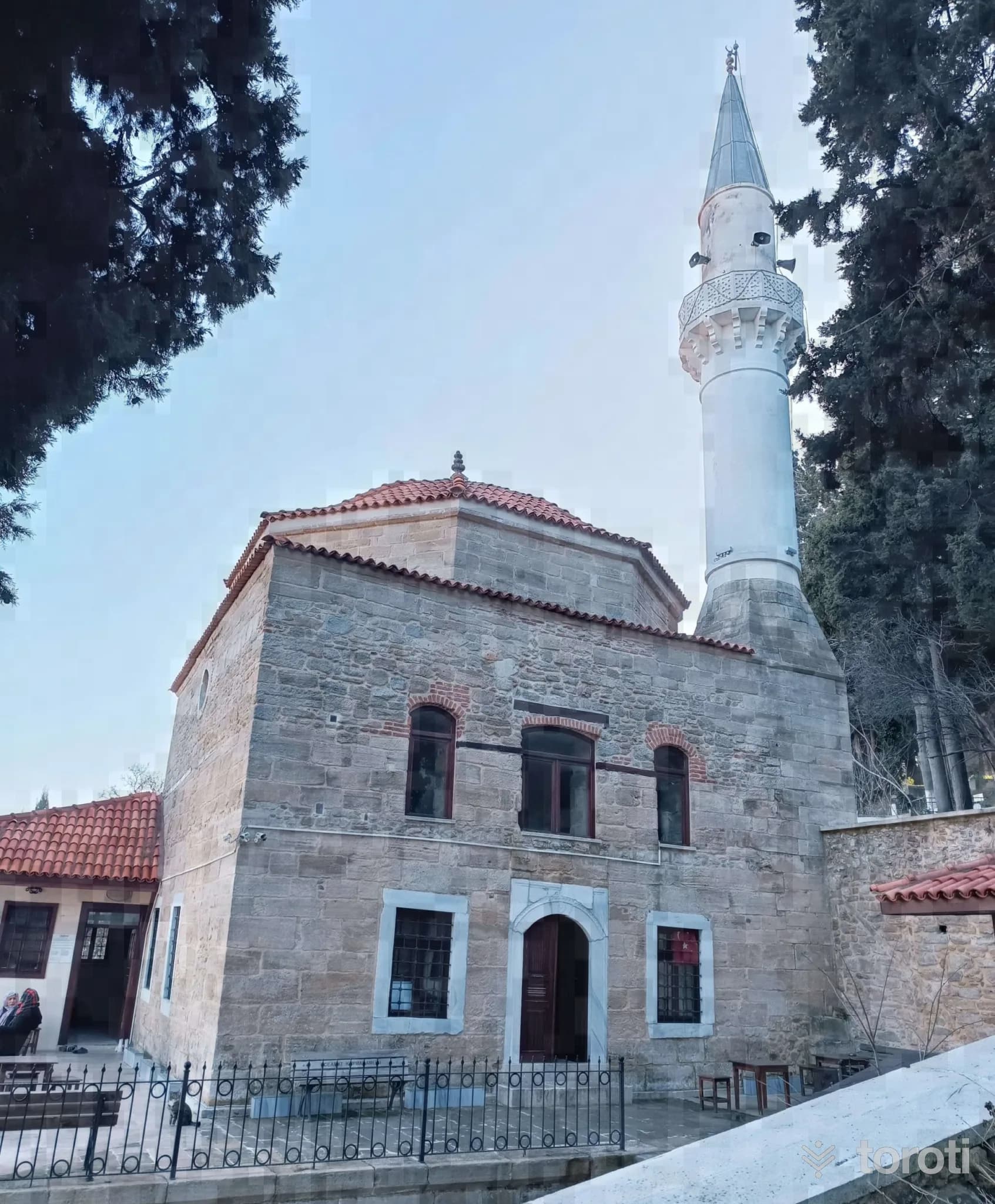
Cahidi Sultan Külliyesi
In his travel book of 1658, Evliya Çelebi mentions the existence of 750 households in the village of Kilitbahir. The Cahidi Sultan Tomb, located at the highest point of the village, draws attention. There is a mosque next to the tomb. It is estimated to have been built in the early 1600s. It is a small square-planned domed structure.
30 minutes
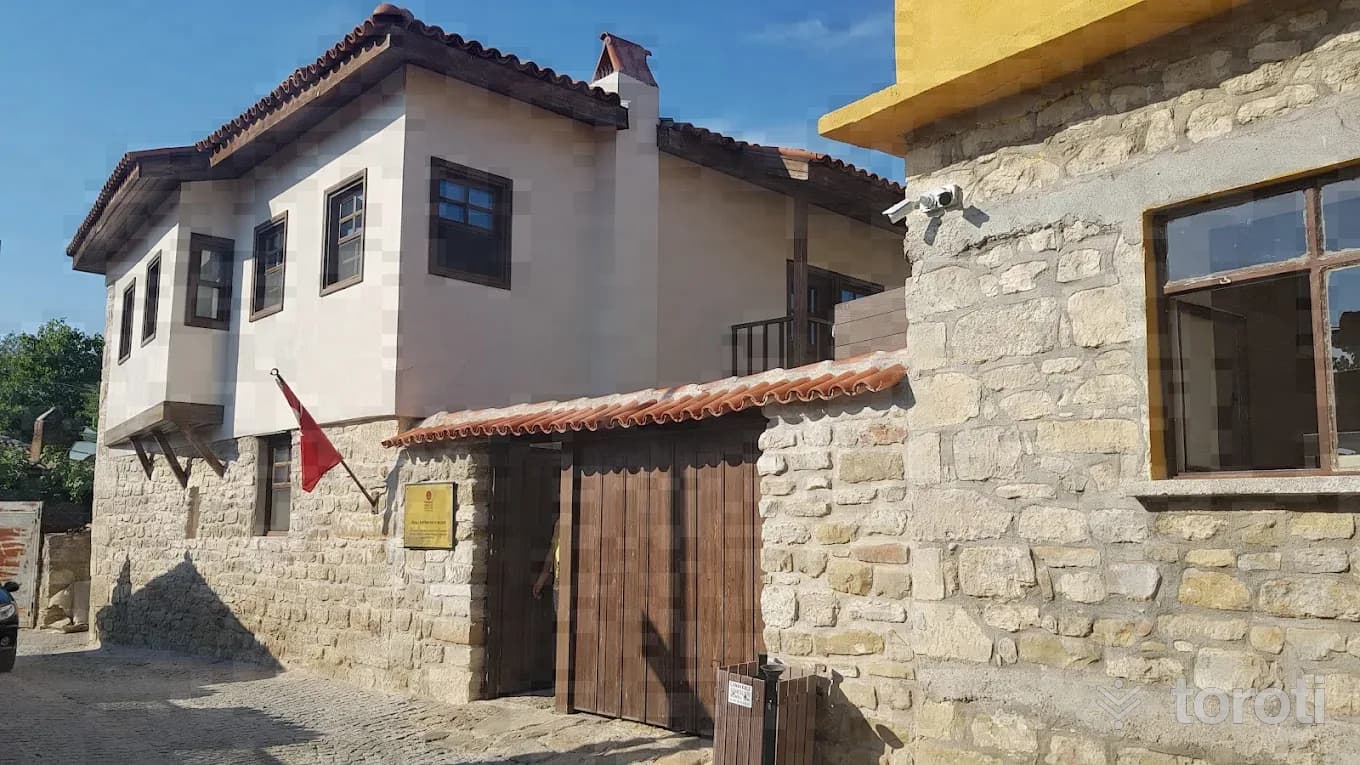
Bigalı Atatürk Evi
The 19th Division under the command of Lieutenant Colonel Mustafa Kemal came to Eceabat on 25 February 1915 to take part in the Çanakkale battles. On 19 April 1915, it moved the division headquarters from Eceabat to the village of Bigalı(Boğalı). Here, it made a village house its headquarters. This house was arranged as a museum in 1973 and opened to visitors. Personal belongings and uniforms belonging to Mustafa Kemal are exhibited.
45 minutes
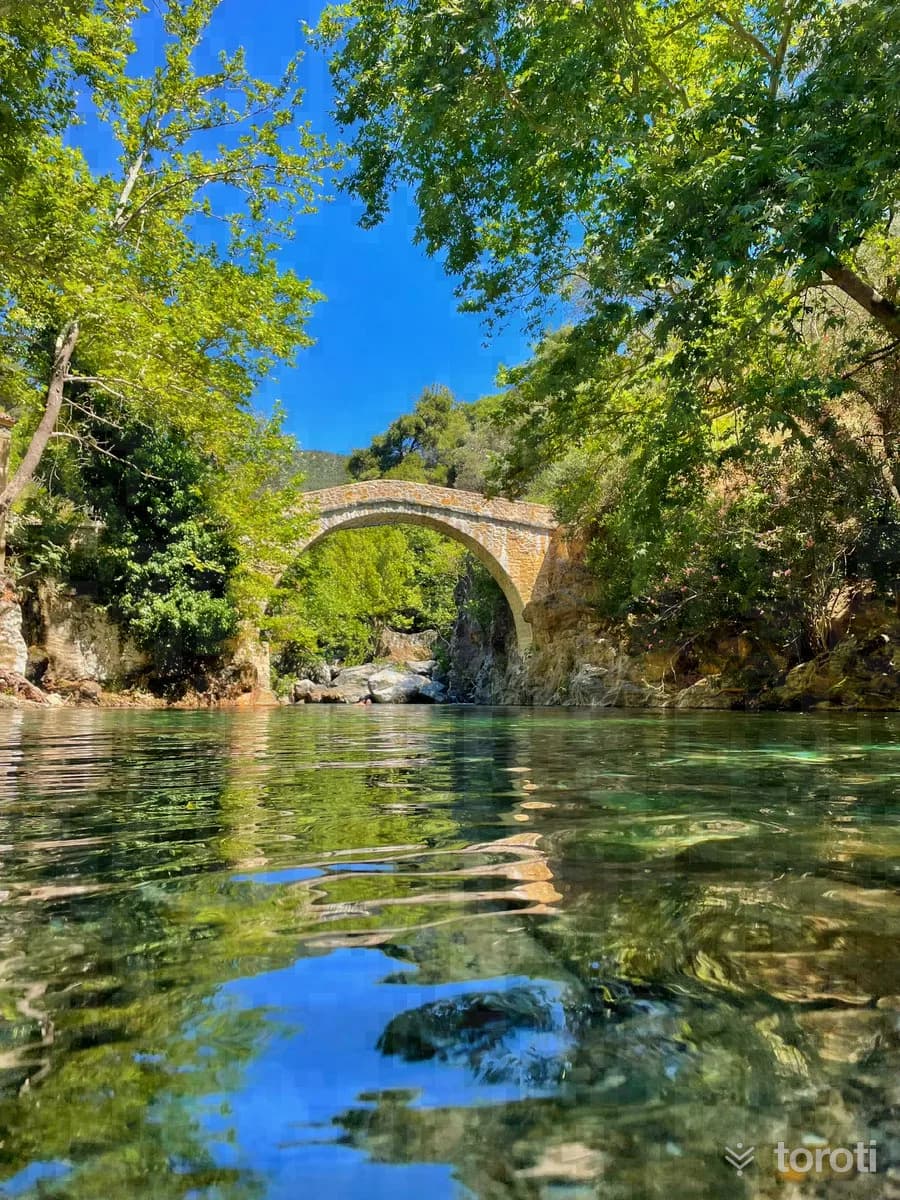
Başdeğirmen Köprüsü
One of the countless streams descending from the Kaz Mountains to the sea is Mıhlı Stream. While going from Edremit to Assos, just before reaching Küçükkuyu, one of the roads turning north leads to the most beautiful part of this stream. And shortly afterwards to the old arched bridge. Its name is Başdeğirmen Köprüsü, dating from the Romans, the only crossing point over Mıhlıçay on the ancient road leading to Troy.
20 minutes
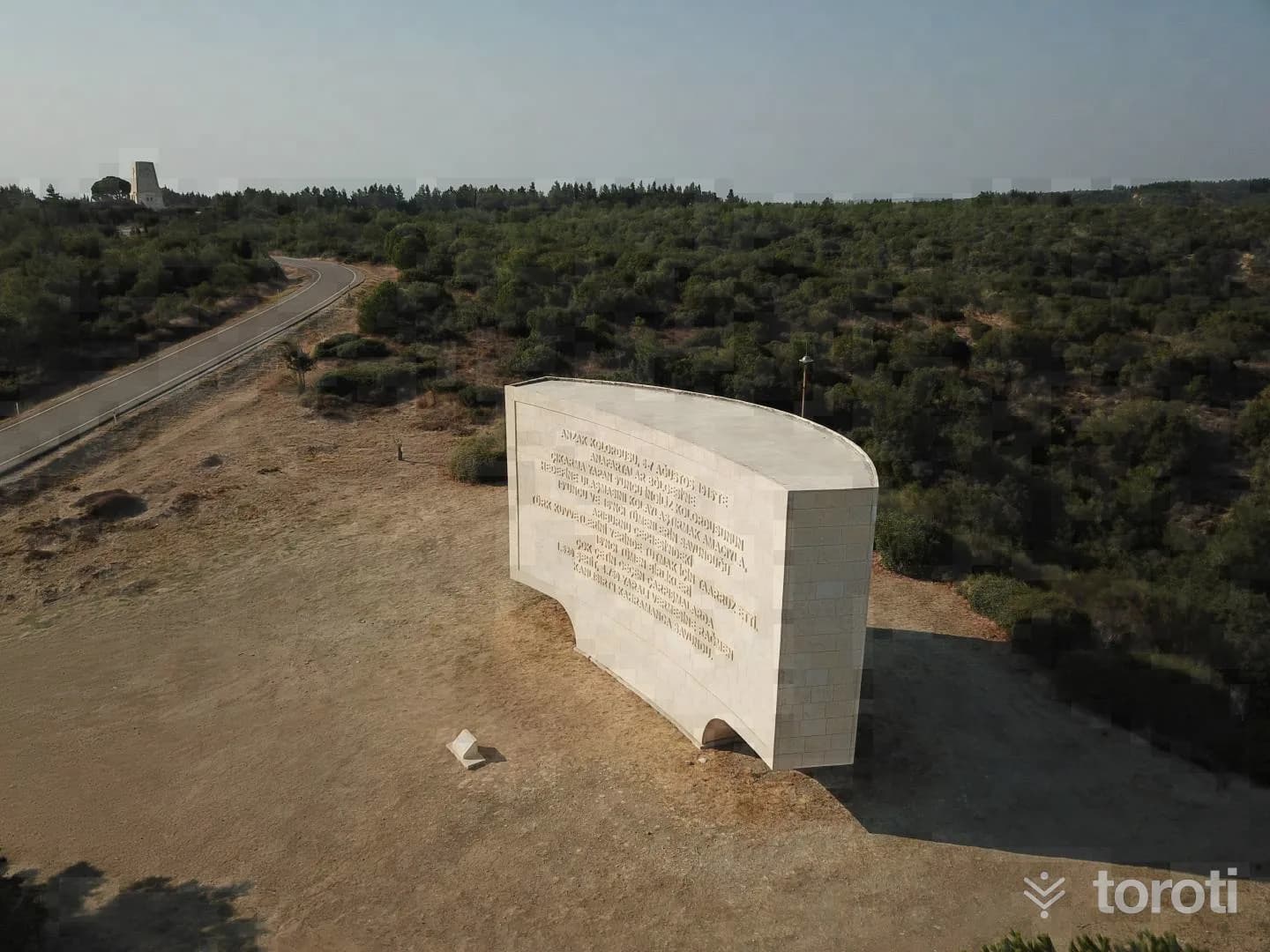
Kanlısırt
The Battle of Kanlısırt was the attacks by the Anzac Corps on Kanlısırt on 6 August 1915 and the fighting in this area that lasted for three days. With the attack, the Anzacs captured a section of the Ottoman trenches. The Ottoman attacks that began immediately afterwards were unsuccessful, and the trenches remained in the hands of the Anzac units.
30 minutes
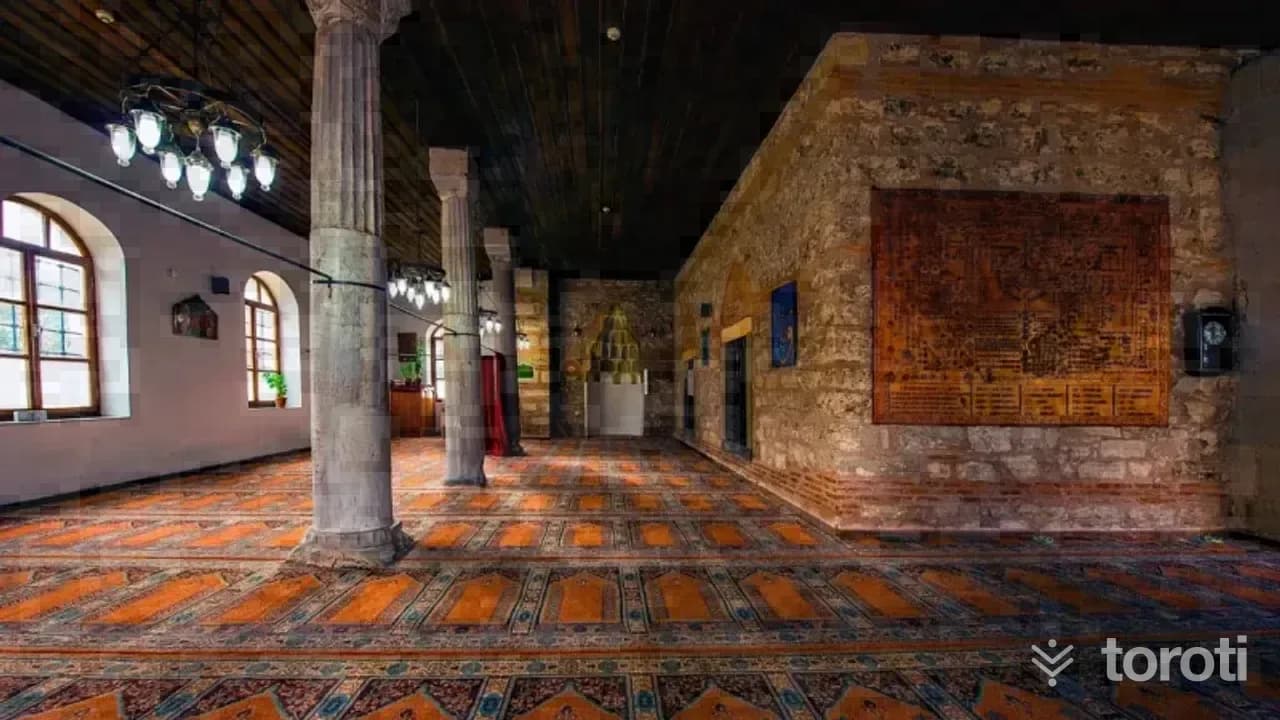
Yakup Bey Külliyesi
Yakup Bey, who was the sanjak-bey of Gelibolu in 1462, had a külliye built in Çardak. Of this külliye, the mosque, inn and bath have survived to the present day. The inscription on the monumental portal gives the construction date of the külliye as 1462-64. One of the three inscriptions here has been damaged.
30 minutes
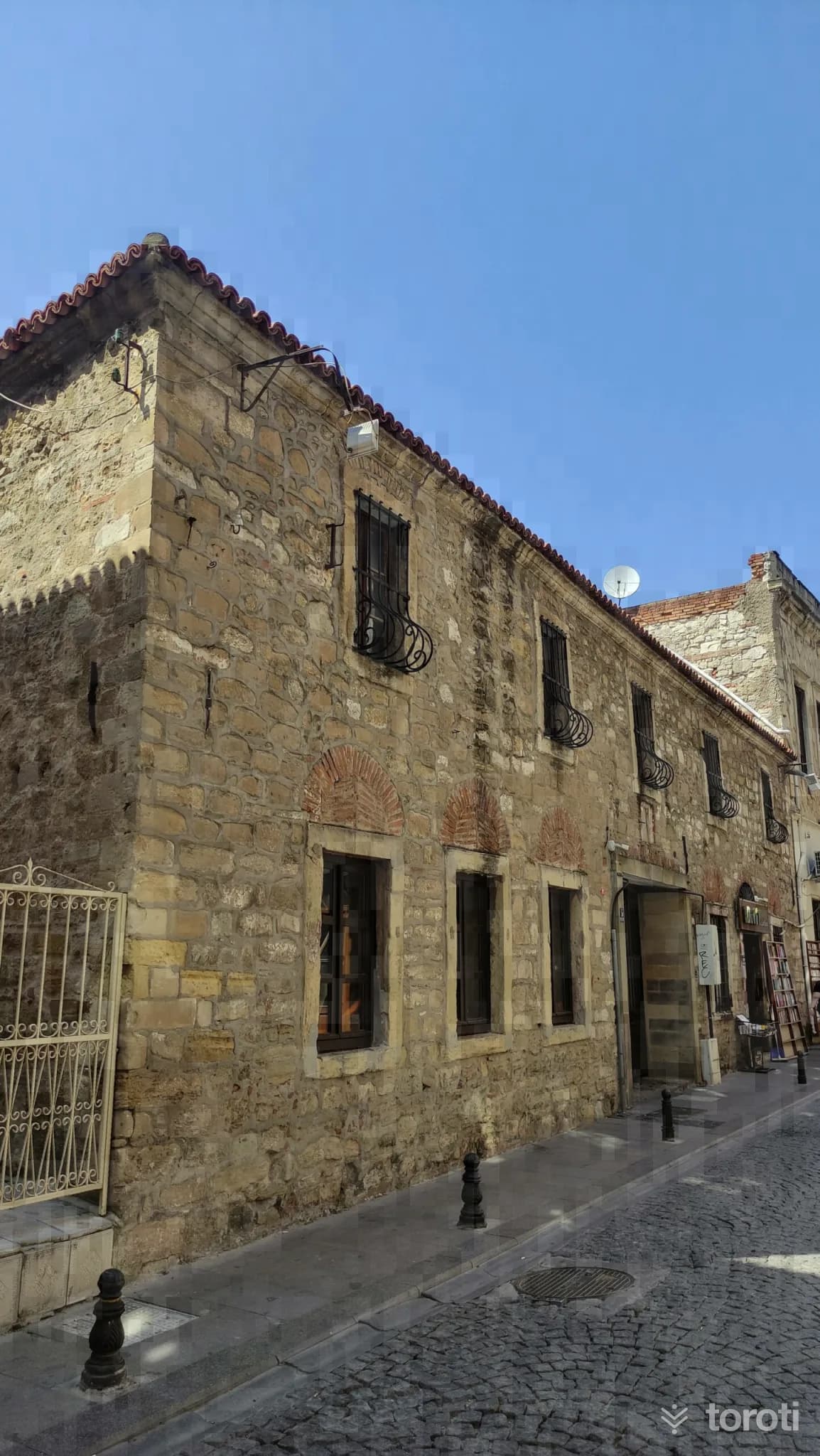
Yalı Hanı
It is not known on what date Yalı Hanı was built; the only thing known is that its history dates back to before the 1880s.
30 minutes
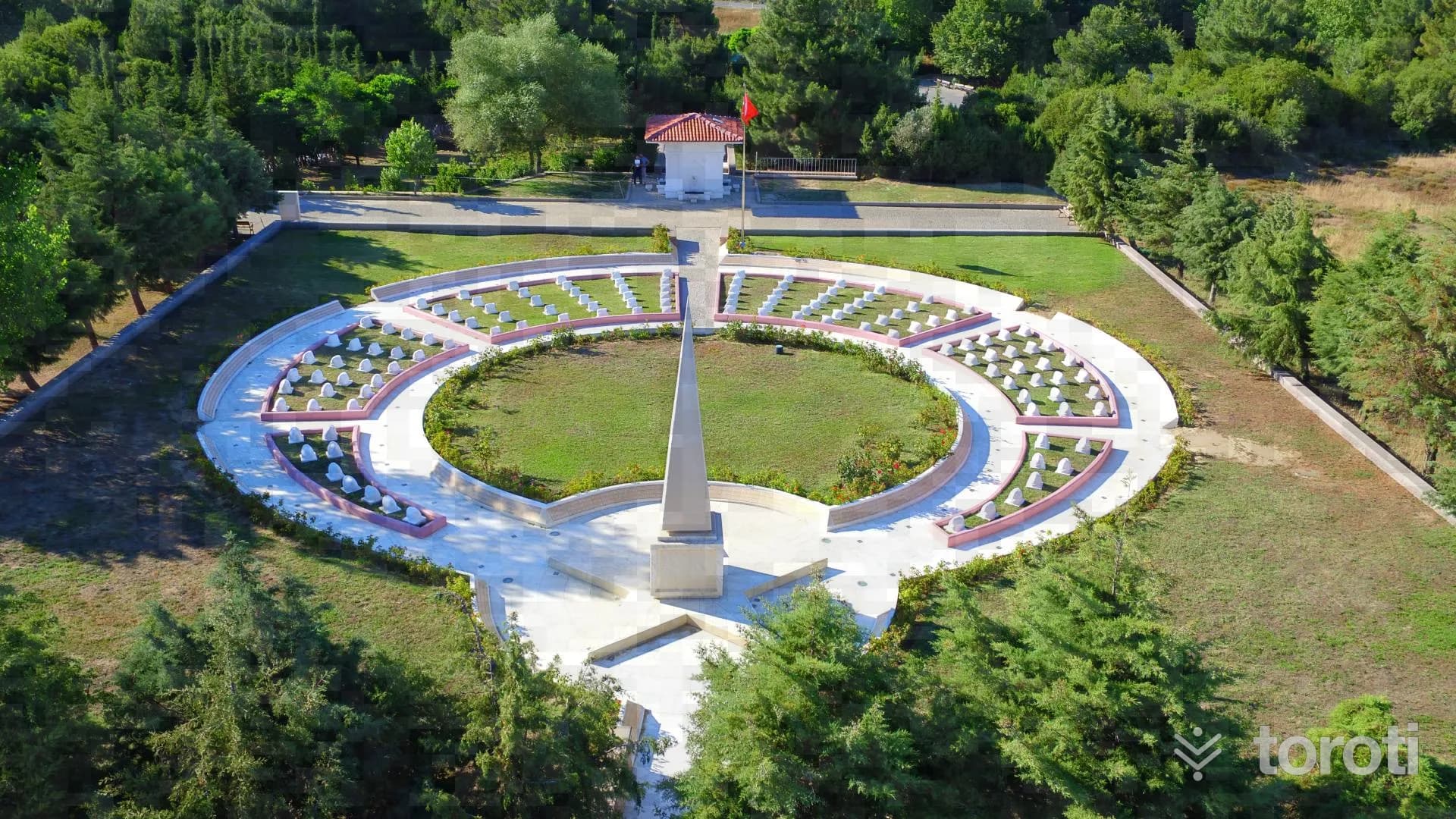
Şahindere Şehitliği
In this Martyrs' Cemetery lie 2177 of our martyrs whose names could be identified. In addition, within the Şuheda Cemetery there is a grave surrounded by iron railings. This grave belongs to Lieutenant Mustafa Efendi of the 30th Infantry Regiment of the 10th Division.
20 minutes
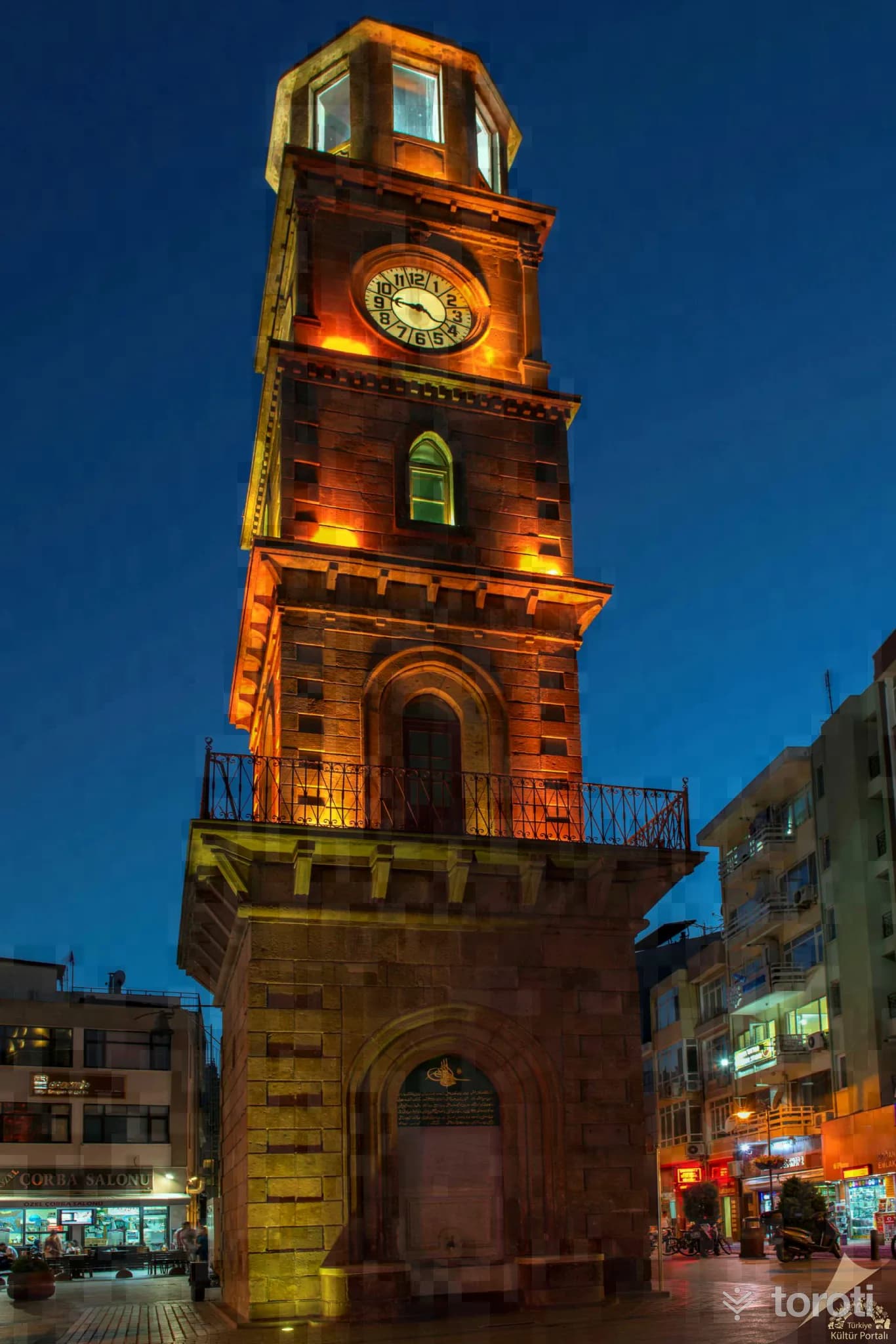
Saat Kulesi
It was commissioned by Cemil Paşa in 1897-1898 during the reign of Sultan II.Abdülhamid. Some sources also state that the Italian Vitalis Gaptirole, the Consul or merchant of Çanakkale, sent ten thousand gold coins for the construction of the clock tower.
20 minutes
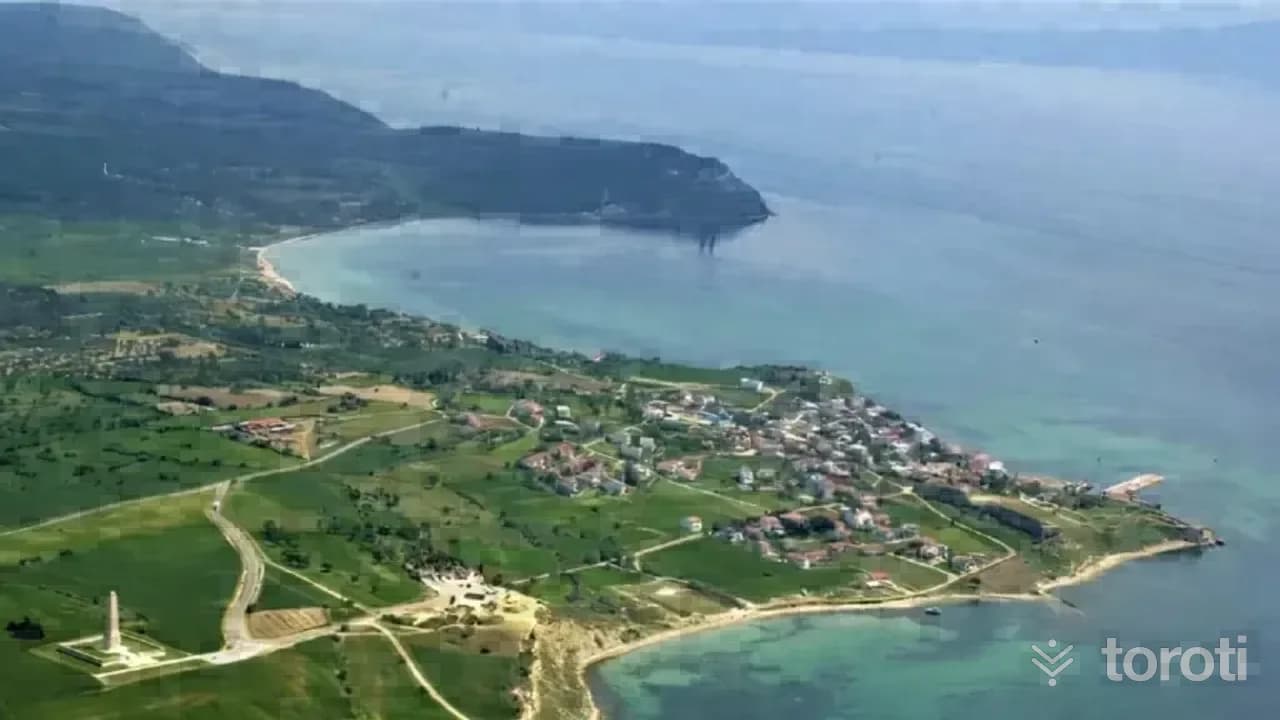
Morto Koyu
Morto Koyu, which was a landing beach in the 1915 Çanakkale battles, is an important area on the Gelibolu Peninsula. It is used as a resting area due to its proximity to the frequently visited Çanakkale Şehitler Abidesi.
45 minutes
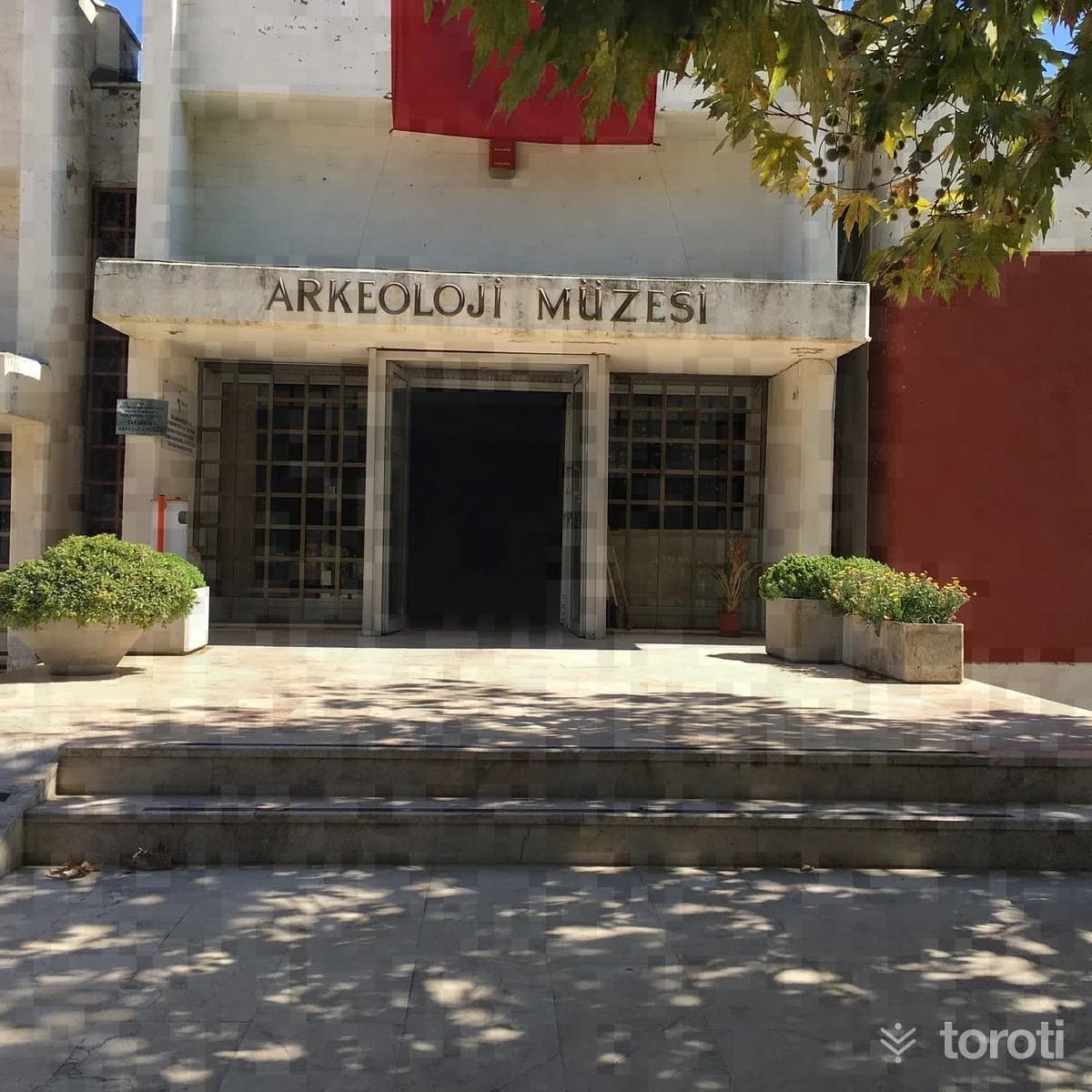
Arkeoloji Müzesi
Artifacts from the ancient cities in and around Çanakkale are exhibited in chronological order. The museum houses 12.747 archaeological artifacts, 15.237 coins, and 2.714 ethnographic artifacts under protection.
45 minutes
Çanakkale Deniz Müzesi
Kala-i Sultaniye, one of the two castles built at the narrowest point of the strait in 1462-63 for the defense of Istanbul, was modified over time according to emerging needs. It opened as a museum on 18 March 1982. The objects exhibited in Çanakkale Deniz Müzesi consist of objects donated and collected through surface surveys conducted on battlefields and by surveying villages.
45 minutes
Alçıtepe
Its people are immigrants from Romania and Bulgaria in 1934 and 1938. Sığındere/Zığındere and Kereviz Dere, famous names that witnessed bloody battles in the Çanakkale wars, are within the borders of Alçıtepe village. In fact, this place is like a town from the gardens of paradise with the martyrs and cemeteries of martyrs it carries in its bosom. The Sonok Şehitliği to its north gives it a distinct atmosphere. Salim Mutlu Müzesi also brings war memories to life. It takes its name from Aktopraklı Tepe to its east.
60 minutes
Gargara Antik Kenti
Küçükkuyu came under the rule of Lydna in the 6th century BC, and under Persian rule in 546 BC. Since the city of Miletos was completely destroyed in 494 BC, many immigrants were brought from Miletos to Gargara. It is also said that the Persian King, who set out around 480 to bring Athens under his rule as well, stayed one night in Küçükkuyu, but lost many of his soldiers due to a sudden storm. Küçükkuyu BC.
45 minutes
Parion Antik Kenti
The name of Parion was first mentioned by Herodotos. When the Persian King Dareios set out on his Scythian campaign (513-512 BC), the people of Parion also joined the campaign at his side. In the Athens-Sparta war, they also took Athens’ side, and the fleet under the command of Amkibiades gathered in the harbor of Parion in 410 BC.
45 minutes
Hadımoğlu Konağı
Hadımoğlu Konağı in Bayramiç is one of the rare Turkish houses dating from the 17th century. According to what is understood from the mansion’s inscription, it was built in 1795-96. The inscription bears only the words Maşallah 1211. Neither the builder nor the patron is indicated. In this period, the most important administrator in Bayramiç was Hadımzade Osman Bey of the Hadımoğlu lineage. It is also accepted that Osman Bey was the one who had the mansion built.
30 minutes
Behram Plajı
Behram Plajı is a public Blue Flag beach on the coast at Ayvacık.
60 minutes
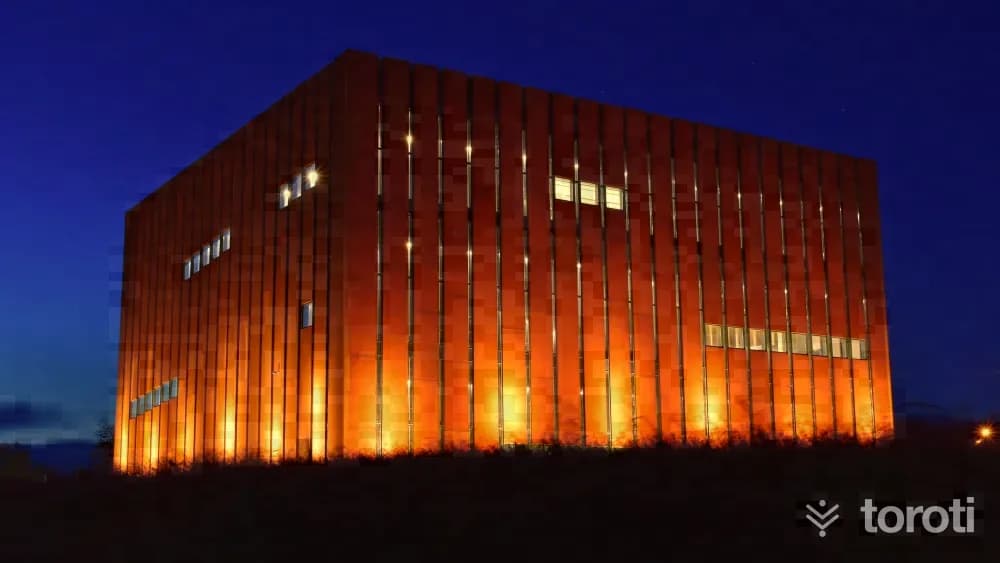
Çanakkale Troya Müzesi
Troya Museum is located in Merkez District, Tevfikiye Neighborhood, on sheet 4, block 101, parcel 360. Within the parcel, which has an area of approximately 90,000 m², the museum consists of 12.765 m² of enclosed space for museum exhibition, storage, administrative units and social facilities, and 37.250 m² of open exhibition, landscape and visitor areas. The museum consists of a ground floor plus three floors. Visitors can reach each exhibition floor by ascending the ramp.
45 minutes
Assos Antik Kenti
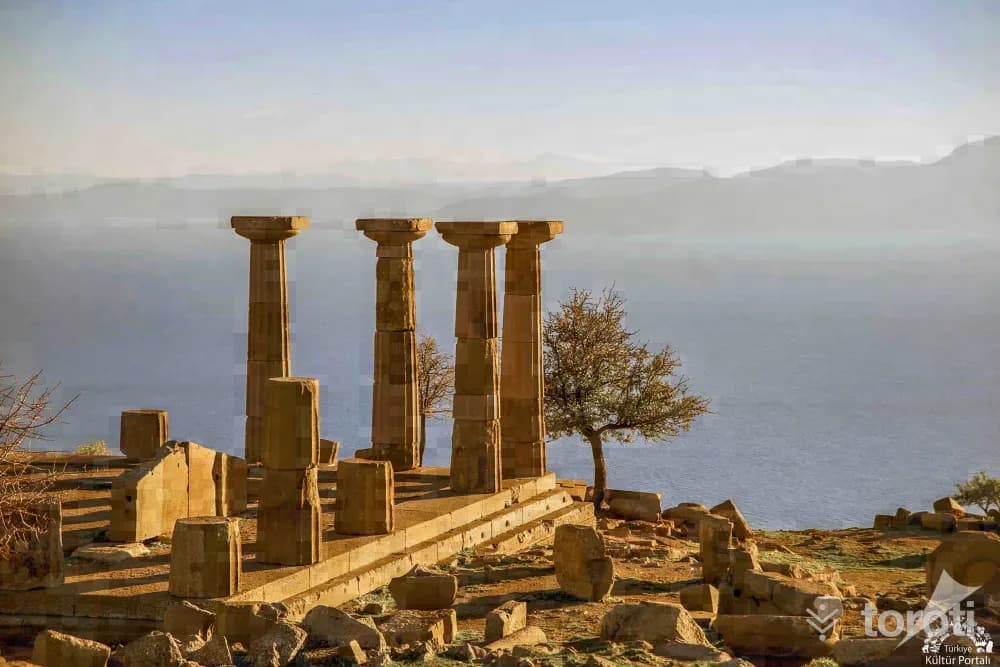
Assos Ancient City is located within the borders of Behram (Behramkale) village in the Ayvacık district of Çanakkale. According to writers of the Ancient Period, the city was founded in the 7th century BC. However, recent archaeological studies have determined that the city’s history dates back to the Bronze Age. Çanakkale Provincial Directorate of Culture and Tourism Although it is a port city, Assos is situated on and at the foot of a volcanic rocky hill approximately 238 meters above the Aegean Sea coast.
45 minutes
Kilitbahir Kale Müzesi
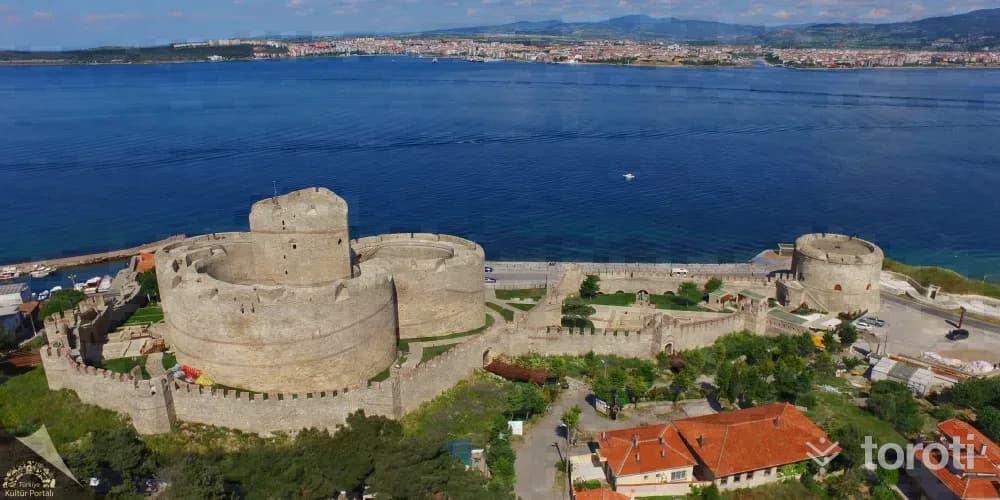
Kilitbahir Castle was commissioned by Fatih Sultan Mehmed together with Çimenlik Castle (Kal‘a-i Sultâniyye) in order to keep the sea passage under control on the Rumeli side of the Çanakkale Strait.
45 minutes
Çanakkale Savaşlari Gelibolu Tarihi Alanı
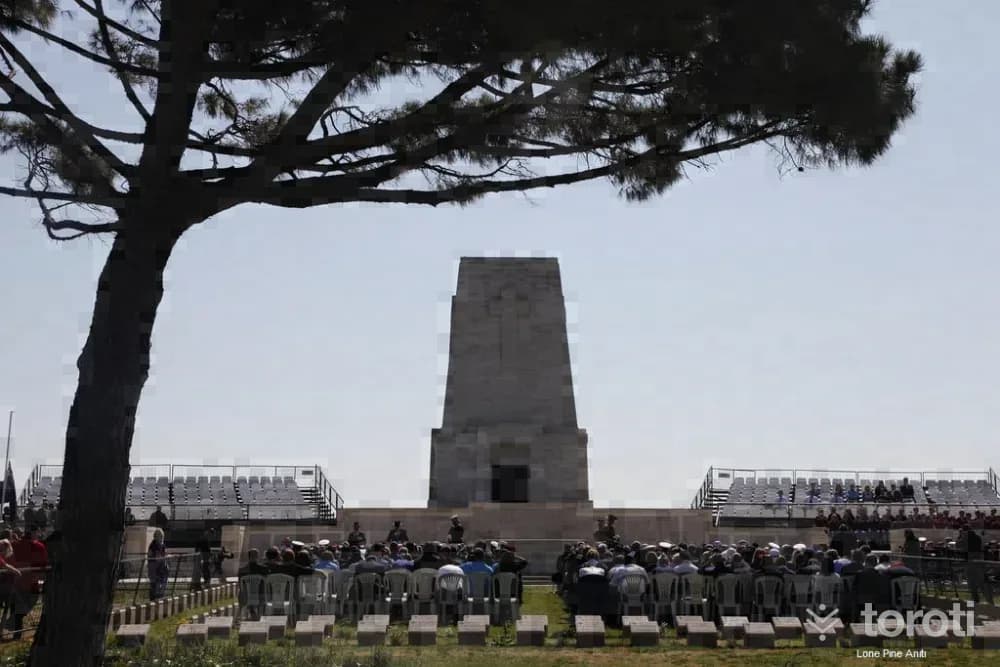
Çanakkale Wars Gallipoli Historical Area is located in the northwest of the Marmara Region, within the borders of Çanakkale province. A large part of it lies within the borders of Eceabat district. Within the boundaries of the Historical Area, which covers an area of 33.444 hectares, there are many martyrs’ cemeteries, graveyards, as well as museums and monuments. Eceabat is connected to Çanakkale province in the south of the Gelibolu Peninsula. The east of the district is surrounded by the Çanakkale Strait, and its west and south by the Aegean Sea.
45 minutes