Places to visit
Things to do in Tarsus
30 destinations, each with a description, how long it takes and where it sits on the map.
In short
toroti’s catalogue holds 30 described destinations within Tarsus, Mersin. The themes that come up most: History, Nature, Faith heritage, Local culture, Museum, Culture.
Gözlükule Höyük
The mound in the district center of Tarsus consists of two hills. The presence of a watchtower on the mound in the Middle Ages must have led to the name Gözlükule. Obsidian tools and fragments of baked clay vessels belonging to the Neolithic Period have been uncovered. Houses with mudbrick walls on simple stone foundations and narrow streets have been revealed.
30 minutes
Sağlikli Köyü, Roma Yolu Ve Tarsus Parkuru
Near Sağlıklı Köyü to the north of Tarsus, the broad and impressive road is entered from beneath a Roman Arch. The road crosses the Taurus Mountains south-north and descends to İvriz. It is thought that St. Paul went to Derbe by this road on his 2nd journey. The route is a route with 3 tented overnight stays.
45 minutes
Tarsus Eski Camii
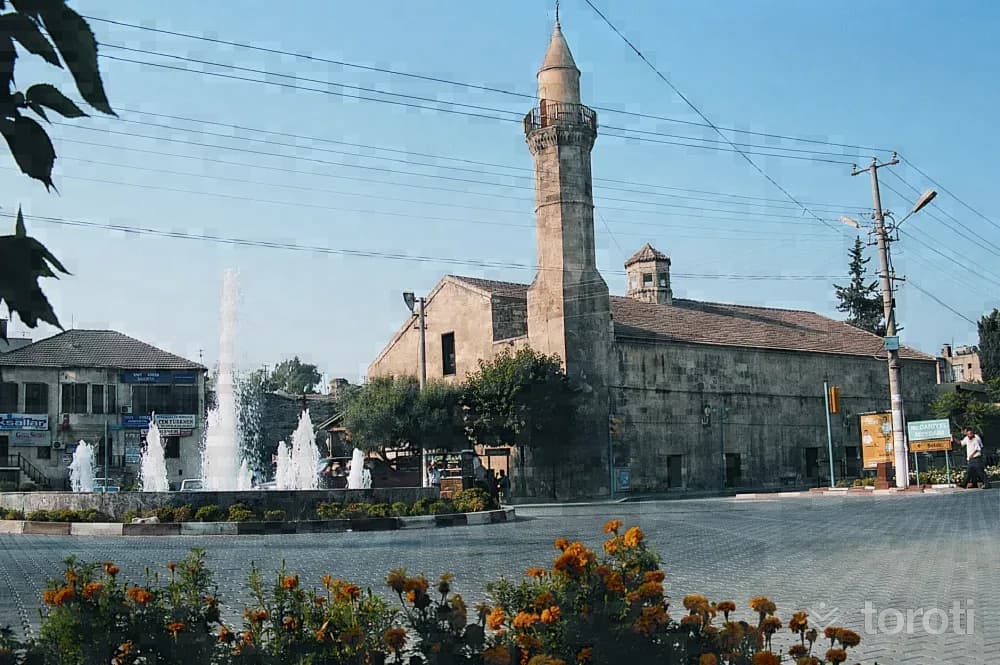
It is said that the church-based structure in Çarşıbaşı was built in 1102 as St. Paul Cathedral. It is noteworthy for its thick and high walls in the Roman style, its spacious interior, its narrow outward-facing side, its deep windows, and its thick columns.
45 minutes
İbrahim Paşa Tabyaları
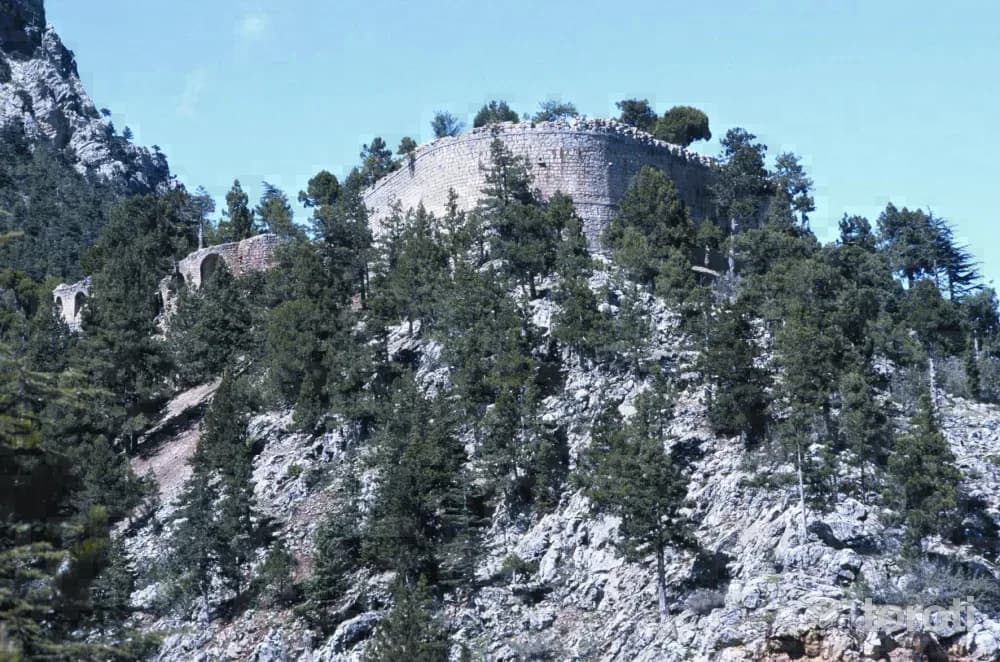
İbrahim Paşa Tabyaları is one of the quite solid structures from the Ottoman Period, of which there are very few in the region. It was commissioned by İbrahim Paşa around the 1830s to resist attacks coming from the east. While proceeding on the motorway in the direction of Tarsus Pozantı, before reaching the Tekir (Akçatekir) Yaylası area of Adana, a structure can be seen on the high hill to the left of the road. This structure is called Kızıl Tabya (Büyük or Fenerli Tabya).
45 minutes
Tarsus Müzesi
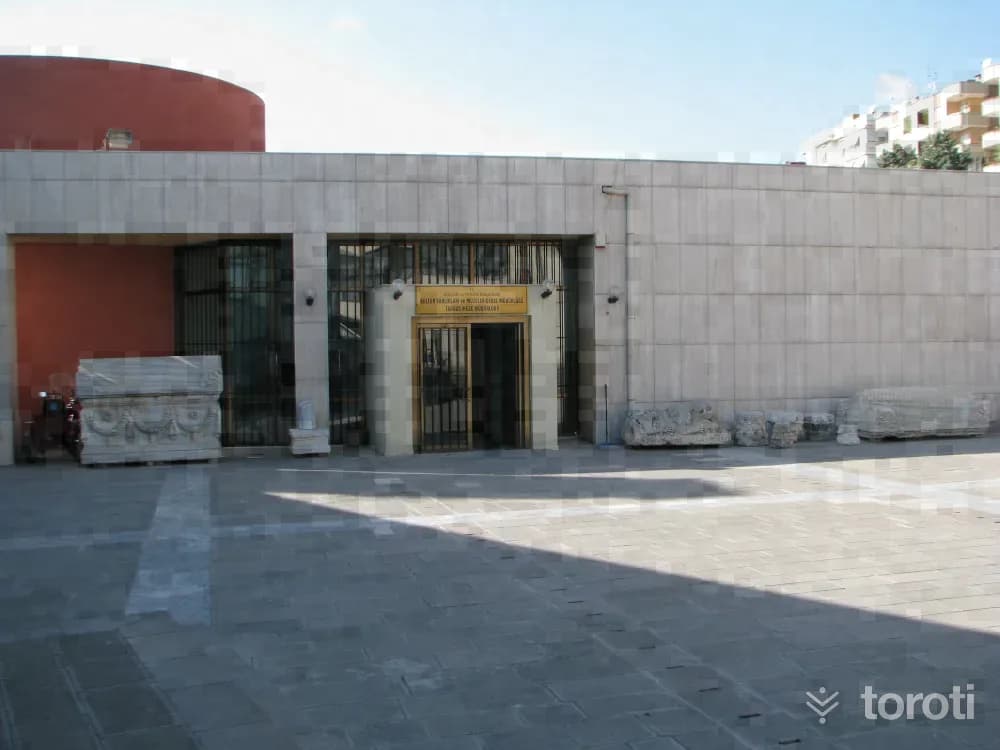
Kubat Paşa Medresesi, built in 1557 by Kubat Paşa of the Ramazanoğulları as an open-courtyard madrasa, was converted into a museum in 1971 and opened to service in order to present our historical and cultural values to local and foreign visitors. However, Kubat Paşa Medresesi was unable to meet the requirements of modern museology in the exhibition and storage of artifacts. For this reason, the artifacts were moved in 1998 to the 75, built by the Ministry of Culture and Tourism.
45 minutes
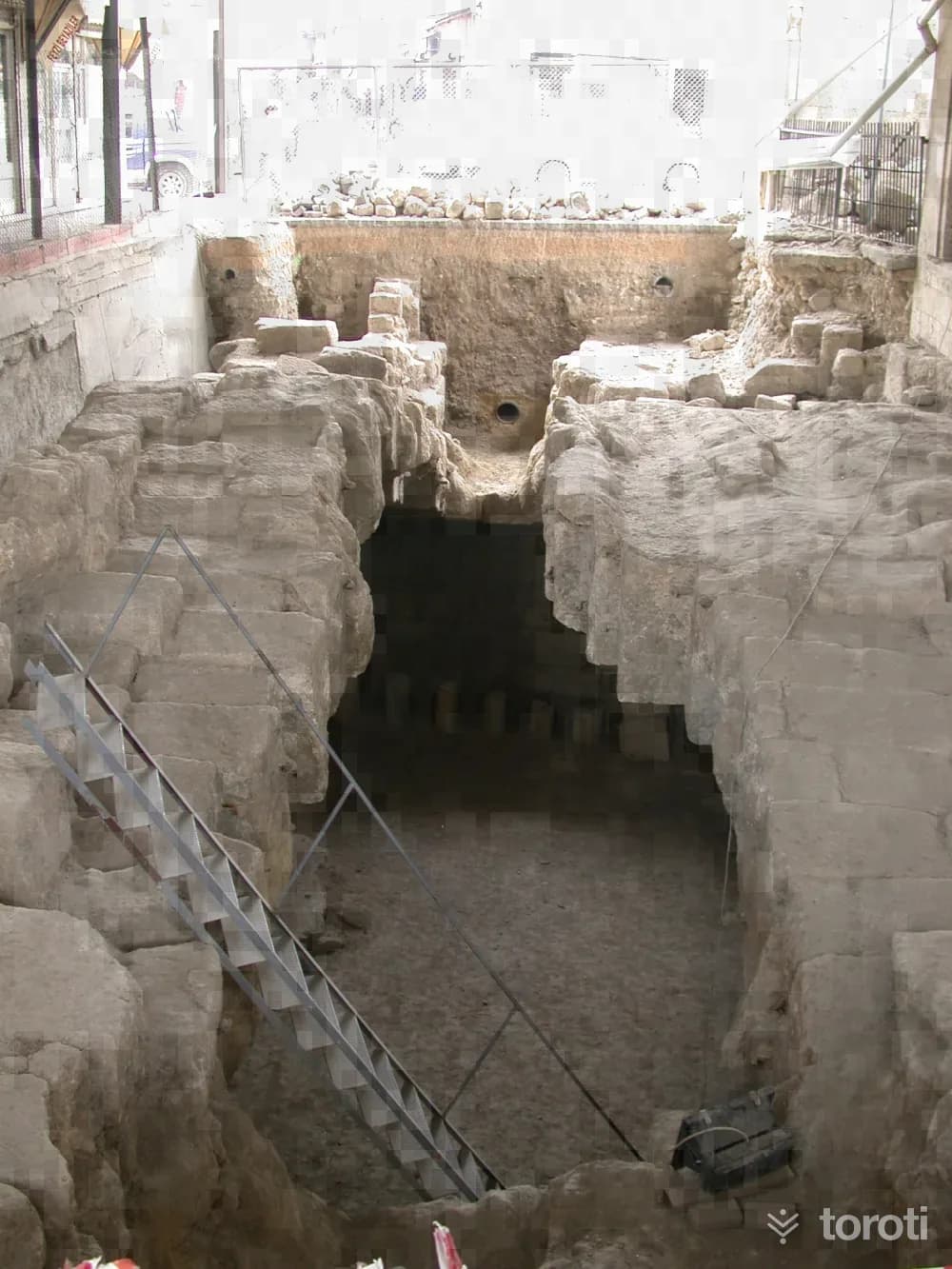
Danyal Peygamberin Makami
Prophet Daniel was a prophet who lived during the time of the 2nd Babylonian King Nebuchadnezzar (605-562 BC) and saved the Jews from Babylonian captivity with his knowledge and prophecies. According to the روایت; when the Babylonian King saw in his dream that a baby boy to be born from the Israelites would shake his throne, he ordered the killing of the male children born to the Israelites. For this reason, when Prophet Daniel was born, he was left in a cave on a mountaintop to save him from death.
45 minutes
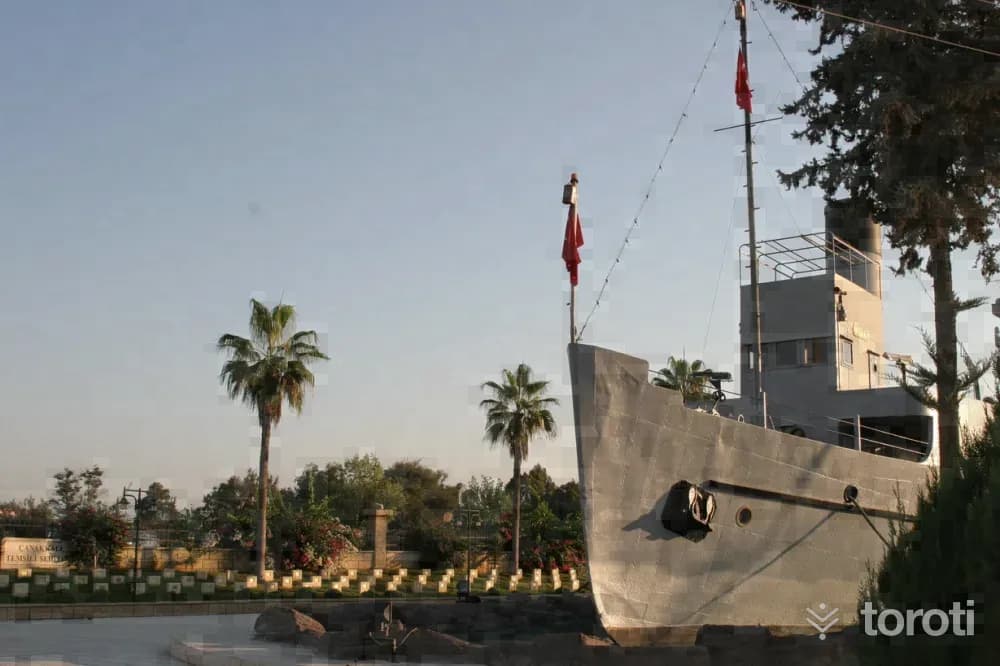
Nusrat Mayin Gemisi
The mines laid by Nusrat changed the fate of the Battle of Çanakkale on 18 March 1915, earning it the title of "the world's most famous minelayer." With its crew of 639, Nusrat's mines sent the battleships Bouvet, followed by Inflexible and Bolva, to the bottom.
45 minutes
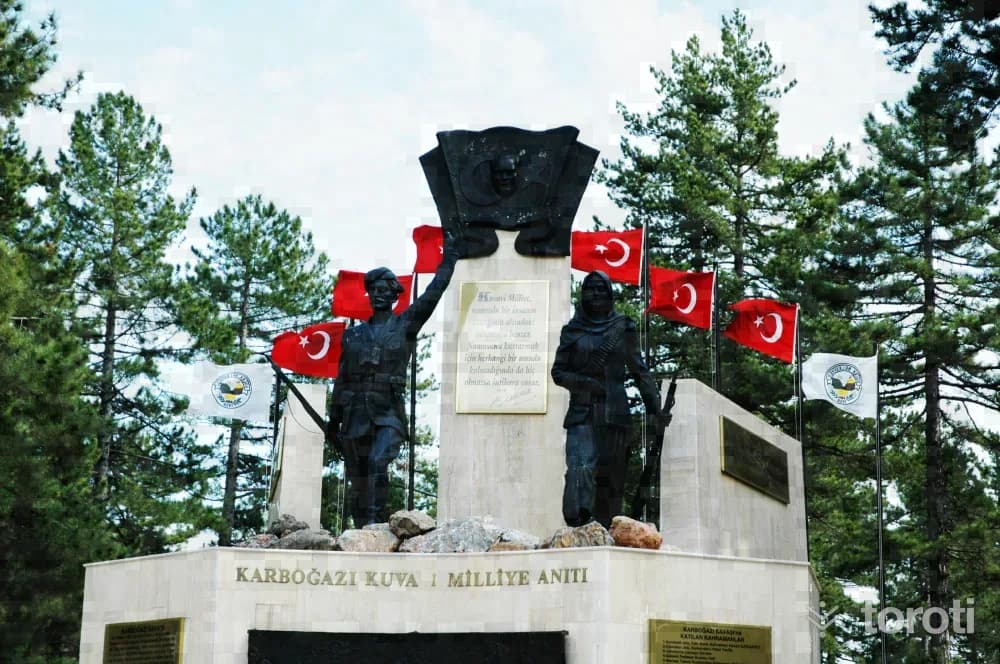
Karboğazi Kuvayi Milliye Anıti
The French forces stranded in Pozantı were being harassed every day in Pozantı by the Kuvayi Milliye militias. For this reason, realizing that they would not be able to hold on in Pozantı, the French wanted to break out of the blockade in Pozantı and go to Mersin by passing through the Namrun and Gözne highlands.
45 minutes
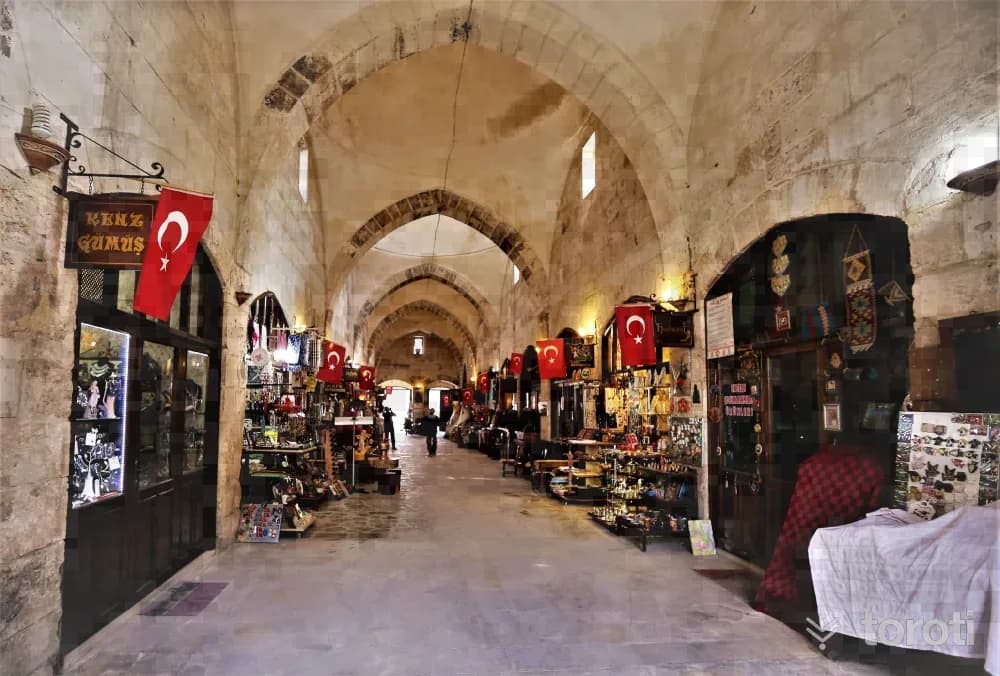
Kırkkaşik Bedesteni
One of the most important historical structures of Tarsus, which has been a lively commercial and political center in every period and is located at the intersection of cultures, is Kırkkaşık Bedesteni. Kırkkaşık Bedesteni, commissioned in 1579 by İbrahim Bey, the son of Piri Paşa of the Ramazanoğulları Beyliği, was used as an imarethane (soup kitchen) and madrasa in its early periods, but functioned as a covered bazaar after the Republic.
45 minutes
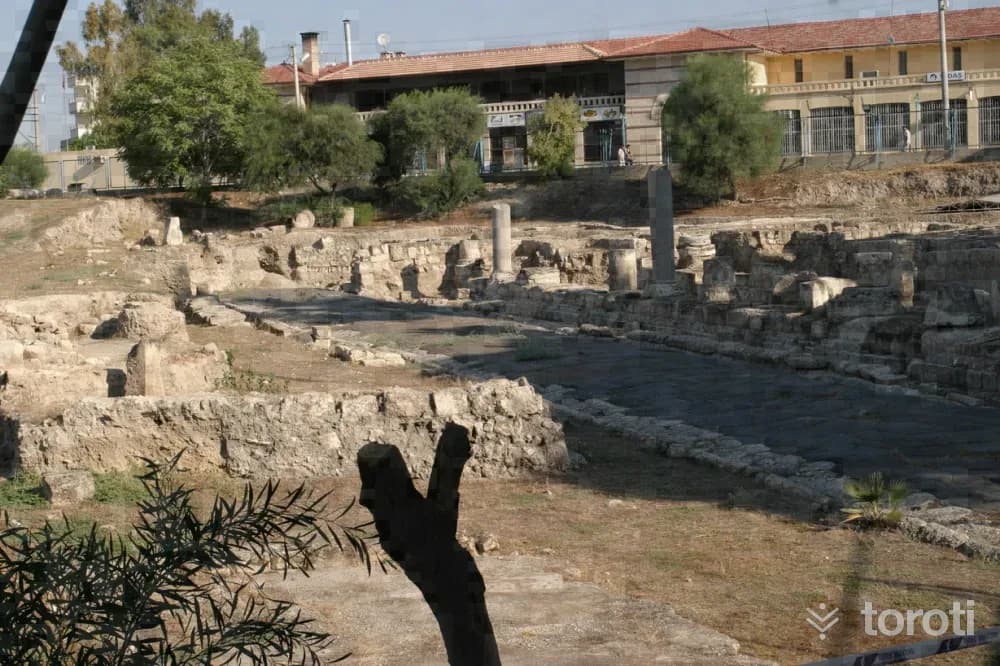
Cumhuriyet Alanı Ve Antik Cadde
In the excavations that began as a result of the accidental discovery of a number of finds during a foundation excavation in 1993, an east-west oriented street and the remains of structures from various periods around it were uncovered. Although there is deterioration in places, the street’s surface has largely preserved its appearance from Antiquity.
45 minutes
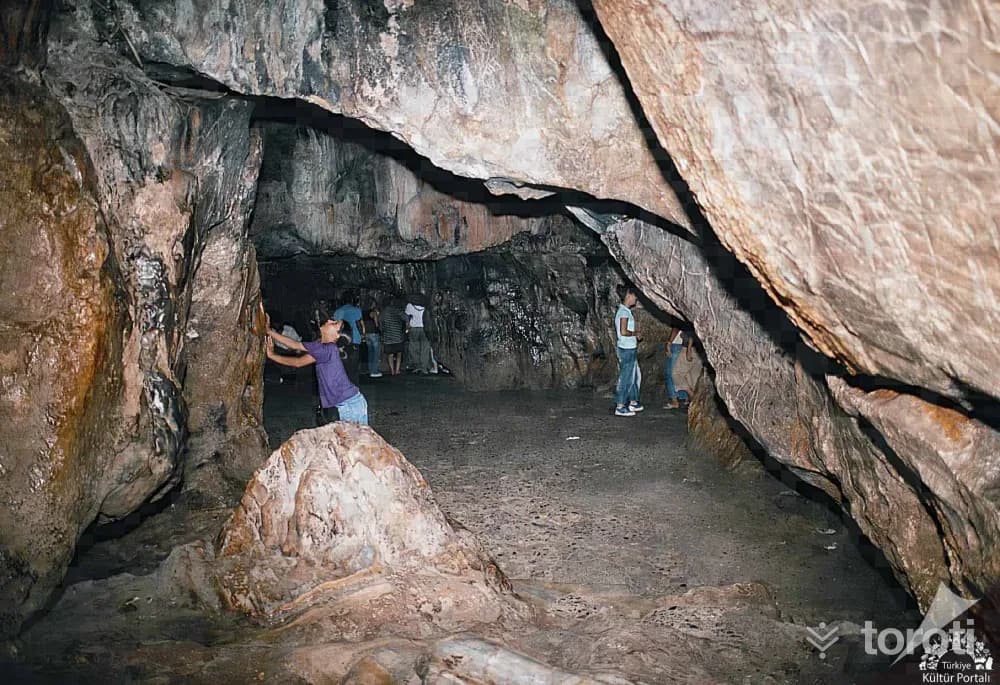
Eshab-i Kehf Yedi Uyurlar Mağarası
This cave, mentioned in the Surah al-Kahf of the Holy Quran, is considered sacred by Muslims and Christians. The cave is reached by descending 15-20 steps. A legend belonging to Eshab-ı Kehf Cave is told among the people.
45 minutes
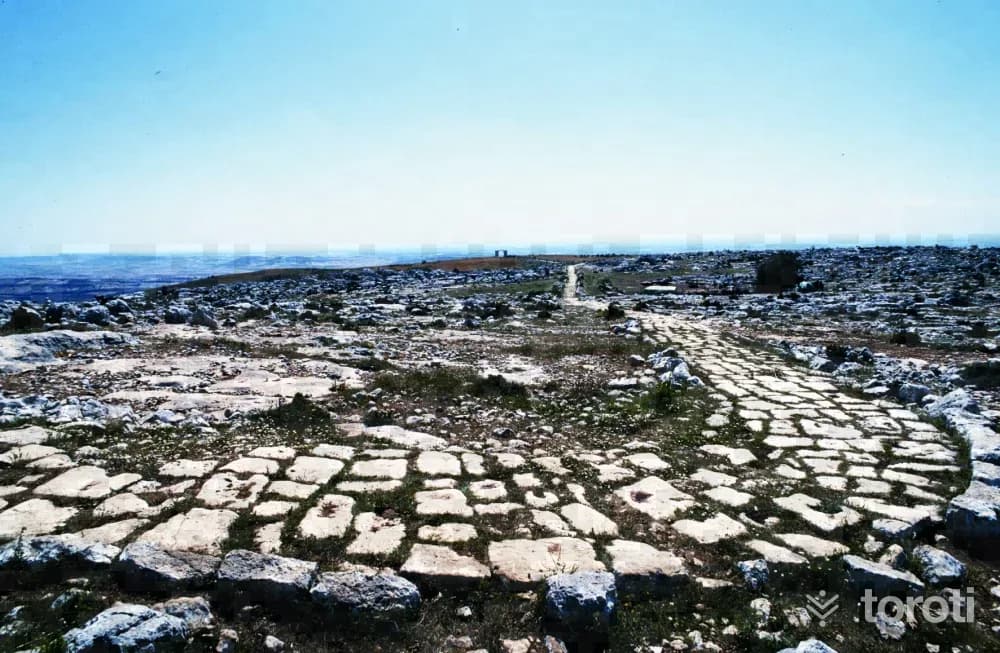
Sağlikli Mahallesi Roma Yolu Ve Kapisi
It was built on bedrock with serpentine stone. The gate can be seen from the road as far as Tarsus and the surrounding coast. Although its width varies from place to place, it averages 3 meters, and its surviving length is about 3 kilometers. The curb stones along the roadside still remain in situ.
45 minutes
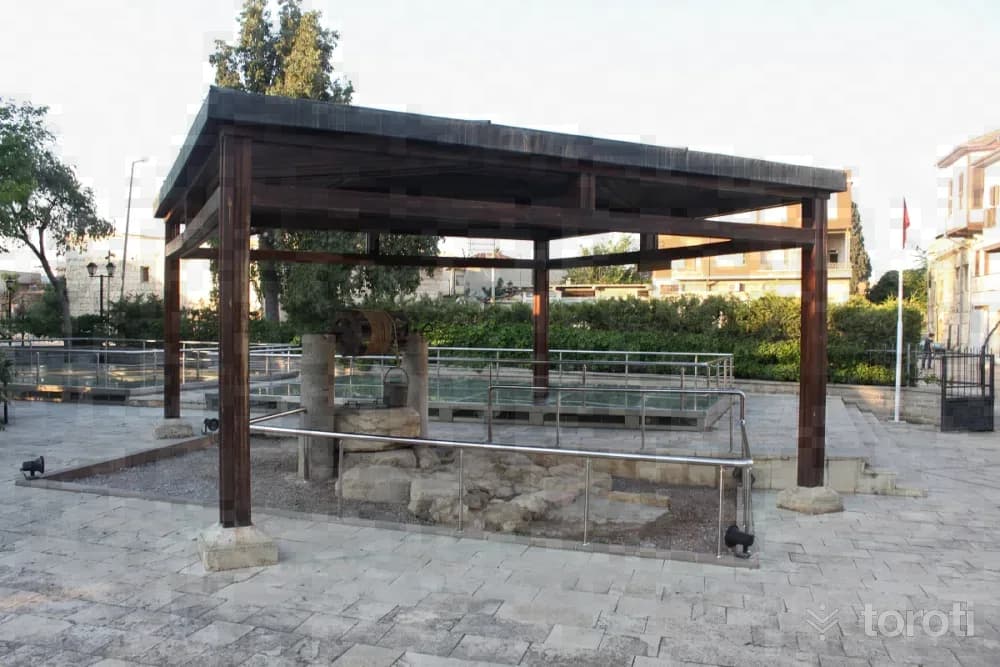
St. Paul Kuyusu
The well located in the courtyard of the place accepted as St. Paul's house in the area where old Tarsus houses are concentrated is known as St. Paul Well. In the excavations carried out in the garden of the house until recently, some walls were uncovered. Due to the importance of St. Paulus for Christianity, the fact that these remains and the well have been considered sacred since very ancient times is interpreted as traces of the belief of the Christian community that lived in the city until recently.
45 minutes
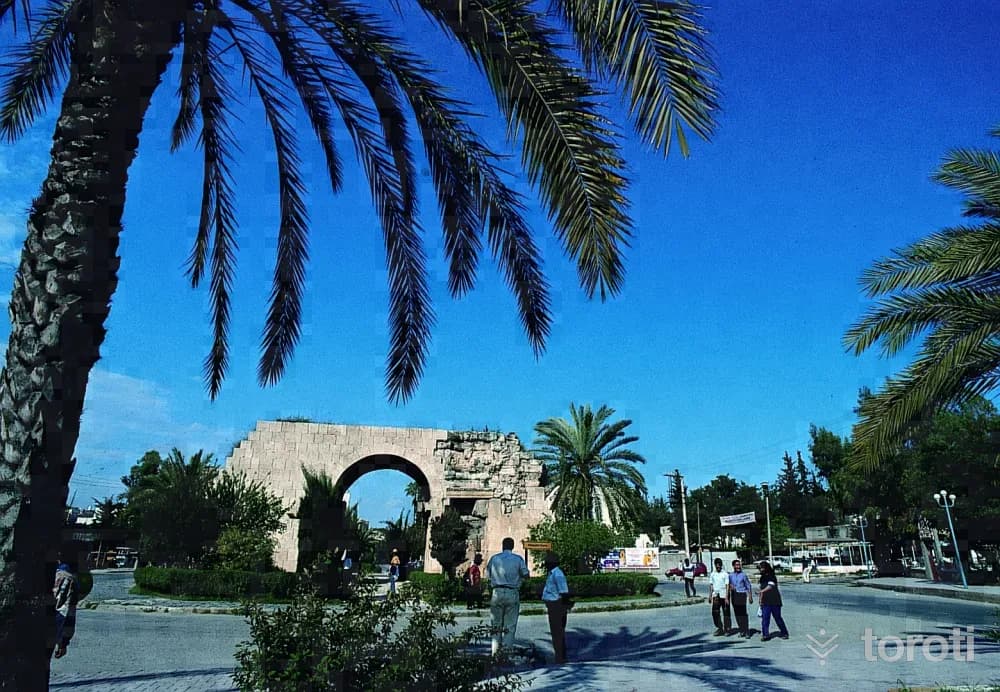
Kleopatra Kapisi
The city walls built during the Byzantine Period had the Mountain Gate, Adana Gate and Sea Gate. While describing Tarsus in the Seyahatname of Evliya Çelebi, he gave this gate the name İskele Gate. Horasan mortar was used in the construction of the gate. The side of the gate is horseshoe-shaped and its height from the ground is 6.17 meters, while its depth is 6.18 meters.
45 minutes
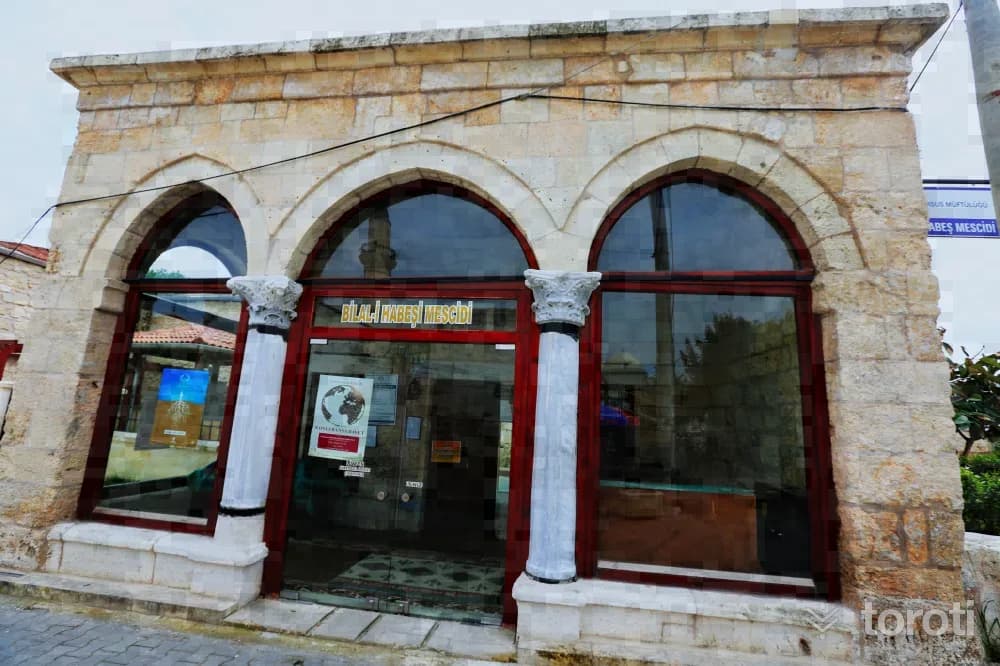
Bilal Habeşi Makami Ve Mescidi
Bilal-i Habeşi Makamı and Mescidi is located on the southwest side of Ulu Cami. It is said that Bilal-i Habeşi, the muezzin of our Prophet Hz. Muhammed, came to Tarsus during his visit to the places conquered in the time of Hz. Ömer, and because he recited the call to prayer and led the prayer at the place called Kırkkaşık, that is, where his present makamı and mescidi are located, his makamı was built in the 7th century and his mescidi in the 16th century. The mescidi has a square plan and is covered with a large dome.
45 minutes
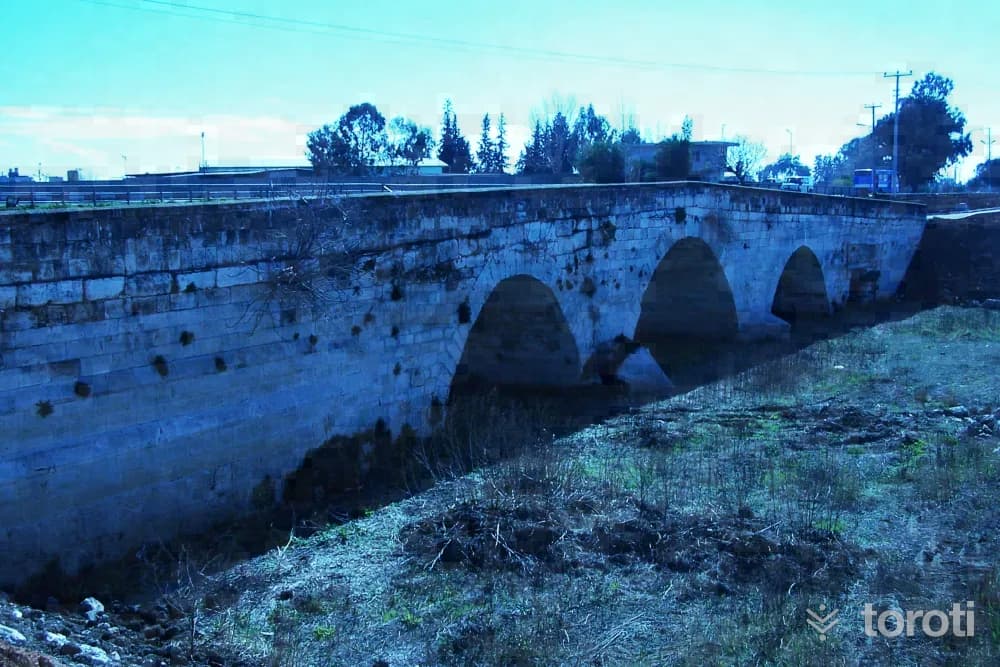
Justinianus (baç) Köprüsü
This bridge, to the north of the Tarsus entrance of the Adana-Ankara Highway, is said to have formerly had twenty-one arches, while today only three arches can be seen. It was built over the Tarsus (Berdan) Stream by the Byzantine emperor Iustinianus in the 6th century. Since money was charged for crossing the bridge at that time, it was given the name “Baç”. The bridge, which was also repaired by the Seljuks, is no longer in use.
45 minutes
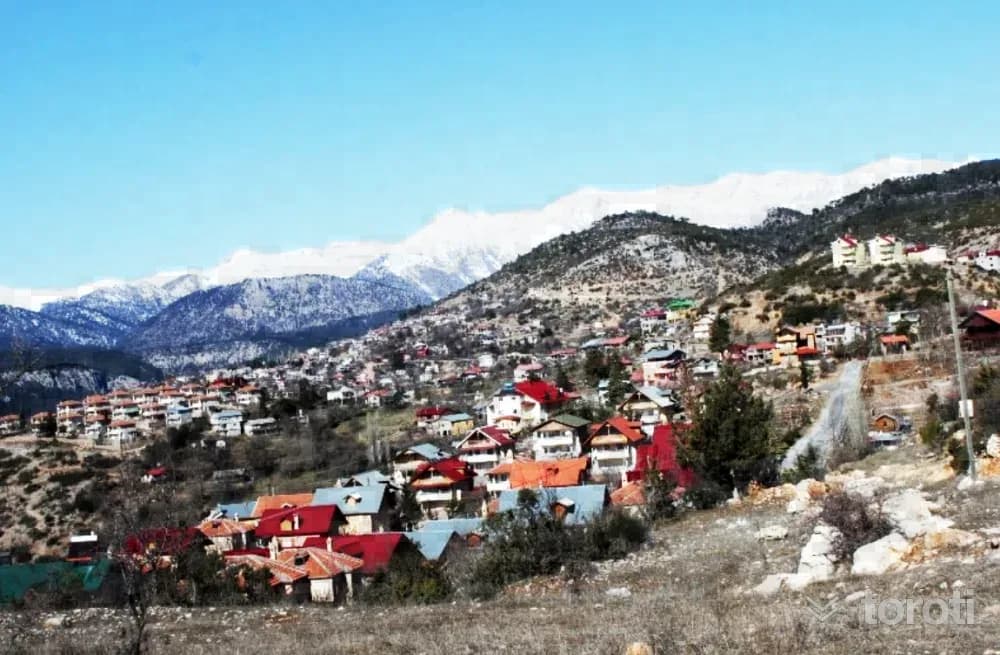
Gülek Yaylası
The plateau, located to the north of Tarsus District in the middle of the Taurus Mountains, is reached by a 50-kilometer asphalt road. There are minibuses from Tarsus at certain hours of the day. There are historical ruins belonging to the Roman and Byzantine periods. The village and its surroundings, where country coffeehouses, country restaurants, grocery stores, PTT, a health center, and the gendarmerie provide services, are covered with juniper trees. It is possible to meet basic needs from the town. In the summer season, you can have a picnic in Karboğazı.
45 minutes
Donuktaş Mabedi
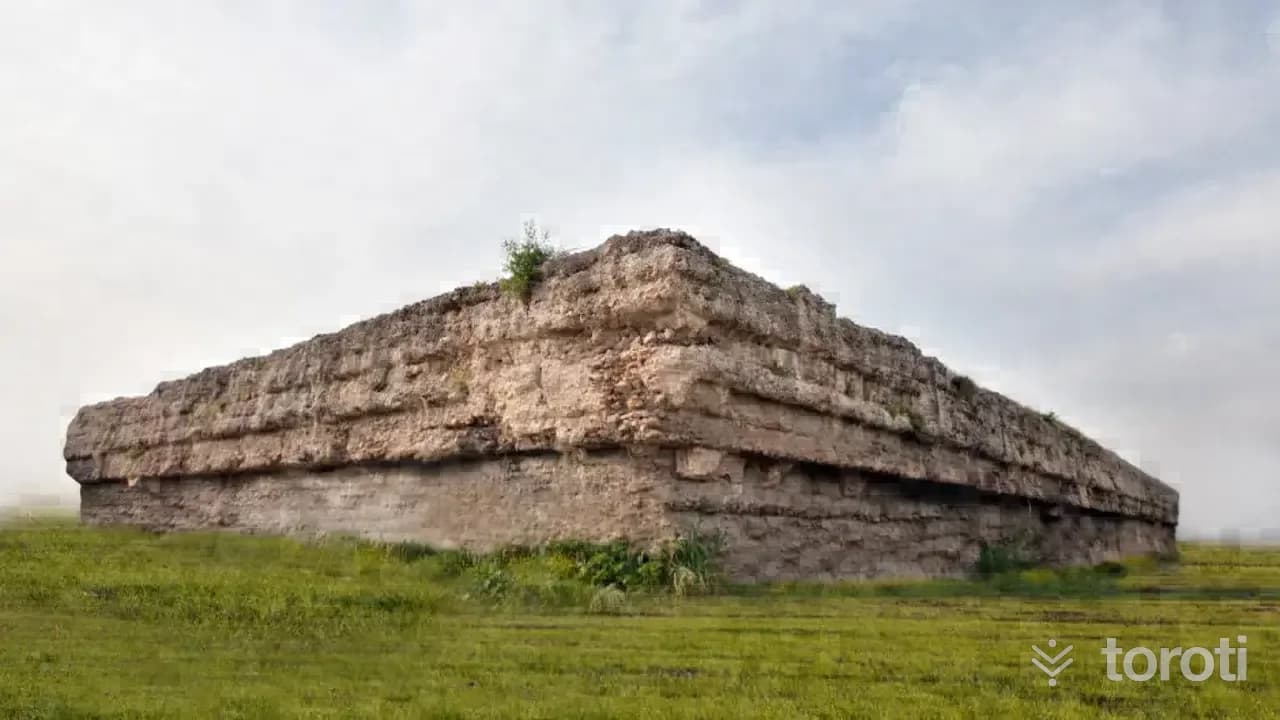
Donuktaş has been seen by many travelers and archaeologists since the beginning of the 18th century, and different interpretations have been made. One of the medieval travelers, V. Langlois, described this place as the tomb of the Assyrian king Sardanapal. As a result of the scientific excavations carried out, a monumental structure that is undoubtedly a temple has been uncovered. Due to the large number of marble slabs found during the excavations, it is thought that the exterior facade of the temple was covered with marble.
30 minutes
Mencik Baba Türbesi
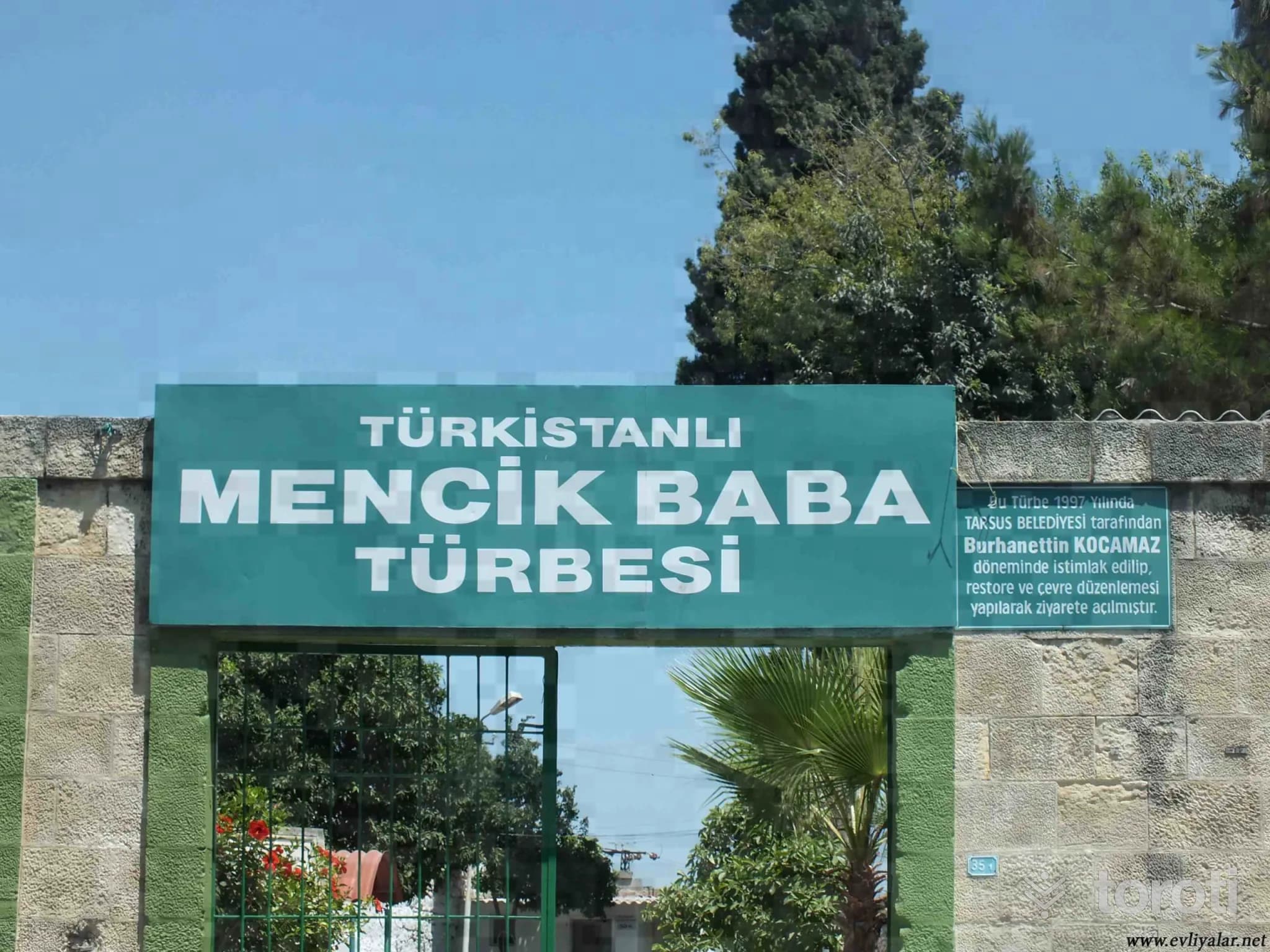
It was commissioned by Mehmet Bey, one of the Naqshbandi Sheikhs. The inscription belonging to the tomb, which is called Mencek Baba by the local people, is located above the entrance gate on the south. According to the endowment deed, the structure, which was recorded in the Ottoman State archive documents as Mencek Zaviyesi (Küçük Tekke), was built by Imam Kuseyrizade Sheikh Abdullah Mencek.
20 minutes
Danyal Peygamberin Kabri
Daniel is accepted as a prophet by Judaism, Christianity and Islam. He is among the prophets whose name is not mentioned in the Qur'an but who are referred to in Islamic works. After the 2nd Islamic Caliph Omar captured Tarsus in the 17th Hijri year, the tomb of Prophet Daniel was opened and a tall body wrapped in cloth woven with gold thread was seen inside a large sarcophagus.
30 minutes
Silifke - Kirobası (mara) Yaylası
The plateau village, located in the north of Silifke District, in the middle of the Taurus Mountains, is reached by a 46-kilometer asphalt road. At certain hours of the day, minibuses can be found from Silifke. Kırobası, one of the oldest plateaus of the Silifke region, was also used as a plateau during the Roman and Byzantine periods. The water channels, which have survived from ancient times to the present day and are still in use, are evidence of those periods.
45 minutes
Hopur-topaşir
The elevation of the area, which covers 9113,5 hectares to the north of Kuşçular village in Tarsus District and to the west of the Çakıt stream, is 1300 m. The area, whose main purpose is to protect wildlife and ensure its continuity, also serves hunting sports and tourism. In addition to the wild goats under protection in the area, there are wolves, jackals, boars, foxes, wild cats, lynxes, mongooses, badgers, porcupines, hedgehogs, squirrels, bats and various bird species.
45 minutes
Şahmeran Heykeli
Today, Şahmeran, whose statue stands in the city center, is known as a creature with a serpent's body and a male head. According to the legend, Şahmeran, who lived in Misis and was regarded as the king of snakes, fell in love with the daughter of the then King of Tarsus.
20 minutes
Şahmeran Hamamı
It is located next to Yeni Vakıf İşhanı in Tarsus Kızılmurat Neighborhood. It is said to have been built by the Ramazanoğulları on the foundation of a bath remaining from the Romans. The bath remaining from the Roman period is an extension of Altından Geçme and extends as far as the place where Eski Hamam is located. The inscription next to the door states that it was repaired in 1873. It is known as Mahmut paşa Vakfı.
20 minutes
St. Paul Anıt Müzesi
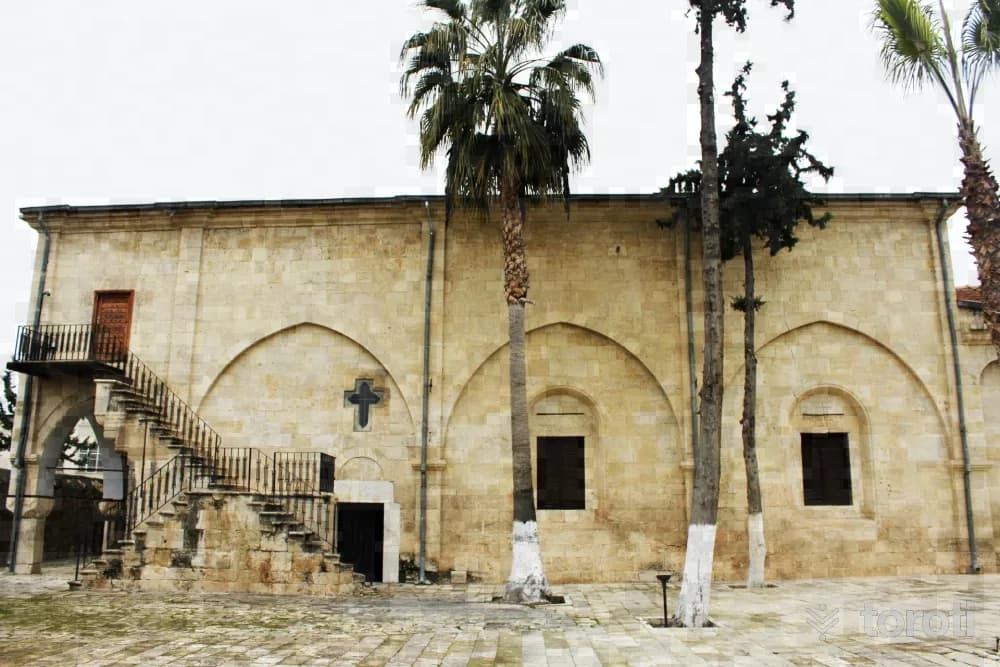
The St. Paul Monument Museum building was commissioned by the Orthodox Arab-Greek Community in 1850. The immovable property, which was used for different purposes until 1993, was allocated to the Ministry of Culture in 1994 and named the St. Paul Monument Museum. Restoration works were carried out in and around the Paul Museum between 1997-2001. After the restoration and landscaping works were completed, the building was opened to visitors in 2001 as the St. Paul Monument Museum.
45 minutes
Tarsus Şelalesi
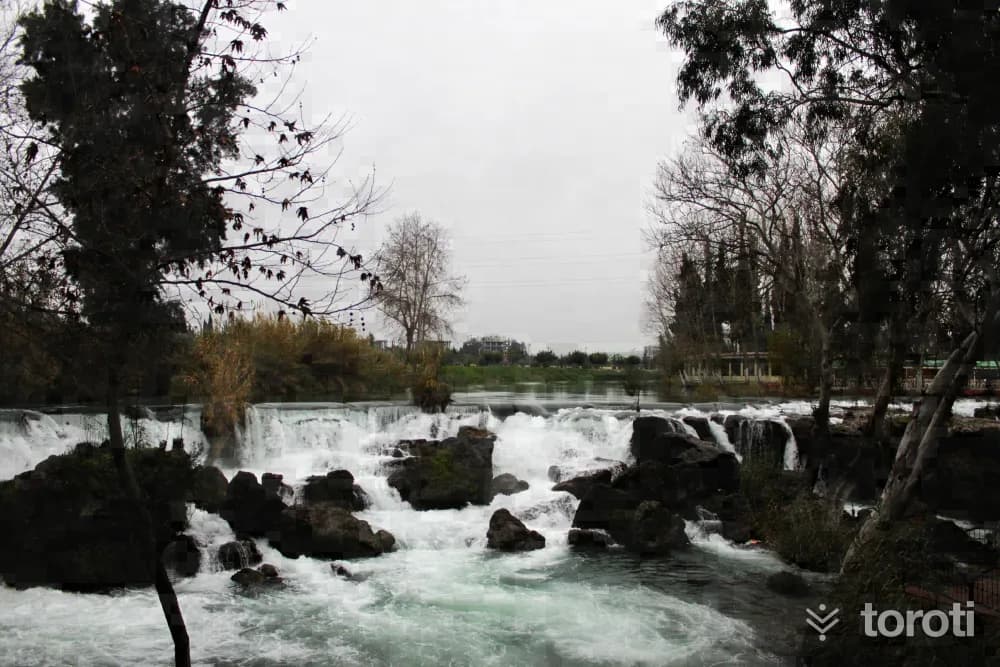
The Berdan River, which played an important role in the emergence of the Çukurova Delta with the alluvium it carried, is formed by streams rising from the southeastern slopes of the Central Taurus Mountains (Bolkar Mountains). Unlike the Seyhan and Ceyhan rivers, it flows into the Mediterranean after covering a short distance in Çukurova. The most important of the streams forming the river, whose total length reaches 142 kilometers, are the Can, Pamuklu and Kusun streams.
45 minutes
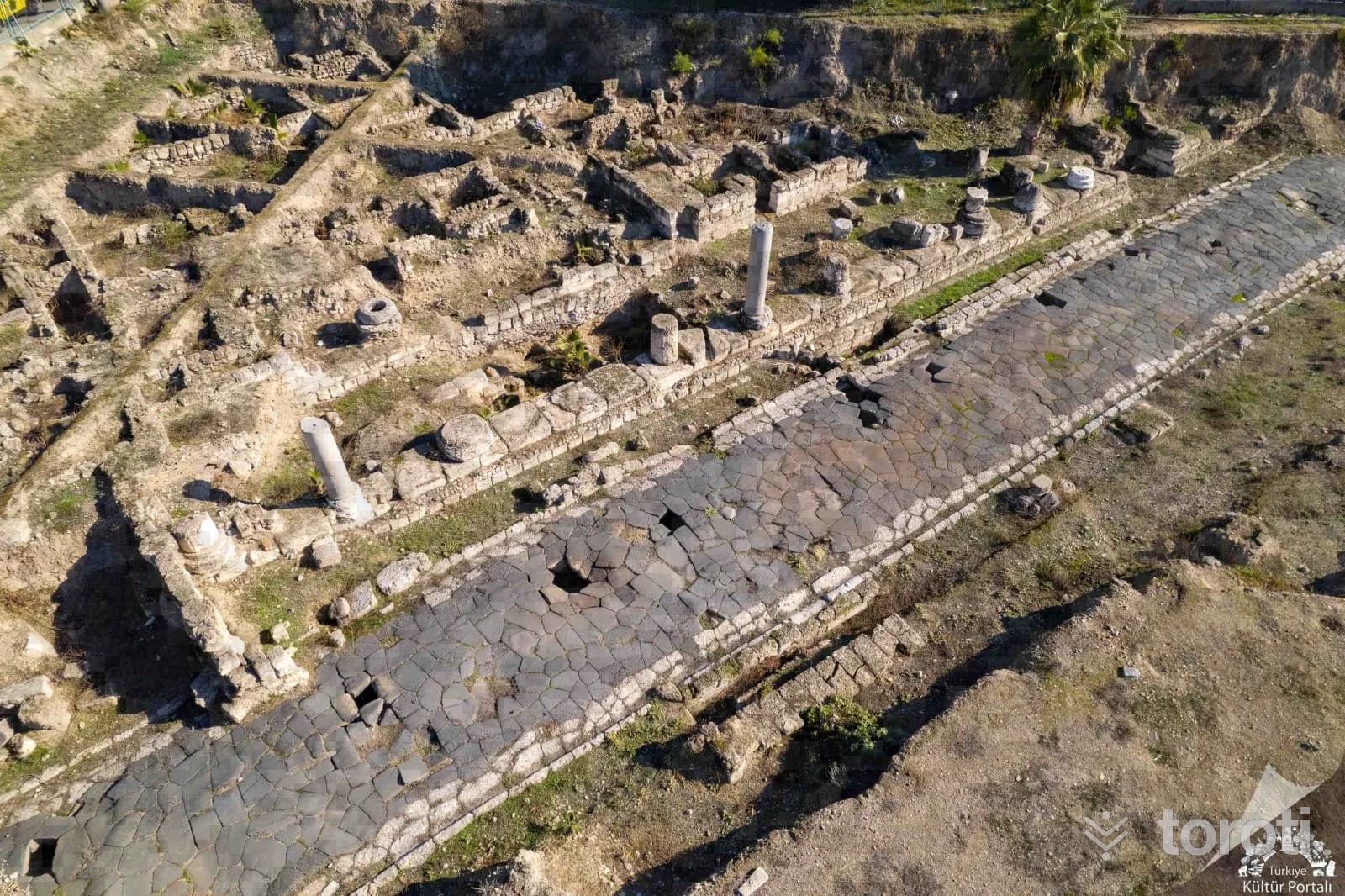
Antik yol
The Ancient Street showcases Tarsus's historical richness, featuring remnants dating back two thousand years.
30 minutes
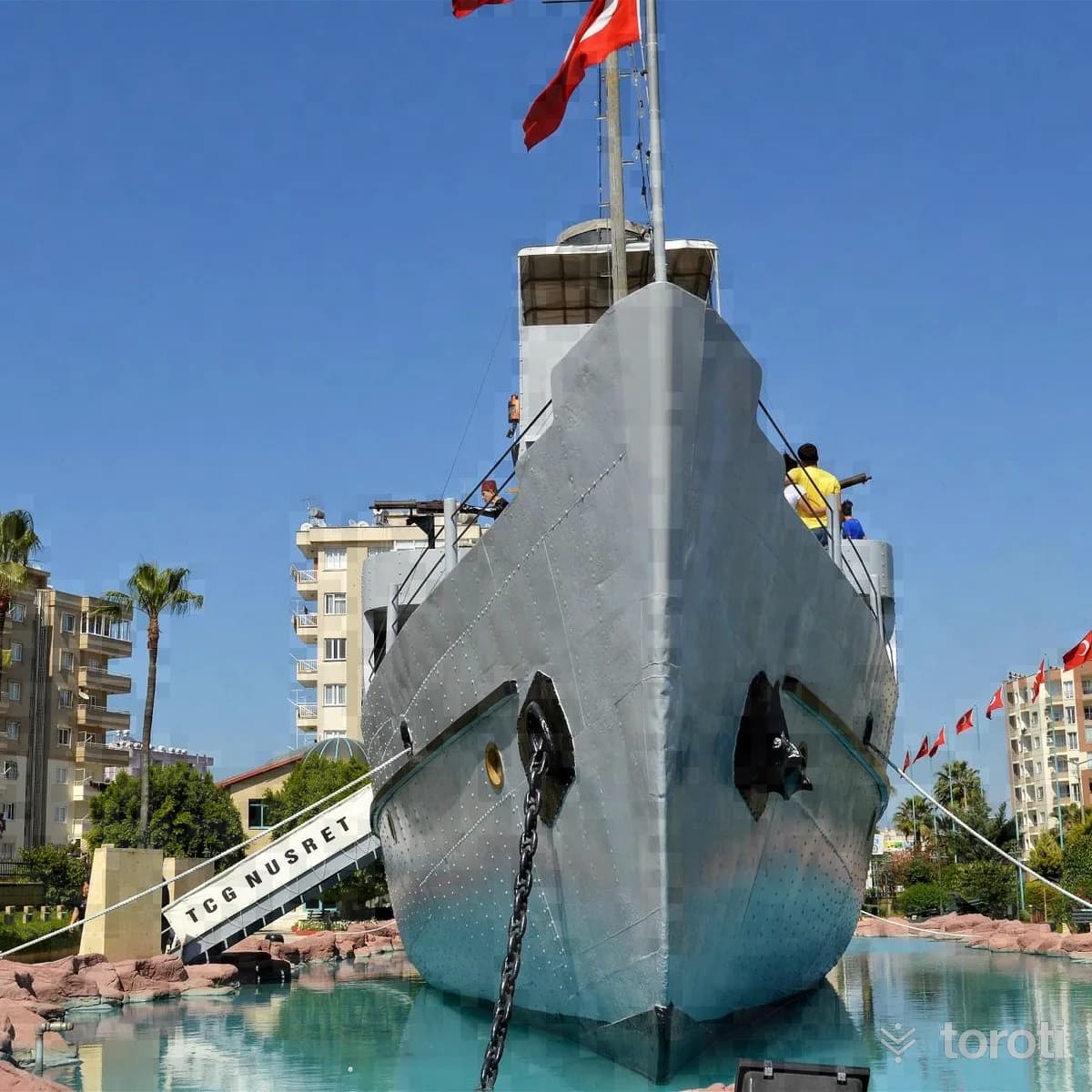
Nusret Mayın Gemisi
The Nusret Mine Ship served in the Ottoman Navy and played a significant role in the Gallipoli campaign. It can be visited today as a monument.
30 minutes
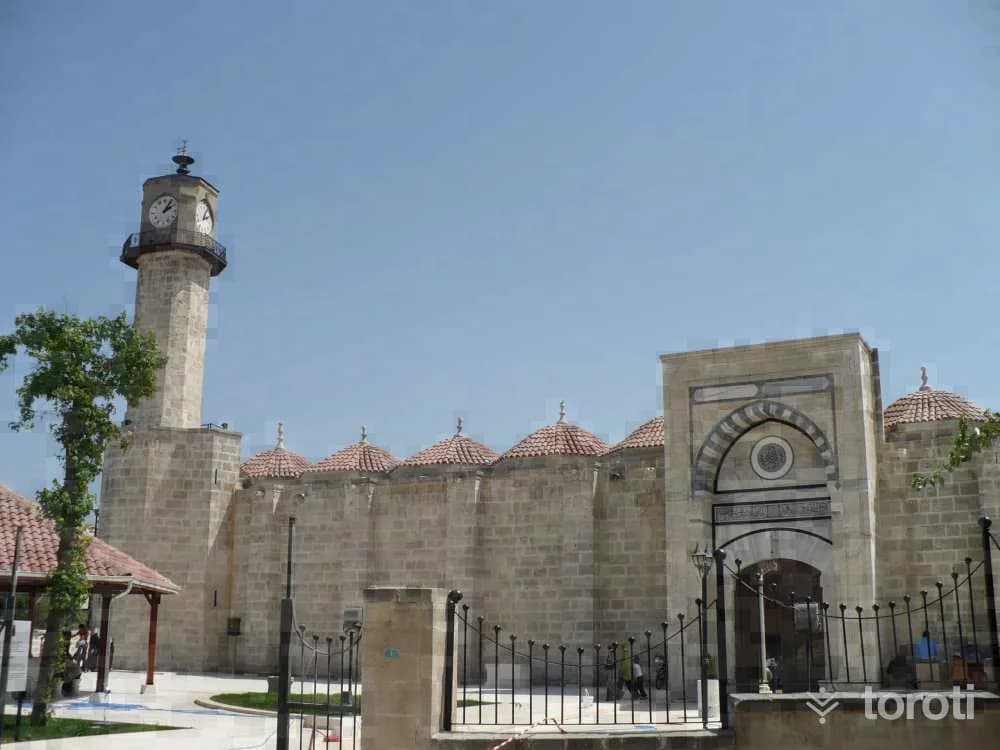
Tarsus Ulu Cami
Known by the name Cami-i Nur and giving its name Cami-Nur to the neighborhood where it is located, this mosque is one of the leading works of Turkish-Islamic art in the center of Tarsus. It was commissioned in 1579 by İbrahim Bey, the son of Piri Paşa of the Ramazanoğulları. In the construction of the mosque, which has a single-balcony minaret in the Seljuk-Ottoman style, entirely cut stone was used.
20 minutes
Gülek Kalesi
Gülek Castle, with a history dating back to the Middle Ages, is located in a strategic position.
30 minutes