Places to visit
Things to do in Kütahya
60 destinations, each with a description, how long it takes and where it sits on the map.
In short
toroti’s catalogue holds 60 described destinations within Kütahya. The themes that come up most: Local culture, History, Nature, Faith heritage, Museum, Culture.
Districts of Kütahya
Küçük Bedesten
It is a covered bazaar located between a gate opening from Kavaflar Çarşısı to the north and a second gate opening to Sarraflar Çarşısı, known as Mısır Çarşısı, to the south.
60 minutes
Dönenler Tekkesi
Located to the southwest of Dönenler Meydanı, the mevlevîhane is the third important dervish lodge after the Konya and Afyonkarahisar mevlevîhanes. It is referred to by the names Erguniyye Dergahı, ErgunÇelebi Zaviyesi and Zaviye-i Erguniyye, after the name of Celaleddin Ergun Çelebi, who is recorded in the genealogies as the founder and first postnişîn of the building.
20 minutes
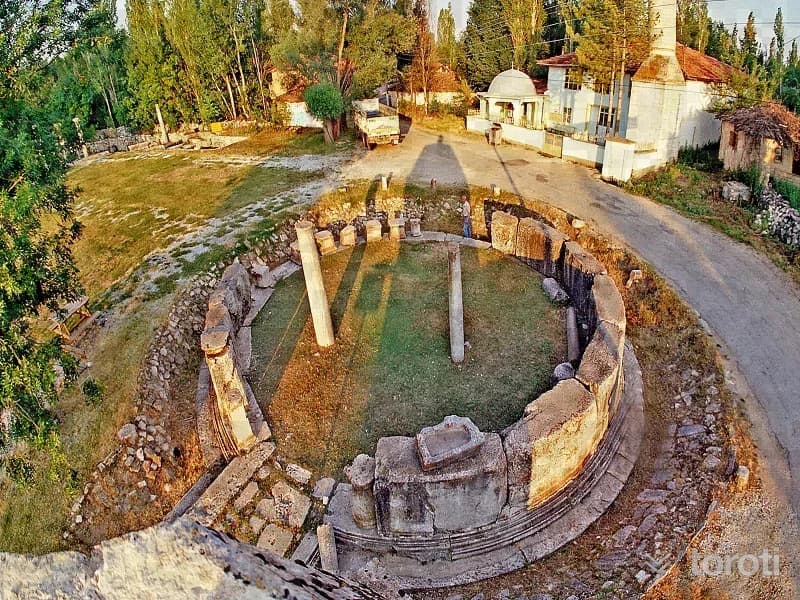
Aizanoi Antik Kenti
The Ancient City of Aizanoi is located in the district center of Çavdarhisar, Kütahya, 50 kilometers from Kütahya. It is thought that the city of Aizanoi emerged from the union of the Water Nymph Erato and the legendary King Arkas, through the mythology hero named Azan, mentioned in ancient sources as the ancestor of the Phrygians who lived around the sacred cave of the goddess Meter Steunene in the upper reaches of the Penkalas (Kocaçay) River.
45 minutes
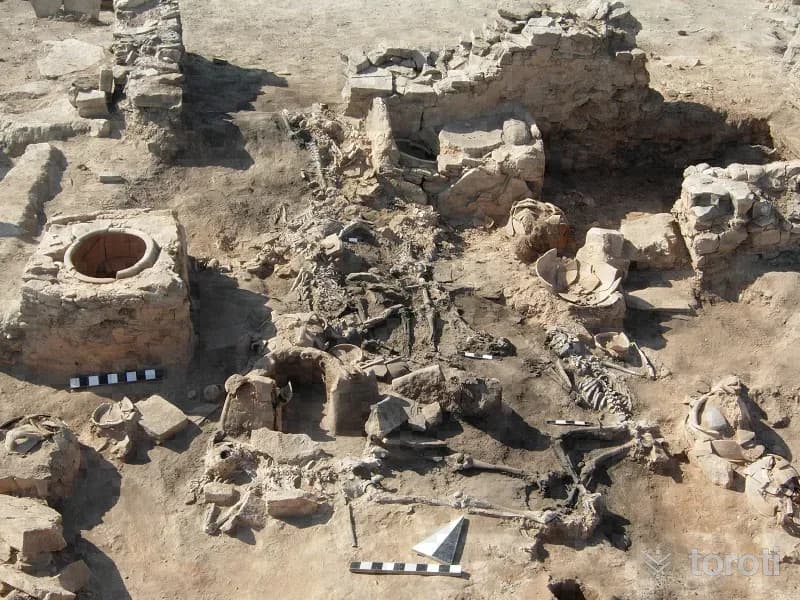
Seyitömer Höyüğü
It is an ancient settlement with an oval shape, measuring 150x140 meters and 24 meters high. The top of the mound is a flat area of approximately 2000 square meters. The north of the mound is quite steep, while the south is gently sloping.
45 minutes
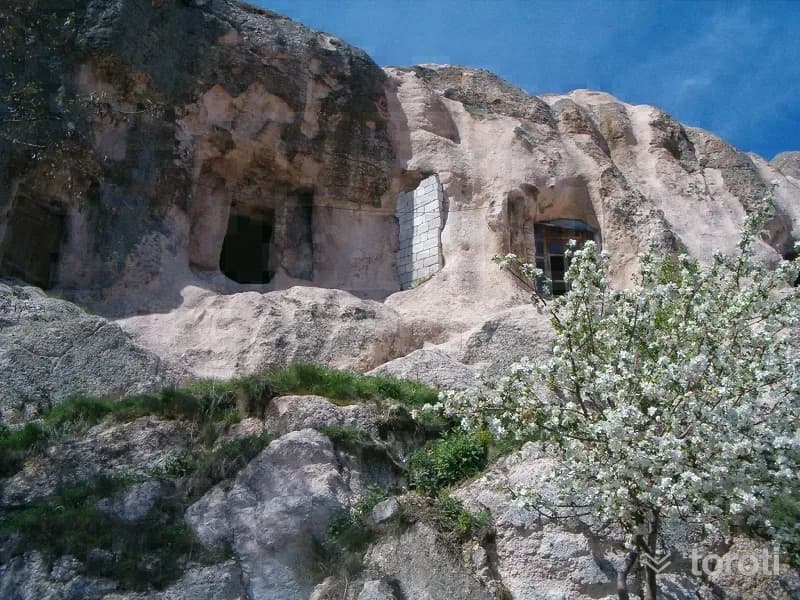
Frigya Vadileri
In the Kütahya, Afyonkarahisar, Eskişehir triangle, the region defined as the mountainous settlement of ‘‘phrygia Epiktetus’ ’(Little Phrygia) is today referred to as the ‘‘Phrygian Valley’’.
45 minutes
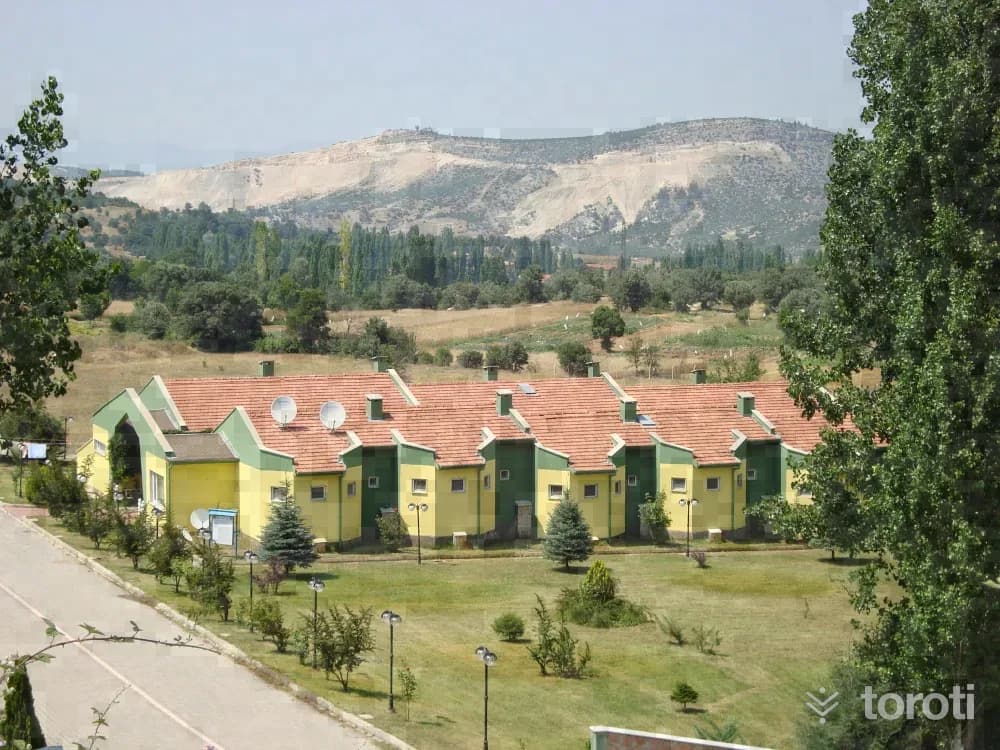
Hisarcik Esire Termal Turizm Merkezi
The following legend is told about the hot spring known colloquially as ESİRE. It is known that in the historic Eğrigöz Castle on Eğrigöz Mountain, located to the southwest of Emet district, the Hungarian Emperor known in history as Kazıklı Voyvoda was imprisoned. According to the legend, because the environment where the prisoners held in the historic Eğrigöz Castle were kept was very bad, leprosy was generally seen among the prisoners.
45 minutes
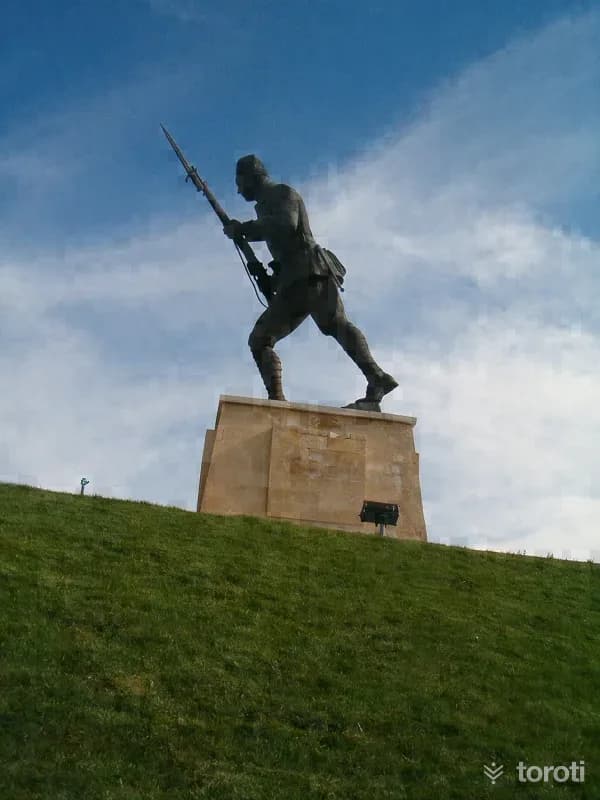
Dumlupinar Şehitliği
The Commander-in-Chief Field Battle began on 26 August 1922 from Afyonkarahisar-Kocatepe and ended with a great victory in Dumlupınar on 30 August 1922. Dumlupınar Martyrs' Cemetery was built by the Ministry of Culture and Tourism in memory of the sons of the homeland who were martyred on all fronts throughout the War of Independence, and was opened to visitors with a grand ceremony on 30 August 1992, the 70th anniversary of the Great Offensive.
45 minutes
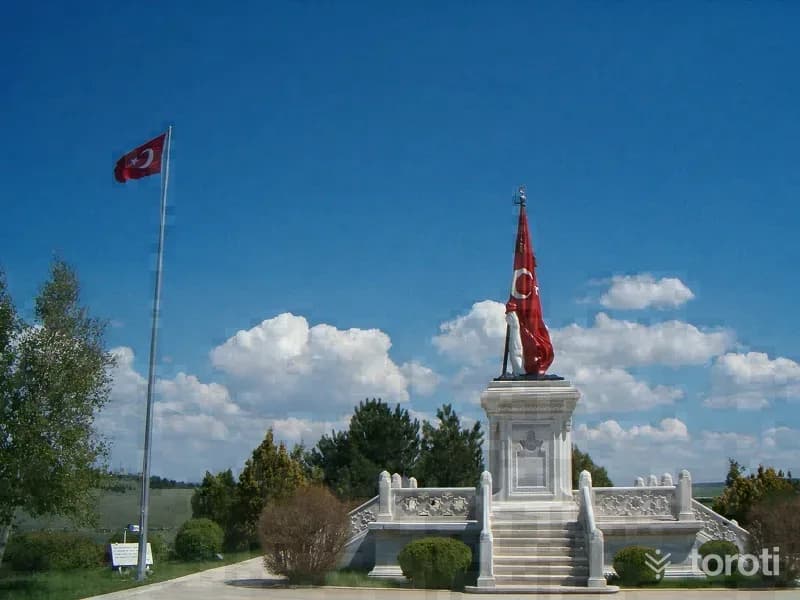
Şehit Sancaktar Mehmetcik Anıti
While touring the battlefield on 31 August 1922, Atatürk sees a standard-bearer among the martyrs, buried in a pit opened by an enemy artillery shell. This revered martyr is holding the standard upright with his arm, stiffened above the ground. Moved by the scene, the Commander-in-Chief orders that this be taken as the symbol for the Martyr Soldier Monument to be built after the war.
45 minutes
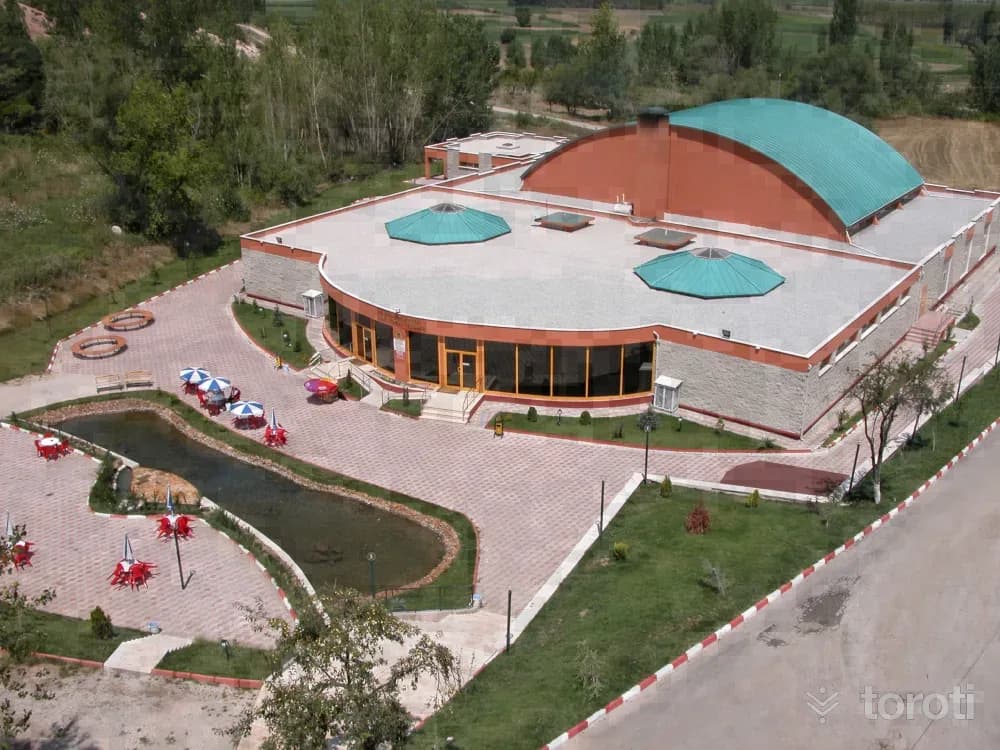
Tavşanli Göbel Termal Turizm Merkezi
Tavşanlı Göbel Hot Springs were declared a Thermal Tourism Center by the Council of Ministers Decision No. 2006/11354 dated 16.12.2006. Location: It is 6 kilometers southwest of Tavşanlı, to the west of Kütahya. Elevation above sea level: 850 meters. Characteristics of the water: Its water, which has a temperature of 33,8 degrees, belongs to the Akrotothermal Waters group. Mineral substances it contains: It contains Bicarbonate, Calcium, Magnesium.
45 minutes
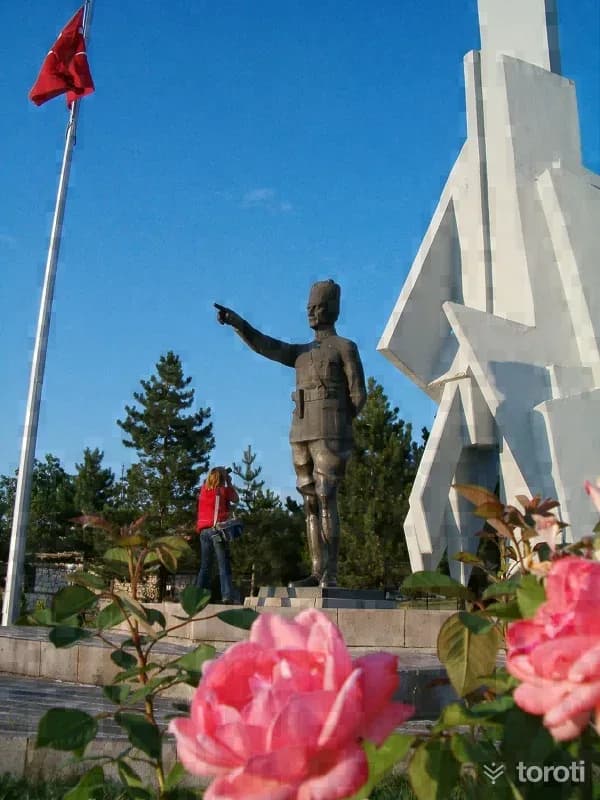
Dumlupinar İlk Hedef Anıti
This war, which took place between 26-30 August 1922, took its place in the pages of history under the name of the Commander-in-Chief Field Battle, formed the basis for the establishment of the Republic of Türkiye, and changed the course of history by leaving deep repercussions all over the world as a result, began in Afyonkarahisar Kocatepe, and on 30 August a great victory was achieved with the extraordinary heroism and courage shown by the Turkish Armies on the Zafertepeçalköy-Dumlupınar line.
45 minutes
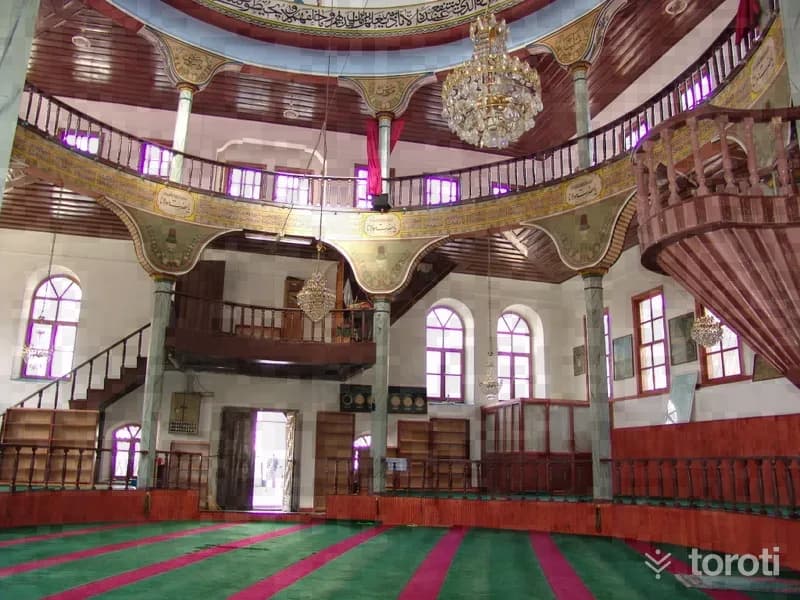
Mevlevihane - Dönenler Camii
It is located in the city center, near Ulu Camii. It was built in the 14th century as the semahane of the Mevlevihane. This first Mevlevihane of Kütahya, one of the original examples of early Anatolian Turkish architecture, underwent restoration twice, and the semahane and dervish cells have survived to the present day. The structure, which is used as a mosque today, has a nearly square rectangular plan and an octagonal drum.
45 minutes
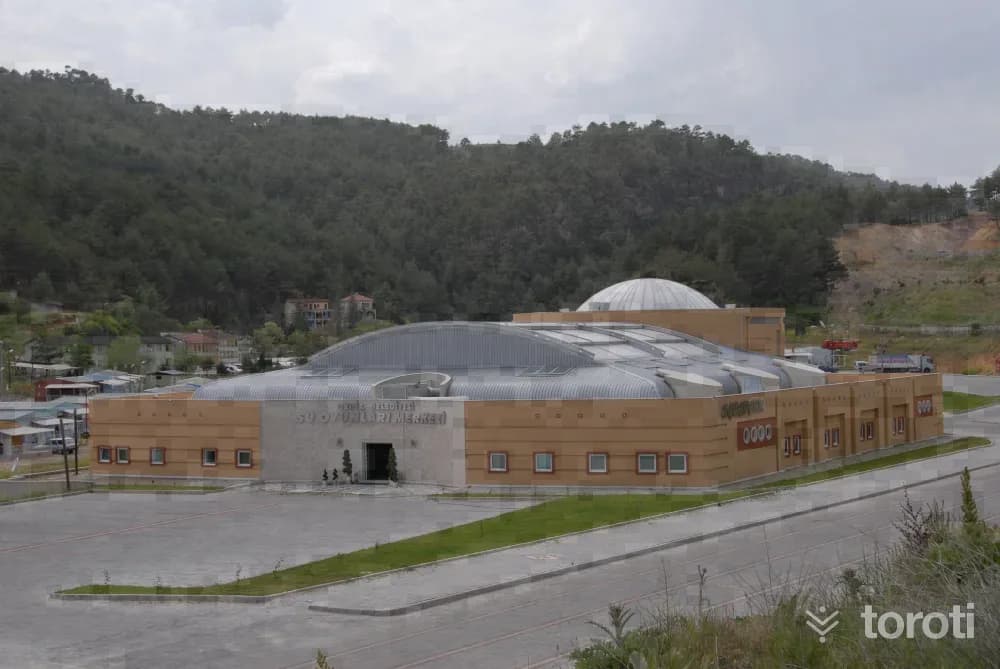
Gediz Ilicasu Termal Turizm Merkezi
Gediz Ilıcasu Hot Spring was declared a Thermal Tourism Center by the Council of Ministers Decision dated 19.04.1987 and numbered 87/11608. The hot spring has developed around the hot water sources emerging from the southeast of the valley through which Ilıca Stream flows. It is 13 kilometers from Gediz, to the south of Kütahya, and is on the Simav road. Its elevation above sea level is 750 meters. The hot spring, with a temperature of 40-85 degrees, belongs to the group of hypotonic waters.
45 minutes
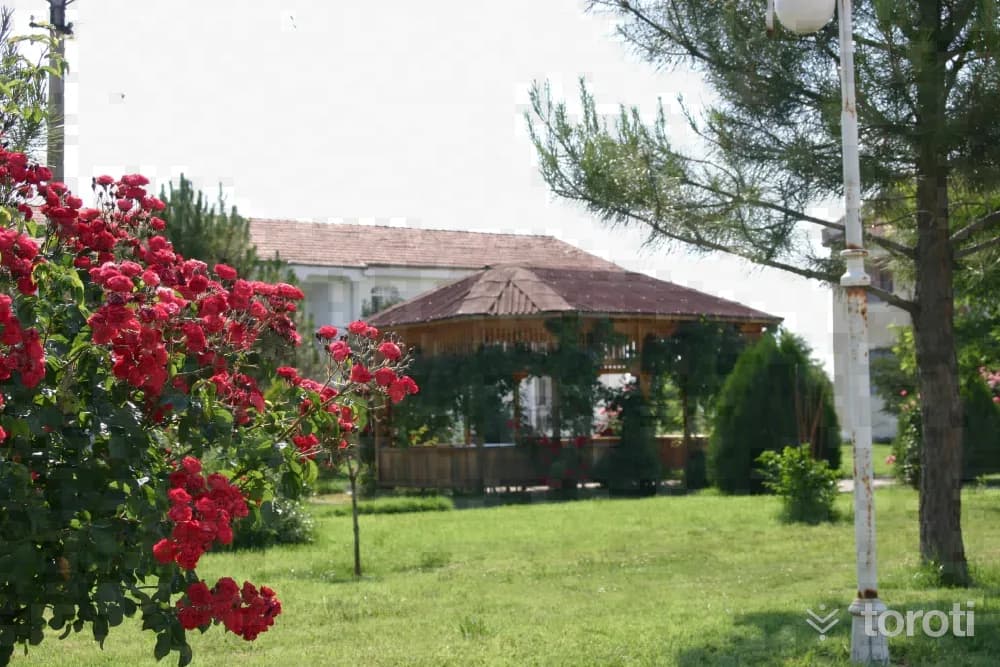
Çitgöl Termal Turizm Merkezi
ÇİTGÖL THERMAL TOURISM CENTER Çitgöl Hot Springs were declared a Thermal Tourism Center by the Council of Ministers' Decision No. 2006/11354 dated 16.12.2006. LOCATION: It is 5 km from Simav. It is 1 km from Çitgöl Town. ALTITUDE ABOVE SEA LEVEL: 830 meters. CHARACTERISTICS OF THE WATER: It belongs to the group of hypotonic waters. TEMPERATURE: 162 C degrees. MINERALS IT CONTAINS: It contains Calcium, Sodium, Bicarbonate and Sulfate.
45 minutes
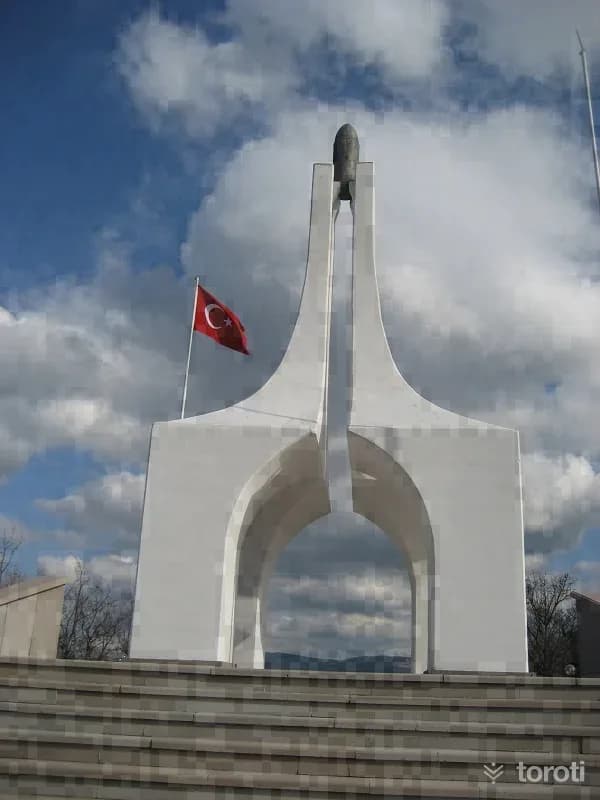
Emet Cevizdere Şehitliği
This Martyrs' Cemetery was built in 1985 in memory of the martyrs and veterans who, for the sake of the الوطن, inflicted heavy losses on the Greek soldiers at Cevizdere on 3 September 1922 under the command of Captain Rauf. Emet was occupied by the Greeks on 14 August 1921, and the Greek army established its headquarters in the government building. One night, the Kuva-yi Milliyeciler of Emet raid this headquarters in order to free themselves from the Greeks. Upon learning of this raid, the Greek unit in Tavşanlı dispatches a battalion of soldiers to Emet.
45 minutes
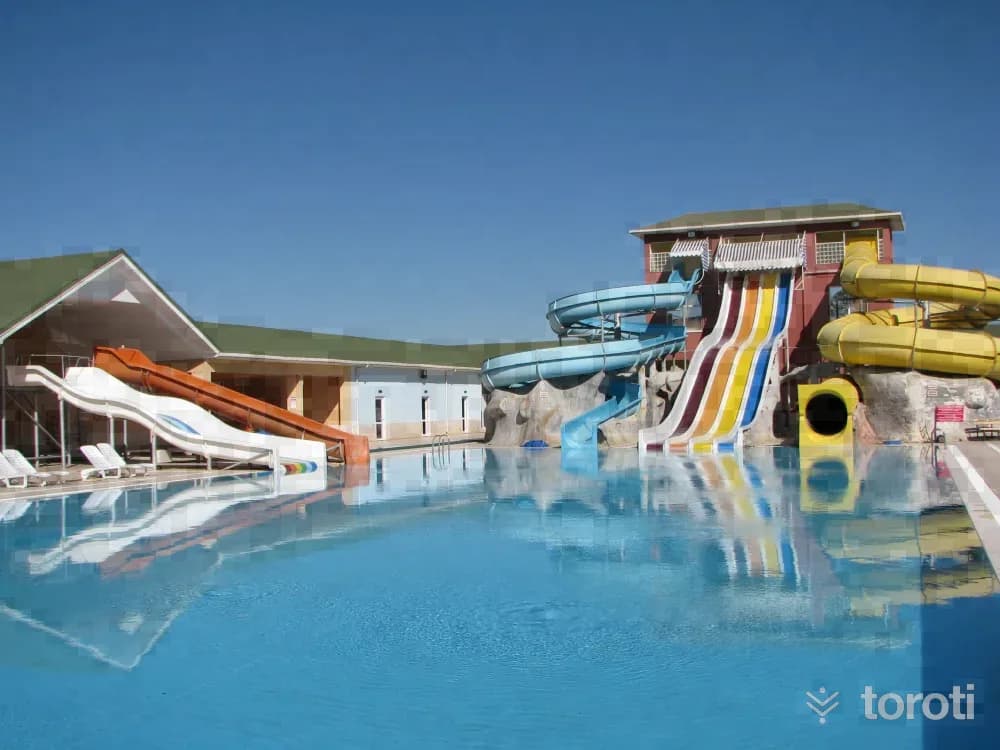
Simav Eynal Çitgöl Naşa Termal Turizm Merkezi
Location: It is 4 km from Simav, in the southwest of Kütahya. Temperature: The hot water source is 163 C°, the thermal spring water is 70-80 C°. Diseases It Is Effective For: Holding a Thermal Spring Operation License from the Ministry of Health, it has also been approved by the General Directorate of Primary Health Services in water analyses that the mineral water has therapeutic elements.
45 minutes
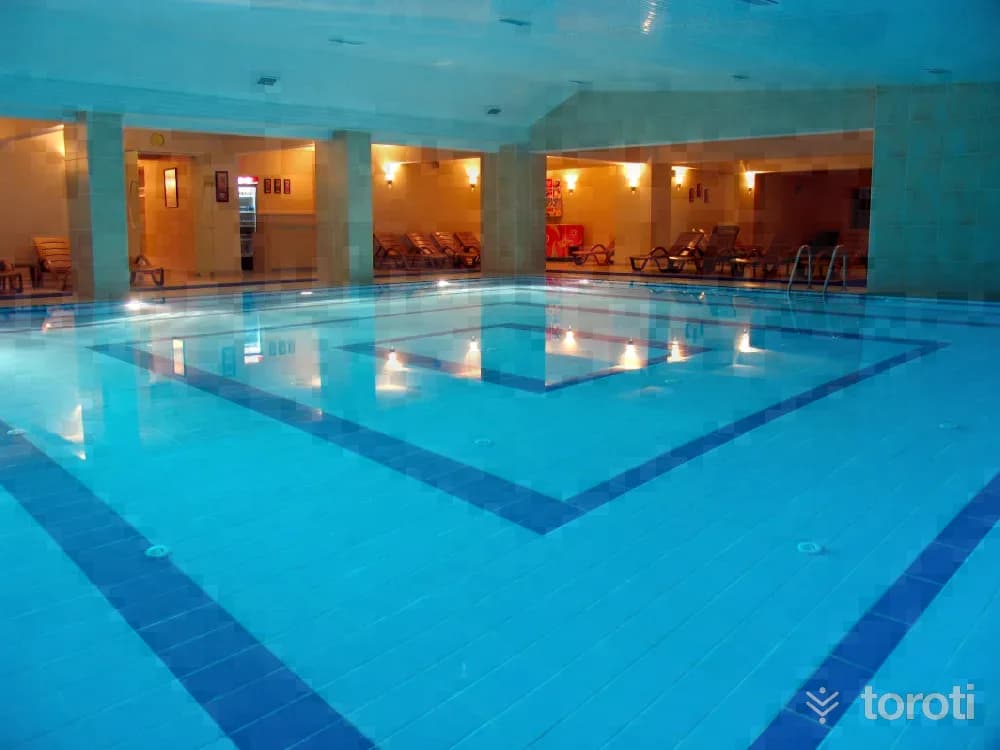
Ilica Termal Turizm Merkezi
Location: Ilıca Harlek Thermal, located in the north of Kütahya, is 4 km inland from the 23rd km of the Kütahya-Eskişehir highway, among pine forests. Temperature: It is 25 -43 C°. Diseases It Is Effective For: It is used as a complementary treatment element for rheumatic diseases, chronic low back pain, joint diseases, soft tissue diseases, orthopedic diseases, after brain and neurosurgery, general stress disorder and sports injuries.
45 minutes
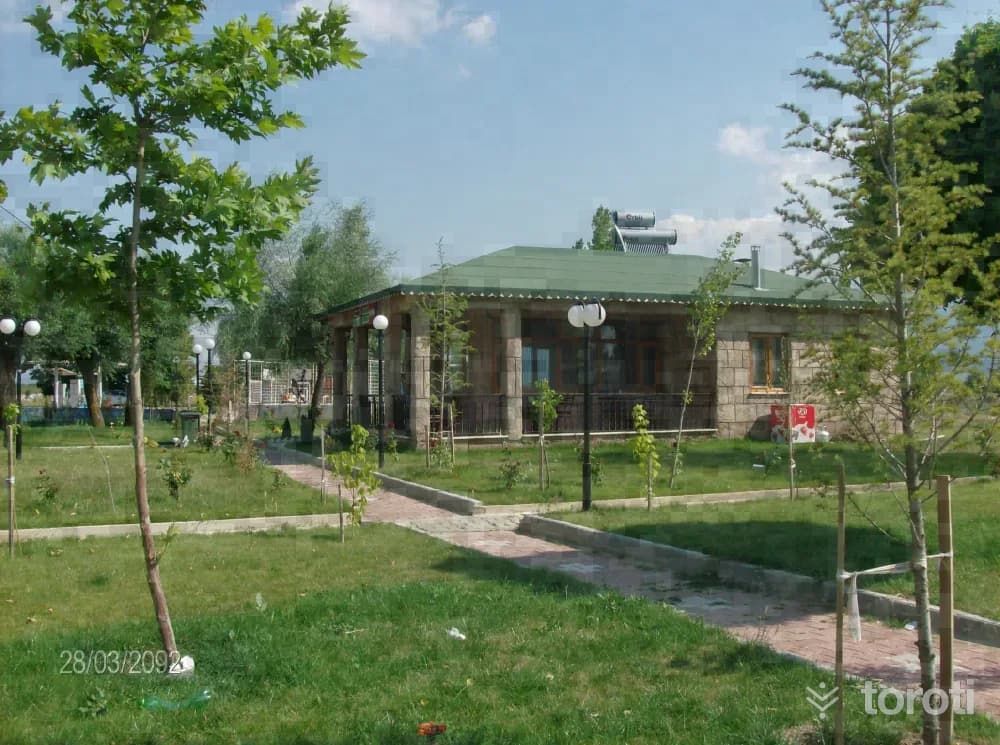
Naşa Termal Turizm Merkezi
NAŞA THERMAL TOURISM CENTER Naşa Hot Springs was declared a Thermal Tourism Center by the Council of Ministers' Decision No. 2006/11354 dated 16.12.2006 LOCATION: It is 6 km west of Simav from the district center. It is 2 km from Naşa Town. ALTITUDE ABOVE SEA LEVEL: 800 meters. CHARACTERISTICS OF THE WATER: It belongs to the group of hypotonic waters. TEMPERATURE: 90 C degrees. MINERALS CONTAINED: It contains Calcium, Sodium, Bicarbonate and Sulfate.
45 minutes
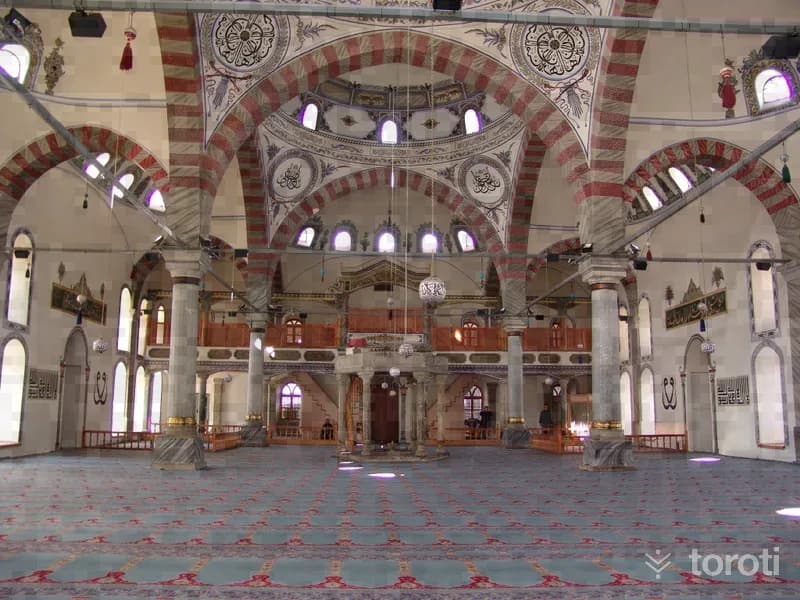
Ulu Cami
It is also known as Yıldırım Beyazıt Camii. It was begun during the time of Yıldırım Bayezid (1381-1384), completed in 1401, and is Kütahya’s largest and most beautiful mosque. The courtyardless mosque with a rectangular plan, which was repaired by Mimar Sinan during Kanuni Sultan Süleyman’s Rhodes campaign, underwent major restoration in 1893 during the time of II. Abdülhamid Han and took its final domed form. This Great Mosque covers an area of 45X25 square meters.
45 minutes
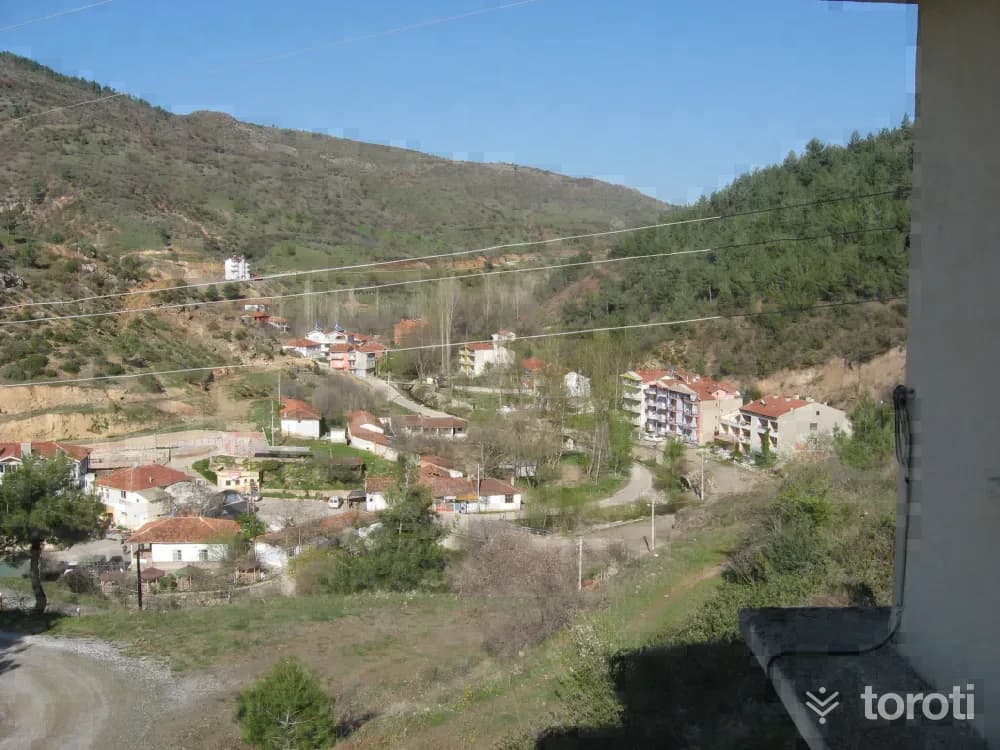
Dereli Termal Turizm Merkezi - Emet
The Emet Günlüce – Dereli Region was declared a Thermal Tourism Center by the Council of Ministers Decision dated 05.03.2012 and numbered 2012/2901. It is located in Günlüce Town on the Emet-Tavşanlı road, 20 kilometers from the districts of Emet and Tavşanlı, and 70 kilometers from Kütahya. The thermal water, at an altitude of 980 meters above sea level, belongs to the oligometric waters group. The water temperature is 38-40 degrees.
45 minutes
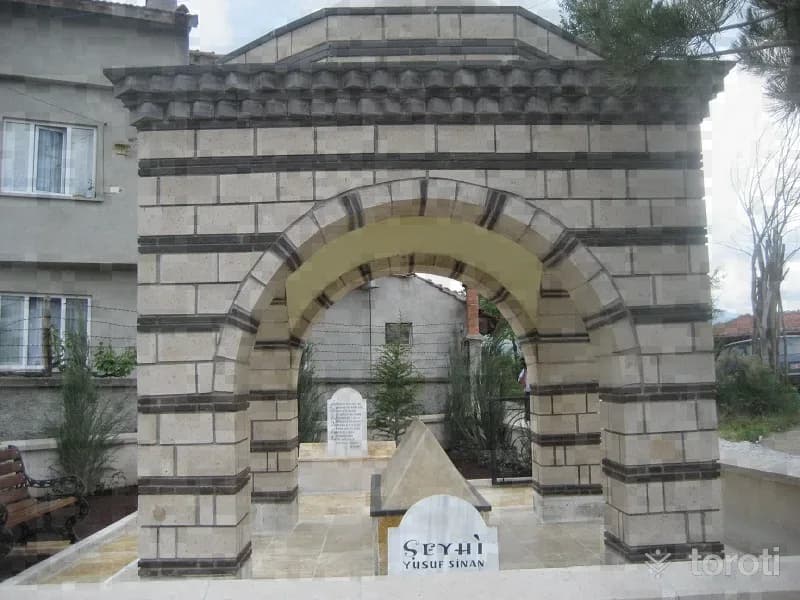
Şair Şeyhi Türbesi / Hekim Sinan Türbesi
Şeyhi is also known as Hekim Sinan. The poet, who lived in the late 14th century and the early 15th century, was present at the Germiyan Palace during the period of II.Yakub. Şeyhi, who was from Kütahya, was actually named Yusuf Sinanüddin and was one of the most important poets of the period. Germiyan Beyi Süleyman Şah undertook his education and sent the poet to Iran. He returned from Iran as an eye doctor, and of Germiyan Beyi II. Yakub, the Ottoman Sultans Çelebi Mehmed and II.
45 minutes
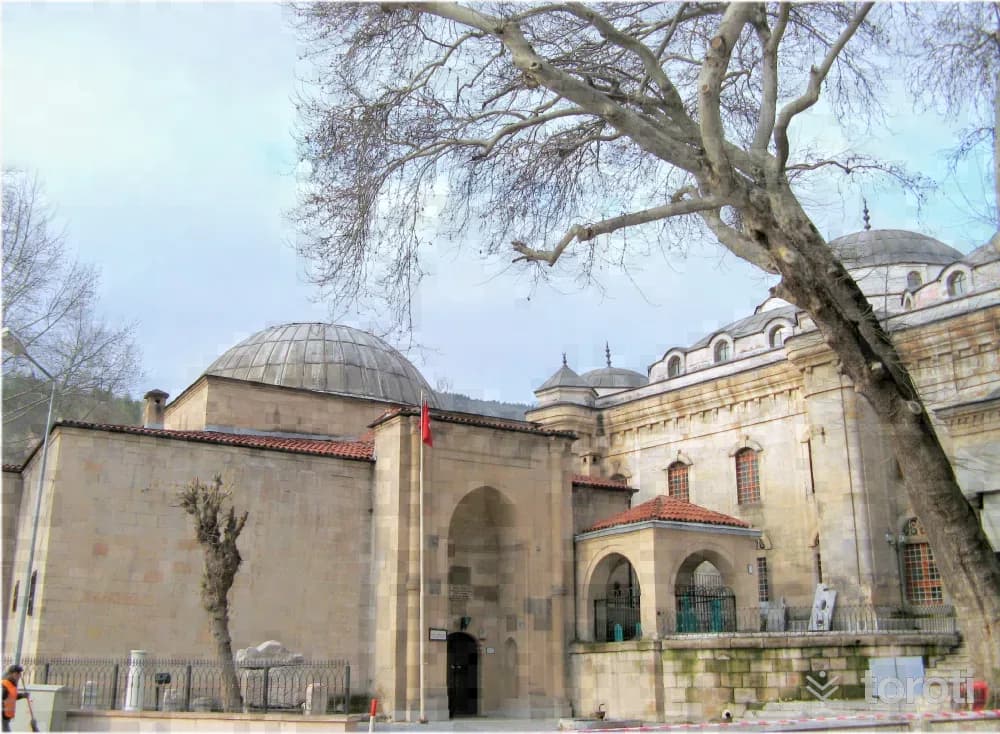
Kütahya Arkeoloji Müzesi
The madrasa building was commissioned in 1314 by Umur bin Savcı, one of the Germiyan beys. It is also known as Vacidiye Madrasa. The entrance of the structure, built of cut stone, reflects the characteristics of Seljuk art. It has domed doors and nine small rooms opening onto the central space.
45 minutes
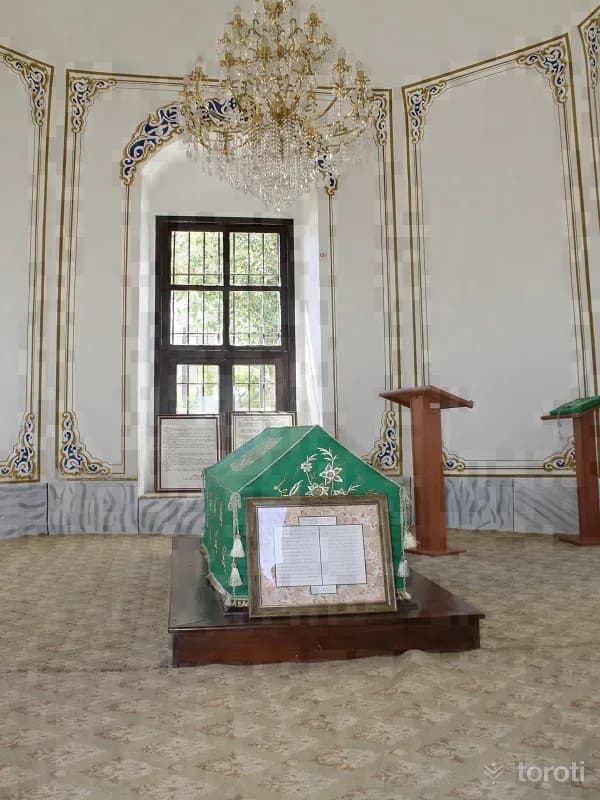
Hayme Ana Türbesi
Who is Hayme Ana? Hayme Ana is the grandmother of Osman Gazi, the founder of the Ottoman State, and the mother of Ertuğrul Gazi. She is a Turkmen (Yörük) girl belonging to the Kayı Tribe of the Bozok Branch of the Oghuz. The Kayı Tribe first settled in the Karacadağ region to the west of Ankara. The Haymana district to the west of Ankara takes its name from Hayme Ana.
45 minutes
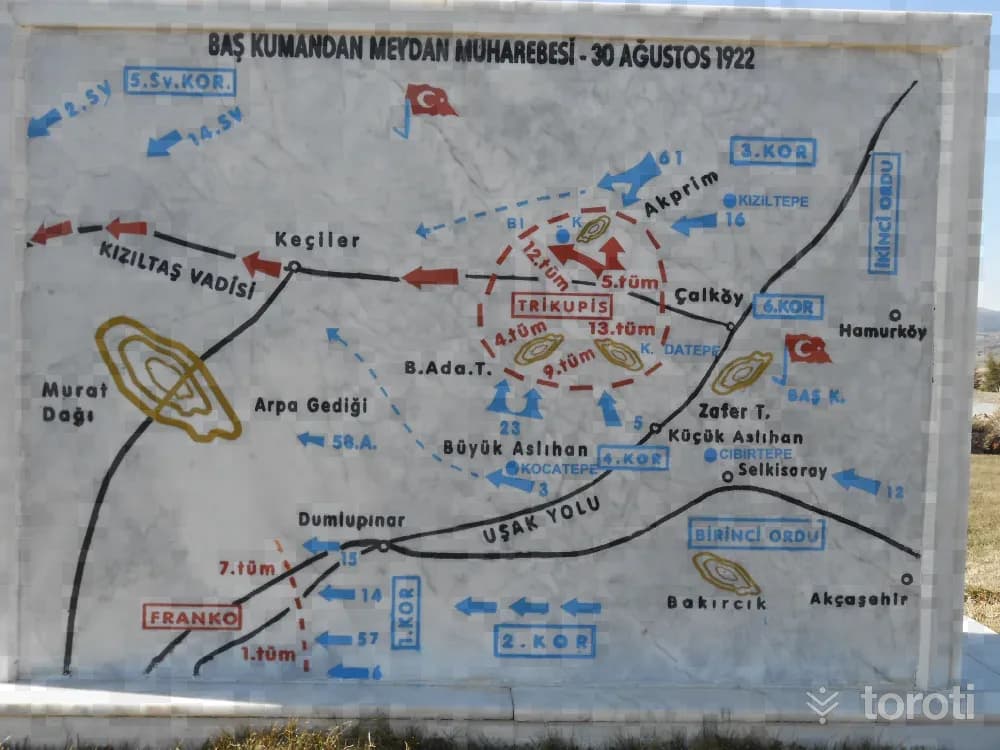
Zafertepeçalköy Zafer Anıti
It was built in Zafertepeçalköy on the hill at an altitude of 1181 where the Commander-in-Chief Field Battle was directed and administered. Its construction began in 1964 and it was opened to visitors in 1968. It is the place where the 30 August Victory Day ceremonies are held. The Victory Monument, whose distant appearance evokes crossed weapons and the feeling of a blazing torch, in its true meaning symbolizes our War of Independence.
45 minutes
Yoncali Kaplıcaları
Location: Yoncalı Kaplıcası, located to the west of Kütahya, is 16 km from the city center. Temperature: 42 C°. Ailments It Is Effective For: It is known to be good for the treatment of calcification and joint rheumatism, inflammatory joint diseases, soft tissue rheumatism, neurological diseases, traumatic and sports injuries.
45 minutes
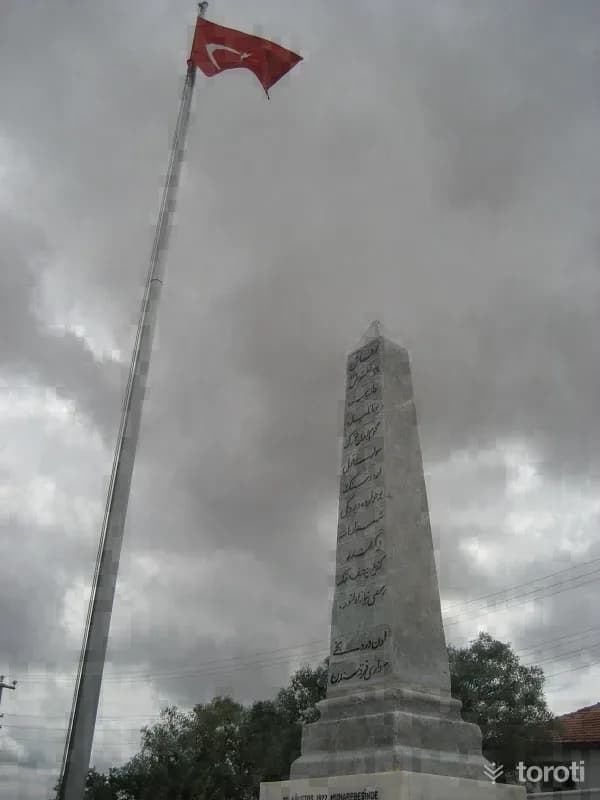
Yüzbaşi Şekip Efendi Şehitliği
On 29 August 1922, Captain Şekip Efendi, Commander of the 2nd Company of the 3rd Regiment of the 14th Cavalry Division, at the head of his company and with great courage, attacked 20 enemy reconnaissance groups in the surrounding defense and captured about 2000 enemy soldiers. When he launched an assault to seize the enemy artillery located in the depths, he was martyred in this area together with some of his soldiers.
45 minutes
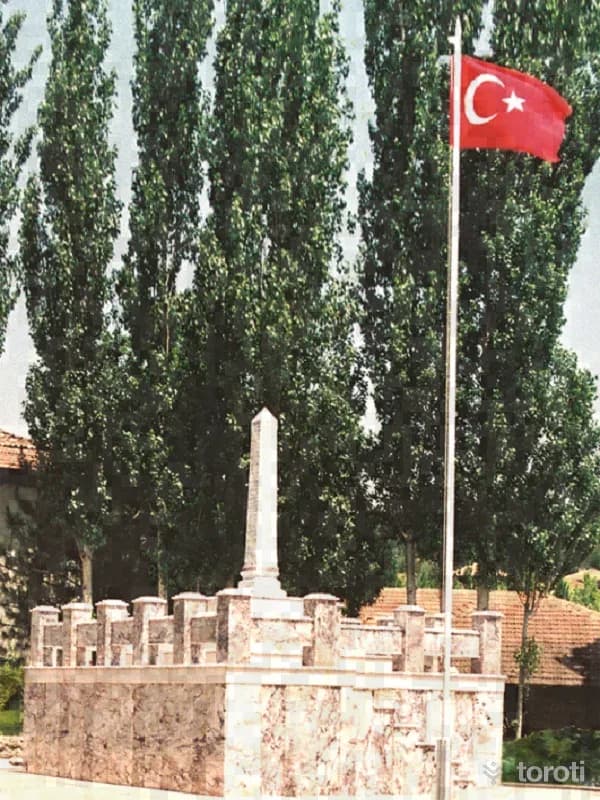
Gediz Abidesi
It is a 3-meter-high marble monument on a raised podium surrounded by railings, with Ottoman inscription writing on two facades. It was erected in memory of the martyrs given in this vicinity by the Turkish cavalry army, which cut off the Greek army’s retreat toward İzmir and forced them to surrender in Uşak. On one face of the monument are 54th Regiment Cavalry Sergeant İbrahim Musa from Ara Subdistrict of Amasra, 5th Regiment Cavalry Private Mehmet Ömer from Kuyubağı Village of Muğla, 2.
45 minutes
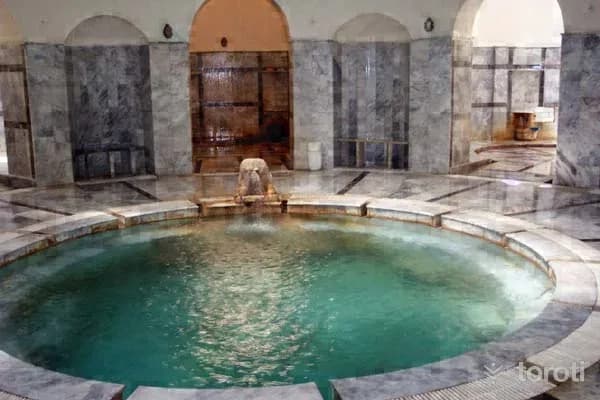
Emet Termal Turizm Merkezi
Emet Hot Spring was declared a Thermal Tourism Center by the Council of Ministers Decision dated 17.10.1993 and numbered 93/4833. Location: It is in the Emet district center, to the west of Kütahya. Temperature: 43 – 48 C°. Diseases It Is Effective For: It is known to be effective in the chronic stages of all kinds of rheumatic diseases, especially on the stomach, intestinal system, liver and gallbladder, to facilitate digestion and regulate bowel movements.
45 minutes
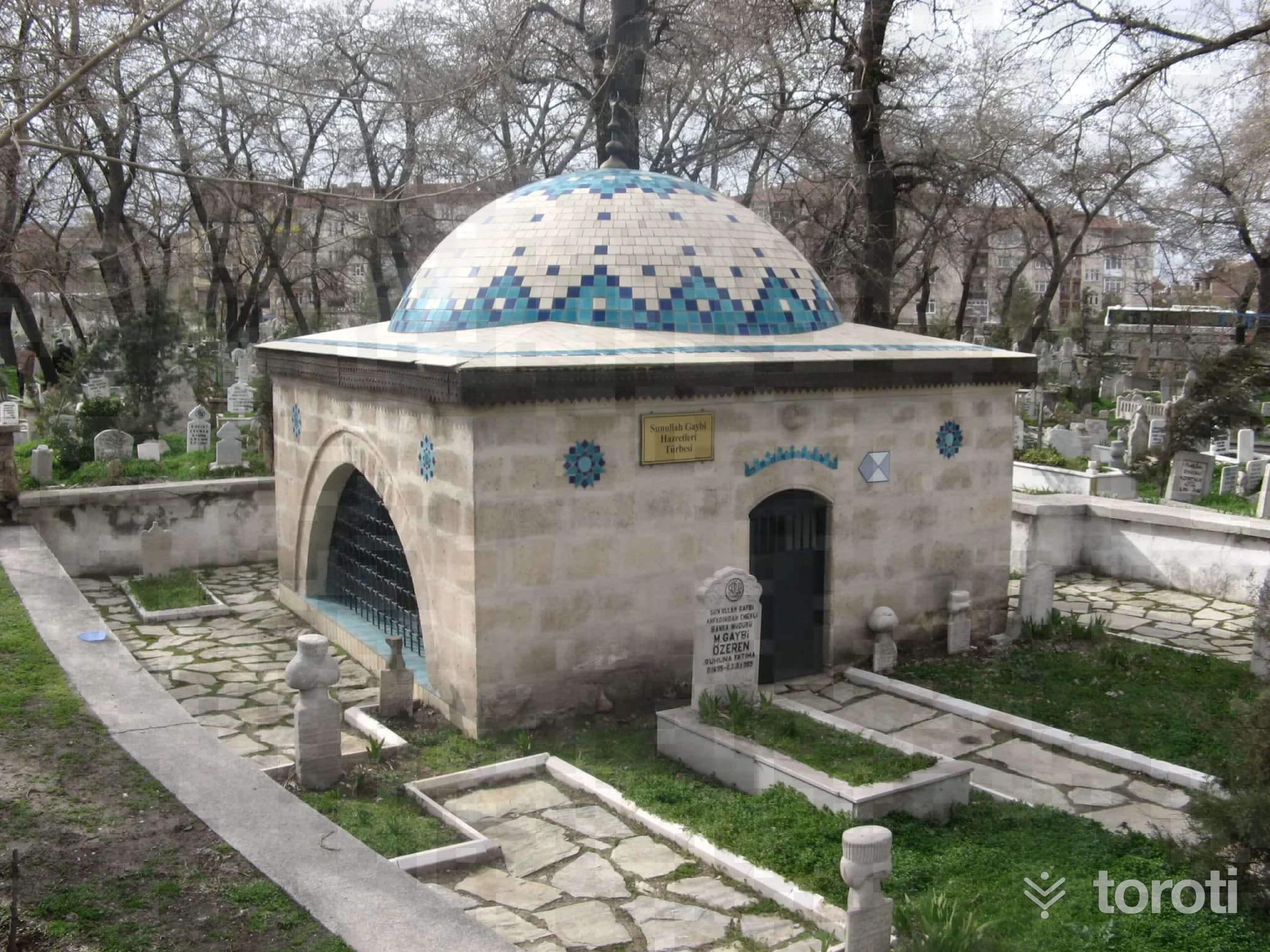
Sunullah Gaybi Türbesi
The poet and mystic Sunullah Gaybi, who was born in Kütahya in 1615, is known among the people as ‘ Hüda Rabbim Sultan”. Sunullah, who was the son of a dervish, received his first education and training in the family home by learning both the exoteric and esoteric sciences. At the same time, he also took lessons from the Halveti Sheikh Muslihuddin Efendi, who was also his father’s sheikh. In 1649, he came to Istanbul, joined the sohbet circle of Oğlan Şeyh İbrahim Efendi, and became affiliated with Melamism.
20 minutes
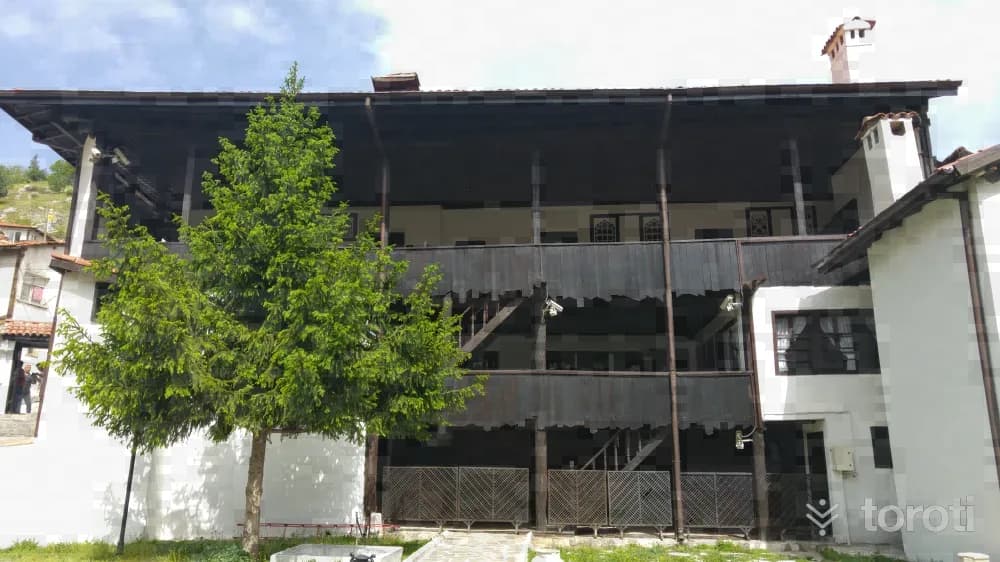
Lajos Kossuth Müzesi
It is an 18th-century Turkish house. It is also popularly known as the Hungarian House. One of the leaders of the Hungarian War of Independence, Lajos Kossuth (1802-1894), was hosted in Kütahya together with his family and a refugee group of 56 people between 1850-1851, and prepared the Draft Constitution of Hungary in this house.
45 minutes
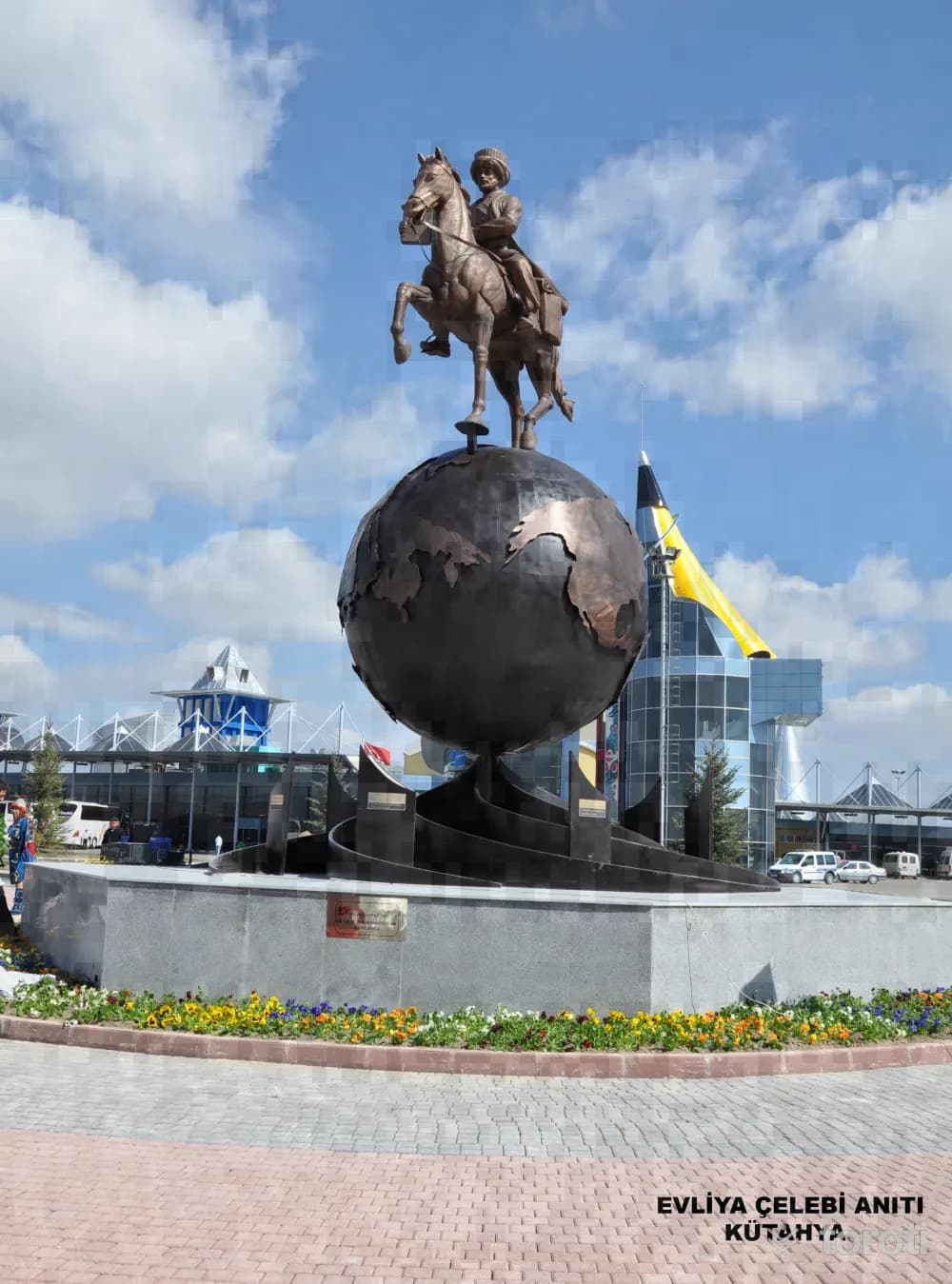
Evliya Çelebi Anıti
Evliya Çelebi (1611-1682), who stated that he was from Kütahya's Zeryen Mahallesi, traveled for 50 years and compiled what he heard and saw in his 10-volume Seyahatname. Because he was from Kütahya, a monument was erected in his memory in 2002 by the Kütahya Governorship at the entrance to Kütahya from Eskişehir. While mentioning Kütahya in Evliya Çelebi Seyahatname, he says, ''Kütahya’s air and water are beautiful; its cups, various maşrapa and pitchers, bowls and plates are found nowhere else.
45 minutes
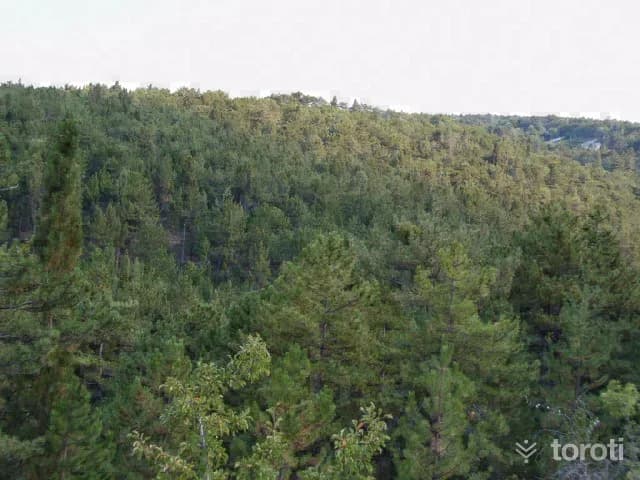
Vakif Çamliği Tabiatı Koruma Alanı
It covers an area of 685 hectares. Vakıf çamlığı constitutes the only natural distribution area in the world of ehrami karaçam, a unique and endangered black pine variety. The presence of ebe çamı, another black pine variety found only in our country, and the fact that it is a unique ecosystem where black pine and its two varieties can be seen together are among the characteristics of the area. In the area, apart from the aforementioned pines, there are juniper, hairy oak, aspen, willow and linden.
45 minutes
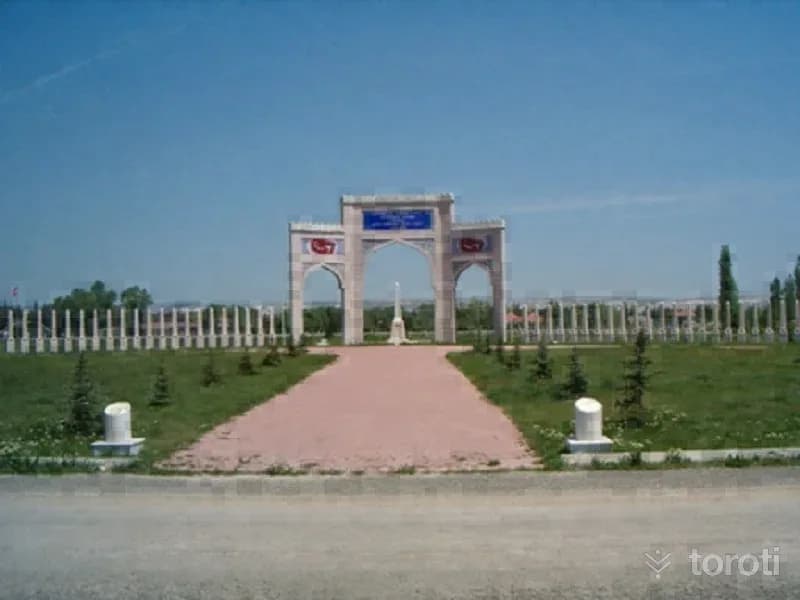
Kütahya Şehitler Anıti Ve Parkı
It was established on an area of 65 thousand square meters. The main pedestal of the monument is 15 meters high and was built in the style of traditional Turkish architecture. On the right and left sides of the main pedestal, there are columns representing the 81 provinces of our country, and the name of the province each represents is written on each one.
45 minutes
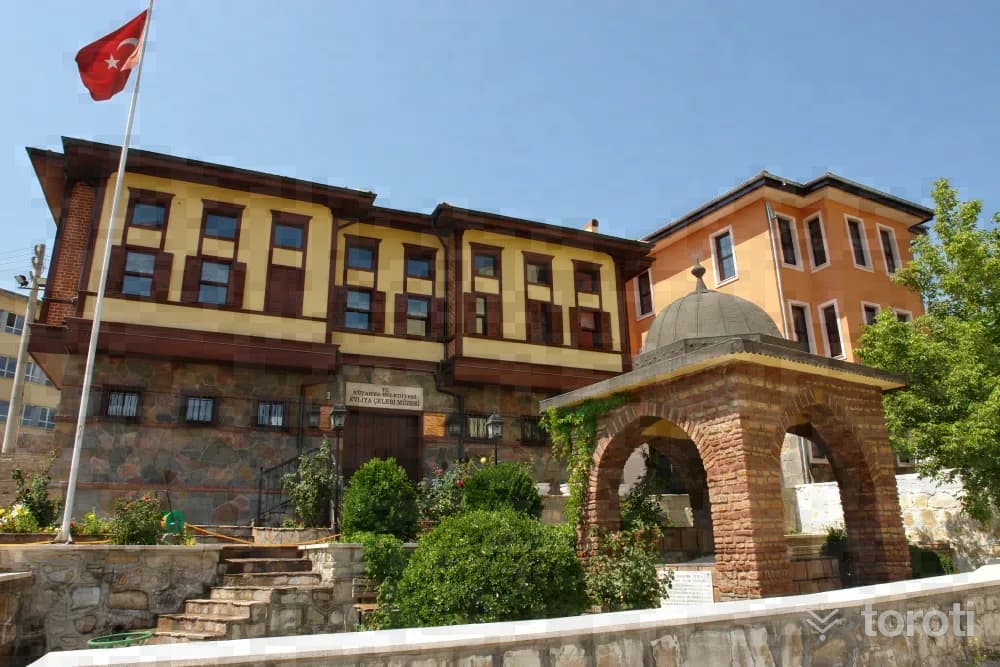
Evliya Çelebi Kültür Sanat Evi
The house where Evliya Çelebi (1611-1683), the world-famous traveler, scholar, historian, writer and folklorist from Kütahya, was born has been rebuilt next to the Tomb of his grandfather Kara Ahmet Bey with the support of Kütahya Municipality and the Kütahya Evliya Çelebi Culture Service and Restoration of Historical Works Association.
45 minutes
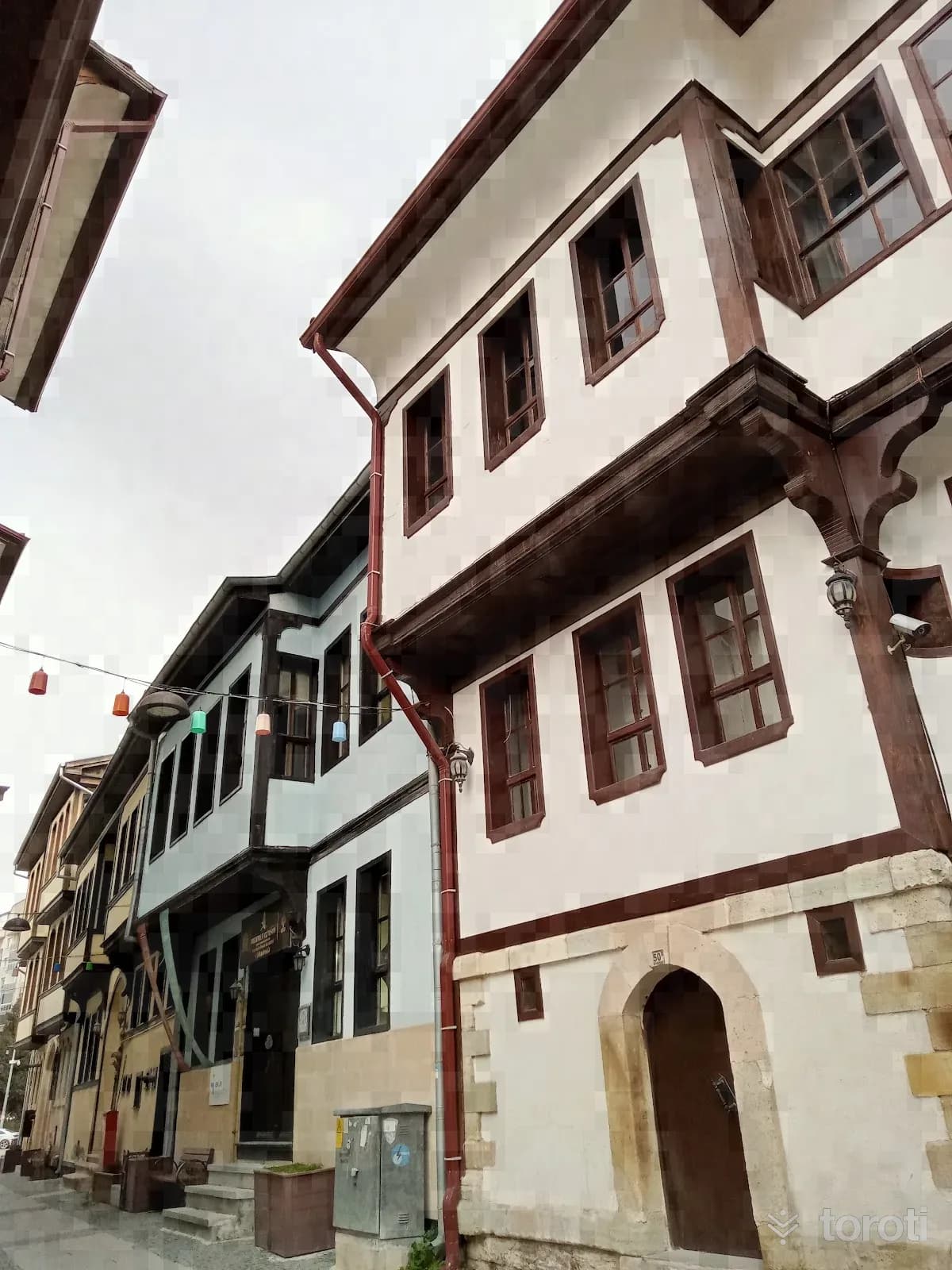
Kent Tarihi Müzesi
Şapçızade and Karaca Mansions, located on Germiyan Street and understood from their inscription to have been built in 1912, were restored by Kütahya Municipality and opened as the City History Museum with the Special Museum permit obtained from the Ministry of Culture and Tourism.
45 minutes
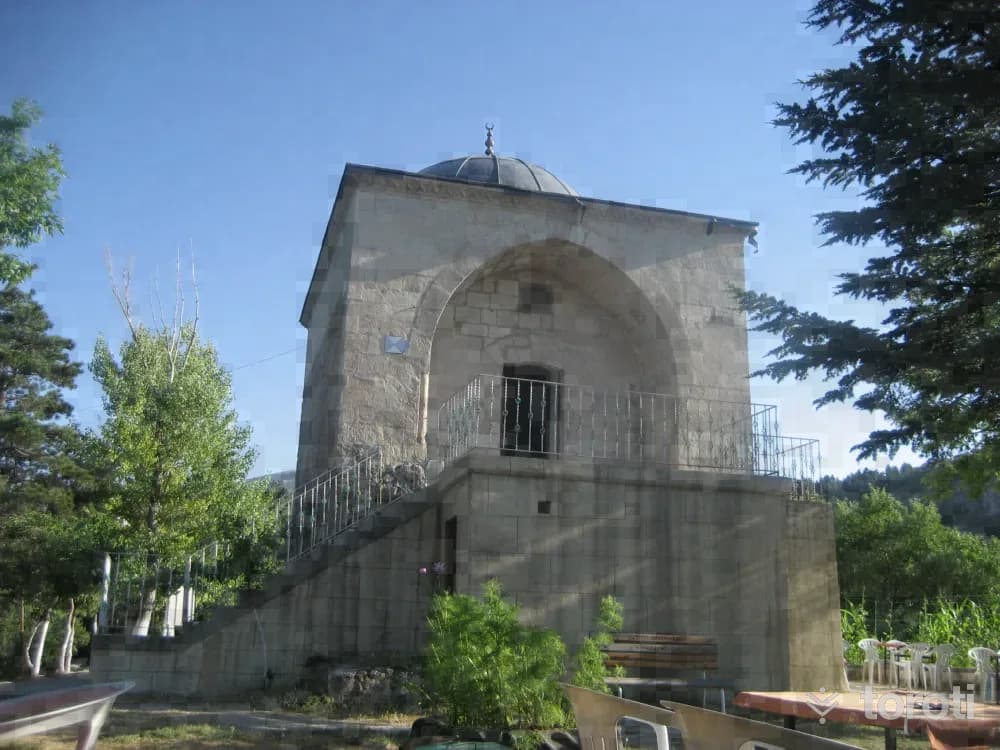
Hidirlik Mescidi
It has a square plan and a single dome, and in front of it there is a narrow iwan in the form of a wide arch. It is a structure dating from the Seljuks. From its inscription, it is understood that it was commissioned by İmadüttin Hezar Dinari, one of the Anatolian Seljuk emirs, in 1243-1244. From Hıdırlık, every part of Kütahya can be seen. The mescid was restored in 1980 by the painter and neyzen Ahmet Yakupoğlu and in 2004 by the General Directorate of Foundations.
45 minutes
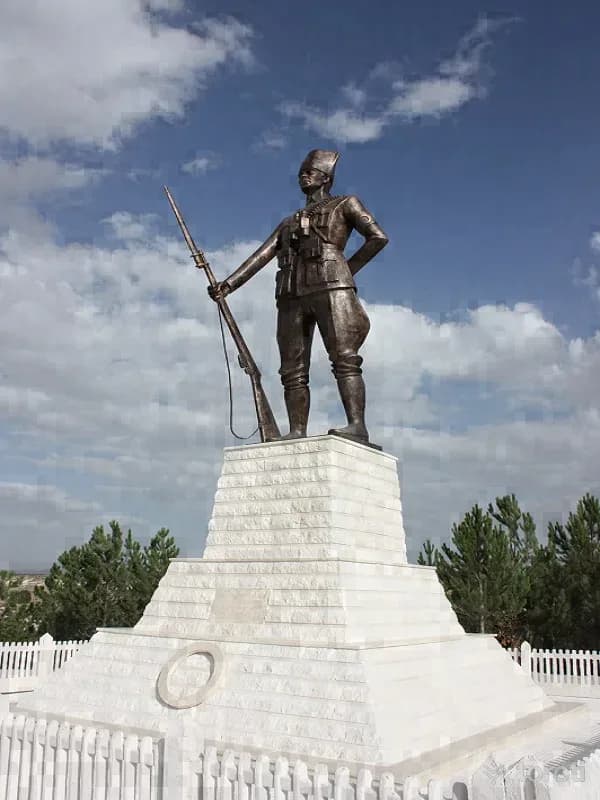
Tabip Yüzbaşi Hamdi Bey Anıti
The incident took place on 30 August 1922 in the vicinity of Porsuk Bridge, located at the 10th kilometre of the Kütahya - Afyonkarahisar road. Tabib Yüzbaşı Hamdi bey, who was taking medicine to the Mürettep Süvari Tümeni in Kütahya, and 158 soldiers were martyred in this area by the 53rd Greek Regiment. It was built on the hill at the Gediz junction by the Kütahya Governorship and the Special Provincial Administration with the contributions of our Ministry. It was opened on 30 August 2010.
45 minutes
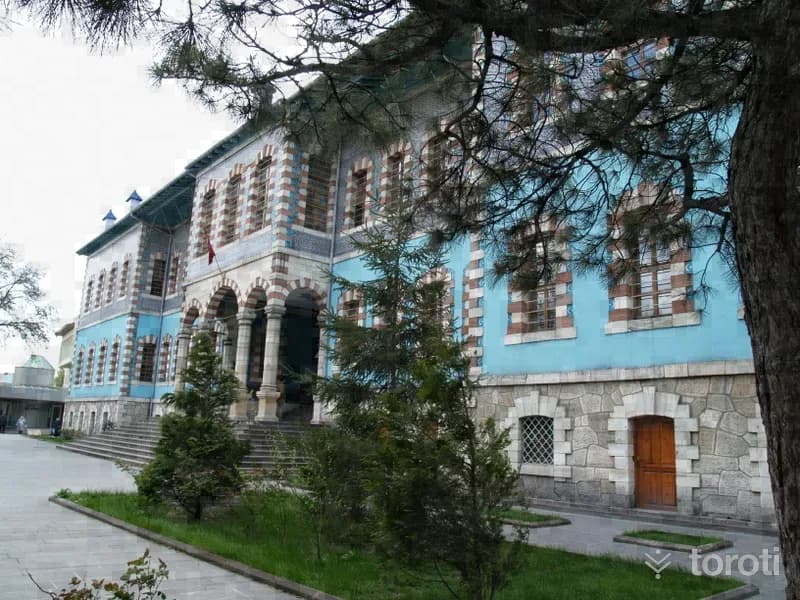
Kütahya Eski Hükümet Konağı
It was commissioned in 1905 during the time of Kütahya Governor (Vali) Giritli Ahmet Fuat Paşa (1893 -1908). Its exterior facade, decorated with Kütahya tiles in 1907, is the only example of its kind. It is one of the notable structures of late Ottoman architecture. Inside the building, there is a masjid whose walls are decorated with tiles. The registered monumental structure, restored in 1999, currently serves as the Courthouse.
45 minutes
Dedebali Türbesi
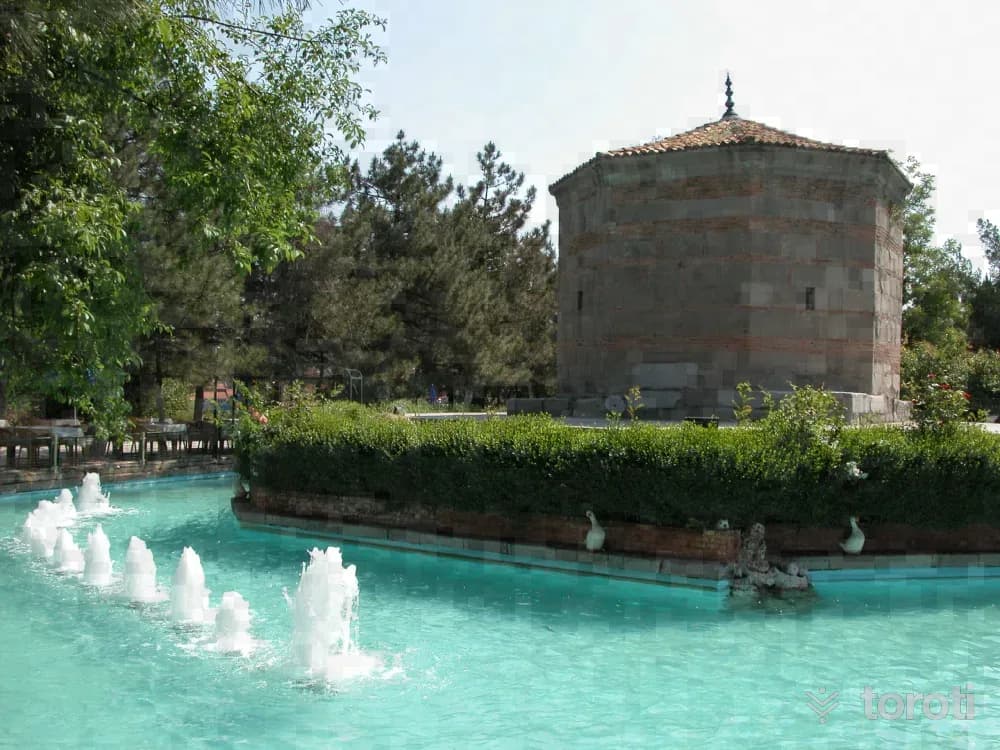
It is in the Tavşanlı district center. Known by the names ‘’Hace’ül-Haram’’ and ‘’Mülayim Dede’’, Dedebali is a folk sage who undertook important duties in ensuring the unity of the Anatolian Turks and is known for being beloved and charitable. He died in 1394. He was buried on the hill in central Tavşanlı known as Mülayim Tepe and used today as a recreation area, and a tomb was built over him. The area around the tomb is surrounded by a pool.
45 minutes
Celaleddin Çelebi Türbesi
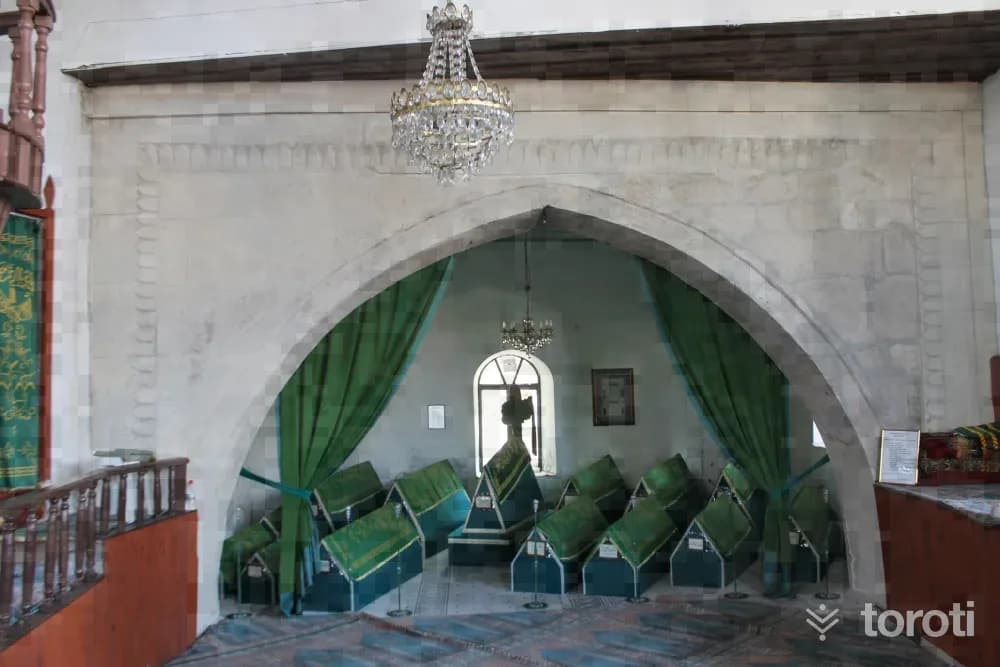
Celaleddin Çelebi, the son of Burhaneddin İlyas Çelebi, Mevlana’s fourth-generation descendant, is a Mevlevi sheikh and poet born in Kütahya. He gave up the Germiyan throne and became a Mevlevi, and later served under Emir-i Alem and then Emir Vacid. The poet has a treatise titled İşaret’ül-Beşaret, which speaks of Kelime-i Taybib and İnsan-ı Kamilin, and of the states of the sheikh and the murshid, and a mesnevi titled Gençname.
45 minutes
Kara Ahmed Bey Türbesi
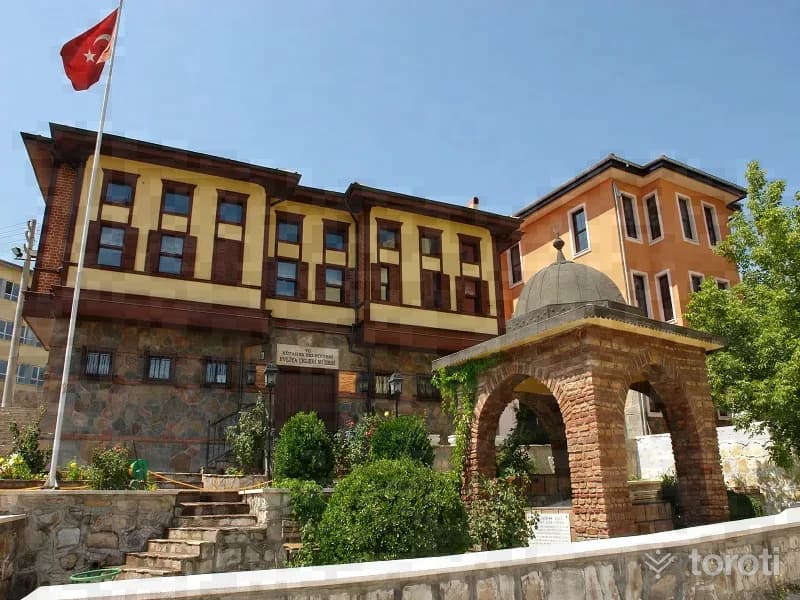
The tomb of Kara Ahmed Bey, the grandfather of the famous traveler, scholar, writer and folklorist Kütahyalı Evliya Çelebi, is in Saray Neighborhood, formerly known as Zeryen. The tomb was built in 1995 in the style of Ottoman architecture. In the Evliya Çelebi Seyahatname, while describing his hometown Kütahya, which he visited in 1678, he stated that the grave of his grandfather Kara Ahmed Bey was adjacent to their house in Zeryen Neighborhood.
45 minutes
Şeyh Buhari Türbesi
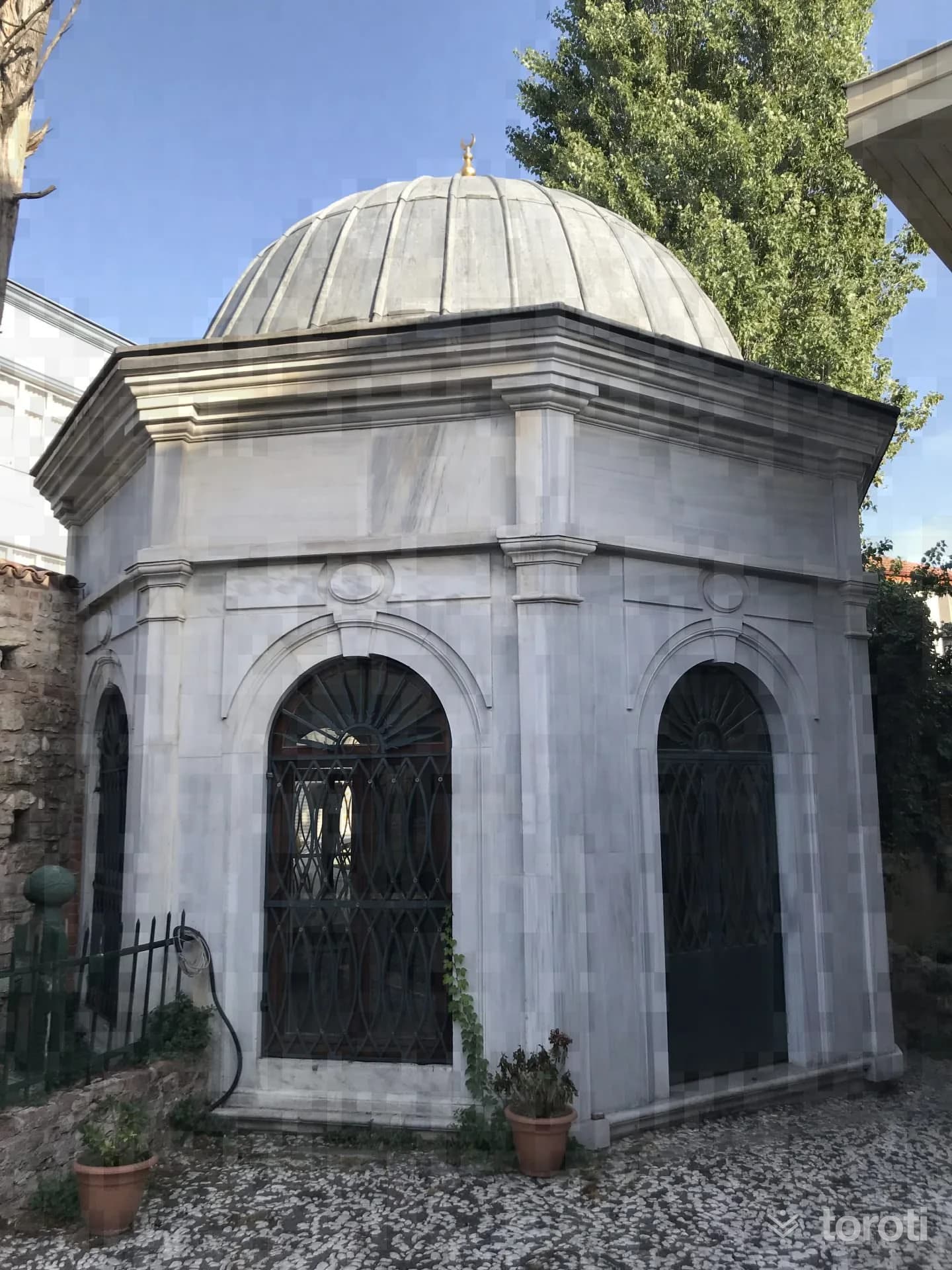
In the courtyard of Gümüşeşik Tekkesi, located on Türbe Sokağı in Zeryen Mahallesi, there are remains belonging to the tomb of Şeyh Buhari. According to foundation and Kadı records, Dilver Paşa, who was the muhasıl of Kütahya and Afyon, repaired Şeyh Buharı Türbesi, Seyit Numan Mescidi and Gümüşeşik Tekesi in 1836 and arranged new foundations for them. It has also not been established with certainty whether Şeyh Buharı Türbesi existed in this place in Kütahya known as Gümüşeşik.
20 minutes
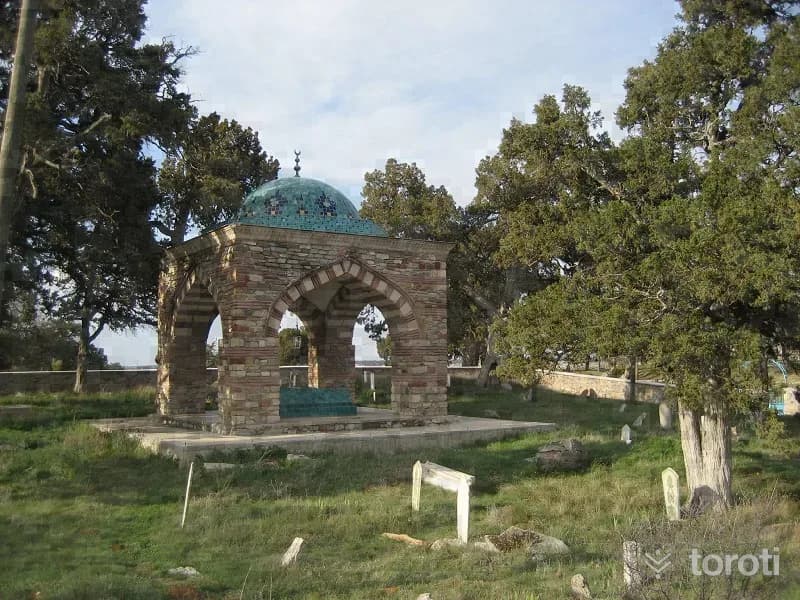
Ana Sultan Türbesi
According to its inscription, a person commemorated by the name "Ana Sultan" lies in this tomb, whose inscription was placed on the upper right corner of the facade facing the road. The arches of the square-planned, open-iwan and single-domed structure in baldachin style are low. Its last restoration was commissioned in 1980 by the painter and neyzen Ahmet Yakupoğlu.
45 minutes
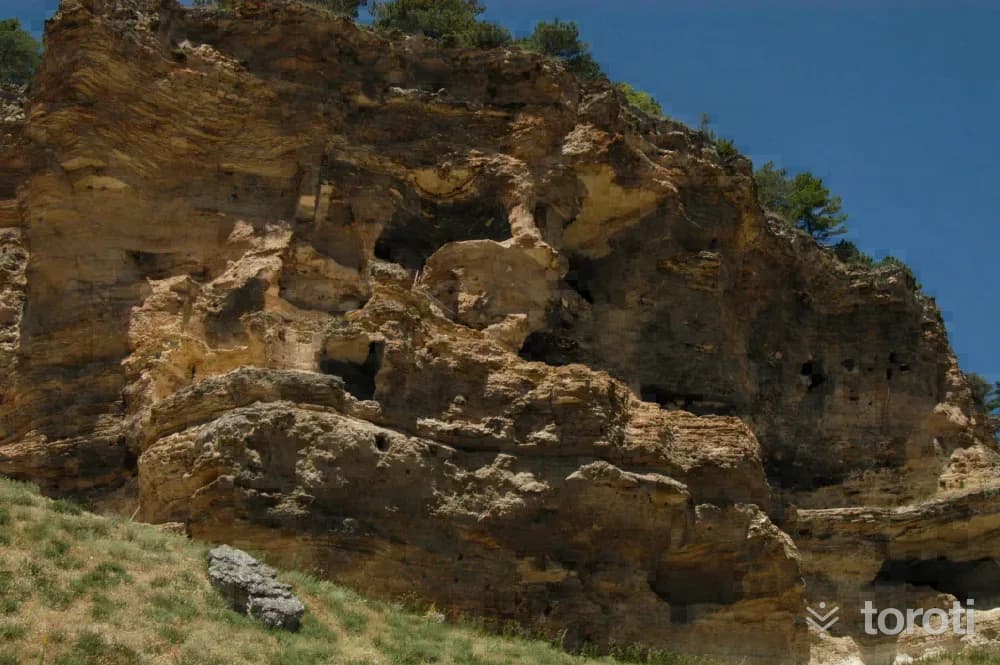
Dağlik Frigya Zahran Vadisi
It is located in Göcenoluk Village of Seyitgazi District, Eskişehir. Along the Valley, next to the Phrygian Rock Tomb painted with red earth and the Roman and Byzantine rock settlement, there are rock tombs. It is an exotic-looking valley reaching Sandıközü Village. Zahran Valley, which draws attention with every shade of green and its natural beauties, is reached by an asphalt road of 70 kilometers from Eskişehir, 90 kilometers from Çifteler, 45 kilometers from Seyitgazi, and 20 kilometers from Kırka.
45 minutes
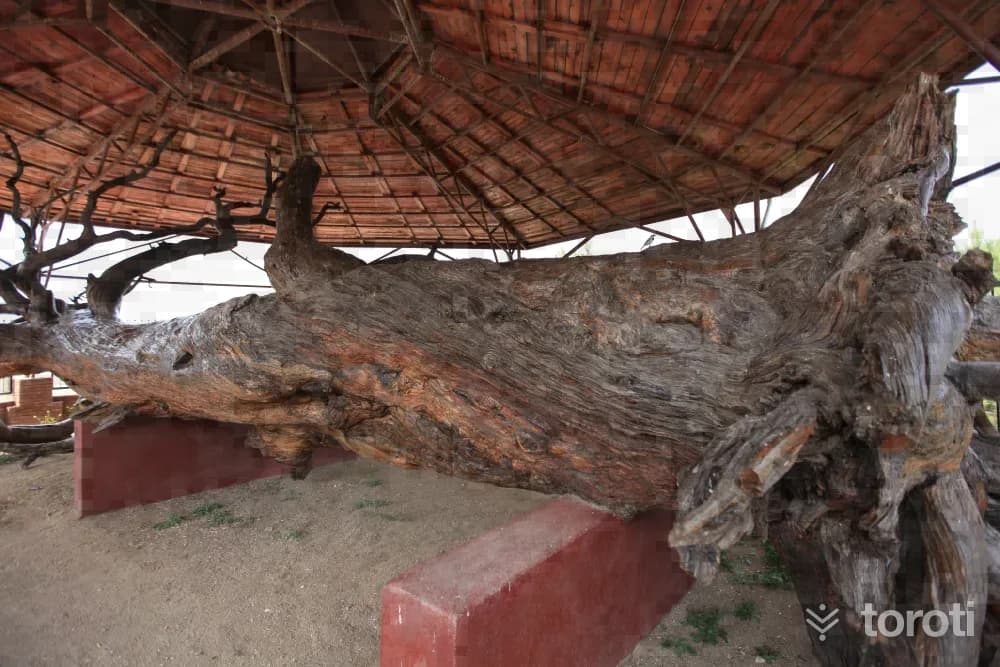
Mizik Çami
This black pine, the species of pine in which the cradle of Osman Gazi, the founder of the Ottoman State, was set up in his infancy, fell in 1980 as a result of natural causes. It was determined that the pine was 11 meters tall, had a circumference of 4.70 meters, and was approximately 740 years old, and it was registered as a monumental tree by the Council for the Protection of Cultural and Natural Assets on 15.07.1988.
45 minutes
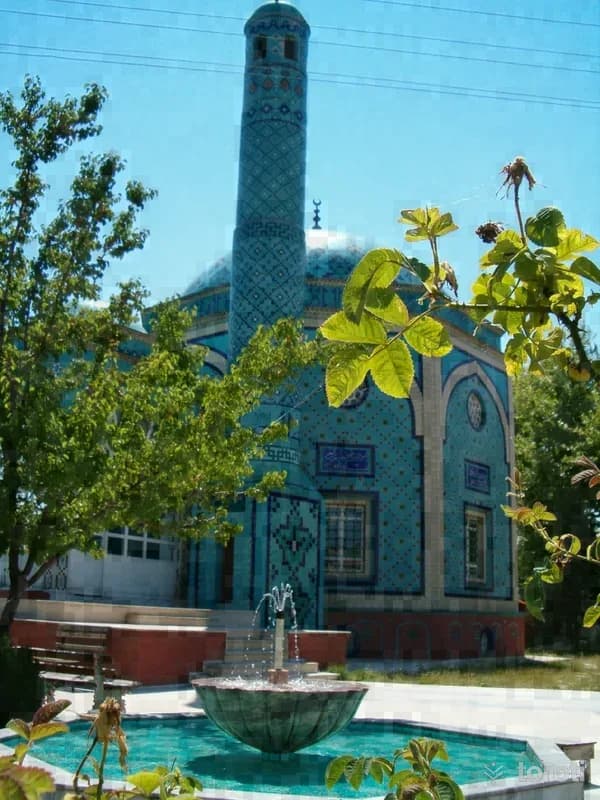
Çinili Camii
It was commissioned in 1973 by the painter and neyzen Ahmet Yakupoğlu. With its architectural style and decorative manner, it reflects an inspiration from Central Asian Turkish architecture. The interior of the octagonal, two-storey, single-domed structure is decorated with hand-drawn ornaments, while the exterior is adorned with specially produced blue Kütahya tiles. With its decorations using Turkish motifs and its architecture, it is a unique example.
45 minutes
Muvakkithane
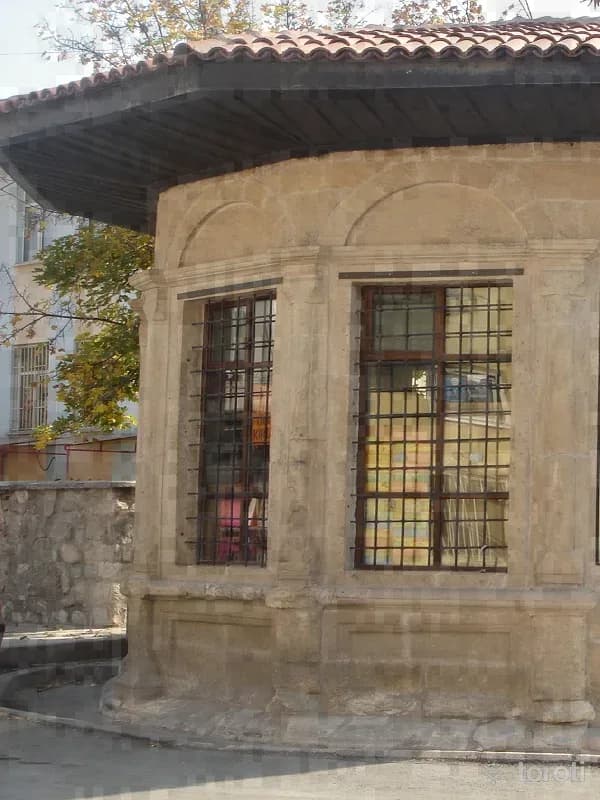
It was built in 1831-1832 by Halil Kamil Ağa, the Kütahya Mütesellim holding the rank of Kapıcıbaşı. The structure, built of cut stone with a longitudinal rectangular plan, is covered externally with a wide-eaved roof clad with tiles. Built for the purpose of accurately announcing the time and prayer times, the Muvakkithane is used today as a commercial building.
45 minutes
Büyük Aslihanlar ÜÇ Tepeler Şehitliği
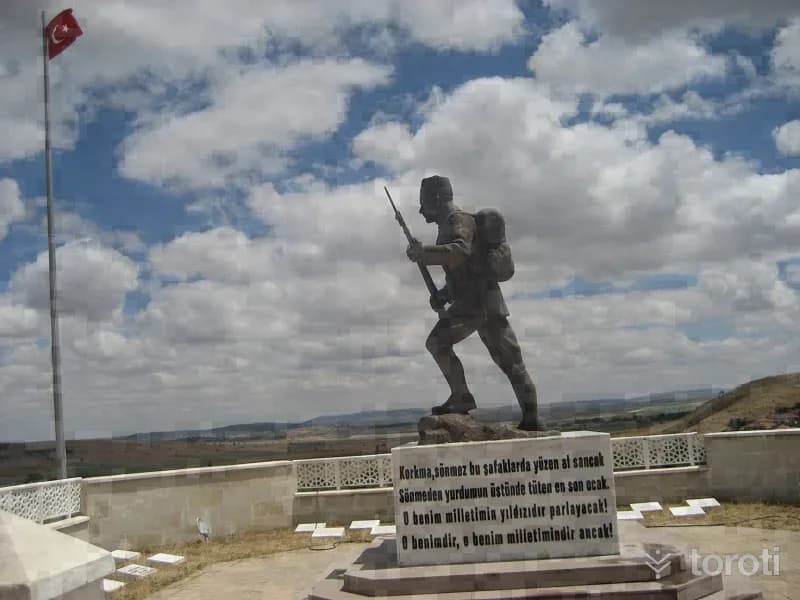
The martyrdom, built in memory of Elazığ-born Major Hacı Ömeroğlu Yusuf Ziya, Diyarbakır-born First Lieutenant Mehmetoğlu Ahmet, Urfa-born Lieutenant Halil, İbrahimoğlu Mustafa Hilmi, and 42 Mehmetçik who were martyred in Büyük Aslıhanlar Village during the Başkomutanlık Meydan Muharebesi held on 30 August 1922, was opened to visitors in 1995.
45 minutes
Dumlupinar Kurtuluş Savaşı Müzesi
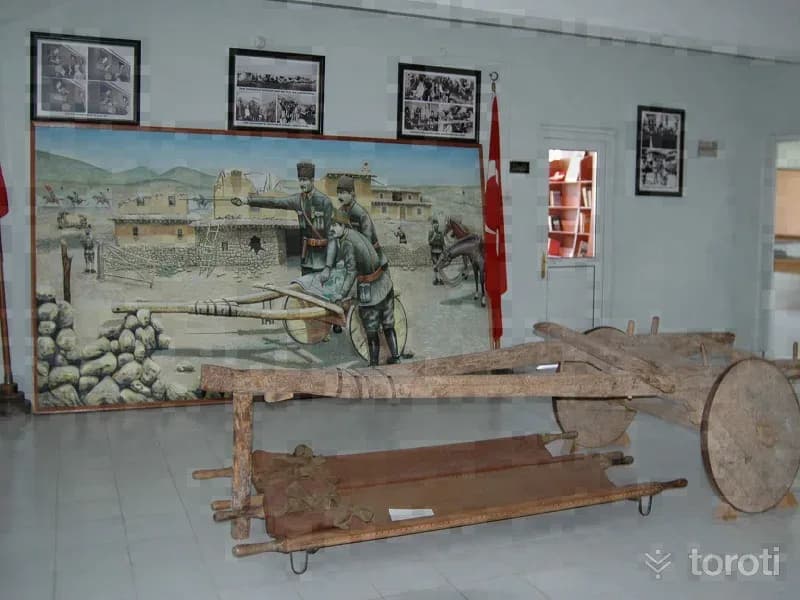
The museum, established on the lands where our War of Independence took place and built in memory of this war, was opened to visitors on 30 August 1997 with permission obtained from the Ministry of Culture and Tourism. It has the status of a private museum. Various weapons, swords, photographs, documents, vehicles and equipment from the War of Independence are exhibited in the museum.
45 minutes
Tavşanli Belediye Müzesi
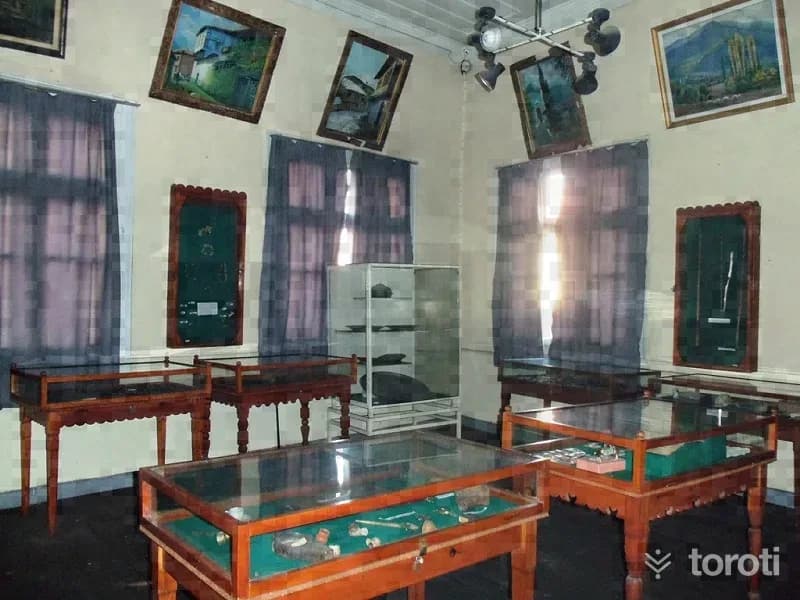
It was opened to visitors on 22.02.1989 with the permission of the Ministry of Culture and Tourism and has the status of a private museum affiliated with Tavşanlı Municipality. It serves on the second floor of the registered mansion, an example of civil architecture, which was used as the old municipal building. Ethnographic and archaeological cultural and natural assets belonging to the region are exhibited.
45 minutes
Yeşil Camii
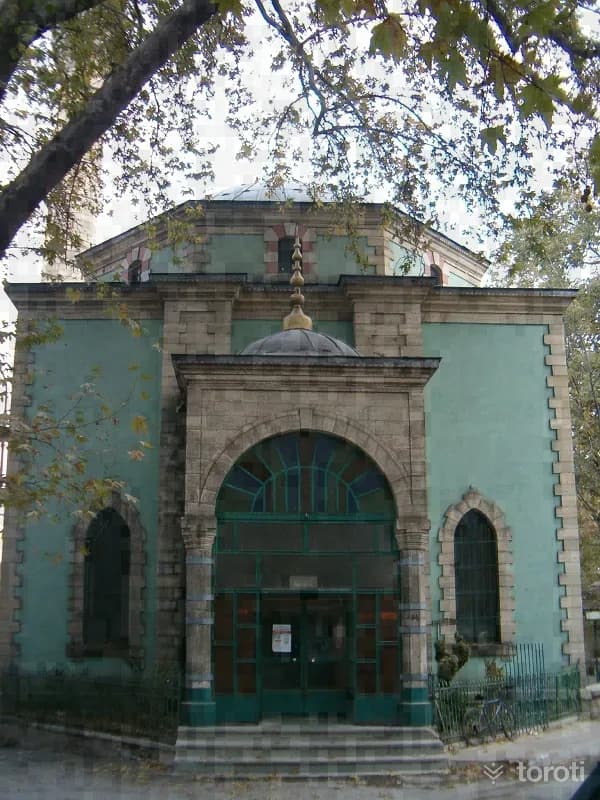
It was commissioned by Kütahya Mutasarrıfı Fuat Paşa in 1905. Its minaret with a kiosk-type balcony is the only example in Kütahya. The entrance in front of the square-planned, single-domed mosque has two columns and is domed. The interior decorations of the mosque are adorned from the dome to the ceiling with hand-drawn ornamentation, reliefs, oil-paint decorations, vegetal motifs and geometric shapes.
45 minutes
Şaphane Kocaseyfullah Cami
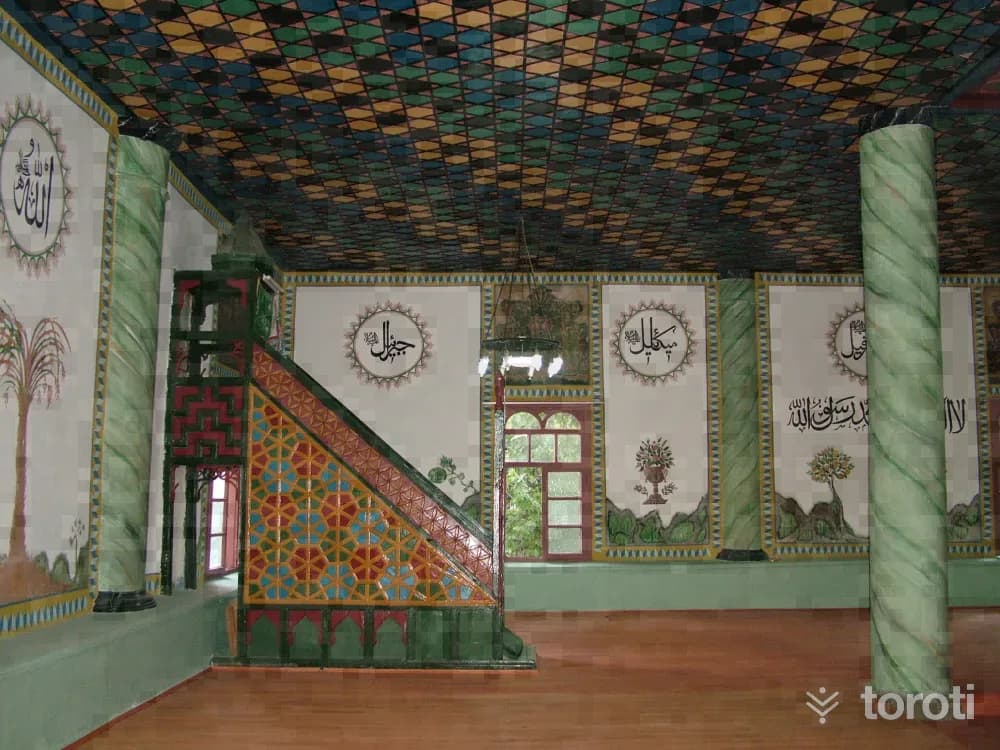
In Şaphane District, there is Kocaseyfullah Cami, one of the finest examples of wooden architecture with historical and cultural value. It is estimated that Koca Seyfullah Cami, which has a history of approximately 700 years, was commissioned by the Germiyanoğlu Principality, and the mosque also serves as an observatory.
45 minutes
Arkeoloji Müzesi
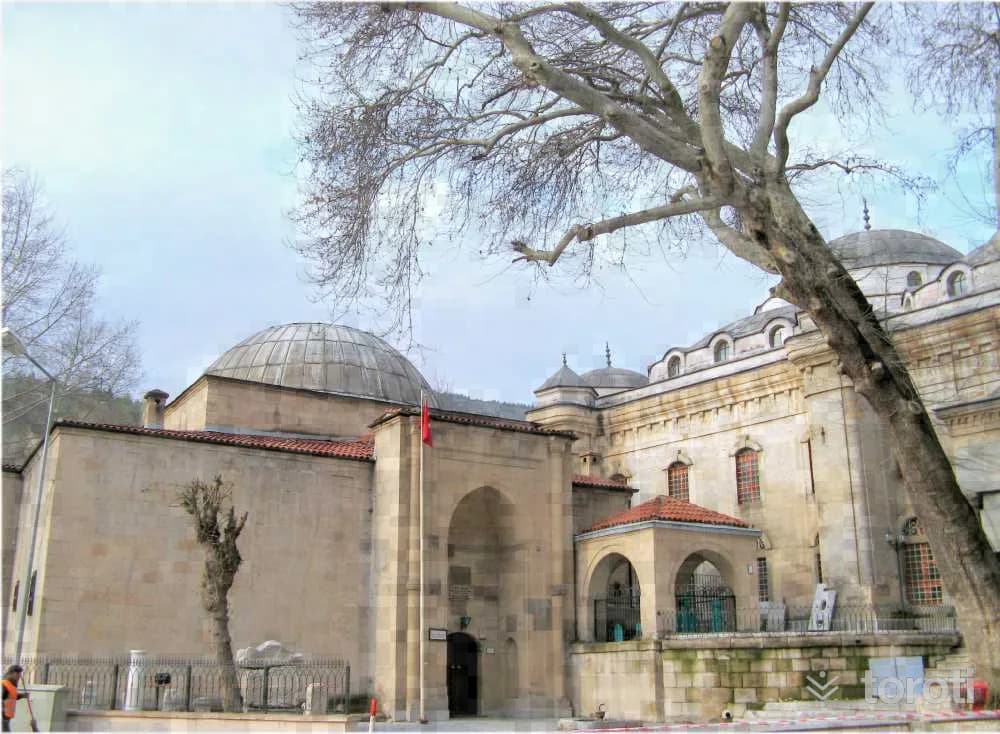
The madrasa building was commissioned in 1314 by Umur bin Savcı, one of the Germiyan beys. It is also known as Vacidiye Medresesi. The entrance of the structure, built of cut stone, reflects the characteristics of Seljuk art. In the display cases in the museum, works from the Late Miocene period onward, belonging to the Paleolithic, Chalcolithic, Early Bronze, Hittite, Phrygian, Hellenistic, Roman, Byzantine, Seljuk and Ottoman periods, are exhibited.
45 minutes
Emet Yeniceköy Kaplıcası
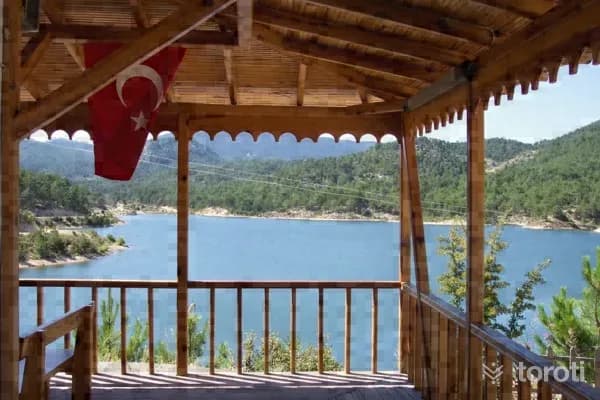
Location: Yenice Town, which is connected to Emet district of Kütahya province, is 12 km to the south-west of Emet district center. Diseases It Is Effective For: It is especially good for itching, skin and allergic diseases, psoriasis, calcification, and rheumatic diseases among the public. It is also known to be beneficial for the rapid healing and closing of wounds.
45 minutes
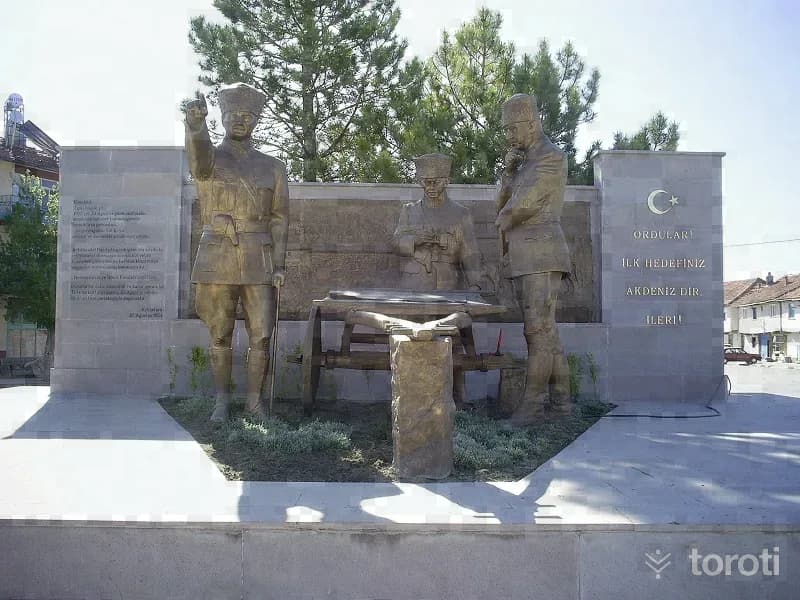
Kirik Kağni Ve ÜÇ Komutan Anıti
It symbolizes the moment when Commander-in-Chief Mustafa Kemal Atatürk, after touring the battlefield on 31 August 1922, made the final assessment of the situation with İsmet Paşa and Fevzi Paşa in the courtyard of a ruined house in Çalköy, on a broken ox cart. The monument was commissioned in 2007.
45 minutes
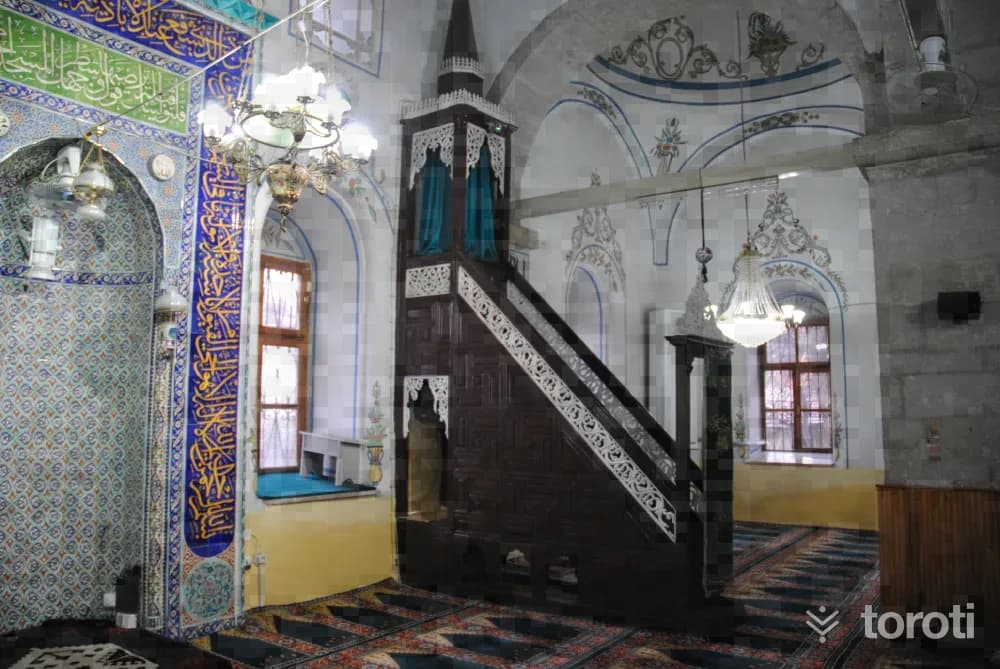
Tavşanli Ulu Cami
The structure, whose construction technique recalls early Ottoman works, has no inscription. It was built of cut stone with tie beams in between. In the middle, a large central dome was placed on angular and four-pier arches, and eight small semi-domes were set around its sides.
45 minutes
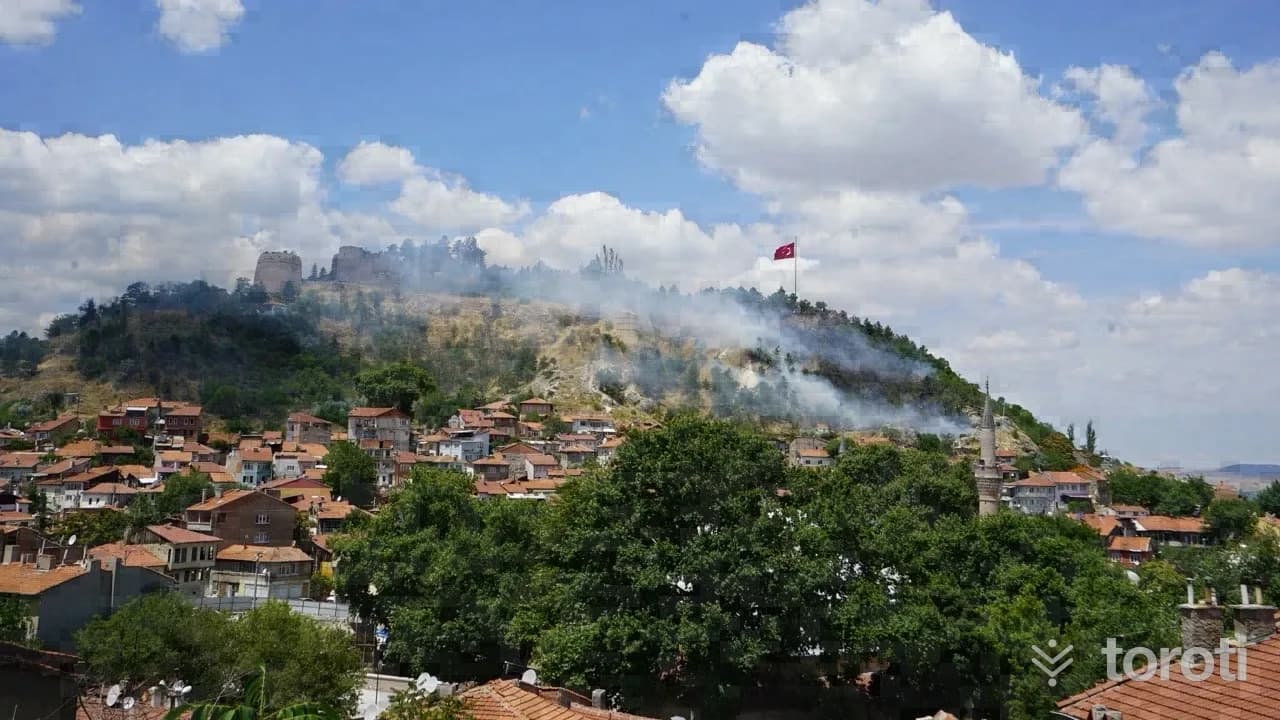
Kütahya Kalesi
The castle, which has been inhabited since ancient times, was strengthened with the walls built by the Byzantines in the 5th century and with repairs and additions made by the Seljuks, Germiyanoğulları and the Ottomans. The bastions of the castle, which consists of three sections as the upper, inner and lower castle, are frequently placed and are made of a mixture of rubble and cut stone with rows of brick.
45 minutes
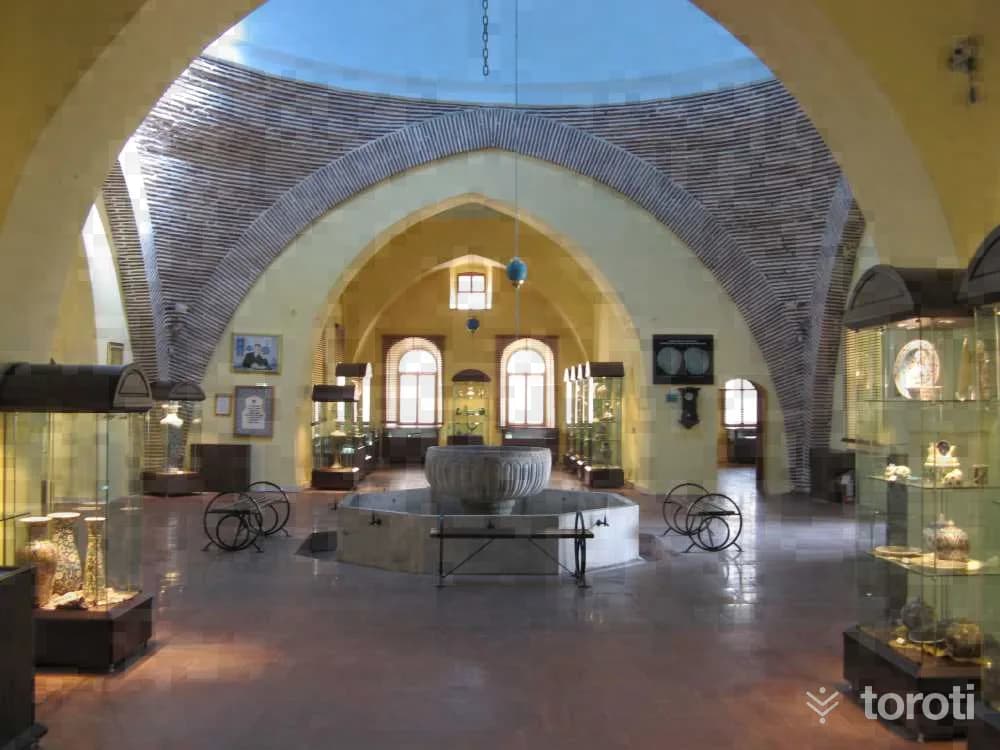
Çini Müzesi
The museum is the first and only tile museum in Türkiye. The imaret and tomb section of the külliye, consisting of an imaret, madrasa, masjid, library and bath, commissioned in 1411 by Germiyan Beyi II. Yakup Çelebi (1387 -1429), was restored by the Ministry of Culture and Tourism as a tile museum and opened to visitors in 1999.
45 minutes
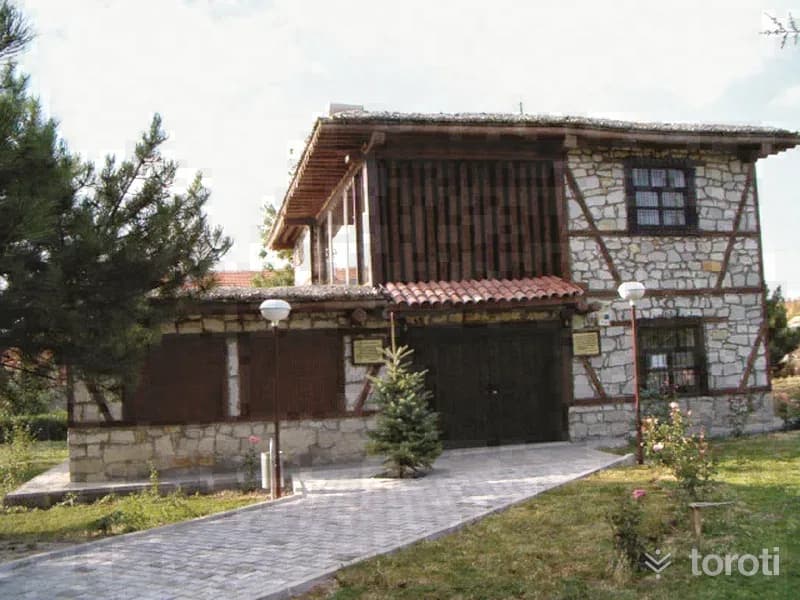
Dumlupinar Atatürk Karargah Evi
This house, which Gazi Mustafa Kemal used as headquarters during the War of Independence, was rebuilt true to the original and opened to visitors as Atatürk Karargâh Evi on 30 August 2003.
45 minutes
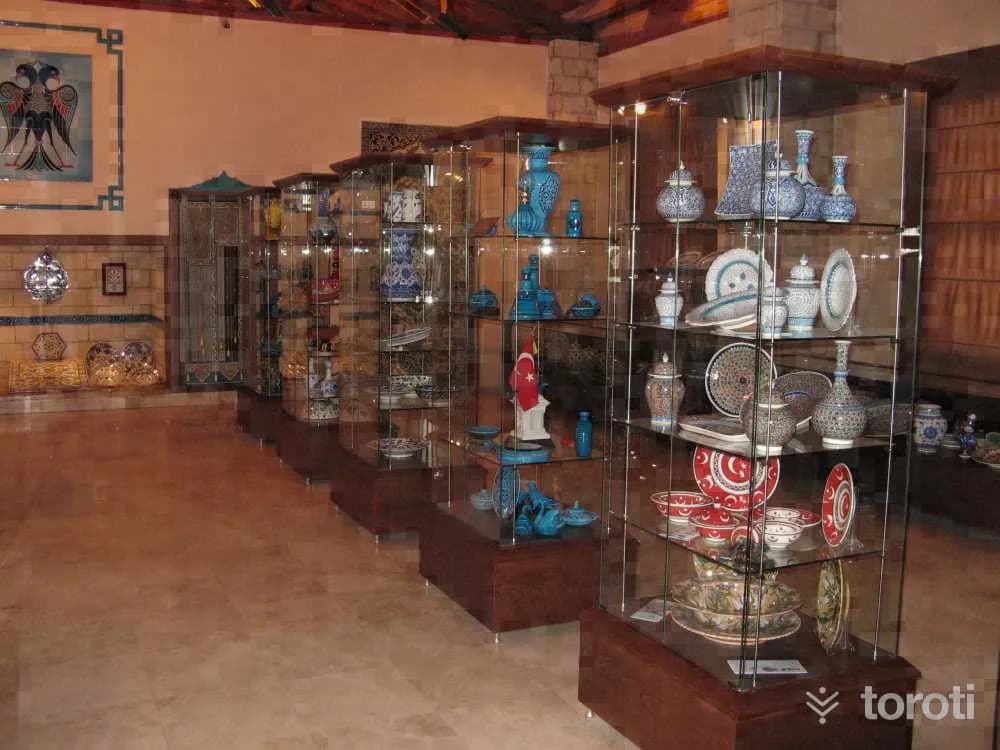
Anadolu Kültür Sanat ve Arkeoloji Müzesi
It was created by arranging the old aircraft hangar. In the museum, the stone works of Kütahya Museum, the museum's own archaeological artifacts, coins, tiles, and oil paintings by artists from Kütahya are exhibited. The museum was opened to visitors in 2005.
45 minutes
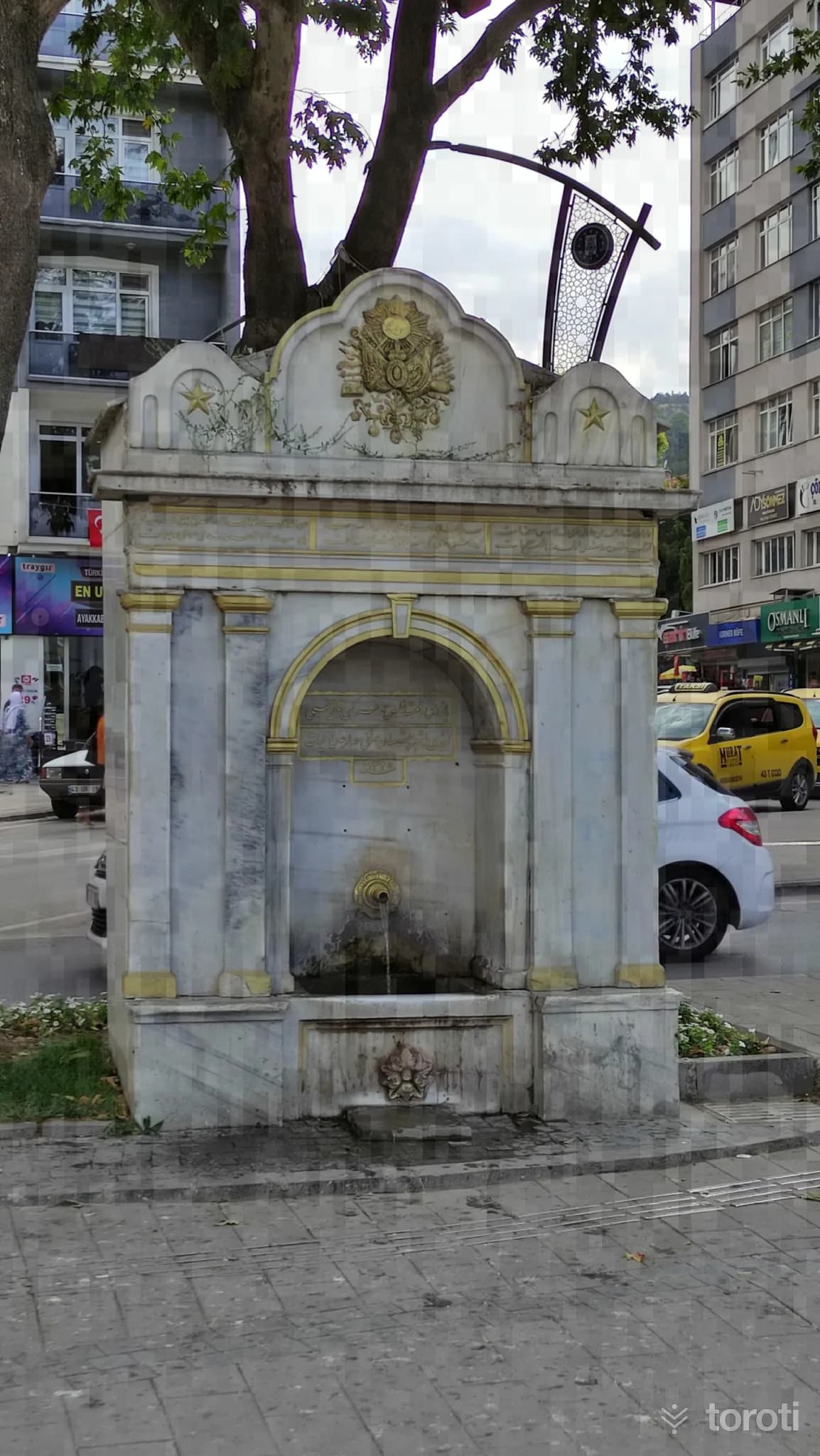
Hürriyet Çeşmesi
In the middle of the three-part pediment is the imperial coat of arms with tughra, and on both sides and in the middle of the trough are five-pointed star reliefs. Under the pediment, which ends with a two-line inscription, there is a deep, locked round arch.
20 minutes