Places to visit
Things to do in Kırklareli
50 destinations, each with a description, how long it takes and where it sits on the map.
In short
toroti’s catalogue holds 50 described destinations within Kırklareli. The themes that come up most: Local culture, Faith heritage, History, Nature, Coast.
Districts of Kırklareli
Kapan Çeşmesi / Sali Yeri Çeşmesi
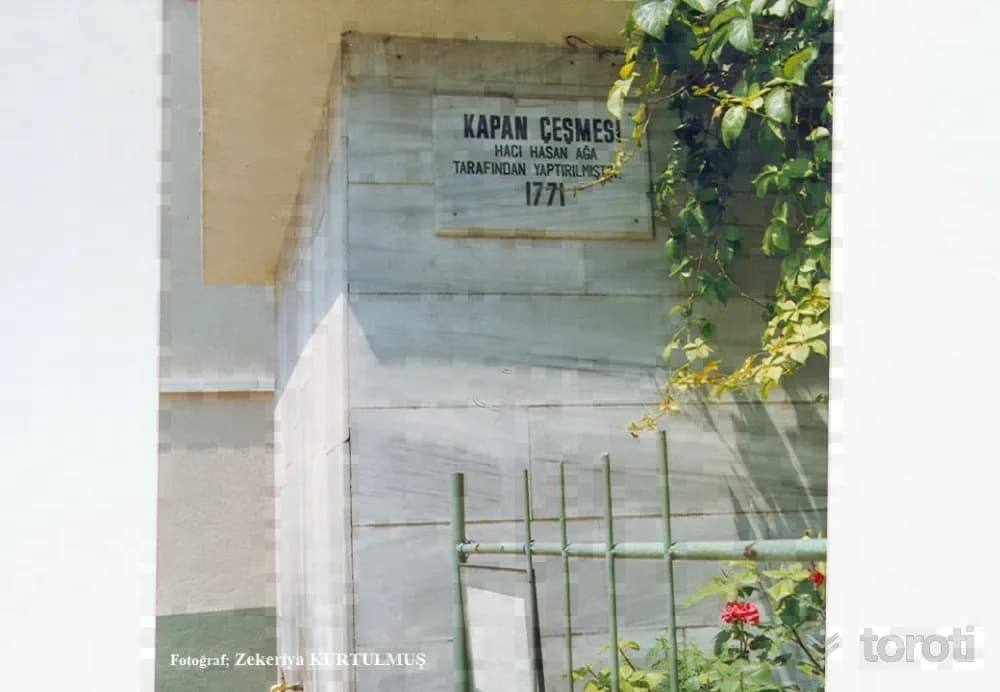
It was commissioned in 1771 by Kayserili Hacı Hasan Ağa in Karakaş Mahallesi, adjoining the courtyard wall of Kapan Camii. (Kırklareli İl Yıllığı, 1967) As a result of the repairs it underwent, the fountain was clad in marble and today it has lost its originality.
45 minutes
Vize Yeni Camii
Vize Yeni Camii: It was built in Bulaca Mahallesi between 1949-1955 with the help of the local people. There had previously been a church on its site. It has a square plan, regular cut küfeki stone walls, a round drum, and a wide high dome. The mosque, which has a single-balcony minaret, is open for worship.
45 minutes
Mağara Manastırları
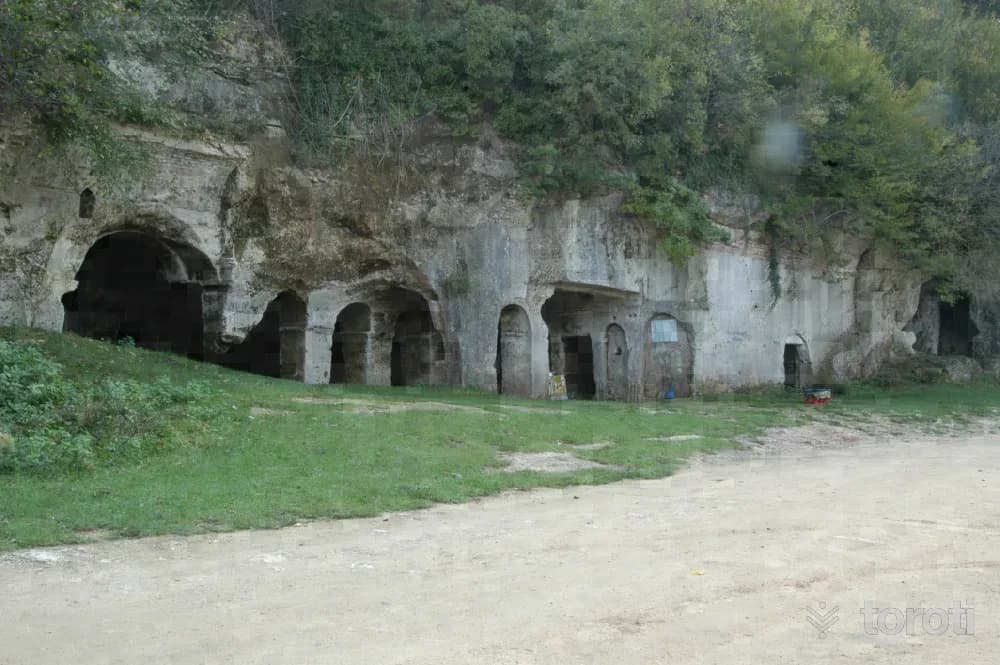
: In the Vize Asmakaya locality, they are works from the Byzantine Period. They were formed by making use of a number of naturally aligned caves, shaped by the workmanship of stone masters.
30 minutes
Lüleburgaz Sokullu Mehmet Paşa Külliyesi
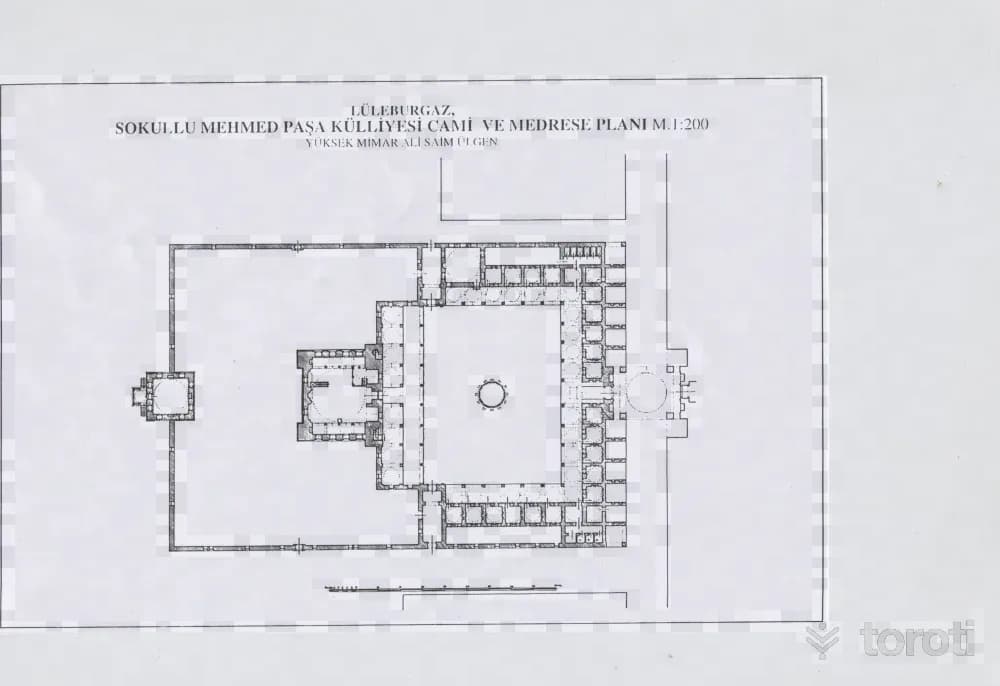
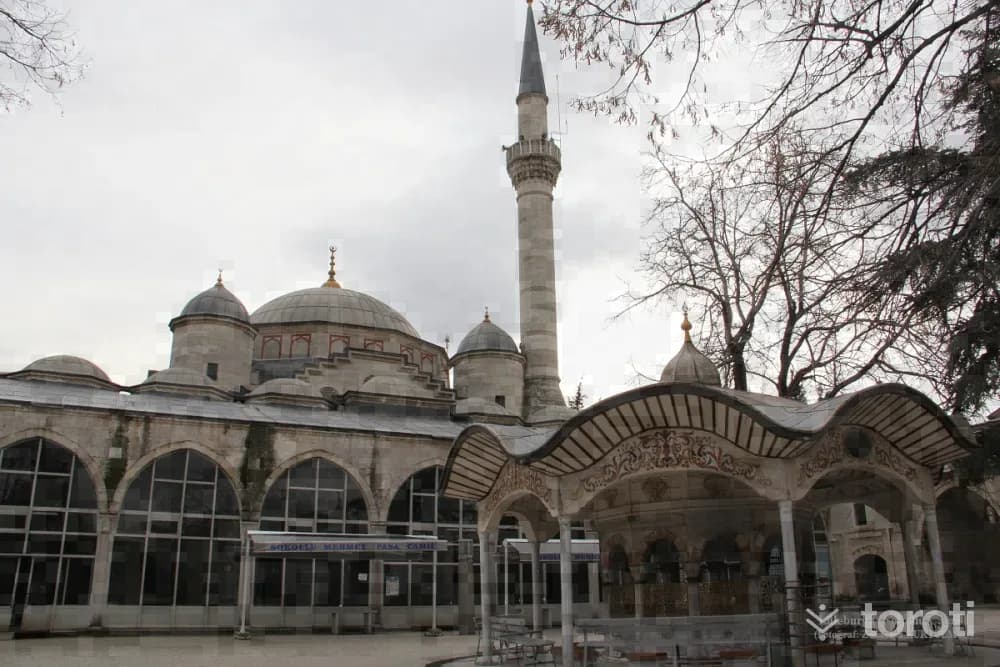
Lüleburgaz Sokullu Mehmet Paşa Külliyesi is spread over a very large area at the entrance to the Lüleburgaz district. Built in 1569-1570 (H.977) for worship, trade and education, the külliye displays the characteristics of a complex with its mosque, arched shops, inn, bath and madrasa. However, having been subjected to various damage, the külliye today appears almost as a group of structures independent from one another.
45 minutes
Kırk Şehitler Anıti
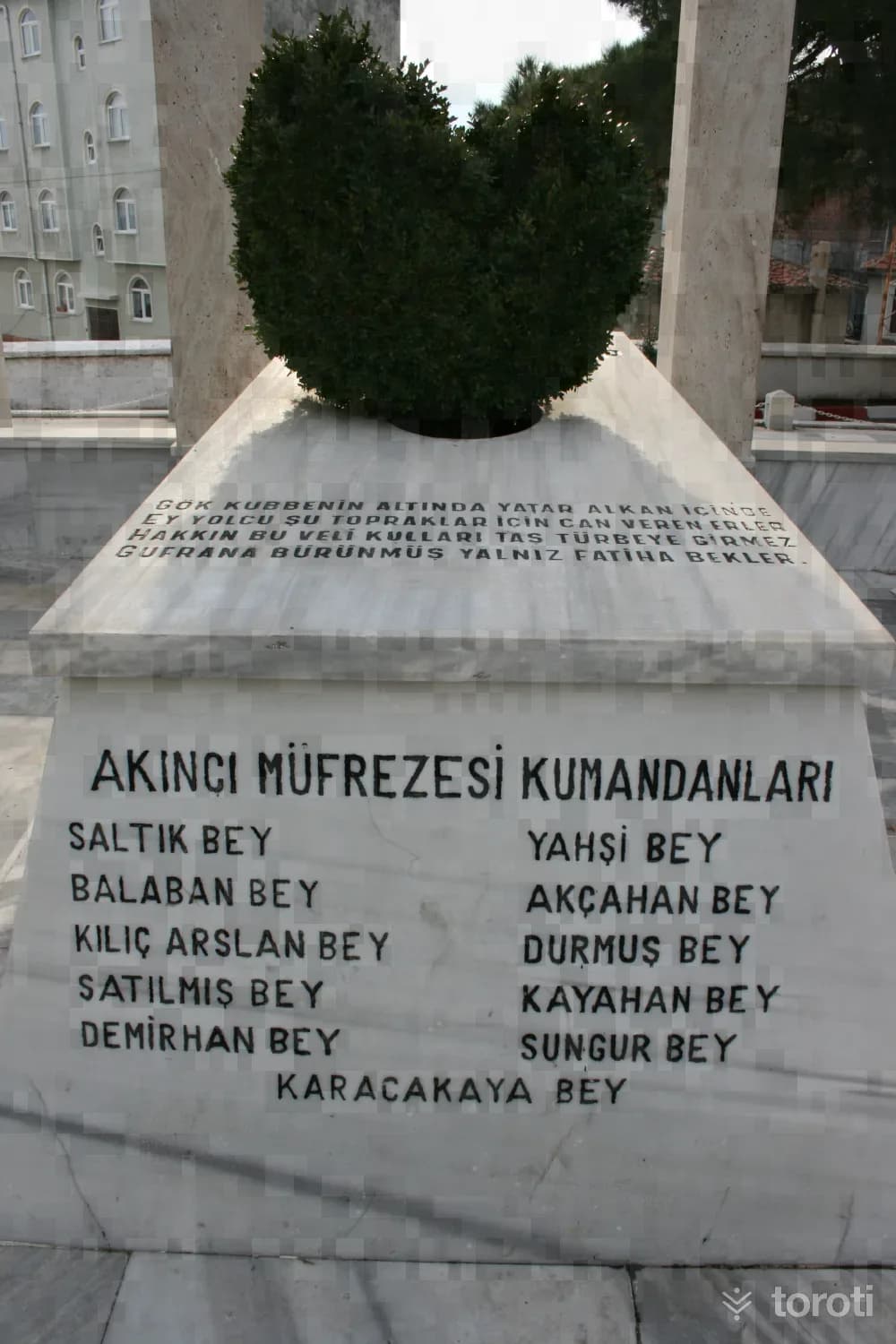
The Kırk Şehitler Monument, located on Yanık Kışla Caddesi, at the place called Kırklar Tepesi, was built in 1960 by the Kırklareli Development Association, which was founded in 1952. By the same association, a primary school and also a mosque were built next to the monument. All three structures built by the association bear the name Kırk Şehitler. The Kırk Şehitler Monument, in the spring of 1363 (Sultan I.
45 minutes
Lüleburgaz Sokullu Camii
The mosque was positioned so as to correspond to the middle of the Sıbyan Mektebi to the south and the bazaar and madrasa to the north. The mosque has three entrances. The main entrance is the one under the central dome on the north side of the mosque. The other two entrances are through two opposite doors near the last congregation area on both sides of the courtyard and through a long corridor. The mosque courtyard is entered through these corridors. At the end of the corridors there is a vertical door with a shallow arch, and above them are two domed rooms.
45 minutes
Kırklareli'nin Tarihi Çeşmeleri
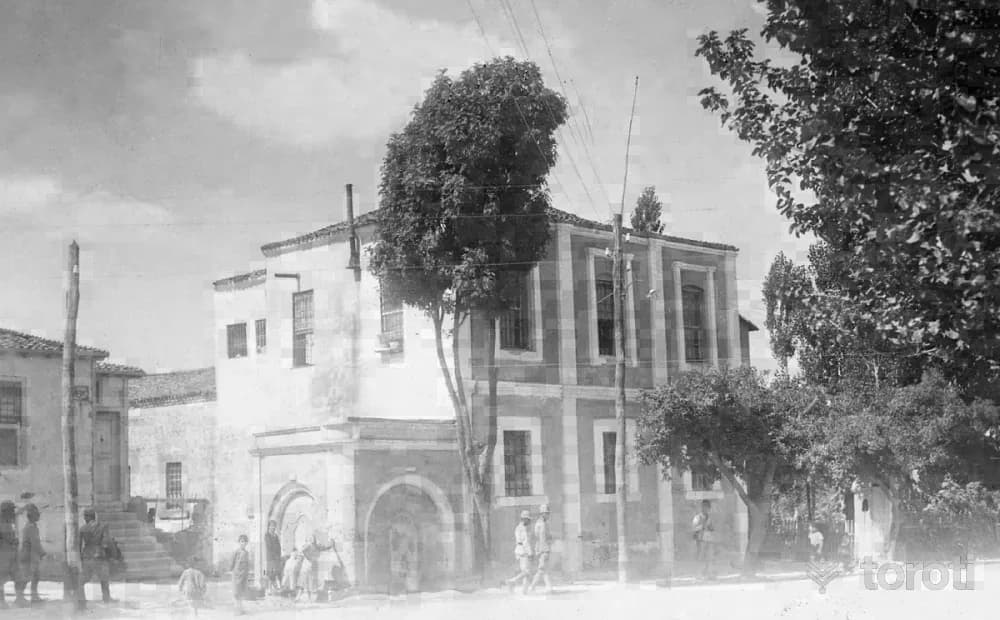
In Kırklareli city center, according to existing written sources, it has been determined that there were 15 traditional neighborhood fountains; however, 4 of these fountains were demolished as a result of the works carried out by Kırklareli Municipality. Of the fountains that have survived to the present day, two were moved to a different location, and four have largely lost their original condition as a result of the repairs they underwent.
45 minutes
Tümülüsler
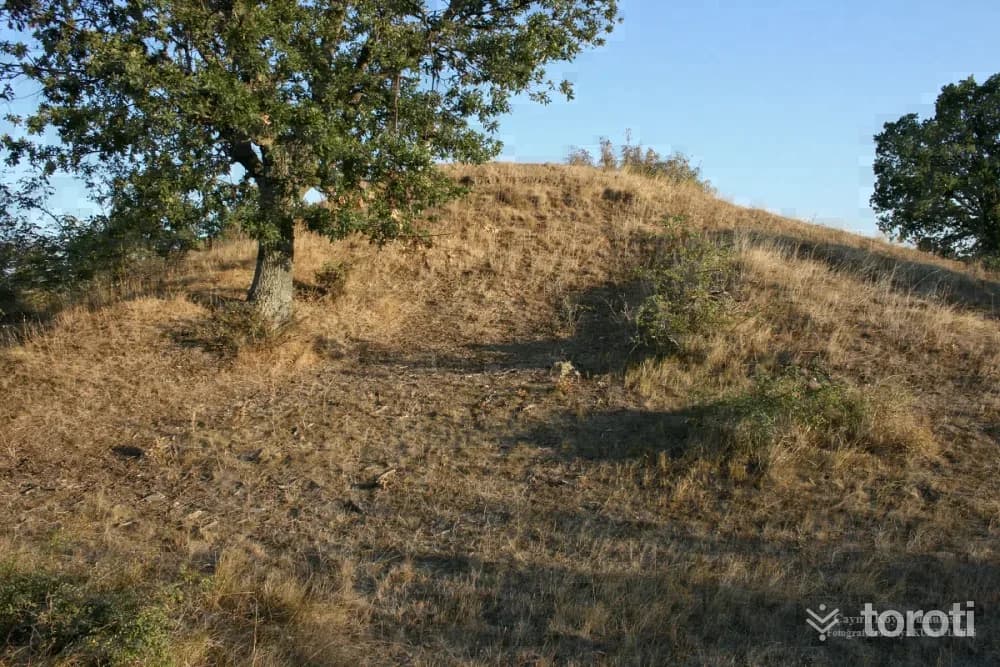
Within the provincial borders of Kırklareli, around 200 tumuli have been identified so far. It is estimated that these monumental tombs, which are undergoing a rapid process of destruction, numbered more than 400 until recent times. In general, the Kırklareli tumuli, which have a diversity that would set an example for the whole of Thrace, from the end of the Bronze Age (14th-13th centuries B.C.), A.D.
45 minutes
Lüleburgaz Zafer Çeşmesi
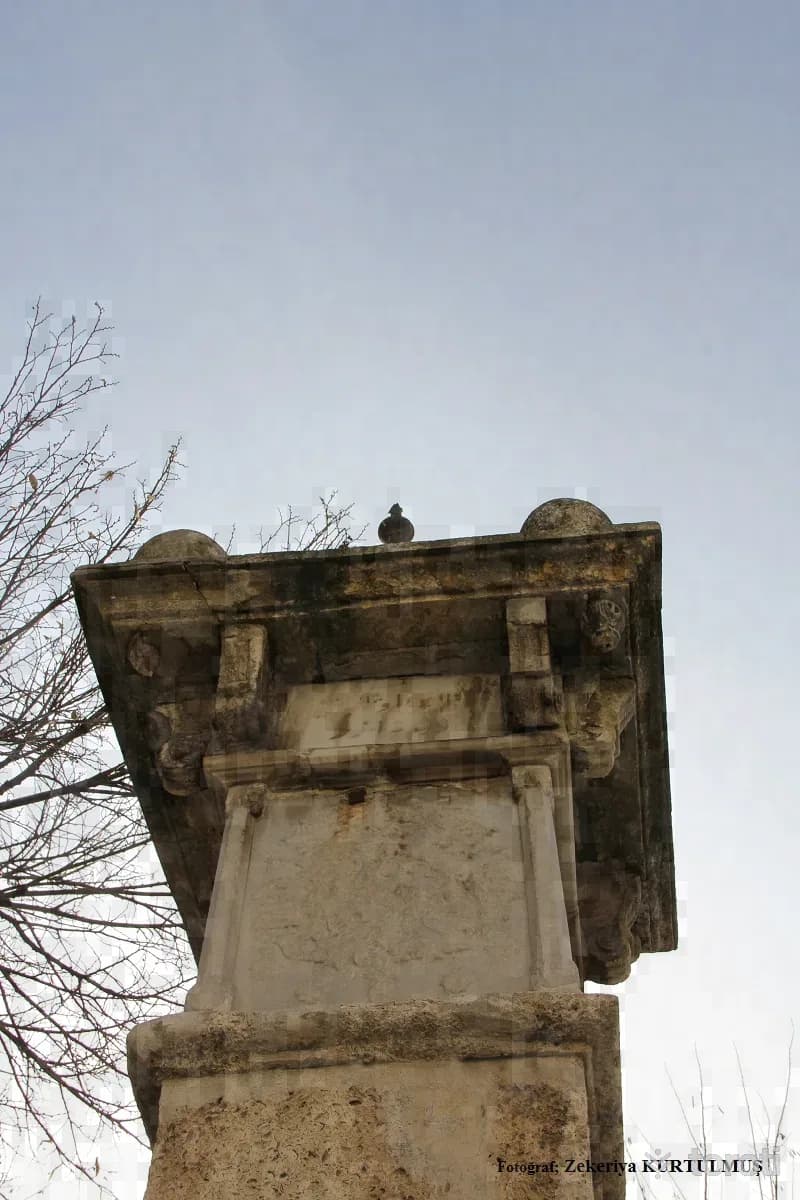
Lüleburgaz Zafer Çeşmesi was built in 1917 A.D. (1333 A.H.), during the years when World War I was continuing. It was damaged during the Greek occupation between 1920-22 and was restored in accordance with the original in 1962. However, in 1990 it was demolished as a result of a traffic accident when a truck hit it, and it was rebuilt. We learn from newspaper sources that this construction was commissioned by Edirne Governor Hacı Adil Bey.
45 minutes
Lüleburgaz Sokullu Mehmet Paşa Kervansarayı
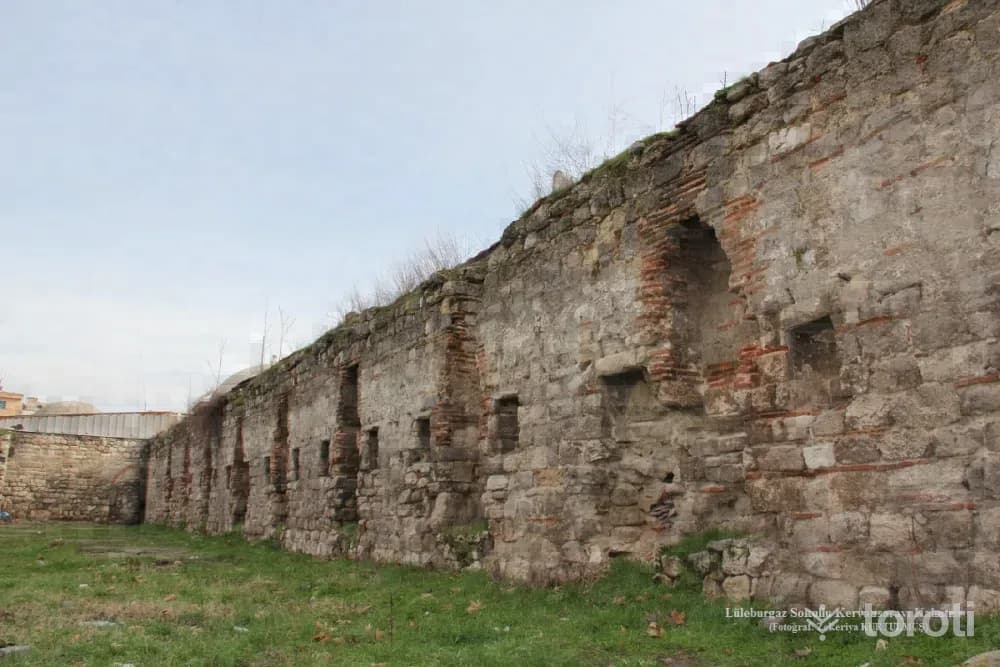
Lüleburgaz Sokullu Mehmet Paşa Caravanserai was built together with the tabhane and imaret to the north of the külliye when it was first constructed. It was demolished in 1935 in order to make way for a road. Today, on the wall adjoining the arasta wall, hearths and wall niches, the monumental gate, and a rectangular structure to the west of the entrance section whose exact function is not understood have survived. In Evliya Çelebi's Seyahatname, he writes the following about the caravanserai.
45 minutes
Kocahidir Çeşmesi
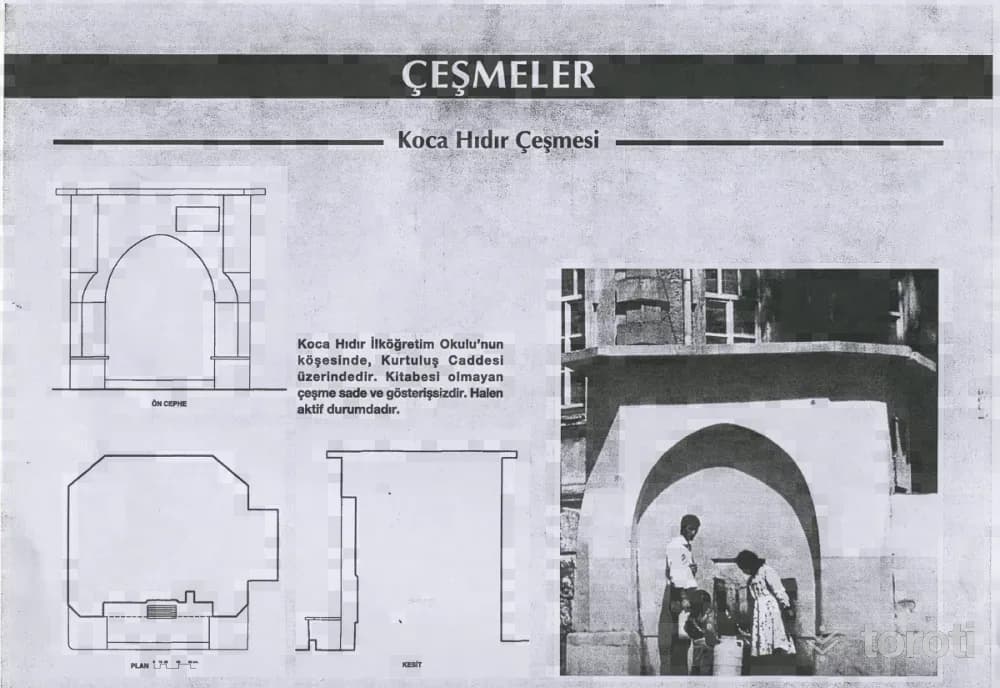
The fountain was commissioned in 1905 by Kayserili Hacı Hasan Ağa on the old Istanbul road (Altuntaş, 1995). Located in Kocahıdır Mahallesi, the fountain, which was placed at the southwest corner of the courtyard wall of Kocahıdır İlköğretim Okulu, was built as a single-faced wall fountain. While the corners of the fountain, which has a rectangular plan scheme, are chamfered, this chamfering on the front facade begins from the level of the arch springing.
45 minutes
Pehlivanköy Akarca Köprüsü
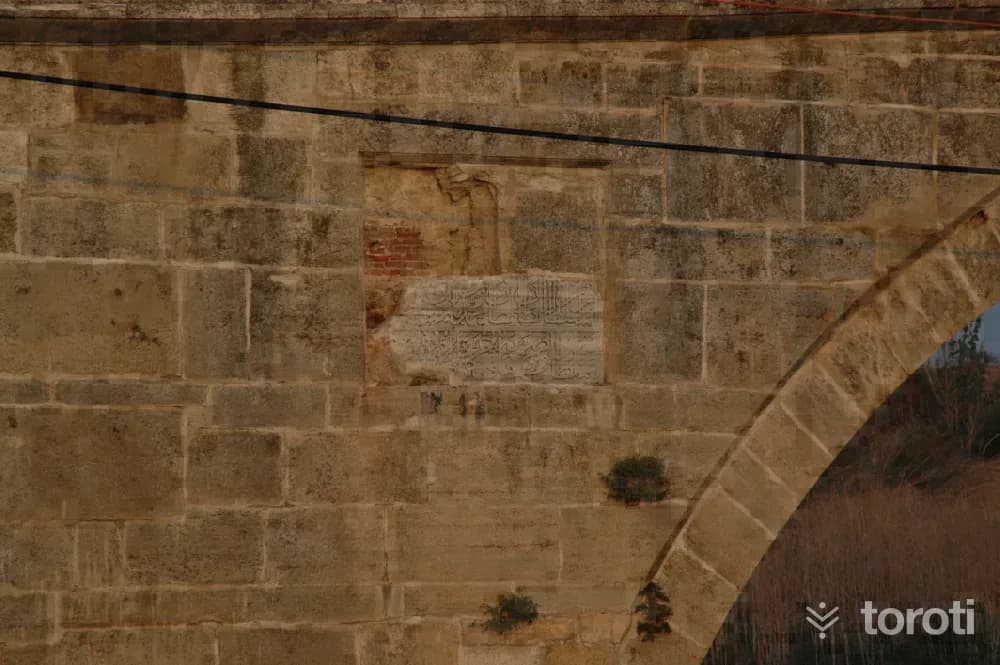
It is located on the Ergene River at the entrance to Pehlivanköy from the Uzunköprü side, on the Uzunköprü-Pehlivanköy-Edirne road route. It was built in order to cross the abundant waters of the Ergene River, which appeared as an obstacle during the expansion of the Ottoman State from Anatolia to the Balkans. The bridge, built with a total of 7 arches, with round-arched openings formed around the large central arched opening, is still in use today.
45 minutes
Büyük Camii Çeşmesi
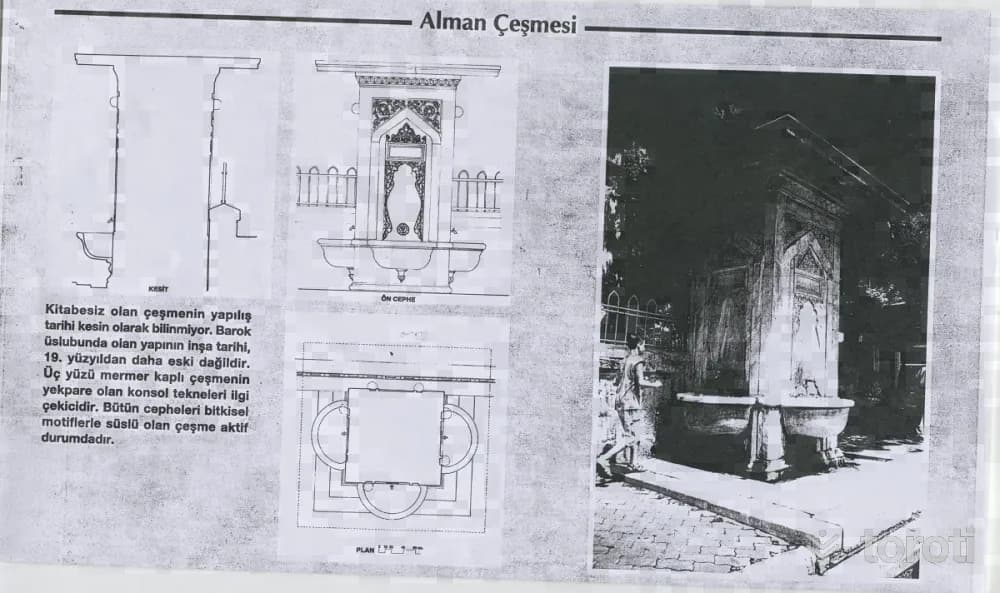
The fountain was commissioned by Hacı Adil Bey in the late XIXth century (Kırklareli Provincial Yearbook, 1967). Located in Karakaş Mahallesi, at the corner of the garden wall of Hızırbey Camii facing the market square, the fountain had previously stood in the middle of the Market Square and was later moved to its present location. Built entirely of marble with a square plan scheme, it is a four-sided square fountain.
45 minutes
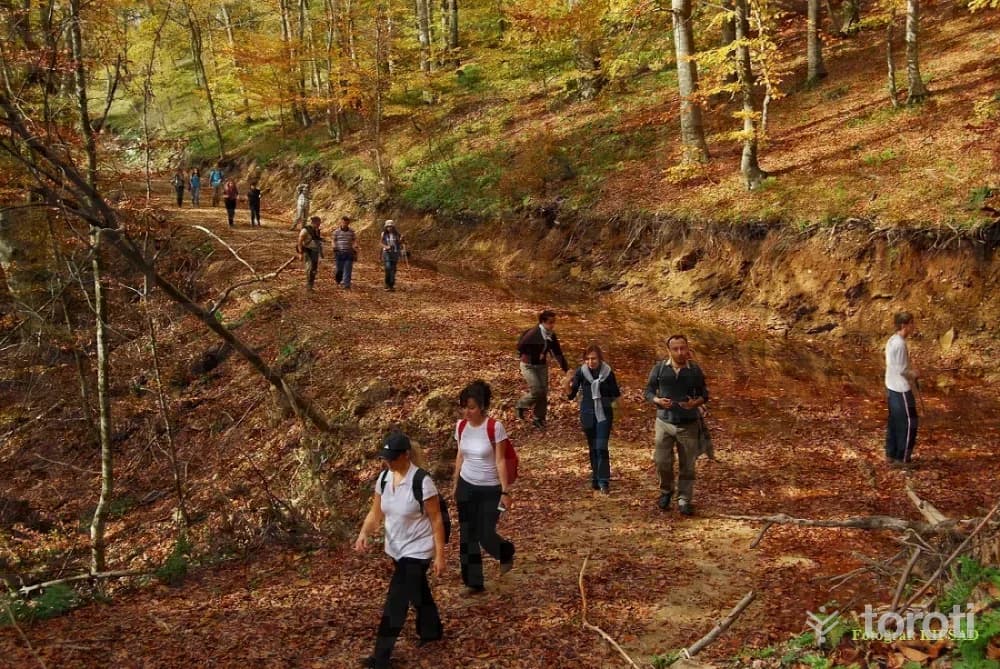
Treking (doğa Yürüyüşü)
Trekking (Nature Walk) The province’s topography offers suitable conditions for walking. In the province, within the lush green Istranca Forests, there are many places where one can enjoy walking among colorful flowers and lively birds and insects, and along stream banks. Examples of these walking routes include; 1. The approximately 9 Km. walking route between Beypınar Köyü and Dupnisa Mağarası, (Butterfly and flora diversity) 2.
45 minutes
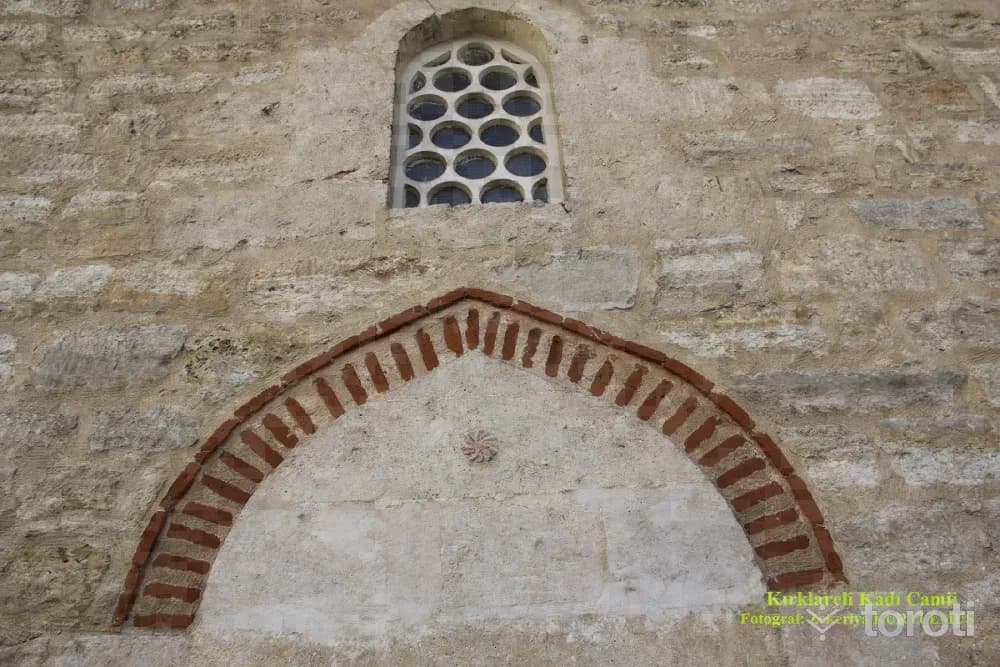
Kadi Camii
It is located in the center of Kırklareli, opposite Ahmet Mithat Primary School. The mosque, commissioned by Emin Ali Çelebi in 1577 (H.985), is still in use and has a square plan. The mosque, which is owned by the General Directorate of Foundations, has an interior area of 93 square meters on a 457 square meter plot. It has a capacity for 200 people to worship at the same time. It is called Kadı Camii because of a courthouse that was previously located nearby.
45 minutes
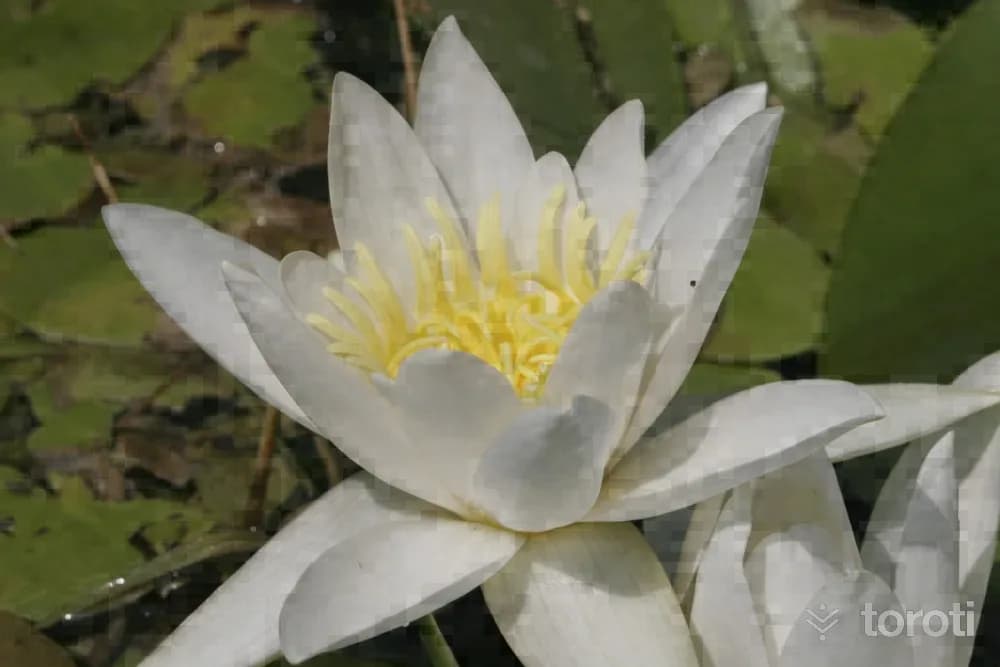
Botanik
Kırklareli constitutes a great attraction for those interested in botany due to the richness of flora it contains within its borders. In fact, of the nearly 10,000 plant species in our country, 670 species grow only in the forests of Kırklareli. According to the research of Ministry of Culture and Tourism Chief Inspector Hasan TORLAK, there are 27 varieties of endemic plants in the region.
45 minutes
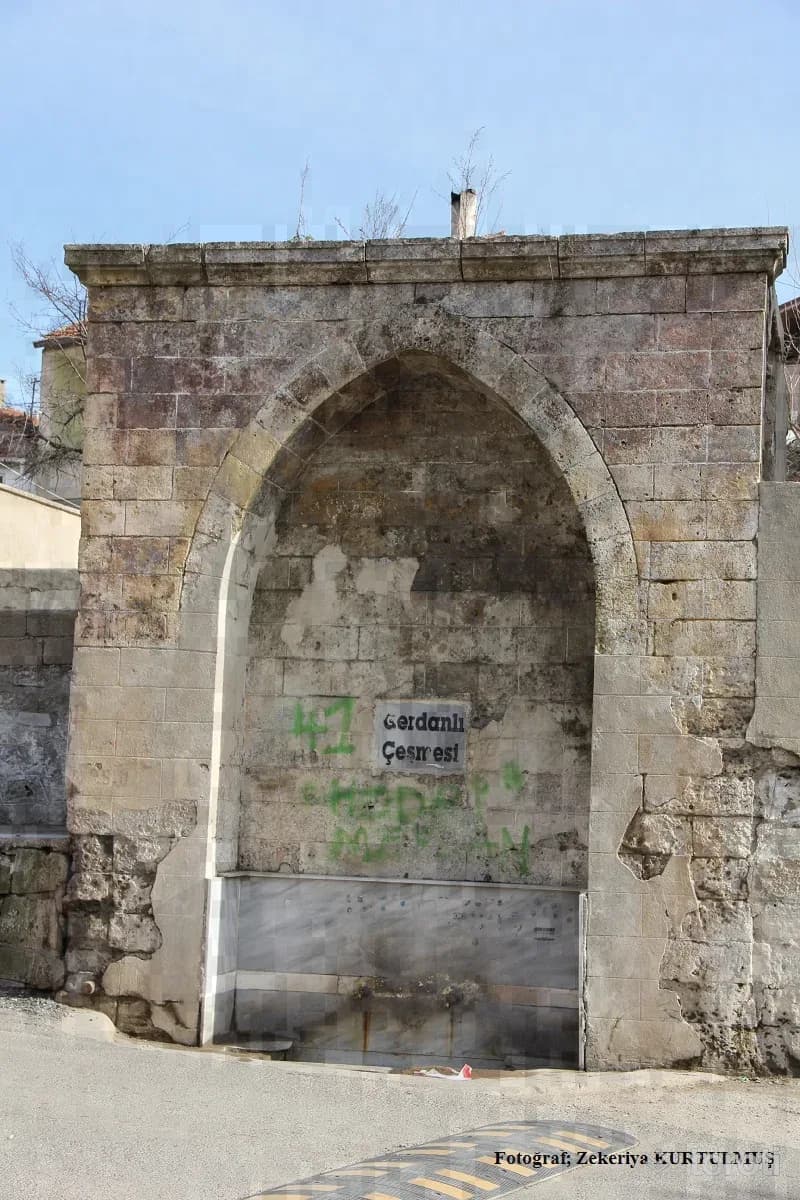
Gerdanli Çeşmesi
Doğu Mahallesi’nde bulunan çeşme, XIX. yüzyılın sonlarında yapılmıştır. İki cepheli bir meydan çeşmesi iken günümüzde yalnızca bir cephesi kullanılmaktadır.
45 minutes
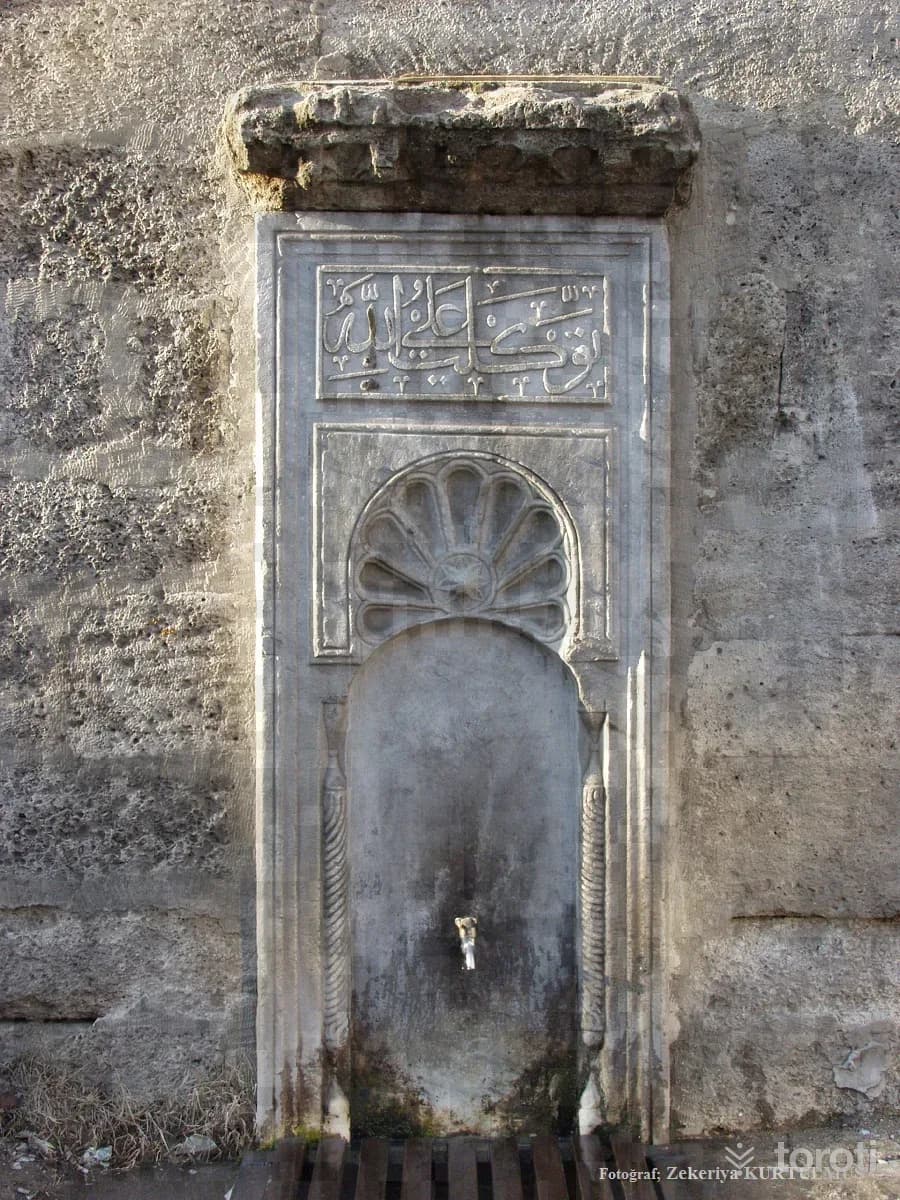
Lüleburgaz Çarşı Çeşmesi
In the middle of the square located in the neighborhood formerly known as Cedidi Müslüm Bey Mahallesi, on present-day Turgut Bey Caddesi, it was built in 1667 (H.1078) as a square fountain by the Ottoman sultan IV. Mehmet, and for this reason it is also known as IV. Mehmet (Avcı) Çeşmesi and Orta Çeşme. It is still intact and functioning, and on the facade panel there is the original five-line construction inscription in talik script. It is four-cornered and four-faced, and is a square-shaped square fountain on each side.
45 minutes
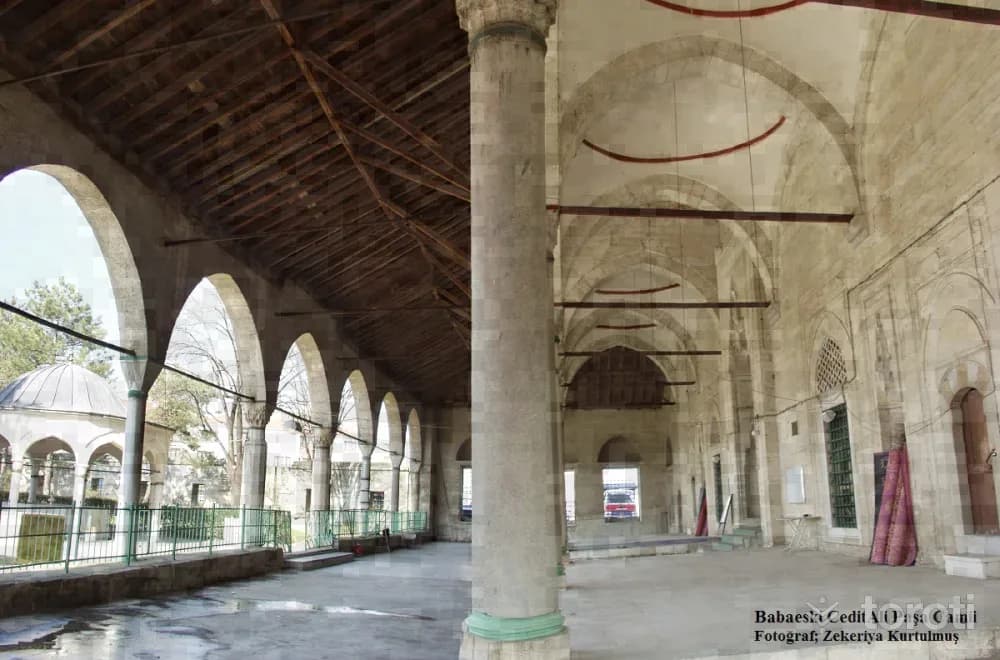
Babaeski Cedid Ali Paşa Camii
It is located in Babaeski District, next to the İstanbul-Edirne highway. It was commissioned by Cedid Ali Paşa to Koca Sinan in 1555 (H.962). This structure, which is still used as a mosque, underwent a major repair in 1832. It has a four-line Turkish construction inscription and a ten-line repair inscription. Built on a square plan using cut küfeki stone, it is covered with a large lead-clad dome.
45 minutes
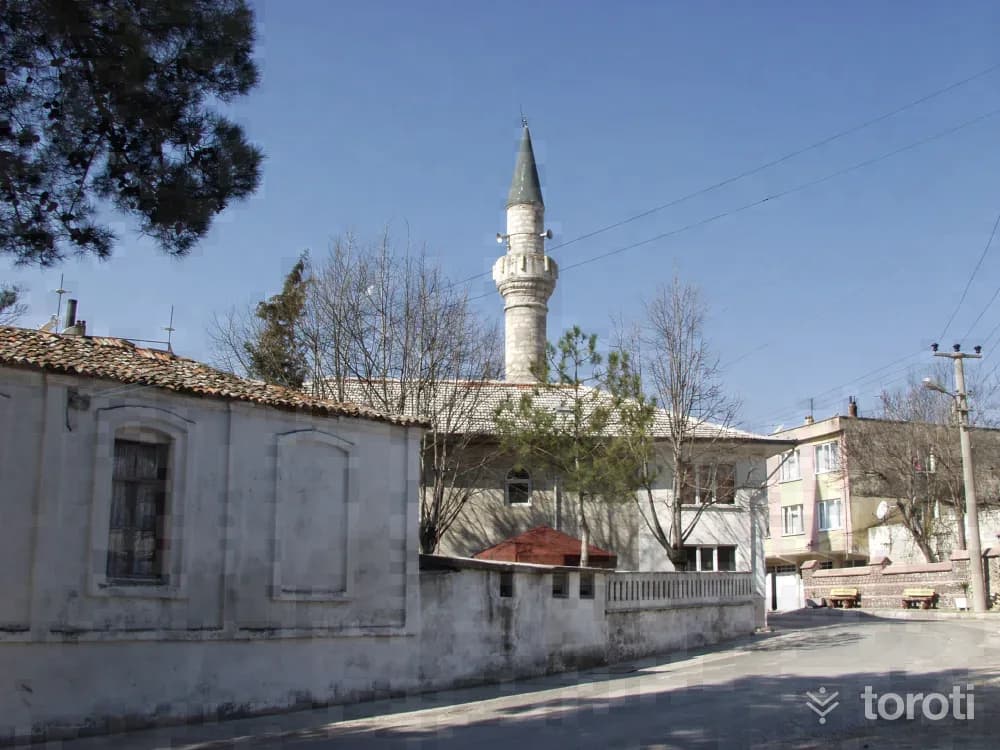
Pinarhisar Hundi Hatun Camii / Cami-i Kebir
The structure built in the 15th century in Cami-i Kebir Mahallesi was later demolished. The present mosque was built in 1962 on a 410 square meter plot with a 127 square meter prayer area, with the contributions of the people of Pınarhisar district. It is sound and open for worship. Although it was originally square-planned, it later gained a rectangular appearance when the congregation area was enclosed. The walls are made entirely of cut stone.
45 minutes
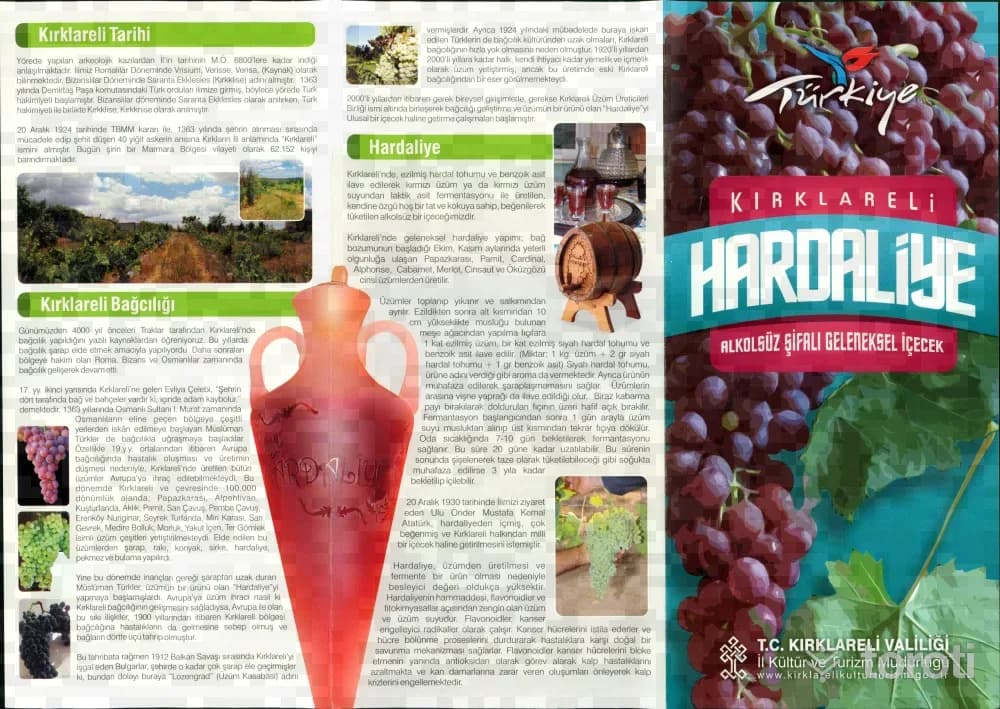
Gastronomi
Gastronomy Gastronomy tourism, which can be defined as visits made by people with special interests in taste to places they are interested in in this sense, is also among the types of tourism that attract tourists to Kırklareli, if not independently, then together with other types of tourism.
45 minutes
Alpullu Köprüsü / Sinanli Köprüsü
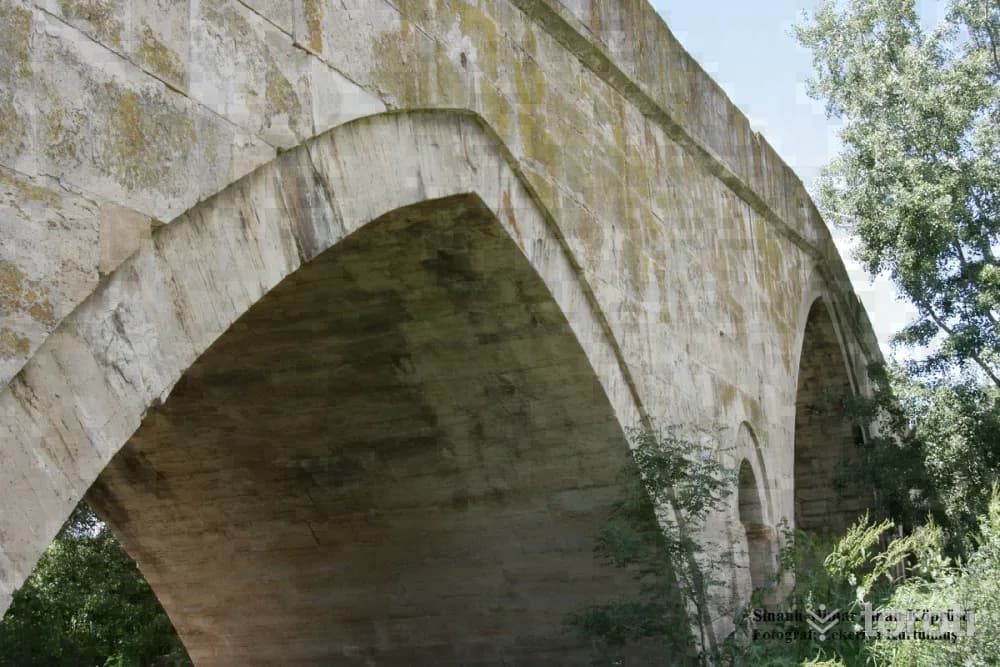
Located at the entrance to Alpullu from the Hayrabolu side, on the Tekirdağ-Edirne highway, it was built by Mimar Koca Sinan for Sokullu Mehmet Paşa in the mid-16th century. This road is also the trade route between Tekirdağ and Edirne. It is Mimar Koca Sinan’s most magnificent monumental bridge. It has pointed arches. Koca Sinan also used the 76 cm perimeter stones forming this large arch as single stones. Arch stones of this width are not found on any other bridge.
45 minutes
Lüleburgaz Kadi Ali Camii / Gazi Camii
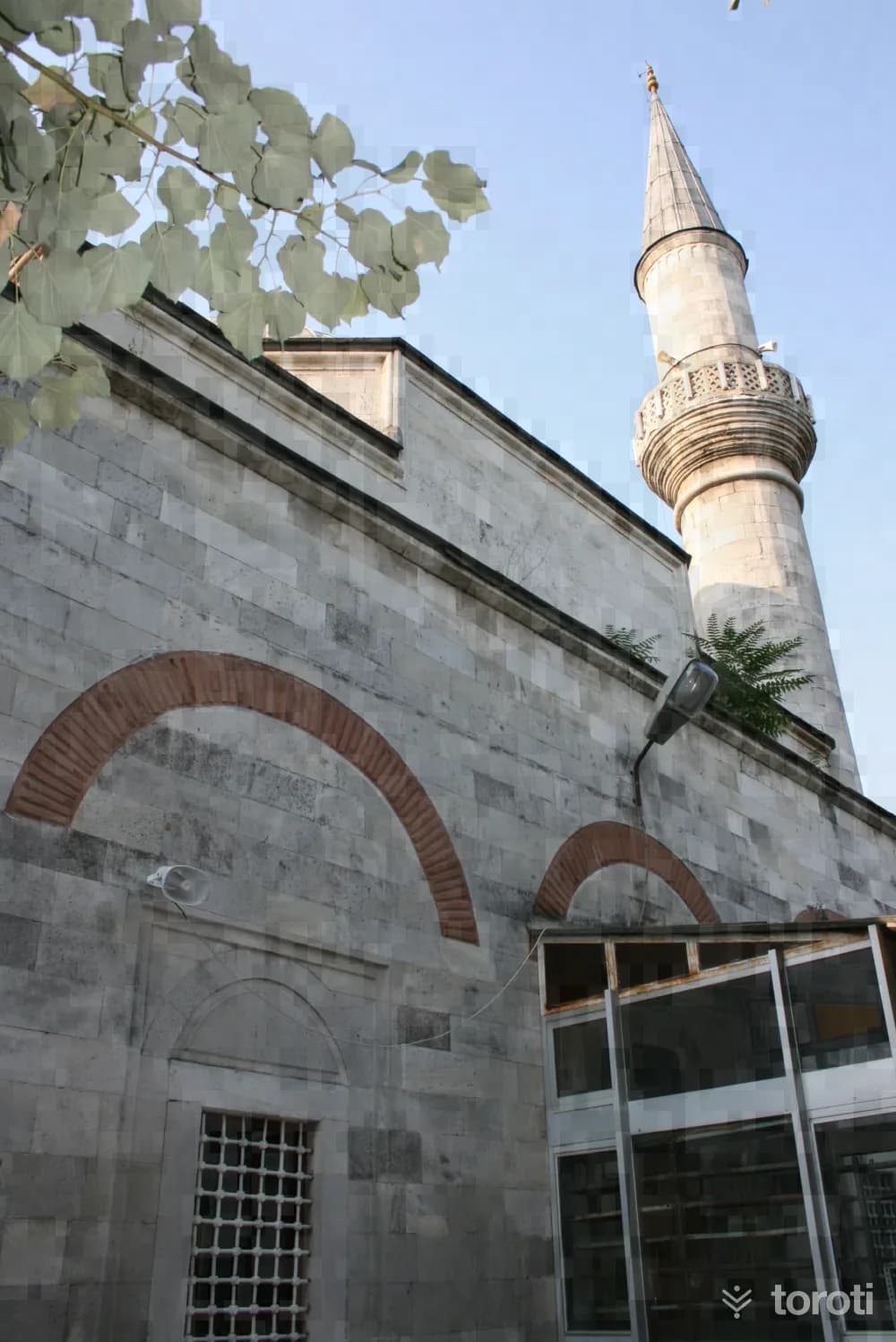
Lüleburgaz Kadı (Gazi) Ali Mosque: It was commissioned by Hacı İlbeği in the years 1360-1363, during the reign of Ottoman Sultan Murat I, in the name of his son Gazi Ali Bey. It is located at the entrance to Lüleburgaz from the direction of Edirne, opposite the Lüleburgaz Sokullu Mehmet Paşa Bridge. It was built with stones brought from Pınarhisar, with a square plan and a single minaret. It is still open for worship.
45 minutes
Koyunbaba Köyü Kilisesi
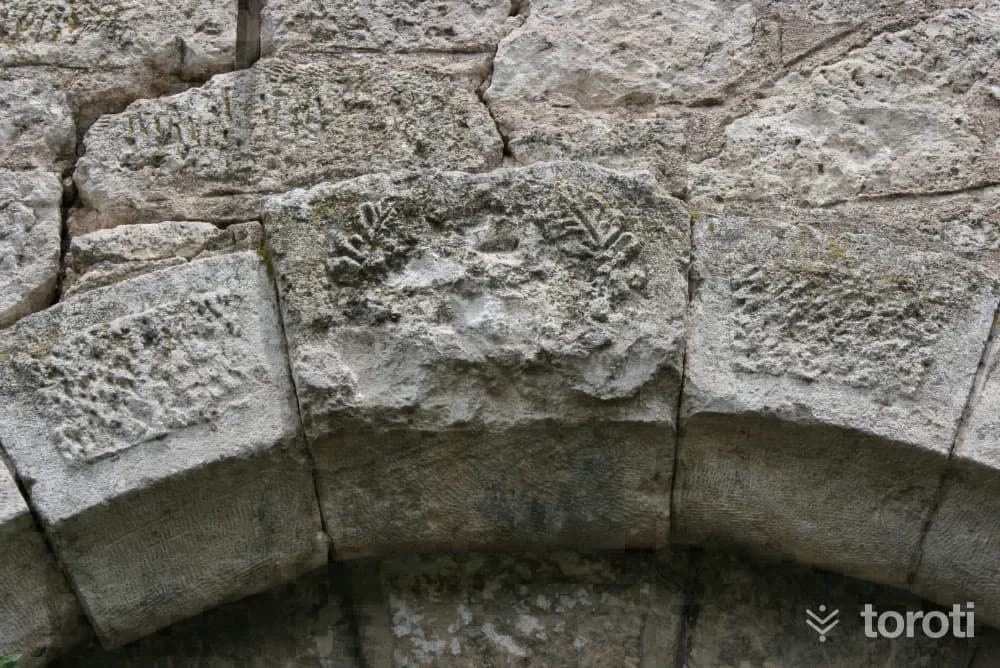
It is located in Koyunbaba Village, connected to the central district, where Bulgarians and Turks lived together during the Ottoman Period, and is partially intact. The church, which bears the architectural features of the second half of the 19th century, is faced with smoothly dressed cut stone, and its corner stones were worked with framed detailing. The roof section has collapsed.
45 minutes
Beyazit Camii
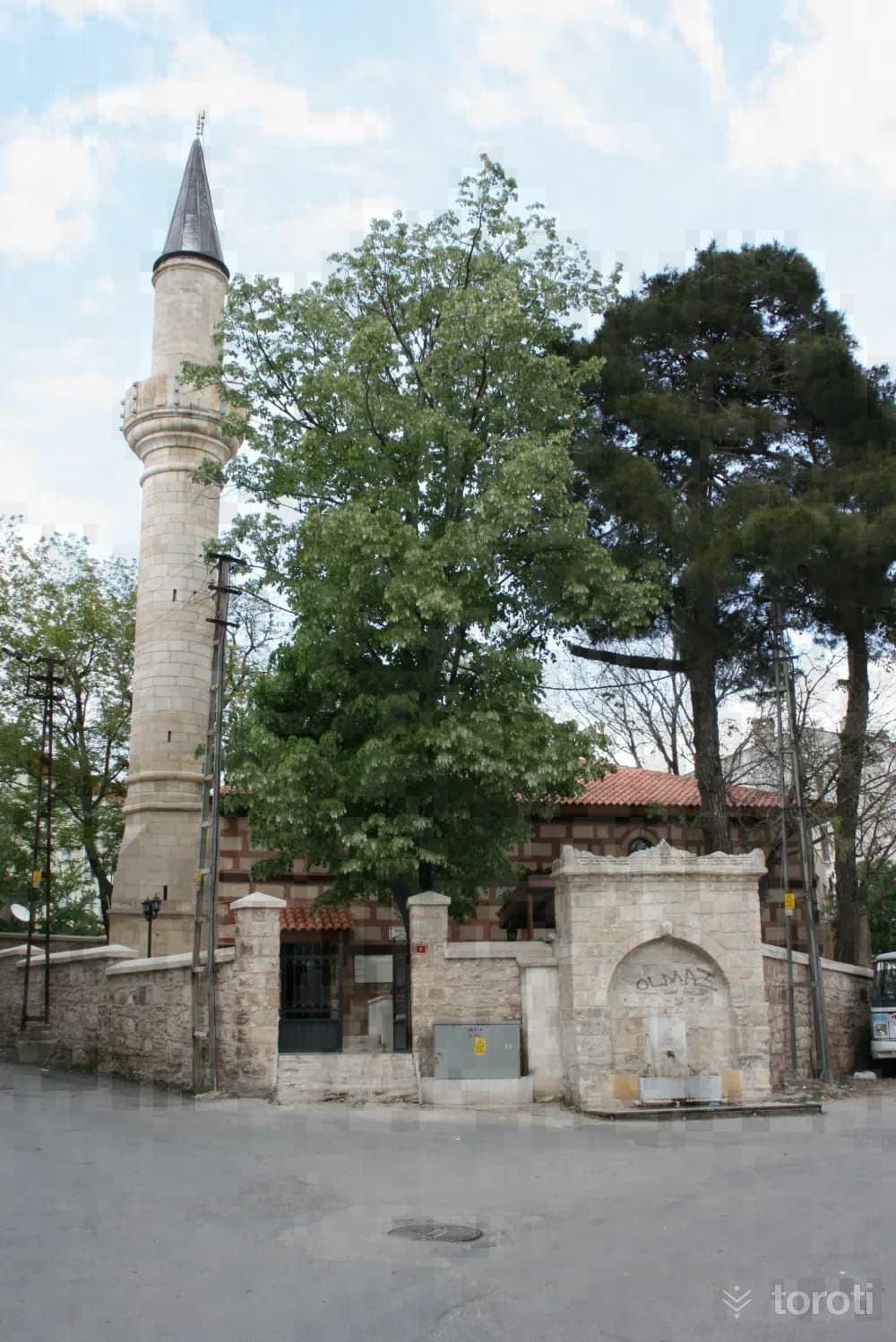
It is located in Kocahıdır Neighborhood in the center of Kırklareli. Its first construction date is the 16th century. The second construction was commissioned by Güllabi Ahmet Paşa in 1593-1594 (H.1002). It is still open for worship and has a square plan. It has an interior area of 105 square meters on a 489 square meter plot. It has a capacity for 210 people to worship at the same time. The outer surfaces of the walls are in alternating rows of compressed köfeki stone and brick bond beams.
45 minutes
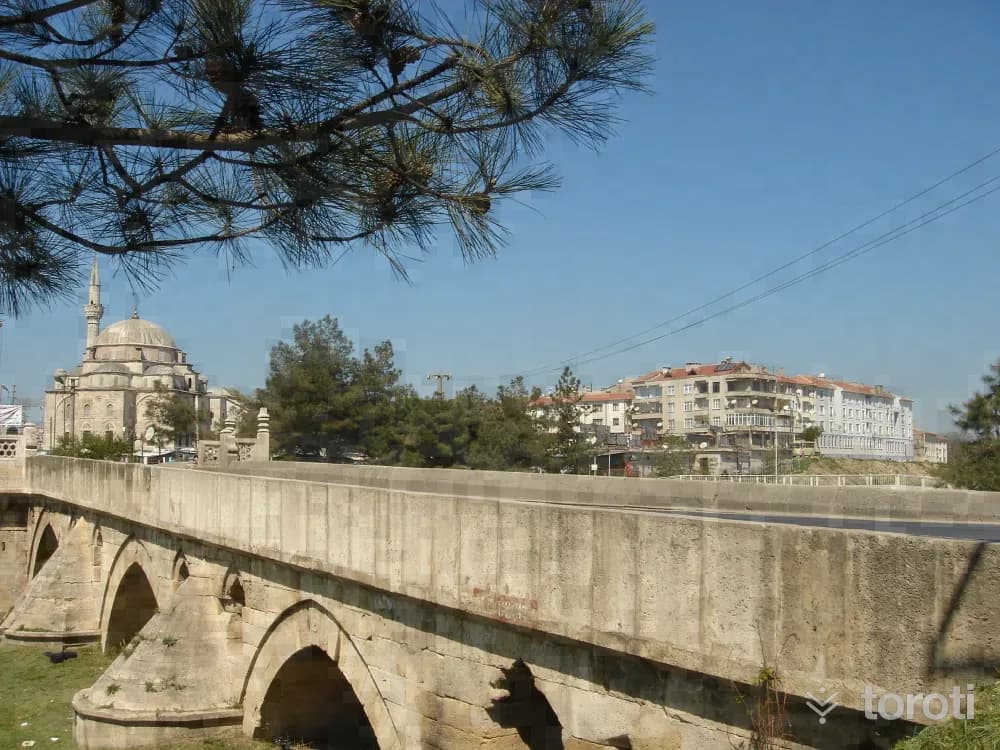
Babaeski Köprüsü
Babaeski Köprüsü, İstanbul-Edirne asfaltının Babaeski Deresi'nin (Şeytan Dere) geçtiği, Babaeski’nin Lüleburgaz çıkışında yer alır. 1633 (H.1043) yılında 4. Murat Devri'nde yapılmıştır. Anadolu'dan Balkanlar'a giden askeri ve ticaret yolu üzerinde bulunmaktadır. Muntazam kesme taş kaplı, kargir bir köprüdür. Nehir taştığı zaman zedelenmemesi için 6 kemerli köprünün kemer aralarında büyük delikler bulunmaktadır. Nöbet hücreleri birer dantel gibi taş işlemedir.
45 minutes

Kırklareli Doğa Fotoğrafçiliği (foto Safari)
In Kırklareli, there are many places that will satisfy people's desire both to travel and to photograph the natural beauties they see while traveling.
45 minutes
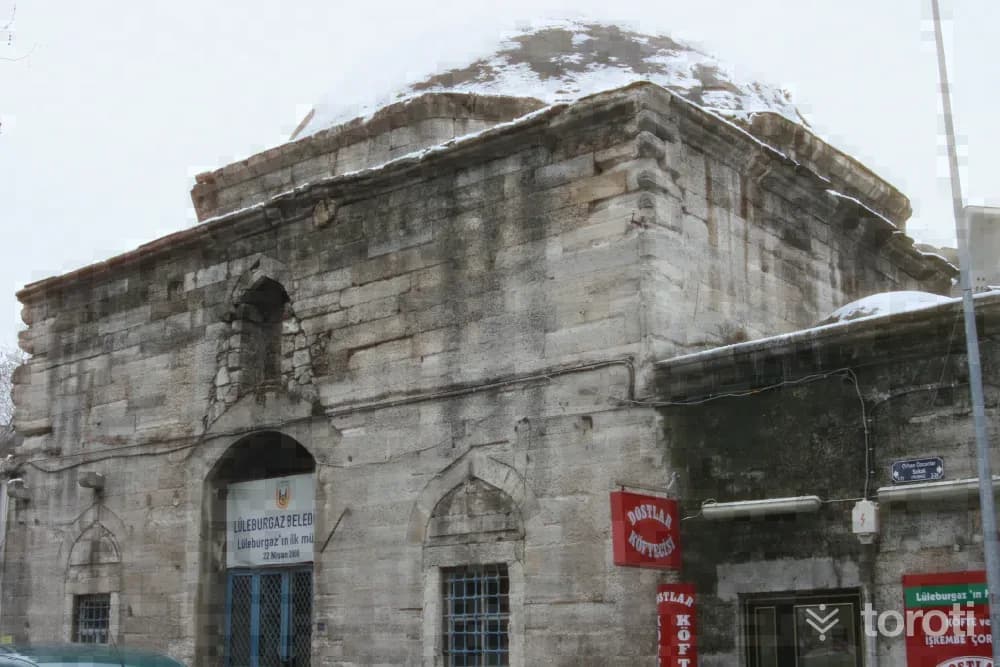
Lüleburgaz Sokullu Hamamı
It was built in 1569-1570 together with the Lüleburgaz Sokullu Mehmet Paşa Külliyesi, commissioned by Sokullu Mehmet Paşa to Mimar Koca Sinan. The structure, which was operated for many years by private individuals for purposes other than its intended use, is being restored by the Lüleburgaz Municipality to be used as a city museum. It is a double bath in the type of classical Turkish baths, consisting of women’s and men’s sections.
45 minutes
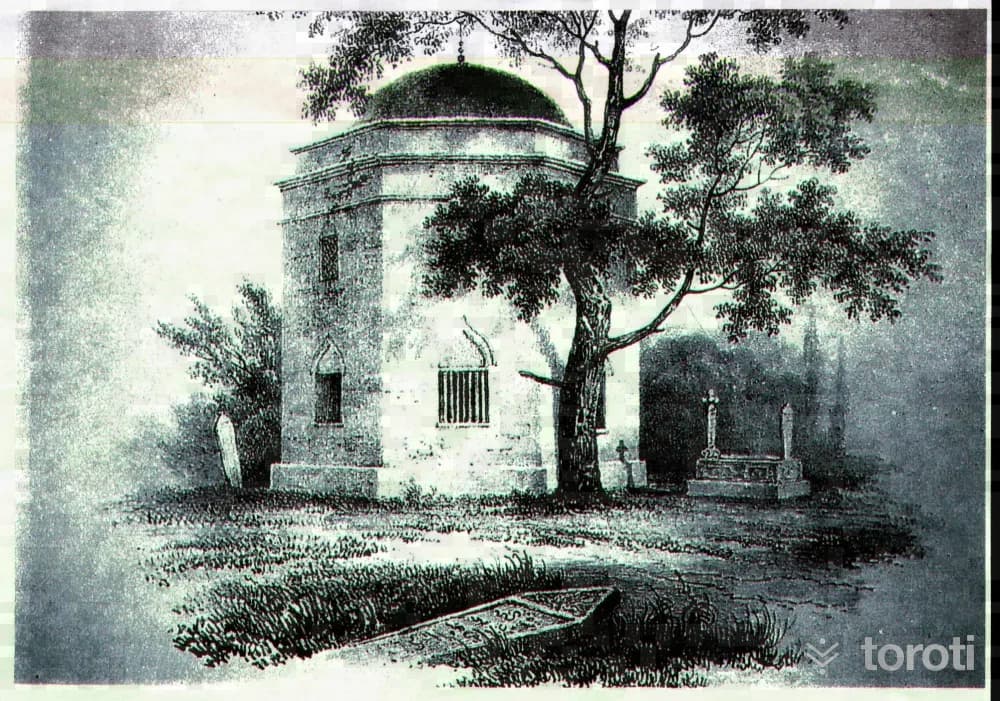
Binbir Oklu Ahmet Baba Türbesi
Binbir Oklu Ahmet Baba Tomb is located at the entrance of Erenler Village. It is an octagonal structure built in the second half of the 14th century, with pointed arches on each facade and seven door-sized windows. The walls are thick and clad in regular cut köfeki stone. The dome is set on an octagonal drum. Although it was originally lead-covered, it is currently plastered with cement. The structure inside, which belongs to the 14th century, bears the architectural character of the 16th century.
45 minutes
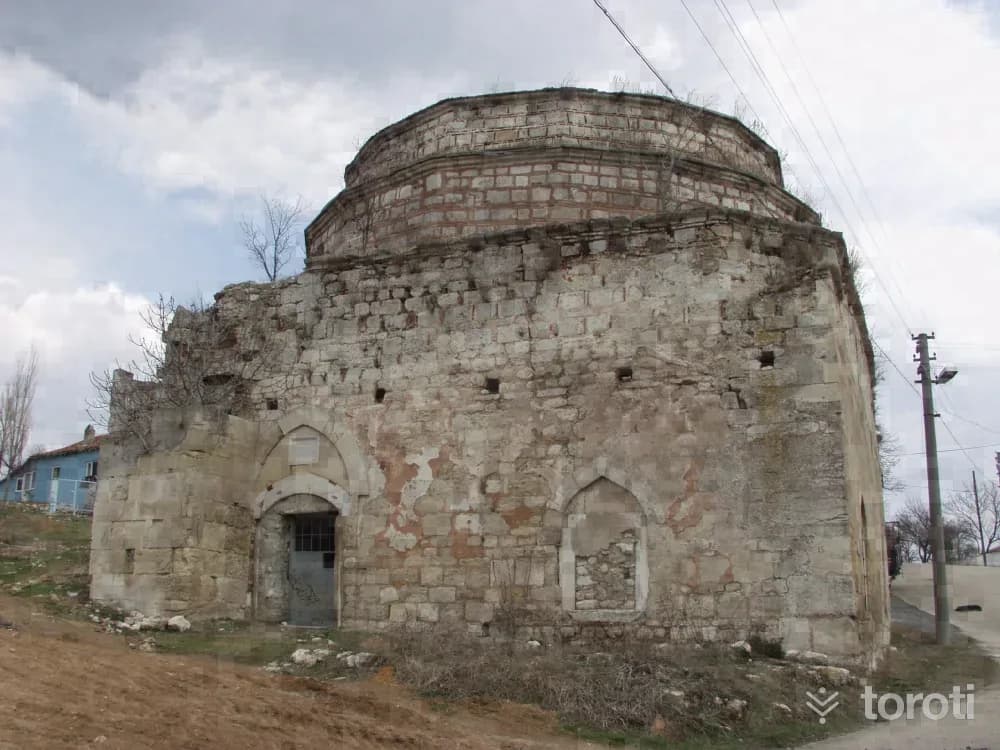
Vize Hasan Bey Camii
It is located in Kale Mahallesi, opposite the district gendarmerie building. While it was being used as a synagogue in the late 14th century, it was converted into a mosque by a person named Gelibolulu Hasan Bey. Since it has no minaret, and also in terms of its form, it almost resembles a tomb. It has thick walls on a square plan, covered with large, regularly cut stone, and its dome is set on an octagonal drum.
45 minutes
Babaeski Fatih Camii / Eski Camii
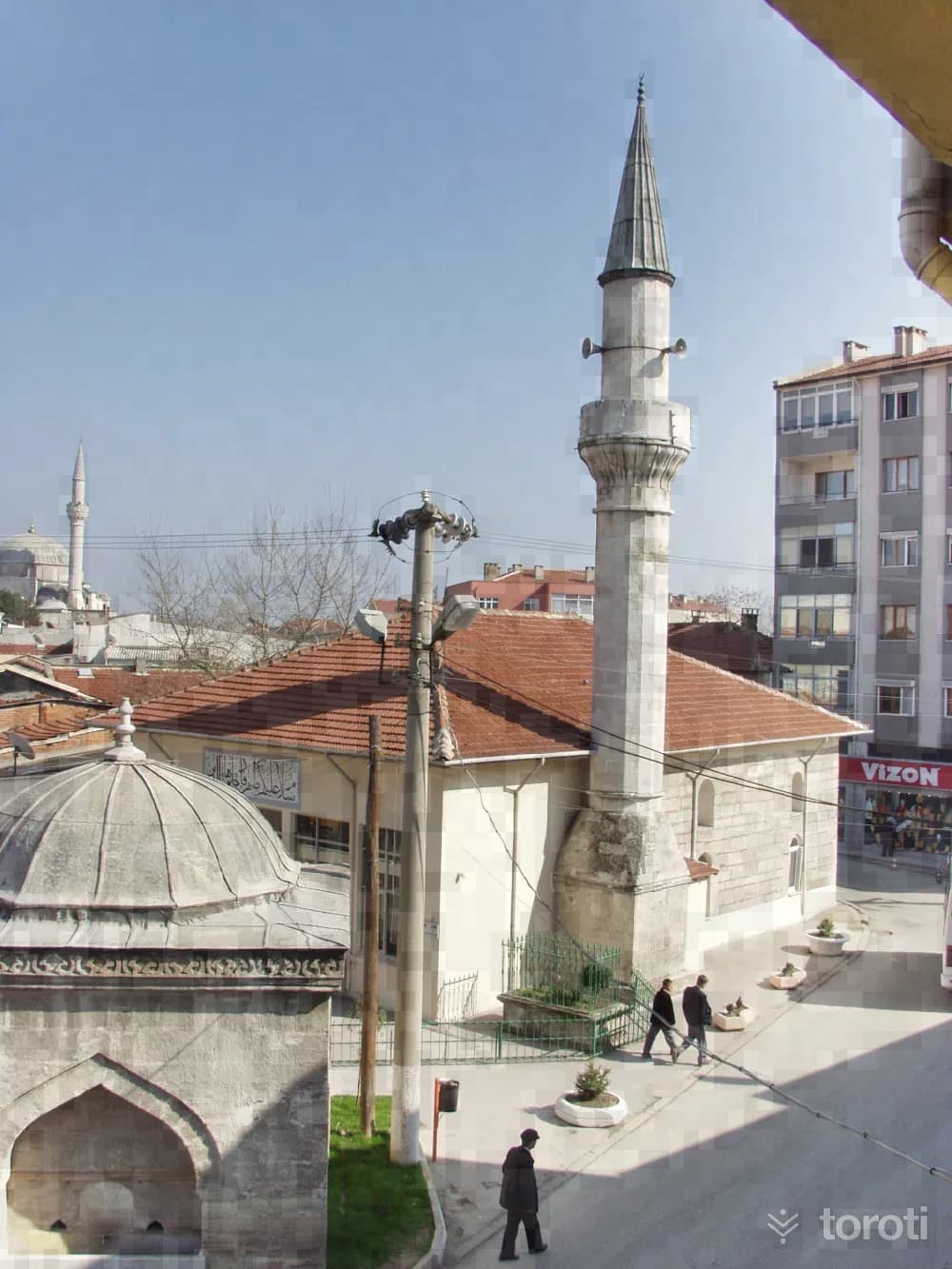
It is located in Babaeski District, next to the İstanbul-Edirne highway, behind the historic fountain. It was built in 1467 (H.871) and is still used for worship. This mosque, consisting of rubble stone and four walls, has a wooden last congregation section, covered with tiles. Its minaret was demolished, and later the part above the balcony was built in wood. There is a two-line construction inscription carved into stone above the inner door.
45 minutes
Hızırbey Hamamı - Çifte Hamam
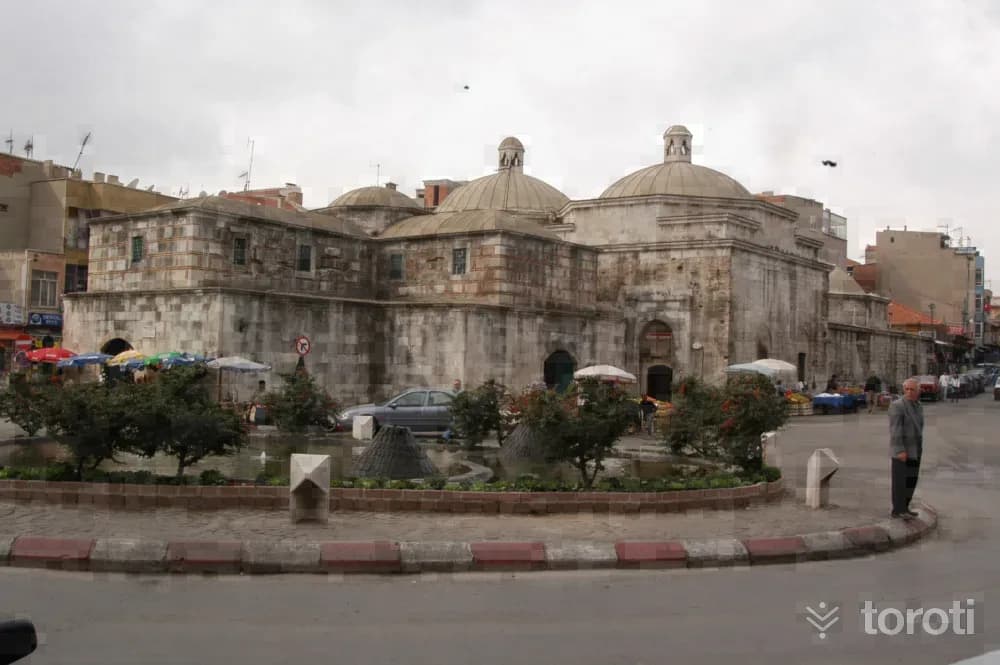
It is located in the center of Kırklareli, in Cumhuriyet Square. It was commissioned by Köse Mihalzade Hızırbey in 1383 (H.785) and repaired by Hacı Hüseyin Ağa in 1683. It is still in operation. The exterior surface of the walls of the bath, also called Çifte Hamam, is clad with smoothly cut köfeki stone. The workmanship of the dome lanterns is in köfeki stone and is striking. The bath was built together with the adjacent arasta.
45 minutes
Pehlivanköy Camii
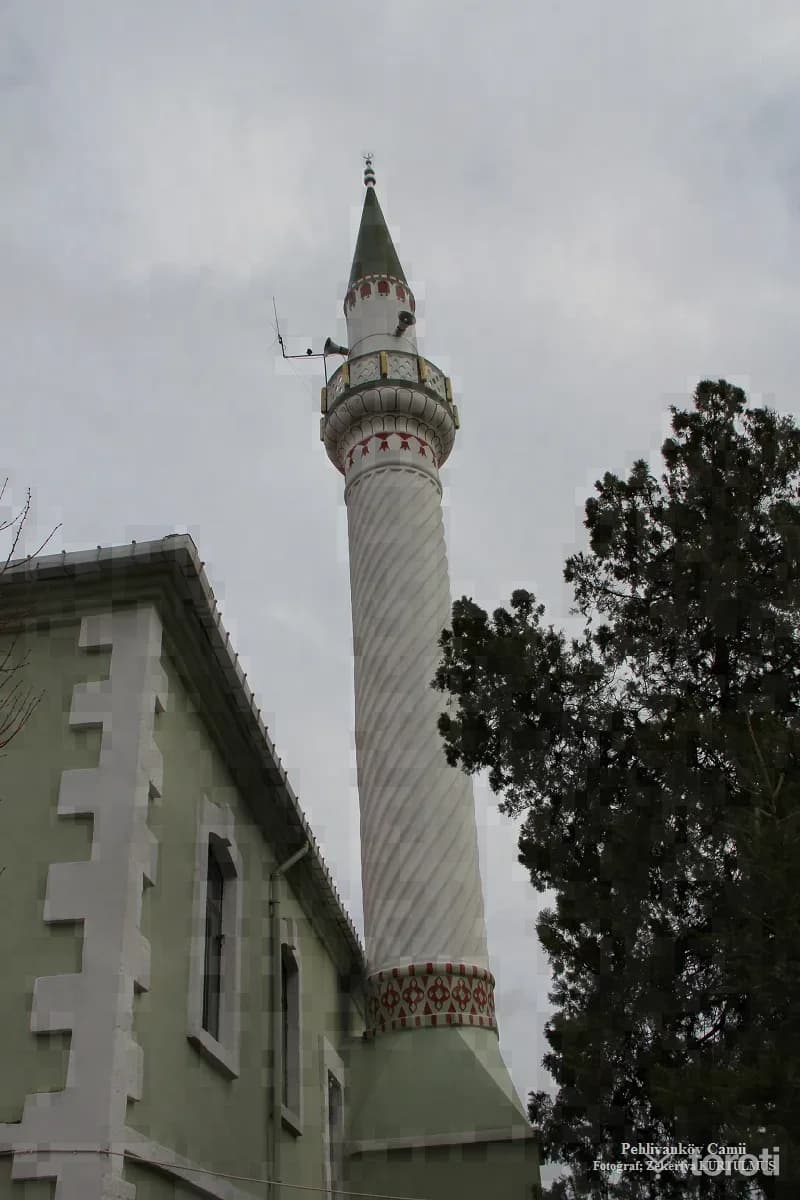
Pehlivanköy Camii: The mosque, dated 1901-1902 AD, 1319 AH, is located in Ergene Mahallesi at the entrance of Pehlivanköy District. It belongs to the ownership of the General Directorate of Foundations and is open for worship. It has an interior space of 170 square meters on a 1150 square meter plot and a prayer capacity of 200 people. The structure, whose walls are stone, has a flat ceiling and a tiled roof, and its minaret has a single balcony.
45 minutes
Pinarhisar Sadikağa Camii
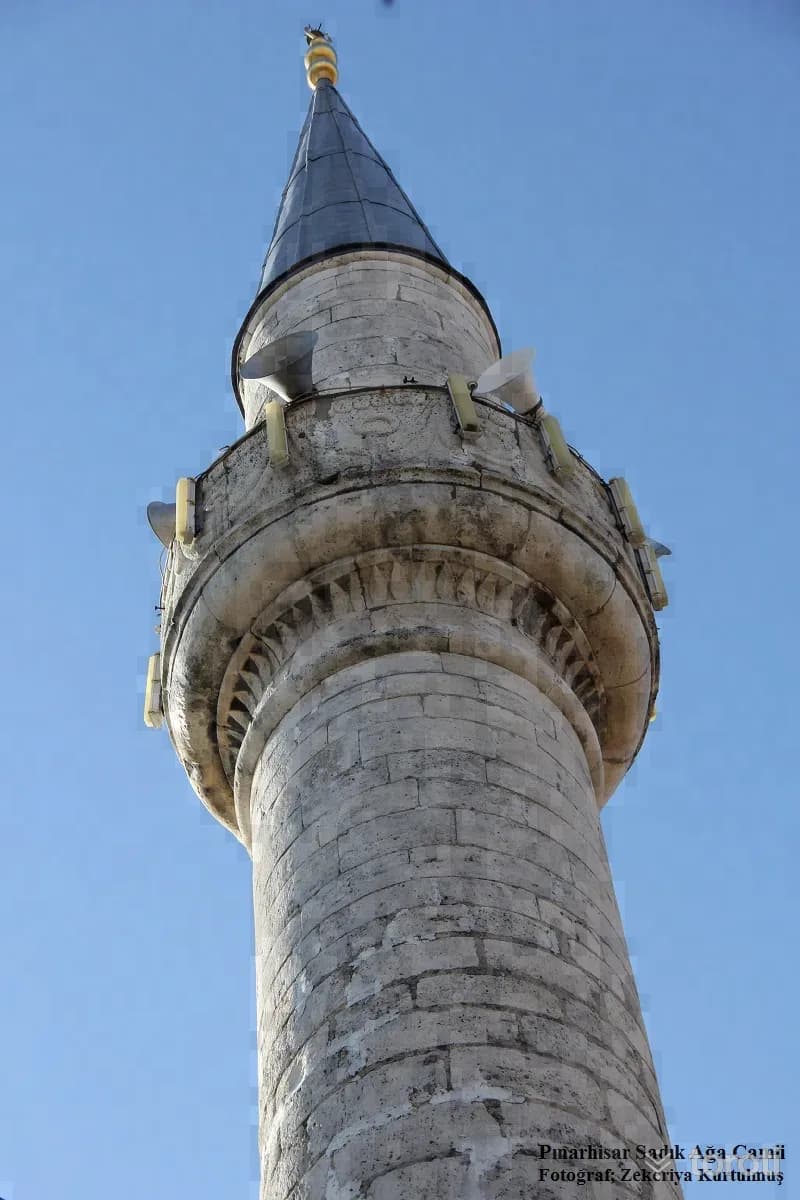
It was built in the 14th century on the Pınarhisar-İstanbul road, but was later demolished. The mosque, which is the property of the General Directorate of Foundations, was rebuilt in 1962 on a 485 square meter plot with the contributions of the district residents, covering an area of 300 square meters. The square-planned mosque, which is open for worship today, was built with a concrete dome and as semi-wooden.
45 minutes
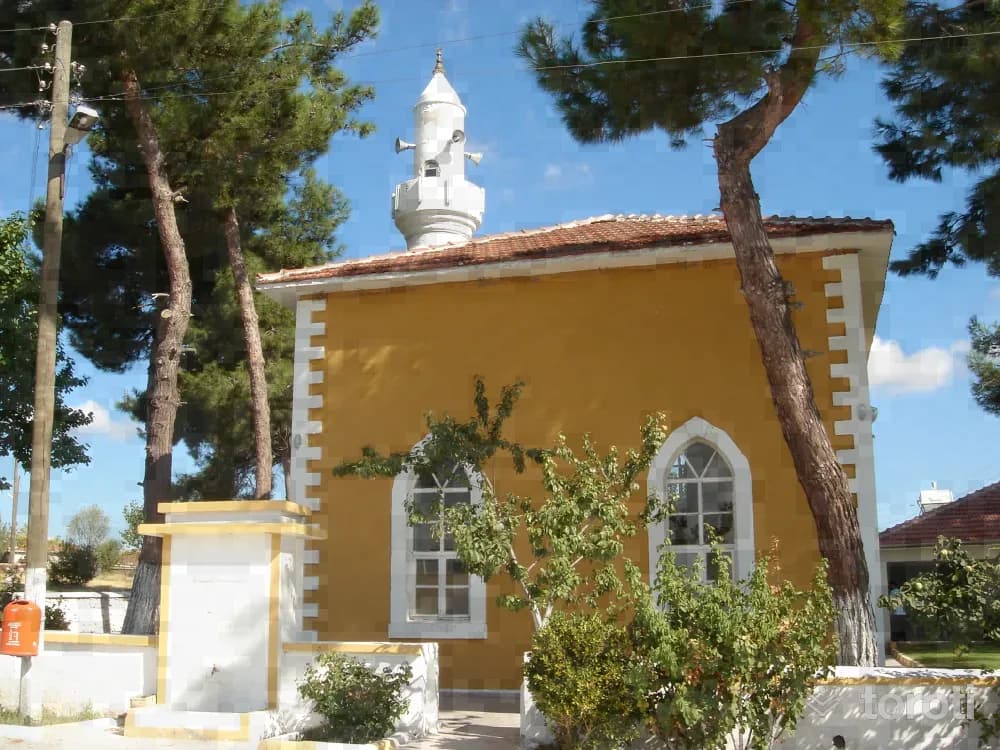
Üsküpdere Camii
Üsküpdere Camii: it is located in Üsküpdere Village, connected to the central district. The mosque, commissioned in 1904, has a rectangular plan. It has a women’s gallery and a last congregation area. Its ceiling is wooden, it has pointed-arched windows on all four facades, and its minaret has a single balcony. It is still open for worship.
45 minutes
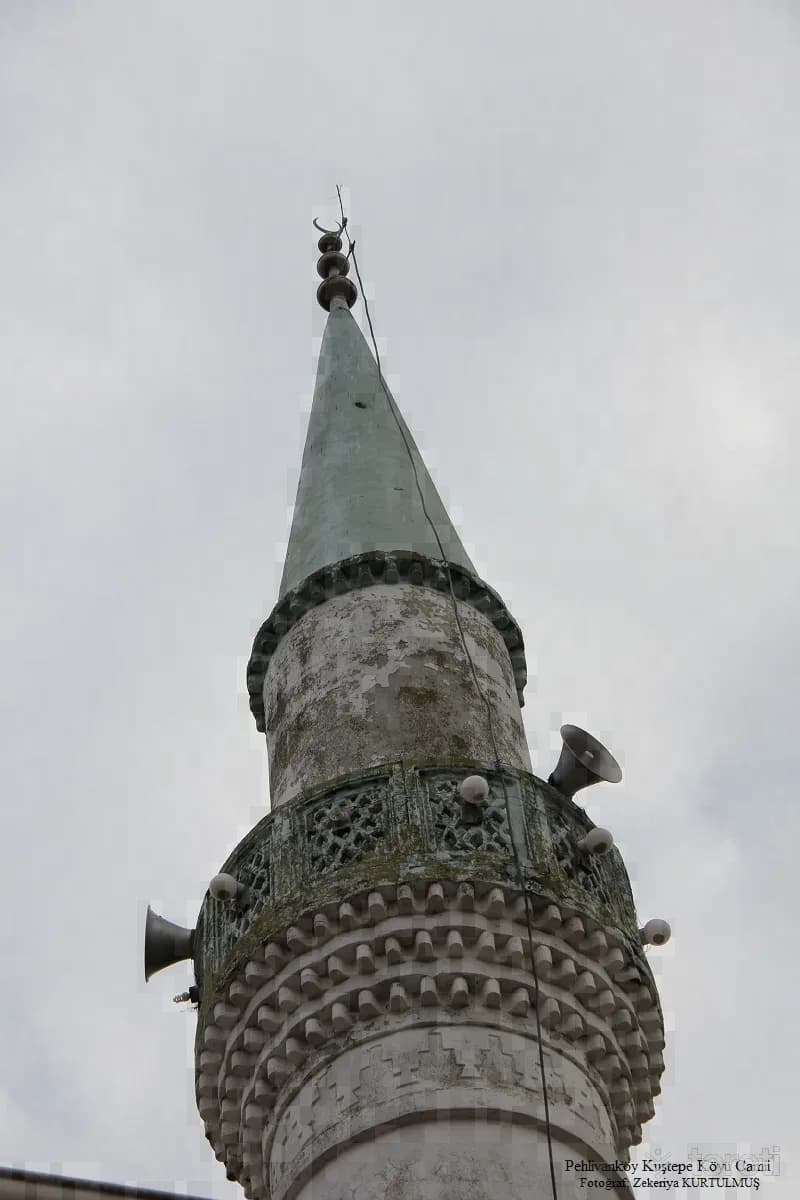
Kuştepe Köyü Camii
Kuştepe Köyü Camii: The mosque, dated Gregorian 1902, Hijri 1320, is located in Kuştepe Village, affiliated with Pehlivanköy District. It belongs to the village legal entity and is open for worship; it stands on a 758 m² plot, has a 150 m² interior space and a prayer capacity of 150 people. The structure, whose walls are of stone, has a flat ceiling and a tiled roof, and its minaret has a single balcony.
45 minutes
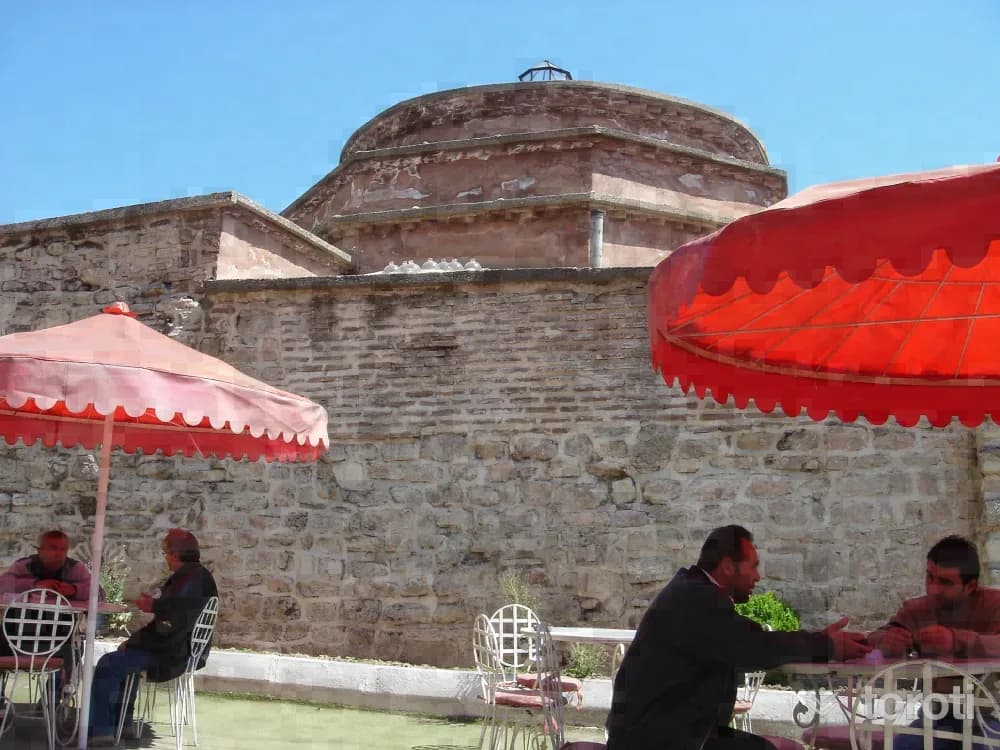
Babaeski Hamamı
Babaeski Hamamı: It is on the asphalt road next to the government building. The structure, which is still in use, is of the single classical type, with a masonry dressing hall. Its top is roofed, the exterior is plastered with cement, and its architectural style is not clear. The basins and the flooring are of marble and are original.
45 minutes
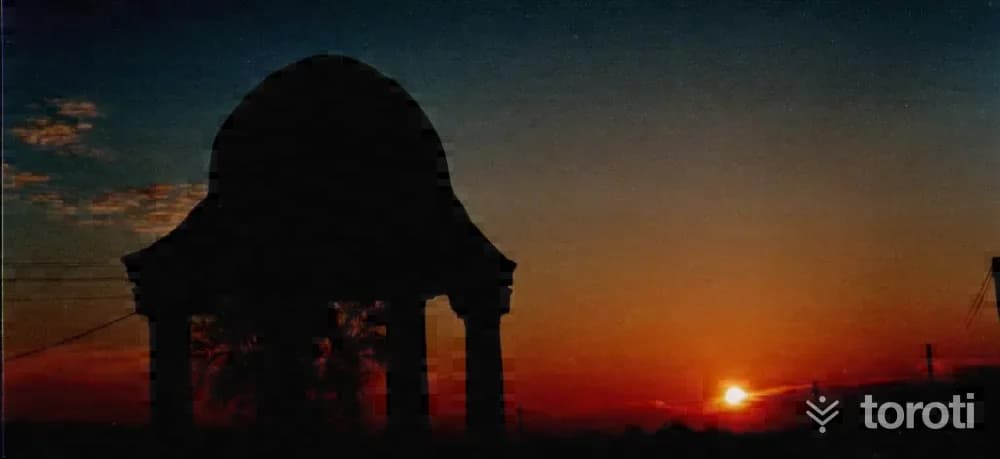
Karahidir Anıti
Karahıdır Monument: It is located in Karahıdır Neighborhood in the center of Kırklareli. It was built in 1914 by Mutasarrıf İbrahim Süreyya in memory of Karahıdır, who ensured that the war ended in favor of the Turks by cutting off the enemy king’s head in the Battle of Varna in 1444.
45 minutes
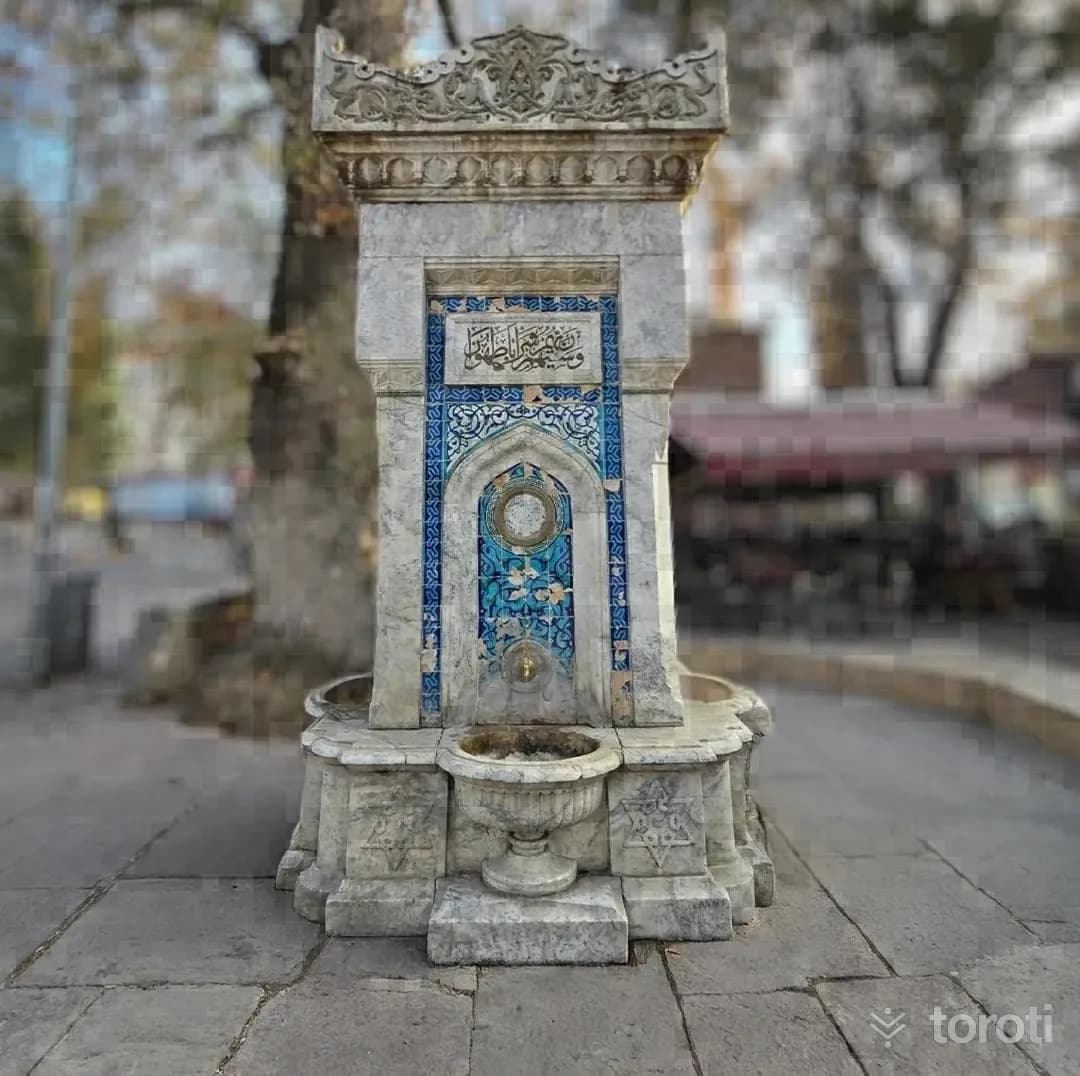
Söğütlü (Söğütçük) Çeşmesi
19.
20 minutes
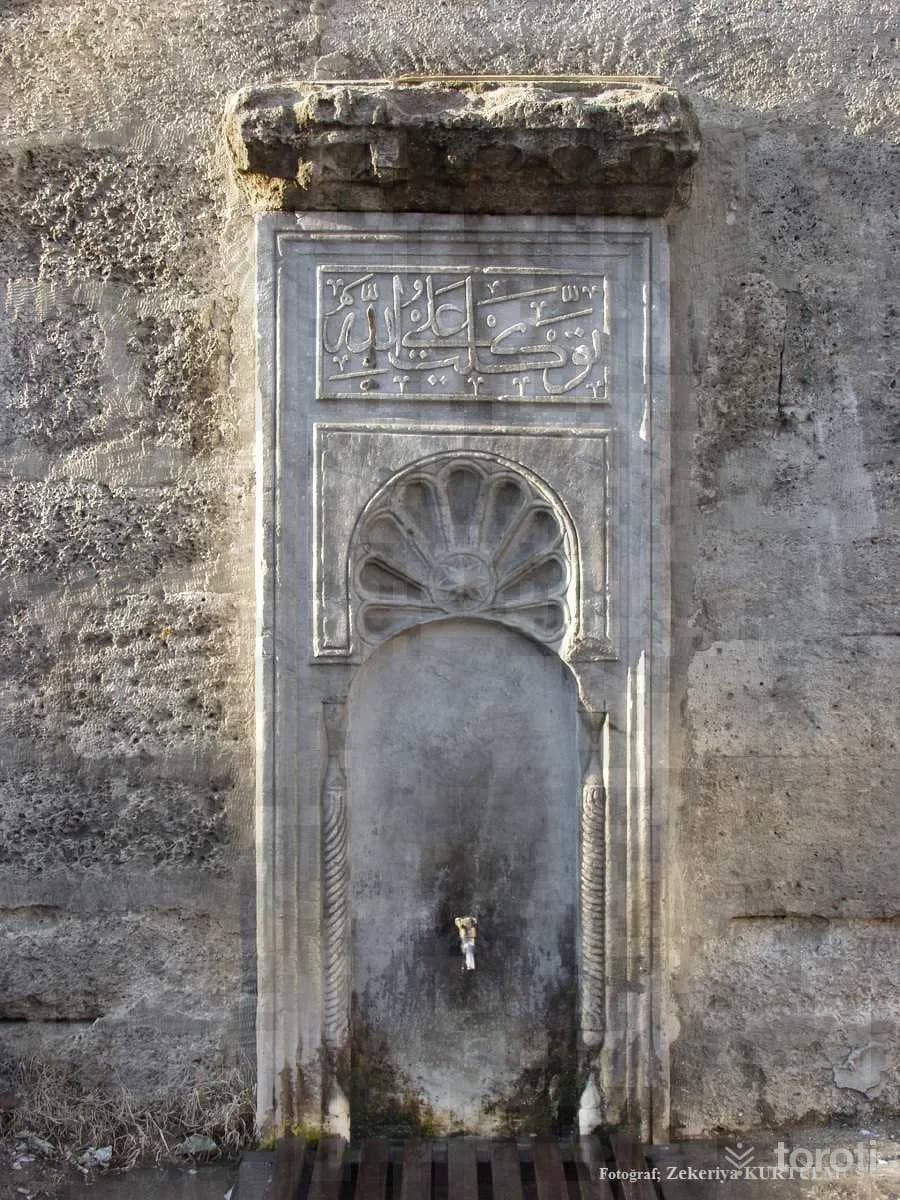
Çarşı (Orta) Çeşmesi
It was commissioned as a square fountain in 1667 by the Ottoman sultan IV. Mehmet, and for this reason it is also known as 4. Mehmet (Avcı) Çeşmesi and Orta Çeşme.
20 minutes
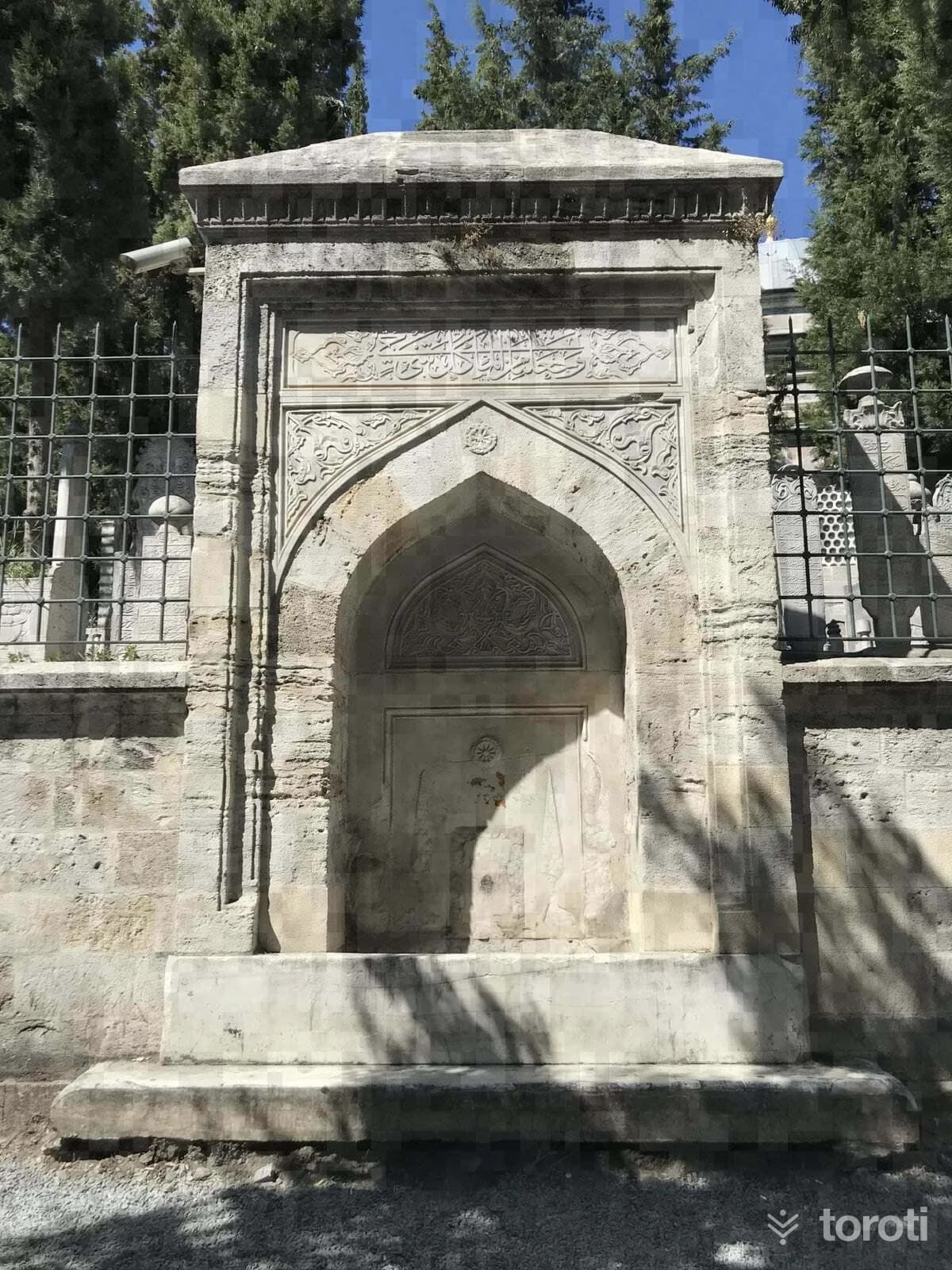
Paşa (Beyazıt) Camii ve Paşa Çeşme
It was built by Külabi Ahmet Paşa during the repair of the mosque in 1622.
20 minutes
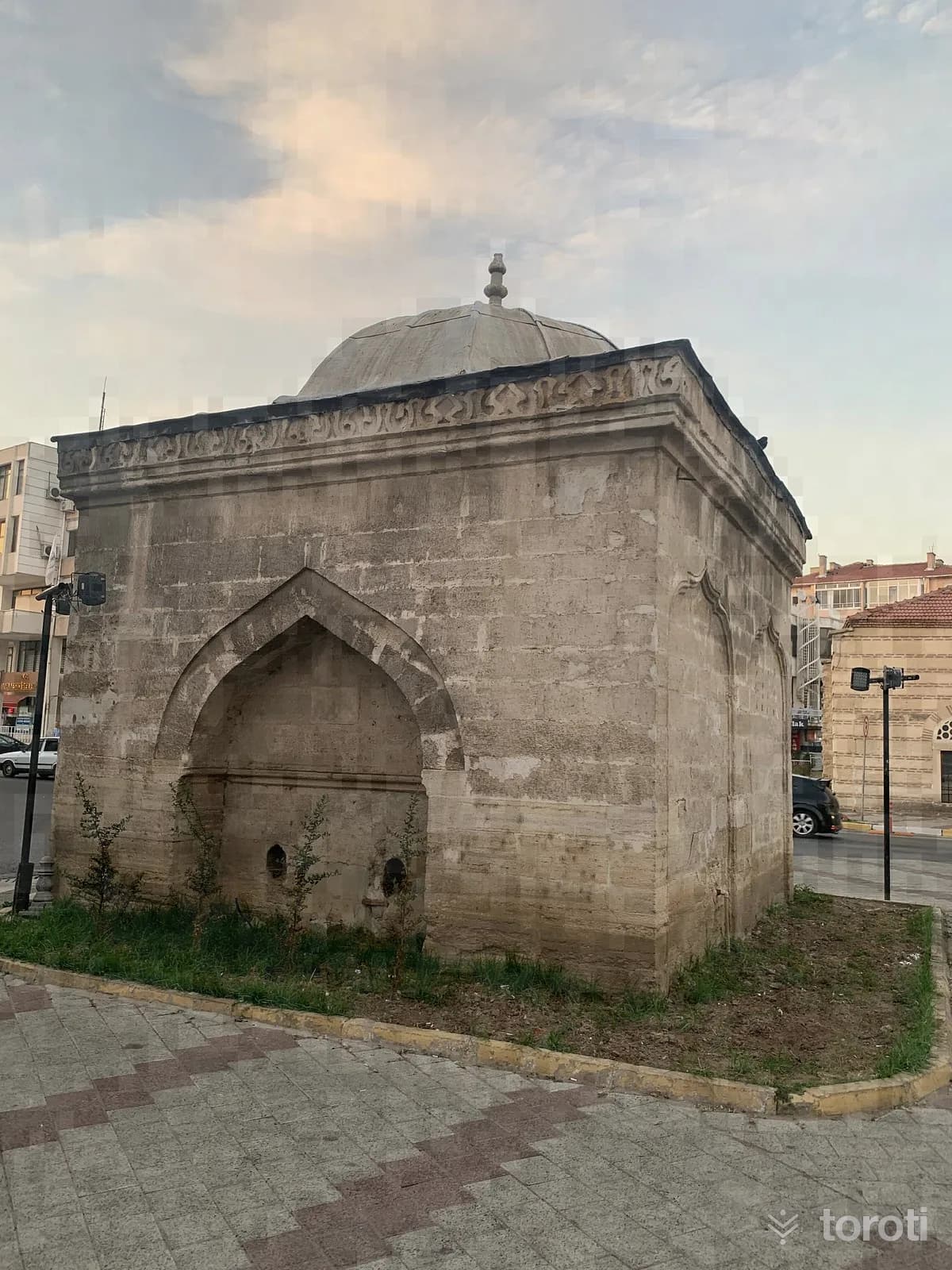
Dördüzlü (Dört Yüzlü) Çeşme
It is a 17th century structure. The inscription of the fountain, which still runs city water, was scraped off during the Bulgarian invasion. It is a four-sided, domed square fountain made of cut köfeki stone. Only one side is still active, and it is of the type of Edirne’s classical fountains.
20 minutes
Aşağıpınar ve Kanlıgeçit Kazıları
In the Aşağı Pınar locality, traces of the region’s oldest farming communities, who brought agriculture and village life from Anatolia to Thrace 8200 years ago, have been found. These findings have attracted great interest in the scientific world in terms of forming the first foundations of the civilization that has developed on the European Continent up to the present day. After continuing uninterrupted for about 2000 years, the Aşağı Pınar settlement was abandoned about 6200 years ago.
30 minutes
Karadeniz Sahili (Kıyıköy)
Karadeniz’e egemen, kayalık bir zemin üzerinde bulunan Kıyıköy Beldesi, tabiat harikası iki doğal sit arasında bulunmaktadır. Kuzeyinde Pabuçdere, güneyinde Kazandere, salına salına akmakta ve Karadeniz’e dökülmektedir. Her ikisi de I. Derece doğal sit alanı olarak tescilli olan bu derelerde alabalık, sazan ve kefal balıkları avlanabilmekte, motorla ya da kayıkla gezinti yapılabilmektedir.
60 minutes
Sadri Bey Camii
: It is a structure dating from the 16th century in Kale Mahallesi. Three walls and its arch remain standing. The fountain next to it also belongs to the same century. It was built of regularly cut köfeki stone. The fountain in the mosque courtyard is decorated with stones with Byzantine capitals. Adjacent to the mosque, again 16.
20 minutes
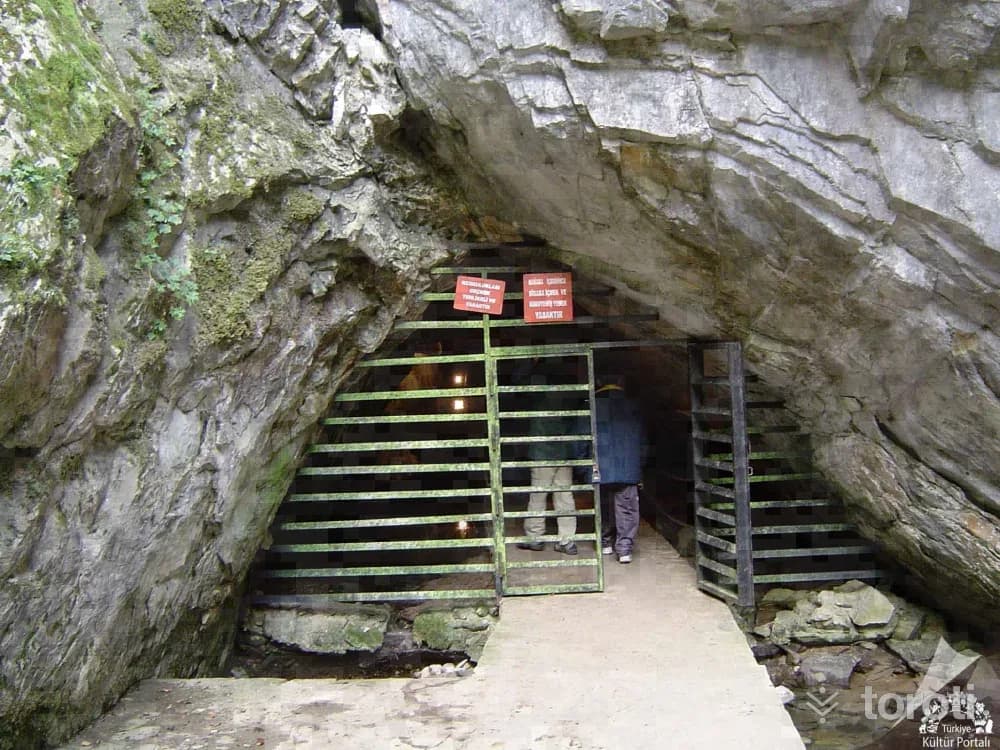
Dupnisa Mağarası
Dupnisa, the first and only cave in Thrace opened to tourism, is located in a wild-looking region under the influence of the cool climate of the Black Sea, where Rezve Deresi, which forms the Turkey-Bulgaria border, has carved deep valleys into the Istranca Mountains. Dupnisa Cave consists of two interconnected levels and three caves within marble, formed in the second geological era, in a region covered with dense vegetation where you can see every shade of green.
45 minutes
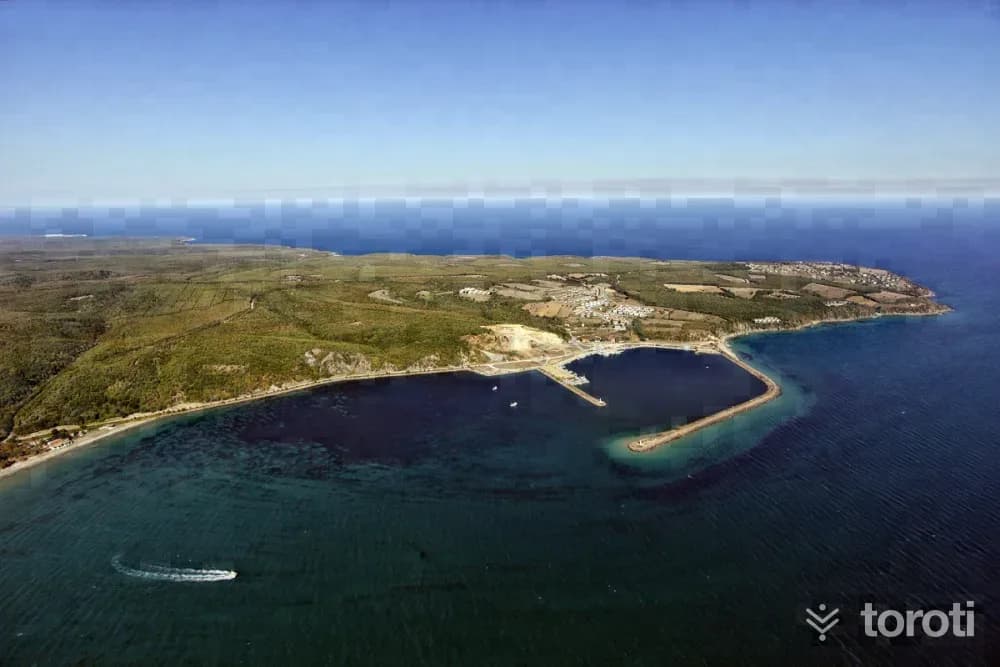
İğneada
İğneada is part of Kırklareli's Demirköy District and forms a border with Bulgaria. Located 25 kilometres from Demirköy, 97 kilometres from Kırklareli, 165 kilometres from Edirne and 250 kilometres from İstanbul, İğneada has a clean sandy beach 40-50 metres wide and approximately 10 kilometres long.
45 minutes
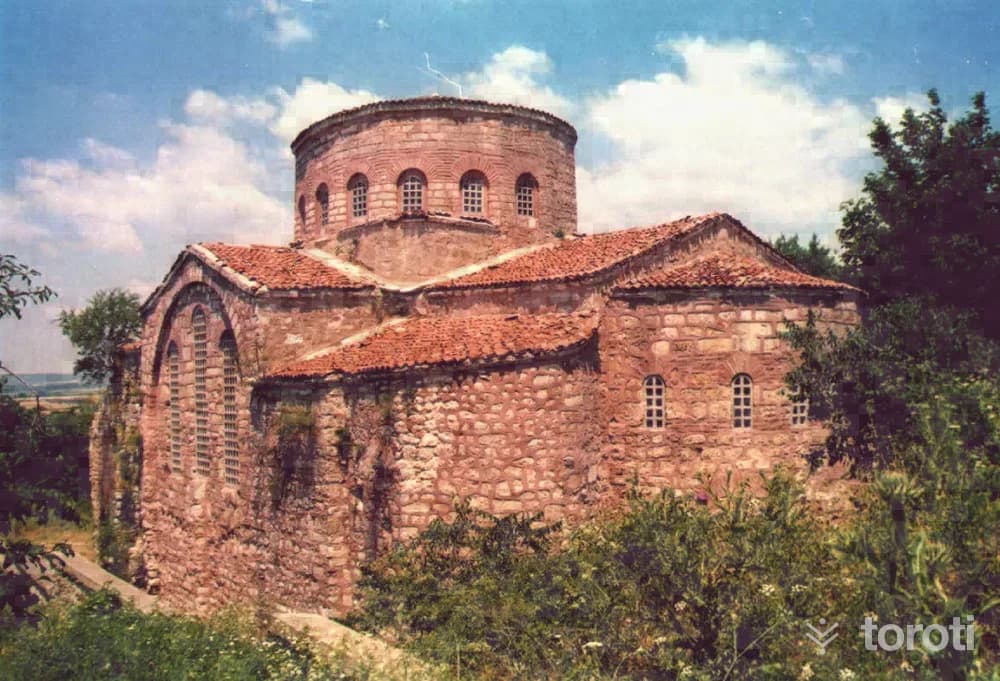
Vize Küçük Ayasofya (gazi Süleyman Paşa) Camii
Vize Küçük Ayasofya (Gazi Süleyman Paşa) Mosque: It is located in Kale Mahallesi, between the inner and outer walls. It was built as a church in the 6th century during the Justinian Period, was converted into a mosque in the second half of the 15th century, and is still open for worship as a mosque. It has a nearly square rectangular plan. It has three apses, and its dome is set on a sixteen-sided drum.
45 minutes
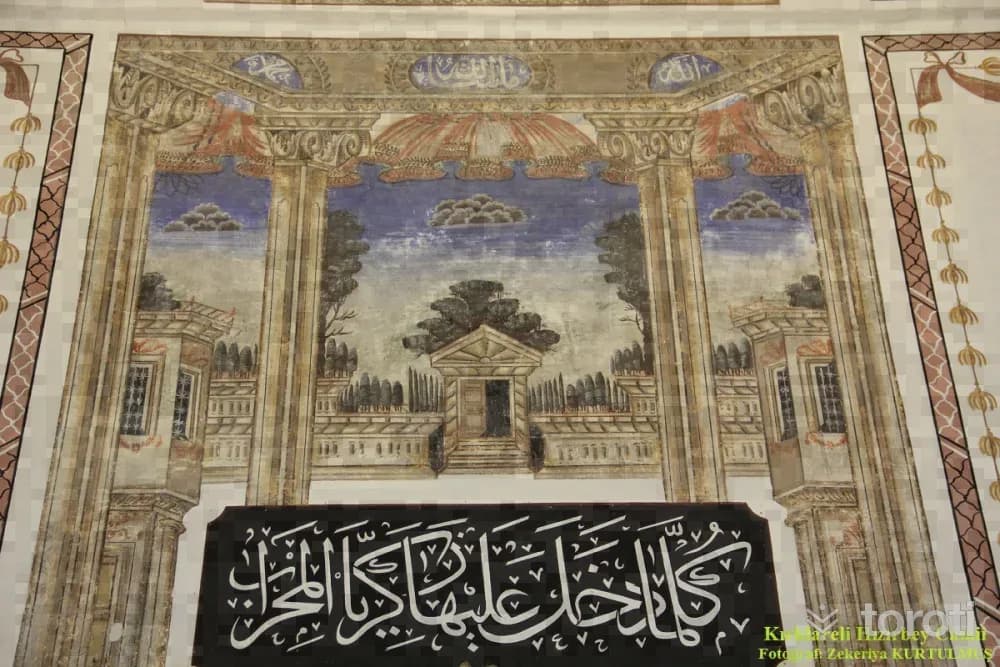
Hızırbey Camii - Büyük Cami
It is in the center of Kırklareli, within the bazaar. It is a square-planned structure commissioned by Köse Mihalzade Hızır Bey in 1383 (H.785). The outer surfaces of the walls, the drum of the dome, and its minaret are clad in smoothly cut köfeki stone. It stands on a foundation measuring 15x15 meters on a 1470 square meter plot and has an interior area of 328 square meters. It has a capacity for 1000 people to worship at the same time.
45 minutes
Kiyiköy Aya Nikola Manastiri
Kıyıköy Aya Nikola Monastery is on the southern slope on Papuçdere road in Kıyıköy Town, 700 metres from the town. It is one of the best examples of Byzantine Period rock monasteries. On the ground floor there is a church, lower down a holy spring, and in the upper section there are sections reserved for monks. There are cells arranged in tiers, carved into the rocks. On the north side, the holy spring is reached by stairs. There is also a second entrance to the east of the church.
45 minutes