Destination
Kırklareli'nin Tarihi Çeşmeleri
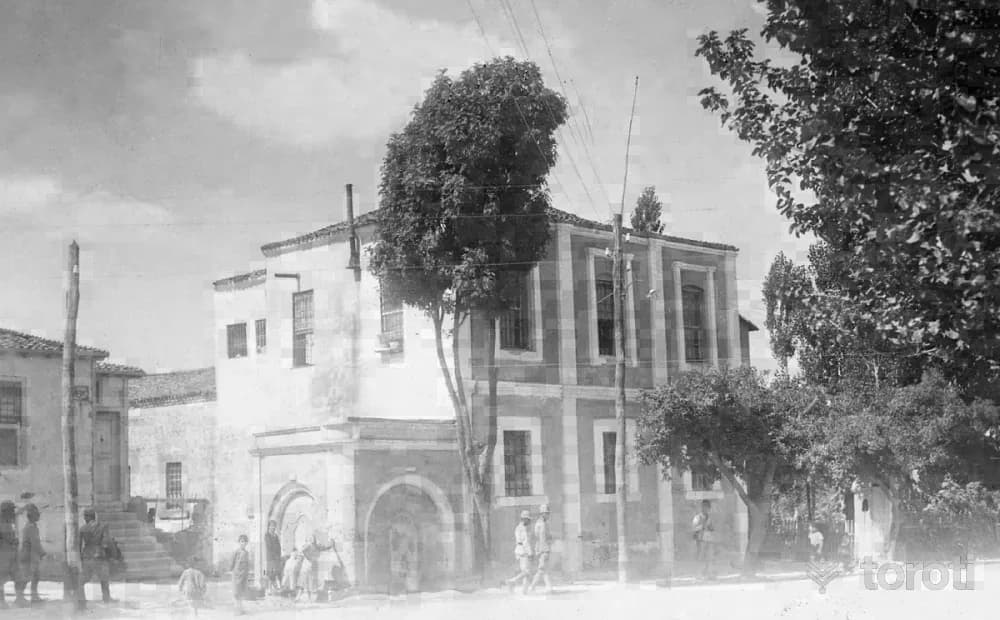
In Kırklareli city center, according to existing written sources, it has been determined that there were 15 traditional neighborhood fountains; however, 4 of these fountains were demolished as a result of the works carried out by Kırklareli Municipality. Of the fountains that have survived to the present day, two were moved to a different location, and four have largely lost their original condition as a result of the repairs they underwent.
Kırklareli'nin Tarihi Çeşmeleri and 6 places around it
Free · no sign-up needed
Highlights
- History
Good for
- Cultural routes
Suggested visit:45 minutes
According to existing written sources, it has been determined that there were 15 traditional neighborhood fountains in Kırklareli city center; however, 4 of these fountains were demolished as a result of the works carried out by Kırklareli Municipality. Of the fountains that have survived to the present day, two were moved to a different location, and four have largely lost their original condition as a result of the repairs they underwent.
The Kadı Ali, Paşa, Kayyumoğlu, Hapishane, Kuru Paşa (Kayalık), Büyük Cami (Alman), Gerdanlı, and Kocahıdır fountains located in the provincial center were registered by the decision of the High Council of Monuments dated 20/04/1990 and numbered 646, and were included in the List of Immovable Cultural Properties Required to Be Protected in Kırklareli Provincial Center and Districts.
The fountains in the city center were predominantly built in and around the bazaar square, where the city's commercial life also took place, and near the mosques around this square. While the area between Hızırbey Külliyesi and Dingiloğlu Parkı formed the city's bazaar square, the square was emphasized by one fountain in the middle of the square and another at the corner of the park. Another noteworthy point in the positioning of the fountains is that they are located where the avenues connecting the city with its districts and other provinces intersect with the streets. Most of the fountains in the provincial center gave their names to the streets with which they were associated, and with this feature they enabled the perception of the traditional street texture. Although the city had a large number of water sources, in the years when it suffered from water shortages due to the insufficiency of the existing fountains, this problem was largely solved by the fountains built and repaired by a person named Kayserili Hacı Hasan Ağa.
Because the water from the springs in various locations and neighborhoods of the city center had a high limestone content, the fountains were supplied with water brought from drinkable springs located in the north and northwest of the city. These springs can be listed as Gerdanlı, Söğütçük, Çukur Çeşme, Aslanlı Çeşme, Aşağı Pınar, Baba Pınar, Sıyrıncak, and Nallı Horoz.
Source: İzzet Yüksek, Ali Yıldız. The Place and Importance of the Historical Kırklareli Fountains Within the Traditional Urban Fabric.
Places to Visit in Kırklareli Address: Kırklareli
Last updated: 21 October 2026
Location and surroundings
Kırklareli'nin Tarihi Çeşmeleri sits within Kırklareli merkez, Kırklareli. The toroti catalogue holds 50 described stops across Kırklareli, 18 of them in Kırklareli merkez.
The nearest stop is Kapan Çeşmesi / Sali Yeri Çeşmesi, 60 m to the northeast. Another 6 catalogued points lie within a 30 km radius.
See Kırklareli'nin Tarihi Çeşmeleri and its surroundings in one plan
- Order your stops on the map and spread them across days
- See driving and visiting time at a glance
- Get places around it suggested automatically
- Free — no sign-up needed to start
Other places nearby
Frequently asked
- What is Kırklareli'nin Tarihi Çeşmeleri?
- In Kırklareli city center, according to existing written sources, it has been determined that there were 15 traditional neighborhood fountains; however, 4 of these fountains were demolished as a result of the works carried out by Kırklareli Municipality. Of the fountains that have survived to the present day, two were moved to a different location, and four have largely lost their original condition as a result of the repairs they underwent.
- Where is Kırklareli'nin Tarihi Çeşmeleri?
- Kırklareli'nin Tarihi Çeşmeleri is in Kırklareli merkez, Kırklareli.
- How long does it take to visit Kırklareli'nin Tarihi Çeşmeleri?
- The suggested visit time for Kırklareli'nin Tarihi Çeşmeleri is about 45 minutes.
- What else is there to see near Kırklareli'nin Tarihi Çeşmeleri?
- toroti’s catalogue holds other destinations within 30 km of Kırklareli'nin Tarihi Çeşmeleri; the closest are Kapan Çeşmesi / Sali Yeri Çeşmesi, Kocahidir Çeşmesi, Hızırbey Hamamı - Çifte Hamam.