
Places to visit
Things to do in Yakutiye
43 destinations, each with a description, how long it takes and where it sits on the map.
In short
toroti’s catalogue holds 43 described destinations within Yakutiye, Erzurum. The themes that come up most: Local culture, Faith heritage, History, Museum, Culture, Cultural heritage.
Serbest Stil Kayak
Freestyle Skiing; It is a type of skiing practiced in the form of an acrobatic sport. It has two main types called "Mogul" and "Aerial". In the Mogul style; while skiing down from a high hill full of small bumps, it is necessary to jump over both ramps. In the "Acro" type, which is not accepted as an Olympic sport, gymnastics movements and dance are combined. It is practiced at Palandöken Kayak Merkezi.
45 minutes
Ebu İshak Kazerunı Hz. Türbesi
It is not known exactly when the tomb belonging to one of the great Islamic thinkers, Ebu İshak Hazretleri, was built. One of the angular bastions on the city wall connecting İç Kale to Çifte Minareli Medrese was converted into a tomb by being covered with a dome on the inside. There is also a zaviye in front of it. It is stated that the person's actual grave is in Kazerun and that this place is a makam.
20 minutes
Curling Arena
Curling Arena; Curling is an Olympic team sport played on an ice rink measuring 42 x 43 meters. It was built in 2010 for the World University Winter Games. It has 5 curling competition areas and a seating capacity of one thousand people. In this sports venue, there is one room each for the referee, jury, chief referee, and technical delegate, and 4 halls for athletes.
45 minutes
Muratpaşa Hamamı
This bath, located in Murad Paşa Neighborhood, was built together with Murad Paşa Mosque by Erzurum Governor-General Kuyucu Murad Paşa during the reign of Sultan Selim II in l573-1574. This bath, which was built in the plan layout of classical Ottoman baths, consists of dressing, warm, hot and private sections. It was built of rubble stone and, in places, cut stone.
20 minutes
Kuzey Kombine
Nordic Combined; it is the combination of ski jumping and cross-country skiing. It is based on a competition lasting two days. On the first day, ski jumping events are held; on the second day, cross-country skiing events are held. Athletes take part in the competitions individually, in sprint, and as teams. It is held in Kandilli and Kiremitliktepe.
45 minutes
Kayakli Koşu
Cross-Country Skiing; It is divided into two categories: classic and freestyle. In the classic style, competitors use long, straight strides and try to overtake and move ahead on predetermined trails. In the faster freestyle discipline, skiers can ski using any technique they wish. It is practiced at Kandilli Kayak Merkezin'de.
45 minutes
Bandy
Bandy is a sport in which football is played on ice with skates. Players have curved sticks called "bandies." Today, bandy is played in all weather conditions, in indoor halls or on ice rinks. Bandy can be played at the Ice Halls located in Erzurum city center.
45 minutes
Erzurum Tabyaları
They are military structures built and reinforced with weapons to defend Erzurum in the 1877-1878 Ottoman-Russian War. Since the beginning of the 18th century, bastions have been used in the defense of Ottoman cities. During the Ottoman Empire period, efforts were made to protect the city with the bastions built around the strategically important city of Erzurum.
30 minutes
Kurşunlu Cami
According to the inscription of this mosque located in Feyzullah Mahallesi, it was commissioned by Şeyhülislam Feyzullah Efendi in 1700-1701. Since the top of its dome is covered with lead, it was given the name Kurşunlu Cami. It is also known by the names Feyziye or Şeyhülislam Camisi.
20 minutes
Kizak
Sledding; is a sport done with sleds. There are varieties of sleds for 1 or 2 people. Skeleton and dog sled racing are other sports done with sleds. It can be done at the Palandöken and Konaklı ski centers.
45 minutes
Kurşunlu Medresesi
The madrasa, located next to Kurşunlu Câmii, which is known by the same name in Mirza Mehmet Mahallesi, was commissioned together with the mosque in 1700 by the Erzurum-born şeyhülislâm Feyzullah Efendi. The madrasa has thirteen student rooms, and the rooms are covered with barrel vaults.
30 minutes
Kırkçeşme Hamamı
Although it does not have an inscription, it is thought from its architectural style and plan layout to have been built in the 16th century. With repairs carried out at different times, the bath has undergone major changes. Because the bath was repaired several times throughout history, it has largely lost its originality.
20 minutes
Alp Disiplini
Alpine Discipline; It is a competition held on snow with skis, in which the aim is to descend as quickly as possible by passing through gates. It is held at the Palandöken and Konaklı ski centers.
45 minutes
Yakutiye Medresesi
It was commissioned by Emir Hoca Cemalettin Yakut in 1310 during the reign of the Ilkhanid ruler Olcaytu. It is the largest example in Anatolia of the madrasa type with a covered courtyard, iwans and porticoes, and is one of the examples that has survived to the present day in a well-preserved state.
30 minutes
Gümrük Hamamı
Built in 1717 by Hacı Derviş İbrahim, the bath was endowed to Gümrük Camii. In the classical Ottoman bath plan, it is a single-function structure consisting of the changing room, warm room, hot room and furnace sections.
20 minutes
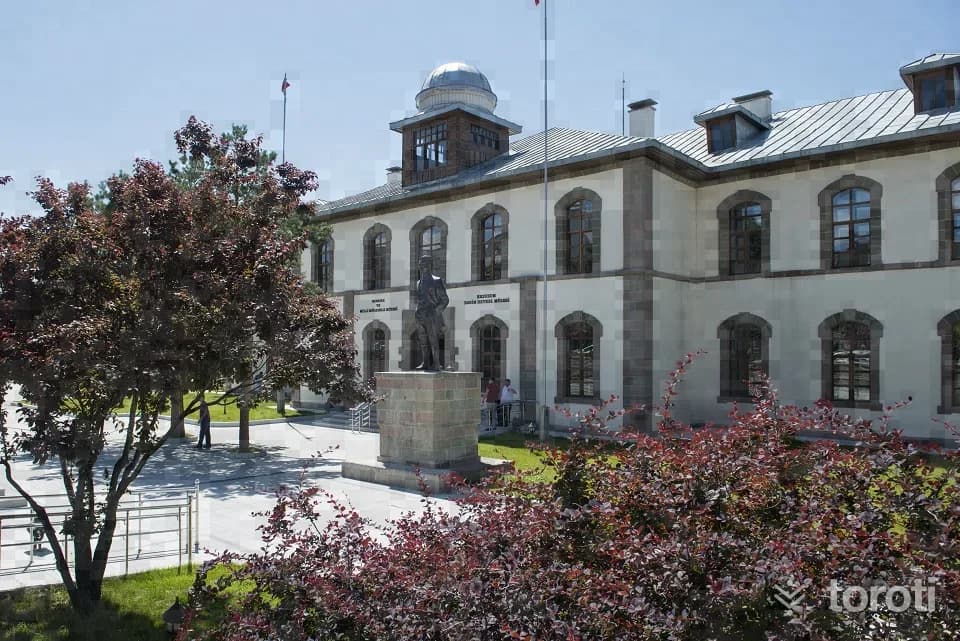
Erzurum Resim Heykel Müzesi Ve Galerisi
History of the Building The Erzurum Painting and Sculpture Museum building is the first building where the Erzurum Congress convened. The building, commissioned by Mıgırdiç Sanasaryan in 1864, served as Sanasaryan College (Armenian Girls' Boarding School). The building, which was expropriated before the Republic, suffered a fire at the end of 1924 and the wooden part burned completely.
45 minutes
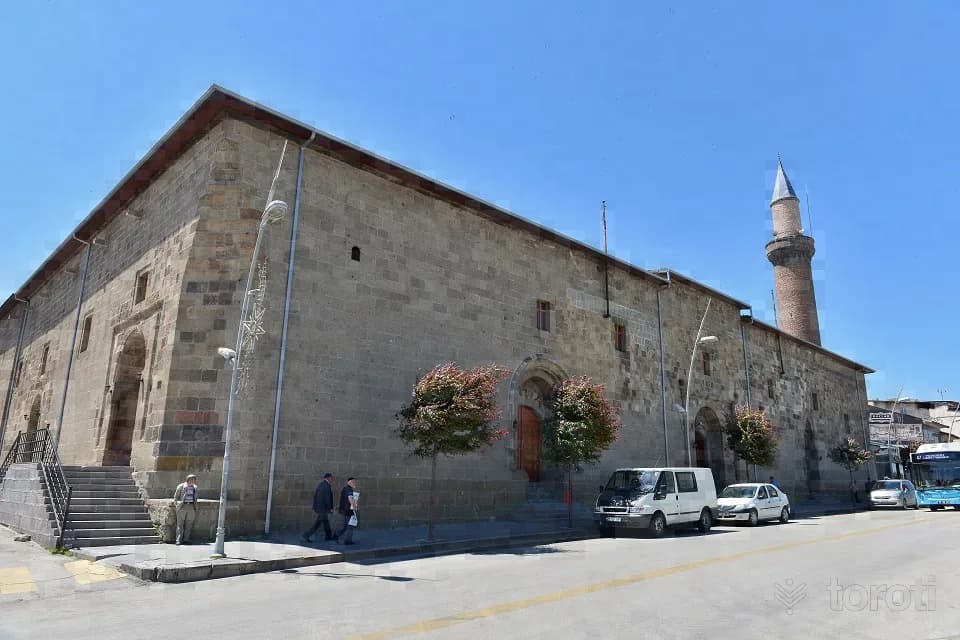
Erzurum Ulu Cami
Erzurum Ulu Cami was commissioned by Saltuklu Emir Nasreddin Aslan Mehmet in 1179. Because of the name "Atabey" of the Saltuklular, this place is also called "Atabey Camisi." Zehra İlze, General Directorate of Foundations* The upper covering of the structure was built perpendicular to the mihrab wall. It consists of a wide central nave and, on either side of it, three naves each, making a total of seven naves.
45 minutes
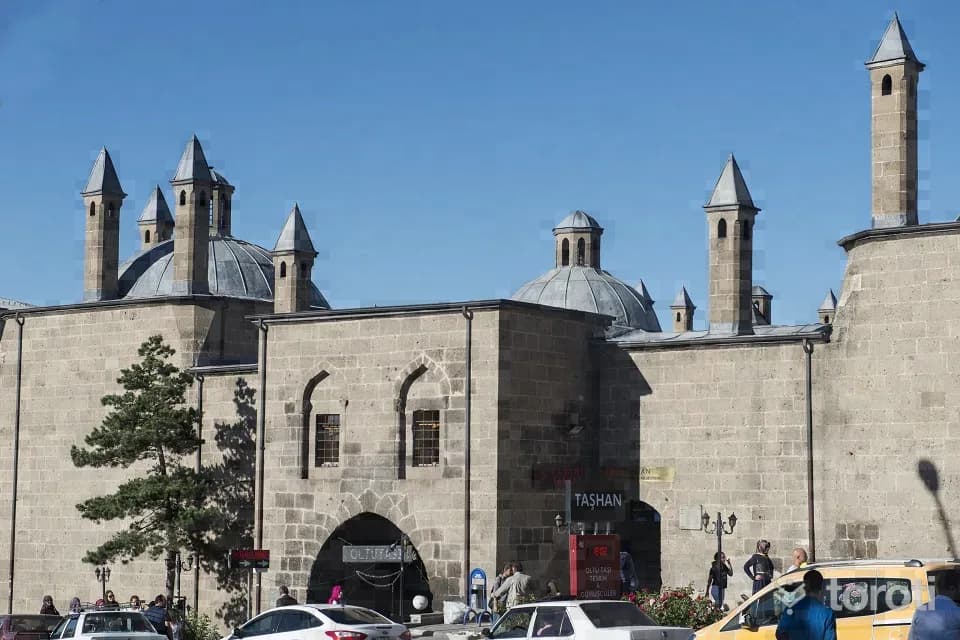
Rüstem Paşa Kervansarayı
Rüstem Paşa Caravanserai, also known as Taşhan, was commissioned in 1561 by Rüstem Paşa, the grand vizier of Kanuni Sultan Süleyman. The structure is one of the masterpiece examples of Ottoman caravanserai architecture. This is a place where travelers’ all kinds of needs were met day and night. In Rüstem Paşa Caravanserai, an imaret, a mescit, a resting place, bezirgân shops, and sections where camels, donkeys, oxen, buffaloes and horses were tied were built.
45 minutes
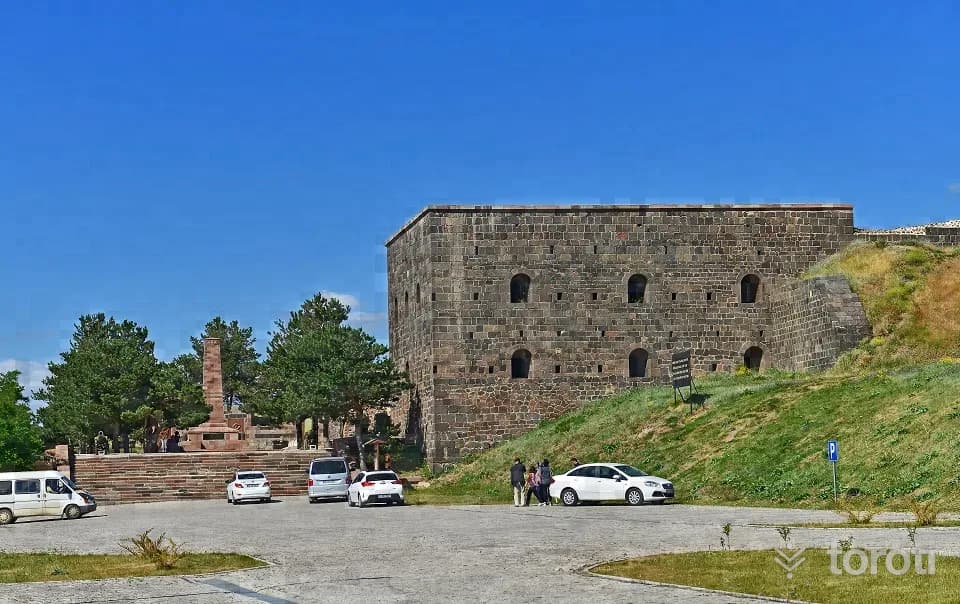
Erzurum Tabyalar
The history of the first bastions built in Erzurum dates back to the Ottoman-Iran war in the 18th century. However, the largest bastions were built from the beginning of the 19th century onwards in order to protect the city from the raids and invasions carried out by the Russians into Eastern Anatolia. The number of these strategic structures, built on hills with a wide field of view around the city, reaches 22.
45 minutes
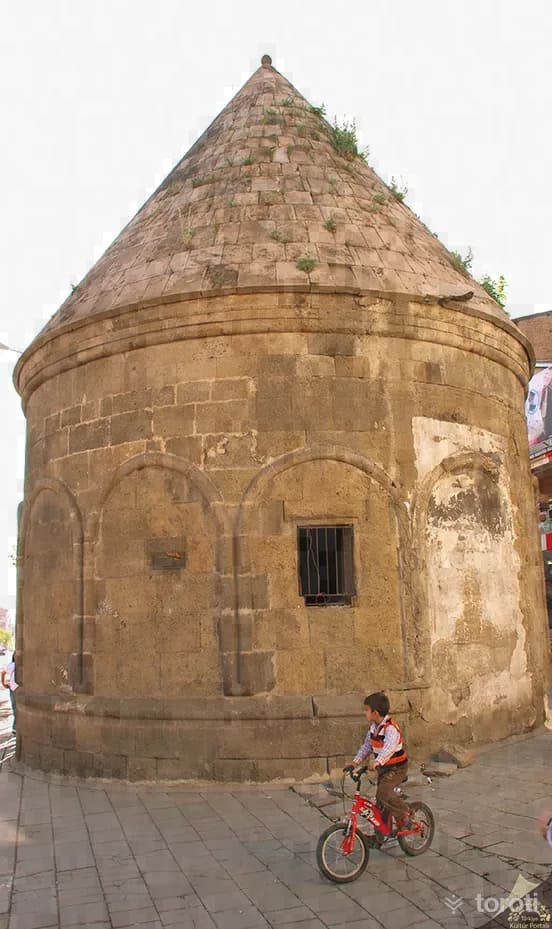
Cimcime Hatun Kümbeti
Cimcime Hatun Kümbeti is located within the city walls of Erzurum. According to the inscription of the kümbet, it was built in 1304. Umut Özdemir The name of the tomb is popularly known as Cimcime Hatun. In Osman Turan’s work titled Doğu Anadolu Türk Devletleri Tarihi on the subject, it is stated that Cimcime Sultan Kümbeti belonged to Cemcem, one of the conquerors of the Tuğrul Bey Period.
45 minutes
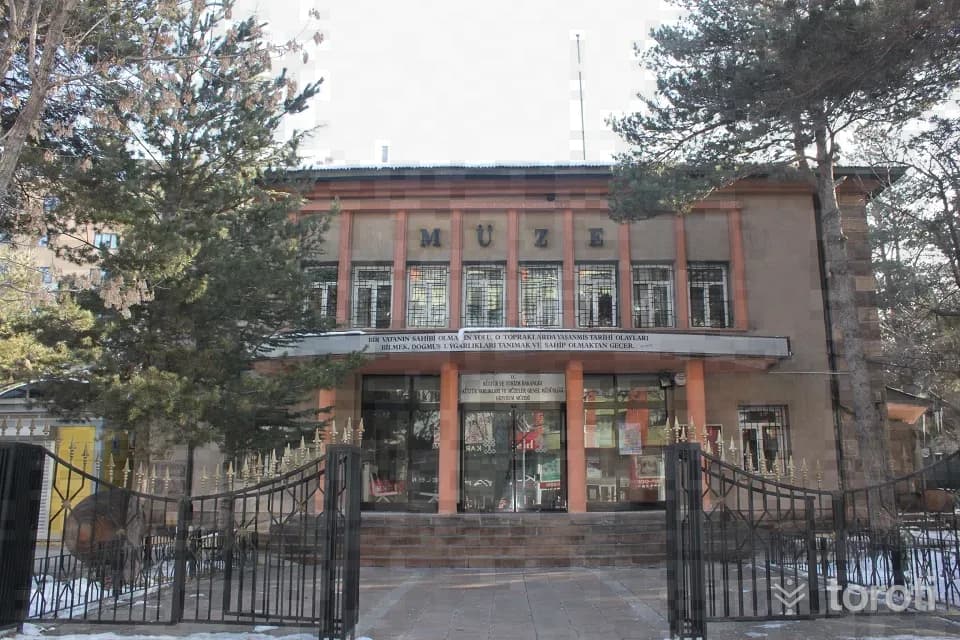
Erzurum Arkeoloji Müzesi
Erzurum Archaeology Museum, located in Rabiaana Neighborhood, Yakutiye District, Erzurum Province, is planned to be opened to visitors on 01.11.2021. The museum, with a total size of 11.000 m², has exhibition areas of 4000 m² and a storage area of 1000 m². In the museum exhibition halls, approximately 2000 items are displayed, including fossils, seals, archaeological artifacts, ethnographic artifacts, and coins from various periods, acquired in various ways from Erzurum and surrounding provinces.
45 minutes
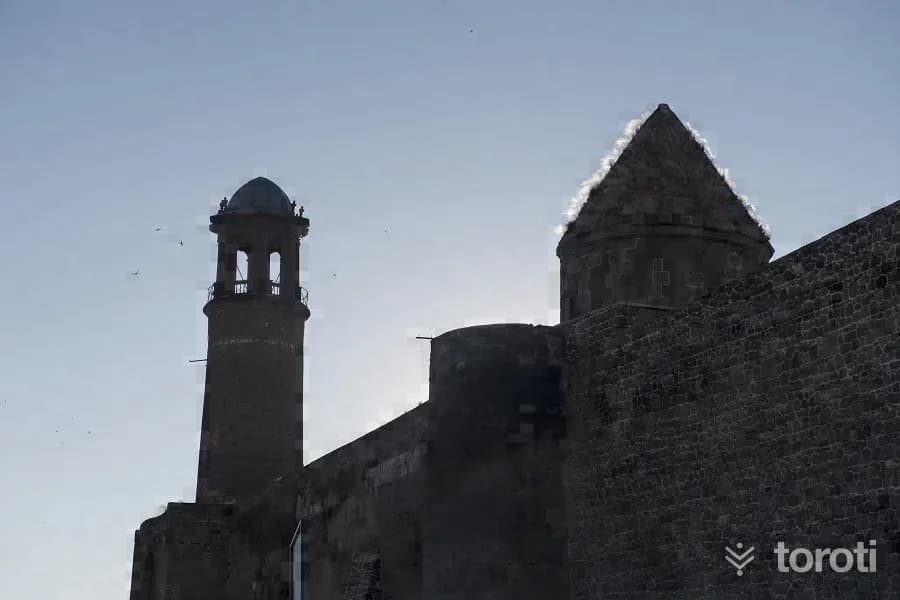
Erzurum Saat Kulesi
Considered one of the oldest works from the Islamic period in Erzurum, the Clock Tower was commissioned by the Saltukid ruler Ebu'l Kasım in the mid-12th century as a minaret for İç Kale Mescidi. Photo: Erzurum Provincial Directorate of Culture and Tourism The base of the structure, which rises adjacent to the fortification wall at the southeastern corner of İç Kale, was built of cut stone, and its cylindrical body was constructed of brick.
45 minutes
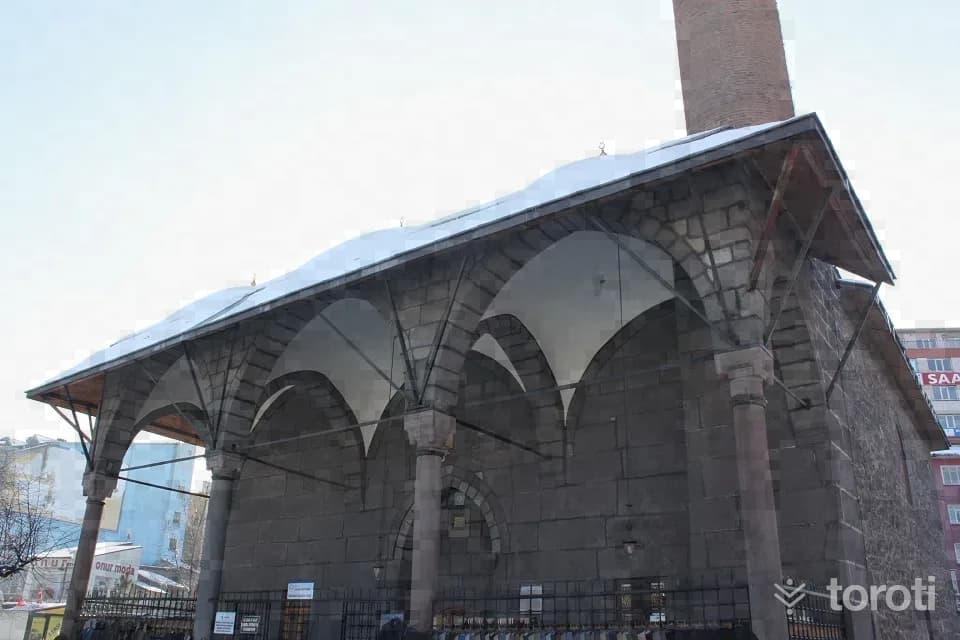
Gürcü Kapi Ali Ağa Camisi
Gürcü Kapı Ali Ağa Camisi was commissioned in 1608 by Zakreci Ali Ağa, one of the aghas of the Janissary Corps who served in Erzurum. The mosque is also known as Ali Ağa Camisi. A small inscription documenting the repair of the structure, which was damaged in the 1859 earthquake, is located above the pediment of the pointed-arched entrance. The last congregation area in front of the mosque is covered with three domes supported by four columns. These domes are concealed externally by a مخروطي roof.
45 minutes
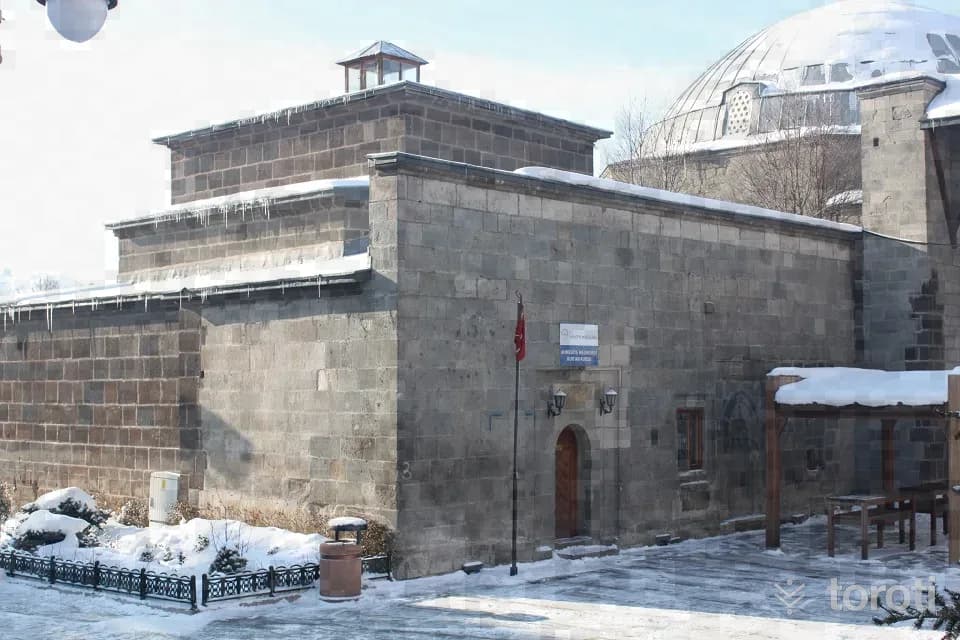
Ahmediye Medresesi
Ahmediye Medresesi was commissioned by Ahmet bin Ali bin Yusuf in 1314 during the time of the Ilkhanid State. Ahmediye Medresesi is an example of the covered-courtyard madrasa type of the 13th and 14th century period. The madrasa has a rectangular plan measuring 16.50 x 9.75 metres. On each side of the courtyard, which is covered with cloister vaults, there are two madrasa rooms.
45 minutes
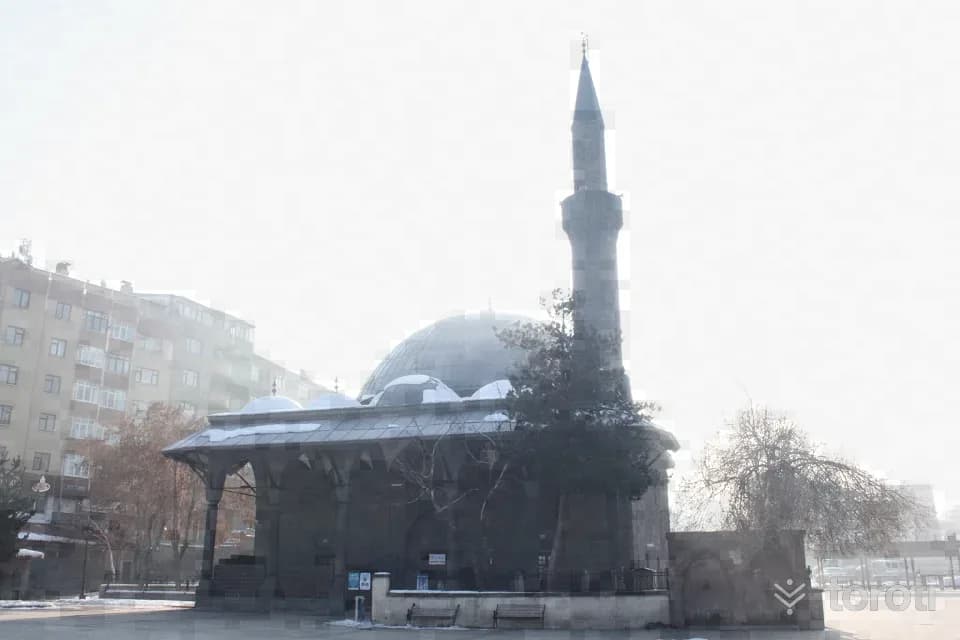
Narmanli Cami
Erzurum Narmanlı Cami is located in the Tebriz Kapı district, to the east of Çifte Minareli Medrese. According to the four-line inscription above the door, the mosque was commissioned in 1738 by Narmanlı Hacı Yusuf. Narmanlı Cami has five domes, with a large one in the middle and smaller ones on the sides. In addition, the presence of a last congregation area and its having a larger-diameter dome compared to the other single-domed mosques in the city increase the importance of the mosque.
45 minutes
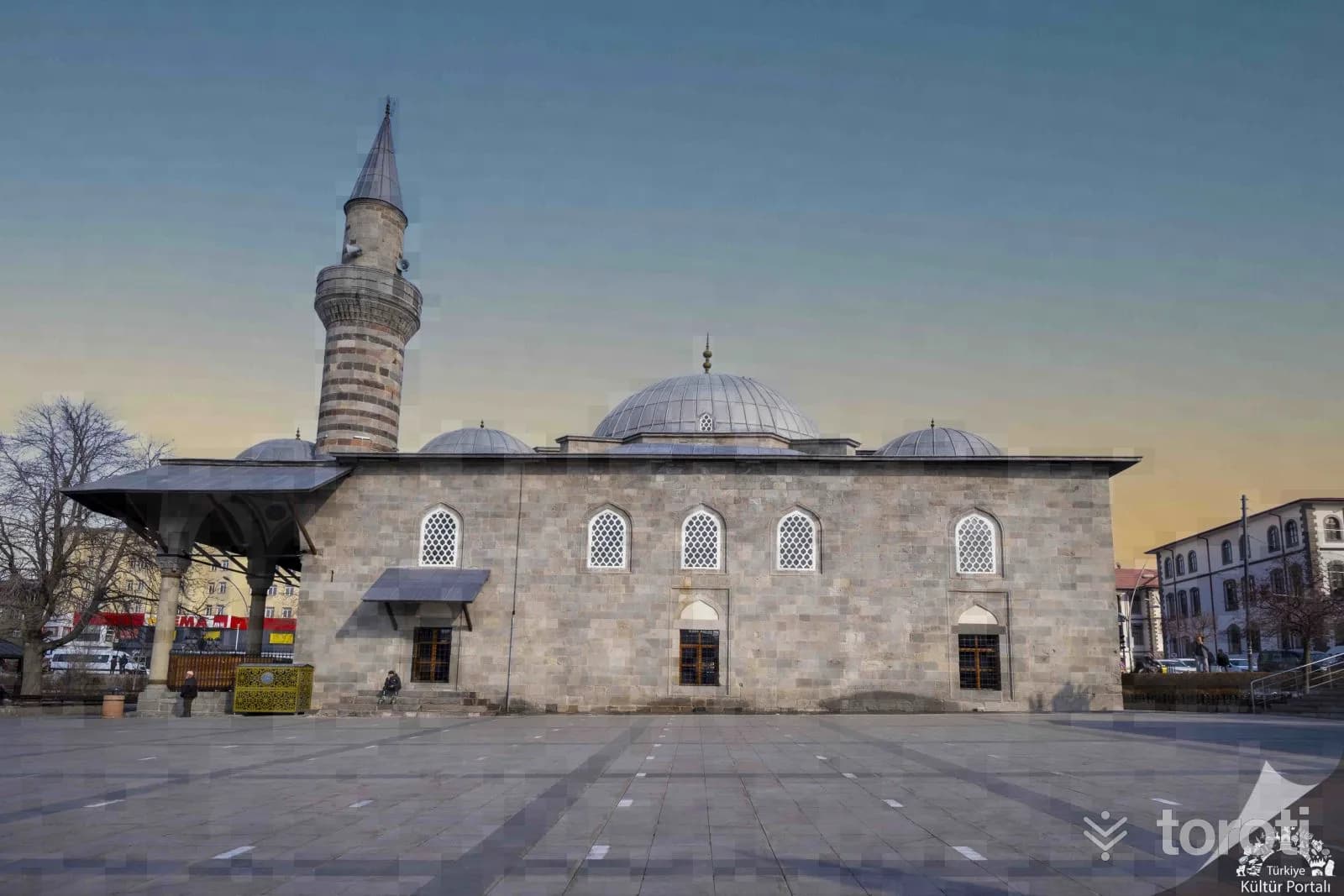
Lala Paşa Cami
Lalapaşa Camii was commissioned by Lala Mustafa Paşa, known as the Conqueror of Cyprus and who for a period was the Beylerbeyi of Erzurum. Located in the city center of Erzurum, on the eastern side of Yakutiye Medresesi, the mosque is in fact part of a külliye and is counted among the works of Mimar Sinan. The central main dome of Lalapaşa Camii, which is one of the examples of classical Ottoman mosques, is supported by four piers.
20 minutes
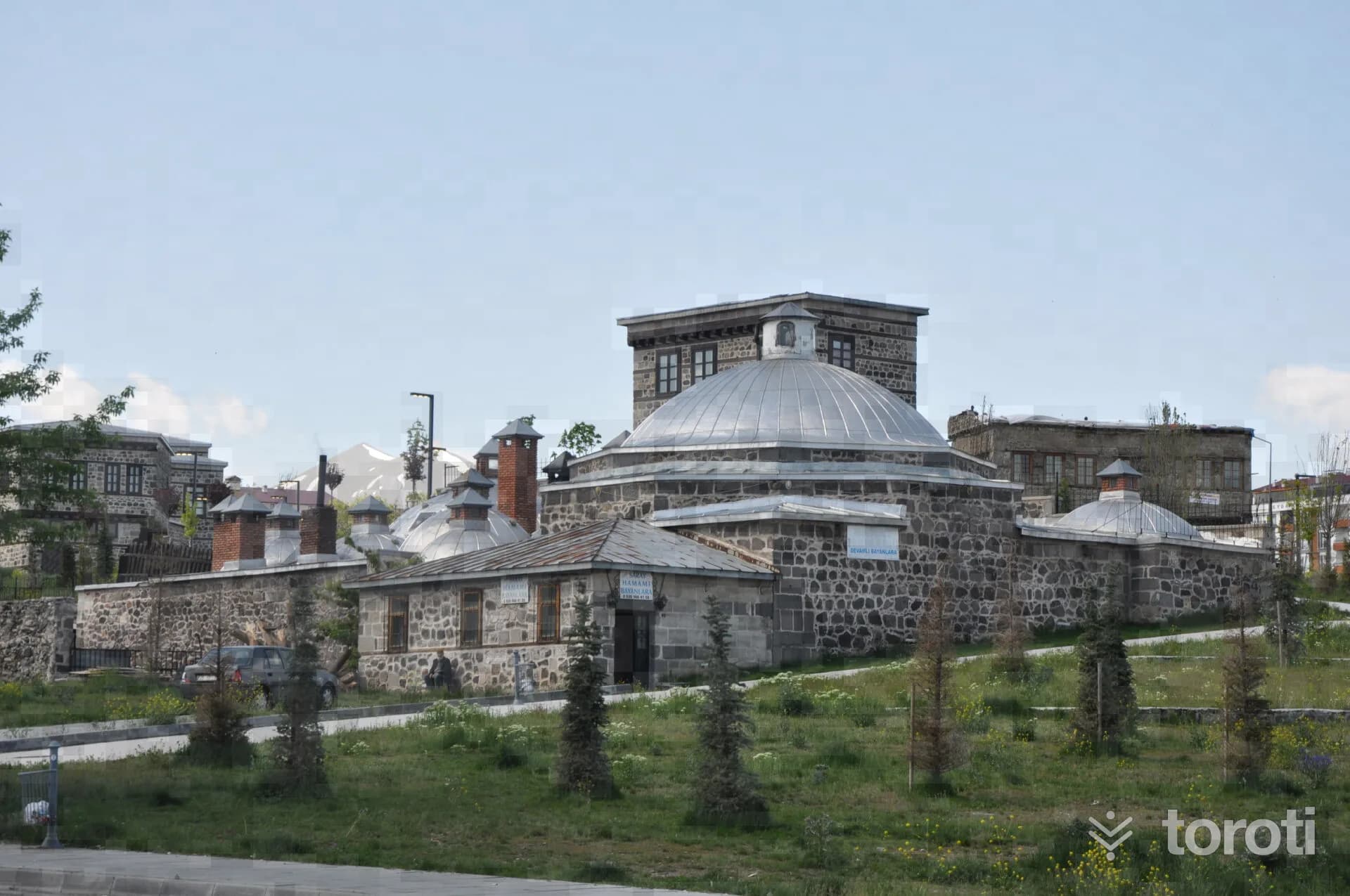
Saray Hamamı
From the inscription of Saray Hamamı, located in Erzurum Emir Şeyh Mahallesi, it is understood that it was commissioned by Derviş Ağa in the years l707-l708. The bath has undergone several repairs, and for this reason it has partly moved away from its originality. The bath, in which rubble stone and, in places, brick were used, consists of dressing, warm, hot and halvet sections. The bath is entered through a corridor that was added later.
20 minutes
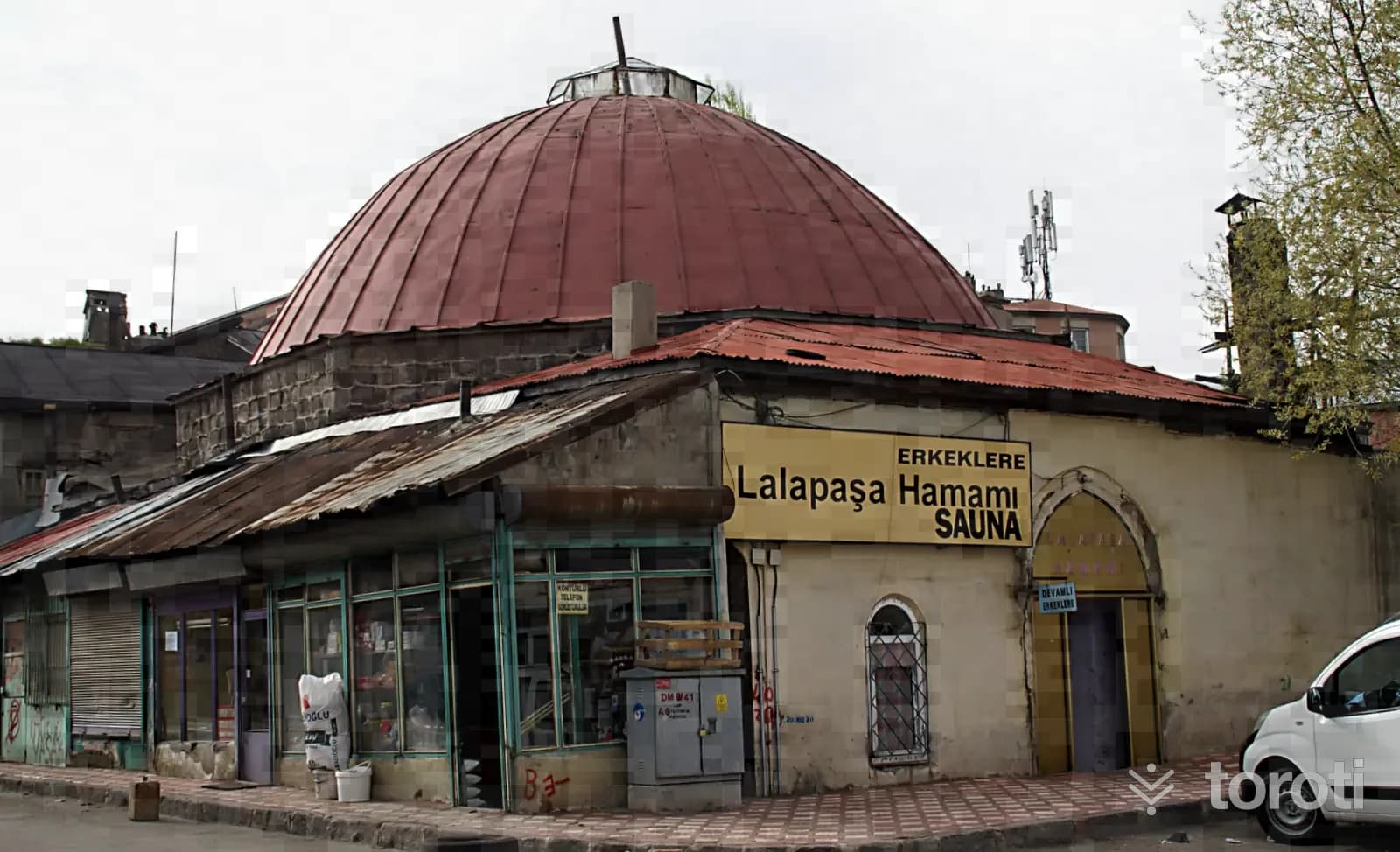
Lala Paşa Hamamı
It is thought that Lala Paşa Hamamı, located in the Tebriz Kapısı area of Erzurum, was commissioned by Lala Mustafa Paşa together with the mosque in 1562. Since the architect of Lala Paşa Camisi was Mimar Sinan, this bath must also have been built by him. In terms of architectural style, the bath also has the plan layout of the baths of the Classical Ottoman Period. However, the cross-planned bath layout was applied here.
20 minutes
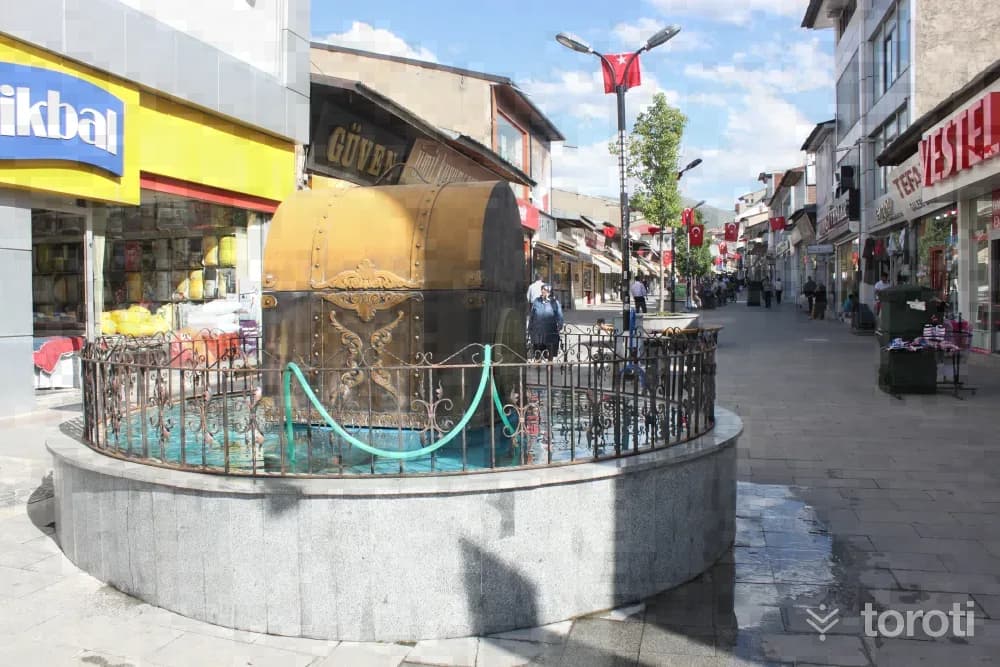
Taş Mağazalar Çarşısı
Taş Mağazalar Çarşısı is a historic bazaar in the city where there are shops selling jewelers’ goods and trousseau items; Taş Mağazalar Çarşısı, which was reorganized in the recent period and closed to traffic, is today one of Erzurum’s liveliest bazaars.
45 minutes
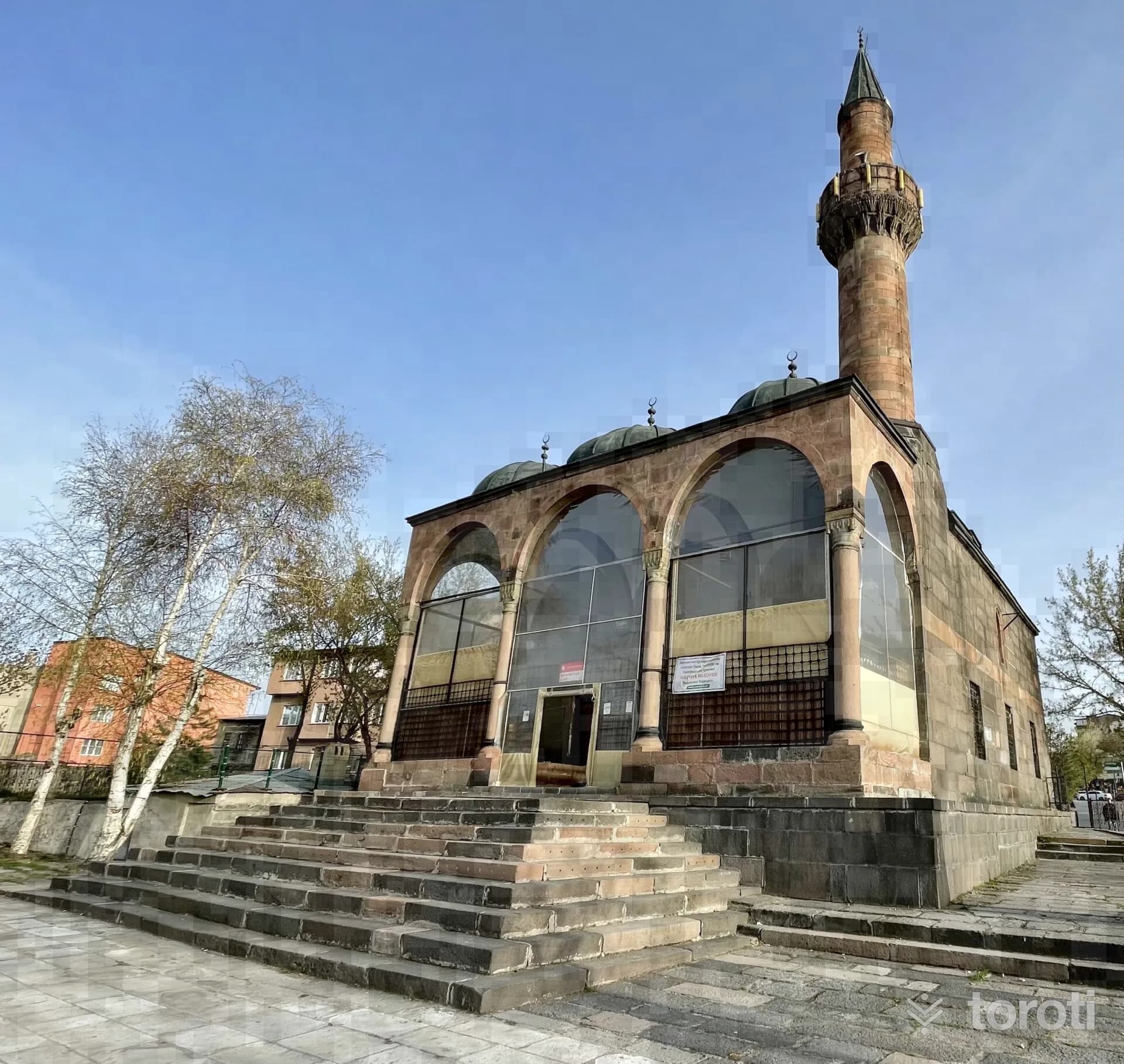
İbrahim Paşa Cami
According to the information in its inscription, it was commissioned in 1748 by Erzurum Governor Yazıcızade Hacı İbrahim Ethem Paşa. The mosque has a square plan and a single dome. White marble stone was used in its construction, and its mihrab is also made of marble. The mosque, which is one of the typical examples of Ottoman architecture, is still open for worship today.
20 minutes
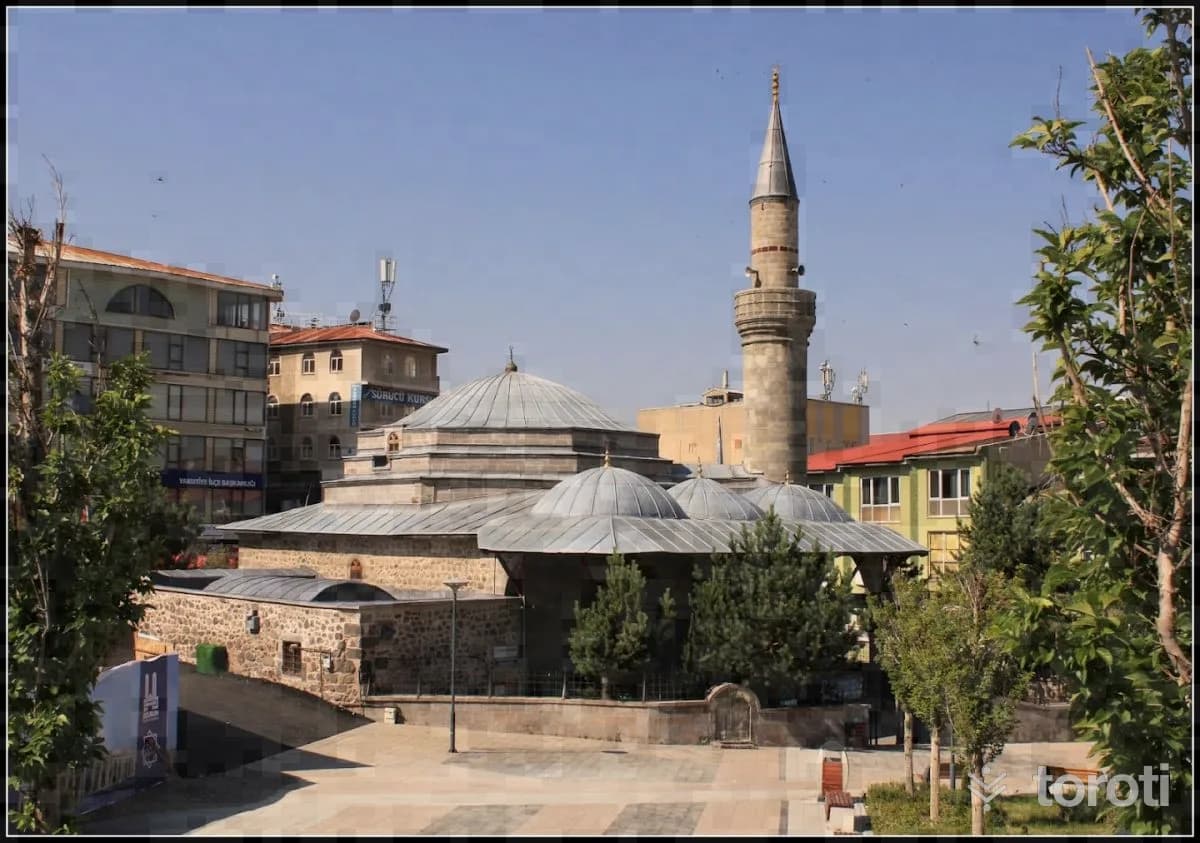
Caferiye Cami
It is a historical mosque with features of Ottoman architecture, commissioned in the city center by Cafer, son of Ebubekir, who served as a treasury official in Erzurum in 1645 during the reign of Sultan İbrahim.
20 minutes
Erzurum Tarihi Kapilar
Every person living in Erzurum wonders what Tebriz Kapı, Erzincan Kapı, Kavak kapı, Kars Kapı, Yeni Kapı, İstanbul Kapı, Kilise Kapı, Gürcü Kapı mean. Because these gates have become identified with Erzurum. History is built on certain values, judgments, cultures, and wars. However, there are some cities that have written their names into history and have deserved this place with their special circumstances.
45 minutes
Kandilli Kayak Merkezi
Kandilli Ski Center; It is 36 km from the city center and is built on 160 hectares of land. The altitude of the slopes varies between 1,713 - 1,767 m. The biathlon and cross-country skiing competitions of the 25th World University Winter Games Erzurum 2011 were held here. Kandilli Nordic Ski Center is an area open to multi-purpose use for 12 months.
45 minutes
Murat Paşa Camii
In the city center, Murat Paşa Camii, which gave its name to the neighborhood where it is located, is near Erzincan Kapısı, one of the city gates, together with the bath next to it. According to its inscription, it was commissioned in 1573 by Grand Vizier Kuyucu Murat Paşa. It is the second Ottoman mosque in Erzurum after Lala Paşa Camii. In terms of its plan and architecture, the structure became a model for the single-domed mosques built in the city after it.
20 minutes
Arkeoloji Müzesi
The museum, where artifacts acquired in various ways from Erzurum and the surrounding provinces are exhibited, was first put into operation in Yakutiye Medresesi in 1944. The museum, which was moved to Çifte Minareli Medrese in 1947, continued to function here for about 20 years. In 1964, it was decided to build a new museum building. The museum, whose construction was completed in Murat Paşa Mahallesi, was opened to visitors in 1968.
45 minutes
Emir Şeyh Hz. Türbesi
It is located at Tebriz Kapı, next to Emir Şeyh Mosque. This tomb belonging to Emir Şeyh Hazretleri, who lived during the Abbasid period, managed to preserve its existence through the countless invasions Erzurum was exposed to. Although it is not known exactly when the tomb, which has no inscription, was built, according to what Ketencizade Rüştü stated, it was constructed in 1179, during the time of Saltukoğlu Sultan Mehmet Kızılarslan.
20 minutes
Boyahane Hamamı
Boyahane Hamamı, located in Boyahane Mahallesi, is next to the mosque commissioned by İlyas Ağa in l620-1621. According to its inscription, it was commissioned by Hacı Emin Paşa in l566-l567.
20 minutes
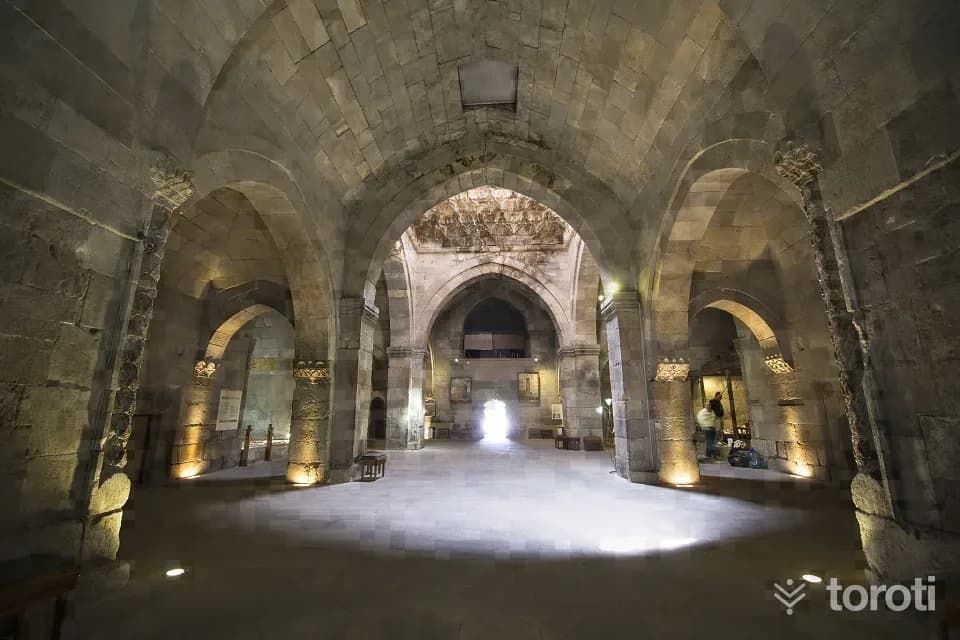
Yakutiye Medresesi Türk İslam Eserleri Ve Etnografya Müzesi
Yakutiye Medresesi was commissioned by Hoca Yakut Gazani in 1310, in the name of Gazan Han and Bolugan Hatun, during the reign of the Ilkhanid ruler Sultan Olcayto. As the largest of the covered-courtyard madrasas in Anatolia, Yakutiye Medresesi is one of Erzurum's most magnificent structures with its layout, balanced architecture and large-motif decorations. Photo: Uğur Sağıroğlu The monumental portal of the building projects outward from the facade.
45 minutes
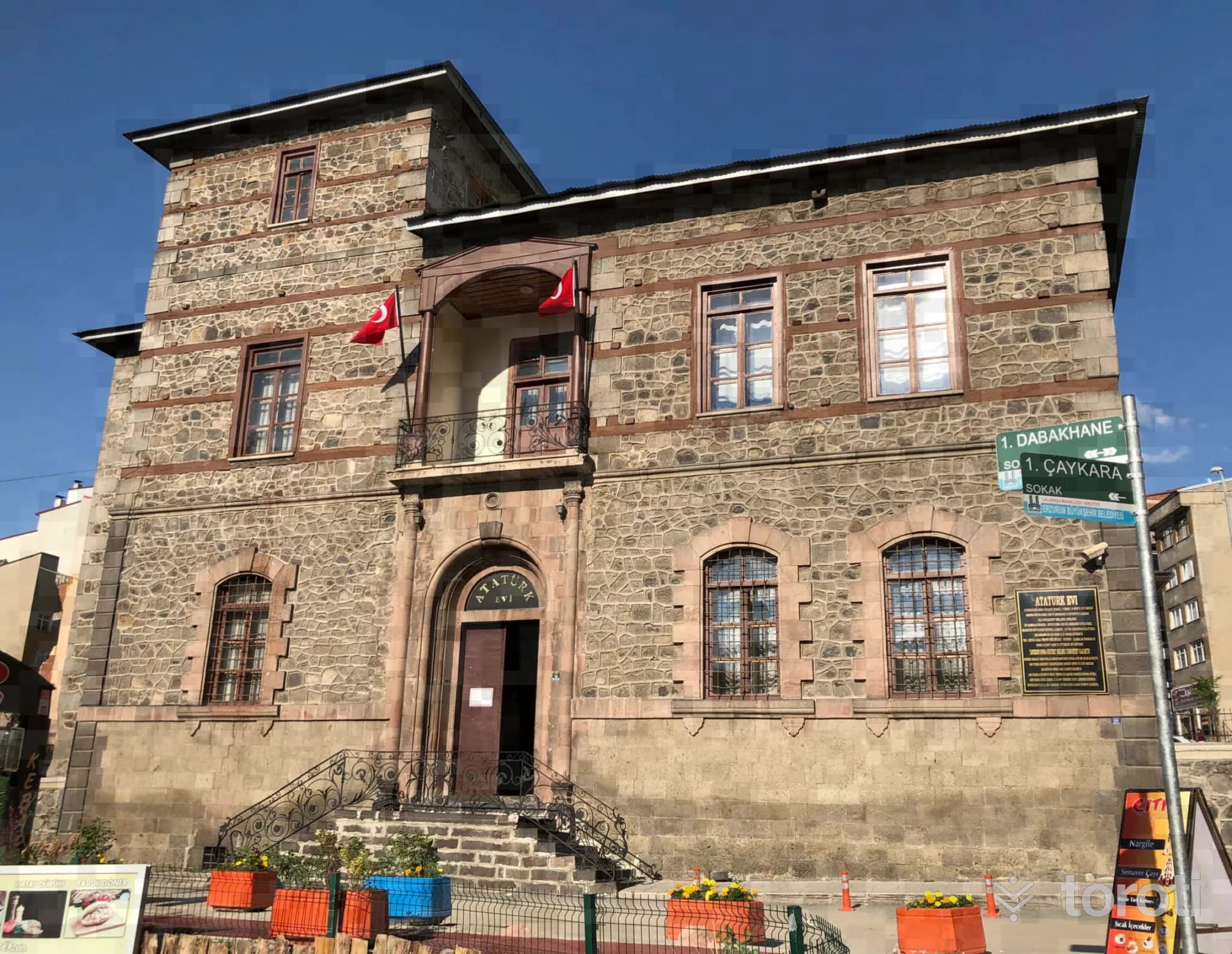
Atatürk Evi Müzesi
The Atatürk House Museum, opened in 1984 in Erzurum, is a historical museum representing an important heritage. It is the house where Atatürk stayed during the preparations for the Erzurum Congress.
45 minutes
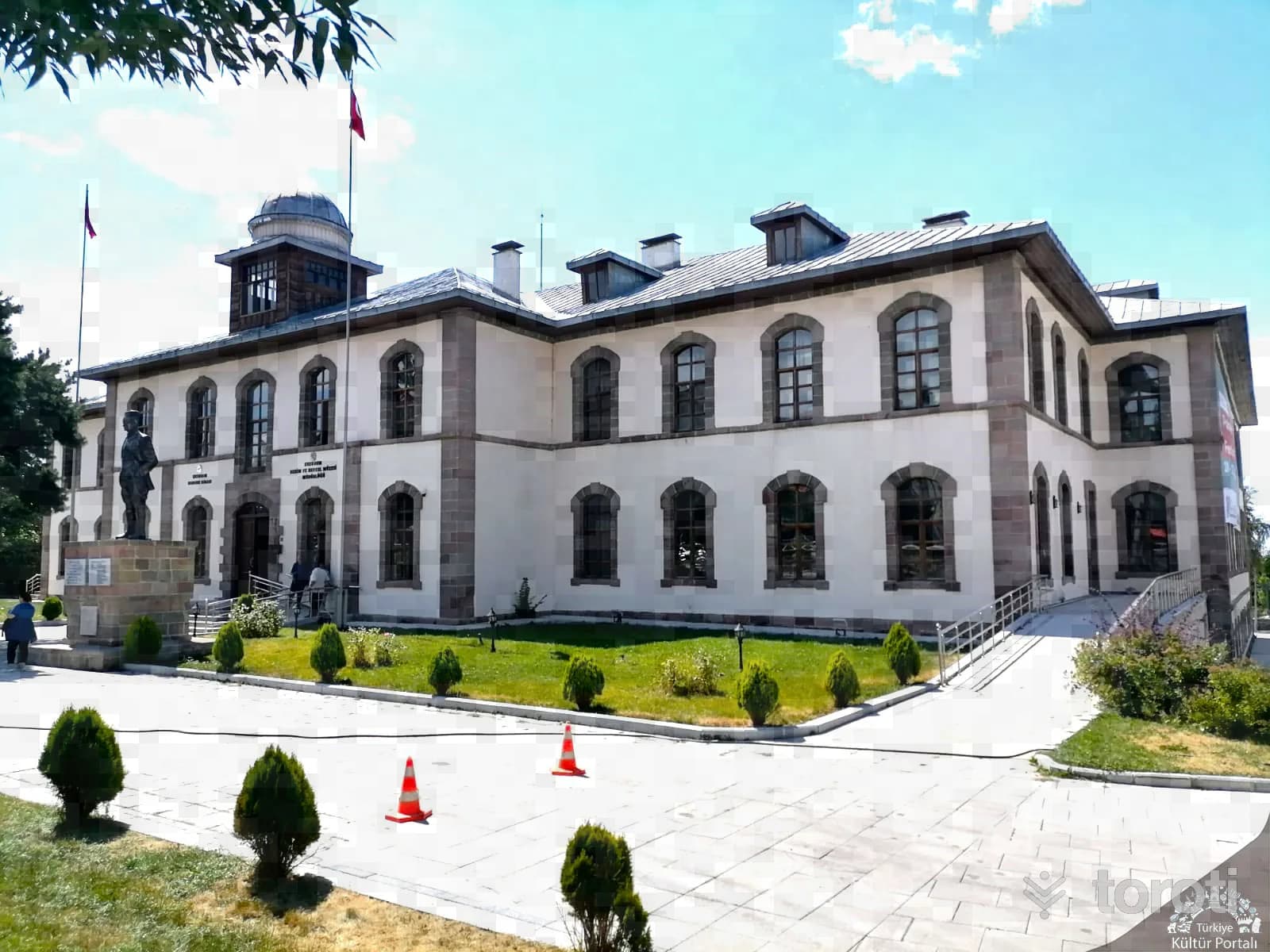
Kongre Binası
The Congress Building, constructed in the late 19th century, hosted the Erzurum Congress. It currently serves as the Fine Arts High School and features sections organized as the Congress Museum.
45 minutes
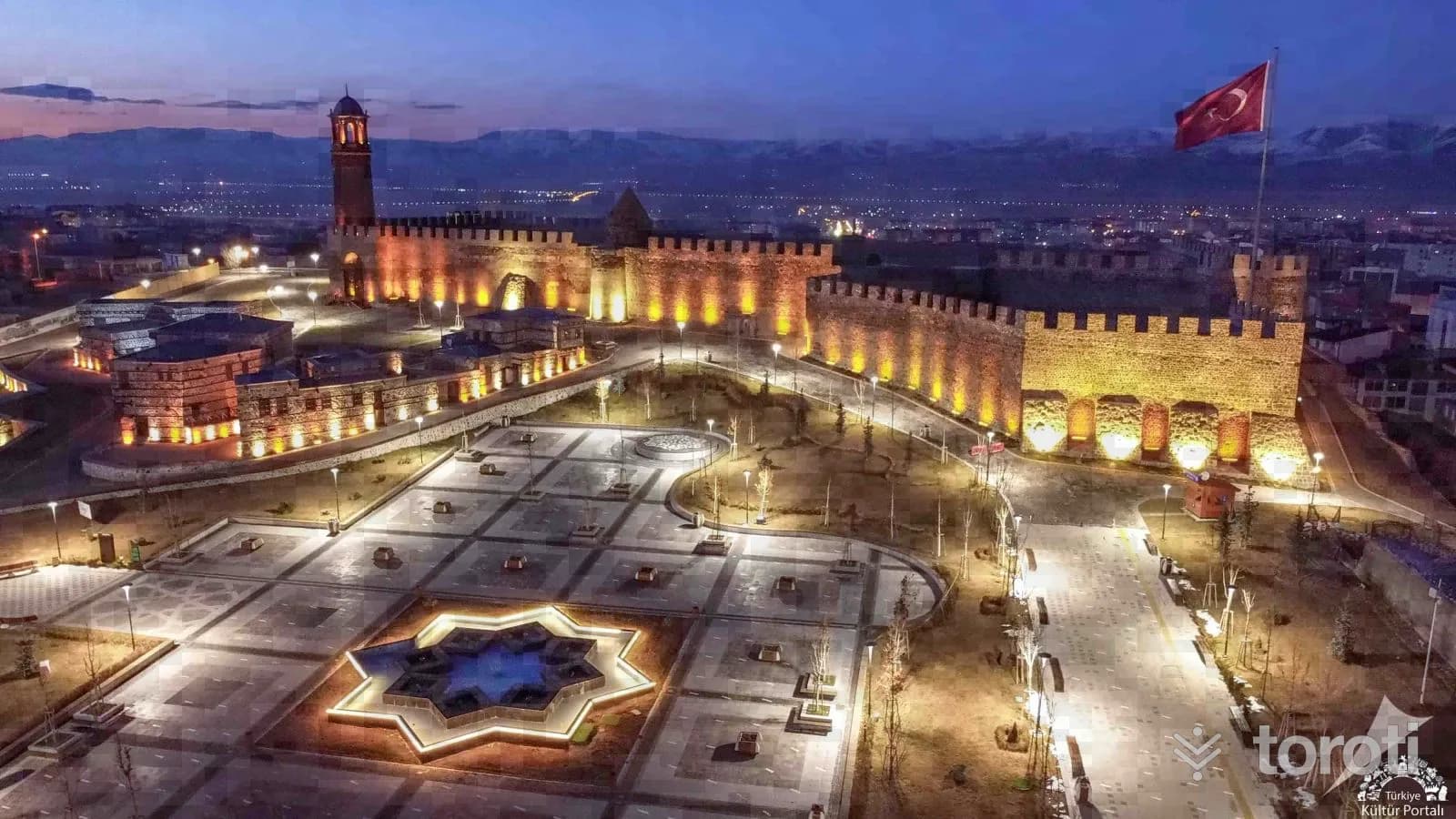
Erzurum Kalesi
Erzurum Castle has hosted many civilizations throughout its history and houses the inner castle that has survived to this day.
30 minutes
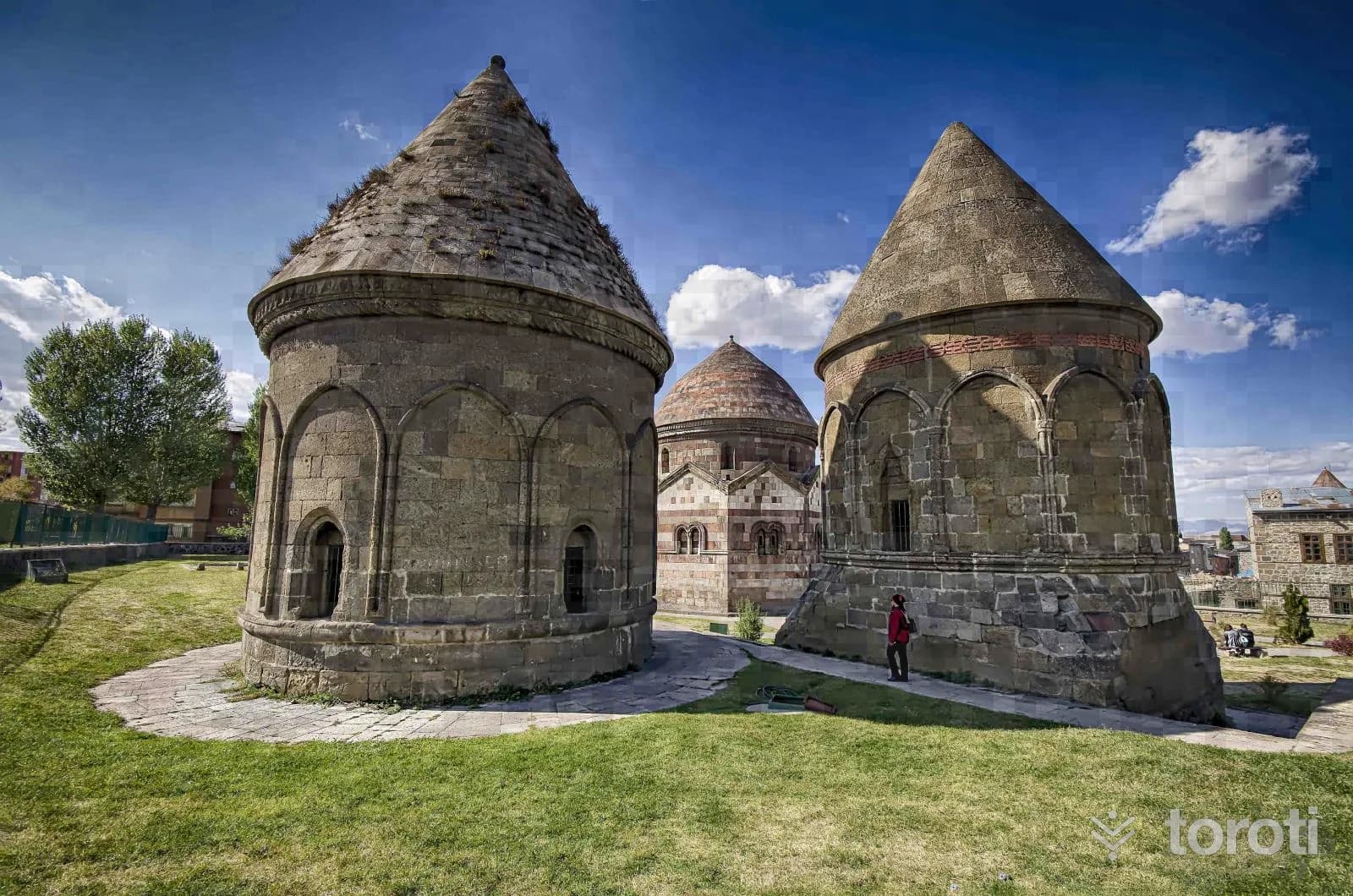
Üç Kümbetler
These magnificent tombs, remaining from the Saltukoğulları period, have two major characteristics. The first is that they are among the first works built in Anatolia, and the second is that all three were built in completely different architectural styles from one another. Of the three tombs, the one set on an octagonal plan is thought to belong to Emir Saltuk, the founder of the Saltuklu State.
30 minutes
Çifte Minareli Medrese
It is a Seljuk work that has become the symbol of Erzurum. It is generally accepted to have been built in the late 13th century. It is also called Hatuniye Medresesi due to the belief that it may have been commissioned by Hundi Hatun, the daughter of the Seljuk Sultan Alaaddin Keykubat, or by Padişah Hatun of the Ilkhanid dynasty. The medrese, approximately 35 x 46 m in size, is the most important example of the group of two-storey, four-iwan, open-courtyard madrasas.
30 minutes