
Places to visit
Things to do in Trabzon
32 destinations, each with a description, how long it takes and where it sits on the map.
In short
toroti’s catalogue holds 32 described destinations within Trabzon. The themes that come up most: Nature, History, Faith heritage, Local culture, Museum, Culture.
Districts of Trabzon
Görele Paşaca Şelalesi
It is located between the villages of Yeşildere and Beşirli in Görele District of Giresun. The area where the waterfall is located has been declared a Nature Park. The waterfall is not only a waterfall on its own, but after completing its drop, it continues on its way by forming small cascades for hundreds of meters.
45 minutes
Ahi Evren Dede Camii
It is adjacent to Ahi Evren Dede Camii located in Boztepe. The square-planned tomb is covered with a dome. This tomb, restored by Hacı Hakkı Baba in 1887-1888, took its present form. Next to the grave of Ahi Evren Dede are also the graves of Hacı Hakkı Baba and his sons.
20 minutes
Kuş Gözlem
Bird Watching Trabzon plateaus and especially Altındere Valley National Park offer favorable opportunities for bird watchers. The National Park is within the borders of Maçka district. It is quite rich in terms of biodiversity and bird diversity.
45 minutes
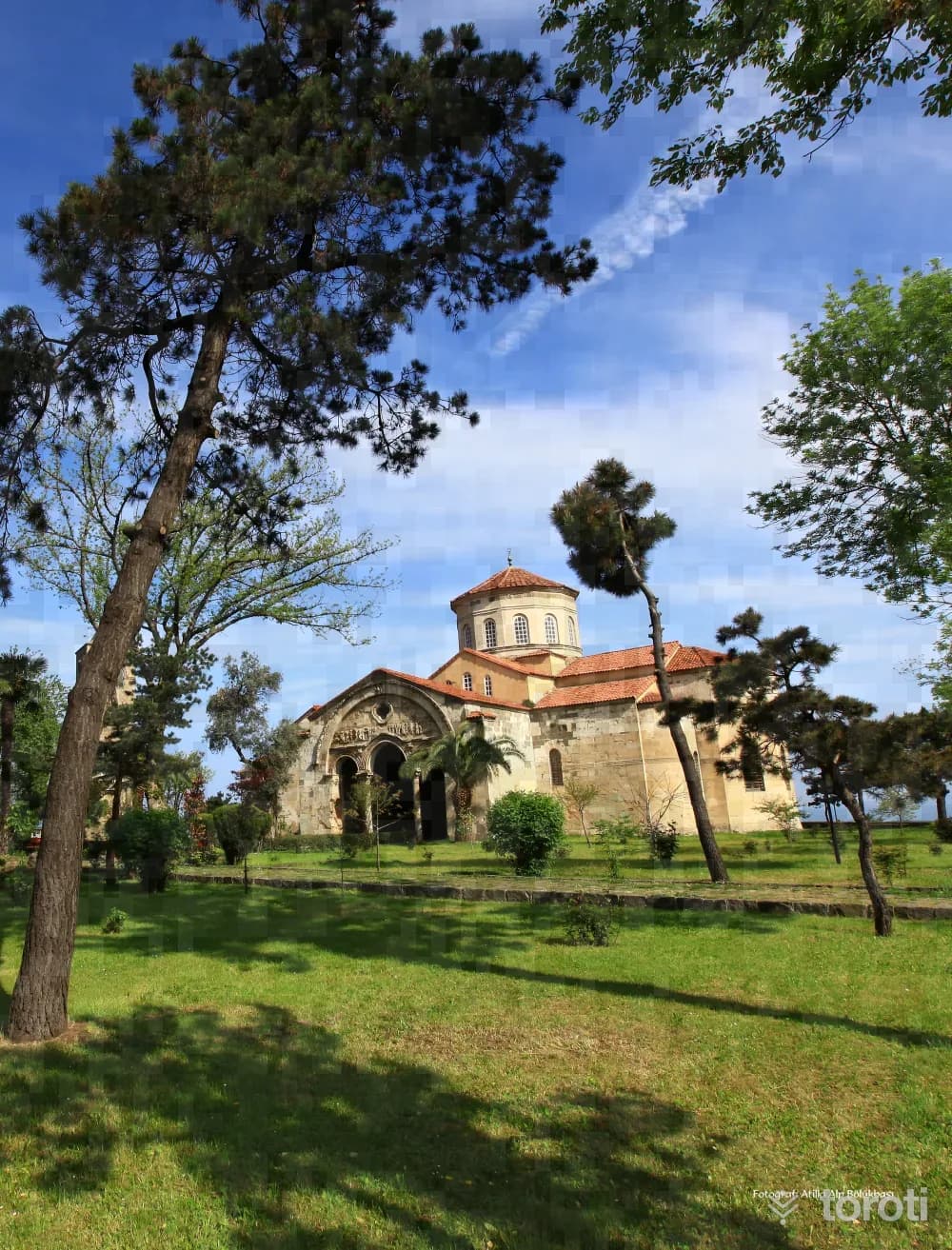
Ayasofya Cami
Ayasofya Cami was reopened for Muslim worship after 52 years, with the performance of the daily prayer on Friday, 28 June 2013. Trabzon Ayasofya Museum, which is a mosque today, was built during the reign of 1. Manuel Komnenos, one of the kings of the Trabzon Empire (1238-1263). The bell tower, dated to 1427, is located to the west of the church. The remains of the three-apsed chapel to the north of the church belong to an earlier period.
45 minutes
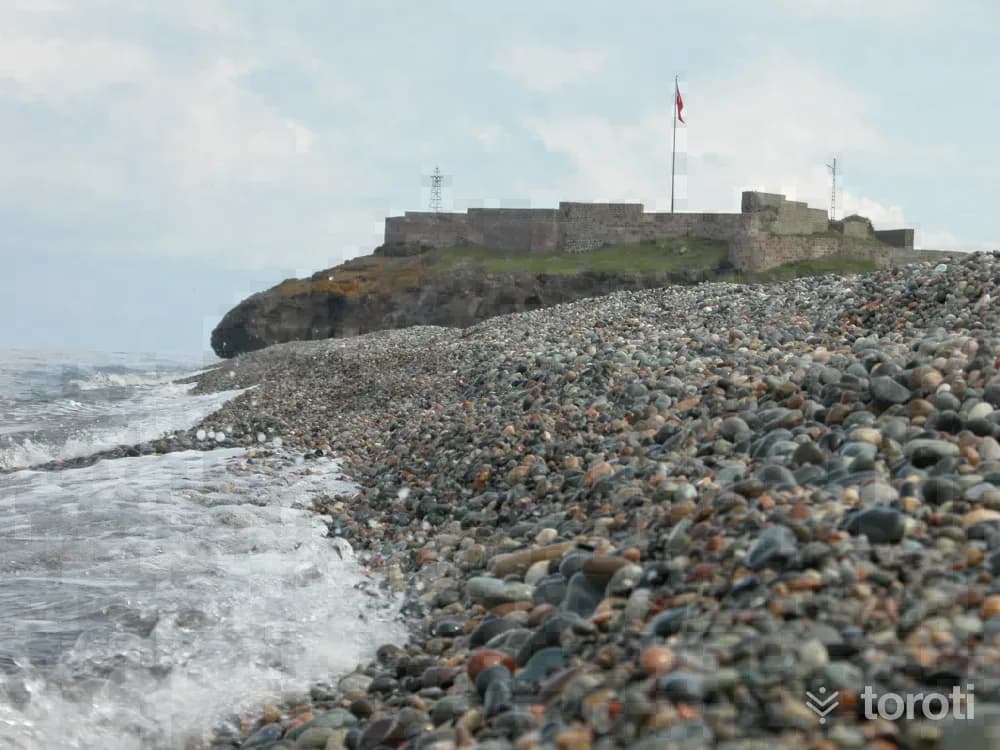
Eynesil Kalesi
The castle was placed under protection by the decision of the Trabzon Cultural and Natural Heritage Preservation Board dated 23.12.1994 and numbered 2124. There is no academic source providing information about the construction date of Eynesil Kalesi, located on a rocky peninsula 2 kilometres east of Eynesil District, or about who had it built. Current sources state that Eynesil Kalesi, meeting the blue of the sea, dates back to the Romans.
45 minutes
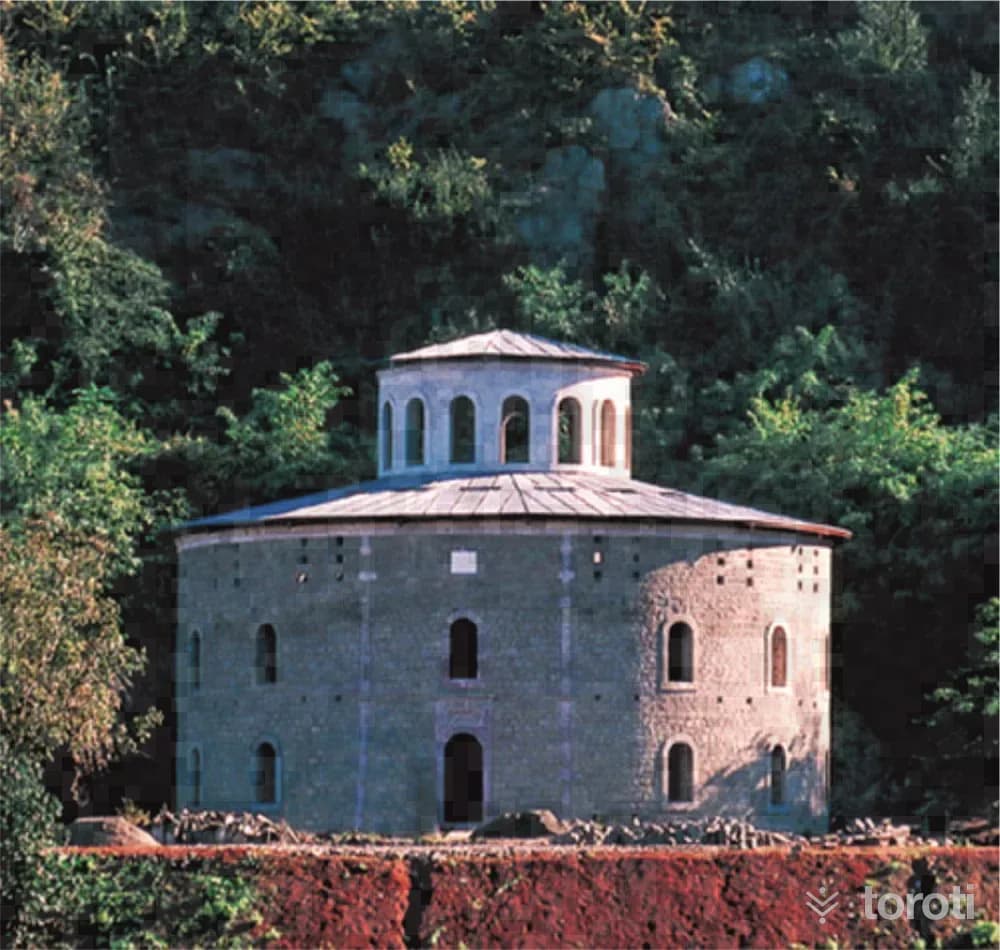
Cephanelik
Cephanelik is one of the most striking and debated structures among the buildings of Trabzon. Under the photograph of the structure in the Yıldız Sarayı albums, it is written that it was commissioned in the year H.1305. The tughra of Abdülhamit II above its door and the inscription also confirm this. It is clearly understood that Cephanelik was commissioned in 1887. It consists of two concentric circular sections with an approximate diameter of 25-40 meters. The inner section has four storeys, while the outer section has three storeys.
45 minutes
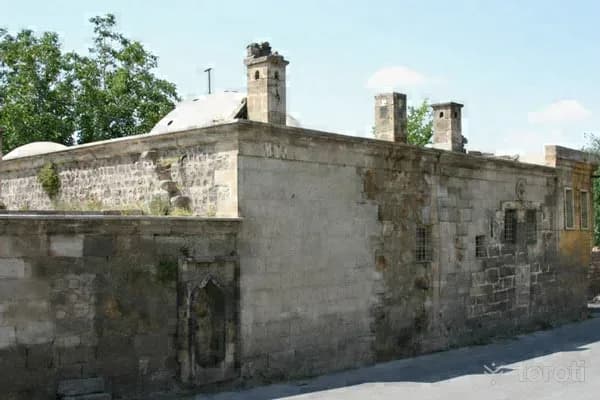
Paşa Hamamı
Paşa Hamamı, also known as İskender Paşa Hamamı, was commissioned in 1531 by Trabzon Governor İskender Paşa, and although its inscription was destroyed, the bath itself has survived intact to the present day. The architecture of İskender Paşa Hamamı is a typical example of Ottoman architecture. The bath, which has two separate sections for men and women, has a double bath plan layout. Above the men's section, there is an octagonal roof supported by columns.
45 minutes
Abdullah Paşa Çeşmesi
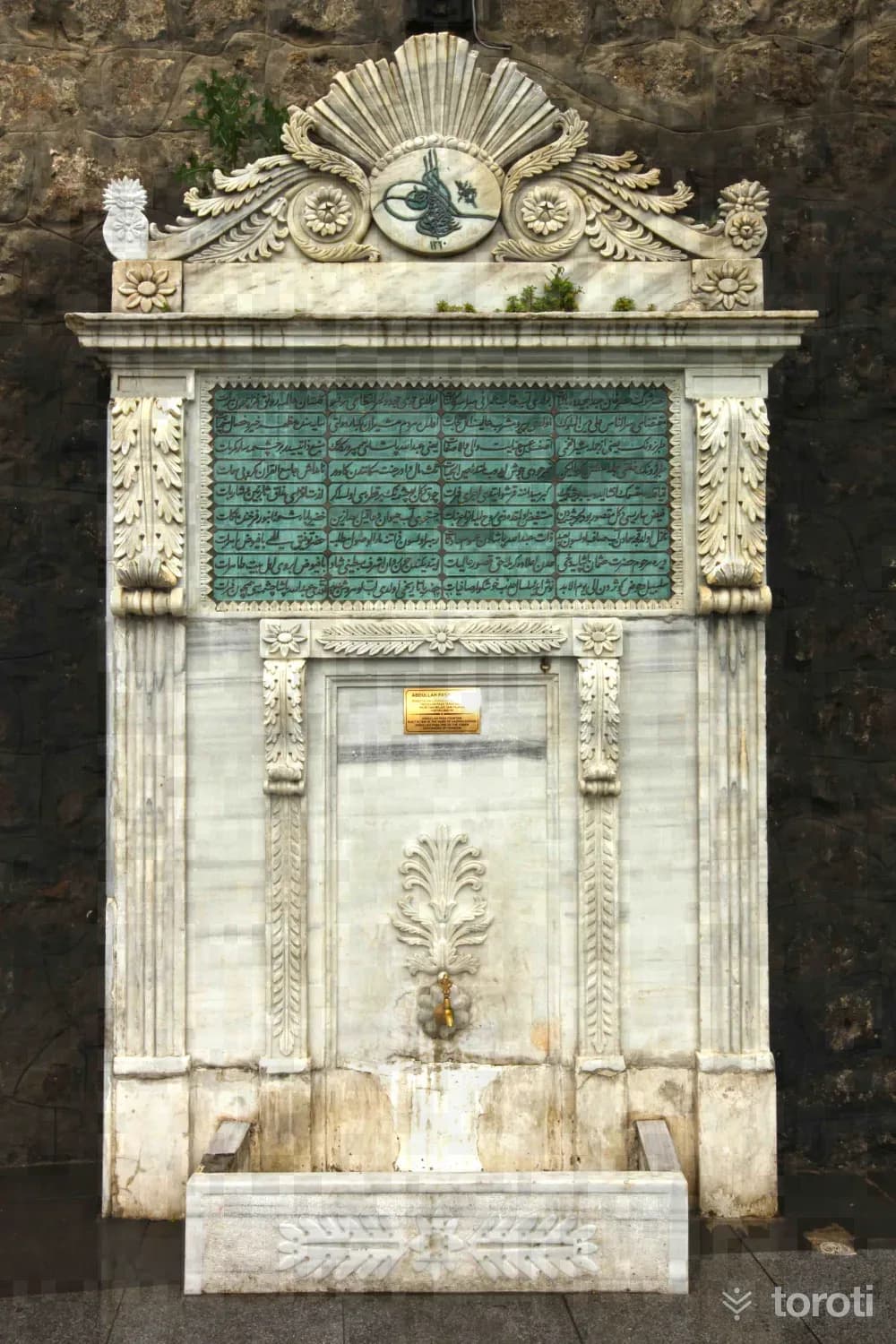
Abdullah Paşa Fountain is located at the eastern entrance of Zağnos Paşa Tower. It is known to have been built in Taksim Square in 1844 by Trabzon Governor Haznedarzade Abdullah Paşa. The structure was later moved to its present location. Photo: Servet Uygun The rectangular fountain was built in the Empire style. In the center of the fountain’s triangular pediment is the tughra of Sultan Abdülmecid, with broken branches on either side of the tughra and a rosette on each side.
45 minutes
Vakif Han
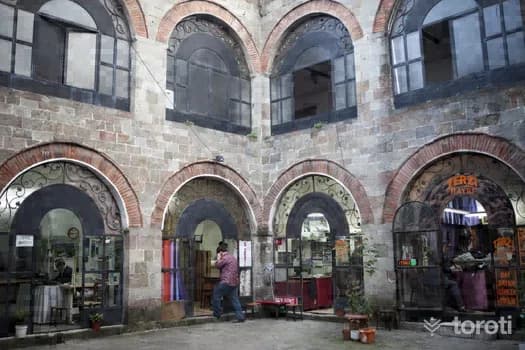
Vakıf Han is located to the northwest of the Bedesten. It is a three-storey inn with a courtyard. According to the inscription on the fountain of the mosque in its southeastern part, which was built together with it, it was commissioned in Hijri 1196 Gregorian 1781 by a philanthropist named Hacı Yahya. The main entrance of the ground floor is from the east. The open courtyard is surrounded by a portico and the rooms behind it. The entrance to the first floor is on the south. On this floor, there are four shops on the facade, the fountain, and the entrance door of the mosque.
45 minutes
Bedesten
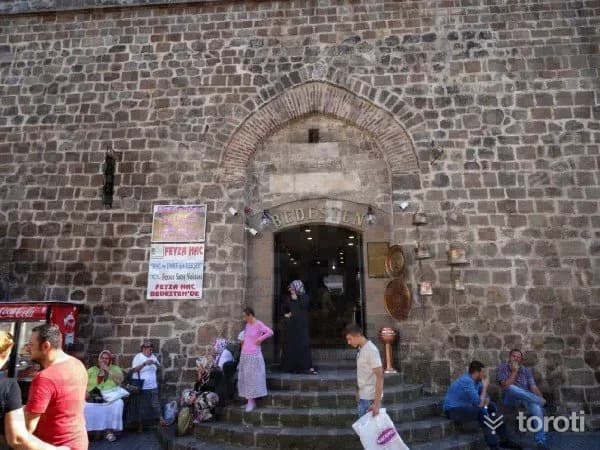
Trabzon Bedesten Bazaar is one of the historical architectural structures. Bedesten Bazaar is located in the part of Trabzon city center that is about 300–400 meters down toward the coast. It is one of the easiest places to reach in terms of transportation. Inside, there are tradesmen selling local goods and materials, and a cafeteria that has been authentically restored in accordance with the architectural structure. If you would like to take a gift from Trabzon to your spouse, friends, or relatives, you should visit Bedesten Bazaar.
45 minutes
Zağnos Köprüsü
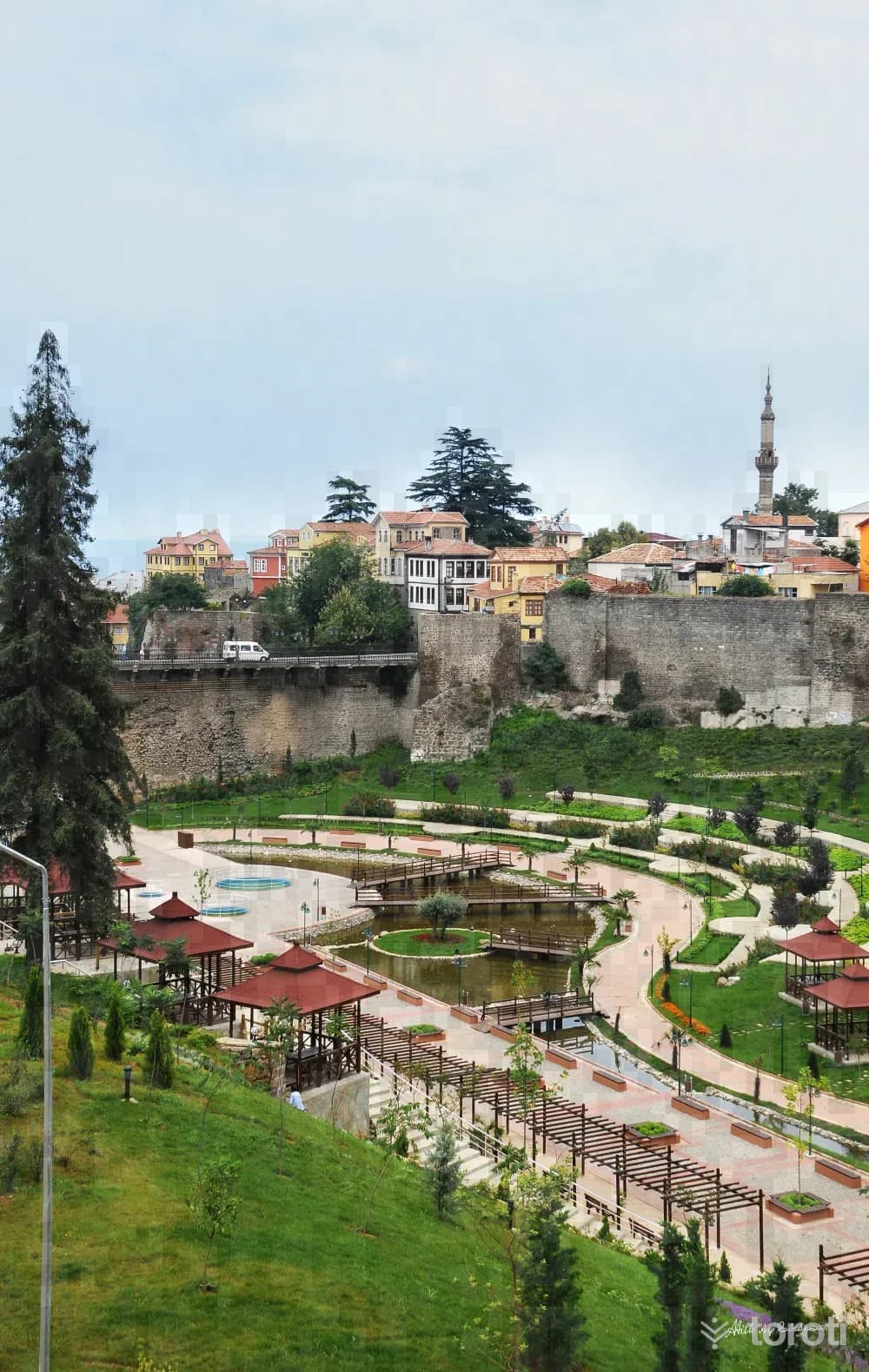
Zağnos Bridge provides the connection between Orta Hisar and Zağnos (Atapark) Square. A bridge with two superimposed arched spans, it was originally built with 6 or 7 arched openings. A large part of the lower sections of the bridge was built during the Roman Period. In addition, workmanship belonging to the Byzantine Period can be seen. In the 15th century, it was repaired by Zağnos Mehmet Paşa. With the repairs carried out over time, the width of the bridge increased.
45 minutes
Sis Dağı Yaylası
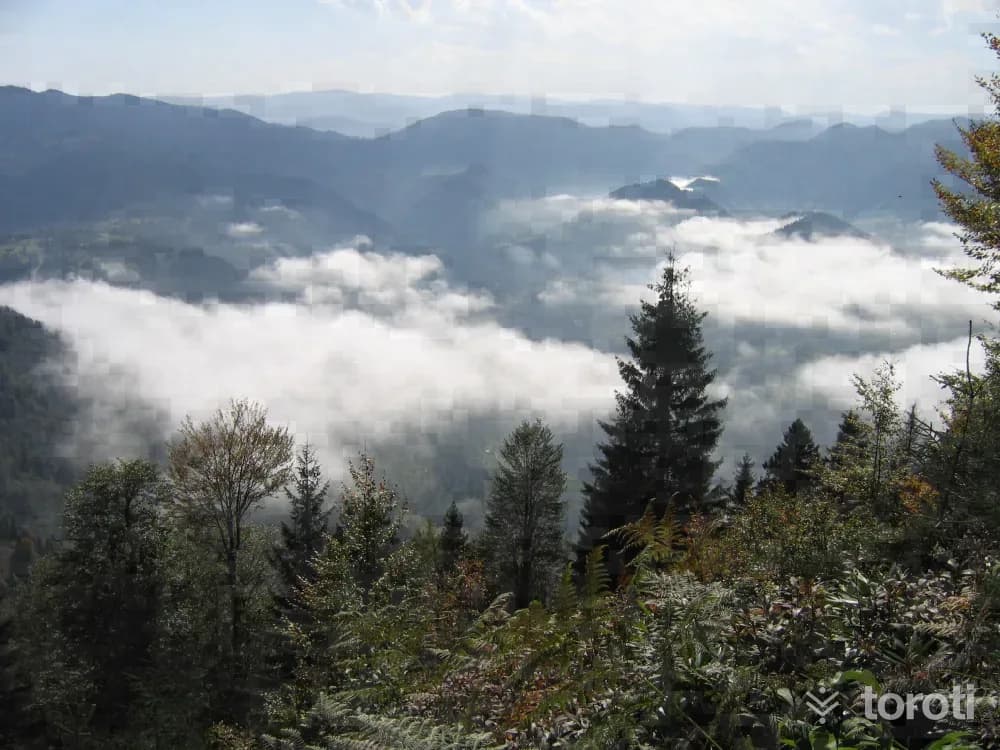
Sis Dağı Plateau, located 40 kilometres from the coast of Giresun’s Görele district, is situated at the intersection of the provincial borders of Giresun and Trabzon. On Ali Meydan (Sis) Dağı, at an altitude of 2.182 metres, the plateau covers a very large area; snow remains on the ground until the beginning of July and creates interesting snapshots. It was declared a Tourism Center in 2011.
45 minutes
Çarşı Camii
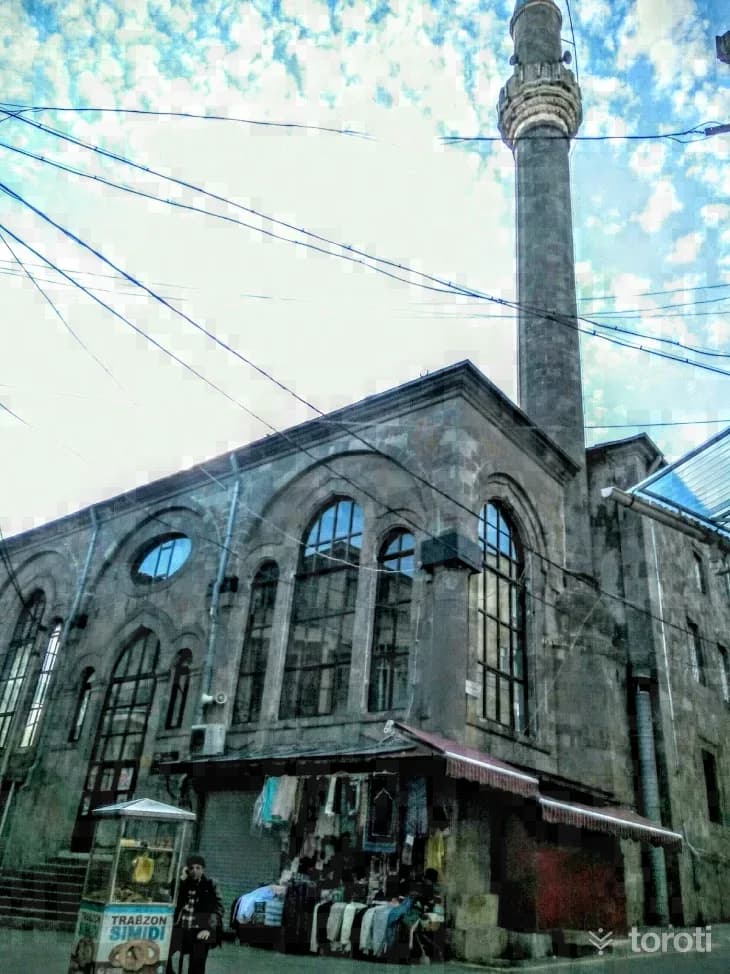
Çarşı Camii is located in the Kemeraltı area of Trabzon's Çarşı Mahallesi. The mosque was commissioned in H.1225, M.1839 by Hazinedarzade Osman Paşa, who served as governor in Trabzon for many years. Since the site on which the mosque was built is sloping, shops were placed beneath the last congregation area on the north facade. It is the largest mosque in the city. Regular stone workmanship is striking in the structure. Baroque-decorated borders can be seen on the door and window moldings.
45 minutes
Akçakale
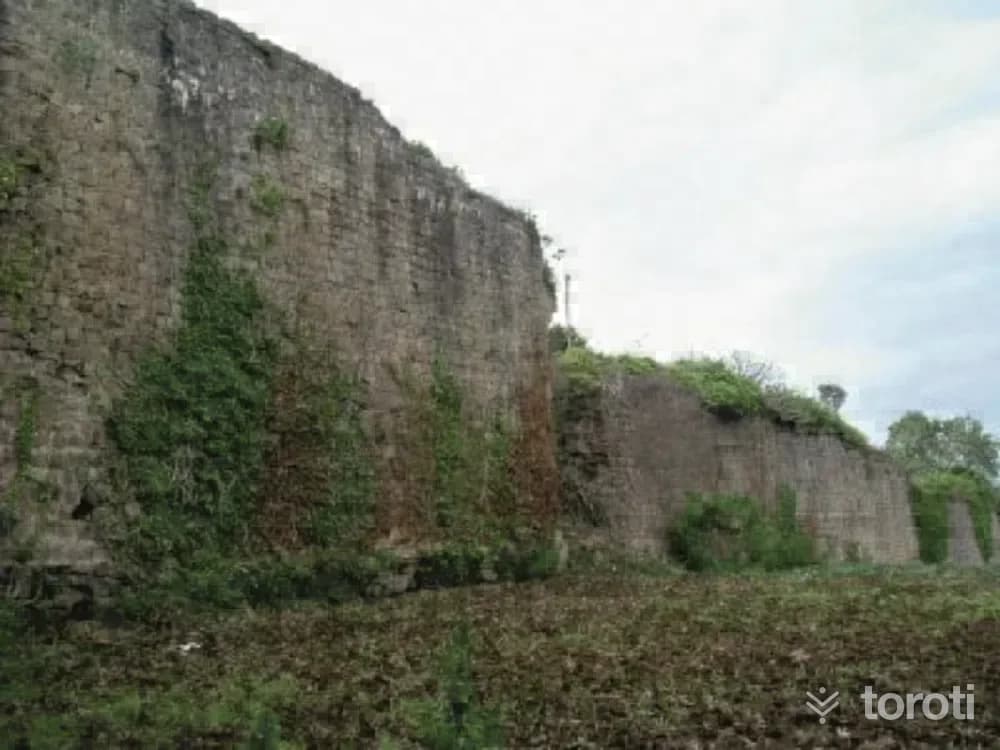
Akçakale, located 18 kilometers west of Trabzon, was established on a terrace overlooking the sea. The castle that gave the district its name is thought to have been built by Emperor Alexios II between 1297-1330 in order to protect it from the Seljuks. After the conquest of Trabzon, the castle was repaired during the Ottoman Period. Although many parts of the castle, built of rubble and cut stone, have been destroyed, it still has not strayed far from its original appearance.
45 minutes
Tavanli Camii
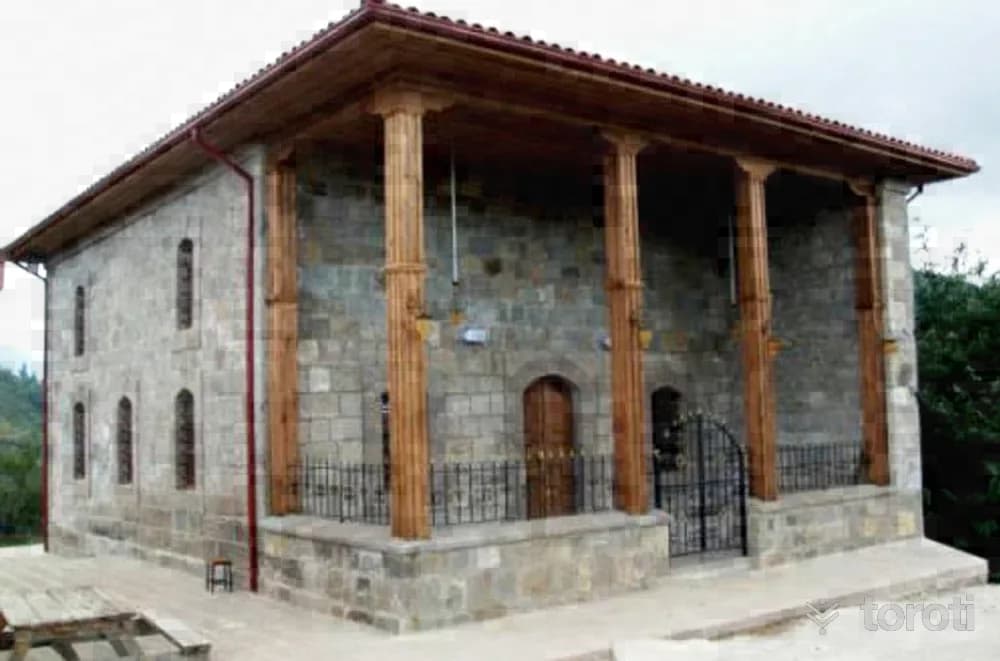
It is one of Trabzon's typical roofed mosques. It was built in 1874 by the Nemlizadeler. Its thick stone walls display careful workmanship. There is a wooden gallery above the entrance section of the harim. The mosque is illuminated by the windows on all facades. The stone mihrab borders are decorated in relief with trees emerging from vases and curling branches. The minbar has been kept plain. The wooden ceiling of the harim also has a central medallion.
45 minutes
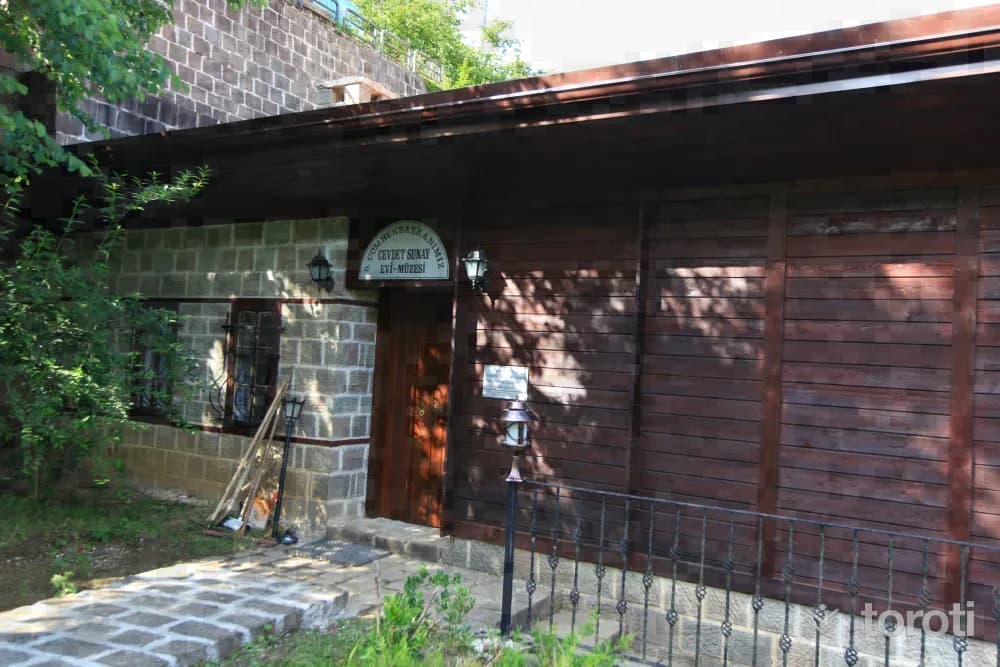
Cevdet Sunay Müzesi
Born in Ataköy in 1900, Cevdet Sunay served as Chief of the General Staff, the 5th President of the Republic of Türkiye, and a Quota Senator. The house where Cevdet Sunay, who died in 1982, was born was restored and opened to visitors in 2001 as the Cevdet Sunay House Museum. It is located in Ataköy Town on the Çaykara-Sultan Murat Plateau road, 21 kilometers from Çaykara District.
45 minutes
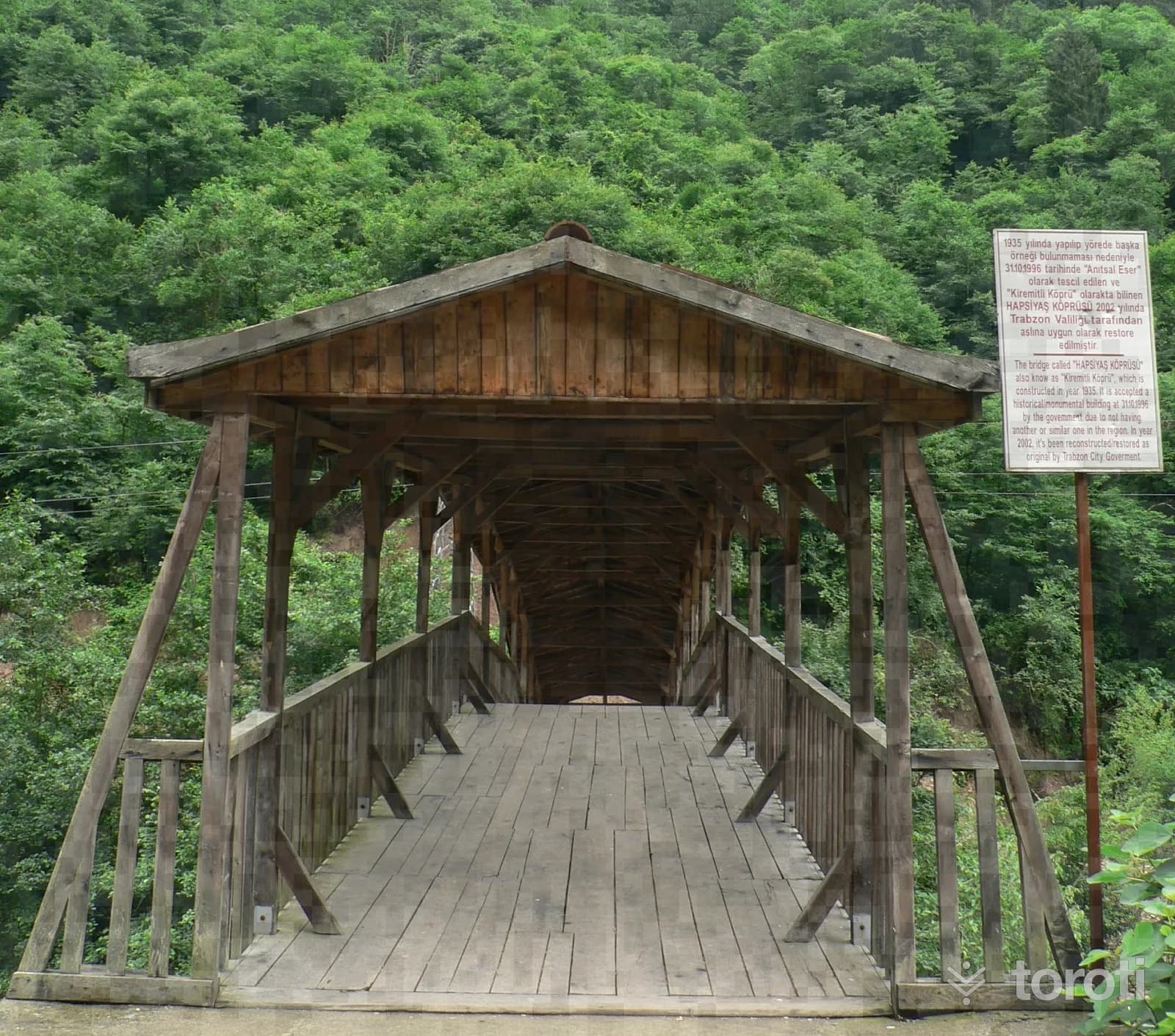
Hapsiyaş (Kiremitli) Köprü
Built in 1935, Kiremitli Köprü (Hapsiyaş) holds a different place among arch bridges. Among the most important distinctive features of Hapsiyaş are its stone piers set on rocks, its wooden body, and its tile roof unique to the region. Hapsiyaş Köprüsü gained the status of “Monumental Work” in 1996.
20 minutes
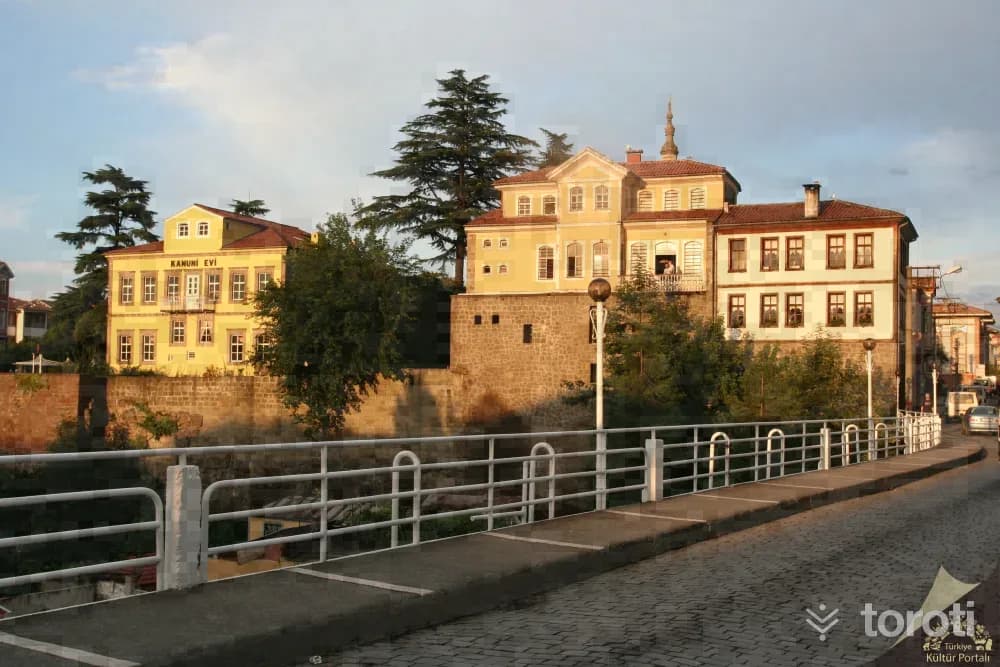
Tabakhane Köprüsü
Tabakhane Köprüsü was built over Tabakhane Deresi. The western pier of the bridge is founded on Ortahisar. It has survived to the present day by undergoing many repairs over time. Its first construction dates back to the 1st century in the Roman Period. The bridge attained its present form in the 19th century. The bridge, which was built in two stages, has a single span in its first stage. In the second stage, there are six spans with oval arches.
45 minutes
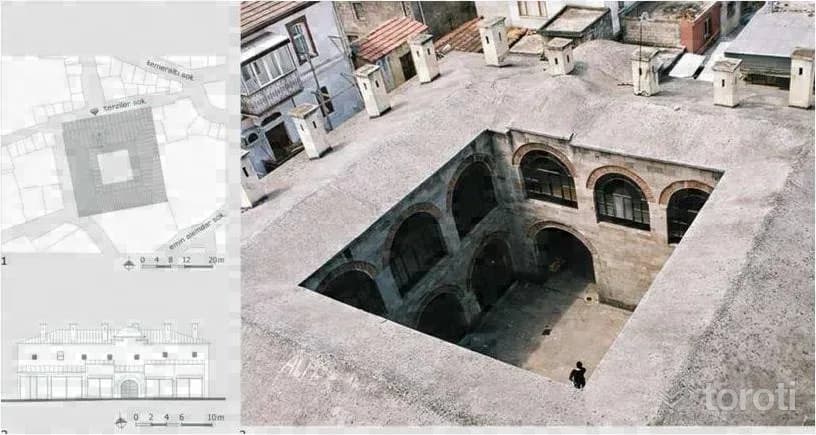
Taşhan
Taşhan was commissioned by Trabzon Governor İskender Paşa between 1531 and 1533. It has survived to the present day through repairs carried out at various times. The walls are made of smoothly cut stone. The portico arches and the vaulted dome are brick. Its roof, which was originally covered with traditional tiles, was changed to concrete mosaic during the restoration in 1980.
45 minutes
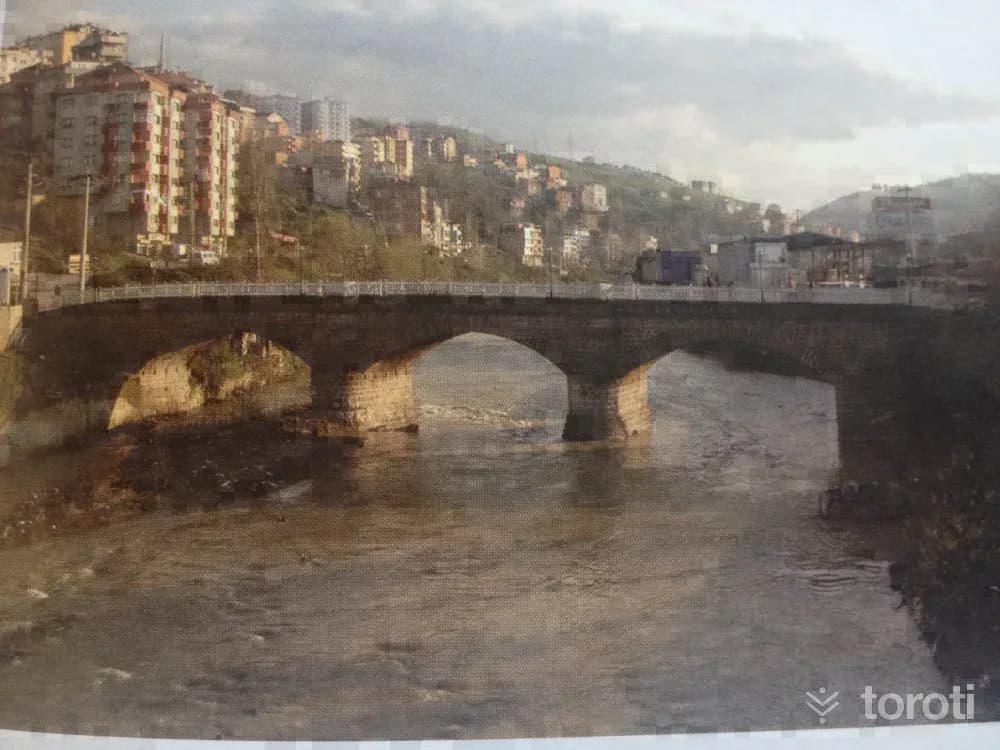
Değirmendere Köprüsü
Değirmendere Köprüsü is a four-arched bridge built in 1891 by the Nemlizadeler. There is also a relief arch on its western side. The bridge, which is still open to pedestrian and vehicle traffic, is 137 metres long and 5,5 metres wide.
45 minutes
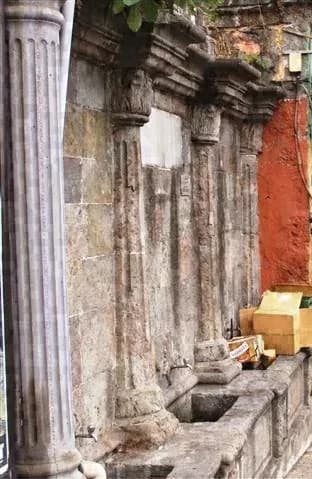
Abdülhamit Çeşmesi
Abdülhamit Fountain was built in İskender Paşa Neighborhood in 1891, in memory of Sultan Abdülhamit. On the rectangular fountain, which is made of cut stone, there is the tughra of Sultan Abdülhamit II. The column capitals and bases are decorated with acanthus leaves.
45 minutes
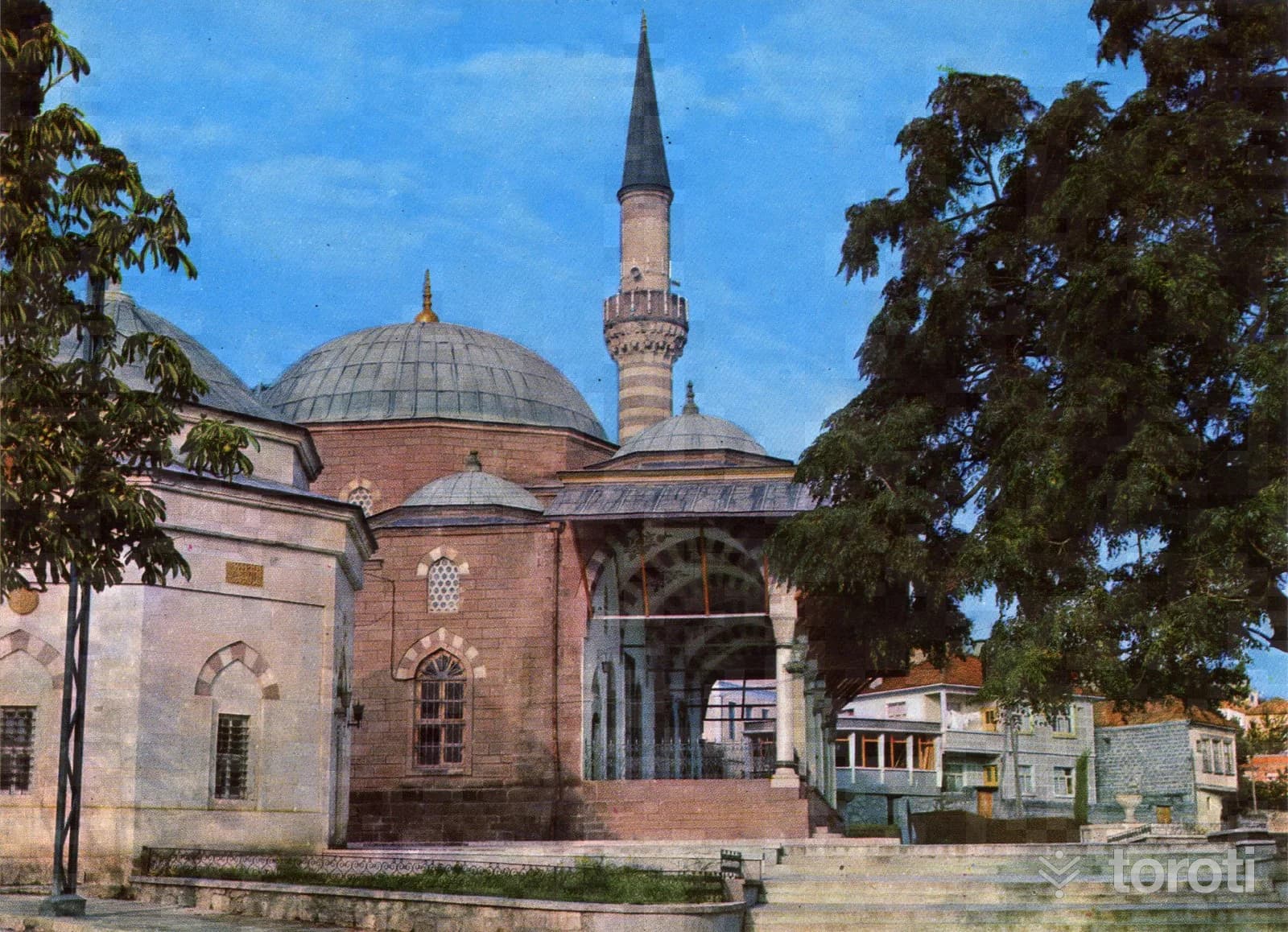
Gülbaharhatun Cami
It was built within a külliye to the west of Orta Hisar, near Zağnos Köprüsü, in memory of Gülbahar Hatun, the mother of Yavuz Sultan Selim. Of the külliye, the mosque and the tomb have survived to the present day; the imaret, madrasa, bath and school have been demolished. Sources indicate that it was commissioned in 1514 after the death of Gülbahar Hatun.
20 minutes
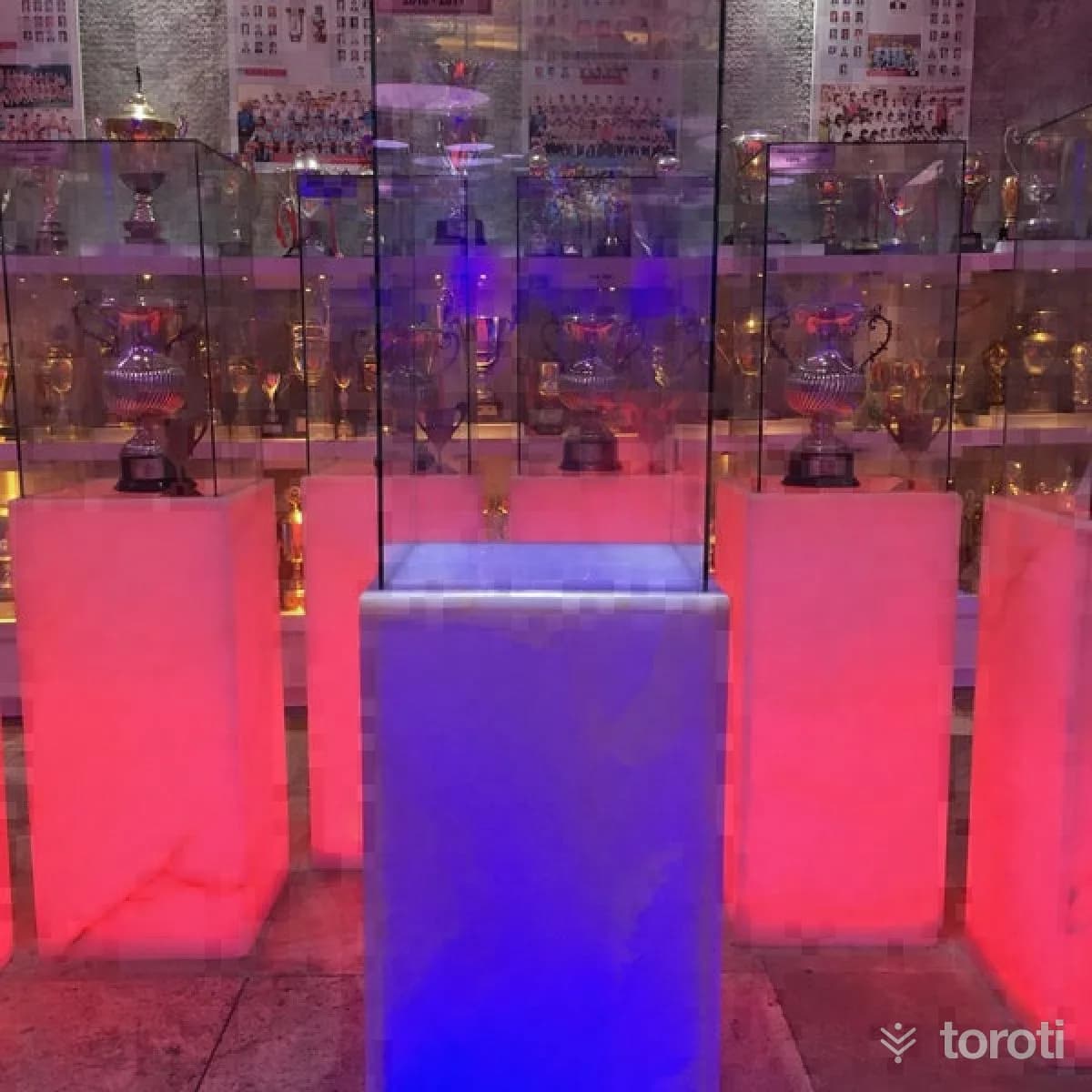
Trabzonspor Müzesi
Şamil Ekinci Museum was opened on 23 September 1996. The museum, which had previously operated in the rear section of Sadri Şener Tesisleri, was rearranged and opened on the second floor of Sadri Şener Sosyal Tesisleri. Approximately 600 cups, shields and plaques are exhibited in the museum.
45 minutes
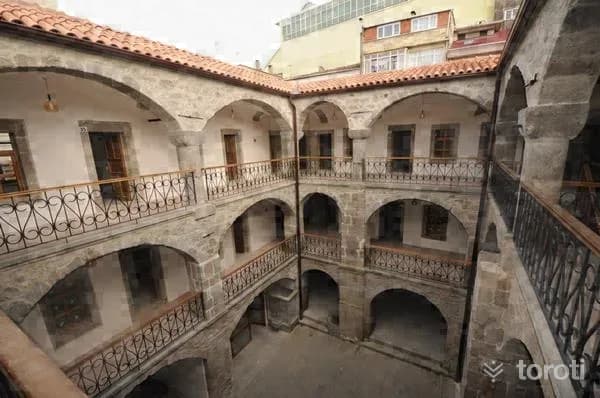
Alaca Han
The construction date of Alaca Han, on Bakırcılar Caddesi in the Bakırcılar Quarter of Trabzon city center, is unknown since it has no inscription. However, based on its style and architectural elements, it is thought to belong to the XVIIIth century.
45 minutes
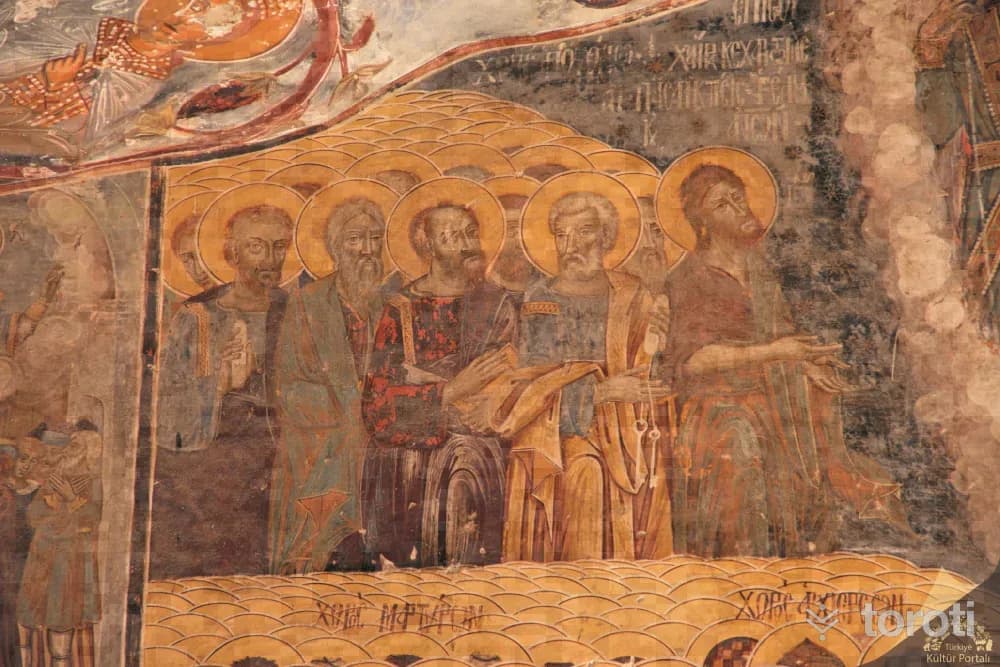
Sümela Manastiri
Sümela Monastery is a historical site located in the Altındere Valley of Maçka, Trabzon. Dedicated to the Virgin Mary, this monastery attracts visitors with its impressive location and rich history.
120 minutes
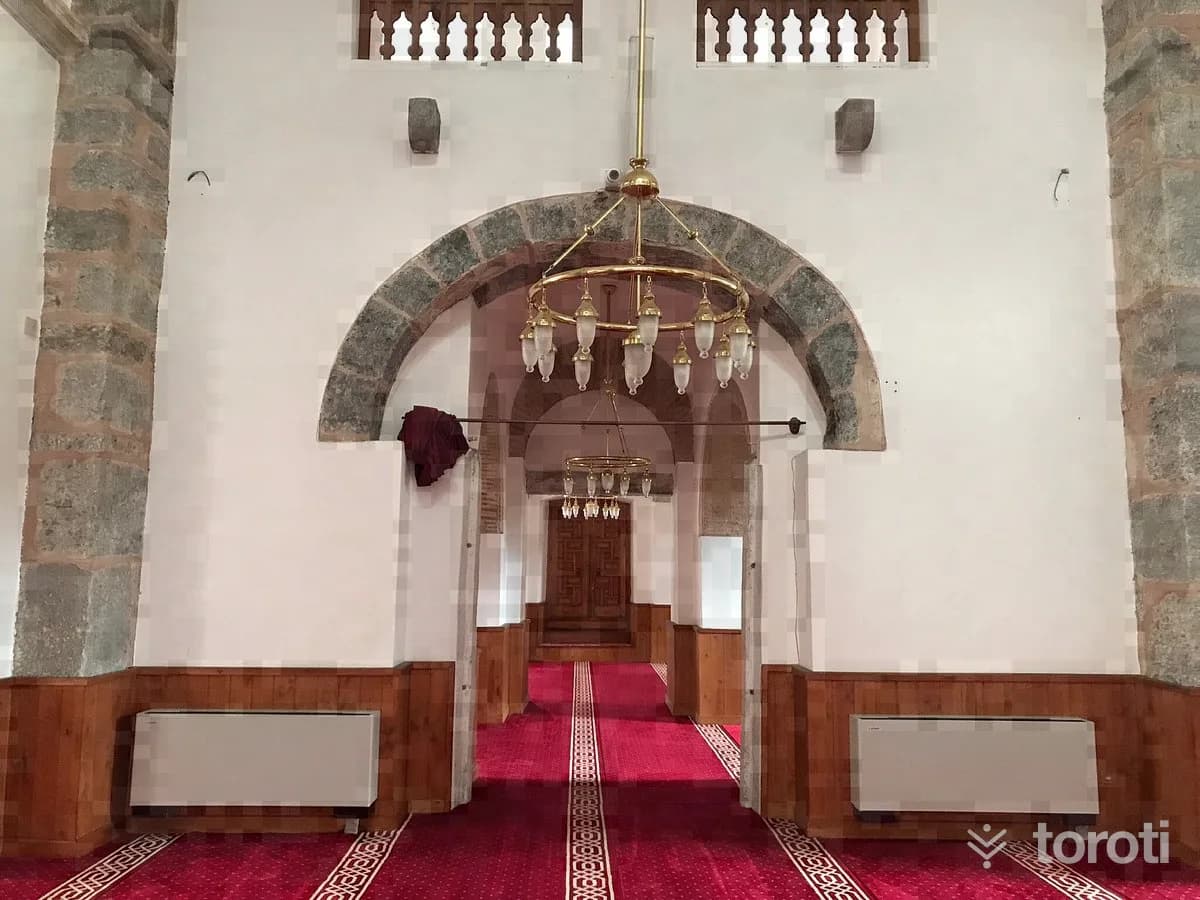
Ortahisar Fatih Camii (Meryem Kilisesi) (Chrysokephalos)
This structure, described as the foremost church of Trabzon, is in the Ortahisar neighborhood. It is thought to have been built by Hanmibalianos, the nephew of Roman Emperor Constantine (A.D. 325-364), on an old Roman temple. The church, known as the "Cathedral of the Komnenoi," was dedicated to the Virgin Mary and named "Altınbaş.
20 minutes
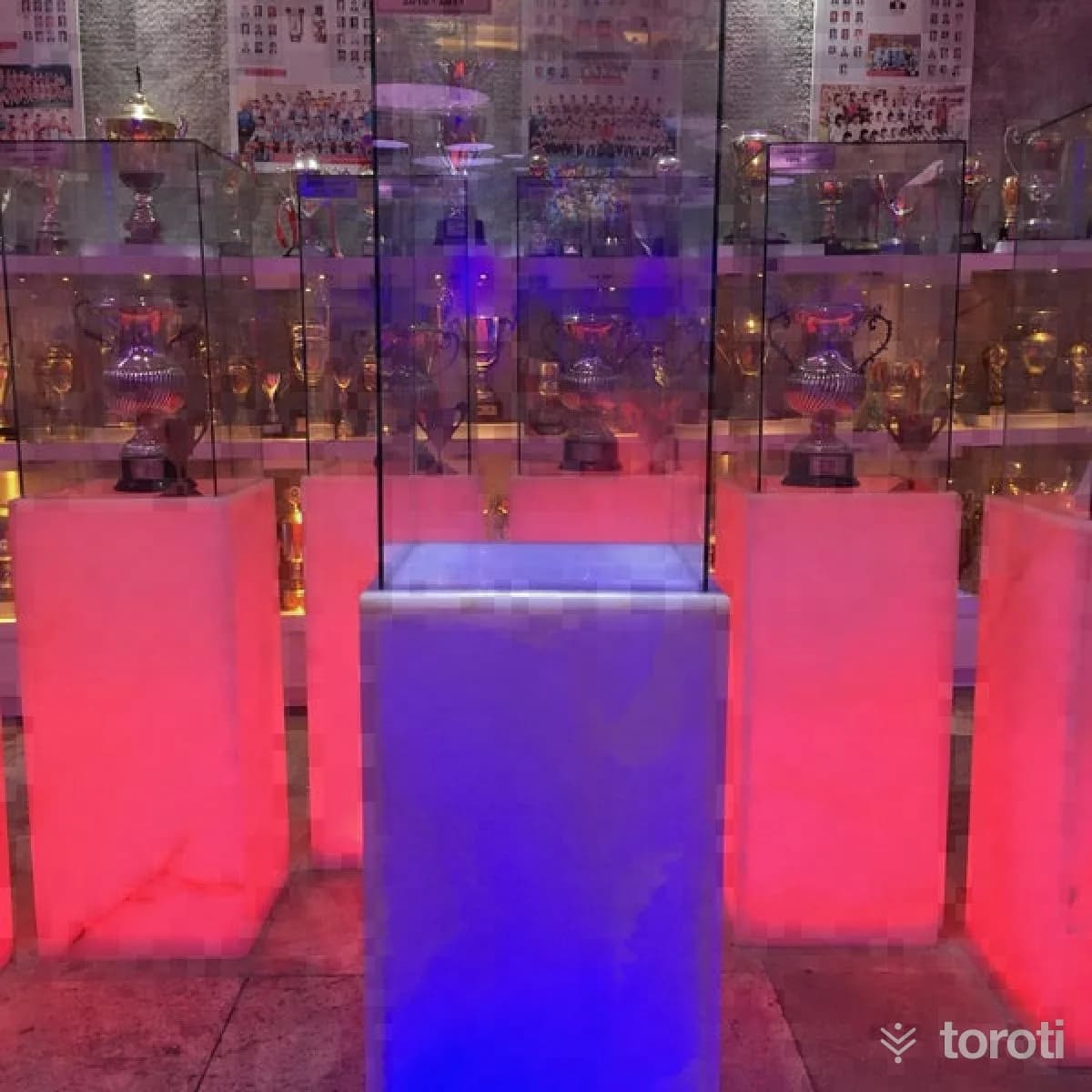
Trabzon Müzesi
Trabzon Museum is located in a historic mansion built in the early 1900s. Visitors can enjoy a delightful experience with the museum's rich collections and architectural features.
45 minutes
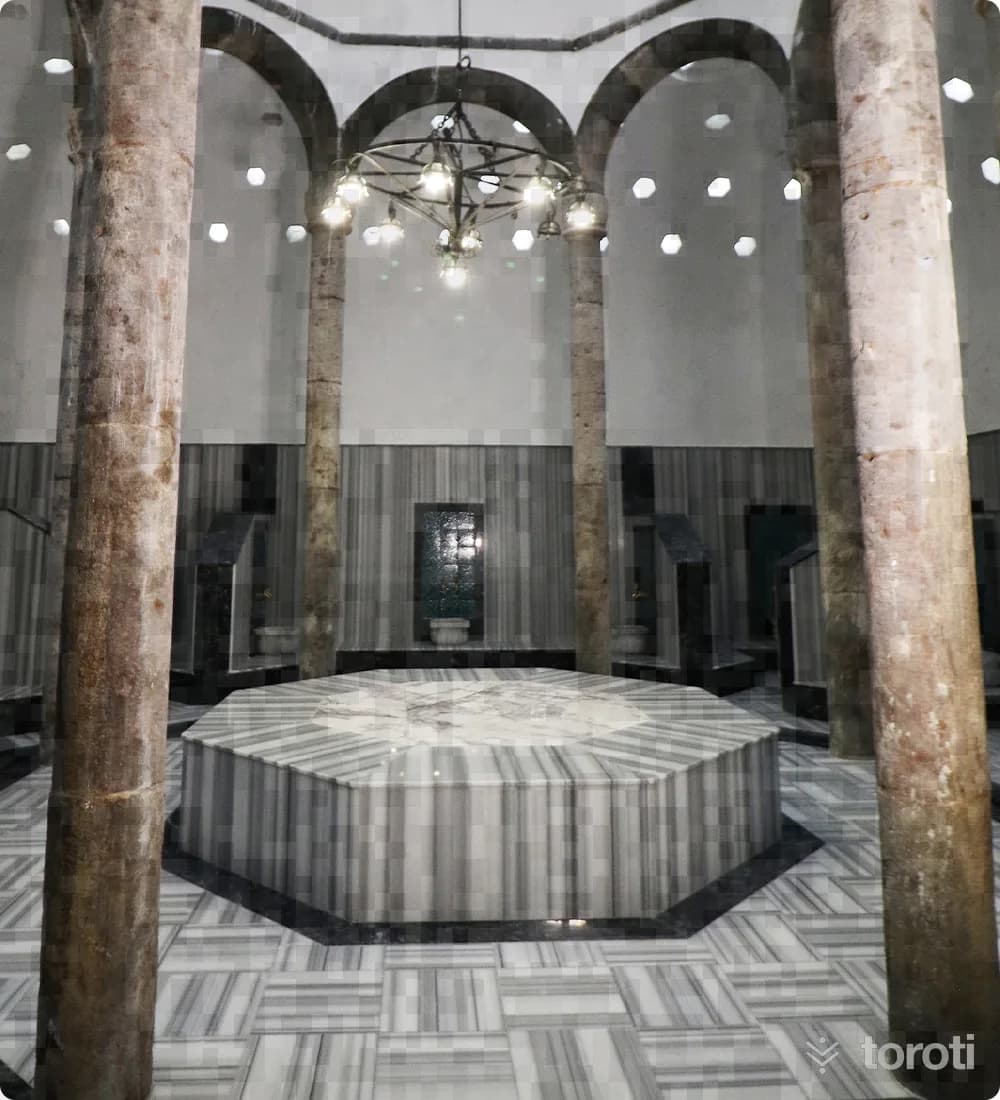
Sekiz Direkli Hamam
It is on Sekiz Direkli Hamam Street in Pazarkapı Neighborhood, which is named after the building. The bath is thought to have been built by the Seljuks between 1072-1075. This bath, which has a different plan from the other baths in Trabzon, resembles Oba tents. The works the Seljuks built after they began to settle in Anatolia from 1071 onward also continued the influence of Central Asian art.
20 minutes
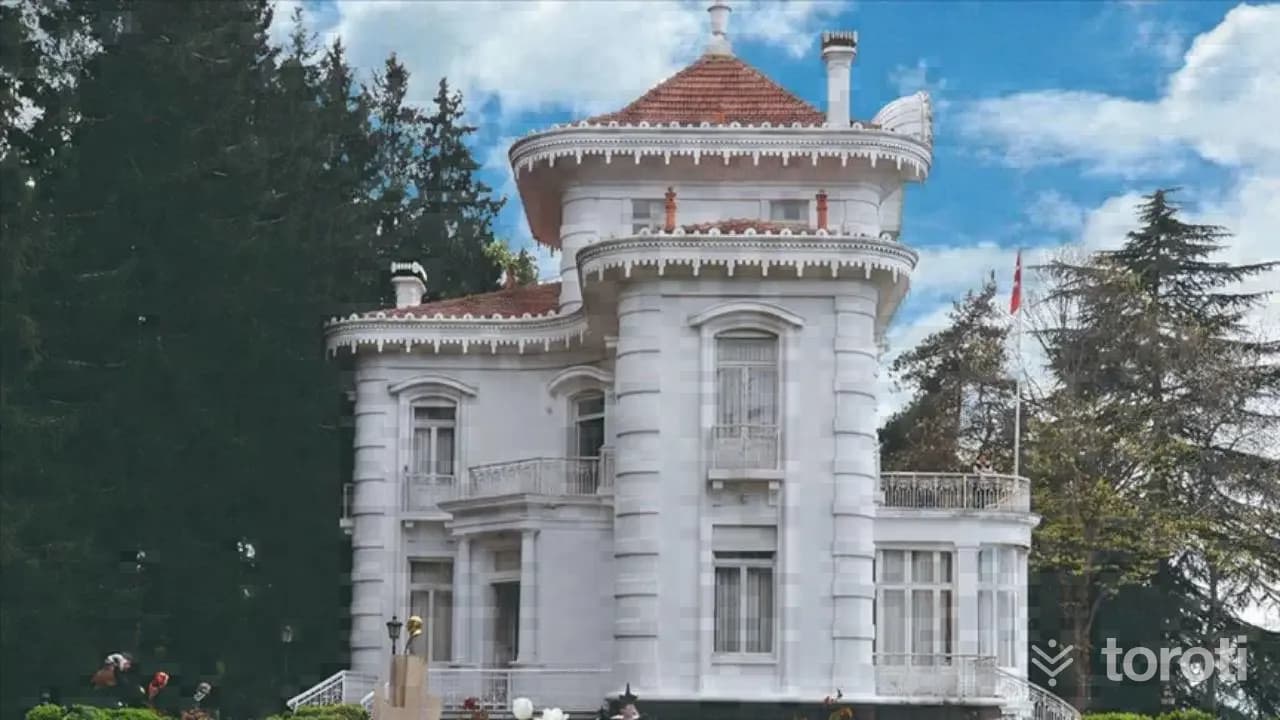
Atatürk Köşkü
It is located in a small pine grove in the Soğuksu district. It was built right at the beginning of the twentieth century and remained in the treasury after 1923. Atatürk was hosted in this mansion during his visits to Trabzon in 1934 and 1937. After his death, it was decorated by Trabzon municipality with the items used in that period and opened to visitors as the "Atatürk Museum".
45 minutes
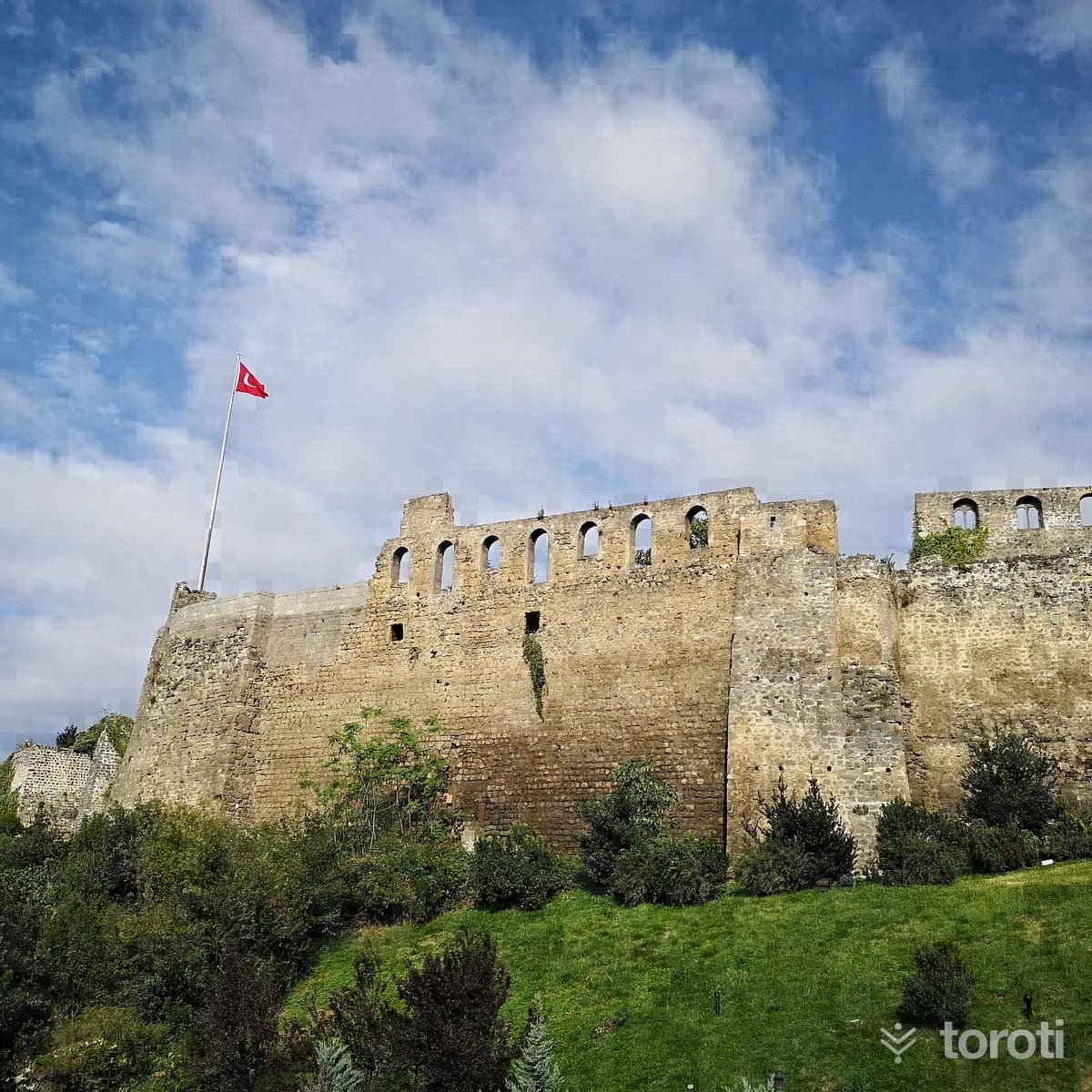
Trabzon Kalesi
It is among the monuments in Trabzon that have survived to the present day in the best condition. Extending from the seashore to the hills behind the city, Trabzon Kalesi was built on old foundations belonging to the Byzantine Age. Consisting of three separate sections, namely Yukarı Hisar, Orta Hisar and Aşağı Hisar, the castle was built from stones collected from old monuments.
45 minutes
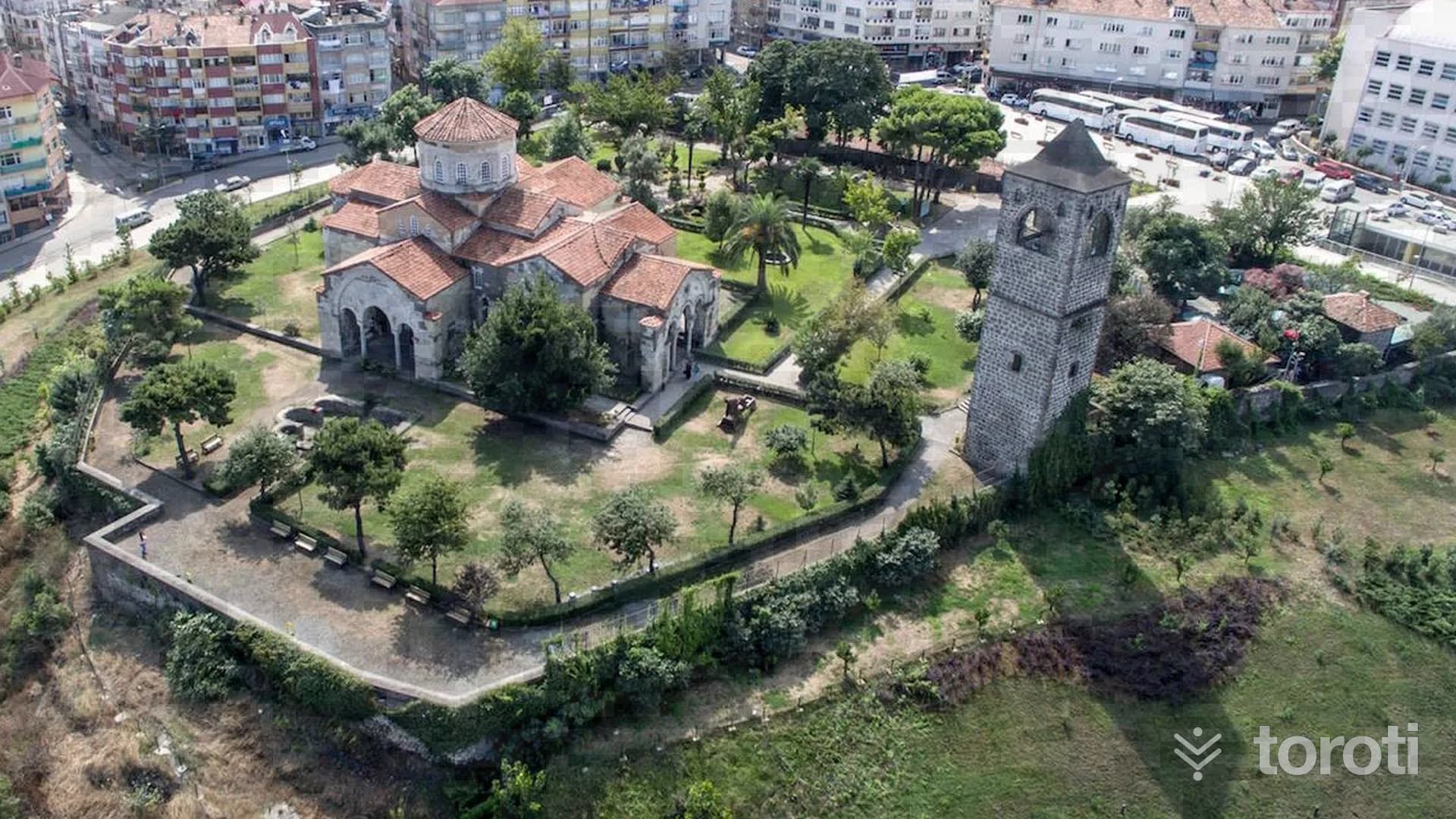
Ayasofya Müzesi
Today used as a museum, this structure is actually the Hagia Sophia Church in Trabzon. Converted into a mosque after the conquest, this structure was built during the time of 1. Manuel Komnenos, one of the kings of the Empire of Trebizond. After 1964, it assumed the function of a museum.
45 minutes
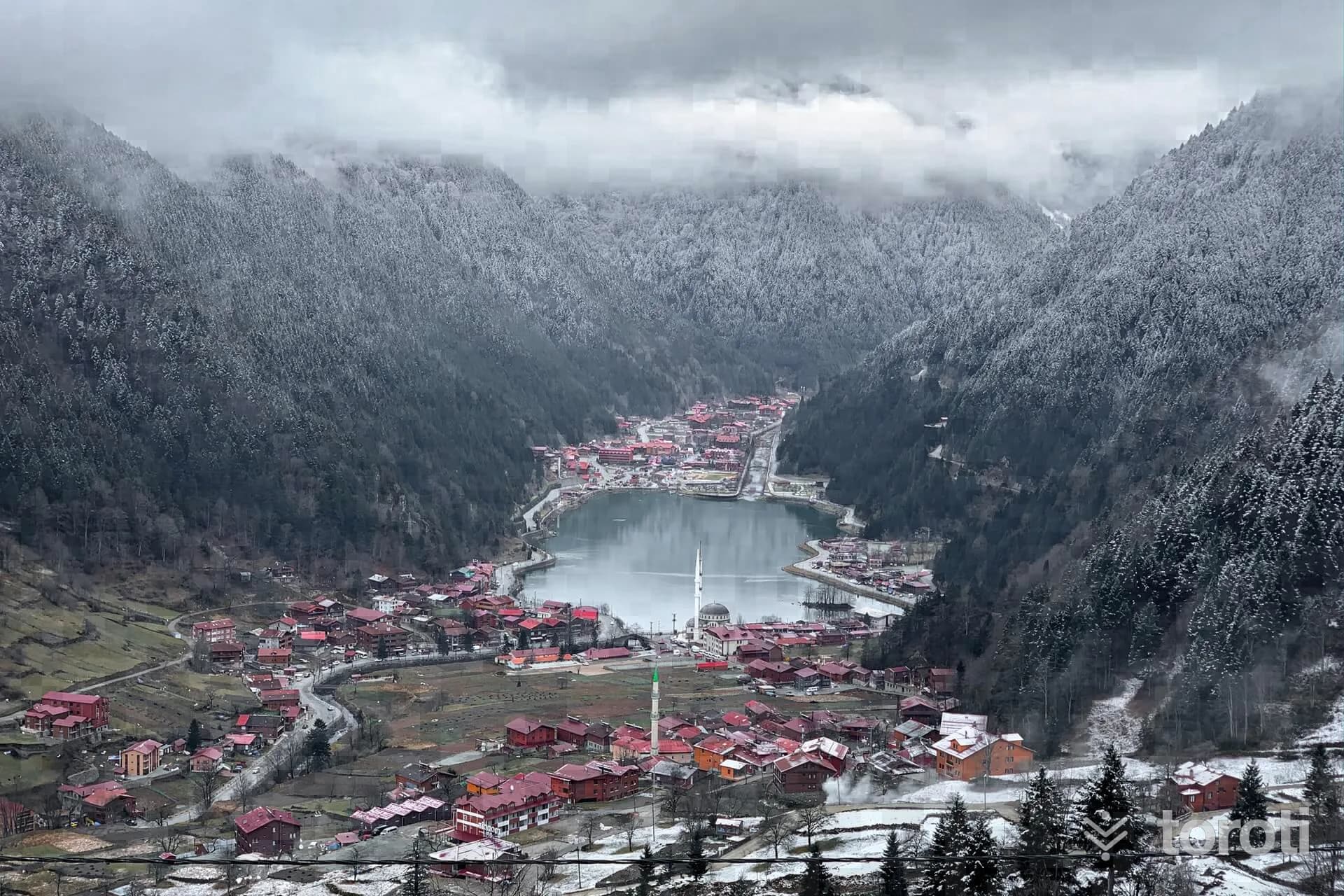
Uzungöl Yaylası
Uzungöl Plateau is a tourist spot known for its dense forests and natural beauty.
60 minutes