
Stops along the way
Stops between Muğla and Antalya
311 km, roughly 5 hours of driving. The stops below are ordered as you pass them — the same road in both directions.
In short
The drive between Muğla and Antalya is 311 km and takes roughly 5 hours. There are 406 described places within 20 km of this route; it crosses 3 provinces, and the densest stretch is in Antalya (176 places).
There are 406 places within 20 km of this corridor; the 41 below are spread evenly along the drive.
- No image
1
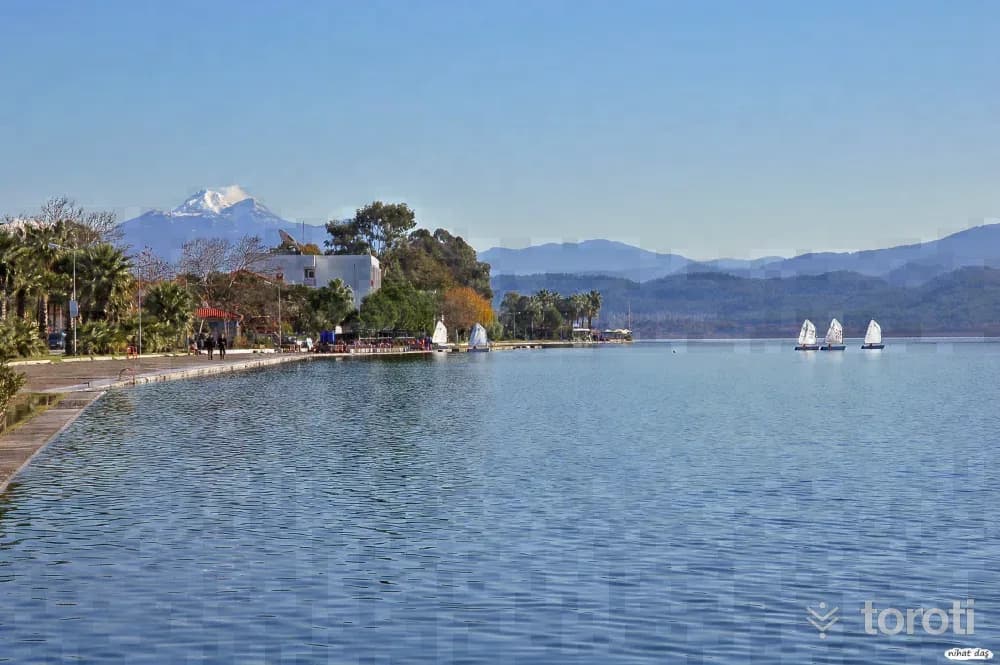
Ula Belediyesi Akyaka Halk Plajı
Ula, Muğla
Ula Belediyesi Akyaka Public Beach is a public beach candidate included in the 2025 Blue Flag official list.
2
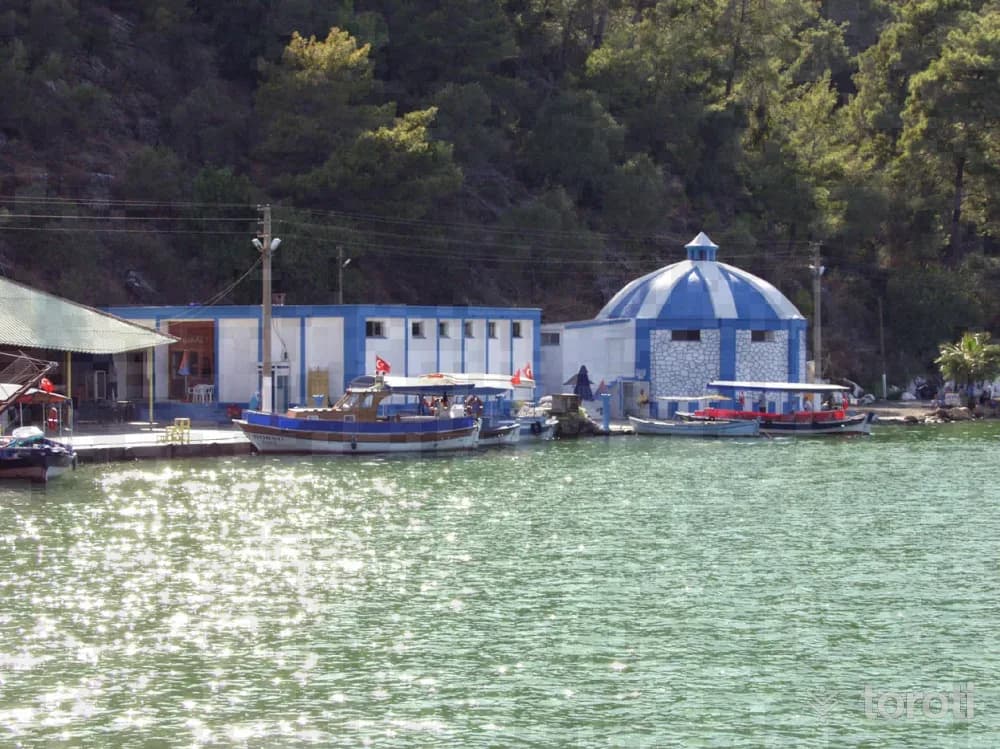
Köyceğiz Gölü
Köyceğiz, Muğla
The lake is fed by waters descending from the mountains in seven branches and by abundant water sources, and for this reason it does not lose its characteristic in summer or winter. It is a lake that discharges its excess water into the Mediterranean through a narrow 10-kilometer-long channel (Dalyan). If you do not have a detailed map of the surroundings, while traveling around the area it can easily be confused which is the lake and which is the sea. The best clue is the lake’s reed beds. The area covered by the lake, which is connected to the Mediterranean by the Dalyan Strait, is 6300 hectares.
3
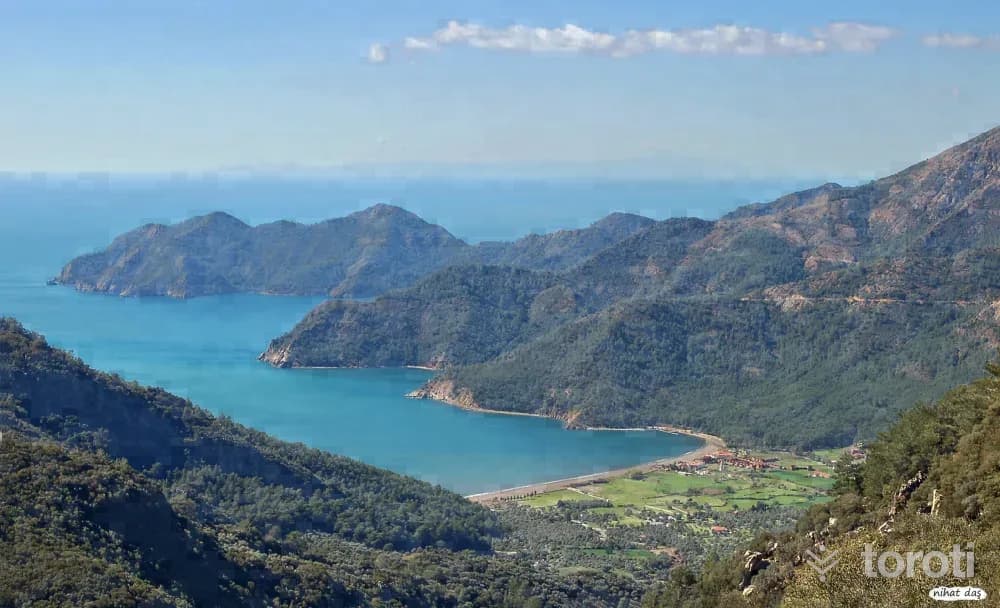
Sultaniye Kaplıcası
Köyceğiz, Muğla
At the hot spring, which is also a stop for boat tours, you can hear many stories that patients brought in wheelchairs or on stretchers left walking after a 21-session treatment. Sultaniye is the hot spring with the highest radioactivity in Turkey. (98.3) The 39-degree water contains calcium chloride, calcium sulfate, calcium sulfur and radon. It is also good for skin and women's diseases as well as rheumatism and sciatica.
4
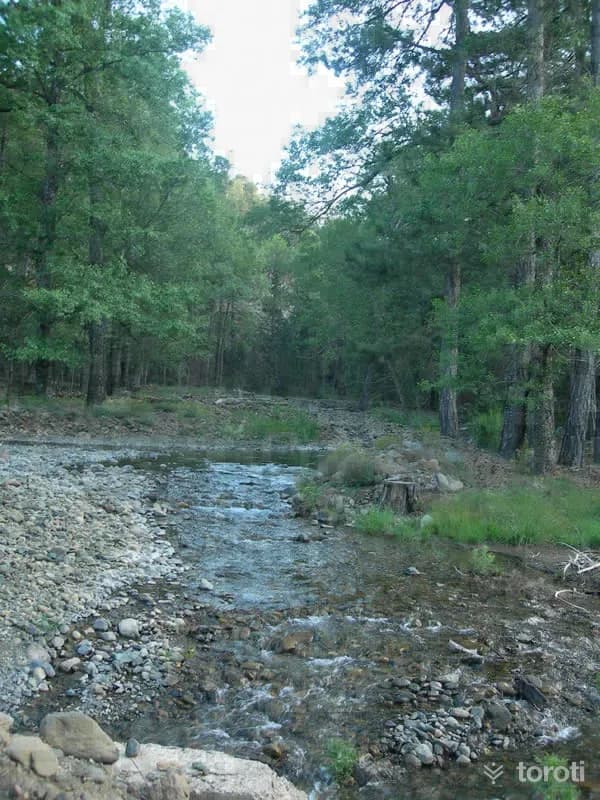
Ekincik Koyu
Köyceğiz, Muğla
Ekincik Bay, one of the main stopping points for boats cruising between Marmaris and Göcek, is connected to Köyceğiz by a wide asphalt road. The beach and the area around the pier are full of hotels and guesthouses, large and small. To reach Ekincik by road, one proceeds from Köyceğiz via Hamitköy, enjoying the magnificent view of the lake.
5
Beyağaç Kartal Gölü Tabiatı Koruma Alanı
Köyceğiz, Muğla
The elevation of Kartal Lake and the Nature Protection Area is 1903 meters above sea level. Kartal Lake and its surroundings were declared a protected area by the General Directorate of National Parks and Wildlife Protection of the Ministry of Forestry. Turkey’s oldest Black Pine forest is here. Kartal Lake and the vicinity of the “Monument Forest” are very rich in terms of plant flora. It is a center of interest for natural scientists.
6
Çamur Banyoları
Köyceğiz, Muğla
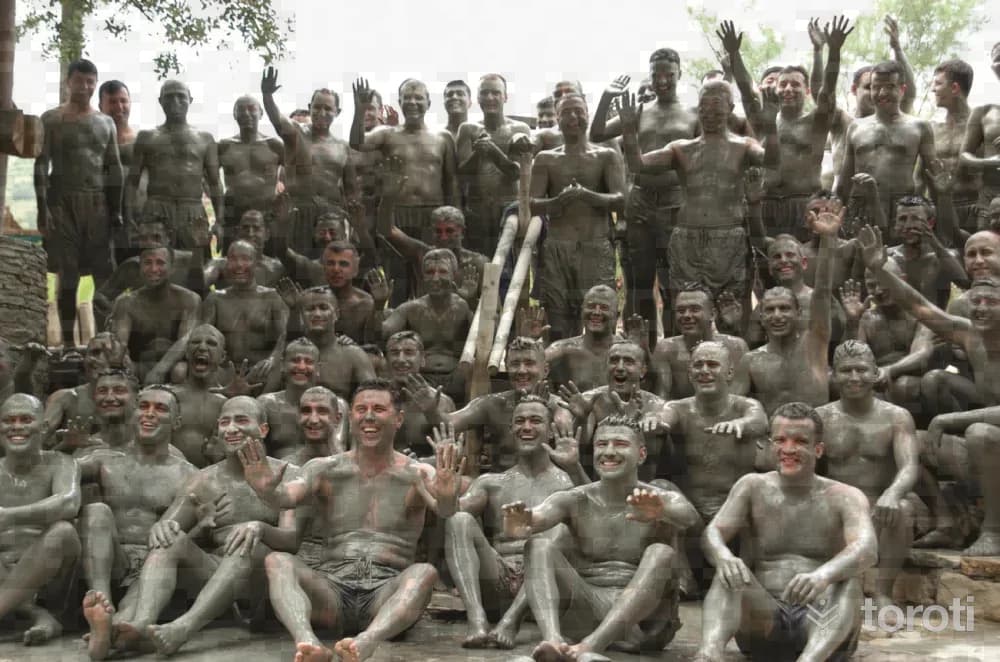
On the opposite shore of the Dalyan Canal, within the district boundaries of Köyceğiz, thermal spring water emerges in many places in the villages of Çandır and Sultaniye. The hot sulphurous waters are a remedy for many ailments, especially rheumatism and skin diseases. About 15 minutes from the centre of Dalyan and accessible by boat, the Mud Bath and thermal spring, where there are also day-use facilities, has developed as a tourist animation centre.
7
İztuzu Sahili
Ortaca, Muğla
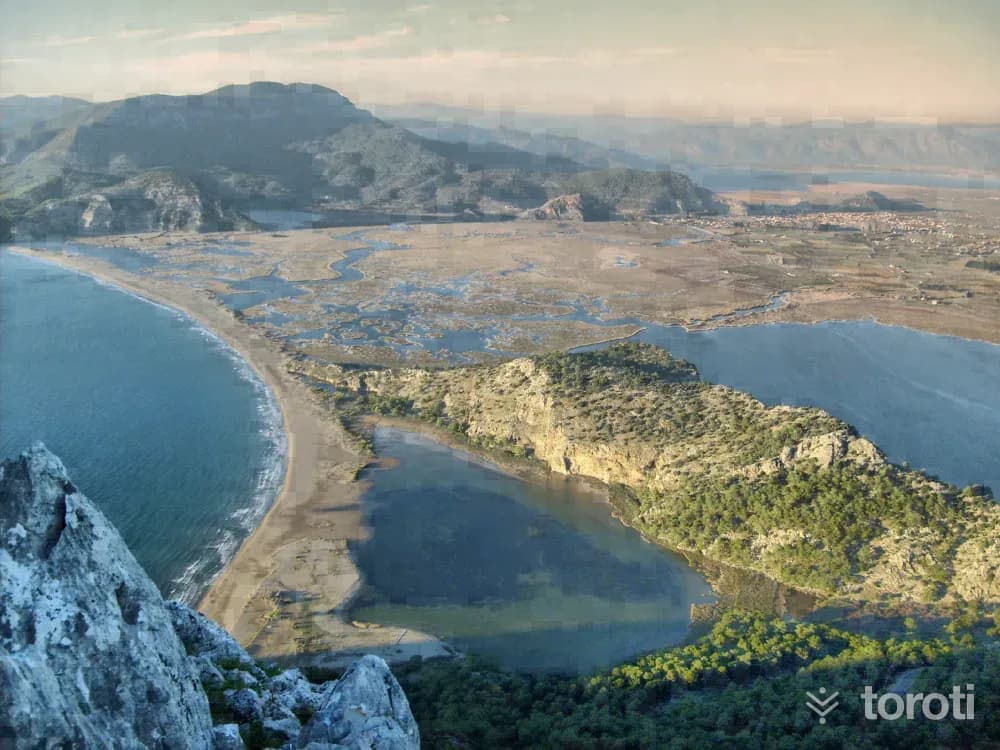
İztuzu beach has become world-famous for the giant turtles Caretta Carettas. At one end of the sandy beach are the İstuzu Beach facilities, and at the other end are the Dalyanağzı Day-Use Beach facilities. The sandy beach stretches for kilometers. İstuzu Beach is reached from Dalyan by road. The asphalt road leaving Dalyan descends to the beach, following the delta and the Sülüngür shore and passing through villages. As you get closer to the beach, there are clearings along the rising road suitable for taking photographs.
- No image
8
İztuzu Plajı
Ortaca, Muğla
It is a Mediterranean beach with a length of 4,5 km, located near the town of Dalyan, which is part of the Ortaca district. The beach is one of the rare beaches located between seawater and freshwater. The beach is also called "Turtle Beach" because Caretta carettas lay their eggs there. In order to prevent those swimming at the beach from damaging the eggs, the areas where the eggs are located are regularly marked.
- No image
9
Antik Tuzla
Ortaca, Muğla
Ancient Tuzla of İztuzu is one of the most important archaeological discoveries of recent years. This discovery is of a nature that will shed light on the history of archaeology. Because for the first time, an ancient saltworks has been found, and the saltworks' basins have remained completely intact despite the passage of thousands of years.
- No image
10
Pisilis
Ortaca, Muğla
You should see the ruins of Pisilis on the sandy plain formed where the Sarısu stream flows into the sea and at the end of the valley through which the stream passes, adjoining the beach. On the stream bank, the walls of the late Byzantine period castle, and at the entrance of the valley, a little above the road, the Byzantine church with two intact walls will attract your attention during your tour of the ancient city.
- No image
11
Göbün Koyu
Dalaman, Muğla
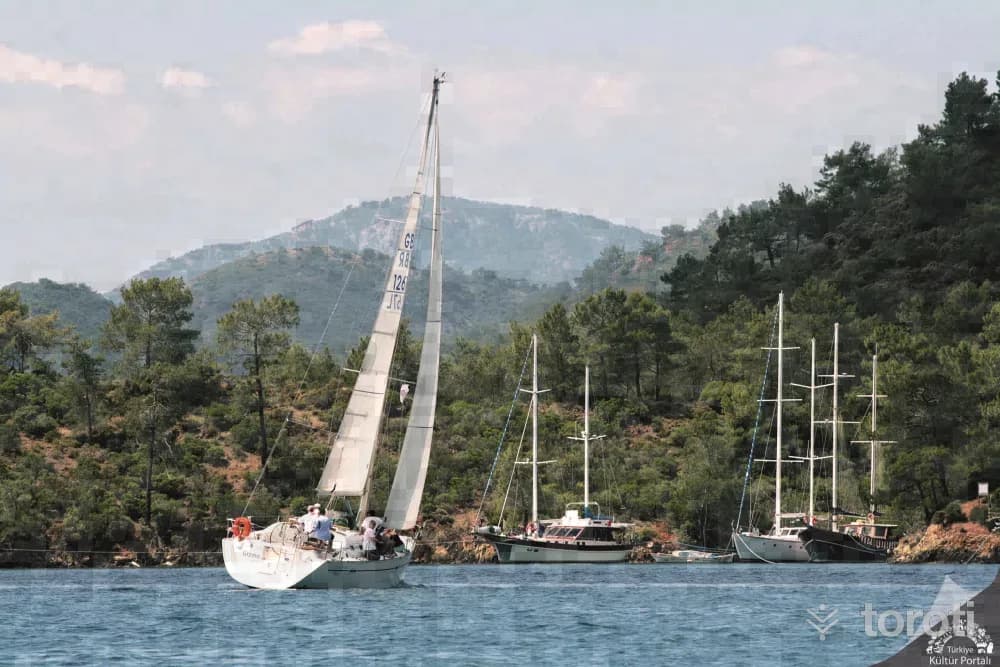
The small and narrow Göbün Koyu is entered through between two high hills. The bay is covered with dense olive and pine trees. At the far end of the bay, there are some rock tombs and historical ruins. Although it is not one of the bays for daily boat tours, it is one of the bays preferred by Blue Voyage boats and yachts for anchoring.
12
Göcek
Fethiye, Muğla
Göcek Gulf, where countless beautiful coves and islands are located, is a frequent destination for yachts and Blue Voyage boats. Göcek, where there are marinas providing all kinds of services for yachts, is the meeting point of luxurious and magnificent private yachts.
- No image
13
Tersane Adası
Fethiye, Muğla
It is the largest of the islands in the gulf. The ruins of the old Greek settlement, which was abandoned after the population exchange, are located on the island. On the island, there are the ruins of a shipyard, from which it takes its name, and a watchtower. The two bays, which sailors call the summer and winter bays, are frequent stops for blue voyage and daily excursion boats.
- No image
14
Hippokome
Dalaman, Muğla
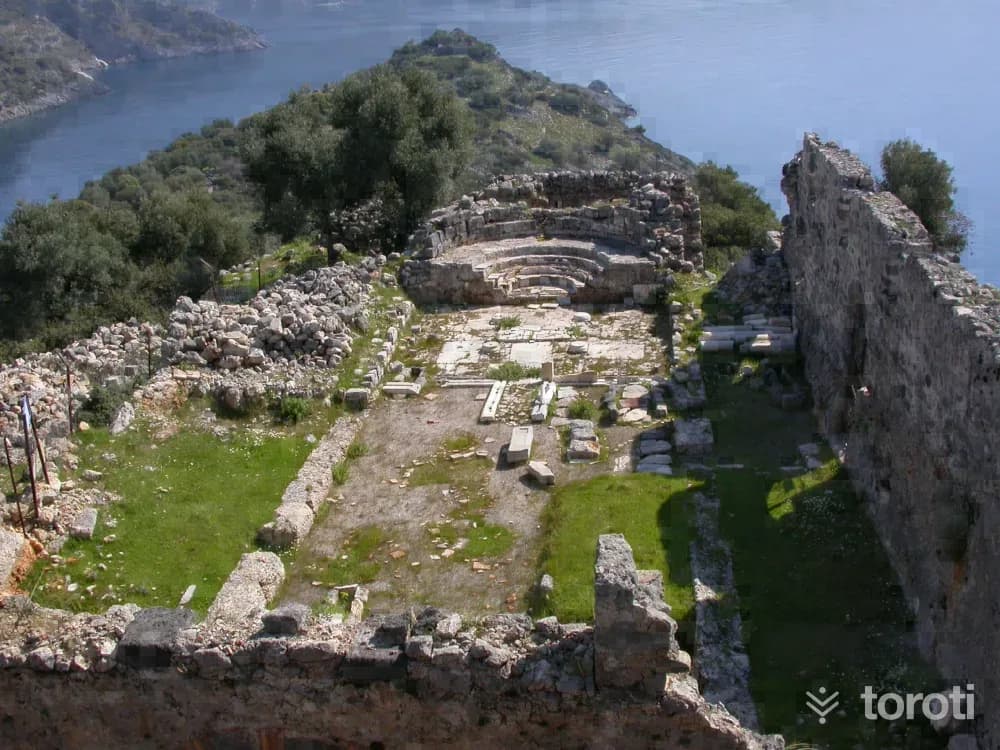
The ruins of the settlement of Hippokome, located on a hill in Çöğmen Köyü İt Asarı Mevkii, 30 kilometres from Dalaman, may be of interest to enthusiasts. In Hippokome, which means Horse City, 6 rock tombs stand out on the rocks to the southeast of the city. On the rocks in the southwestern parts of the city, there are rock tombs similar to those in Fethiye Telmessos, while in the area now called Kepezbaşı, there are building ruins dating to the Roman and Byzantine periods.
15
Gemile Adası
Fethiye, Muğla
Gemile Island is located opposite Soğuksu Bay near Ölüdeniz. On the island, there are the ruins of 4 churches, tomb structures, and remains belonging to a Medieval settlement. Structures belonging to civil architecture consist of houses and cisterns. Some of the ruins can also be observed underwater. It is thought that the island was inhabited between the 5th and 7th centuries and was abandoned after the Arab raids in the 7th century.
16
Şövalye Adası
Fethiye, Muğla
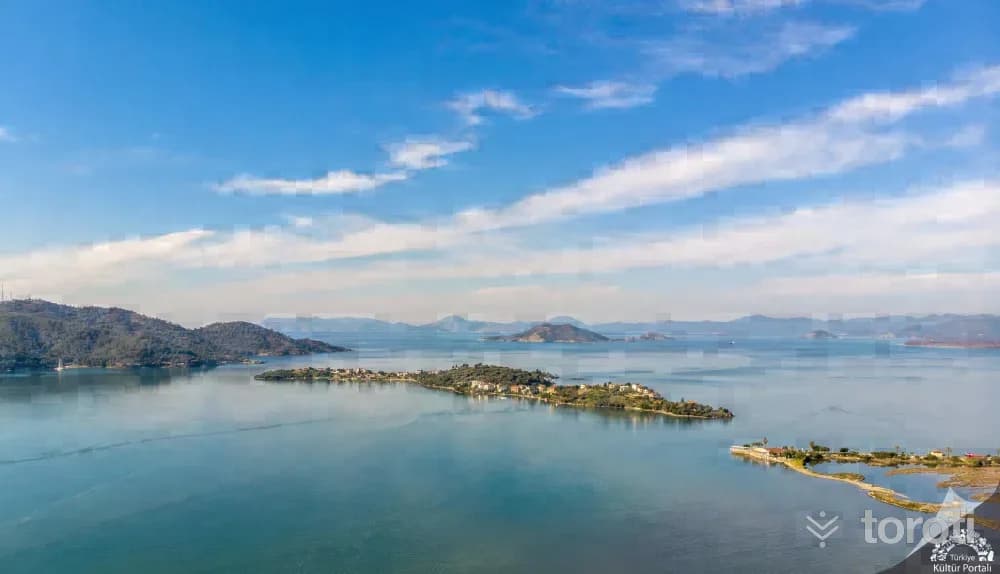
Located right at the entrance of Fethiye Bay, Şövalye Adası, which the local people call Fethiye Adası or Megri Adası and which has the distinction of being the only inhabited island in the region, has made the bay entrance more sheltered by virtually closing it off like a gate with its long, narrow shape. According to the Fethiye Chamber of Commerce and Industry, the name Şövalye Adası comes from the Knights of Rhodes. The famous knights lived in this area and used the island like a base.
17
Fethiye Arkeoloji Müzesi
Fethiye, Muğla
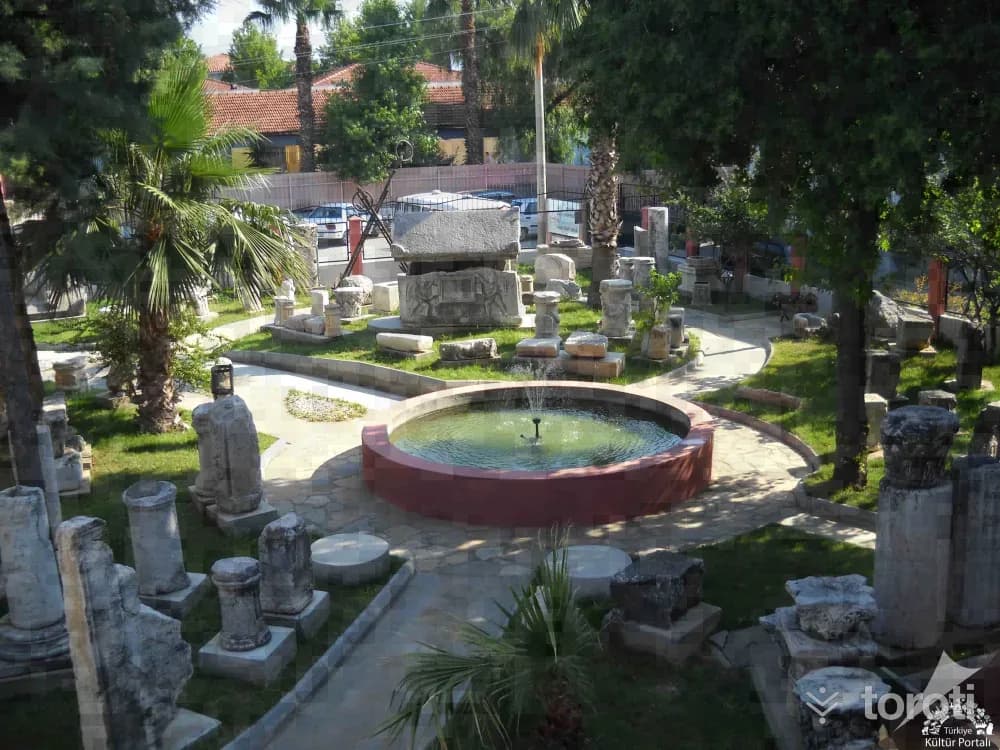
The first efforts to establish a museum in Fethiye began in 1962. Especially after the 1957 earthquake, during the reconstruction works of the city, a number of movable artifacts found in the foundations began to be exhibited as an open-air museum in today’s harbor and its surroundings.
18
Amintas Kaya Mezarları
Fethiye, Muğla
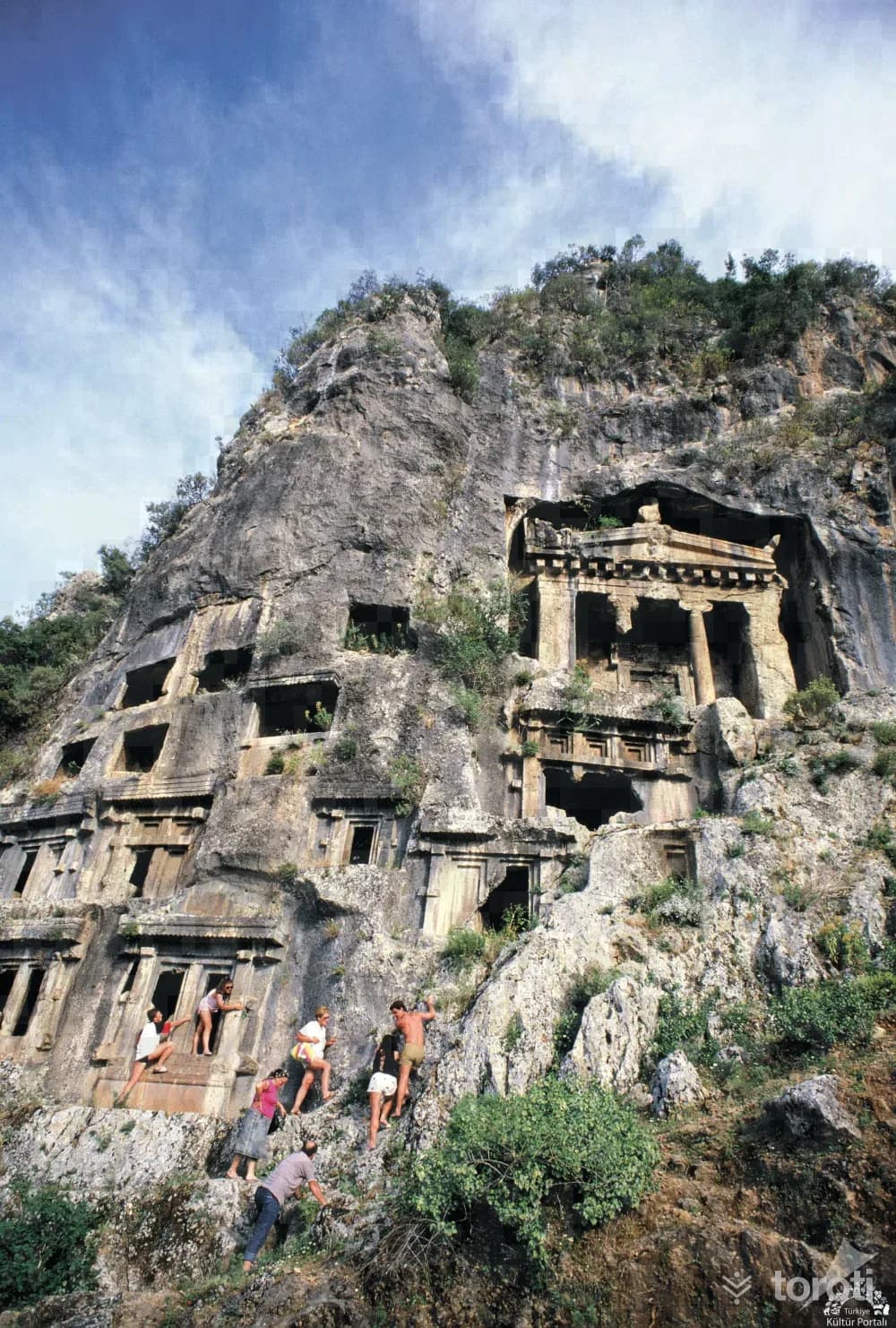
There are many rock tombs carved into the steep rocky slope, three of them in the temple type, while the others reflect examples of civil architecture. Directorate General of Promotion This tomb, which is one of the three temple-type tombs and is known among the public as the “King’s Tomb,” has remained relatively more intact compared to the other two tombs.
19
Kadyana
Fethiye, Muğla
Because of the suffix –Nd in the name of Kadyanda, which is read as Kadawanti in Lycian inscriptions, it can be said that its foundation date goes back to the 3rd millennium B.C. However, the oldest remains on the surface that have survived from the ancient city to the present day do not go back earlier than the 5th century B.C. At the Kadyanda ruins, a section of the city walls surrounding the city, rock tombs and some inscriptions are the remains dated to the earliest period.
- No image
20
Pinara Antik Kenti
Seydikemer, Muğla
The Lycian ancient city near Fethiye. In the Lycian language, Pinale or Pinara means "round". From the city, only the remains of rock tombs and sarcophagus tombs, and structures such as the city walls, bath, theater, agora, and odeon have survived to the present day.
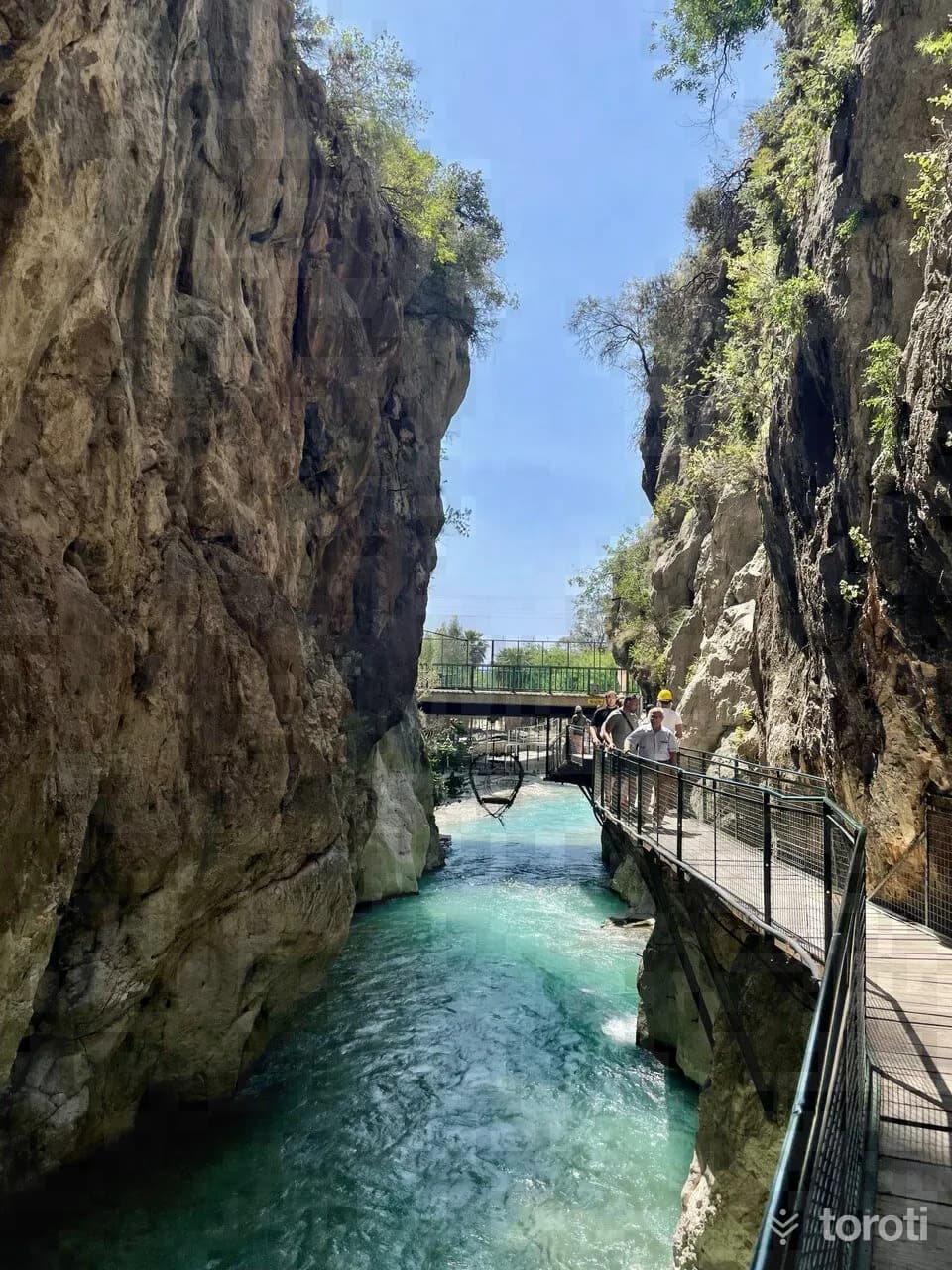
21
Saklıkent Kanyonu
Seydikemer, Muğla
Saklıkent Canyon is a deep and impressive natural wonder located on the border of Antalya and Muğla.
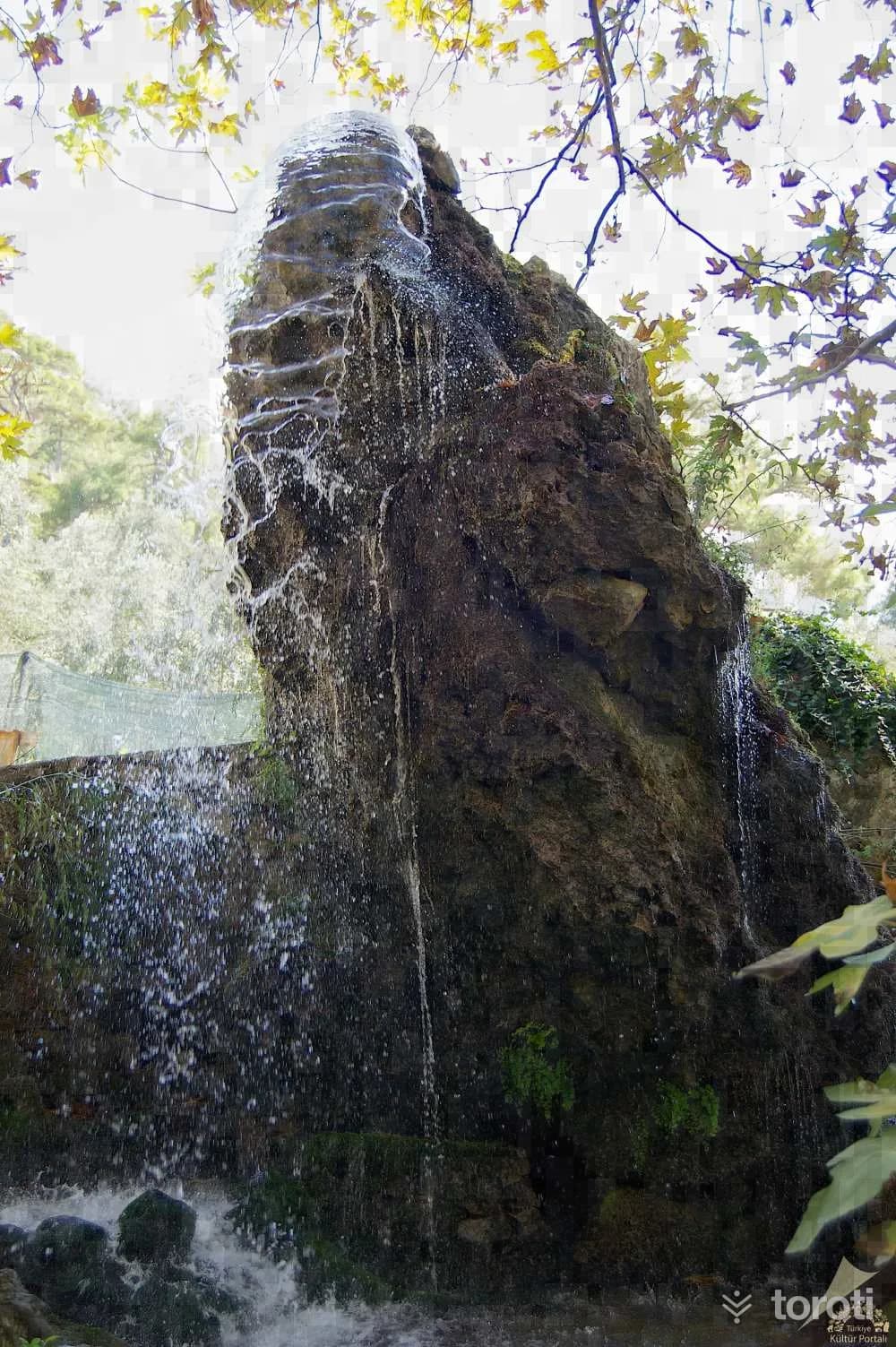
22
Şelale Yaka Parkı
Seydikemer, Muğla
Located a little inland from the Fethiye-Antalya highway, on the foothills of Akdağ, the waterfall park is a natural wonder you should see. In the garden of Şelale Park, you can enter the pool filled with ice-cold natural spring water, spend pleasant time under the rushing waterfall, and taste fresh trout here.
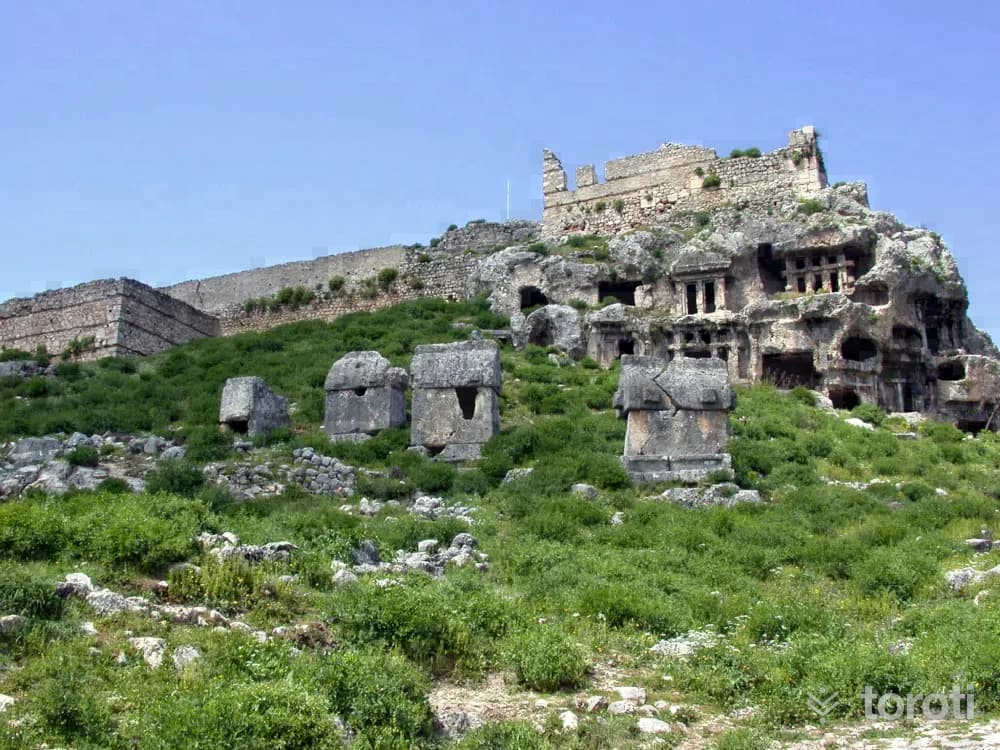
23
Tlos
Seydikemer, Muğla
The ancient writer Panyasis presents Tlos, Pınara, Xanthos and Kragos, all of which, except Kragos, were cities in the Xanthos valley, as the children of a nymph, Praxidike, and Tremile. It is accepted that Tlos is the same city as Dlawa in the lands of Lukka in Hittite texts in the 14th century BC, Tlawa mentioned in Lycian inscriptions in the later period, and the city of Tlos in Greek texts, and that its foundation goes back to the II. millennium BC.
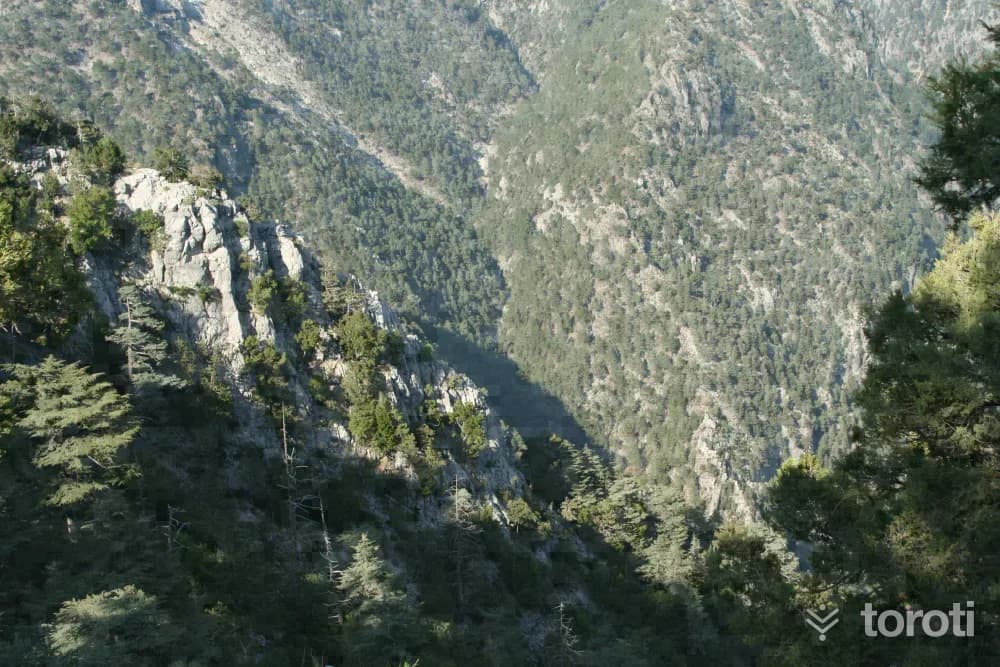
24
Karanlikdere Kanyonu
Altınyayla, Burdur
Karanlıkdere Canyon is located near Ballık Village in the Altınyayla (Dirmil) district and is suitable for mountaineering and nature walks.
- No image
25
Oinoanda Antik Kenti
Seydikemer, Muğla
Oinoanda Ancient City is a historical site located in the Lycia region. It has traces of settlement dating back to the late 3rd century BC and the early 2nd century BC.
- No image
26
Balboura Antik Kenti
Altınyayla, Burdur
Balboura Ancient City is one of the Lycian cities built on high ground, notable for its historical ruins.
27
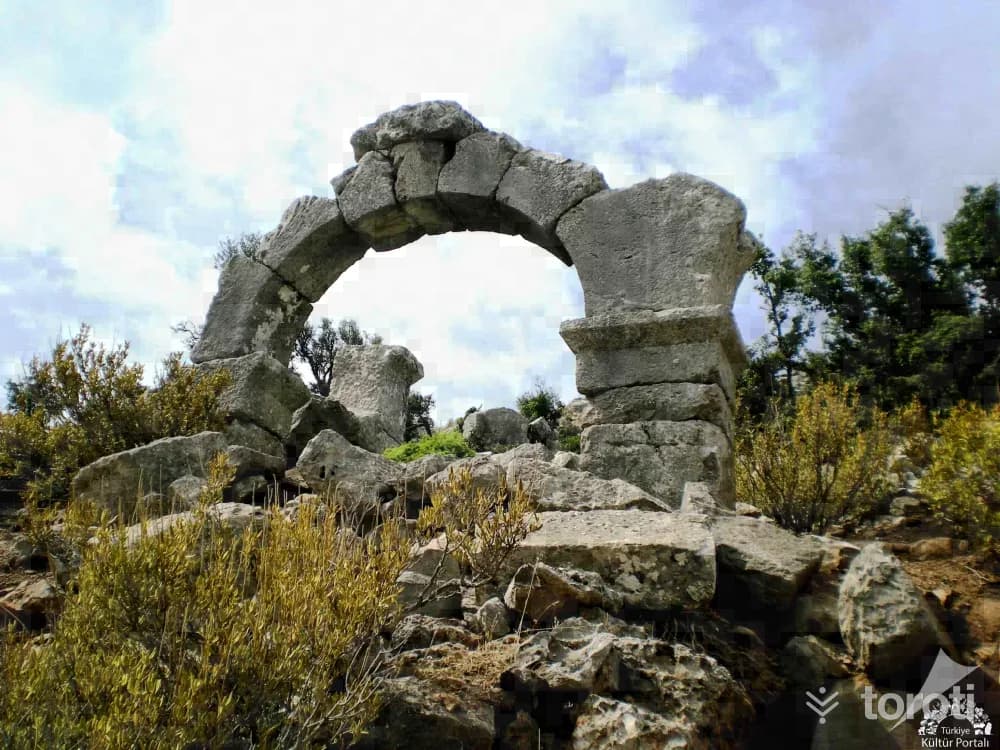
Ariassos Antik Kenti
Döşemealtı, Antalya
Ariassos Ancient City is a historical settlement located north of Antalya. It offers visitors a journey through history with its Roman-era ruins and necropolis areas.
28
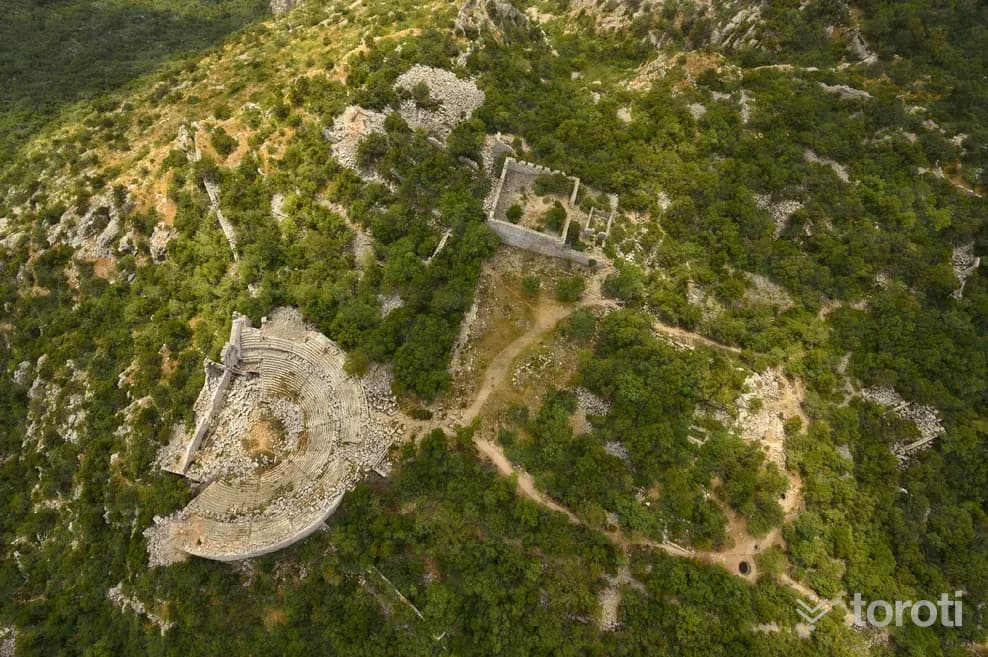
Termessos
Döşemealtı, Antalya
Termessos Ancient City is an important ancient city founded by the Solym' people, descendants of one of the oldest peoples in Anatolia. This archaeological site, located in a forest, attracts attention with its historical ruins and natural beauty.
- No image
29
Geyikbayırı (Tırmanış Cenneti) Mağarası
Konyaaltı, Antalya
Geyikbayırı is a world-renowned climbing paradise, attracting attention with its stunning nature and thousands of climbing routes.
30
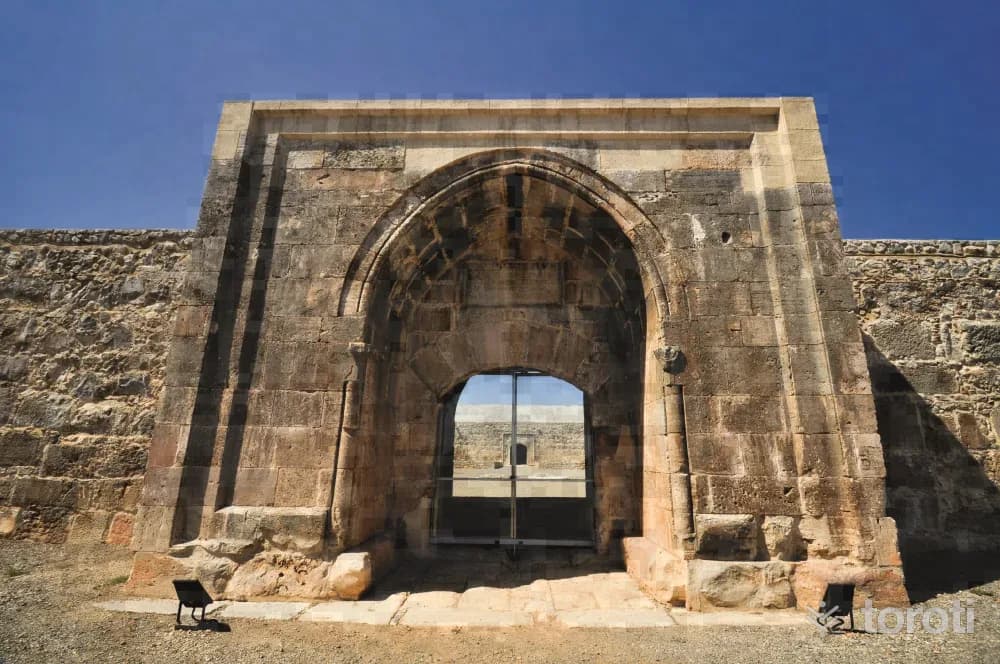
Kırkgöz Han
Döşemealtı, Antalya
Kırkgöz Han is a historical caravanserai located on the Antalya-Burdur route, restored in 2009 and currently used as a tourist facility.
31
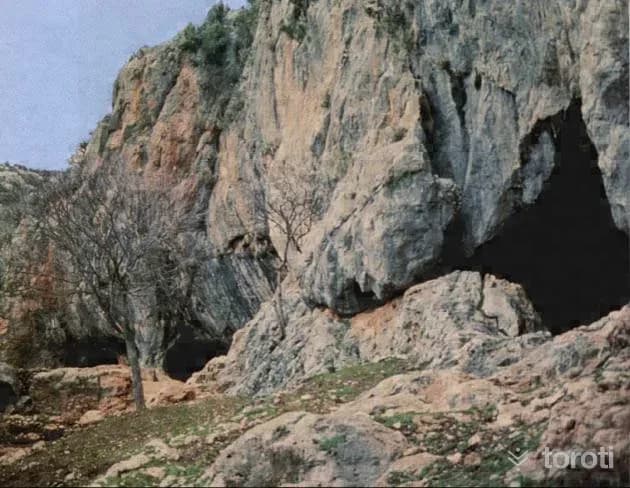
Karain Mağarası
Döşemealtı, Antalya
Karain Cave is one of the largest natural caves in Antalya, notable for its historical significance.
32
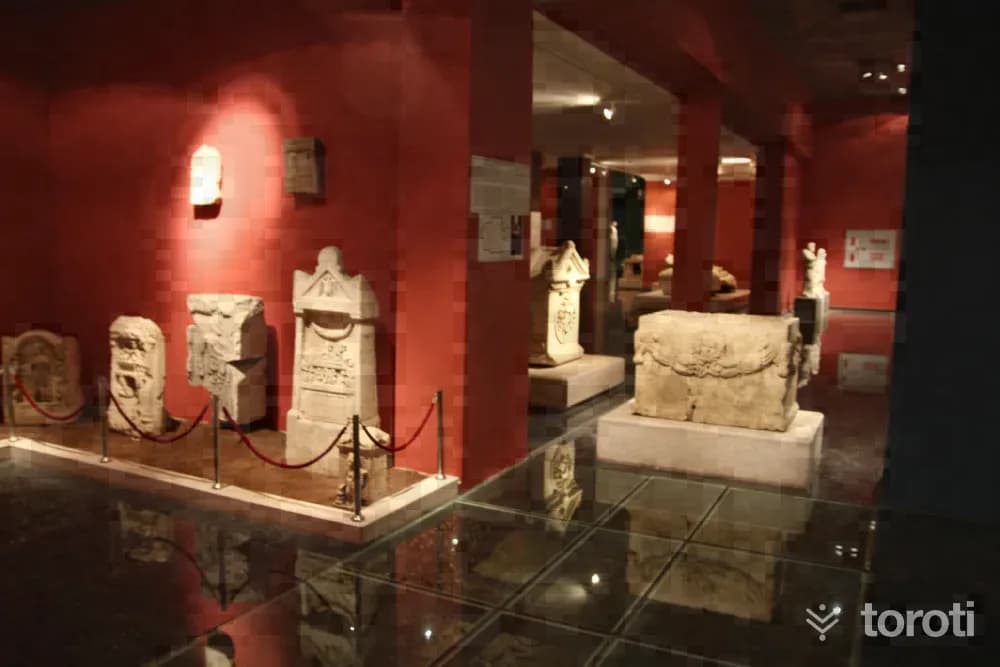
Antalya Müzesi Salonlari
Muratpaşa, Antalya
Antalya Museum hosts a wide collection ranging from children's toys to ancient artifacts. Visitors can explore significant findings related to the history of Anatolia.
- No image
33
Konakaltı Mağarası
Muratpaşa, Antalya
Konakaltı Cave is a natural formation located on the coast of Atatürk Park. It offers visitors different natural beauties with its eastern and western halls.
34
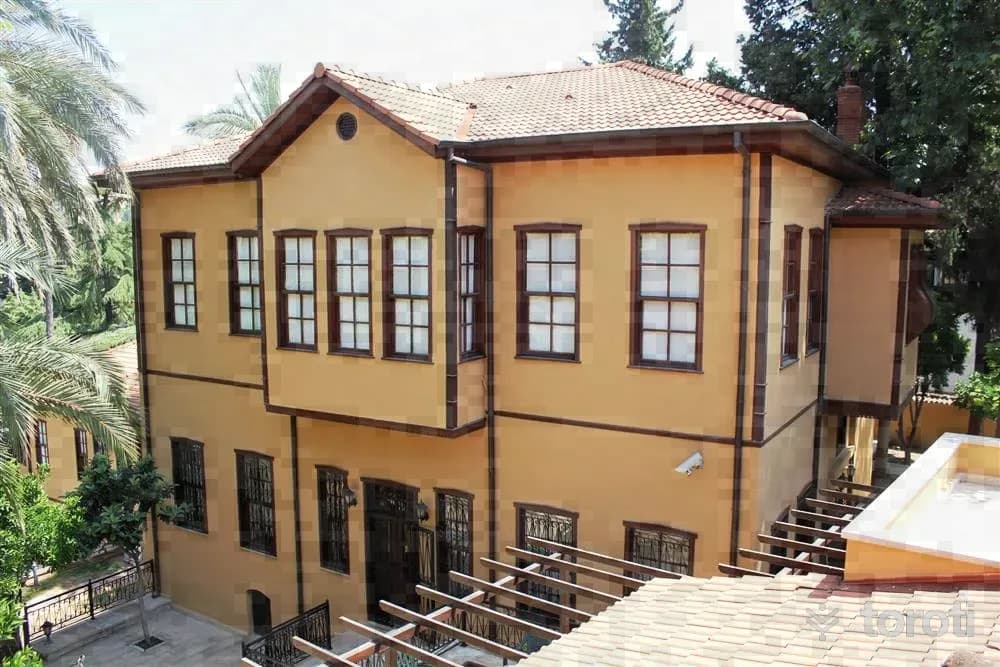
Etnografya Müzesi
Muratpaşa, Antalya
The Antalya Ethnography Museum consists of two mansions showcasing Ottoman architecture and Turkish-Islamic artifacts. It is an important site reflecting Antalya's cultural heritage.
35
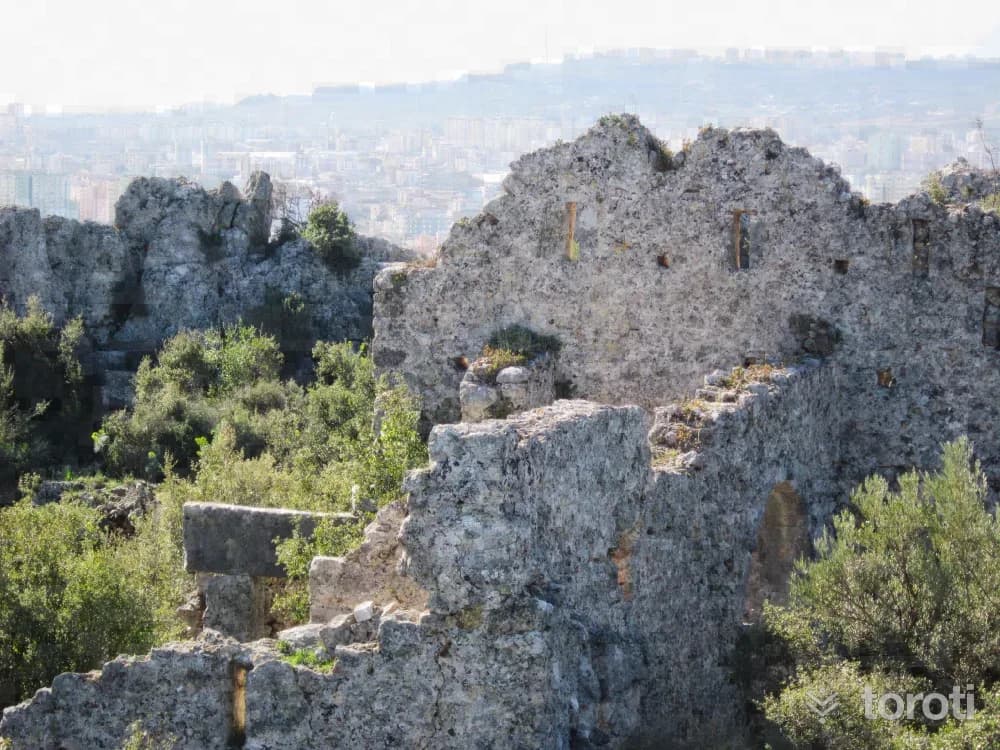
Lyrboton Kome Antik Kenti
Kepez, Antalya
Lyrboton Kome is an ancient settlement located northeast of Antalya, known for its olive oil production. The area is rich in remnants from the Roman and Byzantine periods.
- No image
36
Antalya Büyükşehir Belediyesi Lara Halk Plajı Lazlo Beach
Muratpaşa, Antalya
Antalya Metropolitan Municipality Lara Public Beach Lazlo Beach is a public beach candidate included in the 2025 Blue Flag official list.
37
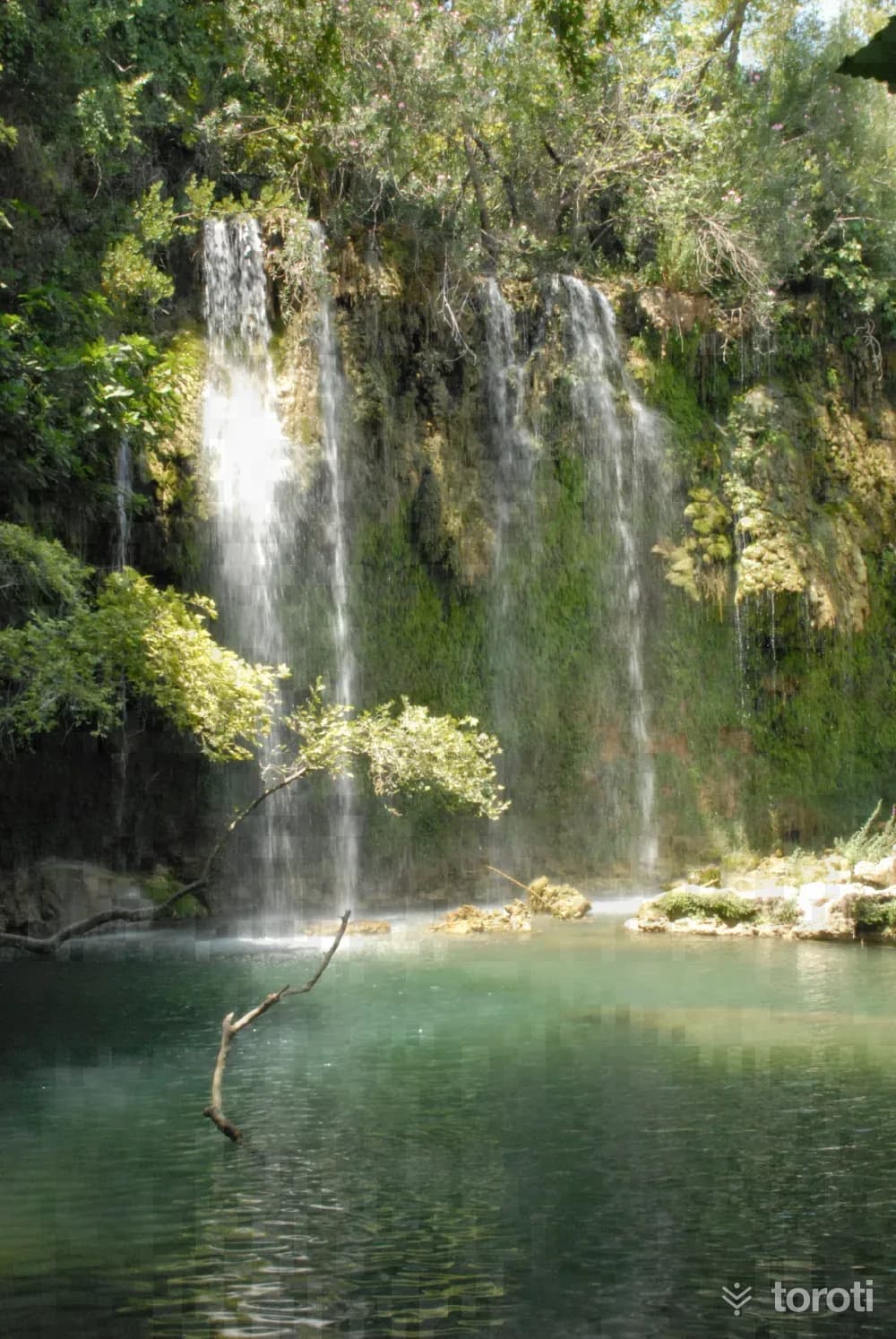
Kurşunlu Şelalesi
Aksu, Antalya
Kurşunlu Waterfall is an ideal place for nature walks and picnics, featuring rich flora and stunning natural beauty.
- No image
38
Sillyon Antik Kenti
Serik, Antalya
Sillyon Ancient City is a historical settlement located in the Serik district of Antalya. This city, which has hosted many civilizations from ancient times to the present, stands out with its magnificent structures.
- No image
39
Kadriye Plajı (Serik)
Serik, Antalya
Kadriye Plajı (Serik) is a public Blue Flag beach on the coast at Serik.
- No image
40
Boğazkent Plajı
Serik, Antalya
Boğazkent Plajı is a public Blue Flag beach on the coast at Serik.
- No image
41
Güzeloba Plajı
Muratpaşa, Antalya
Güzeloba Plajı is a public Blue Flag beach on the coast at Muratpaşa.
Move the stops into your own plan, split them across days, and add places to sleep and eat.
Frequently asked
- How far is it between Muğla and Antalya, and how long does it take?
- Driving between Muğla and Antalya is roughly 311 kilometres and takes about 5 hours without stops.
- Where is it worth stopping between Muğla and Antalya?
- There are 406 described places within 20 km of the road between Muğla and Antalya. toroti lists 41 of them spread evenly along the drive, in the order you pass them; Ula Belediyesi Akyaka Halk Plajı comes early on, and Güzeloba Plajı sits near the end.
- Which provinces does the Muğla to Antalya route cross?
- The route between Muğla and Antalya crosses Muğla → Burdur → Antalya. The stretch richest in places to visit is in Antalya.
- Should I take the toll highway or traditional route between Muğla and Antalya?
- Toll motorways save driving time between Muğla and Antalya, whereas traditional state roads pass directly through historic town centers, local culinary stops, and scenic nature viewpoints.
- How should breaks be scheduled between Muğla and Antalya?
- For a drive of around 5 hours, taking a break every 2 to 2.5 hours is recommended. The catalogued attractions in Antalya and neighboring provinces offer memorable stopovers compared to generic highway rest areas.