Stops along the way
Stops between Mersin and Adana
276 km, roughly 5 hours of driving. The stops below are ordered as you pass them — the same road in both directions.
In short
The drive between Mersin and Adana is 276 km and takes roughly 5 hours. There are 171 described places within 20 km of this route; it crosses 2 provinces, and the densest stretch is in Mersin (89 places).
There are 171 places within 20 km of this corridor; the 35 below are spread evenly along the drive.
1
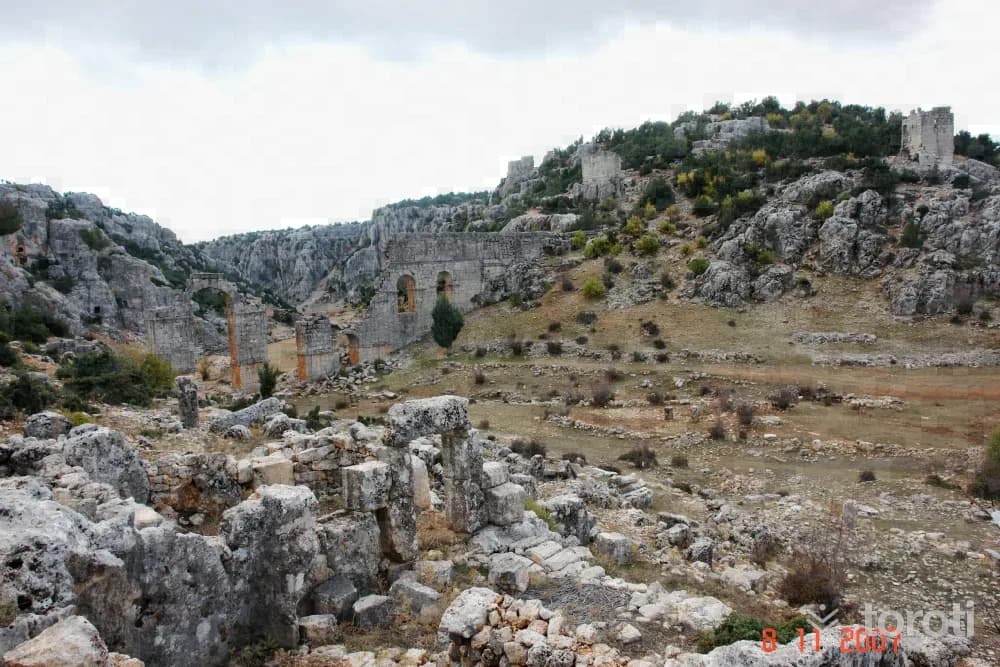
Olba Antik Kenti
Silifke, Mersin
It was the center of the Kingdom of Olba and an important trading city in the Hellenistic Period. Olba was also an important religious center. Especially during the Christian period, this is evident not only in written sources but also in the remains of religious architecture.
2
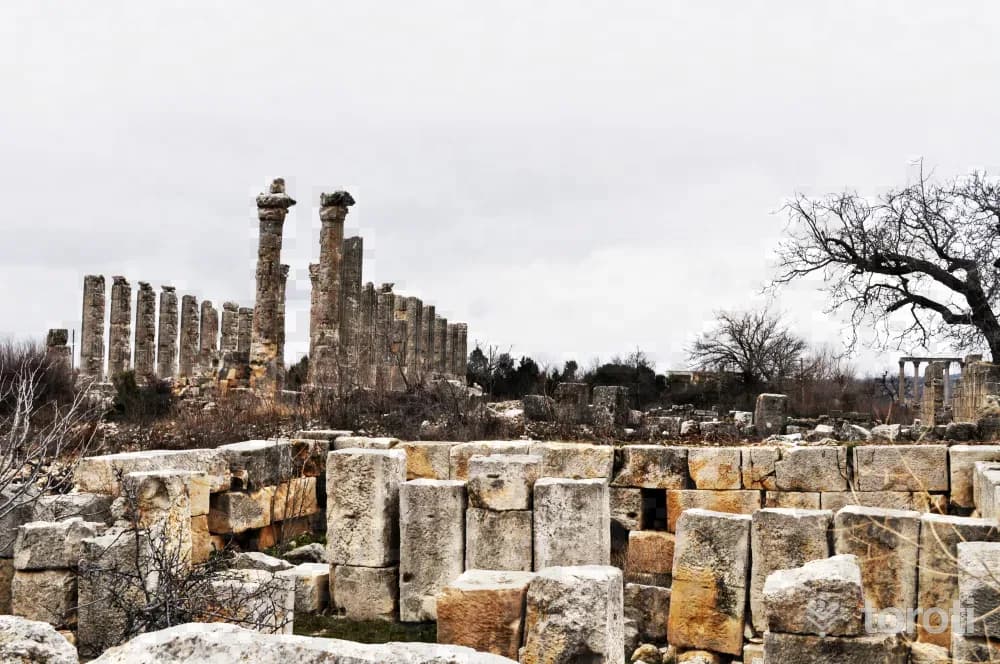
Uzuncaburç Yaylası
Silifke, Mersin
The town, located 27 km north of the district of Silifke, is accessible by asphalt road. Minibuses can be found from Silifke. The town, which was established on the ancient city of Olba Diokayzerim, lives intertwined with history. Country coffeehouses, country restaurants, grocery stores, PTT, Health Center, and Gendarmerie provide services. It is possible to meet basic needs in the town.
- No image
3
Diokaisareia Antik Kenti
Silifke, Mersin
In the Hellenistic Period, the present-day settlement of Uzuncaburç, which was the place of worship of the Olba Territorium located 4 km. east of central Uzuncaburç, was separated from Olba in the Roman Period, in 72 during the time of Emperor Vespasianus, and became an autonomous city minting coins in its own name under the name Diokaesareia (City of the God-Emperor).
- No image
4
Tapureli Antik Kenti
Erdemli, Mersin
The ruins, whose history goes back to the Hellenistic Period, are difficult to visit as they are covered by shrubs and trees. Houses are lined up at close intervals on part of the slope. It is possible to come across tomb structures belonging to the Roman Period. The necropolis area is on the southern slope. Sarcophagi and burial chambers are among the types of tombs located within this necropolis area.
- No image
5
Karakizderesi Parkuru
Erdemli, Mersin
The route, located at an altitude of 1700, is one of the suitable routes for winter tourism due to snowfall in the winter months. Within the route area is Karakızderesi Pond, one of the ideal places for angling and water sports. The route is approximately 30 km north of Erdemli Merkez district and within the boundaries of Karahıdırlı Village.
- No image
6
Prensesin Ayak İzleri Parkuru
Silifke, Mersin
It is a route carried out among ancient cities and ruins approximately 40 km long between Silifke Uzuncaburç and Kızkalesi. On the route starting from Uzuncaburç, the Uğuralanı-Cambazlı stage is 16 km, the Cambazlı-Hüseyinler stage is 12 km, and the Hüseyinler-Kızkalesi stage is 12 km. On the route organized in the ancient areas where the life and reign of Olba Queen Aba took place, the walk can be organized as 3 or 4 days.
7
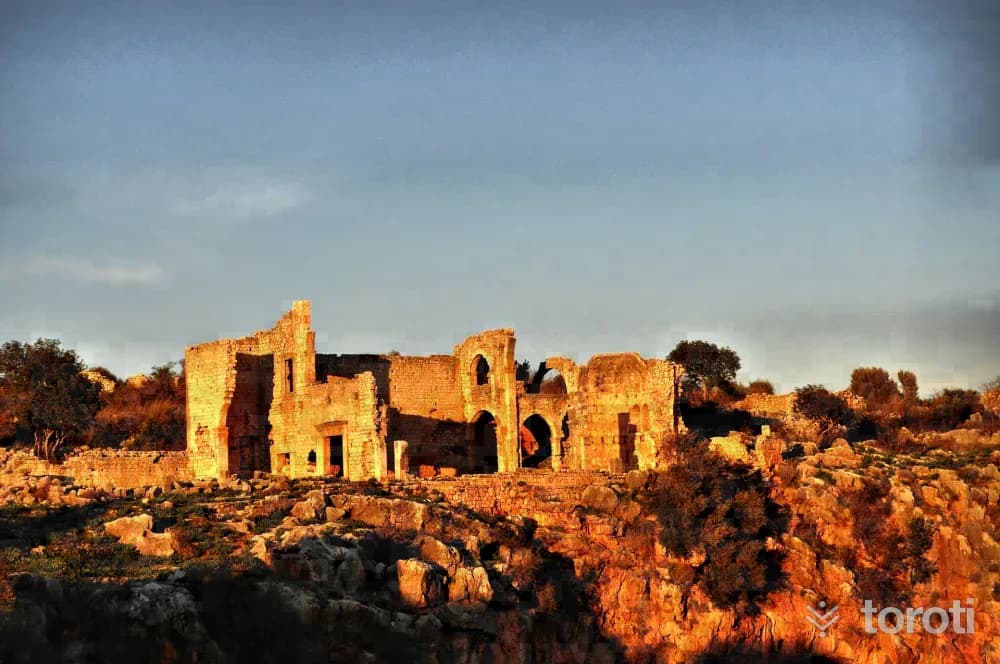
Kanli Divane Ören Yeri
Erdemli, Mersin
Kanytella, which was within the borders of Rough Cilicia in the Ancient Period and is known today as Kanlı Divane, is located approximately 50 km from Mersin and 13 km west of Erdemli District. It is reached by a 3 km road turning north from Kumkuyu Yemişkumu Mahallesi. The ancient settlement of Kanlı Divane was established around a large sinkhole at its center, called the Kanlı Divane Obruğu.
8
Kız Kalesi
Erdemli, Mersin
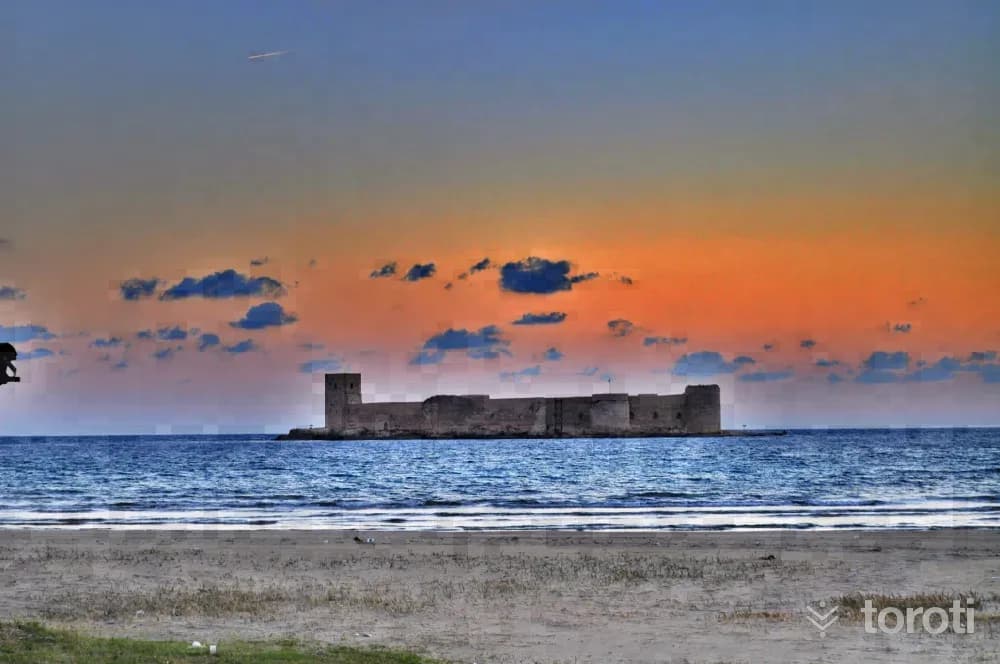
Kız Kalesi, also known as Deniz Kalesi, was built on a small islet off the coast of the neighborhood to which it also gave its name. Its distance from the shore is approximately 600 meters. It is understood from an inscription found here that it was commissioned by Leon I in 1199. Photo: Official Turkish Museums It was captured by the Kingdom of Cyprus in 1361. Strabo mentions that pirates used the castle as a shelter during the Roman Period.
- No image
9
Lamas Kanyonu
Erdemli, Mersin
It is a canyon with steep walls on both sides. The Lamas Stream flows through the middle. The stream flows among various vegetation and vines, forming waterfalls. On the left wall of the canyon, you can see carved channels that once carried water to the city of Korykos. A footpath extends along the canyon. In the summer months, it is possible to swim in the stream. You can walk as much as you like in the canyon.
10
Soli Pompeipolis
Mezitli, Mersin
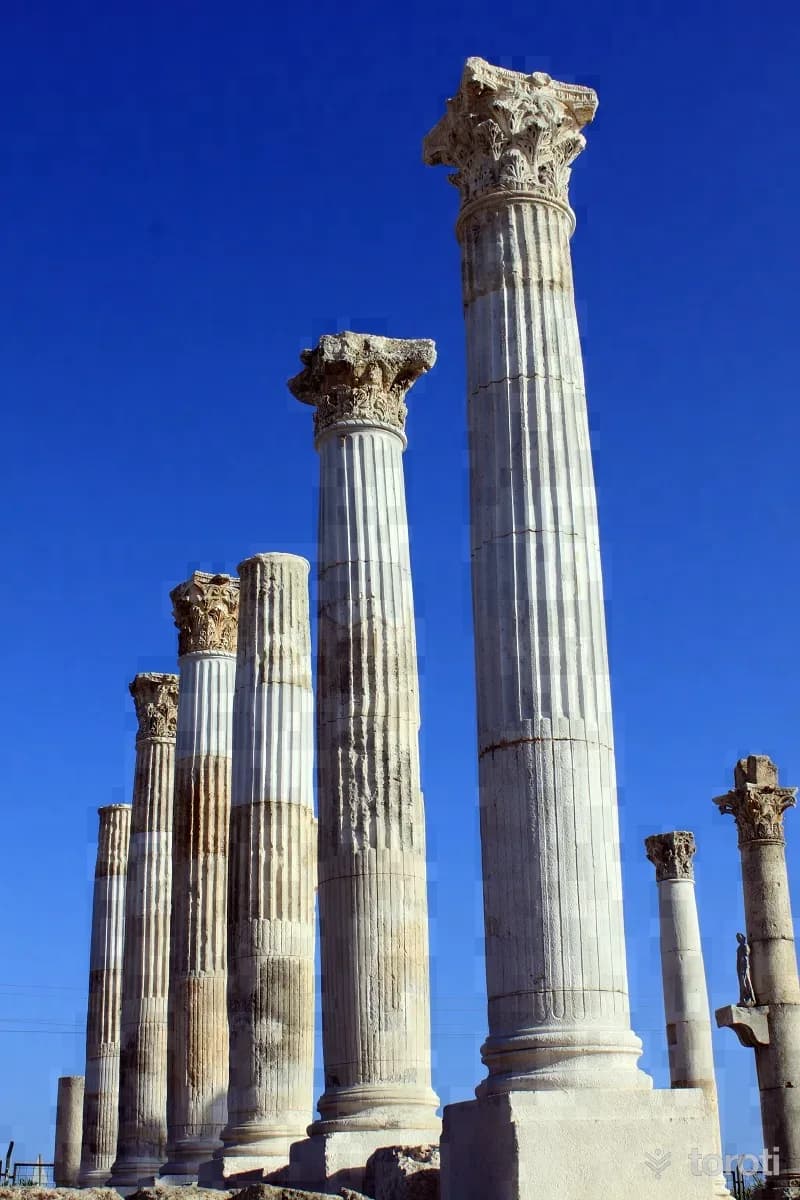
The Persian domination in Anatolia, which began from the middle of the 6th century BC and lasted until Alexander the Great, was also valid for Soli. However, the minting of coins in the city in the 5th century BC reflects that the city preserved a certain degree of autonomy. The port city of Soli experienced a brilliant period during the Hellenistic Period while under Seleucid rule. As Seleucid rule began to weaken in the 1st century BC, difficult days also began for Soli.
11
Mersin Ulu Cami
Mezitli, Mersin
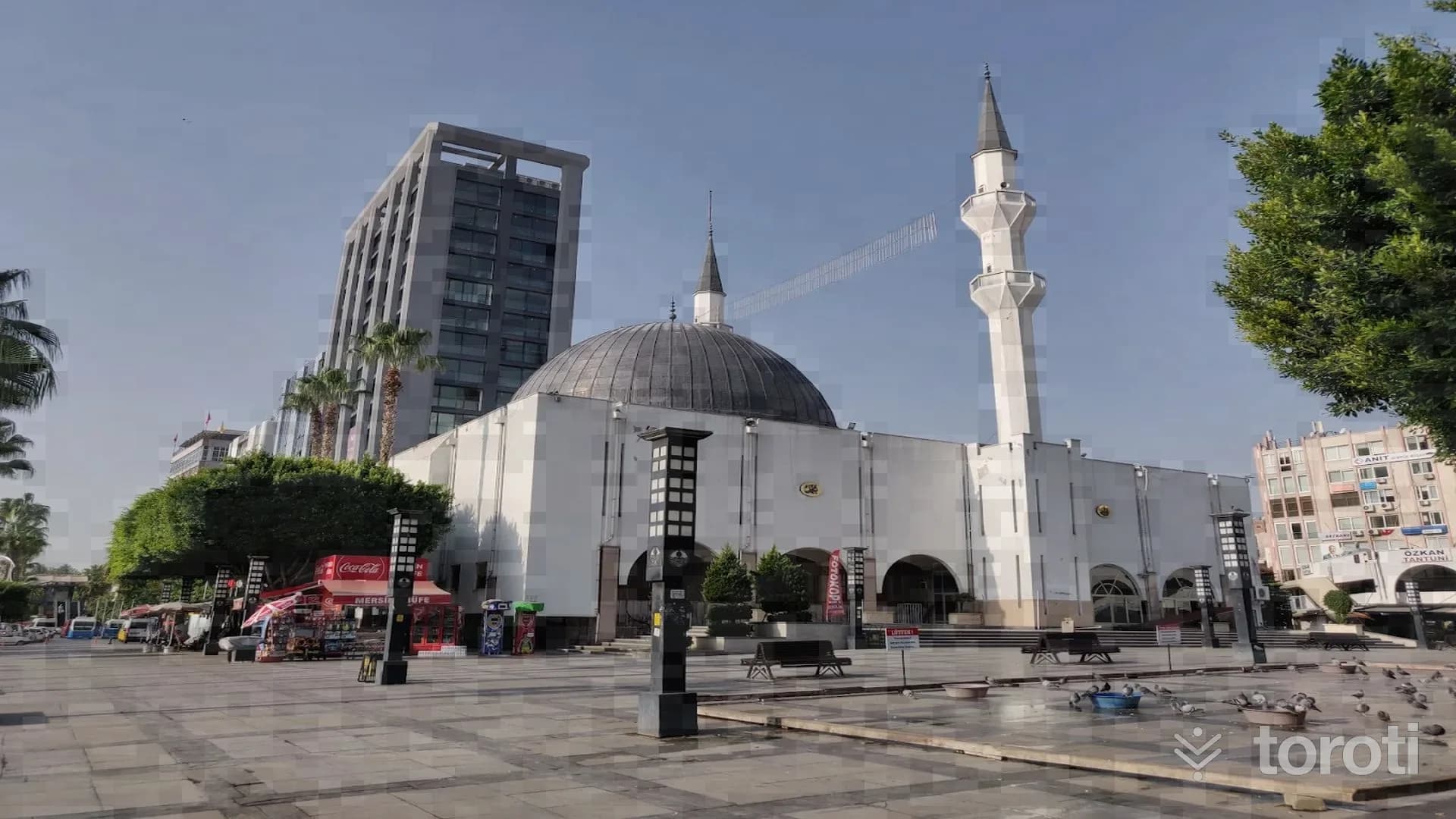
In 1898, during the reign of Sultan II.Abdulhamit, the Yeni Cami in the old Gümrük Meydanı (today Ulu Çarşı), which had been built by the public under the leadership of Saydalı Abdulkadir Seydavi, was demolished, and in its place the large and modern Ulu Cami was built.
- No image
12
Kepirli Yaylası
Toroslar, Mersin
The plateau, connected to Mersin by a 23 km asphalt road, is at an altitude of 950 m. Passenger transportation is provided from Mersin to Kepirli. Around the plateau there are pine, juniper, oak and maquis forests, as well as various fruit orchards. Infrastructure services such as electricity and water are available on the plateau.
13
Refah Şehitleri Anıti
Akdeniz, Mersin
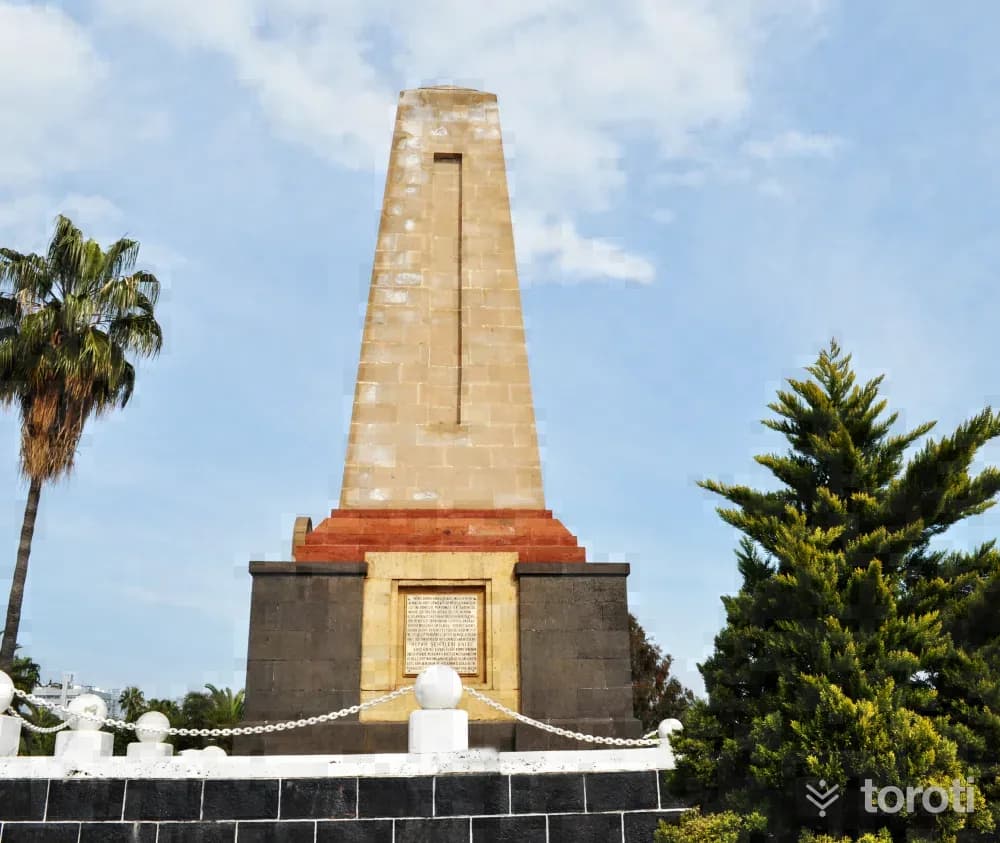
During the Second World War, in order to bring four destroyers, four submarines, twelve landing ships, and four aircraft squadrons ordered from England, a staff of 199 consisting of officers, non-commissioned officers, privates and students departed from Mersin for Port-Said on 23.06.1941 at 17.30 on the Refah Ship belonging to a company named Benjamen Benzilay. After a journey lasting five hours, the ship was torpedoed near Karpat Burnu and sank shortly afterwards.
14
Mustafa Erim Mersin Kent Tarihi Müzesi
Akdeniz, Mersin
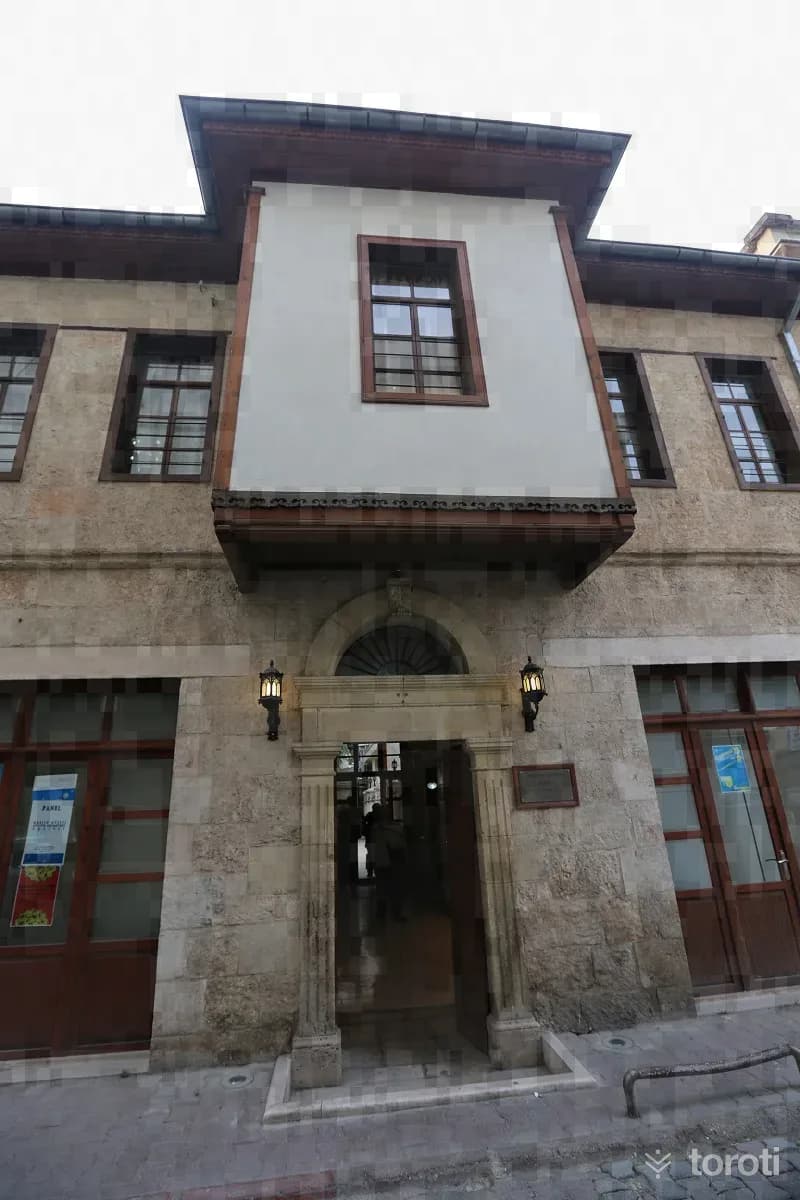
The "City History Museum," which brings a new color and breath to Mersin's cultural life, is an example of nearly 150-year-old civil architecture. It was restored and arranged for exhibition by Mustafa ERİM and brought into Mersin's cultural and artistic life. Mersin was also affected by the rapid change seen in all our cities in the second half of the 20th century, and very few of these examples of traditional civil architecture have survived to the present day.
- No image
15
Soğucak Yaylası
Toroslar, Mersin
It is reached by a 1 km asphalt road branching off at the 23rd km of the Gözne road. In Soğucak Town, which is a plateau village, there are also summer houses belonging to the people of Mersin. Its infrastructure has been completed, and PTT and a Health Center provide services on the plateau. The country restaurants and country coffeehouses in the surrounding area do not have touristic characteristics. The area around the plateau is covered with maquis and rocks.
16
Paperon Kalesi - Çandir Kalesi
Toroslar, Mersin
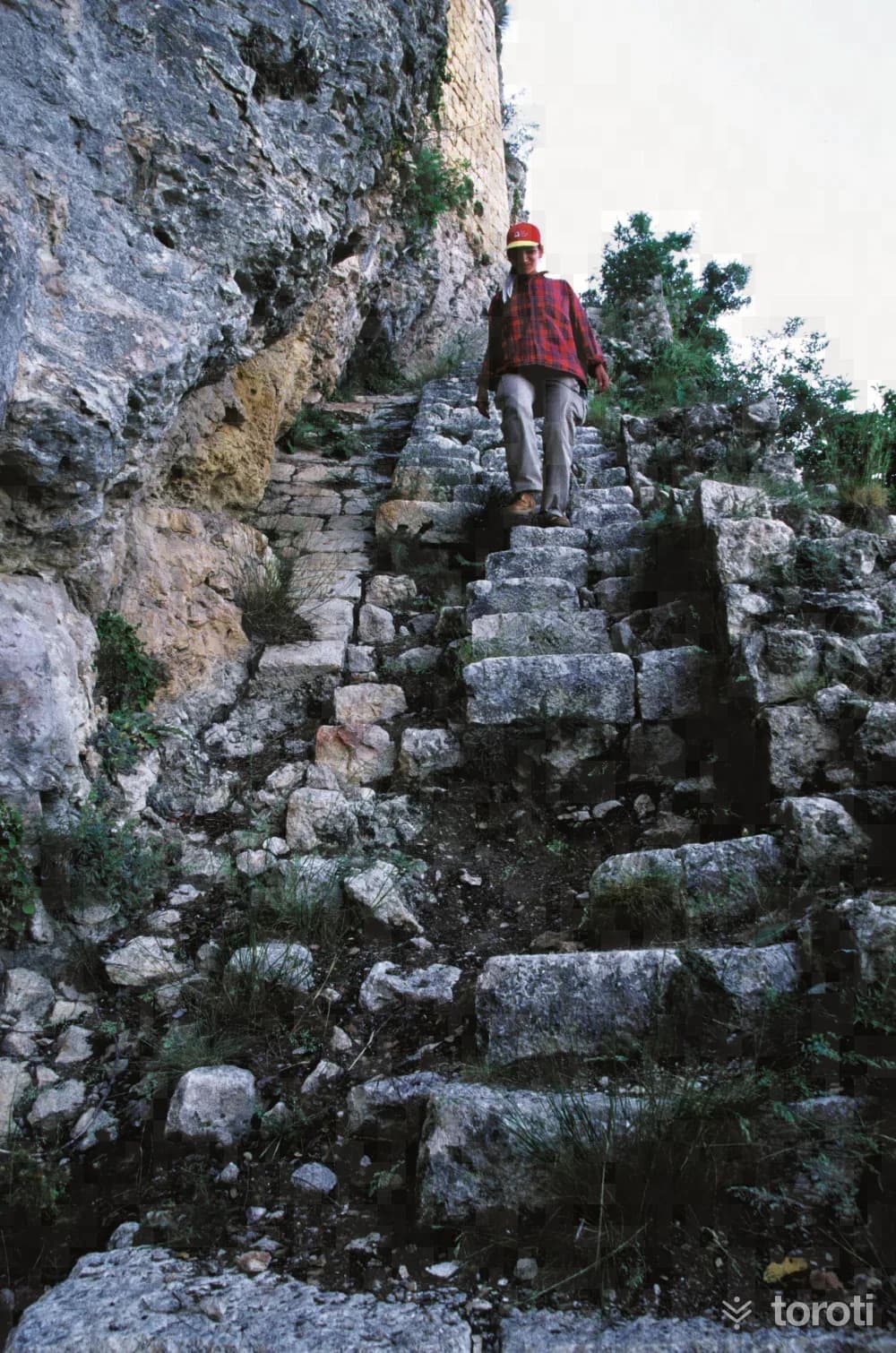
This castle is the richest in architectural terms and the most complex historically among the Armenian castles. However, the history of the castle goes back further than the Armenians. It is suggested that this place may be the Byzantine castle Papirion or Papurion. In the middle of the 14th century, it was occupied for a short time by the Karamanoğulları, and at the end of the 14th century it passed into the hands of the Mamluks. The important feature of the castle is its gate.
17
Eshab-i Kehf Yedi Uyurlar Mağarası
Tarsus, Mersin
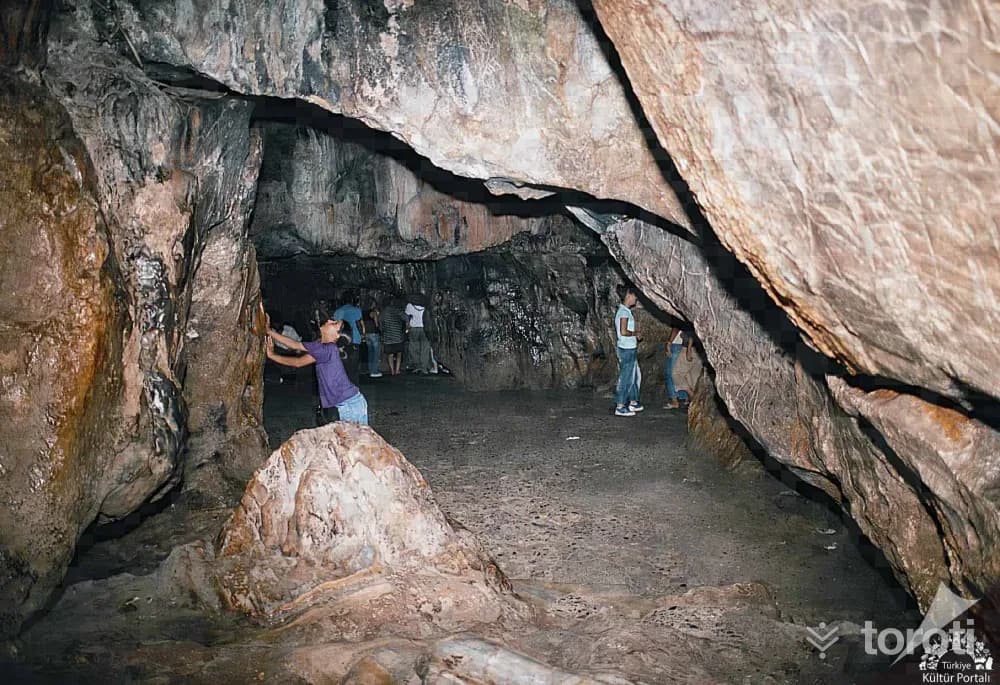
This cave, mentioned in the Surah al-Kahf of the Holy Quran, is considered sacred by Muslims and Christians. The cave is reached by descending 15-20 steps. A legend belonging to Eshab-ı Kehf Cave is told among the people.
18
Nusrat Mayin Gemisi
Tarsus, Mersin
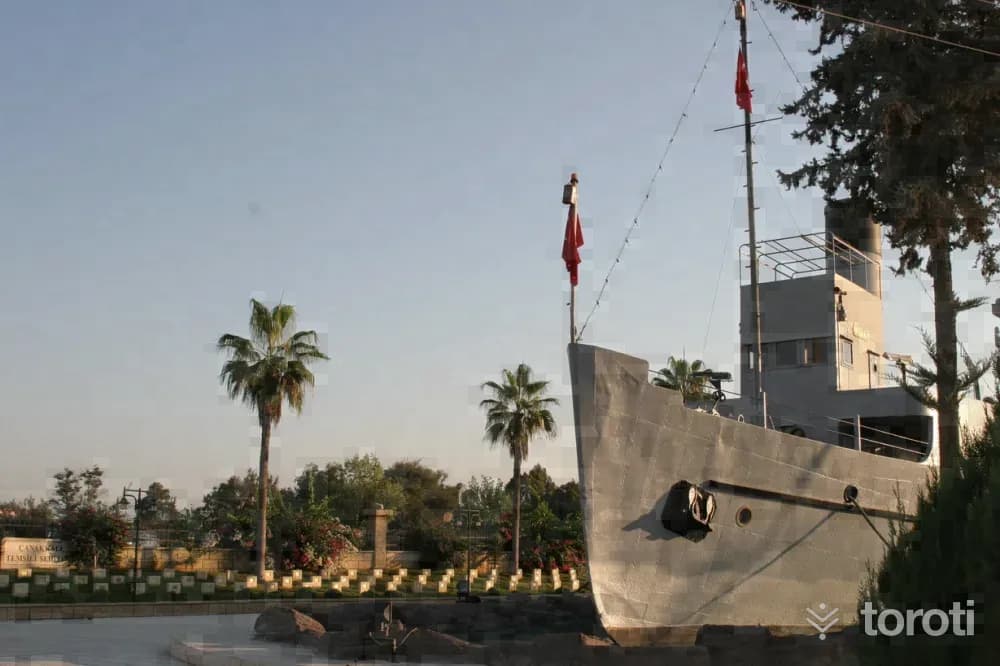
The mines laid by Nusrat changed the fate of the Battle of Çanakkale on 18 March 1915, earning it the title of "the world's most famous minelayer." With its crew of 639, Nusrat's mines sent the battleships Bouvet, followed by Inflexible and Bolva, to the bottom.
19
Tarsus Müzesi
Tarsus, Mersin
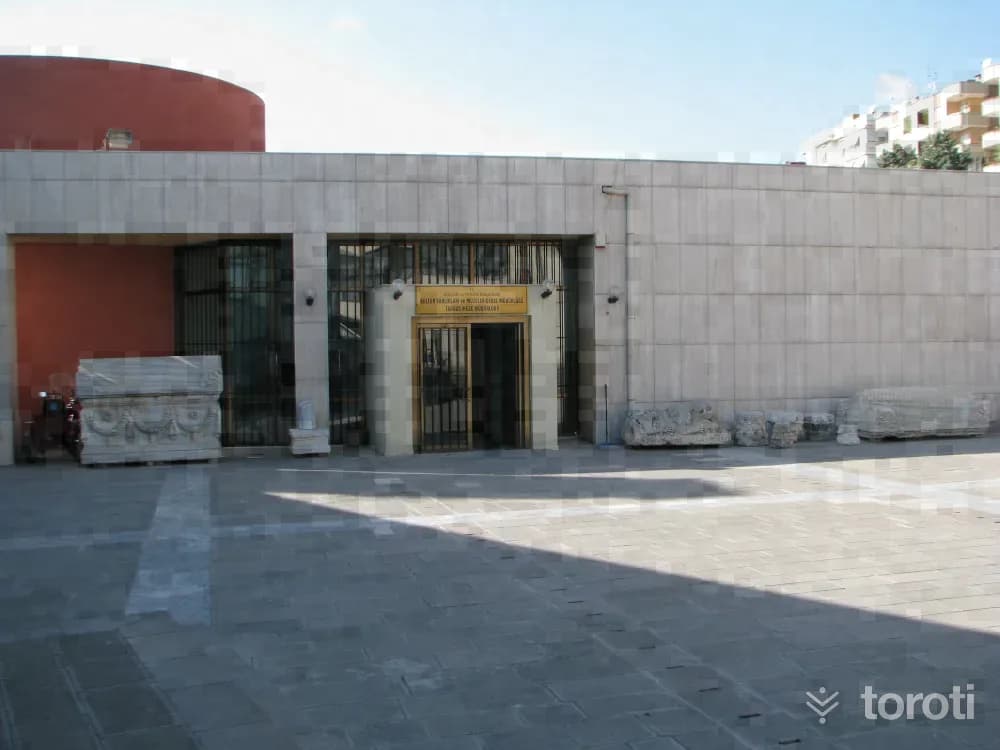
Kubat Paşa Medresesi, built in 1557 by Kubat Paşa of the Ramazanoğulları as an open-courtyard madrasa, was converted into a museum in 1971 and opened to service in order to present our historical and cultural values to local and foreign visitors. However, Kubat Paşa Medresesi was unable to meet the requirements of modern museology in the exhibition and storage of artifacts. For this reason, the artifacts were moved in 1998 to the 75, built by the Ministry of Culture and Tourism.
- No image
20
Gözlükule Höyük
Tarsus, Mersin
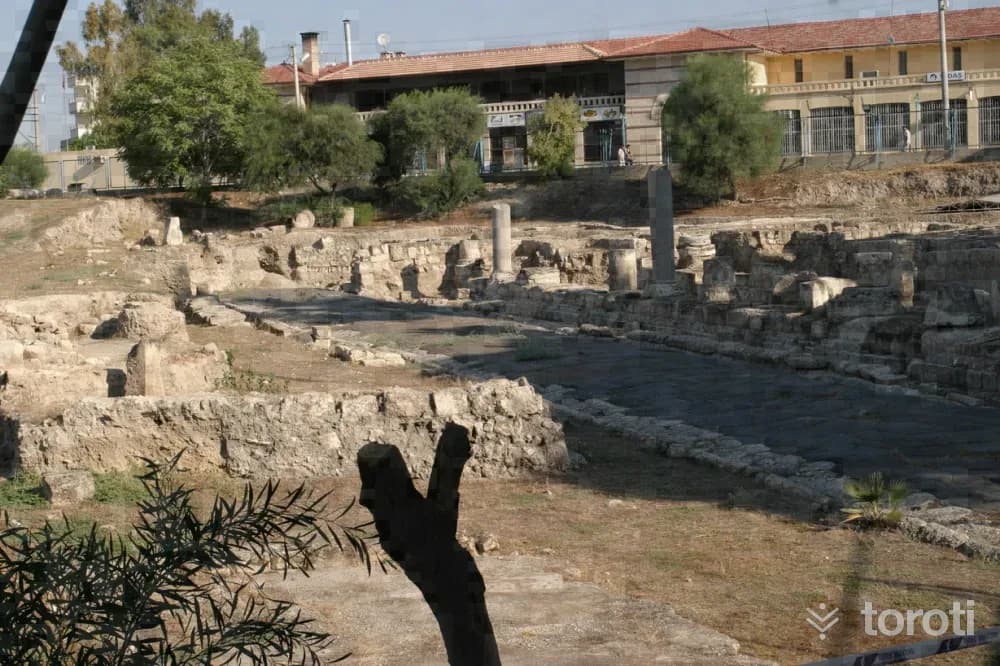
The mound in the district center of Tarsus consists of two hills. The presence of a watchtower on the mound in the Middle Ages must have led to the name Gözlükule. Obsidian tools and fragments of baked clay vessels belonging to the Neolithic Period have been uncovered. Houses with mudbrick walls on simple stone foundations and narrow streets have been revealed.
21
Cumhuriyet Alanı Ve Antik Cadde
Tarsus, Mersin
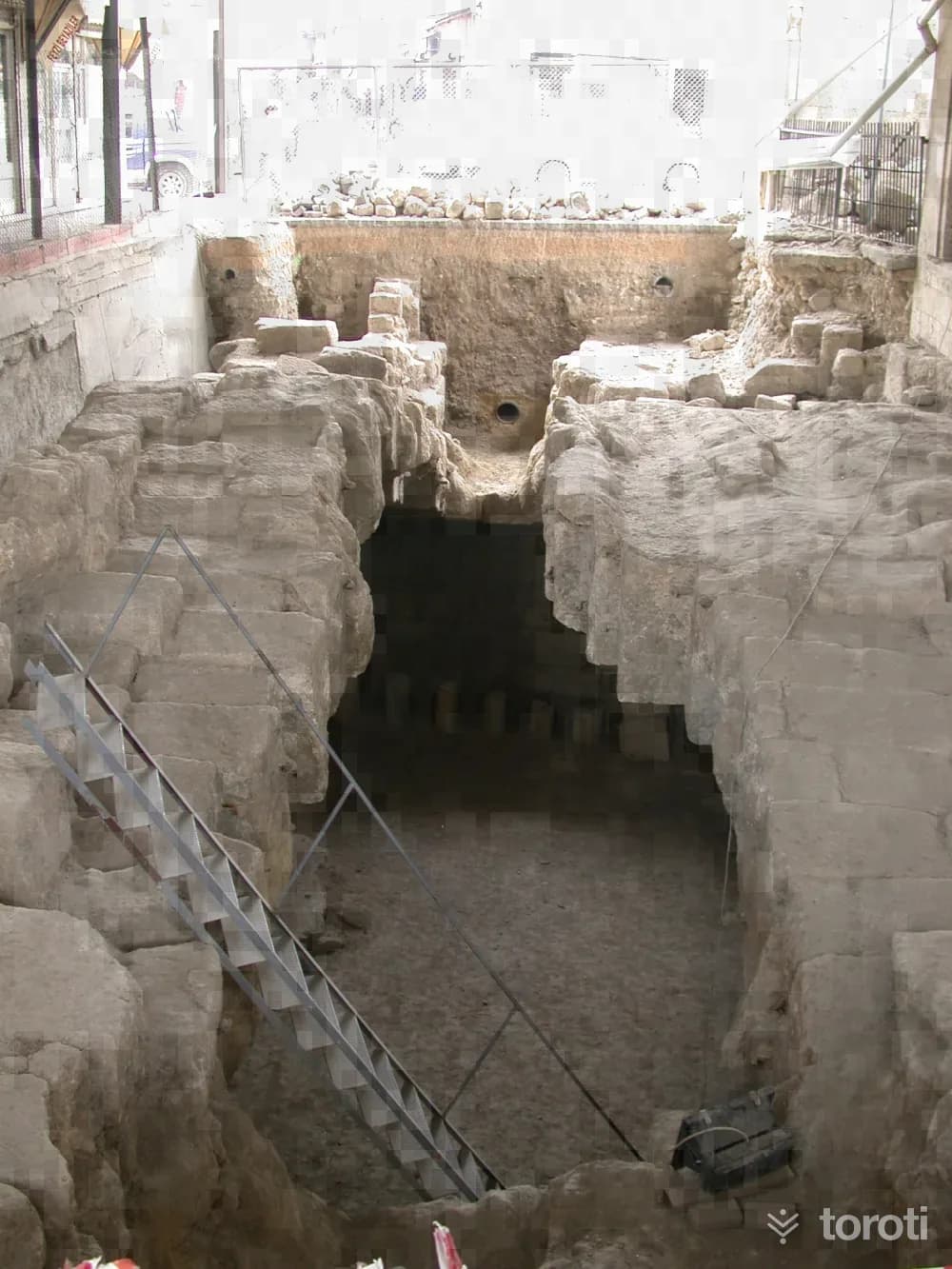
In the excavations that began as a result of the accidental discovery of a number of finds during a foundation excavation in 1993, an east-west oriented street and the remains of structures from various periods around it were uncovered. Although there is deterioration in places, the street’s surface has largely preserved its appearance from Antiquity.
22
Kırkkaşik Bedesteni
Tarsus, Mersin
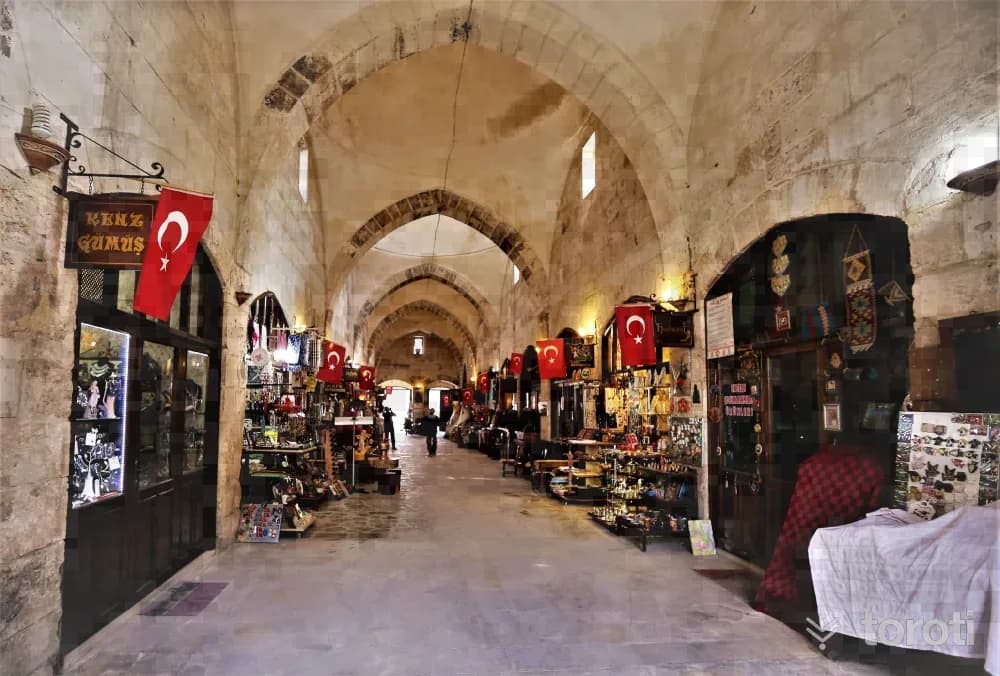
One of the most important historical structures of Tarsus, which has been a lively commercial and political center in every period and is located at the intersection of cultures, is Kırkkaşık Bedesteni. Kırkkaşık Bedesteni, commissioned in 1579 by İbrahim Bey, the son of Piri Paşa of the Ramazanoğulları Beyliği, was used as an imarethane (soup kitchen) and madrasa in its early periods, but functioned as a covered bazaar after the Republic.
23
Danyal Peygamberin Makami
Tarsus, Mersin
Prophet Daniel was a prophet who lived during the time of the 2nd Babylonian King Nebuchadnezzar (605-562 BC) and saved the Jews from Babylonian captivity with his knowledge and prophecies. According to the روایت; when the Babylonian King saw in his dream that a baby boy to be born from the Israelites would shake his throne, he ordered the killing of the male children born to the Israelites. For this reason, when Prophet Daniel was born, he was left in a cave on a mountaintop to save him from death.
24
Tarsus Eski Camii
Tarsus, Mersin
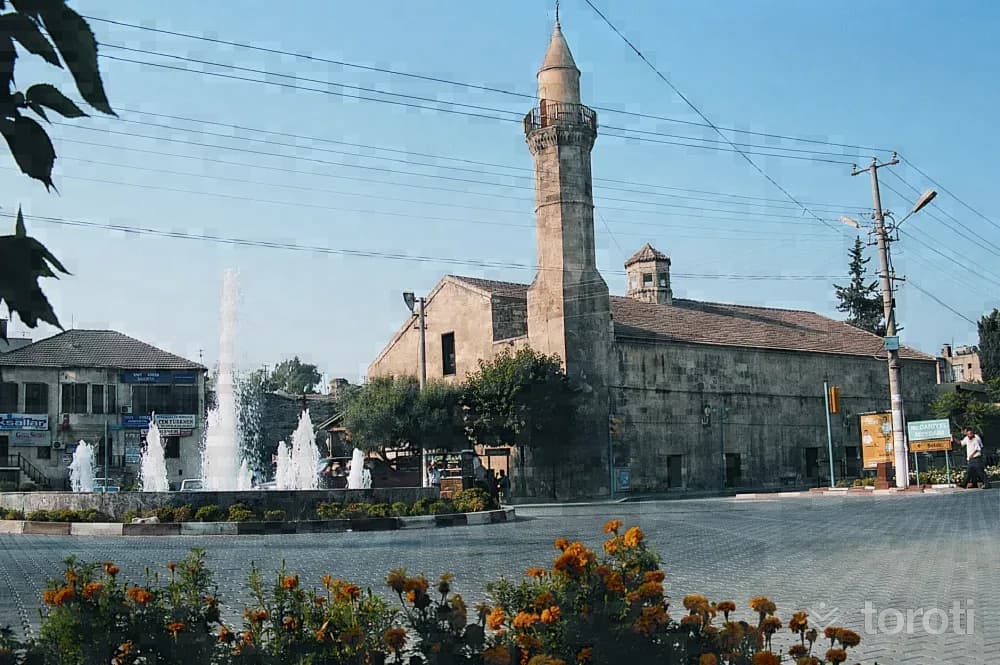
It is said that the church-based structure in Çarşıbaşı was built in 1102 as St. Paul Cathedral. It is noteworthy for its thick and high walls in the Roman style, its spacious interior, its narrow outward-facing side, its deep windows, and its thick columns.
25
Sağlikli Mahallesi Roma Yolu Ve Kapisi
Tarsus, Mersin
It was built on bedrock with serpentine stone. The gate can be seen from the road as far as Tarsus and the surrounding coast. Although its width varies from place to place, it averages 3 meters, and its surviving length is about 3 kilometers. The curb stones along the roadside still remain in situ.
- No image
26
Sağlikli Köyü, Roma Yolu Ve Tarsus Parkuru
Tarsus, Mersin
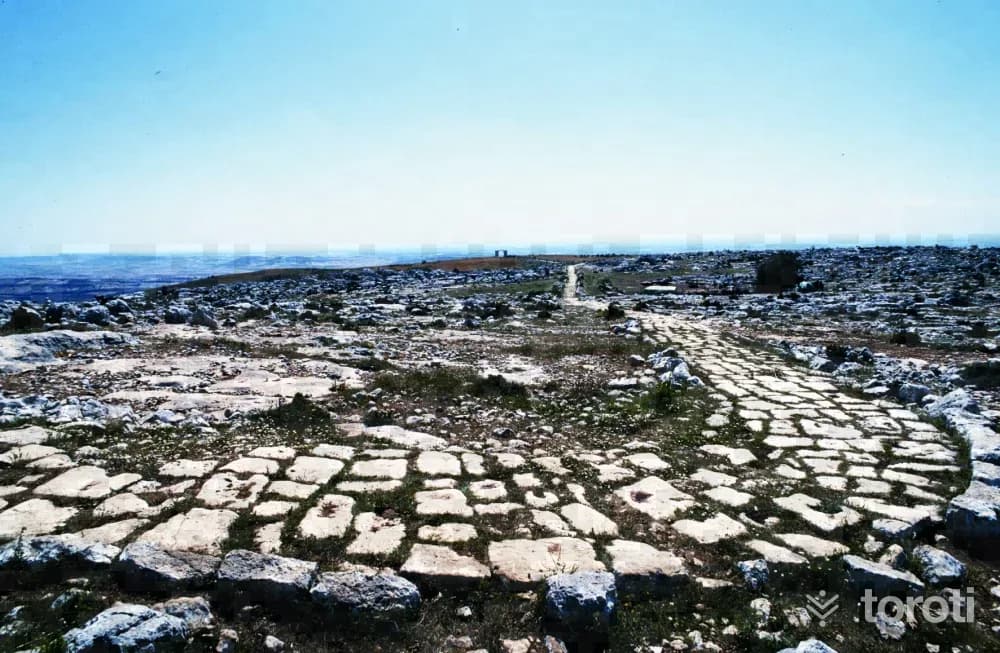
Near Sağlıklı Köyü to the north of Tarsus, the broad and impressive road is entered from beneath a Roman Arch. The road crosses the Taurus Mountains south-north and descends to İvriz. It is thought that St. Paul went to Derbe by this road on his 2nd journey. The route is a route with 3 tented overnight stays.
27
Adana Müzesi
Seyhan, Adana
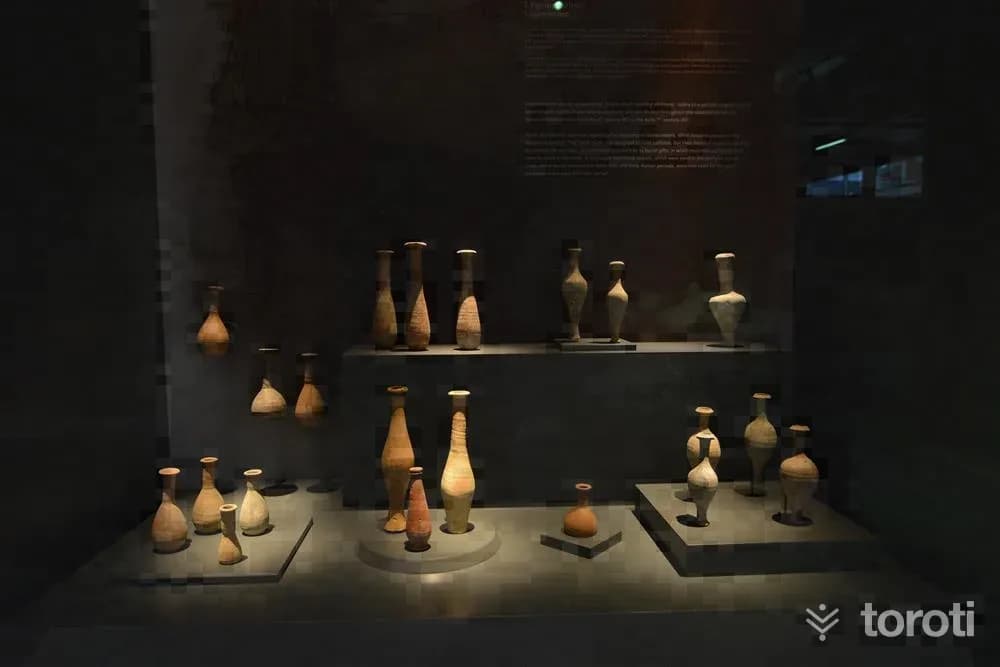
Adana Museum was established in 1924, immediately after the proclamation of the republic, and is one of the 10 oldest museums in Turkey. Official Turkish Museums The museum, which was first established by collecting column capitals and sarcophagi from the surrounding area in the police department, was opened to visitors in 1928 in the madrasa of Cafer Paşa Mosque, following the appointment of Halil Kamil Bey as director and his successful work.
28
Akça Mescit
Seyhan, Adana
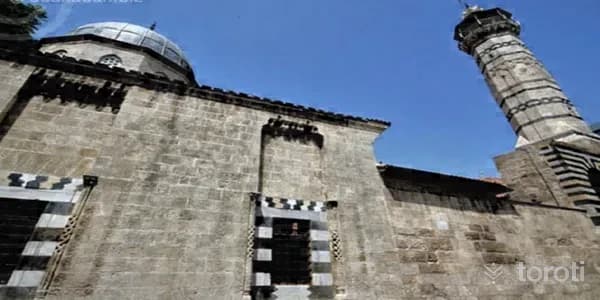
Akça Mescit, one of the oldest structures in Adana, was commissioned by Ağcabey during the time of Ramazanoğlu Şahabeddin bey. The entrance door of the building is decorated with a relief featuring floral patterns, and its mihrab is made of stone and is quite impressive. Known as the oldest Turkish structure in Adana, Akça (Ağca) Mescit is located in Ulu Cami Mahallesi, 60 metres from Ulu Cami.
29
Adana Ulu Camii
Seyhan, Adana
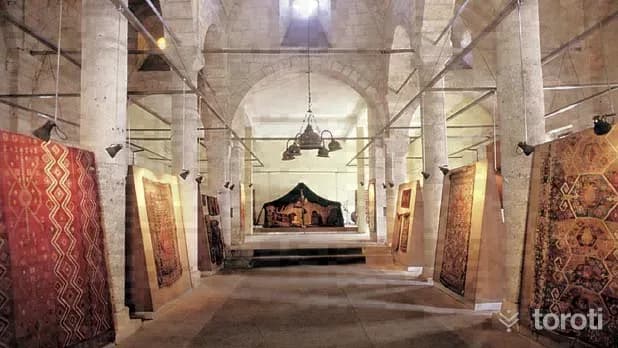
Ulu Camii is considered among Adana's important works in terms of its size and historical significance. From the three separate inscriptions of this work, which brings together architectural characteristics belonging to the Seljuk, Mamluk and Ottoman Periods, it is understood that its construction was first begun in 1513 by Ramazan oğlu Halil Bey, and that it was completed in 1541 by Halil Beyin's son Piri Mehmet Paşa and opened for worship.
30
Kuruköprü Anıt Müzesi Ve Geleneksel Adana Evi
Seyhan, Adana
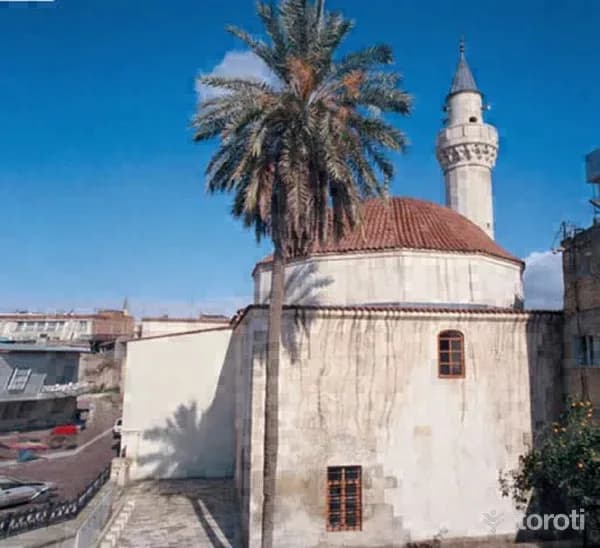
The Tanzimat Edict, proclaimed in 1839, provided non-Muslims with the opportunity to govern themselves and to build schools and places of worship. During this period, a remarkable number of churches were built in Anatolian cities. According to the nine-line Greek inscription on the marble plaque above the western door, the building was commissioned by the Greek community in 1845.
31
Hasan Ağa Camii
Seyhan, Adana
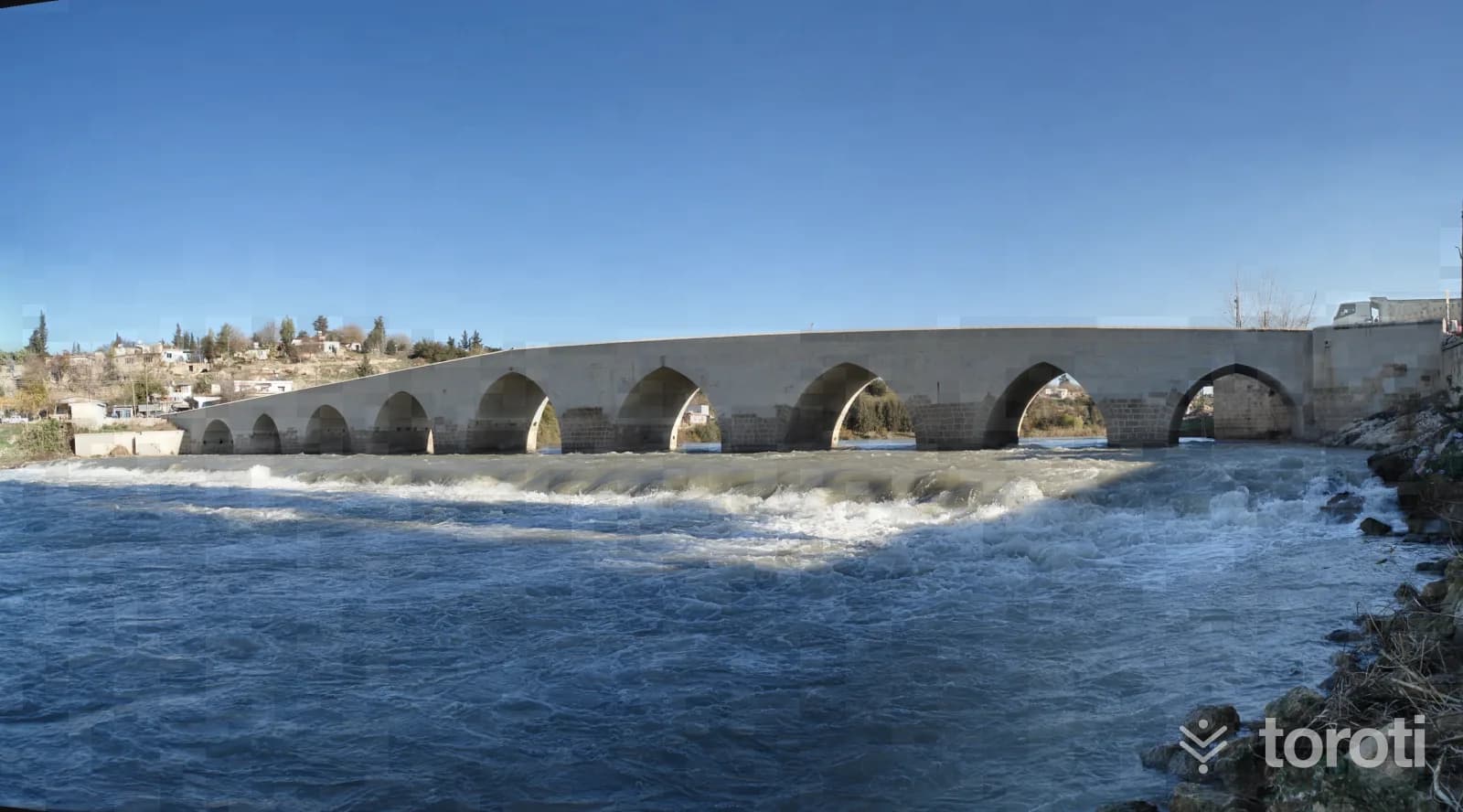
It is not known when the work, whose original name is Hasan Kethüdâ Camii, located in the Ali Ağa neighborhood about 150 meters south of Yağ Camisi, was built. According to a rumor circulating among the people, while Ramazanoğlu Pîrî Paşa was outside Adana as beylerbeyi, it was commissioned by his steward Hasan Ağa, son of Abdullah, who supervised the construction of Ulucami, using materials left over from this construction.
32
Misis Köprüsü
Yüreğir, Adana
The Misis Bridge is a historic bridge located over the Ceyhan River, built by Roman Emperor II. Flavius Julius Constantinus. Known as the first Roman bridge in Anatolia, it has witnessed many civilizations.
33
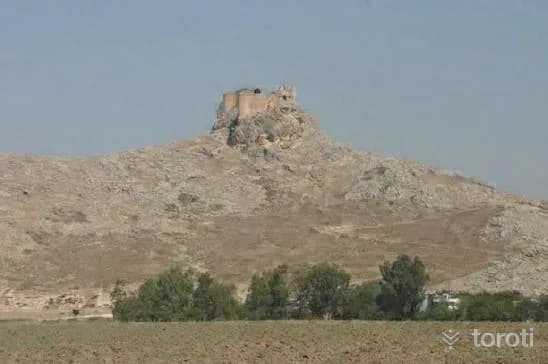
Dumlu (Tumlu) Kalesi
Ceyhan, Adana
Dumlu Castle is a historical structure located northwest of Ceyhan. Believed to have been built in the 12th century, the castle features eight towers and various architectural remains.
34
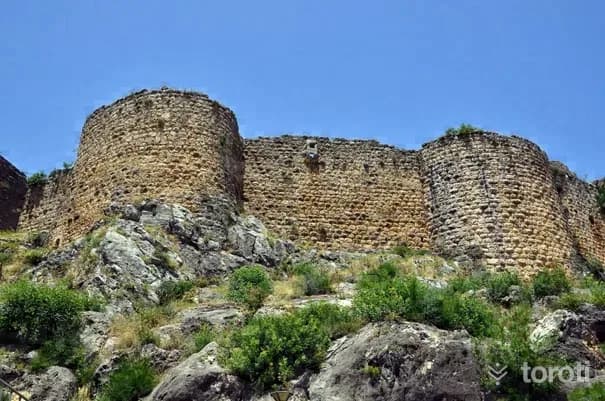
Kozan Kalesi
Kozan, Adana
Kozan Castle or Sis Castle, located in the center of Kozan district, stands in a position dominating the plain on a steep limestone hill. Kozan Castle, one of the oldest castles in the region, has 44 towers and bastions built in two groups. Because of the baptism oil extraction ceremonies held here every 3 years, it became an important center for the Christian world.
35
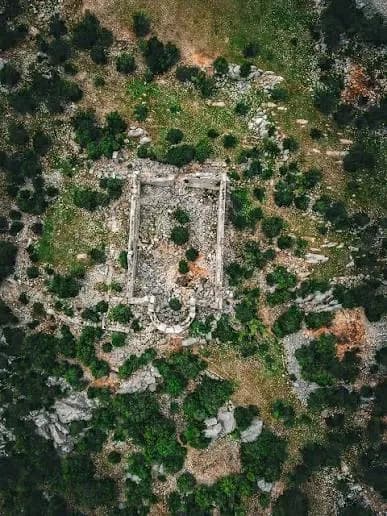
Akören Ören Yeri
Aladağ, Adana
Akören Archaeological Site holds historical significance with its remains from the Byzantine Period.
Move the stops into your own plan, split them across days, and add places to sleep and eat.
Frequently asked
- How far is it between Mersin and Adana, and how long does it take?
- Driving between Mersin and Adana is roughly 276 kilometres and takes about 5 hours without stops.
- Where is it worth stopping between Mersin and Adana?
- There are 171 described places within 20 km of the road between Mersin and Adana. toroti lists 35 of them spread evenly along the drive, in the order you pass them; Olba Antik Kenti comes early on, and Akören Ören Yeri sits near the end.
- Which provinces does the Mersin to Adana route cross?
- The route between Mersin and Adana crosses Mersin → Adana. The stretch richest in places to visit is in Mersin.
- Should I take the toll highway or traditional route between Mersin and Adana?
- Toll motorways save driving time between Mersin and Adana, whereas traditional state roads pass directly through historic town centers, local culinary stops, and scenic nature viewpoints.
- How should breaks be scheduled between Mersin and Adana?
- For a drive of around 5 hours, taking a break every 2 to 2.5 hours is recommended. The catalogued attractions in Mersin and neighboring provinces offer memorable stopovers compared to generic highway rest areas.
Other routes