Places to visit
Things to do in Mardin
40 destinations, each with a description, how long it takes and where it sits on the map.
In short
toroti’s catalogue holds 40 described destinations within Mardin. The themes that come up most: Faith heritage, Museum, Culture, History, Nature, Local culture.
Districts of Mardin
Ulu Camii
One of the architectural examples of the Artuqid Period, Mardin Ulu Camii, which is the symbol of Mardin with its fluted dome and minaret, was built with two minarets according to records. The inscription on the square base of the mosque’s only surviving minaret today gives the construction date as 1176, but the present minaret was built in 1888/1889 in a new and eclectic style. Some Syriac writers say it was converted from a church.
20 minutes
Mardin Müzesi
According to the inscription, it was built in 1895 by the Patriarch of Antioch Ignatios Behnam Banni as the Syriac Catholic Patriarchate. The building, which served religious purposes for a long time, was later used as a military garrison, the headquarters of various political parties, a cooperative building, a health center, and a police station.
45 minutes
Gurs Vadisi
The valley is located within the borders of Kızıltepe district and is 20 kilometers from Mardin. The valley is famous for its waterfalls. In addition, flour mills used to operate with the water flowing from the valley. Today, it is used as orchards.
45 minutes
Gazipaşa İlkokulu
Construction of the building, which was used as Gazipaşa İlköğretim Okulu, was started in 1892 by a chief architect named Lole, and during the II. Meşrutiyet period, in 1907, it was opened for use as a house by a wealthy person named Cebbur from the Süryani Kadim Community.
30 minutes
Mor Efrem Kilisesi
It is an Orthodox church located in the Nusaybin district. It was commissioned by Mor Yakup, who served as the bishop of Nusaybin. The tomb of Mor Yakup is also located inside.
30 minutes
Beyazsu
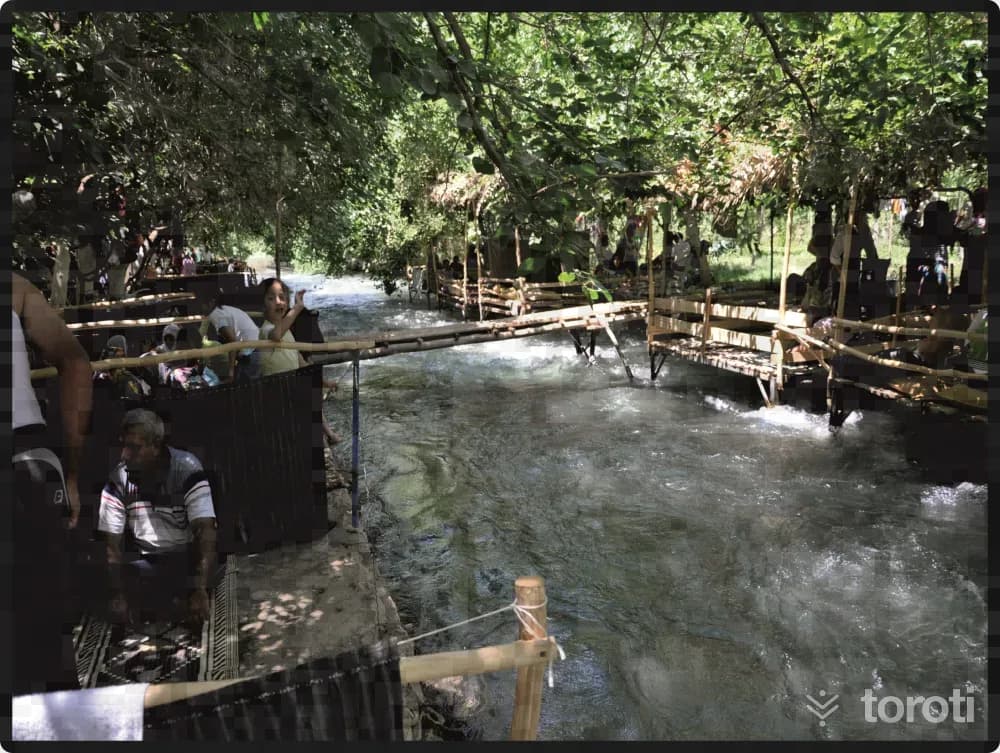
Beyazsu is located on the highway connecting the two districts, approximately 15-20 kilometers south of Midyat District and approximately 20-25 kilometers north of Nusaybin District. Originating from the foothills of the plateau and hills to the south of Midyat, Beyazsu Stream flows toward Nusaybin within a valley. In Mardin’s arid and treeless geography, Beyazsu is like an oasis with its cool and clear water, trees unique to the region, and greenery.
45 minutes
Mor Yakup Manastiri
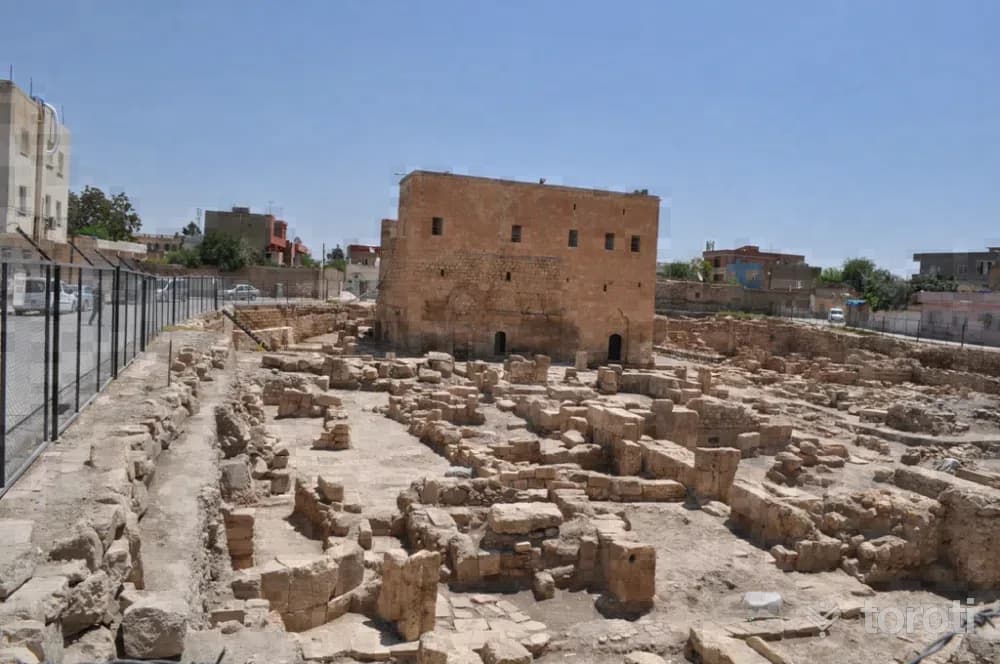
Mor Yakup Monastery was built in 419 AD in the name of Saint Jacob (Mor Yakup). Mor Yakup was born in Egypt in 330 AD and became a priest in a small monastery in Alexandria. He came from Egypt to Tarsus by sea and from there to Diyarbakır. Later, he settled in the village of Şiluh (Salıh) in Turabdin. Mor Yakup, whose life was marked by miracles such as healing the sick, curing the disabled and the lame, and making a one-week-old baby speak, was later elevated to sainthood.
45 minutes
Abdüllatif Camii / Latifiye Camii
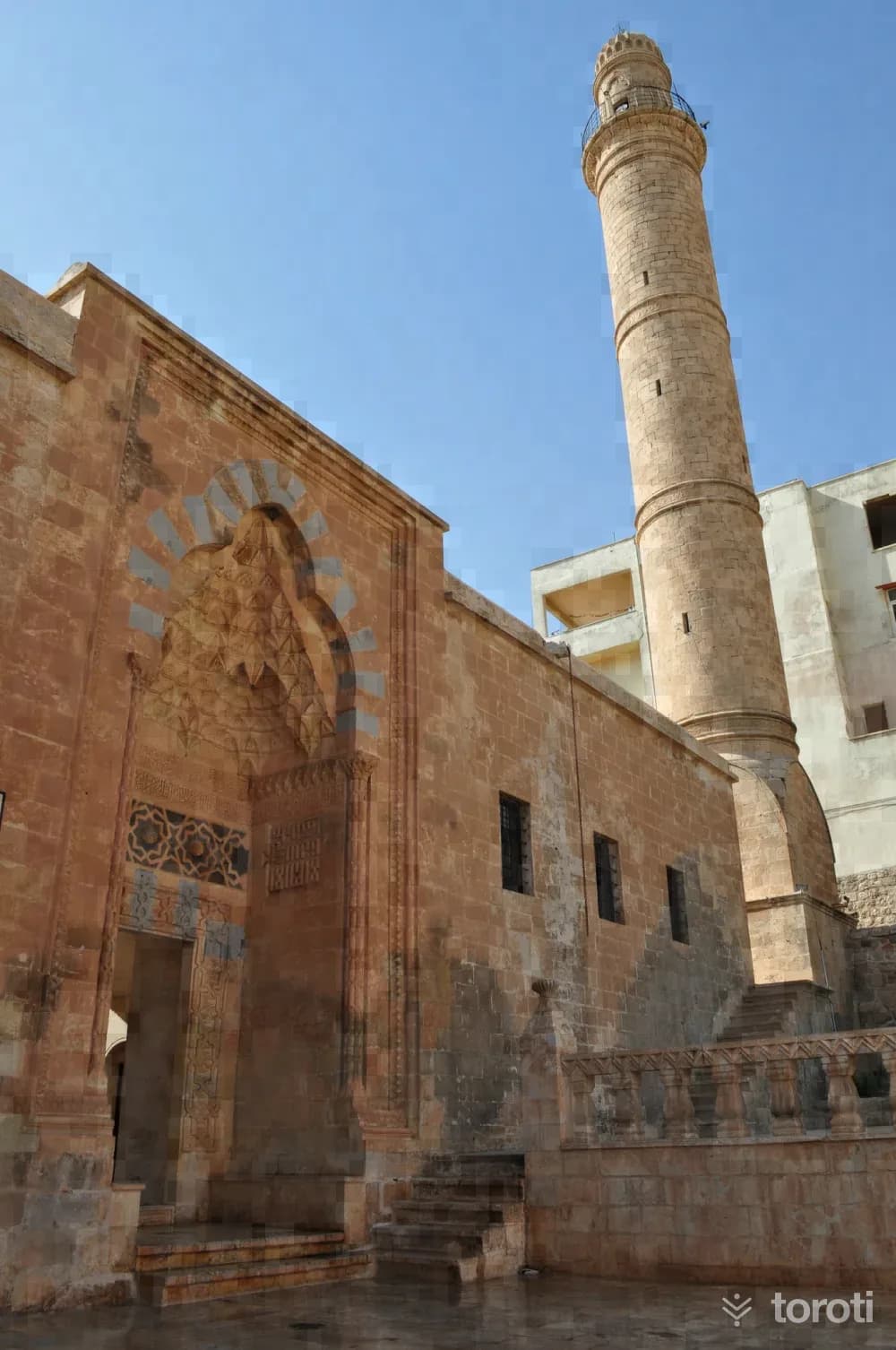
Abdüllatif Camii, or by its other name Latifiye Camii, is to the south of Cumhuriyet Square in central Mardin. It was commissioned in 1371 by Abdüllatif bin Abdullah, who served during the time of the Artuqid sultans Melik Salih and Melik Muzaffer, while its minaret was commissioned by the Governor of Egypt Muhammed Ziya Tayyar Paşa. Gülcan Acar Inside, there is a very long waqf inscription that also runs above the windows on the mihrab wall.
45 minutes
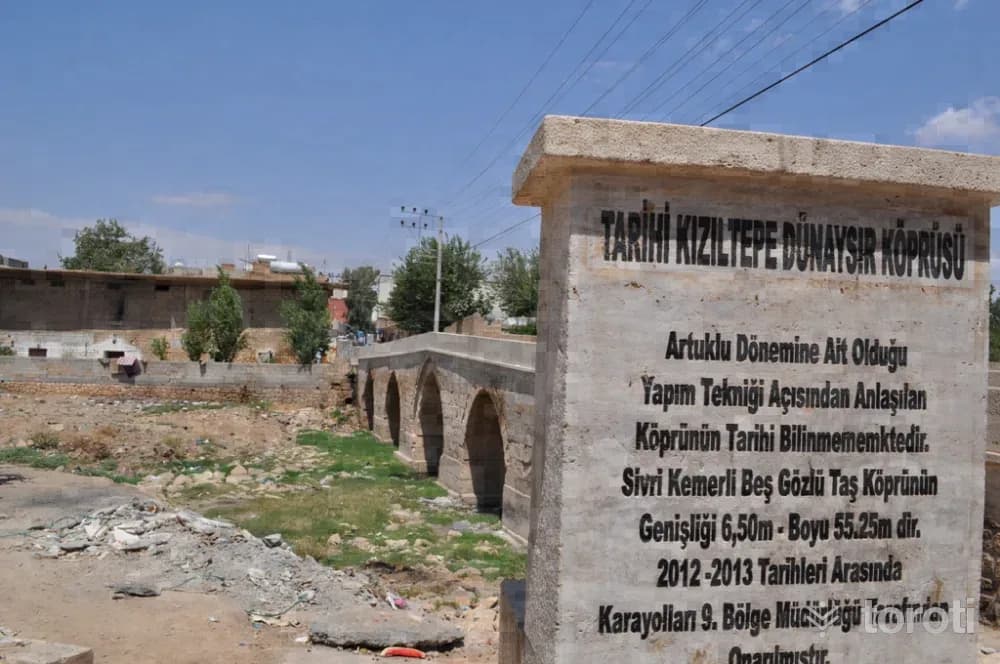
Dunaysir Köprüsü
Dunaysır Bridge The bridge is on the Kızıltepe–Derik road, over Zergan Stream in Koçhisar Neighborhood. There is no inscription on the bridge. There is an inscription dated 601/1204 on Kızıltepe Ulu Camii, approximately 100 meters south of the bridge.
45 minutes
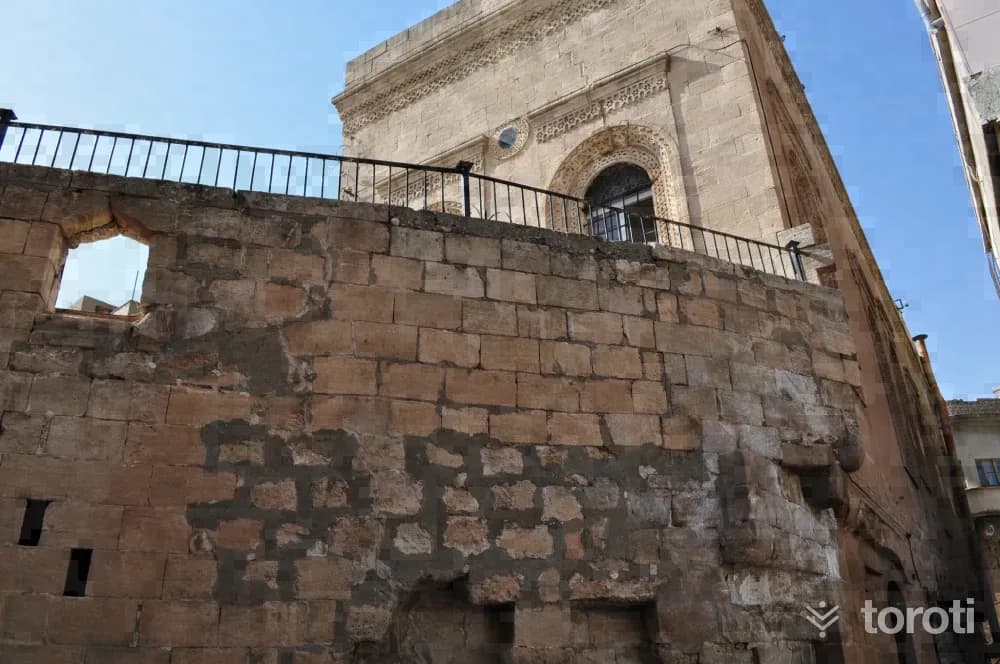
Gazipaşa İlkokulu
Construction of the building, which is used as Gazipaşa Primary School in the center of Mardin, was started in 1892 by a chief architect named Lole, and it was opened for use as a house in 1907 during the Second Constitutional Period by a wealthy person named Cebbur from the Syriac Orthodox Community. The building was used as a house for many years. The building consists of 4 floors. 1st Floor: It was built for use as a cellar and stable. It is currently used as a house. 2.
45 minutes
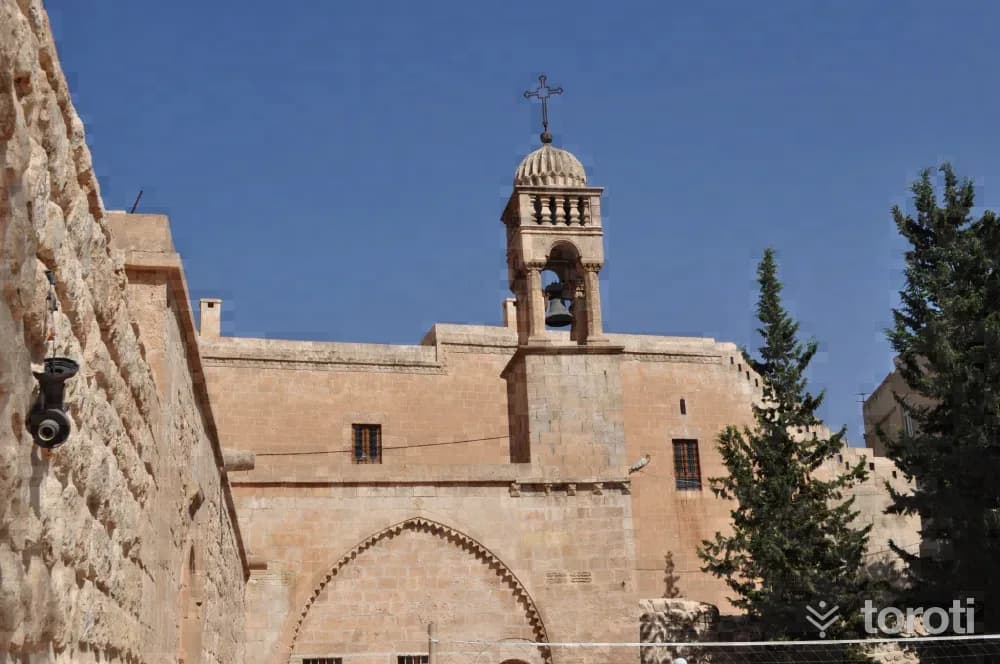
Mor Behnam (kirklar) Kilisesi
The church, built in the name of Mor Behnam and his sister Saro and now known as Kırklar Church, takes both of its names from early Christian legends and is a structure dating to the middle of the 6th century. The ceiling section, carried by arches set on 12 massive columns in the east-west direction, is built of smoothly cut stone. After Mardin became the Syriac Orthodox Patriarchal Center in 1293, the spiritual and administrative affairs of the people began to be administered from this church.
45 minutes
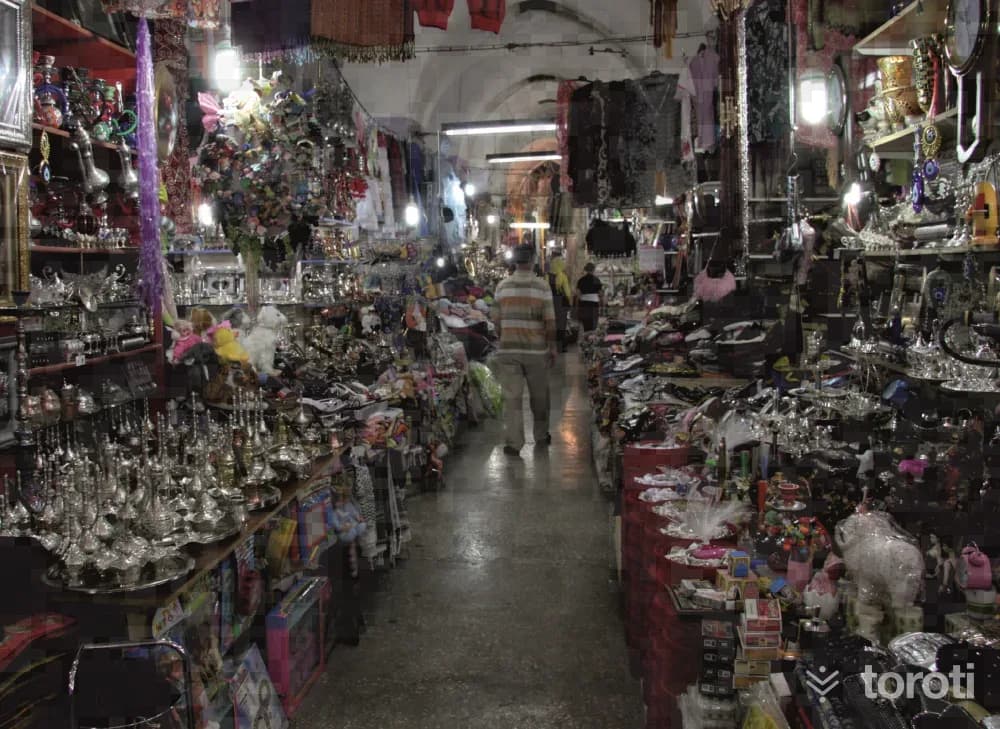
Kayseriyye Bedesteni
It is popularly known as Kaysariya or Bedesten. It is located among the bazaars to the north of Ulu Camii. This structure, which belongs to the Artuklu Period, has undergone continuous repairs. The bedesten consists of two main sections. On the side facing south there is a row of shops; in the interior, spaces similar to the shops outside surround the structure all around. The central space left by the inner shops is divided into three by two rows of supports and is covered with cross vaults.
45 minutes
Meryem Ana Kilisesi Ve Patrikhanesi
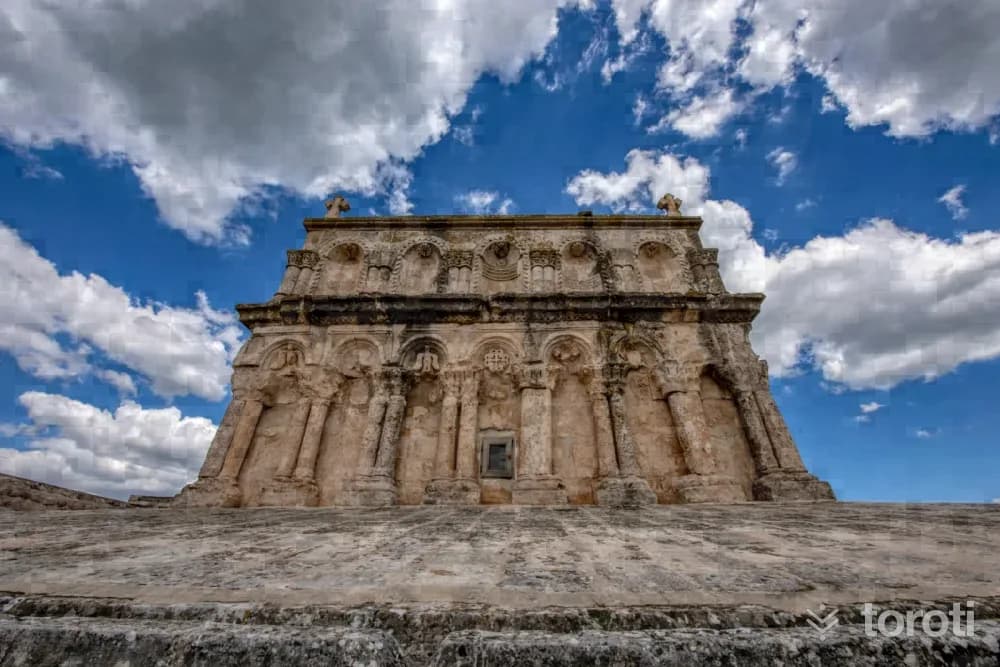
The Church of Virgin Mary, located in Cumhuriyet Square, belongs to the Syriac Catholic Community. In the church, which was commissioned in 1986 by Antioch Patriarch Ignatios Antuhan Semheri, there are arches, round stone columns, and railings in the courtyard. The Patriarchate, on the other hand, was built in 1895. The patriarchate, which was transferred to the Ministry of Culture and Tourism in 1988, was restored and has been used as a museum since 1995.
45 minutes
Melik Mahmut Camii
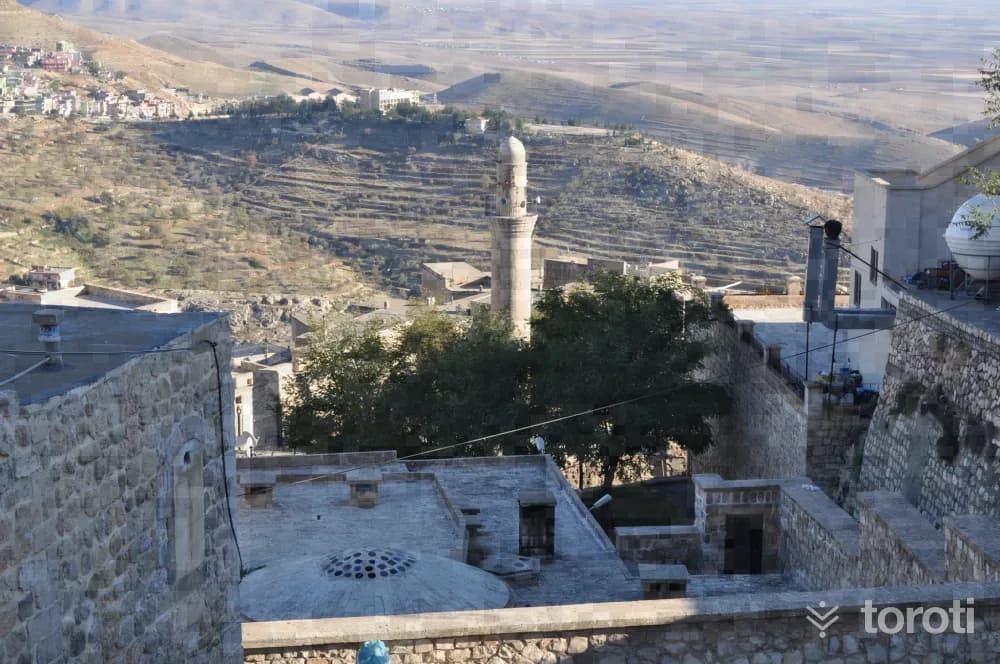
The main space of the mosque consists of a section that develops transversely, with a dome in the center and spaces on both sides covered with barrel vaults. To the west of the main space there is a square-shaped tomb. However, today there is no trace of any grave in this space. To the east there are two rooms attached to the portal, and to the north there are two more rooms on either side of a small eyvan with a selsebil. Its minaret is at the northeast corner and is a simple cylindrical structure.
45 minutes
Şeyh Çabuk Camii
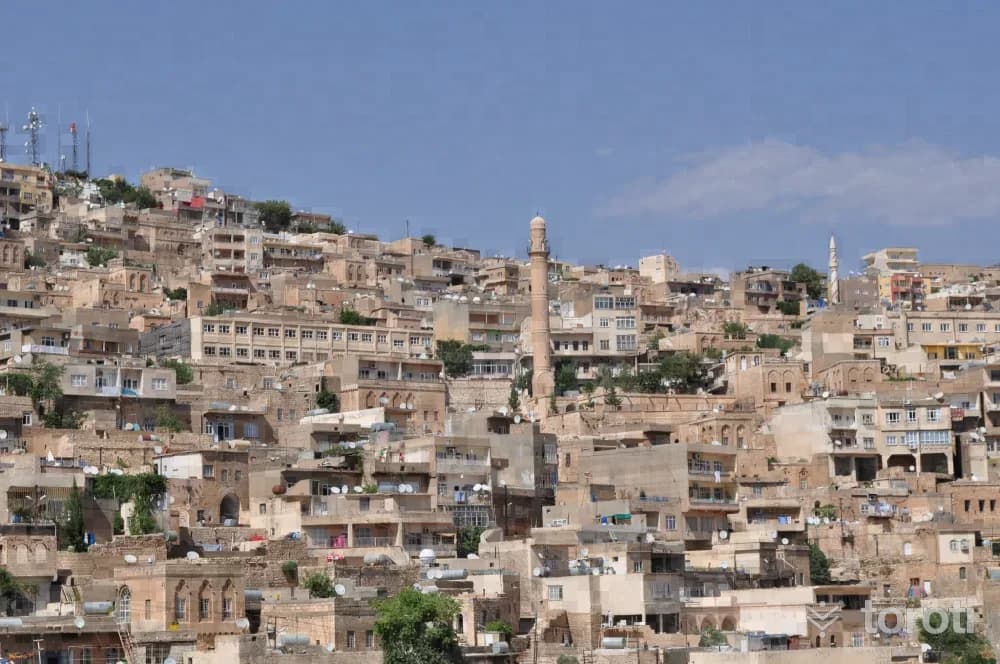
Although the construction date of Şeyh Çabuk Camii is not known, it is highly likely that it acquired its present identity in the 15th century. It underwent restoration twice in the 19th century. Spread over a rather large area with garden walls that could be called a courtyard, the mosque has a transverse plan, which is a kind of general characteristic of Mardin mosques and masjids. The main space consists of a nave covered with two transverse barrel vaults.
45 minutes
Bakircilar Çarşısı
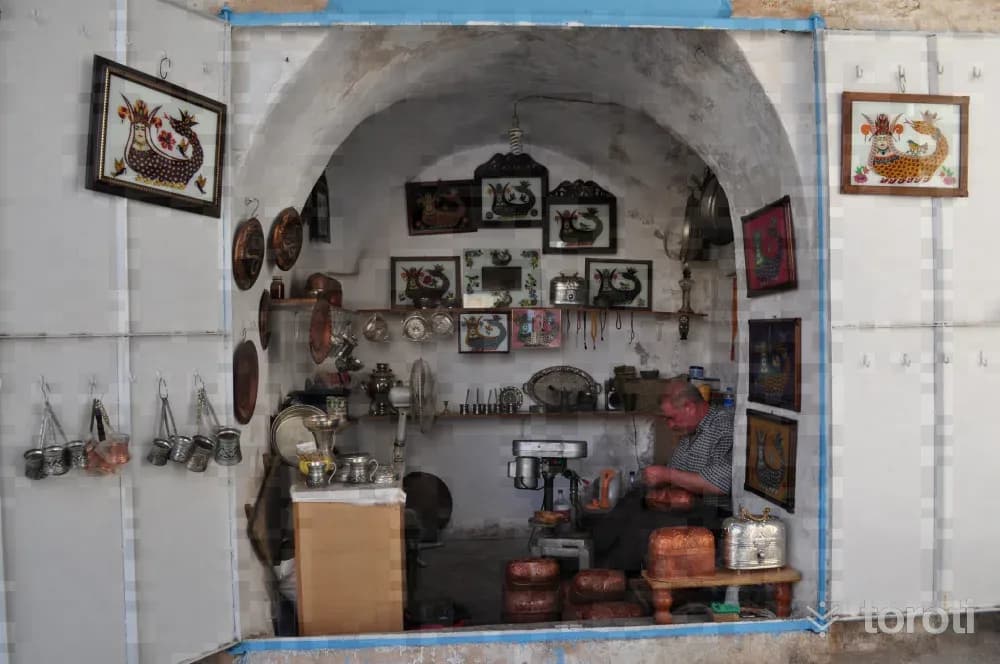
This bazaar is also called "Kazancılar Çarşısı". Almost all of the kitchen utensils and dinner sets used in Mardin were made of copper. For this reason, the craft of coppersmithing was widespread in Mardin. The copper ore brought in as ingots was melted down and used in the making of household goods, from the smallest dinner plate to the largest cauldrons. A person entering the coppersmiths’ bazaar could neither make himself heard by anyone nor hear his own voice because of the sound of the hammers beating the copper.
45 minutes
Savurkapı Hamamı
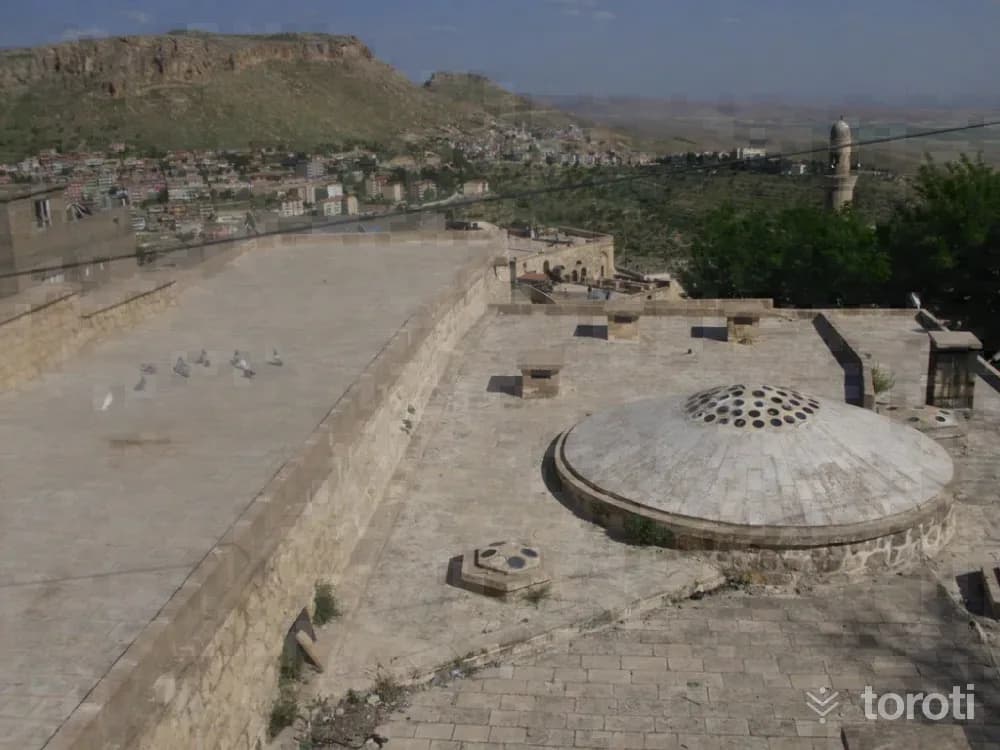
The bath, located to the south of Sitti Radviyye Medresesi (Hatuniye Medresesi), occupies an area close to a rectangle. Considering that the bath is listed first among the structures mentioned in the 1206 waqf inscription of Sitti Radviyye Medresesi, carved into the wall, it is estimated that the bath was built around the years 1176/77, when the medrese was constructed.
45 minutes
Şatana Ailesi Evi / Eski Ptt Binası
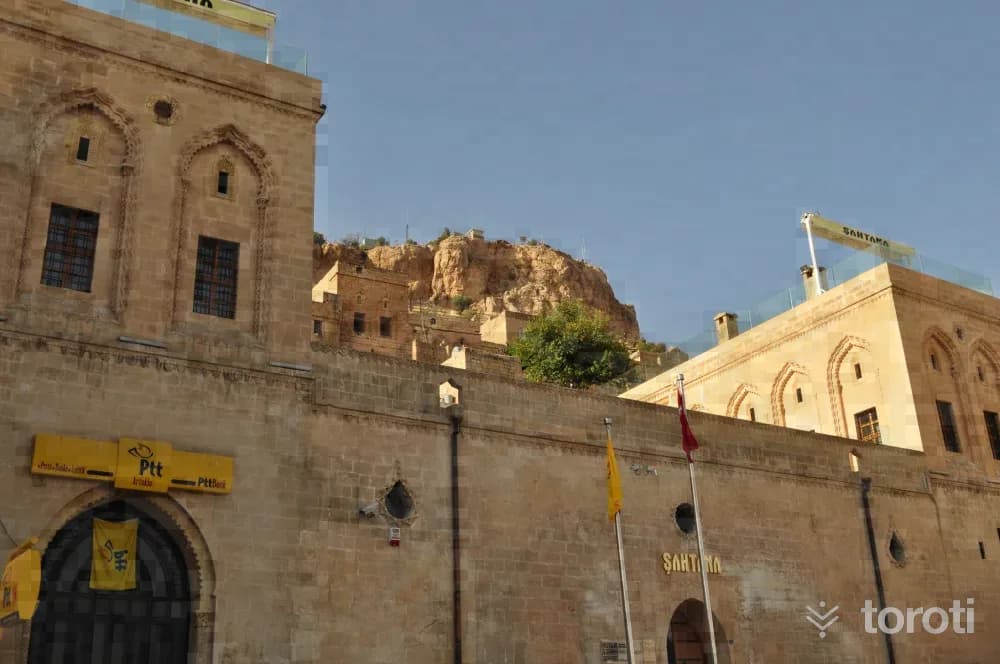
Built in 1890 by the Şatana family by the Armenian architect Lole, and one of the finest examples of Mardin civil architecture, the structure draws attention with its rich and magnificent stone workmanship opposite Şehidiye Camii. The building was used as the PTT building from 1950 onwards. Today, the building has been transferred to Artuklu University and is planned to be used as a Tourism Practice Hotel.
45 minutes
Surur Hanı
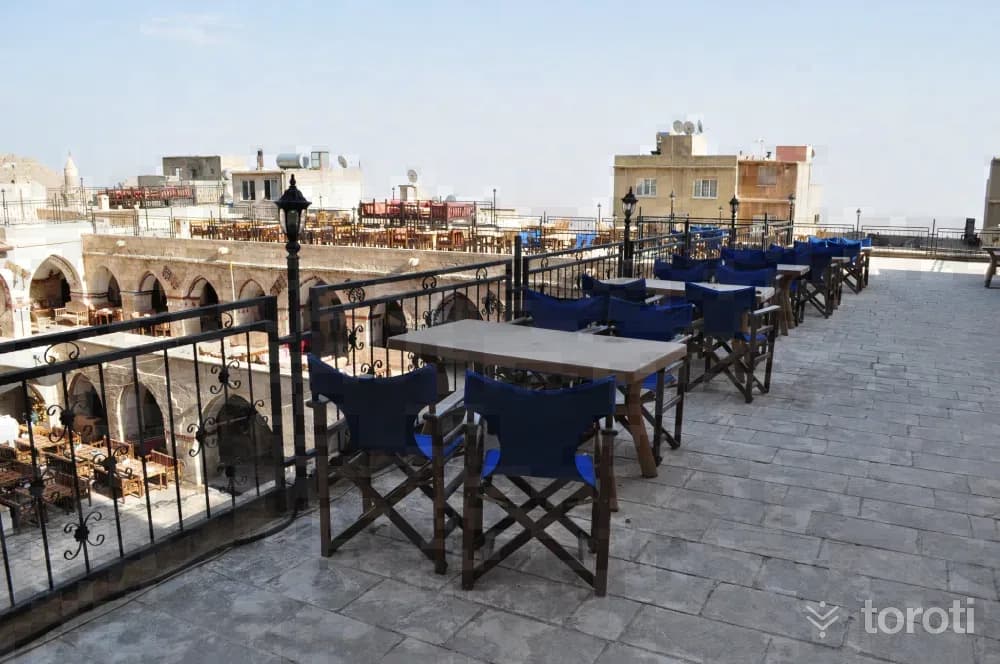
Surur Han, which is thought to have been built in the 17th-18th centuries, consists of two-storey arcaded spaces around a rectangular courtyard. On the street side, there are five shops on each side of the entrance. Over time, many changes were made to its plan. Restaurant and cafe services are provided inside the building, whose restoration has been completed.
45 minutes
Şehidiye Medresesi
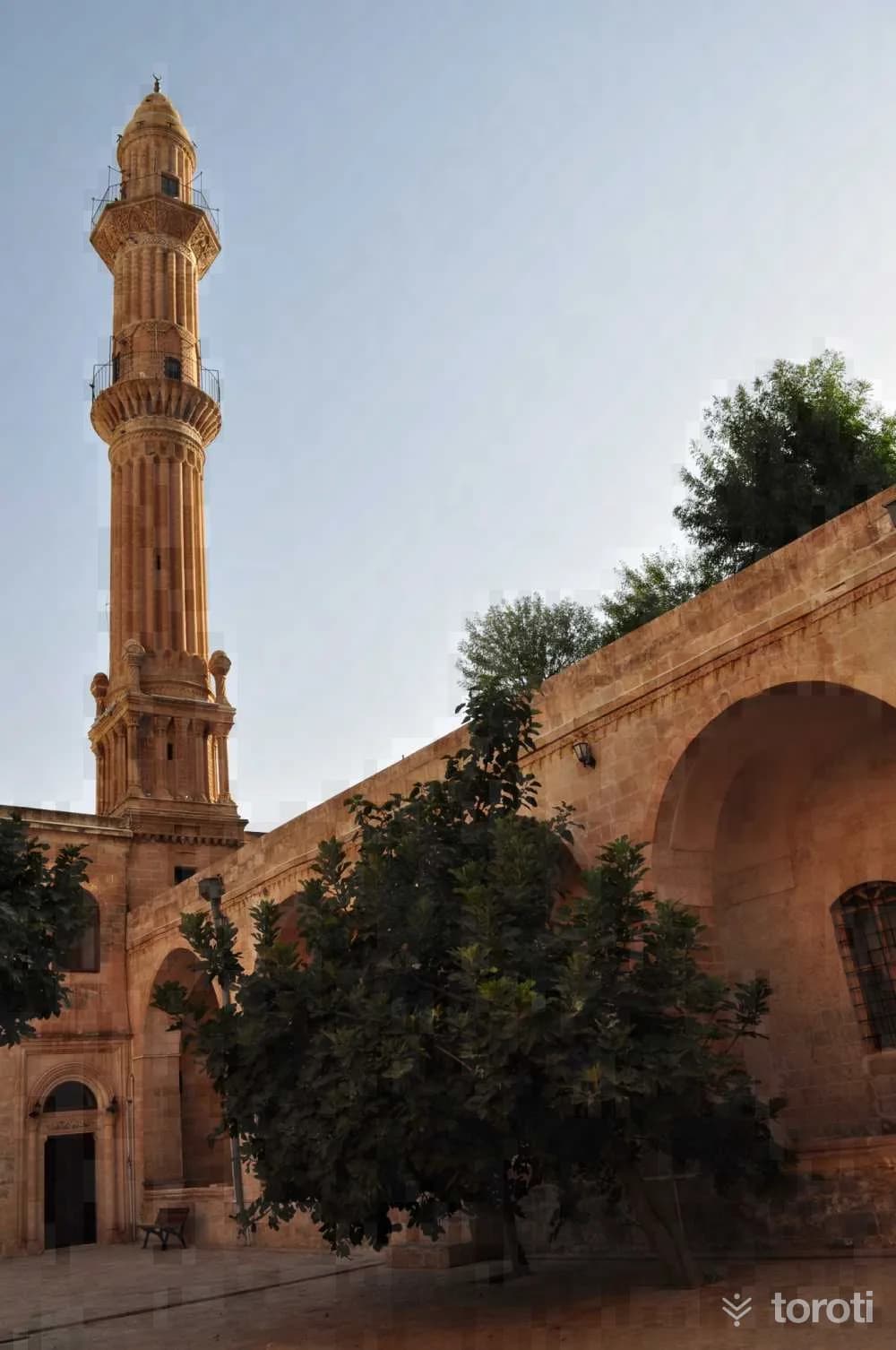
It is thought to have been built by Artuklu Sultanı Melik Nasreddin Artuk Aslan at the beginning of the 13th century. With many alterations, repairs and additions to the structure, which has a madrasa plan with a porticoed courtyard and iwan, with a two-aisled masjid on the south side, very little has remained of the madrasa’s original state.
30 minutes
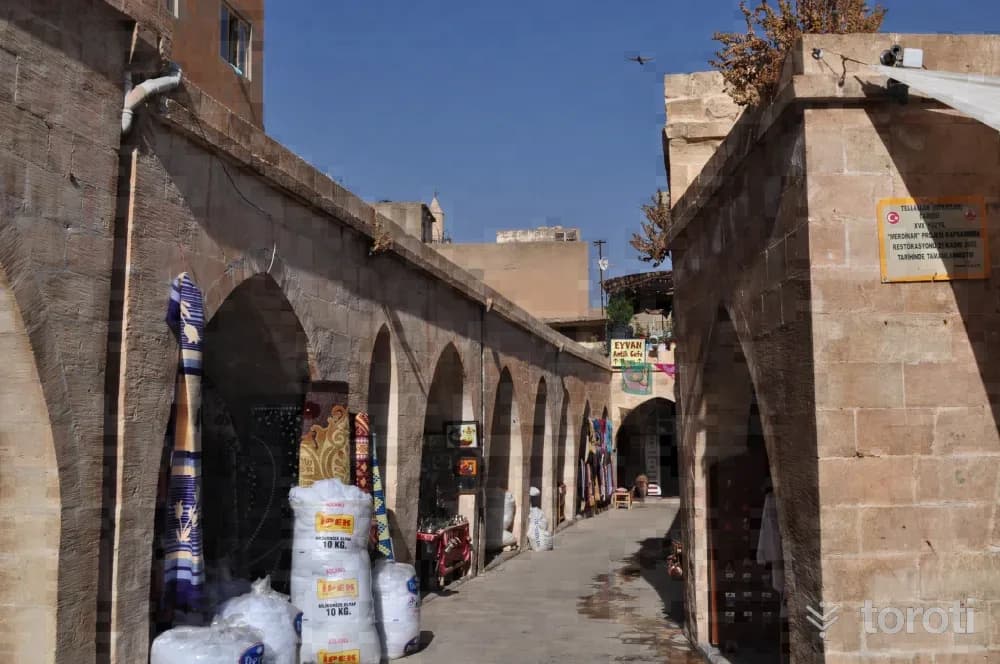
Revakli Çarşı / Sipahiler Çarşısı
Revaklı Çarşı, also known as Sipahiler or Tellallar Çarşısı, dates to the 17th century. It has a layout consisting of arcades on both sides of the road and a row of deep shops behind the arcades. The bazaar was restored in 2002 within the scope of the Merdinar Project.
45 minutes
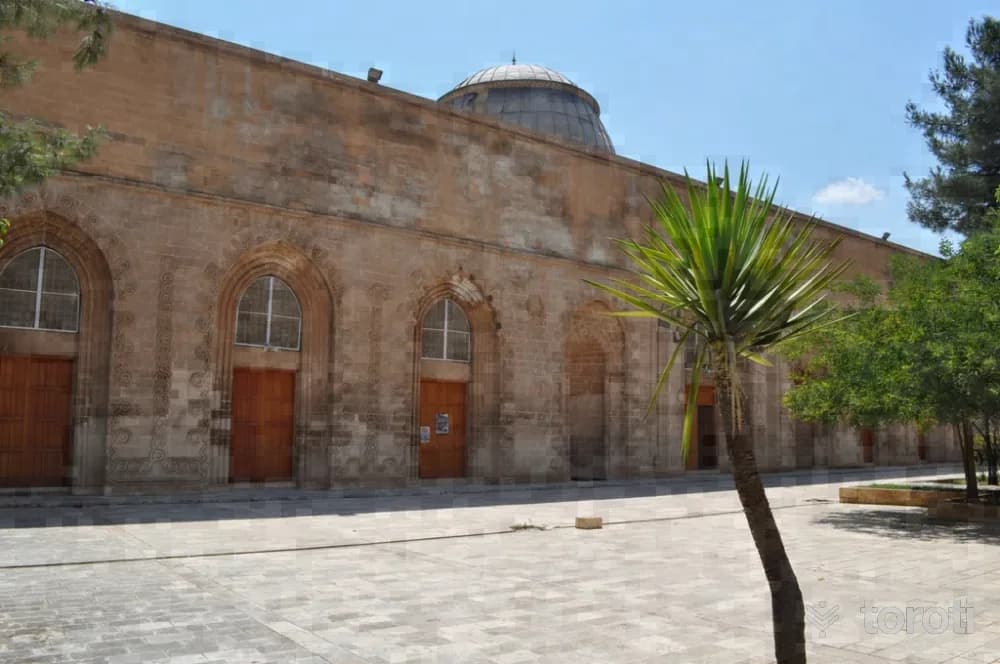
Dunaysir / Koçhisar Ulucami
Its construction was begun by the Artuklu Sultan Yavlak Aslan (1184-1200) and completed by his brother Artuk Aslan (1200-1239). Three naves parallel to the qibla wall are intersected in front of the mihrab by a squinch dome with a diameter of 9.75 extending across two naves. The interior of the mosque, its mihrab and walls, are decorated with elegant carved inscriptions.
45 minutes
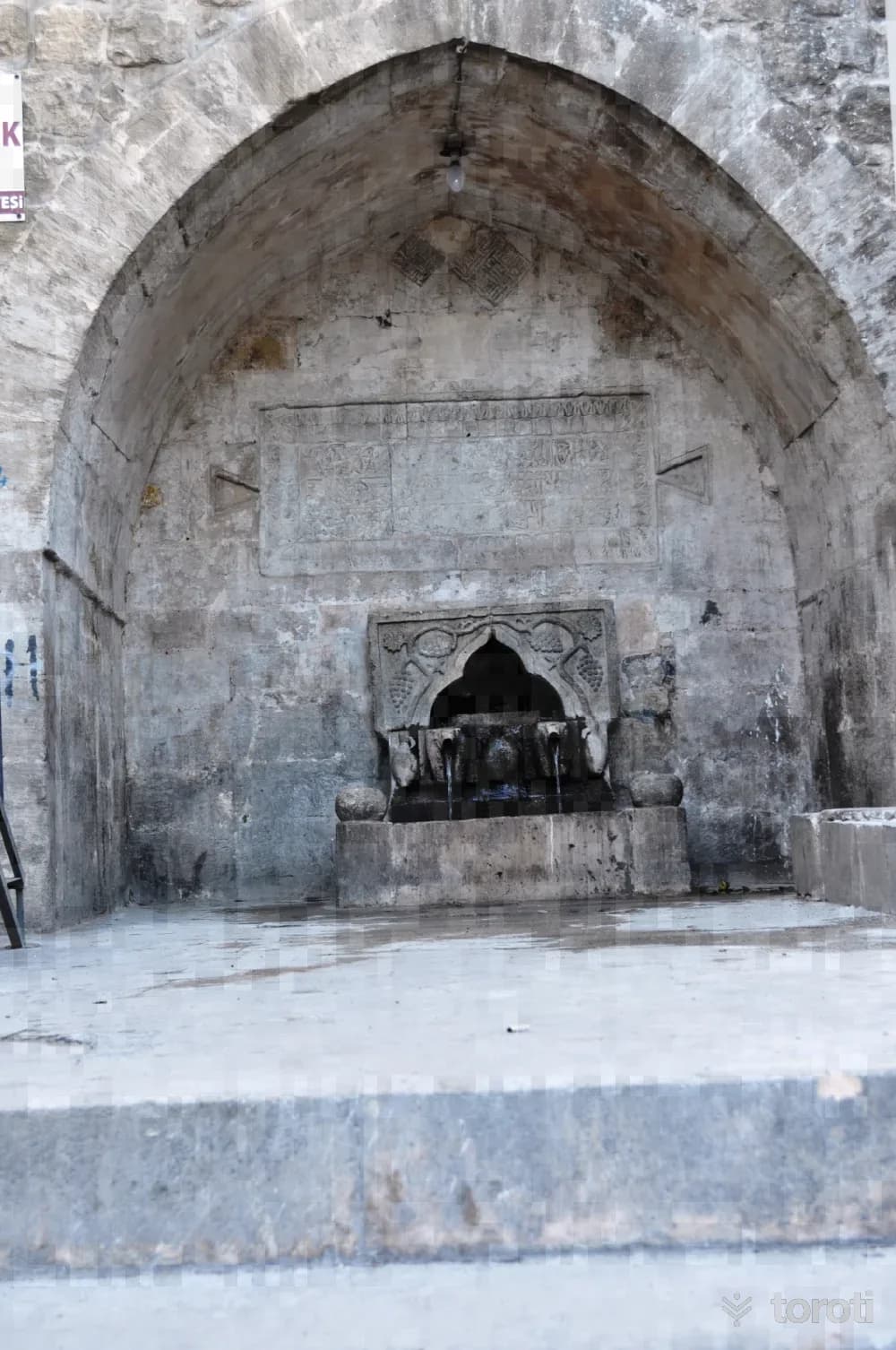
Ceviz Çeşmesi
It is located in Savurkapı Mahallesi. The waters obtained by the water-dripping method in the tunnels opening onto the rocks beneath the castle flow through channels to the fountains. Each neighborhood has its own fountain. The fountains are classified according to the water sources they have, for example, salty, plain. The water of Ceviz Çeşmesi is sweet.
45 minutes
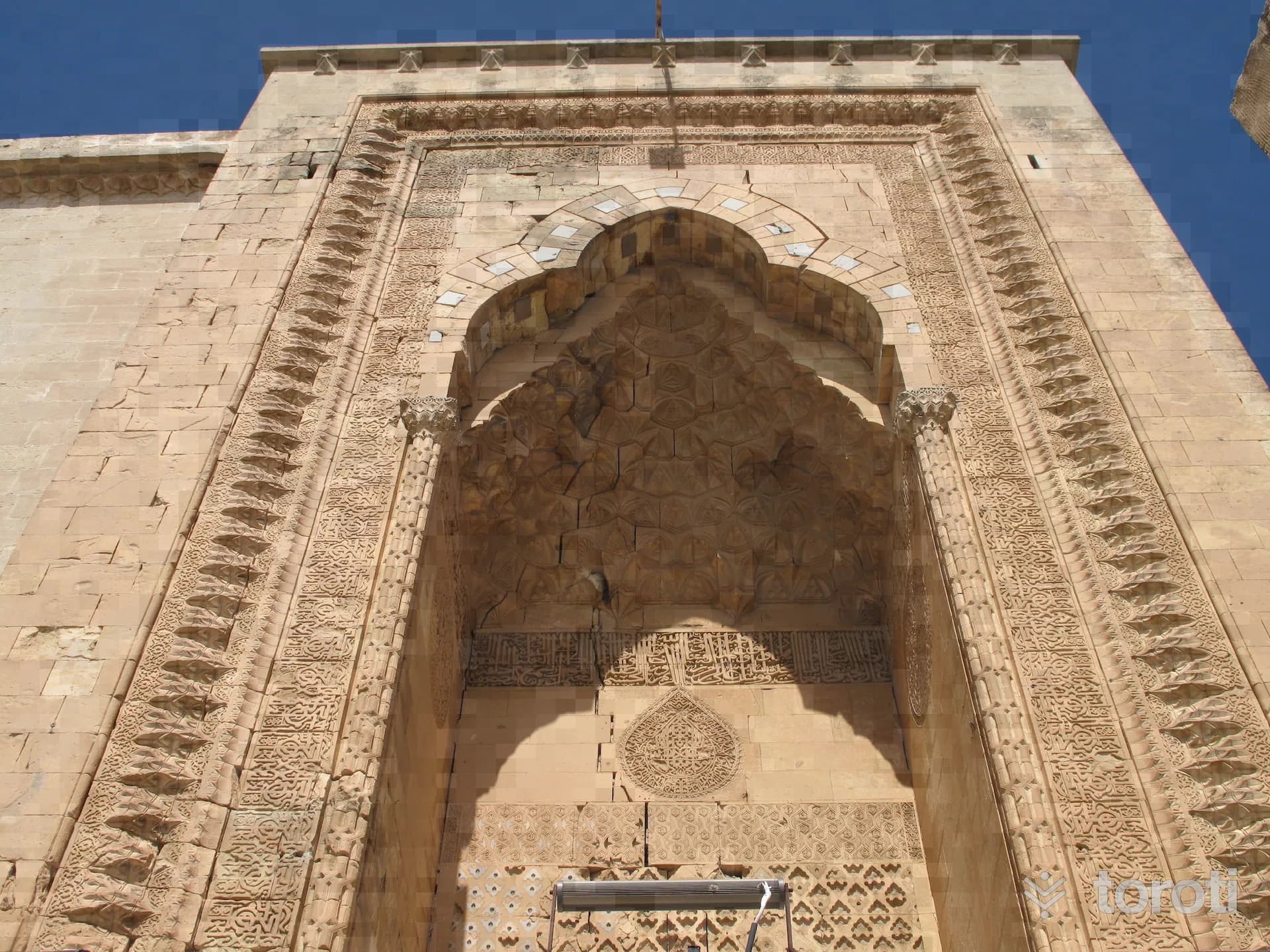
Zinciriye (İsa Bey) Medresesi
Sultan İsa Medresesi, which was commissioned in 1385 by Melik Necmettin İsa bin Muzaffer Davud bin El Melik Salih, the last Artuqid Sultan to rule in Mardin, and is also known among the people as Zinciriye Medresesi, attracts attention even from very far away with its fluted domes at the eastern and western ends and its high monumental portal on the eastern side
30 minutes
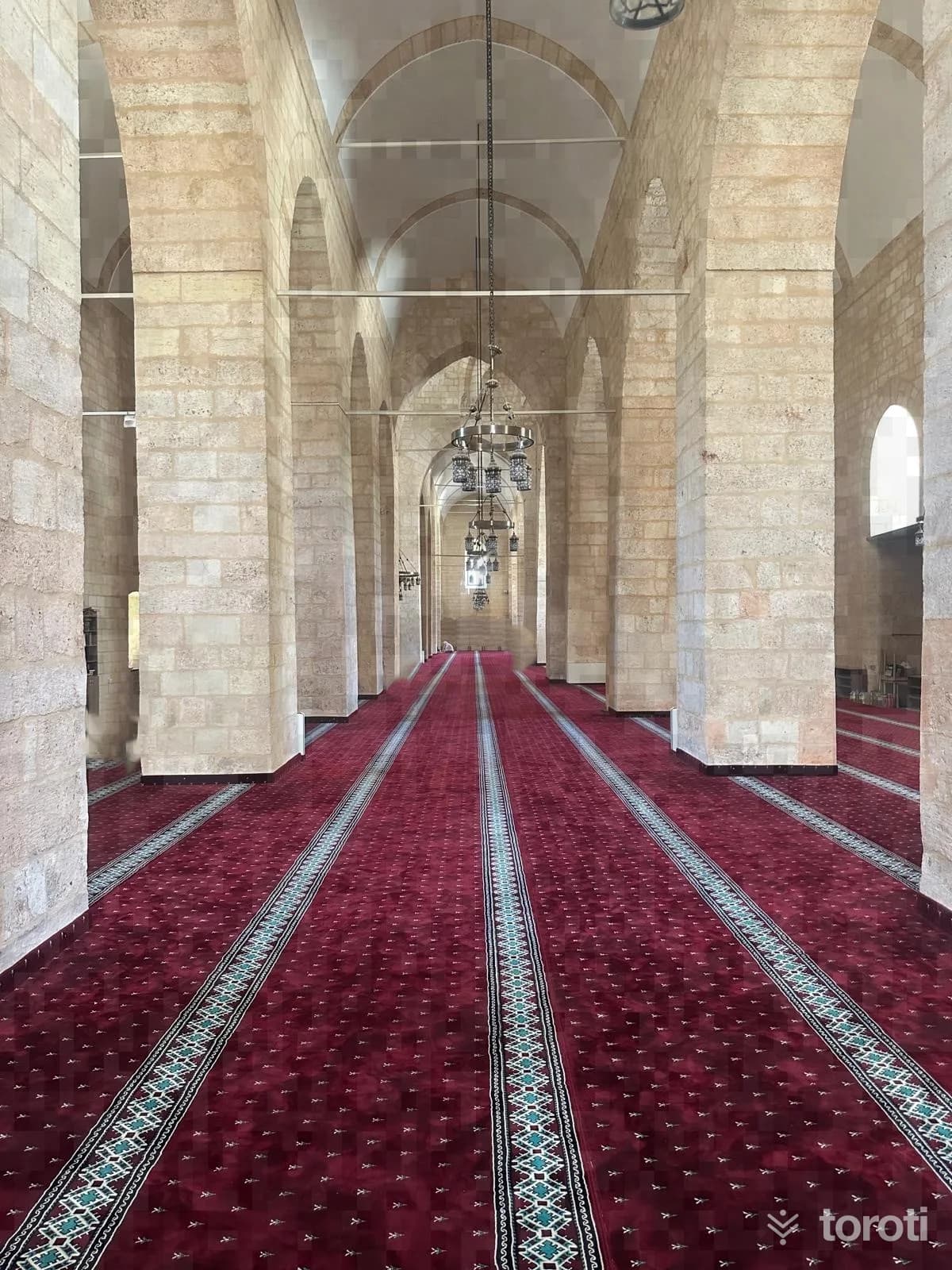
Dunaysır (Koçhisar) Ulu Cami
Its construction was begun by the Artuklu Sultan Yavlak Aslan (1184-1200) and completed by his brother Artuk Aslan (1200-1239). It has three naves parallel to the qibla wall and is intersected in front of the mihrab by a squinch dome with a diameter of 9.75 extending across two naves. The interior of the mosque, its mihrab and walls, are decorated with elegant carved inscriptions.
20 minutes
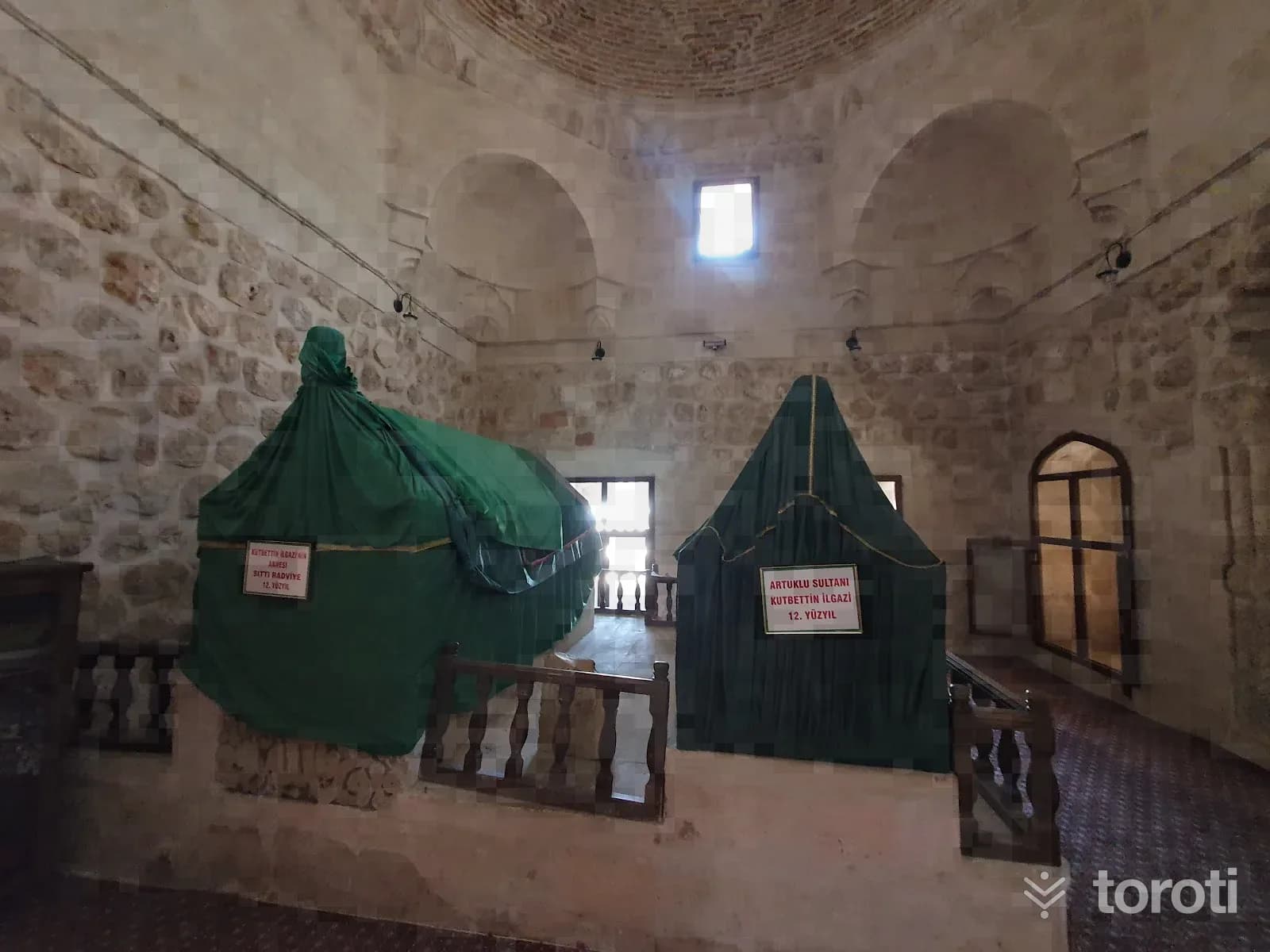
Sıttı Radviyye-Hatuniye Medresesi
Sitti Radviyye Madrasa, which is both an early and mature example in terms of madrasa architecture and the forerunner of iwanned madrasas, was built between 1176/7-1184/5 and is the madrasa of Kutbettin İlgazi’s mother, Sitti Raziye, known by the name Hatuniye.
30 minutes
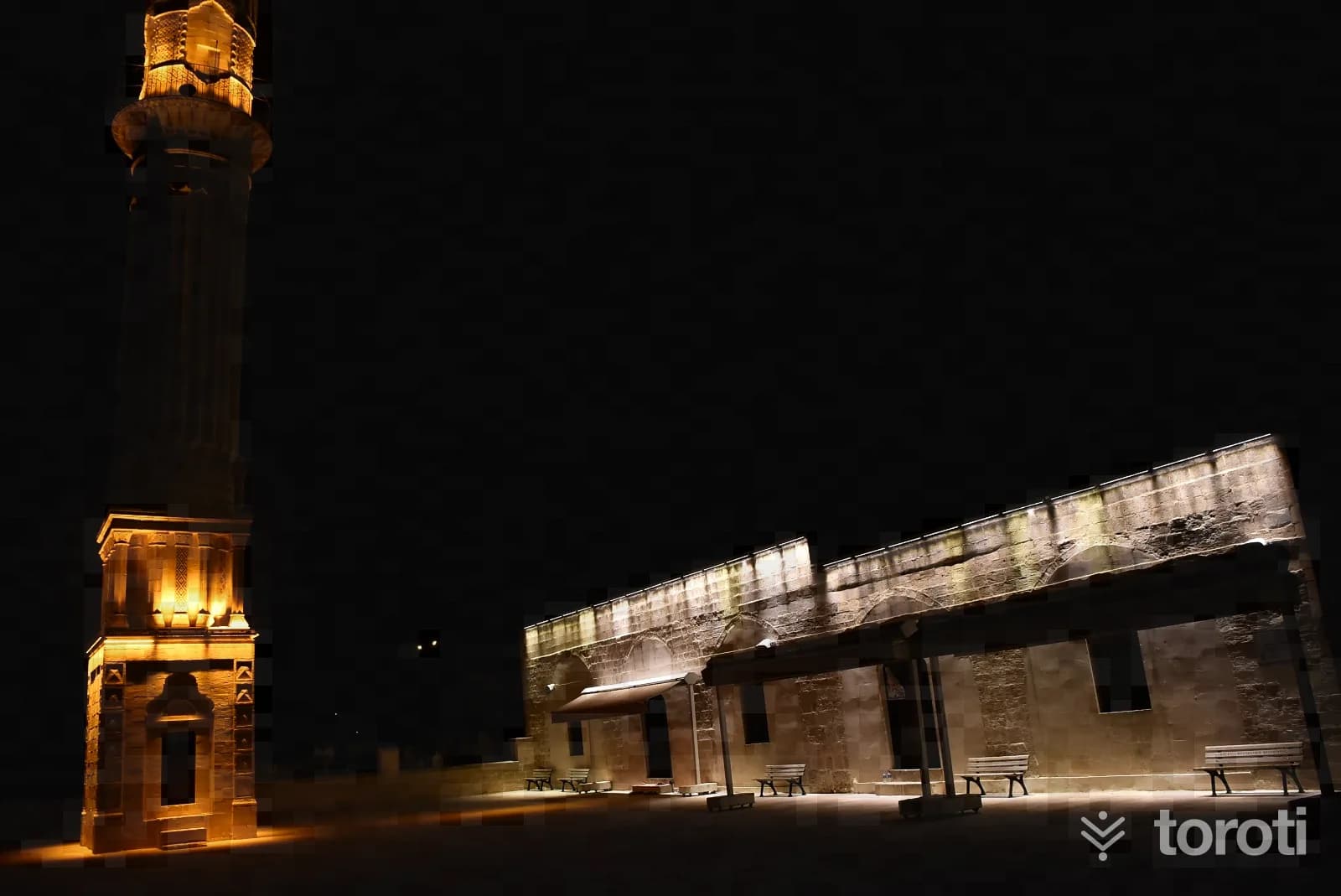
Zeynel Abidin Cami ve Türbesi
The complex consists of the mosque, minaret, two tombs: the Tombs of Zeynelabidin and his sister Sitti Zeynep, the fountain, madrasa rooms, the cemetery area, and the new ablution facilities. According to the inscription on the tomb, the structure was built in the 12th century.
30 minutes
Geleneksel Mardin Evleri
The city of Mardin is also famous for its traditional houses, decorated with various motifs, in which easily workable yellow limestone is used as the main building material. The yellow limestone extracted from numerous quarries in the region has dominated building construction; apart from essential uses such as doors, windows, and mezzanines, no place has been given to woodwork. Walls reaching a height of 4 m. surround the houses and separate them from the street. These walls provide protection against the harsh climate.
45 minutes
Firdevs Köşkü
Built of smoothly cut stone, the mansion is remarkable for Mardin Architecture with its iwans opening to the west, two-storey spaces in between, its cihannüma above, and its setting within a garden with trees; at the same time, with the large pool in front of the great iwan, it is a magnificent structure in Mardin residential architecture. The original form of the building is attributed to the Artuklu sultans.
45 minutes
Firdevs Köşkü
Built of smoothly cut stone, the mansion is a remarkable example for Mardin Architecture with its iwans opening to the west, two-storey spaces in between, its cihannüma above, and its setting within a wooded garden; at the same time, with its selsebil and the large pool in front of the great iwan, it is a magnificent structure in Mardin residential architecture. The original form of the building is attributed to the Artuklu sultans.
30 minutes
Artuklu Kervansarayı
Built as a caravanserai in 1275 during the Artuklu Period, Artuklu Kervansarayı was used as a school before the Republic, and in later years was owned by the Mungan family and later by various families. For a period it served as the Hisar Building (Tekel) and was most recently used as a bakery. The building, which was converted into a hotel in 2003, has been serving as a hotel since 2005.
45 minutes
Emineddin Külliyesi
It is located in the Mesken Neighborhood, in the southwest of the city. It was commissioned by Artuklu Sultan Necmeddin İlgazi (1108-1112) and his brother Eminüddin. The group of structures, begun by Eminüddin and completed after his death by his brother Necmeddin İlgazi, consists of a mosque, madrasa, bath, fountain, and bimaristan (hospital-infirmary). Its architect is unknown.
45 minutes
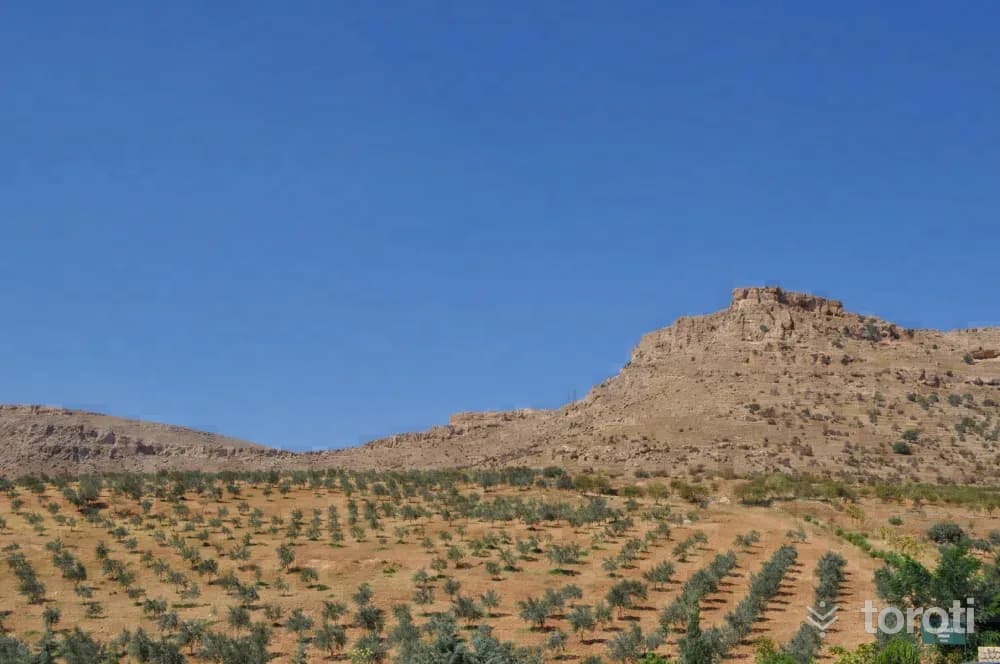
Deyrulzafaran Manastiri
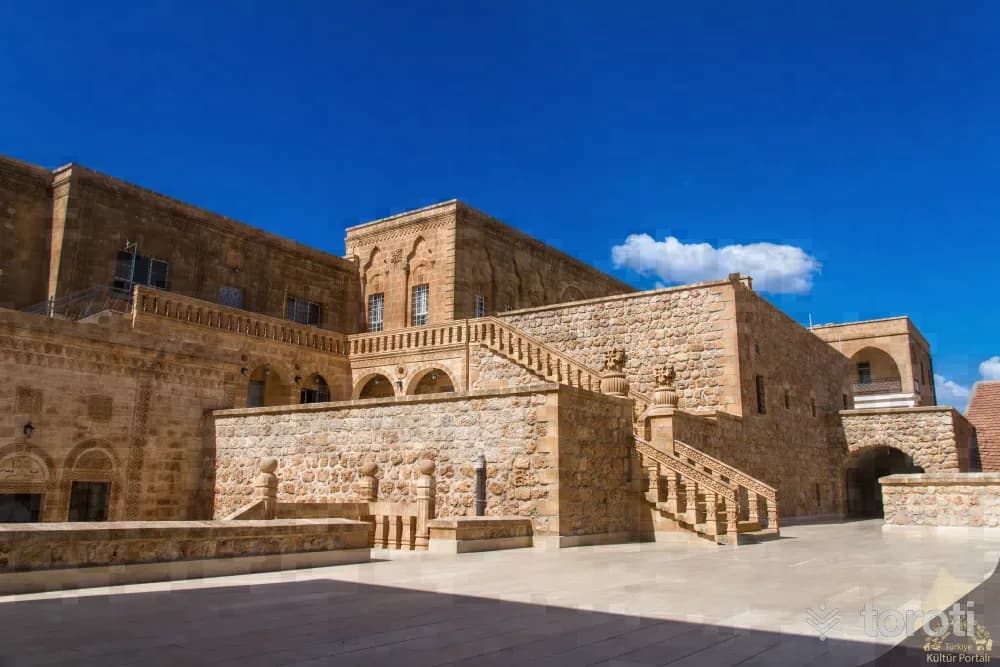
Deyrulzafaran Monastery is a historical site located 4 kilometers east of Mardin. It has been shaped by various additions since the 5th century and reached its current form in the 18th century.
120 minutes
Mor Gabriel Manastiri
Mor Gabriel Monastery is one of the significant structures of the Syriac Orthodox Community, located in the Midyat district of Mardin.
120 minutes
Kasimiye Medresesi
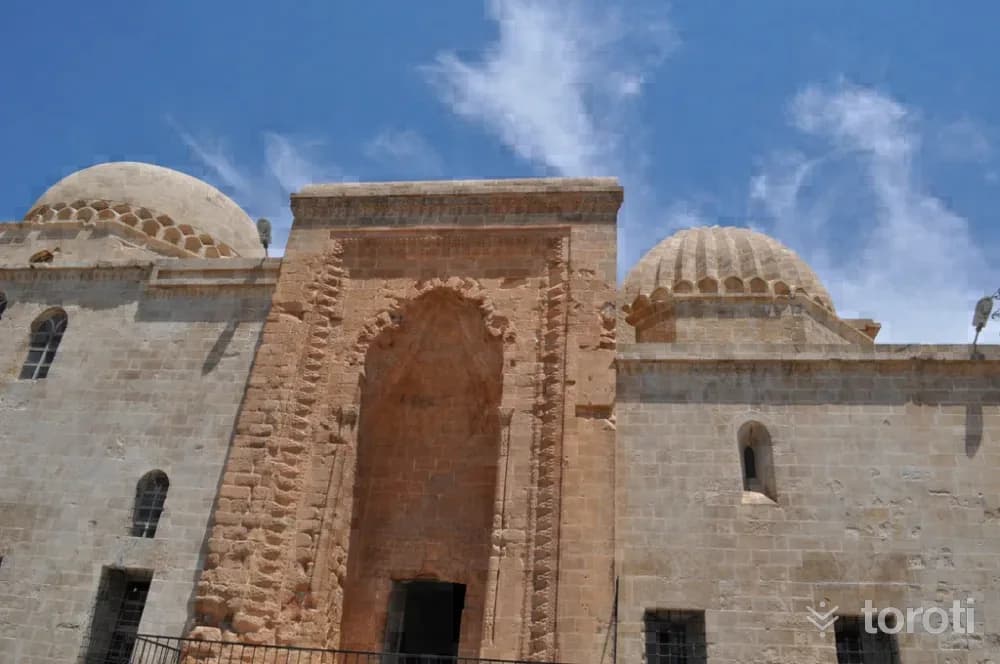
The construction of the madrasa, which has survived to the present day with its excellent structure, was begun during the Artuklu Period and completed in the years 1457-1502 during the reign of the Akkoyunlu ruler Cihangiroğlu Kasım Padişah. Smooth cut stone was used in the construction of the two-storey, domed madrasa with a single open courtyard. The structure, which attracts attention in terms of its plan features, stone workmanship and decorative motifs, is located within the külliye together with the mosque and tomb.
45 minutes
Dara Antik Kenti
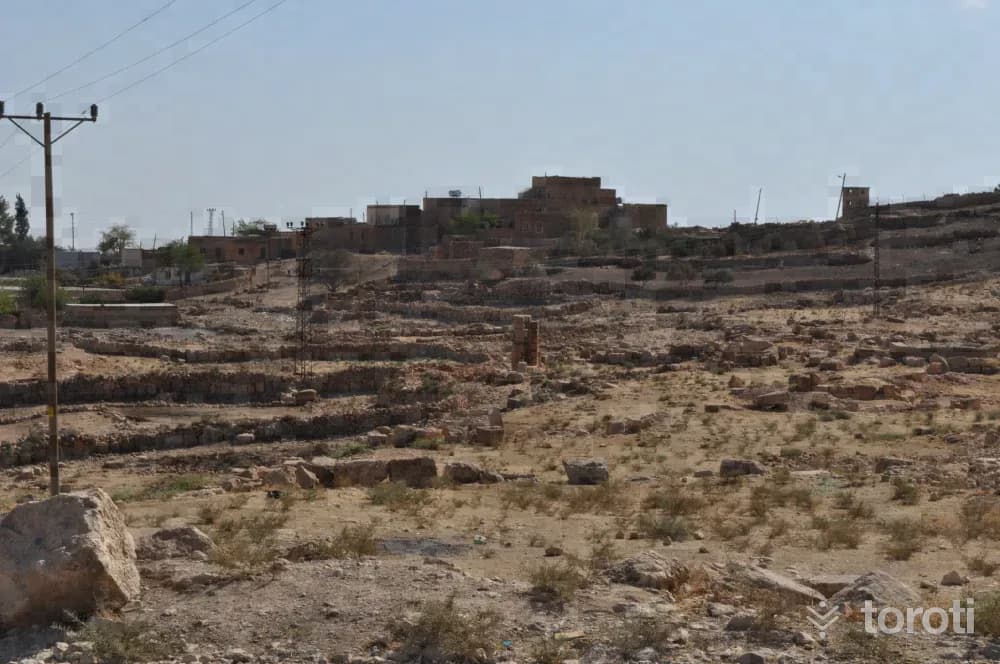
Dara Ancient City is located in the village of Oğuz, 30 kilometers southeast of Mardin. One of the most important settlements of Upper Mesopotamia, Dara was founded in 505 through the initiatives of Emperor Anastasius (491-518) as a military garrison city to protect the eastern border of the Eastern Roman Empire against the Sasanians. With the collapse of the Roman Empire, the city gradually lost its importance over time.
45 minutes
Mardin Müzesi
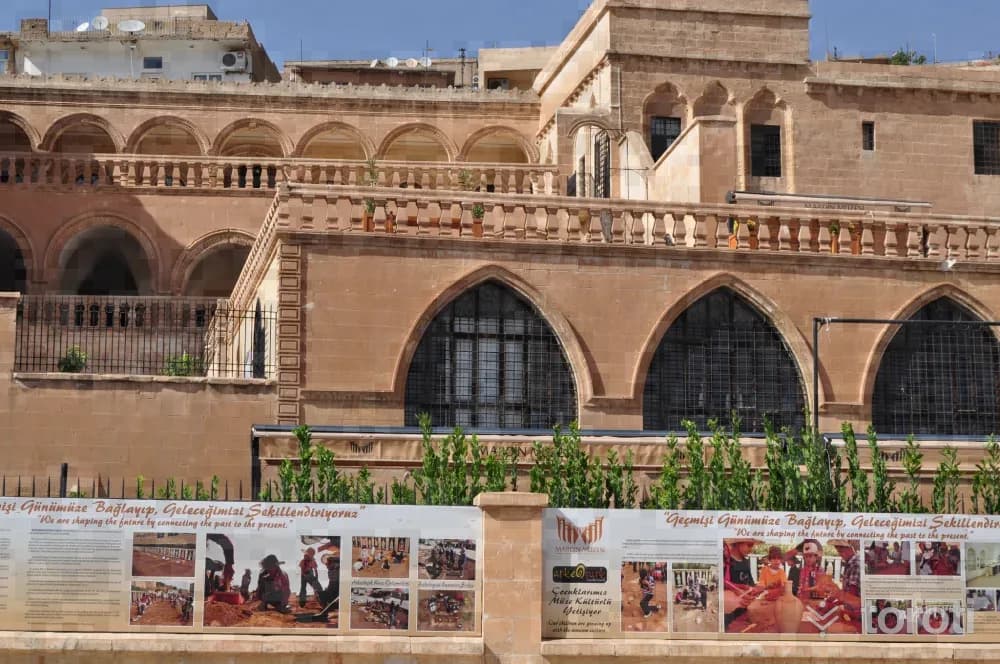
The Museum building, located in Mardin Center Şar Neighborhood, on Birinci Street, to the north of Cumhuriyet Square, among a group of Syriac houses, was built in 1895 by Antioch Patriarch Ignatios Behnam Banni as the Syriac Catholic Patriarchate, according to the inscription in the enclosed portal of Meryem Ana Church adjoining the east side of the building and facing the Museum.
45 minutes
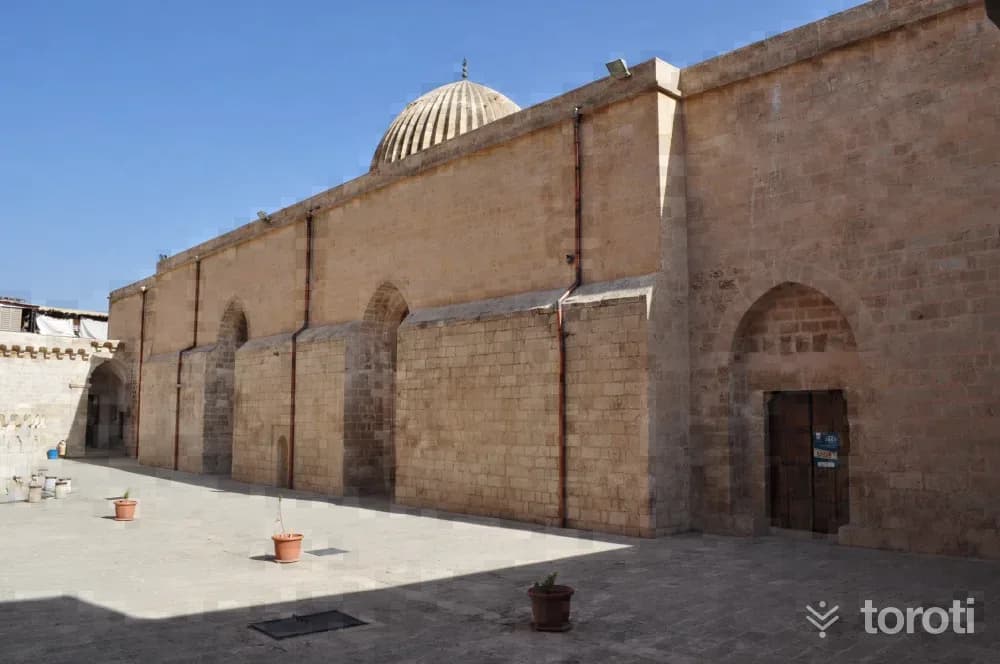
Mardin Ulu Cami
Mardin Ulu Cami, one of the architectural examples of the Artuklu Period and the symbol of Mardin with its fluted dome and minaret, was built with two minarets according to records. The inscription on the square base of the mosque’s only surviving minaret today gives the construction date as 1176, but the present minaret was built in 1888/1889 in a new and eclectic style. Some Syriac writers say that it was converted from a church.
45 minutes
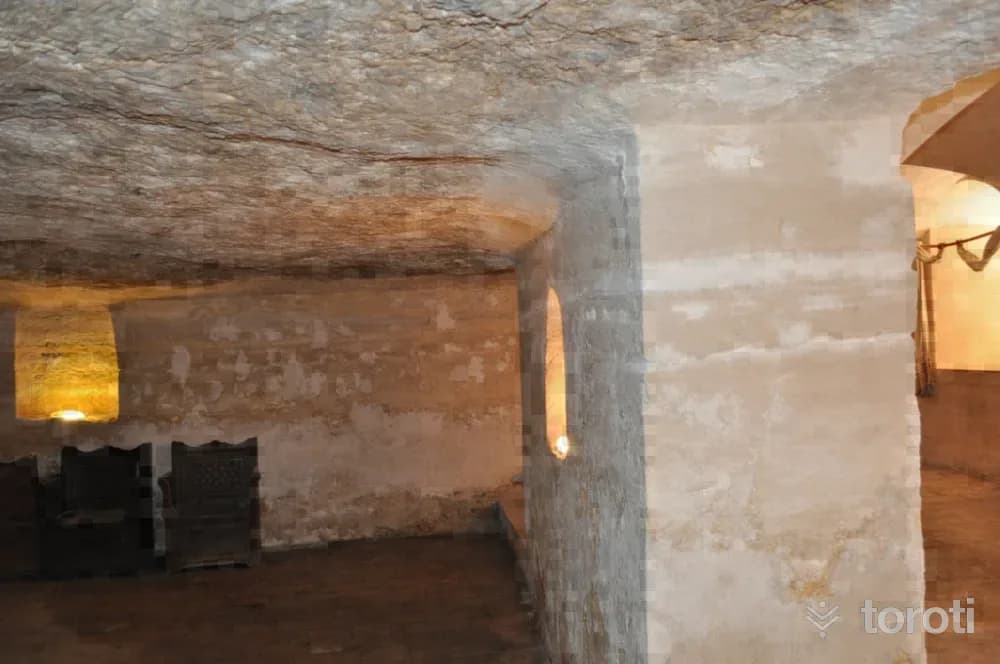
Midyat Devlet Konukevi
Midyat Guest House is a three-storey house. It was purchased by the Midyat District Governorship. The lowest floor consists of a room obtained by carving the bedrock and a section added to its front-adjoining side. On the second floor, there is a large terrace and three rooms. These rooms are arranged in an L shape. On the third floor, there is again a large terrace and two rooms. The third floor is reached from the corridor between these two rooms by a narrow, tunnel-like staircase leading upward.
45 minutes
Sakıp Sabancı Mardin Kent Müzesi
Since the inscription of the Mardin Sabancı City Museum building has not survived to the present day, it is not known exactly when it was built. In some sources, the architect of the structure is mentioned as Mimarbaşı Lole, while in some other sources the name Mimarbaşı Cebrail Hekimyan appears.
45 minutes