Places to visit
Things to do in Şebinkarahisar
14 destinations, each with a description, how long it takes and where it sits on the map.
In short
toroti’s catalogue holds 14 described destinations within Şebinkarahisar, Giresun. The themes that come up most: Nature, Faith heritage, Museum, Culture, Local culture, History.
Şebinkarahisar Çağlayan Şelalesi
The waterfall, located near Çağlayan Village in Şebinkarahisar District, flows from a height of 45-50 meters. It carries more water especially in the spring months, when snowmelt and rainfall increase, and takes on a more exuberant appearance.
45 minutes
Şebinkarahisar Fatih Camii
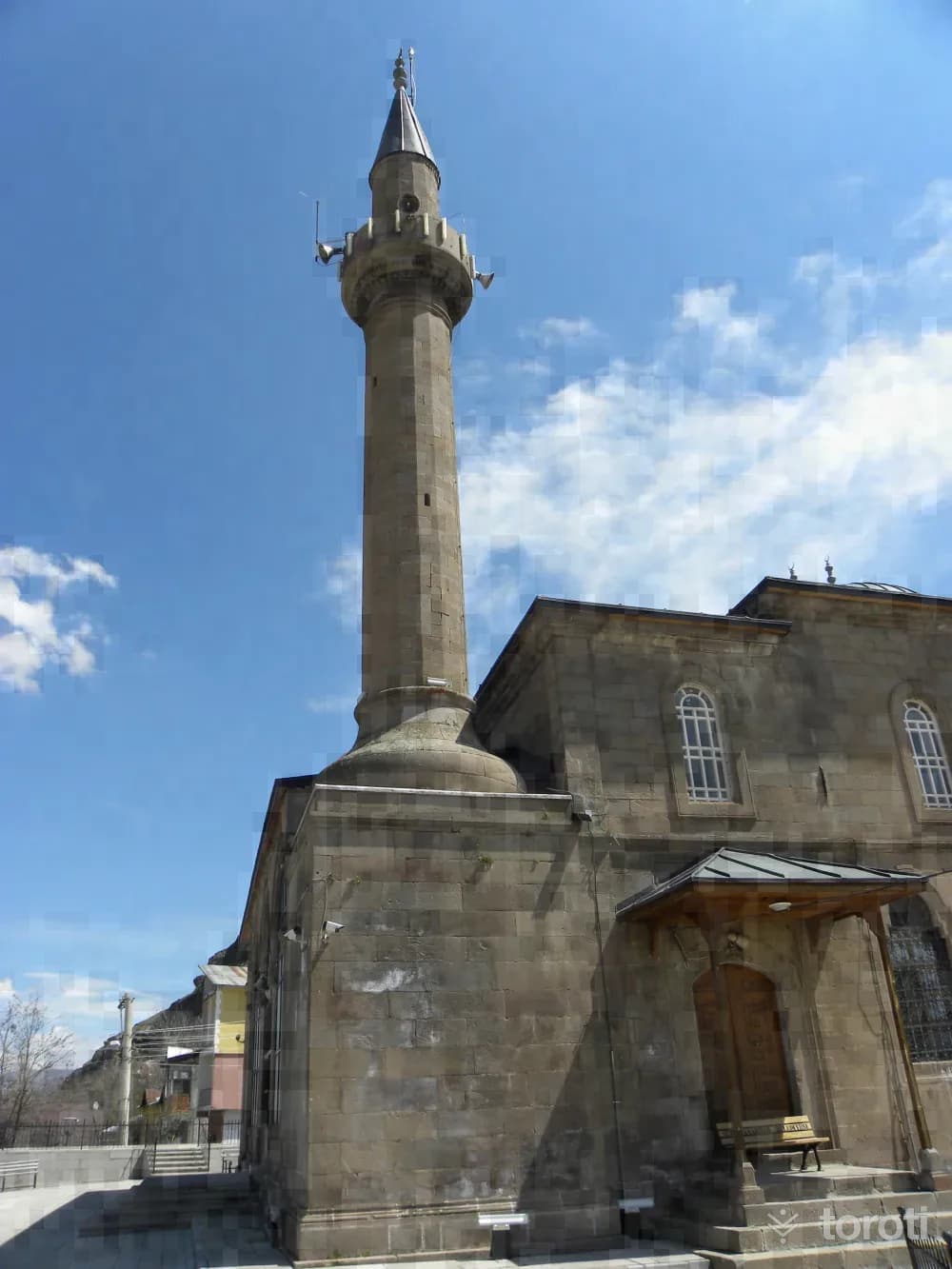
According to sources, it is written that it began to be built when Fatih Sultan Mehmet came to Şebinkarahisar after winning the Battle of Otlukbeli on 29 August 1473 and that it was completed in five years. It is stated that the mosque was first built of wood, burned down twice, and was renewed with stone material after these fires. Sources record that today's Fatih Camii was commissioned by Rasih and Mahmut Paşas in 1888.
45 minutes
Şebinkarahisar Behramşah Cami
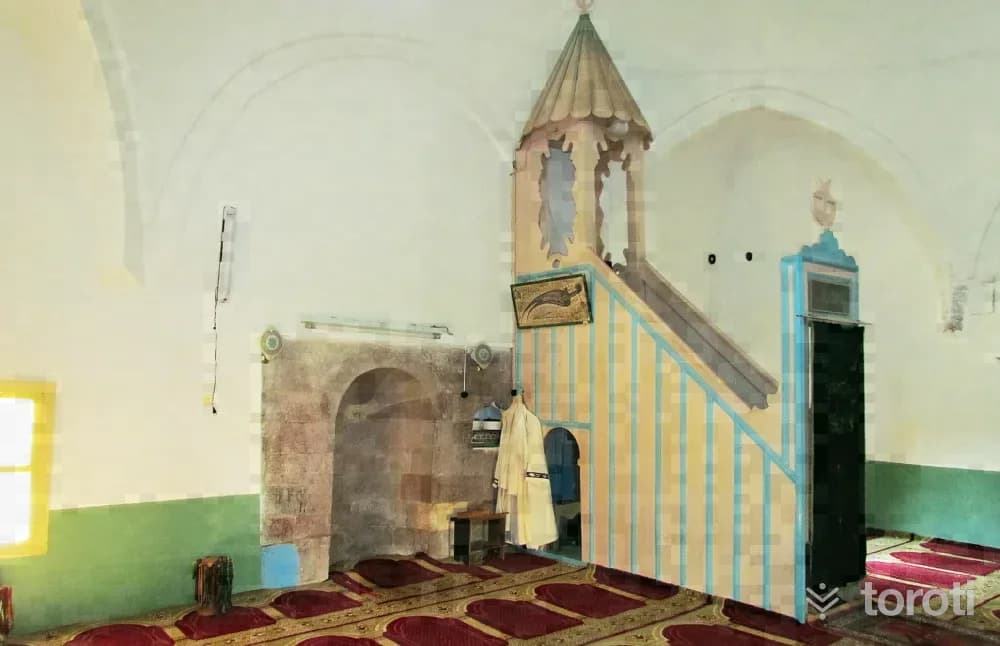
There is no inscription belonging to the mosque. Sources state that the structure was built by Mengücek Bey Muzafferüddin Muhammed. Built in a masonry system, the structure has a plan close to a square. Rubble stone with thick joints was used as the material in the exterior walls. The prayer hall is covered with a dome with an octagonal drum, transitioned by pointed tromps. On the northern facade of the prayer hall, there is a three-bay last congregation area, and to the east of the last congregation area, there is its minaret.
45 minutes
Meryem Ana Manastiri
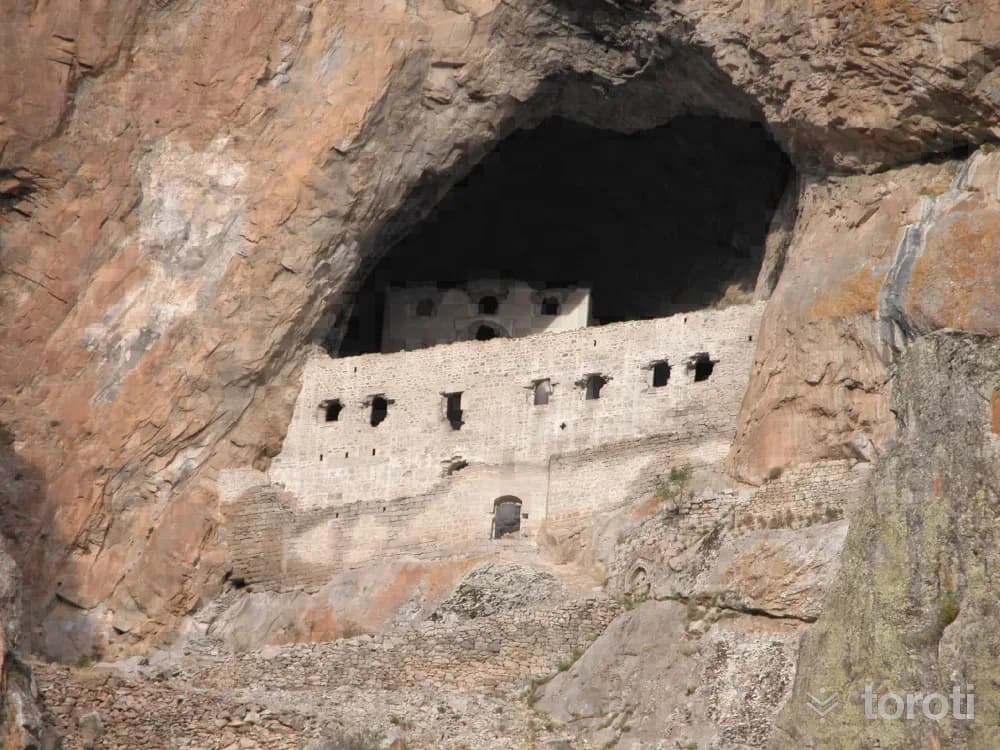
The Meryem Ana Monastery, located 11 kilometers east of the Şebinkarahisar district in Sarıyer village, belongs to the Byzantine Period. The present remains of the monastery, which suffered great destruction, date from the 19th century, when it was completely renewed. It is estimated that the structure, which recalls the Trabzon Sümela Monastery by being built inside a large hollow in the middle of a steep cliff, was constructed under its influence.
45 minutes
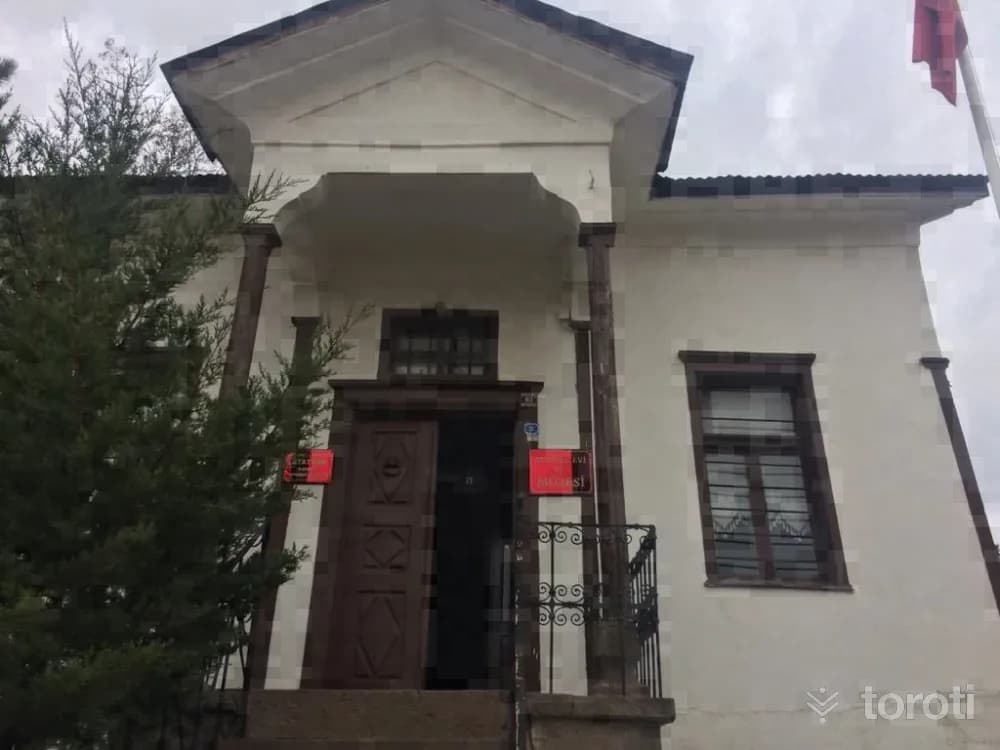
Şebinkarahisar Atatürk Evi Ve Müzesi
Atatürk House and Museum, used as the house where Atatürk stayed during his visit to Şebinkarahisar on 12 September 1924, is a simple two-storey wooden building right in the center of the district. Although the exact date of construction is not known, it is estimated to have been built at the end of the 19th century or at the very beginning of the 20th century. As a result of various works carried out inside the house in 1932, the house was arranged in a manner faithful to its original state at that time.
45 minutes
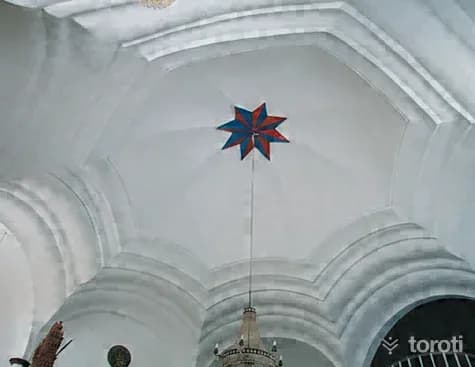
Şebinkarahisar Tamzara Mahallesi
Tamzara Neighborhood, located on the route in Şebinkarahisar District where the Black Sea is connected to Central Anatolia, attracts attention with its cultural values, restored houses, centuries-old weaving and air. Tamzara Weaving, which began to be woven from the 18th century onwards and was sent as far as the Mediterranean, Egypt and Syria via caravan routes, and which was produced through the establishment of a cooperative by a decree signed by Mustafa Kemal Atatürk in 1937, was registered with a geographical indication in 2019.
45 minutes
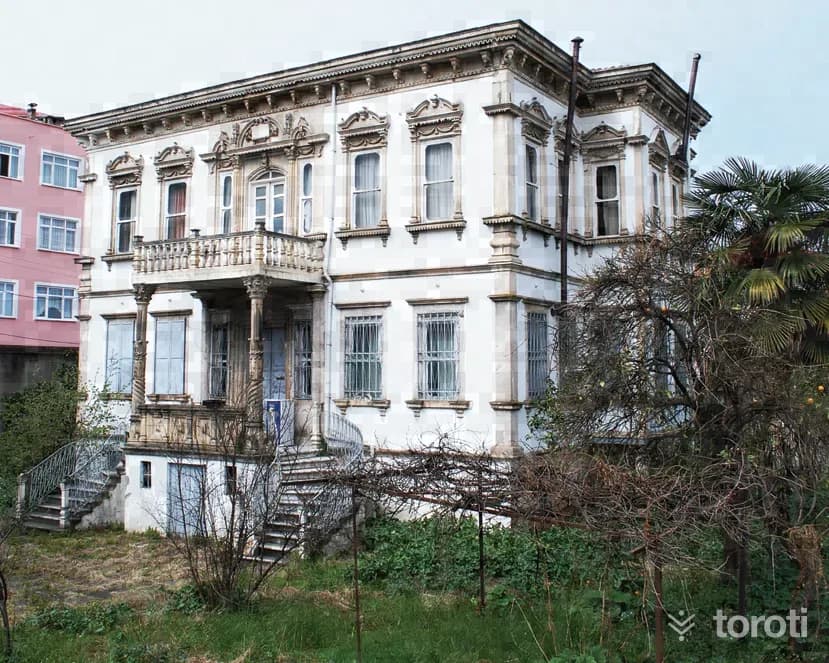
Tiralizade Hasan Bey Konağı
Located in Piraziz, Giresun, Tiralizade Hasan Bey Konağı is a Late Ottoman period structure dated to 1906-1908. Bearing the characteristics of the Turkish civil architecture of the period, the mansion is one of the prominent examples in the region with its plan scheme and original facade arrangement featuring baroque and rococo-style decorations. The mansion was built of cut stone using masonry technique, with two storeys above a basement.
45 minutes
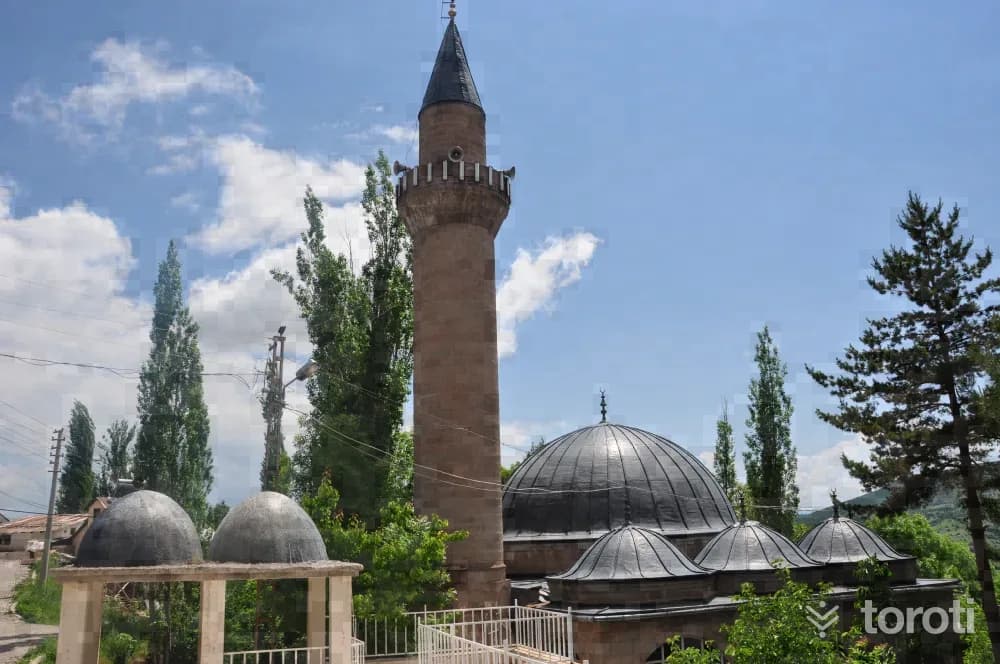
Şebinkarahisar Kurşunlu Camii
Kurşunlu Camii, located in Şebinkarahisar District, was registered and placed under protection as a cultural asset requiring protection by the Ministry of Culture and Tourism, the High Council of Immovable Cultural and Natural Assets, with its decision dated 12.01.1979 and numbered A-1490. Together with the bath and fountain, the mosque, which is a part of the Kurşunlu Külliyesi, was built in 1586 - 1587 (H. 995) according to the inscription above the entrance.
45 minutes
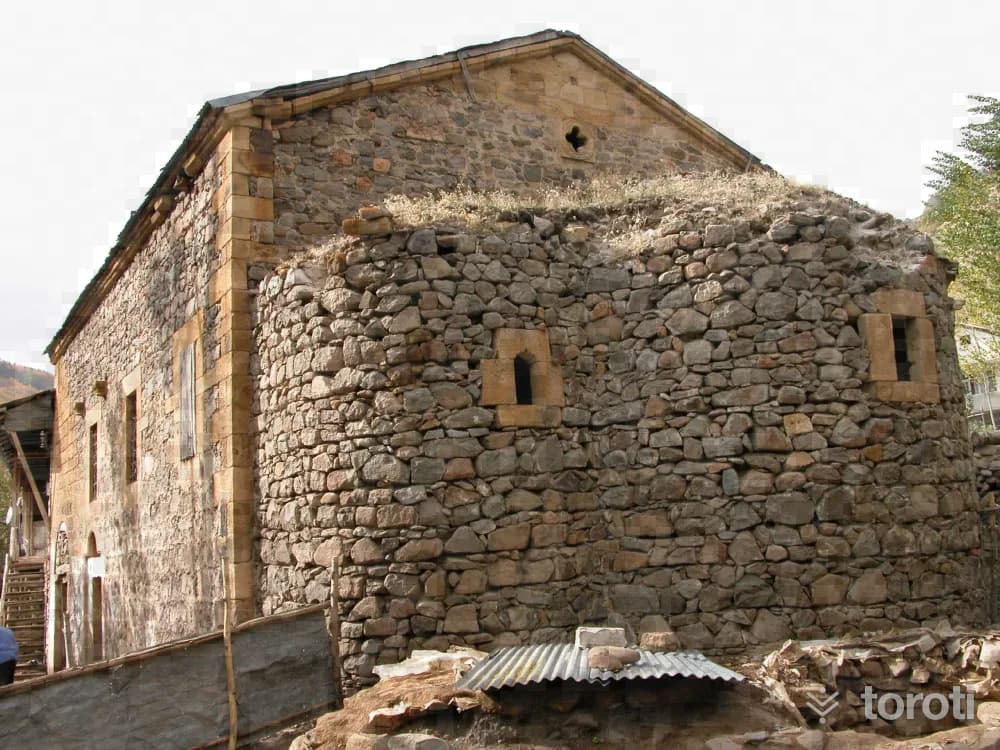
Şebinkarahisar Asarcik Kilisesi
Asarcık Church, located in Asarcık Neighborhood of Asarcık Village, Şebinkarahisar District, Giresun Province, was registered in 1986 and taken under protection. According to the inscription above the entrance door, it was built in 1890. Its Greek inscription reads, “The call of Mother Mary, year 1890.” The church has a three-aisled basilical plan. On the west of the structure is the narthex section, and on the east there is a triple apse. There is no bell tower. There are eight panels on the door leaves, four on each.
45 minutes
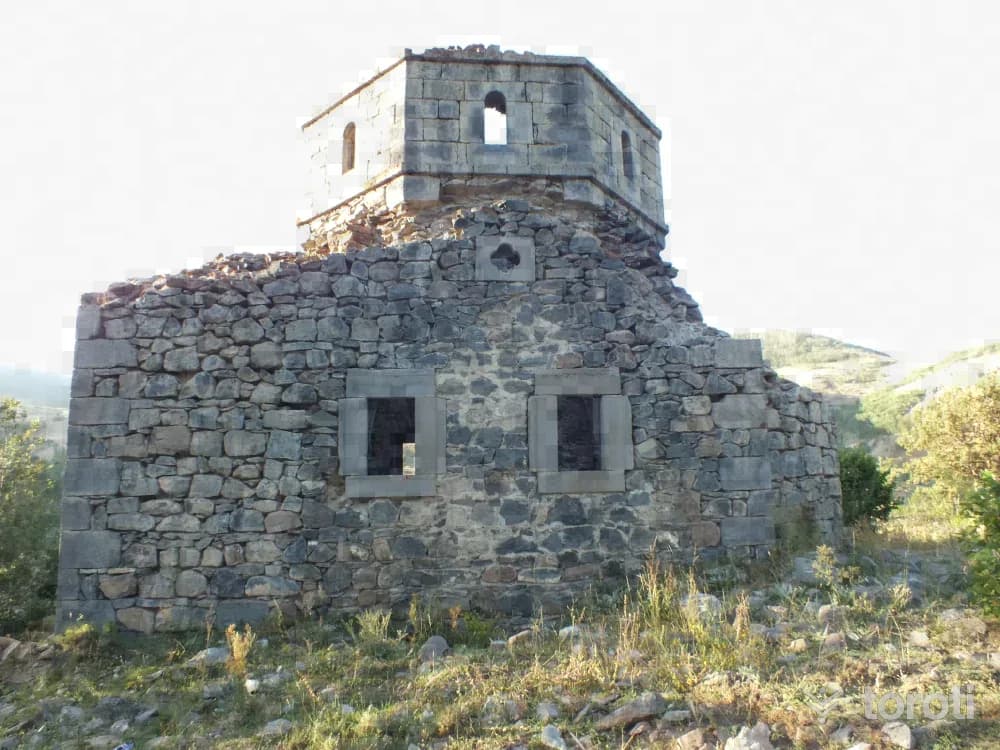
Şebinkarahisar Göynük Köyü Kilsesi - Ii
It is located in the Göynük Neighborhood of Şaplıca Village, in the Şebinkarahisar District of Giresun. There is no inscription or period source providing information about the construction date of the church, which was built in the style of a single-nave chapel, or about who commissioned it. On the east of the church there is a semi-circular apse. There is a small niche on each side of the apse. On the west façade of the church, the rectangular entrance with a flat lintel stone opening was built with cut stone material. The inscription panel above the door is empty.
45 minutes
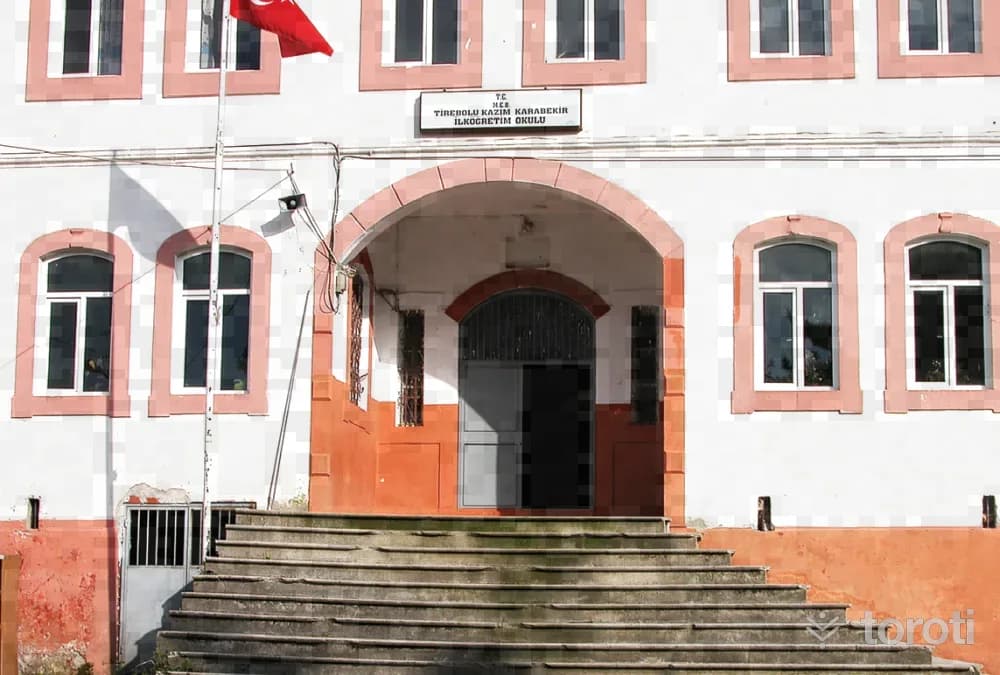
Tirebolu Kazim Karabekir İlköğretim Okulu
The school, located in Yeniköy Neighborhood of Tirebolu District, was registered by the Trabzon Cultural Heritage Preservation Regional Board Directorate with decision no. 875 dated 29.11.1990. It is stated that the building, which publications indicate was built in the late 19th century, was used as a military barracks during the Ottoman Period. Built as two storeys over a basement, the entrance of the building is in the middle of the front facade. There is one skylight on each side of the entrance with a depressed arch opening.
45 minutes
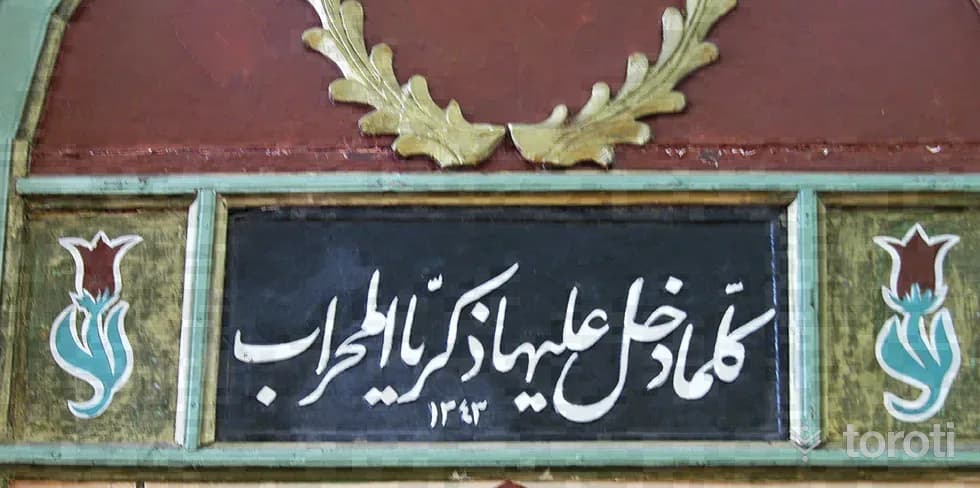
Şebinkarahisar Kadioğlu Camii
It is located in Şebinkarahisar District, Kırkgöz Neighborhood, in Kadıoğlu Mevkii. According to the inscription above the entrance door, it was commissioned by Dikzade Hayri Efendi in 1929 (H. 1924). On the star on the crescent-and-star iron plate on its minaret, “Kadızade Mehmet Efendi” is written, and it is stated that this person was the architect of the structure. The structure, consisting of a last congregation area and a single-domed harim, had its last congregation area later incorporated into the harim.
45 minutes
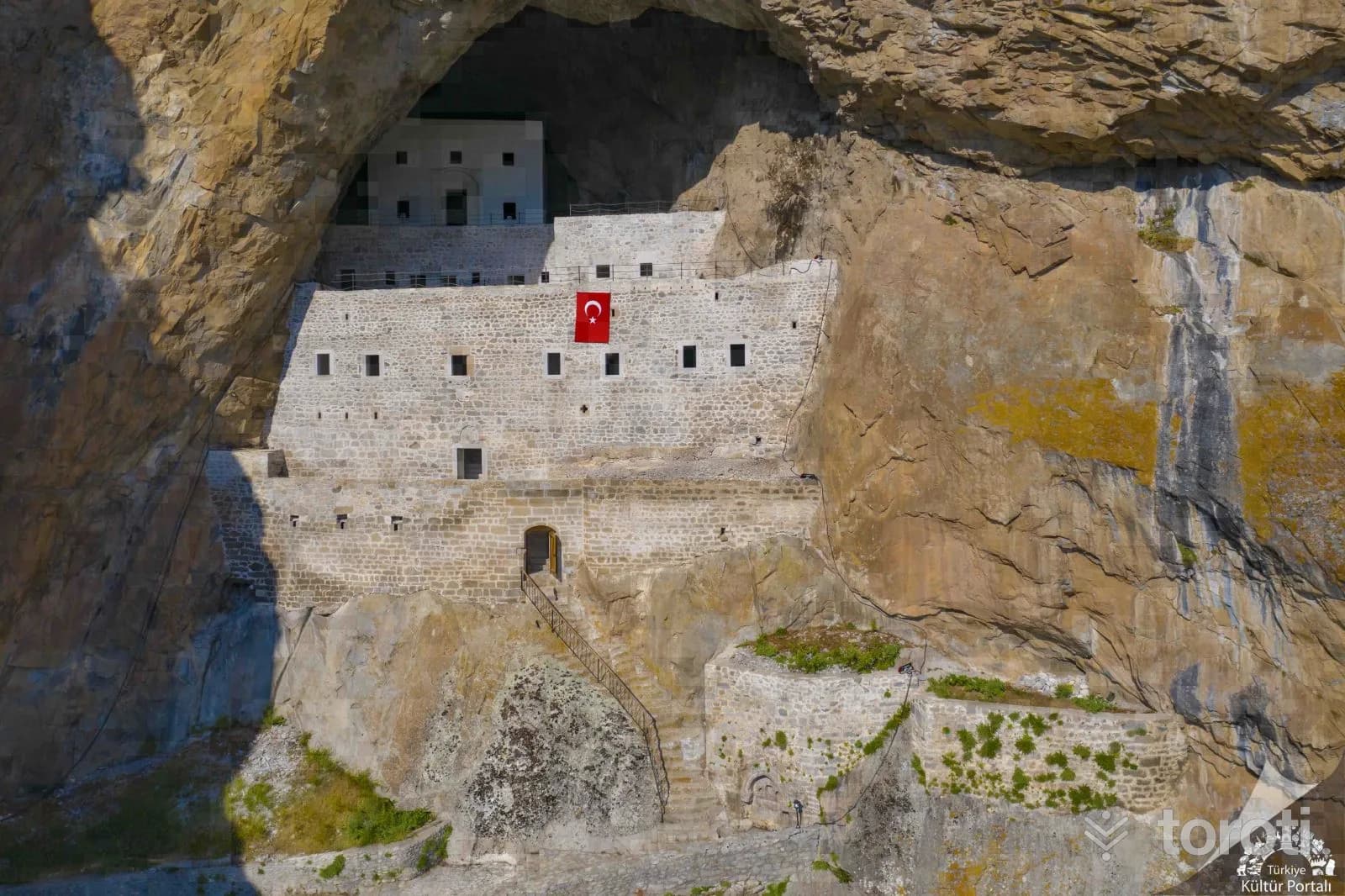
Meryemana Manastırı
Dating from the Middle Ages, it is located in Kayadibi Neighborhood of Sarıyer Village, 11 km east of Şebinkarahisar district. In terms of its structure, it is a monastery made by carving out the inside of a single massive rock. The monastery has 4 floors; the fourth floor is the church, and the other floors consist of 32 rooms suitable for various services. Its walls are decorated with paintings. After Sümela Manastırı, it is the largest natural and rock-carved monastery in Turkey.
30 minutes
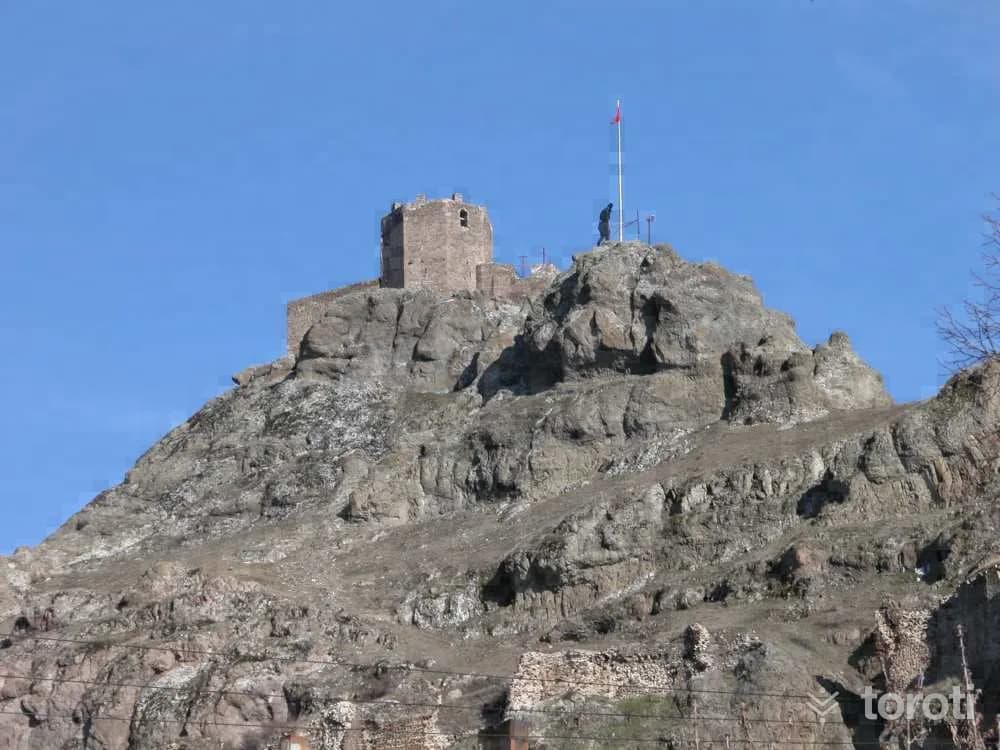
Şebinkarahisar Kalesi
The castle probably dates back to a time earlier than the Roman period. This place was expanded by the Romans in the 1st century BC. The walls were ruined during the conquest of the city by the Mengüceks in the 11th century and were largely rebuilt. The walls were later repaired several times during the Ottoman period. The castle was completely destroyed during the Armenian uprising in 1915 and was never repaired again afterwards.
45 minutes