Places to visit
Things to do in Elazığ merkez
26 destinations, each with a description, how long it takes and where it sits on the map.
In short
toroti’s catalogue holds 26 described destinations within Elazığ merkez, Elazığ. The themes that come up most: Faith heritage, History, Local culture, Architecture, Nature.
Esadiye (Arslanlı) Camii
The structure, which has a monumental crown gate, is thought to have been built during the Artuklu and Seljuk period, in the 12th and 13th centuries. Research in this direction is being carried out in the mosque, of which only its gate and two mihrabs have survived in their original form to the present day. In the structure, it is seen that the mosque section is located in the south, and in front of it there is an area thought to have contained madrasah cells during the period when it was in use.
20 minutes
Harput Ulu Cami
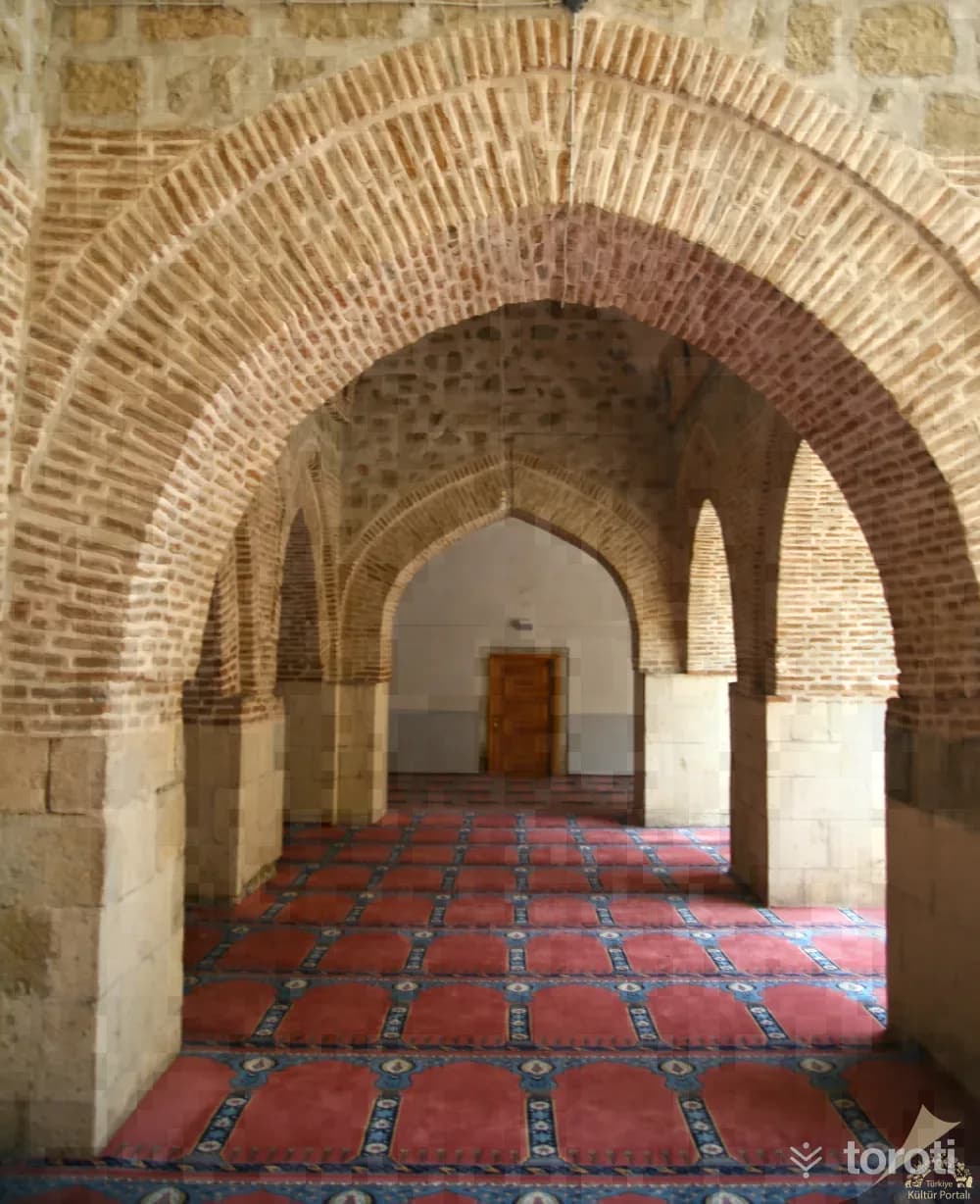
Who Had Harput Ulu Camii Built? The construction date of Harput Ulu Camii, which is built on an area of 2000 square meters in the old Cami Kebir Neighborhood in Harput, is not known for certain. However, it is accepted from its tax inscription that it was commissioned by the Harput ruler Fahrettin Karaaslan in 1156-1157. Harput Ulu Camii is one of the oldest Turkish mosques in Anatolia. The mosque was restored in 1899, 1905, and 1996.
45 minutes
Sungur Bey Cami
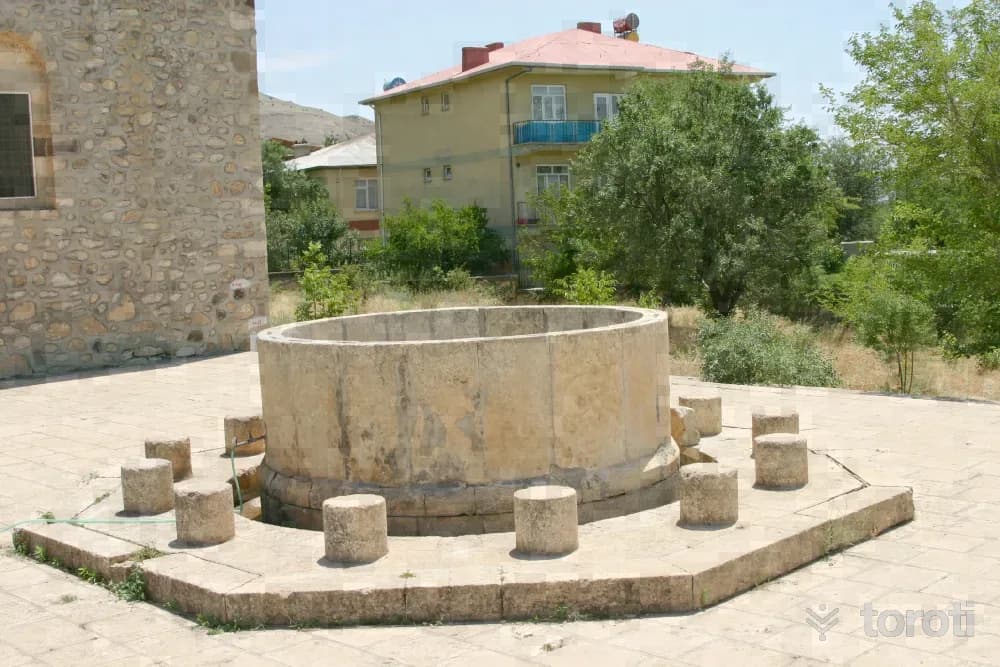
It was commissioned in 1569 on the bank of the Murat River, to the south of Pertek District. There is currently no inscription on the structure.
45 minutes
Meryem Ana Kilisesi
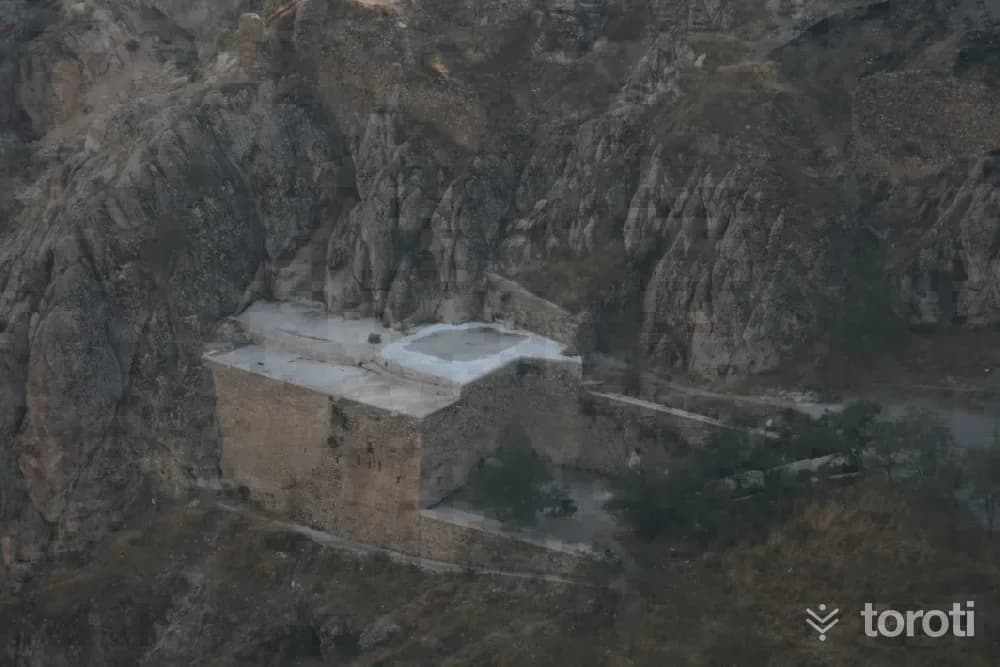
It is located to the east of Harput Kalesi. Since the rock masses of the castle form its western wall, the church appears to be embedded in the rocks of the castle. Meryem Ana Kilisesi, one of the oldest temples in Anatolia, is also known by the names Kızıl Kilise, Süryani Kilisesi and Yakubi Kilisesi.
45 minutes
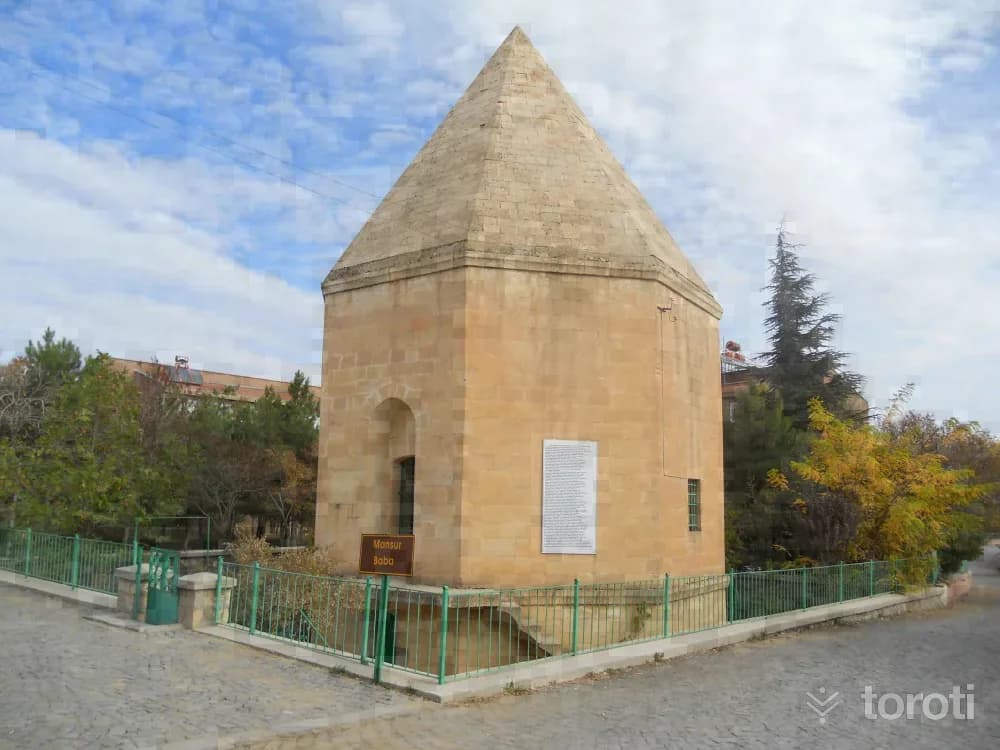
Mansur Baba Türbesi
This zaviye in Harput, in the neighborhood formerly known as Cami-i Kebir Mahallesi, is today popularly known as “Mansur Baba Türbesi”. A waqf deed from the 16th century exists, and in those dates its annual income was 8980 akçe.
45 minutes
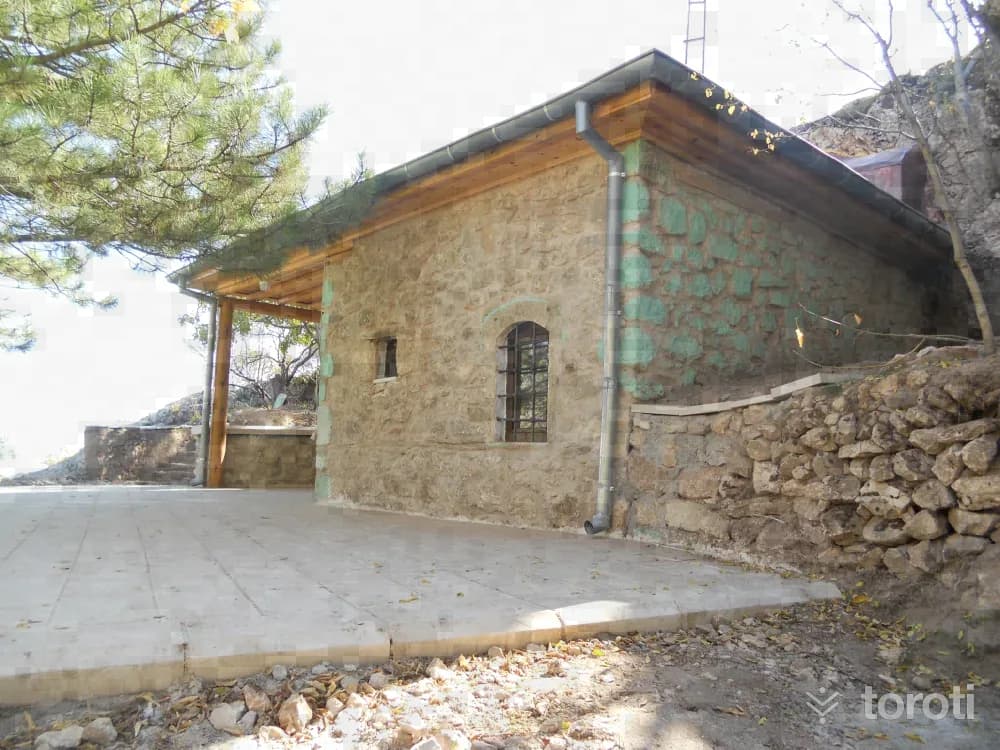
Üryan Baba Türbesi
Üryan Baba Tomb is buried on the slope of the hill facing Harput, when going up to Harput, about 100 m to the right before reaching the steep cliffs referred to as "Kayabaşı". The structure forming the makam section was created by converting a cave within the rocks into a tomb. It is rumored that the masjid next to the tomb was formerly used as a tekke.
45 minutes
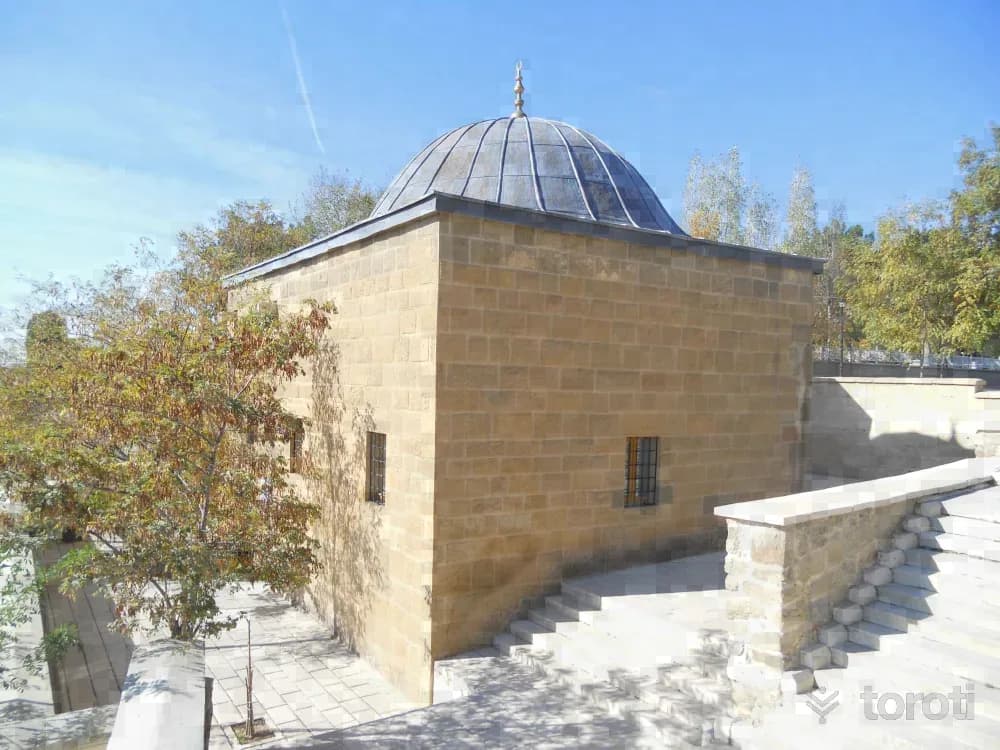
Arap Baba Mescidi Ve Türbesi
Arap Baba Masjid and the tomb located on its lower floor belong to the Seljuk period. The masjid and tomb were built on rocks. The minaret of the masjid, which has a domed roof, is partially ruined. As in Seljuk tombs, the body inside the tomb is located on the lower floor of the tomb. The person in this tomb is known among the public by the name 'Arap Baba'.
45 minutes
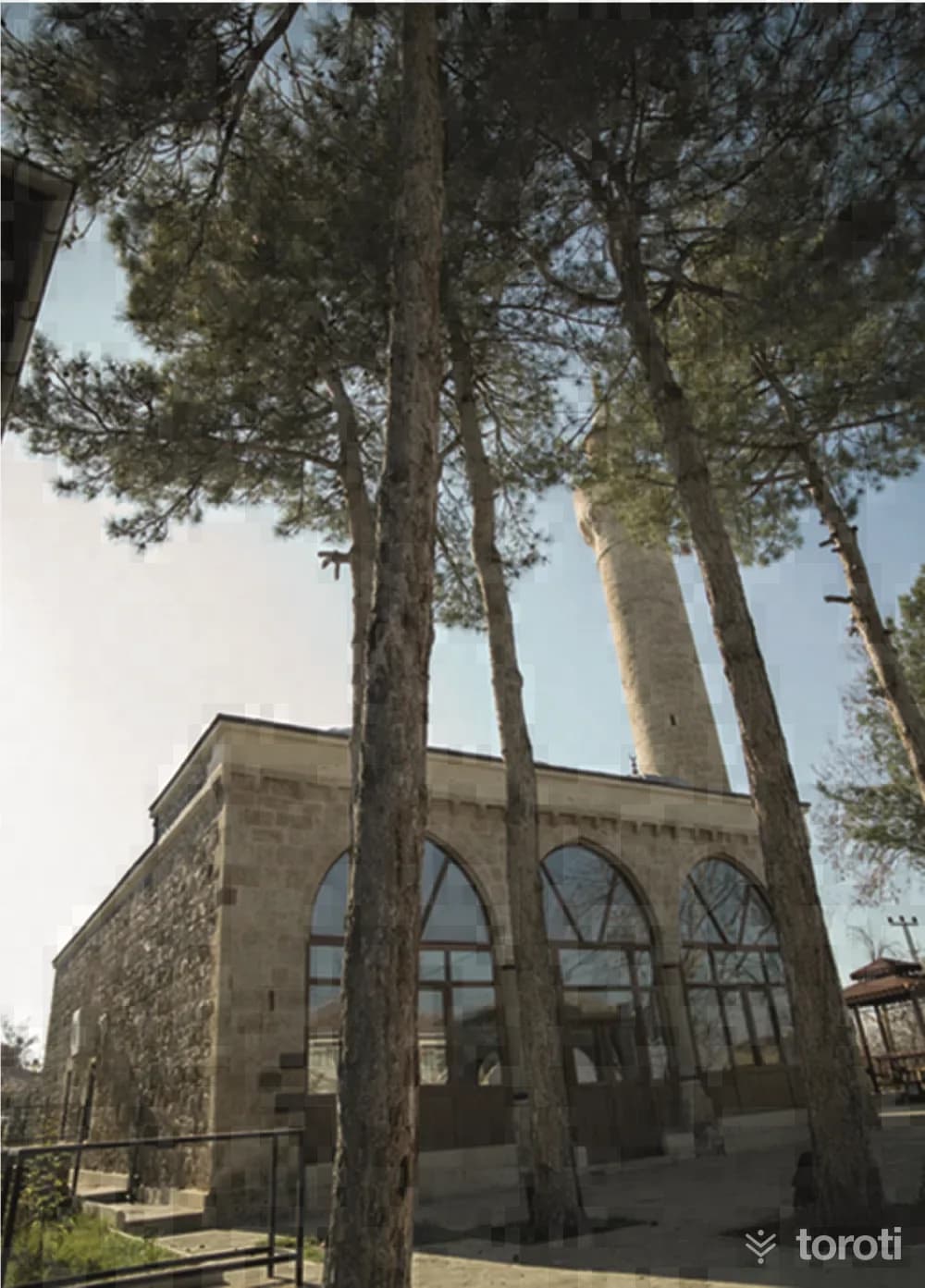
Sultan 4. Murat Cami
It is located in the center of Elazığ Mollakendi and on the Diyarbakir road. The mosque consists of a front facade, entrance hall and inner congregation section. In the inner congregation section, there is an upper congregation section made of wood in the north, and a wooden-stone minbar and mihrab in the south. Outside, there is its minaret adjacent to the west wall, and to the west of the mosque there is the Hz. Ahmedi Peykeri Tomb and a turbaned gravestone dated H.1277 with the name "Hüseyin Paşa" in an Arabic inscription. It is registered as a Monumental Cultural Property.
45 minutes
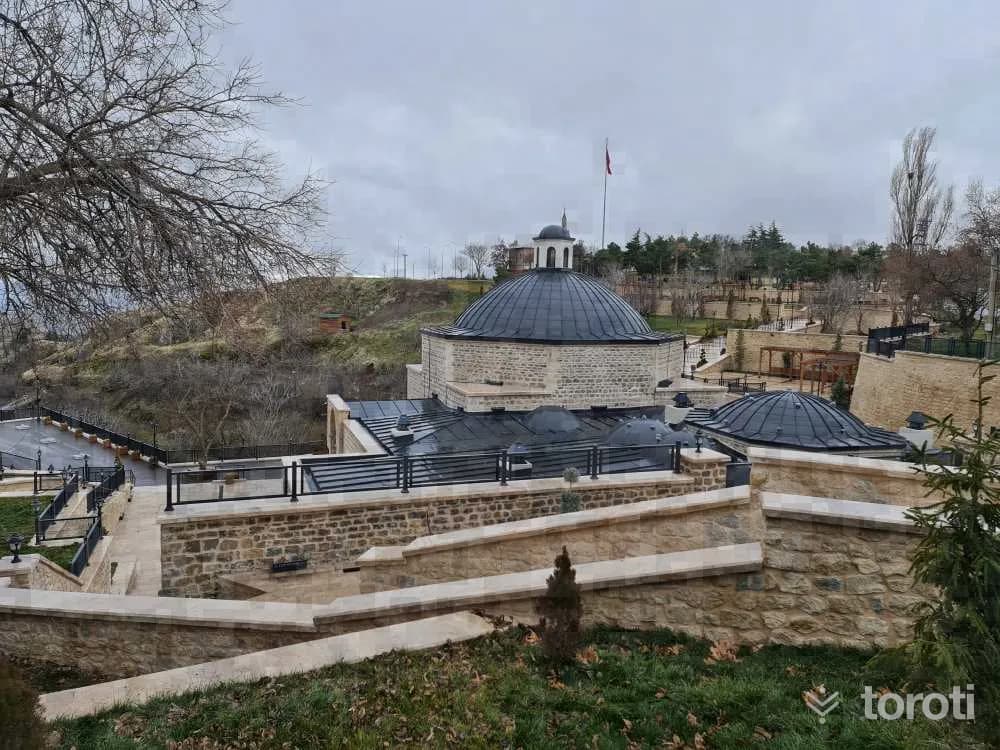
Hoca Hasan Hamamı
It is one of the classical Ottoman-type baths in Harput that has survived to the present day. It consists of a changing area, a warm area and a washing area. It has two entrance doors. Although the one on the west is plain, the domed form of the eastern door is striking. The changing area has a square plan and is covered with a dome. From the warm area, which has been completely destroyed, one passes to the washing area.
20 minutes
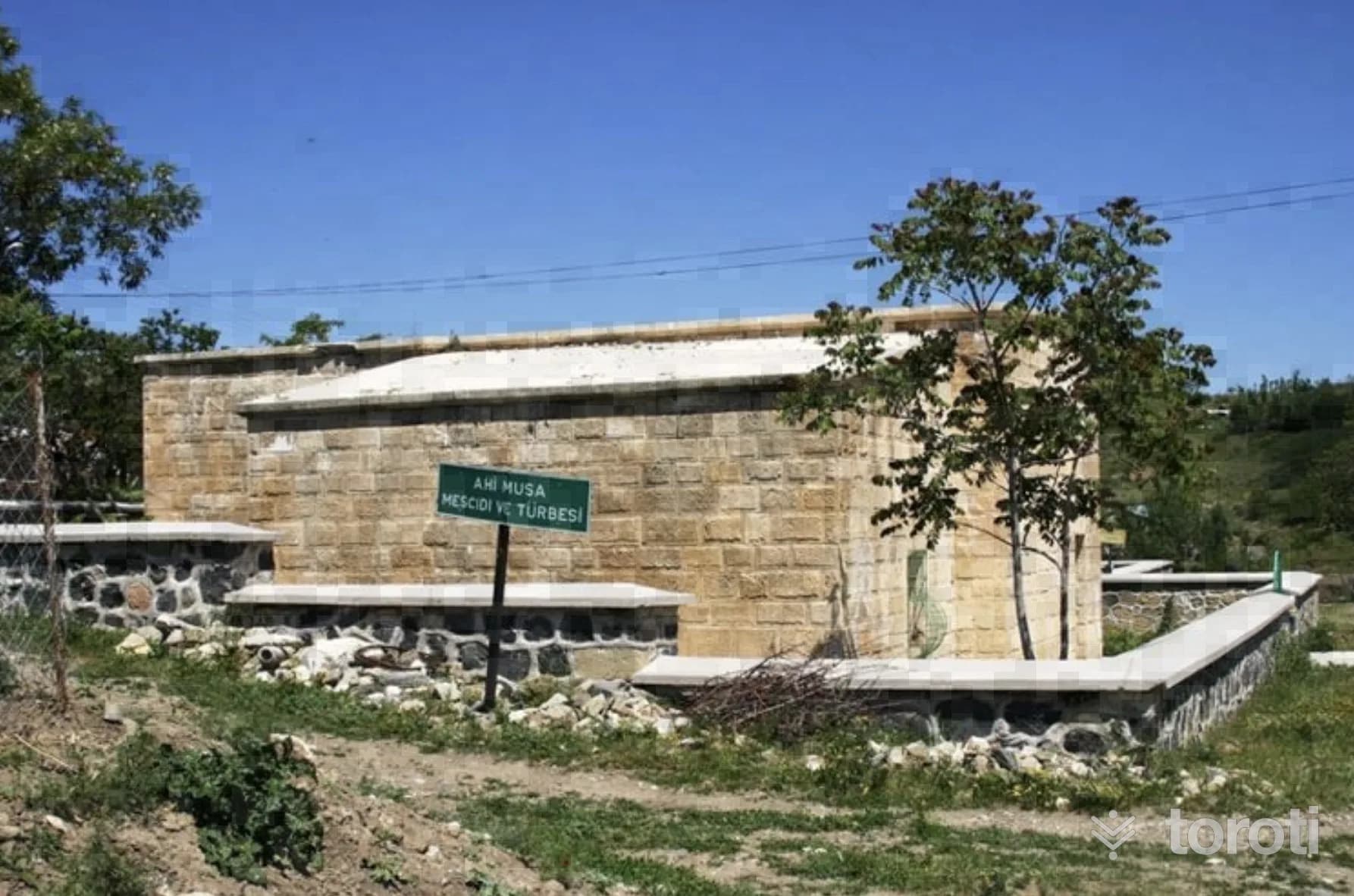
Ahi Musa Mescidi ve Türbesi
In the tomb, there are 4 graves thought to belong to the mujahid Ahi Musa Hervi (Herdi), who was descended from Fatih, and his relatives. It is narrated that the longest of these graves belongs to Ahi Musa, one of the others to ‘Esseyid Hasan’, who came after him, and the third to ‘Seyid Ahmed’. The first entrance is to the masjid section, and passage to the tomb is from inside the masjid.
30 minutes
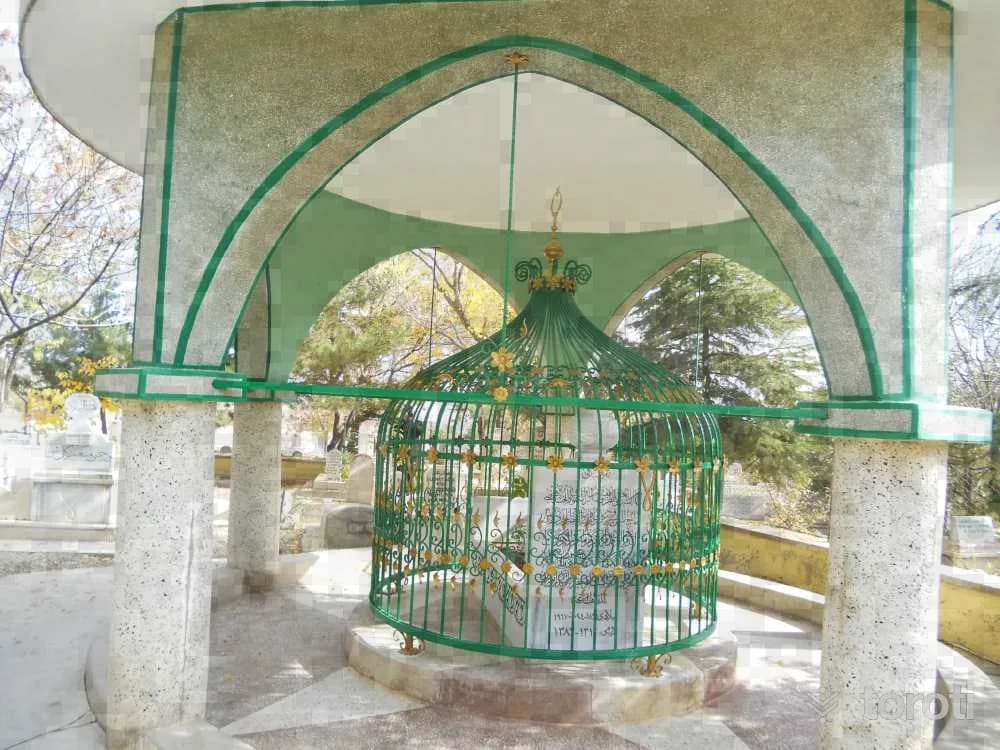
Kazım Efendi Türbesi
He was born in Harput in 1894. The nicknames of Kâzım Efendi, who was originally from Harput, are referred to as "Iğıkilioğulları." He was one of the last sheikhs of the Naqshbandi Order. The tomb of the Islamic thinker from Harput, Kazım Efendi, is located in Harput's Meteris Cemetery, near the Tomb of İmam Efendi. The tomb, which was built in a different architectural style, is within a private graveyard surrounded by an enclosure wall.
20 minutes
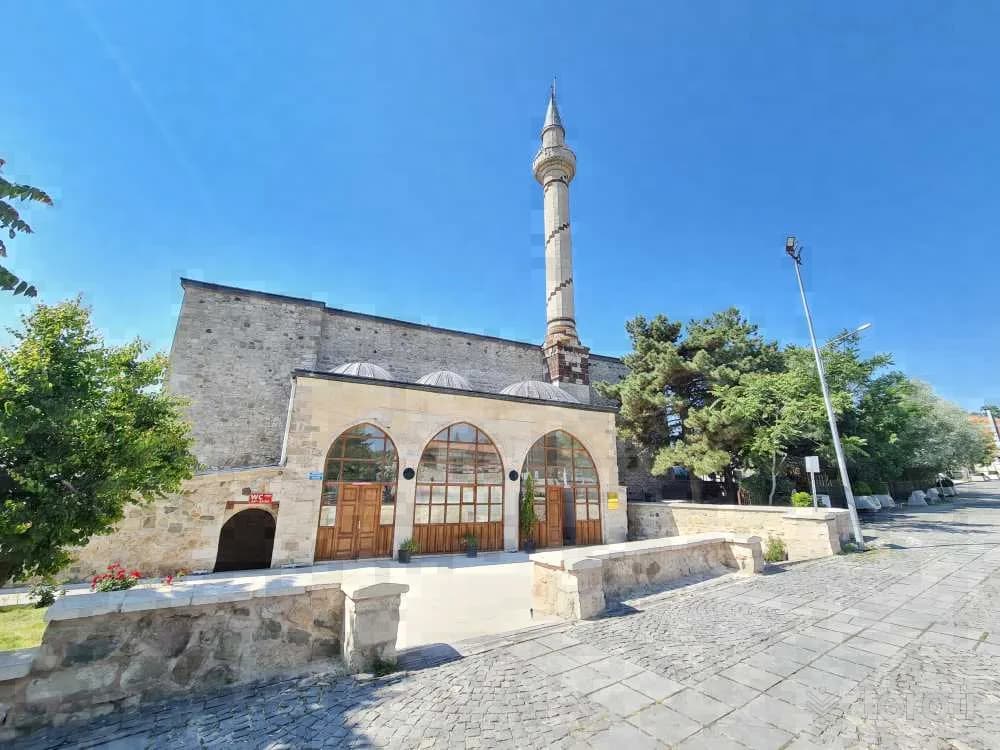
Sara Hatun Cami
It was built as a masjid in 1465 by Sarahatun, the mother of Akkoyunlu Ruler Hasan Bahadır Han. It was repaired in 1585, and with the restoration carried out in 1843, it took its present form. The mosque has a square plan, and its minbar is among the fine examples of stone workmanship. Although the mosque, whose minaret was completed in 1898, was built as a külliye, today only the mosque section remains. It is still open for worship.
20 minutes
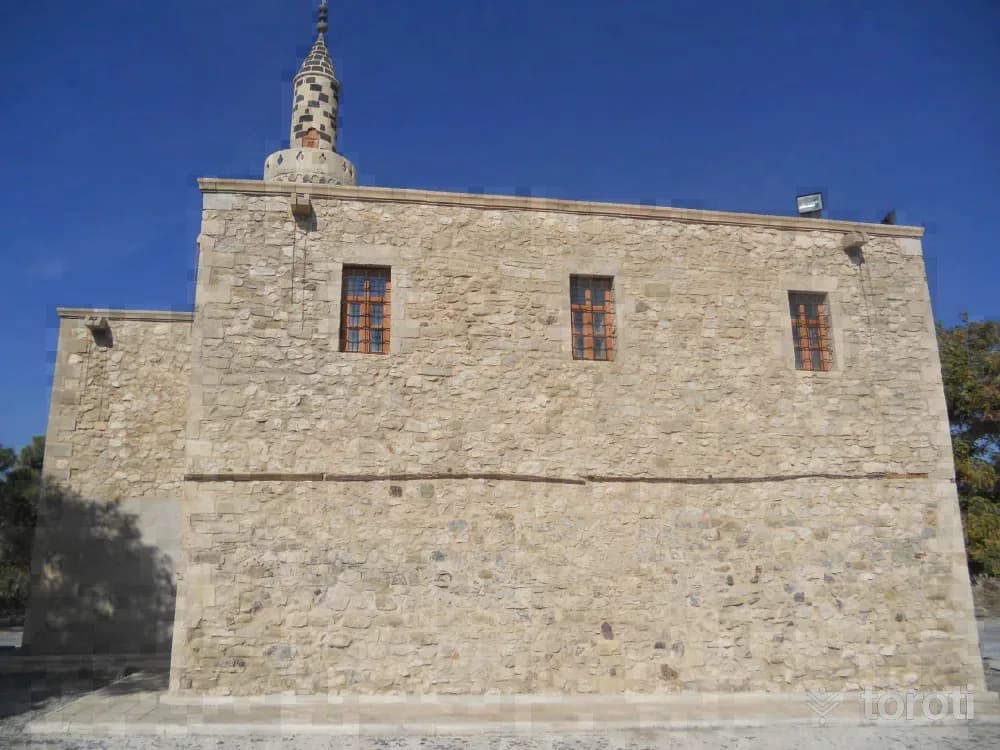
Alacali Cami
Artukoğulları Dönemi'nde 1203–1204 yıllarında inşa edilen cami, küçük ebatta dikdörtgen plânlıdır. XIX. yüzyılda büyük bir onarım gören caminin tavanındaki ahşap işlemeler bu döneme aittir. Minaresi kapı üzerine inşa edilmiş olup, şerefeye kadar sıra ile daha yukarısı ise dama şeklinde siyah-beyaz taştan yapılmıştır. Cami, ismini bu siyah-beyaz taşlardan almıştır.
45 minutes
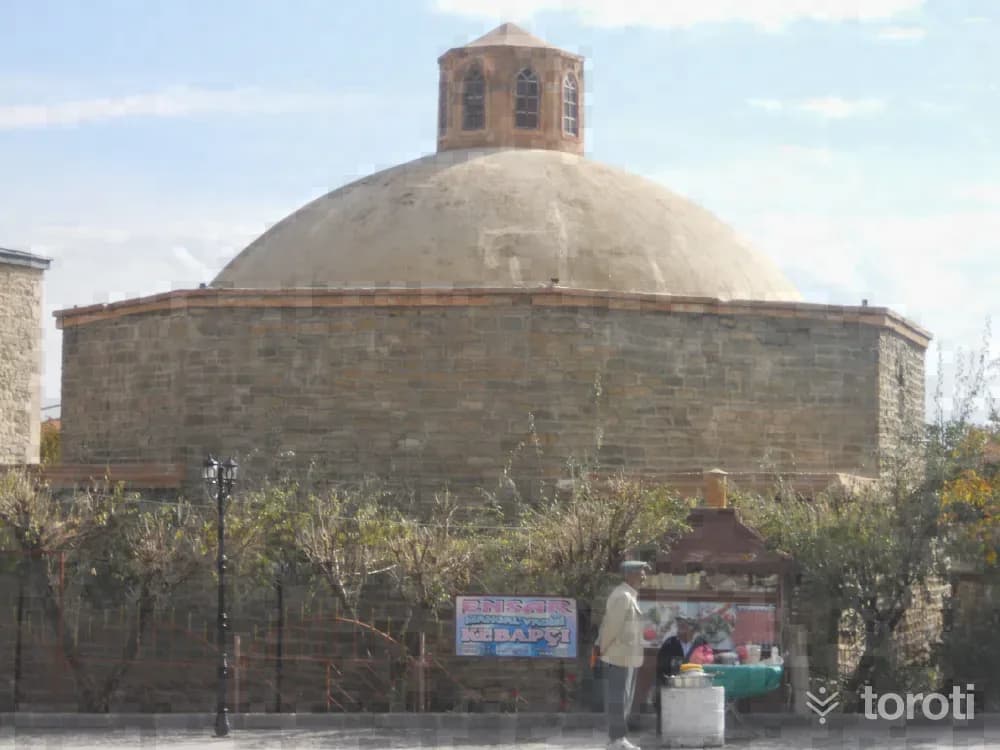
Cimşit Bey Hamamı
It is an Ottoman Period structure adjacent to Sarahatun Cami. This structure was commissioned by Cimşit Bey, one of the Sipahi beys of Yavuz Sultan Selim, in the first half of the XVIth century. The changing area has a square plan, is covered with a dome, and has two doors. The washing area adjoins Sarahatun Cami. There is a domed private room in each of the corners with four iwans.
45 minutes
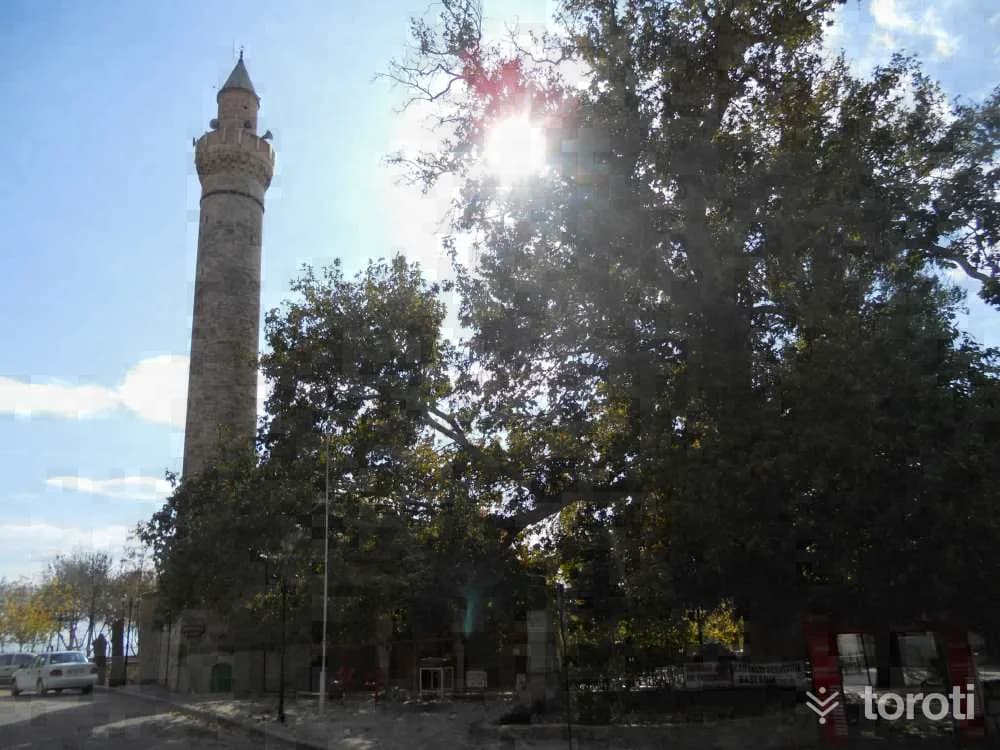
Kurşunlu Cami
It is one of the finest examples of Ottoman Period mosques in Harput. It was built in 1738 – 1739. The mosque has a rectangular plan. The square-planned harim section is covered with a dome. There are four windows in the drum of the dome. It took this name because its domes are covered with lead. The mosque’s last congregation area has three domes. Its minaret was built of cut stone.
20 minutes
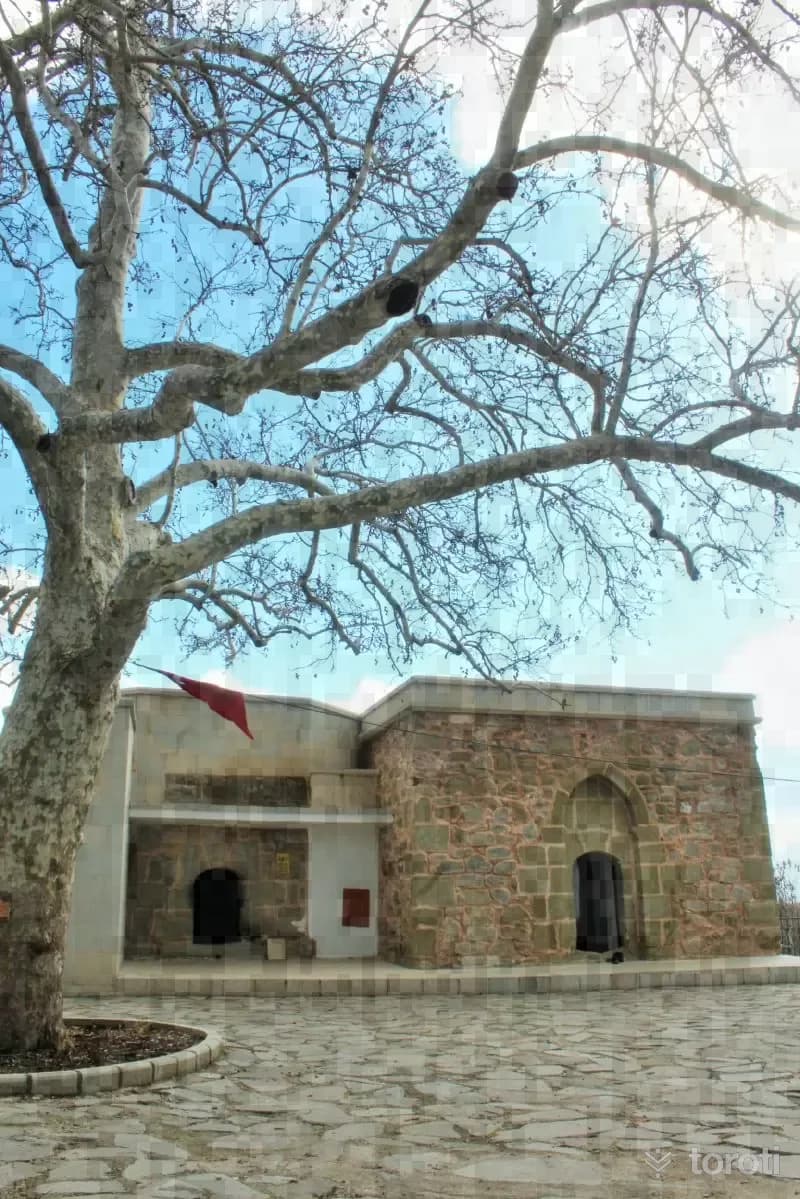
Feti Ahmet Baba Türbesi
It is 2 km from Harput. There is a mescid next to the tomb, which was built on rock. The tomb has a hexagonal plan, and its upper part was built later. Only the burial chamber exists. There is a large sarcophagus in the burial chamber. It is thought that the tomb was built in 1313 – 1314, the years of Fethi Ahmet Baba’s death.
20 minutes
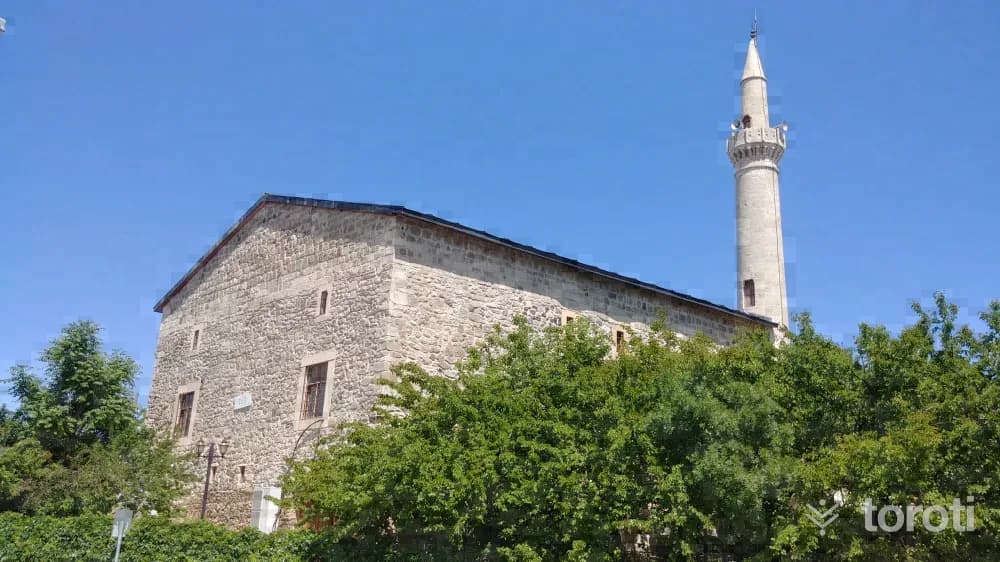
Ağa Cami
Located on the left side of the main road at the entrance to Harput, Ağa Cami was built in 1559 by Pervane Ağa, according to its inscription in the museum. Ağa Cami, of which only the minaret remains standing, was opened for worship with the renovation works carried out in the prayer hall section in 1996.
45 minutes
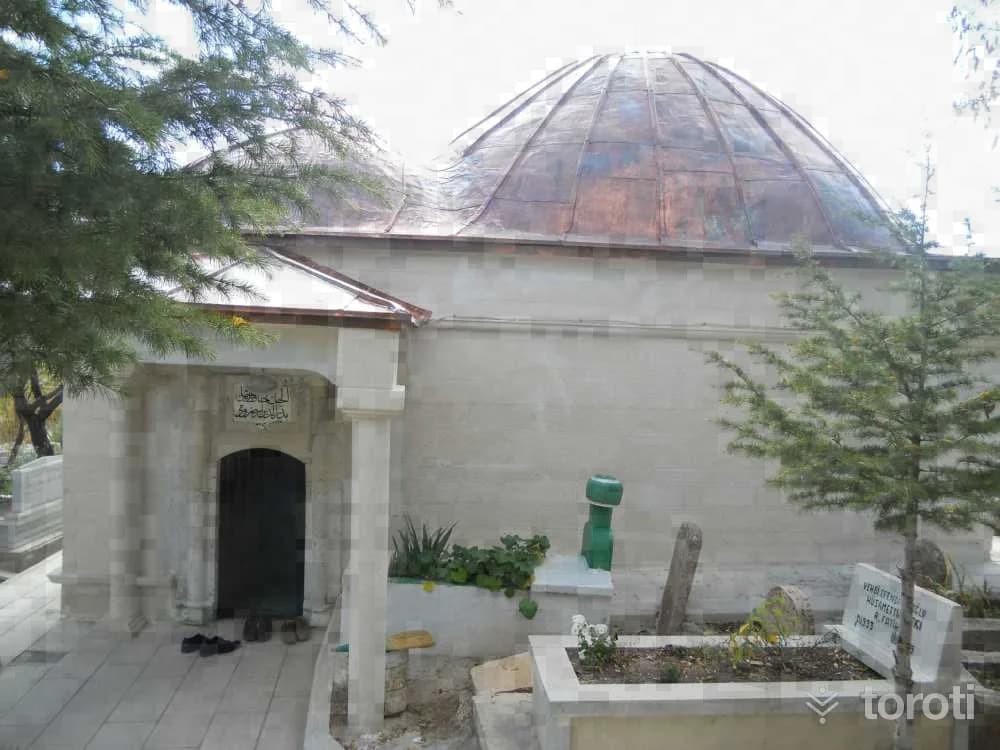
İmam Efendi Türbesi
The tomb of the Islamic thinker known as İmam Efendi and whose real name was Hafız Osman Bedrettin is in the upper part of Meteris Cemetery in Harput. He was born in Erzurum in 1858. In the single-space tomb of İmam Efendi, it is seen that the makam section is separated by iron railings.
20 minutes
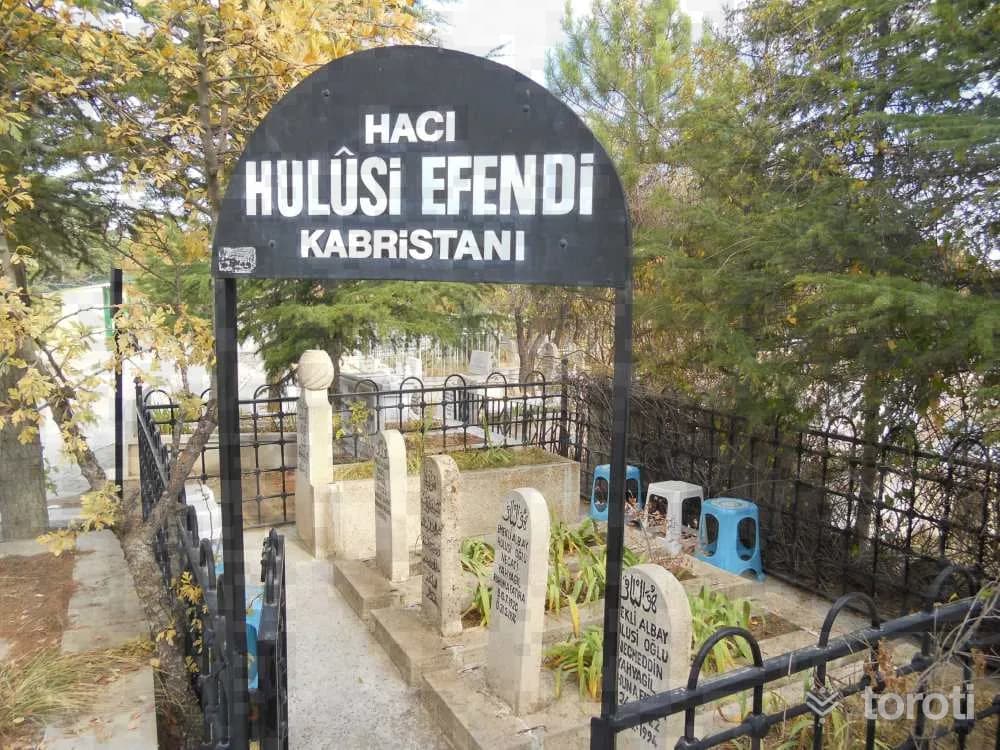
Hacı Hulusı Efendi Türbesi
Hacı Hulusi Efendi was born in 1895. He was from Harput and participated in the Caucasus and Çanakkale Fronts in World War 1. He retired as a colonel in 1950. He passed away in Elazığ in 1986. This plot, which is a family cemetery, is surrounded by iron railings.
20 minutes
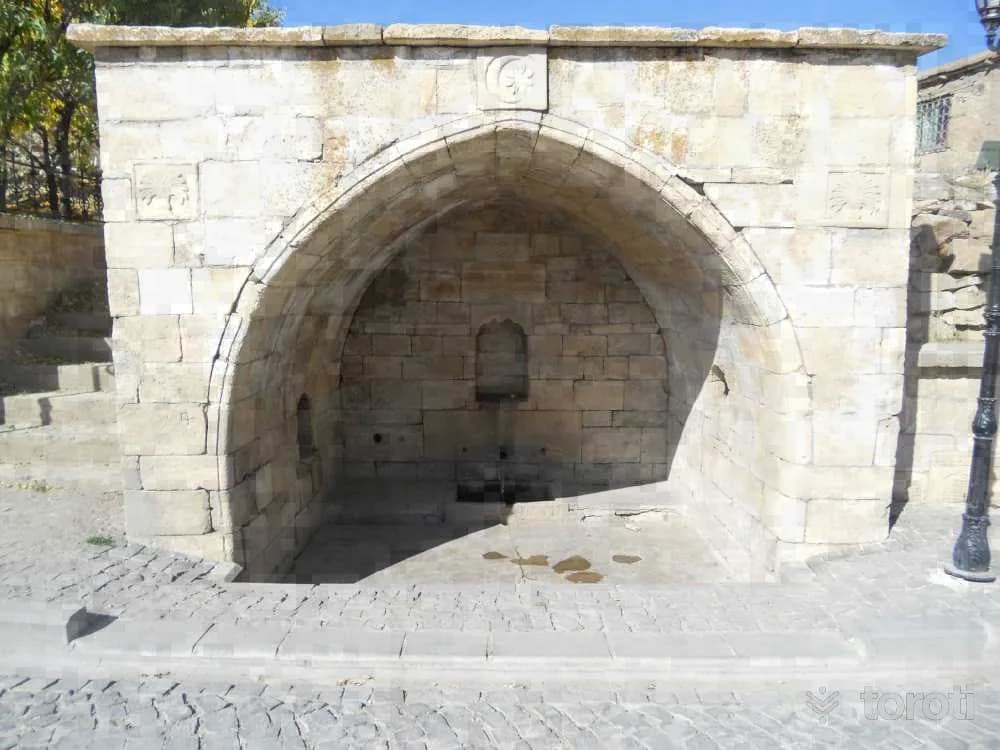
Üç Lüleli Çeşme
It is located on the left side at the entrance in Harput. It is near Ağa Cami. The fountain, built of cut stone, is of the iwan type. The iwan arch is round; there is a crescent and star on it, and palmette motifs on the sides. It has an inscription. According to its inscription, it was commissioned in 1906.
20 minutes
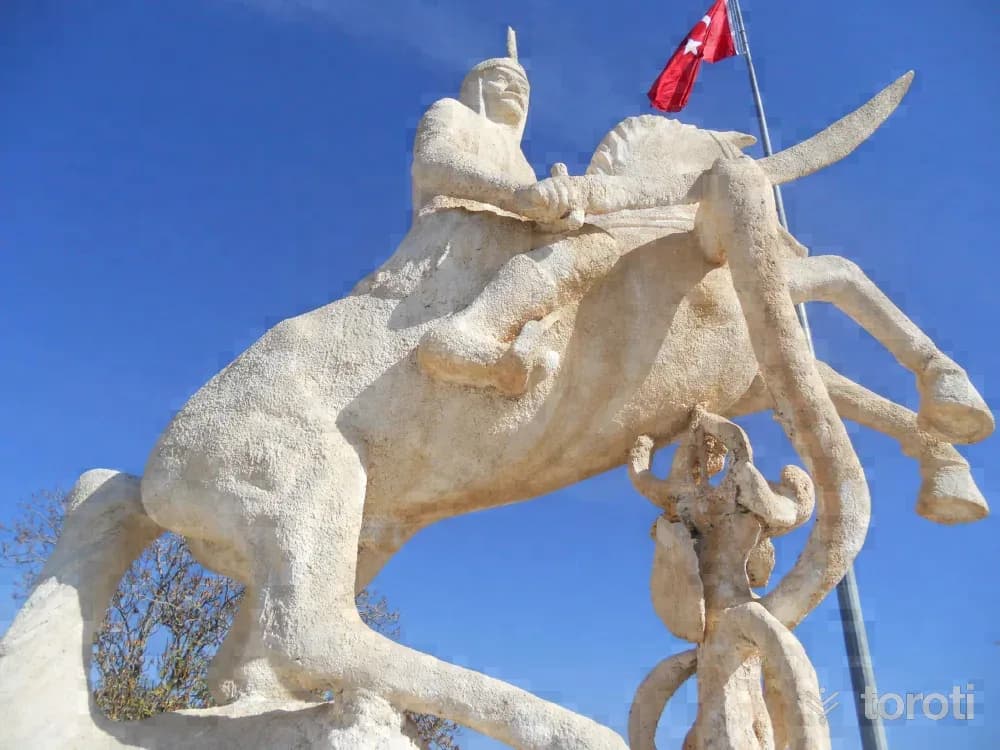
Belek Gazi Anıti
It belongs to Belek Gazi, the son of Behram Bey, the grandson of Artuk Bey, one of Sultan Alparslan’s commanders. It was made in 1964 by the sculptor Nurettin ORHAN.
45 minutes
Surp Agop Kilisesi
Only two walls of Hagop Church have survived to the present day. Since the inscription of this church, which once belonged to the Armenians with whom we lived together on these lands, has not been found, it is not known by whom and when it was built. No trace remains to recall the church’s former appearance. It is completely ruined and abandoned. Judging by the column traces on the walls, the church was two-storeyed.
20 minutes
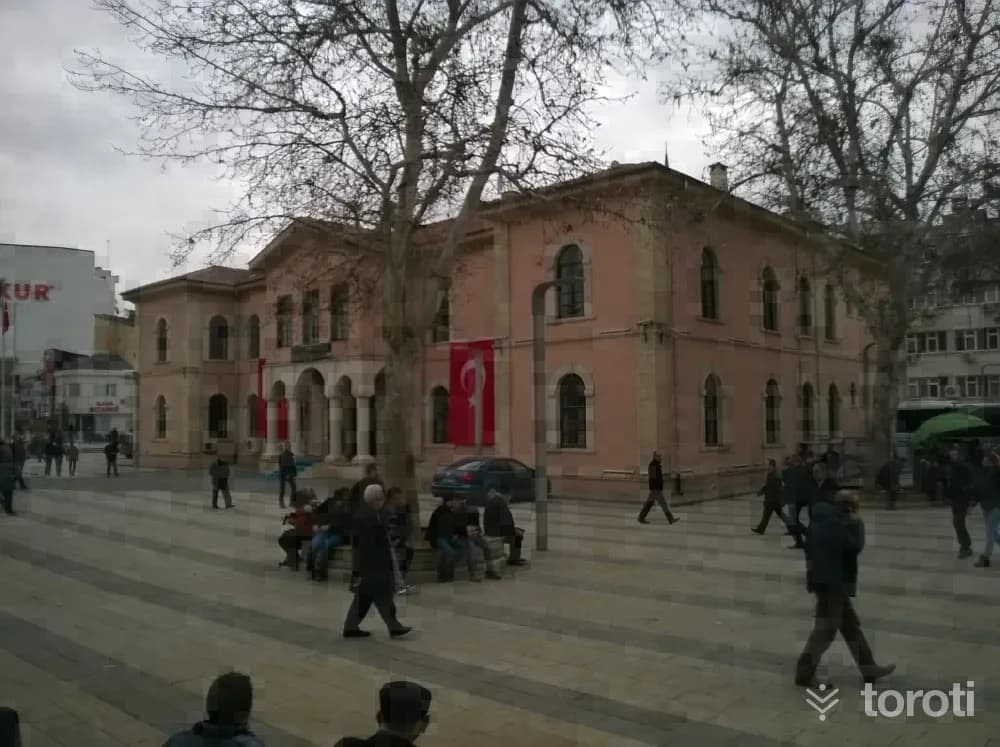
Elaziğ Eski Hükümet Konağı
Elazığ Old Government House, located in Elazığ province, Merkez, on Gazi Caddesi in Çarşı Mahallesi, was built as a Government House in 1896 by the governor of the period, Enis Paşa. The Old Government House, one of the first examples of the National Architecture style in Elazığ, is one of the rare architectural works that constitutes a fine example of the late Ottoman Period. The building consists of a basement, ground floor and 1st floor, and is three storeys high. The ground floor was built of cut stone.
45 minutes
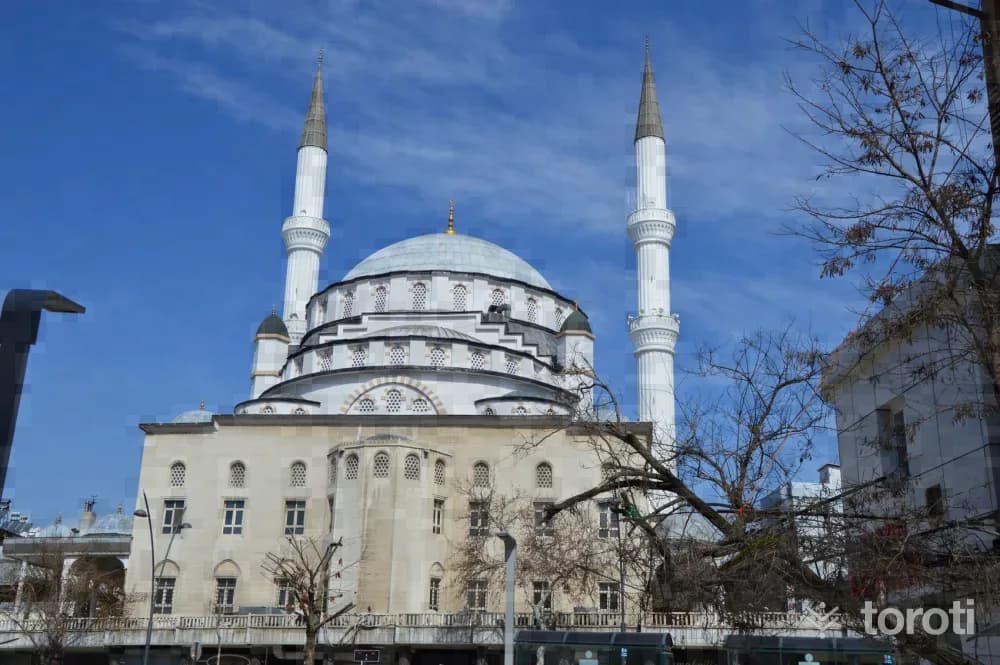
İzzet Paşa Cami
İzzet Paşa Cami is in the city center, opposite the historic old government building. In 1866, the site for the mosque was purchased and it was built by Hacı Ahmet İzzet Paşa, the governor of the time. Through the association established in 1966, this place of worship, which was about to collapse, was demolished in May 1967 and the present-day İzzet Paşa Camisi was built. In 1972, through the efforts of the association and with the help of the people of Elazığ, the mosque was completed and opened for worship.
45 minutes
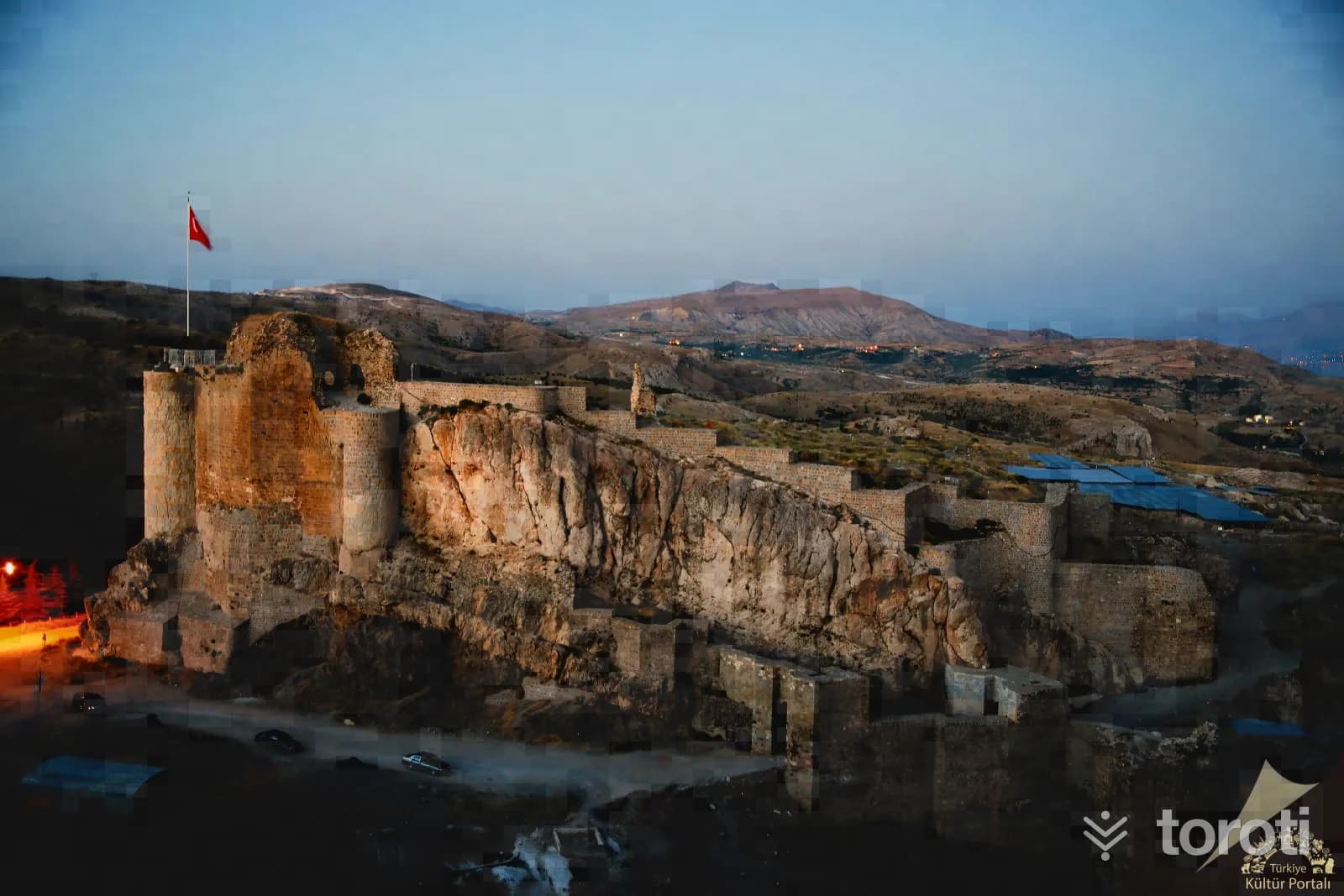
Harput Kalesi
Harput Castle is a historical structure established by the Urartian Kingdom in the 8th century BC. It has a rich history under the rule of various civilizations.
45 minutes
Buzluk Mağarası
It is a natural and tourism wonder worth seeing among the rocks called "Buzluk Taşı," with a depth estimated at 150-200 m. Due to the geomorphological characteristic and shape of the cave and the climatological conditions occurring here, ice naturally forms in the cave during the summer months, whereas in the winter months ice cannot form in the cave. This situation gives the cave an original characteristic.
30 minutes