Places to visit
Things to do in Diyarbakır
35 destinations, each with a description, how long it takes and where it sits on the map.
In short
toroti’s catalogue holds 35 described destinations within Diyarbakır. The themes that come up most: Nature, History, Faith heritage, Local culture, Museum, Culture.
Districts of Diyarbakır
Hilar Mağarası
It is located to the east of Hilar Village, which is situated to the south of Ergani. The caves are approximately 7 km from the district. Many historical artifacts on the rocks are concentrated in the gorge at the entrance of the village. According to information obtained from the Diyarbakır Archaeology Museum, the Hilar Caves have been inhabited since the Paleolithic period, and settlement continued during the Roman Period as well. They were used for different functions until the Ottoman Period.
30 minutes
Dakyanus şehri
The city of Dakyanus is established on a hill at an altitude of 1110, dominating the plain of fis (it is said to be a corruption of efsus.) 18 kilometers west of Lice. Since no scientific excavation or research has been carried out in the city, it is not known for certain when and by whom it was founded and when it turned into ruins.
30 minutes
Ashâb-ı Kehf Mağarası (Yedi Uyurlar)
This cave, which is elevated from the ground and has a projection above it in the form of a canopy, is recessed inward. In the 12th century, the Artuklu ruler Melik Âdil had this place restored and had an inscription made here. In a work by the historian Abdürrezzak Semerkandî, it is stated as follows: "Sultan Üveys organized an expedition to Ashab-ı Kehf in Lice via Bingöl and arrived at the Muş Plain". It is in the district of Lice.
45 minutes
Çeper Kervansarayı
The caravanserai (han), also known among the local people as xana kelé, is located on the Diyarbakır - Bingöl road, approximately 5 km north of the Lice road junction, near Biryas village. This han, situated on the left side of today’s Bingöl road, was built at the foot of a small hill, on slightly sloping terrain. The vaults of the structure have partially collapsed in places.
30 minutes
Şeyh Mutahhar Camii
It is one of the most important monumental works of the Akkoyunlular. It was built on the plot where Şeyh Mutahhar’s tomb is located. Among the public it is known as Şeyh Matar Camii, but in the sources its name is also mentioned as Kasım Bey Camii or Kasım Padişah Camii.
20 minutes
Behram Paşa Camii
The structure was commissioned by Behram Paşa, the 13th Ottoman Governor of Diyarbakır, in 1564-1572. The structure is listed as a work of Mimar Sinan in the book Tuhfetül Mi’marin, in which the works of Mimar Sinan are compiled.
20 minutes
Zerzevan Kalesi Ve Mithras Kutsal Alanı
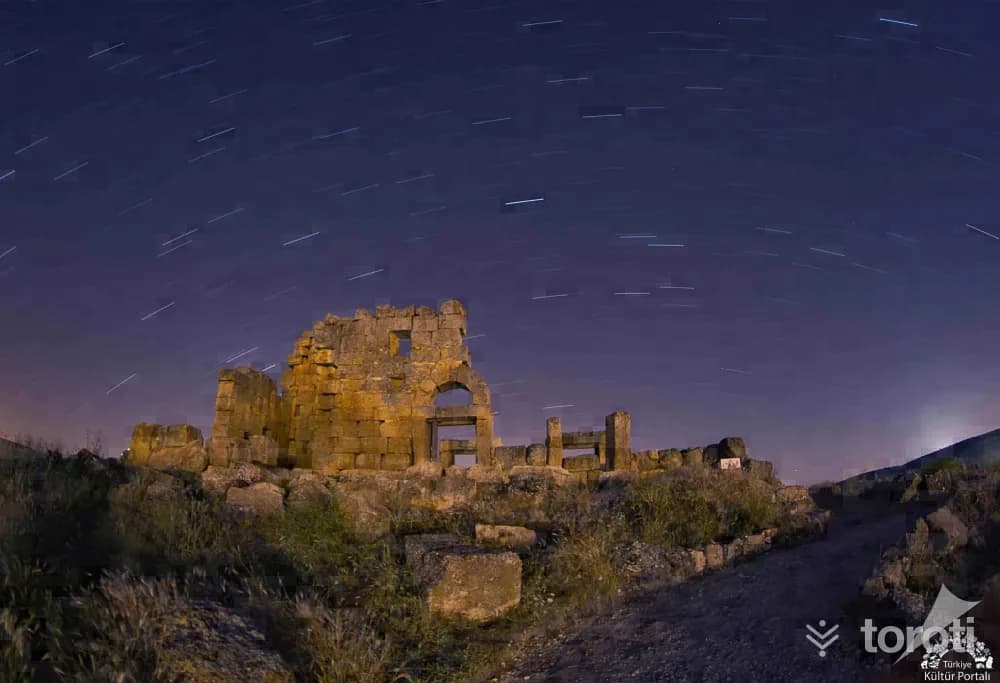
Zerzevan Castle is located in Diyarbakır’s Çınar district on the Diyarbakır-Mardin highway. The history of Zerzevan Castle, which was Rome’s border garrison, goes back 3 thousand years to the Assyrian Period. During the Persian Period, the settlement area located on the Royal Road was also used to ensure road security. According to the Diyarbakır Provincial Directorate of Culture and Tourism, the main military settlement was built in the 3rd century AD during the Severan Period in the Roman Period.
45 minutes
Dicle Köprüsü
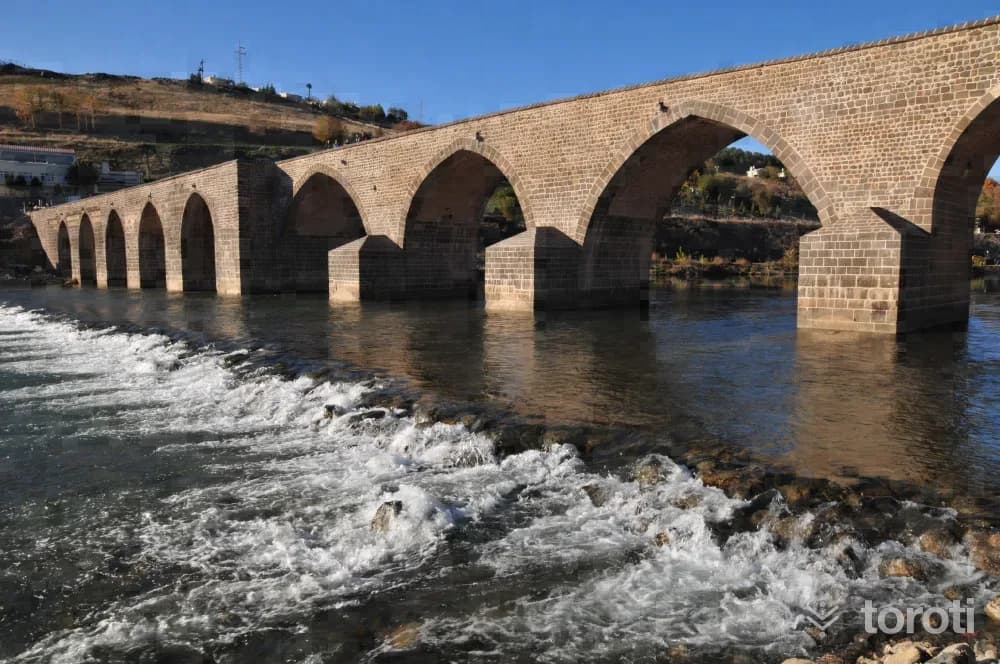
The Dicle Bridge, called On Gözlü Köprü, connects the two banks of the Dicle with blocks built on ten pointed arches. From the two-line floral kufic inscription on the south façade, located between the arches and the parapet, it is understood that it was commissioned by Kadı Ebü’l-Hasan Abdülvâhid during the time of Nizâmüddevle Nasr of the Mervânoğulları and built by an architect named Ubeyd in 1064 - 65.
45 minutes
Deliller Hanı
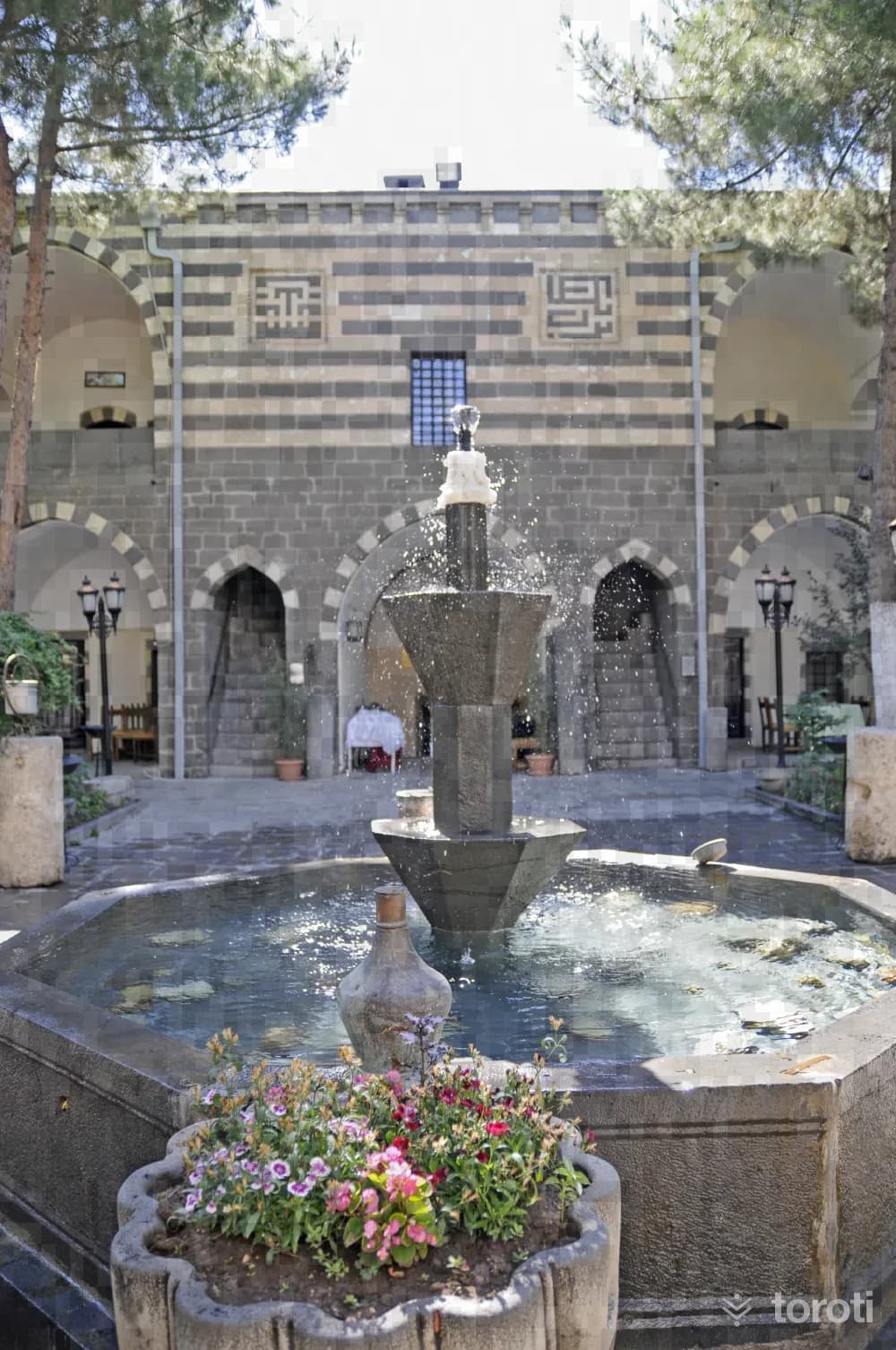
The structure, located inside the city walls near Mardin Kapısı, is also called Hüsrev Paşa Hanı. The han was commissioned in 934 (1527-28) by Deli Hüsrev Paşa, the second Ottoman beylerbeyi of Diyarbakır. The reason the building came to be called Deliller Hanı is that the guides who led pilgrimage candidates stayed here. The large area opposite the han was also called Hacılar Harabesi.
45 minutes
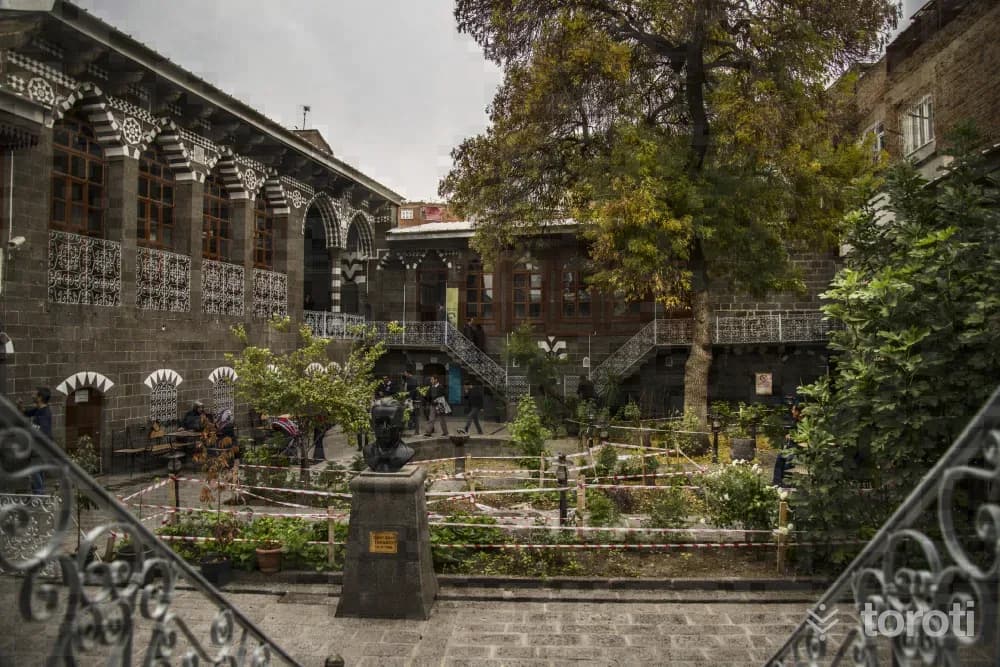
Cahit Sitki Taranci Müzesi
The house where our famous poet Cahit Sıtkı Tarancı was born and spent his childhood years was built in 1733. Bearing all the characteristics of Diyarbakır’s traditional residential architecture, the house, consisting of four wings arranged around a central courtyard, was built as a ground floor plus one upper floor entirely using basalt stone.
45 minutes
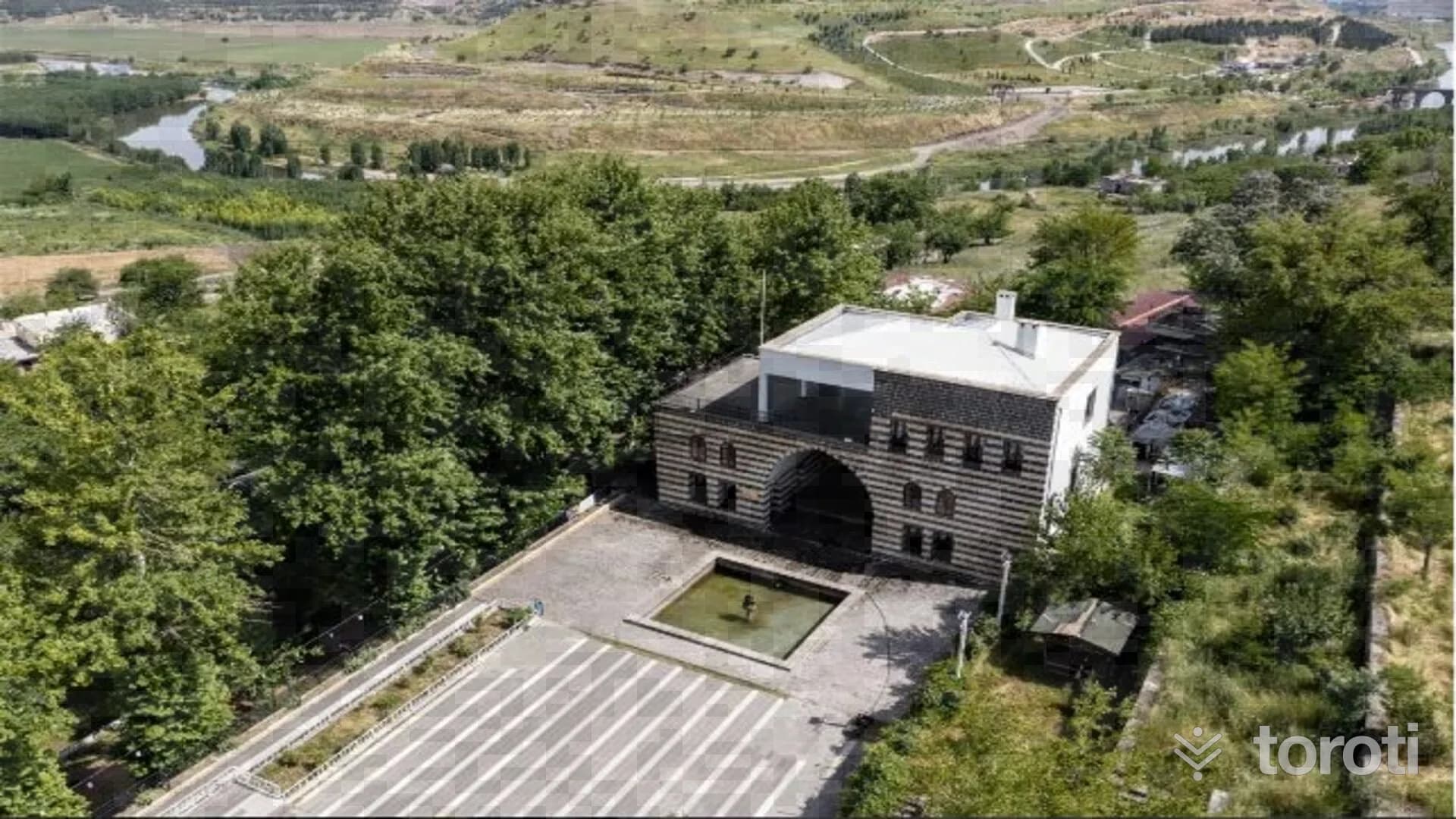
Semanoğlu (Gazi) Köşkü
The structure, whose original name is Semanoğlu Köşkü, was built by the Akkoyunlu in the 15th century. Since it was used as headquarters during World War 1, it was purchased by the municipality in 1935, named Gazi Köşkü, and presented to Atatürk. It is on the western slope of Dicle Köprüsü, outside Mardin Kapısı. The mansion was built as a two-storey structure, with one eyvan on each floor and spaces on both sides of the eyvans.
30 minutes
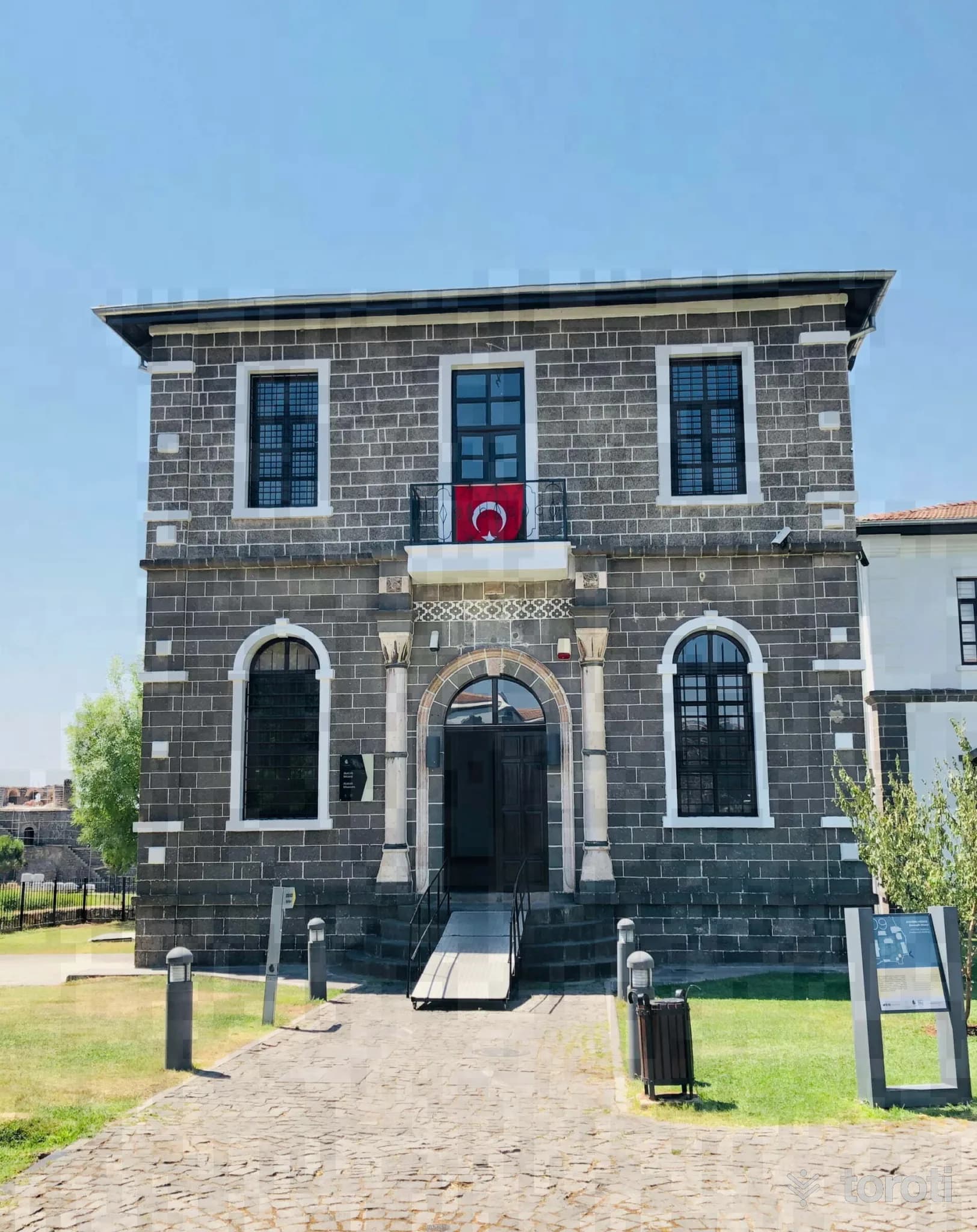
Atatürk Müzesi
There is no information about the construction date of the building or who built it, but it is thought to have been built in the same period as the buildings in the inner castle. According to sources; the unrest that had emerged in the country before the proclamation of the First Constitutional Monarchy also showed its effects in Diyarbakır, reconstruction activities started again with the proclamation of liberty in 1906, and the General Inspectorate office in the inner castle was built on this date. This building was the residence of the General Inspector and in 1916 it became the headquarters of the 2nd Army command.
45 minutes
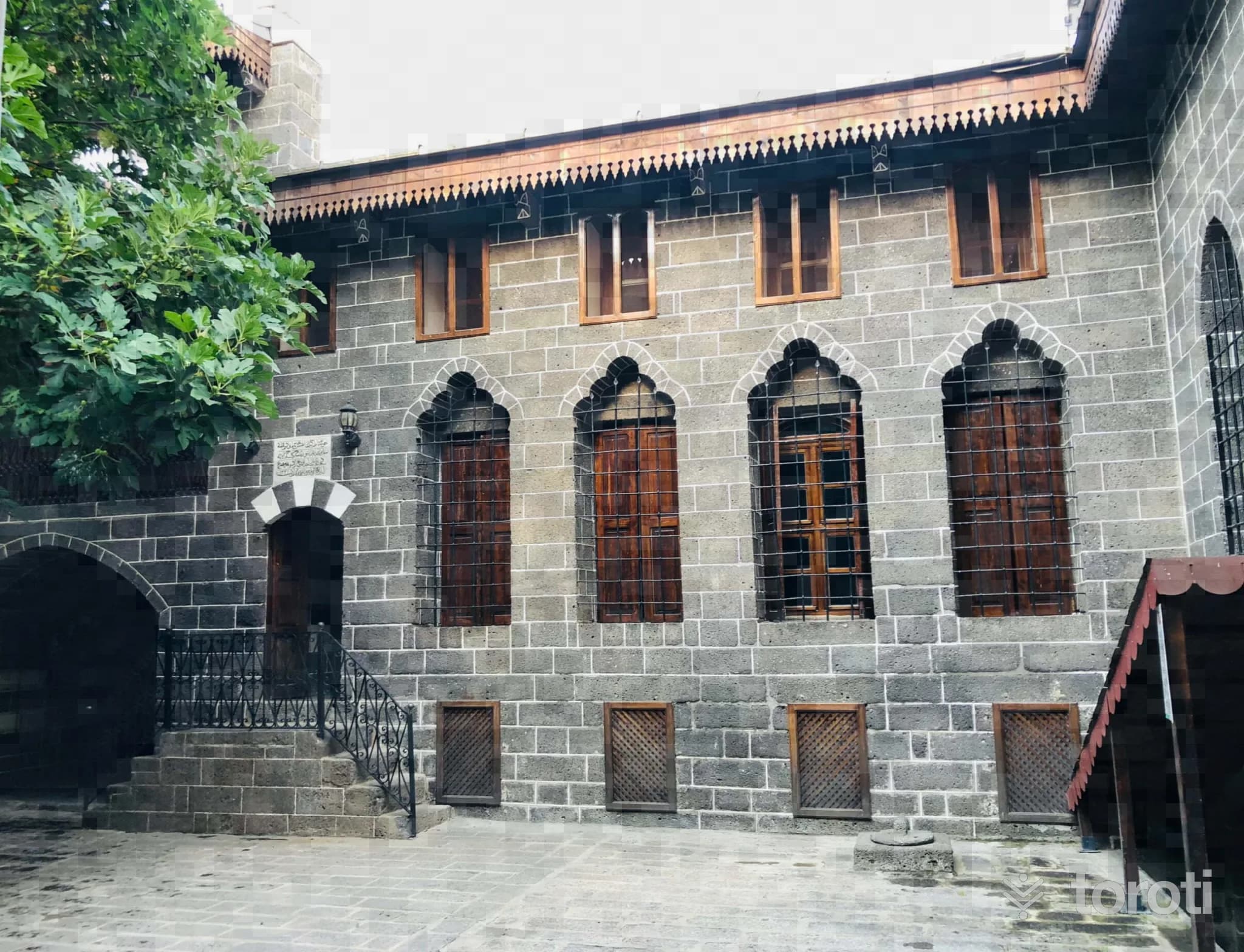
Ziya Gökalp Müzesi
Ziya Gökalp Museum is the house where the Diyarbakır-born sociologist and writer Ziya Gökalp was born. It was opened to visitors as a museum on 23 March 1956. Collections consisting of the writer’s personal belongings and documents, as well as the region’s ethnographic works, are exhibited. This two-storey house, one of the typical examples of Diyarbakır's civil architecture, was built at the beginning of the 19th century using black basalt stone. It consists of harem and selamlık sections joined around the inner courtyard.
45 minutes
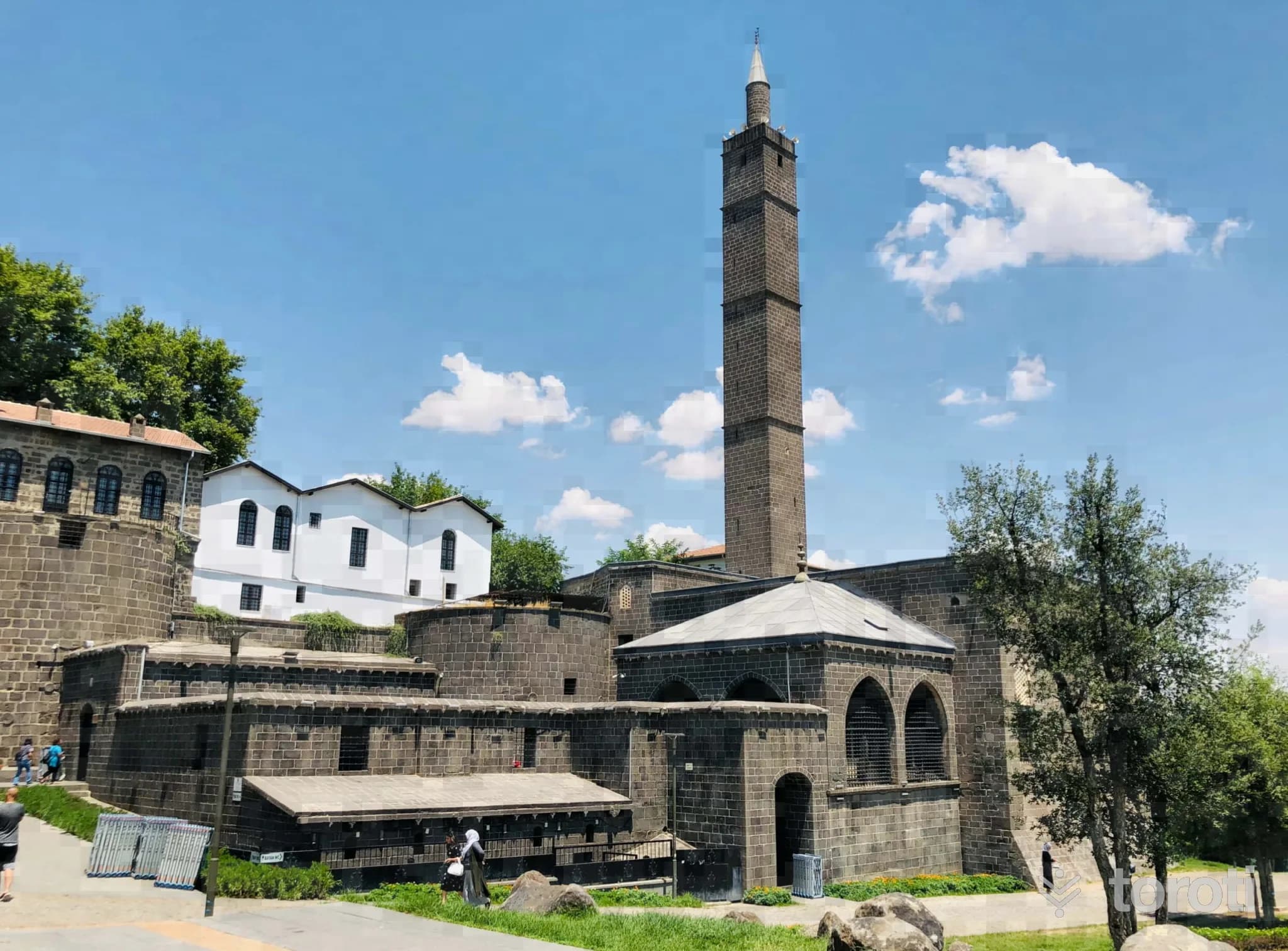
Hazreti Süleyman Cami
The structure is known by many names, namely Hazreti Süleyman Camii, Nasiriyye Camii, Meşhed Camii, Murtaza Paşa Camii and Kale Camii. As understood from the inscriptions on its minaret, it was commissioned by Nisanoğlu Ebul Kasım between 1155-1160. The most important feature of the mosque, located on the edge of the bastion to the south of Oğrun Gate in the Inner Castle, is that the conquest of Diyarbakır began here during the period of Hz. Ömer.
20 minutes
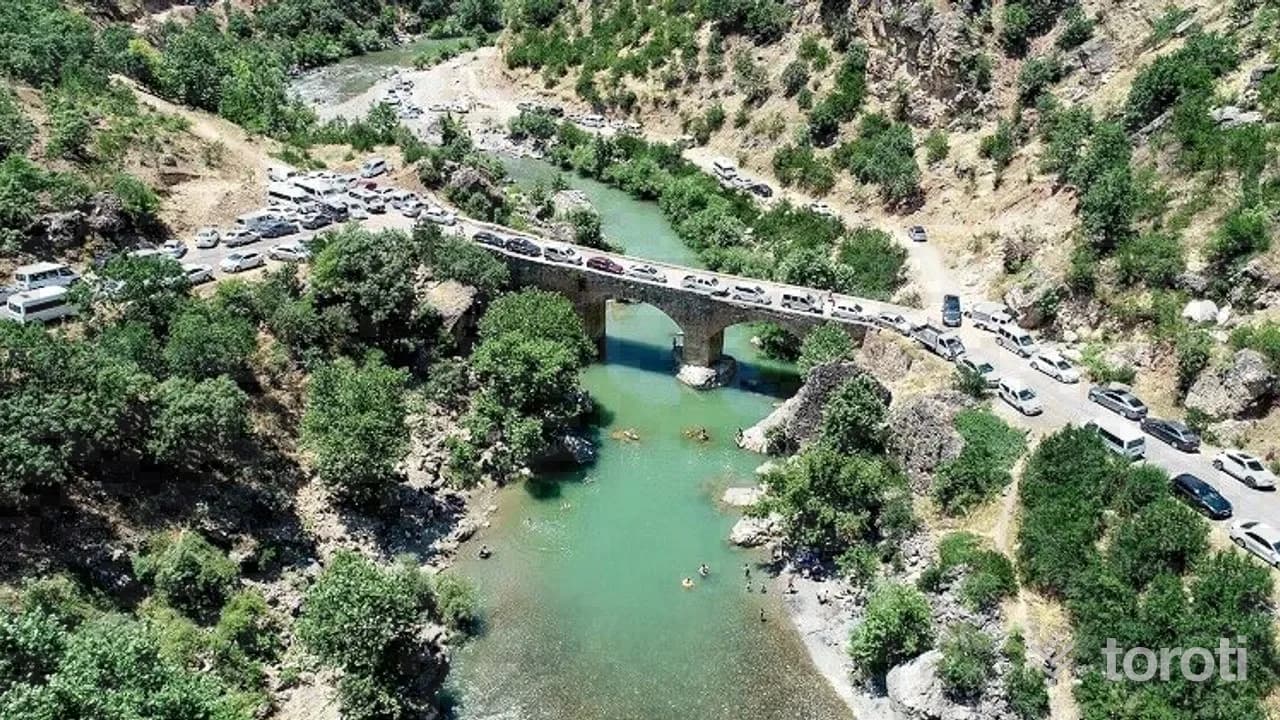
Goderne Taşköprüsü
It takes its name from the village and is located to the northwest of Taşköprü village, connecting Kulp to Silvan and Hazro. Taşköprü, built over the Sarum Stream that separates Kulp, Silvan and Hazro from one another, was constructed during the reign of Abdülhamit II. Taşköprü, which resembles the Malabadi Bridge in Batman in terms of its architecture, was built from specially shaped stones cut from the rocks to the north of the village.
20 minutes
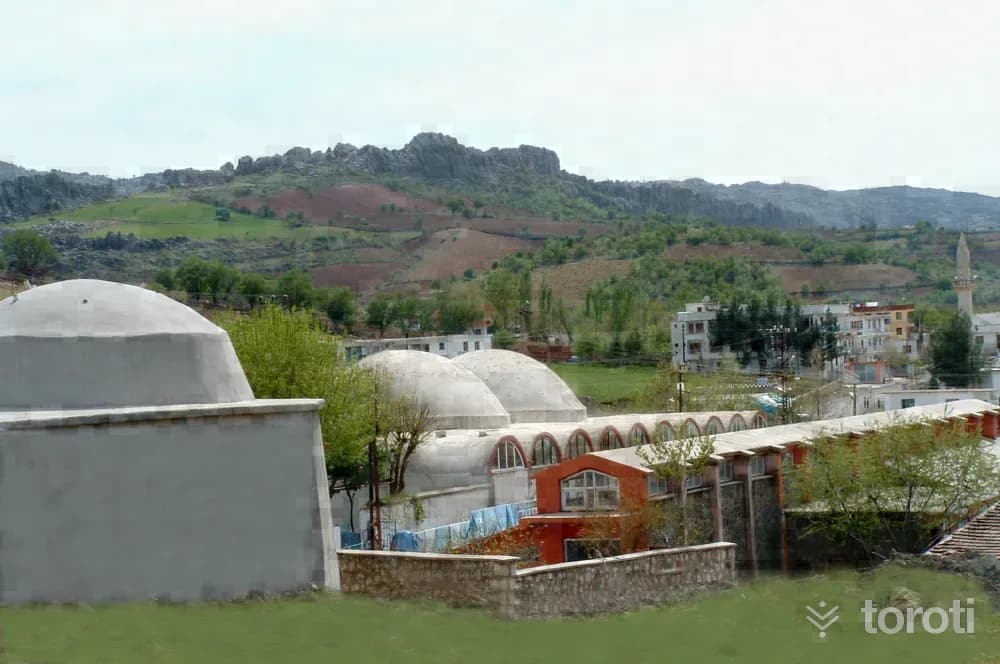
Çermik Kaplıcaları
Çermik Hot Springs, which are very good for various skin and muscle pains as well as paralysis and rheumatic diseases, are in Çermik District. Belkıs Hamamı, also located here, has especially become a place flocked to by women who want to have children. There is a widespread belief that women who wash here with a special prayer will have children.
45 minutes
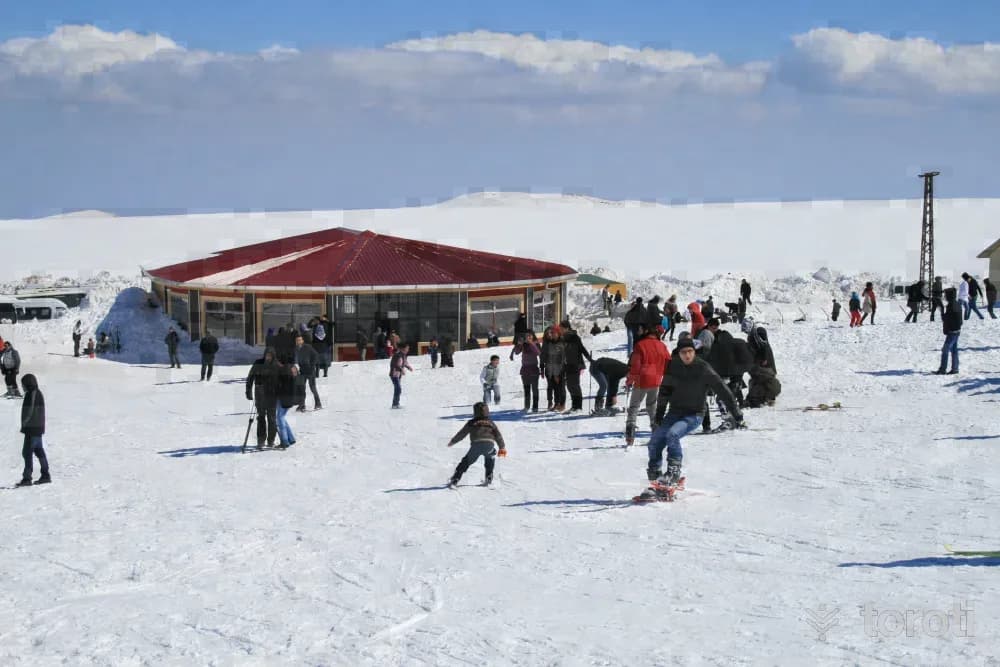
Karacadağ
Şanlıurfa Karacadağ Ski Center has been especially flooded with visitors in recent years. The ski center, which opens to its visitors at the end of November, provides service for four months. There is a skiing area approximately 700 meters long. The ski center, located within the borders of Siverek district, is 60 km from the district. Apart from the ski center, there is also a cafe and a service house.
45 minutes
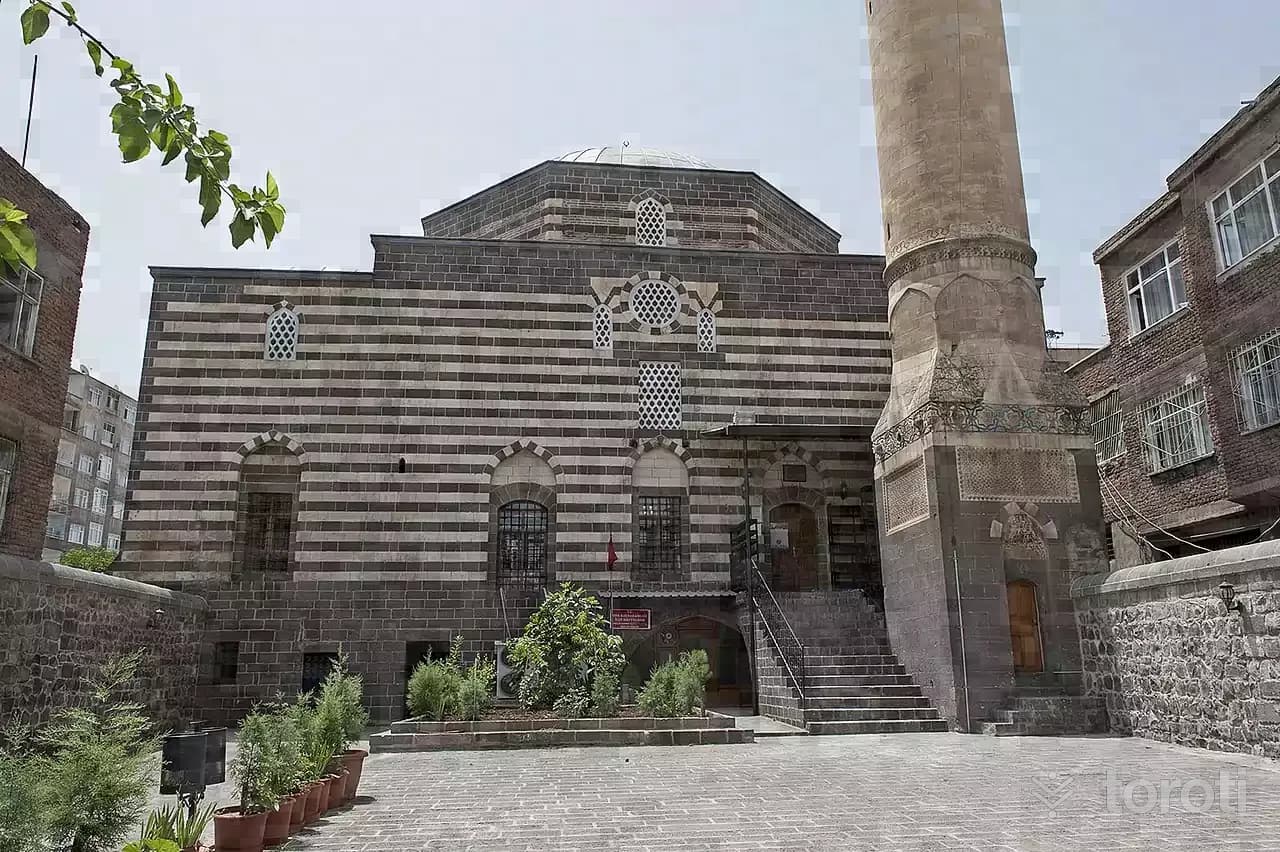
Melik Ahmet Paşa Cami
The mosque was commissioned by Melik Ahmet Paşa, the Governor of Diyarbakır, between 1587-1591 on the avenue bearing his name. The name of Melik Ahmet Paşa Camii is also mentioned in Tuhfetül Mi’marin, in which the works of Mimar Sinan are compiled. The structure, with storage below and spaces formerly used as shops, was elevated and turned into a mosque reached by stairs.
20 minutes
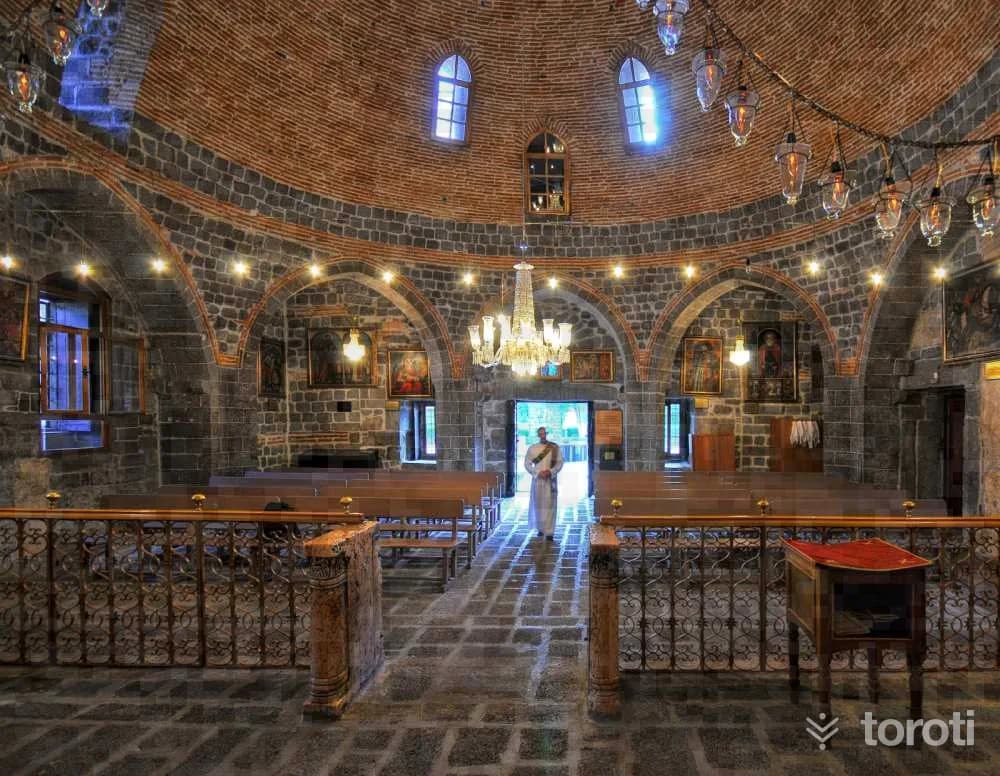
Süryani Kadim Yakubi Mezhebi (Meryem Ana) Kilisesi
The building complex consists of a church, the sacred area of Mar Yakup, 4 courtyards, a classroom and a lodging. Although the construction date of Meryem Ana Church cannot be determined with certainty, based on the information that Mar Afrem of Nusaybin, who settled in Diyarbakır in 282, was baptized in this church in 303, it is estimated that it was built at the latest at the very beginning of the 3rd century.
30 minutes
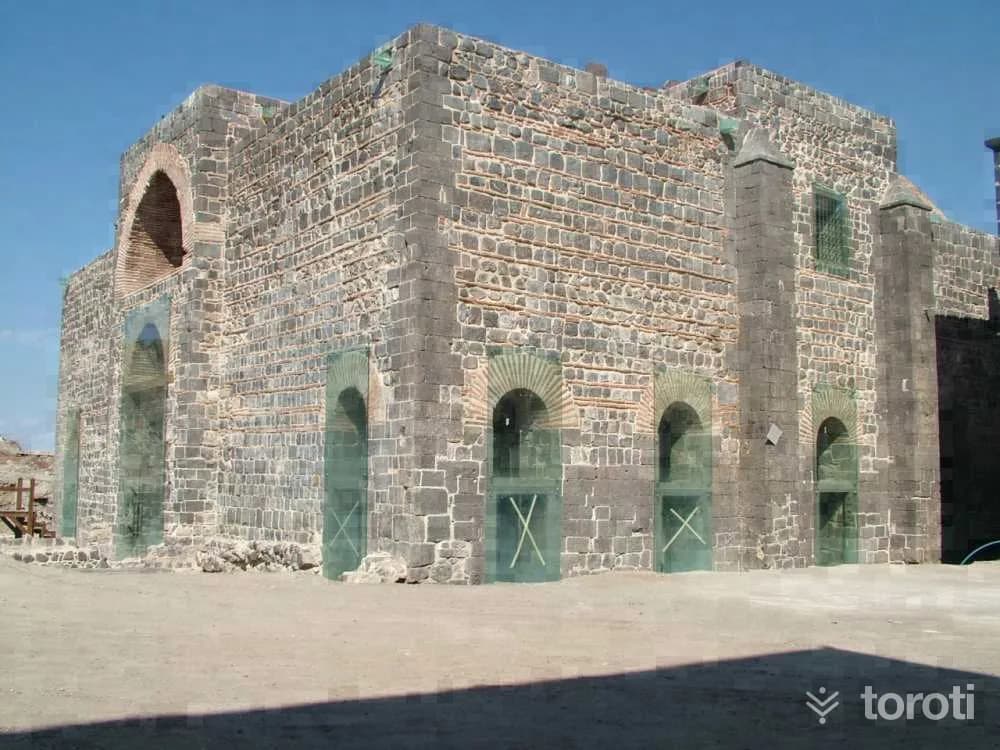
Saint George Kilisesi
The church is located at the northeastern corner of the inner castle. Due to its architectural style and the materials used in the structure, the church is thought to belong to the Roman Period, and during the Artuqid period it was converted into a bath with the domed section added to its western side.
30 minutes
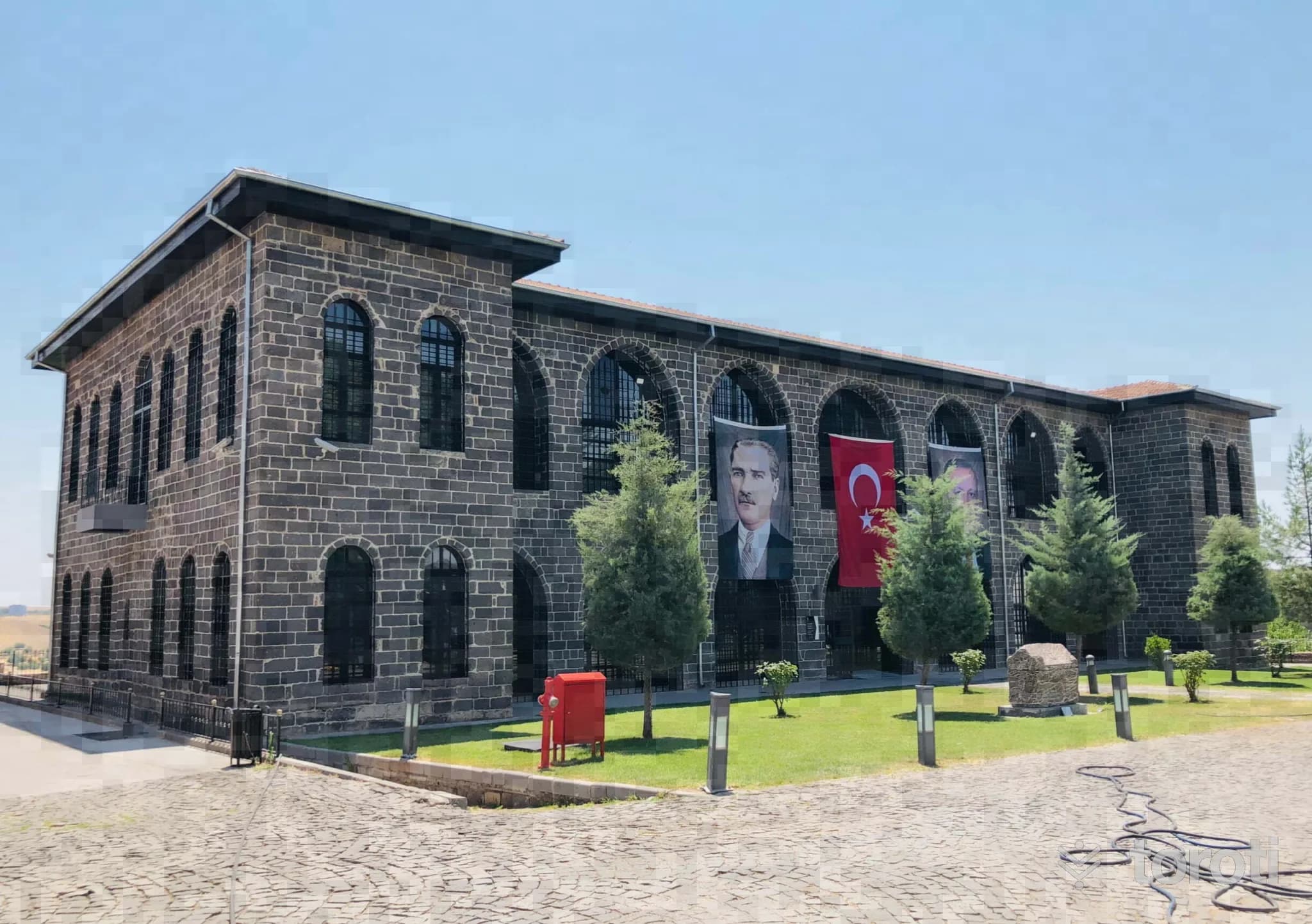
Arkeoloji Müzesi
The museum has a rich collection consisting of works from the Prehistoric Age onward, belonging to the Old Bronze, Urartian, Assyrian, Hellenistic, Roman, Byzantine, Seljuk, Akkoyunlu and Ottoman periods, acquired through excavations carried out in the region and by means such as purchase and confiscation; as well as Artuqid period coins bearing the Amida stamp and ethnographic works.
45 minutes
Ali Paşa Cami
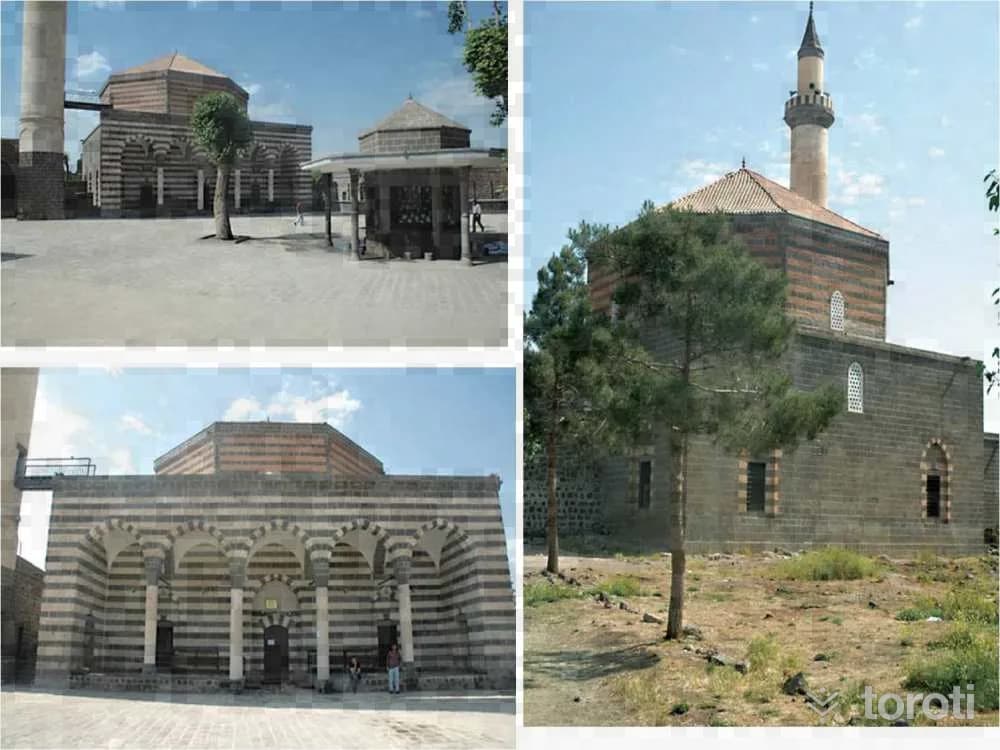
The mosque was commissioned by Diyarbakır Governor Hadım Ali Paşa between 1534-1537. The mosque is one of Mimar Sinan’s works in Diyarbakır. The Şafiler section, which is not in use today, was added between 1769-1770. In addition, the complex includes the Ali Paşa Medresesi, a zikirhane, a bath, and a fountain in the middle of the courtyard.
20 minutes
Hüsrev Paşa Cami
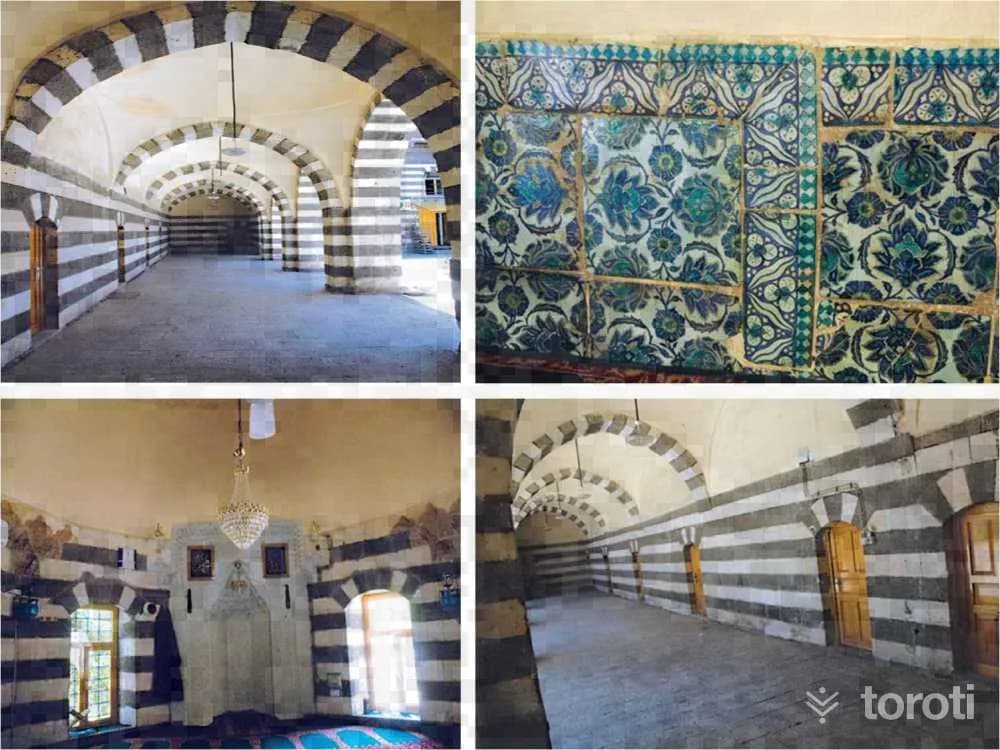
It was built between 1521-1528 by Hüsrev Paşa, the 2nd Governor of Diyarbakır. The work is located in Hüsrev Paşa Neighborhood. When the masjid section of the structure, which was built as a madrasa, was continuously used as a place of worship, a minaret was added to the structure in 1728 and it began to be used as a mosque.
20 minutes
Hilar Mağaraları
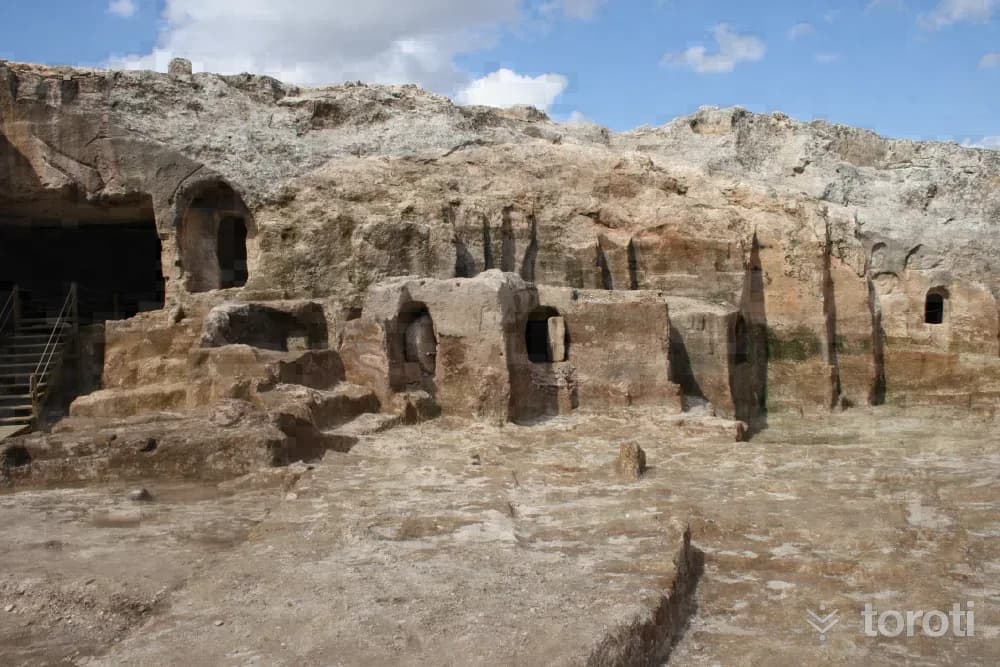
In the caves located in Hilar (Sesveren Pınar) Village of Ergani District, there are rock tombs and reliefs dating from the Ancient Age. As a result of the excavations carried out near the village, it has been revealed that this was one of the first settlement places.
45 minutes
Surp Giragos (Ermeni) Kilisesi
Surp Giragos Armenian Church, considered to be the largest church of the Armenian community in the Middle East, was built in the 16th century. It is stated that after Sen Teodaros Church was converted into a mosque in 1518, Surp Giragos Church was built within the cemetery belonging to the church. The church underwent an extensive restoration in 1722 by the metropolitan of the period, Bedros Vartabed.
30 minutes
Hazreti Süleyman Türbesi
The structure is known by many names, namely Hazreti Süleyman Camii, Nasiriyye Camii Meşhed Camii, Murtaza Paşa Camii and Kale Camii. As understood from the inscriptions on its minaret, it was commissioned by Nisanoğlu Ebul Kasım between 1155-1160. The most important feature of the mosque, located on the edge of the bastion south of Oğrun Gate in the Inner Castle, is that the conquest of Diyarbakır during the period of Hz. Ömer began here.
20 minutes
Birkleyn Mağaraları
One of the two main sources of the Tigris River, which comes over the ground and flows onward, goes underground at the place where this cave is located and passes through the cave, continues through a tunnel, and after a while emerges above ground again. For this reason, the water emerging from here is called “Birkleyn water”.
30 minutes
Mesudiye Medresesi
Mesudiye Madrasa, located to the north of Ulu Camii and adjoining the mosque, is the first large madrasa built in Diyarbakır.
30 minutes
Fatih Paşa (Kurşunlu) Camii
It is a mosque built in Diyarbakır by Bıyıklı Mehmet Paşa, the city’s first Ottoman Governor, between 1516-1520. It is the city’s first Ottoman Mosque and is considered the largest and most elaborate of the structures in Diyarbakır. Because the people of Diyarbakır gave Bıyıklı Mehmet Paşa, who had conquered Diyarbakır on behalf of the Ottomans, the title “Fatih Paşa,” it is also called Fatih Paşa Camii; and because its dome and roof were completely covered with a layer of lead, it is also known as “Kurşunlu Cami”.
20 minutes
Diyarbakir Ulu Cami
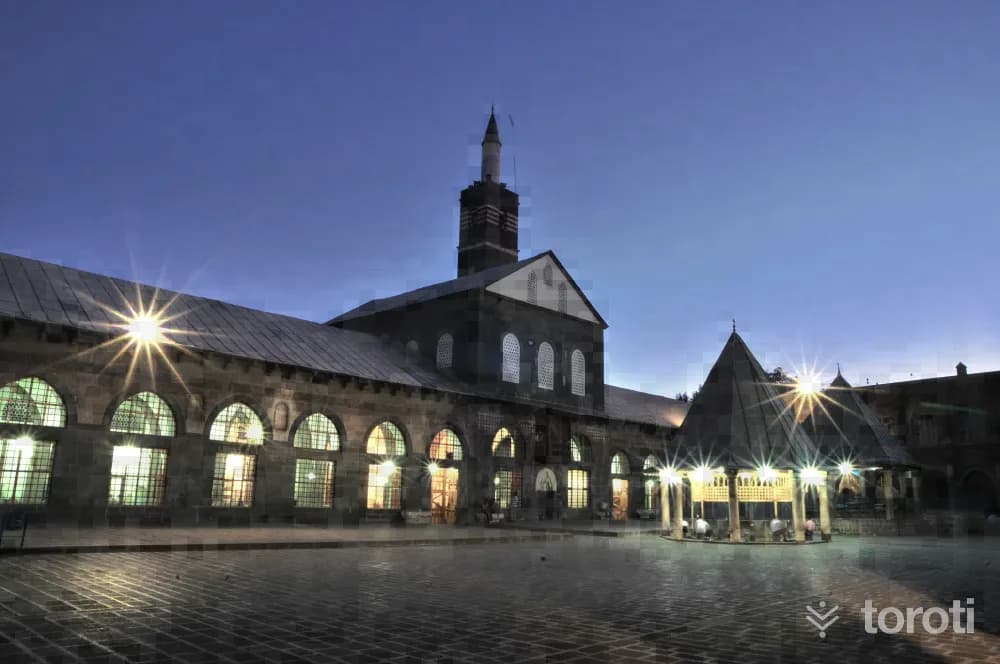
Diyarbakır Ulu Cami is one of the oldest mosques in Anatolia. Its construction date is not known for certain, and it was formed by converting Mar Toma Church, the largest church in the city, into a mosque in AD 639. Ali Düzdemir Great importance was attached to Ulu Cami by all the states that ruled in Diyarbakır.
45 minutes
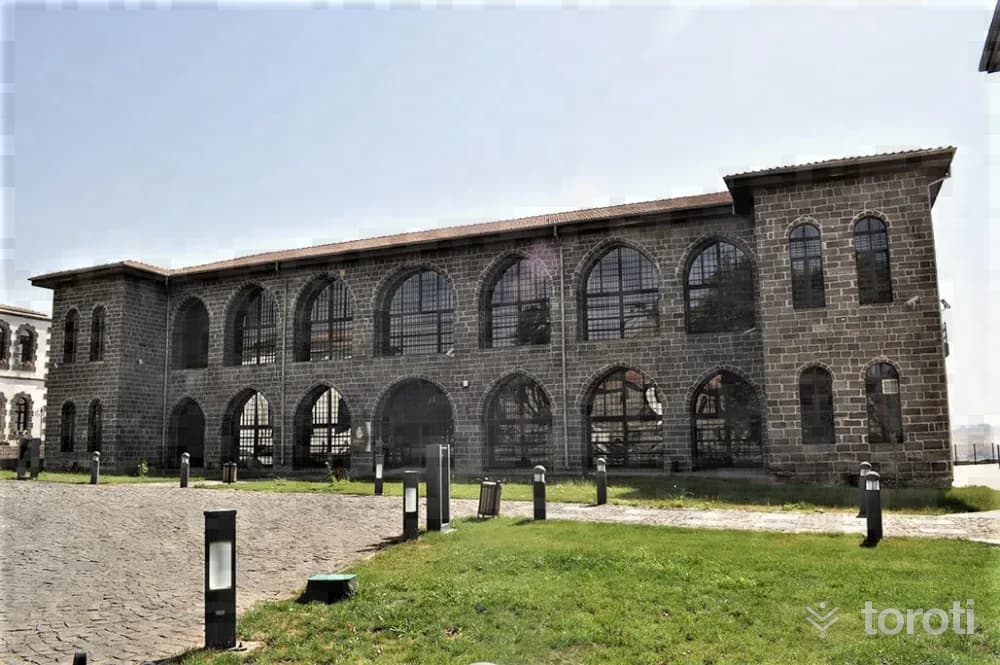
Diyarbakir Arkeoloji Müzesi
Diyarbakır Archaeology Museum In this museum, where works obtained from Diyarbakir and its surroundings, the majority of which belong to the Hittites, Assyrians, Romans, Byzantines, Artuklu, Akkoyunlu and Ottomans, are exhibited, works from the Neolithic age found in the region are also exhibited. The number of archaeological and ethnographic works in the museum exceeds 10,000.
45 minutes
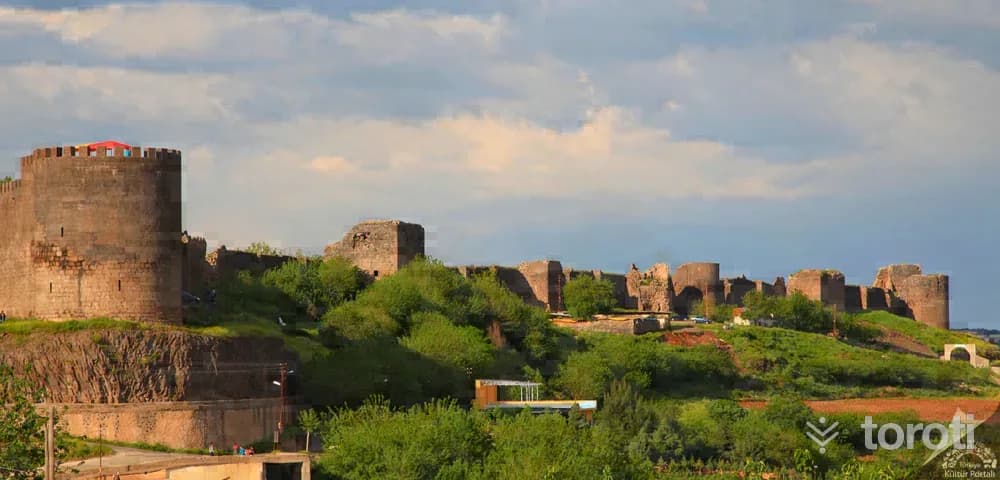
Diyarbakir Kalesi Ve Hevsel Bahçeleri
The Diyarbakır Fortress and Hevsel Gardens Cultural Landscape consists of two main components: the Diyarbakır Walls and the Hevsel Gardens. Shaped in line with the civilizations, cultures and needs of the period that prevailed in the region, and preserving its authenticity and 7 thousand years of historical existence, Diyarbakır Fortress, its walls and bastions still survive as original and authentic cultural assets and preserve the characteristic of being an important universal heritage for world history.
45 minutes
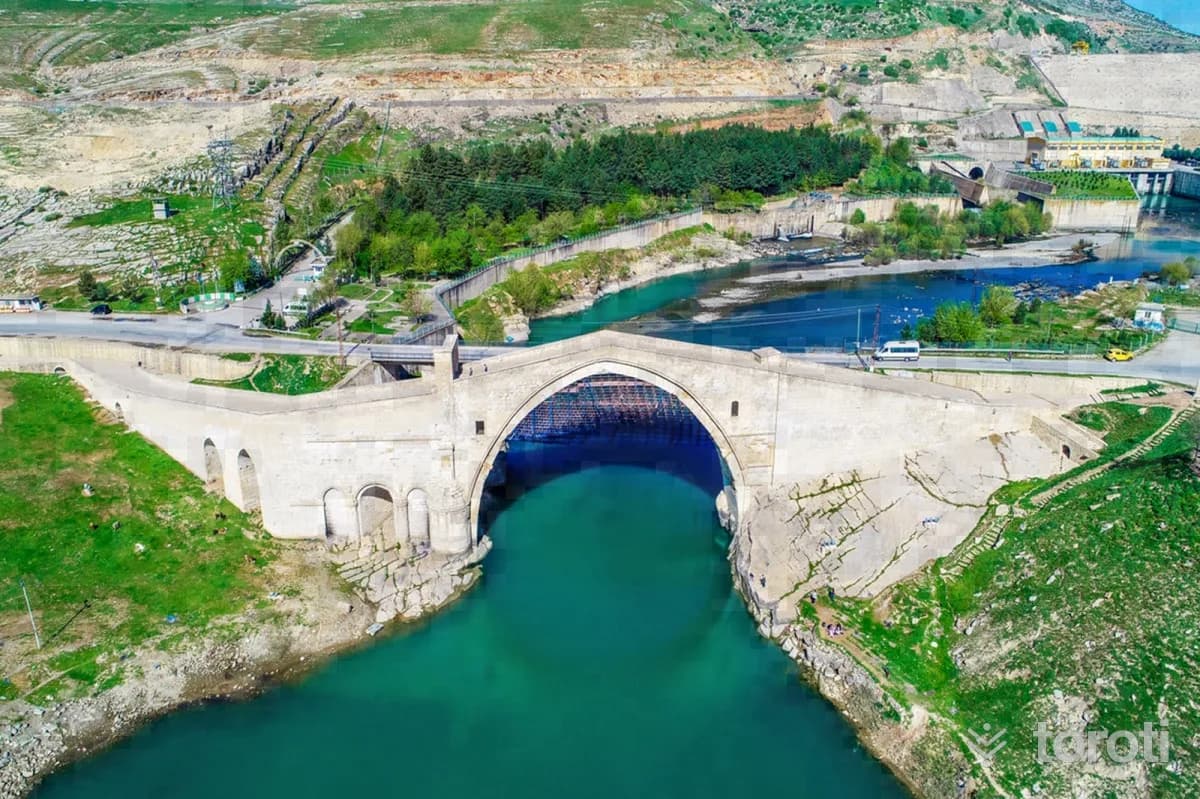
Malabadi Köprüsü
Malabadi Bridge is a historical bridge built during the Artuqid dynasty.
30 minutes
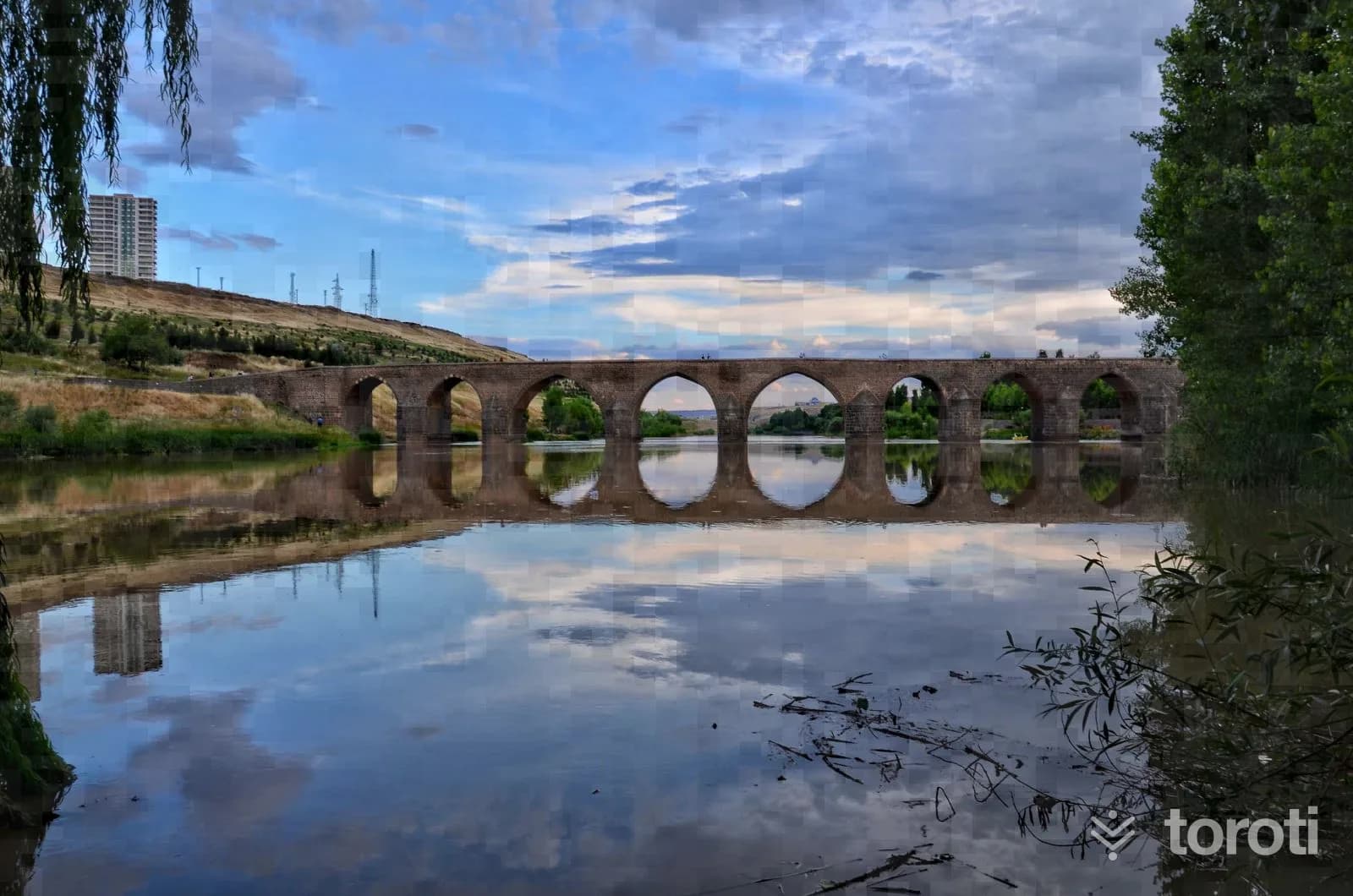
Dicle (Ongözlü) Köprüsü
The magnificent bridge, known by four different names as On Gözlü Köprü, Dicle Köprüsü, Silvan Köprüsü and Mervani Köprüsü, is located 3.km west of Mardin Kapısı. In some sources regarding the history of the bridge, there is information that it was built in the 6.yüzyıl during the reign of I.Anastasias. The bridge was demolished over time by the forces besieging the city and was later repaired again.
20 minutes
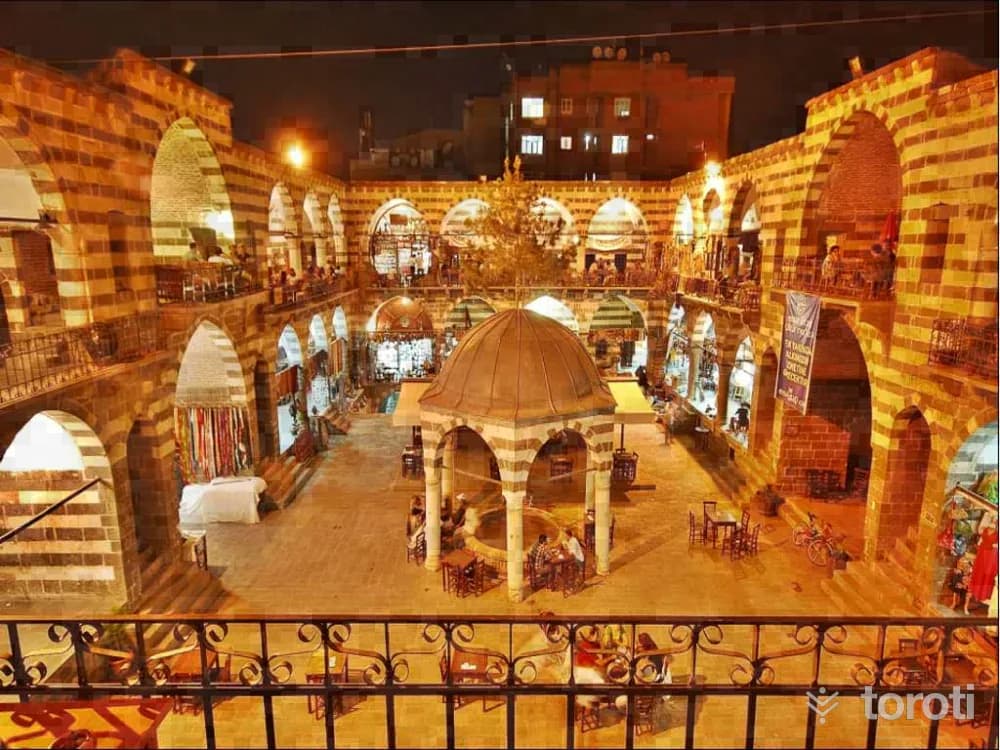
Hasan Paşa Hanı
Hasan Paşa Hanı is to the east of Ulu Camii. It was commissioned in 1573 by Vezirzade Hasan Paşa, one of the governors of the Ottoman Period. It was built as a two-storey structure with a courtyard. In the middle of the courtyard, there is a fountain with columns and a domed top.
45 minutes