Stops along the way
Stops between Bolu and Kastamonu
295 km, roughly 4 hours of driving. The stops below are ordered as you pass them — the same road in both directions.
In short
The drive between Bolu and Kastamonu is 295 km and takes roughly 4 hours. There are 192 described places within 20 km of this route; it crosses 4 provinces, and the densest stretch is in Bolu (56 places).
There are 192 places within 20 km of this corridor; the 29 below are spread evenly along the drive.
- No image
1
Gölcük Tabiat Parkı
Bolu Merkez, Bolu
It is an artificial barrier lake built 13 km. south of Bolu. The lake, surrounded by pine and fir trees, has a magnificent view in every season. The lake and its surroundings are under protection by the National Parks as a “Forest Recreation Area”. Vehicles are not allowed into the surroundings of this very charming and small lake.
2
Hayreddin-i Tokadı Türbesi
Bolu Merkez, Bolu
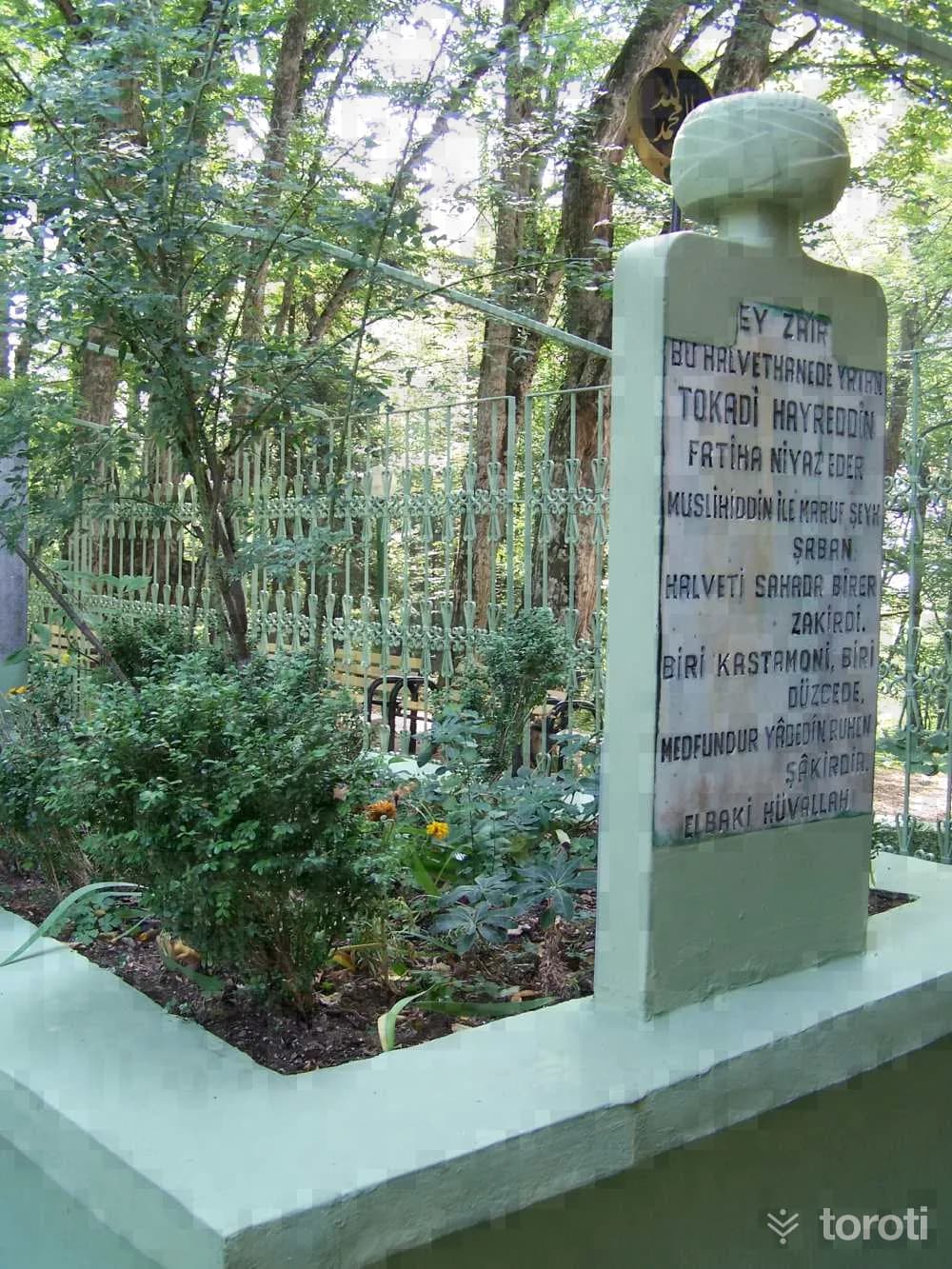
It is located 13 km. west of Bolu city center, within the borders of Elmalık Village, 4 km. from the Abant road junction on the northern side, on a hill known by its own name, within a forested area. The graves belonging to Hayrettin-i Tokadi, a member of the Halvetiyye order, and his disciples have been enclosed within a concrete frame. The grave belonging to Hayrettin-i Tokadi, who died in 1524, is located within an iron cage.
3
Bolu Müzesi
Bolu Merkez, Bolu
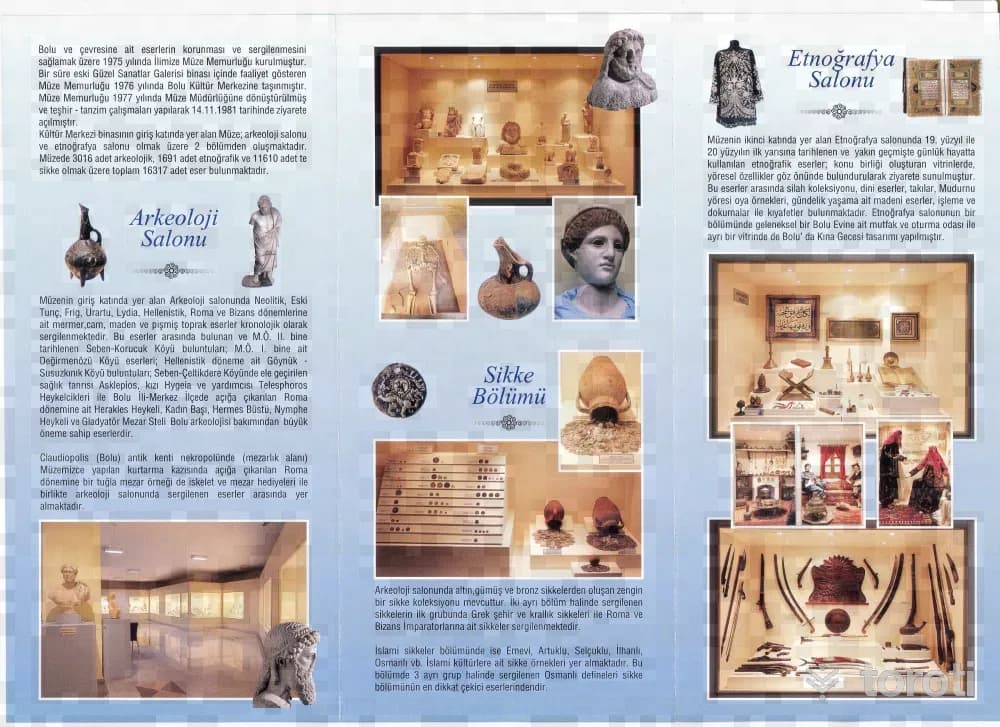
In the museum located in the Cultural Center belonging to the Provincial Directorate of Culture and Tourism, as of 2018, there are a total of 17083 works, including 3351 archaeological works, 1627 ethnographic works and 12105 coins. The Museum, located on the ground floor of the Cultural Center building, consists of 2 sections: the archaeology hall and the ethnography hall.
4
Aktaş Cami
Bolu Merkez, Bolu
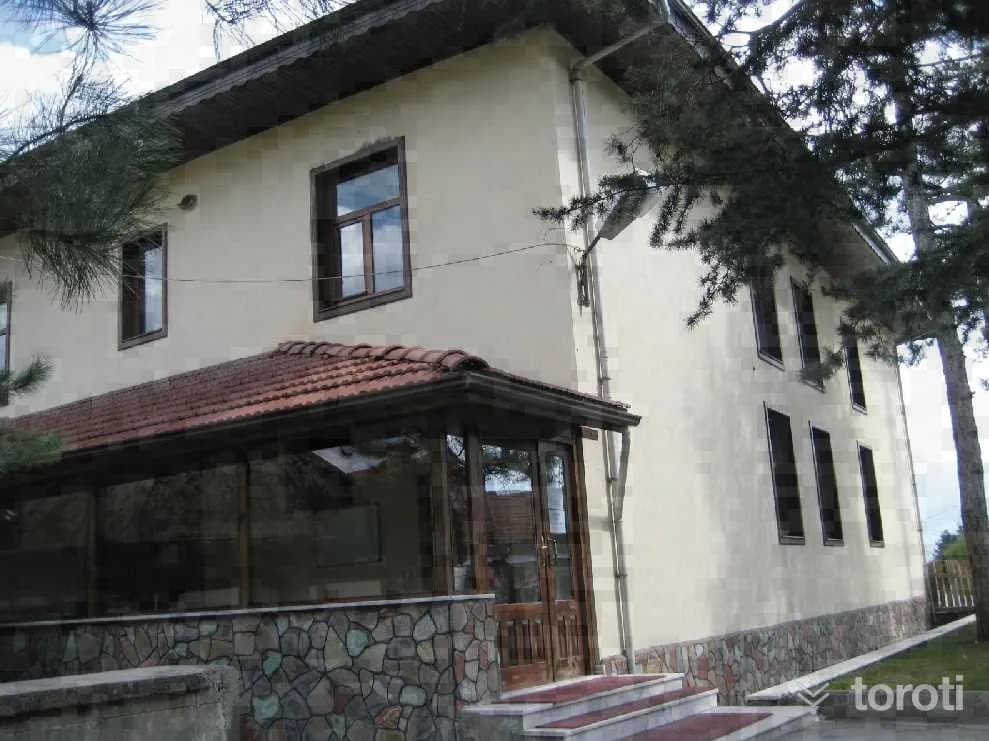
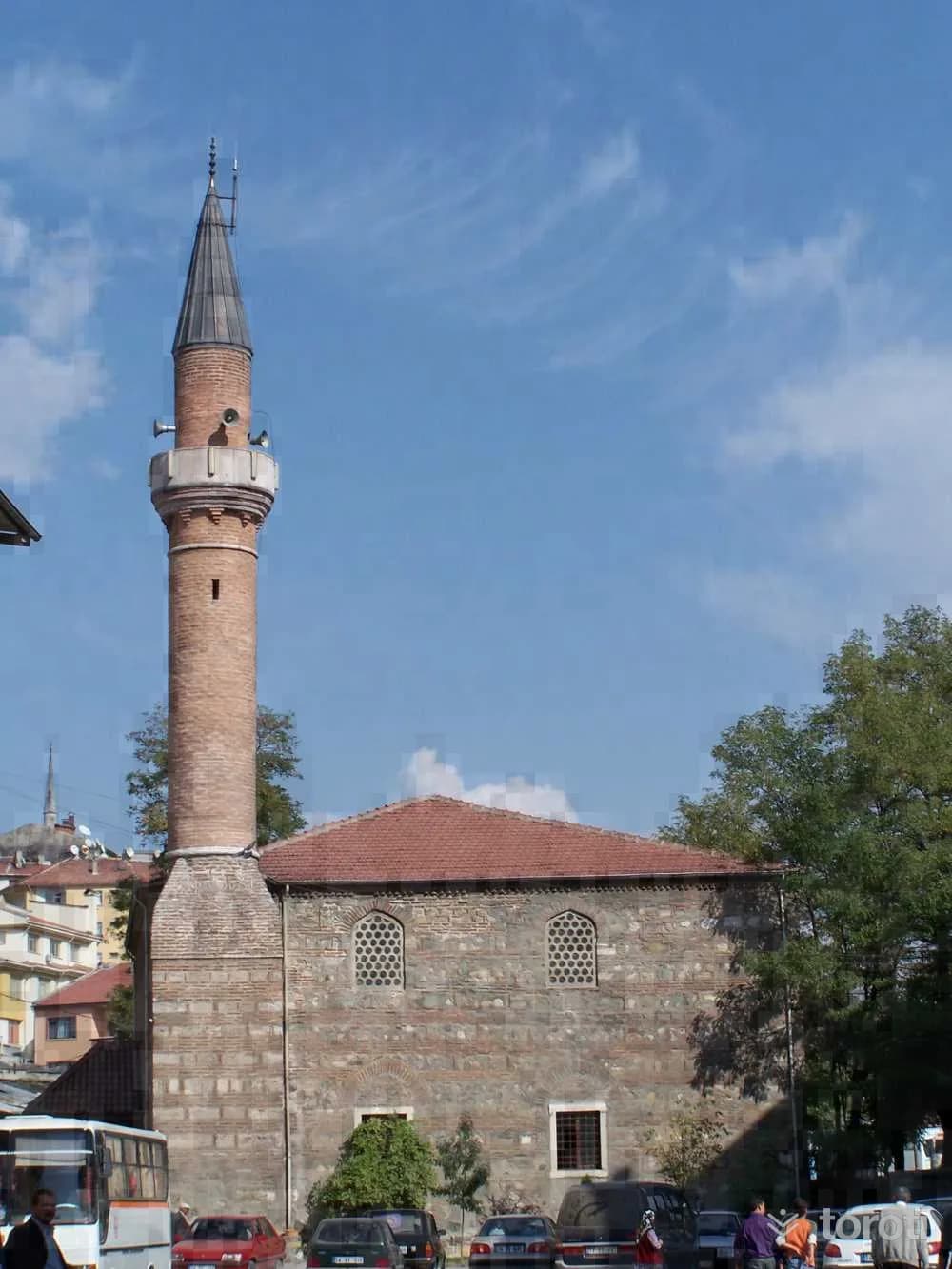
The mosque, with a rectangular plan and a flat wooden ceiling, has an enclosed last congregation area. There is a women's gallery with wooden railings and latticework. To the right of the entrance is the muezzin's gallery. It has a muqarnas mihrab and a wooden minbar. In the mosque, rectangular windows with wooden jambs were used. There is a tomb adjoining the left facade of the mosque and a fountain to its north. It is covered externally with a hipped roof. It has wide wooden eaves.
5
İmaret Cami
Bolu Merkez, Bolu
According to foundation records, the mosque, understood to have been built in the 16th century by Şemsi Ahmet Paşa, a descendant of Kızıl Ahmed Bey, has largely lost its originality through the repairs it has undergone over time.
6
Kartalkaya Kayak Merkezi
Bolu Merkez, Bolu
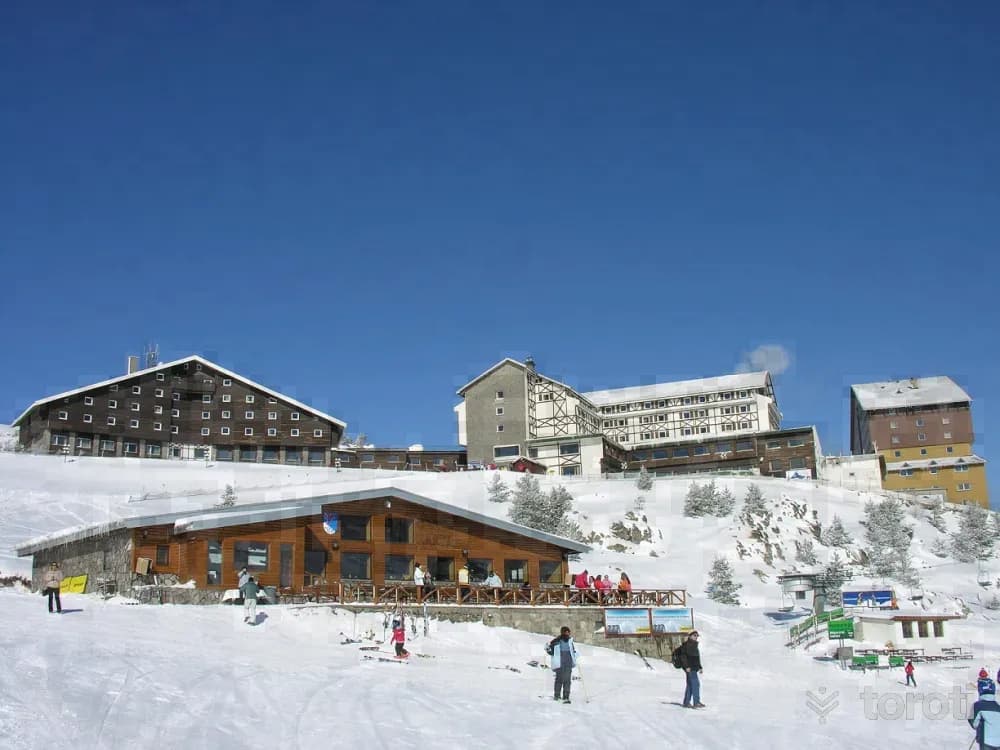
Bolu, which is famous throughout our country for its green nature, forests, natural beauties, lakes, mountains and plateaus, has a very important place nationwide especially in winter tourism. Kartalkaya Ski Center, which is the most important winter tourism center of our country, is located 38 kilometers southeast of Bolu city center. Kartalkaya Ski Center is located within the "Bolu - Köroğlu Mountain Culture and Tourism Protection and Development Region" declared by the Council of Ministers.
7
Köroğlu Şelalesi
Dörtdivan, Bolu
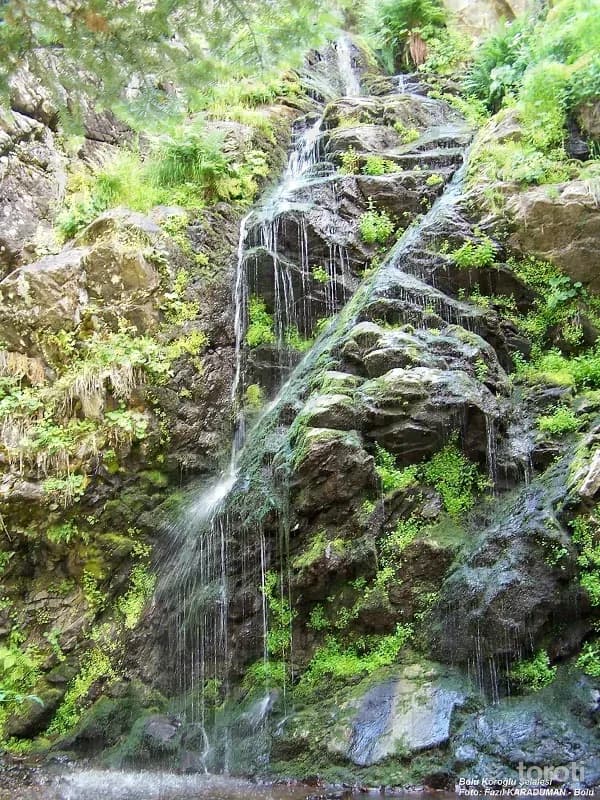
The waterfall, located a short distance from the forest road branching off from the Dörtdivan Kartalkaya road to Köroğlu Tourism Area, has a captivating beauty. The waterfall can be reached by off-road vehicle. There is no access in the winter season.
8
Yeniçağa Gölü
Yeniçağa, Bolu
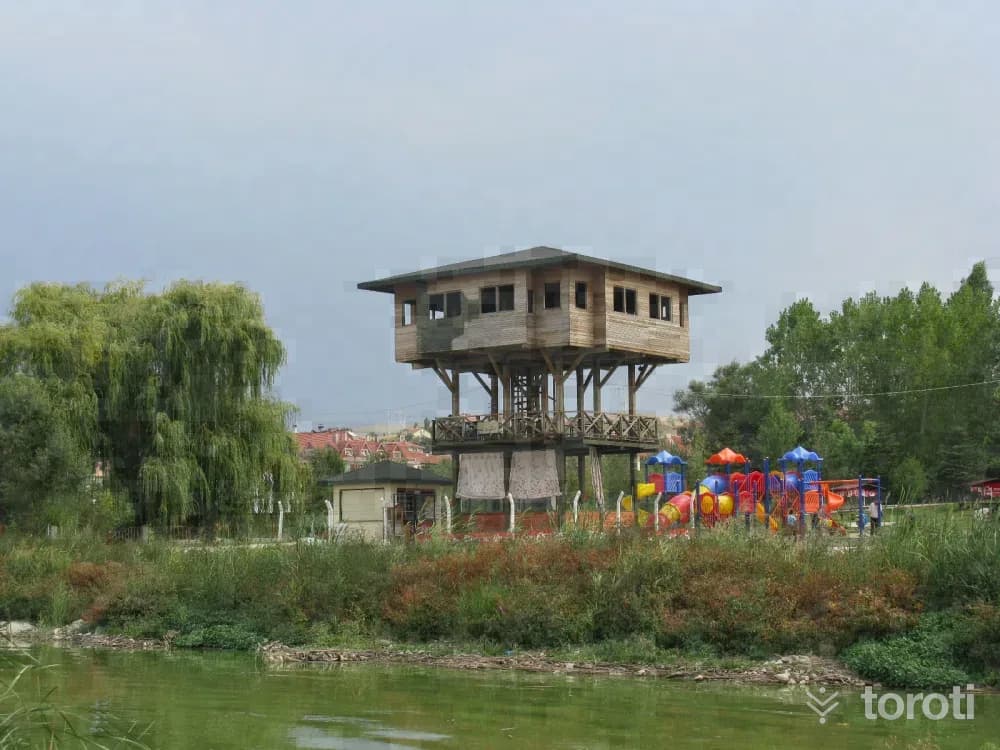
Located in the center of Yeniçağa district, 37 km east of Bolu on the Bolu - Ankara Highway, the lake is a basin lake. The lake, at an altitude of 989 meters, covers an area of 2780 decares. Its deepest point is 12 meters. On the shore of the lake, where various water birds can be found, there is a bird observation tower. Yeniçağa Gölü is an important location during the migration period, especially for bird species such as the European honey buzzard, osprey and ruddy shelduck.
9
Gerede Esentepe Mesire Alanı
Gerede, Bolu
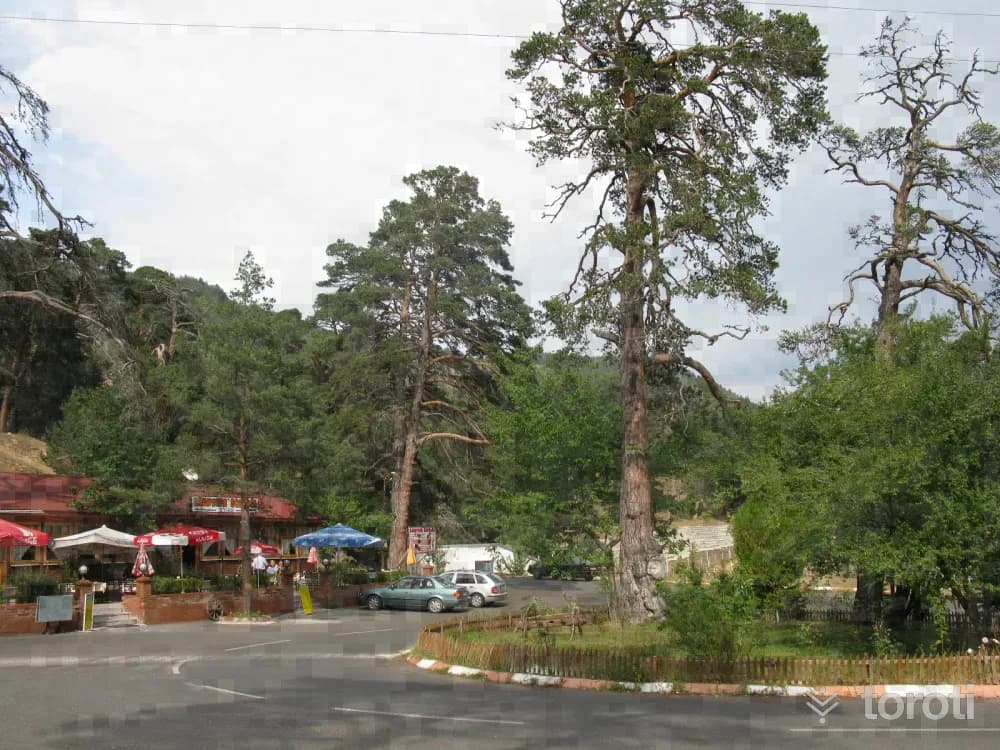
Esentepe Recreation Area is located north of Gerede at an altitude of 1,300 meters, noted for its panoramic district views and centuries-old pine trees. In winter, the area offers opportunities for winter sports, skiing, and cross-country skiing nearby.
10
Gerede Aşağı Tekke Camii Ve Türbesi
Gerede, Bolu
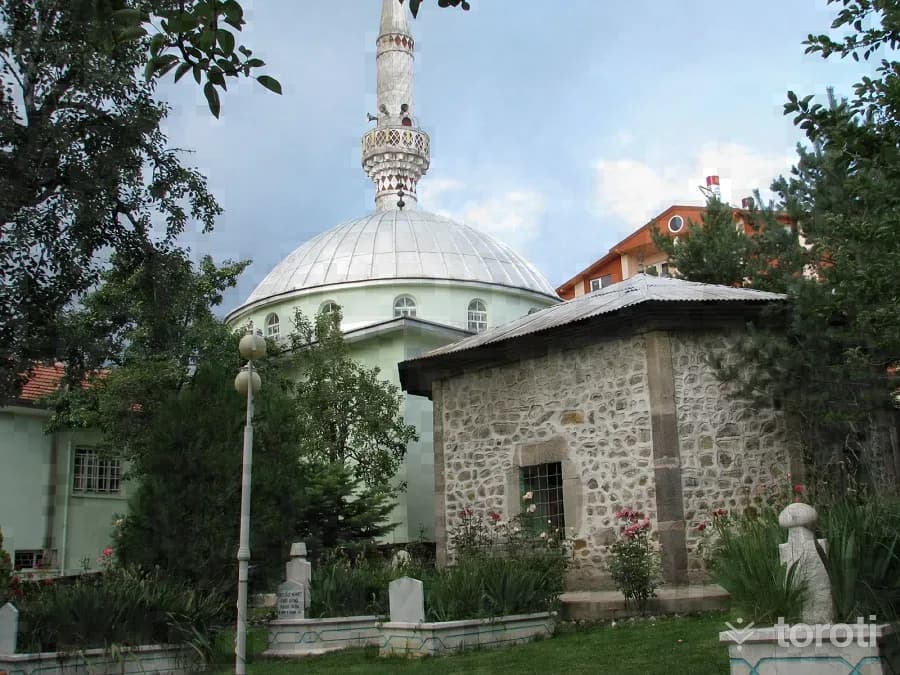
In Bolu Province, in Gerede District, in Seviller Neighborhood, Aşağı Tekke Camii and its Tomb and a small graveyard are located within the mosque courtyard. The exact construction date of Aşağı Tekke Camii is not known. The mosque, which was completely destroyed in the 1944 earthquake, was rebuilt with local means and opened for worship in 1957. The rectangular-planned mosque is covered with a dome. The railings of the women's gallery on its north side feature wood craftsmanship.
11
Gerede
Gerede, Bolu
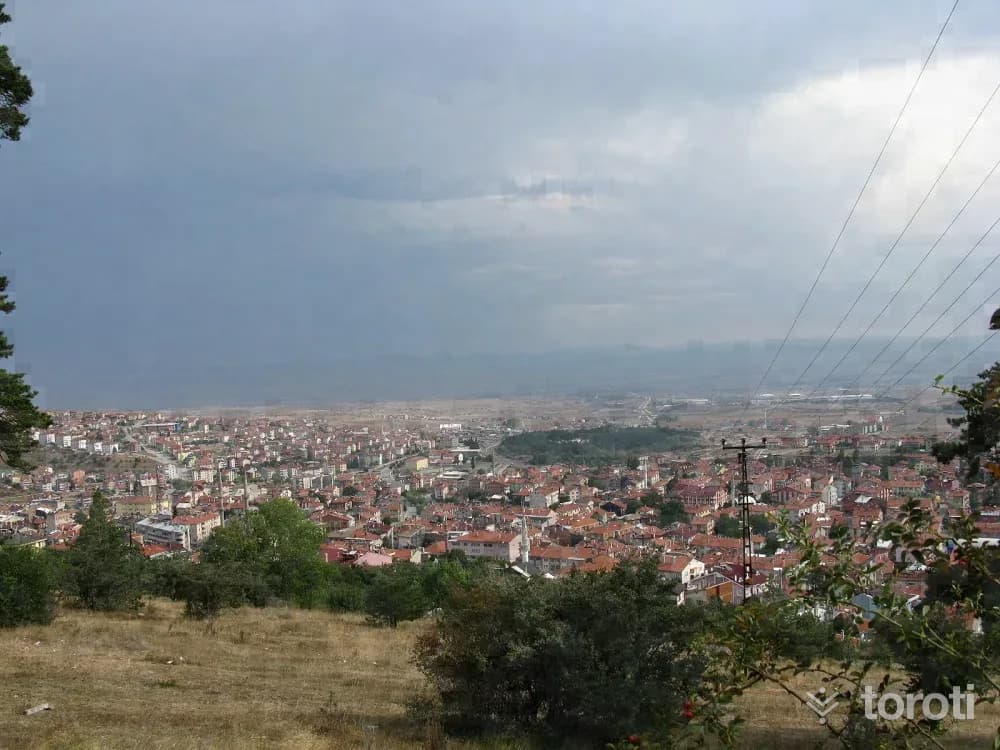
Yukarı Tekke Mosque: The mosque located in Gerede District was built by Abdullah Efendi in 1844, according to its inscription. A mausoleum of cut stone is located at the eastern corner of the rectangular-planned mosque built of adobe. Yukarı Tekke Tomb: It is next to the mosque known by the same name in Gerede district. It was built in 1900. Hacı Halil Efendi Tomb: It was built in 1843 in Gerede Seviller Neighborhood with an octagonal plan and a dome. Inside the tomb, II.
12
Gerede Arkut Dağı Kayak Merkezi
Gerede, Bolu
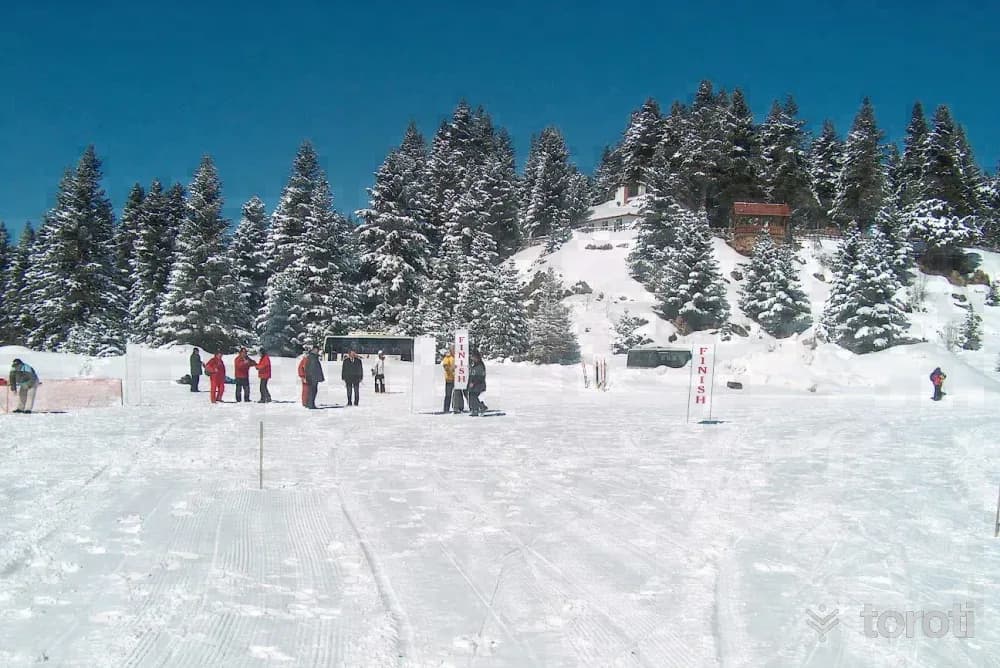
Arkut Mountain Ski Center is located 4 km north of Gerede at an altitude of 1,800 meters and offers slopes suitable especially for beginners, cross-country skiing, and alpine skiing. In winter it is used for skiing from January to March, while in summer the area supports camping, trekking, mountain biking, and off-road activities.
13
Asar Kalesi
Gerede, Bolu
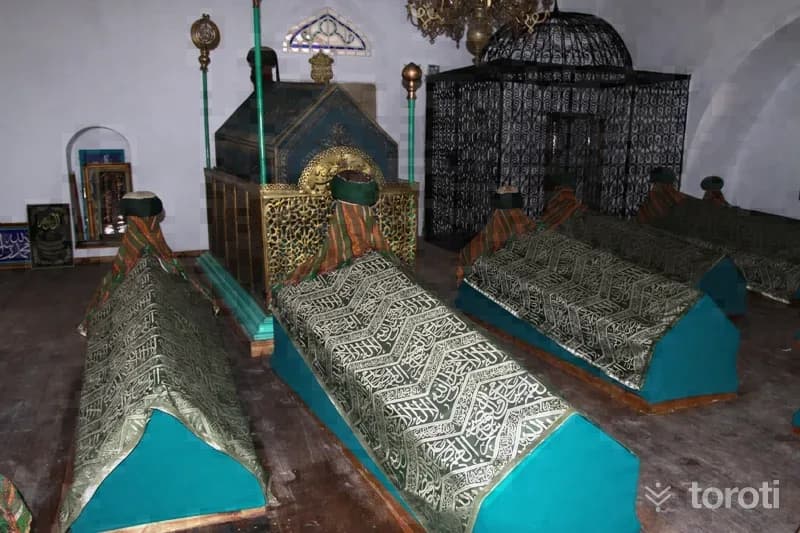
It is located in Cuma Mahallesi of Göynük District. After Akşemseddin, the teacher of Fatih Sultan Mehmet, the spiritual conqueror of Istanbul and a great scholar, died in 1459, his tomb was built in H. 864 / A.D. 1464. Inside the tomb are the sarcophagi of Akşemseddin and his sons.
14
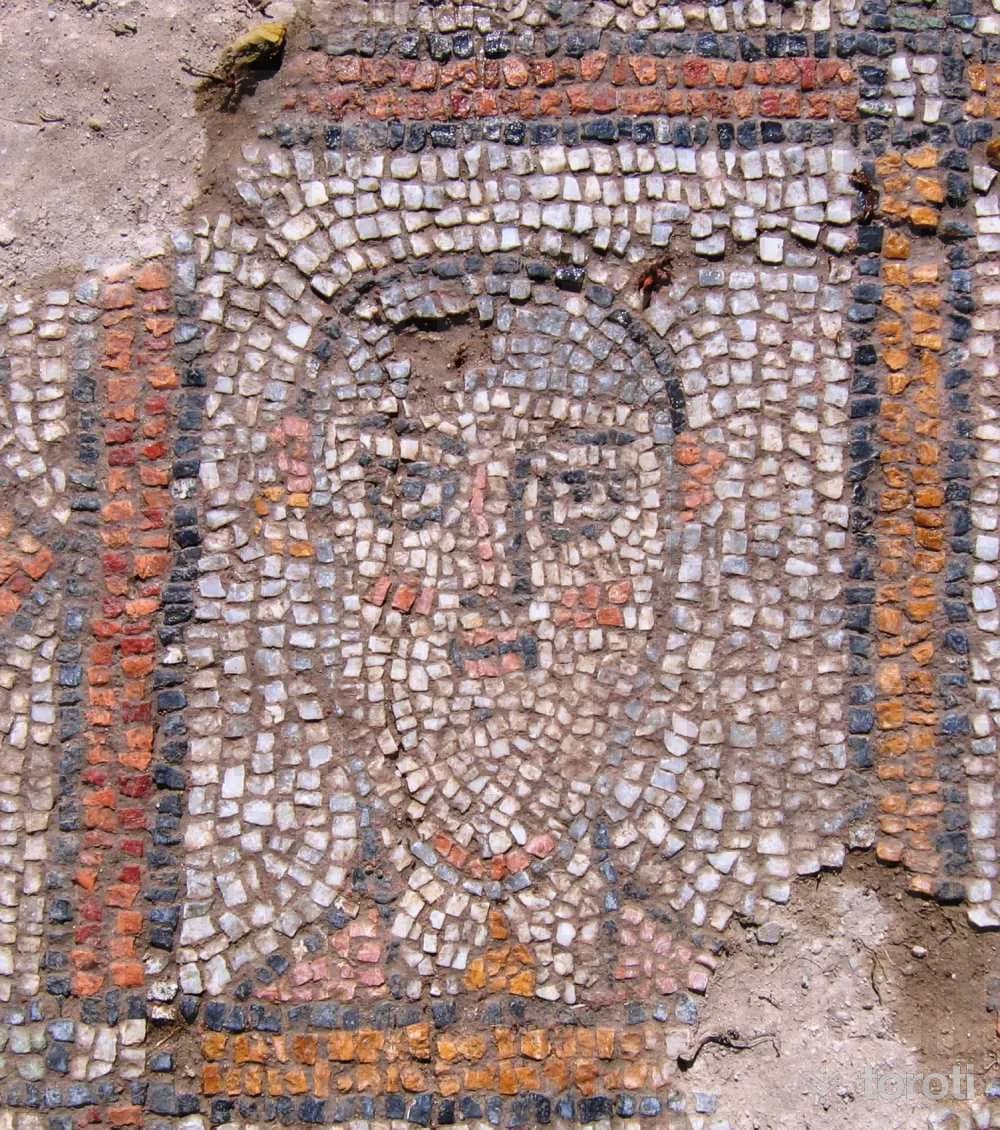
Hadrianopolis Antik Kenti
Eskipazar, Karabük
The ancient city was founded in the 4th century during the Roman period. It is accessed via the asphalt road in Hacı Ahmetler Köyü, which is 3 km from the center of Eskipazar located on the Ankara-Karabük road. In the ancient city, there are many marble columns and column capitals, churches, walls, water cisterns, rock tombs, a Roman bath, tear bottles, tunnels, food and wine cellars.
15
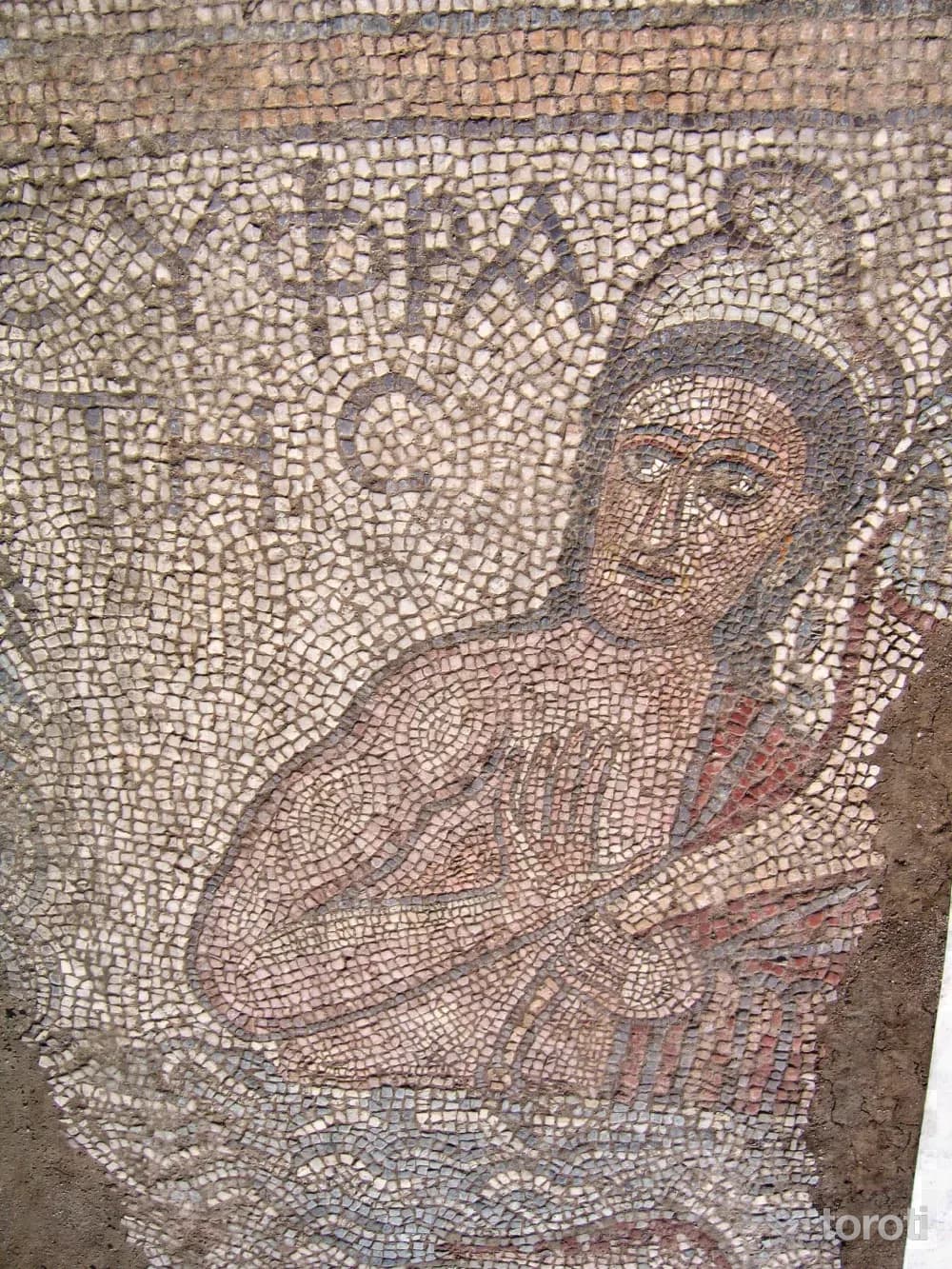
Hadrianapolis Antik Kenti
Eskipazar, Karabük
The place called “Paphlagonia Hadrianapolis” is today located in a scattered manner on the area called ‘Viranşehir’ and the surrounding land, 3 kilometers west of the Eskipazar District Center of Karabük Province. Hadrianapolis Ancient City includes the villages of Budaklar, Büyükyaylalar, Çaylı and Beytarla. The ruins of the city are concentrated in Hacı Ahmetler Neighborhood of Budaklar Village, and this location is called Viranşehir.
16
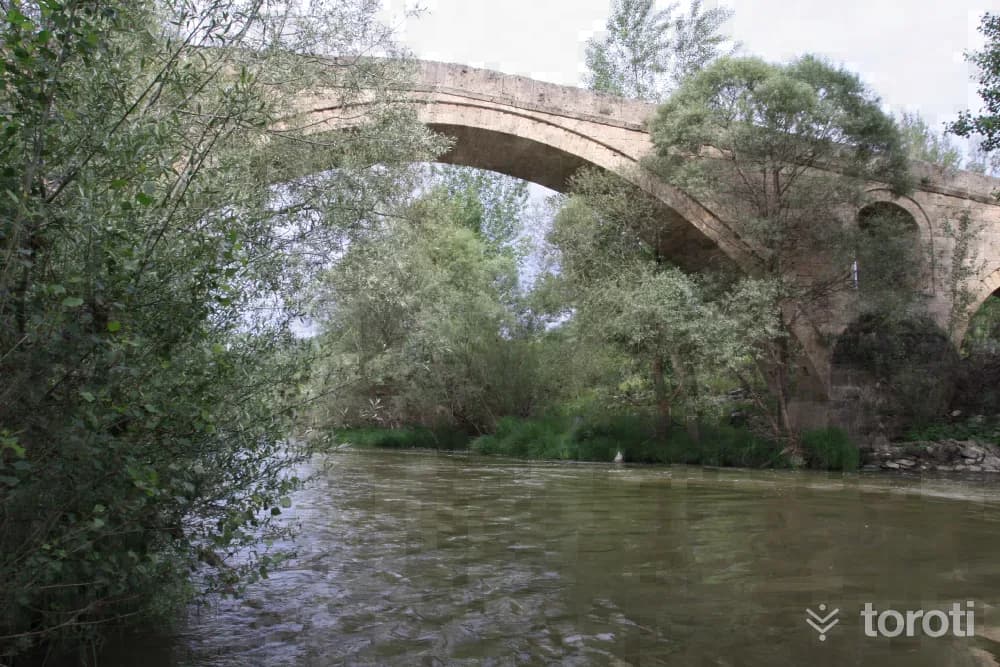
Akbaş Köyü Köprüsü
Eskipazar, Karabük
Akbaş Village Bridge, built over Melan Stream in the Çerkeş District, was commissioned by Hacı Gökmen of Çerkeş to craftsmen from Safranbolu at the beginning of the 20th century.
17
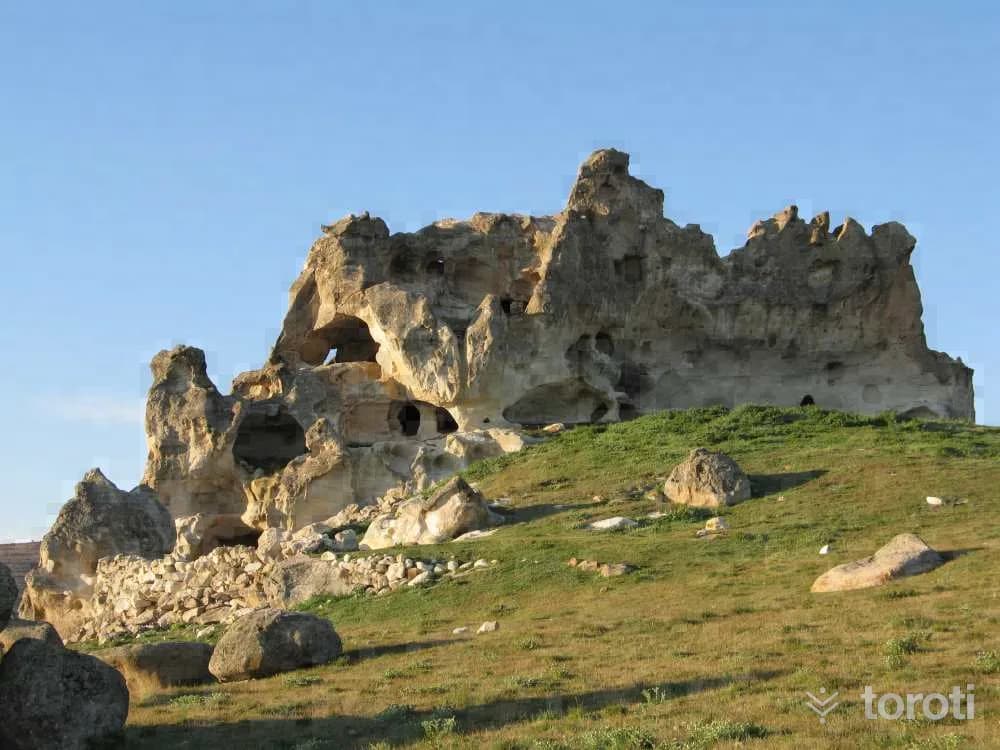
Sakaeli Kaya Mezarları Ve Peri Bacaları
Orta, Çankırı
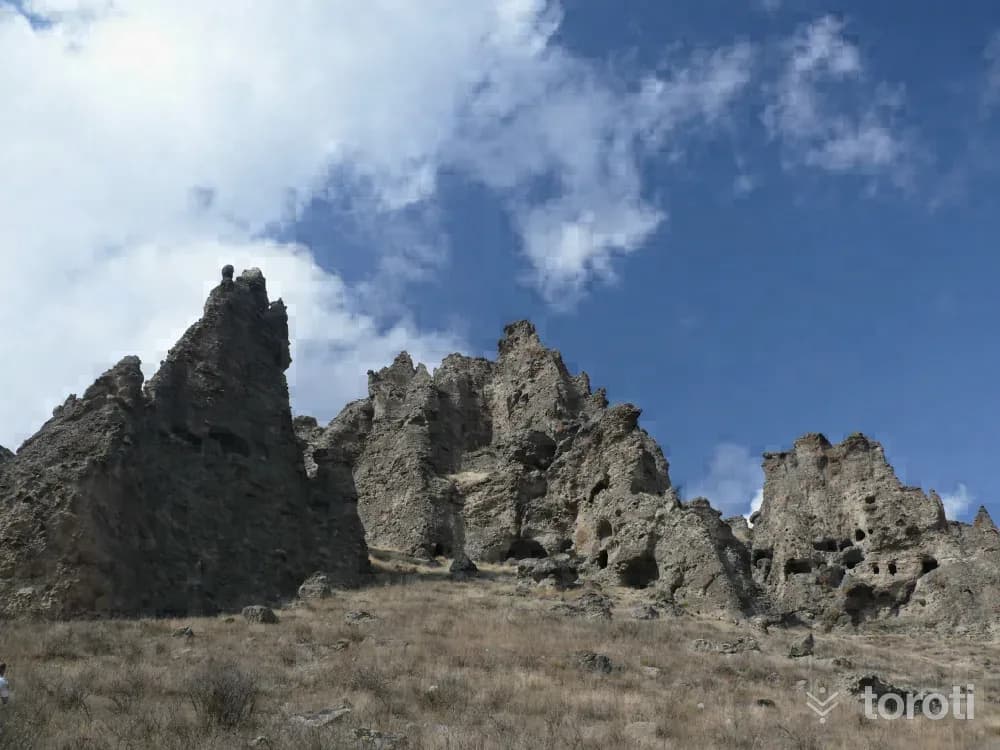
The Sakaeli Rock Tombs, generally estimated to belong to the Roman and Byzantine periods, are located on the steeply descending southern slopes of the hill against which the village leans. The cavities on the surface of the hill, which has the characteristics of a sedimentary rock with pebbles, those close to the ground are used by the villagers for various purposes by closing off the front.
- No image
18
Çavundur Termal Kaynağı
Atkaracalar, Çankırı
In the area, there is a modern 300-bed facility built by the Çankırı Special Provincial Administration and operated by the private sector, as well as a two-pool, 115-bed accommodation facility operated by the town municipality, and also a pension.
19
Tarihi Ahşap Köprü
Bayramören, Çankırı
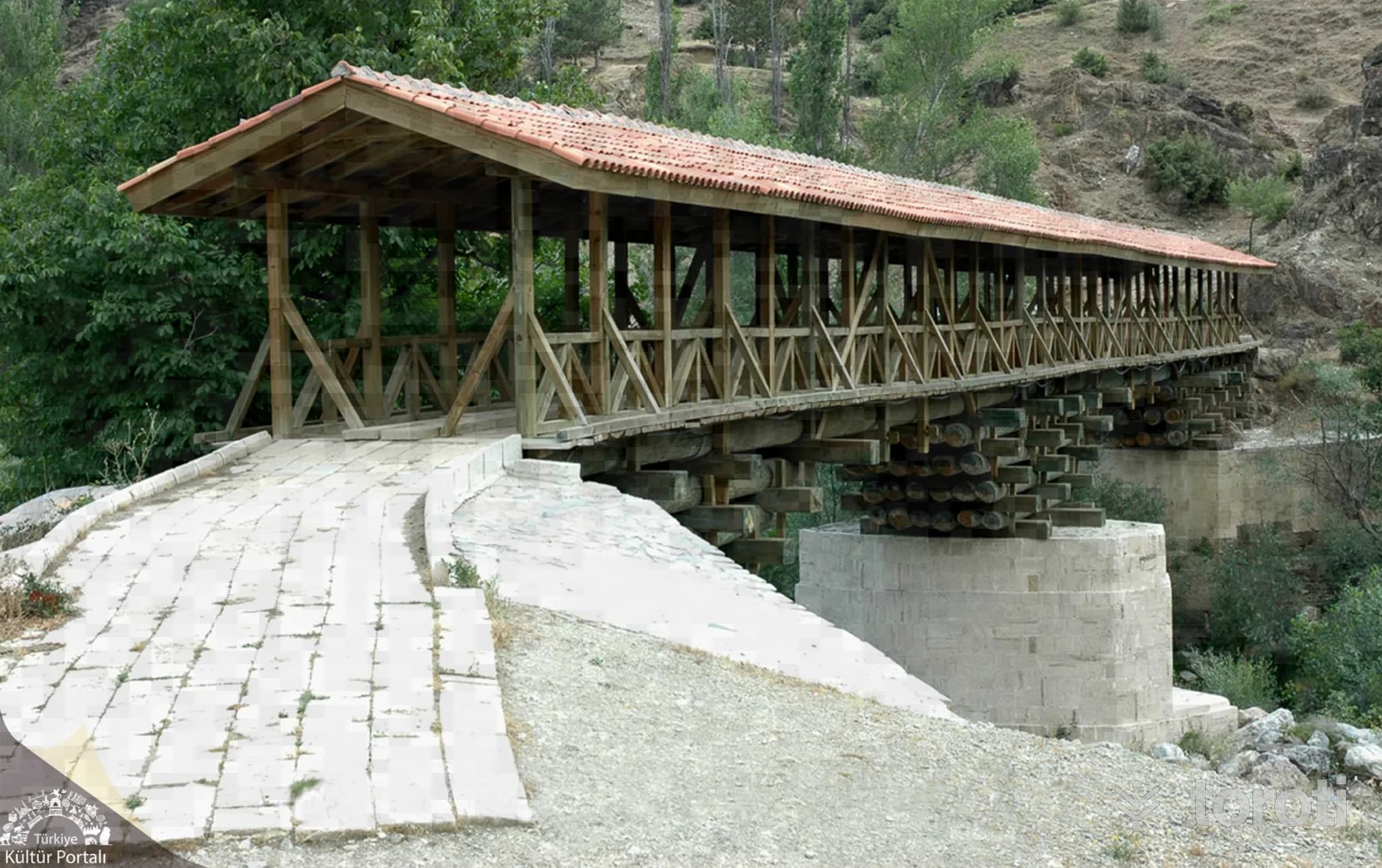
The bridge, whose construction date is unknown, is estimated to be approximately 250 years old. Rebuilt in 2002 in accordance with its original form, the bridge has piers made of cut stone, while the other parts were made entirely of wood by overlapping planks. The top of the bridge was protected with a tiled roof covering, as in the original.
20
Bayramören Köprüsü
Bayramören, Çankırı
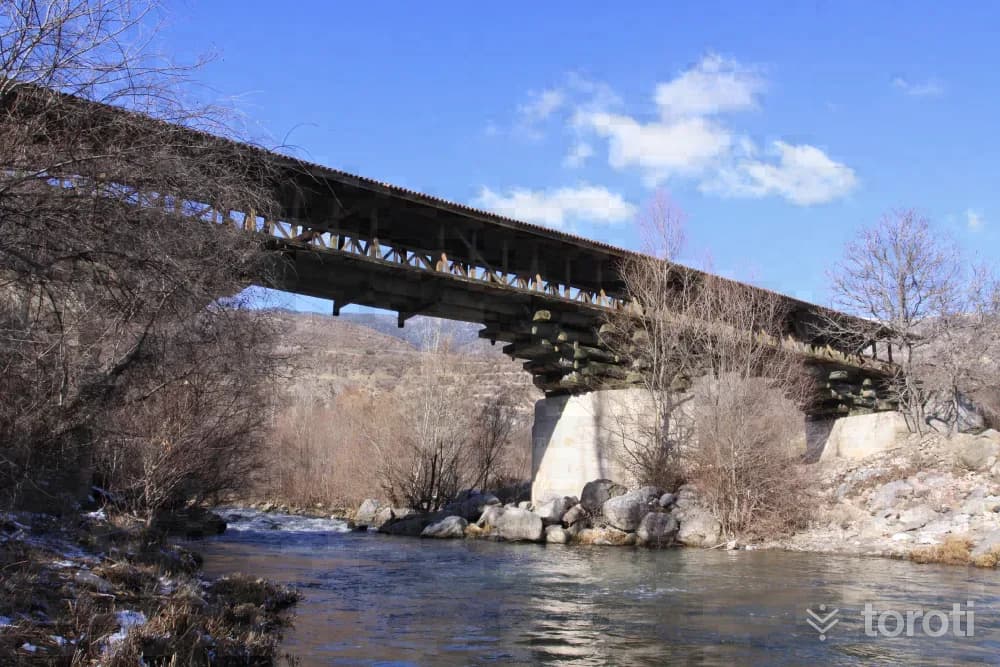
Bayramören Bridge is built over Melan Stream outside the district. It has two arches, with piers of cut stone and the other parts made of wood. It was built wide enough for pedestrians to cross over it. It has a different architectural style, formed by placing planks on cut stone piers. The bridge has been protected by being covered with a roof clad with traditional tiles. Although its construction date is unknown, it is estimated to be 100-150 years old.
21
İndağı Kaya Mezarları
Ilgaz, Çankırı
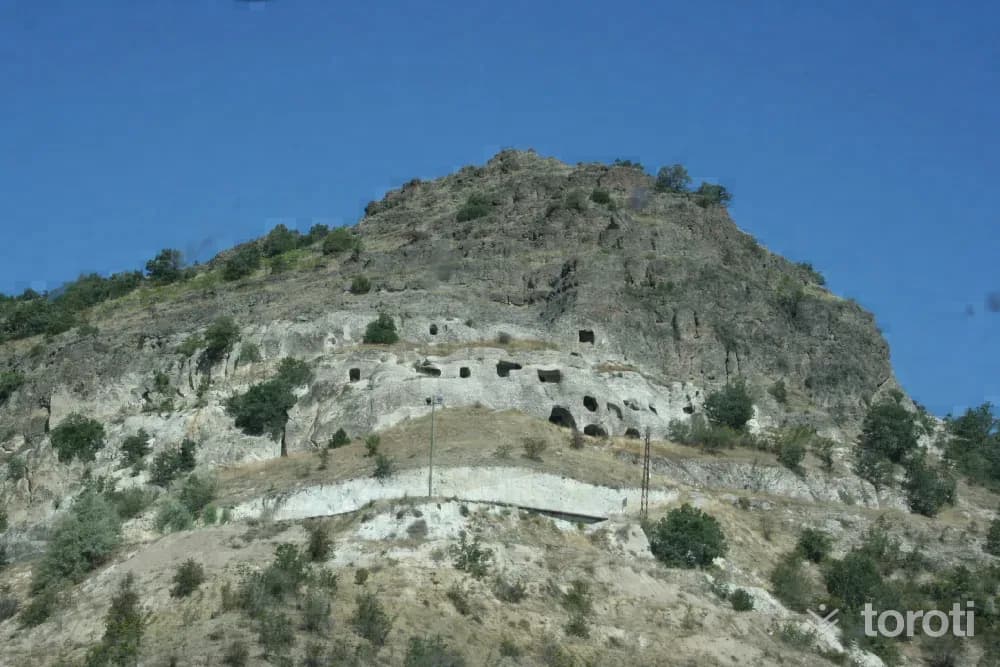
The monumental structures in the region are on the south of Devrez Stream and on the east-facing slopes of a rocky, somewhat high hill on the left side of the Çankırı-Kastamonu road. Here there are numerous man-made caves, rock tombs, a temple thought to possibly be a rock church, and cavities whose purpose is not exactly known. It is estimated that the tombs were places where religious ceremonies were held and were probably among the places considered sacred and connected with the mound.
- No image
22
Ilgaz Doruk Mevkii
Ilgaz, Çankırı
Doruk Mevkii attracts many visitors, especially in the winter season, with its natural beauty and rich wildlife as well as its winter sports facilities. There are slopes and mechanical facilities for skiers. On the northern slopes belonging to Kastamonu, mechanical facilities and slopes as well as accommodation facilities are also available, and visitors can make use of both slopes.
23
Gökçeseki Örenyeri
Kastamonu merkez, Kastamonu
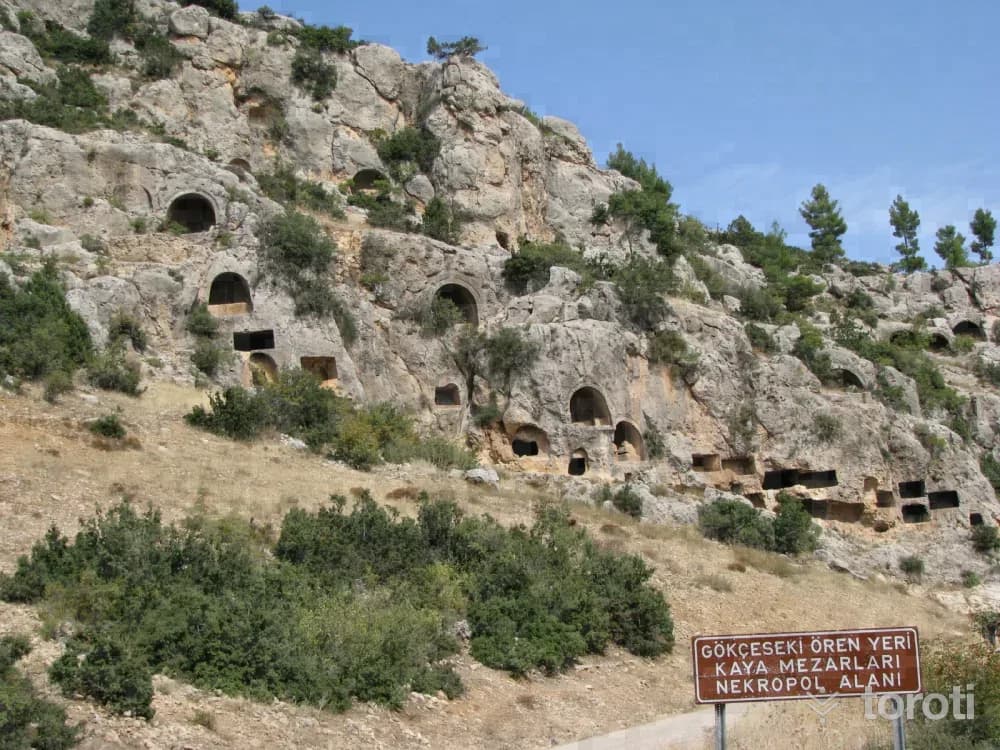
It is located on the slopes of the southern hill of the two hills situated to the north of Gökçeseki Village in Ermenek District of Karaman Province. Within the Örenyeri located on the southern, eastern and western slopes of the hill, there are foundation remains of many structures, architectural pieces, abundant pottery fragments, and a stepped sacred area at the very top of the hill.
24
Ilgaz Kiş Sporları Turizm Merkezi
Kastamonu merkez, Kastamonu
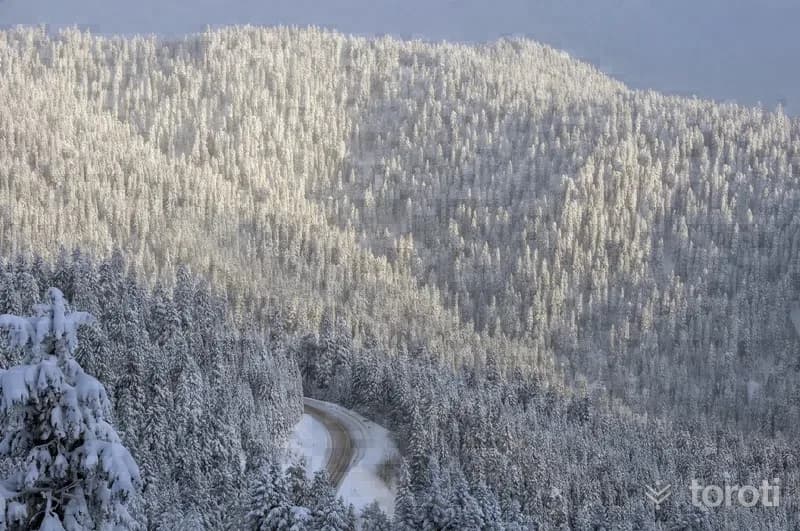
Since the province is surrounded by the Küre (İsfendiyar) Mountains to the north and Ilgaz Mountain to the south, it receives abundant snowfall in winter. Both because of its terrain features and because it receives heavy snowfall, it is highly popular for winter tourism. While a large part of it lies within the borders of Kastamonu Province, it also extends into the borders of Çankırı Province. It is on the Kastamonu – Ankara highway route. The facilities section is 1.5 km from the main road. It is located on Ilgaz Mountain.
25
Şeyh Şabanı Veli Külliyesi
Kastamonu merkez, Kastamonu
Who is Şeyh Şabanı Veli Hazretleri? Şeyh Şabanı Veli Hazretleri was born in 1497 in Cimdar Neighborhood of Çakırçayı Village, connected to Gökçeağaç Subdistrict of Taşköprü District of Kastamonu. In the work titled Sefine-i Evliya, however, his birth date is given as 1499. Şabanı Veli lost his father before he was born, and his mother when he was about three years old. A benevolent lady took Şabanı Veli under her protection and helped him complete his education.
26
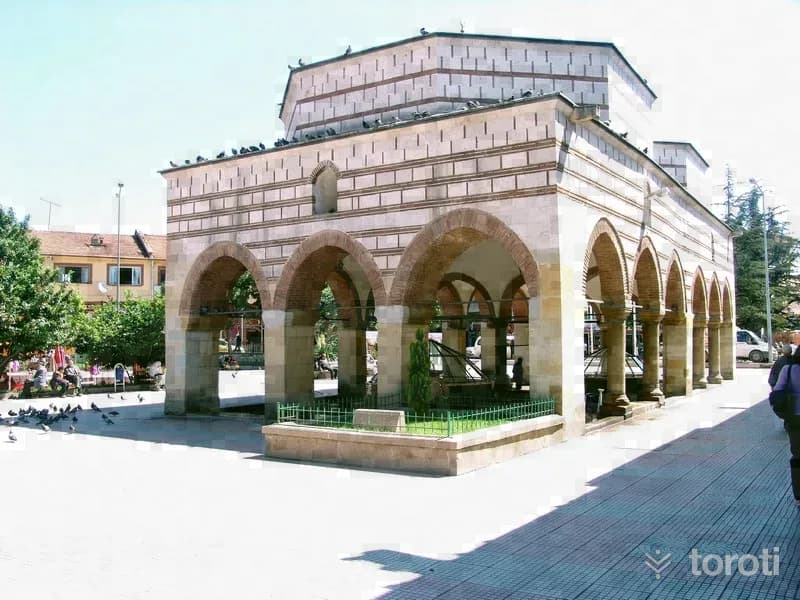
Yakupağa Külliyesi
Kastamonu merkez, Kastamonu
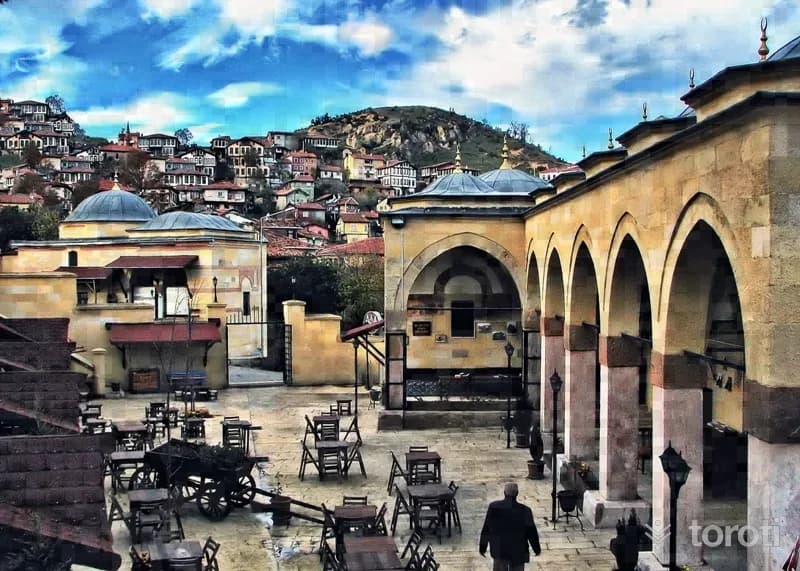
The initial construction of the külliye began with the mosque commissioned by Halimi Çelebi, the teacher of Yavuz Sultan Selim. Later, in 1547, Yakup Ağa, Treasurer of Kanuni Sultan Süleyman, had the mosque renovated; by having a madrasa, imaret, guesthouse and sıbyan mektebi built next to it, he turned the structure into a külliye. The mosque was built of cut stone, and its domes are covered with lead. Its minaret was built at the southwest corner of the mosque.
27
Nasrullah Kadi Külliyesi
Kastamonu merkez, Kastamonu
It was built by Nasrullah Kadı in 912-1506. The külliye, which includes a mosque, madrasa, fountain and tomb, is owned by the Directorate of Foundations. Mosque: It was commissioned by Nasrullah Kadı in 912-1506. In 1159-1746, it was repaired and enlarged by Reis’ ül Küttap Hacı Mustafa Efendi. During this time, a library and also a madrasa were added. The mosque is still open for worship and is in the position of Kastamonu’s central mosque.
- No image
28
Kastamonu Kent Tarihi Müzesi
Kastamonu merkez, Kastamonu
The museum, which presents Kastamonu's developments in the process of urbanization to its visitors through photographs, graphics and various objects, also exhibits rare works such as Anatolia's first handmade console piano dating from 1904 and a 40-square-meter carpet woven in 1907 at Kastamonu Sana-i Nefise Mektebi.
- No image
29
Mahmut Bey Camii
Kastamonu merkez, Kastamonu
It is located in Kasaba Village on the road to the district of Daday, 18 kilometers from the city, in the northwest of the province. It was built in 1366 as a Friday Mosque by Emir Mahmut Bey, the ruler of the Candaroğulları Principality. The exterior walls of the mosque were built of rubble stone, its interior is entirely wooden, and plaster was used only in the mihrab section.
Move the stops into your own plan, split them across days, and add places to sleep and eat.
Frequently asked
- How far is it between Bolu and Kastamonu, and how long does it take?
- Driving between Bolu and Kastamonu is roughly 295 kilometres and takes about 4 hours without stops.
- Where is it worth stopping between Bolu and Kastamonu?
- There are 192 described places within 20 km of the road between Bolu and Kastamonu. toroti lists 29 of them spread evenly along the drive, in the order you pass them; Gölcük Tabiat Parkı comes early on, and Mahmut Bey Camii sits near the end.
- Which provinces does the Bolu to Kastamonu route cross?
- The route between Bolu and Kastamonu crosses Bolu → Karabük → Çankırı → Kastamonu. The stretch richest in places to visit is in Bolu.
- Should I take the toll highway or traditional route between Bolu and Kastamonu?
- Toll motorways save driving time between Bolu and Kastamonu, whereas traditional state roads pass directly through historic town centers, local culinary stops, and scenic nature viewpoints.
- How should breaks be scheduled between Bolu and Kastamonu?
- For a drive of around 4 hours, taking a break every 2 to 2.5 hours is recommended. The catalogued attractions in Bolu and neighboring provinces offer memorable stopovers compared to generic highway rest areas.