Places to visit
Things to do in Hatay
26 destinations, each with a description, how long it takes and where it sits on the map.
In short
toroti’s catalogue holds 26 described destinations within Hatay. The themes that come up most: History, Faith heritage, Museum, Culture, Local culture, Nature.
Districts of Hatay
Kurşunlu Han
Kurşunlu Han is the oldest of the 15 hans in Antakya and was built around 1660 by Köprülü Mehmet Paşa to host the Sürre regiment. Merchants and travelers coming to the city were hosted at Kurşunlu Han, where they arrived with the means of transportation of that period—horses, camels, and donkeys—with a level of service that would have been considered quite luxurious for the time. Kurşunlu Han is known by this name because its upper covering is clad with lead.
30 minutes
Aziz Paul Ortodoks Kilisesi
It is the oldest church after the Yeruşalem ( KUDÜS ) Church. When the Antakya Church was built in 1833 with the permission of Mohammed Ali's son İbrahim Paşa during the rule of Egypt Bilad Al Şam, it was a simple wooden building in the Junayne garden area. The Antakya Church was later built of white stone on a high site overlooking the main road and is surrounded by a very large area.
30 minutes
Bakras Kalesi
The history of Bakras Castle is very old and dates back to antiquity. Various rumors have been put forward about it. One of these is that Ammuri King Dakianus had this castle built. While returning to Syria, Dakianus passed through steep passes and had this castle built in memory of his beloved wife Bağrez, who fell from her horse and rolled into the abyss at the place where Bakras Castle now stands.
30 minutes
Hatay Şehir Müzesi
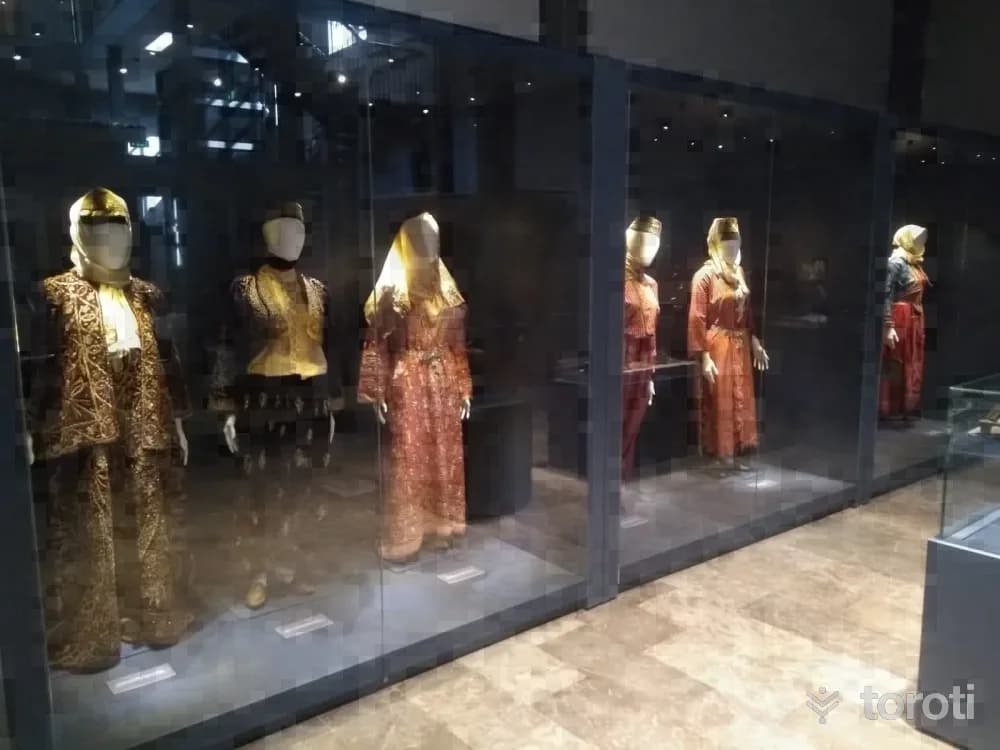
Excavation work in Hatay began in 1932. The mosaics that constitute the museum’s main wealth were uncovered through the research carried out by Princeton University between 1932-1939. These riches are the mosaics unearthed as a result of excavations carried out mainly in central Antakya, as well as in Harbiye, Narlıca, Güzelburç, Samandağ and the surrounding area, and which complete the collection.
45 minutes
Antakya Kalesi Ve Surlari
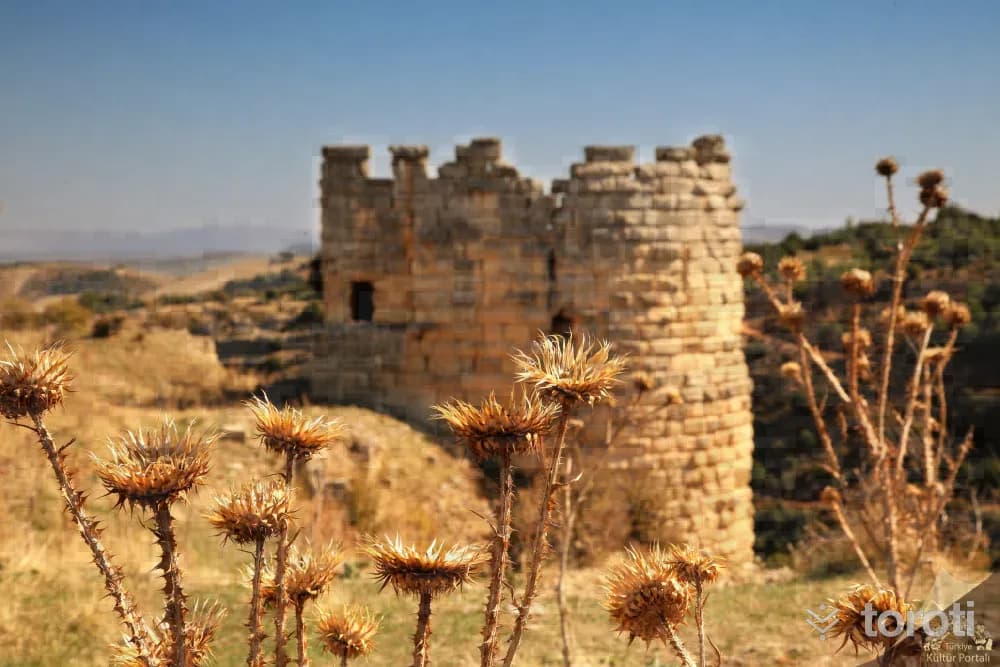
Antakya Castle, founded around 300 BC by Seleucus I Nicator, one of Alexander the Great’s generals, is among the important structures of the world. It was used in turn by the Seleucids, Romans, Byzantines, Crusaders, Seljuks and Ottomans and has survived to the present day. The walls, which are 12 kilometres long, are thought to have consisted of 360 towers. It was greatly ruined as a result of countless earthquakes and wars.
45 minutes
Hidirbey Musa Ağaci
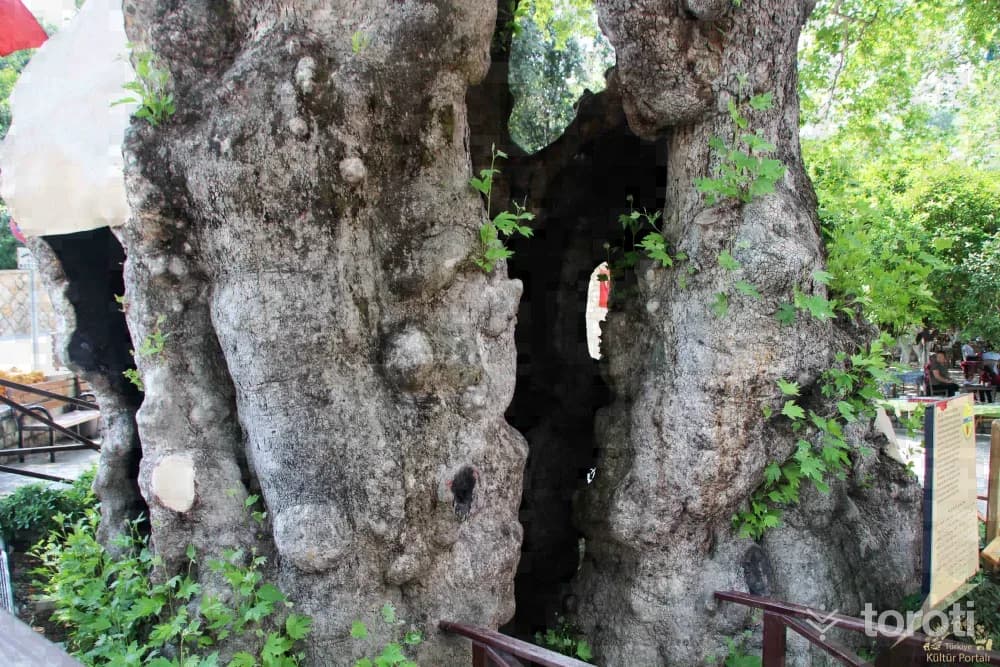
In Hatay’s Samandağ District, Hıdırbey Musa Ağacı, which is believed to have grown when the staff that Prophet Musa planted in the ground sprouted thanks to the water of immortality and to have a history of 3 thousand years, attracts the attention of visitors coming from all over the country with its natural beauty and grandeur. The Legend of Hıdırbey Musa Ağacı According to the rumor, Prophet Hızır and Prophet Musa, who meet on Samandağ Coast, climb the mountain together.
45 minutes
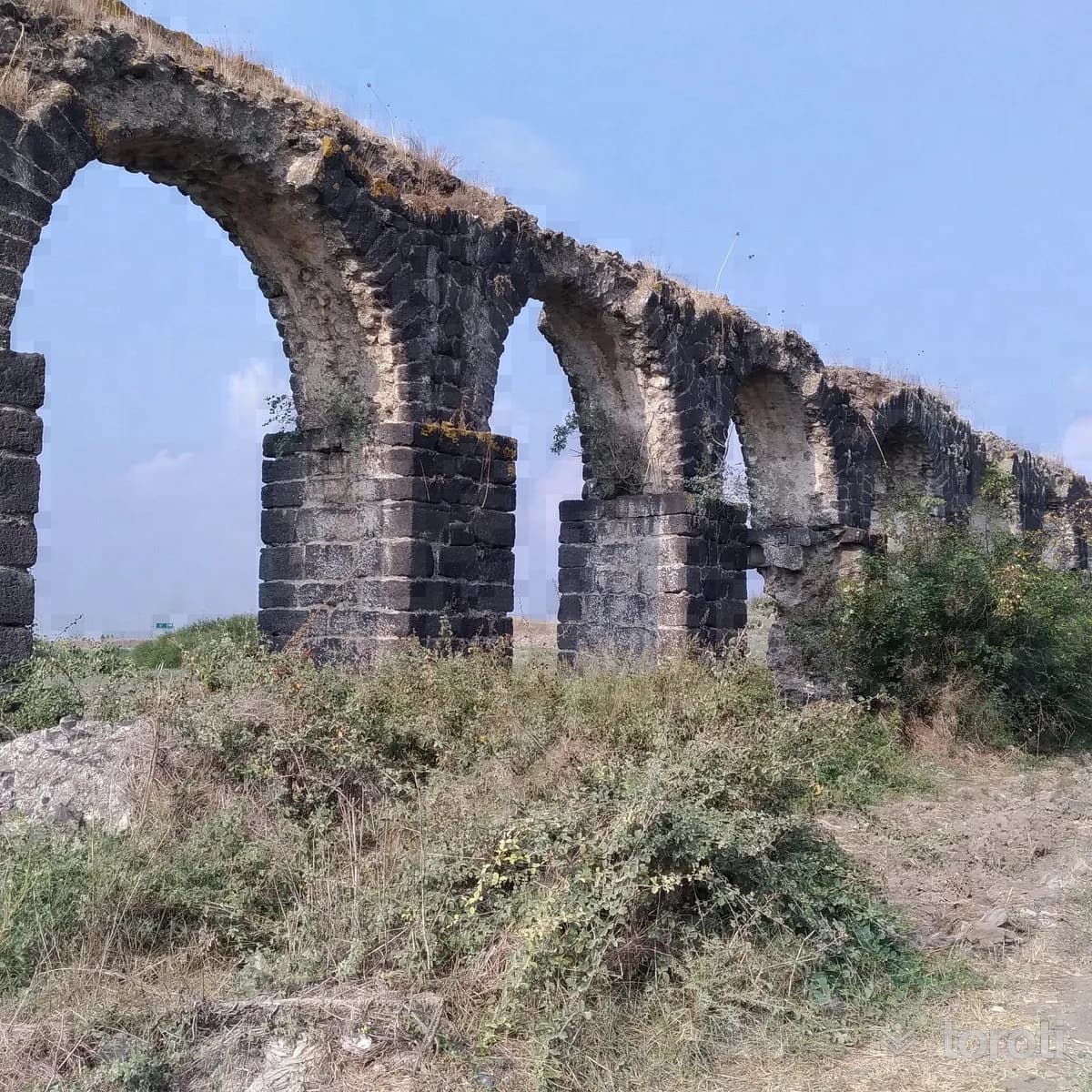
İsos Antik Kenti
In the Ancient City of İssos (Epiphaneia), located in the Gözeneler area of Erzin District, rescue excavations first began in 2006, and the work continued in 2008, 2010 and 2011. The excavation work was initially planned as a mosaic rescue excavation belonging to the Late Roman Period, but was later expanded to include the excavation of a bath belonging to the Late Roman Period as well.
45 minutes
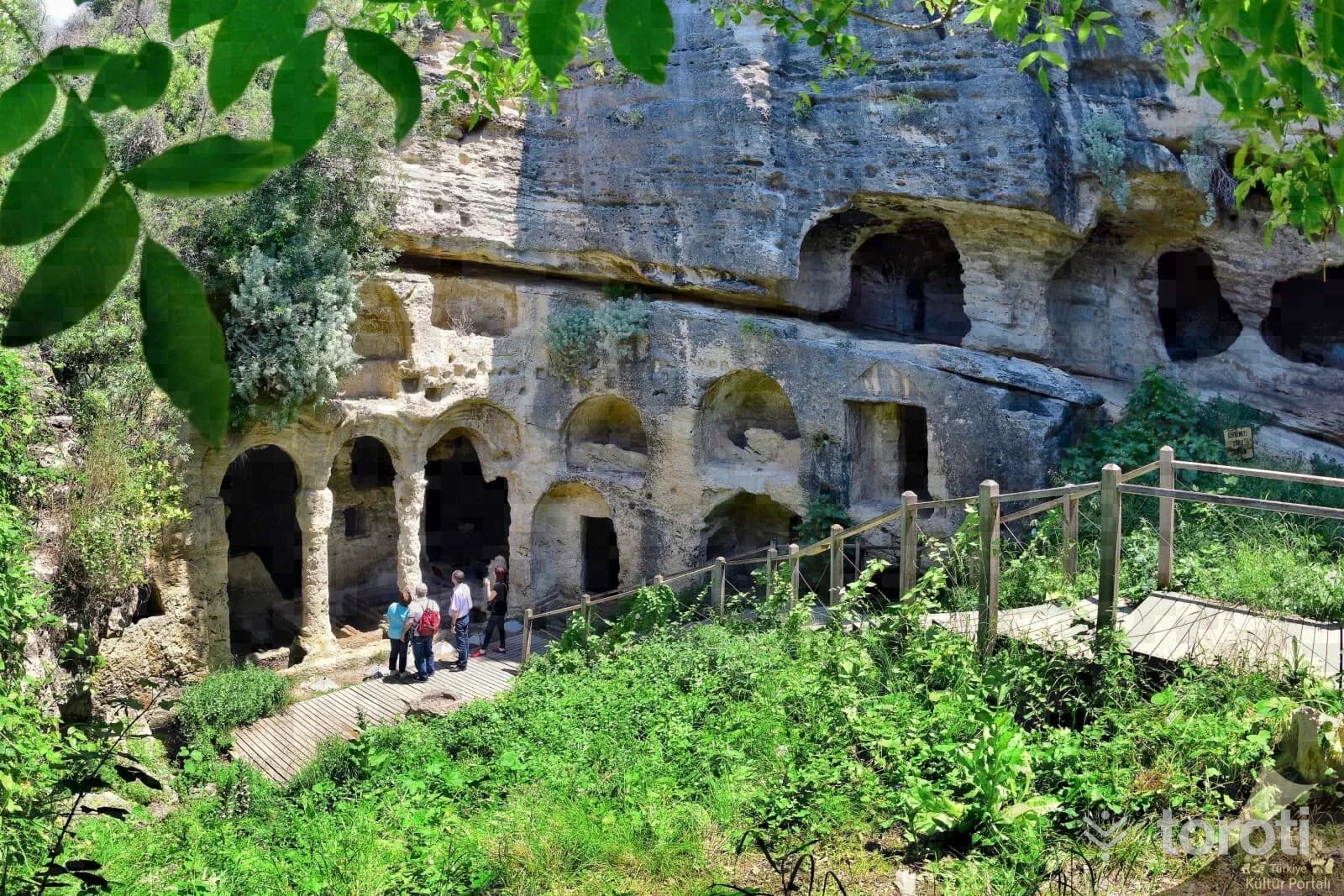
Seleukeia Pieria Antik Kenti
It is an ancient city established 35 km. west of Antakya, to the south of Musa Dağı. The first settlement in this region dates back to 4500 B.C. After the death of Alexander the Great, the lands divided among his generals, including this place, remained with Seleucus. The city of Seleukeia Pieria was established in two parts, lower and upper. The upper city is 300 meters above sea level. There are large mansions, temples and official buildings here.
45 minutes
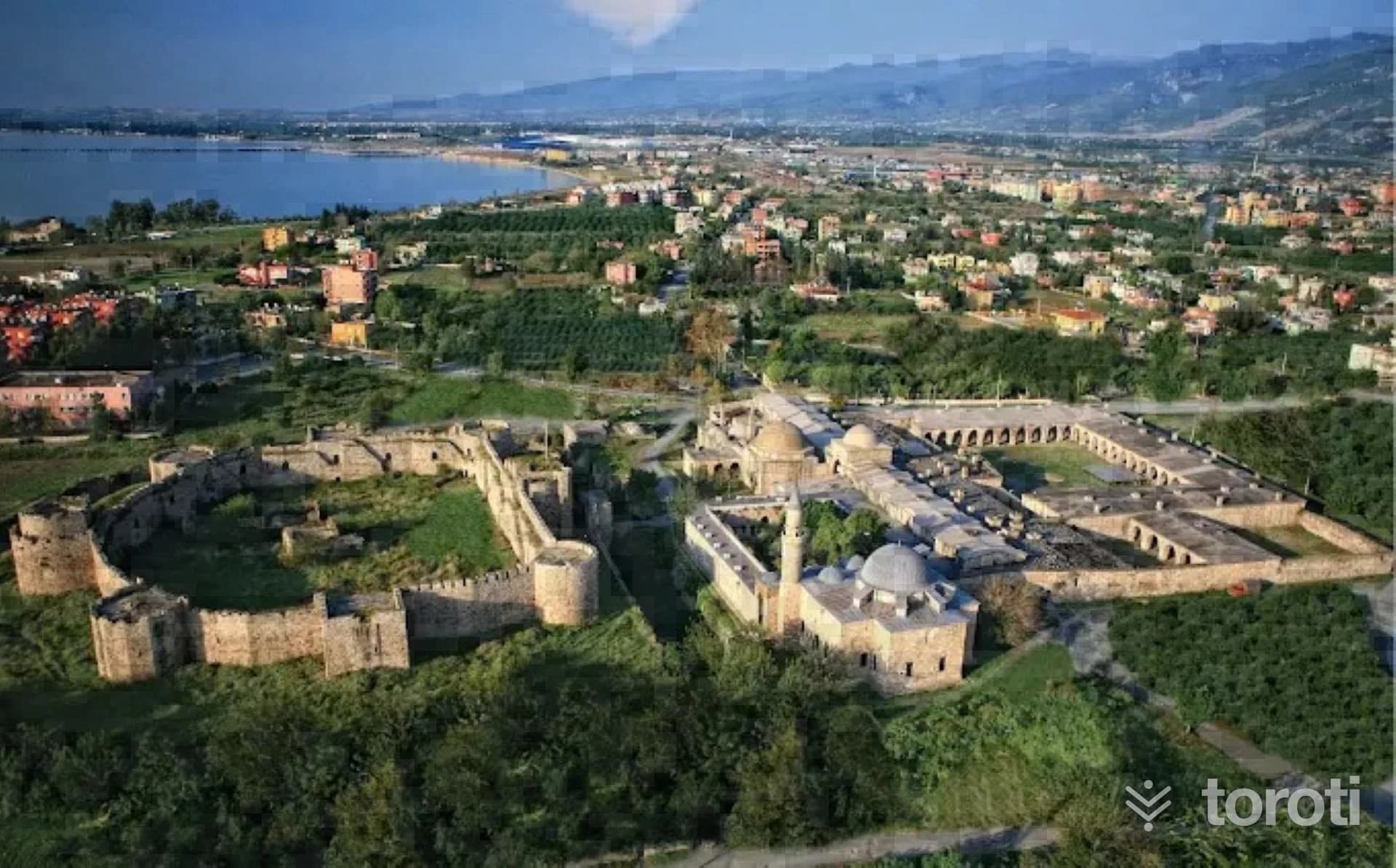
Sokullu Mehmet Paşa Külliyesi
The Sokullu Mehmet Paşa Külliyesi located in Payas (Yakacık) is a 'Menzil Külliyesi' positioned on the Istanbul Aleppo-Damascus-Hejaz road. Until the period when steamships began to be used, this road was a route used by the Sürre regiments and therefore by pilgrims going to the Hejaz. The külliye was built in order to ensure the security of the pilgrim caravans and trade caravans using this route, the port, and the military units, II.
30 minutes
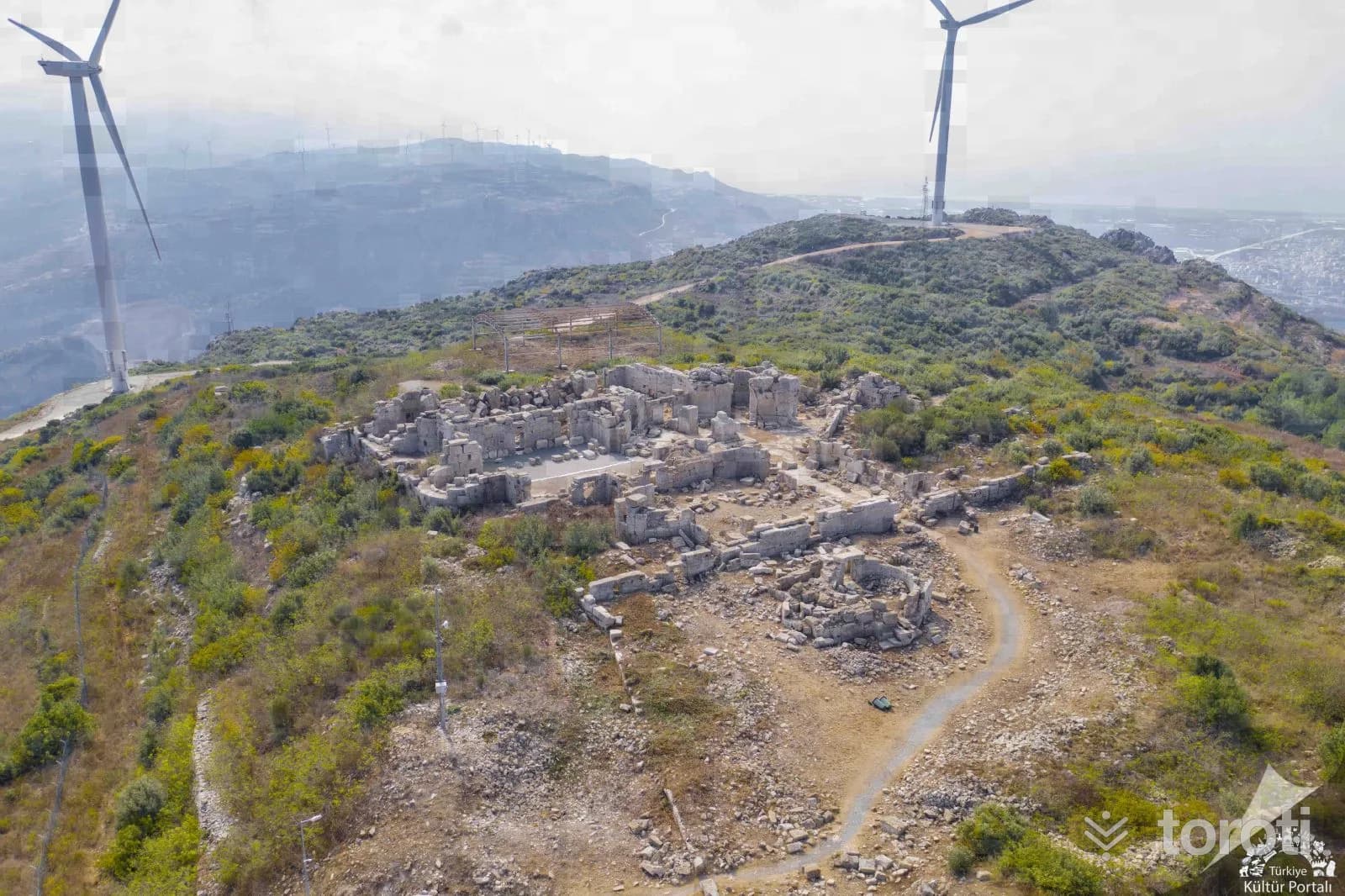
St. Simon Manastırı
Built in the 6th century A.D., this Monastery became famous as “the place where St. Simon of Antioch lived on a column for 40 years.” St. Simon Monastery, located on a mountain between the Antakya-Samandağ road and the Asi River, is reached by the road branching off from Değirmenbaşı Beldesi. The Monastery was established on a hill 479 meters high within the borders of Aknehir Beldesi. St.
30 minutes
Ortodoks Kilisesi
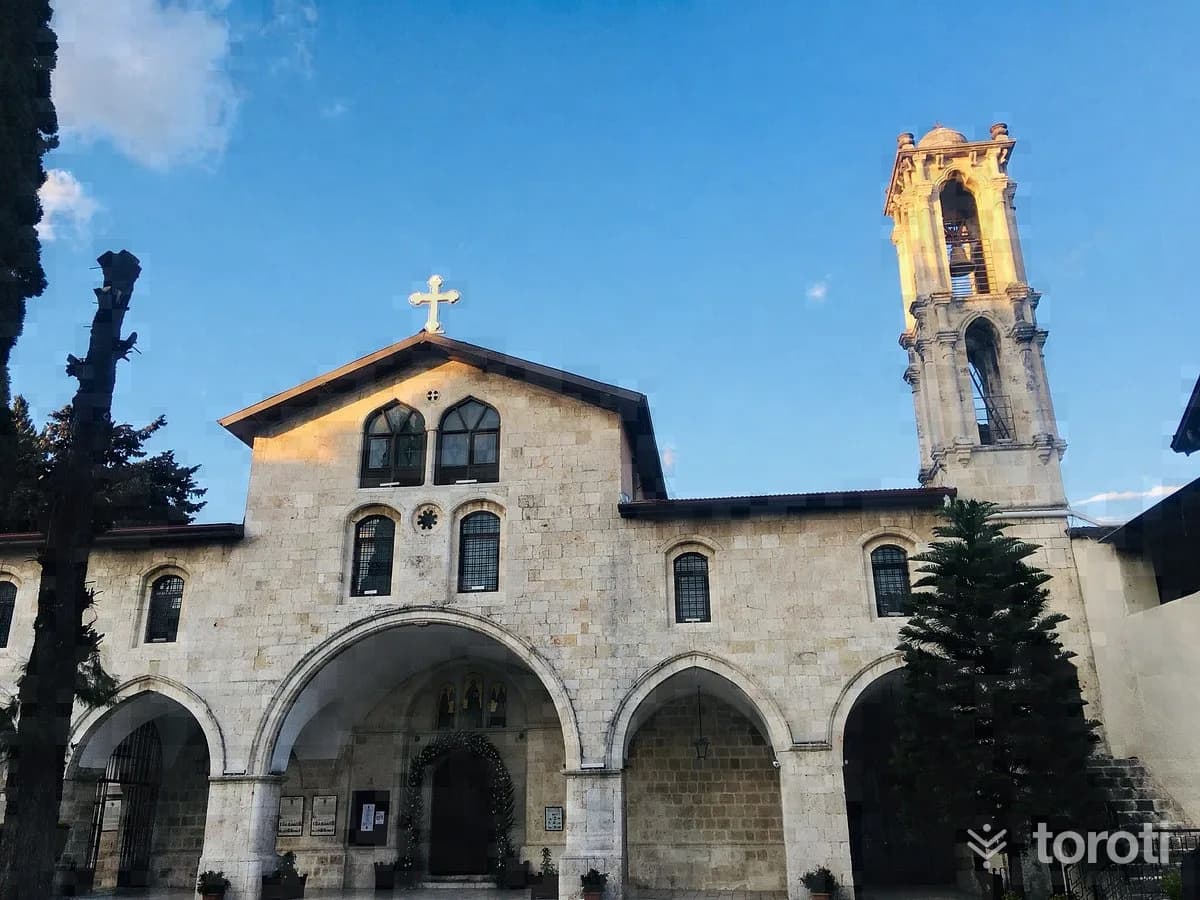
Construction of the Orthodox Church, located on Hürriyet Caddesi, began in the 1860s, but it was destroyed after suffering heavy damage in the 1872 earthquake. Construction of this church in Antakya, known as a place where the Three Abrahamic Religions meet, began in the late 19th century and it was opened for worship in 1900. It is a rectangular planned church, and there is a bell tower on its right. Its courtyard is surrounded by arcades. The church is open for worship today.
30 minutes
Hz. Hızır Türbesi
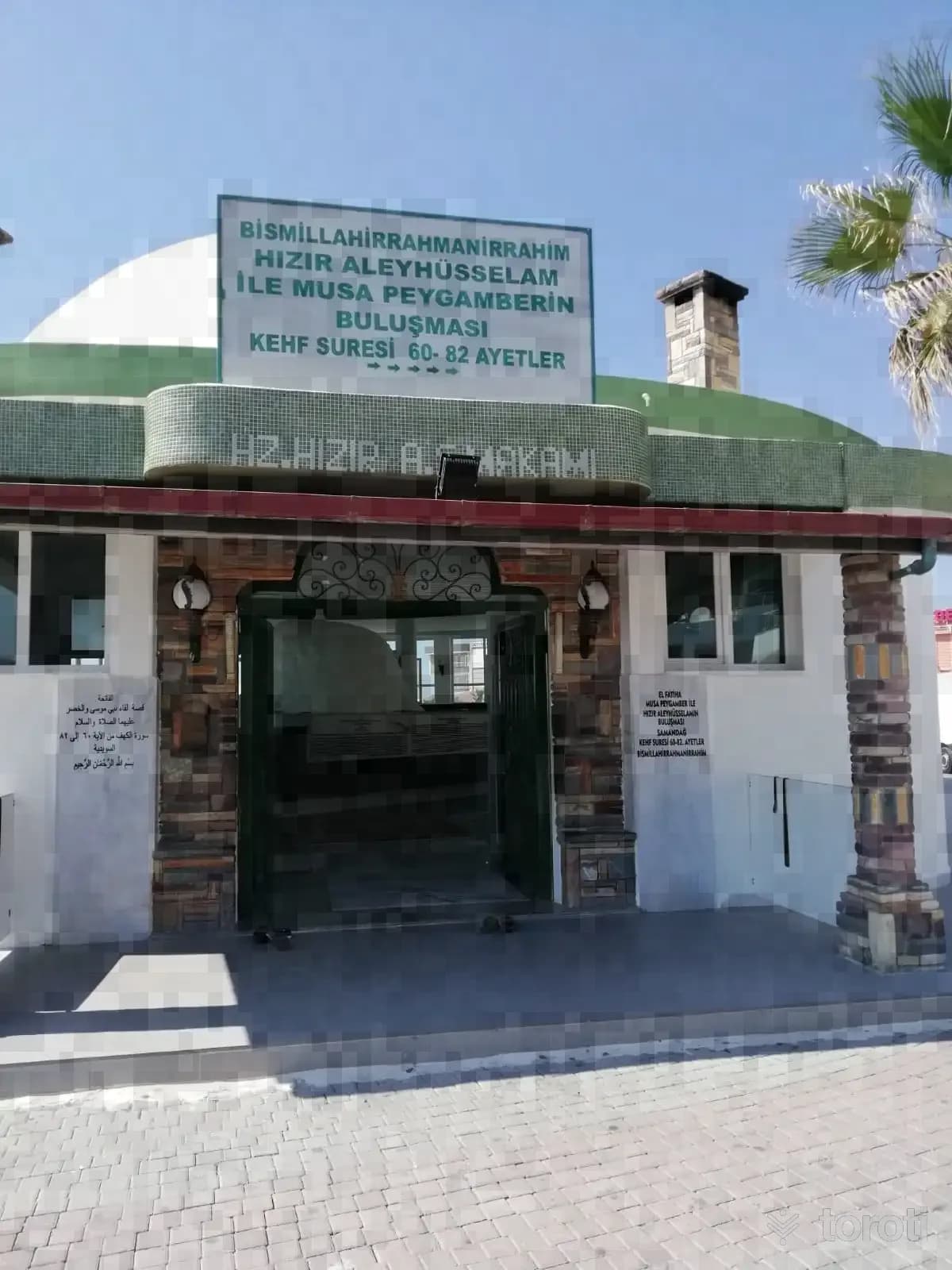
According to legend, it is referred to as a sacred rock where Hz. Hızır and Hz. Musa met, and it is traditionally circled once or three times around the sacred site. The tomb, which is of great importance for Muslim and Christian communities, receives a large influx of visitors every year. Hz. Hızır Türbesi is approximately 3 km from the Samandağ district center.
20 minutes
Katolik Kilisesi
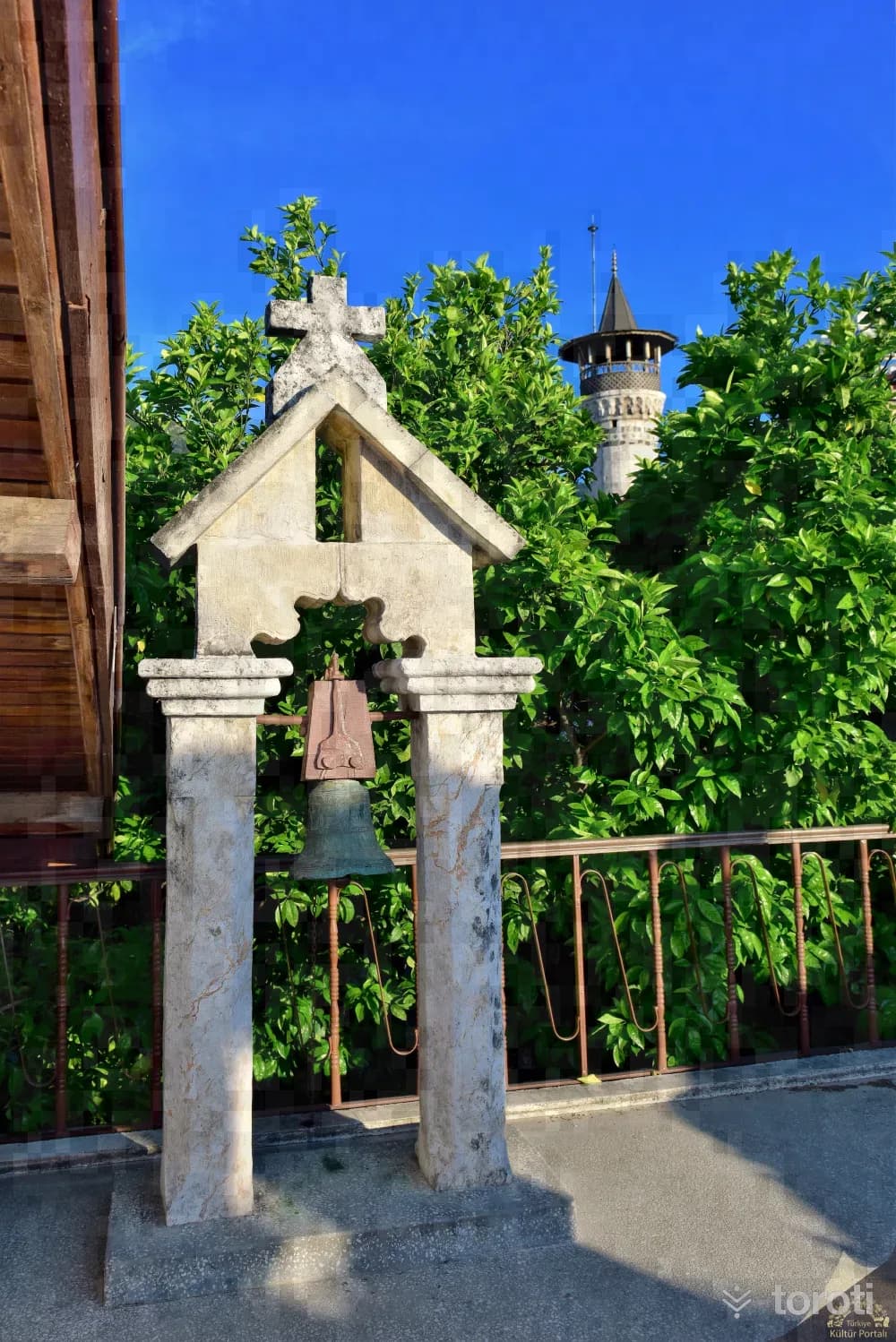
The church, which is still in use today, is located on Kurtuluş Caddesi, Kurtuluş Sokak.
45 minutes
Kanunı Sultan Süleyman Kervansaray
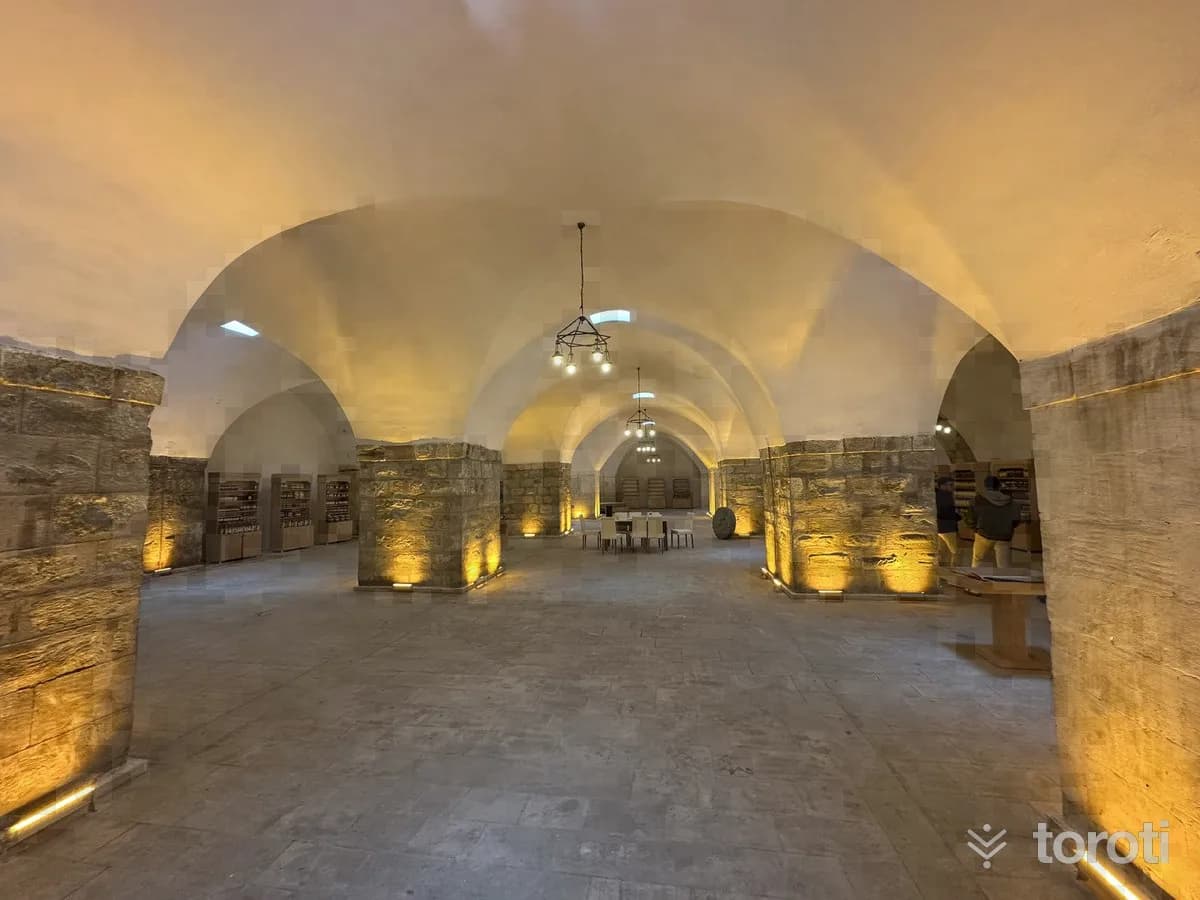
It was commissioned by Kanuni Sultan Süleyman and built by Mimar Sinan in the district of Belen during the 1553 Egypt campaign. The külliye on the historic Silk Road is important in terms of having enabled the settlement of the region.
30 minutes
Barlaam Manastırı
It is located on Keldağ in the Yayladağı district. Keldağ was one of the sacred places both in the Seleucus period and in the Roman period. (3rd century BC). In the 4th century AD, St. Barlaam came here, destroyed the statue of Zeus, and formed a community of monks. In the 6th century, a church was built at the southeast corner of the monastery, and this church was destroyed in the earthquake of 526. The monastery, rebuilt between 950-1050, continued its activity until 1268, and was later abandoned.
30 minutes
Cin Kulesi (Payas Kalesi)
Cin Kulesi, also called Payas Kalesi, is located in the district of Payas. According to the archives, it is entirely an Ottoman castle. The castle was in a ruined condition at the time it came under Turkish rule. For this reason, in 1567 Istanbul sent an order to the Bey of Adana, commanding that the castle be repaired immediately, and it was completed in 1577.
45 minutes
Süryani Katolik Kilisesi
It is located on Kurtuluş caddesi in the city center of Antakya. Catholics settled in Antakya again after an interval of 600 years. The first to come here opened a church and a school for the children of Europeans; later, the French Priests who came to Antakya established a small monastery here. In 1852, they received permission from one of the sultans of the period to establish a Catholic Church, and the church was built a few years later.
30 minutes
Uzun Çarşı
The history of Uzun Çarşı is as old as the city itself. From traditional Antakya handicrafts to its food, from clothing to tin craftsmanship, you can see the practice of all kinds of trades here. While Uzun Çarşı extends as far as Belediye Meydanı, where the Atatürk Statue is located, it forms a whole with the many streets it is connected to. Because each side street and avenue is allocated to a different occupational group.
60 minutes
Harbiye Şelaleleri
From the archaeological research carried out in Harbiye and the findings obtained, it is understood that this region was used as a settlement from 4500–3000 B.C. onwards. It is believed that the still exuberantly flowing Harbiye Waterfalls are the tears of Daphne, the daughter of the River God.
30 minutes
Rum Katolik Kilisesi
The Rum Catholic Church, built in İskenderun in the last quarter of the 19th century and used for a long time for purposes other than its original one, was restored in 2007 by the Hatay Vakıflar Regional Directorate in accordance with its original form, allocated to the Rum Catholic Church Foundation, and opened for worship in 2011.
30 minutes
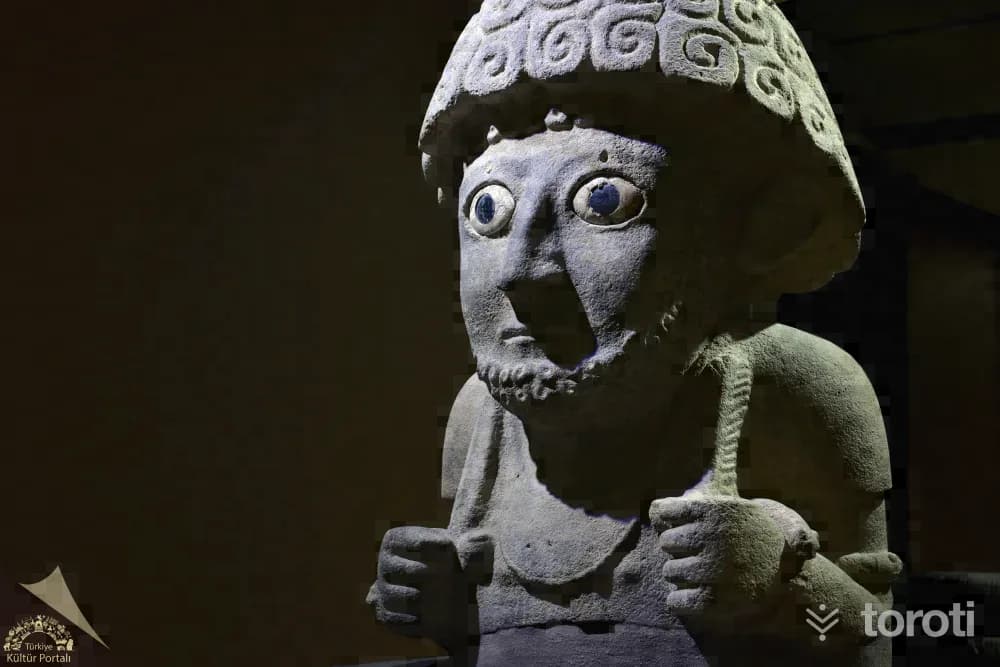
Hatay Arkeoloji Müzesi
With its historical past beginning in the 4th millennium BC, Hatay is a city that brings together within itself the cultural and historical documents of many periods and civilizations. Excavation work in Hatay began in 1932. Between 1933 and 1938, excavations were carried out in the Amik Plain at Cüdeyde, Dehep, Çatalhöyük and Tainat by the Chicago University Chicago Oriental Institute.
45 minutes
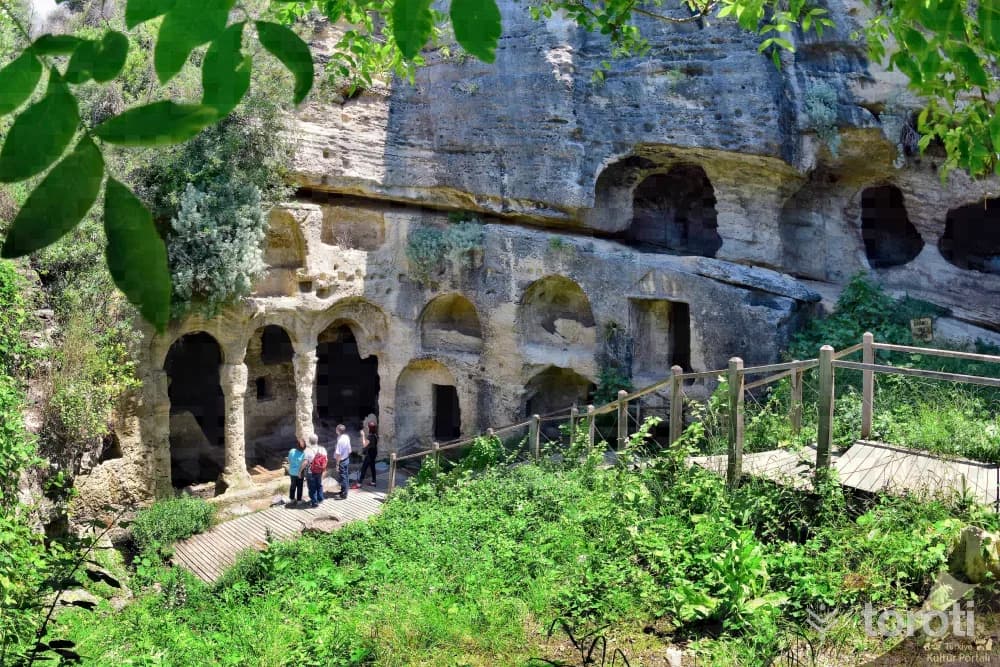
Titus Tüneli Ve Beşikli Mağara
The tunnel, located near the Çevlik Örenyeri in Hatay's Samandağ District, was built in the 1st century B.C. In order to protect against floods and overflows descending from the mountains and threatening life, Roman Emperor Vespasian ordered the construction of a tunnel that would go around the city, thus changing the direction of the currents. Construction began in A.D.69 and was completed in A.D.81 by his successor and son Titus. Roman legions and slaves worked in the construction of the tunnel.
45 minutes
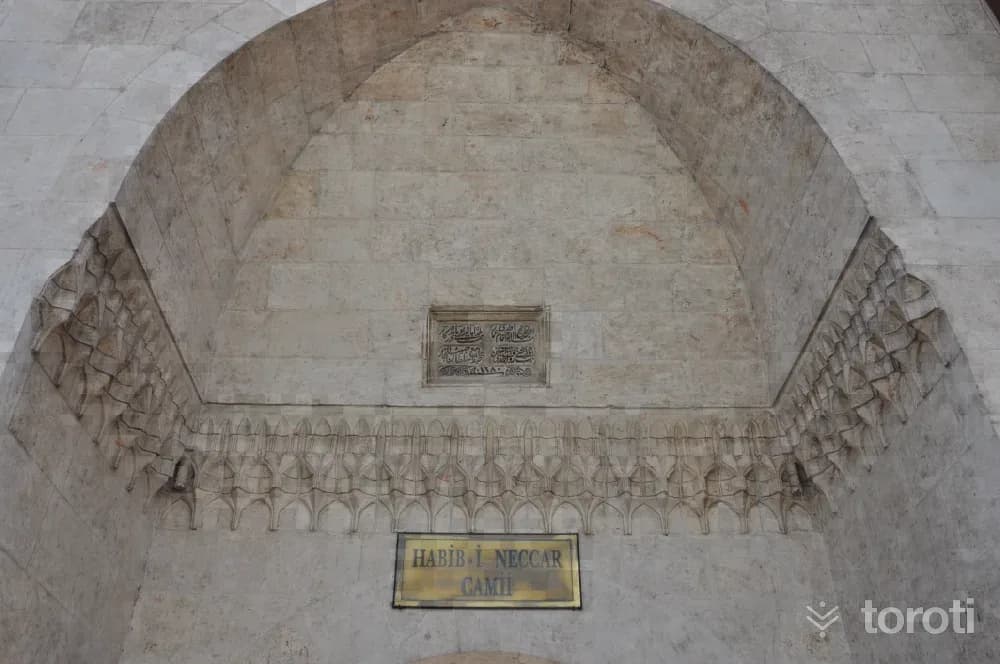
Habib-i Neccar Cami
According to what is told in the city; Jesus sent messengers to Antioch and called the people to his true religion. However, the people reacted to this call and wanted to kill the messengers. Hearing this, Habib-ün Neccar left his carpentry workshop on the mountain, came to the city, and advised the people of Antioch to follow the messengers. The people did not listen to him and threatened him with death. Ignoring these threats, Habib-ün Neccar told the messengers that he was with them and believed in Allah.
45 minutes
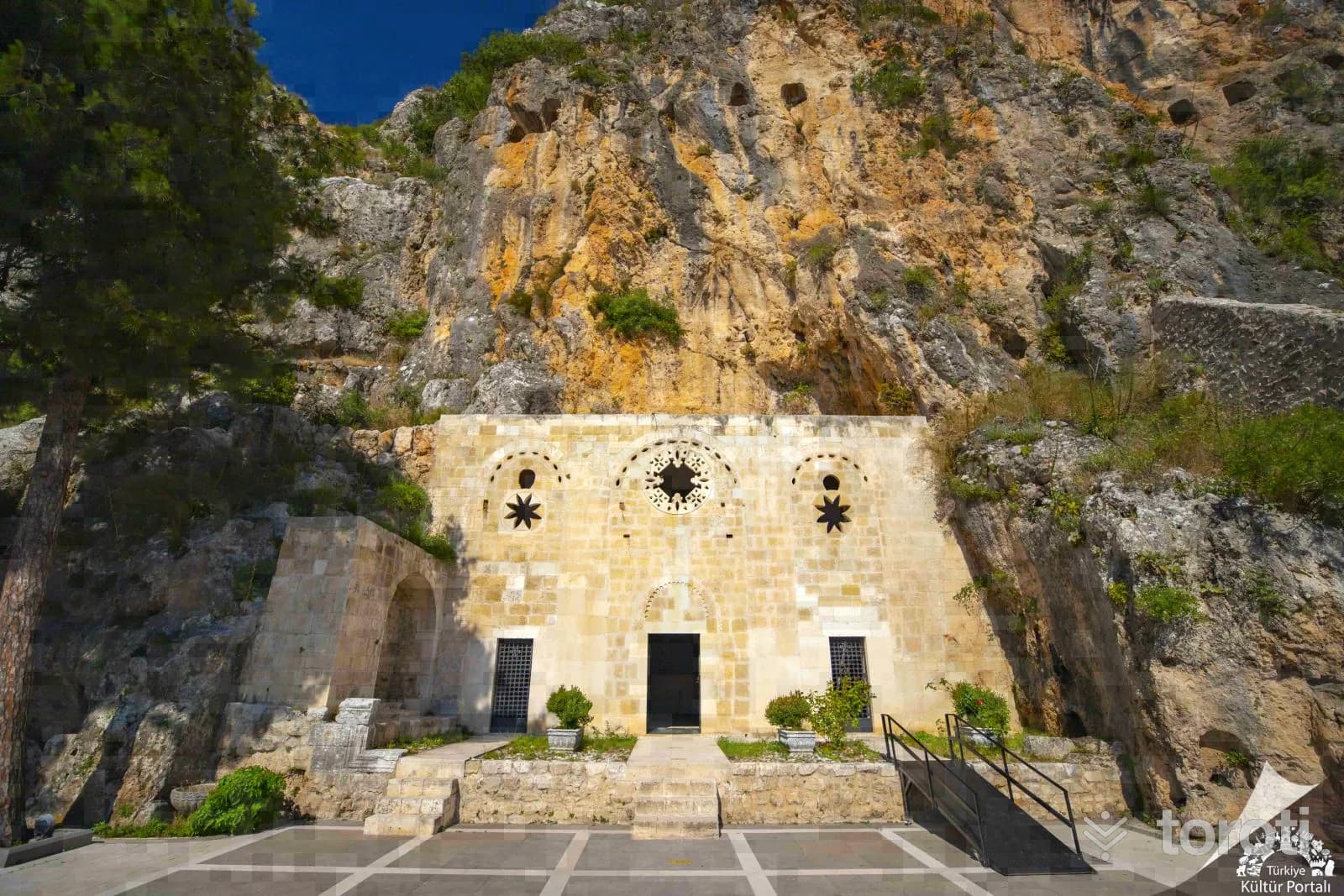
Saint Pierre Kilisesi
Saint Pierre Church consists of a cave carved into the rocks on the western side of Stauris Mountain, 13 meters deep, 9.5 meters wide, and 7 meters high. In this cave, which is considered the world's first cathedral and was declared a place of pilgrimage for Christians by Pope Paul IV in 1963, services are held, especially every year on 29 June, with the participation of clergy and a large congregation coming from nearby and distant provinces. A representative from the Vatican attends these ceremonies.
30 minutes
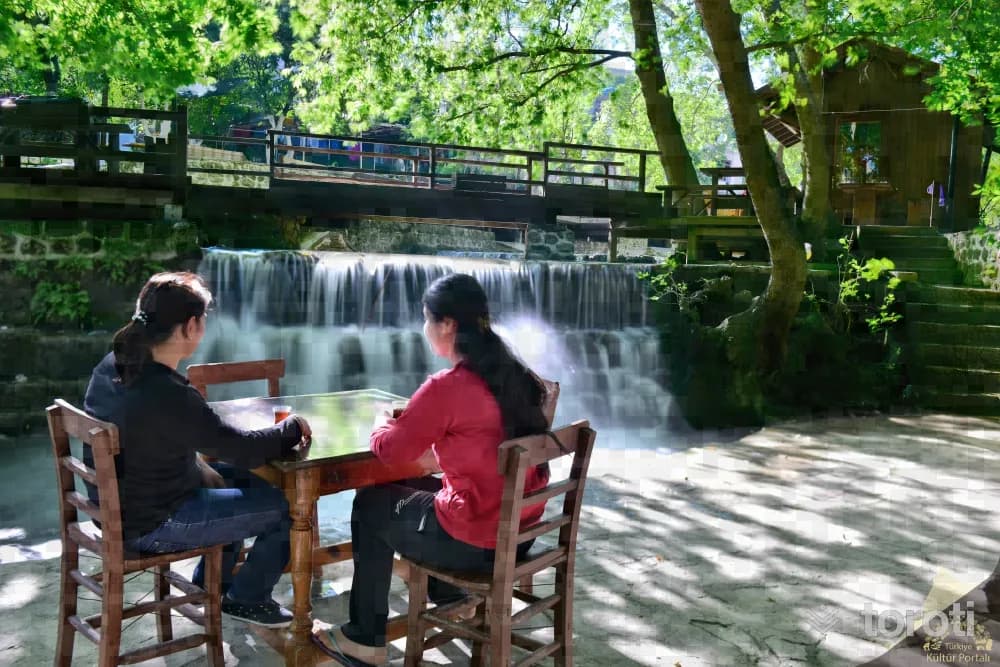
Vakifli Köyü
Vakifli Village, connected to Samandağ District of Hatay, is 3 kilometers from the district. It is the only village in Turkey whose entire population consists of Armenians. In the village, which continues its historical journey within a homogeneous structure, traditions have also continued for centuries without being disrupted.
45 minutes
Kızlar Sarayı (Kasr-el Benet)
It is located on the Reyhanlı-Aleppo asphalt road (in the buffer zone). This palace is thought to have been a center that kept the region under control and to belong to the Byzantine period. The palace entrance is entered through a passage formed by large cut stone blocks on both sides. The entrance section has collapsed. In the middle part, there is a high square-planned tower. On the north side of the tower, various room remains have been found.
30 minutes