
Places to visit
Things to do in Tokat merkez
36 destinations, each with a description, how long it takes and where it sits on the map.
In short
toroti’s catalogue holds 36 described destinations within Tokat merkez, Tokat. The themes that come up most: History, Nature, Local culture, Museum, Culture, Faith heritage.
Latifoğlu Konağı
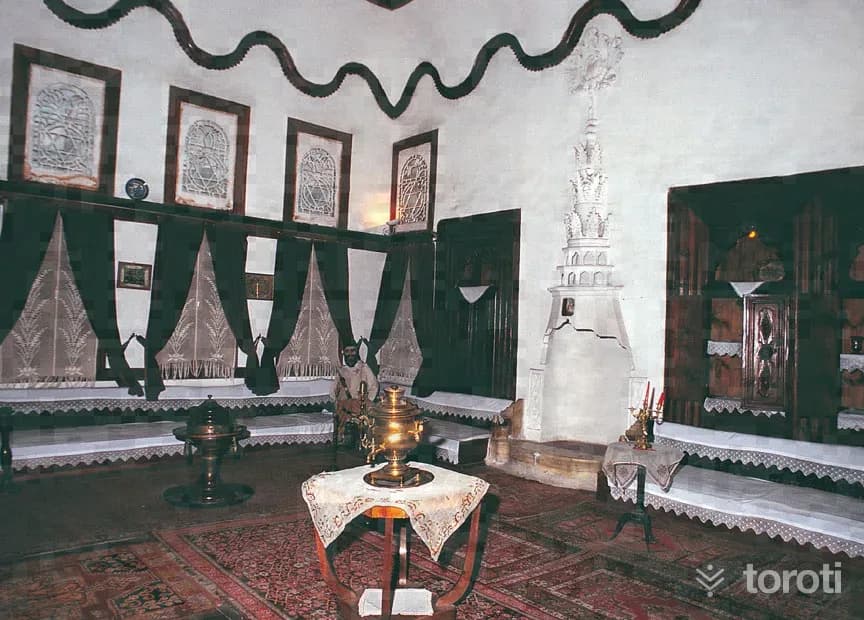
It is also known as Latifoğlu Mazhar and Fahri Bey House. Fahri Latifoğlu, one of the heirs of the mansion, whose construction date is unknown, states that the building was built in 1746. The wooden and painted decorations inside the structure reflect the characteristics of 18th-century Ottoman Baroque.
30 minutes
Topçam Yaylası
It encompasses the plateaus of Kızılağaç, Beyağaç, Kıyıyurt and Çukuralan, which are connected to the towns of Yeşilce and Topçam in Mesudiye district. The plateaus, where Traditional Culture and Plateau Festivals are held, have rich flora, forests and herbaceous vegetation. It has been determined that there are more than 170 varieties of flowers in Kızılağaç Plateau alone.
20 minutes
Sümbül Baba Zaviyesi
It was built in 1292 by Hacı Sümbül, a slave donated by Safiyeddin, the daughter of Muinüddin Pervane. Its inscription, written in Seljuk thuluth and stating this, also indicates that this dervish lodge, built during the time of Sultan II. Mesut, had mosque and tomb sections. Evliya Çelebi wrote that Sümbül Baba was a student of Hacı Bayram-ı Veli and also a caliph of Hacı Bektaş-ı Veli.
20 minutes
Bey Sokağı ve Beyhamam Sokağı
Beyhamam and Bey Sokak are two streets that have survived from the Ottoman Period to the present day and are located in the protected area. These two streets preserve their original historical texture without deterioration. On Beyhamam and Bey Sokak, surveys and architectural analyses of traditional houses have been carried out. The general settlement characteristics of the houses, the plan and facade arrangements of the houses, and other features have been presented with visual materials.
45 minutes
Pervane Hamamı
This bath, whose inscription is missing, is one of the 13th-century Seljuk structures. It is estimated to have been built in 1277 by Muineddin Pervane, who had Pervane Darüşşifası built. Since the bath has remained several meters below today’s ground level, its facade walls appear low when viewed from the west.
60 minutes
Arastali Bedesten
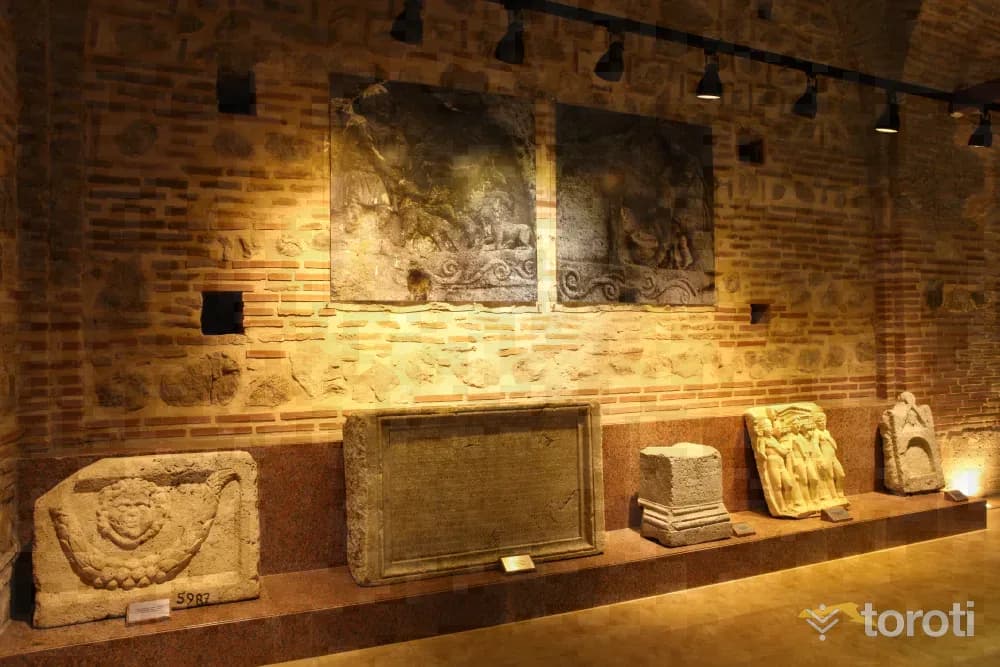
Tokat Museum, one of the museums of the Republican Period, began its museum activities in 1926 in the Gökmedrese building, a medical madrasa belonging to the Anatolian Seljuk Period. Over the years, as the number of artifacts increased, the storage areas began to become insufficient.
45 minutes
Latifoğlu Konağı Müzesi
The Latifzâdes were one of Tokat’s influential notable families, and according to land registry records, the mansion was commissioned in 1291 1874 by Latifzâde Mûsâ and Osman. It is known that Latifoğlu Konağı, located on Gaziosmanpaşa Boulevard in the center of Tokat, was built in 1746 in the Ottoman Baroque style. The two-storey mansion, built on an “L”-shaped plan with adobe infill between a timber frame, is covered with a hipped roof clad with traditional Turkish tiles.
45 minutes
Deveciler Hanı
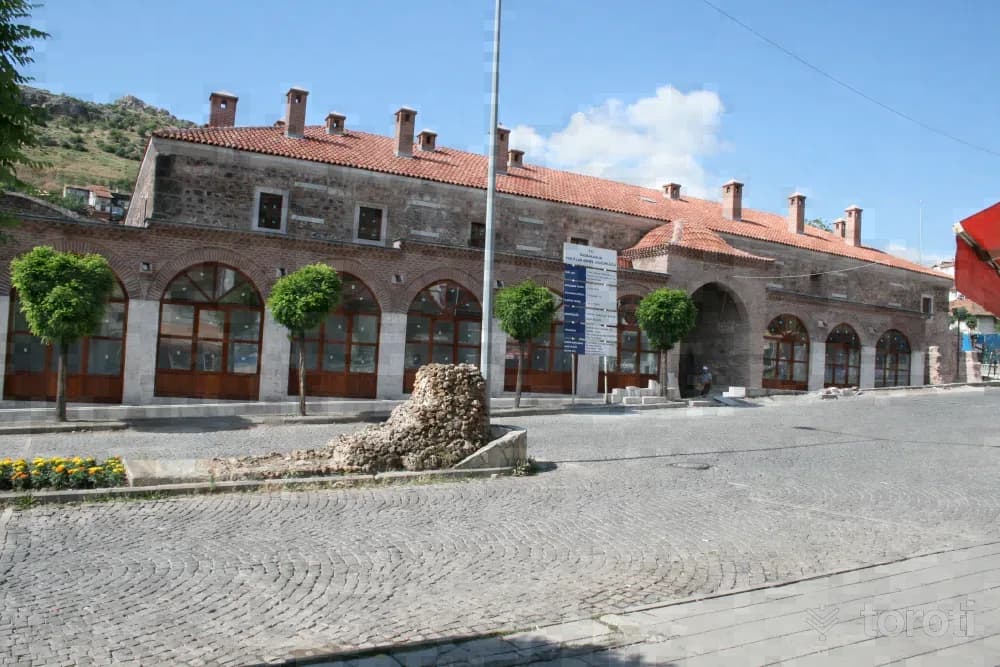
Deveciler Hanı, also known as Fatih Mehmet Paşa Hanı, is located to the south of Takyeciler Camii and to the west of Yağıbasan Medresesi. It does not have an inscription. When the historical development of the inn’s architecture and the muqarnas above the niches on both sides of the entrance gate, as well as the applied architectural and decorative techniques, are evaluated, it is estimated to have been built during the period of Çelebi Mehmet (1413-1421) or his son Murat II (1421-1451).
45 minutes
Behzad-i Veli Cami
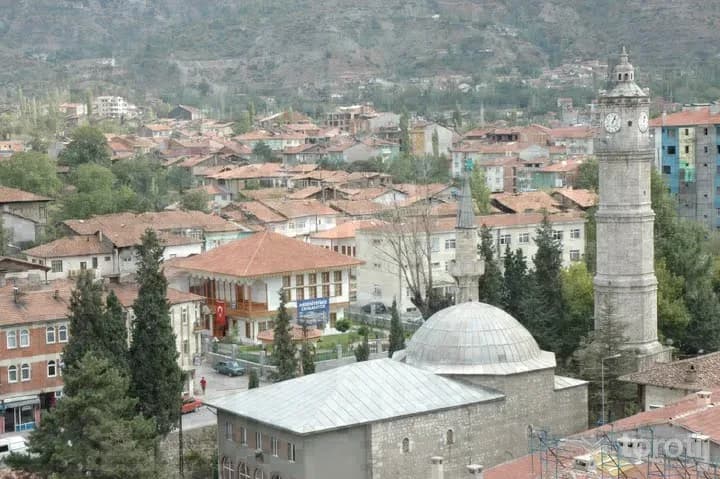
It belongs to the Hacı Behzad-ı Veli Foundation. It was commissioned in H.942 M. 1536 by Şirvanlı Hoca Behzat. His tomb is on the qibla side of the mosque. In the inscription in the form of a poem in three sections on the door lintel beneath the first inscription, it is written that the mosque was enlarged by the public during the reign of II. Abdulhamid.
45 minutes
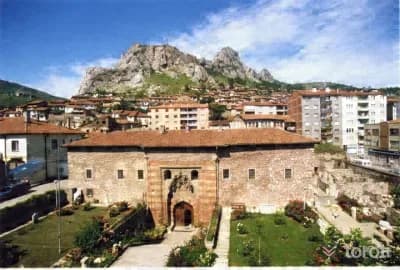
Gök Medrese
This historical monument on Gaziosmanpaşa Bulvarı near Taşhan, which was used as a museum for many years, is one of the Seljuk works. The structure, which does not have an inscription, was commissioned by Müineddin Pervane Süleyman in the XIII. century (1277). It bears the most distinctive features of Anatolian Seljuk architecture and art. Gökmedrese is of the plan type with 2 storeys, 2 iwans, an open central courtyard and arcades, and contains stone, tile and plaster decorations.
45 minutes
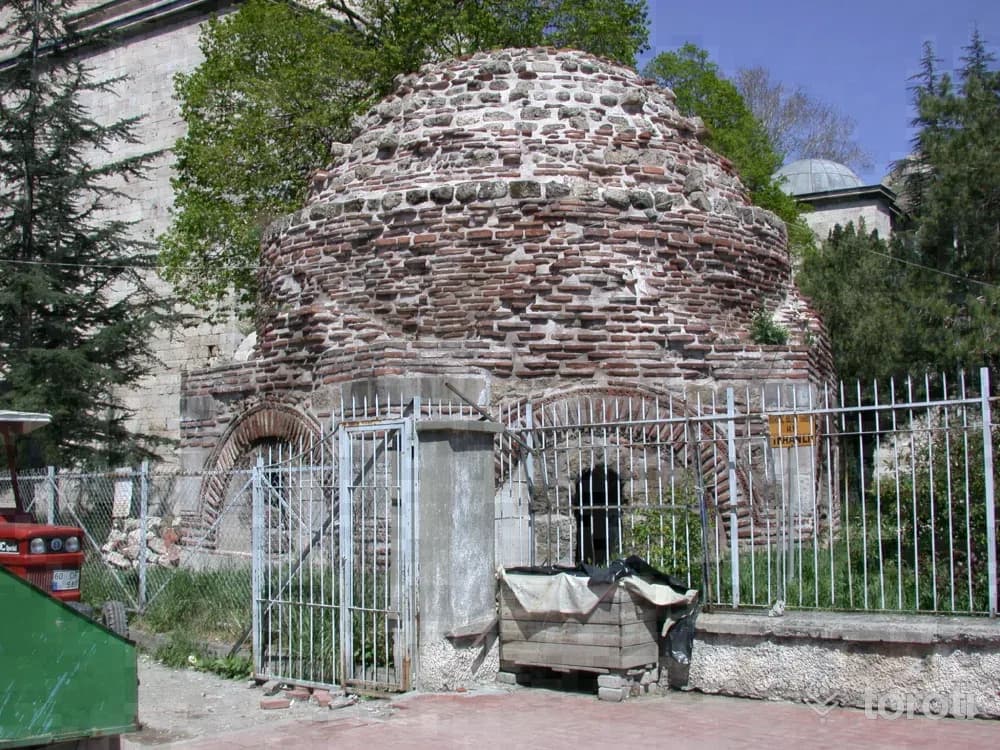
Burgaç Hatun (bibi Hatun) Türbesi
The tomb, located at the southeast corner of the courtyard of Ali Paşa Cami, is known not only by the names Bulgaç Hatun or Burgaç Hatun, but also by names such as Bibi Hatun and Dudu Hatun. The structure, which has no inscription, is dated by some researchers to the 13th century according to its architectural and ornamental features, and by others to the 14th century due to its alternating stone-brick construction technique. The hexagonal-bodied tomb is covered with a dome with pendentive transition. The tomb has a door on the north.
45 minutes
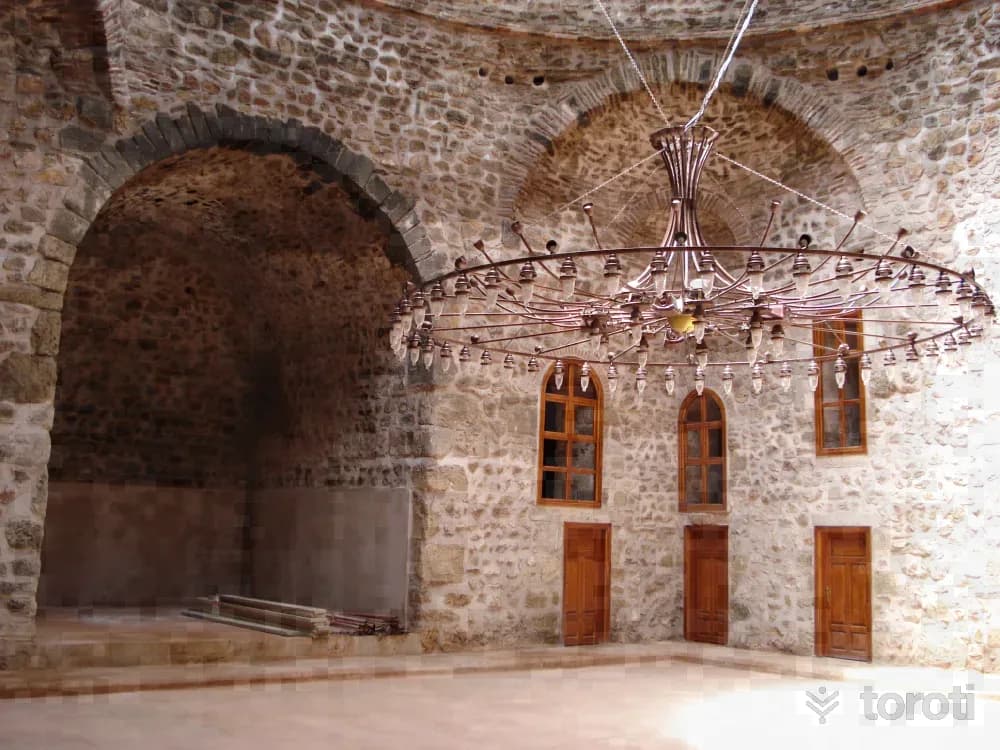
Yağibasan Medresesi
Yağıbasan Medresesi is the name of two madrasas commissioned by Nizamettin Yağıbasan of the Danişment Principality in Tokat and Niksar. The Yağıbasan madrasa in Tokat is also known as Çukur Medrese. Yavuz Özdemir Yağıbasan Medresesi Construction Date The madrasa, commissioned in 1151 and 1152, is important as one of the first examples of Anatolian madrasas with a covered courtyard. The middle of the 14 metre diameter dome covering the courtyard is open.
45 minutes
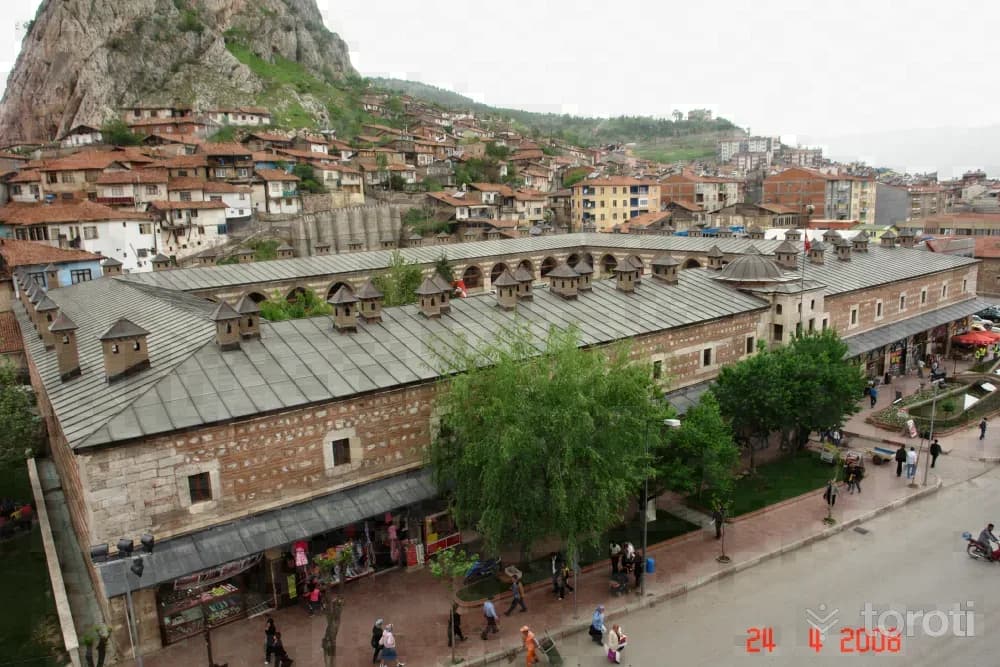
Taşhan
Taşhan, one of the most beautiful hans in Türkiye, is one of the largest urban hans in Anatolia. It is on Gaziosmanpaşa Boulevard. It is an Ottoman work built between 1626-1632. It is a two-storey structure with a rectangular plan and an open courtyard. Inside, there are arcadeless shops on the north and east sides where the outer shops are located, and on the south and west sides there are shops with arcades in front of them. At the end of the entrance corridor, the second floor is reached from the right and left.
45 minutes
Tokat Kalesi
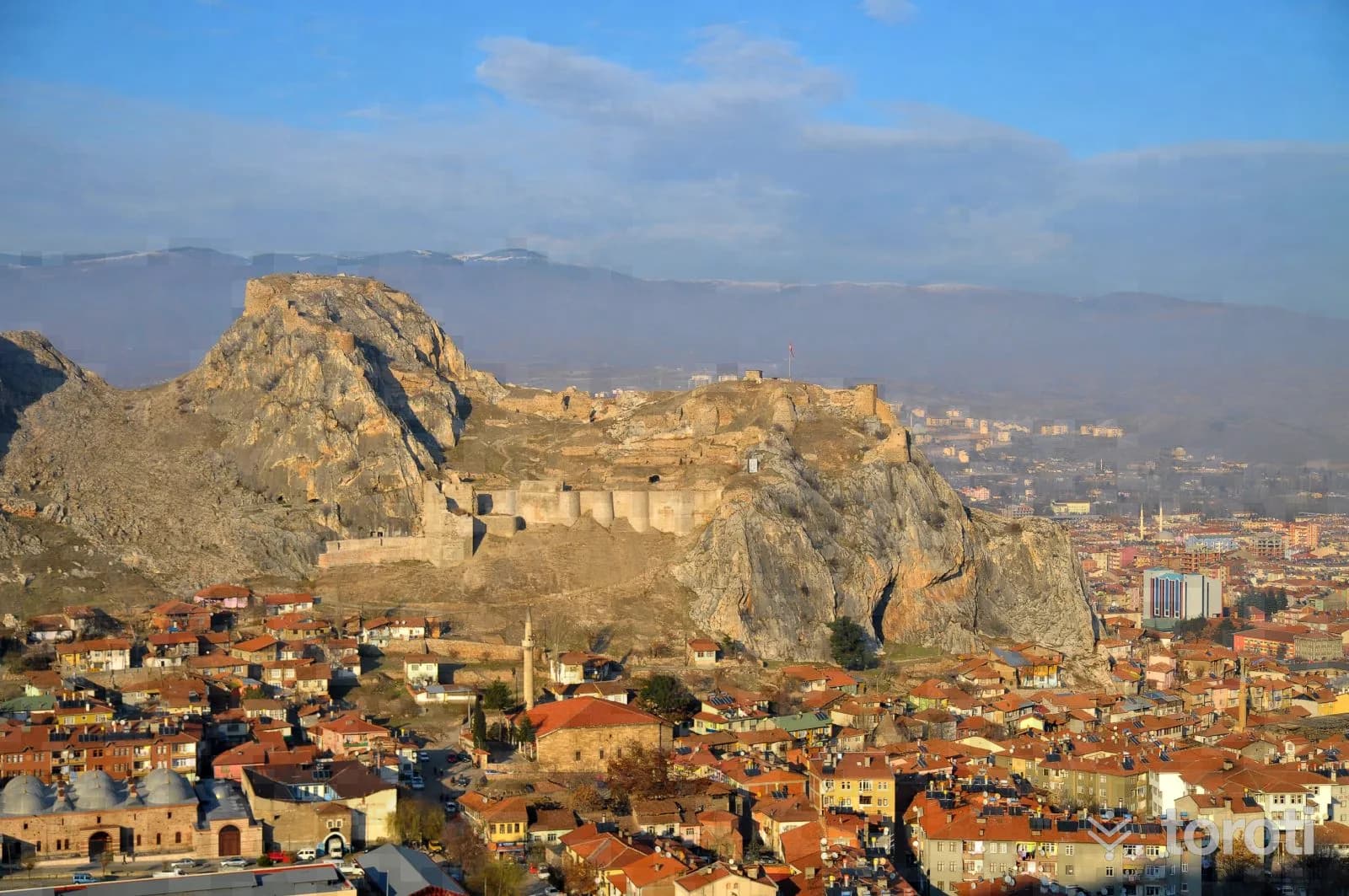
The castle, which was established for road security during the Roman Period between 30 BC and 395 AD, remained under Byzantine rule for approximately 500 years. First conquered in 1074 by Danişmend Melik Gazi, the castle changed hands at short intervals and successively came under the rule of the Danişmendlis, Seljuks, Ilkhanids, Eretna, Kadı Burhanettin and the Ottoman State. Built on steep and rugged rocks, the castle is in the nature of a natural fortress.
45 minutes
Esentimur Türbesi
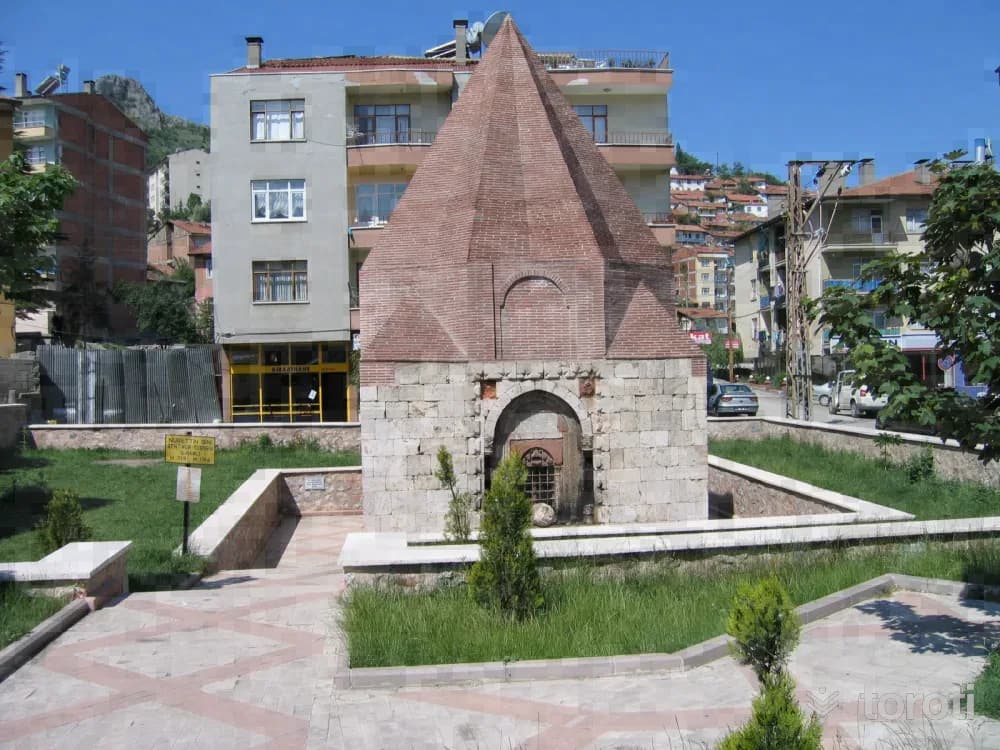
The Nureddin İbn-i Esentimur Tomb, also popularly known as Sivri Tekke, is located on Gaziosmanpaşa Boulevard. According to the Arabic inscription above the window on the eastern facade, it was built in the name of Emir Nureddin İbn-i Esentimur, who died in March 1314. The tomb was restored in 1935. The tomb is built of cut stone and is covered with a pyramidal cone of brick in an octagonal star plan over a square chamber.
45 minutes
Mahmut Paşa Cami
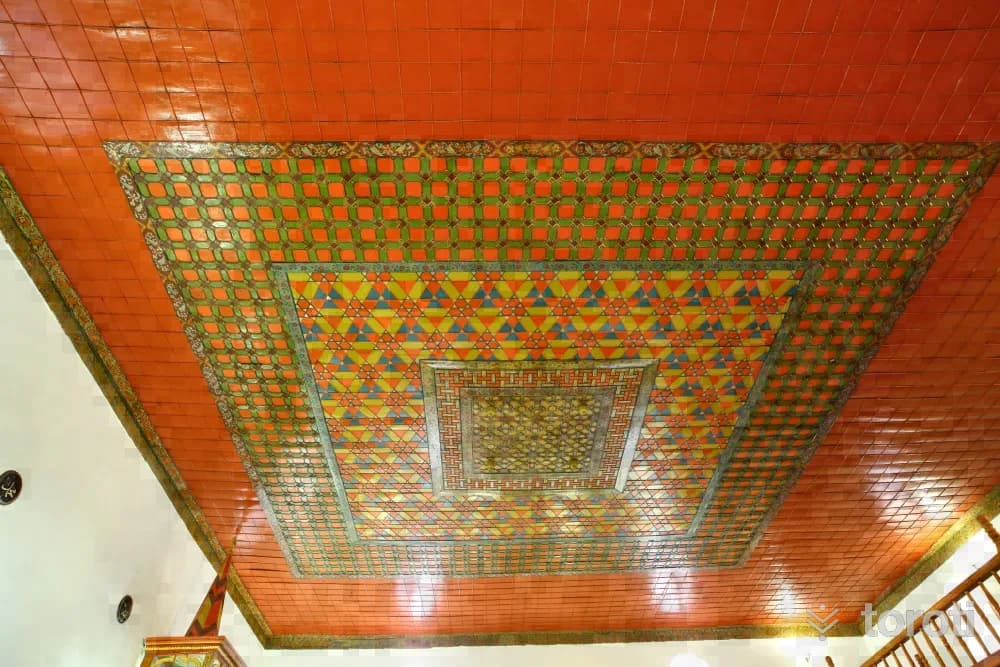
The mosque, located in Mahmut Paşa Neighborhood, does not have an inscription. Based on the name Mahmut Paşa, which gave the mosque its name, the structure is dated to the 17th century. Two Mahmut Paşas who lived in Tokat in history are mentioned. One is Mahmut Paşa, who also served as the Beylerbeyi of Aleppo and died in 1616. The other is Kemankeş Mahmut Paşa, who died in 1681.
45 minutes
Akbelen Yaylası
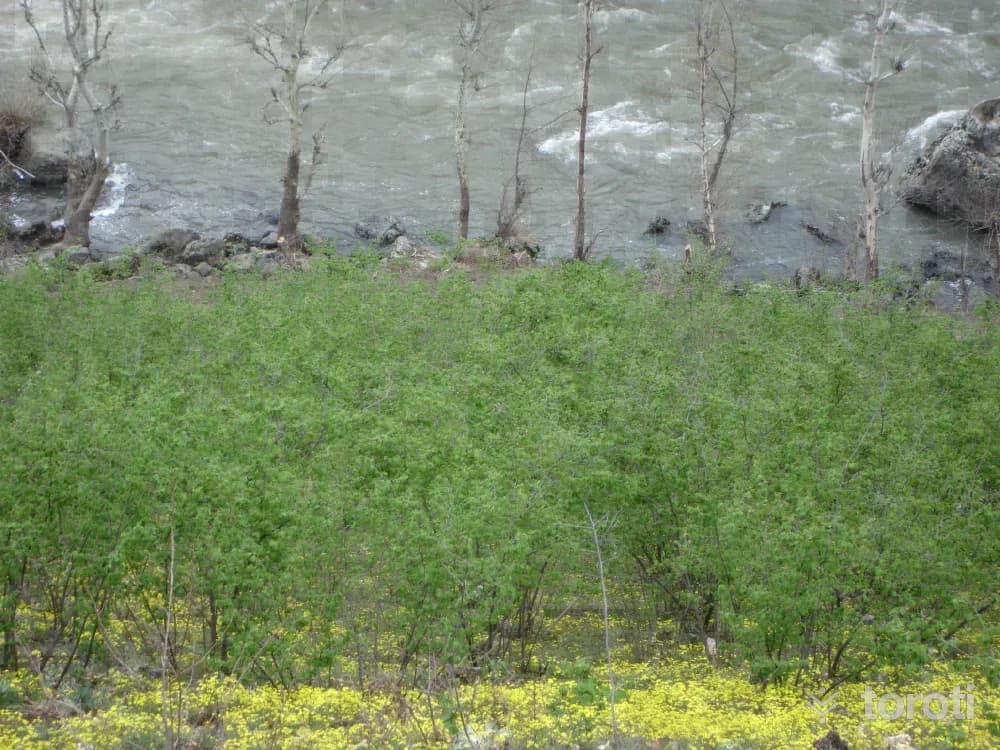
It is one of the plateaus closest to central Tokat and is a plateau bordering Topçam Yaylası at an altitude of 1600 meters to 1800 meters. With its natural beauty, dense forests, and waters, it is spread across a wide and flat area. New settlements visible to the eye have formed on the plateau, where fishing can be done and which is suitable for grass skiing. There are many different seasonal flowers. It is a resting place frequently preferred by people.
45 minutes
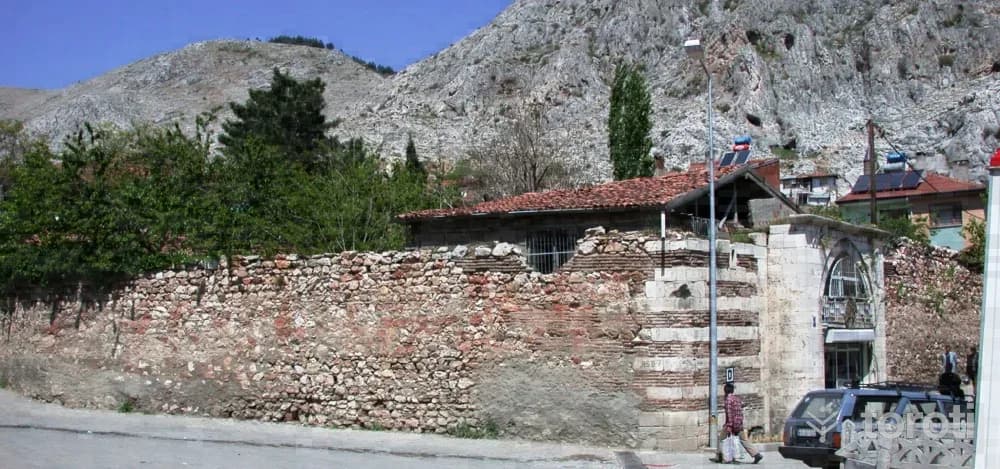
Paşa Han
It is on Sulusokak. It was built in 1752 during the reign of Sultan Mahmut I by Mehmet Paşa, who served in the governorships of Trabzon and Sivas. Paşa Han has a beautiful cut-stone gate and a courtyard enclosed by blind walls. The original service gate on the south side still exists, and the monumental gate has been removed.
45 minutes
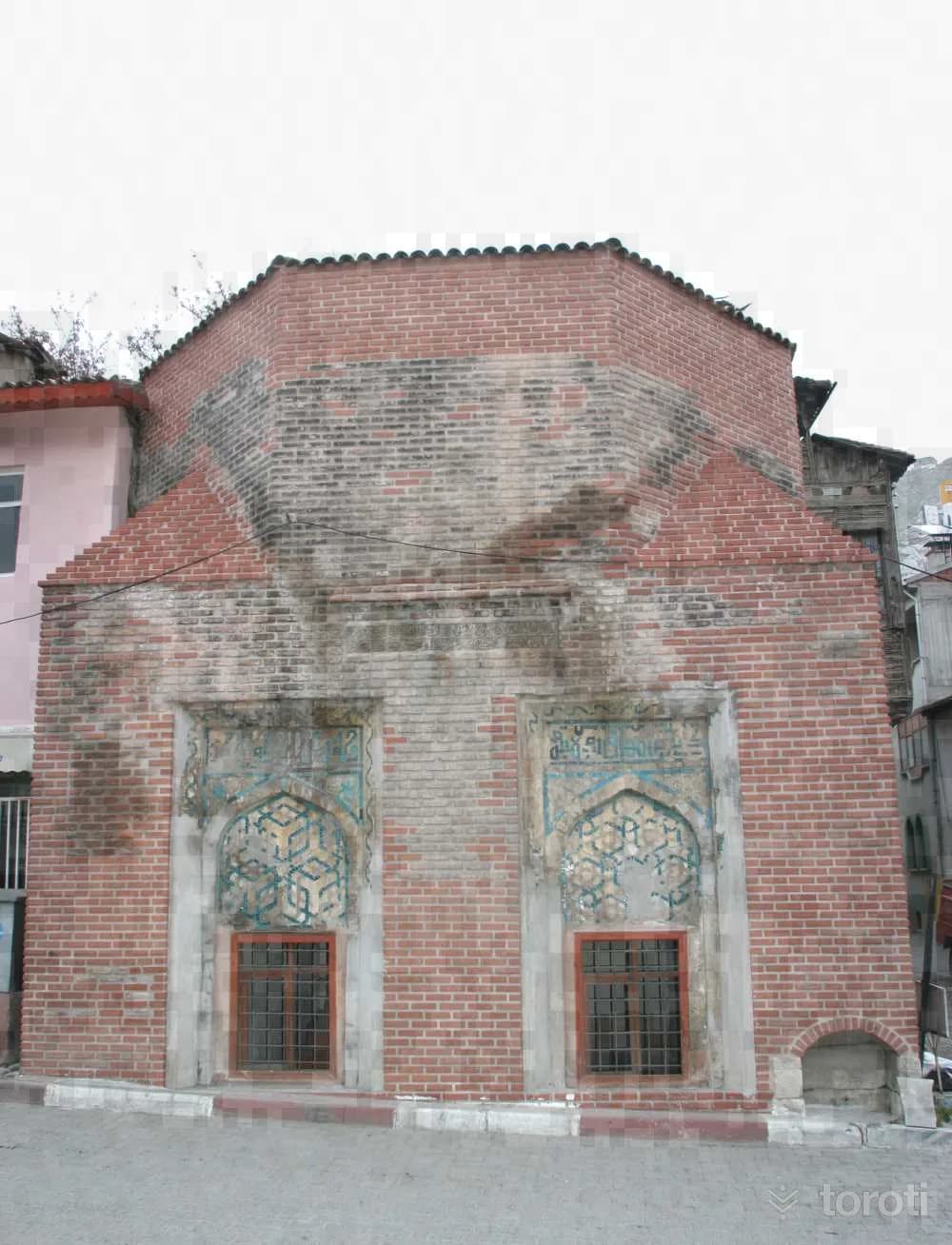
Ali Tusı Türbesi
According to the two-line inscription on the south facade, it was commissioned by Ebu'l Kasım Ali Tusi in 1233-34. The square-planned body transforms into an octagon above through triangular prismatic transitions and is covered with an inner dome and an outer conical roof, the roof being covered externally with tiles. In the tomb, which was built entirely of brick, there are decorations on the exterior facade in the mosaic tile technique.
20 minutes
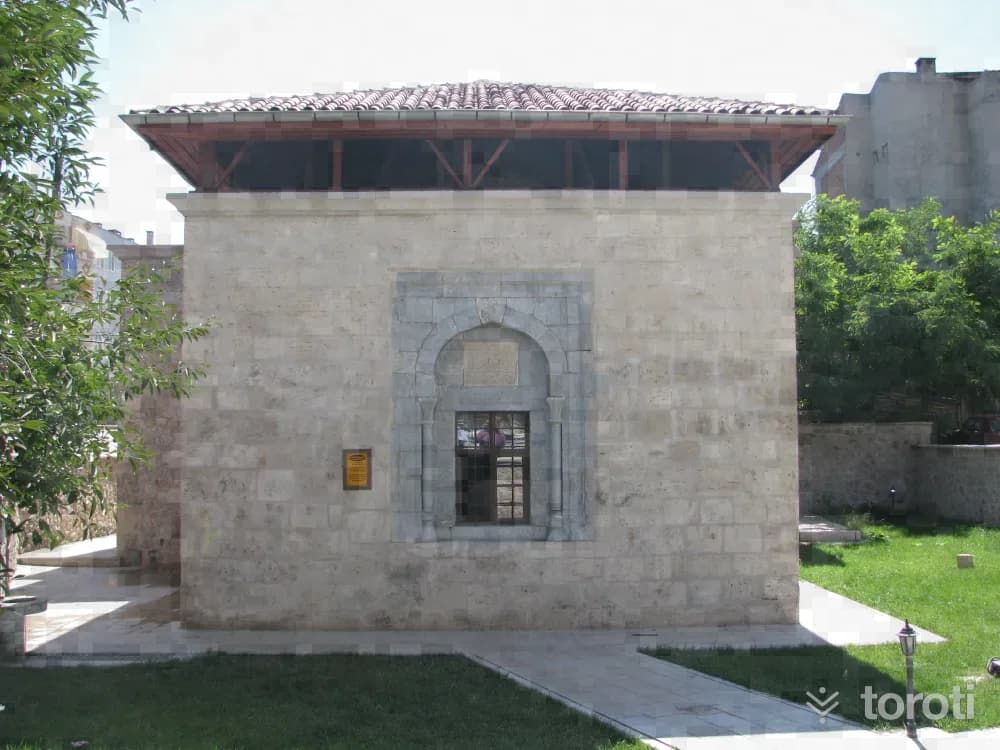
Abdulmuttalip Zaviyesi
The Zaviye, located on Soğukpınar road in Mahmutpaşa Neighborhood, was built in 1318 by Abdullah bin Muhyi during the reign of the Ilkhanid ruler Ebu Sait Bahadır Han. The other name of the zaviye is Ahi Muhyiddin. Abdullah bin Muhyiddin died in 1318 and was buried in this tomb.
45 minutes
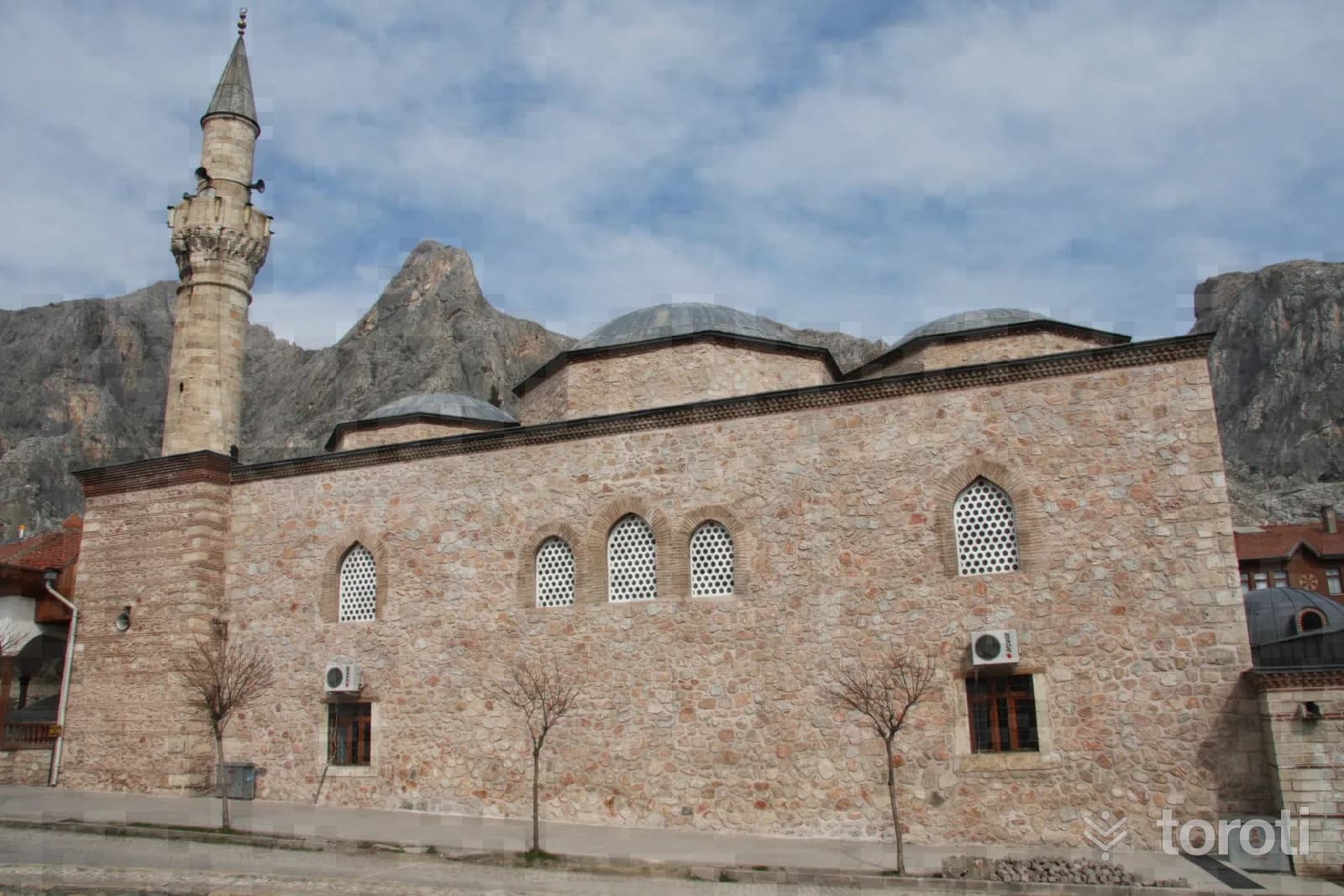
Takyeciler Cami
There is no inscription regarding the construction date of the mosque. Although there is no exact date for its construction, the similarity of its plan to the multi-domed 15th-century Ottoman mosques and the material, technical and formal features seen on the minaret base indicate that it is a 15th-century structure. The mosque underwent repairs in 1871-72 and during the years of World War I.
20 minutes
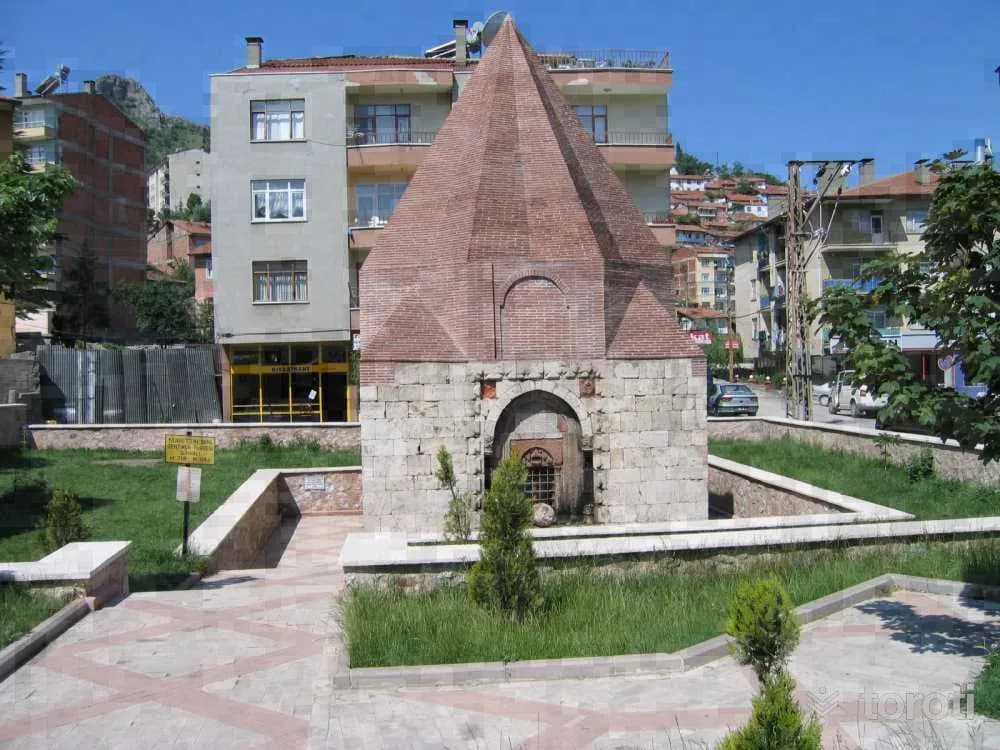
Nureddin İbn-i Esentimur Türbesi (Sivri Tekke)
It is located on Gaziosmanpaşa Caddesi. It belongs to Nurettin, son of Sentimur, one of the Mongol emirs. The tomb, built in 1314, is called by the local people the "Demirlengin oğlu (Timurleng benzetmesi) Tomb". The tomb, restored in 1935, is today within a green and flower-filled area.
20 minutes
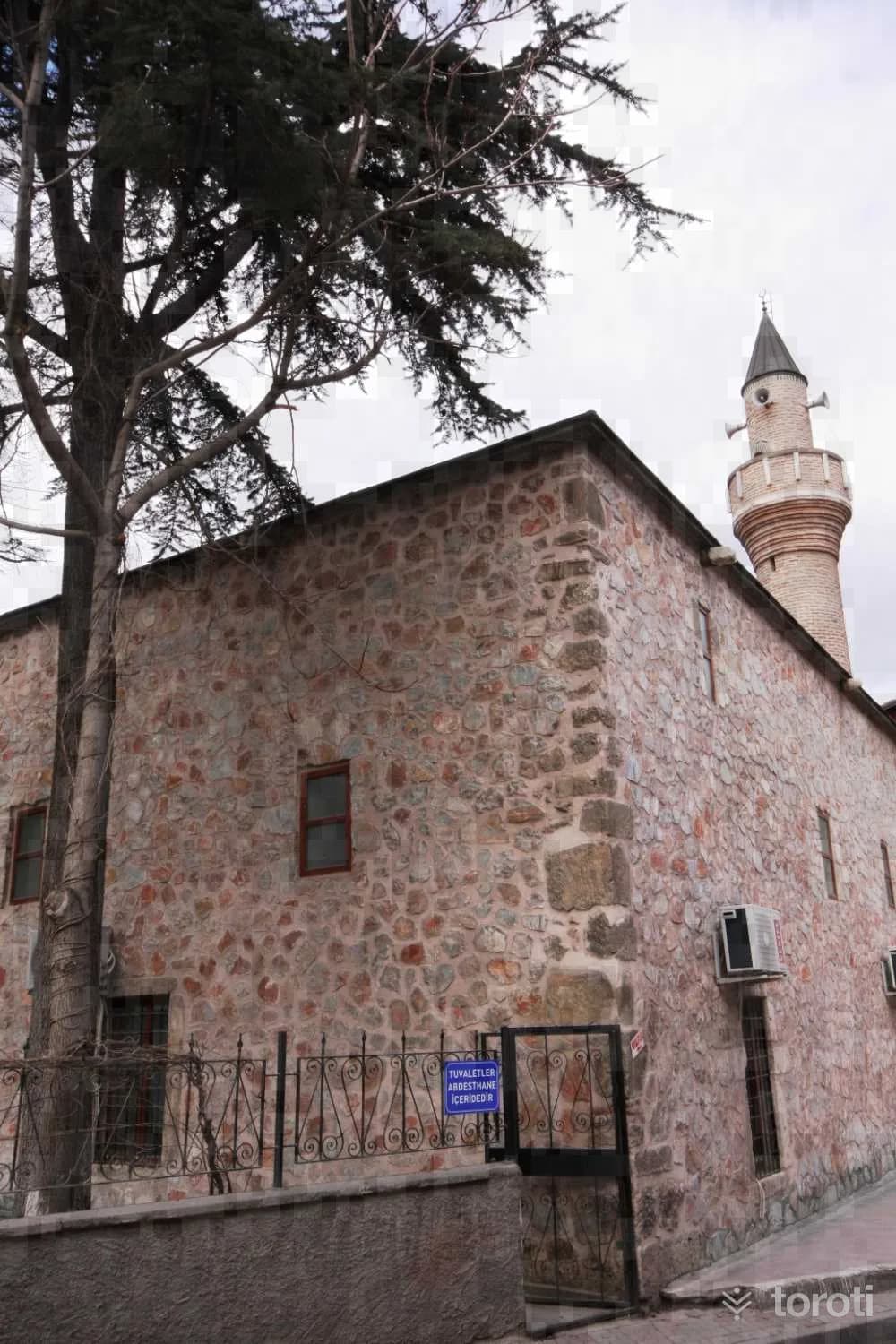
Garipler Cami (Danışmend Melikgazi Cami)
It is known to have been built by Tokat Fatihi Melik Danişmend Gazi in the last quarter of the 11th century (1080-1090). Garipler Camii, located in Pazarcık Mahallesi in the city center, is known among the public as Yeşil Minareli Camii because of the green glazed bricks on its minaret.
20 minutes
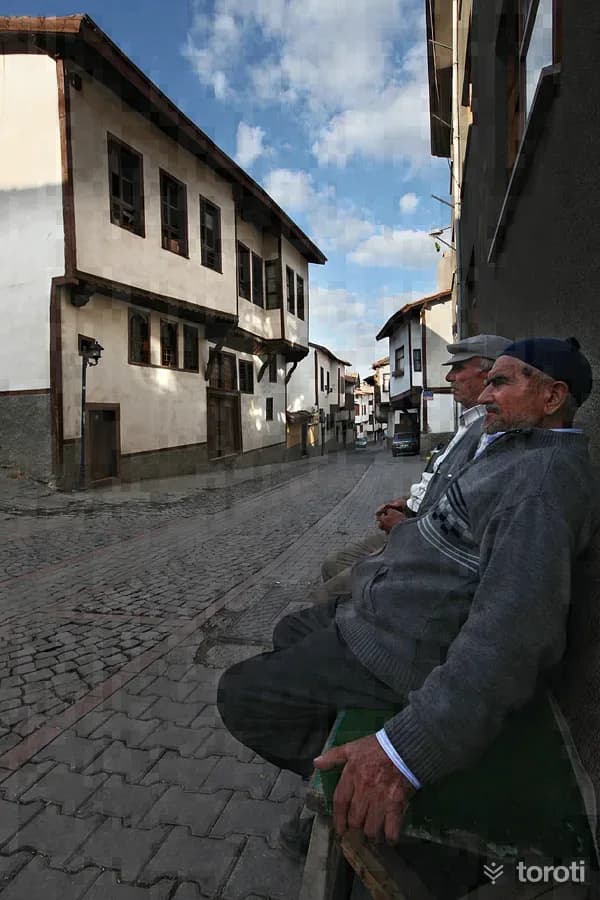
Halit Sokak-sulu Sokak
Sulu Sokak, which forms Tokat’s old city center and at the same time the city’s historic commercial center, and Halit Sokak, the residential settlement integrated with it, bear the traces of all the civilizations that established civilization in Tokat up to the present day.
45 minutes
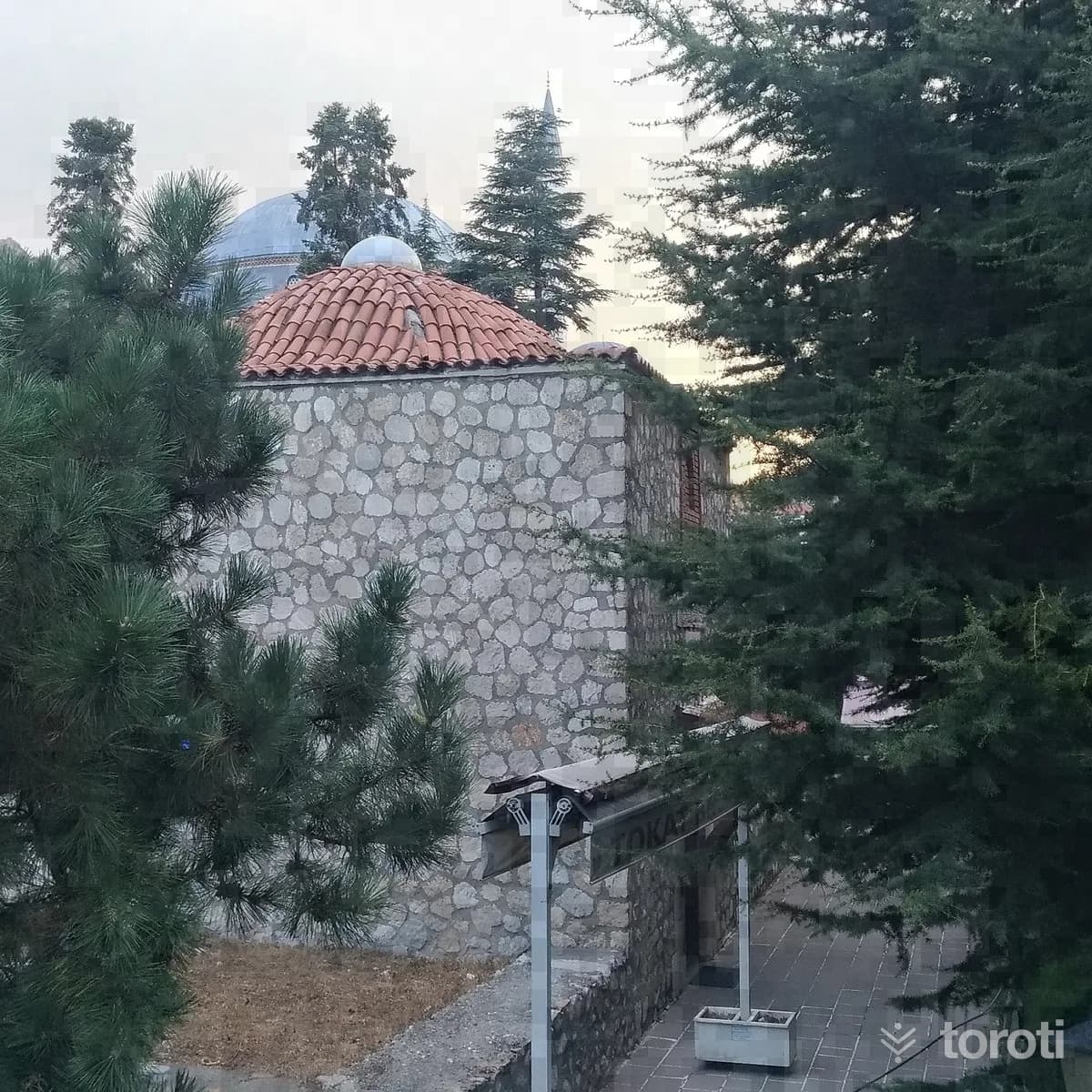
Ebu Şems Hanegahı - Vezir Ahmet Paşa Mescit ve Türbesi
According to the inscription above the door on the north facade; it was built as a hanegah in 1288 by Hüseyinoğlu Ebu'ş Şems during the reign of Sultan Mesud, son of II. İzzeddin Keykavus. It must have been renewed or repaired by Vezir Ahmet Paşa.
20 minutes
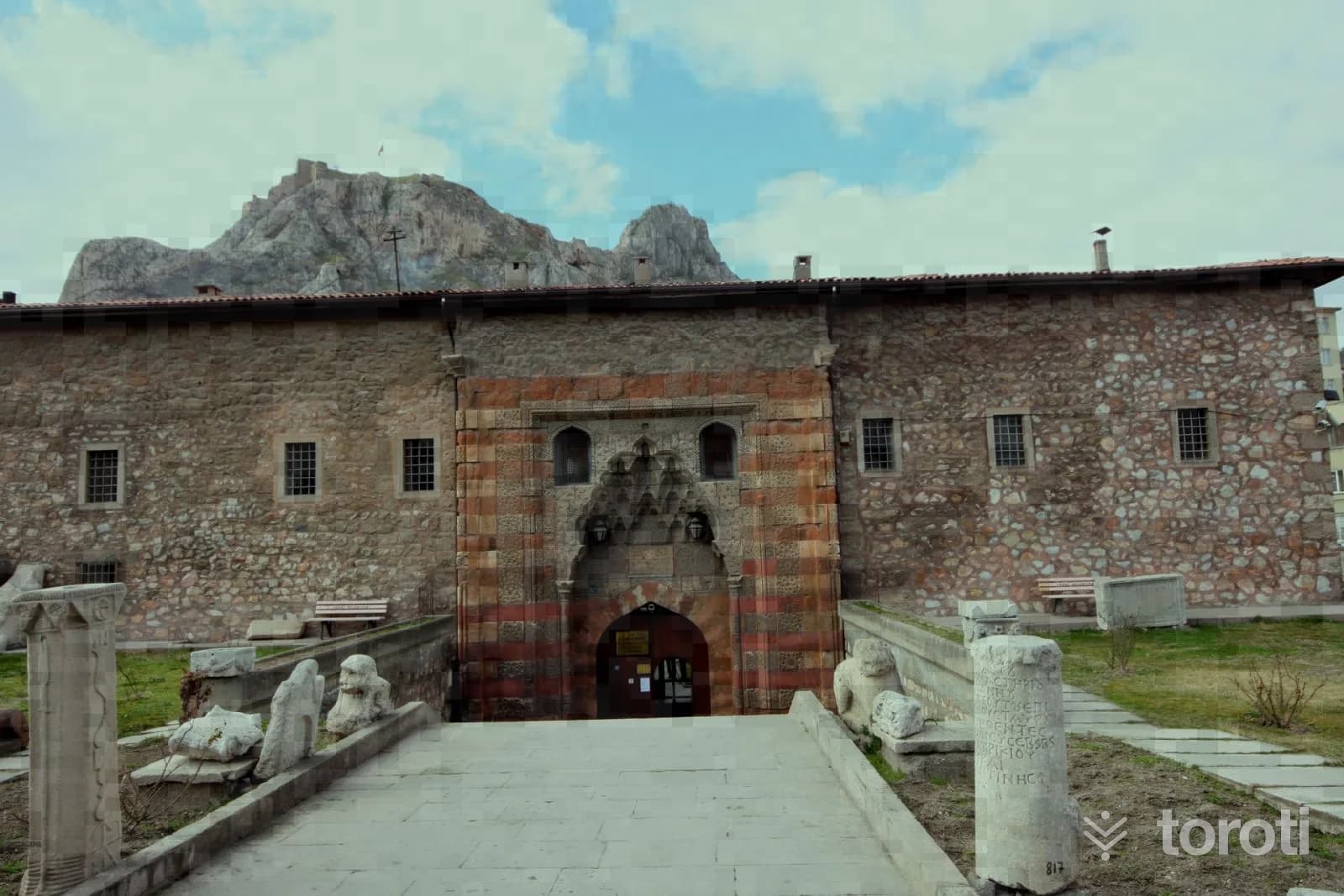
Gök Medrese
It is in the form of a closed külliye consisting of a mosque, madrasa and tomb. It was commissioned in 1267 by the Governor of Amasya, Seyfeddin Torumtay. It is accepted that it took the name Gök Medrese because of the blue glazed bricks on the drum of the octagonal tomb.
30 minutes
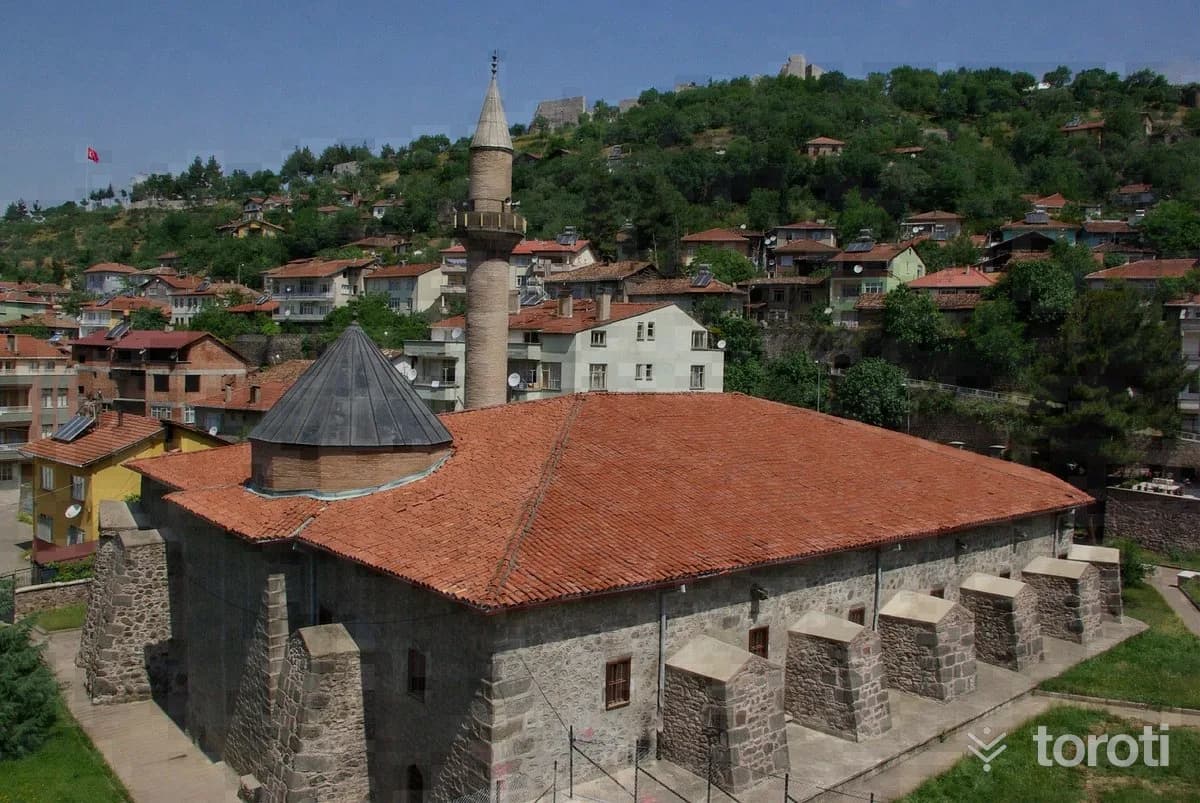
Ulu Cami
It was first built in the 12th century during the Danişmentliler period and was completely renovated in 1679 during the time of Avcı Mehmed. There are two last congregation areas on the east and west sides. With this feature, it is unique in Anatolia.
20 minutes
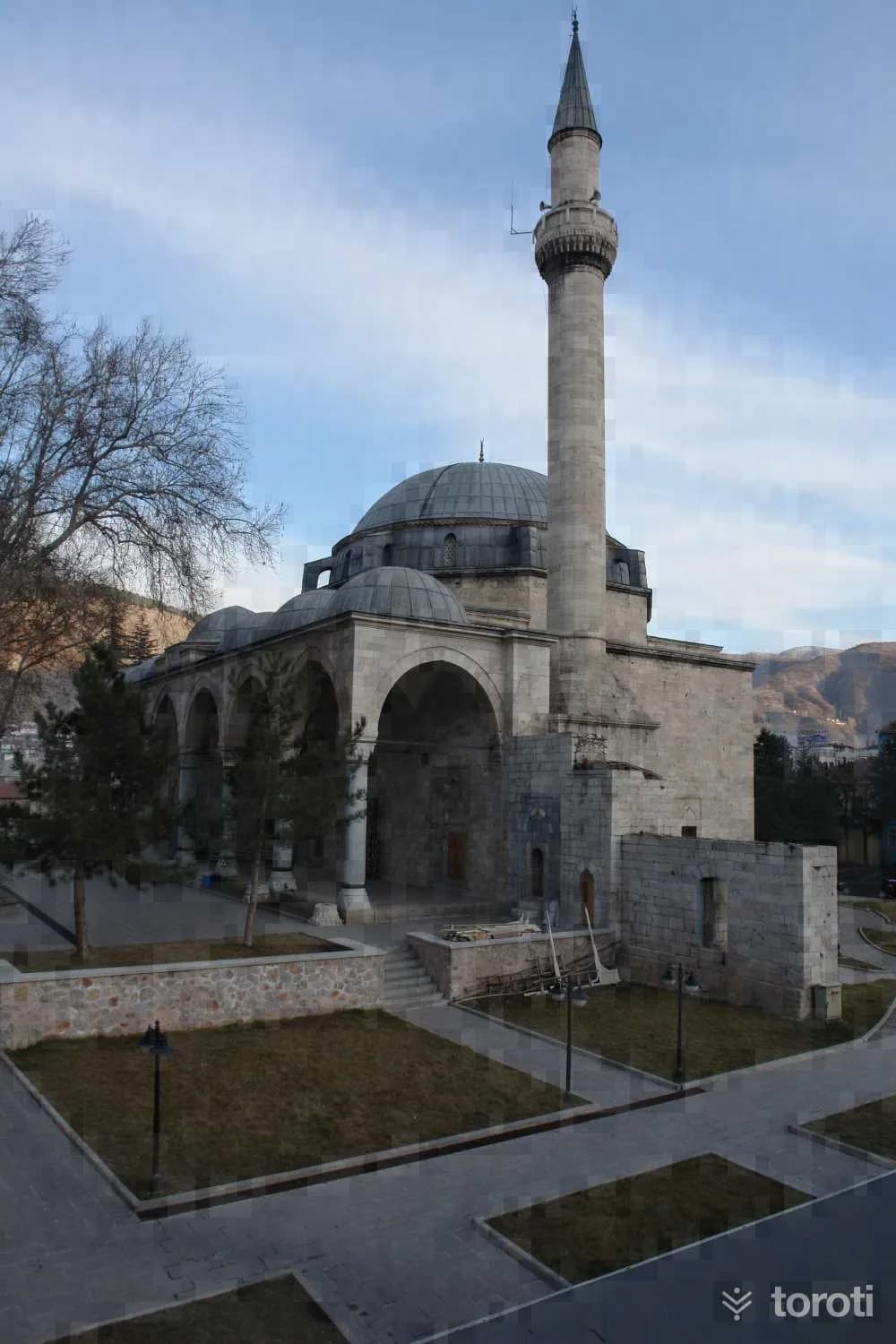
Ali Paşa Cami ve Türbesi
In front of the mosque, which was commissioned in 1572 during the reign of Selim II, there is a centuries-old tree. The mosque has a single dome. There are also the graves of Ali Paşa's son and wife, after whom the Ottoman commander took his name.
20 minutes
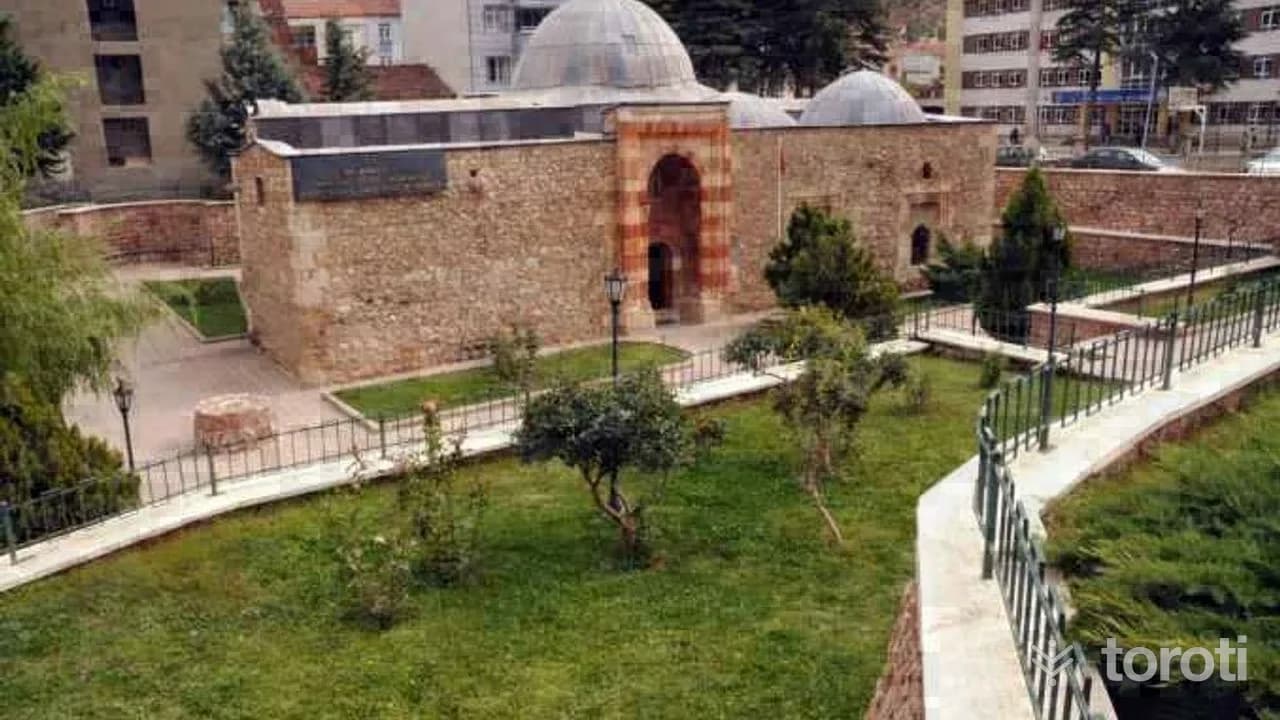
Halef Sultan Zaviyesi
It was built in 1291-92 in the name of Halef İbn Süleyman during the Anatolian Seljuk period. The structure continued to function during the Seljuk and Ottoman periods as an institution called Dar'ül-İlm (House of Knowledge).
20 minutes
Komana Antik Kenti
Sources state that the Ancient City of Komana, which was an important cultural center under the rule of the Mithridatic Kingdom and maintained its autonomy during the Roman Empire period, was a sacred site dedicated to the Anatolian god Ma.
45 minutes
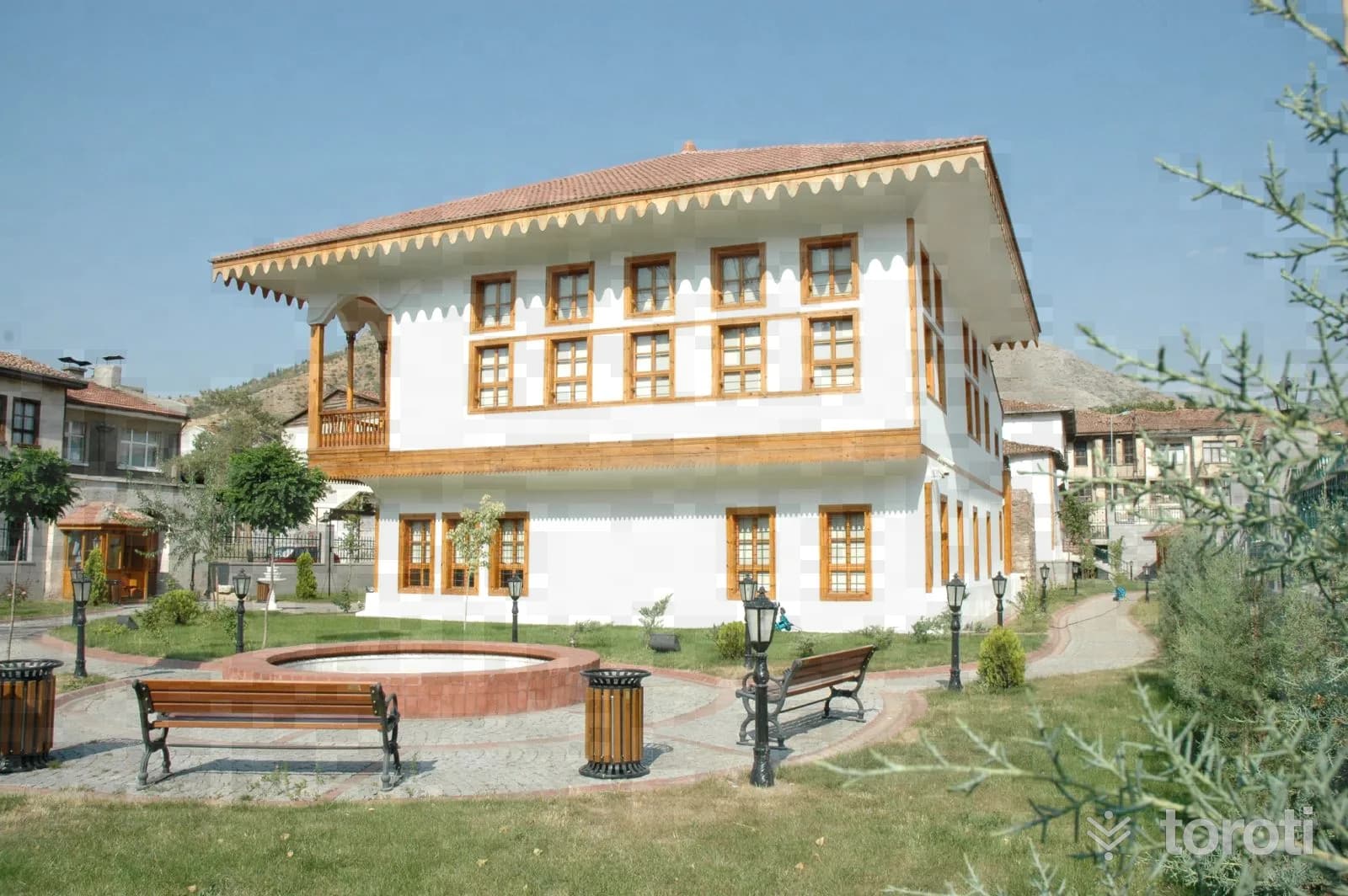
Mevlevihane
The Mevlevihane is a historical site where Mevlevi culture began to spread in Tokat. Built in the 17th century, this structure has not fully survived to the present day.
30 minutes
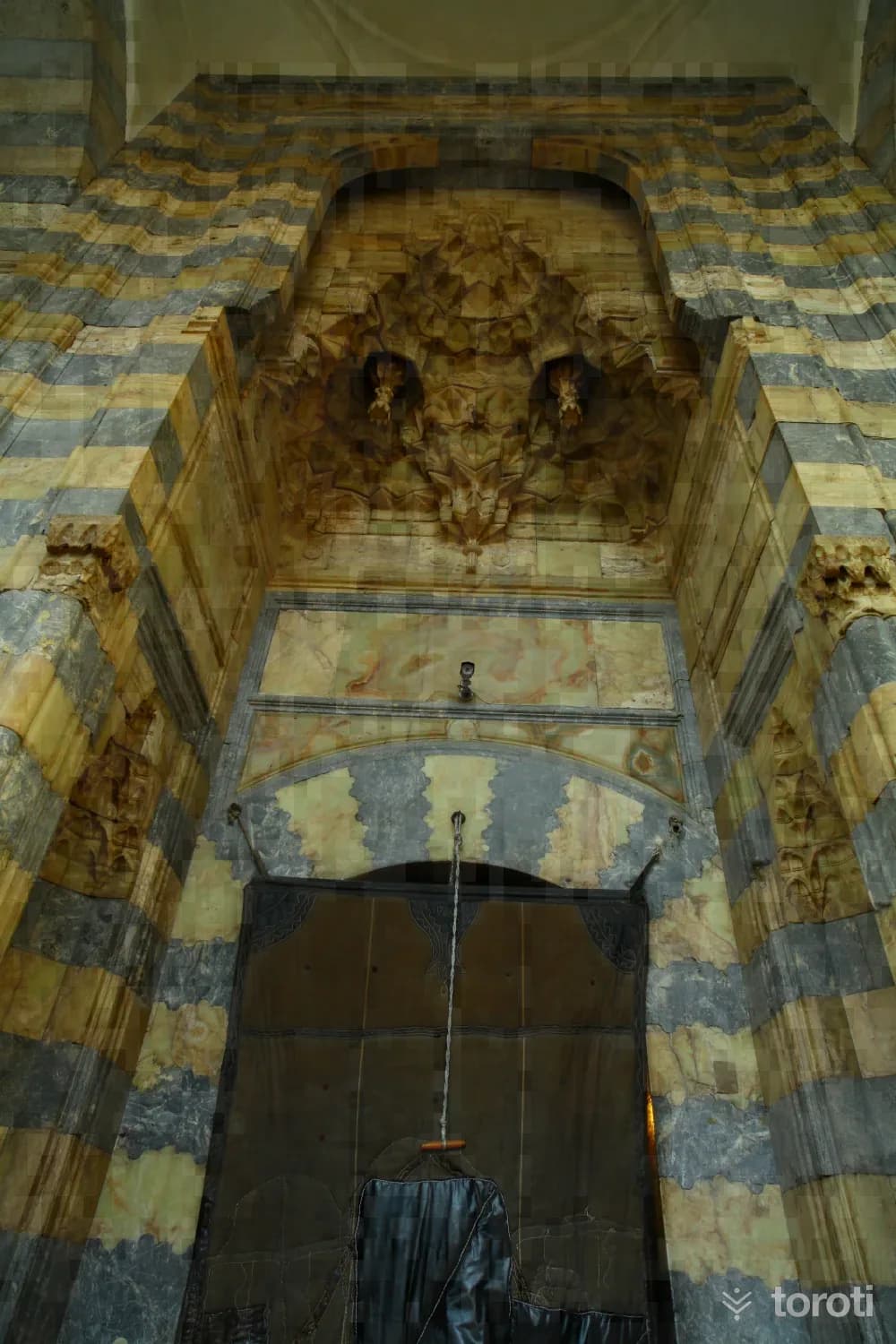
Meydan Cami / Hatuniye Cami
The mosque, commissioned by Sultan 11.Beyazıt in the name of his mother Gülbahar Hatun, is recorded as “Hatuniye Cami.” It was built in 1485 on a large area from which it takes its name in Meydan Mahallesi. It is one of the finest Ottoman works built in Tokat. Constructed of cut stone, it has a single minaret over the main space and a 5-domed last congregation area consisting of 6 columns.
45 minutes
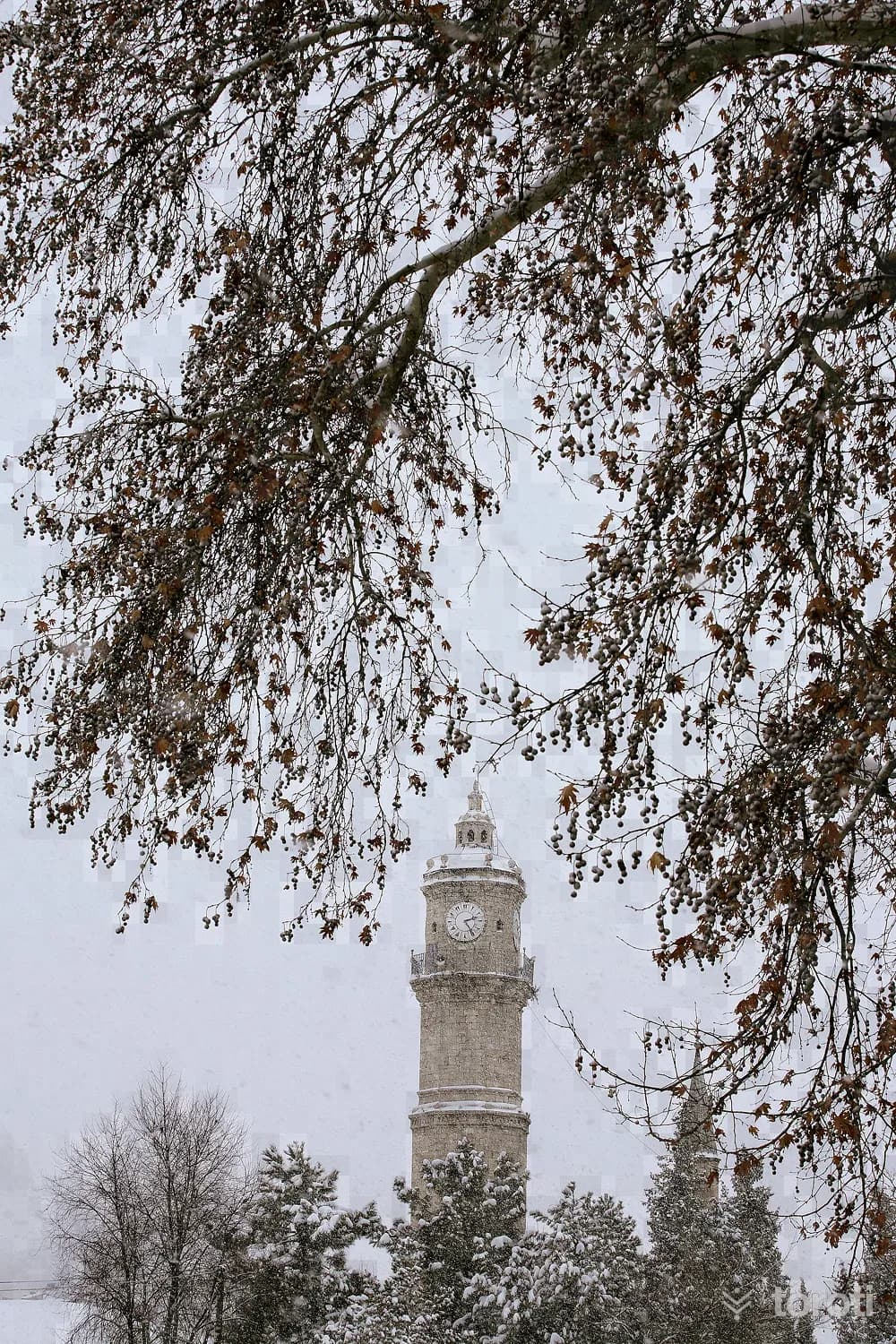
Tokat Saat Kulesi
It was built in 1902 in the Behzat district so as to be visible from every part of the city. Its door faces south and its height is 33 meters. It was built of cut stone. It was commissioned with public donations for the 25th year of II. Abdulhamid’s reign by mutasarrıf Bekir Paşa and Belediye Reisi Mütevelli oğlu Enver Bey. With large dials on four sides, it strikes on the half hour and on the hour, fully, with a two-minute interval.
45 minutes
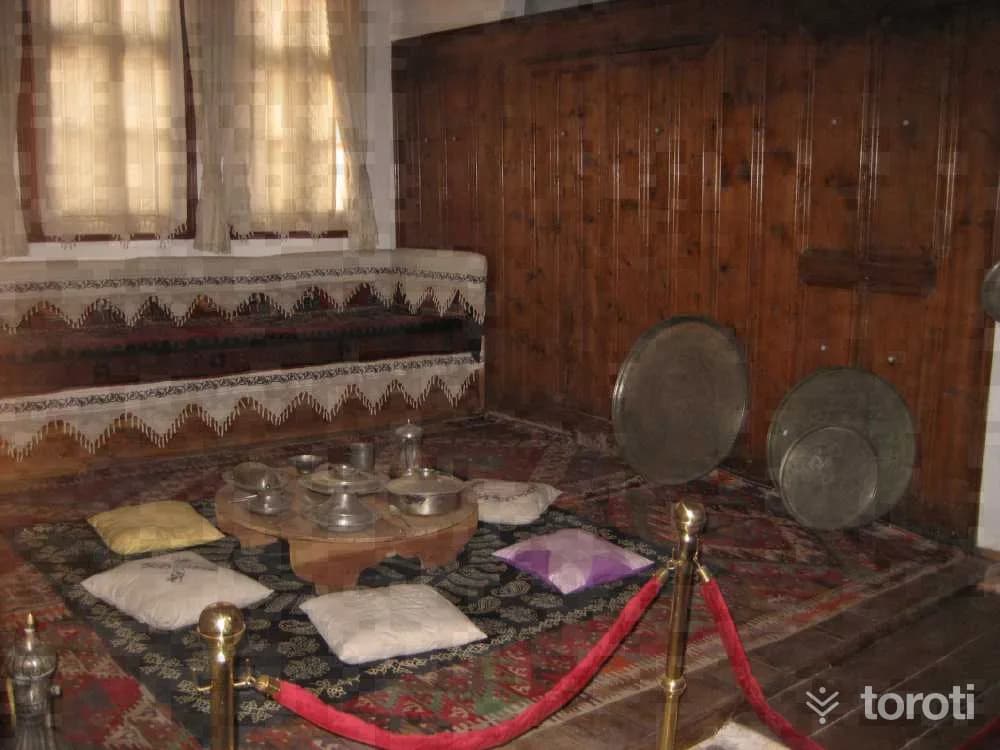
Tokat Kültür Evi
It is an example of civil architecture built in the baroque style within Sulu Sokak. When you enter the house, both the beauty of the decorations and the masterful application of so much beauty to such a small house astonish visitors.
30 minutes
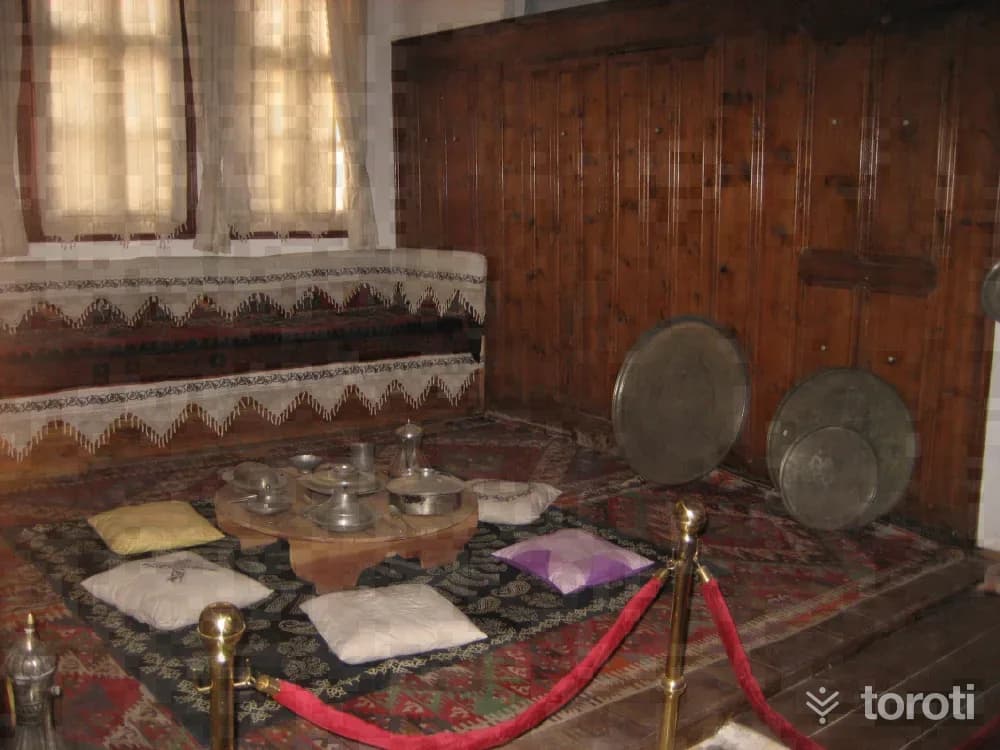
Tokat Atatürk Evi
Mustafa Kemal Atatürk visited Tokat many times during the years of the national struggle, and on his fourth visit, on 25 September 1925, he stayed in this mansion belonging to his friend Tokatlı Infantry Captain Mustafa Vasfi SÜSOY, who had been with him on the Bandırma Ferry and who also became a deputy after the proclamation of the Republic, together with his wife Latife Hanım. The mansion is today open to visitors as the Atatürk House and Ethnography Museum.
45 minutes
Arastalı Bedesten / Tokat Müzesi
Arastalı Bedesten is the location where Tokat Museum exhibits its collection in a historical Ottoman structure. The museum houses artifacts from the Anatolian Seljuk Period.
45 minutes