Places to visit
Things to do in Menteşe
12 destinations, each with a description, how long it takes and where it sits on the map.
In short
toroti’s catalogue holds 12 described destinations within Menteşe, Muğla. The themes that come up most: Nature, Local culture, History, Museum, Culture, Faith heritage.
Muğla Yaylaları
Gökçukur plateau is at an altitude of 1700. On the plateau, which is completely covered with forest, there is an auberge-type accommodation unit belonging to the Forestry Directorate. Yerküpü Plateau, 5 kilometers from Menteşe and 15 kilometers from Kavaklıdere, is the most popular plateau in the region.
45 minutes
Karabağlar Yaylası
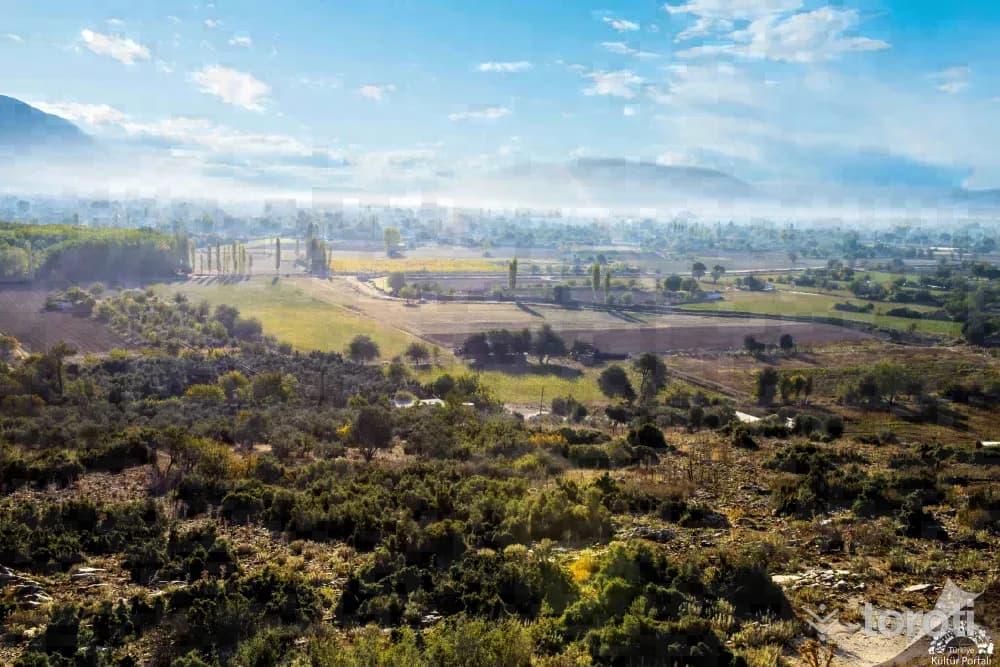
Karabağlar Yaylası, 3 kilometers from Muğla city center, is a place worth setting aside time to see. With its cold spring water, ancient plane trees, and abundant fruit trees, Karabağlar is a place of escape on hot days. . The plateau’s whitewashed, red-tiled houses share the same characteristics as the protected historic houses of Muğla’s Saburhane Mahallesi. This settlement on the plateau has been placed under protection, and ugly construction has not been allowed.
45 minutes
Muğla Saatli Kule
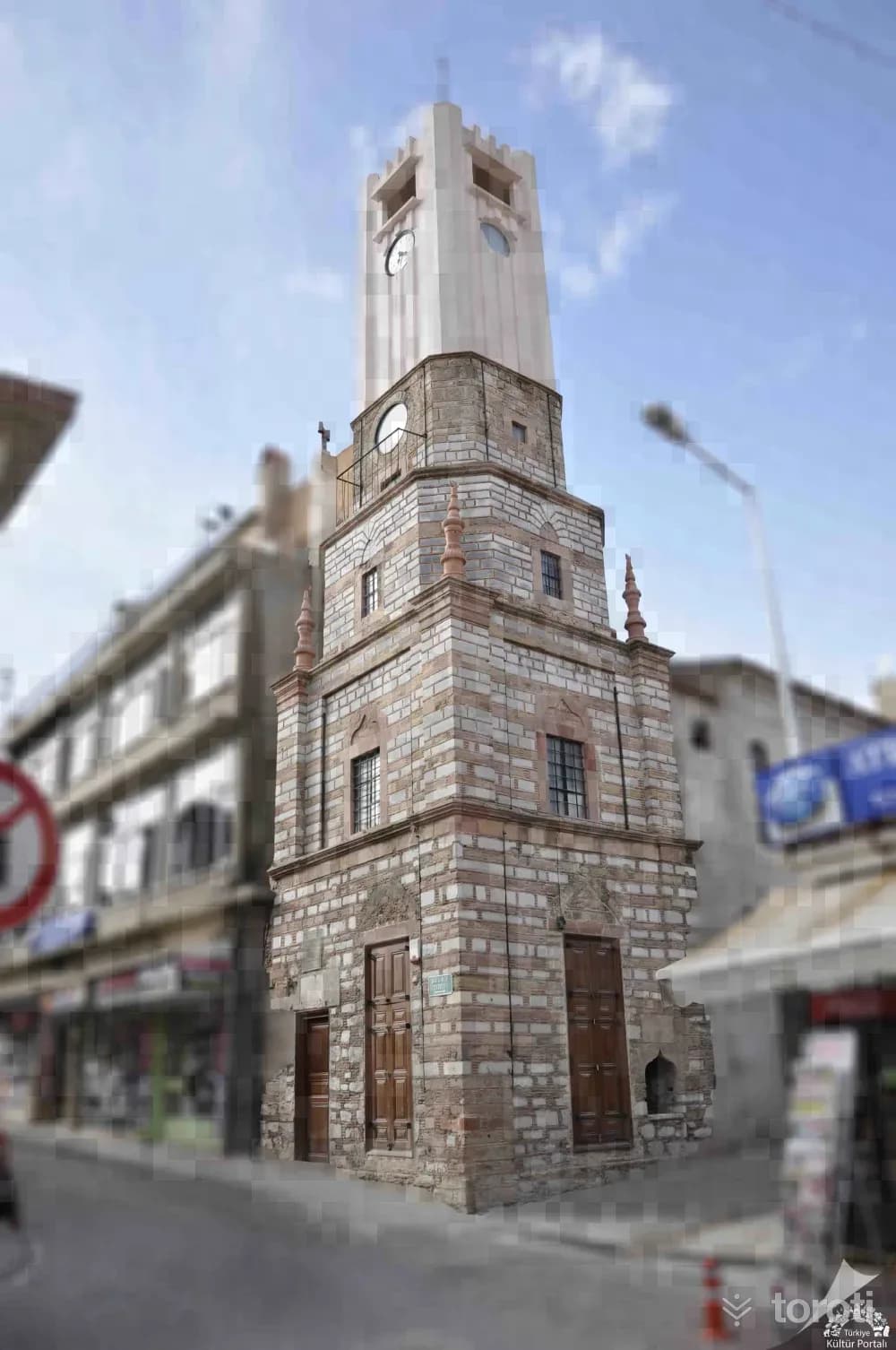
The clock tower located on Kara Mustafa Caddesi in Balıbey Mahallesi was commissioned in 1895 by Hacı Kadızade Süleyman Efendi, Muğla’s first Mayor, and his wife Pembe Ana. After returning from the pilgrimage, they had a similar tower to the one they saw in the city of Damascus built by the famous Greek master Filvarus. Muğla Provincial Directorate of Culture and Tourism The Clock Tower is square-planned and five storeys high, built using cut stone and brick, and narrows from bottom to top.
45 minutes
Mobolla Antik Kenti
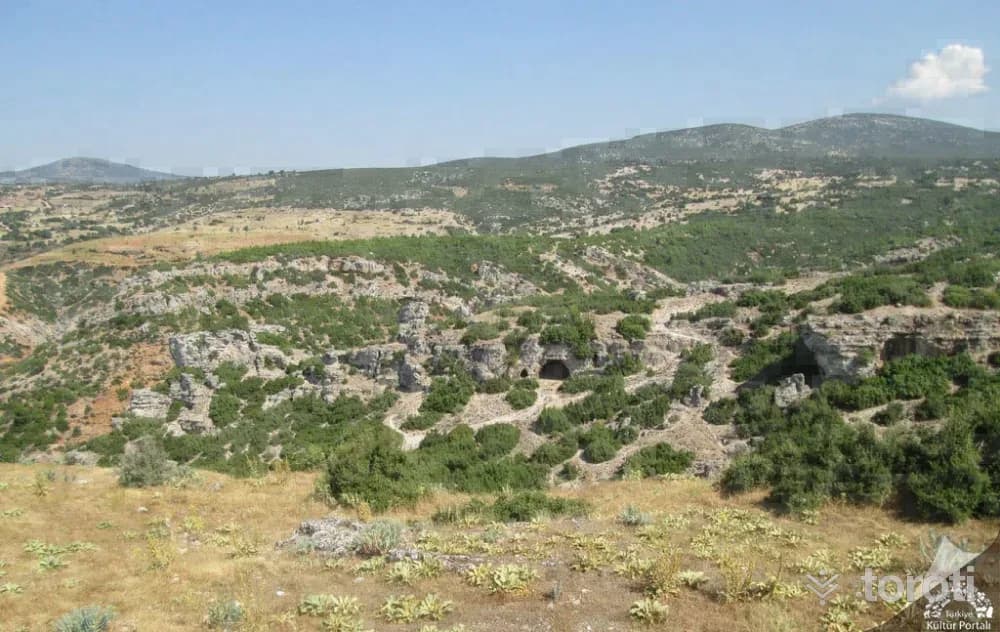
To the south of Muğla city center and adjacent to the urban protected area, on the rocky hill known as Masa Dağı or Asar in the northeast of Saburhane Neighborhood, are the remains of the Ancient City of Mobolla and its castle. According to the Muğla Museum Directorate, the oldest known name of the settlement is Mogla (Mώγλα). An inscription dated to the 2nd century BC and found in Muğla leaves no doubt that the name of the city was Mόβολλα (Mobolla).
45 minutes
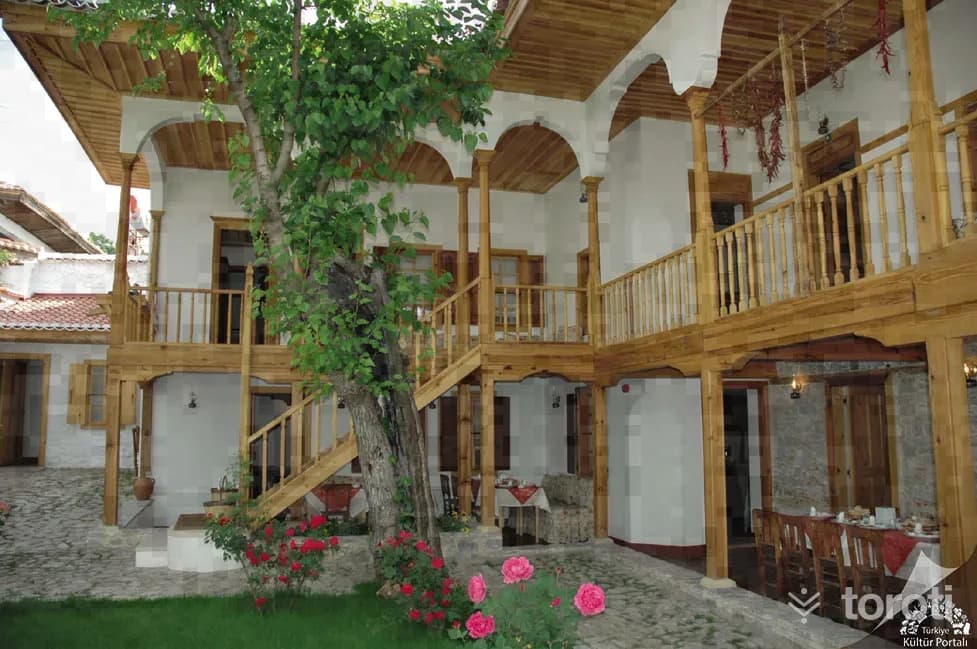
Özbekler Evi
The building, one of the traditional Muğla houses and known as Hacı Hamzalar and Ali Rıza Özbek Evi, has a history of approximately 225 years. In 1987, it was given the award for the best preserved and maintained house by the Muğla Chamber of Architects. In its early days, the building had an earthen roof, but later underwent certain renovations and spaces such as a winter house, summer house, landings, and under-house areas were created in the building. Later, the earthen roof was closed off and converted into a system with a wooden bağdadi and tiled roof.
45 minutes
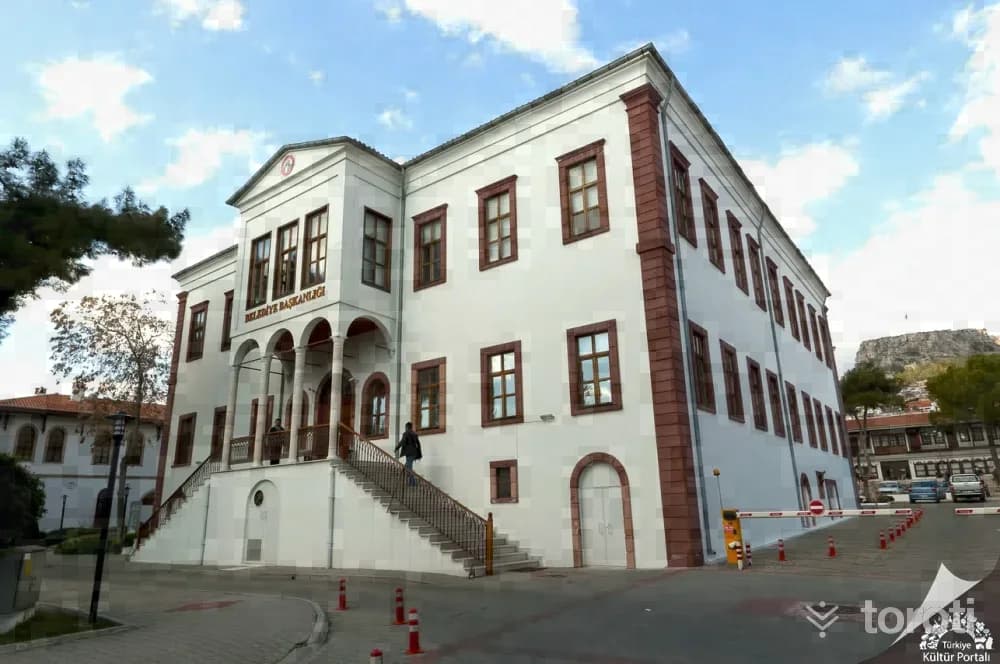
Muğla Belediyesi Hizmet Binası
Muğla Municipality Service Building was built as the government mansion of Menteşe Liva, which was a mutasarrıflık in the 1867 Ottoman administrative division. The plan of the mansion was drawn by Major Hüseyin Bey of Damascus, who was the gendarmerie commander of the period. It is thought to have been drawn inspired by a mansion in Damascus. The 2nd floor of the Muğla Provincial Directorate of Culture and Tourism Courthouse Building was commissioned in 1889 by Cafer Paşa, who was the Muğla Mutasarrıf, and Greek craftsmen worked in the construction of the building.
45 minutes
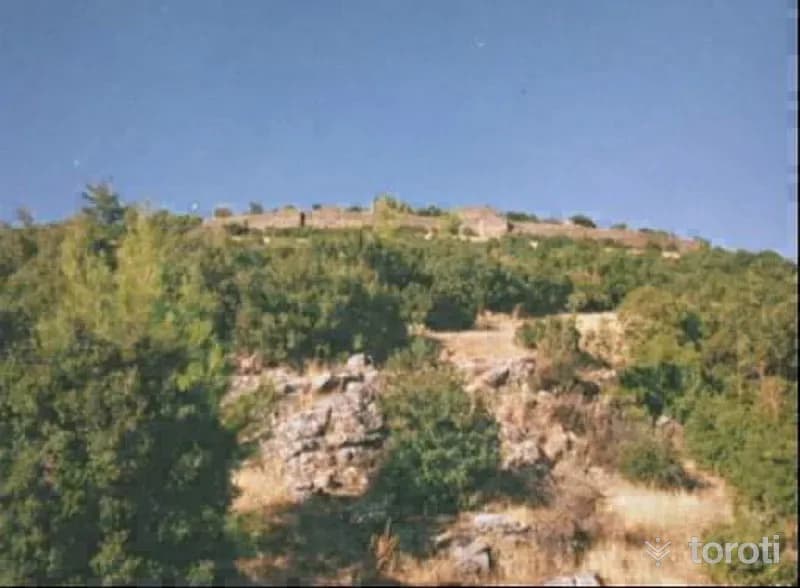
Körteke Kalesi
It is one of the Leleg-type hill towns of Inner Caria, built on a high hill (Kale Tepe) located to the northeast of Körteke neighborhood in Bozdoğan District of Aydın Province. This city is probably the city of XYATİS. The acropolis is located on the rocky hill. There is a tower each on the east and west, and a cistern in the middle. The acropolis is enclosed from the south by an inner wall with three towers, which we date to the 5th century BC.
45 minutes
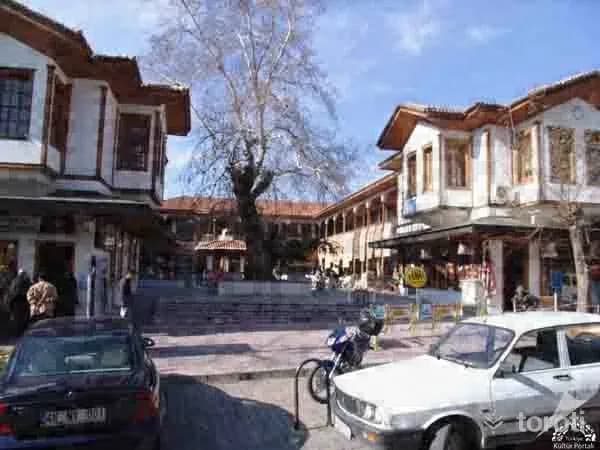
Yağcilar Hanı
The construction of Yağcılar Hanı dates back to 1493. The han was an important commercial center in the city's past. The structure was built with a bağdadi and timber frame system based on a solid stone wall. In the past, the structure consisted of oil workshops; today, having been restored, it is used as a commercial center and as a resting area in the shade of the plane tree in its courtyard.
45 minutes
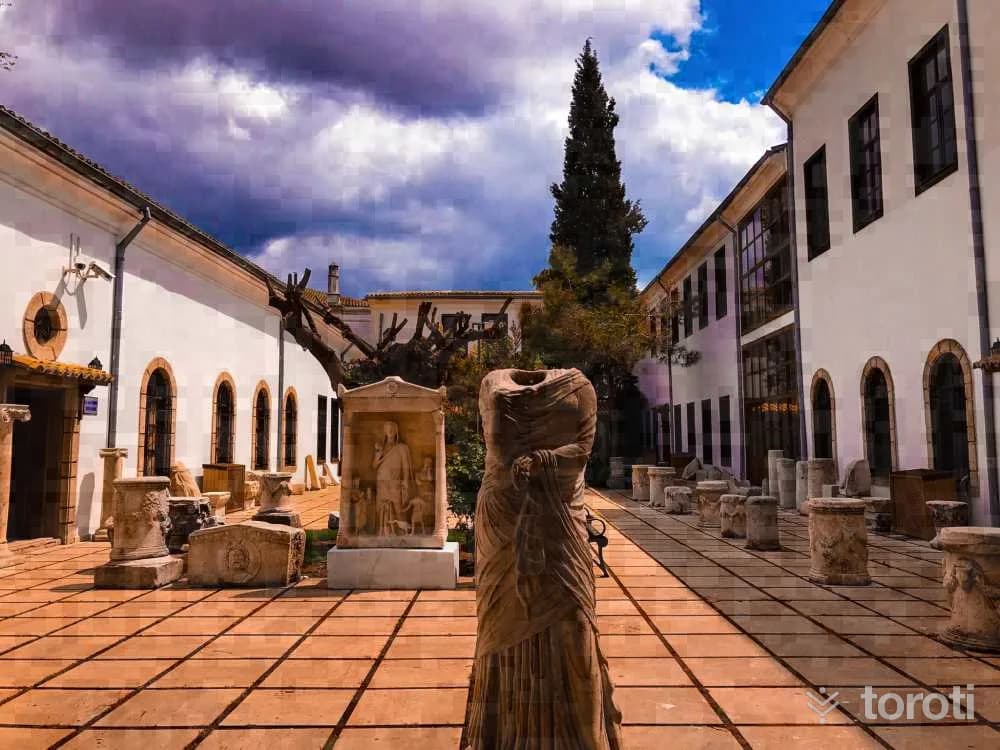
Muğla Müzesi
In the Turollan Park section of the museum, fossils brought from 3 fossil beds located on the northern slopes of Kaklıca Tepe, approximately 1 km. northeast of Özlüce Köyü in the Merkez District, are exhibited. In addition, artifacts unearthed from the ancient city of Yatağan-Stratonikeia are also exhibited in the museum.
45 minutes
Yeşilyurt
You can reach the town of Yeşilyurt, located 14 kilometers from the city center, by minibuses departing every hour from the Muğla bus station. The town is famous for its weaving. It bears the traces of the ancient city of Pisye, dating back to 1500 B.C. In the Hellenization period, the original form of the name, which became Pisye, was most likely Pissuwa from the Luwian language.
45 minutes
Şahidi Cami
In the 18th century, a Mevlevi Masjid stood on the site where the mosque is located today. On the remains of this masjid, which was later demolished, the main building of the present mosque was commissioned by Hacı Osman Ağa in 1848. The first restoration of the structure took place in 1869, and the second major restoration was commissioned in 1911 by Sheikh Cemal, who was a Mevlevi sheikh. In the garden of the mosque, the Mevlevi Sheikh Hz.
45 minutes
Hacikadi Evi
The house, which is recorded today as “Hacıkadı Evi,” was built between 1875-1880 and dates back 130 years from today. Hacıkadı Süleyman Efendi, the first mayor of Muğla, and his wife Pembe Hatun had this house built for their son Ömer Efendi. The historic clock tower, which is important for Muğla, and the state hospital, formerly called Memleket Hastanesi, were also built by the same family.
45 minutes