
Places to visit
Things to do in Karaman
37 destinations, each with a description, how long it takes and where it sits on the map.
In short
toroti’s catalogue holds 37 described destinations within Karaman. The themes that come up most: History, Nature, Faith heritage, Museum, Culture, Local culture.
Districts of Karaman
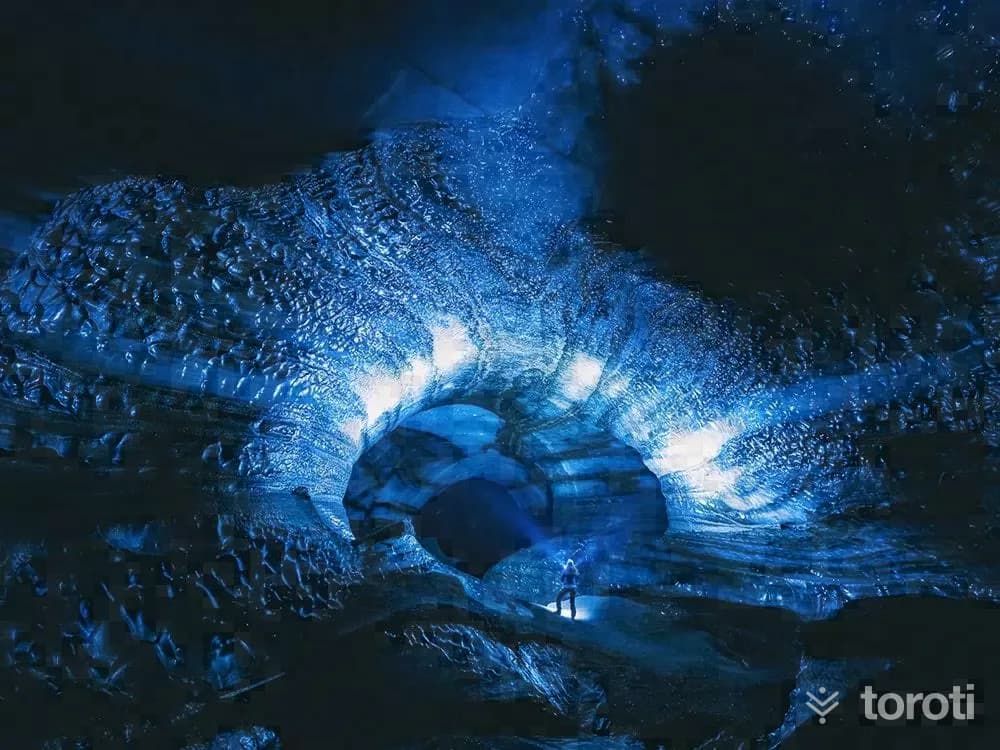
Meraspolis Mağarası
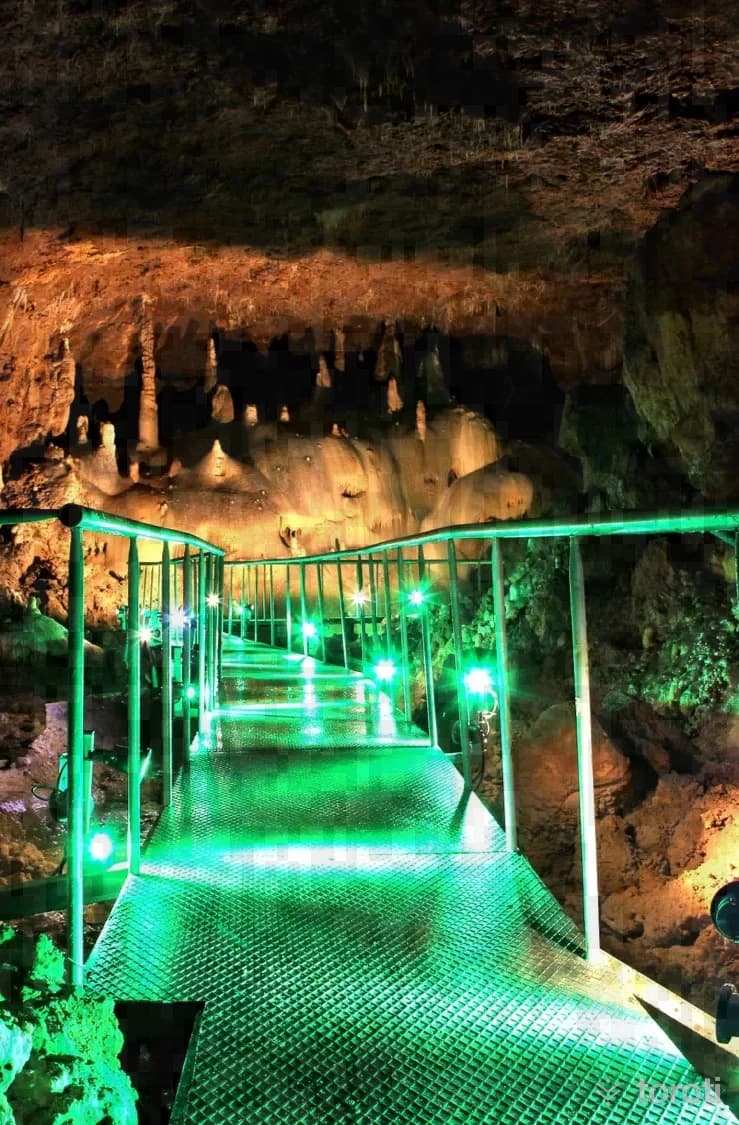
Meraspolis Cave consists of many levels and chambers. One of the cave’s two entrances is completely natural, while the second entrance was opened later. The stalactites and stalagmites inside the cave welcome visitors in various sizes. Research has indicated that this cave dates back to ancient times. Used by people in ancient times, the cave served not only as a shelter but also as a dungeon.
45 minutes
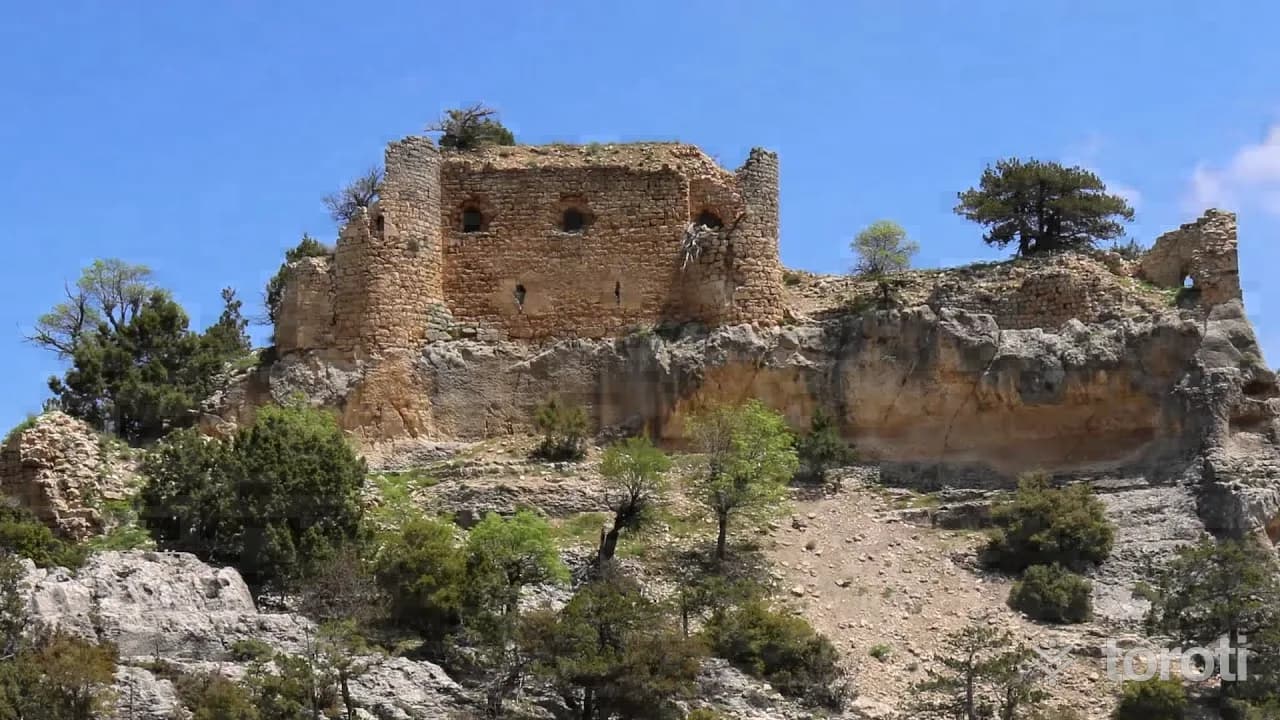
Mennan Kalesi
The castle ruin located in Ermenek district is in a somewhat difficult spot in terms of access. This is considered among the reasons that made the castle difficult to capture in ancient times. It is not known for certain in which year and by whom Mennan Kalesi was built. According to estimates, it belongs to the Hittite period. It is known that the castle was actively used during the Karamanoğulları period and was repaired in those times.
30 minutes
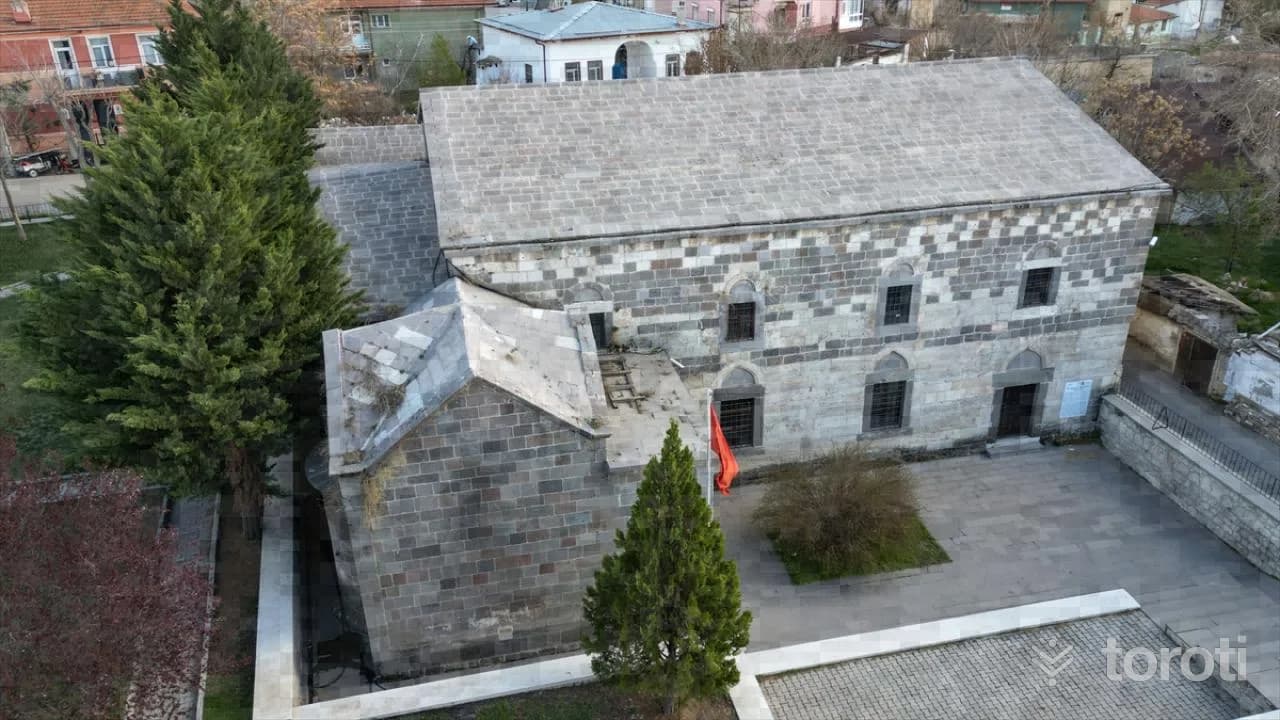
Çeşmeli Kilise
It belongs to the Byzantine Period. After the Republican Period, it was used as a prison until the 1980s, and some additions were made inside in a way that would not spoil its exterior architecture. It was restored in 2007. After the restoration, the church, which is used for artistic activities such as exhibitions, meeting hall, and music recitals, is open to visitors.
30 minutes
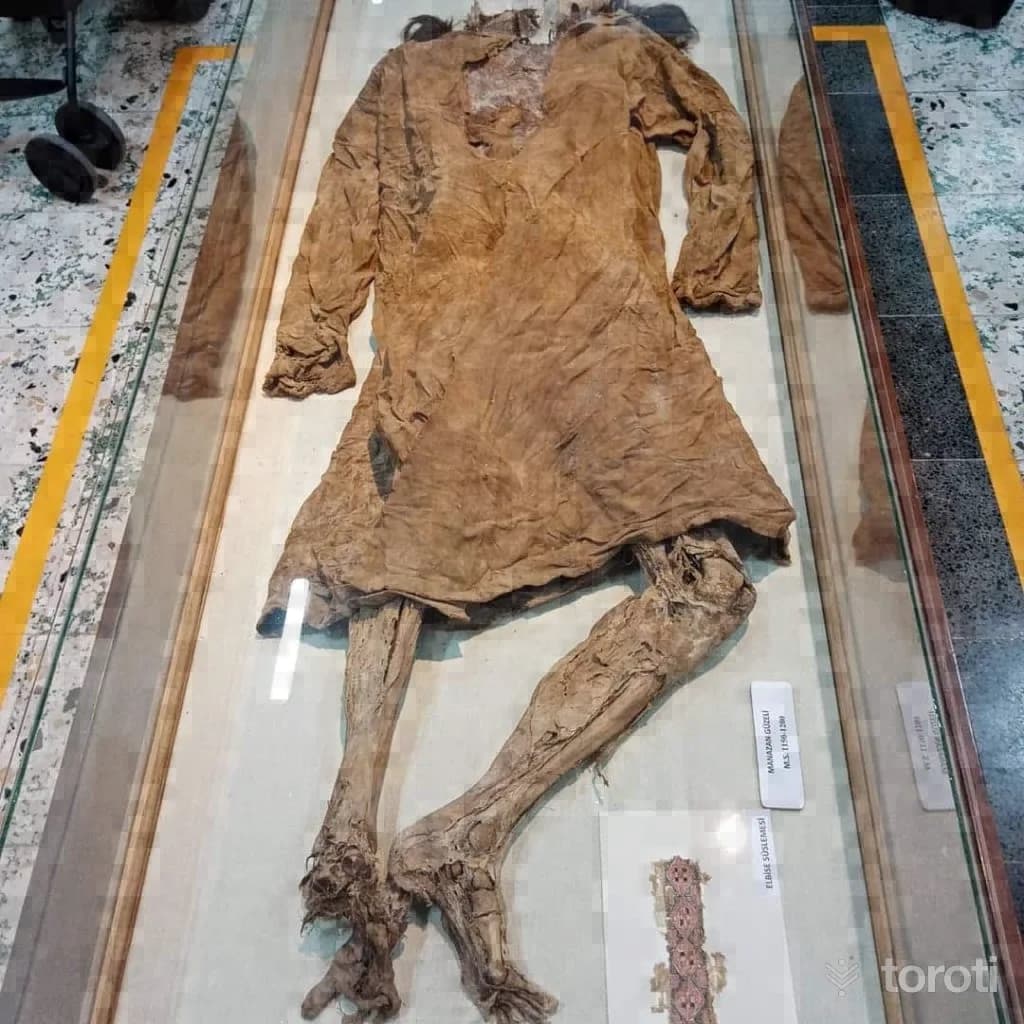
Kent Müzesi
There are 2 separate sections inside the museum and approximately 400 works are exhibited. In addition to the oldest photographs of Karaman, items belonging to various occupational groups that have gradually begun to be forgotten make up the most striking section of the museum. In addition, the museum features human figures made of wax representing those who practiced these professions.
45 minutes
Yunus Emre Cami
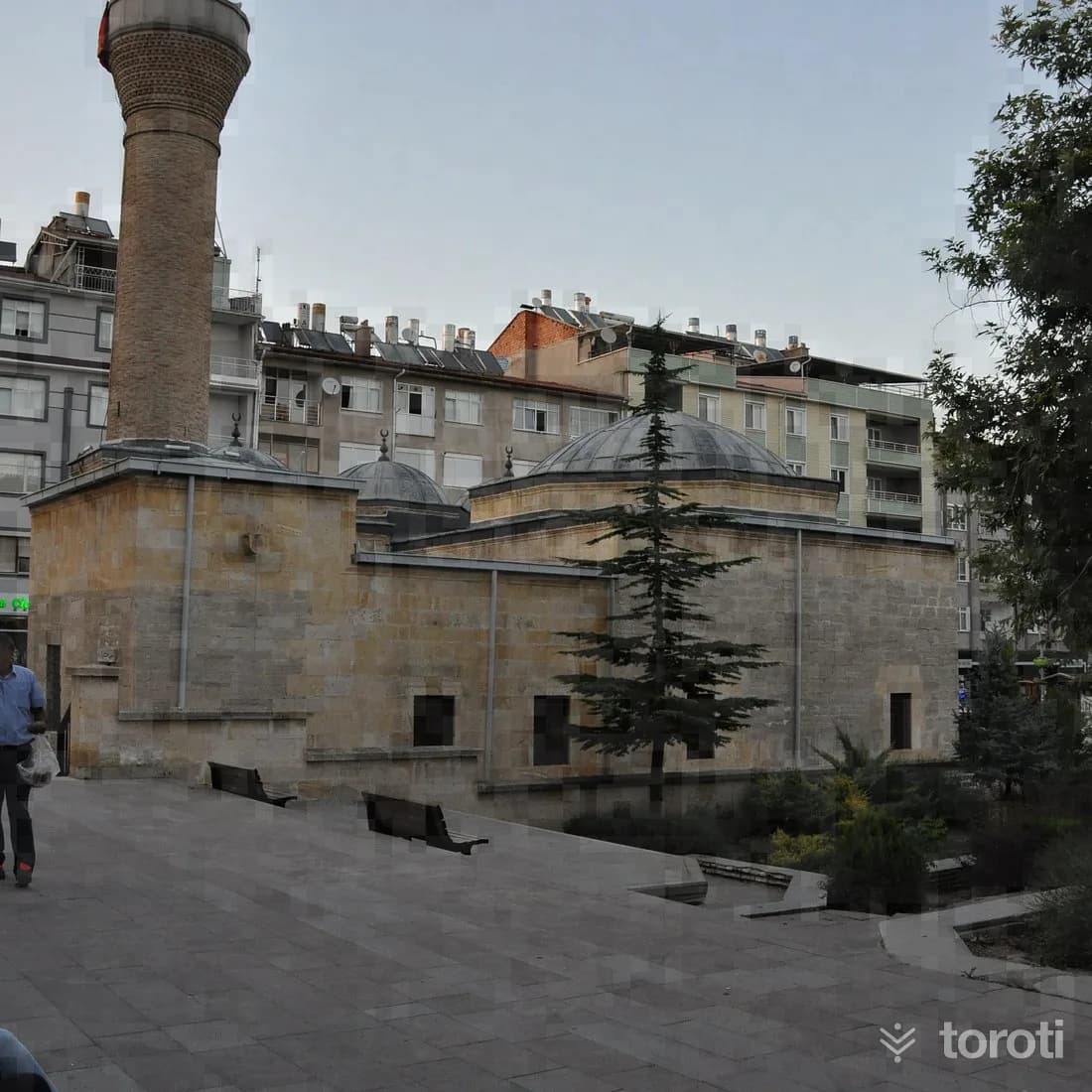
The mosque belonging to the Karamanoğulları Period is located in the Center, Kirişçi Neighborhood. To the right of the central dome, there is a rectangular-plan dhikr area with two arch openings, and adjacent to the west wall there is also the tomb belonging to Yunus Emre.
20 minutes
Gürlük Mesire Yeri
It is located immediately east of Taşkale Village and is famous for its cold water, greenery, and trout production facilities. Those who enjoy picnics from Karaman and the surrounding districts go there. Its distance to Karaman is 48 km.
60 minutes
Binbir Kilise (Madenşehir Örenyeri)
The structure was first built in 500, and after being ruined in the Arab invasion, it was repaired around 900. On both sides of the road leading north from Basilica No. 1, there is a Necropolis (cemetery) area. In this area, sarcophagi and sarcophagus lids scattered across the surface can be seen. The outer surfaces of some of these sarcophagi are decorated with relief figures. Some have only a relief of a cross.
45 minutes
Ermenek Kalesi
Although it is not known in which year Ermenek Castle was built, it was an important castle especially for the Karamanoğulları. Although it took the name of the district where it is located, it was known in the past as Firan Castle. Although the castle was generally used for defense purposes, it is known that it was used as a prison for a period.
30 minutes
Gökçe Çamlığı
It is a picnic area established at the 20th km on the Karaman-Mut road, with pine trees, a restaurant of touristic character, where families can sit and all kinds of food and beverage needs can be met. It is operated by the Forestry Management Directorate.
60 minutes
Göksu (Yerköprü) Şelalesi
It is located to the west of Karaman, near Habiller village, around the Göksu river. It is famous for its clean air, greenery and beautiful waters. Göksu waterfall is located in the Yerköprü area and is of beauty worth seeing.
30 minutes
Adrassus (balabolu)
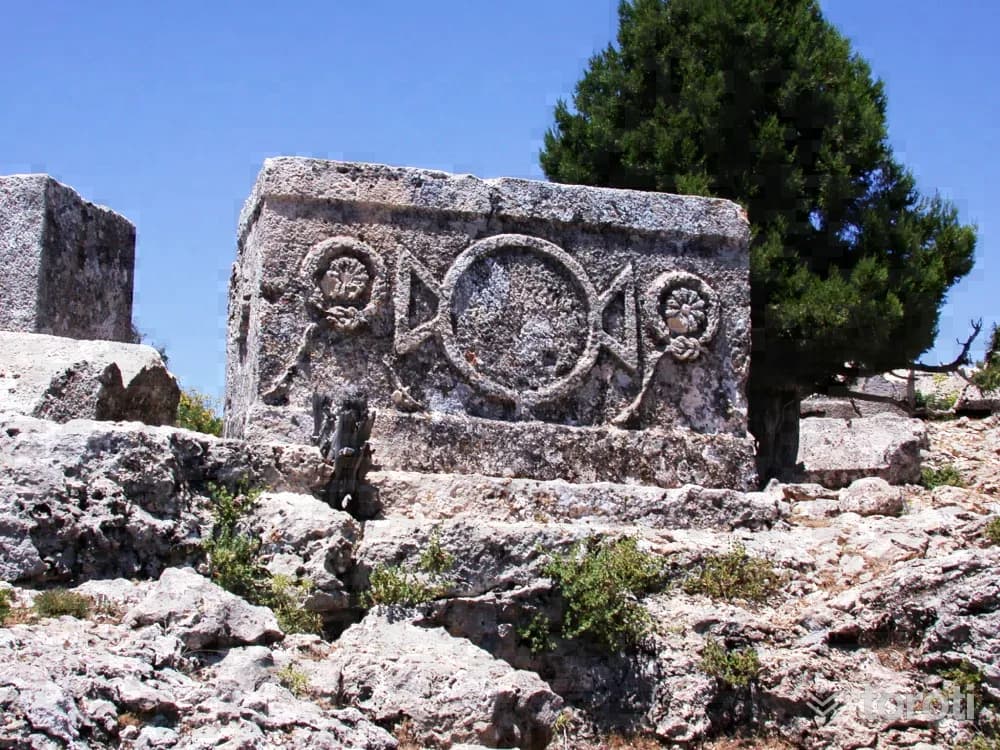
The name of the hill on which it is located is given as Balapoğlu-Balabolu. The city, understood to have been inhabited in the Roman Period, became an independent city due to its geographical and strategic importance. Later, it came under the protection of the Byzantine Empire and from time to time of Isauria. The remains belonging to the city’s church structure are located at the summit of the hill. Only the foundation traces of the church’s apse have survived. There is also a column shaft that has rolled down to the slopes.
45 minutes
Manazan Mağaraları
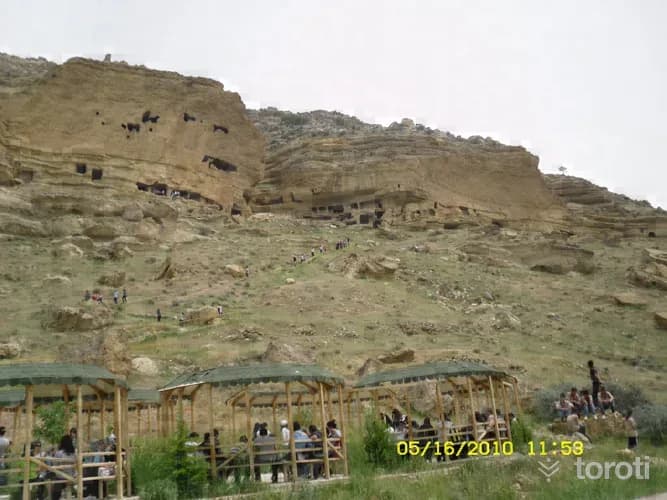
Manazan Caves are on the side of the Karaman–Yeşildere Taşkale road, to the east of Yeşildere Valley, which stretches between the villages of Yeşildere (İbrala) and Taşkale (Kızıllar). Its distance from Karaman is 40 kilometers. The caves are in the form of five-storey collective dwellings, completely carved by human hands into a high rock mass in limestone terrain with a high clay content. The first two floors consist of many small cell-like rooms in the east-west direction.
45 minutes
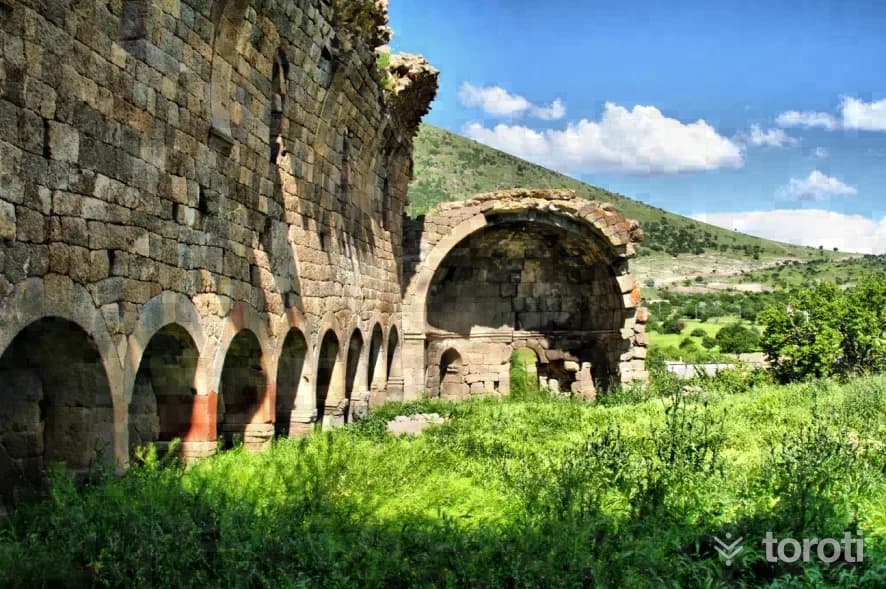
Madenşehir Örenyeri
The archaeological site is located 37 kilometres from Karaman. Within Madenşehir Archaeological Site, there is still a village settlement called Madenşehir today. As a result of this situation, many historical structures have disappeared. When the structures, some parts of which are still standing, are examined, they give an idea about the art and architecture of the period in which they were built. At the entrance of the village, the largest of the Binbirkilise structures is basilica number one.
45 minutes
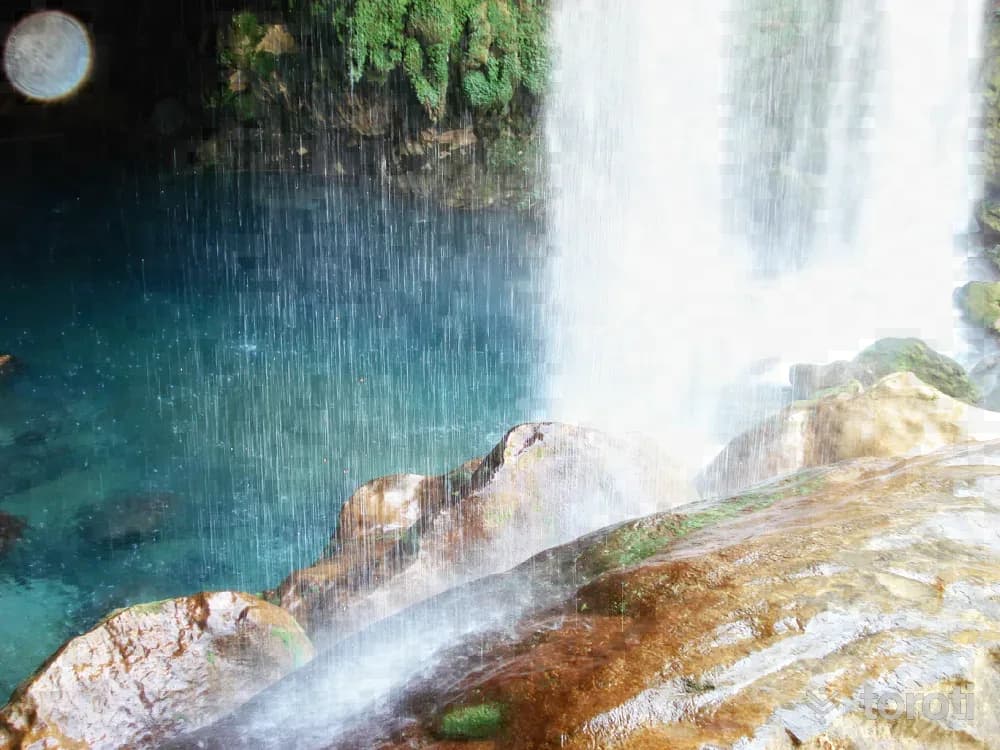
Mersin Yerköprü Şelalesi
Yerköprü Waterfall is one of 8 separate natural features with characteristics formed by natural and natural-event processes, in addition to the 94 monumental trees protected in Turkey by the General Directorate of Nature Conservation and National Parks of the Ministry of Agriculture and Forestry. The waterfall was registered as a Natural Monument on 03 May 2011. Those who see Yerköprü Waterfall, located on Ermenek Stream, are left in admiration.
45 minutes
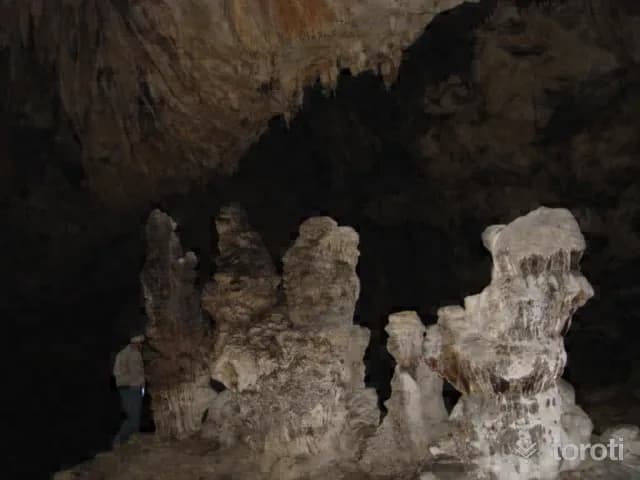
Yeni Dünya Mağarası
Located in Karaman Province, Central District, in the Topal Hacı Çiftliği locality of Bucakkışla Town, at the place on the Göksu River called Gözpınarı, on the west of the river on the slope of the Zeytinburnu elevations, there is a natural cave approximately 30-35m above the river and a chapel 20-25m above this cave.
45 minutes
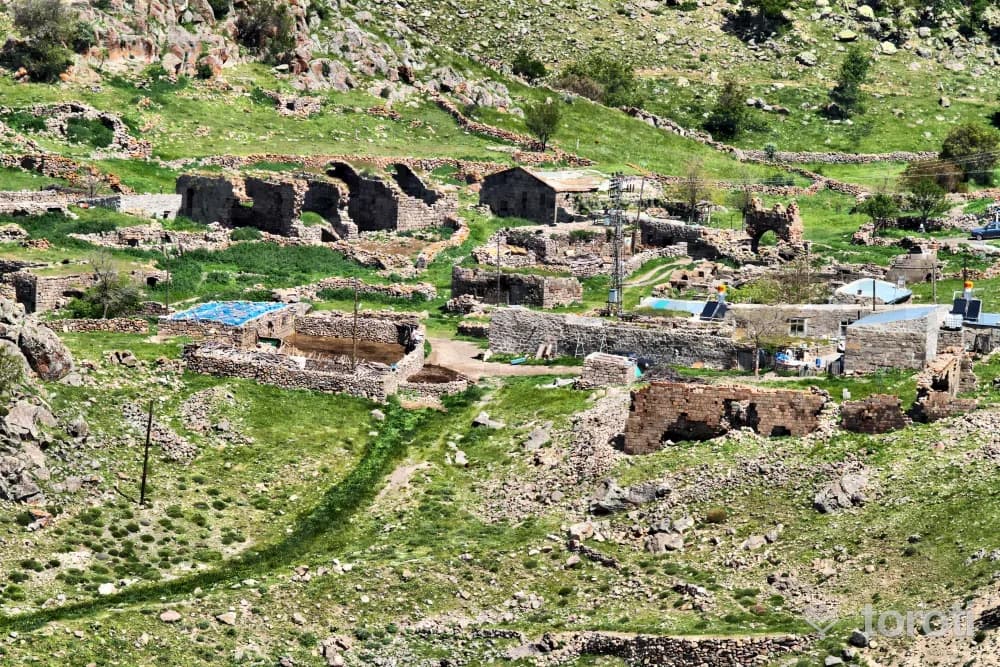
Değle Örenyeri
At Değle Ruins, located to the north of Karaman and on Karadağ, a volcanic mountain, the remains of some structures belonging to the Byzantine Period can be seen. There are spaces here that can give an idea about Byzantine Period residential architecture. Although the houses were built more simply and carelessly than the religious structures, they were constructed to have two or three rooms according to need.
45 minutes
Yeşildirek Mağarası
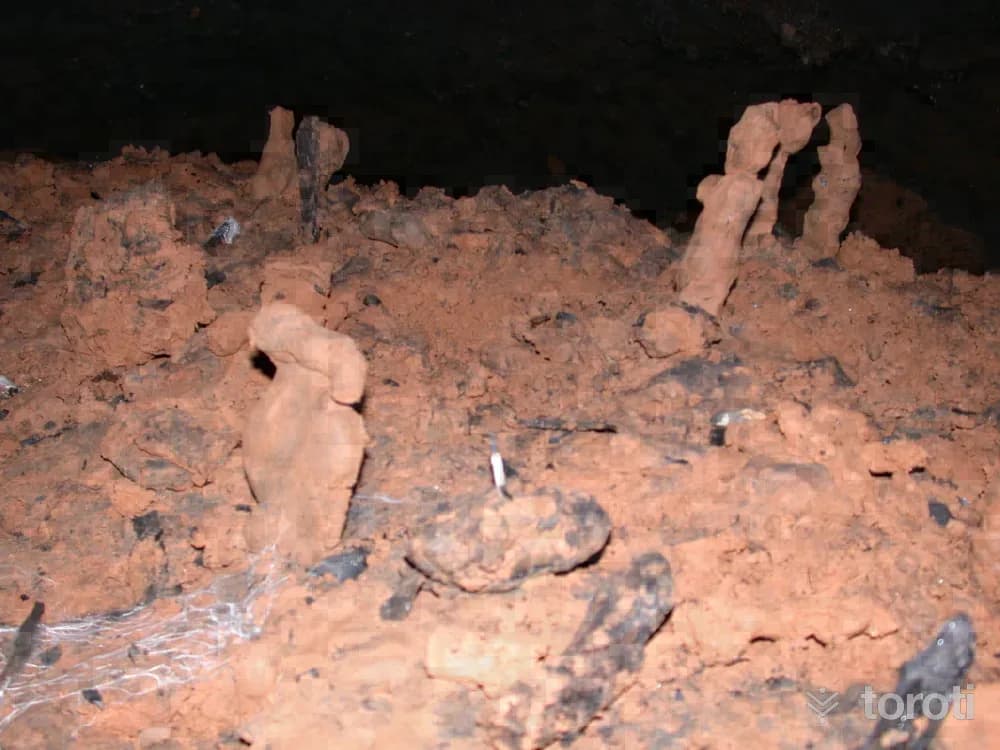
It is a long-type cave within calcareous karstic terrain in Dedekoyağı Mevkii, Sarıveliler district, Karaman Province. It has a length of approximately 750 m. The cave is reached by a footpath approximately 3 km long leading west from the yaylalar area at the 5th km of the Sarıveliler Taşkent highway. The entrance, located on the southern slopes of a natural hill, is not very wide.
45 minutes
Zeyve Pazarı
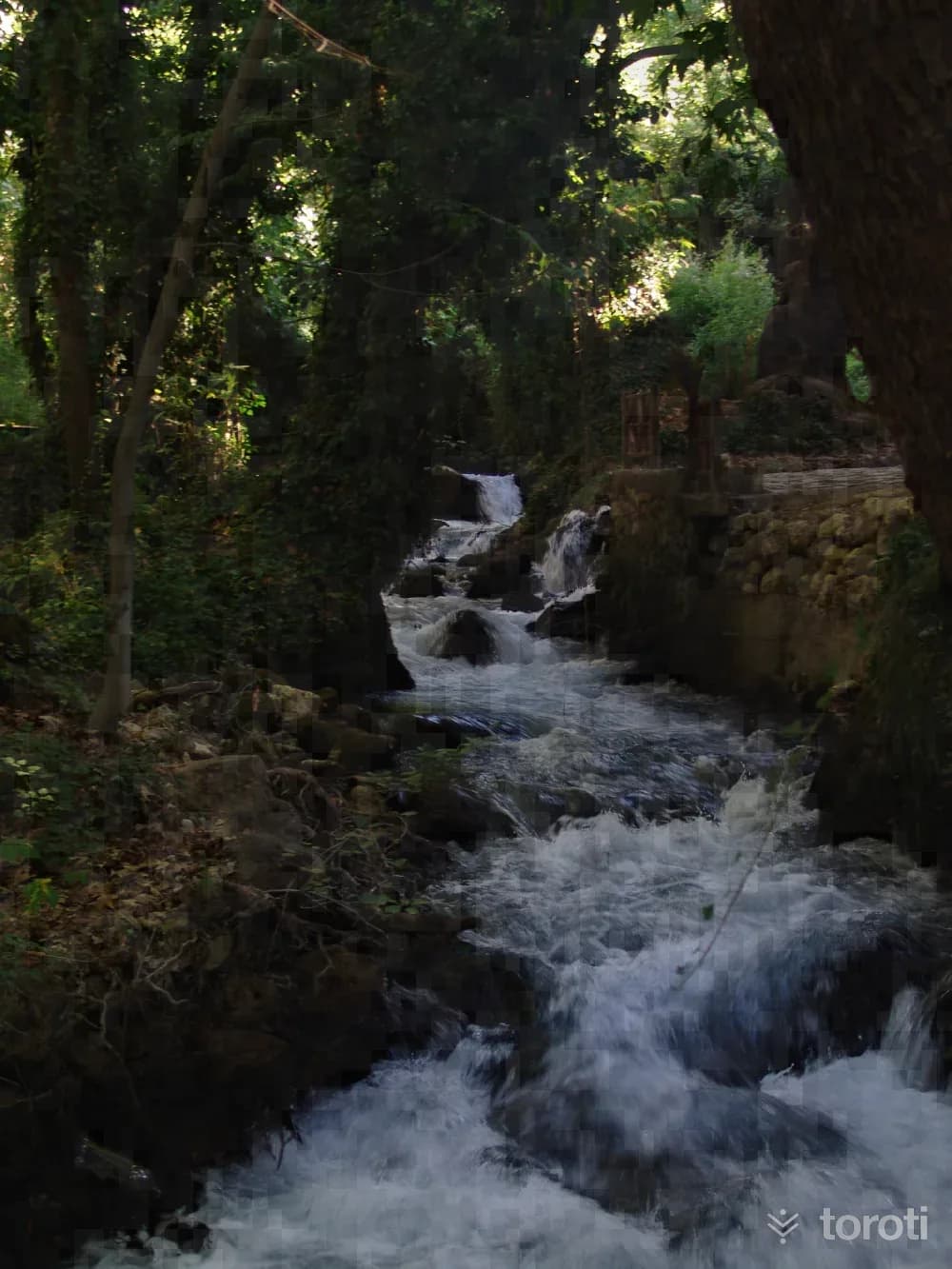
Zeyve Pazarı, with a history of approximately 500 years, was established on and around the stream separating İkizçınar Köyü and Yayla Pazarı villages, 26 kilometers from Ermenek. The market area, welcoming its visitors with its historical giant plane trees numbering nearly 300, cold waters, authenticity, water mills, water-powered sawmill, bungalow houses, and day-use accommodation facilities, draws attention with its natural beauties.
45 minutes
İncesu Mağarası
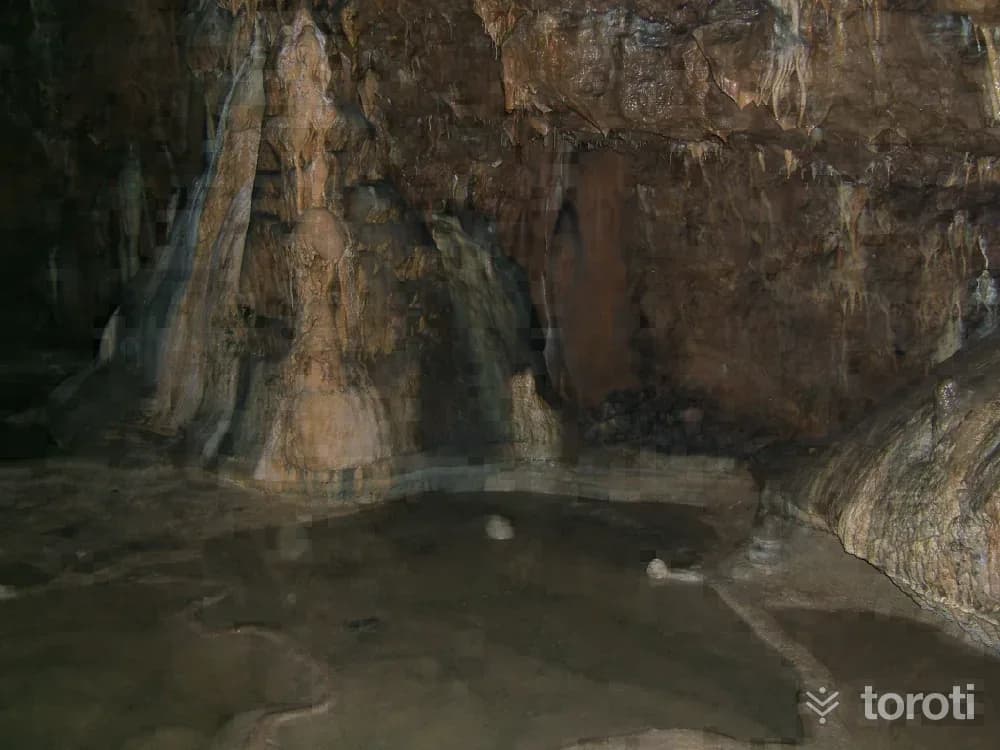
It is located within the borders of Karaman Taşkale Village, 9 kilometers south of the village center, on the eastern slopes of İncesu Stream. Its length is 1356 meters. It is a natural wonder containing stalactites, stalagmites and travertine pools. The cave system, developed in Miocene limestones, consists of two caves that continue from one another. The caves, which are entirely horizontal, are extremely rich in terms of dripstone formations.
45 minutes
Tartan Konağı
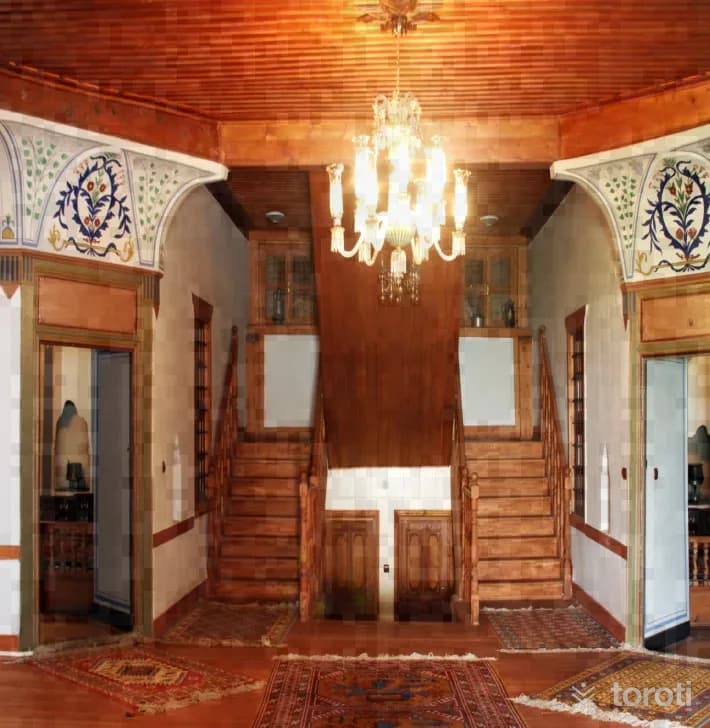
Tartan Mansion, located in the center of Karaman, was commissioned in 1810 by Hacı Ahmet Efendi of the Tartanzades. The building, one of the fine examples of Anatolian Turkish house architecture, has a central hall plan and is two storeys. In the house, painted decorations rather than wooden ornamentation attract attention. On the octagonal ceiling of the first-floor hall are Sultanahmet Cami, Dolmabahçe Sarayı, Kız Kulesi, II.
45 minutes
Mahallaç Kilisesi
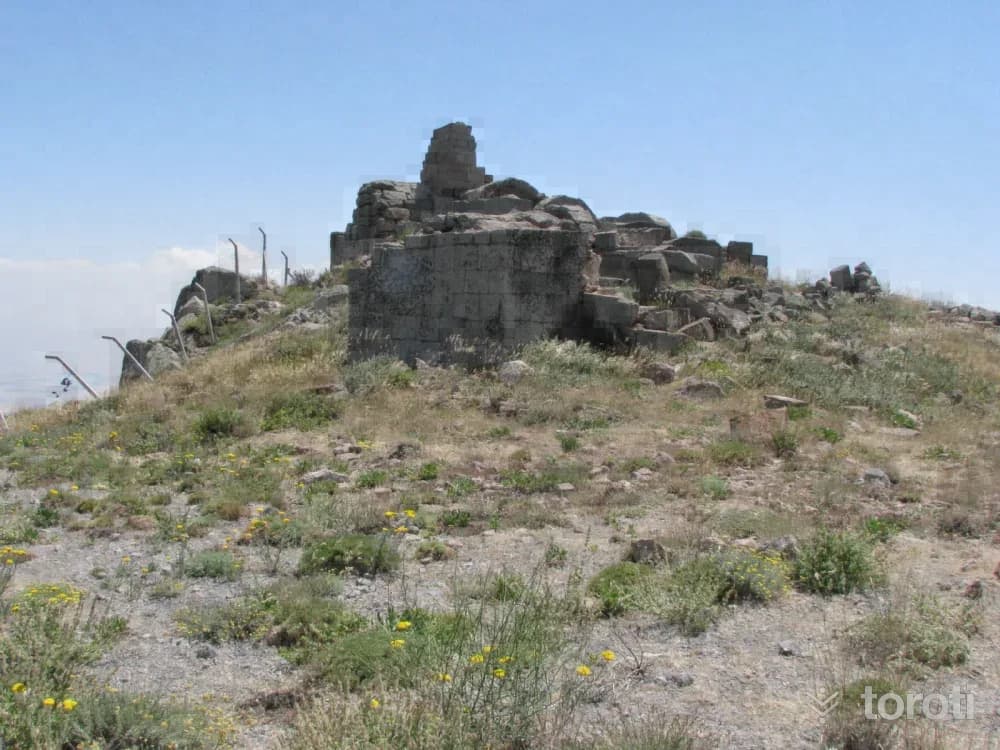
On Mahallaç Hill (2283 metres), the highest point of Karadağ, there is a church built of cut stone with a Latin cross plan, a funerary chapel with a free cross plan to the north of the church, a monastery building to the west of the church, and cisterns in the courtyard between them. These structures are connected to each other by stone passageways. Mahallaç Church is dated to between the 4th and 6th centuries.
45 minutes
İncesu Mağarası
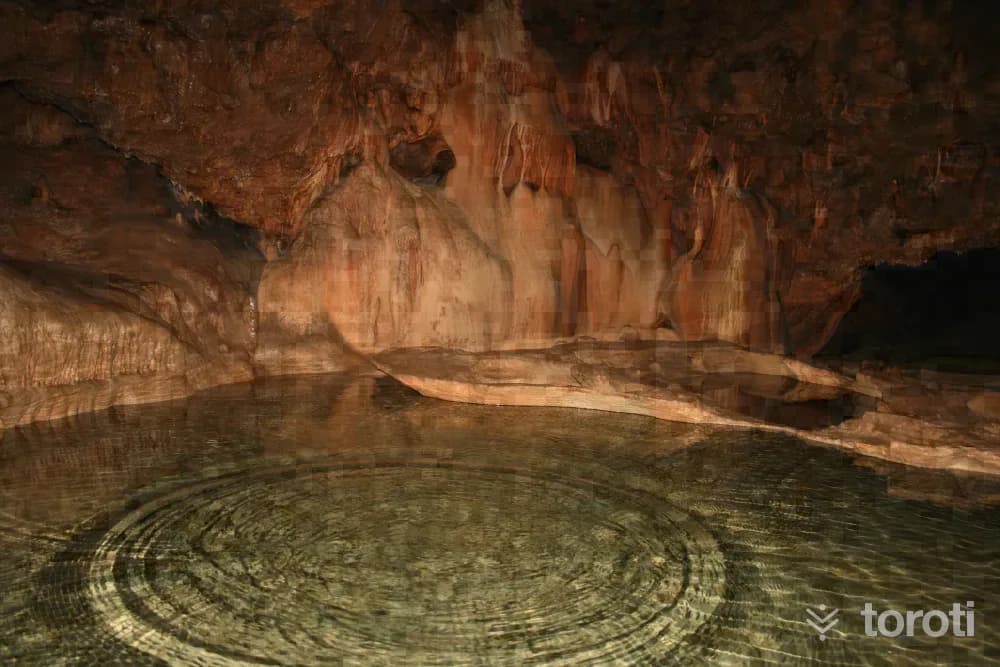
It is located within the borders of Taşkale Town in Karaman Merkez, on the eastern slopes of İncesu Stream, 9 km. south of the city center. Its length is 1.356 m. Inside, there are stalactites, stalagmites and travertine pools. It is a natural wonder. The increasing importance of İncesu Cave, with its inclusion in our country's “cave tourism inventory,” will be better understood when it is opened to cave tourism. Another feature of the cave is said to be that it is good for illnesses such as asthma and heart failure.
45 minutes
Aktekke Cami
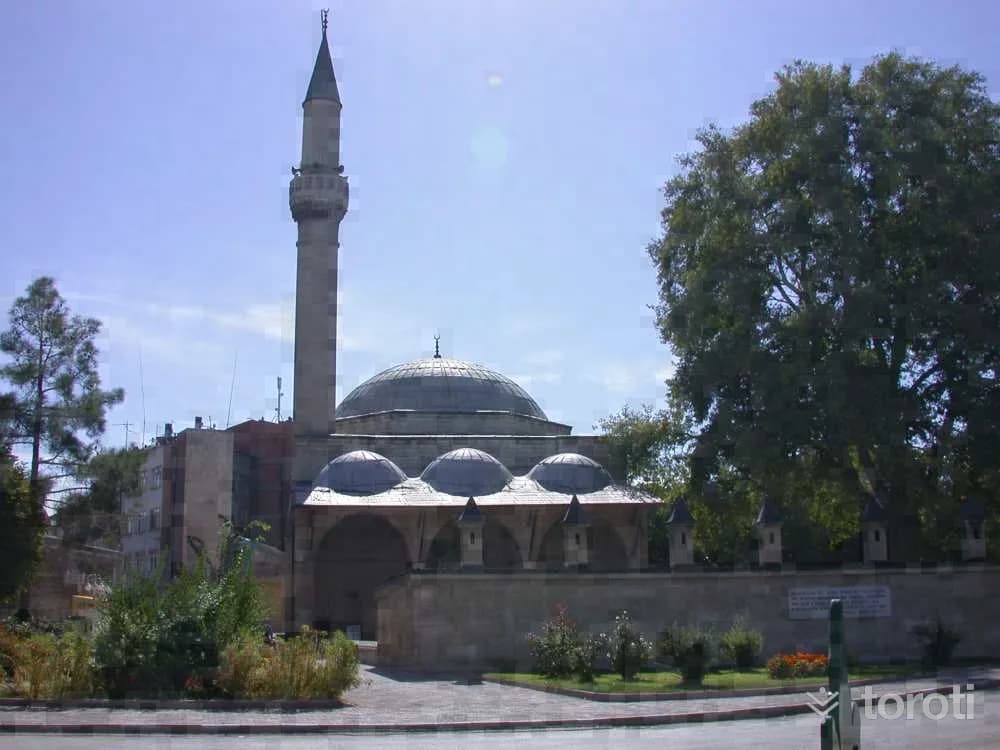
With its bath around the mosque, dervish cells, its hazire (graveyard) to the south and west, and the tomb and graves inside it, it is in the form of a külliye. The mosque, popularly known as Aktekke, is also called Mader-i Mevlâna Camii because it contains the tomb of Mevlânâ's mother, Mümine Hatun.
20 minutes
Taşkale Taşmescit
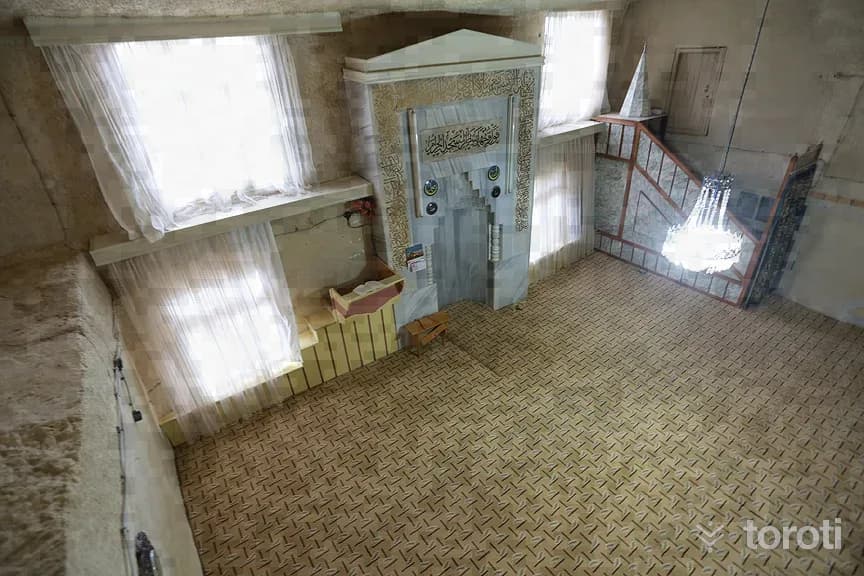
It is a historical mosque with authentic characteristics, unique in Turkey, made by carving into the rocks, within the rock-carved wheat granaries in Taşkale Village of Karaman Merkez. It is still open for worship today. The prayer hall, with a plan close to square, receives light from four windows arranged in two levels. There is a wooden gallery floor covering half of the prayer hall. There is consensus that it was converted from a church into a mosque. It has a square plan and consists of a single space.
45 minutes
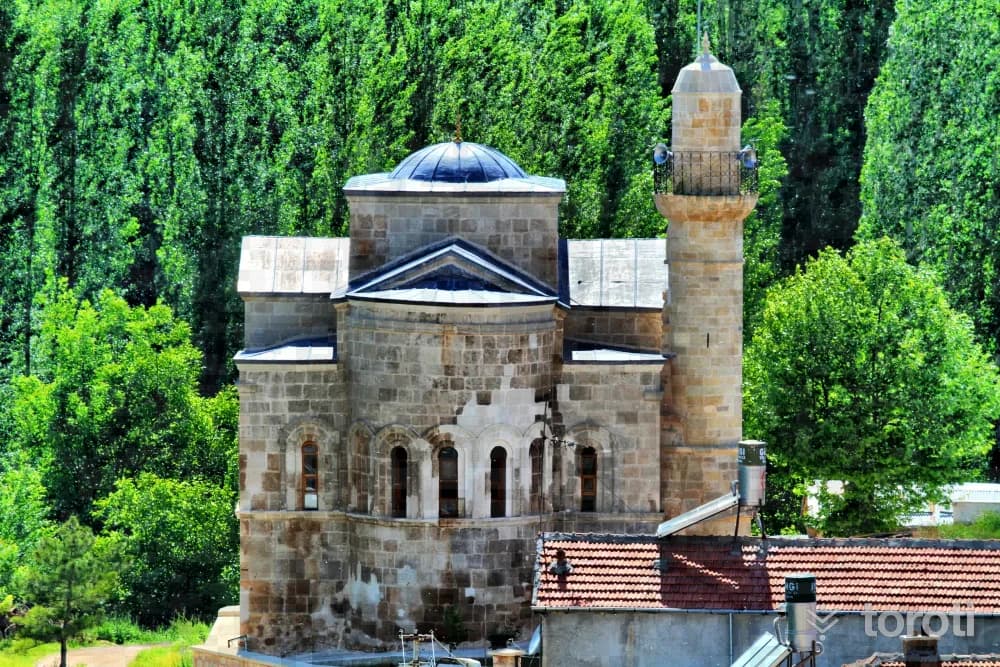
Fisandon Kilise Cami
Fisandon Kilise Cami was built on a rocky hill within Dereköy Village, 7 kilometers south of Karaman. Although the exact date of the structure is not known, it is thought to have been built in the 9th-10th centuries. In the cross-planned structure, the arms of the cross are covered with barrel vaults, while the corner cells in between are covered with cross vaults. In the 16th century, it was converted into a mosque by Karaman Beylerbeyi Sinan Paşa by adding an entrance and a minaret to the northern section.
45 minutes
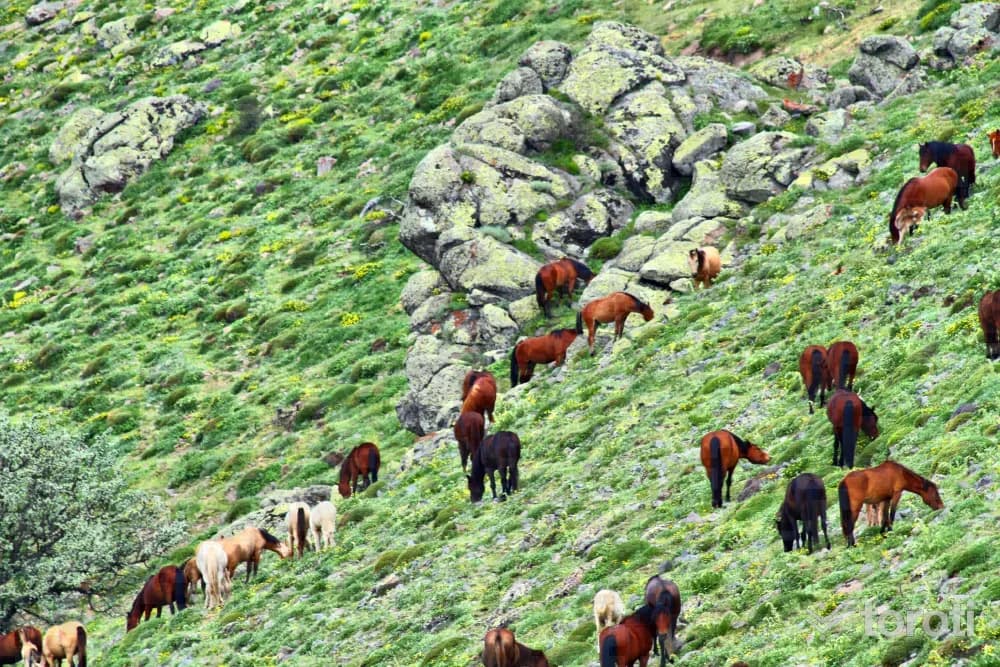
Karaman Karadağ Yaban Hayati
The Yılkı Horses and Wild Sheep living in and around Başdağ Kalesi, located within the Madenşehri Ruins in Karadağ in the central district of our province, are an unmissable opportunity for wildlife lovers and adventurers. In Karaman, at the foothills of the Taurus Mountains, there is a Wildlife Protection Area.
45 minutes
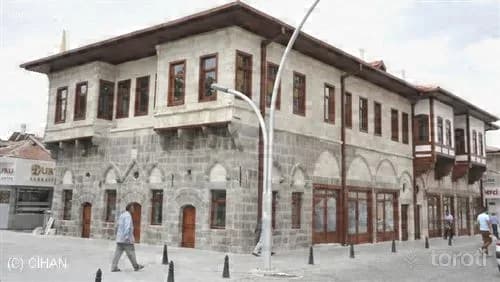
Belediye Taş Bina
Located on İsmetpaşa Caddesi in Ahi Osman Mahallesi, Taş Bina, one of Karaman’s oldest examples of civil architecture, was built in the early 20th century, during the final period of the Ottoman Empire. Bearing the characteristics of Ottoman architecture, Taş Bina was restored by the Karaman Municipality and opened to service as a Tourism Promotion Center.
45 minutes
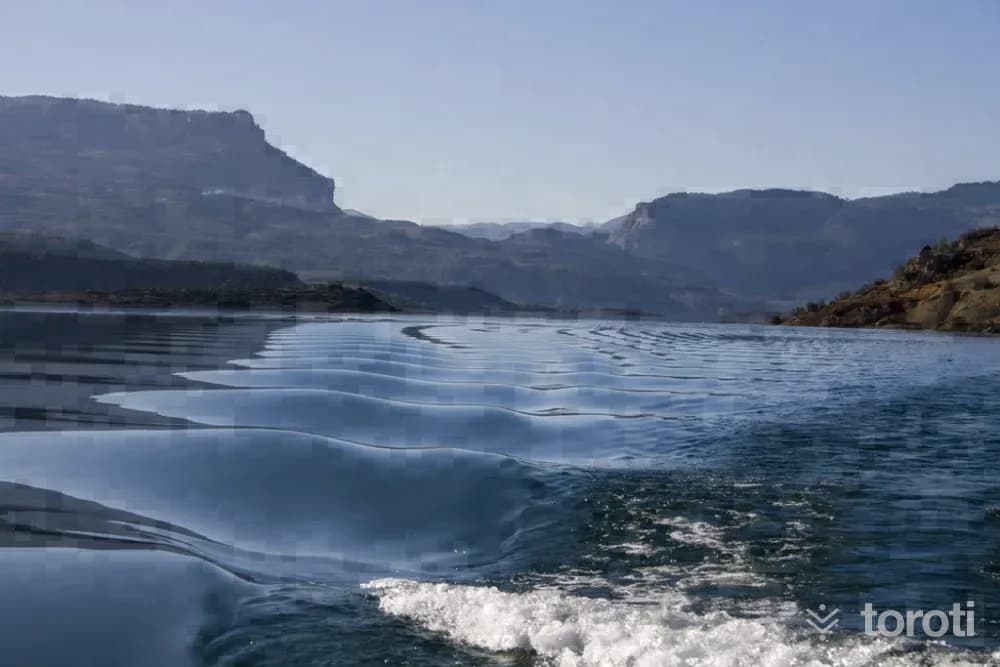
Ermenek Baraji Su Sporları
Ermenek Dam, located in Karaman's Ermenek District, is one of the world's notable dams. With a height of 218 meters, Ermenek Dam and Hydroelectric Power Plant, which holds the title of the 26th highest in the world, the 6th highest in Europe, and the highest dam in Turkey, has an area highly suitable for water sports (rafting, scuba diving and surfing).
45 minutes
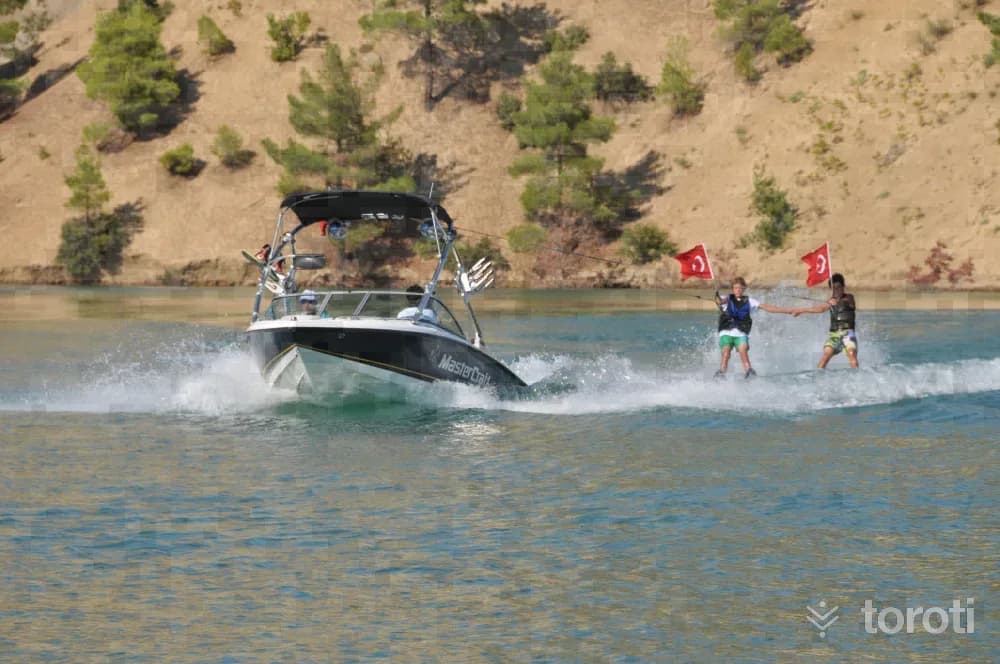
Ermenek Turkuaz Baraji
Ermenek Dam and Hydroelectric Power Plant is quite suitable for water sports (canoeing, boating, pedal boating, sailing and diving). Ermenek Dam is 160 kilometers from Karaman. Surrounded by lush greenery, the dam is a natural wonder with its turquoise-colored water and picnic areas.
45 minutes
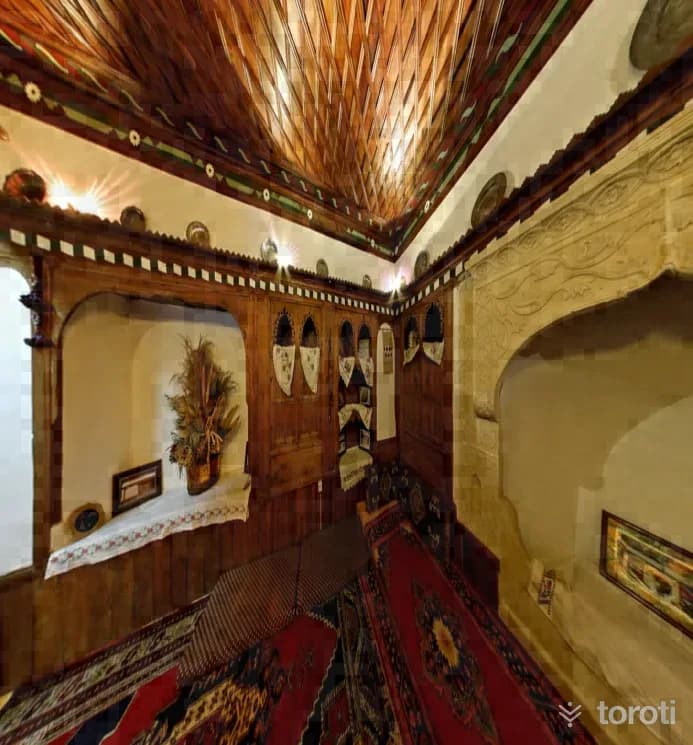
Hürrem Dayi Evi
Located in Karaman City Center, Hürrem Dayı Evi is one of the finest examples of traditional Turkish house architecture in Anatolia. With its nearly 300-year history and its wooden and hand-drawn ornamental decorations, it takes its visitors on an enjoyable historical journey.
45 minutes
Sertavul Yaylası
Located at the 36th kilometre of the Mut - Karaman - Konya highway, the plateau was established at the Sartavul pass connecting the Mediterranean to Central Anatolia. The inner parts of the plateau, surrounded by pine and juniper trees, are covered with orchards, wildflowers and mountain meadows. Electricity, water and PTT services are available on the plateau. There are fruit and vegetable gardens on the plateau, which is surrounded by pine and juniper forests.
45 minutes
Gökçeseki Örenyeri
Ermenek district; it is located on the southern of the two hills situated to the north of Gökçeseki Village, on the southern, eastern and western slopes of the hill. Within the ruins site, there are foundation traces of many structures; some architectural pieces, a large amount of pottery fragments, and a stepped sacred area at the very top of the hill.
45 minutes
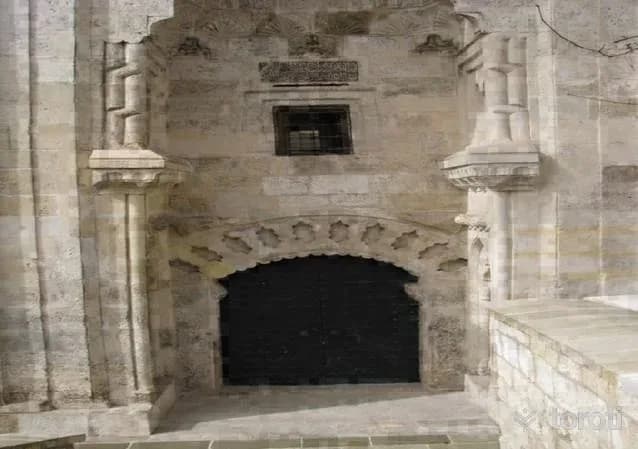
Tol Medrese
Tol Medrese, located in Çınarlı Mahallesi in the Ermenek district of Karaman, was commissioned in 1339 by Emir Musa Bey of the Karamanoğulları. According to the Karaman Provincial Directorate of Culture and Tourism, Emir Musa was the Governor of Ermenek in 1339-1340. The inscription of the madrasa reads: “This holy madrasa was commissioned in the year 740 (1339) by the great emir Karamanoğlu Musa, support of religion and the state, ghazi, devout worshipper, and scholar.
45 minutes
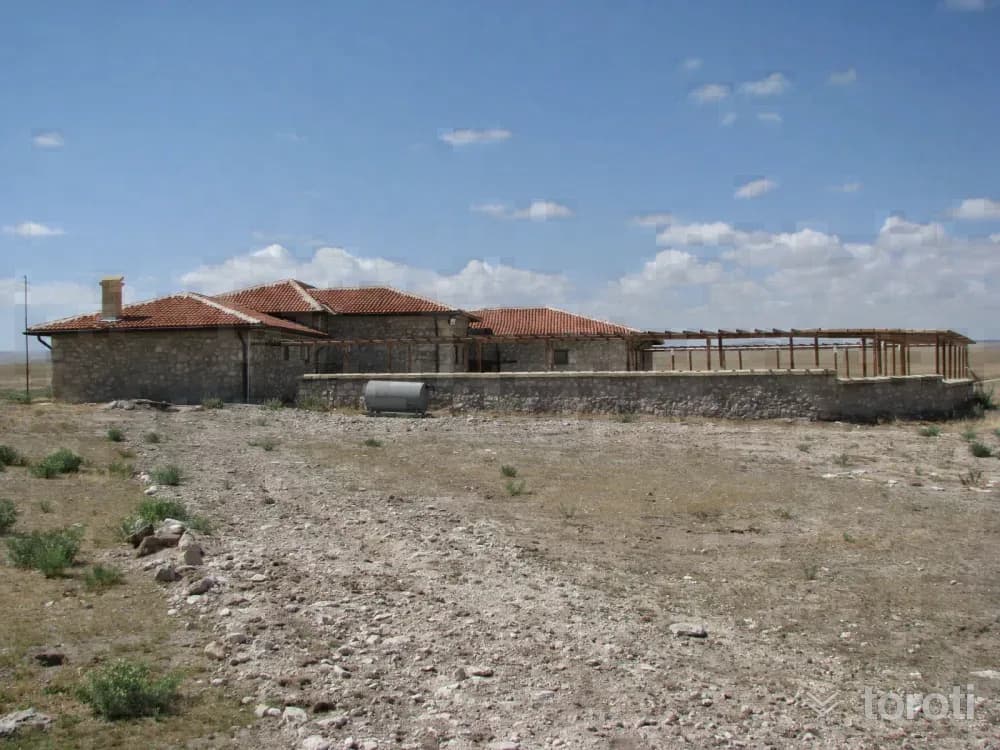
İsmail Hacı Tekkesi
It is 29 kilometres from Karaman on the Karaman–Ereğli route. The tekke building was established on a sloping hill. This place is referred to in endowment deeds and archive records as Evlad-ı İsmail Hacı Köyü. İsmail Hacı, the grandfather of Yunus Emre, came from Horasan together with his community and settled there by purchasing the area named Yerce from Karamanoğlu II. İbrahim Bey.
45 minutes
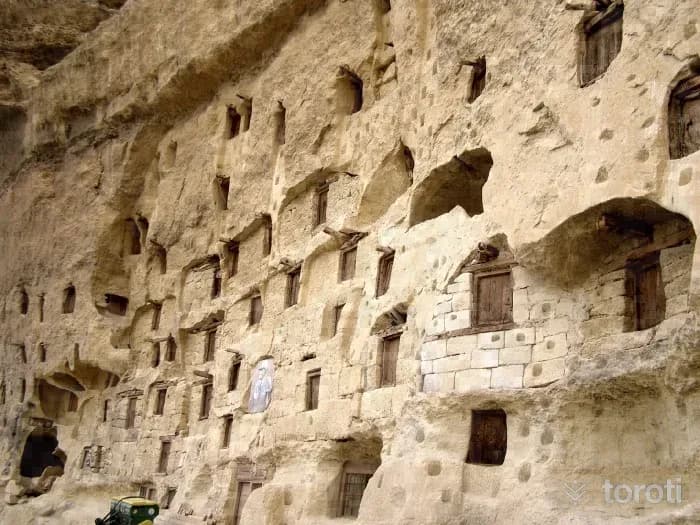
Taşkale Tahil Ambarlari
The Grain Storehouses located within the borders of Taşkale Town in Karaman Merkez consist of more than 250 storehouses carved entirely by human hands into a high rock mass of clayey limestone in Taşkale. The storehouses were carved as single- or two-room units. They are reached by climbing while holding onto the niches on the rock face, and grain products are transported by a chain pulley system.
45 minutes
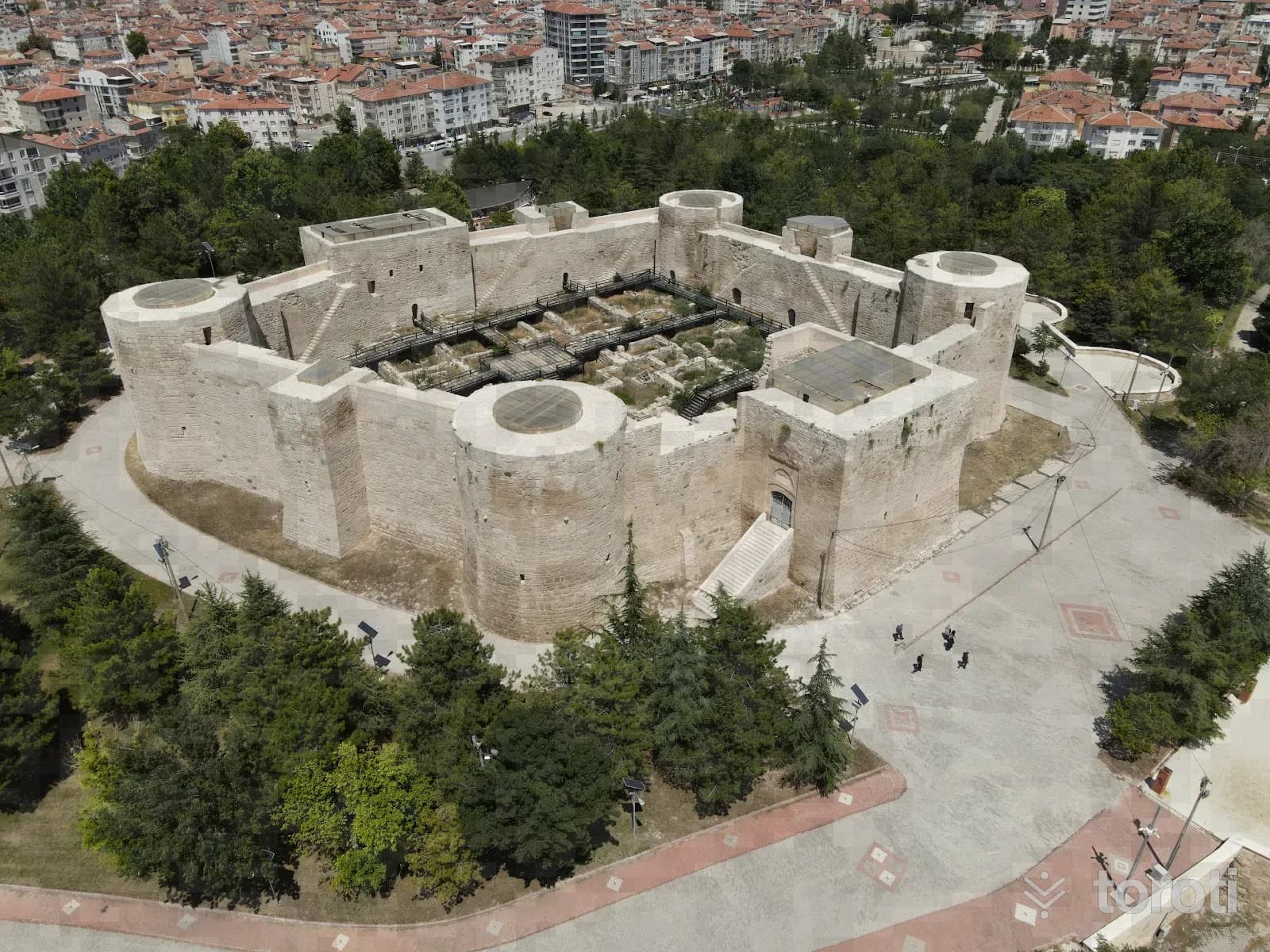
Karaman Kalesi
Located in the city center, Karaman Kalesi is thought to have been built in the late 11th century and early 12th century. Karaman Kalesi consists of three concentric walls. These are called the outer, middle and inner castle. Of these, the inner castle located on the mound has survived intact to the present day. It was renovated during the Seljuk period, and in later periods, when the city came under the rule of the Karamanoğulları, the city walls were renovated again.
30 minutes
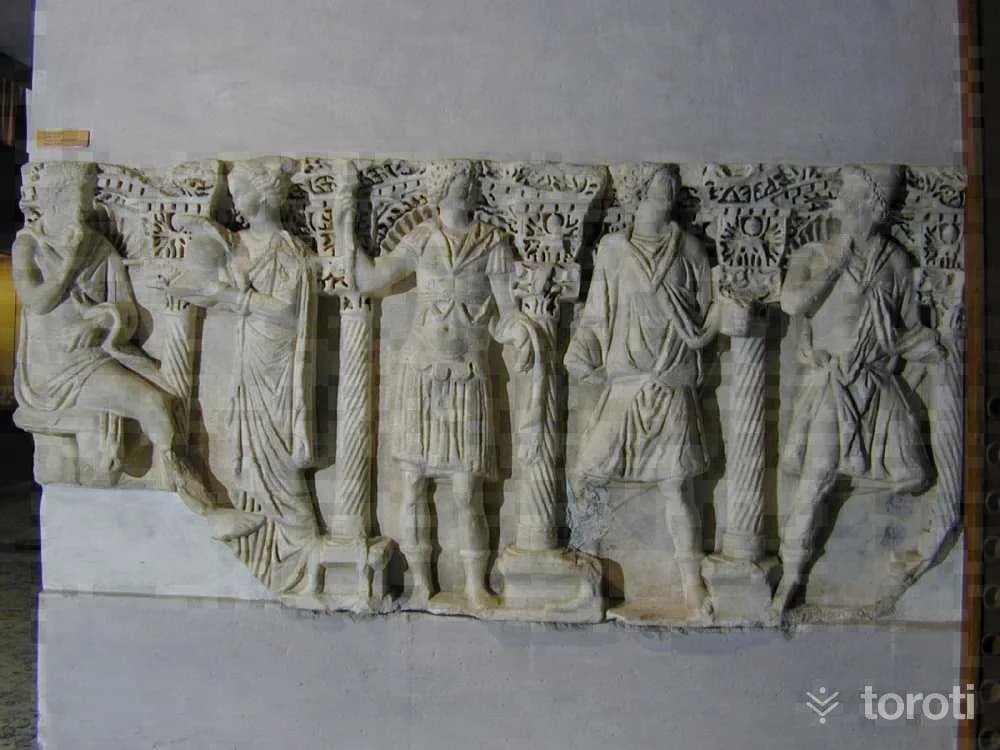
Karaman Müzesi
It was built for the purpose of preserving and exhibiting in situ the rich archaeological and ethnographic artifacts of Karaman and its surroundings. There are two exhibition halls, archaeological and ethnographic. In these halls are works from the Epipaleolithic Period, Neolithic Period, Chalcolithic Period, Bronze Age, Classical Age, Roman Period, Byzantine Period, Seljuk Period, Anatolian Principalities, Karaman Oğulları, Ottoman and Republican periods.
45 minutes