
Places to visit
Things to do in Sivrihisar
22 destinations, each with a description, how long it takes and where it sits on the map.
In short
toroti’s catalogue holds 22 described destinations within Sivrihisar, Eskişehir. The themes that come up most: History, Faith heritage, Local culture.
Zey Köyü Ören yeri
It was established on a rocky slope on the northern foothills of the Sivrihisar Mountains. In the higher parts of the rock masses that border a narrow valley from two sides, about 1 km south of the village, there are twelve chamber tombs, two stepped altars and a grape pressing pool. These monuments, which constitute original examples of Phrygian rock art, belong to the Phrygian settlement of Zey Kalesi, 1 km south of this area.
45 minutes
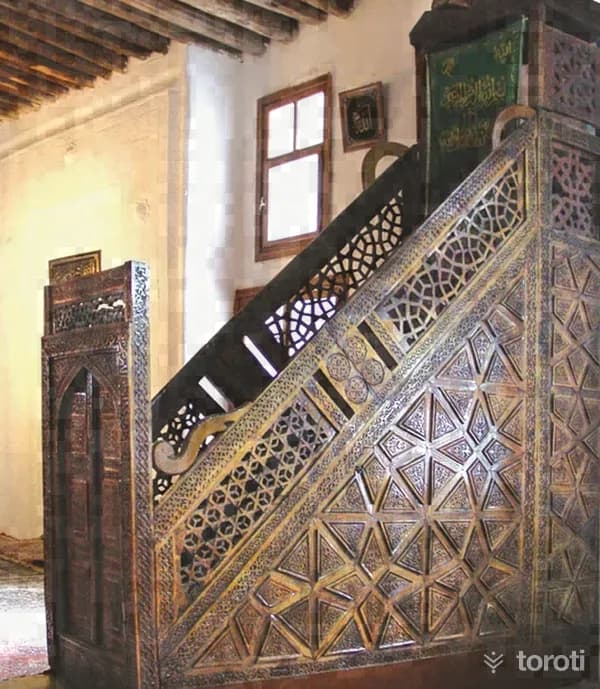
Sivrihisar Ulu Cami
Sivrihisar Ulu Cami is one of the most important examples of mosques with wooden columns and wooden ceilings in Anatolia. Servet Uygun Various sources state that the mosque was first built in 1231-1232 by Emir Celaleddin Ali, and that in 1274 it was brought to its present form by Emineddin Mikail, one of the disciples of Mevlana Celaleddin Rumi.
45 minutes
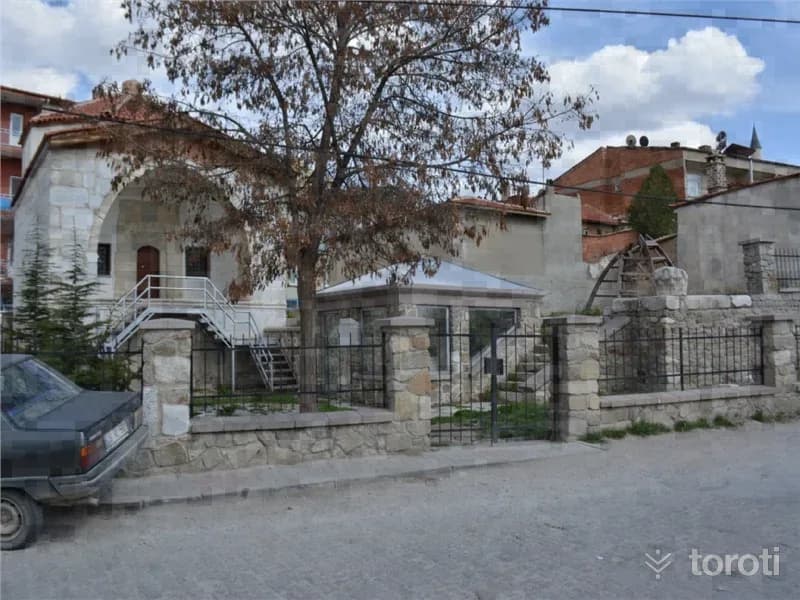
Seyyit Mahmut Suzanı Külliyesi
The külliye is a whole enclosed by a courtyard, consisting of a kümbet, tomb, hazire (open grave), and ruined madrasas. The kümbet was built of dressed stone with wooden material. In the hazire section, there is a sarcophagus bearing an inscription written in marble in kufic and Ottoman letters, and other types of graves. Seyyit Mahmut Suzani Külliyesi consists of the kümbet, tomb, and hazire section. It is a structure from the Seljuk Period. The kümbet was built of dressed block stone material.
45 minutes
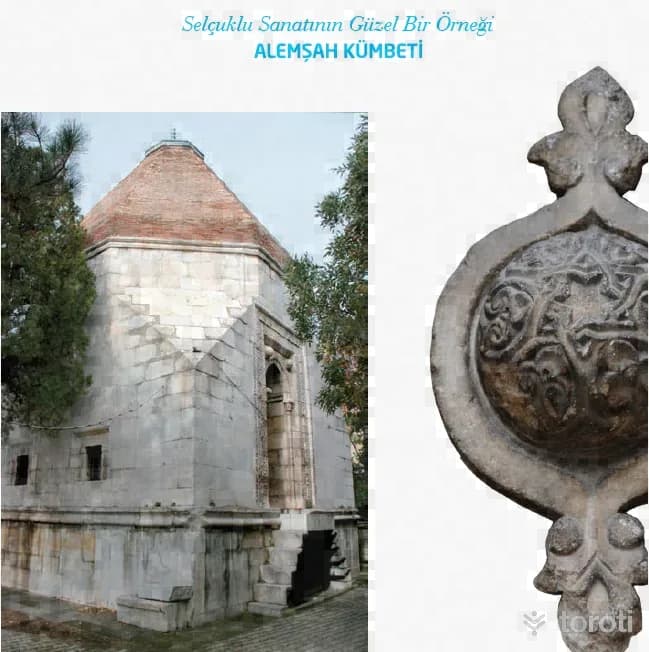
Alemşah Kümbeti
Alemşah Kümbeti, a fine example of Seljuk art, was commissioned by Melikşah in 1328 for his martyred brother Sultan Şah. The tomb is opposite Sivrihisar Ulu Camii. It is a two-storey structure with a square plan and was built of cut stone. Bricks were also used in places in its construction. Sivrihisar Belediyesi There is a mummification chamber on the lower floor of the tomb. In the door decorations of the mummification chamber, motifs frequently used by the Seljuks can be seen.
45 minutes
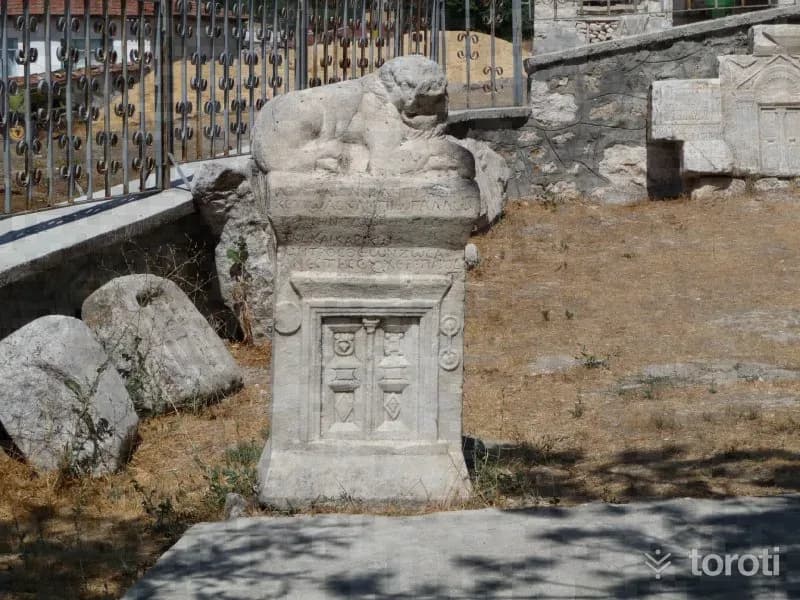
Pessinus Ören Yeri
Where is the Pessinus archaeological site? The Ancient City of Pessinus is located in Ballıhisar, 13 kilometers south of Sivrihisar on the Ankara-Eskişehir highway. Today, Ballıhisar Village has been established on top of the ancient city, which was on the old King's Road. The Ancient City of Pessinus is known as one of the most important places of worship where the mother goddess, called "Goddess Kybele" by the Phrygians, was located.
45 minutes
Nasreddin Hoca'nin Evi
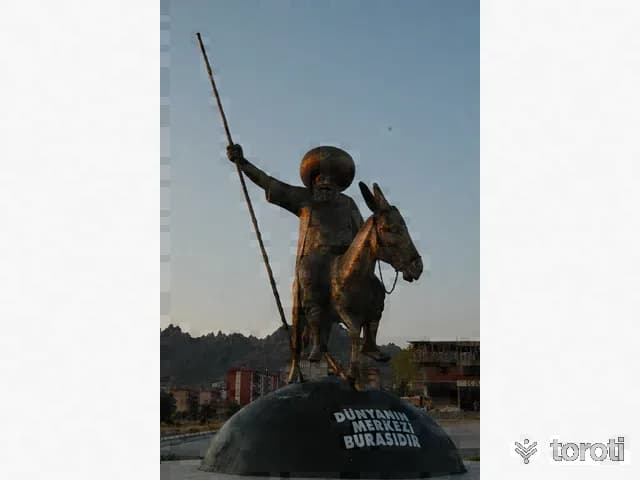
Nasreddin Hoca, an educator, religious man, and jurist who lived in the 13th century, was born in 1284 in Hortu (Nasreddin Hoca Beldesi) Village of Sivrihisar. Nasreddin Hoca's house was built as a simple masonry structure with a ground floor and one upper floor, consisting of houses with inner courtyards. The houses are in an attached order, and their roof was covered with reed matting over solid logs. Sivrihisar is important as the land that witnessed both the birth and death of Nasreddin Hoca.
45 minutes
Kurşunlu Cami / Sivrihisar
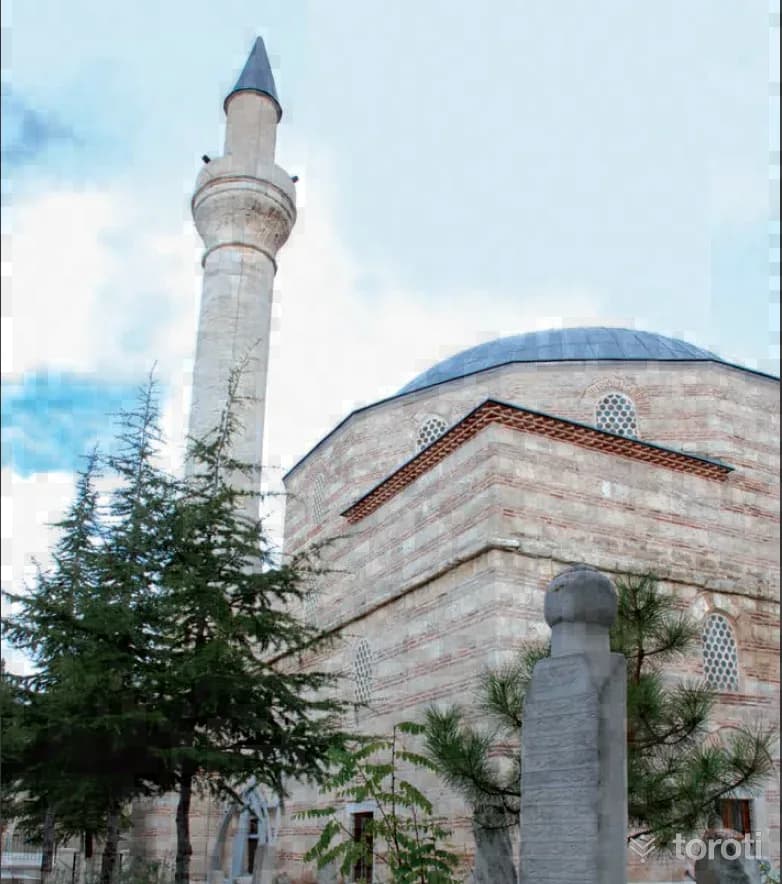
It is stated that Şeyh Baba Yusuf of Sivrihisar inaugurated the II. Bayezid Medresesi in Istanbul and gave the opening lesson at the first Friday prayer in Bayezid Camii. The mosque in the district center was commissioned by Şeyh Baba Yusuf. According to its inscription, its construction date is 1492. The building has a single-domed plan. It has a three-domed last congregation area, an elegant minaret of the mosque on its right, and a fountain in front of it.
45 minutes
Hazinedar Mescidi / Sivrihisar
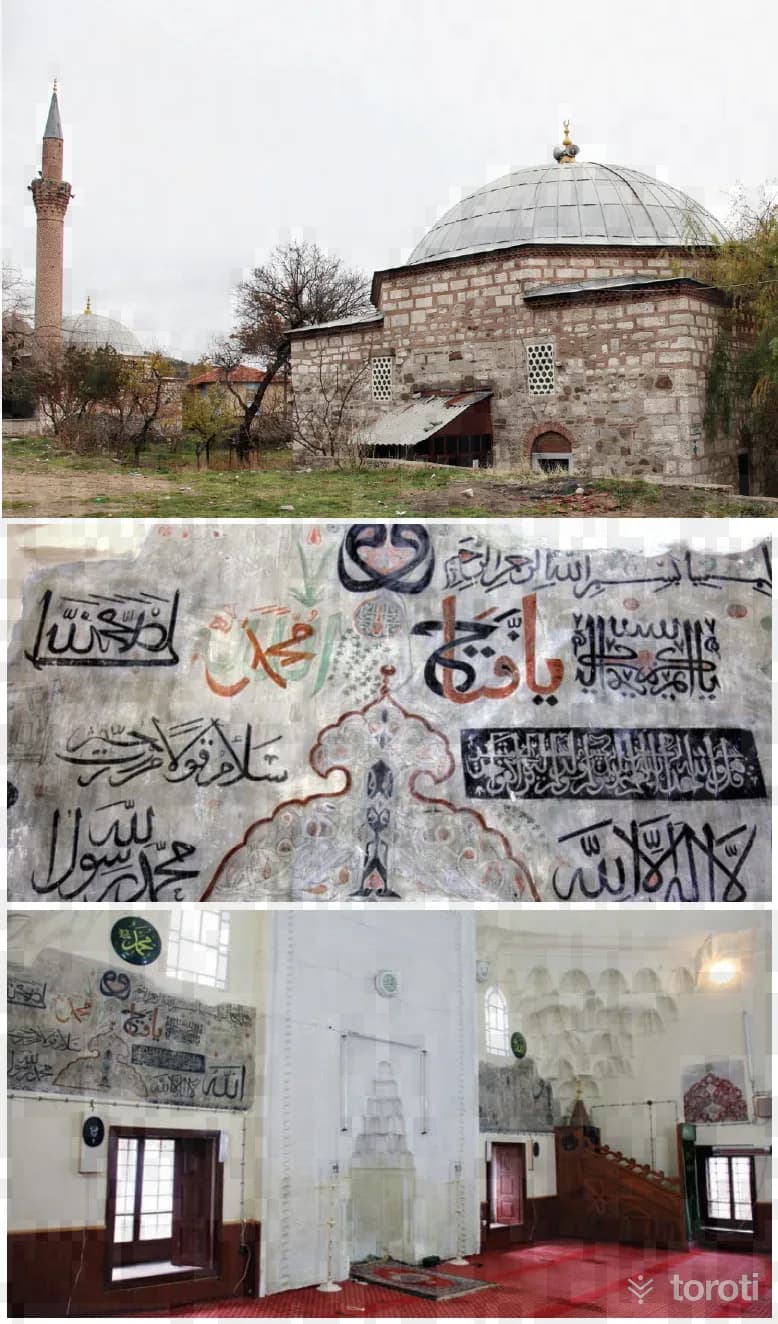
Hazinedar Mescidi is Anatolia’s first masjid with a Kaaba miniature. Hazinedar Mescidi, one of the most important historical works of Sivrihisar District, is in the district center. The interior of the masjid, commissioned in 1274 by Necibiddin Mustafa, who was Hazinedar (Minister of Finance) of the Anatolian Seljuks, is adorned with miniatures dating to the 15th century. Hazinedar Mescidi, with its magnificent calligraphy and decorative art, with its fresco above the mihrab, at the International III held in Cambridge in 1967.
45 minutes
Aziz Mahmud Hüdayi Camii / Sivrihisar
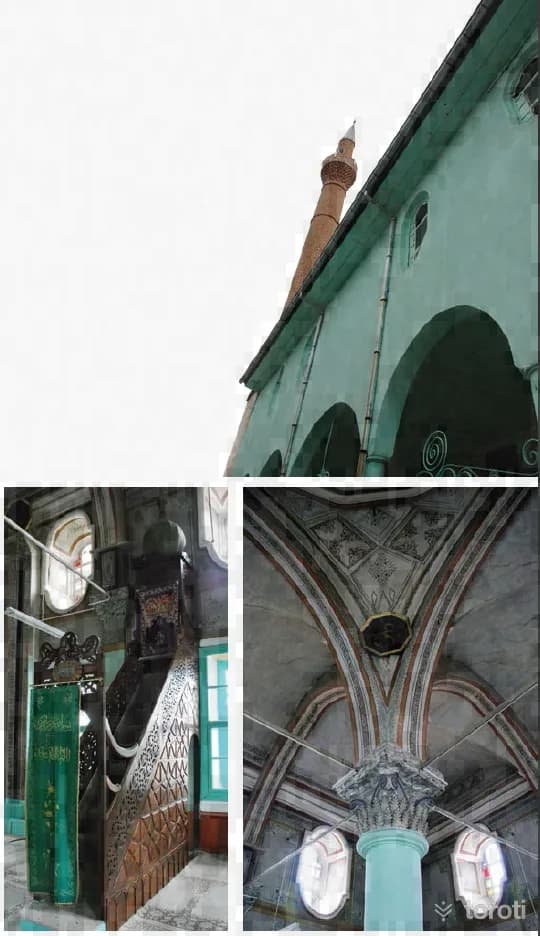
The mosque, commissioned by Aziz Mahmud Hüdâyî in 1591 and known by his name, was called Yeni Camii instead of Aziz Mahmud Hüdâyî Camii because it was rebuilt in 1893. It was built in a wooden style with a large central section and semi-domes around it. Its minaret was built in 1894. There are two bands below the balcony. It is understood that during construction, the height of the first band was not considered sufficient and was raised.
45 minutes
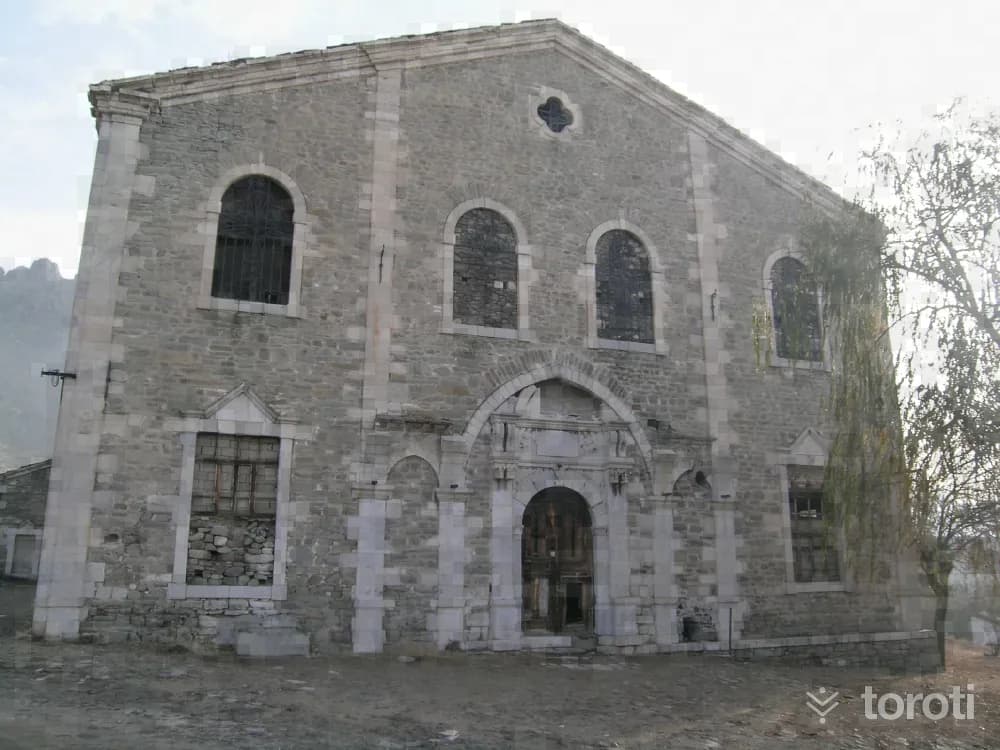
Ermeni Kilisesi - Sivrihisar
The church, built in 1881, has bell towers on both sides. Since it was built of red cut stone, the structure, also called Kızıl Kilise, is adorned with faint frescoes. At the back of the church there is a baptism room, and on the south side there is a priest’s room. The following is written on the church’s inscription: “With the help of the members of the congregation, a church was built in the name of the holy trinity (SURP YERRORTUTYUN).
45 minutes
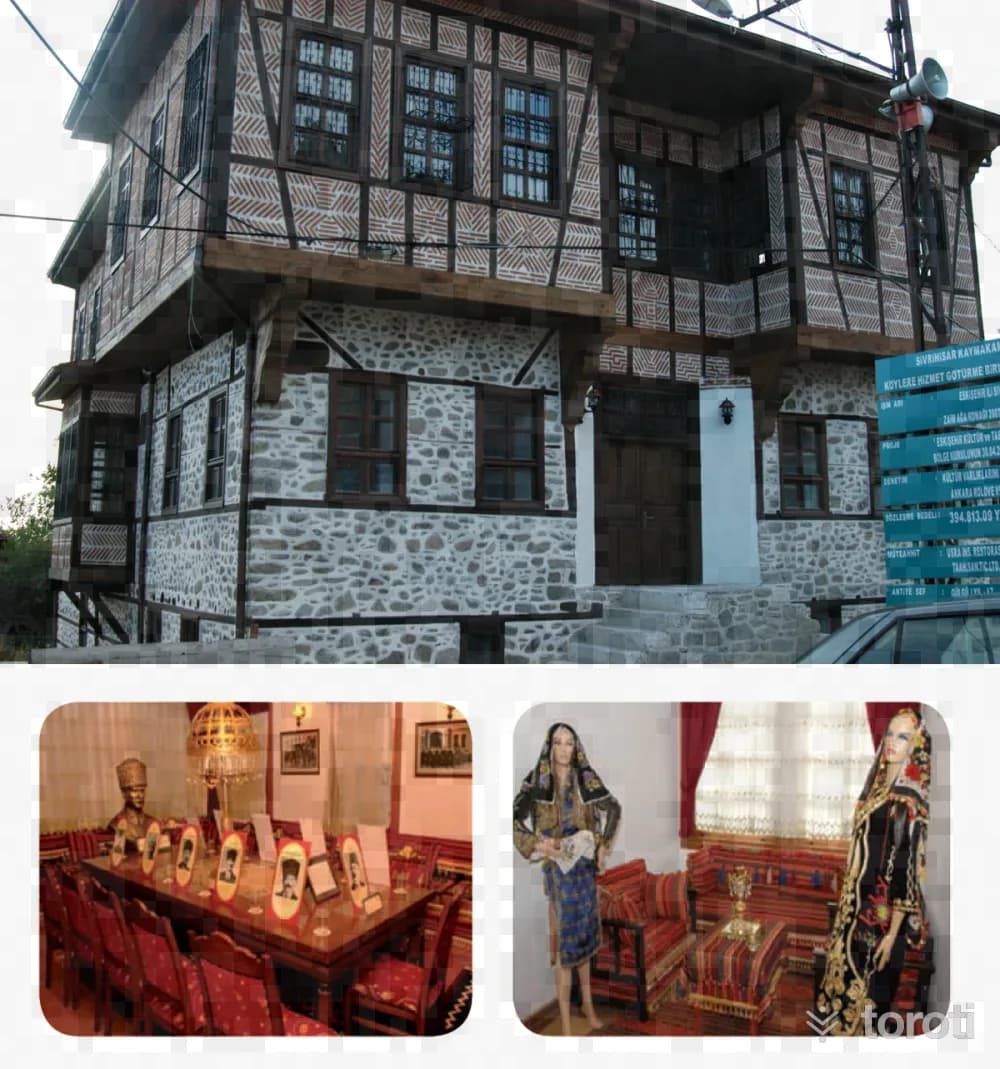
Zaimağa Konağı
Mustafa Kemal invites the Executive Council of Ministers to Sivrihisar in order to discuss the armistice proposal made by the Allied Powers and decide on the response to be given. On 24 March 1922, a Council of Ministers meeting is held at Zaimağa Konağı. This meeting takes its place in history as the first Council of Ministers meeting held outside Ankara.
45 minutes
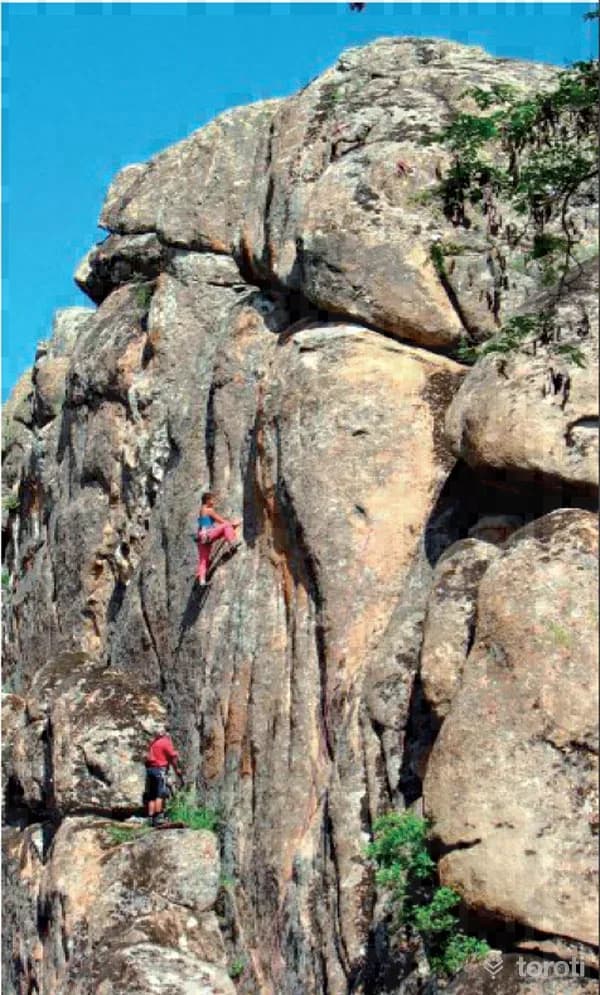
Karakaya
Karakaya, a beautiful village reached by a 4 km road to the left immediately after the town of Kaymaz at the 60th km of the Eskişehir-Ankara highway, attracts great interest with its granite rock formations that are very suitable for rock climbing. The most suitable seasons for climbing are spring, summer and autumn. Since most of the routes are on the north face of the rocks, they are shaded all day in summer except for the early hours. As winter is very cold, climbing is difficult even if the weather is dry.
45 minutes
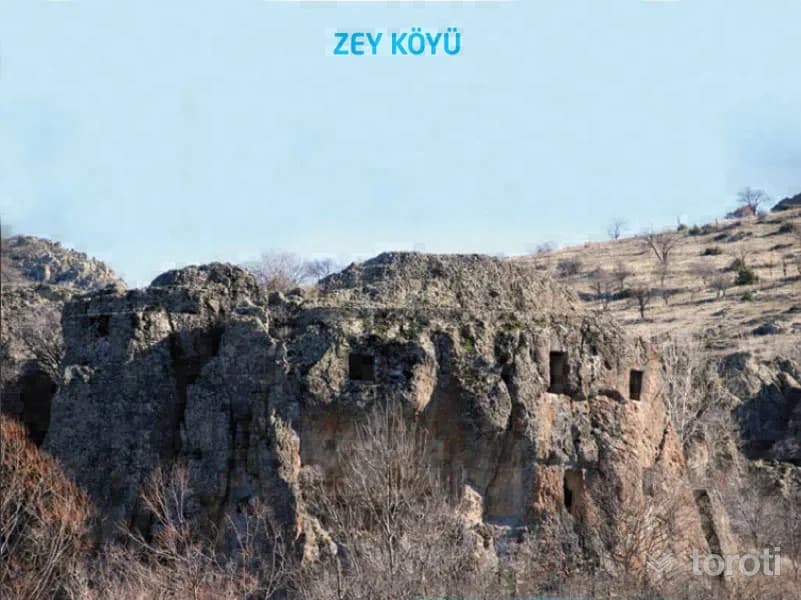
Zey Köyü
It was established on a rocky slope on the northern foothills of the Sivrihisar Mountains. In the higher parts of the rock masses that border a narrow valley from two sides, about 1 kilometer south of the village, there are twelve chamber tombs, two stepped altars, and a grape-crushing pool. These monuments, which constitute original examples of Phrygian rock art, belong to the Zey Kalesi Phrygian settlement, 1 kilometer south of this area.
45 minutes
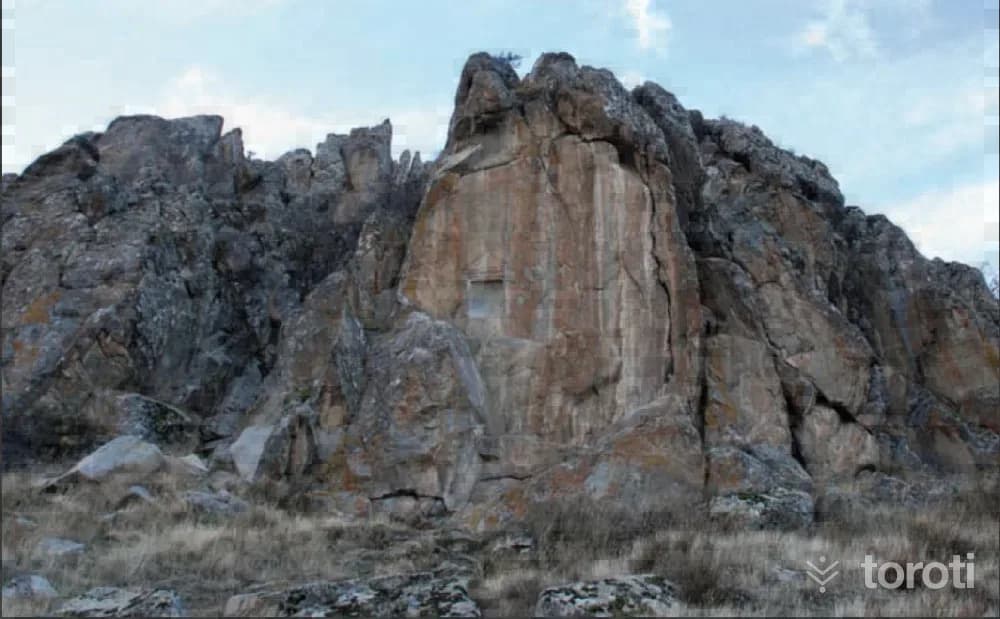
Böğürtlen Balkayası
The Phrygian Rock Monument is carved into the steep face of the high rock mass south of Böğürtlen Village, also called Balkayası. It symbolizes the front facade of a structure with a gabled roof and triangular pediment. In the middle, there is a shallow rectangular niche symbolizing a door. Unlike the known Phrygian monuments of the same type, the geometric decorations on the pediment and facade were made with dark red paint.
45 minutes
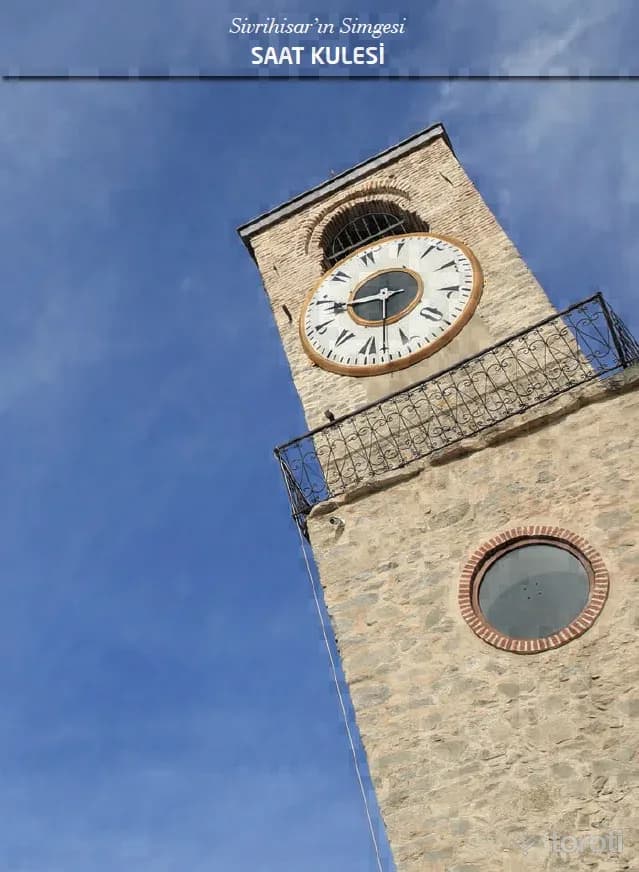
Sivrihisar Saat Kulesi
The Clock Tower was commissioned in 1899 by Mahmut Bey, the district governor of the period. It was built on a high rock mass so that it could be easily seen from every part of the district. It was made of cut stone and has a clock on all four sides. It operates with weekly winding. It strikes on the hour with a brass hammer. It is one of the symbols of Sivrihisar.
45 minutes
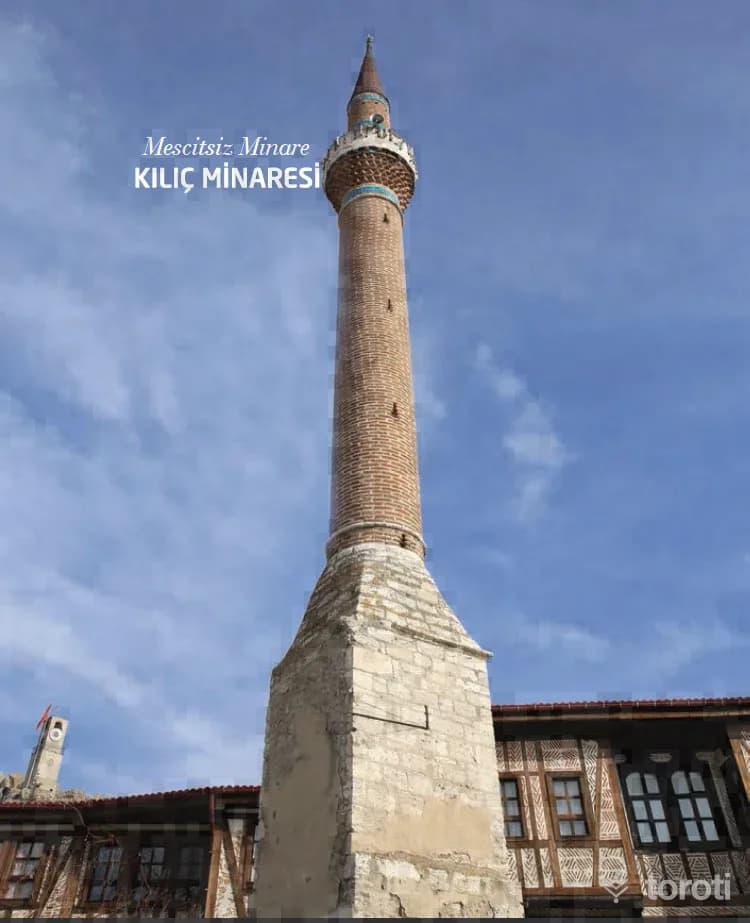
Kiliç Minaresi / Mescitsiz Minare
It is said to have received this name because Sivrihisar was conquered by the sword and because it was the first masjid where the sermon was delivered leaning on a sword. According to another account, it takes its name from the Kılıç tribe of the Oghuz clans. The masjid, built entirely of wood, was destroyed, and only the minaret has survived to the present day.
45 minutes
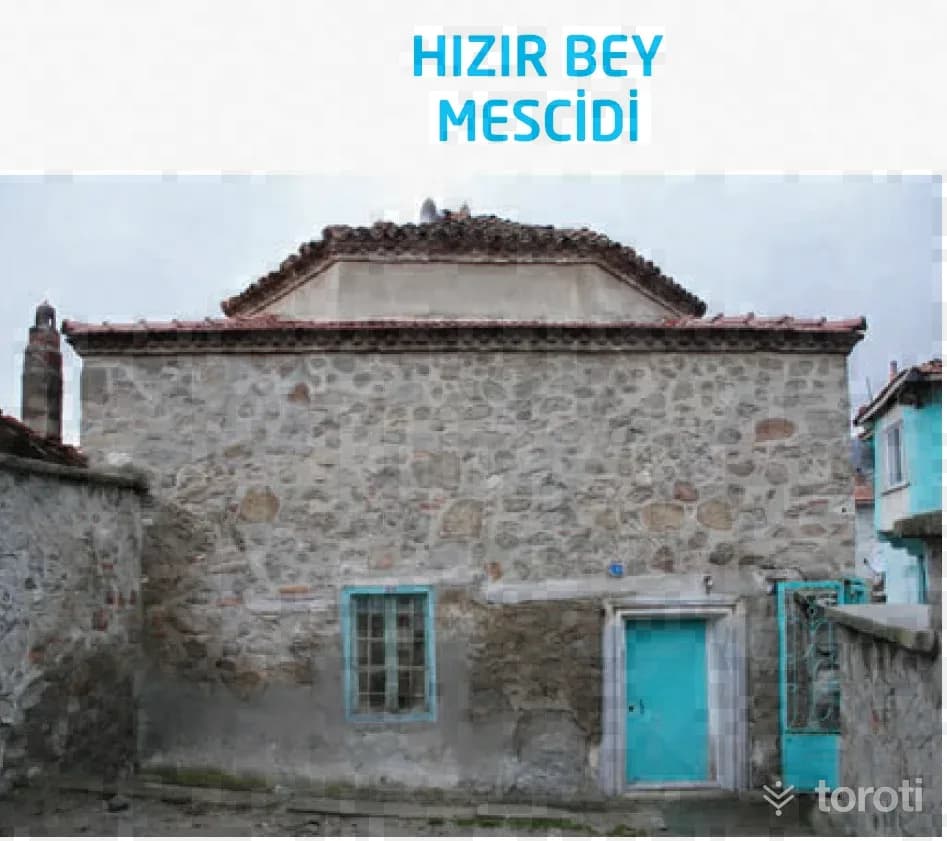
Hızır Bey Mescidi - Sivrihisar
It is in Eskişehir, in the Sivrihisar District. It is on the first street on the right while going up from Unkapanı in Kubbeli Mahallesi. It was commissioned in 1439 by Hızır Bey, the grandson of Nasreddin Hoca and who became the Istanbul Kadı and Istanbul Efendisi in 1453 after the conquest.
45 minutes
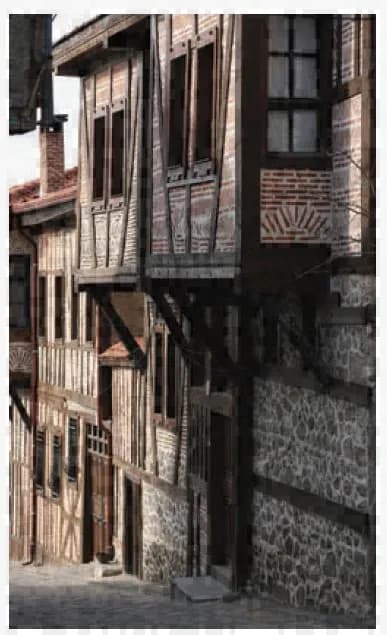
İhsan Erdemgil Konağı
Atatürk comes to Sivrihisar on 7 March 1922. During those difficult days of the War of Independence, he stays for three days in İhsan Erdemgil’s mansion. Atatürk, who inspects the troops at the front during the day, uses İhsan Erdemgil’s mansion as headquarters at night.
45 minutes
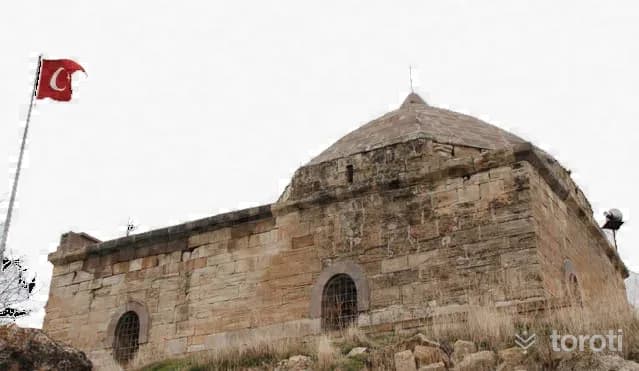
Doğan Aslan Mescidi
It was commissioned in 1247 by Doğan Aslan Bey, the standard-bearer of II.Gıyaseddin Keyhüsrev. It has an architectural style different from the structures in the region, with its eight-segmented dome and last congregation area.
45 minutes
Pessinus Antik Kenti
Today, the village of Ballıhisar has been established on the ancient city located on the old King's Road. It is known as one of the most important places of worship where the mother goddess, called "Goddess Cybele" by the Phrygians, was found. It was the place where the goddess idol, a black stone most likely a meteor, had descended from the sky. The Romans took this stone to Rome in 204 BC in order to win the war against Carthage and called it Magna Mater (Great Mother).
45 minutes
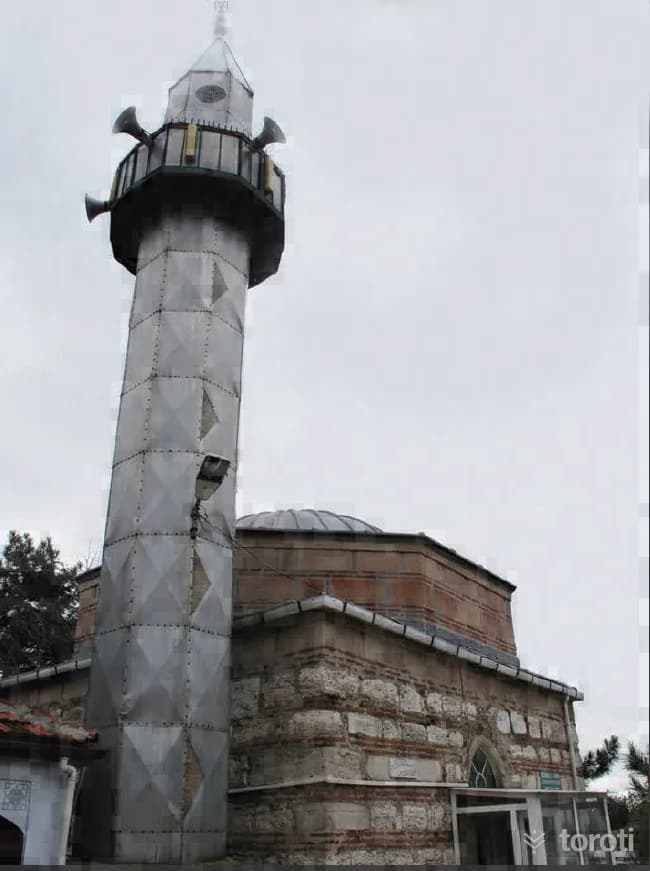
Yunus Hoca Kümbeti
It was built in 1274. In the work titled Ravzat-ül Ahbar, it is written that it was built upon the killing of Seljuk Navy Minister Sadreddin Hoca Yunus by Cimri and Karamanoğlu Mehmet Bey. On the marble door jambs of the tomb, which has a dome 6 meters in diameter, there is a figure of a lion chasing a deer between two bands with rosettes, leaf and plant motifs, and geometric ornamentation.
45 minutes
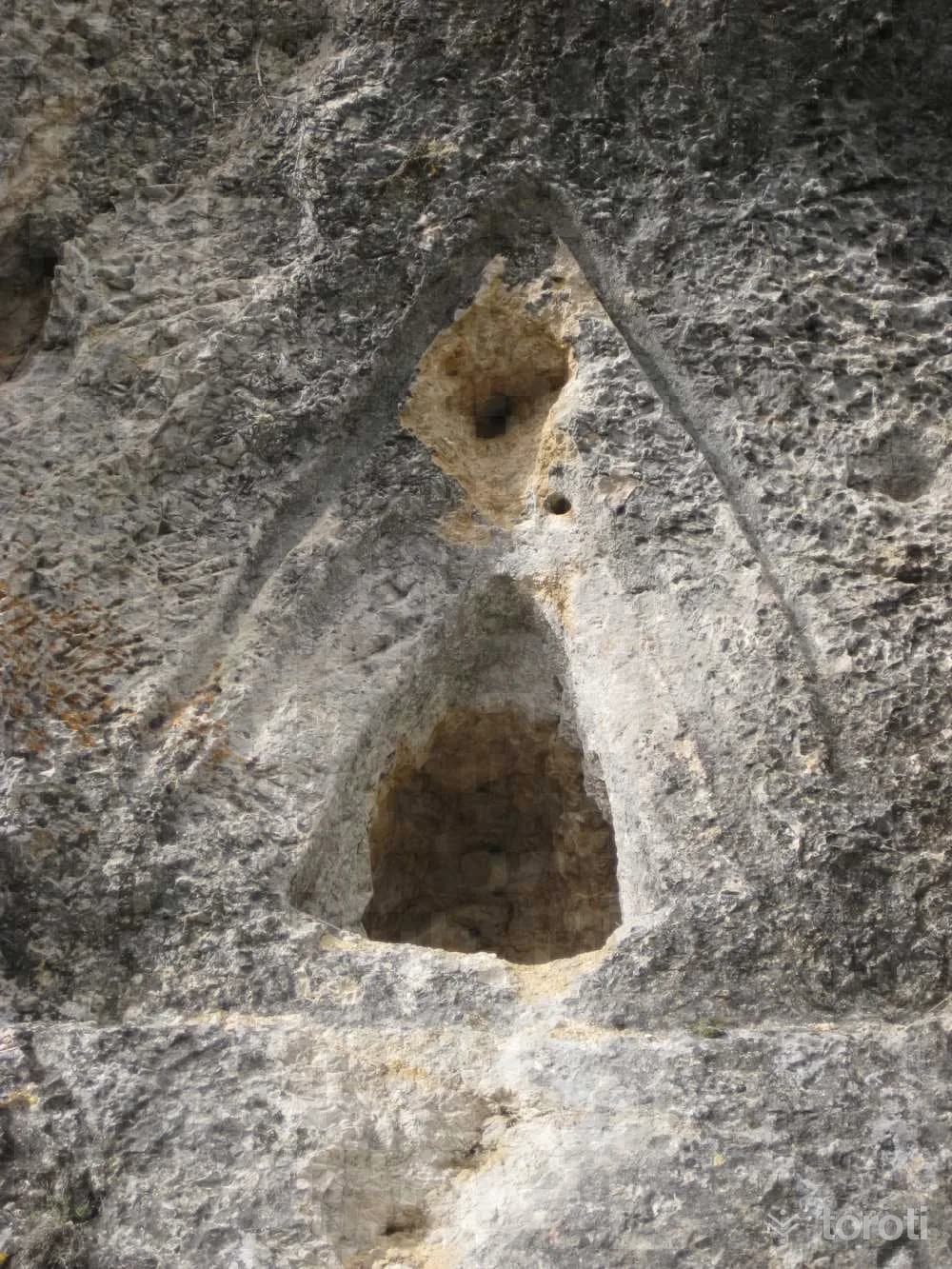
Frig Kaya Anıtı
It was carved into the steep face of the high rock mass south of Böğürtlen village, also called Balkayası. It symbolizes the front facade of a structure with a gabled roof and triangular pediment. In the middle, there is a shallow rectangular niche symbolizing a door. Unlike the known Phrygian monuments of the same type, the geometric decorations on the pediment and facade were made with dark red paint.
20 minutes