Places to visit
Things to do in Çorum
49 destinations, each with a description, how long it takes and where it sits on the map.
In short
toroti’s catalogue holds 49 described destinations within Çorum. The themes that come up most: History, Nature, Faith heritage, Museum, Culture, Local culture.
Districts of Çorum
Tarihi Ali Paşa Hamamı
This bath, located within the bazaar in Kunduzhan Mahallesi, was commissioned by Erzurum Beylerbeyi Ali Paşa in l573. One of the largest baths in Çorum, this bath is also known as Yeni Hamam. This bath, which has the double bath plan layout of Ottoman architecture, consists of women’s and men’s sections. The cooling, hot, and halvet sections that make up the parts of the bath are covered with domes resting on drums.
20 minutes
Siklik Tabiat Parkı
Sıklık Boğazı, located on the Çorum-Samsun road, was declared a Nature Park in 2009. The natural area, where a botanical and zoological garden, an artificial pond, observation towers, a countryside restaurant and walking trails will be built in the coming years, currently serves as a picnic area. You can have a pleasant time in the forested area stretching for 7 kilometres. It is 7 km from Çorum. Its area is 63.Ha and it is located on the Çorum-Samsun highway.
45 minutes
Demir Şeyh Türbesi
The inscription of this tomb, which was built in a large area in the Sungurlu district, has not survived to the present day. In this respect, there is no information about when it was built. According to a widespread belief among the local people, this tomb was built after the Battle of Manzikert. However, the architecture of this structure that has survived to the present day resembles Ottoman tomb architecture rather than Seljuk architecture.
20 minutes
Karayanik Şelalesi
It is located in the valley that the villagers call Fındıklı Deresi, in the Karayanık neighborhood of Sorkun Village in the İskilip district. Each of the five independent waterfalls first flows into a small pond and then sends its waters to the other waterfalls.
45 minutes
Oğuz Köyü Cami
It is not known by whom this mosque, located in Oğuz Village of Kargı district, was commissioned. However, it is thought to have been built in the 16.yüzyılda based on its architectural style.It belongs to the group of single-domed mosques in Ottoman architecture and has a narthex in front of it. The prayer hall is covered with a central dome supported by a semi-dome with three vaults.
20 minutes
Örencik Şelalesi
27 kilometers from the center of Çorum, the waterfall in Örencik Village is near Suludere Canyon. Coming from the mountains with a wild current and pouring down from meters high with great magnificence, the waterfall is located only 500 meters from the main road.
45 minutes
Hacıhamza Kalesi
The castle, located to the north of İncesu Stream in Hacıhamza Town, has an irregular plan. It is understood from the Şeriye Sicil records that the castle was built by III. Ahmet in 1723, and it housed the townspeople until the 1940s.
30 minutes
Kapılıkaya Anıtsal Kaya Mezarı
Çorum-Osmancık karayolunun Kırkdilim mevkiinde yolun sağında, derin vadilerin oluşturduğu engebeli bir arazi üzerinde yer almaktadır. Hellenistik Döneme tarihlenmekte olup, (M. Ö. II. yy) komutan İKEZIOS’a aittir.
30 minutes
Alacahöyük Müze Ve Ören Yeri
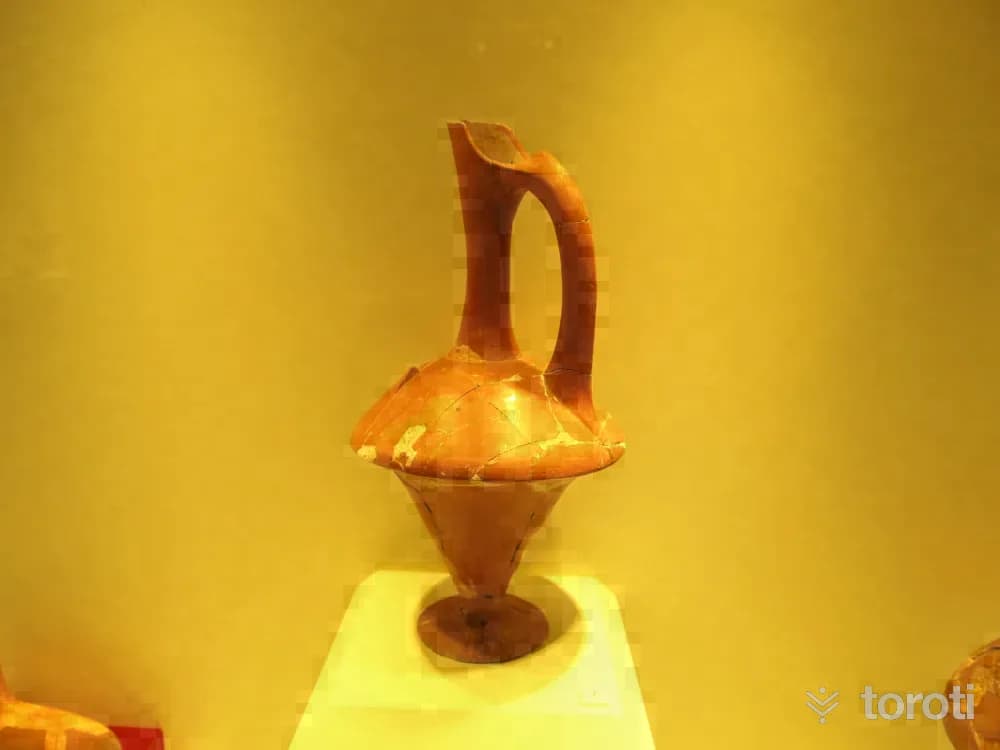
Alacahöyük Ruins are located in Alacahöyük Town of Alaca District of Çorum. An important cultural and artistic center of the Hittites, 4 civilizations were uncovered in the excavations that began in 1935. Alacahöyük 1st civilization layer is represented by the Hellenistic, Roman, Byzantine, Seljuk-Ottoman periods. In the 1st cultural layer, the entire mound was inhabited in the Late Phrygian age. Settlements consisting of small houses were found in this layer.
45 minutes
Kazankaya Kanyonu (kazankaya Vadisi)
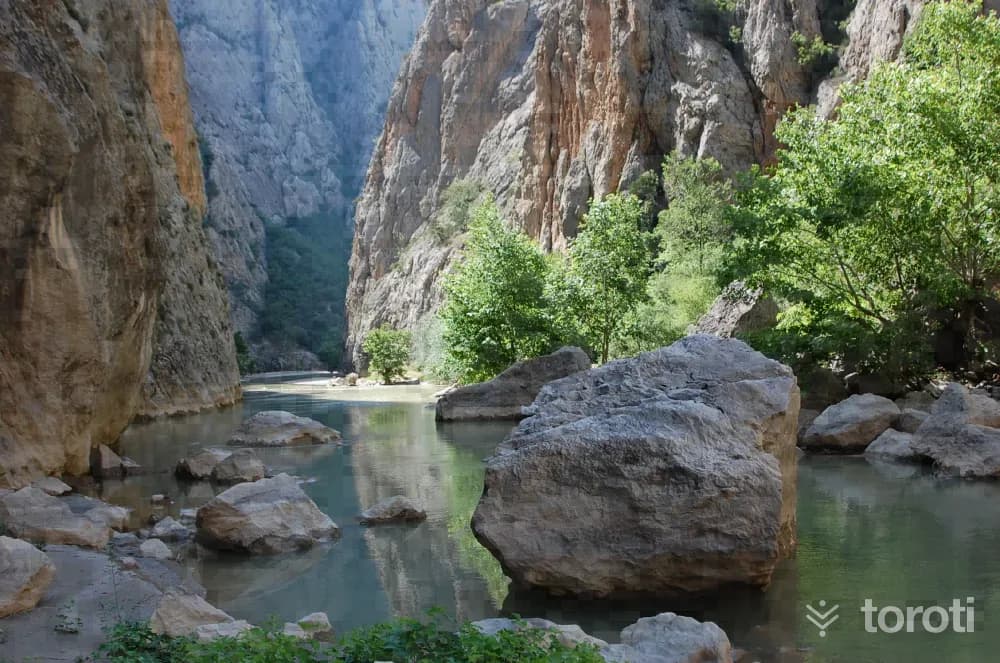
Kazankaya Town is a town connected to Yozgat Aydıncık District, located in the north of the district, 4 kilometers northwest of the Çekerek Alaca road and 10 kilometers from Aydıncık District. The greatest natural wonder that increases the importance of Kazankaya Town is Kazankaya Canyon and the traces of historical settlement in this area. The canyon, whose entrance begins in Kazankaya Town, is 10 kilometers long.
45 minutes
Şapinuva Ören Yeri
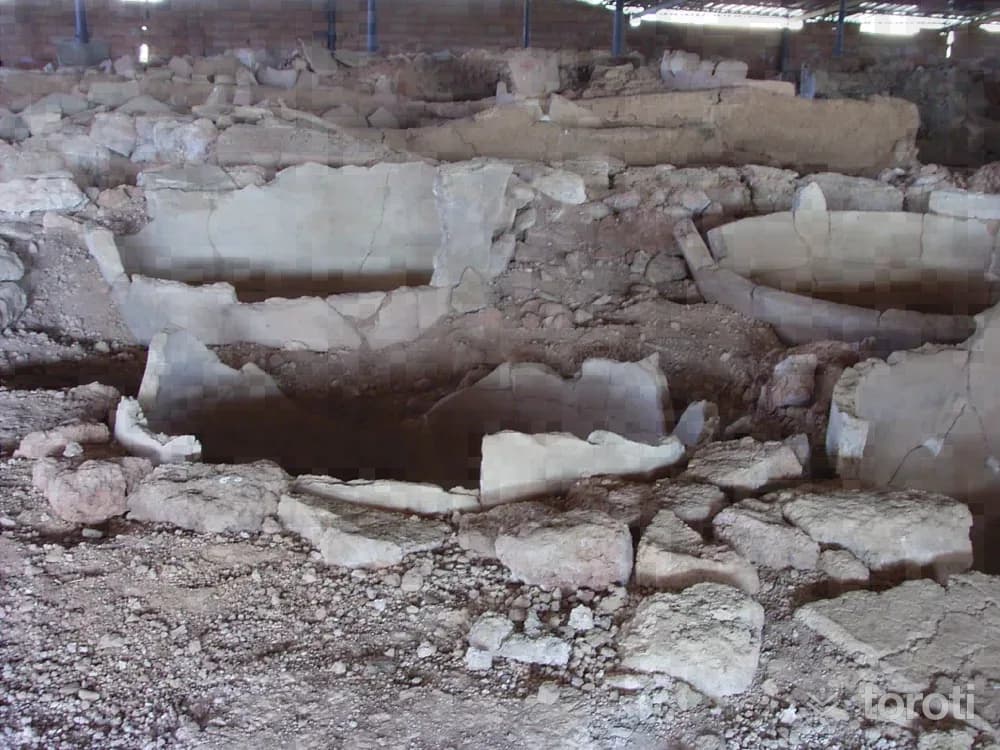
Şapinuva, located in the Ortaköy district of Çorum, is one of the important administrative centers of the Hittites. During the Hittite period, the city, which was situated at a strategic point due to both its political and geographical position, was an important military and religious center.
45 minutes
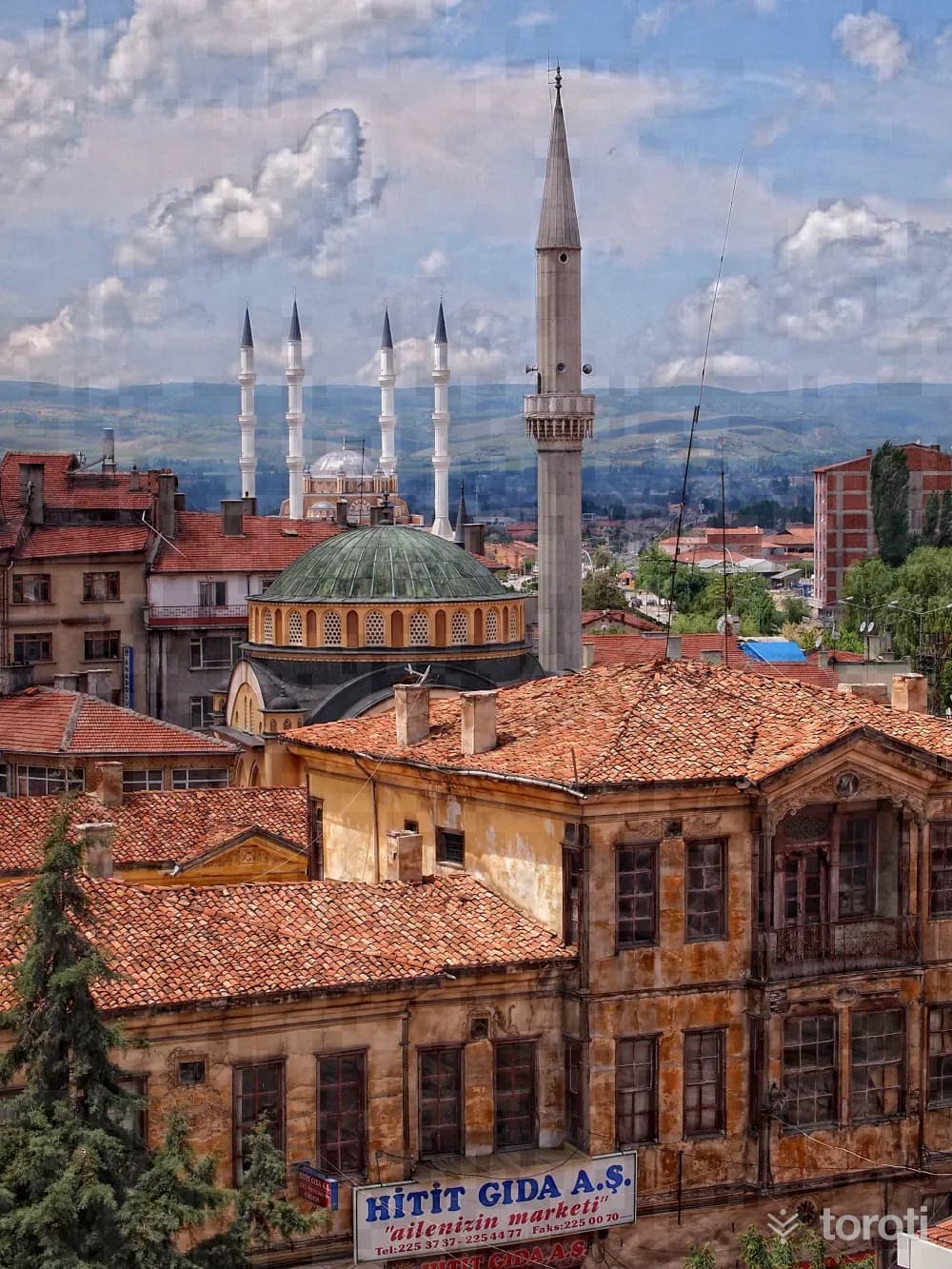
Veli Paşa Hanı
Veli Paşa Hanı, located in Çepni Mahallesi, was commissioned by Veli Paşa, one of the Yozgat Beys. In the title deeds dated 2 Muharrem 1283 (1867) and 23 Muharrem 1303 (1887) in the archives of the General Directorate of Foundations, the location and surroundings of the inn were described and the vakıf boundaries were specified.
45 minutes
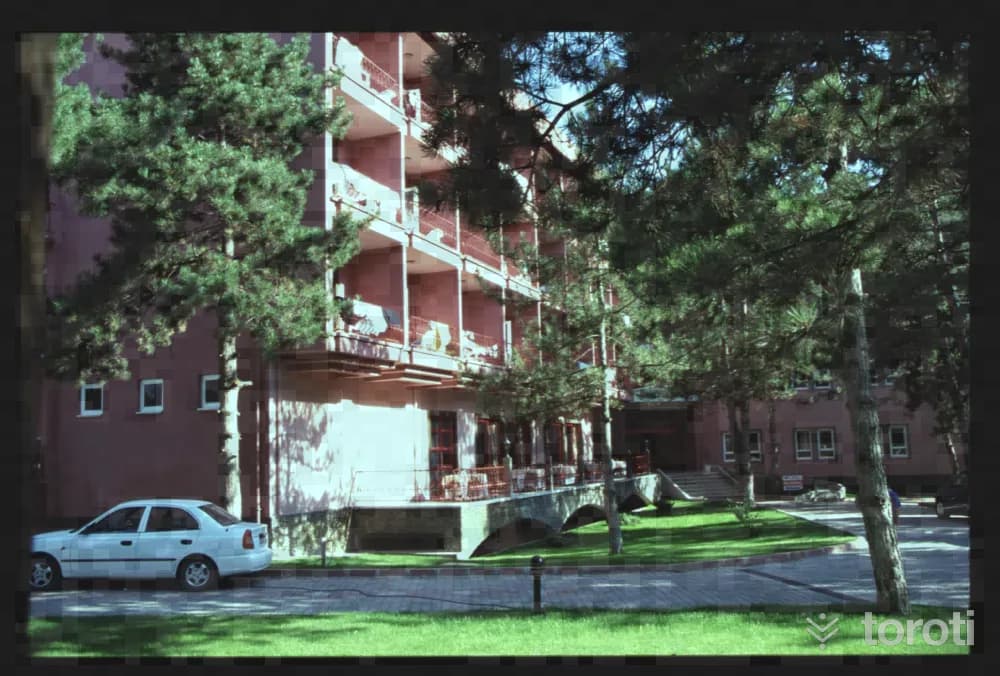
Hamamözü Arkutbey Kaplıcaları
Although the exact history of Hamamözü Arkutbey Kaplıcaları is not known, there is a small bath and pool that have been used since Antiquity. It takes its current name from Seljuk Arkut Bey.
45 minutes
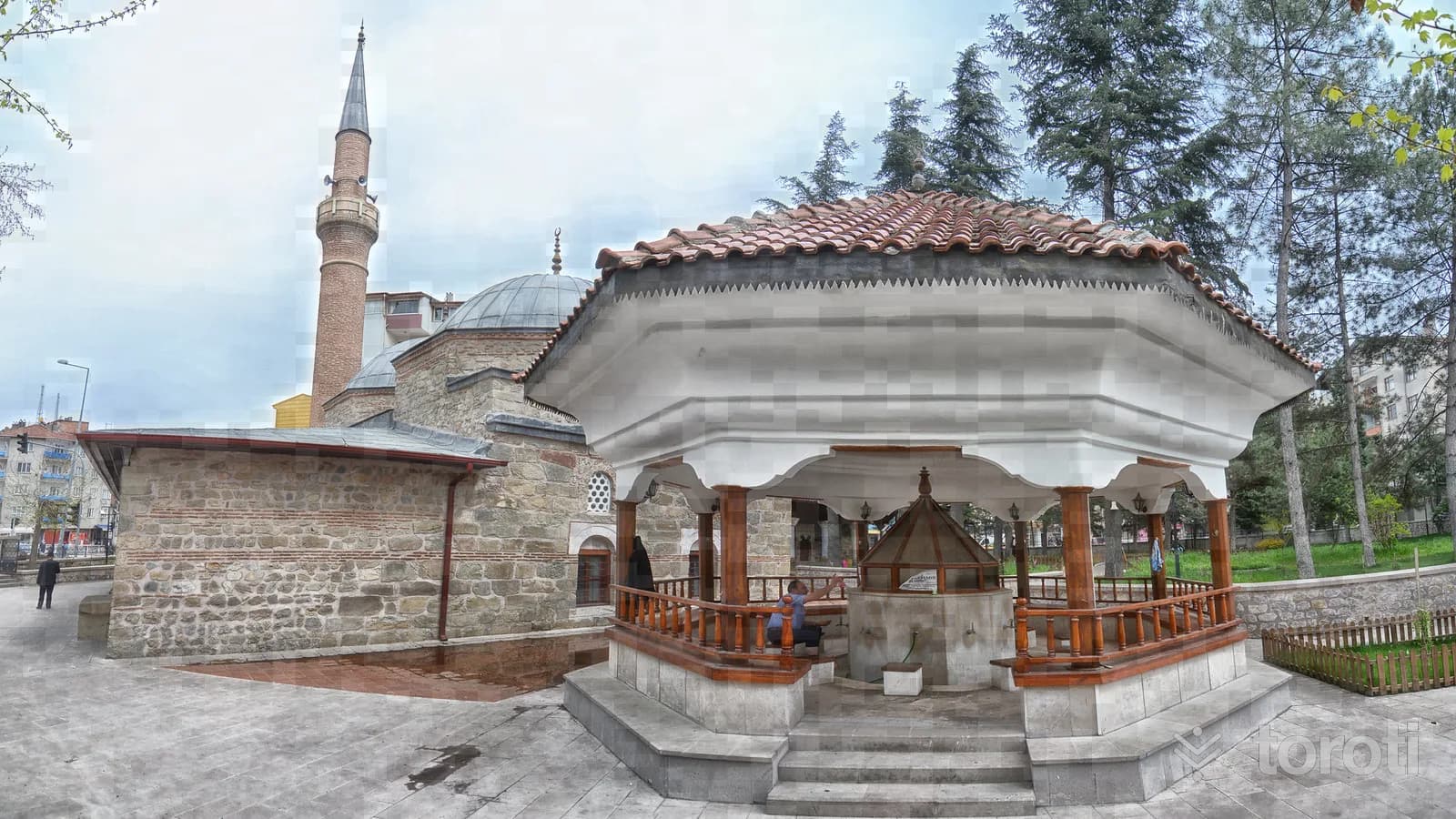
Şeyh Yavsi Cami
Muhyiddîn Mehmed-i İskilibî (?-1516) was a Turkish religious scholar; the sheikh of the Bayrami order, the father of Sheikh al-Islam Ebussuud, and the teacher of Bayezid II. Although Muhyiddin Mehmet Şeyh Yavsi’s birthplace was İskilip, no exact date can be given for his year of birth. His father was Mustafa el-İmâdî, the brother of Ali Kuşçu, one of the Ottoman mudarris and a mathematician and astronomer. Şeyh Yavsi was educated in İskilip, Amasya and İstanbul. Prince II., who was serving as the governor of Amasya at that time.
20 minutes
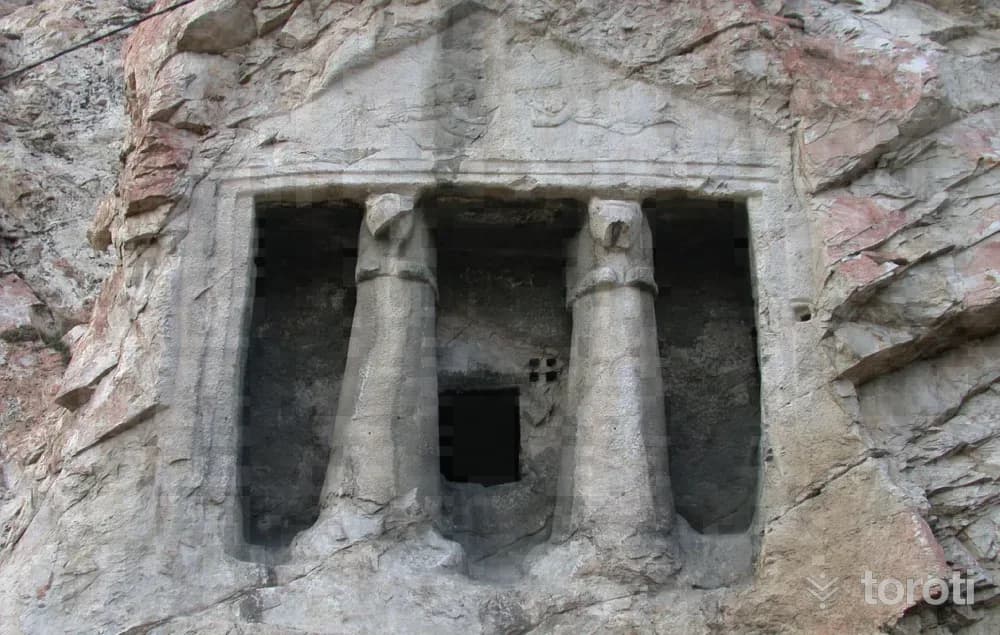
İskilip Kaya Mezarı
In the center of İskilip, on a natural rock 100 meters high from the Ottoman period, there are rock tombs from the Roman period on the southern and southeastern slope of the castle. The rock tomb located to the southeast has a rectangular entrance with two columns. The round column shafts descend upward. On the bracelets on the capitals, there is a seated lion on each.
45 minutes
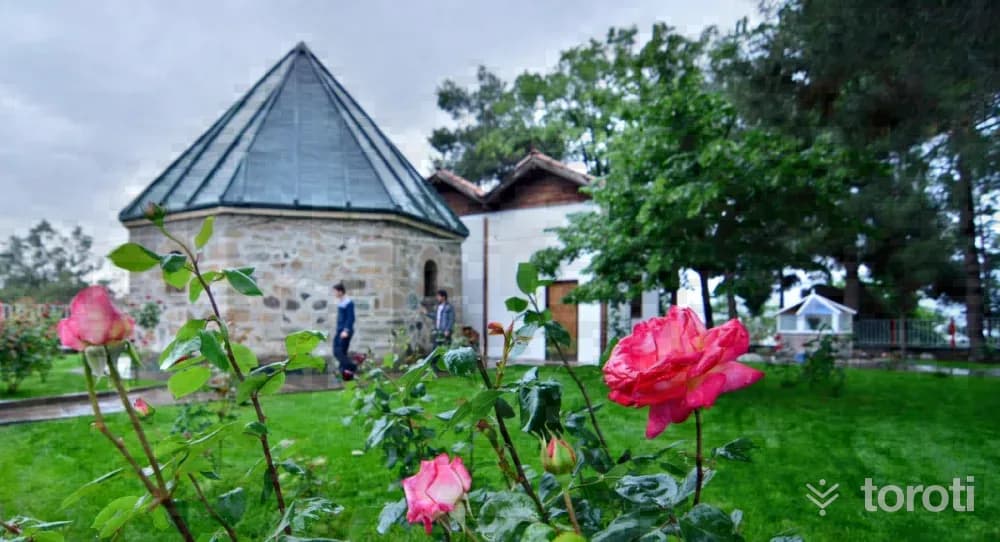
Koyunbaba Türbesi
Koyunbaba Tomb, located in the district center of Osmancık and commissioned in 1469 during the reign of the Ottoman sultan Sultan II. Beyazıt, was built on a high hill. According to Evliya Çelebi, a mosque, dining hall, banquet room, guest houses, and a lead-covered tomb were built in the tomb complex. However, of the structures other than the tomb, only their foundations remain today. The tomb’s double-winged wooden door, crafted with the deep carving technique, is today preserved in Çorum Museum.
45 minutes
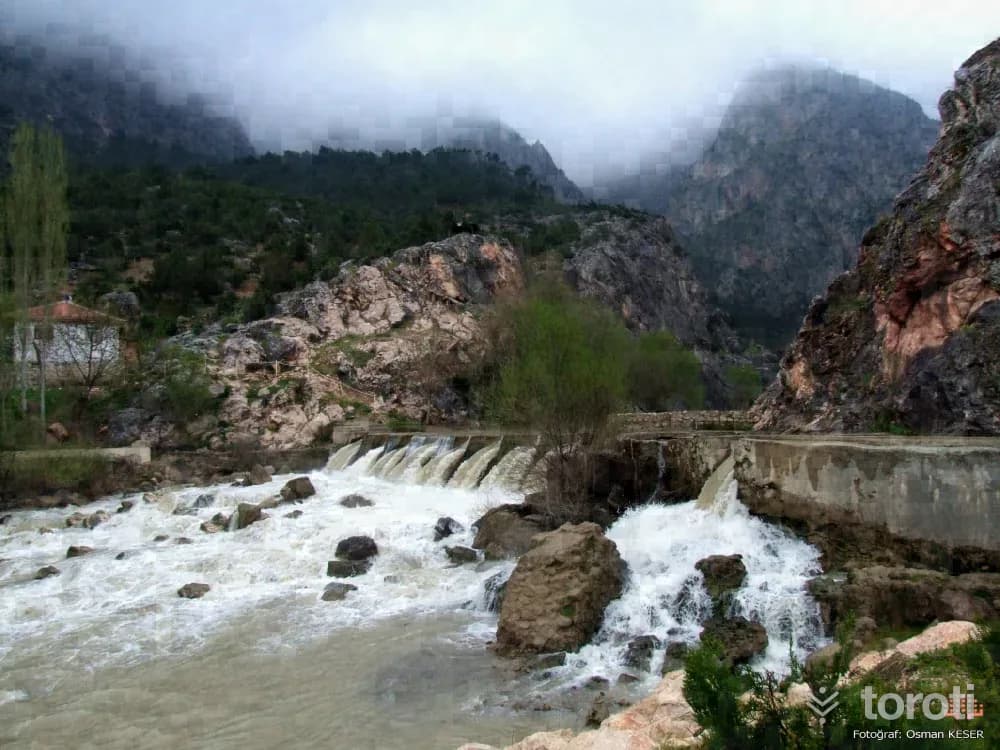
İncesu Kanyonu
İncesu Canyon is in İncesu Village of Ortaköy District. İncesu Canyon, which especially has a single entrance and exit, is 12.5 kilometers long. Its width varies between 40-60 meters. TGA Both slopes of the canyon are steep rocky cliffs, and in places it is possible to come across forested areas. TGA The trekking route starts from Kazankaya Town of Aydıncık District and ends in Çorum-Ortaköy-İncesu Village.
45 minutes
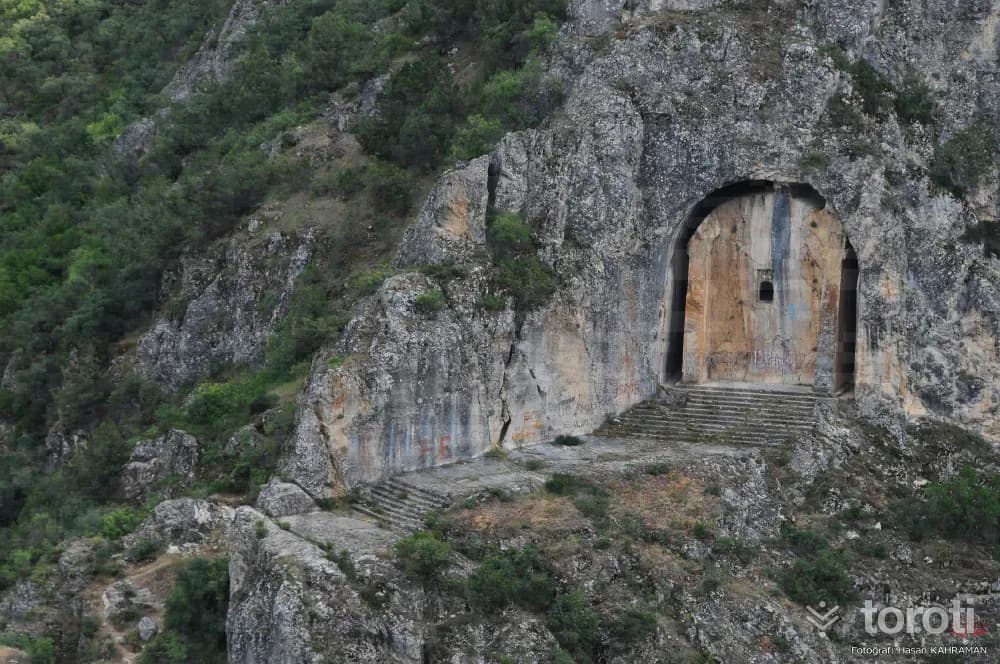
Laçin Kapilikaya Kaya Mezarı
It is located approximately 27 kilometers north of Çorum, in Laçin District Kırkdilim Mevkii, on rugged terrain formed by very steep, rocky deep valleys, at the northwestern corner of a rock mass extending northward. Kapılıkaya is a Hellenistic Period rock tomb and dates to the 2nd century B.C. The inscription “İkezios” above the door of the burial chamber and a cross motif colored with red ochre stand out.
45 minutes
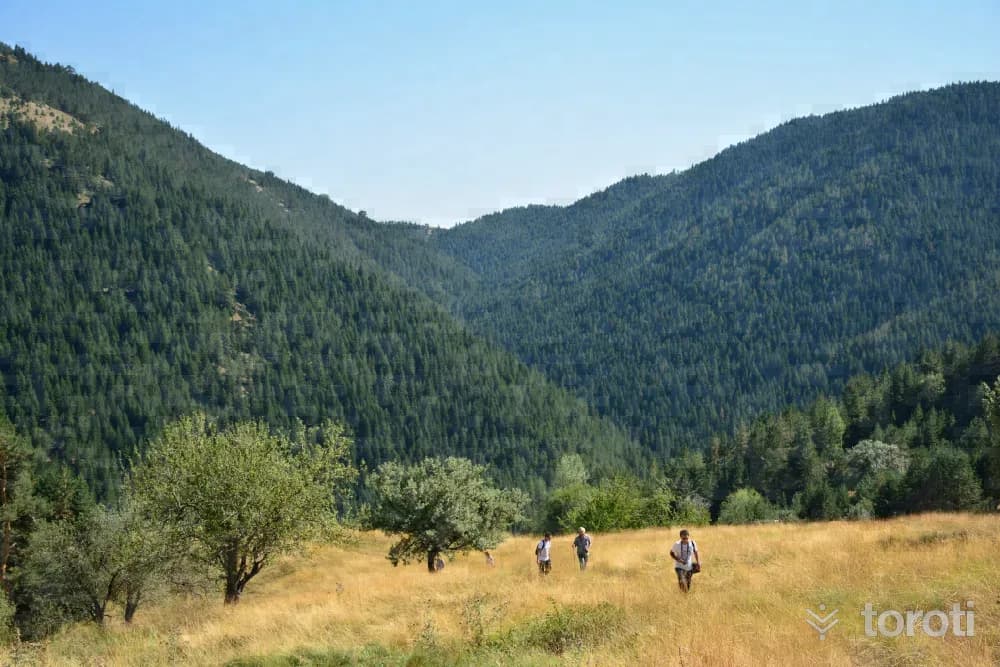
İskilip Yaylaları
To the north of İskilip District, on the high mountain range covered with vegetation characteristic of the region such as Scots pine, black pine, fir and oak, there are many plateaus that attract attention with their interconnected natural beauties.
45 minutes
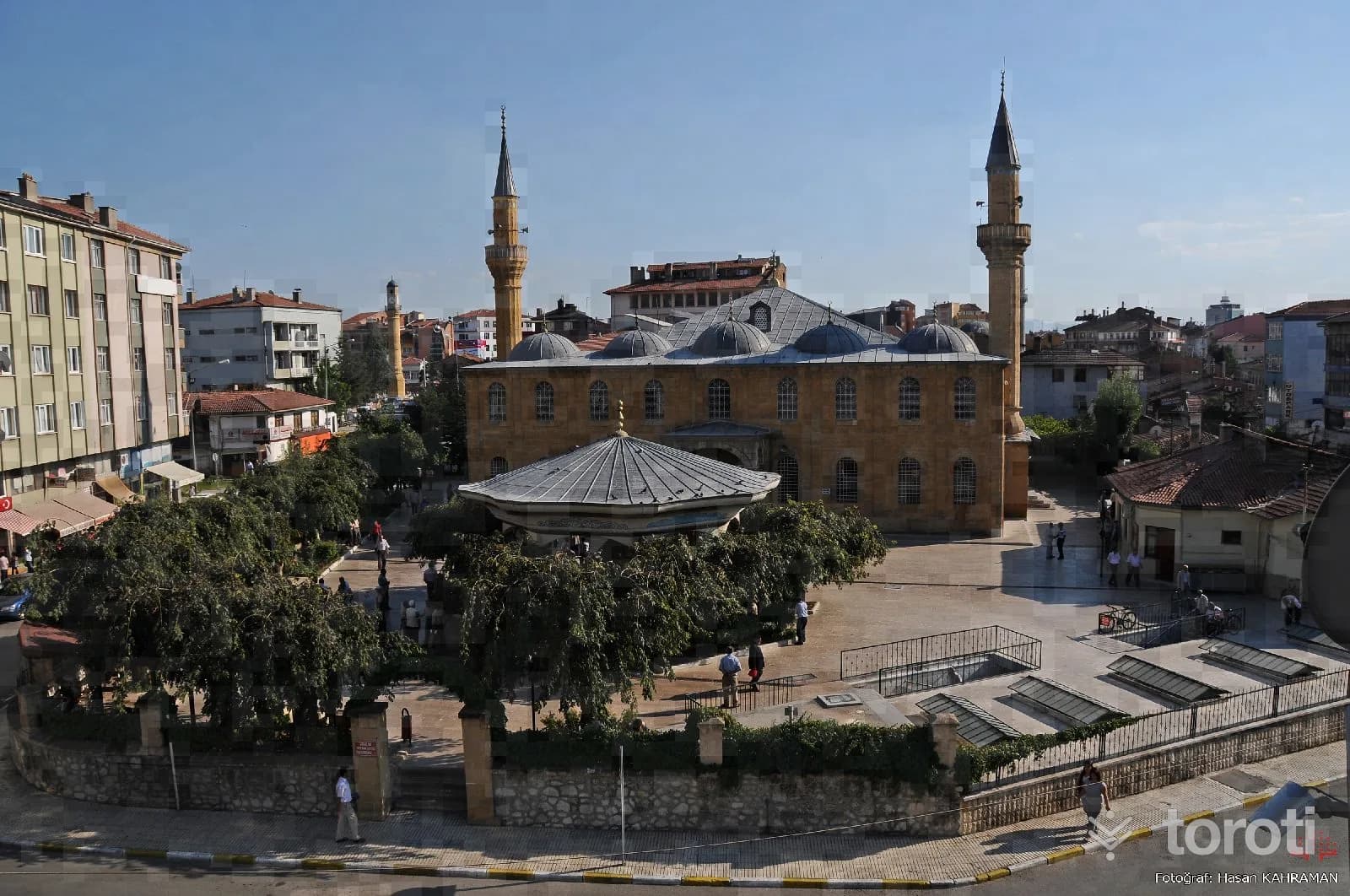
Muradi Rabi Ulu Cami
Researchers cannot give a definite date as to when the Ulu Camii, located on Osmancık Caddesi, was built. However, it is learned from sources that it was commissioned by Hayrettin Hazır, the freed slave of Seljuk Sultan Alaeddin Keykubat.
20 minutes
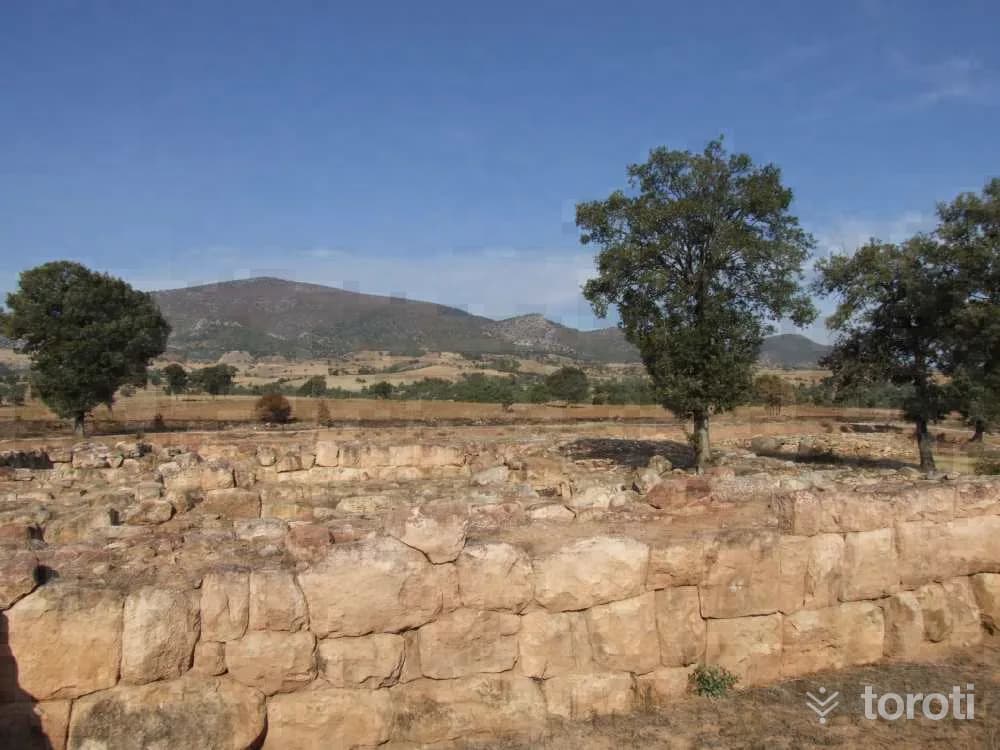
Ortaköy Şapinuva
Şapinuva-Ortaköy, one of the important administrative centers of the Hittite State, is 53 km southeast of Çorum. In the Hittite Age, the city, which was located at a strategic point due to both its political and geographical position, was an important military and religious center.
45 minutes
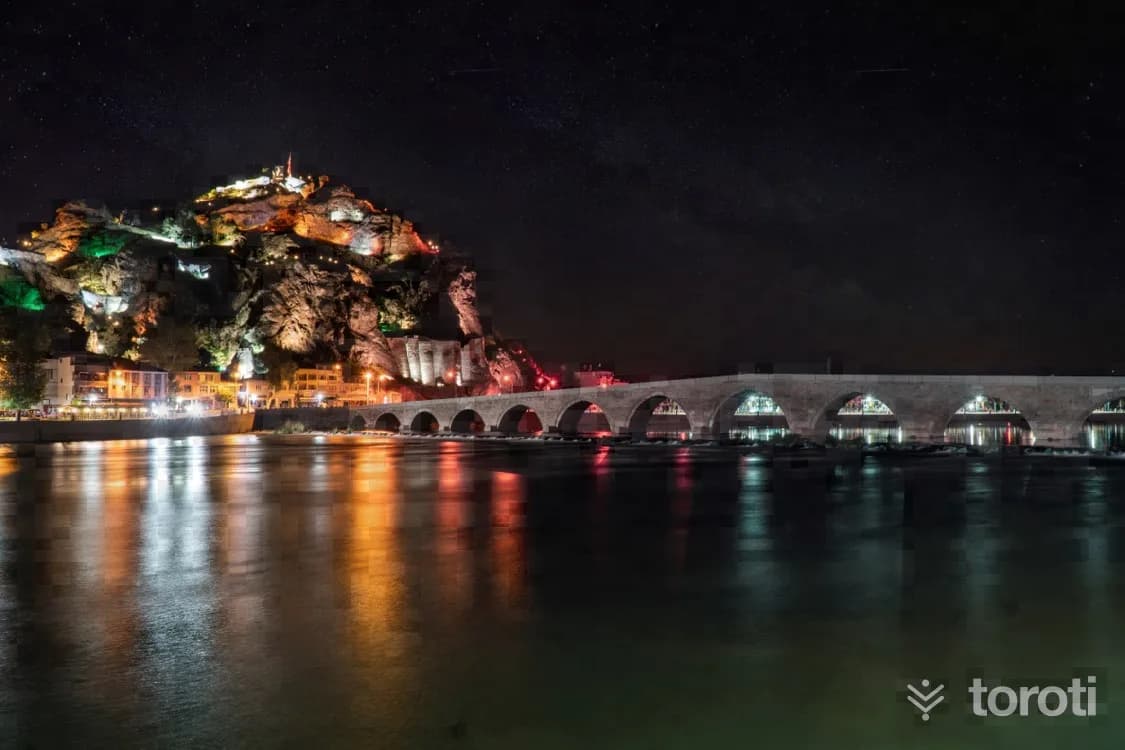
Koyunbaba Köprüsü
The length of the İkinci Bayezid Bridge, built over the Kızılırmak, is 250 meters and its width is 7,5 meters. The span of the widest arch of the 15-arched bridge is 16,35 meters, while the span of the narrowest arch is 9,20 meters. There are stone railings 60 centimeters high on both sides of the bridge. The bridge has a 5-line Arabic inscription.
20 minutes
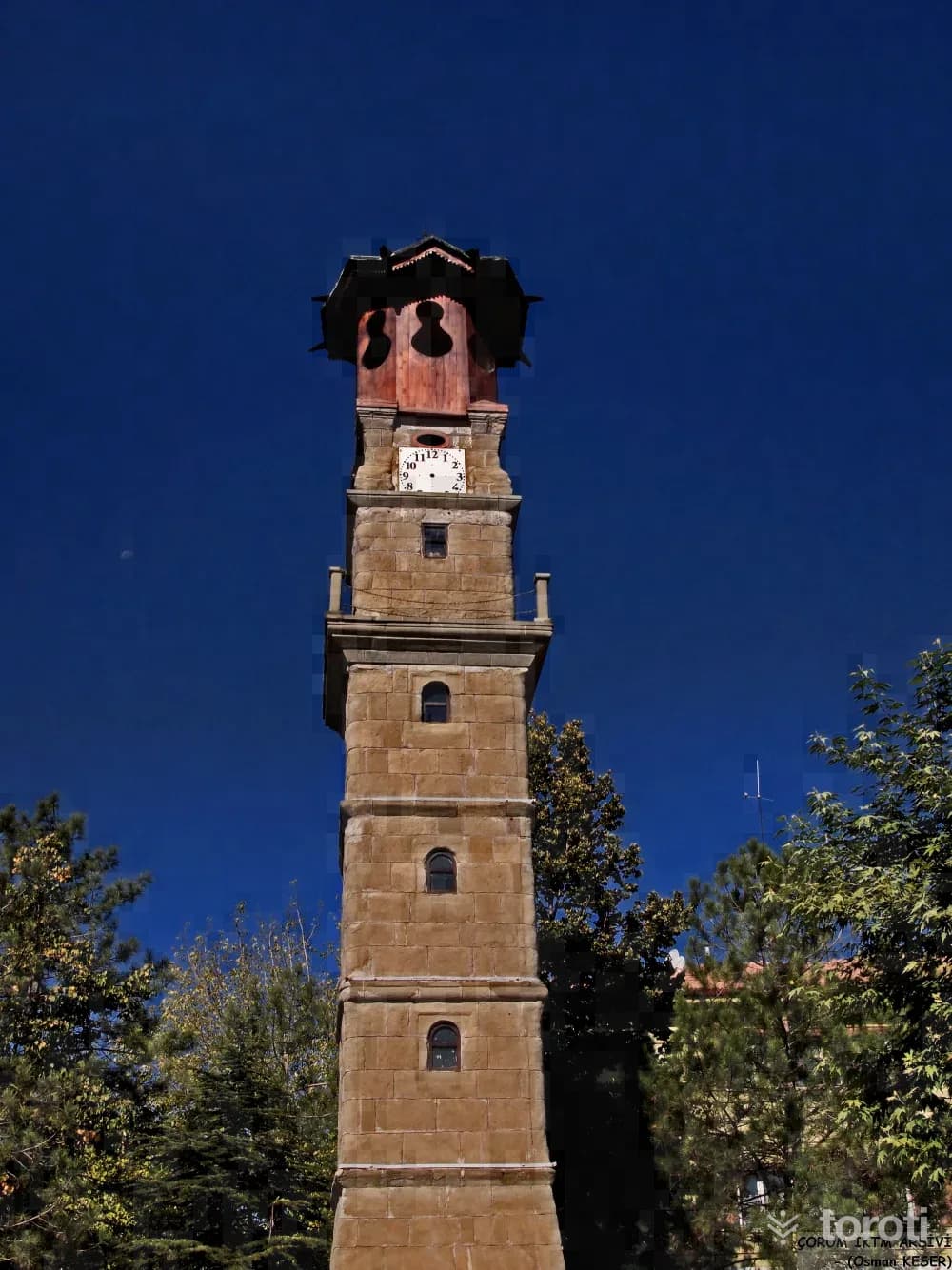
Sungurlu Saat Kulesi
The tower was commissioned by District Governor Edip Bey in 1891. It has a square prism body. There are small windows with round arches on every floor except the second floor. On the top floor of the tower, which was built of cut stone, there is a wooden kiosk with wavy eaves, beneath it round clock dials on four sides, and below that a balcony with iron railings.
45 minutes
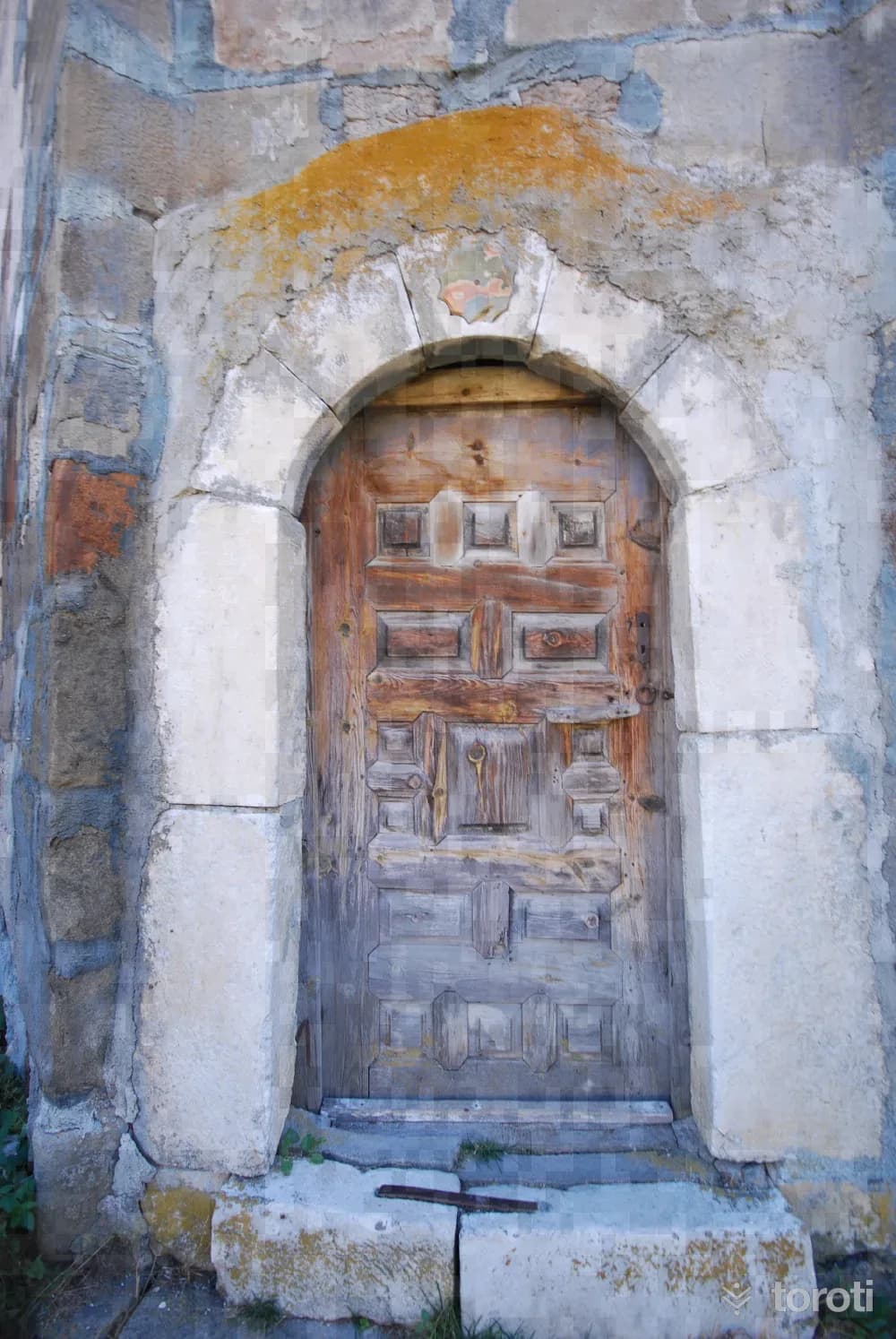
Hüseyin Gazi Külliyesi
Hüseyin Gazi Külliyesi, located 3 kiloemetres south of Alaca District, consists of a tomb, soup kitchen, guesthouse, fountain and pool. Although its construction date is unknown because it has no inscription, the work, which is dated to the 13th century considering its architectural features, gives the appearance of a külliye together with the structures around it.
45 minutes
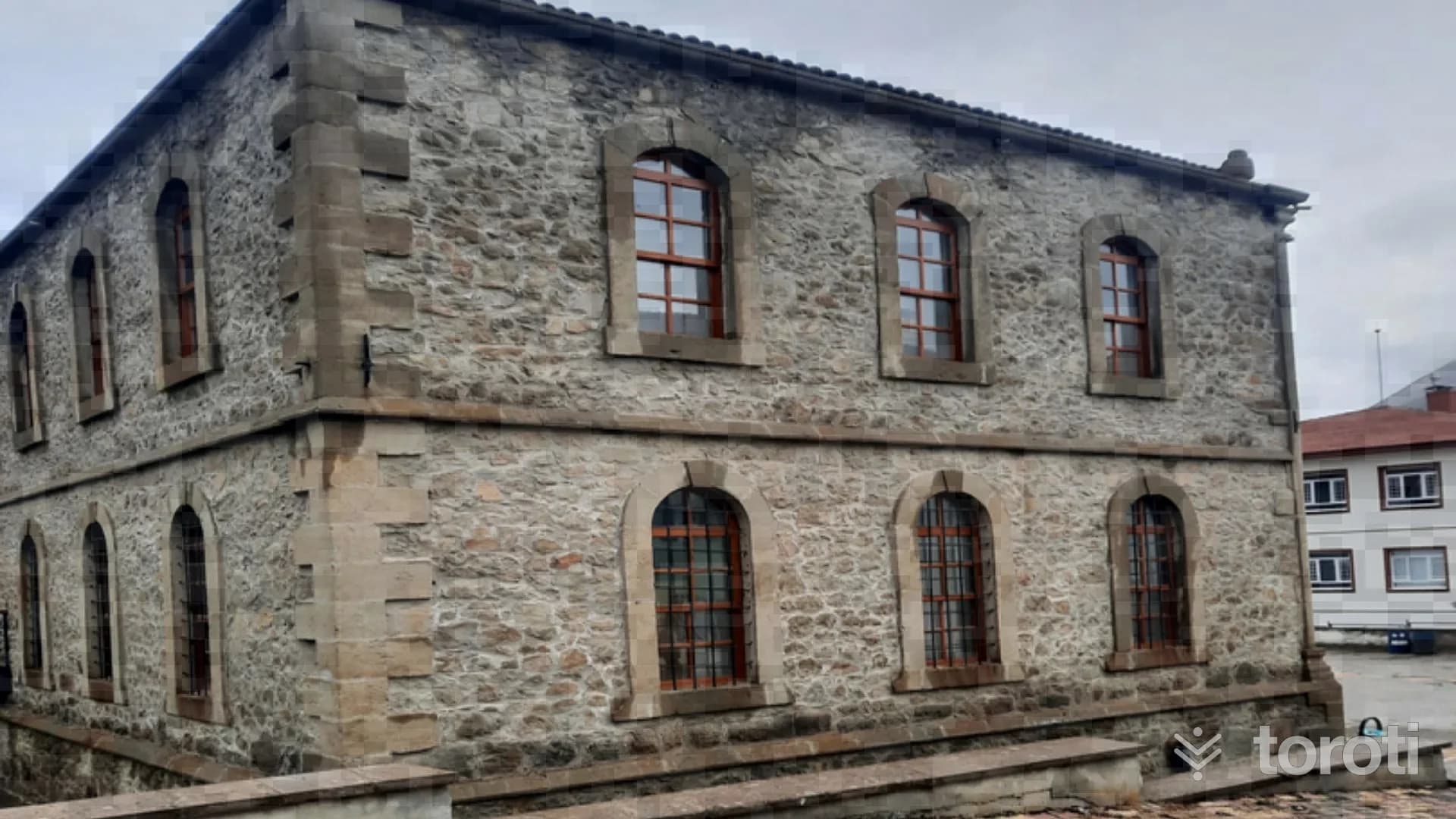
İskilip Redif Kışlası
The Redif Barracks located in İskilip are dated to the beginning of the 20th century. They are among the typical barracks examples of Ottoman military architecture. The barracks have a rectangular plan extending in the north-south direction and are three storeys including the basement. Along the long and short sides, rectangular-framed round-arched windows follow one another. The storeys are separated from each other by projecting mouldings on the exterior.
45 minutes
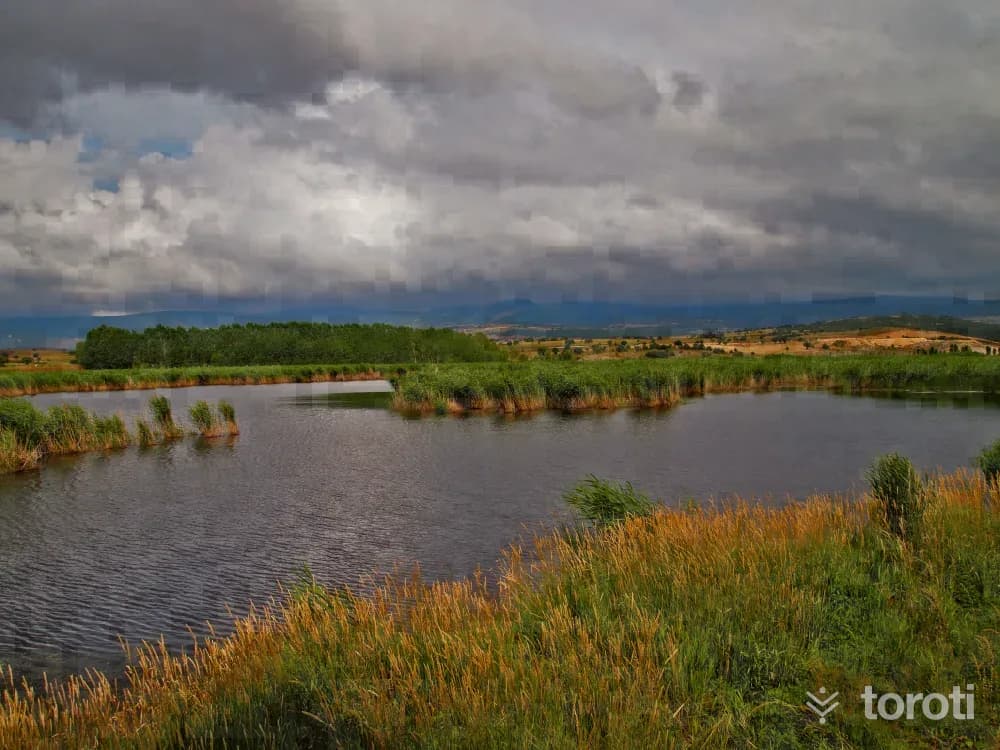
Gölün Yazi Sulak Alan
The area, which is among the ecosystems with the highest biological production on earth and is under threat from drainage for agricultural purposes, is located in the Kırkdilim area of Çorum Merkez District and, besides hosting very rich wildlife, has functions and values that regulate the water regime of the region, soften the climate, and improve water quality by retaining sediment and toxic substances. It is on the Çorum-Laçin-Osmancık road and is 20 km from Çorum.
45 minutes
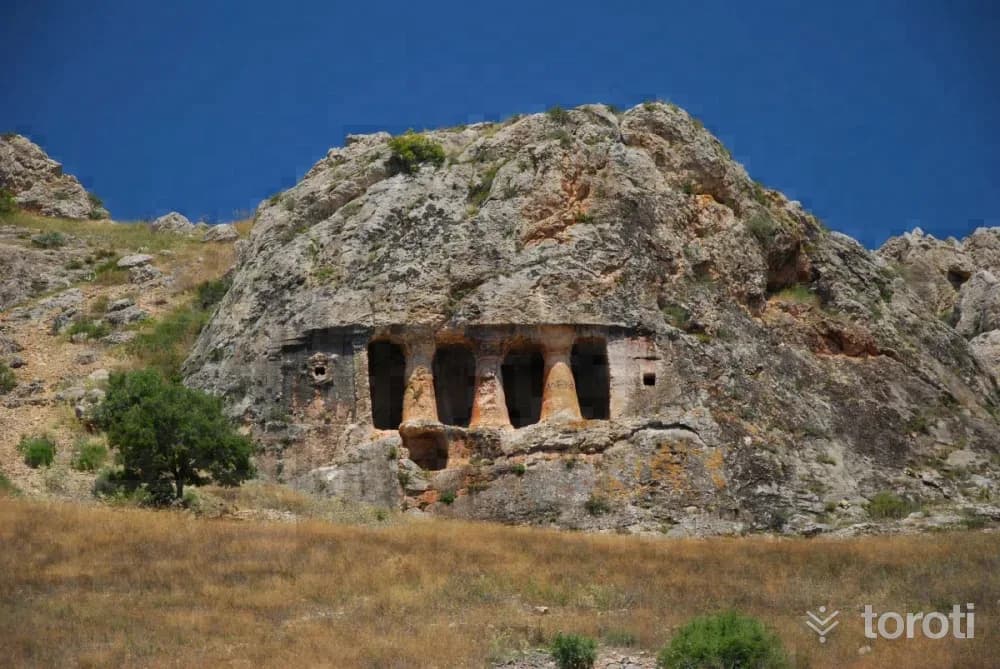
Gerdek Kaya Mezarı
Gerdek Rock Tomb is within the borders of Camili Village, 18 kilometers north of Alaca District. The three-column tomb carved into the rock to the east of the settlement dates to the Hellenistic Period in the 2nd century BC. Near Gerdek Rock Tomb, the water channels at the entrance of Alaca Valley can also be seen.
45 minutes
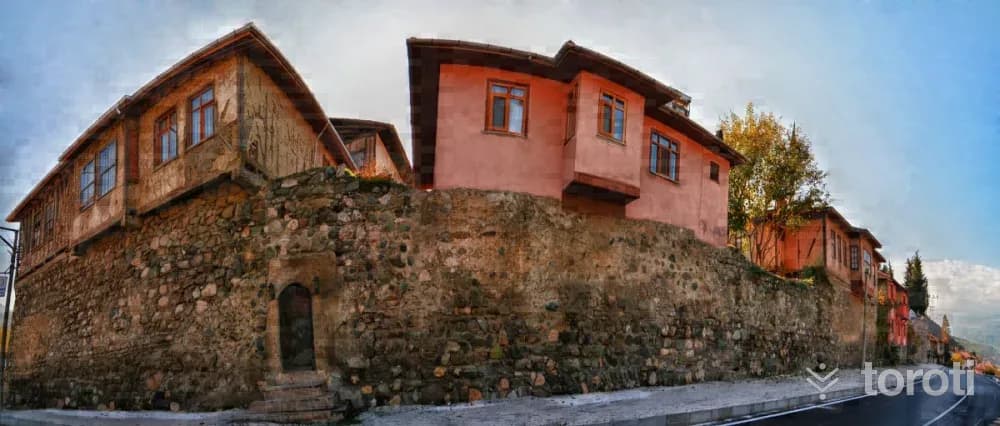
Hacı Hamza Kalesi
It is understood from the sharia court register records that the castle, located to the north of İncesu Deresi in Hacı Hamza Beldesi, was built by III. Ahmet in 1723. The castle housed the townspeople until the 1940s.
45 minutes
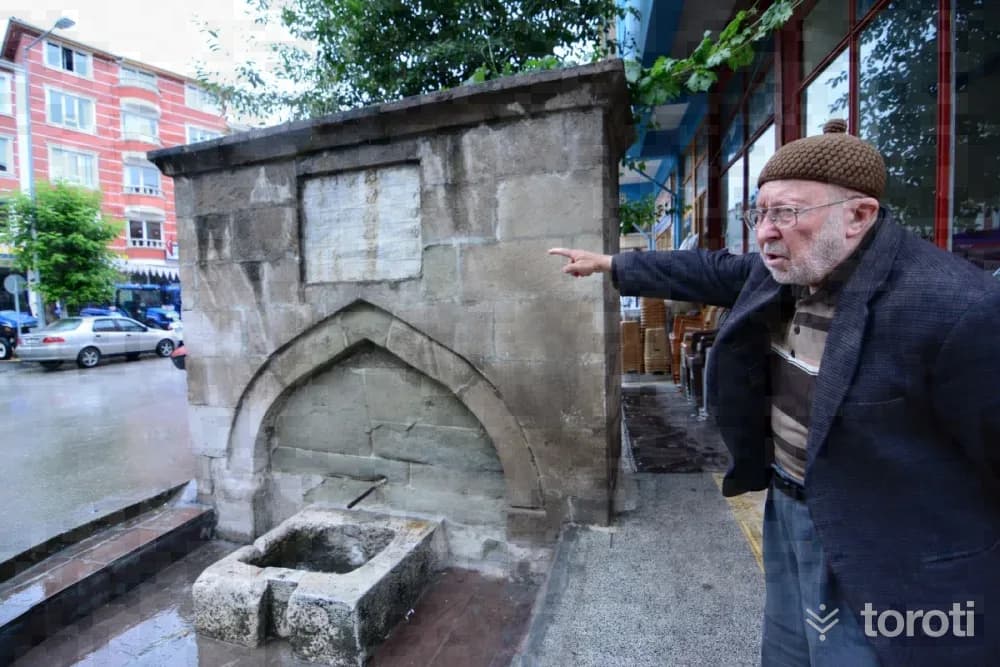
Baltaci Mehmet Paşa Çeşmesi
Baltacı Mehmet Paşa Fountain in Osmancık is one of the four fountains commissioned by Baltacı Mehmet Paşa in 1705 during his grand vizierate. On its west-facing front facade, there is an 18-line inscription in white marble on three columns.
45 minutes
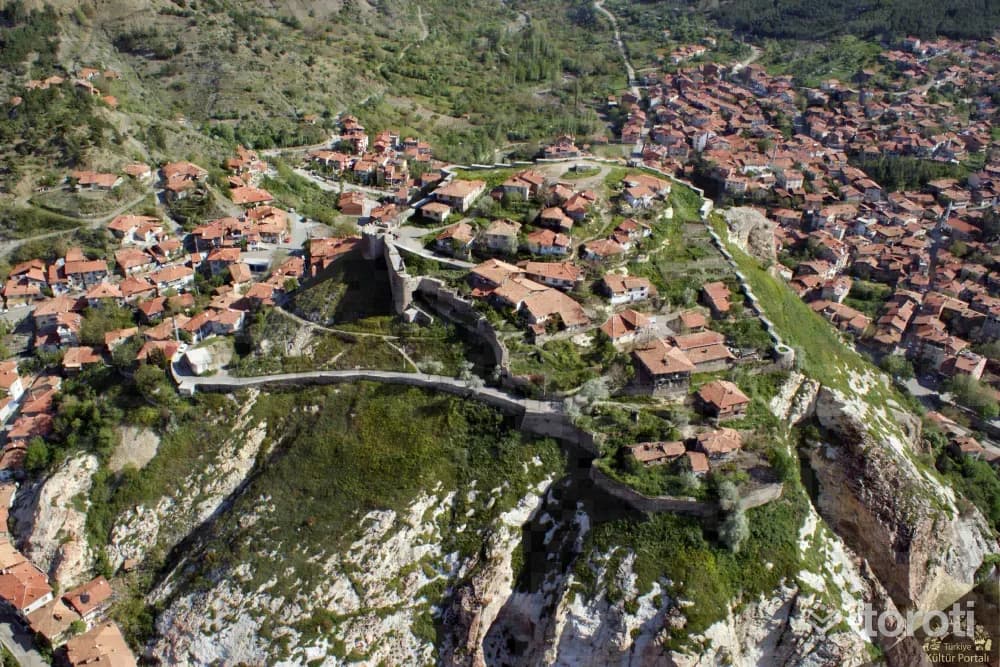
İskilip Kalesi
İskilip Castle, located in the district center and dating to the Ottoman Period, has steep cliffs on three sides, and access is possible only from the northwest. At the foot of the steep rock on which the castle was built, there are rock tombs belonging to the Roman Period.
45 minutes
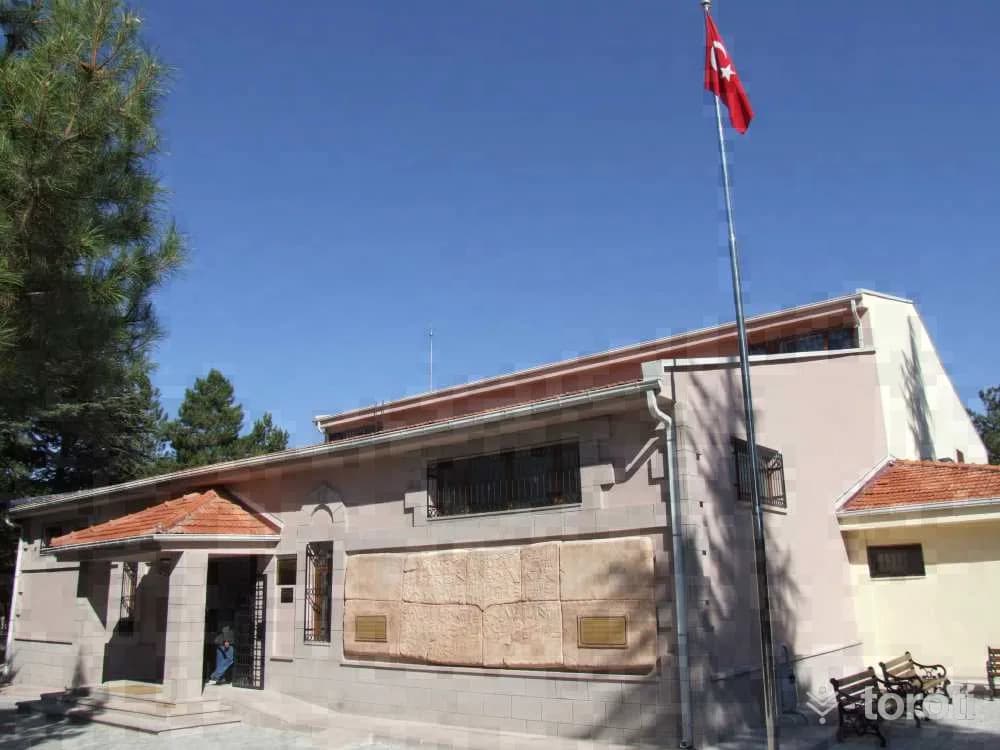
Boğazköy Müzesi
The museum, opened on 12 September 1966, was reorganized in 2011. Artifacts uncovered during the Boğazköy-Hattuşa excavations are exhibited in the museum. In the thematic and chronological exhibition arranged in the museum display halls, there are works from the Chalcolithic, Early Bronze, Assyrian Trade Colonies, Hittite Age, Iron Age (Phrygian), Galatian, Roman and Byzantine periods.
45 minutes
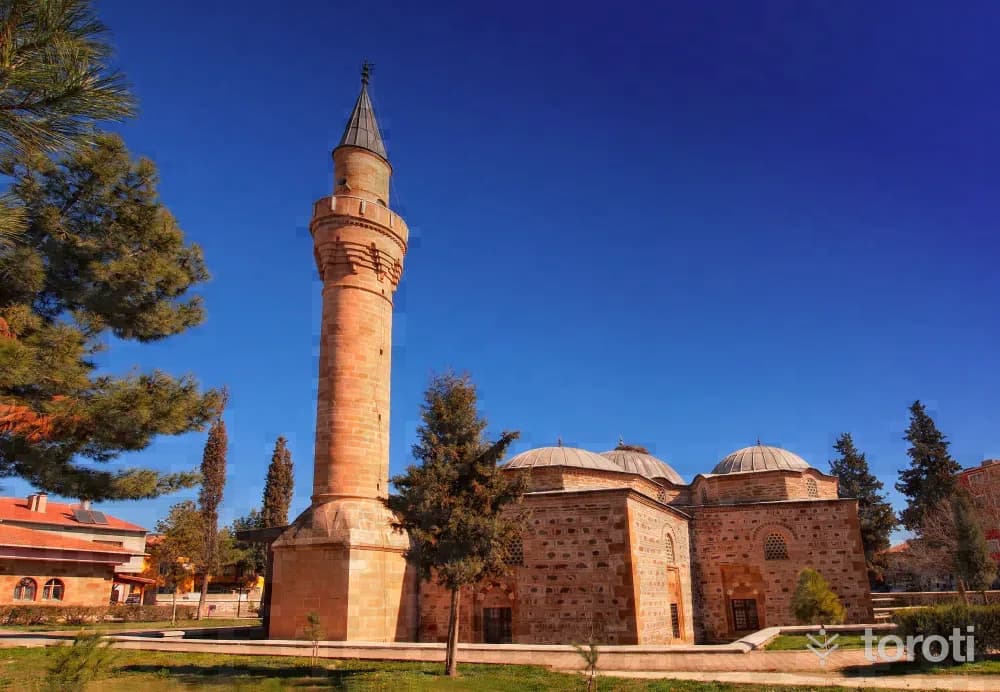
Osmancik İmaret Cami
Osmancık İmaret Cami was built as an imaret in 1431 by Koca Mehmet Paşa, one of the grand viziers of Murat II. It reflects the plan of zaviye mosques, one of the characteristic structures of the Early Ottoman Period.
45 minutes
Abdullah Yaylası
It is located in Kargı district of our province and on Köse Dağı (2050), the highest mountain of our province. Its distance to Çorum is 114 km, and to the district center 26 km. It is 12 km from the highway connecting İstanbul to Samsun and passing through our Osmancık district. Depending on the place of departure, two different routes can be followed. The first of these is to reach the area via the Osmancık road by following the İstanbul–Samsun Highway, and the second is to reach the area again via the Osmancık road by following the Ankara-Çorum Highway.
45 minutes
Çatak Tabiat Parkı
It is the most attractive excursion area for day trips from the city center and the one most frequently visited. The infrastructure of the excursion area, which is under the protection of the forestry administration, has largely been completed. Çatak Tabiat Parkı is 22 km from the city center, the road is asphalt, and it serves domestic tourism. Due to its natural structure, richness of scenery, and having the characteristics of a nature park, a 387.5-hectare section of the area was set aside in 1984. The dominant tree species in the area is black pine.
45 minutes
İskilip Yaylaları
To the north of our province’s İskilip District, on the high mountain range covered with local vegetation such as Scots pine, black pine, fir and oak, there are many plateaus that attract attention with their interconnected natural beauties.
45 minutes
Kizilirmak Havzası Gastronomi Ve Yürüyüş Yolu
We all agree that the most basic elements sought by a nature-loving traveler on the move are enchanting natural beauties and dishes reflecting the traditional local palate. Based on this very point, the Gastronomy and Walking Route is an ecotourism initiative that brings together nature, history and culinary culture, a first in Turkey.
45 minutes
Kargi Yaylası
It is located in the high mountainous area to the north of Kargı district of our province. It is 140 km from Çorum and 26 Km from Kargı. In this region, there are the interconnected plateaus of Eğinönü, Aksu, Karandu, Göl, Örencik, Karaboya, and Gökçedoğan. On these plateaus, the tradition of plateau houses in keeping with the local plateau architecture still continues.
45 minutes
Elvan Çelebi Camii
This mosque, located in Elvançelebi Village of Mecitözü district, is thought to have been built as a zaviye. Elvan Çelebi, who gave his name to this village, was the son of Aşık Paşa. His great-grandfather was Baba İlyas, the teacher of Baba İshak. The Seljuk Sultan II.Gıyaseddin Keyhüsrev, who suppressed the Baba İshak rebellion, also killed Baba İlyas in the meantime. After this, this family fled to Egypt and later settled in Çorum.
20 minutes
Elvan Çelebi Türbesi
In the middle of the 13th century, he came and settled in Central Anatolia, fleeing the Mongol invasion. After studying various sciences from the scholars of the time, he turned to Sufism. He advanced in Sufism by attending the sohbet of sheikh al-Islam Fahreddin Efendi, one of his father's caliphs. In 1326 (H. 727), when his father went to Egypt, he came to Mecitözü and settled in Elvan village. He had a mosque, zaviye, tomb and bath built.
20 minutes
Hitit Yürüyüş Yolu
The Hitit Yolu, passing through the ancient cities of the Hittites, whose magnificent history dazzles the world, presents its guests with examples of the natural beauties and cultural-ethnic mosaic of the Central Anatolian geography. The backbone of the routes consists of the Boğazkale-Hattuşa-Şapinuva, Alacahöyük - Alaca-Şapinuva and Boğazkale - Alacahöyük routes. Alaca Çayı Valley and İncesu Canyon, meanwhile, include alternative routes where nature and history meet.
45 minutes
İskilip Kaya Mezarı
In the center of İskilip, on a natural rock 100 m high from the Ottoman period, rock tombs from the Roman period are located on the southern and southeastern foothills of the castle. The rock tomb located to the southeast has a rectangular entrance with two columns. The round column shafts descend upward. On the bracelets on the capitals, there is a seated lion on each.
30 minutes
Kalehisar Külliyesi
Rising 20 kilometres from Alaca district and 6 kilometres north of the Alacahöyük archaeological site, Kalehisar is a historic place that has been used as a settlement since ancient times. Phrygian and Byzantine settlements can be found on the peaks of the fortress, which can be seen even from the hills of Hattuşa 40 kilometres away, and Seljuk settlements on its slopes. On the plain below the magnificent structure, at whose summit there is an altar from the Phrygian period, are the ruins of the Seljuk-built Behramşah Külliyesi.
30 minutes
Kandiber Kalesi
In the engraving made in 1810 and taken from Bozoklu Osman Şakir's work titled "Musavver sefaretname-i İran," a detailed depiction of Kandiber Kalesi is given under its historical name.
30 minutes
Alacahöyük Ören Yeri
It is located in Alaca District, Alacahöyük Town. In the Alacahöyük excavations, which began in 1935 at Alacahöyük, an important cult and art center of the Hittites, 4 civilizations were uncovered. The excavation, which began in 1935 under the direction of R.O. Arık on behalf of the Turkish Historical Society by order of Atatürk, was continued by H.Z. Koşay from 1936 onwards. The Alacahöyük excavation is one of Turkey’s first national excavations.
45 minutes
Çorum Kalesi
The construction date of Çorum Kalesi, located in Kale Mahallesi in the city center, has not been determined with certainty. However, although some sources state that it was built during the time of the Danişmentliler or the Selçuklular, it was most likely built on a hill dominating the area during the Byzantine period.
45 minutes
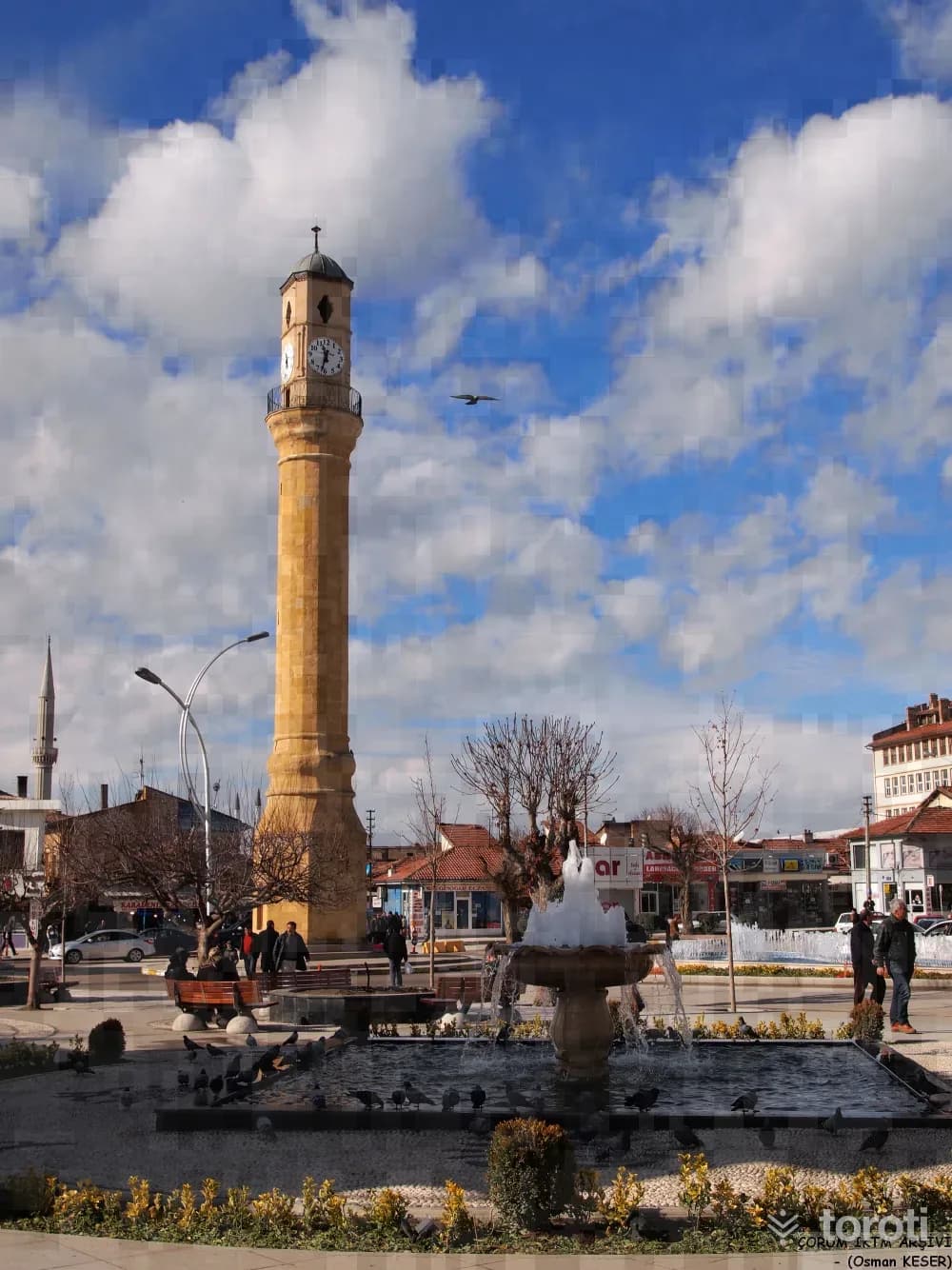
Çorum Saat Kulesi
Çorum Clock Tower was commissioned by Beşiktaş Guard Çorumlu Yedi-Sekiz Hasan Paşa in 1894. It is located in the city center and was built in the style of a minaret.
45 minutes
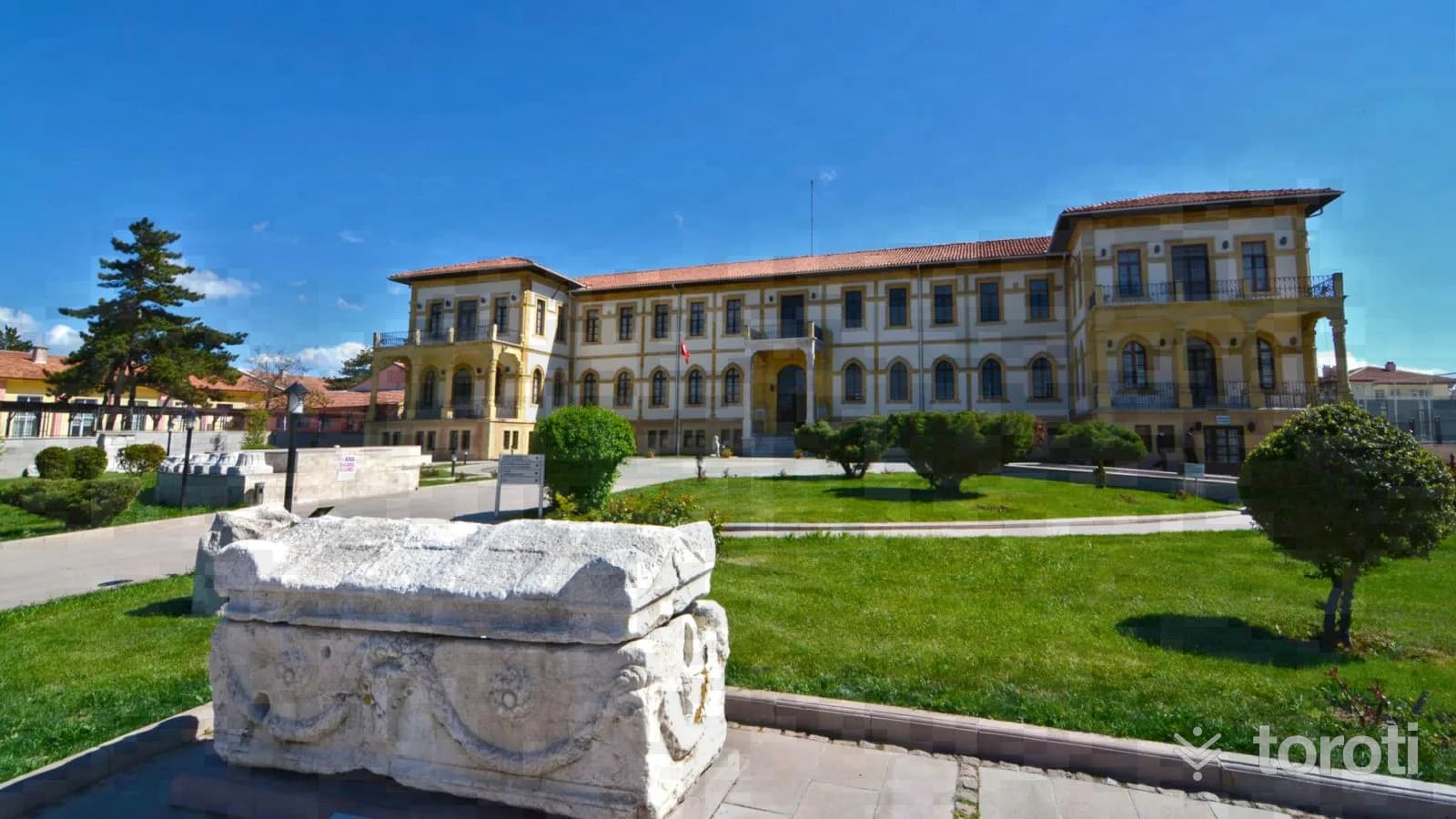
Çorum Müzesi
The core of Çorum Museum, which was opened to service on 13 October 1968, consists of finds from Alacahöyük, Boğazköy, Ortaköy, Eskiyapar, Pazarlı, Kuşsaray and Alişar Höyük. The museum also includes ethnographic works. The museum's collection covers the Hellenistic, Roman, Byzantine, Hittite, Phrygian, Chalcolithic and Early Bronze periods.
45 minutes
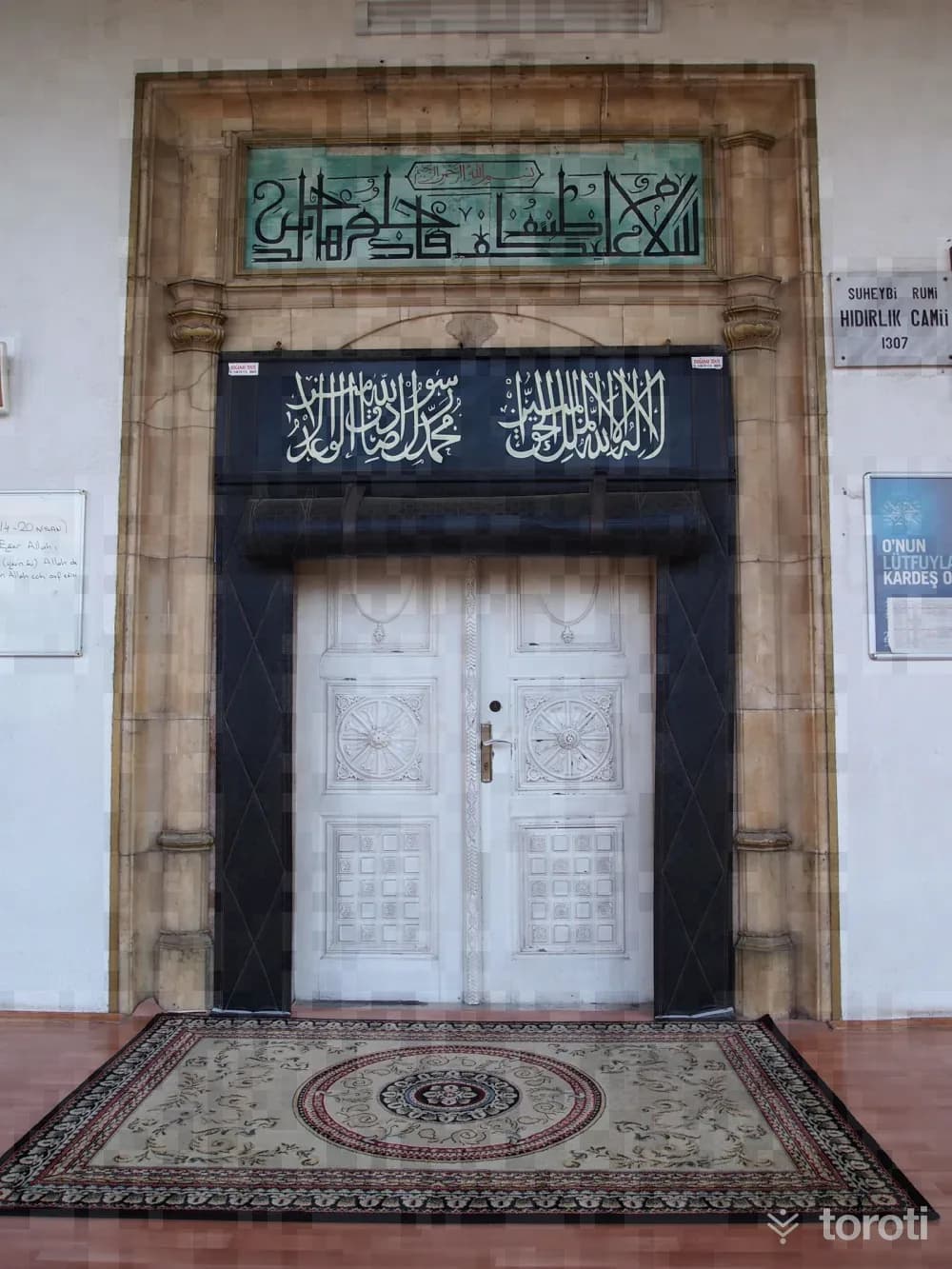
Hidirlik Camii Ve Türbesi
Hıdırlık Mosque is located in Hıdırlık Mevkii. According to tradition, it was built by Hıdıroğlu Hayrettin in 1889 on the site of the old mosque, which had been commissioned as a sign of respect for Suheybi Rumi, one of the Prophet’s companions and those who served him. In the tomb inside the mosque are the memorials of the companion Suheybi Rumi and Ubeyd (Ubid) Gazi; in the tomb located to the west of the mosque, within the garden, is the memorial of Kerebi Gazi.
45 minutes
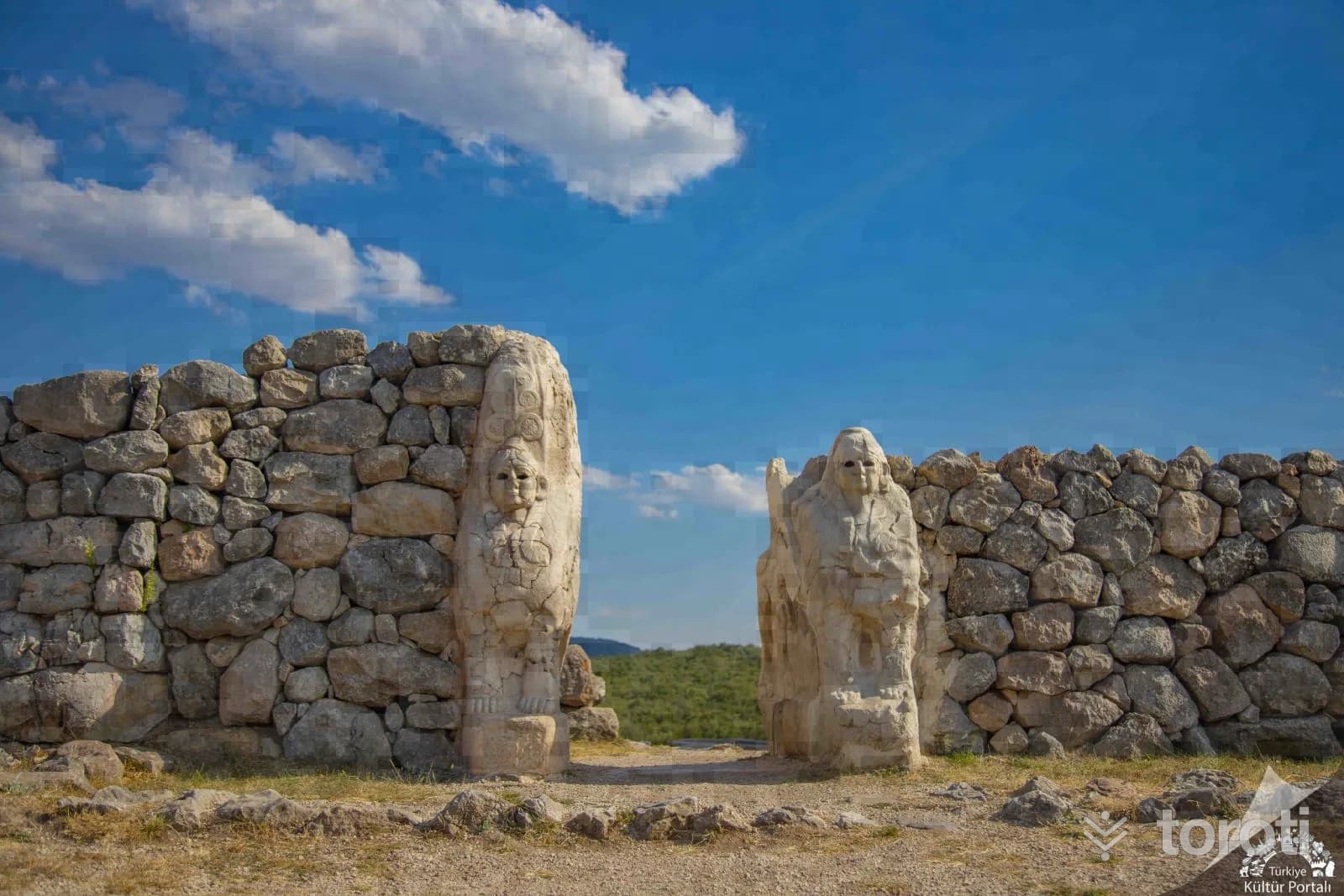
Hattuşa Örenyeri
Hattuşa, the first capital of the Hittites, is a UNESCO World Heritage Site located in Boğazkale. This archaeological site bears witness to the rich history of the Hittite civilization.
60 minutes