Places to visit
Things to do in Afyonkarahisar (Merkez İlçe)
28 destinations, each with a description, how long it takes and where it sits on the map.
In short
toroti’s catalogue holds 28 described destinations within Afyonkarahisar (Merkez İlçe), Afyonkarahisar. The themes that come up most: Museum, Culture, Local culture, History, Faith heritage, Faith.
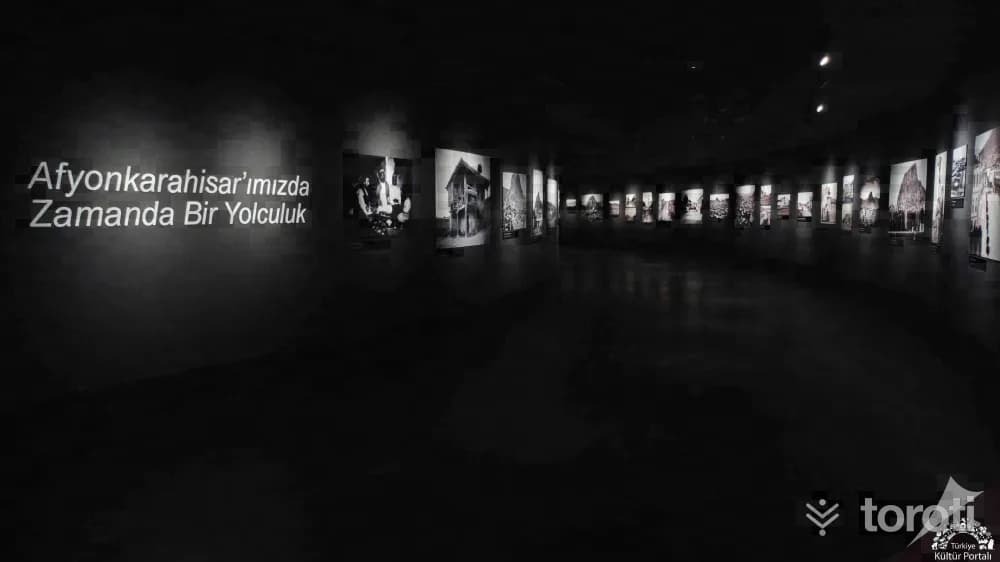
Afyonkarahisar Müzesi
With the efforts of the Asar-ı Atika Muhipleri Cemiyeti, established in Afyonkarahisar in the early years of the Republic, antiquities began to be collected in Taş Medrese; in 1931 it became an official museum depot, and in 1933 it became the Museum Directorate. Serving as a mixed museum (Archaeology and Ethnography) in Taş Medrese from 1933 to 1970, the institution moved to its second service building in 1971. In 2023, the current museum building was opened for service.
45 minutes
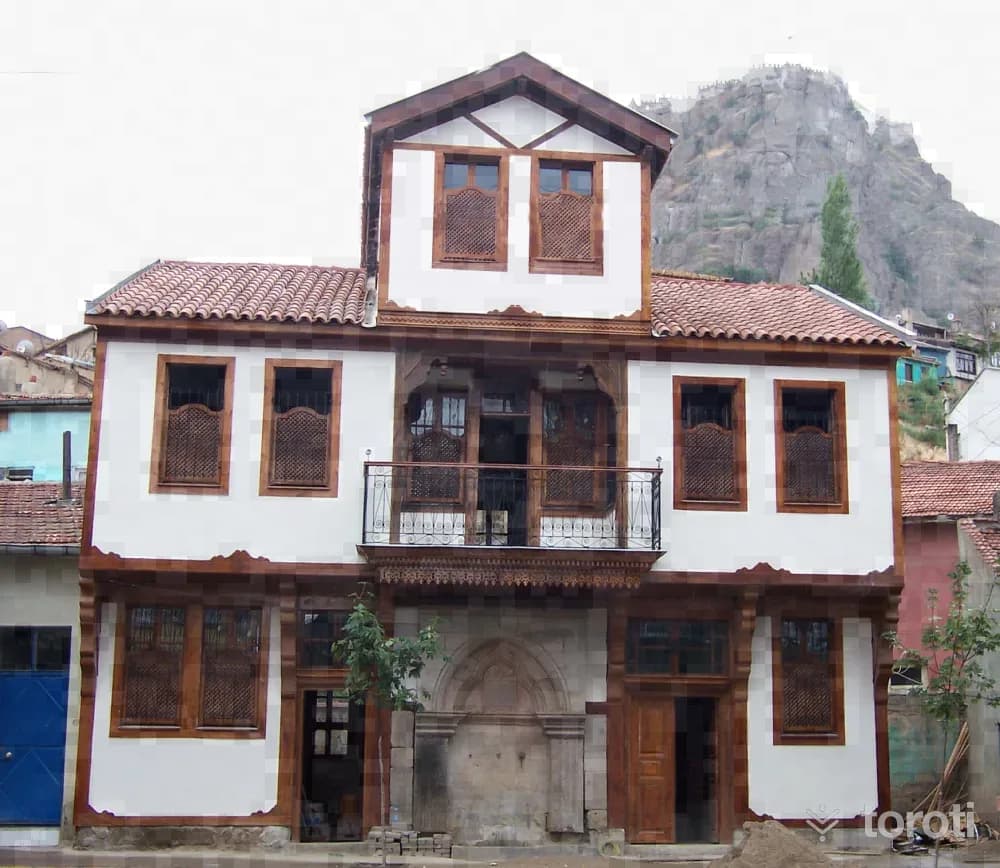
Çeşmeli Konak (afyon Kültür Ve Çevre Evi)
Çeşmeli Konak, located at Afyonkarahisar Province, Merkez Nurcu Mahallesi, Milli Birlik Caddesi No: 59-61, is registered in the land registry with sheet 36, block 534 and parcel numbers 16-17. It is a Late Ottoman work and forms an integral whole with the monumental fountain on its façade. The fountain was first commissioned for charitable purposes by Kahvecioğlu İsmail Efendi, who was engaged in the silk and fabric trade, and later the mansion needed by his own family was built.
45 minutes
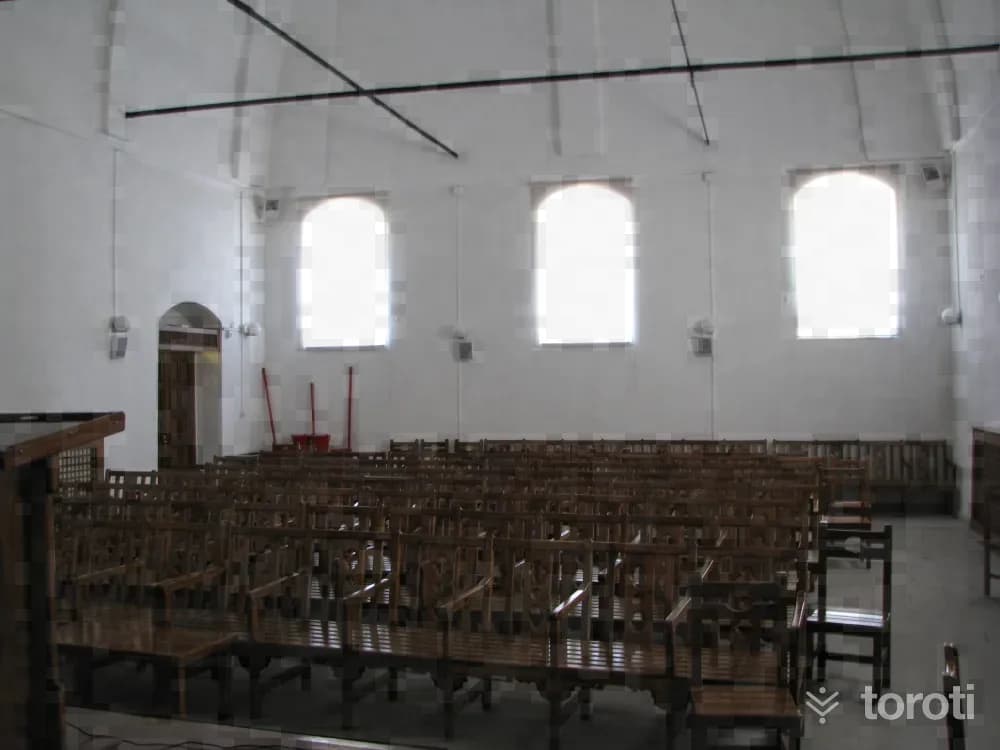
Millet Hamamı
It is located in Tac-ı Ahmet Mahallesi, on Hamam Aralığı Sokağı. In the northern section of the structure, which was built on sloping land descending from south to north, is the men's section, while in the southern section is the women's section. The women's changing room on the east facade of the structure is attached to the southern wing of the facade. The furnace on this facade is adjacent to the north wall of the changing room. In the northern section of the facade, there are three window openings.
45 minutes
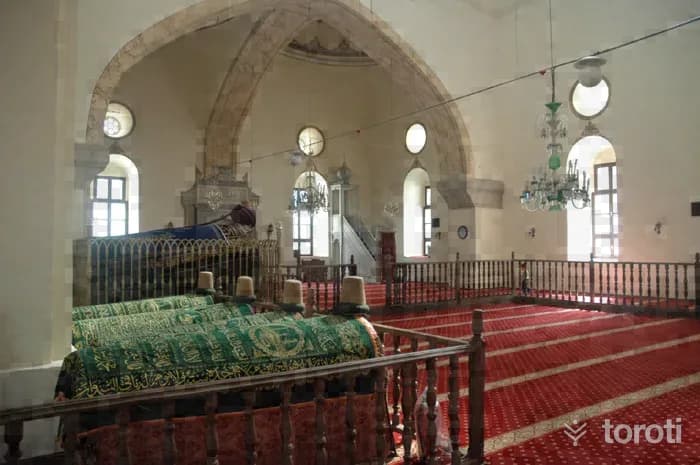
Mevlevi / Türbe Camii
It is located in the Mevlana Neighborhood in the center of Afyonkarahisar. It is also known among the public by the names “Türbe” and “Mevlevi Camii.” It is surrounded by streets to the north, west and south, and by houses to the east. It has two iron gates leading into the courtyard from the north and south. The north gate is lower down, and one ascends by steps to the courtyard, then by a second flight of steps to the mosque’s door. The entrance facade of the mosque faces east. The main unit consists of the tomb, semahane and masjid, şerbethane, bacılar mahfili, and the last congregation area.
45 minutes
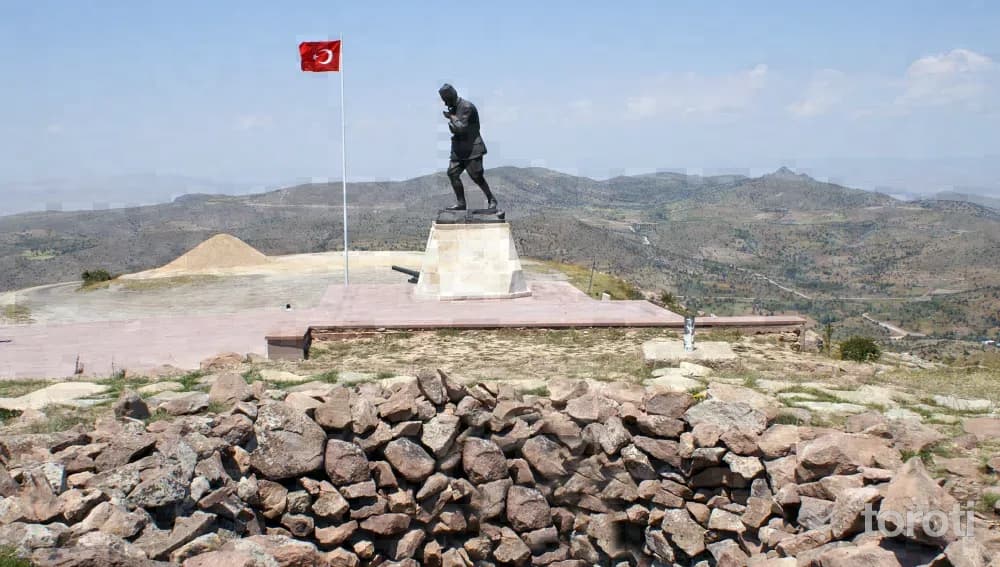
Kocatepe Atatürk Anıti Ve Kitabesi
Kocatepe Atatürk Monument and Inscription is located within the borders of Büyük Kalecik Town in the Central district of Afyonkarahisar province and on Kocatepe at an altitude of 1874. Its asphalt road is closed in the winter season due to heavy snow. Kocatepe is the place where the Great Offensive, which ensured the liberation of Anatolia and the Turkish Nation, was launched and directed by Commander-in-Chief Mustafa Kemal on 26 August 1922.
45 minutes
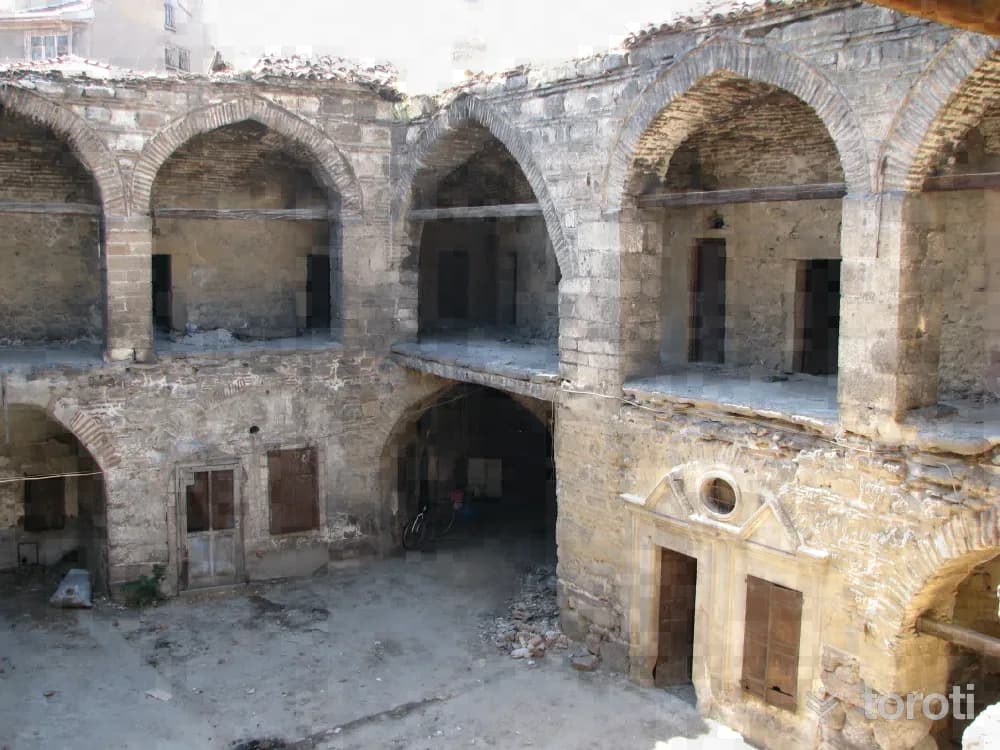
Taşhan
It is located in Yemeniciler Çarşısı, Umurbey Mahallesi, in the center of Afyonkarahisar. Also known as Hoca Üveys Hanı, the building was commissioned by Kadı Abdullah Efendi in the mid-XVII century, with contributions from the yemenici tradesmen, as a two-storey structure on a nearly square plan. The inn was built as a masonry structure of rubble stone. The stones are laid in rows, with courses of brick used between them.
45 minutes
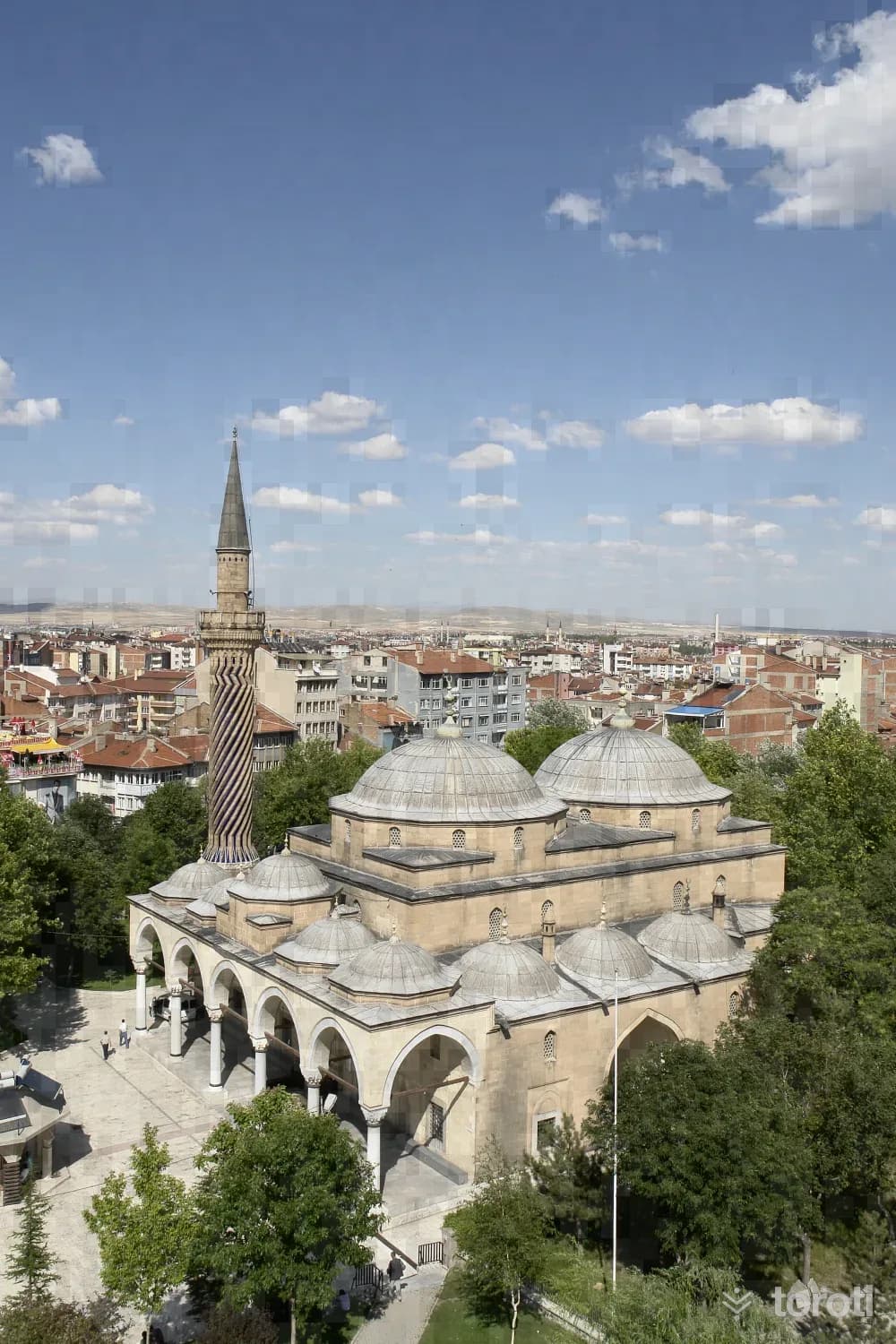
Taş Medrese (gedik Ahmet Paşa Medresesi)
It was built by the architect Ayaz Ağa as a part of the külliye, on a higher terrace to the southeast of Gedik Ahmet Paşa Camii, compared to the bath and the mosque. It is a rectangular-plan structure clad in cut stone, with 2 large and 24 small domes. Its entrance is on the west. It is a typical example of Ottoman madrasas, consisting of a courtyard in the middle, arcades on both sides of the courtyard, 7 cells opening onto the arcades, a classroom, and a summer iwan.
45 minutes
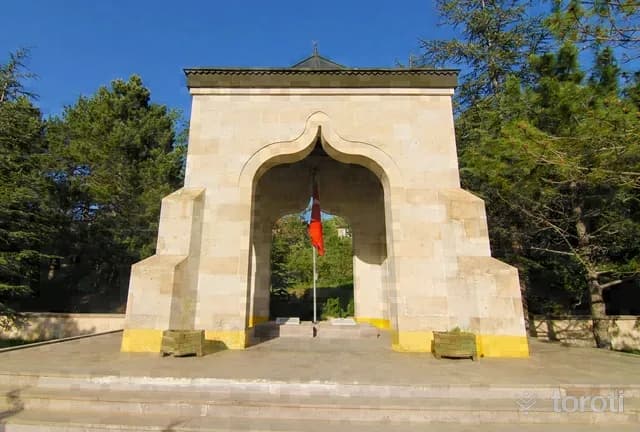
Yüzbaşi AgÂh Efendi Şehitliği
It is located within the town of Büyük Kalecik, in the central district of Afyonkarahisar province. It is 12 kilometers from Afyonkarahisar city center.
45 minutes
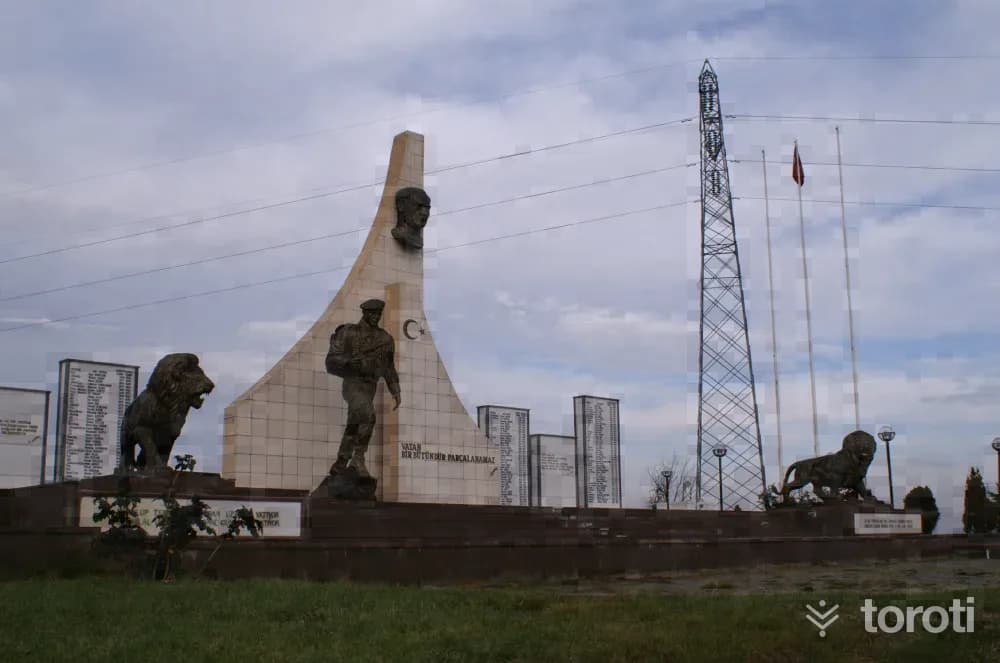
Cumhuriyet Şehitliği
The Cumhuriyet Şehitleri Monument is located 9 kilometers from Afyonkarahisar, on the İzmir-Antalya highway. It is a martyrdom built in 1999 in the name of the Mehmetçik and police officers who were martyred in the struggles during the Republican Period. Some of the martyrs of the Republican Period are in the Hava Şehitliği, and others are in cemeteries in the cities where the martyrs' families live. In 1999, a symbolic martyrdom was built on a hill overlooking Afyonkarahisar in memory of the martyrs.
45 minutes
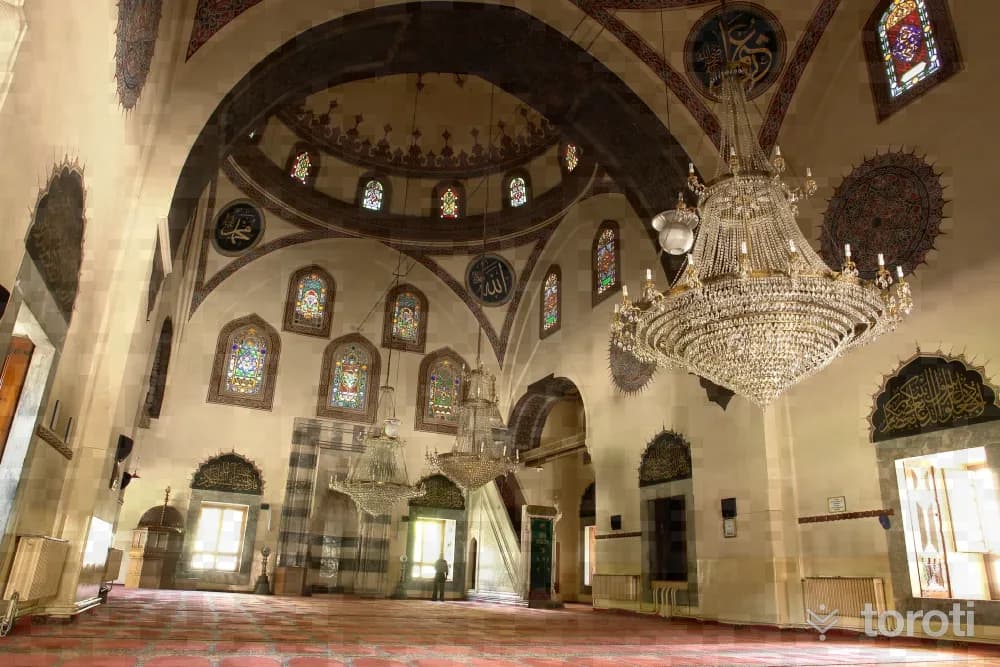
Gedik Ahmet Paşa Cami
In the center of Afyonkarahisar, on Kurtuluş caddesi, the mosque was commissioned by Grand Vizier Gedik Ahmet Paşa in 1472 to Architect Ayaz Ağa. The decorations of the mosque were made by Abdüssamedoğlu Hasan. The mosque was restored in 1795 by Müftfzade Ahmet. Servet Uygun Yapı, it has a reverse "T" shape with a plan of two consecutive domes. The last congregation area to the north is covered with 6 round columns, 5 pointed arches and 5 domes with octagonal drums. Its single-balcony minaret is decorated with fluted spiral forms.
45 minutes
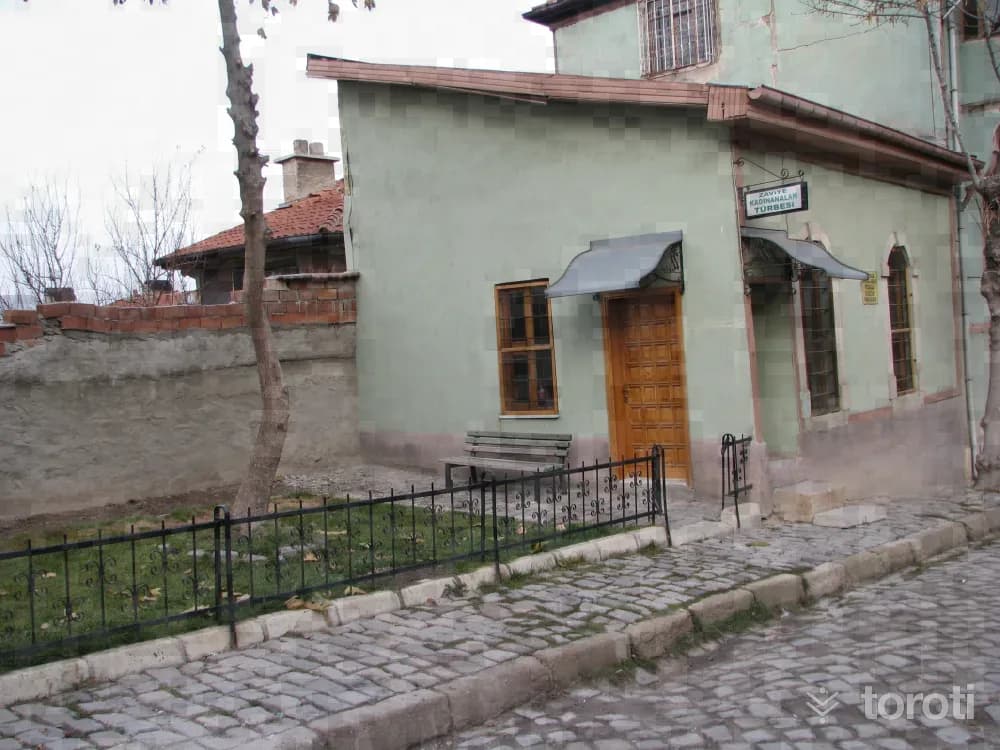
Kadınana Türbeleri
There are two tombs belonging to the three daughters of Seljuk Sultan III. Alaaddin Keykubat, named Asiye, Melek Peyker and Naime Gevher Hanım, who settled in Afyon and served the people of Afyon. The first of these was built for Asiye Hatun, and is a square-planned structure with a single dome, which underwent restoration in 1940. Its arched door faces east. There is a single sarcophagus in the tomb. Asiye Hatun, who lies in this tomb on Kadınana Caddesi, had a large number of graves built for the people.
45 minutes
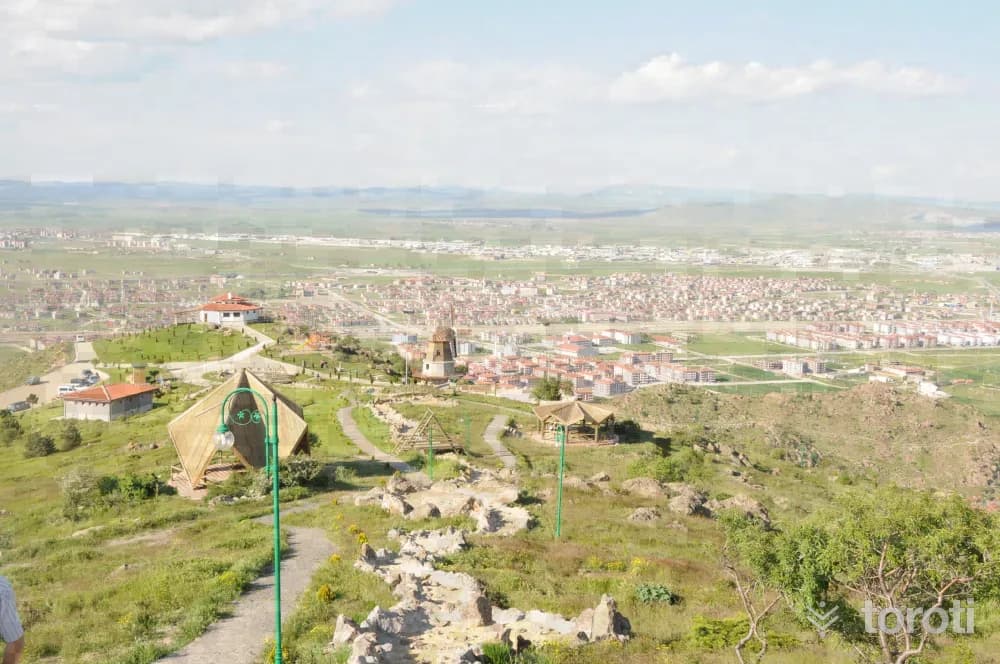
Zafer Kent Ormanı
The urban forest, created on an area of approximately 1,5 million square meters, has been arranged in the best way and put into the service of our people.
45 minutes
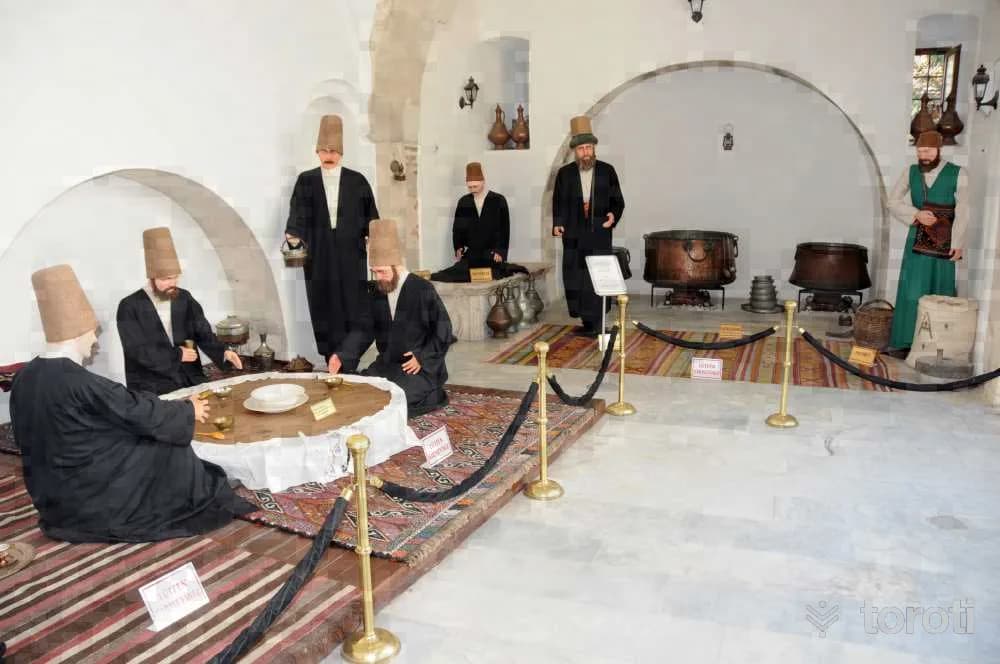
Sultan Divanı Mevlevihane Müzesi
It is one of the first Mevlevihanes established in Anatolia. Its foundation dates back to the 13th century. Afyonkarahisar Mevlevihanesi, which has been the center of many important activities throughout history, is the most important Mevlevihane after Konya Mevlevihanesi. It became a very important center in terms of Mevlevi order, especially in the 16th century during the time of Sultan Dîvânî, one of the seventh-generation descendants of Hz. Mevlânâ.
45 minutes
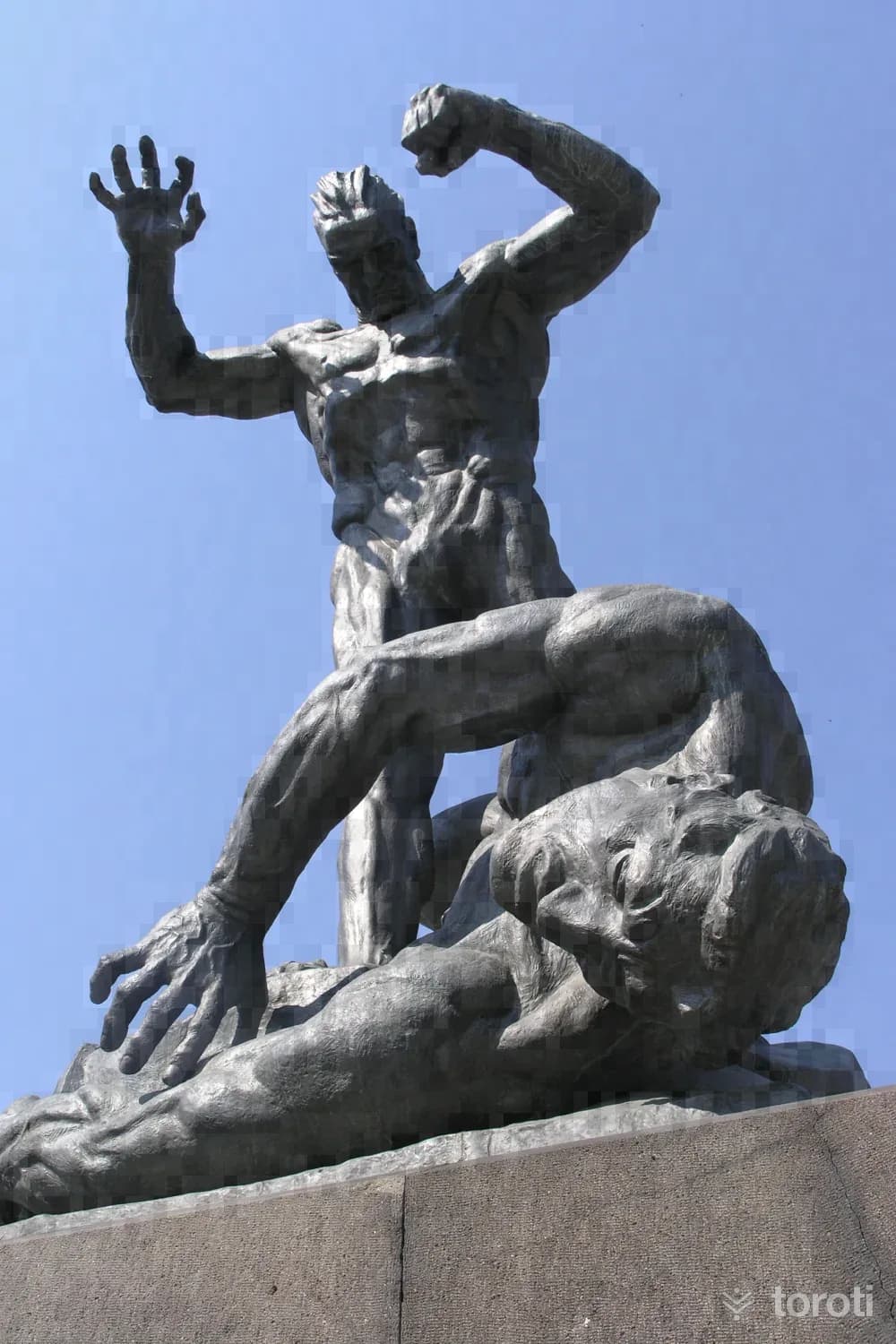
Zafer Anıti
In memory of the Great Offensive, the monument, whose construction was started in 1932 by the Australian sculptor Heinrick Krippel, was inaugurated on 25 March 1936. The sculpture in the Zafer Anıtı (Utku Anıtı) consists of two male figures on rocky terrain, one lying down and the other standing. The height of the bronze sculpture group is 5,15 metres from the base, and the monument height is 7,95 metres.
45 minutes
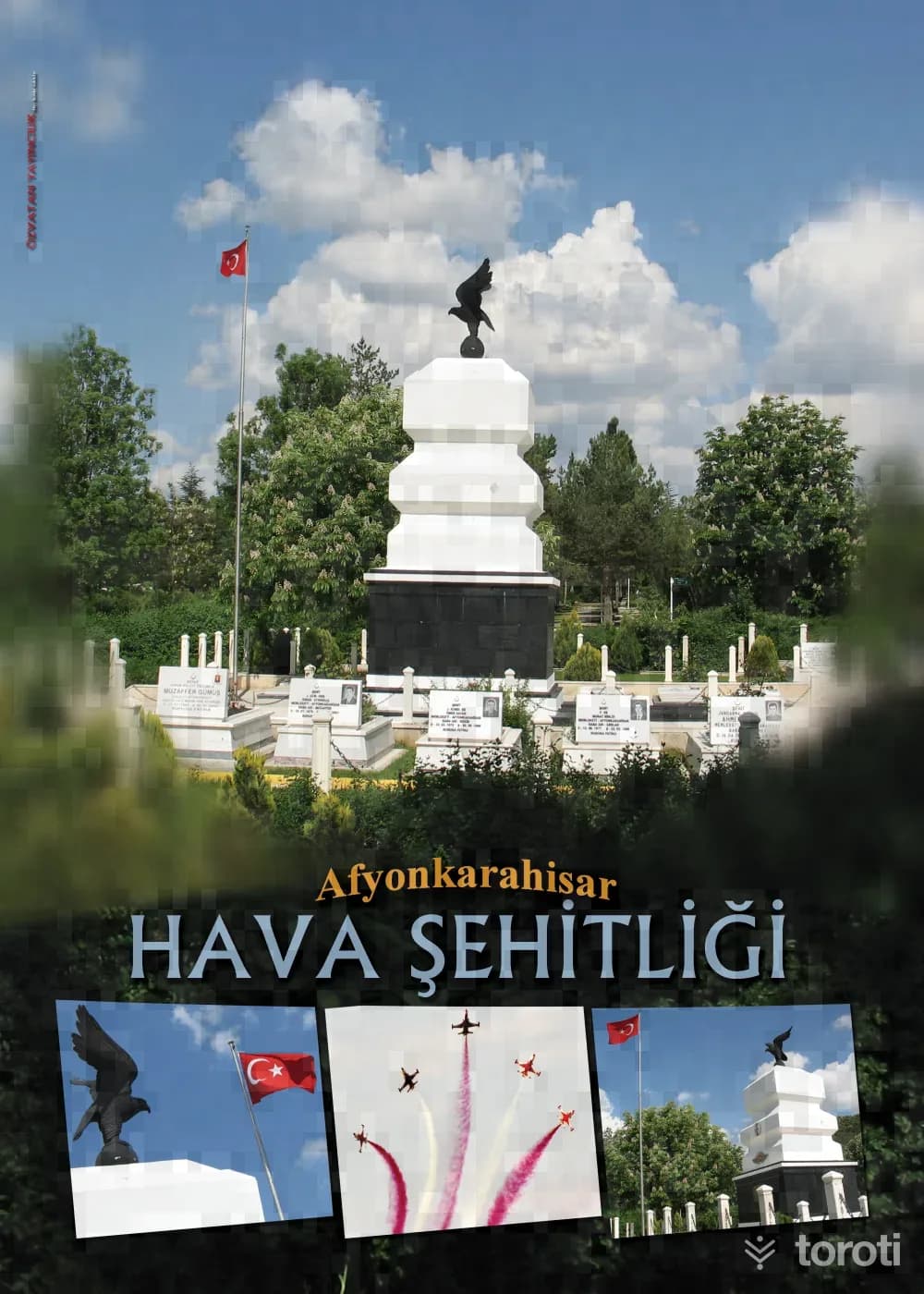
Hava Şehitliği
Hava Şehitliği is a martyrdom where, in the middle of the City Civil Cemetery, there is a monument consisting of cubic elevations rising on a cubic base, and around it are the graves of the martyrs. It was built in 1936 in memory of the pilots named Cemal and Bahattin, who joined the War of Independence on the morning of 24 July 1922 with their ramshackle plane and were martyred when their plane crashed in Gazlıgöl.
45 minutes
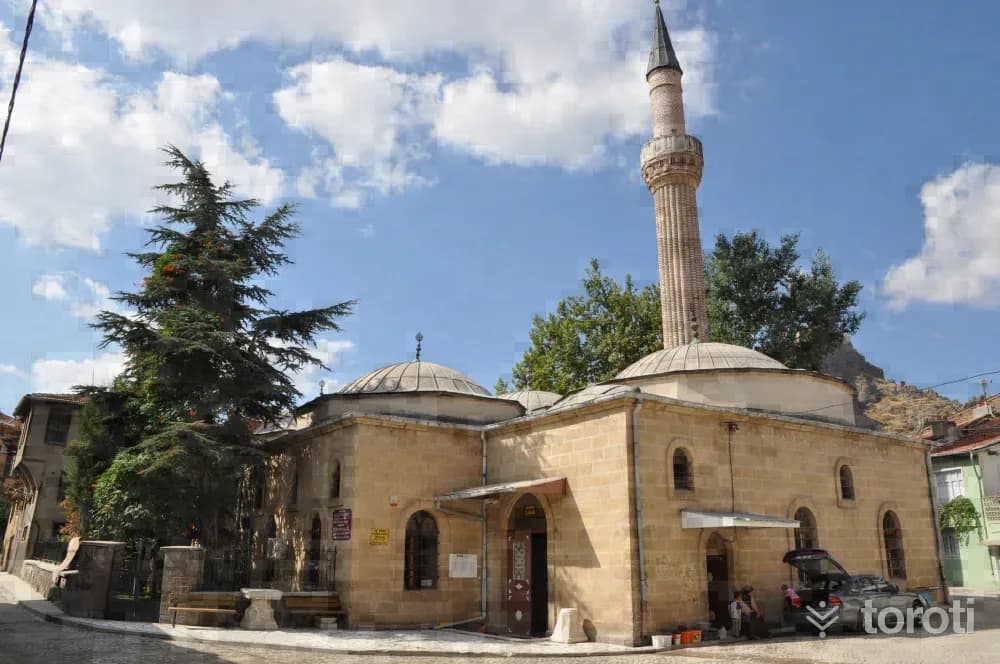
Misri Camii
It is on Hacı Eyüp Mısri Sokağı in Mısri Mahallesi. It was commissioned in 1483 by Şakkancıoğlu Evliya Kasım Paşa. It is made of cut rubble stone. It is covered with two large domes. The base of its minaret, located adjacent to the east wall, is of cut stone, and its shaft is of brick. In its muqarnas mihrab, there are tiles with inscriptions and geometric patterns in blue and dark blue tones. Its minbar is of marble.
45 minutes
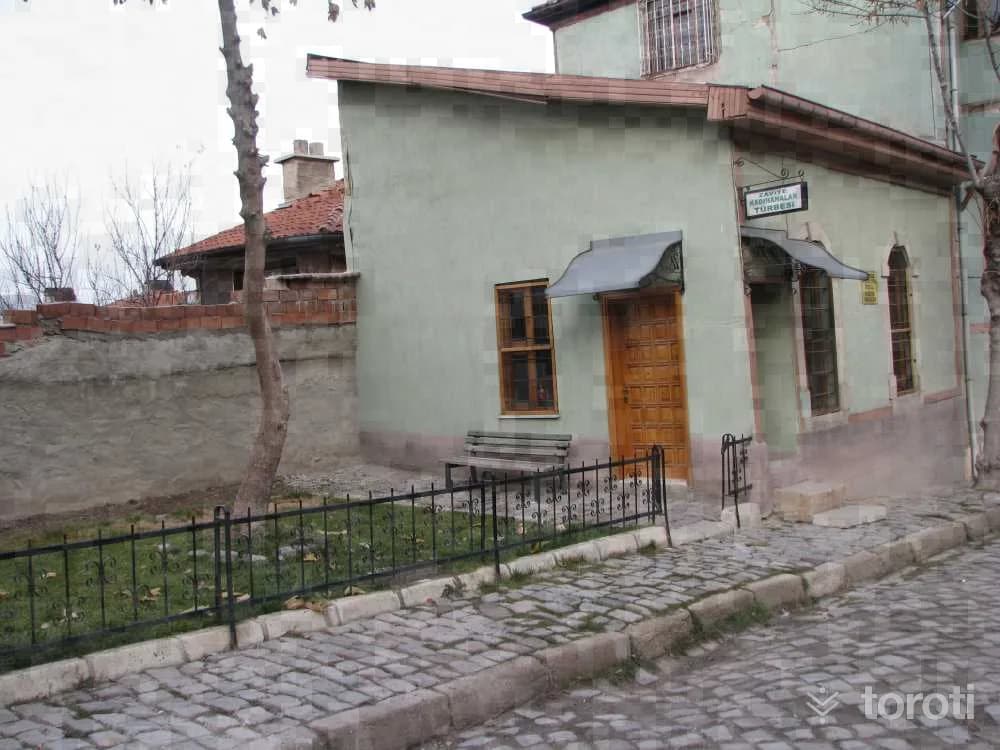
Zaviye Kadınanalar Türbesi
Kadınanalar are the daughters of the Seljuk rulers III. Alaaddin Keykubat. They came to Afyon fleeing the ظلم of the Anatolian governor Emir Çobanoğlu Demirtaş (Timurtaş) Bey. The three sisters came to be known as Kadınana because they carried out many works in the development of Afyon. Melek Peyker Hanım brought the spring water in Orta Kalacık to the city by channeling it into a watercourse. Naime Gevher Hatun, on the other hand, had bridges built over the stream passing through the middle of the city.
20 minutes
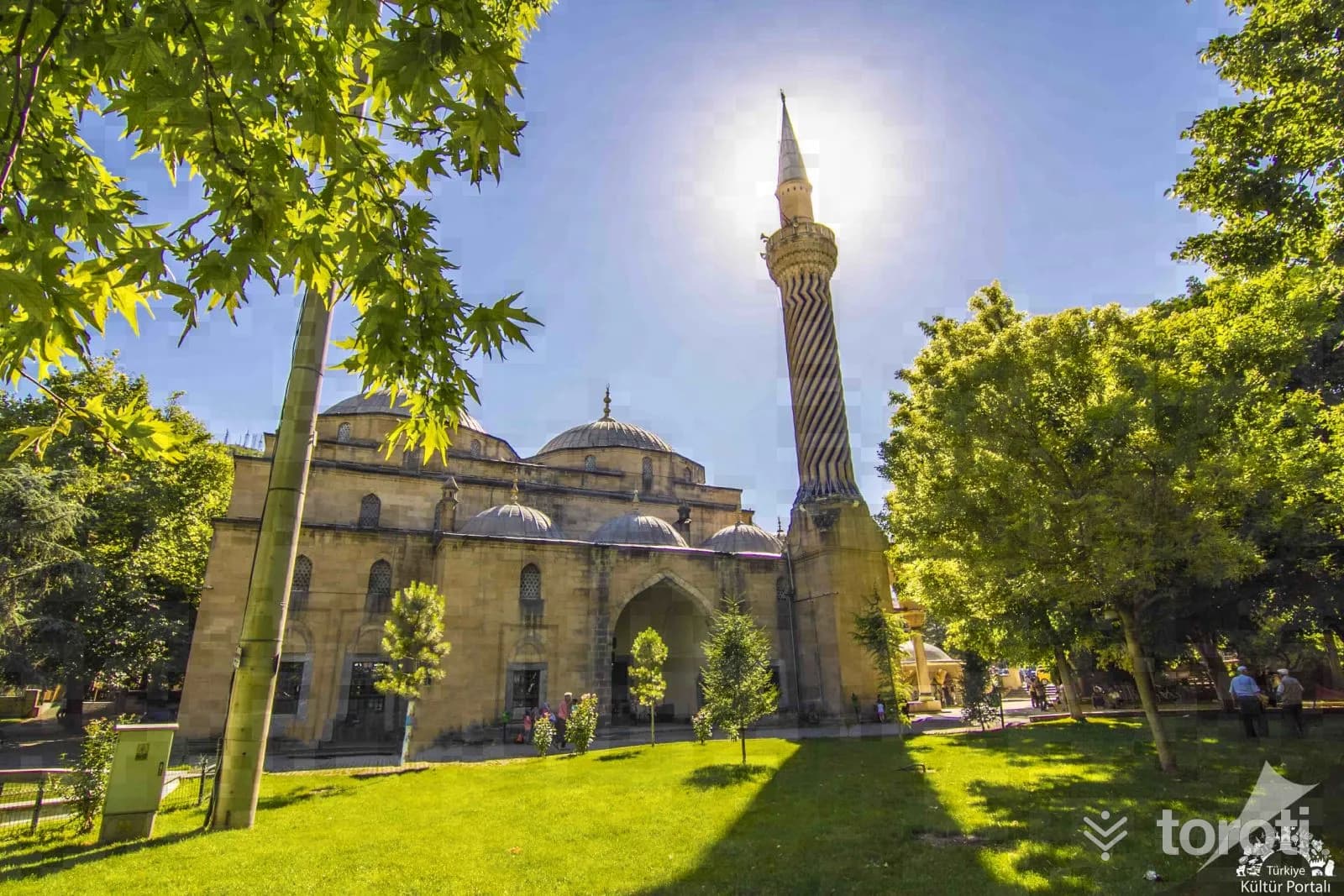
İmaret Camii
Grand Vizier Gedik Ahmet Paşa had it built by Architect Ayaz Ağa in 1472. For this reason, it is also known as Gedik Ahmet Paşa Camisi. Müftfzade Ahmet had the mosque restored in 1795. There are two rows of windows on the east, west and north walls, and three rows on the qibla wall.
20 minutes
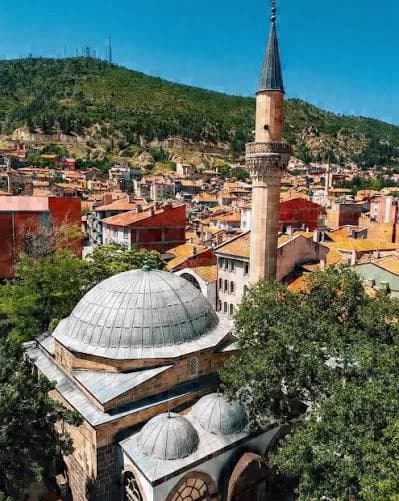
Ot Pazarı Camii
Ot Pazarı Mosque, built in 1590, is notable for its minaret, which was renovated in 1958.
20 minutes
Altıgöz Köprüsü
It is located on Akarçay, which flows from the north of Çetinkaya Mahallesi and Cirit Kayalığı in the city center. It is on the old road going from Afyonkarahisar to Han Köy via Çıkrık-Ambanaz (Beyyazı), and to Gazlıgöl and Eskişehir via Kumartaş (Erenler) - Sipsin (Çayırbağ). It has six arched openings, two round and four pointed. For this reason, it was named Altıgöz Köprüsü.
45 minutes
Çay Taş Medrese
It is a section of the Taş külliyesi in the district center of Çay. It is a masonry structure faced with cut stone, consisting of a central domed space, long vaulted spaces on both sides of the central volume, small domed spaces on both sides of the entrance, a vaulted, mihrab eyvan to the south, and a domed space on each side of it. The mihrab, eyvan arches, the drum of the central dome, and the corner triangles transitioning to the dome are of blue and dark blue glazed brick, while the dome drum and dome are decorated with brick.
45 minutes
Dört Göz Köprüsü
It is on Kali Stream to the north of Hisar in Şuhut District. The bridge, which runs in a north-south direction, has four arches and belongs to the Ottoman Period. On the west face of the round-arched stone bridge, marble building stone fragments from the Roman Period were used as spolia. One of these is a door-type tombstone, and the other has an inscription, but it cannot be read.
45 minutes
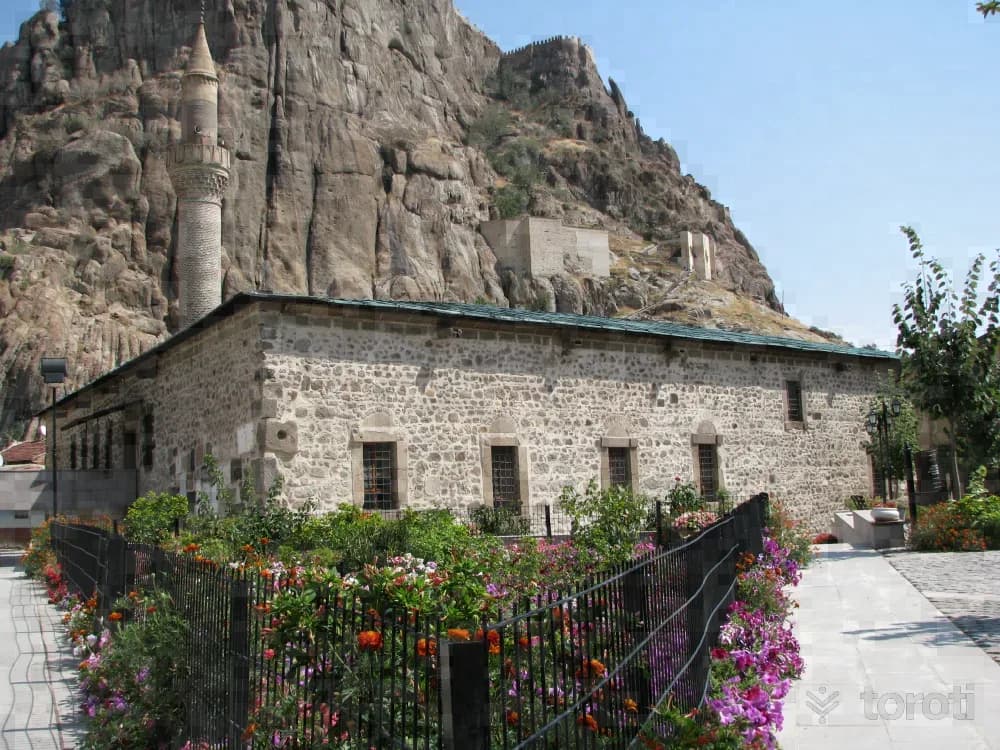
Afyonkarahisar Ulu Cami
Afyon Ulu Cami was commissioned by Sancakbeyi Nusretiddun Hasan to Architect Emir Hacı Bey between 1272 and 1277 during the Anatolian Seljuk period. It is one of the most important examples of Anatolia's medieval mosques with wooden columns and wooden beams. Located at the foot of Servet Uygun Afyon Kalesi, Ulu Cami was also referred to in some historical records, starting from the 16th century, as “Cami-i Kebir” or “Hocabey Camisi”.
45 minutes
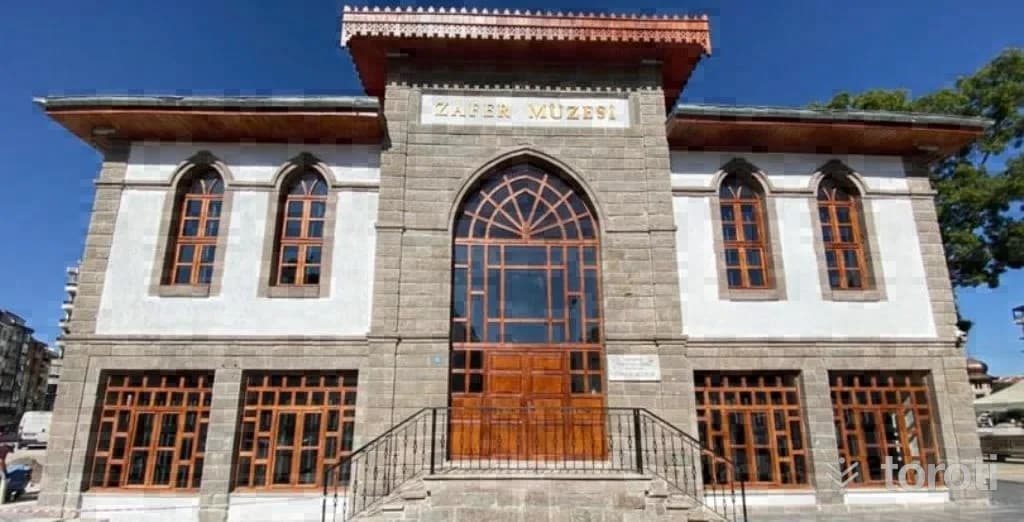
Afyonkarahisar Zafer Müzesi
The Afyonkarahisar Victory Museum is a historic site where the plans for the Battle of the Commander-in-Chief were made and the attack order was given.
60 minutes
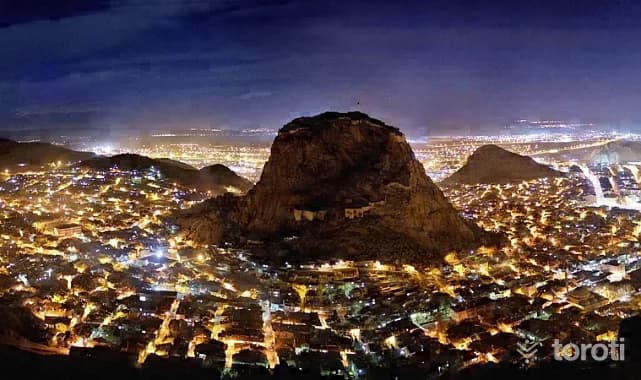
Afyonkarahisar Kalesi
Afyonkarahisar Castle, although its historical fabric has not been preserved, impresses visitors with its ancient ruins.
30 minutes
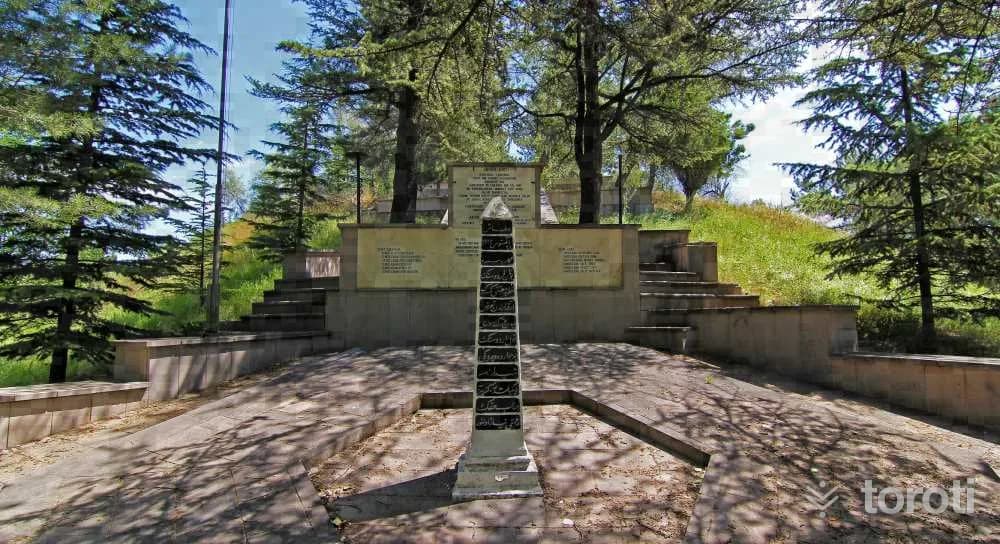
Anıtkaya Şehitliği
Anıtkaya Martyrdom is a memorial dedicated to soldiers who lost their lives in the War of Independence.
20 minutes
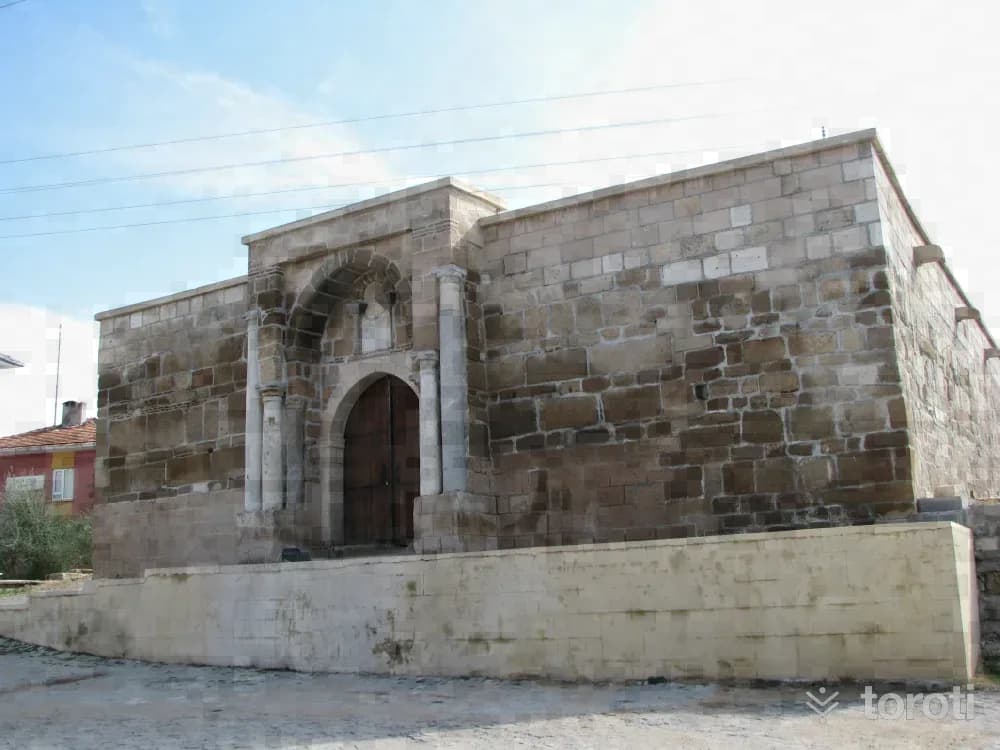
Anıtkaya Kervansarayı / Eğret Kervansarayı
It is in Anıtkaya Village, Central Afyonkarahisar. It was built by the Germiyanoğulları in the 14th century. It has three naves, and the middle nave is wider. It is built of cut stone, between two rows of elephant-foot piers, with a wide center and narrow sides, covered with arched vaults. It is a masonry structure with a monumental portal decorated on the sides with double-arched columns, rubble stone overlaid with cut stone facing.
45 minutes
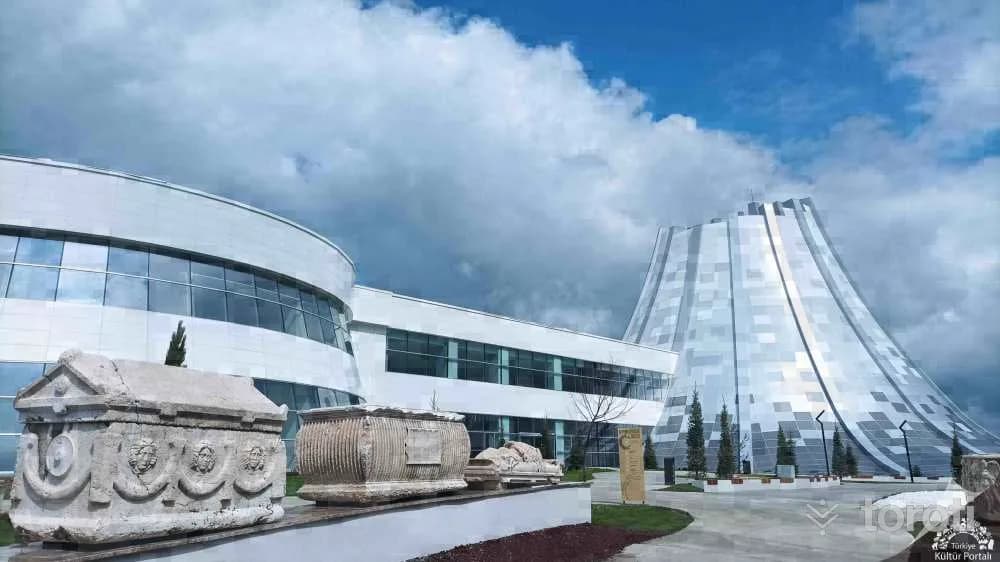
Afyonkarahisar Arkeoloji Müzesi
The Afyonkarahisar Archaeological Museum is an important museum showcasing ancient artifacts from the region.
45 minutes