Places to visit
Things to do in Altınordu
22 destinations, each with a description, how long it takes and where it sits on the map.
In short
toroti’s catalogue holds 22 described destinations within Altınordu, Ordu. The themes that come up most: History, Faith heritage, Museum, Culture, Local culture, Architecture.
Eskipazar Hamamı
Large Bath: It consists of three sections as cold, warm and hot. The exterior of the bath was built of rubble stone, while the interior was built of smoothly cut stone. Domes and vaults were used in the covering. It is a 16th-century work. Small Bath: It consists of a single square space and a water reservoir. It is estimated to have been built in the 18th century.
20 minutes
Kültür Merkezi (Taşbaşı Kilisesi)
An old Greek Orthodox church located in the Taşbaşı neighborhood. The church, built in 1853, was also used as a prison between 1937 and 1977, and was restored by the Ministry of Culture and Tourism in 1983. It was converted into a cultural center in 2000.
45 minutes
Paşaoğlu Konağı Etnografya Müzesi
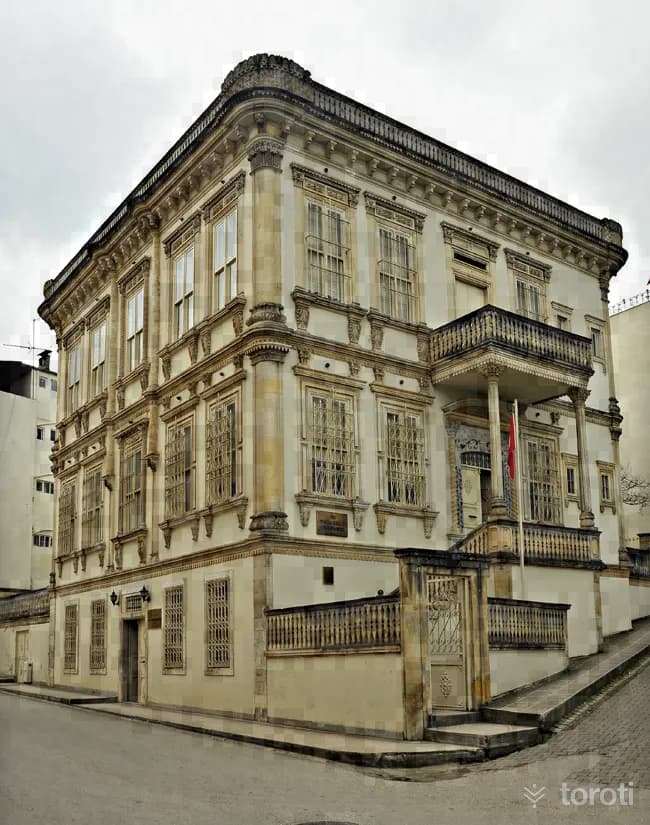
Paşaoğlu Mansion, rising on the corner where Taşocak Avenue and Erkoçak Street intersect in Selimiye Neighborhood in Ordu city center, was built in 1896 by Paşaoğlu Hüseyin Efendi. Built on an area of 625 square meters together with its garden, the stones of the mansion were brought from Ünye, its wooden material from Romania, and its construction was carried out by a master from Istanbul.
45 minutes
Eskipazar Bayram Bey Camii Ve Hamamlari
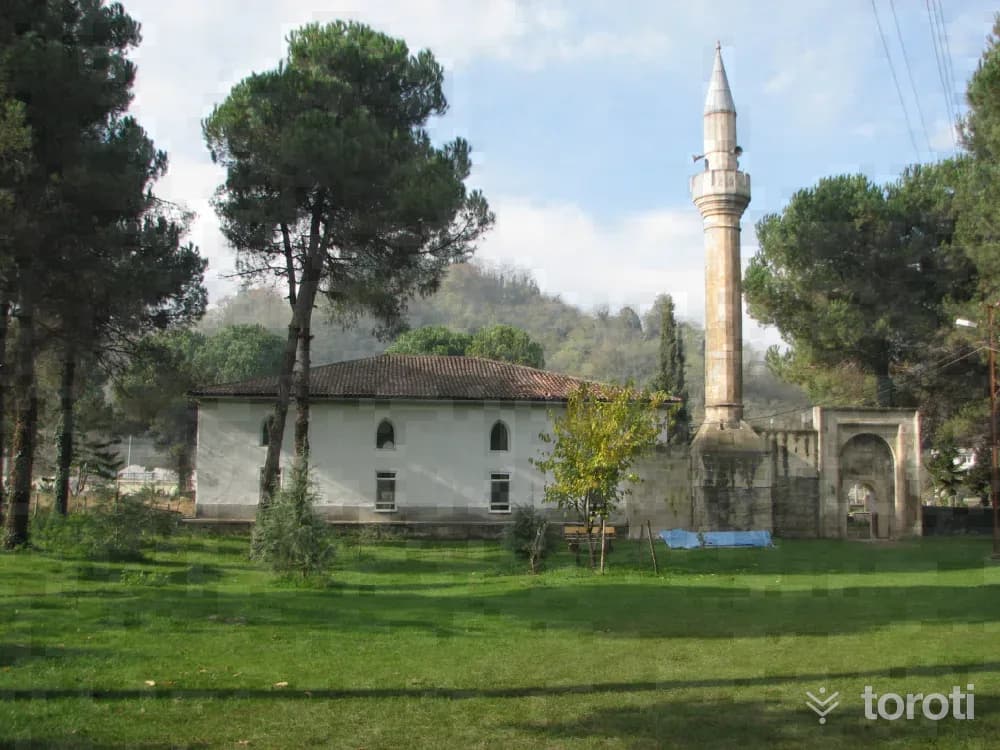
Old Market is Ordu’s second settlement area. Eskipazar Mosque has a rectangular plan. It was founded by the Hacıemiroğulları around 1380. The mosque was repaired in Rumi 1197 (Gregorian 1781) by the Şebinkarahisar governor Hüseyin Battal Paşa. The mosque, which was ruined by the earthquake, was repaired at the beginning of the century. From the old mosque, only the entrance door and portal have survived to the present day.
45 minutes
Taşbaşi Kültür Merkezi / Eski Cezaevi / Kilise
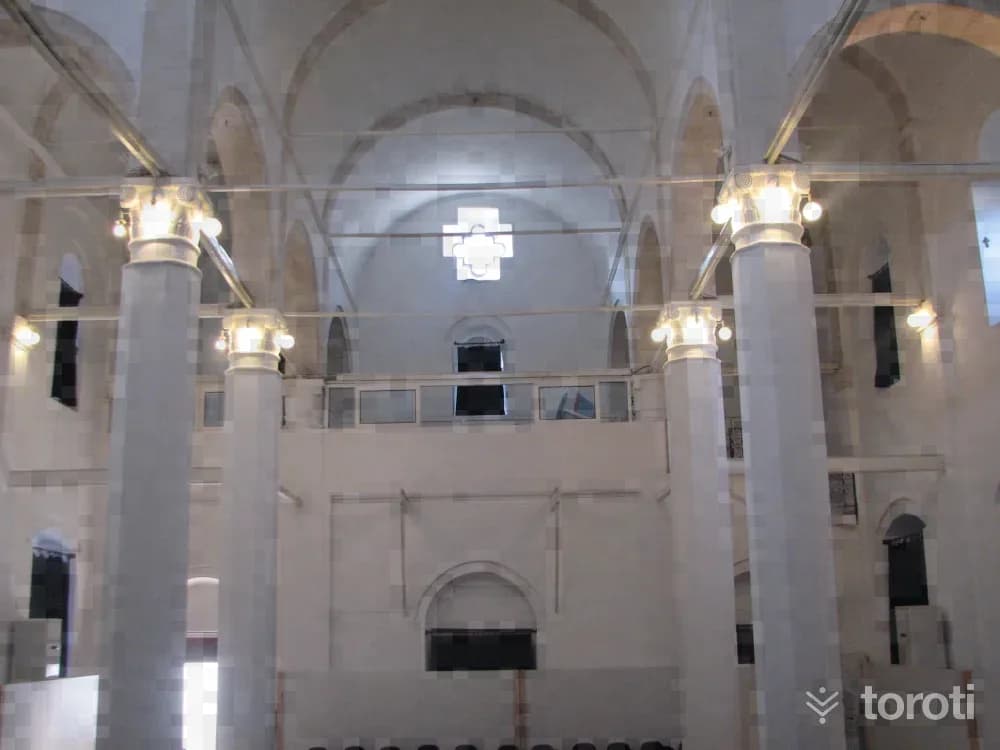
It is located in Taşbaşı Neighborhood of Ordu City Center, within the urban protected site area. The church was built in a rectangular style in the east-west direction. There is a large apse in the east and two small apses on the sides. The main space of the church is divided into three naves by two rows of three columns. The church's semardam roof is carried by arches supported by columns. It is a basilica-type structure, built entirely of cut stone, that has survived to the present day (except for the dome).
45 minutes
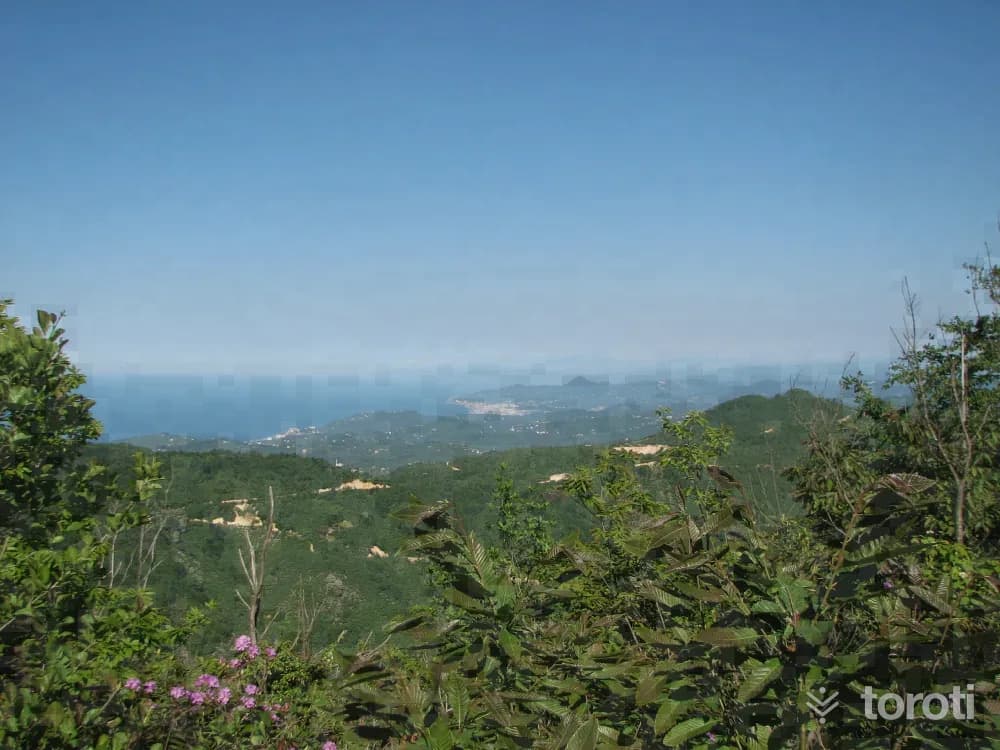
Yoroz Kent Ormanı
Yoroz Kent Ormanı, located within the borders of Saraycık Beldesi, is 20 kilometers from the center of Ordu. A large part of the road is asphalt, the remaining part is stabilized, and it is famous for its rich forests and viewing terrace. Hunting and wildlife are abundant. It is rich in terms of flora and fauna, and all arrangements necessary for excursions and picnics in the urban forest have been made by the Directorate of Environment and Forestry.
45 minutes
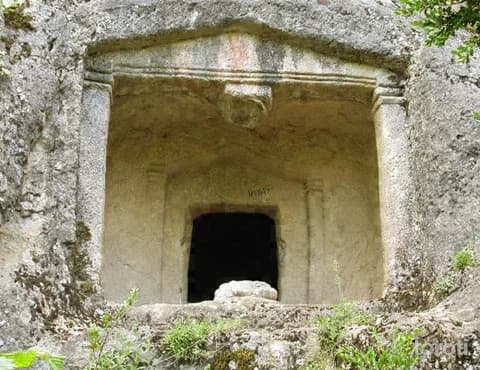
Delikkaya Kaya Mezarı
It is located within the borders of Delikkaya Village, 10 kilometers from the center of Ordu. There are 3 rock tombs: single-chambered, without columns, with pediments, and with double-columned entrances. It is located to the east of the rocks that gave Delikkaya Village its name. The rock on which the tomb is located is approximately 40 meters above the ground. The tomb, which has a monumental appearance, cannot be reached because it was built in the exact middle of the steep and sheer rock face.
45 minutes
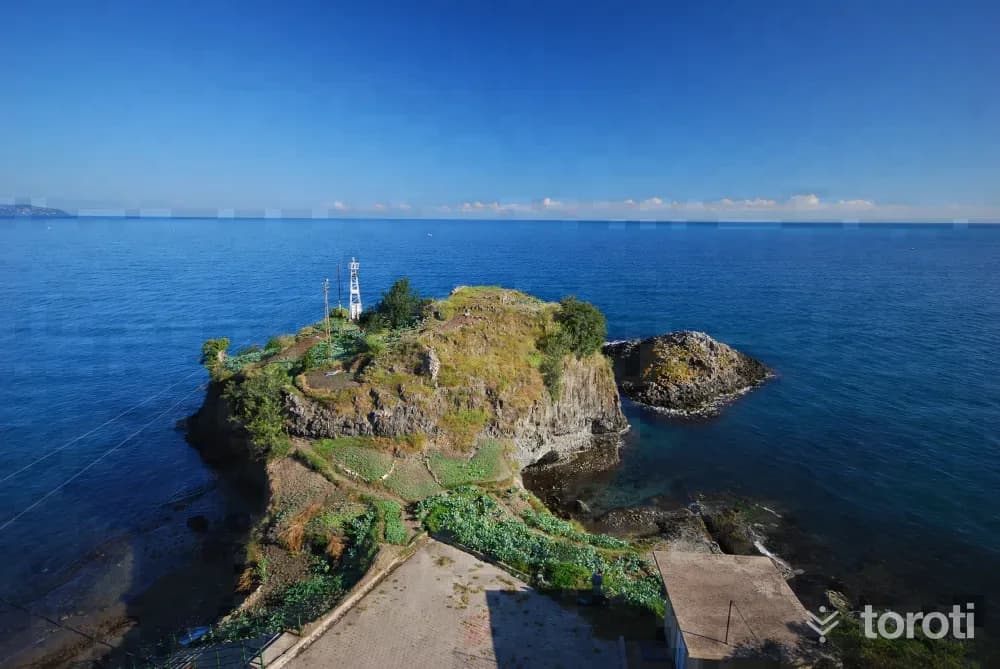
Cotyora / Bozukkale
Cotyora (the homeland of the Kot Turks), known as the first place where Ordu was founded, is popularly known as Bozukkale. According to research, it has been understood to be a small watchtower built by the Byzantines in the XIth century. It is by the sea, 2 kilometers from the city center on the Ordu-Samsun highway. It is registered as a 2nd degree archaeological site.
45 minutes
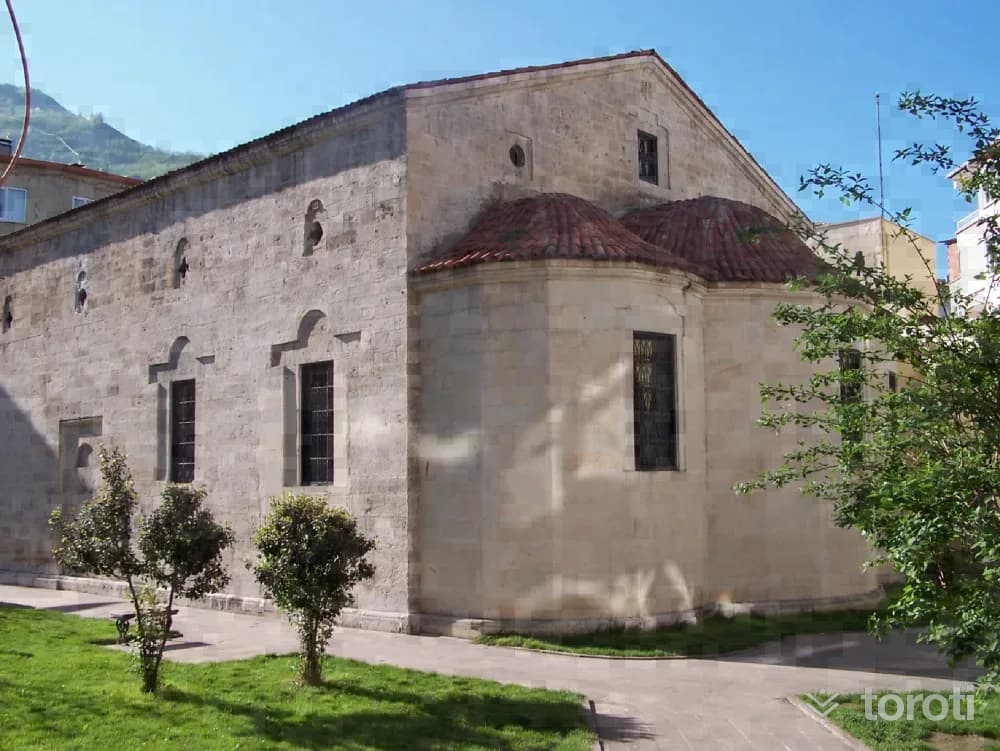
Düz Mahalle Kilisesi
The Church located in Düzmahalle in Ordu City Center was built by the Greeks after the second half of the 19th century. It has a rectangular plan, with barrel arches on its front sides. The walls are made of gray-colored stones. After serving for a while as a fire brigade building, it was restored and opened for service as the 75th Year Republic Stage.
45 minutes
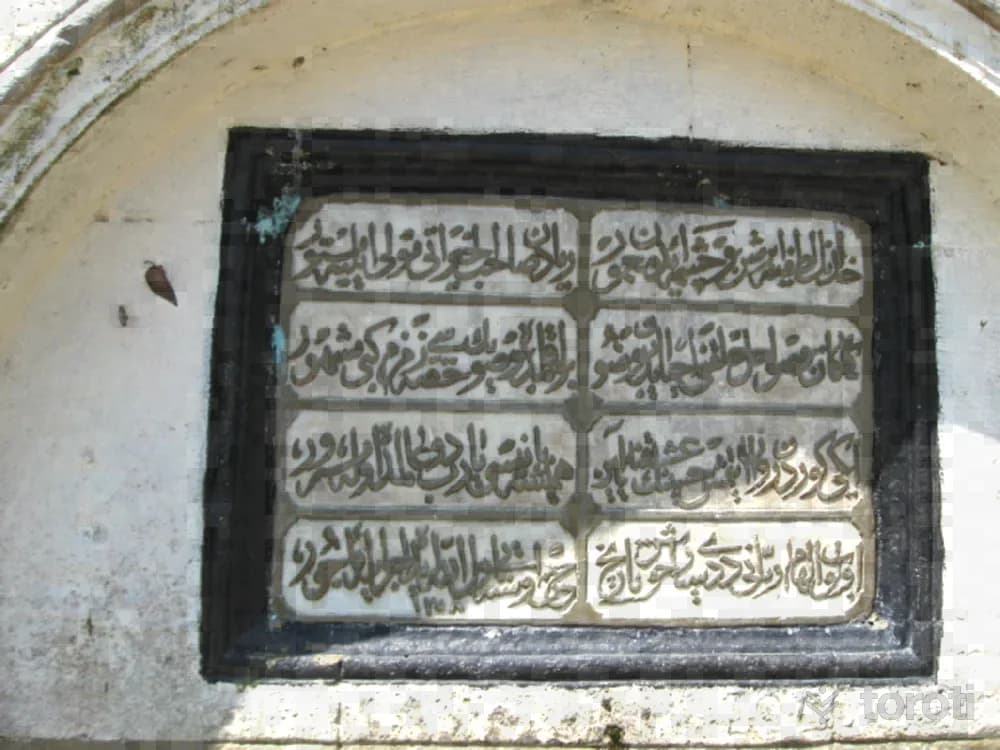
Oluksuyu Çeşmesi
It is also known as Soğuk Su Çeşmesi. It was commissioned in H: 1258 ( M: 1842). It was built of smoothly cut stone, and its front facade has a stone arch. Inside the arch, there is an inscription at the top and a faucet at the bottom. Its front facade was built with worked cut stones, and within its arch there are four lines of Arabic inscription enclosed in a rectangular relief.
45 minutes
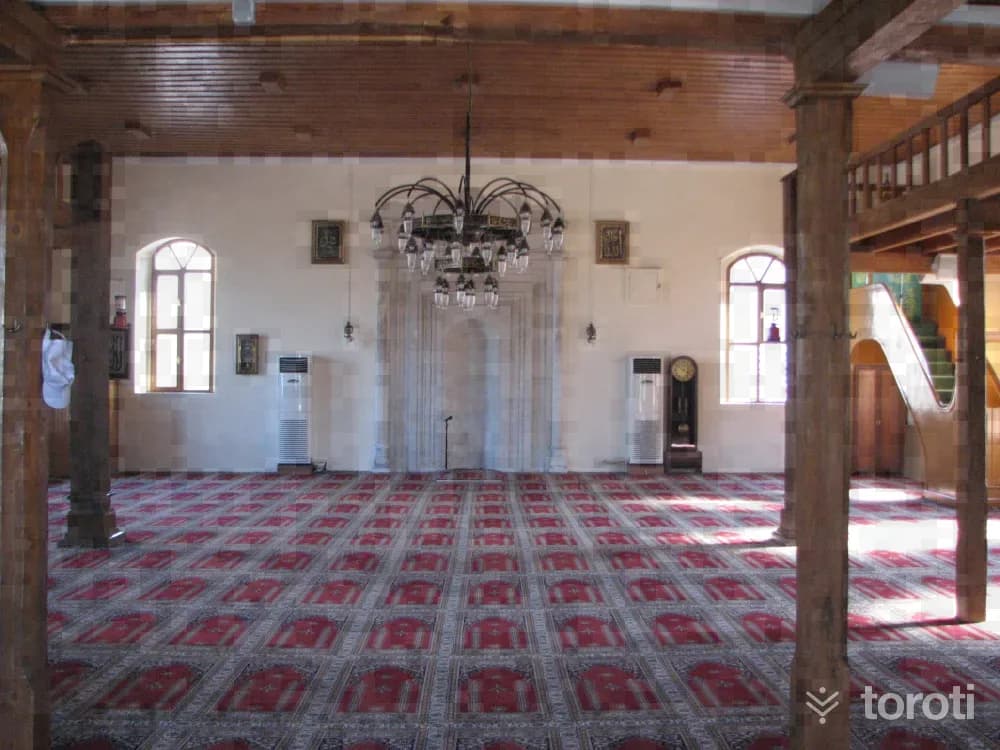
Aziziye Cami / Yalı Cami
Built in wood during the time of Sultan Abdülaziz, when it began to collapse over time, it was rebuilt in 1890 by Kadı Zade Hasan Efendi with cut stone and rubble stone. Its pulpit is quite steep and high. The mosque is three-storeyed, and the edges of the windows and doors are oval.
45 minutes
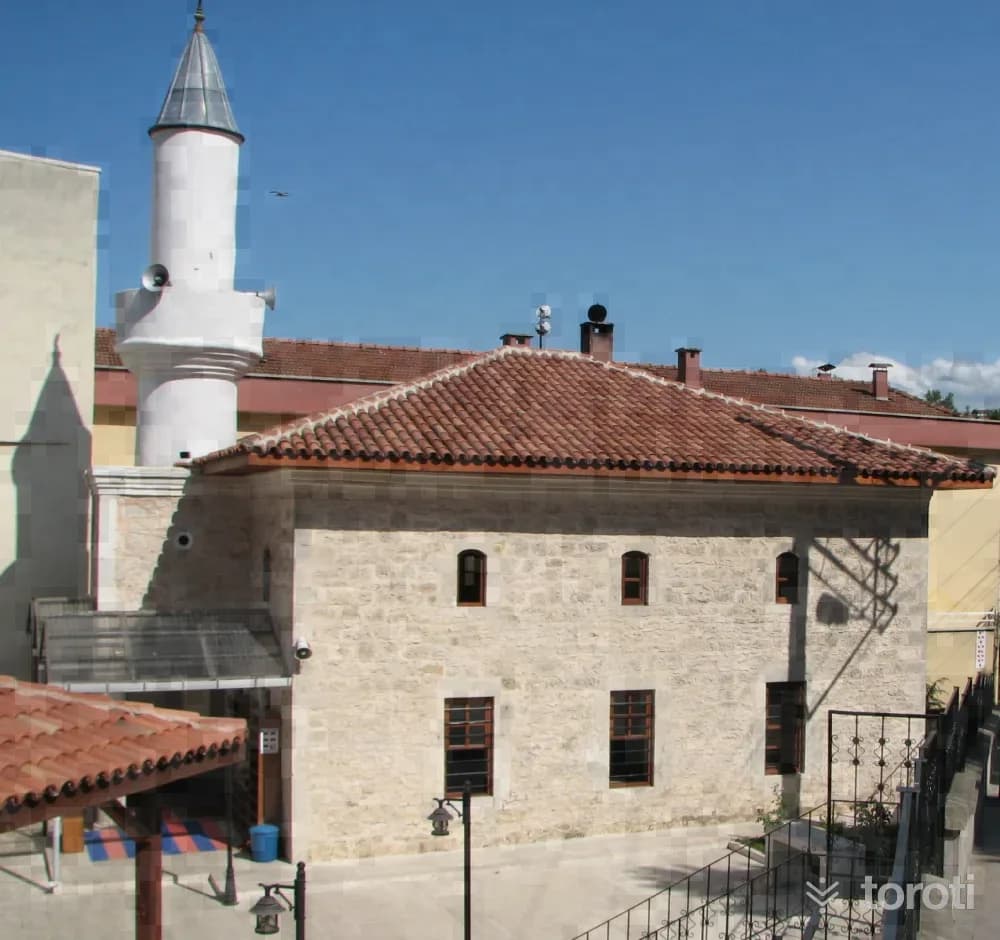
Hamidiye Camii / Hükümet Cami
The construction date of the mosque, located on Hükümet Caddesi, is 1890-1892. It is small and has a square plan. Its exterior structure was built of wood and stone materials. It has an inscription written by the poet from Ordu and former Mayor of Ordu, Tıflı Efendi.
45 minutes
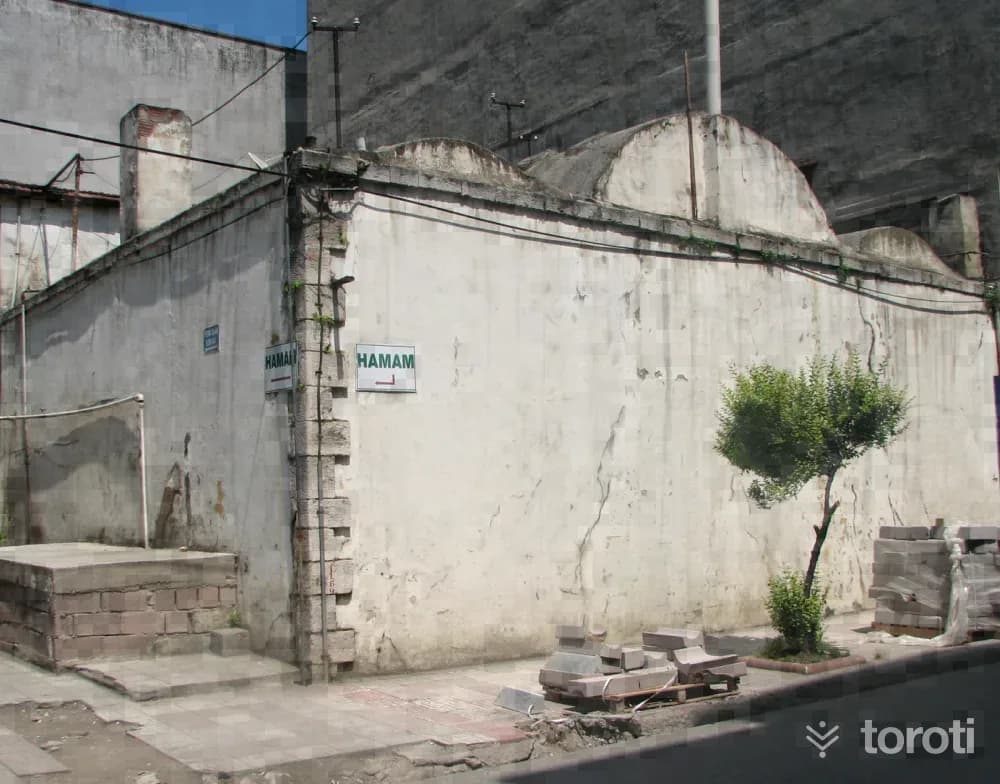
Yalı Hamamı
It is located in Düz Mahallesi in the city center. It has a rectangular plan; its corners are made of cut stone, and the other parts are made of rubble stone. On the axis of the structure there is a large vaulted covering, with small vaulted coverings on the sides. There is a second section adjoining the front part. This section consists of two floors and its upper part is wooden.
45 minutes
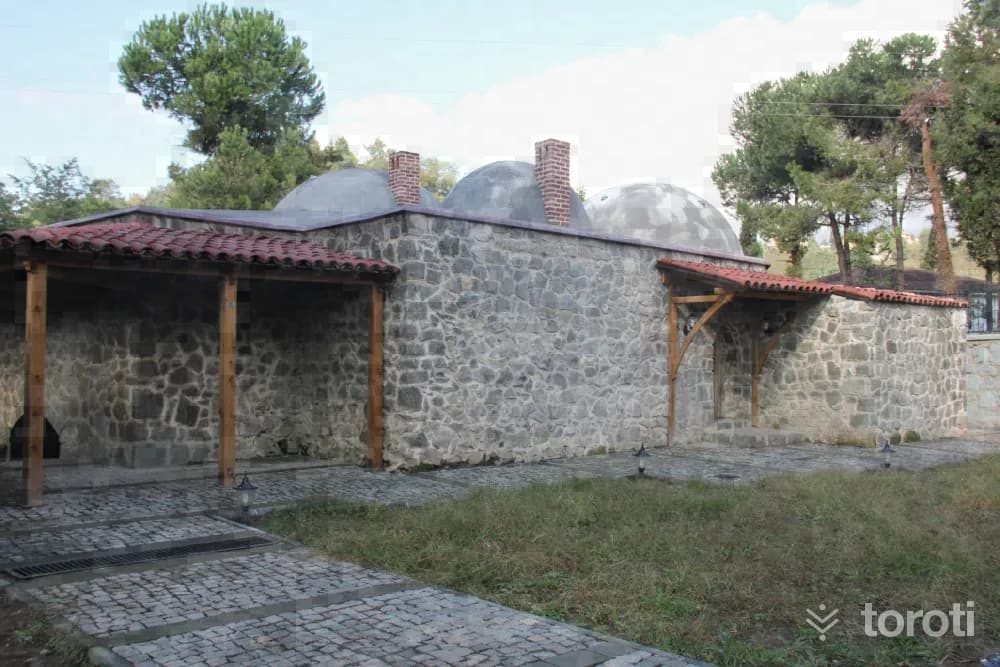
Eskipazar Büyük Hamam
Eskipazar Büyük Hamam is a work built in the 16th century. It has survived to the present day in a ruined condition. Restoration works are being carried out by the Ministry of Culture and Tourism. When completed, it will be a place where old gravestones and stone objects used in the region will be exhibited.
45 minutes
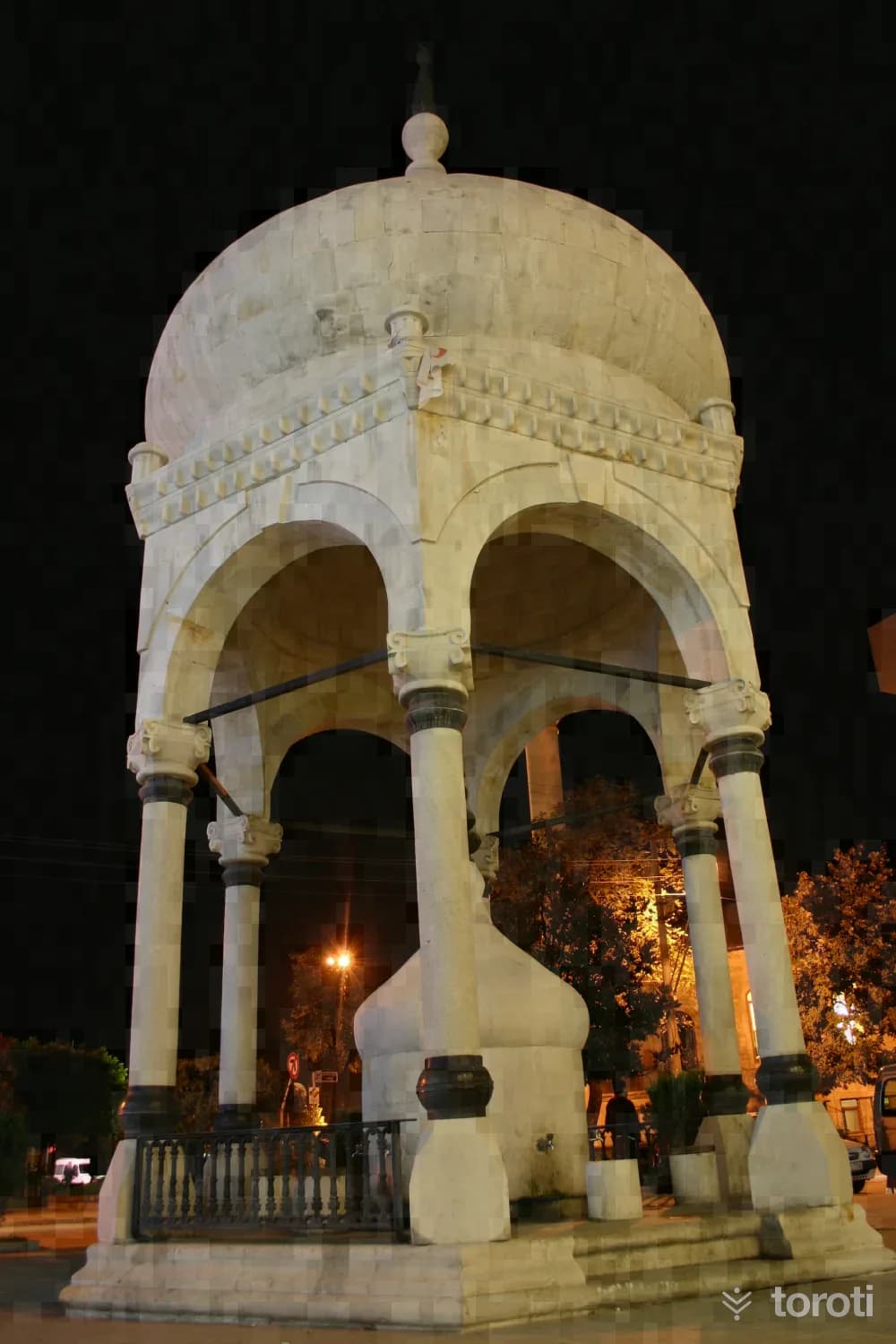
Osman Paşa Şadirvanı
It was originally built in 1842 by Hazinedarzade Osman Paşa, the Governor of Trabzon, who was originally from Ordu. It was demolished in 1937 and rebuilt true to its original form in 1997 under the leadership of Ordu Municipality by the businessman Fahri ÇELEBİ from Ordu. It is the fountain with the tallest columns in our country.
45 minutes
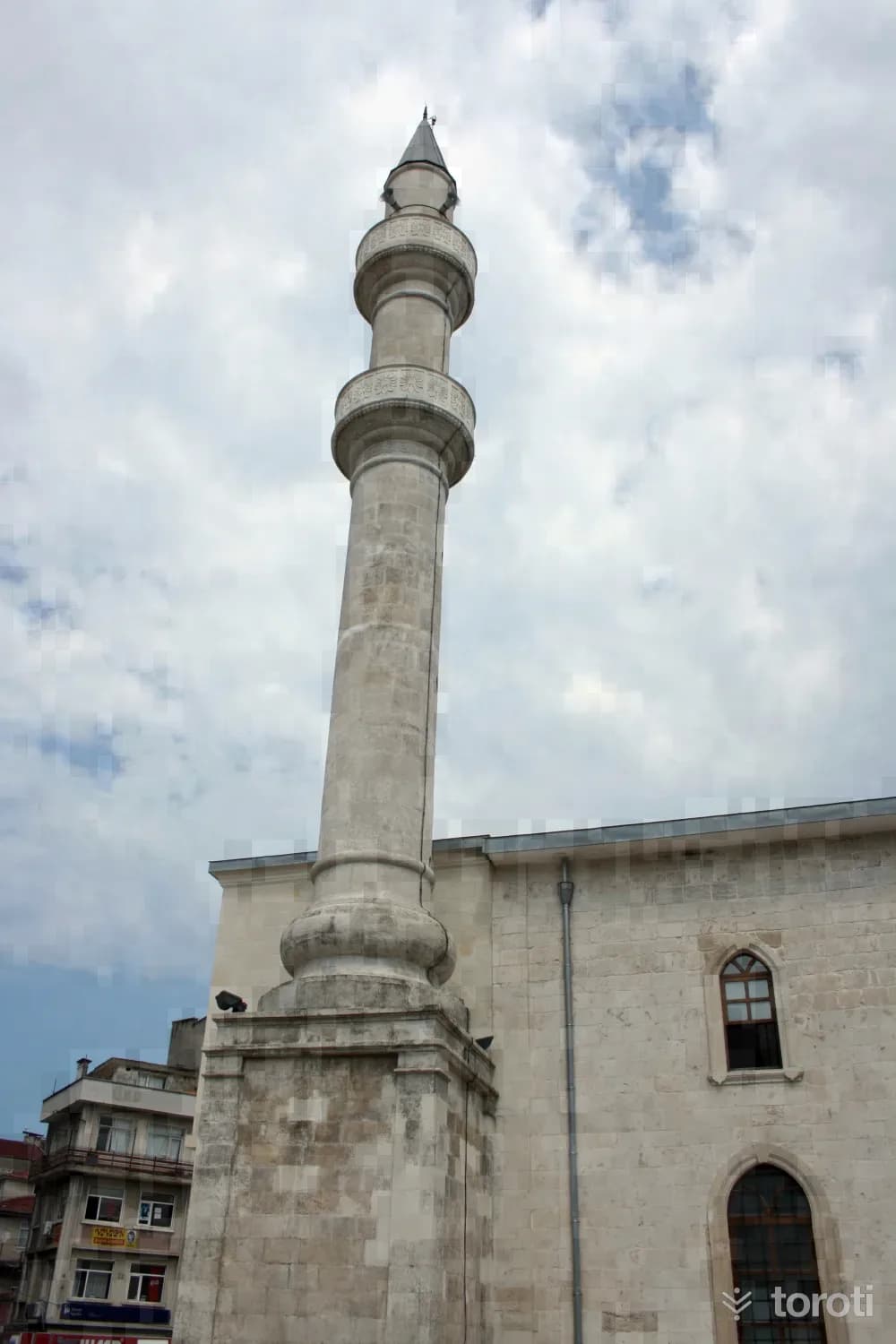
Atik İbrahim Paşa Camii - Orta Camii
The mosque was built in 1770 by Atik İbrahim Paşa as a log mosque, but because it was damaged over time, it was rebuilt in 1802. The mosque has a rectangular plan and a minaret with two balconies. The most beautiful part of the mosque is its mihrab, which was made in the Baroque style.
45 minutes
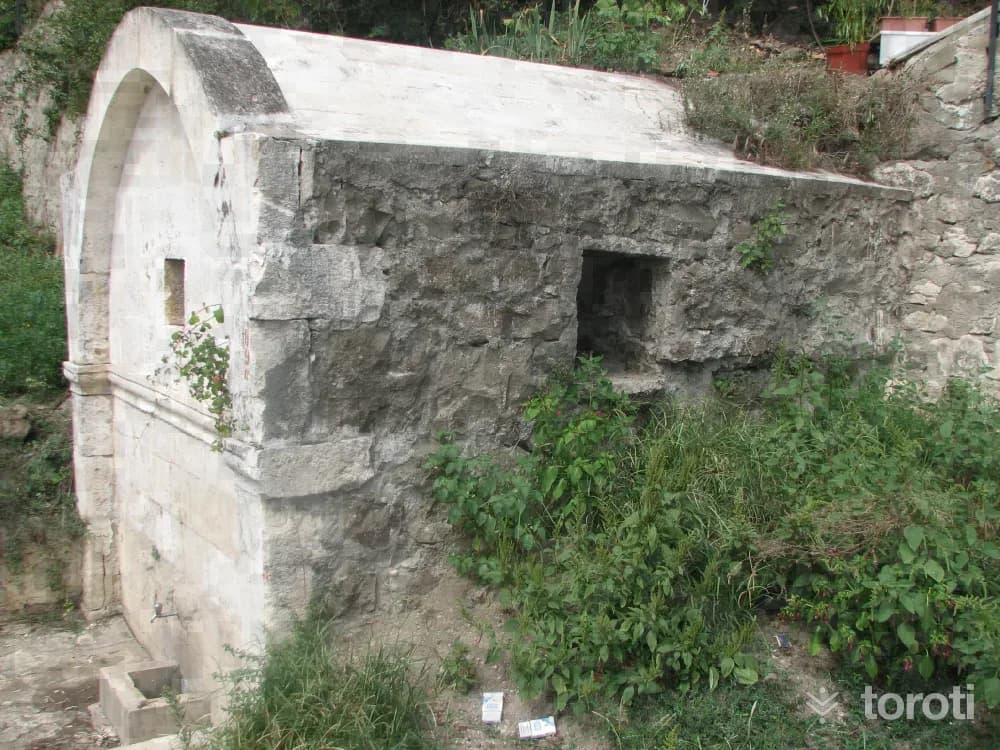
Zaferi Milli Mahallesi Çeşmesi
The historic fountain, located on the road where Zaferi Milli Mahallesi Yüksek Sokak and Çocuk Geçidi Sokağı meet, has been registered by the Cultural and Natural Heritage Preservation Board due to its qualification as an immovable cultural property that requires protection.
45 minutes
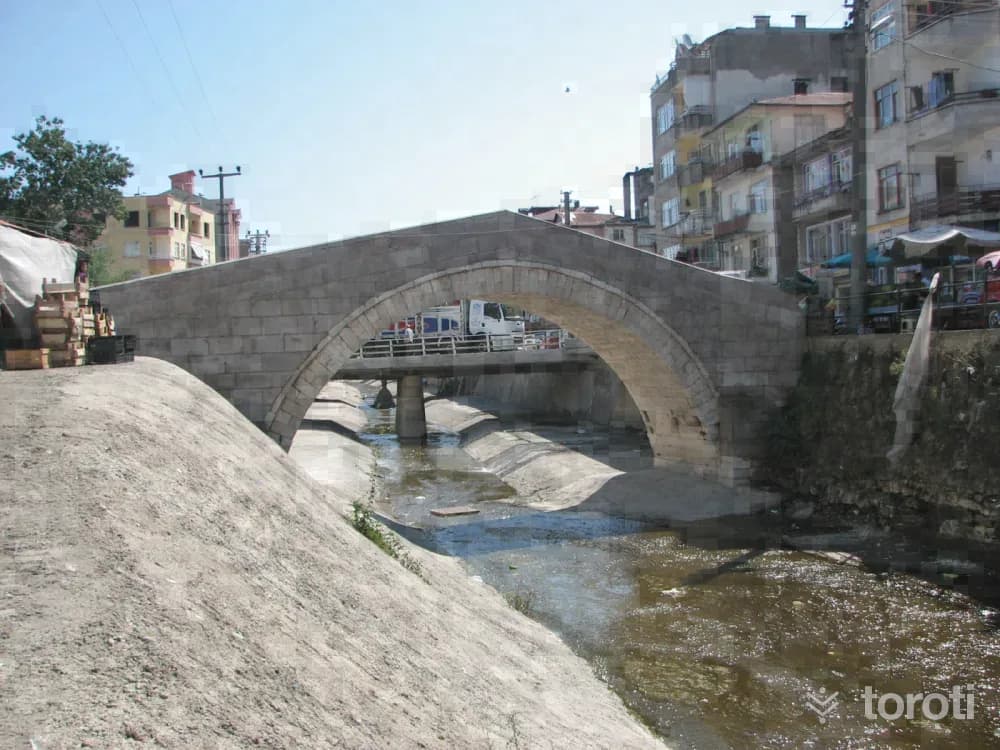
Kemer Köprü
Located over Bülbül Deresi in the center of Ordu, it was built between 1890-1895 of neatly cut stone with a single eave. It has a single-span round arch and a stone-paved base. It was restored in 1982. It is one of Ordu's historic bridges.
45 minutes
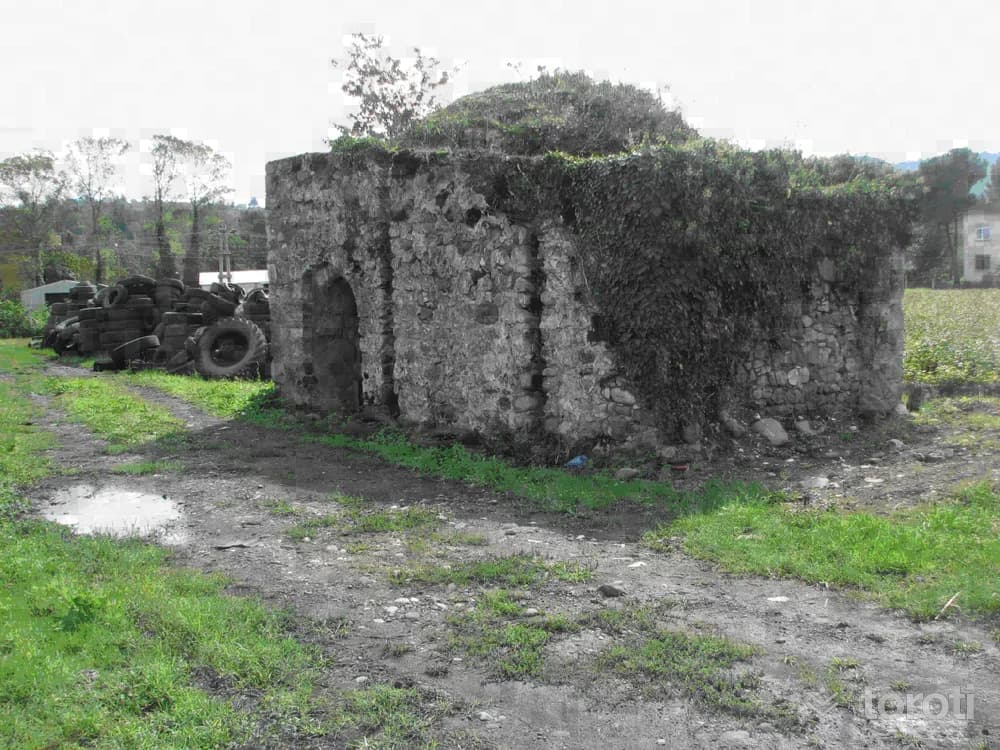
Eskipazar Küçük Hamam
Eskipazar Küçük Hamam is a work built in the 18th century. It has survived to the present day in a ruined condition. When the projects are completed, it will be used as a venue within the Botanical Garden.
45 minutes
Paşaoğlu Konağı
Paşaoğlu Mansion, built in 1896, is a beautiful example of 19th-century civil architecture.
30 minutes
Boztepe
The city of Ordu is spread across the slopes of Boztepe. It is at an altitude of 450 mt. above sea level, and it is a unique pleasure to watch all the beauties of our province and the magnificence of the Black Sea from Boztepe. It is 6 km. from the city center and can be reached by asphalt road or, if you wish, by cable car. There are eating, drinking and resting facilities, as well as forest picnic areas.
60 minutes
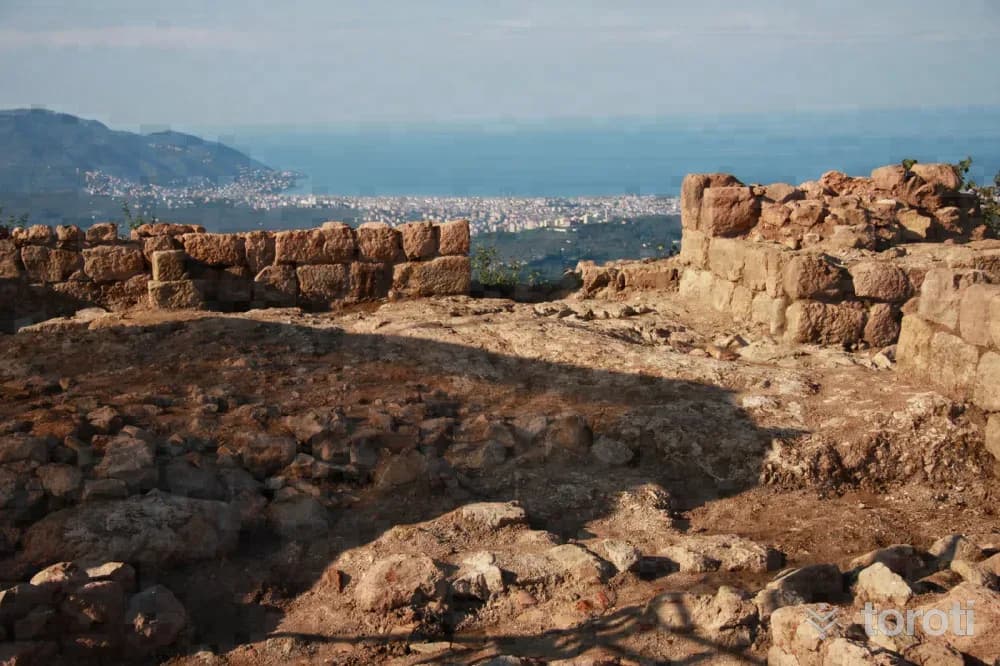
Kurul Kalesi Yerleşkesi
It is an ancient settlement and a 1st-degree archaeological and natural protected site, established on a steep rock located within the borders of Bayadı Köyü, 13 kilometres from the city center. 250 - 300 stairs have been unearthed. Roof tiles made of baked clay and ceramic fragments of wall masonry found during the excavation were examined, and it was determined that settlement took place in the II. and I. centuries B.C. T.C.
45 minutes