Places to visit
Things to do in Kastamonu merkez
20 destinations, each with a description, how long it takes and where it sits on the map.
In short
toroti’s catalogue holds 20 described destinations within Kastamonu merkez, Kastamonu. The themes that come up most: Faith heritage, Museum, Culture, History, Local culture, Archaeology.
Mahmut Bey Camii
It is located in Kasaba Village on the road to the district of Daday, 18 kilometers from the city, in the northwest of the province. It was built in 1366 as a Friday Mosque by Emir Mahmut Bey, the ruler of the Candaroğulları Principality. The exterior walls of the mosque were built of rubble stone, its interior is entirely wooden, and plaster was used only in the mihrab section.
20 minutes
Kastamonu Kent Tarihi Müzesi
The museum, which presents Kastamonu's developments in the process of urbanization to its visitors through photographs, graphics and various objects, also exhibits rare works such as Anatolia's first handmade console piano dating from 1904 and a 40-square-meter carpet woven in 1907 at Kastamonu Sana-i Nefise Mektebi.
45 minutes
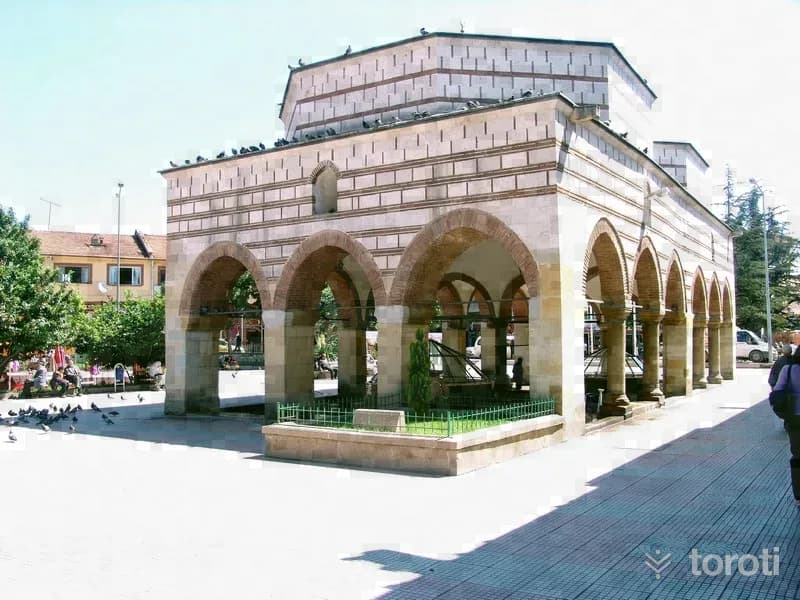
Nasrullah Kadi Külliyesi
It was built by Nasrullah Kadı in 912-1506. The külliye, which includes a mosque, madrasa, fountain and tomb, is owned by the Directorate of Foundations. Mosque: It was commissioned by Nasrullah Kadı in 912-1506. In 1159-1746, it was repaired and enlarged by Reis’ ül Küttap Hacı Mustafa Efendi. During this time, a library and also a madrasa were added. The mosque is still open for worship and is in the position of Kastamonu’s central mosque.
45 minutes
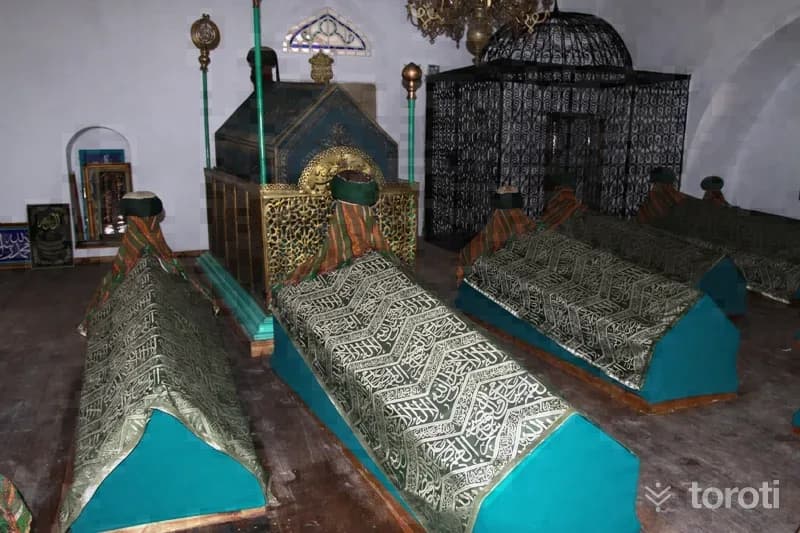
Şeyh Şabanı Veli Külliyesi
Who is Şeyh Şabanı Veli Hazretleri? Şeyh Şabanı Veli Hazretleri was born in 1497 in Cimdar Neighborhood of Çakırçayı Village, connected to Gökçeağaç Subdistrict of Taşköprü District of Kastamonu. In the work titled Sefine-i Evliya, however, his birth date is given as 1499. Şabanı Veli lost his father before he was born, and his mother when he was about three years old. A benevolent lady took Şabanı Veli under her protection and helped him complete his education.
45 minutes
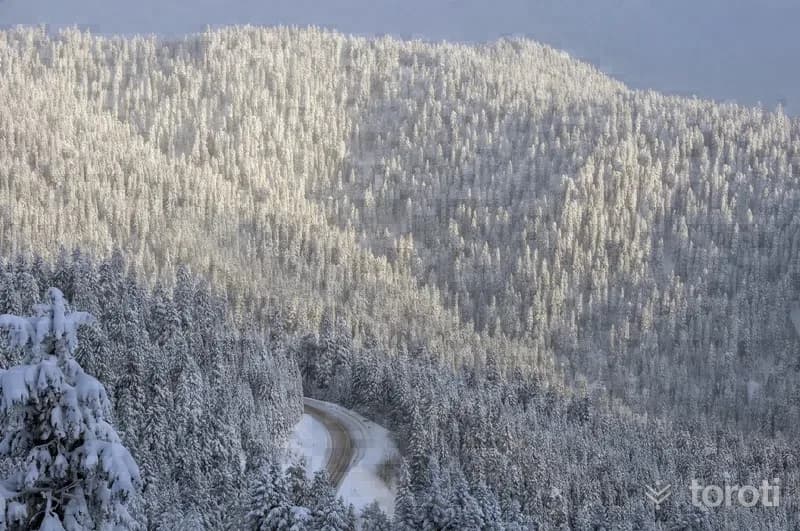
Ilgaz Kiş Sporları Turizm Merkezi
Since the province is surrounded by the Küre (İsfendiyar) Mountains to the north and Ilgaz Mountain to the south, it receives abundant snowfall in winter. Both because of its terrain features and because it receives heavy snowfall, it is highly popular for winter tourism. While a large part of it lies within the borders of Kastamonu Province, it also extends into the borders of Çankırı Province. It is on the Kastamonu – Ankara highway route. The facilities section is 1.5 km from the main road. It is located on Ilgaz Mountain.
45 minutes
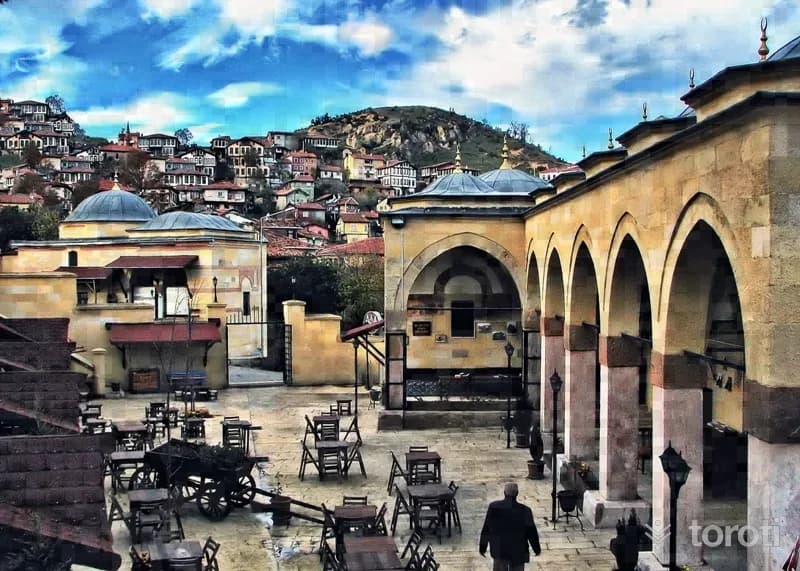
Yakupağa Külliyesi
The initial construction of the külliye began with the mosque commissioned by Halimi Çelebi, the teacher of Yavuz Sultan Selim. Later, in 1547, Yakup Ağa, Treasurer of Kanuni Sultan Süleyman, had the mosque renovated; by having a madrasa, imaret, guesthouse and sıbyan mektebi built next to it, he turned the structure into a külliye. The mosque was built of cut stone, and its domes are covered with lead. Its minaret was built at the southwest corner of the mosque.
45 minutes
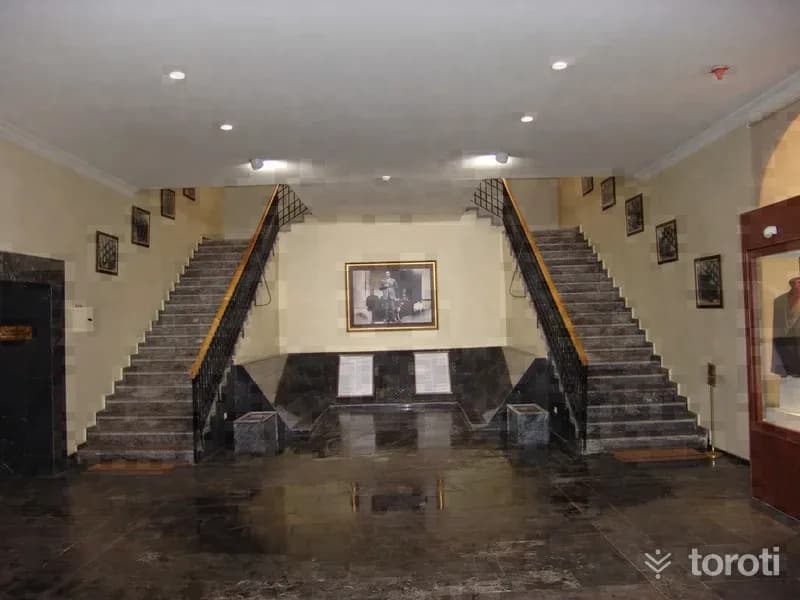
Kastamonu Arkeoloji Müzesi
The museum building located in the city center of Kastamonu was designed by Architect Kemaleddin Bey and was built in 1917 as the Union and Progress Club. The building, which served as the Independence Tribunal in 1921, also functioned as the buildings of Türk Ocağı, Halk Fıkrası and the Kastamonu Youth Organization until 1945. On 30 August 1925, after İnebolu, Mustafa Kemal Atatürk delivered his second speech here regarding the hat and clothing reform.
45 minutes
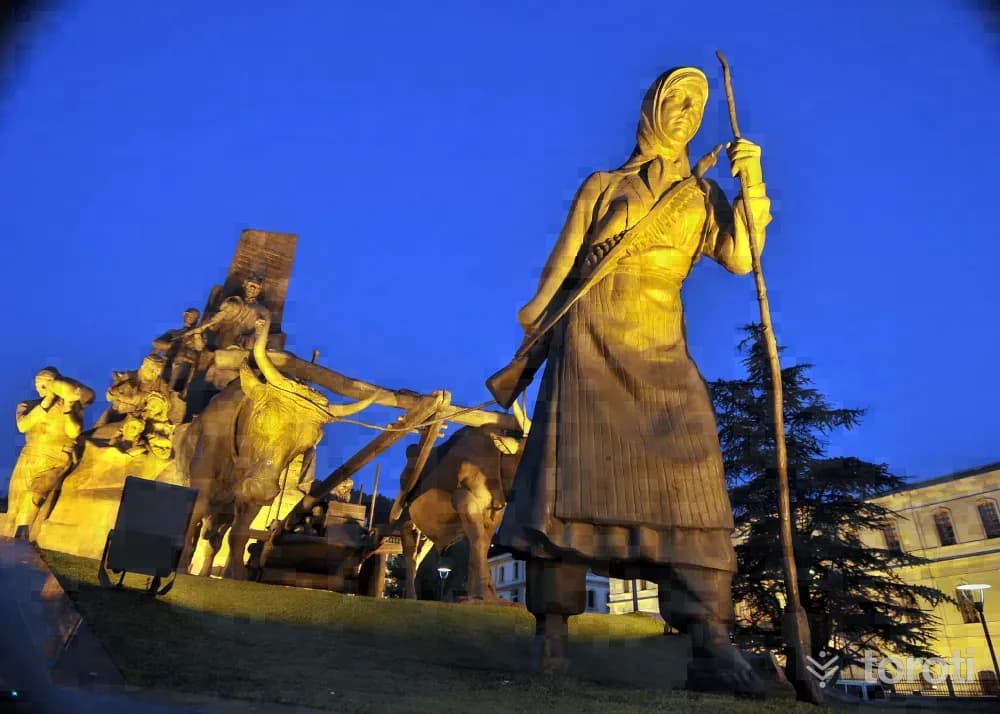
Atatürk Ve Şerife Bacı Anıti
Who is Şerife Bacı? Martyr Şerife Bacı represents the heroic Turkish woman who carried ammunition from İnebolu to Kastamonu in the War of Independence. In December of 1921, when severe winter conditions prevailed, Şerife Bacı came as far as the front of the barracks with her child on her back and her ox cart in front of her, and she froze to death in order to protect the ammunition and her child.
45 minutes
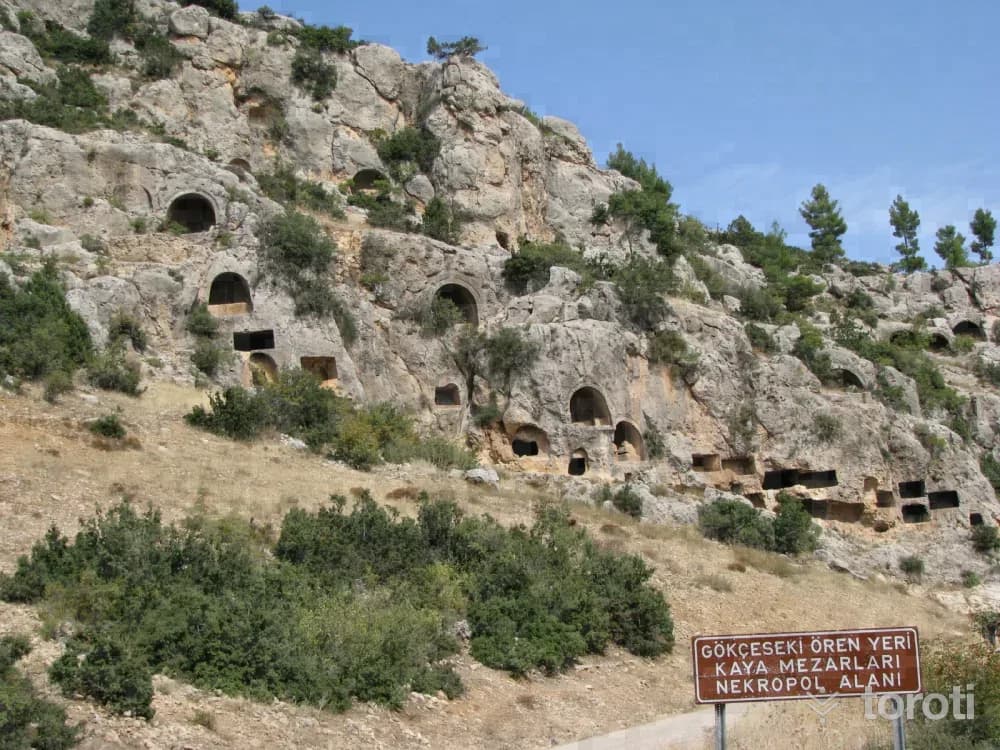
Gökçeseki Örenyeri
It is located on the slopes of the southern hill of the two hills situated to the north of Gökçeseki Village in Ermenek District of Karaman Province. Within the Örenyeri located on the southern, eastern and western slopes of the hill, there are foundation remains of many structures, architectural pieces, abundant pottery fragments, and a stepped sacred area at the very top of the hill.
45 minutes
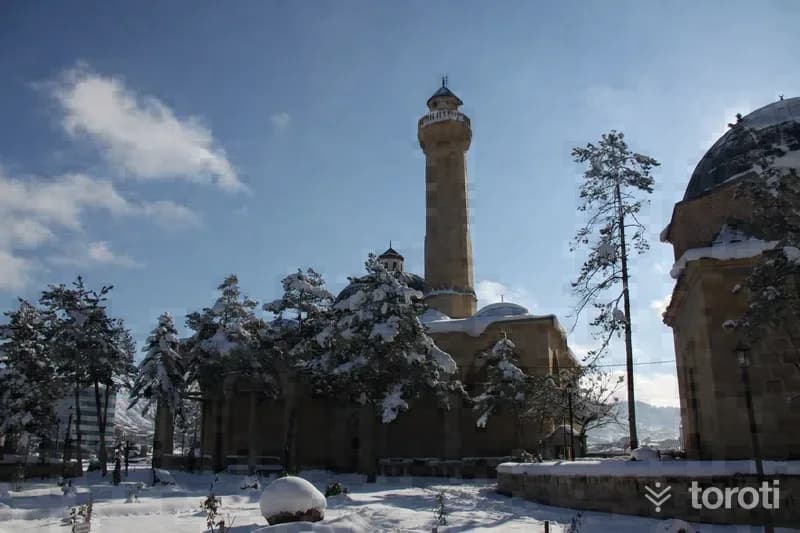
İsmailbey Külliyesi
Located in İsmail Bey Neighborhood in the city center, the külliye is situated on Şahinşah Rock, which has two rock tombs dating to the 7th century BC. Within the külliye, commissioned by İsmail Bey, the last ruler of the Candaroğulları Principality, there is a group of structures consisting of a mosque, tomb, madrasa, inn, bath and library, displaying the finest examples of the art of the beylik period.
45 minutes
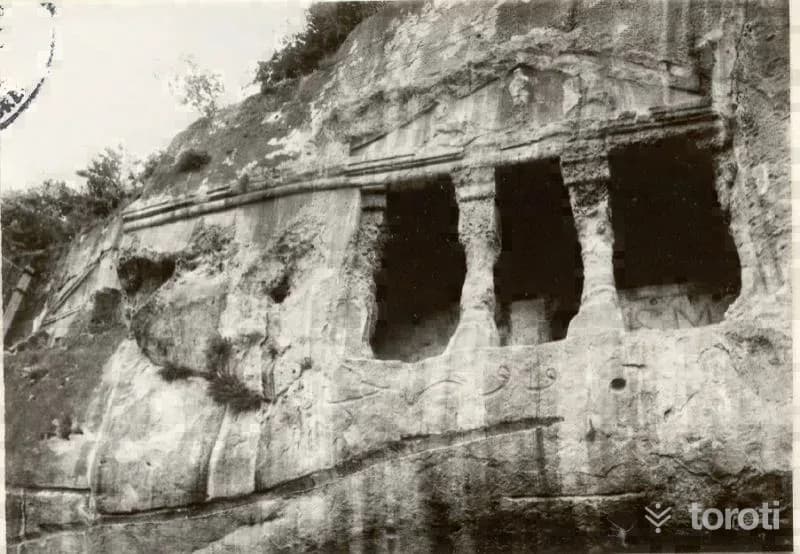
Evkaya Mezarları
It is located immediately south of the city center, on the surface of a bedrock mass below the Industrial Vocational High School. There are a total of 8 rock tombs in the area, three of which are monumental. Two of the monumental tombs contain two burial benches each in their burial chambers. The Evkaya Tomb, which gives its name to the area, attracts considerable attention with its columned front facade and the depiction of “Potnea Theron” – “Goddess Mistress of Animals” on its pediment. The tombs B.C.
45 minutes
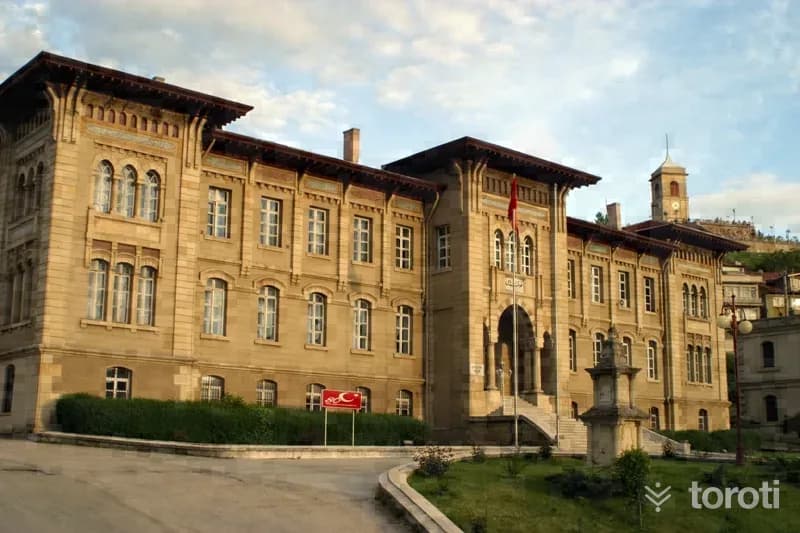
Kastamonu Hükümet Konağı
Together with the monumental public buildings from the 19th century around it, the building forms a texture belonging to the past and was built in 1902 by Architect Vedat Tek, one of the founders of national architectural structure. Built as 2 storeys above the ground floor, the building stylistically carries an eclecticism of western classicism and Ottoman orientalism in its exterior wall decorations and window shapes.
45 minutes
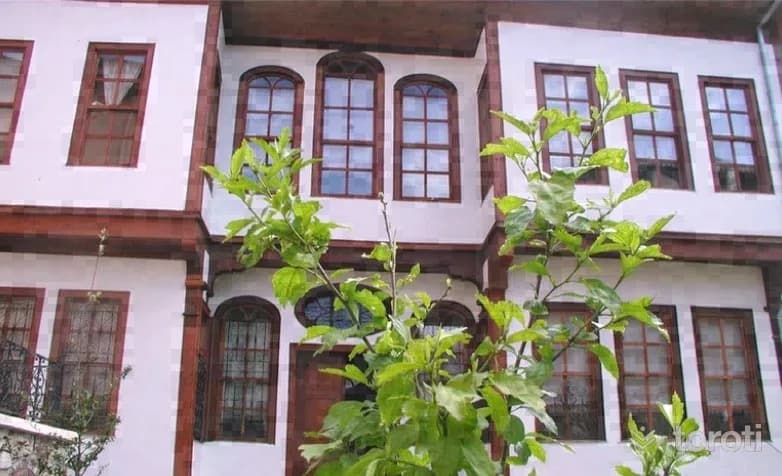
Sepetçioğlu Konağı
Kastamonu Sepetçioğlu Konağı has a nearly square rectangular plan. The building consists of a basement, ground floor and first floor. It is the finest example of its period. Work began with roof repair on 25.11.1998, restoration began on 22.06.1999, and the restoration was completed on 23.09.2000. It was allocated to the Turkish Education Volunteers Foundation, headquartered in İstanbul, to carry out activities for the public and students in the neighborhood.
45 minutes
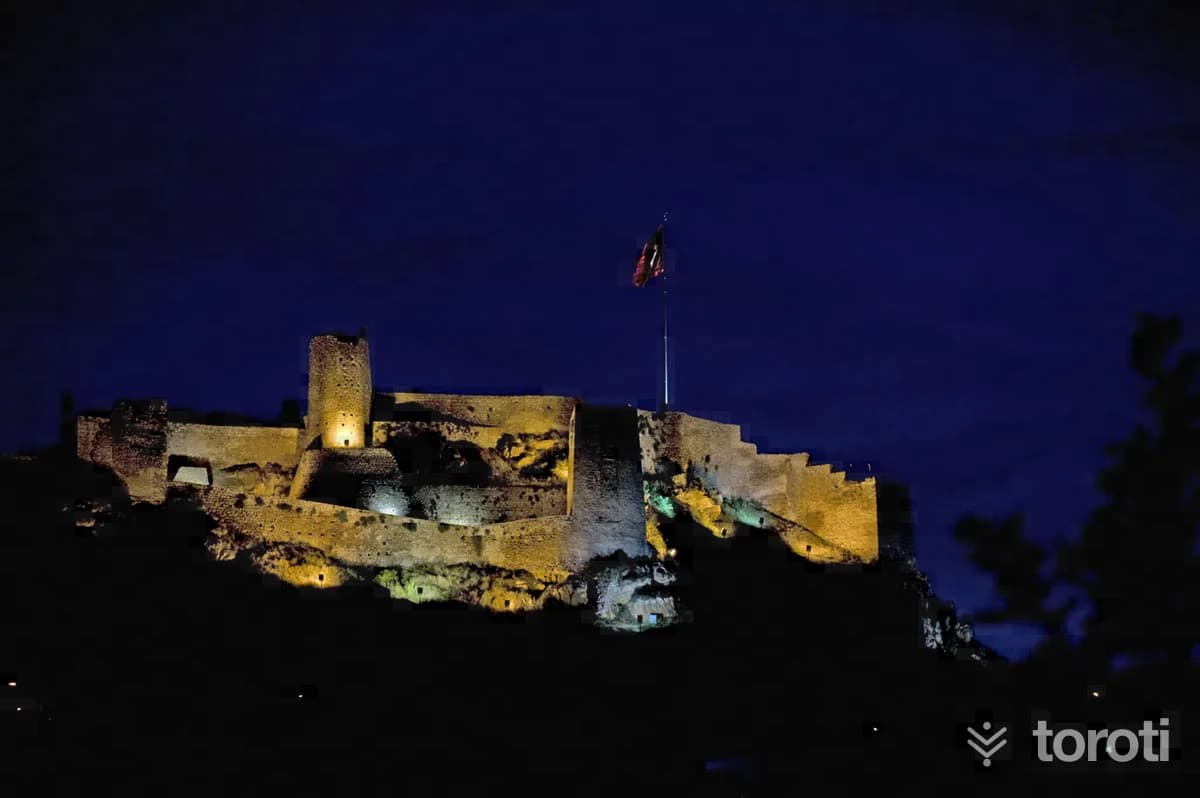
Kastamonu Kalesi
The castle stands like a crown over the city from its highest point, as one of Kastamonu’s main symbols. Located on a main rock mass in the west of the city, the castle was built by the Komnenos in the 12th century A.D. Of the original structure, only the inner castle section has survived to the present day.
45 minutes
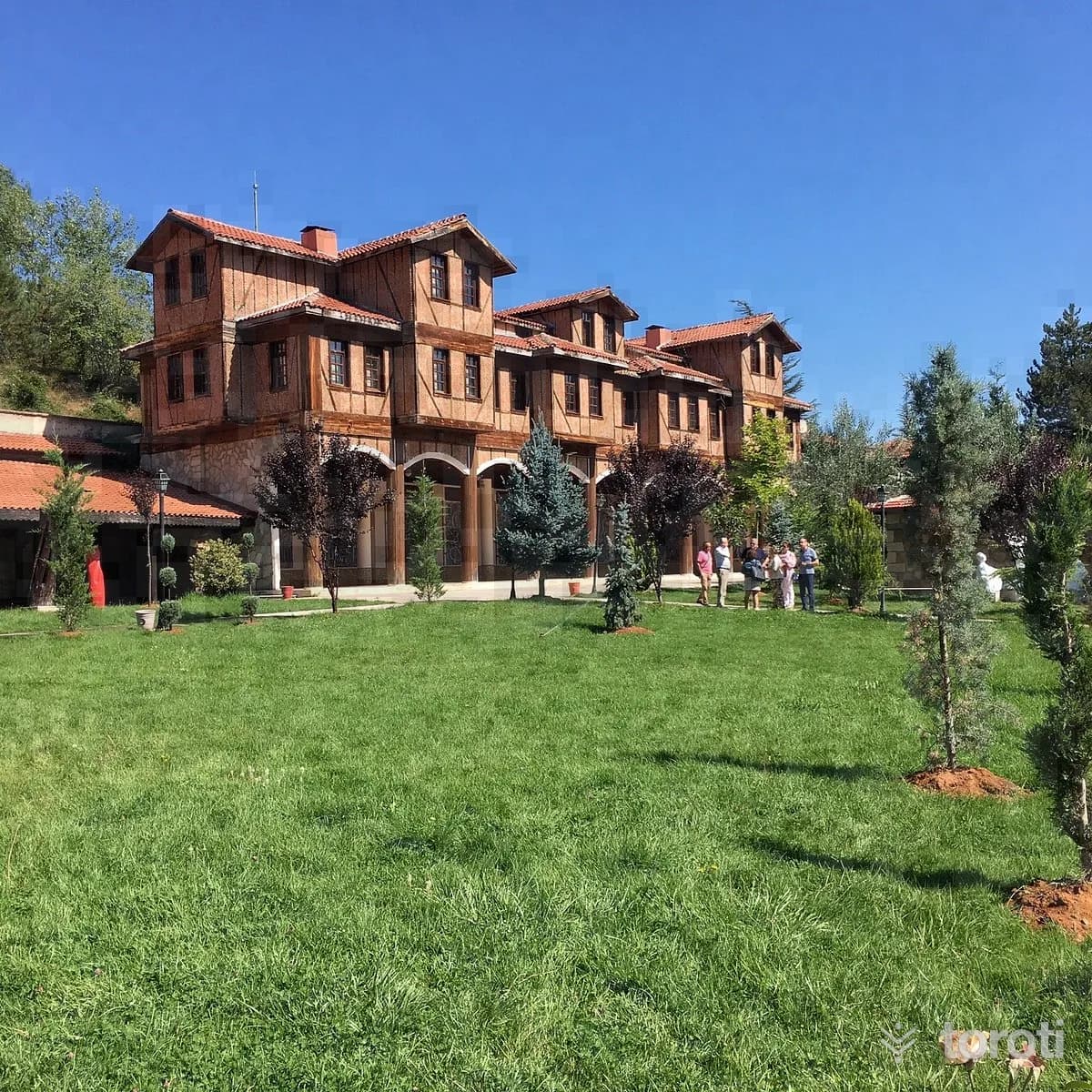
Mimar Vedat Tek Kültür ve Sanat Merkezi
It was opened on 31 Ekim 2008 as a comprehensive venue that sheds light on the past from another perspective. Within this venue are the Cumhuriyet Evi, the Hat and Lace Museum, which is a first in Türkiye, the Atatürk Exhibition Hall, the Bebek Evi, and the Art Gallery.
60 minutes
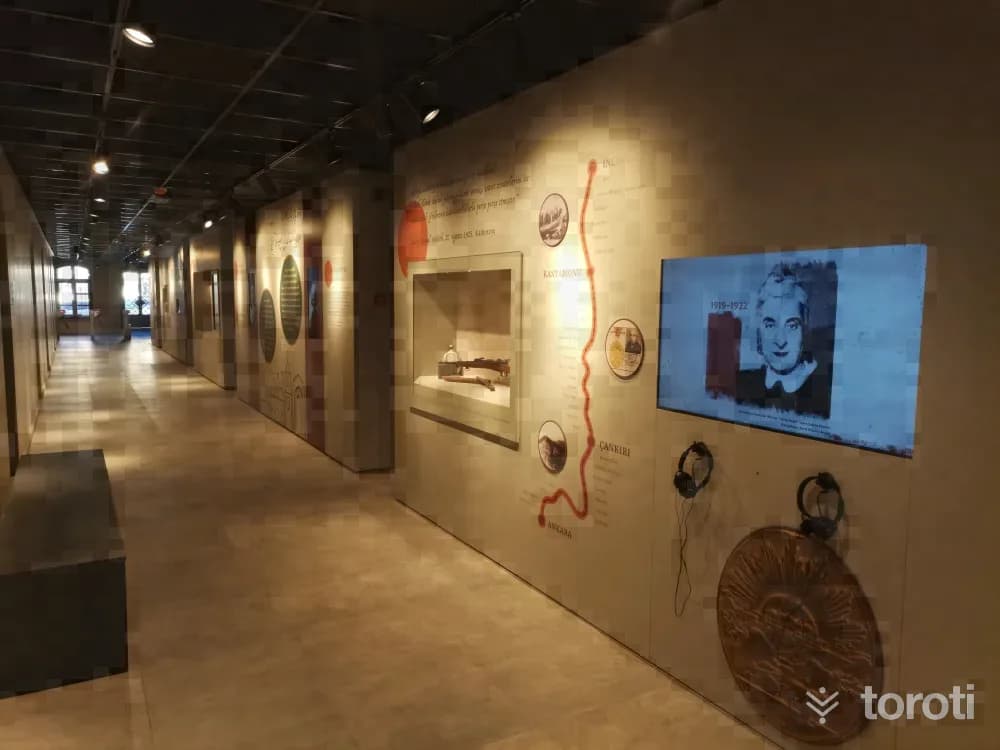
Kastamonu Kent Müzesi
Kastamonu City Museum was established in 2002 under the name “Kastamonu City History Museum” as the first provincial-scale city archive and documentation center in Turkey, in line with the recommendation decision of the Historical Cities Union, with the aim of carrying out work for the “preservation of urban memory,” creating an archive, and exhibiting urban culture.
45 minutes
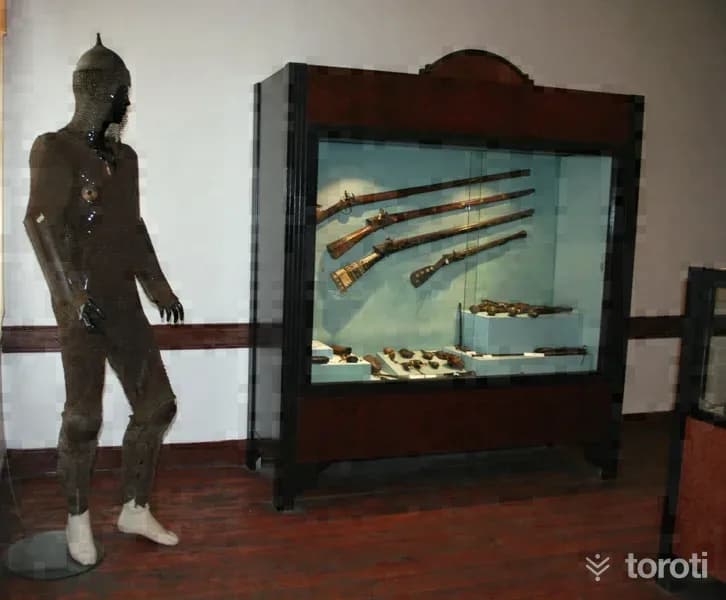
Livapaşa Konağı - Etnografya Müzesi
The Ethnography Museum serves in Livapaşa Mansion, one of the rare works among the examples of Kastamonu civil architecture. Livapaşa Mansion was built as a residence by Mir Liva Sadık Paşa, who was the Head of the Kastamonu Military Branch, in the years 1879-1881. Built as three storeys over a basement, the mansion sheds light on the 19th-century way of life with its 22 rooms, 6 halls, double-sided staircase, and the bath and kitchen on the basement floor.
45 minutes
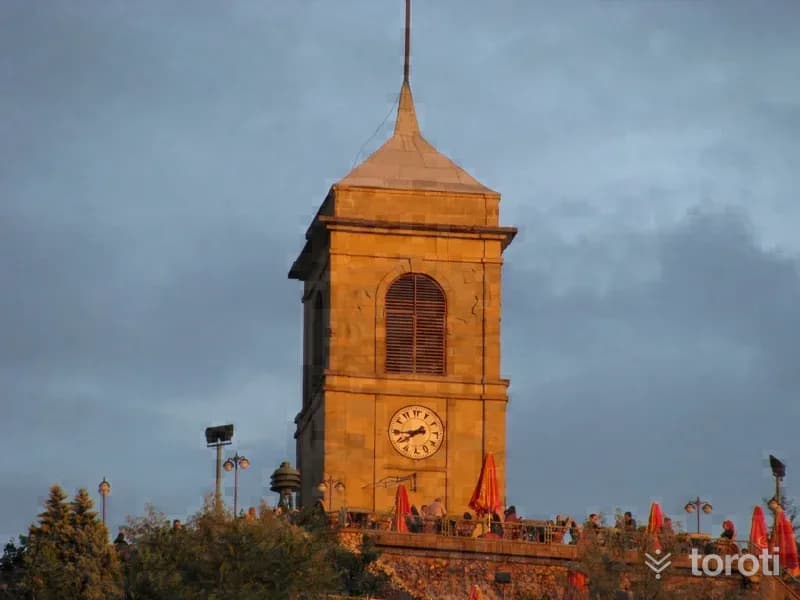
Kastamonu Saat Kulesi
Located behind Kastamonu Hükümet Konağı, on Sarayüstü Tepesi, the structure is one of the city’s most important symbols. Built in 1885 by Governor Abdurrahman Paşa, the structure has a living legend among the public that it is an exiled clock. According to the legend, the untimely ringing bell of the clock located in İstanbul Sarayburnu causes one of the sultan’s pregnant concubines to miscarry. For this reason, the clock tower is exiled to Kastamonu.
45 minutes
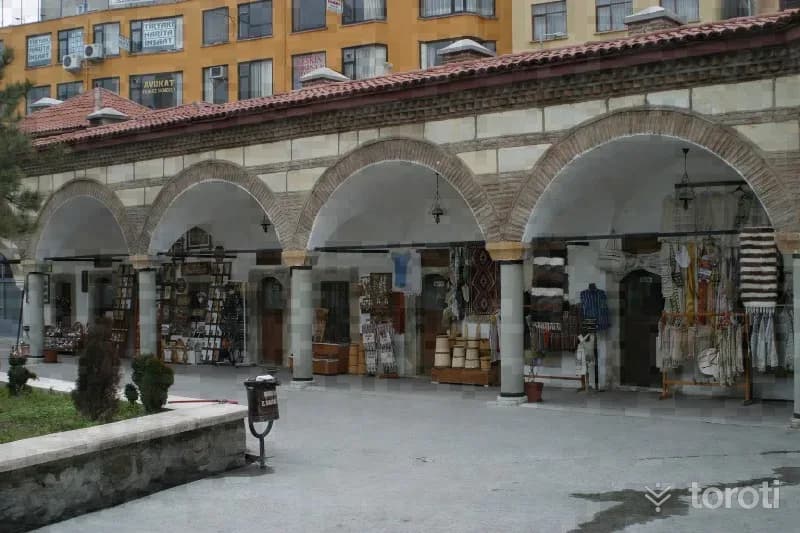
Münire Medresesi El Sanatları Çarşısı
The madrasa located behind Nasrullah Camii was commissioned in 1746 by Reisül Küttab Hacı Mustafa Efendi. The building was opened to tourism in 2001 with the arrangements made by the Governorship of Kastamonu. In the 21 shops inside the madrasa, all kinds of traditional handicrafts belonging to Kastamonu can be found, and it is also possible to have a wide-ranging tour extending from medicinal herbs and products of the region to Kastamonu local cuisine.
45 minutes
Arkeoloji Müzesi
The Archaeology Museum is an important museum that sheds light on the history of the region with artifacts collected from Kastamonu and its surroundings.
45 minutes