Places to visit
Things to do in Çemişgezek
17 destinations, each with a description, how long it takes and where it sits on the map.
In short
toroti’s catalogue holds 17 described destinations within Çemişgezek, Tunceli. The themes that come up most: History, Faith heritage, Local culture.
Yeni Hamam
According to the inscription above the entrance door on the south facade, this structure, stated to have been commissioned by a person named Hacı Bayramoğlu Hüseyin between 1701-1702, was built on a rectangular plan in the east-west direction and consists of the soğukluk, sıcaklık, ılıklık and külhan sections. The structure was built with smoothly cut stone and brick materials.
20 minutes
Meydan Çeşmesi
It is in the square of Ulukale Village. Based on the forms of the arches and the details in the structure, it is thought to have been built in the late 16th century and early 17th century. The structure, made of cut stone, is in the form of an iwan with a pointed arch resting on small corner columns.
20 minutes
Yelmaniye Cami / Medrese Cami
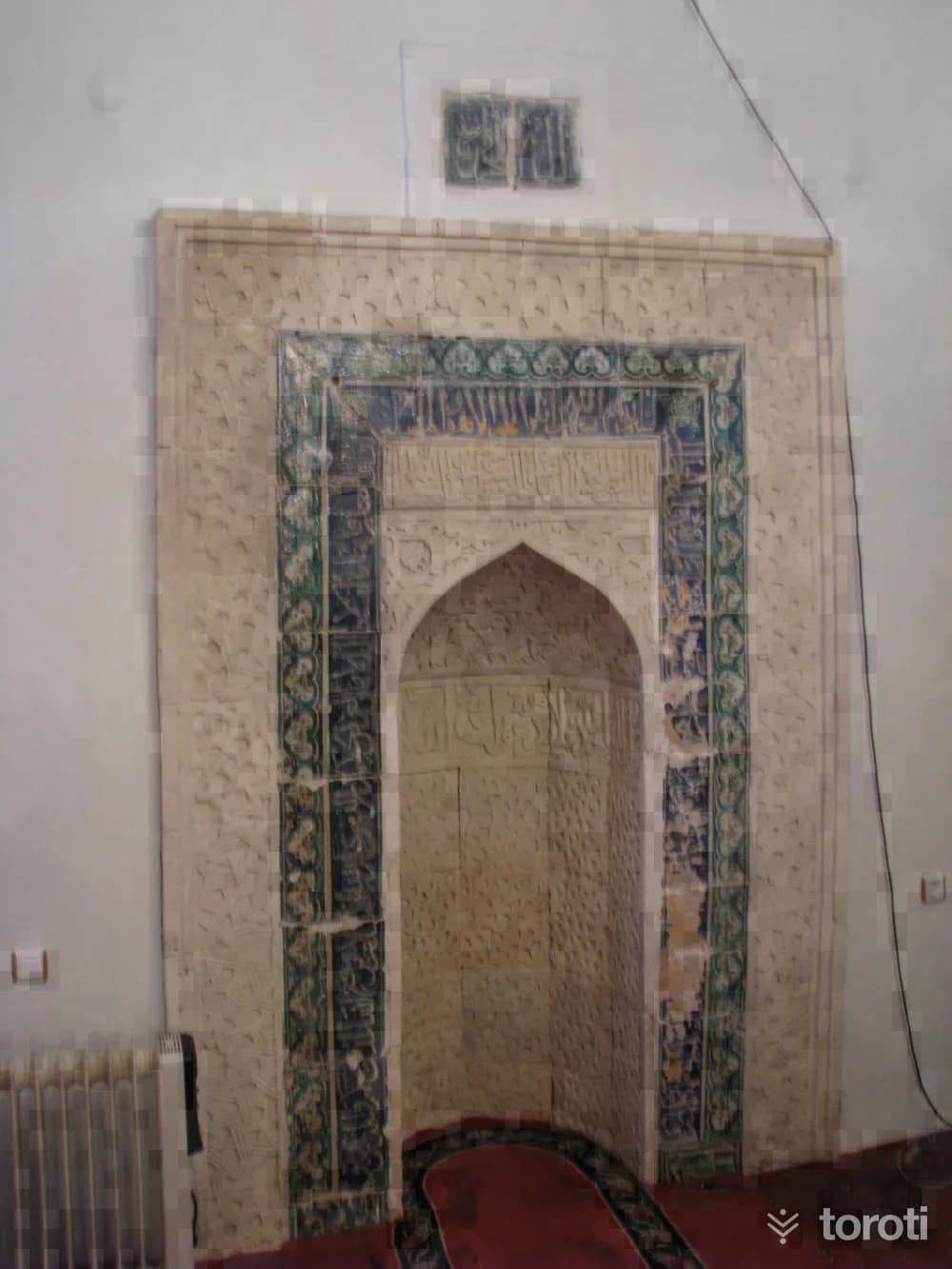
The mosque, located on a hill dominating the district in Tepebaşı (Medrese) Neighborhood of the Çemişgezek district center, is thought to have been built as a madrasa by Emir Taceddin Yelman bin Keykubat bin Halit el-Kürdi during the time of Timur between the Hijri dates 800-809. In its inscription; “Emere-i bi imaret ül medresetü’l mübareketü el Melik-ül Adil Tacüddin Yelman bin Keykubad bin Halid el kürdi fi eyyami Timurhan min Maveraünnehir haledallahu devlet hüma Sene sitte semane.
45 minutes
Süleymaniye Camii / Kale Cami
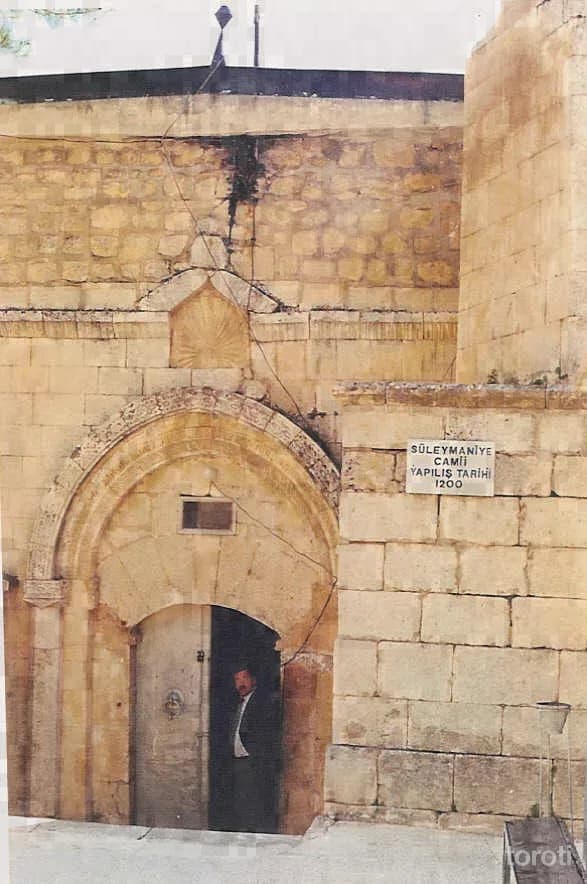
There is no inscription giving the construction date of the mosque, nor is there any information about the structure in historical sources. When the structure is evaluated in terms of its plan, material and technical characteristics, it reflects the regional architectural style that began with the Great Seljuks and continued with the Artuqids. We know that construction activity increased in Çemişgezek, which was given to Pir Hüseyin by Yavuz Sultan Selim after the “Battle of Chaldiran” (1514) in the region.
45 minutes
Ulukale Camii
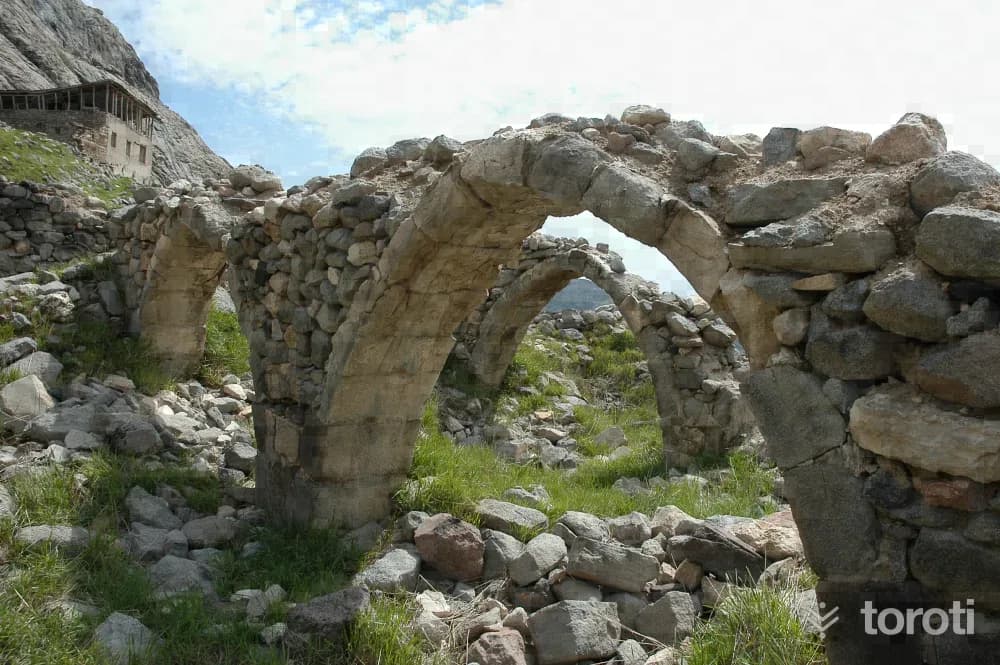
The mosque located in Çemişgezek Ulukale Village is a rubble-stone structure squeezed in among houses. The mosque, built in 1793, is entered through the later-added last congregation area. The entrance door is not on the central axis but shifted to the side. The main space is divided by piers into four naves transversely. The interior and exterior of the flat-roofed structure are plain. According to old records, it was a foundation of Yusuf Paşa, who served as Governor in Diyarbakır, and was commissioned in Hijri 1208 (1793–1794).
45 minutes
İn Delikleri / Derviş Hücreleri
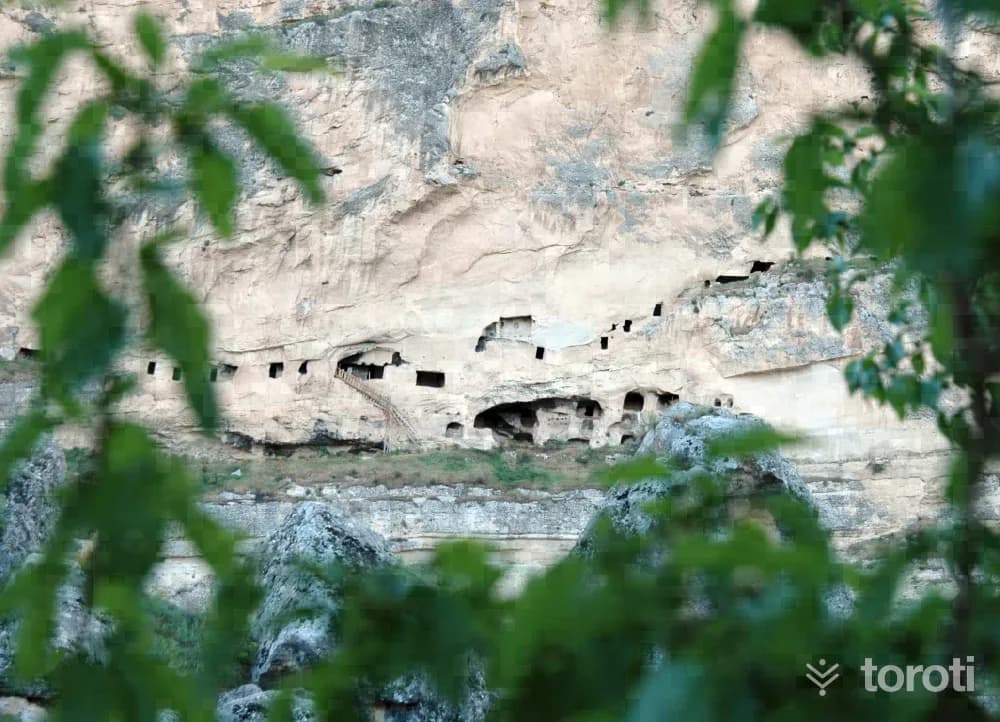
There are around 20 rooms carved for residential purposes into the steep limestone rocks extending upward in the Tahar Stream Valley, to the west of the Çemişgezek district center. It is not known by whom the cave holes were made. It consists of rooms arranged in three levels, large windows illuminating these rooms, and long corridors. The rooms were made 2.5 meters wide and 1.7 meters deep.
45 minutes
Uzun Hasan Türbesi
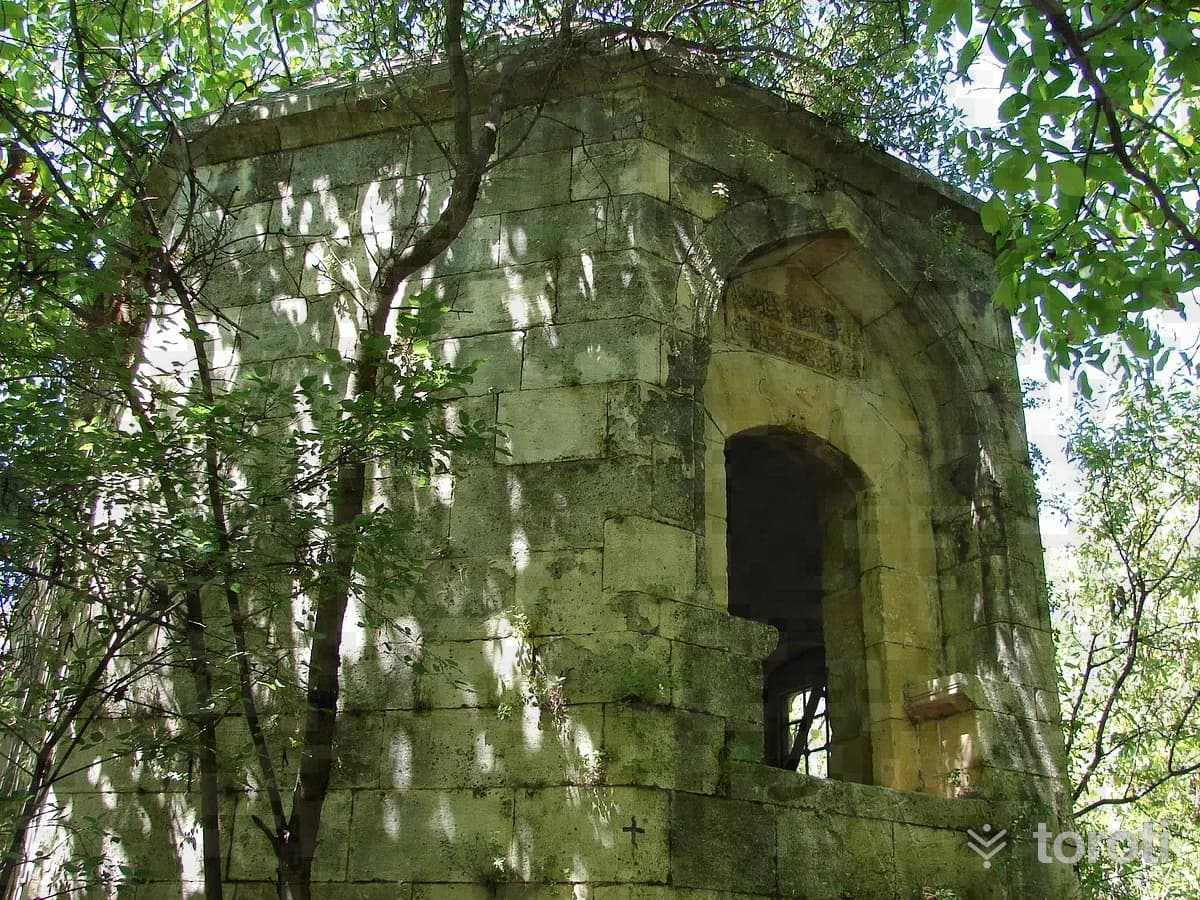
At the entrance of the district, in Tekya Mevkii, it is an octagonal-plan structure built on a massive rock. The two-storey tomb, made of cut stone, is covered inside and outside with a pyramidal roof. Although it is popularly believed to belong to the Akkoyunlu ruler Uzun Hasan, according to the information written in the inscription of the tomb, it is understood that the tomb was actually commissioned in 1572 for Şah Bey, son of Behlülbey, and his two sons.
20 minutes
Hamidiye Medresesi
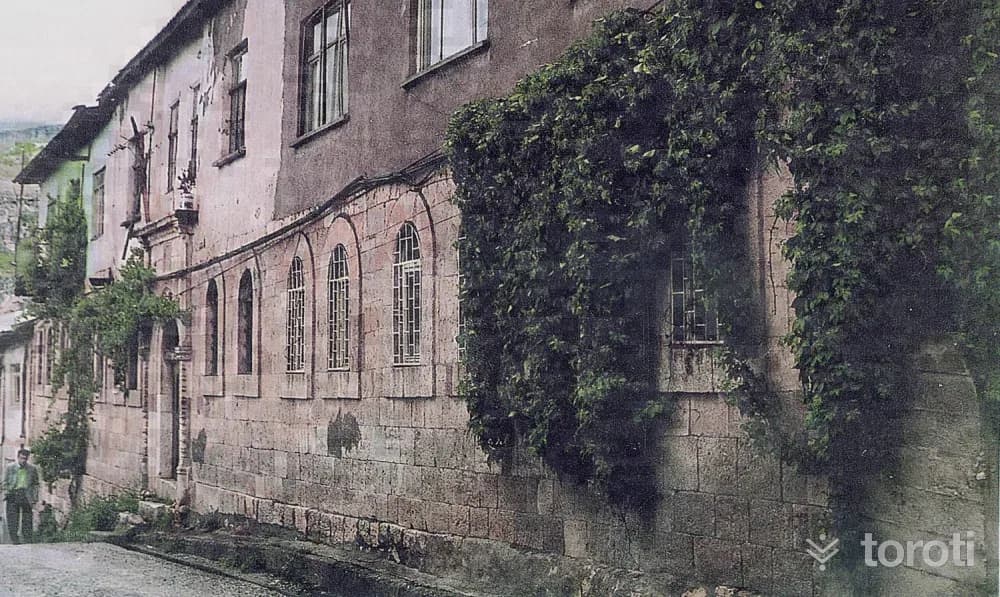
It is understood from the inscription of Hamidiye Medresesi, located in the district center of Çemişgezek, that it was built during the time of Sultan II.Abdulhamit in 1861-1862.
45 minutes
Tahar Köprüsü / Yusuf Ziya Paşa Köprüsü
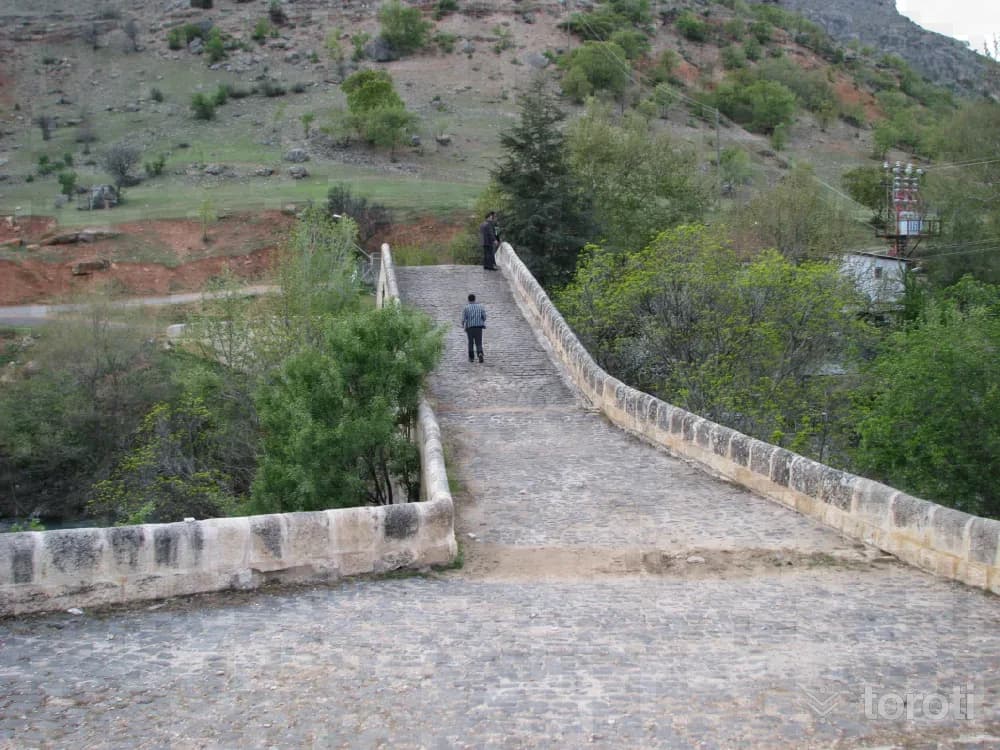
In the Tekya locality, the stone bridge over Tahar Stream consists of a single pointed arch. The inscription of the bridge, commissioned by Yusuf Ziya Paşa, shows the date 1807. According to one source; it is understood that it was repaired in 1902 by the Governor of Diyarbakır, Akif Paşa. The bridge, which has a single span with a pointed arch, was built of cut stone. On the upper part of the bridge, there are railings 70 centimeters high on both sides.
45 minutes
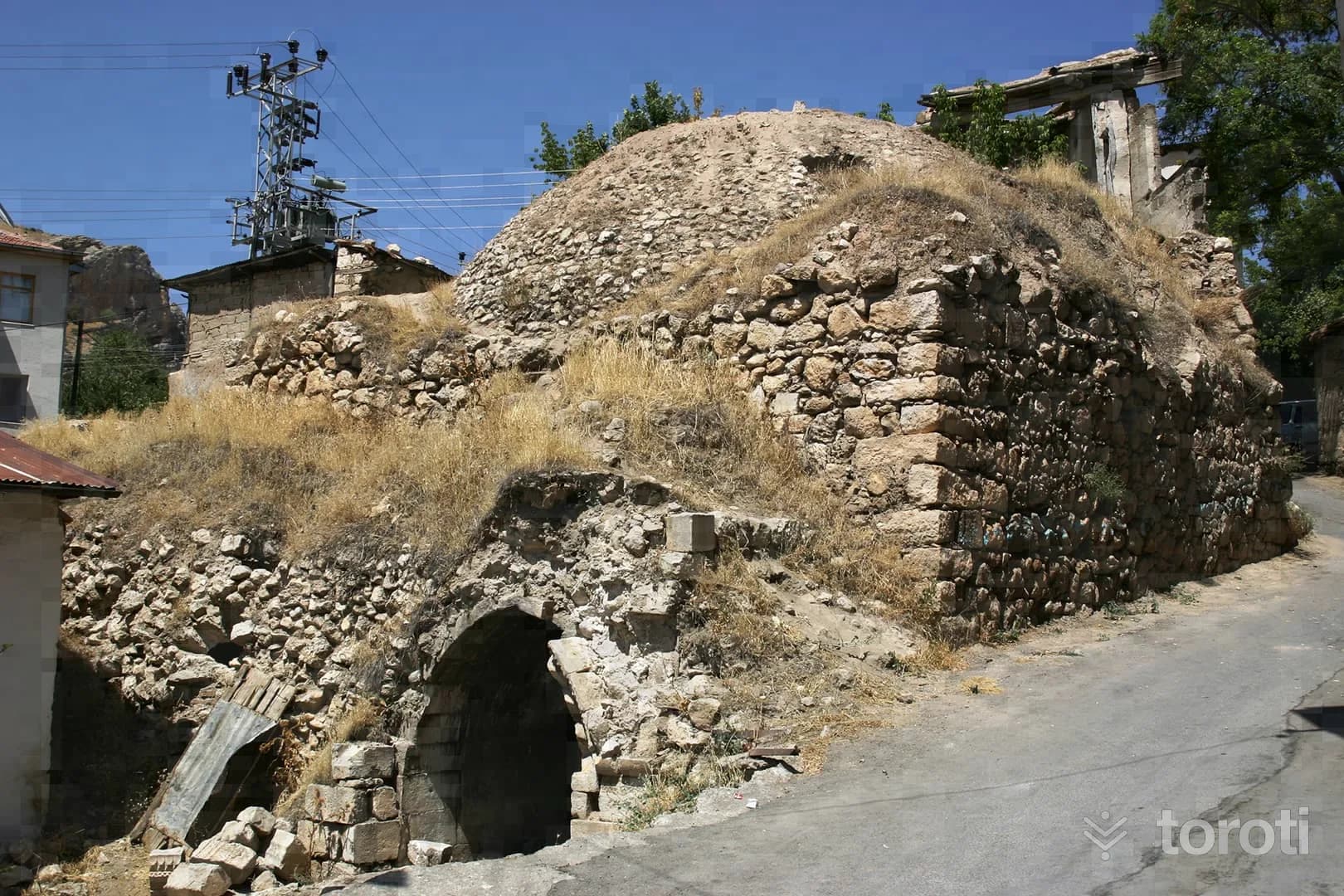
Hamam-ı Atik (Eski Hamam)
From the two inscriptions in Turkish and Arabic at the entrance of the structure, located in the bazaar in the district center, it is understood that the bath was built in the 15th century and underwent repairs in the 18th century. It is the only structure definitely known to have survived from the period of the Akkoyunlu, who ruled in Çemişgezek for a long time. The bath, built with a mixture of cut stone, rubble stone, and brick, consists of a central domed section and barrel-vaulted spaces opening onto it on the sides.
20 minutes
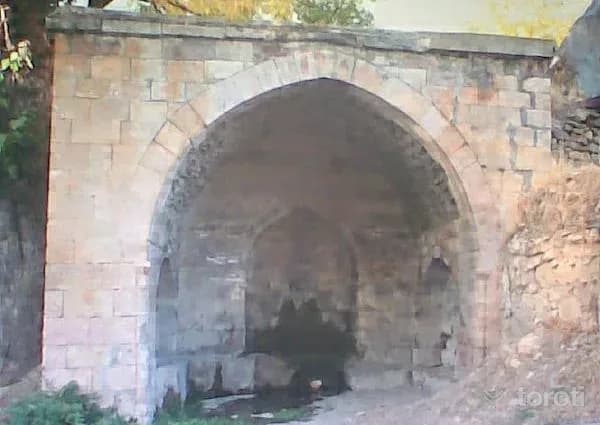
Meydan Çeşmesi
There is no inscription on this fountain, which is located in the square of Ulukale Köyü in the Çemişgezek district. For this reason, its construction date and patron are unknown. Based on its architectural style, it is thought to have been built at the end of the XVIth century or at the beginning of the XVIIth century. The fountain is made of cut stone and has a pointed arch resting on corner columns. At the same time, the side walls of this fountain, which is in the form of an eyvan, have been given a lively appearance with arched niches. The eyvan wall was built of two-colored cut stone.
45 minutes
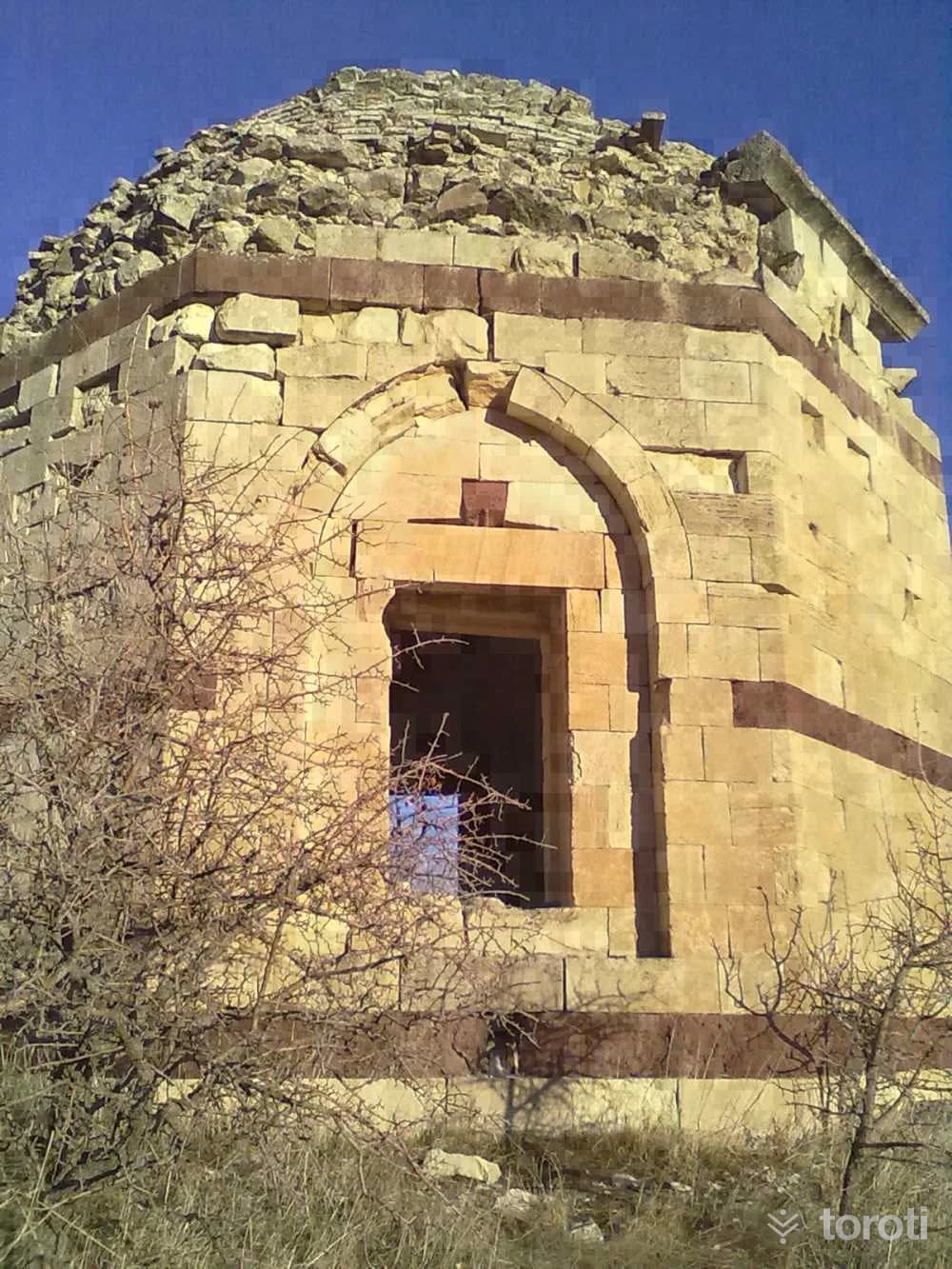
Ferruh-Şad Bey Türbesi
Ferruh Şad Bey Tomb is located in the district of Çemişgezek. According to the information in its inscription, the tomb, which was built between 1550-1551, was constructed in the name of Emir Ferruh Şad Bey. The tomb has an octagonal architecture, and cut stone was used during its construction. Its architecture is quite in keeping with the Seljuk tomb tradition.
20 minutes
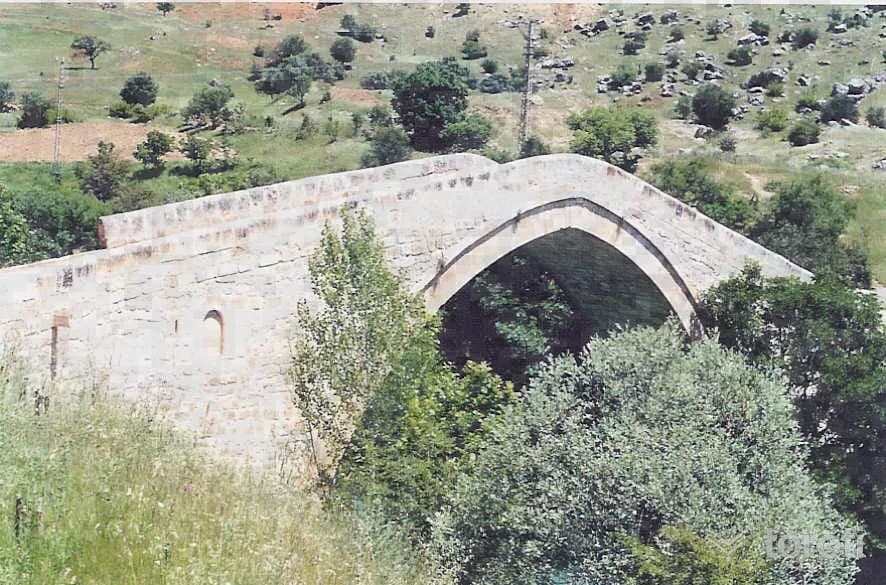
Sivdin Köprüsü
The stone bridge over Karar Deresi consists of a single arch resting on the rocks on both banks of the water. Its parapet walls are made of rubble stone. The structure is dated to the 12th or 13th century.
45 minutes
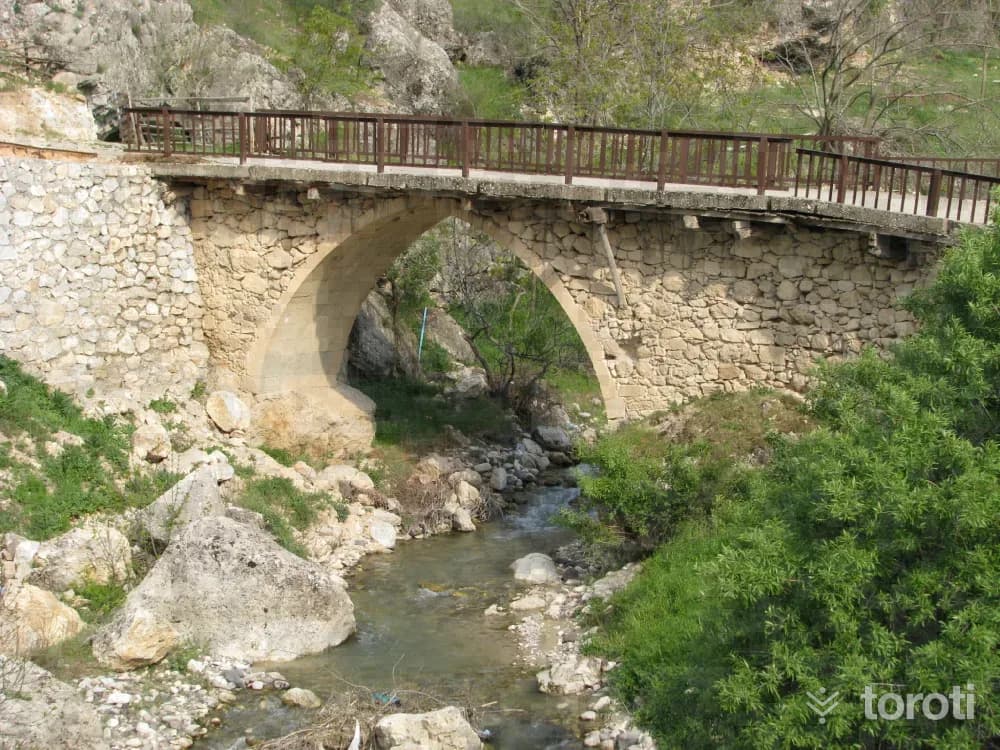
Aşağı Köprü
The historic bridge, which in the past provided transportation between the district center and the southern plain villages, was built in 1203. Today, it is not used for transportation purposes.
45 minutes
Pulur Höyüğü
In the excavations that began in 1968 at Pulur Höyüğü, located on a natural hill to the northeast of Pulur Köyü, which remained under Keban Baraj Gölü, 11 building layers from the Late Neolithic/Early Chalcolithic Period to the Early Bronze Age were identified. It was understood that layers 6-9 and 11 had undergone fire. Obsidian and animal bones were found in the cultural layer of the Late Neolithic/Early Chalcolithic Period.
45 minutes
Yeniköy Höyüğü
It is 3 kilometers north of Laluşağı Village, which remained under Keban Dam Lake, to the east of Pulur (Sakyol). Four building levels were excavated in the settlement, also known as Gâvur Höyüğü. In the mound, where a large part of the Byzantine and Roman remains on the hill were dismantled by villagers, there are few architectural remains from earlier periods, but many ceramic finds. There are also black and burnished vessels or vessels with red or dark brown decoration on a cream-colored ground.
45 minutes
Çemişgezek Kalesi
A small part of one wall of the castle, built on a hill on the bank of Tahar Çayı to the west of the Çemişgezek district center, has survived to the present day. It is not known when the castle, built of cut stone and rubble stone, was constructed.
45 minutes